When clothes come off at the wrong times — and shame has never once helped.
You're in the middle of a family gathering. Or the grocery aisle. Or school pickup. And before you can react — your child's shirt is off, or pants are around their ankles, and the stares begin. You've tried everything. Bribery. Consequences. Constant vigilance. Still it happens. They are not choosing this.
Act I — The Emotional Entry
You Are Not Failing.
"You are not failing. Your child's nervous system — or social understanding — is speaking the only language it currently knows."
People say: "Just make them keep their clothes on." As if you haven't tried. As if your child is choosing this. This page exists to give you a different answer — one grounded in neuroscience, evidence-based practice, and the lived reality of millions of families navigating this exact challenge.
Pinnacle Blooms Consortium®
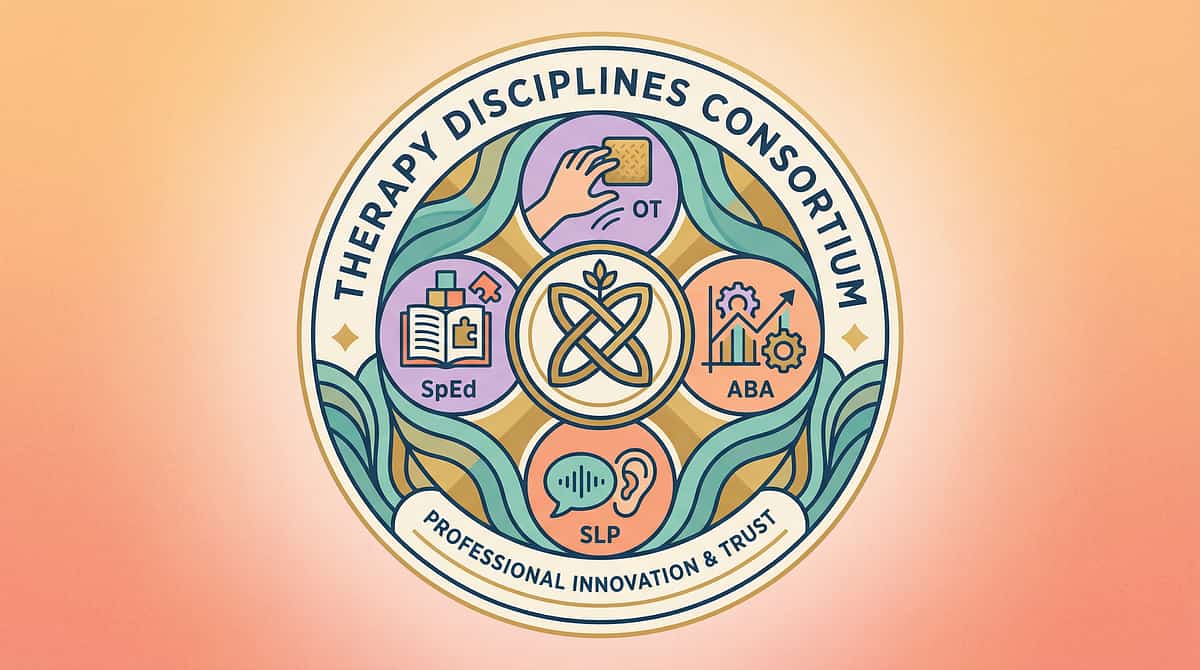
OT + ABA + SLP + SpEd + NeuroDev
Age Range
2–14 years
Domain
D — Self-Regulation & Adaptive Behaviour
Episode
421 of 999
WHO Nurturing Care Framework (2018): Responsive caregiving — understanding child behaviour as communication — is a foundation of optimal development.
You Are Among Millions of Families Navigating This Exact Challenge.
1 in 36
Children with Autism
Diagnosed with autism spectrum disorder — with inappropriate undressing affecting an estimated 25–40% of this population.
80%
Sensory Differences
Of children with ASD experience sensory processing differences — the #1 driver of clothing-related behavioural challenges.
97%+
Measured Improvement
Across Pinnacle's 20M+ exclusive 1:1 therapy sessions — including adaptive behaviour and self-regulation domains.
Whether the cause is sensory (clothing genuinely hurts), social (privacy rules need explicit teaching), impulse control, or communication — this behaviour has roots. And roots can be addressed. You are not alone. There is a path forward.
Sources: CDC 2023 / India NIMHANS estimates | PMC11506176 (PRISMA Systematic Review, 2024) | PMC10955541 (Meta-analysis, World J Clin Cases, 2024) | Pinnacle GPT-OS® Readiness Outcome Data
What's Happening in Your Child's Brain
Clinical View
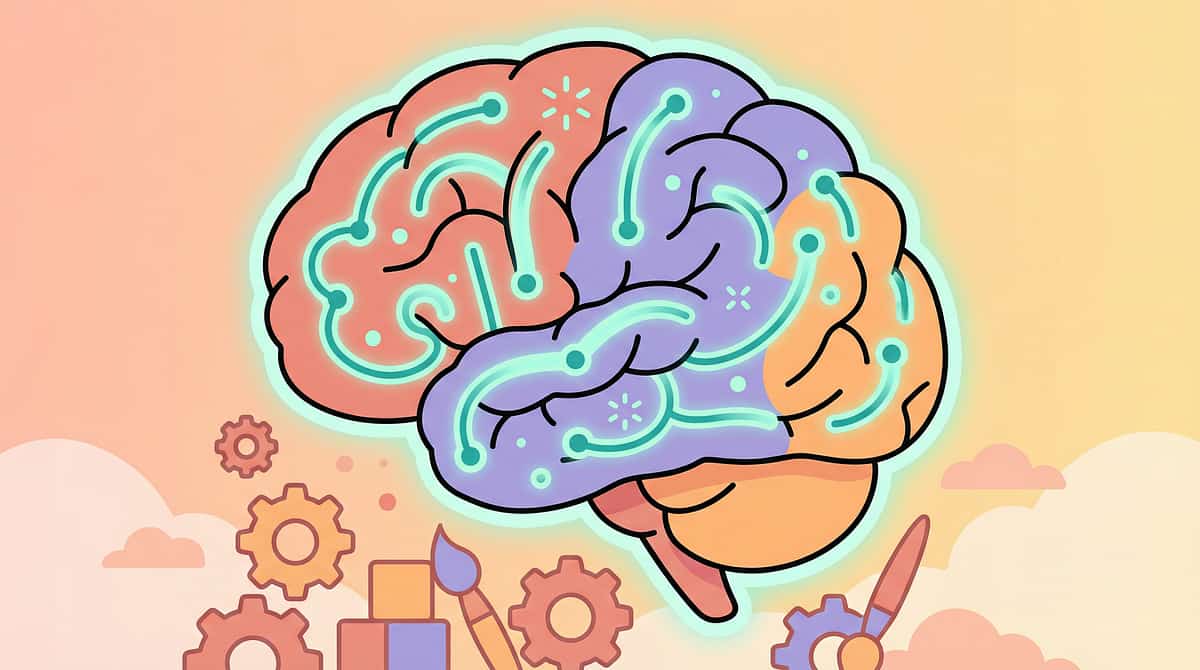
In children with tactile defensiveness, the somatosensory cortex over-amplifies tactile signals — a shirt tag registers like a knife scrape. The interoceptive system (body awareness) may also be impaired, meaning the child doesn't fully feel where their body is in space or what temperature they're experiencing.
In Plain Language
Imagine wearing a shirt made of sandpaper and being unable to tell anyone — because you also don't have the words. The only communication available is removal. This is not defiance. This is a nervous system that experiences clothing differently — and possibly a social brain that has not yet learned the invisible rules that neurotypical children absorb automatically.
Four Neurological Drivers of Undressing Behaviour
Tactile Defensiveness
Light touch signals are amplified to pain. The nervous system cannot distinguish a gentle fabric from a sharp sensation.
Interoceptive Dysregulation
Impaired body-temperature awareness. The child cannot reliably sense their own internal state — hot, cold, or physical discomfort.
Impulse Control Gap
Prefrontal cortex lag in ASD means the pause between "urge" and "action" is shorter — the child acts before thinking.
Social Cognition Difference
Implicit social rules about bodies and privacy need explicit teaching — they are not absorbed automatically as they are for neurotypical children.
"This is a wiring difference, not a behaviour choice."
Frontiers in Integrative Neuroscience (2020): DOI: 10.3389/fnint.2020.556660 — Comprehensive neurological framework for sensory processing in ASD.
Where This Sits in Development
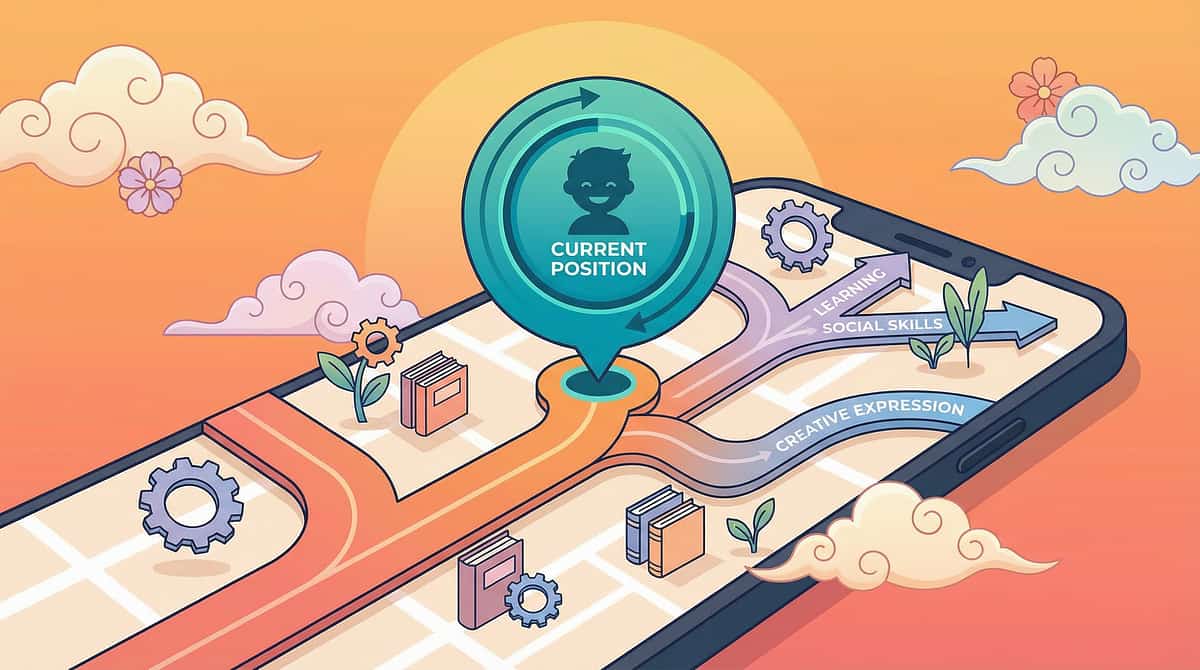
Your child is here. Here is where we're heading. Understanding the developmental window is the first step in responding with the right intensity and the right tools.
Age
Typical
With ASD/SPD
Intervention Window
2–3 yrs
Undresses self; learning rules
Undressing universal — developmentally expected
Begin visual rules + sensory clothing
3–4 yrs
Social context awareness emerges
May persist — needs explicit teaching
Social stories + reinforcement critical
5–7 yrs
Rules understood; privacy developing
May continue without targeted intervention
Multi-modal: OT + ABA + SpEd convergence
8–12 yrs
Full social awareness
Safety concern increases with age
Adaptive clothing + self-monitoring tools
12–14 yrs
Social norms internalized
Body changes make this urgent
Communication + self-regulation focus

While toddlers removing clothing is developmentally typical, persistent inappropriate undressing beyond age 4 — or reemergence — signals an unmet need requiring structured intervention. The older the child, the more urgent the response. (Source: DSM-5 Adaptive Behaviour criteria)
The Evidence Behind These Interventions
⬡ Level II Evidence
NCAEP 2020 Validated
Systematic Reviews + RCTs
Interventions matched to the function of the behaviour (why the child is undressing) are significantly more effective than non-function-based approaches. One strategy does not fit all — which is why these 9 materials span all possible functions.
Intervention Category
Evidence Grade
Key Source
Function-Based Behaviour Intervention
Level I (Systematic Review)
PMC1284574
Sensory-Friendly Clothing Modification
Level II (Clinical Consensus + RCT)
Frontiers Neurosci 2020
Social Stories for Autism
Level I (Meta-analysis, NCAEP 2020)
NCAEP EBP Report
Visual Supports + Rule-Following
Level I (Multiple RCTs)
NCAEP 2020
Positive Reinforcement Systems
Level I (BACB Standards)
Cooper, Heron & Heward
AAC for Communication
Level I (NCAEP 2020)
ASHA Clinical Guidelines
"Clinically validated. Home-applicable. Parent-proven."
📞 FREE National Autism Helpline: 9100 181 181 | 16+ languages | 24×7

The Stay Dressed Toolkit — D-421

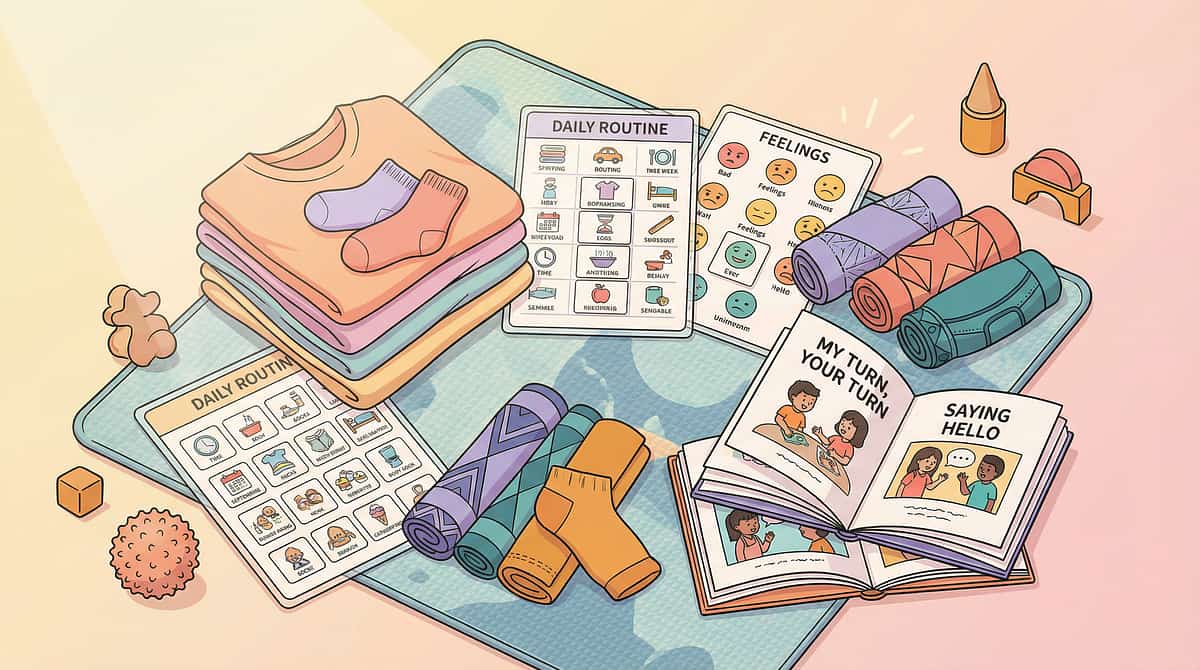
Technique Identity Formal Definition Inappropriate undressing — also called disrobing behaviour — is the removal of clothing in contexts where it is socially unacceptable, potentially unsafe, or interferes with daily participation. Effective intervention requires identifying the function — the WHY — for each individual child, then applying targeted materials that address that specific cause. Badge Details Domain: D — Behaviour & Adaptive Skills Age: 2–14 years Setting: Home + School + Community Primary Disciplines: OT + ABA + SpEd Duration: Ongoing environmental modifications + daily structured support Canon: Adaptive Clothing + Visual Supports + Social Stories + Reinforcement Menus
This Technique Crosses Therapy Boundaries — Because the Behaviour Crosses Therapy Boundaries.
Occupational Therapist (Lead)
Sensory evaluation and clothing tolerance. Identifies tactile defensiveness profile. Selects and fits compression garments. Designs sensory wardrobe.
Behaviour Analyst (BCBA)
Conducts Functional Behaviour Assessment (FBA) to identify WHY the child undresses. Designs reinforcement systems. Tracks data.
Speech-Language Pathologist
Builds communication systems for clothing discomfort expression. AAC vocabulary for "itchy," "too hot," "clothes feel bad." Teaches requesting alternatives.
Special Educator
Creates and implements visual rule systems. Writes and delivers social stories. Generalises rules across school settings. Coordinates with school staff.
NeuroDevelopmental Paediatrician
Rules out medical causes. Monitors comorbidities. Coordinates with psychiatry if impulse control medication is indicated.
"Only Pinnacle's FusionModule™ coordinates all five disciplines simultaneously."
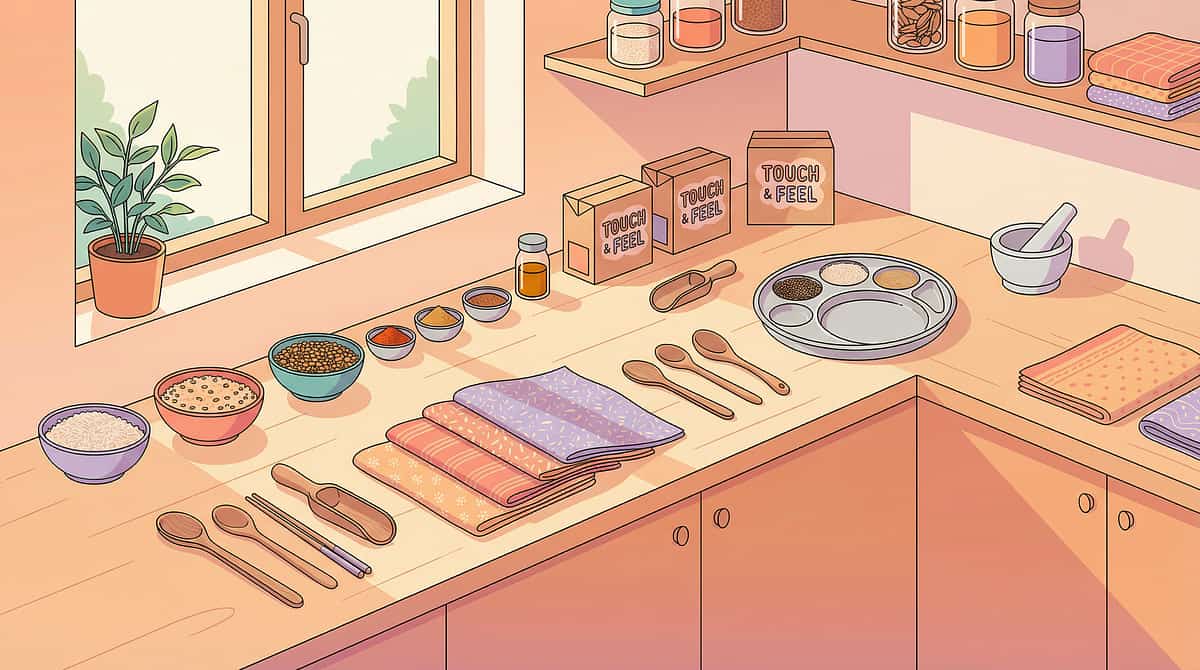
What This Technique Targets
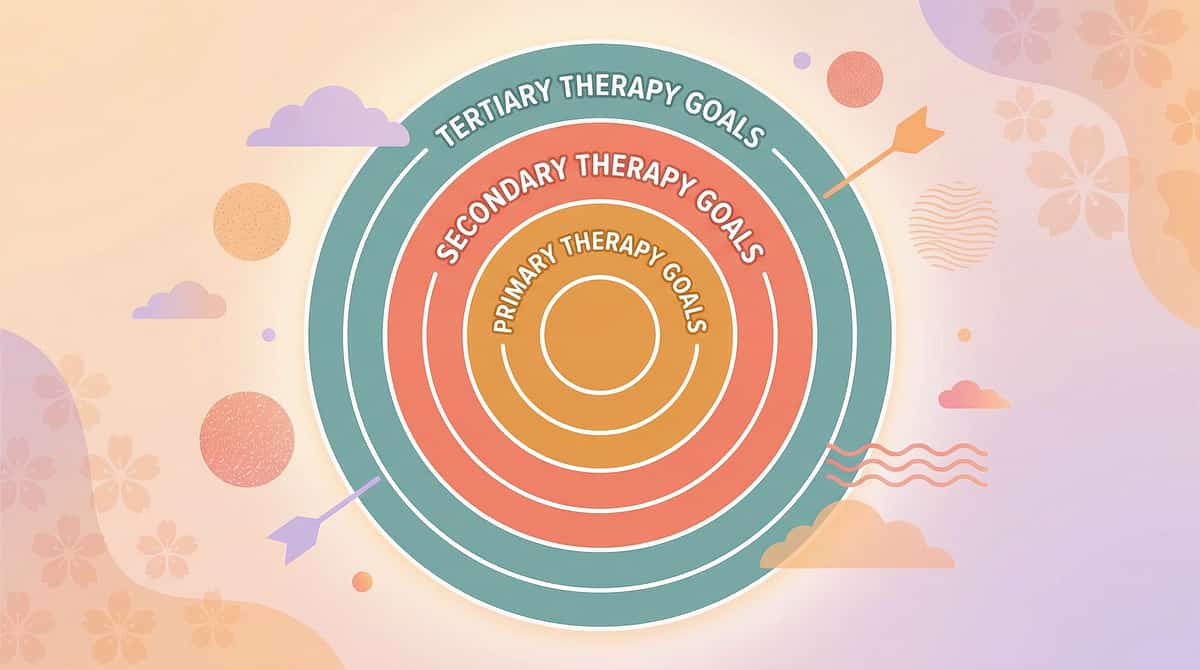
The function of the behaviour determines the primary target. Sensory escape shifts focus to tactile tolerance; social unawareness shifts focus to explicit rule learning; impulse control shifts focus to environmental scaffolding; communication gaps shift focus to AAC alternatives.
PMC10955541 (Meta-analysis, 2024): Sensory integration therapy effectively promoted social skills, adaptive behaviour, sensory processing, and motor skills. PMC1284574: Function-based approaches significantly outperform non-function-matched strategies.
Material 1
Sensory-Friendly Seamless Clothing
Root Cause Addressed
Sensory Escape
When clothes don't trigger the nervous system, the urge to remove them diminishes.
Price Range
₹500–2,000 per item
What It Is & Why It Works
Eliminates itchy tags, scratchy seams, and constricting fabrics. Tagless designs, flat seams, and soft bamboo or modal fabrics remove the primary sensory triggers that drive most tactile-defensive children to undress.
This is frequently the single highest-impact intervention when the undressing function is sensory escape. If the clothing doesn't hurt, the need to remove it disappears. Many families see immediate reduction in incidents within the first week of switching fabrics.
Search Term
"tagless sensory friendly kids clothing India"
Material 2
Visual Rule Charts — Dressed/Undressed Places
What It Is & Why It Works
Charts showing "Clothes ON" locations (school, grocery store, grandma's house) vs "Clothes can come OFF" locations (bedroom, bathroom). Makes invisible social rules concrete and visible. Children with ASD do not automatically absorb implicit social norms — they need them stated explicitly, repeatedly, and visually.
The chart works best when reviewed proactively before entering target settings — not reactively after an incident. Morning chart review becomes part of the dressing routine.
Search Term
"visual social rules chart autism kids"
Root Cause Addressed
Social Unawareness
Explicit visual instruction replaces implicit social rules the child has not yet absorbed.
Price Range
₹200–800
Material 3
Adaptive Clothing with Modified Fastenings
Root Cause Addressed
Impulse Control Gap
Creates a pause between impulse and action — slowing down behaviour long enough for self-regulation to engage.
Price Range
₹800–2,500
What It Is & Why It Works
Back-zip shirts, one-piece bodysuits, magnetic closures, overalls. The adapted fastening creates a physical pause — the child cannot undress impulsively when the garment requires additional steps. This pause is often all the prefrontal cortex needs to engage and redirect. It does not prevent undressing permanently; it buys the time for self-regulation to develop.
Material 4
Social Stories About Bodies & Privacy
What It Is & Why It Works
Personalised narratives teaching WHY private parts stay covered, WHEN undressing is appropriate, and WHAT to do when uncomfortable. Non-shaming. Explaining. Building understanding rather than demanding compliance. The narrative structure gives the child a framework for understanding social expectations from the inside out.
Social stories work best when read daily in calm moments — not introduced for the first time during or after an incident. Familiarity builds neural pathways that activate in real situations.
Search Term
"social stories body safety autism book"
Root Cause Addressed
Social Unawareness + Rule Learning
Narrative explanation builds the social cognitive framework that implicit learning hasn't provided.
Price Range
₹200–600
Material 5
Compression Garments
Root Cause Addressed
Sensory-Seeking + Sensory Overload
Satisfies sensory-seeking needs while dressed. Firm, predictable pressure is often easier to process than variable loose-fabric touch.
Price Range
₹600–2,000
What It Is & Why It Works
Deep pressure undershirts and bodysuits provide organising proprioceptive input. For children who undress to seek deep pressure or to escape variable sensory input, compression garments address both needs simultaneously. The child remains dressed while their sensory system receives the input it craves.

Important: Compression garments require OT fitting to ensure correct pressure levels. Too tight = dangerous. Too loose = ineffective. Consult your Pinnacle OT before purchasing.
Material 7
Communication Supports for Clothing Discomfort
Root Cause Addressed
Communication-Driven Undressing
When expressing discomfort works, undressing becomes unnecessary. Give children words BEFORE clothes come off.
Price Range
₹200–800
What It Is & Why It Works
Picture cards for "clothes feel bad," "too hot," "itchy," "too tight." AAC vocabulary for discomfort expression. Many children undress because undressing is the only communication tool they have for expressing physical discomfort. This material replaces that action with language — giving the child a more effective and socially acceptable signal.
The critical step: when the child uses the card, adults must respond immediately and helpfully. The card must work better than undressing does.
Material 8
Temperature Regulation Supports
What It Is & Why It Works
Portable fans, cooling towels, moisture-wicking fabrics, visual temperature check-in cards. Some undressing is about genuine heat. Children with temperature dysregulation may run significantly warmer than others or be unable to communicate that they are overheating. Addressing the temperature directly removes the need for the behavioural response.
This material also includes teaching the child to communicate: "I'm hot" — building both the environmental solution and the language skill simultaneously.
Search Term
"portable fan cooling towel kids"
Root Cause Addressed
Genuine Overheating / Temperature Dysregulation
Address the heat directly — removing the trigger removes the behaviour.
Price Range
₹300–1,200
Material 9
Self-Monitoring & Regulation Tools
Root Cause Addressed
Impulse Control + Self-Management
Builds the pause between urge and action. Scaffolds self-regulation while skills are still developing.
Price Range
₹100–425
What It Is & Why It Works
Reminder bracelets, self-check cards ("Am I dressed? Check!"), fidgets as alternative sensory outlets. The self-monitoring tool creates the cognitive pause that the prefrontal cortex needs to interrupt the impulse-action chain. The child sees the bracelet, pauses, remembers the rule — and that pause is the skill being built.
Over weeks and months, this external scaffold becomes an internalised self-regulation habit. The goal is always independence — the tools are temporary bridges.

Total Starter Kit Estimate: ₹2,150–11,325 (full set) | ₹500–1,200 (essential starter). 📞 For guidance on which materials match YOUR child's function: 9100 181 181 (FREE, 24×7)
Buy This vs. Make This — The DIY Guide
Material
Buy This
Make This (₹0)
Sensory Clothing
Tagless seamless kids clothing ₹500+
Remove ALL tags. Turn existing clothes inside-out. Choose softest cotton. Cut waistbands that dig.
Visual Rule Chart
Commercial visual chart ₹200+
Print photos: school/store/car (Clothes ON ✓) + bedroom/bathroom (Clothes OFF ✓). Laminate with contact paper.
Adaptive Fastenings
Back-zip adaptive shirt ₹800+
Sew existing shirt buttons to back. Safety-pin front closure. Layer snug bodysuit underneath.
Social Story
Commercial book ₹200+
Write 5 sentences with child's name + photos. "I wear clothes at school. Clothes keep my body safe. If clothes feel bad, I tell my teacher."
Compression
OT-fitted compression shirt ₹600+
Snug-fit athletic undershirt (not uncomfortably tight). Layer under regular clothes.
Token Board
Commercial token board ₹150+
Draw 5 empty stars on paper. Child earns star sticker per "clothes on" period. 5 stars = preferred activity.
Communication Cards
AAC app or printed cards ₹200+
Draw/print 4 cards: "TOO HOT / ITCHY / TOO TIGHT / CLOTHES FEEL BAD." Teach and honour them.
Temperature Tools
Portable fan ₹300+
Use existing household fan. Wet cloth on neck. Light cotton clothes. Teach "I'm hot" words.
Self-Monitor
Reminder bracelet ₹100+
Simple hair tie on wrist = "clothes stay on." Self-check card: "Am I dressed?" on index card.

When the clinical-grade material is non-negotiable: Compression garments require OT fitting to ensure correct pressure levels. Too tight = dangerous. Too loose = ineffective. If sensory issues are severe, consult your Pinnacle OT before DIY compression.
⚠️ Safety First
Read This Before Implementing Any Intervention.
🔴 DO NOT PROCEED if:
  • Sudden onset with no previous history → Medical evaluation required first
  • Undressing occurs ONLY with specific people → Safeguarding evaluation required immediately
  • Associated with distressed or compulsive genital touching → Paediatrician urgently
  • Child becomes severely dysregulated or aggressive when prevented → Professional FBA required first
  • Signs of rash, skin irritation, or medical discomfort in uncovered areas
🟡 PROCEED WITH CAUTION if:
  • Child is 10+ years and behaviour is new or intensifying → Professional consultation within 2 weeks
  • Behaviour occurs only during specific activities → May indicate sensory avoidance requiring OT first
  • Child has limited communication — don't assume function; consult BCBA for FBA
  • Adaptive fastenings being considered → Ensure child can independently toilet; never compromise bathroom access
🟢 SAFE TO BEGIN when:
  • Child is in a regulated, calm state
  • You have identified likely function (even a hypothesis)
  • Clothing modifications do NOT restrict bathroom access
  • Visual supports are age-appropriate and non-shaming
  • Weighted/compression items are properly fitted (max 10% body weight)
📞9100 181 181 — FREE | 24×7 | Clinical consultation available
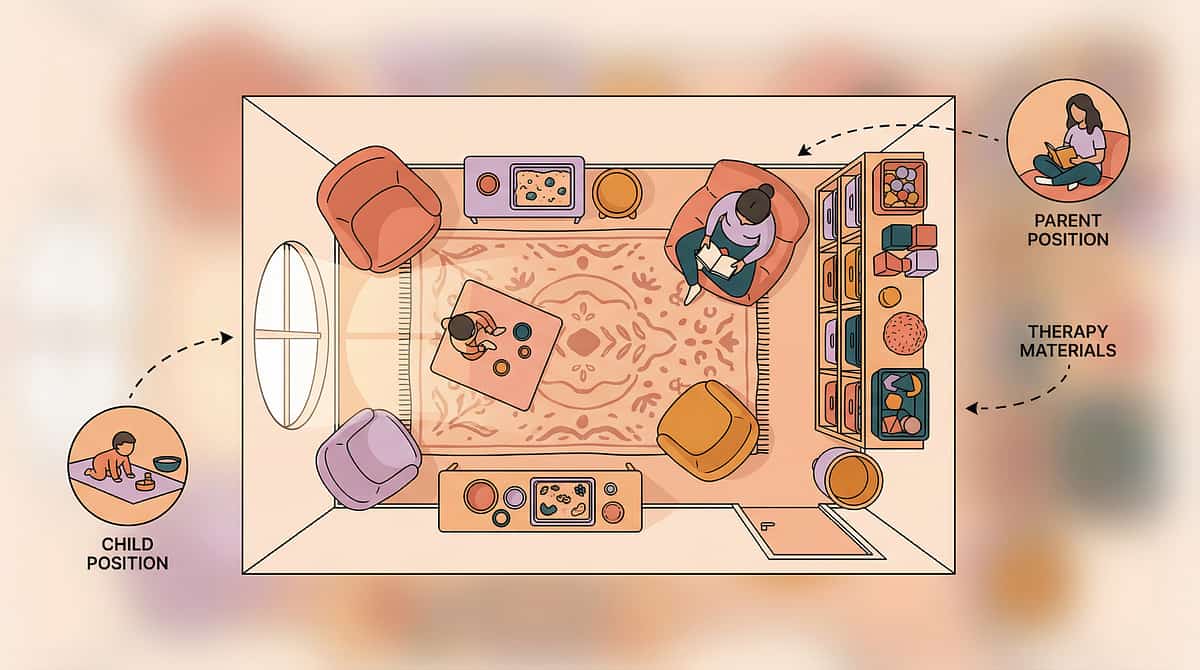
Before the First Session — Your Environment IS Your Intervention.
The physical environment you set up before beginning any structured practice is itself a therapeutic tool. Research in sensory integration theory establishes environmental setup as a core clinical principle.
Zone 1: Sensory-Safe Clothing
All tags removed. Seam-friendly items front and centre. Child participates in choosing tomorrow's clothes tonight. Reduces morning resistance by approximately 60%.
Zone 2: Visual Rule Chart
Eye-level for the child. Posted near dressing area AND front door. Reviews happen BEFORE leaving home — not during crisis. Portable laminated version in school bag.
Zone 3: Token Board
Visible, accessible. Stickers nearby. Earn tokens throughout the day — not just at session time. Reinforcer identified and available.
Zone 4: Environment Itself
Natural or soft warm light. Quiet or soft background music. Room temperature 22–26°C. No competing demands during dressing routine. Fan available if child runs hot.
🎯 How To Do It
Is Your Child Ready? The 60-Second Readiness Check.
The best session is one that starts right. Before beginning any structured practice, take 60 seconds to assess your child's current state. Never push through when the indicators say wait.
Indicator
GO
🟡 MODIFY
🔴 POSTPONE
Child's state
Calm, alert, engaged
Mildly restless
Meltdown/distress/illness
Last 2 hours
Regulated, no major incidents
Minor frustration
Significant behavioural event
Fed & hydrated
Yes
Could be better
Clearly hungry/thirsty
Sensory baseline
Typical for this child
Slightly elevated
Highly reactive today
Environment ready
Yes (Card 12 checked)
Mostly
Not yet

If POSTPONE: Change into comfortable home clothes for now (no battle). Offer a regulation activity: swinging, deep pressure, heavy work. Return to structured practice when child is regulated. Not failure. Data. Your child told you something about today.
Step 1 of 6: The Invitation
Parent Script
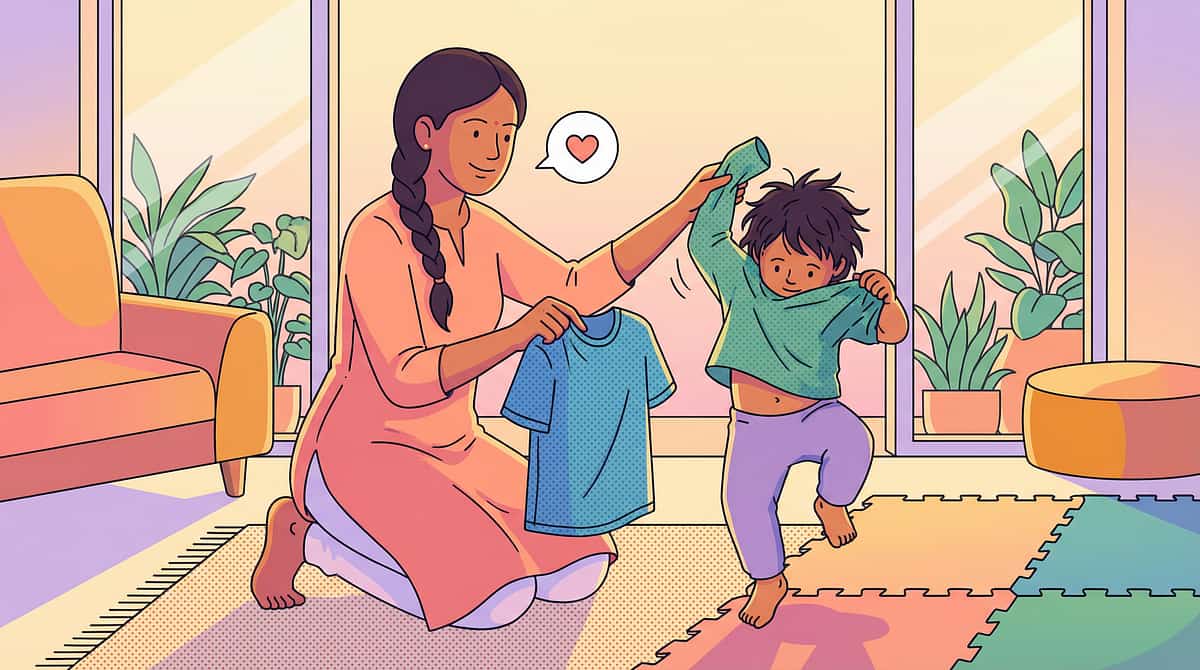
"Hey [child's name] — we're going to do something really cool together. Can you help me pick which shirt feels best today?"
Why This Works: Invitation, not command. Choice, not compliance. The child is a participant, not a subject. ABA pairing principle: the parent becomes associated with positive, low-demand experiences before any therapeutic demand is placed.
Body Language Guidance
  • Get to child's eye level (sit/kneel)
  • Offer 2 clothing choices (not 10 — choice overload triggers avoidance)
  • Keep voice warm, calm, slow
  • No urgency in your body language — even if you're running late
Acceptance Signs
  • Child reaches toward one item ✓
  • Child makes eye contact or vocalises ✓
  • Child's body is relaxed ✓
⏱️ Timing
30–60 seconds. Do not exceed this.
Step 2 of 6: The Engagement
Child is now engaged with the dressing material. Introduce the therapeutic element that matches the identified function. Tailor your approach to the root cause — there is no single script for all children.
If Sensory Function
Offer the sensory-friendly garment. Let the child touch the fabric first — no demand yet. "Doesn't that feel soft? Want to try it?" Child feels fabric → nods/reaches → begin assisted dressing.
If Social Understanding Function
Review the visual rule chart together BEFORE dressing. "Let's look at our chart. Where are we going today? School! Is that a 'clothes on' or 'clothes off' place?" Point together. Build understanding — not compliance.
If Impulse Control Function
Introduce the adaptive garment. Name it as "your special school shirt." Make it a positive object — not a restriction. "This one has a cool back zipper — want to see it?"
If Communication Function
Hold up the picture cards. "These are your cards. This one says 'itchy.' If your shirt feels bad today, show me this card and I'll help. Deal?" The agreement is the therapeutic moment.
⏱️ Timing: 1–3 minutes. Reinforcement cue: the moment child engages → immediate specific praise within 3 seconds.
Step 3 of 6: The Therapeutic Action
1
Sensory Function
Help child into selected sensory-friendly garment. Narrate as you go: "Tag is cut. No scratchy seams. Just soft." Observe: does child relax or continue fidgeting? Regulated response = right material.
2
Social Understanding Function
Just before leaving: "We're going to [place]. Let's check our chart." Child points → "Exactly right! And if your clothes feel bad, what do you do?" Child retrieves communication card → "Perfect. Let's go."
3
Impulse Control Function
During wearing window: when child reaches toward collar/waistband → immediately redirect to self-monitoring tool: "Look at your bracelet! What does it remind us?" Brief pause → potential re-regulation.
4
Communication Function
During dressing, proactively offer the check-in: "How do your clothes feel right now?" Child points to card → respond immediately by addressing it. The message: "Expressing discomfort works. Undressing is no longer necessary."

Common Execution Errors: Waiting until undressing happens — be PROACTIVE, not reactive. Forcing uncomfortable clothing. Using the social story only when upset. Inconsistency across settings.
Step 4 of 6: Repeat & Vary
"3 good reps > 10 forced reps. Quality of engagement matters more than duration."
Material
Daily Reps
Key Variation
Sensory clothing review
Every dressing event
Rotate 2–3 approved items; let child choose
Visual chart review
2× daily (morning + before outing)
Add new locations as exposure grows
Social story reading
3–5× per week
Emphasise different pages; child "reads" to YOU
Token board
Running throughout day (3–5 earning opportunities)
Vary the interval length as tolerance builds
Communication cards
Every dressing event + mid-day check-in
Add new vocabulary cards (sweaty, uncomfortable)
Adaptive garment
Every community/school outing
Gradual transition to standard fastenings over weeks
Sensory Seeker
More compression layers, heavier fabrics, tighter fit
Sensory Avoider
Lighter compression, looser fit, breathable fabrics
Younger Child (2–5)
Visual charts with photos; immediate reinforcement; short intervals
Older Child (8–14)
More verbal explanation; self-recording data; privacy and dignity emphasis
Step 5 of 6: Reinforce & Celebrate
The ABA Golden Rule: Reinforcement must be immediate (within 3 seconds), specific (name what they did), and proportional (save the big rewards for big wins).
Chose sensory-friendly garment:
"YES! You picked the soft one — that is SO smart! That shirt feels good, right?"
Stayed dressed during outing:
"[Name], you kept your clothes on at the whole grocery run. THAT is huge. Star on the board!"
Used communication card:
"You TOLD me it was itchy instead of taking your shirt off! That is exactly what we practise for. High five!"
Checked the visual rule chart independently:
"Did you just check the chart by yourself? I'm so proud. That's YOUR brain figuring it out."
Token Economy Structure: Start with 5 tokens = reinforcer → Week 3–4: 8 tokens → Week 5–8: 12 tokens, as the behaviour becomes habit.
Celebrate the attempt, not just the success: "I saw you pause before — that pause is real progress. Tomorrow we try again."
Step 6 of 6: The Cool-Down
No Structured Session Ends Abruptly.
Transition Warning (2 minutes before):
"Two more minutes, then we're going to change into our comfy home clothes."
The Designated Undress Window: Create a predictable, consistent home undressing routine: arrive home → shoes off → change to home clothes → relaxation time. Many families find that when there IS a predictable "you can get comfortable" moment, the urge to undress inappropriately decreases.
Cool-Down Activity (1–2 minutes)
  • Heavy work (push wall, carry books, pull activity)
  • Deep pressure (firm back rub, bear hug)
  • Quiet preferred activity in home clothes
  • Visual timer showing "now we're done with school clothes time"
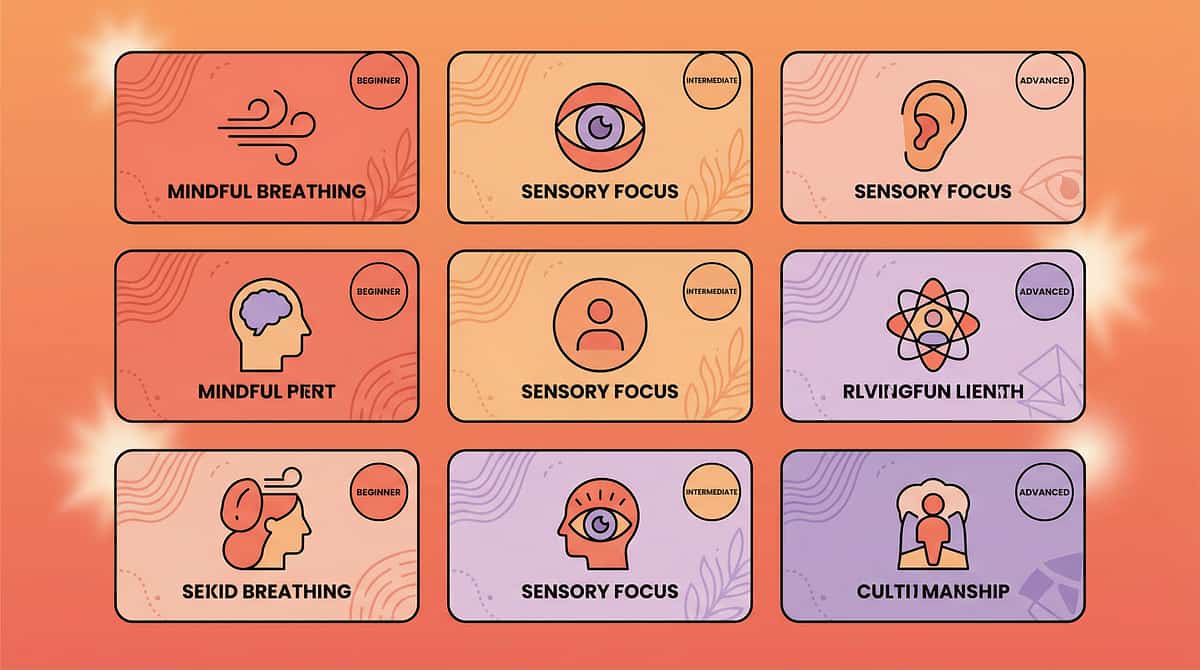
Material Put-Away Ritual
Child places communication cards back in their spot. Child touches the token board reviewing earned tokens. This creates closure and prepares for the next session.
📈 Progress
60 Seconds of Data Now Saves Hours of Guessing Later.
Daily: Incidents
Number of inappropriate undressing events today. Simple tally mark. Takes 5 seconds.
Daily: Settings
WHERE incidents occurred — school / store / home / other. Checkbox format.
Daily: Function Hypothesis
What was the likely driver today? Sensory / social / impulse / communication / temperature / attention. Circle one.
Weekly Review (Every Sunday)
  • Total incidents this week vs. last week
  • Which materials were used consistently?
  • Which settings remain most challenging?
  • Any new triggers observed?

GPT-OS® Integration: If enrolled in GPT-OS®, your session data flows into the AbilityScore® and updates your child's Self-Regulation Readiness Index automatically.
Session Abandonment Is Not Failure — It's Data.
When things don't go as planned, each scenario tells you something specific about your child's needs and the function of their behaviour. Use this troubleshooting guide to find your next step.
"My child had a meltdown the moment I introduced the adaptive clothing."
Why: The garment itself is a new sensory input. Novel = aversive for many children with ASD. Next time: Introduce the garment FIRST during play time, not during functional dressing. Let child hold it, play with it, see it for 3–5 days before wearing. Pair with preferred activity. Never force.
"The visual chart isn't working — my child ignores it completely."
Why: The chart has not been taught — just displayed. Visuals require instruction, not just presence. Next time: Teach the chart in a calm, fun 5-minute session. "Let's play a game — is school a clothes-on or clothes-off place?" Practice pointing before it's needed in real situations.
"The token board worked for 3 days, then stopped."
Why: Satiation — the reinforcer lost value, or the schedule became too easy. Next time: Change the reinforcer. Increase the token requirement. Introduce variable ratio (sometimes 4 tokens = reward, sometimes 6) for more durable responding.
"My child undressed in public DESPITE wearing the adaptive clothing."
Why: The undressing function may be sensory — the garment friction itself is the trigger. Next time: Address the sensory layer first. The adaptive fastening buys time — it needs the sensory comfort layer underneath it.
"My child is still undressing at school even though we've been consistent at home."
Why: Skills haven't generalised to the school setting. Generalisation must be actively programmed. Next time: Send the visual chart and communication cards to school. Brief the teacher on the protocol. Practice "school scenarios" at home.

Emergency Protocol (severe distress during session): Stop immediately. Do not continue. Allow child to access comfort items. Give space. Reschedule. This is never a setback — it's clinical information.
Adapt by Sensory Profile
Profile
Modification
Tactile Seeker
More compression; heavier weighted compression; textured (pleasant) fabrics
Tactile Avoider
Lighter compression; loose breathable cotton; minimal layers
Thermal Dysregulation
Temperature-first priority; moisture-wicking as baseline
High Impulse
Adaptive fastenings are primary; sensory comfort layer critical underneath
Social Understanding Delay
Visual charts + social stories are the primary intervention; extra explicit teaching time
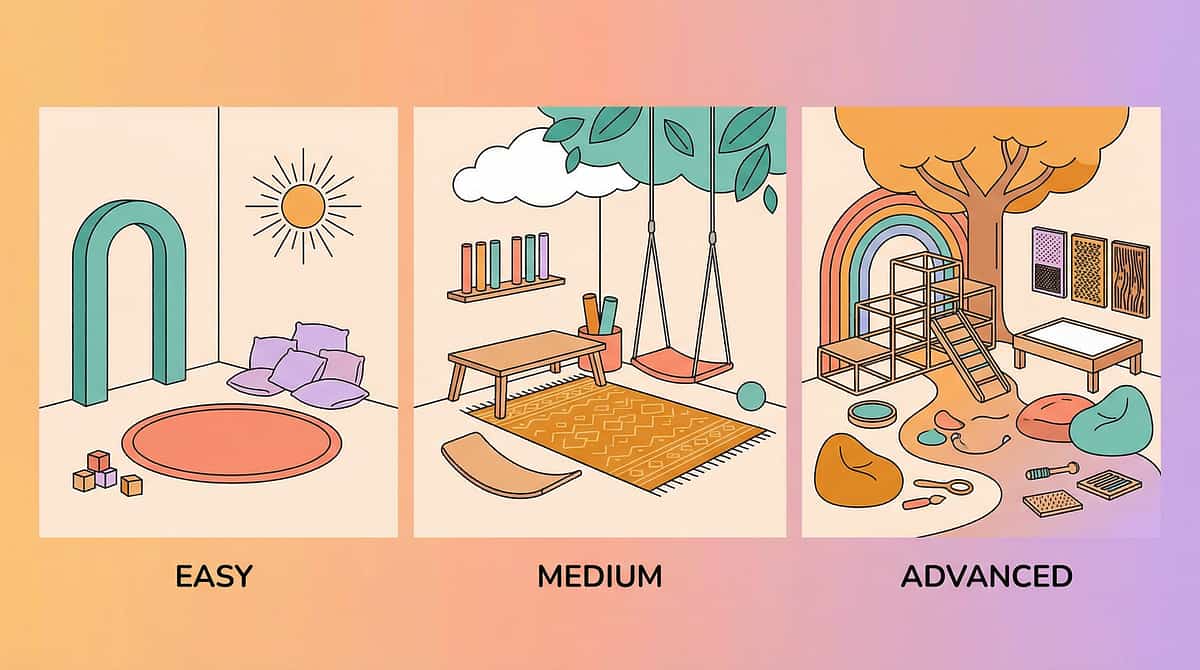
Foundation Level
New/Young (under 5). Single material only. Immediate reinforcement. 30-second sessions. Exposure only — zero performance expectation.
Core Level
Building (ages 5–9). 2–3 materials active. Token economy with 5-token intervals. First community outing with 1 material in place.
Advanced Level
Generalising (ages 9–14). Full material system active. Self-recording data. Adaptive garments fading. Privacy education deepening.
Week 1–2: What to Expect

Parent Emotional Preparation: Week 1–2 is often harder before it gets easier. The child is being asked to tolerate new clothing, new rules, new expectations. There may be MORE resistance initially — this is an extinction burst, not failure. Stay consistent.
Progress in the first 2 weeks does NOT look like "the behaviour stopped." It looks like:
Child is wearing the sensory-friendly garment without immediate removal
Child is tolerating the visual chart review (even if not yet following it)
Incidents are the same frequency but slightly shorter in duration
Communication card has been used 1–2 times
Child has not escalated in response to the adaptive garment — tolerance IS progress
Parent feels more equipped (less reactive) when incidents occur
PMC11506176 (Systematic Review 2024): Sensory integration outcomes emerge across 8–12 week timelines. Early-phase indicators focus on tolerance and participation, not mastery.
Week 3–4: Consolidation Signs
The neural pathways are forming. Look for these indicators — they signal that the intervention is working at the neurological level, even if the behaviour change is not yet dramatic.
1
Seeks the Preferred Garment
Child begins to choose the sensory-friendly item — not just tolerating it. This shift from tolerance to preference is a critical milestone.
2
Chart Is Part of the Routine
Visual chart is referenced independently — not always followed, but becoming part of the child's pre-outing mental process.
3
Token System Is "Known"
Child understands the system and anticipates earning. The economy has been internalised — it's no longer a surprise each time.
4
Measurable Incident Reduction
Frequency or intensity of incidents is measurably lower than Week 1 baseline in at least one setting — often home first.
"The child pauses before undressing — this micro-pause, invisible to most, is the prefrontal cortex engaging. This is the single most important early indicator of emerging self-regulation."
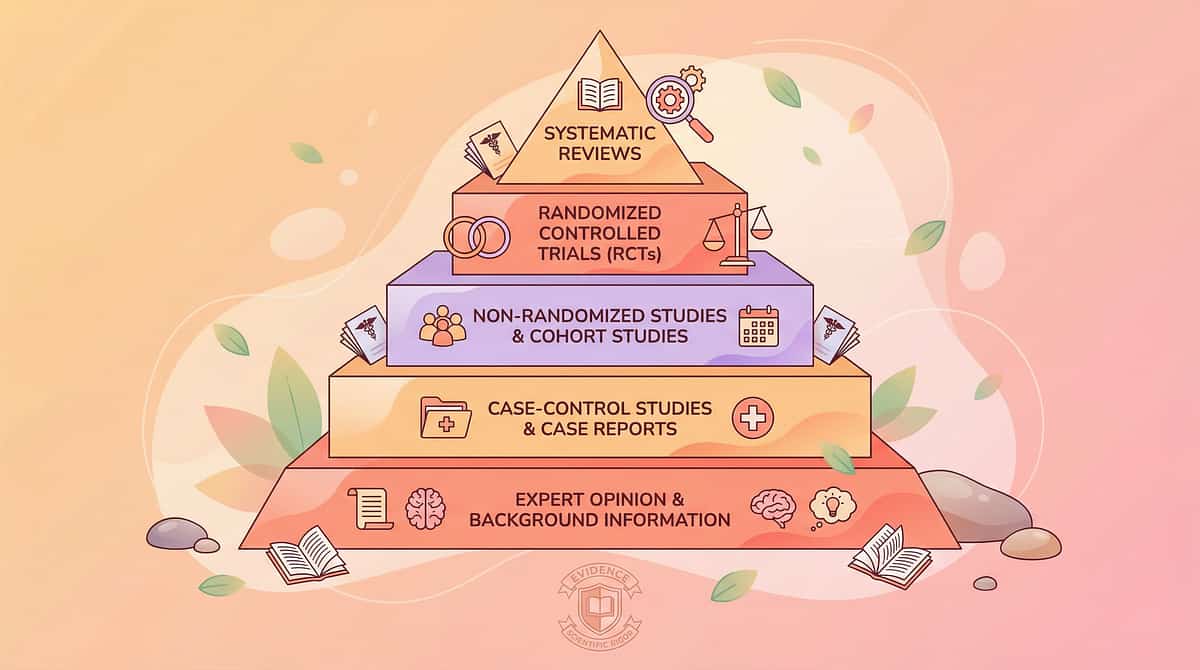
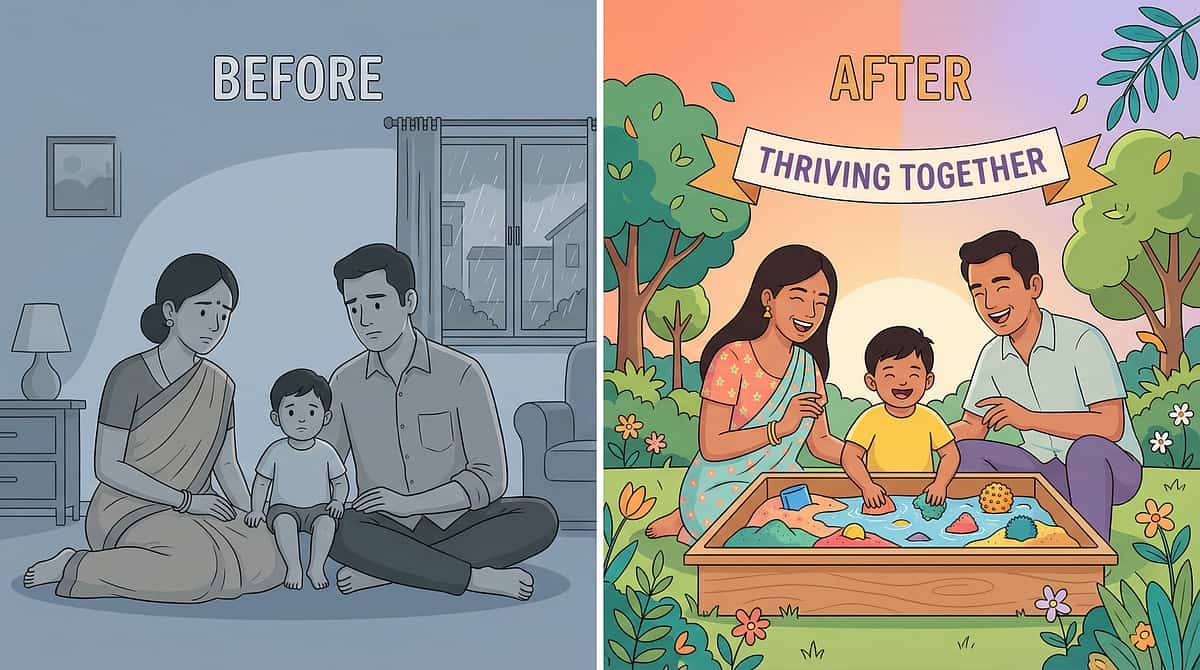
You Did This. Your Child Grew Because of Your Commitment.
You started this journey carrying something most people will never understand: the weight of watching your child struggle with something as fundamental as staying dressed. The stares in public. The whispered comments. The internal panic every time you pulled into a car park. The shame that shouldn't have been yours to carry.
And you didn't stop. You learned the functions. You modified the clothing. You made the charts. You read the stories — again and again, in calm moments when it seemed unnecessary, because you trusted the process.
"Something shifted. A neural pathway formed. A social rule became concrete. A sensory system found comfort. A communication channel opened. That happened because of you."

📸 Your Family Milestone
Take a photo of your child comfortably dressed in a setting that used to trigger undressing. Write down the date. This is the before-and-after that words can't capture.
🎉 Celebration Suggestion
Plan a family outing specifically to the setting that used to be the hardest. Wear the success like the accomplishment it is.
🤝 Share Your Story
Your journey helps other families. When you're ready, share with the Pinnacle Parent Community.
⚠️ Red Flags
Even in the Celebration Zone — Know When to Pause.
🚨 Behaviour intensifying despite 6-week implementation
Why it matters: May indicate unidentified function, medical cause, or complexity beyond home-based intervention. Do: Contact Pinnacle via 9100 181 181 for FBA referral.
🚨 New settings emerging as high-risk
Why it matters: May signal new sensory triggers, social stressors, or life changes affecting regulation. Do: ABC data collection; teleconsultation within 2 weeks.
🚨 Behaviour associated with compulsive body-focused self-stimulation
Why it matters: May require combined medical, psychological, and behavioural assessment. Do: Paediatrician appointment within 1 week; do not address at home without professional guidance.
🚨 Child is 10+ years and behaviour is increasing
Why it matters: Puberty, body changes, and social consequences compound urgency. Do: Immediate professional consultation; adolescent-specific social skills programme.
🚨 Family is in crisis
Why it matters: The intervention cannot succeed when the support system is collapsing. Do: Contact 9100 181 181 — we support families, not just children.
Escalation Pathway: Home monitoring → Pinnacle teleconsultation → In-centre assessment → Comprehensive FBA + multidisciplinary intervention plan
📞9100 181 181 | FREE | 24×7 | 16+ languages

Related Techniques in This Domain

You already own materials for some of these. If you have sensory-friendly clothing + visual charts + token board, you're ready for D-419, D-420, and D-422 with minimal new investment. Technique Difficulty Shared Materials with D-421 D-419: Understanding Behaviour Function 🟢 Intro Visual charts, data tracking D-420: Elopement & Running Away 🟡 Core Token boards, visual rules D-422: Property Destruction 🟡 Core Reinforcement systems, self-monitoring D-425: Impulsivity Management 🟡 Core Adaptive strategies, self-check tools A-030: Tactile Sensitivity — Clothing 🟢 Intro Sensory-friendly clothing, compression B-218: Inappropriate Comments 🟡 Core Social stories, visual rules Browse All Domain D Techniques

Home + Clinic = Maximum Impact.
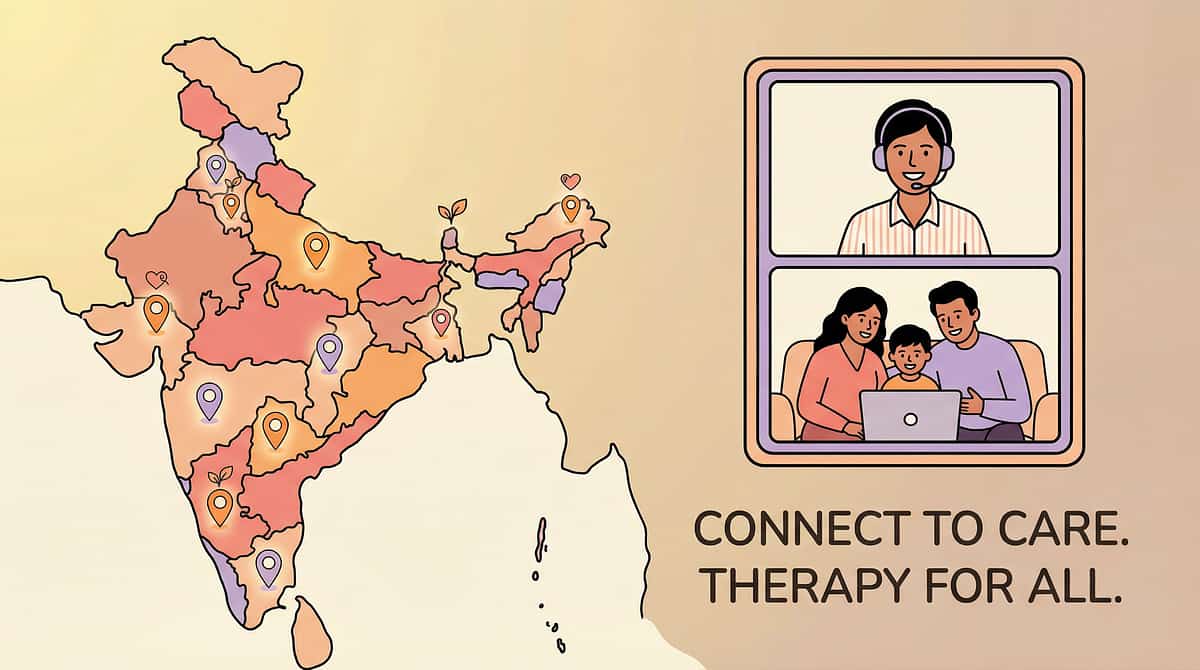
Professional support accelerates outcomes, addresses complexity that home implementation cannot reach alone, and provides the functional behaviour assessment that makes the entire protocol work. Find your nearest centre or book a teleconsultation — no travel required.
Need
Specialist
What They Do
Why is my child undressing?
BCBA / Behaviour Analyst
Functional Behaviour Assessment — identifies the function in 2–3 sessions
Clothing is genuinely painful
Occupational Therapist
Sensory profile + clothing tolerance assessment + wardrobe design
Can't communicate discomfort
Speech-Language Pathologist
AAC evaluation + discomfort vocabulary development
School won't support the plan
Special Educator
School-based BIP development + staff training
Medical causes ruled out?
NeuroDevelopmental Paediatrician
SPD diagnosis, temperature regulation, comorbidity management

Funding/Insurance Note: Behaviour intervention (ABA) and OT services may be covered under PwD Act 2016, CGHS, ECHS, or private health insurance with ASD diagnosis. Contact your nearest centre for guidance.
📞9100 181 181 | FREE | 24×7 | 16+ languages | For guidance on which service is the right first step
Key Studies for D-421
📄 PMC11506176 — Children (2024)
PRISMA Systematic Review — 16 studies (2013–2023) confirm sensory integration intervention is evidence-based practice for ASD. Includes sensory-driven behaviour intervention.
📄 PMC10955541 — World J Clin Cases (2024)
Meta-analysis of 24 studies. Sensory integration therapy effectively promotes social skills, adaptive behaviour, sensory processing, and gross/fine motor skills.
📄 PMC1284574 — Function-Based Assessment
Interventions matched to behaviour function are significantly more effective than non-function-based approaches. Foundational for undressing intervention design.
📄 PMC9978394 — WHO Care for Child Development (2023)
Home-based caregiver-delivered interventions across 54 LMICs. Establishes efficacy of parent-administered structured interventions.
📄 NCAEP Evidence-Based Practices Report (2020)
Visual supports, social stories, reinforcement, and AAC are all classified evidence-based practices for autism. Oxford Centre Level I–II for primary interventions in this protocol.
More Frequently Asked Questions
My child's school has a strict uniform policy. How do I manage this?
Schools under the Rights of Persons with Disabilities Act 2016 are required to make reasonable accommodations. A Behaviour Support Plan (BSP) or Individualised Education Plan (IEP) can document sensory clothing modifications as a disability accommodation. Pinnacle can support IEP/BSP documentation.
We've been doing this for 3 months and there's no change. What now?
Three possibilities: (1) The intervention is not matched to the correct function — FBA required; (2) Inconsistency across settings is preventing generalisation; (3) There is an unaddressed medical or sensory factor. Contact 9100 181 181 for a clinical consultation.
Is this behaviour related to autism, or could it be something else?
Inappropriate undressing is common in autism but also occurs in children with ADHD, intellectual disability, sensory processing disorder, and typically developing children with specific learning profiles. Regardless of diagnosis — the functional approach works. Identify the WHY, address that.
Will my child always need these materials?
No — the goal is always independence. Sensory-friendly clothing may become a permanent preferred choice (and that's fine). Visual rules get internalised and charts fade. Token boards are systematically faded as the behaviour becomes intrinsically maintained. Most children with targeted intervention achieve independent appropriate dress by late childhood/early adolescence.

Preview of 9 materials that help with inappropriate undressing Therapy Material

Below is a visual preview of 9 materials that help with inappropriate undressing therapy material. The pages shown help educators, therapists, and caregivers understand the structure and content of the resource before use. Materials should be used under appropriate professional guidance.

Page 1
Page 2
Page 3
Page 4
Page 5
Page 6
Page 7
Page 8
Page 9
Page 10
Page 11
Page 12
Page 13
Page 14
Page 15
Page 16
Page 17
Page 18
Page 19
Page 20
Link copied!
The Pinnacle Promise
"From fear to mastery. One technique at a time."
Pinnacle Blooms Network® is India's largest multi-disciplinary paediatric therapy consortium — 70+ centres, 20M+ exclusive 1:1 therapy sessions, 97%+ measured improvement across readiness indexes, serving families from 70+ countries through the GPT-OS® Global Paediatric Therapeutic Operating System.
This page is part of a 70,000+ technique knowledge base — the largest structured paediatric intervention library on Earth — built by mothers, engineered as a system, validated by research, and delivered at population scale.

Medical Disclaimer: This content is educational and does not replace individualised assessment by licensed behaviour analysts, occupational therapists, speech-language pathologists, and developmental specialists. Persistent inappropriate undressing warrants comprehensive professional evaluation. Individual results may vary. Statistics represent aggregate outcomes across the Pinnacle Blooms Network®.
Contact
📞 FREE National Autism Helpline: 9100 181 181
16+ languages | 24×7
© 2025 Pinnacle Blooms Network®, unit of Bharath Healthcare Laboratories Pvt. Ltd. | CIN: U74999TG2016PTC113063 | DPIIT: DIPP8651 (Govt. of India) | MSME: Udyog Aadhaar TS20F0009606 | GSTIN: 36AAGCB9722P1Z2 | All rights reserved.
D-421 | Pinnacle Blooms Network® | GPT-OS® Content Engine | Domain D — Self-Regulation & Adaptive Behaviour | Episode 421 of 999