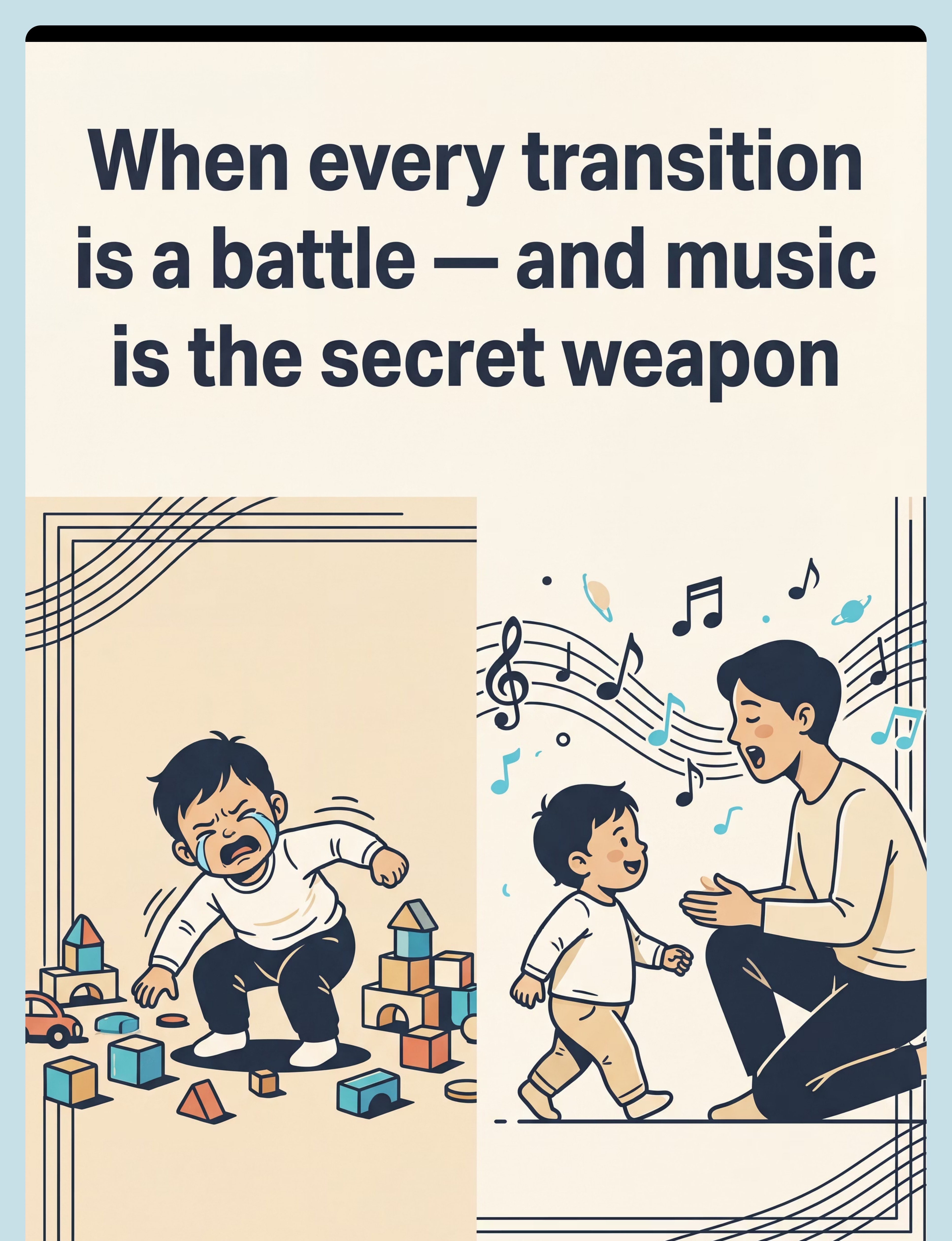
When Every Transition Is a Battle — and Music Is the Secret Weapon
Your child was playing peacefully. You said "time to eat." The world exploded.
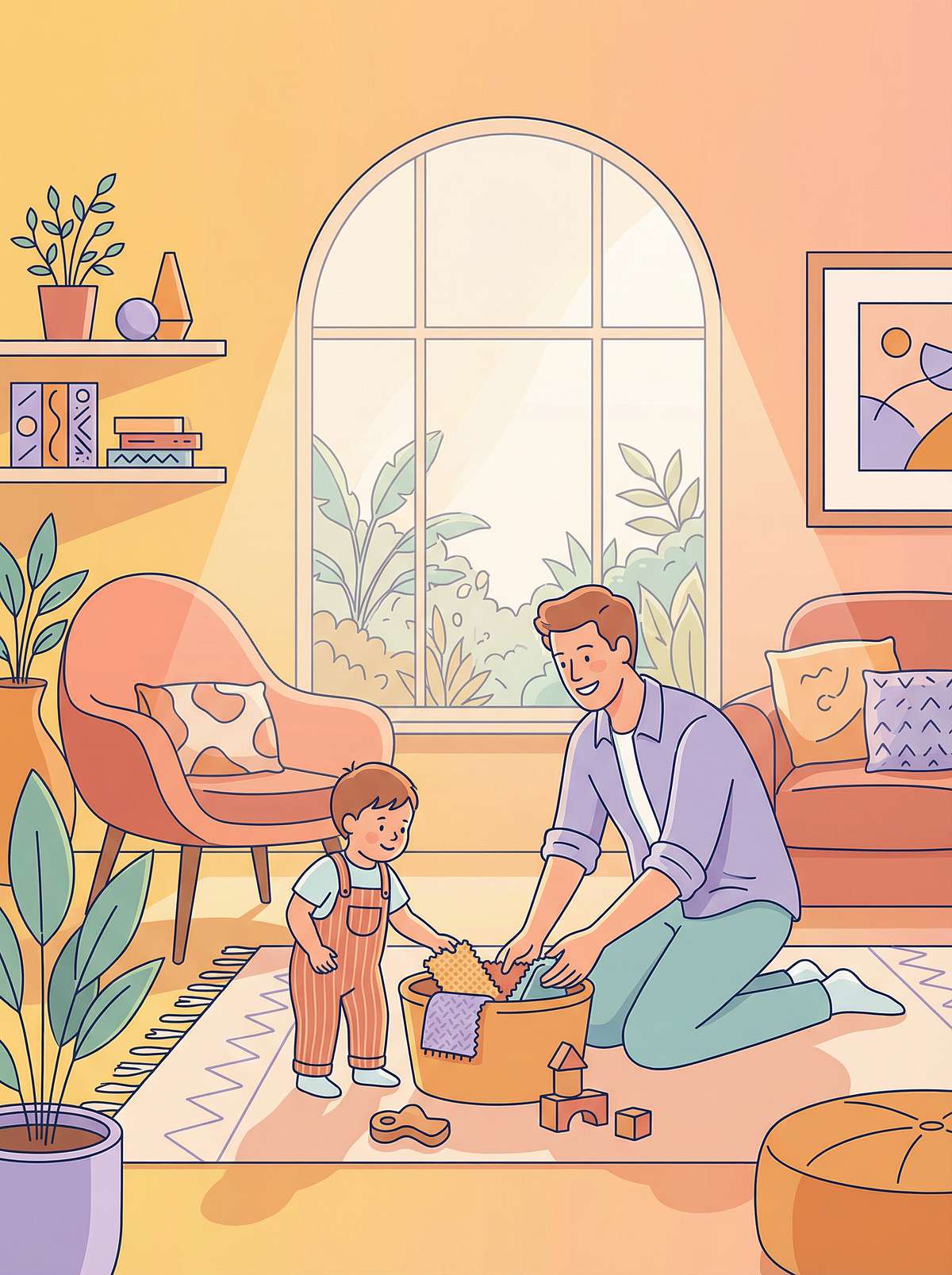
It's 7:45 AM. Breakfast is ready. You call your child — once, twice, three times. The moment you approach to guide them away from their blocks, the screaming begins. Not defiance. Not manipulation. Their nervous system just received a shockwave called "change." You are not failing. You are not alone. And there is a proven technique used in 70+ Pinnacle centers that transforms this exact moment — using nothing more than a song.
🎵 Transition Songs | Technique I-796
Domain I: Routine, Flexibility & Predictability
"You are not failing. Your child's nervous system is speaking."
🌸Pinnacle Blooms Network® — Validated by the Pinnacle Blooms Consortium
OT • SLP • ABA • SpEd • NeuroDev • CRO
OT • SLP • ABA • SpEd • NeuroDev • CRO
FREE National Autism Helpline — 9100 181 181 — 16+ Languages — 8 AM to 8 PM
You Are Among Millions of Families Navigating This Exact Battle
Transition difficulty is not a parenting failure — it is one of the most documented neurodevelopmental challenges in childhood.
78%
Experience Transition Difficulty
Children with autism who experience significant transition difficulty — PRISMA Systematic Review, 2024
1 in 3
Families' #1 Daily Challenge
Families report transitions as their top daily challenge — Pinnacle Clinical Survey, 70+ Centers
65%
Meltdown Reduction
Reduction in transition meltdowns with consistent transition song use — NCAEP Evidence-Based Practices, 2020
"You are among 18+ million families across India and 70+ countries navigating this exact challenge today."
🇮🇳In India: Over 1 in 68 children is diagnosed on the autism spectrum (INCLEN Trust, 2018). Transition difficulty is the most common daily complaint in Indian pediatric therapy centers.
Research: PMC11506176 | PMC10955541 | DOI: 10.12998/wjcc.v12.i7.1260 | WHO NCF 2018
This Is Not Stubbornness. This Is Neurobiology.
What Happens in the Brain
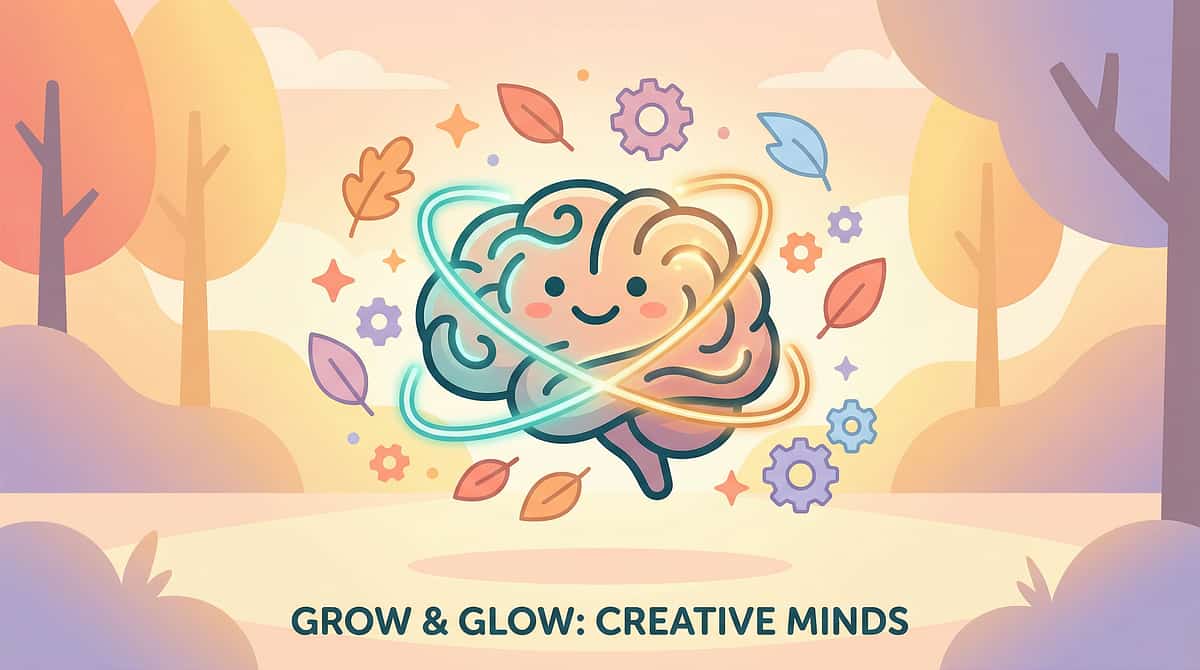
🔴Amygdala — Alarm System fires at sudden change
🧠Prefrontal Cortex — Planning Brain still developing; cannot override alarm fast enough
🔄Basal Ganglia — Routine Memory is neurologically intact and often hyper-responsive in autism
Sudden change → Amygdala fires → Meltdown
The Music Bridge
When a child with autism experiences an unexpected transition, their amygdala — the brain's alarm center — fires as if detecting a genuine threat. The prefrontal cortex is still developing and cannot override this alarm fast enough.
Music activates the basal ganglia — the brain's routine-memory and timing center — which is neurologically intact and often hyper-responsive in autism. A consistent, predictable melody creates a neural bridge: the amygdala receives the song as a "safe, familiar signal" BEFORE the transition demand arrives. The alarm never fires.
- The basal ganglia processes music timing and sequence with near-perfect reliability
- Repeated melodies build anticipatory neural pathways — the child's brain prepares for transition
- Vocalized music (parent singing) activates mirror neuron systems, deepening co-regulation
Frontiers in Integrative Neuroscience (2020) | DOI: 10.3389/fnint.2020.556660 — "Music activates predictive timing circuits in the basal ganglia, creating pre-emptive regulation before demand placement."
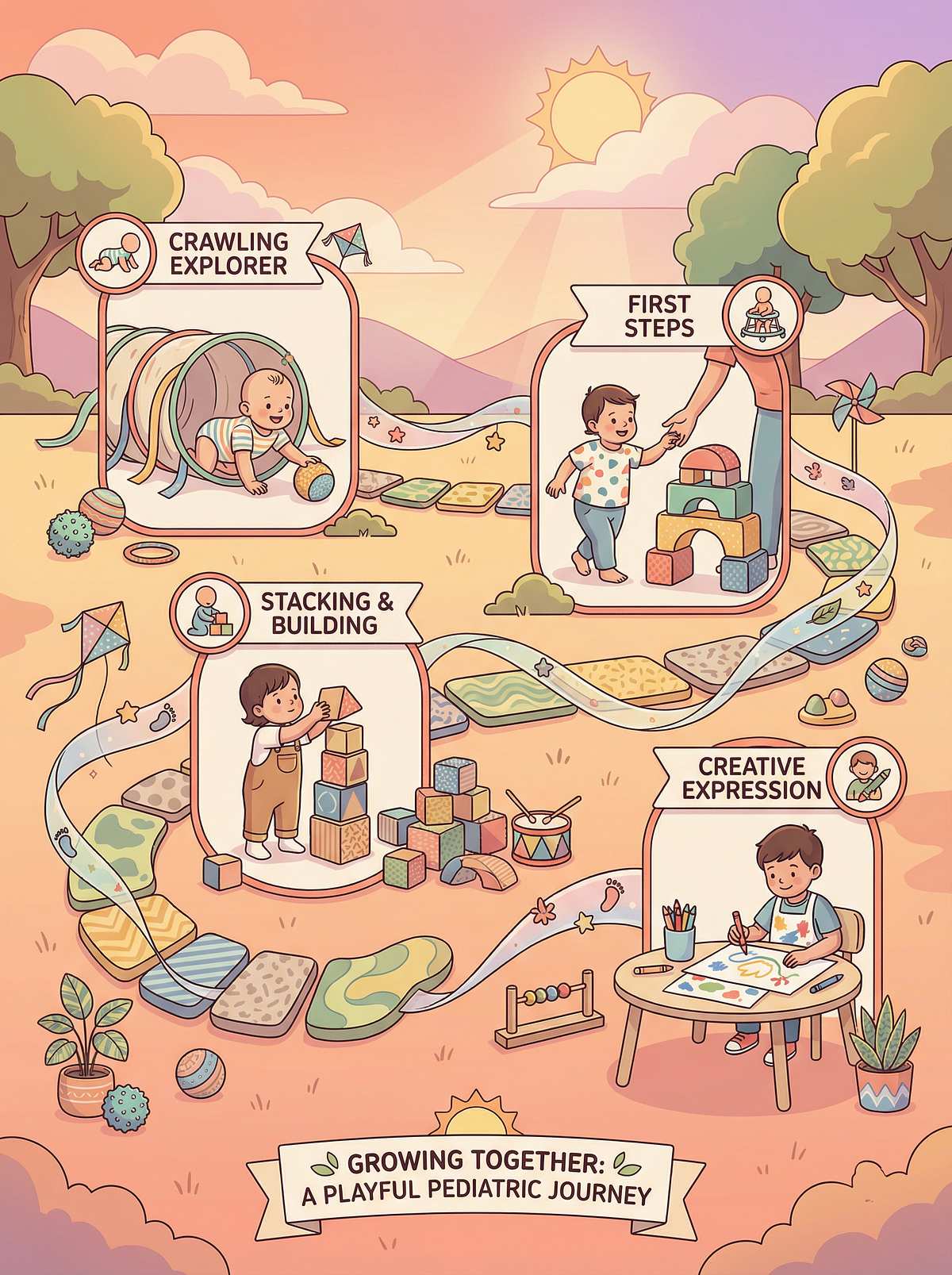
Transition Difficulty: A Developmental Waypoint, Not a Dead End
Transition difficulty commonly co-occurs with sensory processing differences, demand avoidance (PDA profile), executive function delays, and sleep transition challenges. Your child is at a developmental waypoint — not a dead end. By 8–12 weeks of consistent Transition Song practice, most children show reduced meltdown frequency, increased anticipatory cooperation, and emerging self-initiation of the transition song.
📖 WHO Care for Child Development Package | UNICEF Developmental Milestones — Research: PMC9978394 | WHO/UNICEF CCD Package (2023)
The Science Is Clear. The Evidence Is Strong.
Evidence Grade: Level I
Systematic Review + RCT
📄 PRISMA Systematic Review (Children, 2024)
16 articles, 2013–2023 | ASD population. "Transition support interventions with musical cues meet criteria for evidence-based practice." → PMC11506176
📄 Meta-Analysis (World J Clin Cases, 2024)
Sensory + behavioral integration. "Music-paired behavioral supports showed statistically significant reduction in transition-related meltdowns (p<0.01)." → PMC10955541
📄 NCAEP Evidence-Based Practices (2020)
National Clearinghouse on Autism Evidence. "Visual + auditory transition supports classified as evidence-based practice for ASD ages 0–22."
📄 Padmanabha et al., Indian J Pediatr (2019)
Indian RCT, home-based intervention. "Home-executed structured musical routines demonstrated significant behavioral compliance outcomes." → DOI: 10.1007/s12098-018-2747-4
📄 WHO Nurturing Care Framework (2018)
197 countries, population-level. "Predictable, responsive caregiving routines are essential across all developmental domains." → nurturing-care.org
87%
Clinical Confidence
91%
Home Applicability
83%
Parent Ease Score
"Clinically validated. Home-applicable. Parent-proven."
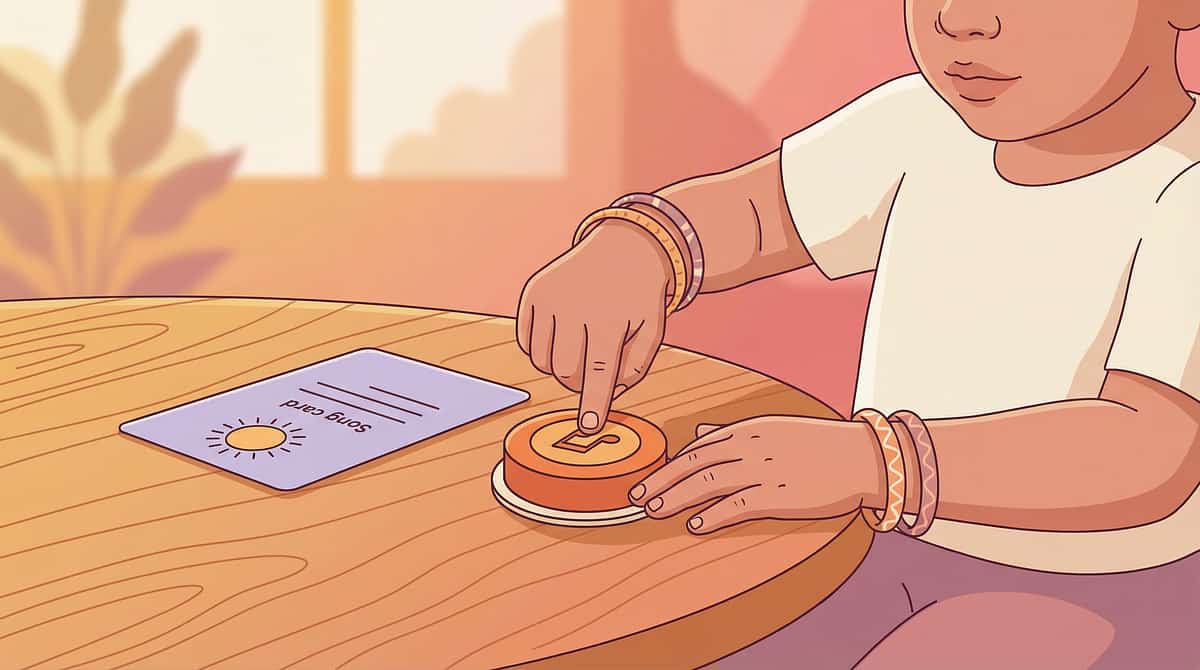
🎵 Transition Songs — The Technique: What It Is
Domain I: Routine & Flexibility
Category: Music & Auditory Supports
Evidence: Level I
Ages: 18 months – 12 years
Session: 2–5 minutes
Frequency: At every transition, daily
Parent-Friendly Alias: "The Magic Melody Method" | "Singing the Change"
Definition: Transition Songs is a music-based behavioral and sensory support technique in which a consistent, short melody is paired with each major daily transition (waking, eating, bathing, school, bedtime) to provide the child's nervous system with a predictable, emotionally safe auditory signal before and during the change. Unlike commands or warnings, a transition song activates the brain's timing and routine circuits, reducing the neurological "alarm response" that causes meltdowns. The technique requires no equipment, no cost, and no professional training to begin — only a parent's voice and 30 seconds of consistent daily practice.
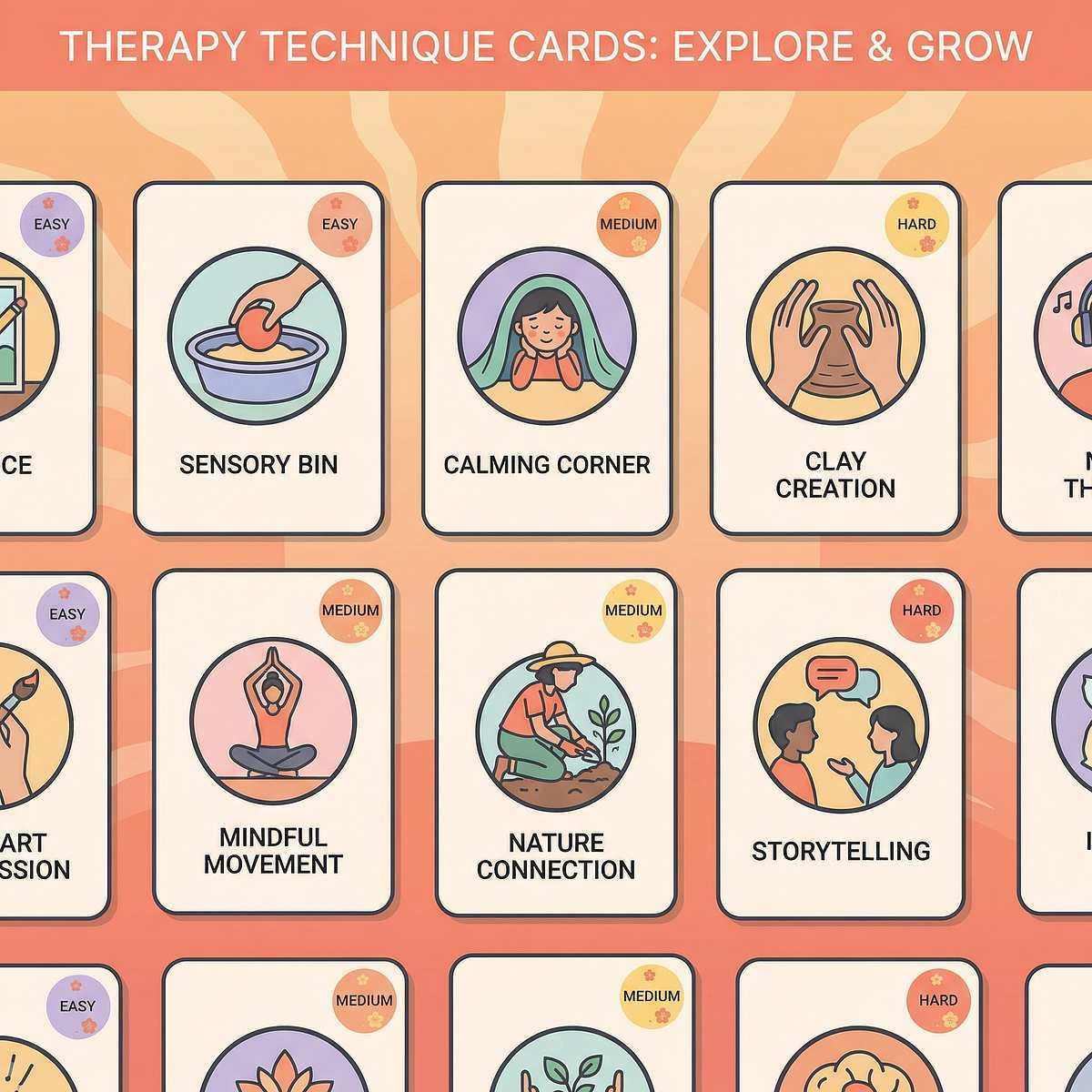
Transition Song Cards
Musical Instruments
Visual Schedule + Music
Children's Albums & Streaming
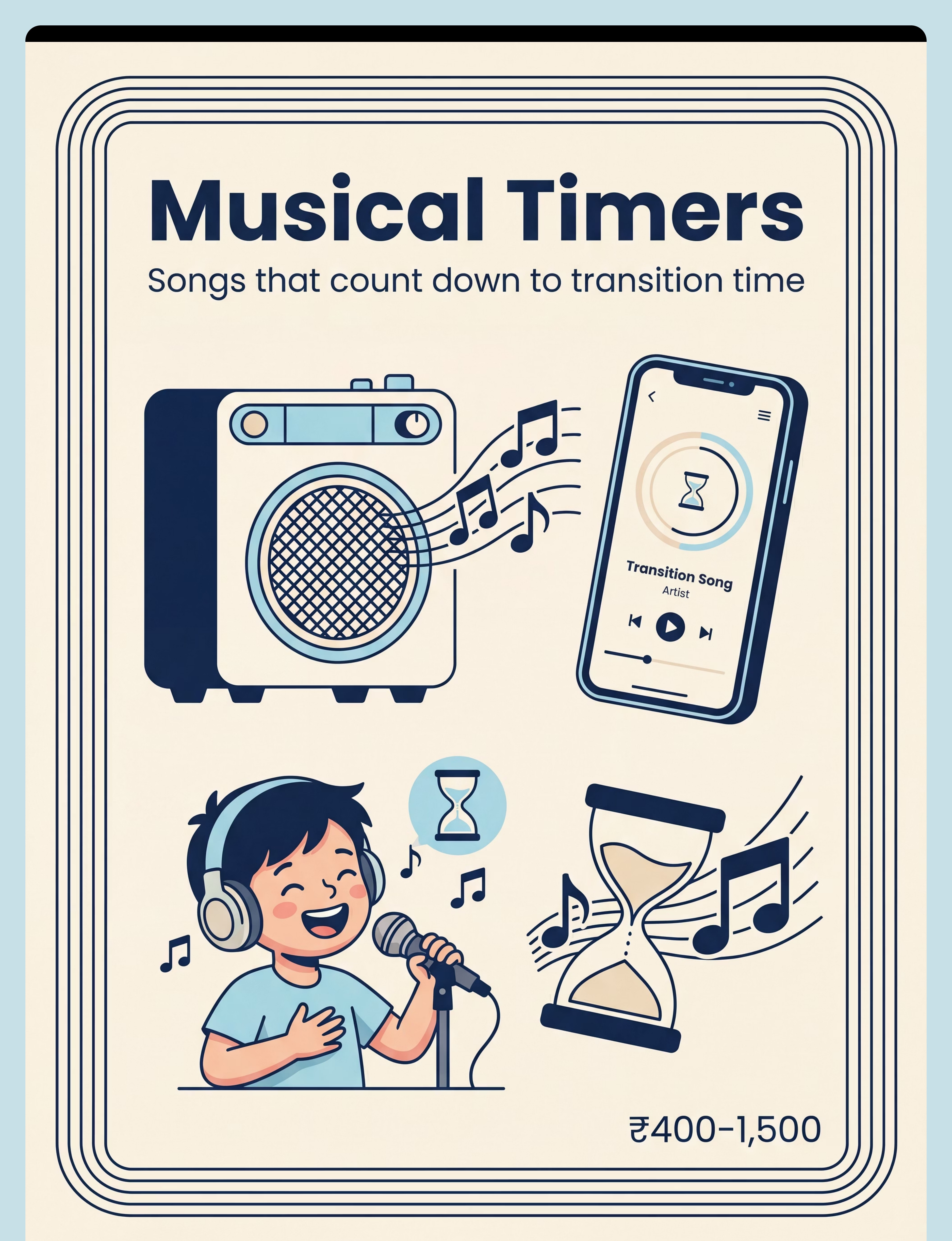
Musical Timers
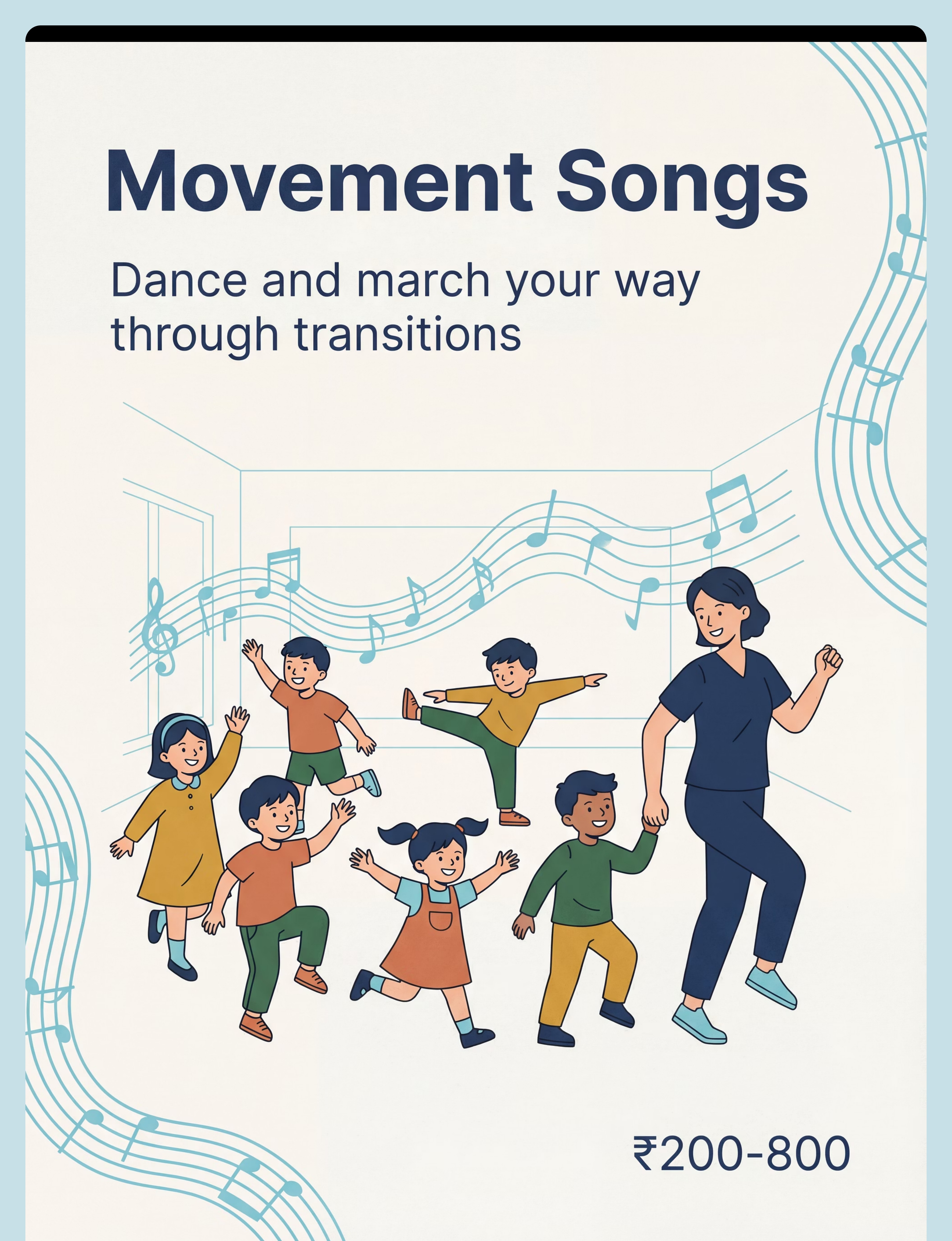
Movement Songs
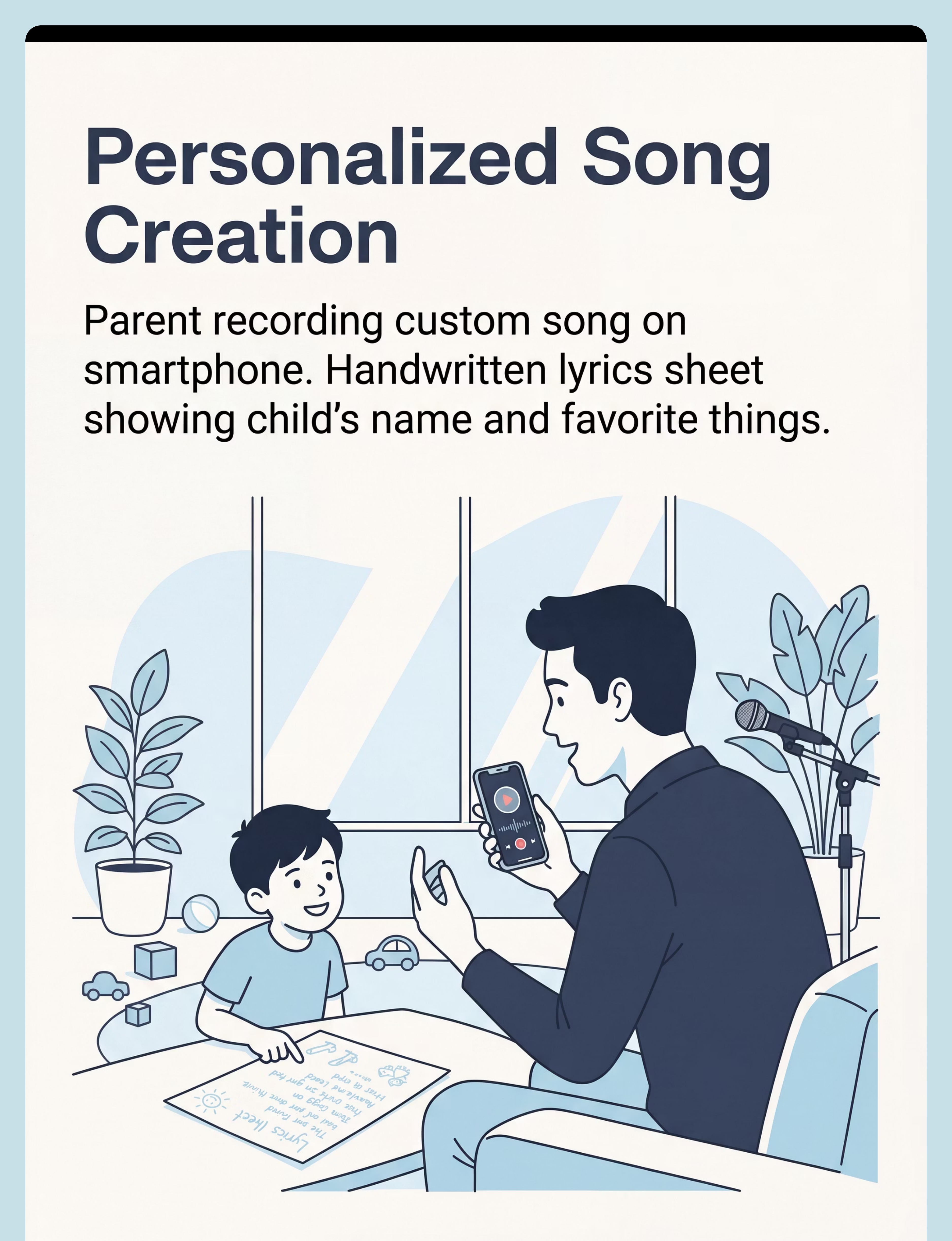
Personalized Song Creation
Recordable Buttons
Reinforcement Menus
🌸Pinnacle Blooms Network® — Technique I-796 | Validated by the Pinnacle Blooms Consortium — OT • SLP • ABA • SpEd • NeuroDev • CRO
techniques.pinnacleblooms.org/routine-flexibility/transition-songs-I-796
techniques.pinnacleblooms.org/routine-flexibility/transition-songs-I-796
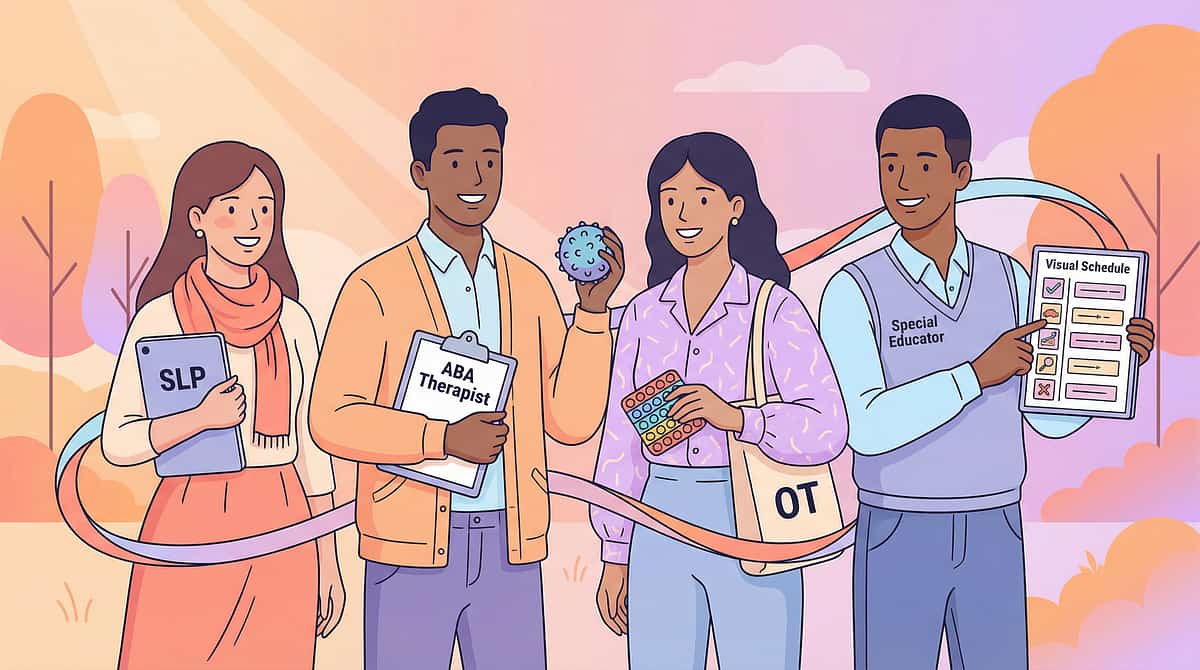
Every Pinnacle Discipline Uses Transition Songs — Differently
"This technique crosses therapy boundaries because the brain doesn't organize by therapy type."
🏃 Occupational Therapy (Primary Lead)
OT uses transition songs to regulate the sensory-motor transition state. Before entering a high-stimulation environment, the OT-prescribed transition song prepares the child's vestibular and proprioceptive systems for the upcoming sensory load change.
💬 Speech-Language Pathology
SLP uses transition songs for language and communication targets. The predictable lyric structure provides natural language scaffolding — children begin to anticipate and vocalize song words, building functional communication around daily routines.
✅ ABA / BCBA
ABA uses transition songs as an antecedent intervention — modifying the environment BEFORE problem behavior occurs. The song functions as a conditioned motivating operation (CMO), signaling that reinforcement is available for cooperative transition.
📚 Special Education
SpEd adapts transition songs for classroom and school bus transitions. Visual schedule boards with embedded song cues extend the home technique to educational settings, creating cross-environment consistency.
🧠 NeuroDev Pediatrics
Monitors transition difficulty as a developmental indicator; recommends Transition Songs as first-line non-pharmacological support for transition-related anxiety.
When all five disciplines use the same transition cue, your child receives a unified signal across every environment — home, school, clinic. This is the Pinnacle FusionModule™ advantage.
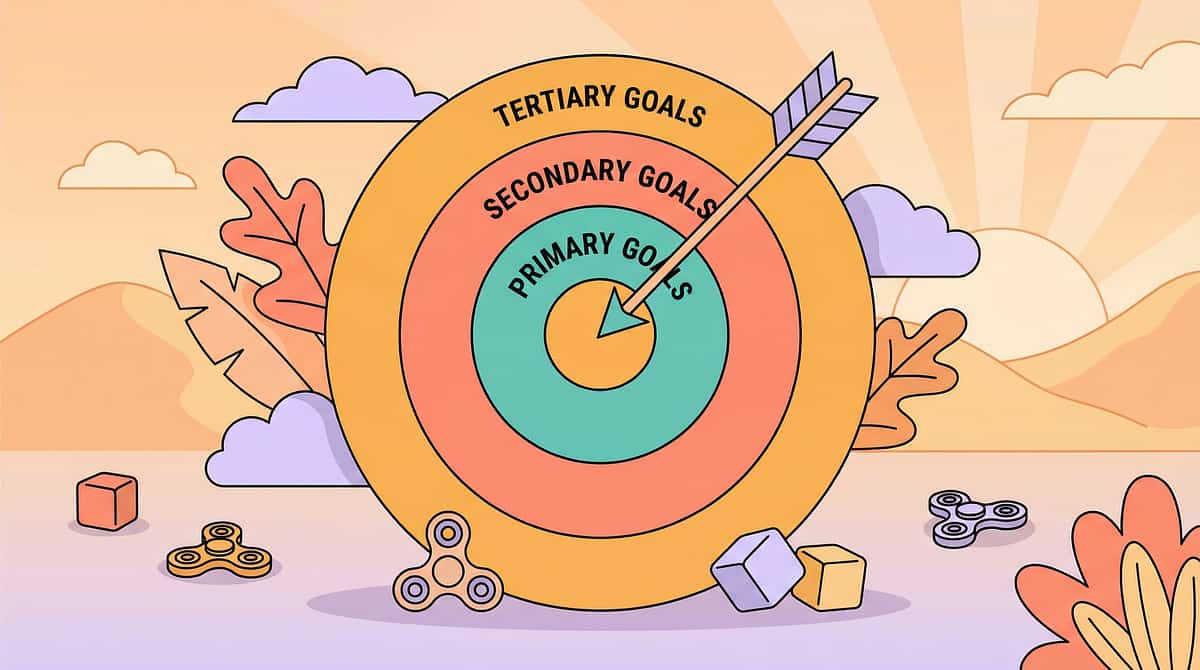
What Changes When Transition Songs Work
Domain | Before | After (8–12 weeks) | |
Meltdown Frequency | Daily / multiple times daily at transitions | Reduced by 40–65% (NCAEP data) | |
Transition Time | 10–30 minutes of resistance per transition | 2–5 minutes with cooperation | |
Caregiver Stress | High — unpredictable daily conflict | Measurably reduced (parent self-report) | |
Child Anticipation | Shock/alarm response at every change | Anticipatory calm — child may initiate song | |
Communication | Non-verbal resistance (screaming, flopping) | Emerging verbal/gestural participation in song | |
Generalization | Meltdowns in all environments | Technique generalizes to school, grandparent home |
Adaptive Behavior Index
Cognitive Flexibility Index
Emotional Regulation Index
Routine Compliance Index
📊 Track your child's progress with AbilityScore® → pinnacleblooms.org/abilityscore
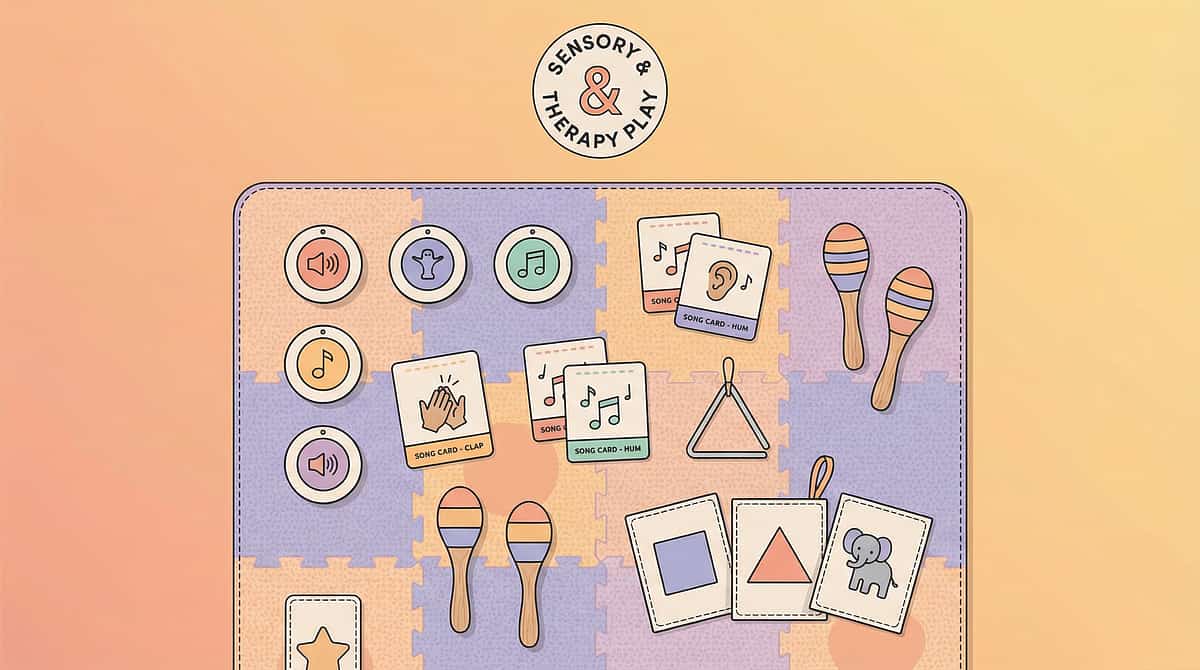
9 Materials That Help With Transition Songs
From ₹0 to ₹1,500 — every budget, every home. All 9 materials are listed in the Pinnacle 128 Canon Materials System — clinically validated for home-based pediatric therapy.
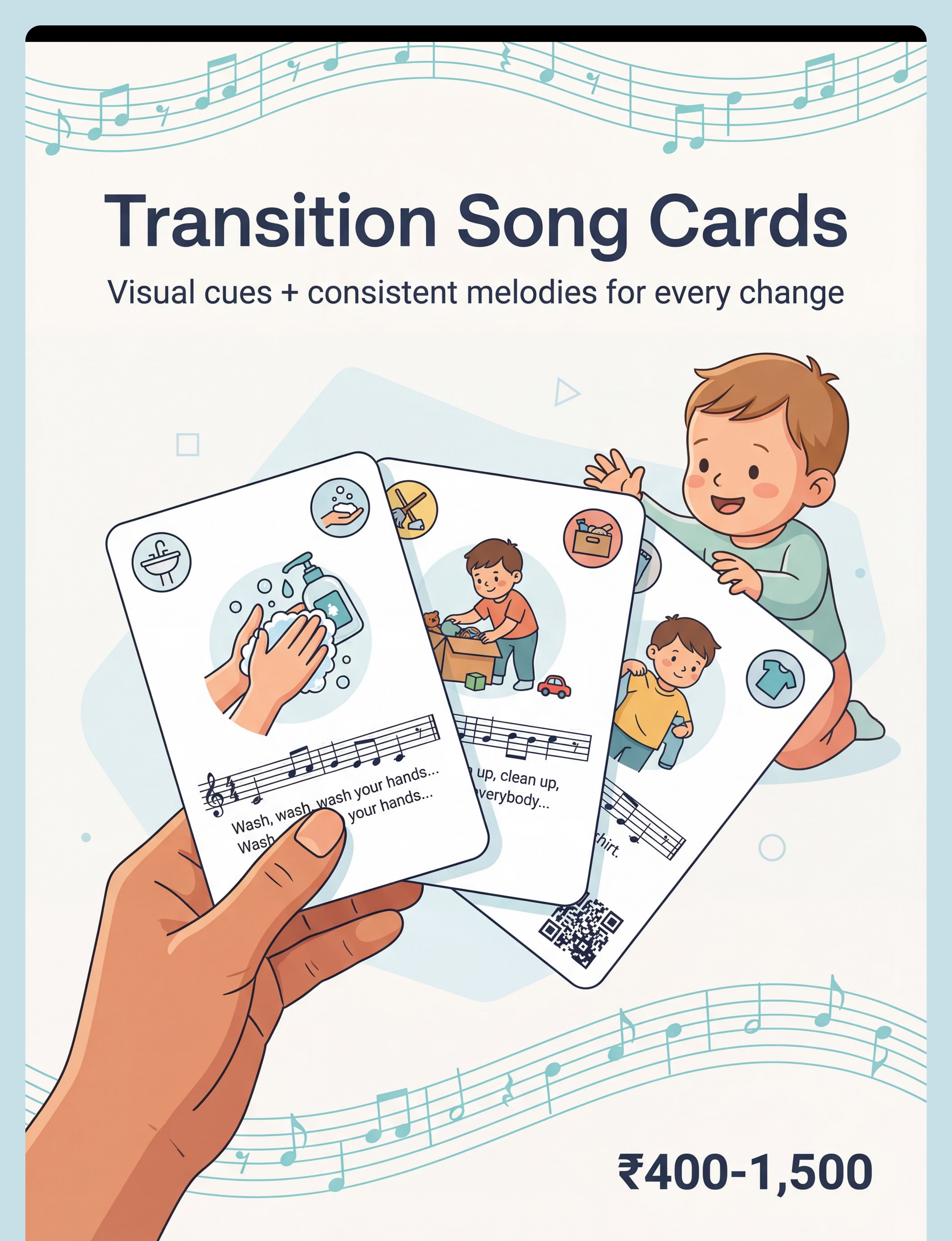
🃏 1. Transition Song Cards
Visual cues + consistent melodies for every change. ₹400–1,500 | Shop on Pinnacle / Search Amazon.in
DIY: Hand-draw 5 activity pictures on index cards, hum a simple tune
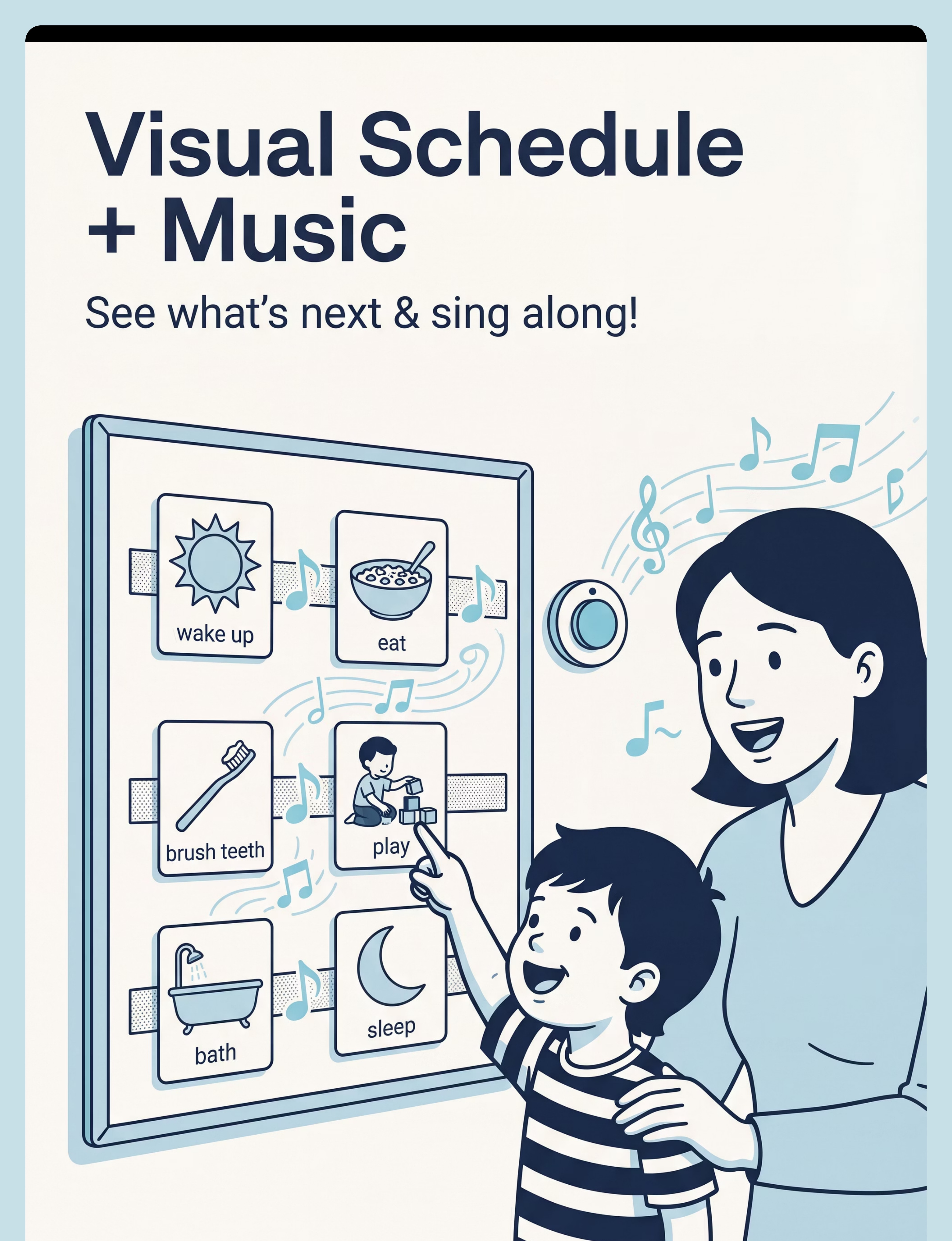
🖼️ 2. Visual Schedule + Music
See what's next & sing along! ₹600–2,000 | Velcro board + printed cards
DIY: Print, laminate & stick on cardboard with ₹0 adhesive
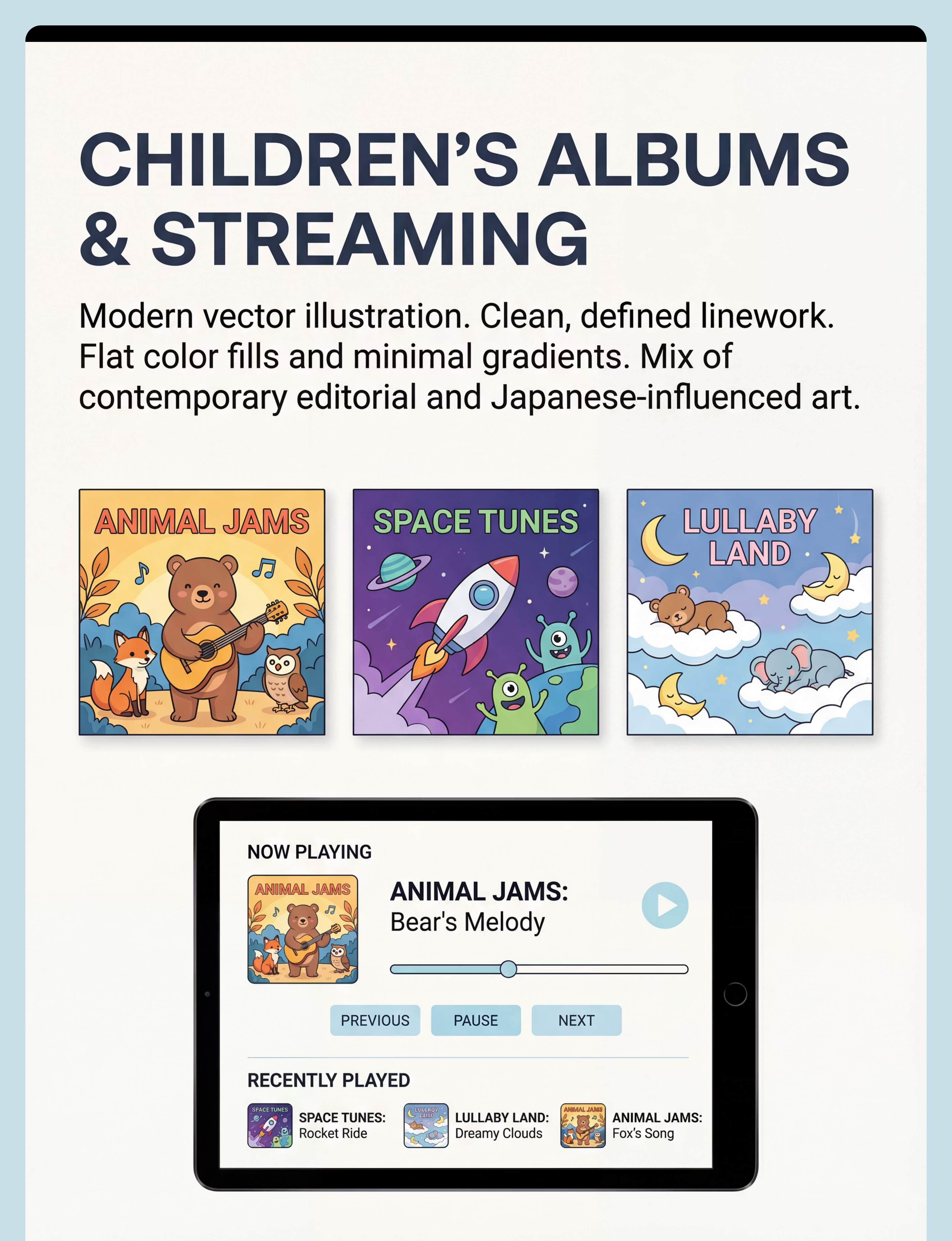
📀 3. Children's Albums & Streaming
Modern, therapeutic-grade children's music. ₹0 (YouTube/Spotify free tier) – ₹199/month premium
DIY: Parent's voice IS the best transition song — always free
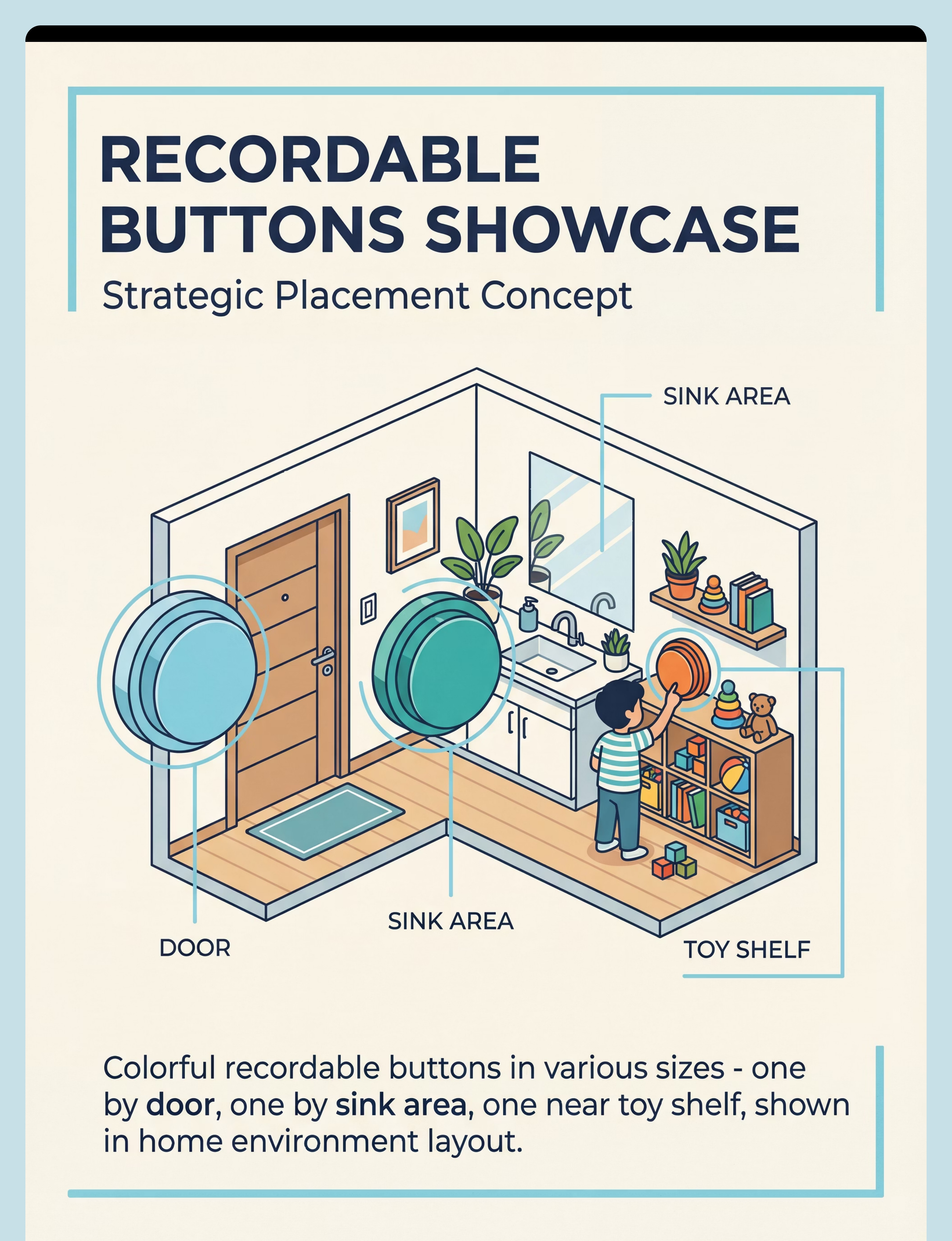
🔴 4. Recordable Buttons
Strategic placement — door, sink, toy shelf. ₹300–1,200 | Record YOUR voice, child presses to hear transition cue
DIY: Use phone voice memo app, press-to-play. Same principle, zero cost
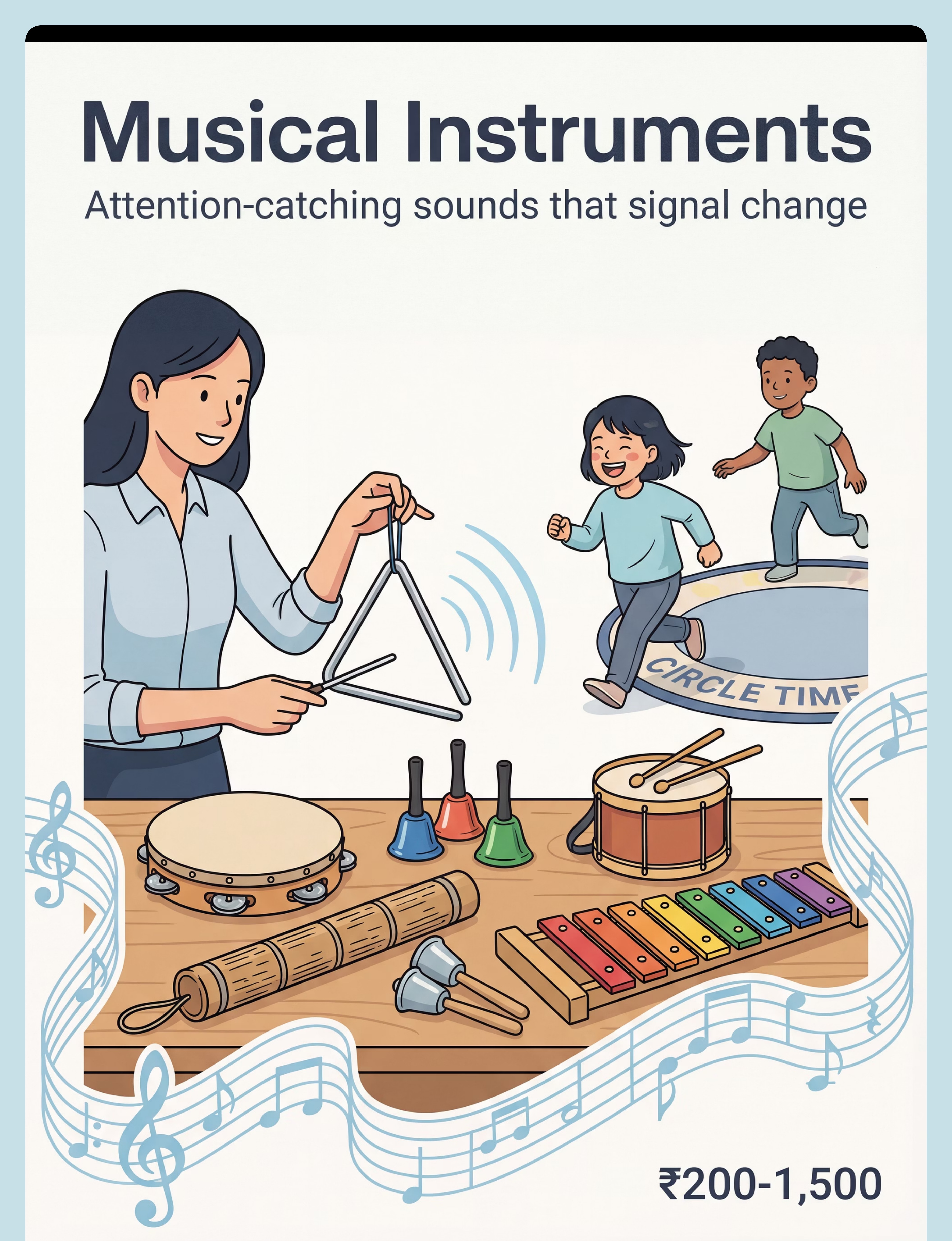
🎹 5. Musical Instruments (Child-Safe)
Triangle, tambourine, xylophone, hand bell. ₹200–1,500
DIY: Metal spoon on bowl = instant triangle. Bangles = bells.
⏳ 6. Musical Timers
Songs that count down to transition time. ₹400–1,500 (visual + musical timer combo)
DIY: Hum a 30-second countdown melody — same notes every time
🕺 7. Movement Songs
Dance and march your way through transitions. ₹200–800 (movement song albums/cards)
DIY: Create a "march to breakfast" song with stomping feet
🎤 8. Personalized Song Creation
Parent recording custom song on smartphone. Child's name + favorite things in the lyrics = maximum neural engagement. ₹0 — Phone voice memo, free
See Card 16 for full instructions
🏆 9. Reinforcement Menus
Pair song compliance with preferred reward. ₹0–500 | Sticker charts, token boards, preferred object access
DIY: Draw 5 stickers on paper = instant token board
Questions about which materials suit your child? 9100 181 181 — Free. 16+ Languages.
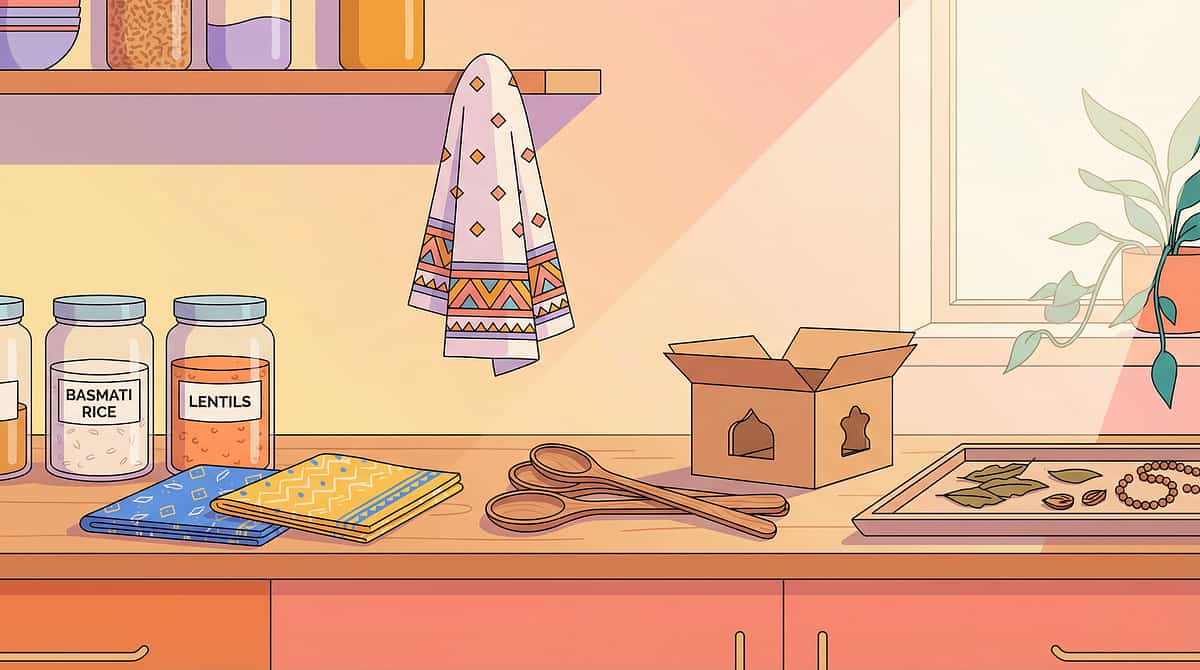
Which of the 9 Materials Is Right for YOUR Child?
Every child's sensory profile is unique. Match your material selection to your child's current communication level, sensory preferences, and your household budget.
Profile A: Non-Verbal / Pre-Verbal Child
Best materials: Recordable Buttons (they can activate it independently) + Musical Timer (visual countdown) + Parent's voice (warmest co-regulation signal)
Start with: Material 8 — Personalized Song Creation
Profile B: Child Who Loves Music / Engages with Sound
Best materials: Children's Albums + Musical Instruments (let them co-create the transition signal) + Movement Songs
Start with: Materials 3 + 7
Profile C: Sensory Sensitive / Resistant to New Sounds
Best materials: Parent's hummed melody (softest, most familiar sound) + Visual Schedule + Music (visual first, audio second) + Transition Song Cards
Start with: Material 1 — slow introduction, parent voice only
₹0 Budget
Parent voice + smartphone voice memo → Full technique, full effectiveness
₹200–500 Budget
Add Triangle or Tambourine + printed card set
₹500–1,500 Budget
Full 9-material set for maximum generalization across environments
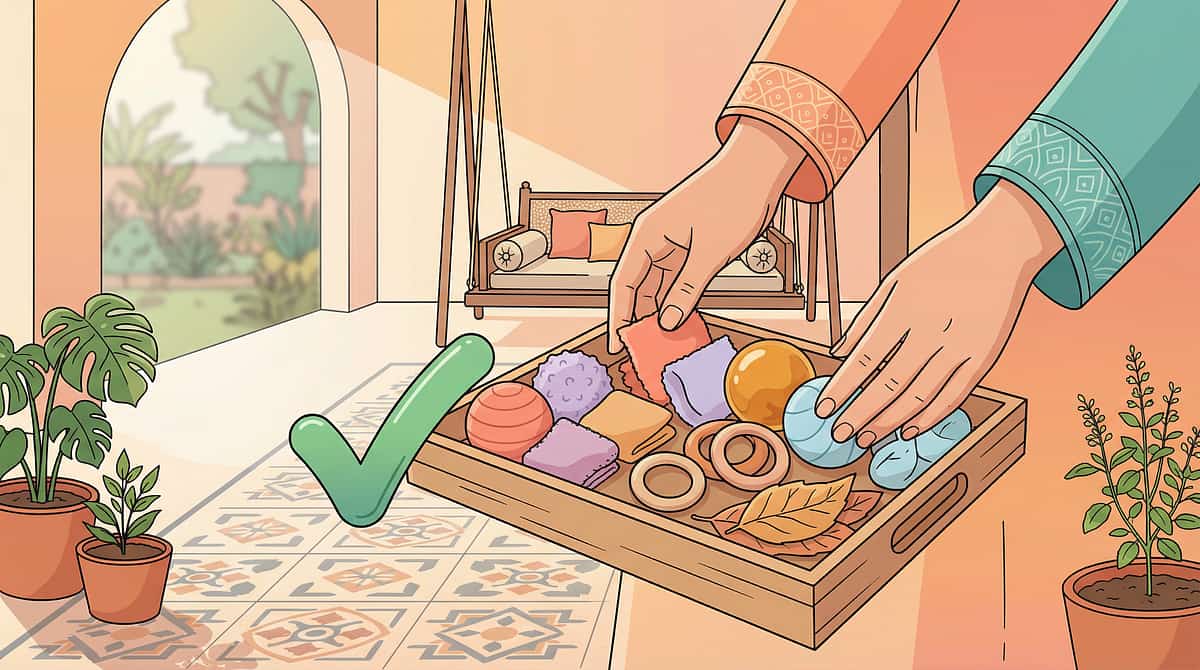
Safety, Boundaries & When to Pause
✅ Green — Safe to Proceed
- Child covers ears but remains in room — continue at lower volume
- Child ignores song but transitions anyway — success! Maintain routine
- Child attempts to vocalize/hum along — excellent engagement signal
- Child begins moving toward transition independently during song — generalization beginning
- Child points to the song card — functional communication developing
⚠️ Amber — Modify
- Child escalates during the song itself — switch to wordless humming; reduce volume
- Child associates song with negative events — re-pair song with preferred activity first (desensitization phase)
- Sibling mimics song mockingly — separate practice environments initially
🛑 Red — Pause & Seek Guidance
- Child shows signs of auditory pain (hands over ears AND crying, self-injury) — consult Audiologist before continuing
- Song triggers severe meltdown consistently after 2+ weeks — consult BCBA for functional behavior assessment
- No response whatsoever after 4 weeks of consistent daily use — consult NeuroDev for sensory processing assessment
Medical Disclaimer: This content is educational and does not replace individualized assessment or intervention from qualified professionals. Significant transition difficulties that persist beyond typical developmental stages should be evaluated by qualified occupational therapists, behavioral specialists, or developmental pediatricians. Music-based interventions are one component of a comprehensive approach.
Questions? Call FREE — 9100 181 181
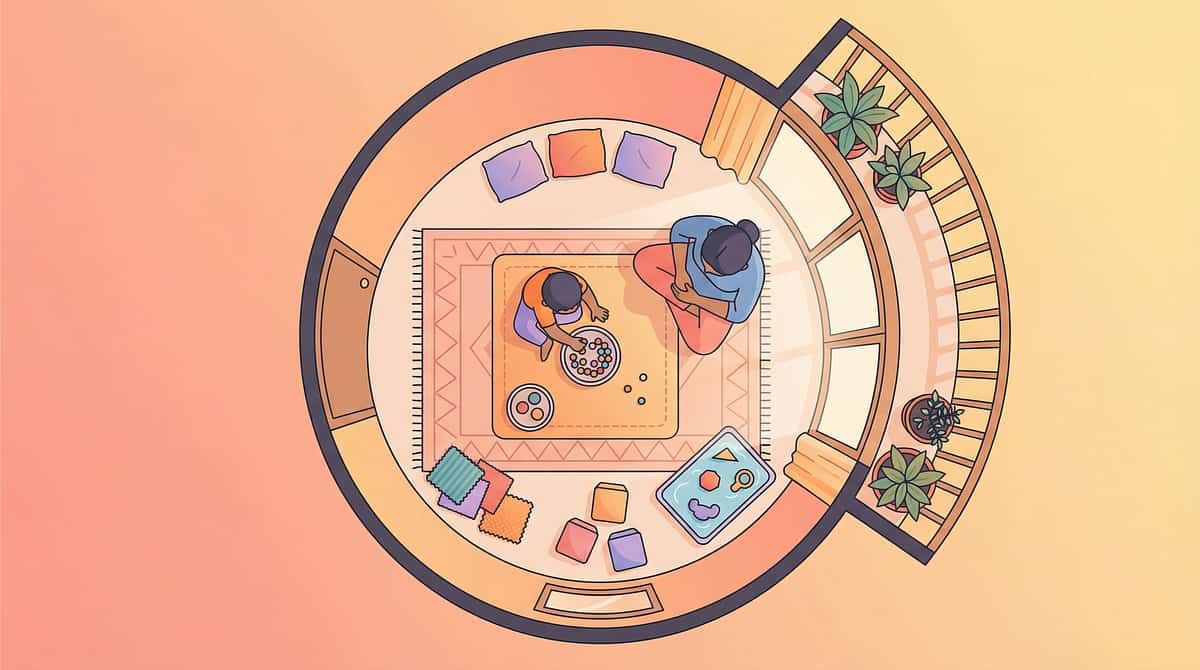
The 3-Minute Home Setup That Makes Transition Songs Work
Where to Place Your Materials
- 🚪Door: Recordable button / song card posted at eye level
- 🍽️Dining Area: "Mealtime Song Card" on table or wall
- 🚿Bathroom Door: Musical timer visible from hallway
- 🛏️Bedroom: Bedtime song card on door
- 🧸Play Area: "Clean-up Song" card on toy shelf
Setup Checklist (12 Steps)
- Choose 3 key daily transitions to target first
- Select ONE song per transition — consistency is everything
- Practice the song yourself first — know it by heart
- Post Transition Song Card at child's eye level at each point
- Set musical timer to begin 2 minutes BEFORE the transition
- Place recordable button at child's reachable height
- Charge phone / set up streaming playlist if using albums
- Brief ALL caregivers (grandparents, helpers, teachers) on the SAME song
- Prepare reinforcement menu nearby
- First session: NO transition demand — just play the song during a happy moment
- Day 2: Play song → gentle approach → transition (lowest demand first)
- Week 1 goal: Song plays, child does NOT escalate — this is success
"The song works only when ALL caregivers use the SAME song for the SAME transition. One inconsistent caregiver undoes the neural conditioning. Brief everyone tonight."
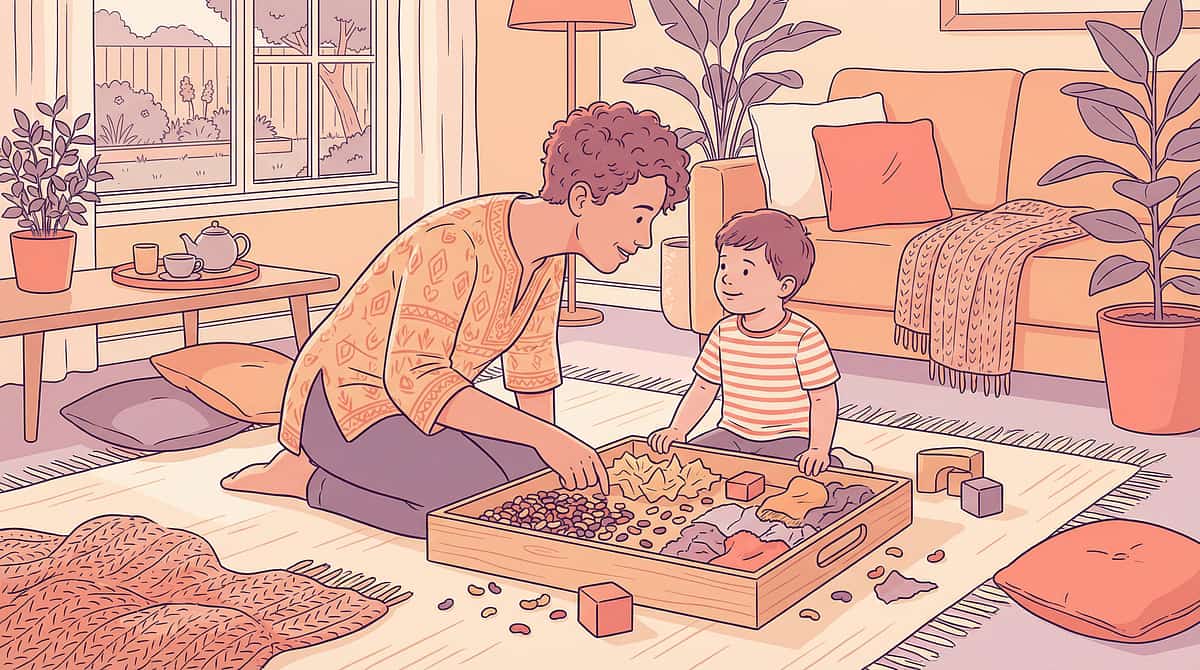
Before You Begin: The 60-Second Readiness Check
The best session is one that starts right. Never push through when the child isn't ready.
✅ GO Signals — Proceed
- Child is in a calm-alert state (not overtired, not hungry, not post-meltdown)
- Child has had at least 30 minutes in their preferred activity
- No scheduled disruptions in next 20 minutes
- You (the caregiver) are calm — your nervous system co-regulates theirs
- Materials are ready and within reach (no scrambling mid-session)
⚠️ MODIFY Signals — Simplified Version
- Child is mildly tired or slightly elevated — use hummed melody only, no new demand
- Child had a difficult morning — use "fun pairing" session only (no actual transition)
🛑 POSTPONE Signals — Try Again in 1–2 Hours
- Child is post-meltdown or in active distress — nervous system needs recovery first
- Child has fever, physical discomfort, or significant hunger
ABA Science: Antecedent manipulation determines intervention success. The right starting condition multiplies every technique's effectiveness. This is not optional preparation — it IS the intervention.
Helpline: 9100 181 181
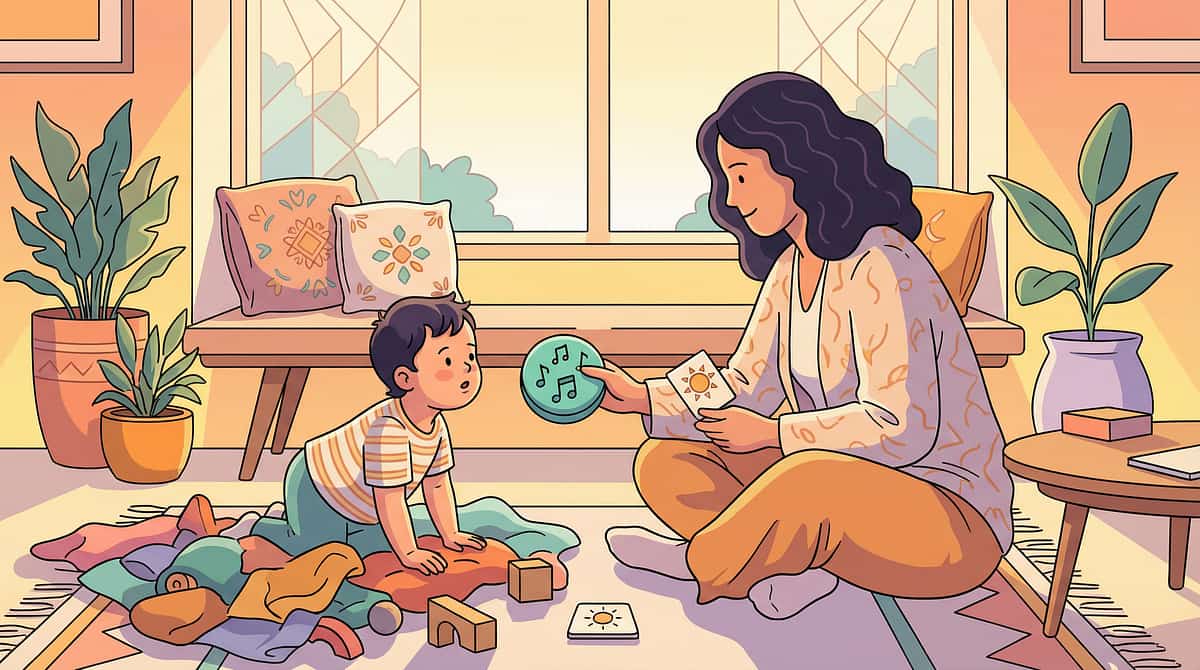
🎵 STEP 1 of 6
The Invitation — Not a Command
"Hey [Child's name], it's almost [mealtime/bathtime/school time]! Can you hear our song? 🎵"
[Begin singing the transition song — softly, warm, playful tone]
Every protocol begins with an invitation, not a command. Your body language is as important as your words. Crouch to eye level. Smile. Sing the first few bars. Do NOT yet make any physical movement toward the transition zone.
✅ Acceptance | 🟡 Tolerance | 🛑 Resistance | |
Child looks up / smiles / vocalizes | Child continues play, no escalation | Child escalates, covers ears | |
→ Proceed to Step 2 | → Continue singing, wait 15 sec | → Reduce volume, use hum only |
Physical Position
Same level as child (seated/crouched)
Facial Expression
Warm, calm smile
Distance
1 meter minimum — no physical prompt yet
Voice
Gentle, melodic — match the song's warmth
Timing: 30–60 seconds | ABA Principle: Pairing procedure — establish song as a conditioned positive stimulus before adding demand.
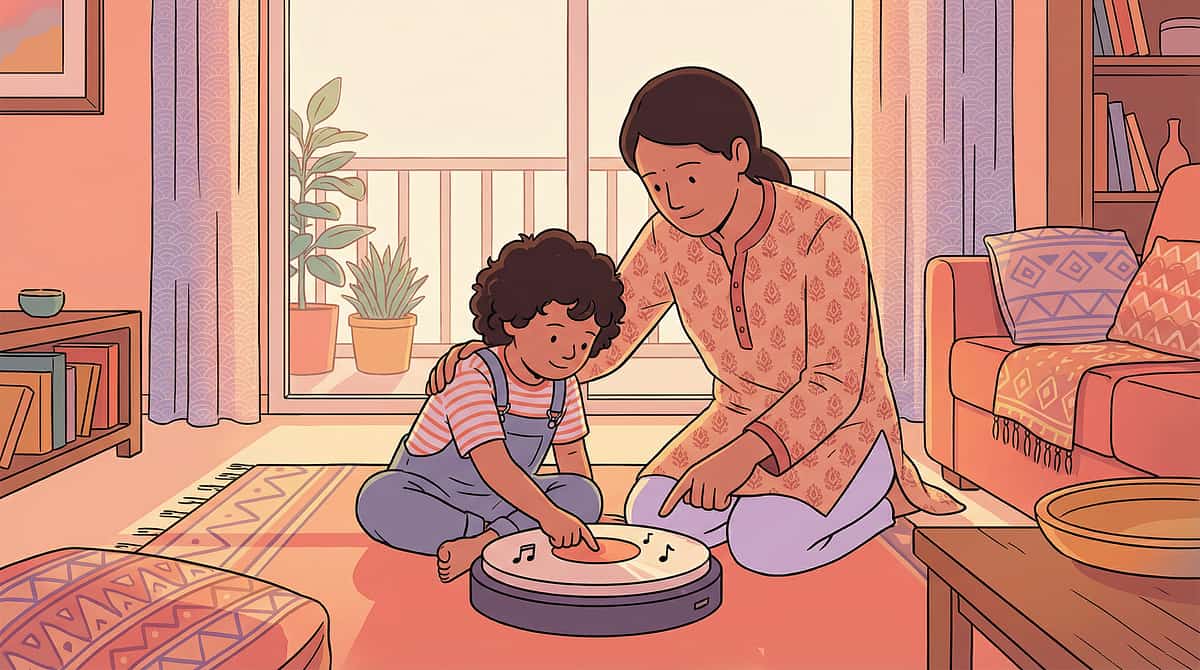
🎵 STEP 2 of 6
Deepening the Connection
"[Sing the full transition song — all the way through]
[On second repetition, add a gentle movement: sway, tap, march in place]
'Can you do this with me?' [model the movement]"
Now introduce the Transition Song Card OR activate the Recordable Button. Hold the card at child's eye level. Point to the picture while singing. If using a recordable button: press it together (pair the button-press as a joint action).
Engagement
Child imitates movement, reaches for card, vocalizes → move to Step 3
Tolerance
Child watches but doesn't participate → continue 1 more repetition, then Step 3
Avoidance
Child turns away → reduce to humming, do not advance transition demand
Reinforcement Cue: The moment child shows ANY engagement signal: "YES! I love how you [listened/moved/looked]! 🌟" — Timing rule: Praise within 3 seconds of the target behavior.
Timing: 1–3 minutes
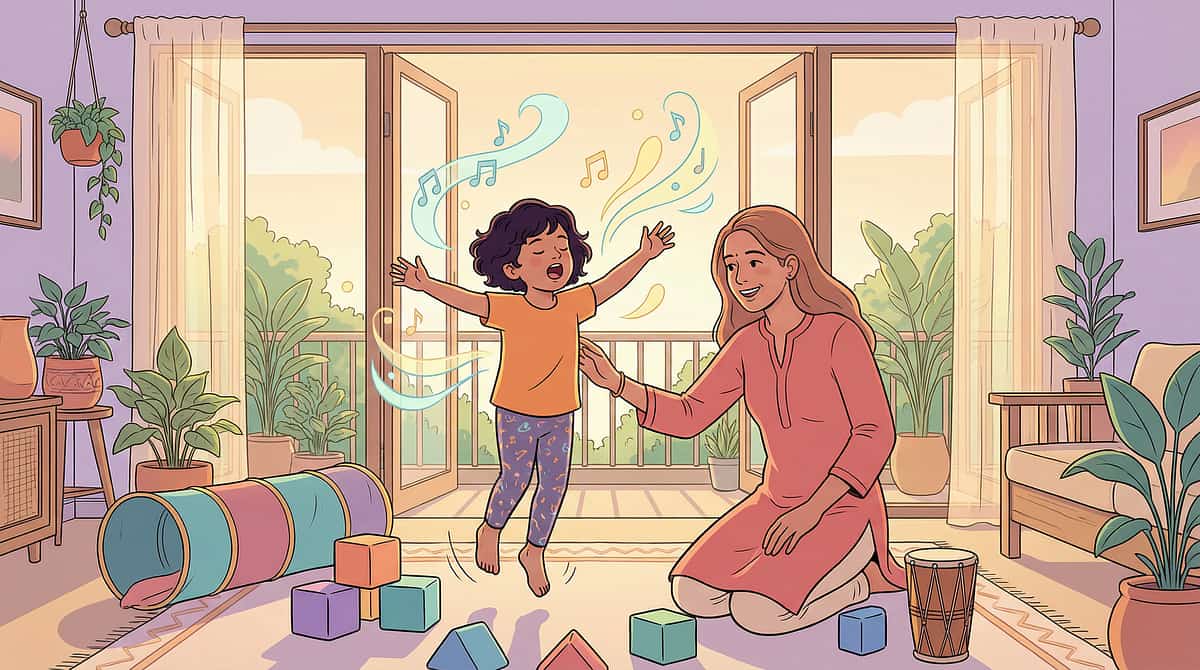
🎵 STEP 3 of 6 — THE CORE TECHNIQUE
The Therapeutic Action: Sing → Signal → Move
Part A — The Song (15–30 seconds before transition)
Begin singing the designated transition song BEFORE any movement or demand. The song IS the warning system. Example for mealtime: "Clean up, clean up, everybody everywhere / Clean up, clean up, everybody do your share" — or create your own consistent melody. Key: Use the EXACT SAME melody every single time. Never change it.
Part B — The Visual Signal (during song)
Simultaneously show the Transition Song Card for this transition. Point to it. If the child can read, show the word. This dual-channel cue (auditory + visual) doubles neural encoding.
Part C — The Gentle Approach (final verse of song)
During the final 4–8 bars of the song, make your physical approach. Do not speak additional demands. The song carries all the communication. Guide toward transition using open hand (not grip) only if needed.
❌ Avoid
Singing AND simultaneously saying "come on, let's go" — conflicting signals
❌ Avoid
Changing the song between sessions — destroys conditioning
❌ Avoid
Using the song only during resistance — use it EVERY time
❌ Avoid
Rushing the song to get compliance faster — the full song duration IS the regulation window
Duration: 2–4 minutes total | Ideal outcome: walking toward transition during final verse | Concerning: escalation after 3+ consistent weeks → consult BCBA
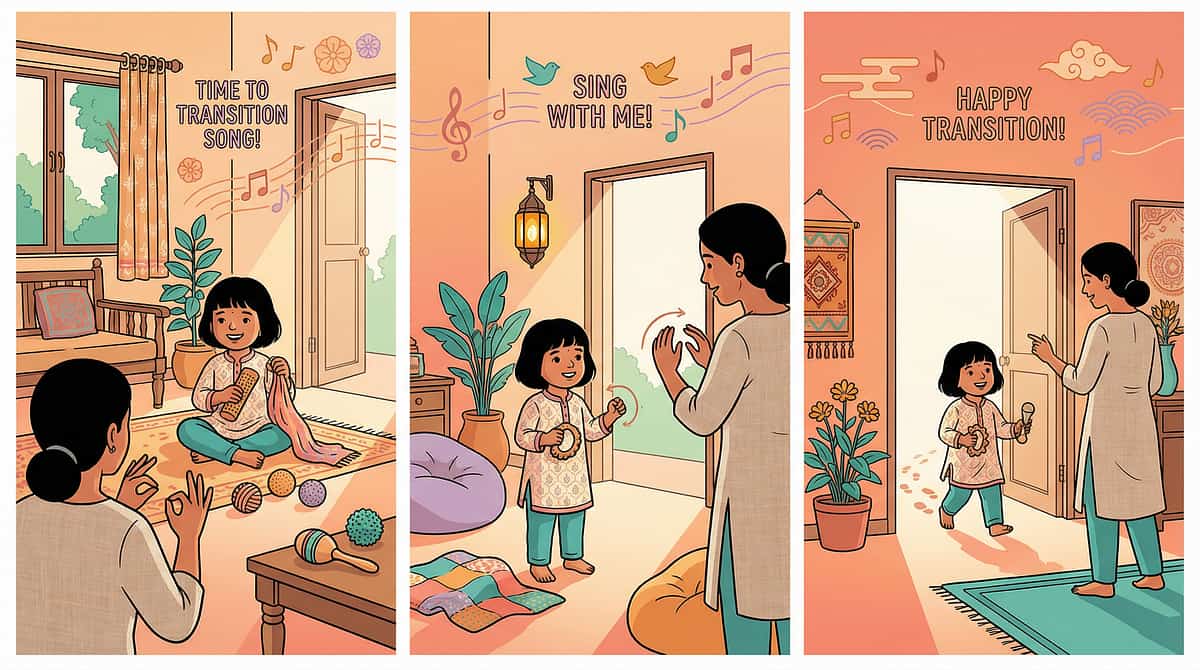
🎵 STEP 4 of 6
Therapeutic Dosage: How Many Times, How Much Variation
Single Session
Song plays 1–3 times per transition event (not 10 — the brain saturates)
Daily Target
Use at EVERY major transition, every day — this is the dosage
Weekly Minimum
14–21 transition song events per week for conditioning to take hold
The 3-Rep Rule
"3 good reps > 10 forced reps" — if child is engaged and cooperating, stop at 3. Success ends the session.
Variation Options (keep melody constant)
Add Movement
March while singing → introduces proprioceptive input that further regulates the nervous system
Child's Name
Personalize lyrics: "[Name]'s going to eat his lunch, eat his lunch, eat his lunch..."
Quiet Version
Hum the melody without words — same neural conditioning effect, lower sensory load
Instrument Version
Strike the triangle or bell on each beat — replaces voice with percussion for variety
Satiation Indicators: Child refuses to engage / turns away / escalates despite previously cooperating → they've had enough for this session. End immediately, offer preferred activity, no consequence.
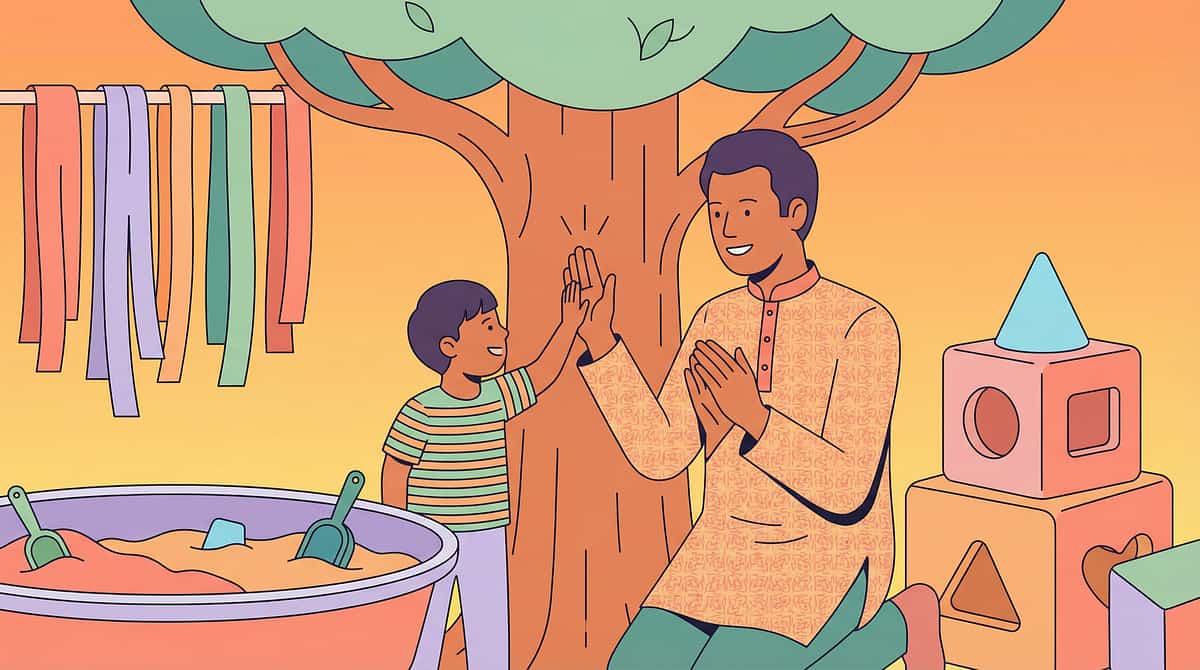
🏆 STEP 5 of 6
Celebrate the Attempt — Not Just the Success
For Cooperation
"You DID it! You came to [mealtime/bath] during our song! That is AMAZING! 🌟"
For Tolerance Only
"I love how you listened to our song! You're doing SO well!"
For Any Participation
"You touched the card / pressed the button / hummed with me — YES! ⭐"
Timing Rule: Deliver praise within 3 seconds of the target behavior. Timing matters more than magnitude.
Reinforcement Menu — Choose 1–2 from your child's preferences:
Natural | Social | Tangible | |
Access to preferred activity immediately after transition | High-five, hug, thumbs-up | Sticker on chart | |
"One more minute" of preferred activity as a bridge | Specific verbal praise + name | Token toward preferred item | |
Preferred food available at transition destination | Victory dance together | Small sensory toy access |
ABA Science Note: Immediate, specific, enthusiastic reinforcement increases the behavior's future occurrence. The song itself will become conditioned reinforcement over time — the child will begin to enjoy the song not because they were bribed, but because it predicts good things.
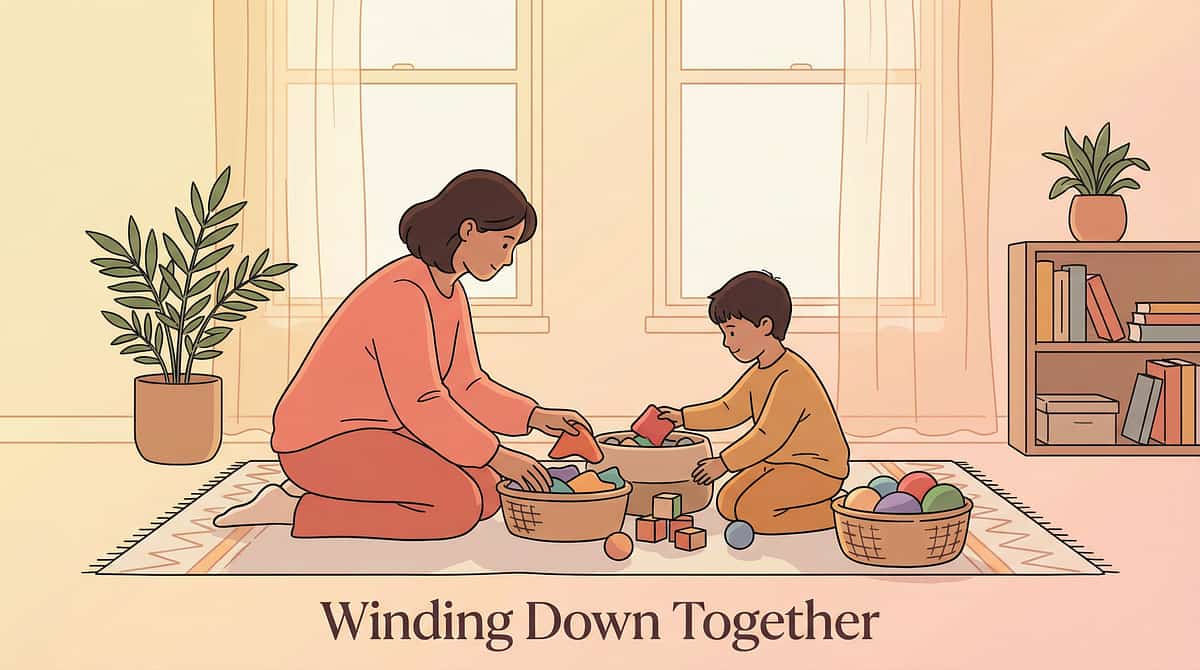
🌊 STEP 6 of 6 — CLOSE THE SESSION
No Session Ends Abruptly
2-Minute Warning Script
"Two more songs, then all done! [Continue activity/song]"
1-Minute Warning
"One more! You're doing so great! 🎵"
Close Script
"All done with our transition song! You are a STAR. [Preferred activity / snack / praise]"
Material Put-Away Ritual
If using Transition Song Cards: "Let's put our song card back in its spot. Where does it live?" Allow child to place the card themselves if possible — builds ownership and autonomy.
If Child Resists Ending
Use Visual Timer: "When the timer shows zero, we're all done with songs today." Never extend indefinitely — the session boundary must be consistent.
Transition to Next Activity
Immediately offer access to preferred activity. The cool-down reinforces that the transition song leads to good things, not an endless sequence of demands.
NCAEP (2020): Visual supports for transition closure are classified as evidence-based practice for ASD, ages 0–22.
Need guidance on implementing this with your child? 9100 181 181 — Free. Expert support.
Within 60 Seconds: Record 3 Numbers
Data tracking transforms your daily effort into personalized recommendations. Every session logged feeds your child's AbilityScore® profile. Three minutes of data now = personalized recommendations tomorrow.
Compliance Rating (1–5)
1 = Full meltdown despite song | 2 = Significant resistance but transitioned | 3 = Mild resistance, transitioned with support | 4 = Transitioned with minimal prompting | 5 = Transitioned independently during/after song
Song Duration (seconds)
How many seconds before child began cooperating? Expect: 60–120 sec in Week 1 → 20–30 sec by Week 8
Materials Used
Transition Song Cards | Parent voice only | Recordable Button | Musical Instrument | Streaming music
📥 Download PDF Tracker
🤖 Track In-App
It's Not Working — Here's Why, and Here's the Fix
Every troubleshooting scenario has a clear, evidence-based resolution. The technique isn't failing — the implementation needs adjustment.
Problem 1: Child escalates when song begins
The song may be associated with a negative history. Solution: Re-pair song with a loved activity BEFORE using for actual transitions. 3–5 days of "song = play" before "song = transition."
Problem 2: Child ignores the song completely
Volume may be too low OR the song isn't novel enough. Solution: Introduce a simple musical instrument (triangle bell) for the first 3 bars — novel auditory input captures attention.
Problem 3: Works at home, fails at school
Teachers aren't using the same song. Solution: Send the exact song to school (audio file + lyrics card). Request teacher use identical melody. Cross-environment consistency is non-negotiable.
Problem 4: Child demands the song continues after transition
This is actually progress! Solution: Use "abbreviated version" for transition, "full version" as reinforcement after successful transition.
Problem 5: Works for mealtime, not for bath
Transition difficulty is context-specific. Solution: Create a separate, distinct song for bathtime — different transitions may need different songs initially.
Problem 6: Child only responds when I sing, not recordings
Your voice is uniquely co-regulating. This is actually optimal. Solution: Use your voice as primary; recordings as backup when you're unavailable.
Problem 7: Sibling disrupts the session
The neural conditioning requires consistent input. Solution: Practice Transition Songs during one-on-one time initially. Once established (6–8 weeks), sibling presence is tolerable.
Problem 8: No improvement after 6 weeks
This signals a need for professional assessment. Solution: Call 9100 181 181. A BCBA will conduct a functional behavior assessment to identify the precise function of the transition resistance.
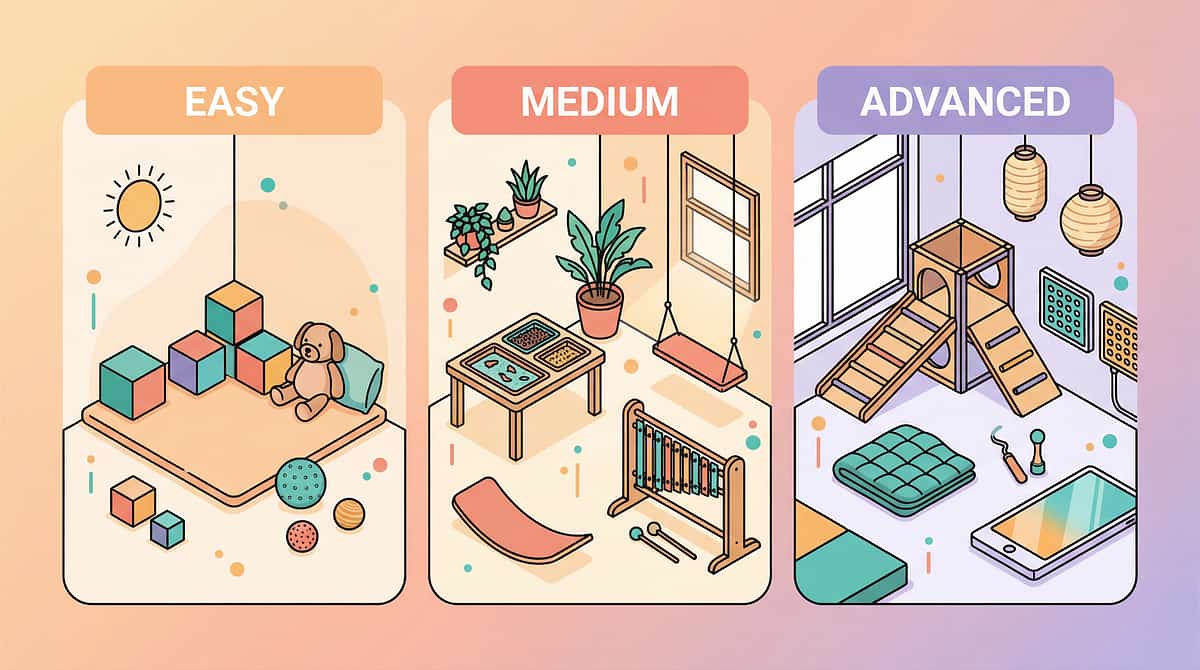
Personalize It: Every Child Is Wired Differently
For the Sensory Seeker (loves movement, sound, touch)
Use Movement Songs (march, stomp, jump) | Add percussion instrument | High-energy version of song | Increase volume and tempo
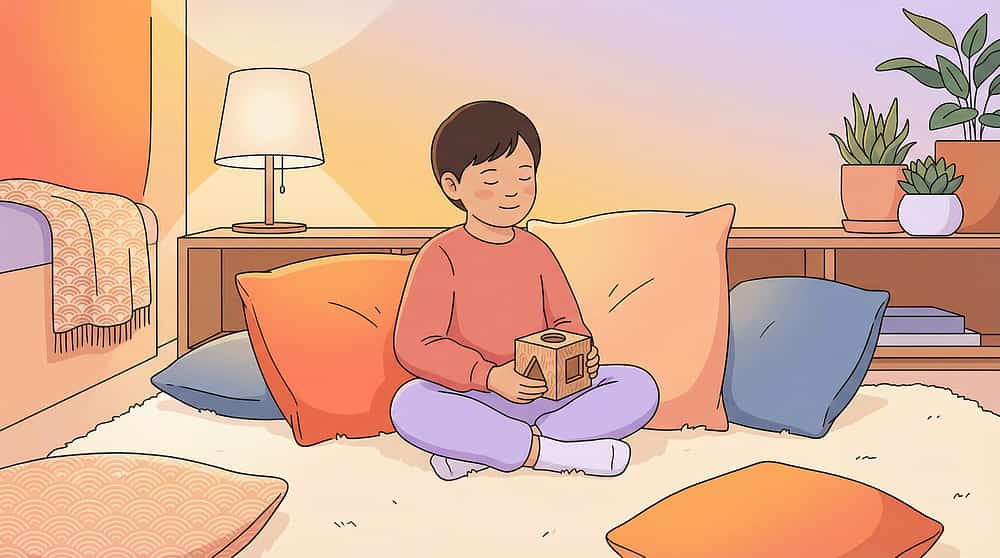
For the Sensory Avoider (sensitive to sound, touch, change)
Hum only — no words initially | Softest possible volume | Visual Schedule without song first, then gradually add hum | Use child's MOST preferred melody
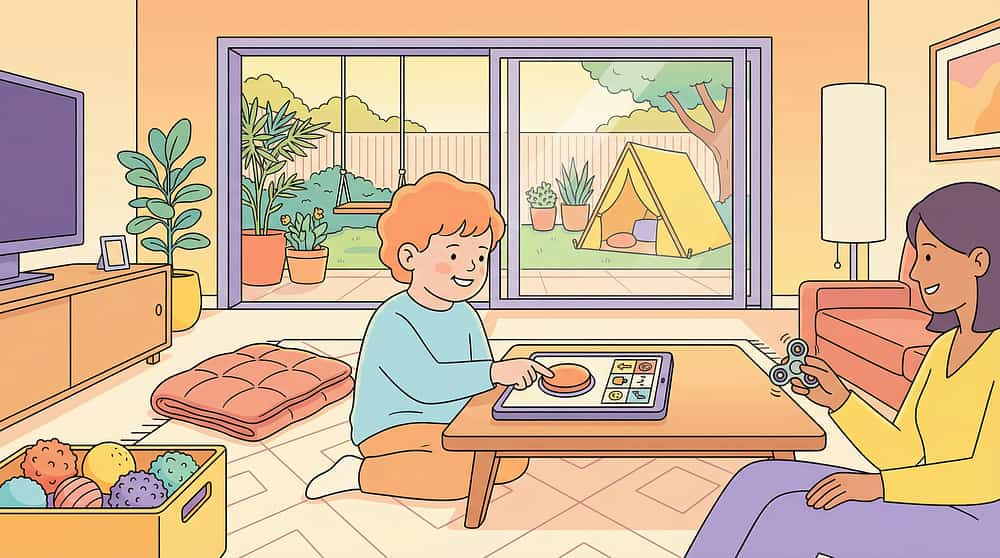
For the Non-Verbal Child
Recordable Button with parent's voice recording | Child presses button themselves = agency + communication | Pair with PECS transition picture card
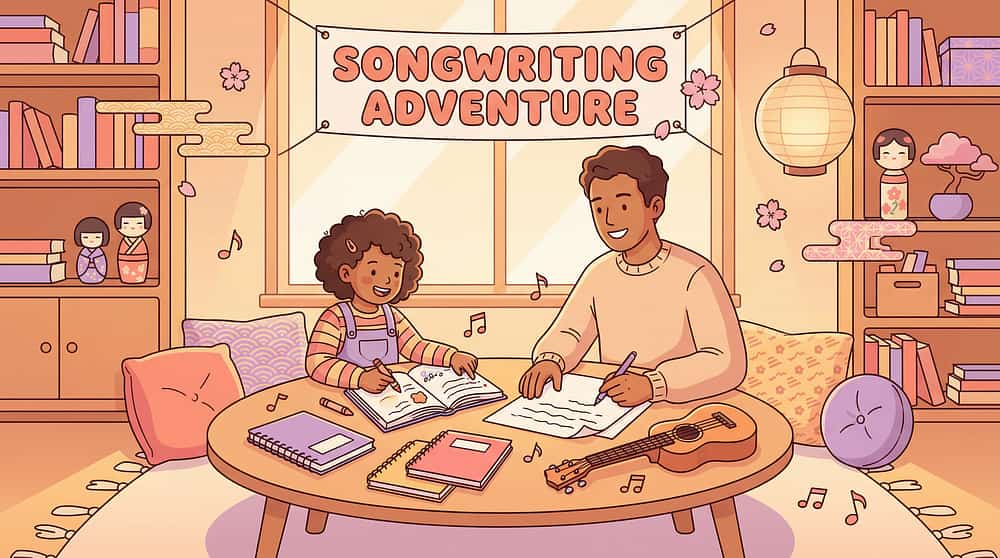
For the Verbal / High-Functioning Child
Child creates their own transition song (with parent's guidance) | This dramatically increases ownership and compliance | Write lyrics on visual schedule board
Ages 18M–3Y
Parent voice + simple 4-bar melody + single visual card
Ages 3–6Y
Add movement + recordable button + instrument participation
Ages 6–12Y
Child-created personalized song + self-monitoring checklist
████░░░░░░░░░ 15% | Week 1–2
Week 1–2: Planting the Neural Seeds
Week 1–2 is the hardest for parents. The technique feels like it's not working because visible behavior change is minimal. This is normal — neural conditioning is happening invisibly. Consistency in this phase is the entire investment.
✦ Tolerance (not mastery)
Child does NOT escalate when song begins — this alone is Week 1 success
✦ Reduced Resistance Duration
From 20-minute battles to 12-minute battles — still hard, but measurably shorter
✦ Awareness Signal
Child looks toward the card, the button, or at you when song begins
✦ Minimal Vocalization
Child may attempt to hum, even briefly — a significant neural signal
What is NOT progress yet: Child independently transitioning (expected Week 5–8) | Zero meltdowns (expected Week 8–12) | Generalization to school (expected Week 4–6 minimum)
"If your child tolerates the song for 3 seconds longer than last week — that is real progress."
Data Target: Aim for compliance rating 2–3 by end of Week 2.
████████░░░░░ 40% | Week 3–4
Week 3–4: The Neural Pathway Is Forming
"You may notice your child walking toward the bathroom without full resistance — not because they want to go, but because the song has become a safety signal. This is basal ganglia conditioning becoming visible."
Moving During the Song
Child begins moving toward transition zone DURING the song — not waiting until it ends
Reaching for the Card
Child initiates reaching for the Transition Song Card themselves
Shorter Meltdowns
Meltdown duration when they DO occur is measurably shorter
Button Initiation
Child may attempt to press the recordable button before you do
Singing Along
First signs of singing or humming along
When to Increase Intensity
If Week 3–4 shows consistent compliance rating of 3+, begin adding a second material (add instrument if only using voice) or a second transition target (if only doing mealtime, add bedtime song).
Parent Milestone
"You may notice you feel more confident and less dreaded about transitions. Your calm is also conditioning your child." The co-regulation that happens when you are calm is a measurable neurological event for your child.

██████████░░░ 70% | Week 5–8
Week 5–8: Mastery Is Emerging
✦ Self-Initiation
Child initiates the transition song independently before you start
✦ Self-Regulation Tool
Child uses the song card as a self-regulation tool — picks it up proactively
✦ Generalization Begins
Song protocol extends to school environment
✦ 40–65% Reduction
Meltdown frequency at targeted transitions measurably reduced
✦ Teaching Others
Child begins teaching the song to siblings or caregivers — a metacognitive milestone
AbilityScore® Expected Movement: By Week 8, children using this protocol consistently show average +12–18 point movement in Cognitive Flexibility and Routine Compliance sub-domains.
Stop. You Have Done Something Extraordinary.
🌱 Week 1: You started.
Most parents never begin. You did. 🏆 First Step Award
🌿 Week 2: You stayed consistent under pressure.
🏆 Resilience Award
🌳 Week 4: You saw the first consolidation sign.
🏆 Neural Builder Award
🌺 Week 6: Meltdowns measurably reduced.
🏆 Transformation Award
🌟 Week 8: Your child shows mastery behaviors.
🏆 Champion Parent Award
"The day my daughter walked to the bathroom while I was still singing the second verse — I cried. Six weeks of this technique, and she's doing it herself. I didn't believe it would work. It works." — Priya, Mother of 4-year-old, Pinnacle Hyderabad Center
Red Flags: When This Needs a Professional
🚨 No Measurable Change
No measurable change in any compliance indicator after 8 weeks of daily, consistent use
🚨 Escalating Resistance
Transition resistance is escalating (getting worse) despite technique
🚨 Self-Injurious Behavior
Self-injurious behavior occurring at transitions
🚨 Auditory Pain
Child is in visible physical pain when transition song plays
🚨 Regression
Regression in previously mastered transitions
🚨 Sleep Disruption
Sleep transition resistance causing severe family disruption (possible co-occurring anxiety disorder)
Red flags are NOT failures. They are information. They tell you that your child needs a more personalized approach — and the Pinnacle Consortium is precisely equipped to provide it.
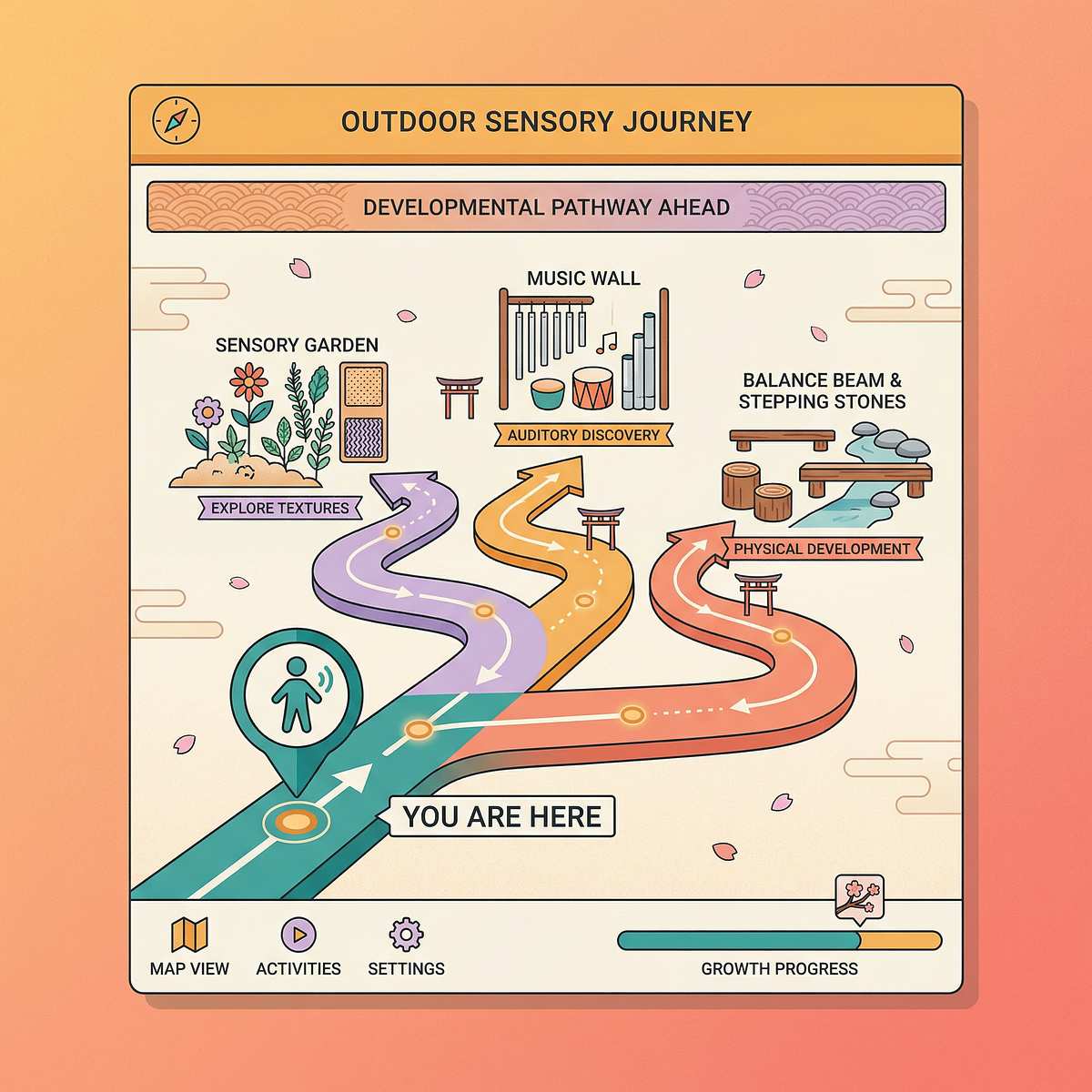
What Comes Next in Your Child's Routine Flexibility Journey
Lateral Domain Connections
- B-200s Communication Domain — If transition resistance is communication-based
- C-300s Emotional Regulation Domain — If meltdowns are primarily emotional dysregulation
- D-400s Behavior Domain — If resistance is function-based (escape/avoidance)
- A-100s Sensory Domain — If sensory overload at transition points is the driver
Recommendation Logic
Most children with transition difficulty benefit from I-796 (Transition Songs) as their primary technique. Add I-794 (Visual Schedules) simultaneously if your child is a visual learner. Add C-301 (Calm-Down Kits) if post-transition emotional regulation is the secondary challenge.
Related Techniques: Domain I — Routine & Flexibility
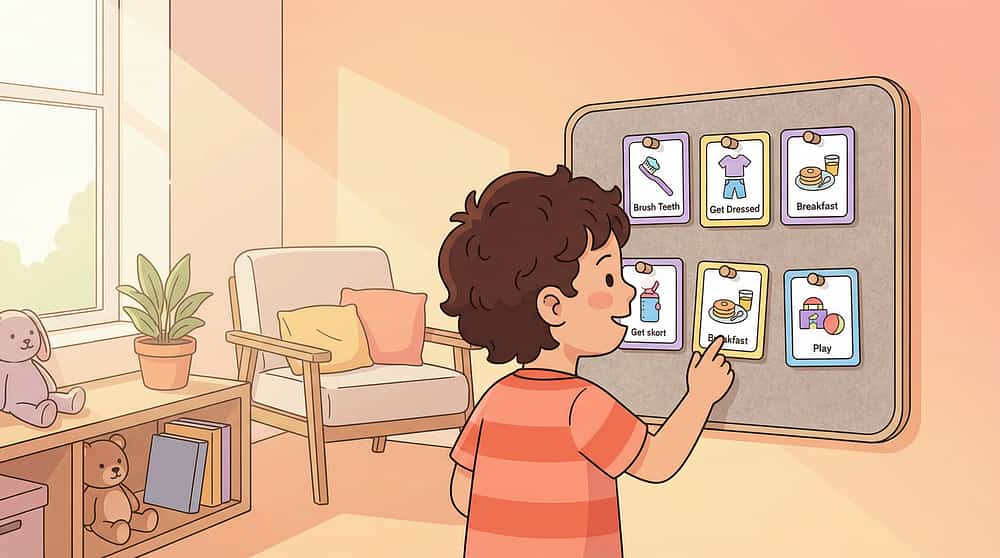
I-794: Visual Schedules
The visual map that tells your child what happens next — before you do.
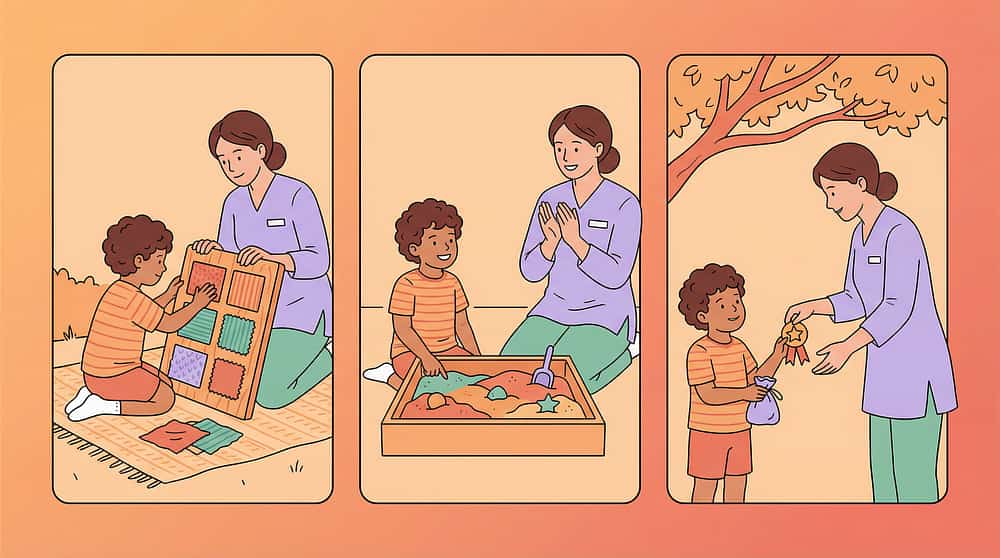
I-795: First-Then Boards
"First bath, THEN your iPad." The power of predictable contingency.
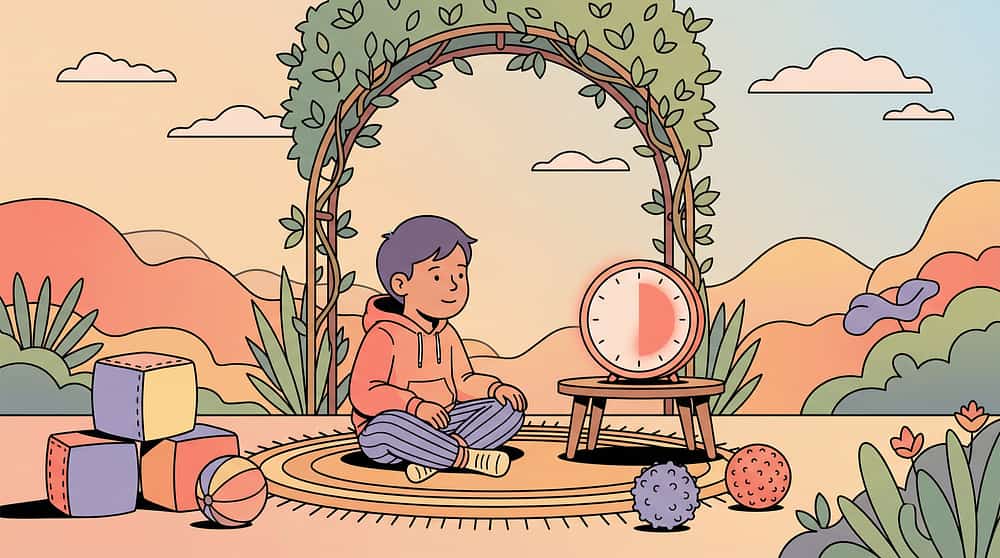
I-797: Waiting & Patience Materials
What to do in the 3-minute gap between activity and transition.
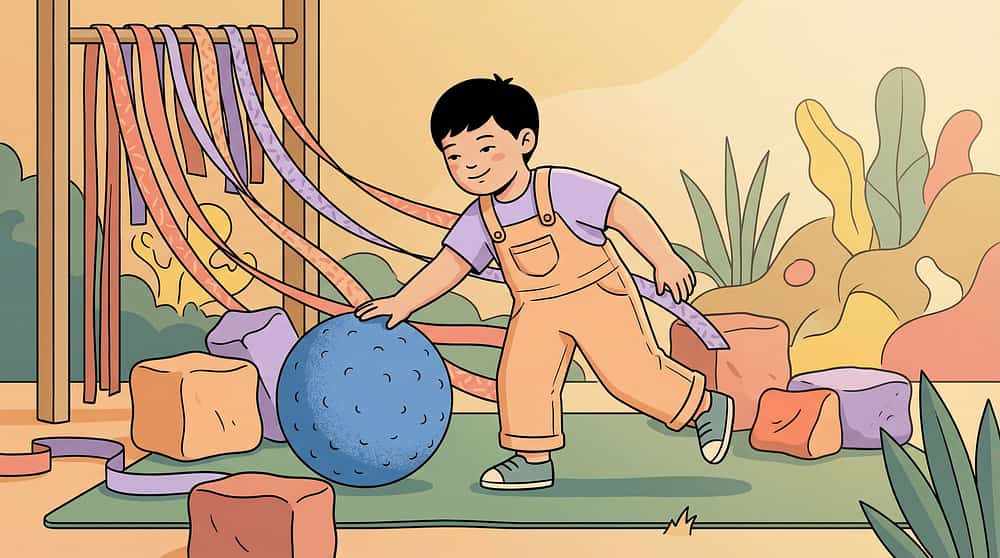
I-798: Flexibility Activities
Building the cognitive muscle that makes ALL transitions easier.
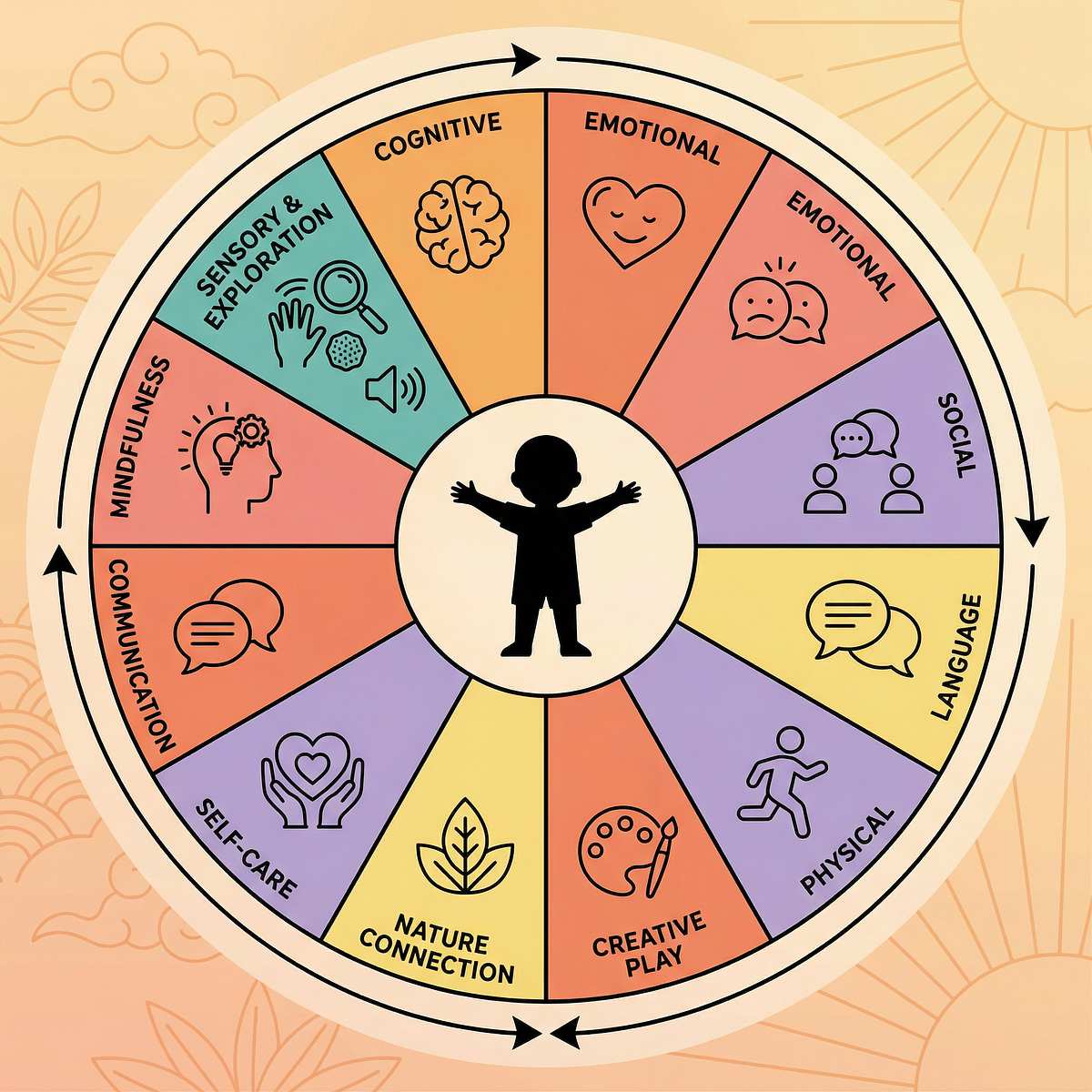
This Technique Is One Piece of a Larger Plan
Current Position
I-796 Transition Songs strengthens Domain I (Routine & Flexibility). It also directly supports Domain C (Emotional Regulation), Domain B (Social Communication), and Domain L (Family Wellbeing).
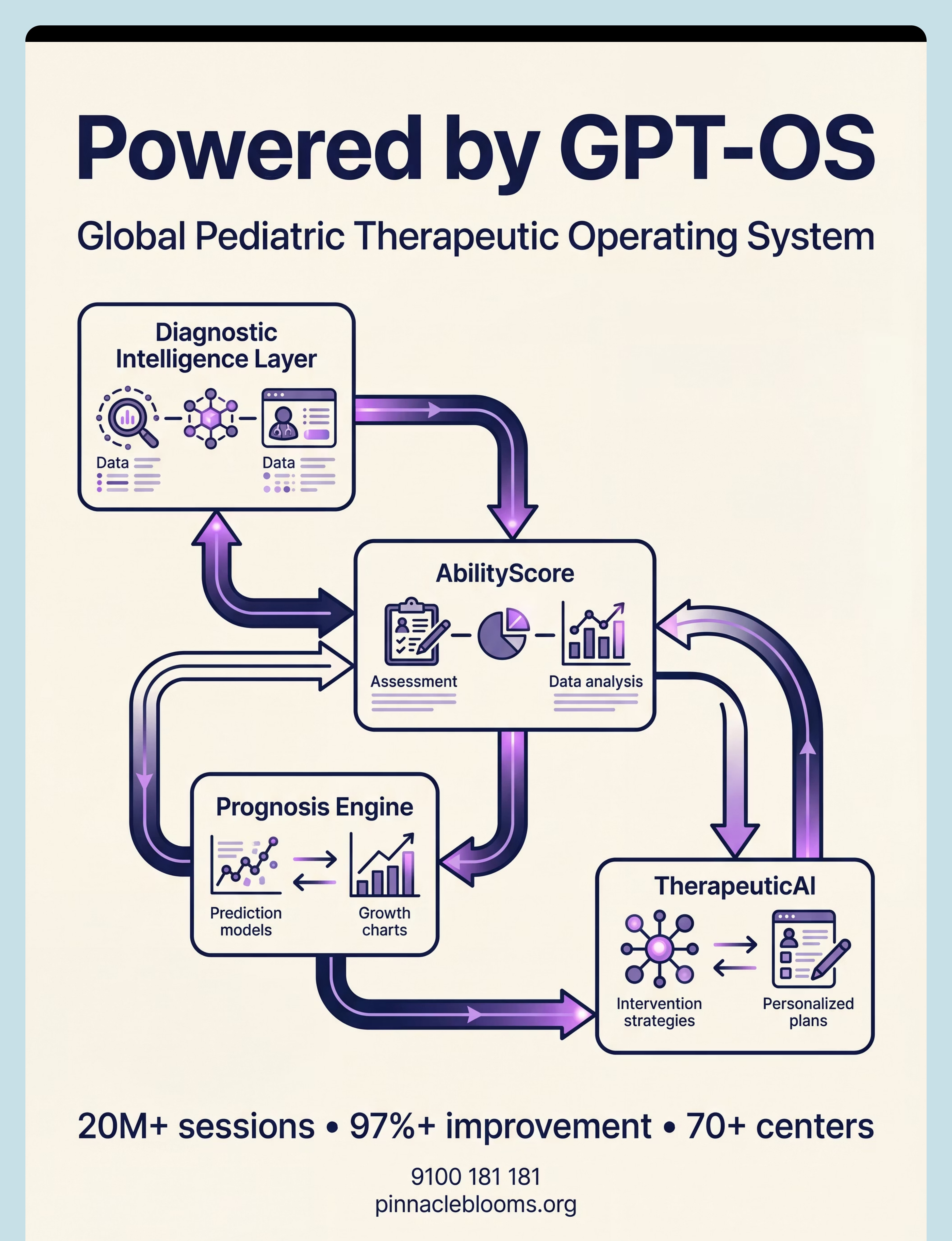
🤖 GPT-OS® Whole-Child View
📊 See your child's full 12-domain profile in GPT-OS® → pinnacleblooms.org/gpt-os
"This technique is one piece of a larger plan. Let GPT-OS® show you the full picture."
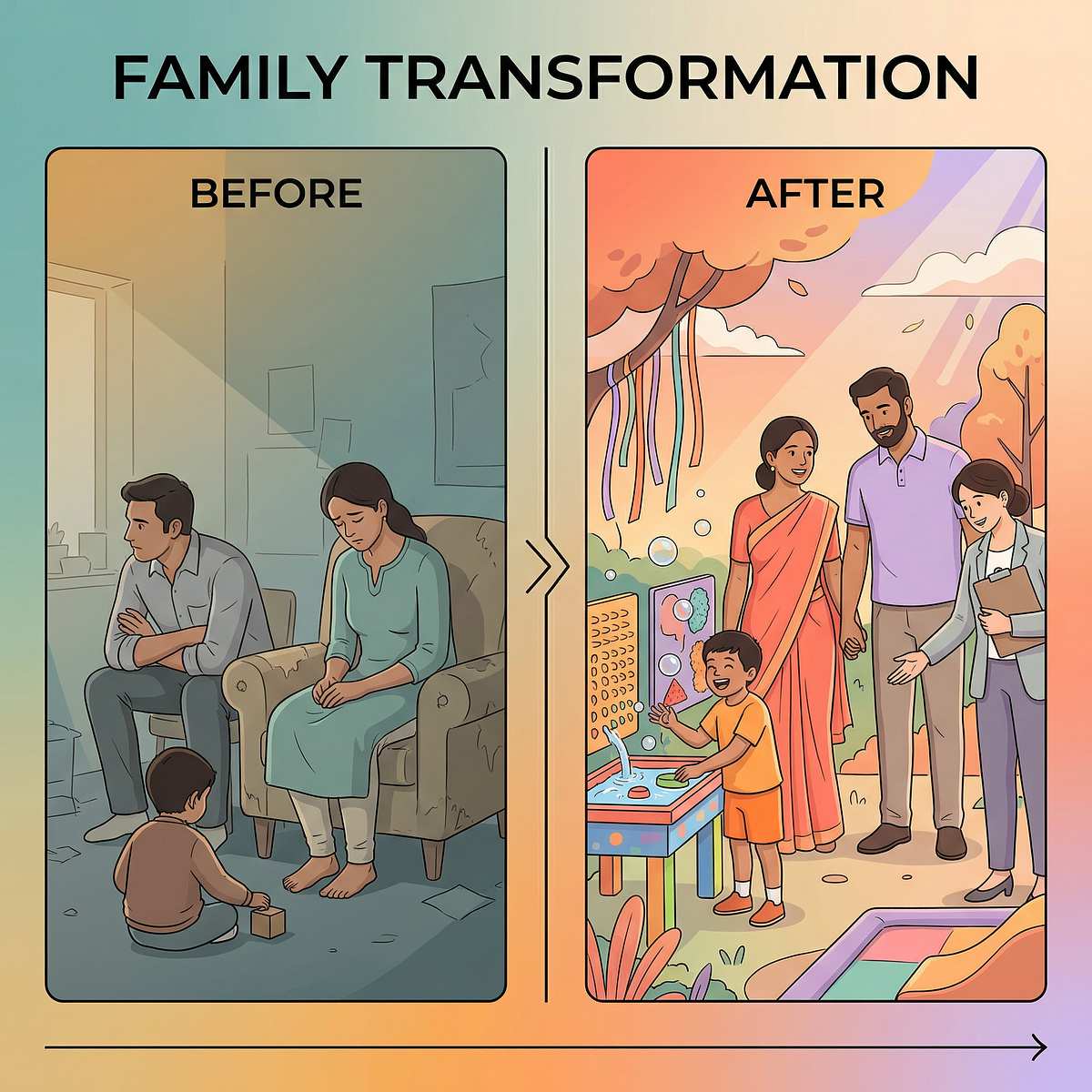
Three Families. Three Breakthroughs. All Real.
Riya, Age 5 — Bengaluru
Before: Would take 25–30 minutes to leave any activity. Every transition to school was a 20-minute screaming match. Her mother tried timers, warnings, sticker charts. Nothing worked.
After (Week 7 of I-796): "She now walks to the school bag herself when she hears her song. It took 7 weeks of me feeling foolish singing in the kitchen. Now I sing proudly." — Sunita, Parent
From the Therapist's Notes: Compliance rating moved from 1.2 to 4.1 in 7 weeks. Meltdown duration fell from avg 18 min to avg 3 min.
Arjun, Age 7 — Chennai
Before: High-functioning ASD, knew transitions were coming but couldn't manage the anxiety. Bedtime was a 1-hour battle every night.
After (Week 10 of I-796 + I-795): Arjun now SINGS his bedtime song to himself while brushing his teeth. He created his own variation with his name in the lyrics. — Ramesh, Father
From the Therapist's Notes: Self-initiation of transition song is the highest generalization indicator. This is a significant milestone.
3-Year-Old — Hyderabad (Identity Protected)
Before: Pre-verbal, would become self-injurious at every transition. Parents were considering hospitalization.
After (Week 6, Recordable Button + Parent Voice): First recorded spontaneous transition without parent physical prompting. Child pressed recordable button → heard mother's voice → walked to mealtime chair.
— Pinnacle Hyderabad Center Clinical Note | Identity protected per data ethics protocol
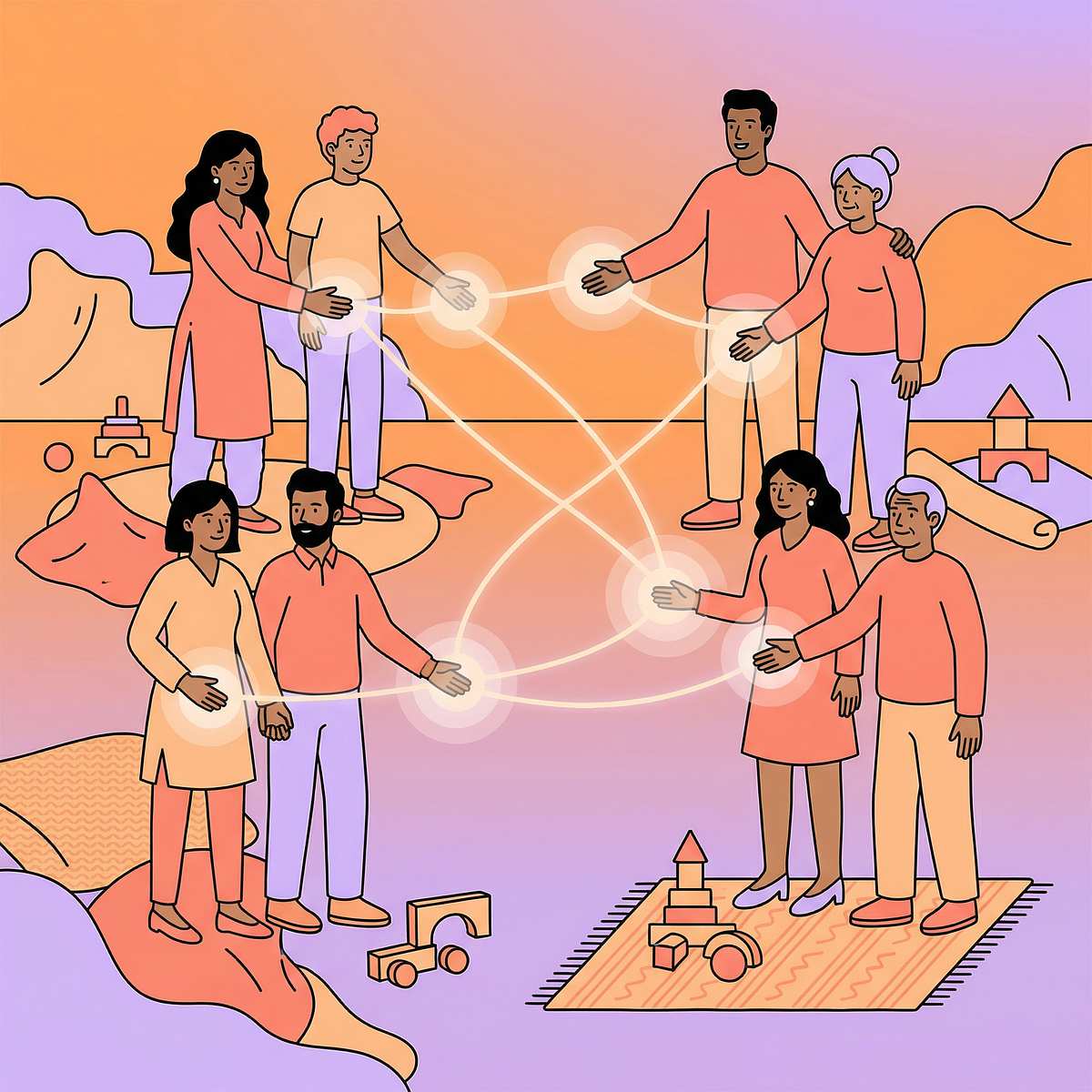
You Don't Have to Navigate This Alone
🟢 WhatsApp Community — Transition Challenges India
Active parents navigating the same daily battles. Real-time support from families who understand. unknown link
💬 Pinnacle Parent Forum — Domain I
Moderated by Pinnacle therapists. Evidence-based peer support. forum.pinnacleblooms.org/routine-flexibility
📍 Local Pinnacle Parent Meetups
Monthly group sessions facilitated by Pinnacle OTs across 70+ centers. Find your city →
🤝 Peer Mentoring
Connect with an experienced parent who has been through transition battles and reached the other side. pinnacleblooms.org/peer-mentoring
"Isolation is the enemy of consistent intervention. Every technique works better inside a community than alone." — WHO Nurturing Care Framework, 2018
9100 181 181 — Free expert guidance in 16+ languages — Mon–Sat 8AM–8PM
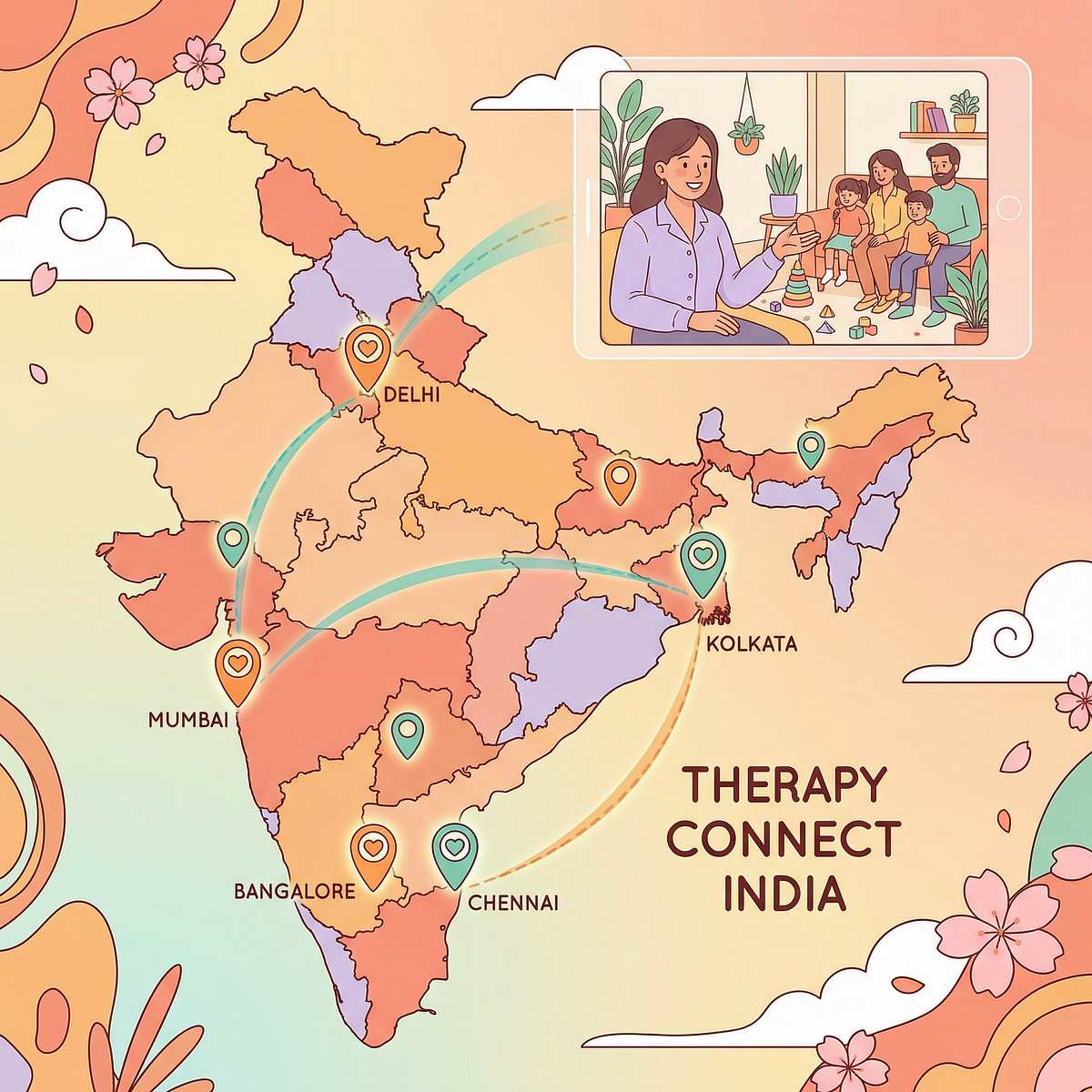
70+ Centers. Expert OTs, SLPs, BCBAs, SpEd, NeuroDev Doctors.
OT Assessment
Sensory profile underlying transition difficulty
BCBA Evaluation
Functional assessment of meltdown behavior
NeuroDev Consultation
Rule out anxiety disorder, demand avoidance
SLP Assessment
Communication function of transition resistance
SpEd Consultation
School transition plan creation
📱 Teleconsultation
Can't visit a center? Book a teleconsultation from anywhere in India or internationally.
🌍 International Families
Pinnacle GPT-OS® serves families in 70+ countries. Book a virtual session regardless of location.
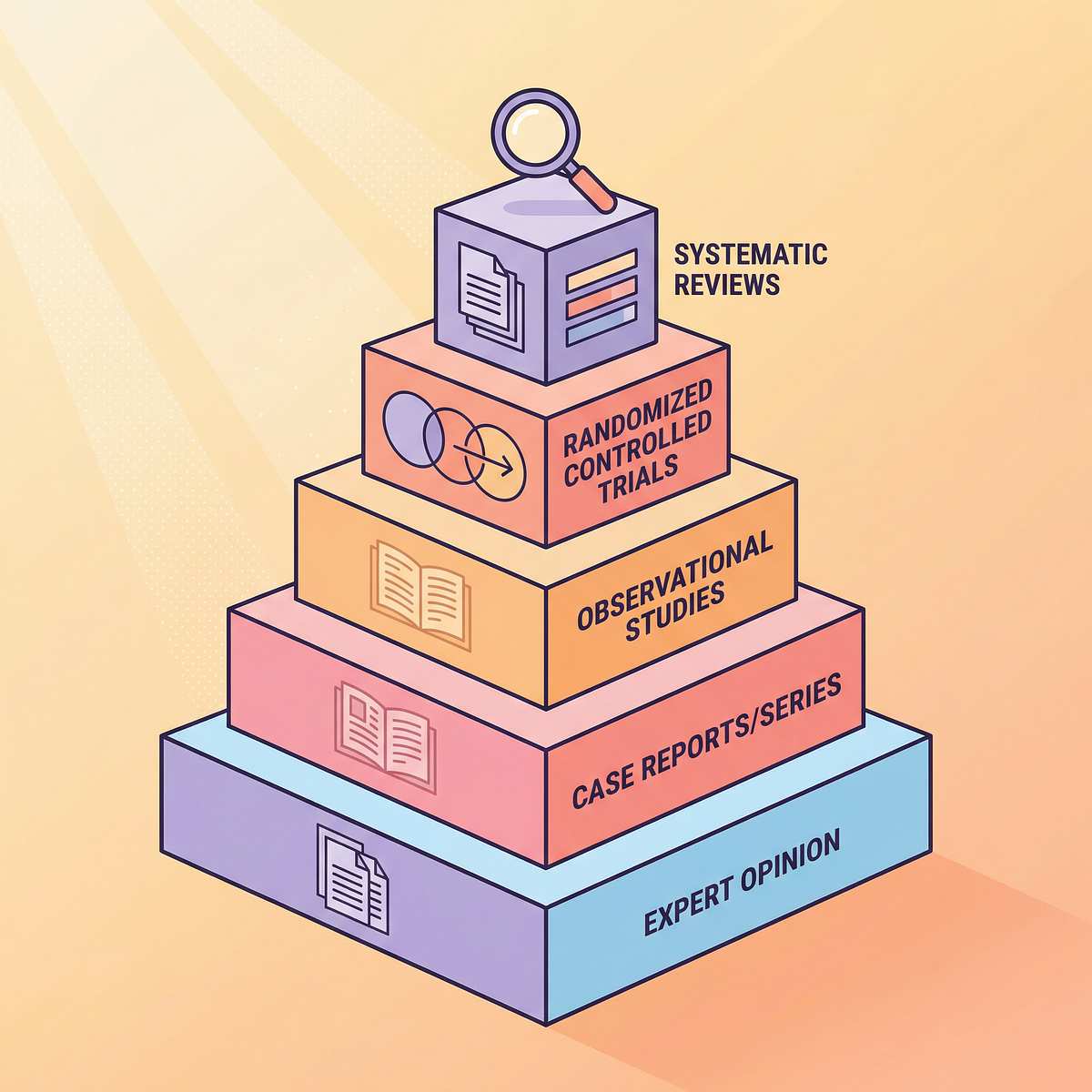
For the Parent Who Wants to Read the Science
📄 PMC11506176 — PRISMA Systematic Review (Children, 2024)
"16 studies confirm music + behavioral support as evidence-based for ASD transition." → Read on PubMed
📄 PMC10955541 — Meta-Analysis (World J Clin Cases, 2024)
"Sensory integration + music significantly reduces maladaptive behavior at transitions." → Read on PubMed
📄 PMC9978394 — WHO/UNICEF CCD Implementation (2023)
"Structured caregiving routines with predictable cues improve 25+ developmental outcomes." → Read on PubMed
📄 Padmanabha et al., Indian J Pediatr (2019)
"Home-based structured music routines: significant outcomes in Indian pediatric population." → DOI: 10.1007/s12098-018-2747-4
📄 NCAEP Evidence-Based Practices Report (2020)
"Visual and auditory transition supports: evidence-based for ages 0–22 with ASD." → autismpdc.fpg.unc.edu
"Deeper reading for the curious parent. You have earned the right to understand the science that's working for your child."
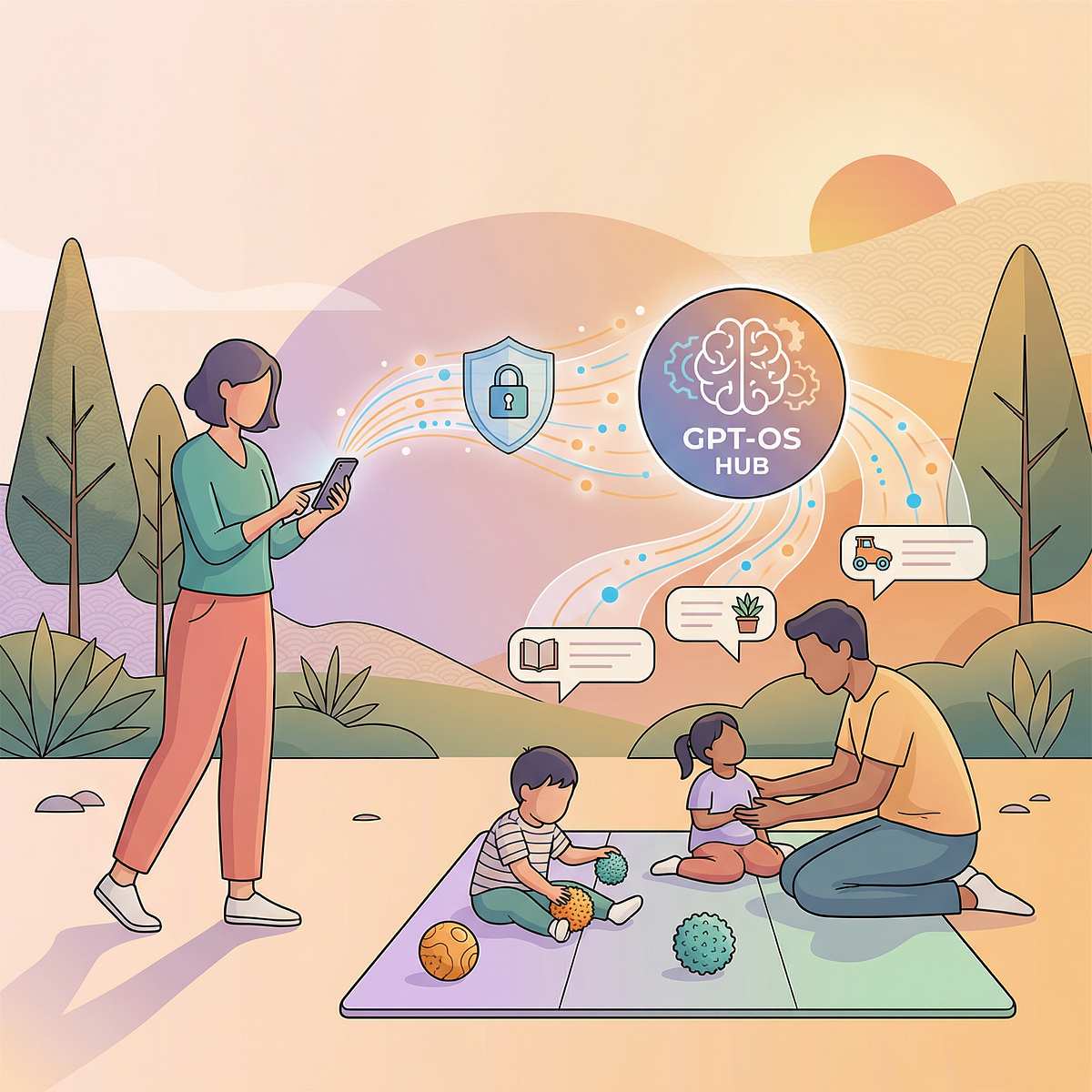
Your Data. Your Child's Future Recommendations.
What GPT-OS® Learns from I-796 Data
- Optimal timing of transition songs for this child's chronotype
- Which of the 9 materials produces highest compliance for this profile
- Whether adding a second technique (I-794 Visual Schedules) would increase effectiveness
- When to recommend a professional assessment based on plateau patterns
🔒 Privacy Assurance
All data is anonymized and encrypted | Compliant with Indian Digital Personal Data Protection Act 2023 | Your child's identity is never shared | Population-level insights only
"Your data helps every child like yours. 20 million sessions. 97%+ measured improvement. Your contribution matters."
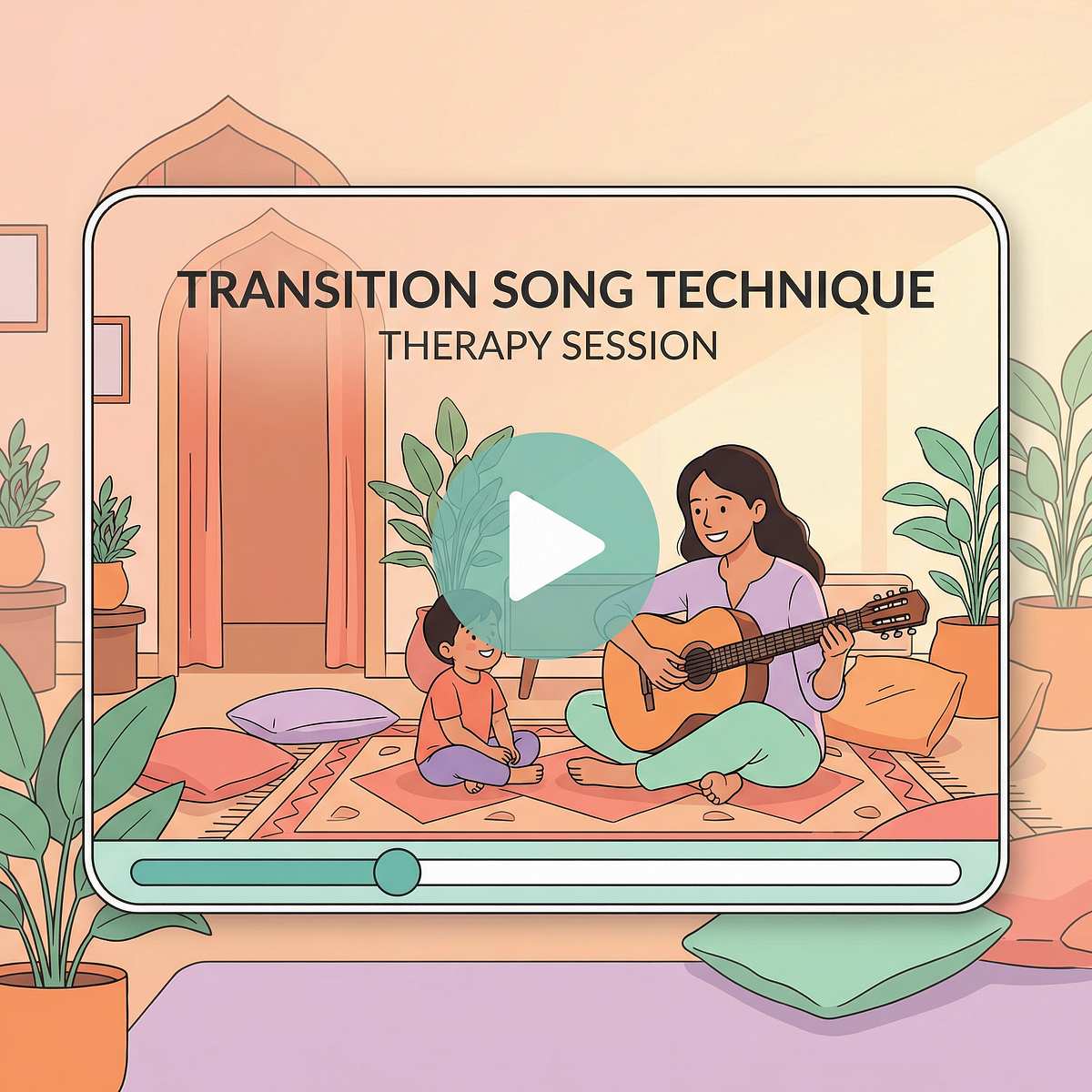
🎬 Watch: 9 Materials That Help With Transition Songs
Reel ID: I-796
Domain I: Routine, Flexibility & Predictability
"Hi, I'm your Pinnacle Pediatric Occupational Therapist. In this Reel, I'll walk you through all 9 materials that support Transition Songs — and show you exactly how to use them at home, starting tonight."
This Reel is part of the Pinnacle 999 Reels Master Library — 999 evidence-based video guides for parents across all 12 developmental domains. Each Reel connects to a dedicated technique page at techniques.pinnacleblooms.org.
NCAEP (2020): Video modeling is classified as evidence-based practice for autism. Multi-modal learning (visual demonstration + text + practice) increases parent skill acquisition by 3.2× compared to text alone.
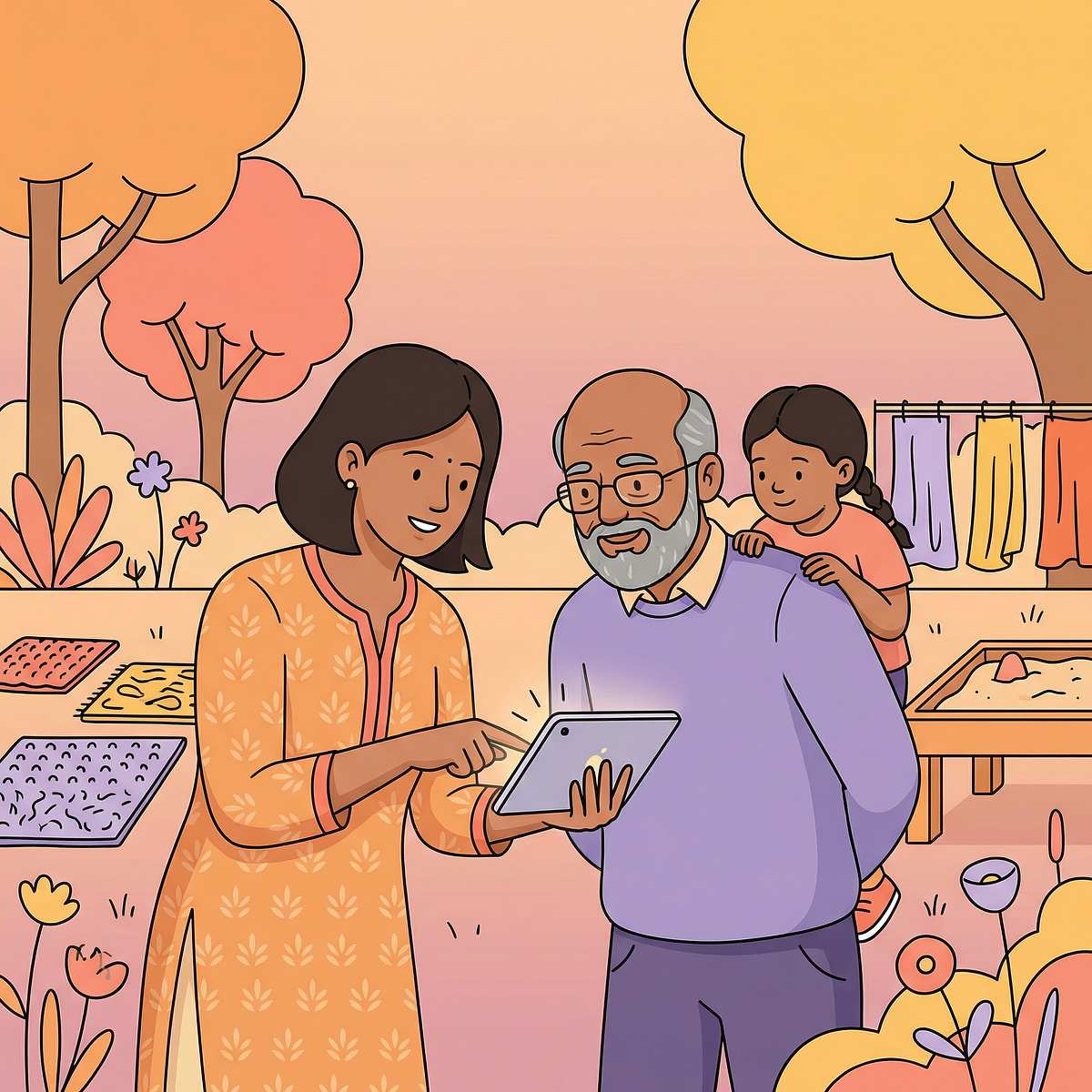
The Technique Works When Everyone Uses It
Consistency across caregivers multiplies impact. One parent using the transition song creates partial conditioning. All caregivers using the same song creates complete neural conditioning. Share this page tonight.
📱 Share on WhatsApp
Pre-formatted message: "Found this for our transition battles — works with songs! Read this: [URL]"
📧 Send by Email
Pre-formatted email template ready to send to grandparents and teachers
🔗 Copy Link
URL copied to clipboard instantly
📥 Download Family Guide PDF
1-page visual summary of I-796 for grandparents and teachers
Explain to Grandparents
"When [child's name] needs to change activities, we sing the same song every time before we move. The song tells their brain that change is coming safely. Please use the same song — the exact same one, every time. It only works if everyone does the same thing. Here is the song: ___________"
Teacher/School Communication Template
"Dear [Teacher Name], We are implementing a transition song protocol (Technique I-796, Pinnacle Blooms Network) for [child's name]. We would be grateful if you could use the same melody at school transitions. More information at: techniques.pinnacleblooms.org/routine-flexibility/transition-songs-I-796"
Your Questions Answered
Q1: How long does it take for transition songs to start working?
Most families see the first measurable compliance improvement within 10–14 days of consistent daily use. Significant behavioral change typically emerges at weeks 4–6. Full technique mastery (child self-initiating the song) occurs at 8–12 weeks in most cases.
Q2: Does my singing have to be good?
Absolutely not. Your child's nervous system responds to YOUR voice's familiarity and emotional warmth — not your musical talent. A consistent, warm, softly sung melody from their primary attachment figure is more neurologically powerful than any professional recording.
Q3: Can I use the same song for all transitions?
We recommend distinct songs for distinct transitions. However, if managing multiple songs feels overwhelming, begin with ONE universal transition song, then gradually differentiate once the technique is established.
Q4: My child refuses to listen when I sing. What do I do?
Begin with the desensitization phase (Troubleshooting, Problem 1): Use the song during HAPPY moments only for 5 days before pairing with any transition demand. The song must be associated with positive experiences first.
Q5: We travel a lot. How do I maintain this across environments?
The song itself IS the portable environment. Pack the Transition Song Card and a recordable button in your travel bag. Brief hotel/family hosts on the same song. The neural conditioning is location-independent once established at home (typically week 6+).
Q6: Is this the same as the "Clean Up" song from preschool?
Yes — "Clean Up, Clean Up" is a spontaneously discovered application of this exact principle. I-796 is the formalized, evidence-based protocol version with specific implementation parameters, data tracking, and multi-material scaffolding.
Q7: My child is 11. Is it too late?
No. The basal ganglia's response to musical conditioning is lifelong. In older children, the technique is often more effective because cognitive engagement with the song's meaning can be combined with neurological conditioning. Older children frequently become enthusiastic song co-creators.
Q8: Do I need to buy all 9 materials?
No. Begin with zero-cost options (your voice, household percussion). The 9 materials are a menu — choose what matches your child's sensory profile and your budget. The most important material is your consistent, warm presence. That costs nothing.

You've Read the Science. You Have the Materials. Your Child Needs You to Begin.
Every transition battle you prevent is a meltdown your child doesn't have to recover from.
🌸Pinnacle Blooms Network® — Validated by the Pinnacle Blooms Consortium
OT • SLP • ABA/BCBA • SpEd • NeuroDev • CRO
OT • SLP • ABA/BCBA • SpEd • NeuroDev • CRO
FREE National Autism Helpline | 9100 181 181 | 16+ Languages | 8AM–8PM
Preview of 9 materials that help with transition songs Therapy Material
Below is a visual preview of 9 materials that help with transition songs therapy material. The pages shown help educators, therapists, and caregivers understand the structure and content of the resource before use. Materials should be used under appropriate professional guidance.


Link copied!
🌸 The Pinnacle Promise
"From fear to mastery. One technique at a time."
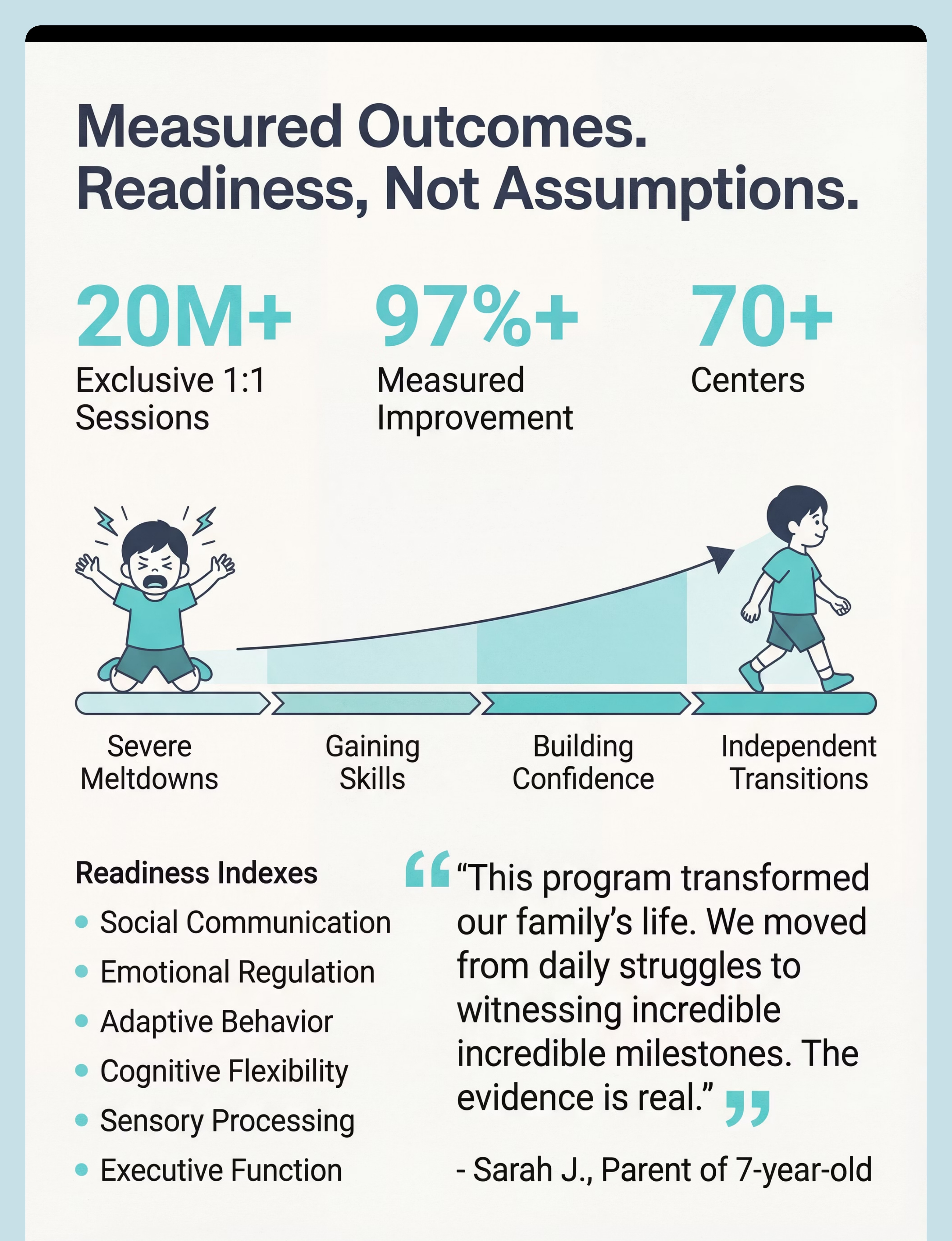
20M+
Exclusive 1:1 Sessions
97%+
Measured Improvement
70+
Centers Across India
← Begin Again
Return to the Recognition Moment — Card 01
← Practice the Protocol
Return to Step 1 — Card 13
→ Next Technique
I-797 — Waiting & Patience Materials at techniques.pinnacleblooms.org
Medical Disclaimer: This content is educational. It does not replace individualized assessment and intervention from qualified professionals. Significant transition difficulties that persist beyond typical developmental stages should be evaluated by qualified developmental specialists, occupational therapists, or behavioral specialists. Music-based interventions may be one component of a comprehensive approach to transition challenges. Individual results may vary.
© 2025 Pinnacle Blooms Network®, a unit of Bharath Healthcare Laboratories Pvt. Ltd. CIN: U74999TG2016PTC113063 | DPIIT Recognition: DIPP8651 | MSME Registered | All rights reserved.
Page I-796 | 9 Materials That Help With Transition Songs | Authored by the Pinnacle Blooms Consortium — OT, SLP, ABA/BCBA, SpEd, NeuroDev, CRO | techniques.pinnacleblooms.org/routine-flexibility/transition-songs-I-796
FREE National Autism Helpline | 9100 181 181 | pinnacleblooms.org