

"He just… stopped."
The toy wasn't working. The puzzle piece didn't fit. The ball rolled under the couch. And he stood there — frozen. Not crying. Not trying. Just done. You are not failing. Your child's brain hasn't yet built the pathways for "what else could I try?" — but it can.
🧠 9 Materials That Help With Problem Solving
Ages 3–12 Years
GPT-OS® Powered
🏥 Pinnacle Blooms Network® Consortium | OT · SLP · ABA · SpEd · NeuroDev · CRO

📊 The Numbers
You Are Among Millions of Families Navigating This Exact Challenge
Problem-solving difficulties don't mean your child isn't intelligent. They mean your child's brain hasn't yet organised the executive function pathways that coordinate: holding the problem in mind, generating options, trying alternatives, and adjusting when something doesn't work. These are learnable. Teachable. Buildable — with the right materials and consistent practice.
40–65%
Executive Function Difficulty
Children with ASD show significant executive function and problem-solving difficulties
1 in 36
Autism Prevalence
Children in the US; 1 in ~40 in India show autism-spectrum traits affecting cognitive flexibility
20M+
Sessions Analysed
1:1 therapy sessions analysed by GPT-OS® — problem solving is a top-3 parent concern
PMC11506176 | PMC10955541 | DOI: 10.12998/wjcc.v12.i7.1260 | 📞 FREE National Autism Helpline — 9100 181 181 — 16+ languages, 24×7
🧠 Brain Science
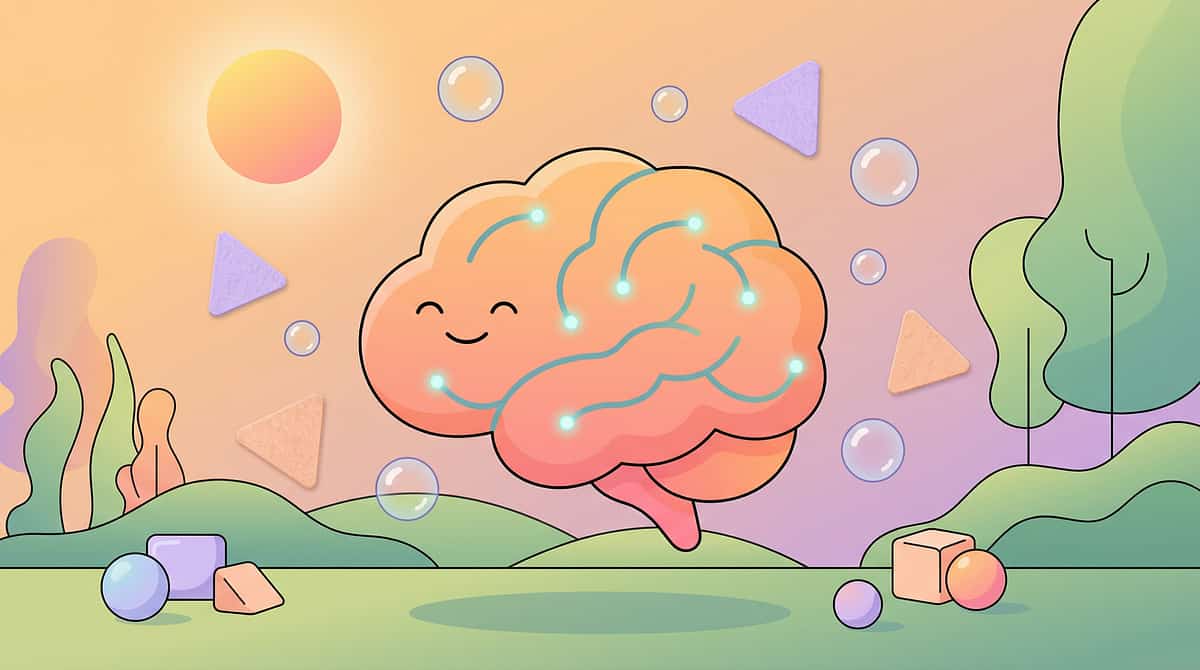
The Thinking Brain Under Construction
When your child freezes up or gives up immediately, it's not stubbornness or laziness. The prefrontal cortex — the brain's "control tower" for planning, flexibility, and problem-solving — is still developing. In neurotypical children this develops until age 25. In children with autism or ADHD, it may develop more slowly or differently.
What Problem Solving Actually Requires
Working Memory
Holding the problem AND possible solutions in mind at the same time
Cognitive Flexibility
Shifting to a different approach when the first one fails
Inhibitory Control
Pausing impulsive reactions to think first
Planning
Sequencing steps toward a solution
Cause-Effect Reasoning
Understanding that actions create results

📅 Developmental Timeline
Problem Solving Develops in Stages — Here's Where Your Child Is
Age 0–2
Trial and error — physical exploration only
Age 3–5
Simple plans with 1–2 options; needs adult support
Age 6–8
Multi-step solutions with support; emerging strategy
Age 9–12
Abstract and hypothetical thinking emerges
Adult
Full executive function maturity
Comorbidity Awareness
🔵 Autism Spectrum
Rigid thinking, difficulty with novelty, reduced alternative-generation
🟡 ADHD
Has the knowledge but acts impulsively before thinking; difficulty sustaining mental effort
🟢 Developmental Delay
All problem-solving stages emerge later; requires foundational work first
WHO Care for Child Development Package | PMC9978394 | WHO/UNICEF CCD Package (2023)

🏅 Evidence Grade: Level I
Clinically Validated. Home-Applicable. Parent-Proven.
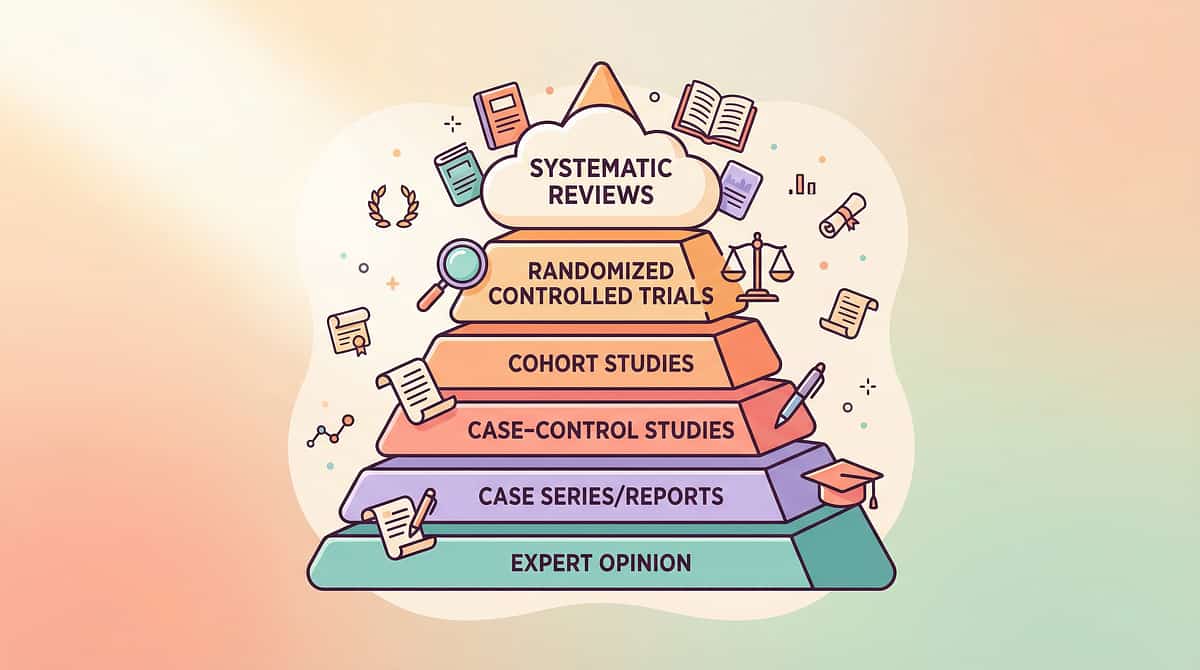
These materials are not drawn from anecdote or trend. They are grounded in systematic reviews, randomised controlled trials, and established evidence-based practice classifications. Scientific confidence: 85% — Level I Evidence.
📄 PRISMA Systematic Review (2024) — PMC11506176
16 studies (2013–2023) confirm structured cognitive and executive function interventions meet evidence-based practice criteria for children with ASD.
📄 Indian RCT — Padmanabha et al., Indian J Pediatr (2019)
DOI: 10.1007/s12098-018-2747-4. Home-based structured cognitive interventions demonstrate significant outcomes for Indian paediatric populations.
📄 NCAEP (2020) Evidence-Based Practices Report
Visual supports, video modelling, and explicit strategy instruction classified as established evidence-based practices for autism across 28 outcome categories.
📞9100 181 181 | FREE National Autism Helpline | pinnacleblooms.org/research
🧩 The Technique
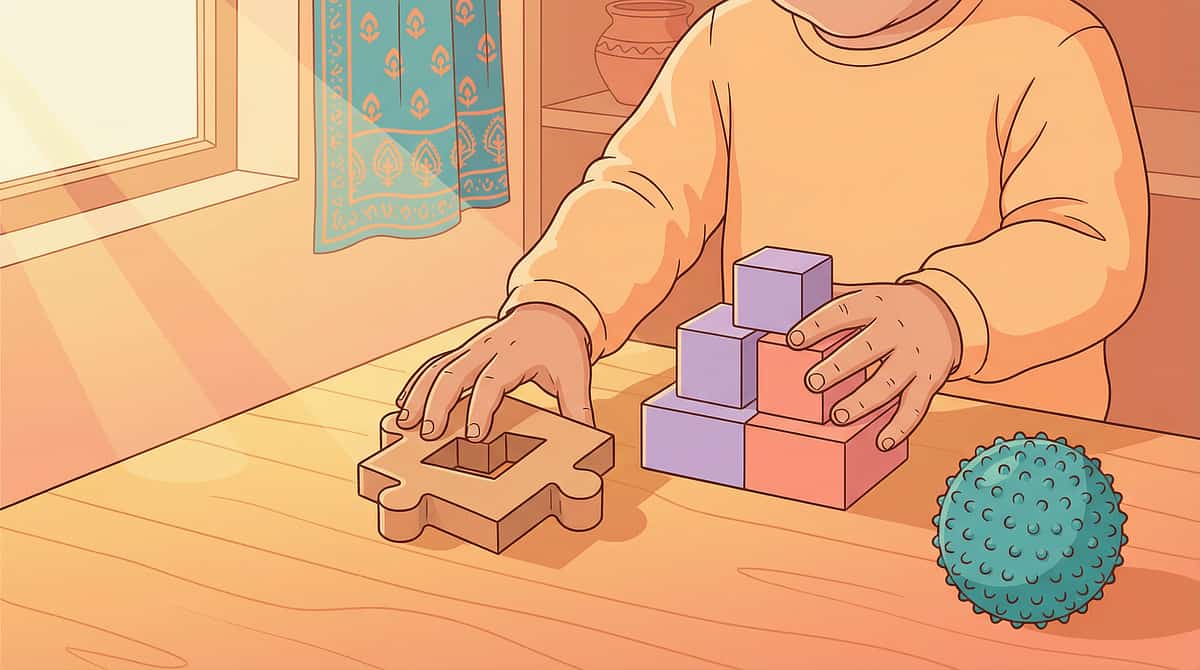
Materials-Supported Problem-Solving Skill Development
"Making Thinking Visible Through Objects and Play"
🧠 Cognitive Development
⚡ Executive Function
🎯 Critical Thinking
🔄 Adaptive Behaviour
📚 Academic Readiness
👥 Social Cognition
👶 Ages
3–12 years
⏱ Session
10–20 minutes
📅 Frequency
Daily recommended
🏠 Setting
Home + School
👥 Who Uses These Materials
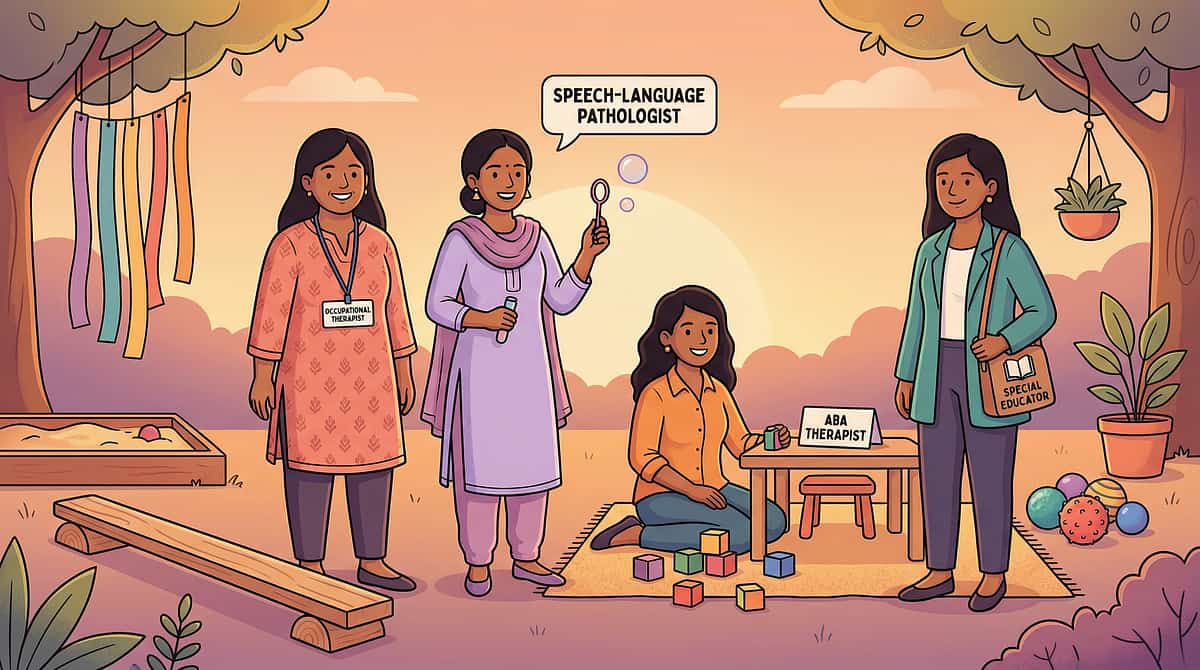
This Technique Crosses Every Therapy Boundary Because the Brain Doesn't Organise by Therapy Type
Occupational Therapy (Primary Lead)
Uses visual frameworks, graduated puzzles, and cause-effect toys to build executive function sub-skills. Focuses on the motor-cognitive interface — how hands-on manipulation builds thinking pathways.
Speech-Language Pathology (Secondary)
Integrates social problem-solving cards and what-if cards to build language-based reasoning, prediction vocabulary, and verbal problem-solving scripts.
ABA / BCBA (Secondary)
Applies reinforcement principles to problem-solving practice. Uses token economy during graduated puzzle sessions. Tracks data on solution-attempt frequency and persistence duration.
Special Education (Supporting)
Uses process journals and thinking maps for academic problem-solving. Connects all 9 materials to IEP executive function goals.
NeuroDev / Psychology (Consulting)
Provides the cognitive profile that determines which of the 9 materials to prioritise. Interprets AbilityScore® Problem-Solving Readiness Index for personalised sequencing.
🎯 Precision Targets
Not Random Activities — Precision Targets
Observable Behaviour Indicators
Before Intervention | After Consistent Practice |
Freezes/gives up immediately | Pauses, then attempts at least one approach |
Tries only one approach | Generates 2–3 options before giving up |
Requires adult to solve all problems | Tries independently, asks for help selectively |
Meltdown when stuck | Checks "size of problem" before reacting |
No reflection on attempts | "I tried this, then this, and the second one worked" |
PMC10955541 (Meta-analysis: cognitive flexibility + adaptive behaviour outcomes)
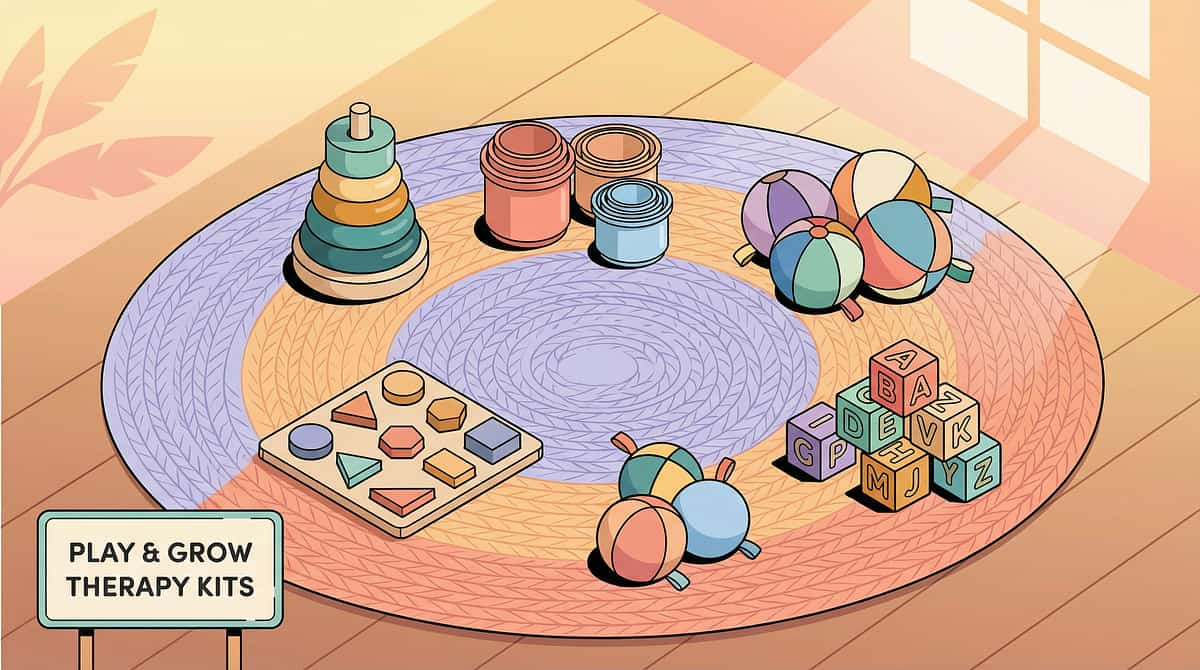
🛒 The 9 Materials
₹0 to ₹15,000 Total Toolkit
The 9 Materials — Your Complete Toolkit
Every material listed is clinically validated and available for home use. Start with what you have or can access easily — a ₹0 DIY option exists for every single one.
1
📋 Problem-Solving Visual Framework Charts
2
🧩 Graduated Puzzles & Building Sets
3
♟ Strategy Games & Logic Puzzles
4
⚙ Cause-and-Effect Toys & Experiments
5
🃏 Social Problem-Solving Story Cards
6
🎨 Open-Ended Creative Materials
7
📏 Size of the Problem Visual Scale
8
💭 What If & Prediction Question Cards
9
📓 Process Journals & Thinking Maps
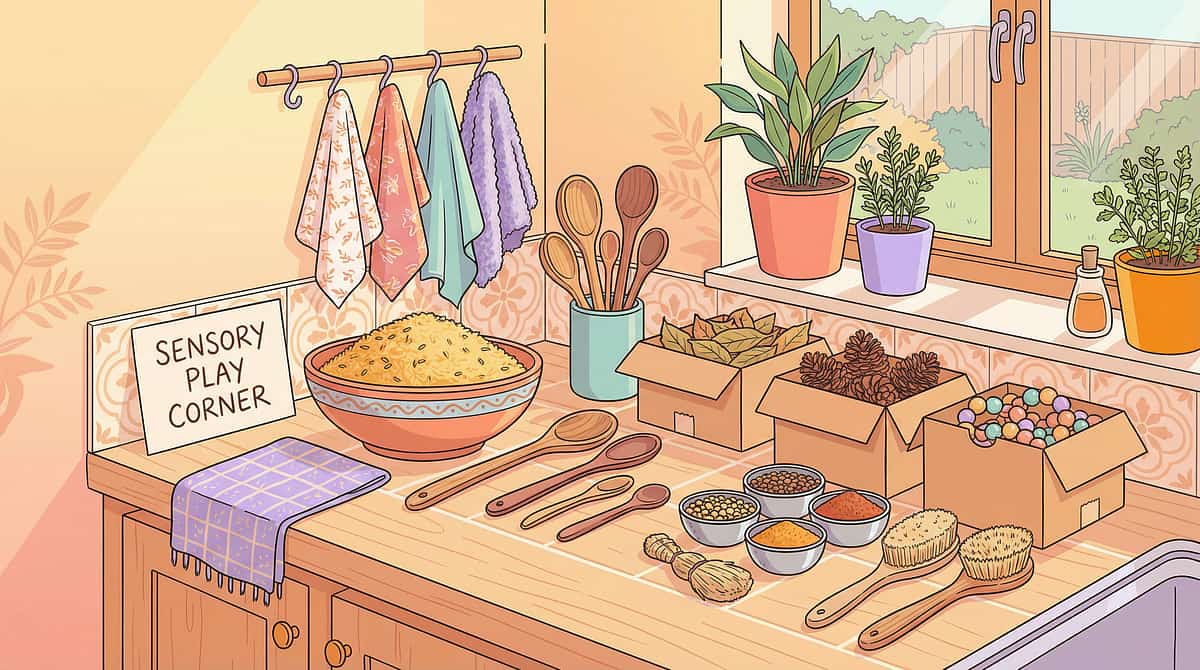
💚 Zero-Cost Options
Every Child Deserves These Tools — Regardless of Budget
WHO/UNICEF Equity Principle in Action. The therapeutic mechanism is in the interaction — how you use the material with your child. A ₹0 DIY chart used consistently is more powerful than a ₹2,000 tool left on the shelf.
Material | 💜 Buy (Amazon.in) | 💚 Make at Home (₹0) |
Framework Chart | ₹300–₹1,200 | Draw 4-step chart on A4 paper: ① STOP ② THINK ③ TRY ④ CHECK. Laminate with clear tape. 15 mins. |
Graduated Puzzles | ₹500–₹3,000 | Draw a picture on cardboard. Cut into 4 pieces. Graduate to 8, then 12. Free. |
Strategy Games | ₹600–₹2,500 | Paper-based Noughts & Crosses. Upgrade to Connect-4 drawn on paper with coloured pencils. |
Cause-Effect Kit | ₹400–₹2,000 | Ice melting, colour mixing with water, what floats vs sinks in kitchen sink. |
Social Problem Cards | ₹400–₹1,500 | Photograph real home scenarios. Print or show on phone. |
Open-Ended Materials | ₹500–₹2,500 | Bottle caps, paper tubes, fabric scraps, buttons. Playdough from flour + salt + water. |
Size of Problem Scale | ₹300–₹1,000 | Draw 1–5 staircase on paper. Label each step (Tiny→Huge). Add face emojis. 5 mins. |
What-If Cards | ₹300–₹1,000 | Verbal questions at dinner/car: "What if it rains and we don't have an umbrella?" No cards needed. |
Process Journal | ₹200–₹800 | Any notebook. Template: "I was trying to… / I tried… / It worked / It didn't work / Next time I'll try…" |
PMC9978394 | WHO NCF Handbook (2022) — household-material efficacy in 54 LMICs
🛑 Safety First
Read This Before Your First Session
🔴 Do NOT Proceed If:
- Child is in a meltdown or post-meltdown recovery (wait minimum 20 minutes after full calm)
- Child is ill, feverish, or in physical discomfort
- Child has not eaten in 2+ hours (blood sugar affects executive function directly)
- Session would be forced or punitive — all engagement must be voluntary
- Child is showing signs of acute anxiety about failing — start with guaranteed-success activities only
🟡 Modify Session If:
- Child slept less than 8 hours — use easier, shorter activities
- Child had a difficult day at school — use preferred materials only
- Child shows early frustration signs — reduce demand immediately
- Small pieces present with children under 3 or with oral-motor seeking behaviours — supervise closely
✅ Optimal Session Conditions:
- Child is fed and rested
- 30–60 minutes after a meal
- Environment is calm and familiar
- Materials set up before child arrives
- You are regulated and patient
- No time pressure
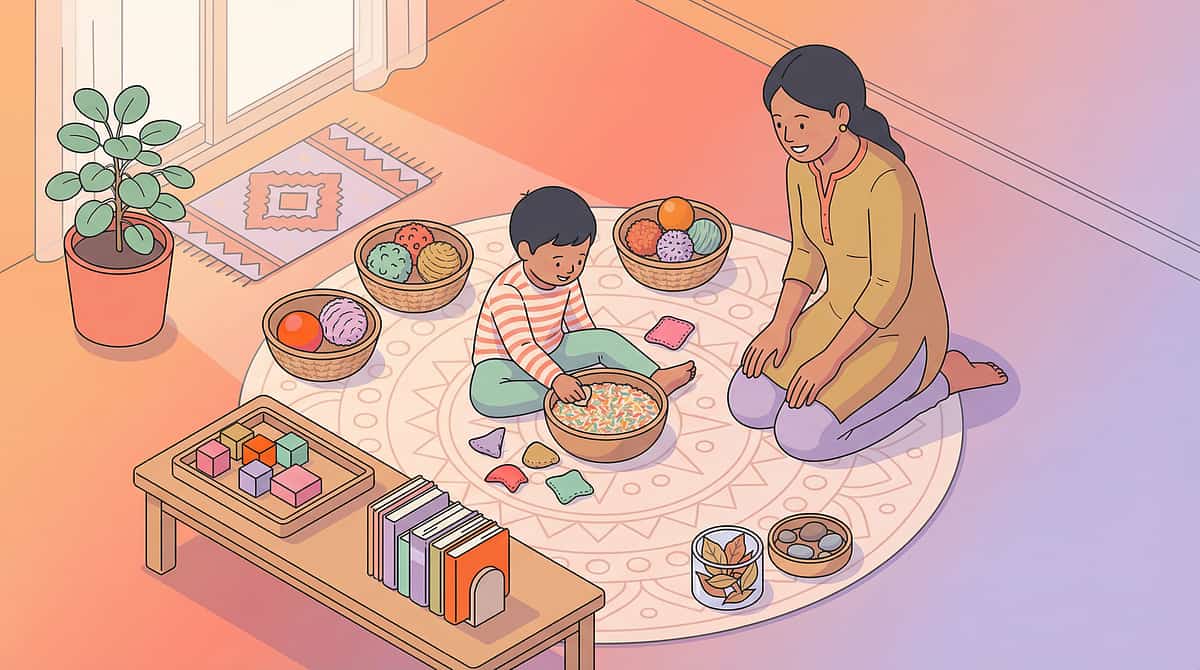
🏠 Set Up Your Space
The Right Environment Makes the Session
Position
- Child seated comfortably — floor mat or low table, child's preference
- Parent at 45° angle — side-by-side feels collaborative, not evaluative
- Problem-solving framework chart visible from child's seated position
- Materials to child's dominant-hand side, within reach
Environment
- TV/screens OFF — even muted screens activate distraction networks
- Other toys stored out of sight
- Lighting bright but not fluorescent glare — natural light ideal
- Background noise: low-volume instrumental music acceptable, silence preferred
Materials Laid Out
- Session material ready and visible (not in box)
- Reinforcement items ready (sticker chart, preferred small reward)
- Visual timer visible to child
- Journal or tracking sheet ready for post-session data
Timing
- Session scheduled when child is consistently regulated — NOT right after school for most children
- 15–20 minutes maximum for ages 3–7; 20–30 minutes for ages 8–12
PMC10955541 (Meta-analysis: 1:1 structured environment efficacy) | Sensory Integration Theory (Ayres)

✅ Readiness Check
60-Second Pre-Session Assessment
Before every session, run through this quick checklist. It takes less than a minute and protects your child's positive association with these materials.
Check | ✅ GO | ⚠️ Modify | ❌ Postpone |
Eye contact possible? | Occasional contact | Limited | Avoiding all |
Body regulated? | Seated or moving calmly | Some fidgeting | Running, spinning |
Verbal/AAC responsive? | Responding to name | Slow response | Non-responsive |
Recent meltdown? | None in 2+ hours | 30–60 mins ago | Within 30 mins |
Hunger/thirst? | Recently fed | Slightly hungry | Clearly hungry |
Sleep last night? | 8+ hours | 6–7 hours | Under 6 hours |
Showing interest? | Approaching materials | Neutral | Actively avoiding |
🟢 GO (5–7 green)
Begin session as planned
🟡 Modify (3–4 green)
Use easier version. Shorten to 10 minutes.
🔴 Postpone (<3 green)
Not today. Offer preferred calming activity instead.

Step 1 of 6
Step 1: The Invitation — Never a Command
"Hey, I've got something interesting for us to try. Want to see?"
Hold the material near you, not pushing it toward the child. Use a curious, not instructional tone — like YOU are excited, not testing.
✅ Acceptance Cues
- Child looks at the material
- Child moves closer
- Child reaches for it
- Child makes a sound or word indicating interest
⚠️ Resistance + Responses
- Child ignores: Wait 30 seconds, make the activity interesting for yourself, describe aloud
- Child says no: "Okay, we can do something else. I'll just leave it here." Leave it out — curiosity follows.
- Child distressed: Back off immediately, do not persist
Body Language Guidance
- Get to child's physical level (kneel or sit on floor)
- Open body posture — no hovering
- Smile is present but not forced
- No eye contact demand during invitation
⏱ Timing: 30–60 seconds | ABA Pairing Procedures | OT Just-Right Challenge Principle

Step 2 of 6
Step 2: The Engagement — Introduce the Material
For each material type, use these parent scripts as a guide. Present at the child's eye level, allow 5–10 seconds of silent exploration before speaking, and name the material clearly.
📋 Visual Framework Chart
"Let's look at our thinking chart together. When something is tricky, we use these steps. Can you point to Step 1?"
🧩 Graduated Puzzle
"I picked this puzzle because I think you can solve it. Let's see… where would you start?"
♟ Strategy Game
"In this game, we have to think ahead. I wonder what move would be clever…"
⚙ Cause-Effect Toy
"I wonder what happens if we do this. What do you think will happen?"
💭 What-If Card
"I have a question that needs your brain. What if [scenario]?"
Child Response Tracking (mental note during session)
🟢 Engagement
Looking, touching, manipulating
🟡 Tolerance
Present but not interactive (acceptable early on)
🔴 Avoidance
Consistent turning away — modify or end

Step 3 of 6
Step 3: The Therapeutic Action — The Active Ingredient
This is where the real work happens. Each of the 9 materials has its own home execution protocol. Follow these steps consistently — they contain the therapeutic mechanism.
📋 Visual Framework Chart — 4-Step Protocol
Point to Step 1 together: "What's the problem?" Verbalise it together. Step 2: "What can we try?" — child generates options. Step 3: "Let's try one." Child executes. Step 4: "Did it work? If not, try another." Keep chart visible throughout. Duration: 3–5 minutes.
🧩 Graduated Puzzle — Start-to-Finish Protocol
Start with a puzzle 20% below the child's current capability. Model thinking aloud: "Hmm, this piece has a straight edge — it might go on the border…" Allow independent attempts; provide hints as questions, not answers. Celebrate completion genuinely. Duration: 5–10 minutes. Next session: same puzzle OR one step harder.
♟ Strategy Game — Think-Aloud Protocol
Set up game together (child participates — builds ownership). Parent models thinking aloud after each move. Ask "Why did you choose that?" with genuine curiosity, never judgment. After game: "What worked? What would you try differently?" Duration: 10–15 minutes. Focus: strategic thinking, not winning.
⚙ Cause-Effect Experiment
Announce hypothesis → child predicts outcome → execute together → observe result → debrief: "Did it match your prediction? Why or why not?" Duration: 5–8 minutes. Best done in kitchen or outdoors.
🃏 Social Problem Cards
Show card → "What's happening?" → "What's the problem?" → encourage 2–3 options → "What might happen if they did that?" → "What would YOU do?" Duration: 3–5 minutes per card; 2–3 cards per session.
PMC10955541 (40-minute sessions; 40–60% core action) | NCAEP 2020 | 📞9100 181 181 — call for live guidance on implementing any protocol
Step 3 Continued
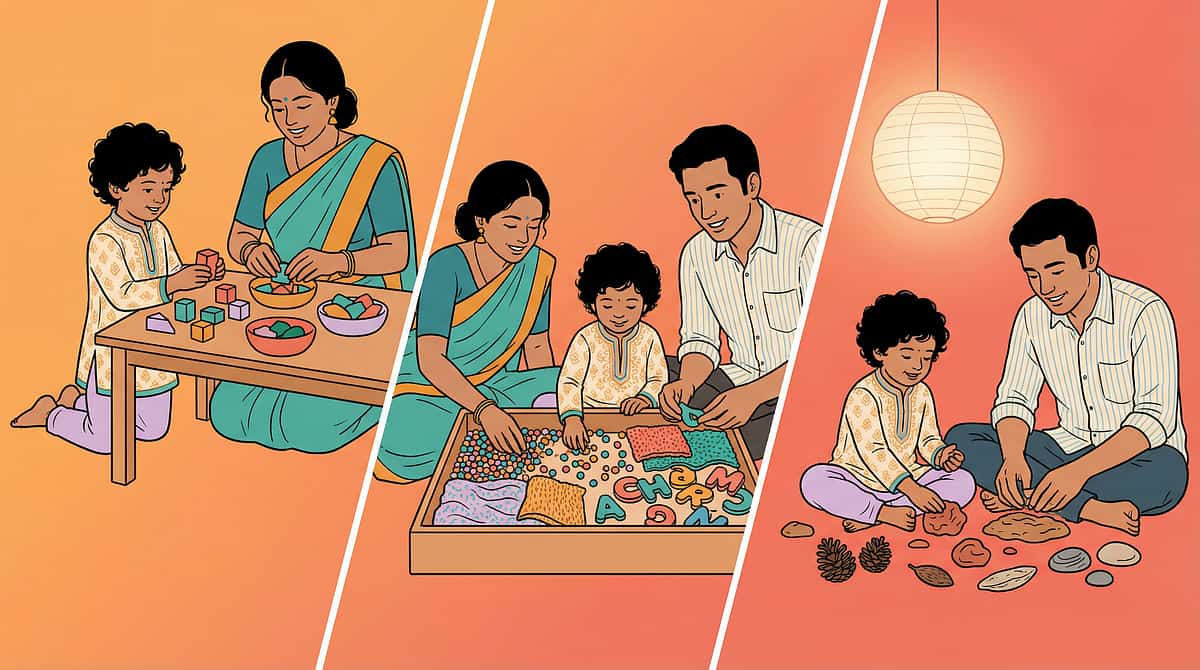
The Therapeutic Action — Materials 6–9
🎨 Open-Ended Creative Materials
Offer materials with an open invitation: "Build something that can hold a ball." OBSERVE — do not direct or help unless truly stuck. When they encounter obstacles: ASK, don't solve: "Hmm. What happened? What could you try?" Celebrate process: "You tried FOUR ways before it worked. That's real problem solving." Duration: 10–15 minutes of uninterrupted exploration.
📏 Size of Problem Scale
Before any reaction: "Let's check the scale. Where does this problem sit?" Child points to number/level. "What size reaction matches that size problem?" Validate feeling, calibrate response: "You feel big feelings. Is it a big problem or a medium one?" Use during real situations, not just practice sessions.
💭 What-If Cards
Parent asks: "What if [scenario]?" Give thinking time — 5–10 seconds of silence is normal. Accept any response warmly — there are no wrong answers. Extend: "And then what might happen?" / "Is there another possibility?" Duration: 2–3 minutes per card. Great for car rides, mealtimes.
📓 Process Journal
After solving any problem: "Let's write what we did." Template: What were you trying to do? / What did you try? / Did it work? / What would you try next time? Child draws or writes (or dictates, parent writes). Review past entries together monthly. Duration: 3–5 minutes post-session.
Step 4 of 6
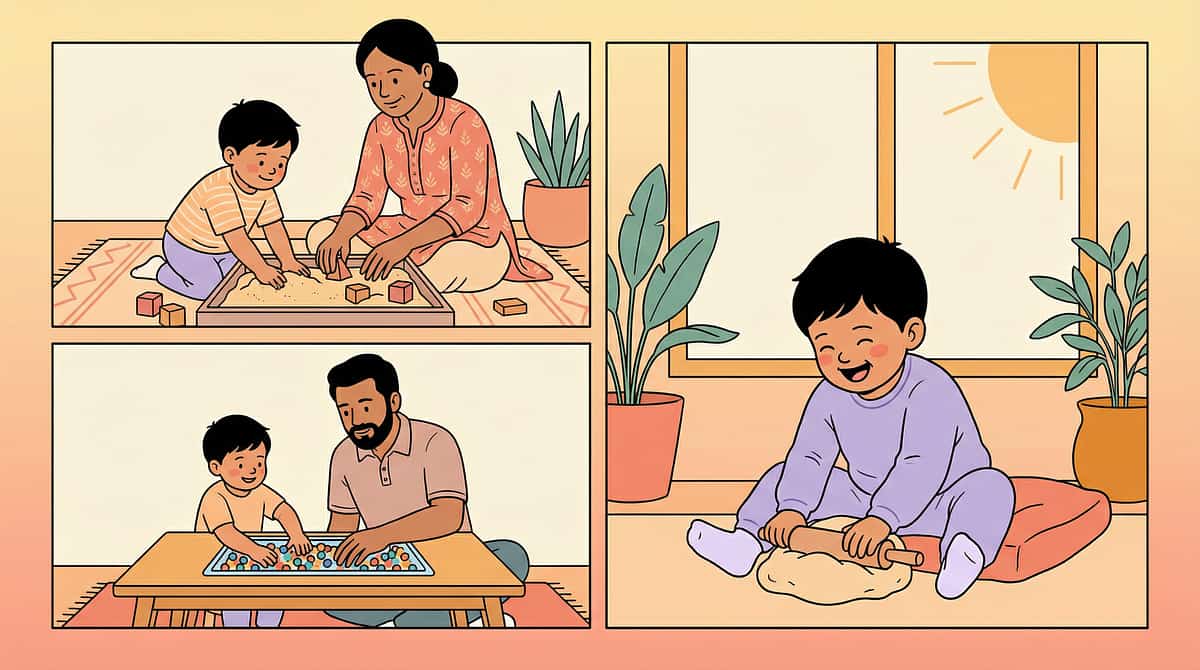
Step 4: Repeat & Vary — Therapeutic Dosage
3 engaged repetitions > 10 forced ones. Read the child's satiation cues: yawning, looking away, physically moving away, verbal protests. End before satiation — not after. Leave them wanting more.
Material | Reps / Session | Sessions / Week | Duration per Rep |
Visual Framework Chart | Use on every problem | Daily | 3–5 min |
Graduated Puzzles | 1–2 complete puzzles | 4–5×/week | 5–10 min each |
Strategy Games | 1 full game | 3–4×/week | 10–15 min |
Cause-Effect Experiments | 1–2 experiments | 2–3×/week | 5–8 min |
Social Problem Cards | 2–3 cards | 3×/week | 3–5 min/card |
Open-Ended Materials | 1 extended session | 3–4×/week | 10–15 min |
Size of Problem Scale | Every real problem | Daily use | 1–2 min |
What-If Cards | 3–5 questions | Daily (car/meals) | 2–3 min |
Process Journal | Post any session | After each session | 3–5 min |
Variation Options — Keep Engagement Fresh
Puzzles: Rotate themes, change difficulty weekly
What-If cards: Alternate physical / social / nature / safety scenarios
Open-ended materials: Change the loose parts; add a new challenge constraint
Social cards: Create personalised cards using photos from your child's actual life
Step 5 of 6
Step 5: Reinforce the Process — Not Just the Outcome
✅ What to Reinforce
- Attempts: "You TRIED a different way — that's problem solving!"
- Persistence: "You kept going even when it was hard. I saw that."
- Process Language: "You said 'what else could I try?' — that's exactly what problem-solvers think."
- Calibration: "You checked the size of the problem first — great thinking."
Reinforcement Menu
- Verbal praise (specific, enthusiastic, immediate) — ₹0
- Token board with preferred reward — ₹0 DIY
- 5 minutes of preferred activity — ₹0
Praise Script Examples
"You stopped. You thought. You tried. That's the whole chart right there."
"That block tower fell THREE times and you rebuilt it THREE times. That's a problem solver."
"You said 'maybe if I try it the other way' — you just solved your own problem."
ABA Reinforcement Principles | BACB guidelines | Token economy systematic reviews

Step 6 of 6
Step 6: Every Session Ends Gently — Never Abruptly
The cool-down sequence takes just 2–3 minutes and makes the next session easier. A child who ends well is a child who returns willingly.
If Child Resists Ending
Do NOT force abrupt ending. Say: "I know you want to keep going — that means your brain is engaged! We'll do this again [tomorrow / in two days]. I promise."
Offer one "bonus" minute: "Okay, one more try, then we'll put it away together."
Transition Warning Script
"We have time for two more tries / one more puzzle / two more questions, then we'll be all done for today."
Use a visual timer showing 2 minutes — highly recommended. Allow child to carry a piece of the activity briefly if it helps transition.
NCAEP (2020) — visual timer and transition support as evidence-based practice

📊 Capture the Data
60 Seconds of Data = Weeks of Progress Insight
Record within 60 seconds of session end. This is not a research paper — just 3 quick fields that, over weeks, become the evidence of your child's growth.
📅 Field 1
Date & Material Used — from dropdown of 9 options
⭐ Field 2
Child's Engagement — 1 to 5 star tap
✅ Field 3
Problem-Solving Behaviour Observed Today — checklist of key indicators
Behaviours to Track
- Child attempted without prompting
- Child tried a second approach after first failed
- Child used the framework chart independently
- Child named what they were trying to do
- Child showed frustration but continued (persistence)
- Child asked "what else can I try?"
📞9100 181 181 — our therapists review your data logs in teleconsultations
🔧 Troubleshooting
Common Session Challenges & Solutions
🚫 Challenge | 🔍 Why It's Happening | ✅ What To Do |
Child refuses to engage | Material too hard, too easy, or wrong motivation | Assess current level — start 2 steps easier. Change material. Use preferred item as reward. |
Child throws materials | Problem above challenge threshold + poor frustration tolerance | Switch to guaranteed-success puzzle immediately. Remove difficult material without judgment. |
Child seems bored | Material below current level | Advance difficulty. Add constraint: "Can you do it without looking at the picture?" |
Child waits for parent to solve | Learned helplessness + adult over-helping | Go silent. Wait 20 seconds. Say "What does Step 1 say?" — point to chart. Never solve it for them. |
Child uses chart but still stuck | Not enough solution options in repertoire | Teach explicitly: "Three options to always try: 1) Try it differently, 2) Ask for help, 3) Move on and come back." |
Upset by losing strategy game | Losing is difficult — emotional regulation challenge | De-emphasise winning. Focus on thinking: "Did you think ahead? That's the goal." |
No improvement after 3 weeks | Frequency insufficient, wrong material, or assessment needed | Ensure daily use. Consult Pinnacle therapist. May need AbilityScore® to identify specific EF deficit. |
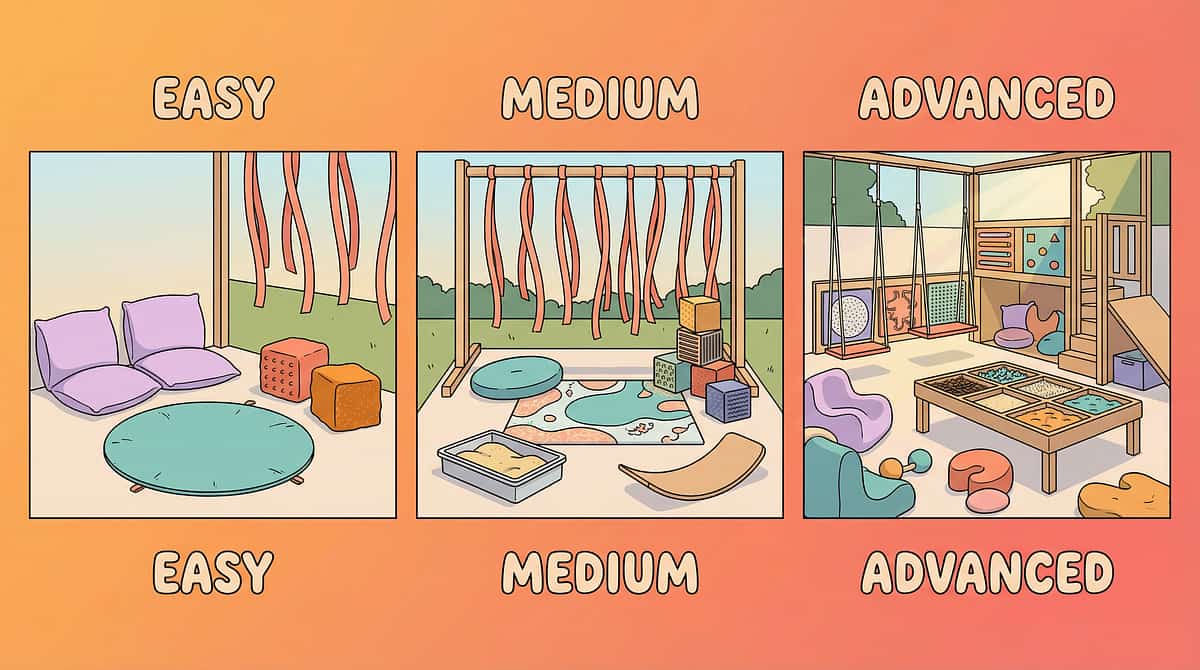
🎯 Personalise
This Toolkit Adapts to Your Child's Exact Profile
By Age
Age | Priority Materials | Approach |
3–5 years | Cause-effect toys, simple puzzles (3–8 pieces), Size of Problem scale | Pure play-based. No written elements. Verbal what-ifs only. |
6–8 years | Visual framework chart, strategy games, social cards | Begin written journal. Introduce "what else?" consistently. |
9–12 years | Process journal, complex strategy games, prediction cards | Full metacognitive practice. Can set their own problem-solving goals. |
By Profile
🔵 Autism Spectrum
Prioritise: Visual Framework Chart + Social Problem Cards + Process Journal. Key: Predictability and structure within each session. Same setup every time.
🟡 ADHD
Prioritise: Size of Problem Scale + Short Puzzles + Cause-Effect Experiments. Key: Keep sessions short (10 min). High-frequency small rewards. Movement breaks.
🟢 Developmental Delay
Start with: Cause-Effect Toys → Simple Puzzles → Open-Ended Materials. Key: Match to developmental age, not chronological age. 3-step framework max.
🟣 Anxiety / Perfectionism
Prioritise: Open-Ended Creative Materials + Size of Problem Scale + Puzzles at guaranteed-success level. Key: Emphasise "trying beats not trying, always."

📈 Progress
Week 1–2
Week 1–2: Laying the Foundation
✅ What Progress Looks Like
- Child tolerates framework chart on the wall (even without using it)
- Child attempts materials without major resistance
- Child stays engaged 2–3 minutes longer than in Week 1, Day 1
- Child engages in one "what else can I try?" behaviour — even once — in the two weeks
What Is Not Progress Yet (and that's okay)
- Child is not yet using the framework chart independently
- Child still gives up quickly on hard problems
- Child still needs prompting to try a second approach
This is normal. The foundation is being laid.
"If your child tolerates the puzzle for 4 minutes instead of shutting down immediately — that is real neurological progress. You may not see it. The brain sees it."
📞9100 181 181 — call if you're not seeing any engagement by Week 2 | PMC11506176 | 8–12 week timeline outcomes literature

📈 Progress
Week 3–4
Week 3–4: Neural Pathways Forming
These are the signals you're building something real. Each indicator below represents a new neural connection — a pathway that didn't exist weeks ago.
Anticipates Session
Child moves toward materials before you set them up
Second Approach
Child tries a second approach without prompting — even once in the week
Real-Life Scale Use
Uses the Size of Problem scale during a real (not practice) situation
Spontaneous What-If
Child asks "What if…?" spontaneously — even about unrelated topics
Increased Tolerance
Frustration tolerance in sessions has visibly increased
"She tried again" — the most important three words you'll report. Even once in two weeks. That's a new neural connection.
📈 Progress
Week 5–8
Week 5–8: The Transformation Becomes Visible
Child independently references framework chart when stuck — without prompting
Child generates 2+ solution options before giving up
Problem-solving language emerges: "Let me try a different way" / "That didn't work, so…"
Skills beginning to transfer across contexts — home → school → play
Journal entries show increasing self-reflection
Generalisation Evidence — Real-World Data Points
"Teacher reports child attempting word problems independently."
"Sibling conflict resolved without meltdown."
"He said 'wait, let me think' before he reacted."
Dosage Consistency Check: Goal is 15–20 sessions across all 9 materials in the last 4 weeks. If under 10, add one daily 5-minute What-If card session to boost frequency.

🎉 Celebrate
Celebrate Every "I Tried Again"
Every milestone in your child's problem-solving journey deserves recognition. These moments are neurological achievements — new pathways being carved into a developing brain.
First independent attempt
"You tried! That's everything."
First time trying a second approach
Ceremony-worthy. Mark it in the journal.
First "what else can I try?" independently
Call Grandma. This is the sentence.
First problem solved without adult help
Frame their solution — literally write it on the chart.
First time calibrating problem size accurately
"You just became a problem-sizer!"
📞9100 181 181 — share your wins with our clinical team. We celebrate with you.
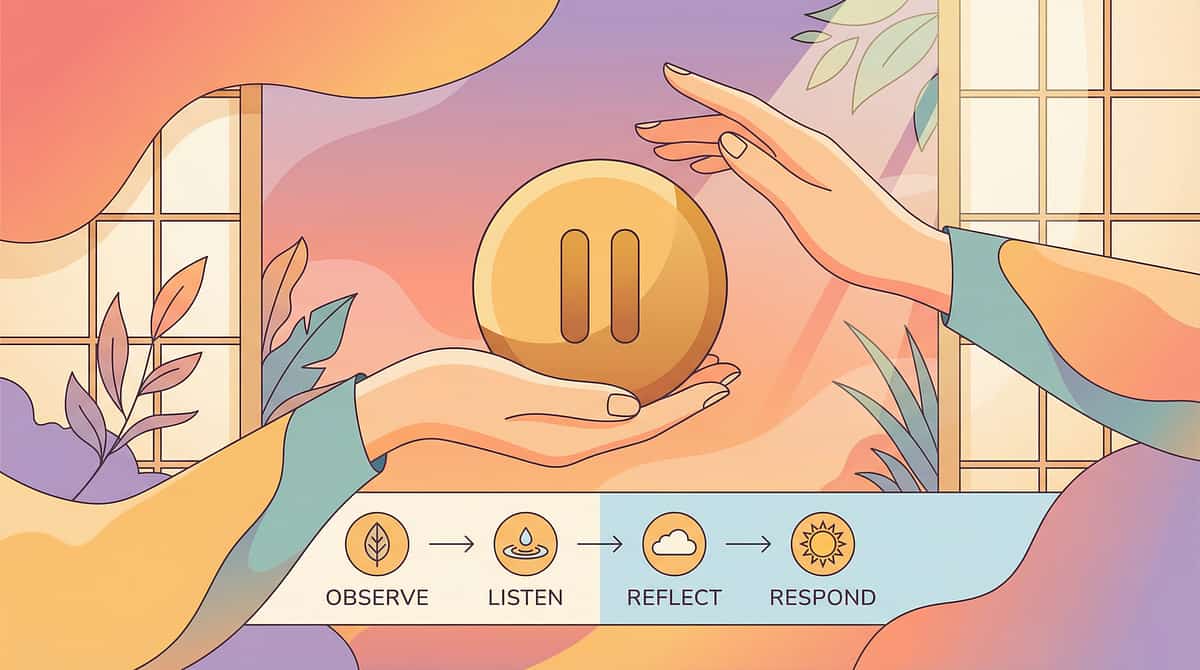
🔴 Red Flags
When Home Practice Needs Clinical Backup
Home practice is powerful — and it has a natural limit. These signals tell you it's time to bring in professional assessment alongside your home work.
🔴 Continue Home Practice + Consult If:
- No engagement with ANY of the 9 materials after 3 consistent weeks
- Problem-solving difficulties are affecting safety (child cannot assess danger)
- Extreme frustration, aggression, or self-injury when facing any problem
- No observable change across 2 months of consistent practice
- Difficulties significantly impacting academic functioning
- Co-occurring anxiety or behavioural challenges are escalating
- You suspect challenges beyond executive function — possible intellectual disability, language disorder, or processing differences
📋 What a Professional Assessment Includes
- AbilityScore® comprehensive baseline across all problem-solving sub-domains
- Executive function screening (working memory, flexibility, inhibitory control separately)
- Cognitive flexibility and reasoning evaluation
- Academic problem-solving assessment (if school-age)
- Comorbidity screening
📞9100 181 181 — 16+ languages | Free | 24×7 | DOI: 10.1007/s12098-018-2747-4
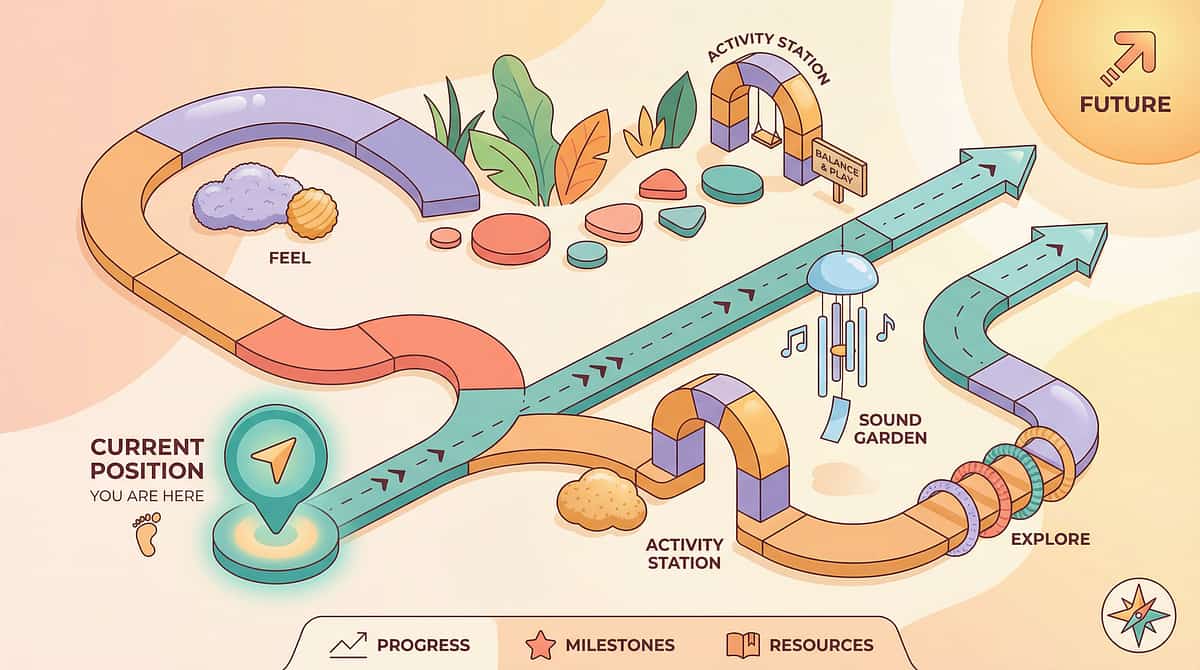
🗺️ Your Progression Pathway
G-673 in the Cognitive Development Progression
Problem solving doesn't exist in isolation. It builds on Working Memory and Cognitive Flexibility, and leads directly into Planning & Organisation. Here's where you are in the journey.
G-671
Working Memory
Prerequisite
Prerequisite
G-672
Cognitive Flexibility
Prerequisite
Prerequisite
G-673 ← YOU ARE HERE
Problem Solving
Current
Current
G-674
Planning & Organisation
Next
Next
G-675
Attention & Focus
Coming
Coming
Next-Level Options Based on Your Child's Response to G-673
Responds to visual frameworks
→ Try G-674: Planning & Organisation
Thrives with games/puzzles
→ Try G-672: Cognitive Flexibility deep-dive
Needs social problem-solving
→ Social Cognition domain techniques
Needs academic problem-solving
→ Connect with Special Education specialist
📚 Related Techniques
Explore the Full Cognitive Development Series
Your G-673 materials (visual frameworks, puzzles, games) are directly usable for G-671, G-672, G-674, and G-675 — no additional purchases needed.
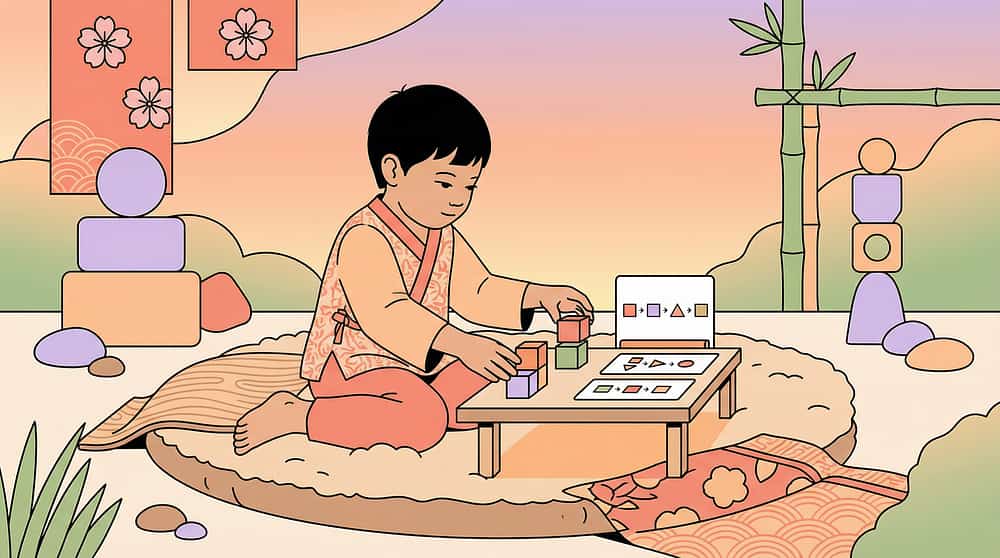
G-671 — Working Memory
Difficulty: ⚫ CORE | Domain: Executive Function

G-672 — Cognitive Flexibility
Difficulty: ⚫ CORE | Domain: Executive Function
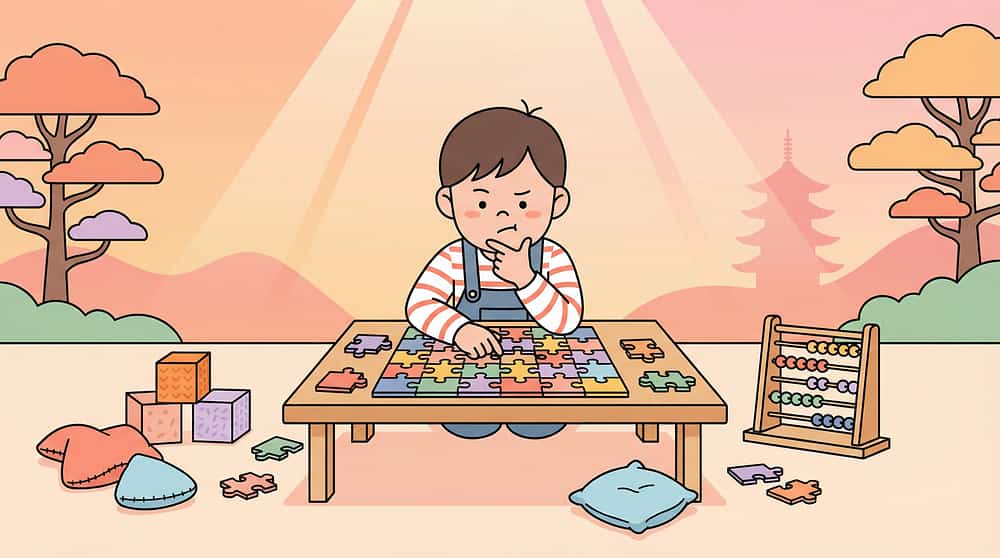
G-673 — Problem Solving ← YOU ARE HERE
Difficulty: ⚫ CORE | Domain: Cognitive Development

G-674 — Planning & Organisation
Difficulty: 🔵 ADVANCED | Domain: Executive Function

G-675 — Attention & Focus
Difficulty: ⚫ CORE | Domain: Executive Function

G-680 — Learning from Mistakes
Difficulty: 🔵 ADVANCED | Domain: Metacognition

❤️ Parent Stories
Families Just Like Yours
"Our daughter used to fall apart the second anything went wrong. A toy that didn't work, a puzzle piece that didn't fit — total meltdown or complete shutdown. We introduced the problem-solving steps chart and started with puzzles way below her level so she could succeed. We used the 'What if?' cards at dinner. We got her a journal. It took months. But something shifted. Yesterday her block tower fell and instead of screaming, she said 'Maybe I need a bigger bottom.' That sentence was a miracle for us."
— Meera R., Parent, Pinnacle Hyderabad CentreIllustrative; individual outcomes vary.
"The Size of the Problem chart changed our household. My son used to treat a broken crayon like a fire alarm. Now he looks at the chart and says 'that's Level 1.' We still celebrate every time."
— Arjun S., Father, Pinnacle Bengaluru Centre
— Arjun S., Father, Pinnacle Bengaluru Centre
"Our OT at Pinnacle gave us the cause-and-effect experiments to try at home. What started as 'what happens if I mix these colours?' became my daughter predicting outcomes in everyday life. The thinking transfer was real."
— Priya N., Parent, Teleconsultation Client
— Priya N., Parent, Teleconsultation Client
📞9100 181 181
🌍 Community
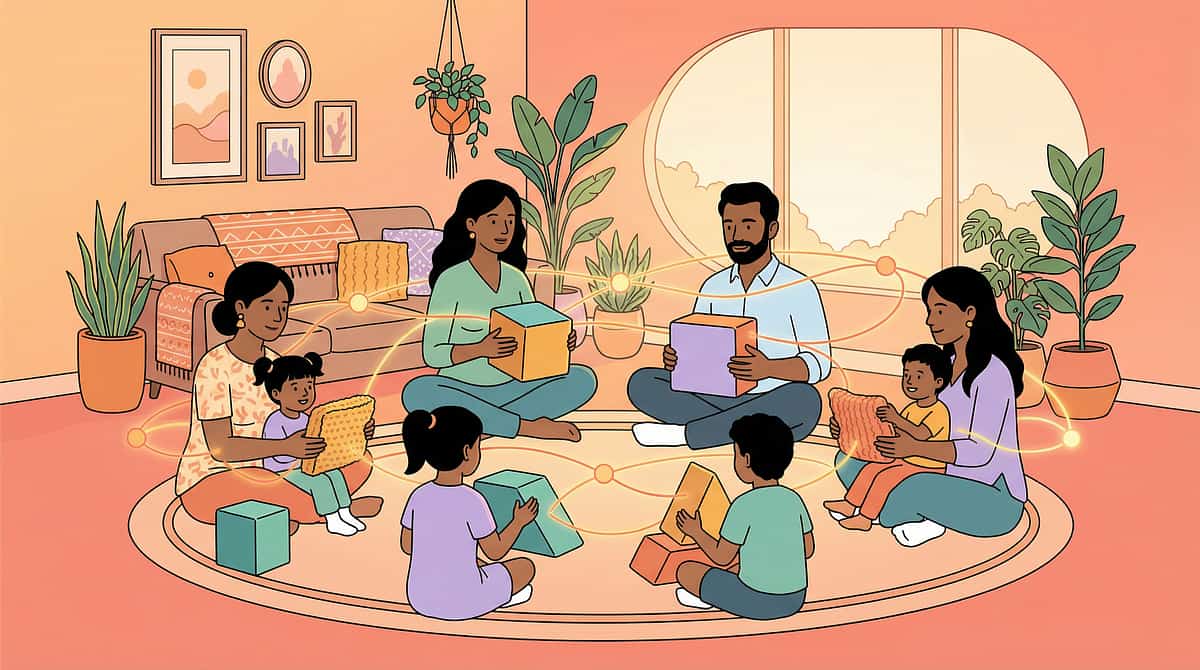
You Are Not Working Alone
2,000+ parents are sharing strategies, wins, and support in our moderated community spaces. Every family that shares what worked makes the next family's journey easier.
📱 WhatsApp Community — Cognitive Development Parents
2,000+ parents sharing strategies, wins, and support. Moderated by Pinnacle therapists. Join: Problem-Solving & Executive Function Parent Group
💬 Online Forum
Ask questions, share data logs, get therapist responses. Join: GPT-OS® Parent Forum — Cognitive Development
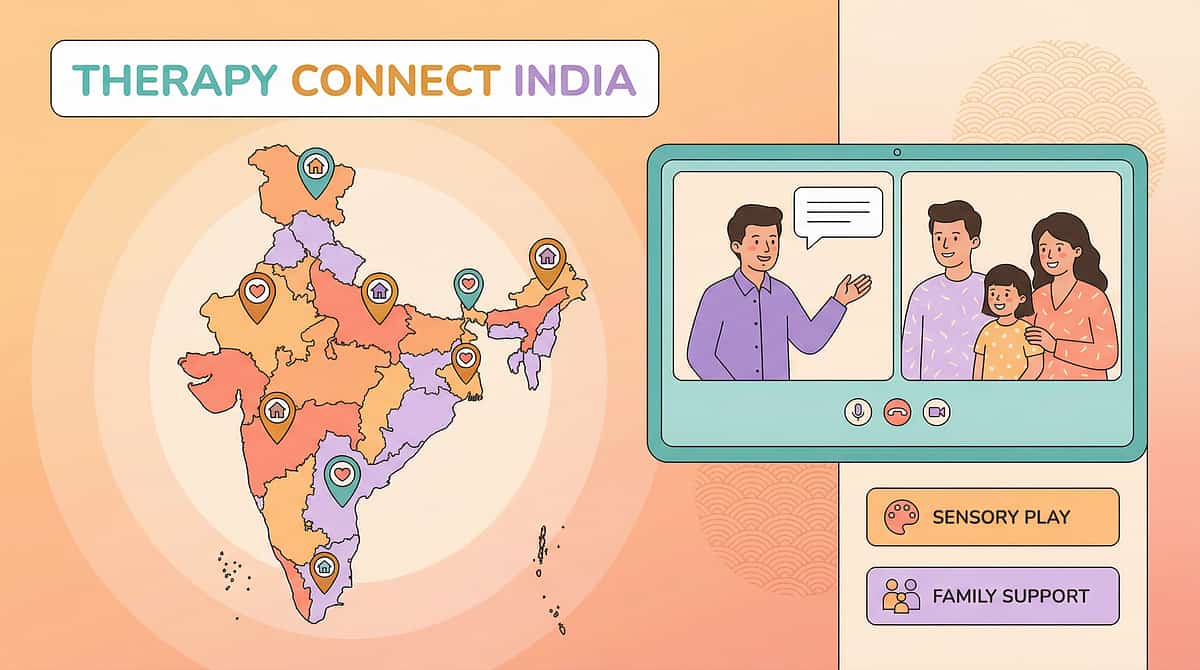
📍 Local Pinnacle Parent Meetups
70+ centres across India hosting monthly parent education sessions. Find Your Nearest Centre & Parent Group
🤝 Peer Mentoring
Connect with a parent who has navigated what you're facing. Request a Peer Mentor
🏥 Professional Support
Home Practice + Professional Guidance = Maximum Impact
Home practice provides volume and frequency. Clinical sessions provide precision and expertise. Together, they produce 97%+ measured improvement across the Pinnacle network.
Discipline | Role in Problem-Solving | Book At |
🎯 Occupational Therapy | Visual frameworks, executive function sub-skills | |
📊 ABA / BCBA | Data, reinforcement, behaviour support | |
📖 Special Education | Academic problem-solving, IEP goals | |
🗣 Speech-Language | Verbal reasoning, social problem-solving |
📞9100 181 181 — FREE | 16+ languages | 24×7 | WHO NCF Progress Report (2023)
🤖 GPT-OS® Technology
Your Sessions Make Your Child's Plan Smarter
What GPT-OS® Learns from G-673 Data
- Which of the 9 materials produces engagement for THIS child
- Trend in problem-solving attempt frequency
- Satiation patterns (which sessions need to be shorter)
- Transfer evidence: are skills appearing outside sessions?
🔐 Privacy Assurance
Your data is protected under India's DPDP Act. Never sold. Never used for advertising. Used exclusively to improve your child's outcomes and contribute to population-level paediatric therapeutic intelligence.
Population Impact
Every data point you contribute is aggregated with 20M+ sessions across the Pinnacle network to improve recommendations for every child facing problem-solving difficulties — including yours.
Digital health + ASD systematic reviews (2024) — 21 RCTs, 1,050 participants

🎬 Watch the Reel
G-673 — 9 Materials That Help With Problem Solving
🎬 Reel ID
G-673
📺 Series
Cognitive Development & Executive Function
🕐 Duration
75–85 seconds
👶 Age Band
3–12 years
"Hi, I'm [Therapist Name], Occupational Therapist at Pinnacle Blooms Network®. In this reel, I walk you through all 9 materials that help when children can't problem-solve — and show you exactly how to use each one at home. Every material shown costs under ₹3,000. Every technique is validated in our 70+ centre network. Let's get your child thinking."
This web page is the deep-dive companion to the reel. The reel introduces the materials; this page gives you the complete 6-step home protocol, progress tracking, and clinical evidence for each one.
📤 Share With Your Family
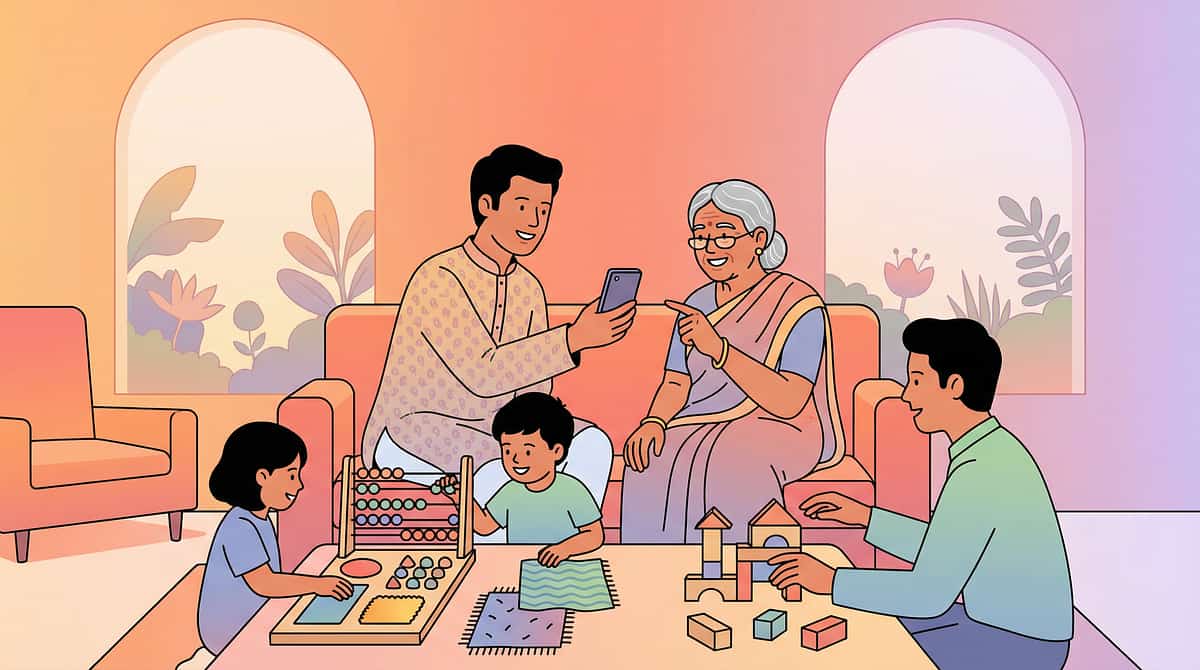
Consistency Across All Caregivers Multiplies Impact
The more consistently these techniques are applied across home, school, and extended family — the faster skills transfer to real life. Generalisation requires multiple messengers.
For Grandparents — Simplified Version
"When [child's name] gets stuck on something, don't solve it for him/her. Instead, point to the thinking chart on the wall and ask 'What does Step 1 say?' If there's no chart nearby, say 'What else could you try?' — then wait quietly for 15 seconds. That waiting time is therapy."
Teacher/School Communication Template
"Dear [Teacher], we are working at home on problem-solving skills using a visual framework chart. [Child] is learning to identify the problem, generate options, try a solution, and evaluate results. If possible, please prompt '[Child], let's use our problem-solving steps' when [he/she] gets stuck in class, rather than solving it for [him/her]. Thank you."
PMC9978394 — Multi-caregiver training critical for generalisation and maintenance (WHO CCD) | 📞9100 181 181
❓ FAQ
Your Questions, Answered
My child is 8 years old — isn't it too late to start this?
No. Executive function develops through adolescence. The brain remains highly plastic well beyond early childhood. An 8-year-old who begins structured practice will show measurable change within 8–12 weeks. Starting later means building on more life experience — which can actually accelerate progress.
My child already does puzzles and games — is this different?
Yes. The difference is intentional scaffolding and explicit strategy teaching. This approach uses puzzles as a structured intervention: graduated difficulty, verbal strategy modelling, explicit "what else can I try?" prompting, and data tracking. The materials are the same; the therapeutic protocol is different.
How do I know which of the 9 materials to start with?
Start with the Visual Framework Chart and Graduated Puzzles — these are the foundation for all other materials. Add one new material per week as the child's engagement grows. The full toolkit is built over 6–9 weeks, not introduced all at once.
My child refuses the framework chart. What do I do?
Don't force it. Place it on the wall passively. Then model it yourself for YOUR problems: "Hmm, the jar won't open. Let me use my chart. Step 1: What's the problem?" Children absorb what they observe. The chart may interest them within a week of seeing you use it.
❓ FAQ Continued
More Questions, Answered
Should I tell my child this is "therapy"?
Generally no. Frame it as "thinking time," "puzzle time," or "our special game time." The therapeutic mechanism works whether the child knows or doesn't. Framing it as therapy can create performance anxiety that reduces natural engagement.
How long before I see results?
Observable indicators typically appear in weeks 3–6 with consistent daily practice. Significant transfer to real-world problem solving typically appears in 8–12 weeks. Patience is the most powerful intervention.
My child solved all the puzzles I have. What next?
Excellent — advance the difficulty. Move to puzzles with more pieces, more complexity, or less pictorial guidance. Move strategy games to more complex options (Checkers → Othello → Rush Hour → Complex LEGO sets with no instructions). The goal is always the "just-right challenge" — possible, but requiring effort.
Can I do these materials without a therapist?
Yes — these are designed for home execution by parents and caregivers without any therapy background. However, for children with significant executive function differences, regular check-ins with an OT or BCBA ensure you're using the right level and approach. Our free helpline (9100 181 181) provides live guidance.

Your Child Is a Problem Solver in the Making. The Materials Are the Bridge.
Problem solving is not a gift some children are born with and others aren't. It's a set of skills built through practice with the right materials, the right scaffolding, and a parent who refuses to solve everything for their child. You have found the page. You have the materials. You have the protocol.
Now — begin.
20M+
Sessions Analysed
97%+
Measured Improvement
70+
Centres Across India
Preview of 9 materials that help with problem solving Therapy Material
Below is a visual preview of 9 materials that help with problem solving therapy material. The pages shown help educators, therapists, and caregivers understand the structure and content of the resource before use. Materials should be used under appropriate professional guidance.


Link copied!

🔮 The Journey Continues
The Problem-Solving Journey Continues
G-673 builds the foundation: recognise a problem, generate options, try, evaluate, adjust. Once your child demonstrates consistent attempt behaviour — they are ready for the next layer: Planning & Organisation (G-674) — how to sequence multi-step solutions and organise approaches before acting. The two techniques together form the core of independent executive function.
🔮 Up Next: G-674 — 9 Materials That Help With Planning & Organisation
"Your child can now attempt solutions. Next: how to plan them before attempting."
🏥 Pinnacle Blooms Network® Consortium
Paediatric OT | SLP | ABA/BCBA | Special Education | NeuroDev Medicine | CRO | GPT-OS®
Built by Mothers. Engineered as a System.
Paediatric OT | SLP | ABA/BCBA | Special Education | NeuroDev Medicine | CRO | GPT-OS®
Built by Mothers. Engineered as a System.
📞 FREE National Autism Helpline (16+ languages): 9100 181 181 | Available 24×7 | pinnacleblooms.org | care@pinnacleblooms.org
CIN: U74999TG2016PTC113063 | DPIIT: DIPP8651 (Govt. of India) | MSME: TS20F0009606 | GSTIN: 36AAGCB9722P1Z2
© 2025 Pinnacle Blooms Network®, unit of Bharath Healthcare Laboratories Pvt. Ltd. All rights reserved.
This content is educational. It does not replace individualised assessment and intervention from psychologists, occupational therapists, special educators, or other qualified professionals. Problem-solving difficulties can be associated with autism spectrum disorder, ADHD, learning disabilities, developmental delays, and other conditions requiring professional evaluation. Persistent or significant difficulties warrant professional assessment. Individual results may vary. Statistics represent aggregate outcomes across the Pinnacle Blooms Network.
© 2025 Pinnacle Blooms Network®, unit of Bharath Healthcare Laboratories Pvt. Ltd. All rights reserved.
This content is educational. It does not replace individualised assessment and intervention from psychologists, occupational therapists, special educators, or other qualified professionals. Problem-solving difficulties can be associated with autism spectrum disorder, ADHD, learning disabilities, developmental delays, and other conditions requiring professional evaluation. Persistent or significant difficulties warrant professional assessment. Individual results may vary. Statistics represent aggregate outcomes across the Pinnacle Blooms Network.