
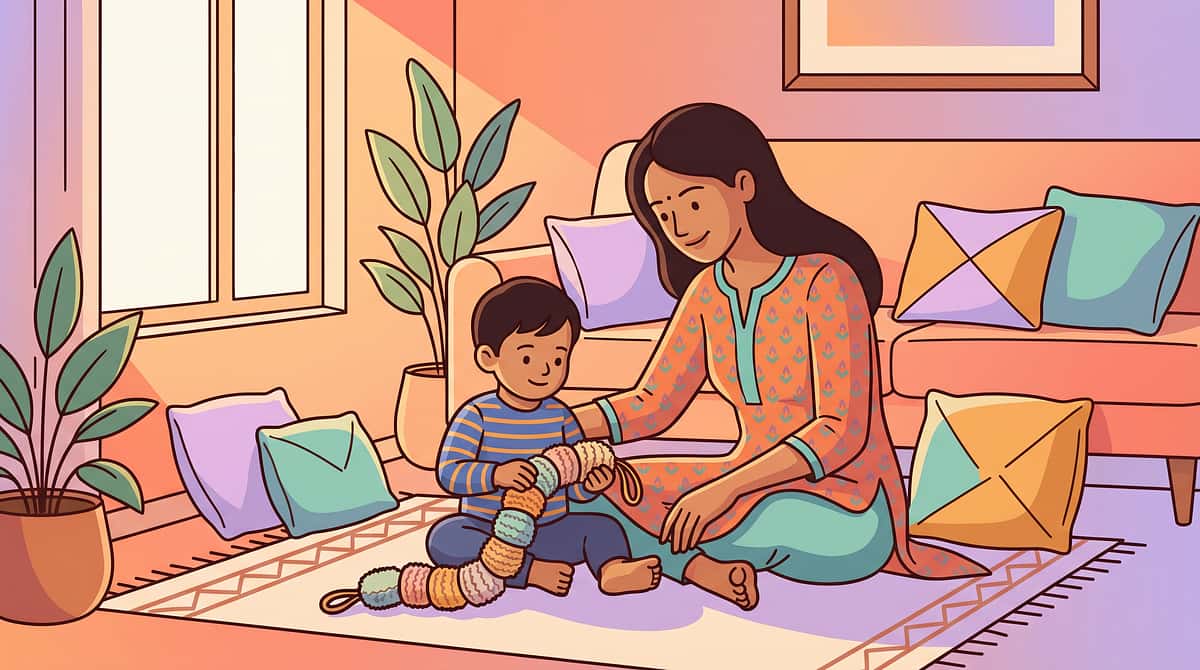
They Stand at the Edge. Watching. Wanting. Not Knowing How.
Your child sees a group of kids playing at the park. You watch them slow down, hover at the edge — you can see the longing in their face. They want to join so badly. But they stand there for five minutes, then quietly walk away. They come back to you and say, "Nobody wanted to play with me." Your heart breaks. Again.
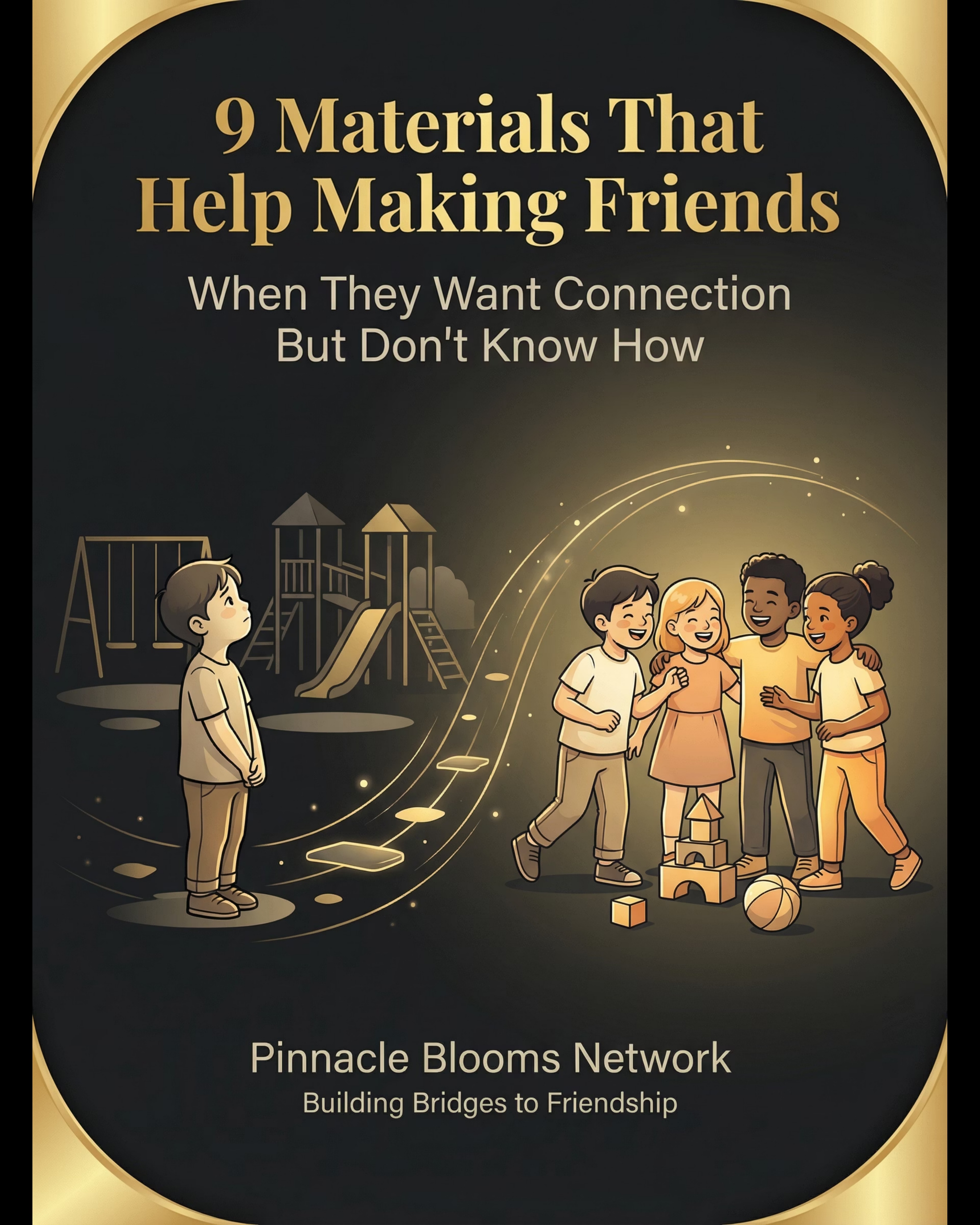
9 Materials That Help Making Friends — Making the invisible rules of friendship visible, learnable, and achievable — for every child.
Act I — Emotional Entry
You Are Not Failing. Your Child Is Not Broken.
The skills of friendship that most children absorb without thinking — noticing who to approach, knowing what to say, reading the room — can be explicitly taught, practised, and mastered. You found this page. That is the beginning.
🏛️ Consortium Validated
Pinnacle Blooms Network® clinical protocols
🌍 WHO NCF Aligned
Nurturing Care Framework 2018
🧬 Evidence-Based
Level I — Systematic Reviews + RCTs
📞 FREE Helpline
9100 181 181 — 24x7, 16+ languages
WHO Nurturing Care Framework (2018): Social connection and peer relationships are core components of nurturing care. Early support for social skill development directly impacts long-term wellbeing outcomes.
Act I — Normalisation
Millions of Families Are Navigating This Exact Challenge Today
Peer relationship difficulty is not rare. It is not a personal failure. It is one of the most common challenges in neurodevelopmental paediatrics globally — documented across WHO surveillance systems, UNICEF MICS data, and systematic reviews in 54 countries.
40–50%
Peer Relationship Difficulty
Children with ASD experience significant peer relationship difficulties globally
1in36
ASD in India
Children in India diagnosed with ASD — most report friendship challenges
21M+
Therapy Sessions
Delivered by Pinnacle — Social Participation Index tracked in every one
Across India's 70+ Pinnacle centres, peer relationship difficulty is among the top 5 presenting challenges for families in the 5–10 year age band. You are not alone. You are among a vast, growing community of families who are turning heartbreak into action.
"Wanting friends is universal. Not knowing how to make them — that is a teachable gap. Not a character flaw. Not a life sentence."
Act I — Understanding
This Is a Wiring Difference — Not a Desire Difference
The Neuroscience
Friendship formation activates multiple brain networks simultaneously: the Social Brain Network — superior temporal sulcus, temporoparietal junction, medial prefrontal cortex — must process facial expressions, vocal tone, body language, conversational turns, and emotional states all at once. In children with social processing differences, one or more of these pathways processes information differently, creating cognitive load that can overwhelm the system at the exact moment connection is attempted.
In Plain English
Imagine trying to juggle 6 balls when you've only ever practised with 1. That's what a social interaction requires neurologically. Your child isn't being avoidant — their brain is working extremely hard to process everything at once, and the system sometimes can't keep up.
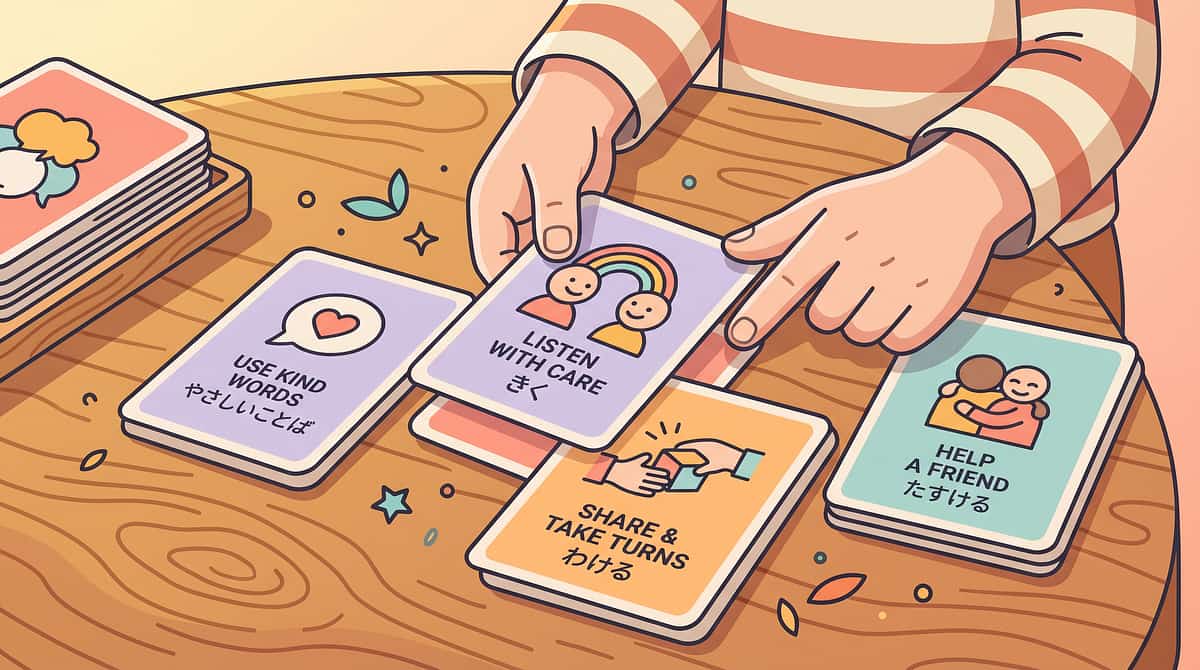
The friendship skills cards, cooperative games, and role-play sets on this page reduce the cognitive load, making the juggling manageable.
Key Insight: Neurotypical children acquire friendship skills implicitly — absorbing them from observation without conscious effort. Children with social processing differences need those same skills made explicit — visible, named, practised. The brain can form these pathways. It just needs a different entry point.

Act I — Context
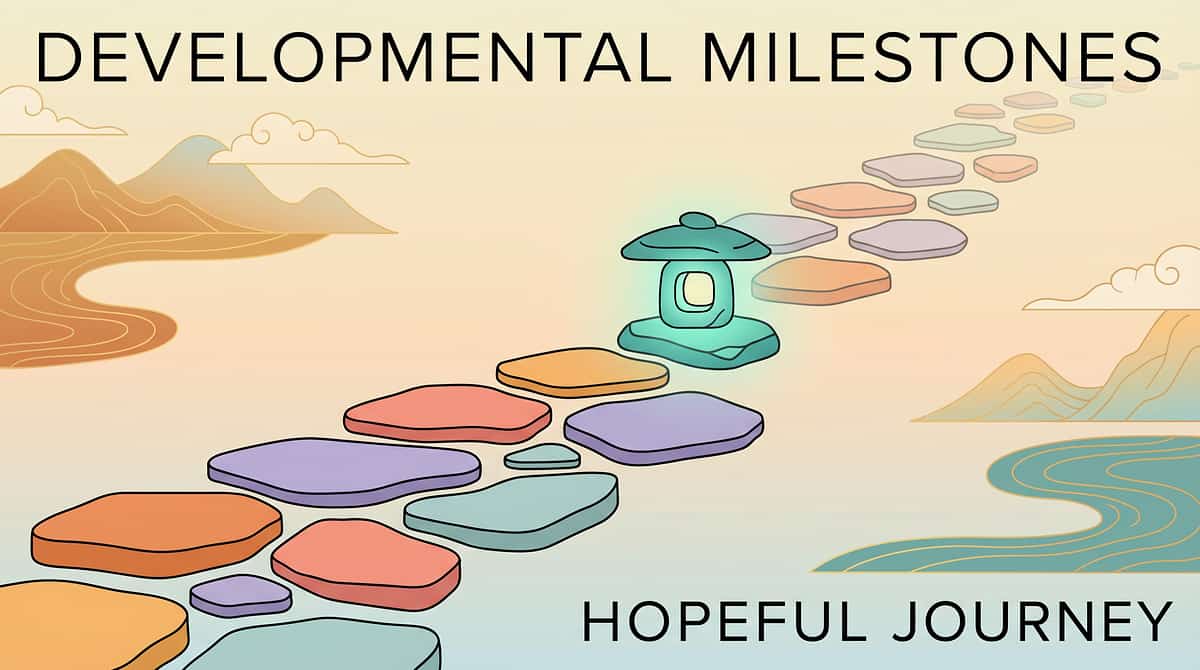
Your Child's Friendship Journey Has a Map — Here's Where You Are
1
Age 1–2
Parallel play — playing alongside, not with peers
2
Age 3–4
Emerging cooperative play — beginning to share and take turns
3
Age 4–6
Friendship concepts emerge — preference for specific peers, simple games
4
Age 6–8
Complex friendship — loyalty, reciprocity, exclusion appear
5
Age 8–12
Deep peer relationships — trust, conflict navigation, belonging
Children with social processing differences may be chronologically 8 but navigating friendship at a 4-year-old developmental stage. This is not delay — it's a different trajectory that responds to structured support. With explicit skill instruction, children regularly close gaps of 2–4 developmental years within 6–12 months of structured intervention.
Comorbidity Awareness: Friendship difficulty commonly co-occurs with ASD (primary), ADHD (impulse control affecting turn-taking), social anxiety, language differences, and sensory processing differences. Each has a specific intervention pathway within GPT-OS®.
Act I — Trust
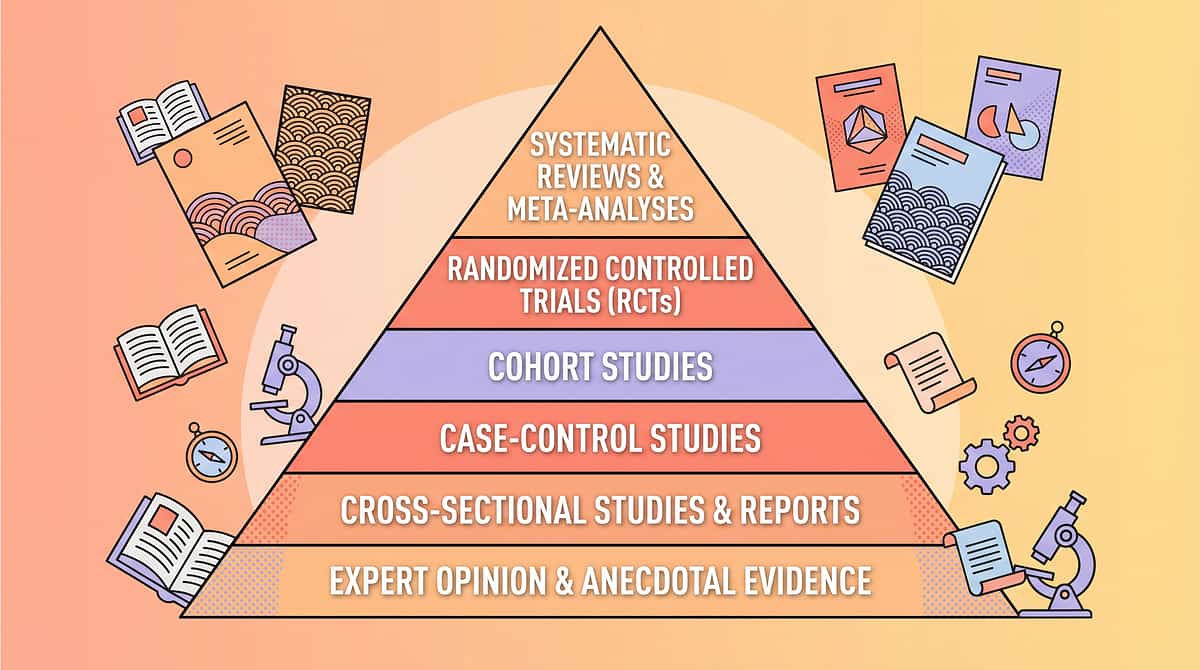
This Is Not Opinion. This Is a Decade of Peer-Reviewed Research.
⭐⭐⭐⭐ LEVEL I EVIDENCE
Systematic Review + RCT
Multiple independent research teams. Consistent findings. Replication across cultures and populations.
Evidence Confidence
94% — Clinically validated. Home-applicable. Parent-proven.
Key Studies
Laugeson et al. (2012) — PEERS Curriculum: RCT demonstrating explicit friendship skill instruction produces significant, measurable improvement in social skills, friendship quality, and peer acceptance.
Kasari et al. (2012): Meta-analysis — cooperative game-based and role-play approaches show strongest effect sizes for peer relationship outcomes.
NCAEP Evidence-Based Practices (2020): Social skills instruction, video modelling, and naturalistic developmental behavioural interventions all classified as evidence-based practice.
Frankel & Whitham (2011): Parent-assisted children's friendship training (PAACT) — structured home-based practice with measurable peer acceptance outcomes.
Pinnacle RWE (2024): 97%+ measured improvement across Social Participation Index sub-domain across 21M+ sessions.
Act II — Definition
The Friendship Toolkit — What It Is
9 Materials That Help Making Friends is a structured materials-based approach to explicit social skill instruction for peer relationship development. This technique deploys 9 categories of clinically-validated therapeutic materials — each targeting a specific sub-skill of friendship formation. Used in sequence or selected by identified deficit, these materials transform abstract social rules into visible, learnable, practicable skills.
Designed for home execution as part of the EverydayTherapyProgramme™, each material session is 10–20 minutes and can be embedded into daily family life without clinical supervision.
👶 Age Range
4–12 years
⏱️ Duration
10–20 min/session
📅 Frequency
3–5× per week
🏠 Setting
Home — parent/caregiver as operator
📊 Tracking
GPT-OS® Social Participation Index
Who It's For: Children aged 4–12 who want peer connection but lack the skills to initiate, join, maintain, or repair friendships — including children with ASD, social anxiety, ADHD, language differences, or social processing challenges.
Act II — Disciplines
Five Disciplines. One Technique.
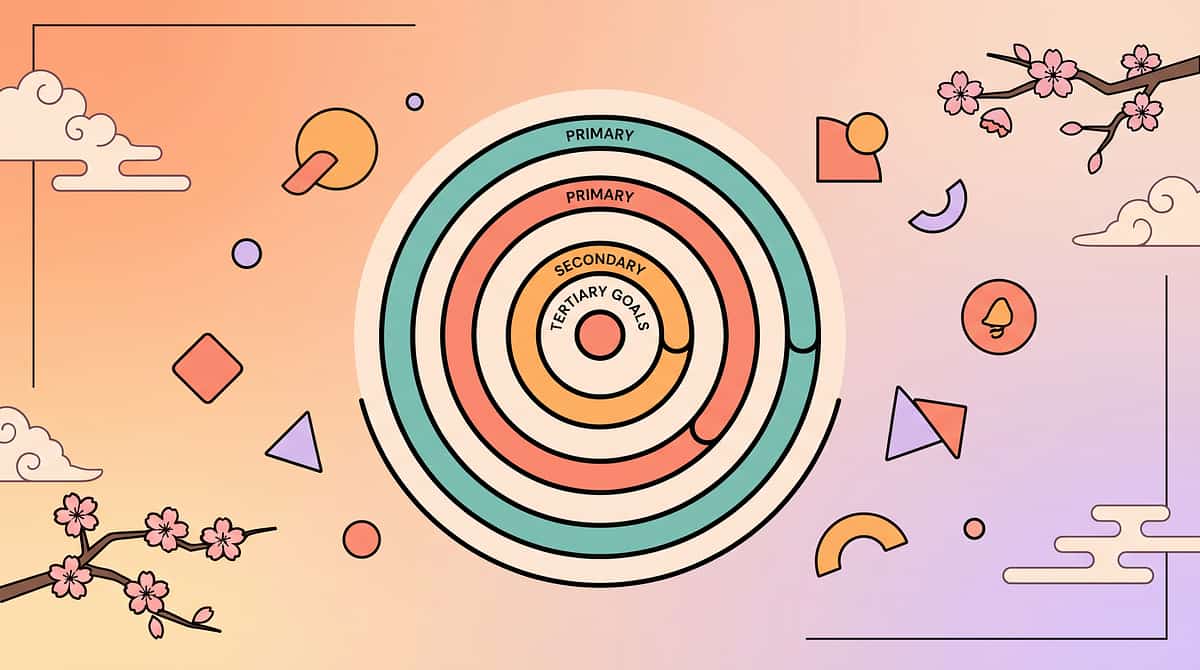
Your child's brain doesn't organise by therapy type. At Pinnacle, these five disciplines operate as a FusionModule™ — not in silos. Your child's SLP and BCBA co-design the friendship skill sequence; your OT ensures the sensory environment supports successful peer interaction.
SLP — Primary Lead
Social communication, pragmatic language, conversation structure, verbal/nonverbal initiation scripts, turn-taking in dialogue
ABA Therapist / BCBA — Co-Lead
Behavioural skill shaping, reinforcement for social approach, discrete trial training, data-driven progression tracking
Occupational Therapist
Sensory regulation during peer interaction, fine motor aspects of cooperative play, environmental modification
Special Educator
Social narrative instruction, curriculum-based integration, classroom generalisation planning, IEP social goals alignment
NeuroDev Paediatrician
Diagnostic clarity, comorbidity management, medication considerations, long-term neurodevelopmental trajectory
Act II — Materials
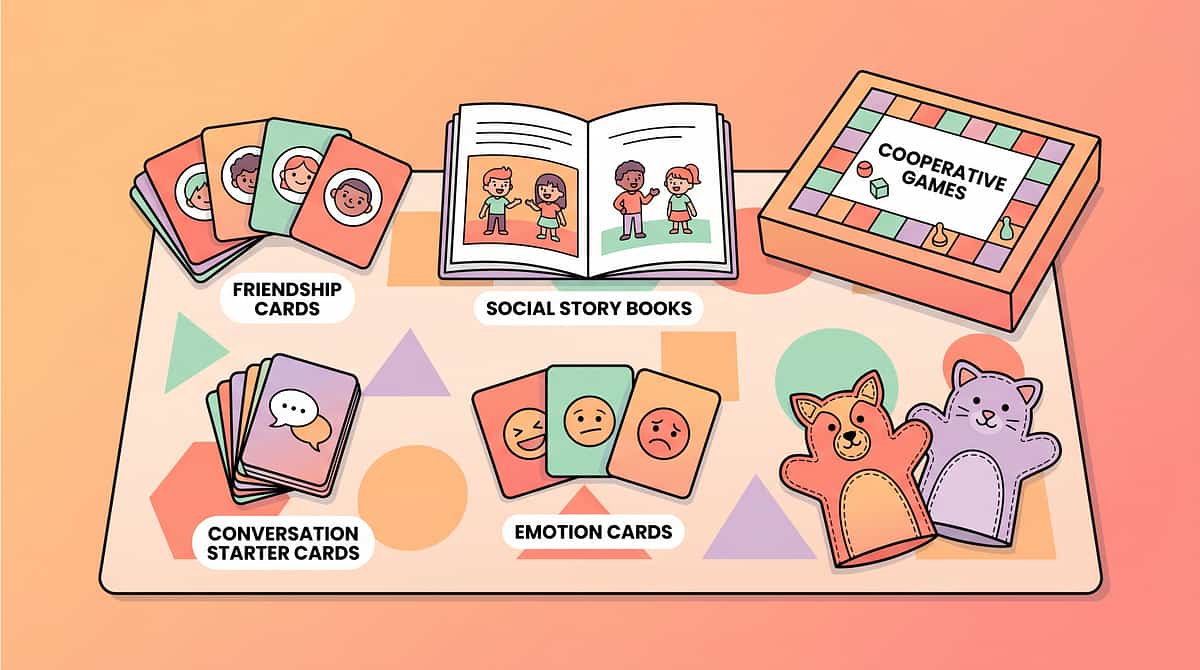
9 Materials. One Complete Friendship Toolkit. Start With Any One.
All 9 materials are clinically validated through GPT-OS® therapeutic protocols across 21M+ sessions. 🏅
# | Material | Category | Price Range | |
1 | Friendship Skill Card Sets | Social Skill Cards | ₹250–600 | |
2 | Social Story Books — Friendship | Social Stories | ₹300–700 | |
3 | Cooperative Board Games | Cooperative Games | ₹400–1,000 | |
4 | Conversation Starter Games | Conversation Starters | ₹200–500 | |
5 | Emotion Recognition Cards | Emotion Cards | ₹200–550 | |
6 | Role-Play and Puppet Sets | Role-Play Materials | ₹300–800 | |
7 | Interest-Based Connection Kits | Interest Activity Sets | ₹300–700 | |
8 | Friendship Problem-Solving Games | Problem-Solving Games | ₹250–600 | |
9 | Structured Playdate Activity Kits | Playdate Activity Sets | ₹400–900 |
Total Toolkit Range: ₹2,600–6,350 for complete setup | Starter Pack (3 essentials): Friendship Skill Cards + Cooperative Game + Playdate Activity Kit ≈ ₹1,050–2,500
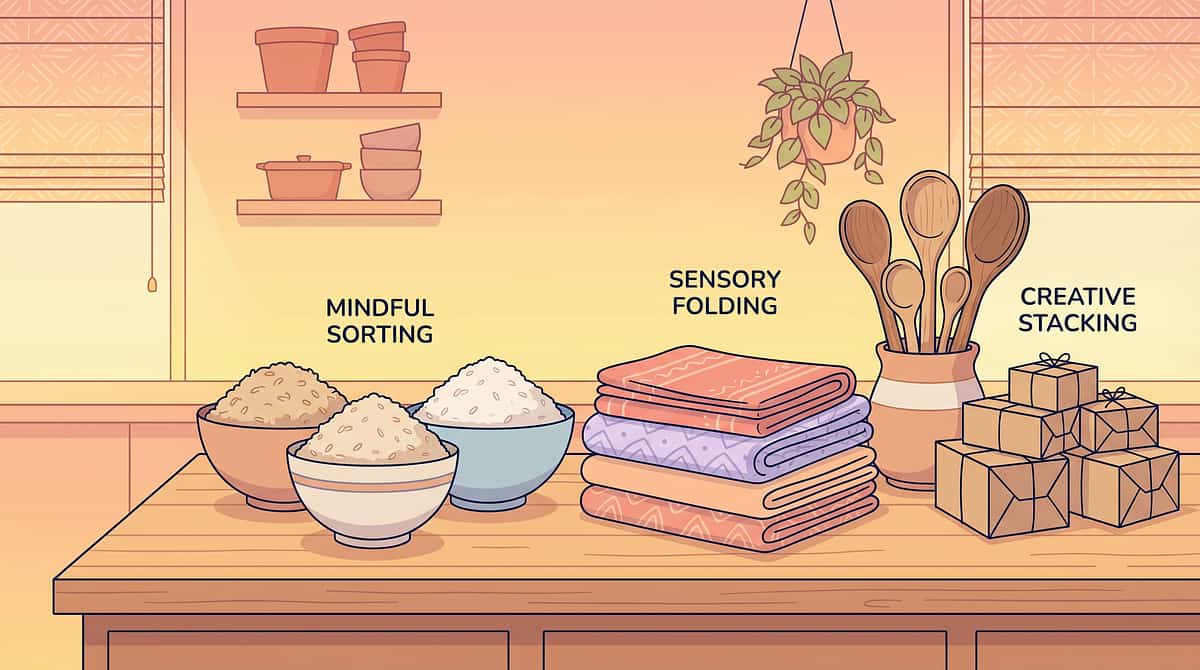
Act II — Equity & Access
Every Parent Can Start Today — With ₹0
WHO/UNICEF equity principle: every child deserves access to evidence-based support regardless of family income. These DIY alternatives use the same therapeutic principles as commercial materials. The brain responds to the structure, not the brand.
Buy This | Make This (₹0) | Therapeutic Principle | |
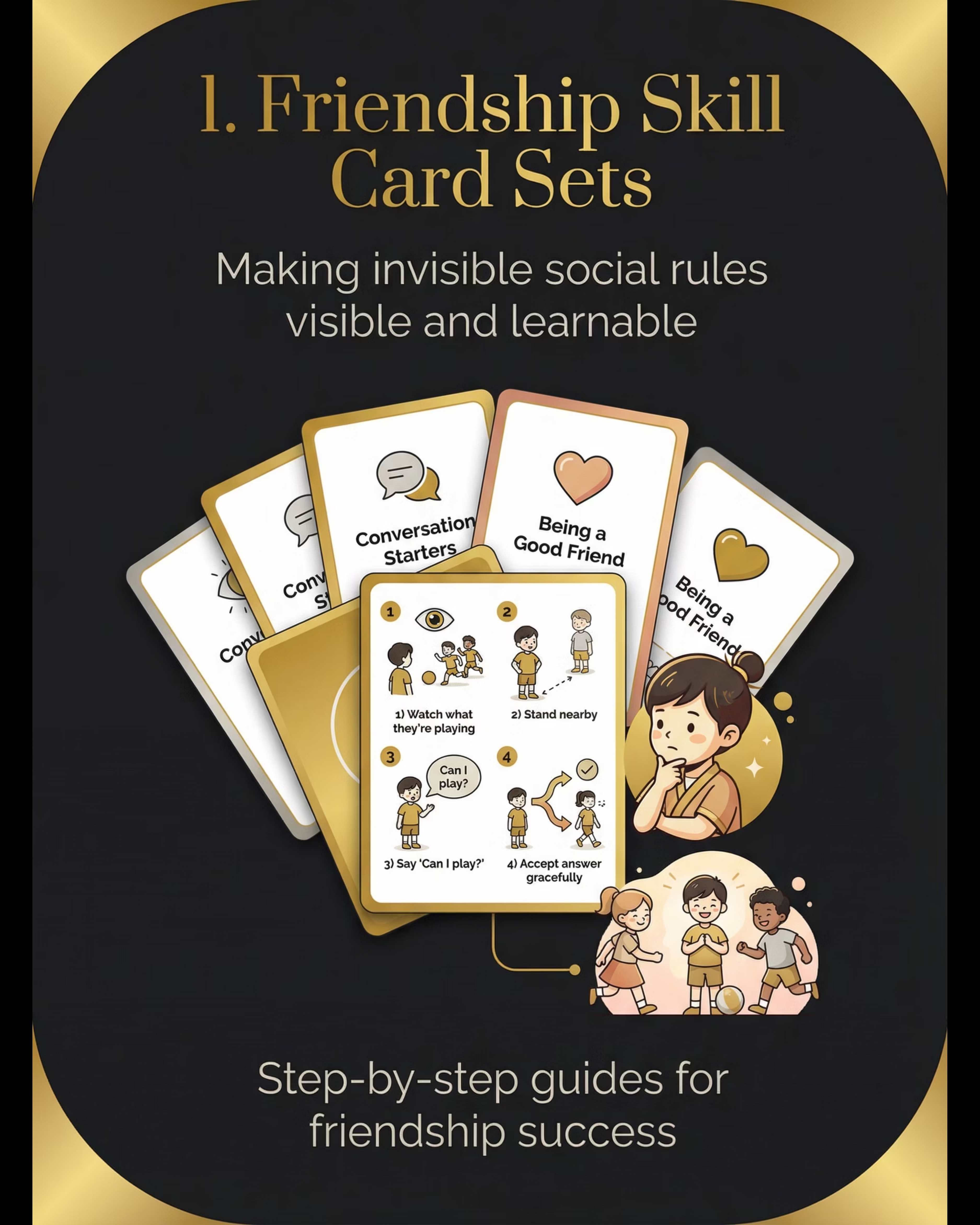
Friendship Skill Cards | Index cards with hand-drawn steps: Watch → Stand nearby → Say "Can I play?" → Accept answer | Explicit rule visualisation | |
Social Story Books | Write a 5-page story using YOUR child's name and their school situation | Personalised narrative modelling | |
Cooperative Board Games | Modify existing games: can't win unless BOTH players reach the goal | Structural cooperation requirement | |
Conversation Starter Games | 20 questions written on folded paper: draw and ask daily | Conversation practice scaffolding | |
Emotion Recognition Cards | Print faces from Google Images or cut from magazines | Facial expression training | |
Role-Play Puppets | Any stuffed animals or sock puppets | Safe practice environment | |
Interest Connection Kits | Child's passion → matching YouTube videos, books, activities | Shared interest bridge | |
Problem-Solving Games | 10 friendship scenarios on cards: "What would YOU do if…" | Social problem-solving practice | |
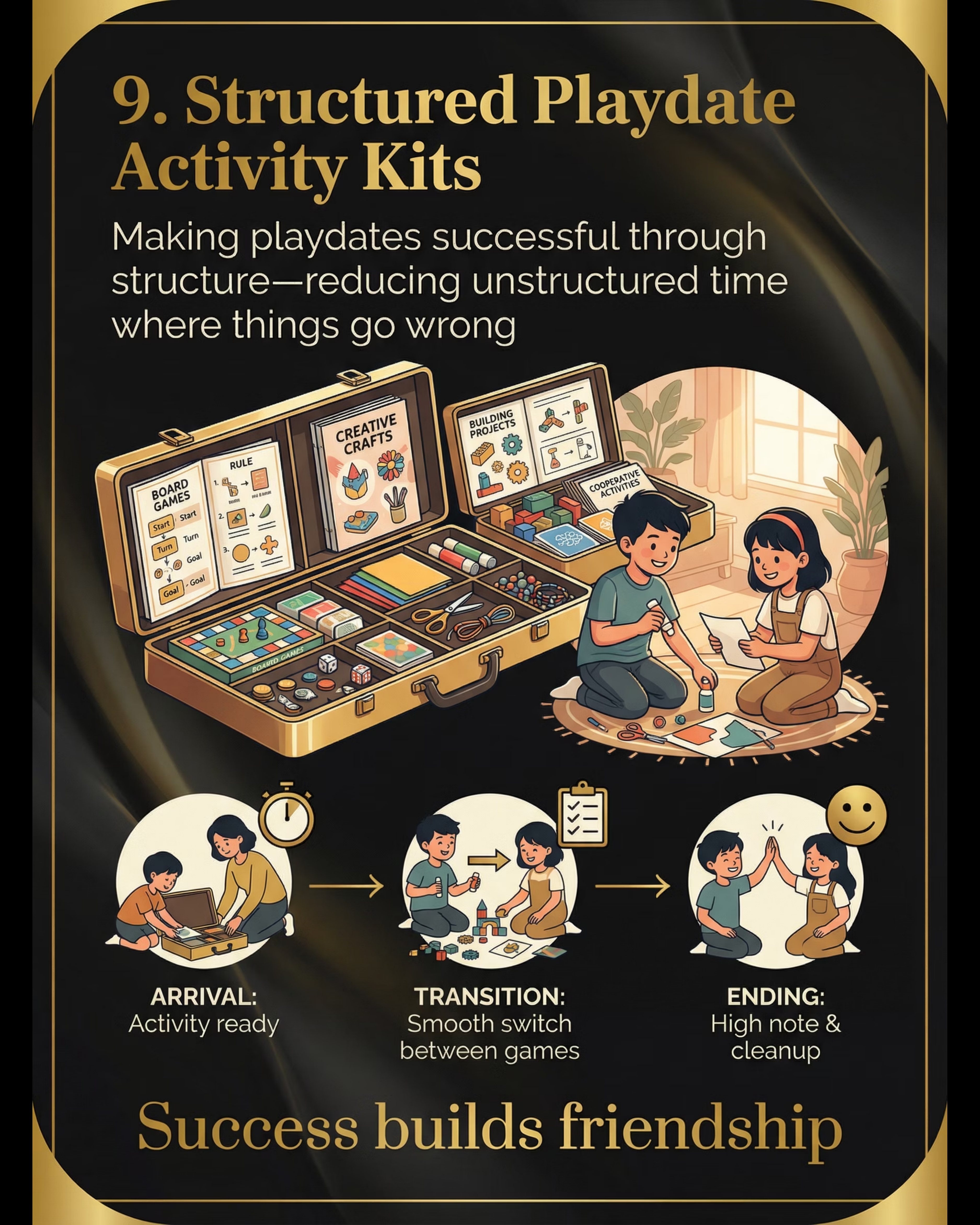
Playdate Activity Kits | Plan 3 structured activities BEFORE friend arrives. First one ready at the door. | Reducing unstructured risk |
Act II — Safety
Read This Before Your First Session. Always.
🟢 GREEN — Proceed
Child is calm, fed, rested (not within 2 hours of a meltdown)
Child has expressed some desire for peer connection
Parent is in a patient, non-anxious state
Activity matches child's developmental level, not chronological age
A peer partner is available (for cooperative/playdate activities)
🟡 YELLOW — Modify
Child is slightly dysregulated → use emotion cards only
Child is tired → reduce session to 5 minutes
No peer available → use puppets or parent as partner
Child recently had a bad peer experience → start with stories, not live practice
🔴 RED — Stop / Do Not Proceed
Child is in active meltdown or severe anxiety state
Child shows NO interest in any peer connection
Child is being bullied by the peer you're preparing them to interact with
Parent is rushing, frustrated, or making it feel like homework
Signs of severe anxiety: crying, physical complaints, panic at mention of peers
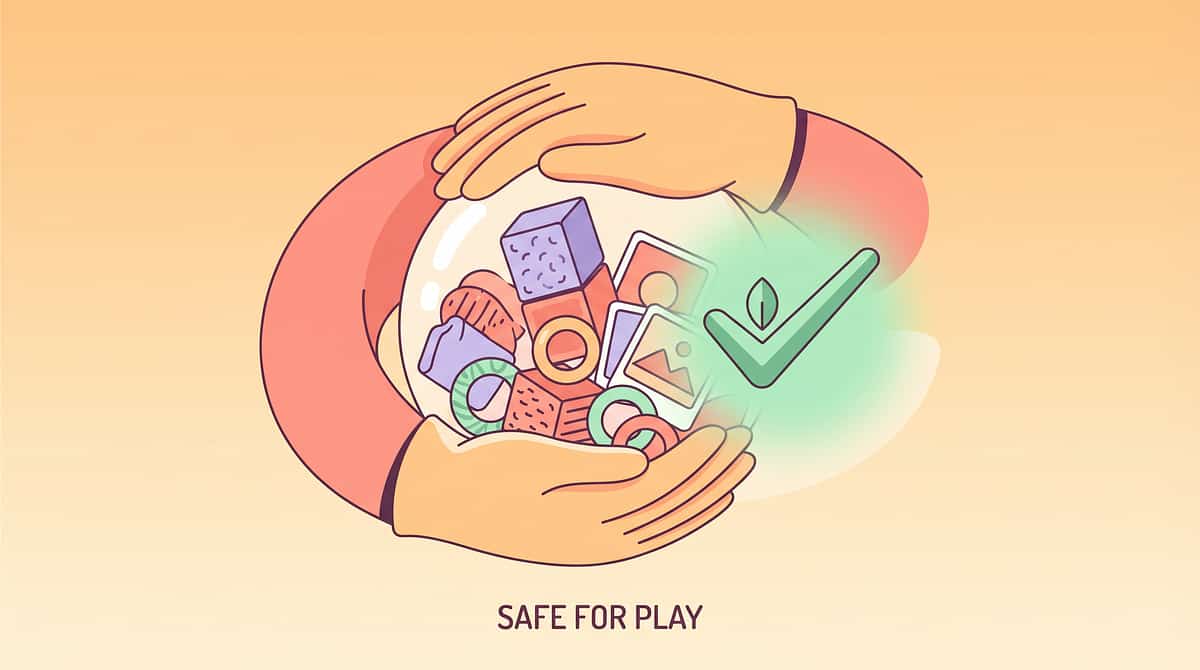
Material Safety: Ensure age-appropriate materials (no small parts for under-5). Never make skill card use visible to peers — use at home only. Role-play must be low-pressure, never shame-inducing. Never compare to siblings.
Act II — Setup
The Environment Is Half the Intervention
Remove Before Starting
- Screens turned off (TV, tablet, phone)
- Distracting toys that may pull focus
- Other siblings for solo skill sessions
- Your phone notifications silenced
Prepare in Advance
- Materials laid out before child arrives (no waiting)
- Snack/water ready for transition
- Session duration agreed — visual timer helpful (10–20 min)
- Reinforcement item chosen — what happens after = the motivator
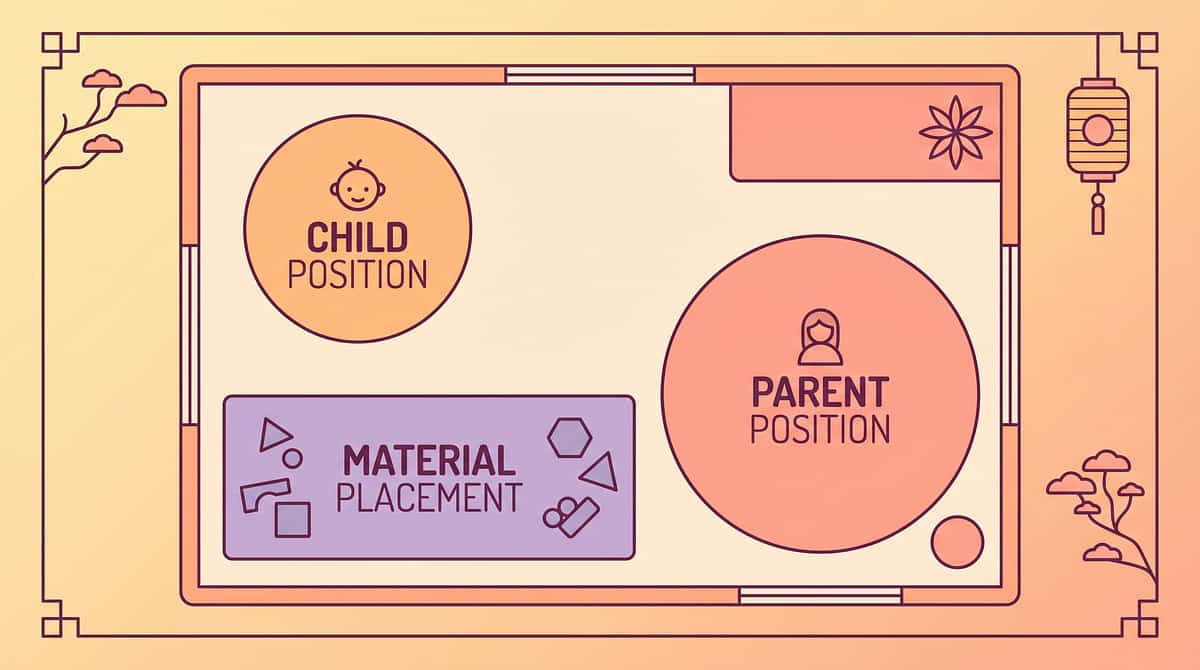
Spatial Principle: Parent and child are PARTNERS in this session — not teacher and student. Position yourself beside, not in front of. This is collaborative learning, not instruction.
📞 Questions before starting? FREE Helpline: 9100 181 181
Act III — Readiness
The Best Session Is One That Starts Right
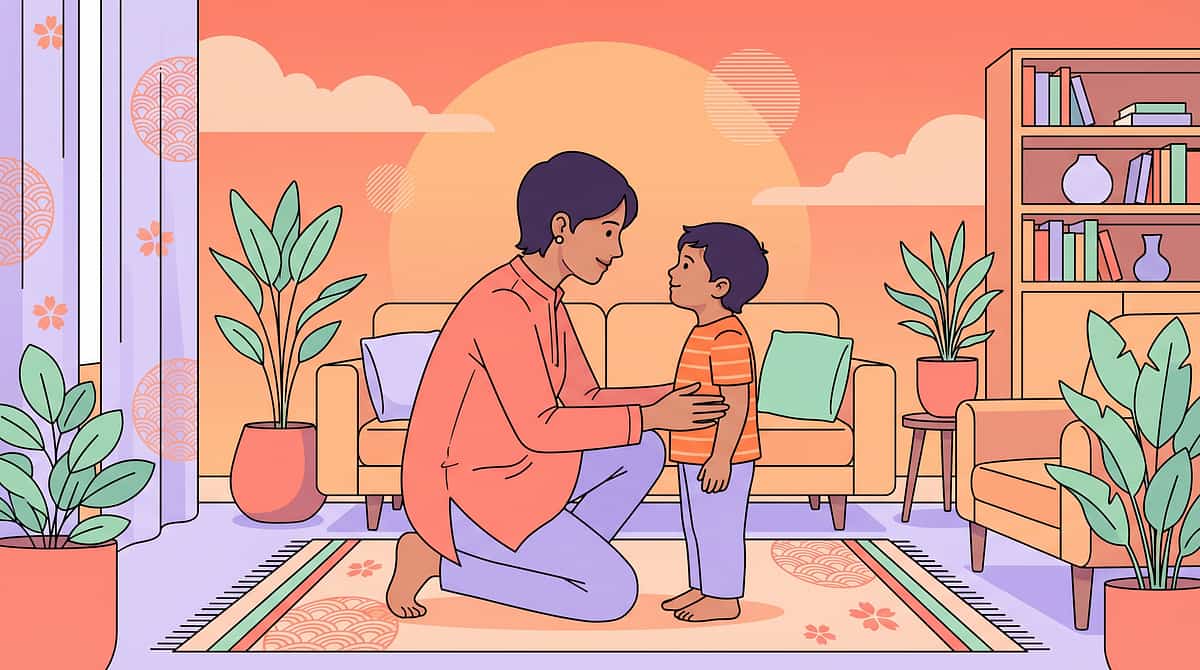
Take 60 seconds before every session. This simple assessment determines whether to go full, modify, or postpone — and it protects both your child's nervous system and your relationship.
Indicator | ✅ Go | ⚡ Modify | 🛑 Postpone | |
Energy level | Alert, engaged | Tired but willing | Exhausted, ill | |
Recent events | Normal day | Mild upset today | Meltdown in last 2 hours | |
Interest level | Shows curiosity | Neutral | Active refusal | |
Hunger/thirst | Fed, watered | Could use snack | Hungry — feed first | |
Dysregulation | Calm baseline | Slightly elevated | Dysregulated | |
Motivation | Reinforcer identified | Some interest | No available motivator |
✅ 4–6 Checks = GO
Full session — proceed to Step 1: The Invitation
⚡ 2–3 Checks = MODIFY
Simplify: emotions cards only, 5-minute session
🛑 0–1 Checks = POSTPONE
Alternative calming activity — try tomorrow and note in GPT-OS® tracker
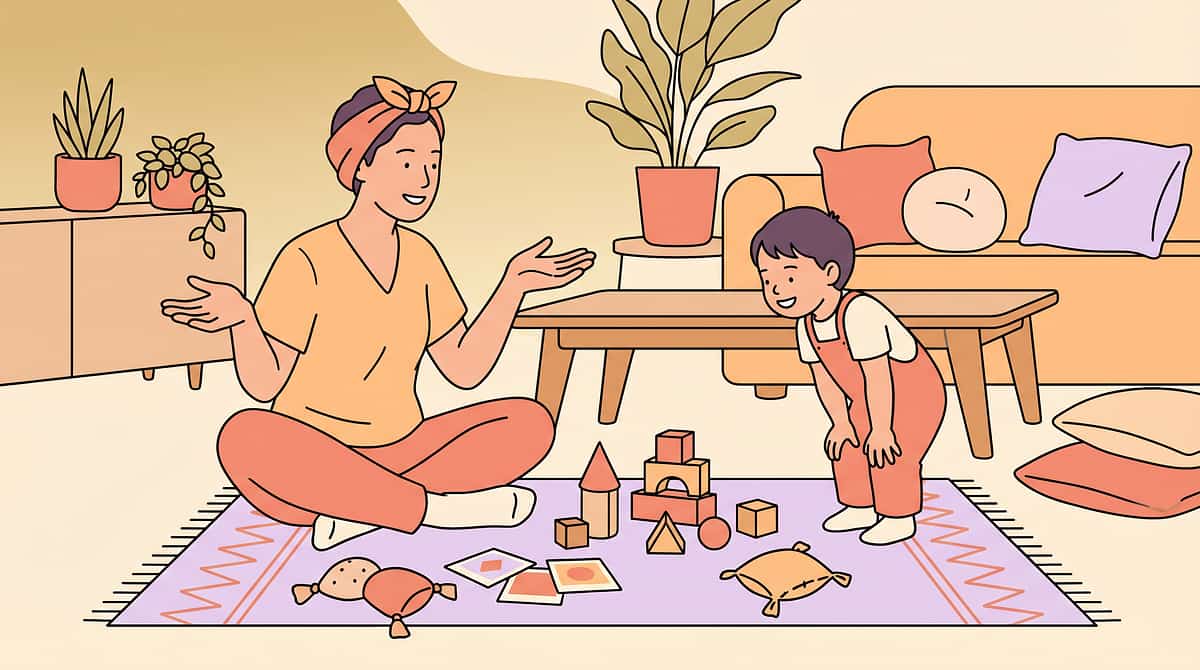
Act III — Step 1 of 6
Step 1: The Invitation
"Every session begins with an invitation, not a command."
"Hey, I found something that might help with [child's name of challenge — e.g., 'knowing what to say to kids at school']. Want to check it out with me? It's actually kind of fun."
Body Language
- Sit at child's level — never standing over them
- Relaxed posture — this is play, not therapy-feeling
- Hold the material casually, not presenting it like a task
- Brief eye contact, then look at the material together
Resistance Cues & Responses
"I don't want to" → "That's okay — can you just look at this one card with me? Then you decide."
Physical withdrawal → Give space, come back in 30 minutes
"This is baby stuff" → "Actually this is what we practise at the centre. Therapists use these."
Timing: 30–60 seconds. The invitation is brief and low-demand. Never extend it into a negotiation.
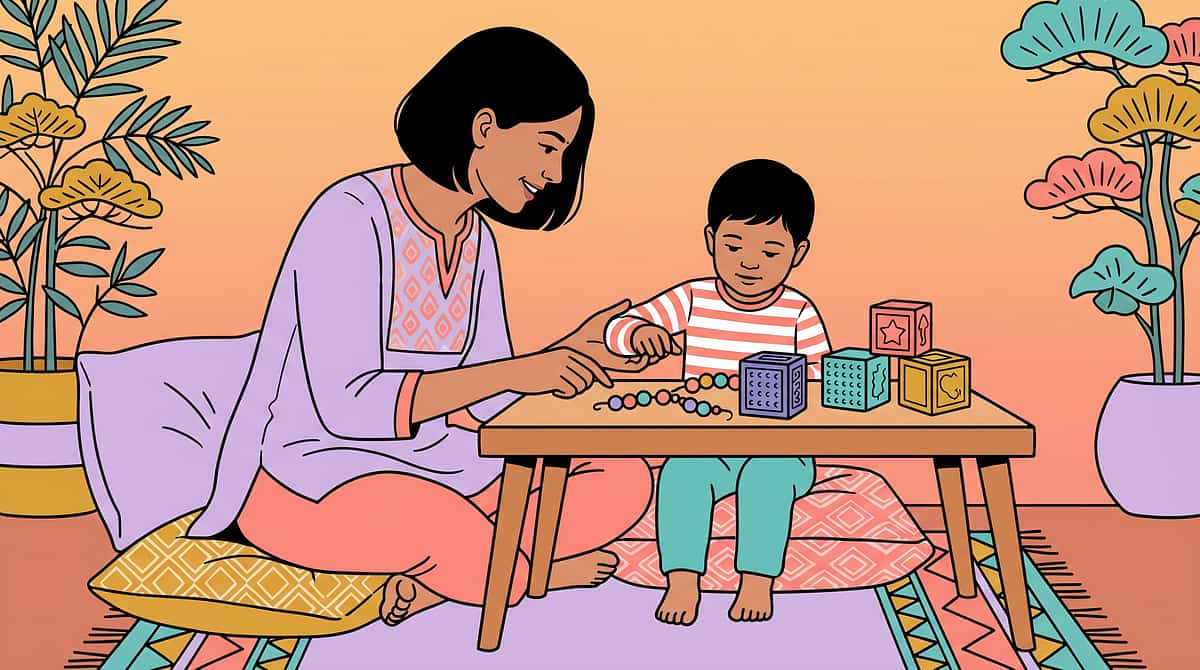
Act III — Step 2 of 6
Step 2: The Engagement
"The child is interested. Now deepen the interaction by introducing the material."
Choose your entry material based on your child's most immediate challenge:
🃏 "They don't know how to approach"
Start with Friendship Skill Cards — "See this card? It shows the 4 steps to join a game. Let's read it together."
📖 "They don't know what will happen"
Start with Social Story Books — "This book is about a kid exactly like you. Let's see what he does."
🎲 "They need a reason to interact"
Start with Cooperative Games — "This game is IMPOSSIBLE to win by yourself. We need each other."
💬 "They don't know what to say"
Start with Conversation Starter Cards — "Pick a card. Ask me the question on it. That's how conversations start."
😊 "They miss how others are feeling"
Start with Emotion Recognition Cards — "Can you tell how this person feels? Let's practise."
Timing: 1–3 minutes. If child refuses or leaves, return to the Readiness Check (Card 14) — this is not failure, it's data.
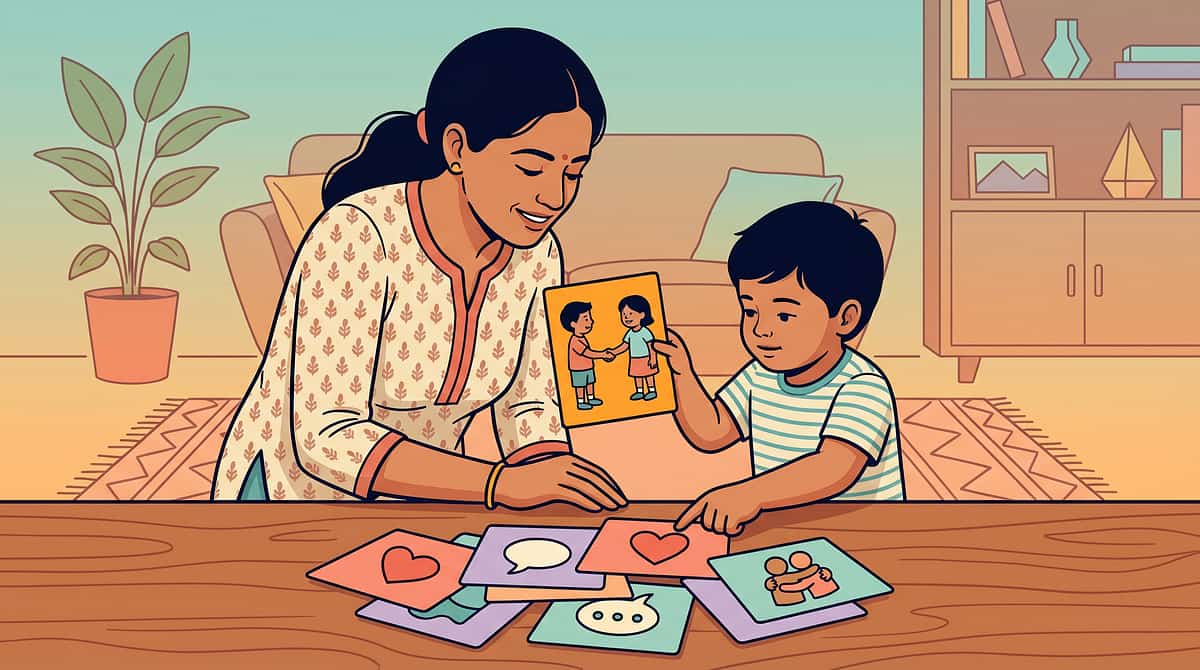
Act III — Step 3 of 6 | Material 1
Material 1: Friendship Skill Card Sets
Choose one skill scenario (e.g., "How to Join a Game"). Read the card together. Parent demonstrates the steps using a puppet or role-play. Child attempts the sequence. Parent coaches with positive language.
1
Watch
Observe what others are playing — understand the game before approaching
2
Stand Nearby
Position at the edge, not crowding — signal interest through presence
3
Say "Can I Play?"
Practise the exact words out loud — repetition builds automaticity
4
Accept the Answer
Yes: join happily. No: "Okay, maybe next time." Practise BOTH outcomes.
Common Execution Error: Rushing to Step 3 without Steps 1–2. Teach the full approach sequence — the build-up matters as much as the ask. DIY Version: Index card with hand-drawn stick figure steps.
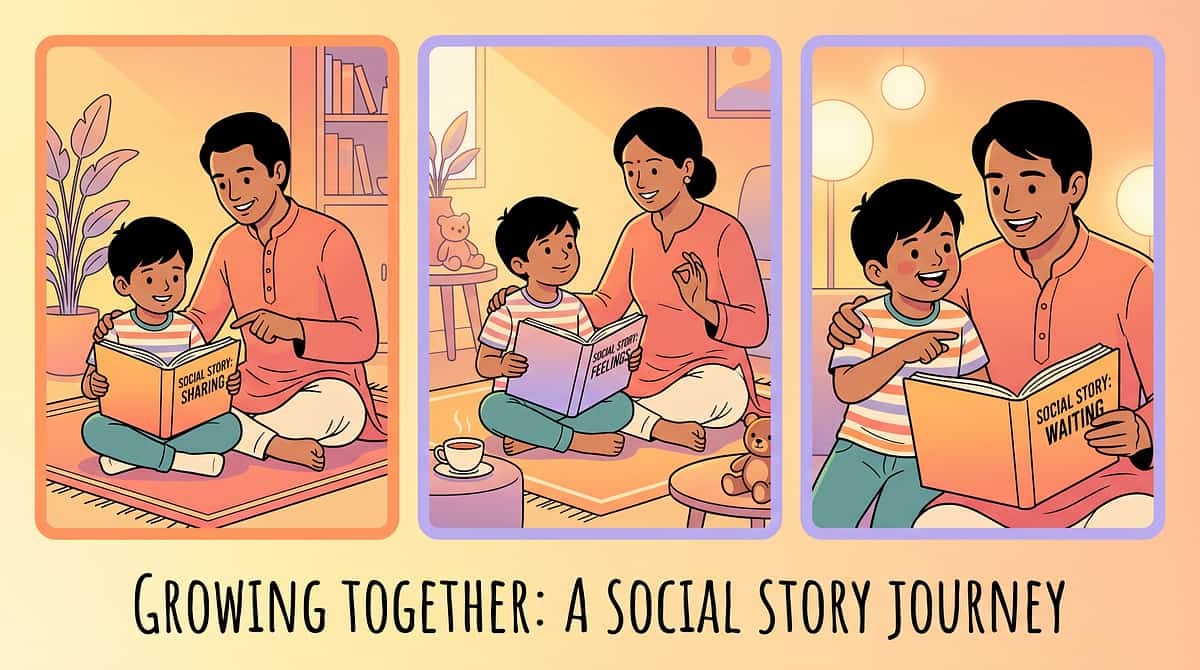
Act III — Step 3 of 6 | Material 2
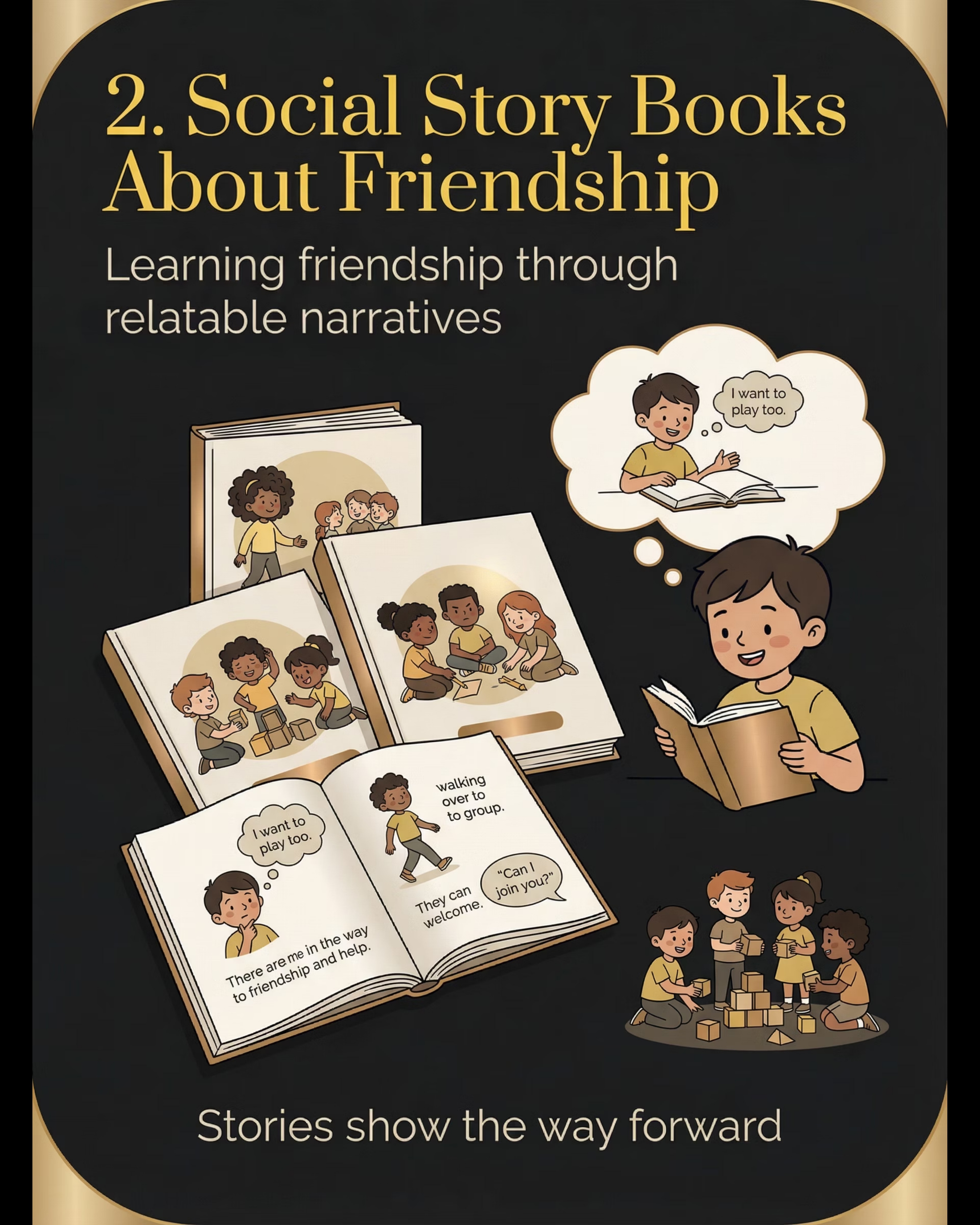
Material 2: Social Story Books About Friendship
Read the story together. Pause at each decision point: "What did she do? What could she do differently? What would YOU do?" After reading, create a "What's My Plan?" card for your child's upcoming social situation.
Key Protocol: Choose stories with REALISTIC outcomes — not just perfect endings. Stories with rejection, awkwardness, and recovery build more resilient skills than idealised narratives. The goal is emotional preparation, not false expectations.
After the story: Write a custom "What's My Plan?" card together. Name the specific peer, the specific setting (school gate, playground, birthday party), and the specific first words your child will say. Make it concrete and personal.
DIY Version: Write a 5-page custom story: "One day, [Child's Name] saw kids at the park…" Use their real name, their real school, their real situation. Personalised narrative modelling is more powerful than generic stories.
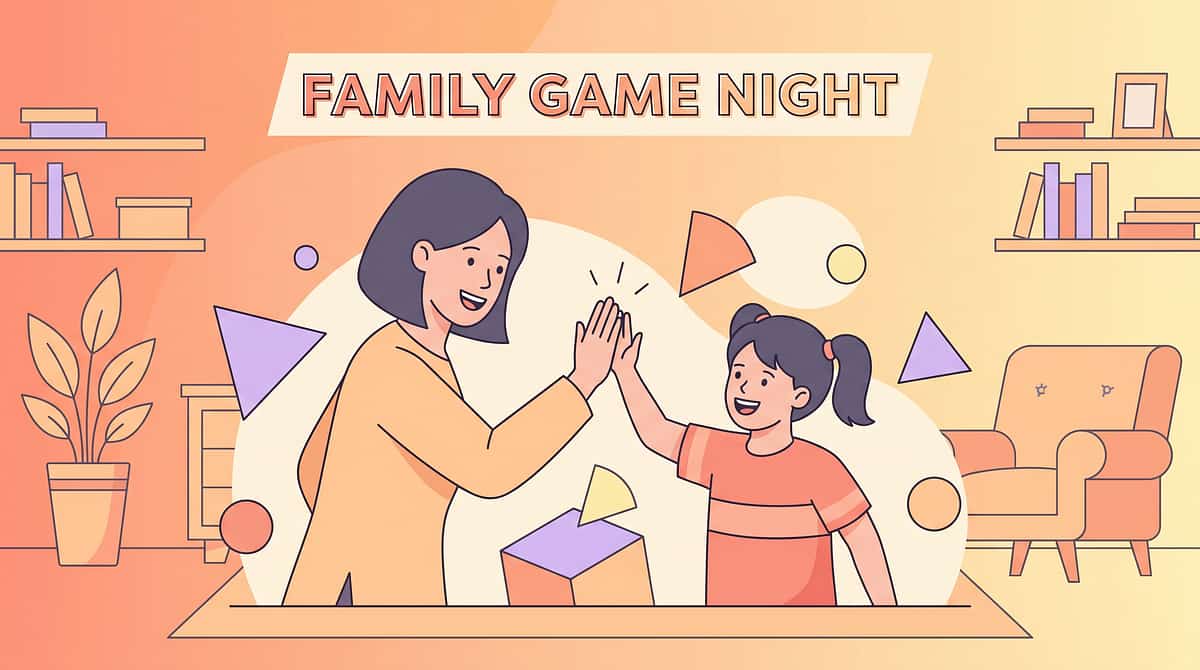
Act III — Step 3 of 6 | Material 3
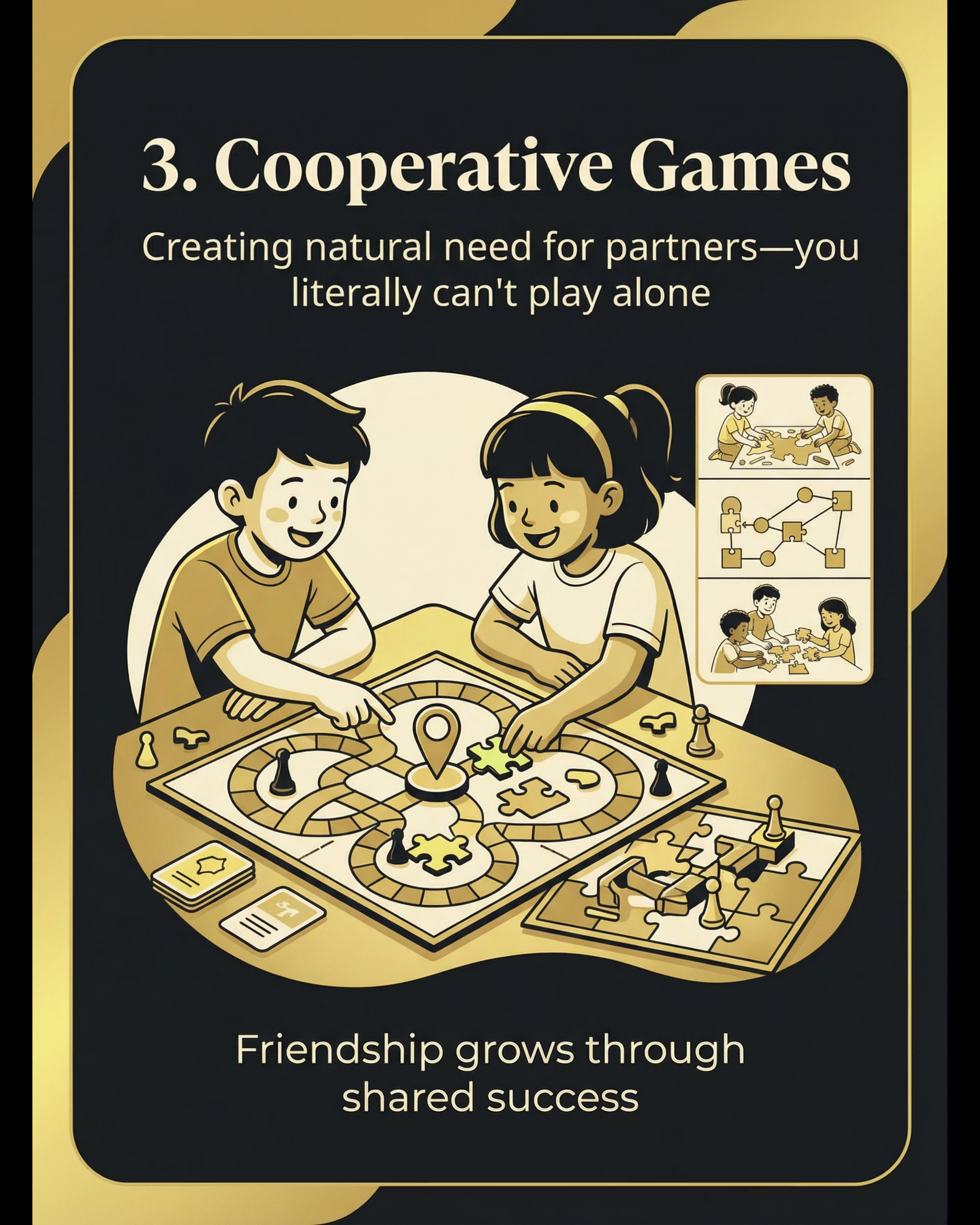
Material 3: Cooperative Games (Requiring Partners)
Play the game as designed — where winning requires BOTH players to succeed. After playing, debrief: "What did we have to do together? How did it feel when we both won?"
"The game enforces cooperation; the child's brain learns from the experience of needing someone else. This is implicit social skill building through structured play."
What the Game Teaches
- Turn-taking as a shared rhythm, not a rule to follow
- Celebrating someone else's contribution
- Communicating strategy without conflict
- Experiencing the warmth of shared victory
DIY Version (₹0)
Modify any game you already own: both players win only if BOTH reach the finish line. Draw a simple finish line. Agree: "We only win if we're BOTH here." That one rule change transforms the social dynamic completely.
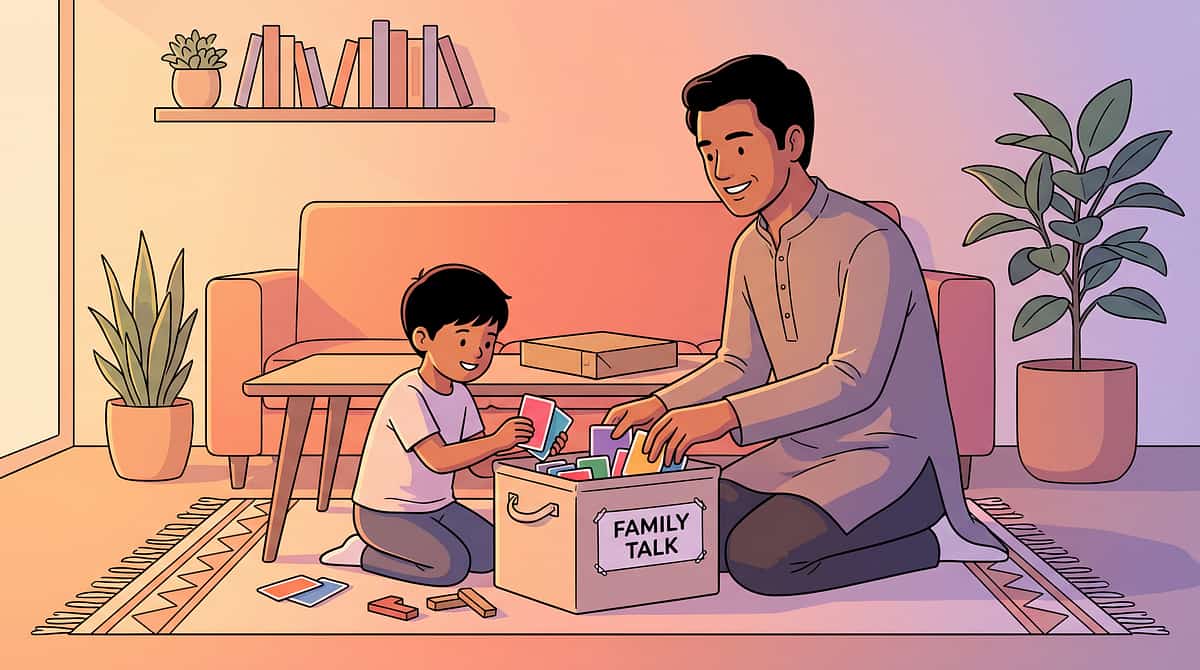
Act III — Step 3 of 6 | Material 4
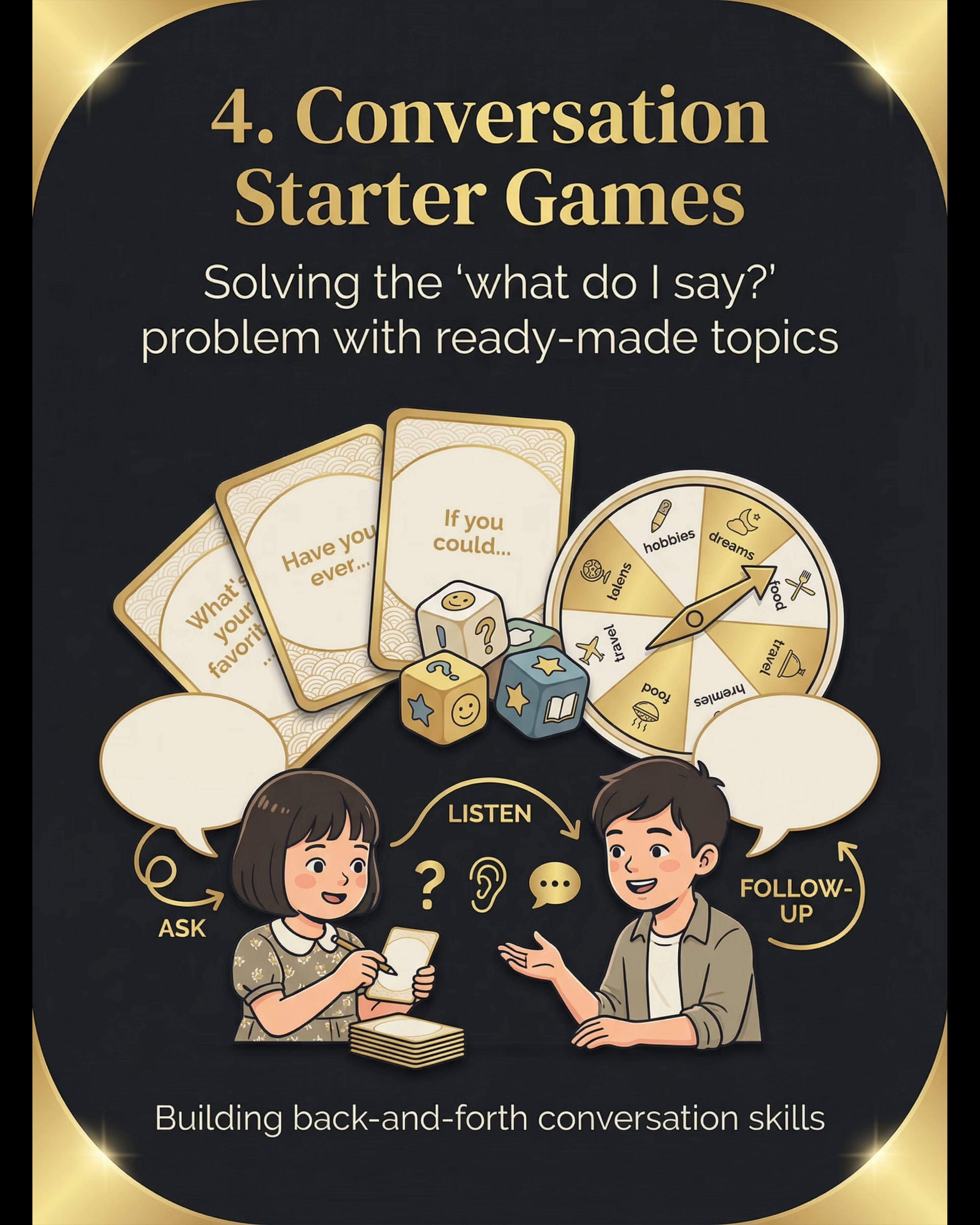
Material 4: Conversation Starter Games
Draw a card. Read the question. Answer it. Ask the same question back. Practise the full conversation cycle: Ask → Listen → Share Yours → Ask Follow-Up.
Ask
Draw a card and read the question aloud to the other person
Listen
Wait for the full answer without interrupting or redirecting
Share Yours
Add your own answer to the same question
Ask Follow-Up
Ask one more question about their answer — this is what deepens connection
DIY Version: Write 20 paper-folded questions at home. Practise daily at dinner — this becomes a family ritual that doubles as therapeutic repetition.

Act III — Step 3 of 6 | Material 5
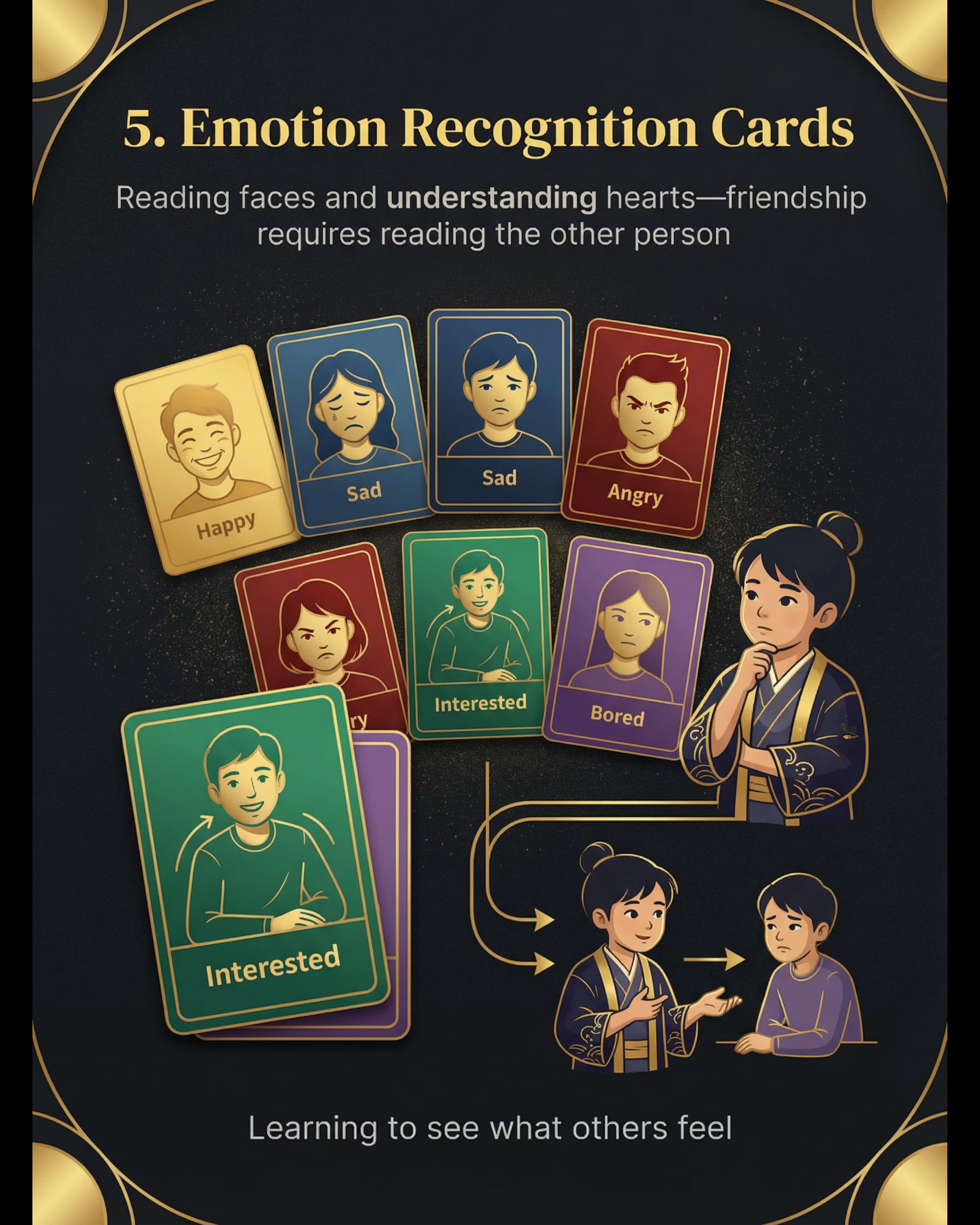
Material 5: Emotion Recognition Cards and Games
Show card. Child identifies the emotion. Discuss: "What might have happened to make them feel this way? What could you do if a friend looked like this?"
😢 Sad Face
Ask "Are you okay?" — approach gently, offer presence before solutions
😐 Bored Face
Suggest a new activity — "Do you want to try something else?"
😠 Angry Face
Give space — "I'll wait here" is a social skill too
😊 Happy Face
Match energy — join in, build on the moment
Critical Skill: Not just naming emotions — connecting recognition to appropriate response. The bridge from "I see you're sad" to "I'll sit with you" is the friendship skill. DIY: Print/cut 20 facial expression photos. Practise with TV on mute.
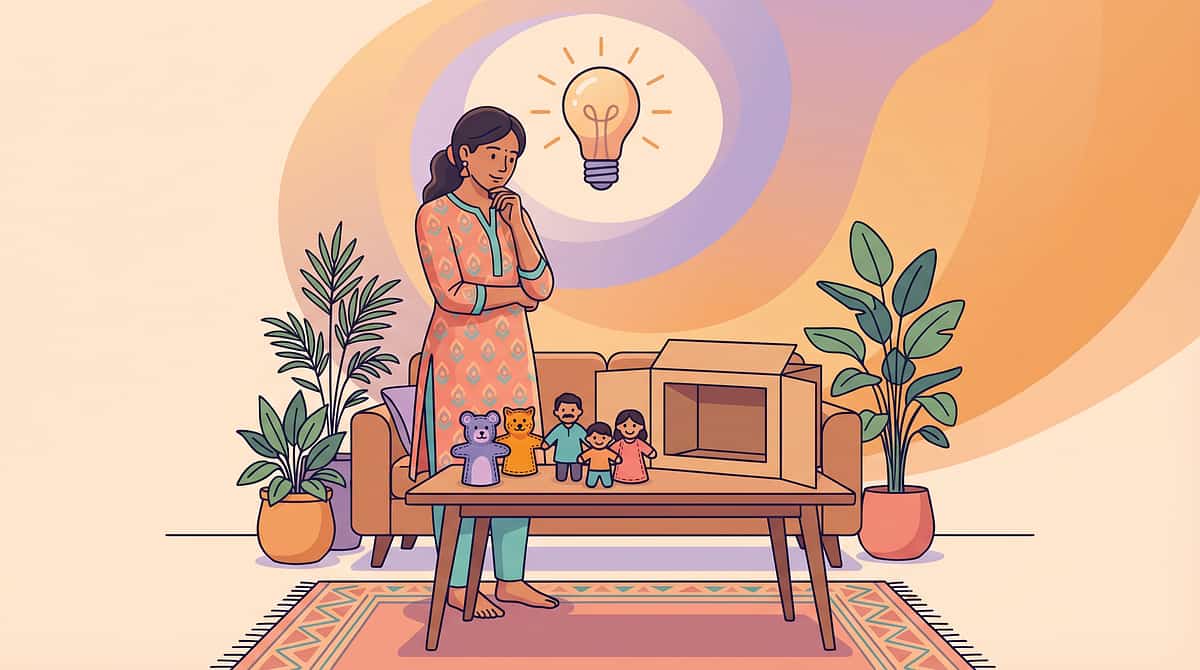
Act III — Step 3 of 6 | Material 6
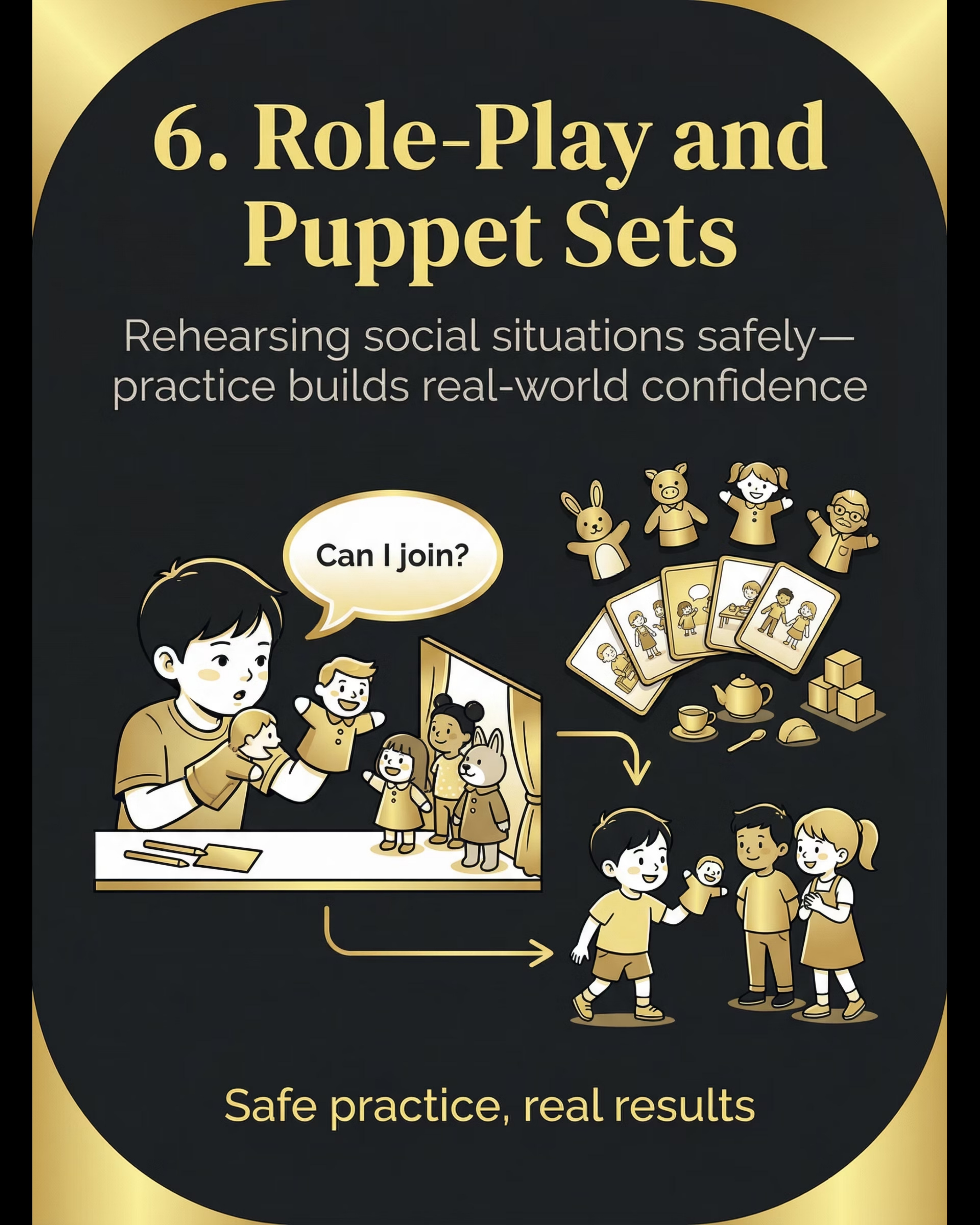
Material 6: Role-Play and Puppet Sets
Set up a scenario: "The puppet wants to join the game. Show me what they could say." Child controls the "wanting-to-join" puppet. Parent controls the peer puppets. Practise 3 approaches: asking nicely, asking after watching, asking a sibling to come together.
Why Puppets Work
The puppet creates safe psychological distance. The child is not "failing" — the puppet is trying. This lowers the emotional stakes enough for genuine skill practice to occur. The brain still learns the pattern, even through the puppet.
Safety Principle
Role-play MUST be low-pressure. No "you did it wrong." Only "great try — let's try one more way." End every scenario on a success, even if you have to simplify the scenario to get there.
DIY Version: Any stuffed animals. Any scenario your child recently encountered. Start with the exact situation they struggled with this week.
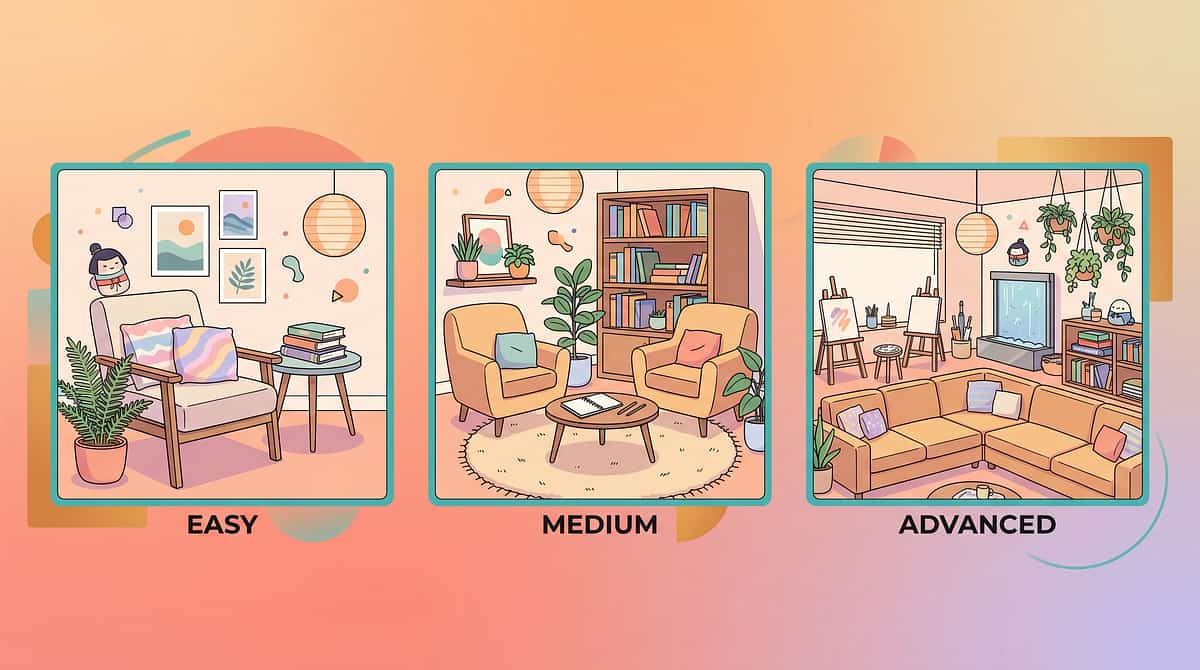
Act III — Step 3 of 6 | Material 7
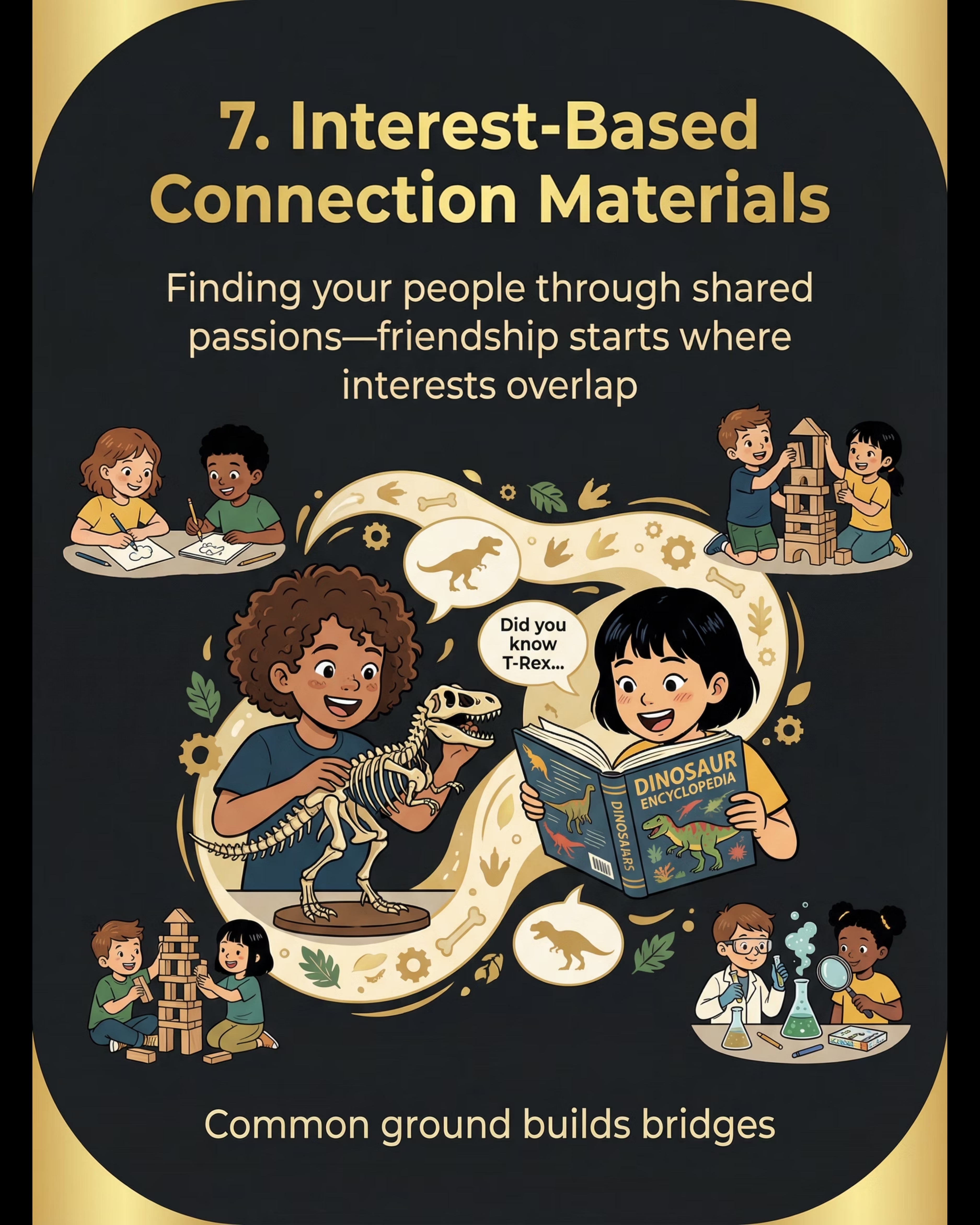
Material 7: Interest-Based Connection Materials
Identify your child's top 2 genuine passions. Find or create activities centred on those passions. Arrange for another child with similar interests to do that activity together. Interest does the social work — the child focuses on the topic, not the performance of friendship.
Protocol: Parent facilitates, doesn't hover. Let the shared interest carry the interaction. Two children building a dinosaur habitat together don't need to "be friends" — the activity creates the connection naturally.
1
Identify
Name your child's top 2 genuine passions — what they would choose to do if completely free
2
Find a Match
Locate another child with similar interests — school club, neighbourhood, family network
3
Create the Activity
Plan a structured shared activity around the passion — building, watching, making, collecting
4
Step Back
Facilitate from a distance — the shared interest carries the social interaction forward
DIY Version: YouTube videos on shared topic + a building/making challenge together. Free, immediate, and highly effective.

Act III — Step 3 of 6 | Material 8
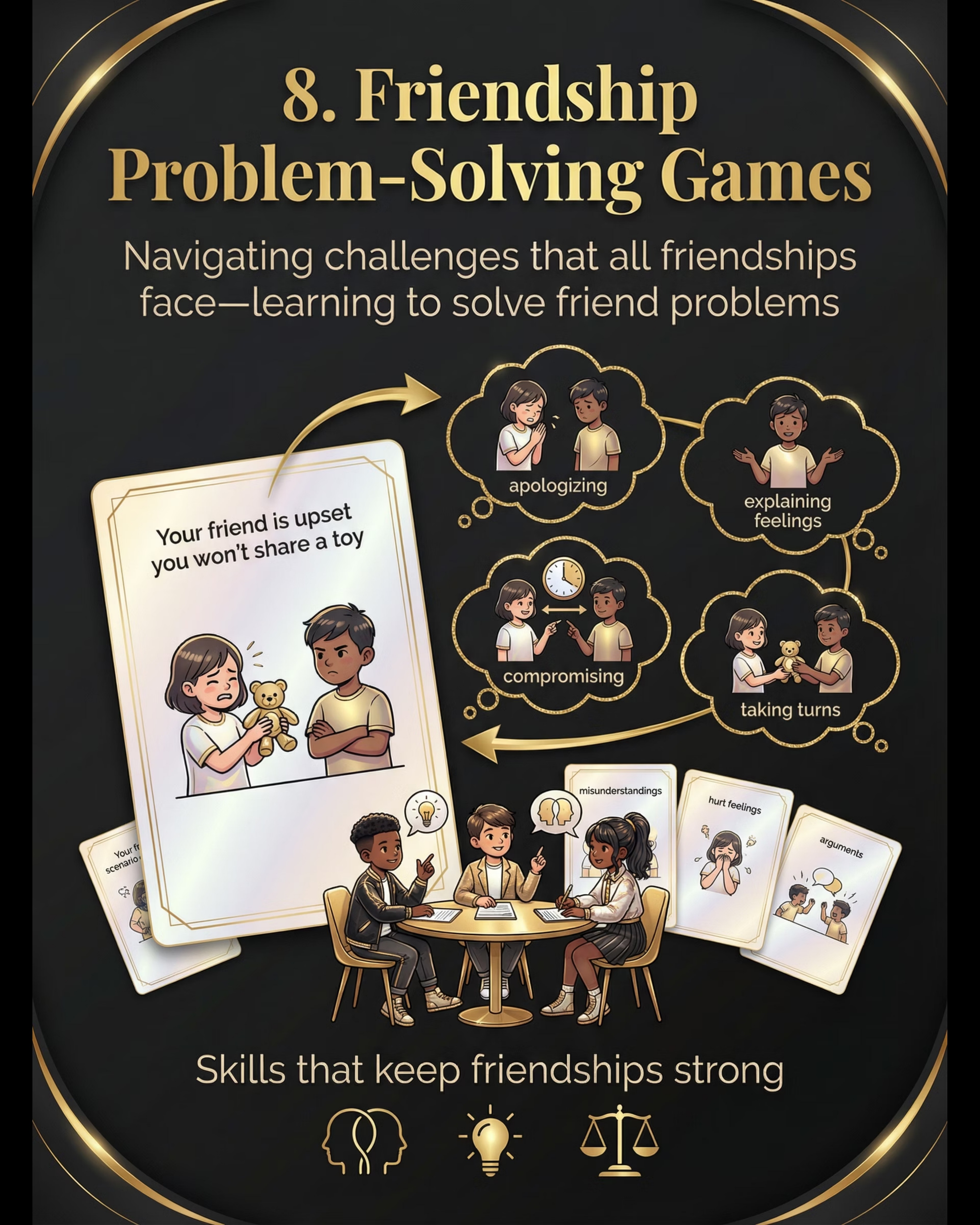
Material 8: Friendship Problem-Solving Games
Present a scenario card: "Your friend wants the toy you're using. What could you do?" Generate 3 possible responses together. Evaluate each: "What would happen if you did that?" Practise the chosen approach with role-play. Build a personal "Friendship Problem Toolkit" list.
Sharing Conflict
"You both want the same game. What are three things you could do?"
Friend Upset With You
"Your friend looks angry at you. What do you do first?"
Being Left Out
"They started without you. Is there a way in, or a different activity?"
Saying Sorry
"You bumped into them and they dropped their things. What do you say?"
Handling a "No"
"They said no to playing with you. What are three ways to feel better?"
DIY Version: 10 written scenarios on folded paper. Draw and discuss weekly. Use real recent situations from your child's week — this makes it instantly relevant and deeply meaningful.

Act III — Step 4 of 6
Step 4: Repeat & Vary
"3 good repetitions are worth more than 10 forced ones."
Material | Ideal Reps/Session | Variation Option | |
Friendship Skill Cards | 2–3 scenarios | Swap scenarios weekly | |
Social Stories | 1 story fully | Change protagonist to match current challenge | |
Cooperative Games | 1–3 rounds | Introduce new partner (sibling, cousin) | |
Conversation Games | 5–8 questions | Change topics, add "ask follow-up" challenge | |
Emotion Cards | 10–15 cards | Add body language cards progressively | |
Role-Play Puppets | 2–4 scenarios | Increase scenario complexity over weeks | |
Interest Activities | 1 activity per session | Match to upcoming real peer opportunity | |
Problem-Solving Games | 3–5 scenarios | Use real recent situations from child's week | |
Playdate Kits | Full structured session | Introduce new peer at week 4+ |
Week 1–2
Home practice with parent/sibling — build safety and familiarity
Week 3–4
Practice with one familiar peer — cousin, neighbour, known classmate
Week 5–8
Real peer environment — playground, school — with pre-session preparation

Act III — Step 5 of 6
Step 5: Reinforce & Celebrate
"Celebrate the attempt. Not just the success."
The Reinforcement Rule: Within 3 seconds of desired behaviour — specific, enthusiastic, immediate. Timing matters more than magnitude.
For attempting approach
"You tried to join that game! That took real courage. I'm so proud of you for trying."
For completing a skill card
"You just learned the 4 steps. That's exactly what the therapists teach. You did it!"
For a real-life attempt
"I saw you walk up to that group today. That was incredibly brave. I'm so proud of you."
Verbal Praise
Specific, not generic. "You read that face perfectly" beats "good job" every time.
Token Economy
Sticker chart → earned reward. Visual progress motivates continued effort.
"I Did It" Photo Book
Document real friendship moments. A photo record of courage builds identity.
Critical Reminder: Never reinforce only successful outcomes. The child who tried and was rejected deserves MORE reinforcement than the one who succeeded easily. Attempt = reward. Courage = celebration.
📞 Celebrate with your Pinnacle team too — FREE Helpline: 9100 181 181
Act III — Step 6 of 6
Step 6: The Cool-Down
"No session ends abruptly. The transition is part of the therapy."
"Two more, then all done. You did amazing work today."
1
2-Minute Warning
Use visual timer or countdown — child's nervous system prepares for ending
2
Material Put-Away Ritual
Child participates in putting materials away — signals closure to the nervous system
3
Acknowledgement Statement
"We practised [specific skill] today. That was real work." — name the actual skill
4
Bridge to Real Life
"Next time you see [peer name], you could try [specific approach practised today]."
5
Transition to Preferred Activity
Child knows what comes next — reduces resistance to ending the session
Proprioceptive Cool-Down (if child is activated): 5 deep breaths together | Wall push-ups (10) | Carry something heavy to the kitchen | 10 jumps on the spot — then transition to preferred activity.
Act III — Data
Capture the Data — Right Now
60 Seconds. 3 Fields. Data That Changes Everything.
1
Material Used Today
Skill Cards / Social Story / Cooperative Game / Conversation / Emotion Cards / Role-Play / Interest / Problem-Solving / Playdate Kit
2
Engagement Level
1 = Refused | 2 = Tolerated | 3 = Participated | 4 = Enjoyed | 5 = Requested more
3
Notable Moment
"Child attempted [X] today" / "Struggled with [Y]" / "Asked to play again"
This 60-second record is the same data your Pinnacle therapist reviews in session. Over 8 weeks, this data tells the GPT-OS® system whether to progress, adapt, or refer. It turns your home sessions into clinical-grade intervention.
GPT-OS® Integration: Families using GPT-OS® EverydayTherapyProgramme™ — log directly in the app. Your session data feeds directly into your child's AbilityScore® Social Participation Index.

Act III — Troubleshoot
Not Working? Here's Exactly Why and What to Do.
❌ "My child refuses to engage with any materials"
Back to basics: identify ONE preferred activity and attach a social skill to it. Child loves dinosaurs? Friendship Skill Cards featuring dinosaur role-play scenarios. Never make it feel like school.
❌ "They practise perfectly at home but freeze with real peers"
This is expected — skill acquisition before generalisation. Add a "bridge step": practise with a familiar, lower-stakes peer (cousin, neighbour) before school classmates. Generalisation takes 4–8 weeks.
❌ "My child gets rejected even when they use the right approach"
Two possibilities: (1) The social environment itself is challenging — work with school. (2) There are additional social communication needs — contact Pinnacle: 9100 181 181 for SLP assessment.
❌ "They're becoming overly scripted and robotic"
Reduce card use intensity. The scripts are scaffolding, not permanent fixtures. When a skill is internalised, retire the card. Use naturalistic practice (cooperative games, playdates) more than explicit card work.
❌ "The playdates keep going wrong"
Shorten to 45 minutes maximum. Have the first activity literally ready at the door. Never start with free time. End before dysregulation, always.
❌ "No peers are available for practice"
Sibling, cousin, parent as partner. Community play groups. School activity clubs. Pinnacle Social Skills Groups — call 9100 181 181 for nearest centre.
📞 For complex troubleshooting — FREE Helpline: 9100 181 181
Act III — Adaptation
One Technique. Infinite Personalisations.
⬇️ Easier
For younger children or early intervention: emotion cards only, 5-min sessions, parent plays both roles, child observes first, very simple cooperative rules
▶️ Standard
Age 5–8, weeks 4–8 in: full skill card sequence, 10–15 min sessions, child plays one role, moderate-complexity games, conversation practice with parent then known peer
⬆️ Advanced
Age 8–12, after skill consolidation: real-environment practice with debrief, video reflection, child creates their own friendship skill cards, multi-peer activities, real recent scenarios
🔵 ASD High Support
Start with emotion cards and social stories. Heavy visual scaffolding. Sibling/familiar peer only for 6 weeks. 15-minute playdates.
🟡 ASD Moderate/Low
Full toolkit available. Focus on conversation and problem-solving. Real-environment practice with debrief by week 4.
🟠 ADHD
Cooperative games first (high engagement, movement). Short 5-min bursts of explicit card work. Use reinforcement heavily.
🟢 Social Anxiety
Social stories first (lowest demand). Gradual exposure: story → role-play → sibling → one familiar peer → class peer. Never rush.
Act IV — Progress
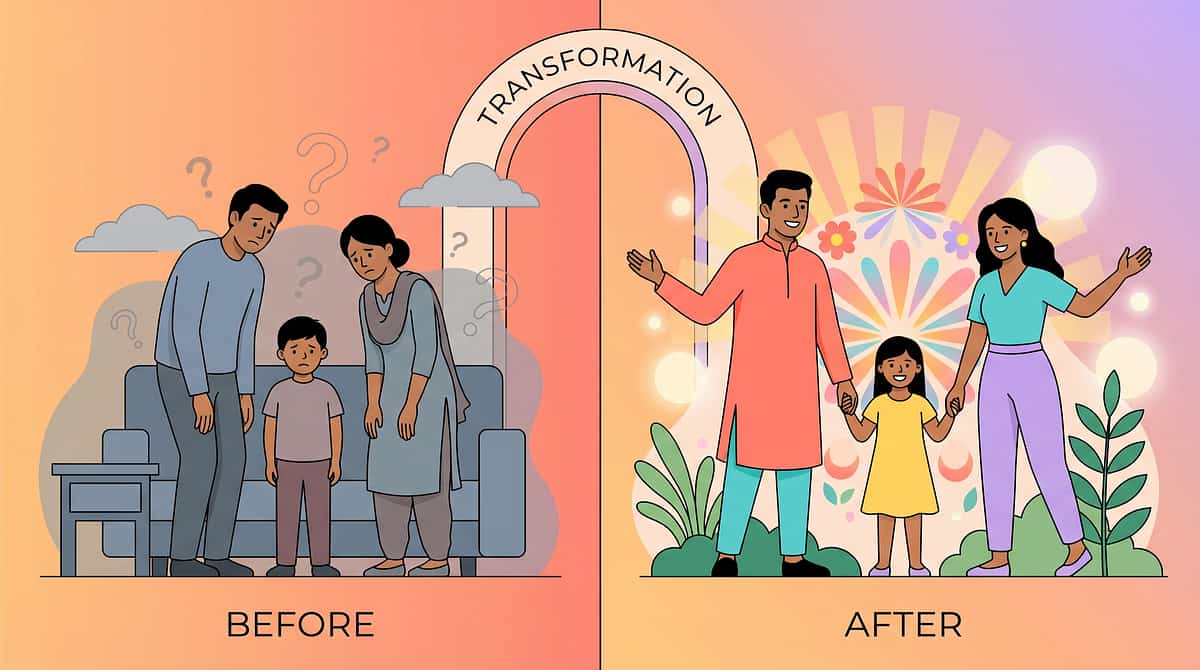
Week 1–2: Progress Looks Like Tolerance. Not Mastery.
✅ You Will See
Child engages with materials for the full session (even reluctantly). Child can recite some friendship skill steps with prompting. Curiosity about material — picks up cards, asks about stories. Attempts one approach with a familiar person. Session resistance decreasing session to session.
❌ Not Yet (and that's normal)
Unprompted peer approach in real settings. Successful new friendships forming. Full generalisation from home practice to school. Child asking for more practice without prompting.
"If your child tolerated the session for 3 minutes longer this week than last week — that is real neurological progress. The pathway is being built. You cannot see it. But it is happening."
Week 1–2 Priority Material: Friendship Skill Cards + Social Stories — lowest demand, highest exposure, maximum safety for nervous system calibration.
Act IV — Consolidation
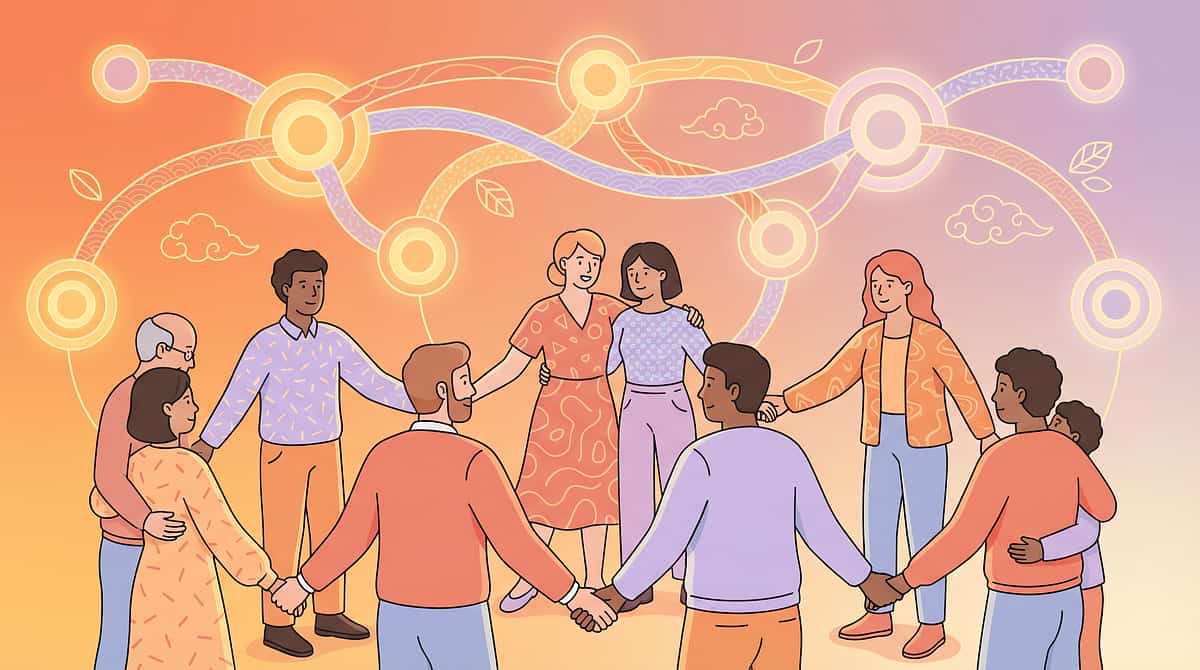
Week 3–4: The Neural Pathway Is Forming
Child anticipates the session
Doesn't need to be invited twice — this is the first sign of genuine engagement
Child references skills unprompted
"Remember the card about joining games?" — the material has entered long-term memory
First real-life attempt
Even if awkward — child tries a friendship skill outside the home practice context
Less hovering at peer edges
Parent observes child is slightly closer to peer groups than in week 1
Parent confidence growing
You feel more able to facilitate sessions and interpret your child's social signals
"When your child references a skill from practice in a real-life context — that is the moment of transfer. The pathway exists. It just needs more repetition to become automatic."
Week 3–4 Priority Materials: Add Cooperative Games + Emotion Recognition Cards. Begin playdate planning. If child shows 4+ consolidation indicators → add one real-peer session per week.
Act IV — Breakthrough
Week 5–8: The Breakthrough Zone
There will be a specific moment — usually between weeks 5–8 — where something you practised at home appears spontaneously in real life. Write it down. Date it. Share it with your Pinnacle team. This is the data point that changes the trajectory.
🌟 Spontaneous Approach
Child approaches a peer without prompting — the skill has become automatic
🌟 Asks for a Playdate
Child expresses wanting to see a specific friend — desire meets capability
🌟 Names a Friend
Child references a classmate positively: "My friend [name] likes…"
🌟 Reads Another's Feelings
Child shows awareness of another child's emotional state without prompting
🌟 First Invitation
First invitation to a peer social event — birthday party, sleepover, or group activity
Week 5–8 Priority Materials: Problem-Solving Games + Interest-Based Connection + Structured Playdates with real-peer sessions.
Act IV — Celebrate
These Are Not Small Things. These Are Enormous.
Milestone moments deserve documentation. Take a photo (with permission). Write in the GPT-OS® tracker. Tell your Pinnacle therapist. Share in your parent community. These moments are data AND memories.
🥇 First Attempt
Child tried to approach a peer for the very first time
🥈 First Conversation
Child asked a peer a question and waited for the full answer
🥉 First Invitation
Child asked someone to play — or accepted an invitation
🏅 First Playdate
Child had a peer at home for a structured playdate
🎖️ First Real Friend
Child references a specific peer as "my friend"
🏆 First Conflict Resolved
Child navigated a friendship problem without adult intervention
Parent Milestone: At week 6, most parents notice they are more confident facilitating social opportunities for their child. You have become the expert. Celebrate that too.
📞 Share your milestone with us — FREE Helpline: 9100 181 181
Act IV — Red Flags
These Signs Mean It's Time for a Professional Assessment
🔴 Immediate Referral
- Child expresses persistent hopelessness about ever having friends
- Loneliness causing visible depression, withdrawal, or school refusal
- Child is being bullied or exploited by "friends"
- Social anxiety triggering panic attacks at any peer contact
- Aggressive behaviour driving away all potential friends
- No progress after 10+ weeks of consistent structured support
🟡 Professional Consultation Recommended
- Social challenges appear part of a broader undiagnosed condition
- Peer rejection pattern consistent across ALL environments
- Child using scripts robotically with no natural expression emerging
- Parent consistently overwhelmed; sessions creating family stress
- School reports significantly different picture than home reports
A Pinnacle SLP + BCBA team will administer AbilityScore® Social Participation Index, identify the specific sub-skill deficit, and design a GPT-OS® guided intervention pathway. One session. It changes everything.
📞FREE Helpline: 9100 181 181 — Available 24x7, 16+ languages
Act IV — Related Techniques
Friendship Is a Skill Stack. These Are the Other Layers.
The Social Connection & Friendship Series covers every facet of peer relationship development. C-310 is the foundation — here is the full cluster:
Technique | Code | Focus | |
Understanding Game Rules | C-308 | The unspoken rules that govern peer play contexts | |
Inflexible Play Patterns | C-309 | Reducing rigidity that prevents peer inclusion | |
Making Friends (THIS PAGE) | C-310 | 9 materials for friendship skill building | |
Understanding Personal Space | C-311 | Physical proximity in peer interactions | |
Reading Social Cues | C-312 | Advancing nonverbal literacy in peer contexts | |
Conversation Skills | C-315 | Deepening verbal reciprocity with peers | |
Handling Rejection | C-320 | Building resilience for inevitable setbacks |
K-881
Parents After Diagnosis
K-903
Therapy Carryover at Home
K-950
Facilitating Peer Connections
Act IV — Domain Map
Your Child's Complete Developmental Map — All 999 Techniques
C-310 sits within the Social Development domain — one of 70+ techniques in the peer relationships cluster. Here is where it fits in the full GPT-OS® library:
Domain | Focus | Sample Techniques | |
A | Sensory Processing | A-001 → A-180 | |
B | Social Communication | B-181 → B-310 | |
C | Social Development | C-308, C-309, ▶C-310, C-311, C-312 | |
D | Emotional Regulation | D-401 → D-520 | |
E | Feeding & Oral Motor | E-521 → E-600 | |
F–L | Motor, Cognitive, Daily Living | F–L domain clusters |
C-310 is Episode 310 in the 999-reel library — within the Social Development domain, specifically targeting the Peer Relationships & Friendship sub-domain. The full library is available at techniques.pinnacleblooms.org.
Act V — Community
What Families Tell Us After 8 Weeks of This Toolkit
Story 1 — Week 6
"He got invited to a birthday party. First one ever — in 7 years of school. He used the conversation starter practise. He remembered to ask 'What's your favourite game?' and wait. The host's mother called me afterward to say he was lovely. I cried for an hour."
Social Participation Index +340 points | Week 6
Story 2 — Week 7
"We did the cooperative game every weekend for 4 weeks. She started asking her cousin to play. Then she asked a girl from school. One day she came home and said 'Priya is my friend now.' Those four words. I will never forget."
Spontaneous peer initiation achieved | Week 7
Story 3 — Week 5
"The emotion recognition cards changed the most. He could suddenly SEE when someone was bored or upset. He started adjusting — instead of talking about dinosaurs for 30 minutes, he'd notice their face and switch. That skill. That single skill. Changed everything."
Conversation reciprocity emerged | Week 5
Illustrative cases based on aggregate parent reports. Individual outcomes vary by child profile, severity, consistency of practice, and support access. Pinnacle RWE database: 97%+ improvement across one or more Social Participation readiness indicators across 21M+ sessions.
Act V — Connect
You Don't Have to Do This Alone. 70,000+ Families Are on This Journey.
Pinnacle Parent Community
Connect with families navigating the same challenges. Share what worked. Ask what's confusing. Celebrate milestones together. Join at pinnacleblooms.org/community →
WhatsApp Parent Groups
Region-specific parent groups facilitated by Pinnacle therapists. Real-time support for real-time challenges. Register via 9100 181 181.
Parent Training Webinars
Monthly live sessions with Pinnacle SLP/ABA teams on social skill development. Free for registered families. Register at pinnacleblooms.org/webinars →
GPT-OS® Parent App
Track sessions, access EverydayTherapyProgramme™, view AbilityScore® progress, connect with your therapy team. Download at pinnacleblooms.org/app →
Consistency Principle: Caregiver consistency multiplies intervention impact. When grandparents, teachers, and both parents use the same approach — the child's brain receives consistent, reinforcing input across all contexts. That is when transformation accelerates.
Act V — Professional
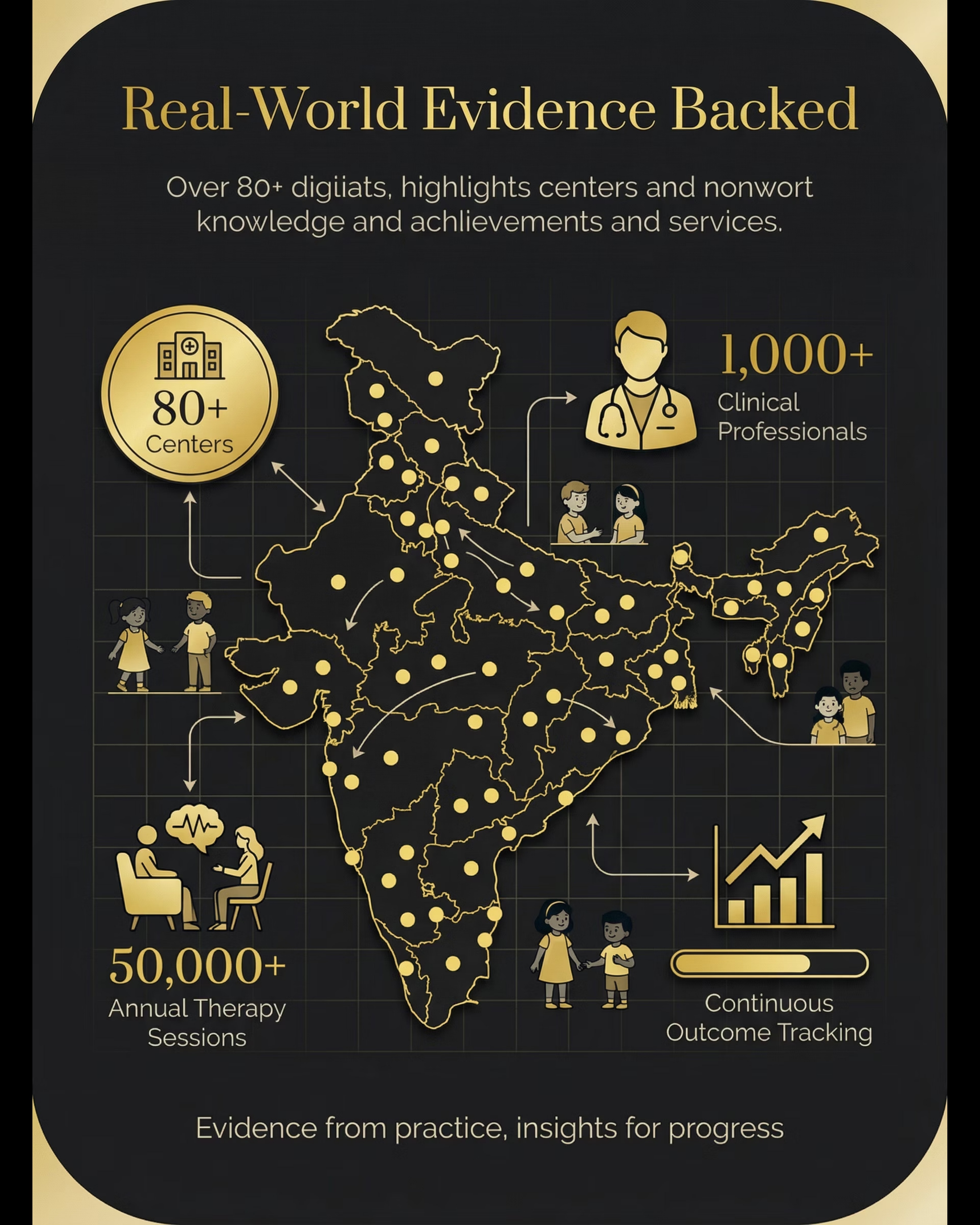
70+ Centres Across India — Expert Support Near You
🧩 AbilityScore® Assessment
Social Participation Assessment — 1 session, complete baseline profile
🗣️ SLP Assessment
Pragmatic language, conversation skills, social communication evaluation
🎯 ABA Social Skills Programme
PEERS-based structured peer skill groups with BCBA supervision
👨👩👧 Parent Training
Learn to facilitate C-310 at home with clinical guidance and support
🤝 Social Skills Groups
Supervised peer practice in clinical setting with trained facilitators
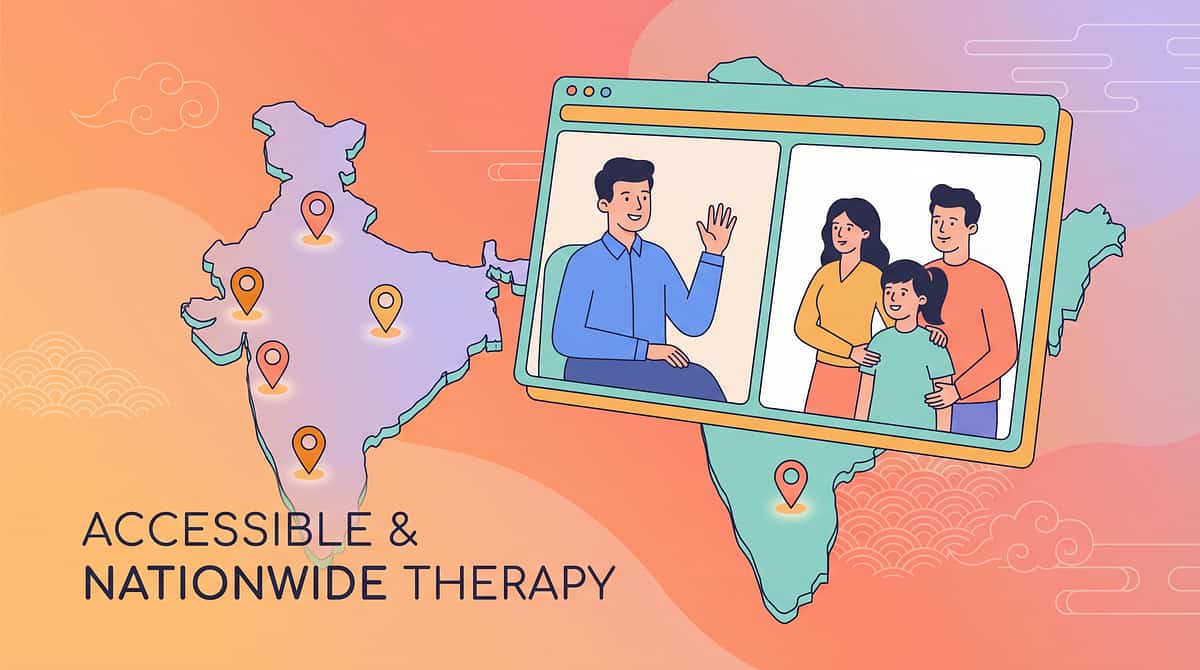
🌐 Teleconsultation
Available nationally — and internationally — for families not near a centre
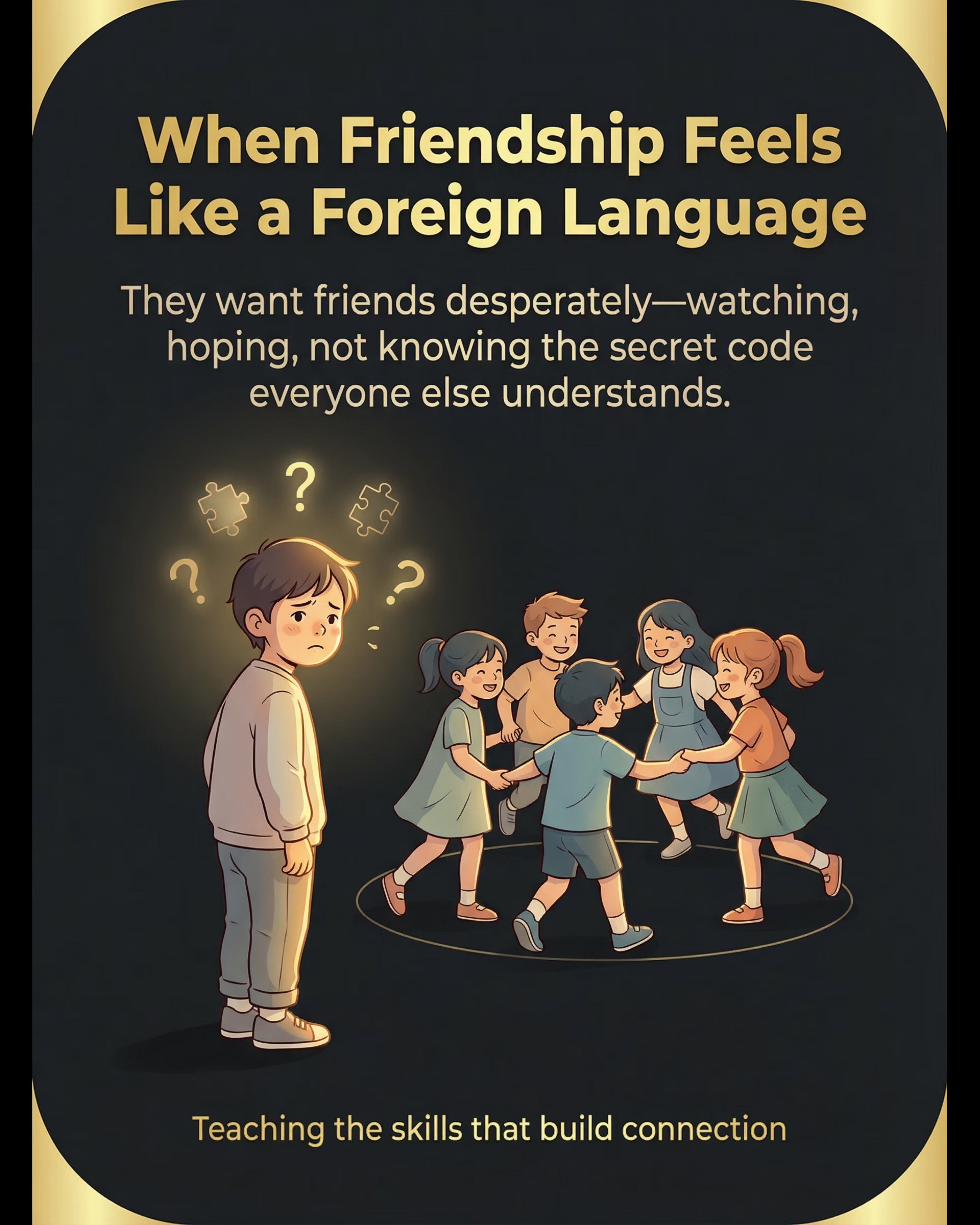
Preview of 9 materials that help making friends Therapy Material
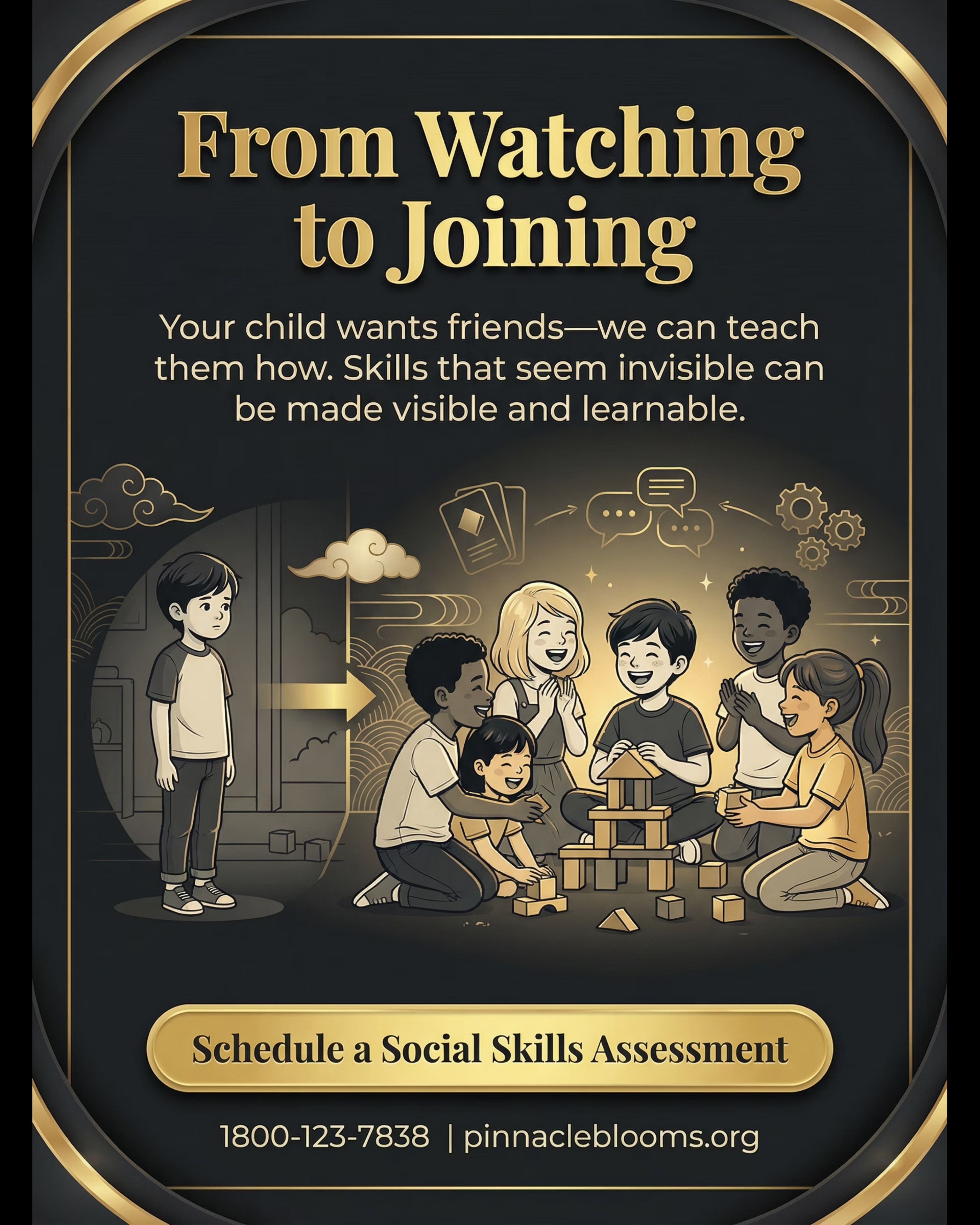
Below is a visual preview of 9 materials that help making friends therapy material. The pages shown help educators, therapists, and caregivers understand the structure and content of the resource before use. Materials should be used under appropriate professional guidance.



Link copied!
Act V — Reel
Watch the Original Reel — The Materials Come to Life
📹 C-310: 9 Materials That Help Making Friends
Series: Social Connection & Friendship Solutions | Episode 310 | Domain: Social Development — Peer Relationships & Friendship
This reel was created by the Pinnacle Blooms Consortium — SLP, ABA, OT, SpEd, and NeuroDev specialists working as one clinical voice. A Pinnacle therapist presents each of the 9 materials with demonstrations of home use. The reel is designed to be shared with grandparents, teachers, and other caregivers.
Series Note: C-310 is part of a 42-episode series on Social Connection & Friendship. Each episode covers one challenge domain. The full series is available at techniques.pinnacleblooms.org/social-development.
Research Evidence: NCAEP 2020 — Video modelling is evidence-based practice for autism. Multi-modal learning (visual + text + demonstration) improves parent skill acquisition significantly over text-only delivery.