
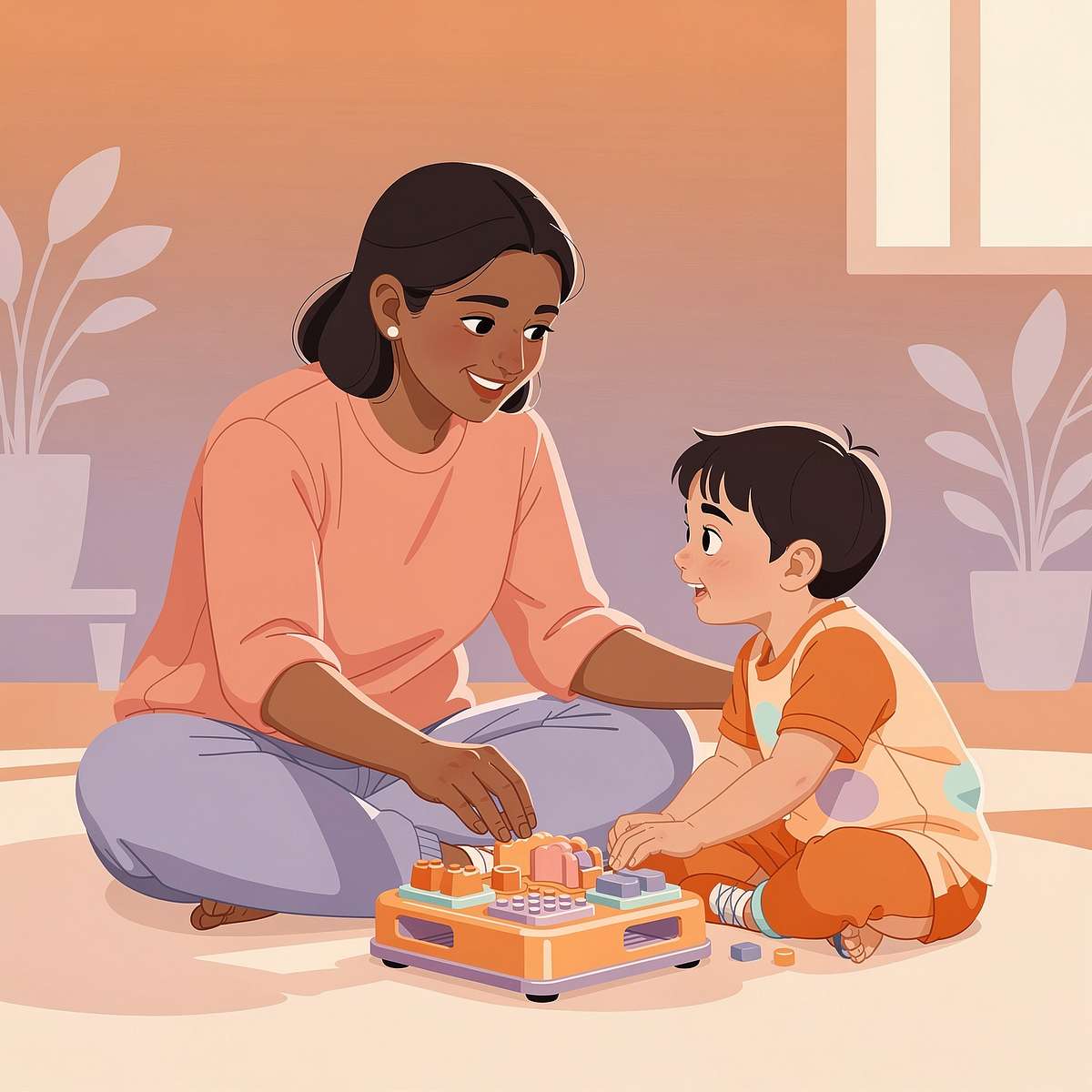
Hitting Is Communication. Let's Teach Better Words.
Technique D-381 | 9 Materials That Help With Hitting Behavior
Domain D: Behavior Analysis & Positive Behavior Support | Age 2–10 | Home + School + Community
Domain D: Behavior Analysis & Positive Behavior Support | Age 2–10 | Home + School + Community
Pinnacle Blooms Network®
Consortium-Validated
Level I Evidence

You Are Not Alone
Hitting behavior is one of the most common reasons families contact Pinnacle's helpline — every single day, across every city in India. The hitting is not a character flaw. It is a communication gap. And communication gaps have solutions.
1 in 4
Children hit by age 2–3
Physical aggression peaks in the toddler years when language lags behind emotion.
65–80%
of children with ASD experience aggression
Hitting affects family quality of life more than almost any other presenting concern.
20M+
Pinnacle therapy sessions include behavior work
You are among millions of families navigating this exact challenge.
"In India, approximately 1 in 68 children is diagnosed with ASD. Challenging behavior — including hitting — affects family quality of life more than almost any other presenting concern." — Indian Journal of Pediatrics, 2019 (Padmanabha et al.)
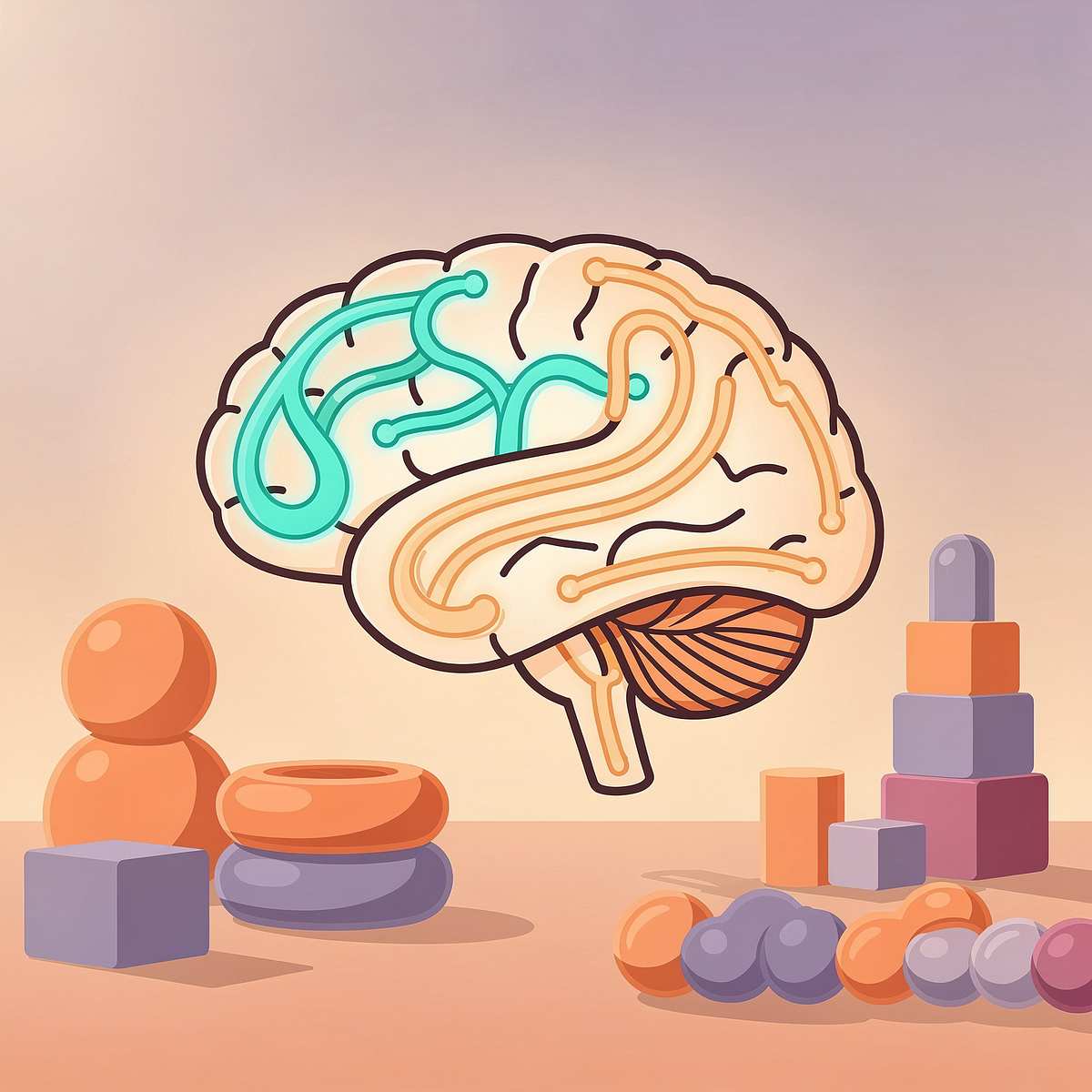
What's Happening in Your Child's Brain
The Science
The prefrontal cortex — the brain's "decision center" — is still developing until age 25. In children with ASD, ADHD, or developmental differences, this development is even less mature.
When your child is overwhelmed or unable to communicate, the amygdala fires a THREAT RESPONSE. The body reacts before the thinking brain can intervene.
Hitting is not a choice in that moment. It is a wiring pattern. And wiring patterns can change.
The Four Functions of Hitting
Every hitting episode serves one of these functions:
- Tangible — Getting something: "I hit because it got me the toy"
- Escape — Avoiding something: "I hit to get out of what I hate"
- Attention — Getting noticed: "I hit because you look at me"
- Sensory — Feeling something: "I hit for the input it gives me"
Understanding the function is the first step to replacing the behavior.
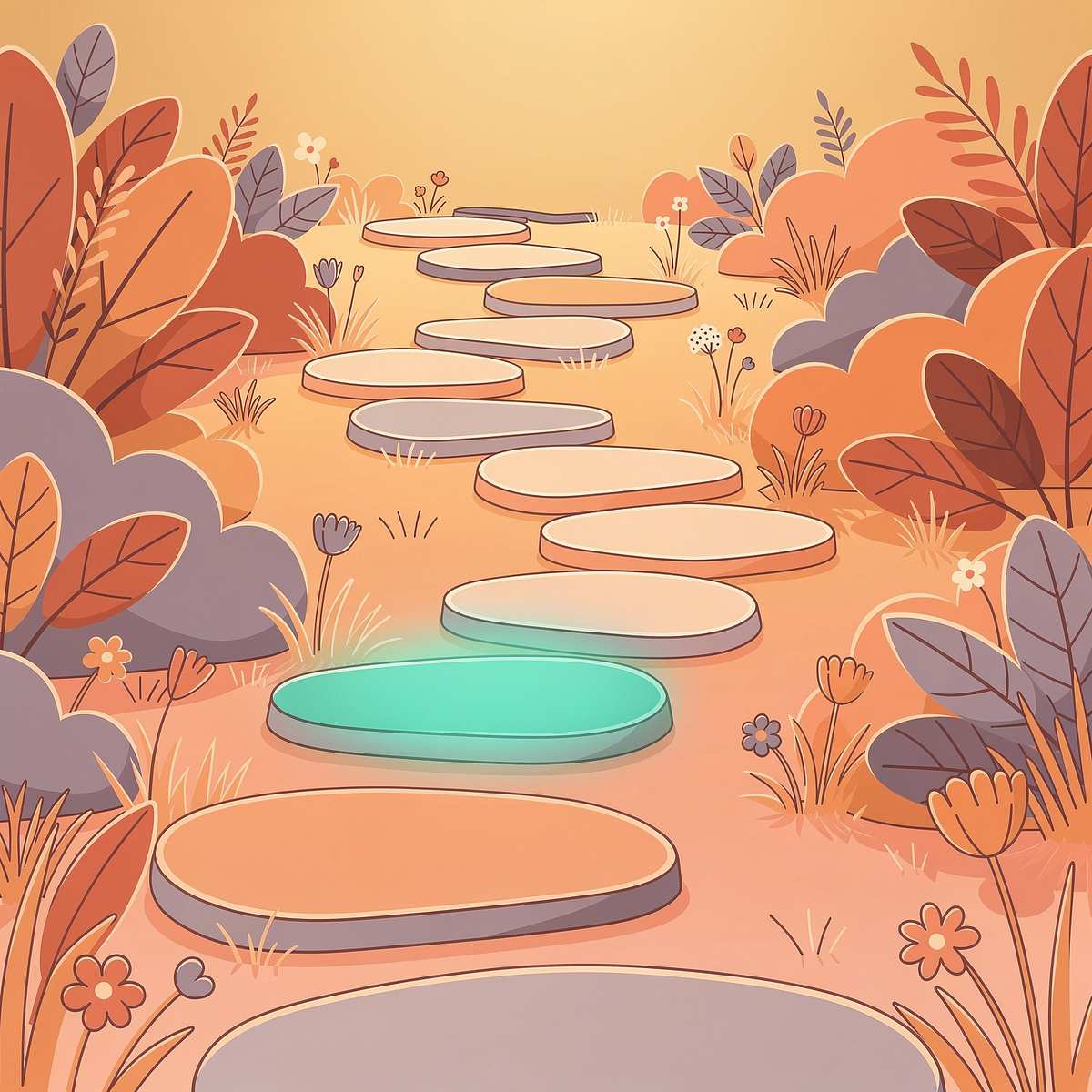
Where Hitting Fits on the Developmental Map
WHO/UNICEF Developmental Timeline — Physical Aggression & Self-Regulation Domain. Knowing where your child stands on this map helps you calibrate urgency and approach.
18 Months
Hitting common, limited language — largely physical expression
2 Years
Typical hitting peaks as language develops — a critical window
3 Years
Starting to reduce with language growth and emerging social awareness
4–5 Years
Should be decreasing significantly — persistent hitting warrants structured intervention
6–12 Years
Rare, occasional — self-regulated; escalating intensity needs clinical support
You are here — and intervention now creates the fastest change. Persistent hitting beyond age 4–5, increasing intensity, or hitting causing injury warrants structured, function-based intervention. — WHO Care for Child Development Package (2023)

The Science Backing These 9 Materials
Evidence Grade: Level I
52+ Randomized Controlled Trials
Confirm function-based intervention as evidence-based for reducing challenging behavior across developmental populations.
NCAEP 2020 — Tier 1 Evidence
Functional Communication Training is classified as the strongest evidence category for autism — used as the backbone of this technique.
Indian RCT (Padmanabha et al., 2019)
Home-based behavioral interventions demonstrate significant outcomes specifically for Indian pediatric populations.
Pinnacle Real-World Evidence
97%+ measured improvement across 20M+ sessions, including behavior intervention protocols across India.
"Hitting decreases fastest when the REPLACEMENT behavior is taught, not when the hitting is punished." — Carr & Durand, Functional Communication Training foundational research
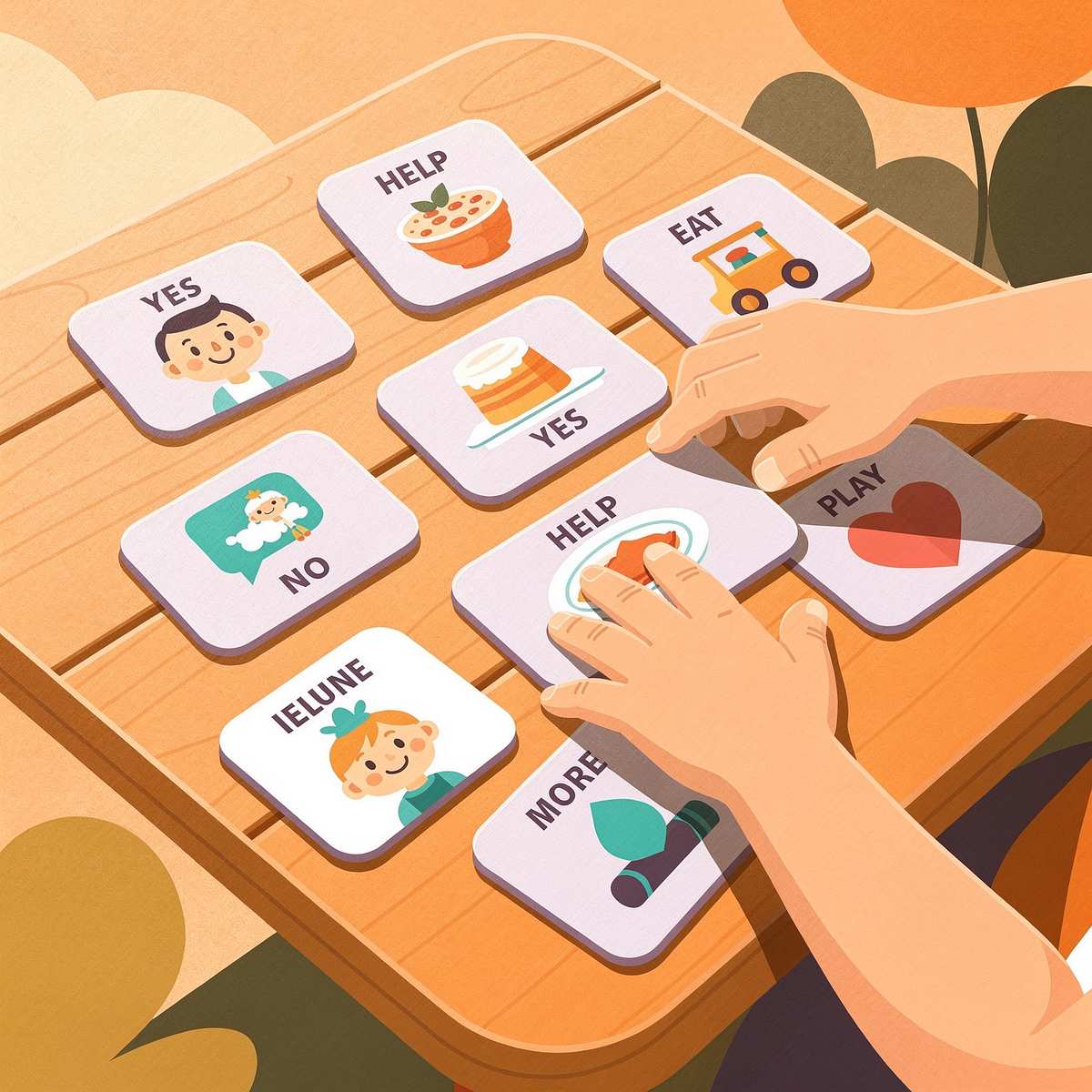
The Technique: What It Is
Domain D: Behavior Analysis / ABA
Age 2–10
Daily Practice
Function-Based Intervention for Hitting Behavior
Parent-friendly name: "Teaching Hands What Else To Do"
Function-Based Intervention identifies WHY a child hits, then systematically replaces hitting with behaviors that achieve the same result — safely and socially.
Unlike punishment alone, which suppresses hitting without meeting the underlying need, function-based intervention teaches. The hands that hit learn something better to do.
Classification
- Canon: Reinforcement Menus + Communication Supports
- Duration: 10–20 min sessions
- Frequency: Daily minimum
- Setting: Home + School + Community
- Reel Series: D-381 | Episode 381 of 999
Alias
"The 9 Tools That Give Hands a Better Job"

The Consortium Behind This Technique
This technique crosses therapy boundaries — because the brain doesn't organize by therapy type. The Pinnacle Blooms Consortium brings together five disciplines to deliver convergent, whole-child intervention.
ABA / BCBA — Primary Lead
Conducts Functional Behavior Assessment, designs the Behavior Intervention Plan, and trains parents in consequence systems and reinforcement delivery.
SLP — Speech-Language Pathologist
Builds Functional Communication — AAC, PECS, communication cards that REPLACE the function hitting was serving.
OT — Occupational Therapist
Addresses sensory-function hitting through proprioceptive diet, safe outlets, hands-busy alternatives, and regulation tools.
Special Educator
Implements visual schedules, social stories, transition supports, and school-based Behavior Intervention Plans.
NeuroDev Pediatrics
Rules out neurological or medical factors and coordinates medication review where clinically needed.

What These 9 Materials Target
A multi-ring system of outcomes — from the immediate goal of fewer hitting episodes to the long-term gains of school inclusion and peer relationships.
The Behavior Readiness Index tracks progression across six stages: Pre-skill → Emerging → Developing → Approaching → Proficient → Independent. GPT-OS® monitors all six stages across 349 skills for each enrolled child.
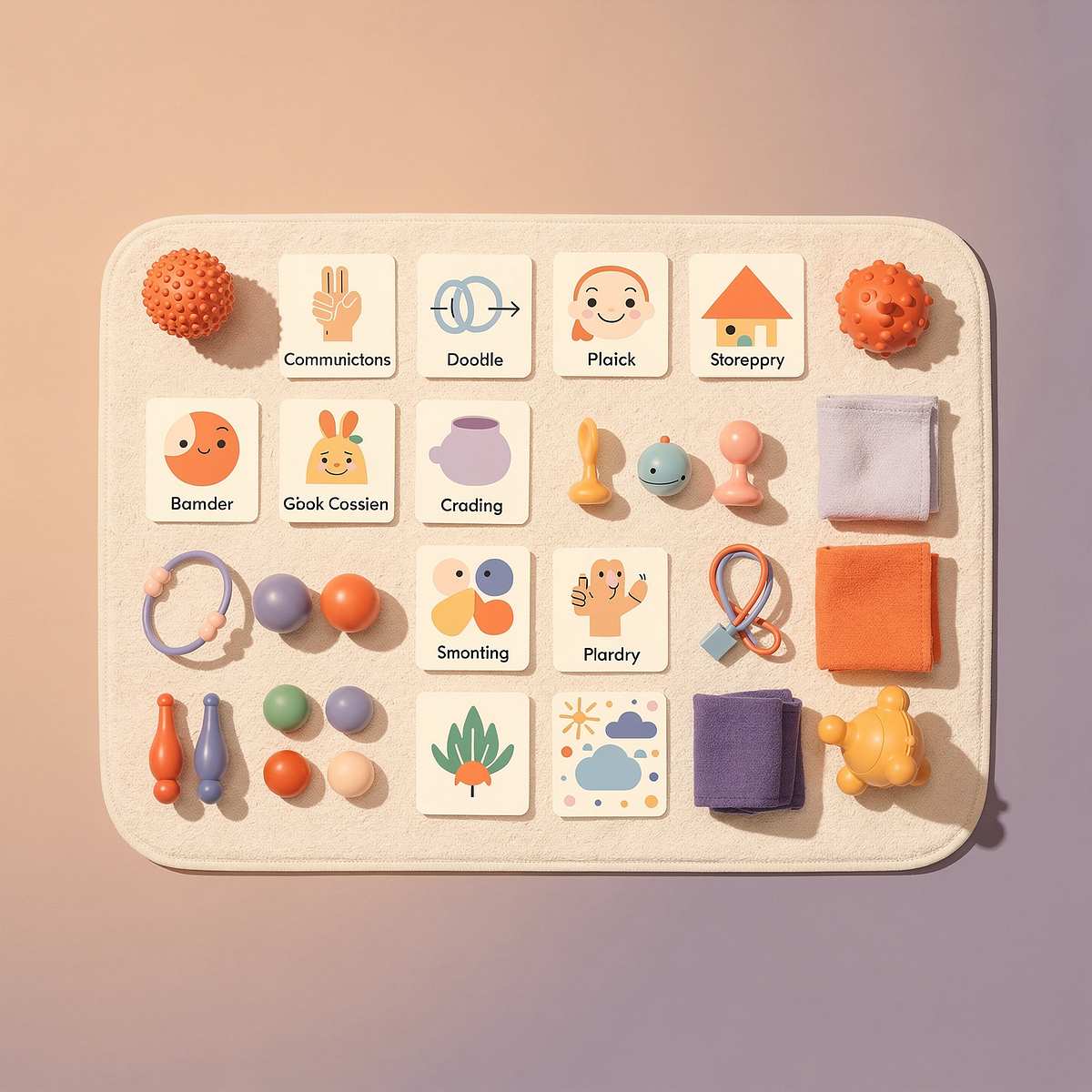
9 Materials — Quick Reference Guide
Your complete toolkit for hitting behavior intervention. Start with the essentials and add materials as your child progresses. Free National Helpline: 📞 9100 181 181 | 24x7 | 16+ languages
Material | Cost Range | What It Does | |
M1: Functional Communication Cards | ₹100–500 | PECS, AAC supports — giving needs a voice so hands don't have to speak | |
M2: Safe Hitting Alternatives | ₹300–1,500 | Hitting pillow, stress balls, therapy putty, punching bag | |
M3: Visual Schedules & Transition Supports | ₹100–400 | First-then boards, visual timers, now/next cards | |
M4: Calm-Down Kit | ₹300–1,000 | Fidgets, breathing tools, calming visuals, comfort items | |
M5: Social Stories About Hands | ₹200–600 | "Hands Are Not for Hitting" + custom photo stories | |
M6: Token Board & Reinforcement System | ₹100–400 | Reward Jar ₹589 | Sticker Book ₹364 — Pinnacle Recommends | |
M7: Feelings Identification Tools | ₹100–400 | Feelings charts, anger thermometer, body maps, Zones visuals | |
M8: Hands-Busy Activities | ₹200–800 | Fidget assortment, squeeze toys, therapy putty, crafts | |
M9: Trigger Tracking Tools | ₹50–200 | ABC tracking sheets, trigger journal, pattern worksheets |
Essential Minimum (start today): Communication cards + ABC tracker = ₹150. Total Starter Kit: ₹700–4,500.

Free DIY Versions: Zero-Cost Home Toolkit
WHO Nurturing Care Principle: Every family, regardless of income, can execute evidence-based intervention today. The therapeutic principle is the function served, not the material cost.
When DIY Works Perfectly
A homemade communication card that gets honored immediately works identically to a laminated PECS card. The child's brain responds to the function, not the price tag.
When Clinical-Grade Is Non-Negotiable
- AAC device: When child has no other functional communication method
- Professional FBA: When hitting causes injury or threatens school placement
Free DIY Alternatives
- Communication Cards: Index cards + pen + drawn pictures or cut magazine images
- Safe Hitting Alternative: Old pillow designated "hitting pillow," rolled newspaper, rice-filled sock
- Visual Schedule: Paper + drawn pictures in sequence, stuck on fridge door
- Calm-Down Kit: Small box with rice sock, bubbles bottle, smooth stone, calming photos
- Social Story: 5-page handwritten book with child's own drawings
- Token Board: Paper grid + any stickers, or drawn smiley faces
- Feelings Chart: 6 faces drawn on paper, posted at child's eye level
- Hands-Busy Kit: Flour + salt dough, rubber bands on a bottle, LEGO bricks
- ABC Tracker: Notebook: Date / Before / What Happened / After
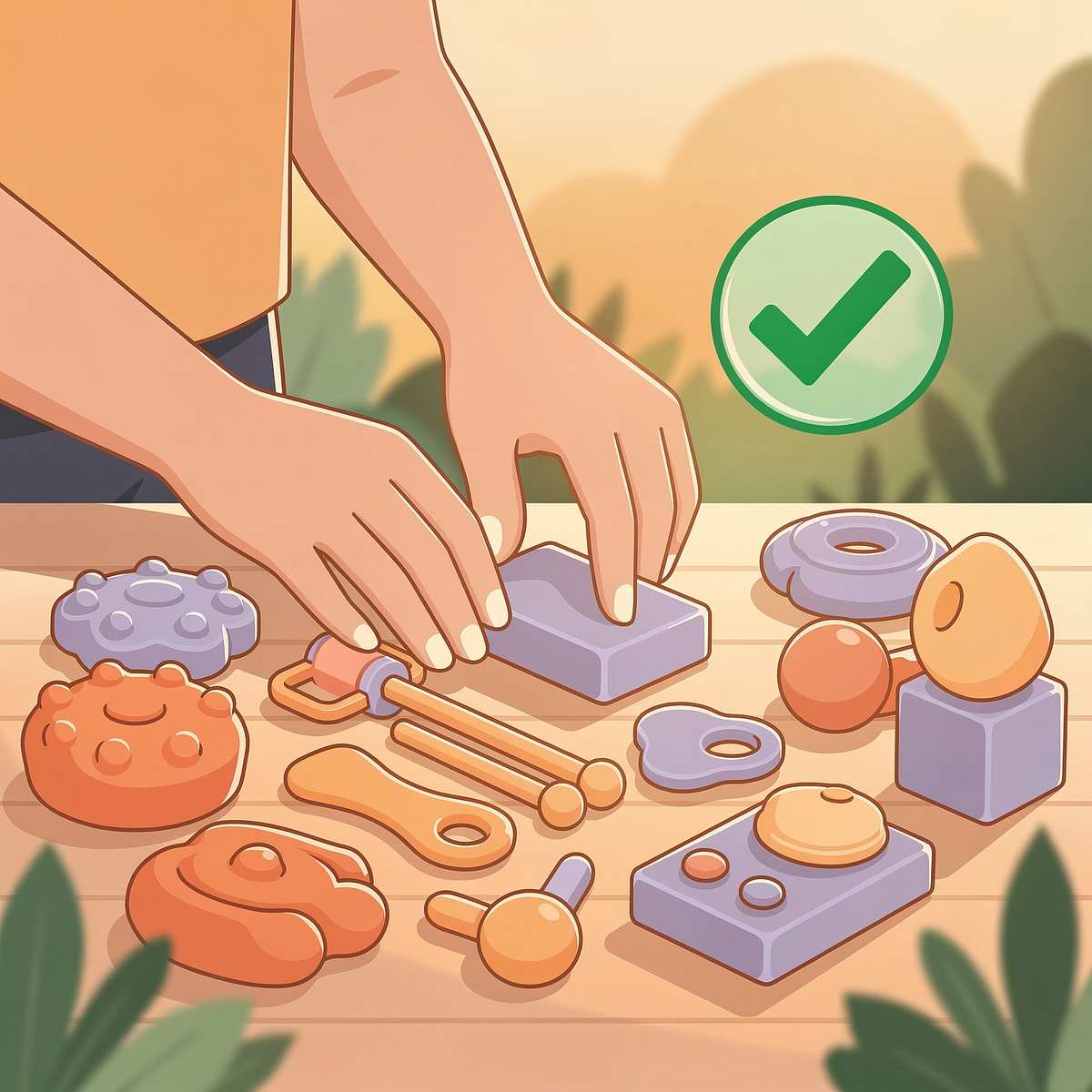
Safety First: Before You Begin
Read this safety gate carefully before starting any home intervention. Your child's safety and yours always comes first.
🔴 Stop — Seek Professional Support
- Hitting is causing injury — bruising, marks, bleeding
- 20+ hitting episodes per day, increasing in intensity
- Child hits SELF (self-injurious behavior)
- School placement has been threatened or removed
- Multiple challenging behaviors simultaneously
- Parent or caregiver feels unsafe at home
🟡 Proceed With Professional Parallel Support
- Hitting 5–20 times per day
- Hitting across 3+ settings
- Child over age 6 with persistent hitting
- Suspected autism, ADHD, or language delay — needs assessment first
🟢 Home Strategies Appropriate
- Occasional hitting in specific contexts
- Toddler/preschool age, hitting reducing over time
- Clear, identifiable function
- No injury occurring
Material Safety: All fidgets/tools — check for choking hazard risk (under 3 years). Hitting alternatives: soft only — no hard objects. Calm-down kits: exclude items child can throw during escalation. Stop any session if intensity escalates, child is in full meltdown, or signs of illness are present.
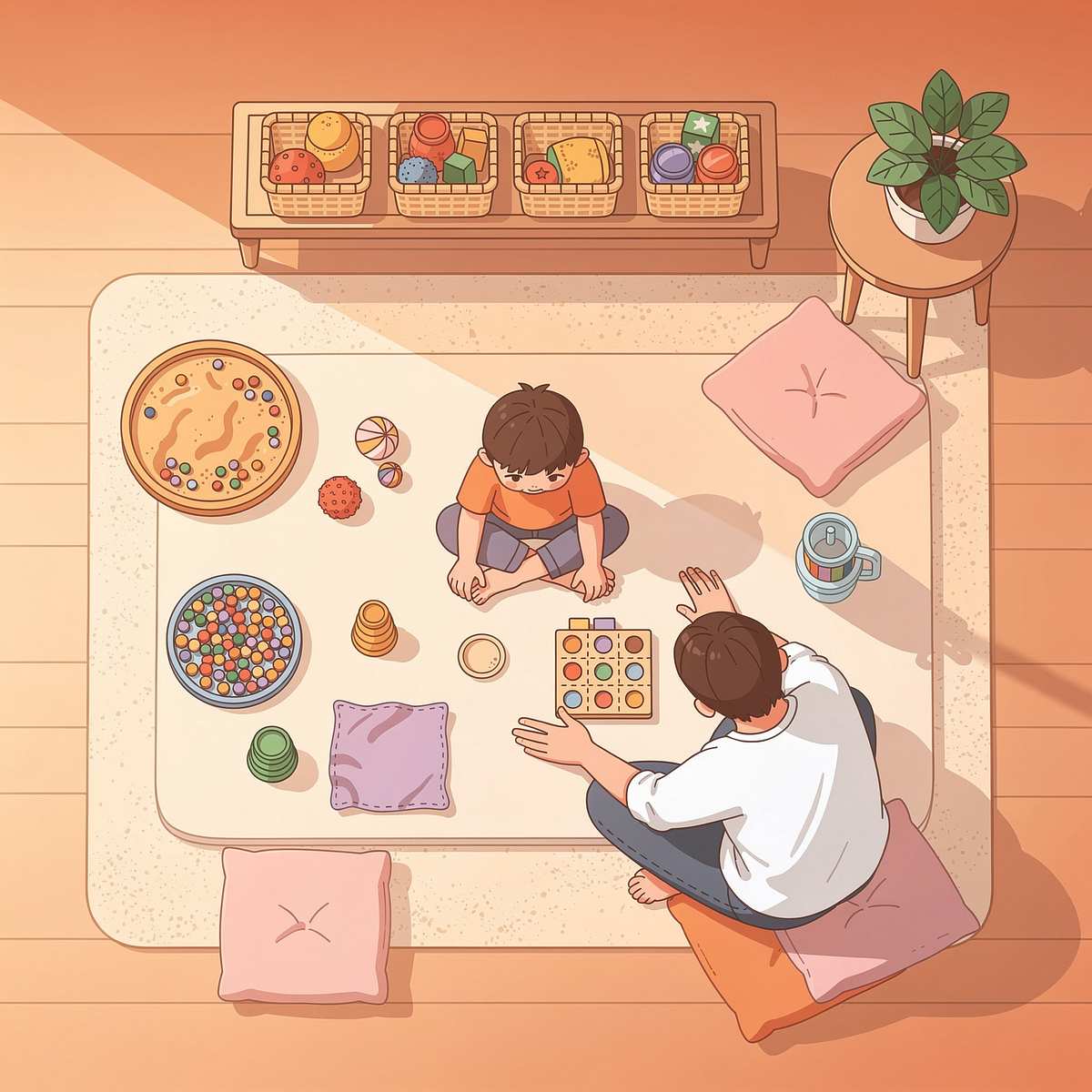
Set Up Your Intervention Space
Environment shapes behavior. A well-arranged space reduces triggering variables and positions every material exactly where it needs to be — within reach, at the right moment.
What to Set Up
- ✅ Visual schedule posted on fridge or wall at child's eye level
- ✅ Feelings chart at child eye-level
- ✅ Communication cards in a lanyard or accessible pocket
- ✅ Calm-down kit in a labeled, reachable box
- ✅ Safe hitting alternative (pillow) designated and visible
- ✅ Parent positioned beside — not in front — less confrontational
Environment Settings
- 🔆 Natural or soft warm light — avoid harsh fluorescent
- 🔊 Quiet or soft background music — no TV
- 📱 Parent's phone: silent and face-down
Remove From the Space
- ✗ Screen or TV — competes for attention
- ✗ Other children during initial learning phase
- ✗ Trigger objects (if toy-conflict driven, remove the contested toy)
- ✗ Any items that could be thrown
Why This Matters
Research confirms that a structured, predictable environment significantly accelerates behavioral intervention outcomes. Every element you arrange is a clinical decision.
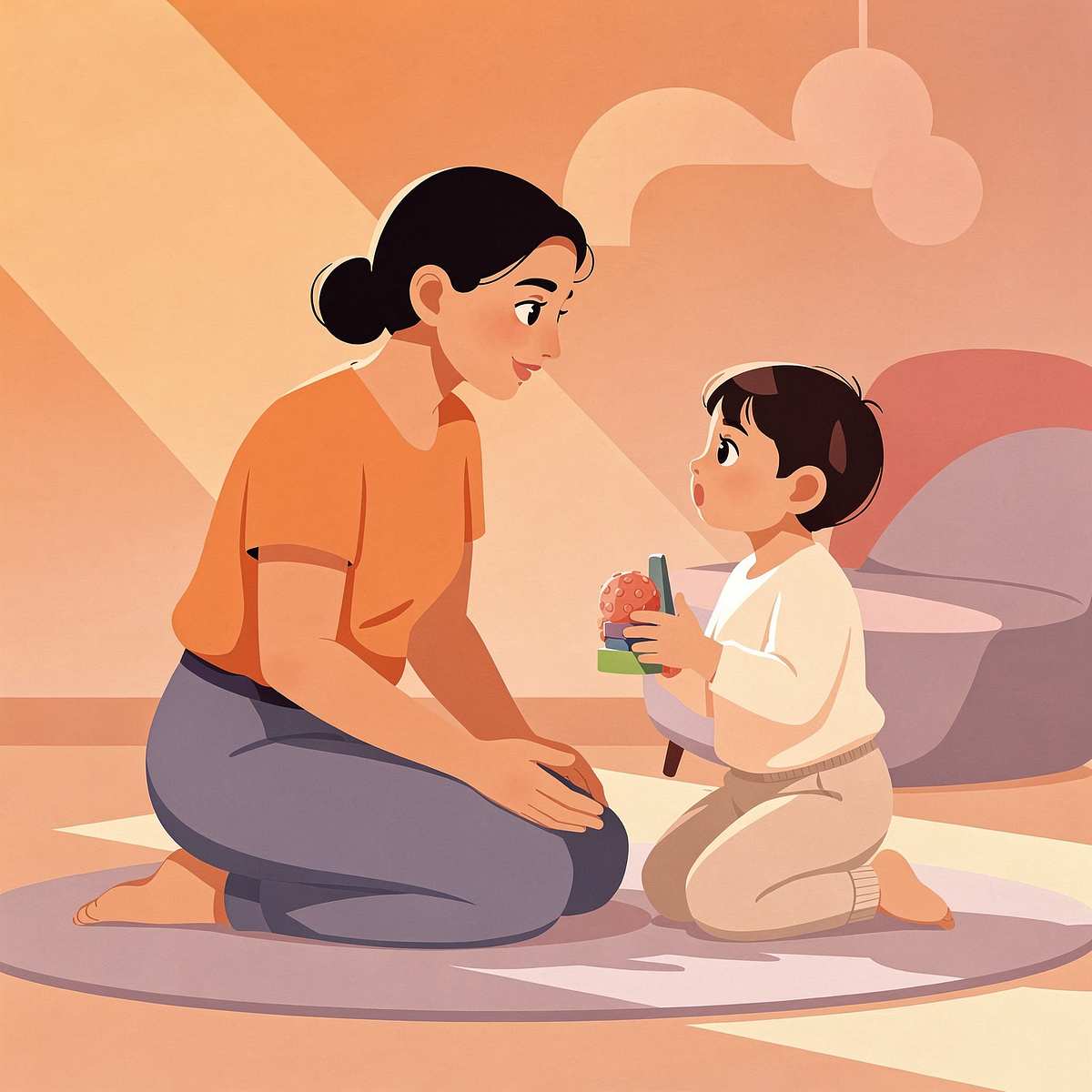
Is Your Child Ready? Pre-Session Check
The best session is one that starts right. A 5-minute successful session beats a 20-minute failed one every time. Take 60 seconds before every session to assess readiness honestly.
Fed Within 2 Hours
Hunger is a major hitting trigger — a full child is a regulated child.
Slept Adequately
Fatigue lowers the hitting threshold significantly — check for restlessness.
No Hitting in Last 30 Min
Allow natural regulation first. Never begin in the aftermath of an episode.
Not Showing Escalation Signs
Watch for stiffening, growling, or pacing — these signal a body not ready to learn.
Alert and Present
Not drowsy or hyperstimulated — the window of optimal regulation is narrow.
No Illness Signs
Sick children need rest, not sessions. Postpone without guilt.
Decision: All 6 green → GO. 4–5 green → MODIFY: 1 material, 5 minutes. Below 4 → POSTPONE: outdoor walk, heavy work (push laundry basket, carry groceries), quiet reading side by side.
Step 1 of 6
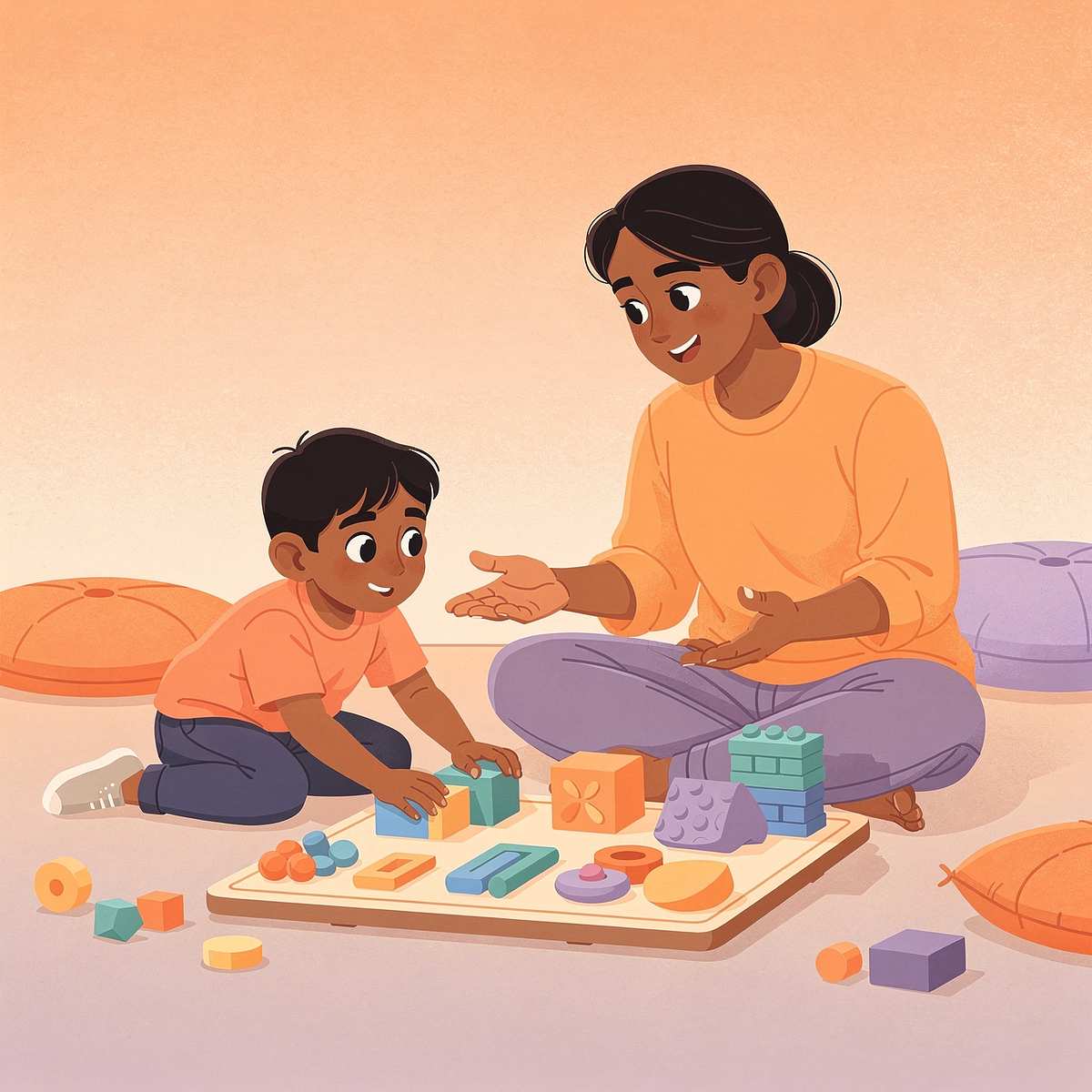
Step 1: The Invitation (30–60 Seconds)
Every protocol begins with an invitation — never a command. Your child's willingness to engage is the first therapeutic win of the session.
"Hey [child's name], let's try something cool together. I have something special for your hands. Want to see?"
Parent Body Language
- Get to child's level — kneel or sit, never stand over
- Soft, warm facial expression — no stress in your voice
- Hold material with curiosity, not pressure
- Give 10 seconds of wait time before repeating
Signs of Acceptance ✅
- Child looks at the material
- Child moves toward you
- Child touches or reaches for item
- Child makes any positive sound
Signs of Resistance & Response
- Ignores → Wait quietly, retry in 2 minutes
- Turns away → Follow child's lead, try another material
- Pushes material → "Okay, not yet" — place it nearby
- Escalates → Session not appropriate today
Step 2 of 6
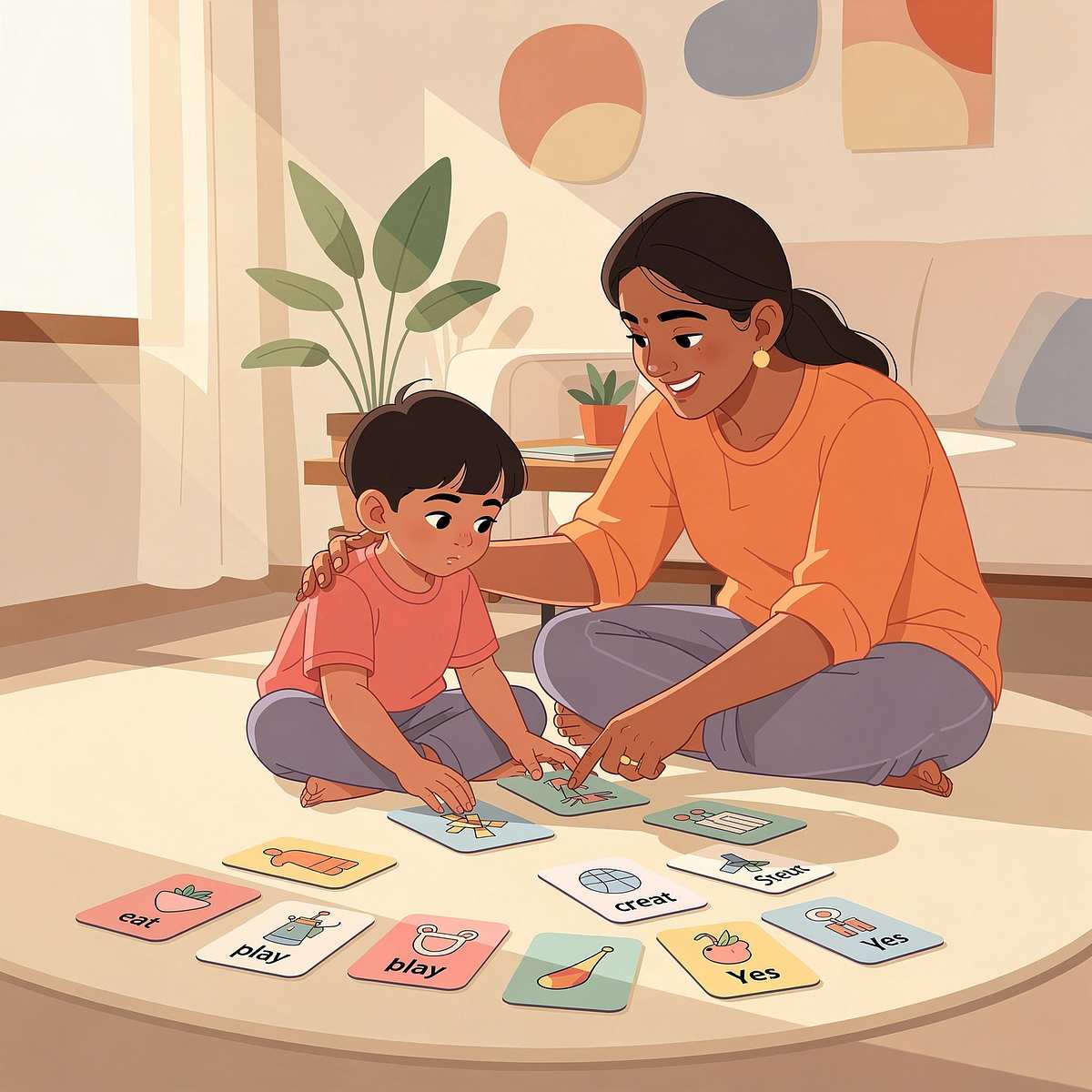
Step 2: The Engagement (1–3 Minutes)
Child has accepted the invitation. Now deepen the interaction. Match your engagement script to the most critical material first.
For Communication Cards
"This card means I want something. If you want [preferred item], hand me this card. Let's try — here's the card..."
Child hands card back → IMMEDIATELY give item (within 2 seconds).
Say: "YES! The card WORKED! Great job!"
Say: "YES! The card WORKED! Great job!"
For Safe Hitting Alternative
"This pillow is for hitting. You can hit THIS whenever your hands feel strong. Hit it — show me how strong!"
Model hitting the pillow yourself — enthusiastically. Child hits → "YES! That's exactly right! Hands can do that!"
🟢 Engagement
Active interaction, eye contact, reaching, smiling — proceed with full session
🟡 Tolerance
Passive participation — acceptable, continue gently with reduced demands
🔴 Avoidance
Physical withdrawal — honor it, do not push, end warmly and try tomorrow
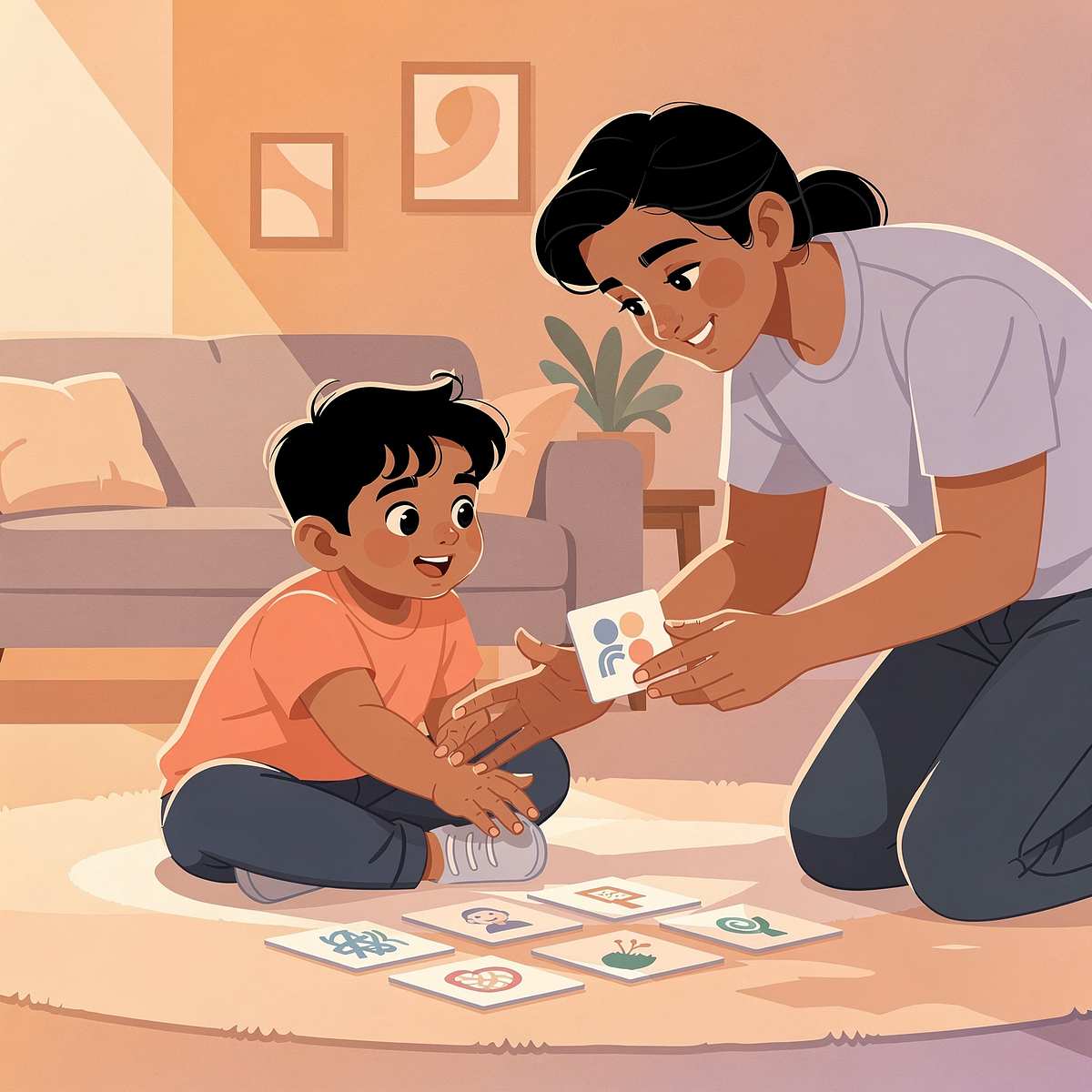
Step 3: The Therapeutic Action (5–10 Minutes)
Step 3 of 6
The Active Ingredient
This is the active ingredient. Execute with precision and warmth. Match the practice to your child's identified hitting function — this specificity is what makes the intervention work.
Tangible Function — Getting Something
Practice: Child uses communication card → Gets item immediately. Drill 5–8 times. The card must feel MORE effective than hitting. Script: "Use your card. Card works faster than hitting."
Escape Function — Avoiding Something
Practice: Child uses "Break please" card → Gets a break immediately. Use First-Then board: "First [short task], Then [preferred activity]." Script: "Your card gives you a break. Hitting just makes things longer."
Attention Function — Getting Noticed
Practice: Child touches your arm appropriately → Gets your attention immediately. Award a token for appropriate bids. Script: "When you want me — touch my arm. I'll always respond."
Sensory Function — Feeling Something
Practice: Direct to punching pillow or stress ball when hands activate. Add proprioceptive heavy work: push-ups, carrying, clay pounding. Script: "Your hands need that feeling — the pillow is here for that."
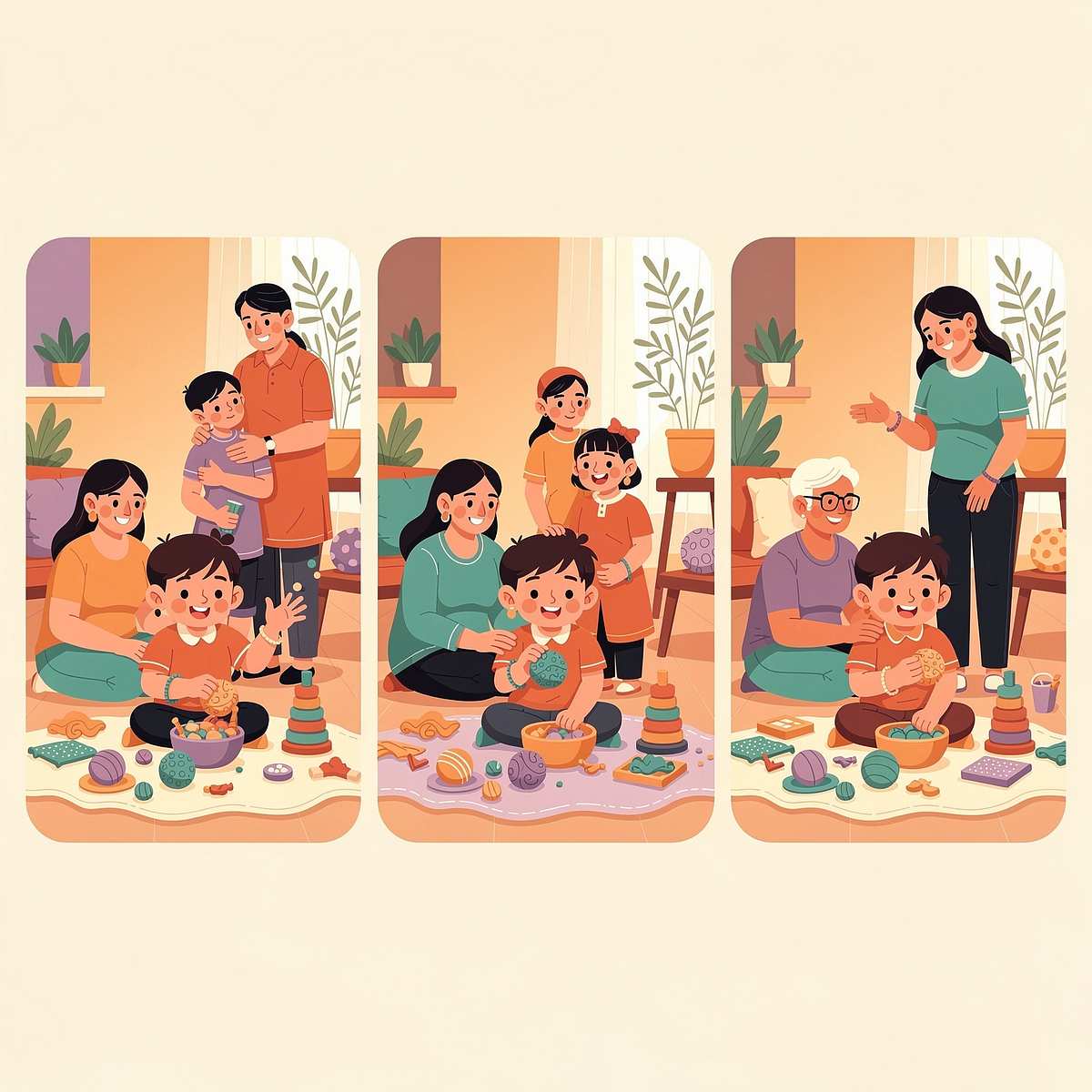
Step 4: Repeat & Vary (3–5 Minutes)
Step 4 of 6
Therapeutic Dosage: Target 5–8 practice trials per material. Massed practice initially, then distributed throughout the day. 3 good reps beat 10 forced reps — always stop if resistance appears after 3 attempts.
Variation Options
- Communication Cards: Change what the card requests; add "Stop" or "Help" card; practice in a different room
- Safe Hitting Alternative: Rotate outlet (pillow → clay → stress ball); add verbal cue "I need to hit!" then redirect together
- Token Board: Vary tokens (stickers one day, stamps another); change target behavior praised; increase token-to-reward interval as child succeeds
Satiation Indicators — Child Has Had Enough
- ⚠️ Decreased eye contact
- ⚠️ Looking away, body turning
- ⚠️ Starting to mouth materials
- ⚠️ Yawning, drooping posture
When you see 2 or more of these signs, move immediately to the cool-down. Pushing past satiation erodes the therapeutic relationship.

Step 5: Reinforce & Celebrate 🎉
Step 5 of 6
The ABA Rule: Timing matters more than magnitude. Reinforce WITHIN 3 seconds of the desired behavior — every time, without exception. Free Helpline: 📞 9100 181 181 | 24x7 | 16+ languages
"YES! You used your card! That's exactly what we're practicing! Your hands did something amazing!"
"You hit the pillow instead of me — your hands knew what to do! I'm SO proud of those hands!"
"You showed me you were angry without hitting. That's the hardest thing in the world and you did it!"
Social Reinforcement
Big hug, high-five, specific verbal praise, tickles
Token Reinforcement
Sticker on board, stamp on hand, star on chart. Reward Jar ₹589 | Sticker Book ₹364
Tangible Reinforcement
Preferred snack, brief screen time, special toy — matched to child's strongest motivators
Activity Reinforcement
Jump on trampoline, swing, run outside — movement as celebration
Celebrate the attempt, not just the success. Even ALMOST using the alternative deserves immediate recognition.

Step 6: The Cool-Down (1–2 Minutes)
Step 6 of 6
No session ends abruptly. The brain needs a deceleration ramp to transition safely out of learning mode and back into daily life.
"Two more, then all done."
Hold up 2 fingers visually — the child sees the end is coming.
"One more, then all done."
Hold up 1 finger — predictability reduces resistance to ending.
"All done! Great session!"
Clear, celebratory — the session has a clean, positive close.
Cool-Down Activity
Deep pressure hug, blowing bubbles (activates parasympathetic), gentle humming together, or hand massage from wrist to fingertips — turning "hitting hands" into "helped hands."
Material Put-Away Ritual
Child helps return cards, token board, and calm-down kit to their designated spots — building ownership and anticipation for next session.

Capture the Data — Within 60 Seconds
Data captured NOW is data that drives progress. This is how your home becomes a clinical environment. Families who track consistently see 3x faster hitting reduction.
Your 3-Field Session Tracker
Date / Time / Child State:😊😐😟
Hitting Episodes (count today): ____
Alternative Used: Card / Pillow / Words / Other
Triggered By: Transition / Denial / Attention / Sensory
Session Outcome:😊 Great 😐 Mixed 😟 Difficult
Why This Matters
Without data, you're guessing. With data, you see the PATTERN. The first insight most parents discover: hitting peaks at 4–5pm when the child is tired and hungry. That's preventable once you can see it.
Track & Connect
- 📥 Download ABC Tracking Sheet PDF — FREE
- Data syncs to GPT-OS® Behavioral Readiness tracker
- Accessible to your therapy team with consent
- Link: pinnacleblooms.org/gpt-os

Troubleshoot: When It's Not Working
Most challenges have a specific, solvable root cause. Match your problem to the solution below before concluding that the approach isn't right for your child.
Child uses card, then hits anyway
Solution: You're honoring the card too slowly. Response must be FASTER than hitting would have achieved the result — under 2 seconds, every time.
Child ignores communication cards completely
Solution: Wrong function match. The card must match the exact function of hitting. If hitting is for attention, make an attention card. If it's escape, make a break card.
Hitting continues at same frequency after 2 weeks
Solution: Check for inadvertent reinforcement. If hitting = big reaction + compliance + attention, hitting is being reinforced. Reduce reaction, increase response to alternatives.
Child goes straight to hitting without using alternative
Solution: The alternative must be PROMPTED earlier — watch for pre-hitting signals (tension, growling, pacing) and prompt before hitting happens.
Token board loses effectiveness
Solution: Rotate reinforcers. Re-assess the reinforcement menu monthly — what excited last week may not excite today.
Works at home but not at school
Solution: Generalization requires the same system in both settings. Share Card 37 materials with the teacher. Same cards, same script, same response protocol.
One caregiver implements, another doesn't
Solution: Inconsistency creates variable reinforcement — which STRENGTHENS hitting. Consistency across caregivers is mandatory. Family training: call 📞 9100 181 181.
Personalize & Adapt for Your Child
No two children hit for exactly the same reason. Start simple — one function, one replacement, one setting — then expand as your child succeeds.
Sensory Seeker
Hits for proprioceptive input.
Priority: Safe hitting alternatives + hands-busy activities. Heavy work before high-risk times: jumping, pushing, pulling, carrying.
Priority: Safe hitting alternatives + hands-busy activities. Heavy work before high-risk times: jumping, pushing, pulling, carrying.
Sensory Avoider
Hits to escape overwhelm.
Priority: Calm-down kit + visual schedule + escape communication. "Break please" card must get immediate relief.
Priority: Calm-down kit + visual schedule + escape communication. "Break please" card must get immediate relief.
Age 2–3
1–2 materials maximum. Mostly physical alternatives: pillow, hands-busy, sensory tools.
Age 4–5
Add communication cards and a simple social story. Picture-based systems work well at this stage.
Age 6–8
Full suite of all 9 materials possible. Token board with longer intervals as child builds stamina.
Age 9+
Include child in building their own coping plan. Self-advocacy and co-created strategies increase buy-in significantly.
Multilingual homes: Cards should be in home language, not English only. Nonverbal children: Picture exchange cards only — AAC device if available. Verbal children: Full communication card system + verbal replacement scripts.

Weeks 1–2: Building the Foundation
Progress: ~15%
Weeks 1–2 will feel like nothing is changing. Something IS changing — new neural pathways are being built. You just can't see them yet. Hold steady.
60
50
80
70
90
What IS Progress Right Now
- Child picks up the card when you place it in their hand
- Hits the pillow once when directed there
- You can predict 2 triggers from your ABC data
- No increase in frequency — holding steady is a WIN
What Is NOT Progress Yet — And That's Okay
- Spontaneous use of alternatives without prompting
- Visible decrease in hitting frequency
- Generalization to school or other caregivers
These come in Weeks 3–8. Trust the process and the data.

Weeks 3–4: The Neural Pathways Are Forming
Progress: ~40%
When a child pauses before hitting, the prefrontal cortex is beginning to intercept the amygdala response. That pause — even half a second — is the biological evidence that intervention is working.
Consolidation Indicators — The Approach Is Working
- ✅ Child uses alternative with FEWER prompts than week 1
- ✅ You see the child PAUSE before hitting
- ✅ Hitting frequency decreased in at least one setting
- ✅ Child shows anticipation before sessions — they want this
What Child May Begin Spontaneously
- Reaching for their calm-down kit without being told
- Walking to their "hitting pillow" unprompted
- Saying "I'm mad" before hitting — language replacing action
Parent Milestone This Week
You may notice you're reading your child's escalation signals earlier. That's not just your child changing — that's YOU becoming a behavioral observer. That skill is priceless.

Weeks 5–8: Taking It to the World
Progress: ~70%
The generalization phase asks: does it work outside your living room? Expand one setting at a time, never rushing ahead of what your data shows.
Typical Hitting Reduction at 8 Weeks
- Week 1: Baseline frequency established
- Week 4: 30–40% reduction in prompted contexts
- Week 8: 50–70% reduction overall; spontaneous alternative use emerging
School Coordination Checklist
- □ Shared ABC tracking sheet with teacher
- □ Same communication cards at school (laminated copy)
- □ Teacher knows the reinforcement menu
- □ School agrees to same response protocol

Celebrate Every Win — They're All Real
🥉 Bronze
Used the card once today — 1 spontaneous use. Celebration: Extra special hug + favorite snack.
🥈 Silver
Whole morning with gentle hands. Celebration: Special outing or activity of child's choice.
🥇 Gold
First day at school with zero hitting. Celebration: This is a family-level event. Mark it. Frame it.
🏆 Platinum
Three weeks without hitting at home. Tell the whole family. Take a photo. Call the helpline — our team celebrates with you.
You are not a bystander in this. You are the therapeutic environment. Every calm response, every redirect to the pillow, every card honored in 2 seconds — you did that. And your child's brain is different today because you did.
Red Flags: When to Escalate Care
🚨 Important
Home strategies are powerful — and they have limits. Recognizing these red flags early protects your child, your family, and your therapeutic progress. Free Helpline: 📞 9100 181 181 | 24x7 | 16+ languages
Seek Professional Support Immediately If:
- 🔴 Hitting is CAUSING INJURY — bruising, bleeding, marks
- 🔴 Hitting frequency INCREASED despite 4+ weeks of consistent intervention
- 🔴 Child is hitting THEMSELVES (self-injurious behavior)
- 🔴 School has requested removal or formal behavior plan
- 🔴 Parent or caregiver feels UNSAFE or FEARFUL at home
- 🔴 Hitting occurring in 4+ settings with no reduction
- 🔴 8 weeks of consistent implementation without any improvement
Clinical Pathway When You Call
- Step 1 → Contact Pinnacle: 📞 9100 181 181 (FREE, 24x7)
- Step 2 → Functional Behavior Assessment (FBA) by a BCBA
- Step 3 → Formal Behavior Intervention Plan (BIP)
- Step 4 → School coordination (FBA findings shared)
- Step 5 → AbilityScore® reassessment to track progress
You are not failing. You have reached the limit of what home strategies alone can achieve. The next level of support exists. The helpline is staffed by trained ABA therapists, SLPs, OTs, and NeuroDev Pediatricians — available in your language.

Your Clinical Pathway: What Comes Next
The most powerful outcomes come from combining home strategy with professional clinical support. Here is how the two layers work together.
BCBA
FBA, BIP, parent training, school coordination
SLP
Communication system — AAC, PECS, FCT
OT
Sensory diet, proprioceptive alternatives, regulation
SpEd
School BIP, academic accommodation, social skills
NeuroDev
Diagnostic clarity, comorbidity management
Related Techniques in Domain D
Hitting behavior rarely stands alone. Explore the full behavior cluster to build a comprehensive support system for your child.
← D-379
9 Materials for Tantrums & Meltdowns
← D-380
9 Materials for Self-Stimulatory Behavior
★ D-381
Hitting Behavior — You Are Here
→ D-382
9 Materials for Biting Behavior
→ D-383
9 Materials for Kicking & Throwing
Foundation Skills — Build Alongside Hitting Intervention
- D-400: Non-Aggressive Expression of Emotion
- D-401: Coping Skills Development
- B-221: Functional Communication Training
- C-254: Emotional Regulation with Body-Based Tools
Parent Knowledge Library
- K-4400: Understanding Why Children Hit
- K-4410: Staying Safe When Your Child Hits
- K-4420: Coordinating Hitting Intervention Across Settings
Full 70,000+ technique library at pinnacleblooms.org/techniques
Your Child's Full Developmental Map
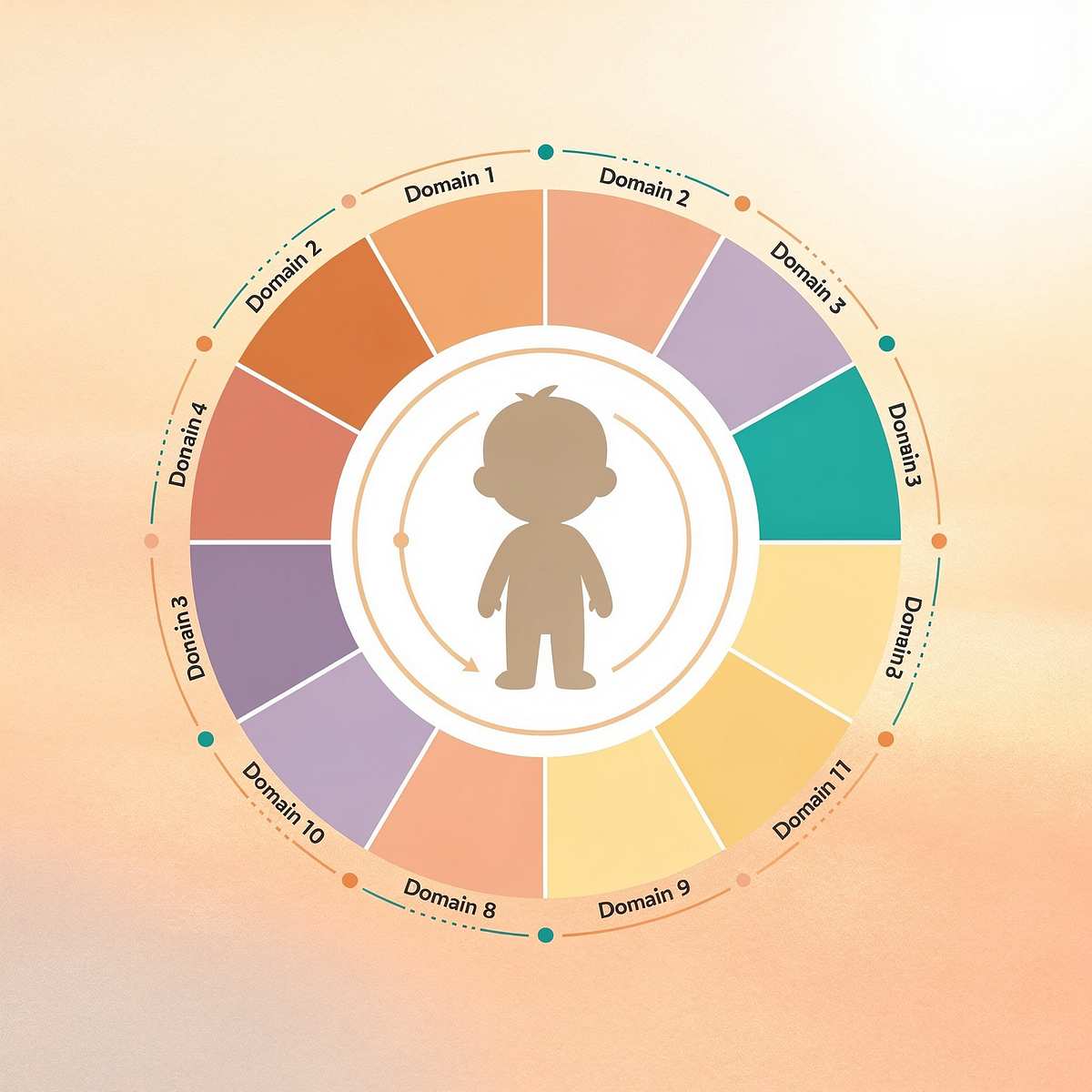
Hitting behavior sits within Domain D — but your child is a whole person developing across 12 interconnected domains. Addressing hitting also advances language, emotion, social play, and school readiness.
🔗 Domain B: Communication
FCT builds expressive language that outlasts the intervention itself
🔗 Domain C: Emotion
Regulation skills developed here transfer across every setting
🔗 Domain J: Social Play
Safe hands make peer play and friendships possible
🔗 Domain K: Academic
School retention and classroom participation are preserved

Families Who've Walked This Path
These are the voices that matter most — parents who were where you are, and found their way through. Names and identifying details changed for privacy. Outcomes are illustrative of real Pinnacle cases.
Bangalore | Child age 4, ASD
Before: Hitting 10–15 times daily. School threatened expulsion.
Intervention: FCT (communication cards) + token board + ABC tracking.
After 3 months: Hitting dropped to once a week. At 6 months — almost completely replaced by card use.
"My son was hitting because he had no other way to ask for attention. The minute we gave his hands a card — the hitting had no job to do."
Intervention: FCT (communication cards) + token board + ABC tracking.
After 3 months: Hitting dropped to once a week. At 6 months — almost completely replaced by card use.
"My son was hitting because he had no other way to ask for attention. The minute we gave his hands a card — the hitting had no job to do."
Chennai | Child age 6, Language Delay
Before: Hits when she can't communicate what she wants. Burst into tears immediately after — she hated it but couldn't stop.
Intervention: PECS system + escape card + calm-down kit.
First spontaneous card use at Week 5. Hitting reduced 80% by Week 10.
"The hitting was her only language. We gave her better words."
Intervention: PECS system + escape card + calm-down kit.
First spontaneous card use at Week 5. Hitting reduced 80% by Week 10.
"The hitting was her only language. We gave her better words."
"The parents who see fastest results share one common behavior: they respond to the CARD within 2 seconds, every single time. Consistency of card honoring is the single most powerful predictor of hitting reduction." — Senior BCBA, Pinnacle Network

You Are Not Navigating This Alone
Isolation is the enemy of adherence. Community is the force multiplier. Connect with families who understand what you're living through — not just what they've read about it.
📱 WhatsApp Community
"Pinnacle Parents — Behavior Support Network" — hitting behavior, gentle hands, ABA strategies in practice.
Join: pinnacleblooms.org/community/behavior
Join: pinnacleblooms.org/community/behavior
💻 Online Forum
Pinnacle Parent Knowledge Hub — discussion threads specifically for D-381 Hitting Behavior.
community.pinnacleblooms.org
community.pinnacleblooms.org
🏢 Local Parent Meetups
Every Pinnacle center runs monthly parent support sessions. Find next session in your city: pinnacleblooms.org/centers
🤝 Peer Mentoring
Connect with a parent who completed this journey 3–6 months ahead — "Hitting → Gentle Hands" peer mentor program.
community@pinnacleblooms.org
community@pinnacleblooms.org
Contribute your story. Your experience — especially the hard parts — helps the next family who is where you were 3 months ago. Submit anonymized story: community.pinnacleblooms.org/share
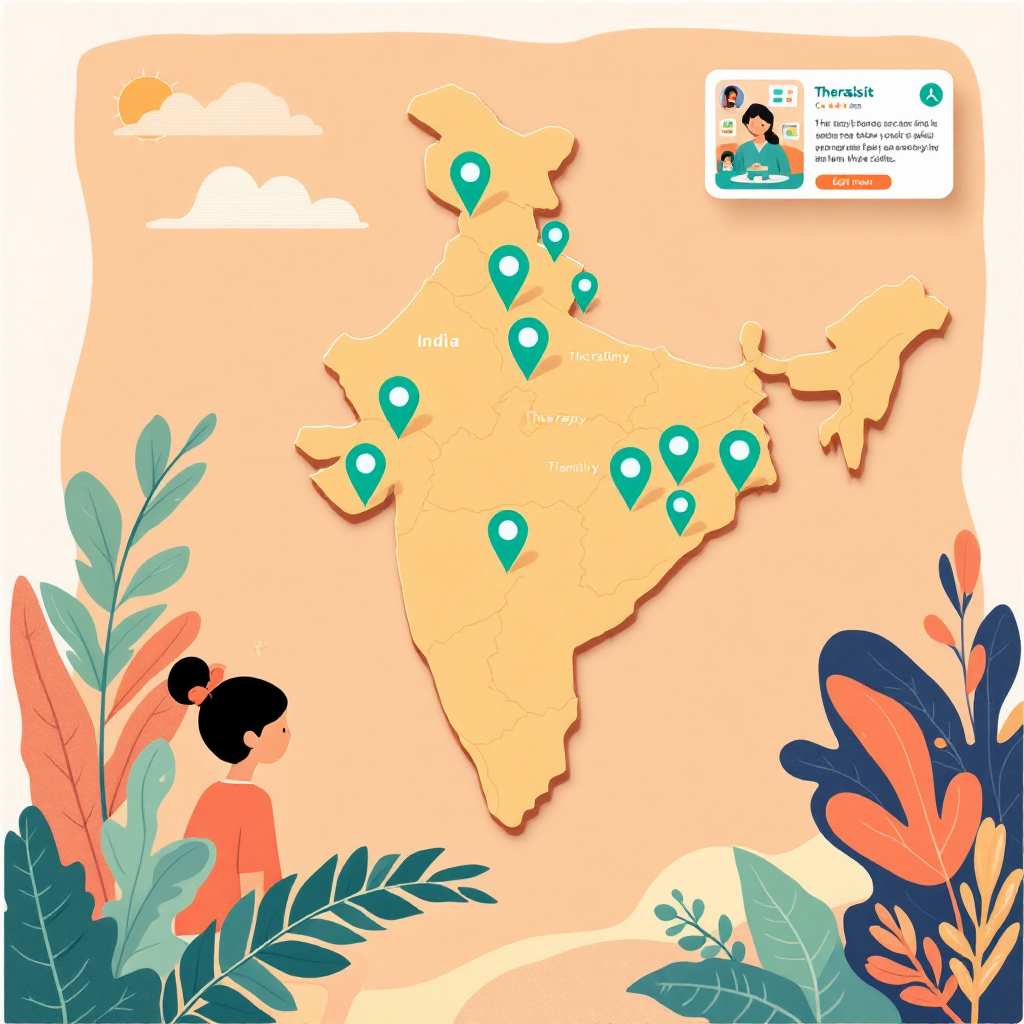
Your Professional Backup: 70+ Centers Across India
Home strategy alone = Limited. Clinic alone without home carryover = Limited. Both together = The Pinnacle Difference.
FREE National Autism Helpline: 📞 9100 181 181 | 24x7 | 16+ languages | No appointment needed
FREE National Autism Helpline: 📞 9100 181 181 | 24x7 | 16+ languages | No appointment needed
Find Your Nearest Center
- Hyderabad — 14 centers
- Bangalore — 8 centers
- Chennai — 6 centers
- Mumbai — 5 centers
- Delhi — 4 centers
- Pune — 3 centers
- + 40 more locations across India
📍 pinnacleblooms.org/centers
Teleconsultation Available
ABA/BCBA, SLP, OT, NeuroDev | 16+ languages
pinnacleblooms.org/teleconsult
pinnacleblooms.org/teleconsult
What Your Center Provides for Hitting Behavior
- 🧠BCBA: Functional Behavior Assessment + BIP
- 🗣️SLP: FCT + AAC system setup
- 🤸OT: Sensory assessment + proprioceptive diet
- 📚SpEd: School coordination + classroom BIP
- 👨⚕️NeuroDev: Diagnostic clarity, comorbidity management
WHO NCF Progress Report (2023): Primary health care is the key platform for reaching all families with developmental intervention.
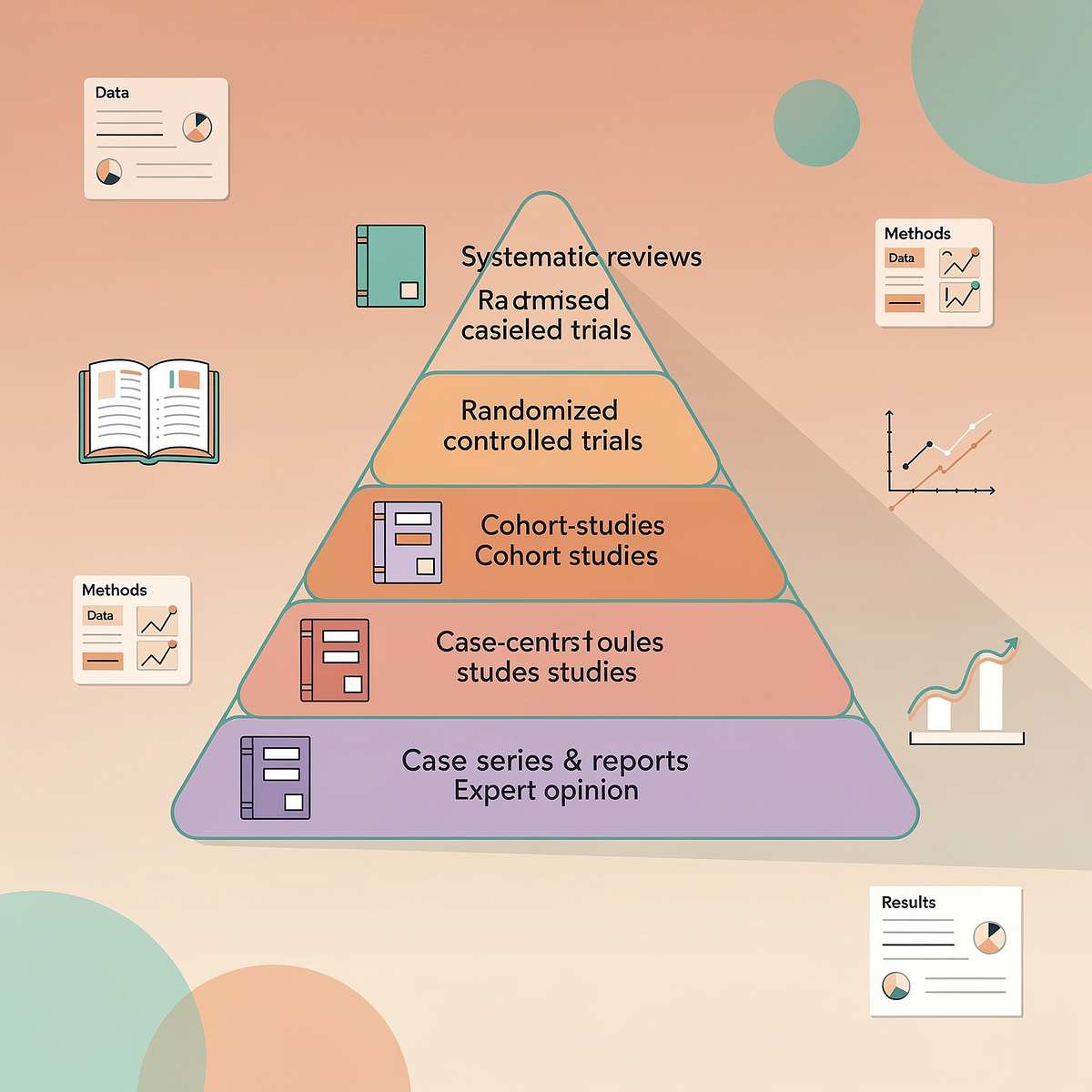
The Research Library
This technique is built on peer-reviewed science, not opinion. Every recommendation on this page connects back to published evidence. Deeper reading is welcome — evidence is not hidden here.
Key Finding in One Sentence: "Hitting decreases fastest when the REPLACEMENT behavior is taught, not when the hitting is punished." — Carr & Durand, FCT foundational research. Clinically validated. Home-applicable. Parent-proven.
Sources: PMC11506176 | PMC10955541 | PMC9978394 | DOI: 10.1007/s12098-018-2747-4 | NCAEP 2020 | BACB | ncaep.fpg.unc.edu | bacb.com
Sources: PMC11506176 | PMC10955541 | PMC9978394 | DOI: 10.1007/s12098-018-2747-4 | NCAEP 2020 | BACB | ncaep.fpg.unc.edu | bacb.com
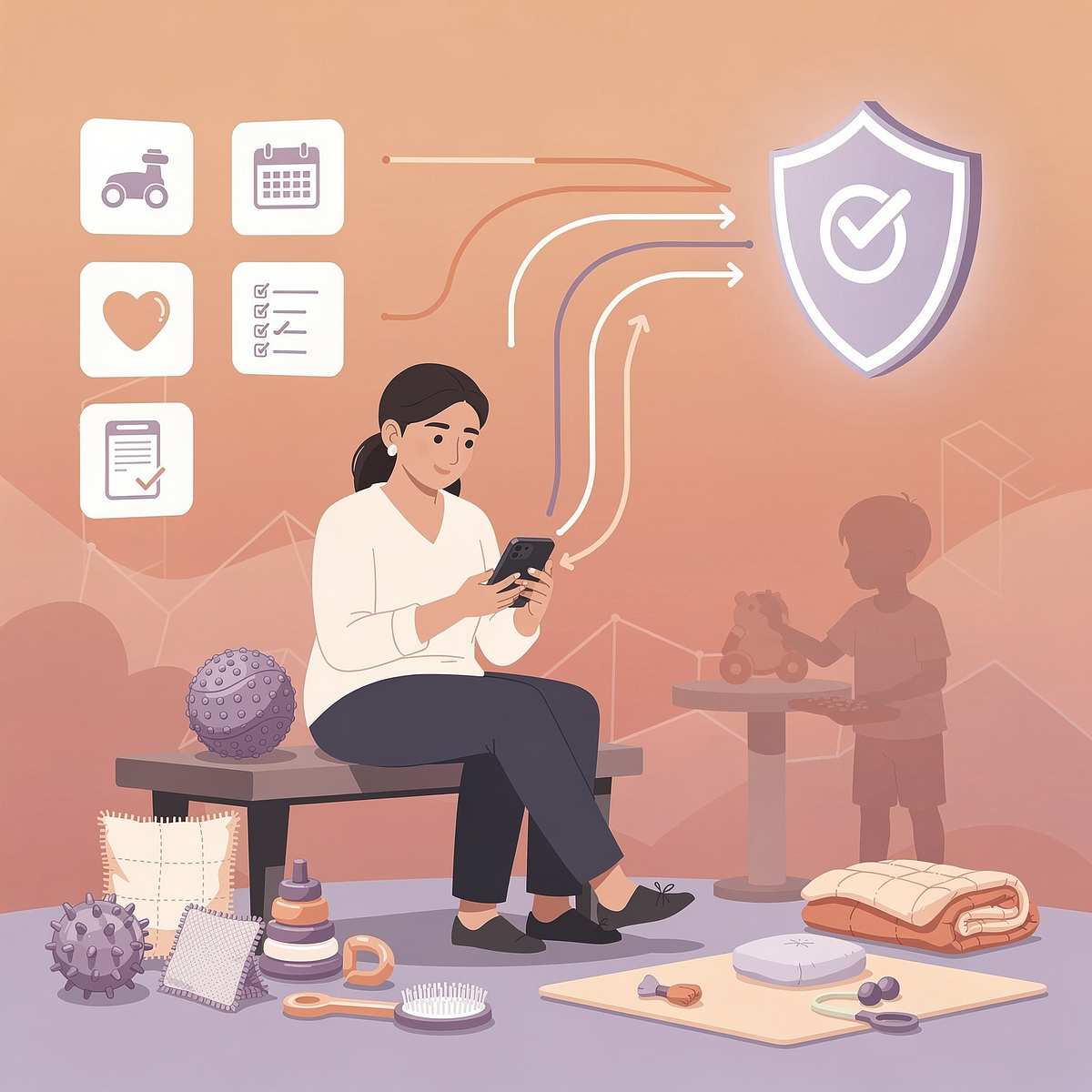
How GPT-OS® Turns Your Data Into Better Outcomes
GPT-OS® — Global Pediatric Therapeutic Operating System — is therapeutic infrastructure, not just software. Every data point you record shapes a more personalized intervention for your child.
What GPT-OS® Learns from D-381 Data
- Trigger-function mapping specific to this child
- Most effective material (which of the 9 works best)
- Time-of-day hitting pattern
- Speed of alternative skill acquisition
Privacy & Data Use
- Data encrypted and anonymized for population analysis
- Individual data accessible only to parent + consented therapists
- Your data helps every child whose patterns match your child's
- 20M+ sessions have trained GPT-OS® to recognize what works
pinnacleblooms.org/gpt-os
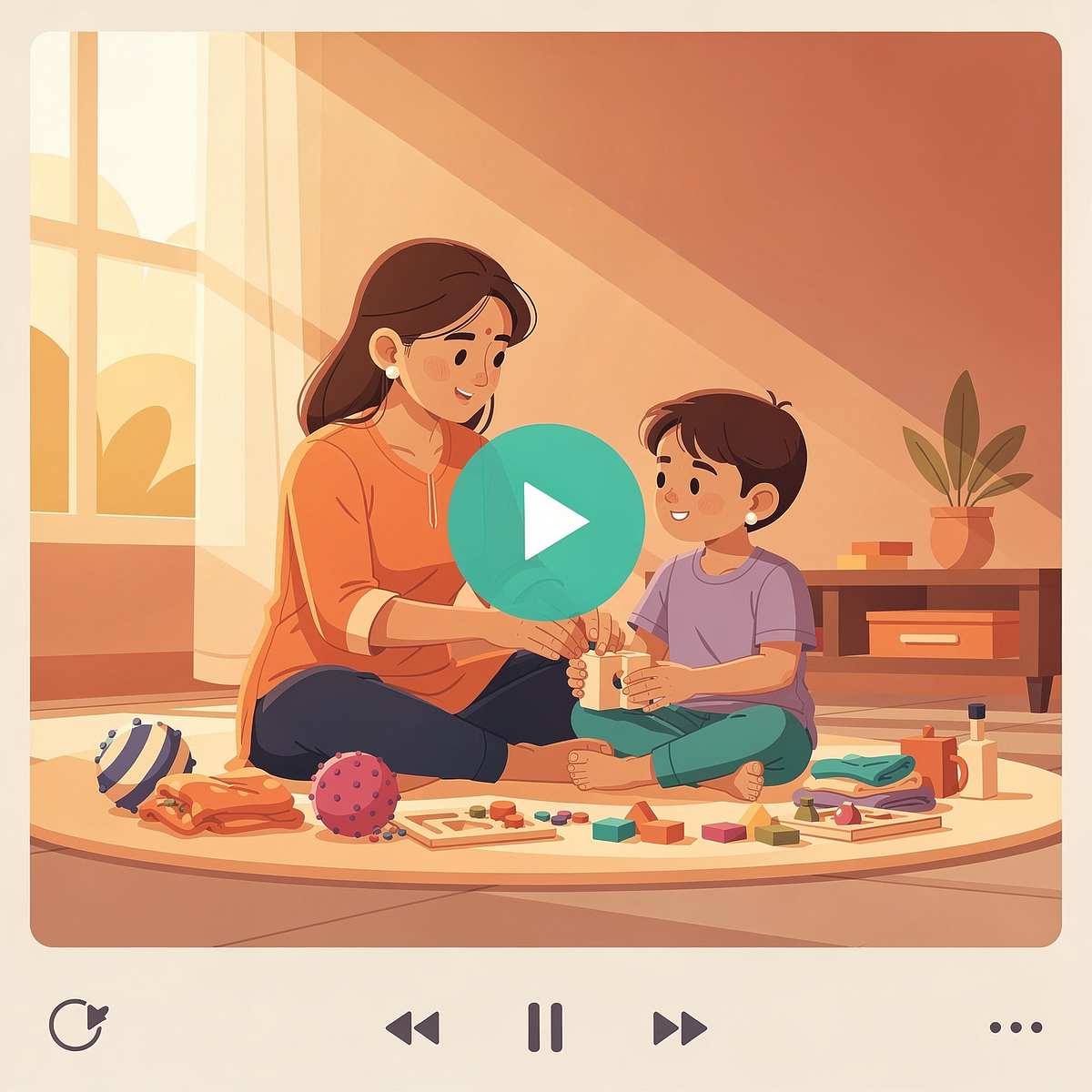
Watch: 9 Materials That Help With Hitting Behavior
D-381 | Episode 381 of 999
Domain D: Behavior Analysis
This 75-second reel shows each of the 9 materials — held, demonstrated, and explained by a BCBA-level Behavior Therapist from Pinnacle Blooms Network®. The same tools handed to every family on Day 1.
▶ What You'll See in This Reel
- A parent therapist who has worked through hundreds of hitting cases
- Each of the 9 materials — held, demonstrated, explained in seconds
- The core truth: you can't punish hitting away, you replace it
- B-roll of children using alternatives: card, pillow, calm-down kit
Series Navigation
- ← D-380: 9 Materials for Self-Stimulatory Behavior
- ★ D-381: Hitting Behavior — You Are Here
- → D-382: 9 Materials for Biting Behavior
NCAEP 2020: Video modeling is a Tier 1 evidence-based practice. Multi-modal learning (text + video) improves parent skill acquisition and adherence.
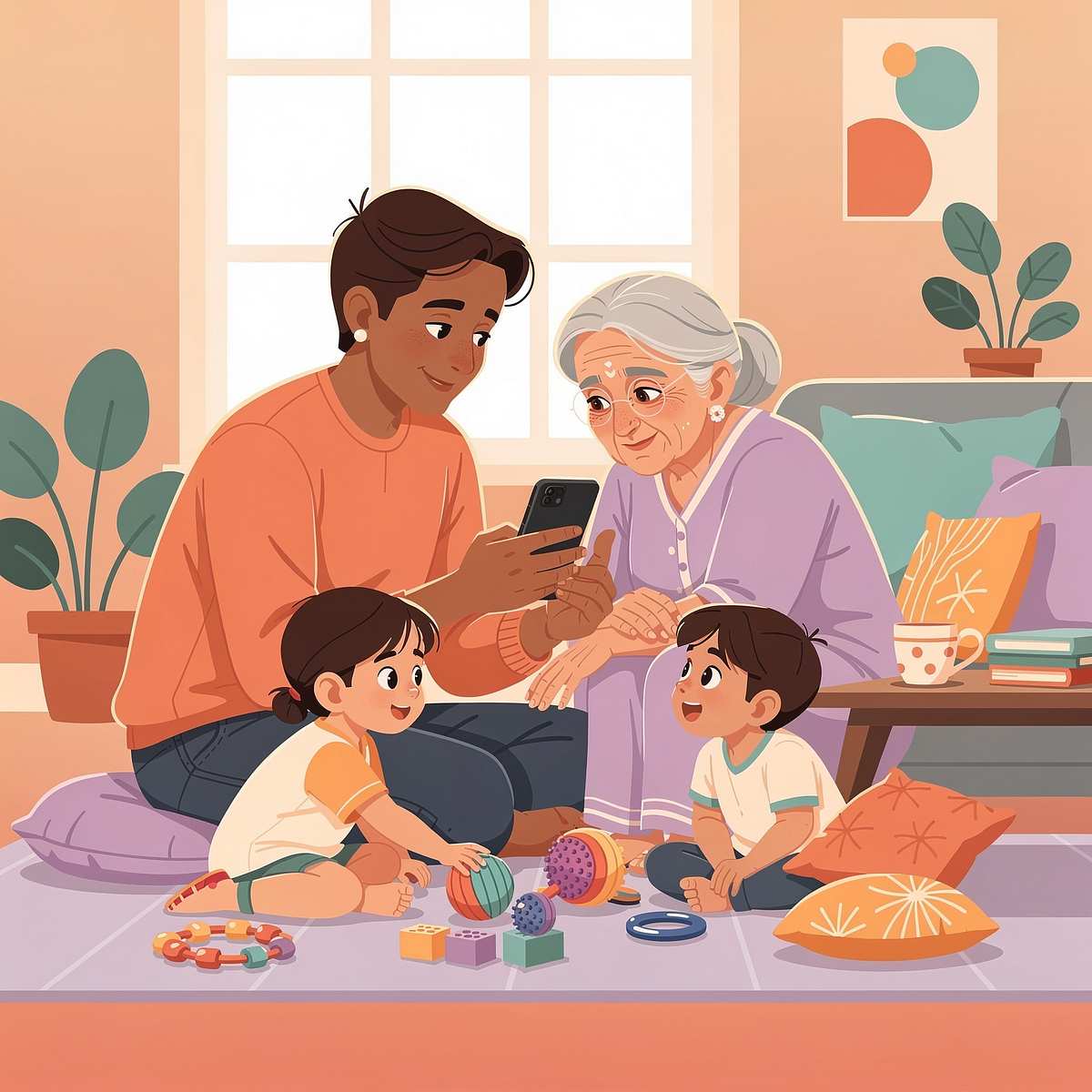
Share With Every Caregiver in Your Child's Life
"Consistency across caregivers multiplies impact. Inconsistency across caregivers preserves hitting." — PMC9978394
The Grandparent-Friendly Version
When [child's name] hits:
- Stay calm — no big reaction
- Block safely if needed
- Show them the card / point to the pillow
- When they use the alternative → praise immediately
- Do NOT give them what they wanted after hitting
Teacher / School Communication Template
"We are implementing a function-based intervention for [child's name]'s hitting behavior. The primary replacement strategy is [communication cards / safe alternative / break card]. Could we coordinate to use the same system at school? I can share the materials and protocol."
Share Options
- 📱 WhatsApp | 📧 Email | 🔗 Copy Link
- 📥 Download 1-page Family Guide PDF
Downloadable Family Guide includes: 9 materials in 9 sentences | The response protocol in 3 steps | The one rule that overrides everything: Honor the alternative faster than hitting works.

Frequently Asked Questions
The questions every caregiver asks — answered with clinical clarity and the warmth you deserve right now.
My child is 2. Is it normal to hit this much?
Hitting peaks developmentally at 18 months–3 years when language is limited. If it's impacting daily life, these 9 materials are appropriate even at age 2. The earlier replacement behaviors are built, the easier the path forward.
We've tried everything. Why isn't it working?
The most common reason: the replacement behavior is not being honored FASTER than hitting achieves the result. If hitting gets the toy in 5 seconds but the card takes 30 seconds — the child's brain chooses hitting. Speed of response to alternatives is the #1 variable.
Should I punish hitting?
Punishment suppresses hitting temporarily but doesn't teach the replacement skill. The underlying need remains unmet. Most families see more sustainable reduction by reinforcing alternatives heavily alongside low-intensity, consistent responses to hitting.
My child hits at school but not at home (or vice versa). Why?
Hitting is setting-specific when triggers are setting-specific. Different settings may reveal different functions. Each setting needs its own trigger analysis. Share the school communication template from Card 37 and coordinate protocols.
How long will this take?
For function-matched intervention implemented consistently: initial reduction visible in 4–8 weeks; significant reduction by 3 months; generalized safe behavior by 6 months. Individual variation exists based on severity, function, and implementation consistency.
My child has autism. Does this still work?
This approach was developed specifically with autism in mind. Function-based intervention shows its strongest evidence in ASD populations. AAC/PECS communication alternatives are particularly effective for minimally verbal children.
I'm a single parent with no support. Can I do this?
Yes — and you are the most important person in this intervention. Start with 1 material (communication cards). Implement consistently. Call the helpline for free parent coaching: 📞 9100 181 181 (free, 16+ languages).
My child's pediatrician says this phase will pass. Should I wait?
For typical developmental hitting under age 3: patience is reasonable. For persistent hitting over age 4, hitting causing injury, or hitting threatening school placement: intervention is appropriate NOW. These materials do no harm and may prevent years of struggle.

Your Next Step — Start Right Now
You now know more about your child's hitting behavior than 90% of parents. That knowledge needs to become action. Three paths forward — choose the one that fits today.
▶ Start This Technique Today
Launch GPT-OS® EverydayTherapyProgramme™ — guided first session in your language, personalized to your child's function.
pinnacleblooms.org/start/D-381
📞 Book a Consultation
70+ centers across India. First call FREE.
📞 9100 181 181
Teleconsultation available globally. Staffed by trained behavior specialists in 16+ languages.
📞 9100 181 181
Teleconsultation available globally. Staffed by trained behavior specialists in 16+ languages.
→ Explore Next: D-382 Biting Behavior
The next technique in the behavior cluster — same evidence-based architecture, applied to biting.
techniques.pinnacleblooms.org/behavior/biting-D-382
techniques.pinnacleblooms.org/behavior/biting-D-382
OT
SLP
ABA/BCBA
SpEd
NeuroDev
Consortium-Validated
Preview of 9 materials that help with hitting behavior Therapy Material
Below is a visual preview of 9 materials that help with hitting behavior therapy material. The pages shown help educators, therapists, and caregivers understand the structure and content of the resource before use. Materials should be used under appropriate professional guidance.


Link copied!

The Pinnacle Promise
"From fear to mastery. One technique at a time."
You arrived at this page scared, exhausted, and possibly bruised. You leave it with 9 materials, a clinical protocol, a community, and a truth that changes everything: your child isn't bad — their hands are searching for something better to do. Give them better tools. They'll use them.
Technique D-381
9 Materials That Help With Hitting Behavior | Domain D: Behavior Analysis | Episode 381 of 999
Pinnacle Blooms Network®
techniques.pinnacleblooms.org | 70+ Centers Across India | FREE Helpline: 📞 9100 181 181
Next Technique
→ D-382: 9 Materials for Biting Behavior
techniques.pinnacleblooms.org/behavior/biting-D-382
techniques.pinnacleblooms.org/behavior/biting-D-382
Medical Disclaimer: This content is educational. It does not replace professional functional behavior assessment or behavior intervention planning by qualified professionals. Hitting behavior with safety concerns requires professional supervision. Behavior intervention should be individualized based on comprehensive assessment. Individual results may vary. Statistics represent aggregate outcomes across the Pinnacle Blooms Network.
Statutory Identifiers: CIN: U74999TG2016PTC113063 | DPIIT: DIPP8651 | MSME: Udyog Aadhaar TS20F0009606 | GSTIN: 36AAGCB9722P1Z2
© 2025 Pinnacle Blooms Network®, unit of Bharath Healthcare Laboratories Pvt. Ltd. All rights reserved.
Statutory Identifiers: CIN: U74999TG2016PTC113063 | DPIIT: DIPP8651 | MSME: Udyog Aadhaar TS20F0009606 | GSTIN: 36AAGCB9722P1Z2
© 2025 Pinnacle Blooms Network®, unit of Bharath Healthcare Laboratories Pvt. Ltd. All rights reserved.