

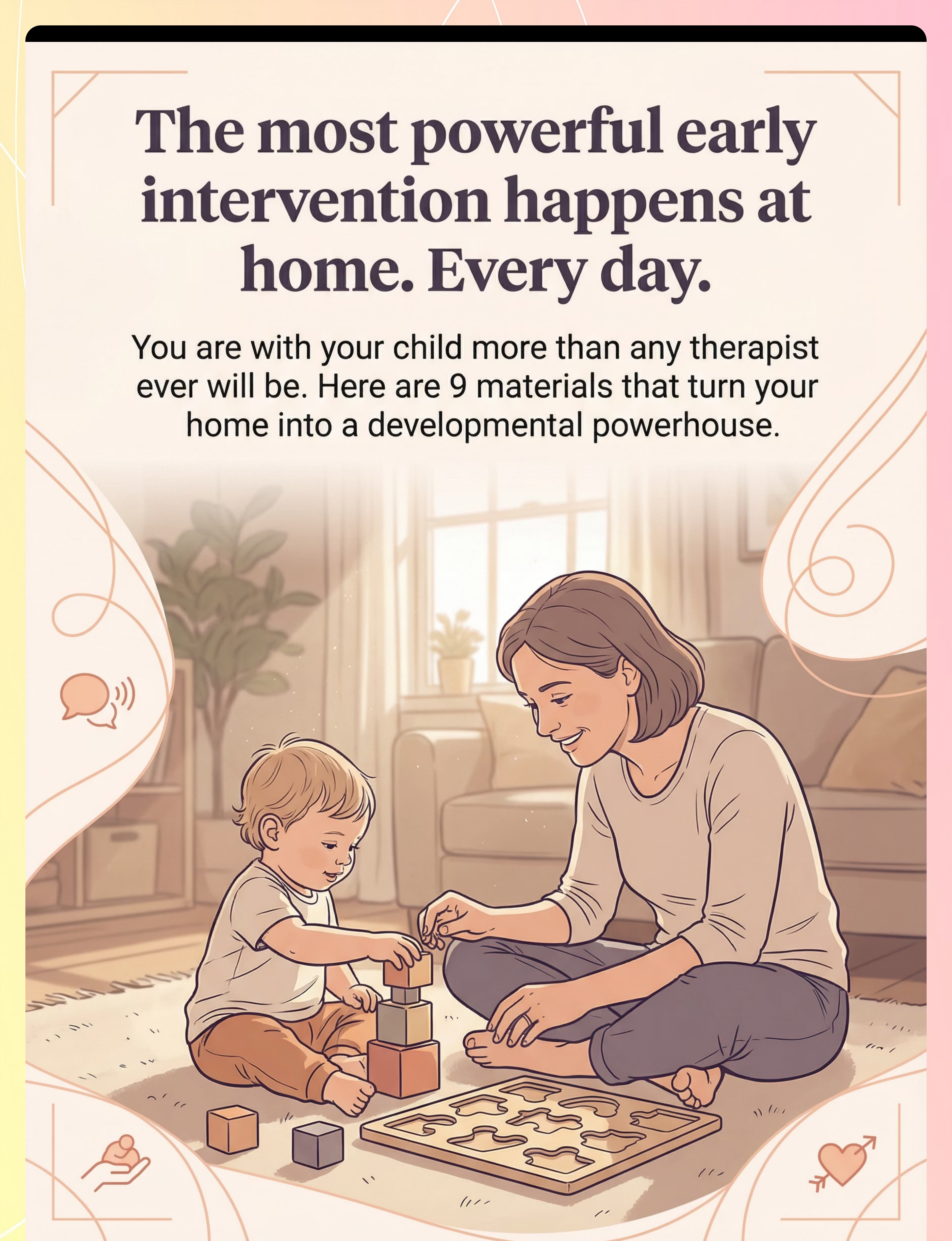
The most powerful early intervention happens at home. Every day.
It is 7:43 AM. Your two-year-old is sitting in the middle of the living room floor, holding a block but not really playing with it. The developmental paediatrician said three words that changed everything: early intervention, critical window. Then gave you a waiting list and sent you home.
You are not failing. Your child's brain is not broken. The window is open. And you — the parent who is with this child more than any therapist ever will be — are already the most powerful intervention tool in existence.
"You are not failing. Your child's nervous system is still forming — and science says this exact moment is the most powerful moment to act." — Pinnacle Blooms Consortium
🏥 Consortium Validated
Pinnacle Blooms Consortium®
👶 Age Range
0–6 years (Critical Window: 0–3 years)
🌍 Serving
70+ Countries Worldwide
📞 FREE Helpline
9100 181 181

ACT I — THE EMOTIONAL ENTRY
You Are Among Millions of Families Navigating This Exact Challenge
Globally, developmental delays affect 1 in 6 children. In India, conservative estimates place neurodevelopmental conditions — autism, global developmental delay, language delay, sensory processing disorders — at affecting over 10 million children under the age of six. The PRISMA systematic review (PMC11506176, 2024) confirms that early, structured parent-mediated intervention is one of the most evidence-validated approaches in all of paediatric medicine.
1 in 36
Children Diagnosed
Children diagnosed with autism globally
21M+
Therapy Sessions
Delivered by Pinnacle across 70+ countries
0–3
Critical Years
Brain forms 1 million+ new neural connections per second during this window
🇮🇳India Context: National Trust data estimates 7–8 million children with autism in India. Less than 12% access structured early intervention within the critical 0–3 year window. Pinnacle Blooms Network® exists to close this gap — 70+ centres, 16+ languages, one FREE helpline: 9100 181 181

Your Child's Brain Is Building Itself Right Now. Here Is Exactly How.
The First 1,000 Days
From birth to age three, the human brain undergoes the most dramatic period of neural development in the entire lifespan. More than one million new synaptic connections form every single second. The prefrontal cortex — governing attention, communication, and social behaviour — is extraordinarily plastic: it reshapes itself in direct response to experience.
For children with developmental delays, global developmental delay, or autism spectrum disorder, this neural architecture develops along a different trajectory — not a broken one. Early intervention provides the structured, repeated, multi-sensory input that guides this organisation toward greater functional capacity.
This is not speculation. This is neuroscience.
Parent Translation
"When your child plays with a cause-and-effect toy, they are not just playing. They are literally building the neural pathway that connects 'I do this' to 'that happens' — the foundational circuit for all intentional communication.
When you read a book together and point at pictures, you are building the joint attention networks that speech depends on.
When your child's hands explore sensory materials, you are providing proprioceptive and tactile input that organises the sensory cortex — reducing overwhelm and building regulation capacity.
You are a neuroplasticity delivery system. Every interaction is therapy. Every material is a tool."
📚Harvard Centre on the Developing Child confirms that responsive caregiving during sensitive periods shapes brain architecture for life.
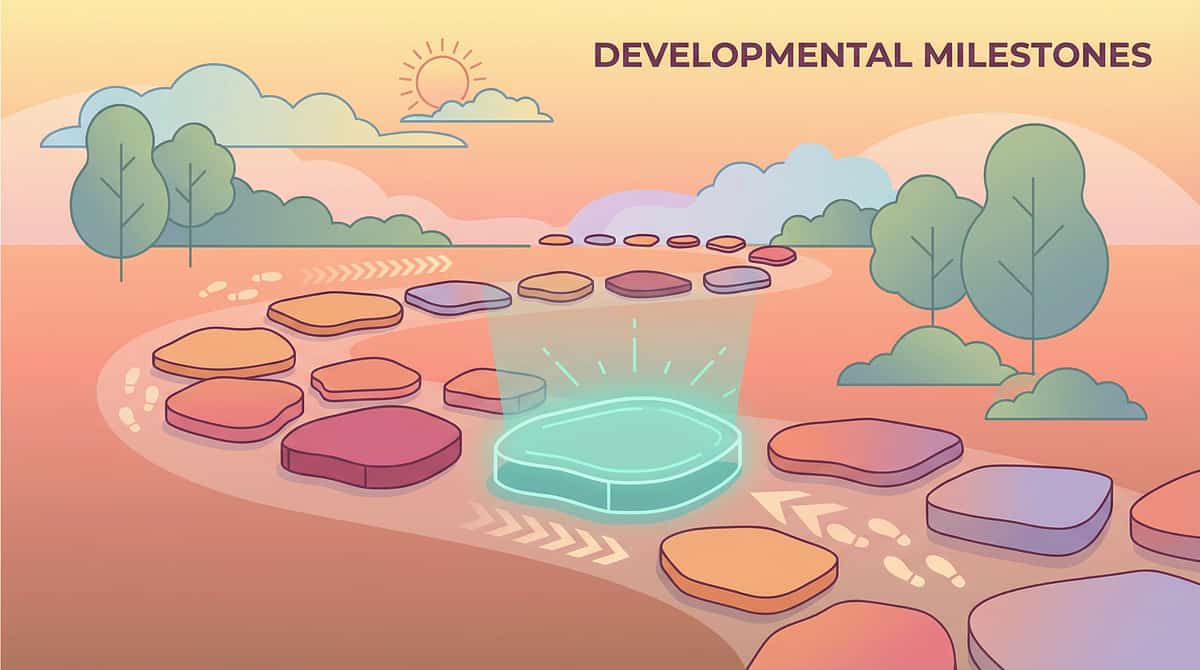
The Developmental Window — Your Child Is Here. Here Is Where We're Heading.
The research consensus across WHO, UNICEF, AAP, and the Indian Academy of Paediatrics is unambiguous: earlier intervention leads to measurably better outcomes. Every month of quality, structured developmental support during this window produces dividends that compound for decades.
Common Co-Occurring Presentations
- Global developmental delay (GDD)
- Autism spectrum disorder (ASD)
- Speech and language delay
- Sensory processing differences
- Motor coordination delays
- Social communication challenges
Why It Matters
These are not separate journeys — they share overlapping neural pathways. The 9 materials on this page address all of them simultaneously.
Your child is here. The destination is functional independence, social participation, and life readiness. The 9 materials on this page are the vehicles.
📞 Need guidance for your child's specific profile? 9100 181 181 — FREE, 16+ languages

Clinically Validated. Home-Applicable. Parent-Proven.
The evidence base underpinning L-921 spans systematic reviews, randomised controlled trials, and real-world implementation data across 54 countries. This is not experimental — it is the global standard for early developmental support.
PRISMA Systematic Review (2024) — PMC11506176
16 studies confirm parent-mediated early intervention meets evidence-based practice criteria for ASD across communication, motor, sensory, and social domains.
Meta-analysis, World J Clin Cases (2024) — PMC10955541
24 studies confirm multi-material early intervention promotes social skills, adaptive behaviour, motor skills, and sensory processing.
WHO CCD Package (2023) — PMC9978394
Parent-delivered intervention across 54 LMICs shows significant developmental outcomes, validating home-based caregiver-mediated protocols as the global standard.
NCAEP Evidence-Based Practices (2020)
Visual supports, parent-mediated intervention, and naturalistic developmental behavioural interventions classified as evidence-based practices for autism.
Padmanabha et al. — Indian J Pediatr (2019)
Indian RCT demonstrating significant outcomes from home-based intervention in the Indian paediatric ASD population. Validates the L-921 approach for Indian families.
"Parent-mediated intervention is as effective as, and in many contexts more effective than, clinician-delivered intervention — because parents provide the dose, consistency, and relationship quality that no clinic can replicate." — Pinnacle CRO Division
ACT II — THE KNOWLEDGE TRANSFER
L-921 | 9 Materials That Help With Early Intervention
Formal Name: Multi-Material Parent-Mediated Early Intervention Protocol (PMEI-9) Parent-Friendly Name: "The Home Therapy Starter Kit — 9 tools that turn your home into a developmental powerhouse"
🧠 Domain
EI-CORE — Early Intervention
📅 Age Range
0–6 years (critical: 0–3)
⏱️ Duration
10–30 minutes per session
🔁 Frequency
Daily / Multiple times daily, embedded in routines
📍 Setting
Home + all natural environments
🧩 Materials
9 primary canon categories
Who It's For: Children aged 0–6 years with developmental delays, autism spectrum disorder, global developmental delay, speech and language delays, sensory processing differences, or any condition that increases developmental risk. Also: every parent on a waiting list who refuses to wait.

This Technique Crosses Every Therapy Boundary — Because the Developing Brain Doesn't Organise by Therapy Type
Speech-Language Pathology
Uses books, bubbles, and visual supports to build joint attention, requesting, commenting, vocabulary, and pre-linguistic communication. Shared book reading is classified as Tier 1 language intervention by ASHA.
Occupational Therapy
Uses sensory play materials, stacking toys, puzzles, and balls to build sensory processing, fine motor skills, bilateral coordination, hand-eye coordination, and adaptive behaviour foundations.
Applied Behaviour Analysis / BCBA
Uses cause-and-effect toys, structured reinforcement menus, and data tracking to build operant learning foundations, intentional behaviour, and systematic skill acquisition.
Special Education
Uses visual schedules, routine-based intervention, and multi-modal learning approaches to build comprehension, task completion, transition skills, and school-readiness foundations.
Neuro-Developmental Paediatrics
Monitors developmental trajectory, adjusts protocol based on neurological profile, coordinates across all disciplines, and determines escalation thresholds.
"A cause-and-effect toy is simultaneously an ABA operant conditioning tool, an OT fine motor activity, and an SLP communication opportunity. These materials work because development itself is integrated — and so is this protocol." — Pinnacle Blooms Consortium
📞 Which discipline does your child need most? 9100 181 181 — Our specialists match you to the right clinical team
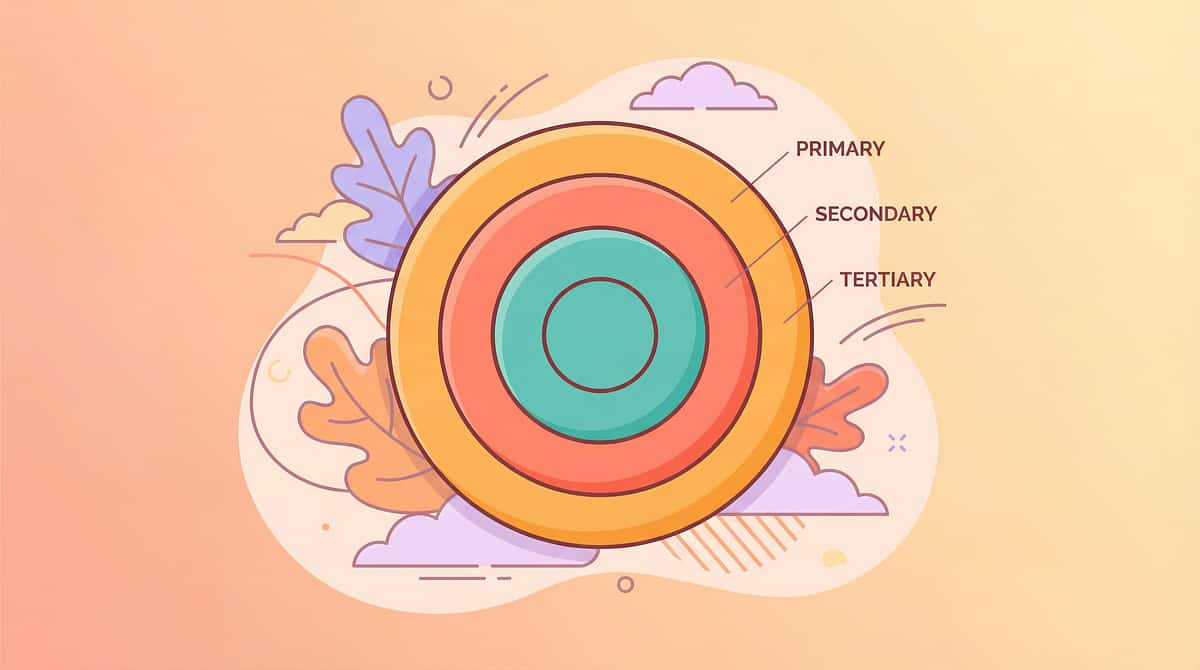
This Is Not Random Play. This Is Precision Developmental Engineering.
Every material in L-921 is selected because it simultaneously activates multiple developmental domains. There is no redundancy here — each item in the kit earns its place by addressing primary, secondary, and long-term tertiary targets all at once.
Target | "Before" Behaviour | "After" Indicator | |
Cause-effect | Child watches passively | Child initiates button-press repeatedly with anticipation | |
Joint attention | Child plays alone, no eye contact | Child looks at parent's face to share delight | |
Requesting | No communication for wants | Reaches, vocalises, or signs for "more" | |
Fine motor | Rakes objects, no pincer | Picks up knob of puzzle, releases with control | |
Sensory regulation | Avoids messy materials, distressed | Tolerates, then seeks sensory input |
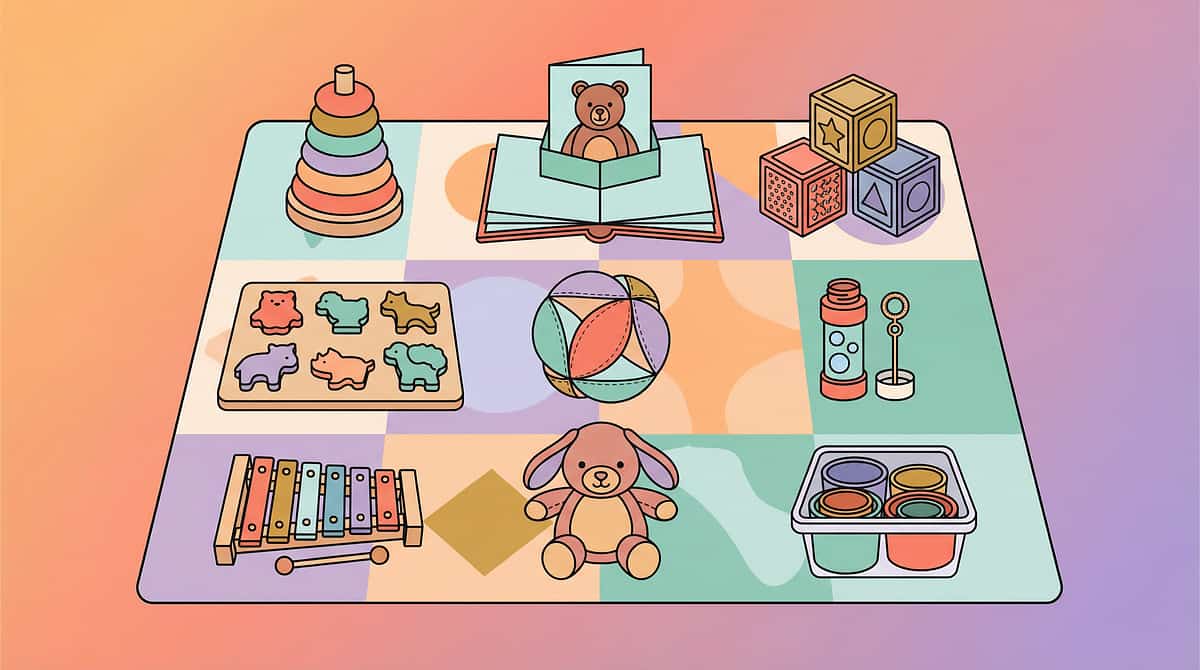
9 Materials. Every Developmental Domain. Your Home, Starting Today.
Materials 1–4
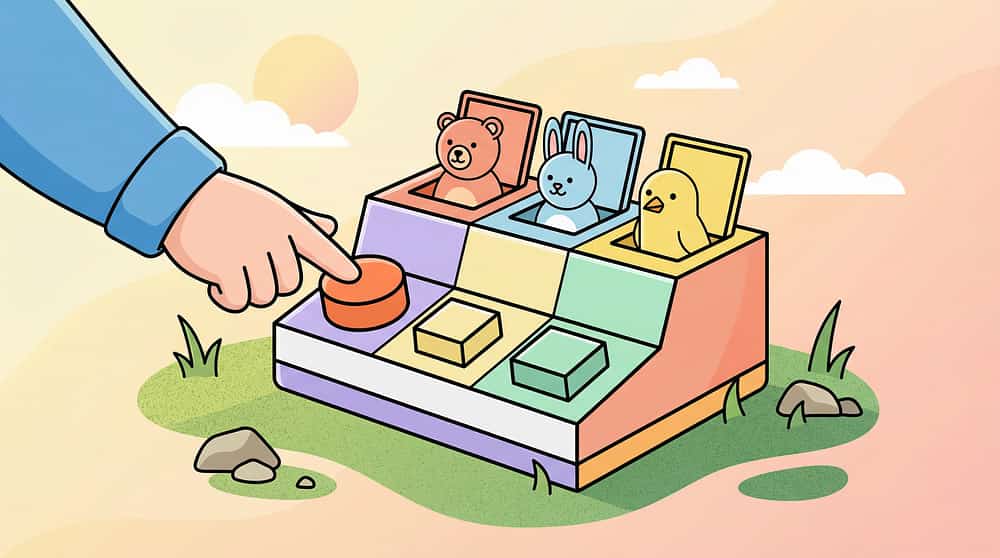
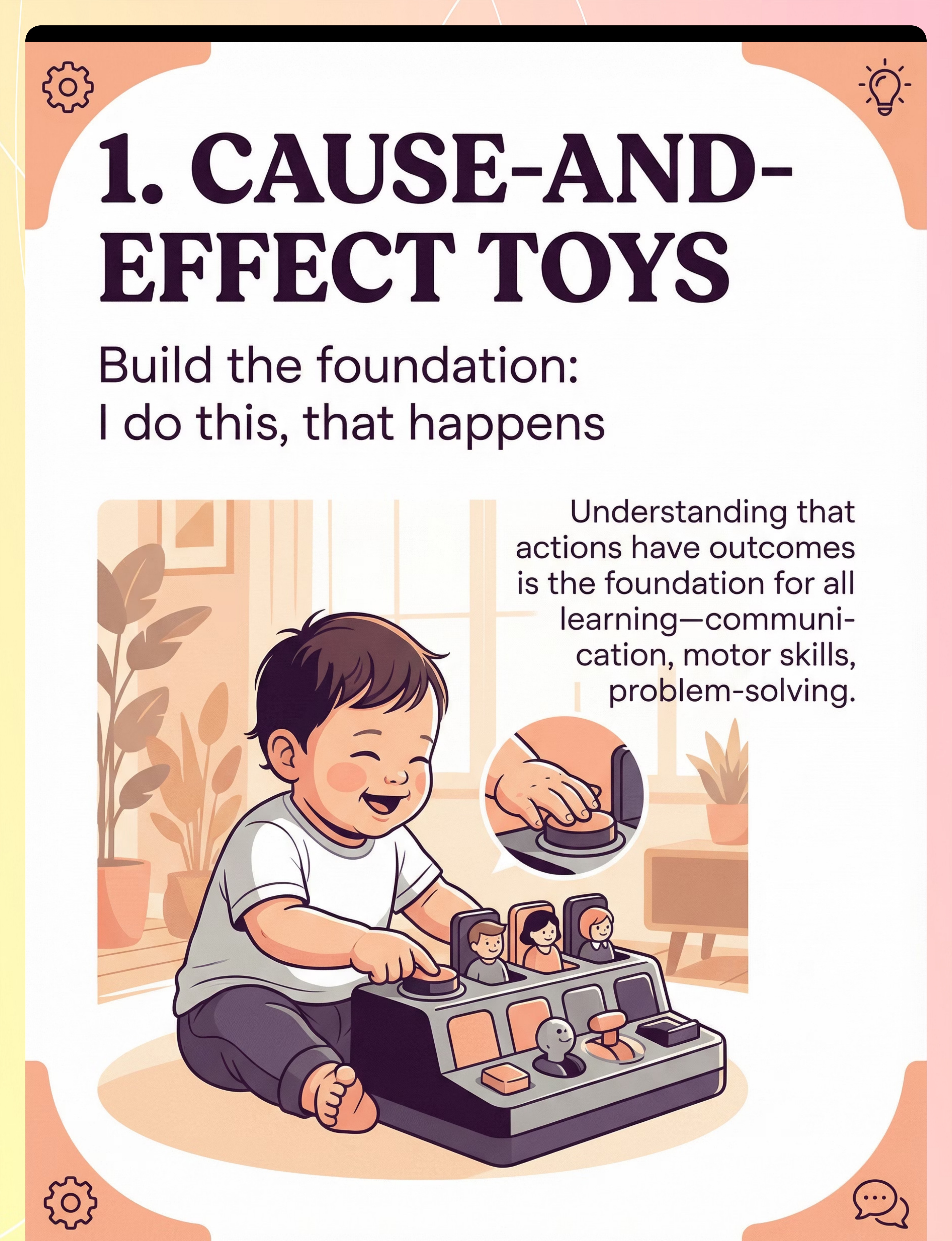
1. Cause-and-Effect Toys
Canon: Cause-Effect / Switch Toys — Pop-up toys, busy boxes, light-up button toys, ball-drop toys
💰 ₹300–1,500 | Search Amazon.in
Why: Builds "I do this, that happens" — the foundational cognitive circuit for all intentional communication.

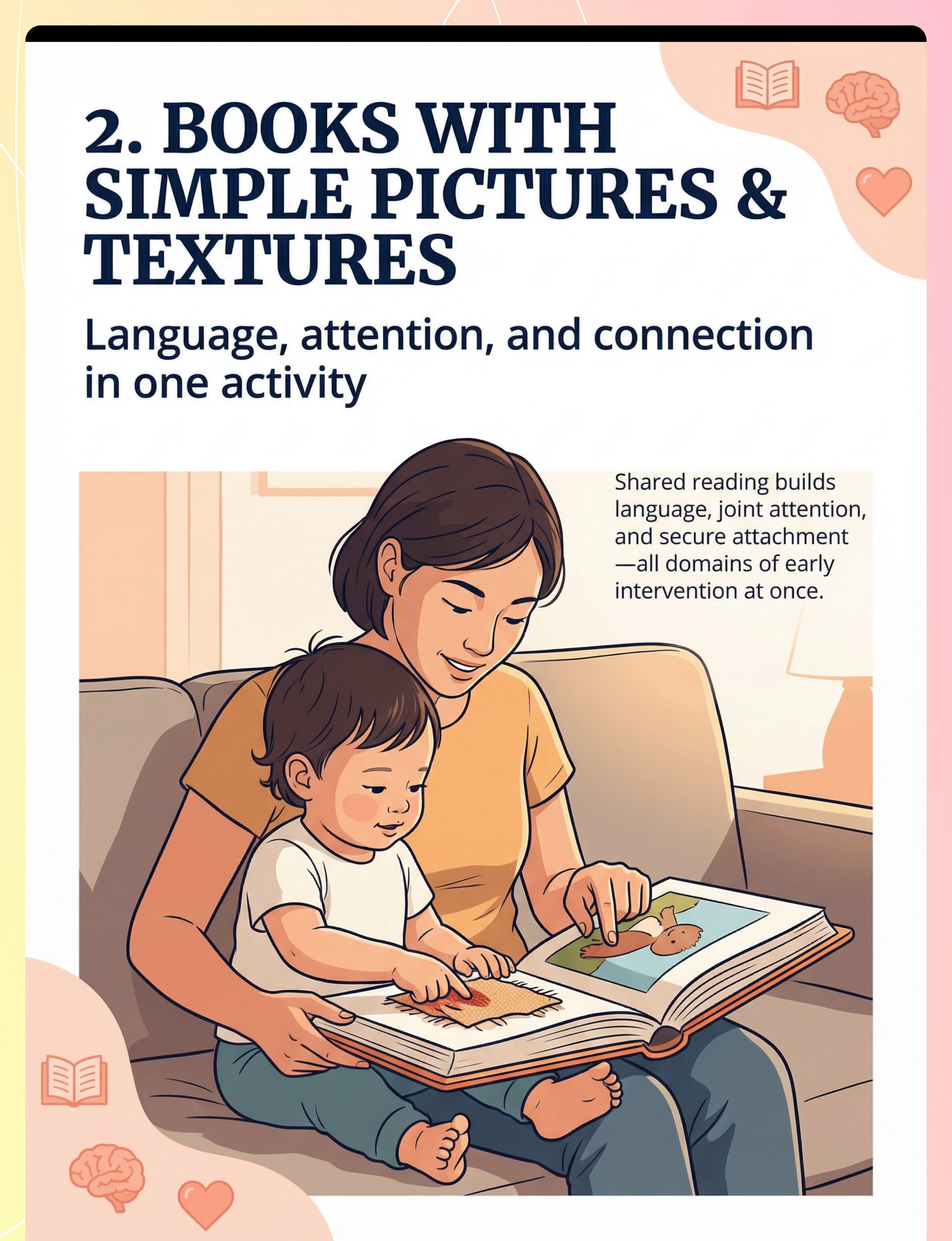
2. Books with Simple Pictures & Textures
Canon: Communication Cards / AAC Supports — Board books, touch-and-feel books, photo books
💰 ₹200–800 | Search Amazon.in
Why: Builds language, joint attention, and secure attachment simultaneously — the three pillars of communication development.
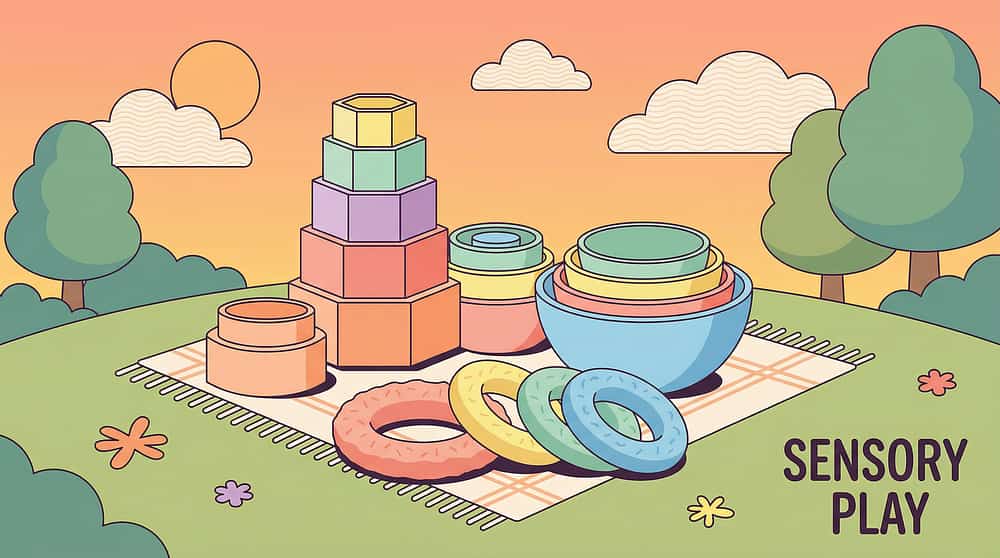
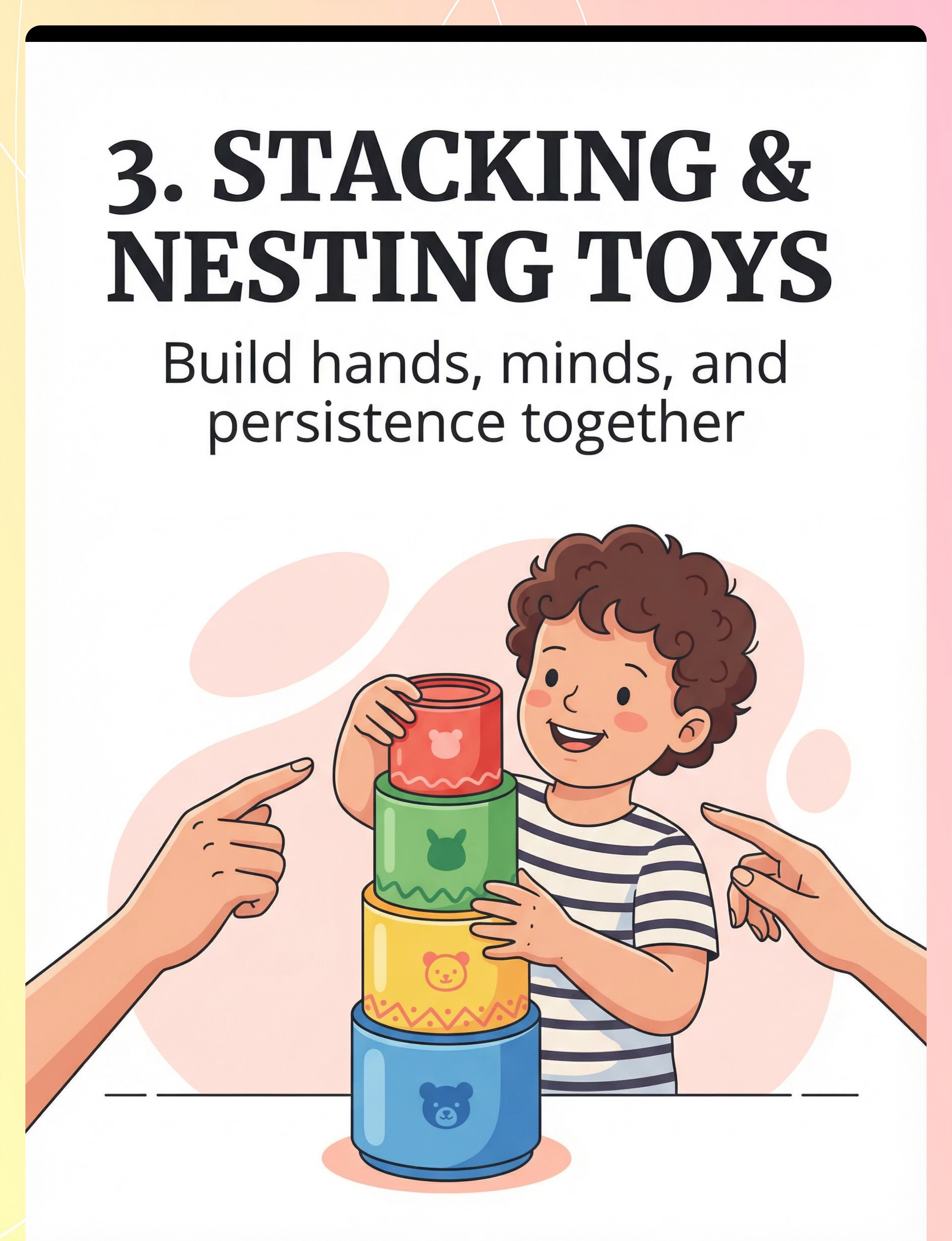
3. Stacking & Nesting Toys
Canon: Sorting Activities / Categorisation — Stacking cups, ring stackers, nesting boxes
💰 ₹200–700 | Search Amazon.in
Why: Builds fine motor control, size concepts, sequencing, persistence — and the satisfying crash teaches cause-and-effect feedback.
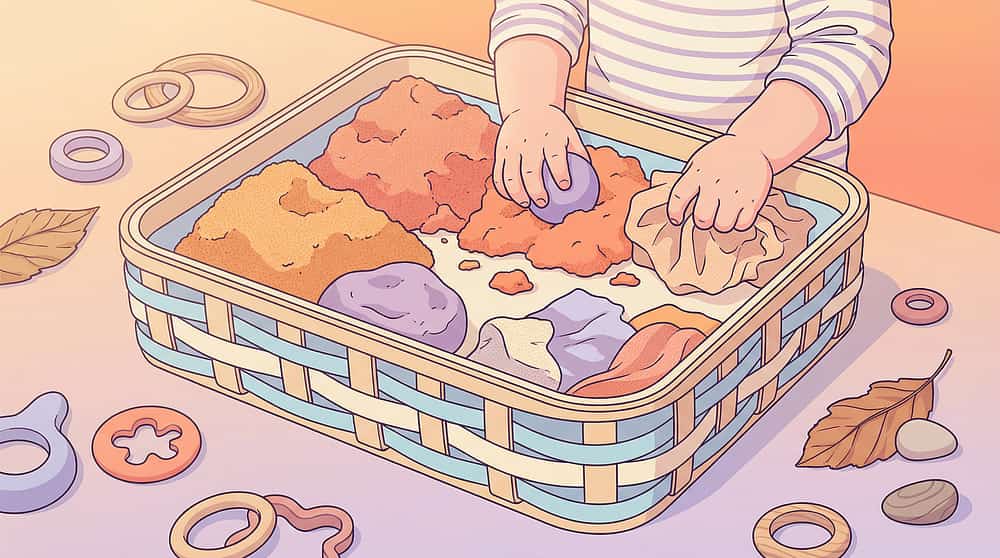
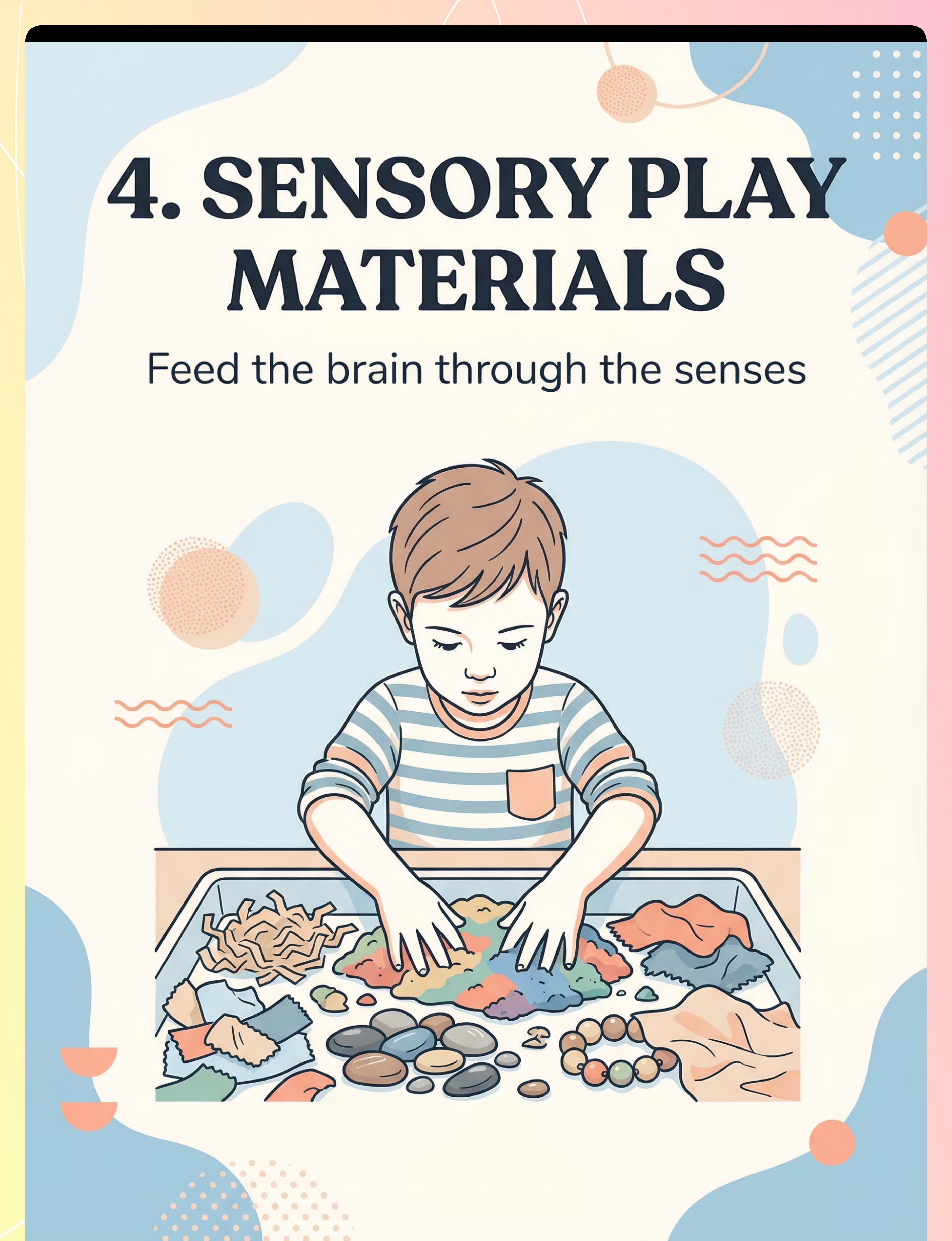
4. Sensory Play Materials
Canon: Sensory Play / Tactile — Playdough, water play tools, kinetic sand, rice bins, finger paints
💰 ₹200–800 | Search Amazon.in
Why: Sensory input literally builds neural connections. Rich multi-sensory experience is the raw material of brain development.

9 Materials — Continued
Materials 5–9
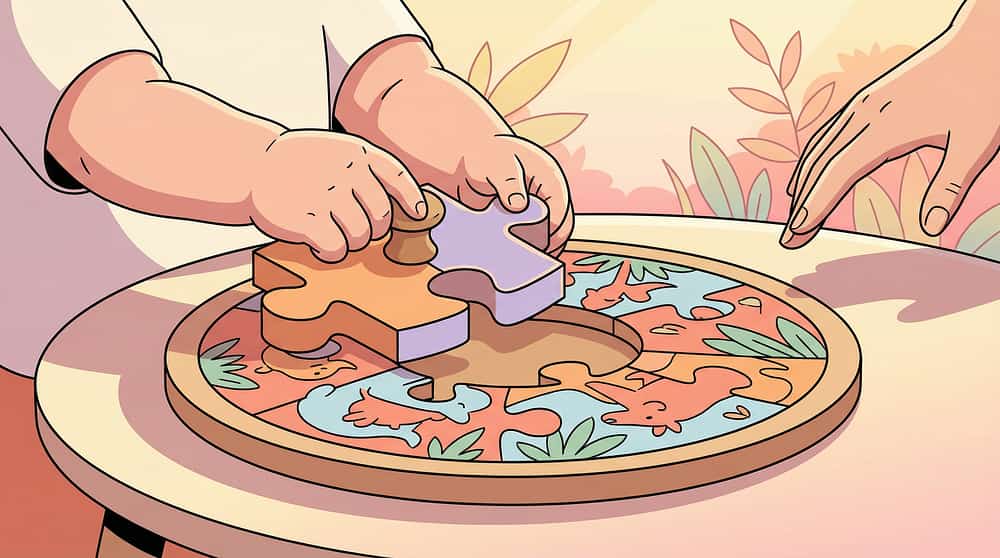
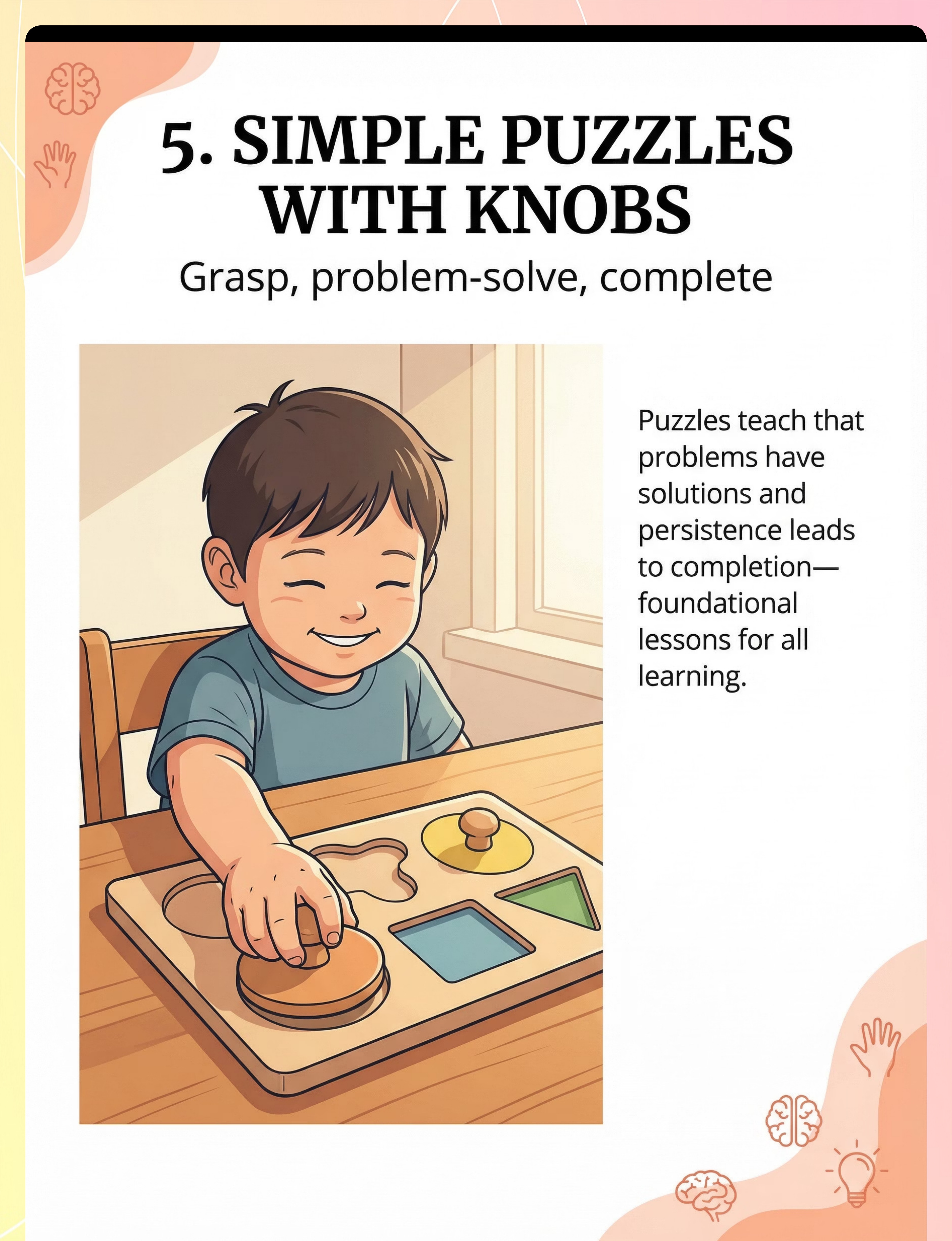
5. Simple Puzzles with Knobs
Canon: Matching Games / Puzzle Materials — Knob puzzles (3–4 piece), chunky puzzles, shape sorters
💰 ₹300–900 | Search Amazon.in
Why: Builds grasp, visual-spatial reasoning, problem-solving, and the profound lesson that persistence leads to completion.
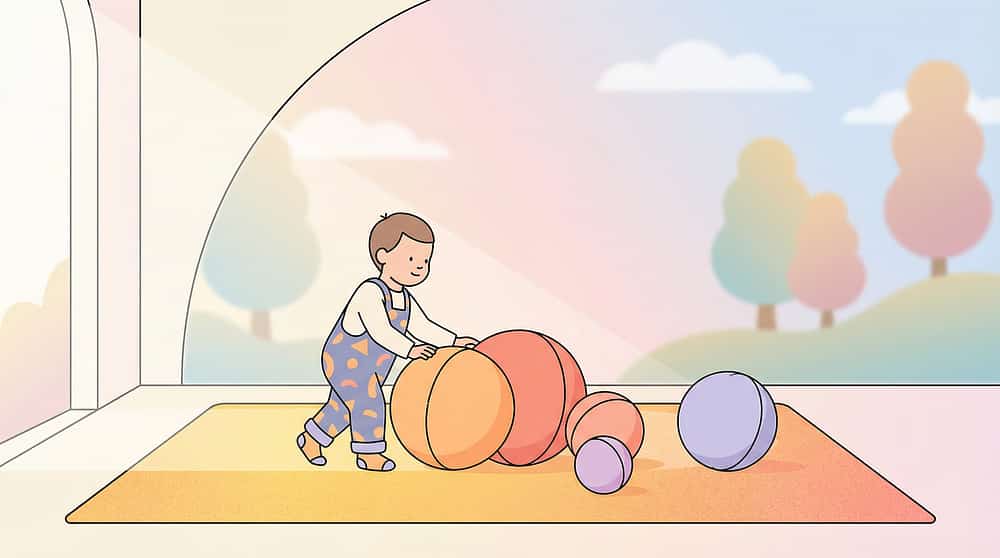
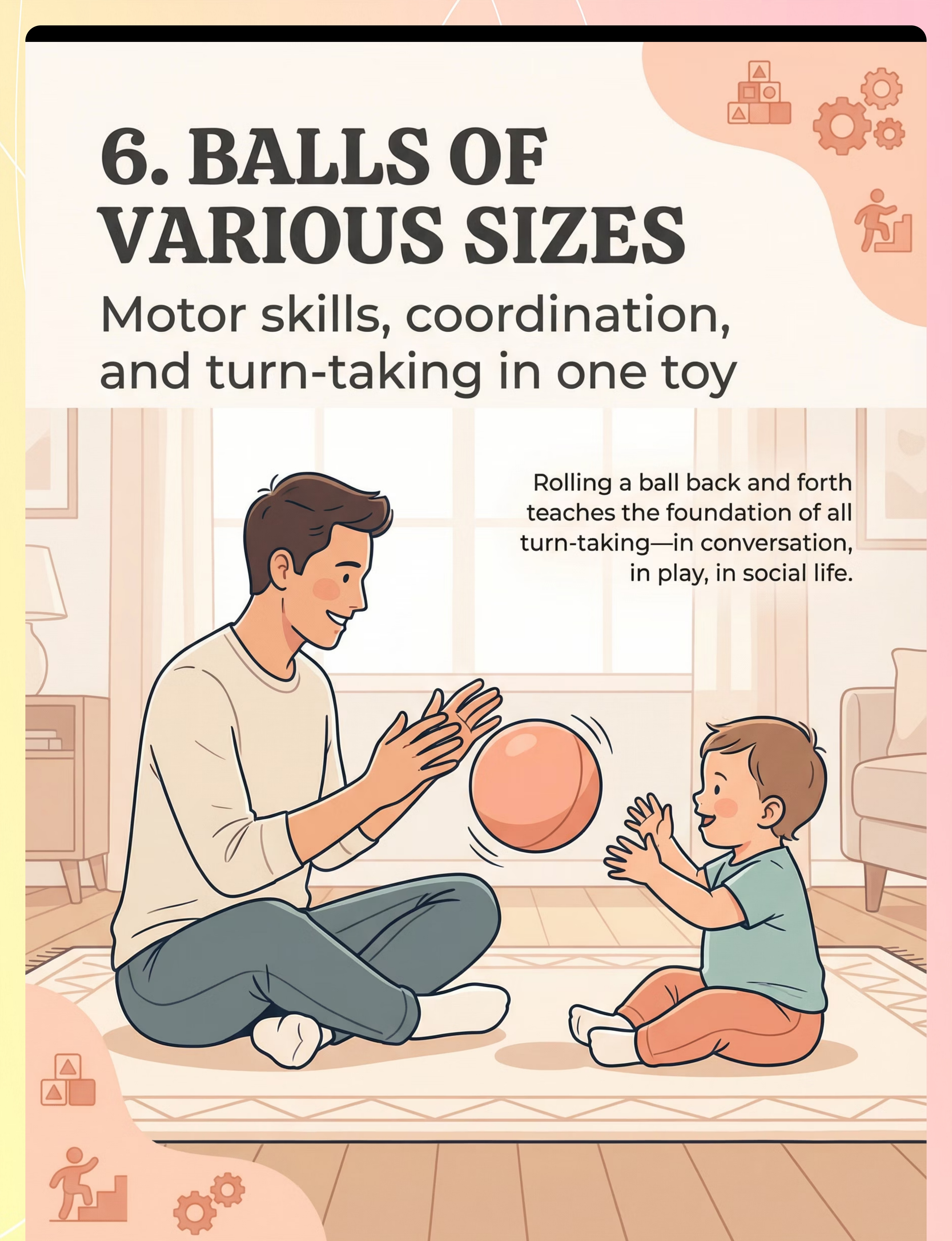
6. Balls of Various Sizes
Canon: Gross Motor / Movement Materials — Large therapy ball, medium soft ball, small textured balls
💰 ₹200–600 | Search Amazon.in
Why: Ball rolling is the prototype for all turn-taking. One simple toy builds gross motor, coordination, and social reciprocity simultaneously.
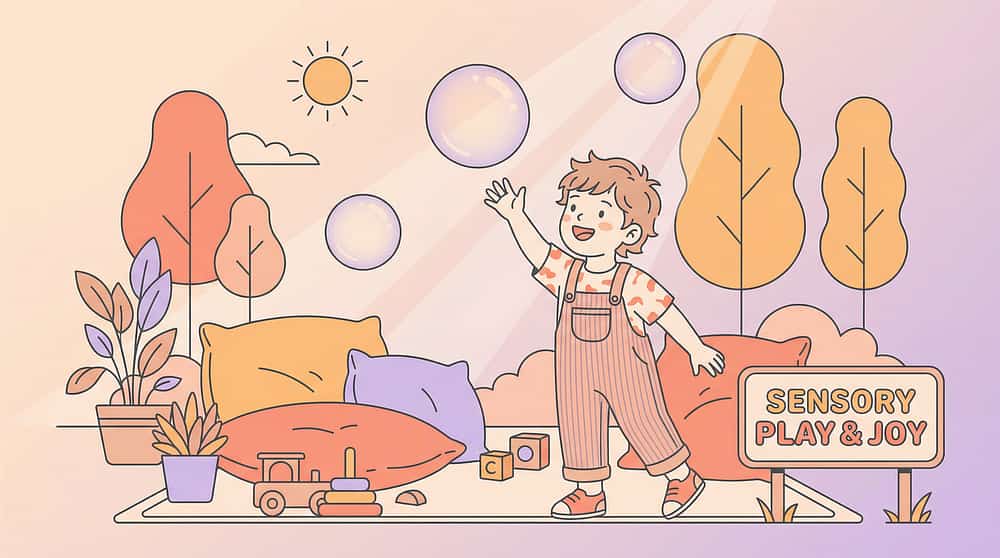
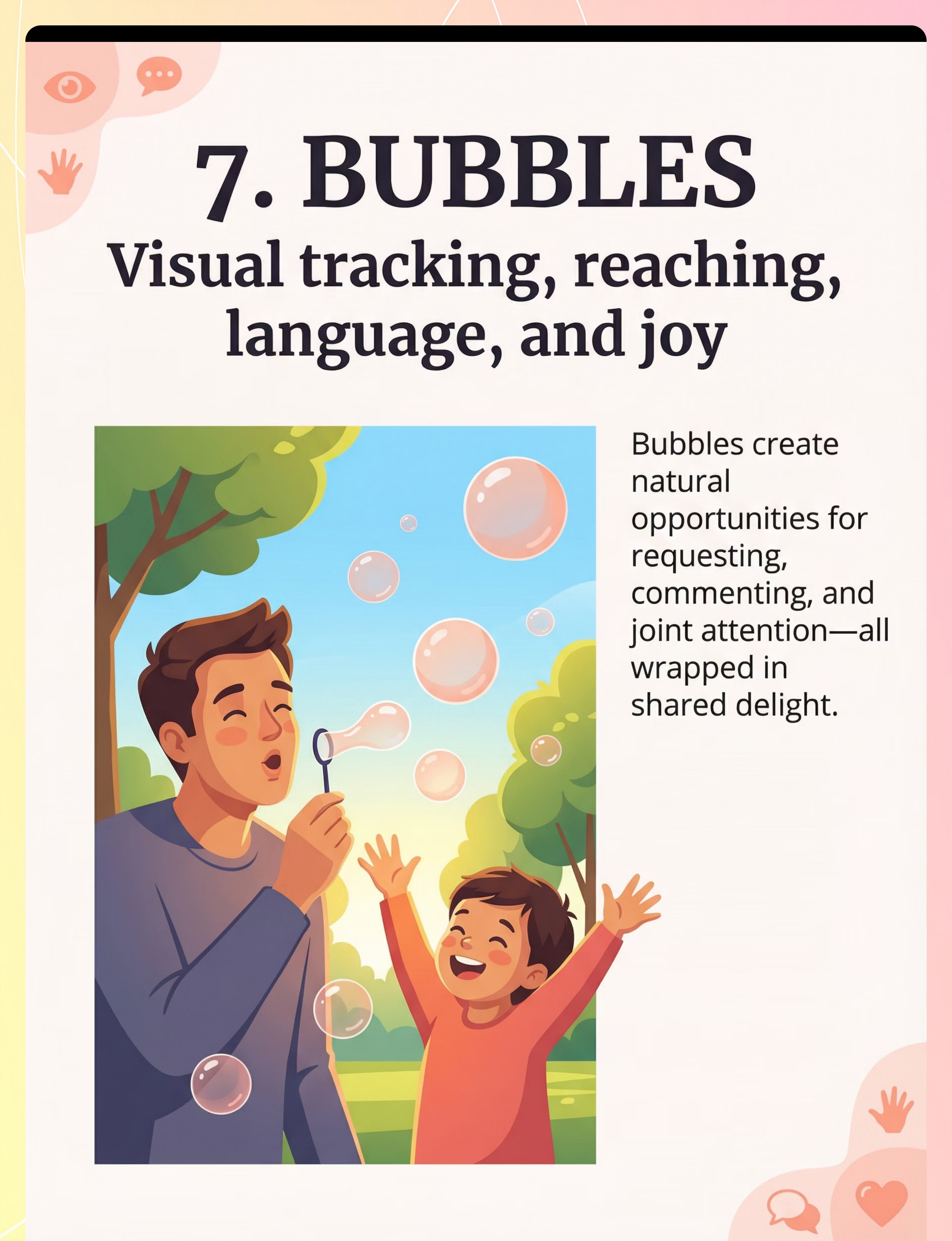
7. Bubbles
Canon: Visual Tracking / Attention Materials — Bubble solution, wands, bubble machine, large wands
💰 ₹50–300 | Search Amazon.in
Why: The most versatile early intervention tool per rupee spent. Creates visual tracking, reaching, requesting, joint attention — all in one breath.
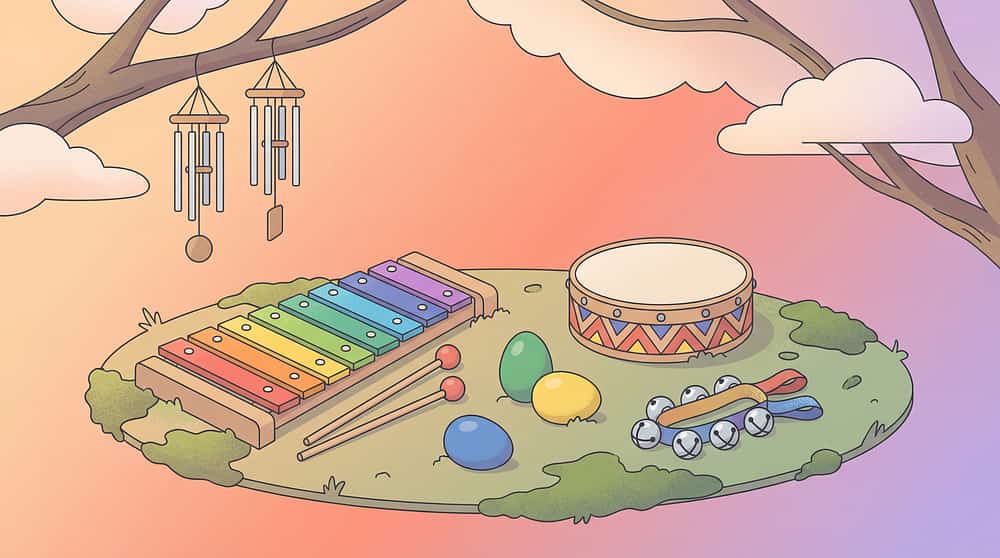
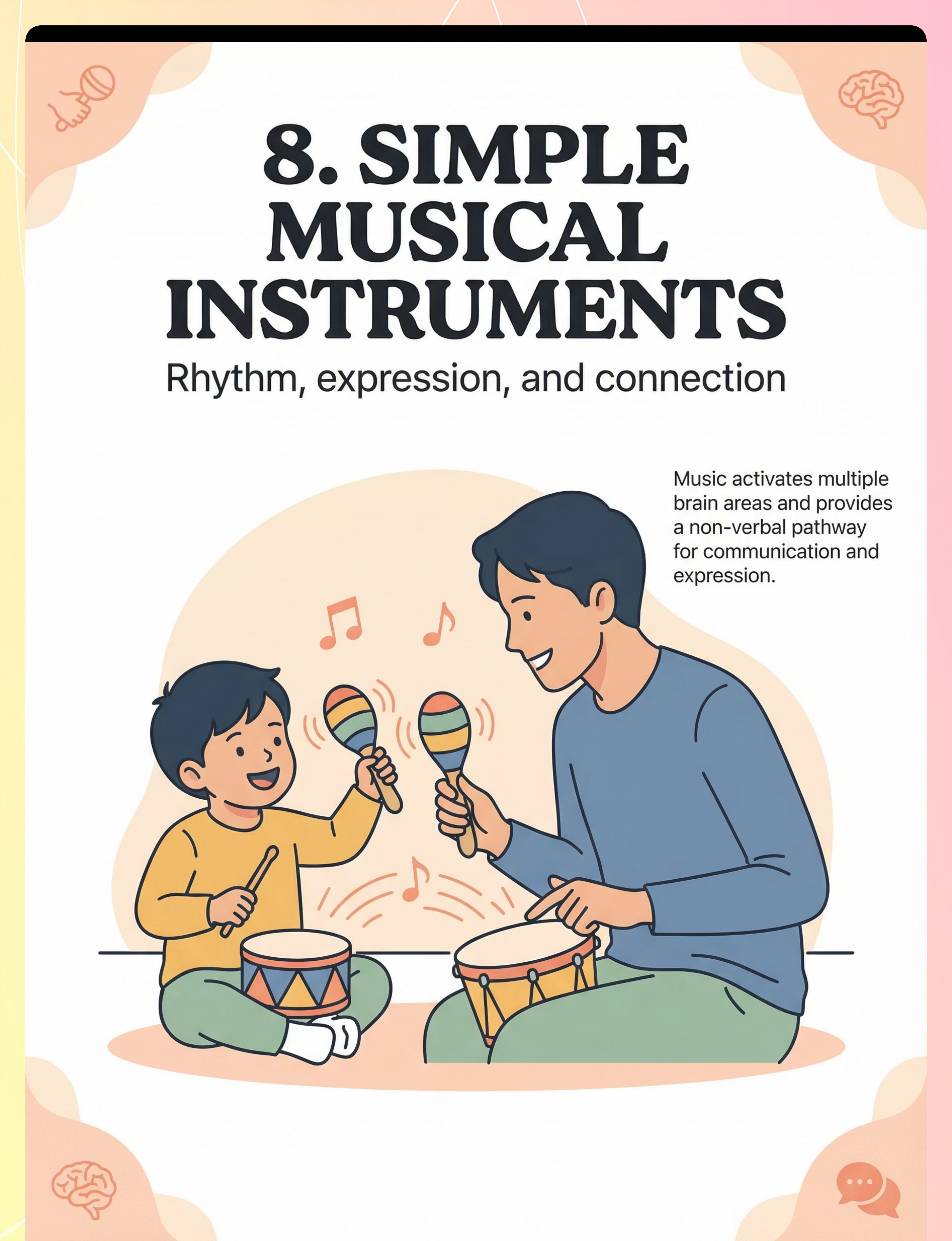
8. Simple Musical Instruments
Canon: Music & Rhythm Materials — Shakers, maracas, hand drum, bells, xylophone
💰 ₹200–800 | Search Amazon.in
Why: Music activates more brain areas simultaneously than any other activity. Non-verbal pathway for communication, expression, and turn-taking.
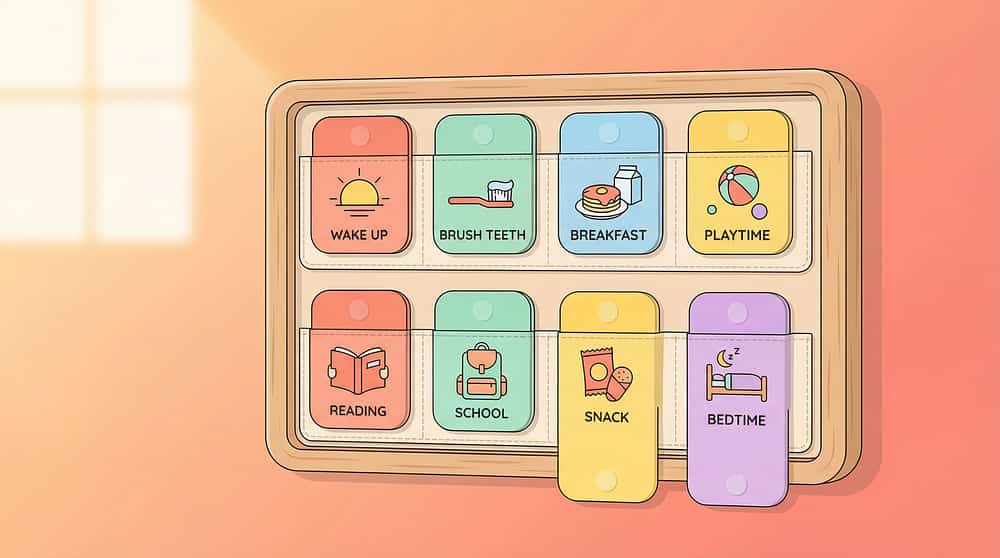
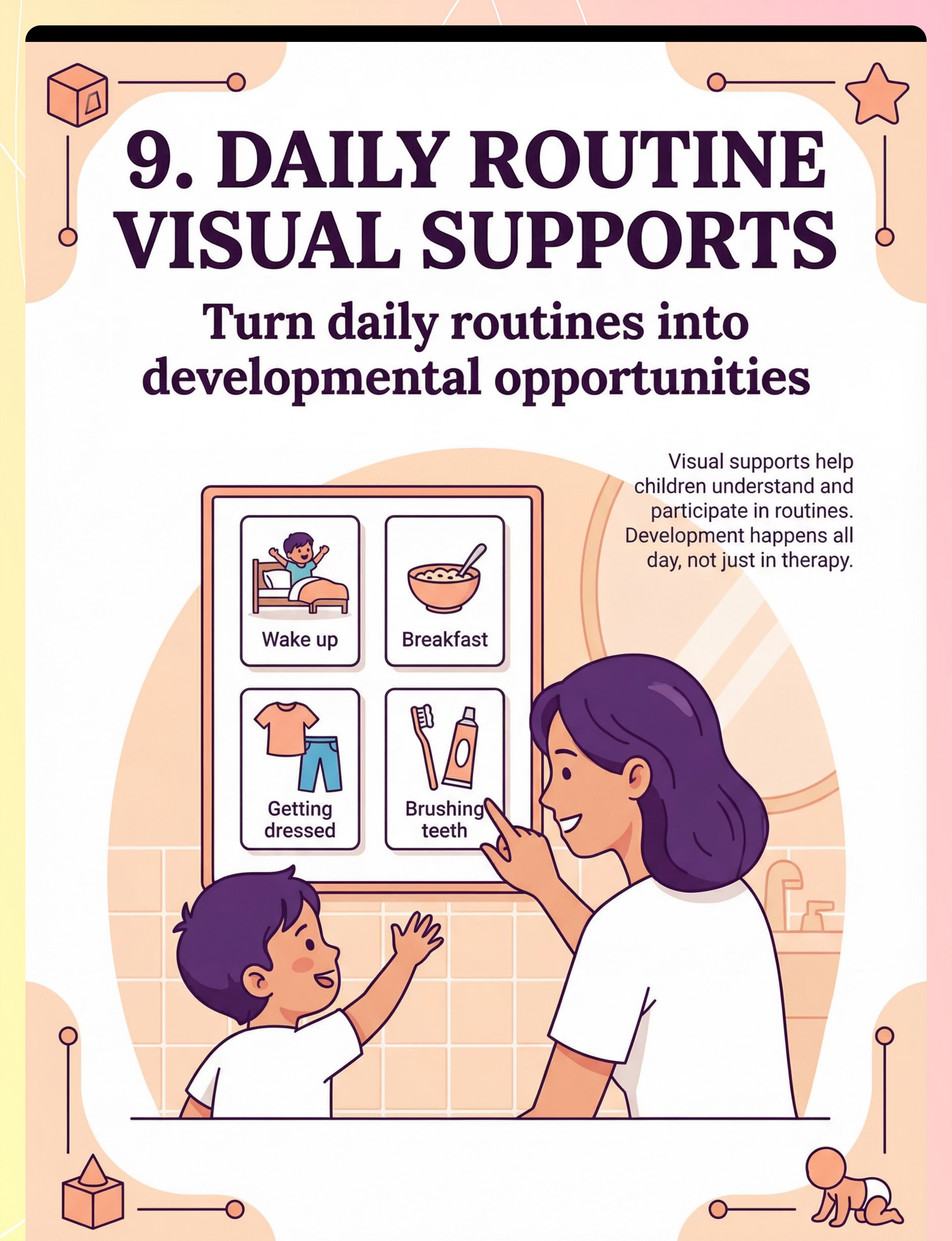
9. Daily Routine Visual Supports
Canon: Visual Schedules / First-Then Boards — Printed picture schedules, first-then boards, photo card sequences
💰 ₹100–500 | Search Amazon.in
Why: Visuals help children understand and participate in daily life — making every hour therapeutic.
💰Total starter kit cost: ₹1,750–6,100 | Essential kit (minimum): ₹500–1,000 📞 Need help choosing the right materials for your child's profile? 9100 181 181
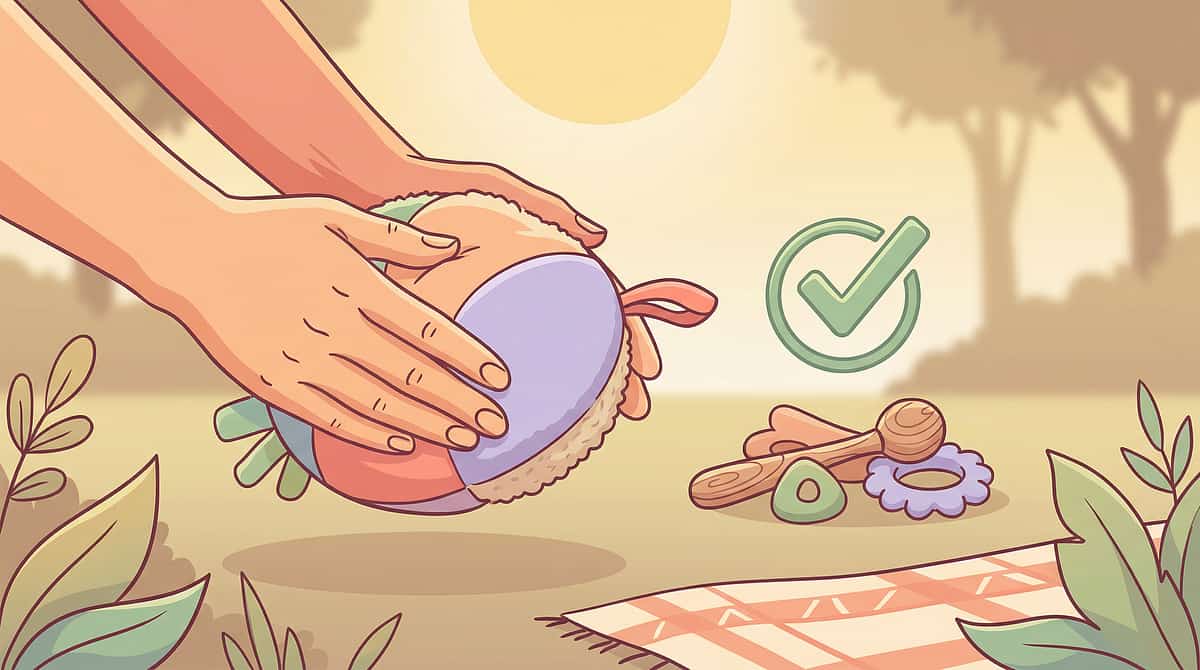
No Budget? No Problem. Every Material Has a Zero-Cost Version.
This is the WHO/UNICEF inclusion principle in action. Every child, every family, every village. Early intervention belongs to everyone.
Material | Buy Option | DIY Zero-Cost Version | Same Principle | |
Cause-Effect Toys | Pop-up toy ₹300+ | Light switch (flip = light), water pour (pour = splash) | Action → predictable outcome circuit | |
Simple Books | Board books ₹200+ | Photos of family printed/laminated, old magazines cut and laminated | Joint attention + naming + connection | |
Stacking/Nesting | Stacking cups ₹200+ | Steel bowls of different sizes, empty containers nested inside each other | Size concepts + grasp + persistence | |
Sensory Play | Playdough ₹150+ | Homemade dough (flour + salt + water + food colour), rice in a container, dried beans | Multi-sensory neural input | |
Puzzles | Knob puzzle ₹300+ | Cut household photos into 2–3 pieces, foam shapes with DIY cutout board | Visual-spatial + problem-solving | |
Balls | Therapy ball ₹200+ | Rolled-up socks, newspaper ball, any round fruit (orange), balloon | Motor + turn-taking | |
Bubbles | Bubble solution ₹50+ | Dish soap + water + glycerin = clinical-grade bubbles. Free. Today. | Visual tracking + requesting | |
Musical Instruments | Shaker set ₹200+ | Rice in sealed bottle = shaker, pot + spoon = drum, keys on ring = jingle | Rhythm + cause-effect + expression | |
Visual Supports | Printed cards ₹100+ | Draw simple pictures, use old calendar photos, cut magazine images | Routine comprehension + anxiety reduction |
"The brain doesn't care if the sensory bin cost ₹800 or nothing. It cares about the richness of the input and the warmth of the relationship delivering it."
For children with specific sensory profiles, texture sensitivities, or medical conditions, clinical-grade materials may be recommended. Consult your Pinnacle therapist for individual guidance.
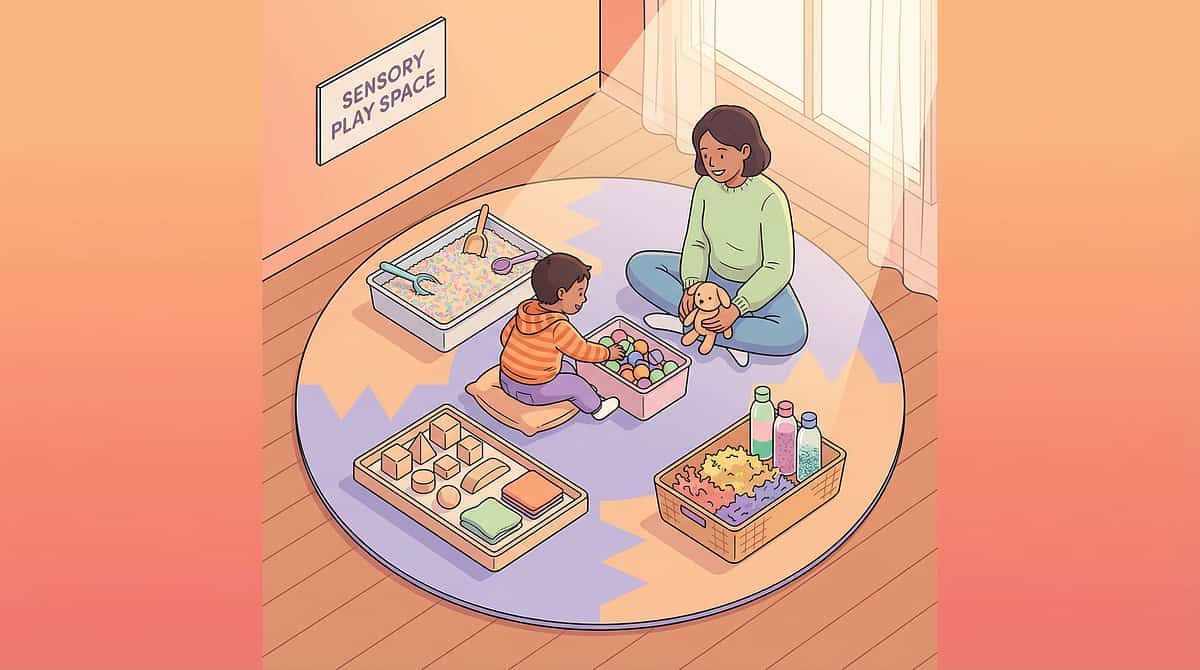
🚦 Pre-Session Safety Gate — Read Before Every Session
🔴 RED — Do NOT Proceed If:
- Child has had a meltdown or severe emotional dysregulation in the past 30 minutes
- Child shows signs of illness (fever, ear pain, stomach upset)
- Child is overtired, having skipped sleep
- Any sensory material caused significant distress previously — stop and seek OT guidance
- Child has known allergies to any material component (playdough wheat, certain paints)
- You are significantly stressed, rushed, or unable to be fully present
🟡 AMBER — Modify Session If:
- Child is mildly fussy but not dysregulated — use calmer, more familiar materials
- Child has had a difficult earlier activity — offer 5 minutes of regulation before beginning
- New environment or disrupted routine — start with 1–2 familiar materials only
- Child is showing signs of sensory overwhelm — reduce intensity, simplify choice
🟢 GREEN — Proceed When:
- Child is fed, rested, and in a regulated state
- Environment is set up per Card 12 specifications
- You have 10–30 uninterrupted minutes
- All materials have been checked for age-appropriateness and safety
Material Safety Checklist
- All small items checked — nothing smaller than 4cm diameter for children under 3
- Sensory materials checked for allergens
- Bubble solution away from eyes
- Ball play area clear of furniture edges
- Knob puzzle pieces checked — no loose knobs
- Homemade playdough: taste-safe ingredients if child still mouths
🛑STOP IMMEDIATELY if: Severe distress, self-injurious behaviour, choking, allergic reaction, complete shutdown, or anything that doesn't feel right. Trust your parental instinct. Emergency: 9100 181 181
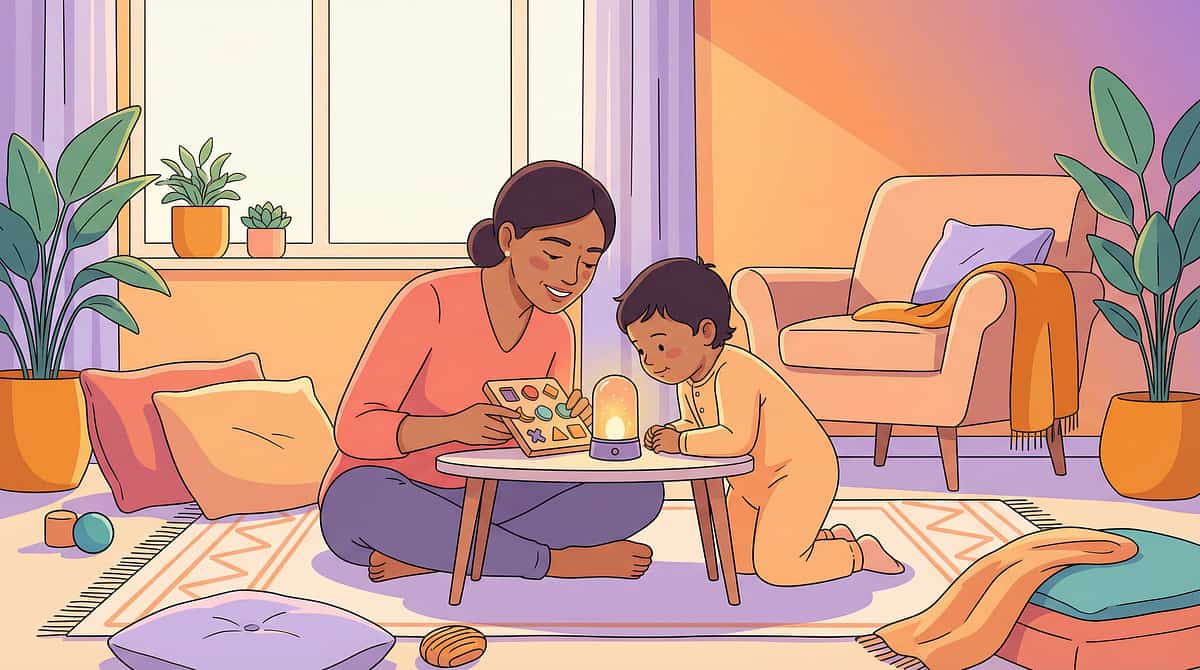
The Right Environment Prevents 80% of Session Failures
Remove from Space
- Television and screens (off and ideally out of sight)
- Excess toys not being used today — choice paralysis is real
- Loud background sounds — siblings, TV in another room
- Anything that could distract or trigger
Prepare the Space
- Comfortable floor surface (mat or carpet) for floor-based play
- Child and parent at the same physical level (both on floor or both at table)
- Materials organised and within reach but not overwhelming (2–3 options visible)
- Water nearby for hydration
- Visual timer if using (for cool-down)
Environmental Settings
💡 Lighting
Natural light preferred. No harsh overhead fluorescents for sensory-sensitive children.
🌡️ Temperature
Comfortable — not too warm, as warmth affects regulation capacity.
🔇 Sound
Quiet or very soft white noise. Music only if child regulates well to it.
📐 Space
Minimum 2m × 2m clear floor area for active play.
"Face to face, at eye level, within arm's reach. You are not supervising this activity — you are CO-CREATING it."

ACT III — THE EXECUTION
✅ 60-Second Pre-Flight Checklist — The Best Session Starts Right
Indicator | ✅ GO | ⚠️ MODIFY | 🔴 POSTPONE | |
Hunger/thirst | Fed 30+ min ago | Slightly hungry — offer snack, then begin | Very hungry or just eaten — wait | |
Sleep state | Rested, alert | Slightly tired — shorten session | Overtired or just woke — postpone | |
Emotional state | Calm, engaged | Mildly fussy — use preferred material | Dysregulated, upset — regulate first | |
Physical state | Well, no discomfort | Minor cold symptoms | Ill, fever, pain | |
Stimulation level | Moderate — ready for input | Slightly overstimulated — quiet materials only | Severely overstimulated — postpone |
All GREEN
Full session 15–30 min
GREEN + YELLOW
Modified session 10–15 min, familiar materials
Any RED
Postpone + calming activity instead
"There is no failure in postponing a session. A calm 10-minute session is worth more than a forced 30-minute session. Reading your child is the skill."

STEP 01 of 06
The Invitation — Every Session Begins With an Invitation, Never a Command
The Opening Script
"Want to play with me? Look what I have!"
Then show ONE material with genuine enthusiasm. Wait. Don't place it in the child's hands yet.
Body Language Guidance
- Get down to child's eye level
- Animated, warm facial expression
- Hold material at child's mid-line view
- Lean slightly forward — interested, not looming
- Soft, inviting voice — not loud, not commanding
Acceptance Cues ✅
- Eyes move toward material
- Body orients toward you
- Reaches toward material
- Any vocalization of interest
- Subtle smile or facial animation
Resistance Cues — How to Respond
- Turns away → Don't force. Try a different material from your 2–3 options
- Pushes away → Take a step back. Reduce demand. Try again in 2 minutes
- No response → Move material into peripheral vision. Wait 30 seconds. Try animated demonstration
"The invitation creates intrinsic motivation. If you skip it and go straight to placement, you are working against the child's nervous system instead of with it."
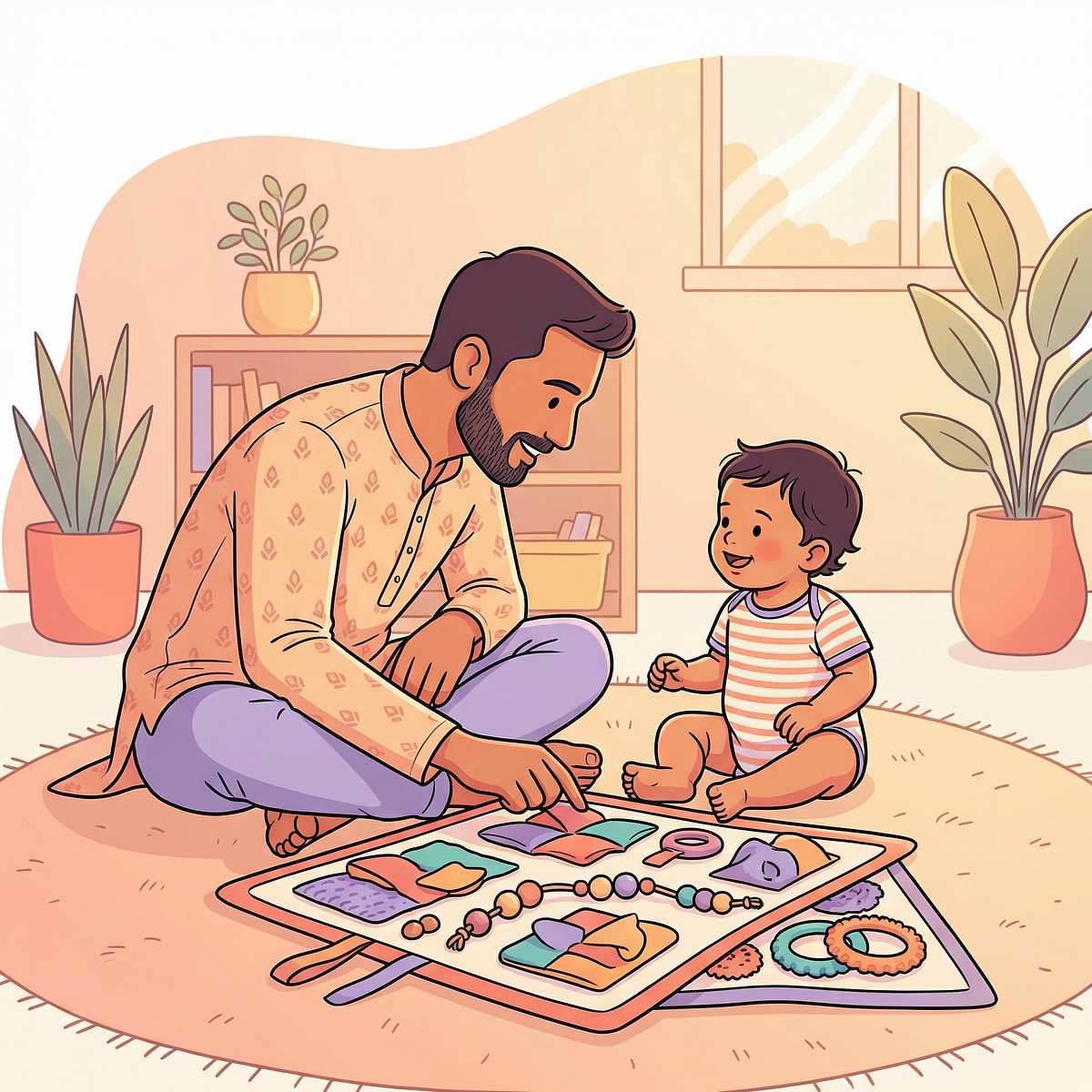
STEP 02 of 06
The Engagement — The Child Is Interested. Now Deepen the Connection.
🔧 Cause-Effect Toys
Demonstrate the action slowly, with exaggerated delight. Say "Look! I press... [pause] ...BEEP! Your turn!" Hand to child. Wait.
📚 Books
Open to first page. Point to picture with your finger. Say the word. Wait 3 seconds. Respond to ANY child response — look, sound, reach — as if it was perfect.
🏗️ Stacking Toys
Stack 2 cups while narrating: "One... two..." then dramatically knock them over with delight. Rebuild. Offer child a cup. Wait.
🌊 Sensory Play
Put YOUR hands in first. React with genuine interest: "Ohhh, it's SQUISHY!" Don't push child's hands in. Let curiosity drive approach.
🫧 Bubbles
Blow one bubble. When it pops — "POP!" — look at child with huge eyes. Wait for any response before blowing next.
⚽ Balls
Sit face-to-face. Roll ball SLOWLY to child. Wait. Narrate: "Ball to you... now ball back to me?" Wait 10 seconds before retrieving.
The moment child engages — even glances at the material — respond warmly: "YES! You're looking! You want to try!" Reinforcement timing: within 3 seconds of engagement. Timing: 1–3 minutes total.
STEP 03 of 06
The Therapeutic Action — This Is Where the Brain Builds.
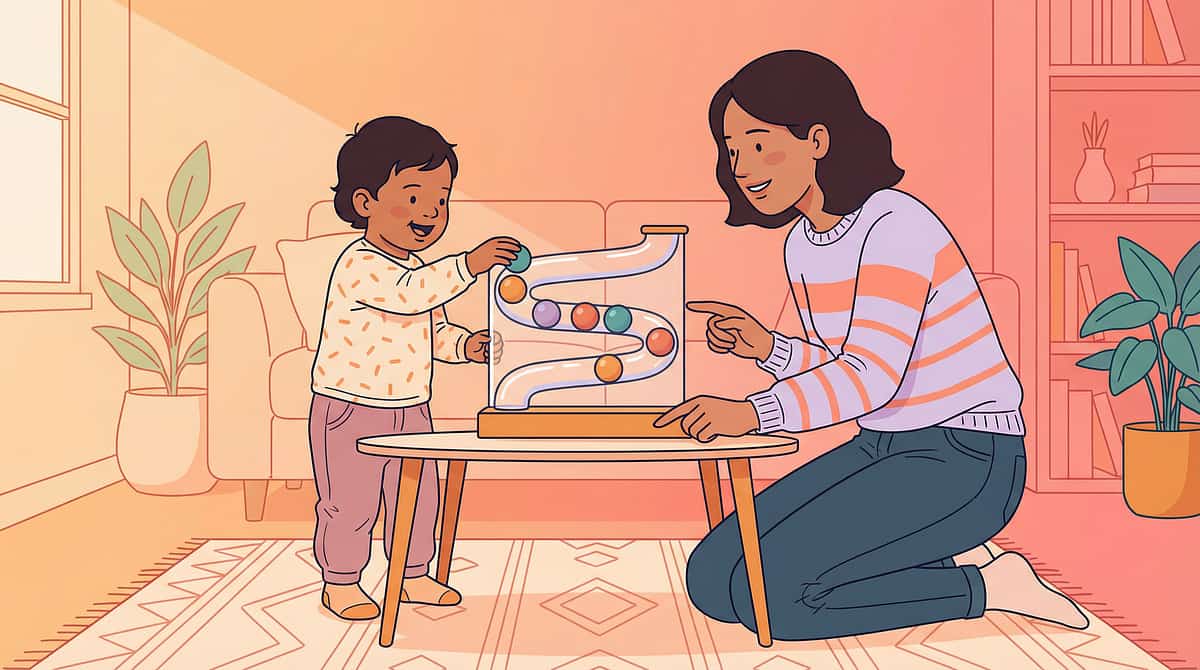
🔧 Cause-Effect Toys
Child presses → toy responds → child looks at parent → parent reflects delight → child repeats. TARGET: Agency, intentional action, joint attention. Ensure child initiates the action.
📚 Books
Point → name → wait → respond to any child response → turn page together. TARGET: Joint attention, vocabulary, symbolic understanding. Pause at familiar words and let child complete them.
🏗️ Stacking
Child places cup → parent names "one!" → child places next → "two!" → dramatic crash → rebuild. TARGET: Fine motor precision, sequence understanding, number concepts, persistence.
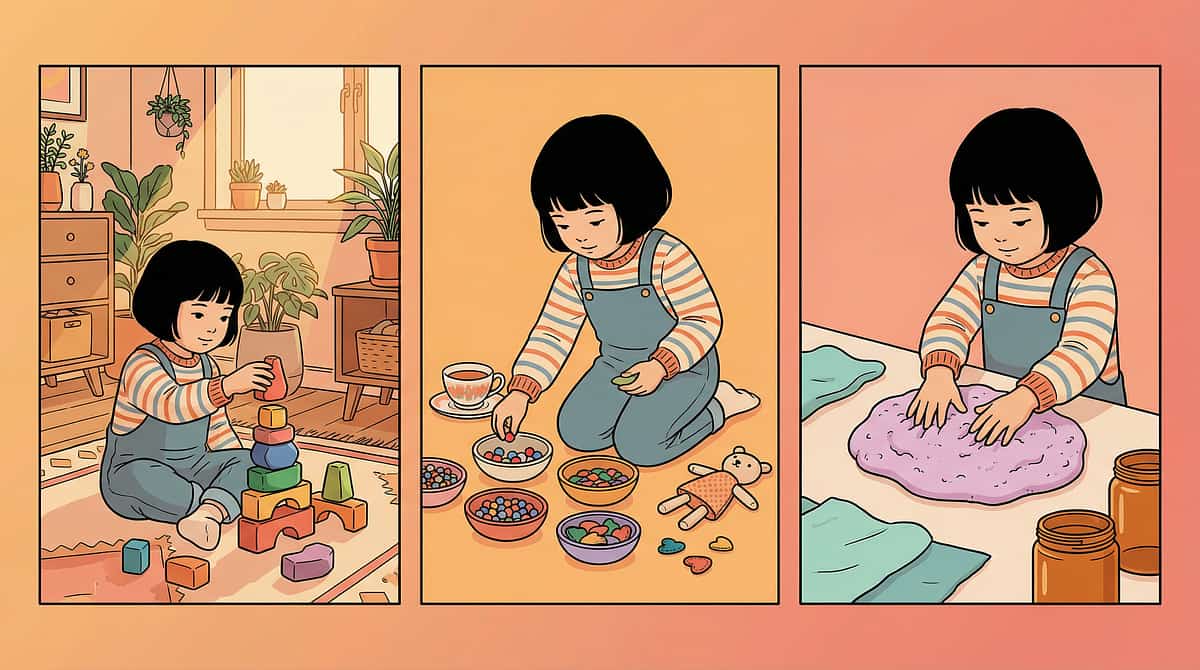
🌊 Sensory Play
Hands-in bilateral exploration — squeeze, pour, hide and find objects in rice/sand. TARGET: Tactile processing, bilateral integration, proprioceptive input. Follow child's pace. No forcing of touch.
🧩 Puzzles
Offer knob puzzle piece → guide hand-over-hand if needed → piece goes in → celebrate. TARGET: Grasp pattern, visual-spatial matching, task completion. Use least-to-most prompting hierarchy.
🫧 Bubbles
Blow → wait → child reaches/pops/vocalises → respond immediately with more bubbles. TARGET: Requesting behaviour. The pause BEFORE blowing IS the intervention — it creates the communication opportunity.
⚽ Balls
Face-to-face rolling — child's turn → parent's turn → narrate each turn. TARGET: Turn-taking prototype, visual tracking, motor planning. Keep distance short enough for success.
🎵 Musical Instruments
Play shaker → offer child shaker → play together → stop → wait for child to restart. TARGET: Cause-effect through music, turn-taking, auditory processing, expressive outlet.
📋 Visual Supports
Point to first picture in routine → complete that step → point to next → child moves card when done. TARGET: Routine comprehension, transition tolerance, symbolic representation, anticipation.
Session core time: 5–15 minutes of therapeutic action per session
STEP 04 of 06
Repeat & Vary — 3 Good Repetitions Are Worth More Than 10 Forced Ones
Material | Target Reps | Variation to Maintain Interest | |
Cause-Effect Toy | 5–10 presses | Change toy, change body part pressing, parent takes turn | |
Books | 1–3 read-throughs | Different book, let child turn pages, child "reads" to parent | |
Stacking Toys | 3–5 stack/crash cycles | Change number of items, race to stack, child knocks over YOUR stack | |
Sensory Play | 5–10 min exploration | Hide toys in bin to find, pour into different containers, add water | |
Puzzles | 3–5 complete attempts | Remove/add pieces, race against parent, child hides pieces for parent to find | |
Balls | 5–10 back-and-forth passes | Change distance, change ball size, add crawling to retrieve | |
Bubbles | 3–5 bubble-blowing sequences | Change height, change location, use wand vs machine | |
Musical Instruments | 3–5 turn-taking cycles | Change instruments, play fast/slow, loud/soft | |
Visual Supports | 1 full routine sequence | Apply to different routines, let child move the cards |
Satiation Indicators — When the Child Has Had Enough of This Material
- Pushes material away
- Looks away consistently
- Starts self-stimulatory behaviour unrelated to material
- Shows frustration without engagement
"Engagement quality, not repetition quantity. Three focused, joyful reps build more than ten forced ones."

STEP 05 of 06
Reinforce & Celebrate — Celebrate the Attempt, Not Just the Success
Reinforcement Timing Rule: Within 3 seconds of desired behaviour. Every time. Without exception.
Social Reinforcement
"YES! You did it! I saw that!" (specific praise) · Clapping together · High-five / fist bump · Tickle (if child enjoys physical play) · Huge smile + eye contact + animated voice · "I am SO proud of you right now."
Activity Reinforcement
Extra bubble turns for requesting · Child's preferred toy for completing a puzzle · A bounce/spin for completing sensory input · Song for completing a stack
Token Economy
Sticker chart (1 sticker per successful attempt) — for older/more able children. Reward jar system. Visible, tangible, motivating.
What to Celebrate
ANY attempt, even partially correct
Tolerance of a material the child previously avoided
Eye contact during interaction
Any vocalization during activity
Extra seconds of sustained attention
Requesting for more in any modality
"You are not just reinforcing the skill. You are reinforcing the child's belief that trying is safe, that they can affect the world, and that you delight in their effort. This is the foundation of all future learning."
STEP 06 of 06
The Cool-Down — No Session Ends Abruptly. The Cool-Down Is the Final Therapeutic Step.
If Child Resists Ending
- Don't abruptly remove materials
- Offer one more rep: "ONE more press, then we stop."
- Countdown: "5... 4... 3... 2... 1... all done!"
- Offer a preferred activity as bridge: "After we put away, we go outside."
Sensory Cool-Down (If Child Is Elevated)
- 2 minutes of deep pressure (firm hug, blanket squeeze)
- Slow rocking if child tolerates
- Deep breathing together — model slow exhale
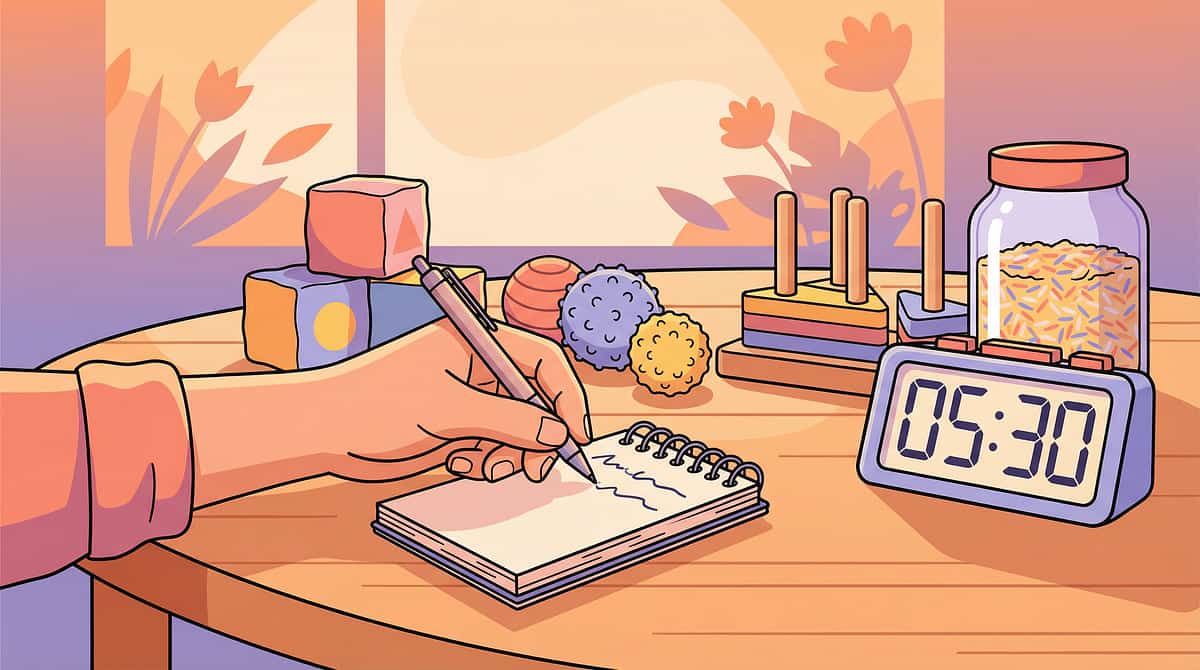
⏱️ 60 Seconds of Data Now Saves Hours of Guessing Later
TODAY'S QUICK TRACK — L-921
1. MATERIALS USED today: Cause-Effect | Books | Stacking | Sensory | Puzzles | Balls | Bubbles | Music | Visuals
2. ENGAGEMENT LEVEL (1–5): 1 = No engagement 3 = Moderate, with prompting 5 = Highly engaged, self-initiated
3. ONE OBSERVABLE MOMENT today: (What did you see that surprised or encouraged you? One sentence.)
Date: _______ Duration: _______ min
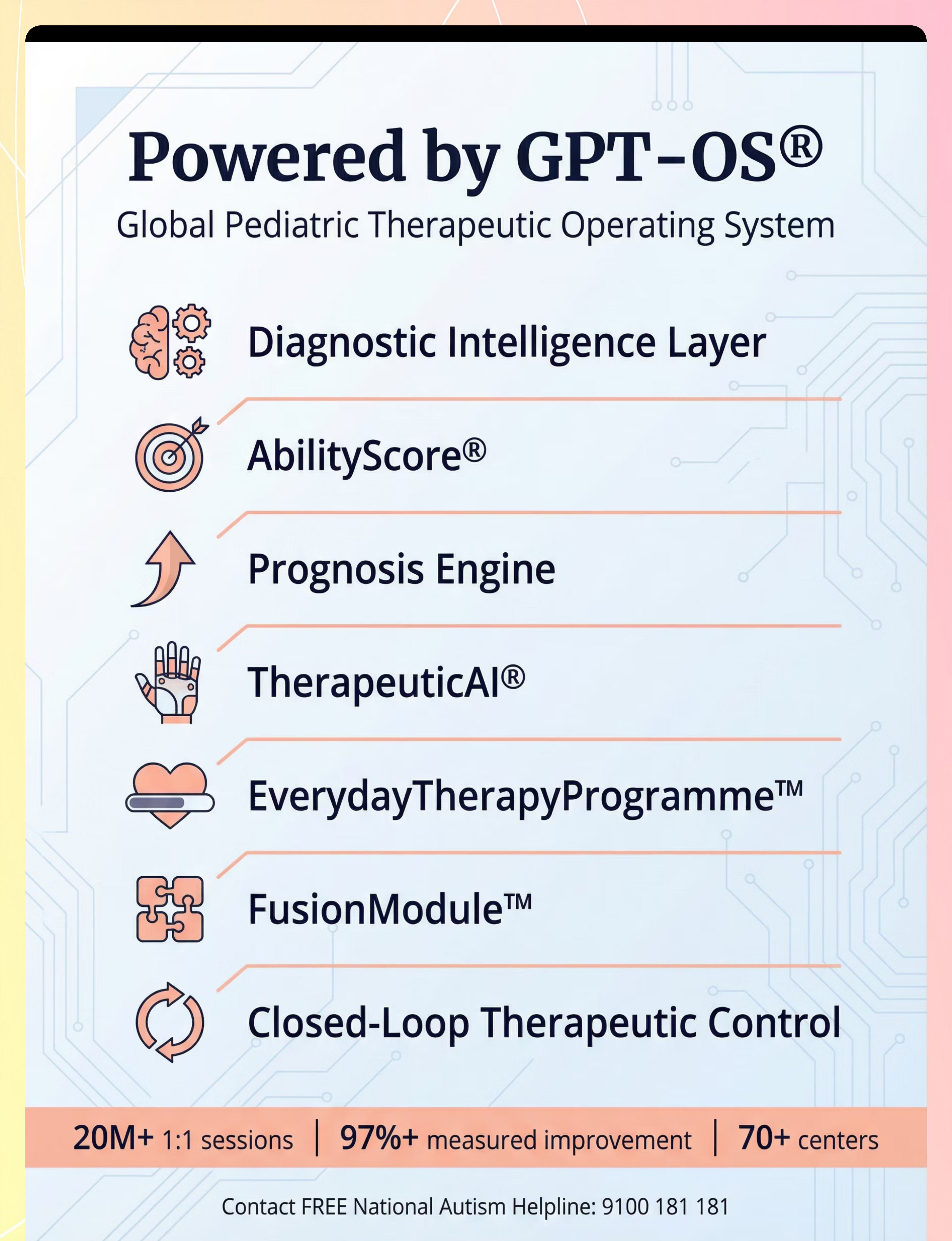
GPT-OS® Integration
📊Tracking with GPT-OS®? Log this session directly in your child's profile. Your data:
- Updates your child's AbilityScore® in real time
- Feeds the TherapeuticAI® progression algorithm
- Contributes to the population-level database improving recommendations for all families
"Your data helps every child like yours."
"Data isn't bureaucracy. Data is the difference between guessing and knowing. Two months of this 60-second tracker will show you a progress arc that will astonish you."
📞 Therapist review of your tracking data: 9100 181 181

Session Abandonment Is Not Failure — It's Data
When a session doesn't go as planned, that's not a setback — it's information. Here are the seven most common challenges and exactly what to do about each one.
❓ Problem 1: Child Refused to Engage with Any Material
Why it happened: Readiness state was lower than assessed. Wrong material choice. Environment had a trigger. Next time: Go back to Card 13 readiness check. Offer only ONE item. Try at a different time of day. Which material EVER engaged this child? Start there.
❓ Problem 2: Child Engaged for 30 Seconds Then Had a Meltdown
Why it happened: Session demands exceeded window of tolerance. Too many materials, too much expectation. Next time: Shorter session (5 minutes max). Remove all materials except one. Reduce complexity. Stay in regulation-first mode.
❓ Problem 3: Child Plays but Doesn't Look at Me
Why it happened: Normal early phase — joint attention builds over time. Child is processing sensorially. Next time: Bring YOUR face INTO the child's line of sight. Use the material as a bridge — hold it near your face. Celebrate any glance.
❓ Problem 4: Child Only Wants ONE Material, Not All 9
Why it happened: Not a problem. It's preference data. Next time: Use THAT material as your primary vehicle. Build ALL targets through that one material. Bubbles? Build requesting, tracking, joint attention through bubbles.
❓ Problem 5: Child Puts Everything in Mouth
Why it happened: Oral sensory seeking — common in young children and children with sensory processing differences. Next time: Ensure all materials are mouth-safe. Add chewable tools. Offer mouth-safe sensory input first to satisfy oral need.
❓ Problem 6: I Don't Know if Anything Is Working
Why it happened: Progress in early intervention is often invisible in the moment but visible over weeks. Next time: Commit to Card 20 data for 4 consecutive weeks. Compare Week 1 data to Week 4. Progress WILL be visible.
❓ Problem 7: My Child Seemed Regressed Today
Why it happened: Illness, disrupted sleep, environmental change, or just a "down day." Regression is not linear failure. Next time: Return to simpler, more familiar materials. Shorten session. Prioritise connection over technique. Regulation before learning, always.
"You are the most consistent therapeutic presence in your child's life. Not every session will be great. Every session is still valuable."
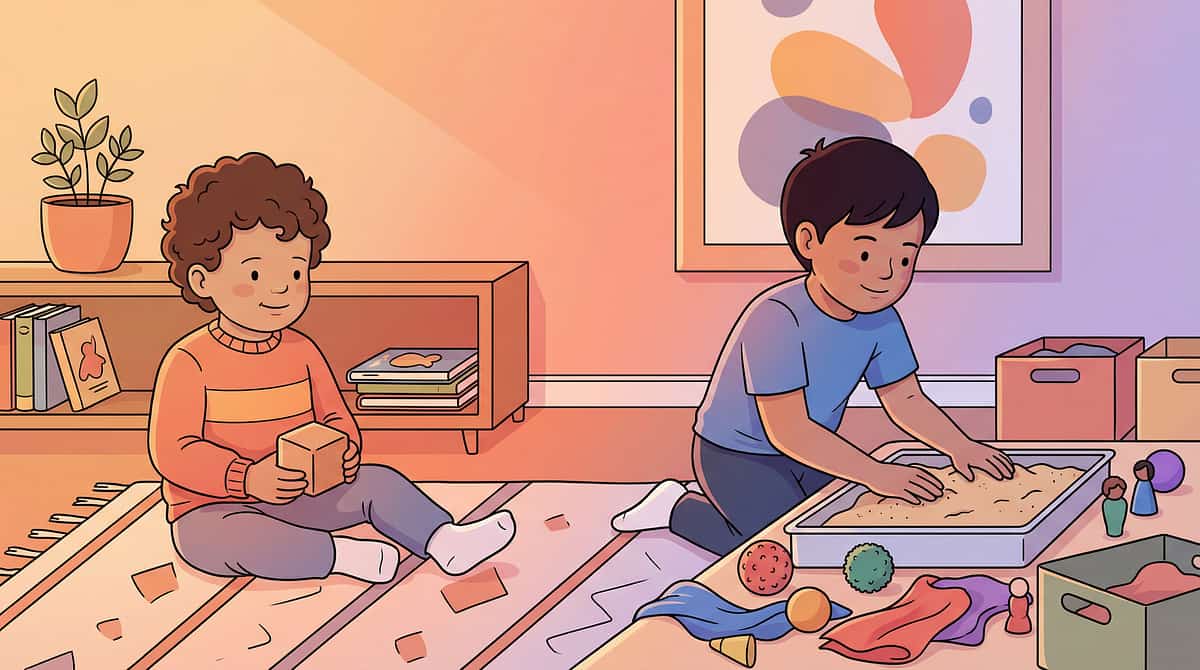
No Two Children Are Identical. Here Is How to Make This Yours.
⬅️ EASIER VERSIONS
For difficult days / new learners
- One material only — highest preference
- Parent does 80% of the action, child does 20%
- Session: 5–8 minutes maximum
- No expectation of turns — just shared presence with material
- Zero demand placement — child controls all engagement
➡️ HARDER VERSIONS
For breakthrough days / progressing children
- 3–4 materials in sequence
- Child leads 80%, parent follows
- Session: 20–30 minutes with data tracking
- Introduce verbal imitation targets alongside material use
- Add complexity: sort by colour, match pictures to objects, sequence 3 steps
Sensory Seeker vs. Avoider Modifications
🔴 Sensory SEEKER
Heavy sensory input first (resistive play, deep pressure, bouncing) THEN add fine materials. Use proprioceptive activities to organise first.
🔵 Sensory AVOIDER
Start with VISUAL-ONLY materials (books, cause-effect from distance). Approach tactile gradually. Never force contact. Build from near-to-touch slowly over weeks.
Age Band | Adaptation | |
0–12 months | Passive sensory exposure, high-contrast books, cause-effect from parent's arms. Session: 5 min max. | |
12–24 months | Imitation focus, simple turn-taking, one-step directions with materials | |
24–36 months | 2-step sequences, choice-making, beginning pretend play integration | |
36–60 months | Full protocol. Add verbalization targets, story-telling with books, rule-following in games |

ACT IV — THE PROGRESS ARC
Week 1–2: You Are Planting. You Won't See Sprouts Yet.
What Progress Looks Like at This Stage
- Child tolerates the material in proximity for 5–10% longer than Day 1
- Child glances at parent during activity (even once)
- Child's distress with a previously avoided material decreases even slightly
- Child shows any anticipatory behaviour before a routine you've established
- Mealtime, bath time, or bedtime goes even 5% more smoothly with visual support
- Parent feels clearer about what engages the child and what doesn't
Early Win Indicators — Celebrate These! 🏆
- First time child reaches for a previously avoided material
- First bubble pop with delight
- First look-up-at-parent during stacking
- First "more" gesture (any form)
What Is NOT Progress Yet (Manage Expectations)
- Spontaneous speech or dramatic language gains
- Full self-directed play with materials
- Complete acceptance of all 9 materials
- Consistent turn-taking
"This week, your job is not to produce results. Your job is to learn your child — what engages them, what doesn't, what time of day is best. Progress will come. Right now, you are building the map."
📞 Not seeing any of the above after 2 weeks? That's data — call 9100 181 181 for professional guidance.

Week 3–4: The Neural Pathways Are Forming. Watch for These Signs.
Child anticipates the bubble routine — may move toward the spot where you usually play
Child requests continuation in any modality — reaches for more balls, vocalises during book-sharing, brings stacking cups to parent
Child protests removal of materials (this is progress — it means engagement!)
Child begins spontaneous imitation — sounds you made during activities, actions they saw you do
Child tolerates a previously avoided sensory texture for 10–15 seconds
Parents notice the child seems happier during the session times
When a child repeats an activity, seeks it, and begins to show anticipatory delight — the synaptic pathway is strengthening. The brain is saying: "This pattern is worth keeping." This is myelination in action.
What to Do Now
- Increase session frequency if engagement is strong (twice daily is excellent)
- Add 1 new material to your rotation
- Begin gentle verbal imitation during activities: say a word, pause, wait for any vocalization
- Start building a second routine
"In week 3–4, most parents notice they are less anxious. You've done this before. You're getting good at reading your child. Your confidence — however quietly — has grown. That confidence is therapeutic."
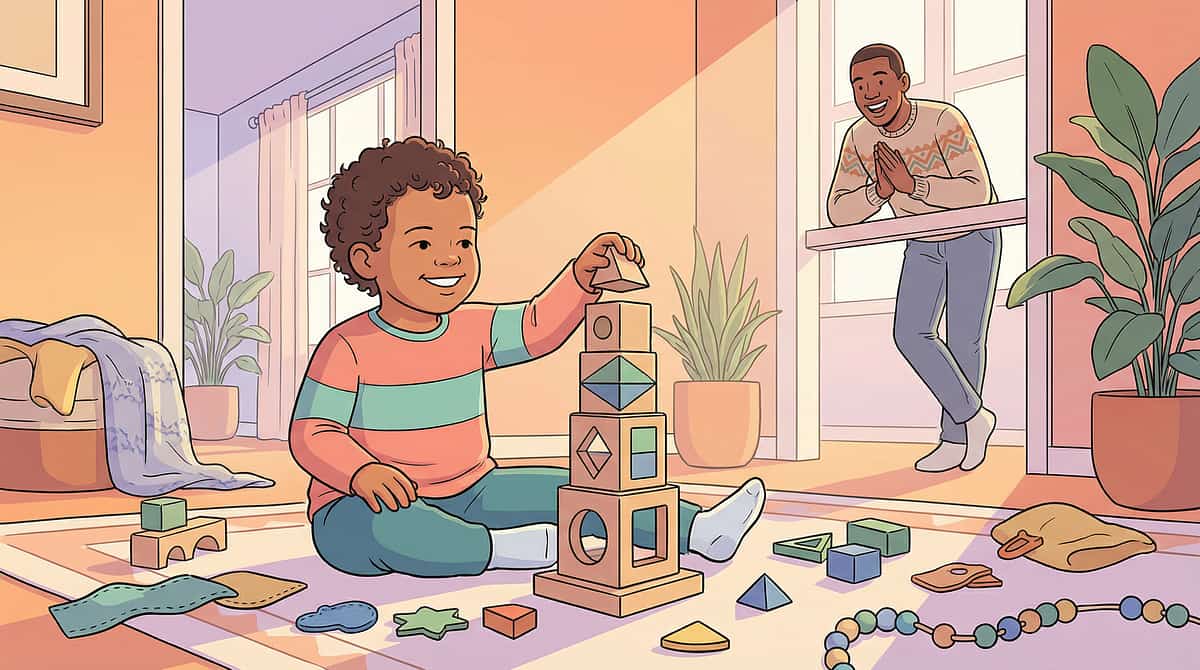
Week 5–8: Mastery Is Emerging. Here Is How to Know.
Domain | Mastery Indicator | |
Cause-Effect | Child independently activates toy and shows parent with joint gaze (sharing delight) | |
Books | Child brings book to parent, "reads" pages, points to pictures with intentional gesture | |
Stacking | Child independently stacks 3+ items, self-corrects errors, rebuilds after crash | |
Sensory Play | Child initiates sensory bin exploration without prompting; explores multiple textures | |
Puzzles | Child completes 3-piece knob puzzle independently with <20% physical assistance | |
Balls | Child initiates ball rolling toward parent and waits for ball back — 3 consecutive turns | |
Bubbles | Child makes a consistent communication signal (reach/vocalise/sign) for "more bubbles" before you blow | |
Music | Child plays instrument for 30+ seconds and initiates turn with parent | |
Visual Supports | Child references schedule independently before transitions; moves cards without prompting |
Mastery confirmed when skills appear in a NEW setting (grandmother's house, playground), with a NEW person, and in a NEW time of day. 80% of mastery criteria met across 3 consecutive sessions → Begin the next technique in the progression pathway.

You Did This. Your Child Grew Because of Your Commitment.
"Eight weeks ago, you were handed a diagnosis, a waiting list, and a quiet terror. You did not wait. You showed up. Every day — sometimes exhausted, sometimes uncertain — you showed up with a ball, or a book, or a box of bubbles. And your child's brain built something that will last a lifetime. That is not small. That is the most important thing a human being can do for another human being." — Pinnacle Blooms Consortium
Achievement Summary — L-921
✅ 9 Protocols
Executed 9 developmental material protocols in your home
✅ Daily Input
Provided multi-sensory, multi-domain therapeutic input daily
✅ 5 Domains
Built joint attention, communication, fine motor, sensory regulation, and routine comprehension simultaneously
✅ Critical Window
Did what 6 months of waiting lists were supposed to eventually provide
🎉 Take a photo of your child with their favourite material from this journey. Print it. Put it somewhere you see it. That is a before-and-after story told in one image. ✍️Journal prompt: Write 3 sentences: Where your child was 8 weeks ago. Where your child is today. What you are proudest of in yourself.

🚨 These Signs Mean Pause and Seek Professional Guidance
Sign | What It Looks Like | Why It Matters | What To Do | |
Skill regression | Child loses previously established skills (stops using words they had, stops making eye contact) | May signal illness, neurological change, or significant environmental stress | Contact Pinnacle helpline immediately | |
Self-injurious behaviour | Head-banging, biting self, hitting self during sessions | Pain-based communication or severe sensory mismatch | Stop session. Seek professional evaluation immediately | |
No progress after 8 weeks | None of the mastery indicators appear despite consistent effort | Child may need different intensity or clinical-level support | AbilityScore® assessment urgently needed | |
Severe food refusal | Child refusing meals, weight loss, extreme mealtime distress worsening | May signal feeding disorder requiring SLP + feeding therapy | Escalate to clinic visit | |
Extreme distress at session start | Screaming, fleeing, severe distress consistently before sessions begin | Protocol may be mismatched to sensory or communication profile | Professional profile assessment needed | |
Parent burnout | You are dreading sessions, feeling hopeless, exhausted beyond capacity | Parent wellbeing is therapeutic wellbeing | Call helpline — for you |
"If something feels wrong — not hard, not slow, but WRONG — pause and call. You know your child. We know the clinical picture. Together, we make the call."📞9100 181 181 | 🗺️Find your nearest Pinnacle centre

You Are Not Done. You Are at a Waypoint on a Much Larger Journey.
L-919
Understanding Developmental Screening
L-920
First Steps After Diagnosis
★ L-921 ★
9 Materials for Early Intervention [YOU ARE HERE]
L-922
Home Therapy Session Planning
Option A — Communication Dominant
Child showed most progress with books, bubbles, and visual supports → Next: Reel Series B → B-001 (Joint Attention), B-015 (Requesting)
Option B — Motor/Sensory Dominant
Child showed most progress with sensory play, stacking, puzzles, balls → Next: Reel Series A + L-922 → A-006 (Messy Play), L-922 (Home Sessions)
Option C — All Materials Resonated
Full developmental profile — proceed with: L-922 + AbilityScore® Assessment → GPT-OS® determines optimal next sequence
Long-term goal: Communication Readiness → Motor Readiness → Cognitive Readiness → Social-Emotional Readiness → School Readiness → Life Readiness
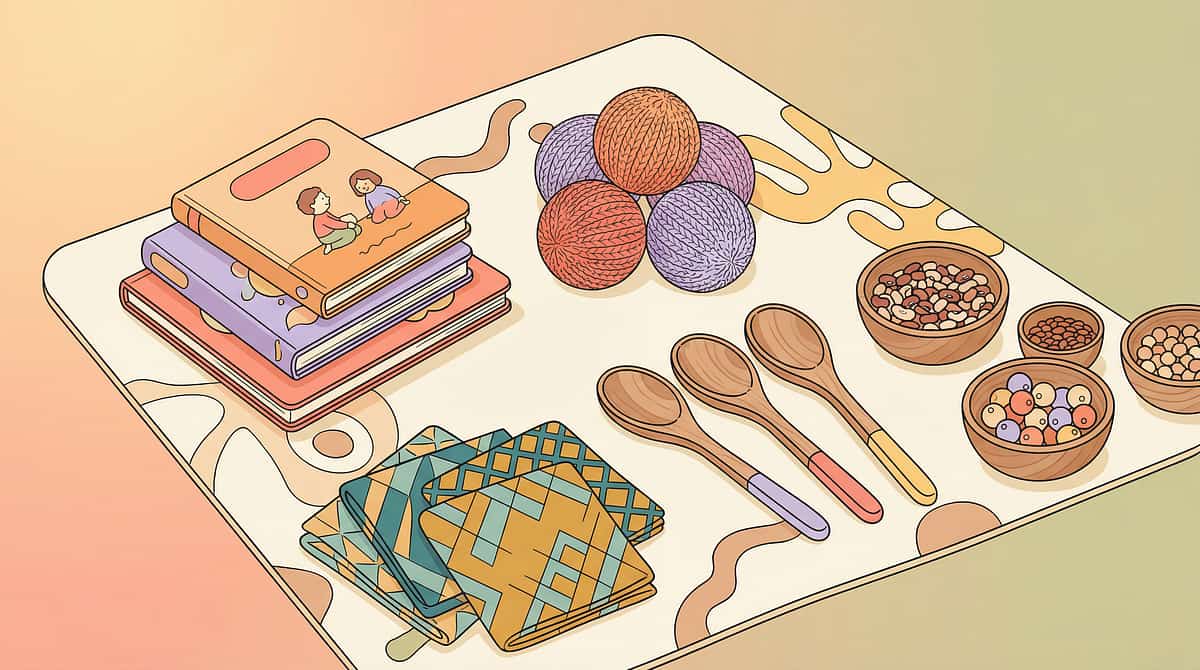
You Already Have the Materials. Here Are 6 More Techniques You Can Start Now.

L-920 | First Steps After Diagnosis
📍 Intro Level | Materials: None needed — knowledge framework "What to do in the first 30 days after any developmental diagnosis."View Technique →
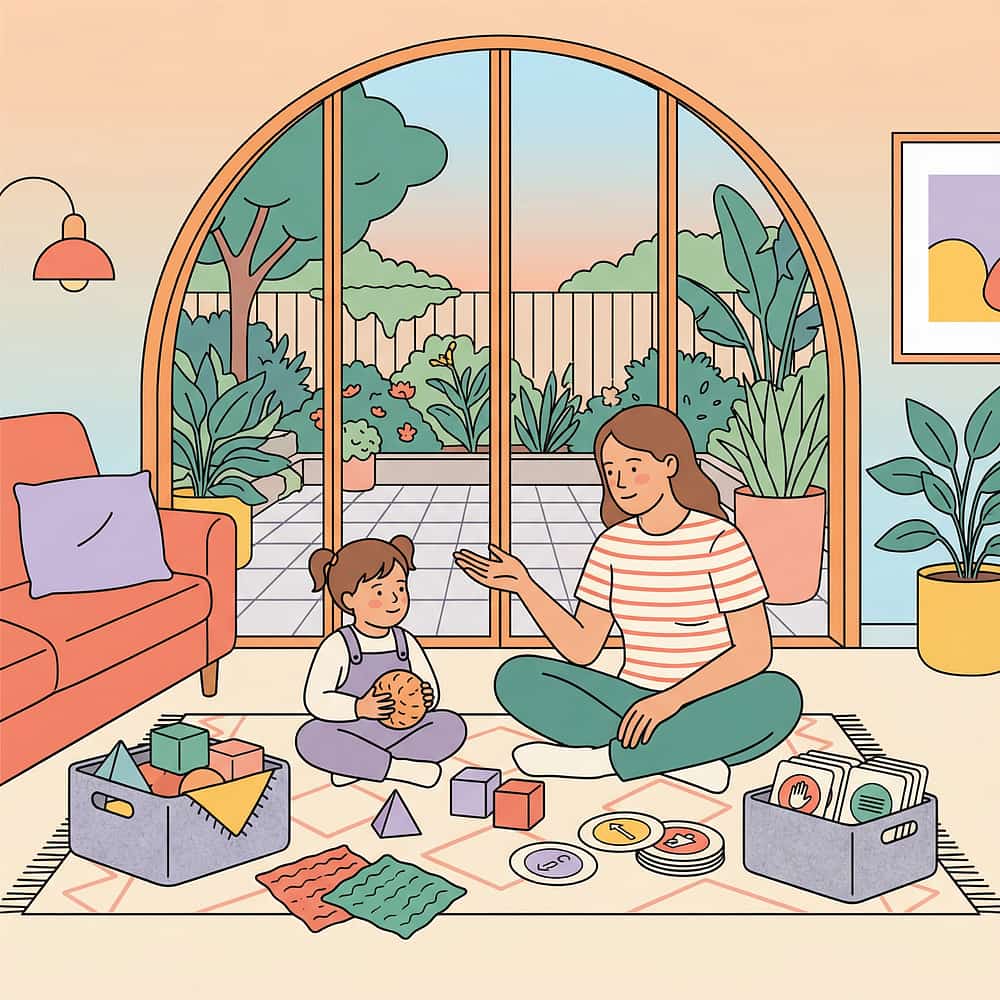
L-922 | Home Therapy Session Planning
📍 Core Level | Materials: All 9 from L-921 ✅"How to structure a 20-minute home therapy session that maximises outcomes."View Technique →
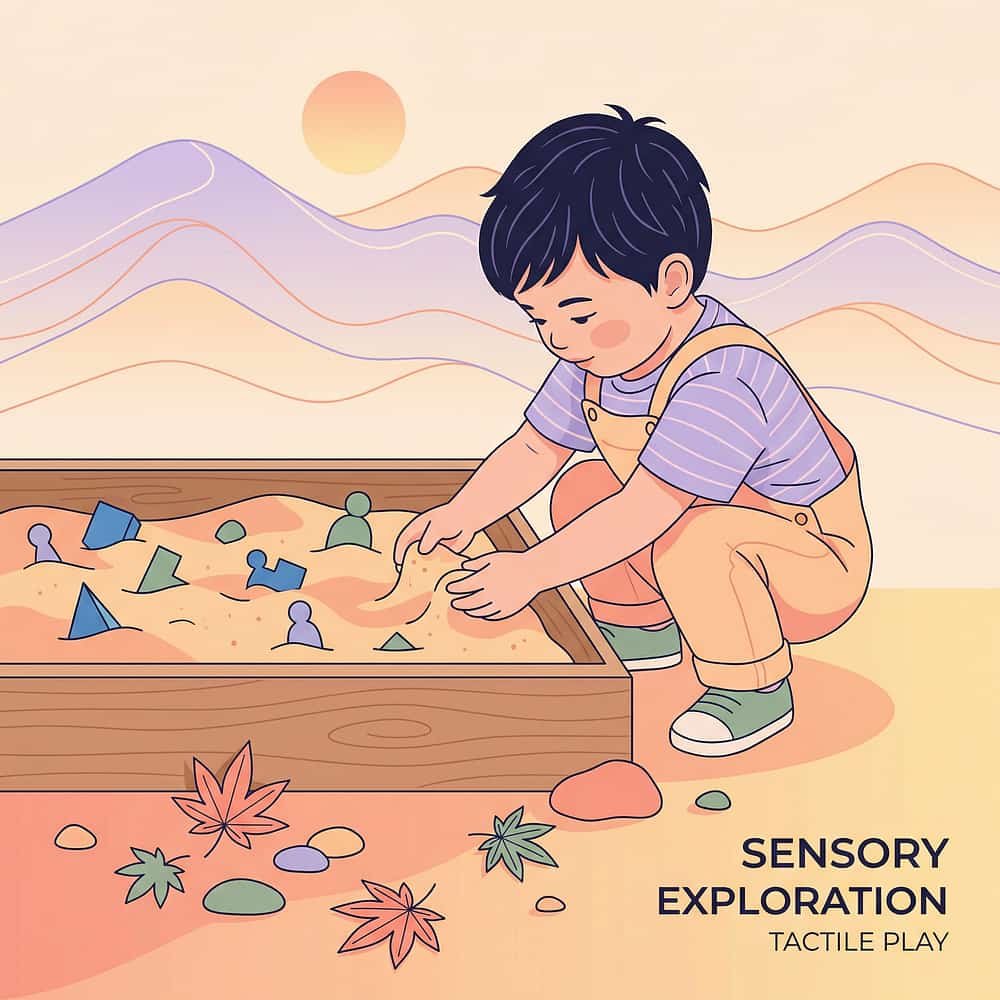
A-006 | Materials That Help When Child Avoids Messy Play
📍 Core Level | Materials: Sensory play materials ✅"Gradual desensitisation protocol for tactile aversion using your sensory bin."View Technique →

B-015 | Materials That Help With Requesting Behaviour
📍 Core Level | Materials: Bubbles ✅, Visual supports ✅"Building the first intentional communication acts — requesting in any modality."View Technique →
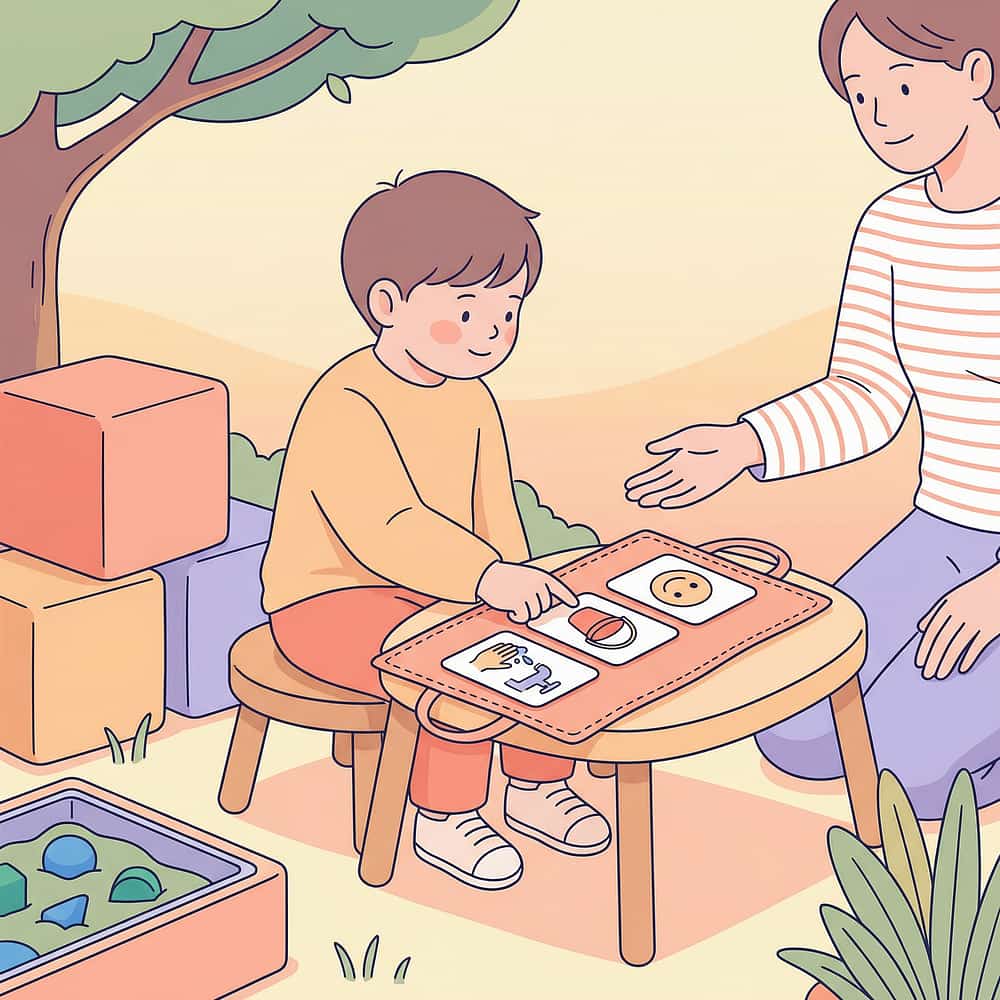
C-020 | Materials That Help With Transition Anxiety
📍 Core Level | Materials: Visual supports ✅"Using visual schedules and first-then boards to make transitions smooth."View Technique →

L-925 | Embedding Therapy in Daily Routines
📍 Advanced Level | Materials: All 9 from L-921 ✅"Turn every routine — bath, meal, bedtime — into a therapy session."View Technique →
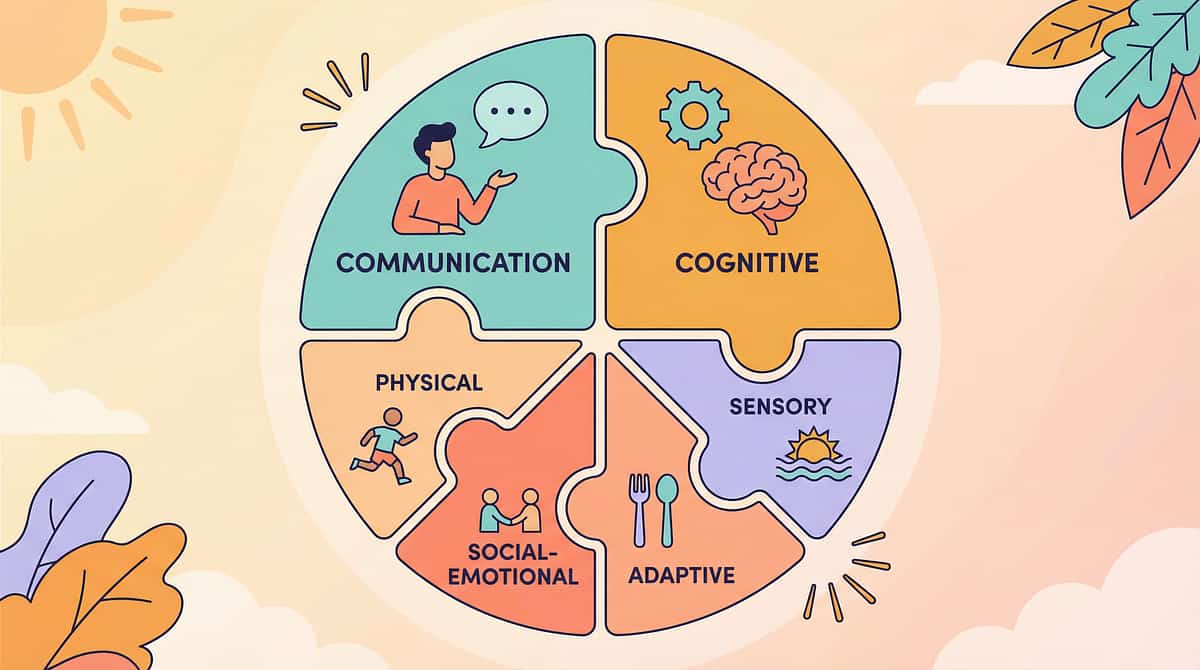
L-921 Is One Piece. Here Is the Complete Picture of Your Child's Development.
✅ Communication Readiness Index
Directly targeted by Books, Bubbles, Visual Supports
✅ Motor Readiness Index
Directly targeted by Stacking, Puzzles, Balls, Sensory Play
✅ Cognitive Readiness Index
Directly targeted by Cause-Effect Toys, Puzzles, Books
✅ Social-Emotional Readiness Index
Directly targeted by Balls, Bubbles, Musical Instruments
✅ Adaptive Readiness Index
Directly targeted by Visual Supports, Daily Routine integration
🔗See your child's complete developmental profile → AbilityScore® Assessment | 📞 Guided interpretation: 9100 181 181
ACT V — THE COMMUNITY & ECOSYSTEM
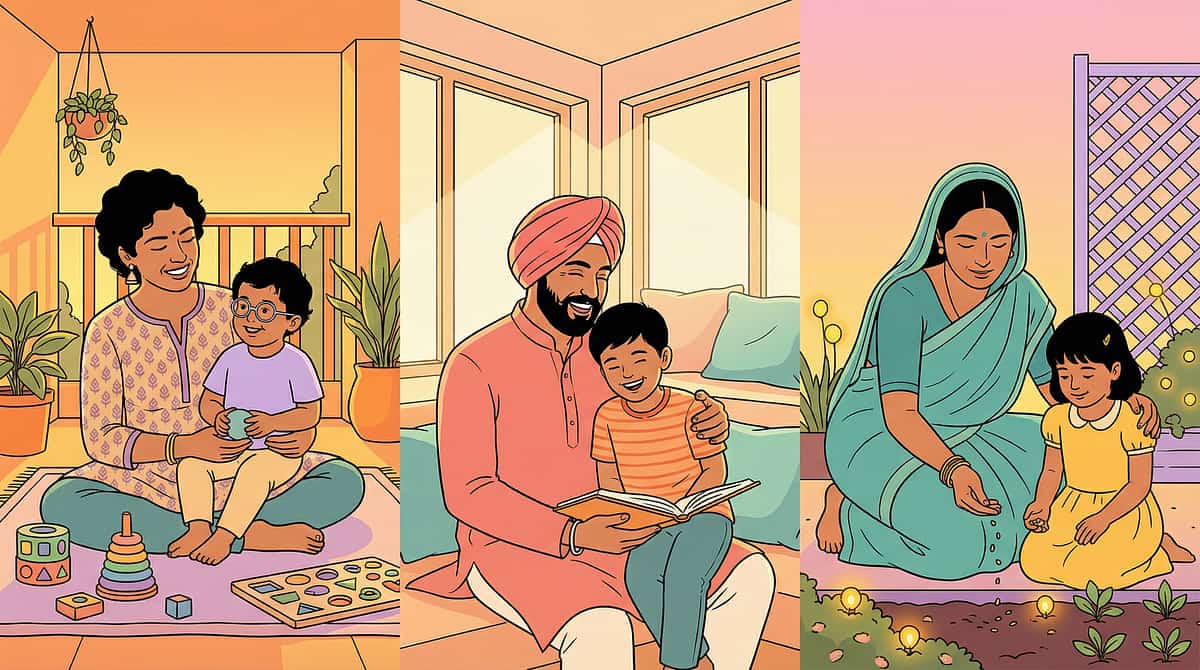
Three Families. Three Journeys. Three Outcomes You Can Trust.
🏠 "The Waiting List Family"
Before:"Our son was 22 months. Diagnosis: global developmental delay, suspected ASD. Waiting list for OT: 5 months. For SLP: 7 months. We were told to 'wait and see.' We couldn't."
What they did: Used all 9 materials daily for 8 weeks. Bubbles for communication (he learned to reach → then vocalise → then approximate "more"). Books every morning and bedtime. Stacking cups after every meal.
After:"By the time we got his first OT appointment, the therapist said, 'He's already made 4 months of progress. Whatever you're doing at home — don't stop.' He's five now. He's in a mainstream class with support. We did not wait."
Name withheld. Outcomes represent this family's experience. Individual results vary.
🌾 "The Rural Family"
Before:"We are from a small village. The nearest therapy centre was 90km away. We couldn't afford to go weekly. Our daughter was 18 months with no speech."
What they did: DIY versions of all 9 materials. Rice bins from kitchen supplies. Household containers for stacking. Soap bubbles homemade. Visual schedule drawn by hand.
After:"She said her first word — 'more' — reaching for bubbles. In our village, with a soap bottle and a wire ring."
Name withheld. Outcomes represent this family's experience. Individual results vary.
💪 "The Overwhelmed Family"
Before:"We tried everything. Every therapy, every material, every advice from the internet. My son was three and I was burned out. Nothing was working."
What they did: Simplified to just 2 materials. Balls and books. 10 minutes only. Every single day.
After:"The simplicity was the answer. He started rolling the ball back to me after 3 weeks. That first roll-back was the moment I knew he was in there. The moment I stopped trying to fix him and started playing with him."
Name withheld. Outcomes represent this family's experience. Individual results vary.
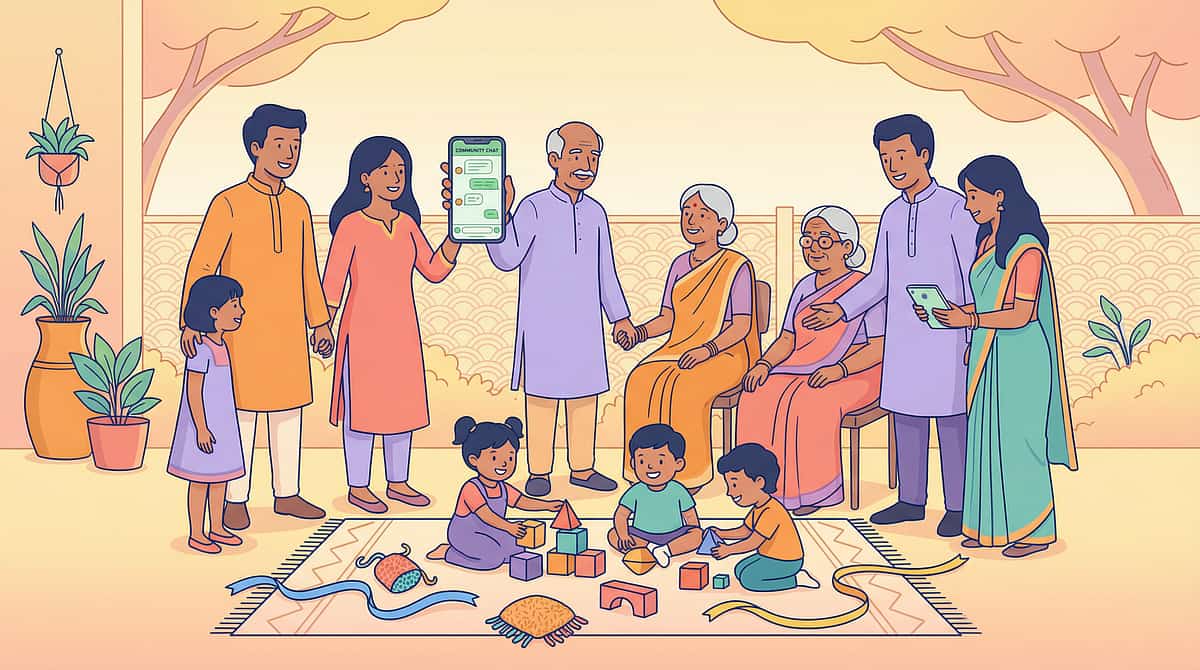
Isolation Is the Enemy of Adherence. Join the Community.
WhatsApp Community (EI-CORE Parents)
Parents currently implementing L-921 and related techniques. Share progress, ask questions, get peer support.
unknown link
Online Parent Forum
Pinnacle Parent Hub — threaded discussions, pinned therapist Q&As, weekly live sessions.
Local Parent Meetups
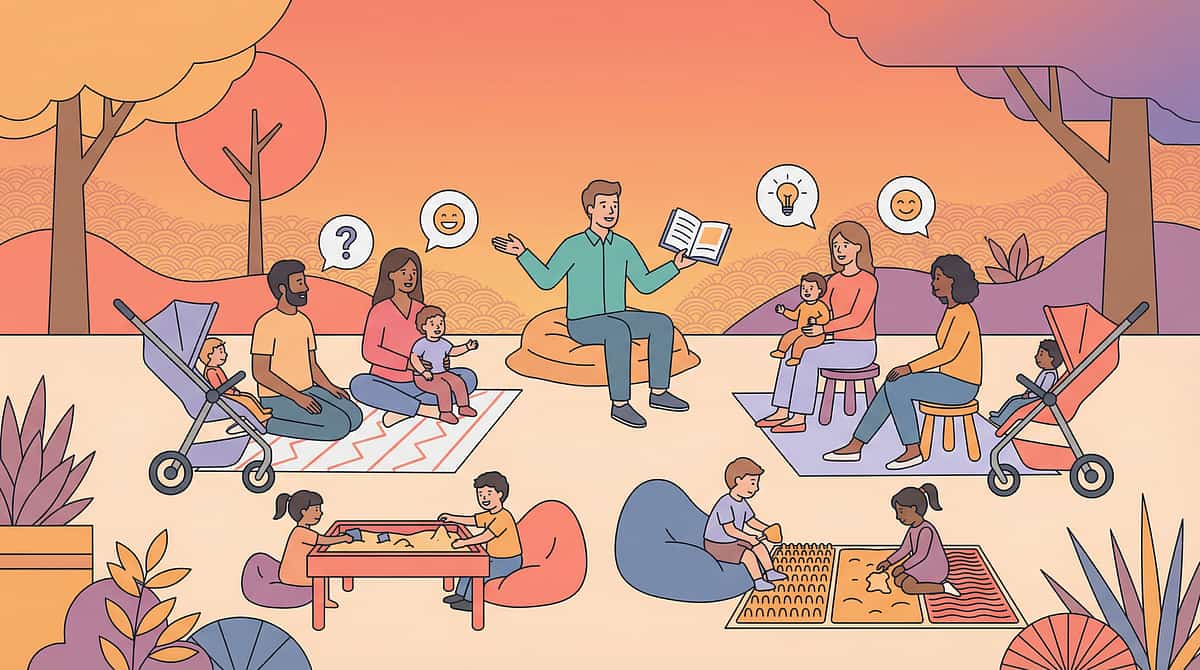
Organised through Pinnacle centres — regional parent support groups, sibling support, caregiver workshops.
Peer Mentoring
Connect with a parent who has completed the L-921 pathway with their child. One-to-one, lived-experience support.
"Over 1,000 individuals from 111 countries contributed to the WHO Nurturing Care Framework because community matters to child outcomes. Your experience is not just yours — it belongs to the next family who needs to hear it." — WHO NCF Community Engagement Principle
🌱"If L-921 helped your child, share this page with one family who is still waiting. Your share could be someone else's turning point."📞 Connect with the Pinnacle community: 9100 181 181
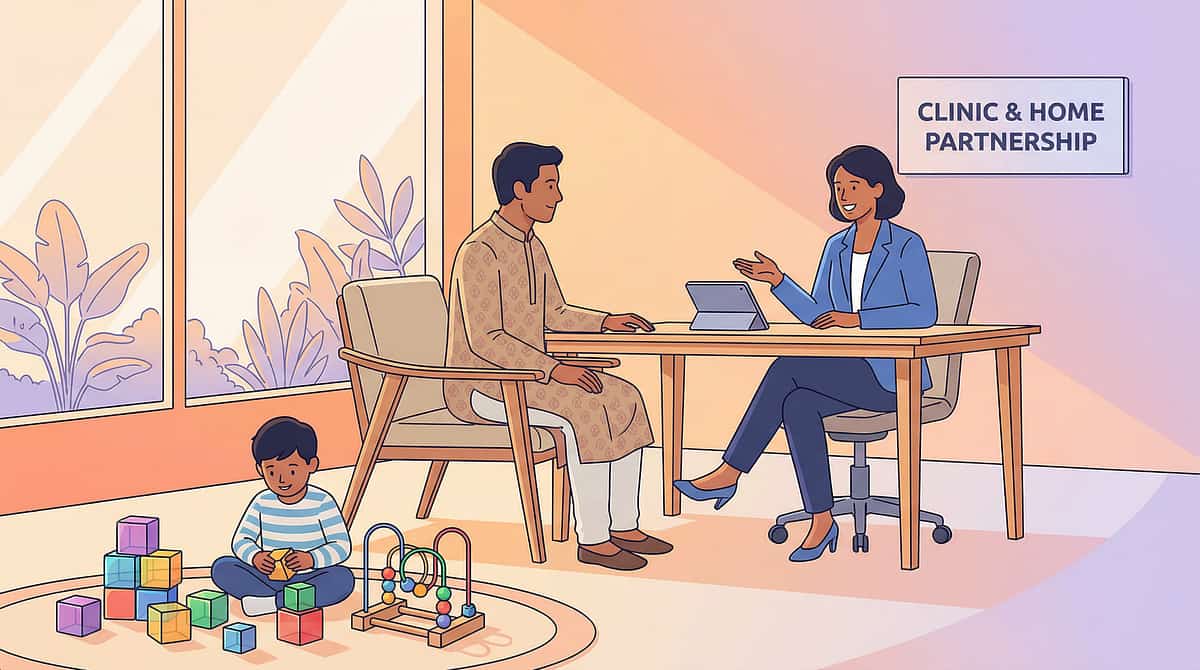
Home + Clinic = Maximum Impact. Your Professional Team Is Closer Than You Think.
Your Need | The Right Specialist | Book Now | |
Communication concerns | Paediatric Speech-Language Pathologist | ||
Sensory/motor concerns | Paediatric Occupational Therapist | ||
Behaviour/ABA guidance | BCBA / ABA Supervisor | ||
School readiness | Special Education Specialist | ||
Diagnostic clarity | Neuro-Developmental Paediatrician | ||
Comprehensive assessment | AbilityScore® Multi-Disciplinary Team |
📹 Teleconsultation Option
Can't reach a centre? Our therapists consult via video. Same clinical quality. Your home.
📞 FREE National Autism Helpline
9100 181 181
16+ Languages | Available 24×7 | No appointment needed
"Home provides the dose. Clinic provides the direction. Together, they deliver outcomes no single modality can achieve alone."

Your Session Data Doesn't Disappear. It Makes Every Child Better.
What GPT-OS® Learns from L-921 Data
- Which of the 9 materials achieves highest engagement for your child's profile
- Which time of day produces best session outcomes
- Which sequence of materials optimises regulation before learning
- When to advance vs. consolidate based on mastery trajectory
Privacy and Ethics
- ✅ Encrypted in transit and at rest
- ✅ Anonymised before population-level analysis
- ✅ Never shared with third parties
- ✅ Subject to India's DPDP Act compliance
- ✅ Parent-controlled deletion rights
"When a parent in Chennai tracks their child's bubble engagement, that data improves recommendations for a parent in Dehradun who starts the same protocol tomorrow. This is why we track. This is why it matters."
📞 Get started with GPT-OS®: 9100 181 181
🎬 Watch: 9 Materials That Help With Early Intervention
Reel L-921 — Metadata
Reel ID
L-921
Domain
EI-CORE
Duration
75–85 seconds
Series
Early Intervention #921
Therapist Introduction
"In this reel, our consortium of paediatric therapists demonstrates all 9 materials in real home settings with real children. Watch how the parent follows the child's lead, how the materials are introduced sequentially, and how brief, joyful interactions accomplish more than extended forced sessions. This is what early intervention looks like at home — not clinical, not intimidating. This."
Video modelling is classified as an evidence-based practice for autism by NCAEP (2020). Watching another parent implement L-921 before you try it yourself dramatically increases your success rate and reduces your anxiety.
Related Reels
▶️ L-920
First Steps After Diagnosis
▶️ L-922
Home Therapy Session Planning
▶️ Browse All
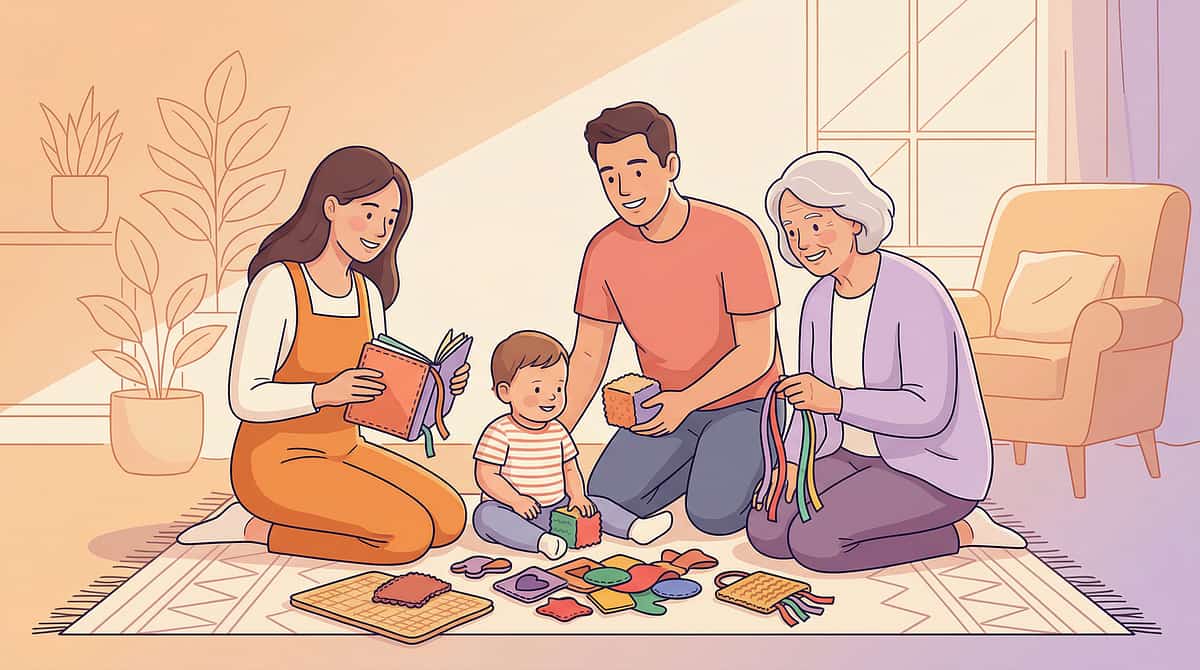
Consistency Across Caregivers Multiplies Impact
Help everyone who loves this child understand. WHO's Care for Child Development Package emphasises multi-caregiver training as critical for intervention generalisation. When a child's primary therapist, mother, father, grandmother, and teacher all implement the same principles — the child receives 8–12× the therapeutic dose of any single-caregiver approach.
"Explain to Grandparents" — Simplified Version
"Nana/Nanu — here is all you need to know:
Our child benefits when we play with them in a specific way. 9 simple toys and activities help their brain develop. You don't need to be a therapist. You just need to:
- Get at eye level
- Follow their interest
- Take turns
- Celebrate every small moment
These materials help: stacking cups, simple books, balls, bubbles. That's it. You already know how to do this — you just needed permission."
Teacher/School Communication Template
"Dear [Teacher's name], our child is currently implementing an evidence-based early intervention programme at home under Pinnacle Blooms Network® guidance (L-921). We would appreciate if you could:
- Use visual picture schedules for transitions
- Allow sensory breaks when needed
- Implement turn-taking activities using the attached guide
A copy of our child's current programme is attached. Please feel free to call our Pinnacle therapist for coordination."
📥Download L-921 Family Guide — 1-Page PDF — Simplified version for sharing with anyone who cares for your child. Print-friendly. Available in 16 languages.
ACT VI — THE CLOSE & LOOP
❓ Your Questions, Answered by the Consortium
Q1: My child is only 8 months old. Can I start L-921?
Yes. The materials and principles adapt across the 0–6 year range. For infants: prioritise high-contrast books, cause-effect toys from parent's arms, sensory exploration of different textures. Session time: 5 minutes maximum. Frequency: 3–5 times daily embedded in routine care (feeding, bath, nappy change).
Q2: We are already in therapy. Should we still use these materials at home?
Absolutely — and your therapist will likely encourage it. Research consistently shows that home carry-over of therapeutic activities dramatically accelerates outcomes. Share this page with your therapist. Ask them to customise the L-921 protocol to target your child's specific IEP/IFSP goals.
Q3: My child has autism and doesn't want to be touched. How do I use sensory play materials?
Start with VISUAL-ONLY observation: you play, they watch. Then proximity-based: material near them, no expectation of touch. Then instrumental: they touch only to retrieve a preferred item hidden inside. Tactile tolerance builds over weeks, not sessions. See Card 22 for sensory avoider modifications. Call 9100 181 181 for OT guidance.
Q4: Do I need all 9 materials or can I start with fewer?
Start with the 2–3 materials that produce the highest engagement for your child. The essential starter kit from Card 09 costs ₹500–1,000 and covers the most high-impact materials. Add materials as budget and engagement allow. Your child's enjoyment is the guide.
Q5: How do I know if my child needs professional therapy instead of just home intervention?
Home intervention and professional therapy are not either/or. If your child has no intentional communication by 18 months, has lost skills they previously had, shows significant self-injury, or shows no response to home intervention after 8 weeks — seek professional evaluation immediately. Call 9100 181 181.
Q6: My child is 5 years old. Is it too late?
No. While the 0–3 window offers maximum plasticity, significant neuroplasticity continues through age 12 and beyond. Children aged 3–6 respond extremely well to structured early intervention — particularly for communication, motor, and cognitive skills. Age 5 is not too late. Starting today is always the right answer.
Q7: We tried these materials before and they didn't work. What should we do differently?
Common reasons for non-response: inconsistency (sessions less than 3× weekly), approach mismatch (too much demand, too structured), wrong materials for the child's profile. This guide's 40-step protocol addresses all three. If still non-responsive after 4 weeks: AbilityScore® assessment will identify what's missing.
Q8: I'm a single parent. I don't have time for all of this.
You don't need "extra time." You need intention. Embed the 9 materials into what you're already doing: bubbles at bath time, books at bedtime, stacking cups at the kitchen table during meal prep, balls in the corridor for 5 minutes. The EverydayTherapyProgramme™ was designed for families exactly like yours.

You Have Read 40 Cards. You Know What to Do. Start Now.
"The early window doesn't wait for a better day. Today is the best day."
🚀 START THIS TECHNIQUE TODAY
Launch your first L-921 session guided by GPT-OS®
📞 BOOK A PROFESSIONAL CONSULTATION
Speak to a Pinnacle specialist about your child's specific needs. FREE: 9100 181 181
🗺️ EXPLORE THE NEXT TECHNIQUE
See what comes after L-921 on your child's pathway
📞 FREE National Autism Helpline: 9100 181 181 | 16+ Languages | Available 24×7 | pinnacleblooms.org
Preview of 9 materials that help with early intervention Therapy Material
Below is a visual preview of 9 materials that help with early intervention therapy material. The pages shown help educators, therapists, and caregivers understand the structure and content of the resource before use. Materials should be used under appropriate professional guidance.


Link copied!
The Pinnacle Promise
"From fear to mastery. One technique at a time." — The Pinnacle Blooms Consortium®
🏥 Multi-Disciplinary Consortium
Paediatric OT · Paediatric SLP · ABA/BCBA · Special Education · Neuro-Developmental Paediatrics · Clinical Research Organisation
🌍 Global Reach
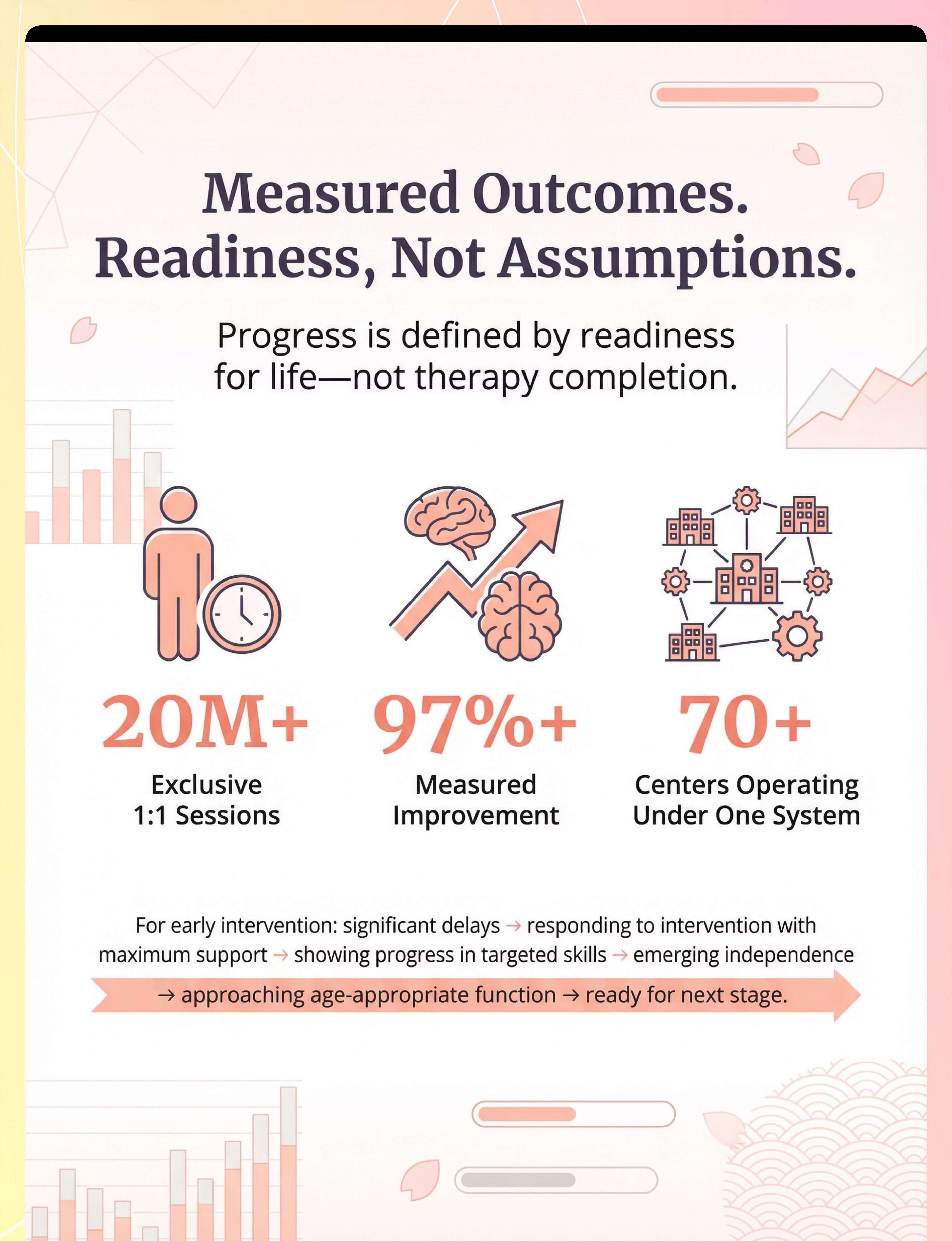
Serving 70+ Countries | 21 Million+ Therapy Sessions | 97%+ Measured Improvement
🏛️ Recognised
WHO/UNICEF-Aligned | MSME | DPIIT Recognised | CIN: U74999TG2016PTC113063 | DPIIT: DIPP8651
Medical Disclaimer: This content is educational. It does not replace professional developmental assessment or early intervention services. Children with developmental concerns should receive professional evaluation and appropriate therapeutic services. These materials support but do not replace professional intervention. Individual results may vary. Statistics represent aggregate outcomes across the Pinnacle Blooms Network®. Outcomes are subject to child-specific developmental factors, consistency of implementation, and co-occurring conditions.
© 2025 Pinnacle Blooms Network®, unit of Bharath Healthcare Laboratories Pvt. Ltd. All rights reserved. GPT-OS® and AbilityScore® are registered trademarks. | techniques.pinnacleblooms.org | L-921 | 📞 9100 181 181