

He sees everything. He just doesn't share it.
When your child watches the world in silence — notices the butterfly, sees the funny thing, feels the surprise — but never says "Look!" or "Wow!" or "That's silly!" — you know something important is missing. Not from him. From the bridge between his world and yours. You are not failing. Your child is not indifferent. His brain is still learning to build the bridge that connects noticing to sharing.
🟢 Commenting Skills — Building Declarative Language
Domain B: Social Communication | Technique B-205
Pinnacle Blooms Network® | GPT-OS® | Validated by Consortium of Pediatric SLPs, OTs, ABA Specialists, NeuroDevelopmental Pediatricians & 10,000+ Families
WHO Nurturing Care Framework (2018): "Responsive caregiving and early learning together build the foundation for all communication development." — nurturing-care.org
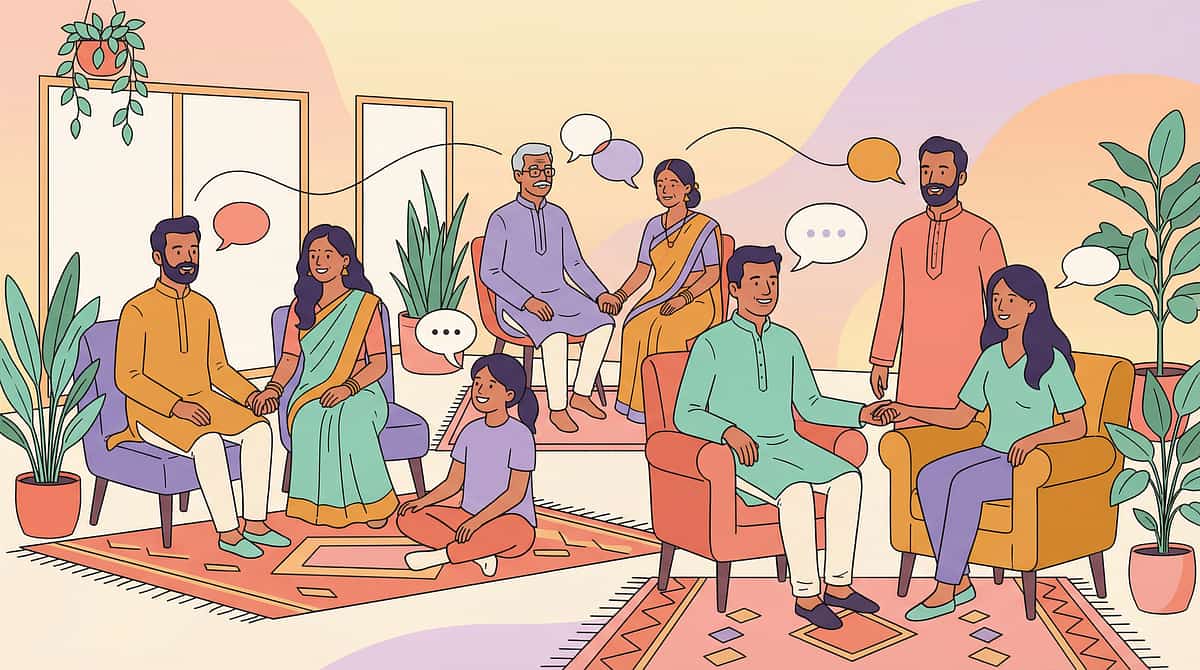
Millions of families are navigating this exact silence.
When your child reaches for your hand but doesn't say "Look at that!", when they laugh at something but don't share the laugh — this is not a parenting failure. This is one of the most consistent profiles across developmental pediatrics. Commenting — using language to share observations, not just to get things — is a specific communicative function that develops differently in children with autism and social communication differences.
80%
Reduced Commenting
of children with autism show reduced declarative and commenting language
1in36
Global Diagnosis Rate
children globally are diagnosed with autism — India's numbers are higher
47%
Unidentified
of school-age children with social communication challenges remain unidentified until age 5+
You are among millions of families. The path forward is well-documented, evidence-based, and home-executable. India's 1.4 billion population includes an estimated 18 million+ children with developmental differences. Pinnacle Blooms Network® serves families across 70+ centers in 21 states — and through GPT-OS®, 70+ countries.
Research: PRISMA Systematic Review (2024): 80% of children with autism display social communication differences including reduced commenting behavior. | WHO Global Autism Report | PMC11506176 | PMC10955541
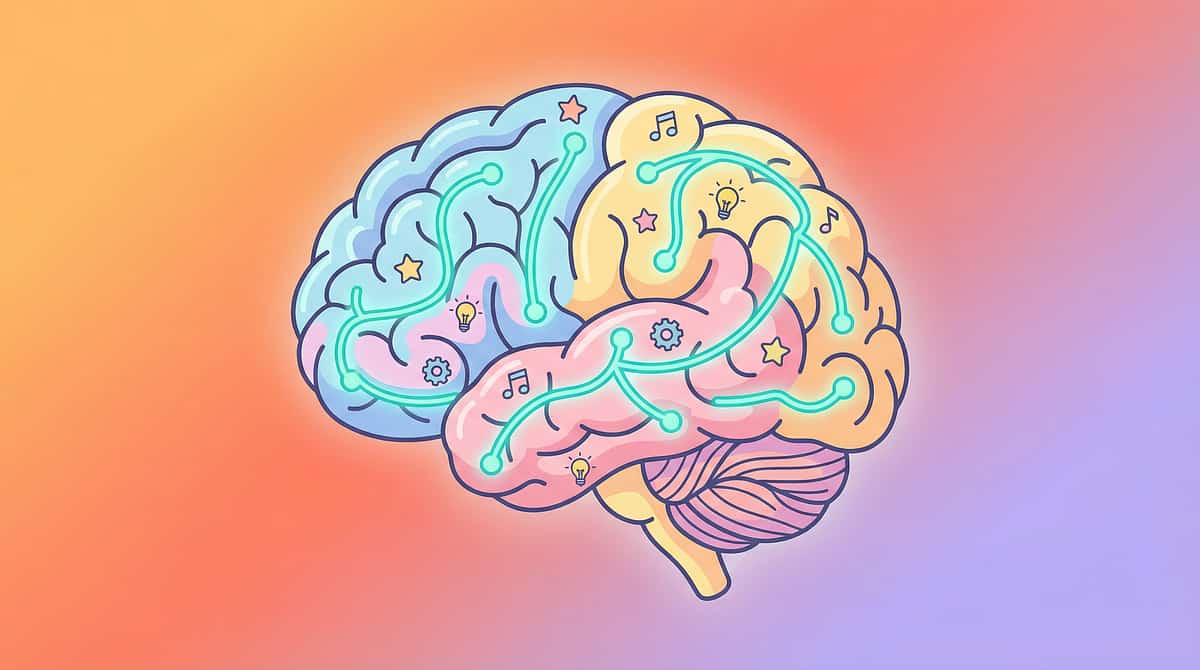
This is neuroscience. Not behavior. Not attitude.
The Requesting Brain vs. The Sharing Brain
Requesting (asking for juice, calling for help) and Commenting (sharing observations, reactions, joy) are processed through distinct neural networks. In neurotypical development, both pathways develop in parallel. In autism and social communication differences, the requesting pathway — which delivers clear, tangible rewards — develops strongly, while the commenting pathway — which requires perceiving social connection as its own reward — may develop later or need explicit scaffolding.
- Prefrontal Cortex — social motivation and sharing intent
- Mirror Neuron System — seeing others react creates the impulse to share
- Limbic System — emotional tagging of experiences as "share-worthy"
- Broca's Area — language formulation for spontaneous expression
What This Means for Your Child
Your child's brain is not broken. It has developed one communication highway (requesting) very efficiently. The other highway (sharing/commenting) is underutilized — not absent. It needs activating experiences, consistent modeling, and materials that make sharing feel natural and worth doing.
"'Look!' is not just two letters. It is the decision that another person's experience matters. That's the skill we are building." — Pinnacle Consortium Speech-Language Pathologist
Research: Frontiers in Integrative Neuroscience (2020): Comprehensive neurological framework for social communication intervention. | Developmental neuroscience of joint attention and declarative language (Mundy et al., 2018). DOI: 10.3389/fnint.2020.556660
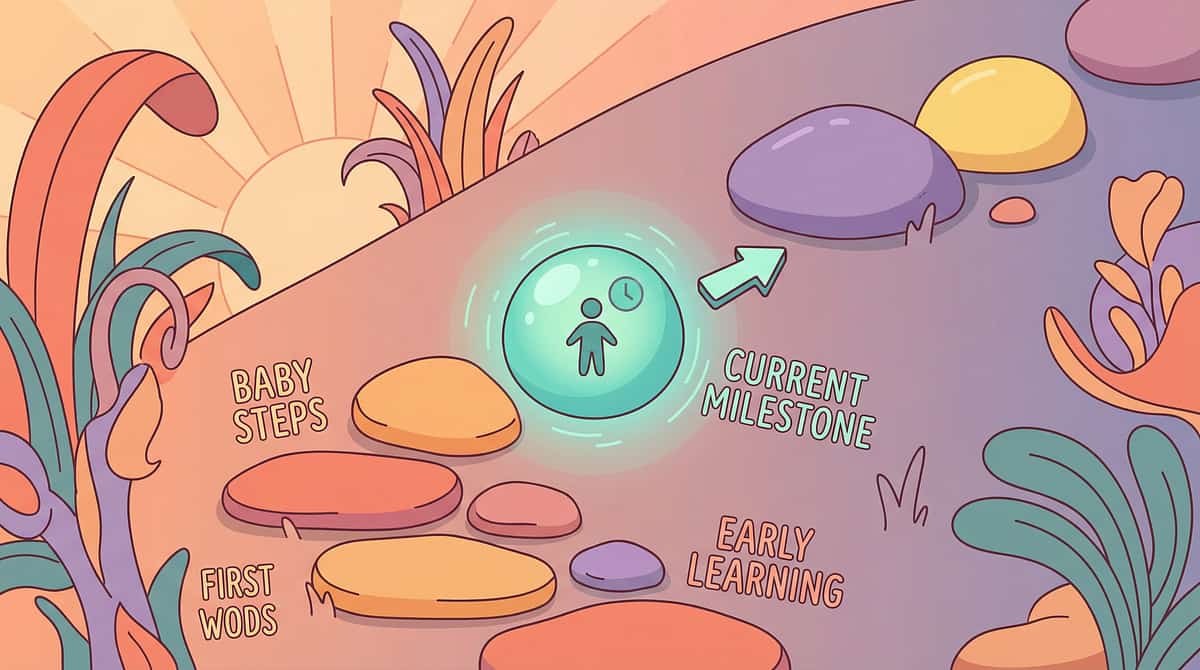
Your child is here. Here is where we're building toward.
Most families arrive at Pinnacle centers when their child is 3–7 years old with good requesting language but minimal spontaneous commenting. The window for rapid development is wide open — the brain is maximally plastic in these years, and consistent, high-interest commenting opportunities produce measurable progress within 8–12 weeks.
12–18 months
Joint attention gestures emerge — pointing to share, not just to request
18–24 months
First declarative words ("Look!" "Dog!") directed at others to share
24–36 months
Running commentary during play, sharing reactions, narrating experiences
3–5 years ★
Typical Commenting Skills Window — this technique directly addresses this zone
5–7 years
Spontaneous social commentary across settings, peers, and adults
7–10 years
Topic initiation, observation sharing, narrative commenting in conversation
Important: Commenting challenges can be addressed at any age. Later start ≠ lower ceiling. Common co-occurring factors include Autism Spectrum Disorder, Social Pragmatic Communication Disorder, Language Processing Differences, and Joint Attention Challenges.

Commenting can be taught. Here is the science behind how.
🏅 Level II — Strong Evidence
Multiple RCTs + Systematic Reviews + Clinical Consensus
Study | Finding | Reference | |
PRISMA Systematic Review (2024) | Declarative language/commenting intervention meets evidence-based criteria for autism | PMC11506176 | |
National Clearinghouse for Autism Evidence & Practice (2020) | Video modeling, naturalistic intervention, and AAC supports are EBPs for social communication | NCAEP 2020 | |
ASHA Practice Portal (2024) | Pragmatic language intervention including commenting targets is well-supported | asha.org | |
Indian RCT (Padmanabha, 2019) | Home-based language intervention demonstrates significant outcomes in Indian pediatric population | Indian J Pediatr DOI:10.1007/s12098-018-2747-4 | |
Joint Attention Mediated Learning (Kasari, 2012+) | Joint attention + commenting intervention RCTs show durable outcomes | Multiple RCTs |
When adults consistently model commenting language, create high-interest surprise moments, and respond enthusiastically to any sharing attempt — children learn that commenting is worthwhile. This is not wishful thinking. It is measured, replicated science.
"Clinically validated. Home-applicable. Parent-proven." — Pinnacle Blooms Consortium Position
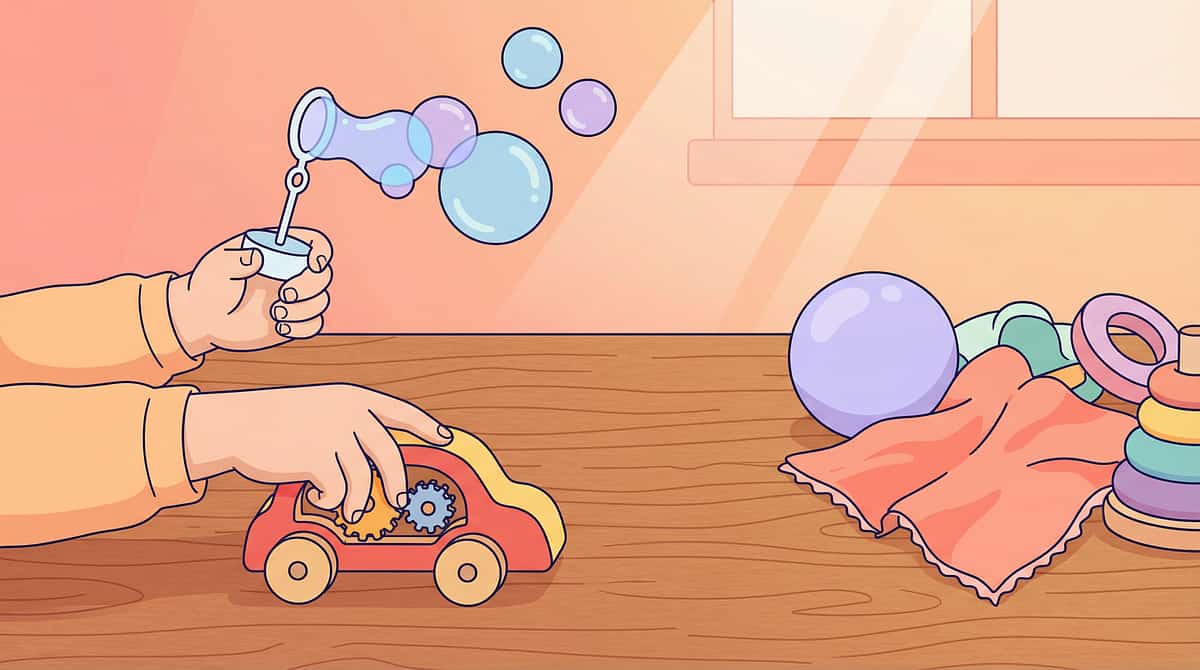
🗣️ Commenting Skills Development — Technique B-205
Also known as: Declarative Language Building | Spontaneous Observation Sharing | Social Commentary Training
Formal Definition: Commenting Skills Development is a pragmatic language intervention that targets the spontaneous use of declarative language — language used to share observations, reactions, and experiences with others — as distinct from instrumental language (requesting, responding). The intervention focuses on creating high-motivation environments that naturally elicit commenting, systematic modeling of commenting language by communication partners, and building the neural habit of sharing observations through consistent, positive social response.
Parent-Friendly Version: We create moments so interesting, so surprising, or so silly that your child naturally wants to say something. Then we make sure there's always someone nearby to hear it, respond with joy, and keep the sharing going. Over time, the habit of "noticing + sharing" becomes automatic.
🔵 Domain
Domain B: Social Communication & Pragmatic Language | Subdomain: Declarative Language / Joint Attention
👤 Age Range
2–10 years (adaptable beyond) | Sessions: 10–20 minutes daily
🏠 Setting
Home, all rooms, all daily routines. Who Can Execute: Parents, grandparents, siblings, caregivers, teachers
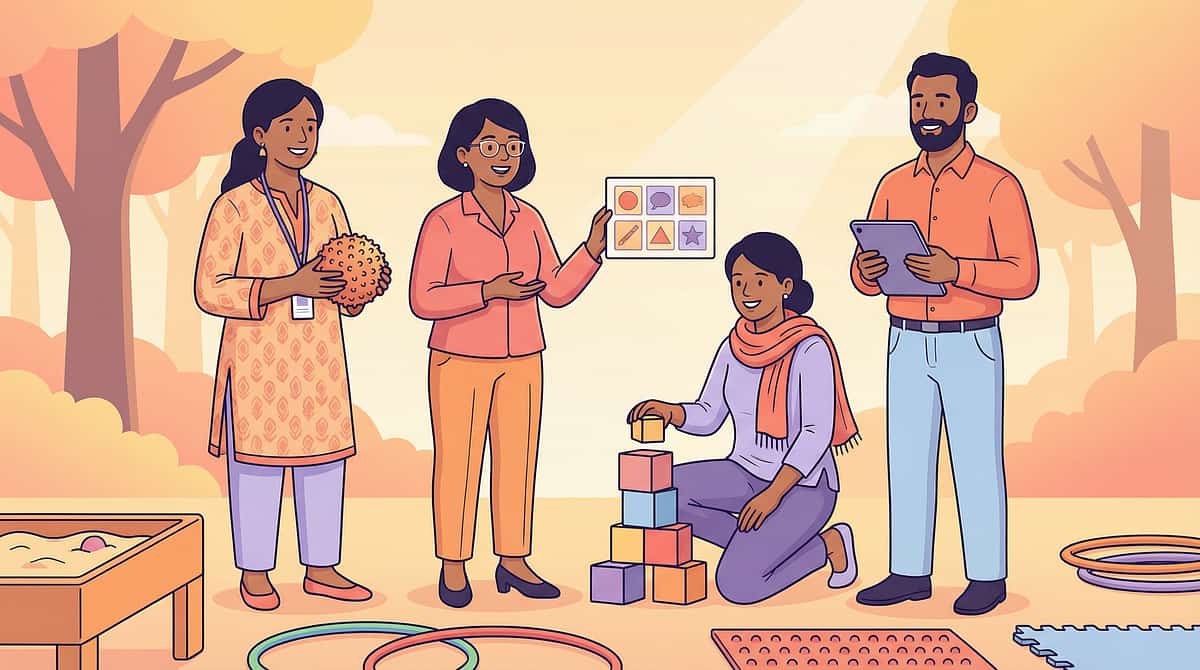
Six disciplines. One shared goal. Your child sharing their world.
Speech-Language Pathologist (Primary Lead)
Core competency holder for commenting and declarative language. Assesses communication functions, designs commenting targets, models language during naturalistic sessions, and tracks Social Communication Readiness Index progression.
Occupational Therapist
Designs sensory-rich commenting environments — bubbles, playdough, sensory bins — that create embodied commenting triggers. Also addresses fine motor aspects of pointing and showing.
Behavior Analyst / BCBA
Structures reinforcement schedules for commenting attempts, uses video modeling protocols as EBP, and applies naturalistic teaching procedures (incidental teaching, pivotal response training) to build commenting in high-motivation contexts.
Special Educator
Integrates commenting targets into classroom circle time, shared reading, and peer interaction routines. Creates structured opportunities for commenting in school settings using visual communication supports.
NeuroDevelopmental Pediatrician
Provides diagnostic clarity on communication function profiles, monitors development trajectory, coordinates with SLP for pragmatic language targets, and flags any emerging concerns requiring medical evaluation.
Family / Parent (Critical Partner)
The most important commenting model. Parents who consistently narrate, react out loud, and respond enthusiastically to every commenting attempt create the consistent learning environment that clinics cannot replicate. Your role is irreplaceable.
"The brain doesn't organize by therapy type. Commenting happens everywhere — so intervention must too." — Pinnacle Consortium Position

This is not a random activity. It is a precision communication intervention.
Target | "Before" | "After" | |
Commenting | Watches butterfly silently | "Look! Butterfly!" | |
Joint Attention | Eyes stay on object | Eyes shift: object → your face → object | |
Initiation | Waits to be asked | Volunteers information spontaneously | |
Emotion Language | Laughs alone | "That's so funny!" to share the laugh |
Research: Meta-analysis (World J Clin Cases, 2024): Pragmatic language intervention effectively targets social communication, adaptive behavior, and relationship building. PMC10955541
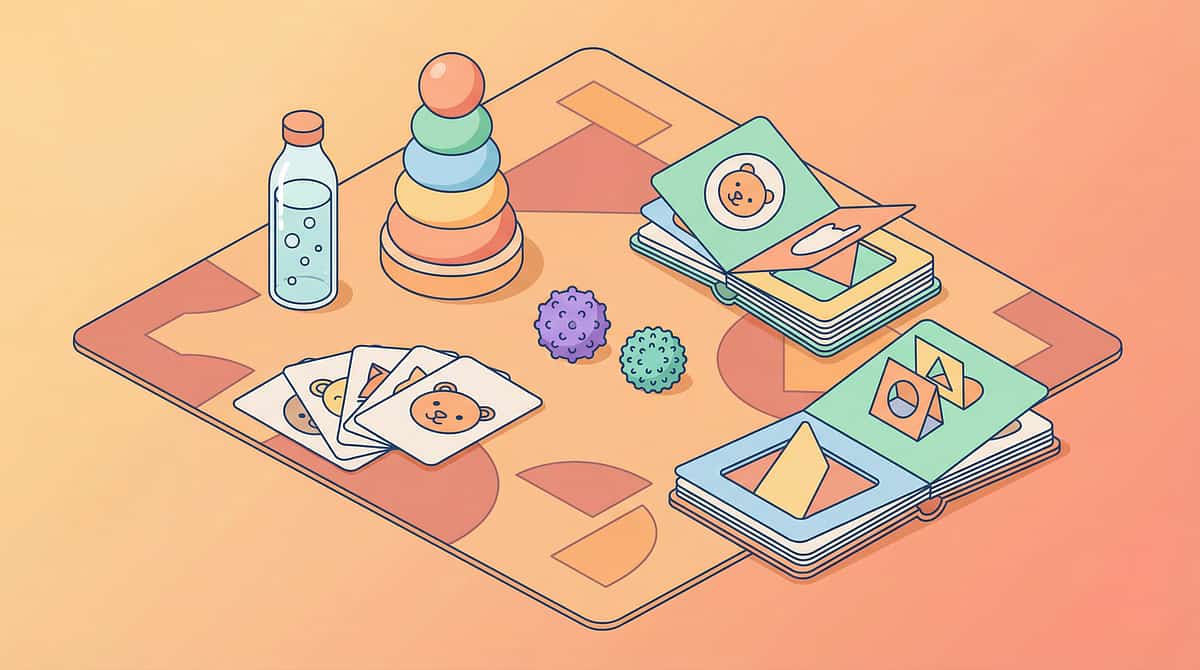
9 materials that create moments worth sharing.
Everything your child needs. Everything you need to begin today. Total starter investment: as low as ₹50 (bubbles + household items). Full ecosystem: ₹1,800–10,000.

1. Cause-and-Effect Toys
Pop-up toys, musical push toys, spinning tops, jack-in-the-box. Creates surprise and delight — the birthplace of comments. ₹200–1,500
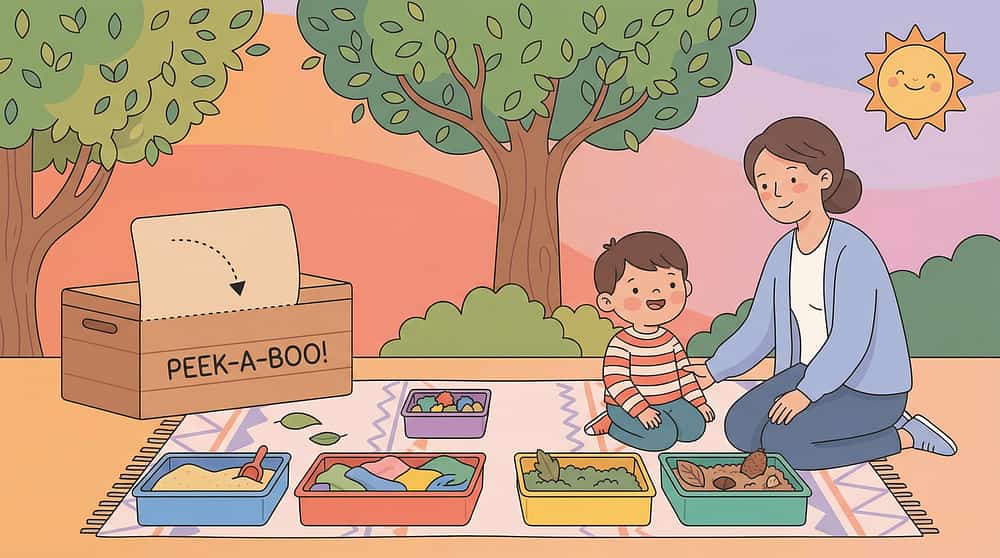
2. Interactive Books
Pop-up, touch-and-feel, and flap books. Discovery moments built into every page — lifting a flap = finding something comment-worthy. ₹300–1,200

3. Bubbles & Bubble Toys
Bubble solution, wands, bubble machines, giant wands, colored bubbles. Universally engaging — float, pop, land — each moment comment-worthy. ₹50–500
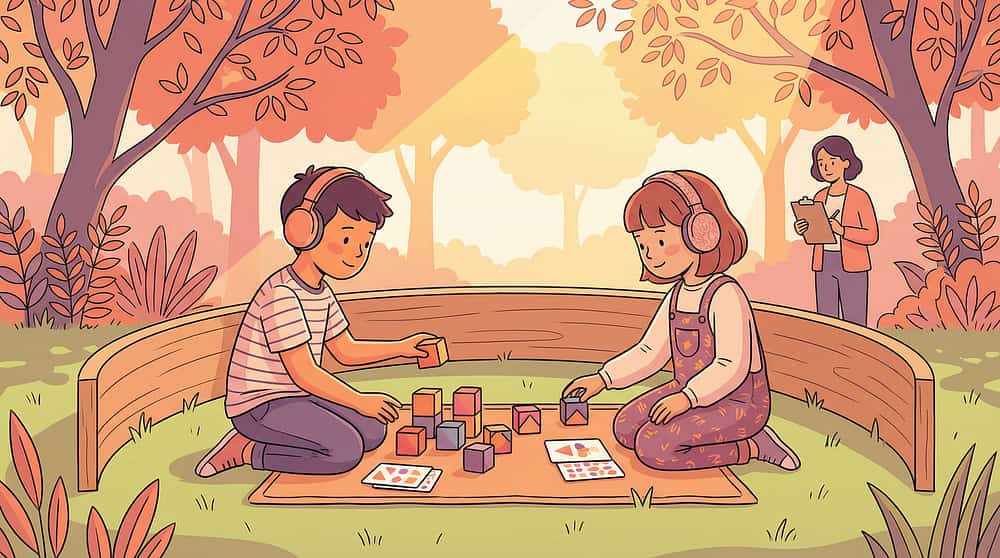
4. Barrier Games & Shared Activity Sets
Matching sets, duplicate play scenes, identical building sets. Makes commenting structurally necessary — you must share what you see to make the game work. ₹300–2,000
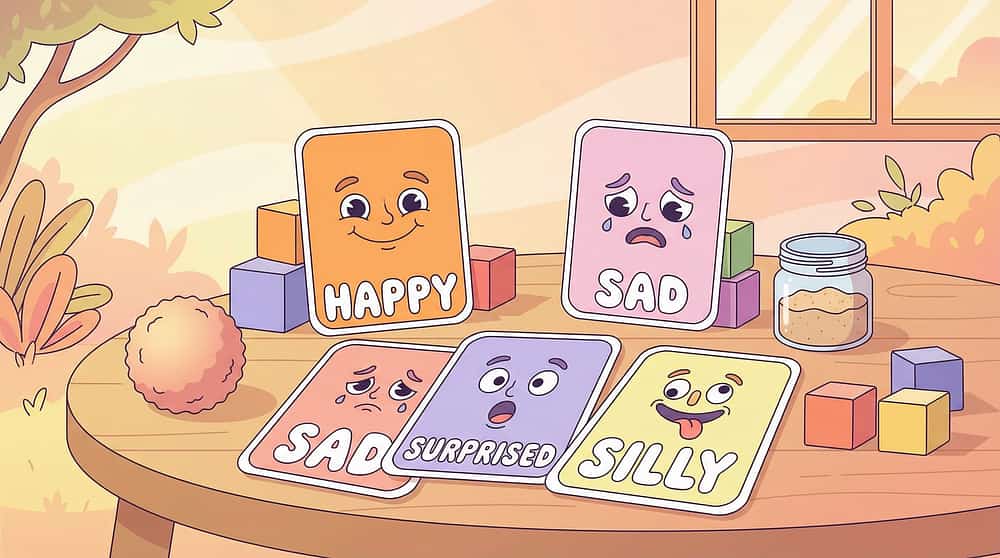
5. Photo Cards & Image Sets
Funny faces, surprising situations, emotion and absurd/silly image cards. Gives a concrete, bounded thing to comment on. ₹200–1,000
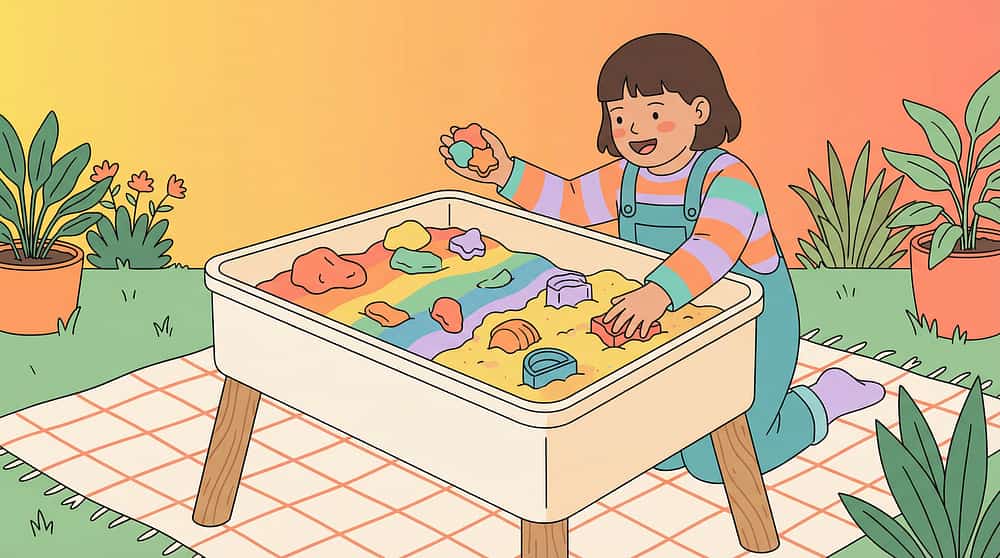
6. Sensory Play Materials
Playdough, kinetic sand, slime, water play sets, sensory bins. Continuous sensory experience that calls for commentary: "So slimy!" "It's stretching!" ₹100–800
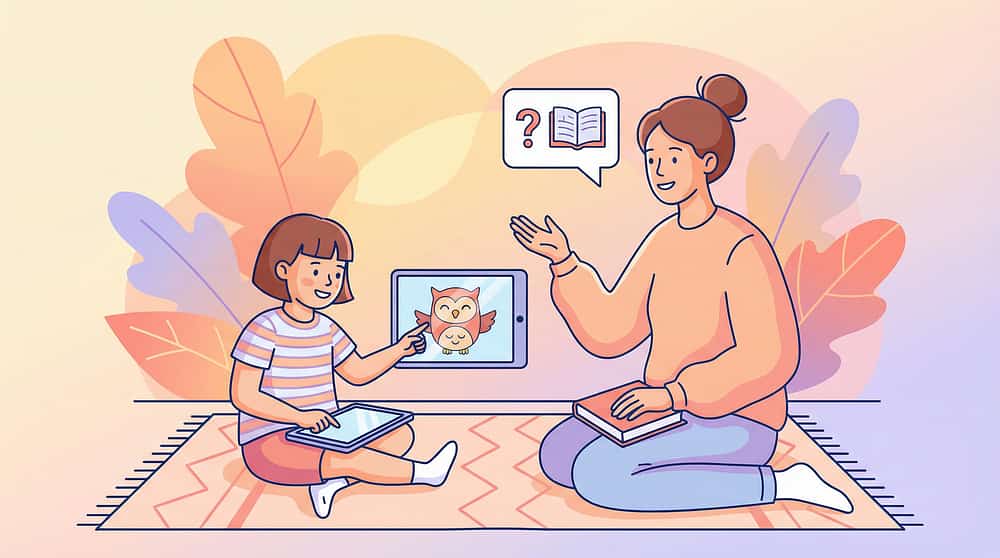
7. Video Modeling Tools
Social communication videos, commenting demonstration videos, tablet or device. Shows children what commenting looks, sounds, and feels like. EBP per NCAEP 2020. ₹0–2,000
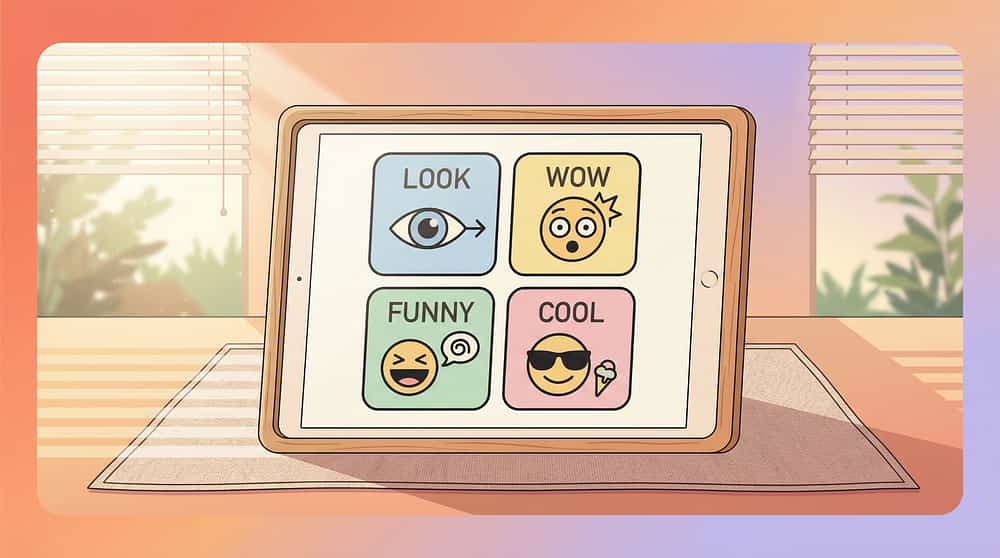
8. Communication Boards & Visual Supports
AAC comment boards, symbol strips, core vocabulary cards ("Look!" "Wow!" "Funny!" "Cool!"). Provides ready-made comment language, reduces cognitive load. ₹100–1,500
9. Sabotage & Silly Scenario Materials
Wrong objects, missing pieces, absurd prop sets, wacky dress-up items. Engineered "wrongness" that is inherently comment-worthy. When Daddy puts a shoe on his head, the comment almost writes itself. No purchase required — just creativity. ₹0–500 (mostly household items)
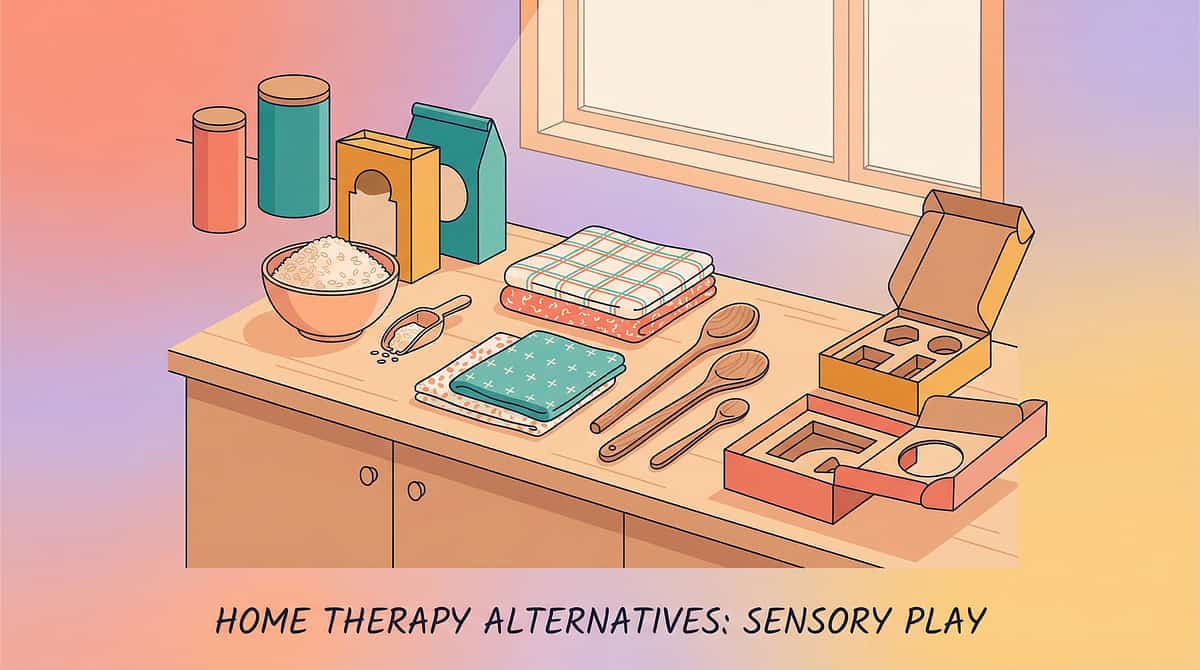
Every material has a zero-cost version. No family is left behind.
The WHO Nurturing Care principle: equity of access means no family is excluded by purchasing power. The most powerful commenting tool in your home is an adult who consistently models sharing language — and that costs nothing.
Material | Commercial Option | DIY / Zero-Cost Alternative | Why It Works | |
Cause-Effect Toys | Pop-up toy ₹200–1,500 | Stack cups → knock them down • Hide object under cloth → reveal | The moment of effect is what matters, not the toy | |
Interactive Books | Flap books ₹300–1,200 | Sticky notes over pictures in any book • Paper flaps over drawings | Discovery = comment trigger regardless of production quality | |
Bubbles | Bubble kit ₹50–500 | Dish soap + water + pipe cleaner wand | Homemade solution works perfectly | |
Barrier Games | Commercial sets ₹300–2,000 | Two identical coloring pages + cereal box barrier | Any matching set + any divider = barrier game | |
Photo Cards | Printed card sets ₹200–1,000 | Magazine cutouts • Printed family photos • Printable funny images | Personal photos work better — familiar context, higher engagement | |
Sensory Play | Commercial kits ₹100–800 | Homemade playdough (flour+salt+water+oil) • Dry rice/lentil bin | Sensory properties are identical to commercial versions | |
Video Modeling | Program ₹0–2,000 | Record family commenting during play on a smartphone | Self-video of known people is most effective for modeling | |
Visual Supports | AAC boards ₹100–1,500 | 4 index cards: "Look!" "Wow!" "Funny!" "Yucky!" in large writing | Language scaffold works regardless of material | |
Sabotage Materials | Prop sets ₹0–500 | Wear shoes on wrong feet • Put fork in cup • Banana in shoe rack | Zero cost — requires only creativity and playfulness |
"Therapeutic access should never be limited by purchasing power." — Pinnacle Blooms Consortium | WHO NCF (2018)
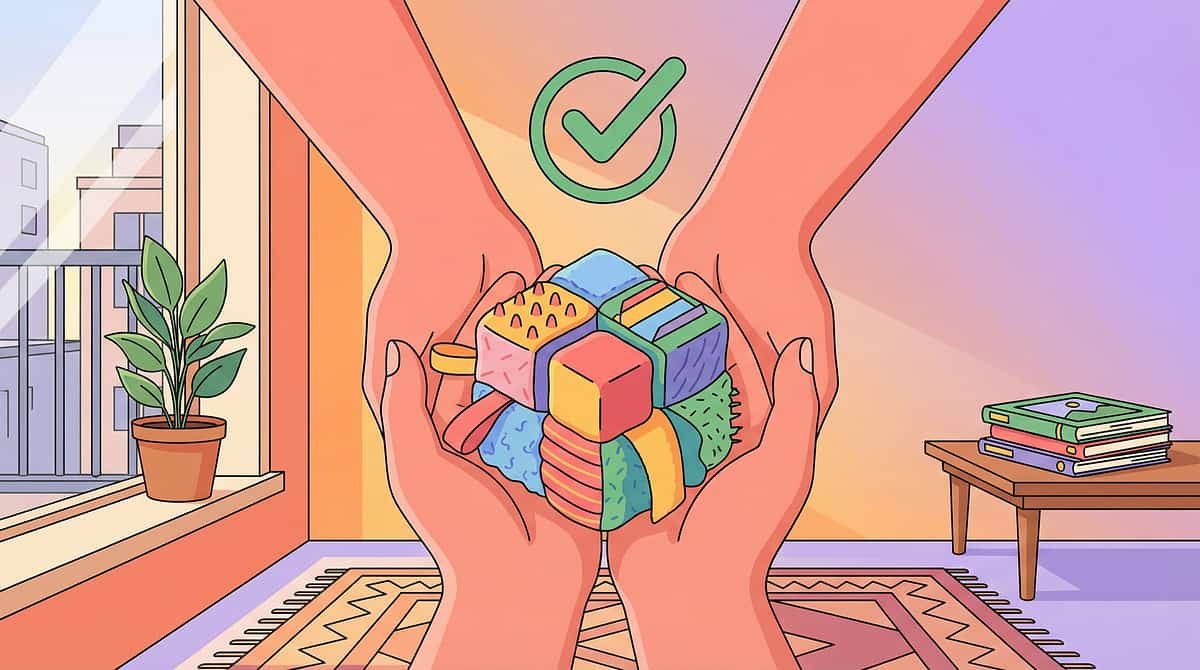
60 seconds of safety check. Every time. No exceptions.
🔴 Do Not Proceed If:
- Child shows signs of illness (fever, ear infection)
- Child is in meltdown or severe dysregulation state
- Bubble solution / playdough contains allergens
- Photo cards contain imagery that triggers strong anxiety
- Child has recently experienced trauma or extreme sensory overload
🟡 Proceed With Modification If:
- Child is tired or hungry → shorten to 5 minutes
- Child is in mild dysregulation → begin with sensory play first
- Child resistant → use sabotage to create an irresistible comment moment
- Barrier game causing frustration → remove barrier entirely
🟢 Proceed When:
- Child is fed, rested, and in regulated state
- Environment is prepared (see Card 12)
- You have 10–20 uninterrupted minutes
- Your own emotional state is calm — children mirror adult dysregulation
Material Safety Specifics:
- Bubbles: Keep away from eyes. Supervise to prevent drinking. Wet floors = slip hazard.
- Sensory materials: Confirm non-toxic. Supervise to prevent mouthing.
- Pop-up toys: Check for pinch points. Supervise with very young children.
- Photo cards: Screen for imagery that might cause distress.
- Barrier games: Ensure barrier is stable, no toppling risk.
🚨 STOP IMMEDIATELY if child shows self-injurious behavior, severe anxiety escalation, or any signs of choking. FREE Helpline: 9100 181 181 (24x7, 16 languages)
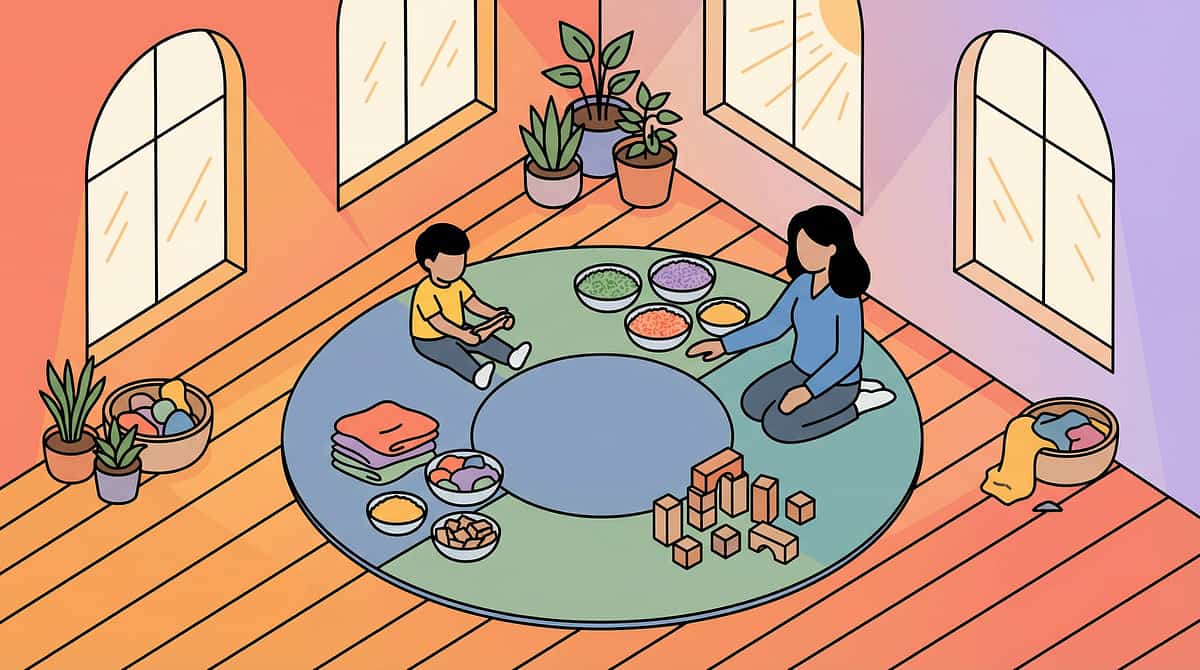
The right environment does half the work.
Positioning Rules
- Child's eye level — Sit on the floor or kneel. Eye contact is the channel for joint attention comments.
- Face-to-face within 1 meter — Comment exchanges require close, responsive presence.
- Materials at arm's reach — Not across the room. Comment moments pass in seconds.
- Remove competing stimuli — Turn off screens, quiet music, close other rooms.
The Commenting Corner
If you can, designate one corner of your home as the "sharing spot" — a visually consistent, always-ready commenting space. Consistency of environment reduces cognitive load and helps commenting become habitual faster.
Joint Household Guidance (India Context)
Grandparents, aunts, and extended family members are powerful commenting partners. Brief them: model short comments, respond enthusiastically to any sharing, avoid asking too many questions. Consistent cross-caregiver modeling accelerates commenting development significantly.Environment Checklist
- Natural or warm lighting (not harsh fluorescent)
- Minimum background noise
- Floor space cleared for sensory play / movement
- Materials arranged by today's plan (not all at once — overwhelm reduces commenting)
- Visual supports in sight line
- Phone away from distraction (available for data capture per Card 20)
- Timer set (visual timer if child benefits from predictability)
- TV off, clutter cleared
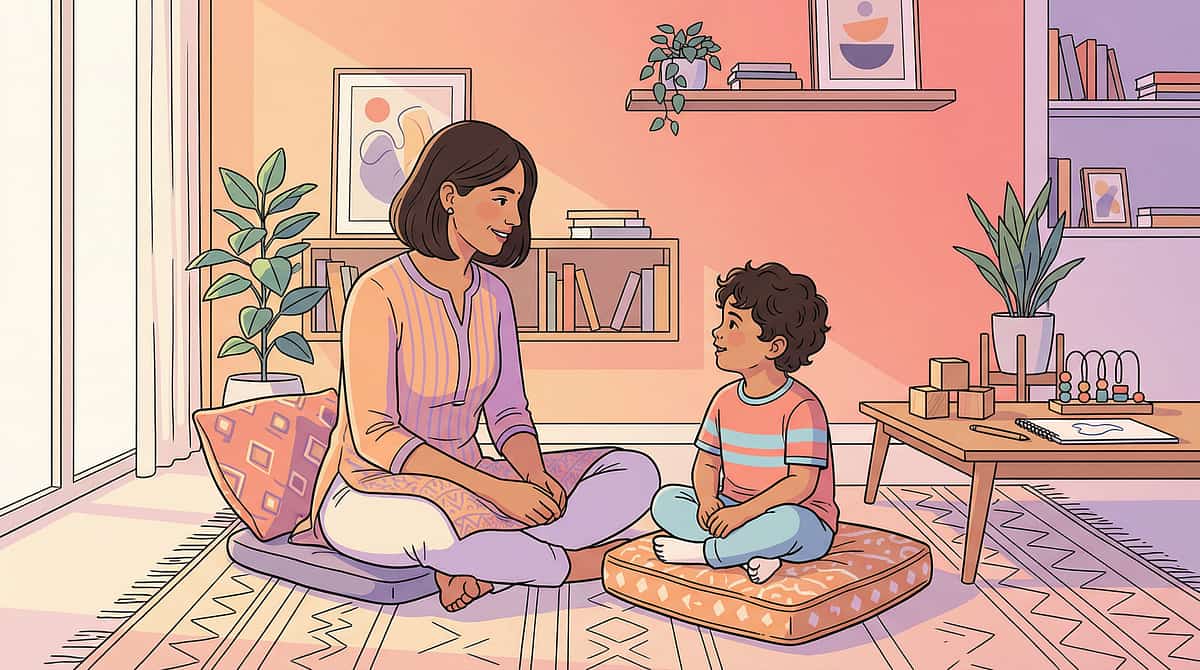
The best session is one that starts right.
Before beginning, take 60 seconds to check your child's readiness. A modified or postponed session is not a failure — it is good clinical judgment.
Check | ✅ Go | ⚠️ Modify | 🔴 Postpone | |
Hunger/thirst | Fed + hydrated | Light hunger — offer snack first | Very hungry / refused food | |
Energy level | Alert + engaged | Tired — shorten to 5 min | Exhausted / just waking | |
Emotional state | Calm / playful | Mild agitation — start with preferred activity | Mid-meltdown or severe upset | |
Recent events | Routine day | Transition stress — extra warm-up | Traumatic event today | |
Physical comfort | No pain indicators | Mild discomfort — check + address | Signs of illness or pain | |
Sensory state | Regulated | Seeking input — begin with movement | Overwhelmed / shutting down |
✅ Go → Proceed to Step 1
All checks pass — proceed to the Invitation (Card 14)
⚠️ Modify
Use only highest-interest material. Shorten to 5 minutes. Model only — do not expect output.
🔴 Postpone
Go to a preferred, low-demand activity. Note the day in your tracker. Try tomorrow. Skipping is not failing — it's data.
Parent Check-In: How are YOU right now? Rushed, stressed parents model rushed, stressed communication. If you need 2 minutes to regulate yourself first — take them. Your calm is the context for your child's commenting.

🟢 Step 1 of 6
The Invitation
The principle: Every commenting session begins with an invitation, never a demand. You are creating an irresistible opportunity to share — not asking your child to perform.
"Hey, come see this. I have something really interesting."
"Come sit with me for a minute. Something funny just happened."
"Look what I found!" [hold up the first material with visible excitement]
Body Language Guidance
- Lower yourself to floor level before inviting
- Make eye contact with the material FIRST (model your own interest)
- Use animated, genuine expression — not performed excitement
- Leave a 5-second gap after the invitation: let the child approach at their pace
What to Watch For
✅ Acceptance Cues: Child approaches or turns toward you • Eye gaze shifts to material • Body orientation moves toward you • Any vocalization
⚠️ Resistance Cues: Child ignores invitation → Wait 10 more seconds. Increase your own visible excitement. If still no response, activate the material yourself and let the effect create the invitation.
"The child does not come to learn commenting. The child comes to play. Commenting is what happens when the play is right." — Pinnacle Consortium OT/SLP Joint Position
Timing: 30–60 seconds
🔵 Step 2 of 6
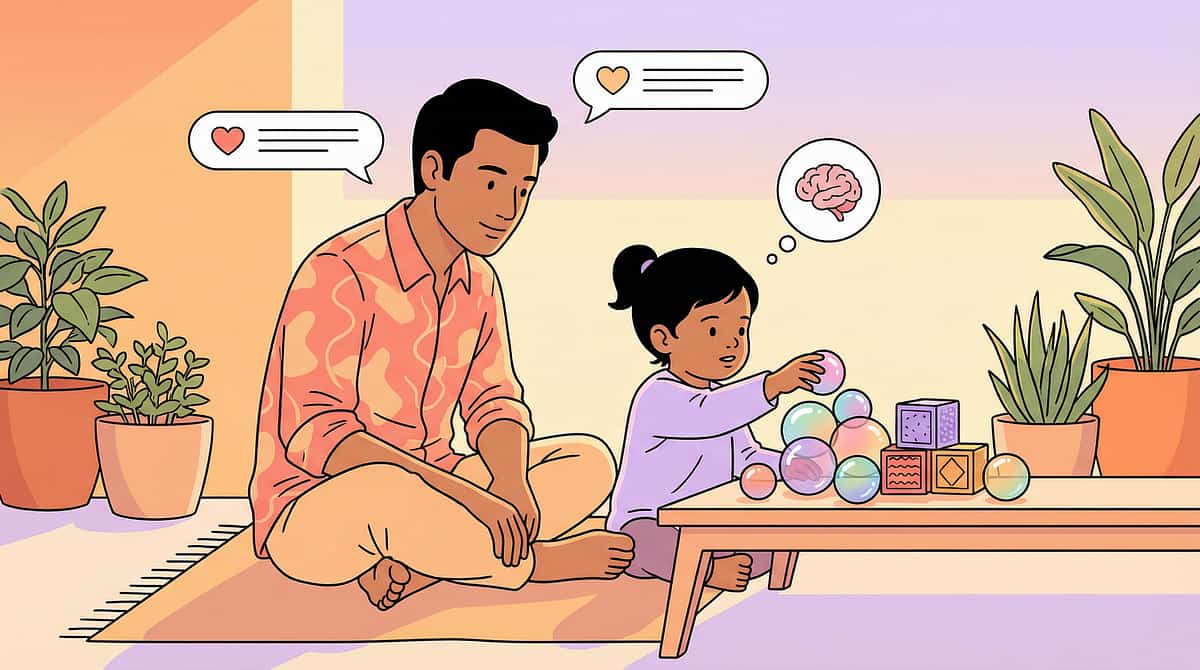
The Engagement
The principle: The child is now present. Your job: introduce the material in a way that creates maximum comment opportunity. Present — then PAUSE. The silence after the presentation is where comments are born.
For Cause-Effect Toys
Demonstrate the effect yourself first: press the button, express genuine surprise: "Oh! Wow! Did you see that?" Then hand the toy to the child. Watch.
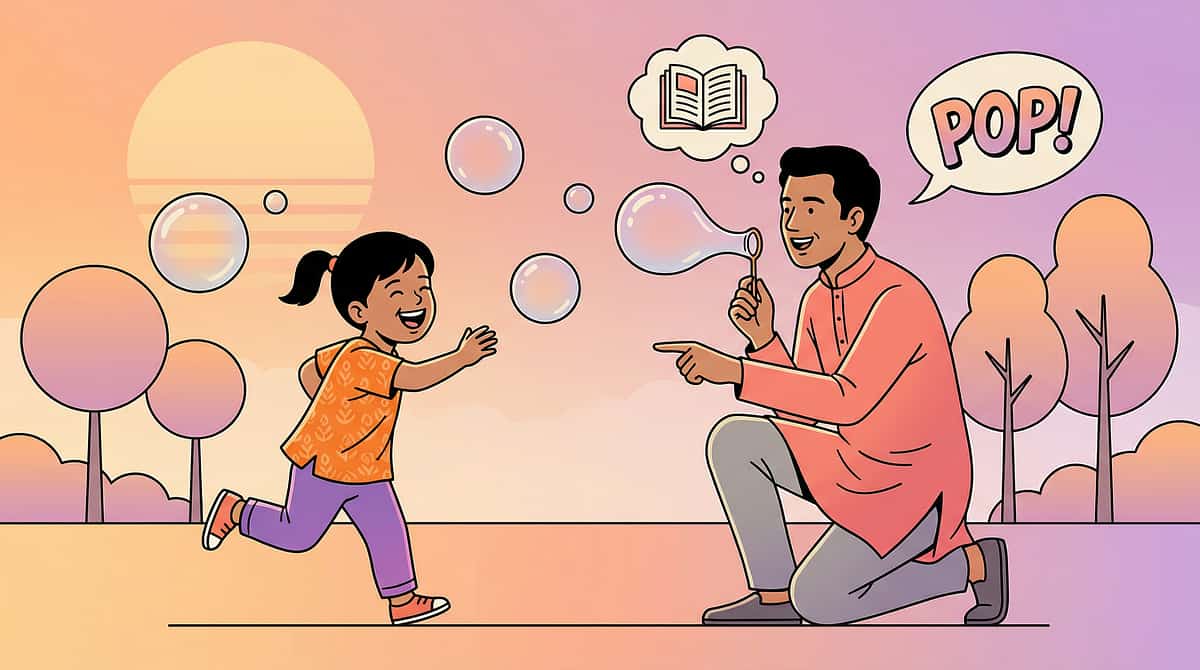
For Bubbles
Blow a single large bubble. Follow it with your eyes. Don't say anything for 3 seconds. Let the child's eyes follow it. The pop is the comment trigger. Model after: "It popped!"
For Interactive Books
Open to a flap page. Pause dramatically before lifting. "What do you think is under here?" Lift slowly. Wait 3 seconds after reveal.
For Photo Cards
Hold up a card with a funny or surprising image. Make a face that matches. Wait. Your expression is a commenting invitation.
For Sensory Materials
Begin playing yourself. "Ooh, this is so squishy!" React to your own sensory experience. Hand the child a piece without instruction.
The Critical Pause: After every presentation — wait 3–5 seconds before speaking. This is the space where the child's comment can emerge. Most parents fill this silence too quickly. The pause IS the technique.
Timing: 1–3 minutes | Research: PMC11506176 (2024): Naturalistic intervention with structured material presentation — evidence-based for social communication.
🟡 Step 3 of 6
The Therapeutic Action — Modeling Commenting Language
The active ingredient: You model a short, genuine comment. Immediately. In response to something that just happened or that you're both observing. Child witnesses the full commenting pattern: notice → share → receive response.
The Core Script Patterns
Observation comments: "Look at that big bubble!" • "It's orange!" • "The tower fell down!" • "His hat is so silly!"
Reaction comments: "Wow!" • "Uh oh!" • "That's so funny!" • "I like this one!"
Invitation comments (to child): "Did you see that?" • "Look at me!" [then do something silly] • "What happened?!" [rhetorical — model the answer if child doesn't fill it]
Execution Principles
- Keep it SHORT. 2–5 words. Not sentences. "Big bubble!" not a full explanation.
- Keep it GENUINE. Fake enthusiasm is detectable and reduces trust.
- Immediate. Comment within 1–2 seconds of the event.
- Wait after every model. 3–5 second pause. The space must exist.
Child Response Spectrum
✅ Child produces a comment → Enthusiastic response (Step 5)
🔵 Child looks at you → Joint attention is present. Model again.
⚠️ Child returns to solitary engagement → Bring material closer. Try sabotage.
🔴 Child withdraws entirely → Proceed to Troubleshooting (Card 21)
🔵 Child looks at you → Joint attention is present. Model again.
⚠️ Child returns to solitary engagement → Bring material closer. Try sabotage.
🔴 Child withdraws entirely → Proceed to Troubleshooting (Card 21)
Timing: 5–8 minutes of active modeling with embedded pauses | Research: PMC10955541 (2024): Structured commenting opportunities with adult modeling — gold standard for declarative language intervention.
🟠 Step 4 of 6
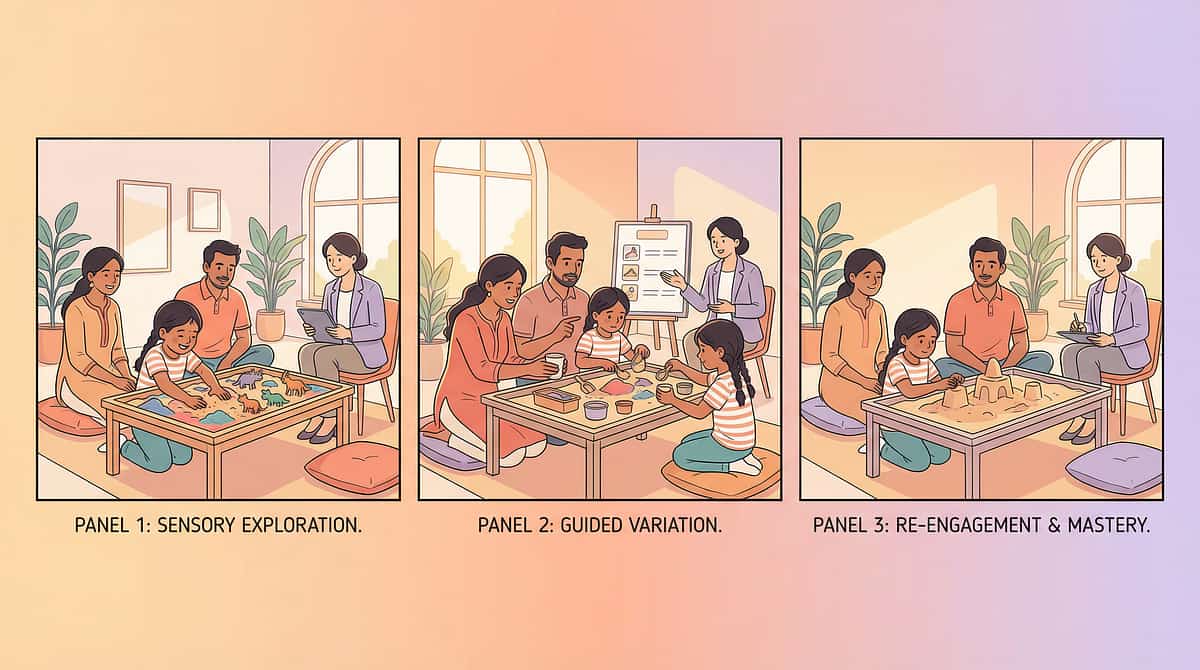
Repeat & Vary
The dosage principle: 3 excellent modeling repetitions where the child is truly engaged outperform 15 repetitions through a disengaged child. Quality over quantity. Engagement over persistence.
Target: 5–10 natural comment opportunities per session. Session cycle: Present material → pause → model comment → pause for child → respond to any output → vary → repeat.
Bubbles
Vary size (big/small wand), location (blow up/sideways), recipient (on child's hand, in the air, on floor)
Cause-Effect Toys
Let child activate. Then you activate. Then activate together.
Photo Cards
Cycle through 3–4 cards. Use child's expressions as data — which images generate visible reaction?
Sensory Play
Change texture (add water to playdough), container (pour sand between hands vs. cups), tool (hands vs. spoon)
Sabotage
Escalate silliness in small steps — shoe on head → cup upside down → wrong name for object
Satiation Indicators (when to change or end): Repetitive manipulation without looking at you • Increasing self-stimulatory behavior • Active redirection away from activity • Prolonged gaze aversion. When you see satiation → transition to new material OR move to cool-down.
The Variation Principle: Same commenting skill, different materials. This is generalization in action — the child learns that the sharing pattern applies everywhere, not just with one toy. Timing: 3–7 minutes.

🌟 Step 5 of 6
Reinforce & Celebrate
The golden rule of commenting: Every commenting attempt — however small, however unclear — deserves an immediate, enthusiastic, specific response. The social reward IS the intervention.
What Counts as a Commenting Attempt
- "Look!" (even just the word, pointing at nothing specific)
- "Big!" (labeling an observable quality)
- "Pop!" (commenting on an event)
- Any pointing toward you that is sharing-directed (not requesting)
- Any vocalization timed to an interesting event while looking at you
- Any gesture: surprise face, laughing at you, mime of the event
The Reinforcement Script
"YES! Did you see that! Tell me more!" [lean in, maintain eye contact]
"You noticed! I saw it too! It really was [echo their word back with elaboration]!"
"Oh WOW, you're right! [repeat what they said + add 1 word]"
Reinforcement Menu
- Social: animated facial expression + verbal celebration
- Physical: high-five, hug, spin (if child enjoys these)
- Activity continuation: "Do it again!"
- Token: sticker on a comment chart (visual progress)
- Natural: share the discovery together, keep the moment going
"Celebrate the attempt, not just the success. A child who tries to share and is met with joy will try again. That is the entire mechanism." — Pinnacle Consortium ABA Position
The 3-Second Rule: Reinforce within 3 seconds of the commenting attempt. Delayed reinforcement loses its association. Set → Response → Reinforce. Always in this order.
🔵 Step 6 of 6
The Cool-Down
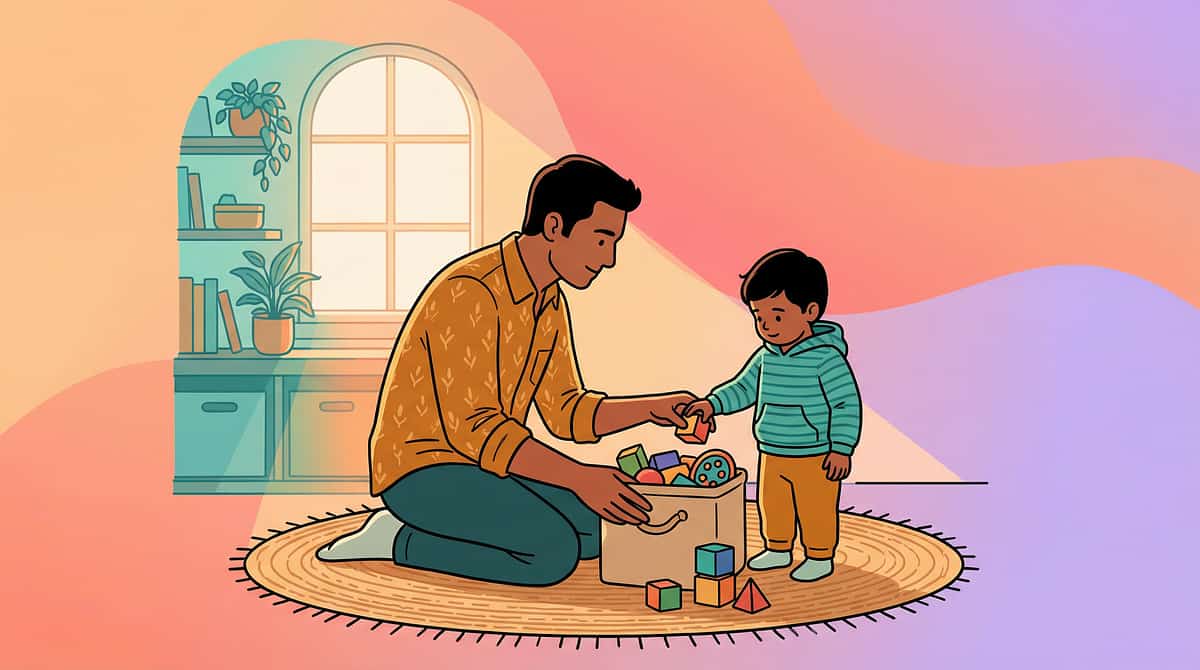
The principle: No session ends abruptly. The transition is part of the technique. An abrupt ending creates dysregulation that makes the NEXT session harder to start.
The Transition Script (2 minutes before ending)
"Two more [bubbles / pictures / plays] and then we'll put it away." • "One more — last one! Make it a big one!" • "All done with bubbles. Time to put them here." [involve child in tidying if possible]
If Child Resists Ending
Don't extend indefinitely. Use the transition phrase consistently. Offer a "last" activity: "One more bubble — your turn to blow." Connect to what comes next: "After we put this away, we'll have a snack."
Visual Timer Recommendation: Time Timer (visual sand-timer style) or any visual countdown. Research confirms visual transition supports dramatically reduce end-of-session resistance. NCAEP Evidence-Based Practices Report (2020): Visual supports for transitions are evidence-based practice for autism.
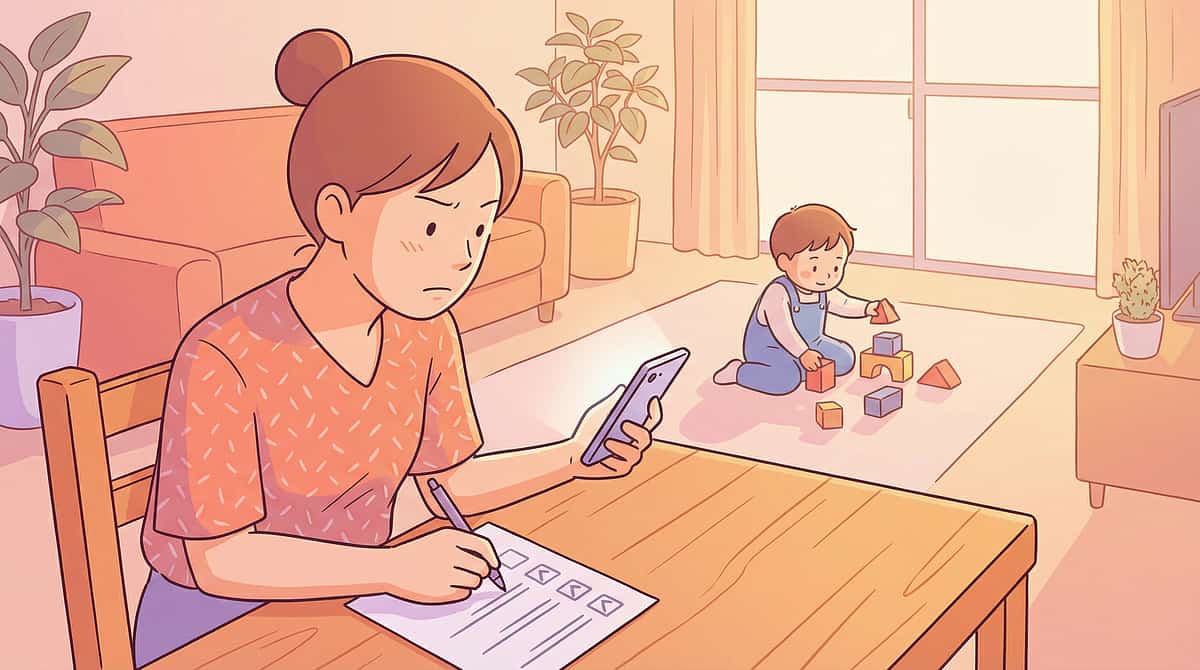
60 seconds of data now saves hours of guessing later.
Capture these 3 data points immediately after each session. Don't wait — the data is freshest right now.
1. Commenting Count
How many commenting attempts did your child make today? (Include ALL attempts: words, gestures, vocalizations, pointing-to-share)
☐ 0 | ☐ 1–2 | ☐ 3–5 | ☐ 6–10 | ☐ 10+
2. Commenting Quality
What was the best commenting attempt today? One-word description.
Examples: "Look" / "Pop" / "Big" / "Funny" / pointed + looked at me
3. Child Engagement
Overall session engagement:
☐ 1 (resistant throughout) | ☐ 2 | ☐ 3 | ☐ 4 | ☐ 5 (fully engaged, hard to end)
Weekly Pattern: Track for 7 days. You are looking for any upward trend over time. One more attempt per session than last week = real, measurable progress.
GPT-OS® Tracker
Log data in the GPT-OS® system to feed your child's AbilityScore® and personalize the next session's recommendations.
Downloadable Tracking Sheet
B-205 Commenting Skills Weekly Tracker — print and place near your commenting corner.
"You don't need to be a researcher. You need 3 numbers and one word. Over 4 weeks, those numbers tell a story that no clinician can access without them." — Pinnacle GPT-OS® Data Team

Session abandonment is not failure. It is data.
Every family hits obstacles. Here are the 7 most common problems — and exactly what to do.
"My child didn't comment at all"
This is the baseline. It is expected in early sessions. Your modeling still worked — the child heard commenting language and saw it modeled. Neural pattern formation happens before behavioral expression. Continue for 7 days before evaluating.
"My child only commented when I asked a direct question"
Answering questions is not commenting — it's responding. This is progress in the right direction, but the target is unsolicited commenting. Reduce your questions and increase your own commenting model.
"My child got frustrated with the barrier game"
Remove the barrier entirely. Do parallel commenting (side by side, same materials, no requirement to match). Reintroduce the barrier gradually over weeks.
"My child grabbed the materials and went to another room"
Follow them. The activity can continue wherever they are. Remove the formal session structure and allow them to lead. Model comments on what THEY are doing.
"My child commented once and then never again"
This is significant progress. One spontaneous comment is a neural breakthrough. Review: what material, what moment, what comment? Recreate that context repeatedly.
"The bubbles made a mess and it ended badly"
Move to outdoor or use non-spill containers. The mess-management can itself be a comment opportunity: "Oh no, bubble mess!"
"We haven't made any progress in 3 weeks"
Contact Pinnacle. Call 9100 181 181 (FREE, 24x7). Some children need clinician-guided assessment to identify whether joint attention prerequisites need to be addressed first.
Important Reframe: A "bad" session where you still modeled commenting, the child was present, and materials were used — is not a bad session. It is a slow session. Slow is still progress.
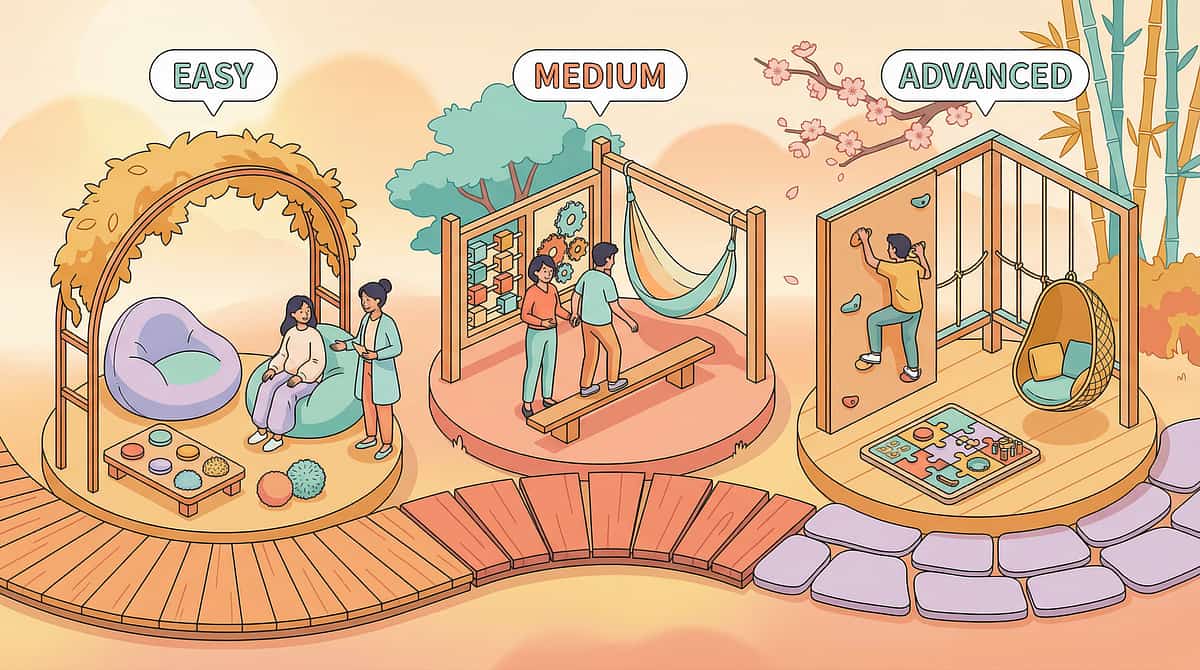
No two children are identical. This page doesn't know your child. You do.
Easier — Very Early Stage
Bubbles only for first 2 weeks • Parent models only — zero expectation • 5 minutes max • Focus on joint attention before commenting
Core Level — Standard Protocol
2–3 materials per session • 10–15 minutes • 5–10 commenting models by parent • Reinforce any attempt
Advanced — Emerging Commenting
Barrier games and sabotage as primary • 20-minute sessions • Fade parent modeling • Encourage 3-word comments • Generalize to walks, meals, outings
Profile-Based Variations
- Sensory Seeker: Lead with sensory play materials, bubbles, active movement
- Sensory Avoider: Begin with photo cards and video modeling (non-tactile)
- Visual Learner: Prioritize photo cards, video modeling, visual communication boards
- Highly Verbal but Non-Commenting: Prioritize sabotage and barrier games
- Pre-Verbal: Focus on gesture-based commenting first; accept non-verbal comments
Age Adaptations
- 2–3 years: Mostly bubbles, sensory play, cause-effect. 5-minute sessions. Parallel play.
- 4–6 years: All 9 materials. Barrier games introduced. Photo cards with emotional content.
- 7–10 years: Barrier games primary, photo cards with social situations, video modeling with discussion.
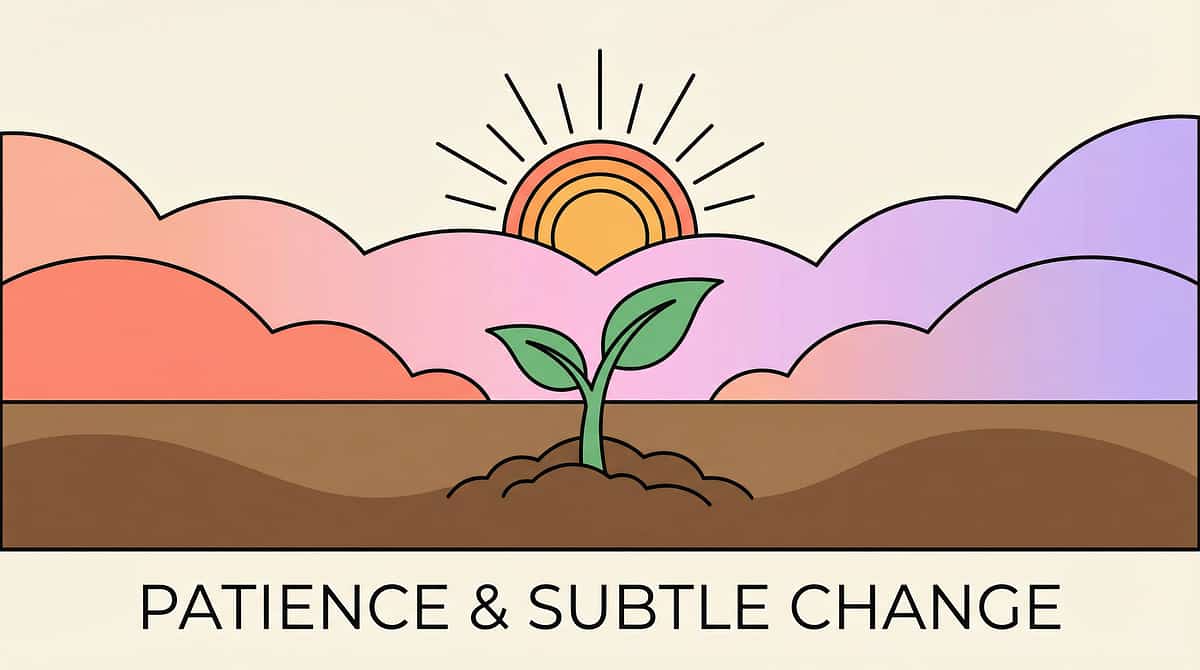
Week 1–2: You are planting seeds.
Progress: 15%
This is not the week of commenting breakthroughs. This is the week of tolerance, gaze shifts, and proximity. Your modeling is working — even when it looks like nothing is happening.
✅ What "Progress" Looks Like This Week
- Increased tolerance — Child stays in the activity longer than last week
- Gaze shifting — Child looks at you AND the material during events
- Proximity-seeking — Child comes closer when you activate the material
- Vocal response to events — Any vocalization timed to a surprise moment
- Reduced resistance — Less avoidance than the first session
❌ What Is Not Yet Expected
- Spontaneous commenting
- Consistent commenting across sessions
- Generalizing to other contexts
Parent Emotional Preparation
Week 1–2 will feel like nothing is happening. You are modeling into what appears to be a void. You are not. The brain is processing. Neural pattern formation precedes behavioral output. The modeling you are doing now is the evidence base for the commenting that will emerge later.
"If your child stayed at the activity for 3 seconds longer than last week — that is real, measurable, documented progress." — Pinnacle Consortium Clinical Team
Data Check: Review your Card 20 tracker. Are engagement scores stable or improving? That is your Week 1–2 success metric. Research: PMC11506176 (2024): Early-phase intervention outcomes focus on tolerance and participation before skill expression.

Week 3–4: The neural pathways are forming. Watch for these signals.
Progress: 40%
Something is shifting. These consolidation indicators may now appear for the first time — each one is a measurable neural milestone worth celebrating.
🌱 Activity Anticipation
Child moves toward the commenting corner or reaches for materials before session formally begins
🌱 Approaching With the Material
Child brings the toy TO you — a commenting-adjacent behavior: "witness this with me"
🌱 Sustained Joint Attention
During bubble play or cause-effect, child consistently checks your face after interesting events
🌱 Contextual Vocalizations
Sounds or near-words timed perfectly to events ("Uh!" when something falls, "Mmm" when feeling playdough)
🌱 Parent Milestone
You may notice YOU are more natural in your modeling. The technique is becoming part of your interaction style.
When to Increase Frequency: If you're seeing 3+ consolidation indicators → add a second short (5-minute) commenting session to daily routine. Two contexts per day doubles generalization opportunity.
Research: Neuroplasticity: Synaptic strengthening through repeated structured input follows predictable timelines in pediatric populations.

Week 5–8: The bridge between noticing and sharing is forming.
🏅 Mastery Zone
Progress: 75%
You have been building toward this moment. Here are the mastery criteria — observable, measurable, specific. When your child meets 3 or more of these consistently across 5+ sessions, they are ready to advance.
Spontaneous Comments
Child produces unsolicited commenting language during established activities — not only when prompted
2+ Comment Types
Child uses more than one type of comment (not just "Pop!" but also "Big!" and "Funny!")
Cross-Partner Commenting
Child comments to DIFFERENT people — to Grandma, not only to primary caregiver
Context Generalization
Commenting emerging in a NEW context (walk outside, mealtime, bathtime) not specifically practiced
Commenting-to-Conversation
Some exchanges are now 2–3 rounds: parent comments → child comments → parent elaborates
When to Stay and Strengthen: If child meets criteria in ONE context but not others → continue current protocol + increase setting variety. Mastery requires generalization, not just isolated production. Research: PMC10955541 (2024).

You did this. Your child shared their world because you showed up, every day.
You learned that your child sees everything but shares in silence. You created moments of surprise, discovery, and delight — on purpose. You modeled "Look!" and "Wow!" into a void — and kept going. You responded with joy to every attempt — however small. You tracked, adapted, troubleshot, and persisted.
And now — your child has a comment. That is not a small thing. That is a new neural highway.
🎯 B-205 Commenting Skills — Core Level
Your child now uses language for connection, not only for requests. The bridge between their inner world and yours is being built. Every "Look!" is a brick.
📝 Journal Prompt
Write the first spontaneous comment your child made. The exact words. The exact moment. The date. You will want this later.
🎊 Family Celebration
In India's joint households, this is often a shared meal, a sweet, a ritual. Whatever it is — mark it. Your child's commenting development is worth a celebration.
From the Research: Parental self-efficacy is the strongest predictor of continued home-based intervention. This milestone is not just your child's — it is yours.

Trust your instincts. If something feels wrong, pause and ask.
🚨 Communication Regression
Your child was producing comments and has stopped for 2+ weeks with no identified trigger (illness, major change). Regression without cause warrants SLP evaluation.
🚨 Increased Distress Around Activities
Sessions that were previously engaging are now consistently triggering meltdowns, self-injurious behavior, or severe avoidance. Reassessment of approach and prerequisites needed.
🚨 No Joint Attention After 6 Weeks
If child shows no gaze-shifting between object and partner after 6 weeks of consistent practice — joint attention foundations may need specific targeted work before commenting can progress.
🚨 Language Comprehension Concerns
If your child does not seem to understand what is being said to them — receptive language needs professional evaluation before expressive commenting work continues.
🚨 Medical Flags (Always Immediate)
Any sudden speech regression, loss of skills in multiple areas, new behavioral patterns alongside loss of communication → same-day pediatric/neurodevelopmental consultation.
📞FREE National Autism Helpline: 9100 181 181 (24x7, 16 languages)
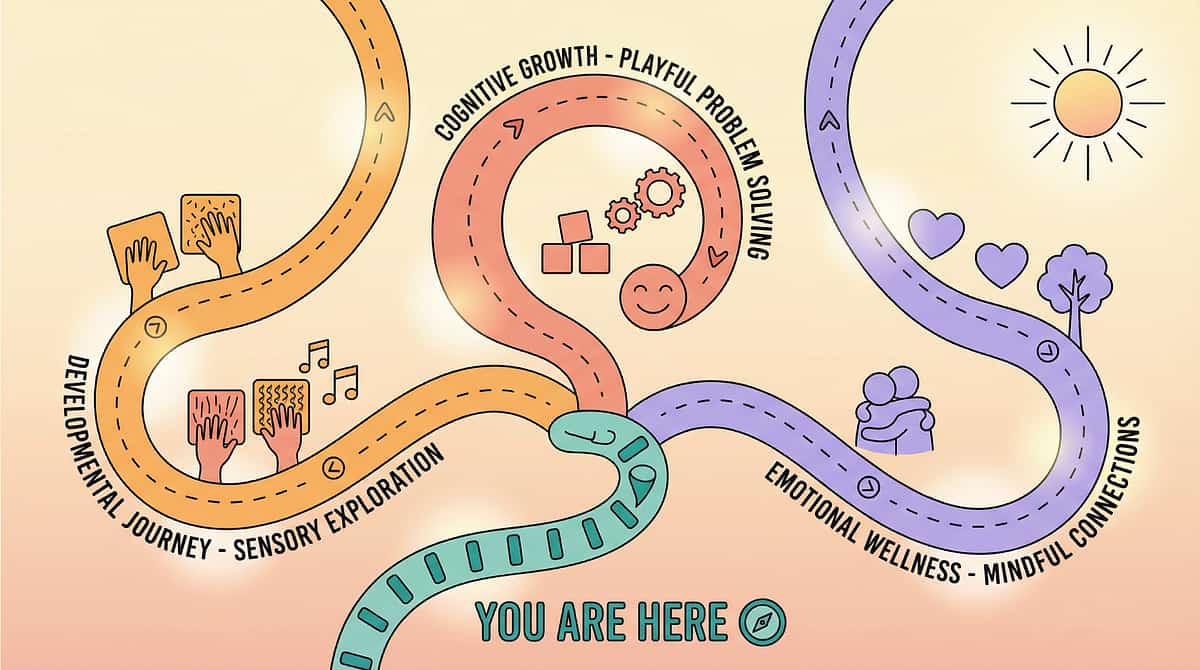
You are not done. You are on a journey.
B-205 Commenting Skills is one landmark on a clearly mapped road. Here is where you have been, where you are, and where the path leads next.
B-203: Joint Attention
The foundation — shared visual focus between child and partner
B-204: Social Referencing
Looking to others during novel or uncertain situations
B-205: Commenting Skills ← You Are Here
Spontaneous declarative language — sharing observations, reactions, and joy
B-206: Conversational Turn-Taking
Building commenting into back-and-forth exchange
B-207: Topic Maintenance
Expanding the range of comment-worthy subjects in conversation
B-208: Initiating Social Interaction
Full pragmatic language competence — initiating, sustaining, enriching
Next-Level Options
- If child comments with preferred partners only: → Prioritize B-206 (Conversational Turn-Taking)
- If child comments but topics are restricted: → Move to B-207 (Topic Maintenance)
- If joint attention still limited: → Return to B-203 to strengthen the foundation
Lateral Alternatives
- A-088: Vestibular Alerting Activities — increase arousal to increase commenting
- C-231: Emotional Regulation Techniques — regulate → then comment
Prerequisite Check: If commenting is not progressing after 8 weeks → consider returning to B-203 to strengthen the foundation first.
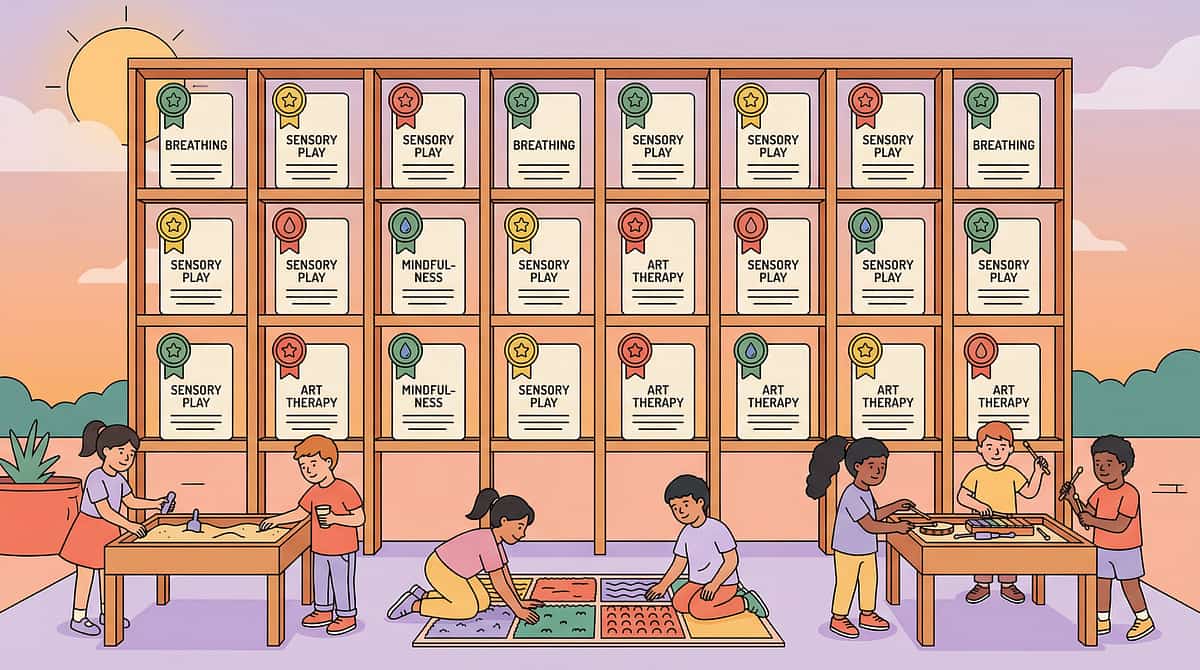
You already have the materials for several of these techniques.
Domain B: Social Communication covers the full pragmatic language journey. These related techniques share materials with B-205 — your investment goes further than you think.
Code | Technique | Difficulty | Shared Materials | |
B-203 | Joint Attention Activities | 🟡 Intermediate | Bubbles, Cause-Effect Toys | |
B-204 | Social Referencing | 🟡 Intermediate | Photo Cards, Interactive Books | |
B-206 | Conversational Turn-Taking | 🟢 Core | Barrier Games, Photo Cards | |
B-207 | Topic Maintenance | 🔵 Advanced | Photo Cards, Video Modeling | |
B-208 | Social Interaction Initiation | 🔵 Advanced | Sensory Play, Sabotage | |
B-122 | Pre-linguistic Social Skills | 🟠 Foundational | All sensory materials |
"You already own materials for B-203, B-204, and B-206 if you completed this protocol." Browse the full Domain B library at techniques.pinnacleblooms.org/social-communication
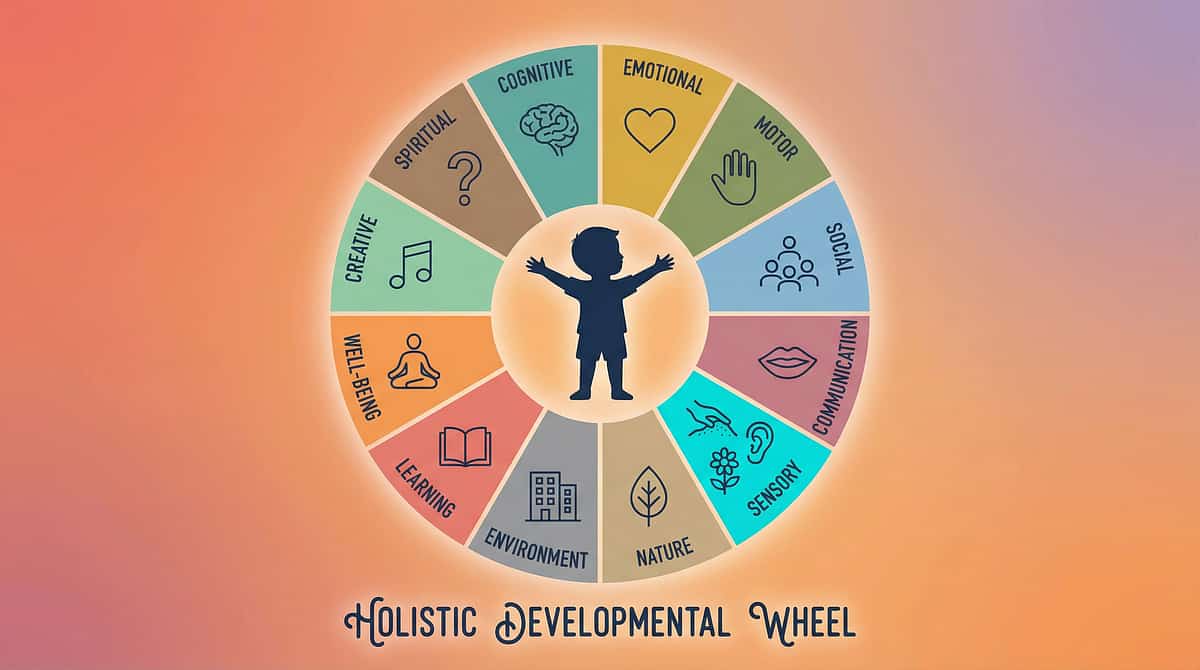
Commenting is one piece of your child's full developmental story.
Domain B: Social Communication — Your Active Domain. Technique B-205 Commenting Skills advances the Pragmatic Language Function Index within your child's AbilityScore® profile.
→ Domain C: Emotional Regulation
Naming and sharing emotional experiences — commenting feeds directly into emotional vocabulary
→ Domain G: Academic Readiness
Classroom participation, Circle Time contribution — commenting is the foundation of peer engagement
→ Domain F: Play & Leisure
Peer play narration and social play commenting — the currency of childhood friendship
→ Domain I: Cognition
Theory of Mind, perspective-taking — commenting builds the understanding that others want to share your world
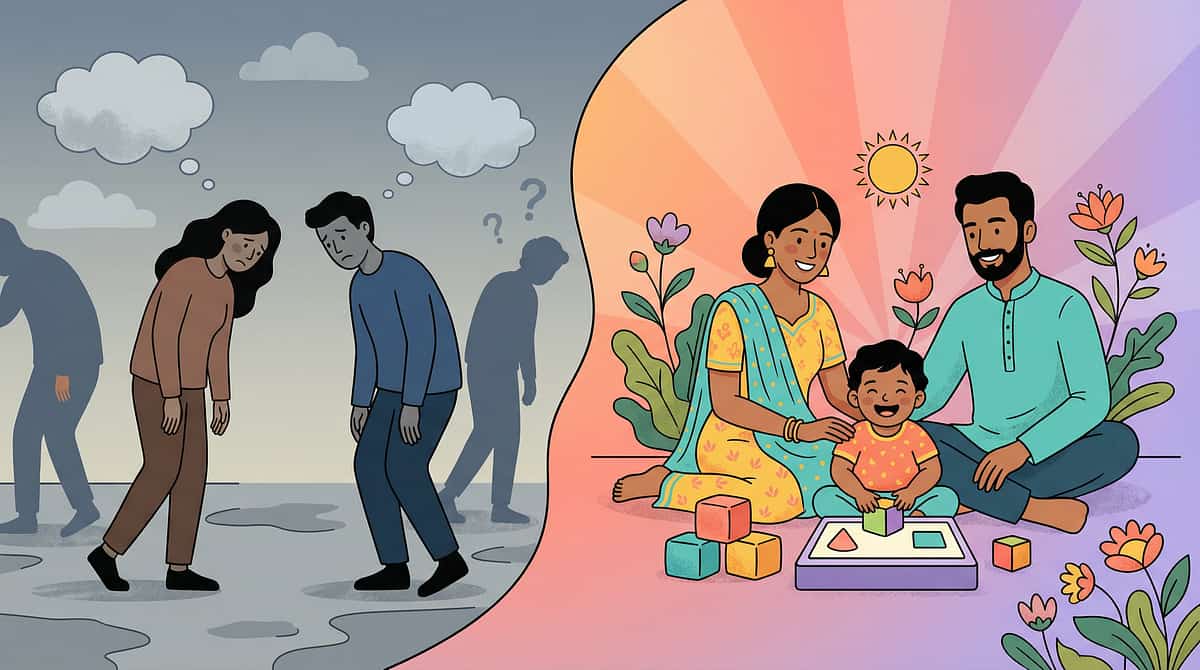
From silence to "Look, Mommy!" — families across India who walked this path.
Bangalore — 4-Year-Old Boy
Before: "My son could ask for anything. 'Water.' 'iPad.' 'Go.' But he never once pointed at something beautiful and said 'Look!' He never shared surprise. He never laughed and looked at me to see if I found it funny too. The silence between us in joyful moments was the loneliest part of parenting him."
Intervention: 8 weeks of Commenting Skills protocol, starting with bubbles + cause-effect toys. Joint household — grandmother trained alongside mother.
"He was watching the ceiling fan and suddenly looked at me and said 'Fan going round round!' It was the most beautiful sentence I had ever heard. He was sharing something with me. He wanted ME to see it too. Everything changed in that moment."
Joint attention established by Week 3. First spontaneous comment Week 6. By Week 8: 4–6 spontaneous comments per session. Generalized to grandparents and school setting.
Hyderabad — 6-Year-Old Girl
Before: "She answered everything I asked. 'What color?' 'Red.' 'What animal?' 'Dog.' But she never volunteered information. Never said 'I see something interesting!' Her teacher called it selective mutism — but the SLP said her language function was primarily for requests, not sharing."
After (Week 9): Photo cards were her breakthrough. Funny animal images made her laugh alone first, then eventually laugh AND look at her father.
"Daddy, funny!" Two words. Two words that changed everything.
Parent Voice:"Every comment is a connection. Every 'Look at this' is my daughter bringing me into her world. That's what was missing. That's what we built." — Parent, Pinnacle Blooms Network
Note: Individual outcomes vary. Illustrative cases from Pinnacle center data (anonymized). Individual results vary.

You are not navigating this alone. A community of families is walking alongside you.
WhatsApp Parent Community
For parents specifically working on declarative language and commenting development. Share wins, ask questions, find encouragement. Join via pinnacleblooms.org/community/commenting
Pinnacle Parent Forum
Online community across all technique domains. Moderated by Pinnacle consortium therapists. pinnacleblooms.org/forum
Peer Mentoring
Connect with a parent who has completed this protocol. 1-on-1 guidance from lived experience. Contact helpline: 9100 181 181
Local Parent Meetups
Pinnacle centers host monthly parent meetups in 21 Indian states. Find your nearest: pinnacleblooms.org/centers
"Your experience helps others. Consider sharing your journey once you've seen progress — you become someone else's proof that this works." — Pinnacle Community Team
Research: WHO NCF Community Engagement: Parent support networks consistently improve home-based intervention outcomes and parent mental health.

Home + clinic = maximum impact.
Your child's outcomes multiply when professional guidance backs parent execution. The Pinnacle Blooms Network® provides a complete professional ecosystem — wherever you are.
🏥 70+ Centers Across India
Speech-Language Pathology • Occupational Therapy • Applied Behavior Analysis • Special Education • NeuroDevelopmental Pediatrics — all under one roof, all running on GPT-OS®.
💻 Teleconsultation
Available across 70+ countries. GPT-OS®-guided teleconsultation with a Pinnacle specialist. Available in 16 languages. pinnacleblooms.org/teleconsult
🎯 Therapist Matching for B-205
Primary: Speech-Language Pathologist (Social Communication specialty) • Secondary: Behavioral Analyst (naturalistic teaching) • Supporting: Occupational Therapist (sensory play context)
📞 FREE National Autism Helpline
9100 181 181
24 hours • 7 days • 16 languages • Free of charge
"Call us before you feel lost. Call us when you're confused. Call us when something worked. We are here."
AbilityScore® Assessment
Your child's comprehensive developmental baseline — the starting point for personalized GPT-OS® therapy planning. Book at any Pinnacle center or online.
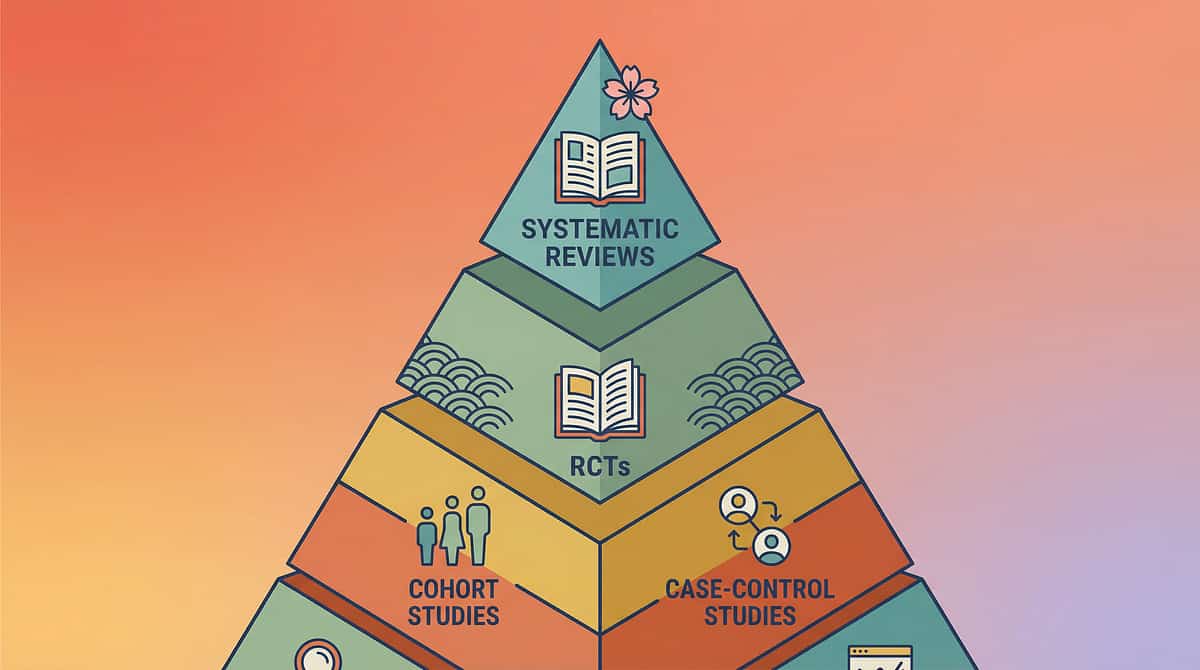
Deeper reading for the curious, evidence-demanding parent.
📄 PRISMA Systematic Review (2024)
"Sensory integration and social communication intervention meets evidence-based practice criteria for children with ASD across 16 studies (2013–2023)" → PubMed: PMC11506176
📄 Meta-Analysis (World J Clin Cases, 2024)
"Social communication intervention effectively promotes social skills, adaptive behavior, and pragmatic language across 24 controlled studies" → PMC10955541
📄 WHO Care for Child Development Package (2023)
"Age-specific evidence-based recommendations for caregiving implemented in 54 low- and middle-income countries" → PMC9978394 | who.int/publications
📄 NCAEP Evidence-Based Practices Report (2020)
"Video modeling and naturalistic developmental behavioral interventions are evidence-based practices for autism" → ncaep.fpg.unc.edu
📄 Indian RCT (Padmanabha et al., 2019)
"Home-based language intervention demonstrates significant outcomes in Indian pediatric populations" → DOI: 10.1007/s12098-018-2747-4
📄 ASHA Practice Portal: Social Communication
"Comprehensive clinical practice guidelines for pragmatic language including commenting" → asha.org/practice-portal/clinical-topics/social-communication
WHO/UNICEF Frameworks: WHO Nurturing Care Framework (2018): nurturing-care.org | UNICEF MICS Developmental Indicators 2024: unicef.org/statistics

Your 3-number daily log shapes every child like yours.
What GPT-OS® Learns From Your B-205 Data
- Commenting rate trajectory over time
- Most effective materials for YOUR child
- Session length sweet spot
- Optimal time of day for commenting sessions
- Progress velocity compared to similar child profiles in the system
System Credentials
- 20M+ therapy sessions in the dataset
- Patents filed across 160+ countries
- ISO 13485 Medical Device QMS
- ISO/IEC 27001 Information Security
Privacy Commitment: All data anonymized and encrypted. Individual child data is never shared. Full privacy policy: pinnacleblooms.org/privacy
"Your data helps every child like yours. You are not just building one child's commenting skills. You are making the system smarter for millions." — Pinnacle GPT-OS® Architecture Team
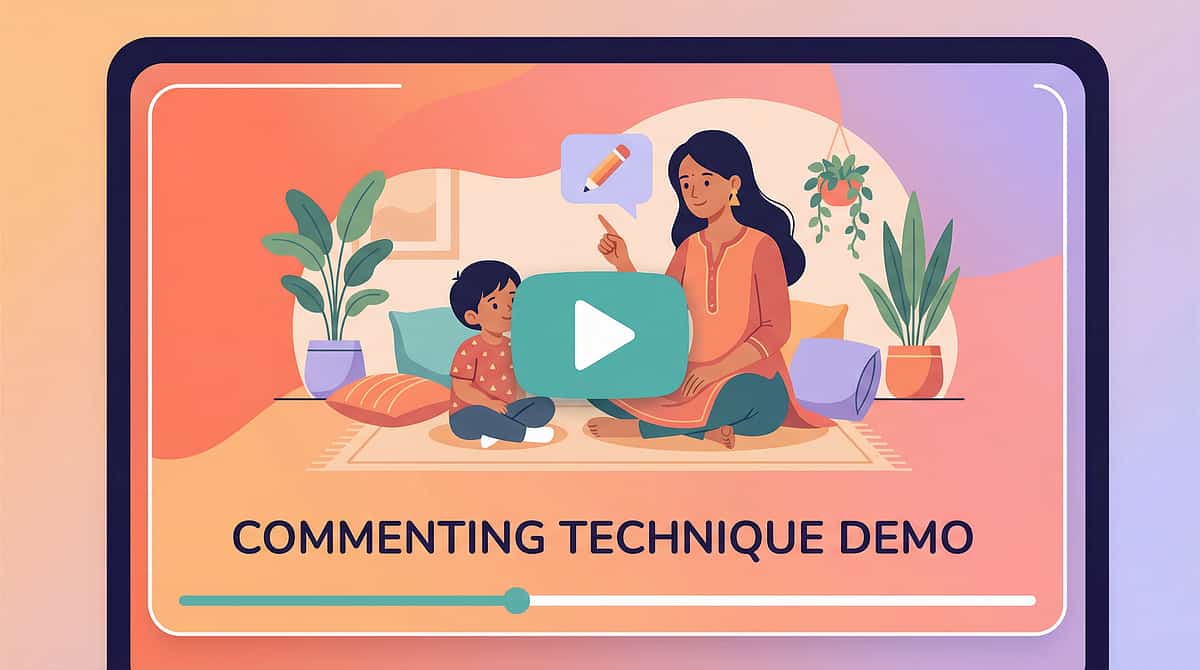
The Reel that brought you here. Watch it again — now you'll see everything.
📹 B-205: 9 Materials That Help With Commenting Skills
Duration: ~80 seconds
Series: Social Communication & Pragmatic Language Solutions — Episode 205 | Domain B | Subdomain: Declarative Language / Commenting / Joint Attention
Cause-and-Effect Toys
Interactive Books
Bubbles
Barrier Games
Photo Cards
Sensory Play
Video Modeling
Communication Boards
Sabotage & Silly Scenarios
Presented by the Pinnacle Blooms Consortium Speech-Language Pathology Team — qualified SLPs with specialization in social communication, pragmatic language, and autism-specific intervention across India's largest multi-center pediatric therapy network.
Coming Next in Series:📹 B-206: 9 Materials That Help With Conversational Turn-Taking | Research: NCAEP (2020): Video modeling is an evidence-based practice for autism. Multi-modal learning improves parent skill acquisition.

Consistency across caregivers multiplies impact. Share this page.
The research reality: If only one caregiver in the household models commenting — the intervention works at 40% capacity. When grandparents, siblings, fathers, and aunts all model commenting and respond enthusiastically to sharing attempts — commenting development accelerates 2–3x faster.
Share This Page
- 📱WhatsApp — one tap to share
- 📧Email — send to family members
- 🔗Link: techniques.pinnacleblooms.org/social-communication/commenting-skills-B-205
Downloadable Resources
- 📄Family Guide (1-page PDF) — Simple overview for anyone in the household. No clinical knowledge required.
- 👴👵"Explain to Grandparents" Version — Large font, simplified. Available in Hindi, Telugu, Tamil, Kannada, Marathi, Bengali, Malayalam.
- 👩🏫Teacher Communication Template — Ready-to-send note explaining commenting goals and classroom supports.
Key Message for Every Caregiver
"When [child's name] says anything — even just 'Look!' or points at something — respond with excitement. Say 'Yes! I see it!' Make it feel like sharing is the best thing they can do. That's the entire technique."
Research: WHO CCD Package (2023): Multi-caregiver training is critical for generalization and maintenance of communication skills. PMC9978394

Questions from 10,000+ families who've asked before you.
My child has good vocabulary but doesn't comment. Is that possible?
Yes — and it is very common. Commenting is a pragmatic language skill (how you use language), not a vocabulary skill (what words you know). A child can have 500 words and never use them spontaneously to share. Vocabulary and commenting are different systems.
How is commenting different from labeling?
Labeling ("That's a dog") is usually in response to a question. Commenting ("Look! A dog!") is spontaneous, directed at a partner, for sharing. The direction — toward another person, without being asked — is what makes it commenting.
Should I ask questions to get my child to comment?
No. Answering questions is responding, not commenting. Instead of asking "What color is this?" — model: "Ooh, it's blue!" and wait. Replace questions with observations.
What if my child is pre-verbal?
Pre-verbal commenting includes: pointing to share, giving an object to show, making a sound while looking at you during an event, making an expression that shares a reaction. All of these are commenting precursors — and all are valid targets.
How many sessions per week is enough?
Daily 10–15 minute dedicated sessions produce the fastest progress. Embedding commenting opportunities in natural routines (meals, walks, bathtime) across the day is equally important. The more commenting contexts, the faster the generalization.
My child commented once but hasn't again. Did I do something wrong?
No. One spontaneous comment is a neural milestone. Recreate the exact conditions (same material, same context, same response) repeatedly. First comments are fragile — they need consistent reinforcement to consolidate.
When should I see a speech-language pathologist?
If after 8 weeks of consistent implementation there are fewer than 3 commenting attempts per session → SLP assessment recommended. Also if: no joint attention present, no response to adult comments, communication regression, or you're unsure about the approach.
Didn't find your answer? Ask GPT-OS®: pinnacleblooms.org/gpt-os | Call FREE Helpline: 9100 181 181

Your child has something to share. Build the bridge. Start today.
🟢 Start This Technique Today
GPT-OS® will personalize your first session based on your child's profile. Takes 3 minutes to set up. Zero clinical experience required.
🔵 Book a Consultation
Speak with a Pinnacle SLP who specializes in social communication. Available in-clinic (70+ centers) or teleconsult (global).
⚪ Explore the Next Technique
B-206: Conversational Turn-Taking — ready to build on commenting with back-and-forth exchange.
Consortium Validated
🎤 Speech-Language Pathology • 🖐️ Occupational Therapy • 🎯 ABA • 📚 Special Education • 👶 NeuroDevelopmental Pediatrics
📞 FREE Helpline
9100 181 181 | 24x7 | 16 languages | Free of charge. Call before you feel lost. Call when you're confused. Call when something worked.
Preview of 9 materials that help with commenting skills Therapy Material
Below is a visual preview of 9 materials that help with commenting skills therapy material. The pages shown help educators, therapists, and caregivers understand the structure and content of the resource before use. Materials should be used under appropriate professional guidance.


Link copied!

Pinnacle Blooms Network® — The Pinnacle Promise
Pinnacle Blooms Network®
GPT-OS® Powered
WHO-Aligned
Consortium: Speech-Language Pathology • Occupational Therapy • Applied Behavior Analysis • Special Education • NeuroDevelopmental Pediatrics • Regulatory Expertise • Parent Voice
"From fear to mastery. One technique at a time." — The Pinnacle Blooms Consortium. Your child sees the world. We are building the language to share it.
Loop Navigation
- ← Return to Card 01: The Recognition Moment
- → Next: B-206 Conversational Turn-Taking
- 🏠 Browse All Techniques: techniques.pinnacleblooms.org
- 📞 FREE Helpline: 9100 181 181
- 🌐 pinnacleblooms.org
Statutory Identifiers
CIN: U74999TG2016PTC113063 | DPIIT: DIPP8651 (Govt. of India) | MSME: UDYAM-TS-24-0008707 | GSTIN: 36AAHCP9605M1Z6
© 2025 Pinnacle Blooms Network®, unit of Bharath Healthcare Laboratories Pvt. Ltd. All rights reserved. GPT-OS® | AbilityScore® | TherapeuticAI® | FusionModule™ | EverydayTherapyProgramme™ are proprietary marks.
Medical Disclaimer: This content is educational and evidence-referenced. It does not replace assessment by a licensed speech-language pathologist or healthcare provider. Significant or persistent challenges with commenting and social communication should be evaluated comprehensively. Individual results vary. Statistics represent aggregate outcomes across the Pinnacle Blooms Network®.
techniques.pinnacleblooms.org | B-205 | Domain B: Social Communication | The world's largest structured pediatric intervention knowledge base. 40 cards × 70,000+ techniques = 2,800,000 evidence-linked, parent-empowering knowledge units.