
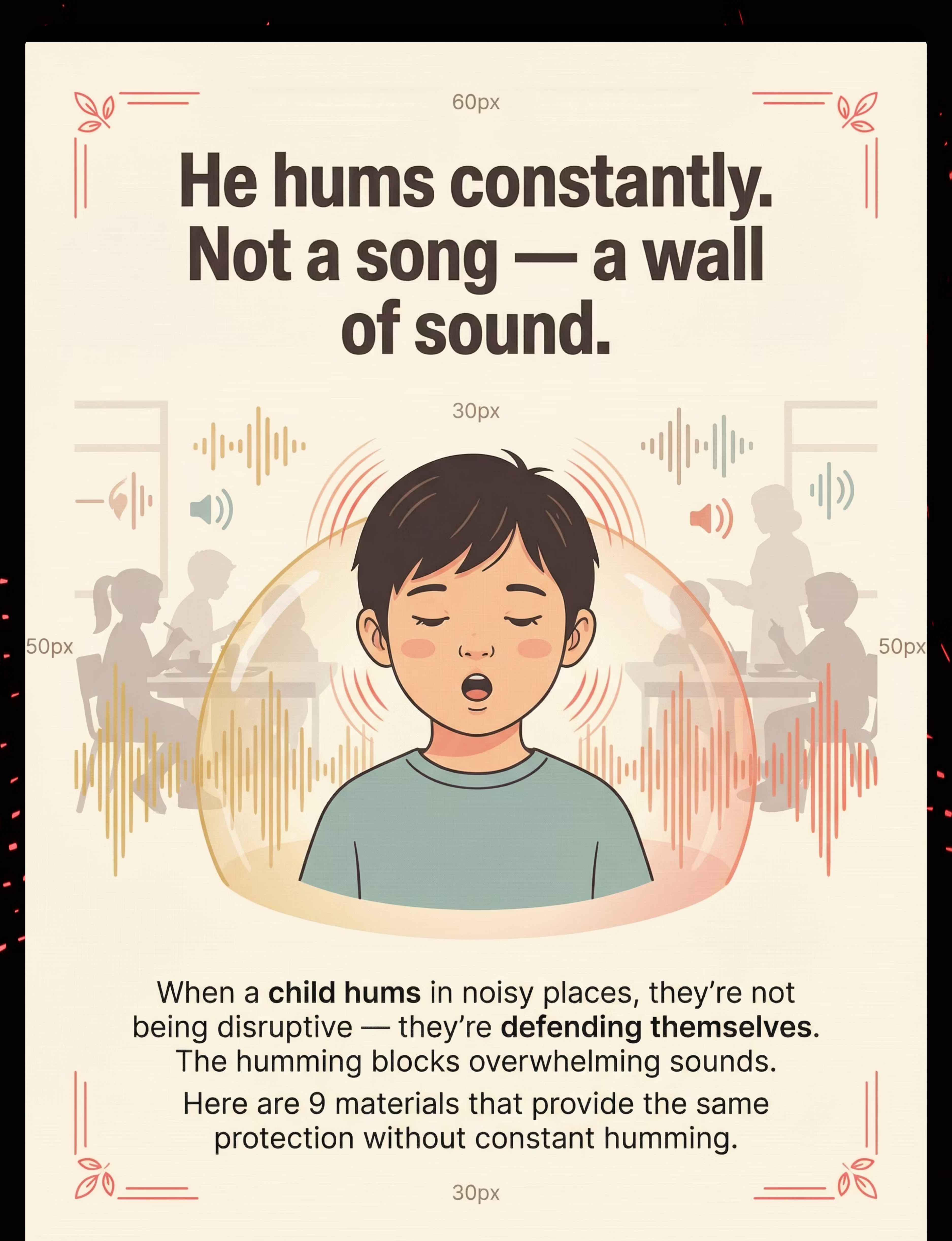
"He hums constantly. Not a song — a wall of sound."
It's not defiance. It's not disruption. It's neurological self-defense — and there are better tools. 9 evidence-based materials that give your child the same protection without the constant hum.
Auditory Self-Masking Intervention
A-043 | Pinnacle Blooms Consortium™
Act I — The Recognition Moment
You Are Not Failing. His Nervous System Is Speaking.
What's Happening Right Now
It's 12:15 PM. The cafeteria roars — chairs scraping, trays clanging, 200 voices layered into a wall of unpredictable noise. Your son sits rigid, eyes half-closed, and hums. Not a melody. Not a tune. A loud, continuous, monotone drone that rises with the noise around him.
You've been called to school about it. Again. "He's being disruptive." "He won't stop when asked." "We've tried consequences." But when you ask him to stop, the color drains from his face, his hands fly to his ears, and within seconds he's in full distress.
What It Actually Means
The humming isn't the problem. The humming is his solution. He built himself a wall of predictable sound to block the unpredictable sounds his nervous system cannot process. Every time you hear him hum, you are hearing a child who has independently invented a coping strategy.
The Auditory Self-Masking Replacement Protocol provides 9 evidence-based materials that offer the same protective function — without the secondary costs to communication, social inclusion, and academic access.
Core Principle: Never remove a coping mechanism without providing a replacement that meets the same need.
Act I — The Neuroscience
What's Happening in Your Child's Brain
The Gating Mechanism
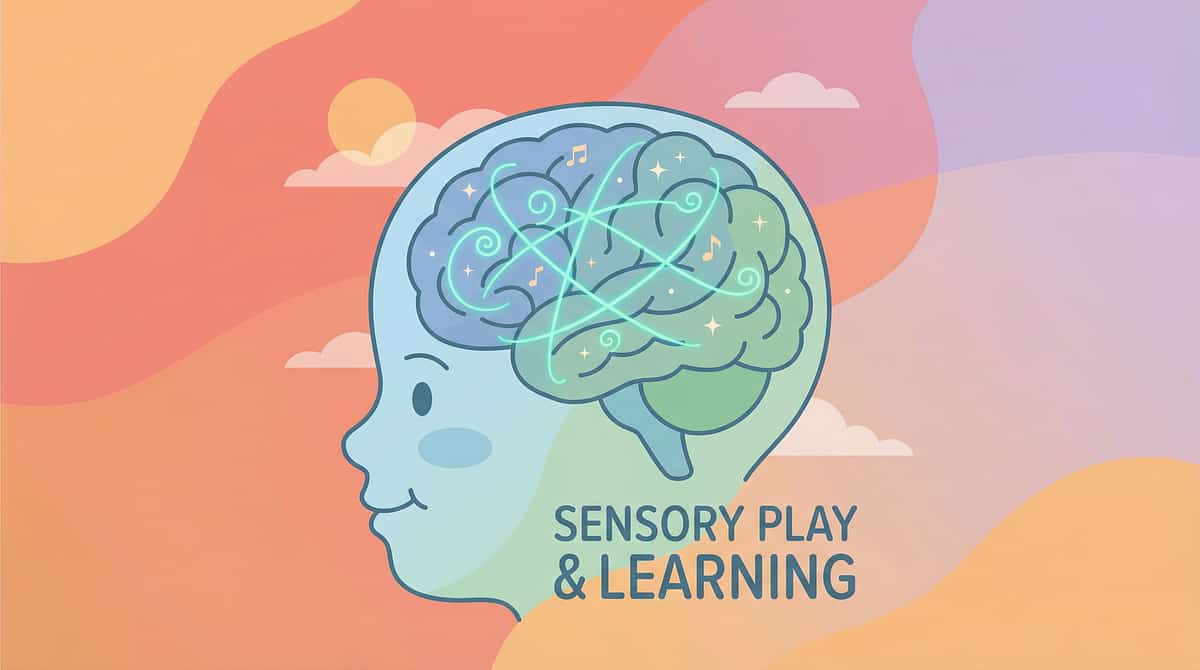
In a typically developing auditory system, the brain's thalamic gating mechanism filters and modulates incoming sounds — separating signal from noise, reducing background intensity, and prioritizing important sounds.
In children with auditory over-responsivity, this gate stays open wider than typical, allowing more sound energy through to the auditory cortex than the brain can comfortably process. Every fork clang, every chair scrape, every overlapping voice arrives at near-full intensity.
The Brain's Elegant Solution
The brain interprets the flood of sound as threat. The amygdala fires. Distress follows.
Your child's nervous system then discovered an elegant solution: generate a self-controlled, predictable sound (humming) that competes with and masks the unpredictable external sounds. The humming fills the auditory channel with controllable input, leaving less processing capacity for the overwhelming environmental noise.
This is not a behavior problem. This is a wiring difference. The humming is neurological self-defense.
Act I — Developmental Context
Where This Sits in Development
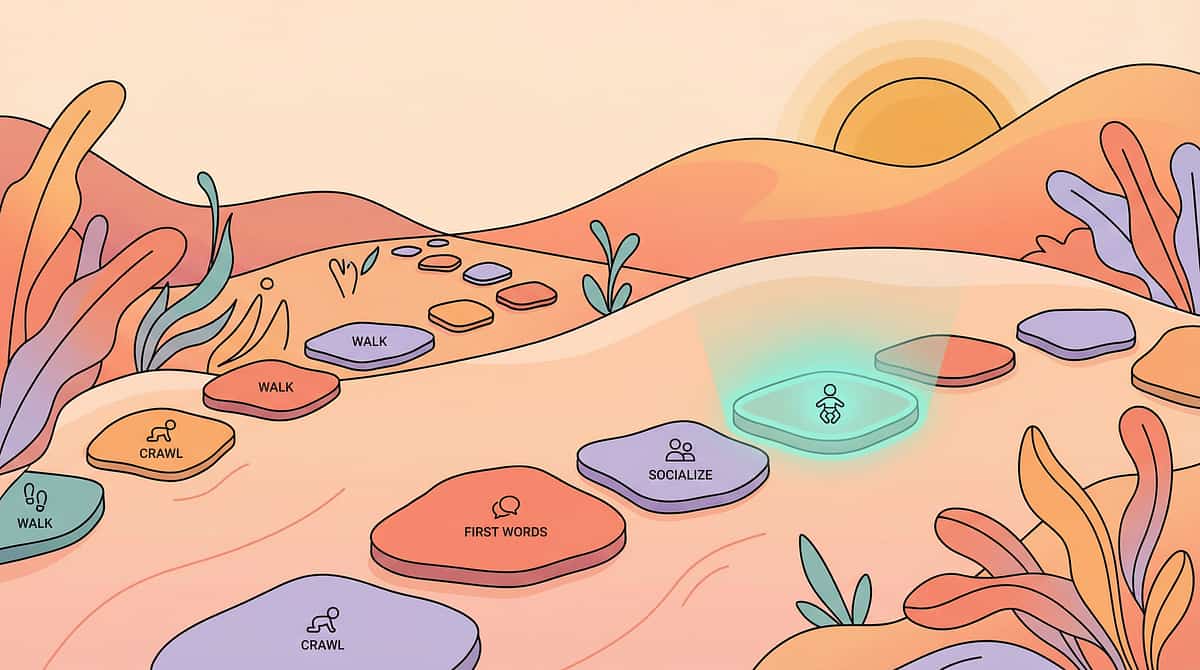
Auditory self-masking behavior typically emerges between ages 3–5, when a child is first exposed to sustained complex auditory environments — preschool classrooms, group activities, community settings. The nervous system is clever enough to invent a compensatory strategy, but not yet equipped with self-regulation tools to manage it differently.
1
0–2 Years
Startle response, sound localization, and early auditory discrimination develop. Foundational wiring is laid.
2
2–3 Years
Auditory filtering (figure-ground) begins to emerge. Critical window for early identification.
3
3–5 Years 🔴
Auditory modulation expected — self-masking behaviors emerge here. Your child is in this window.
4
5–8 Years
Auditory processing in complex classroom environments. Target zone for intervention outcomes.
5
8–12 Years
Independent auditory self-regulation — the long-term developmental goal.
Comorbidity Awareness: Auditory over-responsivity commonly co-occurs with tactile defensiveness (60%+), visual processing differences (40%+), anxiety (35%+), and attentional challenges (30%+). Evaluate for multi-sensory processing differences.


Act I — The Evidence
The Evidence Behind This Technique
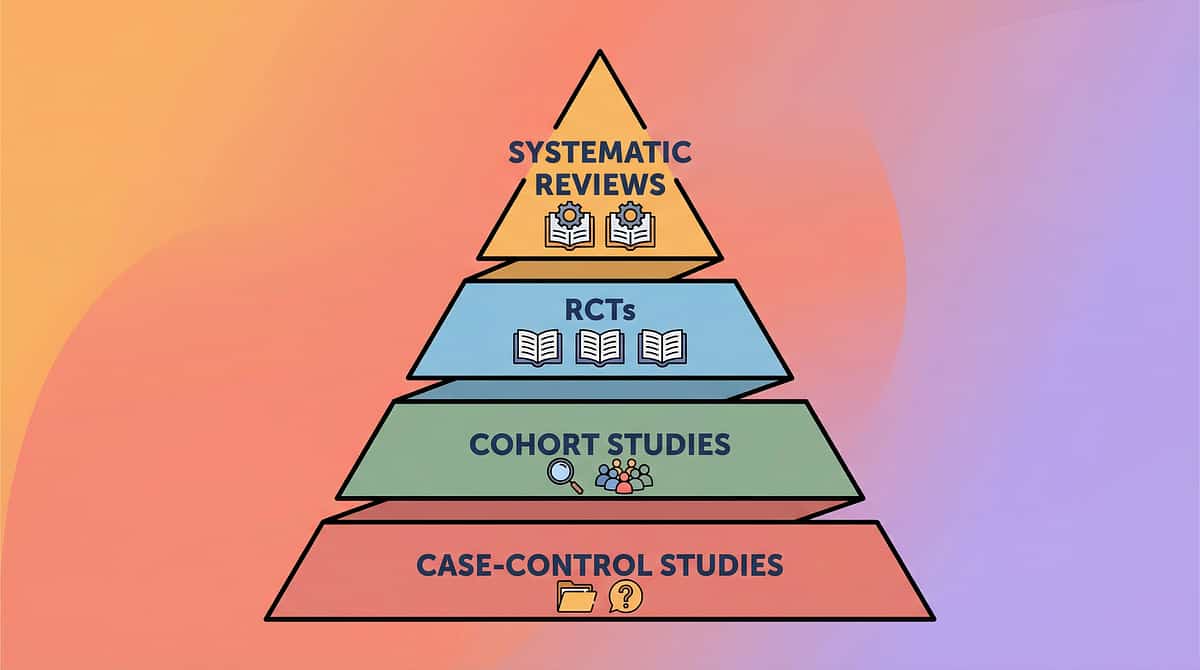
Evidence Level II — Supported by systematic reviews, controlled studies, and clinical consensus across multiple disciplines. Confidence: 85%.
PRISMA Systematic Review (2024)
16 articles from 2013–2023 confirm sensory integration intervention meets evidence-based practice criteria for children with ASD. Auditory modulation interventions demonstrate specific efficacy for sound-blocking compensatory behaviors. PMC11506176
Meta-Analysis: SI Therapy (2024)
24 studies analyzed. Sensory integration therapy effectively promoted social skills, adaptive behavior, sensory processing, and motor skills. Environmental modification showed strong effect sizes for auditory over-responsivity. PMC10955541
Indian Home-Based Sensory RCT (2019)
Padmanabha et al., Indian Journal of Pediatrics: Parent-administered sensory interventions demonstrated significant outcomes comparable to clinic-based delivery. Safety protocols validated. DOI: 10.1007/s12098-018-2747-4
WHO/UNICEF Nurturing Care Framework
Multi-caregiver implementation demonstrates sustained outcomes across cultural contexts in 54+ countries. Home-based intervention efficacy validated globally. PMC9978394
"Clinically validated. Home-applicable. Parent-proven. This technique sits within a body of evidence spanning systematic reviews, RCTs, meta-analyses, and 20M+ real-world therapy sessions across the Pinnacle Blooms Network."
Act II — The Technique
The Technique: Auditory Self-Masking Replacement
Formal Name
Auditory Self-Masking Replacement Protocol
Parent-Friendly Name
"Replacing the Hum with Better Tools"
Core Principle
Never remove a coping mechanism without providing a replacement that meets the same need. Ear protection, sound masking technology, environmental modifications, and behavioral shaping work together to give the child what their humming was providing — through means that allow full social participation.
Technique Badges
- Domain: Sensory Processing — Auditory Over-Responsivity [SEN-AUD-HUM]
- Age Range: 3–12 years
- Duration: Ongoing environmental strategy (initial training: 2–4 weeks)
- Frequency: As needed — environment-triggered
- Setting: Home + School + Community
Canon Materials
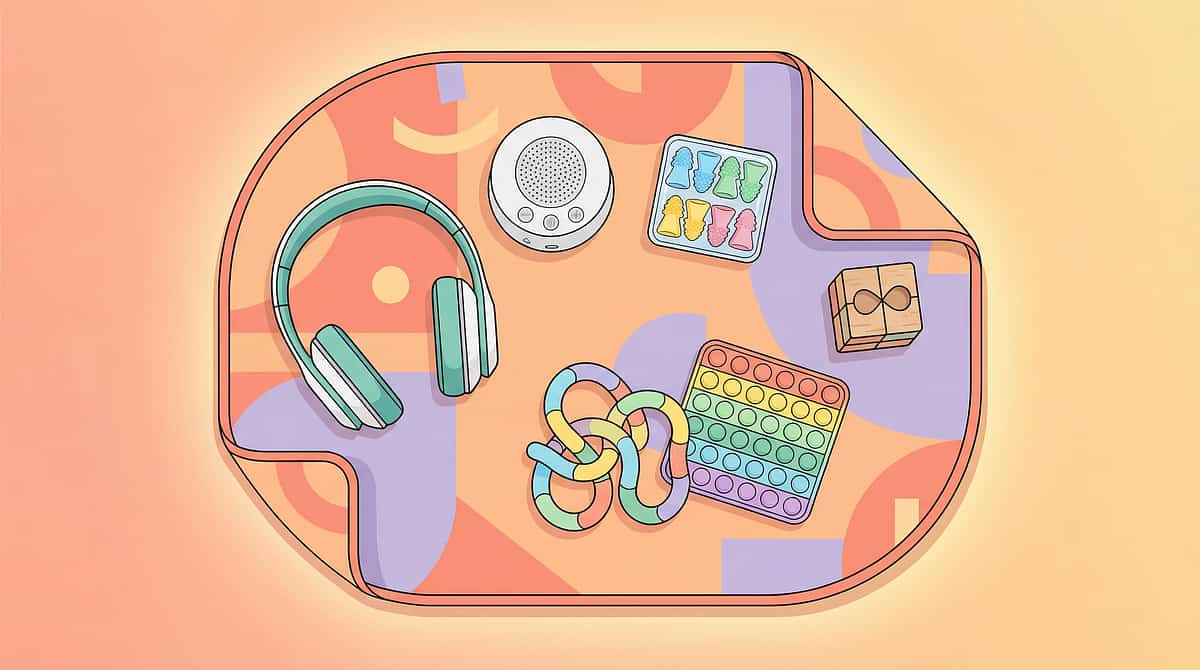
- Noise-Reducing Headphones / Ear Defenders
- Fidget Tool Set
- Oral Motor Tools / Chewy Tubes
- White Noise / Sound Machines
Act II — Who Uses This
Who Uses This Technique
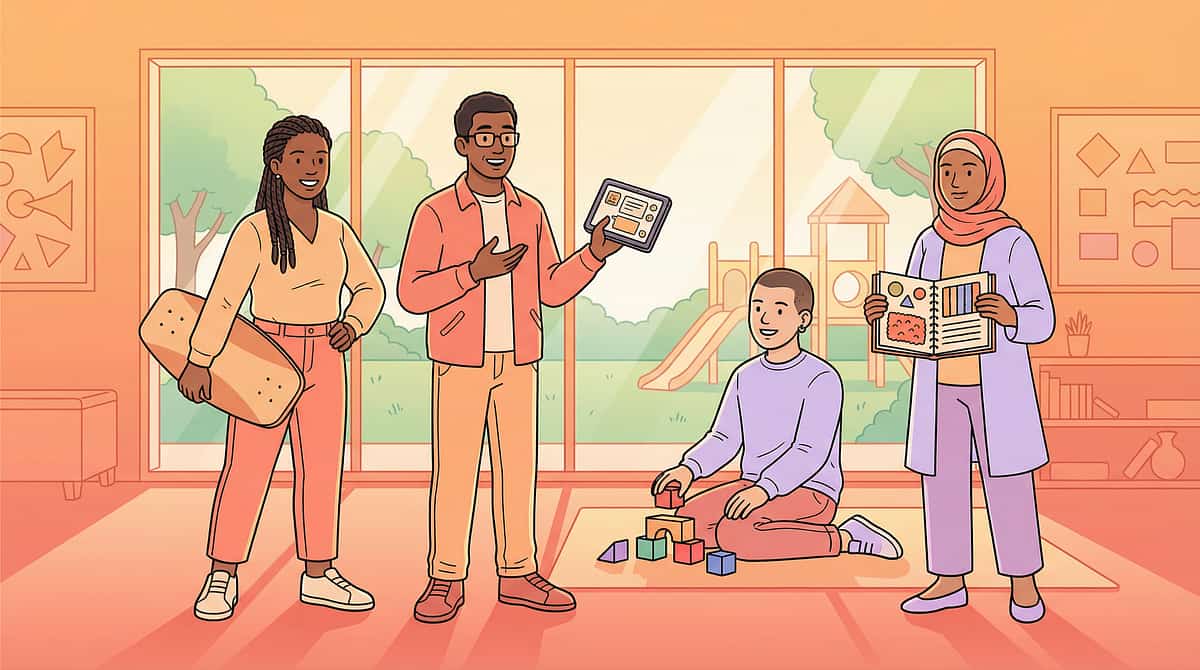
Occupational Therapist (OT) — Lead
Conducts comprehensive sensory processing evaluation, identifies auditory over-responsivity as the driver of humming, selects appropriate ear protection, and designs the graduated replacement protocol through the lens of sensory modulation.
Speech-Language Pathologist (SLP)
Evaluates whether humming impacts communication development, articulation, or vocal health. Contributes shaping strategies that preserve communicative function while reducing disruptive vocalization.
Board Certified Behavior Analyst (BCBA)
Conducts functional behavior assessment, designs the replacement behavior teaching plan using antecedent-based intervention, and develops the reinforcement schedule for tool use.
Special Educator (SpEd)
Implements classroom accommodations, permitted ear protection, and seating placement. Creates IEP/504 documentation. Ensures the school environment supports the replacement strategy.
NeuroDevelopmental Pediatrician
Rules out hearing pathology, evaluates for hyperacusis or auditory processing disorder, considers pharmacological support if severe, and provides the medical framework for audiological referral.
"This technique crosses therapy boundaries because the brain doesn't organize by therapy type."
Act II — What This Targets
What This Technique Targets
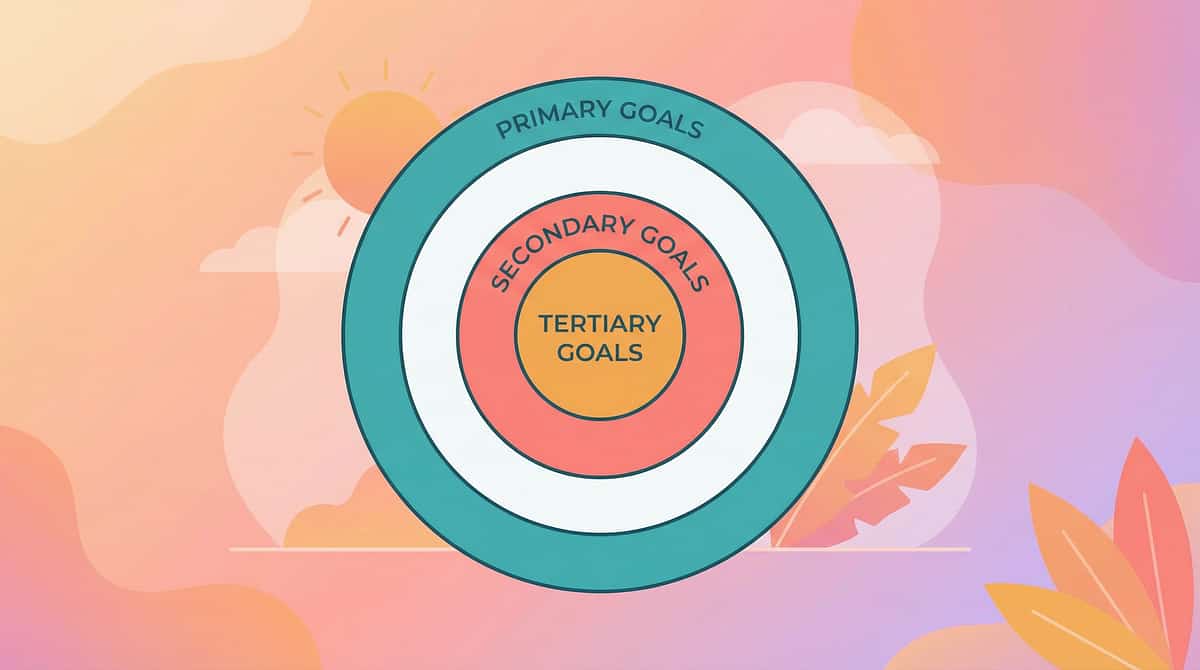
Primary Target
Auditory modulation — reducing reliance on self-generated sound to manage environmental noise. Measured by humming episodes per hour, decibel level, and environments tolerated without humming.
Secondary Targets
Adaptive coping, social participation, and communication access — the child independently selects tools, engages in group settings, and can hear and respond to instructions and conversations.
Tertiary Targets
Self-regulation architecture, self-advocacy, and family participation — restaurants, parties, travel without constant humming. The child learns a lifelong skill.
Act II — Materials
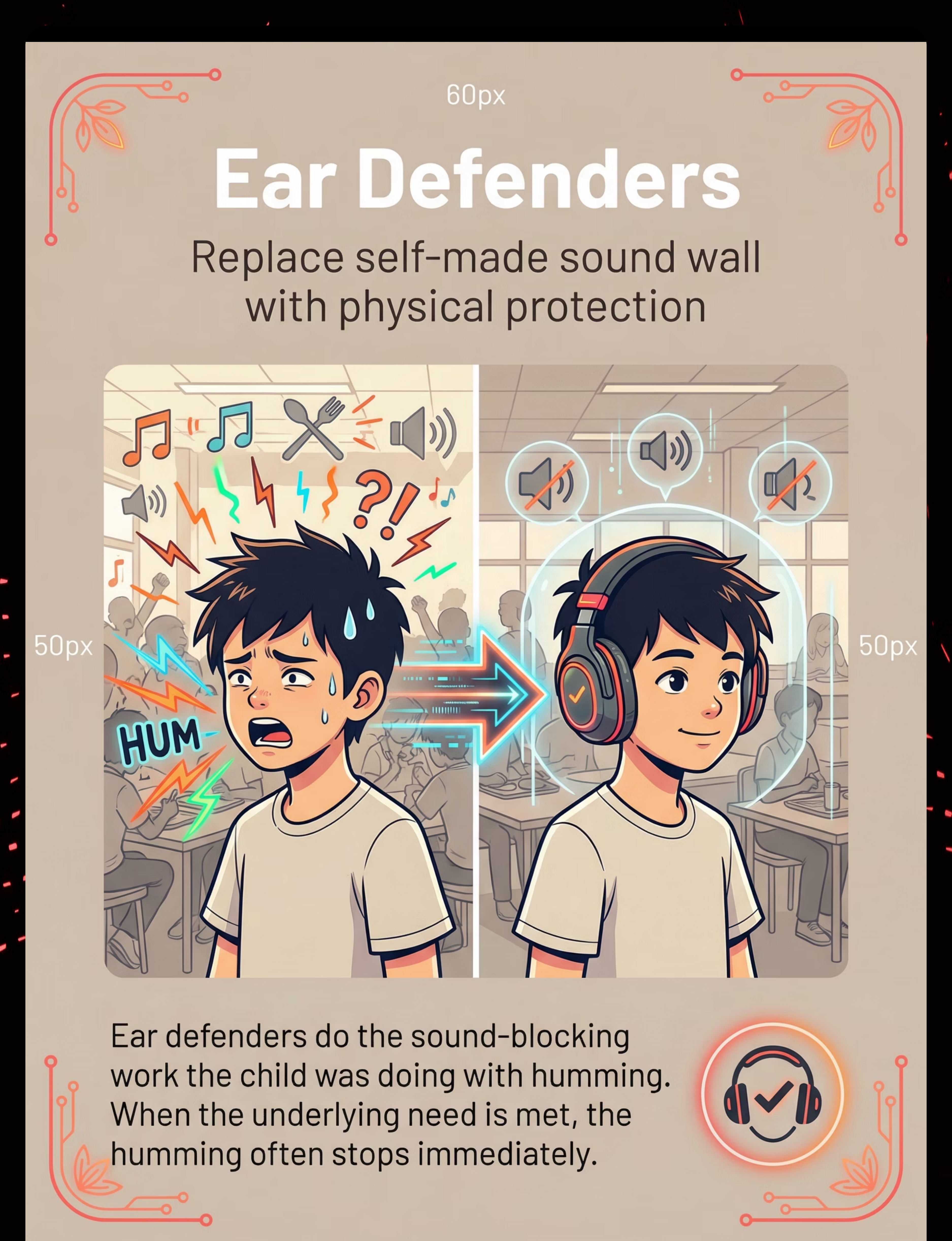
Material 1: Noise-Reducing Ear Defenders

Why This Works First
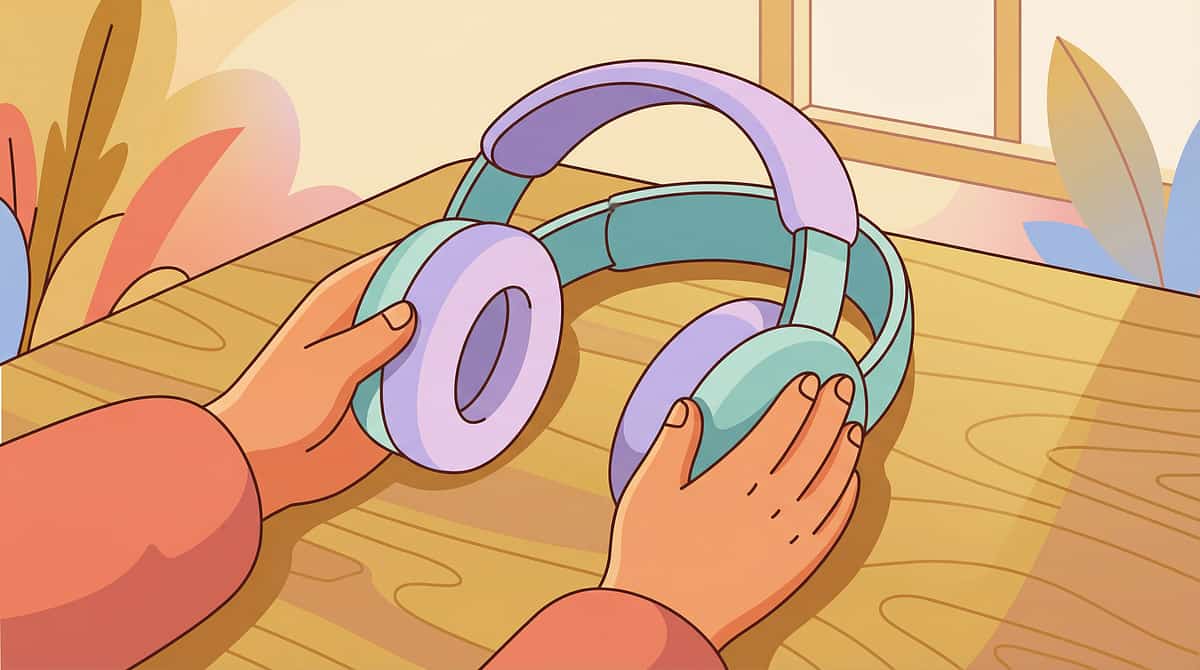
Noise-reducing ear defenders are the primary tool for auditory self-masking replacement. They physically attenuate environmental sound by 20+ dB — doing exactly what the humming was doing, but passively and without requiring the child to produce any sound.
The moment the ear defenders go on in a noisy environment, many children stop humming within 30–60 seconds. The underlying need is met. The compensatory behavior becomes unnecessary.
- Canon Category: Sensory Regulation & Nervous System Modulation
- NRR Rating: 20+ dB recommended for school environments
- Price Range: ₹1,000–₹5,000
- Best For: Ages 3–10; high-noise environments (cafeteria, assembly)
✅ Pinnacle Recommends — Most effective first-line tool for auditory self-masking replacement. Start here.
Act II — Materials
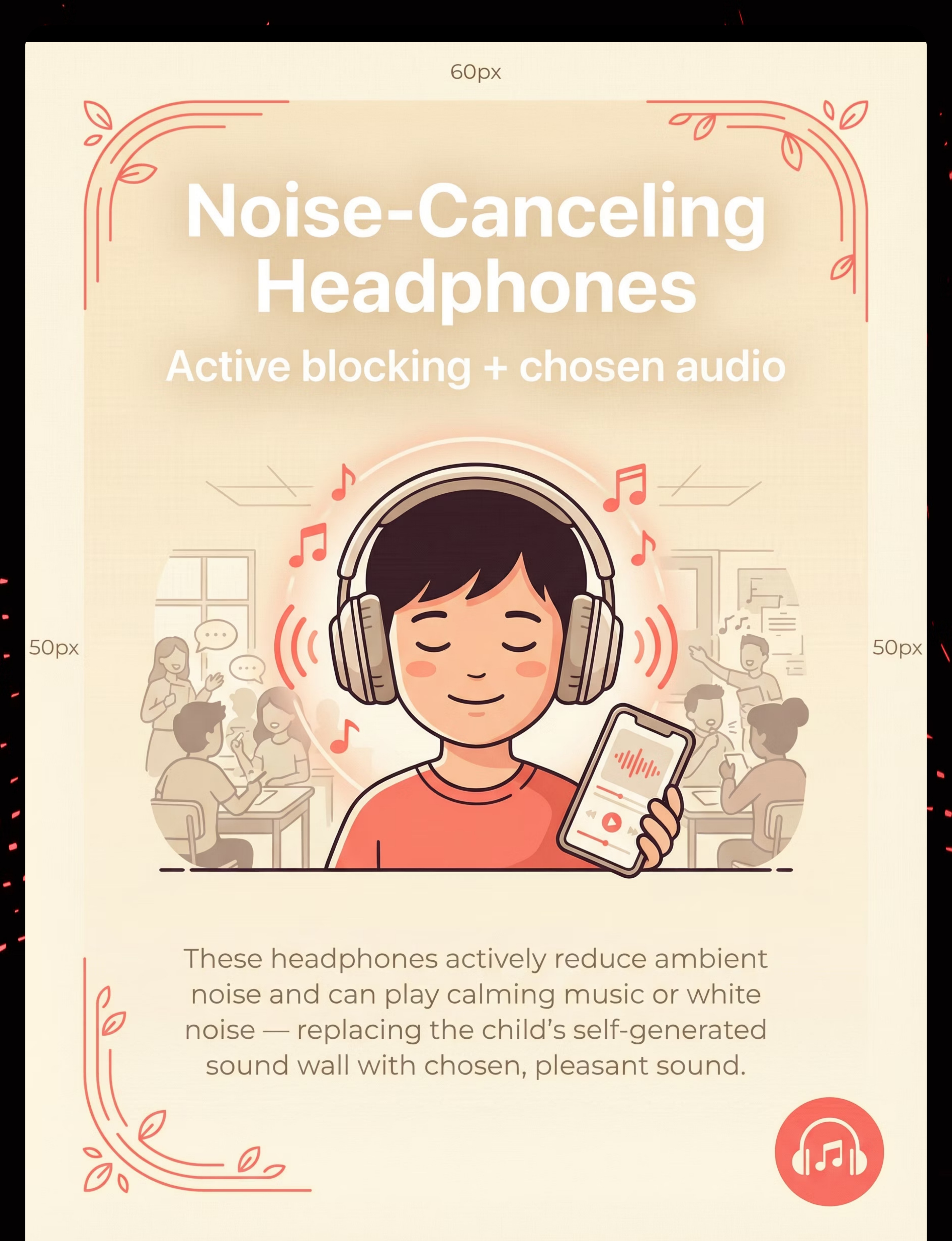
Material 2: Noise-Canceling Headphones
Active Noise Cancellation for Older Children
Active Noise Canceling (ANC) headphones use microphones and phase-inverted sound waves to electronically cancel ambient noise — providing a different mechanism of protection than passive ear defenders, with the added advantage of social normalization.
For children ages 8+, wearing headphones is understood as "listening to music" by peers — dramatically reducing the social stigma that can come with visible ear defenders. Bluetooth ANC headphones allow the child to simultaneously stream calming music (Material 5) while blocking environmental noise.
- Canon Category: Sensory Regulation & Nervous System Modulation
- Price Range: ₹2,000–₹15,000
- Best For: Ages 7+; socially-aware children; dual function (protection + calming input)
- Key Feature: Bluetooth + ANC preferred for older children
Act II — Materials
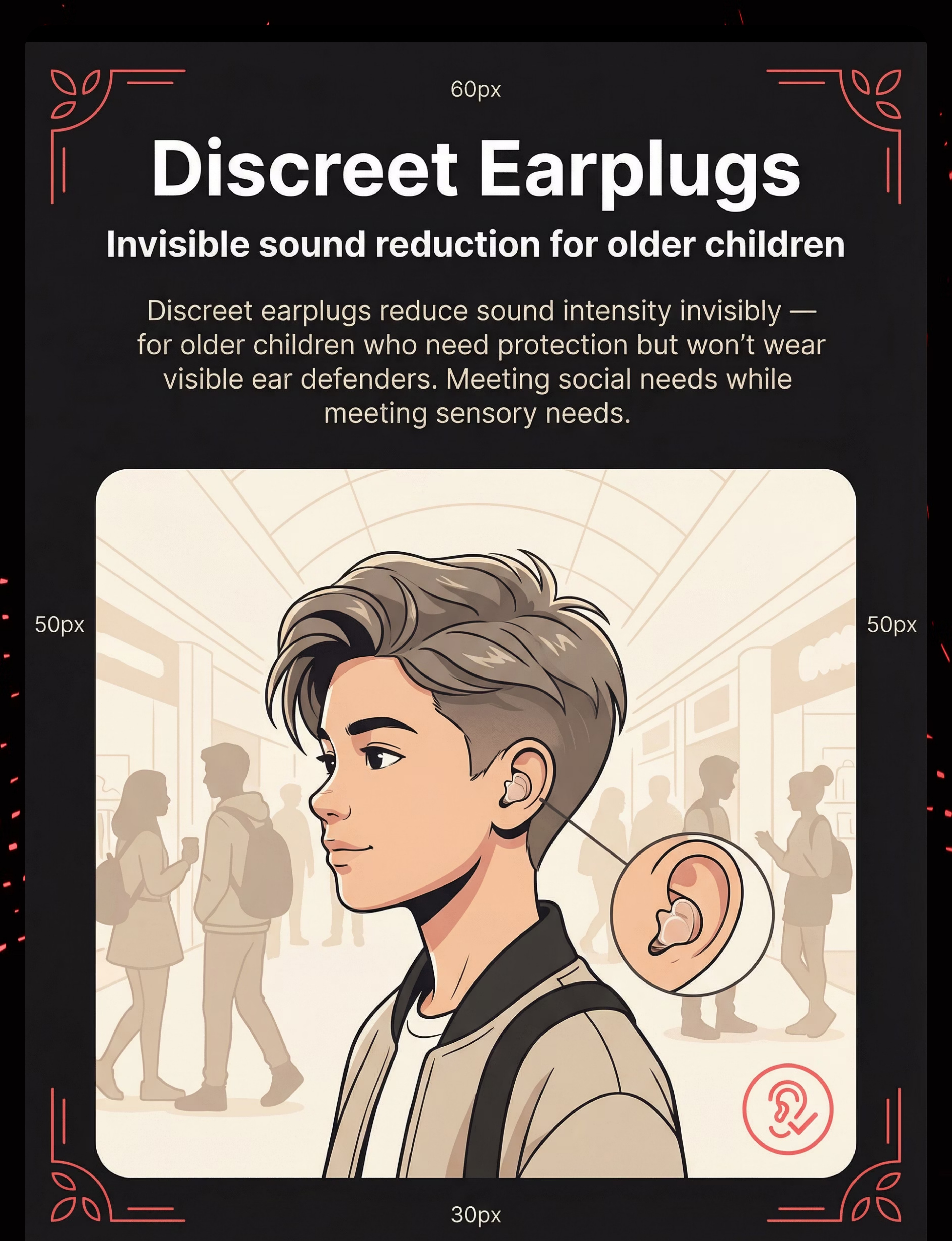
Material 3: Discreet Earplugs

Invisible Protection for School
Discreet earplugs — specifically musician's earplugs or soft silicone options — provide flat attenuation that reduces overall sound intensity while preserving speech clarity. Unlike foam earplugs, which muffle all frequencies, musician's earplugs reduce volume without distorting the acoustic landscape.
This is critical for school environments: the child needs to hear the teacher's voice and peer communication, but at a reduced, manageable volume. The key advantage is invisibility — they are entirely hidden inside the ear canal, allowing the child to participate socially without any visible marker of difference.
- Canon Category: Sensory Regulation & Nervous System Modulation
- Price Range: ₹500–₹3,000
- Best For: Ages 6+; socially conscious children; classroom use; social settings
- Key Feature: Flat attenuation preserves speech clarity
⚠️ Never force in-ear insertion. Supervise use in children under 7.
Act II — Materials
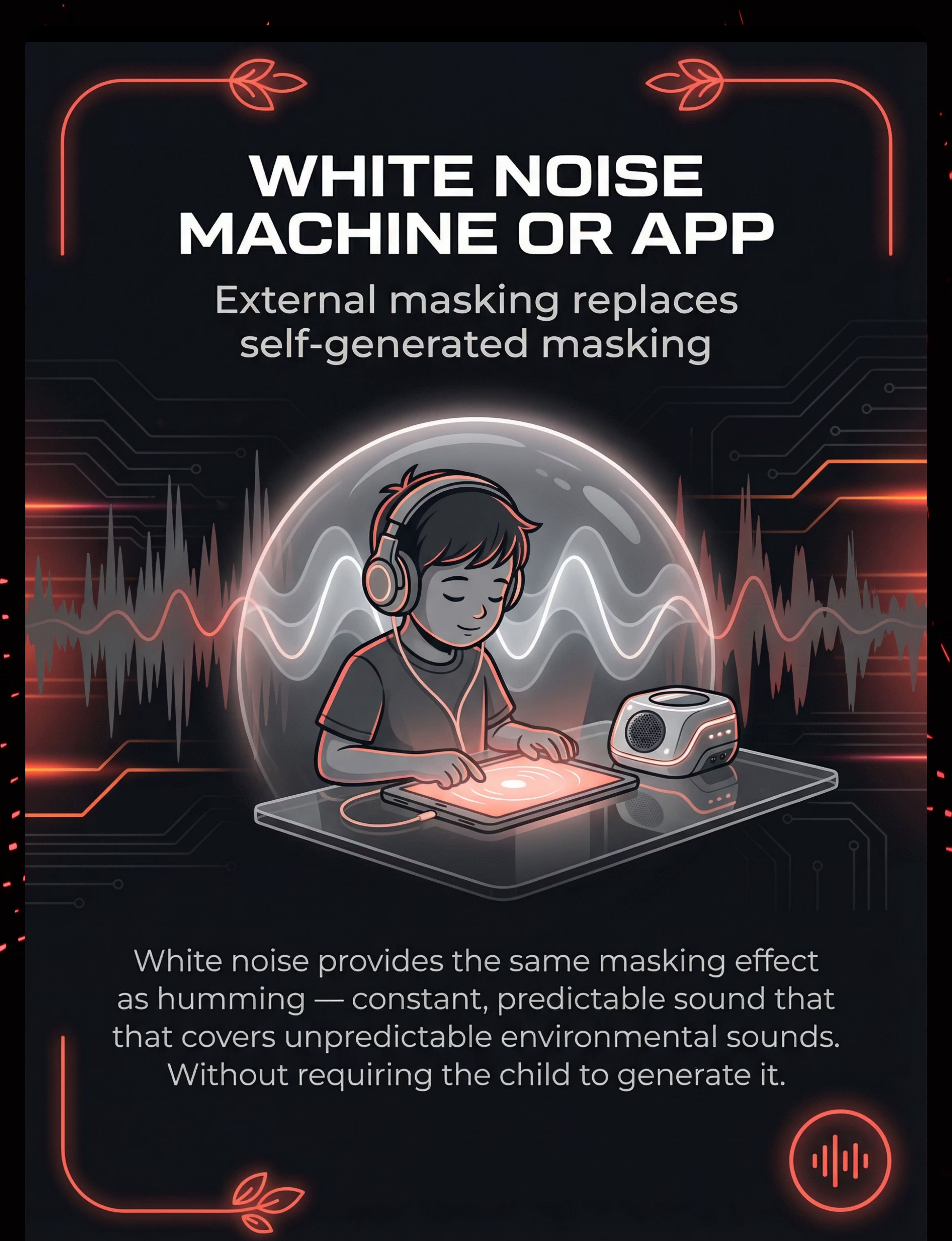
Material 4: White Noise Machine or App
Predictable Sound as a Protective Blanket
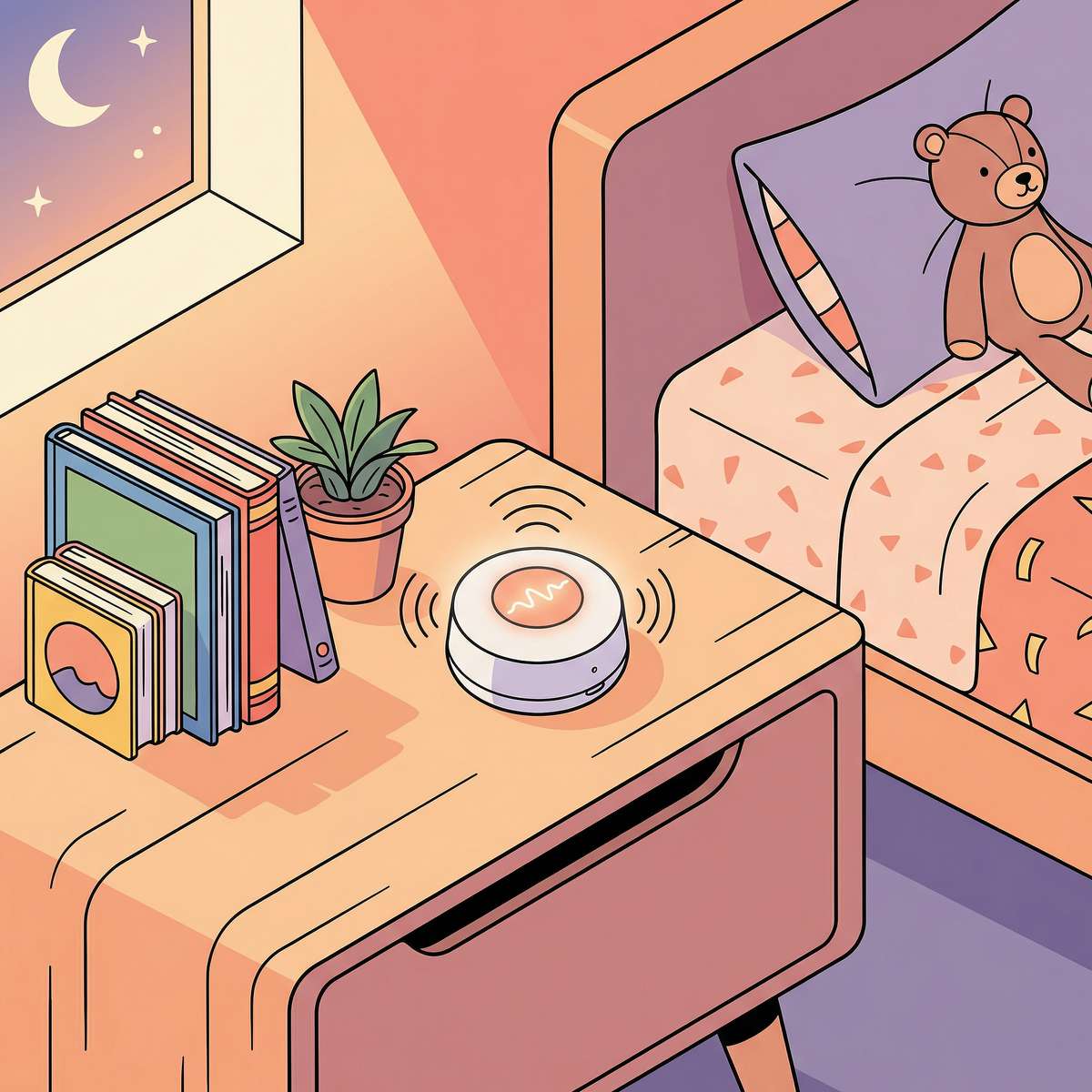
A white noise machine or app creates a consistent, steady-state acoustic backdrop that masks the unpredictable peaks and valleys of environmental noise — the exact characteristic that makes a cafeteria or crowded room so overwhelming. By filling the auditory environment with predictable noise, the machine does what the child's humming was doing: it reduces the contrast between background and foreground sound spikes.
White noise is uniquely effective for home and classroom environments where the child can influence the acoustic space. It works as an environmental modification — no wearing required. For children who resist any form of ear covering, this is often the most tolerable first step.
- Canon Category: Sleep → White Noise / Sound Machines
- Price Range: ₹0–₹3,000 (free apps available)
- Best For: All ages; children who resist wearing anything; home and classroom installation
- Volume Limit: Never exceed 70 dB at ear level

Act II — Materials
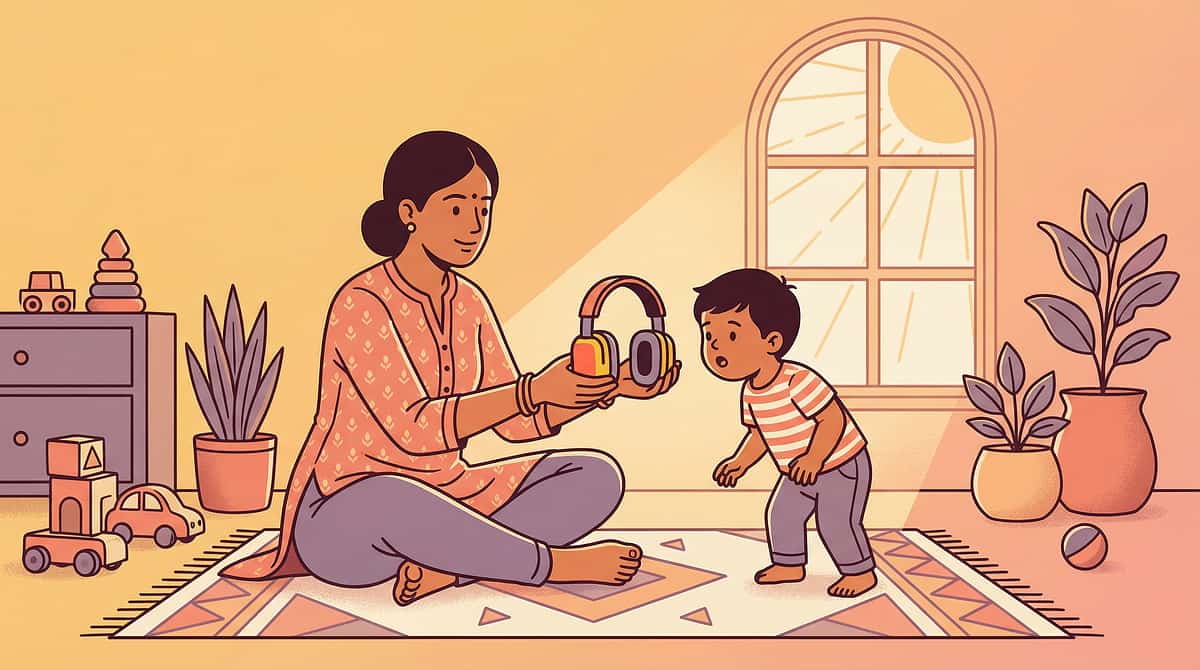
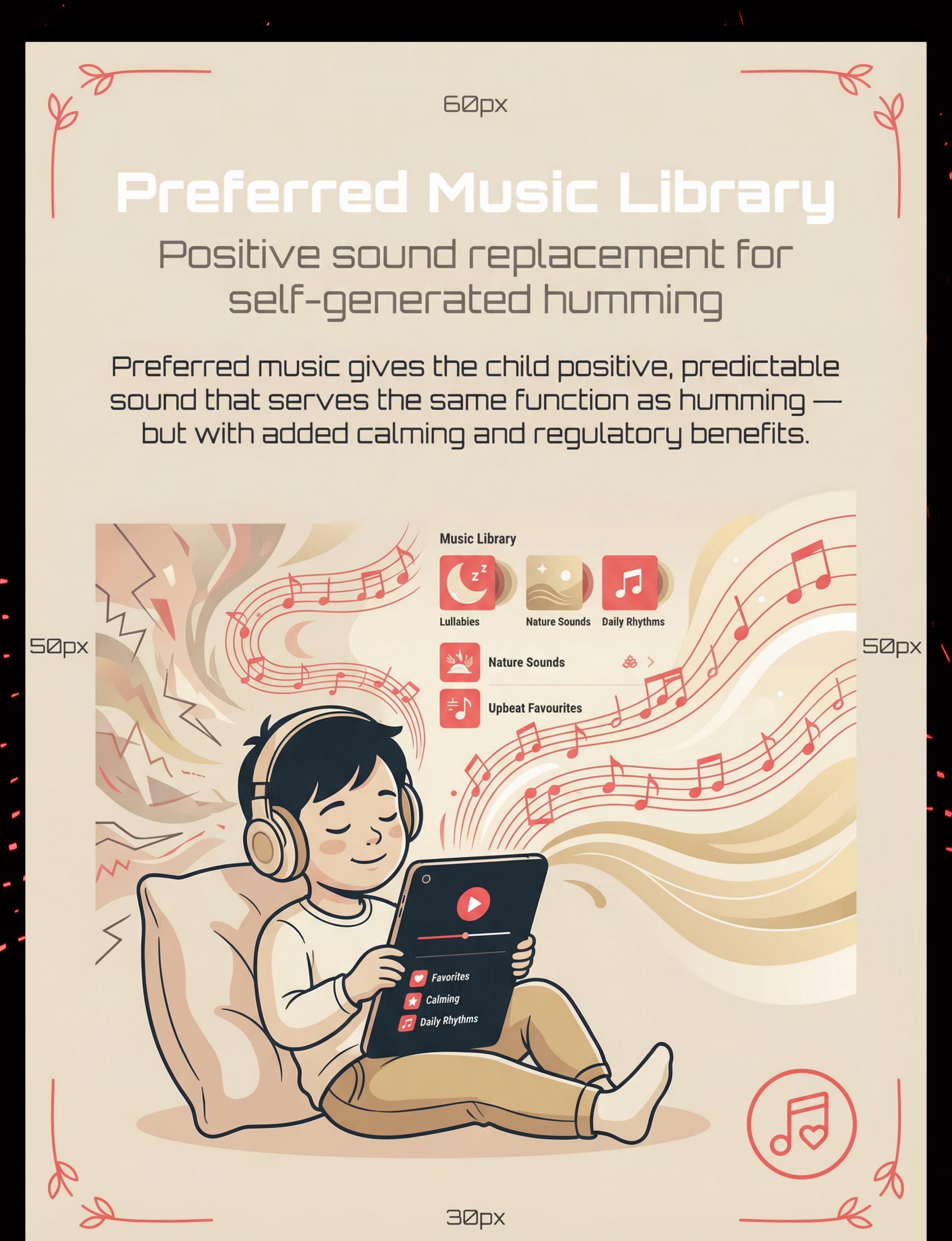
Material 5: Calming Music Library
Positive Auditory Input as Protective Strategy
Where white noise masks by filling the auditory channel with neutral sound, a calming music library fills the channel with preferred, predictable, emotionally positive sound. The mechanism is the same as humming — replacing unpredictable environmental noise with controllable auditory input — but the input is external, consistent, and requires no vocal effort from the child.
The child's preferred music (often instrumental, rhythmic, or familiar songs) provides a double benefit: auditory masking through volume and a regulatory, calming effect through the music's emotional associations. Pre-downloaded playlists ensure offline access in any environment.
Canon Category
Sensory Regulation & Nervous System Modulation
Price Range
₹0–₹2,000 (free streaming available)
Best For
All ages; paired with headphones/ANC; transition and cool-down periods
Act II — Materials
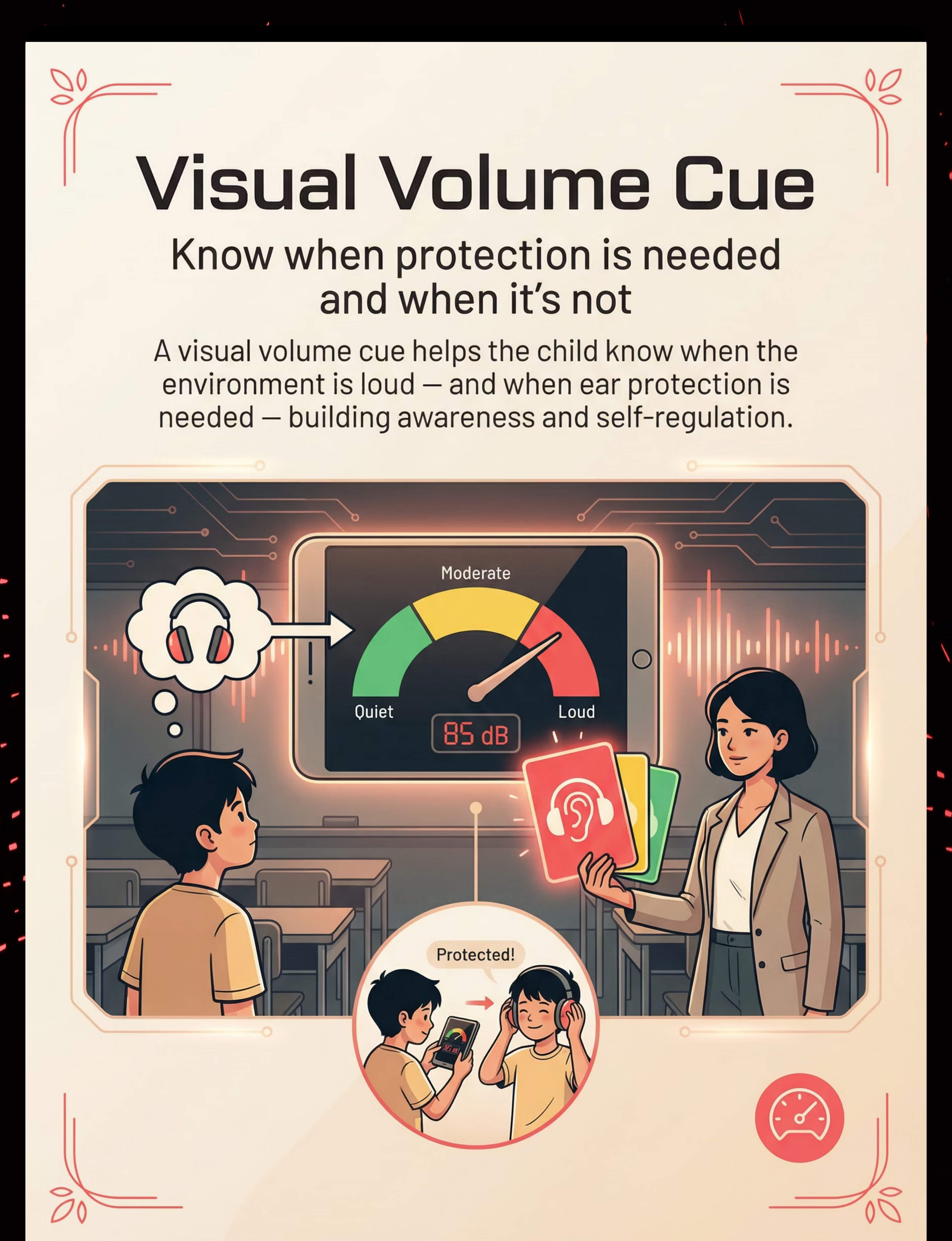
Material 6: Visual Volume Cue System
Teaching the Child to Read the Room
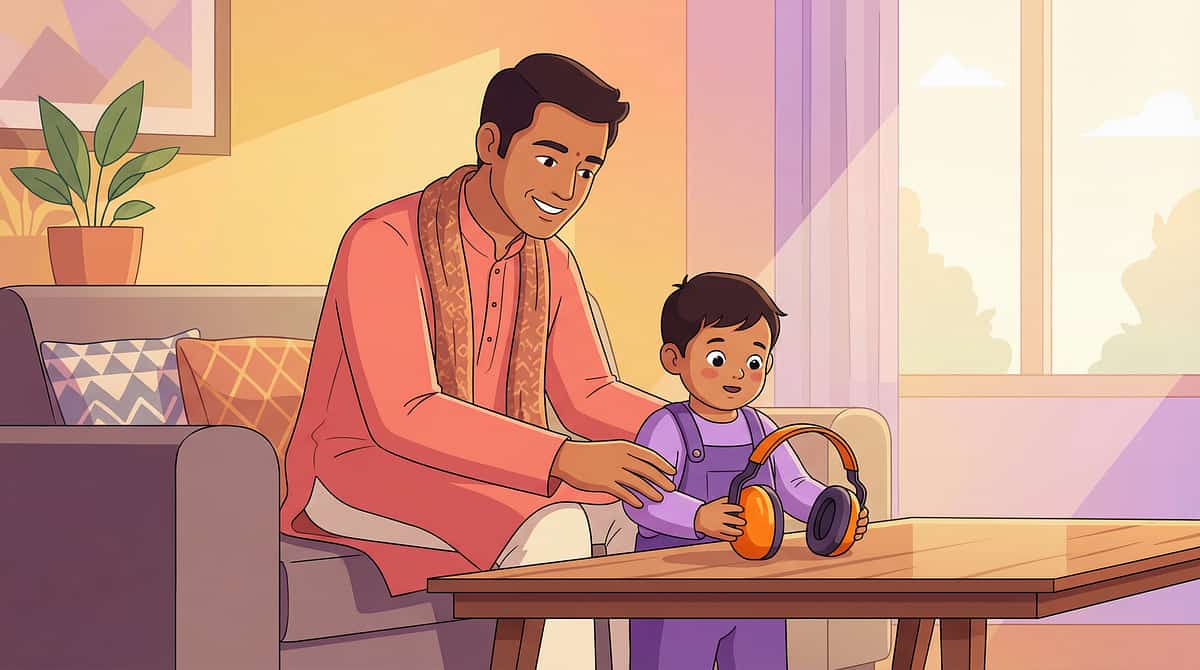
A Visual Volume Cue System is a set of color-coded cards or visual indicators that teach the child — and the adults around them — to objectively assess environmental noise levels and trigger appropriate protective responses. The system builds the child's metacognitive awareness of their own auditory environment, transforming a reactive behavior (humming when overwhelmed) into a proactive one (checking the noise level and selecting a tool).
A simple three-card system works well: Green = quiet, no protection needed. Yellow = moderate, protection available. Red = loud, ear protection recommended. The child learns to look at the card, assess the environment, and act.
Implementation Details
- Canon Category: Sensory Regulation (Visual Supports)
- Price Range: ₹0–₹500
- Best For: Ages 4+; children building self-advocacy skills; classroom use
Free DIY: NIOSH SLM (free decibel meter app) + three colored laminated cards. Draw a 1–5 volume scale and practice with child at home before using in the community.
Act II — Materials
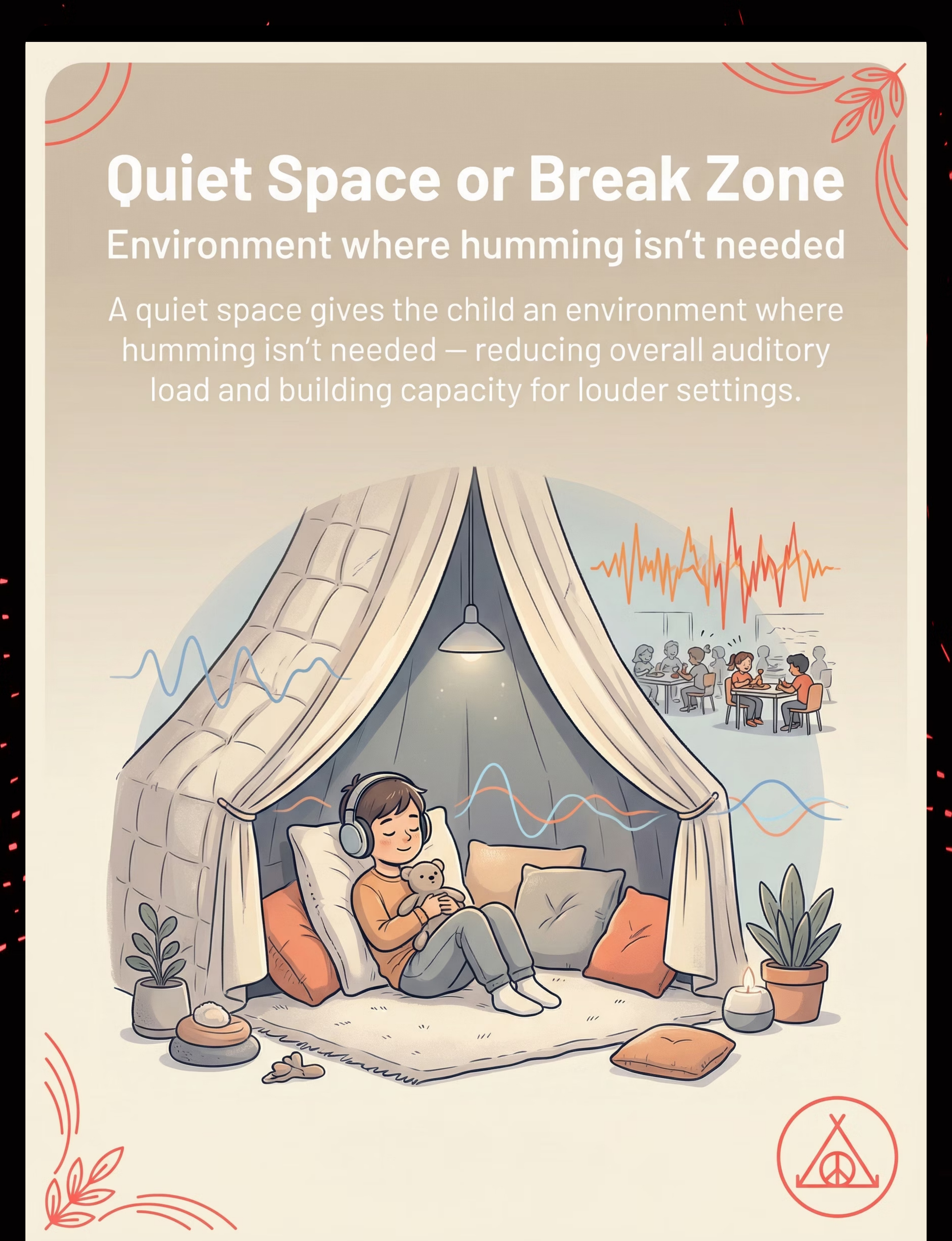
Material 7: Quiet Space / Break Zone
The Environmental Refuge
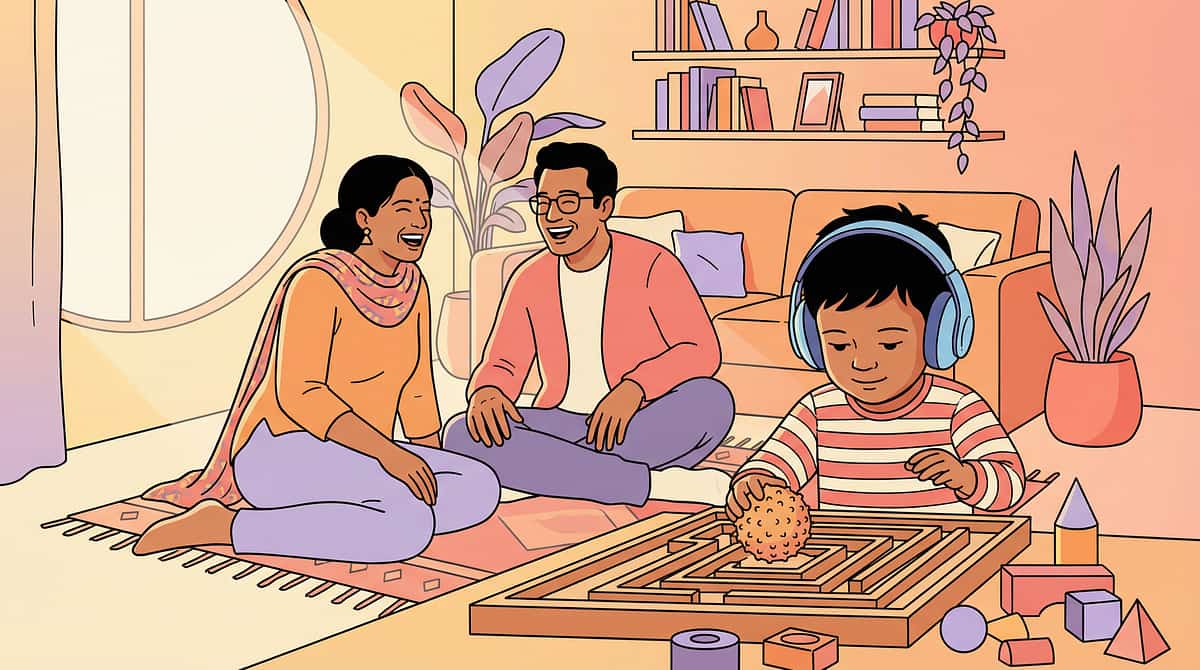
A designated Quiet Space or Break Zone serves as the child's auditory refuge — a place where the acoustic environment is genuinely controlled, the sensory load is low, and the child can regulate without needing to defend against sound. For a child who hums constantly, having a known, reliable quiet space reduces the overall daily auditory burden and allows the nervous system to reset.
The quiet space is not a punishment or "time-out" — it is a proactive regulatory tool. Teach the child to use it before overwhelm hits, not after. Ear protection should be stored in or near the quiet space, making it a complete sensory management station.
- Price Range: ₹0–₹5,000
- Setup: Soft rug, cushions, fabric walls/curtains; minimize hard reflective surfaces
- DIY: Blanket fort with cushions, pillows, and corner rugs to absorb sound
Act II — Materials
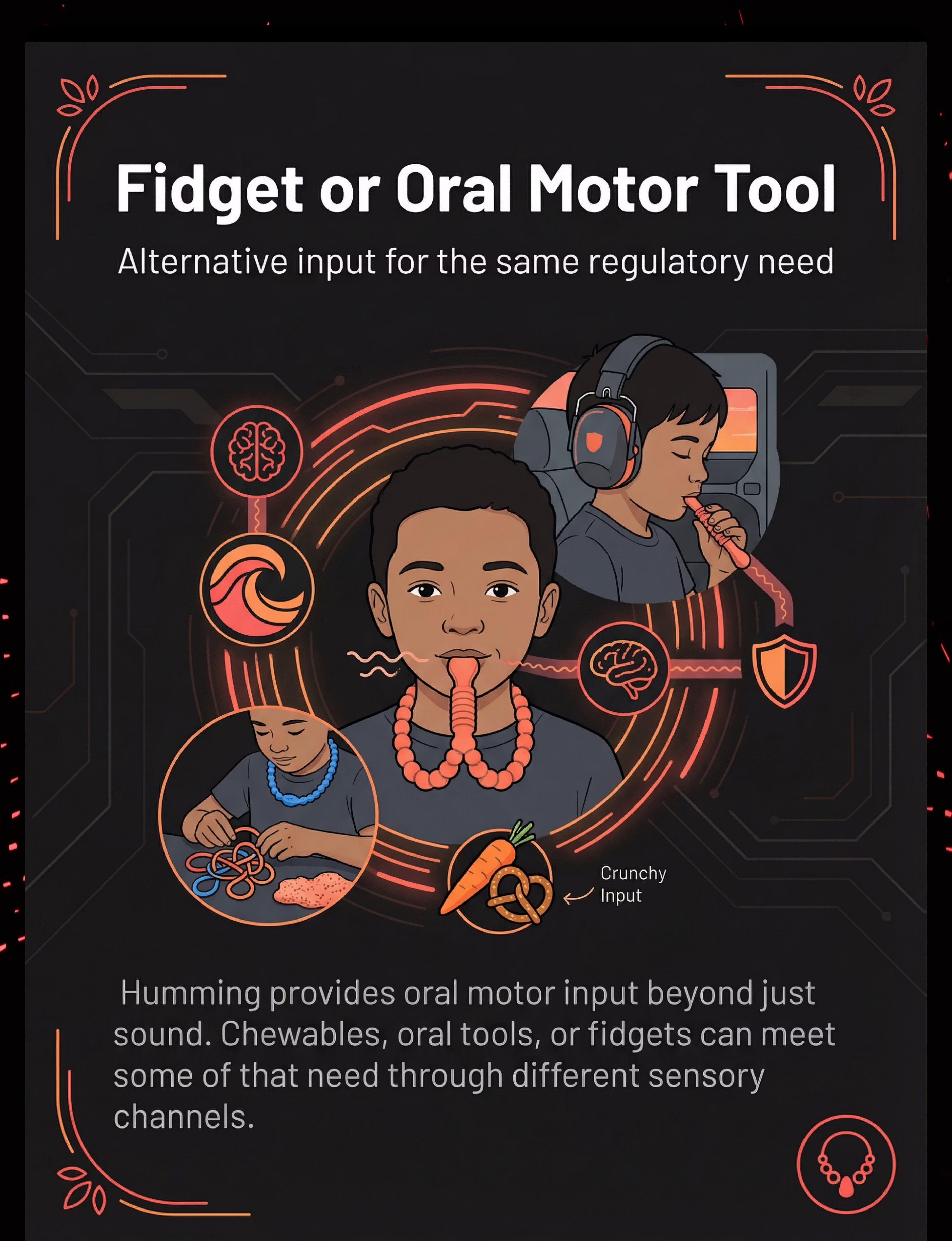
Material 8: Fidget or Oral Motor Tool

When Humming Serves More Than One Function
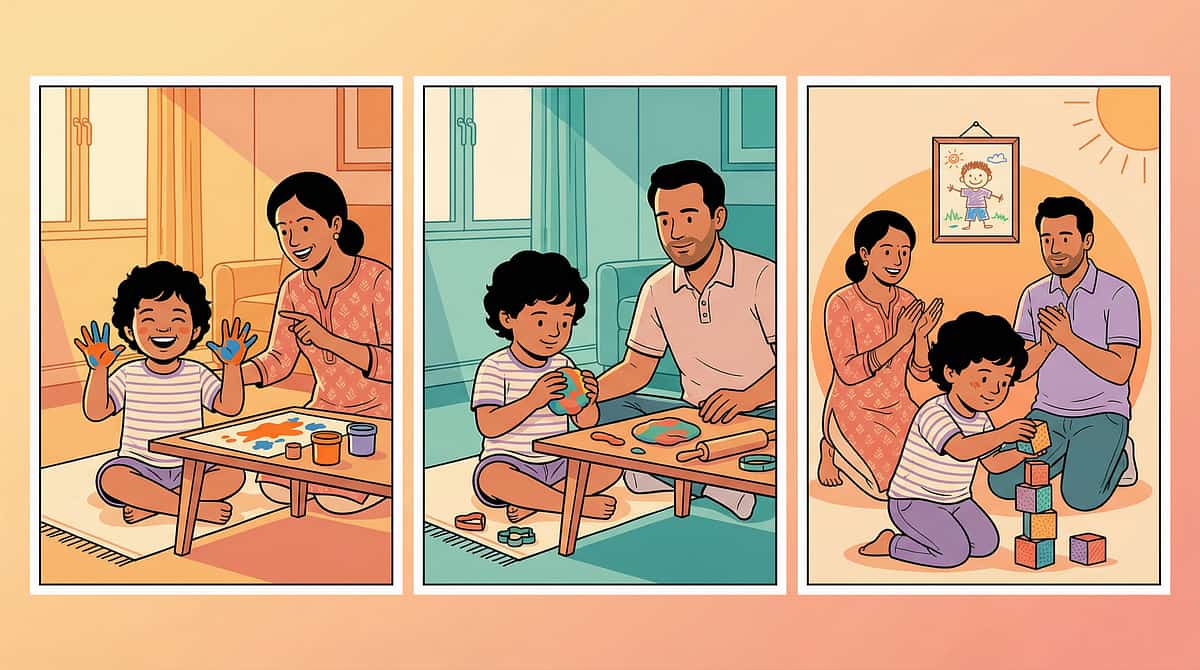
For some children, humming serves a dual function: auditory blocking and oral motor regulation. The physical act of humming — the vibration in the jaw, lips, and throat — provides proprioceptive and tactile input to the oral motor system that the child's nervous system craves. For these children, providing ear protection alone may reduce but not eliminate humming.
A chewable necklace (non-toxic silicone, appropriate hardness) addresses the oral motor component directly. A fidget tool provides hands-based proprioceptive input that can redirect sensory-seeking energy. Together, these tools address the full functional profile of many humming behaviors.
- Chewable Canon Category: Oral Motor & Feeding
- Chewable Price: ₹200–₹1,500
- Fidget Canon Category: Sensory Regulation & Nervous System Modulation
- Fidget Price: ₹200–₹800
⚠️ Inspect chewables for wear regularly. Non-toxic material, appropriate hardness, no choking hazard components.
Act II — Materials
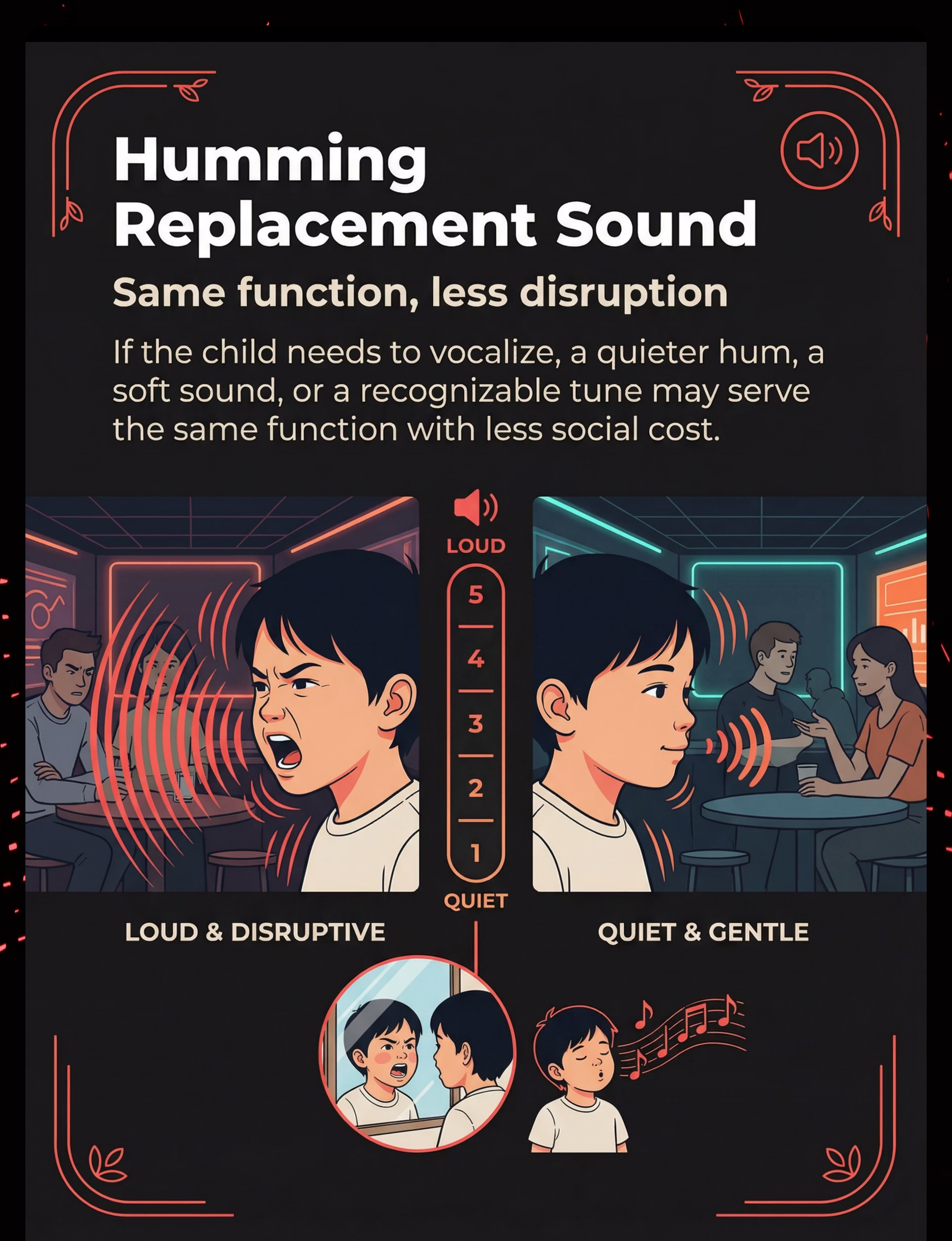
Material 9: Humming Replacement Sound Training
The Bridge to Independence — No Equipment Required
What It Is
Humming Replacement Sound Training is a structured behavioral and sensory approach — led by a therapist or trained caregiver — that gradually teaches the child to recognize the internal cue (auditory overwhelm) and select a tool-based response before initiating the humming reflex.
Cost: ₹0. This is the highest-level skill in the protocol — the child's internalized auditory self-regulation capacity.
What It Looks Like at Mastery
- Child notices environmental noise increasing
- Child checks visual volume cue or internal awareness
- Child selects and deploys preferred tool (headphones, earplugs)
- Child re-engages with the environment without humming
- Child self-advocates when tools are unavailable: "I need my ear helpers"
This is not a material you purchase — it is the clinical outcome of consistently using Materials 1–8. It is listed as Material 9 because it is as real and functional as any physical tool.
Act II — DIY & Equity
DIY & Substitute Options
Not every family can order from Amazon. Every parent, regardless of economic status, can begin this technique TODAY with household items. This is the WHO/UNICEF inclusion principle in action.
Buy This | ₹0 Alternative | |
Child-sized ear defenders (₹1,000+) | Over-ear industrial hearing protection from hardware store (₹200–500). Look for NRR 20+. | |
Active noise-canceling headphones (₹2,000+) | Regular wired headphones + free white noise app (myNoise, White Noise Lite). | |
Musician's earplugs (₹500+) | Foam earplugs from any pharmacy (₹20–50 per pack). Less precise but effective. | |
White noise machine (₹1,000+) | Smartphone + free YouTube white noise video. A regular table fan also provides masking sound. | |
Quiet space tent/canopy (₹2,000+) | Blanket fort with cushions and soft materials. Corner with rugs, curtains, and pillows. | |
Chewable necklace (₹200+) | Clean silicone teething ring on a safe cord. Crunchy snacks (carrots, crackers) as temporary oral motor input. | |
Visual volume scale (₹200+) | Draw a 1–5 volume scale on paper. Laminate. Practice with child at home. |
When Clinical-Grade is Non-Negotiable: Severe hyperacusis → professional audiological assessment before DIY. Oral motor injury → professional oral motor evaluation needed. Humming unchanged with ear protection → BCBA functional behavior assessment required.
Act II — Safety
Safety First: Before You Begin
🔴 Red Lines — Do NOT Proceed If
- Active ear infection, ear pain, or recent ear surgery → consult physician first
- Signs of hearing loss → audiological evaluation required before adding ear protection
- History of inserting objects into ears → over-ear only, never earplugs
- Severe distress when anything touches head/ears → gradual desensitization needed first
- Medical device near ear (cochlear implant, hearing aid) → audiologist must approve modifications
🟡 Modify If
- Tolerates some ear covering but not full defenders → start with soft headband-style, graduate to full coverage
- Wears protection for only seconds → use short exposure intervals and build duration gradually
- Under 3 years → ensure toddler-sized defenders; supervise use at all times
- Resists all head-covering → try discreet earplugs or environmental modifications first
🟢 Proceed When
- No active ear pathology
- Child tolerates items on/near their head (hats, headbands, glasses)
- Materials inspected — no loose parts, correct size, comfortable
- Primary environments where humming occurs identified
- White noise volume confirmed below 70 dB at ear level
Act II — Setup
Set Up Your Space
Home Practice Sessions
Introducing ear protection for the first time requires a quiet, controlled environment where the child feels safe. Remove background noise sources entirely for the initial session — TV, radio, siblings. Light should be normal and comfortable.
01
Child Seated Comfortably
Parent at eye level, facing child. No urgency in body language.
02
Materials Visible, Not Forced
Ear defenders on table within child's reach. Preferred toy/activity ready.
03
Visual Timer Visible
Child knows the session has a beginning and end.
Quiet Space (Permanent Installation)
Install a permanent quiet zone that the child can access independently. This becomes the child's self-regulatory anchor — the place they know is always available.
- Corner of room with soft rug, cushions, fabric walls/curtains
- Minimize hard, sound-reflective surfaces
- Optional: Pop-up tent or canopy for defined boundary
- Ear protection stored here — always accessible
- Visual cue: "Quiet Zone" sign the child recognizes
- Check for hidden noise: HVAC, ticking clocks, refrigerator hum
Act III — Execution
Is Your Child Ready? Pre-Session Checklist
The best session is one that starts right. Check all seven conditions before beginning. This antecedent check is evidence-based — setting events determine intervention effectiveness.
1
Fed and Hydrated
Not hungry, not immediately post-meal
2
Rested
Not overtired, not immediately post-nap groggy
3
Emotionally Regulated
No meltdown in the last 30 minutes; not already in sensory overload
4
Physically Well
No illness, ear pain, or physical discomfort
5
Materials Ready
Ear protection inspected and within reach
6
Space Prepared
Environment matches setup requirements from the previous card
All 6 ✅ → GO
Proceed to Step 1: The Invitation
1–2 ❌ → MODIFY
Just show materials. Let child explore without demands. Goal: familiarity only.
3+ ❌ → POSTPONE
Calming activity instead. Try again when conditions improve.
Act III — Step 1
Step 1: The Invitation
Introduce the Tool — Not the Demand
Parent Script
"Look what I have! These are special ear helpers. They make loud sounds quieter. Do you want to hold them?"
Place ear defenders on the table within child's reach. Do NOT place them on the child's head. Let the child approach on their own terms.
Sit at child's eye level. Relaxed posture — no urgency. Show the ear defenders on your own head first: "See? I put them on. It's so quiet! So nice." Model removing them. If child reaches for them: celebrate the curiosity. If child ignores them: that's fine. Leave visible. Try again tomorrow.
What to Watch For
Acceptance looks like:
- Child reaches for, touches, or picks up the ear defenders
- Child watches you model wearing them with interest
- Child allows you to briefly hold them near (not on) their head
Resistance and how to modify:
- Child pushes them away → "That's okay. They'll be here when you're ready."
- Child shows distress → Remove completely. Try discreet earplugs in a future session.
- Child ignores completely → Pair with preferred item. "Your ear helpers live next to your [favorite toy]."
Timing: 30–60 seconds. This is NOT the therapeutic event — this is the invitation.

Act III — Step 3
Step 3: The Therapeutic Action
Real-World Tool Use — The Replacement
Before Entering
"We're going to [cafeteria/store/party]. It might be loud. Do you want to put your ear helpers on before we go in, or carry them and put them on when it gets loud?"
Give the child agency. Both options are valid. Choice reduces demand and increases compliance.
Execution: If child starts humming, gently cue: "Would your ear helpers help right now?" Do NOT say "stop humming." If child puts on ear protection, observe if humming decreases — it typically stops within 30–60 seconds. Reinforce: "Your ears feel better now!"
Common Execution Errors
- Saying "stop humming" before offering tool → Always offer tool FIRST. Humming stops when the need is met.
- Forcing ear defenders on during distress → Never force. Exit environment first, then try tool.
- Staying too long in noisy environment → End on success. Shorter successful exposure beats longer overwhelmed one.
- Removing protection to "test" the child → Never remove to test. The child will remove when ready.

Act III — Step 4
Step 4: Repeat & Vary
Repetition Targets
1
Week 1
3–5 practice exposures across different environments. Start with lowest-noise settings where humming occurs.
2
Week 2
5–7 exposures. Include moderate-noise environments.
3
Weeks 3–4
Daily practice in naturally occurring environments. Child begins to self-initiate tool use.
Variation B — Environment Escalation
1
2
3
4
5
1
Level 1
Home with TV/sibling noise
2
Level 2
Supermarket
3
Level 3
Restaurant
4
Level 4
School cafeteria
5
Level 5
Assembly / community event
"3 successful, short exposures are worth more than 1 forced, long one." Honor satiation signals: child pulls off protection and doesn't replace, requests to leave, or returns to humming despite available tools.

Act III — Step 5
Step 5: Reinforce & Celebrate
Reinforce Within 3 Seconds of the Desired Behavior
For putting on ear protection independently:
"You put your ear helpers on all by yourself! Your ears feel better now. That was so smart."
For requesting tools:
"You asked for your headphones! You knew your ears needed help. That's amazing self-advocacy."
For reduced humming (even partial):
"I noticed you hummed less today. Your ear helpers are really doing their job!"
Reinforcement Menu
- Verbal praise: Specific statements above — every time
- Natural consequence: "Now that you're not humming, you could hear the teacher's funny joke!" — when natural opportunities arise
- Token: Star chart/sticker for independent tool use — building habit phase (weeks 1–3)
- Tangible: Preferred activity after successful outing — major milestone achievements
Critical: Never punish or withdraw reinforcement for humming. The humming is not a behavior to eliminate — it is a coping strategy to replace. If the child hums, the tool wasn't available or wasn't sufficient. Troubleshoot the tool, not the child.
Act III — Step 6
Step 6: The Cool-Down
Transition Script
"We're all done with the loud place! Let's go somewhere quiet. You did a great job with your ear helpers."
Cool-Down Protocol
- Transition to low-stimulation space — quiet room, car, outdoor fresh air
- Keep ear protection available — child may want to keep wearing it during transition
- Calming input: preferred music, deep pressure if sought, preferred quiet activity
- 5–10 minutes of low-demand time before next activity
- Put-away ritual: ear protection returns to its "home" — child participates if able
Post-Session Observation (60 Seconds)
Note immediately for your data capture:
- Did the child use ear protection? (Y/N)
- Did humming decrease? (A lot / A little / No change)
- Child's overall state after session? (Calm / Slightly dysregulated / Significantly distressed)
If Child Resists Ending
Use a visual timer: "Two more minutes, then we'll go to the quiet place." Do not force removal of ear protection — they may need continued protection during transition. Let them decide when to remove it.
Act III — Data
Capture the Data: Right Now
Within 60 Seconds of Session End, Record These 3 Data Points
1
Tool Use
Did the child use ear protection/auditory tool today?
☐ Yes, independently | ☐ Yes, with prompt | ☐ No — refused | ☐ N/A
☐ Yes, independently | ☐ Yes, with prompt | ☐ No — refused | ☐ N/A
2
Humming Level
Compare to baseline:
☐ No humming (100%) | ☐ Much less (75%+) | ☐ Somewhat less (50%) | ☐ A little less (25%) | ☐ No change | ☐ Increased
☐ No humming (100%) | ☐ Much less (75%+) | ☐ Somewhat less (50%) | ☐ A little less (25%) | ☐ No change | ☐ Increased
3
Environment Tolerated
Noisiest environment successfully accessed:
☐ Home (mild) | ☐ Store/market | ☐ Restaurant | ☐ School cafeteria | ☐ Assembly/event
☐ Home (mild) | ☐ Store/market | ☐ Restaurant | ☐ School cafeteria | ☐ Assembly/event
Date | Environment | Tool Used? | Humming Level (1–5) | Duration | Notes | |
Day 1 | Home (TV) | Yes (prompted) | 3 → 2 | 10 min | Needed reminding | |
Day 3 | Market | Yes (independent) | 4 → 1 | 15 min | Smiled when sounds reduced | |
Day 5 | School cafeteria | Yes (prompted) | 5 → 2 | Full lunch | Teacher reported less disruption |
"60 seconds of data now saves hours of guessing later."
Act III — Personalization
Adapt & Personalize
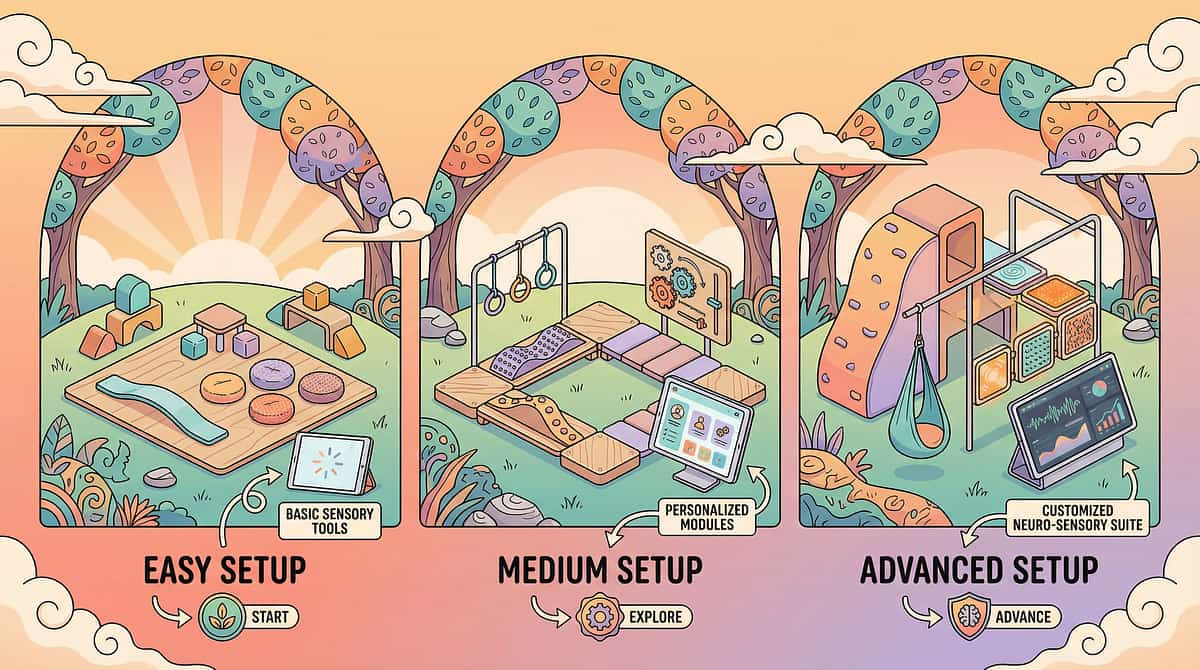
Easiest: Environmental Modification Only
White noise app playing from a speaker near child. No wearing anything. Reduce noise at source. For children who resist all head/ear covering.
Easy: Preferred Headphones Transfer
Headphones with preferred music. Child already accepts headphones for entertainment — transfer to protective function.
Standard: Prompted Tool Use
Ear defenders in noisy environments, child-initiated with prompting from a caregiver or teacher.
Advanced: Independent Selection
Child independently selects and uses ear protection or earplugs based on environment assessment without prompting.
Mastery: Self-Advocacy
Child uses visual volume cues to decide when protection is needed, self-advocates for accommodations, minimal humming.
For the Sensory Avoider
Start with maximum protection (highest NRR ear defenders). Reduce gradually over months as tolerance builds. Always have tools available, even if used less frequently. Quiet space must be genuinely quiet.
For the Sensory Seeker Who Also Blocks Sound
Child may hum for BOTH blocking and seeking (oral motor input). Provide ear protection AND oral motor alternative simultaneously. Allow some humming (shaped to quieter volume) while providing protection.
Act IV — The Progress Arc
Weeks 1–2: What to Expect
✅ What You MAY See — And It IS Progress
- Child tolerates holding ear defenders (even without wearing them)
- Child allows ear defenders on head for 10–30 seconds
- Child wears ear defenders in a quiet environment (getting used to sensation)
- Humming decreases by even 10% with ear protection
- Child shows curiosity about the tools
- Child accepts white noise or music as background sound
❌ What You Will NOT See Yet — And That's Normal
- Complete elimination of humming
- Independent tool use without prompting
- Comfort in all noisy environments
- Wearing ear protection for a full school day
"If your child tolerates ear defenders for 30 seconds longer today than yesterday — that is measurable, meaningful, neurological progress. You are literally helping their brain build a new pathway for auditory coping. It took months or years for the humming to become the default strategy. Replacing it takes weeks, not days."
Act IV — The Progress Arc
Weeks 3–4: Consolidation Signs
Anticipation Emerging
Child reaches for ear defenders before entering a noisy environment — the brain is beginning to predict the need before overwhelm hits.
Sustained Wearing
Child wears ear protection for 5+ minutes continuously. Humming decreases noticeably — 30–50% reduction when tools are available.
Tool Preference Forms
Child shows preference among tools (e.g., prefers headphones over ear defenders). Preferences are data — honor them.
Spontaneous Generalization
Child requests ear protection in a new environment not yet practiced. Family members notice: "He's humming less." Teacher reports calmer behavior.
Parent Milestone: "You may notice you're more confident too. The anxiety of entering noisy places with your child is decreasing because you have a strategy. That confidence transfers to your child."
Act IV — The Progress Arc
Weeks 5–8: Mastery Indicators
80%
Tool Independence
Child selects and uses ear protection independently in 80%+ of triggering situations without prompting. Badge 1 earned.
75%
Humming Reduction
Humming in noisy environments reduced by 75%+ compared to pre-intervention baseline. Badge 2 earned.
3+
Environments Expanded
Child can access at least 3 previously-avoided or humming-intense environments using tools. Badge 3 earned.
Badge 4: Self-Advocacy
Child verbally or gesturally requests accommodation: "I need my headphones," "Too loud," pointing to ears — without adult prompting.
Badge 5: Generalization
Tool use transfers to novel environments without specific teaching. The skill has become the child's own.
"The goal is not to 'cure' auditory over-responsivity but to replace a disruptive coping mechanism (humming) with a functional one (tool use). Many adults with auditory sensitivity carry earplugs or noise-canceling headphones. Your child is learning a lifelong skill."

Act IV — Safety
Red Flags: When to Pause
🚩 Humming Increases Despite Consistent Tool Use (2+ Weeks)
May indicate worsening auditory sensitivity, hearing change, or new environmental stressor. Consult OT and/or audiologist.
🚩 Pain When Wearing Ear Protection
Could indicate ear infection, TMJ issue, or pressure sensitivity. Medical evaluation needed before continuing.
🚩 Humming Shifts to Self-Injurious Sound-Blocking
Pressing hands hard into ears causing redness, hitting own ears — behavioral escalation. Urgent OT + behavioral support needed.
🚩 Complete Regression After Weeks of Progress
Investigate environmental change: new classroom, new teacher, family stress, illness. The cause is likely external, not the child.
🚩 No Tolerance for Any Ear Protection After 4 Weeks
Tactile or vestibular factors may be involved. Comprehensive sensory evaluation by OT recommended.
🚩 Apparent Hearing Changes
Child responds less to name, needs louder volume — audiological evaluation urgently required.
Helpline: FREE National Autism Helpline: 9100 181 181 (16+ languages, available 24×7) | pinnacleblooms.org

Act IV — Whole-Child View
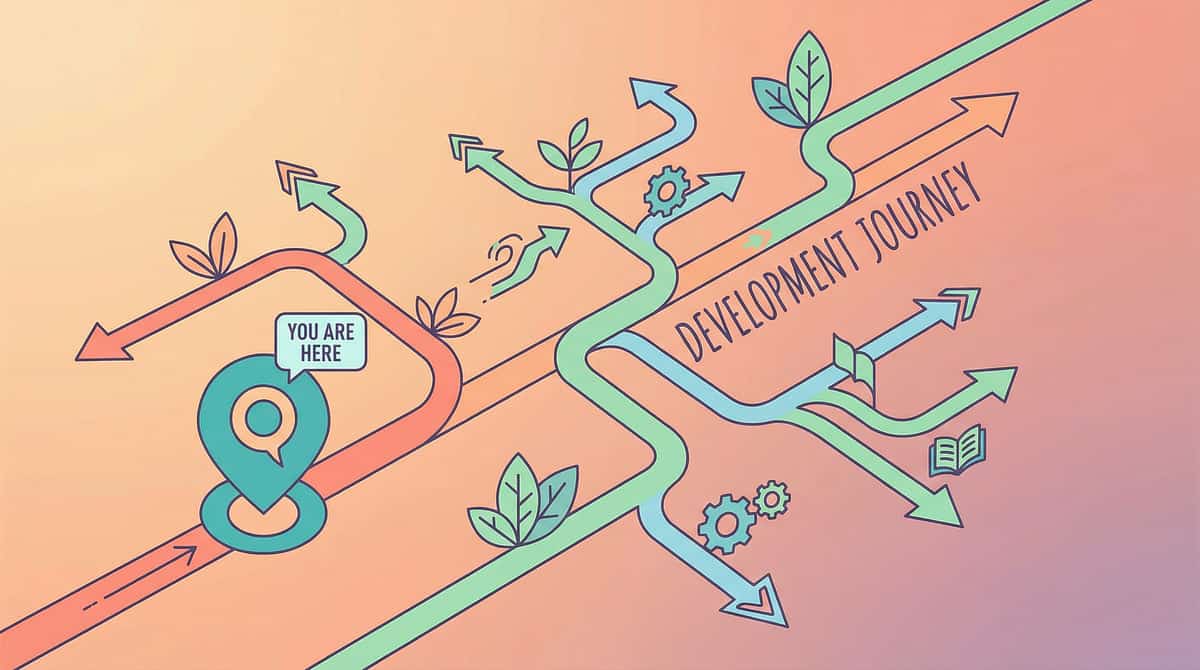
Your Child's Full Developmental Map
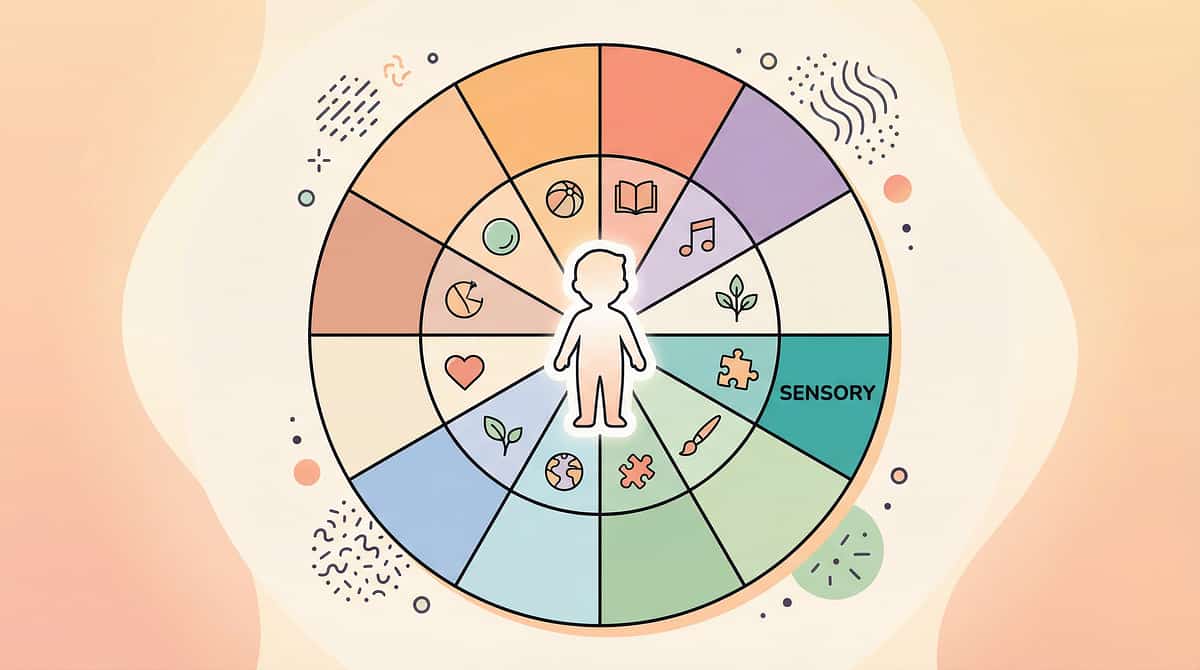
Auditory self-masking replacement (A-043) primarily serves Domain A (Sensory Processing) but directly impacts Domain D (Social-Emotional — through increased participation), Domain F (Self-Care — through self-advocacy), Domain G (Behavioral Regulation — through adaptive coping), and Domain K (Community Participation — through environment access). This is one piece of a larger, interconnected plan.
Act V — Real Families
Families Who've Been Here
Arjun, Age 6
"He hummed constantly — all day, every day, in any noisy place. Teachers thought it was defiance. Other kids avoided him. Once we understood he was blocking sounds he couldn't tolerate, we got ear defenders. First day: no humming. He just didn't need to hum anymore."
— Parent, Pinnacle Network
Meera, Age 9
"She was seated separately from other students because of the humming. Once we switched to discreet musician's earplugs for class and noise-canceling headphones for the cafeteria, her humming dropped by 80% in six weeks. She's back at a shared desk."
— Parent, Pinnacle Network
From the Therapist's Notes: "This case exemplifies the principle that when you replace the function, the behavior becomes unnecessary. The humming was never the problem — it was a brilliant solution that needed an upgrade."
Illustrative cases; outcomes vary by child profile.
Act V — Research Library
The Research Library
PRISMA Systematic Review (2024)
16 articles from 2013–2023 confirm SI intervention meets EBP criteria for ASD. PMC11506176
Meta-Analysis — SI Therapy Efficacy (2024)
24 studies: social skills, adaptive behavior, sensory processing, motor skills. PMC10955541 | DOI: 10.12998/wjcc.v12.i7.1260
Indian Home-Based Sensory RCT (2019)
Padmanabha et al.: Parent-administered SI demonstrates significant outcomes comparable to clinic-based delivery. DOI: 10.1007/s12098-018-2747-4
WHO/UNICEF Care for Child Development Package (2023)
Evidence-based caregiver training, implemented in 54 countries. PMC9978394
Frontiers in Integrative Neuroscience (2020)
Neurological basis for sensory-based interventions in ASD. DOI: 10.3389/fnint.2020.556660
Act V — Technology
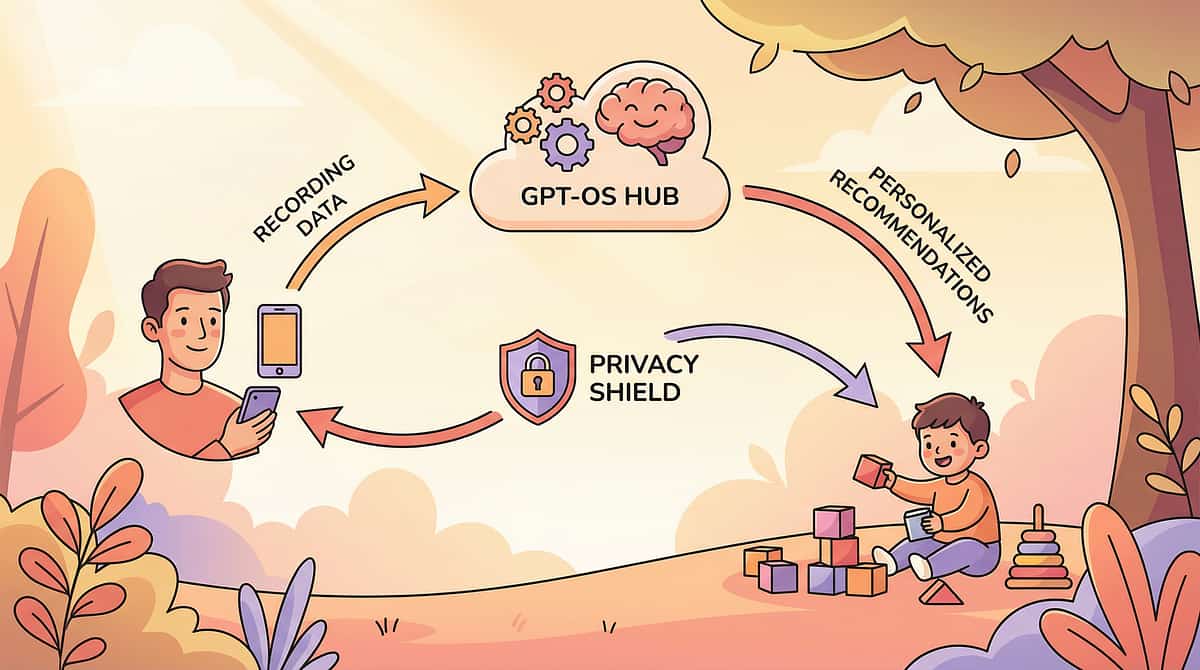
How GPT-OS® Uses Your Data
What GPT-OS® Learns
- How quickly tool replacement occurs for auditory self-masking behaviors across age groups
- Which tools (ear defenders vs. headphones vs. earplugs) have highest adoption rates
- Environmental hierarchy: which environments respond fastest to tool-based intervention
- Comorbidity patterns: what other sensory challenges co-occur with auditory self-masking
Privacy Protection
- All data encrypted end-to-end
- No personally identifiable information shared externally
- Data control: request deletion at any time
- Compliance: Indian IT Act 2000, DPDP Act 2023
"Your data helps every child like yours."
Act V — Video
Watch the Reel: A-043
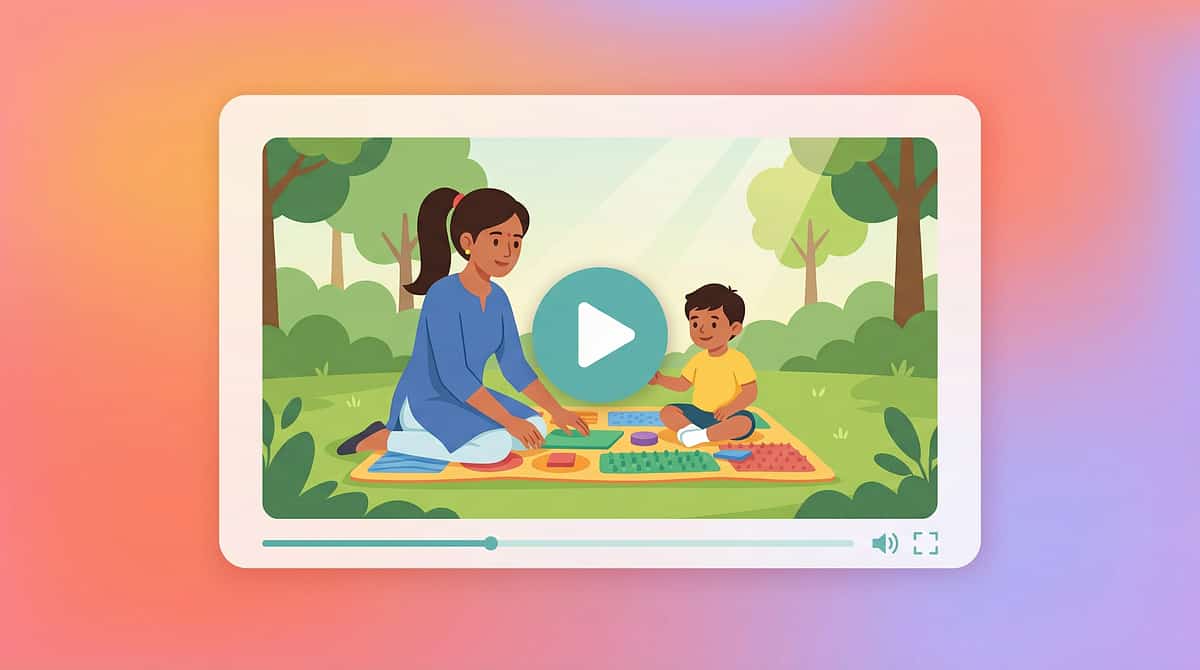
▶️ Sensory Solutions — Episode 43
9 Materials That Help When Child Hums to Block Sound
Duration: 75–85 seconds
Domain: Sensory Processing → Auditory Over-Responsivity
Domain: Sensory Processing → Auditory Over-Responsivity
Presented by a Pinnacle Blooms Certified Occupational Therapist — Sensory Integration Specialist.
What You'll See
- The function of humming explained visually — the "sound wall" concept in 30 seconds
- All 9 materials demonstrated with a child in real environments
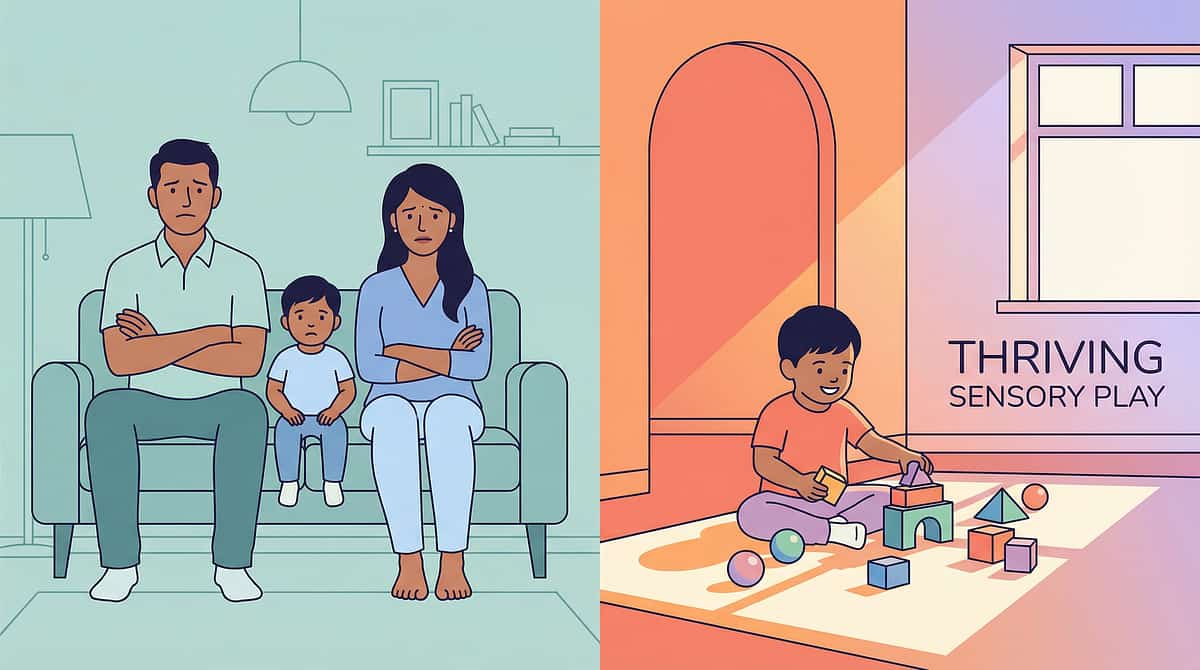
- Before/after comparison: humming child vs. protected and calm child
- Quick-reference summary of each material's role
Why Video Matters
Video modeling is classified as an evidence-based practice for autism intervention (NCAEP, 2020). Seeing a child use these tools in real environments helps you execute the protocol confidently. Multi-modal learning — reading AND watching — significantly improves implementation accuracy.
Act V — Share
Share This with Your Family
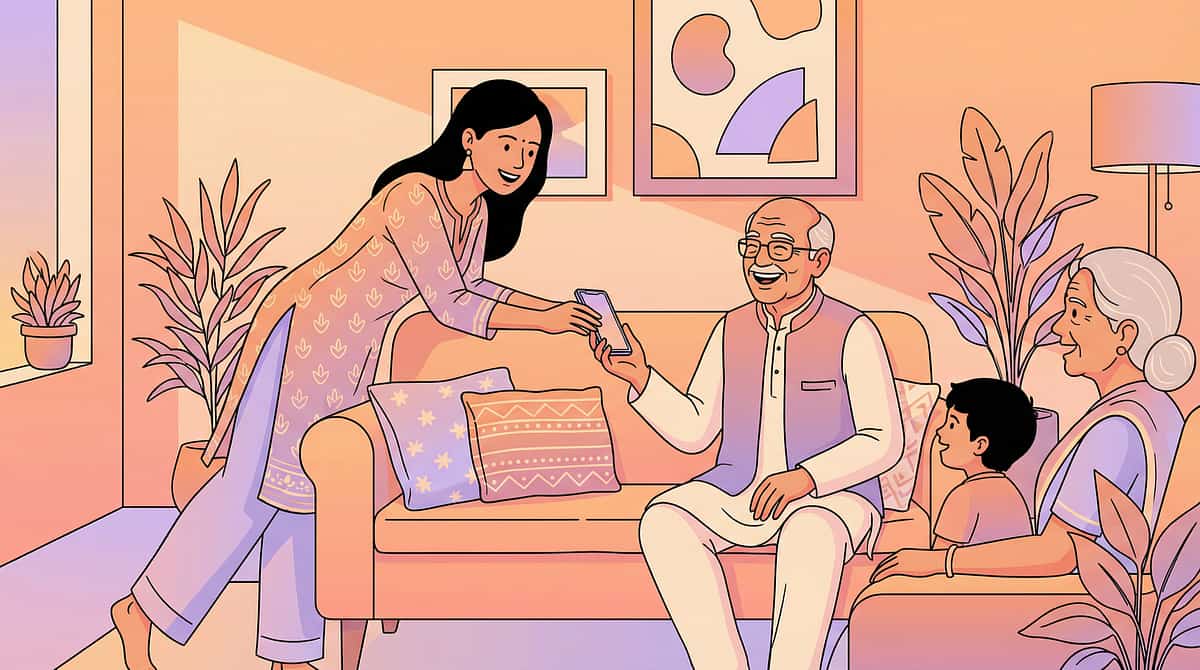
Consistency across caregivers multiplies impact. The more adults in your child's life who understand the function of humming — and know what to do instead of saying "stop" — the faster and more completely the replacement strategy takes hold.
📄 Family Guide PDF
"When My Child Hums to Block Sound" — 1-page simplified version for spouses, grandparents, and extended family. Includes: what humming means, what NOT to say ("stop humming!"), what TO do (offer ear protection), quick reference for all 9 materials.
👴 Explain to Grandparents Version
"Your grandchild hums because loud sounds hurt their ears. The humming is their way of protecting themselves. We've learned to give them ear defenders instead — they do the same job without the humming. Please don't tell them to stop humming. Instead, offer the ear defenders."
🏫 Teacher Communication Template
Ready-to-send letter explaining auditory over-responsivity, the function of humming, and the ear defender replacement strategy — with accommodation checklist for IEP/504 documentation and Pinnacle OT consultation contact.

Act VI — Your Next Step
Your Next Step: Start Now
🟥 Start This Technique Today
Launch a GPT-OS® guided auditory self-masking replacement session. Personalized to your child's age, sensory profile, and environment. Step-by-step. Right now.
🟧 Book a Consultation
Schedule with a Pinnacle OT — sensory integration specialist. Teleconsultation or center visit. Professional assessment, individualized protocol design.
🟨 Explore the Next Technique
Continue to A-044: 9 Materials That Help With Sudden Sound Reactions — the natural next step in the auditory over-responsivity progression pathway.
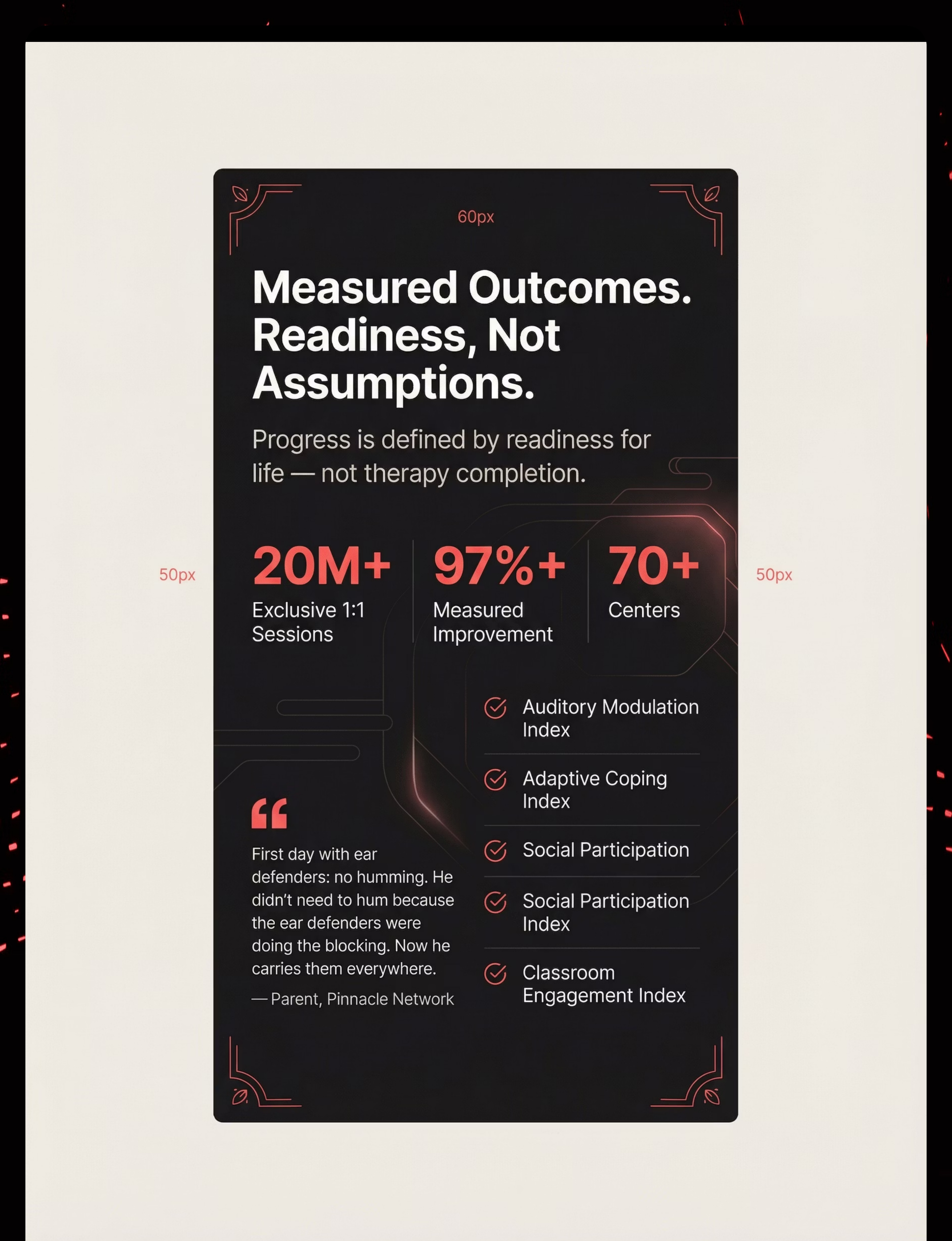
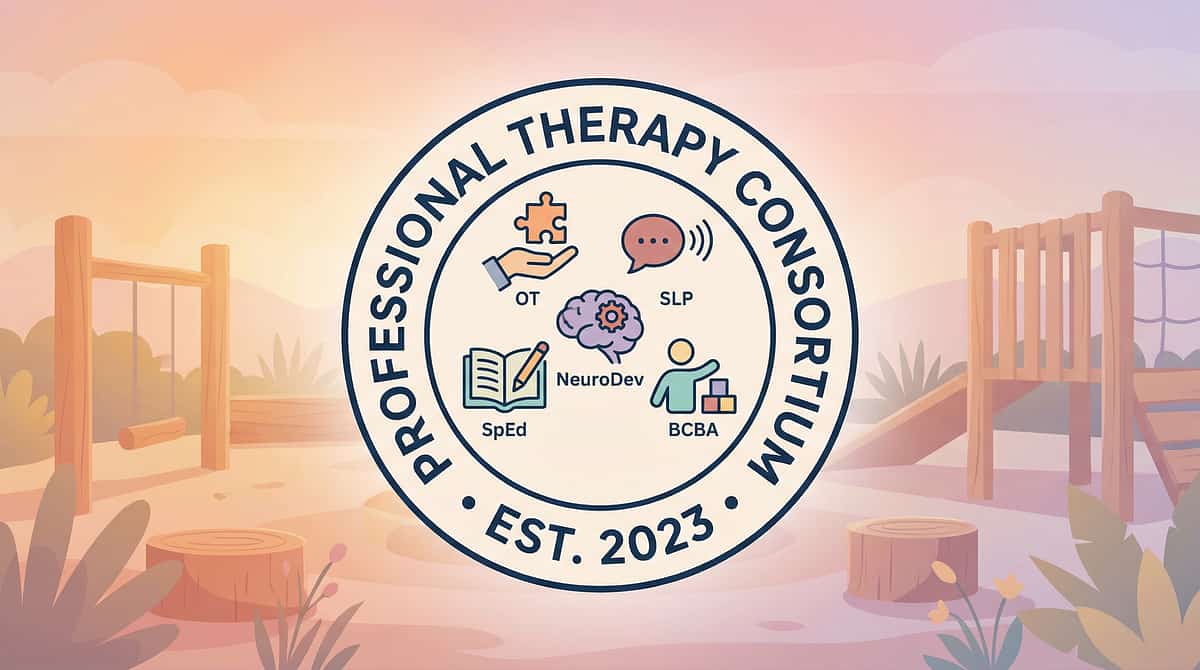
✅ Validated by the Pinnacle Blooms Consortium™ | OT • SLP • BCBA • SpEd • NeuroDev | Powered by GPT-OS® — 20M+ sessions, 97%+ measured improvement, 70+ centers
Preview of 9 materials that help when child hums to block sound Therapy Material
Below is a visual preview of 9 materials that help when child hums to block sound therapy material. The pages shown help educators, therapists, and caregivers understand the structure and content of the resource before use. Materials should be used under appropriate professional guidance.



Link copied!
The Pinnacle Promise
Pinnacle Blooms Consortium™
OT • SLP • BCBA • SpEd • NeuroDev
Powered by GPT-OS® — Global Pediatric Therapeutic Operating System
"From fear to mastery. One technique at a time."
20M+
1:1 Sessions
97%+
Measured Improvement
70+
Centers
Medical Disclaimer
This content is educational. It does not replace assessment by a licensed occupational therapist, audiologist, or healthcare provider. Persistent auditory processing difficulties, constant vocalizations, or significant sensory challenges may require comprehensive evaluation and professional-guided intervention. Individual results may vary. Statistics represent aggregate outcomes across the Pinnacle Blooms Network.
Contact & Legal
📞 FREE National Autism Helpline: 9100 181 181 (16+ languages, 24×7)
🌐pinnacleblooms.org | contact@pinnacleblooms.org
🌐pinnacleblooms.org | contact@pinnacleblooms.org
© 2025 Pinnacle Blooms Network®, unit of Bharath Healthcare Laboratories Pvt. Ltd. All rights reserved.
CIN: U74999TG2016PTC113063 | DPIIT: DIPP8651 | MSME: TS20F0009606 | GSTIN: 36AAGCB9722P1Z2
CIN: U74999TG2016PTC113063 | DPIIT: DIPP8651 | MSME: TS20F0009606 | GSTIN: 36AAGCB9722P1Z2
Technique ID: A-043 | Domain: SEN-AUD-HUM | Published: techniques.pinnacleblooms.org