
When Wants Exist But Words Don't.
Your child knows exactly what they want. They just have no way to tell you.
It is 7:43 in the morning. Arjun has been crying for eleven minutes. You have offered his bottle, his blanket, his spinning top, his favorite biscuit, and three different toys. He is pointing at the kitchen shelf — but not at anything specific. He knows. You can see in his eyes that he knows precisely what he wants. But the word — the single word that would end this for both of you — simply will not come. This is not a tantrum. This is a child trapped inside his own mind with a want he cannot express.
Requesting Teaching — the systematic science of giving your child the bridge between their mind and the world.
"You are not failing. Your child has wants. The pathway to expressing them simply needs to be taught — systematically, kindly, and on his terms." — Pinnacle Blooms Consortium, Speech-Language Pathology Division
🏛️ Pinnacle Blooms Network® | Consortium-Validated | L-965
OT • SLP • ABA/BCBA • SpEd • NeuroDev
WHO Nurturing Care Framework (2018): Early identification and caregiver awareness directly impact developmental outcomes.

You Are Among Millions of Families Navigating This Exact Challenge
The isolation you feel is not reality — it is the absence of community. You are among 12–18 million families in India navigating exactly this challenge right now. That ends here.
1 in 36
Children with Autism
Diagnosed in the US. Globally, an estimated 18 million children in India alone show communication development differences. Source: CDC 2023 | NIMHANS India
80%
Communication Challenges
Of children with ASD experience significant challenges in the requesting domain — difficulty using language functionally to express wants and needs. Source: PRISMA Systematic Review, PMC11506176 (2024)
47%
Reduction in Behaviors
Reduction in challenging behaviors when functional requesting (manding) is systematically taught — because most meltdowns are communication failures, not behavior problems. Source: FCT Meta-analysis Literature
"Every parent who reads this page has sat on their kitchen floor at some point, trying to decode what their child cannot say. You are not alone in that moment. You never were."
PMC11506176 | PMC10955541 | DOI: 10.12998/wjcc.v12.i7.1260 | CDC ADDM 2023

This Is a Wiring Difference. Not a Behavior Choice.
What's Happening in the Brain
- Broca's Area (language production) — may show atypical activation
- Motor Planning Circuits — higher coordination demand for speech
- Prefrontal-Limbic Connection — emotional regulation overlaps communication
- Wanting Circuit (nucleus accumbens) ✓ — INTACT. Child HAS wants.
- Expression Circuit (speech motor) — pathway requires explicit teaching
The Want Circuit Is Working
Your child's brain generates wants perfectly. The desire for the cookie, the toy, the tickle — all of that is neurologically intact. Your child is not indifferent. They want. Deeply.
The Expression Highway Needs Construction
In typical development, children naturally connect "I want → I say." In autism and many communication differences, this highway requires explicit, structured, repeated construction.
Manding: The Technical Name for Requesting
B.F. Skinner (1957) identified "manding" as the verbal behavior class controlled by motivation — you communicate because you want something. When a child learns that a specific communicative act reliably produces what they want, the brain strengthens that neural pathway through dopaminergic reinforcement.
Frontiers in Integrative Neuroscience (2020): Neurological basis for communication-based interventions in ASD. | Skinner (1957): Verbal Behavior. DOI: 10.3389/fnint.2020.556660

Your Child Is Here. Here Is Where We're Heading.
Requesting challenges commonly co-occur with joint attention delays, challenging behavior driven by communication frustration, anxiety around unmet needs, and sleep disruption. Understanding the developmental arc gives the journey a clear forward path.
Age 6–9 Months: Pre-Linguistic
Gestures, gaze, reaching, vocalization
Age 9–14 Months: Joint Attention Emerges
Following gaze, pointing, showing
★ Age 12–18 Months: Requesting Foundation
First intentional communication for wants — "More" • "Up" • Reaching with eye contact. YOUR CHILD'S CURRENT ZONE.
Age 18–24 Months: Single-Word Requests
Consistent word use for wants
Age 24–36 Months: Two-Word Combinations
"Want cookie" • "More juice"
Age 36+ Months: Complex Requesting
Sentences • Clarification • Negotiation
"Your child is not behind — they are at a waypoint on a journey with a clear forward path. Today's work on requesting builds the foundation for every communication skill that follows."
WHO Care for Child Development Package | UNICEF MICS Developmental Indicators | PMC9978394

Clinically Validated. Home-Applicable. Parent-Proven.
🏆 Level I Evidence
Systematic Reviews + Multiple RCTs
NCAEP Classified: EVIDENCE-BASED PRACTICE (2020)
Confidence Levels
- Evidence Strength: Very High
- Home Applicability: High
- Parent-Delivery: Excellent
- Cultural Fit (India): High
Key Studies
Study | Finding | Source | |
PRISMA Systematic Review (2024) | 16 studies confirm FCT as evidence-based practice for ASD | PMC11506176 | |
NCAEP Report (2020) | FCT: Classified as established evidence-based practice | NCAEP 2020 | |
Meta-analysis (2024) | AAC + requesting: significant improvement, 24 studies | PMC10955541 | |
Indian RCT (2019) | Home-based communication interventions: significant outcomes in India | DOI: 10.1007/s12098-018-2747-4 | |
WHO NCF (2018) | Responsive caregiving: core component of child development | WHO NCF |
"Functional Communication Training — teaching children to request using accessible modalities — is one of the most robustly evidence-based interventions in the autism literature, with effect sizes consistently in the large range." — NCAEP Evidence-Based Practices Report (2020)
Requesting Teaching
(Manding Training / Functional Communication Training)
Parent-Friendly Alias: "Teaching Your Child to Ask" — building the bridge between what your child wants and their ability to tell you.
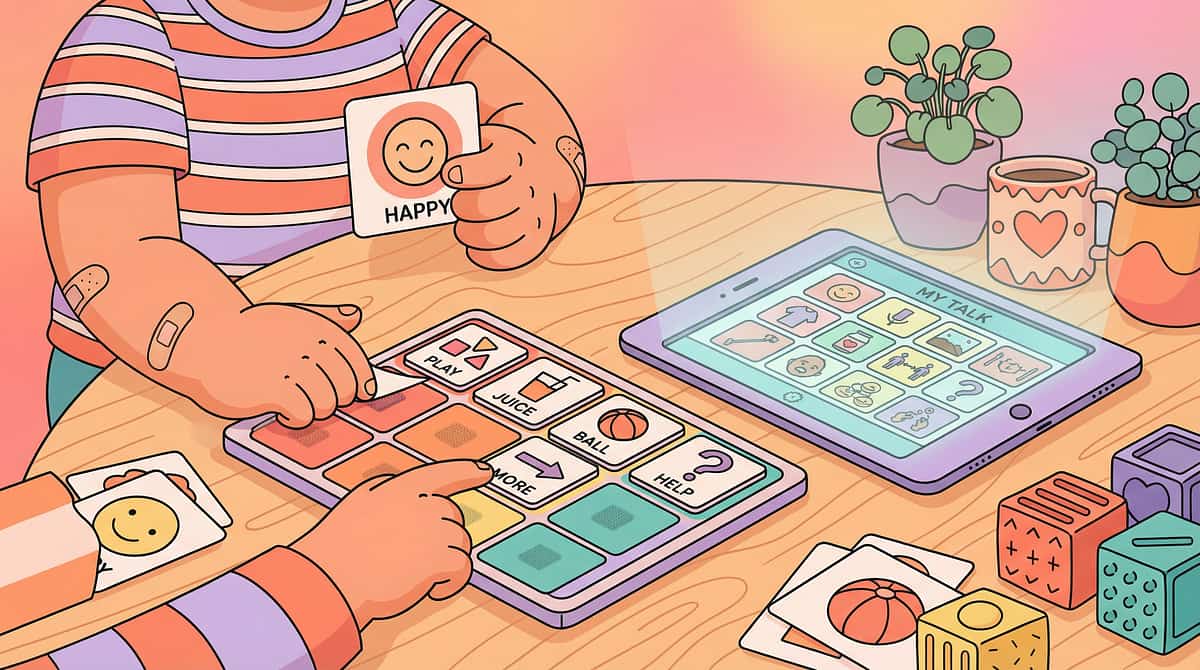
Requesting Teaching — formally called Manding Training within Verbal Behavior Analysis, and Functional Communication Training (FCT) within Applied Behavior Analysis — is the systematic process of teaching children to communicate their wants and needs through any accessible modality. Unlike speech therapy that focuses on sound production or labeling, requesting teaching is driven entirely by the child's own motivation: they learn to communicate because doing so gets them what they want. The modality — speech, sign, picture, button press, app — is secondary to the function: I want something → I communicate → I get it → I communicate more.
✅ IS
- Teaching communication for wants
- Motivation-driven learning
- Any modality that works
- Embedded in daily routines
- Child-led pace
❌ IS NOT
- Compliance training
- Forced speech practice
- Only verbal speech
- Isolated drill sessions only
- Adult-directed performance
Domain: Communication L
Age: 18 months – 12 years
5–20 min/session
3–8×/day
Leads: SLP + ABA/BCBA
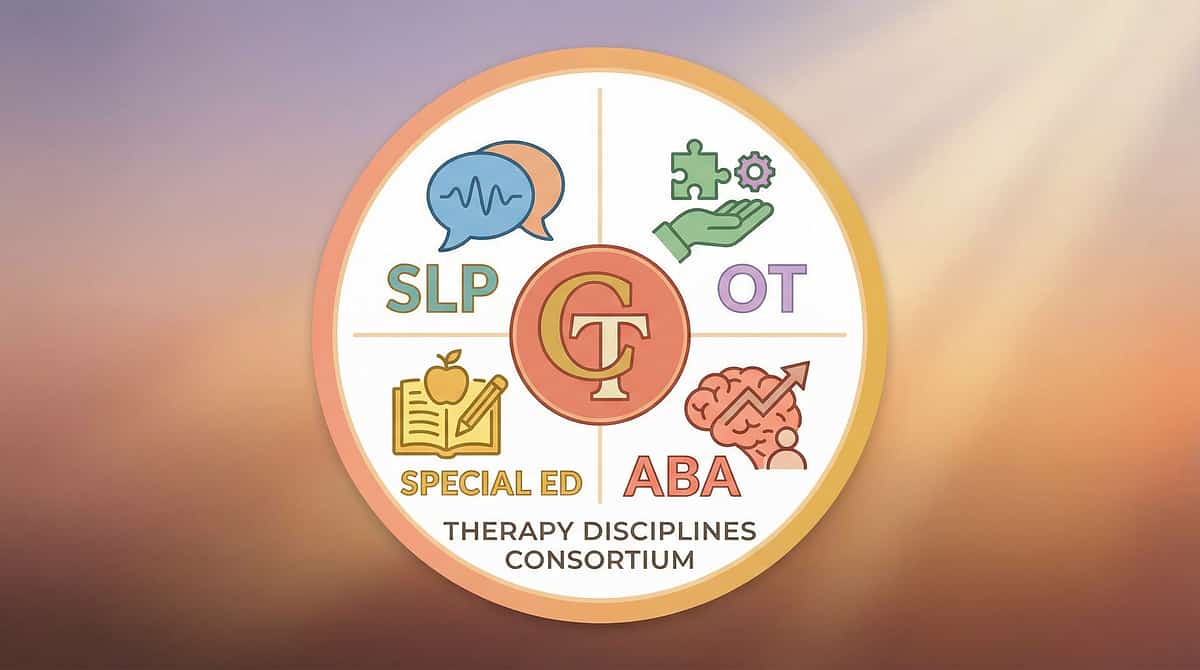
This Technique Crosses Every Therapy Boundary
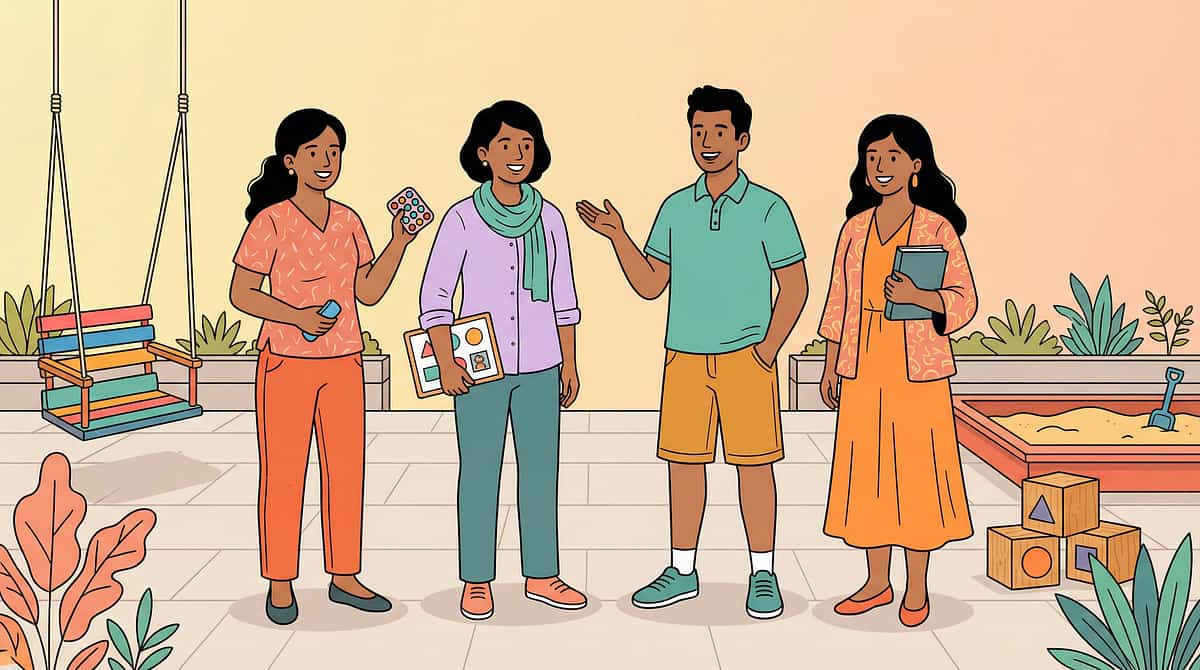
Because your child's brain doesn't organize by therapy type. Communication touches motor planning, reinforcement science, language development, classroom inclusion, and family systems. Requesting teaching is where all four disciplines converge.
🗣️ Speech-Language Pathology
PRIMARY LEAD
Selects AAC systems, builds communication vocabulary, designs PECS, sign, and device protocols. Guides modality choice.
🧩 ABA / BCBA
CORE METHODOLOGY
Mand training, VB-MAPP assessment, prompt fading, data collection, FCT to replace challenging behavior.
🏋️ Occupational Therapy
SUPPORTING ROLE
Motor planning for sign production, fine motor for picture exchange, device access for AAC navigation.
👩🏫 Special Education
SCHOOL INTEGRATION
Classroom requesting protocols, AAC in classroom, peer interaction requesting, generalization to school routines.
At Pinnacle, SLP and ABA/BCBA clinicians co-design requesting programs — the SLP leads modality selection and language targets, the BCBA leads the behavioral framework, prompt fading schedule, and data system. Together they are more powerful than either alone.
A Precision Tool, Not a Random Activity
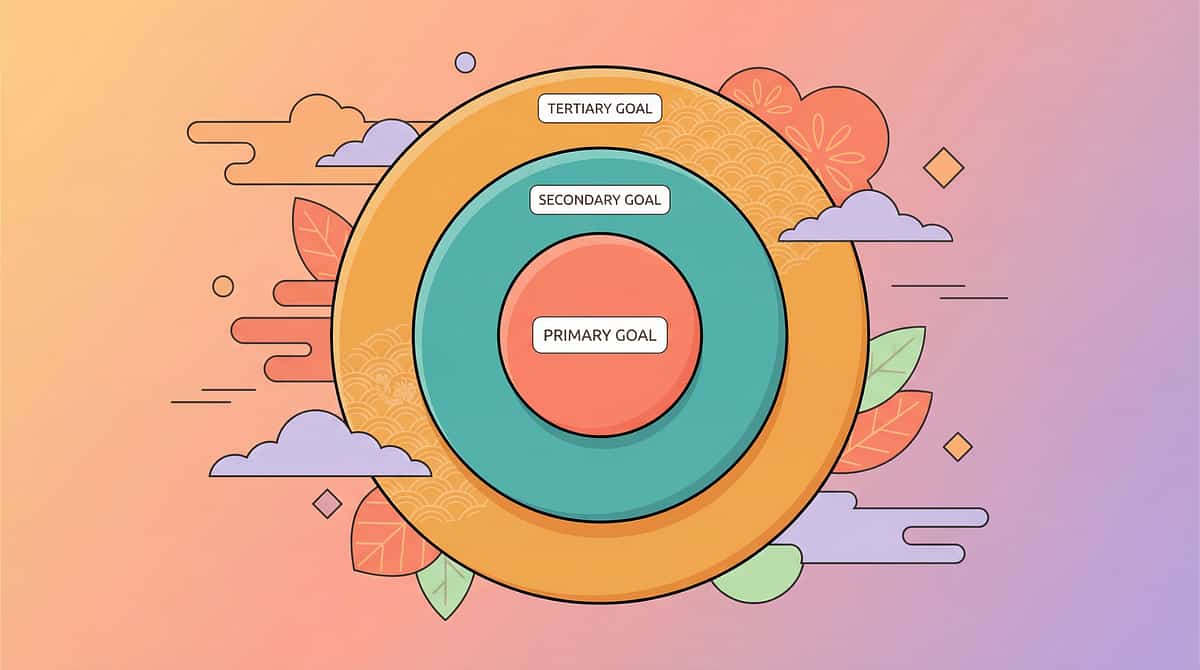
Requesting Teaching has clearly defined primary, secondary, and tertiary targets — each one building on the last.
Primary: Functional Requesting
Child uses a consistent communicative act (any modality) to obtain a desired item. Communication is initiated by the child's own motivation — directed TO a person, intentional, and distinguishable.
Secondary: Behavior + Connection
Reduction of challenging behaviors (research shows 47% avg reduction). Parent-child connection replaces guessing-game frustration. Child learns: "I can affect the world through communication."
Tertiary: Long-Term Outcomes
Full language development, social participation, academic readiness, classroom help-seeking, independence, and quality of life across the lifespan.
PMC10955541 | Meta-analysis: SI + communication therapy promoted social skills (primary), adaptive behavior (secondary), language (tertiary)
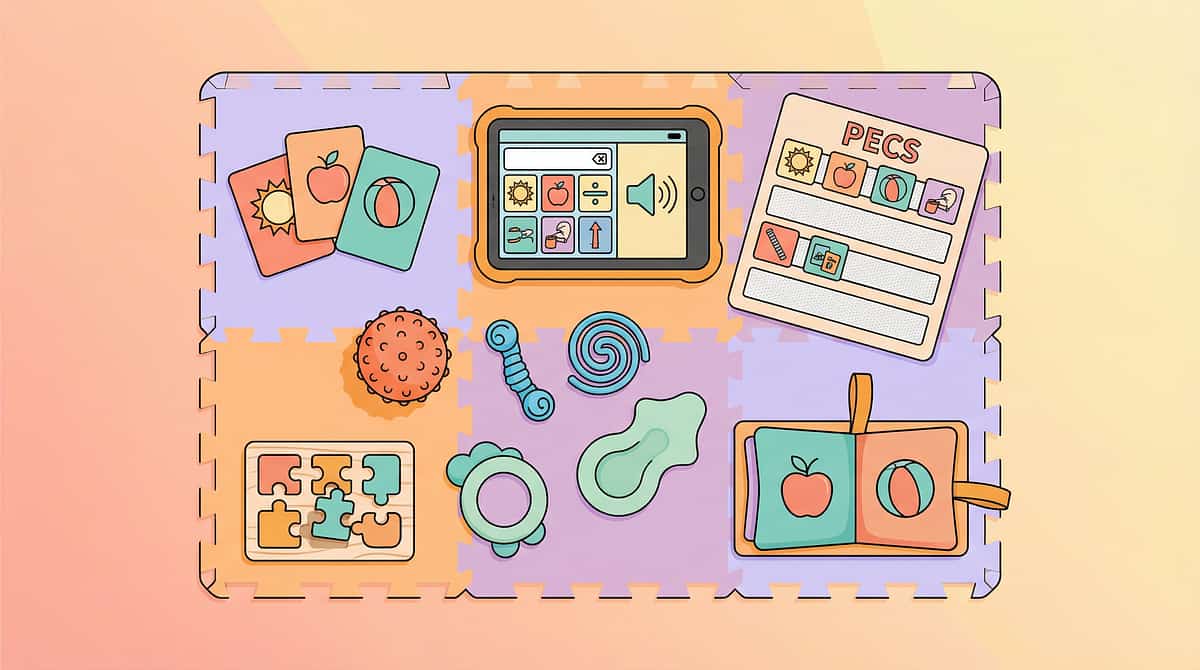
The 9 Materials That Help With Requesting Teaching
From your kitchen counter to clinical-grade tools — every family has an entry point. Here is the complete material set for building functional requesting.
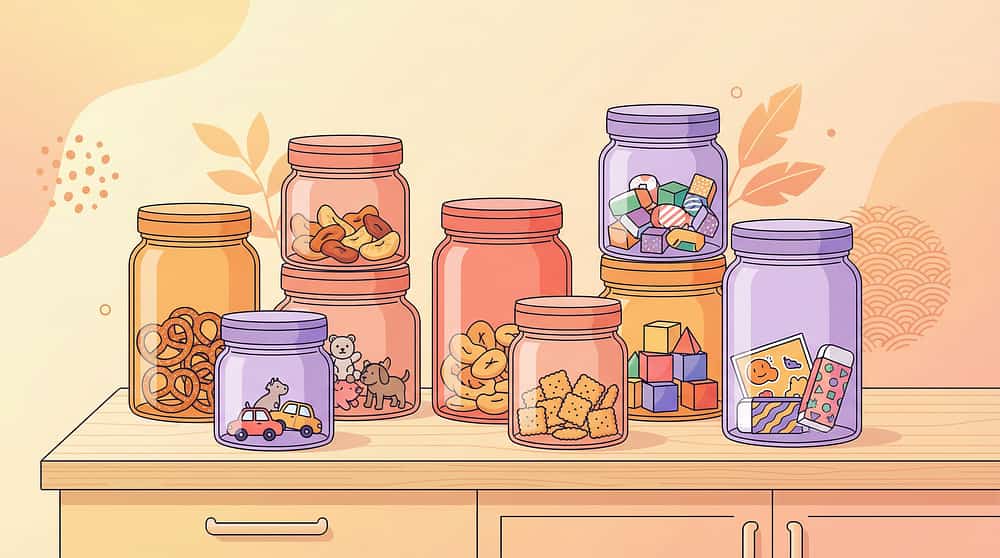
1. High-Motivation Item Collection
Canon: Reinforcement Menus | ₹200–2,000
The curated collection of items your child wants intensely enough to communicate for. Before any communication tool matters, you need the motivation engine. Conduct a preference assessment: observe what your child reaches for, gets upset when removed, or shows excitement about.
- Rosette Imprint Reward Jar — ₹589 → Amazon.in
- 1800+ Reward Stickers Pack — ₹364 → Amazon.in

2. First Requests Visual Communication Board
Canon: Visual Communication Boards | ₹100–500 or FREE
2–4 photos of your child's highest-motivation items on a laminated board. Child learns: touch the picture → get the item. DIY: print 4 photos from your phone, laminate with clear tape, stick to cardboard.
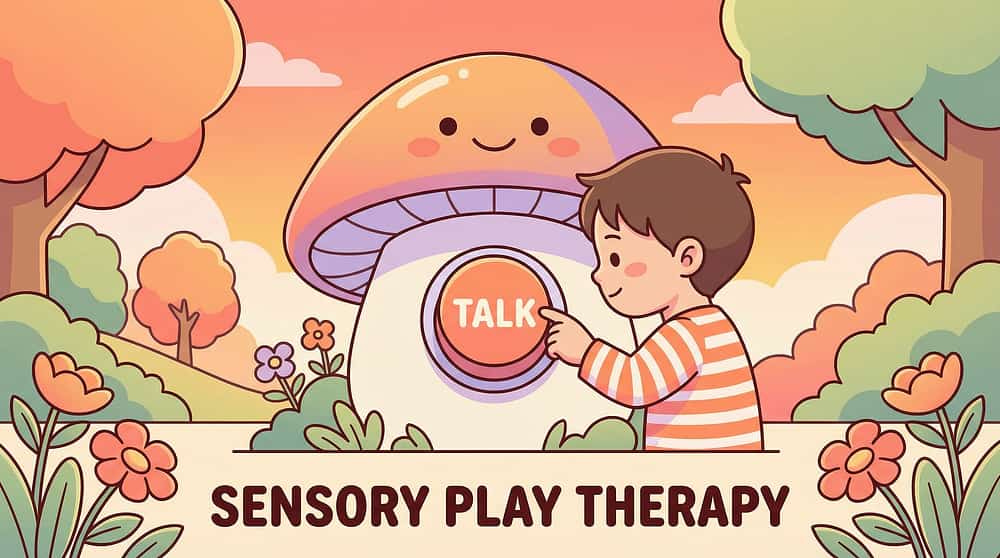
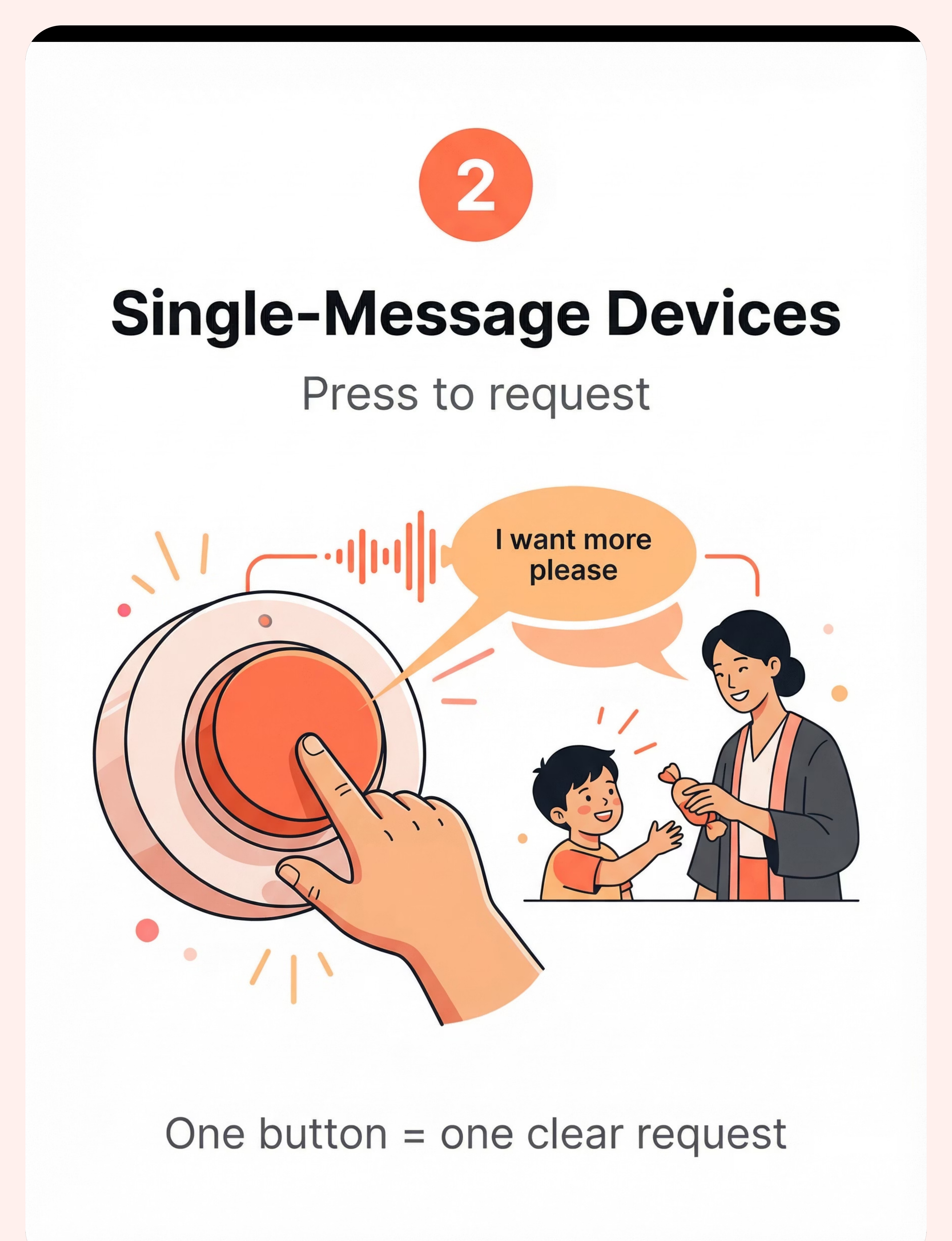
3. Single-Message Voice Output Device
Canon: Voice Output Devices / SGD | ₹1,000–5,000
A button that speaks for your child. Record "I want bubbles" — place near the bubbles. Child presses → hears the request → receives the item. Powerful, immediate, and concrete.

The 9 Materials — Continued
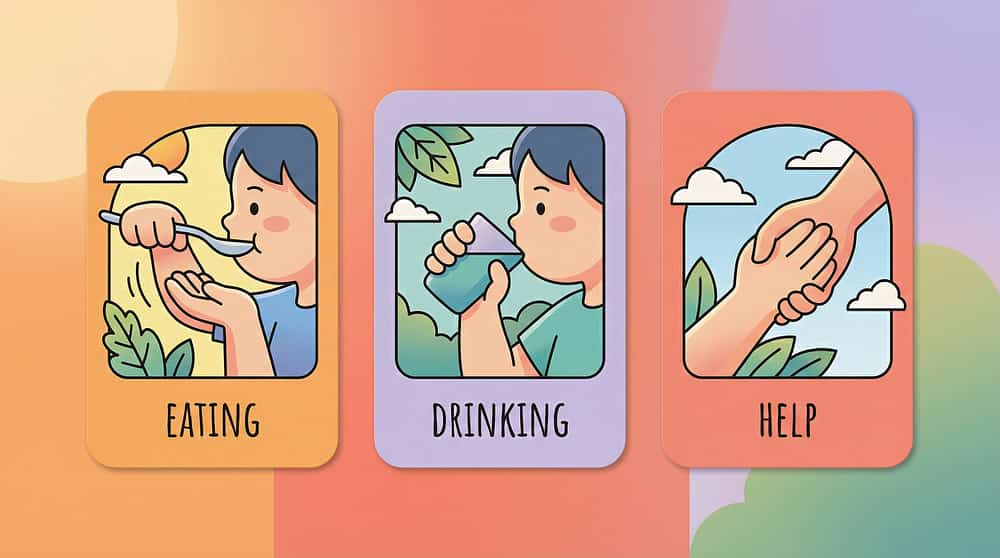
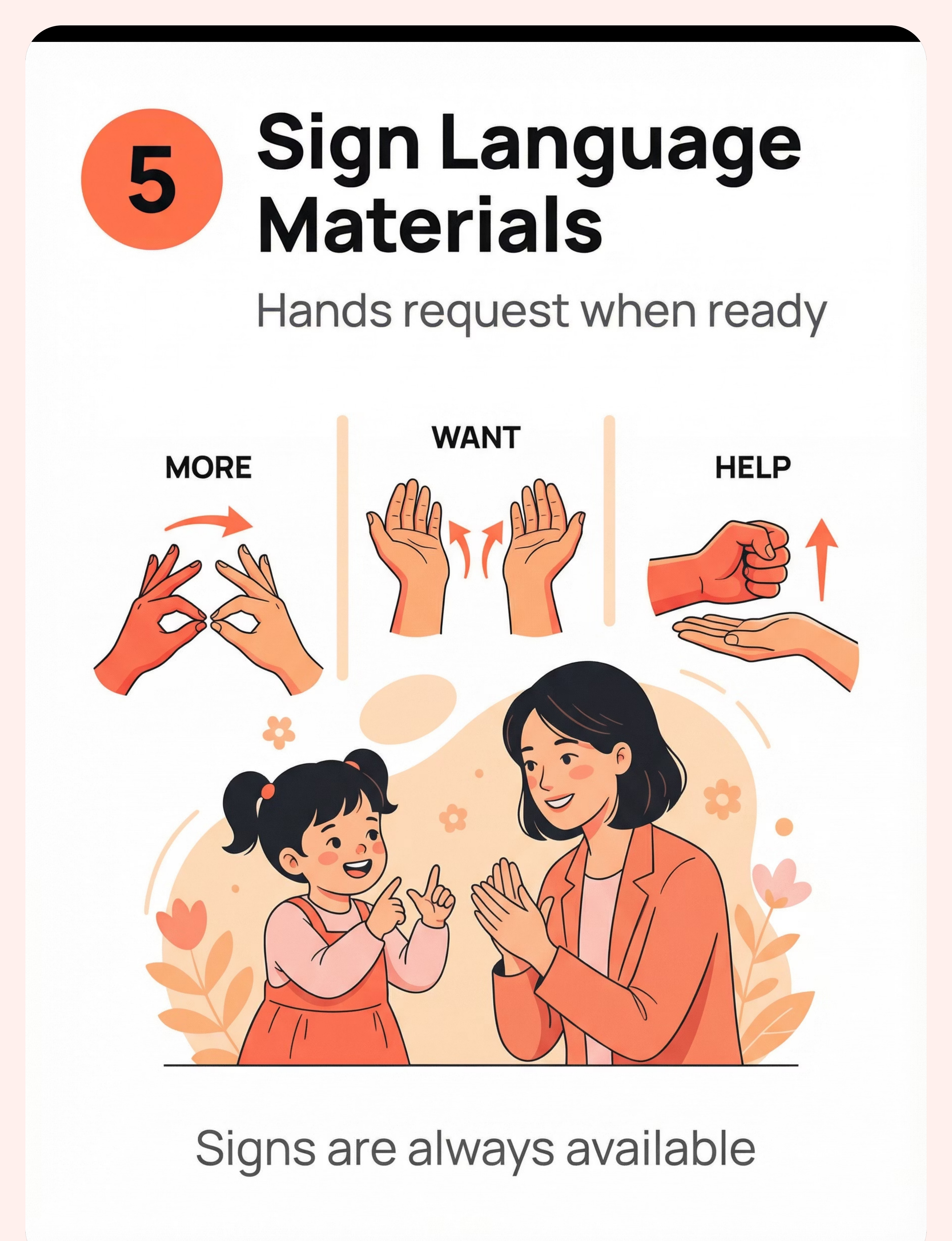
4. First Signs Visual Teaching Cards
Canon: Sign Language / Manual Communication | ₹200–800 or FREE
Photo cards showing hand positions for high-motivation signs: MORE, EAT, DRINK, HELP. Hands are always available — no device needed. Search "ISL sign MORE" on YouTube for free resources.

5. Request Communication Book (PECS-Style)
Canon: PECS / Picture Exchange Communication | ₹300–1,500
Portable communication book — child takes picture from book, physically hands it to you, receives the item. Teaches that communication is social. Any small notebook with velcro dots works as a DIY version.
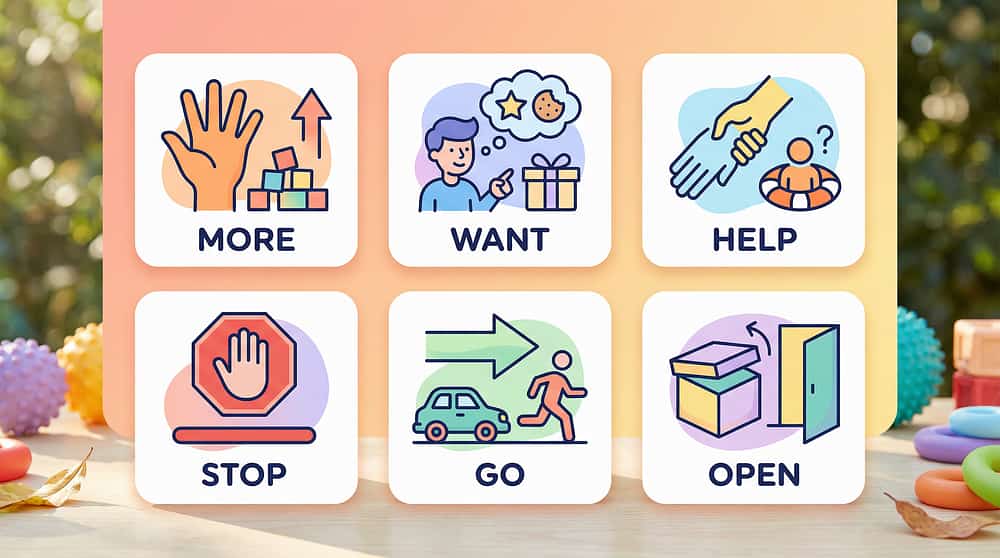
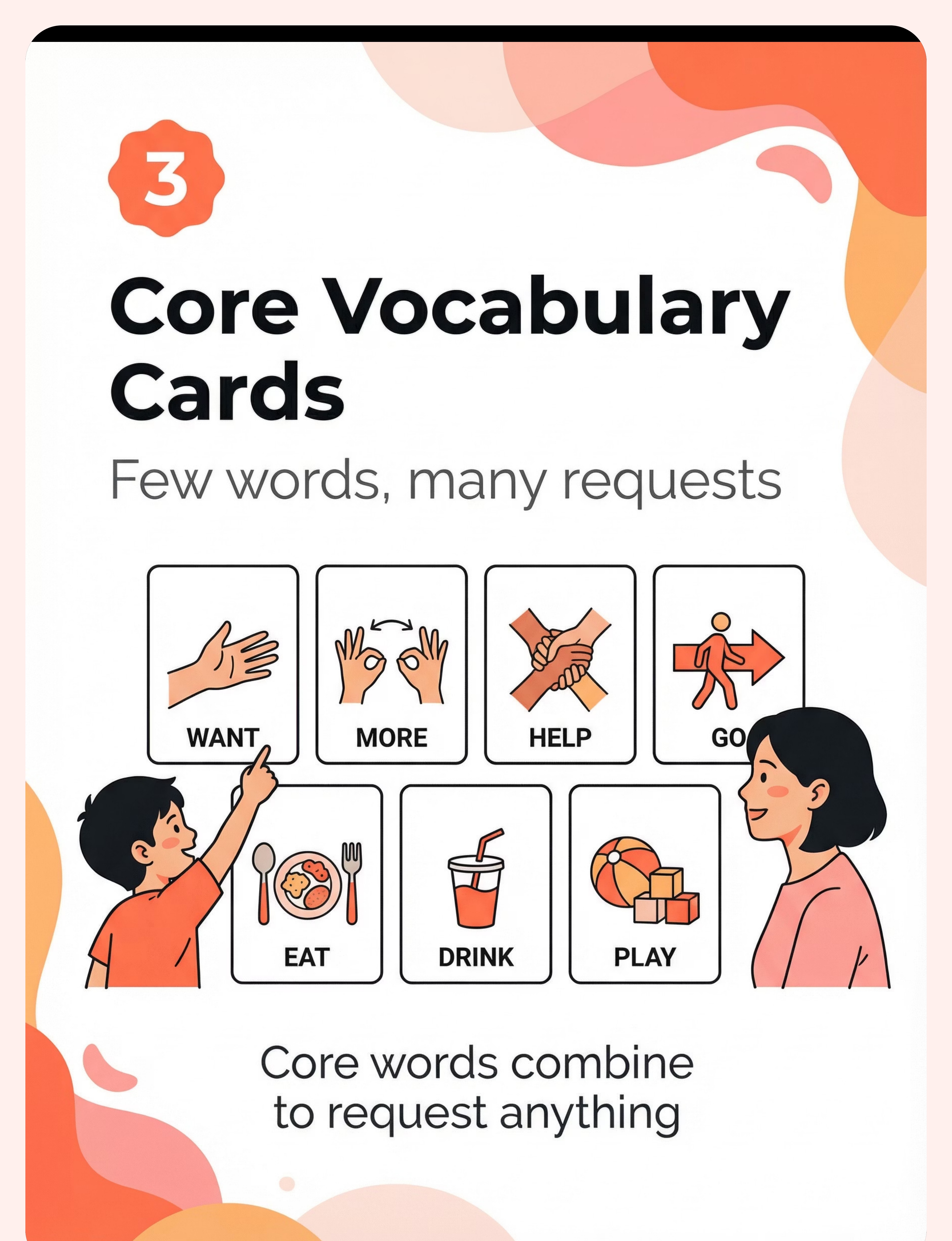
6. Core Vocabulary Request Symbols
Canon: Core Vocabulary / AAC Symbols | ₹100–400 or FREE
The power words that combine with ANY item: "more," "want," "help," "stop." One core vocabulary set = infinite requesting combinations. Draw 4 simple pictures as a free DIY alternative.
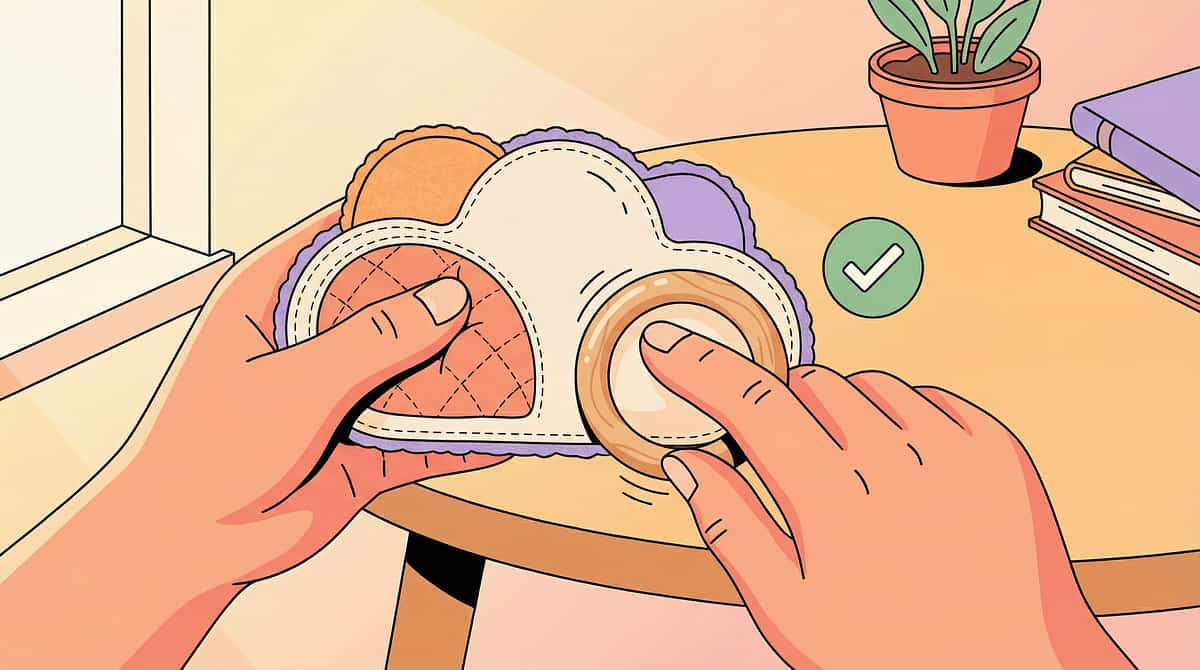
The 9 Materials — Completed

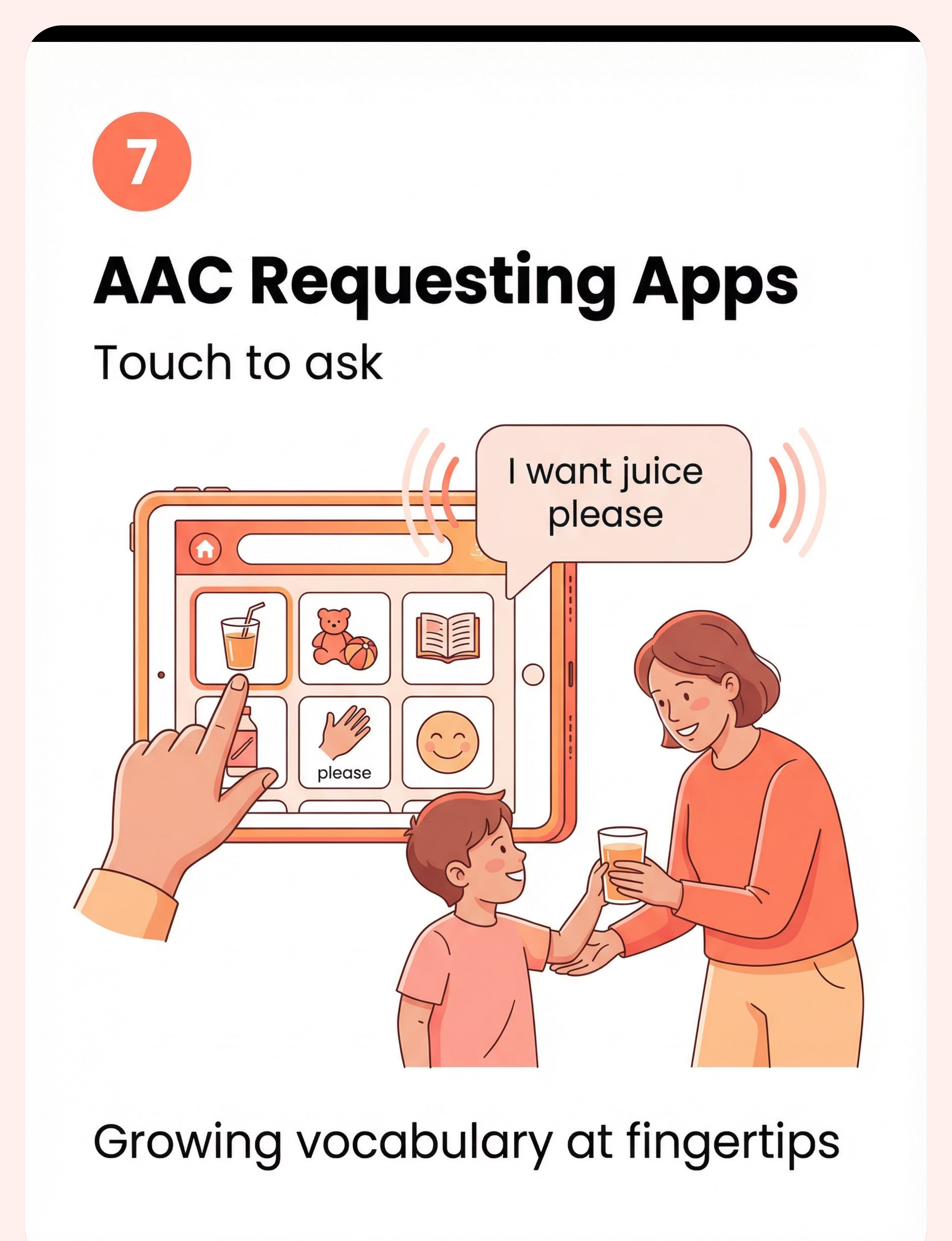
7. AAC Requesting App (Tablet-Based)
Canon: AAC Devices / Apps | FREE to ₹20,000
Tablet app that speaks for your child. Touch symbol → device says the word → child gets what they want. Grows from simple to complex communication. Apps: Avaz (₹2,000–3,000) | CBoard (FREE) | LetMeTalk (FREE) | TouchChat.

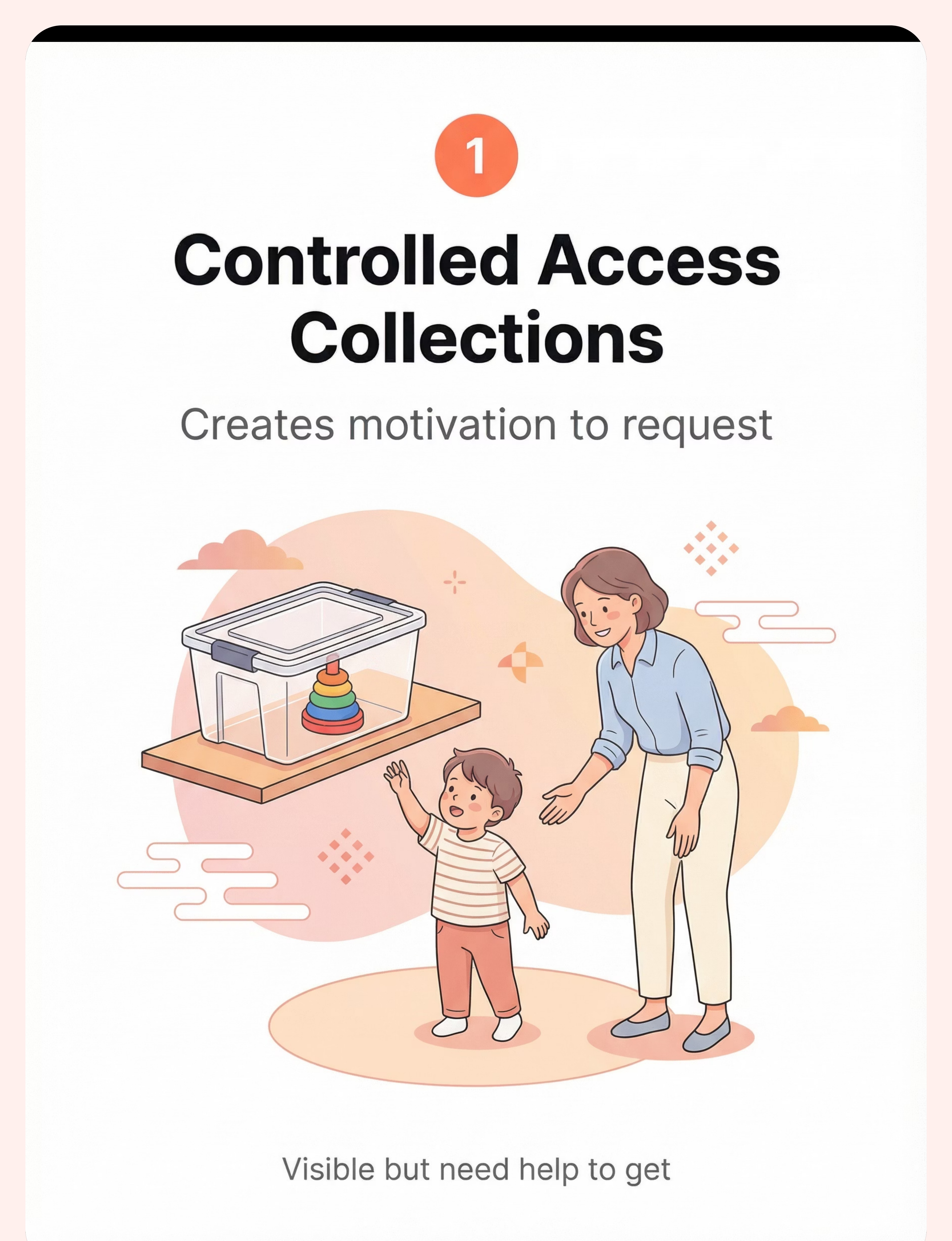
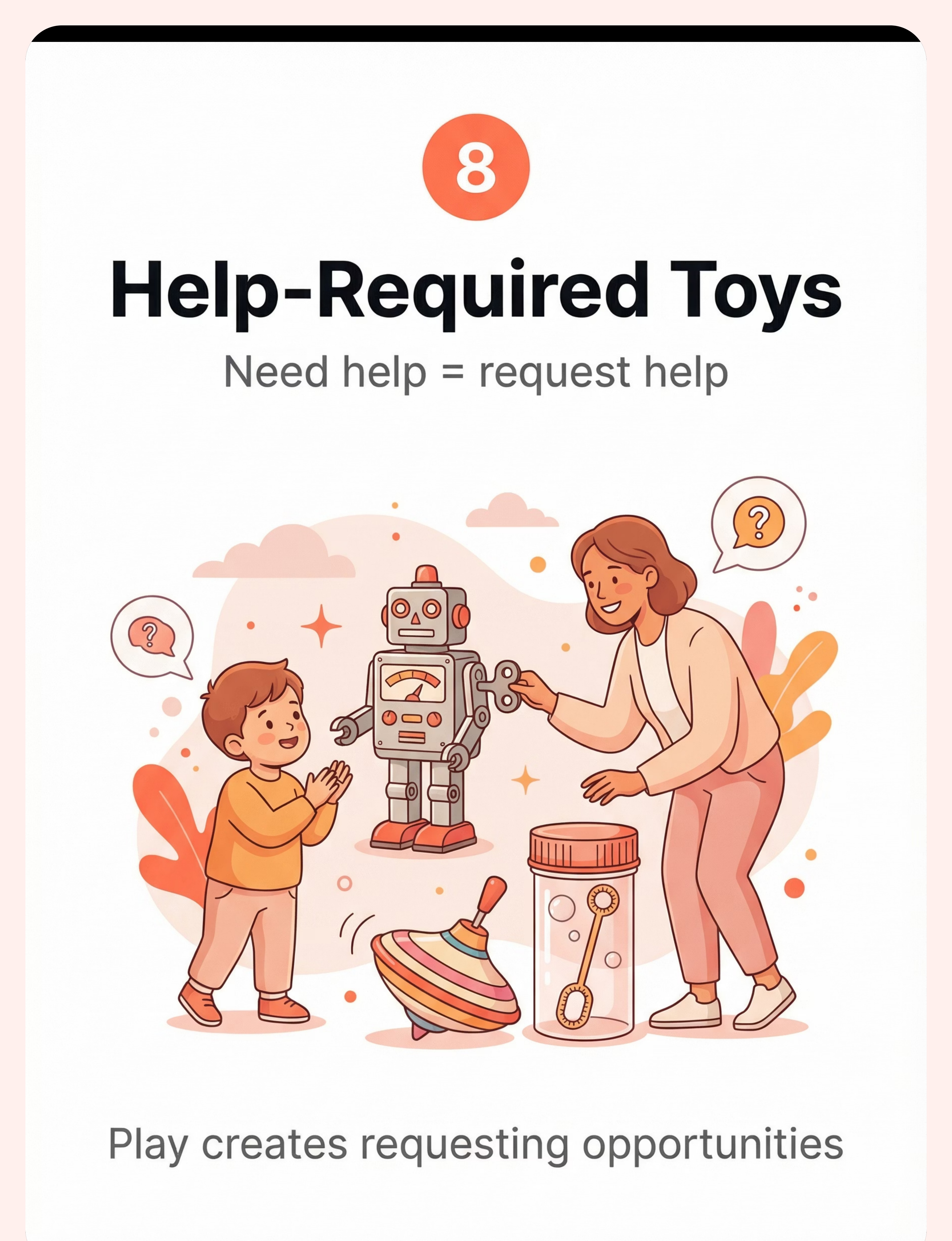
8. Environmental Arrangement Materials
Canon: Environmental Arrangement | ₹200–1,000
Clear containers, shelf storage, small-portion dispensers. Make desired items visible-but-inaccessible to engineer communication opportunities throughout the day. Animal Soft Toys for play-based requesting — ₹425 → Amazon.in
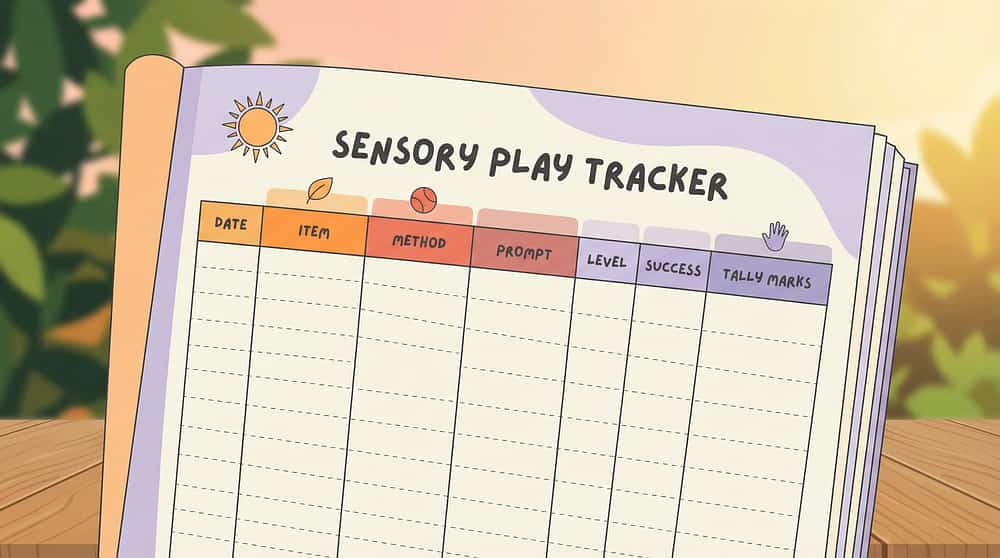
9. Requesting Teaching Data Sheets
Canon: Data Collection / Progress Monitoring | ₹50–200 or FREE
Quick post-session tally. 60 seconds of data = weeks of guessing eliminated. Reveals what's working, where to push, when to celebrate. Tally marks in a notebook are enough to start.
FREE – ₹500: Minimal Start
Motivation items from home + printed visual board + printed core words + environmental arrangement + paper data sheet
₹1,000–5,000: Mid-Range
+ Voice output device or communication book
₹5,000–25,000: Full Setup
+ AAC tablet app
Every Family Can Begin Today — Regardless of Budget
WHO/UNICEF Equity Principle: The Best Therapy Tool Is the One You Actually Use
Material | 💰 Buy This | 🏠 Make This Today (₹0) | |
Motivation Collection | Rosette Reward Jar ₹589 | Use existing preferred snacks, small toys. Control access. | |
Visual Request Board | Printed laminated boards ₹200–500 | Print 4 photos from phone. Laminate with clear tape. Stick to cardboard. | |
Voice Output Device | Recording button ₹1,000–2,000 | Use phone voice memo on loop. Or model words loudly and consistently. | |
Sign Cards | Printed ISL cards ₹300–800 | Search "ISL sign MORE" on YouTube. Screenshot. Post on fridge. | |
Communication Book | Small binder ₹300–1,500 | Any small notebook. Cut photos. Velcro dots from stationery shop. ₹50 total. | |
Core Vocab Symbols | Printed symbol sets ₹100–400 | Draw 4 simple pictures: circle=MORE, arrow=WANT, hands=HELP, X=STOP. | |
AAC App | Premium apps ₹2,000–20,000 | Download CBoard or LetMeTalk FREE. Fully functional AAC for ₹0. | |
Environment Setup | Clear containers ₹200–500 | Existing containers. Zip-lock bags. Any shelf above child's reach. | |
Data Sheet | Printed forms ₹50–200 | Tally marks in a notebook. Date and count. |
The neurological principle — motivation + accessible communication + immediate reinforcement = learning — works identically whether you use a ₹20,000 AAC device or a photograph cut from a magazine. The science is in the structure, not the tool.
When Clinical-Grade Is Non-Negotiable: Child with significant motor challenges → OT-guided AAC access assessment required. Child with complex communication needs → SLP-designed system essential. No progress after 4 weeks → Professional evaluation now.
Read This Before Your First Session. Every Time.
🔴 DO NOT PROCEED IF:
- Child is in active distress, meltdown, or post-meltdown recovery (wait minimum 20 minutes after full regulation returns)
- Child has fever, illness, or physical pain
- Child has had a major schedule disruption in the last 2 hours
- Child shows signs of severe anxiety or fear toward the materials being used
- You (the parent) are in crisis mode or high distress — your regulation is prerequisite to theirs
🟡 MODIFY BEFORE PROCEEDING IF:
- Child is tired but not dysregulated → shorten session to 3–5 minutes
- Child just woke from nap → give 15 minutes of unstructured time first
- Child is hungry → address hunger FIRST, then use mild hunger as motivation next session
- Child shows mild resistance → start with highest motivation item, lower all demands
🟢 OPTIMAL SESSION CONDITIONS:
- Child is alert, fed (mild motivation intact), rested
- You have 10–20 uninterrupted minutes
- Materials are prepared and motivation items are controlled
- Your phone is on silent
Material Safety: Food items — ensure appropriate texture/size, never use allergens or choking hazards. Laminate picture cards if child mouths objects. Check battery contacts on devices. Never take the AAC device away as punishment — it is the child's voice. Accept all sign approximations — demanding perfect hand shape before reinforcement kills motivation.
🛑 STOP IMMEDIATELY IF child becomes severely distressed, shows physical illness, or session exceeds 25 minutes without a natural break.

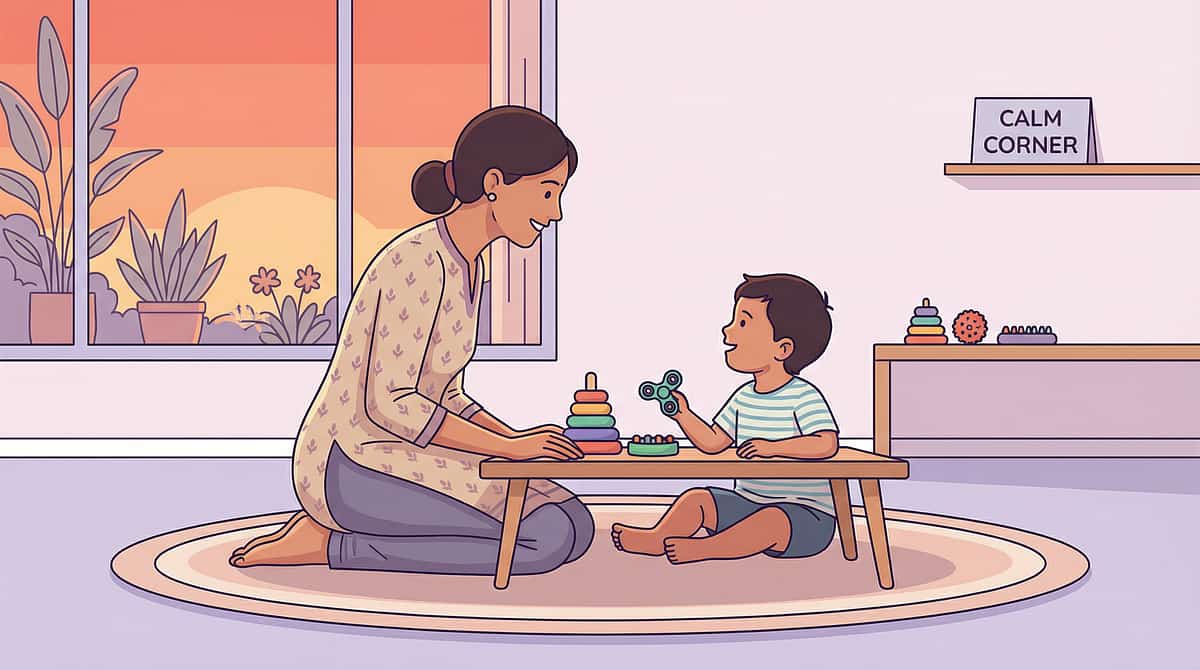
The Environment Is Your Co-Therapist. Set It Before You Start.
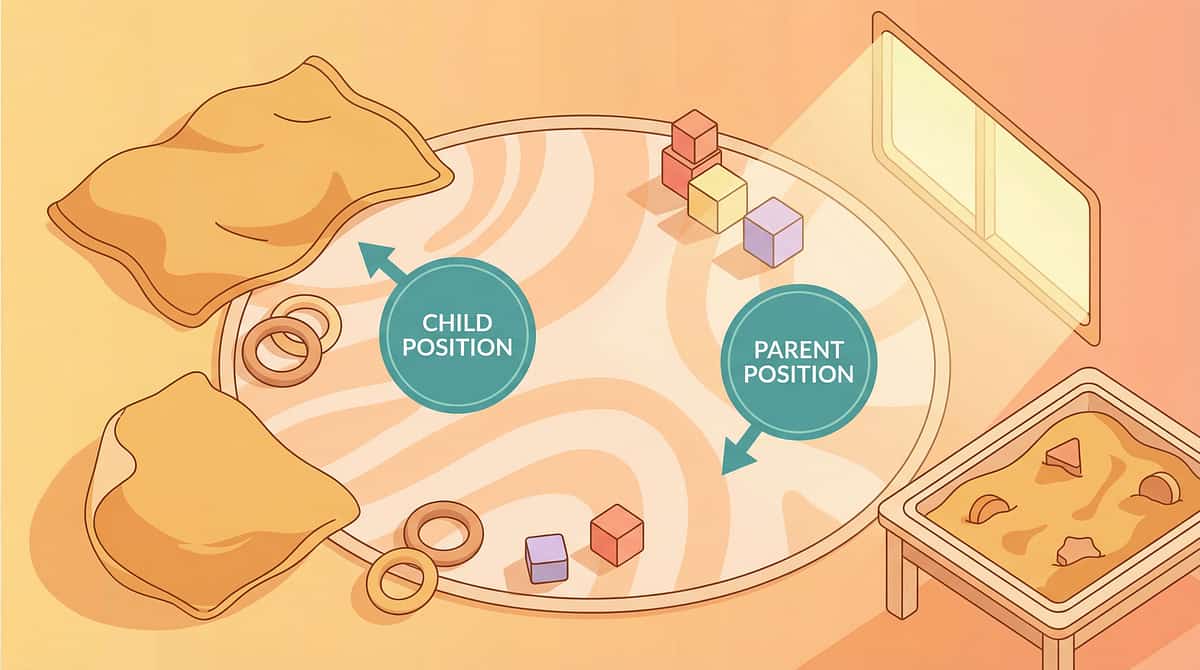
Room Setup — Position by Position
[1] CHILD POSITION: Floor or low chair, comfortable and alert. Face-to-face preferred for teaching new communication — allows you to model mouth movements, signs, and facial expression.
[2] COMMUNICATION SYSTEM: Must be within the child's reach and visual field. If they have to hunt for it, they won't use it. The AAC device is NEVER hidden.
[3] MOTIVATION ITEMS: Visible but controlled. On a shelf the child can see but not reach. In sealed clear containers. In small portions that create natural "more" opportunities.
[4] REINFORCER DELIVERY: When the child communicates, the item must reach them in under 3 seconds. Pre-position items for immediate delivery. Delay destroys the learning association.
❌ Remove From the Space
- Freely available preferred items (eliminates motivation)
- Screens running in background (attention competition)
- Toys the child can access independently without communicating
- Other demanding adults or siblings during teaching trials
Environment Conditions
- Temperature: Comfortable, not too warm (affects regulation)
- Noise Level: Quiet to moderate — no TV/music during active teaching
- Lighting: Good natural light preferred
The environment engineers communication opportunities. A well-set space can double your communication opportunities without adding a single minute of formal teaching.
Sensory Integration Theory (Ayres): Environmental setup is a core clinical principle. | PMC10955541

60-Second Pre-Flight Checklist. The Best Session Starts Right.
Check each indicator. Takes 60 seconds. Saves sessions.
Child is awake and alert
Not drowsy, not overstimulated
Meal or snack 30–45 min ago
Mild hunger = motivation intact
No recent meltdown
No significant distress in the last 30 minutes
Preferred items NOT freely available
Motivation is controlled
Communication system is set up
Accessible and within reach
10–15 uninterrupted minutes
Phone on silent, door closed
You are calm and regulated
Your mood is contagious
✅ ALL 7 GREEN → GO
Begin the session. Proceed to Step 1.
⚠️ 5–6 GREEN → MODIFY
Reduce session to 5 min. Highest-motivation items only. Lower all demands. Celebrate any attempt.
🛑 4 OR FEWER → POSTPONE
Do a non-demanding, playful activity. Try again in 1–2 hours. The best session is one that starts right.
Take 3 slow breaths before you begin. Calm parent = calmer child = better learning. Your nervous system regulates theirs.
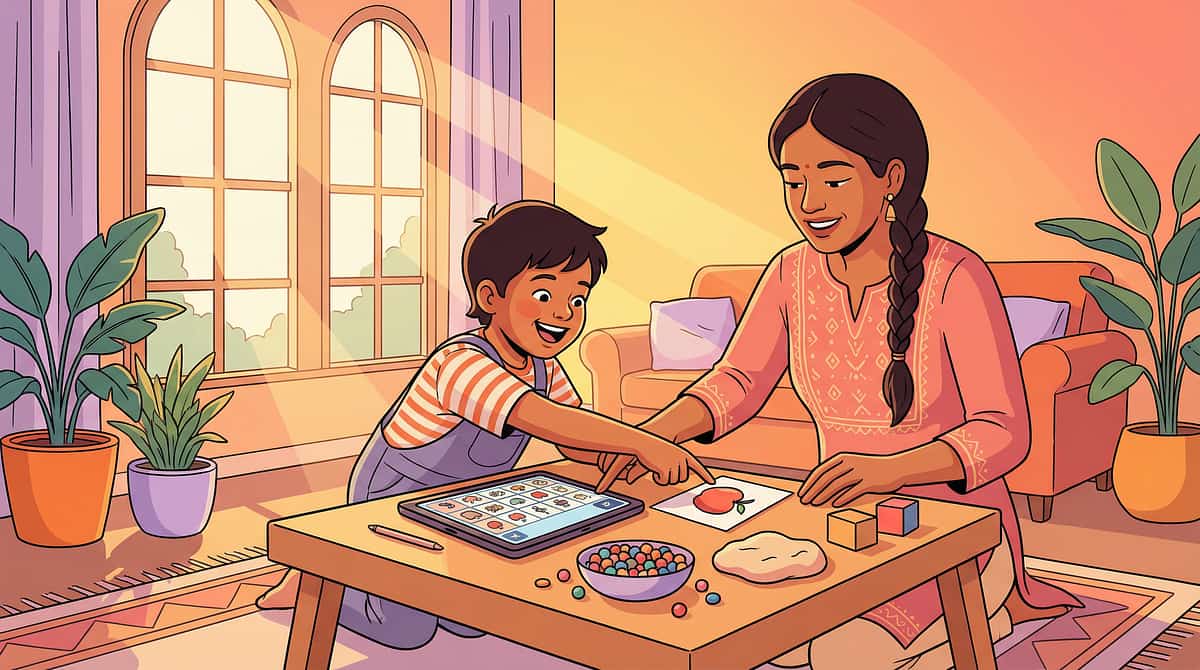
Step 1
Begin With an Invitation, Not a Command.
Every requesting teaching session begins with pairing — making yourself and the communication system associated with good things before any demand is placed. Your child must choose to enter this interaction.
Script — Exact Words
"Hey [child's name]! Look what I have!" [Show the motivation item, smile, make it desirable]
"You want this? Come tell me!" [Wait. Watch. Do not repeat the prompt more than once for 3–5 seconds]
For non-verbal approach: Bring the motivation item into view. Pause. Make eye contact gently. Wait 3 seconds with a warm, expectant expression. This wait IS the communication opportunity.
⏱️Timing: 30–60 seconds. If no engagement in 60 seconds, try a higher-level motivator after a brief break.
✅ Acceptance Cues — What to Look For
- Child moves toward you or the item
- Child looks at you and then the item (joint attention moment)
- Child reaches, vocalizes, or makes any communicative attempt
- Child's body is oriented toward the interaction
↩ Resistance Cues and Response
- Child moves away: Follow gently, offer item closer, reduce demand, try again in 5 minutes
- Child ignores: Check if item is truly motivating. Try a different item.
- Child grabs without communicating: Gently block access. Wait. The wait creates the opportunity.
ABA Pairing Procedures: Establishing motivating operations before demand placement. | OT Just-Right Challenge principle.
Step 2
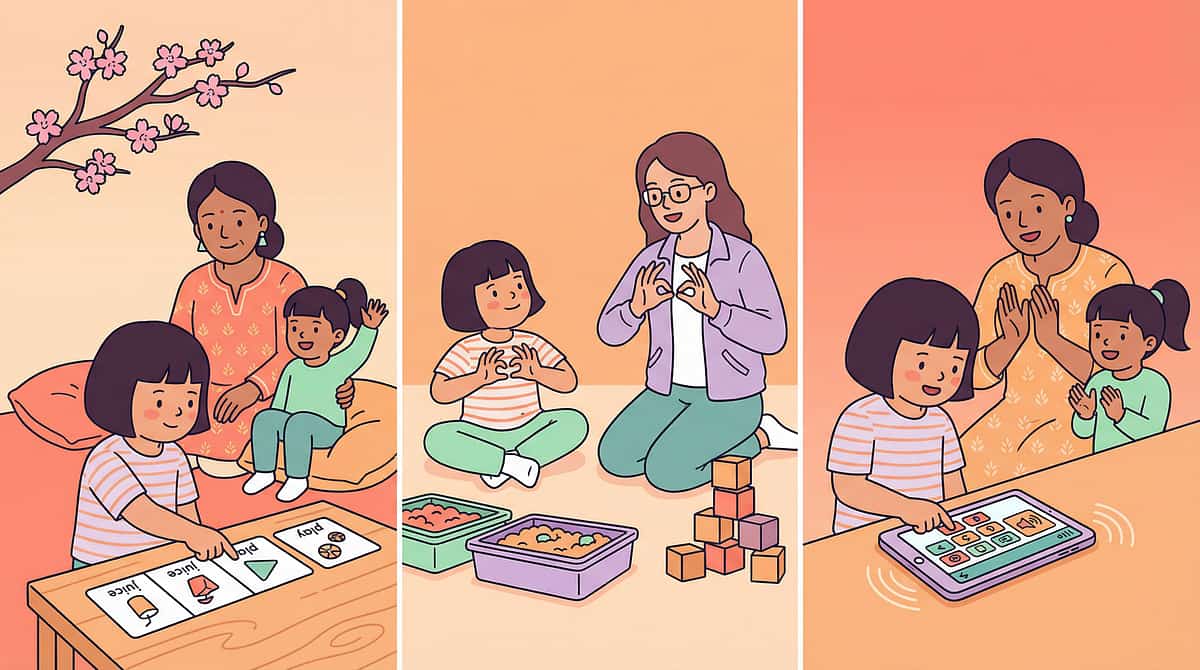
The Child Is Interested. Now Introduce the Communication Bridge.
The child wants the item. Now you introduce the communication method — the bridge between their want and getting it. This happens before they get the item, creating a natural communication opportunity. ⏱️Timing: 1–3 minutes
📸 Picture Board Users
Hold the desired item in one hand, point to its picture on the board with the other. Say: "Tell me! [picture] — what do you want?" If needed, gently guide their hand to touch or take the picture. The MOMENT they touch the picture → give the item immediately.
🔊 Voice Output Device Users
Position the device near the desired item. Press once to demonstrate: [device says "I want bubbles"]. Present the item. Wait. If no action in 5 seconds → physically guide their hand to press. Device speaks → IMMEDIATELY give the item.
✋ Sign Users
Hold item just out of reach. Model the sign clearly: "Do MORE? [make MORE sign]." If no attempt → hand-over-hand guide their hands through the sign. Release item immediately upon sign attempt.
🗣️ Speech Users
Hold item. Say item name clearly once: "Cookie!" Wait 3 seconds. Look expectant. If no speech attempt → model again, or accept any approximation (sound, word attempt). Give item immediately.
Reinforcement starts now. Every communication attempt, however imperfect, gets celebrated and reinforced immediately.
PMC11506176 | Reinforcement scheduling from ABA literature
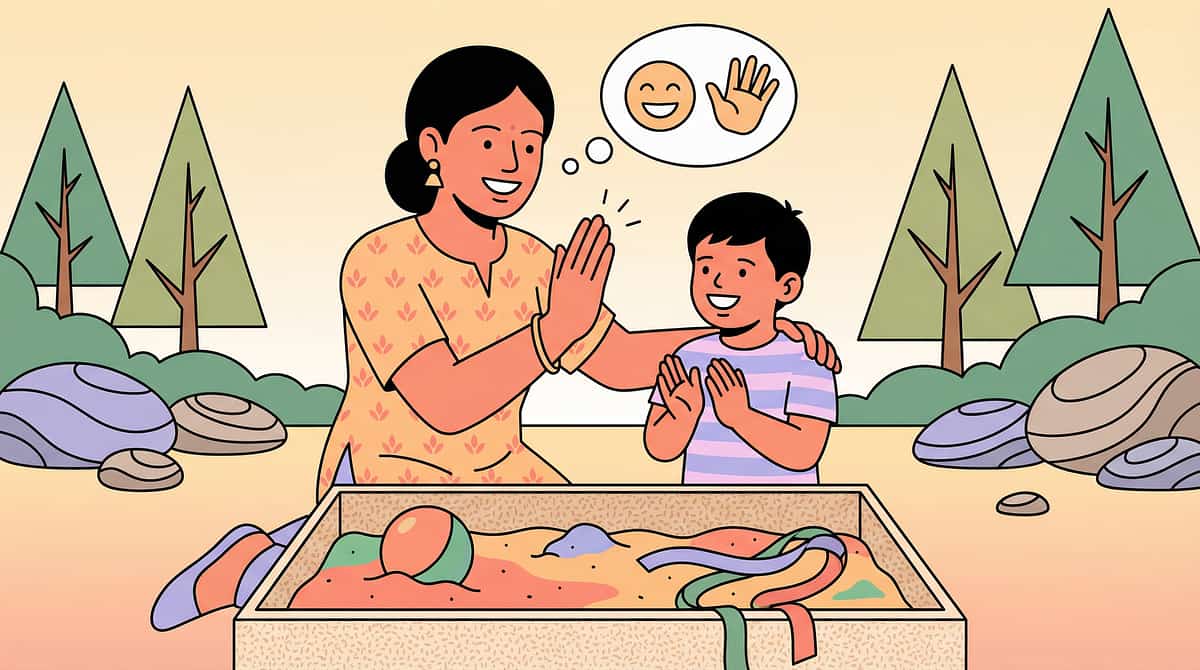
Step 3
This Is the Core Loop. Every Repetition Builds the Neural Highway.
Run this loop 3–8 times per session. Each successful completion strengthens the neural connection between "I want" and "I communicate." This is how requesting is learned: repetition of the complete cycle under genuine motivation.
Time | Action | |
0:00–2:00 | Pairing + invitation | |
2:00–5:00 | 1st–3rd loops — full prompting, immediate reinforcement; reduce prompt one level | |
5:00–10:00 | 4th–6th loops — attempt independent communication | |
10:00–13:00 | Mixed practice — child selects from 2 options | |
13:00–15:00 | Cool-down |
Timing
Reinforcement within 3 seconds of communication attempt — every time
Prompting
Use the minimum prompt needed for success — not the maximum
Consistency
Same response to same communication every time — teaches predictability
Emotion
Warm, enthusiastic, specific praise — "YES! You asked for cookie! HERE is your cookie!"
PMC10955541: Meta-analysis — home sessions 10–20 minutes most effective for this age group.

Step 4
3 Good Repetitions Are Worth More Than 10 Forced Ones.
Repetition Guide
- Minimum: 3 complete communication loops per session
- Optimal: 5–8 loops per session, across multiple motivation items
- Maximum: Stop before satiation — the child's disengagement IS data telling you to stop
Variation Strategies
Vary the Item: Rep 1–2: Highest motivation. Rep 3–4: Second item. Rep 5+: Choice between two.
Vary the Location: Table → kitchen → snack → play. Same method, different settings = generalization.
Vary the Partner: Primary parent → other parent → sibling → grandparent. Communication that works with only one person is not yet functional communication.
Satiation Indicators — Stop Immediately
- Child turns away and doesn't return within 10 seconds
- Communication attempts become mechanical without genuine motivation
- Child takes the item but shows no pleasure in it
- Child begins to elope (leave the space repeatedly)
Prompt Fading Schedule
Day 1–3: Full physical guidance (hand-over-hand)
Day 4–7: Partial physical (touch prompt to initiate)
Day 8–14: Gestural (point to communication tool)
Day 15–21: Verbal only ("tell me")
Day 22+: Independent (wait, do not prompt — this is the goal)
"The goal is not perfect repetition — it's successful communication across varied conditions. A child who can request from anyone, anywhere, for anything — that child has communication."

Step 5
Timing Matters More Than Magnitude. Immediate. Specific. Enthusiastic.
The Reinforcement Rule: Within 3 seconds of any communication attempt → deliver the item + verbal celebration. This 3-second window is not optional — it is the neurological link that builds requesting behavior. Delay by 10 seconds and the link is significantly weakened.
For picture exchange:
"YES! You ASKED! You showed me cookie! HERE IS YOUR COOKIE! You did it!"
For sign:
"MORE! You said MORE! I love it! HERE IS MORE! You asked so well!"
For device:
"You pressed the button! The tablet said cookie! HERE IS YOUR COOKIE! Amazing!"
For verbal approximation:
"'Coo'! You said cookie! YES! Here! Cookie! You ASKED! I'm so proud!"
Celebrate the attempt, not just the success. Approximate sign → reinforce. Reaching toward the picture → reinforce. Vocalization while looking at the item → reinforce. Shape toward clarity over time, but reward effort always.

Step 6
No Session Ends Abruptly. The Cool-Down Is Part of the Therapy.
An abrupt end to a successful requesting session can create frustration and protest behaviors that undermine the session's gains. The cool-down teaches the critical skill: communication also works for endings, transitions, and closure.
Transition Warning (2 min before ending)
"Two more times, then all done!" [Show visual timer or count on fingers]
Final 2 Communication Trials
Run 2 final high-success requesting trials with highest-motivation items. End on success.
Transition Signal
"All done! You asked so beautifully today!" Same phrase, same gesture every time. Predictability regulates the nervous system.
Cool-Down Activity (1–2 min)
Short preferred sensory activity (rocking, swinging) OR 2 pages of a favorite book OR brief free play with a non-session toy OR walk to the kitchen for water.
Material Put-Away Ritual
If able, involve the child in putting communication materials away. Teaches: the system has a place → it will be there next time → predictability builds trust.
If child resists ending: "I know, this is fun. One more. Then all done." Do one more quick trial. Follow through. Consistency over sessions teaches that endings are safe and temporary. The cool-down also teaches "all done" as a communicative act — one of the most important core vocabulary words.
NCAEP (2020): Visual supports and transition cues classified as evidence-based practice for autism.
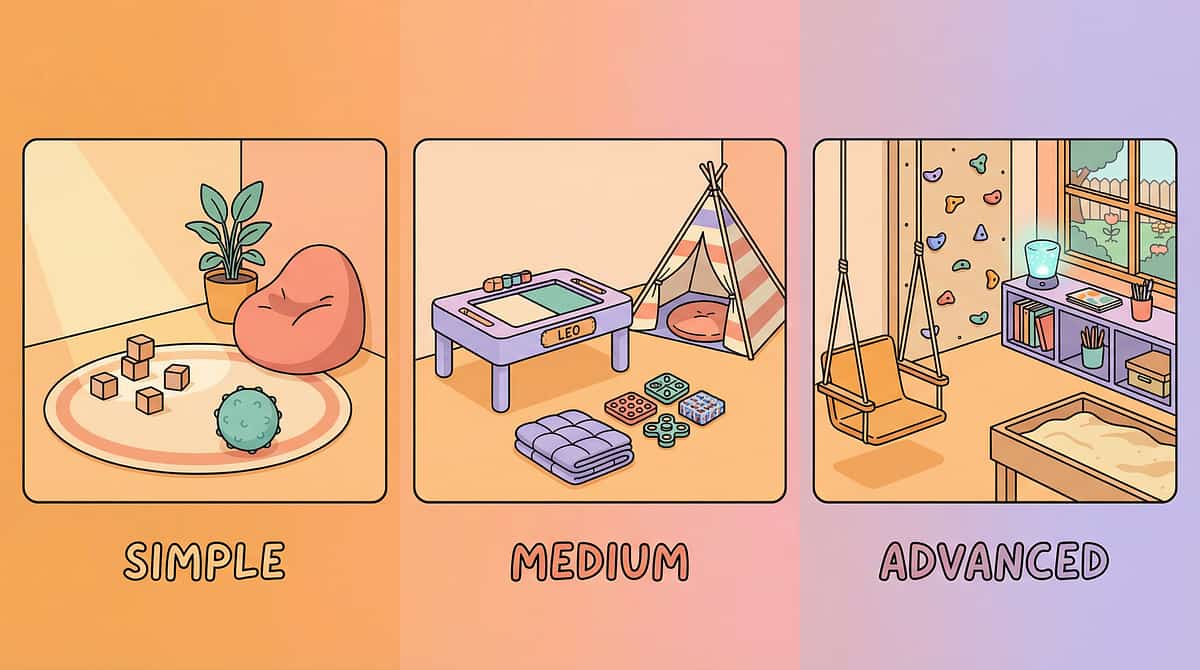
60 Seconds of Data Now Saves Hours of Guessing Later.
Within 60 seconds of session end, capture these 5 fields. You cannot improve what you don't measure — but tally marks in a notebook are enough to start.
Field | What to Record | Example | |
Date & Time | When was the session? | Dec 12, 7:30am | |
Item(s) Requested | What did the child communicate for? | Biscuit, Bubbles | |
Communication Method | How did they communicate? | Picture board | |
Prompt Level | How much help was needed? | Gestural (2/5) | |
Success Count | How many complete loops? | 5/6 tries |
Prompt Level Scale
5 = Full physical | 4 = Partial physical | 3 = Gestural | 2 = Verbal | 1 = Independent ← THE GOAL
What to Do With Your Data
- Prompt level decreasing week-over-week → working, continue
- Stuck at same level 2+ weeks → change approach
- Communication only with one person → generalize immediately
- Communication only in one setting → create opportunities elsewhere
ABA Data Collection Standards | BACB Guidelines + Cooper, Heron & Heward (ABA, 8th ed.)

Session Abandonment Is Not Failure — It's Data.
These are the 6 most common challenges parents encounter, with evidence-based fixes for each.
Problem 1: Child Grabs Item Without Communicating
Why: Grabbing currently works faster than communicating. Fix: Block access gently. Wait. Present communication tool. When they communicate even minimally → immediate delivery. Grabbing should never get the item — but the wait must be brief to avoid meltdown.
Problem 2: Child Waits for "What Do You Want?" Before Requesting
Why: The verbal prompt became a cue — child waits for permission. Fix: Fade the verbal prompt systematically. Create motivation → wait silently → expectant face → gestural prompt only. Goal is spontaneous initiation without asking.
Problem 3: Child Uses System for One Item Only
Why: Communication trained on one item, not generalized. Fix: Immediately expand to 2–3 items. Conduct daily choice opportunities. "Cookie or bubbles?" requires both choosing AND communicating.
Problem 4: Child Communicates in Therapy But Not at Home
Why: Skill is context-dependent. Fix: Parent coaching is the most critical intervention. Replicate session structure at home with the exact same system. All caregivers must use the same communication tools consistently.
Problem 5: Communication Attempts Are Disappearing
Why: Illness, disruption, lost motivation, prompt dependency, or system too complex. Fix: Return to easiest, highest-success level. Re-establish motivation. Simplify. Check if caregivers changed their response.
Problem 6: Child Is Frustrated and Melting Down During Sessions
Why: Demand too high, motivation too low, or wrong system. Fix: Stop the structured session. Freely give the desired item. Re-evaluate motivation, communication method, and environment. Consider professional reassessment.
🚨 Emergency Protocol: If child becomes severely distressed (SIB escalating, prolonged inconsolable crying): stop immediately, provide comfort, do not require communication to receive comfort. Basic needs and safety supersede therapy structure. Contact Pinnacle: 9100 181 181

No Two Children Are Identical. Adjust the Dial to Your Child.
◄ EASIER — For Difficult Days & New Learners
- Use highest-motivation item only
- Pre-position item directly in front of child
- Full physical guidance from trial 1 (ensure success)
- Shorten session to 3–5 minutes maximum
- Celebrate even reaching toward the picture
- One communication tool only — no choices
► HARDER — For Good Days & Established Learners
- Novel items (expand vocabulary to new requests)
- Increase distance to communication tool
- Require more complete request ("I want cookie" vs just "cookie")
- Generalize to new partner or new room
- Introduce choice-making ("cookie or bubbles?")
- Delay reinforcement by 2–3 seconds to build persistence
Profile-Based Variations
High-Energy / Sensory-Seeking: Embed requesting in movement (swing, trampoline, chase). Use activities as reinforcers rather than objects.
Low-Energy / Sensory-Avoiding: Quieter, lower-demand sessions. More intrinsic reinforcers (calming activities, music). Shorter sessions more frequently.
Strong AAC Preference: Center entire system on device. Ensure home page has requesting vocabulary immediately visible. Generalize to all natural opportunities.
Age-Based Modifications
Under 3: Signs and objects first; pictures once consistent
Ages 3–6: PECS/picture board → AAC app progression
Ages 6–12: AAC with sentence building; expand social requesting

Week 1–2: You Are Planting Seeds.
Some May Not Look Like Growth Yet — and That's Completely Normal.
✅ What You WILL Likely See
- Child tolerates the communication system without immediately rejecting it
- One or two successful loops with high levels of prompting
- Any reduction in grabbing (even 20% is real progress)
- Child begins to look at the communication tool when motivation item appears
- Parent feels more confident in the structure
⏳ What You Will NOT See Yet
- Spontaneous, unprompted requesting
- Generalization to new settings or people
- Multiple items being requested
- Reduction in challenging behaviors (too early — comes in weeks 3–6)
"In weeks 1–2, you are planting seeds. You don't yet see the seedling. But underground, the roots are forming. Every successful communication loop — however heavily prompted — is a root. Trust the process."
Specific Progress Marker: If your child tolerates the communication system for 30 seconds longer without rejection compared to Day 1 — that is real, measurable progress. Record it. This week will feel slow. That is normal. Your consistency right now is building the platform for everything that follows.
PMC11506176: Early-phase intervention indicators focus on tolerance and participation before skill mastery.

Week 3–4: The Neural Pathway Is Forming.
Watch for These Consolidation Signs.
Child-Side Indicators
- Child approaches the communication system independently when motivation item is visible (even without completing the request — initiation is emerging)
- Prompt level moves from physical to gestural at least once
- Child requests for a second item — vocabulary is expanding
- Communication attempts are appearing at non-session times (meal prep, bedtime)
Behavioral Change Indicators
- Reduced duration or frequency of meltdowns around need-expression moments
- Child waits (even briefly) instead of immediately grabbing
- Increased communication partner interaction
Spontaneous Generalization Seeds
- Going to the communication board location even when you haven't set it up
- Making the familiar sign in an unfamiliar context
- Using the AAC device to press a button for something not specifically trained
Parent Milestone: By week 3–4, you may notice you're more confident too. The structure feels less foreign. You know the prompting sequence. You can read your child's satiation faster. That parent skill growth is real — and it compounds. When to increase frequency: If child is consistently communicating with gestural prompts → increase session frequency to 5–6×/day. If independently requesting ONE item → immediately begin generalizing to a second item.
Neuroplasticity evidence: Synaptic strengthening through repeated structured input follows predictable timelines.
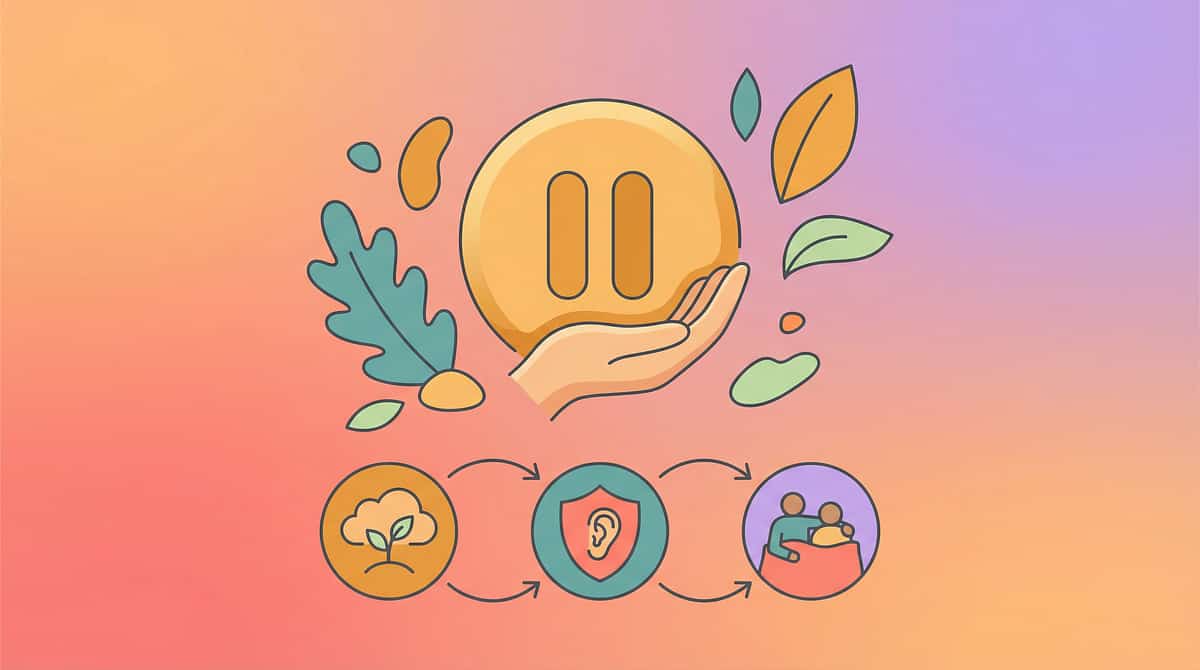
Week 5–8: This Is What Mastery Looks Like.
Watch for the Unlock.
🏆 Requesting Teaching Level 1 is considered mastered when:
3+ Independent Requests
Child independently initiates a request (no prompt) for ≥3 different items
2+ Settings
Requesting occurs across ≥2 settings (e.g., home kitchen AND living room)
2+ Communication Partners
Requesting occurs with ≥2 different partners
80% Consistency
Communication attempt is consistent and distinguishable ≥80% of opportunities
Prompt Level 1–2
Prompt averages verbal or independent for trained items
Generalization Indicators
- Skill appearing in school (teacher reports requesting behavior)
- Child requesting novel items not specifically trained
- Requesting persisting when slightly delayed reinforcement occurs
- Communication functioning during mild stress or motivation fluctuation
Progression Trigger
When mastery criteria are met → progress to:
- Requesting Teaching Level 2 (more complex sentences)
- Tacting/Labeling Teaching (L-966)
- Expanding vocabulary beyond requesting function
PMC10955541 | BACB mastery criteria standards
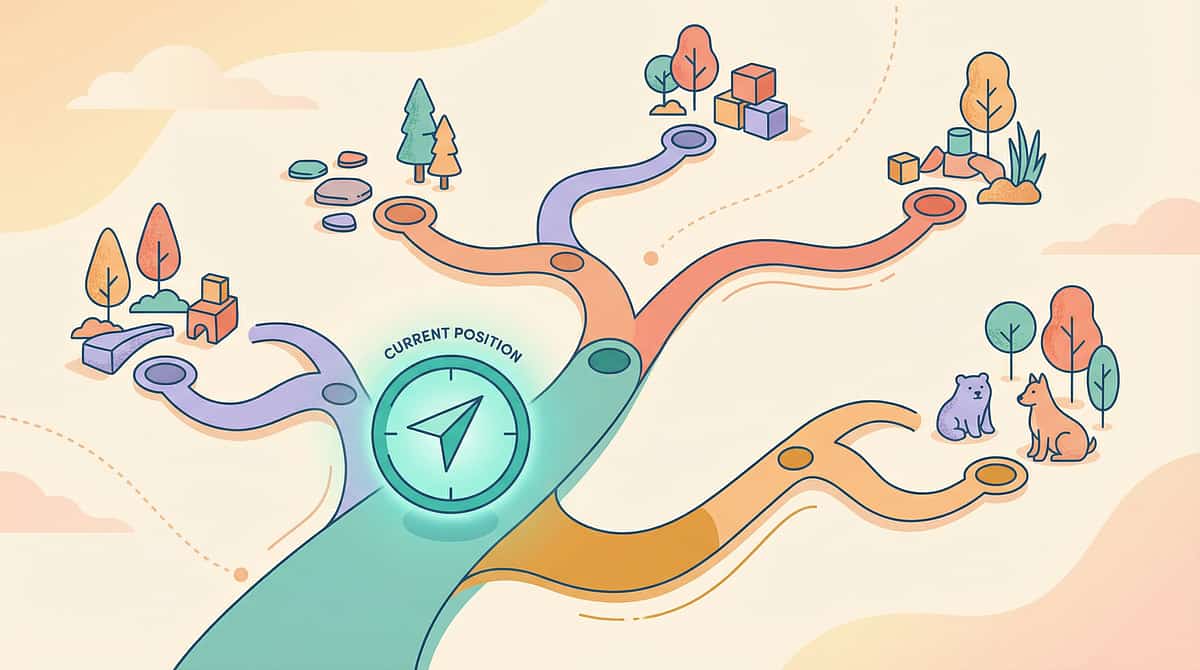
You Did This. Your Child Grew Because You Showed Up.
"Think back to where you started. To the morning in the kitchen. To the guessing game. To the meltdowns. To the exhaustion of trying to decode a child you love more than anything. And now look. Your child has a way to tell you what they want. It may be a picture. It may be a sign. It may be a button on a device. But it is THEIRS. They made that connection — wants lead to communication lead to getting what I want — and that connection lives in their brain now. It is theirs forever. You built this."
✅ Requesting Established
The foundation of all communication — now firmly in place
✅ Child Has a Voice
A functional voice for wants and needs that belongs to them
✅ Behaviors Reduced
Frustration behaviors likely decreased significantly
✅ Connection Strengthened
Parent-child bond deepened through understood communication
Milestone Actions:📸 Take a photo or video of your child making a request. 📓 Journal: "What was the first request? When did it happen? How did it feel?" 🎉 Share with your family. 📞 Call your therapist with the data — they want to celebrate too.
Trust Your Instincts. If Something Feels Wrong, Pause and Ask.
🚩 Flag 1: Challenging Behavior Is INCREASING
What it looks like: SIB, aggression, or meltdown frequency increasing — not just staying the same. Why it matters: Communication system may not be accessible enough. What to do: Pause teaching structure. Contact Pinnacle immediately. BCBA functional behavior assessment needed.
🚩 Flag 2: Zero Progress After 6 Weeks
What it looks like: Prompt level unchanged. No increase in communication attempts. Why it matters: May indicate wrong modality, underlying motor issue, or need for more intensive support. What to do: Complete reassessment with SLP + BCBA. 📞 9100 181 181.
🚩 Flag 3: Child Develops Aversion to Communication System
What it looks like: Child who previously tolerated system now avoids it or cries when it appears. Why it matters: Possible forced practice creating negative association. What to do: Return to pure pairing (make system = fun again). Reduce all demands. Consult clinician.
🚩 Flag 4: Regression in Previously Mastered Skills
What it looks like: Child who was requesting spontaneously stops initiating. Why it matters: Medical, developmental, or environmental change occurring. What to do: Rule out illness/pain. Check for major life changes. Consult NeuroDev if persisting.
🚩 Flag 5: Communication Attempts Causing Physical Distress
What it looks like: Child shows pain during signing or excessive frustration with device. Why it matters: Possible unaddressed motor/physical barrier. What to do: OT assessment for motor access. Possibly different modality needed.
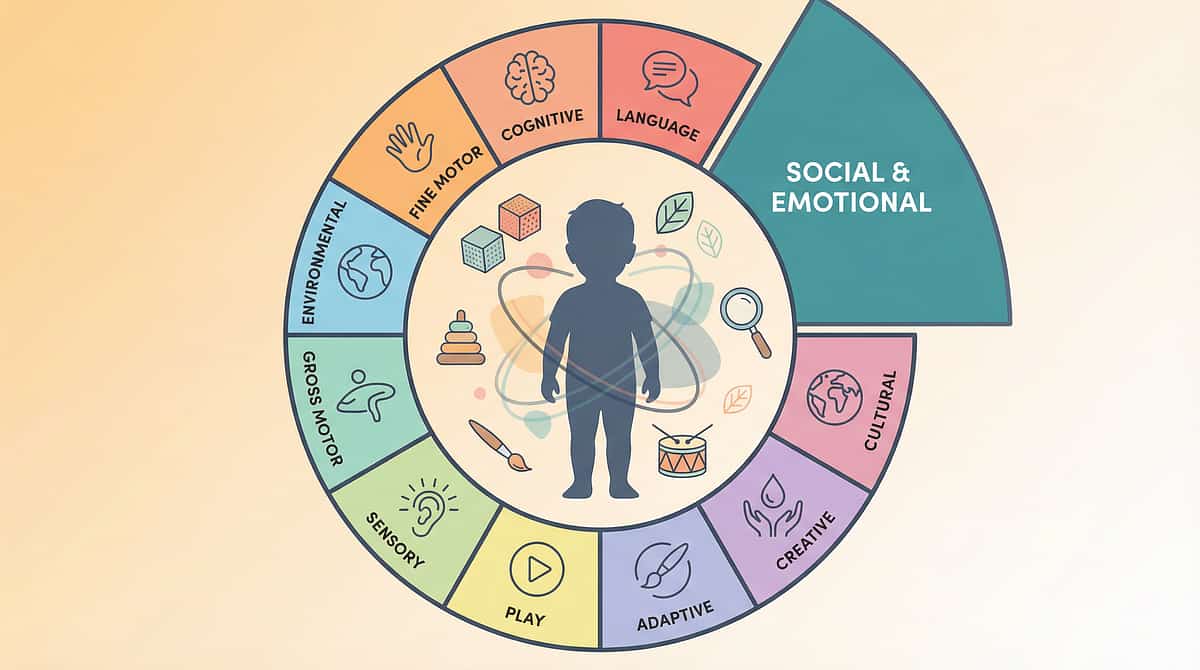
Your Child Is Not Done Growing. Here Is Where the Journey Goes.
Requesting Mastered + Verbal Ability
→ Move to L-966: Labeling Teaching (Tacting) — using words to describe the world, not just request from it
Requesting Established + Limited Vocabulary
→ Move to L-965a: Expanding Requesting Vocabulary — from 5 requests to 50+
Requesting Established + Only One Context
→ Focus on Generalization Protocol — same technique, new people, new settings
This Approach Didn't Resonate
→ L-965-Alt: AAC-First Requesting Protocol or Partner-Augmented Communication
"Requesting is the seed. Everything else in language development grows from it." — Requesting (manding) → Labeling (tacting) → Conversation (intraverbal) → Full Language → Social Communication → Academic Communication → Life Communication

Other Techniques in the Communication Domain
You Already Know Some of These Tools
The materials you've built for L-965 carry forward. If you have a picture board → you have materials for L-963, L-964, L-966. If you have the AAC app → it works for L-967 and L-968. If you have the reinforcement system → it works across ALL techniques.
L-963: Pre-Linguistic Communication
🟢 INTRO | 📸 Visual + Social
Foundation skills before first words: gestures, gaze, vocalization
L-964: Joint Attention Development
🟢 INTRO | 👁️ Attention Shared
Following gaze, pointing, showing — the social foundation for communication
L-966: Labeling Teaching (Tacting)
🟡 CORE | 🃏 Picture Cards
Using words to describe the world, not just request from it — the natural next step
L-967: Conversation Skills
🔴 ADVANCED | 💬 Social Scripts
Back-and-forth dialogue, topic maintenance, social communication
B-138: 9 Materials — Requesting
🔵 COMPANION
Foundational materials companion to this technique page

Requesting Teaching Is One Piece. Here Is the Whole Picture.
Domain L — Communication Pathway
- ✅ L-963: Pre-Linguistic (consider if not done)
- ✅ L-964: Joint Attention (consider if not done)
- ★ L-965: Requesting Teaching (YOU ARE HERE)
- → L-966: Labeling Teaching (next)
- → L-967: Conversation Skills (advanced)
Your Child's Whole-Child Context
This requesting technique does not exist in isolation. If your child also has sensory processing challenges (Domain A), addressing sensory regulation improves communication availability. If there are behavior challenges (Domain D), the FCT principles here directly connect.
"GPT-OS® sees your child as a whole person across all 12 domains. Requesting teaching is one of the highest-impact starting points because communication changes everything — but it works best when embedded in a whole-child plan."
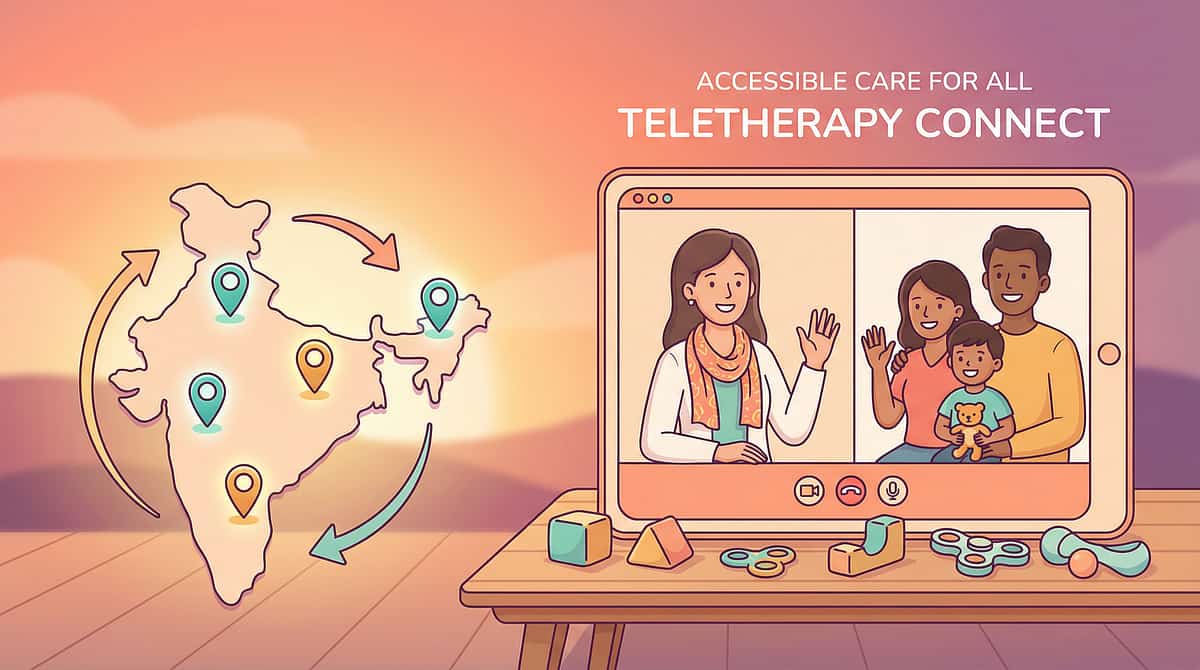
From Where You Are to Where You're Going
Families Who Have Made This Journey
Arjun, Age 3½ — Hyderabad
Before: No functional communication. Every mealtime was a meltdown. His mother spent 4–6 hours daily trying to decode his needs. He had begun hitting his head when frustrated.
The Journey: SLP + BCBA team began with motivation mapping — discovering top motivators were bubbles, a specific car toy, and crackers. A 3-picture board was introduced. Full physical guidance for 2 weeks. Gestural prompts by week 3. By week 6, he was spontaneously going to the board for bubbles and the car.
At 3 months: 12 functional picture requests. Mealtime meltdowns decreased by ~70%. Using "more" sign spontaneously. At 6 months: AAC device with 85+ vocabulary. Requesting from both parents, his grandmother, and his teacher.
"The day he went to his board, took the bubble picture, and walked to his father — I cried for 20 minutes. That was the day we knew everything was going to be okay." — Arjun's Mother, Pinnacle Network Hyderabad
Zara, Age 5 — Bangalore
Before: Zara had approximately 20 words but used none to request. She could label ("bird," "car") but when thirsty, she would cry and pull her mother toward the refrigerator. Classical tact-without-mand pattern.
The Journey: SLP focused exclusively on manding using her existing vocabulary — the words were there, but not under motivational control. Structured sessions 3× daily embedded in routines. Systematic prompt fading from verbal to independent over 5 weeks.
At 8 weeks: Consistently said "juice" and "biscuit" functionally. Used "help" for the first time in week 6. Began generalizing to school.
"Her speech therapist said: 'She has the words — we just need to teach her that words can GET things.' That reframe changed everything for me." — Zara's Father
Note: Individual outcomes vary based on child's profile, intervention intensity, and consistency of implementation.

Isolation Is the Enemy of Progress. Your Community Is Here.
"Over 1,000 individuals from 111 countries contributed to the WHO Nurturing Care Framework — because community engagement is a core principle of child development, not an optional add-on."
📱 Pinnacle Parent WhatsApp Community
8,000+ parents navigating the same journey. Practical support, daily wins, real questions answered by experienced parents and Pinnacle professionals. Communication & Requesting — Active Parent Group.
💻 Pinnacle Parent Forum — Online
Discussion threads on requesting strategies, AAC device reviews, school communication, and cultural considerations.
🤝 Peer Mentoring — Free
Connect with an experienced parent who has navigated requesting teaching. Monthly in-person meetups at 70+ centers. "I would have given up at week 3 without talking to another mother who had been through it."
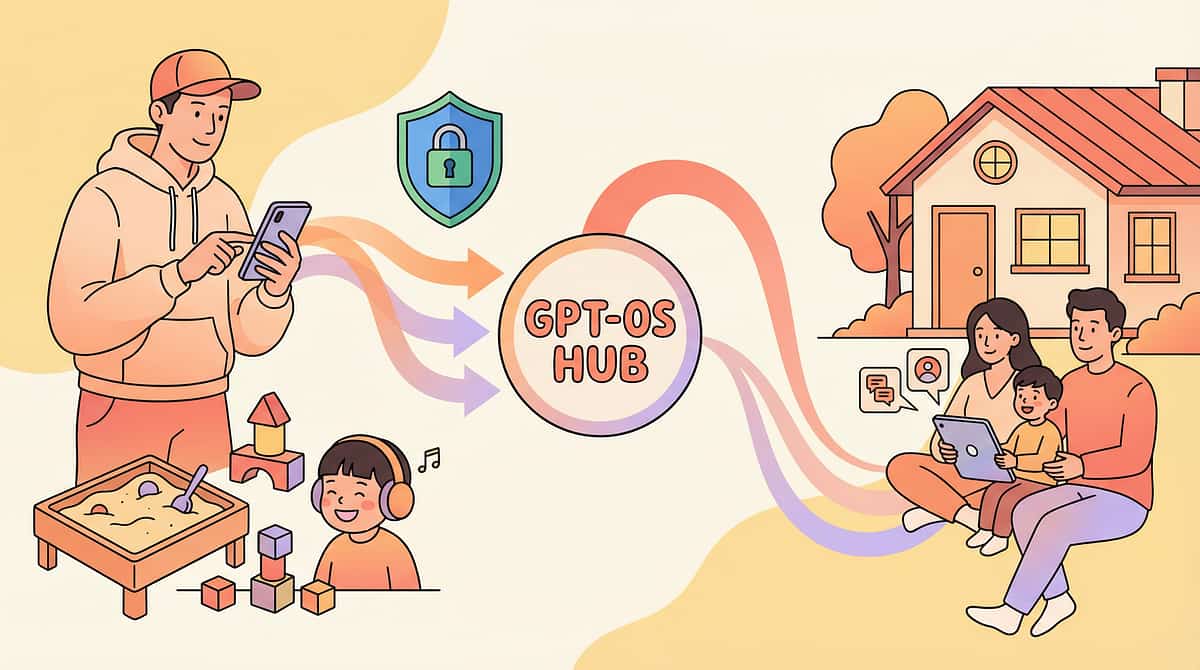
Home + Clinic = Maximum Impact. Your Professional Team Is Close.
Research consistently shows that home-based intervention combined with clinical guidance produces better outcomes than either alone. The clinic designs the program. The home delivers the dosage. They need each other.
🗣️ SLP Communication Assessment
AAC evaluation included. Modality selection, PECS implementation training, parent communication coaching.
🧩 ABA / Manding Program
BCBA-designed Verbal Behavior / Manding Program. Functional Communication Training with full data system.
📱 Teleconsultation
SLP and BCBA specialists consult via video from anywhere — all India + 70 countries. Can't reach a center? We come to you.
🎯 Therapist Matching
Tell us your child's age, primary challenge, and location → matched with the right specialist within 24 hours.
Deeper Reading for the Curious Parent
The Science Behind This Technique
Evidence Pyramid
Systematic Reviews (highest) → Multiple Randomized Controlled Trials → Cohort & Observational Studies (foundational)
Foundational Frameworks
- Skinner, B.F. (1957). Verbal Behavior — The mand/tact/echoic framework
- Bondy, A.S. & Frost, L.A. — PECS methodology (pecsusa.com)
- AAC-RERC: Augmentative communication research (aac-rerc.psu.edu)
International Standards
WHO | UNICEF | ASHA | RCI (Rehabilitation Council of India) | BACB
Key Studies
Study | Key Finding | Link | |
PRISMA Systematic Review (2024) | FCT/requesting: evidence-based practice for ASD | ||
Meta-analysis, World J Clin Cases (2024) | Communication + AAC: effective across 24 studies | ||
NCAEP Evidence-Based Practices (2020) | FCT: established EBP; AAC: established EBP | ||
Padmanabha et al., Indian J Pediatr (2019) | Home-based communication outcomes in India | ||
WHO NCF (2018) | Responsive caregiving: core to development | ||
WHO CCD Package (2023) | Multi-caregiver training improves generalization |
Your Data Helps Your Child AND Every Child Like Yours.
What GPT-OS® Learns From Your L-965 Data
- Which communication modalities show fastest breakthrough for which child profiles
- Optimal prompt fading timelines by age and developmental level
- Motivation item patterns that predict generalization success
- Warning patterns that predict need for professional escalation
- Cultural-contextual data (multi-language households, extended family caregiving)
Your Privacy
- All child data is de-identified for population analysis
- Your personal data is never sold or shared with third parties
- You can download or delete your data at any time
- Governed by India's IT Act and DPDP Act 2023
"When 50,000 families contribute requesting teaching data to GPT-OS®, the system can tell the 50,001st family: 'For a child with this profile, this modality typically shows breakthrough in 12 days.' That's the power of collective intelligence for individual families."
Digital health interventions for ASD: 21 RCTs, 1,050 participants — gamified digital health shows promise (2024 meta-analysis).

Watch: 9 Materials That Help With Requesting Teaching
Reel Identity
Domain: L — Communication & Language Development
Reel ID: L-965 | Episode: 965 of 999
Series: Communication Development | Duration: 75–85 seconds
What You'll See
- Real families demonstrating each of the 9 materials in home environments
- Therapist narration explaining the "why" behind each tool
- Breakthrough moments — children making their first functional requests
- Price ranges and accessibility information for each material
"This reel was created by the Pinnacle Communication Therapy Team — SLPs and BCBAs who have collectively worked with thousands of children who couldn't ask for what they wanted. Every material you'll see has been used in real therapy sessions with real families. This is not theoretical — it's what actually works."
Also Watch: B-138: 9 Materials That Help Teaching Requesting (Foundational) | B-225: 9 Materials That Help AAC for Requesting | L-964: Joint Attention Development (prerequisite)
NCAEP (2020): Video modeling — established evidence-based practice for autism. Multi-modal learning improves parent skill acquisition.

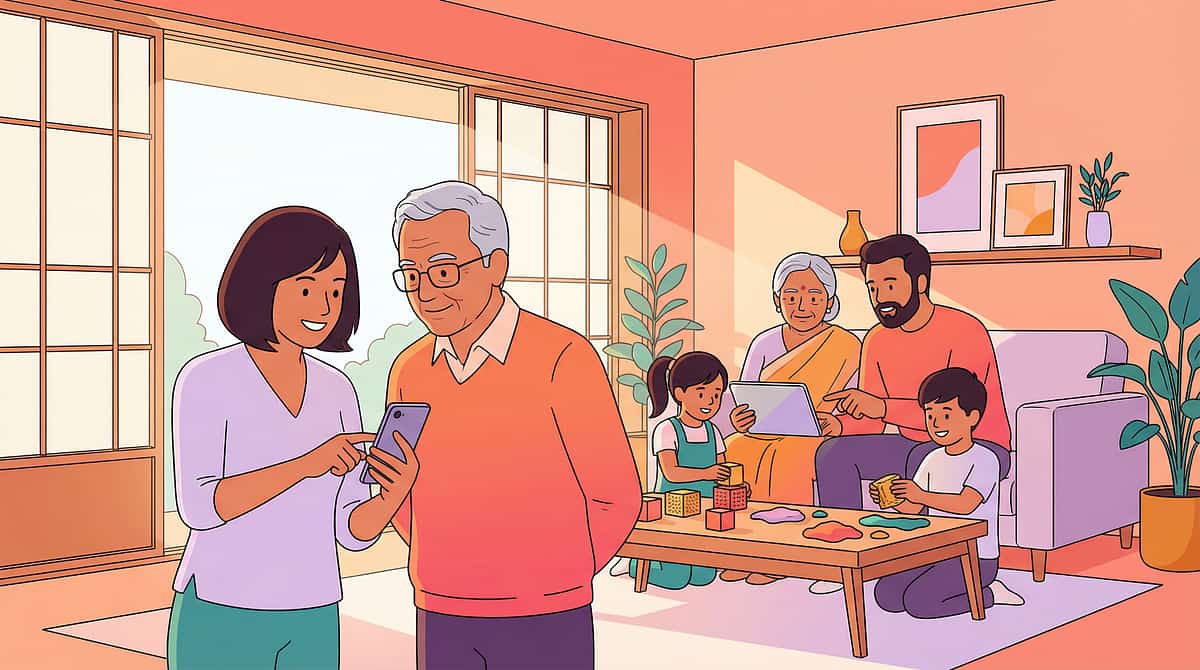
Consistency Across All Caregivers Multiplies Impact by 3×.
"If Amma practices requesting teaching twice a day but Nanna and Grandma give the item without waiting for communication, the skill develops at one-third the speed. Every caregiver counts." — GPT-OS® Generalization Engineering Protocol
Share This Page
📄 Family Guide — PDF
Simplified version for grandparents, domestic helpers, school teachers, and extended family. Plain language. No clinical jargon. All essential guidance on one page.
Explain to Grandparents
"When [child's name] wants something, wait for them to show you the picture/sign/press the button before giving it. It only takes 3–5 seconds. If they can't do it yet, show them how. Then give them what they want immediately. This is how we're teaching them to ask. Your consistency matters enormously."
Teacher / School Communication
Downloadable letter template for communicating your child's requesting system to teachers — available in English, Hindi, Telugu, Tamil, Kannada, Malayalam.
WHO CCD Package: Multi-caregiver training critical for intervention generalization and maintenance. | PMC9978394
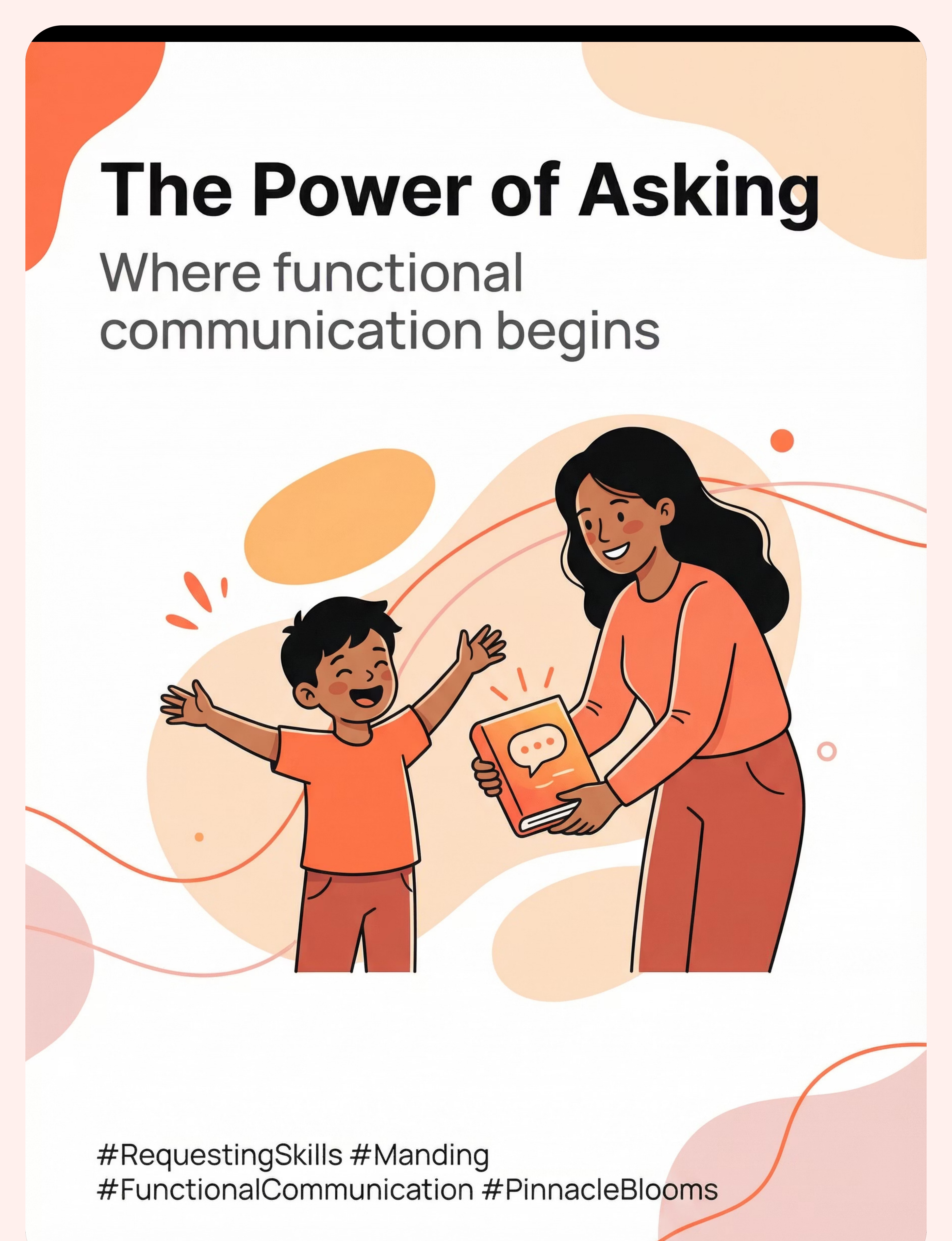
Preview of 9 materials that help teaching requesting Therapy Material
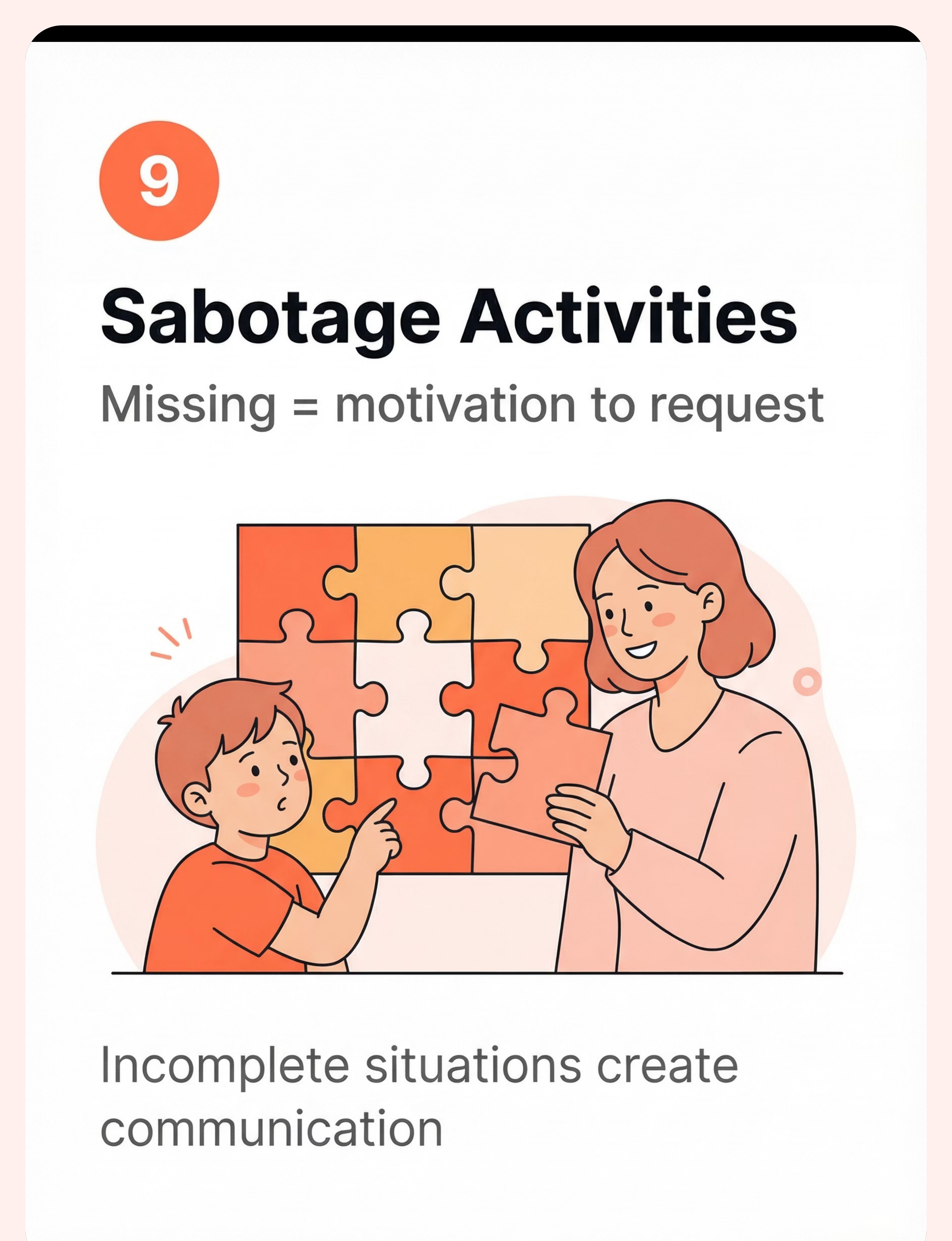
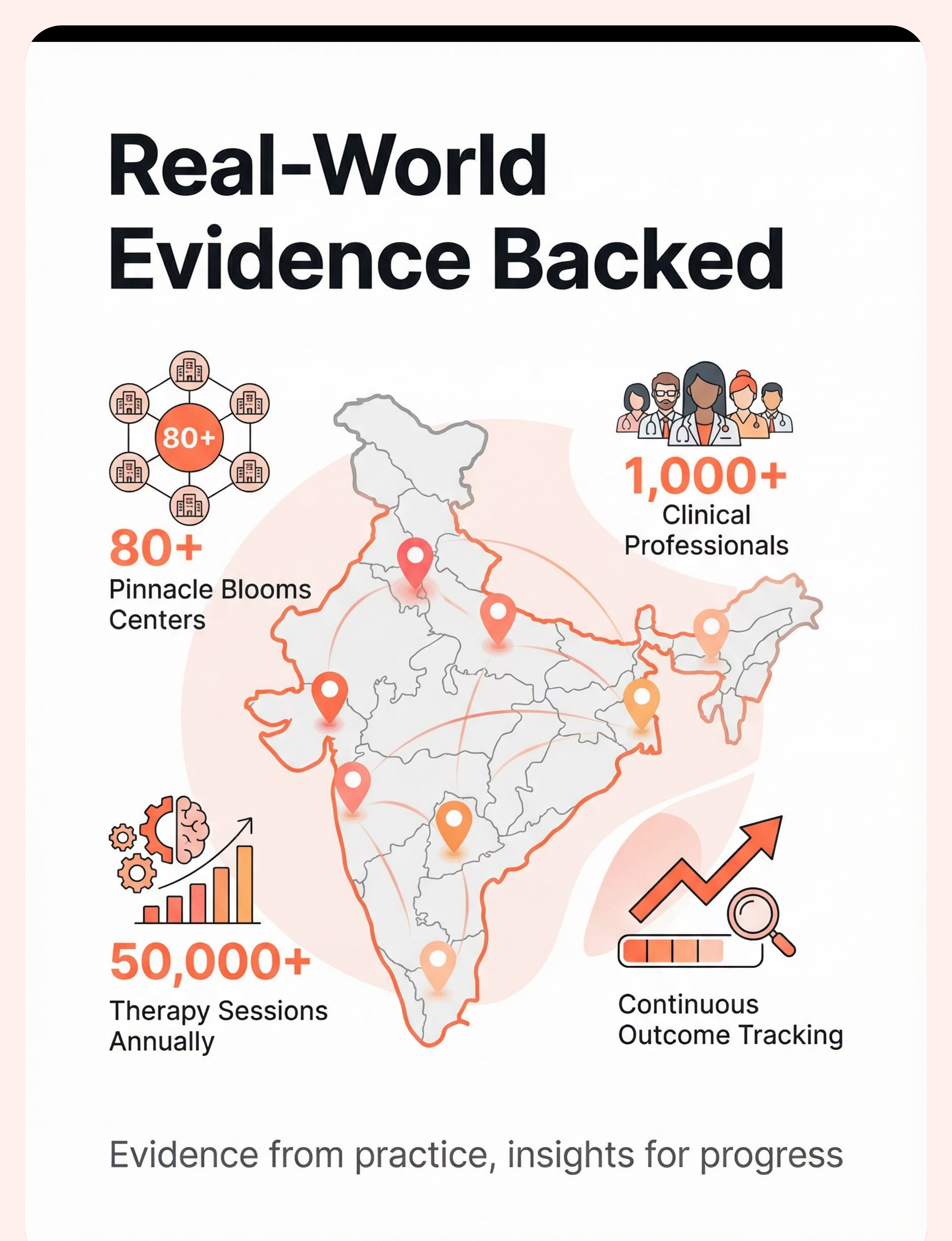
Below is a visual preview of 9 materials that help teaching requesting therapy material. The pages shown help educators, therapists, and caregivers understand the structure and content of the resource before use. Materials should be used under appropriate professional guidance.





Link copied!
Questions Parents Ask Most — Answered by the Pinnacle Consortium
Q1: My child CAN say some words. Why teach picture/sign-based requesting?
Words your child has for labeling may not yet be under motivational control — they can name a cookie but can't ask for one. Research consistently shows that building functional requesting using ANY accessible modality does NOT slow speech development; in many cases it accelerates it by reducing communication frustration. The goal is function, not form.
Q2: Won't pictures or devices make my child dependent and never speak?
This is the most common concern — and research consistently contradicts it. Multiple systematic reviews show AAC and picture systems do not prevent speech development. Communication confidence achieved through any modality builds the motivation and neural scaffolding that supports speech.
Q3: My child is 8 years old. Is it too late?
There is no upper age limit for requesting teaching. Adults with complex communication needs benefit from FCT. For school-age children, modalities and vocabulary targets shift, but the core principles — motivation, accessible method, immediate reinforcement — remain identical.
Q4: How many times per day should we do requesting teaching?
The most effective requesting teaching is embedded in every natural motivation moment throughout the day. Target 8–15 natural communication opportunities daily across all settings. Formal 10–15 minute structured sessions 1× daily support the natural practice.
Q5: My child only requests from me — not from father, grandparents, or teachers.
Generalization to multiple communication partners is the most important and most neglected component. Begin immediately: have your child's father hold the motivation item and wait for communication. Brief all caregivers on the system. If not happening naturally within 4–6 weeks, consult your BCBA.
Q6: My child uses the AAC device as a toy, not communicatively.
Common early stage. Set up the device home page with ONLY requesting vocabulary (3–5 items). Make the device available only during communication opportunities, not as free-time entertainment. The connection between pressing → getting takes longer to form when the device is always available without real outcomes.
Q7: We tried PECS for 3 months and it didn't work. Should we try AAC?
Yes, potentially. If a child has not made expected progress with one modality after 8–12 weeks of consistent implementation, a communication modality reassessment by an SLP with AAC expertise is strongly recommended. Different brains respond to different modalities. This is not failure — it is clinical information. Call us: 9100 181 181.
Q8: My child had requesting skills but regressed. What happened?
Regression can be caused by: (1) illness or undiagnosed discomfort; (2) major life change; (3) caregivers shifting their response; (4) loss of motivation for trained items; (5) developmental transition where old system no longer fits new capacity. Address systematically: check health, check caregiver consistency, reassess motivation, consider upgrading the system.
Your Child Has Something to Say. Let's Give Them a Way to Say It.
Validated by the Pinnacle Blooms Consortium
OT • SLP • ABA/BCBA • SpEd • NeuroDev • CRO • WHO/UNICEF-Aligned
20M+ sessions • 97%+ improvement
"From fear to mastery. One technique at a time." — The Pinnacle Blooms Consortium
Pinnacle Blooms Network® — India's Largest Multi-Disciplinary Pediatric Therapy Consortium | Serving 70+ Countries | 70+ Centers | 21M+ Therapy Sessions | OT | SLP | ABA/BCBA | SpEd | NeuroDev | Pediatricians | CRO | WHO/UNICEF-Aligned | Evidence-Based | Parent-Centered
CIN: U74999TG2016PTC113063 | DPIIT: DIPP8651 (Govt. of India) | MSME: Udyog Aadhaar TS20F0009606 | GSTIN: 36AAGCB9722P1Z2 | © 2025–2026 Pinnacle Blooms Network®, a unit of Bharath Healthcare Laboratories Pvt. Ltd.
This page provides educational information about intervention techniques for children with autism and related developmental conditions. The content has been developed by the Pinnacle Blooms Consortium of clinical specialists and is aligned with international evidence-based practice standards. This information does not constitute medical advice and does not replace individualized clinical assessment and professional guidance. Communication development should be supervised by qualified Speech-Language Pathologists and/or Board-Certified Behavior Analysts (BCBAs). Effectiveness varies based on child profile, implementation quality, and consistency. Individual outcomes may vary. For personalized guidance: 9100 181 181 | pinnacleblooms.org