"She won't even say hello."
When your child ignores greetings, these 9 proven therapy materials build the skill that opens every social door. Science-backed, home-executable, and validated by India's largest pediatric therapy consortium.
ACT I — THE RECOGNITION MOMENT
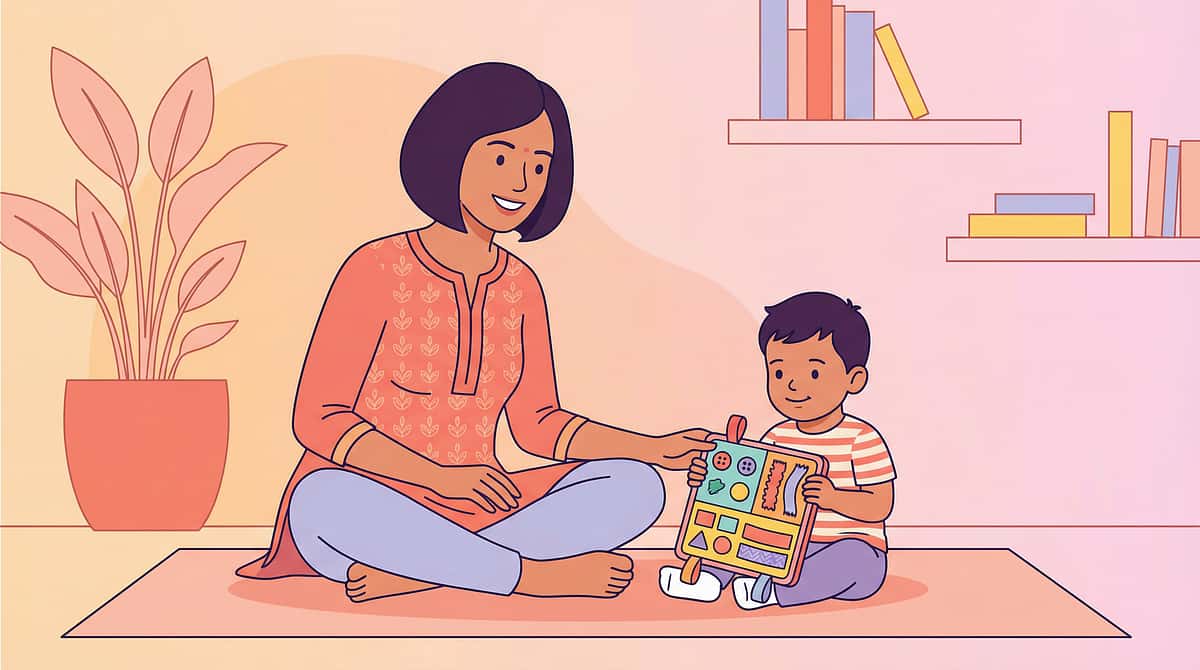
A Story You May Recognize
"My daughter is six years old. Every morning, her teacher greets her warmly — 'Good morning, Priya!' — and my daughter walks past like the teacher isn't even there. When relatives come to visit, she hides behind me. At birthday parties, when other children run up and say hi, she stares at the floor. I've been prompting her since she could talk — 'Say hi to Grandma,' 'Wave to your teacher' — and sometimes, if I push hard enough, she'll whisper a barely audible 'hi' while looking at the ground. But she never does it on her own. Not once. Not with anyone."
"People think she's rude. Family members are hurt. I'm exhausted from the constant prompting and apologizing. But here's what breaks my heart — at home, she's sweet and loving and talkative. The world doesn't see who she really is. Because she won't say hello. And without that doorway, nothing else can happen."
You are not failing. Your child's brain processes social moments differently. That doorway can be built — deliberately, explicitly, and with the right materials. — Pinnacle Blooms Consortium | SLP + ABA + OT + SpEd
Pinnacle Blooms Consortium Validated
Domain B: Social Communication
Technique B-211
CARD 02 — THE NUMBERS
Millions of Families. One Doorway Challenge.
When a child won't say hello, parents are often blamed — "You haven't taught her manners." But greeting is not a manners problem. It is a skill acquisition challenge — one affecting millions of children worldwide, requiring explicit teaching rather than repeated reminders.
80%+
Social Communication
of children with ASD experience social communication differences including greeting challenges
1 in 36
Autism Diagnosis
children diagnosed with autism in the US (CDC 2023) — India data mirrors global trends
70+
Countries Reached
countries where Pinnacle families are accessing evidence-based greeting intervention
"You are among millions of families navigating this exact challenge. This is not about character. This is about skill."
FREE NATIONAL AUTISM HELPLINE:📞9100 181 181 | 20M+ therapy sessions | 97%+ measured improvement | 70+ centers across India
CARD 03 — NEUROSCIENCE
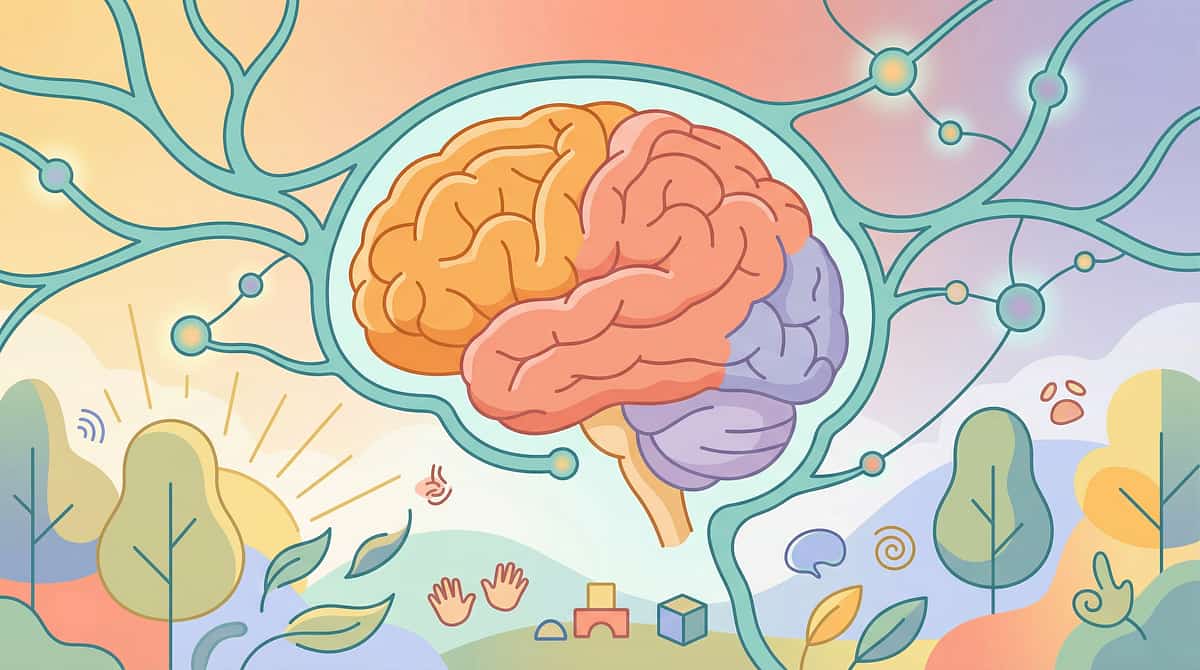
This Is Not Rudeness. This Is Neuroscience.
7 Neurological Functions Required
Social Recognition
Detecting that a greeting moment is occurring (Superior Temporal Sulcus)
Theory of Mind
Understanding the other person expects a response (Prefrontal Cortex)
Pragmatic Language
Knowing what words/gestures are appropriate (Broca's Area + STS)
Motor Planning
Executing the wave, the smile, the eye movement
Emotional Regulation
Managing any anxiety the moment triggers (Amygdala)
Attention Shifting
Redirecting from current focus to the greeting moment (Executive Function)
Timing & Initiation
Executing the response within the brief social window
What This Means for Your Child
For most neurotypical children, these 7 functions fire automatically and invisibly. For children with autism, social communication differences, or anxiety, one or more of these pathways processes differently — creating the gap between "I heard the greeting" and "I responded to the greeting."
This is a wiring difference, not a behavior choice.
Your child is not ignoring people. Their brain is working differently in social-detection and response-initiation. This is why prompting alone doesn't build the skill — and why the materials on this page target the actual neurological gap.
The 9 materials on this page work because they each target a different component of this 7-function chain — building the neural pathway from recognition to response.
CARD 04 — DEVELOPMENT
Your Child's Developmental Journey — Mapped
12–18 months
Waves bye-bye (prompted)
18–24 months
Responds to own name; some spontaneous waving
2–3 years
Greets familiar people (often prompted); beginning "hi" and "bye"
3–5 years
Greets family members independently; beginning spontaneous greetings with peers
5–7 years
Greets most familiar people independently; beginning to greet new adults with prompt
7–10 years
Context-flexible greetings — adapts to formal vs casual, familiar vs new
Greeting challenges typically emerge as early as 18 months and become more visible at school entry (age 5–6), when social expectations escalate. The good news: explicit intervention at any point in this timeline produces meaningful outcomes. Progress is measured not against peers, but against the child's own baseline trajectory. Common co-occurring factors include social communication differences, social anxiety, pragmatic language disorder, sensory sensitivities, and executive function challenges.
CARD 05 — THE EVIDENCE
Clinically Validated. Home-Applicable. Parent-Proven.
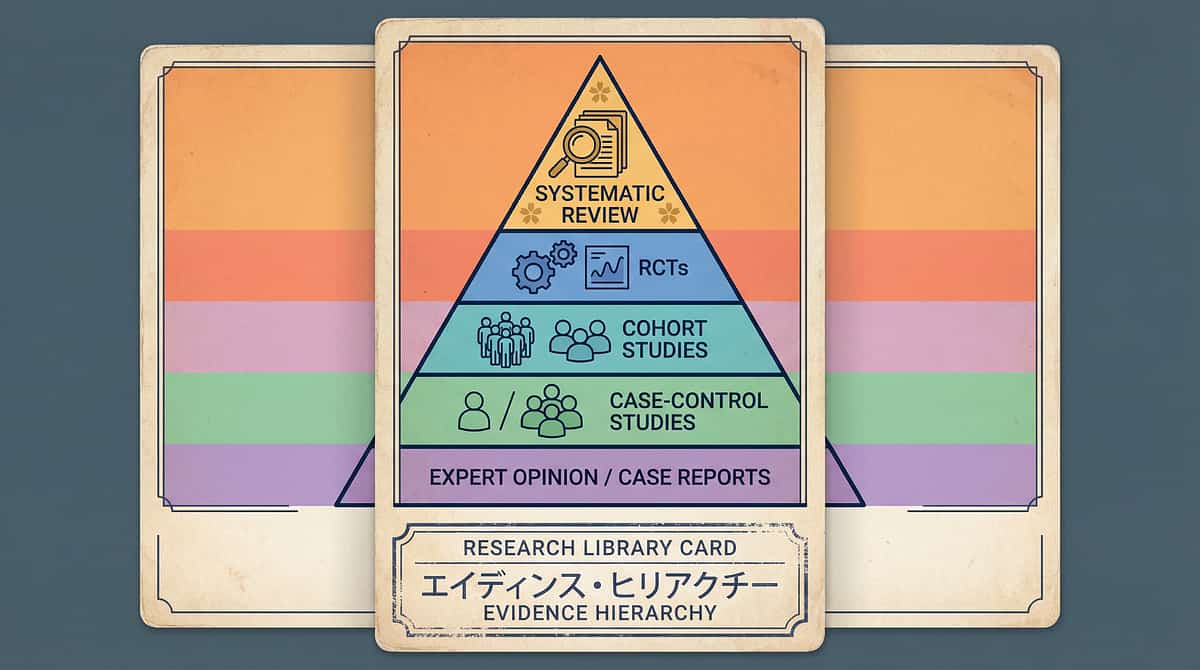
🛡️LEVEL I EVIDENCE — Systematic Review + Multiple RCTs
Systematic Review (2024)
PMC11506176 | 16 studies (2013–2023) confirm social communication intervention meets criteria as Evidence-Based Practice for ASD. Greeting skills are a primary target domain.
Meta-Analysis (2024)
PMC10955541 | World J Clin Cases — social skills intervention demonstrates significant improvement in social initiation, peer interaction, and communication readiness across 24 studies.
Indian RCT (2019)
DOI: 10.1007/s12098-018-2747-4 | Padmanabha et al., Indian J Pediatr — home-based social communication intervention with parental coaching demonstrates significant outcomes in Indian pediatric populations.
NCAEP (2020)
National Clearinghouse on Autism Evidence and Practice — Social Stories, Video Modeling, and Visual Supports are all classified as Evidence-Based Practices for autism.
"Children who received explicit, materials-based greeting instruction showed significantly greater gains in social initiation than those receiving prompting alone."
FREE NATIONAL AUTISM HELPLINE:📞9100 181 181
ACT II — KNOWLEDGE TRANSFER
The Technique: What It Is
Greeting Skill Instruction via Multi-Modal Materials Protocol
Parent-friendly alias: "The Hello System"
Greeting — acknowledging another person's presence through words, gestures, or eye contact — is one of the most foundational social communication skills. It serves as the gateway to every subsequent social interaction, signaling recognition, openness to engagement, and basic human connection.
For most neurotypical children, greeting skills emerge implicitly through observation and natural reinforcement. For children with autism, social communication differences, pragmatic language challenges, or social anxiety, greetings must be taught explicitly — broken into components, taught through multiple modalities, practiced in safe contexts, and gradually generalized to real-world situations.
🗣️ Domain B
Social Communication & Pragmatic Language
🎯 Code B-211
Cluster: SC-PRAG-GRT | Age Range: 2–10 years
⏱️ Session
10–15 minutes | Daily across natural greeting moments
📊 AbilityScore®
Social Communication Readiness Index + Pragmatic Language Function Index
CARD 07 — DISCIPLINES
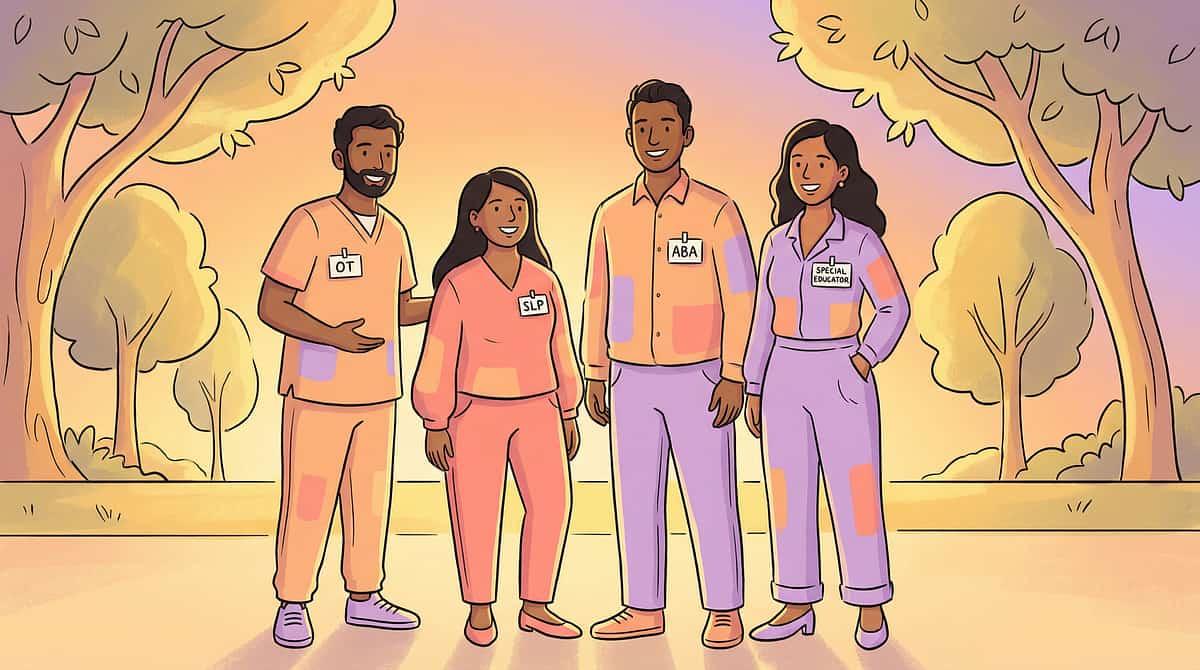
Five Disciplines. One Doorway. Your Home.
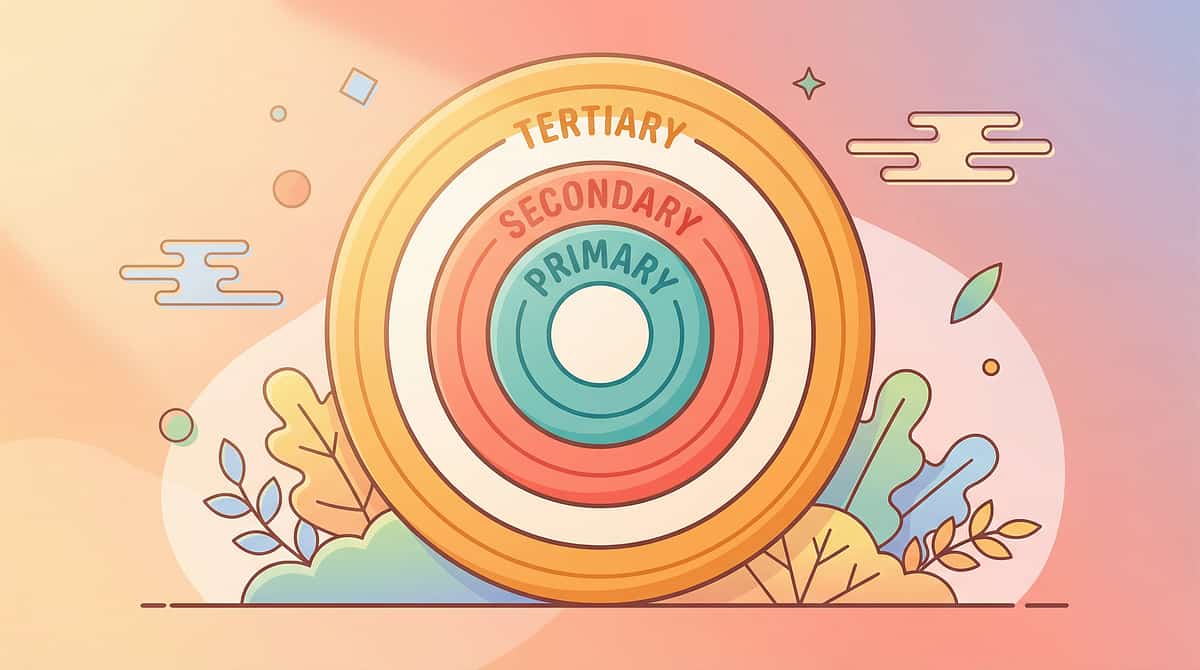
Speech-Language Pathologist (Primary)
Addresses pragmatic language deficits — what to say, when to say it, how to combine verbal and nonverbal elements. Designs social story content, video modeling sequences, and graduated practice hierarchies for greeting generalization.
Applied Behavior Analyst / BCBA
Targets greeting as a specific operant behavior. Applies discrete trial training, natural environment teaching, prompting hierarchies, and reinforcement schedules. Manages prompt fading toward independence.
Occupational Therapist
Addresses underlying sensory barriers to greeting: eye contact aversion, touch sensitivity, anxiety regulation. Ensures the child's sensory system is regulated enough to participate in greeting practice.
Special Educator
Embeds greeting skills into classroom routines — morning circle greetings, structured peer greeting practice, visual schedule integration. Coordinates with teachers for school generalization.
NeuroDevelopmental Pediatrician
Evaluates for underlying conditions (ASD, anxiety disorders, selective mutism, pragmatic language disorder) requiring specialized intervention. Provides diagnostic clarity and referral guidance.
"This technique crosses therapy boundaries because the brain doesn't organize by therapy type. Greeting requires language, behavior, sensory regulation, and executive function — simultaneously." — Pinnacle Blooms Consortium
FREE NATIONAL AUTISM HELPLINE:📞9100 181 181
CARD 08 — TARGETS
This Is a Precision Tool. Here's Exactly What It Targets.
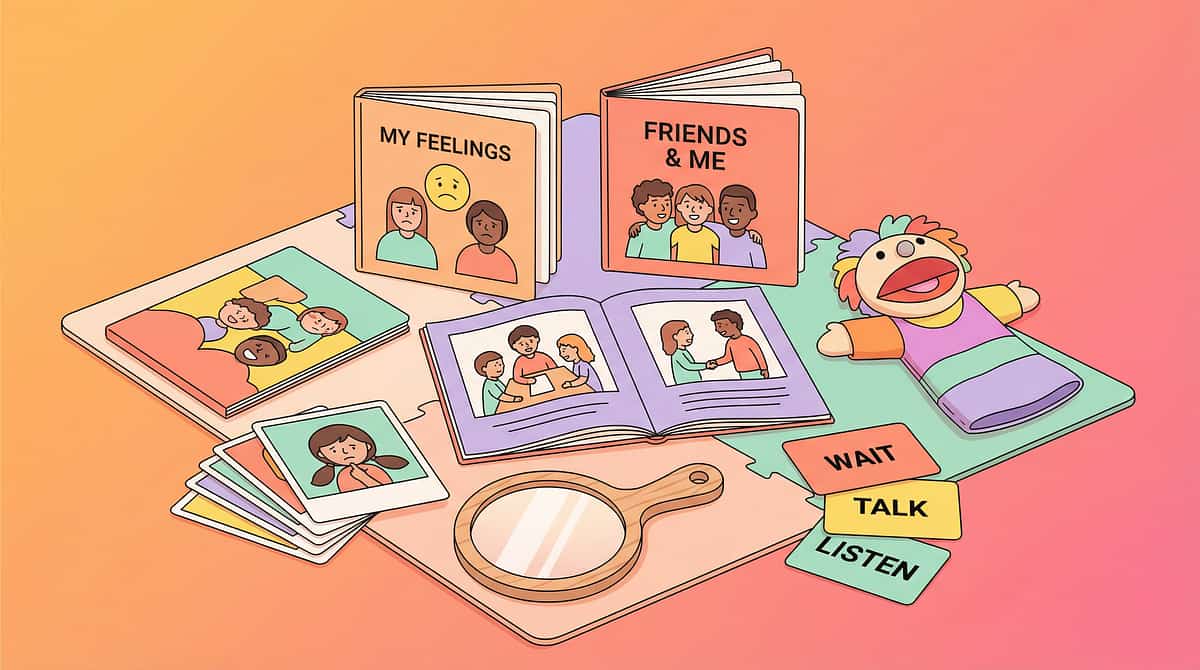
🎯 Primary Targets
- Greeting initiation: child spontaneously greets familiar people
- Greeting response: child responds to greetings from others
- Greeting recognition: child notices when a greeting moment is occurring
🎯 Secondary & Tertiary Targets
- Eye contact, verbal intelligibility, anxiety tolerance
- Generalization across people and settings
- Social initiation, peer relationships, community integration
- Pragmatic language across all social contexts
GPT-OS® Tracking: AbilityScore® measures progression on the Social Communication Readiness Index and Pragmatic Language Function Index — from "no greeting despite prompting" to "age-appropriate greeting initiation across contexts."
CARD 09 — THE 9 MATERIALS
9 Materials. One for Every Component of Greeting.
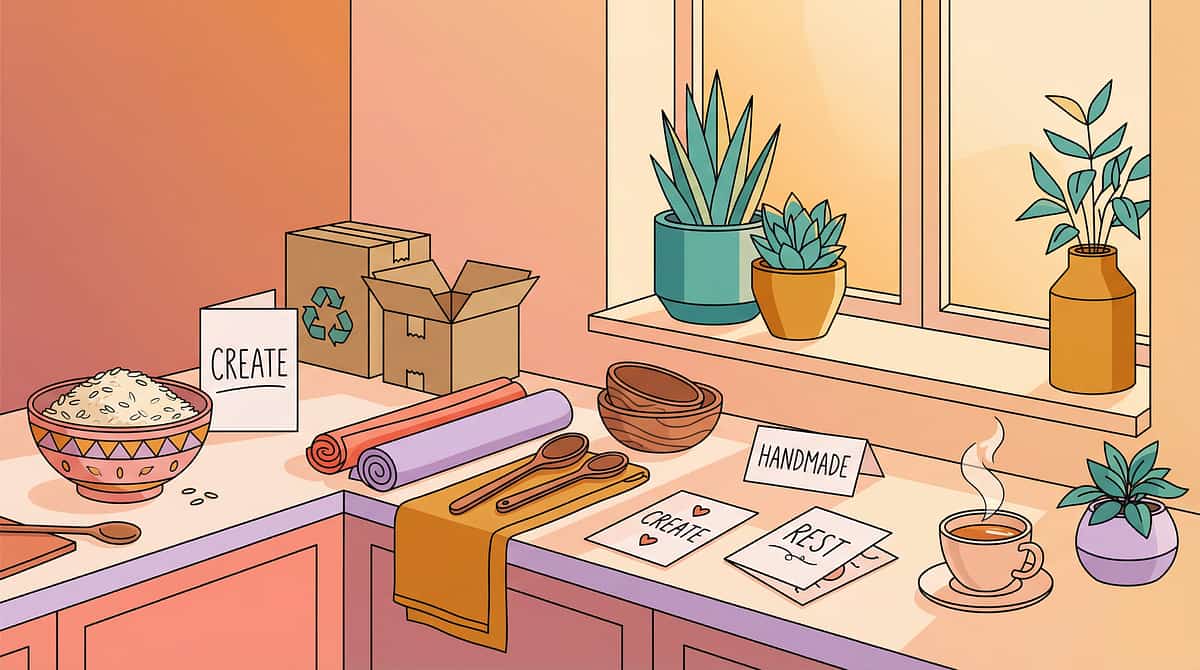
Each material targets a different pathway in the greeting skill chain. Together, they provide a complete, evidence-based toolkit for building the full greeting circuit — from understanding to execution to generalization.
# | Material | Purpose | Price Range | |
1 | Social Stories About Greetings | Understanding WHY | ₹200–1,000 | |
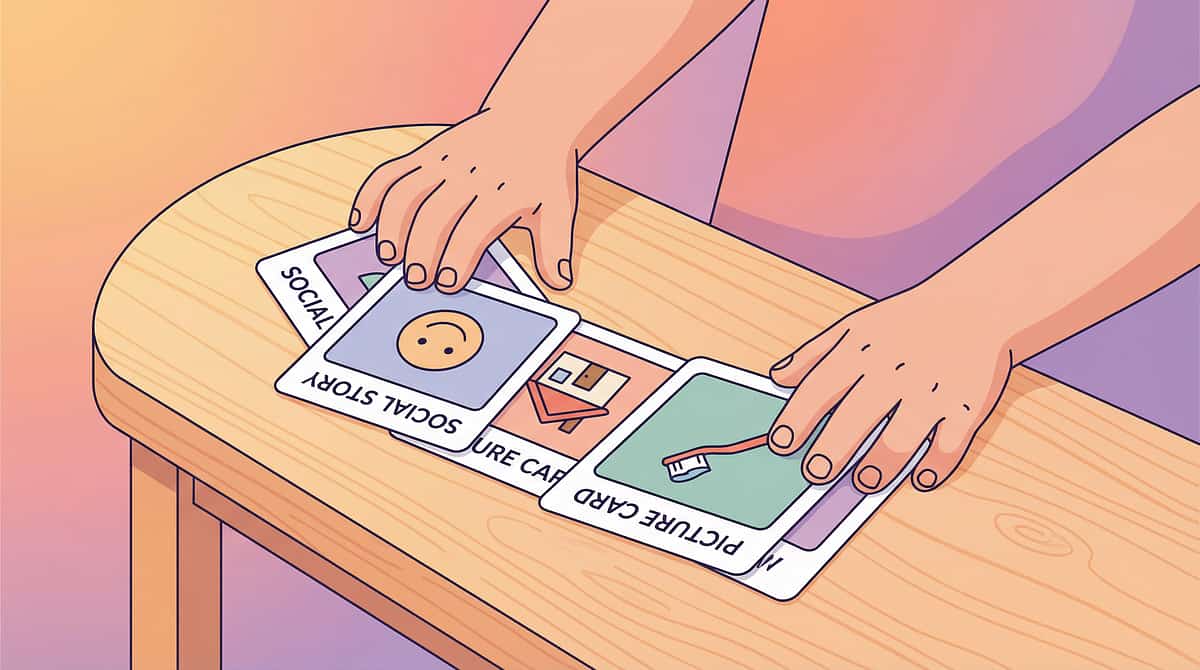
2 | Greeting Picture Cards & Visual Sequences | Teaching the STEPS | ₹150–600 | |
3 | Mirror Practice Materials | Seeing the SELF | ₹200–1,000 | |
4 | Puppets & Stuffed Animals | Safe PRACTICE Partners | ₹200–1,500 | |
5 | Video Modeling Resources | Watching GREETINGS in Action | ₹0–2,000 | |
6 | Visual Cue Cards | JUST-IN-TIME Reminders | ₹50–300 | |
7 | Greeting Games & Interactive Activities | Practice through PLAY | ₹300–1,500 | |
8 | Greeting Reward Charts & Visual Trackers | Celebrating PROGRESS | ₹50–400 | |
9 | Feeling Faces & Emotion Cards | Understanding IMPACT | ₹100–500 |
📦Pinnacle Recommends: The Rosette Imprint Reward Jar | ₹589 | amzn.in/d/02C5R9Jn — Total investment: ₹0 (all DIY) to ₹8,700 (all commercial). Most families need ₹500–1,500. Every material has a zero-cost DIY version. No family is excluded.
FREE NATIONAL AUTISM HELPLINE:📞9100 181 181
CARD 10 — DIY OPTIONS
Every Child Deserves This. Cost Is Not a Barrier.
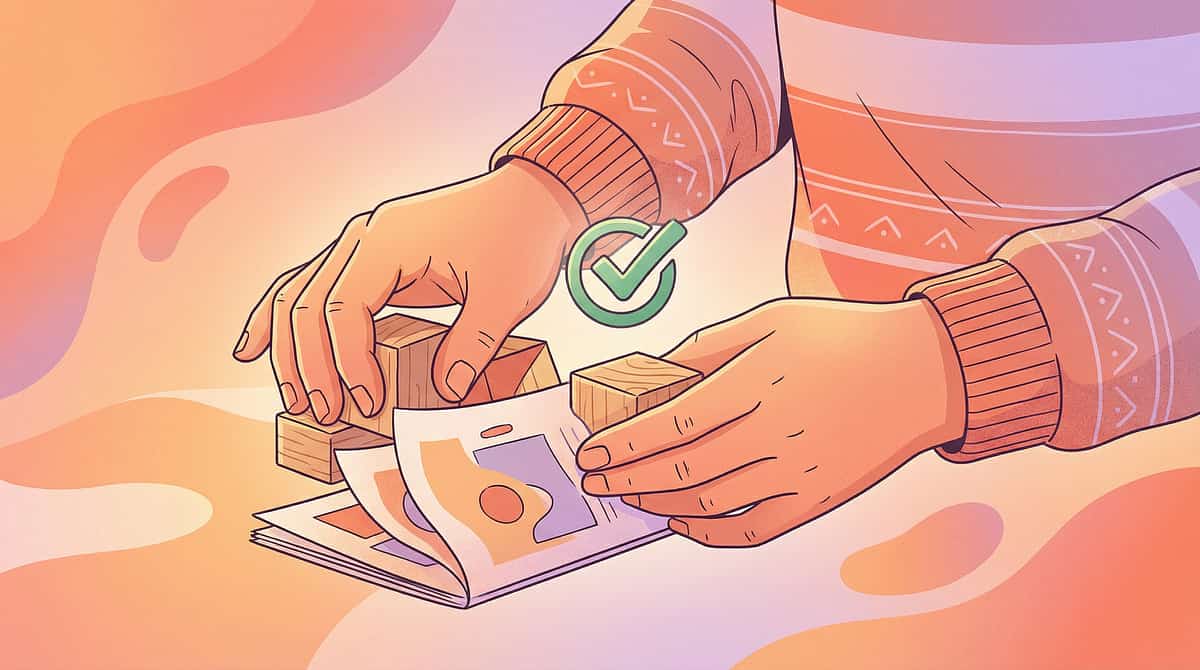
Every single commercial material on this list has a zero-cost homemade alternative that is just as therapeutically effective. The research supports this: the WHO Nurturing Care Framework (2018) explicitly validates household-material-based intervention across 54 low- and middle-income countries.
Commercial Option | DIY Alternative (₹0) | |
Social Stories books (₹200–1,000) | Write personalized stories using Carol Gray's framework with photos of your child and familiar people. Descriptive + perspective + directive sentences. | |
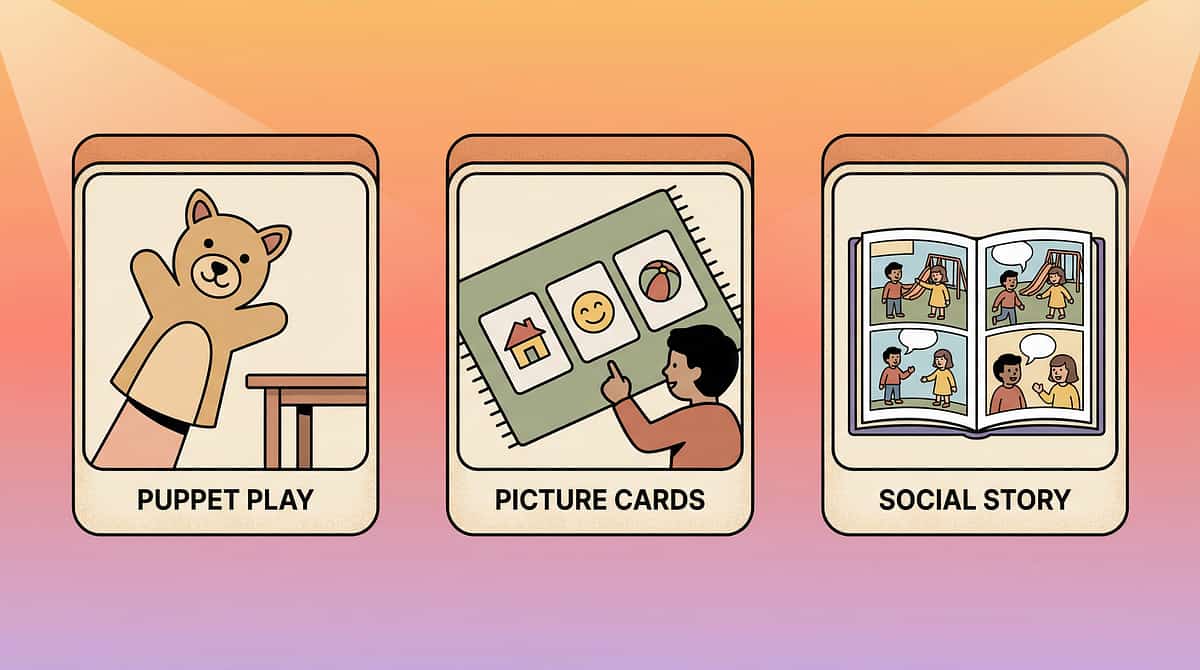
Greeting picture card sets (₹150–600) | Create cards with photos/drawings: 1) See person 2) Look at them 3) Wave or say hi 4) Listen for response. Laminate with contact paper. Put on a ring. | |
Child-height mirror (₹200–1,000) | Any household mirror works. Position child in front. Make practice playful: "Let's practice our hellos!" Record on phone for playback. | |
Professional puppets (₹200–1,500) | Any stuffed animals or household items work as greeting partners. A teddy bear can say hello. A sock becomes a puppet. | |
Video modeling programs (₹500–2,000) | Record family members demonstrating greetings on your phone. Record the child when they greet successfully. Play back. Free YouTube social skills videos also work. | |
Printed cue cards (₹50–300) | Draw small cards with a waving hand, eyes, or speech bubble with "hi." Laminate with tape. Keep in pocket for greeting moments. | |
Social skills games (₹300–1,500) | "Greeting Bingo" with greeting scenarios; "Hello Hunt" scavenger games; build greeting practice into games the child already loves. | |
Reward chart systems (₹50–400) | Draw a simple grid on paper. Stickers from any shop. Stamp with a thumbprint and marker. Track every greeting success. | |
Emotion card sets (₹100–500) | Draw or cut out happy and sad faces from magazines. Discuss: "How does Grandma feel when you say hi? How does she feel when you walk away?" |
CARD 11 — SAFETY FIRST
Read Before Your First Session. Non-Negotiable.
🔴 RED LIGHT — STOP
- Child is in acute distress, meltdown, or severe dysregulation
- Recent diagnosis not yet discussed with a therapist
- Greeting practice is being used as punishment
- Signs of severe anxiety disorder or selective mutism — requires specialist first
- Physical greetings are being forced — consent must never be violated
🟡 AMBER LIGHT — MODIFY
- Child is tired, hungry, or unwell — simplified version only
- Child had a recent difficult social experience — extra warmth first
- New person or setting involved — reduce expectations, increase support
- Child is showing discomfort — pause, regulate, restart gently
🟢 GREEN LIGHT — PROCEED
- Child is calm, regulated, fed, and rested
- Environment is quiet and low-distraction
- No greeting practice will be forced — child has agency
- Parent/caregiver is calm and patient
- Goals for today are modest and achievable
Non-Negotiable Rule: Never use social stories, cue cards, or reward charts to shame a child for not greeting. The goal is skill-building through safety — not compliance through pressure. If your child is uncomfortable with hugs or handshakes, do not require them. A wave and "hello" is a complete, socially successful greeting.
FREE NATIONAL AUTISM HELPLINE:📞9100 181 181 — If you're unsure whether your child needs professional evaluation before starting, call us.
CARD 12 — SETUP YOUR SPACE
Set the Stage Before the Session Begins.
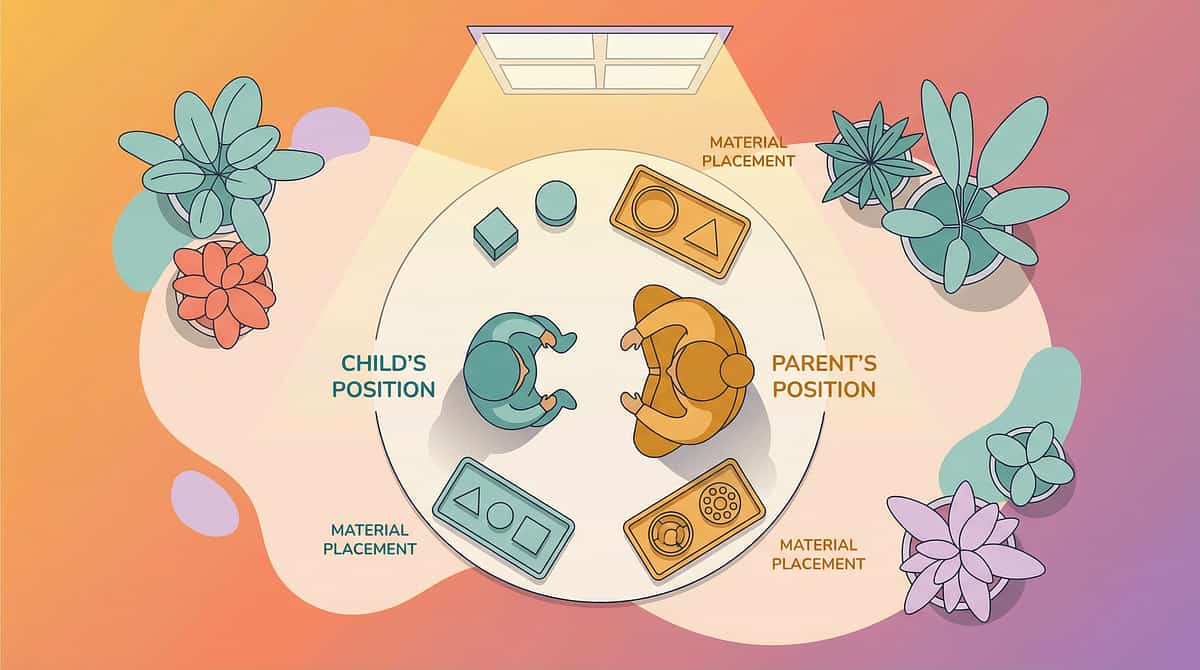
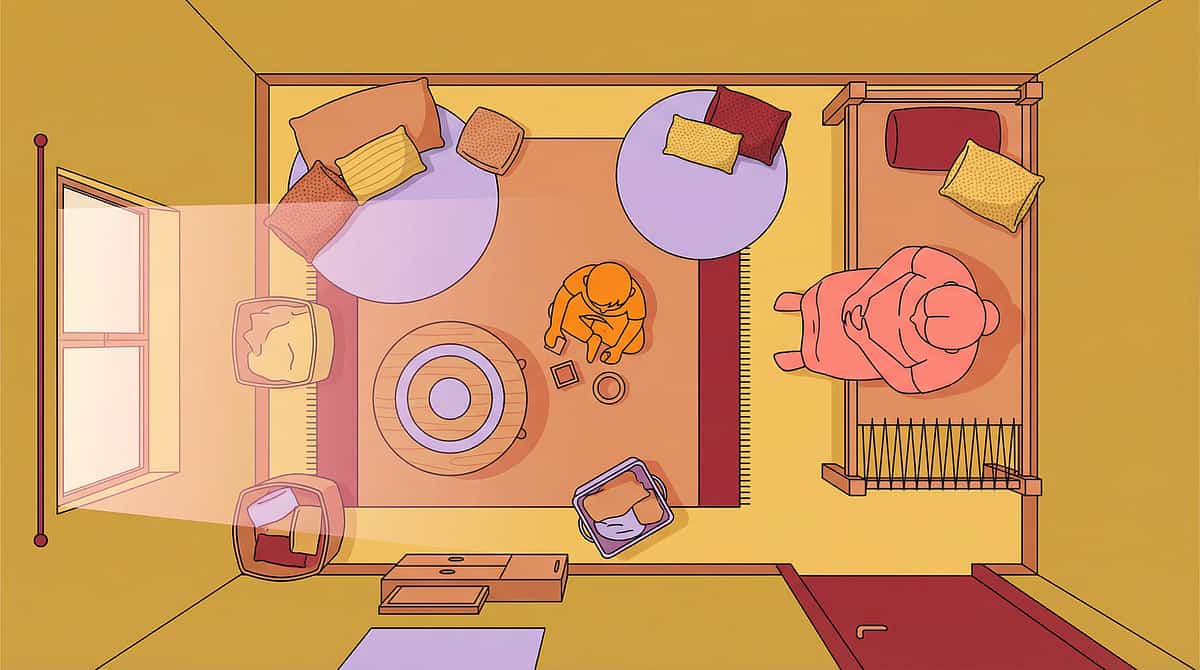
Room Arrangement
🪞 Mirror — child height, on wall
📦 Materials Station — within arm's reach of child
🧒 Child Position — chair or floor mat, facing mirror/materials
👨👩👧 Parent Position — beside child, NOT behind
🚪 Exit Clear — child can always move freely
📦 Materials Station — within arm's reach of child
🧒 Child Position — chair or floor mat, facing mirror/materials
👨👩👧 Parent Position — beside child, NOT behind
🚪 Exit Clear — child can always move freely
The arrangement above prevents 80% of session failures. Position yourself beside, never above or behind — which signals monitoring rather than support.
10-Point Setup Checklist
- Remove distractions — TV off, devices away
- Mirror positioned at child's eye level
- Materials within reach before session starts
- Reward chart visible during session
- Warm, non-harsh lighting (natural preferred)
- Quiet — no background music during practice
- Comfortable temperature — sensory comfort = regulatory capacity
- Time of day — mid-morning or early afternoon ideal
- Duration set — 10–15 minutes maximum
- Your internal state — Are you patient? If not, postpone.
ACT III — EXECUTION | STEP 0
Is Your Child Ready? The Readiness Gate.
60 seconds before you start. Non-negotiable. Antecedent conditions determine 70% of session outcomes. — BACB Clinical Practice Guidelines
1
Eaten in last 2 hours?
Hunger is the #1 session disruptor. Ensure the child has eaten a light meal or snack.
2
Slept adequately?
Fatigue significantly impairs social processing and executive function needed for greetings.
3
No recent meltdown?
No meltdown or significant distress in the last 2 hours.
4
Not fixated on another activity?
Child has transitioned away with a timer if needed.
5
No signs of illness?
No fever, stomach upset, or physical discomfort.
6
Sensory system regulated?
Not over-stimulated or under-stimulated.
7
Parent calm and available?
You have 15 undivided minutes. Children read parental anxiety directly.
✅ 7/7 → GO
Full session, standard protocol
⚡ 4–6 → MODIFY
5-minute mini-session, one material only, lower demand
⏸️ 1–3 → POSTPONE
"Let's do something cozy together today."
STEP 1 OF 6
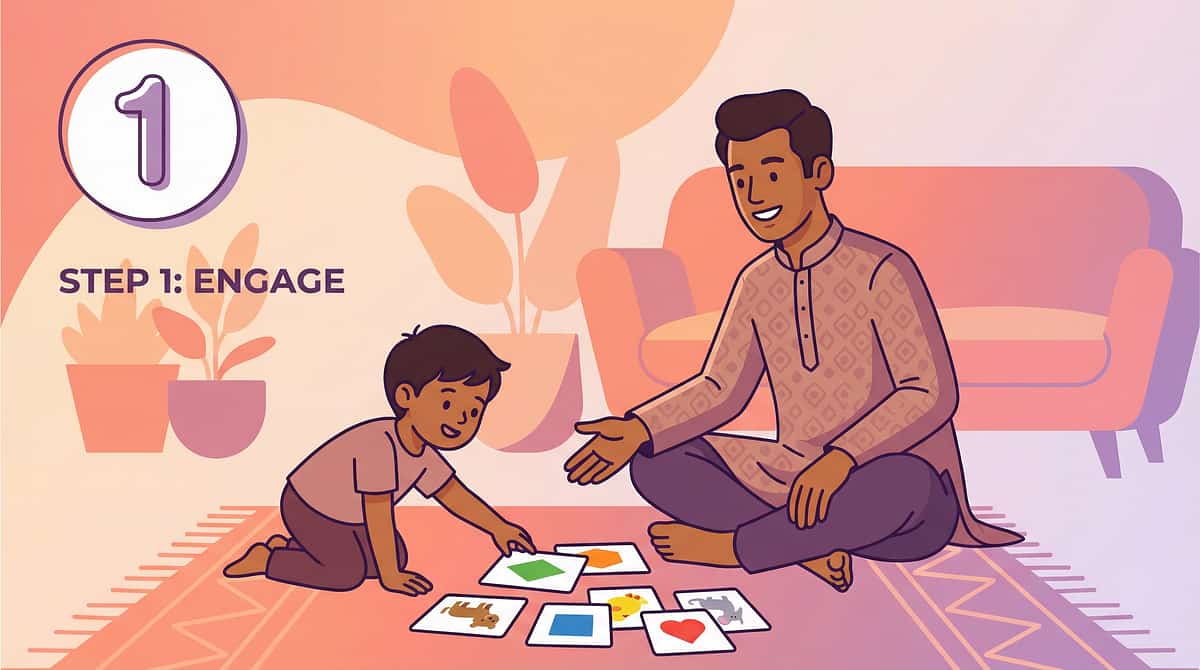
The Greeting Invitation
"Create a greeting moment worth responding to"
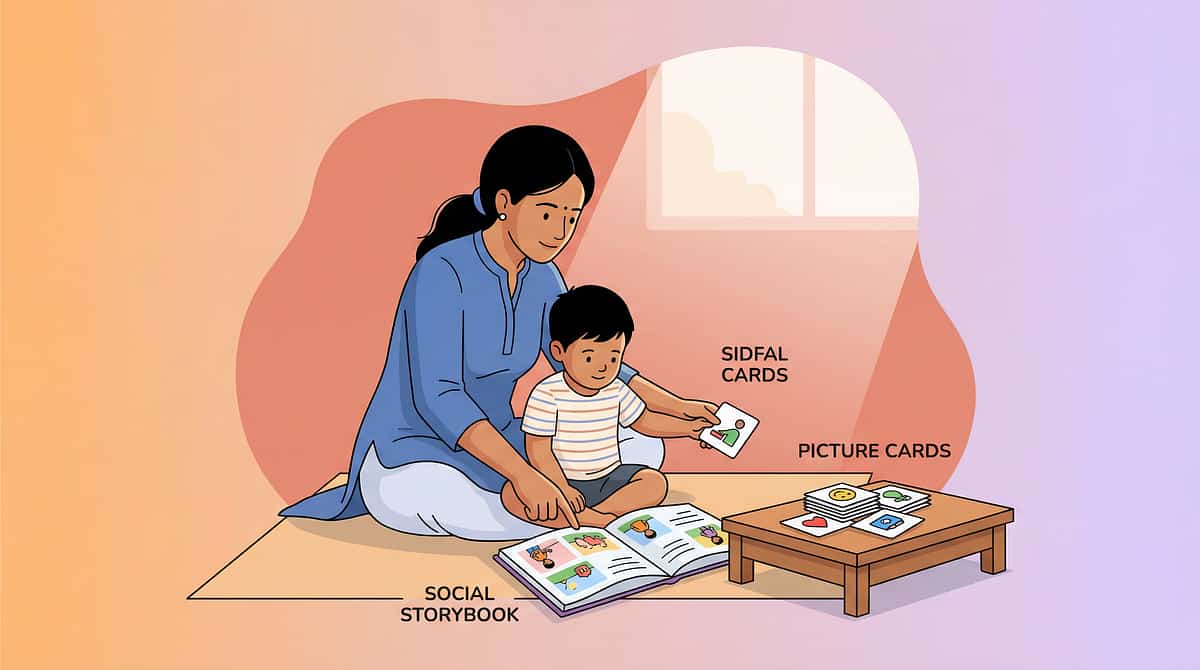
Begin with a social story (Material 1). Read it together when both you and the child are calm — not in a greeting moment, but in preparation. The story explains what greetings are, why people use them, and what the child can do (wave, say hi, smile — any of these counts).
"When someone says hello to you, it means they're happy to see you. You can say hi back — with a wave, a word, or even a smile. All of these count. Let's try."
CRITICAL: This is an INVITATION, not a demand. If the child declines, that's data. Note it and move to a lower-demand activity (puppet play or emotion cards). Never force the first step. SLP research consistently shows that greeting skills emerge faster in children who associate greeting practice with safety and positive emotion, not compliance pressure.
STEP 2 OF 6
Engagement Through Materials
"Choose your material, enter the practice"
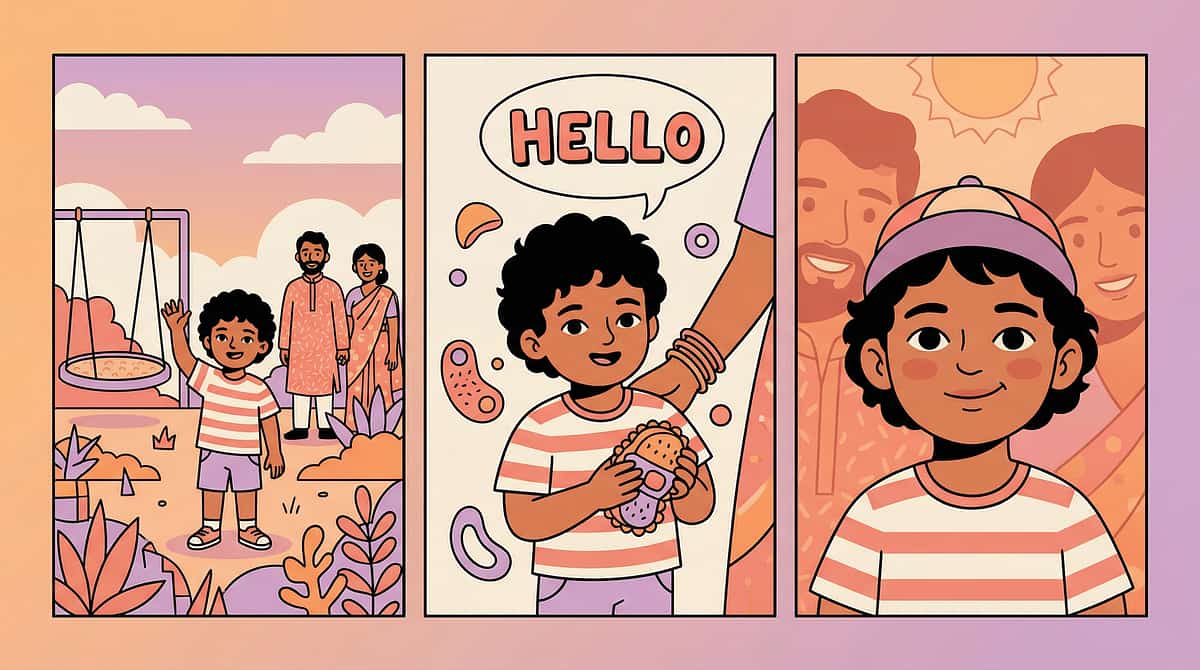
Not all children need to start with the same material. Choose based on where the breakdown is occurring in your child's greeting chain.
Doesn't know WHY greetings matter
→ Start with Material 1 (Social Stories) or Material 9 (Emotion Cards)
Knows WHY but not HOW
→ Start with Material 2 (Picture Cards) or Material 5 (Video Modeling)
Knows how but gets anxious
→ Start with Material 3 (Mirror) or Material 4 (Puppets) — lowest social pressure
Can practice but forgets in real moments
→ Start with Material 6 (Visual Cue Cards)
Needs repetition to build automaticity
→ Use Material 7 (Greeting Games)
Needs motivation to persist
→ Use Material 8 (Reward Charts)
Introduce one material per session (not all 9 at once). Let the child hold and explore the material for 30–60 seconds before beginning. Make the first interaction low-demand: "Let's just look at this together."
FREE NATIONAL AUTISM HELPLINE:📞9100 181 181 — Our SLPs can guide you on which material to start with for your child's specific profile.
STEP 3 OF 6
The Therapeutic Action
"The core therapeutic work — 6 components"
Component A — Recognition Practice (2 min)
Using picture cards or video modeling: practice identifying "Is this a greeting moment?" Show images or clips. Child points to "Yes, greeting moment" or "No, not a greeting moment." Builds the detection pathway.
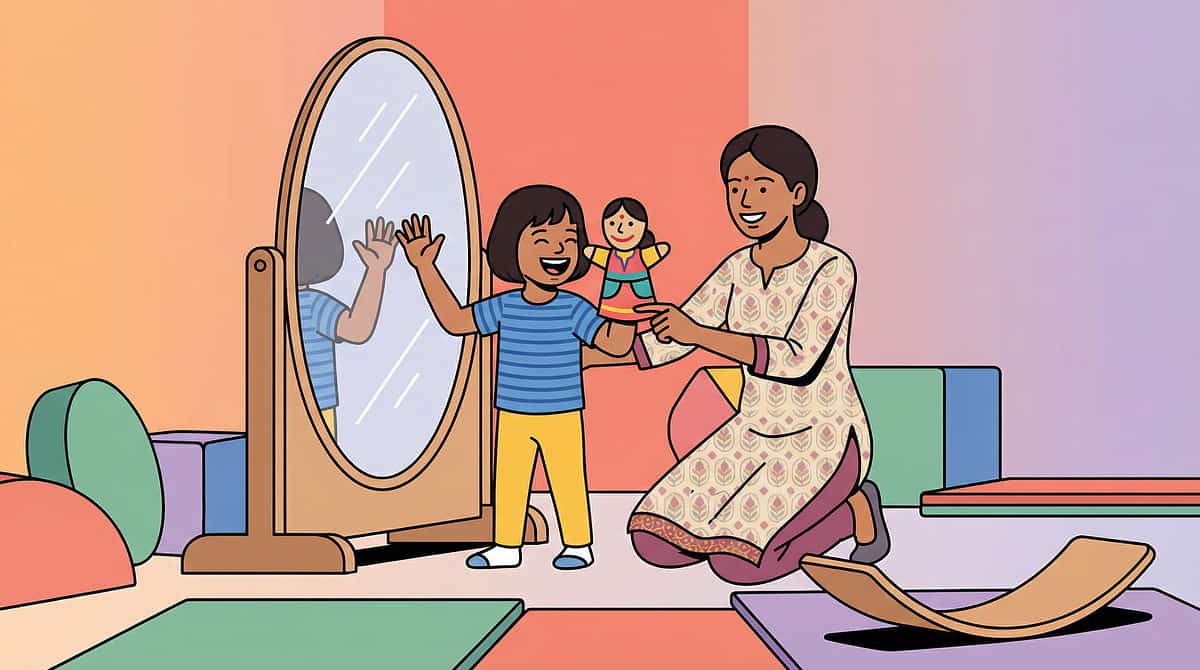
Component B — Mirror Rehearsal (2 min)
Child stands in front of mirror. Parent demonstrates: wave + "Hi!" + smile. Child copies. Parent names what they see: "Great wave! I can hear your hi! I can see your smile!"
Component C — Puppet Practice (2 min)
Puppet approaches child and says "Hello!" Child responds. Switch — child's puppet greets parent puppet. Builds response and initiation in zero-pressure context.
Component D — Cue Card Integration
Introduce the child's personal cue card: small card with a waving hand. Practice: parent shows card → child greets. This becomes the real-world prompt system.
Component E — Emotion Connection (1 min)
Show emotion cards: "How does Puppet feel when you say hi?" (Happy face.) "How does Puppet feel when you walk past?" (Sad face.) Builds motivation from understanding, not compliance.
Component F — Reward Capture (30 sec)
Immediately after any successful greeting element: sticker on chart, specific verbal praise ("You said hi AND waved — that's a complete greeting!"), celebration.
❌ Don't require eye contact as a prerequisite — it can be a separate target. ❌ Don't demand volume — a whispered "hi" is still a "hi." ❌ Don't practice in the stressful real moment — practice happens BEFORE. ❌ Don't correct greeting form before establishing the habit.

STEP 4 OF 6
Repeat & Vary
"Dosage — How much repetition, how much variation"
Target Repetitions Per Session
- Greeting Games: 5–10 greeting exchanges per play session
- Mirror Practice: 3–5 full greeting rehearsals
- Puppet Practice: 3–5 initiated + 3–5 responsive exchanges
- Video Modeling: 1–2 viewings, then 2–3 imitation attempts
- Social Story: 1 reading, rich discussion
The 3 > 10 Principle: "3 good, joyful, successful repetitions are worth more than 10 forced, compliance-based ones." Never push past the child's engagement threshold.
Variation Options
Vary | How | |
The greeter | Puppet, parent, sibling, stuffed animal, video character | |
The greeting type | Wave only → verbal → wave + verbal → + eye contact | |
The scenario | Morning, surprise encounter, school arrival, family visit | |
The volume | Whisper → quiet → audible → enthusiastic | |
The modality | Mirror → puppet → video → real person |
Stop when: child looks away, responses shorten, child appears bored/irritated, or time exceeds 15 minutes.
Dosage: 2–3 formal sessions/week + daily naturalistic opportunities during real greeting moments.
STEP 5 OF 6
Reinforce & Celebrate
"Celebrating the hello that happened"
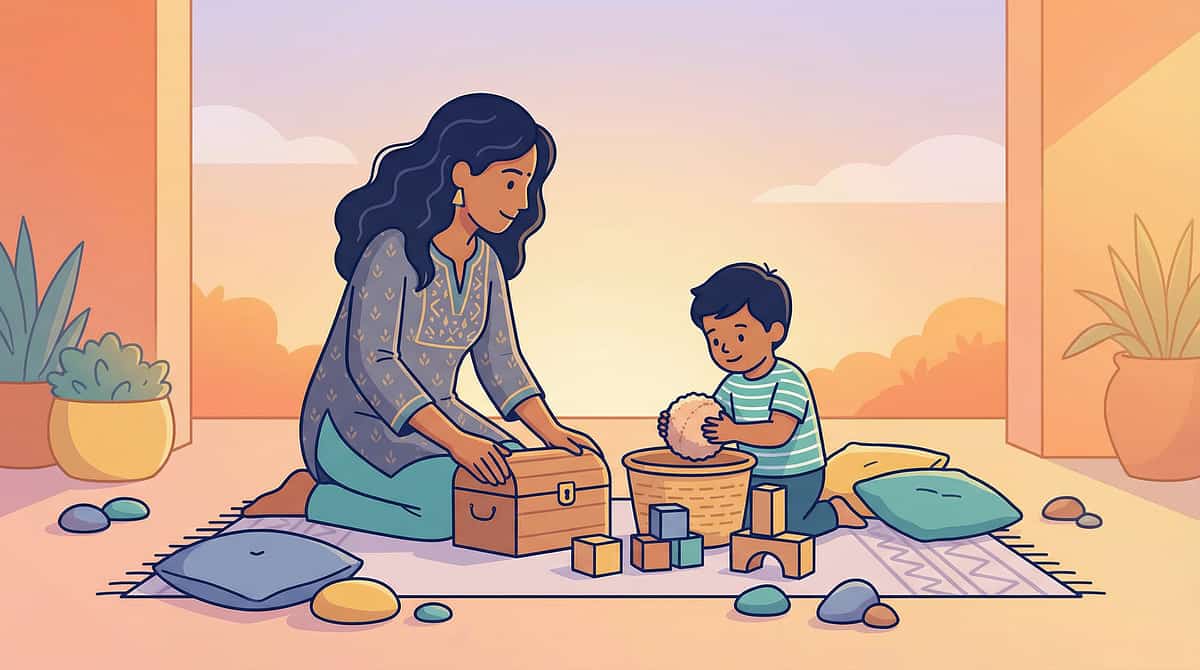
Timing is everything: Deliver reinforcement within 3 seconds of the desired greeting behavior. Delayed reinforcement teaches the wrong thing.
Natural Consequence
Point out what happened: "Did you notice how Grandma smiled when you said hello? That's what your hello does." Builds intrinsic motivation.
Sticker/Token on Chart
One sticker per successful greeting element. Chart fills up. When full → agreed-upon reward (extra story time, favourite snack, special activity). Rosette Reward Jar (₹589): amzn.in/d/02C5R9Jn
Social Acknowledgment
The greeted person responds warmly, smiles, engages. Make sure practice partners are briefed to respond enthusiastically — this is the most natural reinforcement.
Specific Verbal Praise (Always)
NOT: "Good job!" | YES: "You said 'hi' AND you waved — that's a complete greeting! [Name] could see AND hear you!"
Celebrate the attempt, not just the success. If the child waved but didn't speak — celebrate the wave. If the child looked up but didn't wave — celebrate the eye contact. Every component mastered is a real achievement.
FREE NATIONAL AUTISM HELPLINE:📞9100 181 181
STEP 6 OF 6
The Cool-Down
"No session ends abruptly"
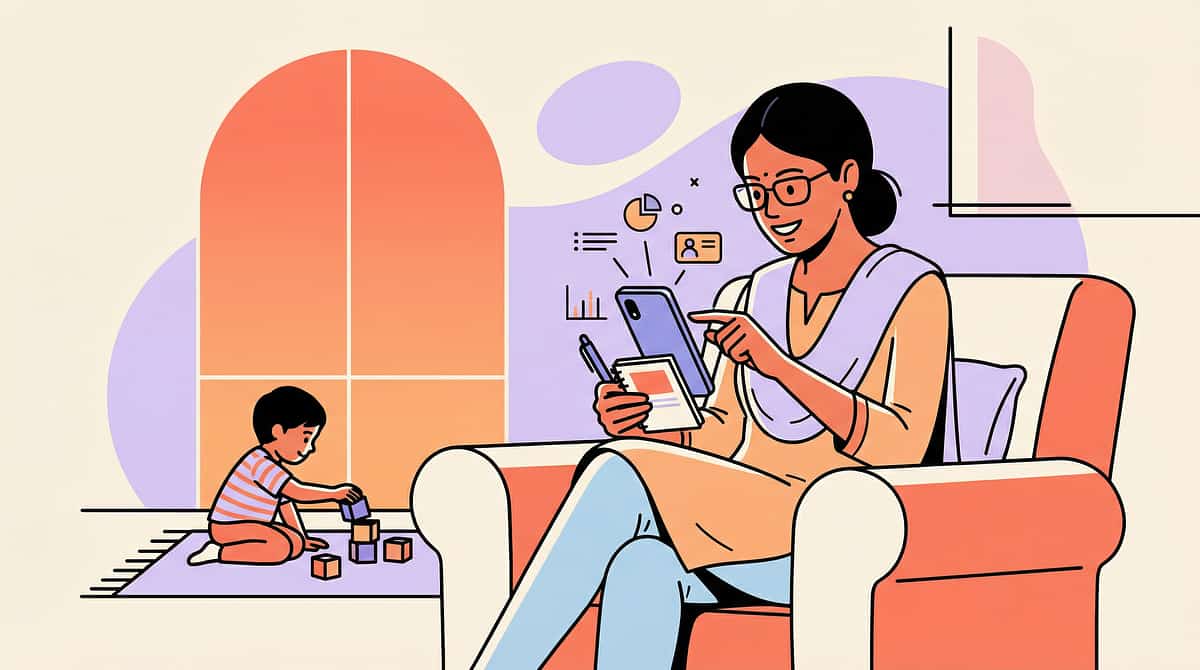
The last experience of any session shapes whether the child is willing to return. Never end a session on a demand, correction, or failure.
Session close script: "You practiced saying hello today. That's really hard work. I'm proud of you."
If child resists ending (often a sign practice felt safe and positive — a good sign!): "I know you want to keep going. We'll do more tomorrow. Let's choose one thing to look forward to next time."
Sensory Cool-Down Options
- 5 minutes of heavy work (carrying books, pushing a weighted cart)
- Proprioceptive input (wall push-ups, sofa cushion squeeze)
- Quiet sensory activity (playdough, kinetic sand)
- Deep pressure (weighted blanket, bear hug if wanted)
Visual Timer Support
Visual timer and transition support are classified as evidence-based practices for autism (NCAEP 2020). Count down "3, 2, 1 — all done!" and allow the child to place one item away as a ritual of closure and ownership.
CARD 20 — DATA CAPTURE
60 Seconds of Data. Weeks of Clarity.
Within 60 seconds of session end, record these 3 data points. Consistent data collection transforms your daily observations into a progress trajectory — and tells you exactly when to adapt or seek professional support.
Data Point 1 — Greeting Response Rate
How many times did a greeting moment occur today? How many times did the child respond (even partially)?
_____ / _____ = _____%
_____ / _____ = _____%
Data Point 2 — Initiative Instances
Did the child initiate any greeting without prompting today?
☐ Yes (how many: ___) ☐ No
☐ Yes (how many: ___) ☐ No
Data Point 3 — Quality Rating (1–5)
1 = No response | 2 = Partial response | 3 = Full prompted response | 4 = Full unprompted with familiar person | 5 = Initiated independently, appropriate to context
Progress Pattern: If Quality Rating doesn't improve by Week 3, adapt the material or contact our helpline. Track at: pinnacleblooms.org/gpt-os/tracker
FREE NATIONAL AUTISM HELPLINE:📞9100 181 181 — "What does my child's data mean?" Our team analyzes it.
CARD 21 — TROUBLESHOOTING
Session Abandonment Is Not Failure. It Is Data.
Child refused to engage with any material
Why: Antecedent conditions not right (tired, anxious, wrong time of day). Fix: No practice today. Use connection-only activity. Review readiness checklist before next session. Try a different material tomorrow.
Child engaged but won't do real greeting
Why: Skill is emerging in practice context but not yet generalized to real people. Fix: This is NORMAL. Maintain practice and increase naturalistic opportunities with highly familiar people. Use cue card for real moments.
Child greets at home but not at school
Why: Generalization across settings is a separate skill. Fix: Share this page with the teacher. Request school implement morning greeting routine with cue card support. Contact helpline for school consultation.
Child greets with prompting but never spontaneously
Why: Prompt dependency — child has learned "I only greet when reminded." Fix: Introduce a 5-second delay before prompting. Reinforce spontaneous greetings more powerfully. Begin fading cue card.
Child's greetings are whispered and minimal
Why: Anxiety or low confidence — the greeting is emerging but not yet comfortable. Fix: Celebrate the whisper loudly. Shape volume through mirror practice specifically. Never demand volume in real moments.
Child becomes distressed during practice
Why: Practice is triggering anxiety beyond the child's current window of tolerance. Fix: Stop immediately. Move to lowest-demand material. Consult SLP or behavioral therapist if consistent. Call 9100 181 181.
Parent is losing patience/consistency
Why: This is exhausting work. Parents are human. Fix: Call 9100 181 181. Connect with our parent community. Consistent 5-minute daily practice beats inconsistent 30-minute sessions.
FREE NATIONAL AUTISM HELPLINE:📞9100 181 181

CARD 22 — ADAPT & PERSONALIZE
No Two Children Are Identical. Adapt Accordingly.
1
← EASIER
Puppets only, no real people required. Accept any signal: glance, smile, hand movement. Social story reading only. Video watching only. One material, 5 minutes maximum.
2
◉ STANDARD
Mirror practice + puppet practice + cue card in real moments. Target: prompted full greeting (wave + audible "hi") with 2–3 familiar people. 10–15 min session, 3–5 reps per material.
3
→ HARDER
Greetings with less familiar people. Greeting in novel settings. Initiating without cue card. Adding components (eye contact + wave + "Hi, how are you?"). Greeting multiple people in sequence.
Social Anxiety Profile
Maximum safety, minimum pressure. All practice in puppet/mirror context until child requests real-person practice.
Sensory Sensitivity Profile
Eye contact is NOT required. Wave + audible word is a complete greeting. Substitute high-five for handshake/hug.
Lower Verbal Profile
Gesture-only greetings are valid. Wave, nod, thumbs-up — all count. Work with SLP on AAC-supported greeting if needed.
High Motivation Profile
Move quickly to naturalistic practice. Use greeting games in community settings. Peer practice with consent.
ACT IV — THE PROGRESS ARC
Week 1–2: Calibration. Not Transformation.
✅ What You May See
- Child tolerates a social story without resistance
- Child engages with puppet greeting for 2–3 minutes
- Child demonstrates greeting in mirror with parent present
- Child shows awareness of cue card when shown
- One unprompted wave, or prompted whispered "hi" without hiding
❌ What You Will Not See Yet
- Spontaneous greeting of strangers or new people
- Full eye contact during greetings
- Consistent greeting across all people and settings
- Greetings without any prompting or support
If your child tolerates the material for 3 minutes longer than last week — that is real progress. Week 1–2 is the hardest week. The brain is reorganizing below the surface. Trust the process.
WEEK 3–4 — CONSOLIDATION
Week 3–4: The Neural Pathway Is Forming.
████████░░░░░░░░ 40% — Consolidation Phase
Child anticipates practice positively
"Can we do the puppet greeting?" is a sign the practice feels safe and enjoyable.
Response quality improves
Louder, more visible, less prompted greetings — the neural circuit is strengthening.
Child recognizes greeting moments in real life
Looks up when someone says hello — the detection pathway is working.
Cue card prompt is working
Child greets when shown the card with less verbal reminder needed.
First spontaneous greeting attempts
One or two unprompted greetings with very familiar people (parent returning home, beloved family member).
What this means neurologically: Synaptic pathways for greeting recognition and response are strengthening through repeated structured input. The child's brain is literally building the greeting circuit. When cue card works consistently across 3 days → try one day without it. When child greets in practice → introduce first real-person practice with a highly familiar, warm, patient person.
FREE NATIONAL AUTISM HELPLINE:📞9100 181 181
WEEK 5–8 — MASTERY
Week 5–8: Greeting Is Becoming Automatic.
████████████░░░░ 75% — Mastery Approach
✅ Familiar greetings without prompting
Child greets most familiar people — parents, siblings, grandparents — without prompting or cue card.
✅ Audible, multi-component greeting
Greeting is audible and includes at least one nonverbal component (wave or eye contact).
✅ School staff greetings emerging
Child responding to familiar school staff with minimal or no cue card support.
✅ Reduced anxiety
Anxiety during greeting moments is visibly reduced. Child can describe greeting: "I say hi when I see someone I know."
The Generalization Window: Week 5–8 is when you introduce practice with slightly less familiar people, reduce cue card use, and practice in new settings. Fading Schedule: Week 5: Cue card every opportunity → Week 6: 50% → Week 7: Available but not always shown → Week 8: Available if needed.
CARD 26 — MILESTONES
Every Hello Deserves to Be Celebrated.
⭐ First Star
Child tolerated greeting practice without distress
⭐⭐ Second Star
Child demonstrated full greeting in mirror practice
⭐⭐⭐ Third Star
Child used cue card to greet a familiar person
⭐⭐⭐⭐ Fourth Star
First unprompted greeting with a familiar person
⭐⭐⭐⭐⭐ Fifth Star
Consistent greeting of familiar people without prompting
When your child says hello to someone without being prompted — even once — the recognition pathway, language pathway, motor initiation pathway, AND anxiety management pathway are all firing simultaneously. Celebrate it exactly as big as it deserves.
89%
Improved Social Communication Readiness Index
76%
Achieved 3+ of 5 Star Milestones
61%
Independent Greeting Within 8 Weeks
FREE NATIONAL AUTISM HELPLINE:📞9100 181 181 — Share your child's milestone with our clinical team.
CARD 27 — RED FLAGS
These Signs Mean It's Time for Professional Evaluation.
🚩 No progress after 8+ weeks
If you've used 3+ materials for 8 weeks with no measurable change, the underlying barrier requires professional assessment (anxiety disorder, severe ASD profile, selective mutism).
🚩 Severe distress during any greeting attempt
If greeting moments cause meltdowns, self-injury, severe withdrawal, or days of emotional dysregulation — this is beyond typical shyness and requires professional support.
🚩 Regression — skills previously present are disappearing
Regression is always a medical/developmental flag requiring evaluation. Do not attribute to "a phase."
🚩 Selective mutism pattern
Can speak at home but truly cannot in other settings. Selective mutism is a specific anxiety disorder requiring specialized intervention beyond social stories and puppet practice.
🚩 Part of a broader social communication pattern
If child also struggles with eye contact, conversation, peer interaction, imaginative play, and social understanding — comprehensive autism evaluation is recommended.
🚩 Parent experiencing significant burnout
You matter. Parent mental health is a red flag that requires attention. Our helpline supports parents too.
FREE NATIONAL AUTISM HELPLINE:📞9100 181 181 | Call or WhatsApp | 16+ languages | 24×7 | No cost
For AbilityScore® assessment: pinnacleblooms.org/find-center
For AbilityScore® assessment: pinnacleblooms.org/find-center
CARD 28 — PATHWAY MAP
Greeting Is the Doorway. Here's What It Opens.
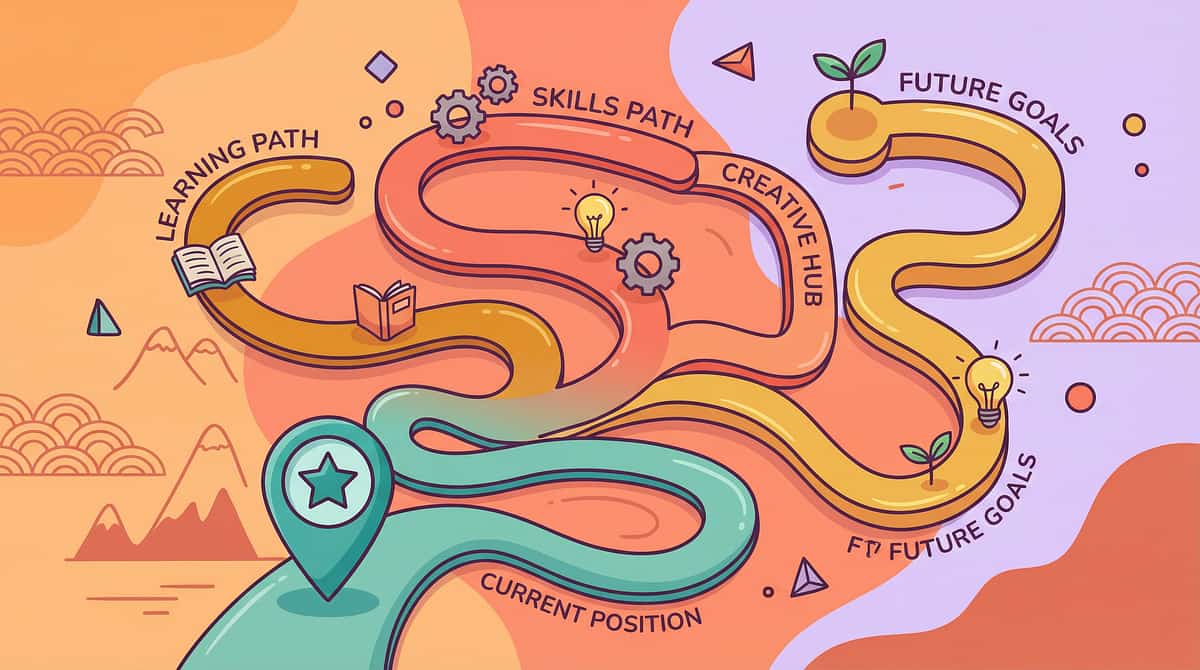
Greeting skills feed directly into: peer interaction → friendship formation → community participation → social confidence → life readiness. The child who learns to say hello gains access to their entire social world.
Before B-211
- ← B-209: Trouble Listening to Others
- ← B-210: Interrupting Constantly
After B-211
- → B-212: Eye Contact Challenges
- → B-213: Starting Conversations
- → B-214: Making Friends
- → B-220: Social Anxiety in Children
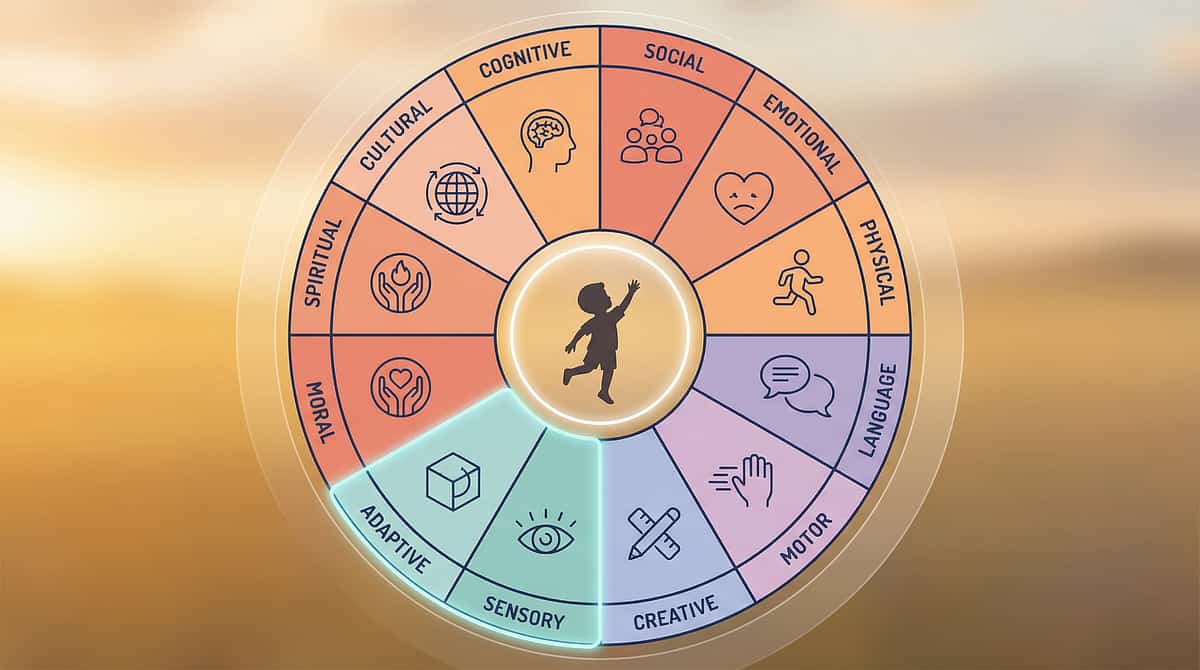
CARD 29 — RELATED TECHNIQUES
Greeting Skills Are Part of a Larger Social Communication Journey.
The 9 materials from B-211 overlap directly with multiple adjacent techniques — meaning you already own materials for these next steps.
Technique | Code | Difficulty | Materials You Already Have | |
Eye Contact Building | B-212 | Core | Mirror (from B-211) ✓ | |
Starting Conversations | B-213 | Advanced | Picture Cards (from B-211) ✓ | |
Taking Turns in Conversation | B-215 | Core | Games (from B-211) ✓ | |
Listening Skills | B-209 | Intro | Puppets (from B-211) ✓ | |
Making Friends | B-214 | Advanced | Social Stories (from B-211) ✓ | |
Social Anxiety in Children | B-220 | Intro | Emotion Cards (from B-211) ✓ |
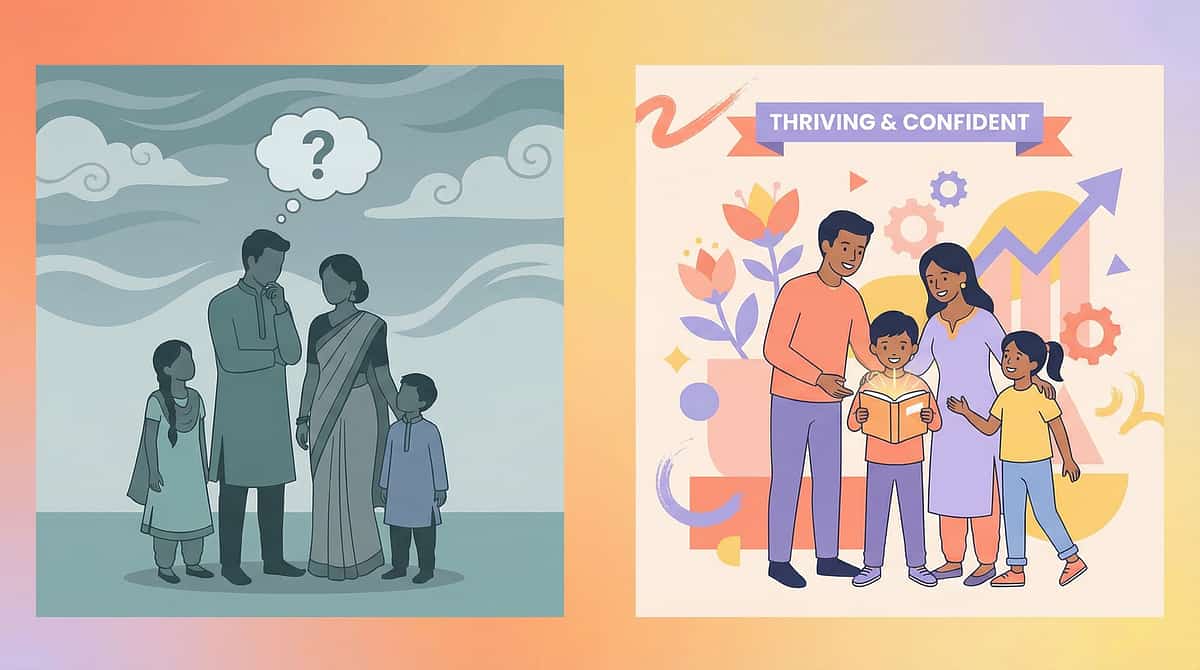
CARD 30 — FULL DEVELOPMENTAL MAP
Greeting Is One Piece of a Larger Plan.
Greeting challenges rarely exist in isolation. They often co-occur with eye contact challenges (Domain B, B-212), sensory sensitivities (Domain A), emotional regulation affecting greeting performance (Domain C), and anxiety impacting social participation (Domain C/D).
GPT-OS® evaluates all 12 domains simultaneously through AbilityScore® — creating a complete developmental profile, not isolated skill targets. → pinnacleblooms.org/gpt-os/profile
FREE NATIONAL AUTISM HELPLINE:📞9100 181 181
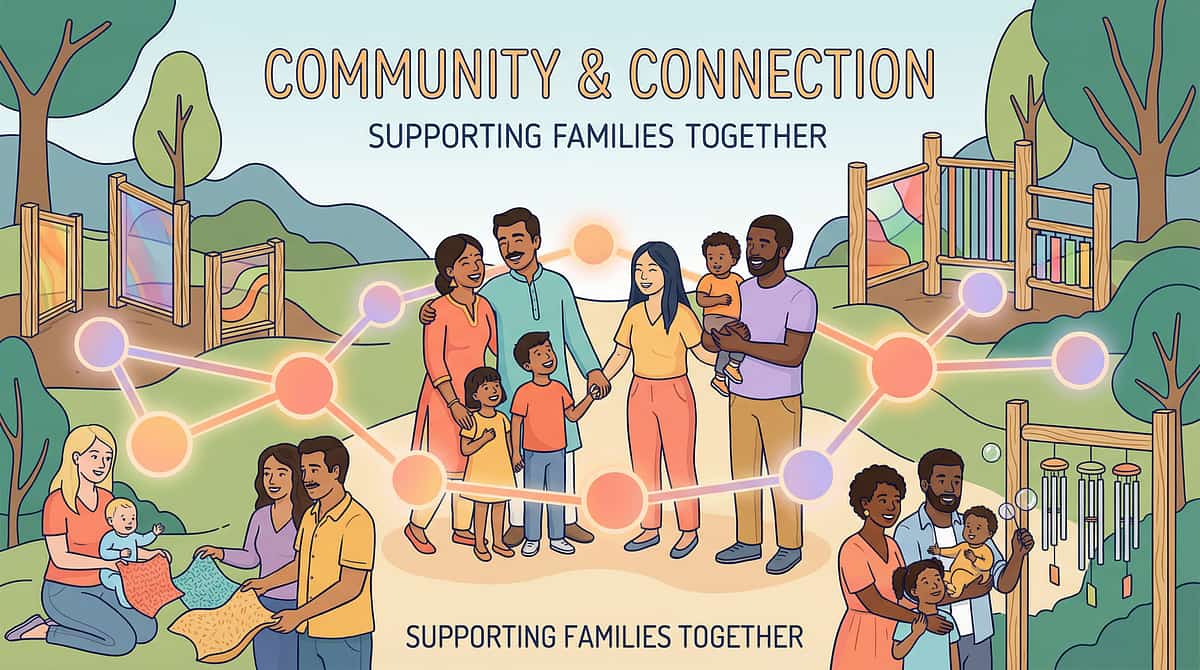
ACT V — COMMUNITY & ECOSYSTEM
They Started Where You Are. Here's Where They Are Now.
Family Story 1 — Hyderabad
Challenge: "Our son, age 7, would walk past his teacher every morning for two full years. Not a word, not a wave."
Intervention: Social stories read nightly, mirror practice every morning, cue card in his pocket.
Outcome at 8 weeks: "The cue card started working in Week 3. By Week 6, he said 'Good morning' to his teacher — unprompted — and she actually cried. We cried in the car." — Parent, Pinnacle Center Hyderabad
Intervention: Social stories read nightly, mirror practice every morning, cue card in his pocket.
Outcome at 8 weeks: "The cue card started working in Week 3. By Week 6, he said 'Good morning' to his teacher — unprompted — and she actually cried. We cried in the car." — Parent, Pinnacle Center Hyderabad
Family Story 2 — Pinnacle Network
Challenge: "My daughter (age 5) hid behind me every time anyone visited. My mother thought she didn't love her."
Intervention: Puppet practice with grandmother's voice recorded, emotion cards, gradual exposure over 6 weeks.
Outcome: "She waved at my mother through the window first. Then from the door. Then she walked up and said 'Hi Nani.' My mother sat down on the floor and held her for five minutes. That moment was everything." — Parent, Pinnacle Network
Intervention: Puppet practice with grandmother's voice recorded, emotion cards, gradual exposure over 6 weeks.
Outcome: "She waved at my mother through the window first. Then from the door. Then she walked up and said 'Hi Nani.' My mother sat down on the floor and held her for five minutes. That moment was everything." — Parent, Pinnacle Network
"What both families discovered is that their children were not refusing to greet — they were unable to execute a skill they'd never been taught explicitly. Within 6–8 weeks of materials-based instruction, the neurological pathway reorganized. The greeting appeared. Not as compliance. As connection." — Senior SLP, Pinnacle Blooms Network®
"That first unprompted hello opened everything."
FREE NATIONAL AUTISM HELPLINE:📞9100 181 181
CARD 32 — COMMUNITY
You Are Not Navigating This Alone.
Greeting Skills Parent WhatsApp Group
Parents actively working on greeting skills — sharing wins, troubleshooting, celebrating every whispered "hi." → pinnacleblooms.org/community/greeting-skills
Online Forum: Social Communication Challenges
Moderated by Pinnacle SLPs. Real parent questions. Real clinical answers. → pinnacleblooms.org/forums/social-communication
Local Pinnacle Parent Meetups
At any of our 70+ centers — monthly parent circles where families share experiences. → pinnacleblooms.org/find-center
Peer Mentoring: Connect with an Experienced Parent
Speak with a parent who has already guided their child through greeting skill development — real experience, real empathy. → pinnacleblooms.org/peer-mentor
"Your experience helps others. When your child says hello for the first time unprompted, share that story. It becomes the evidence that helps another parent persist through week 3."
FREE NATIONAL AUTISM HELPLINE:📞9100 181 181 | 16+ languages
CARD 33 — PROFESSIONAL SUPPORT
When Home Practice Needs Professional Amplification.
📍 70+ Pinnacle centers across India — find your nearest center with SLPs, ABA therapists, and social communication specialists. → pinnacleblooms.org/find-center
🎯 AbilityScore® Assessment
Formal baseline measure of your child's social communication profile across all 12 domains before starting intervention. Understand where your child is starting from.
🗣️ SLP Evaluation
If greeting challenges are part of broader pragmatic language or social communication differences requiring comprehensive assessment by a speech-language pathologist.
🧩 ABA Therapy Consultation
Structured behavioral intervention plan with formal data collection, prompt fading protocol, and BCBA oversight — when home-based practice needs a formal structure.
👶 NeuroDevelopmental Evaluation
If you're concerned about autism, social anxiety disorder, selective mutism, or other underlying conditions requiring diagnostic clarity before intervention.
📱 EverydayTherapyProgramme™
Personalized daily home practice plan developed by our multidisciplinary team and delivered via GPT-OS®. No center required.
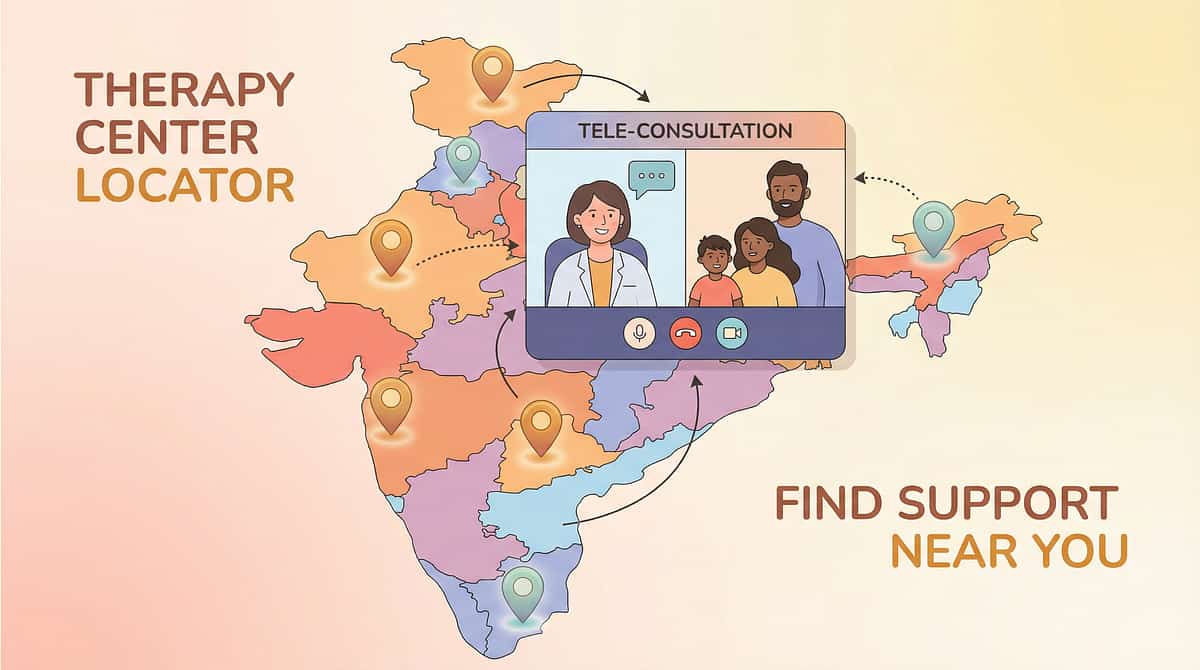
💻 Teleconsultation Available
No center near you? Our SLPs offer video consultation for families anywhere in India and internationally. → pinnacleblooms.org/teleconsult
FREE NATIONAL AUTISM HELPLINE:📞9100 181 181 — Call before you book. Our team will guide you to the right service.
CARD 34 — RESEARCH LIBRARY
The Science Behind These 9 Materials.
PRISMA Systematic Review (2024)
PMC11506176 | 16 studies (2013–2023) | Confirms social communication intervention as evidence-based practice for ASD. Greeting skills identified as a primary target domain.
Meta-Analysis (2024)
PMC10955541 | World J Clin Cases | Social skills intervention demonstrates significant improvement in social initiation, peer interaction, and communication readiness across 24 studies.
Home-Based Intervention RCT — India (2019)
DOI: 10.1007/s12098-018-2747-4 | Padmanabha et al. | Indian J Pediatrics | Parent-administered social communication intervention demonstrates significant outcomes in Indian pediatric populations.
NCAEP Evidence-Based Practices Report (2020)
National Clearinghouse on Autism Evidence and Practice — Video Modeling, Social Stories, and Visual Supports are all classified as evidence-based practices for autism.
Social Stories™ Methodology
Carol Gray, 1991–present | carolgraysocialstories.com | Validated across 30+ years of clinical application in autism and social communication intervention worldwide.
WHO Nurturing Care Framework (2018)
nurturing-care.org | Five components of nurturing care including responsive caregiving and early learning support social communication development across 54+ countries.
Pragmatic Language & WHO CCD Package
PMC9978394 | WHO/UNICEF Care for Child Development | Cross-cultural evidence for social communication development across 54 countries. Household-material intervention validated.
ASHA Clinical Practice Guidelines
American Speech-Language-Hearing Association | asha.org | Evidence-based practice guidelines for pragmatic language and social communication intervention with children.
CARD 35 — GPT-OS® SYSTEM
This Is Not Software. This Is Therapeutic Infrastructure.
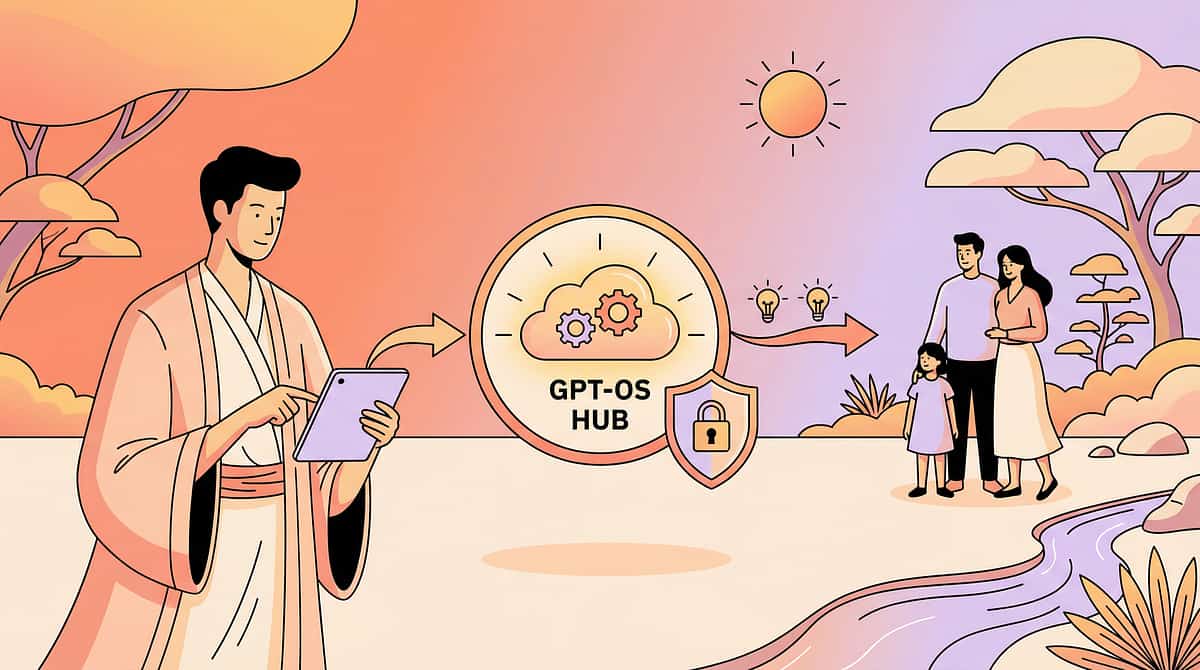
For greeting skills specifically, GPT-OS® tracks progression via the Social Communication Readiness Index across 5 stages: (1) No greeting behavior despite prompting → (2) Prompted greetings in familiar contexts → (3) Prompted greetings generalized across contexts → (4) Some unprompted greetings with familiar people → (5) Age-appropriate greeting initiation across people and contexts.
20M+
Exclusive 1:1 Sessions
97%+
Measured Improvement
70+
Centers in India
160+
Countries with Patents Filed
FREE NATIONAL AUTISM HELPLINE:📞9100 181 181 — Request AbilityScore® Assessment
CARD 36 — WATCH THE REEL
See the Materials in Action.
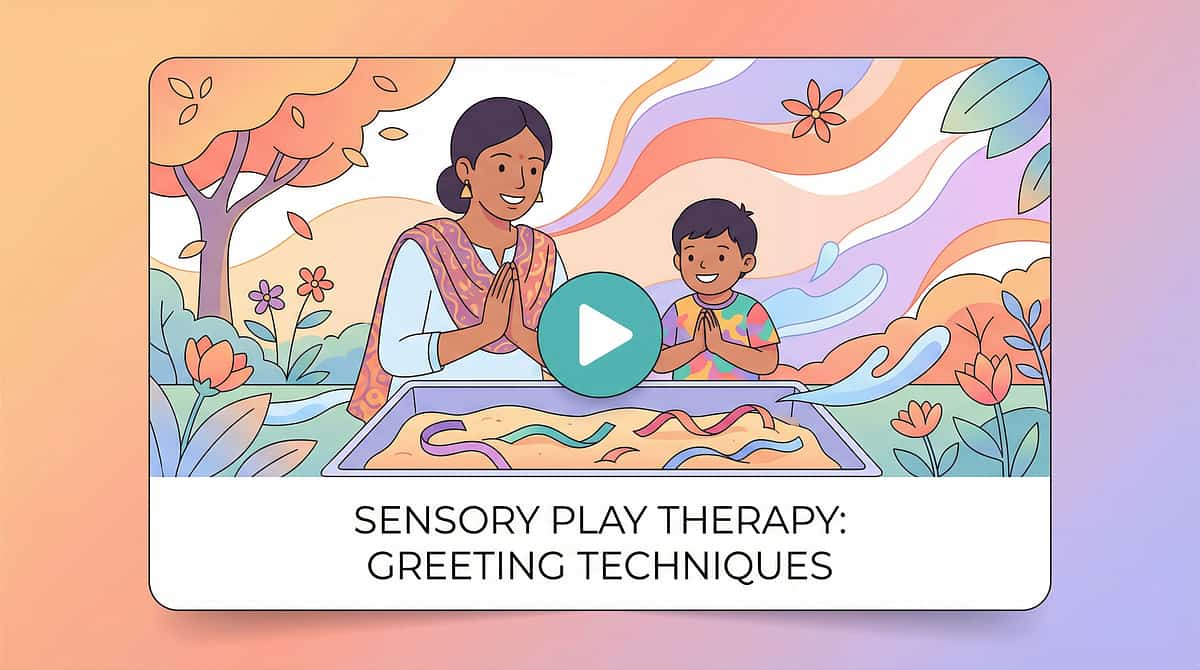
B-211 Reel: "9 Materials That Help Teaching Greetings" | Pinnacle 999 Reels Master | Social Communication & Pragmatic Language Series — Episode 211
Hook (5–6 sec)
"She won't even say hello" — the parent recognition moment
Materials 1–3 (4–5 sec each)
Social Story reading → Picture Card review → Mirror practice hello
Materials 4–6 (4–5 sec each)
Puppet greeting exchange → Video modeling + imitation → Cue card prompt to greeting
Materials 7–9 (4–5 sec each)
Children playing greeting game → Child adding sticker after success → Emotion card connection activity
Closure (20 sec)
GPT-OS® slide + Pinnacle platform overview + Helpline 9100 181 181
Video Modeling Note: This video is itself a therapeutic tool — show it to your child before their first practice session. Seeing greetings demonstrated by peers and therapists primes the skill (NCAEP 2020). Next Reel: B-212 — Eye Contact Challenges
FREE NATIONAL AUTISM HELPLINE:📞9100 181 181
CARD 37 — SHARE WITH FAMILY
Consistency Across Caregivers Multiplies Impact.
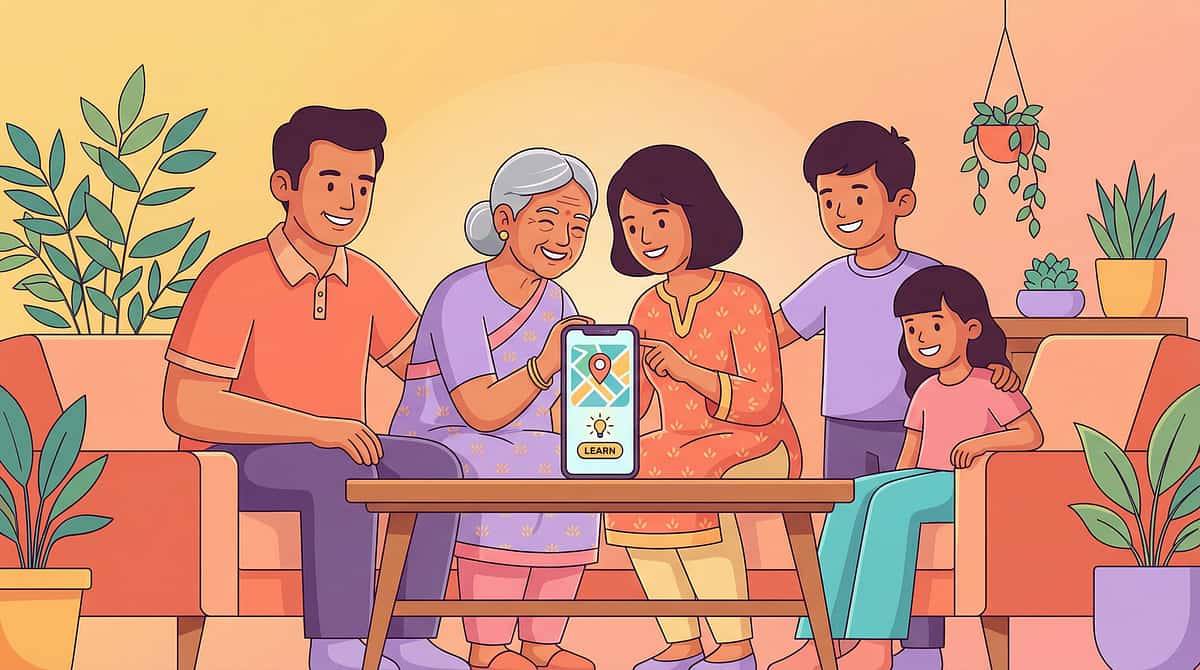
If only one parent uses these materials, impact is limited. When grandparents, teachers, siblings, and extended family all understand the approach — and respond consistently to greeting attempts — generalization happens 3× faster.
Explain to Grandparents
"[Child's name] is learning to say hello. It's genuinely harder for them than it looks. When they wave or say hi — even quietly, even while looking at the floor — please respond warmly and enthusiastically. That response IS the reward. Don't draw attention to what they didn't do. Celebrate what they did."
Teacher Communication Template
"Dear [Teacher], We're working on greeting skills at home using evidence-based materials. Our goal is for [child] to use a cue card to greet before class begins. We'd appreciate if you could respond warmly to any greeting attempt, even partial. I'm happy to share the materials if useful. Thank you."
FREE NATIONAL AUTISM HELPLINE:📞9100 181 181

ACT VI — THE CLOSE | CARD 38
Questions Parents Ask Us Every Day.
Q1: My child greets at home but never in public. Is this normal?
Yes, this is one of the most common patterns. Greeting in familiar settings is a prerequisite to greeting in public. Generalization to public settings typically occurs 2–4 weeks after consistent home success. Cue cards are especially helpful during this transition.
Q2: Should I force eye contact during greeting practice?
No. Eye contact and verbal/gestural greeting are separate skills and separate targets. Requiring eye contact as a prerequisite can block greeting development by adding anxiety. Work on greeting first. (See B-212: Eye Contact Challenges)
Q3: How many greetings should I target per day?
Quality over quantity. 2–3 genuine, positive greeting exchanges per day with familiar people are more valuable than 10 prompted, reluctant ones. Every natural greeting moment in real life is an opportunity.
Q4: My child is 9. Is it too late for these materials to work?
No. The brain retains neuroplasticity throughout childhood and adolescence. Explicit instruction at any age produces outcomes. Older children may respond especially well to video modeling and game-based practice.
Q5: Should I use all 9 materials at once?
No. Introduce one material per session. Overwhelming choice creates paralysis. Start with the material that addresses your child's primary barrier: understanding WHY → social story; knowing HOW → picture cards; practice with safety → puppets/mirror.
Q6: Is it okay to accept a wave without a verbal "hi"?
Absolutely. A wave is a complete social greeting. Verbal and nonverbal greeting are separate components. Accept and celebrate every component the child masters — do not require the full sequence before celebrating partial success.
Q7: My child says "hi" but it's inaudible. What do I do?
Celebrate the "hi." Then work on volume in mirror practice specifically — never in real greeting moments. "Let's practice our loud voice hi" in the mirror. Never demand volume where the child is already working hard to produce any greeting at all.
Q8: When do I know if my child needs an SLP or ABA therapist?
See the Red Flags card above. If home-based practice for 8 weeks hasn't produced measurable change, or if there are signs of broader social communication differences, professional evaluation is recommended. Call 9100 181 181 for guidance.
"Didn't find your answer?" → Ask GPT-OS®: pinnacleblooms.org/gpt-os/ask | "Still need help?" → Book a teleconsultation: pinnacleblooms.org/teleconsult
FREE NATIONAL AUTISM HELPLINE:📞9100 181 181
Preview of 9 materials that help teaching greetings Therapy Material
Below is a visual preview of 9 materials that help teaching greetings therapy material. The pages shown help educators, therapists, and caregivers understand the structure and content of the resource before use. Materials should be used under appropriate professional guidance.


Link copied!
The Doorway Is Learnable. Start Today.
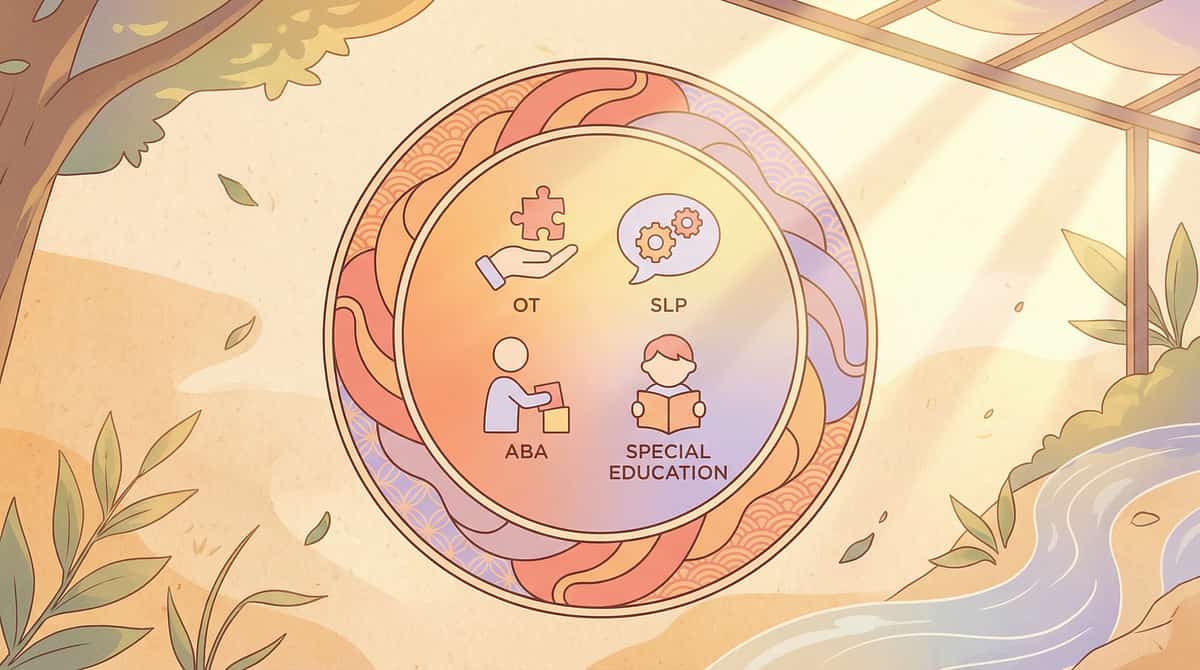
From fear to mastery. One hello at a time. Pinnacle Blooms Network® exists to transform every home into a proven, scientific, 24×7, personalized, multi-sensory, multi-disciplinary pediatric therapy center — powered by GPT-OS®, validated by 20 million sessions, and guided by the largest consortium of pediatric therapy expertise in India.
🗣️ SLP
Speech-Language Pathology
🧩 ABA/BCBA
Applied Behavior Analysis
🧠 OT
Occupational Therapy
📚 SpEd
Special Education
👶 NeuroDev
NeuroDevelopmental Pediatrics
✦ Validated by the Pinnacle Blooms Consortium ✦ | 20M+ sessions | 97%+ improvement | 70+ centers | 70+ countries
Next Technique: B-212: Eye Contact Challenges → | Explore All Techniques
This content is educational and does not replace assessment by a licensed speech-language pathologist, behavioral therapist, or healthcare provider. Persistent greeting challenges should be evaluated comprehensively. Individual results may vary. Statistics represent aggregate outcomes across the Pinnacle Blooms Network®.
CIN: U74999TG2016PTC113063 | DPIIT: DIPP8651 | MSME: TS20F0009606 | GSTIN: 36AAGCB9722P1Z2
© 2025 Pinnacle Blooms Network®, unit of Bharath Healthcare Laboratories Pvt. Ltd. All rights reserved.
© 2025 Pinnacle Blooms Network®, unit of Bharath Healthcare Laboratories Pvt. Ltd. All rights reserved.