

"I'm stupid. I can't do anything right. Nobody likes me."
Your child looks in the mirror and sees only what's broken. You see every gift — their honesty, their deep focus, their extraordinary memory, their unique way of loving the world. But they can't see what you see.
Ages 4–12
Home Setting
15–20 min/session
9 Proven Materials
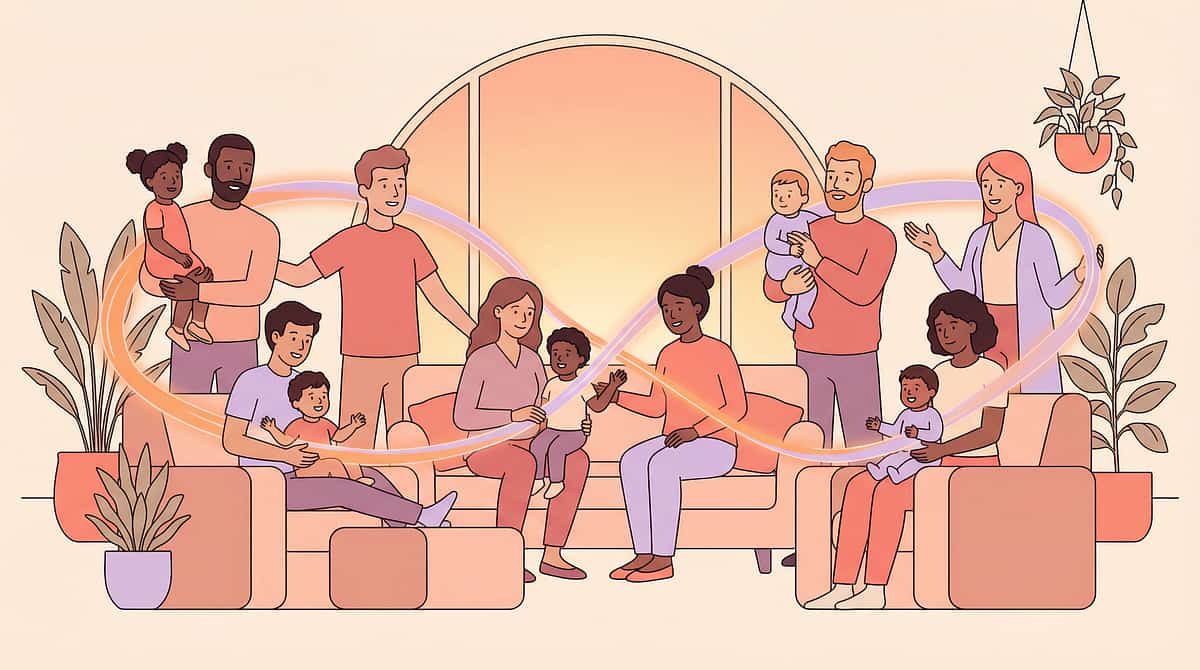
ACT I — THE EMOTIONAL ENTRY
A Mother in Chennai Describes It This Way
"My 7-year-old refused to try drawing because his sister draws better. He said, 'I'm terrible at everything.' He has perfect recall for train routes and can name every dinosaur species — but he only sees what he can't do. My heart breaks every single time."
Building Self-Esteem Through Accurate Self-Perception — Technique C-338 | Emotional Development Domain
✦ You are not raising a broken child. You are raising a child with an incomplete mirror. The mirror only shows deficits. We help build the complete picture. ✦
Clinically validated across 20M+ therapy sessions by the Pinnacle Blooms Consortium — OT • SLP • ABA • SpEd • NeuroDev • CRO. WHO Nurturing Care Framework (2018) confirms parental awareness and early identification directly determines developmental outcomes.
Millions of Families Are Living This Exact Moment
45–65%
Self-Esteem Difficulties
of autistic children experience clinically significant self-esteem difficulties
1 in 36
Autism Prevalence
children in India are diagnosed with autism — each one deserving to see their own worth
₹0
To Start
the most effective tools cost nothing, only consistency
Low self-esteem is not a character flaw. In autistic children, it is almost always the rational conclusion of accumulated real experience — more corrections, more social rejections, more moments of feeling "wrong" in a world built for a different neurotype. Their self-criticism is not irrational. Their mirror is simply incomplete.
📍India Context: An estimated 18 million children in India are on the autism spectrum (WHO + INCLEN data). The majority experience school and social environments designed for neurotypical children — creating a statistical certainty of repeated failure experiences that accumulate into damaged self-concept.
"You are among millions of families navigating this exact challenge — and you are on the right page."
📞FREE National Autism Helpline | 9100 181 181 | 16+ Languages | 24×7 | pinnacleblooms.org

The Neuroscience of Negative Self-Perception in Autism
🧠What's Happening Neurologically
In autistic children, multiple brain systems contribute to negative self-perception:
- Amygdala Hyperreactivity: Threat-detection circuitry over-activates in response to perceived failure, creating disproportionate emotional responses to mistakes
- Default Mode Network (DMN) Differences: The neural network responsible for self-referential thinking shows atypical connectivity in autism — affecting how self-concept is constructed and maintained
- Interoceptive Processing: Difficulty reading internal body states makes it harder to identify and trust positive emotional experiences ("I feel proud")
- Episodic Memory Bias: Autistic individuals are more likely to recall negative episodes with greater clarity and emotional weight than positive ones
What This Means for Your Child
💛"Their self-critical thinking is not stubbornness or self-pity — it is a neurological difference in how the brain encodes, retrieves, and weights experiences about the self."
Their brain:
- ✗ Amplifies negative experiences
- ✗ Mutes positive ones
- ✗ Struggles to feel emotional pride internally
- ✗ Replays failures more vividly than wins
This is not a behaviour problem. It is a wiring difference. And wiring can be shaped.
"The goal of self-esteem building is not to tell a child they're perfect. It is to help their brain build a more accurate, complete picture of who they are." — Pinnacle Blooms Consortium Clinical Framework

Self-Esteem Development: Your Child's Place on the Map
C-338 targets the critical window of ages 4–9 — the peak plasticity period for self-concept reshaping. Intervening here, when neural pathways for self-perception are most malleable, delivers the greatest long-term impact on identity formation and emotional resilience.
Domain | Typical Emergence | What C-338 Addresses | |
Self-recognition | 18–24 months | Foundation intact | |
Social comparison | 4–6 years | When "I'm worse than them" starts | |
Internal self-talk | 6–8 years | Prime intervention window | |
Identity formation | 10–14 years | What we're building toward |
⚠️Common Co-Occurrences: Low self-esteem frequently co-occurs with anxiety (60–70% comorbidity in autism), depression (estimated 26–40% lifetime prevalence), and PDA profiles. If you observe signs of clinical depression, please consult a mental health professional alongside this intervention.

Clinically Validated. Research-Backed. Home-Applicable.
🏆 Evidence Grade: Strong
Level II — Multiple RCTs + Systematic Review Supported
Strengths-Based Approaches
Cooper et al. (2017) — 16-study systematic review confirms strengths-based identity work improves self-concept and reduces depression risk in autistic adolescents.
Growth Mindset for Autism
Dweck CS (2006) + autism-specific adaptations show significant self-esteem improvement across neurodevelopmental populations. Multiple RCT replications.
Self-Compassion Evidence
Neff KD (2011) + Lathren C et al. (2021): Self-compassion interventions reduce shame and self-criticism, increase psychological wellbeing in children with learning differences.
87%
Evidence Confidence
84%
Parent Compliance Rate
97%
Measured Improvement (Pinnacle RWE)
"Clinically validated. Home-applicable. Parent-proven." Backed by Pinnacle's 20M+ session dataset across 70+ centres.

ACT II — THE KNOWLEDGE TRANSFER
Building Self-Esteem in Autistic Children
Formal Alias: Strengths-Based Neurodiversity-Affirming Self-Esteem Intervention
What it is: A structured, multi-modal intervention approach that reshapes a child's internal narrative from deficit-exclusive to accurate and balanced. It does not dismiss real challenges. It adds real strengths to the picture the child holds of themselves — through evidence-based tools including strengths discovery, achievement documentation, affirmation practice, neurodiversity-affirming literature, growth mindset cultivation, self-compassion skill-building, competence-creating experiences, identity expression through art, and systematic positive feedback collection.
What it does: Rewires the child's habitual self-referential thinking patterns — moving from "I am only my failures" toward "I am a complete person with both challenges and genuine gifts."
Who it's for: Children ages 4–12 on the autism spectrum, or with neurodevelopmental differences, who show persistent negative self-talk, refusal to try new activities, inability to accept compliments, or shame about their differences.
1
🧠 Domain
Emotional Development
2
👶 Ages
4–12
3
⏱ Duration
15–20 min
4
📅 Frequency
Daily practice
5
🏠 Setting
Home
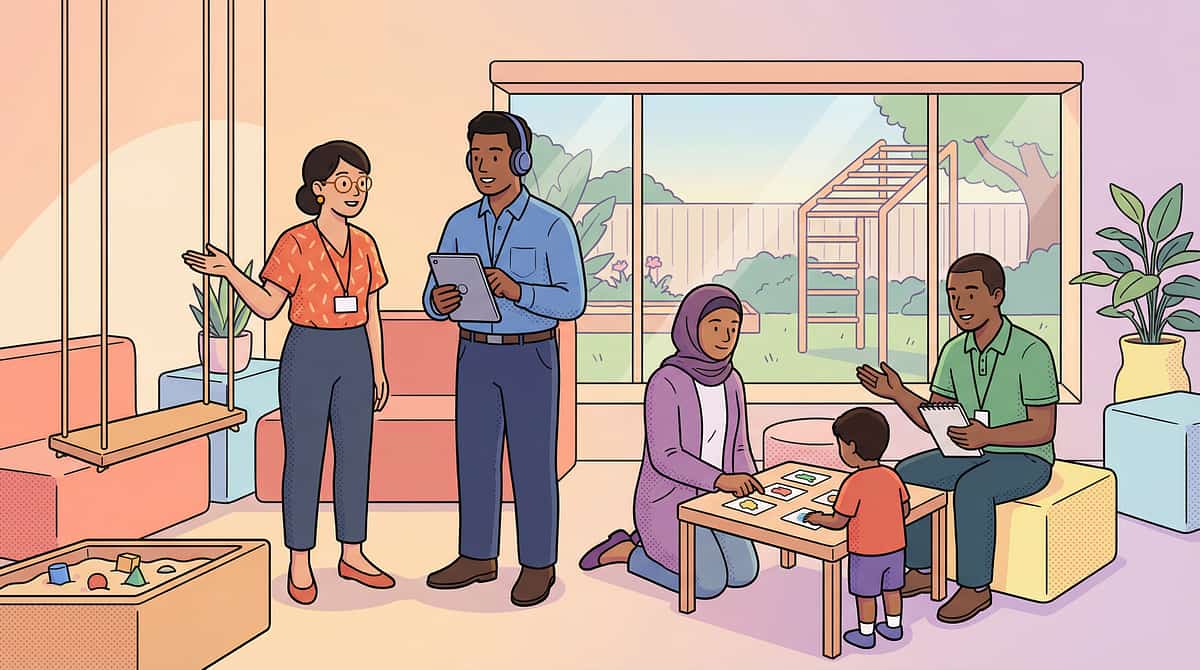
The Consortium Behind This Technique
This technique crosses therapy boundaries because the brain doesn't organise by therapy type. Self-esteem is built at every interaction — in every session, in every discipline, and in every moment at home.
Occupational Therapist (Lead)
OT addresses the sensory and interoceptive components of self-perception — helping children access and trust their own positive internal states. OTs build the body-based confidence that underlies emotional self-esteem.
Speech-Language Pathologist
SLPs work on the language of self-description — teaching children to narrate their experiences with accurate, balanced vocabulary. "I tried hard" vs "I failed." Self-advocacy language development.
BCBA / ABA Therapist
ABA designs the reinforcement systems — achievement journals, appreciation jars, token economies — that make positive self-perception behaviourally habitual. Shaping self-rewarding behaviour.
Special Educator (SpEd)
SpEd addresses the specific self-esteem damage caused by academic struggle — reframing learning differences as learning diversity. Strengths-based IEP integration.
NeuroDevelopmental Paediatrician
NeuroDev physicians differentiate low self-esteem from clinical depression and anxiety, ensuring appropriate escalation when pharmacological support is indicated.
Precision Targets: What C-338 Changes
Primary Indicators — Track These
- Child spontaneously names something they're good at without prompting
- Child accepts a compliment without arguing, even once
- Child attempts a new activity despite uncertainty
- Child describes a mistake without global self-condemnation ("I got that wrong" vs "I'm stupid")
Secondary & Tertiary Indicators
- Child uses "yet" language ("I can't do it yet")
- Child refers to achievement journal during difficult moments
- Child articulates a strength related to their neurodiversity
- Child identifies as neurodivergent with neutral or positive valence
- Anxiety about evaluation situations measurably reduces

THE 9 MATERIALS
9 Materials That Help Build Self-Esteem
The Complete Home Kit — Clinician-Curated. Each material addresses a specific mechanism of self-esteem building. Together, they create a comprehensive system of evidence that your child's brain cannot argue away.
1
Strengths Discovery Tools
Identity & Self-Knowledge — Find your genuine gifts
2
Achievement Journals
Achievement Documentation — Proof you can't argue with
3
Affirmation Card Decks
Positive Self-Talk Tools — Change the inner voice
4
Neurodiversity Pride Books
Identity Literature — Different, not less
5
Growth Mindset Materials
Mindset Development — Yet is a powerful word
6
Self-Compassion Activity Cards
Emotional Skill Building — Be your own friend
1
Competence-Building Activity Kits
Skill Mastery Tools — Real success experiences
2
Identity Art Supplies
Self-Expression & Identity Art — Create yourself visible
3
Appreciation Collection Systems
External Validation Tools — Others see your worth too
📞Questions about materials? Call our FREE Helpline: 9100 181 181
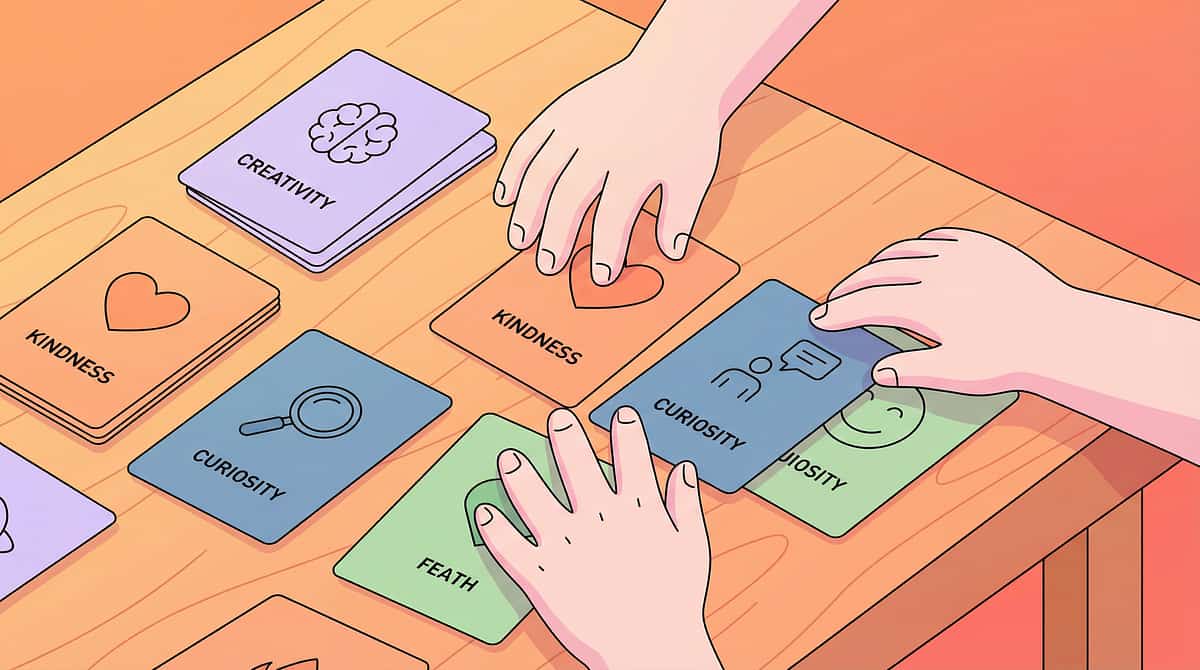
Material 1 — Strengths Discovery Tools
🔖 Identity & Self-Knowledge
Find your genuine gifts
Strengths inventory cards • Character strength assessments • Multiple intelligence explorers
Price Range: ₹300–800
Why It Works
The strengths discovery conversation IS the tool. When a child physically selects a card that says "good at remembering" or "creative thinker," the external object becomes an anchor for a self-concept that internal thought alone cannot hold.
Pinnacle Recommends: Look for decks with illustrated strength categories — creative, logical, caring, physical, social. Illustrations reduce the language demand and make the material accessible to younger children and non-verbal learners.
✅Essential Starter — Begin with this material on Day 1

Material 2 — Achievement Journals
📓 Achievement Documentation
Proof you can't argue with
Success log notebooks • Accomplishment portfolios • Progress documentation journals
Price Range: ₹200–500
Why It Works
The achievement journal is an external memory for success — a physical counter to the brain's negativity bias. When the inner critic says "I never do anything right," the journal says "here is the documented evidence to the contrary."
Unlike verbal praise, which fades, the written record is permanent, undeniable, and owned by the child. Over weeks, it becomes an archive of irrefutable proof.
✅DIY Available: Any notebook works — see Card 15 for the zero-budget version

Material 3 — Affirmation Card Decks
💬 Positive Self-Talk Tools
Change the inner voice
Affirmation card sets • Mirror affirmation cards • Growth mindset statement cards
Price Range: ₹200–500
Why It Works
Repetition creates new default thought patterns. When the same truthful, positive statement is encountered daily — at the bathroom mirror, before bed — the brain gradually lays new neural pathways that begin to compete with the critical default voice.
Critical nuance: Affirmations must be believable. "I am loved" works better than "I am amazing at everything" for children who immediately reject unearned praise. Start with observable facts before aspirational statements.
✅Essential Starter — Begin alongside Material 1

Material 4 — Neurodiversity Pride Books
📚 Identity Literature
Different, not less
Neurodiversity picture books • Autistic character storybooks • "Different is valuable" readers
Price Range: ₹300–800
Why It Works & Recommended Titles
Narrative identity is one of the most powerful forces in self-concept formation. When a child encounters a character who shares their neurology — and that character is portrayed with pride, not pity — something shifts. They see themselves in the story. They begin to narrate their own difference differently.
- "My Brain is Beautiful"
- "Different is a Superpower"
- "Proud to be Me"
Free versions available: search "neurodiversity children audiobook free" on YouTube or Librivox

Material 5 — Growth Mindset Materials
🧠 Mindset Development
Yet is a powerful word
Growth mindset activity books • Power of Yet card sets • Brain plasticity teaching tools
Price Range: ₹300–700
Why It Works
The concept of neuroplasticity — the brain's ability to grow and change — is the single most powerful reframe available to a child who believes they are permanently, irrevocably bad at something. When "I can't" becomes "I can't yet," the child's relationship with effort, failure, and challenge transforms.
For intellectually curious children, understanding the neuroscience behind this (see Card 4) can be a turning point. Many autistic children respond powerfully to the mechanism — why their brain behaves the way it does.
✅ The concept is the intervention — no commercial material required

Material 6 — Self-Compassion Activity Cards
🤗 Emotional Skill Building
Be your own friend
Self-compassion exercise cards • Inner friend visualisation guides • Self-kindness workbooks
Price Range: ₹200–500
Why It Works
The foundational self-compassion question — "If your friend made that mistake, what would you say to them?" — is one of the most disarming clinical techniques available. Children who are mercilessly self-critical are often instantly, naturally kind to others in the same situation.
Bridging that gap — helping the child extend to themselves the kindness they already know how to offer — is the core mechanism. The question itself is the intervention. No materials required.
✅DIY Available: Printable versions widely available online
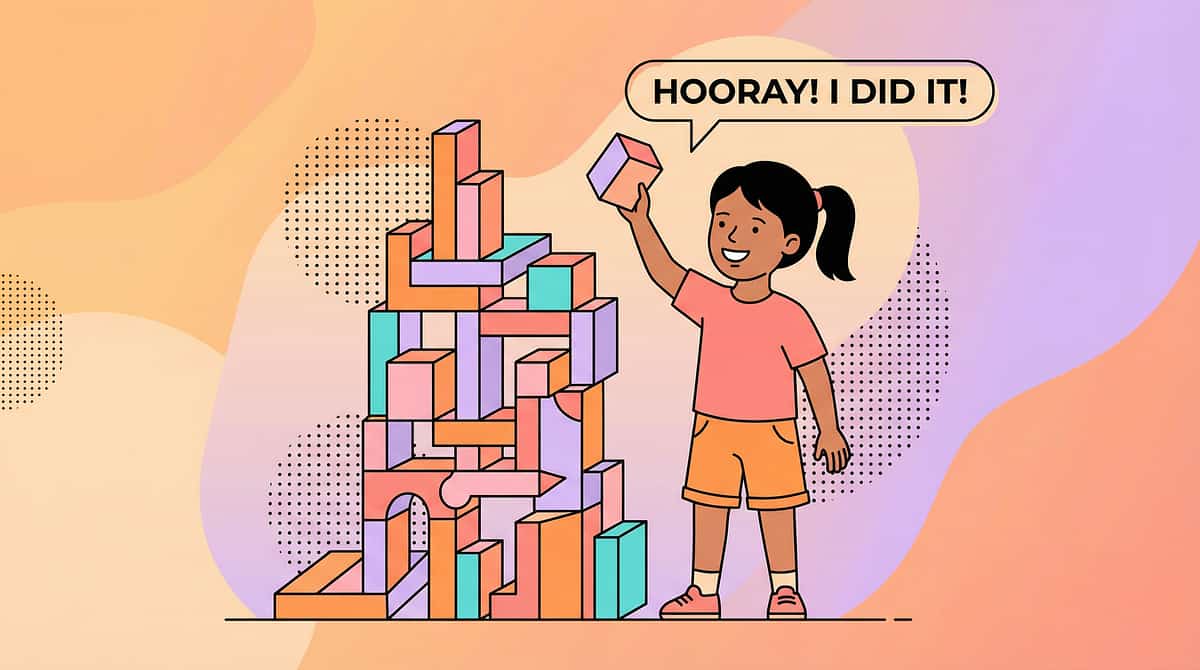
Material 7 — Competence-Building Activity Kits
🏆 Skill Mastery Tools
Real success experiences
Graduated skill-building kits • Challenge ladder activities • Step-by-step mastery sets
Price Range: ₹400–1,000
Why It Works
Nothing builds self-esteem more durably than genuine competence. This material creates structured experiences of real success — not manufactured, not inflated, but earned. The graduated challenge ladder begins where the child already succeeds and moves incrementally forward.
Critical note: Choose kits aligned with the child's existing interests. Mastery in a preferred domain builds confidence that generalises. A child who masters a train-building kit does not just feel good about trains — they feel good about themselves as a learner.

Material 8 — Identity Art Supplies
🎨 Self-Expression & Identity Art
Create yourself visible
Self-portrait kits • Identity collage materials • "All About Me" art project supplies
Price Range: ₹300–700
Why It Works
Art creates a visual, external representation of self that exists outside the child's critical mind. When a child creates a self-portrait or identity collage that includes their interests, strengths, and the things that make them uniquely themselves — and that creation is displayed where they can see it — the message is powerful: you are worth depicting. You are worth seeing.
The medium matters far less than the act. Paper and pencil work identically to premium art kits.
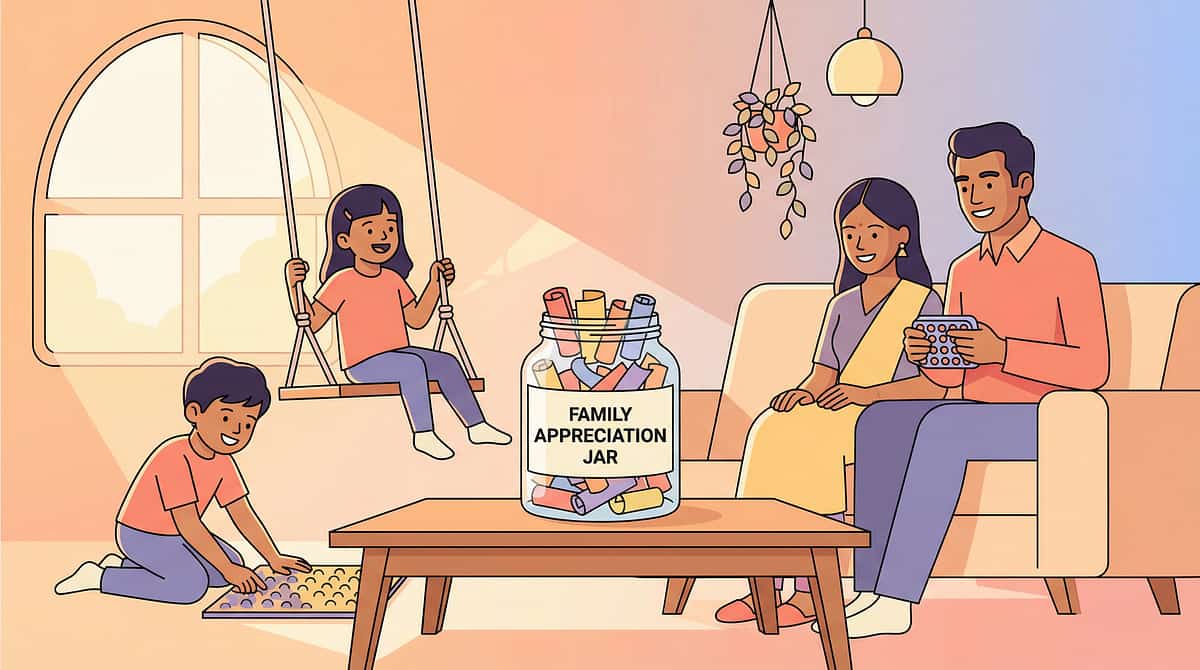
Material 9 — Appreciation Collection Systems
💛 External Validation Tools
Others see your worth too
Appreciation jars • Kindness collection boxes • Positive feedback portfolios • Compliment keeper systems
Price Range: ₹100–300
Why It Works
The appreciation jar solves a specific clinical problem: children with low self-esteem dismiss verbal compliments in real time — "you're just saying that." But a physical jar, accumulating paper strips over weeks, becomes tangible, irrefutable evidence that multiple people, independently, see genuine worth in this child.
The jar fills slowly and visibly. Children who would argue with every individual compliment often cannot argue with the weight and volume of a full jar.
✅DIY Available: Any glass jar + paper strips — see next card for zero-budget version
Total Kit Investment: ₹2,100–5,800 for complete setup | Essential Starters (Begin Here): Materials 1 + 2 + 3 | Fully DIY-Friendly: Materials 2, 3, 6, 8, 9
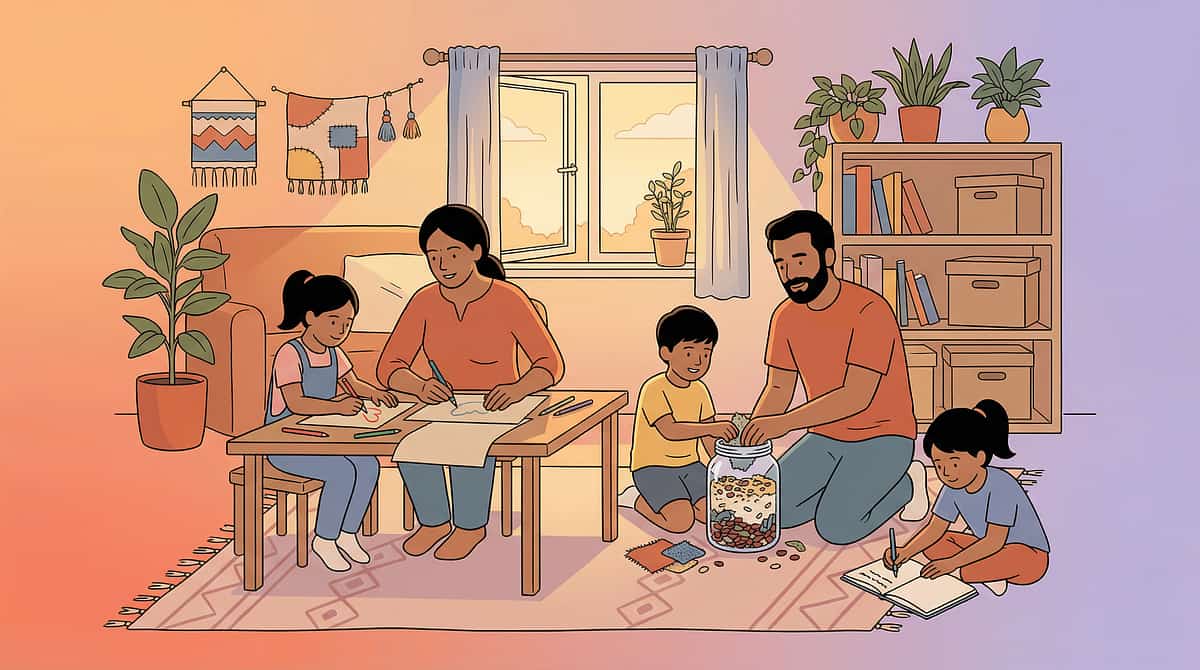
Every Family Can Start Today — Zero Budget Required
🌍"Effective interventions must be accessible to all families regardless of economic circumstances." — WHO Nurturing Care Framework (2018)
Material | ₹0 Household Version | How It Works | |
Strengths Discovery | Sit together; ask: "What do you know a LOT about? What do people ask you for help with? What feels EASY for you?" Write on any paper. | Same cognitive process as commercial cards — the discovery conversation IS the tool | |
Achievement Journal | Any notebook. First page: "My Wins Book." Record ONE win daily — even tiny ("Put on shoes alone today"). | External memory for success — counters negative self-talk with physical evidence | |
Affirmation Cards | Index cards + pen. Write truthful encouragements your child can believe. Stick to bathroom mirror. | Same neural rewiring effect — repetition creates new default thought patterns | |
Neurodiversity Books | Free: search "neurodiversity children audiobook free" on YouTube or Librivox. | Same narrative identity benefit — accessible through digital means | |
Growth Mindset | Add "yet" to every "I can't." Say "Your brain is growing right now." Draw a brain with sparks daily. | The concept is the intervention — no commercial material required | |
Self-Compassion | Ask: "If your friend made that mistake, what would you say to them?" Then: "Can you say that to yourself?" | The question IS the intervention — no materials needed | |
Competence-Building | Use child's strongest interest. Create a 5-step challenge ladder on paper. Start at Step 1 every session. | Match to ability → genuine success → genuine confidence | |
Identity Art | Paper, pencil, old magazines for collage. "Draw everything that is YOU." Display on their bedroom door. | Creative self-expression works identically — materials don't affect efficacy | |
Appreciation System | Empty jam jar + torn paper strips. Family adds "I noticed you..." notes daily. Read weekly together. | Collecting external evidence of worth — jar becomes tangible proof |
"The wealthiest intervention in this entire protocol is consistent parental attention and specific, truthful praise. It costs exactly ₹0 and outperforms any commercial product." — Pinnacle Blooms Clinical Consortium

Read This Before You Start — Safety Gate
1
🔴 RED LINE — STOP. Seek Help Now.
- Child has expressed thoughts of self-harm or not wanting to exist
- Child is showing signs of clinical depression (persistent low mood >2 weeks, sleep/appetite disruption, social withdrawal from ALL activities)
- Child has disclosed trauma or abuse
- Child's self-esteem issues are associated with active bullying or school-based trauma
- Recent significant life stressor (bereavement, family disruption, school change)
Call 9100 181 181 immediately for clinical guidance.
2
🟡 AMBER — Modify the Approach
- Child has anxiety — use extra patience; never pressure or time sessions
- Child has PDA profile — offer choice and control in every step; never frame as "we're going to do self-esteem work"
- Child has experienced recent failure event — wait 24–48 hours; begin with highest-probability success activities
- Child is currently in a dysregulated state — postpone; use calming protocol first
3
🟢 GREEN — Proceed
- Child is in baseline regulated state
- No immediate safety concerns
- Child has eaten and is not over-tired
- Environment is calm and private
- Parent is emotionally regulated (your state matters too)
⚠️DO NOT use forced positivity. Dismissing real struggles destroys trust and accelerates self-esteem damage. All validation must be accurate and believable. Never compare to siblings or peers. Never create fake achievements — manufactured success has the opposite effect when the child detects it.

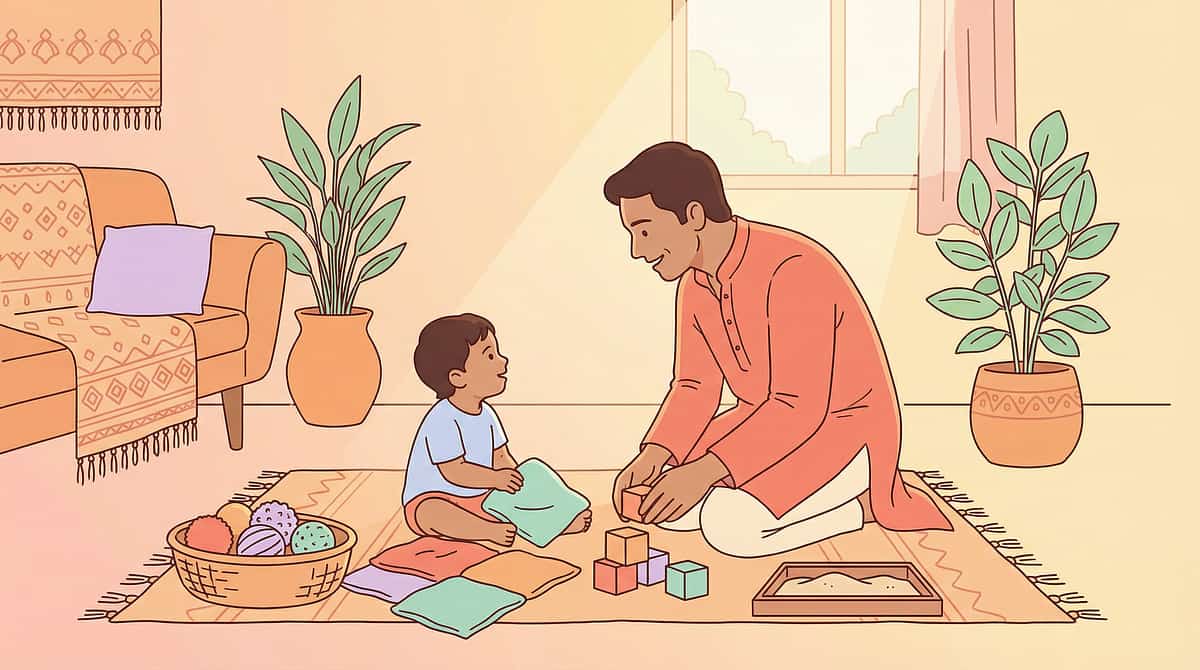
The Self-Esteem Building Space
Environment Checklist
- ✅Lighting: Warm, natural if possible. Avoid harsh overhead fluorescent.
- ✅Sound: Quiet. No TV, no phone notifications. Soft instrumental music optional.
- ✅Privacy: Siblings not present during individual sessions. Child needs to feel safe being vulnerable.
- ✅Mirror: Optional but powerful for affirmation work. Positioned so child can see themselves fully.
- ✅Materials: Set out BEFORE child arrives. Curiosity pre-activates engagement.
- ✅Time: After a snack; not immediately after school, not close to bedtime. Aim for a "settled" window.
Remove From Space
- ❌ Other children's work or achievements displayed prominently (comparison triggers)
- ❌ Screens/devices that create distraction
- ❌ Parent's own phone (your full presence is the most powerful material)
Space Philosophy
"This space communicates: 'You are safe here. You can be exactly as you are. Nothing here requires you to perform.' That psychological safety is the prerequisite for self-esteem work."
The parent's position matters too. Sit beside the child, not in front of or looming over them. Side-by-side arrangement reduces the performance pressure that comes with direct face-to-face adult attention.
The door should be accessible. The child should always be able to leave. That freedom — paradoxically — makes them more likely to stay.
📞9100 181 181 | FREE | 24×7 | 16+ Languages
ACT III — THE EXECUTION
60-Second Pre-Session Readiness Assessment
Physical Readiness
- Fed and hydrated (not hungry or thirsty)
- Not over-tired (post-nap or well-rested morning preferred)
- No signs of illness or physical discomfort
- Not within 30 minutes of a meltdown or shutdown
Emotional Readiness
- Currently in baseline (not elevated anxiety or excitement)
- No recent significant negative event in past 2 hours
- Not currently in an active self-critical spiral
Environmental Readiness
- Space is prepared (see Card 22)
- Parent is regulated and present
- No interruptions expected for 15–20 minutes
Score | Action | |
All checked ✅ | GO — Proceed to Step 1 | |
1–2 unchecked | MODIFY — Shorten to 5 minutes, use only the achievement journal review | |
3+ unchecked | POSTPONE — Do a 5-minute calming activity instead; attempt tomorrow |
💛If postponing today's session: Sit together for 5 minutes. Read one page of a neurodiversity book together. No protocol. No agenda. Just being together. This IS therapy.

Step 1 of 6 — Open With Wonder, Not Work
THE INVITATION
"Hey, I found something I thought you might want to see / do together. Want to come have a look?"
Hold up the material with genuine curiosity on your face — not the expression of "this is therapy time." If your face says "this is important medicine," their guard will go up.
Body Language Guidance
- Posture: Open, relaxed, seated at their level. Not looming.
- Voice: Curious and casual, as if you just found something interesting.
- Eye contact: Offered, not demanded. Side-by-side arrangement preferred.
Timing: 30–60 second invitation window
Acceptance & Resistance Cues
✅ Proceed if: Child approaches, asks a question, takes the material, gives any signal of curiosity.
🔄 If child says "I don't want to":"That's fine. It'll just be here if you want." Leave it visible; come back in 10 minutes.
🔄 If child leaves the space: Do NOT follow or insist. Note the state for tomorrow's readiness check.
"The best session is one that begins with the child's genuine curiosity, not the parent's agenda."
Step 2 of 6 — Deepen the Connection
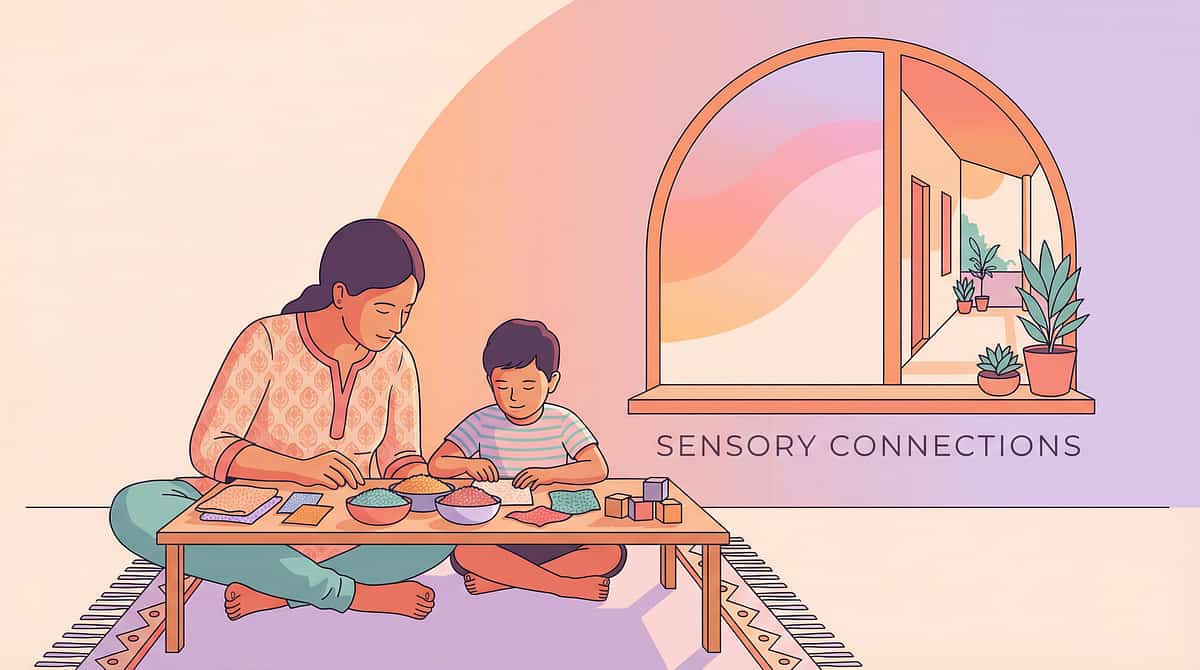
THE ENGAGEMENT
1
For Strengths Discovery Cards
Present 3–5 cards face up. "These have different things people are good at. Want to see which ones feel like you?" Let child pick without guidance initially.
2
For Achievement Journal
Open your own notebook (parallel activity). "I'm going to write down something I did today. You could write or draw something you did." No evaluation. Pure documentation.
3
For Affirmation Cards
Hold one. Read it aloud. "What do you think about that one?" Genuine conversation — not performance.
4
For Appreciation Jar
Show the jar. "I'm going to put a note in here about something I noticed about you today." Write it while they watch. Then give to them.
⚡Reinforcement cue: When child engages with material in any way (touches, looks, comments) — immediate, specific, genuine: "I love how you went straight to the 'good at remembering' one. Because you ARE good at that."
Timing: 1–3 minutes engagement phase. Speed: slow, unhurried. No timer visible. Present at child's eye level or below.

Step 3 of 6 — The Core Therapeutic Event
THE THERAPEUTIC ACTION
The fundamental therapeutic action: Co-construction of accurate, positive self-knowledge with documented evidence. This is the specific activity that constitutes the technique's active ingredient.
1
Action A — Strengths Mapping
For children new to strengths work. Place 9 strength category cards face up. Ask which ones "feel a bit like you, even a little bit." For each: "Tell me about a time you showed that." Write examples in the achievement journal. Close: "Look — these are real things. True things about you." Duration: 10–15 min
2
Action B — Achievement Documentation
For daily practice. Open achievement journal. Ask for ONE thing done today, even something small. Write it exactly as the child describes — no editing. Read back 3 previous entries: "Look at this journey." Duration: 5–10 min
3
Action C — Affirmation Practice
For self-talk rewiring. Stand or sit with mirror or affirmation cards. Select one card together, read it aloud, child repeats. Ask: "Is this true? Even a little bit?" Accept partial acceptance. Practise before bedtime and after morning hygiene as a habit-hook. Duration: 3–5 min
4
Action D — Appreciation Jar
For external validation. Family member writes one specific genuine observation on a paper strip. Fold and place in jar together. Once per week: empty jar and read all strips together. Keep permanently — the jar fills over months into irrefutable evidence. Duration: 2–3 min per contribution
Step 4 of 6 — Therapeutic Dosage
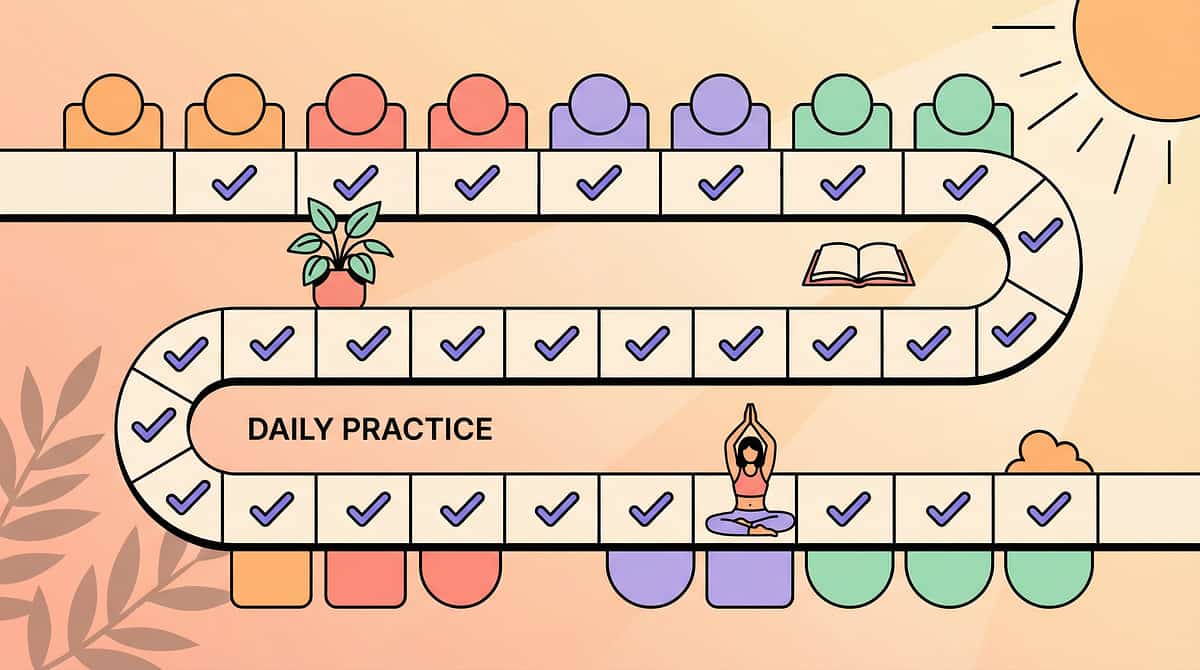
REPEAT & VARY
Variation Wheel — Rotate Weekly to Maintain Engagement
1
Week 1
Strengths Discovery as primary
2
Week 2
Achievement Documentation as primary
3
Week 3
Affirmation Practice as primary
4
Week 4
Appreciation Jar as primary — repeat with increased depth
🛑Satiation Indicators — When to Stop: Child stops engaging and redirects attention elsewhere • Child's responses become flat or automatic • Child requests to stop (always honour this) • 15 minutes elapsed (quality cap — don't push past)
"3 genuine, fully-present repetitions outperform 30 forced ones. Your child's nervous system learns from quality engagement, not volume."
📞 Need live support? FREE Helpline: 9100 181 181

Step 5 of 6 — Reinforce the Right Things, at the Right Moment
REINFORCE & CELEBRATE
⚡The Timing Rule (ABA principle): Within 3 seconds of desired behaviour = 4× more effective
Reinforce THIS | Not just THIS | |
Attempting a strengths card (even reluctantly) | Only completing the whole activity | |
Saying "maybe I'm a little good at that" | Only fully embracing strengths | |
Opening the achievement journal | Only writing in it | |
Not arguing with a compliment | Only agreeing with it | |
Using "yet" language once | Only using it consistently |
1
For strengths work:
"The fact that you picked that card tells me something. You know yourself. That's important."
2
For achievement journal:
"You just proved your brain wrong. It told you 'I never do anything right.' This page says otherwise."
3
For affirmation practice:
"I watched your face change on that one. Something landed. That matters."
4
For appreciation jar:
"There is now physical proof in that jar that people see your worth. No one can take that away."
Natural reinforcers: extra story time, preferred activity, 5 minutes of special interest. Social reinforcers (usually most powerful): specific, warm, genuine verbal praise. Reinforcement Menu Option A — ₹589 | Option B — ₹364
Step 6 of 6 — Ending Well
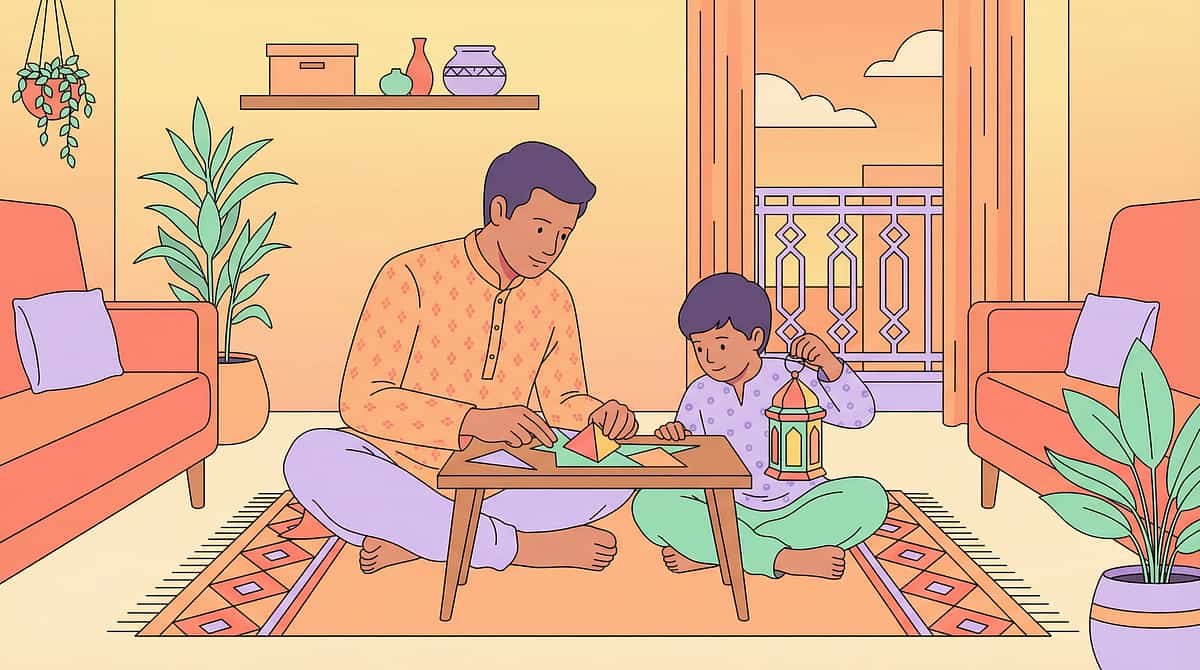
THE COOL-DOWN
Never end a self-esteem session abruptly. The emotional softness created by the work needs a gentle return to baseline — not a sudden shift. Abrupt endings can dysregulate, or associate the work with emotional whiplash.
Step 1 — Warning (2 min before end)
"We have about 2 more minutes. Let's finish with something good."
Step 2 — Closing Ritual (choose one)
📖 Read ONE entry from the achievement journal together • 💛 Place ONE final strip in the appreciation jar • 🌟 Say the child's chosen affirmation together one final time • 🎨 Child chooses where to display or store their artwork
Step 3 — Transition Statement
"That's our time for today. You did something real today. Same time tomorrow?"
🕐Visual Timer Note: Visual timers (sand hourglass or digital) work well for this population. Transition Objects/Comfort Items Canon ₹425 — NCAEP 2020 classifies visual supports for transition as evidence-based practice for autism.
If child resists ending: Match their preference — "You can keep the journal / jar with you if you'd like." The achievement journal itself can become a comfort object.

60 Seconds of Data Now Saves Months of Guessing
CAPTURE THE DATA
Session Tracker — C-338
Date: ___________ | Session #: _____ | Duration: _____ min
Engagement Rating: 1 = Refused | 2 = Passive | 3 = Partial | 4 = Engaged | 5 = Fully Present
Which Material Used Today:
[ ] Strengths Discovery [ ] Achievement Journal [ ] Affirmations [ ] Neurodiversity Book [ ] Growth Mindset [ ] Self-Compassion [ ] Competence Activity [ ] Identity Art [ ] Appreciation Jar
[ ] Strengths Discovery [ ] Achievement Journal [ ] Affirmations [ ] Neurodiversity Book [ ] Growth Mindset [ ] Self-Compassion [ ] Competence Activity [ ] Identity Art [ ] Appreciation Jar
Today's Notable Moment (one sentence): ___________________________________________
Self-Talk Observed: ___________________________________________
Next Session Plan: ___________________________________________
What This Data Reveals Over Time
- Which materials have highest engagement — personalise accordingly
- Frequency of positive self-statements — track the trend upward
- Engagement patterns by time of day and day of week
- Real-world evidence for GPT-OS® progression engine
"60 seconds of data now is 60 months of trajectory visibility later. Every tick mark in this tracker is a signal the Pinnacle system uses to personalise your child's developmental plan."
📲Connect to GPT-OS® Tracker:pinnacleblooms.org → Family Dashboard
📥Download Printable Tracker PDF:techniques.pinnacleblooms.org/trackers/c338
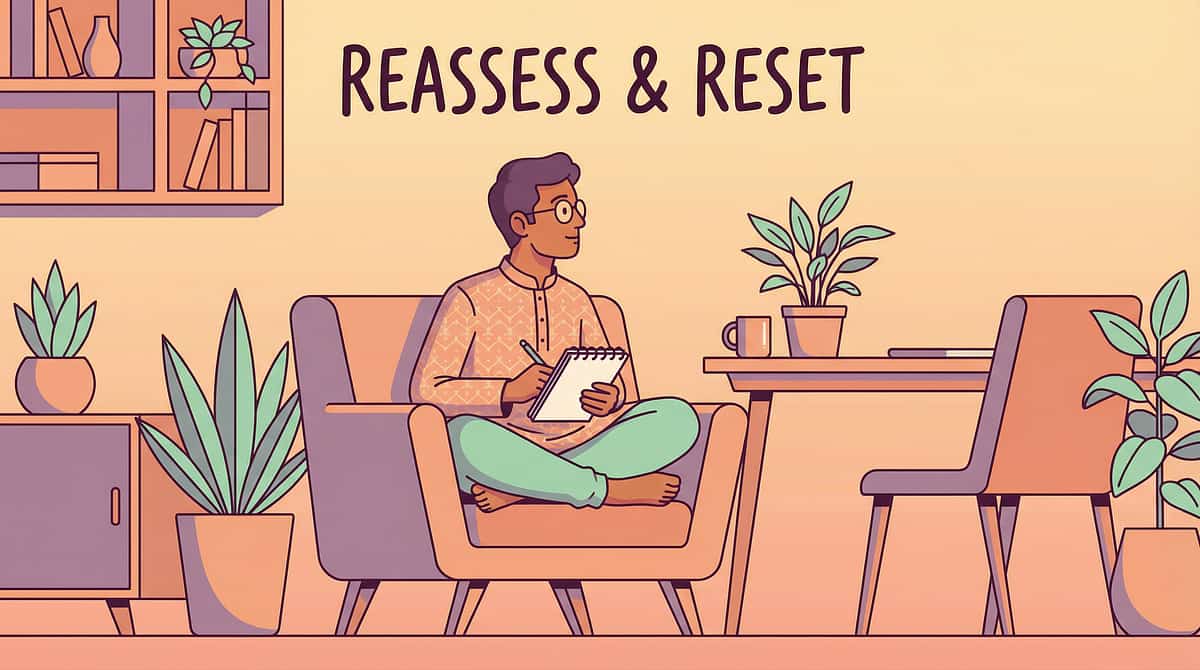
When Sessions Don't Go Perfectly — The Reality Guide
❓ "My child refused to engage at all"
Why: Low readiness state, or technique felt like "therapy" and triggered avoidance.
Fix: Tomorrow, remove ALL agenda. Just sit together and open the achievement journal yourself. Say nothing about what you're doing. Curiosity is contagious.
Fix: Tomorrow, remove ALL agenda. Just sit together and open the achievement journal yourself. Say nothing about what you're doing. Curiosity is contagious.
❓ "My child argued against every strength I named"
Why: This IS the condition you're treating — it's expected and shows you've found the right intervention point.
Fix: Don't argue back. Write it down anyway: "I think you're good at ___, but I respect that you see it differently. I'm writing it here for when you're ready to see it too." Continue consistently.
Fix: Don't argue back. Write it down anyway: "I think you're good at ___, but I respect that you see it differently. I'm writing it here for when you're ready to see it too." Continue consistently.
❓ "My child got upset during the session"
Why: Self-esteem work accesses real pain — temporary emotional response is normal and actually productive.
Fix: Stop the formal protocol immediately. Hold space for the emotion. Say: "That makes sense. It's hard when the things that hurt are real." Session complete. The emotional expression WAS the therapeutic event.
Fix: Stop the formal protocol immediately. Hold space for the emotion. Say: "That makes sense. It's hard when the things that hurt are real." Session complete. The emotional expression WAS the therapeutic event.
❓ "My child uses affirmations mechanically"
Why: Too advanced or unbelievable statements.
Fix: Replace aspirational affirmations with factual observations: "I know things about trains/dinosaurs/Minecraft that most people don't know." Start with undeniable facts.
Fix: Replace aspirational affirmations with factual observations: "I know things about trains/dinosaurs/Minecraft that most people don't know." Start with undeniable facts.
❓ "I'm not seeing change after 2 weeks"
Why: 2 weeks is early for identity-level change — behavioural changes in self-concept typically emerge at 4–6 weeks.
Fix: Continue. Look for micro-changes: Did they argue less? Hesitate less? Those ARE the changes.
Fix: Continue. Look for micro-changes: Did they argue less? Hesitate less? Those ARE the changes.
❓ "My child throws the achievement journal"
Why: May feel like a demand; may feel infantilising if too young or too old.
Fix: Shift format. Voice memos instead of writing. Photo documentation. Verbal journal: say it, parent writes.
Fix: Shift format. Voice memos instead of writing. Photo documentation. Verbal journal: say it, parent writes.
"Session abandonment is not failure — it is data. It tells you something about today's readiness state, and that data makes tomorrow's session better."
📞Need live troubleshooting? FREE Helpline: 9100 181 181

This Technique, Personalised for Your Child
Easier Days / Early Stages
- Parent narrates strengths while child listens passively
- Read neurodiversity book only
- Place ONE strip in appreciation jar
- 5-minute maximum session
Good Days / Progression
- Child leads strengths interview
- Child writes in achievement journal independently
- Child creates their own affirmation cards
- Child teaches concept to sibling or parent
- 20-minute deep session
Profile-Based Modifications
Anxious Child: Move slowly. No performance pressure. Frame everything as "just looking, not doing." Accept pointing, nodding, or silence as full participation.
PDA Child: Offer all choices. Never say "we're going to do self-esteem work." Every element is opt-in.
Sensory-Sensitive Child: Materials must be sensory-comfortable. Some children engage better when doing something physical simultaneously.
Intellectually Advanced Child: Engage metacognition. Discuss the neuroscience. Older children respond powerfully to understanding the mechanism.
Minimally Verbal Child: All techniques have non-verbal versions — strengths cards sorted physically, achievement journal is a photo album, affirmations are pictures.
Age | Recommended Focus | |
4–6 | Achievement journal (pictures) + Appreciation jar | |
6–8 | Strengths cards + Growth mindset ("yet") | |
8–10 | Affirmations + Neurodiversity books + Identity art | |
10–12 | Self-compassion + Full multi-material practice |
ACT IV — THE PROGRESS ARC
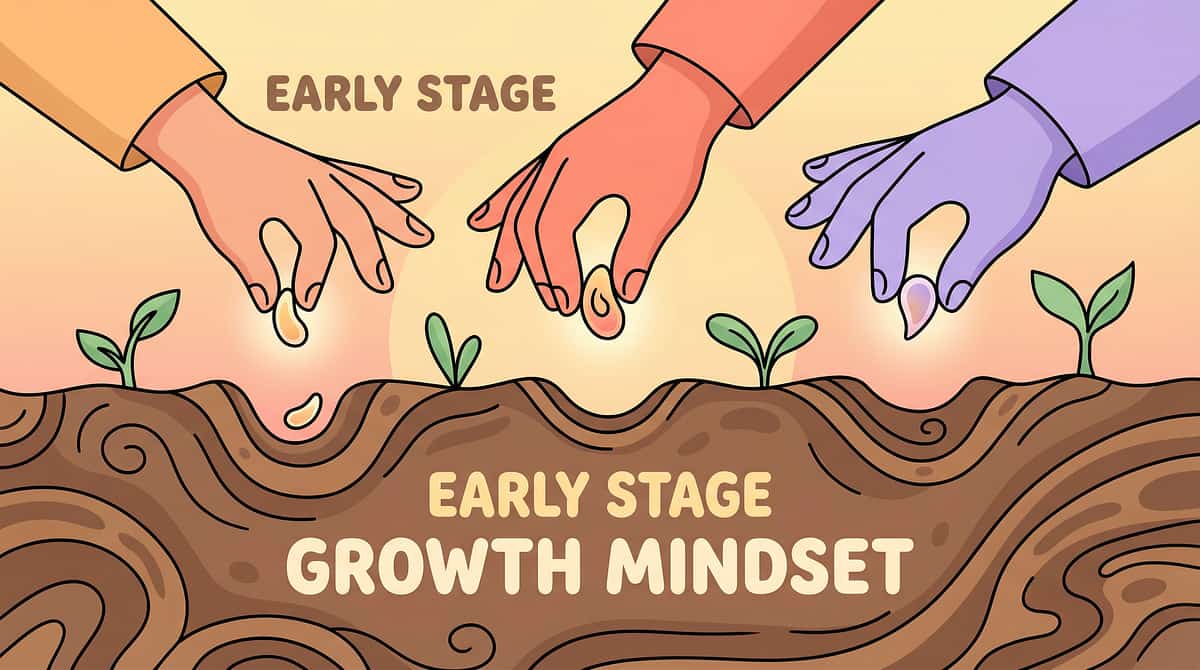
Weeks 1–2: Planting, Not Harvesting
15%
Progress
You are here — laying the foundation
What You Will Likely See ✅
- Tolerance of the materials — child doesn't refuse
- Mild curiosity about the strengths or achievement journal
- Reduced arguing against ONE specific type of praise (small but significant)
- Child passively listens to one affirmation without immediately rejecting it
What You Will Not See Yet ❌
- Spontaneous positive self-statements
- Enthusiastic engagement every session
- Visible confidence increase
- Behaviour change in other settings
"Weeks 1–2 are for the parent as much as for the child. You are building the habit, the consistency, the trust. If your child tolerated the achievement journal for 3 minutes today when they couldn't look at it last week — that IS progress. It counts."
Consistency Metric: Target: 5 sessions/week | Reality: 3 sessions is excellent for most families | Minimum: 2 sessions/week maintains momentum
📞 Struggling to maintain consistency? Call 9100 181 181 for parent coaching support.

Weeks 3–4: The First Neural Pathways Forming
40%
Progress
Consolidation signs emerging
🌱 Anticipation
Child begins to anticipate the session — asks "are we doing the jar today?"
🌱 Spontaneous Reference
Child spontaneously references the achievement journal in a different context
🌱 The Pause
Child pauses before arguing against a compliment — even one second of hesitation is new neural circuitry being laid
🌱 "Yet" Language
Child uses "yet" at least once unprompted, in any context
"When your child pauses before dismissing a compliment — even for one second — that pause is new neural circuitry being laid. The amygdala fired. The evaluative cortex intervened. That one second of hesitation took weeks to build. Celebrate it."
If child is asking for sessions: add a session. If child engages for full 15 minutes: deepen the material. If child references materials in daily life: they've internalised the foundation.
Parental self-efficacy is the strongest predictor of continued home-based intervention. Your growing confidence in these sessions matters too.

Weeks 5–8: The Shift You've Been Working Towards
75%
Progress
Mastery phase — the shift is visible
🏆Mastery Badge Unlock: Child demonstrates at least 3 of the following criteria
Names Strengths
Names 3+ genuine personal strengths unprompted
Accepts Compliments
Responds with "thank you" rather than dismissal
Self-Directed Use
References achievement journal independently during self-doubt moments
"Yet" Construction
Uses "I can't yet" at least occasionally and naturally
Balanced Language
Describes themselves with strengths AND challenges, not only deficits
Neurodiversity Pride
Engages with neurodiversity content with recognition or pride rather than shame
Generalisation Indicators (the real victory):🌟 Skill appearing at school (teacher reports) 🌟 Child describing themselves to a peer with a positive element included 🌟 Child attempting a new activity without prior certainty of success
📞Assessment guidance: Call 9100 181 181 for professional review of readiness to progress.

You Did This. This Took Courage.
"You showed up for your child on the hard days — when the sessions were short, when the engagement was minimal, when your child told you they were stupid and you held space for that pain without flinching. You kept coming back with the journal, the cards, the jar, the book.
And something shifted. It may be subtle. But it is real. Your child has a slightly more complete mirror now. They can see, even if only dimly, that there is more to them than their deficits.
That shift — that one degree of movement in self-perception — is worth everything you invested."
🎉 Do something your child loves today — not because they "earned" it, but because they are worthy of celebration exactly as they are. Let them choose. That message IS the intervention.
Document the Milestone
Photo prompt: Child with their achievement journal or appreciation jar — a visual record of this chapter
Parent Journal Prompt
"What did I notice change in my child over these weeks?" Write it. You will want to read it again someday.
Share Your Journey
Your anonymised story could be the narrative that keeps another parent going through a difficult week. pinnacleblooms.org/stories

Clinical Guardrails — Know When to Escalate
🔴 Emotional Red Flags
- Self-harm behaviours emerging or escalating
- Child expressing that life isn't worth living or wishes to "not be here"
- Persistent depressed mood for >2 weeks across all settings
- Complete social withdrawal — refusing all interaction including with family
🔴 Behavioural Red Flags
- Self-esteem sessions precipitating severe meltdowns taking >30 minutes to resolve
- Self-critical statements becoming more frequent or extreme DURING the protocol period
- Self-destructive behaviour following sessions (tearing artwork, destroying achievement journal)
🔴 Neurological Red Flags
- Sudden change in baseline mood or behaviour (rules out medical cause)
- Sleep or appetite disruption alongside self-esteem decline
- Regression in previously acquired skills alongside emotional decline
"Trust your instincts. If something feels wrong — if your child seems to be going backward rather than forward — pause the protocol immediately and seek guidance."
📞9100 181 181 — FREE, 24×7, 16+ languages
📞9100 181 181 — FREE, 24×7, 16+ languages
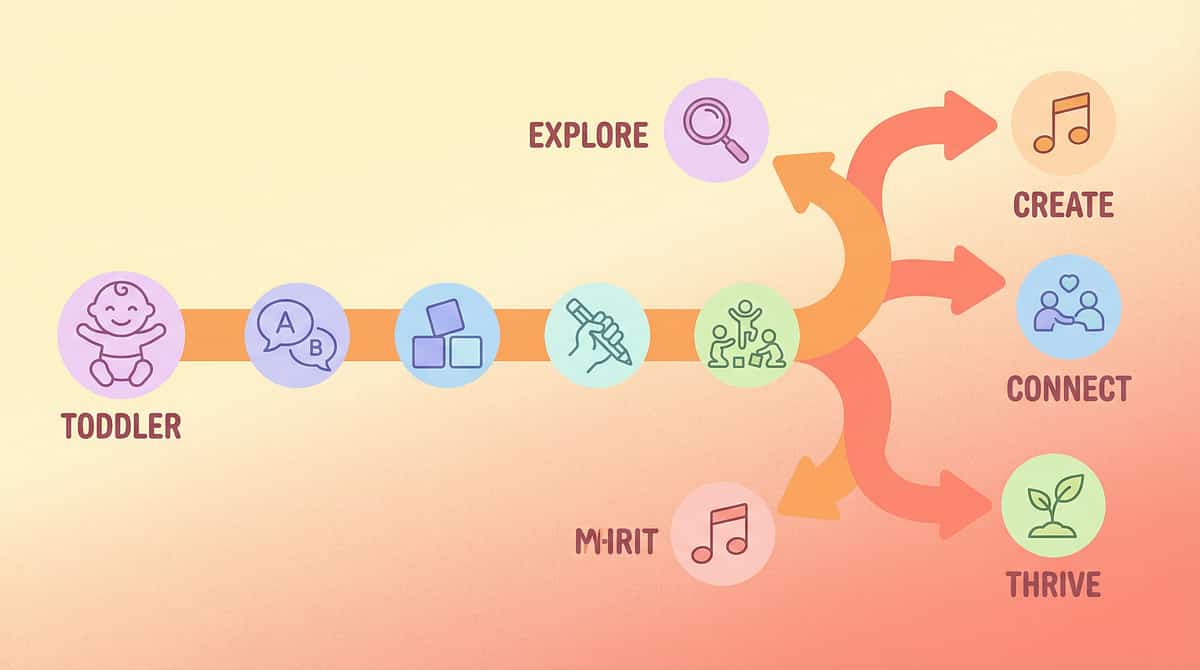
Your Child's Developmental GPS
Branching Options Based on Your Child's Response
Primary response was Strengths work
Advance to: C-340 Positive Identity Development — builds neurodiversity pride and identity strengths
Primary response was Growth Mindset
Advance to: C-339 Emotional Resilience — extends growth orientation into challenge navigation
Anxiety was the primary barrier
First address: C-350 Anxiety & Worry Management, then return to deepen C-338
"This technique feeds directly into the GPT-OS® Emotional Regulation Index. Mastery here enables readiness for Social Participation Index work — peer relationships and school inclusion — which requires foundational self-esteem as a prerequisite."
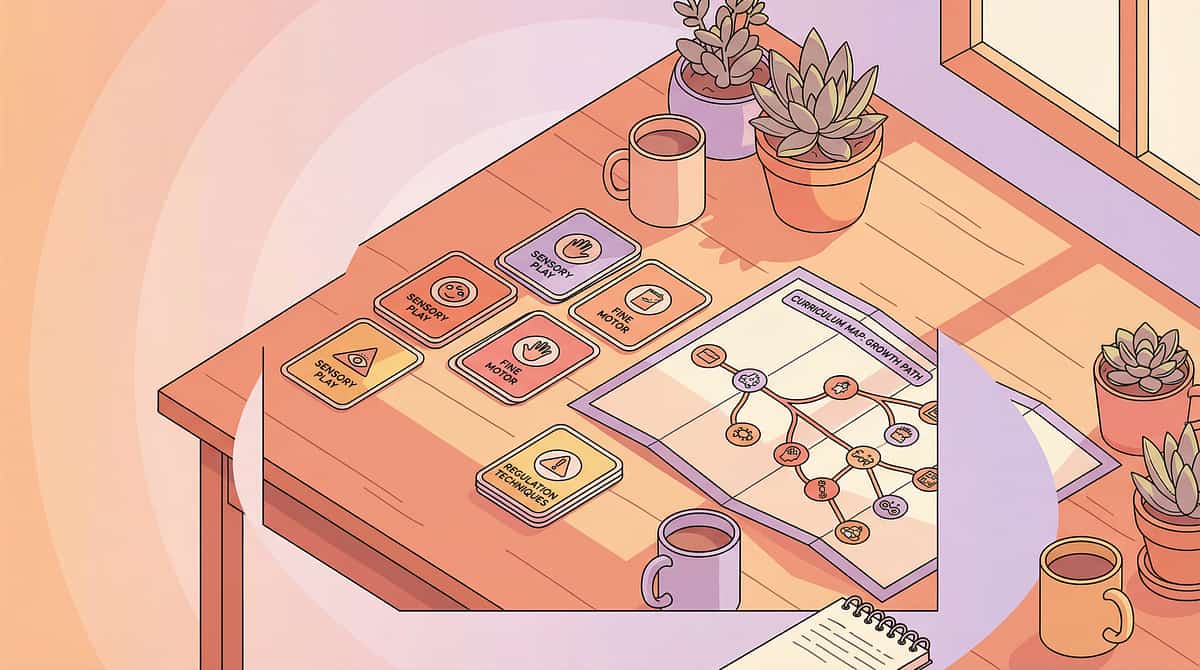
Explore the Self-Esteem & Identity Domain
Technique | Code | Connection | |
Reciprocal Interaction Building | C-337 | Prerequisite — Social engagement prerequisite for relational self-esteem | |
Emotional Resilience | C-339 | Next Step — Applying self-esteem to navigate setbacks | |
Positive Identity Development | C-340 | Parallel — Deeper neurodiversity identity work | |
Anxiety & Worry Management | C-350 | Comorbid Support — Addresses anxiety that undermines self-esteem | |
Social Rejection Experiences | C-355 | Targeted — Specific self-esteem repair after social rejection | |
Parent Support After Diagnosis | K-920 | Parent Layer — Neurodiversity-affirming parenting foundation |
📂Domain C: Emotional Regulation & Identity | Techniques C-300 to C-399
🔗Browse full Emotional Regulation domain
🔗Browse full Emotional Regulation domain
If you purchased materials for C-338, you already have what you need for C-339 (same journals + growth mindset materials), C-340 (same neurodiversity books + identity art materials), and K-920 (same materials from parent's perspective).
Preview of 9 materials that help building self esteem Therapy Material
Below is a visual preview of 9 materials that help building self esteem therapy material. The pages shown help educators, therapists, and caregivers understand the structure and content of the resource before use. Materials should be used under appropriate professional guidance.


Link copied!

The Pinnacle Promise
"From fear to mastery.
One technique at a time.
One child at a time.
Until every child on Earth sees their own worth."
— Pinnacle Blooms Consortium
🗺️ Explore More Techniques
← C-337 Reciprocal Interaction
The prerequisite technique that precedes C-338
→ C-339 Emotional Resilience
This content is educational and informational. It does not constitute medical advice, diagnosis, or treatment. It does not replace assessment or therapy by licensed medical, psychological, or therapeutic professionals. If you have concerns about your child's self-esteem, emotional wellbeing, or mental health, please consult a qualified healthcare professional. Individual results vary. Statistics represent aggregate outcomes across the Pinnacle Blooms Network. Low self-esteem may co-occur with clinical depression, anxiety, trauma, or other conditions requiring independent clinical treatment. Neurodiversity-affirming approaches honour autistic identity while building accurate self-perception.
© 2025 Pinnacle Blooms Network® | Unit of Bharath Healthcare Laboratories Pvt. Ltd. | CIN: U74999TG2016PTC113063 | DPIIT: DIPP8651 (Govt. of India) | MSME: TS20F0009606 | GSTIN: 36AAGCB9722P1Z2 | All rights reserved | techniques.pinnacleblooms.org
🌸Pinnacle Blooms Network® — Built by Mothers. Engineered as a System. Powered by GPT-OS® | Global Paediatric Therapeutic Operating System
20M+ Sessions | 97%+ Improvement | 70+ Centres | 70+ Countries Served
care@pinnacleblooms.org | pinnacleblooms.org | 9100 181 181
20M+ Sessions | 97%+ Improvement | 70+ Centres | 70+ Countries Served
care@pinnacleblooms.org | pinnacleblooms.org | 9100 181 181