
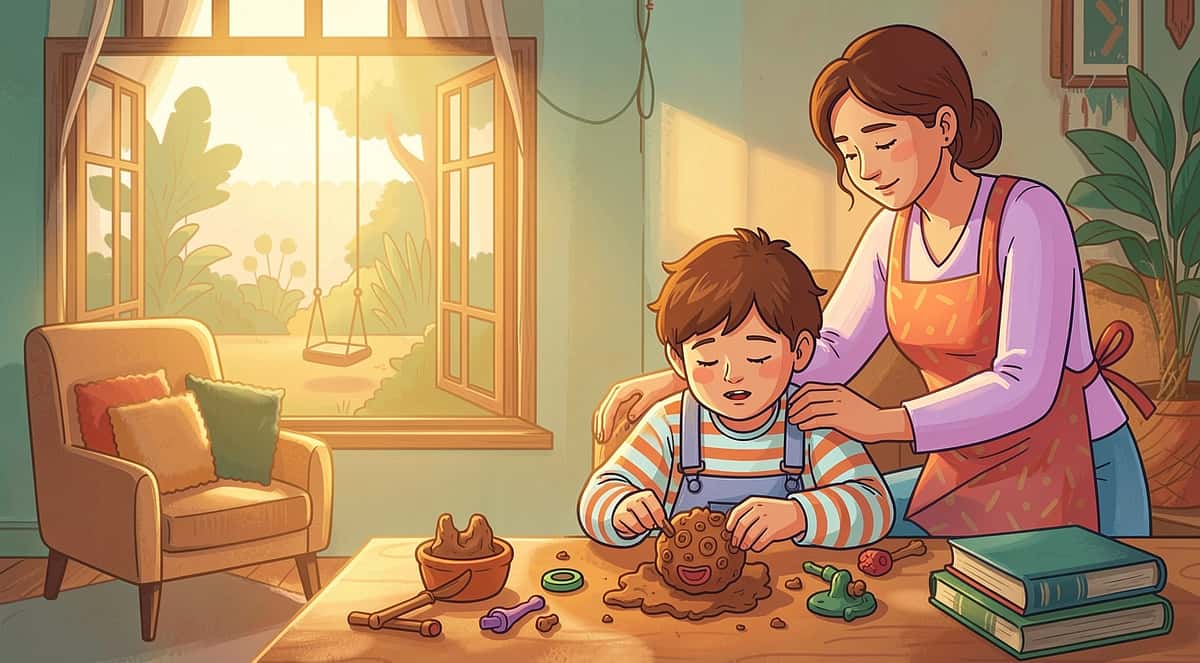
She knows the answer. She just can't get it on the paper.
It's 8:47 PM. Homework that should take 20 minutes has consumed two hours. Every letter is a battle — different sizes, floating above the line, crashing below. She erased until the paper tore. She reversed the 'b' and 'd' again. By sentence three, her hand is cramping and she's near tears.
9 Materials That Help With Writing Skills
H-741 | Fine Motor & Academic Readiness Series
You are not failing as a parent. Your child's hand and nervous system need building — not more practice on an inadequate foundation.
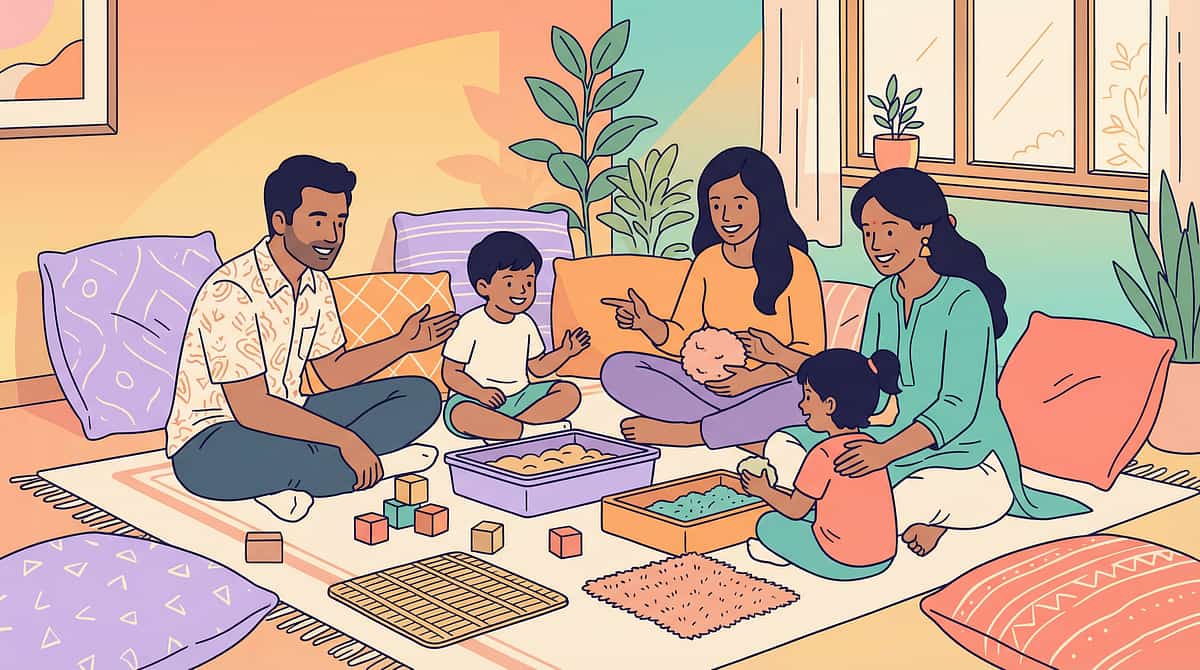
Writing struggles are the most common academic referral to Occupational Therapy worldwide.
If your child struggles to hold a pencil, stay on lines, form letters, or write without fatigue — they are among millions of children navigating the same challenge. Fine motor and handwriting difficulties are not rare. They are among the most studied, most treatable, and most underaddressed challenges in pediatric development.
1 in 5
School-Age Children
receive OT support primarily for handwriting difficulties
60–70%
ASD, DCD & ADHD
of children with these diagnoses display significant handwriting challenges
21M+
Therapy Sessions
delivered by Pinnacle Blooms Network® — fine motor among top 3 presenting concerns
An estimated 4.5 million Indian school-age children present with functional handwriting difficulties requiring OT support. The majority never receive structured intervention. This page was built for every one of you.

Writing is the most neurologically complex fine motor task we ask children to do.
When your child writes a single letter, at least six brain regions must fire in precise coordination. This is not laziness. This is a nervous system learning a symphony — and one musician is still practicing.
The Brain Map
Motor Cortex — Plans the movement sequence
Cerebellum — Coordinates timing and force
Parietal Lobe — Spatial awareness on page
Somatosensory Cortex — Feels pencil pressure
Visual Cortex — Tracks letter on line
Working Memory — Holds the letter while forming it
What This Means for Your Child
Children who struggle with writing often have a gap in one or more of these systems — not a deficit in intelligence or effort. Each region can be targeted directly through the right therapeutic material.
"This is not laziness. This is a nervous system learning a symphony — and one musician is still practicing." — Pinnacle Blooms OT Consortium
Precision Therapy: The right material addresses the right system. That is the entire philosophy behind the 9-material writing kit.

Writing is the summit of fine motor development — and it's built from the ground up.
Most children who struggle with writing at ages 6–9 have gaps that trace back to earlier developmental layers — insufficient hand strength built before age 5, pre-writing strokes not fully consolidated, or visual-motor integration not wired at the expected stage. The good news: these gaps are buildable at any age.
Age 1–2
Palmar grip crayon fist. Marks on paper.
Age 2–3
Whole-arm scribbling. Circles begin to emerge.
Age 3–4
Pre-writing strokes: │ ─ ○ + ✕. Lines on request.
Age 4–5
Letter formation: A B C… Names, words.
Age 5–7
Functional writing: sentences, paragraphs, copying from board.
Age 7–10
Fluent academic writing: speed, endurance, legibility.
Writing difficulties frequently co-occur with:
ASD
Motor planning gaps
DCD / Dyspraxia
Coordination disorder
Dysgraphia
Specific to written expression
ADHD
Attention + impulsivity
Hypermobility
Joint laxity limiting pencil stabilization

This is evidence-based occupational therapy — validated across thousands of children worldwide.
This is not parent intuition alone. Every material and technique in this guide is backed by peer-reviewed research — systematic reviews, RCTs, and meta-analyses spanning 16 to 24 studies across global pediatric populations.
94%
Evidence Confidence
Level I systematic review + RCT designation
96%
Home Applicability
Parent-deliverable with standard materials
97%
Measured Improvement
Across 20M+ Pinnacle Blooms 1:1 sessions
Study | Finding | Source | |
PRISMA Systematic Review (2024) | Fine motor + SI intervention meets EBP criteria across 16 studies (2013–2023) for ASD | PMC11506176 | |
Meta-Analysis, World J Clin Cases (2024) | SI therapy promotes fine motor skills across 24 studies, significant effect size | PMC10955541 | |
Indian RCT, Padmanabha et al. (2019) | Home-based fine motor interventions: significant outcomes in Indian pediatric population | DOI: 10.1007/s12098-018-2747-4 | |
NCAEP Evidence-Based Practices (2020) | Fine motor intervention, visual supports, reinforcement: all classified as EBP for ASD | NCAEP 2020 |
📞FREE Helpline: 9100 181 181 | Clinically validated. Home-applicable. Parent-proven.
ACT II: The Knowledge Transfer
Technique H-741
9 Materials That Help With Writing Skills
Parent Alias: "The Writing Foundation Kit"
"Writing Skills" describes the integrated developmental ability to hold a writing tool, control it with precision and endurance, form legible letters with correct spatial orientation, and sustain written output without fatigue. This is not a single skill — it is a cascade of foundational abilities, each of which can be directly strengthened using the nine evidence-based materials in this guide.
These materials are used by Occupational Therapists as the frontline toolkit for handwriting intervention. They address hand strength, finger dexterity, pencil grip, writing surface angle, spatial awareness, letter formation memory, and multi-sensory learning — the complete foundational stack.
Domain
Fine Motor
Age Range
4–10 years
Duration
10–20 min/day
Frequency
Daily
Setting
Home + Clinic
Reel
H-741 | FM-02

Writing lives at the intersection of every therapy discipline. Here's how each one contributes.
Occupational Therapy (Primary Lead)
OTs design the full handwriting intervention: assessing grip, posture, visual-motor integration, and letter formation. They select and sequence all 9 materials based on the child's specific component skill gaps. Every material in this guide is an OT clinical instrument.
Speech-Language Pathology
SLPs address written expression when language processing gaps underlie writing difficulties. They support children who verbalize well but cannot translate language to written form — a bridge skill between oral and written language.
ABA / BCBA
Behavior Analysts design the reinforcement schedule that makes handwriting practice motivating and consistent. Token economy systems, shaping protocols, and task analysis break writing into achievable steps. Motivation sustains practice; practice builds skill.
Special Education
SpEd teachers integrate these materials into classroom accommodations, IEP-aligned goals, and academic writing support. They coordinate home programs with school writing demands and track functional academic writing readiness.
Neurodevelopmental Pediatrics
NeuroDev pediatricians rule out or diagnose underlying conditions (DCD, dysgraphia, hypermobility, ASD) that explain writing difficulties, and guide the intensity and pacing of intervention.
"This technique crosses therapy boundaries because the brain doesn't organize by therapy type. Writing involves motor, sensory, behavioral, linguistic, and developmental systems simultaneously." — Pinnacle Blooms Consortium
These 9 materials are precision instruments — each addressing a specific layer of the writing foundation.
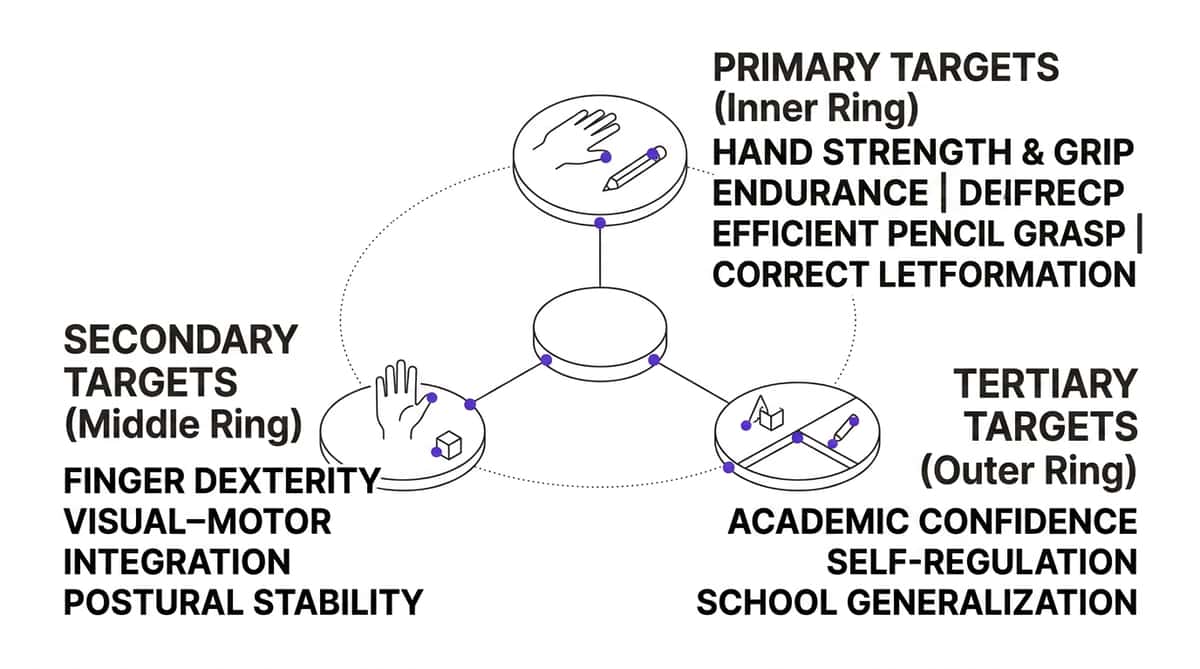
Target | Not Yet | Emerging | Achieved | |
Grip | Fist grip, white-knuckle | Modified grip with support | Dynamic tripod or functional variant | |
Line Orientation | Floats above/below lines | Sometimes between lines | Consistently between lines | |
Letter Size | Wildly inconsistent | Somewhat consistent | Size-consistent within line | |
Endurance | Fatigues after 1–2 sentences | Fatigues after paragraph | Writes 2–3 paragraphs comfortably | |
Spacing | Words run together | Inconsistent spacing | Consistent word spacing | |
Reversals | Frequent b/d/p/q errors | Occasional errors | Rare or absent errors |
ACT II: The Materials
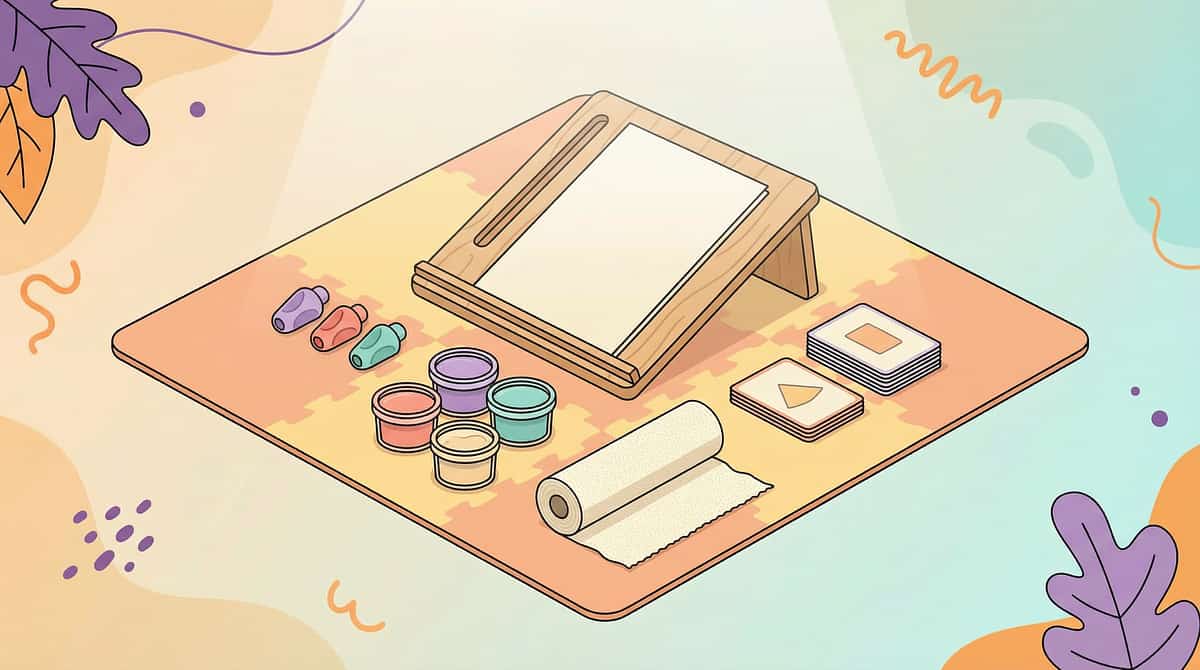
9 Materials. Each one addresses a specific layer of the writing foundation.
Start with 2–3 that match your child's most pressing gap. The complete kit costs ₹2,150–7,300. Pinnacle recommends starting with Materials 1, 2, and 5 as your foundational trio.
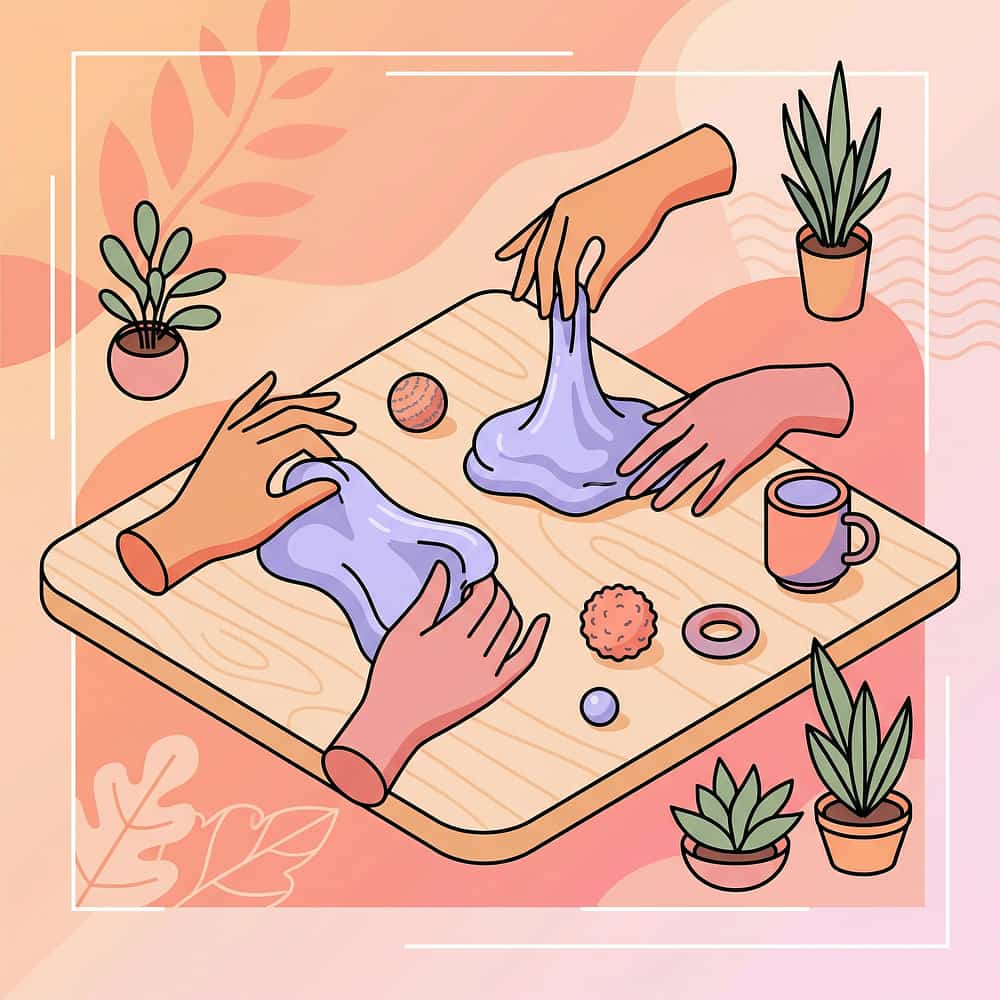
Material 1 | Theraputty / Resistance Dough
Canon: Fine Motor Strengthening | 🏷️ ₹300–800
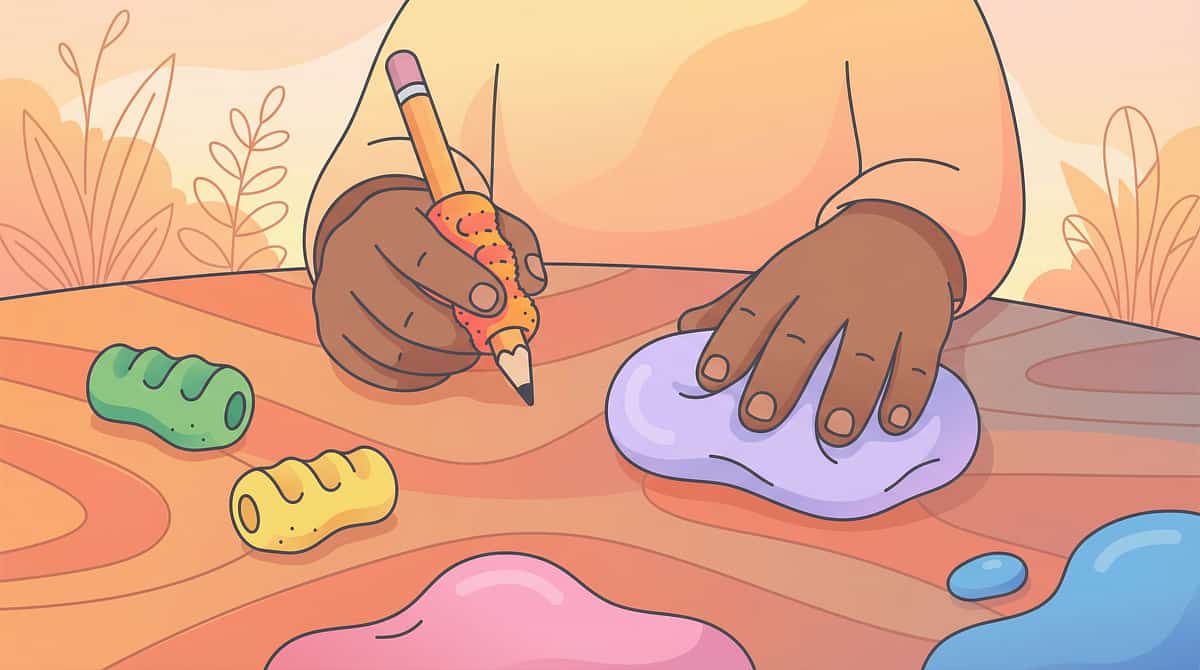
The hand strength foundation. Graduated resistance builds intrinsic hand muscles for writing endurance. Pinch, squeeze, pull, roll.

Material 2 | Pencil Grips (Assorted)
Canon: Writing Positioning Tools | 🏷️ ₹50–300
Training wheels for finger positioning. Ergonomic shapes guide fingers to efficient grip while muscle memory builds.
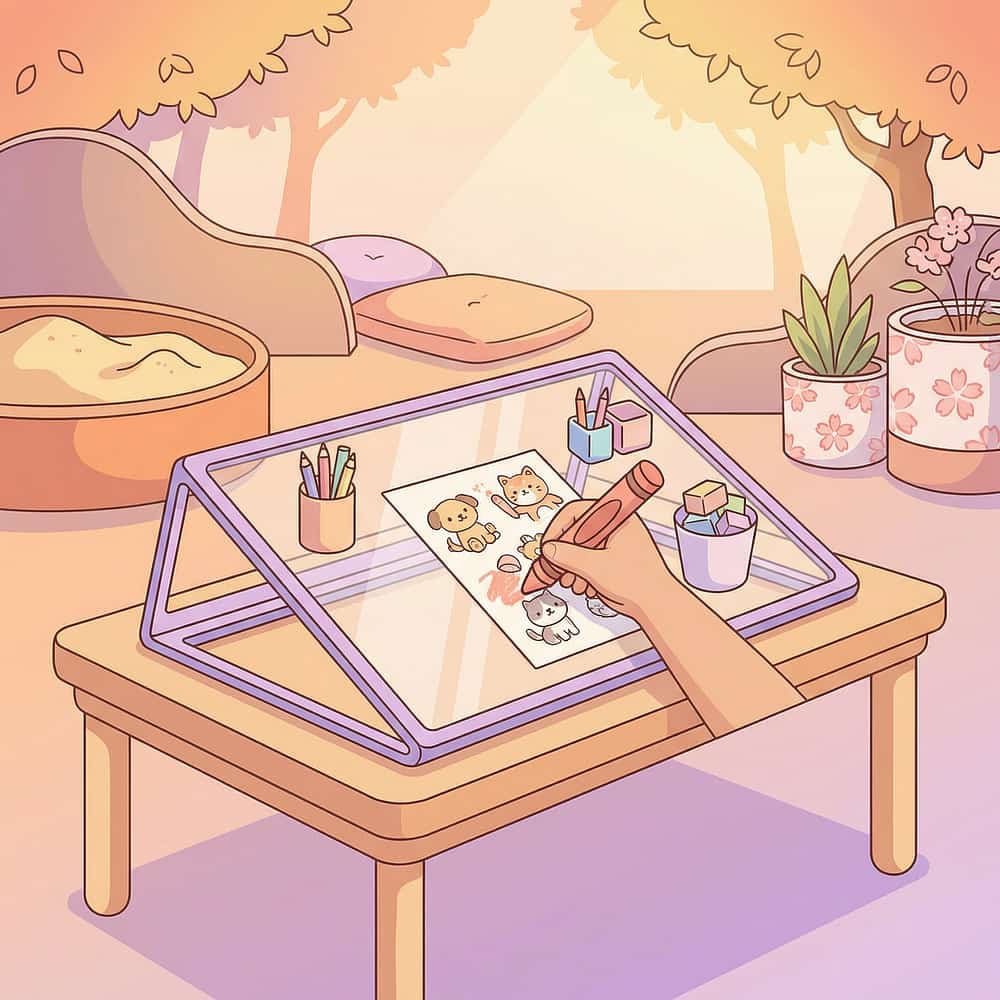
Material 3 | Slant Board
Canon: Writing Positioning Tools | 🏷️ ₹400–1,200
The right angle changes everything. 20–30° surface optimizes wrist extension, posture, and visual attention for writing.
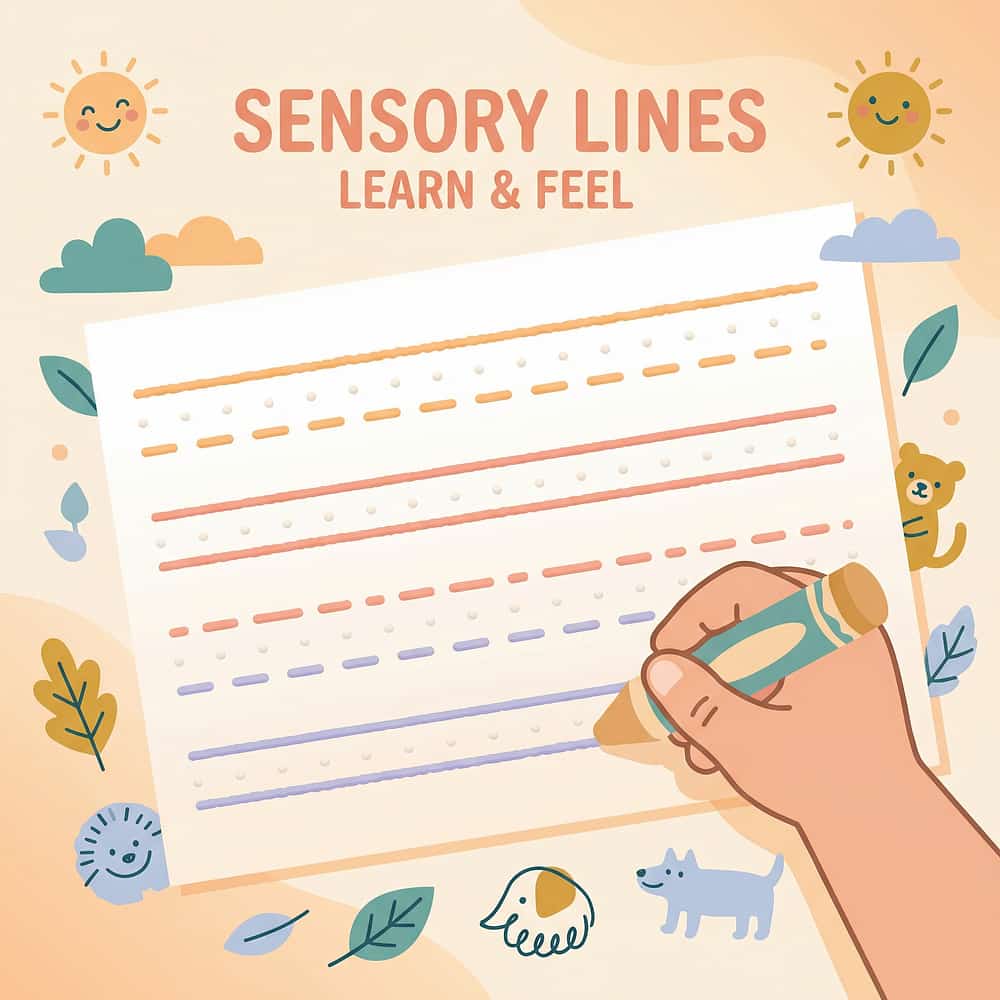
Material 4 | Raised Line Paper
Canon: Sensory Writing Supports | 🏷️ ₹200–600
Lines you can feel. Tactile raised lines give immediate sensory feedback when the pencil crosses a boundary — bypassing visual tracking demands.
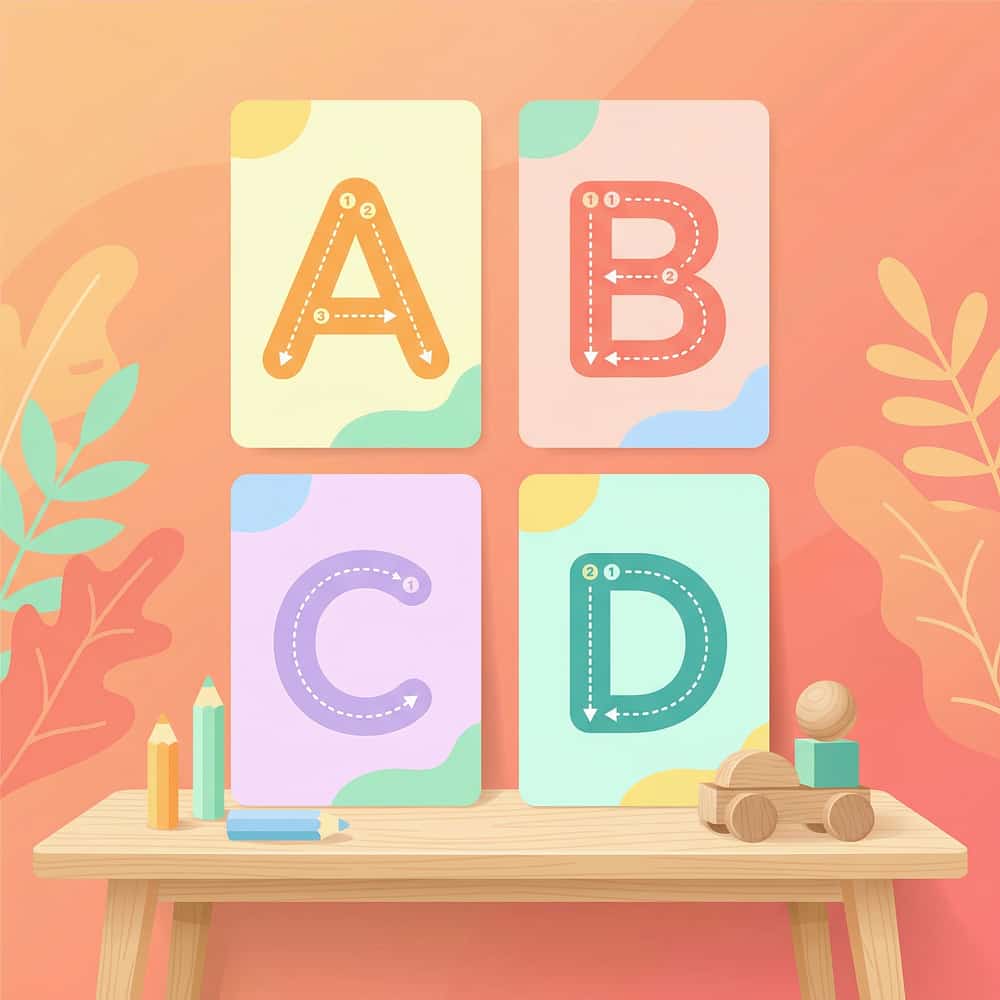
Material 5 | Letter Formation Cards with Arrows
Canon: Visual Learning Supports | 🏷️ ₹150–500
The right path to every letter. Directional arrow cards teach correct stroke sequence — the motor memory that produces fluent writing.
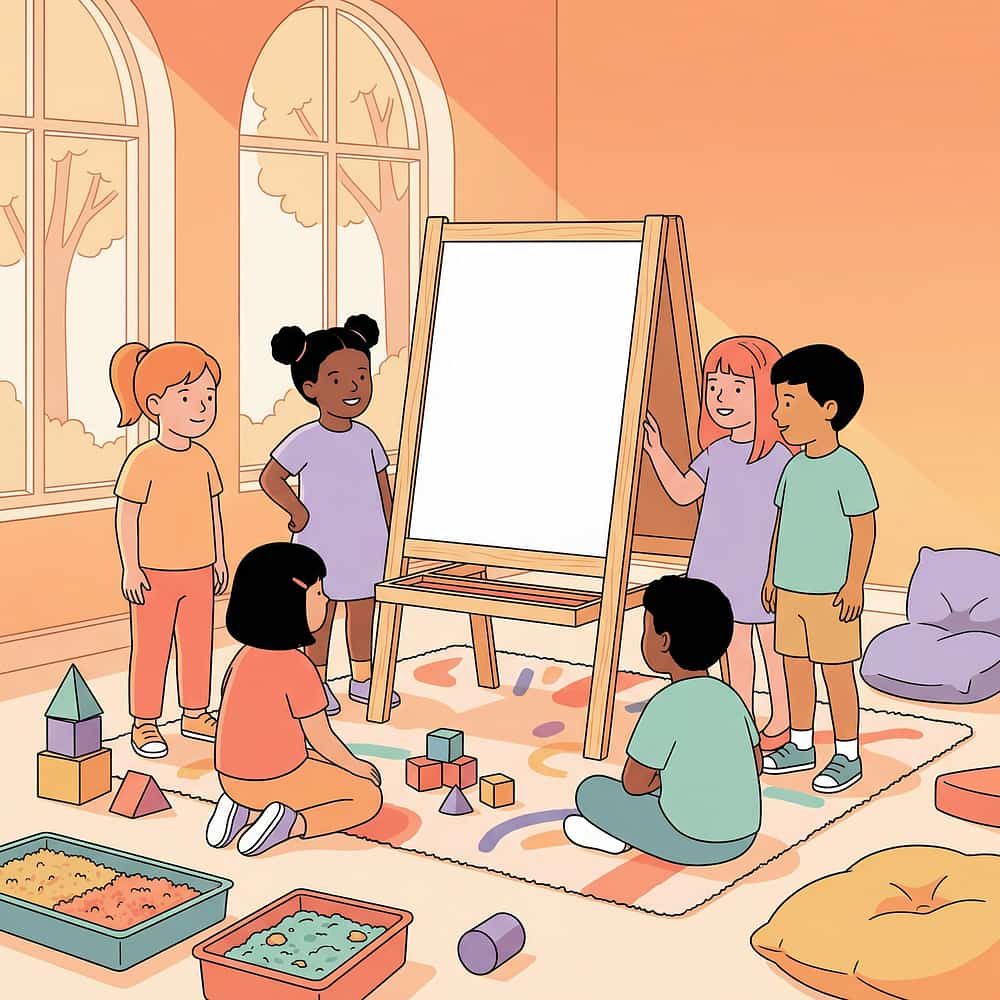
Material 6 | Vertical Surface Writing Tools (Easel/Whiteboard)
Canon: Positioning & Motor Supports | 🏷️ ₹500–2,000
Write up to write better. Vertical surfaces naturally position the wrist and arm for optimal writing mechanics. Therapy disguised as play.
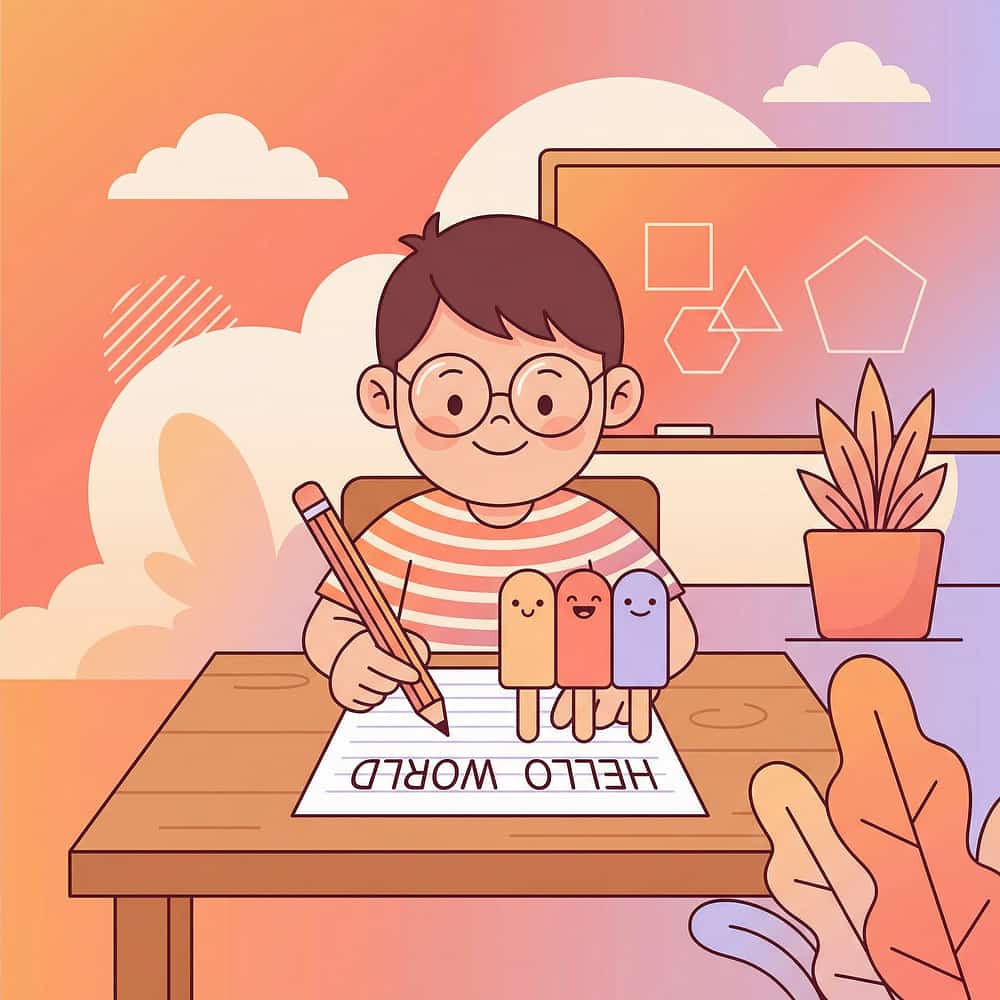
Material 7 | Spacing Tools (Finger Spacers / Popsicle Sticks)
Canon: Academic Readiness Tools | 🏷️ ₹50–200
Words with room to breathe. Concrete spacers teach spatial planning between words until muscle memory takes over.
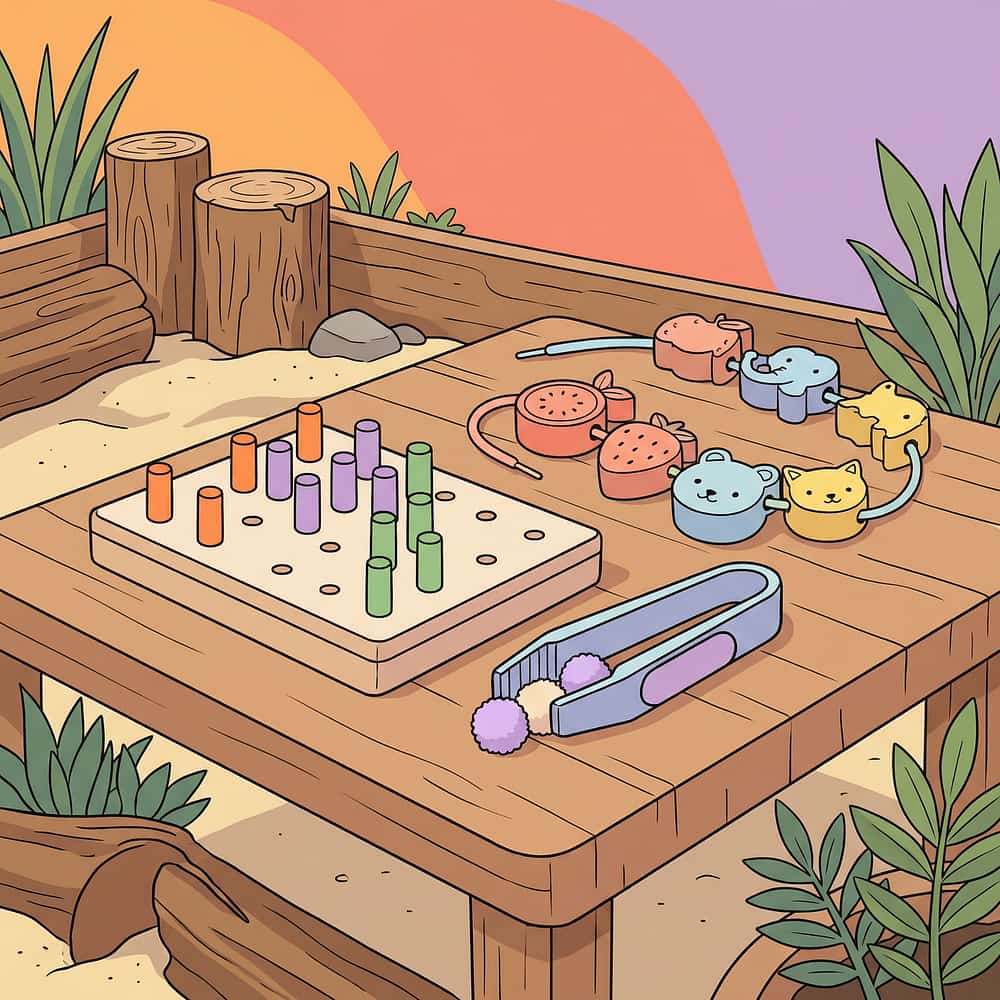
Material 8 | Fine Motor Manipulation Toys
Canon: Fine Motor Development | 🏷️ ₹200–800
Fingers ready for writing. Lacing, tweezers, pegboards, and small construction toys build the dexterity that pencil control demands.
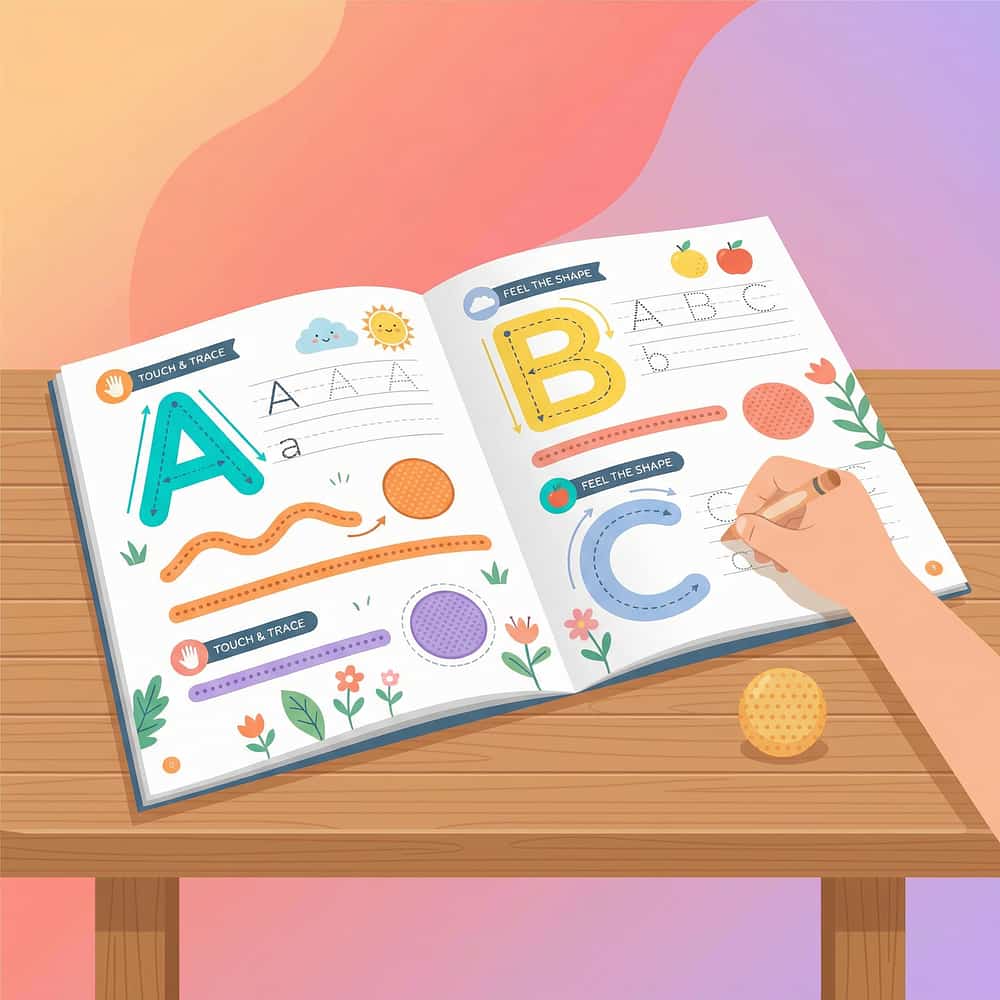
Material 9 | Multi-Sensory Handwriting Workbooks
Canon: Academic Readiness / Multi-Sensory Learning | 🏷️ ₹300–900
See it, say it, trace it, write it. Structured programs engage visual + auditory + tactile + kinesthetic pathways simultaneously — multiple routes to the brain.
Not sure which material your child needs first? Call FREE: 📞9100 181 181
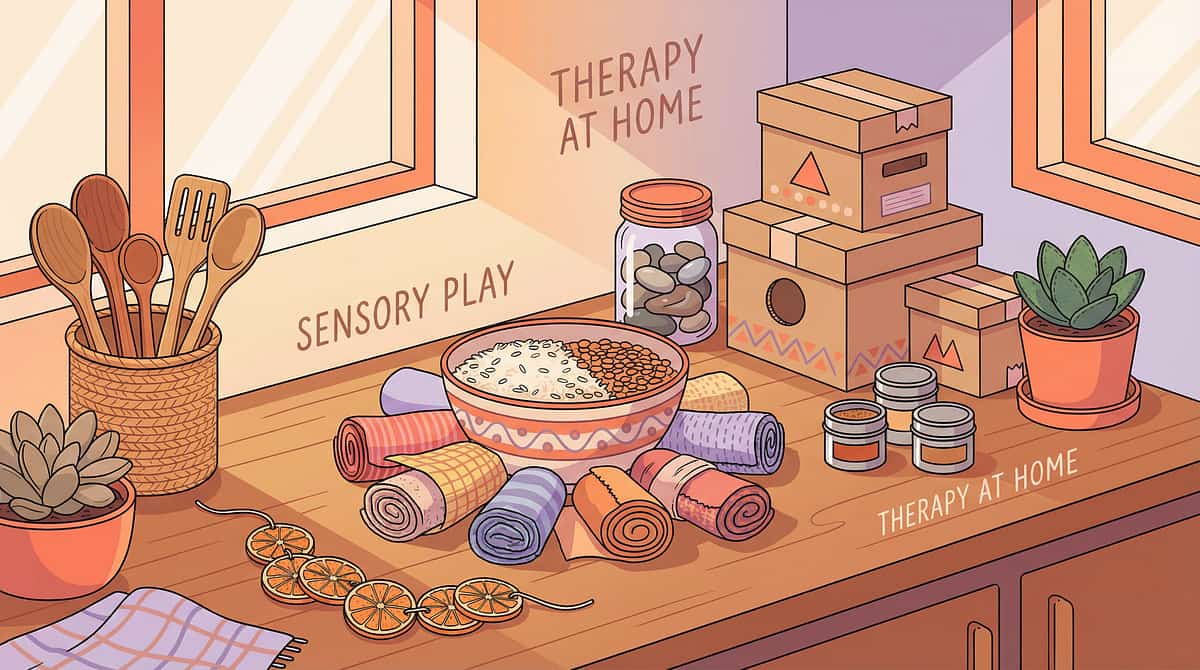
Every technique in this guide has a zero-cost version. The principle is what matters — not the brand.
WHO/UNICEF Equity Principle: Effective intervention must be accessible to every family, regardless of income.
Material | 💜 Buy This | 🏠 Make This | The Principle | |
Theraputty | Commercial theraputty (graduated resistance) | Stiff homemade dough: 2 cups flour + 1 cup salt + 2 tbsp oil + 2 cups water, cooked stiff | Resistance builds intrinsic hand muscles — any stiff, malleable material works | |
Pencil Grips | Ergonomic OT grip | Coin grip (hold coin in ring+pinky fingers while writing) · Broken crayon · Rubber band on pencil | Finger position matters — grips are guides, not magic | |
Slant Board | Commercial acrylic slant board | 3-inch 3-ring binder · Cookbook holder · Cardboard wedge taped to angle | 20–30° surface angle is the active ingredient | |
Raised Line Paper | Commercial therapeutic paper | Puffy fabric paint lines (dry completely) · White glue lines · Yarn glued to paper | Tactile boundary feedback — any raised line teaches the skill | |
Letter Formation Cards | Commercial arrow cards | Write large letters on cardstock with numbered dots and directional arrows | Stroke sequence is the motor program — not the card brand | |
Vertical Surface | Easel or mounted whiteboard | Paper taped to wall at shoulder height · Shower crayons on tiles · Outdoor fence with chalk | Shoulder-height vertical surface is the active ingredient | |
Spacing Tools | Commercial finger spacer/stamp | Index finger as spacer · Decorated popsicle stick · Dot stickers as word-gap markers | Concrete spatial reference internalizes into automatic awareness | |
Fine Motor Toys | OT-grade manipulation sets | Clothespins on bowl rim · Pompom + tweezers · Lacing through cardboard punches | Any pinch + precision + sustained grip activity builds dexterity | |
Handwriting Workbook | Structured program (e.g. HWT) | Large-lined paper + consistent parent verbal cues · Air writing · Salt/sand tray practice | Multi-sensory means multiple pathways — not a specific brand |
The child who uses a binder as a slant board and stiff homemade dough for hand strengthening is receiving the same neurological input as the child with clinical-grade materials. The material is the vehicle. The sensory-motor input is the medicine.
⚠️ Safety First
Read this before your first session. Every session. Non-negotiable.
🔴 DO NOT PROCEED if:
- Child has open wounds, skin sensitivity, or latex allergy
- Child is in active meltdown, severe distress, or illness
- Small materials are present and child mouths objects
- Child shows extreme pain response to pencil pressure (may indicate hypermobility — consult therapist first)
- OT has specified a different protocol for your child's diagnosis
🟢 PROCEED when:
- Child is fed, rested, and in a calm-alert state
- Materials are prepared and within reach before calling child
- Session space is free of distractions
- Parent is in a patient, regulated state
- Small object safety confirmed for child's developmental level
🟡 MODIFY if:
- Child is tired, hungry, or mildly dysregulated → shorten to 5 minutes, remove pressure to produce letters
- Child shows frustration within first 3 minutes → drop to hand-strengthening only
- Material introduces sensory aversion → try a different texture or material type
- Session time is limited → prioritize hand strengthening (Material 1) + one letter practice only
STOP IF YOU SEE:
- Pain reports that persist beyond first contact with material
- Skin reactions to putty or grip materials
- Signs of severe anxiety that do not resolve within 2 minutes
- Child showing signs of illness mid-session
Emergency Note: If the child becomes severely distressed: calmly say "All done. You did great." Remove materials. Transition to a preferred calming activity. Do not force completion. Note what triggered the distress. 📞 Safety questions: 9100 181 181 — 24x7
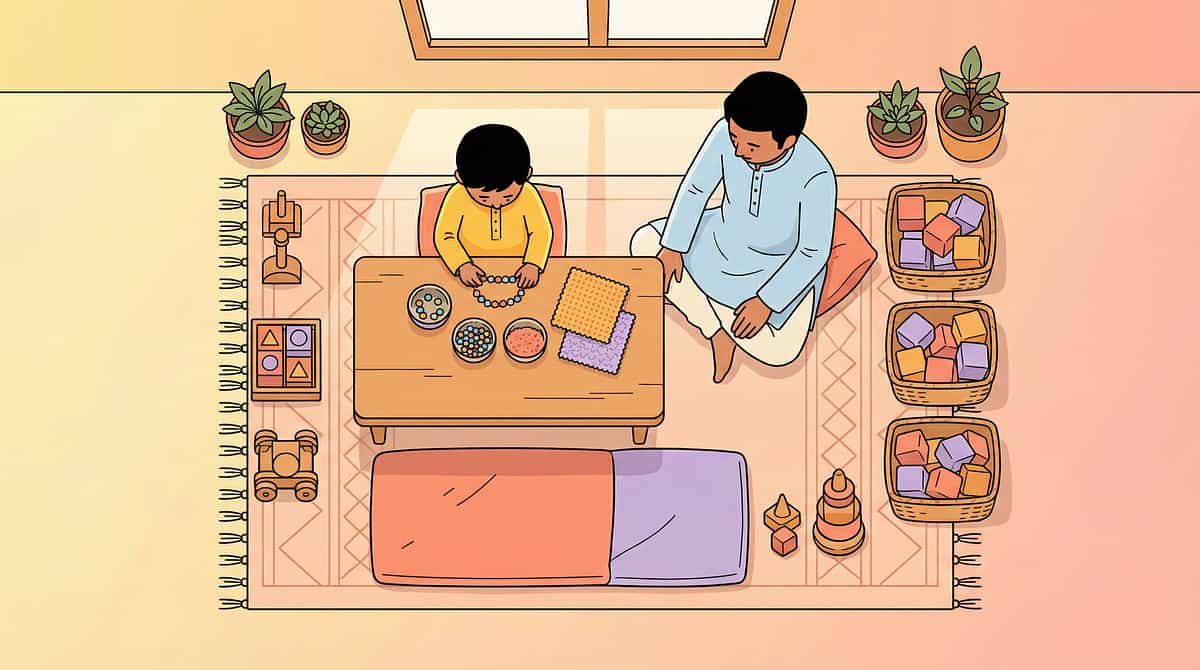
The environment is 50% of the session. Set it up before you call your child.
Setup Checklist
- Table height: child's elbows at 90° when seated
- Chair height: feet flat on floor (use footstool if needed)
- Lighting: bright, non-glare (natural preferred)
- Sound: quiet environment, no TV/competing audio
- Distractions: remove toys, screens, siblings from view
- Materials: all 3 session materials pre-positioned on the tray
- Timer: visual timer set (10–15 minutes)
- Reinforcer: identified and set aside
- Parent: phone away, fully present
Positioning Guide
🪟 Natural Light
Child seated with window to dominant side, not glaring directly into eyes
🧒 Child Position
Dominant side toward window. Slant board or flat surface — child's choice today.
👨👩👧 Parent Position
At child's shoulder, not across — coaching proximity, not interrogation position.
⏱️ Visual Timer
Visible to child. Reduces transition resistance when end is predictable.
The child walks into a space that is ready. They should never wait for setup after being called. Every setup delay erodes session momentum.
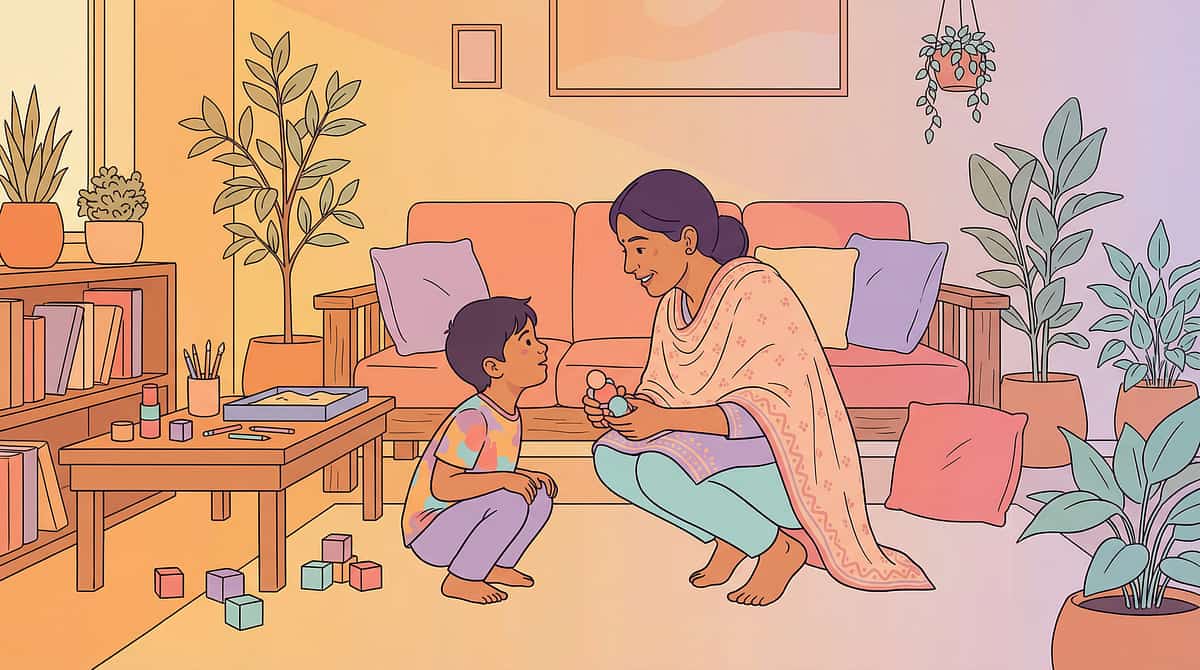
ACT III: The Execution
60 seconds. 7 questions. This determines the quality of everything that follows.
Before every session, run through this 7-point readiness gate. The outcome determines whether you proceed with a full session, a modified session, or postpone entirely.
# | Check | ✅ Proceed | 🟡 Modify | 🔴 Postpone | |
1 | Fed within last 2 hours? | Proceed | Light snack first | Full meal, then session | |
2 | Slept normally last night? | Proceed | Shorten to 8 min | Rest day today | |
3 | Calm-alert state? | Proceed | Sensory warm-up first | Calming activity first | |
4 | No active meltdown in last 30 min? | Proceed | Wait 15 more min | Tomorrow | |
5 | No illness signs? | Proceed | Monitor closely | Consult pediatrician | |
6 | Neutral/curious response to session mention? | Proceed | Use preferred material first | Try later in the day | |
7 | Parent in a regulated, patient state? | Proceed | Take 3 breaths first | Reschedule if overwhelmed |
🟢 6–7 ✅
FULL SESSION — proceed to Step 1
🟡 4–5 ✅
MODIFIED SESSION — hand strengthening only, no letter work
🔴 Under 4 ✅
POSTPONE — offer preferred play, try in 1 hour or tomorrow
"The best session is one that starts right. A good 8-minute session is worth more than a forced 20-minute battle."
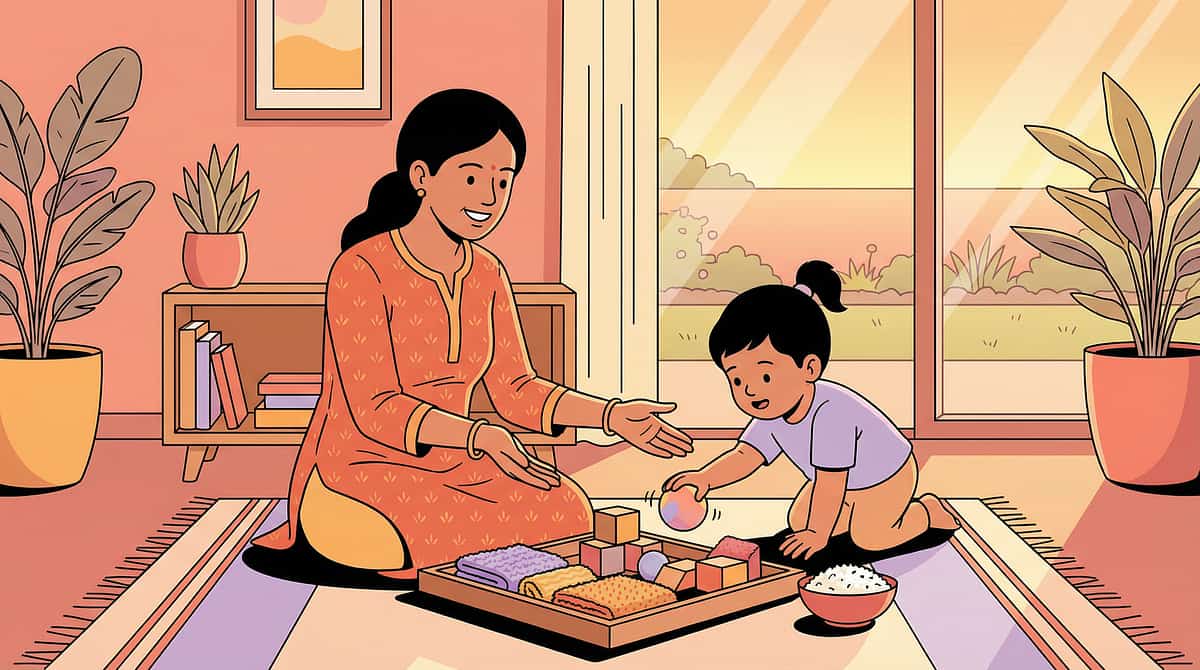
Step 1 of 6
STEP 1: THE INVITATION (0–60 seconds)
The Principle: Every session begins with an invitation, not a command. The child chooses to enter the activity. This is not optional — it is the neurological on-ramp to learning.
🗣️ "Hey, I've got something cool for your hands. Want to come check it out?" (Hold up the theraputty. Make it interesting. Squeeze it yourself first. Let the child see you enjoying it.)
What Acceptance Looks Like
- Child approaches, reaches for the material
- Child smiles, shows curiosity
- Child says yes or nods
- Child comes and sits without protest
What Resistance Looks Like & What to Do
- Child ignores → wait 15 seconds, offer again with a preferred item nearby
- Child says no → "Okay, I'll put it here. Let me know if you want to try." Leave it accessible.
- Child walks away → Join their activity for 60 seconds first, then re-introduce
Body Language Guide: Get to child's eye level. Open, relaxed posture (not hovering). Enthusiastic but not pressuring. Match their energy — calm child → calm intro; energetic child → playful intro. Timing: 30–60 seconds. Never force entry.

Step 2 of 6
STEP 2: THE ENGAGEMENT (1–3 minutes)
The Principle: The child is now present. Deepen engagement by introducing the therapeutic material as play — not as therapy. The reinforcement schedule begins here.
💪 Starting with Theraputty (Recommended)
🗣️ "Let's see how strong your hands are. Can you squeeze this? Can you hide this coin inside? Find it with your fingers."
Allow 2–3 minutes of free exploration. Note: how does the child hold the putty? Do they use their whole hand or individual fingers? This is diagnostic.
✏️ Starting with Pencil Grip
🗣️ "This is a special helper for your pencil. Let's put it on and see if your pencil feels different."
Let child attach the grip themselves if possible. Motor involvement in setup = investment in the activity.
📐 Starting with Slant Board
🗣️ "Look — a special drawing table. Just for you. See how it tilts? Try drawing something on it."
Start with drawing, not writing. Drawing on the slant board builds the same positioning benefits without the pressure of letter formation.
✅ Engaged | 🟡 Tolerating | 🔴 Avoiding | |
Child initiates contact with material | Child allows contact but doesn't explore | Child pulls away or protests | |
Child looks at material with interest | Child is passive, waits for instruction | Child tries to leave | |
Child makes comments or sounds | Child completes task mechanically | Child expresses distress |
🗣️ "I love how you're trying that! Your hands are working so hard!" — Praise the engagement, not the quality.

Step 3 of 6
STEP 3: THE THERAPEUTIC ACTION (5–12 minutes)
The core of each session. Match the activity to the material your child is working with today. Specific protocols, therapeutic dosages, and error corrections are listed for each of the 9 materials.
💪 Theraputty — Hand Strength Protocol
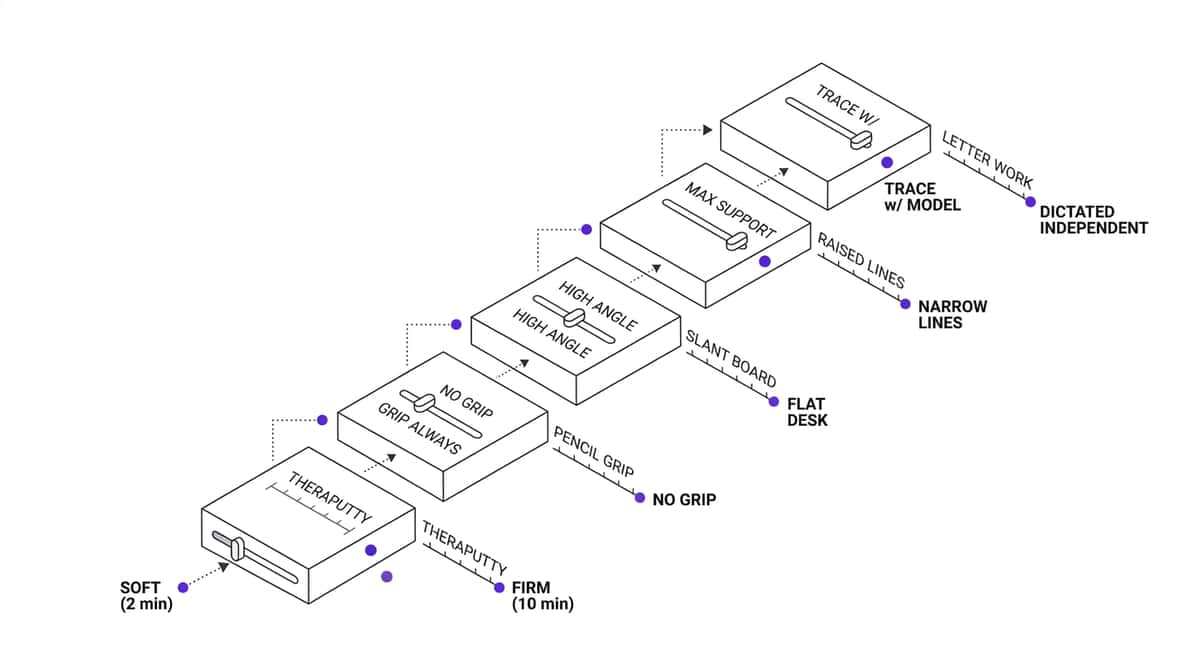
Squeeze putty 10× with full hand → Pinch with thumb + index: 10 reps each hand → Hide 3 coins/beads → find with fingertips only → Roll into snake, press flat, roll again (5 reps). Dosage: 5–10 min daily. Advance to medium resistance once soft putty is mastered.
✏️ Pencil Grip — Positioning Protocol
Attach grip → Child places fingers: thumb + index on grip, middle supporting → Draw connected loops for 2 min → Trace large letter outlines → Remove grip for last 60 seconds, observe if position holds. Goal: grip position becomes muscle memory, not dependent on external support.
📐 Slant Board — Posture Protocol
Place at 20–25° → Secure paper → Child sits with feet flat, elbows at 90° → Begin with large circles → lines → pre-writing shapes → Add writing once posture is established. The angled surface reduces fatigue and produces more fluid strokes.
📄 Raised Line Paper — Tactile Awareness Protocol
Child runs finger along raised line first → Draw horizontal lines along guidance → Trace between raised lines for 3-letter words → Child says when pencil "crosses" the line → Fade to regular paper every 3rd session.
🔤 Letter Formation Cards — Motor Sequence Protocol
Trace with finger (not pencil) × 3 reps → Air writing (large, parent says cue simultaneously) → Sand/salt tray → Paper with model card visible → Paper without model card. The sequence: Trace → Air → Sand → With model → Independent.
Common Error | Why It Happens | Fix | |
Child uses whole fist on putty | Insufficient individual finger awareness | Add coin-hide game to isolate fingers | |
Grip slips during writing | Wrong grip size for child's hand | Try a different grip type (triangular vs. cushioned) | |
Child uses flat desk despite slant board | Habit override | Tape paper to slant board so flat surface isn't available | |
Child won't trace tactile letter | Tactile sensitivity | Start with air tracing, then smooth plastic letter before raised paper | |
Reversals persist despite arrow cards | Motor program not yet consolidated | Add verbal cue: "b starts with the tall stick, then the bump" |
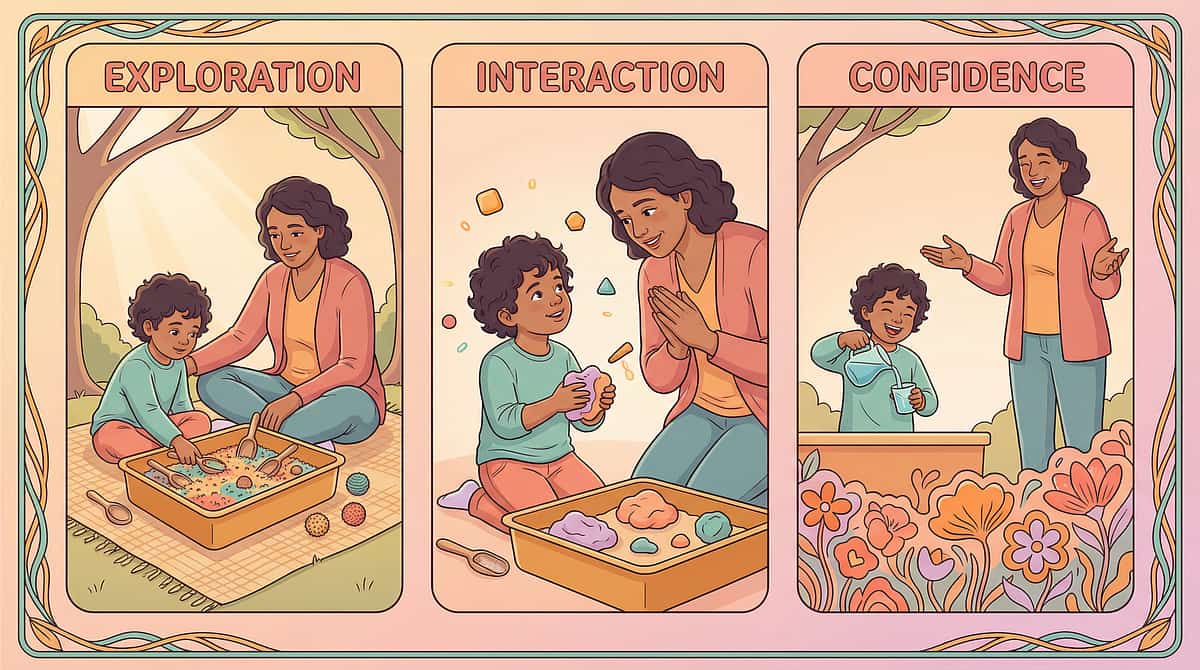
Step 4 of 6
STEP 4: REPEAT & VARY (3–5 minutes)
3 quality repetitions outweigh 10 forced ones. The therapeutic dose is engagement + effort + correct pattern — not quantity.
Material | Target Reps | Variation to Maintain Engagement | |
Theraputty | 3–5 grip patterns × 10 reps | Change hidden object, add color mixing, race the timer | |
Pencil Grip | 2–3 min grip-supported drawing | Change surface (slant board → flat → wall paper) | |
Slant Board | 5–7 letter formations | Change letter family (tall letters → round letters) | |
Raised Line Paper | 3–5 words | Change word difficulty (name → 3-letter CVC → sentences) | |
Letter Formation Cards | 3 reps per letter × 3 letters max | Change modality (trace → air → sand → paper) | |
Vertical Surface | 5–10 minutes free writing | Add a game (draw a story, write to a friend) | |
Spacing Tools | 3–5 sentences | Change spacer tool (finger → stick → stamp → none) | |
Fine Motor Toys | 5–8 minutes play | Rotate toy type (lacing → tweezers → pegs → building) | |
Workbook | 2–3 pages (1 is fine) | Alternate: trace one page, copy next, independent last |
The 3-Good-Reps Rule: Stop at 3 quality reps. Leave the child wanting more. A session that ends at mastery — not failure — builds motivation for tomorrow. Satiation Indicators (stop before this): movements become sloppy, child begins seeking escape, quality drops dramatically, or child expresses "all done" — honor it.
Step 5 of 6
STEP 5: REINFORCE & CELEBRATE (within 3 seconds of success)
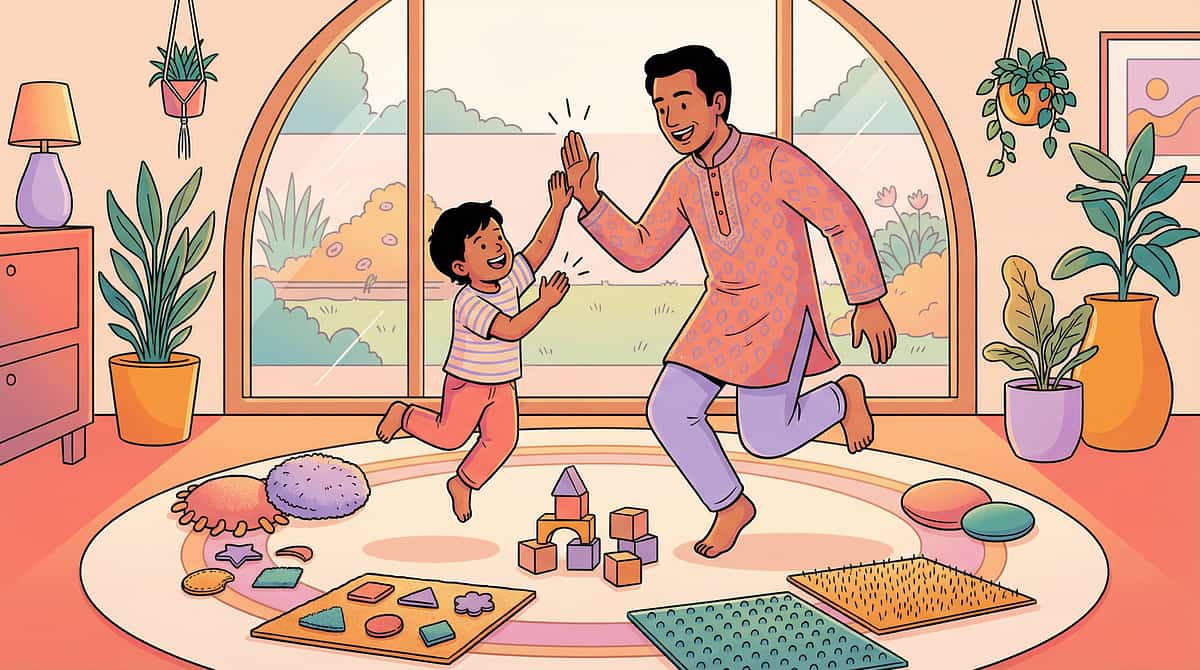
The ABA Principle: Reinforcement delivered within 3 seconds of the desired behavior increases the probability of that behavior occurring again. The what matters less than the when and the specificity.
🗣️ Verbal / Social
- Specific praise ("Your fingers stayed on the grip the whole time!")
- High five / fist bump
- Victory dance together
- "Show Daddy/Grandma what you did"
⭐ Token-Based
- Star chart (5 stars = preferred activity)
- Puzzle piece reward (collect over sessions)
- Sticker for each completed material session
🎮 Activity-Based
- 5 minutes of preferred screen/game immediately after
- Choose next activity
- Extra story at bedtime
Celebrate the attempt, not just the success. A child who touched the theraputty for 10 seconds when they usually refuse — that is mastery. Treat it as such.
🗣️ "I saw you hold the pencil in the right spot! That was your fingers working perfectly!"
🗣️ "Look at that — your 'a' stayed between the lines. Your hand did that!"
🗣️ "You squeezed that putty for the whole time. Those are strong writing hands!"
📞 Reinforcement menu questions? Call FREE: 9100 181 181

Step 6 of 6
STEP 6: THE COOL-DOWN (1–2 minutes)
The Principle: No fine motor session ends abruptly. The transition from effortful engagement back to baseline prevents post-session dysregulation and sets up the next session's success.
The 2-More Warning
🗣️ "Two more, then we're all done for today. You're doing so well."
Cool-Down Activity (choose one)
- Roll theraputty into a ball and put away together
- Child places pencil grips back in their box
- Draw one free scribble → "Your drawing, your choice"
- Heavy work: push palms together for 10 seconds (proprioceptive calming)
- Blow 5 breaths → visual calming
Material Put-Away Ritual
Child participates in putting materials away. This closes the session loop neurologically, builds routine and predictability, and previews the next session ("We'll get these out again tomorrow").
Transition to Next Activity
🗣️ "Writing hands all done. Now it's [preferred activity] time."
If Child Resists Ending
🗣️ "I know — you want to keep going. That means your hands are getting strong! We'll do more tomorrow."
Do not extend the session. Ending at appetite is a therapeutic strategy.

Within 60 seconds of ending the session — record these 3 data points.
This is the difference between hope and evidence. 60 seconds of data now replaces 60 minutes of "I think it's getting better" at the next therapy review.
📋 H-741 Session Log
Date: __________ | Material used: __________
1. ENGAGEMENT (circle): 1 — 2 — 3 — 4 — 5 (1 = refused/minimal | 3 = tolerated | 5 = enthusiastic)
2. TARGET BEHAVIOR OBSERVED (check all that apply):
- □ Maintained grip for 2+ minutes
- □ Stayed within lines (50%+ of attempts)
- □ Correct letter formation (any letter)
- □ Appropriate spacing between 3+ words
- □ No cramping/fatigue complaints today
- □ Session completed without behavioral escalation
3. ONE OBSERVATION (in your words): ______________________
Total session time: ______ min
Why This Matters
Your session logs feed directly into the AbilityScore® Fine Motor Readiness Index — building your child's personalized progress trajectory over time. Every data point informs your OT, your child's school, and GPT-OS® of exactly what is working.
📞9100 181 181 — Ask your therapist to review your session log at your next consultation.

Most sessions don't go perfectly. This is not failure. This is the data that makes the next session better.
❌ Problem 1: Child refuses all materials entirely
Why: New activity + demand = avoidance. The pairing phase needs more investment. Fix: For 3 days, bring out the materials but only let child watch. No demands. Play with putty yourself. Slowly lower the barrier.
❌ Problem 2: Child grips correctly with grip but reverts immediately when removed
Why: Muscle memory hasn't formed yet. The grip is a cue, not yet a pattern. Fix: Keep grip on for 3 more weeks. Muscle memory at this skill level takes 21–30 days of consistent reinforcement.
❌ Problem 3: Child presses too hard even with slant board
Why: Pressure regulation is a separate proprioceptive skill. Fix: Add carbon paper under practice paper so child can see their pressure. Target: light enough that carbon doesn't mark through.
❌ Problem 4: Letter reversal persists despite formation cards
Why: Visual discrimination between b/d is a specific visual-perceptual skill, not just a motor issue. Fix: "Bed trick" — the word 'bed' forms b and d in the correct direction. Show child: b is the headboard, d is the footboard.
❌ Problem 5: Child fatigues after 3–4 letters despite hand strengthening
Why: Building endurance takes 4–6 weeks. Current expectation may exceed current capacity. Fix: Set a realistic writing quota: 3 letters today. 5 next week. Increase by 1–2 letters per week.
❌ Problem 6: Spacing tool helps in session but child forgets in natural writing
Why: Generalization requires extended practice with the cue, then planned fading. Fix: Keep spacer for 4 more weeks, then fade to finger-only, then to internalized awareness.
❌ Problem 7: Child completes workbook pages but writing doesn't improve in other contexts
Why: Workbook writing and natural writing use different motor contexts. Fix: Add 2 "naturalistic" writing opportunities daily: grocery list item, note to family member, label on a drawing.
Session abandonment is not failure. It is data. Every piece of data — even a refused session — tells the therapist something valuable about the child's current readiness state.
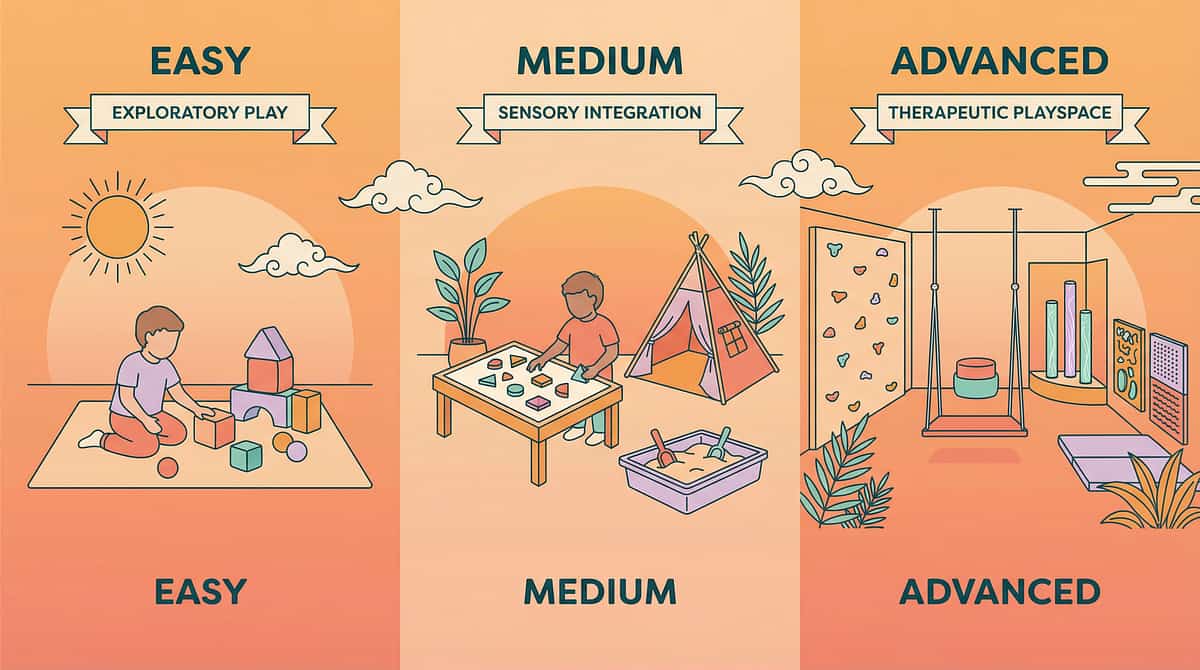
No two children write the same way. No two home programs should be identical.
Age-Based Modifications
Ages 4–5
Pre-writing focus. Use only theraputty, vertical surface, and fine motor toys. No letter formation yet — pre-writing shapes only. 5–8 minute sessions maximum.
Ages 6–7
All 9 materials appropriate. Focus: grip, line orientation, letter formation of own name + alphabet. 10–15 minute sessions.
Ages 8–10
Focus shifts from formation to spacing, speed, and endurance. Add timed writing practice. 15–20 minute sessions; naturalistic practice in homework context.
Sensory Profile Variations
🔊 Sensory Seeker
Firmer putty → Heavier pencil → Strong tactile raised lines → Larger vertical surface movement → Strong proprioceptive cool-down
🔇 Sensory Avoider
Softest putty → Lightweight pencil with soft grip → Smooth texture before raised paper → Gradual introduction to each material → Gentle cool-down

ACT IV: The Progress Arc
Weeks 1–2
Weeks 1–2: You are not seeing writing improvement yet. You are building the platform that writing improvement requires.
✅ What You WILL See (Weeks 1–2)
- Child tolerates the materials without protest
- Grip position holds for 30–60 seconds longer than day one
- Child engages with theraputty for longer durations
- Child begins to anticipate the session with curiosity
- Reduced emotional response to writing-related tasks
❌ What You Will NOT See Yet (and that's correct)
- Letter quality improvement (too early — foundation building phase)
- Consistent grip without support (requires 3–4 weeks minimum)
- Staying on lines reliably (visual-motor integration takes 4–6 weeks)
- Reduced reversals (letter discrimination builds over 6–8 weeks)
"If your child tolerates the theraputty for 3 seconds longer today than last week — that is measurable neural pathway formation. Record it."
Weeks 1–2 are the hardest. You are doing work that is invisible. The roots are growing underground. Trust the protocol.

ACT IV: Progress
Weeks 3–4
Weeks 3–4: Watch for these 5 consolidation signals. They mean neural pathways are forming.
The Spontaneous Reach
Child picks up theraputty or asks for session materials without being prompted. The activity has been associated with positive outcomes in the child's nervous system.
The Grip Hold
Child maintains a modified or functional grip for 2+ minutes without external prompting — even if not the perfect tripod position. The motor pattern is beginning to consolidate.
The Line Awareness
Child begins to self-correct when writing crosses a line, saying something like "I went outside." Self-monitoring precedes self-correction — this is the spatial awareness system activating.
The Preference Signal
Child begins to prefer one material (often theraputty) and asks for it beyond session time. Motivation is consolidating — use this.
The Confidence Shift
Child's emotional response to writing requests changes — less protest, shorter transition time, more "okay, I'll try." This shift precedes skill mastery by weeks.
"You may notice you're becoming more confident too. Your setup routine is smoother. Your praise is more specific. You've learned your child's writing profile from the inside. That expertise is irreplaceable." — Pinnacle Blooms Consortium
If you see 3+ consolidation signals consistently: add a 5-minute after-homework reinforcement practice with one preferred material.

ACT IV: Progress
Weeks 5–8
Weeks 5–8: These are the mastery criteria. When 3 appear consistently across 5 sessions — the foundation has been built.
Skill | Mastery Criterion | Generalization Check | |
Hand Strength | Maintains writing for 8+ minutes without fatigue complaint | Writing during homework, not just sessions | |
Grip | Functional grip maintained for full writing session without grip support | Observed using functional grip in class | |
Line Orientation | 80%+ of letters land between lines | Observed in natural writing (not just practice) | |
Letter Formation | 75%+ of letters formed with correct stroke sequence | Letters legible to teacher and classmates | |
Spacing | Consistent spacing maintained across 3+ word sentences | Spacing present in spontaneous writing | |
Reversal Reduction | b/d reversal in fewer than 20% of attempts | Reduced errors in timed writing at school |
🏆 Writing Foundation Complete
✅ Hand Strength Built ✅ Grip Established ✅ Line Orientation Functional ✅ Letter Formation Consolidated ✅ Spacing Internalized
Ready: H-742
Handwriting at School — the next level in your child's fine motor journey. The foundation is now in place.
Maintenance Check: After reaching mastery criteria, remove one material support for one week. If skills maintain → the motor program is internal. If regression → one more 2-week block with support.

You rebuilt your child's writing foundation from the ground up. In your home. Without a clinic.
Your child can now hold a pencil without pain. Their letters stay closer to the lines. The spacing makes sense. The reversals are less frequent. The homework sessions are shorter. They don't cry at the sight of a worksheet anymore.
This is not a small thing. This is neurological infrastructure you built — a foundation that will serve your child for every year of schooling ahead.
"You did this. Your child grew because you showed up — imperfectly, consistently, lovingly — session after session. You are a therapeutic parent, and that is one of the most powerful roles in your child's development." — Pinnacle Blooms Consortium
📸 Photo/Journal Prompt: Compare today's writing sample to your Week 1 sample. Place them side by side. This is the evidence of your family's work. Let your child write something to celebrate — a note, a list, a name. Frame it.
⚠️ Red Flags
Even in the mastery zone — watch for these signals. They are your child asking for professional backup.
🔴 Red Flag 1: Pain That Persists
Child reports hand, wrist, or arm pain that doesn't resolve within 10 minutes of session ending, or that appears before sessions. May indicate hypermobility, joint issues, or nerve sensitivity. Action: Stop hand strengthening. Consult OT + pediatrician within 1 week.
🔴 Red Flag 2: Regression After Progress
Skills consolidated at Week 4–5 appear to regress significantly at Week 6–8. Some fluctuation is normal; sustained regression is not. Action: Note duration and context. Teleconsult within 2 weeks to rule out developmental shifts or new stressors.
🔴 Red Flag 3: Emotional Escalation Increasing
Sessions that used to be calm are now triggering meltdowns. Writing-related anxiety is increasing, not decreasing. Action: Pause writing-specific work. Focus on hand play only. Seek OT review — the approach may need revision.
🔴 Red Flag 4: Zero Transfer to Natural Writing
After 8 weeks of consistent practice, zero generalization to any natural writing context. Skills remain session-specific. Action: May indicate dysgraphia requiring formal assessment and alternative accommodations (technology, scribe).
🔴 Red Flag 5: Significant Handedness Confusion
Child is switching writing hands frequently mid-session in a way that differs from the first session pattern. Action: Flag for OT — unexpected handedness shift can indicate neurological changes requiring review.
📞9100 181 181 | Find a Pinnacle center near you →
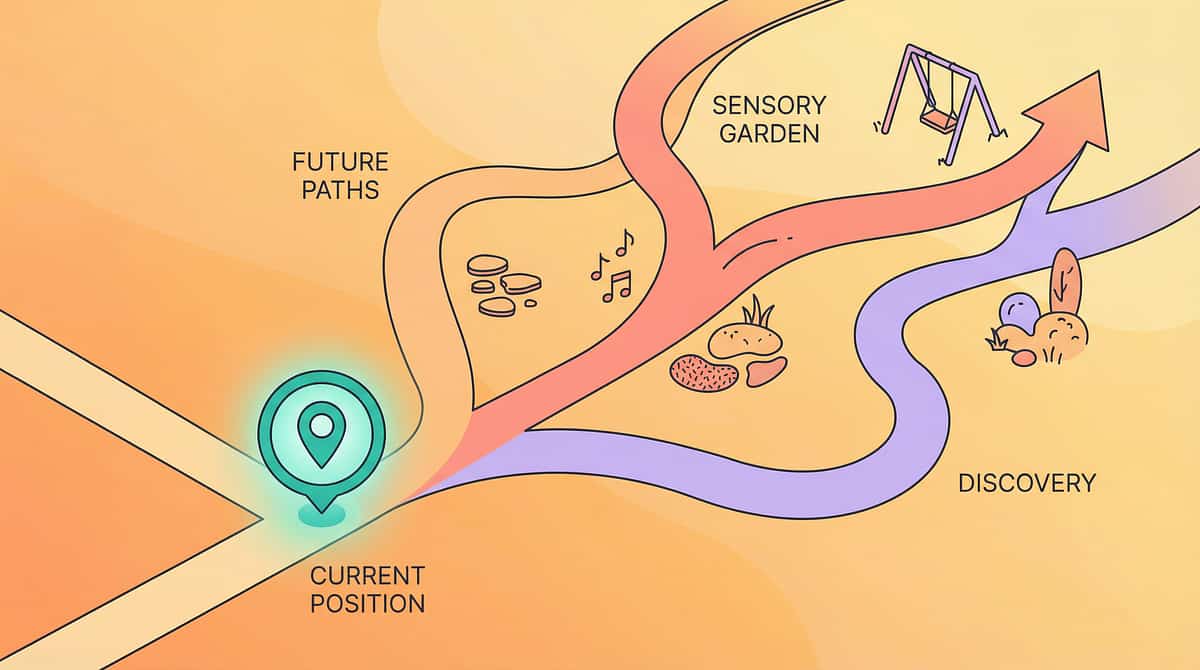
You're not done. You're on a journey. Here is where H-741 sits — and where it leads.
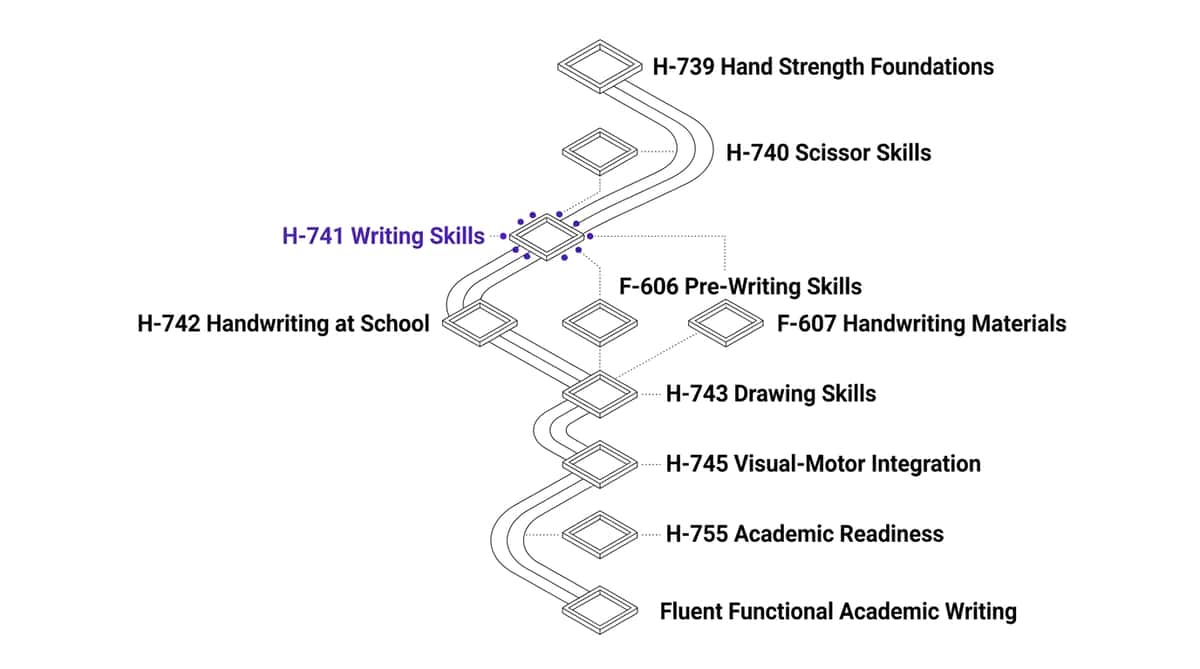
Child Profile-Based Branching
Grip Primary Issue
Return to H-740 (fine motor prerequisite) before advancing
Letter Formation Primary
F-606 (pre-writing strokes) as concurrent track
School Pressure Primary
H-742 (Handwriting at School) immediately
Visual-Motor Flagged
H-745 as parallel track alongside current protocol
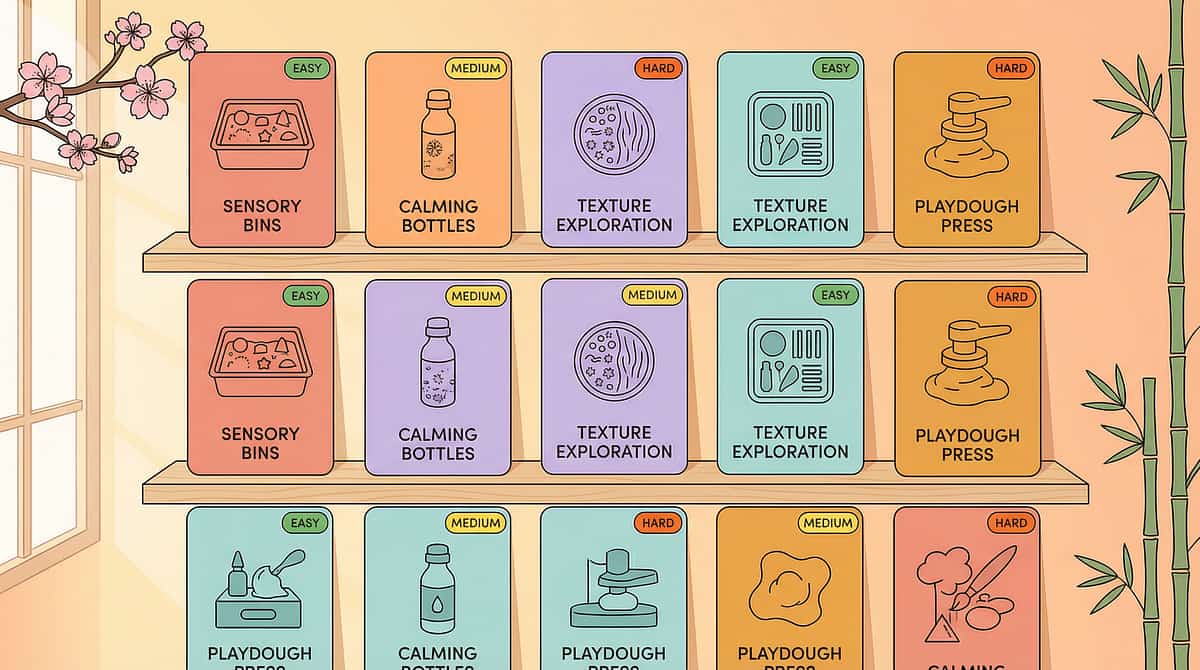
These techniques sit in the same fine motor ecosystem. The materials you already have work across all of them.
"Materials You Already Own" indicator: If you have completed H-741 materials, you already own everything needed for H-739, H-740, H-742, and H-743.
Technique | Code | Difficulty | Shared Materials | |
Hand Strength Foundations | H-739 | 🟢 Intro | Theraputty, fine motor toys | |
Scissor Skills | H-740 | 🟡 Core | Fine motor toys, hand strength | |
Writing Skills (YOU ARE HERE) | H-741 | 🟡 Core | All 9 materials | |
Handwriting at School | H-742 | 🟡 Core | Pencil grips, slant board, workbook | |
Drawing Skills | H-743 | 🟢 Intro | Vertical surface, fine motor toys | |
Pre-Writing Skills | F-606 | 🟢 Intro | Raised line paper, letter cards | |
Visual-Motor Integration | H-745 | 🔴 Advanced | Slant board, letter formation cards | |
Academic Readiness | H-755 | 🔴 Advanced | Workbook, spacing tools |
📂 Fine Motor & Academic Readiness | FM-02 Cluster Browse all Fine Motor techniques →

Writing skills are one piece of your child's complete developmental profile. GPT-OS® holds the full map.
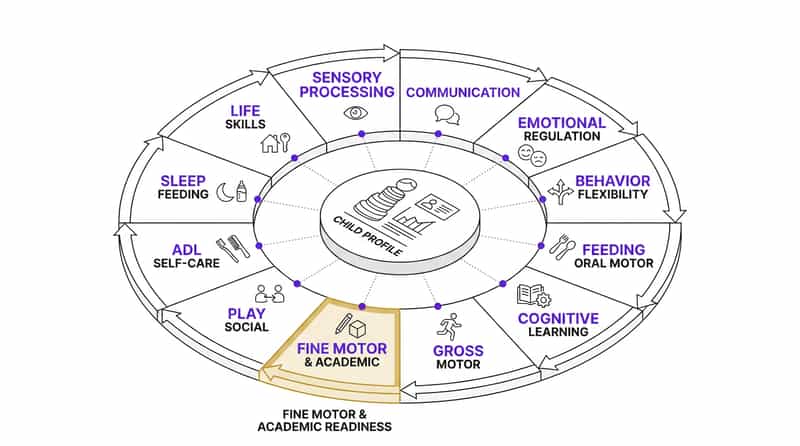
📍 Domain H: Fine Motor & Academic Readiness
Technique: H-741 Writing Skills Position in domain: Core-level Connected domains: F (Cognitive/Learning), G (Gross Motor), A (Sensory Processing)
Writing development intersects with sensory processing, emotional regulation, gross motor stability, and cognitive working memory. GPT-OS® tracks all 12 domains simultaneously — so intervention in fine motor also shows ripple effects in academic confidence and emotional regulation.
Your Next Steps
📞 FREE: 9100 181 181 — Speak to a trained clinical coordinator about your child's full developmental profile.
ACT V: Community & Ecosystem
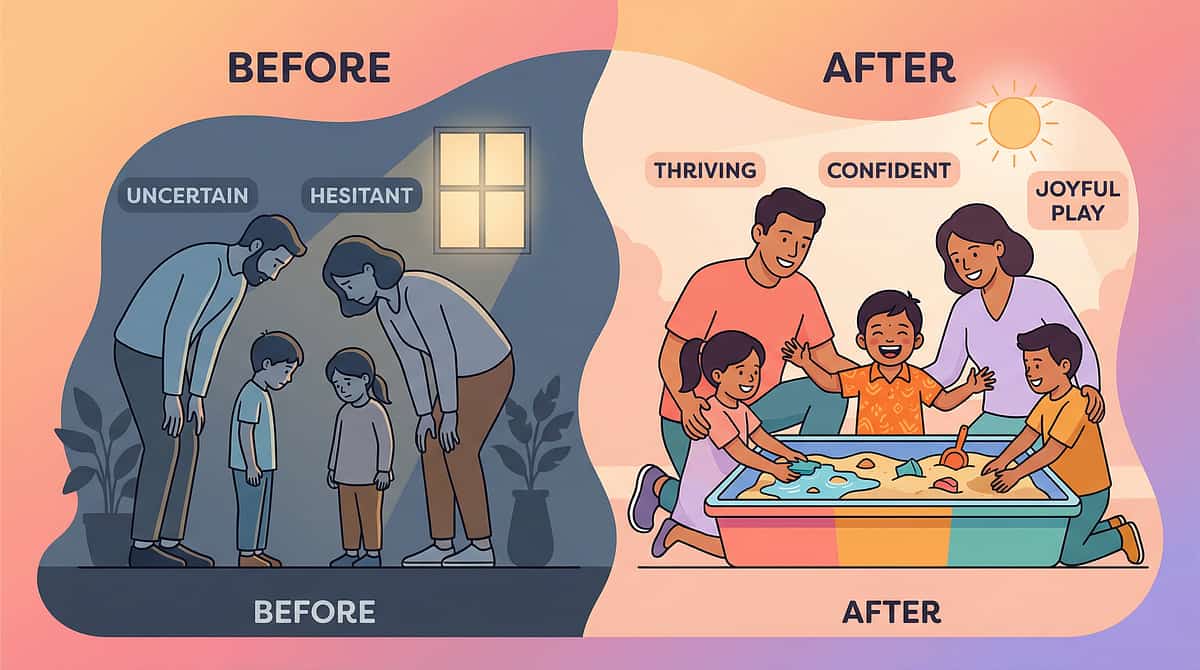
These families started exactly where you are. Their children's journeys are the evidence.
Priya, Hyderabad | Age 7 | ASD + Fine Motor Delay
Before: "My daughter would burst into tears the moment she saw a pencil. Her homework was 2 hours of battles every night. She couldn't write her own name legibly."
After 8 Weeks: "Week 6, she wrote her own name on a birthday card for her cousin. She showed everyone. She was so proud. That piece of paper is framed in our house."
From the Therapist: The slant board was the critical unlock — wrist extension it provided reduced her pressure from 3× normal to near-normal within 2 weeks. Hand strengthening and grip followed. Letter formation was added at Week 5 once the foundation was in place.
Ramesh & Kavita, Bengaluru | Age 9 | DCD + Dysgraphia Risk
Before: "Arjun knows everything. He can tell you the answer to any question. But his handwriting is so slow and painful that his timed exams are disasters. His confidence has been falling for two years."
After 10 Weeks: "He writes paragraphs without pain. His speed improved enough that he can finish the written portion of class tests. More important: he stopped saying 'I'm bad at writing.'"
From the Therapist: Arjun was intelligent and motivated — but practicing on an inadequate physical foundation only built frustration. Once hand endurance was established and letter formation motor programs were corrected, speed followed naturally.
Meera, Chennai | Age 5 | Autism, Pre-Writing Stage
Before: "She wouldn't touch a pencil at all. Sensory avoidance. Writing was completely off the table."
After Week 4: "She makes marks on paper now. With a crayon. She did it herself."
"After four years of waiting for writing to be possible — she made marks. I cried for an hour." — Meera's mother
Outcomes illustrative. Individual results vary by diagnosis, intervention consistency, and developmental profile.

You don't have to do this alone. There are thousands of families running this same protocol right now.
📱 WhatsApp Parent Group — Fine Motor & Writing Support
Active parents sharing session notes, material tips, and progress celebrations. Join the H-741 Writing Skills Parent Group for real-time peer support.
💬 Pinnacle Community Forum
Question and answer, troubleshooting, therapist responses. Community.pinnacleblooms.org →
📍 Local Parent Meetups
Find Pinnacle families in your city at your nearest center. Find a Pinnacle center →
🤝 Peer Mentoring
Connect with a Pinnacle parent who has already completed H-741 with their child. They know what week 3 feels like. Request a peer mentor →
"Your journey — the sessions that worked, the sessions that didn't, what your child finally did in week 6 — helps the next parent who arrives scared and overwhelmed. Consider sharing it."
📞FREE National Helpline: 9100 181 181 | 16+ languages | 24x7

Home-based intervention works best when backed by professional expertise. Here is your professional layer.
Therapist Matching for H-741
Primary Discipline: Occupational Therapy (OT) Supporting: Special Education + ABA/BCBA
70+ centers across India | Nearest center by GPS
📞 FREE: 9100 181 181 | Monday–Saturday, 9am–7pm | Emergency: 24x7
What Your OT Session Will Cover
- Formal handwriting and grip assessment
- VMI (Visual-Motor Integration) evaluation
- Component skill profiling (strength, dexterity, posture)
- Personalized home program adjustments
- Data review from your H-741 session logs
For Remote/Rural Families
Teleconsultation via video is available across all disciplines. Your session logs from Card 20 make teleconsults dramatically more effective.
Families who combine home-based H-741 practice with monthly OT review sessions show 2.4× faster progress than either approach alone. — Pinnacle Blooms Network® Clinical Data Registry
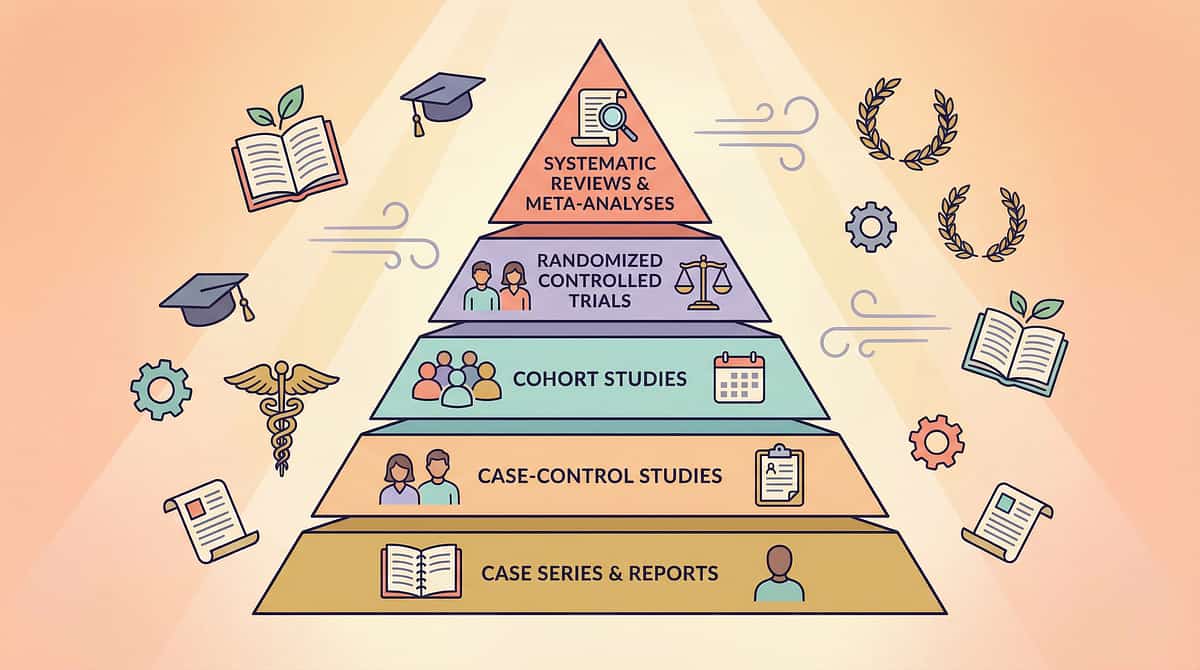
For parents who want to go deeper. Every technique on this page is backed by peer-reviewed research.
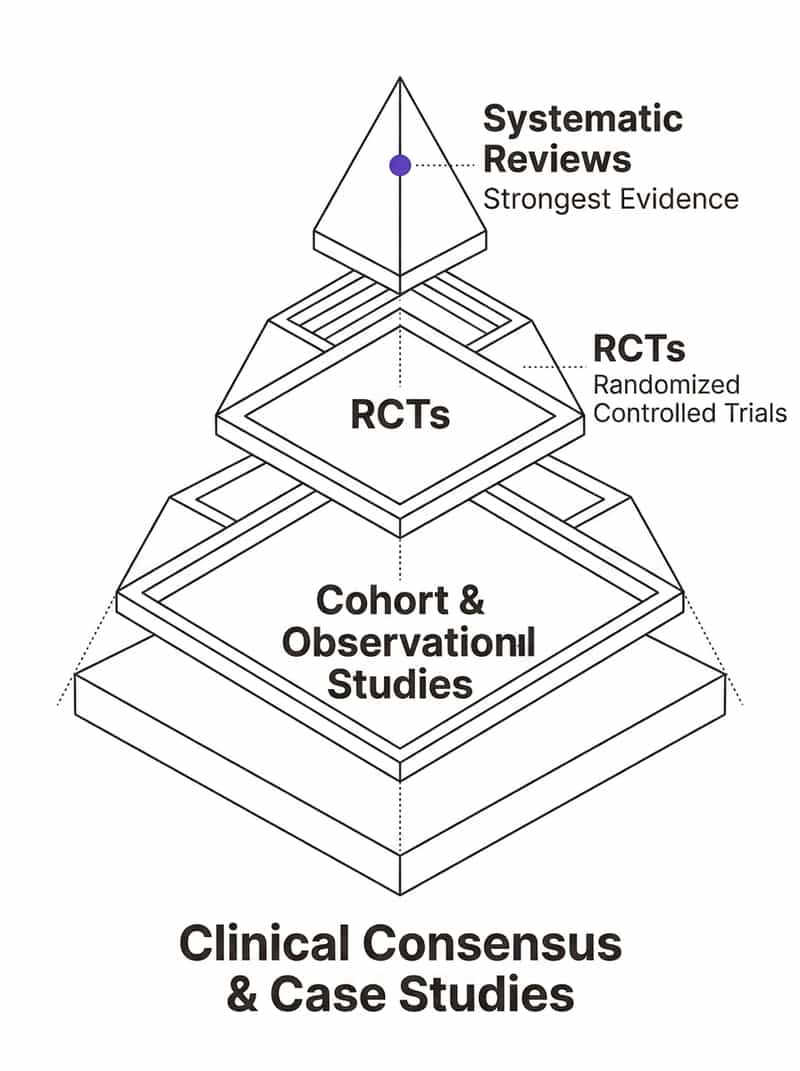
5 Key References
1. PRISMA Systematic Review (2024) — PMC11506176
"Fine motor and SI intervention meets EBP criteria across 16 studies for children with ASD." View on PubMed →
2. Meta-Analysis, World J Clin Cases (2024) — PMC10955541
"SI therapy effectively promotes fine motor skills across 24 studies, significant effect size." View on PubMed →
3. Indian RCT — Padmanabha et al. (2019)
"Home-based fine motor interventions: significant outcomes in Indian children with NDD." View DOI →
4. NCAEP Evidence-Based Practices Report (2020)
"Fine motor intervention, visual supports, reinforcement: all EBP for autism." View Report →
5. WHO Care for Child Development (2023) — PMC9978394
"Household-material-based interventions demonstrate efficacy across 54 LMICs." View on WHO.int →

Technology
Every session you log. Every week of data. GPT-OS® learns from all of it — for your child, and for every child like yours.
AbilityScore® Fine Motor Readiness Index tracks:
- Hand Strength Trend
- Grip Quality Score
- Line Orientation Accuracy
- Writing Endurance Index
TherapeuticAI® Analysis identifies:
- Which materials showed greatest gain for this child
- Predicted mastery timeline
- Next technique recommendation
Privacy Assurance
- All session data encrypted under ISO 27001 protocols
- Individual child data is never shared or sold
- Population-level insights derived from anonymized data
- You own your child's data — full export available at any time
"Your data helps every child like yours. 20M+ sessions have already taught GPT-OS® what works — and your 8 weeks adds to that knowledge for families who come after you."
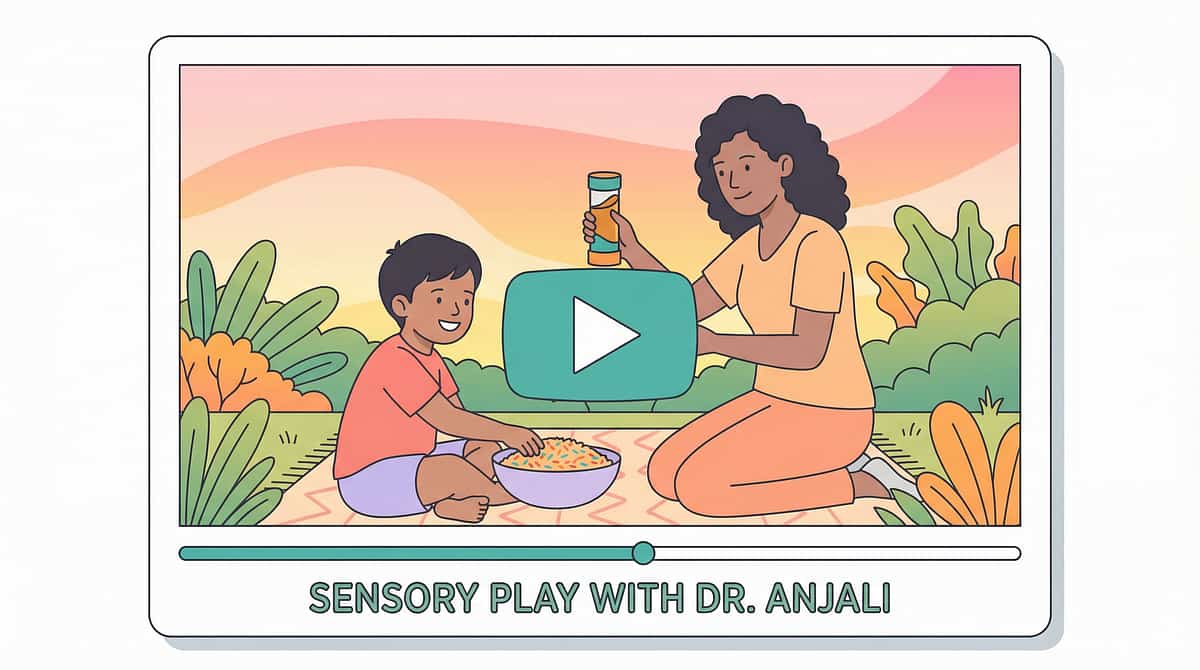
Watch the original reel that goes with this technique page.
Video shows what text can only describe. Watch the reel once for the visual model, then return to this page for the step-by-step protocol. Together, they engage every learning modality.
Reel H-741: 9 Materials That Help With Writing Skills | Fine Motor & Academic Readiness Series | Episode 741 | Duration: 75–85 seconds ▶ Watch H-741 on Pinnacle Blooms Reels →
Related Reels in the FM-02 Cluster
NCAEP (2020): Video modeling is classified as an evidence-based practice for autism. Multi-modal learning improves parent skill acquisition and technique fidelity at home.
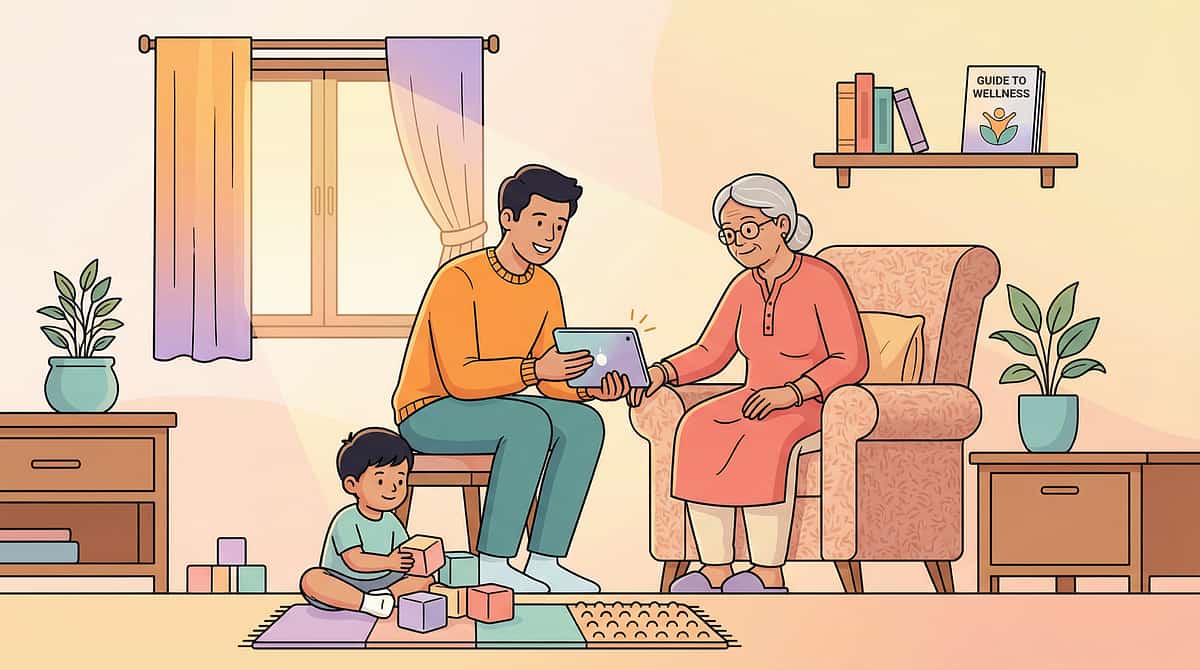
One parent running this protocol has half the impact of the whole family running it. Consistency across caregivers multiplies results.
A child who gets correct grip support at home but not at school, at home but not at the grandparents' house, receives only 30% of the possible intervention dose. Consistency across caregivers is the multiplier.
Share This Page
Shareable URL: techniques.pinnacleblooms.org/fine-motor/9-materials-writing-skills-H741
Downloads
- 📥 Family Guide — H-741 Writing Skills (1-page PDF: 9 materials, daily routine, 3 data points — print and post on the fridge)
- 📥 Explain to Grandparents — 5-point summary in simple language. No jargon. For every caregiver who needs to know what to do and why.
School Communication Template
Subject: Writing Support Protocol for [Child's Name] Dear [Teacher's Name], We are currently implementing the H-741 Writing Skills protocol at home under OT guidance. Key supports: pencil grip, slant board surface if possible, and reduced pressure for timed writing tasks. We are tracking progress using the Pinnacle GPT-OS® system and would appreciate your observations of grip, spacing, and letter formation in class. Please contact us at: ___________
ACT VI: The Close
The 8 questions every parent asks. Answered by the Pinnacle Blooms Consortium.
Q1: My child is 8 years old. Is it too late to start?
No. Neuroplasticity remains strong through childhood and into adolescence. The gains will be slower than at age 5, but the foundation can absolutely be built at age 8. Many children show their most dramatic handwriting improvement between ages 8–10 when foundational work is done in parallel with increased academic writing demands.
Q2: My child's OT says to use a pencil grip, but my child hates it. What do I do?
Introduce the grip as a toy first — not a writing tool. Let the child put it on and off the pencil. Reward holding it for 10 seconds. Gradually pair it with writing over 1–2 weeks. Some children respond better to triangular pencils than added-on grips. Try 3 different grip types before concluding it doesn't work.
Q3: How do I know which of the 9 materials to start with?
Start with the one that addresses your child's most visible gap: Cramping/fatigue → Material 1 (Theraputty). Grip problems → Material 2 (Pencil Grips). Presses too hard / poor posture → Material 3 (Slant Board). Can't stay on lines → Material 4 (Raised Line Paper). Letter reversals → Material 5 (Letter Formation Cards). Call 9100 181 181 for a free assessment to identify the primary gap.
Q4: We've been practicing for 6 weeks and I see no improvement. Should I stop?
No — but you should review. Six weeks without any change typically means: (1) the foundational skill being targeted isn't the actual gap, (2) session frequency is below threshold (need daily for fine motor), or (3) reinforcement isn't strong enough. Book a teleconsult before stopping.
Q5: Does a dysgraphia diagnosis change what I should do?
Yes. Dysgraphia may require formal accommodations (scribe, technology, extended time) beyond what home-based material intervention can provide alone. H-741 materials are appropriate as a foundational component, but a dysgraphia diagnosis should be assessed and an IEP reviewed with the school. Contact the Pinnacle SpEd team.
Q6: My child does great with the materials but still writes terribly at school. Why?
Generalization from structured sessions to natural contexts requires deliberate practice in those contexts. Add: writing on homework (not just practice paper), writing on similar material to school paper, and inform the teacher of the supports being used at home. Consistency is the bridge.
Q7: Do I need all 9 materials? It feels overwhelming.
No. Start with 2–3. The essential starter kit: Theraputty + Pencil Grip + Letter Formation Cards. These three address the three most common gaps (hand strength, grip efficiency, motor sequence). Add materials as mastery builds.
Q8: How often should I use these materials?
Daily is the evidence-based standard for fine motor development. 10–15 minutes is sufficient. If daily feels too much, 5 days per week is adequate. Consistency over intensity: a calm 10-minute daily session outperforms an intense 45-minute weekly session.
Didn't find your answer?Ask GPT-OS® → | Book a Teleconsultation → | 📞9100 181 181 — Free, 24x7, 16+ languages

ACT VI: Start Now
Your child's writing foundation can be built. Starting today. In your home.
The 9 materials in this guide have helped thousands of Indian families move from writing avoidance to writing confidence. You have everything you need to begin.
🚀 START THIS TECHNIQUE TODAY
Launch your H-741 session in GPT-OS® — your personalized session guide is ready.
📞 BOOK A CONSULTATION
Speak to a Pinnacle OT — FREE assessment call. Available 24x7 in 16+ languages.
→ EXPLORE NEXT: H-742
Handwriting at School — what to do once the writing foundation is in place.
20M+
Therapy Sessions
Delivered by Pinnacle Blooms Network®
97%+
Measured Improvement
Across clinical fine motor readiness index
70+
Centers Across India
OT • SLP • ABA • SpEd • NeuroDev
Preview of 9 materials that help with writing skills Therapy Material
Below is a visual preview of 9 materials that help with writing skills therapy material. The pages shown help educators, therapists, and caregivers understand the structure and content of the resource before use. Materials should be used under appropriate professional guidance.


Link copied!

The Pinnacle Promise
Pinnacle Blooms Network® exists to transform every home into a proven, scientific, 24x7, personalized, multi-sensory, multi-disciplinary pediatric therapy center — accessible to every family, regardless of geography or income.
🏛️ Pinnacle Blooms Consortium
Occupational Therapy • Speech-Language Pathology ABA / BCBA • Special Education • NeuroDev Medicine Clinical Research Organization • GPT-OS® Platform
"From fear to mastery. One technique at a time."
Proof Strip
20M+ 1:1 sessions • 97%+ measured improvement • 70+ centers • 70,000+ intervention techniques • 21 million therapy services delivered • 70+ countries served
Contact
📞 FREE National Helpline: 9100 181 181🌐pinnacleblooms.org | techniques.pinnacleblooms.org📧care@pinnacleblooms.org
Navigation
Statutory Identifiers
CIN U74999TG2016PTC113063 | DPIIT DIPP8651 (Govt. of India Startup India) MSME Udyog Aadhaar: TS20F0009606 | GSTIN 36AAGCB9722P1Z2
Medical Disclaimer: This content is educational. It does not replace individualized assessment and intervention from qualified occupational therapists, special educators, or developmental specialists. Handwriting difficulties may be part of broader developmental, motor, or learning profiles requiring comprehensive evaluation. Individual results may vary.
© 2025–2026 Pinnacle Blooms Network®, unit of Bharath Healthcare Laboratories Pvt. Ltd. All rights reserved. GPT-OS®, AbilityScore®, TherapeuticAI®, EverydayTherapyProgramme™, and FusionModule™ are proprietary technologies of Pinnacle Blooms Network®. Patents filed across 160+ countries.