

J-844 · Self-Regulation · Episode 844
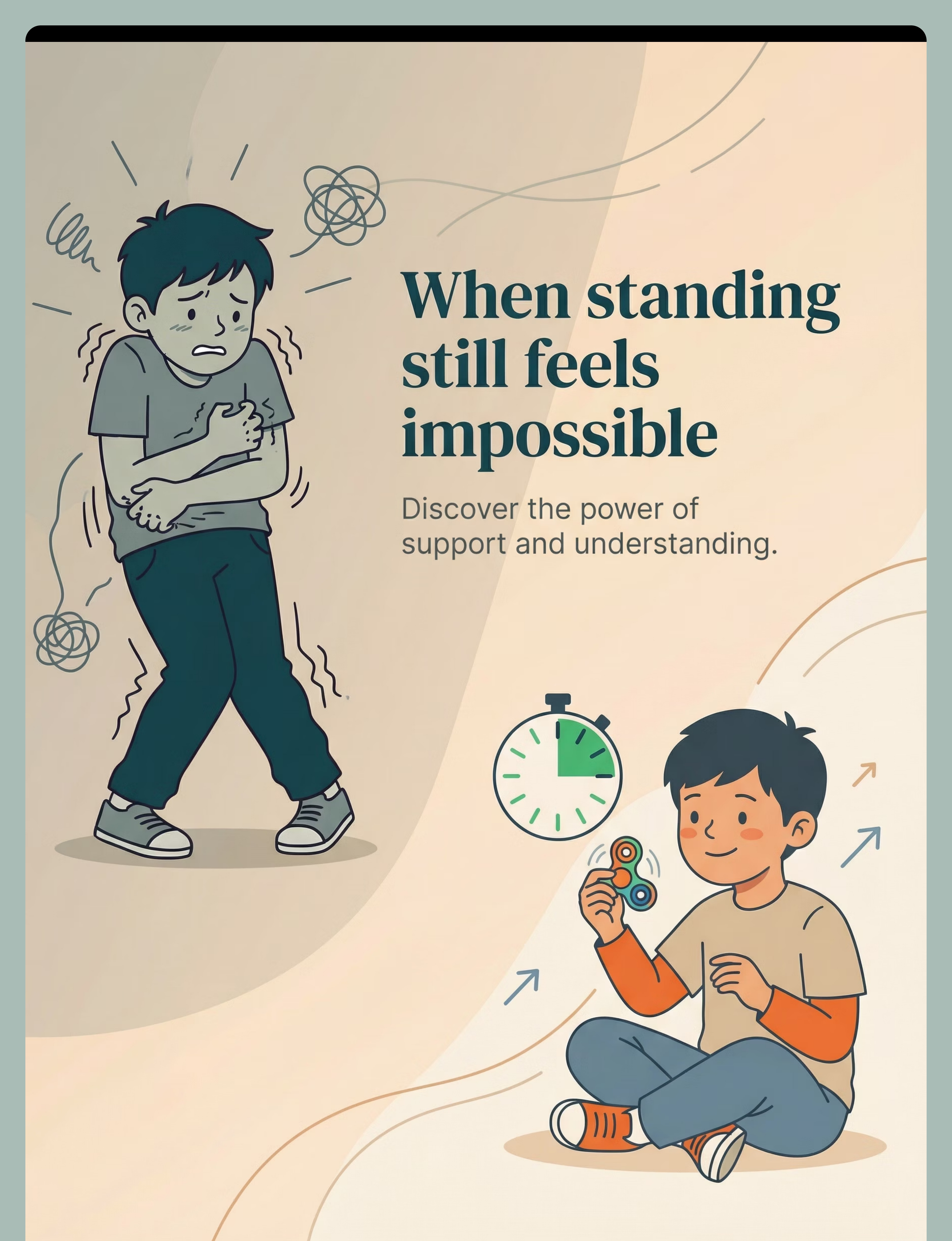
When every minute in line feels like an hour.
For some children, standing still while time passes is not impatience — it is a genuine neurological challenge. You are not failing. Your child's nervous system is speaking.

Act I · The Emotional Entry · Card 1 of 5
The recognition moment.
"The moment he sees the line, something shifts. His eyes dart, his feet start moving, and the asking begins — 'How long? When will it end? Can we leave?' By minute two, his whole body is involved. By minute five, the grocery cart gets abandoned. Again." — Parent, Pinnacle Blooms Network®
You are not failing as a parent. Your child is not failing as a child. What is failing is the mismatch between an environment that demands stillness and a nervous system that hasn't yet learned to provide it. That gap is closeable. These 9 materials close it.
🏷️ Technique
J-844 · 9 Materials That Help With Waiting in Lines
👶 Age Range
3–12 years
🌍 Setting
Community + Home
🧠 Domains
Self-Regulation · Impulse Control · Executive Function
Validated by the Pinnacle Blooms Consortium · OT · SLP · ABA · SpEd · NeuroDev · Pediatrics · Built by Mothers. Engineered as a System.

Act I · Card 2 of 5
Millions of families share this exact morning.
1 in 36
Children with Autism
Diagnosed with ASD in the US (CDC, 2023)
80%
Sensory Difficulties
Of children with ASD display significant sensory processing difficulties affecting waiting
30%
ADHD Waiting Gap
Below age-expected waiting capacity shown by children with ADHD — a 10-year-old may wait like a 7-year-old
India has an estimated 18 million children with autism spectrum conditions (INCLEN, 2019). Waiting intolerance is among the top 5 community-participation barriers reported by Indian families at Pinnacle centres across 70+ locations in 17 states.
"You are among millions of families navigating this exact challenge. The abandoned cart, the apologetic smile at strangers, the decision to stop going places — these are not signs of failure. They are signs of a child who needs tools, not discipline."
📄 PRISMA Systematic Review (2024) — PMC11506176 · Meta-Analysis, World Journal of Clinical Cases (2024) — PMC10955541

Act I · Card 3 of 5
This is a wiring difference. Not a behaviour choice.
The Neuroscience — 5 Brain Systems Required to Wait
🧠Prefrontal Cortex — Impulse inhibition & delayed gratification
⏱️Basal Ganglia — Time perception & interval timing
🔄Anterior Cingulate — Conflict monitoring (urge vs. rule)
📡Sensory Cortex — Processing the waiting environment's input
⚡Autonomic Nervous System — Regulating arousal under frustration
In Plain English
The prefrontal cortex — the brain's braking system — is still developing. In children with ADHD, autism, or sensory processing differences, this system is either underdeveloped or overwhelmed by incoming sensory data from the waiting environment: crowds, noise, unpredictability.
Time feels infinite because the basal ganglia's internal clock doesn't fire at regular intervals. "Five more minutes" means nothing when every second feels identical and endless.
The body responds to this neurological distress by moving — seeking proprioceptive input, stimulation, escape — exactly as it's wired to do when the system is overloaded.
This is not defiance. This is a dysregulated nervous system doing its job.
📄 Frontiers in Integrative Neuroscience (2020): DOI: 10.3389/fnint.2020.556660 · Barkley, R.A.: ADHD and executive function deficits, time blindness mechanisms

Act I · Card 4 of 5
Your child is here. Here is where we're heading.
Ages 1–3
2–3 min wait (with adult support)
Ages 3–5
5–10 min wait (fidgeting normal)
Ages 5–8
15–20 min wait (some self-regulation)
Ages 8–12
30+ min wait (self-directed)
Ages 12+
Adult-range waiting capacity
⬆️ Your child may be at an earlier stage regardless of chronological age — and that is exactly what these materials address.
What Commonly Co-Occurs With Waiting Difficulty
ADHD
Time blindness, impulse inhibition deficit (most common co-occurrence)
Autism Spectrum
Sensory overload + intolerance of uncertainty
Sensory Processing Disorder
Overwhelm in crowded, noisy waiting environments
Anxiety
Uncertainty about wait duration becomes intolerable
Developmental Delay
All executive function skills may lag behind chronological age
"Waiting tolerance is not fixed at birth. It is a developmental skill that grows through practice, scaffolding, and the right materials. The 9 materials on this page are the scaffolding."
Act II · The Knowledge Transfer · Card 6 of 7
The Waiting Kit Method — What It Is
Formal Name
Waiting Tolerance Intervention — Material-Supported Self-Regulation Protocol
Parent-Friendly Name
The Waiting Kit Method
Specification Badges
Age Range: 3–12 years Duration: 5–30 min Frequency: Daily in community Setting: Community + Home
Definition
A waiting tolerance intervention is a structured, material-supported approach to building a child's capacity to remain calm, regulated, and socially appropriate during periods of enforced waiting. Rather than asking children to "just wait" without support, this protocol provides external scaffolding — tools that externalise time, channel movement, satisfy sensory needs, create predictability, and reward effort — until the child's internal regulation capacity develops sufficiently to wait with less support.
This is not distraction. This is developmental scaffolding — the same principle as training wheels on a bicycle. The materials support the skill while the skill is being built. The tools fade as the capacity grows.
🧠 Self-Regulation
⚡ Impulse Control
⏱️ Executive Function
🌍 Community Participation
📡 Sensory Processing
⏳ Time Perception

Act II · Card 7 of 7
This technique crosses therapy boundaries — because the brain doesn't organise by therapy type.

🦾 Occupational Therapy — Primary Lead
Sensory integration, proprioceptive tools (fidgets, weighted items), sensory diet for waiting environments, oral motor tools (chewables).

🗣️ Speech-Language Pathology — Supporting
Narrative sequencing through social stories, AAC support during waiting, language for expressing waiting difficulty.

🎯 ABA / BCBA — Co-Primary Lead
Token economy systems, reinforcement schedules, impulse control behavioural protocols, graduated waiting exposure.

📚 Special Education — School Context
Generalisation to school lines, cafeteria waits, bus queues; classroom waiting skill building.
🧠 NeuroDev Pediatrics — Medical Oversight
ADHD assessment & medication consideration, anxiety evaluation, referral for SPD assessment.
👨👩👧 Parent/Caregiver — Primary Implementer
The person who actually holds the kit, runs the timer, gives the tokens — the most important role.
"When an OT prescribes a fidget and a BCBA designs the token system and an SLP writes the social story — and the parent holds it all together in a waiting line — that is the Pinnacle Consortium model in action."

Act II · What This Targets
Precision targets. Not a random bag of tricks.
🎯 Primary Targets — Core Deficits Addressed
1
1. Time Blindness
→ Visual Timer | Social Story Cards Child cannot internally sense duration. Materials make time visible and bounded.
2
2. Impulse Inhibition Deficit
→ Fidget Kit | Movement Cards | Chewable Tools Child's urge to move, touch, and vocalise cannot be suppressed. Materials channel the urge.
3
3. Sensory Overload
→ Weighted Lap Pad | Chewable Tool | Fidget Kit Waiting environments overwhelm the sensory system. Materials regulate input.
4
4. Uncertainty Anxiety
→ Social Story Cards | Visual Timer Unknown wait duration creates panic. Materials create predictability.
5
5. Delayed Gratification Difficulty
→ Token System | Activity Cards Future reward is too abstract. Materials make progress visible and immediate.
🔵 Secondary Targets
- Proprioceptive awareness and body schema
- Frustration tolerance
- Self-advocacy ("I need my kit")
- Caregiver confidence and consistency
🟢 Tertiary Targets
- Community participation independence
- School readiness
- Peer relationship quality
- Family quality of life and community access
Act II · The 9 Materials
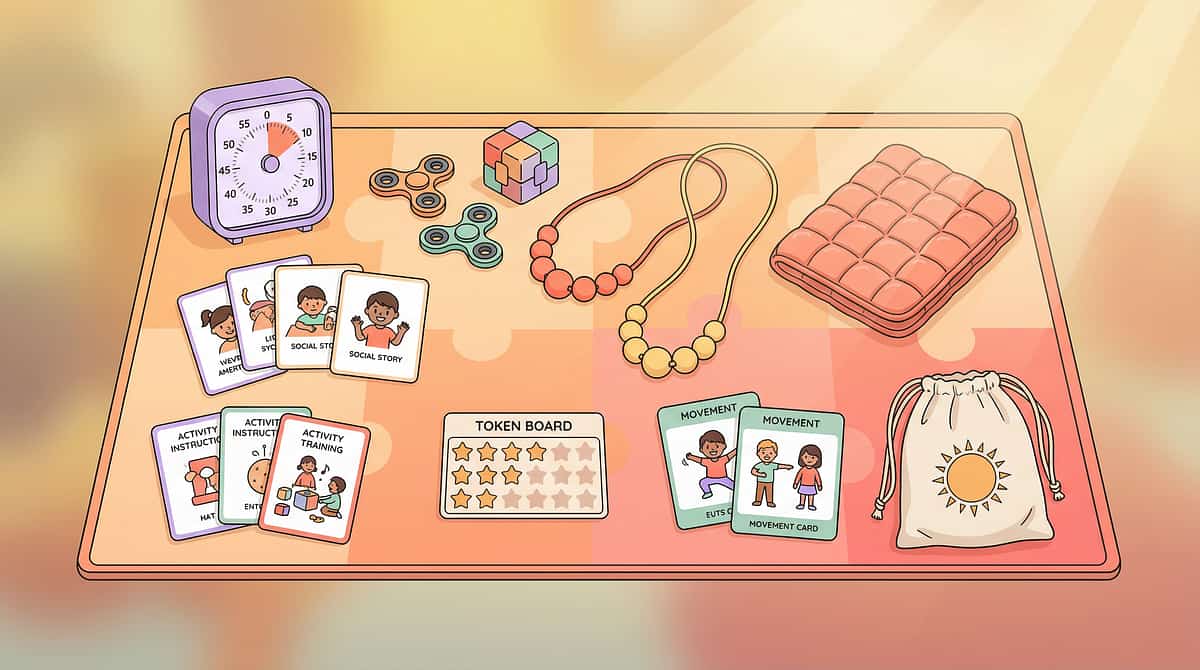
9 materials. One kit. A child who can wait.
Every item in this kit maps to an evidence-based therapy protocol used in Pinnacle's 70+ centres. Below is the full grid — commercial options with pricing, plus DIY alternatives on the next card.
# | Material | Canon Category | Price (INR) | Buy | |
1 | Visual Timer (Portable) | Visual Supports | ₹400–1,500 | ||
2 | Fidget Tools Kit | Sensory Regulation | ₹200–800 | ||
3 | Chewable Jewellery / Oral Tool | Oral Sensory | ₹300–900 | ||
4 | Weighted Lap Pad (Portable) | Weighted Tools | ₹500–1,500 | ||
5 | Social Story Cards | Visual Schedules | ₹100–400 | DIY recommended (see next card) | |
6 | Activity Cards / Pocket Games | Reinforcement Menus | ₹200–600 | ||
7 | Token System (Portable) | Reinforcement Menus | ₹100–400 | ||
8 | Movement Break Cards | Physical Activity | ₹100–300 | DIY recommended (see next card) | |
9 | Calm-Down Kit (Container) | Organising Tools | ₹300–800 |
Pinnacle Recommends: Items 1, 2, 4, and 7 are the minimum starter kit. Begin there. Total kit investment: ₹2,200–7,200 (commercial) | ₹0–500 (DIY)

Material 1 of 9
Visual Timer (Portable)
What It Does
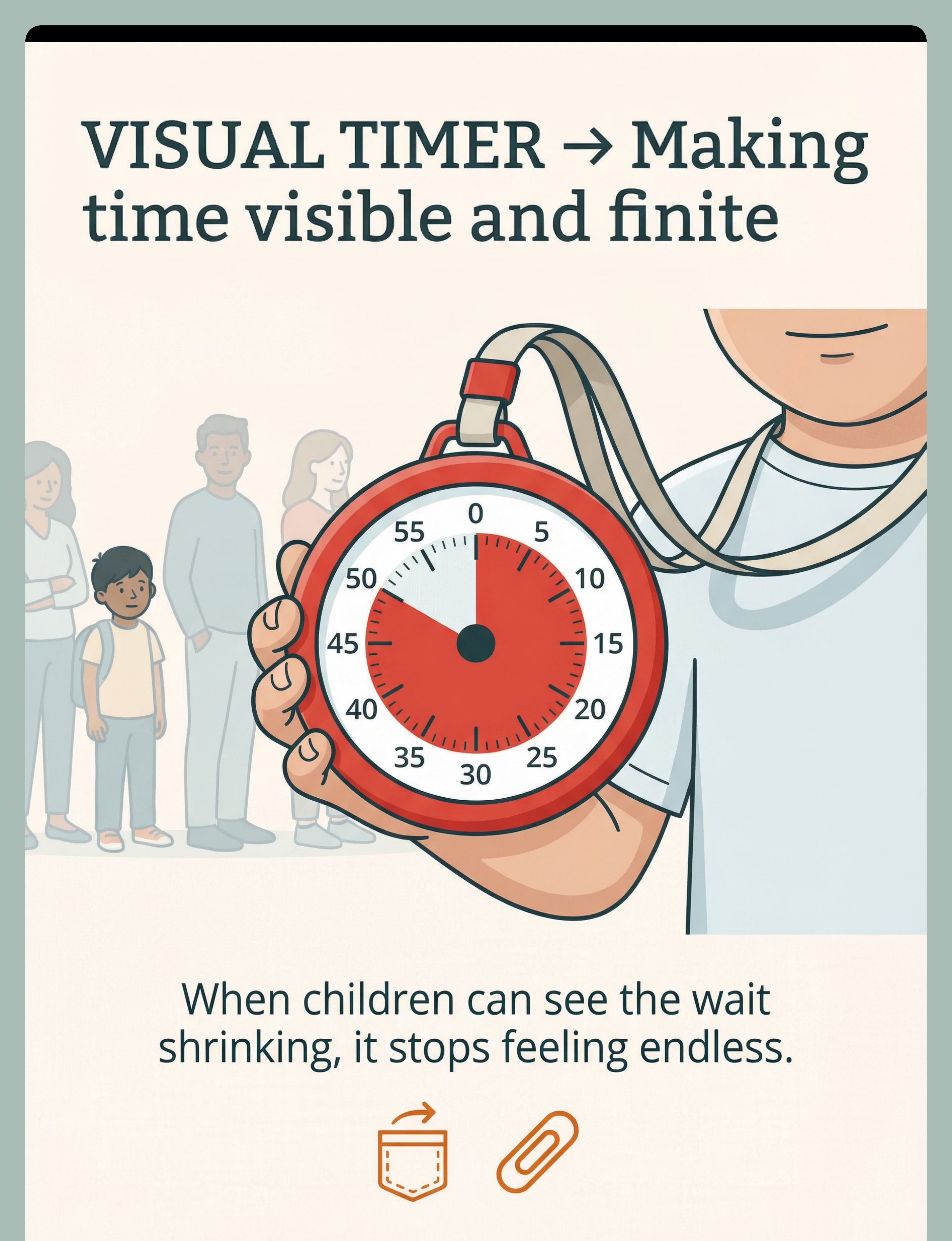
Makes time visible. The shrinking red disc externalises duration so the child's basal ganglia doesn't have to estimate it internally — a task it cannot reliably perform. When the red disappears, the wait is over. No guessing. No infinite uncertainty.
How to Use It
- Set the timer before joining the line, not after dysregulation starts
- Show the child the red area: "This is how much waiting we have"
- Point to it proactively — "See it getting smaller?"
- For anxious children, show only at halfway and end points
Commercial Option
₹400–1,500 · Amazon.in ↗
₹0 DIY Alternative
Phone countdown timer with visual display; or draw clock faces showing time remaining on paper. Same principle: makes time visible. Brain responds to visual cue, not to brand.
Material 2 of 9
Fidget Tools Kit
What It Does
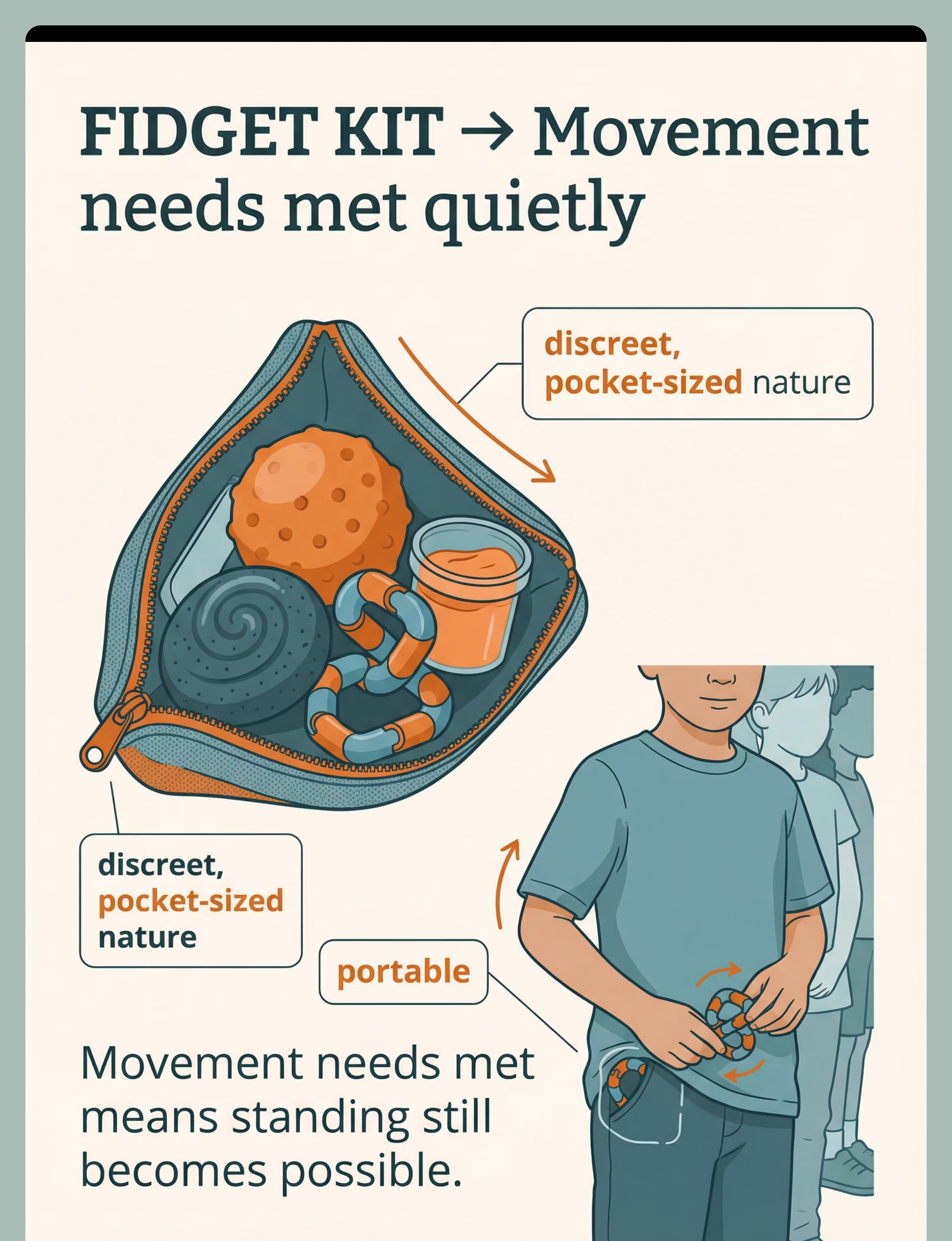
Channels the motor impulse — the urge to move, touch, and seek proprioceptive input — into a socially acceptable, contained outlet. The hands are occupied; the body can tolerate staying in place.
How to Use It
- Offer choice: "Squeeze ball or spiky ring today?" — agency creates buy-in
- Match fidget to child's sensory profile (seeker → heavy resistance; avoider → soft/silky)
- No noisy items in quiet settings; no small parts for children under 5
- Rotate weekly to maintain novelty
Commercial Option
₹200–800 · Search Amazon ↗
₹0 DIY Alternative
Stress ball = balloon filled with rice or flour; textured stone from garden; twisted rubber bands; smooth pebble. Proprioceptive input is the mechanism, not the item.
Material 3 of 9
Chewable Jewellery / Oral Tool
What It Does
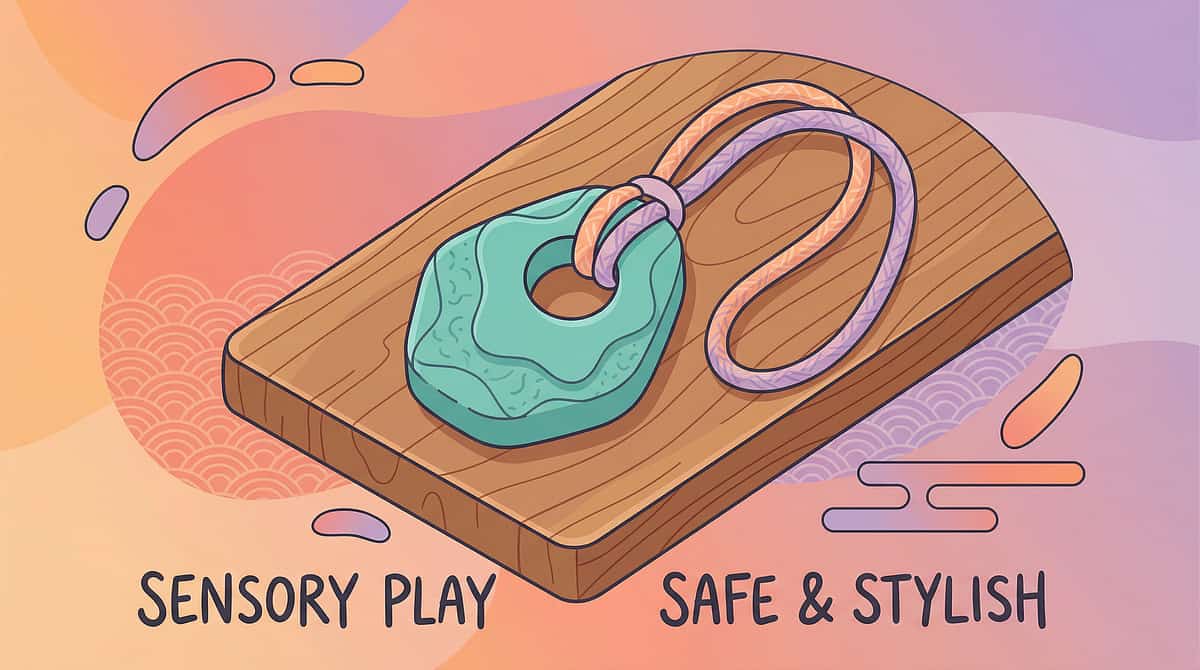
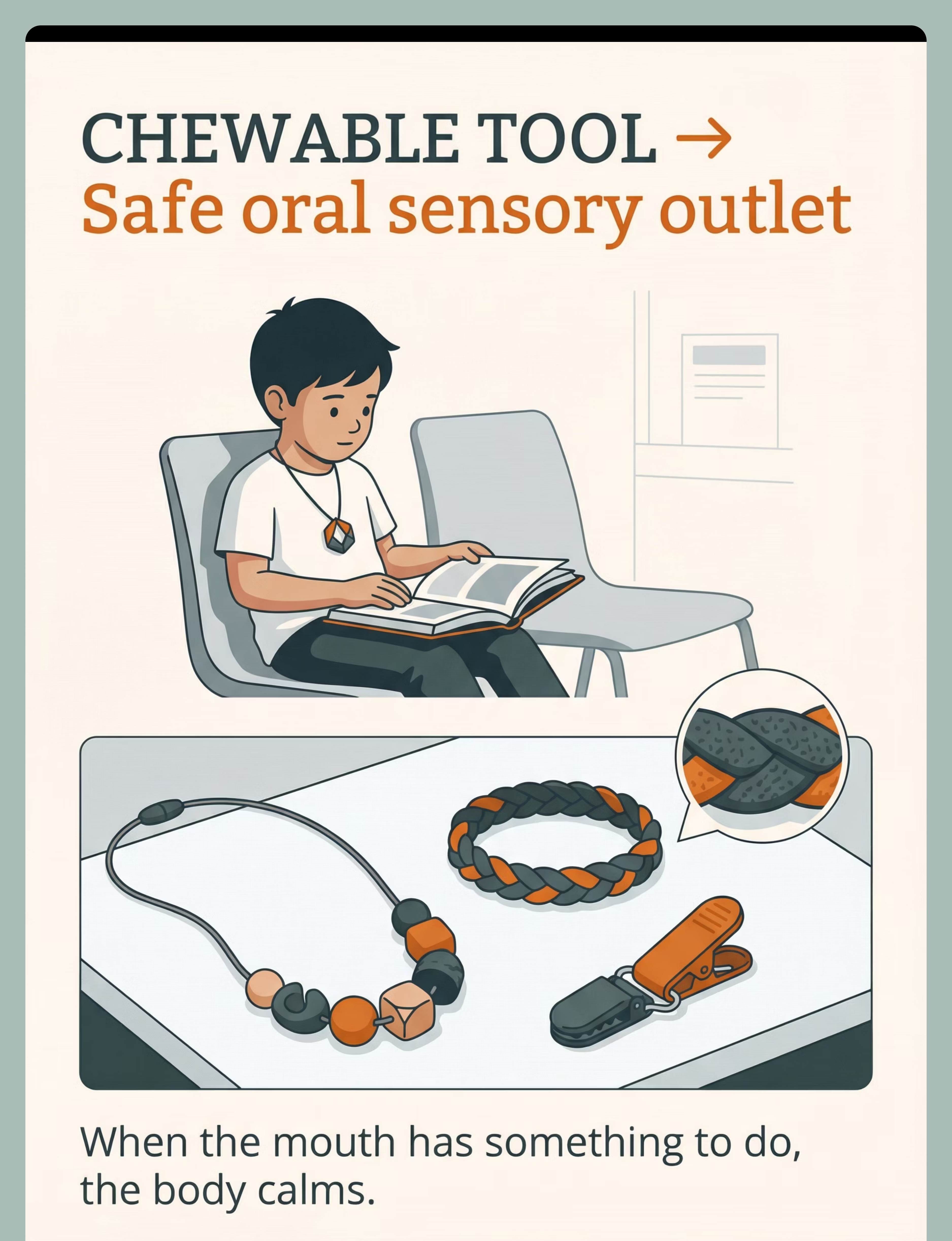
Provides oral proprioception — deep sensory input through the jaw — which has a calming, organising effect on the nervous system. For oral-sensory seekers, this is often the single most effective regulation tool available.
How to Use It
- Food-grade silicone only. Inspect before each use. Replace if torn.
- Breakaway clasp for necklace styles — essential safety feature
- Offer alongside, not instead of, other tools
- Do not use if child has known choking risk without direct supervision
Commercial Option
₹300–900 · Search Amazon ↗
₹0 DIY Alternative
Safe silicone straw to chew; firm fruit (apple slice) if appropriate; firm gum. Oral proprioception is the mechanism. Food-safe items work in the same pathway.
⚠️Safety: Chewable tools require inspection before every use. Replace immediately if any tearing or damage is visible.

Material 4 of 9
Weighted Lap Pad (Portable)
What It Does
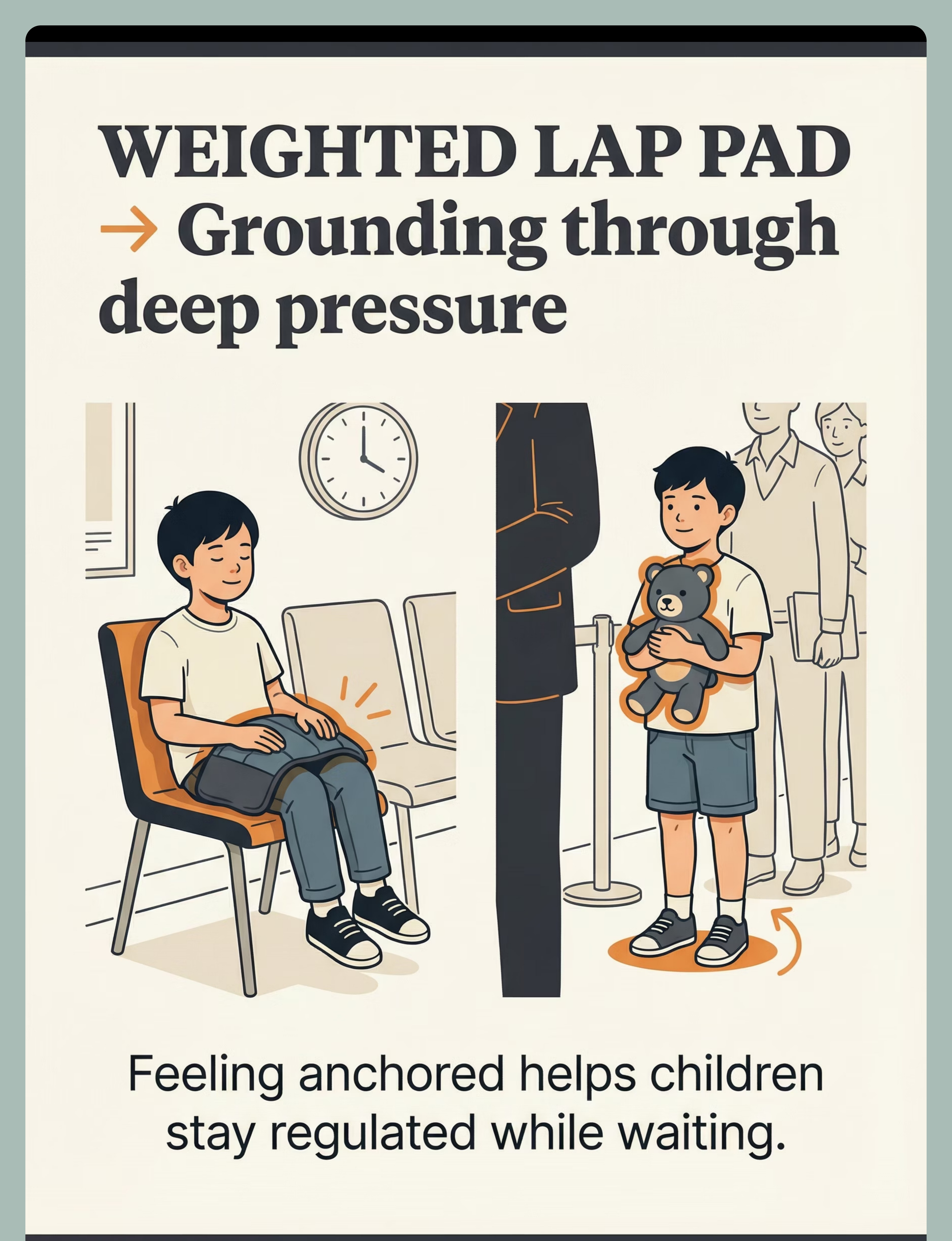
Delivers deep pressure input — the same calming proprioceptive input as a firm hug — directly through the lap and lower body. Weighted items activate the parasympathetic nervous system, reducing arousal and increasing the child's capacity to remain still in seated waiting situations.
How to Use It
- Maximum 10% of child's body weight — never exceed
- Use in seated waiting situations: waiting rooms, restaurants, long queues with seating
- Never use on chest. Never use during sleep.
- Consult physician before use if child has cardiac or respiratory conditions
Commercial Option
₹500–1,500 · Search Amazon ↗
₹0 DIY Alternative
Small bag filled with rice or beans (500g–1kg); rolled towel on lap; heavy stuffed animal. Deep pressure input, not the specific product, is the therapeutic mechanism.
Material 5 of 9
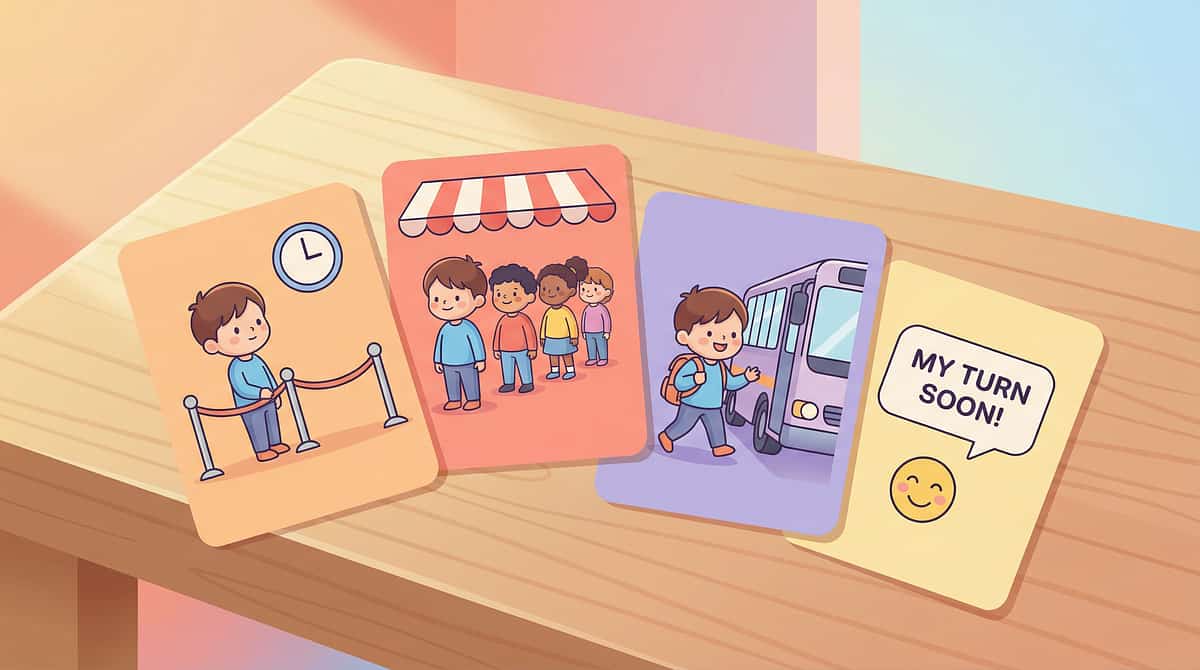
Social Story Cards
What It Does
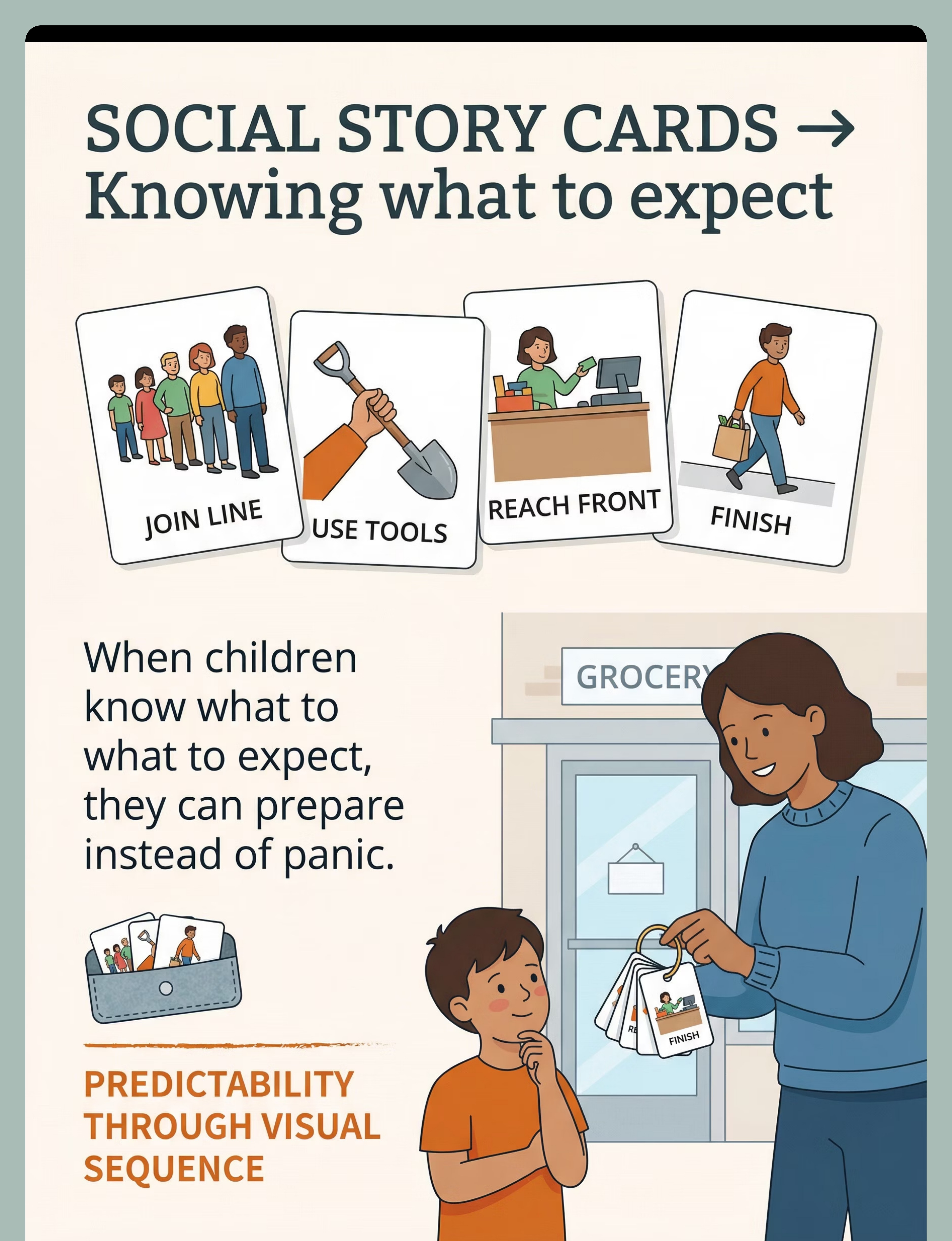
Creates predictability — the single most powerful antidote to uncertainty-driven anxiety. A social story previews the waiting situation in advance: where you're going, what the line will look like, what your child will do while waiting, and how it ends. When the child's brain already "knows" the experience, the unpredictability that triggers panic is removed.
How to Use It
- Review the social story at home before the outing, not at the line
- Use simple, first-person language: "I will wait in the line. I will use my fidget."
- Include photos of the actual location where possible
- For anxious children: review twice before departure
Commercial Option
₹100–400 (or contact Pinnacle for downloadable sets)
₹0 DIY Alternative
5 index cards drawn by hand; phone photos of the actual location; WhatsApp message previewing the outing. Predictability is the goal. Any visual preview of the situation works.

Material 6 of 9
Activity Cards / Pocket Games
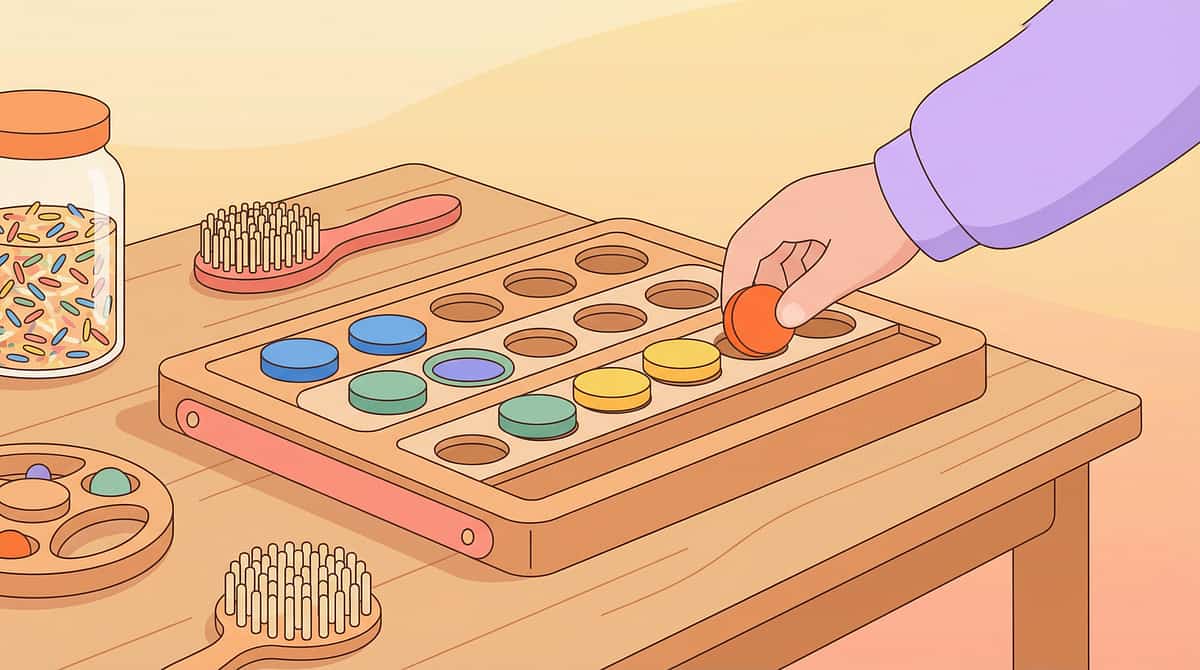
What It Does
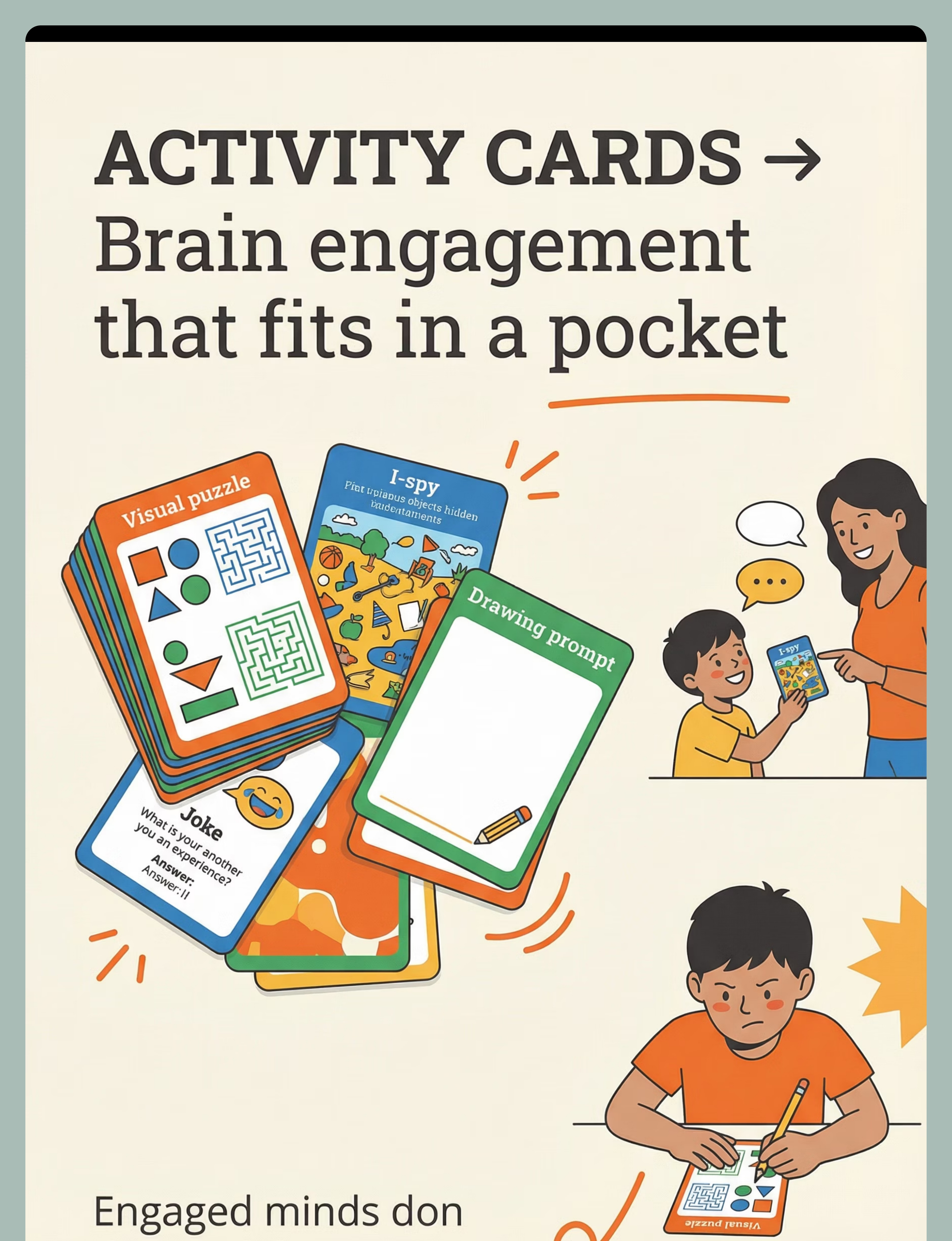
Provides cognitive engagement — occupies the prefrontal cortex with a task, reducing the available bandwidth for impulse generation and time-perception distress. Activity cards are introduced mid-wait (minutes 3–7) to sustain regulation when the novelty of the fidget has begun to fade.
How to Use It
- Offer choice between 2 options: "I-spy or jokes?"
- Keep cards matched to the child's interests for maximum engagement
- Introduce after the sensory foundation (fidget + timer) is already working
- Change cards monthly to maintain novelty
Commercial Option
₹200–600 · Amazon.in ↗
₹0 DIY Alternative
Printed I-spy images from Google; hand-written joke/riddle cards; cut-up magazine pictures. Cognitive engagement is the target. Low-tech is equally effective.
Material 7 of 9
Token System (Portable)
What It Does
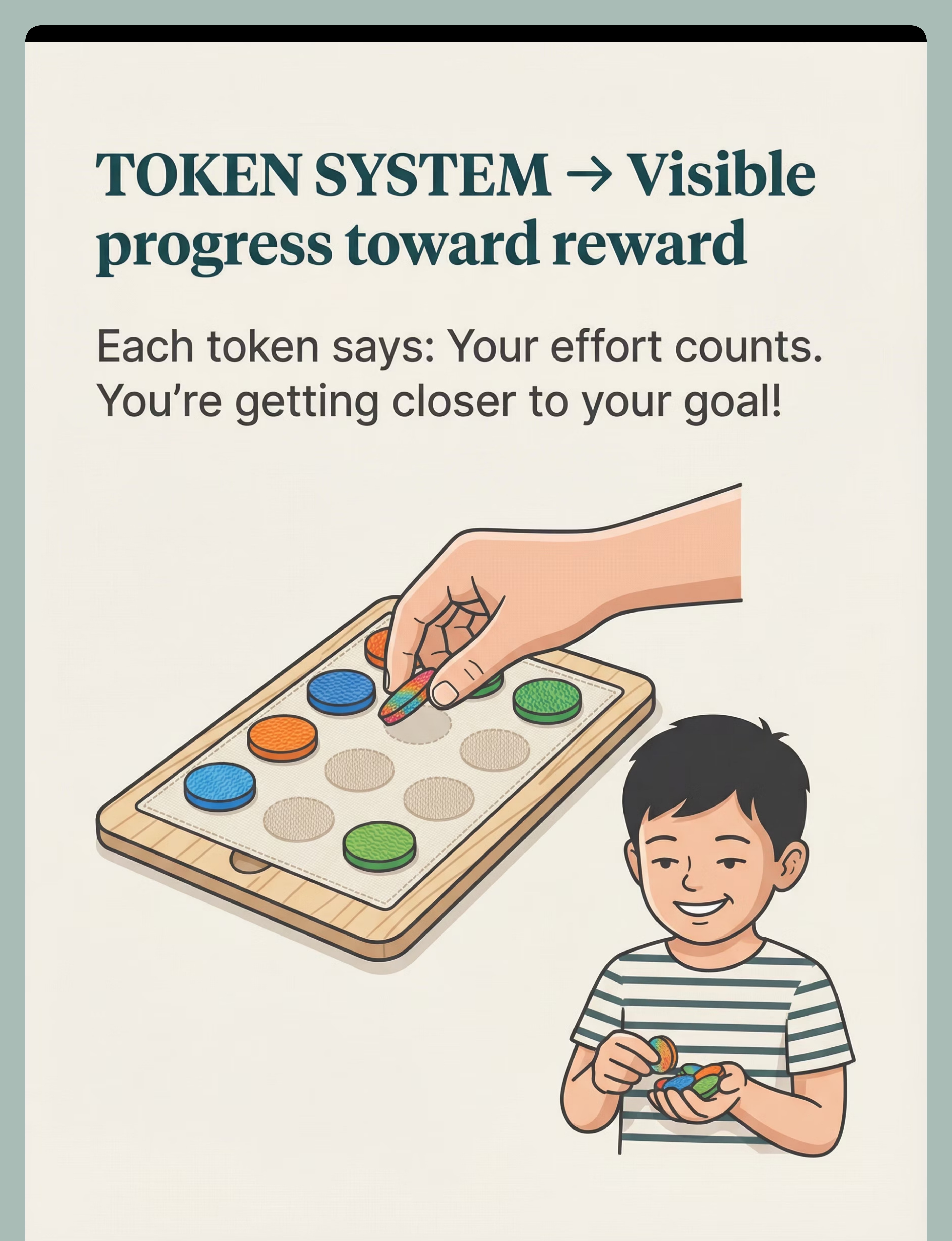
Transforms an abstract future reward into visible, tangible, immediate progress. Each token earned is a micro-reward that stimulates the dopaminergic reward pathway — the exact system that is underactive in ADHD and makes delayed gratification genuinely neurologically difficult. Tokens make progress real in the moment.
How to Use It
- Award tokens every 2–3 minutes for new learners; extend to 5 minutes as skill builds
- Deliver hand to hand, immediately, with specific verbal praise
- 3–5 tokens = access to child's chosen reward
- Tokens are EARNED only — never removed. This is non-negotiable.
Commercial Option
₹100–400 · Amazon.in ↗
₹0 DIY Alternative
Sticker chart on folded paper; 5 coins in parent's pocket transferred to child; tally marks on hand. Tangible progress markers are the mechanism, not the physical token.
Material 8 of 9
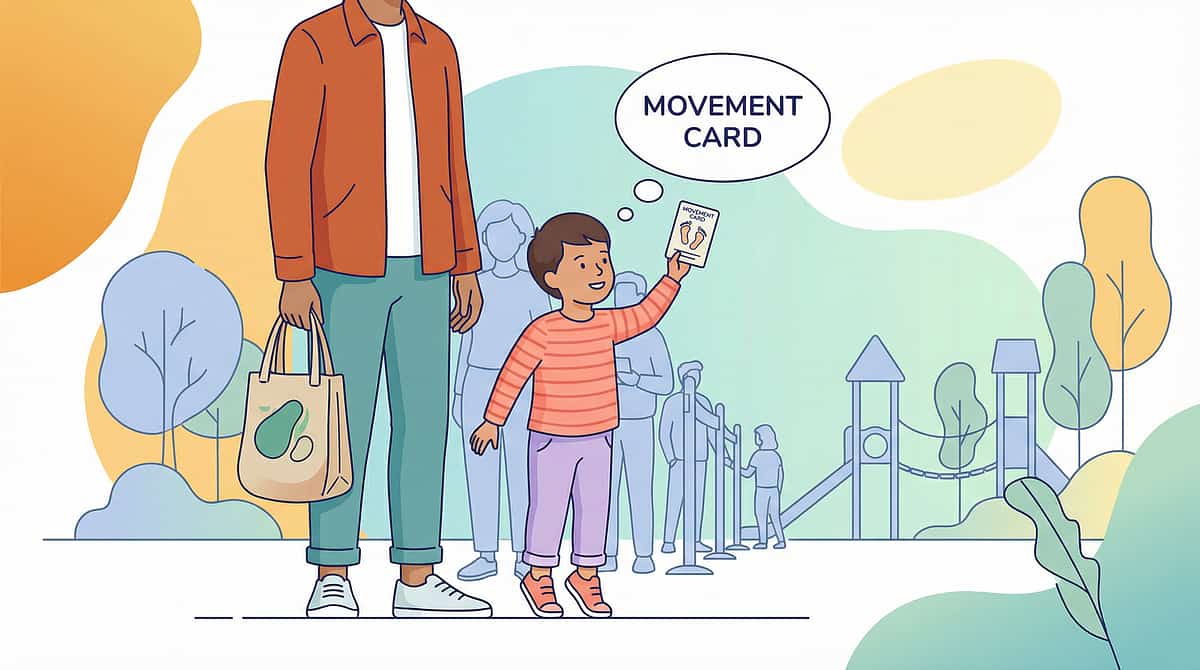
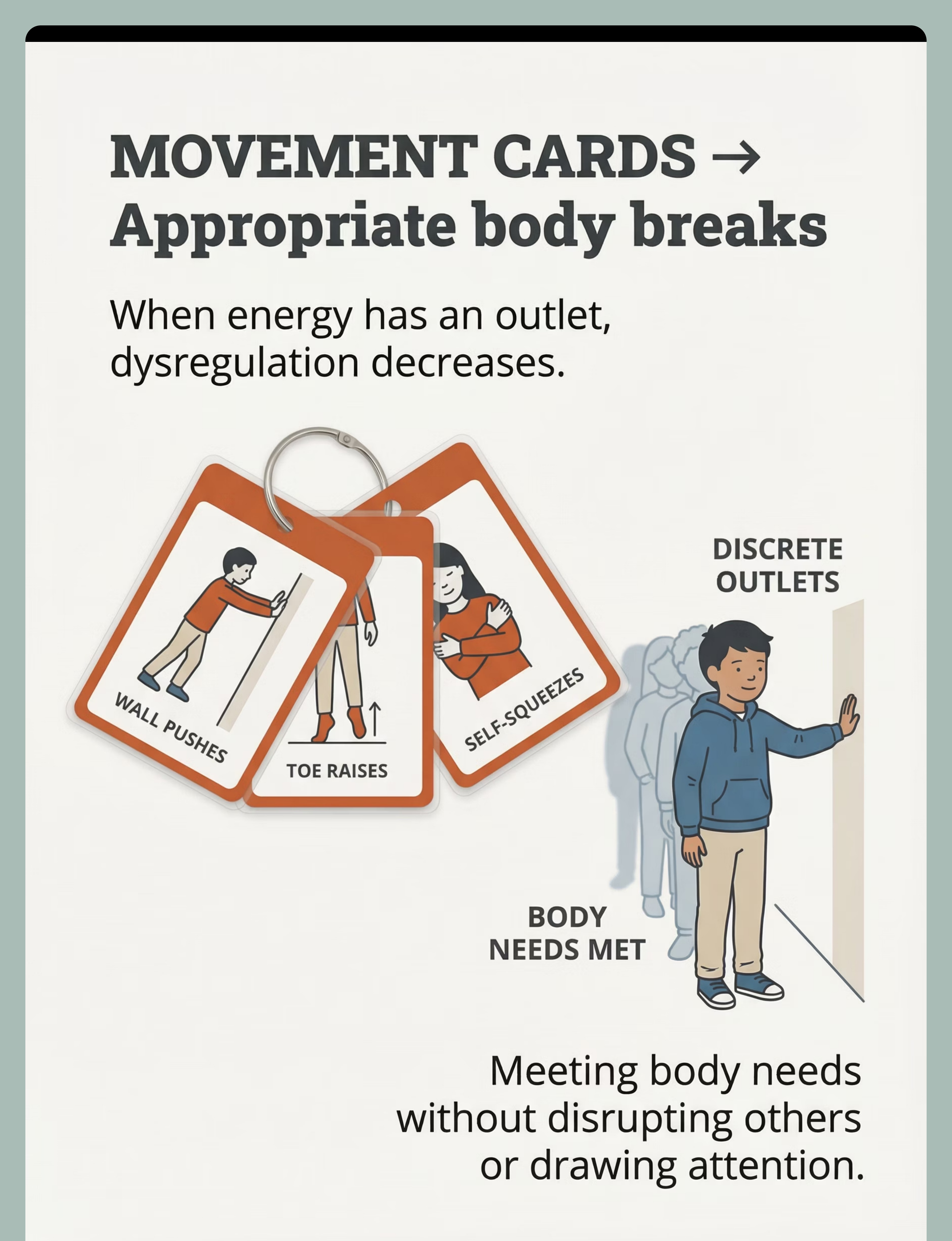
Movement Break Cards
What It Does
Provides a socially acceptable, contained proprioceptive release when regulation is beginning to deteriorate. Movement inputs — wall pushes, toe raises, isometric hand presses — activate the proprioceptive system and discharge built-up motor tension without requiring the child to leave the line.
How to Use It
- Deploy when body is escalating — bigger movements, increased vocalisation
- Choose quiet, stationary movements: "Wall push × 5, toe raises × 10"
- Do them with the child — co-regulation is more effective than instruction
- Return to seated waiting after 60–90 seconds of movement
Commercial Option
₹100–300 (illustrated card sets available)
₹0 DIY Alternative
5 movements written on paper: "Wall push × 5," "Toe raises × 10." Instructions work as well as illustrated cards for older children.
Material 9 of 9
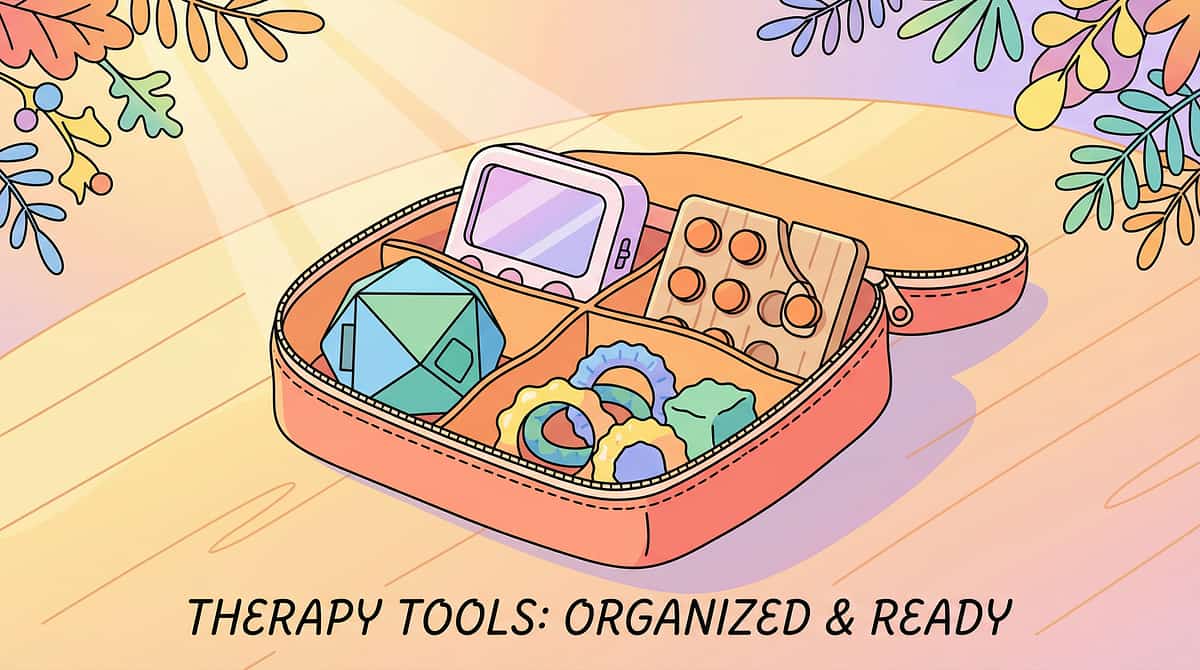
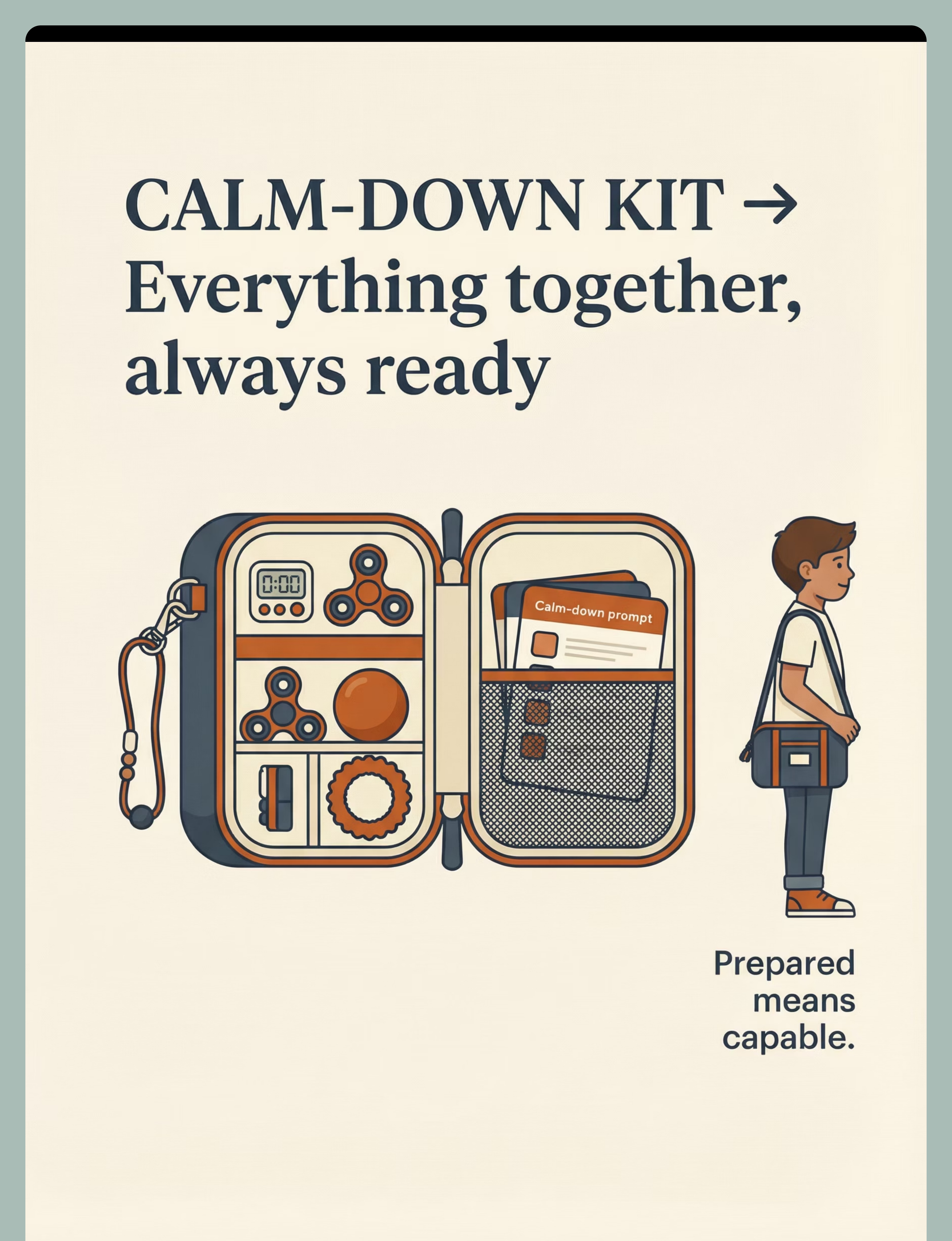
Calm-Down Kit (Container)
What It Does
The container is not incidental — it is therapeutic. A consistent, recognisable kit creates a conditioned response: when the child sees the pouch, their nervous system begins to regulate in anticipation. The kit signals safety, predictability, and the availability of support. Over time, even retrieving the kit becomes a self-regulation behaviour.
How to Use It
- Keep the kit packed and accessible in your bag at all times — not at the bottom
- Open it before joining the line, never after dysregulation has started
- Let the child help pack it at home — ownership increases engagement
- The kit goes away when the wait ends: "Fidget goes back in. We're done waiting."
Commercial Option
₹300–800 · Search Amazon ↗
₹0 DIY Alternative
Ziplock bag; small cloth bag; child's pencil case. Any portable container that holds the tools creates the association.
Consortium Note: The therapeutic mechanism is always the principle, not the product. Understanding WHY each material works allows you to substitute freely. The science travels with you.

Act II · DIY & Substitutes
Every family can access this. Starting today. At ₹0.
WHO/UNICEF Equity Principle: No child should be excluded from evidence-based intervention due to economic barriers.
Commercial Option | ₹0 DIY Alternative | Why It Works | |
Visual Timer (₹400–1,500) | Phone countdown timer; draw clock faces on paper | Brain responds to visual cue, not to brand | |
Fidget Kit (₹200–800) | Balloon filled with rice; textured stone; smooth pebble | Proprioceptive input is the mechanism, not the item | |
Chewable Tool (₹300–900) | Safe silicone straw; firm apple slice; firm gum | Food-safe items work in the same oral pathway | |
Weighted Lap Pad (₹500–1,500) | Small bag of rice/beans (500g–1kg); rolled towel | Deep pressure input, not the product, is the mechanism | |
Social Story Cards (₹100–400) | 5 index cards drawn by hand; phone photos of the location | Predictability is the goal — any visual preview works | |
Activity Cards (₹200–600) | Printed I-spy images; hand-written joke cards | Cognitive engagement is the target — low-tech equally effective | |
Token System (₹100–400) | Sticker chart on folded paper; 5 coins in parent's pocket | Tangible progress markers are the mechanism | |
Movement Cards (₹100–300) | 5 movements written on paper: "Wall push × 5" | Instructions work as well as illustrated cards | |
Kit Container (₹300–800) | Ziplock bag; small cloth bag; pencil case | Any portable container creates the association |
Act II · Safety First
Read this before the first time you use these materials in public.
🔴 DO NOT USE IF
- Child is currently in a meltdown or beyond their regulation window
- Child is sick, hungry, overtired, or significantly dysregulated before leaving home
- Child has a known choking risk — do not use chewables or small fidgets without supervision
- Child has a diagnosed cardiac or respiratory condition — consult physician before weighted items
- The wait is significantly beyond the child's current capacity
🟡 MODIFY IF
- Child has never used these materials before — introduce at home first, not mid-crisis
- Child reacts negatively to timers — use interval narration instead
- Fidgets cause distraction or become projectiles — switch to isometric exercises
- Child becomes obsessed with tokens — adjust interval or reward structure
🟢 Safety Protocols by Material
Weighted Items
Maximum 10% of child's body weight. Never on chest. Never during sleep.
Chewables
Food-grade silicone only. Inspect before each use. Replace if torn. Breakaway clasp for necklaces.
Fidgets
No noisy items in quiet settings. No items with small parts for children under 5.
Token Systems
Never remove earned tokens punitively. Earning only, never losing.
🛑STOP THE SESSION IF: Child shows self-injurious behaviour · head-banging · severe respiratory distress · panic attack symptoms · aggression toward others. 📞Call 9100 181 181 if waiting difficulty is causing dangerous behaviours. Free helpline. 16 languages. 24×7.
Act II · Set Up Your Space
Preparation is the intervention. The kit that's ready is the kit that works.
Home Practice Setup
Choose a quiet room with the child seated or standing. Simulate "waiting" during a natural pause — dinner cooking, bath running. All materials accessible and familiar before any public use.
- Set visual timer for 2 minutes
- Give child one fidget
- Narrate: "We're practising waiting. Timer shows how long. Fidget keeps hands busy."
- At 1 minute: offer activity card
- At 2 minutes: celebrate. "You waited the whole time!"
- Add 1 minute per week until child can wait 10+ minutes at home
Public Deployment Setup
Before leaving home:
- Kit packed and accessible in bag (not at bottom)
- Social story reviewed if child has one
- Visual timer charged/available
- Token board loaded with empty slots
- Reward confirmed and available
- Child briefed: "We might have to wait. We have our kit."
On arrival:
- Identify wait situation before child does
- Kit out BEFORE joining line, not after dysregulation starts
- Timer set as soon as wait begins
- First fidget offered proactively, not reactively
"The kit deployed at minute zero is worth 10 kits deployed at minute five. Proactive is always better than reactive." — Pinnacle Blooms Consortium

Act III · The Execution · Card 1 of 10
Is Your Child Ready? — The Readiness Check
The best waiting session is one that starts right. Check these before every public outing where waiting is likely.
Indicator | ✅ GO | ⚠️ MODIFY | ❌ POSTPONE | |
Fed and hydrated? | Full meal within 2 hours | Snack available | Hungry / skipped meal | |
Sleep last night? | Full sleep | Slightly tired | Significantly sleep-deprived | |
Sensory load today? | Normal day | Some sensory events | High-input day (party, travel) | |
Emotional state now? | Calm / playful | Mildly elevated | Already dysregulated | |
Kit ready and accessible? | In bag, familiar | Partially prepared | Not available | |
Wait duration vs. capacity? | Within current capacity | Slightly above (stretch) | Significantly above capacity |
All or Mostly GO ✅
Proceed with full kit deployed
1–2 MODIFY ⚠️
Simplify: timer + one fidget only. Shorten expected wait.
Any POSTPONE ❌
Reschedule outing OR significantly reduce wait demand
"Pushing through when the child isn't ready doesn't build resilience. It builds a traumatic association with waiting. One successful wait is worth ten failed attempts."

Act III · Step 1 of 6
Step 1: The Invitation
Timing: Before joining the line (30–60 seconds) · Lead: OT + ABA
What You Say
"Hey — we're going to need to wait a little bit. I've got our kit. Which fidget do you want to hold today?"
For visual learners:
"Look — [child's name]. We're waiting. Kit time. You pick." [Open kit, show options]
What Acceptance Looks Like
- Child takes fidget and begins using it
- Child looks at timer with curiosity
- Child's body relaxes slightly
- Child asks about the reward/tokens
What You Do
- Kneel or crouch to child's eye level
- Open kit BEFORE the child sees the line
- Tone: calm, matter-of-fact, not anxious
- Let child choose one item (agency = buy-in)
- Set timer immediately: "Let's see how fast this line moves."
Resistance + How to Modify
- Child refuses kit → Offer reward first: "Five calm minutes = [reward]. Want to earn it?"
- Child starts bolting → Move to side of line, continue invitation
- Child ignores timer → Set timer shorter (90 seconds), celebrate completion loudly
📄Research: ABA Pairing Procedures: Establishing motivating operations before demand placement increases compliance by 40–60% in behavioural literature.

Act III · Step 2 of 6
Step 2: The Engagement
Timing: First 2 minutes of wait · Lead: OT Primary
What You Say
"Good. Let's check the timer — see how much red is left? That's how much waiting we have. Watch it get smaller."
Or:"You picked the squeeze ball. Perfect. Squeeze it 10 times. Count with me."
What You Do
- Stand close (within arm's reach)
- Co-engage with the timer: point to it, narrate it
- Match fidget use: if child is squeezing, comment on it positively
- Keep voice low and calm — your regulation = their regulation
- First token award at first successful interval: "That's 2 minutes of great waiting — here's your token."
Reading Child Responses
Response | What It Means | Your Move | |
Using fidget calmly | Regulation working | Quiet positive narration. Don't over-engage. | |
Asking "how long?" every 30 sec | Timer not sufficient alone | Add activity card now | |
Body still regulated but fidgety | Normal. Acceptable. | Continue. Don't add more. | |
Escalating — bigger movements | Needs more input | Switch to weighted item or movement card |
📄 PMC11506176: Structured material introduction in sensory integration meets evidence-based criteria. Reinforcement timing from ABA literature: within 3 seconds of desired behaviour.

Act III · Step 3 of 6
Step 3: The Therapeutic Action
Timing: Active waiting phase (2–15 minutes) · Lead: OT + ABA Co-Lead
This is the main event — not a single action but a dynamic sequence of tool deployment as the wait progresses. The sensory foundation goes in first; cognitive engagement layers on top; reinforcement sustains the arc through to the end of the wait.
Execution Errors and Corrections
Error | Correction | |
Starting too late (after dysregulation) | Start kit before line, not after escalation | |
Over-stimulating with too many tools at once | One primary tool + one supporting. Add only if needed. | |
Inconsistent token delivery | Set phone timer for intervals. Token = non-negotiable at interval. | |
Abandoning kit when child escalates | Stay with the protocol. Escalation ≠ protocol failure. |
Act III · Step 4 of 6
Step 4: Repeat & Vary
Across sessions — not within a single wait · All disciplines
"The skill of waiting builds through repeated successful exposures, not through increasingly long single exposures. Three successful 5-minute waits build more capacity than one failed 15-minute wait."
🎯 Target Dose
3–5 successful waiting experiences per week (real situations or home practice)
📈 Duration Progression
Start at 50% of current capacity → build 10% per week
🔄 The 3 Good Waits Rule
3 successful 5-minute waits build more capacity than 1 failed 15-minute wait
Variation by Wait Context
Wait Type | Primary Tool | Supporting Tools | |
Short line (2–5 min) | Timer only | 1 fidget | |
Medium line (5–15 min) | Timer + Fidget + Tokens | Activity card | |
Waiting room (seated) | Weighted pad + Activity cards | Timer + Tokens | |
Restaurant wait | Social story + Activity cards | Fidget + Tokens | |
Doctor's office | Social story + Weighted pad | All tools available |
Rotate fidgets weekly, change activity cards monthly, and celebrate new environments: "This is a new place to practise waiting!"

Act III · Step 5 of 6
Step 5: Reinforce & Celebrate
Timing: At each token interval AND at successful wait completion · Lead: ABA
Reinforcement Script
Mid-wait token award (deliver within 3 seconds of target behaviour):
"[Child's name] — that was 3 minutes of great waiting. HERE is your token. [hand token] You're doing it."
Wait complete:
"YOU DID IT. The whole wait! Look — you earned [X] tokens. Let's count them: 1, 2, 3... You earned that. I'm so proud."
Token Economy Structure
- Interval: Every 2–3 minutes for new learners; every 5 minutes as skill builds
- Target: 3–5 tokens per wait = reward
- Rule: Tokens are EARNED only — never removed
- Delivery: Physical (hand to hand), immediate, with verbal praise
Reinforcement Menu Options
Immediate (post-wait)
- Small snack of choice
- Choose next activity
- First pick of toy/game
- Special responsibility ("You hold the receipt")
Extended (at home)
- Extra screen time (15 min)
- Choose family dinner
- Sticker for chart
- Trip to preferred location
Act III · Step 6 of 6
Step 6: The Cool-Down
Timing: Immediately after wait ends · Lead: OT
"All done waiting! You finished. Now we're [moving/shopping/at our turn]. Fidget goes back in the kit. Great job."
01
Acknowledge Completion
Verbal + physical — high five or hug if appropriate: "The wait is over. You did the whole thing."
02
Return Materials
Child participates in pack-up: "Let's put fidget back. Timer off. Cards in the pouch."
03
Transition to Next Activity
Named clearly: "Now we're going to [specific next thing]. Follow me."
04
Deliver Reward
If token target was reached: immediate. In the next 5 minutes. Not "later tonight."
05
Debrief (Optional)
Brief, positive only: "What helped you wait today? The timer? Or the squeeze ball?"
If child resists ending after the wait is done: spend 2–3 minutes doing a preferred activity before transitioning. A dysregulated child needs a landing zone, not an abrupt shift. The cool-down is not optional. 📄 NCAEP (2020): Visual supports for transitions classified as evidence-based practice for autism.

Act III · Data Capture
60 seconds of data now saves hours of guessing later.
Record these 3 data points within 60 seconds of the wait ending. This baseline transforms guesswork into a growth trajectory.
1
Duration
How many minutes did the child successfully wait? Record the number each time.
2
Tool Effectiveness
Which tools helped most today? (Visual Timer · Fidget Kit · Chewable · Weighted Item · Activity Cards · Token System · Movement Cards · Social Story)
3
Dysregulation Level
1 — Calm throughout · 2 — Mild fidgeting · 3 — Moderate, recovered · 4 — Significant, partial meltdown · 5 — Full meltdown, had to leave
Why This Data Matters
Weeks 1–4
Baseline establishes true starting capacity
Weeks 5–8
Comparison reveals which tools drive improvement
Weeks 9–12
Data guides progression to the next technique level

Act III · Troubleshooting
Session abandonment is not failure. It's data.
"Child refused the kit completely"
The kit is new or associated with a previous difficult experience. Fix: Introduce each item at home first over 5 days. Build positive association ("want to play with the squeeze ball?") before deploying in waiting situations.
"Timer made things worse — child became more anxious"
Some children with anxiety fixate on timers, intensifying distress. Fix: Switch to interval narration ("We've moved up 2 spaces!") or hide the timer and show only at halfway and end points.
"Fidget became a distraction or projectile"
Wrong fidget type or size. Fix: Switch to isometric hand exercises (press palms together) or chewable tool — cannot be thrown, less visually distracting.
"Child earned tokens but had complete meltdown before reward"
Token interval too long. Fix: Halve the interval immediately. Two minutes is fine — shorter is always better than longer when building a new skill.
"Works at home, fails completely in public"
Environment generalisation gap. Fix: Introduce in low-stakes public settings first (familiar pharmacy, quiet post office) before high-demand environments. Build a generalisation ladder.
"Child is asking for the kit to AVOID the wait"
Good news: the kit has become desirable. Fix: The kit is FOR waiting, not instead of waiting. Bring kit only at start of wait, put away when wait ends. Never use kit access as a substitute for waiting.
"Other people are staring at my child using fidgets"
The embarrassment is yours, not your child's. Your child is using a medical tool. Fix: Brief, confident statement: "It helps him stay calm." No further explanation needed.
Act III · Adapt & Personalise
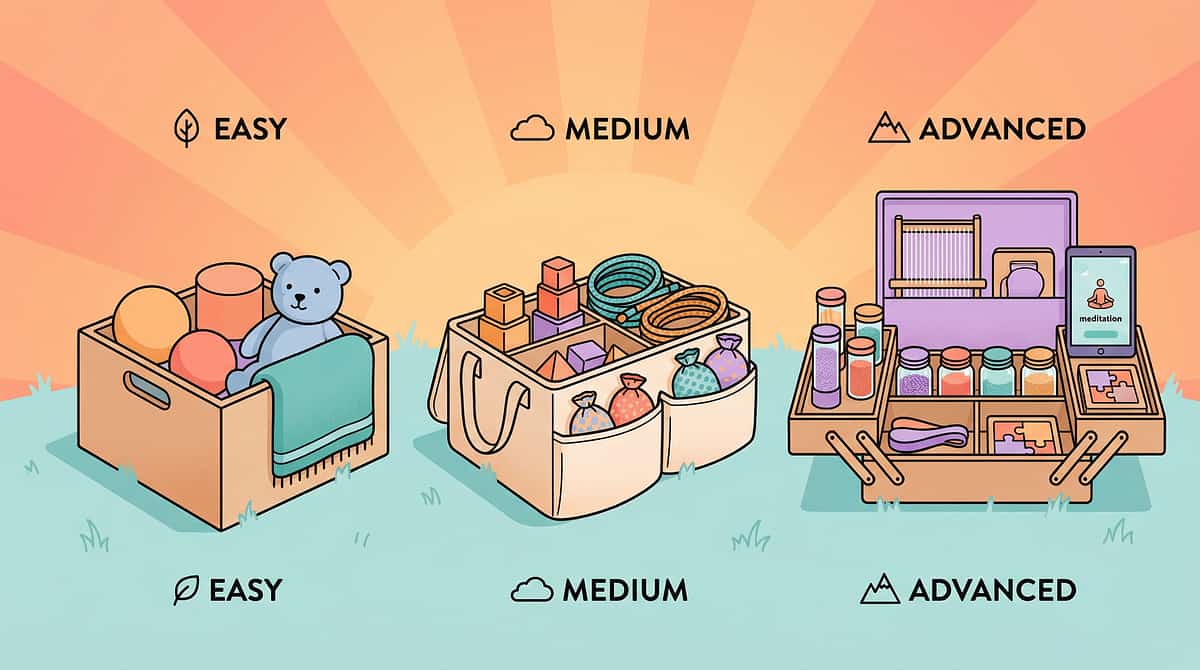
No two children wait the same way. Your kit should reflect your child.

Sensory SEEKER — Craves Intense Input
- Heavy fidgets (therapy putty, resistance bands, spiky ball)
- Chewable with firm resistance
- More movement cards; less seated waiting
- Higher-density activity cards (mazes, puzzles)

Sensory AVOIDER — Overwhelmed by Input
- Soft, gentle fidgets (silky fabric, smooth stone)
- Social story with high detail (knows exactly what's coming)
- Noise-reducing earbuds added to kit
- No chewable — may add oral anxiety
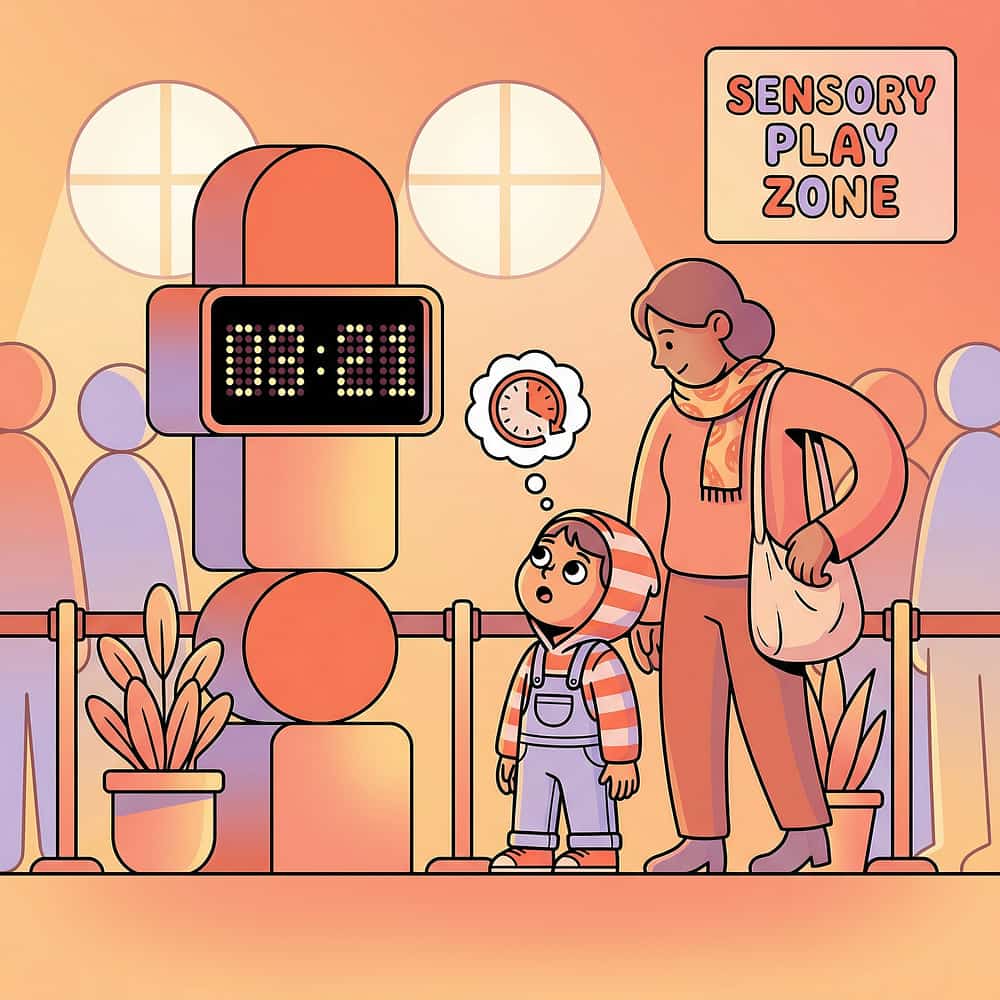
ADHD Child — Time Blindness Primary
- Visual timer is non-negotiable — this is the anchor tool
- Token interval as short as 90 seconds initially
- Activity cards matched to special interests
- Countdown narration: "5 more, 4 more, 3 more..."

ANXIOUS Child — Uncertainty Primary
- Social story reviewed twice before outing
- Timer used for intervals, not absolute countdown
- Parent physical proximity closer than usual
- Comfort item added to kit (familiar stuffed animal)
YOUNGER Children (3–5 years)
- Single tool only (fidget OR timer, not both)
- 1 token = immediate reward (no accumulation)
- Parent models using fidget together
- 2-minute waits maximum initially
OLDER Children (9–12 years)
- Self-management: child carries own kit independently
- Token replaced with self-monitoring checklist
- Emphasis on internalisation: "What does your body need right now?"
- Introduce waiting strategies without visible tools

Act IV · The Progress Arc · Week 1–2
Progress in weeks 1–2 looks like tolerance, not mastery.
✅ What You Will Likely See
- Child accepts the kit without refusing it
- Child uses at least one tool for 60+ seconds
- Duration of regulated waiting increases by 1–2 minutes vs. first session
- Child's peak distress level drops by 1 point on the 5-point scale
- Post-wait recovery time decreases (meltdowns, if they occur, are shorter)
⏸️ Not Progress Yet — Normal
- Child is not independently reaching for the kit
- Child is not generalising to new waiting situations
- Child cannot wait without a parent right next to them
- Child still asks "how long?" frequently — even with timer
"If your child tolerates the fidget for 3 seconds longer than last week — that is real, meaningful neural progress. The pathway that will eventually allow 15-minute waits begins with those 3 seconds. Don't minimise increments."
📄 PMC11506176: Sensory integration intervention outcomes emerge across 8–12 week timelines. Early-phase indicators: tolerance and participation, not mastery.
Act IV · The Progress Arc · Week 3–4
Week 3–4: The neural pathways are forming.
🔵 Consolidation Indicators
Child begins reaching for kit proactively before you offer it
Child references the timer independently ("how much red is left?")
Child starts requesting waiting practice at home ("Can we do the waiting game?")
Wait duration doubles from Week 1 baseline
Meltdowns in waiting situations decrease by 50%+
Child can articulate which tool helps: "I need my squeeze ball"
When to Increase Frequency/Intensity
- Child consistently reaching 100% of target wait duration → Increase duration target by 25%
- Child asking for fewer tools → Begin planned tool reduction
- Child managing home practice easily → Move to more challenging public environments

Act IV · The Progress Arc · Week 5–8
Week 5–8: This is what mastery looks like. You'll recognise it.
🏅 Mastery Criteria — Observable, Measurable
1
10+ Minutes
Child waits 10+ minutes in typical community settings with kit available (80% of trials)
2
Self-Selection
Child self-selects appropriate tool when regulation begins to drop — without parent prompt
3
3+ Environments
Skill generalises to 3+ different waiting environments (grocery, restaurant, doctor, etc.)
4
Level ≤ 2 Distress
Peak distress level stays at 2 or below (mild fidgeting only) in most waits
5
< 1 Meltdown/Week
Wait meltdowns reduce to fewer than once per week
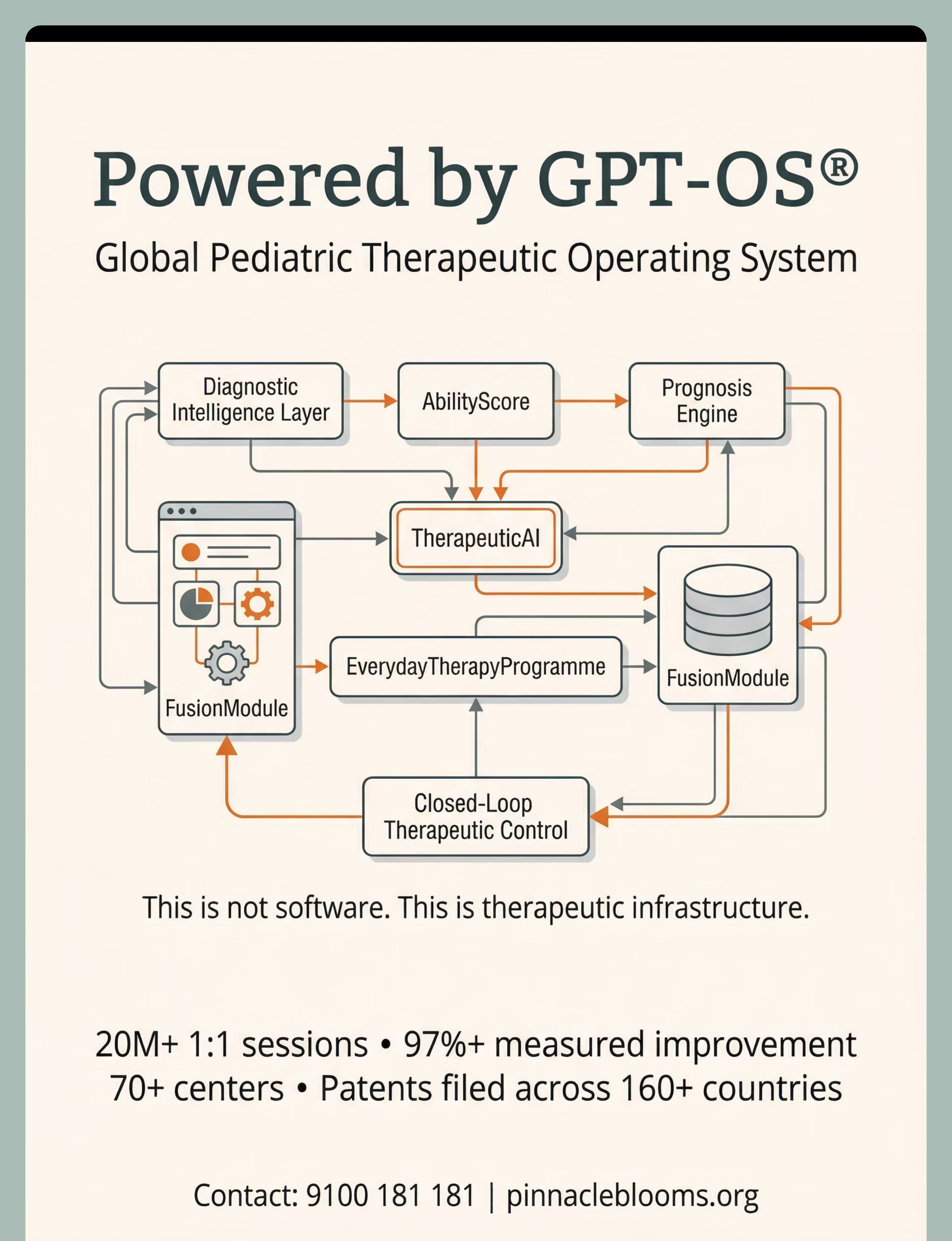
🏅Mastery Unlocked: 3 consecutive weeks meeting all 5 criteria = Ready to progress to next level OR reduce tool support. Connect to GPT-OS® for personalised progression recommendations.

Act IV · Celebrate This Win
You did this. Your child grew because of your commitment.
"What you did: you carried a bag into every grocery store, every waiting room, every restaurant line — even when you didn't know if it would work. You set timers on your phone when you didn't have a proper timer. You made sticker charts on index cards. You said 'which fidget today?' one hundred times."
What Your Child Did
Your child stood in a line they could not have stood in 8 weeks ago. Their nervous system built new pathways because you gave it the right tools, at the right moments, enough times.
What This Means
Community access that was lost is returning. The grocery store, the doctor, the restaurant — these places are becoming possible again. That is not small. That is the difference between a full life and a limited one.
📸 Milestone Documentation
Take a photo of your child's first successful long wait. Write the date on it. This is a clinical milestone, not just a proud parenting moment. It's evidence that the brain changed.
🎁 Family Celebration
Plan a special outing that involves waiting — and bring the full kit — as a celebration of the skill. The wait becomes the victory lap.
Act IV · Red Flags
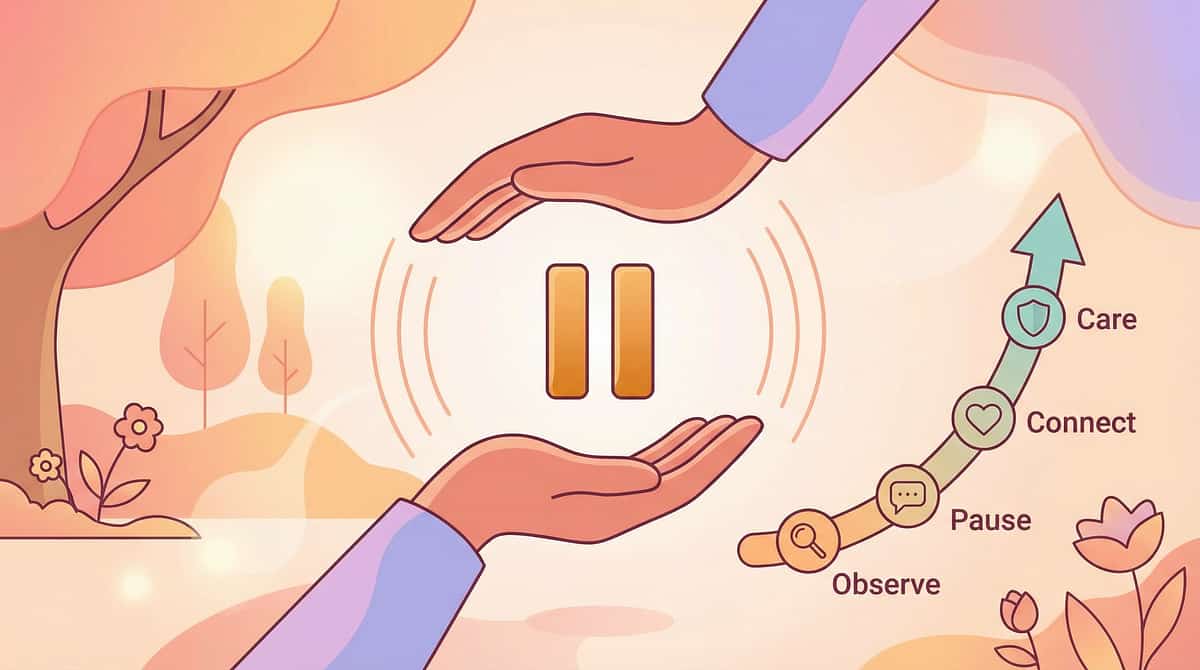
Trust your instincts. If something feels wrong, pause and ask.
🚩 These are signals to pause home practice and seek professional input — not signs of failure. Early consultation prevents small concerns from becoming large barriers.
🚩 Behavioural Red Flags
- Waiting exposure is triggering self-injurious behaviour (hand-biting, head-banging)
- Child's anxiety about waiting is increasing despite consistent practice
- New aggression appearing in waiting situations not present before starting protocol
- Rigid dependence on specific items — removing one causes complete meltdown
🚩 Physical Red Flags
- Signs of sensory overload before waiting situations begin (hyperventilation, skin reactions, nausea)
- Weighted items causing discomfort, skin marks, or urgently removed by child
🚩 Developmental Red Flags
- Waiting tolerance NOT improving after 6+ weeks of consistent daily practice
- Skills mastered in one environment do not generalise to any other after 8 weeks
- Significant regression after previously making progress
Escalation Pathway
01
Self-Resolve
Review this page. Check safety card. Simplify protocol. Consult the troubleshooting section.
02
Teleconsult
Book a GPT-OS® guided teleconsultation at pinnacleblooms.org
03
Clinic Assessment
Visit nearest Pinnacle centre for full OT sensory + ABA behavioural assessment · 📞9100 181 181
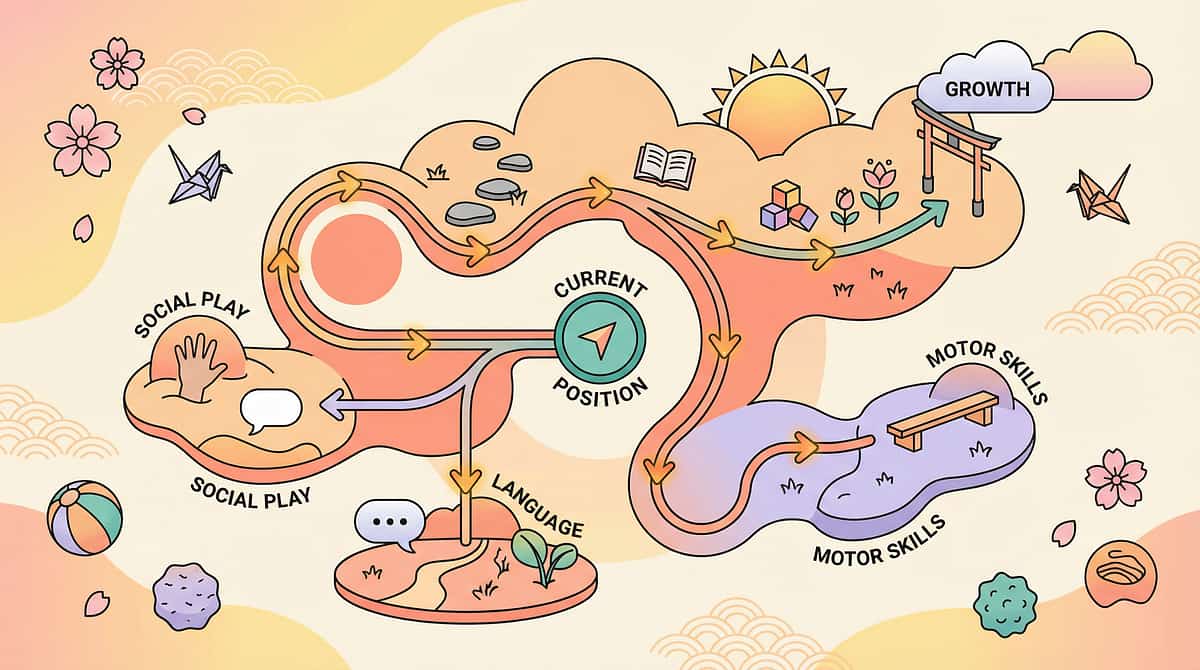
Act IV · The Progression Pathway
You are not done. You are on a journey.
Waiting in lines sits within a structured progression of self-regulation skills. Where you came from, where you are, and where you're heading next.
J-842
Impulse Control Foundations
J-843
Delayed Gratification Building
J-844 ● YOU ARE HERE
Waiting in Lines
J-845
Turn-Taking Skills
Branching Options Based on Your Child's Response
Sensory Tools Primary Driver
→ J-S201: Sensory Diet for Community Settings
Token/Behaviour Systems Primary
→ J-845: Turn-Taking Skills
Anxiety Remains High
→ J-A401: Uncertainty Tolerance Building
School Generalisation Ready
→ J-SCH101: Waiting Skills in School Environments
Act IV · Related Techniques
You already own materials for several of these.
Self-Regulation, Impulse Control & Executive Function Domain — 900 techniques total
Technique | Code | Level | Shared Materials | |
Impulse Control Foundations | J-842 | 🟢 Intro | Timer, Fidget Kit | |
Delayed Gratification Building | J-843 | 🟡 Core | Token System, Activity Cards | |
Waiting in Lines (YOU ARE HERE) | J-844 | 🟡 Core | Full Kit | |
Turn-Taking Skills | J-845 | 🟡 Core | Token System, Visual Supports | |
Interrupting Reduction | J-846 | 🟡 Core | Timer, Weighted Items | |
Public Behaviour — Grocery | J-850 | 🟠 Advanced | Full Kit + Social Story | |
Sensory Regulation in Community | J-860 | 🟠 Advanced | Sensory tools from Kit | |
Delayed Gratification — Advanced | J-870 | 🔴 Advanced | Timer, Token (graduated) |
"You already own materials for 6 of these techniques." · Browse full Self-Regulation Domain ↗
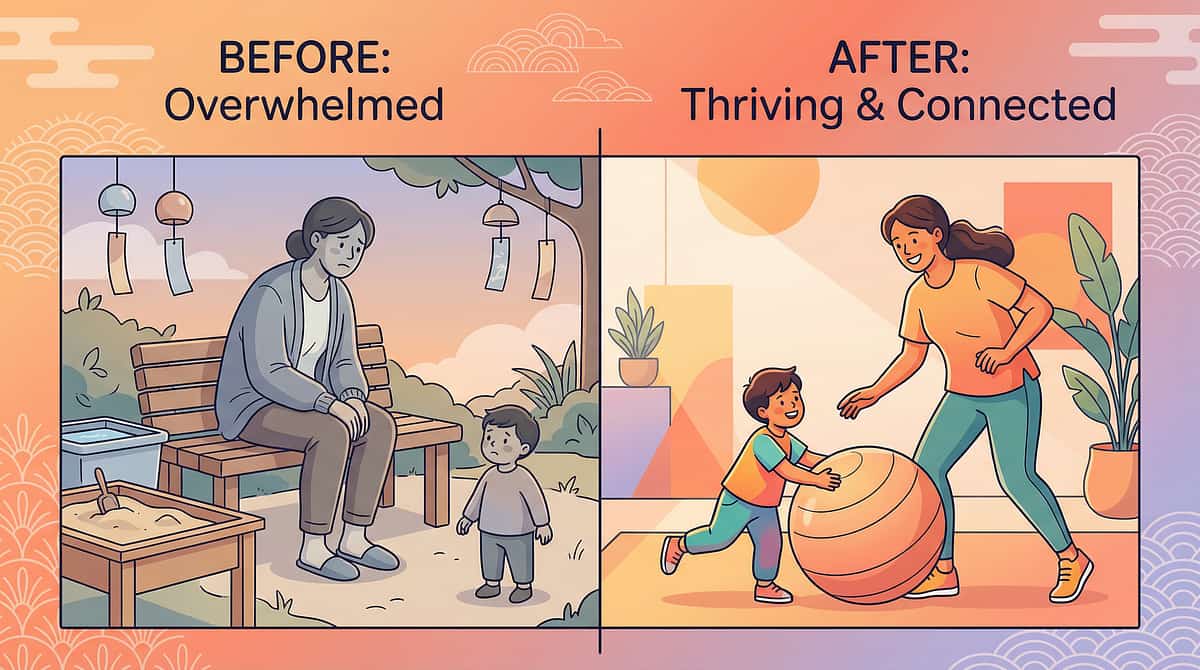
Act V · Community · Card 1 of 7
Before: abandoned grocery carts. After: 15-minute waits.
Priya, 6 years — Hyderabad
Before (6 weeks ago): "We hadn't been to a proper grocery store as a family in 8 months. Priya would melt down within 90 seconds of joining any line. I was doing all shopping alone at midnight. She would cry afterward: 'I'm sorry Amma. My body didn't listen.'"
After (Week 8): "Last Saturday, Priya waited 11 minutes in the Big Bazaar checkout line. She used her timer, earned her four tokens, and said 'Amma, look — only red dot left!' when we were almost done. I couldn't speak."
Tools: Visual timer + Token system
Arjun, 8 years — Bengaluru
Before: "School events were impossible. Assembly lines, lunch queues, waiting for the bus — every one was a crisis. We were dreading his annual day because of the photo queue alone."
After (Week 10): "He waited 20 minutes for his annual day photograph. He used his fidget pouch and did wall pushes with his friend. His teacher texted: 'I don't know what you've done but please keep doing it.'"
Tools: Fidget kit + Movement cards
"What parents often miss is that the first successful wait — however short — rewires the emotional association with waiting. It stops being 'the thing I can't do' and becomes 'the thing I do with my kit.' That shift in identity is as important as the behavioural improvement." — Senior OT, Pinnacle Blooms Network®
Illustrative cases. Outcomes vary by child profile, underlying conditions, intervention consistency, and environmental factors.
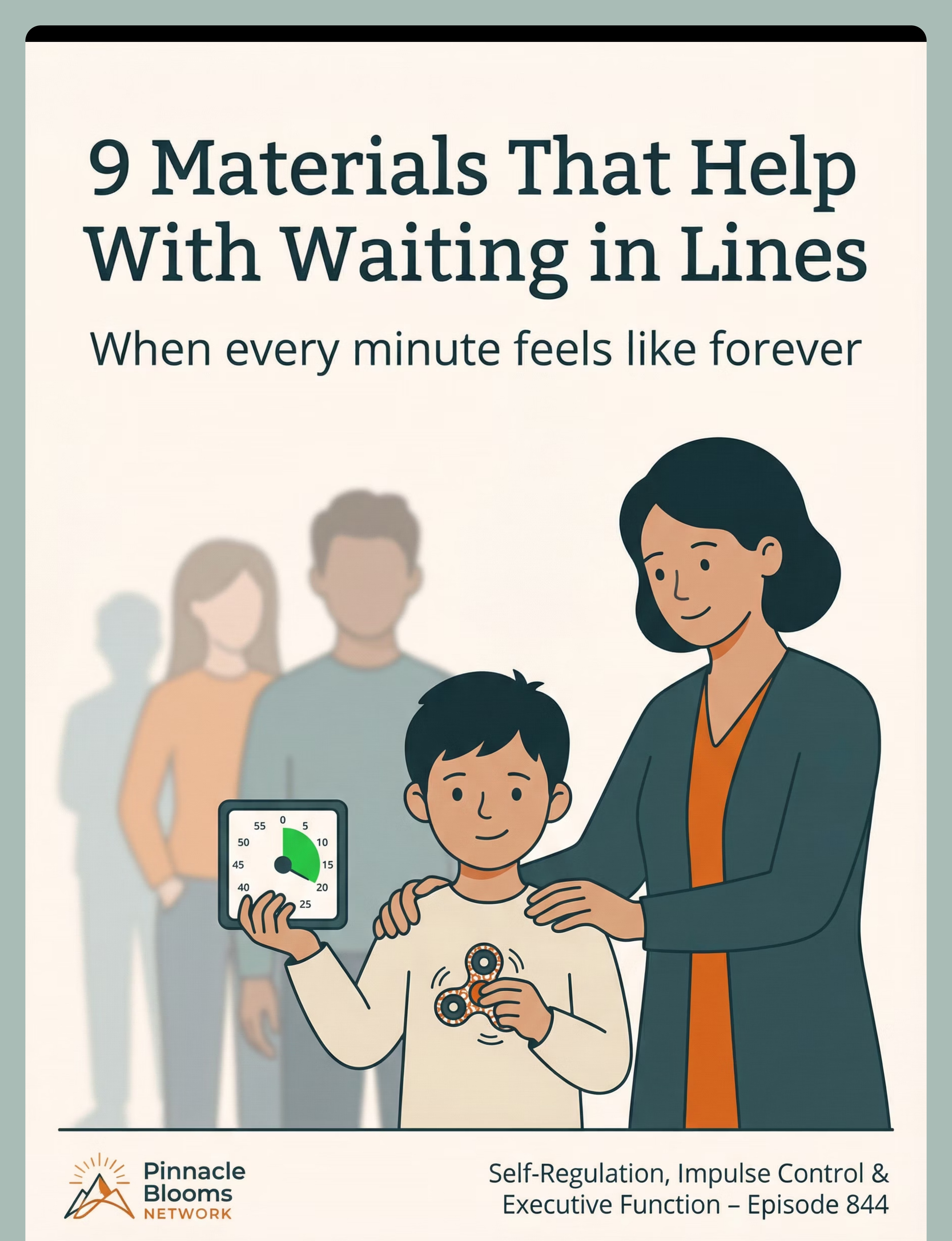
Preview of 9 materials that help with waiting in lines Therapy Material
Below is a visual preview of 9 materials that help with waiting in lines therapy material. The pages shown help educators, therapists, and caregivers understand the structure and content of the resource before use. Materials should be used under appropriate professional guidance.




Link copied!
Act V · Community · Card 2 of 7
Isolation is the enemy of adherence. Join the community.
🟢 WhatsApp Group — Waiting Skills
Parents specifically working on waiting tolerance in children 3–12. Share wins, ask questions, troubleshoot.
🔵 Pinnacle Online Forum
Moderated by Pinnacle therapists. Post questions, get answers from OT/ABA professionals within 48 hours.
🟡 Local Parent Meetups
Pinnacle centres host monthly "Parent Circles" — small group sessions to practise techniques, troubleshoot, and celebrate progress.
📞 9100 181 181
🔴 Peer Mentoring Programme
Be matched with a parent who is 6+ months ahead on this exact journey. Real experience, real empathy.
"Your experience — including the abandoned grocery carts and the midnight shopping trips — is knowledge that another family needs. When you're ready, consider sharing your journey."