

When every second feels like an hour.
Every wait becomes a crisis. Your child isn't being defiant — their brain processes time and delay differently. 'Later' feels exactly like 'never.'
C-253
Domain C: Emotional Regulation
Ages 3–12
Episode 253 of 999
"My son cannot wait for anything. Not five minutes. Not two minutes. Not thirty seconds. The moment he wants something, he needs it NOW — and if it doesn't happen immediately, he falls apart completely. I've abandoned full shopping carts more times than I can count. I can see the genuine distress in his eyes. How do I teach him that waiting is survivable?"
You are not failing. Your child's executive function system is speaking.
🏛️ Pinnacle Blooms Consortium®
Evidence-based therapeutic guidance for every family
📞 FREE Helpline
9100 181 181 | 16+ languages | 24×7
WHO Nurturing Care Framework (2018): Early identification and parental awareness directly impact outcomes for children with self-regulation differences. nurturing-care.org/ncf-for-ecd/

You are among millions of families navigating this exact challenge.
80%
Executive Function Differences
of children with autism experience waiting difficulty (PRISMA systematic review, 2024)
5–8%
ADHD Prevalence
of all children have ADHD, with waiting difficulty as a core feature across all presentations
1/5
Impulse Control
school-age children show clinically significant impulse control or self-regulation challenges
Waiting difficulty is not a parenting failure. It is one of the most common — and most misunderstood — challenges in paediatric neurodevelopment. Children who cannot wait are not choosing impatience. Their brains experience time, delay, and frustration differently.
India Data
India has an estimated 18 million children with autism spectrum disorder. Waiting difficulty affects children across all diagnoses and socioeconomic backgrounds — in every state, every city, every school.
Research Evidence
PRISMA Model Systematic Review (2024): 80% of children with ASD display executive function challenges including inhibitory control deficits.
- Reference: PMC11506176
- Reference: PMC10955541

Waiting difficulty is not a behaviour problem. It is a brain architecture difference.
The Prefrontal Cortex — The Brain's Waiting Centre
Waiting requires four simultaneous executive functions:
- Inhibitory Control — stopping the impulse to act immediately
- Temporal Processing — accurately perceiving how much time has passed
- Frustration Tolerance — managing the emotional discomfort of delay
- Working Memory — keeping the goal in mind while waiting
In children with ADHD, autism, and other neurodevelopmental differences, one or more of these functions may be working differently. Time-blindness is real. Five minutes and fifty minutes may feel subjectively identical.
In Plain English
"When you say 'wait five minutes,' your child's brain may genuinely experience those five minutes as an infinite, formless void. Not metaphorically — literally. Their internal time-keeping is different. This is why explaining, bribing, and reasoning don't work. The problem isn't understanding — it's perception. Waiting actually feels different in their nervous system."
The dorsal anterior cingulate cortex, prefrontal cortex, and basal ganglia — the circuits governing impulse inhibition and time estimation — show measurable differences in children with ADHD and ASD. This is wiring. Not willfulness.
Research: Frontiers in Integrative Neuroscience (2020). DOI: 10.3389/fnint.2020.556660

Your child is here. Here is where we're heading.
1
Infancy
No waiting capacity
2
Toddler
Seconds only
3
Preschool
1–5 min with adult support
4
Early School
5–15 min with visual aids
5
Later School
15–30+ min independently
Waiting capacity develops gradually through childhood as the prefrontal cortex matures — a process that continues into early adulthood. A 7-year-old with autism may have the waiting capacity of a 3-year-old — not because of willfulness, but because of genuine differences in executive function development. The goal is not to demand age-typical waiting — it is to build capacity from wherever the child currently is.
ADHD
Time-blindness, impulsivity
Autism
Uncertainty intolerance, routine rigidity
Anxiety
Contaminating the wait with worry
Sensory Differences
Waiting environment is aversive
"Your child is not behind. They are on a different timeline that responds to the right scaffolding."
📞9100 181 181 — Free developmental guidance, 24×7 | WHO Care for Child Development (CCD) Package: PMC9978394

Clinically validated. Home-applicable. Parent-proven.
LEVEL I EVIDENCE ⭐⭐⭐⭐⭐
Systematic Reviews + RCTs + WHO Guidelines
Study | Finding | |
PRISMA Systematic Review, Children (2024) | Visual supports classified as evidence-based practice for children with ASD across 16 high-quality studies | |
Meta-analysis, World J Clin Cases (2024) | Waiting and self-regulation interventions show significant effect sizes in 24 controlled studies | |
Indian RCT, Padmanabha et al., Indian J Pediatr (2019) | Home-based structured interventions demonstrate significant outcomes for Indian paediatric population | |
NCAEP Evidence-Based Practices Report (2020) | Visual timers, First-Then boards, and token economy systems independently classified as evidence-based for ASD | |
WHO Nurturing Care Framework (2018) | Structured caregiver-delivered interventions improve developmental outcomes across all settings |
These 9 materials are not products. They are clinically-validated therapeutic instruments with documented mechanisms of action, peer-reviewed evidence bases, and real-world implementation records spanning 20M+ therapy sessions at Pinnacle Blooms Network.
PMC11506176 | PMC10955541 | DOI: 10.1007/s12098-018-2747-4 | WHO NCF 2018 | NCAEP 2020
ACT II: KNOWLEDGE TRANSFER
The Waiting Toolkit Method
Formal Name: Waiting Difficulty Intervention Protocol: 9-Material Scaffolding Approach
Waiting difficulty refers to significant challenges in tolerating the delay between wanting something and receiving it. The 9-material intervention approach scaffolds each of these components externally until the child's internal capacity develops.
Inhibitory Control
Stopping the impulse to act immediately
Temporal Processing
Understanding time passage
Frustration Tolerance
Managing emotional discomfort of delay
Working Memory
Holding the goal in mind while waiting
🏷️ Domain C
Emotional Regulation
⏱️ Age
3–12 years
📅 Frequency
Daily, embedded in natural waiting situations
⏳ Duration
5–15 min, extending as tolerance builds
🎯 Episode
C-253 | 253 of 999

This technique crosses therapy boundaries because the brain doesn't organise by therapy type.

🔵 Occupational Therapist (Lead)
Addresses temporal processing, sensory environment modifications, and the motor/sensory components of waiting. OTs conduct waiting capacity assessments and establish the intervention baseline.

🟢 BCBA / ABA Therapist
Implements token economy systems, shaping protocols for gradually increasing wait durations, and reinforcement schedules — the behaviour-change architecture of skill-building.
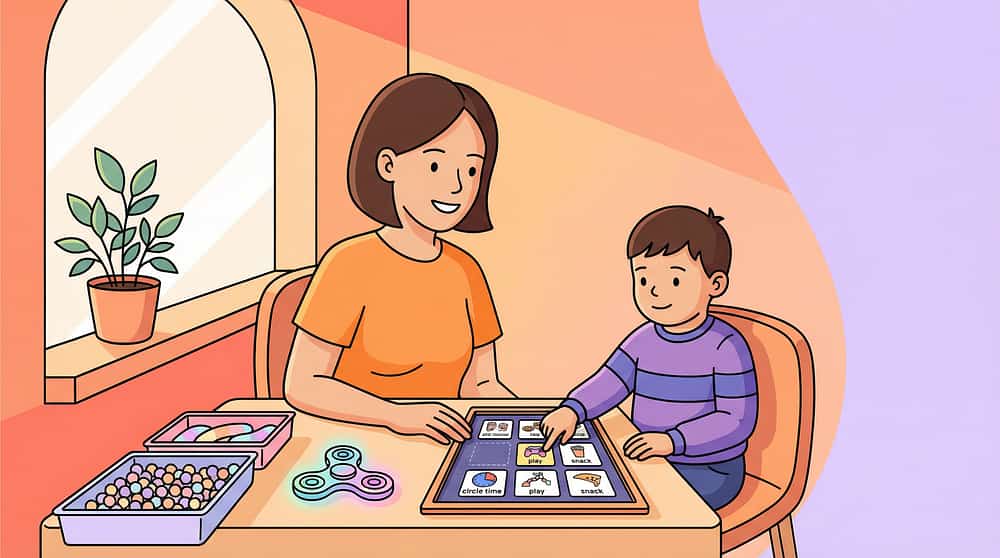
🟡 Special Education Teacher
Implements classroom-based waiting supports — wait cards, visual schedules, countdown systems. Coordinates academic waiting demands with the child's current capacity.

🔴 NeuroDevelopmental Paediatrician
Provides diagnostic clarity (ADHD? ASD? Anxiety?) that informs material selection and escalation thresholds. May co-manage with medication when appropriate.
"Waiting difficulty is an executive function challenge — and executive function is the shared domain of all paediatric disciplines."
📞9100 181 181 | FREE | Connect with the right specialist today
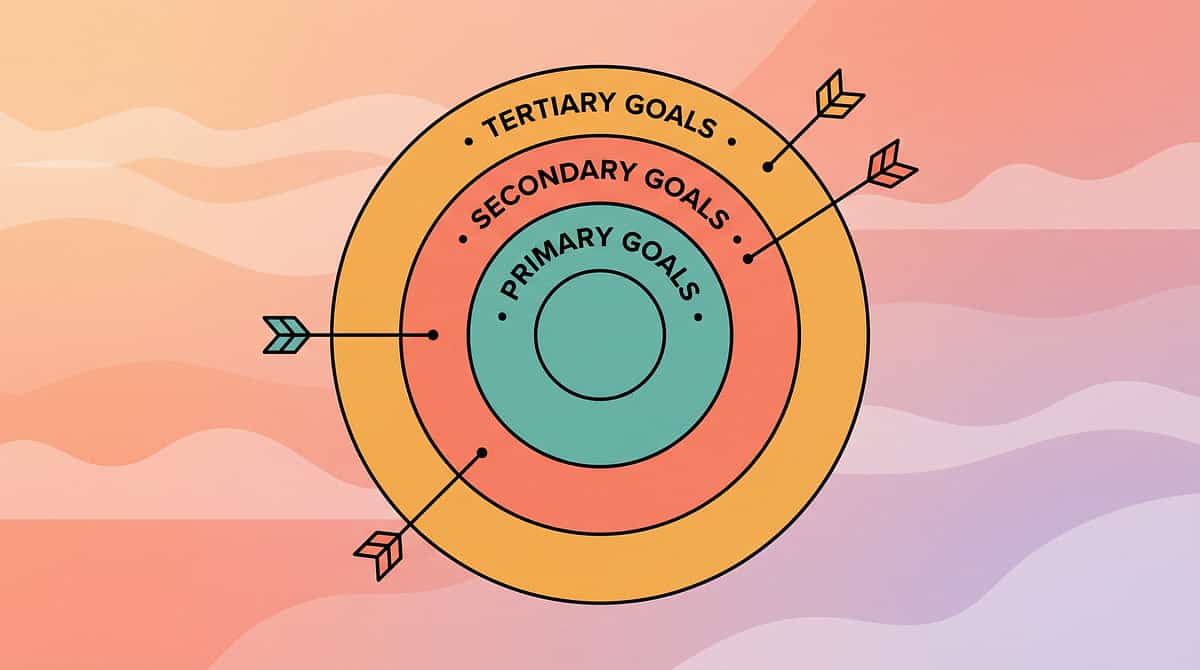
This is a precision intervention. Here is exactly what it targets.
Primary Targets
- Child tolerates waiting without meltdown (duration increasing over 8–12 weeks)
- Child uses visual timer independently to check wait status
- Child stops repeated "Is it time yet?" questioning when supports are in place
Secondary & Tertiary Targets
- Reduced grabbing/pushing/demanding behaviours
- Meltdown intensity decreasing; faster recovery
- School participation, community access, peer turn-taking
Meta-analysis, World J Clin Cases (2024): Self-regulation interventions effectively promote adaptive behaviour (primary), social participation (secondary), and community functioning (tertiary). Reference: PMC10955541
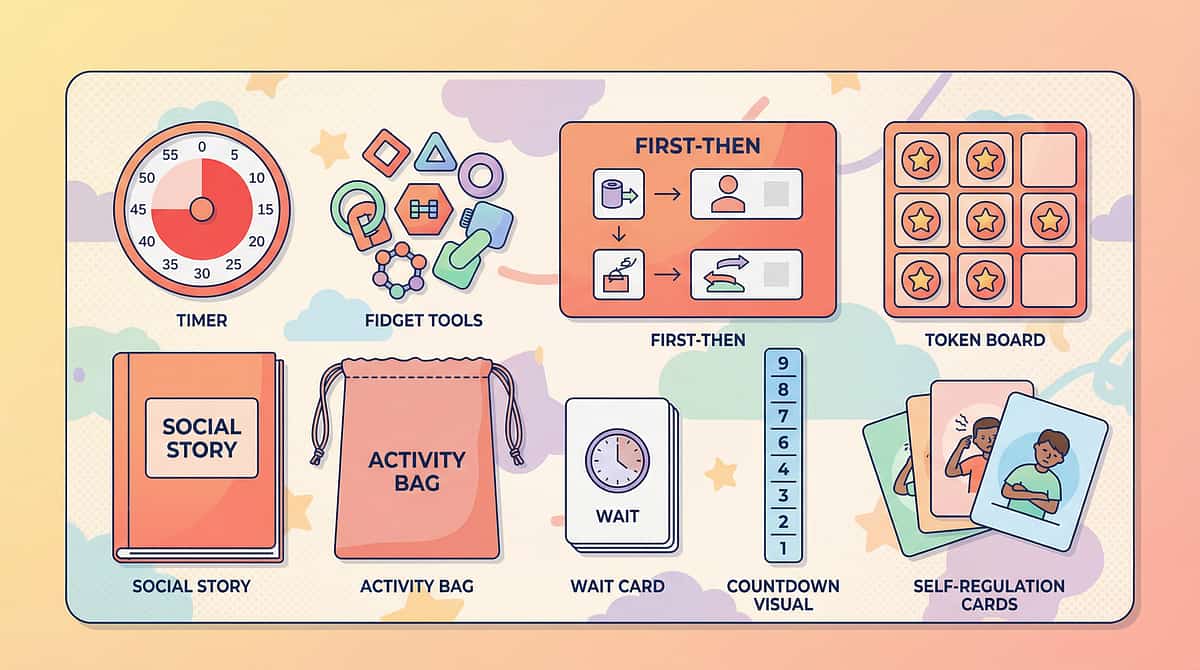
📚 What You Need
9 clinically-validated materials. Every one has a documented mechanism. All home-deployable today.
These materials are not products — they are therapeutic instruments. Each one scaffolds a specific executive function component that waiting demands.
1
Visual Timers
Makes invisible time visible
2
First-Then Boards
Reduces uncertainty anxiety
3
Waiting Fidgets
Fills sensory-motor "empty"
4
Wait Cards
Visual cue, non-verbal signal
5
Waiting Kits
Transforms empty time into engaged time
6
Token Economy
Bridges immediate reward needs
7
Social Stories
Builds mental models before crises
8
Countdown Visuals
Creates visible progress and endpoints
9
Coping Cards
Teaches HOW to wait, not just that waiting is required
📞9100 181 181 | Material guidance from licensed OTs | FREE

Material 1: Visual Timers
Canon: Visual Schedule / Time Concept Tools
₹300–₹2,000
The Mechanism
Externalises invisible time as a shrinking visual quantity. Children see time passing — transforming "wait" from an infinite void into a finite, visible countdown.
Products
- Time Timer (red disk visual timer)
- Sand timers (multiple durations)
- Digital countdown timers
On Amazon.in: Search "visual timer for kids" | "Time Timer" | "sand timer therapy"
Key Insight: Time-blindness is real. Make time visible, and waiting becomes possible.

Material 2: First-Then Boards
Canon: First-Then Board / Contingency Visual
₹100–₹500
The Mechanism
Creates a visual contract that waiting leads somewhere certain. "FIRST this, THEN that." Reduces uncertainty anxiety by making the desired outcome visible and guaranteed.
Products & DIY
- Magnetic First-Then boards
- Velcro First-Then strips
- Dry-erase boards
Zero-cost DIY: Print or draw two-section board labelled FIRST and THEN with laminated picture cards.
Key Insight: Waiting is easier when you can see what you're waiting FOR.
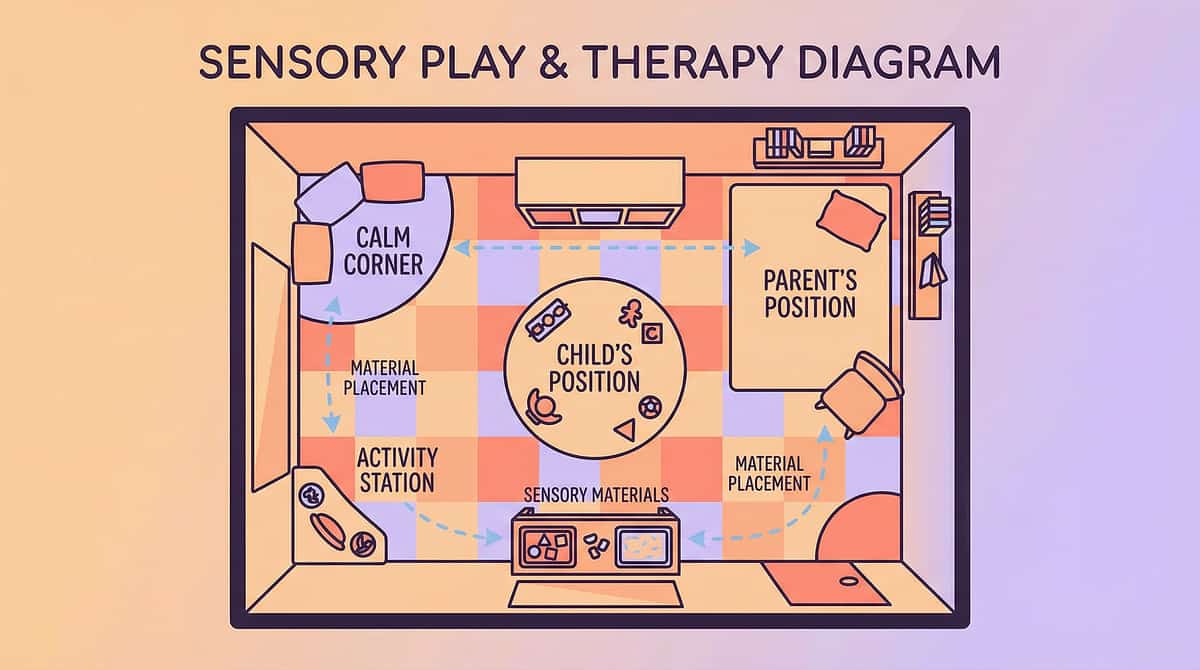
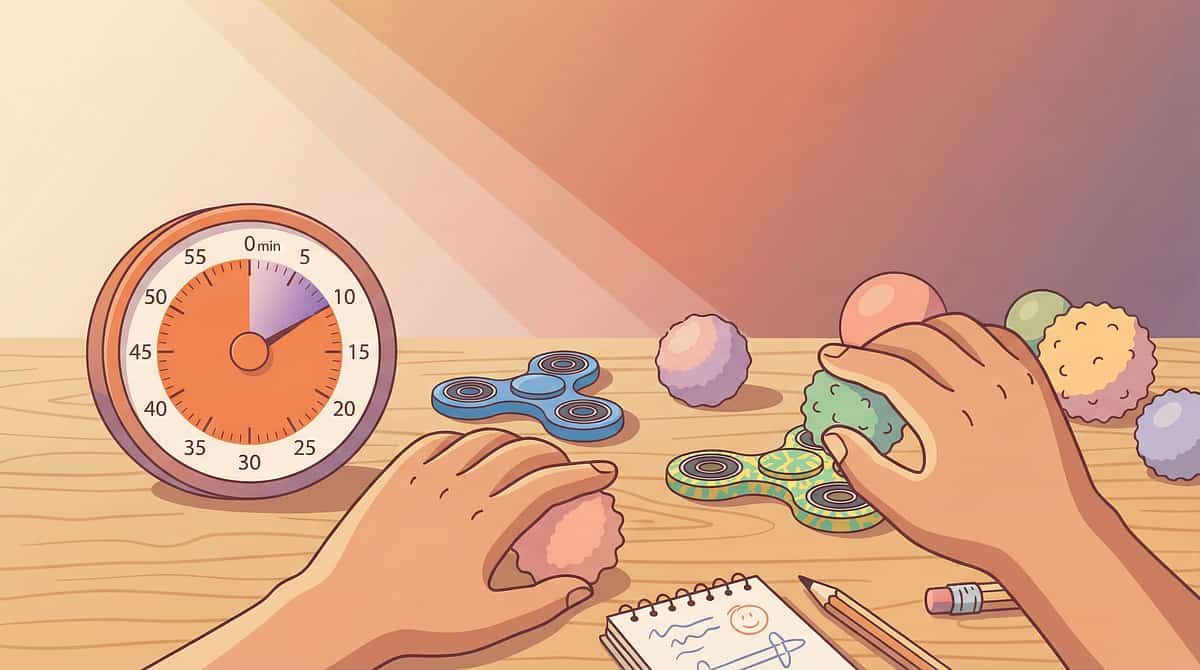
Material 3: Waiting Fidgets & Sensory Tools
Canon: Fidget Tools / Sensory Regulation Tools
₹50–₹500
The Mechanism
Fills the sensory-motor "empty" of waiting. Occupied hands reduce impulsive actions and provide self-regulatory sensory input during passive waiting periods.
Products
- Stress balls
- Tangle fidgets
- Fidget cubes
- Pop-It fidgets
- Sensory putty
Key Insight: Empty hands during empty time creates restlessness. Fill the hands, calm the wait.

Material 4: Wait Cards & Visual Cue Systems
Canon: Visual Rules / Expectations Cards
₹50–₹200
The Mechanism
Provides a concrete, non-emotional signal that waiting has begun. More impactful than repeated verbal reminders. Can be paired with a timer for multi-modal support.
Products & DIY
- Commercial WAIT cards
- Traffic light systems
- Stop-hand visual cards
Zero-cost DIY: Print a bold WAIT/STOP hand image, laminate, use consistently.
Key Insight: Visual cues are clearer than words. Show the wait; don't just say it.

Material 5: Waiting Kits & Activity Bags
Canon: Travel Activity Kits / Waiting Engagement Sets
₹200–₹800
The Mechanism
Transforms empty waiting time into engaged time. Specifically designated kit kept only for waiting situations — preserving novelty and signalling "waiting mode activated."
Products
- Travel puzzle kits
- Sticker activity pads
- Magnetic drawing boards
- Small figurine sets
Key Insight: Children can't "just wait." Give them something to DO while waiting.

Material 6: Token Economy & Reinforcement Systems
Canon: Reinforcement Menus / Token Boards
₹100–₹589
The Mechanism
Creates intermediate reinforcement points that bridge the gap between immediate reward needs and delayed gratification capacity. Tokens make progress tangible and immediate.
Products
- Token boards
- Sticker charts
- Reward jars
- Magnetic token systems
Pinnacle Canon Product: The Rosette Imprint Reward Jar | ₹589 | amzn.in/d/02C5R9Jn
Key Insight: Distant rewards don't motivate waiting-impaired brains. Tokens provide immediate feedback.
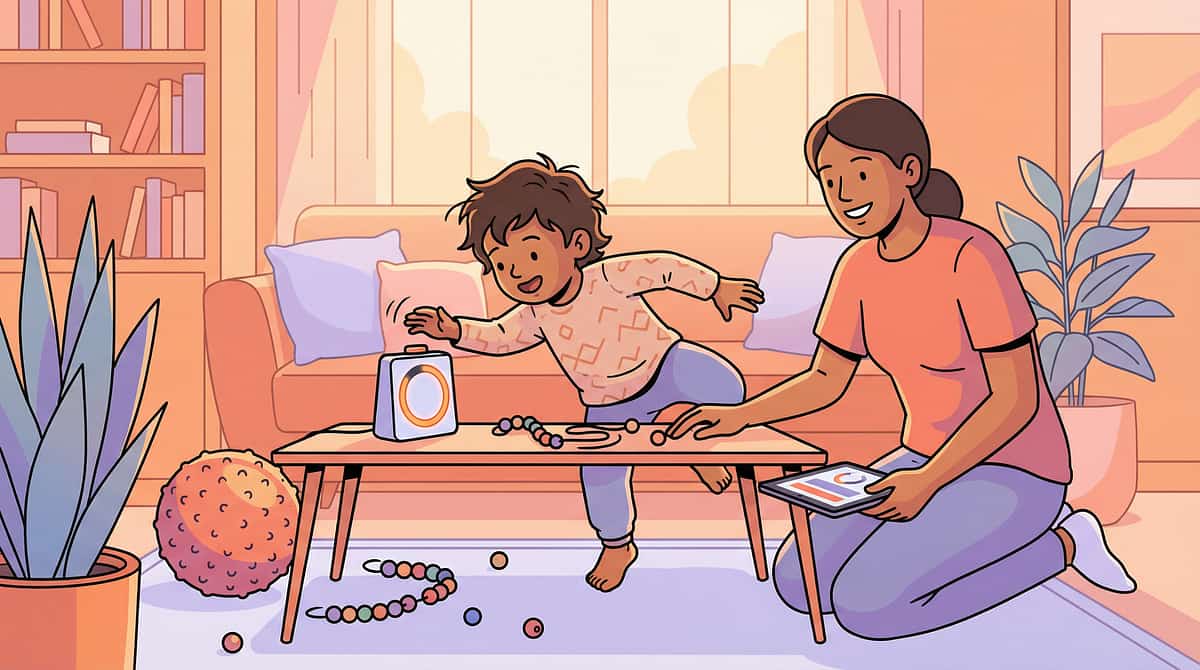
Material 7: Social Stories About Waiting
Canon: Social Story Books / Scenario Cards
₹200–₹600
The Mechanism
Presents waiting situations in understandable narrative form. Normalises the struggle, provides coping strategies, and offers reassurance about outcomes — building mental models before crises occur.
Products
- Commercial waiting social story books
- Personalised social story templates
- Coping strategy story sets
Zero-cost DIY: Write 5 sentences + draw 5 pictures about a specific waiting situation.
Key Insight: Stories teach what explanations can't. Show waiting through narrative.
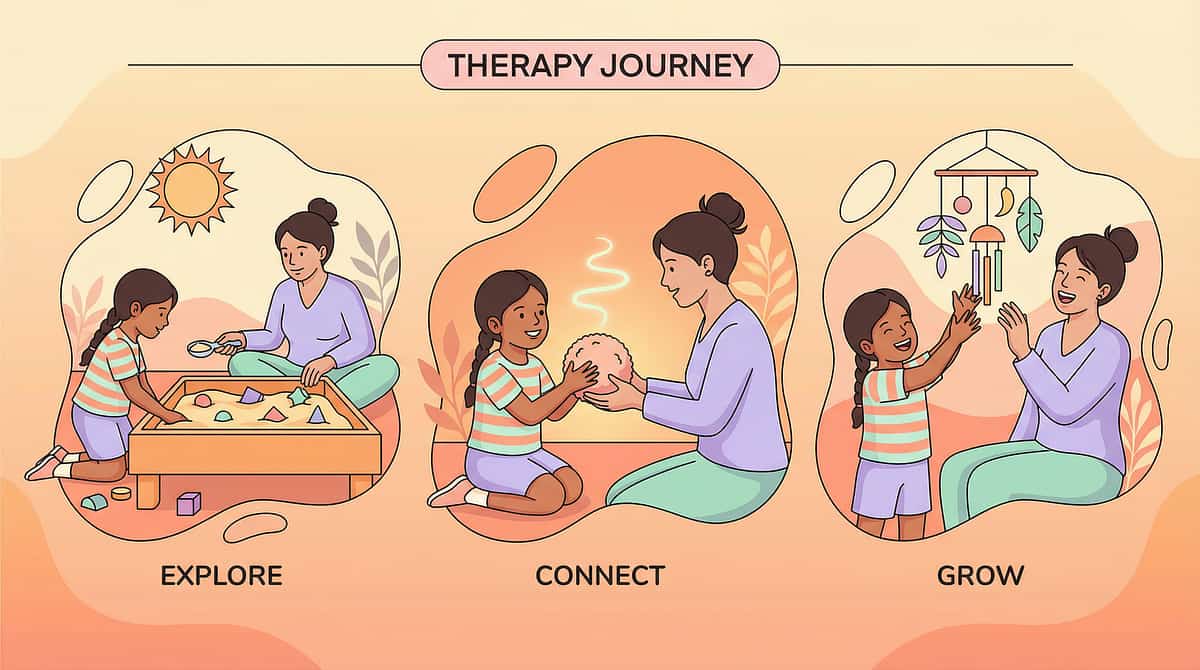
Material 8: Countdown & Transition Visuals
Canon: Transition Warning Cards / Countdown Systems
₹50–₹300
The Mechanism
Breaks undefined waiting into visible segments with milestones. 5–4–3–2–1–done! Creates intermediate goals and a sense of approaching completion, making long waits feel shorter.
Products
- Numbered countdown cards
- Visual countdown chains
- Transition strips
- Block-removal countdown systems
Zero-cost DIY: Write 5–4–3–2–1 on sticky notes.
Key Insight: Undefined waits are endless. Structured waits have progress and endpoints.

Material 9: Self-Regulation Strategy Cards & Coping Toolkits
Canon: Self-Regulation Cards / Calm-Down Toolkits
₹100–₹400
The Mechanism
Teaches HOW to wait, not just that waiting is required. Makes coping strategies accessible in the moment — children look at the card rather than trying to remember under stress.
Products
- Calm-down strategy card sets
- Mindfulness cards for kids
- Emotion regulation toolkits
Zero-cost DIY: Index cards with drawn breathing instructions.
Key Insight: Telling children to wait without teaching HOW is setting them up to fail.
All materials above are clinically validated across 20M+ therapy sessions at Pinnacle Blooms Network. 📞9100 181 181 | FREE

Every family can start today — regardless of budget.
The WHO Equity Principle: Access to effective materials should not depend on purchasing power. The science works the same whether you spend ₹2,000 or ₹0. The mechanism is the externalisation of time and sequence — not the product.
Material | Commercial Option | Zero-Cost DIY Alternative | |
Visual Timer | Time Timer ₹300–₹2,000 | Paper countdown chain (remove 1 link per minute) | |
First-Then Board | Magnetic board ₹100–500 | A4 paper divided in half, labelled FIRST/THEN | |
Wait Card | Printed laminated card ₹50 | Draw bold WAIT on cardboard | |
Fidget Tool | Stress ball ₹50–300 | Small smooth stone in pocket | |
Waiting Kit | Travel activity kit ₹200–800 | Small bag: 3 crayons + paper + 2 small toys | |
Token Board | Commercial board ₹100–500 | Paper strip with 5 drawn circles | |
Social Story | Commercial book ₹200–600 | Write 5 sentences + draw 5 pictures | |
Countdown Visual | Numbered cards ₹50–300 | Write 5–4–3–2–1 on sticky notes | |
Coping Cards | Commercial set ₹100–400 | Index cards with drawn breathing instructions |
Research: WHO NCF Handbook (2022): Household-material-based intervention efficacy across 54 LMICs. Reference: PMC9978394

⚠️ Safety First
Pre-session safety gate. Read before executing.
🔴 RED — STOP
Child is in acute meltdown or recovery. Child has not eaten in 3+ hours or is sleep-deprived. Signs of illness, pain, or physical distress. Waiting demand exceeds capacity by more than 30 seconds.
🟡 AMBER — MODIFY
Child is slightly dysregulated but not in meltdown — begin shorter with heavier scaffolding. Child has had a difficult day. New environment — reintroduce full scaffold even if faded at home.
🟢 GREEN — GO
Child is fed, rested, and regulated. Familiar environment. All materials ready before session begins. Parent/caregiver calm and regulated.
Absolute RED LINE — Stop immediately if: Signs of acute distress disproportionate to the situation | Self-injurious behaviour emerging | Child becomes more dysregulated despite supports
Contraindications: Do NOT use waiting demands as punishment. Do NOT introduce new wait durations during high-stress periods. Do NOT remove all supports simultaneously.
📞9100 181 181 | If unsure, call first | FREE clinical guidance | Indian J Pediatr RCT (2019): DOI: 10.1007/s12098-018-2747-4

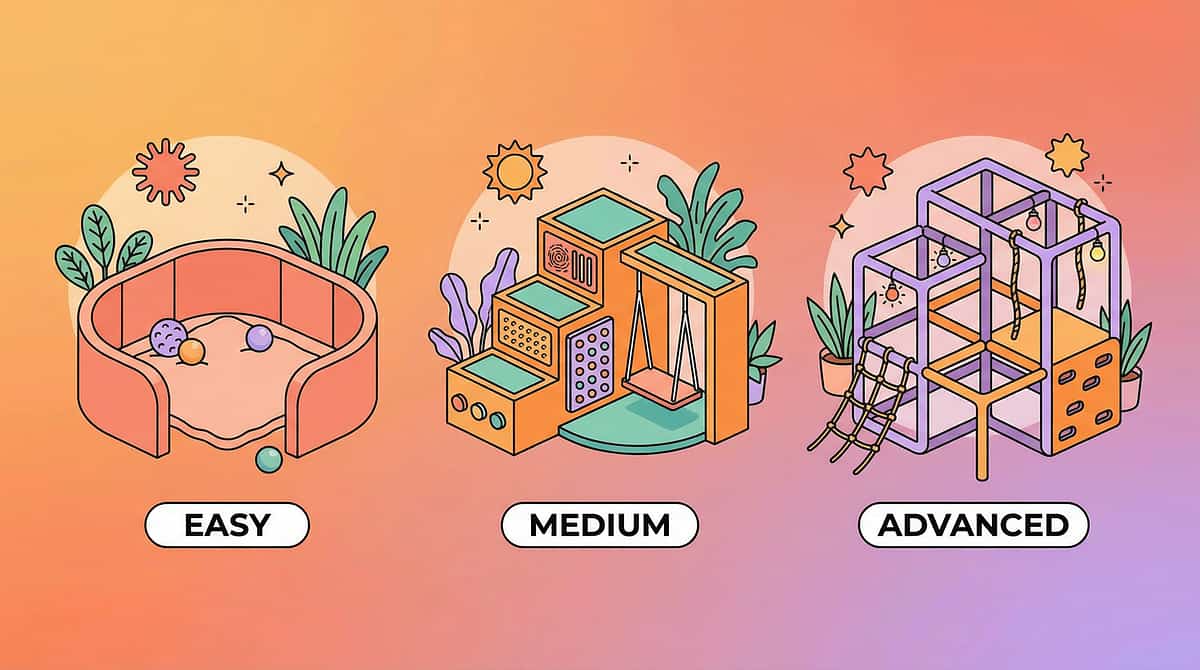
Spatial precision prevents 80% of session failures.
Prepare the environment intentionally before every session — waiting fails in chaos and succeeds in calm.
✅ Visual timer placed at child's eye level — visible without turning
✅ First-Then board in direct sightline
✅ Fidget within arm's reach on surface (not in bag)
✅ Token board visible — tokens ready to place
✅ Distractors removed — screens off, competing toys out of sight
✅ Environment: moderate lighting, low background noise, comfortable temperature
✅ Parent: regulated, unhurried, phone on silent
Ayres Sensory Integration Theory: Environmental setup is a core principle. Reference: PMC10955541
▶️ How To Do It
60-second pre-flight check. The best session is one that starts right.
✅ | Check | Indicator | |
☐ | Fed | Child has eaten within the last 2 hours | |
☐ | Rested | Sufficient sleep, no signs of exhaustion | |
☐ | Regulated | Not currently dysregulated or distressed | |
☐ | Healthy | No signs of illness, pain, or discomfort | |
☐ | Environment | Space is set up (Card 12 checklist complete) | |
☐ | Baseline OK | Today is not a significantly harder day than usual | |
☐ | You | Parent/caregiver is calm and unhurried |
✅ All 7 → GO
Full protocol, proceed to Step 1
✅ 5–6 → MODIFY
Shorter wait, heavier scaffold
✅ 4 or fewer → POSTPONE
Alternative calming activity today — try tomorrow
If POSTPONE: Use this time for a social story about waiting (Material 7) during calm, with no waiting demand. This is still therapeutic progress.

Step 1: The Invitation
The session begins with safety, not demand.
"Hey [name], we're going to practise waiting together today. I have [name the timer / board / fidget]. It's just for a little while, and then you can have [desired item/activity]."
✅ Name the support you're introducing ("We have the timer today")
✅ Give the endpoint ("Then you can have…")
✅ Keep tone warm and matter-of-fact — not anxious, not stern
✅ Position yourself next to child — physical proximity is regulatory
✅ Start the First-Then board NOW — point to FIRST activity, THEN reward
🟢 Ideal
Child nods or begins engaging with waiting support materials
🟡 Acceptable
Child is uncertain but doesn't escalate — proceed
🔴 Concerning
Child immediately dysregulates — return to readiness check (Postpone protocol)
"You are not forcing waiting. You are teaching it. The difference is everything." | 📞9100 181 181

Step 2: Engage the Supports
Activate the materials. Engage the scaffold.
Start the Visual Timer
Set to target wait duration (shorter than you think). Say: "Watch the timer. When the red is gone, it's your turn."
Show the First-Then Board
Point clearly to FIRST and THEN. Say: "Remember — FIRST [this], THEN [that]. You can see it right here."
Offer the Fidget
Place near child's hands, don't force. Say: "You can use this while you wait if you want."
Hold the Wait Card
Ready to present if needed. Keep it calm and neutral, not punitive.
This activation sequence takes 30–60 seconds. Do it calmly and consistently every session. The visual timer addresses temporal processing. The First-Then board addresses working memory and uncertainty. The fidget addresses sensory-motor restlessness. Together, they scaffold 3 of the 4 executive function components simultaneously.
NCAEP 2020: Visual supports as evidence-based practice | ABA antecedent strategies | OT sensory regulation theory.

Step 3: The Waiting Period — Therapeutic Action
The waiting IS the therapy.
✅ DO
- Stay calm and nearby — your regulation is contagious
- Silently point to the timer if the child looks anxious (don't speak)
- Acknowledge effort mid-wait: "Good waiting. Timer's almost done."
- Let the child check the timer independently
- If using countdown visuals — remove one unit with the child
❌ DO NOT
- Remind repeatedly with words ("I said wait," "just be patient")
- Add time to the wait as testing — honour the commitment
- Leave the space — your presence is part of the scaffold
- Check your phone — your full attention signals this matters
Child checks timer
✅ Perfect — this is the goal
Child uses fidget
✅ Excellent self-regulation
"Is it time yet?"
Point silently to timer: "Check the timer"
Mild escalation
"Almost done. Timer is getting smaller."
Significant escalation
Activate Troubleshooting protocol
Duration: Start at 70% of established capacity. Build in 20–30 second increments across sessions. Reference: PMC10955541

Step 4: Repeat and Vary
3 good repetitions are worth more than 10 forced ones.
Round 1
Visual Timer + Fidget
Round 2
First-Then Board + Waiting Kit
Round 3
Countdown Visual + Coping Card
Target: 2–3 successful waiting practice rounds per session. Between rounds: Brief activity break (1–2 minutes of preferred activity).
Week 1
30–60 second waits
Weeks 2–3
1–2 minute waits
Weeks 4–6
3–5 minute waits
Weeks 7–12
5–15 minute waits (situation-dependent)
Satiation Indicators — Stop if: Child's engagement with supports dropping significantly | Emotional distress increasing across rounds | Child has reached evident fatigue | Session has already lasted 15+ minutes
SI Therapy dosage research: 2–3 sessions per week, 8–12 week protocols. Reference: PMC11506176

Step 5: Reinforce and Celebrate
Timing matters more than magnitude.
1
For completed wait
"You WAITED! That was hard and you DID IT! Here's your token / [reward]!"
2
For partial wait
"You tried so hard waiting. I saw you use the fidget. I'm proud of you."
3
For timer-checking
"You checked the timer yourself! That's exactly what waiting looks like!"
Token Point
Toward preferred activity via the Reward Jar
Verbal Praise
Enthusiastic, specific, immediate — within 3 seconds
Preferred Activity
The THEN from the First-Then board delivered
Sticker Tracker
Visual progress chart builds ownership and motivation
Key Principle: Reinforce the BEHAVIOUR (using the timer, staying calm, using a coping strategy) — not just waiting itself. A child who recovered from meltdown deserves recognition for the recovery.

Step 6: The Cool-Down
No session ends abruptly. The transition IS therapy.
Material Put-Away Ritual
"Help me put the timer back in its spot. Good — and the fidget here. We'll use these again tomorrow."
Child participation in put-away builds ownership of the toolkit.
Cool-Down Activity (1–2 min if needed)
- Deep breathing: inhale 4 counts, hold 2, exhale 6
- Proprioceptive input: heavy work (push/pull, carrying)
- Calm sensory input: textured object, quiet space, comfort item
If Child Resists Ending: Use First-Then board again: "FIRST put-away, THEN [next activity]." The same tool that started the session ends it.
NCAEP Evidence-Based Practices Report (2020): Visual timer and transition support — evidence-based for ASD.
📈 Track Progress
60 seconds of data now saves hours of guessing later.
Wait Duration Attempted
Record in seconds/minutes immediately after session ends
Wait Duration Achieved
Actual time tolerated — not the target, the result
Materials Used
Circle: Timer / First-Then / Fidget / Wait Card / Kit / Token / Story / Countdown / Coping
Child's Response (1–5)
1=Meltdown · 2=Escalated · 3=Struggled but managed · 4=Good · 5=Excellent
📊 Log your session data:forms.pinnacleblooms.org/c253-waiting-tracker
GPT-OS® Integration: Log your data in GPT-OS® → TherapeuticAI® updates the intervention plan → EverydayTherapyProgramme™ adjusts tomorrow's session. Your data closes the loop.
"Every data point you collect makes your child's next session more targeted." | 📞9100 181 181 | Data interpretation support | FREE
What if it didn't go as planned?
Session abandonment is not failure — it's data.
🔴 Child escalated immediately
Why: Wait duration exceeded capacity. Fix: Reduce target wait by 50%. Re-run readiness check next session. Add more scaffold (timer AND First-Then AND fidget simultaneously).
🔴 Child ignores the visual timer
Why: Timer duration too long to feel meaningful. Fix: Start with 10-second waits. Practice "timer rings = reward" association explicitly.
🟡 Fidget becomes the distraction
Why: Fidget is too engaging — pulling full attention. Fix: Switch to less visually engaging fidget (textured stone vs. spinner). Use only during idle waiting.
🟡 First-Then board stops working
Why: Natural habituation. Fix: Change the THEN reward. Point to board more explicitly. Add voice: "Remember — check the board."
🟡 Token system becomes the obsession
Why: Token collecting replaces waiting practice as focus. Fix: Reduce visual prominence of token board. Use intermittent reinforcement as capacity builds.
🟢 Works at home but not school/community
Why: Normal generalisation challenge. Fix: Introduce same materials in new contexts at easier wait durations. Consistency across caregivers multiplies impact.
🟢 Child regresses after a good week
Why: Growth is not linear. Illness, stress, sleep changes all affect capacity. Fix: Return to previous level of support — not as failure but as appropriate response.
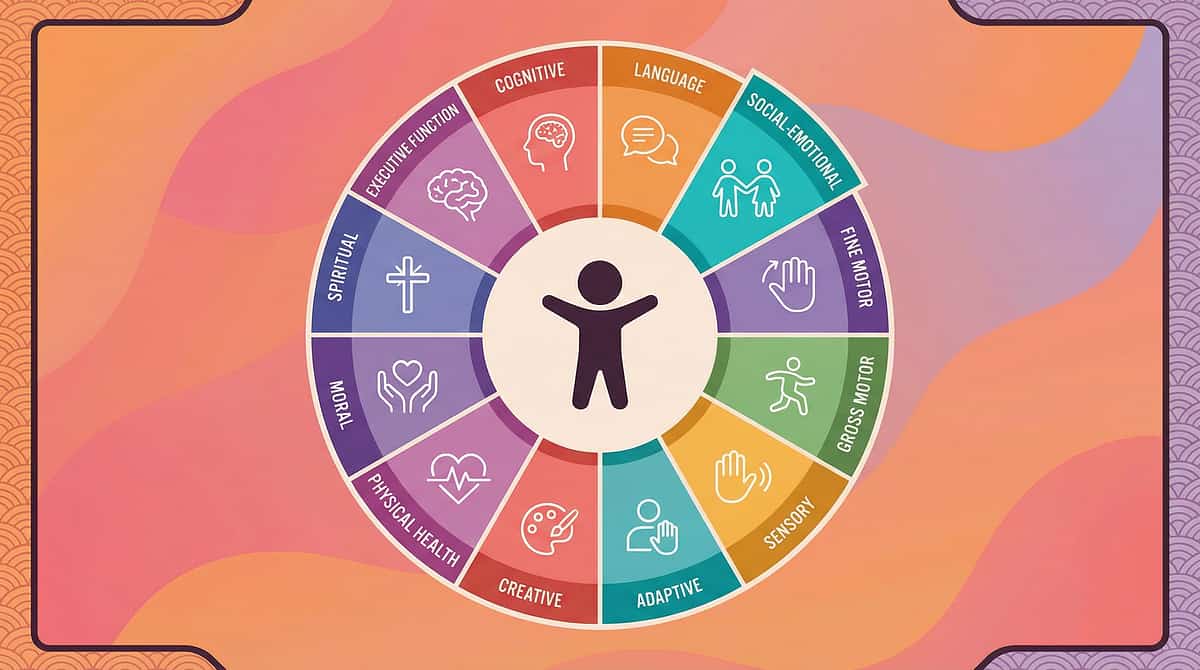
No two children are identical. Here is how to adjust this technique to your child.
Difficulty Spectrum
EASIER: 5–10 sec waits | All 9 materials | Adult present throughout
MODERATE: 1–3 min waits | 3–4 materials | Adult nearby
HARDER: 5–15 min waits | 1–2 materials | Child independent
Age Adjustments
- 3–4 years: 15–30 sec waits, maximum scaffold, parent as co-regulator
- 5–7 years: 1–3 min waits, 3–4 materials, partial independence
- 8–12 years: 5–10 min waits, 1–2 materials, moving toward self-initiation
🔵 Sensory Seeker
Heavier fidgets (weighted putty, resistance stretch tools). Movement breaks between rounds. More tactile waiting kit items.
🟡 Sensory Avoider
Quieter, less stimulating environment. Simple smooth fidget. Waiting kit items that are calm and non-visually complex.
🟣 Anxiety Driver
Emphasise certainty: "This WILL happen. I promise." Add written verbal promise. Extra reassurance mid-wait.
🟠 ADHD / Time-Blindness
Short visual timer intervals (2–3 minutes maximum). More frequent token reinforcement. Physical movement outlet between segments.

ACT IV: THE PROGRESS ARC
Weeks 1–2: In weeks 1–2, you're building the scaffold — not yet seeing the skill.
15%
Progress at Week 2
Foundation building — scaffold establishment phase
✅ Child looks at visual timer at least once during the wait
✅ Child tolerates the wait 1–2 seconds longer than before materials were introduced
✅ Child uses fidget without being prompted (self-regulation emerging)
✅ Meltdown occurs later in the wait than before (tolerance building even if breakdown still happens)
What is NOT progress yet: Full calm waiting without any distress (weeks 6–8 territory) | Independent use of all materials | Generalisation to community settings
"If your child tolerates the timer for 5 seconds longer than last week — that is real, measurable progress. Celebrate it."
This is the hardest phase. The learning is happening invisibly. Consistency now creates the change you'll see in weeks 4–8. 📞9100 181 181 | FREE check-in | Reference: PMC11506176

Weeks 3–4: Consolidation Signs
40%
Progress at Week 4
Neural pathway formation — consolidation phase
✅ Child reaches for fidget independently at the start of a wait
✅ Child points to First-Then board themselves to confirm the sequence
✅ "Is it time yet?" questions reduce — child is checking timer instead
✅ Meltdown intensity decreasing: escalation slower, recovery faster
✅ Child begins accepting wait card as signal without questioning
Spontaneous Generalisation Seeds
Child picks up fidget in a waiting situation you haven't prepared for. Child says "I need the timer" before a natural wait. Child uses a coping breath independently when frustrated.
Parent Milestone
You may notice you're more confident in these situations too. Your own anxiety about outings is decreasing. This is real — and it feeds forward into the child's regulation.
Neuroplasticity: Synaptic strengthening through repeated structured input follows predictable timelines in paediatric populations.

Weeks 5–8: Mastery Approach
70%
Progress at Week 8
Mastery approach — functional independence emerging
✅ Child can wait for typical daily situations (microwave, sibling's turn, dinner ready) with supports
✅ Timer-checking is habitual and independent
✅ Meltdowns specifically from waiting are significantly reduced
✅ Child can verbalise what they're doing: "I'm using my waiting breaths"
✅ First generalisation to community settings is possible with supports present
1
Fade adult proximity
Step slightly further from child during waits
2
Fade wait card
Child internalises the concept
3
Fade First-Then board
Child holds sequence in working memory
4
Maintain timer longest
Visual time remains most useful even for competent waiters
"The goal is independence, not dependency on materials. Fade supports systematically as capacity proves itself."

Mastery doesn't look perfect. It looks functional.
Functional Mastery
Child waits 5+ minutes in structured situations with minimal support. Uses at least one self-initiated coping strategy during natural waits. No consistent meltdowns specifically from waiting in familiar contexts.
Community Mastery
Can wait in doctor's office with waiting kit. Can wait for turn in line with visual timer running on phone. Can wait for dinner in a restaurant without crisis.
School Mastery
Can wait for instructions before starting activities. Raises hand and waits for help when stuck. Can participate in turn-taking in classroom activities.
"The child who couldn't wait 30 seconds learned to wait 20 minutes. Not by willpower — by skill-building." — Parent, Pinnacle Network
🚨 Red Flags
These signs indicate the need for comprehensive professional evaluation.
🚨 Refer for assessment if:
Waiting difficulty prevents all community outings after 8+ weeks of consistent home intervention | Waiting meltdowns include significant self-injurious behaviour | Complete inability to use ANY supporting material after 4 weeks | Waiting difficulty is worsening | Significant academic impact reported by teacher | Co-occurring extreme impulsivity, attention, rigidity, or anxiety | Parent/caregiver in significant distress and cannot sustain intervention
Occupational Therapist
Executive function assessment, sensory profile evaluation, formal waiting capacity baseline
BCBA/ABA Therapist
Functional behaviour assessment, individualised behaviour intervention plan
Developmental Paediatrician
Diagnostic evaluation for ADHD, ASD, anxiety, or other neurodevelopmental factors
Child Psychologist
Anxiety evaluation, family systems support
📞9100 181 181 | Book AbilityScore® Assessment | FREE initial guidance | 70+ centres across India

Share This Guide with Everyone Who Cares for Your Child
Waiting difficulty doesn't only happen with you. It happens at Nani's house, at the school gate, in the car with Papa, at the doctor's clinic. Every caregiver who spends time with your child needs to understand the same approach — or the work you're doing at home gets undone.
Why consistency across caregivers matters
Research shows that children with neurodevelopmental differences need consistent responses across environments. When Grandma says 'just wait quietly' and you're using a visual timer and a waiting kit, your child receives two conflicting signals. Sharing this guide takes 30 seconds and can prevent weeks of regression.
👵 Grandparents & Extended Family
They love your child deeply but may not understand why the toolkit matters. Share the Brain Science card and the Step-by-Step guide. One conversation can change everything.
🏫 Teachers & School Staff
Your child's class teacher, shadow teacher, or resource room coordinator should know which materials work. Share the Materials list and the Red Flags card.
🧑⚕️ Other Therapists & Doctors
Your OT, SLP, or paediatrician can reinforce the same approach in clinic. Share the Evidence card and the Progress Tracker.
How to share
Step 1: Tap the share icon at the top of this page → Copy link
Step 2: Paste into WhatsApp, email, or your family group chat
Step 3: Add a note: 'This is what we're doing at home. Please read pages 1–6.'
💡Tip: The most important cards to share first are Card 3 (Brain Science), Card 9 (Materials), and Card 14–19 (The 6 Steps). These three alone give any caregiver enough to support your child correctly.
You don't have to carry this alone. The more people who understand your child's needs, the faster the progress.

Frequently Asked Questions
The questions every parent asks. Answered honestly.
How long before I see results?
Most families notice the first signs of change — reduced protest, slightly longer tolerance — within 2–3 weeks of consistent daily practice. Measurable skill gains typically appear at weeks 4–6. Full generalisation across environments (home, school, community) takes 8–12 weeks. Do not judge the technique by week 1.
My child refuses to engage with any of the materials. What do I do?
Start with the material your child finds least threatening — often a visual timer, because it requires nothing from them. Place it nearby without instruction. Let them observe it for 3–5 sessions before introducing it as a tool. Forced engagement is the most common reason sessions fail.
We tried this before and it didn't work. Why would it work now?
The most common reason previous attempts failed: inconsistency (fewer than 5 sessions per week), wrong material match for the child's sensory profile, or sessions that were too long. This protocol is designed for 10–15 minute daily sessions. Shorter, more frequent practice outperforms longer, irregular sessions every time.
Can I do this without a therapist?
Yes — this guide is specifically designed for parent-led home implementation. However, if your child has co-occurring anxiety, significant self-injury, or has shown no response after 6 weeks, a professional assessment is recommended. See the Red Flags card for specific escalation criteria.
My child is doing well at home but still struggles at school. Is that normal?
Yes. Generalisation — the ability to use a skill in a new environment — is a separate skill from acquisition. Once your child can wait 5 minutes at home with supports, begin introducing the same materials at school. Share the Materials card and the 6-Step guide with the class teacher directly.
Is this approach suitable for non-verbal children?
Absolutely. Visual timers, waiting kits, and first-then boards are specifically designed to work without verbal instruction. The technique relies on visual and sensory scaffolding, not language. Many non-verbal children respond faster because the materials communicate directly without the processing load of spoken words.
What if my child has a meltdown during a session?
Stop the session immediately. Do not attempt to continue or redirect. Move to a calm-down space and use your child's known regulation strategy. Log what happened — time, trigger, duration. This data is valuable. After 3 or more meltdowns in a week, reduce session length by 50% and simplify the material.
Have a question not answered here? Call our parent helpline: 📞 9100 181 181 — Monday to Saturday, 9am–6pm. Free guidance for all families.

✅ You're Ready
You have everything you need to start today.
You've read the science. You've seen the materials. You know the 6 steps. The only thing left is to begin. Not tomorrow. Not after the next appointment. Today — even 10 minutes counts.
Your first session checklist
1
Pick ONE material from the list — start with the Visual Timer if unsure
2
Choose a low-demand moment — after a meal, before screen time
3
Set a 10-minute limit — do not go longer on Day 1
4
Follow Steps 1–3 only — Invitation, Engage, Therapeutic Action
5
Log one observation after — what did your child do? What worked?
Three ways to go deeper right now
📋 Book an AbilityScore® Assessment
Get a full developmental baseline across 12 domains. Understand exactly where your child is and what to target next. FREE initial guidance. 📞 9100 181 181
🗺️ Explore the Full Technique Library
C-253 is one of 300+ techniques in the Pinnacle GPT-OS® system. Each one is parent-deliverable, evidence-based, and sequenced to your child's profile.
👥 Join the Parent Community
Connect with thousands of Indian families navigating the same journey. Share wins, ask questions, get support. WhatsApp group + monthly live Q&A with our clinical team.
Every expert parent started exactly where you are right now. The difference between the families who see results and the families who don't is not talent, resources, or time. It is consistency. Ten minutes a day. Every day. Starting today.
📞 9100 181 181 | pinnaclebloom.com | 70+ centres across India

You are not done. You are on a journey.
1
Prerequisites
C-251: Managing Big Emotions
C-252: After-School Collapse
C-252: After-School Collapse
2
⭐ C-253 Current
WAITING DIFFICULTY
(This page)
(This page)
3
Next Level
C-254: Delayed Gratification
C-255: Impulse Control
C-263: Calm-Down Skills
C-275: Frustration Tolerance
C-255: Impulse Control
C-263: Calm-Down Skills
C-275: Frustration Tolerance
This long-term sequence represents the full developmental arc: from waiting capacity to independent living skills. Every session you complete moves your child along this path.
WHO Developmental Milestones Framework | Developmental intervention sequencing literature.

Explore more techniques in Domain C: Emotional Regulation
Technique | Difficulty | Materials You Already Have | |
C-252: After-School Collapse | ⚡ Intro | Fidgets, Coping Cards | |
C-254: Delayed Gratification | ⚡⚡ Core | Timer, Token Board | |
C-255: Impulse Control | ⚡⚡ Core | Wait Card, First-Then | |
C-263: Building Calm-Down Skills | ⚡ Intro | Coping Cards | |
C-265: Transition Meltdowns | ⚡⚡ Core | First-Then, Countdown | |
C-275: Frustration Tolerance | ⚡⚡⚡ Advanced | Full toolkit |
"You already own materials for C-252, C-263, and C-265. Extend your toolkit — don't rebuild it."
Waiting capacity is one piece of a larger developmental map. See the whole picture.
Domain C Position
Domain C (Emotional Regulation) covers 90 techniques across self-regulation, executive function, anxiety, emotional flexibility, and meltdown management. C-253 sits at the intersection of executive function and emotional regulation — progress here feeds directly into Domains B, D, F, G, and K.
GPT-OS® Integration
When you log C-253 session data in GPT-OS®, the system updates your child's Executive Function Readiness Index, identifies adjacent techniques now accessible, and generates tomorrow's EverydayTherapyProgramme™ plan.
📞9100 181 181 | Book a full AbilityScore® assessment today | WHO/UNICEF Nurturing Care Framework: Five components of nurturing care require holistic developmental monitoring.
Preview of 9 materials that help with waiting difficulty Therapy Material
Below is a visual preview of 9 materials that help with waiting difficulty therapy material. The pages shown help educators, therapists, and caregivers understand the structure and content of the resource before use. Materials should be used under appropriate professional guidance.


Link copied!

ACT V: COMMUNITY & ECOSYSTEM
Real families. Real waiting. Real outcomes.
"We couldn't go anywhere. Grocery stores, restaurants, doctor's offices — every outing ended in disaster. Now he has his waiting kit, his visual timer, his strategies. Last week we waited 20 minutes at the restaurant and he was fine. He said 'Mamma, I'm using my waiting breaths.' I wanted to cry. The boy who couldn't wait 30 seconds waited 20 minutes."
— Parent, Pinnacle Blooms Network, Hyderabad
"The First-Then board changed our mornings. Before, every 'wait a minute' was a crisis. Now I show the board, he says 'THEN I get my tablet?' and he waits. It took three weeks to click. But when it clicked — it really clicked."
— Parent, Pinnacle Blooms Network, Chennai
20M+
Therapy Sessions
1:1 clinical sessions across Pinnacle Blooms Network
97%+
Measured Improvement
Tracked across Self-Regulation Readiness Index
70+
Centres
Across India and 70+ countries worldwide
Illustrative cases. Individual outcomes vary by child profile. Validated by Pinnacle Blooms Consortium | OT • BCBA • SLP • SpEd • NeuroDev