

When giftedness and disability coexist, both deserve recognition. His teacher says he's "too smart to struggle." You know he is struggling. Both of these are true — at the same time.
9 Materials That Help With Twice Exceptional Kids
You are not failing. Your child's brain is doing two extraordinary things at once. This is the Pinnacle Blooms Consortium guide for families navigating dual exceptionality — OT • SLP • ABA • SpEd • NeuroDev • CRO | Neurodiversity & Giftedness Series — Episode H-758
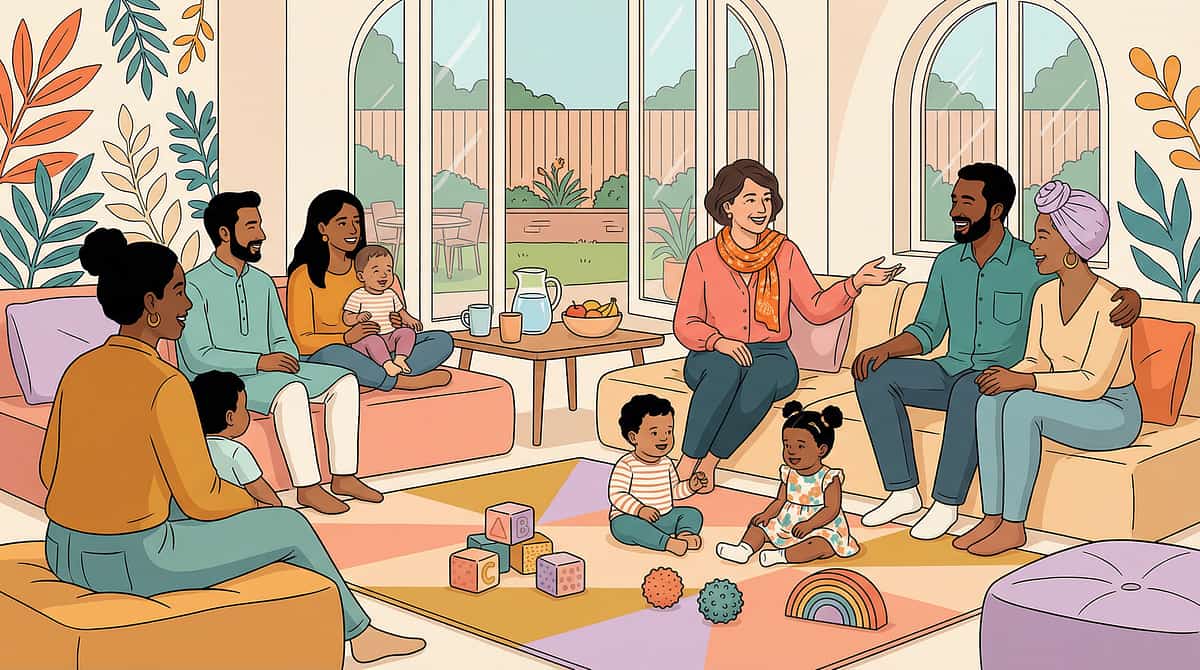
Millions of Families Are Navigating This — The Data Is Clear
Twice exceptional children are among the most misidentified and underserved in education and therapy systems worldwide. Gifted children with ADHD, autism, dyslexia, or anxiety are regularly mislabelled as lazy, defiant, or underachieving. The numbers tell a different story.
School-Age Children
Estimated percentage of school-age children worldwide who are twice exceptional (2e)
Gifted Students
Estimated proportion of gifted students with a co-occurring disability or developmental difference
India Alone
Identified gifted children in India — the majority with undiagnosed co-occurring conditions
Pinnacle Families
Families served by the Pinnacle network where dual-exceptionality profiles are most frequently missed
"When both giftedness and disability are present, neither diagnostic lens alone is sufficient. Both must be held simultaneously." — NAGC Position Statement, 2013
Research Anchors: PMC11506176 • PMC10955541 • WHO/UNICEF Nurturing Care Framework PMC9978394
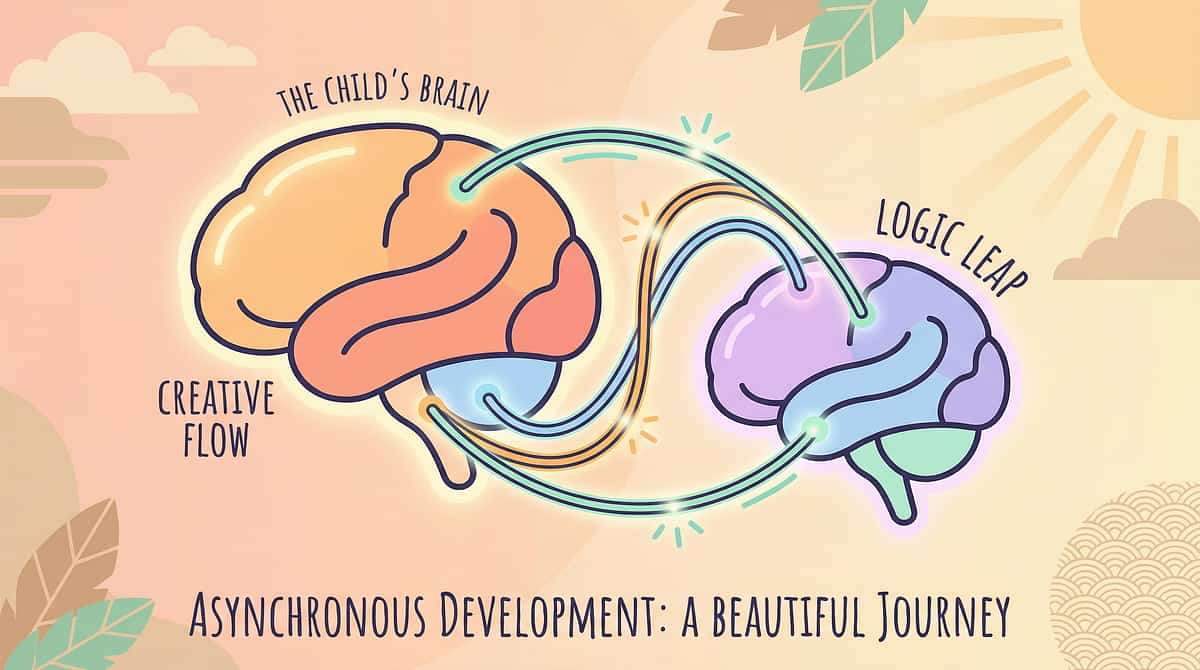
Two Systems. Both Real. Both Demanding.
The twice exceptional brain operates with asynchronous neural development — meaning different regions develop on entirely different timelines. This is not a contradiction. This is a brain with uneven development — and both extremes are genuine.
The Neuroscience
The prefrontal cortex (advanced reasoning, complex thinking) develops ahead of chronological age. The limbic system (emotional regulation, distress tolerance) may be age-typical or behind. Sensory processing pathways are often hyper-calibrated — more input, more intensity, more response than peers. Executive function networks (planning, initiation, inhibition) follow their own timeline, often lagging well behind cognitive ability.
What You See at Home
Your child debates philosophy at dinner — and melts down over socks. They read three years ahead — and cannot copy three lines from the board. They explain complex systems — and cannot plan a 3-step homework sequence.
This is not defiance. This is not laziness. This is a brain doing two extraordinary things at once.
"Asynchronous development describes the co-occurrence of exceptionally advanced ability in some domains alongside age-typical or behind-typical development in others — both expressions of the same brain." — Columbus Group, 1991

The 2e Developmental Landscape: A WHO-Aligned View
Understanding where your child sits on the developmental arc helps you anticipate challenges before they become crises. The twice exceptional journey has predictable windows — each with its own risks and opportunities.
Ages 4–6: Early 2e Signs
Intense passions + sensory sensitivity + emotional explosiveness → often missed entirely. Curiosity is extraordinary; regulation is fragile.
Ages 7–9: Masking Begins
Giftedness compensates for struggles → school sees an "average" child → BOTH needs go unmet. This is the window where identification is most frequently missed.
Ages 10–12: Crisis Zone
Academic demands exceed compensatory ability → sudden apparent "failure" despite unchanged intelligence. The gap between both extremes widens and becomes visible.
Ages 13–16: Identity Crisis
"If I'm smart, why can't I...?" → perfectionism, anxiety, depression risk. Self-esteem collapses OR self-advocacy emerges — both intensify.
Common co-occurring conditions in 2e profiles: ADHD (most common) • Autism Spectrum • Dyslexia • Dysgraphia • Dyscalculia • Sensory Processing Differences • Anxiety Disorders • Twice-gifted ASD
Research: WHO Care for Child Development (CCD) Package — Age-specific guidance implemented across 54 LMICs | PMC9978394 | Padmanabha et al., Indian J Pediatr (2019)

Clinically Grounded. Evidence-Informed. Consortium-Validated.
These 9 materials are not untested theories. They are deployed across Pinnacle's 70+ centres, in parent homes across 70+ countries, powered by GPT-OS® therapeutic intelligence — and grounded in a robust body of international research.
NAGC Position Paper
Twice exceptional students require both challenge AND support simultaneously — neither alone is sufficient. | nagc.org
Sensory Integration Meta-Analysis (2024)
SI therapy across 24 studies effectively promotes skills in children with complex profiles. | PMC10955541
Executive Function Research
EF scaffolding improves outcomes independent of IQ in gifted-LD populations — across the general EF literature.
Dabrowski Overexcitability Framework
Emotional and sensory intensity are neurological features of gifted profiles — not pathology. (TPD Literature)
Pinnacle Real-World Evidence
97%+ measured improvement across 20M+ 1:1 therapy sessions, including complex 2e profiles. | Pinnacle GPT-OS®
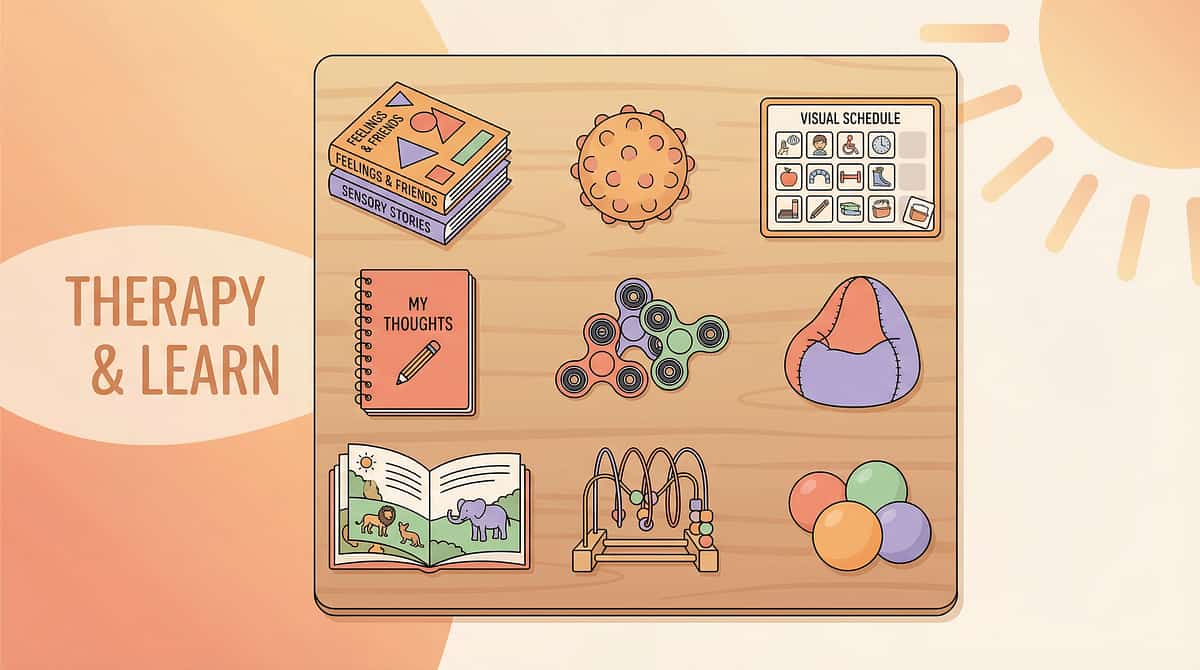
The 9-Material Dual-Exceptionality Support System
Parent-Friendly Name: "The Both-And Toolkit"
A structured, evidence-informed collection of 9 therapeutic and educational material categories specifically designed to serve the twice exceptional (2e) child — addressing both exceptional intellectual gifts and genuine developmental support needs simultaneously, without compromising either.
Twice exceptional (2e) refers to individuals who demonstrate exceptional ability or potential in one or more domains while also having one or more disabilities or developmental differences — including ADHD, autism spectrum conditions, specific learning disabilities (dyslexia, dyscalculia, dysgraphia), sensory processing differences, or anxiety disorders.
❌ NOT This
"Fix the disability first, then challenge the gifts."
❌ Not This Either
"Honor the gifts — don't worry about the struggles."
✅ YES — This
"Both. Simultaneously. Non-negotiably." Materials that challenge the gifts and support the struggles — at the same time, in the same child.
Domain
Neurodiversity & Giftedness
Population
2e / Twice Exceptional
Age Range
4–16 years
Helpline
9100 181 181
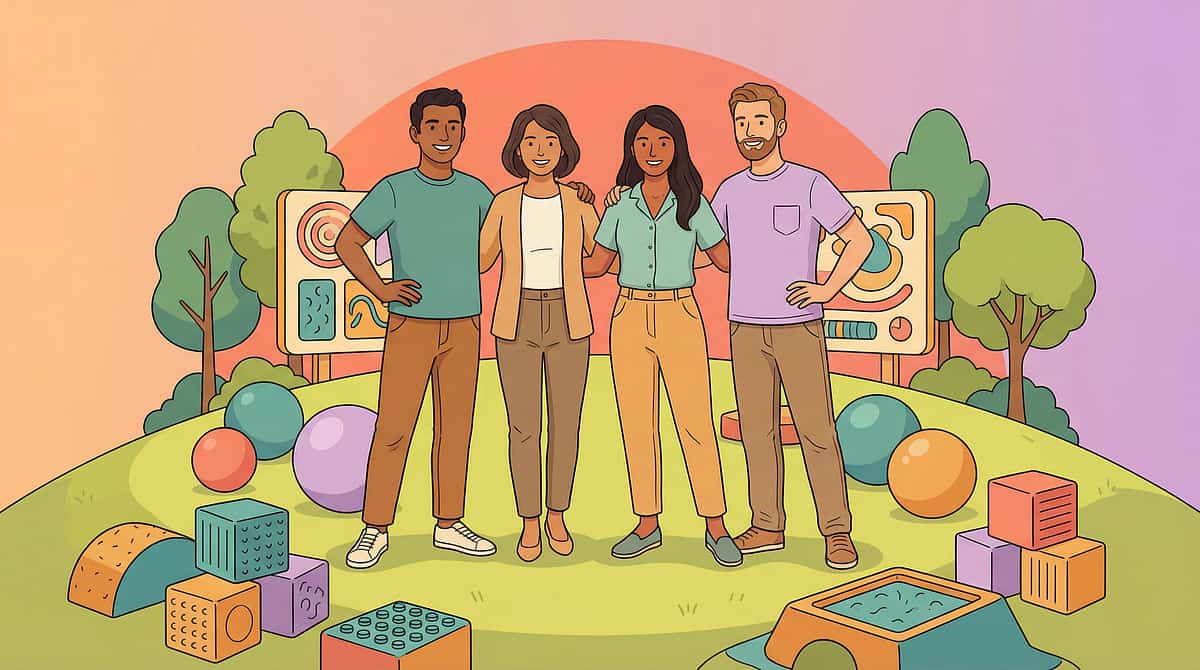
Who Uses These Materials — The Consortium Speaks With One Voice
The twice exceptional brain does not organise by therapy type. Giftedness is not purely an OT issue. Executive dysfunction is not solely a SpEd issue. Sensory regulation is not separate from emotional regulation. The Pinnacle Blooms Consortium sees the whole child — and the whole child is what gets better.
Occupational Therapy — Lead Discipline
Addresses sensory regulation, executive function scaffolding, fine motor accommodations, and self-regulation tools for the 2e profile.
Special Education — Co-Lead
Designs advanced curriculum with built-in accommodations; Depth & Complexity frameworks; alternative output systems; IEP/504 advocacy.
ABA / BCBA — Supporting
Reinforcement systems for motivation, task initiation, and behavioural support; passion-based learning integration; alternative assessment protocols.
Speech-Language Pathology — Supporting
Alternative output (oral, recorded, visual); social-emotional language for asynchrony; self-advocacy scripts for complex communicators.
NeuroDev Pediatrics — Oversight
Comprehensive 2e evaluation; co-occurring condition identification; medication management if indicated; longitudinal developmental monitoring.
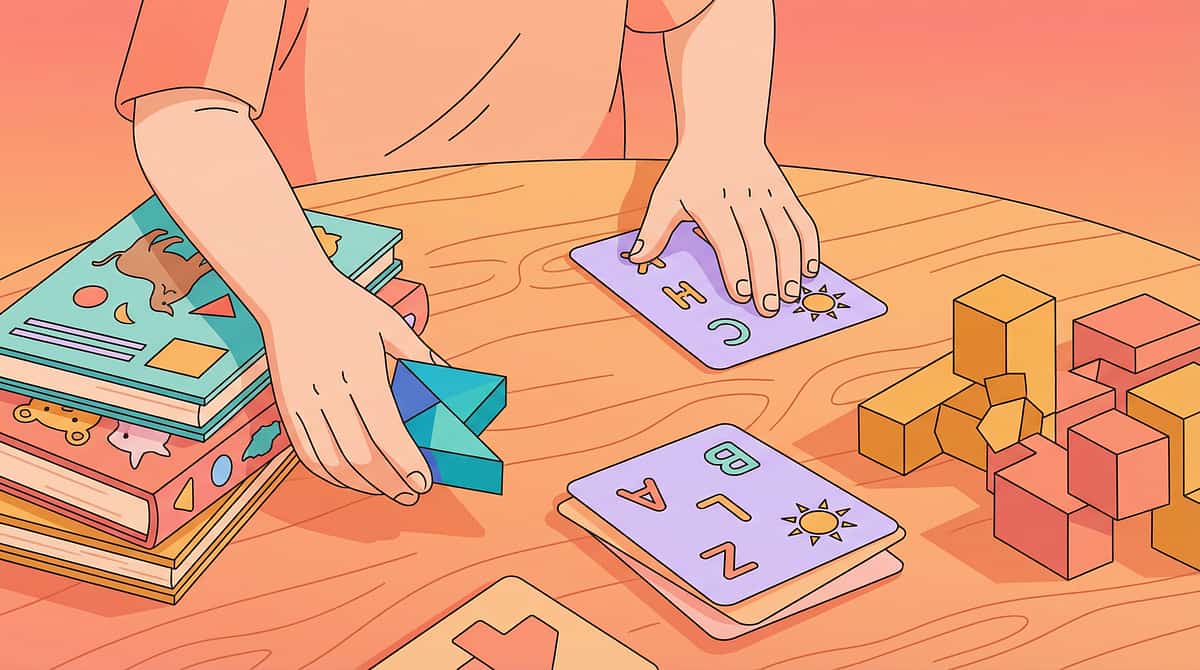
Material 1: Advanced-Level Enrichment Materials with Built-In Accommodations
The fundamental principle of 2e enrichment is separating level (the intellectual challenge) from input format (how the child receives information) and output format (how they demonstrate understanding). A dyslexic mathematician still needs advanced mathematics — delivered through manipulatives or audio rather than dense text.
What to Use
Advanced texts with audio options • Speech-to-text tools • Manipulative-based advanced mathematics • Project-based advanced learning kits • Audiobook platforms for rich, complex content
Price Range
₹500–3,000 | Recommended: StoryTel India (audiobooks) + manipulative maths kits for advanced learners
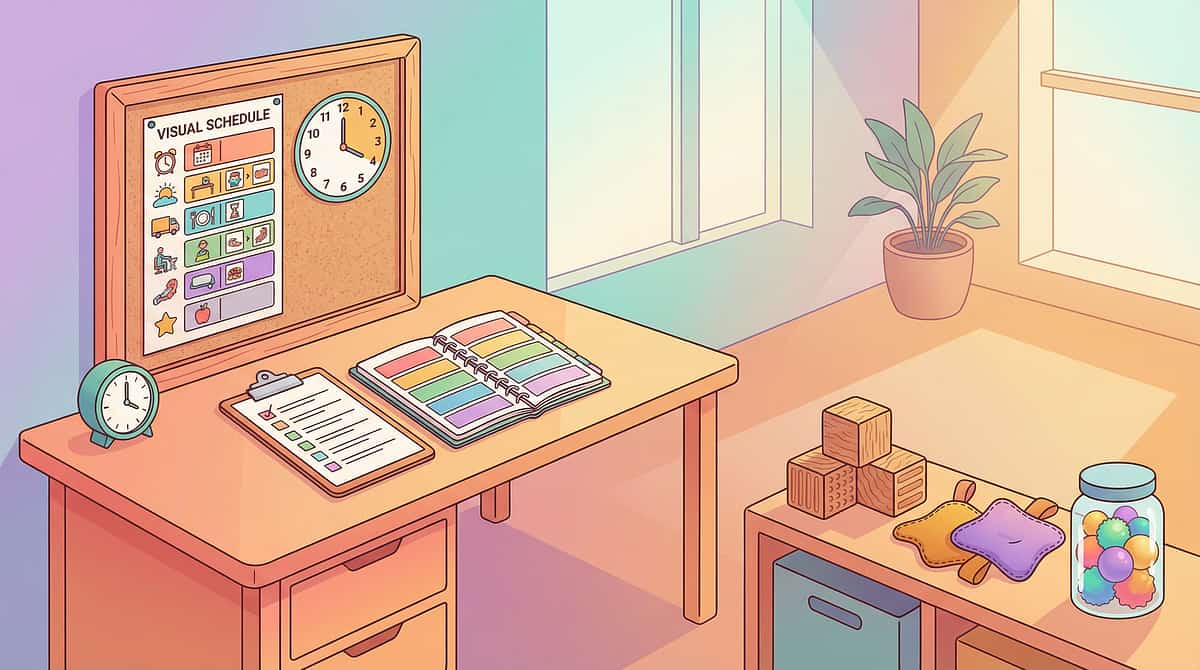
Material 2: Executive Function Scaffolding Tools
Executive function challenges in twice exceptional children are not about intelligence — they are about the neural pathways that convert intellectual capability into organised, initiated, completed action. The 2e child often knows what to do but cannot reliably execute the sequence. External scaffolding provides the architecture their internal system hasn't yet built.
What to Use
Visual project planners • Task breakdown templates • Idea capture notebooks • Visual timers (time awareness) • Long-term calendar systems for complex project management
Price Range
₹300–1,500 | Search Amazon.in for Visual Planner Timer
🏆 Canon Active Product
Smartivity DIY Interactive Clock — ₹299–499. Time awareness made tangible and self-directed.
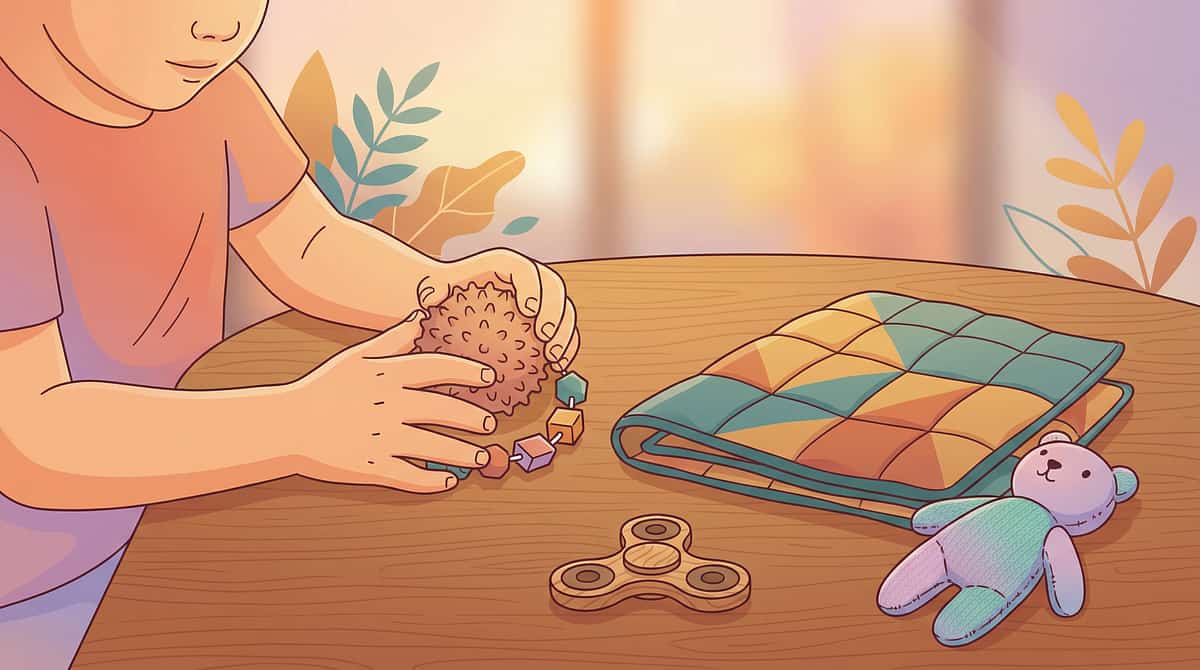
Material 3: Sensory Regulation Tools for Intense Minds
Sensory tools are not accommodations for weakness — they are performance enhancers for neurologically intense minds. When the sensory environment is calibrated correctly, the twice exceptional brain can access its full intellectual capacity. When it is not, cognitive performance is severely degraded regardless of underlying ability.
What to Use
Noise-cancelling headphones • Quiet fidget tools • Weighted lap pad • Sensory-friendly workspace setup • Movement break cards for high-energy regulatory resets
Price Range
DIY Alternative
Foam earplugs ₹50 + quiet corner + "focus hat" agreement with child. Auditory input reduction is the mechanism — any tool that achieves it works.
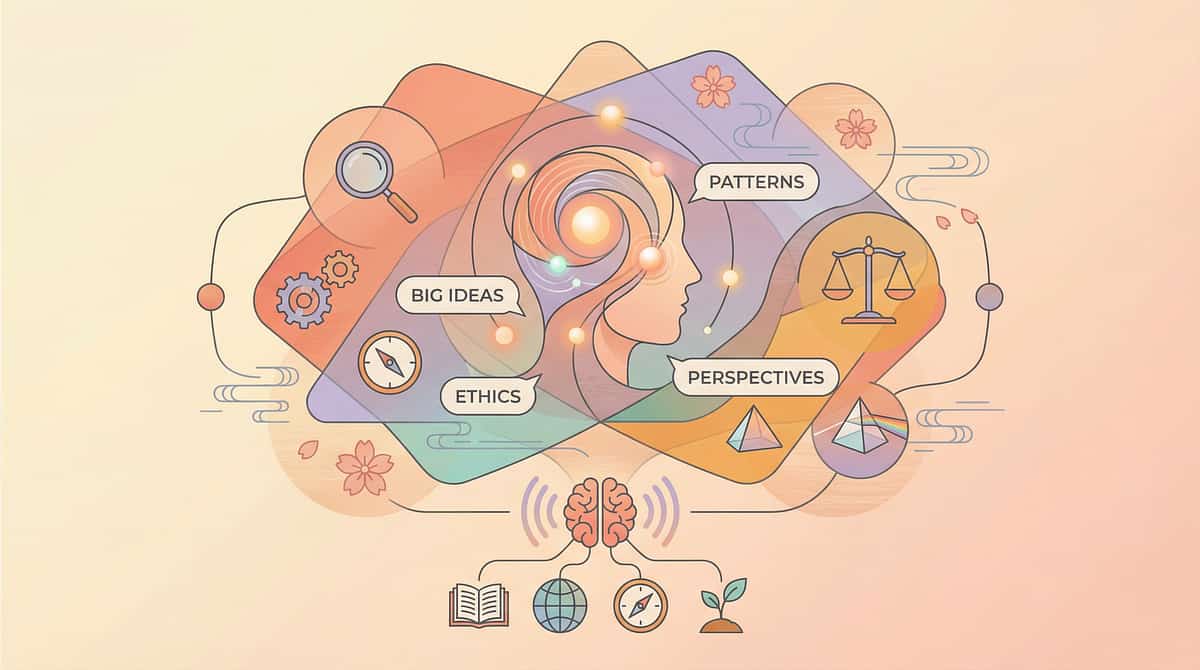
Material 4: Depth and Complexity Frameworks
The Depth and Complexity (D&C) framework gives twice exceptional children a structured vocabulary for the type of thinking their brains already do naturally. Rather than asking surface questions, D&C prompts explore patterns, unanswered questions, ethics, language of the discipline, and multiple perspectives — elevating any topic to the level the 2e mind craves.
What to Use
D&C icon card sets • Graphic organisers for complex thinking • Perspective-taking frameworks • "Unanswered Questions" journals for sustained intellectual exploration
Price Range
₹200–1,000 | Search Amazon.in for Critical Thinking Cards Kids
🏆 Canon Active Product
SHINETOY Shut the Box Problem-Solving Game — Complex reasoning in play format. Free: Print D&C icons at NAGC.org and laminate.

Material 5: Emotional Intensity and Regulation Resources
Twice exceptional children do not simply feel more — they process emotional experience at a depth and complexity that most commercial resources do not address. Dabrowski's framework of emotional overexcitability describes this as a neurological feature of the gifted profile, not a behavioural problem. Resources must meet the sophistication of the feeling.
What to Use
Sophisticated journals • Reframing cards for perfectionism • Bibliotherapy for intense minds • Mindfulness resources calibrated for advanced children • Intensity vocabulary builders
Price Range
DIY Alternative
Any blank notebook + "How I'm Feeling Today" header the child draws themselves. Self-reflection process is therapeutic; the format is secondary.
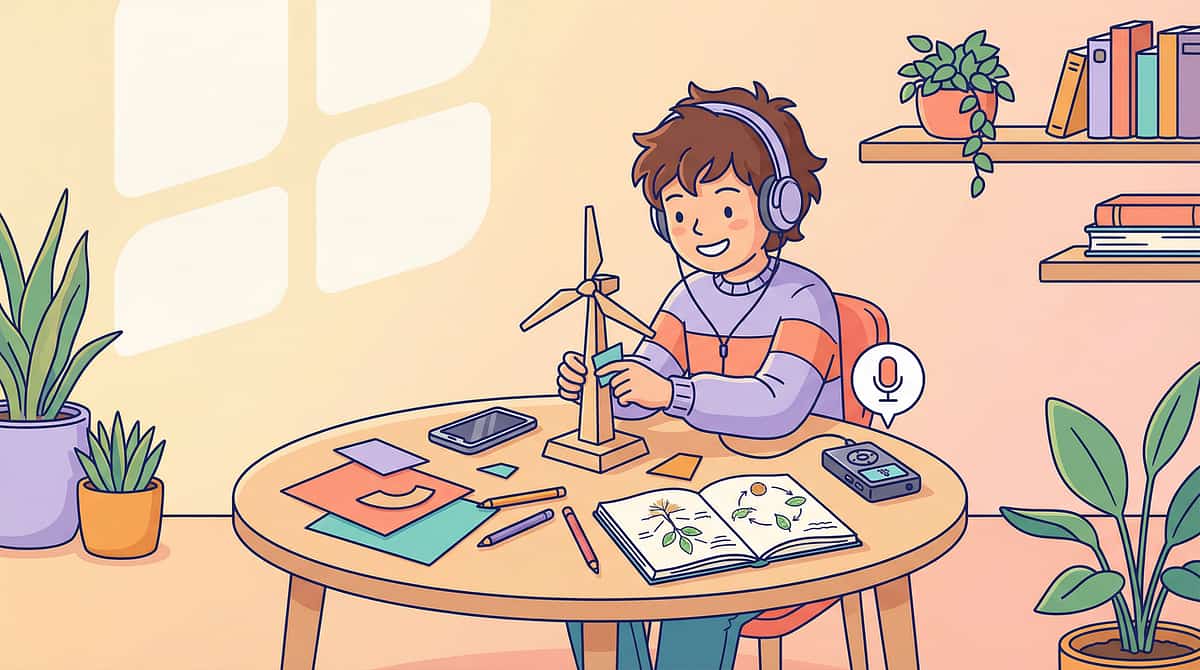
Material 6: Alternative Output and Assessment Tools
Traditional written assessment creates performance barriers that have nothing to do with understanding. A dysgraphic child who can explain quantum entanglement verbally should not receive a failing grade because they cannot write three paragraphs. Alternative output removes the format barrier — and reveals the intelligence that was always there.
What to Use
Voice recording apps/devices • Video creation tools • Portfolio organisation systems • Oral assessment frameworks • Output choice menus — 5+ ways to demonstrate any understanding
Price Range
₹200–1,500 | Search Amazon.in for Voice Recorder Kids Learning
DIY Alternative
Free: Google Voice Memo / any smartphone voice note + share via WhatsApp. Recording mechanism is equivalent; cloud saves to laptop for review.
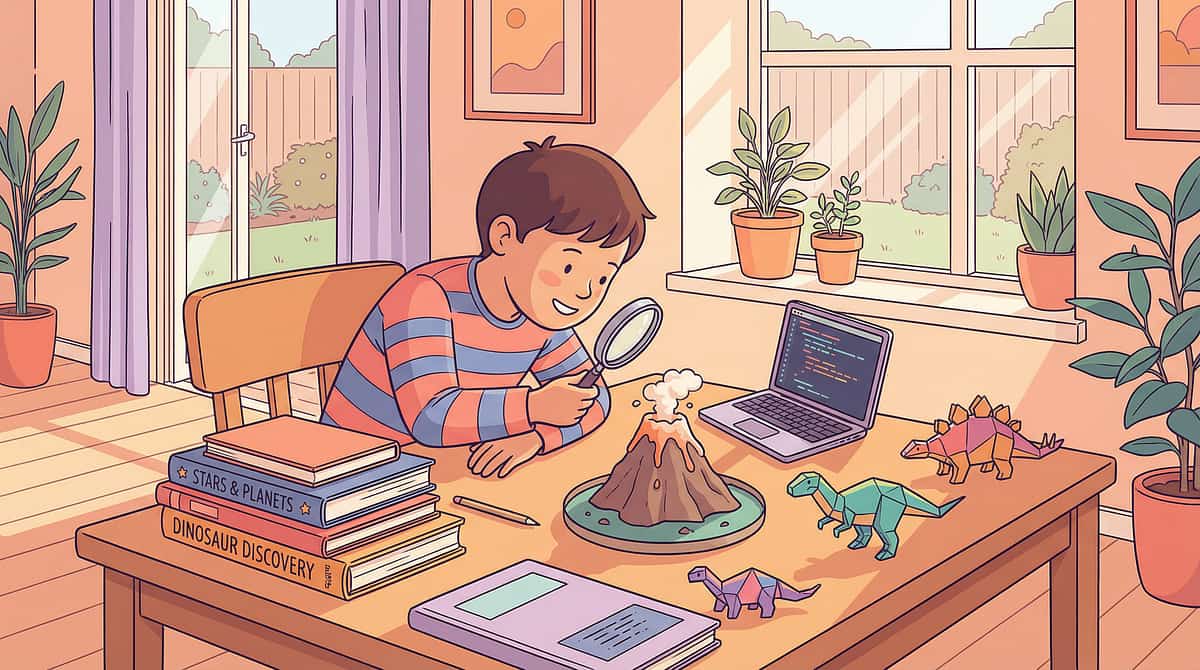
Material 7: Passion-Based and Interest-Driven Learning Materials
The most powerful academic scaffold for a twice exceptional child is their passion area. When skill practice happens within the context of intrinsic motivation, the "why does this matter?" barrier disappears entirely. A child who resists all writing practice will draft a ten-page expert report on their passion topic without hesitation.
What to Use
Expert-level books and resources on the child's passion • Primary source materials • Research project supports • Passion project planning tools for sustained deep-dive learning
Price Range
DIY Alternative
Free: Internet Archive, Wikisource, Google Books, National Digital Library India. Library access democratises advanced content — same challenge level, zero cost.
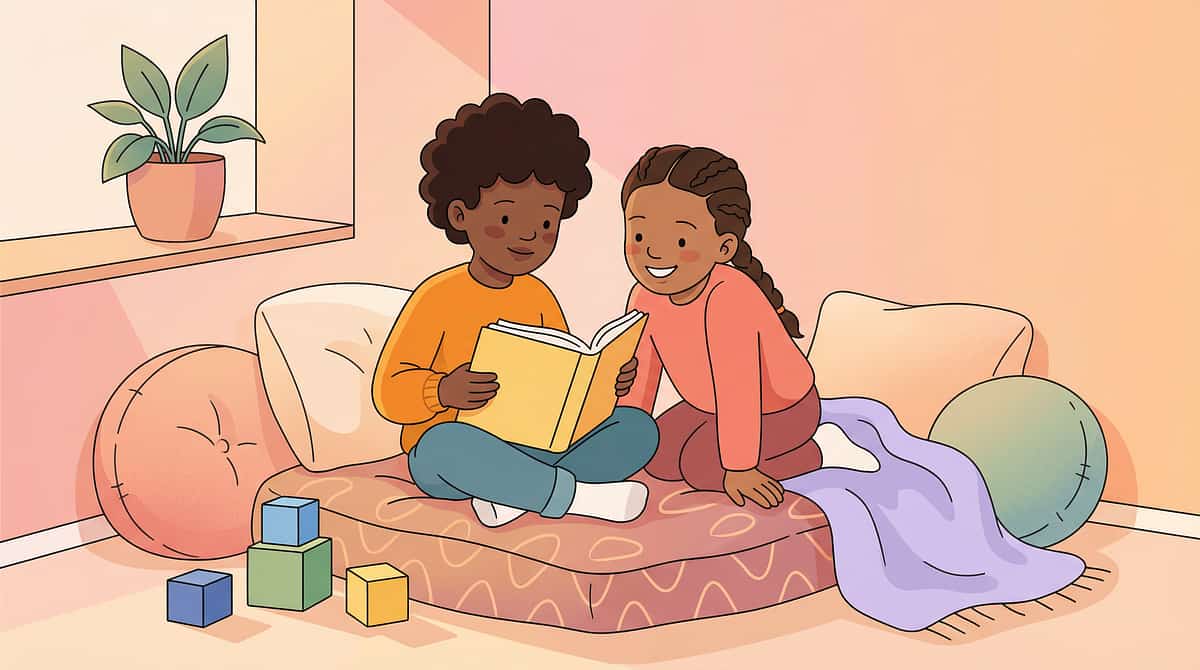
Material 8: Social-Emotional Learning for Asynchronous Development
Twice exceptional children navigate a social landscape that is genuinely complex: they may be intellectually far ahead of peers whilst emotionally age-appropriate or behind. SEL resources for this population must acknowledge both dimensions — providing frameworks for understanding their own asynchrony whilst building connection skills.
What to Use
Bibliotherapy for 2e/gifted children • Perspective-taking materials • Self-advocacy language cards • Friendship skill-building resources designed for asynchronous profiles
Price Range
🏆 Canon Active Products
Animal Soft Toys (Transition/Comfort) — Social-emotional anchoring | Monkey Minds Rhyming Card Games — Playful peer connection tool
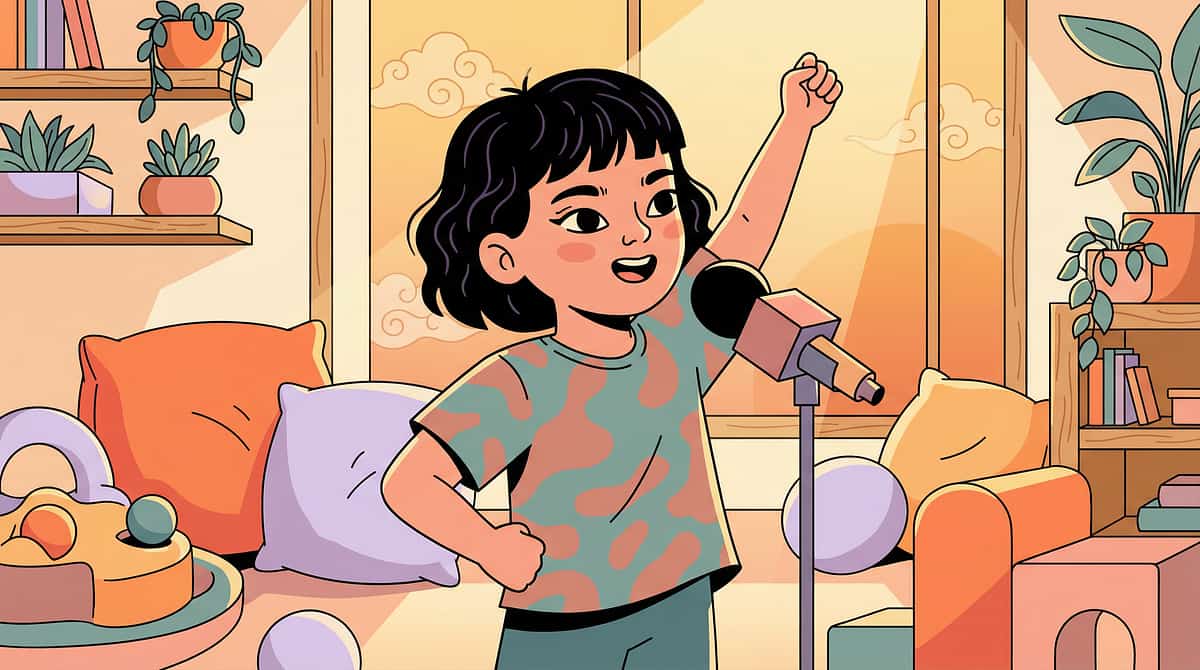
Material 9: Self-Advocacy and Identity Development Resources
Self-advocacy must be grounded in accurate self-knowledge. The twice exceptional child who understands their own profile — who can name their strengths, describe their challenges, and request what they need — is equipped for school, for relationships, and for a lifetime of navigating complex environments. Identity integration is the long arc goal of all 9 materials.
What to Use
"My Brain" profile templates • Self-advocacy script cards • 2e role model stories • Strength-based language resources • Identity integration journals for ongoing self-understanding
Price Range
🏆 Canon Active Products
Reward Jar — Rosette Imprint — Reinforcement for self-advocacy milestones | 1800+ Reward Stickers Book — Behavioural reinforcement system
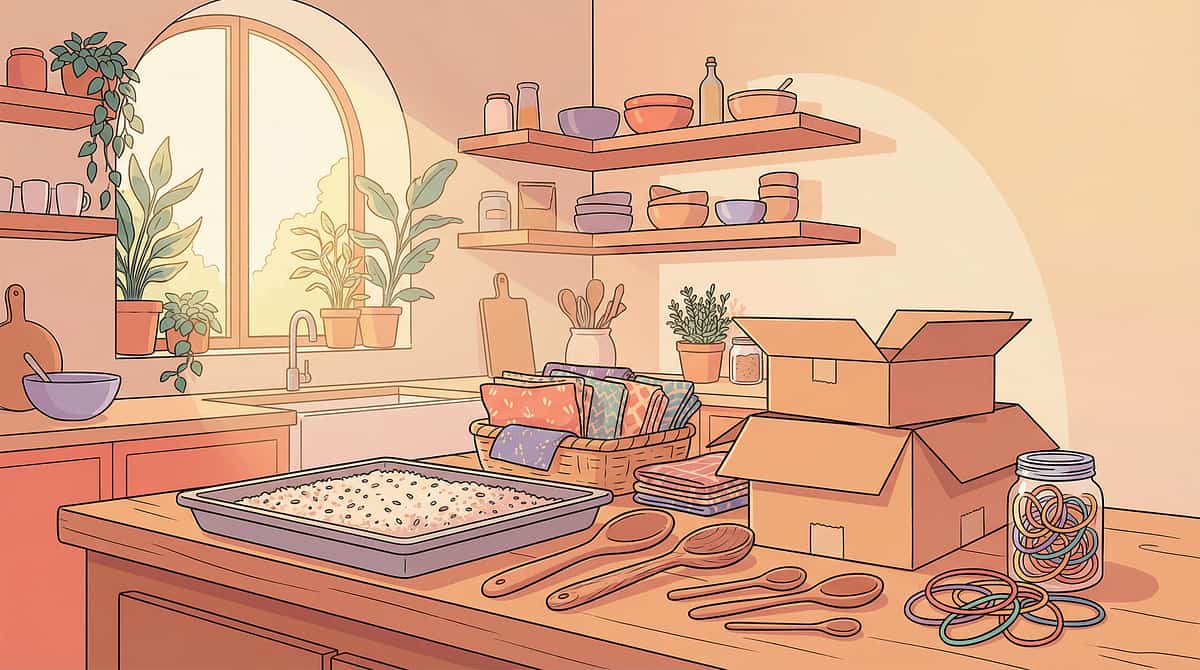
Every Family Can Start Today — Regardless of Budget
WHO/UNICEF Equity Principle: Intervention effectiveness does not require commercial materials. Household alternatives are clinically equivalent for most applications. The active ingredient is the process and principle — not the product. Below is your complete zero-cost starter guide.
# | Buy This (₹) | Make This (₹0) | Why It Works |
1 | Advanced audiobook platform ₹399/mo | Google Text-to-Speech + LibriVox + YouTube documentaries on passion topics | Input format changes; cognitive challenge level remains identical |
2 | Visual project planner ₹300–800 | Old calendar + sticky notes + coloured markers → DIY project breakdown board | EF scaffolding principle works via any visual external system |
3 | Noise-cancelling headphones ₹800–2,500 | Foam earplugs ₹50 + quiet corner + "focus hat" agreement with child | Auditory input reduction is the mechanism — any tool that achieves it works |
4 | Depth & Complexity icon cards ₹200–500 | Print free D&C icons (NAGC.org) + laminate + use in discussion | The thinking framework is free — cards are just a delivery vehicle |
5 | Emotional journal ₹200–400 | Any blank notebook + "How I'm Feeling Today" header child draws themselves | Self-reflection process is therapeutic; the format is secondary |
6 | Voice recorder device ₹500–1,500 | Free: Google Voice Memo / any smartphone voice note + share via WhatsApp | Recording mechanism is equivalent; cloud saves to laptop for review |
7 | Expert passion books ₹500–3,000 | Internet Archive, Wikisource, Google Books, National Digital Library India | Library access democratises advanced content — same challenge level |
8 | SEL bibliotherapy books ₹300–800 | YouTube read-aloud channels + local library lending + free PDF resources | Story + discussion is the active ingredient, not the format |
9 | Self-advocacy cards ₹200–400 | Index cards + child writes "My Strengths," "My Challenges," "I Need..." together | Co-created tools often have more buy-in than commercial products |
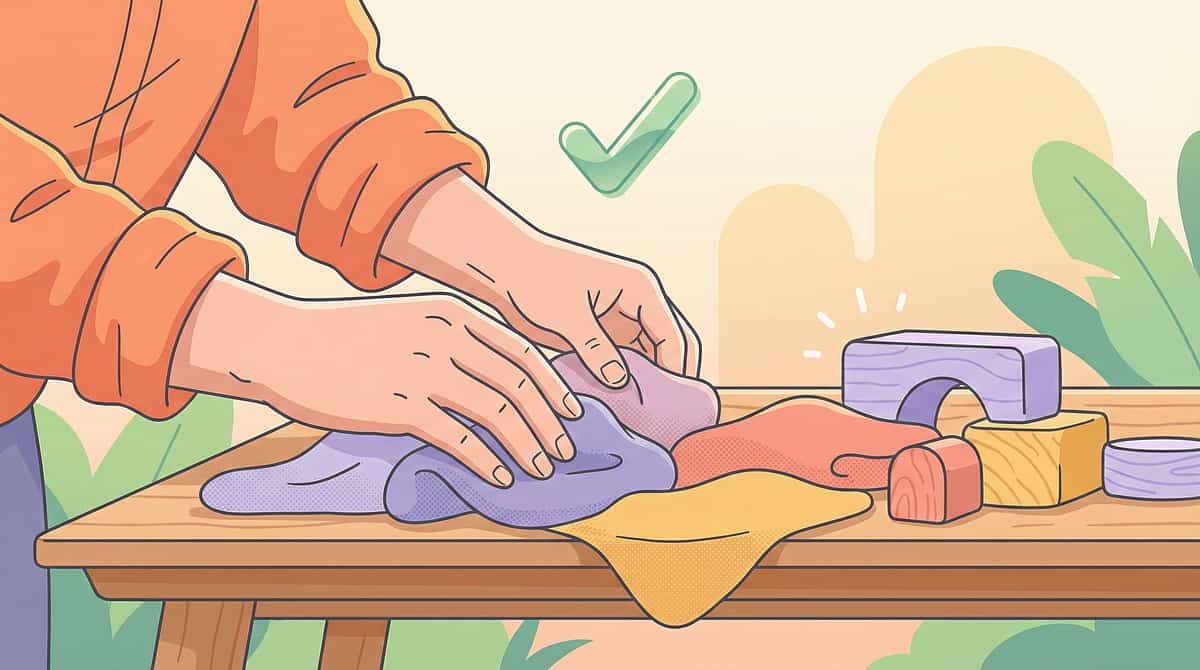
Safety First: Before You Begin — 2e Material Safety Protocol
State assessment is not optional — it is the foundation of every effective session. Beginning a session with a child who is dysregulated, perfectionism-paralysed, or in sensory overload does not produce therapeutic progress. It produces data about what not to do next time.
🔴 RED — Do Not Proceed If:
Child is in acute meltdown, sensory overload, or emotional crisis • Any material has small parts and child mouths objects • Perfectionism has reached shutdown/paralysis level • Child is ill, severely fatigued, or post-traumatic event • Auditory hypersensitivity present without headphones available
🟡 AMBER — Modify If:
Child has had a difficult day but is not in crisis → Reduce challenge level; use sensory regulation tools first • EF tools feel "babyish" → Co-design with the child • Emotional intensity present but manageable → Begin with regulation before intellectual engagement • Sensory environment is suboptimal → Address environment first
🟢 GREEN — Proceed When:
Child is fed, rested, in baseline regulatory state • Environment is sensory-prepared (headphones available, lighting adjusted, noise managed) • Parent is calm and non-pressured for outcome • Child's choice and agency respected — invitation, not command
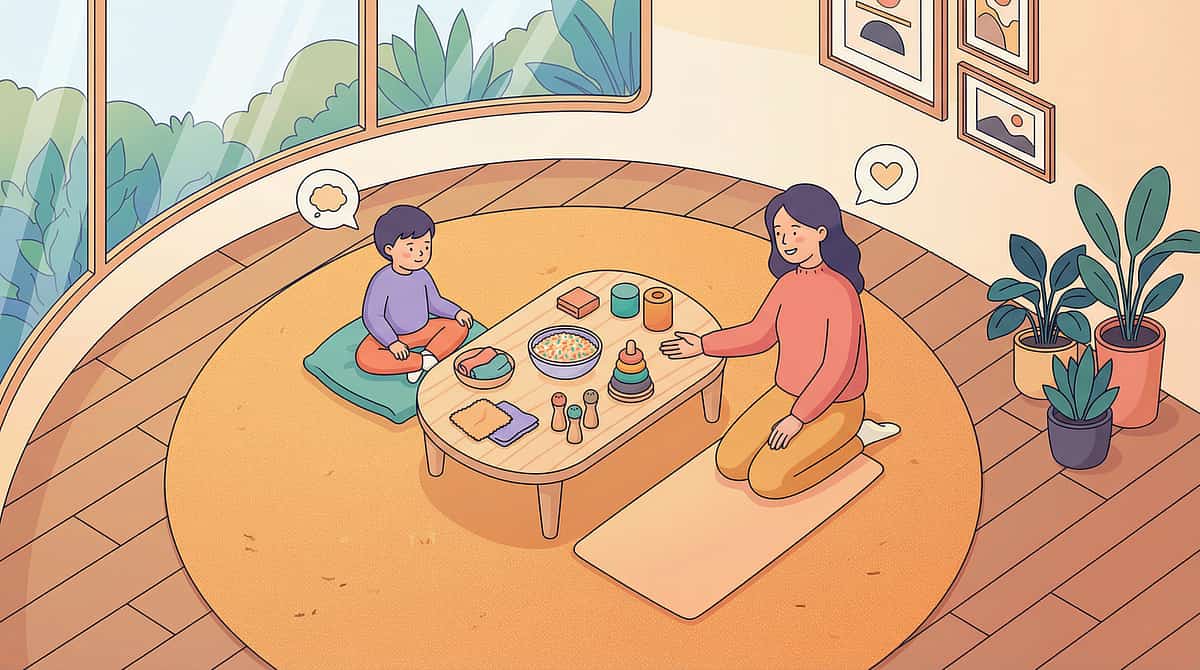
The 2e Learning Environment: Configure Before You Begin
The physical environment is a therapeutic variable. Do NOT set up a workspace that "looks like school" — especially if school is where the failure experience is happening. The home environment should feel like a sanctuary of competence, not an extension of an inaccessible institution.
🔊 Noise
Quiet preferred; headphones available for auditory sensitivity. No background TV or music unless specifically helpful for the child's sensory profile.
💡 Lighting
Natural or warm light preferred — avoid harsh fluorescent. Sensory comfort in lighting directly impacts regulatory state.
⏱️ Visual Timer
Visual timer visible — not a phone alarm (alarm startles and disrupts transition). Timer should be child-facing.
📓 Data Capture
Parent tracking sheet + pen READY before session begins. Data capture happens during session, not from memory afterwards.
📱 Screens Off
All notifications OFF — parent phone silenced completely. Your divided attention is detected immediately by high-cognition children.
Position 1
Advanced materials station — right side, within reach, not distracting
Position 2
Sensory toolkit corner — accessible, not centre stage
Child Here
Centre, comfortable seating with fidget or seating option available
Parent Here
Adjacent, not hovering — beside or behind, never opposing
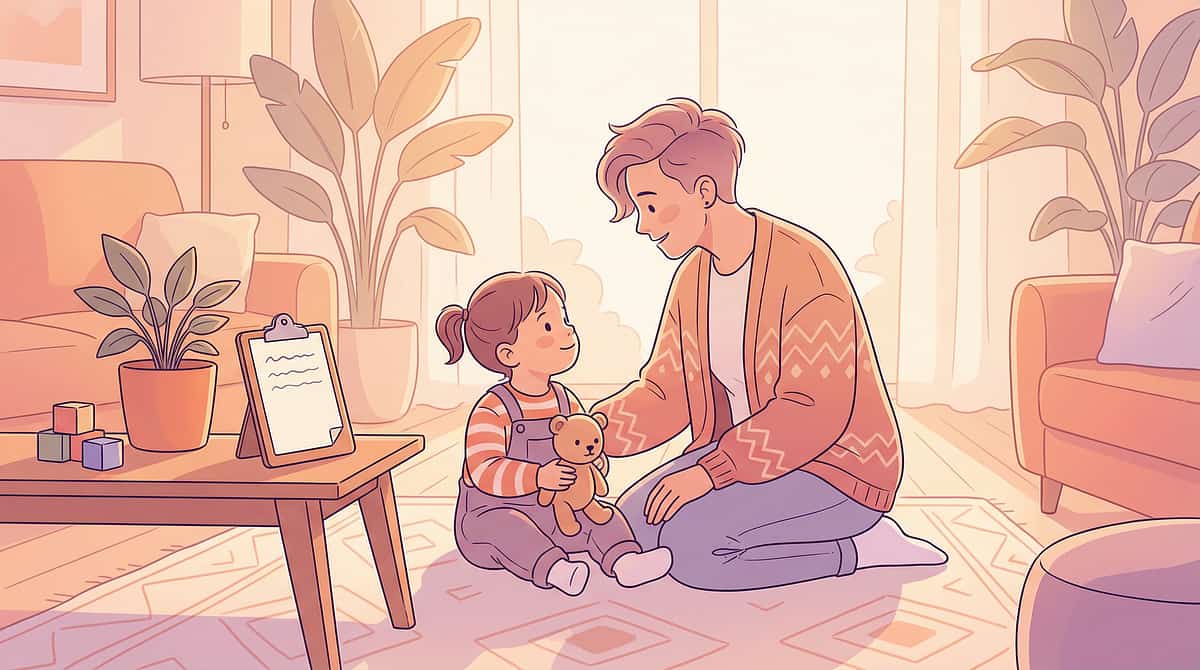
Is Your Child Ready? 60-Second Pre-Session Assessment
The best session is one that starts right. There is no progress in a dysregulated child. Run this 60-second check before every session — it takes seconds and prevents wasted effort and negative associations with the materials.
Indicator | ✅ GO | 🟡 MODIFY | ⛔ POSTPONE |
Regulatory state | Calm, neutral, or mildly positive | Slightly elevated but coachable | Meltdown, shutdown, severe distress |
Physical state | Fed within 2 hrs, rested, no illness | Mild fatigue — snack first | Sick, exhausted, severely hungry |
Perfectionism level | Low — open to trying | Moderate — needs "no right answer" framing | Paralysis — "I can't do anything" state |
Sensory state | Regulated | Mildly sensitive — tools available | Overloaded — regulate first, 20+ minutes |
Motivation signal | Neutral or interested | Reluctant but open to invitation | Active refusal — honour it today |
✅ 4–5 GREEN
GO — Proceed to the Invitation
🟡 Mixed
MODIFY — Choose lowest-demand material: passion-based or sensory regulation only
⛔ Any RED
POSTPONE — Alternative calming activity today; note: "State not ready"
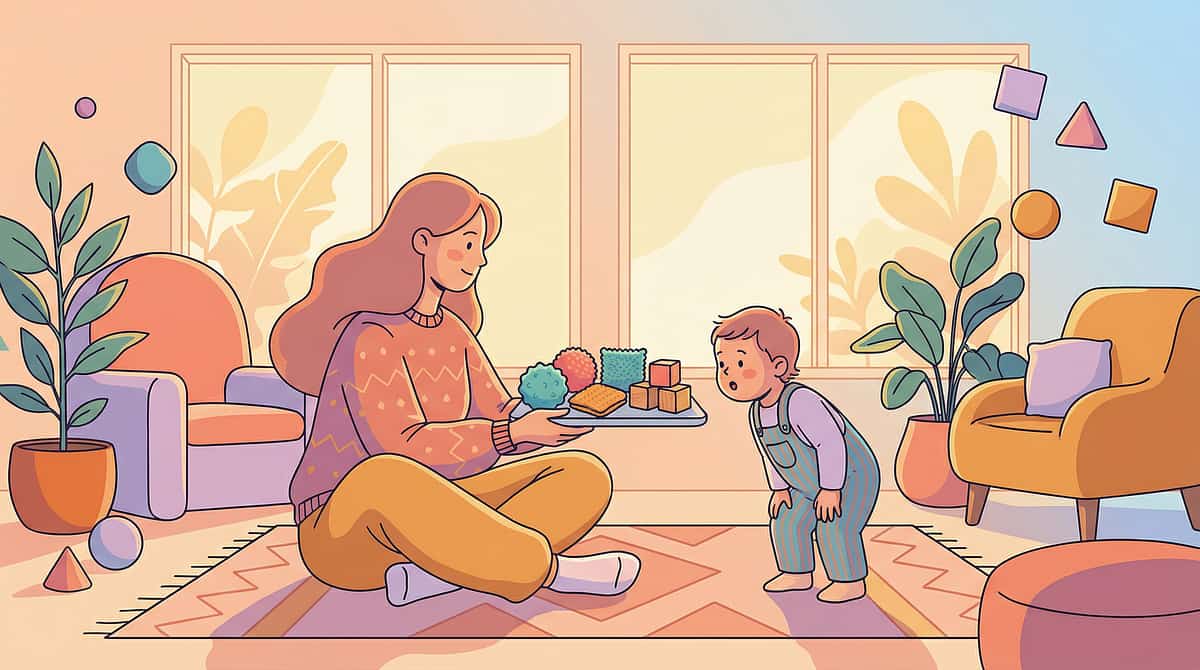
Begin With an Invitation — Never a Command
Autonomy is a core twice exceptional value. Imposed activities are rejected — not because the child is defiant, but because their high cognitive functioning means they are exquisitely sensitive to loss of agency. The invitation frame honours this whilst creating the motivating conditions for genuine engagement.
Standard Invitation
"I found something I think your brain might find interesting. Want to take a look? No pressure — we can just see what it is."
For Older Children
"I've got something set up for us to explore. It's actually pretty advanced — I wasn't sure you'd be up for it but I thought you might."
Passion-Based Entry
"So you know how you know everything about [passion area]? I found a way to go even deeper into that. Interested?"
Acceptance Cues
Makes eye contact or looks toward materials • Leans in, moves closer • Asks a question about the material • Shrugs + moves closer (2e kids often pretend not to care)
Resistance Cues — Modify
Physically turns away • Says "no," "I don't want to," "later" • Increases self-stimulation • Leaves the room
Timing: 30–60 seconds | If no acceptance in 90 seconds → modify or postpone
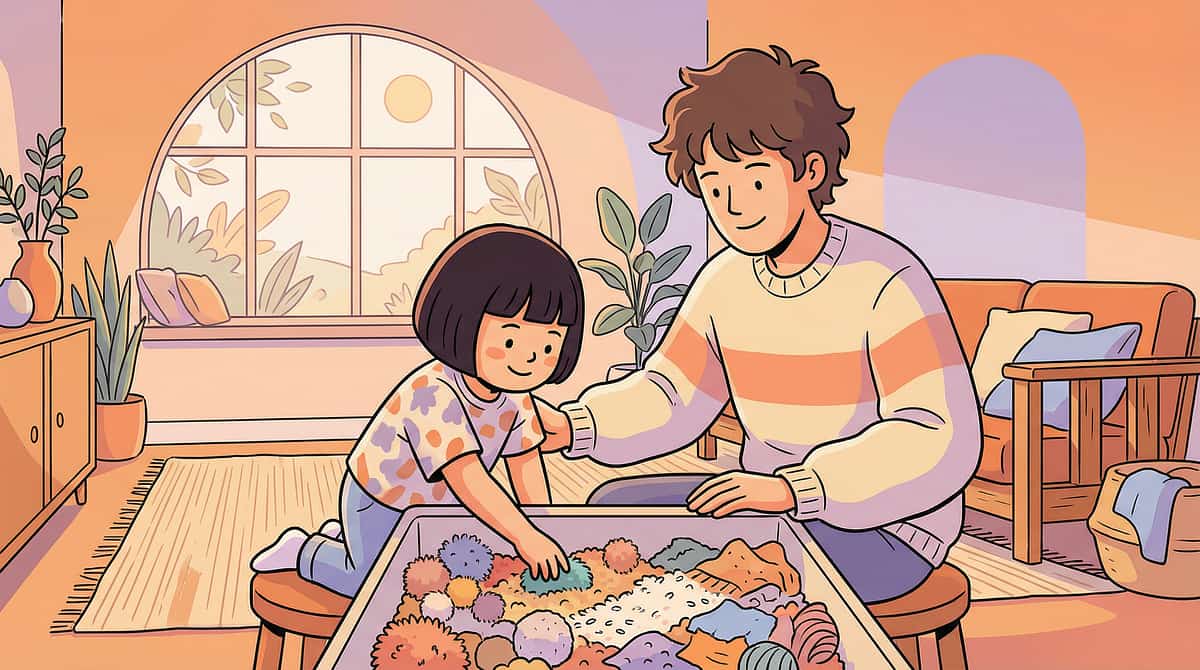
Let Curiosity Lead — Then Follow It
Material introduction is not a presentation — it is an invitation into the child's intellectual world. Sit beside (not opposite) the child. Match their energy level — don't perform enthusiasm they haven't felt yet. Make the material visually interesting; leave space for them to "discover" it rather than you presenting it.
For Executive Function Tools
"This is a planning system. I'm going to show you how the kids at Pinnacle use it for big projects. You can try it for [passion project / school project]."
For Sensory Regulation Tools
"These headphones block out background noise so your brain can actually think. A lot of really focused people use them. Want to try while you read/work?"
For Depth & Complexity
"Let me show you the way researchers actually think about [passion area]. There's a set of questions that makes ANY topic go 20 levels deeper."
For Passion-Based Learning
[Place expert-level resource in front of child.] "This is what someone who actually studies [passion] uses. I thought you might be past the kid version by now."
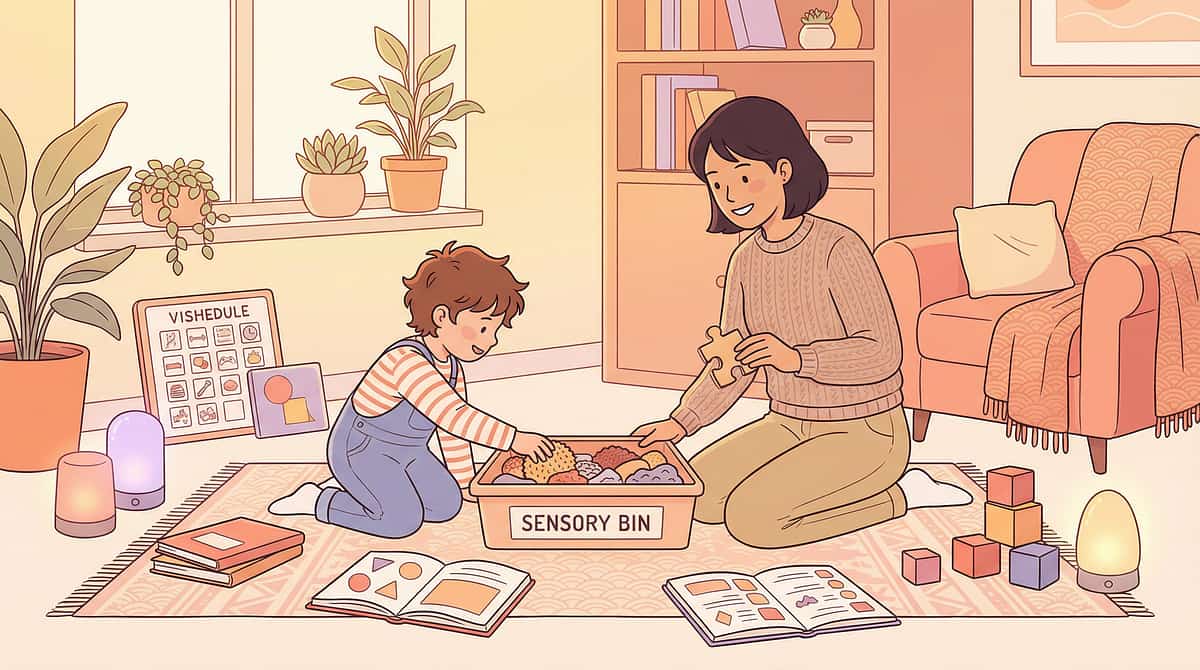
The Therapeutic Action: Materials 1–4
Choose the applicable material and execute the corresponding action. The active ingredient is the principle, not the script. Separate level from input from output. Build with, never for. Sensory tools go in before intellectual challenge, not instead of it.
1 — Advanced Enrichment
Introduce advanced content at TRUE ability level (not grade). Audio input for dyslexic learners; manipulative maths for dysgraphic mathematicians; video/documentary for kinesthetic processors. Principle: Separate LEVEL from INPUT from OUTPUT.Duration: 15–30 minutes
2 — Executive Function
Co-build one planning artefact WITH the child (not for them): break a complex project into 5–7 steps on sticky notes; create ONE "idea capture" page; set up ONE organisational system for materials they actually want to organise. Principle: EF scaffolds built WITH the child have compliance; imposed systems are rejected.Duration: 10–20 minutes co-creation
3 — Sensory Regulation
Trial sensory tool in context of intellectual activity: headphones ON while reading/working; fidget tool present but not demanded; weighted lap pad during focused desk work. Observe: does intellectual engagement increase? Principle: Sensory tools are performance enhancers, not accommodations.Duration: Entire work session (20–45 min)
4 — Depth & Complexity
Choose ONE D&C element and apply it to the child's passion: "What are the UNANSWERED QUESTIONS in [dinosaurs/coding/mythology]?" / "What PATTERNS do you notice across different examples?" / "What ETHICAL questions does this topic raise?" Principle: One good D&C prompt can sustain 30–60 minutes of genuine intellectual engagement.Duration: 20–45 minutes
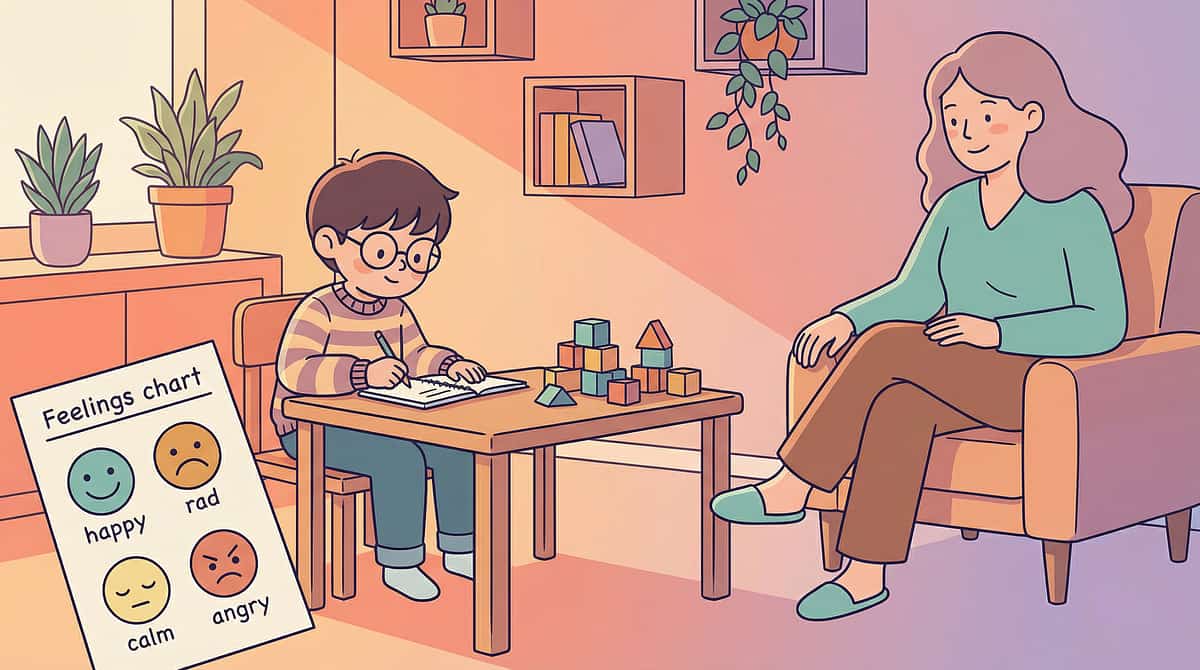
The Therapeutic Action: Materials 5–9
5 — Emotional Regulation
Journal prompt: "The feeling I have most that nobody understands is ___." / "When I feel too much, the thing that would help most is ___." For younger children: draw the feeling with colours + name it together. Principle: Naming intensity reduces intensity. Complex feelings need complex language.Duration: 10–20 minutes journaling + optional sharing
6 — Alternative Output
Record child explaining their understanding verbally (voice note or video). Watch together. Ask: "Did that show what you actually know better than writing would?" Co-create an "output menu" — 5 ways child can demonstrate any understanding. Principle: Traditional assessment creates performance barriers; alternative output removes them.Duration: 5–15 minutes recording + 10 minutes review
7 — Passion-Based Learning
Follow the child into their passion area with ONE academic skill embedded: if passion = dinosaurs → practice research skills finding primary sources; practise maths calculating geological timelines; practise writing drafting one paragraph for their "expert report." Principle: Skill practice in passion context removes the "why does this matter?" barrier.Duration: 30–60 minutes (child often extends naturally)
8 — SEL for Asynchrony
Read aloud 2–3 pages from bibliotherapy book featuring a 2e/gifted character. Stop and ask: "Does this character remind you of anyone?" Connect to child's own experience if they open the door. Principle: Fictional distance reduces defensiveness; story makes asynchrony visible without personalisation pressure.Duration: 15–25 minutes
9 — Self-Advocacy
Co-create "My Brain Profile" card: Strengths column + Challenges column + "What Helps Me" column. Child identifies at least 2 items in each column. Keep card — revisit and update quarterly. Principle: Self-advocacy must be grounded in accurate self-knowledge. Profile = foundation.Duration: 20–30 minutes co-creation; artefact lasts months/years
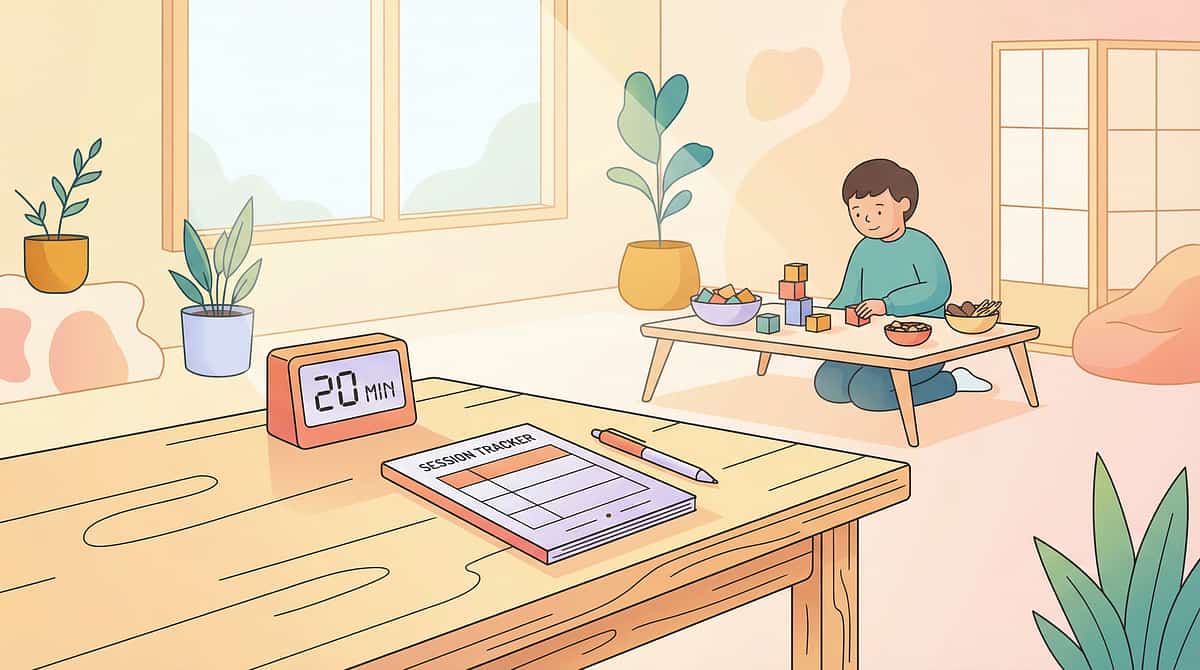
Dosage, Not Repetition for Its Own Sake
For twice exceptional children, quality of engagement >> quantity of repetitions. 20 minutes of genuine intellectual and therapeutic engagement outperforms 60 minutes of forced compliance every time. The dosage targets below are calibrated for sustainable engagement and neuroplastic change.
Material | Target Frequency | Variation Principle |
Advanced Enrichment | 3–5 sessions/week | Rotate topics; alternate input modes (audio ↔ visual ↔ hands-on) |
EF Scaffolding | Daily for 2 weeks to build habit | Vary complexity of project being scaffolded |
Sensory Regulation | Every session (ongoing) | Trial different tools; let child choose preferred tool |
Depth & Complexity | 2–3 sessions/week | Rotate D&C elements; apply to different topics |
Emotional Regulation | 2–3 × per week | Vary journal format; alternate written/drawn/spoken |
Alternative Output | Every assessment moment | Expand output menu options session by session |
Passion-Based | Daily — this is the entry point | Always follow child's interest direction; adult provides academic scaffold |
SEL | 1–2 × per week | Alternate bibliotherapy ↔ direct discussion ↔ role play |
Self-Advocacy | Monthly profile review + real-time scripting | Practise in safe context first; then expand to school and peers |
The 2e Reinforcement Menu — Match Reward to Profile
Critical timing: Reinforcement within 3 seconds of target behaviour. Late praise creates no connection to the behaviour. Gifted children detect empty praise instantly — reinforcement must be specific, genuine, and contingent to the actual achievement observed.
Verbal Praise
"That thinking was genuinely sophisticated. I mean that." Must be SPECIFIC and genuine. Works for all 2e profiles.
Tangible Reward
Sticker on "My Wins" chart. Reward Stickers or Rosette Reward Jar — visual, tactile, parent-trackable.
Autonomy Reward
Choice of next activity / passion time. Most powerful for 2e gifted profiles — autonomy is the primary intrinsic motivator.
Recognition Reward
"I want to show Dad/Grandma what you figured out today." Intellectual pride + social connection in one response.
Advancement Reward
"Since you mastered that, we can try the next level." Gifted brains respond powerfully to progression signals — challenge is its own reward.
❌ Avoid
"Good job" — perceived as hollow by high-cognition children
❌ Avoid
Comparative: "You did better than your sister" — perfectionism amplifier
❌ Avoid
Outcome-only: Only praising when task is COMPLETED — punishes attempts
No Session Ends Abruptly — Especially for Intense Minds
Twice exceptional children often experience transitions as neurologically abrupt — their intense engagement (intellectual OR emotional) needs a bridge back to baseline. Abrupt endings cause post-session dysregulation that can last hours and negatively condition the child's association with the materials.
5-Minute Warning
"We're going to wrap up in about 5 minutes. You can [finish this section / say one more thing / draw one more thing]."
2-Minute Warning
"Two more minutes. Then we'll take a break. The materials will be here next time."
Cool-Down Activity
Choose: Sensory cool-down (weighted lap pad, quiet space) • Transition object • Predictable finish ritual • Verbal "capture" — child states one discovery • Movement break (jump 10 times, shake it out)
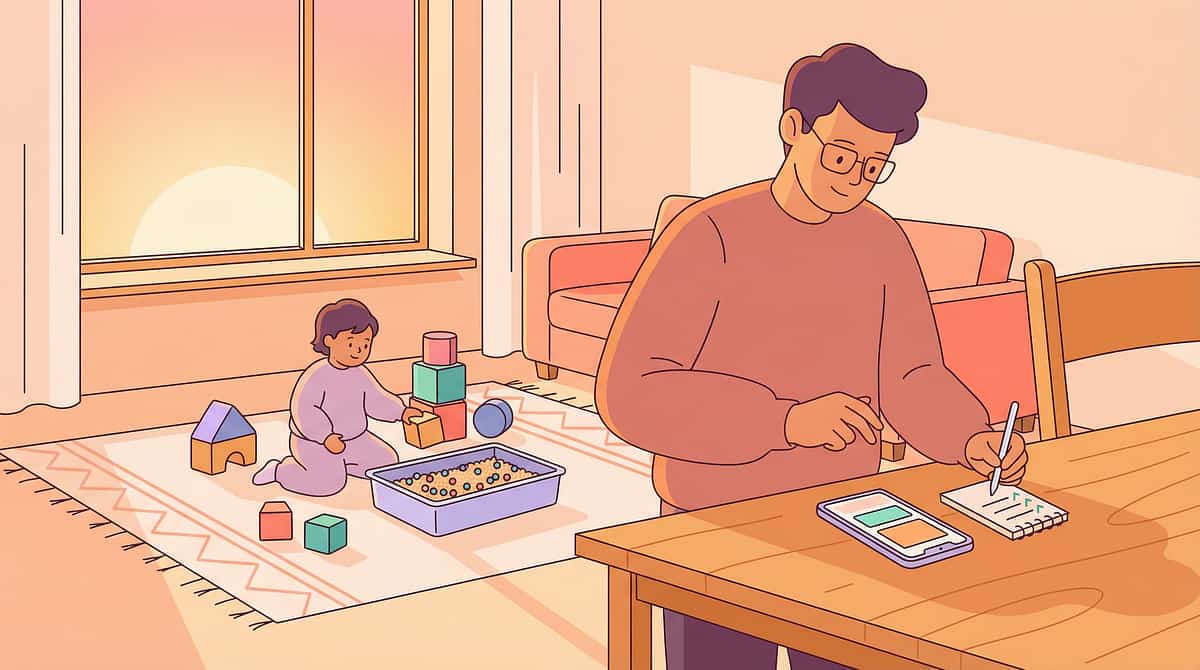
60 Seconds of Data = Months of Insight
Data collection is not bureaucracy — it is the mechanism that turns your instinct into evidence, and your child's trajectory into a plan that can be adjusted. 60 seconds of data right now saves hours of guessing later — and gives your clinician the evidence they need to adjust your child's plan.
Material Used
Which of the 9 materials was deployed today. Use a checkbox on your tracker — consistency matters more than detail.
Engagement Quality
1 (refused) → 2 (tolerated) → 3 (participated) → 4 (engaged) → 5 (deep/sustained engagement). Circle on tracker.
One Observation
Anything notable — a breakthrough, resistance, emotional moment, spontaneous skill. One sentence, voice note, or photo.
Weekly Tracking Template: M: Material ___ / Engagement _/5 / Note: ___ | T: Material ___ / Engagement _/5 / Note: ___ | W: Material ___ / Engagement _/5 / Note: ___ | T: Material ___ / Engagement _/5 / Note: ___ | F: Material ___ / Engagement _/5 / Note: ___
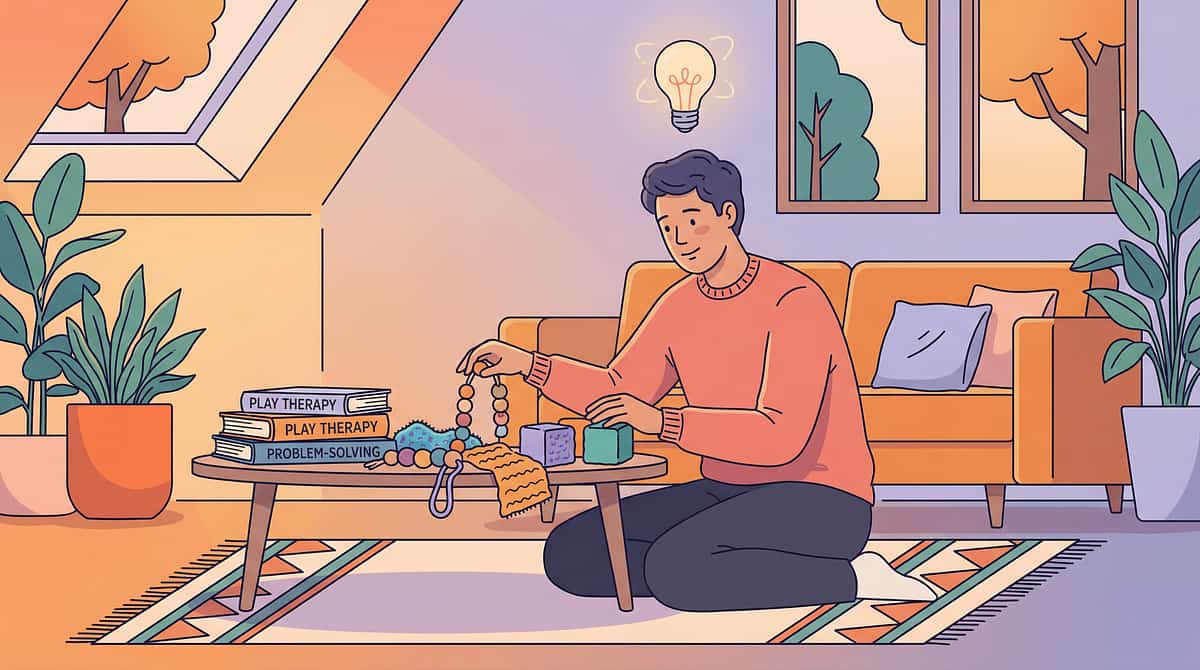
The Reality Card — Most Sessions Have Friction. That's Data.
Session abandonment is not failure. It is information. Every challenge below has a specific cause and a specific response. What did the child teach you today?
Problem 1: Child Refuses the Material Entirely
Why: Autonomy is a core 2e value — imposed activities are rejected. Or today's regulatory state wasn't ready. Next time: Involve child in choosing the material; begin with their passion area first; re-run the readiness check (Card 13). The invitation frame was critical — revisit it.
Problem 2: Perfectionism Paralysis — Child Starts Then Freezes
Why: Fear of being "not good enough" overrides intellectual courage. What to do: Stop; name it: "I notice this is hard to try — that's actually really common for smart kids." Reframe: "Experts make mistakes. Mistakes are data." Try DIY or lower-stakes version; switch to alternative output instead.
Problem 3: Sensory Overload Mid-Session
Why: Sensory threshold reached; intellectual engagement PLUS environmental input exceeded capacity. What to do: Implement sensory cool-down immediately. Note which environmental factors escalated. Next session: preemptive sensory regulation — headphones ON before session begins, not during.
Problem 4: EF Tool Rejected — "This is Babyish"
Why: Cognitive sophistication exceeds the developmental level of most commercial EF tools. What to do: Co-design a custom system WITH the child. Ask: "How would YOU organise this project?" Their solution, even if imperfect, will have buy-in a pre-made system never will.
Problem 5: Emotional Intensity Derailed the Intellectual Work
Why: 2e children carry significant emotional load — vulnerability of intellectual engagement sometimes opens emotional floodgates. What to do: Follow the emotion. This IS the therapeutic work. Provide the journaling or SEL material. Intellectual challenge can wait. Emotional co-regulation cannot.
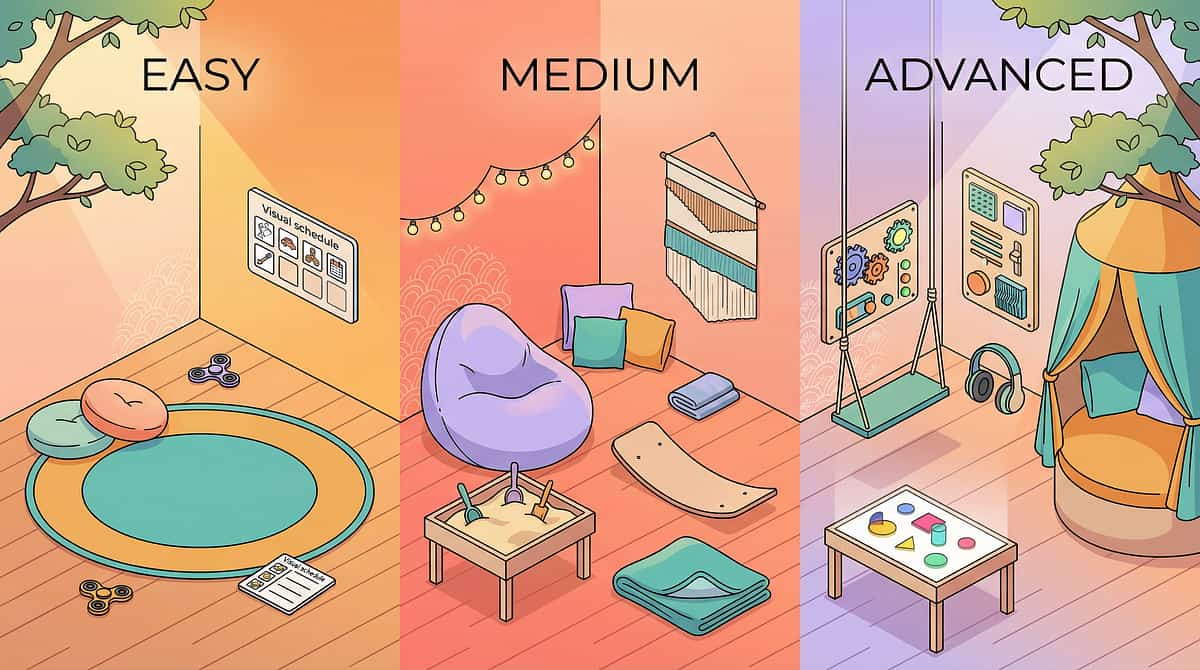
No Two 2e Children Are Identical — Calibrate to Your Child
The 2e profile is not a single type — it is a constellation. A gifted child with ADHD has profoundly different needs to a gifted child with dyslexia or a gifted child with autism. Use this guide to calibrate materials to your child's specific profile.
Profile | Emphasise | Modify |
Gifted + ADHD | Passion-based (hyperfocus leveraged) + Alternative Output + EF Scaffolding | Shorter sessions; more movement breaks; multi-sensory input |
Gifted + Autism | Sensory Regulation + Depth & Complexity (special interest depth) + Self-Advocacy | Structure and predictability; explicit social scripts; low-ambiguity instructions |
Gifted + Dyslexia/Dysgraphia | Advanced Enrichment (audio input) + Alternative Output + EF Scaffolding | Remove ALL written output pressure; honour oral/visual/kinesthetic demonstration |
Gifted + Anxiety | Emotional Regulation + SEL + Self-Advocacy | Reduce stakes; explicitly frame "no right answer" sessions; normalise struggle |
Gifted + Sensory Processing | Sensory Regulation (primary) → then intellectual engagement | Environment first; tools first; intellectual engagement second |
Ages 4–6
Passion + Sensory Regulation + Emotional labelling. Play-based; adult-directed; wonder-frame throughout.
Ages 7–10
All 9 materials; EF scaffolding introduction; self-understanding beginning. Collaborative; child co-designs tools.
Ages 11–13
Full system; self-advocacy development; alternative output. Child leads; adult coaches from beside.
Ages 14–16
Self-directed; identity integration; peer self-advocacy. Near-independent; mentor relationship replaces directive role.

🌱 Weeks 1–2: The Establishment Phase
You will feel uncertain. You may feel this isn't working. The data you are capturing is your anchor — look at the numbers, not the feeling. These early indicators are real, measurable progress in the nervous system — even when they feel invisible.
Material | Week 1–2 Progress Indicator |
Advanced Enrichment | Child tolerates advanced material without shutting down |
EF Scaffolding | Child co-designs one planning artefact; uses it once |
Sensory Regulation | Child accepts headphones/fidget WITHOUT resistance |
Depth & Complexity | Child answers first D&C prompt (even briefly) |
Emotional Regulation | Child writes or draws anything in the journal |
Alternative Output | Child records one voice note; watches it back without distress |
Passion-Based | Child engages with expert-level material on their topic |
SEL | Child doesn't redirect away from bibliotherapy |
Self-Advocacy | Child identifies one strength they genuinely believe in |

🌿 Weeks 3–4: The Neural Pathway Forming
Consolidation is the first sign that learning has moved from conscious effort to emerging habit. When you see a child reaching for a tool without being reminded, or using D&C language spontaneously, you are watching neuroplasticity in real time. You may notice you are more confident too — that is not coincidence. The parent's confidence is a therapeutic variable.
Material | Week 3–4 Consolidation Signs |
Advanced Enrichment | Child ASKS for the advanced material; engagement extends beyond scheduled time |
EF Scaffolding | Child reaches for the planning tool without being reminded — once |
Sensory Regulation | Child requests headphones before parent offers them |
Depth & Complexity | Child spontaneously uses D&C language: "But what are the PATTERNS?" |
Emotional Regulation | Child opens journal without prompt (occasionally) |
Alternative Output | Child suggests recording as their preferred output mode |
Passion-Based | Child integrates passion area into academic tasks spontaneously |
SEL | Child references bibliotherapy character in a real-life situation |
Self-Advocacy | Child uses ONE self-advocacy phrase in a real situation |

🌟 Weeks 5–8: The Readiness Threshold
Mastery in the 2e context means more than performance on a task — it means the child has internalised a strategy enough to deploy it independently, in a new context, without adult prompting. These are the criteria. They are specific, observable, and measurable.
Material | Mastery Indicator |
Advanced Enrichment | Child independently selects appropriate challenge level; uses accommodations without prompting |
EF Scaffolding | Child builds their own planning system for a new project independently |
Sensory Regulation | Child manages sensory environment proactively without adult direction |
Depth & Complexity | Child applies D&C framework independently to a new, unfamiliar topic |
Emotional Regulation | Child identifies their own emotional state and selects a regulation strategy without adult prompt |
Alternative Output | Child advocates for alternative demonstration format at school ("Can I record this instead?") |
Passion-Based | Child generalises research/writing/maths skills learned through passion to other domains |
SEL | Child navigates a social situation using SEL skill with minimal adult coaching |
Self-Advocacy | Child communicates their needs to a teacher or peer independently |
☐ Mastery Check 1
3 consecutive sessions with sustained engagement (4–5/5)
☐ Mastery Check 2
At least one spontaneous generalisation observed in a new context
☐ Mastery Check 3
Child can describe what the material/strategy does for them in their own words

🌟 You Did This. Your Child Grew Because of Your Commitment.
Over the past 5–8 weeks, you have done something extraordinary — quietly, consistently, and without guarantee of outcome.
Learnt the neurological profile of your twice exceptional child
Sourced and deployed materials designed for their specific profile
Executed therapeutic sessions at home — whilst managing everything else
Collected data when it would have been easier not to
Continued when it felt like nothing was working
Stayed curious about your child instead of giving up on understanding them
You created a home environment where your child experienced themselves as capable — intellectually stimulated AND appropriately supported. For many 2e children, this is the first time they have felt that. That is not a small thing.
Family Celebration Suggestion: Do something that honours BOTH dimensions — a challenge AND a comfort. Perhaps: visit a museum in their passion area (intellectual) + let them choose how to decompress afterwards (regulatory).
📸 Journal Prompt: "What I noticed most in my child over these 8 weeks was ___."
"Brilliance, when met with understanding, becomes unstoppable." — Pinnacle Blooms Network® | Built by Mothers. Engineered as a System.

Red Flags: When to Pause and Seek Professional Input
Trust your instincts. You know your child. If something feels wrong, it is worth a call. The signs below are specific thresholds — not general worry — that indicate it is time to pause home-based sessions and seek professional support.
🔴 Increasing Perfectionism → Self-Harm Ideation
"I'm stupid," "I wish I wasn't here," "What's the point" with genuine emotional flatness (not passing frustration). Action: Stop sessions. Call 9100 181 181. Seek immediate professional support.
🔴 Suicidal or Depressive Ideation
Explicit statements about not wanting to exist; persistent hopelessness despite positive engagement. Action: Emergency escalation — mental health crisis pathway. Call 9100 181 181 immediately.
🟠 Complete Academic Shutdown
Refuses all learning activities; regresses in previously mastered skills; sleep/appetite disruption. Action: Pause all academic enrichment. Prioritise emotional regulation. Seek evaluation.
🟠 Social Withdrawal Escalating
Refusing all peer contact; increasing isolation; complete retreat into solo/screen/fantasy. Action: Assessment for co-occurring anxiety or depression alongside 2e profile.
🟠 Sensory Overload Escalating
Sensory tools no longer helping; new or intensifying sensory triggers; increased meltdown frequency. Action: Occupational Therapy evaluation — possible sensory diet revision needed.
🟠 Family System Impact
Sibling relationships severely strained; partnership stress escalating; parent burnout visible. Action: Family therapy alongside child support. 2e parent burnout is real and valid.
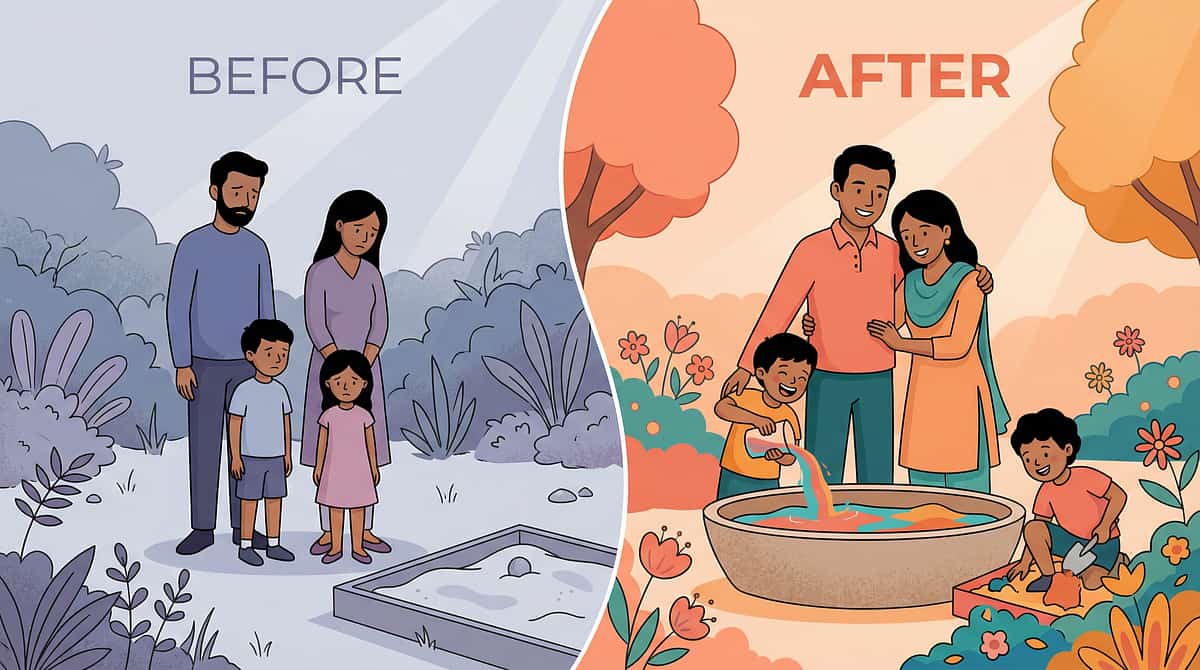
From the Therapist's Notes — Real Families, Real Outcomes
Anonymised. Behavioural specificity preserved. These are not exceptional stories — they are what happens when a 2e child's level is separated from their format, and when both needs are held simultaneously.
Mumbai, Maharashtra — Age 9, Gifted IQ (145) + ADHD + Dysgraphia
Before (Week 1): "He'd been called lazy every day for 4 years. He'd stopped trying. He told his teacher his brain was broken. He refused to write anything. He'd come home and build LEGO structures of unbelievable complexity for 4 hours."
After (Week 8): Introduced advanced content via audiobooks + voice recording as output. He is now producing oral essays on quantum mechanics via voice note. Teacher has agreed to voice-recorded assessments. He told his mother: "My brain isn't slow. It just talks instead of writing."
💜 "Nobody had ever separated his level from his format. Once we did, he never looked back." — Parent, Pinnacle Mumbai Network
Hyderabad, Telangana — Age 12, Gifted + Autism + Sensory Processing Differences
Before (Week 1): School was refusing to place her in advanced coursework because "she can't handle the classroom environment." Meltdowns every day. Parents told she was "too disabled for gifted programming."
After (Week 8): Noise-cancelling headphones + passion-based learning (astronomy) + D&C framework applied to astronomy. She now attends advanced science class with headphones. First month of no school meltdowns in 3 years.
💜 "The headphones didn't fix her autism. They removed the barrier that was hiding her brilliance." — Parent, Pinnacle Hyderabad Network
Bangalore, Karnataka — Age 14, Gifted + Perfectionism + Anxiety
Before (Week 1): Completed no school assignments for 6 weeks. Paralysing perfectionism — would start, immediately believe it wasn't good enough, delete/destroy, spiral.
After (Week 8): Alternative output + D&C journaling + passion project (game design). Now submits voice-recorded project analyses. Started a game design project that required writing a 15-page design document — the first extended writing in 18 months.
💜 "When we removed the format that triggered her perfectionism, her intelligence finally had room to breathe." — Parent, Pinnacle Bangalore Network
"Twice exceptional children don't need different standards. They need different paths to the same destination." — From the Therapist's Notes, Pinnacle Blooms Consortium
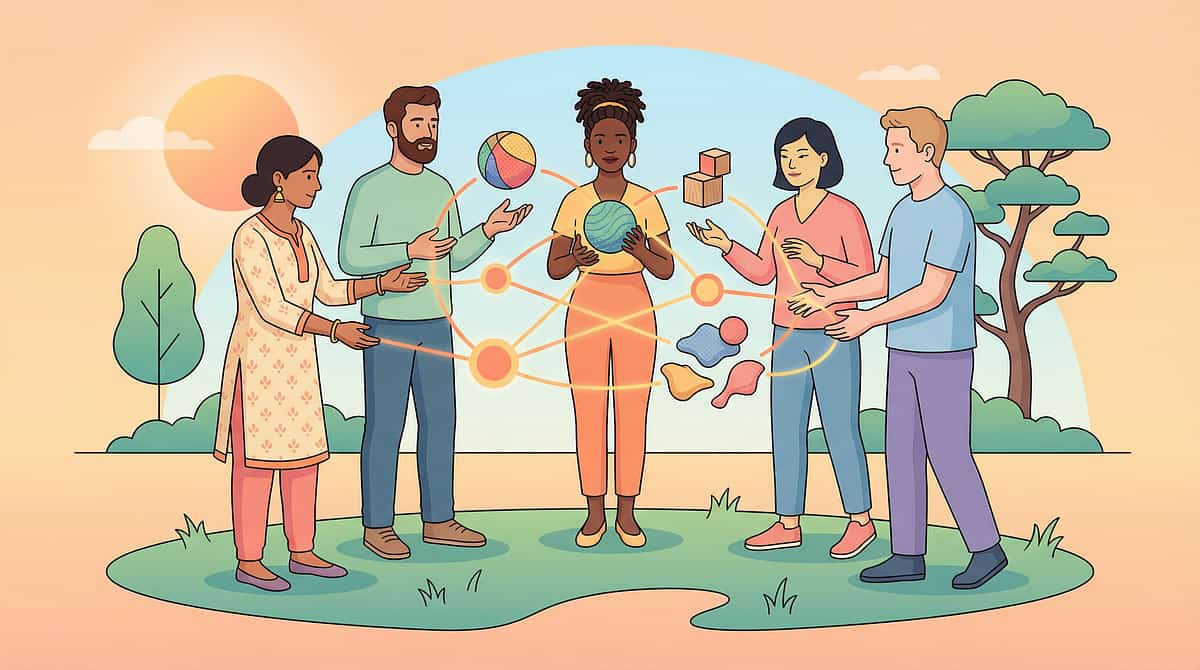
You Are Not Advocating Alone
If only one parent implements these materials, the child receives the therapeutic benefit 20–30% of their waking hours. When the whole caregiver network understands the 2e profile — the environment works FOR the child all of the time. Join thousands of families navigating this journey.
🟢 Pinnacle 2e Parents WhatsApp Group
India's largest 2e parent peer network — share wins, ask questions, find local resources. Request link via 9100 181 181.
🌐 Pinnacle Online Forum
Discussion forum for H-series techniques, organised by challenge. pinnacleblooms.org/community
🤝 Peer Mentoring
Connect with a Pinnacle parent who has navigated 2e + school advocacy. Request via 9100 181 181.
📅 Local Pinnacle Parent Meetups
Monthly meetups at 70+ Pinnacle centres across India. Find your centre: pinnacleblooms.org/centers
International 2e Resources:NAGC (nagc.org) • SENG (sengifted.org) • 2e Newsletter (2enewsletter.com)
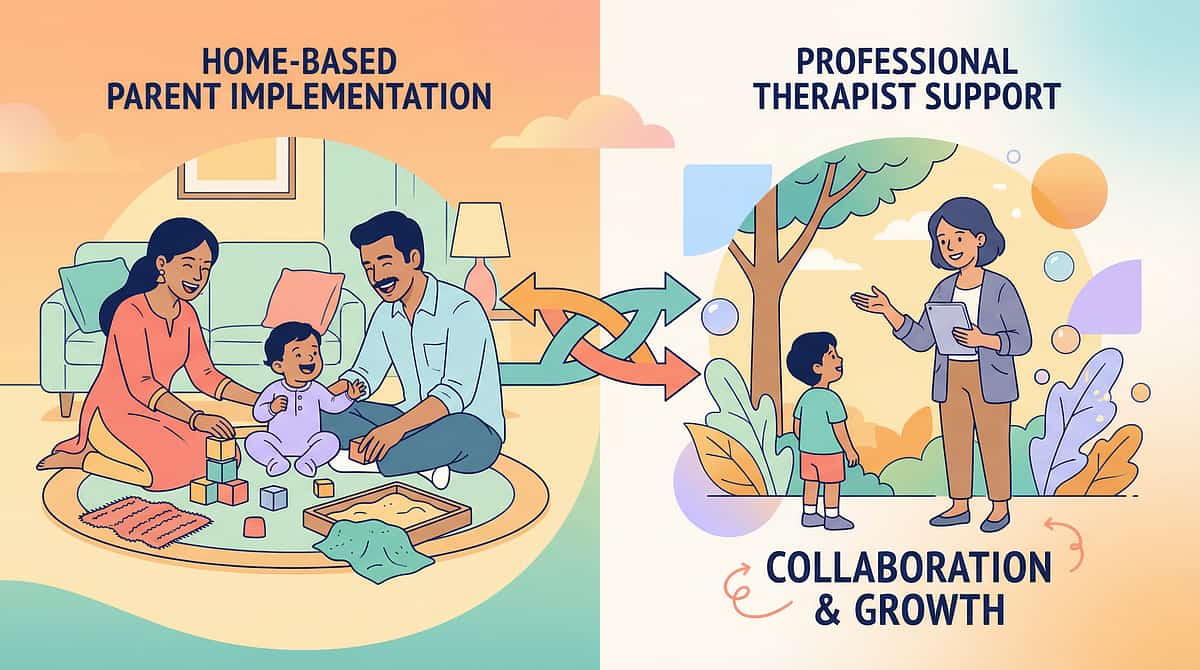
Home + Professional = Maximum Impact
Home-based implementation is powerful — and it is one half of the system. Professional support provides comprehensive evaluation, calibrated intervention design, and the clinical oversight that complex 2e profiles require. The question to ask any clinician: "Can you see the whole child?"
🔵 Occupational Therapy (2e Specialist)
Sensory regulation, EF scaffolding, fine motor accommodations, sensory profile assessment. Book at nearest Pinnacle centre.
🟢 Special Educator (Gifted + SpEd)
Curriculum accommodation, alternative assessment, IEP/504 advocacy, D&C curriculum design. Book at nearest Pinnacle centre.
🟣 BCBA / ABA Therapist
Behaviour support, EF strategies, reinforcement systems, alternative output protocols. Book at nearest Pinnacle centre.
🔴 SLP (2e Communication)
Alternative output, self-advocacy language, complex communication support for asynchronous profiles.
🟠 NeuroDev Pediatrician
Comprehensive 2e evaluation, co-occurring condition assessment, longitudinal developmental monitoring.
⚪ Mental Health Support
Perfectionism, anxiety, identity, emotional intensity — 2e-specialised. Referral via 9100 181 181.
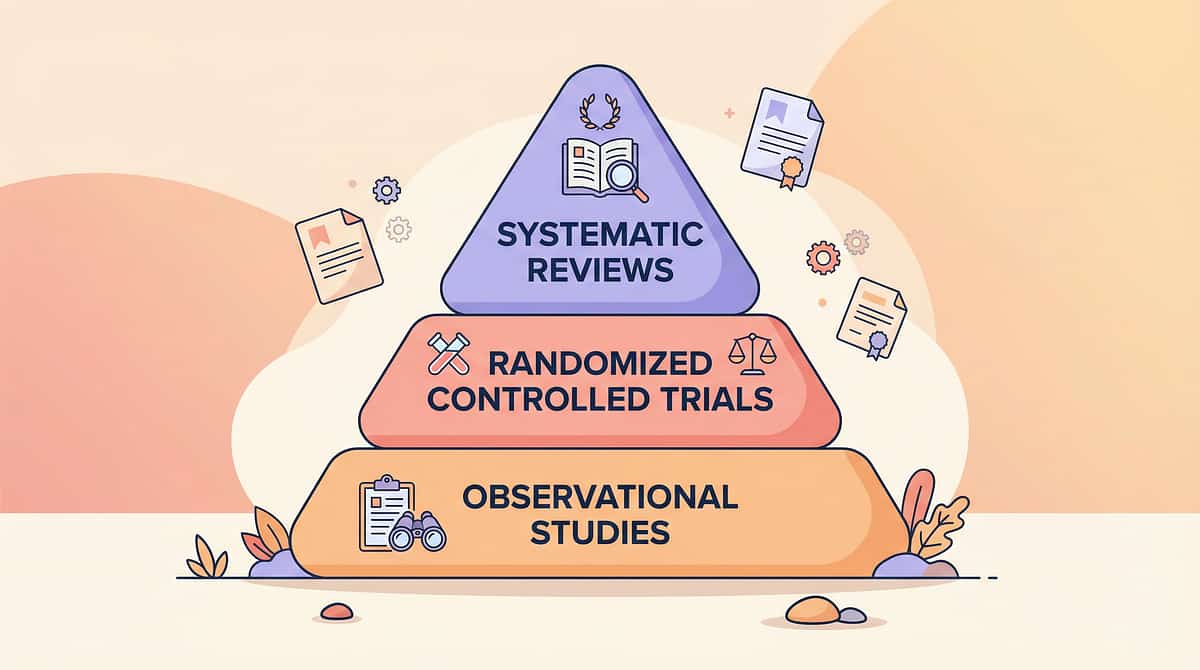
The Science Behind These Materials
For parents and clinicians who want to go deeper. The evidence base for the 9-Material Dual-Exceptionality Support System draws from systematic reviews, clinical consensus, real-world outcome data, and foundational 2e literature spanning three decades.
Study | Key Finding | Source |
Sensory Integration Meta-Analysis (World J Clin Cases, 2024) | SI therapy across 24 studies effectively promotes social skills, adaptive behaviour, sensory processing, and motor skills in complex profiles | PMC10955541 |
PRISMA Systematic Review (Children, 2024) | 16 studies confirm sensory integration as evidence-based practice for ASD and complex neurodevelopmental profiles | PMC11506176 |
WHO Care for Child Development (CCD) Package | Household-material-based intervention across 54 LMICs demonstrates caregiver-delivered efficacy | PMC9978394 |
Padmanabha et al., Indian J Pediatr (2019) | Home-based interventions for Indian paediatric population: safety and efficacy established | DOI: 10.1007/s12098-018-2747-4 |
NCAEP Evidence-Based Practices Report (2020) | Video modelling, alternative assessment, visual supports classified as evidence-based practices | NCAEP 2020 |
NAGC — Twice Exceptional Position Papers
Resources, position papers, and research summaries on 2e students. | nagc.org
Dabrowski, K. — Theory of Positive Disintegration (1964)
Overexcitability framework foundational to 2e emotional support. The most cited theoretical basis for understanding gifted emotional intensity.
Columbus Group (1991)
Foundational definition of asynchronous development — the basis for all modern 2e conceptualisation.
SENG — Social-Emotional Aspects of Giftedness
Supporting Emotional Needs of the Gifted — clinical and community resources. | sengifted.org
Preview of 9 materials that help with twice exceptional kids Therapy Material
Below is a visual preview of 9 materials that help with twice exceptional kids therapy material. The pages shown help educators, therapists, and caregivers understand the structure and content of the resource before use. Materials should be used under appropriate professional guidance.



The Pinnacle Promise — From Fear to Mastery. One Technique at a Time.
🏛️ Pinnacle Blooms Network®
A unit of Bharath Healthcare Laboratories Pvt. Ltd.
Our Mission: To transform every home into a proven, scientific, 24x7, personalised, multi-sensory, multi-disciplinary integrated paediatric therapy environment — available to every family, regardless of geography, income, or diagnostic complexity.
🔵 Occupational Therapy | 🟢 Special Education | 🟣 ABA / BCBA | 🔴 Speech-Language Pathology | 🟠 NeuroDev Pediatrics | ⚪ Clinical Research
H-758 Technique Navigation
🔙Prev: H-757: Identifying Twice Exceptionality 🔜Next: H-759: Gifted Underachievement 🌐Browse All Neurodiversity & Giftedness Techniques
Statutory Identifiers
CIN: U74999TG2016PTC113063 | DPIIT: DIPP8651 (Govt. of India) | MSME: TS20F0009606 | GSTIN: 36AAGCB9722P1Z2
Contact
📞9100 181 181 (FREE • 24x7 • 16 Languages) 🌐pinnacleblooms.org📧care@pinnacleblooms.org
© 2025 Pinnacle Blooms Network®, unit of Bharath Healthcare Laboratories Pvt. Ltd. All rights reserved. | techniques.pinnacleblooms.org/neurodiversity-giftedness/twice-exceptional-kids-H-758
"Your child's brain is doing two extraordinary things at once. So are you." — The Pinnacle Blooms Consortium
"He can explain black holes at age 8. He cannot handle the cafeteria."