

"Every transition is a battle in our house."
The timer ends. The iPad stops. It's time to leave the playground. And your child — who moments ago was happy — shatters into a full crisis. Not because they're badly behaved. Because their brain hasn't been given the tools to shift.
🧠 Executive Function
⏱ Time Awareness
🔄 Behavioral Flexibility
😌 Emotional Regulation
You are not failing. Your child's executive system is asking for a bridge — not a battle.
Transition Warning Support | Materials That Help When Shifting Gears is Hard
Pinnacle Blooms Network® | GPT-OS® Validated | WHO Nurturing Care Framework (2018): Early parental awareness and structured environmental support directly impacts neurodevelopmental outcomes.

You Are Among Millions of Families Navigating This Exact Challenge
1 in 36
Children in India with ASD
The population most affected by transition difficulties daily.
80%
Report Daily Difficulty
Children with ASD experience significant transition difficulty as a daily challenge.
4–12×
More Meltdowns
Transition-related meltdowns in children with executive function challenges vs. neurotypical peers.
Transition difficulties are not rare — they are one of the most universal and disruptive daily challenges for families of children with autism, ADHD, sensory processing differences, and anxiety. The morning rush. The playground exit. The screen time end. The shift from homework to dinner. Each one is a potential crisis point — not because your child is difficult, but because their brain is wired to lock onto the present with extraordinary intensity.
In India alone, over 18 million children are estimated to experience clinically significant transition difficulties. Globally, that number exceeds 200 million families navigating this daily.
Research: PRISMA Systematic Review (2024): 80% of children with ASD experience executive function-related set-shifting challenges. PMC11506176 | WHO Global Autism Report (2023): Transition difficulties rank among top 3 family-reported challenges.

This Is Not Defiance. This Is Neurology.
The Prefrontal Cortex & Set-Shifting
Transitioning between activities requires the prefrontal cortex to execute a complex sequence: disengage attention → hold the ending in working memory → emotionally process the change → plan next motor actions → initiate the new activity — all within seconds.
For children with autism, ADHD, or sensory processing differences, one or more of these sub-processes is disrupted. This is called cognitive inflexibility — the brain's difficulty "releasing" one state to enter another. It is neurologically real, measurable on fMRI, and not a choice.
What This Means for Your Child
🔒Their brain locks onto the present. The current activity isn't just fun — it's neurologically gripping. Stopping feels like being pulled underwater.
⏰Time is invisible. "Five minutes" is an abstract concept. Without visual tools, there is no warning — there is only sudden ending.
😰The unknown triggers the alarm system. The amygdala fires when what comes next is unclear. Anxiety doesn't respond to logic.
🔄The shift itself costs energy. Executive function transitions drain cognitive resources — the same resources needed for regulation.
Research: Frontiers in Integrative Neuroscience (2020): Neurological basis for sensory integration and executive function challenges in ASD established with cortical mapping studies. DOI: 10.3389/fnint.2020.556660

Your Child Is Here on the Developmental Map — and Here Is Where We're Heading.
0–12 Months
Caregiver-managed transitions. No concept of time.
1–3 Years
Emerging awareness. Protests typical. First-Then logic beginning.
3–5 Years
Visual supports useful. Most transitions manageable.
5–8 Years
Timer independence emerging. Transitions manageable with support.
8–12 Years
Internalized flexibility. Independent with unexpected changes.
Current Challenge Zone: Many children with ASD, ADHD, or anxiety show transition readiness skills that are 2–4 developmental years behind their chronological age. This is the target zone for the 9 materials on this page.
Comorbidities commonly co-occurring with transition difficulties: Sensory Processing Differences (heightened arousal) • Anxiety Disorders (anticipatory distress) • ADHD (hyperfocus + time blindness) • Intellectual Disabilities (limited abstract time comprehension)
Smooth, flexible transitions — with and eventually without tools — in home, school, and community settings. That is where we are heading.
Research: WHO Care for Child Development Package (2023): Age-specific executive function milestones. PMC9978394

Clinically Validated. Home-Applicable. Parent-Proven.
🛡️ LEVEL I EVIDENCE — Systematic Reviews + RCTs
NCAEP Recognition: Visual supports for transition are classified as a Recognized Evidence-Based Practice by the National Clearinghouse on Autism Evidence and Practice (NCAEP, 2020).
Study | Finding | Source | |
NCAEP Evidence-Based Practices Report (2020) | Visual supports classified as EBP for autism across transitions | NCAEP 2020 | |
PRISMA Systematic Review (2024) | 16 studies confirm visual-supported intervention meets EBP criteria | PMC11506176 | |
Meta-analysis, World J Clin Cases (2024) | 24 studies: visual + behavioral supports promote adaptive behavior improvement | PMC10955541 | |
Indian RCT (Padmanabha et al., 2019) | Home-based structured interventions showed significant behavioral outcomes in Indian pediatric population | DOI: 10.1007/s12098-018-2747-4 | |
WHO Care for Child Development (2023) | Structured environmental supports improve developmental trajectories globally | PMC9978394 |
"The 9 materials on this page draw from a research base of 40+ peer-reviewed studies, global clinical consensus, and 20 million therapy sessions from Pinnacle Blooms Network® centers across India."

Transition Warning Support
"The art of making change predictable, visible, and manageable"
Definition: Transition Warning Support is the systematic use of external tools and structured cues to help children anticipate, prepare for, and successfully navigate shifts between activities, settings, or states. Rather than relying on verbal warnings alone — which require a child to understand abstract time, mentally prepare, and self-regulate simultaneously — these materials externalize each cognitive and emotional demand into a visible, tangible form.
When a child cannot naturally disengage attention, represent future sequences, or regulate anticipatory anxiety, these tools do that work externally — until the brain can internalize the process.
🎂 Age Range
2–12 years (developmental level adaptations available)
⏱ Frequency
Every significant transition — 5–20+ daily
🏠 Setting
Home • School • Community • Car • Any environment
🔁 Duration
Materials used daily across transitions (not isolated sessions)
Executive Function
Emotional Regulation
Behavioral Flexibility
Time Awareness
Self-Regulation
📽 Reel I-793 | Series: Transitions and Flexibility | Episode 793 of 999

Every Therapist on Your Child's Team Uses These Tools — Here's How
🟣 Occupational Therapist (Lead Discipline)
OTs address the sensory, motor, and executive function foundations of transitions. They assess WHY transitions are hard (sensory overload? executive dysfunction? motor planning demands?) and design the physical transition support system — which timer, which schedule format, which sensory tools.
🔵 ABA / Behavior Analyst (BCBA)
BCBAs structure the antecedent environment to prevent transition-related challenging behavior. They design reinforcement systems, conduct functional behavior assessments, and train parents to implement consistent visual support protocols with behavioral fidelity.
🟢 Speech-Language Pathologist
SLPs address language comprehension — does the child understand "five minutes"? Can they process multi-step transition instructions? SLPs create Social Stories for specific transition challenges and develop the child's ability to communicate needs during transitions.
🟡 Special Educator / Developmental Specialist
SpEds coordinate transition support across the school day — classroom-to-classroom, activity-to-activity. They implement visual schedules in educational settings and translate clinical tools into classroom-usable formats.
🔴 NeuroDevelopmental Pediatrician
NeuroDev Pediatricians identify underlying conditions (ASD, ADHD, anxiety) that drive transition difficulties, coordinate medication management where indicated, and provide diagnostic clarity that guides which support tools are most appropriate.
"This technique crosses therapy boundaries because the brain doesn't organize by therapy type. Transition success requires OT + ABA + SLP + SpEd working from the same toolkit." — Pinnacle Blooms FusionModule™
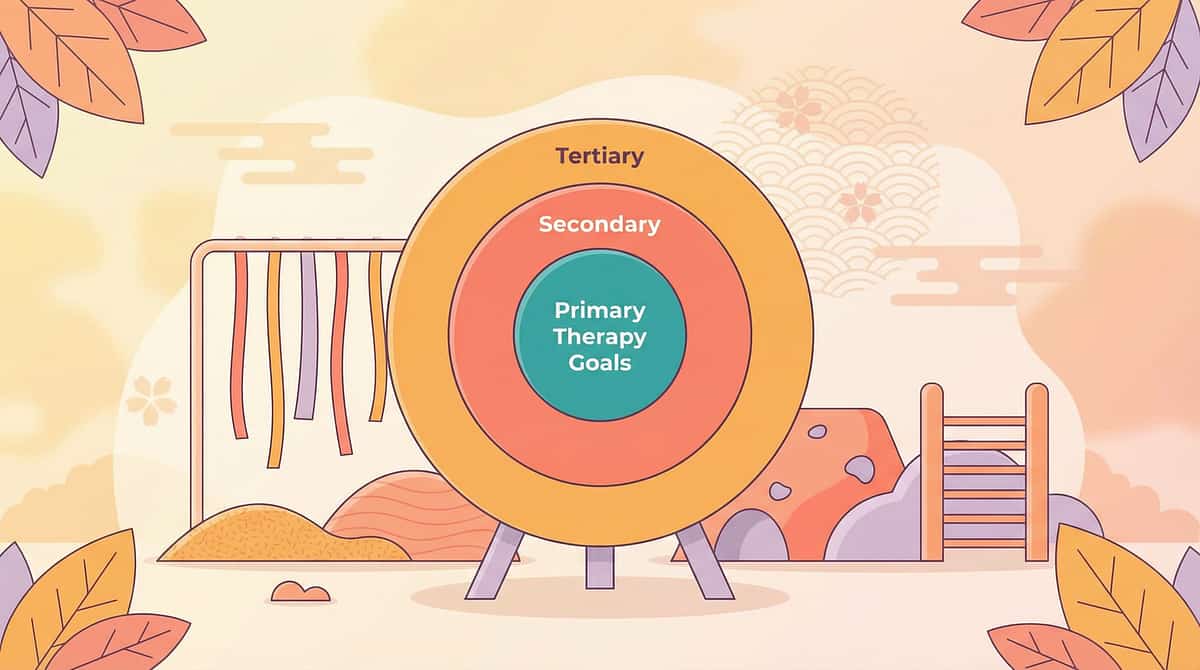
This Is Not a Random Activity. This Is a Precision System.
Every material on this page is precision-mapped to observable, measurable outcomes — from the innermost goal of successful transition execution, to secondary gains in time awareness and regulation, to the broader tertiary impact on school participation, family wellbeing, and lifelong independence.
Research: Meta-analysis (World J Clin Cases, 2024): Visual supports and structured transition interventions promoted social skills (primary), adaptive behavior (secondary), and broad developmental gains (tertiary) across 24 studies. PMC10955541

9 Clinically Validated Materials. Your Child's Transition Toolkit.
Each material below is drawn from the Pinnacle 128 Canon Materials System and mapped to peer-reviewed evidence. Together, they form a complete external scaffolding system for the transitions your child's brain cannot yet manage independently.
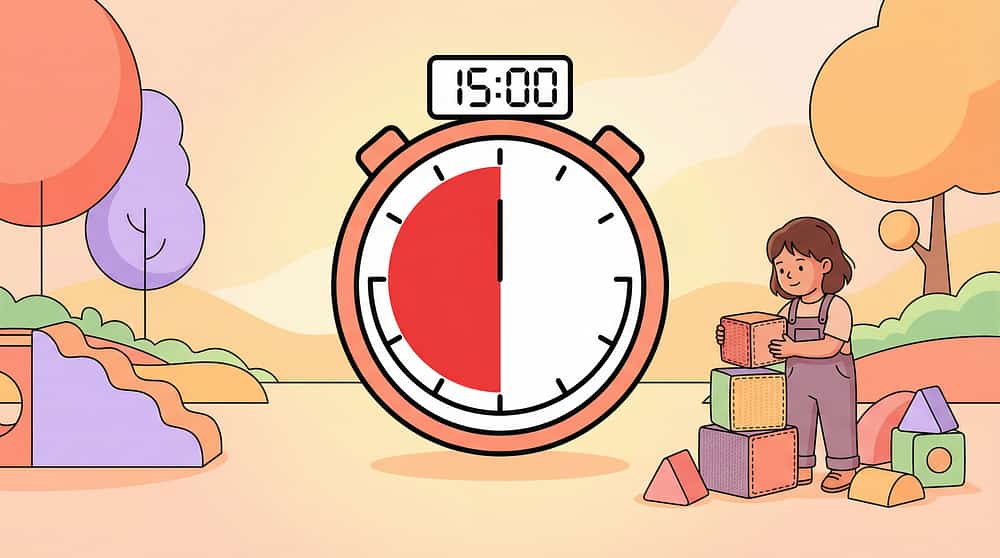
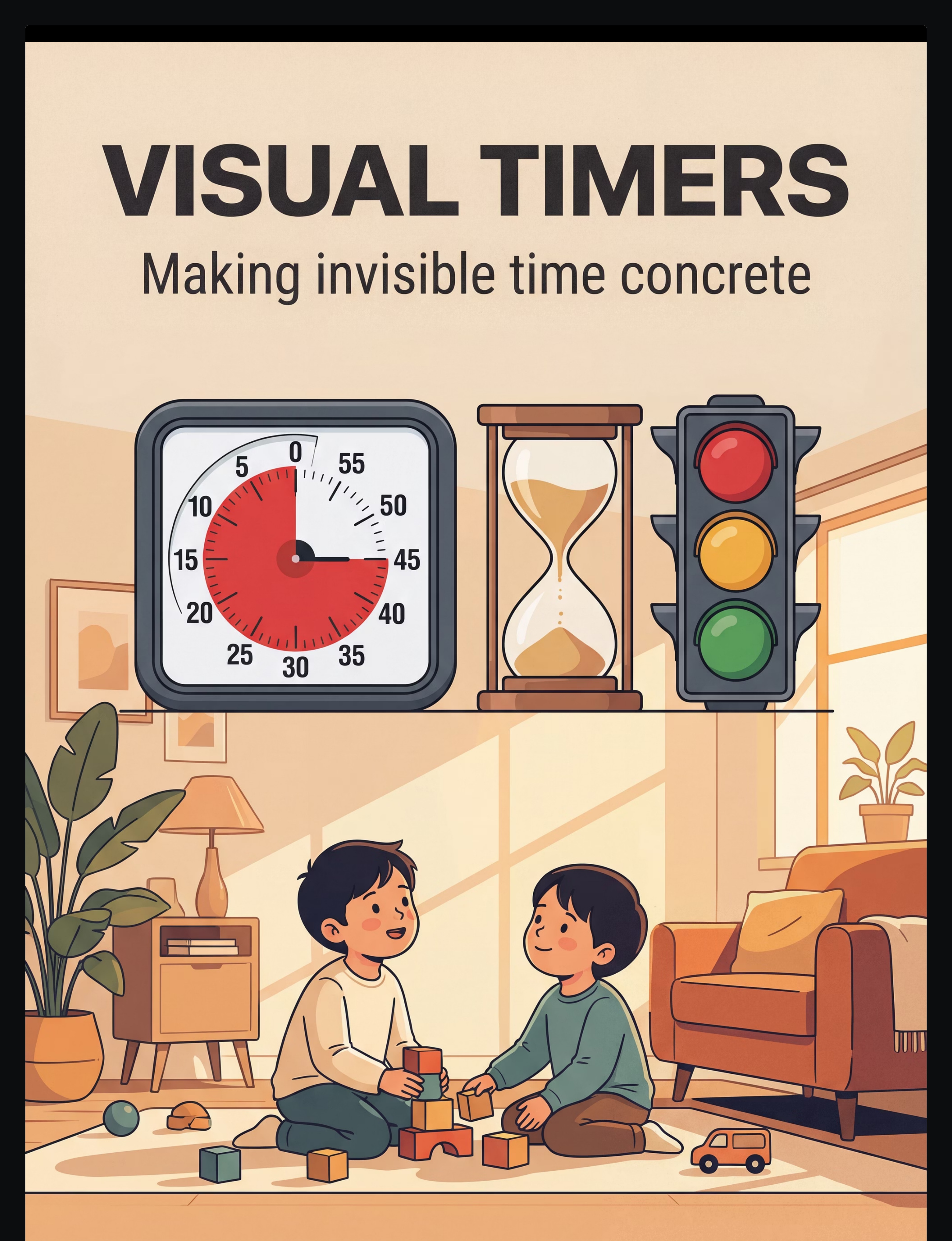
1. Visual Timers
Makes invisible time concrete and visible. The Time Timer® shows time as a disappearing red disk. Sand timers show physical flow. Each format makes the countdown tangible — removing the shock of sudden endings.
Price: ₹800–3,500 | DIY: Paper plate with marker-drawn segment
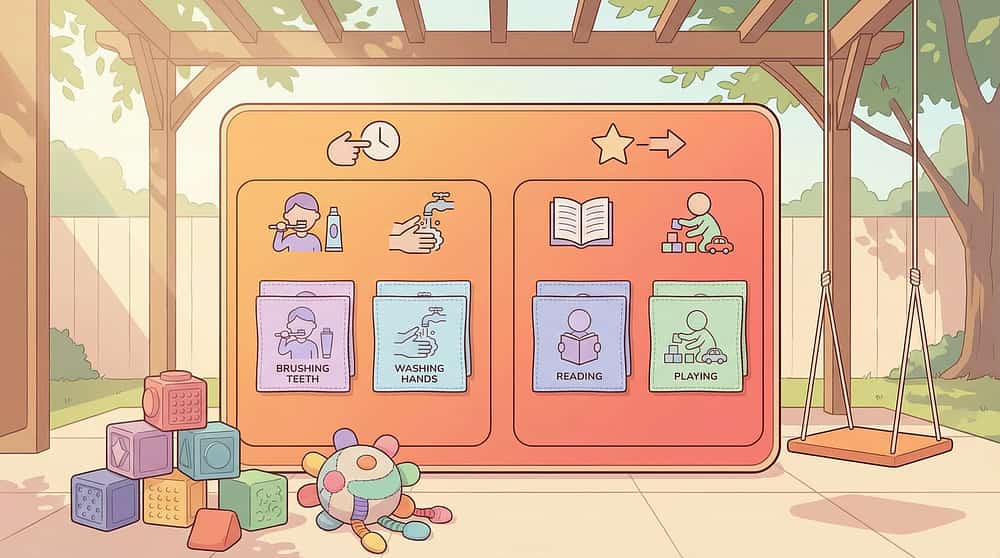
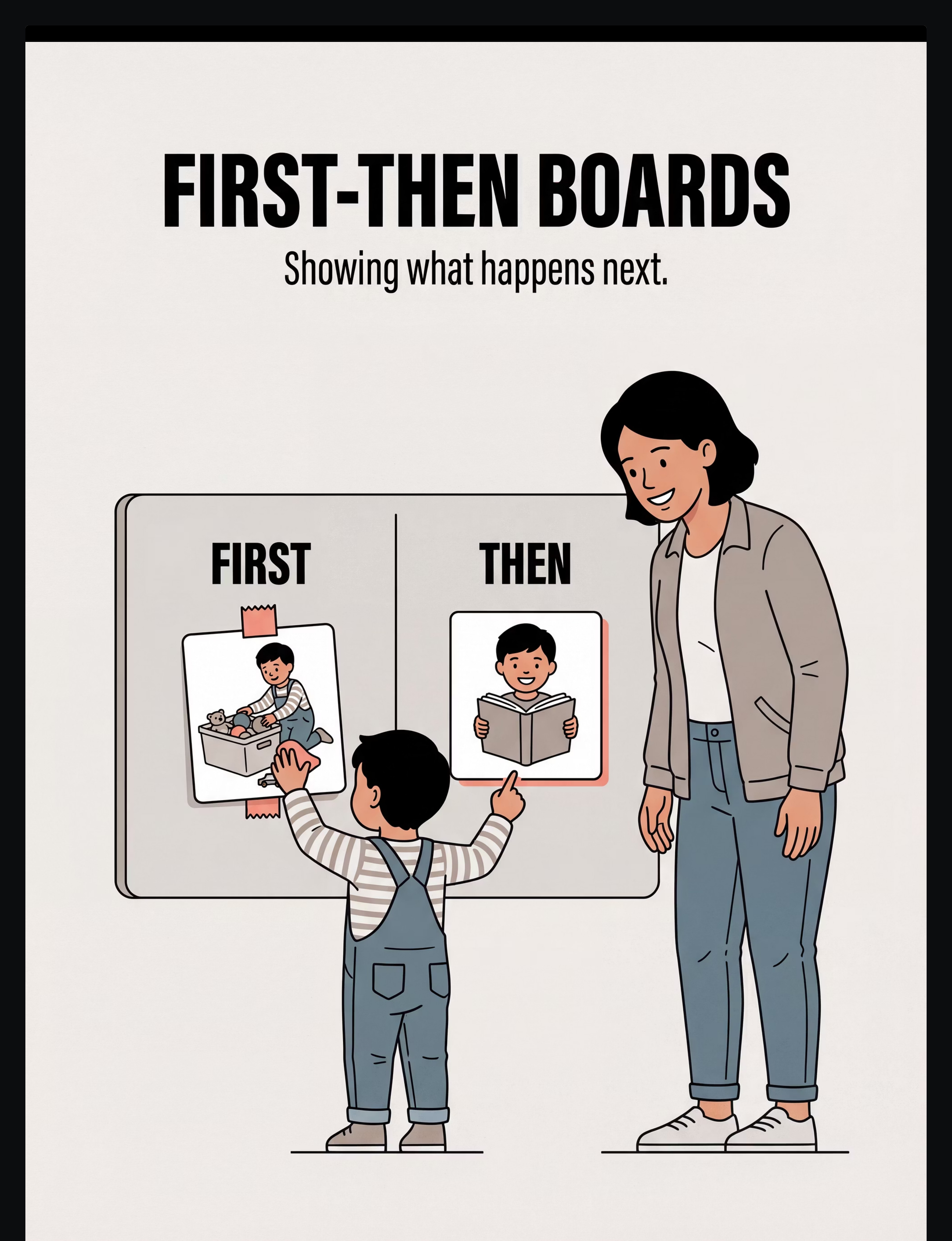
2. First-Then Boards
Shows FIRST [current activity] → THEN [next activity]. Provides the cognitive bridge between activities. When what's next is visible, the ending of now is manageable.
Price: ₹300–1,500 | DIY: Laminated cardboard + two Velcro squares + printed picture cards
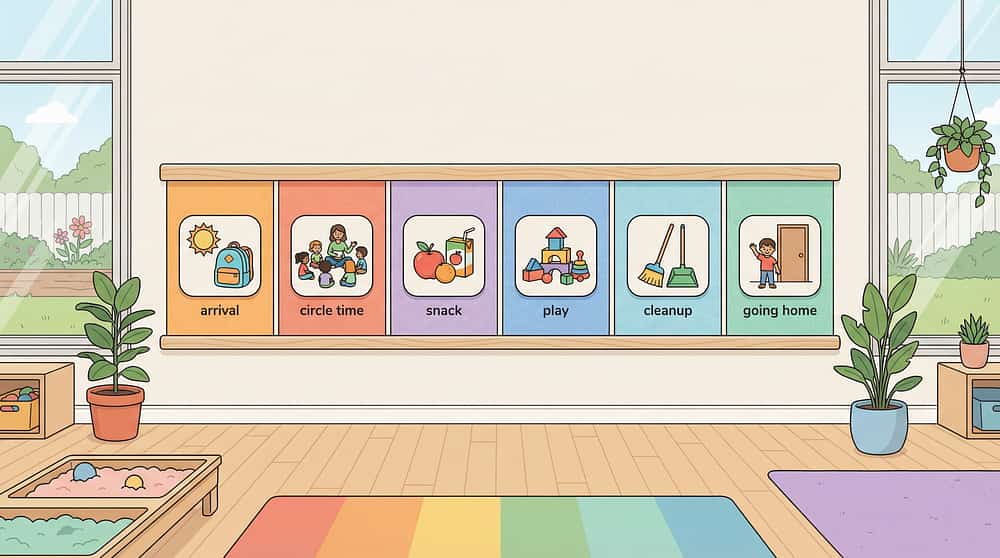
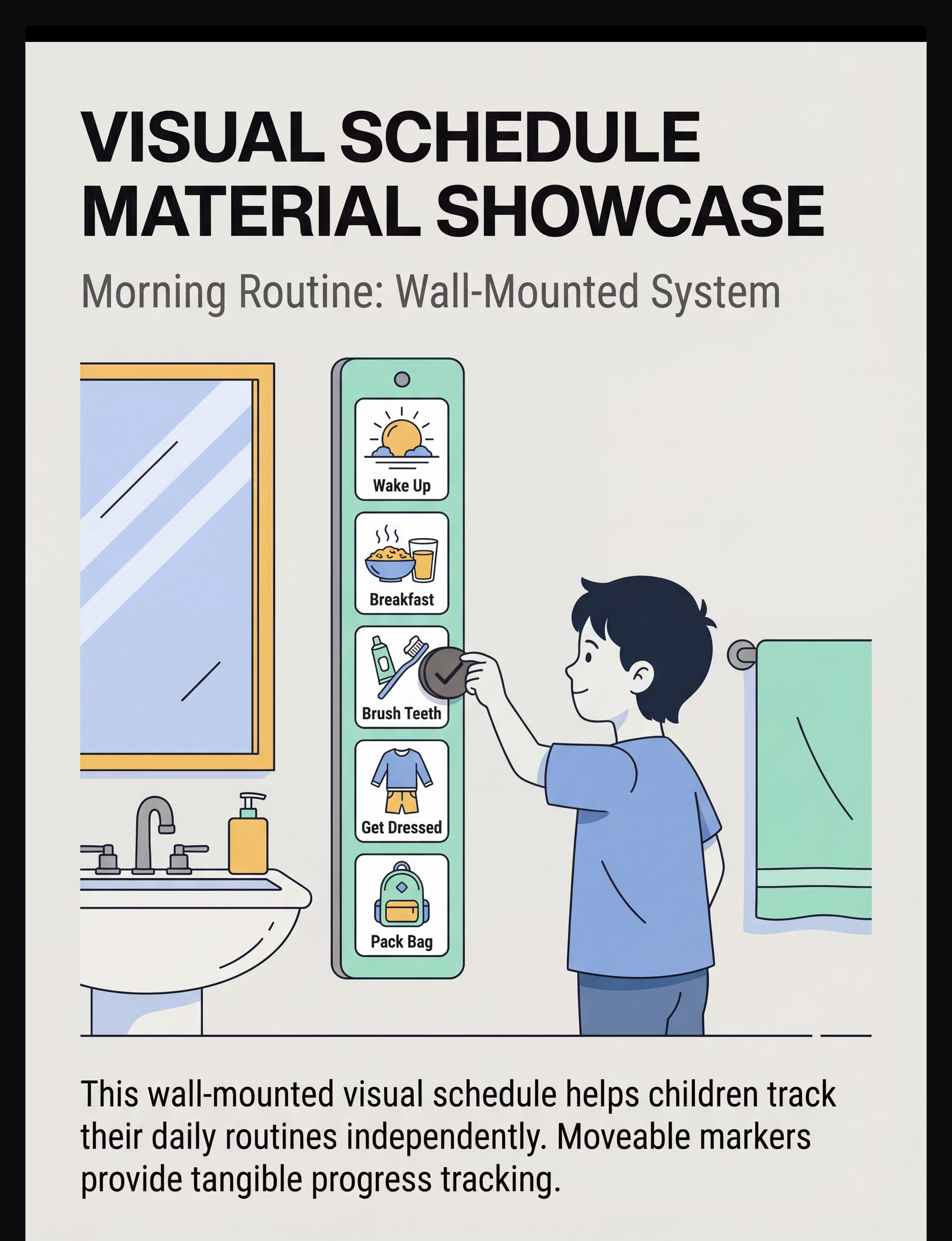
3. Visual Schedules & Routine Charts
Shows the entire day's sequence — a map of every activity and every transition. Children who know the whole map experience fewer surprises and less anticipatory anxiety.
Price: ₹400–2,000 | DIY: Laminated strips with picture cards, posted on fridge
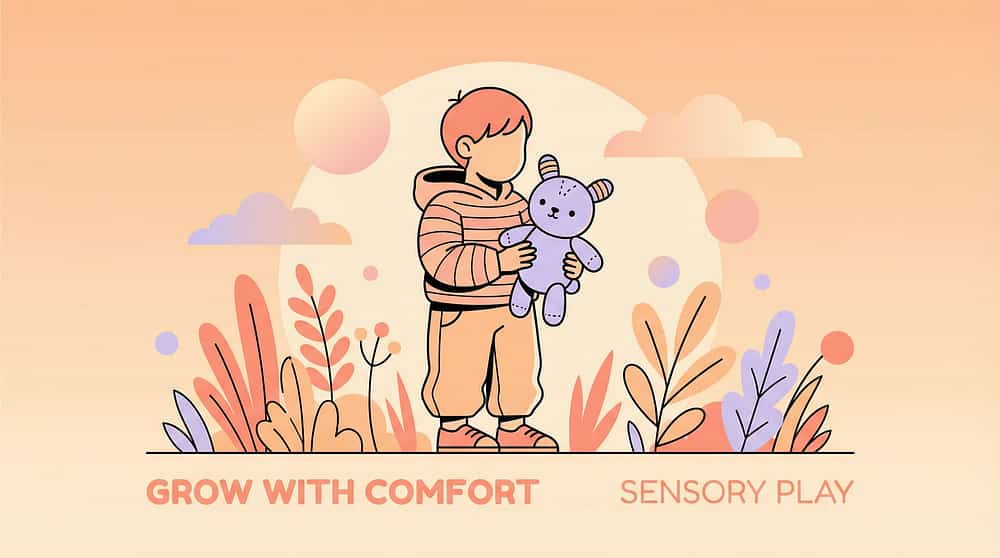
4. Transition Objects & Comfort Items
A portable comfort item — small stuffed animal, smooth stone, special bracelet — that travels with the child through transitions, providing continuity when everything else changes.
Price: ₹100–800 | DIY: Any object the child already gravitates toward when stressed

5. Transition Songs & Audio Cues
A consistent, familiar melody or sound signal that means "transition is coming." Song duration becomes a natural timer. Adds a positive, predictable element to otherwise stressful moments.
Price: ₹0–500 (mostly free / DIY) | DIY: Adapt any children's tune to your specific transition

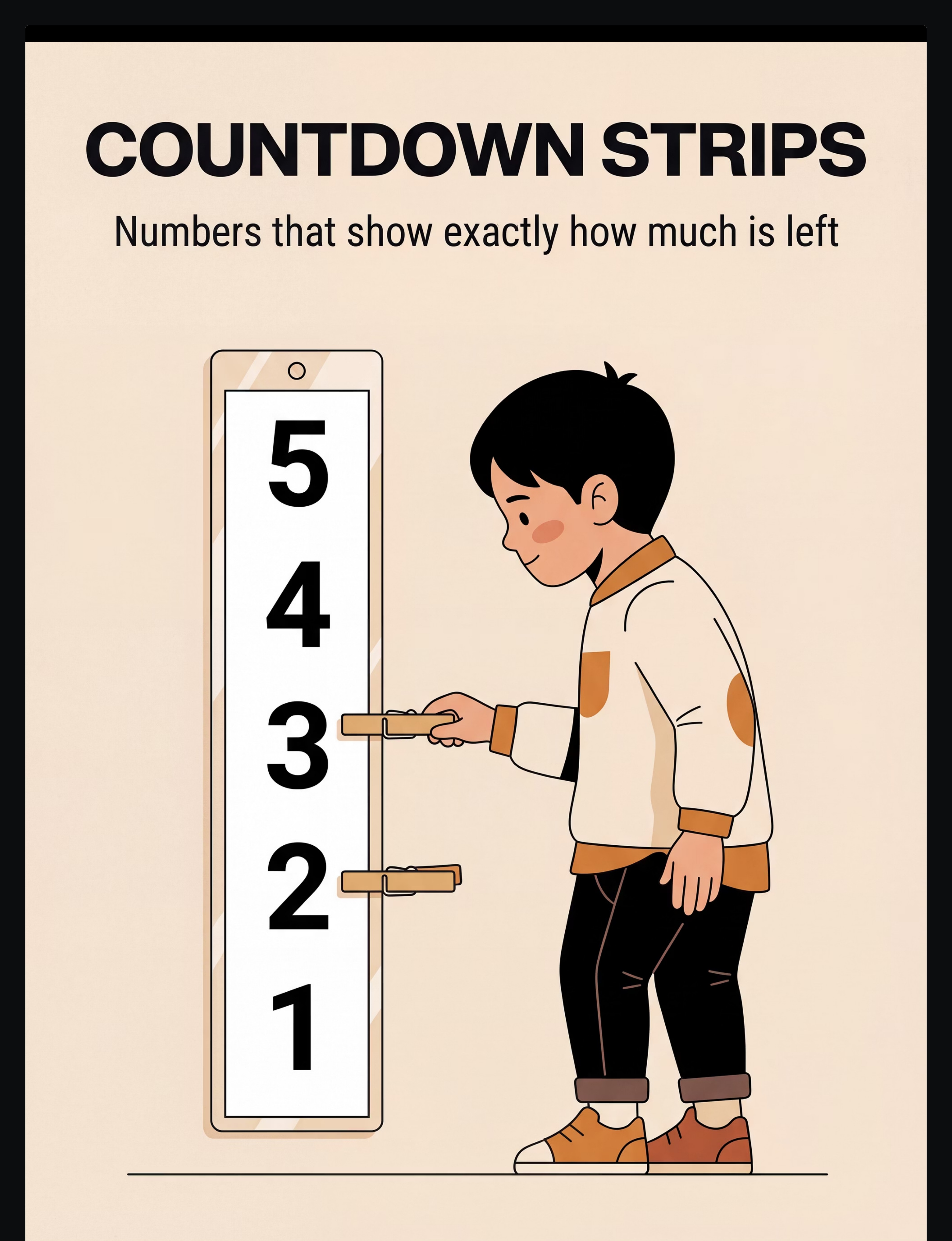
6. Countdown Strips & Number Sequences
A strip showing 5–4–3–2–1 where the child physically moves a marker. Clear endpoint: when numbers reach 1, the transition happens. Child's active participation increases acceptance.
Price: ₹200–800 | DIY: Laminated strip + clothespin = immediate countdown tool
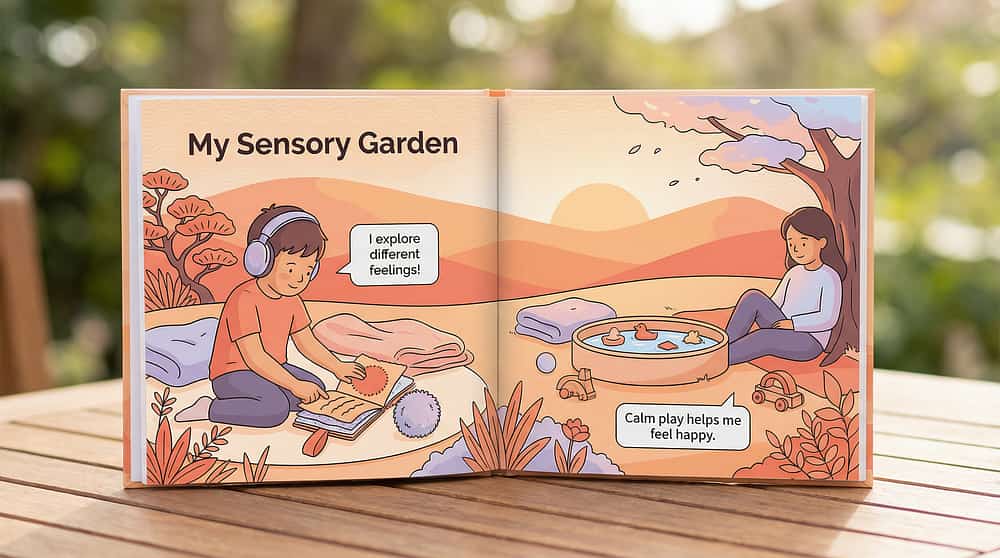
7. Social Stories for Transitions
A short, personalized narrative explaining a specific transition: what happens, why it happens, what feelings may arise, and what comes next. When a child understands the story, transitions become less threatening.
Price: ₹500–2,000 (books); DIY free | Template: "When it's time to [transition]... Sometimes I might feel [emotion]. I can [strategy]. After, I will [what's next]."
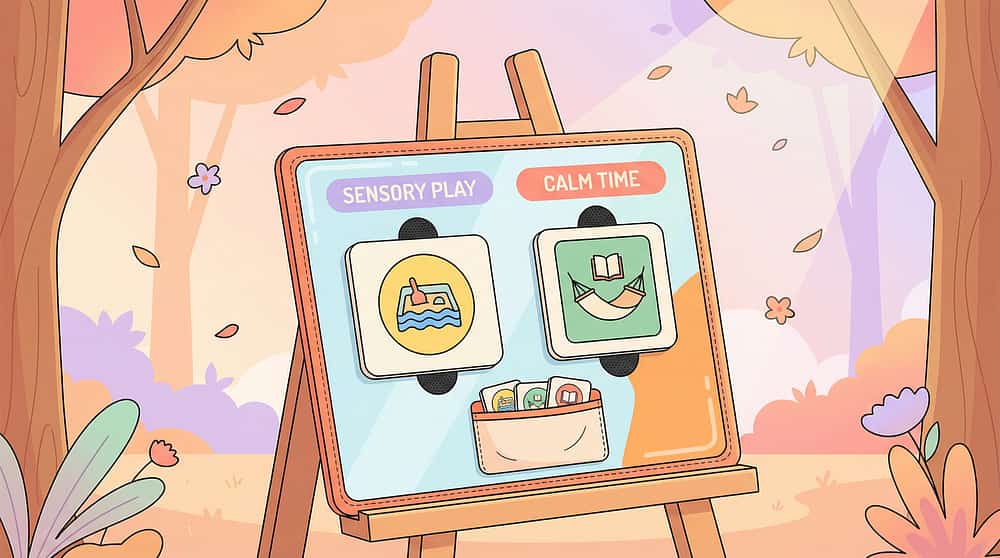
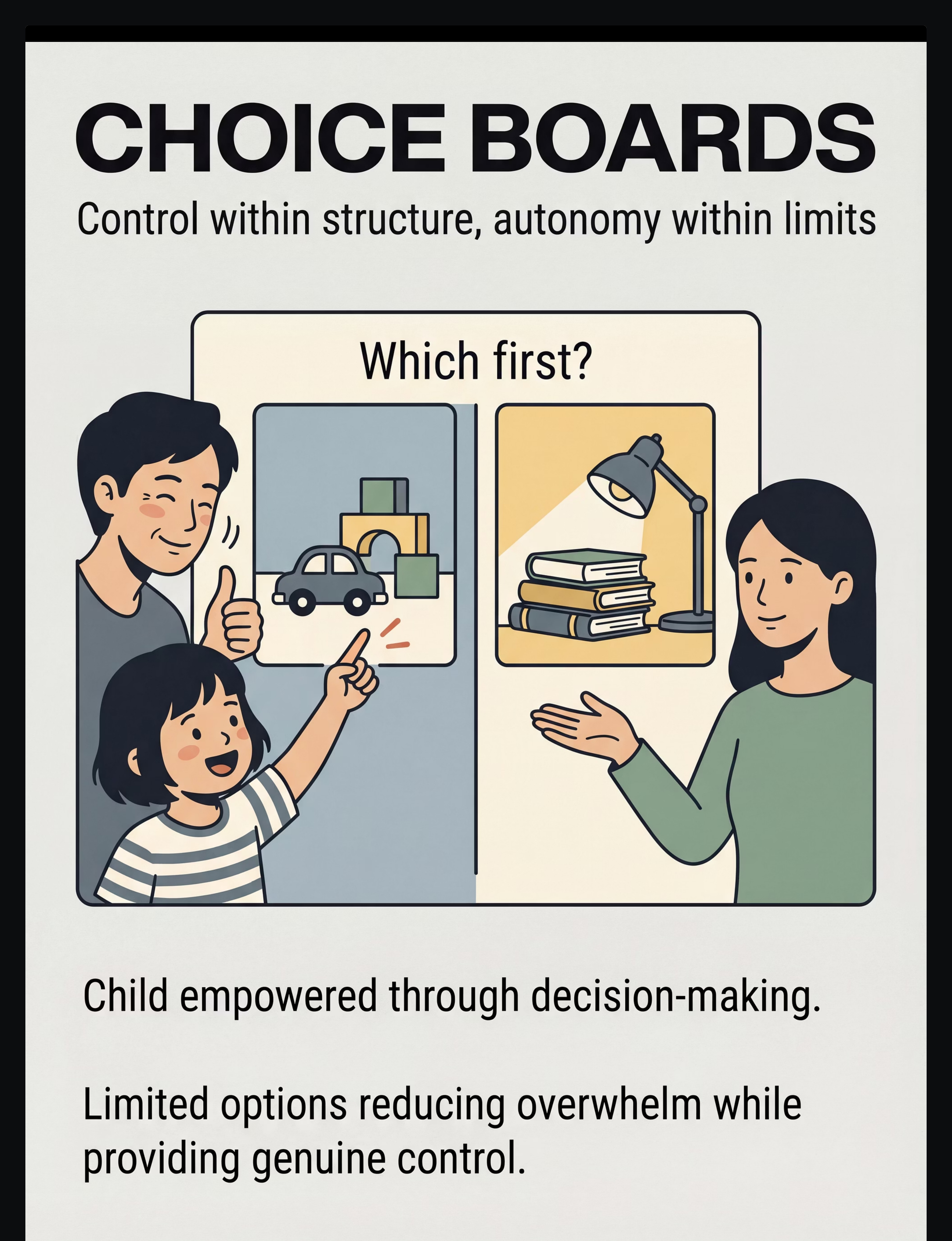
8. Choice Boards
Presents 2 acceptable choices during a transition — "Red shoes or blue shoes?" Shifts focus from "having to stop" to "getting to choose." Makes the child a partner in the transition.
Price: ₹200–800 | DIY: Laminated cardboard with two picture options; Velcro for changing choices

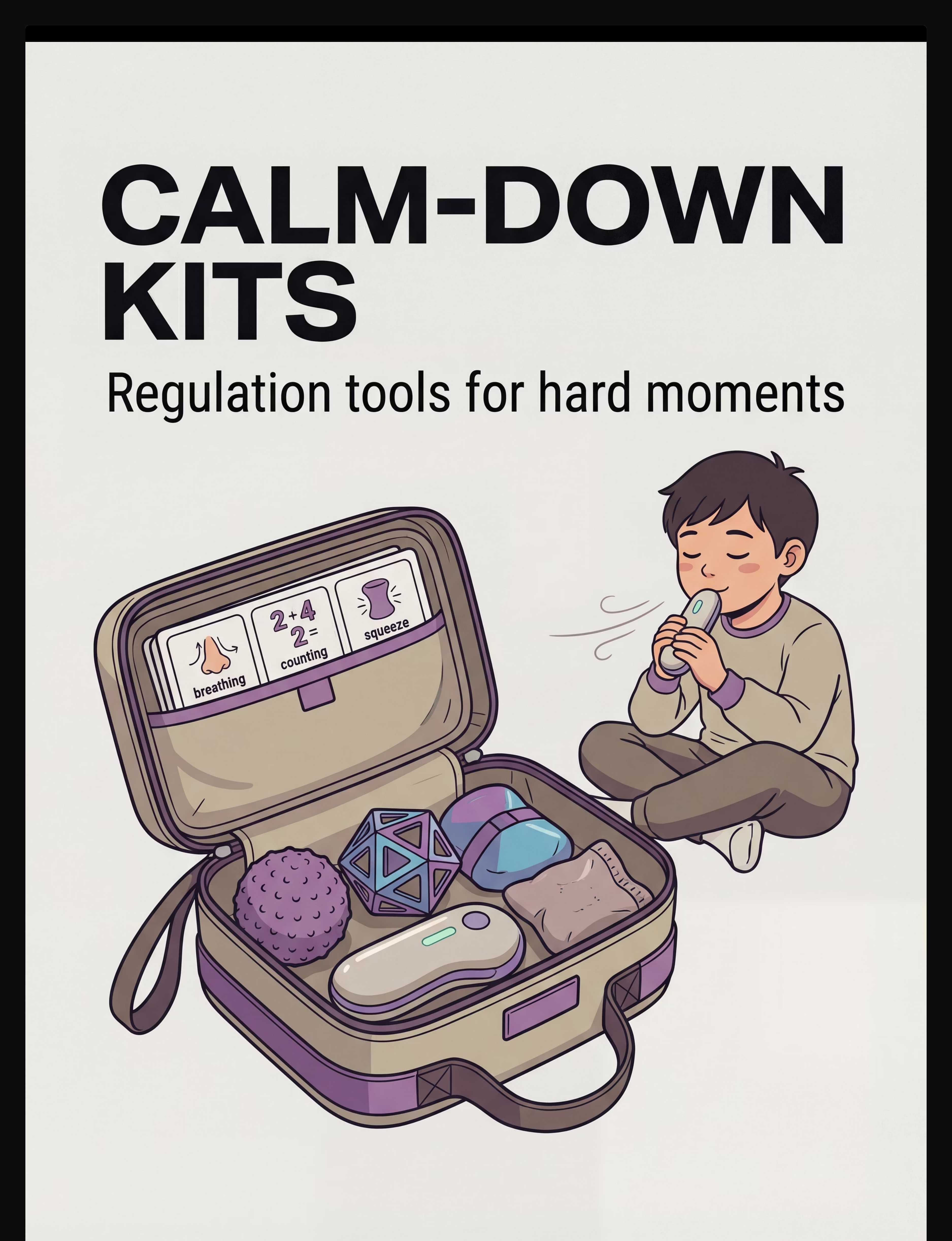
9. Calm-Down Kits
A portable collection of regulation tools — stress balls, fidgets, breathing tools, calming visuals — available immediately when transition-related distress spikes. Offered proactively to prevent escalation.
Price: ₹500–2,000 | DIY: Any bag + squeeze item + fidget + breathing card + one calming photo
Comprehensive Toolkit Investment: Essential Starter Kit: ₹1,300–3,500 | Full System: ₹2,800–13,400 | Zero-Cost Version: Every material on this page has a household DIY alternative. See next card.

Every Family Can Do This — Regardless of Budget
WHO/UNICEF Equity Principle: No therapy material should create an access barrier. Every tool on this page has a zero-cost household alternative that works on the same clinical principle.
Material | Commercial Version | Household DIY (₹0) | |
Visual Timer | Time Timer® (₹1,500–3,500) | Paper plate with moveable marker + shaded segment | |
Sand Timer | Commercial sand timer (₹400–800) | Two plastic bottles taped neck-to-neck with sand/rice | |
First-Then Board | Pre-made velcro board (₹500–1,500) | Folded cardboard + 2 printed/drawn pictures | |
Visual Schedule | Pocket chart system (₹800–2,000) | Paper strips in sequence, photos, posted on refrigerator | |
Transition Object | Purchased comfort item (₹300–800) | Any object child already gravitates toward under stress | |
Countdown Strip | Commercial strip (₹400–800) | Post-it notes 5–1 on wall, tear off each one | |
Social Story | Published book (₹800–2,000) | Handwritten or typed, illustrated with photos — personalized is more effective | |
Choice Board | Commercial board (₹400–800) | Two drawings on paper, held up during transition | |
Calm-Down Kit | Commercial set (₹800–2,000) | Small bag + squeeze item + breathing drawing |
Important Note: Children with severe sensory sensitivities may require specific textures or weighted items available only commercially. Always consult your Pinnacle OT before substituting sensory materials.

Pre-Session Safety Check — Read Before Every Session
🔴 RED: DO NOT PROCEED IF:
- Child has a diagnosed sensory or medical condition — consult your Pinnacle OT before introducing any sensory regulatory material
- Child is currently in acute distress, meltdown, or post-meltdown window (20-minute minimum cool-down required)
- Child has a known anxiety response to timers — timers must be introduced with positive association first
- Any material presents a choking hazard for children under 3 or developmentally delayed children
🟡 AMBER: PROCEED WITH CAUTION:
- Child is tired, hungry, or unwell — simplify to 1 tool only
- New transition (first time at new location, first time with new caregiver) — pre-teach using Social Story
- High-demand day (medical appointment, family disruption) — increase support, not pressure
- Timer has previously caused distress — restart with sand timers + positive associations first
🟢 GREEN: SAFE TO PROCEED:
- Child is regulated, fed, and rested
- Familiar transition being supported (same transition worked on before)
- At least one tool has been introduced positively during non-stressful moments
- Parent/caregiver is calm and not rushed
RED LINE — STOP IMMEDIATELY IF: Child shows self-injurious behavior during any transition support attempt • Child's distress escalates beyond baseline when a tool is introduced • Child's meltdown duration is increasing (not decreasing) over weeks of use • Any tool becomes associated exclusively with negative outcomes.
📞FREE National Helpline: 9100 181 181 (24×7, 16+ languages) Speak directly with a Pinnacle-trained clinician for immediate guidance.
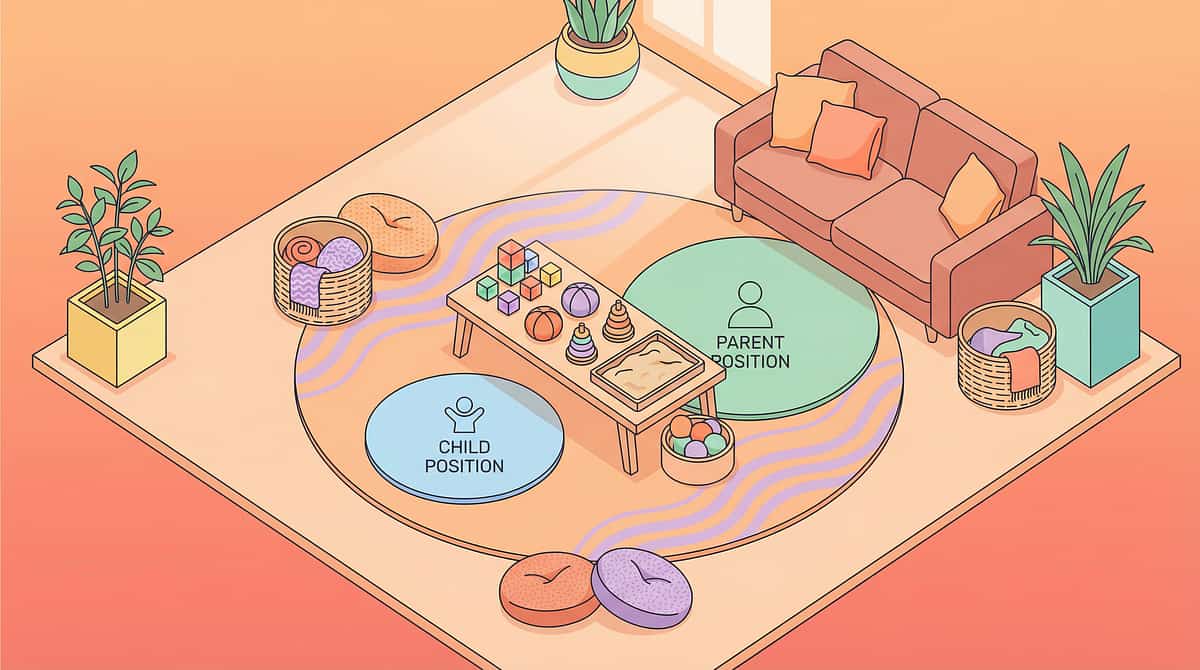
The Right Space Prevents 80% of Transition Failures Before They Start
Strategic placement of each tool is as important as having the tools themselves. When everything is pre-positioned before the transition begins, you remove friction at the exact moment when your child needs calm consistency.
Before You Start — Checklist
- Timer set at child's eye level
- First-Then board updated for this transition
- Visual schedule marked at current activity
- Calm-down kit accessible without adult help
- Transition object available to child
- Next activity already prepared and ready
- Distractions in transition zone minimized
Environmental Optimization
💡Lighting: Natural or warm light (avoid harsh fluorescents during transitions)
🔊Sound: Reduce background noise during transition moments; transition song at comfortable volume
🌡Temperature: Check room temperature — thermal discomfort amplifies dysregulation
📱Competing stimuli: Other screens/devices OFF during transition windows

The Pre-Flight Check — 60 Seconds That Make the Difference
Check | ✅ Green (Go) | ⚠️ Amber (Modify) | 🛑 Red (Postpone) | |
🍽 Hunger | Well-fed in last 2 hours | Mildly hungry | Hungry / blood sugar low | |
😴 Rest | Rested, alert | Slightly tired | Overtired / post-sleep disruption | |
😌 Emotional state | Regulated, engaged | Mildly activated | Actively distressed / post-meltdown | |
🤒 Physical | Well, no discomfort | Mild cold, slightly off | Sick, in pain, significant discomfort | |
📅 Recent event | Routine day | Minor stressor today | Major event/change today | |
⏰ Timing | Regular schedule point | Slightly off-schedule | Major schedule disruption |
✅ 5–7 Green = PROCEED
Full protocol — use all planned tools.
⚠️ 3–4 Green = MODIFY
Simplify to 1 primary tool (timer only, or First-Then only). Single-tool days are valid therapy days.
🛑 1–2 Green = POSTPONE
Brief calming activity now (proprioceptive heavy work or calm music + dim light). Retry in 30 minutes.

STEP 1 of 6
The Warning Invitation
"Giving notice without triggering alarm"
💬"[Child's name], I want to show you something. This is your timer. See the red? When all the red is gone, it'll be time to [transition]. But look — you have [5 minutes / 3 minutes] of [current activity] first! Let's start it."
Body Language Guidance
- Get to the child's physical level (crouch or sit, don't stand over)
- Show the timer at child's eye level before starting it
- Use a calm, matter-of-fact tone — not apologetic, not urgent
- Point to both the timer AND the First-Then board simultaneously
- Give the child 3–5 seconds to process before asking for acknowledgment
Child Acceptance Cues ✅
Glances at timer or board • Returns to activity (this IS acceptance) • Verbally or physically acknowledges
Child Resistance Cues ⚠️
Covers eyes → reduce warning time • Immediate escalation → shorten to 2-minute warning • Refuses to look → place timer in peripheral vision, don't force focus
Timing: 30–60 seconds for the warning delivery. Do not extend. The goal is a matter-of-fact cue — not a negotiation.

STEP 2 of 6
The Mid-Warning Check-In
"The bridge between warning and transition"
Timing: This step occurs at the midpoint of the timer (e.g., at 2.5 minutes of a 5-minute warning).
💬"[Child's name], look — the red is getting smaller. You're doing great with your [current activity]. We're getting close to [transition] — your [First-Then board] shows what's coming."
What To Do at Midpoint:
- Point to the timer — show how much remains
- Point to the First-Then board — reinforce what's next
- If child has transition object, now is the time: "Do you want your [transition buddy]?"
- If using countdown strip, child moves the marker one step
✅ Engagement
Child looks at timer and continues regulated → excellent, no action needed.
🤍 Tolerance
Child shows mild discomfort but continues → validate: "I know it's hard. You're doing it."
⚠️ Avoidance
Child seeks to extend activity → restate calmly, do not negotiate timer extension.
💬"I love how you're playing while watching your timer. That takes real skill."

STEP 3 of 6
The Transition Moment
"When the timer ends, the transition begins — calmly and consistently"
💬"Timer is done! Great job watching your timer. Now it's [transition time]. Look at our [First-Then / schedule] — [next activity] is waiting."
The Physical Sequence:
Timer completes
Neutral, factual announcement — not celebration, not apology.
Point to First-Then board
"First is done, THEN is [next activity]."
Offer transition object
"[Child's name], here's your [buddy/stone/bracelet]."
Minimal physical guidance if needed
Gentle shoulder touch — not pulling. Allow 30 seconds for motor initiation.
Begin moving toward next activity
Don't wait for perfect emotional state. 2–5 minutes is normal and acceptable.
Common Execution Errors — What NOT to Do:
❌ Extending the timer because the child protests — destroys timer credibility
❌ Apologizing for the transition ("I'm sorry, but we have to...") — signals it's optional
❌ Using transition as a threat during the timer period — creates aversive association
❌ Removing the transition object as punishment — destroys its regulation function
❌ Extending the timer because the child protests — destroys timer credibility
❌ Apologizing for the transition ("I'm sorry, but we have to...") — signals it's optional
❌ Using transition as a threat during the timer period — creates aversive association
❌ Removing the transition object as punishment — destroys its regulation function

STEP 4 of 6
Repetition & Variation
"Consistency builds the neural pathway; variety prevents satiation"
Transitions Per Day (Target): Use the tool system for the 3–5 most challenging transitions daily. Do not attempt all 20+ daily transitions with full protocol initially. Identify the high-risk ones and target those first.
Same Principle | Different Format | |
Visual timer | Switch between Time Timer and sand timer weekly | |
First-Then board | Vary the "Then" (rotate preferred activities) | |
Countdown | Try verbal 5-4-3-2-1 + strip alternating | |
Transition song | New song each month, same purpose | |
Choice board | Add new choice pairs as child masters existing ones |
Satiation Indicators (child has had enough of a specific tool):
- Previously effective tool suddenly triggers avoidance
- Child ignores timer despite earlier responsiveness
- Transition behavior worsening rather than improving
→ When this occurs: 3-day tool break, then reintroduce with positive associations.
"3 successful, regulated transitions with tools > 10 forced transitions without them." Dosage is quality, not volume.

STEP 5 of 6
Reinforce & Celebrate
"What gets celebrated gets repeated"
💬"[Child's name], you did it! You watched your timer, you looked at what was next, and you moved! That took real courage. I'm so proud of how you handled that."
Deliver within 3 seconds of successful transition.
Type | Example | When to Use | |
Verbal Praise | Specific, immediate, enthusiastic | Every transition | |
Physical Affirmation | High five, hug (if welcomed) | Child-initiated | |
Token/Sticker | Add to reward jar or chart | Consistent tracking | |
Natural Reward | Immediately begin "THEN" activity | Every First-Then use | |
Choice Reward | Extra 2 minutes of preferred activity | Particularly difficult transitions | |
Social Celebration | Tell another family member | Special milestones |
Token Economy: Use the Pinnacle Reward Jar (₹589) or DIY equivalent. Set a token goal: "5 timer stars = [child's chosen reward]."
Critical Principle: Celebrate the attempt, not just the success. A child who tried to use the timer and still struggled deserves acknowledgment for attempting.
Critical Principle: Celebrate the attempt, not just the success. A child who tried to use the timer and still struggled deserves acknowledgment for attempting.

STEP 6 of 6
The Cool-Down
"No transition ends abruptly — the landing matters as much as the departure"
Arrival Acknowledgment
💬"You made it. [Next activity] is ready for you. Well done."
Sensory Landing
If child remains activated: proprioceptive input (gentle squeeze/joint compression, heavy work), deep breath together (3 slow belly breaths), or offer calm-down kit: "Do you need anything from your kit?"
Material Put-Away Ritual
Child participates in putting the timer in its spot ("Where does the timer go?"). Creates physical closure on the transition moment. Builds routine around the tool.
Transition Acknowledgment Statement
💬"You used your timer today. That's a skill. Every time you practice, your brain learns."
Begin the "Then" Activity
Deliver the promised activity without delay. No additional demands for 5 minutes after difficult transitions.
If child resists ending post-transition: Wait calmly. Provide heavy input (pillow squeeze, wall push). Do not re-engage the previous activity. 2-minute countdown to settling is expected and normal.

60 Seconds of Data Now Saves Hours of Guessing Later
Data Point | What to Track | How to Record | |
Transition Duration | Minutes from warning to successful transition | Tally: ___ mins | |
Distress Level | 1 (calm) to 5 (full meltdown) | Circle one: 1 2 3 4 5 | |
Tool Used | Which material(s) were most effective today | Check: □Timer □FirstThen □Schedule □Object □Song □Countdown □Story □Choice □Kit | |
What Worked | One-word note on what helped most | _____________ | |
What to Try Next Time | One adjustment for tomorrow | _____________ |
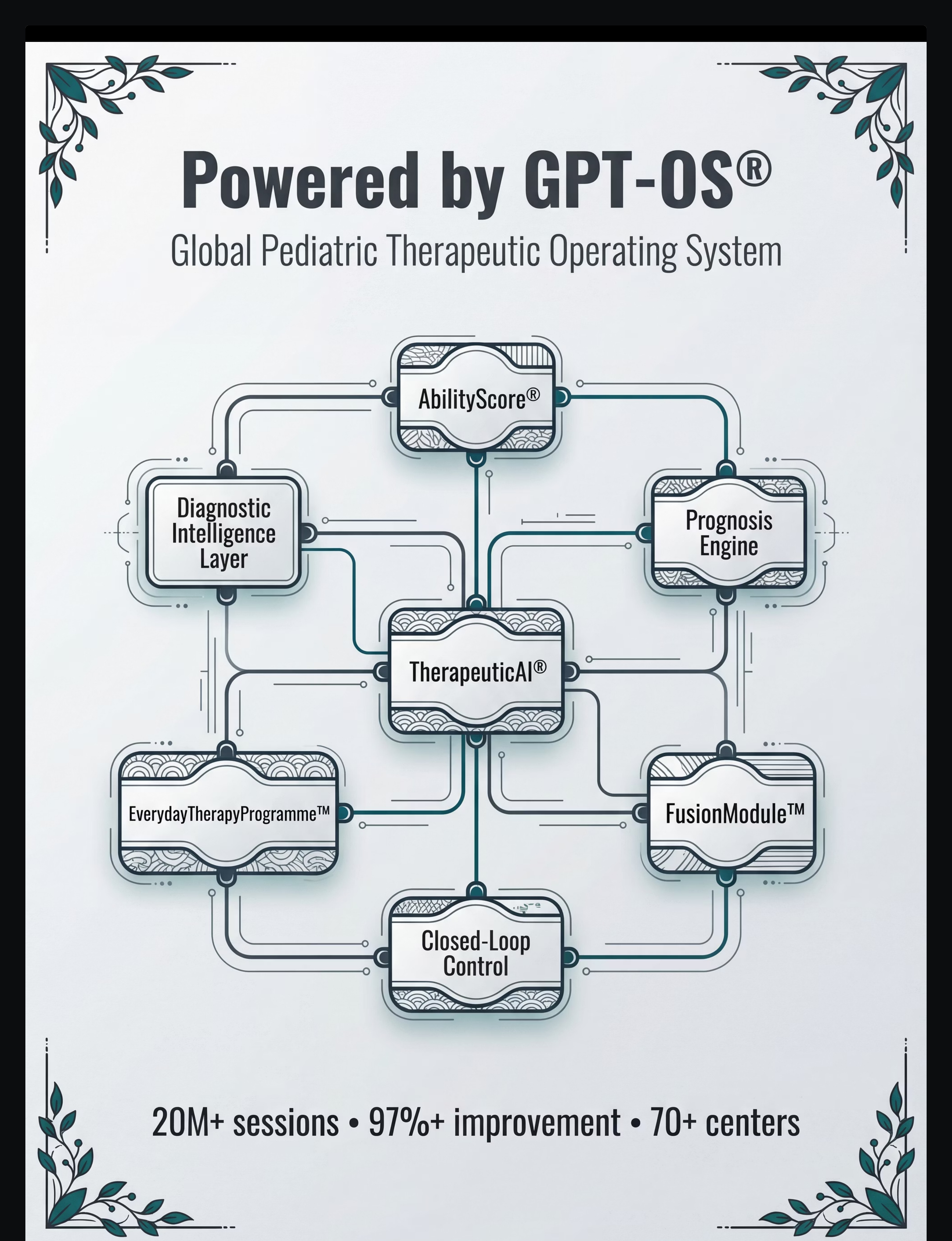
GPT-OS® Integration: Record your session data in the GPT-OS® EverydayTherapyProgramme™ to receive personalized recommendations based on your child's transition response patterns. 📲 pinnacleblooms.org/gpt-os-tracker
Progress Over Time — What to Expect:
Weeks 1–2
Distress level unchanged; duration may increase (child testing the system).
Weeks 3–4
Duration begins decreasing; distress level starting to drop.
Weeks 5–8
Measurable reduction in both with most consistent tools.

Session Didn't Go Perfectly? That's Information, Not Failure.
Session abandonment is not failure — it's data. Here are the 7 most common transition support challenges and exactly what to do.
Problem 1: Timer triggers MORE distress (not less)
Why: Timer has been introduced only when ending preferred activities — it has become an aversive stimulus.
Fix: For 1 week, use timer ONLY for activities the child dislikes that lead to preferred things. The timer must predict good news before it can predict endings.
Fix: For 1 week, use timer ONLY for activities the child dislikes that lead to preferred things. The timer must predict good news before it can predict endings.
Problem 2: Child ignores the First-Then board completely
Why: Pictures aren't meaningful enough (too abstract) or "Then" isn't motivating enough.
Fix: Upgrade to photos of actual activities. Ensure "Then" is something the child genuinely desires. Introduce board during calm play first.
Fix: Upgrade to photos of actual activities. Ensure "Then" is something the child genuinely desires. Introduce board during calm play first.
Problem 3: Countdown makes child more anxious
Why: Child understands numbers are decreasing toward an ending — creating anticipatory distress rather than preparation.
Fix: Switch to counting UP (1 → 5 → done) reframed as "earning" credits. Or remove countdown strips and focus on timer only.
Fix: Switch to counting UP (1 → 5 → done) reframed as "earning" credits. Or remove countdown strips and focus on timer only.
Problem 4: Child won't give up transition object at destination
Why: Transition object is working too well — it's become the primary regulation tool.
Fix: This is not a problem. Allow object at destination. Don't force separation. Over time, the child may naturally need it less.
Fix: This is not a problem. Allow object at destination. Don't force separation. Over time, the child may naturally need it less.
Problem 5: Transition song becomes a signal for meltdown
Why: Song has been paired with forced transitions. Child now associates song with distress.
Fix: Change the song. Reintroduce a new melody with positive contexts first. Always pair song with something good before applying to difficult transitions.
Fix: Change the song. Reintroduce a new melody with positive contexts first. Always pair song with something good before applying to difficult transitions.
Problem 6: Child STILL refuses after all tools are deployed
Why: The underlying issue may need direct therapeutic intervention, not just material support.
Fix: Record this pattern for 3 consecutive days. Contact Pinnacle at 9100 181 181. This child may need individualized OT/ABA/SLP-guided transition support.
Fix: Record this pattern for 3 consecutive days. Contact Pinnacle at 9100 181 181. This child may need individualized OT/ABA/SLP-guided transition support.
Problem 7: Works at home, fails completely at school
Why: Tools aren't being used consistently across settings. School environment adds complexity.
Fix: Share this page directly with the teacher. Request a school-home coordination session. Provide a portable transition kit for the classroom.
Fix: Share this page directly with the teacher. Request a school-home coordination session. Provide a portable transition kit for the classroom.
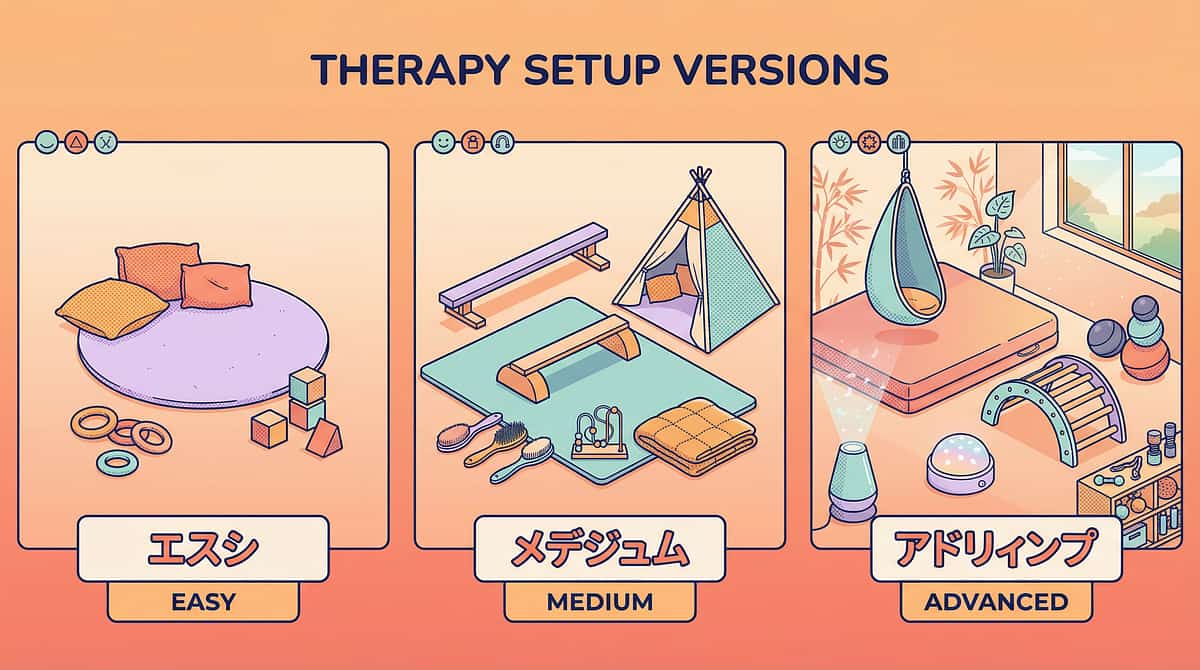
No Two Children Are Identical. Neither Are Their Transition Support Systems.
◄ EASIER MODIFICATIONS
For bad days / high-distress children
- One tool only (timer alone or First-Then alone — not both)
- Longer warning time (10 minutes instead of 5)
- Reduce transitions requiring full support to 2 per day
- Offer choice of WHICH transition to do first
- Use transition object throughout the entire day, not just transitions
HARDER MODIFICATIONS ►
For stable / progressing children
- Reduce warning time (3 minutes instead of 5)
- Introduce unexpected schedule changes with visual "surprise" card
- Practice tolerating slightly extended countdown (6→0 instead of 5→0)
- Transfer control: child sets own timer
Child Profile | Best Tools | Key Adaptation | |
Sensory Seeker | Transition objects with texture, movement breaks | Add heavy work to transition routine | |
Sensory Avoider | Noise-reducing headphones, visual-only cues | Reduce auditory transition cues | |
High Anxiety | Visual schedules (full day visible), Social Stories, longer warnings | Never remove schedule access | |
Time Blindness (ADHD) | Visual timers essential; auditory cues at midpoint | Multiple timer checkpoints | |
Non-Reader (young/developmental delay) | Photo-based boards, object schedules, songs | Elevate visual and tactile over text | |
Older Child (8–12) | Discreet wristband timer, written schedule, self-managed countdown | Minimize visual "childishness"; age-appropriate formats |
Ages 2–4
Sand timer + one-picture First-Then + transition song
Ages 4–7
Time Timer + picture First-Then + visual schedule strip
Ages 7–12
Timer app + written schedule + choice board + Social Story

In Weeks 1–2, Progress Looks Like Tolerance, Not Mastery.
Phase: Introduction & Association — 15% Progress
15%
Progress Milestone
Introduction & Association Phase. Consistency now determines everything that follows.
✅ What You WILL Likely See
- Child notices and looks at the timer (awareness emerging — this is real progress)
- Transition meltdowns may briefly increase (child testing whether the system is real)
- One or two transitions where distress is slightly lower than usual
- Child begins to accept the transition object without resistance
- Transition duration starts from a baseline you can now track
⚠️ What Is NOT Expected Yet
- Smooth, distress-free transitions (this comes at weeks 5–8)
- Child independently checking the timer (weeks 3–4)
- Spontaneous transition without prompting (weeks 7–12)
"If your child tolerated the transition support materials for 3 seconds longer than last week without escalation — that is real, measurable neurological progress."
Parent Emotional Preparation: This phase is the hardest. Consistency during weeks 1–2, when nothing seems to be working yet, is what determines everything that follows.

In Weeks 3–4, the Neural Pathway Begins to Form.
Phase: Consolidation — 40% Progress
40%
Progress Milestone
Consolidation Phase. The externalized scaffolding is beginning to internalize.
Consolidation Indicators — Watch for These:
🧠 Child begins to look at the timer unprompted (initiating the check)
🧠 Transition duration decreasing by 1–2 minutes
🧠 Child carries or asks for the transition object before transitions
🧠 Reduced post-transition dysregulation time (recovery is faster)
🧠 Child may start to verbalize "timer almost done" or point to schedule
When to Increase Intensity: If you're consistently seeing 3+ of the consolidation indicators above, you can: Apply tool system to 1–2 new transition types • Introduce a second tool if only one has been used • Gradually reduce timer duration to 4 minutes (increasing demand slightly).
"You may notice you're calmer too. Dread is being replaced by anticipation of success. That's your own nervous system consolidating." — Pinnacle Parent Observation

In Weeks 5–8, Watch for the Mastery Unlock.
🏆 MASTERY BADGE: Transition Flexibility — Level 1
75%
Progress Milestone
Mastery Phase. Observable, measurable criteria met.
Mastery Criteria (all observable, all measurable):
- ✅ Child transitions within 3 minutes of warning for at least 4 of 5 targeted transitions per day
- ✅ Distress level during transitions is consistently ≤ 2 on 5-point scale
- ✅ Child independently checks timer, schedule, or countdown at least once per transition
- ✅ Post-transition recovery time is under 2 minutes
- ✅ At least 1 new transition type attempted successfully with tools
Generalization Indicators (skill appearing in other contexts):
- 🌟 Child begins using transition language independently ("almost time?", "what's next?")
- 🌟 Teacher reports improved classroom transitions
- 🌟 Child tolerates at least 1 unexpected schedule change per week with tools
- 🌟 Child begins preparing for transitions without adult initiation
Maintenance Check: Can the child maintain transition behavior if one tool is temporarily unavailable (e.g., timer battery dies)? If yes: true mastery. If not: continue current tool system before fading.
When to Move Forward: Mastery criteria met for 2 consecutive weeks → proceed to I-794: Unexpected Change Tolerance.
When to Move Forward: Mastery criteria met for 2 consecutive weeks → proceed to I-794: Unexpected Change Tolerance.

You Did This. Your Child Grew Because You Showed Up Every Day.
You started a journey that most parents couldn't find the map for. You learned the science. You set up the space. You ran the morning routine differently for 5–8 weeks straight. You sat through the early meltdowns when nothing seemed to work. You held the line when the timer ended and your child fell apart. You kept going.And your child — who once couldn't shift gears at all — is now using tools. Checking the timer. Moving toward transitions with something that looks, occasionally, like peace. That is extraordinary developmental work. And you made it happen.
Family Celebration Suggestion:
💬"[Child's name], I want to tell you something. You've been working so hard on transitions. You've been practicing. And it's working. I'm so proud of you."
💬"[Child's name], I want to tell you something. You've been working so hard on transitions. You've been practicing. And it's working. I'm so proud of you."
Photo/Journal Prompt: Document this milestone. Take a photo of your transition toolkit. Write the date and one word that describes this week. Send it to your Pinnacle therapist.
Parental self-efficacy research: Parent confidence is the strongest predictor of continued home-based intervention implementation.
These Signs Mean: Stop, Pause, and Call for Support
Not fear — empowerment through awareness. These thresholds are specific, observable, and actionable.
🚨 Red Flag 1: Transition distress intensifying (not decreasing) after 4 weeks
What it looks like: Meltdowns during transitions are lasting longer, happening more frequently, or becoming more intense despite consistent tool use.
Why it matters: The underlying driver may require professional functional behavior assessment.
What to do: Stop all current tools. Call 9100 181 181 immediately for FBA referral.
Why it matters: The underlying driver may require professional functional behavior assessment.
What to do: Stop all current tools. Call 9100 181 181 immediately for FBA referral.
🚨 Red Flag 2: Self-injurious behavior during transitions
What it looks like: Head-banging, self-hitting, biting self, scratching during any transition attempt.
Why it matters: Medical-behavioral alert requiring BCBA and medical evaluation.
What to do: Do not force transitions. Ensure physical safety. Seek immediate consultation.
Why it matters: Medical-behavioral alert requiring BCBA and medical evaluation.
What to do: Do not force transitions. Ensure physical safety. Seek immediate consultation.
🚨 Red Flag 3: Transition anxiety spreading throughout the day
What it looks like: Child is anxious ALL DAY about upcoming transitions, not just at transition moments.
Why it matters: May indicate anxiety disorder requiring psychological intervention.
What to do: Document the spread pattern. Consult Pinnacle Psychology team.
Why it matters: May indicate anxiety disorder requiring psychological intervention.
What to do: Document the spread pattern. Consult Pinnacle Psychology team.
🚨 Red Flag 4: All transitions, not just challenging ones, are deteriorating
What it looks like: Transitions that were previously smooth are now problematic.
Why it matters: May indicate medical illness, neurological change, or significant life stressor.
What to do: Medical check + Pinnacle consultation within 1 week.
Why it matters: May indicate medical illness, neurological change, or significant life stressor.
What to do: Medical check + Pinnacle consultation within 1 week.
🚨 Red Flag 5: Child shows regression to earlier developmental level
What it looks like: Skills that were mastered (dressing, routines) are being lost alongside transition deterioration.
Why it matters: Regression across multiple domains requires comprehensive reassessment.
What to do: AbilityScore® reassessment. Contact Pinnacle immediately.
Why it matters: Regression across multiple domains requires comprehensive reassessment.
What to do: AbilityScore® reassessment. Contact Pinnacle immediately.
Escalation Pathway: Self-resolve (1–3 days) → teleconsult (9100 181 181) → clinic visit → multidisciplinary assessment
📞9100 181 181 | 🌐 pinnacleblooms.org | 70+ centers across India
📞9100 181 181 | 🌐 pinnacleblooms.org | 70+ centers across India
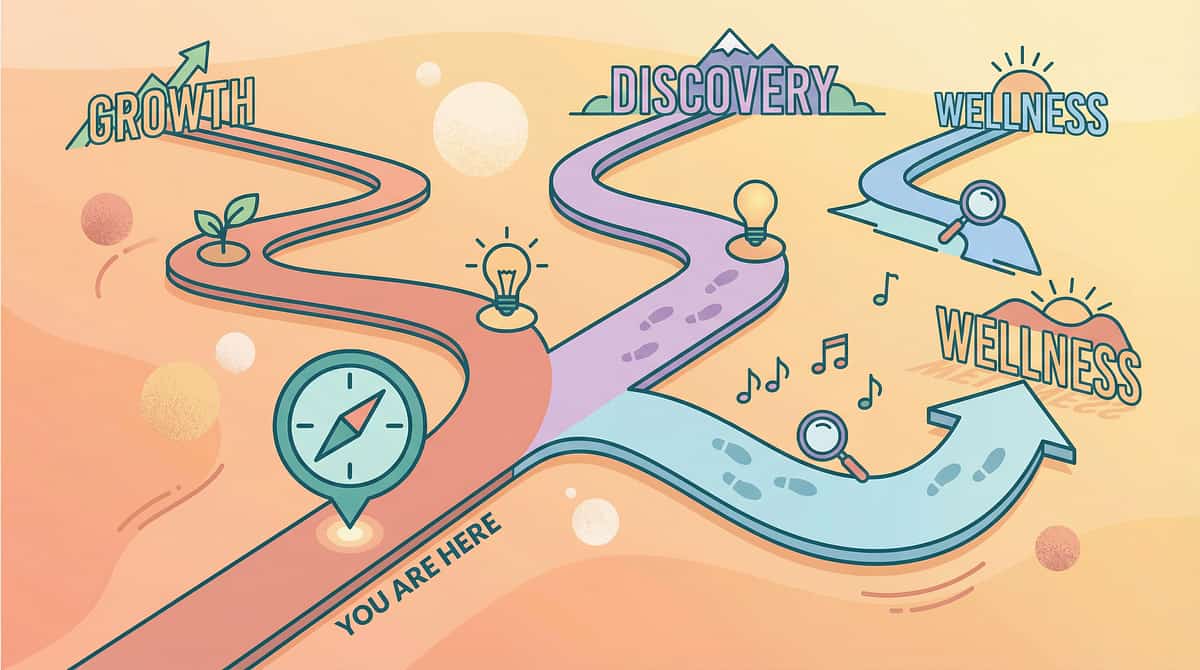
You're Not Done — You're on a Journey. Here's the Map.
Current Position: Technique I-793 addresses PLANNED transitions with ADVANCE WARNING. Your child is learning: "I can manage changes I know are coming." The next level: "I can manage changes I don't know are coming."
Time awareness solid → I-794
Unexpected Change Tolerance: Your child handles planned transitions. Now introduce scheduled-but-surprising change.
Anxiety persists → Return to I-792
Deepen the anxiety preparation layer before advancing to the next level.
Flexibility primary challenge → I-795
Direct work on cognitive set-shifting and mental flexibility as the primary target.
Long-Term Goal: Independent cognitive flexibility — the ability to shift mental set, adapt to environmental change, and recover from disruption without adult intervention. This is a foundational life skill. Every technique on this pathway moves your child closer.
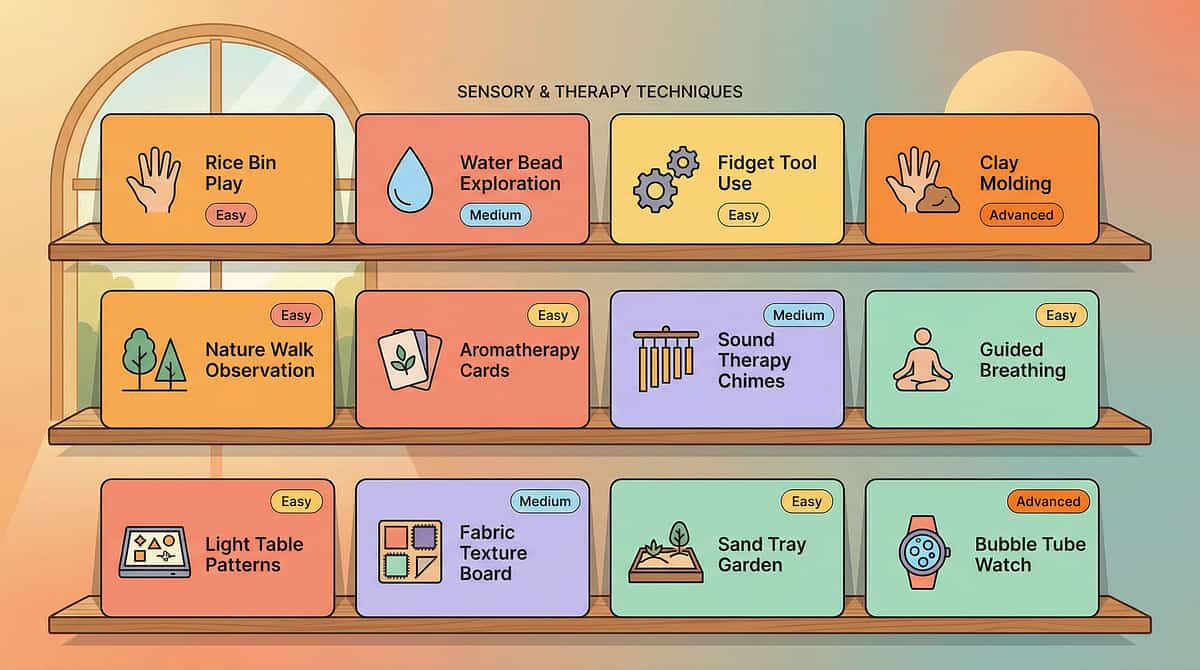
Related Techniques You Can Layer with These Materials
Domain: Transitions + Behavioral Flexibility + Executive Function
Technique | Code | Primary Material | Level | Status | |
Understanding Transition Difficulties | I-791 | Visual Schedules | 🟢 Foundation | Prerequisite | |
Reducing Transition Anxiety | I-792 | Calm-Down Kits + Social Stories | 🟡 Core | Prerequisite | |
Transition Warnings (THIS PAGE) | I-793 | Visual Timers + First-Then | 🟡 Core | Active | |
Unexpected Change Tolerance | I-794 | Choice Boards + Flexibility Cards | 🟠 Advanced | Next Level | |
Flexibility Building | I-795 | Cognitive Flexibility Tools | 🔴 Expert | Future | |
Ending Screen Time | I-810 | Timer + First-Then (specific) | 🟡 Core | Related |
✅Materials You Already Own: If you've been using materials from I-793, you already own what you need for I-794. Your visual timer, First-Then board, and calm-down kit are used across 12+ techniques in this domain.
🔗 Browse Full Transitions Domain: techniques.pinnacleblooms.org/transitions
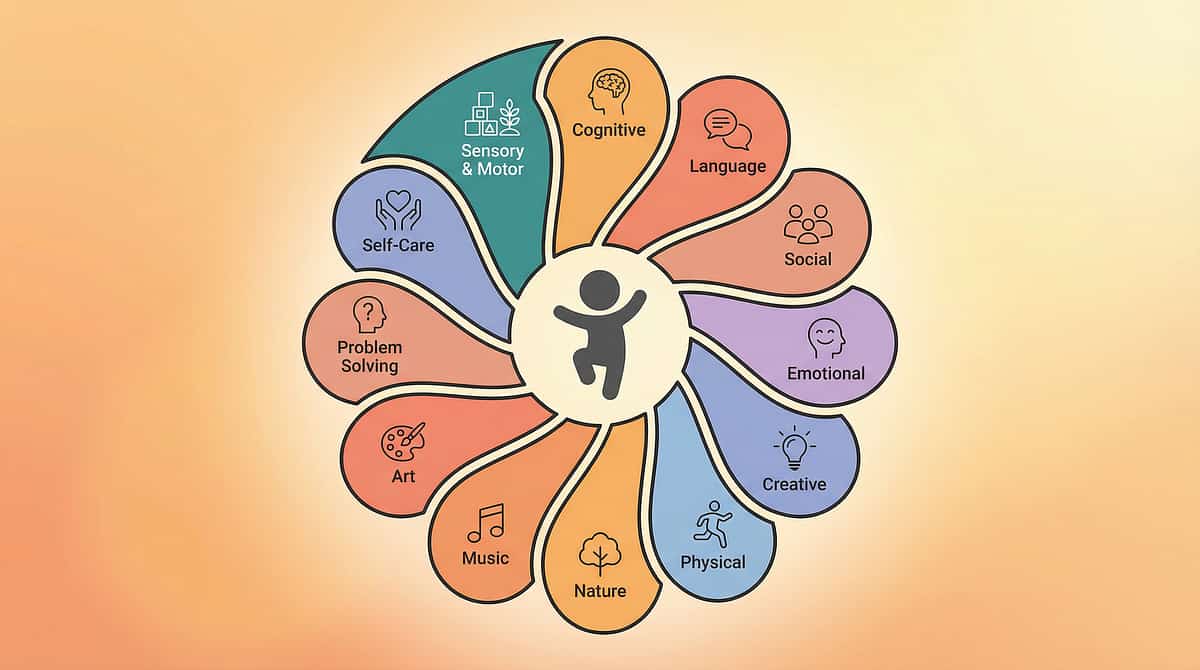
This Technique Is One Piece of a Larger Plan.
Each domain in the wheel connects to the others. The calm-down kit you use for transitions also supports sensory processing. The Social Stories you write for transitions build social communication. Every technique integrates across domains — that is what makes GPT-OS® powerful.
Your Child's Full Profile (GPT-OS®): The GPT-OS® system integrates this technique's outcome data with assessments across all 12 domains to generate your child's personalized developmental trajectory. Request your child's AbilityScore® report: pinnacleblooms.org/abilityscore
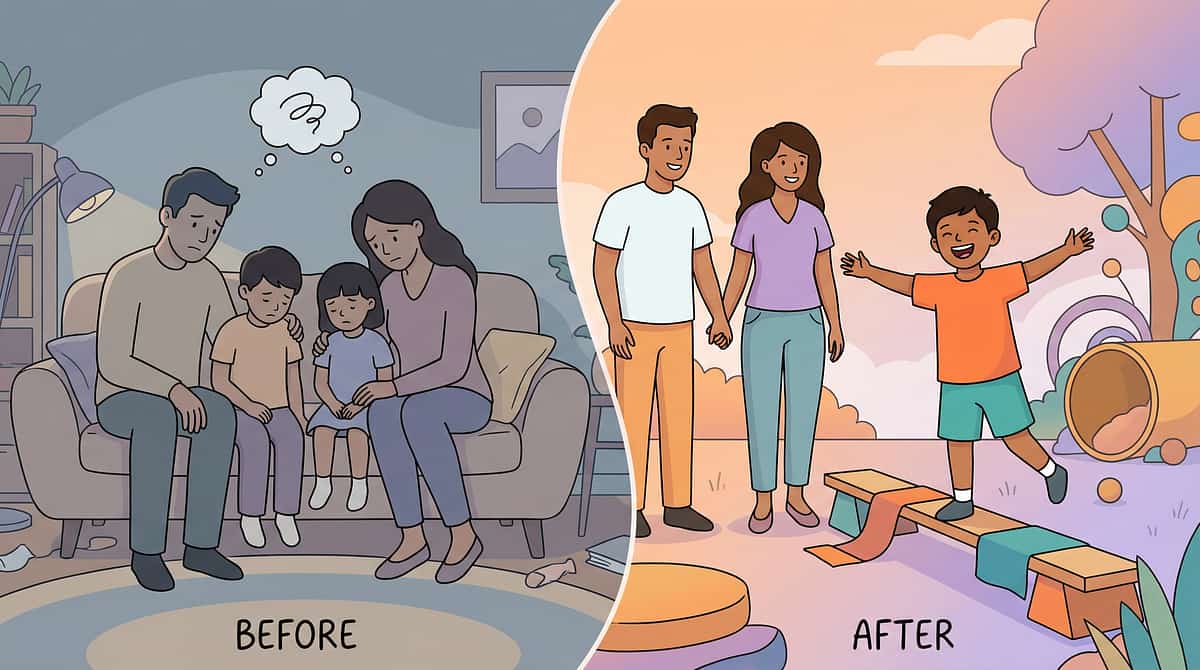
From the Field: Families Who Used These Tools
Note: Identifying details anonymized. Outcomes based on reported family experience. Individual results vary.
Priya, mother of Arjun (age 6, ASD, Hyderabad center)
Before: "Leaving the playground was a 45-minute crisis. Every single visit ended in Arjun screaming in the parking lot. We stopped going."
Intervention: Time Timer® + First-Then board + transition object (small dinosaur figure)
Week 3: "He started watching the timer. He'd say 'red getting small' unprompted."
Week 6: "The timer went off. He looked at the First-Then board, picked up his dinosaur, and walked to the car. Still sad. But he walked."
Week 12: "We go to the playground now. We leave when it's time."
Week 6: "The timer went off. He looked at the First-Then board, picked up his dinosaur, and walked to the car. Still sad. But he walked."
Week 12: "We go to the playground now. We leave when it's time."
"The tools gave him what his brain couldn't do alone. A way to shift."
Rajesh & Sunita, parents of Kavya (age 8, ADHD, Bengaluru center)
Before: "Screen time was war. Every single day. We dreaded 6 PM."
Intervention: Visual Timer (5-minute countdown) + First-Then: iPad → dinner + choice board ("What do you want for dinner?")
Week 4: Screen time transitions from 20-minute battles to 8 minutes average.
Week 8: Kavya sets her own timer. Asks "what's for dinner?" before the timer even goes off.
Week 8: Kavya sets her own timer. Asks "what's for dinner?" before the timer even goes off.
"She stopped fighting the clock once the clock became hers." — Rajesh
Therapist's Notes (aggregate across 200+ families): The strongest predictors of success are: (1) timer consistency — 95% of caregivers who used the timer every time saw improvement by week 4; (2) honest "Then" delivery — the First-Then only works when the promised "Then" is always delivered; (3) transition object selected from the child's existing special interests.

Isolation Is the Enemy of Adherence. You Don't Have to Do This Alone.
Transitions Support WhatsApp Group
Real-time peer support from parents navigating transition challenges. Share what works, what doesn't, and celebrate wins together.
🔗pinnacleblooms.org/community/transitions
🔗pinnacleblooms.org/community/transitions
Pinnacle Parent Forum
Searchable archive of transition support strategies, caregiver experiences, and therapist responses.
🔗forum.pinnacleblooms.org/transitions
🔗forum.pinnacleblooms.org/transitions
Local Parent Meetup
Monthly in-person or online parent groups organized by your nearest Pinnacle center.
🔗pinnacleblooms.org/centers
🔗pinnacleblooms.org/centers
Peer Mentoring
Connect with a parent who has successfully navigated transition challenges with a child profile similar to yours.
🔗pinnacleblooms.org/peer-mentor
🔗pinnacleblooms.org/peer-mentor
"Your experience — even while you're still in the middle of it — helps other parents who are 3 weeks behind where you are now. Consider sharing your journey."

Home + Clinic = Maximum Impact
🗺️ Find Your Nearest Pinnacle Center
70+ centers across India. Specialist OT, ABA, SLP, SpEd, and NeuroDev Pediatrics services — all governed by GPT-OS® clinical protocols.
📞 Teleconsultation
Can't reach a center? Our therapists are available via video.
FREE National Helpline: 9100 181 181
(24×7, 16+ languages)
FREE National Helpline: 9100 181 181
(24×7, 16+ languages)
Therapist Matching for Transition Support
For transition difficulties, the primary disciplines to engage are:
- Occupational Therapist — executive function, sensory regulation, transition protocol design
- Behavior Analyst (BCBA) — antecedent interventions, FBA, visual support implementation
- Speech-Language Pathologist — comprehension, Social Story creation, communication of needs
Request a matched team at your nearest center.
📄 For Schools: Download the "Transition Support: School Communication Template" to share this framework with your child's teacher.
pinnacleblooms.org/school-transition-guide
pinnacleblooms.org/school-transition-guide

The Science Behind These 9 Materials — For the Curious Parent
Study | Finding | Link | |
NCAEP Evidence-Based Practices Report (2020) | Visual supports classified as EBP for autism — strongest evidence classification | ncaep.fpg.unc.edu | |
PRISMA Systematic Review (Children, 2024) | 16 studies confirm structured visual interventions meet EBP criteria for ASD | PMC11506176 | |
Meta-analysis (World J Clin Cases, 2024) | 24 studies: visual + behavioral supports effective for adaptive behavior and transitions | PMC10955541 | |
Padmanabha et al., Indian J Pediatr (2019) | Indian RCT: home-based structured interventions with significant outcomes in Indian children | DOI:10.1007/s12098-018-2747-4 | |
WHO Care for Child Development (2023) | Structured support across multiple caregivers improves developmental trajectories | PMC9978394 | |
Frontiers Integrative Neuroscience (2020) | Neurological basis for executive function intervention in ASD established | DOI:10.3389/fnint.2020.556660 |
All interventions are classified at Level I or Level II evidence by the National Clearinghouse on Autism Evidence and Practice. Evidence grading follows Oxford Centre for Evidence-Based Medicine levels.

Your Session Data Becomes Your Child's Personalized Therapy Intelligence
What GPT-OS® Learns from I-793 Data
- Which of the 9 materials correlates with fastest improvement for this child's profile
- Optimal warning time (5 min? 3 min? 10 min?) for this child specifically
- Whether transition difficulties correlate with time of day, day of week, or sensory load
- When to advance to I-794 (readiness prediction)
- Whether FBA referral is recommended based on pattern data
🔐 Privacy Assurance
- All data is pseudonymized and securely stored under Indian data protection standards
- No identifying information shared with third parties
- Parents own their child's data; access and deletion available on request
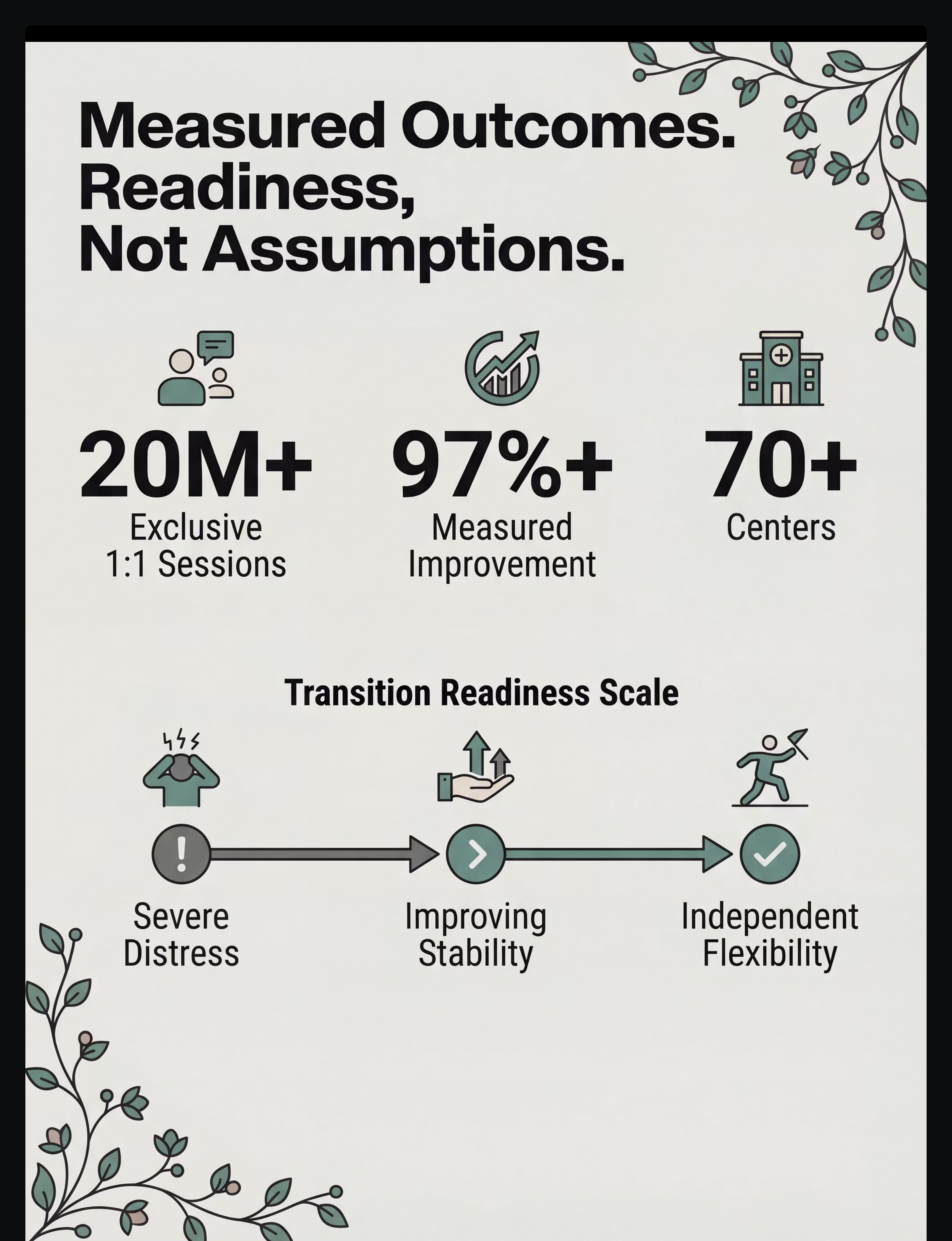
"Your child's session data contributes to the 20M+ session dataset that improves GPT-OS® recommendations for every child in the network."
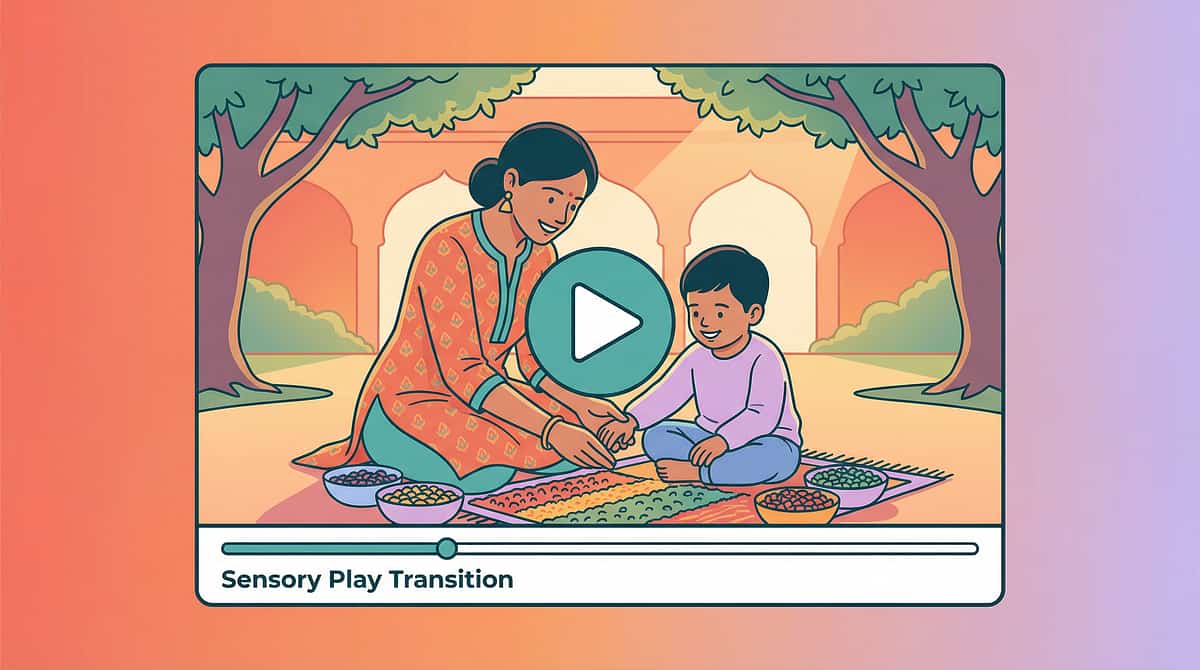
Watch: 9 Materials That Help With Transition Warnings
📽 Reel ID: I-793
Series: Transitions and Flexibility | Episode 793 of 999 | Duration: ~75–85 seconds
"Every day has 20+ transitions. For children who struggle to shift gears, each one can be a crisis. But here's the hope: transitions follow patterns, and patterns can be supported. These 9 materials give the brain what it can't do alone."
— Pinnacle OT Consortium Lead, Transitions Domain
In this reel, a Pinnacle OT demonstrates the 9 materials — from the Time Timer® to the Calm-Down Kit — showing exactly how each tool works in a real home transition scenario. The reel covers visual application, parent positioning, and the before/after contrast that every caregiver recognizes.
Captions available: English + 8 Indian regional languages on request. Video modeling is classified as an evidence-based practice for autism (NCAEP, 2020).

Consistency Across Caregivers Multiplies Impact.
If only one caregiver implements these tools, the child receives inconsistent signals. Share this page so every person in your child's life can support transitions the same way.
Share via WhatsApp
Pre-written message: "I'm using this transition support system for [child's name]. Please read this page so we can use the same tools consistently." + link
Share via Email
Subject: "[Child's name]'s Transition Support Plan — Please Read"
Download Family Guide (1-Page PDF)
A simplified, visual one-pager for grandparents, relatives, and school teachers. Includes the core protocol in plain language.
School Communication Template
A ready-to-send email template for teachers requesting consistent transition support in the classroom. Download at pinnacleblooms.org/school-transition-guide
Explain to Grandparents (simplified): "When [child's name] needs to stop an activity, we use a timer so they can see how much time is left. When it ends, we show them a card that tells them what's next. We always follow through — the timer ends, we move. Please do the same thing at your home."

Your Questions Answered by the Pinnacle Consortium
Q1: My child destroys the timer when it goes off. What do I do?
The timer has become aversive — associated only with endings. For 1 week, use the timer ONLY for activities the child dislikes (brushing teeth, shoes) that lead immediately to something preferred. The timer must predict good things before it can predict endings without distress.
Q2: How long should the warning be? 5 minutes seems too long / too short.
Match warning time to the child's processing window. Start at 5 minutes. If 5 minutes creates a prolonged anxiety window, reduce to 3 minutes. If 5 minutes isn't enough preparation time, extend to 7–10 minutes. The goal is the child's optimal processing window — not a universal rule.
Q3: My child is 10. Isn't a First-Then board too babyish?
The format should match the child's dignity, not just their need. For older children: use a written list ("1. Finish chapter → 2. Dinner") on their own phone, a dry-erase board, or a simple verbal agreement. The cognitive function (showing sequence) is identical; the format matures.
Q4: We use all 9 tools and transitions are still a disaster. What's wrong?
If all 9 tools have been implemented consistently for 4+ weeks with no improvement: this is a signal for professional functional behavior assessment. The underlying driver may be more specific — sensory avoidance, anxiety, or a functional behavior pattern requiring individualized ABA assessment. Call 9100 181 181.
Q5: Do I need to use all 9 materials?
No. Most children benefit from 2–4 well-implemented tools rather than all 9 inconsistently. Start with: visual timer + First-Then board. Add calm-down kit when regulation is the challenge. Add Social Story when anxiety is the driver. Add choice board when power struggles emerge. Layer strategically.
Q6: Can I use these tools for neurotypical children?
Yes. Visual timers and First-Then boards are effective for all children, especially ages 2–7. These tools work with neurotypical developmental limitations (abstract time comprehension doesn't fully mature until age 7–8) as well as with neurodevelopmental differences.
Q7: My child's school refuses to use these tools. What can I do?
Download the School Communication Template from Card 37. Share the NCAEP (2020) evidence base (visual supports are federally recognized EBP internationally). Request an IEP or support plan meeting. Pinnacle can provide school consultation at 9100 181 181.
Q8: How do I know when to move to the next technique?
Use the mastery criteria on Card 25. If your child meets the mastery criteria for 2 consecutive weeks, proceed to I-794. Don't rush — consolidate first.

You Have Everything You Need.
The science is clear. The materials are listed. The protocol is described. The only variable now is beginning. Your child's nervous system is waiting for the external tools their brain hasn't built yet. Start today. One timer. One First-Then board. One transition.
✅Validated by the Pinnacle Blooms Consortium
Disciplines: 🔵 OT • 🟢 SLP • 🟡 ABA • 🟠 SpEd • 🔴 NeuroDev • 🌐 CRO
Disciplines: 🔵 OT • 🟢 SLP • 🟡 ABA • 🟠 SpEd • 🔴 NeuroDev • 🌐 CRO
FREE National Autism Helpline: 9100 181 181 | Available 24×7 | 16+ Indian languages
pinnacleblooms.org | care@pinnacleblooms.org
pinnacleblooms.org | care@pinnacleblooms.org
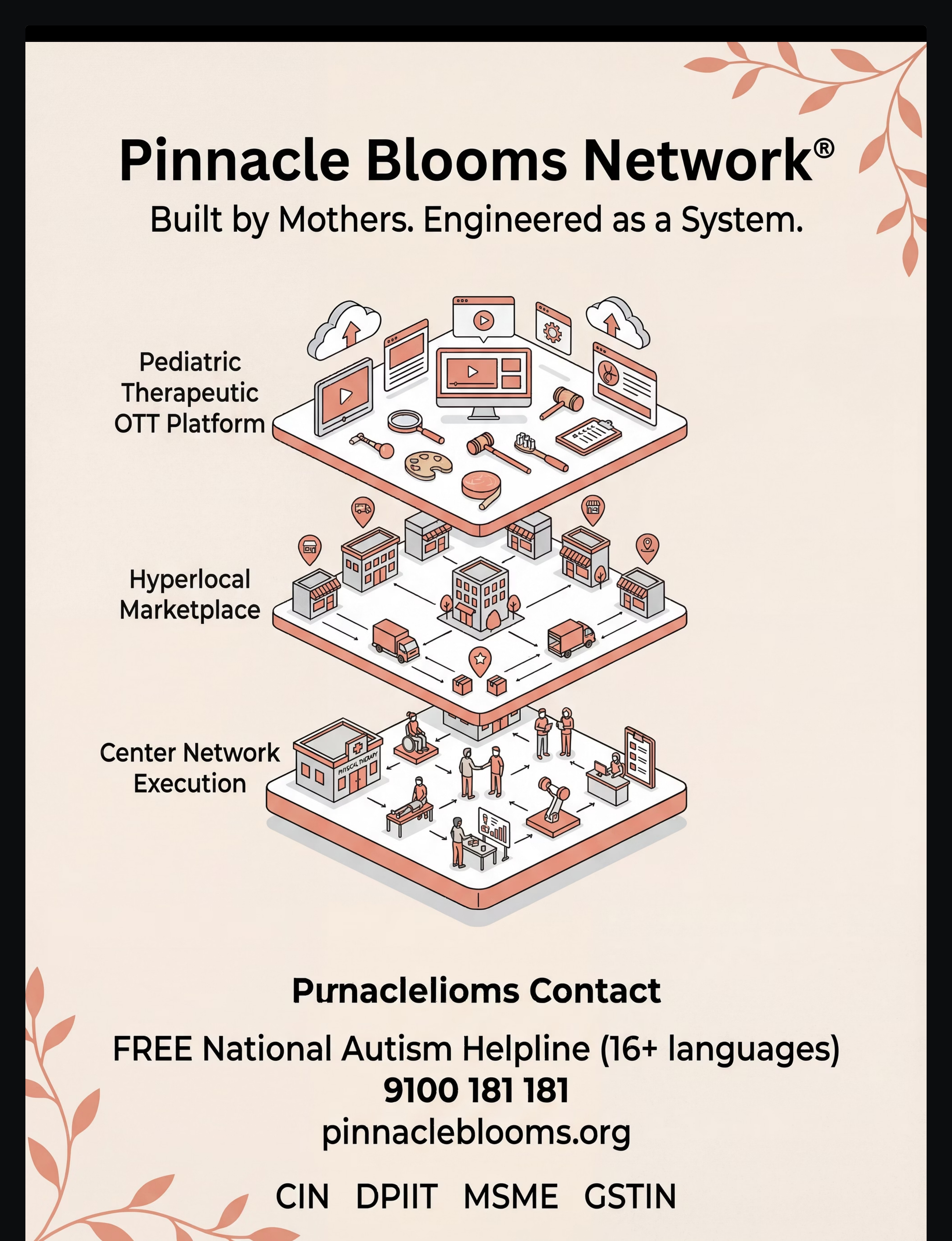
Preview of 9 materials that help with transition warnings Therapy Material
Below is a visual preview of 9 materials that help with transition warnings therapy material. The pages shown help educators, therapists, and caregivers understand the structure and content of the resource before use. Materials should be used under appropriate professional guidance.







Link copied!

The Pinnacle Promise
"From fear to mastery. One technique at a time."
— The Pinnacle Blooms Consortium
Pinnacle Blooms Network® exists because parents deserve the same quality of guidance that children receive in clinical settings — delivered in their home, in their language, at any hour. Every technique on this platform has been reviewed by our multi-disciplinary consortium of Occupational Therapists, Speech-Language Pathologists, Behavior Analysts (BCBAs), Special Educators, NeuroDevelopmental Pediatricians, and Clinical Research professionals. We hold ourselves to WHO and UNICEF-grade evidence standards because your child's development deserves nothing less.
Medical Disclaimer: This content is educational. It does not replace individualized assessment and intervention from qualified professionals. Persistent transition difficulties may be associated with autism spectrum disorder, ADHD, anxiety disorders, sensory processing differences, and other conditions requiring professional evaluation. Severe or worsening transition difficulties should be assessed by qualified developmental specialists. Statistics represent aggregate outcomes across the Pinnacle Blooms Network. Individual outcomes vary.
📞 Helpline
9100 181 181 | 24×7 | 16+ Languages
🌐 Website
📧 Email
➡ Next Technique
I-794: Unexpected Change Tolerance
CIN: U74999TG2016PTC113063 | DPIIT Recognition: DIPP8651 (Government of India) | MSME: Udyog Aadhaar TS20F0009606 | GSTIN: 36AAGCB9722P1Z2
© 2025 Pinnacle Blooms Network®, unit of Bharath Healthcare Laboratories Pvt. Ltd. All rights reserved.
techniques.pinnacleblooms.org | The world's largest structured pediatric intervention knowledge base.
© 2025 Pinnacle Blooms Network®, unit of Bharath Healthcare Laboratories Pvt. Ltd. All rights reserved.
techniques.pinnacleblooms.org | The world's largest structured pediatric intervention knowledge base.