
9-materials-that-help-with-swimming-lessons
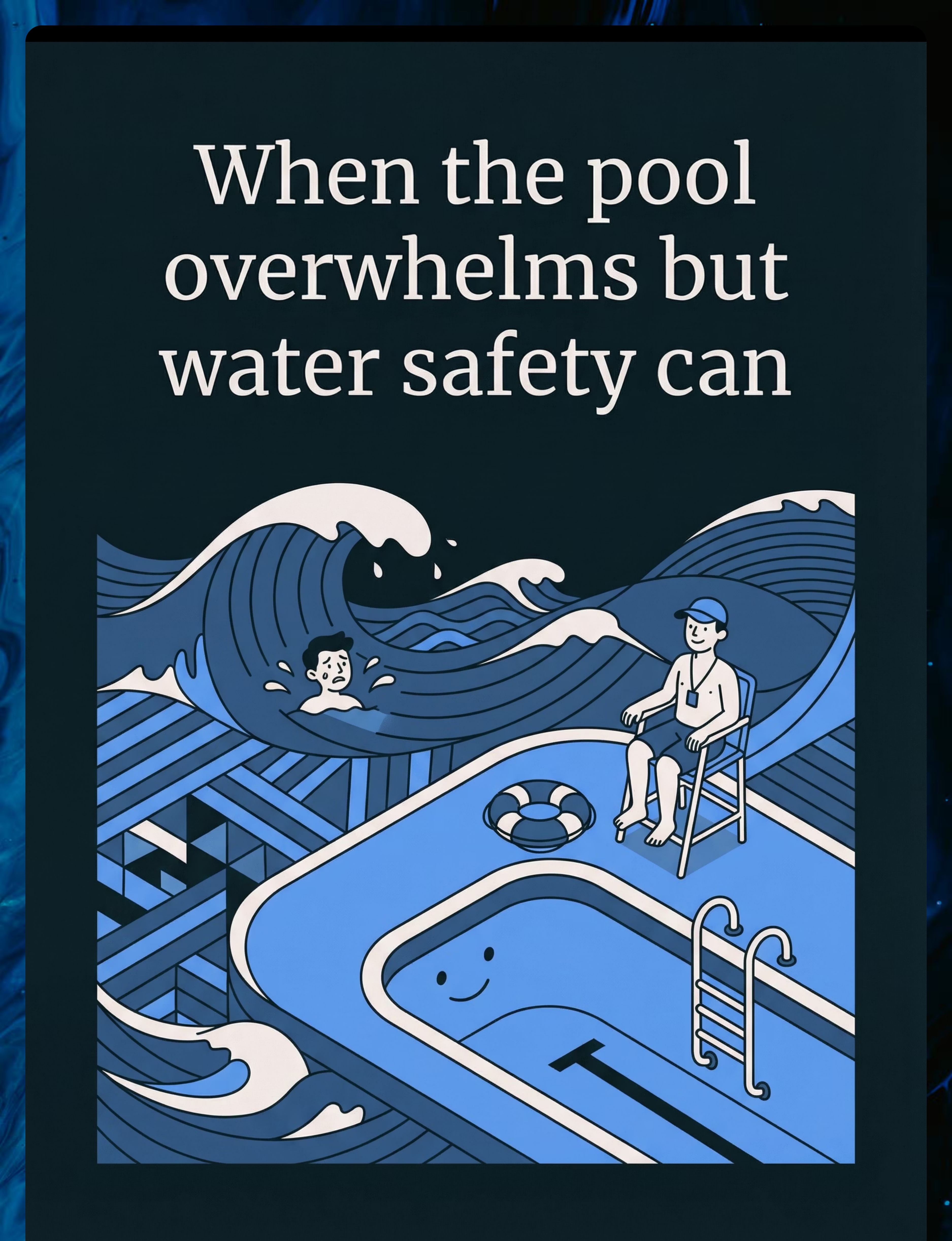
When the pool overwhelms but water safety can't wait
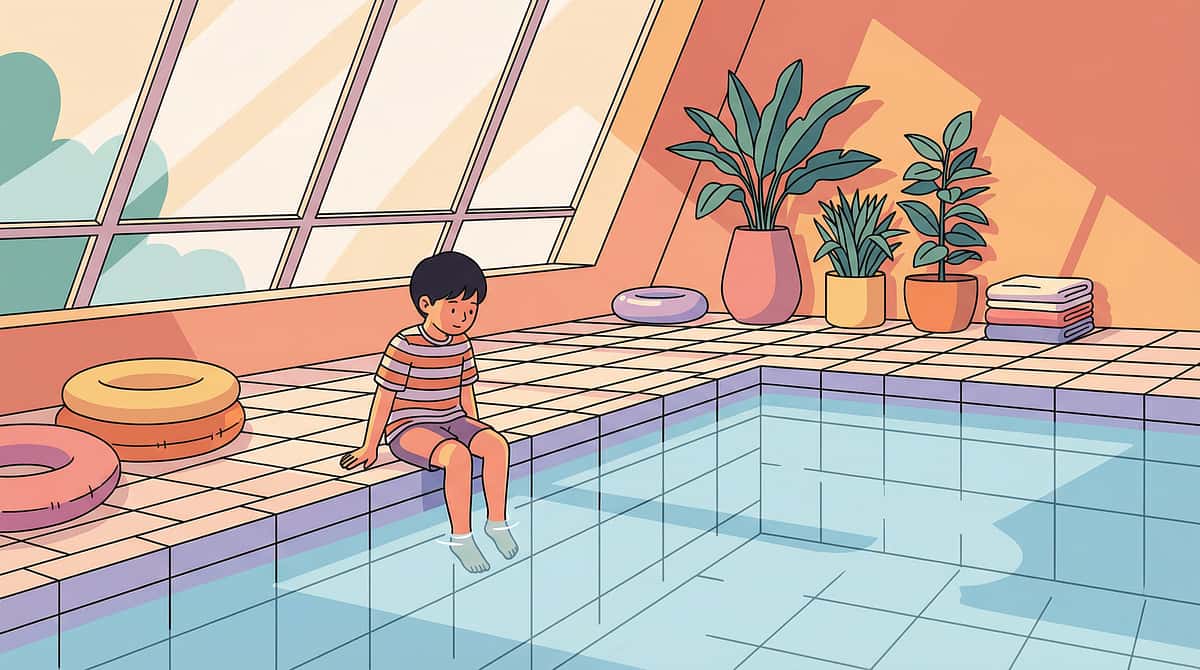
He is eight years old. He has never learned to swim — not because you haven't tried, but because every attempt has ended in the changing room, on the pool edge, or in the drive home with a shattered child and a broken parent. Meanwhile, near every lake, every beach, every family pool visit — you hold your breath.
Swimming Lesson Support: 9 Materials That Transform the Impossible
You are not overprotecting. You are not failing. Your child's nervous system is speaking a language that standard swimming instructors have never been taught to hear.

🆓 FREE National Autism Helpline (16+ languages) | 9100 181 181 | pinnacleblooms.org | Validated by OT • SLP • ABA • SpEd • NeuroDev
The Numbers Behind Your Child's Struggle — and the Reason It's Not Your Fault
You are among hundreds of millions of families worldwide navigating this exact intersection of sensory challenge and safety urgency. The question is not whether your child can learn to swim. The question is: has anyone approached this correctly for your child's nervous system?
160×
Drowning Risk
Children with autism are 160 times more likely to die from drowning than neurotypical peers. Drowning is the leading cause of accidental death for autistic children.
80%
Sensory Difficulties
Of children diagnosed with autism display sensory processing difficulties that make pool environments genuinely overwhelming. PRISMA Systematic Review, 2024 | PMC11506176
21M+
Pinnacle Sessions
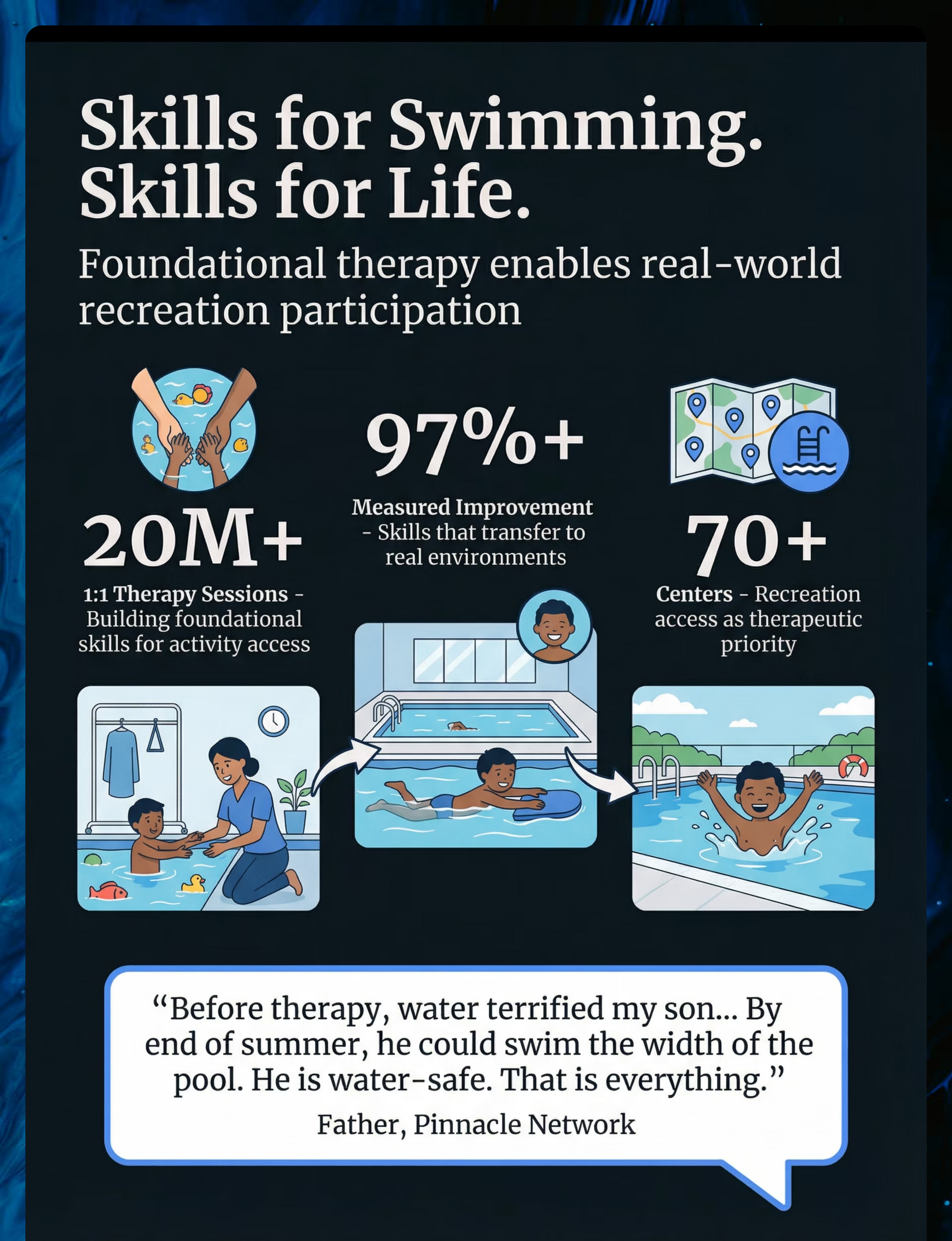
Therapy sessions delivered across 70+ centres. Recreation access including water safety is a priority therapeutic outcome — because it saves lives.

⚠️Water Safety is Not Optional. Children with autism commonly wander toward water without danger awareness. Basic water safety skills — floating, treading water, swimming to edge — are achievable for most children with proper support. This page shows you how.
What's Happening in Your Child's Brain
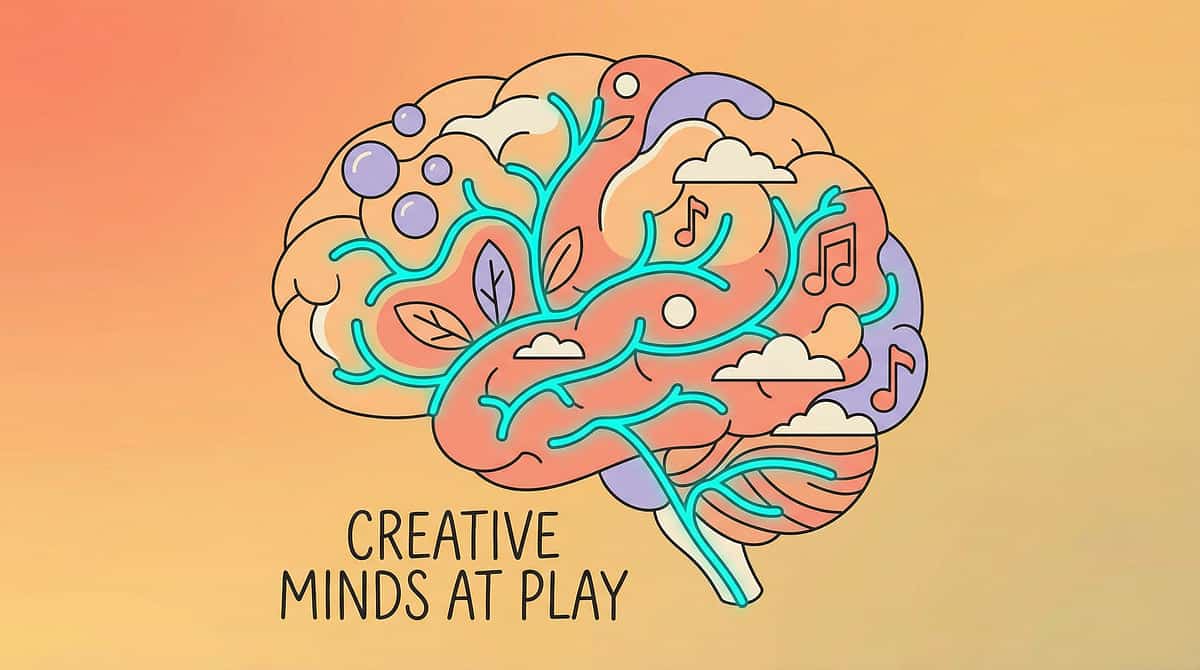
The pool is not just a pool. For a child with autism and sensory processing differences, it is a multi-sensory storm arriving all at once — with no filter and no precedent.
The Pool: A Multi-Sensory Storm
In a neurotypical child, the brain's sensory gating system filters and prioritizes sensory input — loud echoes are noticed then ignored, cold water is registered then adapted to.
In a child with autism + sensory processing differences, every input arrives at full intensity simultaneously:
  • Auditory: echoing acoustics amplified, not filtered
  • Tactile: cold water shock registers as pain-adjacent distress
  • Vestibular: floating = loss of ground = panic signal
  • Visual: glare off water = visual overload
  • Olfactory: chlorine = strong chemical aversion
Plain English: Your Child Is Not Being Difficult
When your child screams at the pool edge, they are not performing. Their brain is genuinely processing this environment as an emergency — simultaneously receiving five times more sensory information than a neurotypical child, with no filter and no precedent.
The traditional swimming instructor's response — "just get in, they'll adjust" — is neurologically incorrect for your child. Forced immersion in a dysregulated nervous system creates trauma, not adaptation.
The correct approach: systematic, graduated desensitization — addressing each sensory channel individually with specific tools.
This is a wiring difference, not a behavior problem. And wiring differences have engineering solutions.
Frontiers in Integrative Neuroscience (2020): Comprehensive framework for evaluating sensory integration treatment in ASD. | DOI: 10.3389/fnint.2020.556660
Your Child's Developmental Position — and the Forward Path
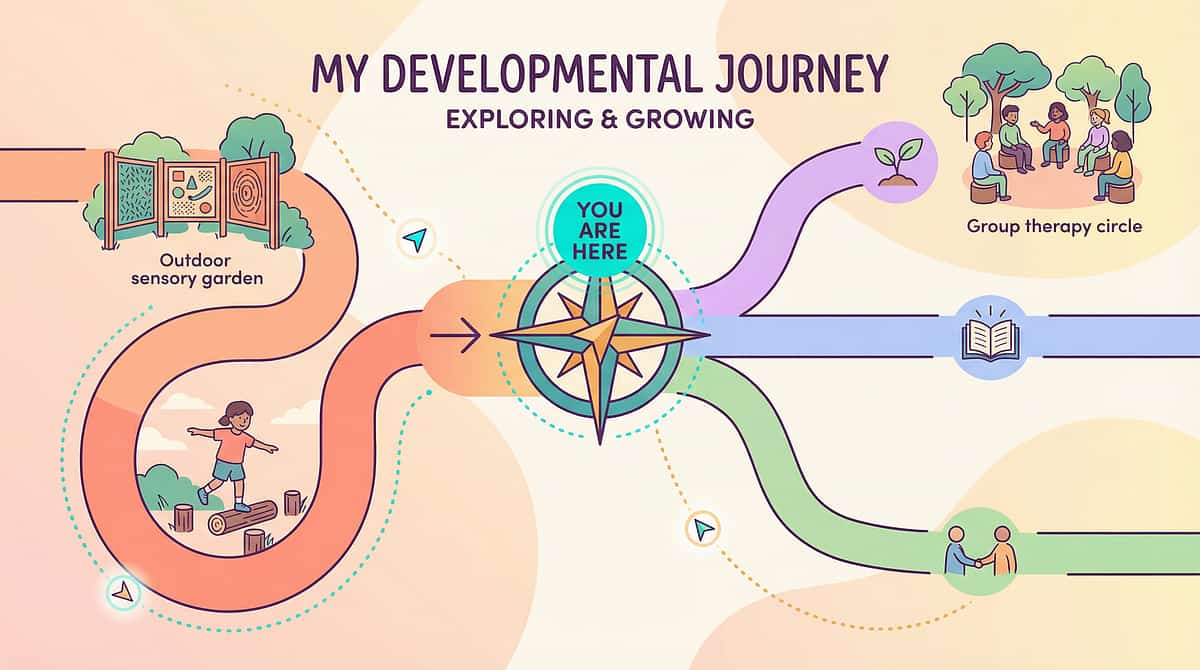
Every child builds water comfort on a developmental timeline. For children with sensory differences, that timeline is simply different — not broken. Both timelines lead to the same destination.
Ages 0–2: Water Play
Foundation — bath comfort and early water familiarity
Ages 2–4: Bath Comfort
Home Base — many sensory-sensitive children need extended time here with structured support
Ages 4–7: Pool Tolerance
Transition — systematic desensitization enables pool entry and basic tolerance
Ages 7+: Water Safety Skills
Goal — float, tread water, swim to edge. Life-saving milestones within reach
Comorbidity note: Challenges with swimming commonly co-occur with vestibular hypersensitivity, tactile defensiveness, auditory processing disorder, motor planning difficulties (dyspraxia), and separation anxiety. Understanding your child's specific profile determines which of the 9 materials will be most critical.

📞 Need help identifying your child's specific sensory profile? Call 9100 181 181 — free assessment guidance in 16+ languages.
Clinically Validated. Home-Applicable. Parent-Proven.
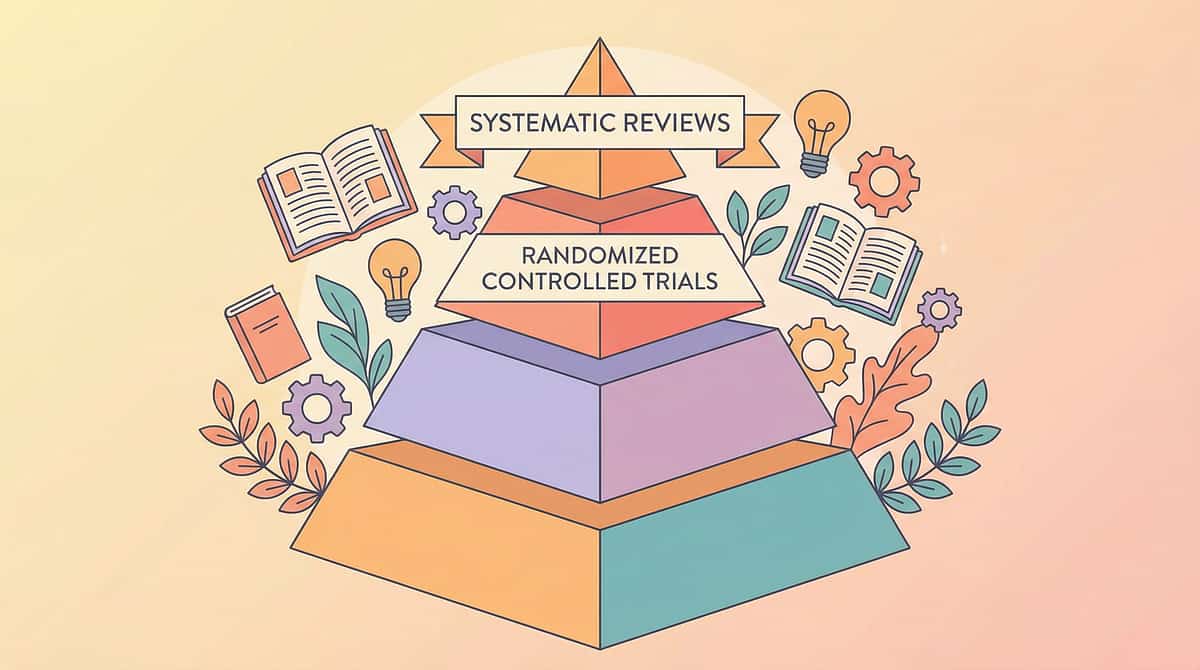
🛡️ Evidence Grade: Level II — Strong
Multiple systematic reviews + RCTs + International clinical consensus. Drowning prevention for autism: documented as urgent international priority.

Evidence Confidence: 88%
Based on: systematic review data, RCT outcomes, and 21M+ Pinnacle session observations
Key Studies Supporting This Protocol
  • Drowning Risk: 160× greater risk — classified as a priority safety intervention. Multiple epidemiological studies, replicated internationally.
  • Sensory Integration Efficacy: PRISMA review (2024, 16 studies): meets evidence-based practice criteria. | PMC11506176
  • Home-Based Intervention: Indian RCT (Padmanabha et al., 2019): significant outcomes for parent-administered protocols. | DOI: 10.1007/s12098-018-2747-4
  • Visual Supports: NCAEP (2020): visual schedules and social stories are evidence-based practices for autism.
  • Motor Skill Development: Meta-analysis (World J Clin Cases, 2024, 24 studies): sensory integration therapy effectively promotes gross motor skills. | PMC10955541

🏅 Validated across 70+ Pinnacle centres | 21M+ therapy sessions | 97%+ measured improvement in targeted domains
The Technique: What It Is
Formal Protocol Definition
Structured Aquatic Desensitization & Swimming Lesson Support Protocol — also called "The Swimming Readiness System"
A multi-material, multi-disciplinary protocol that systematically reduces the sensory, cognitive, and emotional barriers that prevent children with autism and sensory processing differences from safely participating in swimming lessons — with the ultimate goal of water safety skill acquisition.
This is not a swimming technique. It is the preparation system that makes swimming techniques accessible. The 9 materials address specific sensory channels the pool environment assaults simultaneously: auditory (echoing), visual (glare), tactile (water on skin), vestibular (floating/loss of ground), olfactory (chlorine), and cognitive (unpredictability).
🌊 Domain
Recreation Access — Aquatic Skills. All ages, adapted per level.
Session Duration
30–45 min lesson | Home prep: daily | Pool visit: 1× per week initially, build to 2–3×
🧠 Primary Focus
Sensory Regulation | Ages 4–12 most active. Phase 1: daily bath prep.
💪 Motor Goal
Gross Motor Development. All developmental levels. Frequency builds over time.
Five Disciplines. One Protocol.
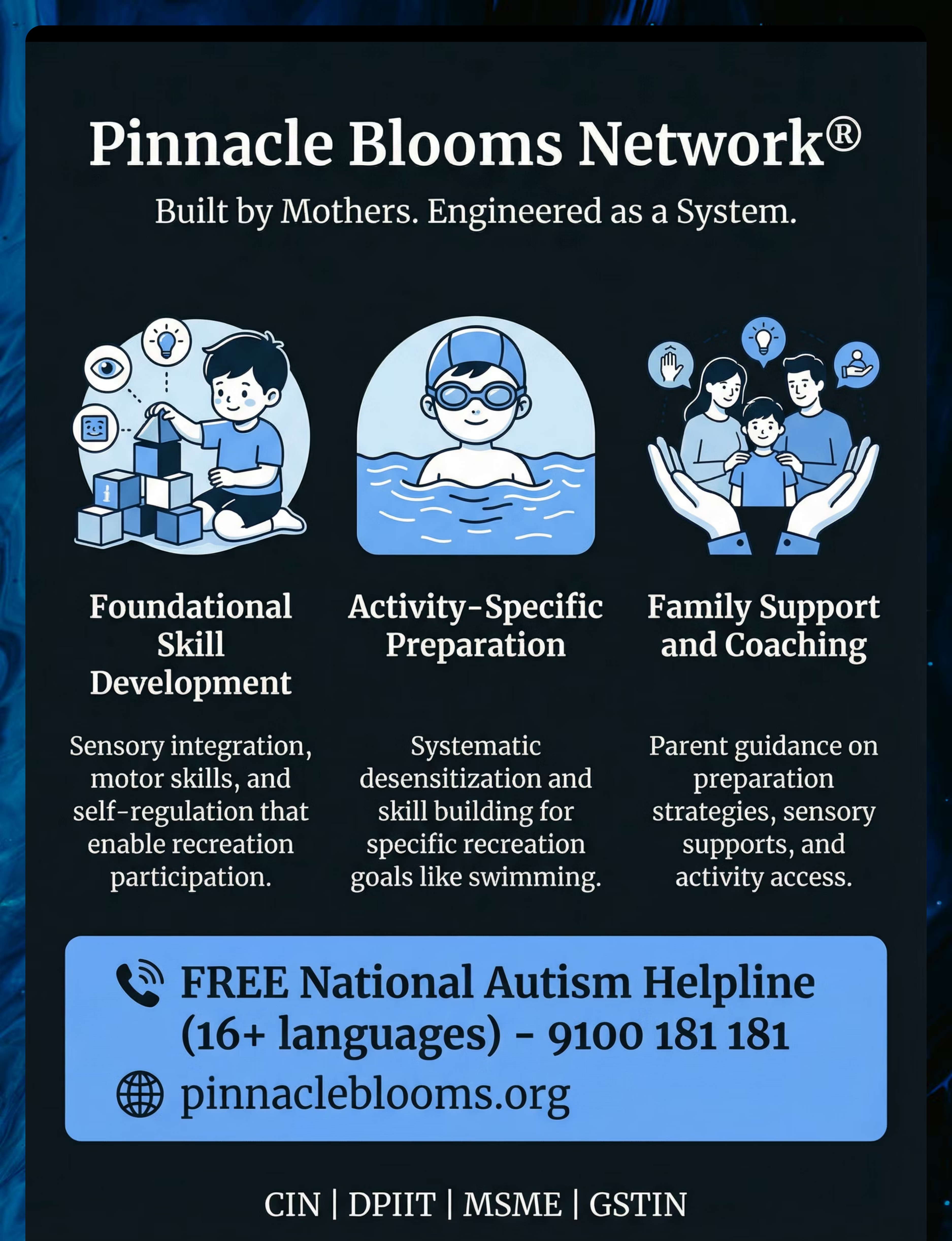
Because water safety crosses every therapy boundary, the Pinnacle consortium brings together five professional disciplines — each with a specific, irreplaceable role.
🔵 Occupational Therapist (OT) — Primary Lead
Sensory integration protocol design, vestibular + proprioceptive preparation, tactile desensitization, environmental modification, adaptive equipment selection. The OT designs which of the 9 materials is most critical for this child's specific sensory profile and creates the graduated exposure hierarchy.
🟣 ABA Therapist / BCBA
Reinforcement system design, behavior chain for pool entry sequence, token economy for lesson completion, functional analysis of avoidance behaviors, data collection on tolerance milestones. ABA makes the protocol motivating and measurable.
🟢 Speech-Language Pathologist (SLP)
Communication during pool instruction, social story creation and coaching, instruction-following support, breath control work. Blowing bubbles is an SLP-OT intersection skill.
🟡 Special Educator (SpEd)
Lesson structure visualization (visual schedule board), social narrative scaffolding, caregiver training, generalization of pool skills to school swim contexts, IEP integration of water safety goals.
🔴 NeuroDevelopmental Pediatrician
Anxiety medication consideration for severe water phobia, vestibular disorder evaluation, sensory processing disorder diagnosis, coordinating the overall intervention plan, safety clearance for aquatic activities.
"The traditional swimming instructor has none of this training. This is why private lessons with a sensory-aware instructor, supplemented by your therapy team's materials and protocols, outperforms standard group swim lessons 100% of the time for children with autism."
Precision Targets — This Is Not a General Wellness Activity
Every element of this protocol is aimed at specific, measurable safety and developmental outcomes. The bullseye is clear: your child survives accidental water immersion.
Primary Safety Targets
  1. Floating on back 30+ seconds — The single most important survival skill
  1. Treading water 1+ minute — Buys time for rescue in deep water
  1. Swimming to pool edge — Self-rescue and knowing the exit
  1. Calling for help — Voice + signal; many autistic children need explicit training
Secondary & Tertiary Gains
  • Tolerating pool sensory environment without meltdown
  • Following instructor directions in noisy settings
  • Gross motor sequencing for swimming movements
  • Breath control and voluntary face submersion
  • Vestibular tolerance (generalizes to all physical activities)
  • Social participation at pool parties and school swim
  • Family quality of life improvement
9 Clinician-Validated Materials — Your Complete Aquatic Support Kit
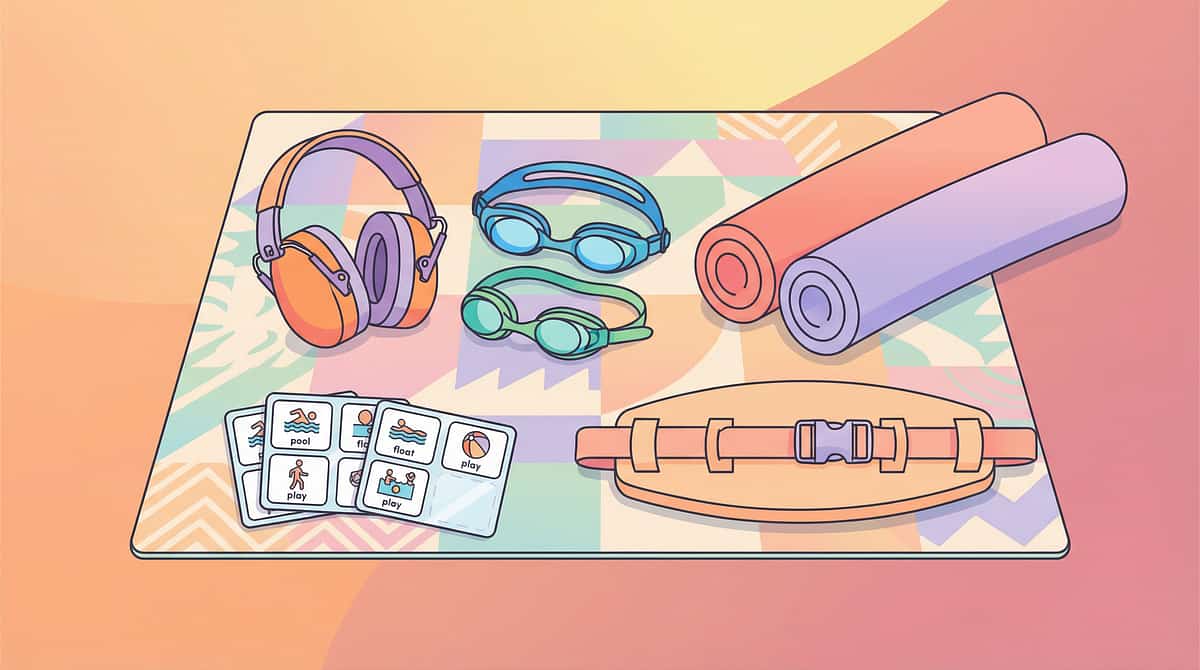
These are not random items from a swimming shop. Each material was selected by the Pinnacle consortium specifically because it addresses a documented sensory barrier to pool participation. Together, they address auditory, visual, tactile, vestibular, cognitive, and emotional channels simultaneously.
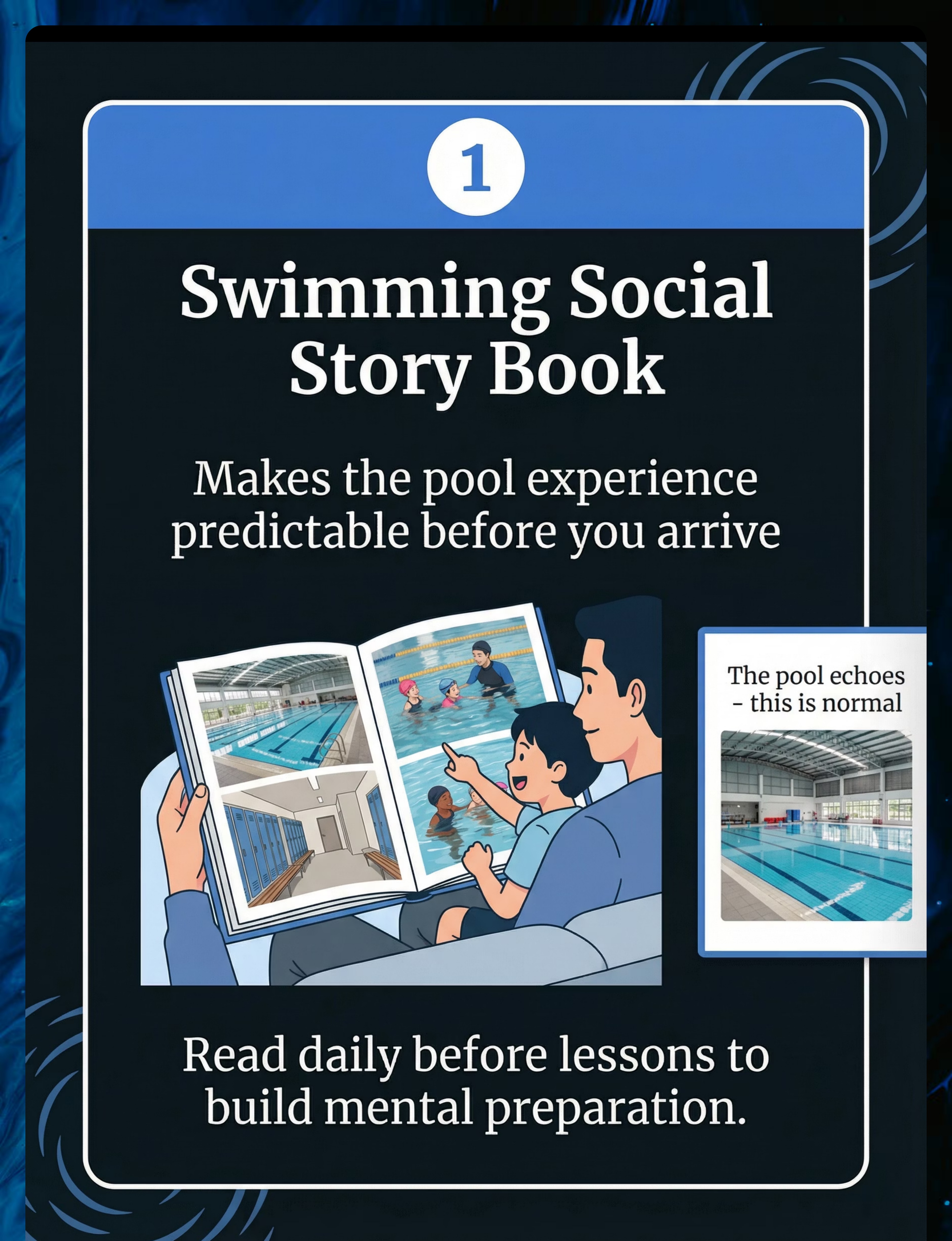
Swimming Social Story Book
Transforms the unfamiliar pool environment into something expected and predictable. Read daily for 1–2 weeks before first lesson.
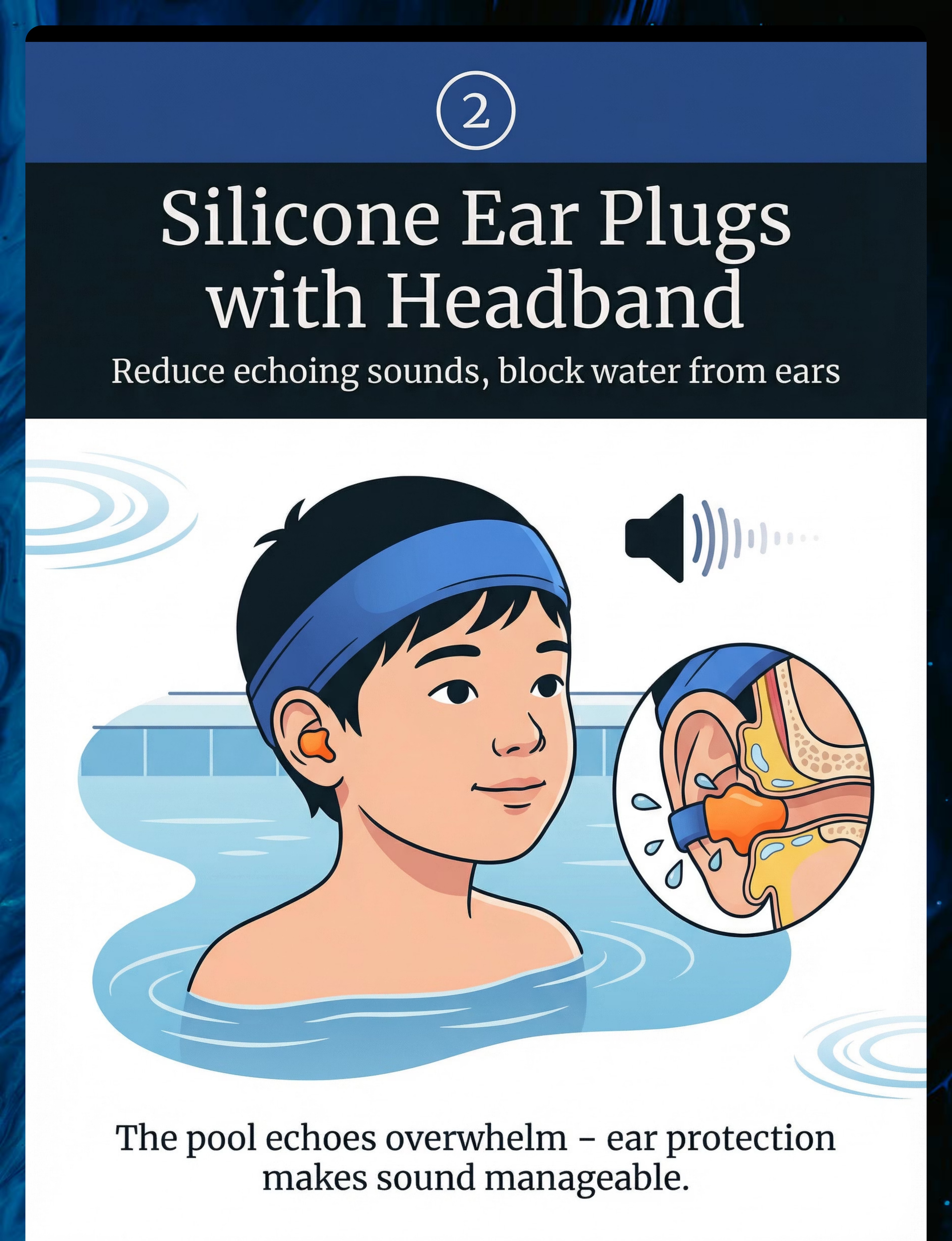
Silicone Ear Plugs + Neoprene Headband
Reduces echoing pool acoustics. Neoprene headband keeps plugs in place and prevents water entering ear canals.
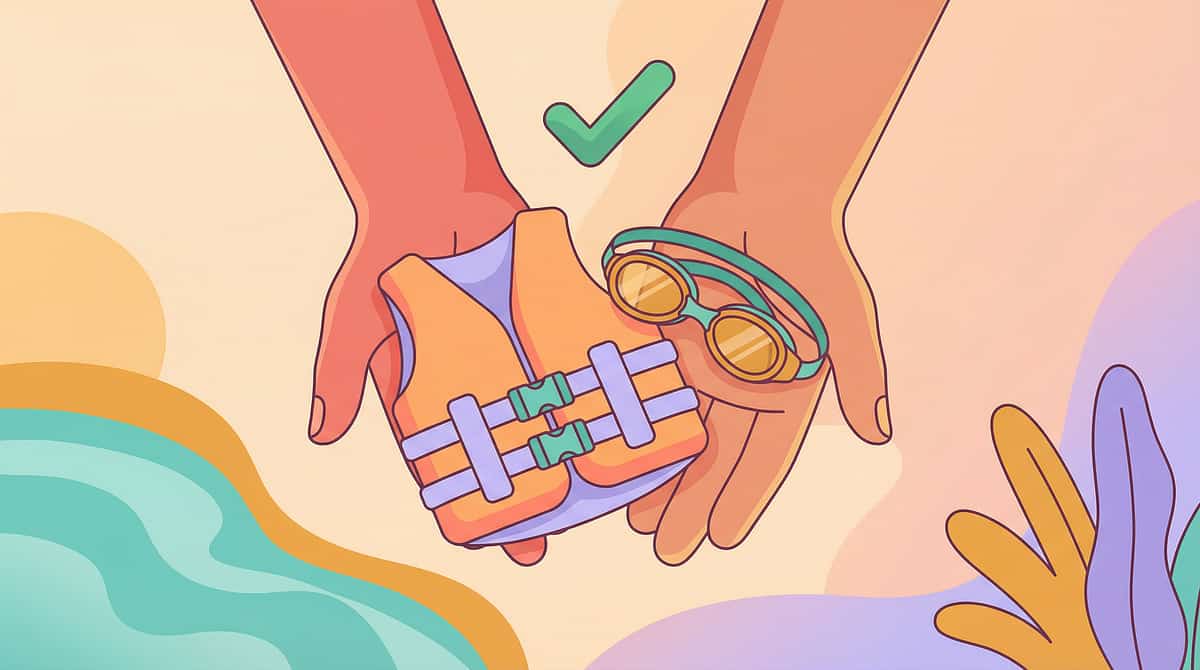
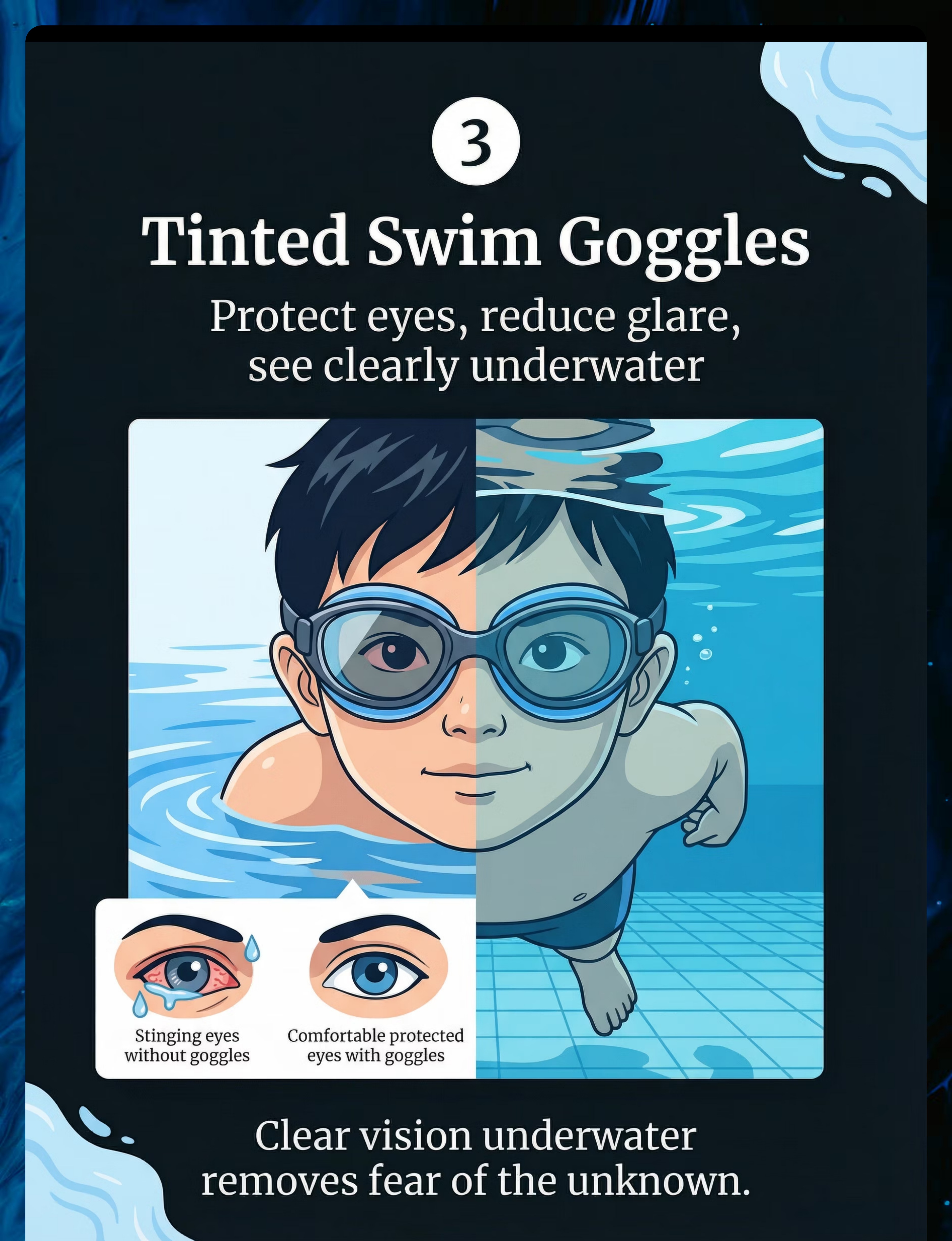
Tinted Swim Goggles
Protects eyes from chlorine, reduces glare, and allows clear underwater vision — turning "terrifying unknown" into "visible, manageable."
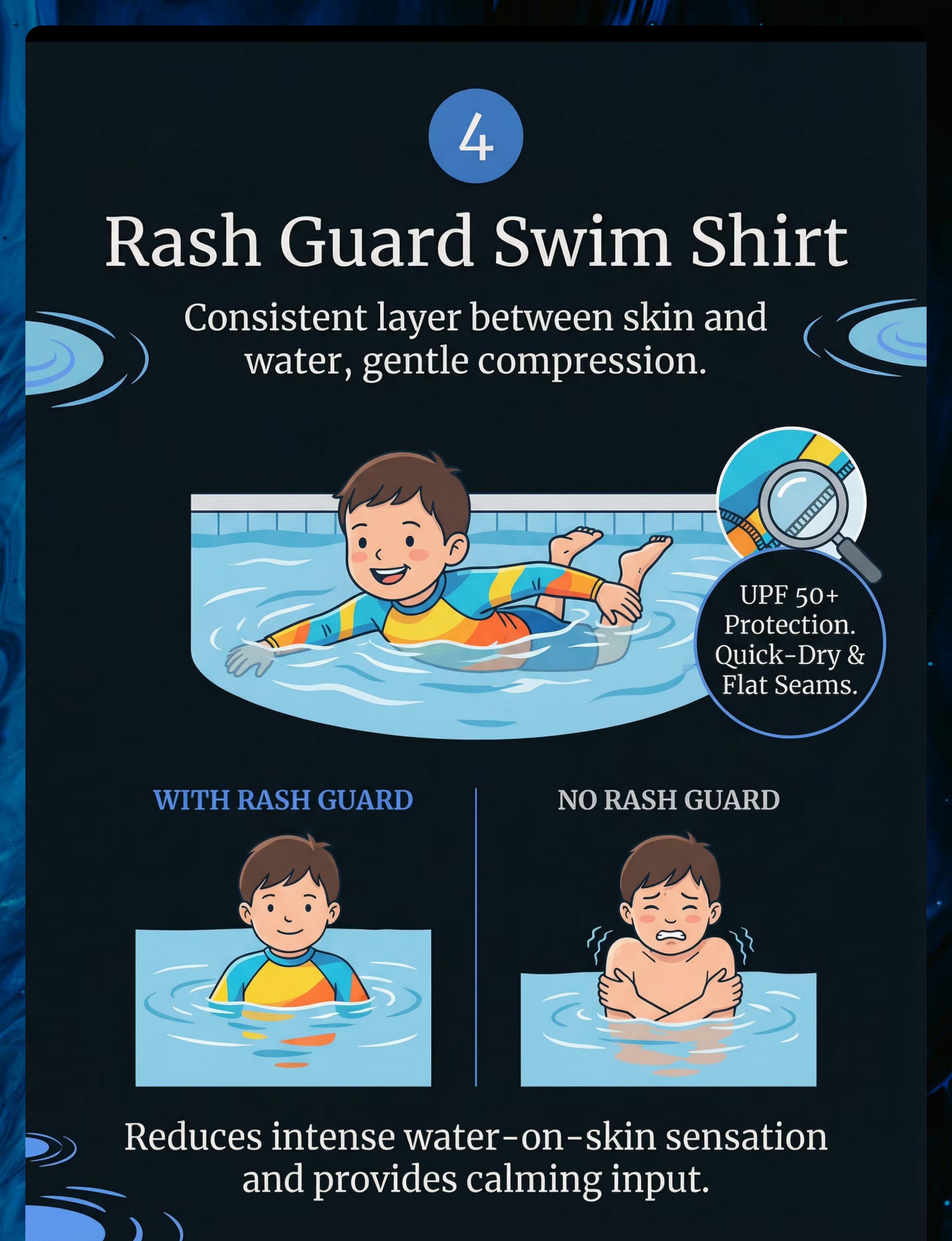
Rash Guard Swim Shirt
Creates a consistent fabric layer reducing water-on-skin sensation. Provides proprioceptive (gentle compression) input — regulating.
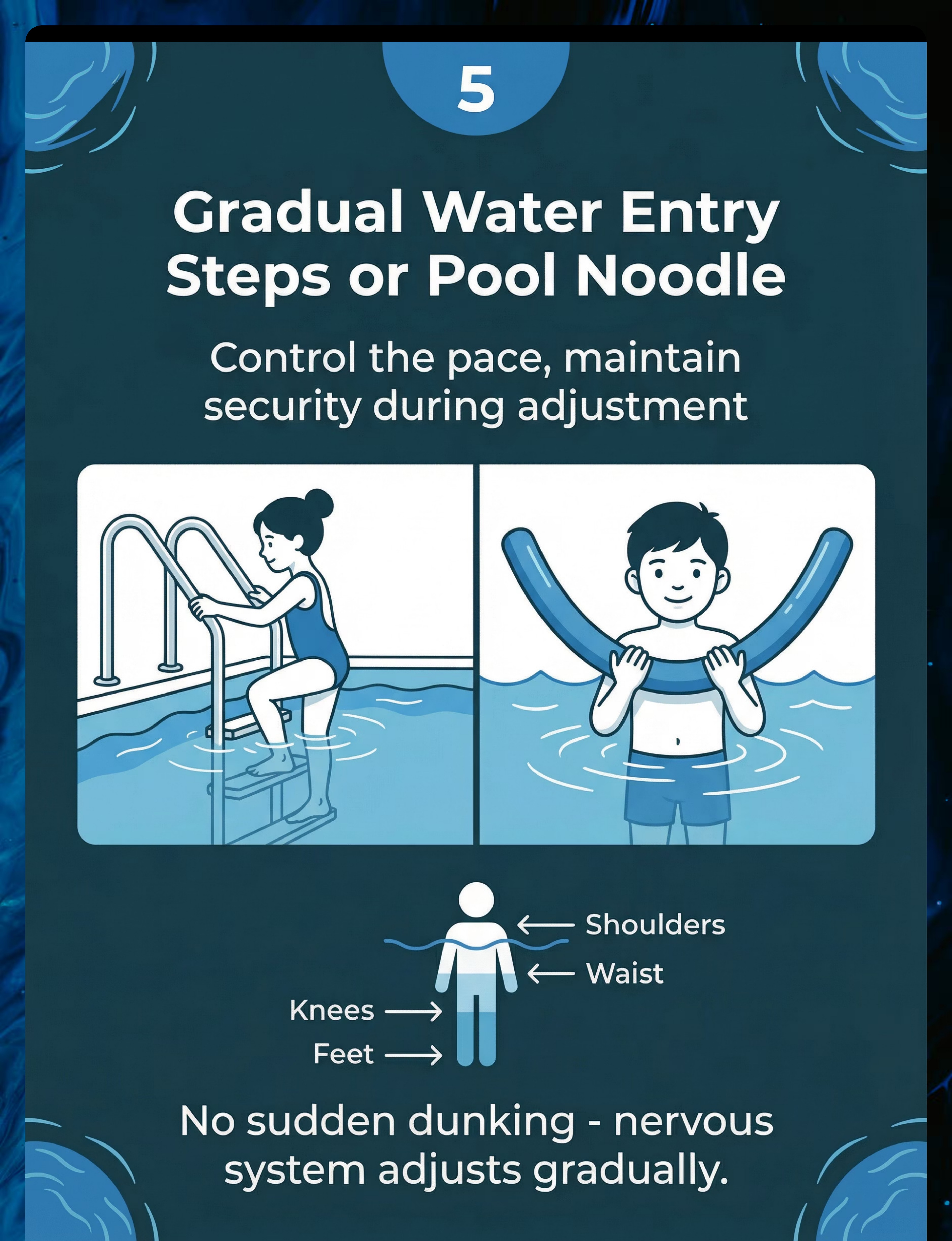
Pool Noodle
Provides buoyancy support and "tether to safety" during gradual entry. Child holds noodle — the noodle = agency. Agency = regulation.
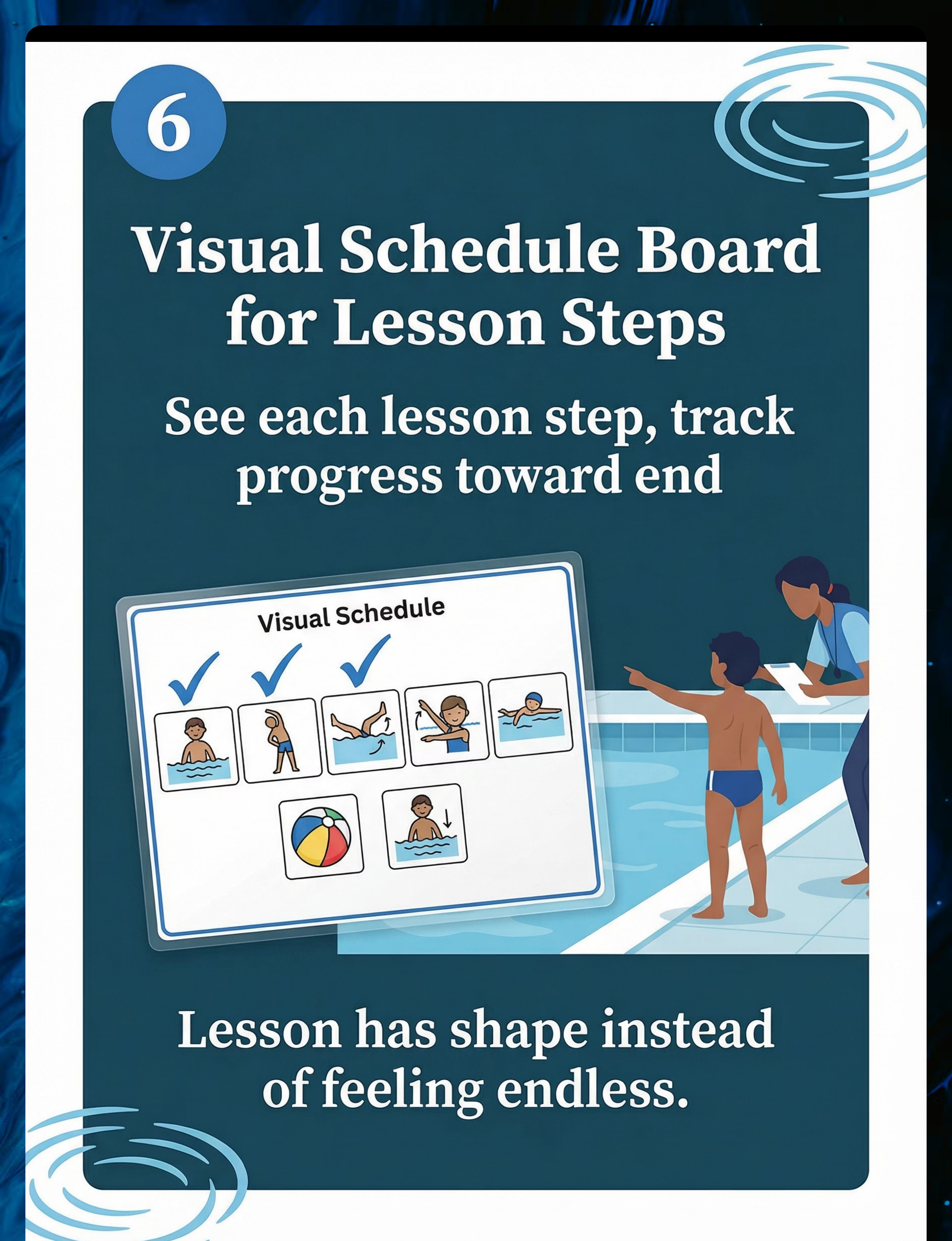
Waterproof Visual Schedule Board
Shows entire lesson sequence as visual icons. As each step completes, it's checked off. "Endless lesson" becomes "6 more steps."
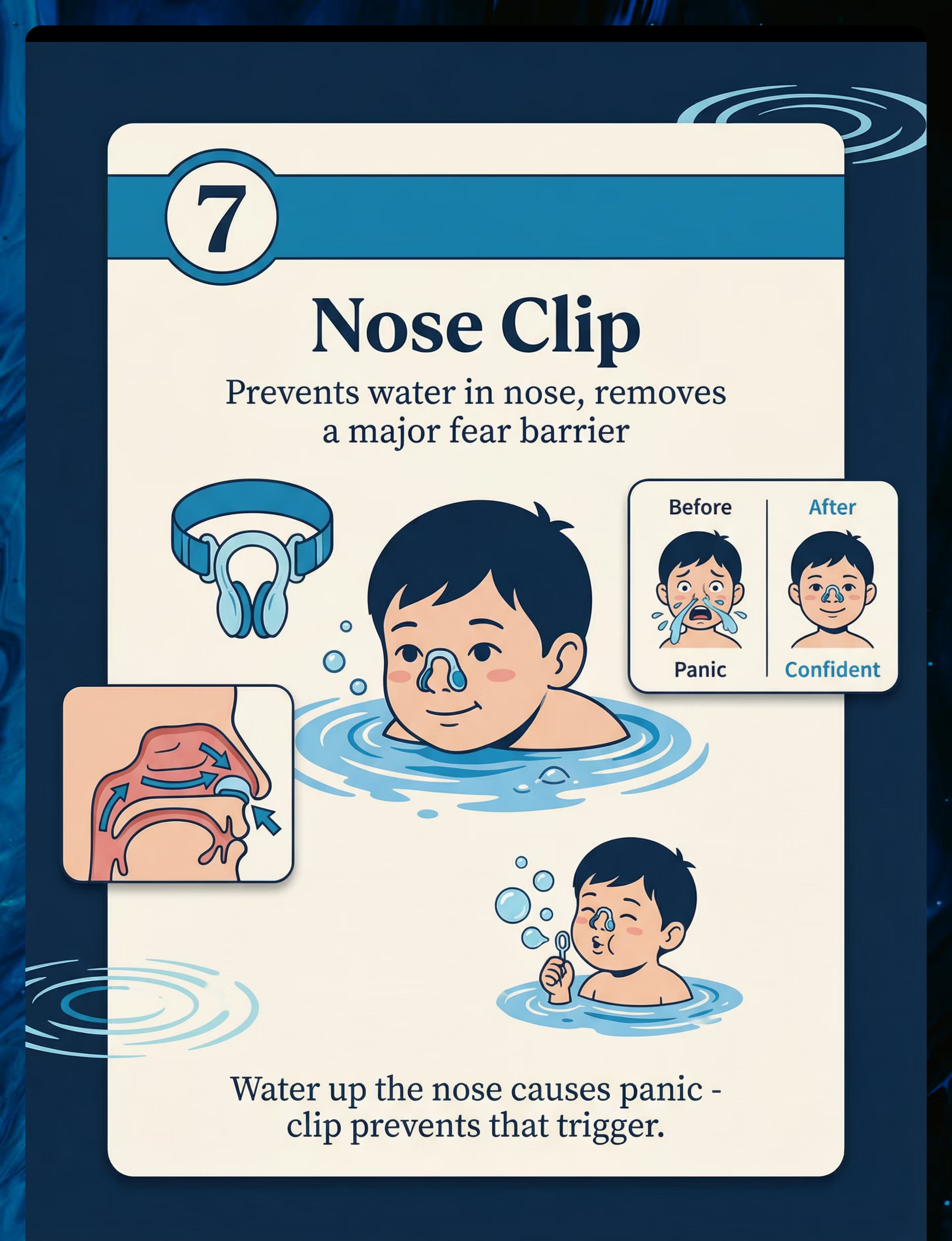
Nose Clip
Removes the fear of water entering nose — a major panic trigger. Allows child to progress to face-in-water skills without trauma.
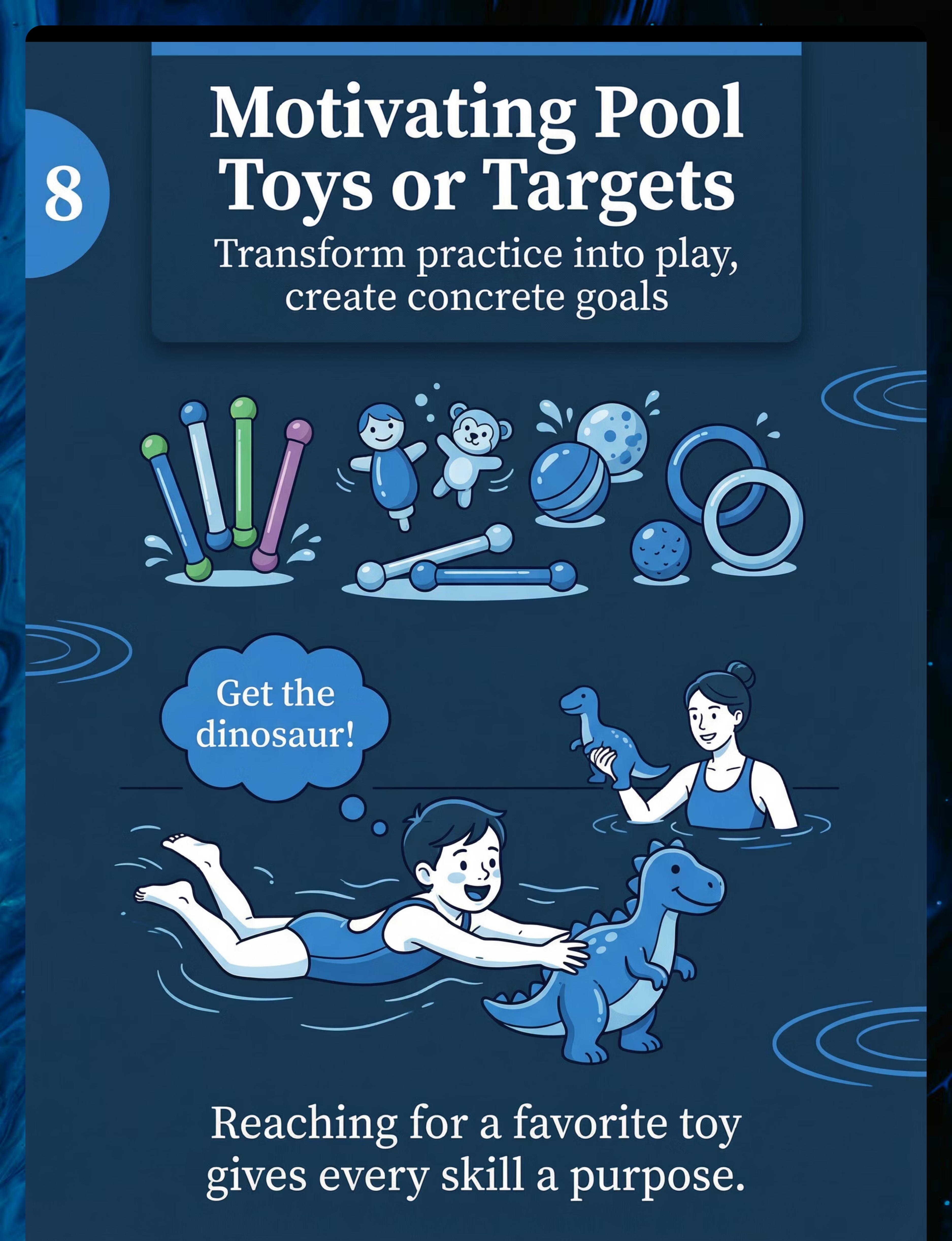
Motivating Pool Toys
Transforms "learn to swim" into "get the dinosaur." Themed toys matching child's special interest dramatically increase cooperation.
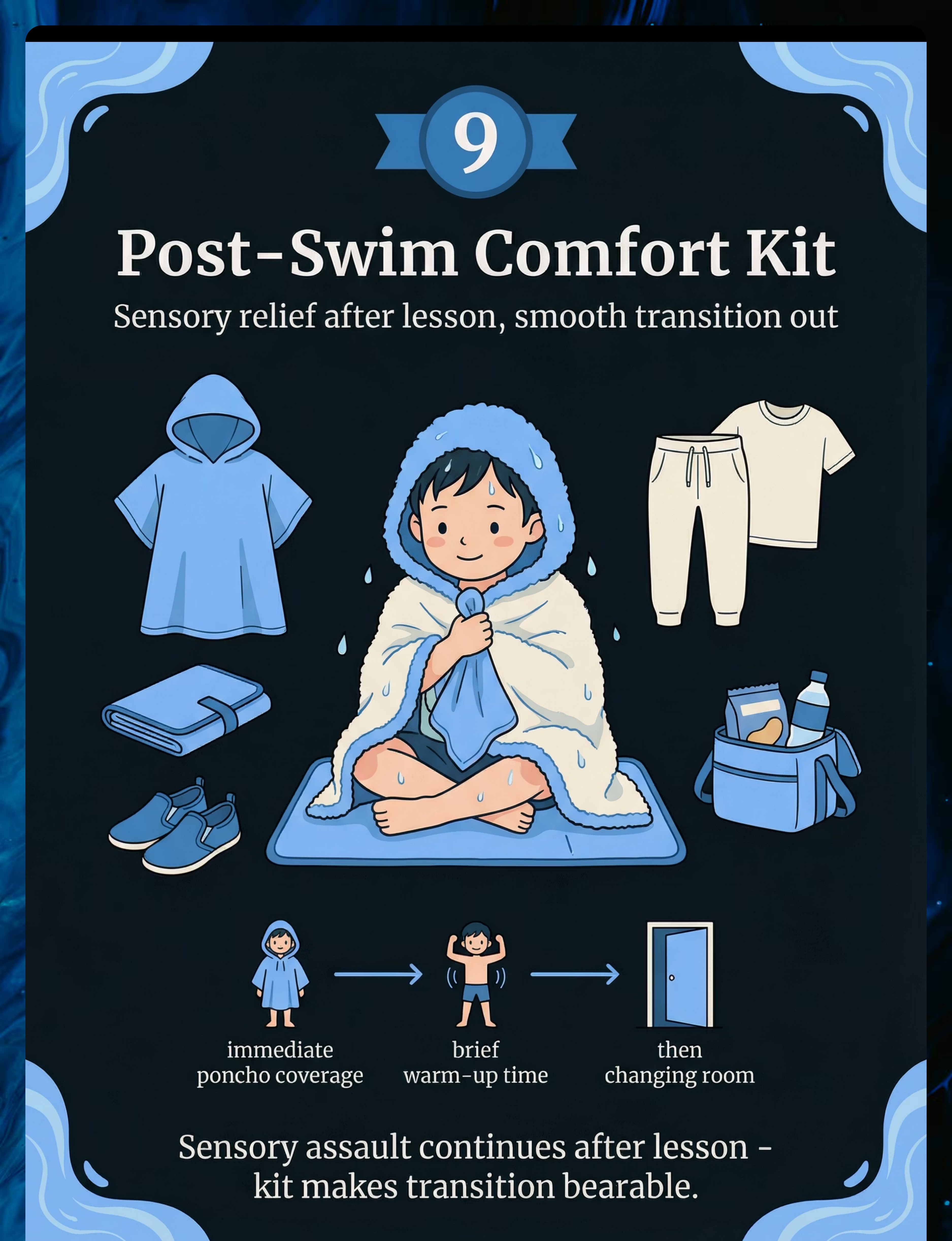
Post-Swim Comfort Kit
Hooded towel poncho, comfort object, easy-on clothes, preferred snack, familiar shoes. The last emotional memory is the strongest.

Full Kit Cost: ₹2,100–6,600 for all 9 materials | Essential Starter Kit (5 items): Social story + Ear plugs + Goggles + Pool noodle + 1 motivating toy — ₹900–2,900
Zero Budget? Every Single Material Has a Free Version.
WHO/UNICEF Equity Principle
Every child deserves these supports regardless of family income.
Material
Commercial
DIY / Free Version
Social Story
₹200–800
Print on A4, laminate with cling wrap — same content, same predictability effect
Ear Plugs
₹200–600
Cotton wool balls (partial reduction) — reduces amplitude, functional
Headband
₹300–800
Old knee-high sock with toe cut off — creates compression and retention
Goggles
₹300–1,200
Ask facility to lend pair for first session — transition to own pair
Rash Guard
₹500–1,500
Full-sleeve old T-shirt (wet) — fabric layer achieves same tactile modulation
Pool Noodle
₹100–300
Request facility equipment — most pools have noodles
Visual Schedule
₹200–500
A4 paper, drawings/printouts, ziplock bag — same cognitive predictability
Nose Clip
₹100–400
Gently pinch nose with thumb and forefinger — teaches voluntary nose closure
Comfort Poncho
₹500–1,500
Extra-large soft towel + safety pin at neck — immediate coverage and warmth
Motivating Toys
₹200–800
Favourite bath toy from home — familiarity of beloved object > novelty

The zero-cost swimming readiness kit: Homemade social story (₹0) + Cotton wool ear protection (₹10) + Borrowed goggles (₹0) + Old T-shirt (₹0) + Pool facility noodle (₹0) + Hand-drawn visual schedule (₹0) + Pinched nose technique (₹0) + Favourite bath toy (₹0) + Extra towel from home (₹0) = Total: ₹10 or less. Water safety doesn't require money. It requires this protocol.
Safety First: Read This Before Pool Entry
Non-Negotiable
🔴 Red — Absolute Stop Conditions
  • Uncontrolled epilepsy — consult neurologist before any water activity
  • Open skin wounds, active ear infection, or conjunctivitis
  • Child is in active meltdown or severe distress BEFORE arriving
  • Signs of illness (fever, vomiting, extreme fatigue)
  • No lifeguard or qualified adult swimmer present
  • Pool depth exceeds child's height in any area without flotation support
  • Child has specific trauma around water — specialist referral first
🟡 Amber — Modify Before Proceeding
  • Child is tired, hungry, or recently dysregulated
  • First 3 sessions — half-duration until baseline established
  • Pre-meltdown indicators present (increased stimming, avoidance)
  • Pool unusually crowded or acoustically overwhelming today
  • Child is on new medication — monitor tolerance
🟢 Green — Optimal Go Conditions
  • Child ate 1–2 hours prior and slept adequately
  • Child is in regulated, alert state
  • All 9 materials packed and accessible
  • Social story read THIS morning
  • Instructor briefed on child's specific needs
  • Post-swim comfort kit is in bag in changing area

🚨Stop immediately if: Choking or abnormal breathing | Uncontrolled panic | Distress increasing rather than plateauing | Blue lips or uncontrolled shivering | Unexpected seizure-like activity

📞 Questions about safety clearance? 9100 181 181 — speak to a Pinnacle therapist free.
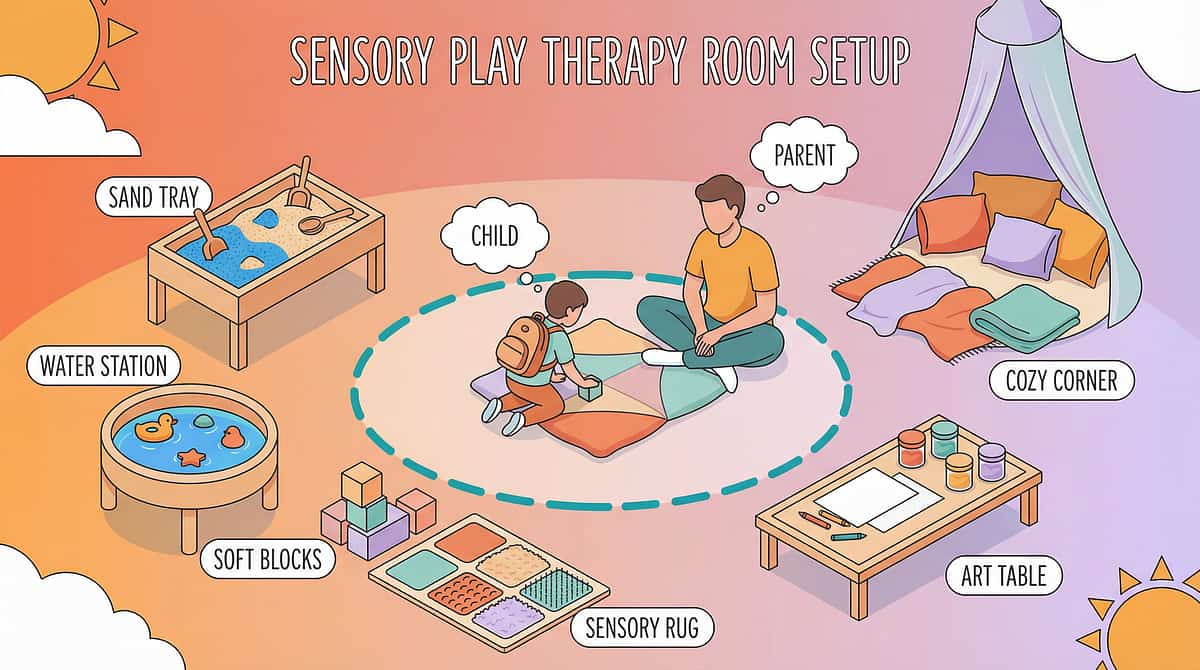
Pre-Lesson Preparation: What to Do Before You Even Leave the House
🏠 7–14 Days Before First Lesson
  • Complete Social Story with facility photos — start daily readings
  • Practice ear plug insertion at home during bath time
  • Practice wearing goggles at home
  • Wear rash guard during bath to normalize wet-fabric sensation
  • Practice nose clip during face washing
  • Visit pool once with no swimming intention — just walk around and see the space
🌅 Morning of Lesson
  • Read social story at breakfast
  • Pack comfort kit (towel/poncho, dry clothes, snack, comfort object)
  • Pack all 9 materials in dedicated swim bag
  • Confirm instructor briefed on child's sensory needs
  • Child eats 1–2 hours before lesson time
Communication With Instructor — What to Say
"My child has sensory processing differences and uses several supports during swimming. I'd like to share what works."
  • Child will use ear plugs, goggles, nose clip — please accommodate
  • Gradual entry is essential — no rushing or pushing
  • Visual schedule at pool edge — please reference during transitions
  • Child may need more visual demonstration than verbal instruction
  • Preferred motivating toy for reinforcement
  • Allow 10 minutes for post-swim comfort routine
  • Sessions may be shorter initially — quality over quantity
Acoustic Optimization
  • Request lesson during quietest pool time (early morning, off-peak)
  • Outdoor pools dramatically better for acoustics than indoor
  • Position as far from other groups as possible
  • Ask about private lane access — worth requesting
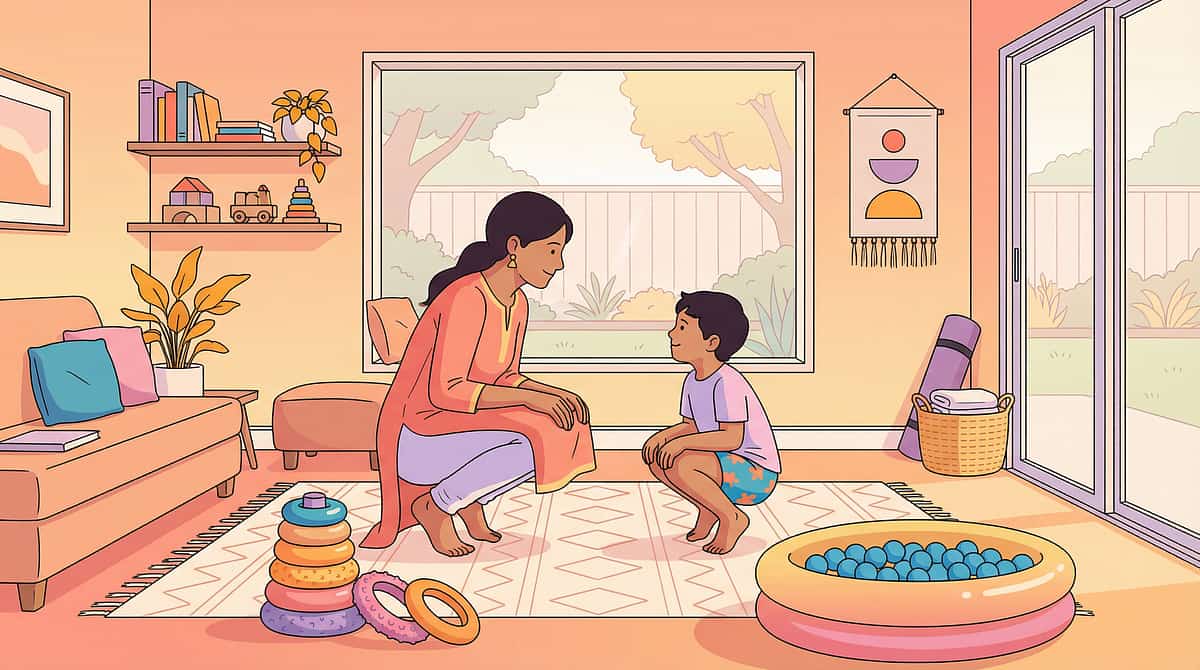
60-Second Pre-Lesson Assessment. Never Skip This.
Readiness Check
Indicator
Green
🟡 Amber
🔴 Red
Sleep
Normal sleep
Slightly tired
Awake 2+ hrs night
Food
Ate 1–2 hr ago
Ate 3+ hr ago
Just ate or not eaten
Baseline mood
Calm, alert
Slightly anxious but stable
Dysregulated, pre-meltdown
Response to "swimming today"
Neutral to positive
Some resistance but manageable
Distress or shutdown
Social story read today?
Yes
Not yet — read now
No — read before leaving
All materials packed?
Yes
Mostly
Missing key items
Instructor briefed?
Yes
Yes
Not yet — brief now
🟢 All Green
Full session — proceed to Step 1.
🟡 1–2 Amber
Modified session: 15–20 minutes, shallow end only, maximum sensory supports, more parent presence.
🔴 Any Red
Postpone: Do a "pool visit" — go to facility, sit at edge, no swimming, positive experience, go home. This counts as progress.
"A postponed session that preserves the child's trust of the water environment is worth 10 forced sessions that create trauma. Progress is measured over months, not minutes."
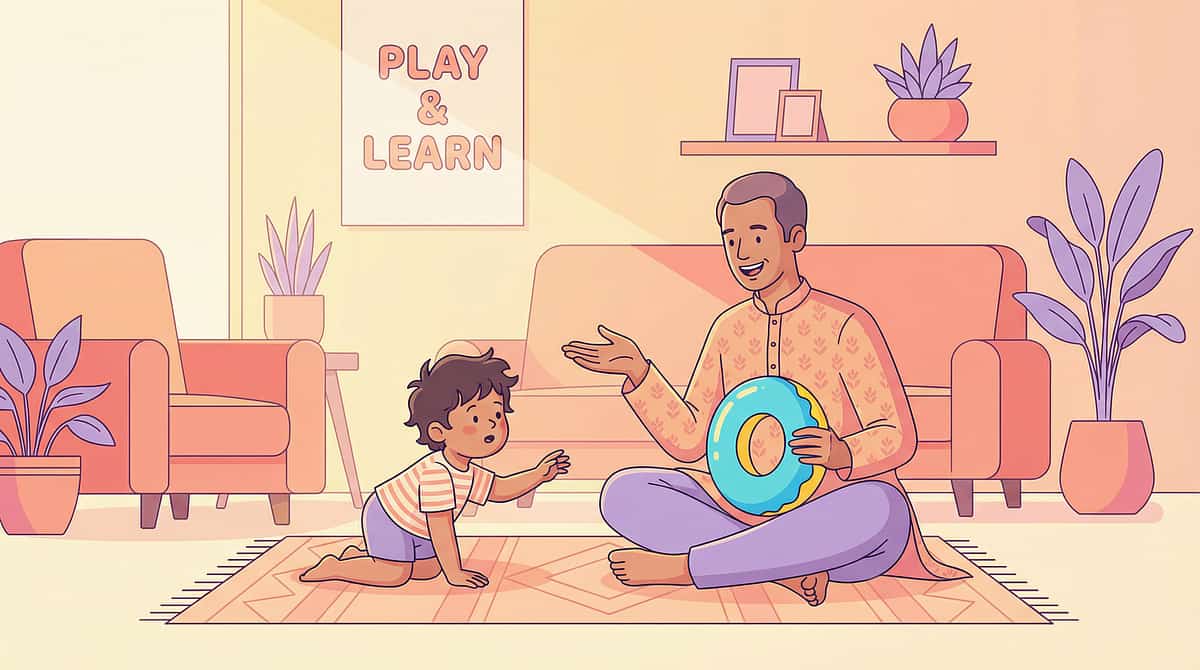
Step 1: The Invitation
Step 1 of 6 | 2–5 minutes | 📍 Pool deck
Begin at Pool Edge — Never at Pool Water
"We're at the swimming pool today. Remember our story? This is just what we talked about. See the pool? We're going to sit here first and just look."
Parent Body Language
  • Sit DOWN to child's level — do not stand and look down
  • Neutral, calm energy (not excited — excitement escalates)
  • Place hand on shoulder or child's preferred calming touch
  • Point to visual schedule: "See, this is what we're doing today"
Acceptance Cues to Watch For
  • Child looks at pool without turning away
  • Child responds to name or touch
  • Child is not covering ears or eyes
  • Child is breathing normally
Resistance Cues and How to Respond
  • 🟡 Child pulls back → "We can stay here. You're safe."
  • 🟡 Child covers ears → Put ear plugs in NOW before any further steps
  • 🟡 Child becomes very stiff → Maintain gentle pressure, wait, don't advance
  • 🔴 Child actively attempts to leave → Let them move back. Follow calmly. Do not force.

Timing Note
Spend as much time here as needed. First session: this step may take 10 of your 30-minute lesson. That is correct protocol.
Step 2: The Engagement
Step 2 of 6 | 3–8 minutes | 📍 Pool edge, feet in water
Gear Check
Social Reference
Sensory Normalization
Seated at Edge
The engagement sequence moves gently from observation to first physical contact with the water — on the child's terms, at the child's pace.
Material Activation — Engagement Phase
  • 👀 Goggles: ON — child can now see underwater clearly
  • 👂 Ear plugs: CONFIRMED — pool echoes already managed
  • 📋 Visual schedule: Point to "Step 1 — Sitting at edge" → CHECK it off together
Child Response Indicators
  • Engaged: Wiggling feet, looking at water, responding to parent, looking underwater through goggles
  • Tolerating: Still, quiet, compliant but not actively exploring — this is FINE, do not push
  • Avoidant: Trying to lift feet out, looking away, beginning to vocalize distress — stay here longer, do not advance

🌟"You came to the pool AND you put your feet in. That is amazing. That is exactly what we were hoping for." Deploy preferred toy or reinforcement as acknowledgment of this success.
Step 3: The Therapeutic Action — Pool Entry
Step 3 of 6 | 5–15 minutes | 📍 Pool steps / shallow end
Step A — Feet to Ankles
Seated on steps. "Let's go down one step. Just ankles." Pause at each level.
Step B — Knees
"One more step. Water up to knees." PAUSE 2–3 minutes. Normalize sensation.
Step C — Waist
"Big one now. Waist deep. Hold my hand." PAUSE 2–3 minutes.
Step D — Shoulders
"You're in the pool! Shoulders in." Adjustment zone — allow 5 full minutes here.
Pool Noodle Deployment
Once at waist depth: Child holds noodle across chest under arms. Script: "This noodle keeps you right here. You can't go down. You're safe." Physical sensation of buoyancy support eliminates vestibular panic.
Motivating Toy Deployment
Instructor or parent holds toy at appropriate distance: "Can you kick to the dinosaur/duck/ball?" The toy creates the reason to move — the skill follows the motivation.
Variations
  • If child resists waist entry: Stay at knee depth for entire first session. Next session, try waist. Timeline is the child's.
  • If child is excited/rushing: Slow them intentionally. Fast, uncontrolled entry causes sensory shock even for willing children.
  • Outdoor pool version: Start without ear plugs to assess actual need in lower-echo environment.
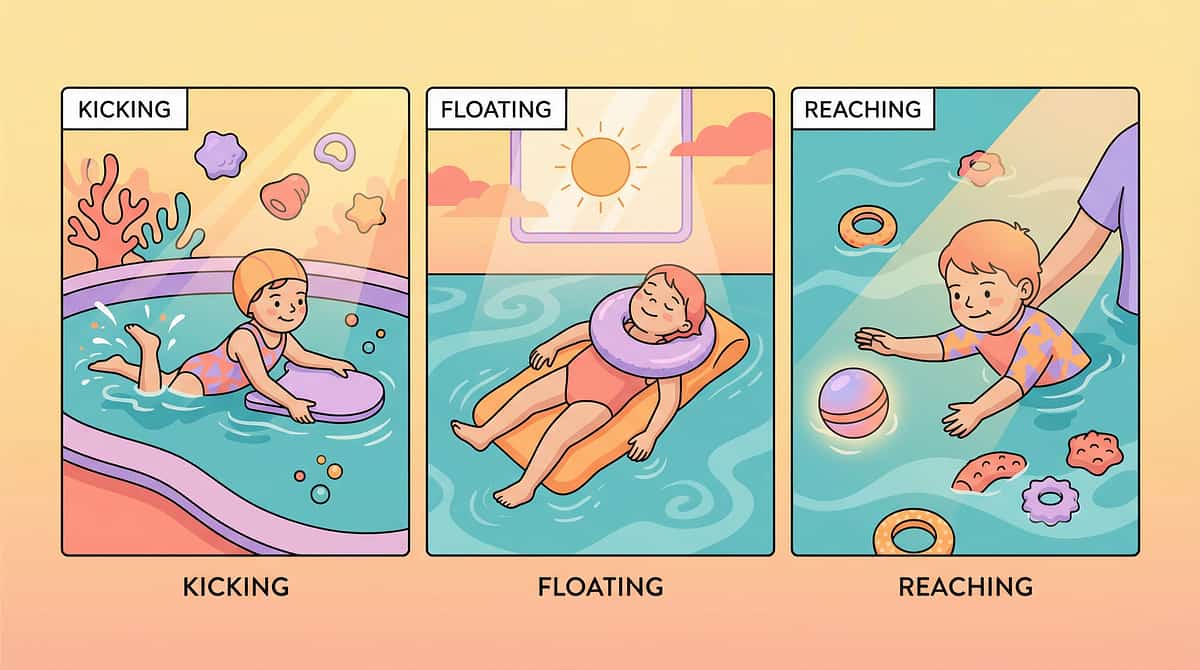
Non-negotiable rule: NEVER proceed to next level until child's body language shows adjustment at current level. Rushing causes cascade dysregulation.
Step 4: Repeat & Vary — The Skill Practice
Step 4 of 6 | 10–20 minutes | 📍 Shallow end, active skill work
Principle: 3 good, engaged repetitions are worth more than 10 forced ones. Target 3–5 repetitions of each skill element per session. Skill complexity follows child's tolerance, not calendar.
Level 1 — Pool Tolerance (Sessions 1–4)
  • Standing in water at waist depth
  • Walking in pool (with noodle)
  • Splashing with hands (sensory play)
  • Blowing bubbles on water surface
  • Kicking feet while seated on steps
Level 2 — Water Orientation (Sessions 3–8)
  • Face near water (goggles on) — looking underwater
  • Nose clip on → face in water 3 seconds → build to 10 seconds
  • Kicking with kickboard
  • Floating on back WITH instructor support and noodle
  • Retrieving sinking toy from shallow bottom
Level 3 — Survival Skills (Sessions 6+)
  • Back float independent (Priority 1): 10s → 20s → 30+ seconds
  • Tread water (Priority 2): 10s → 30s → 1 minute
  • Swim to edge (Priority 3): 1m → 2m → 5 meters
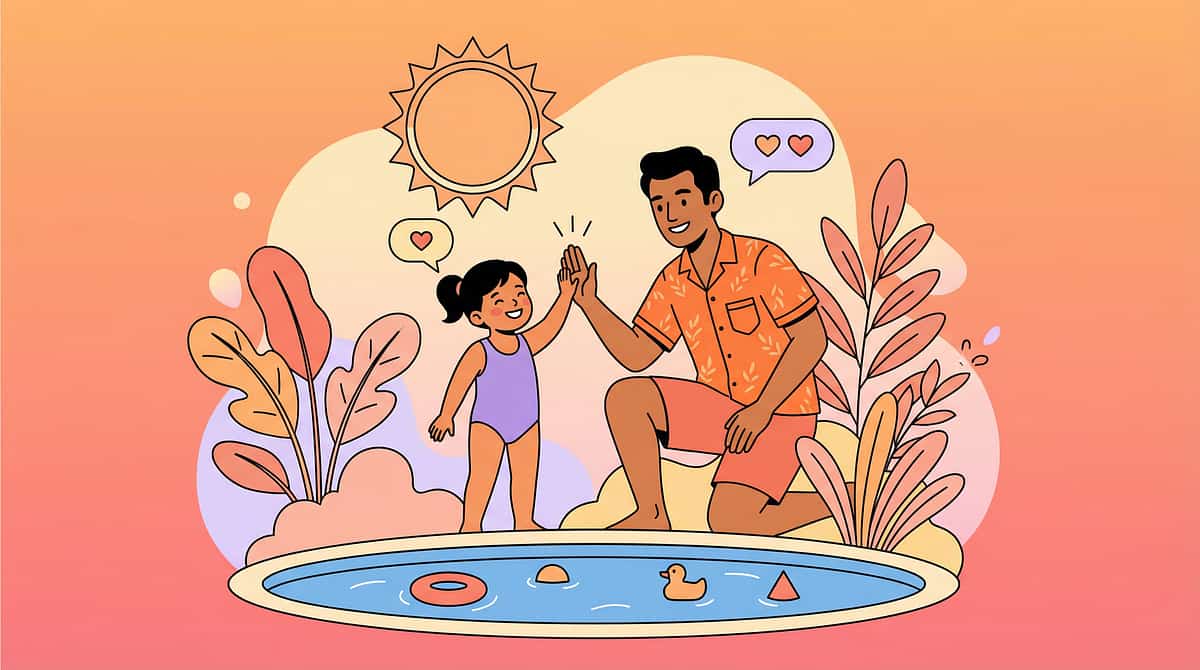
Satiation indicators — stop before: Child's face shows distress replacing engagement | Increased stimming beyond normal | Requests to exit (verbal or behavioral) | Visible fatigue
Step 5: Reinforce & Celebrate
Step 5 of 6 | 1–3 minutes | 📍 In pool or at edge
"You were IN THE POOL! You kicked! You put your face near the water! That was incredible. I am so proud of you."
Timing Is Everything
  • Deliver reinforcement within 3 seconds of desired behavior
  • Specific, not generic: "When you kicked to the toy" — not just "Good job"
  • Match energy: medium positive — not hyper-excited, not flat
Reinforcement Menu
  • 🏆Social: "High five! You did it! I'm so proud of you!"
  • 📋Token: Sticker on lesson chart
  • 🧸Tangible: Access to preferred pool toy, brief break with comfort object
  • ⏱️Activity: "5 minutes free splash time" as reward
  • 🍎Natural: "Pool time is done — now let's get your snack!"
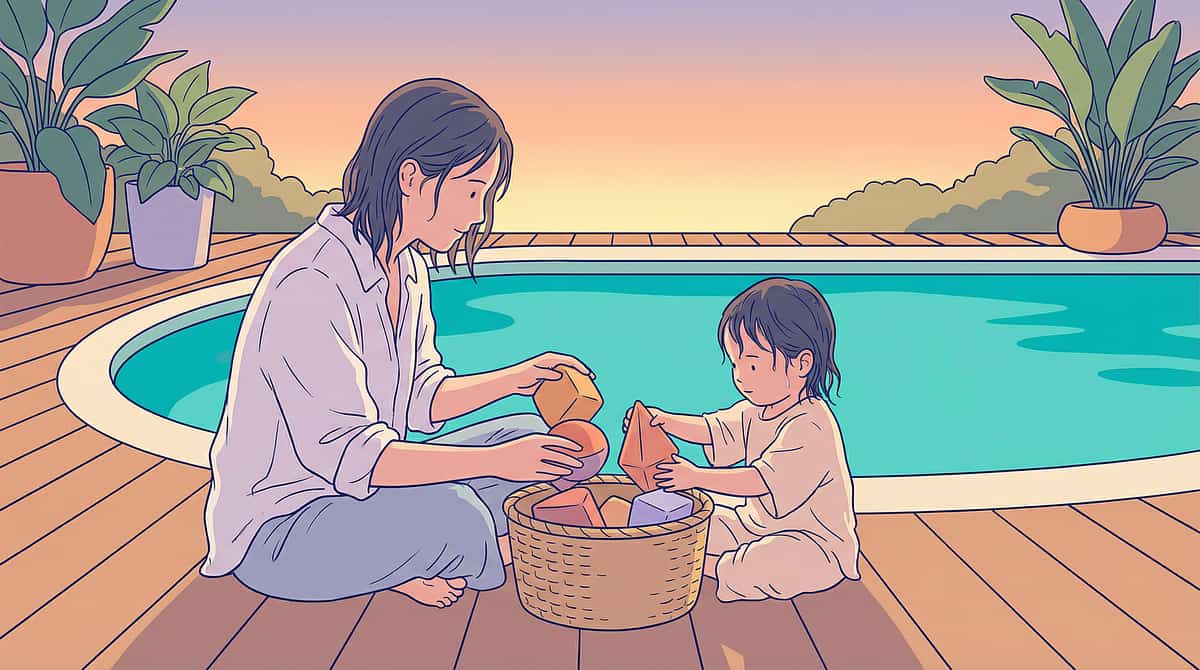
The "Celebrate the Attempt" Principle: Did they put their face in water? Reinforce. Did they stay at the pool edge when they wanted to leave? Reinforce. Did they wear the goggles even though uncomfortable? Reinforce. The attempt is the success. Mastery comes later.
Step 6: The Cool-Down
Step 6 of 6 | 3–5 minutes | 📍 Pool edge → changing room
Towel Poncho On
Child‑Led Exit
Final Rep → All Done
1‑Minute + Visual
2‑Minute Warning
The Transition Sequence
  1. 2-minute warning: "Two more minutes in the pool, then we're all done."
  1. 1-minute warning + visual schedule: "One more minute. Look — almost at the last box."
  1. Final rep: "One more kick, then ALL DONE."
  1. Exit the pool: Child leads pace. Gradual exit, use steps. No rushing.
  1. IMMEDIATE comfort kit: The moment feet leave pool — towel poncho ON.
  1. Poncho time: 3–5 minutes. Body warms. Nervous system regulates.
Post-Swim Comfort Kit in Action
  • 🛁 Hooded towel poncho → immediate full-body coverage
  • 👕 Easy-on clothes (no buttons, no tight waistbands)
  • 🥪 Preferred snack in bag
  • 🧸 Comfort object accessible
  • 👟 Slip-on shoes (no laces while damp-fingered)
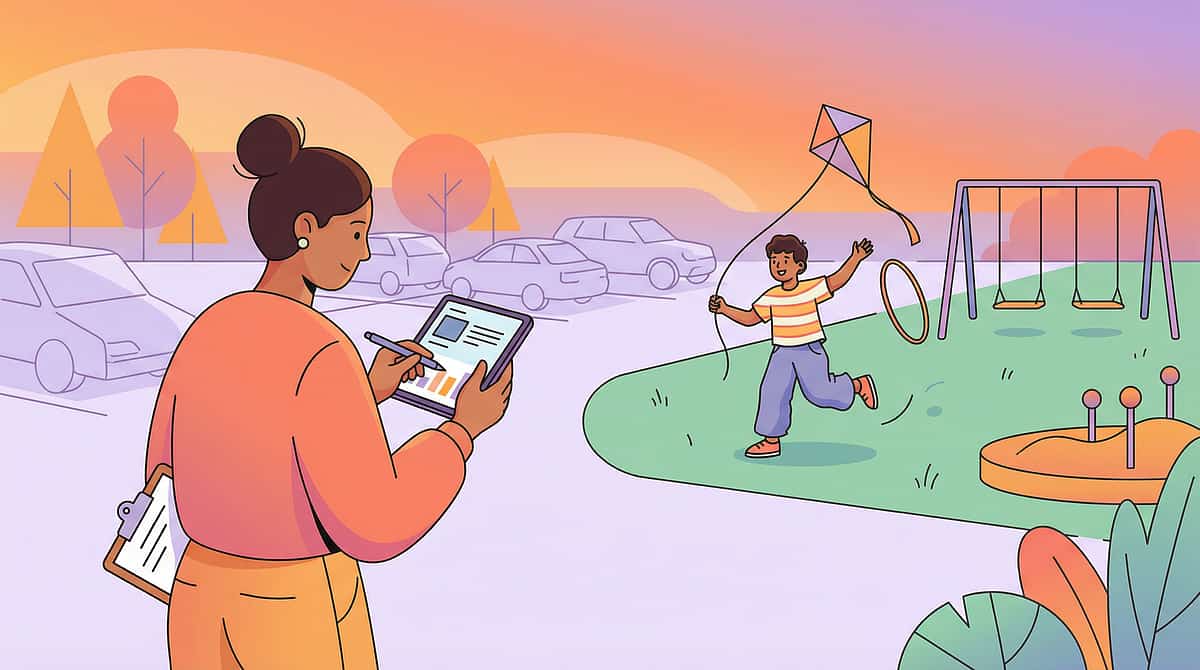
If Child Resists Leaving
This is positive — it means the pool is now a preferred environment! Use first-then: "First out of pool, then snack." Never force — make the exit routine so positive that leaving is the win.
Record 3 Data Points Before You Leave the Parking Lot
Data captured immediately is the only data that's reliable. Memory rewrites. In the moment, you know exactly what happened. Record now.
Pool Entry Level
Circle one: Pool edge only | Feet | Knees | Waist | Shoulders | Full immersion
Session Duration
_____ minutes active in pool (not including prep/debrief)
Distress Level (0–5)
0=No distress | 1=Mild | 2=Moderate | 3=Significant | 4=Meltdown | 5=Session stopped
Bonus Tracking (Optional but Valuable)
  • Ear plugs worn? Y / N | Duration: ___
  • Goggles worn? Y / N
  • Face in water? Y / N | Duration: ___
  • Best moment: ________________________
  • What to try differently next time: ________________________

Track Online
Click to Open GPT-OS® Swim Session Tracker → Auto-tracks progress across sessions. Free with Pinnacle account.
Progress chart: Most children show irregular results in first 6 sessions, then an upward trend emerges. Trust the trend, not the individual session.

📞 Progress plateau for more than 4 sessions? 9100 181 181 — speak to a Pinnacle OT or BCBA for free guidance.
Most Sessions Don't Go Perfectly. Here's Your Repair Kit.
🔴 Child refused pool entry completely
Why: Too much sensory novelty, or insufficient social story period (need 14+ days, not 7).
Next time: Do a pure environmental visit — arrive, walk around pool, leave. Count as Session 1 success. Add 7 more days of daily social story reading.
🔴 Goggles not tolerated — child keeps removing them
Why: Strap pressure, seal discomfort, or unfamiliar sensation on face.
Next time: Try different brand (softer seal). Practice wearing goggles daily at home during meals or TV. Try "choice" — child selects from 2 options.
🔴 Ear plugs fell out and caused distress
Why: Plugs not well-secured, or headband not adjusted.
Next time: Bring 3+ sets of backup plugs. Check fit before entering. Adjust headband for firm retention. Practice insertion at home until routine.
🔴 Post-swim meltdown despite comfort kit
Why: Changing room is often MORE overwhelming than pool — hard acoustics, bright lighting, unfamiliar space.
Next time: Use earplugs in changing room too. Minimize changing time (dress at home if possible). Dim lights. Play calming audio on phone.
🔴 Instructor pushed pace, child dysregulated
Why: Most instructors are not trained in sensory-aware pacing.
Next time: Provide a written one-page "My Child's Swim Support Plan" before EVERY session. Advocate in the moment: "Let's pause here — my child needs more time at this depth."
🔴 Progress plateaued for 6+ sessions
Why: Possible sensory sensitivity not addressed by current material set; instructor mismatch; anxiety requiring clinical intervention; motor planning difficulty.
Next time: Contact 9100 181 181 — free Pinnacle OT/BCBA consultation.
"Session abandonment is not failure. A session that ends early because you respected your child's limits is better therapy than a session that completes through force. The data from that session is: 'we need to go slower here.' That's valuable information."
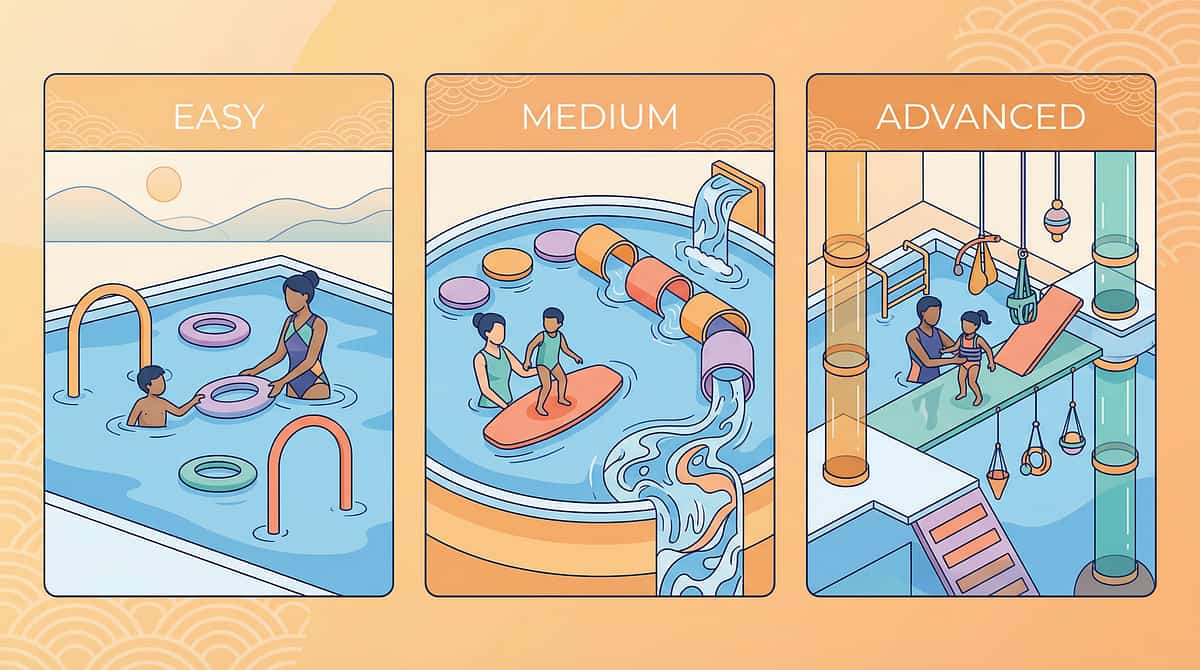
No Two Children. No Two Protocols.
Sensory Seeker vs. Sensory Avoider
Parameter
Seeker
Avoider
Water entry
Can go faster
Very gradual
Splashing
Use as reward
Minimize — warn before
Pool noodle
May not need
Essential — keep throughout
Ear plugs
May tolerate noise
Non-negotiable
Session length
May want longer
Start shorter, extend
Age-Based Modifications
  • Ages 3–5: Simple social story, parent in pool throughout, 20-minute max sessions, all learning through play. Zero pressure on skill — positive association only.
  • Ages 6–10: Full protocol as described. Peer models are powerful motivators. Begin explicit safety skills as water tolerance establishes.
  • Ages 10+: Child involved in material selection. Peer-based instruction often effective. Explicit safety skills as primary focus. Dignity considerations in changing room more significant.
Communication Profile Variations
  • Nonverbal / AAC users: Visual schedule is critical. Use AAC device in waterproof case. Instructor communicates via demonstration + gesture.
  • High verbal but literal: Social story must cover edge cases. Literal understanding of safety rules can be an asset.

Week 1–2: What to Expect
Foundation Building Phase
Weeks 1–2 are the hardest because progress is invisible to the untrained eye. The brain is building tolerance pathways that don't express as visible behavior change yet.
Real Progress at this Stage
  • Tolerates pool environment for 10+ minutes without meltdown (even if not in water)
  • Allows ear plugs and goggles to be put on without significant resistance
  • Makes eye contact at pool edge (nervous system not in full shutdown)
  • Feet in water for 30+ seconds
  • Refers to social story without prompting
Not Expected at This Stage
  • Comfortable waist-deep entry
  • Face in water
  • Following instructor directions consistently
  • Enjoying the experience
"If your child tolerates 30 seconds more water contact this week than last week — that is real, measurable, neurological progress. The pathway to swimming is built in 30-second increments."

Common Week 1–2 parent emotional experience: Doubt. Exhaustion. "This isn't working." This is normal. Trust the process. Systematic review (Children, 2024): Sensory integration outcomes emerge across 8–12 week timelines. | PMC11506176
Week 3–4: Consolidation Signs
Neural Pathway Forming
Spontaneous Material Use
Child initiates putting on ear plugs without prompting — materials are now safety, not threat. A significant milestone in the neural adaptation process.
Faster Entry
Waist-deep entry in under 5 minutes, down from 10+ minutes in week 1. The nervous system is building the pool into its "expected and tolerable" category.
Underwater Curiosity
Child looks underwater with goggles without prompting. Reduced "checking" behavior (looking for parent reassurance) → increasing autonomous exploration.
First Bubble Attempts
First attempt at blowing bubbles on water surface. Visual schedule referenced by child independently. Pool is mentioned at home without distress — neutral or positive reference.

🌱The parent milestone: "You may notice you're more confident too. You've learned to read your child's readiness, you trust the gradual process, and you feel less panic at the pool. Your nervous system is also regulating."

If weeks 3–4 show consistent consolidation: increase to 2 sessions/week if possible.

Week 5–8: Mastery Indicators
Skill Emergence Phase
🥇 Water Safety Level 1 — Survival Skills
  • Floats on back for 30+ seconds with minimal support
  • Treads water for 30 seconds
  • Swims to pool edge from center (5+ meters)
  • Calls for help when in distress in water
🥈 Water Safety Level 2 — Water Competence
  • Enters pool independently with supports
  • Floats on back for 60+ seconds
  • Swims 10+ meters
  • Retrieves object from pool bottom (1+ meter depth)
Generalization Indicators (Most Important)
  • Skill appears in a NEW pool → True generalization, not just familiar-environment tolerance
  • Child requests swimming independently ("Can we go to the pool?")
  • Participates in school swim lesson with minimal support
When to Progress / When to Seek Help
  • All Level 1 skills consistent across 3+ sessions → Add more complex skills
  • Child comfortable in familiar pool → Begin gentle new-pool exposure
  • Plateau at same level 8+ sessions → Contact 9100 181 181

📞 Reached a plateau? Want a formal assessment? 9100 181 181 — Pinnacle OT + BCBA team free consultation.
Your Child Just Became Safer in the World.
🎉 Celebrate This Win
That is not a small thing.
The child who once could not sit at the pool edge without panic can now enter the water, wear protective equipment, follow a lesson structure, and — if you've reached Level 1 mastery — float, tread water, and swim to safety.
That is the difference between a child who could drown in an accidental fall and a child who might survive it.
You didn't just teach your child to swim. You gave them one of the most essential safety skills a person can have. You did this through patience, protocol, and showing up when it was exhausting.
🏅 Family Celebration
Create a "Water Safety Certificate" — print and frame it. Date it. Let the child decorate it. This is a real milestone worth marking.
📸 Photo / Journal Prompt
Take a photo of your child in the water today. In 12 months, compare it to where you started. That is your evidence of what sustained, protocol-based parenting can do.
🌐 Community Share
Share your family's swimming milestone in the Pinnacle Parent Community → Your story helps other families believe it's possible.
You began this journey scared, exhausted, wondering if your child would ever be safe near water. Look at the distance you've traveled. Look at who your child is becoming.
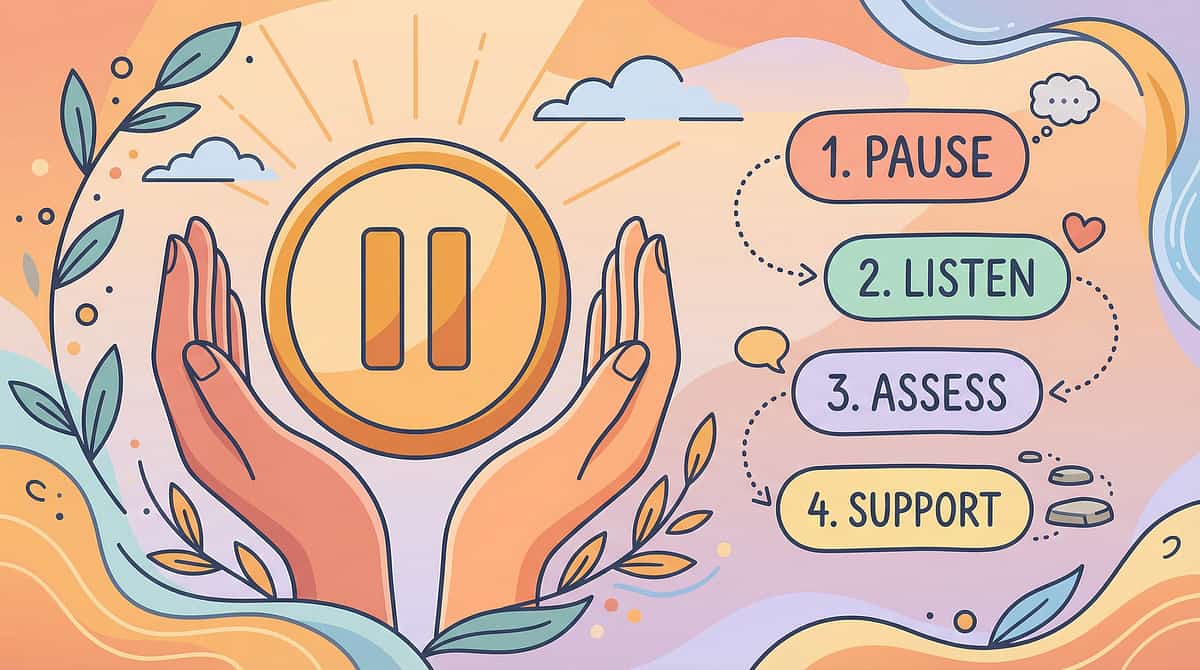
Red Flags: When to Pause and Seek Guidance
Trust Your Instincts
🚨 Increased Water-Seeking Without Safety Awareness
Child is now more drawn to water, less inhibited — but doesn't understand depth or danger. Action: Immediate environmental safety audit (pool fencing, door alarms) and explicit safety rule training.
🚨 Regression After Apparent Mastery
Skills established then suddenly lost. Action: Rule out illness, life stressor, negative incident at pool the parent wasn't told about. Check with instructor.
🚨 Persistent Panic Across 8+ Sessions
Anxiety not diminishing despite protocol. May indicate clinical anxiety, unprocessed trauma, or specific phobia. Action: Consult 9100 181 181 → NeuroDev Pediatrician referral.
🚨 Physical Injury Patterns
Repeated ear infections post-swimming despite plugs — may indicate anatomical consideration or incorrect fit. Consult ENT. Persistent rash or eye swelling — consider saltwater pool alternative.
🚨 Breathing Concerns
Any abnormal breathing, coughing, or choking after swimming → medical evaluation before returning to pool.

Escalation Pathway: Self-monitor → Pinnacle teleconsult (9100 181 181) → Centre visit → NeuroDev Pediatrician referral → Specialist (aquatic OT, anxiety clinic, ENT)
Swimming Lessons Are One Door in a Much Larger Journey
Next Steps After Swimming Mastery
If You Need More Foundation First
  • 🟡 Bath Time Sensory Protocol — Foundational water comfort work
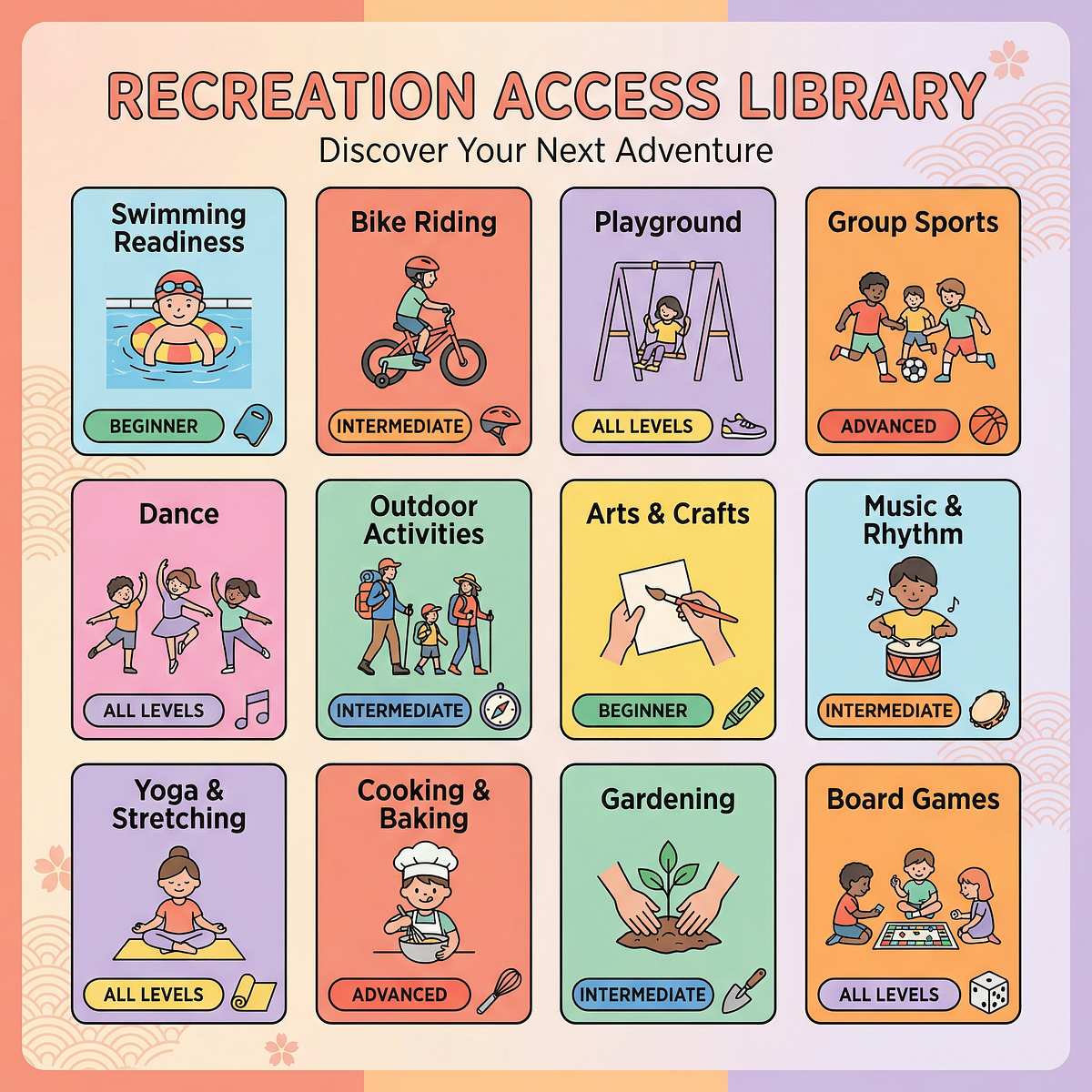
A child who is water-safe, recreation-active, and physically healthy — participating in the full range of childhood physical activities with appropriate support. Recreation access is not a luxury. It is a developmental necessity.

Other Techniques in the Recreation Access Domain

Domain J: Recreation Access The materials you've already acquired for J-875 Swimming Lessons transfer directly to these related techniques. Visual schedules, reinforcement systems, and comfort kits work across the entire Recreation Access domain. Technique Code Canon Materials Link 9 Materials for Swimming Readiness F-583 🟢 Intro Social Stories, Water Toys → Visit 9 Materials for Bike Riding J-876 🟡 Core Sensory Equipment, Visual Supports → Visit 9 Materials for Playground Activities J-873 🟢 Intro Sensory Equipment, Schedule → Visit 9 Materials for Group Sports J-874 🟡 Core Visual Supports, Reinforcement → Visit 9 Materials for Dance/Movement J-877 🟡 Core Motor Equipment, Music → Visit 9 Materials for Outdoor Activities J-878 🟡 Core Sensory Protection, Visual → Visit Browse All 127 Recreation Access Techniques →
Swimming Is One Skill. Your Child Is a Whole Developmental Story.
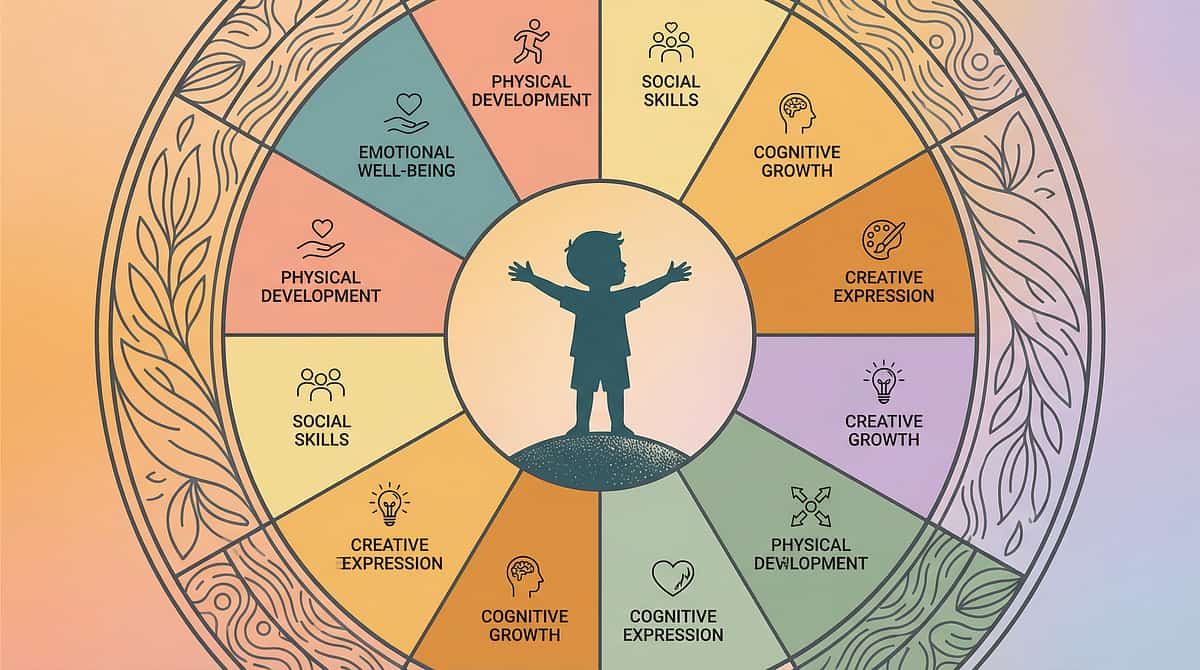
Swimming lessons connect to Domain A (sensory processing), Domain F (gross motor), Domain C (anxiety regulation), and Domain L (safety skills — wandering, danger awareness). Progress in one domain lifts all connected domains.
GPT-OS® Integration
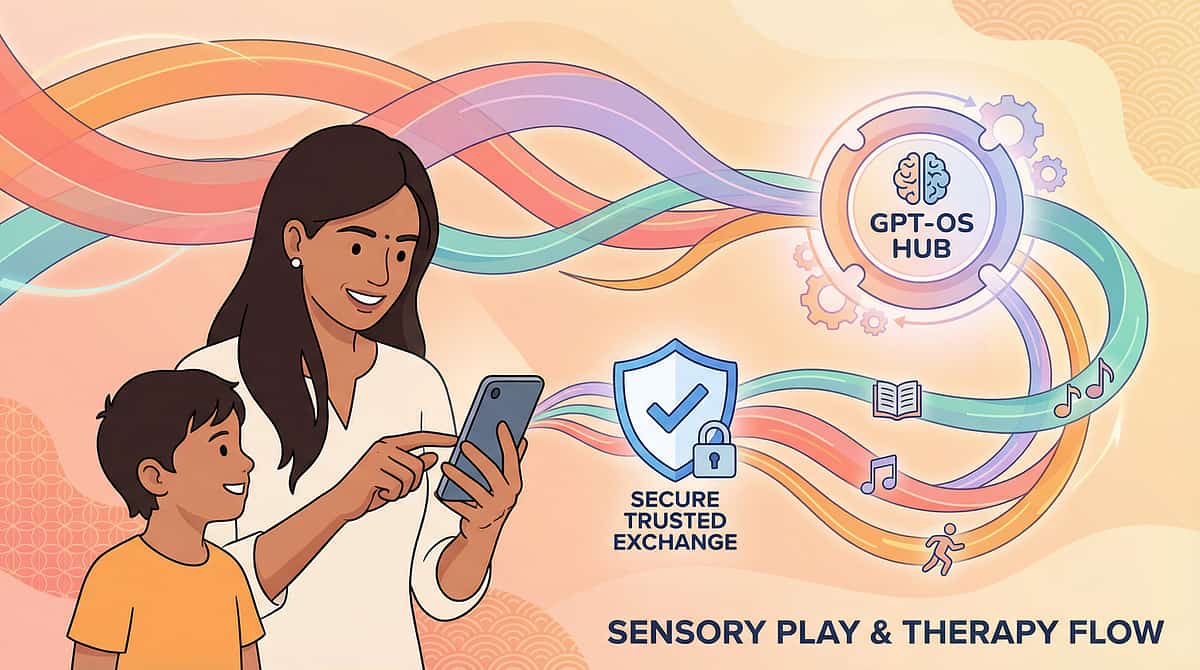
Your child's progress in Domain J automatically feeds the GPT-OS® recommendation engine, which surfaces the next most relevant techniques across all 12 domains — personalized to your child's specific profile.
WHO/UNICEF Connection
The WHO Nurturing Care Framework's five components (health, nutrition, responsive caregiving, security/safety, early learning) all require holistic monitoring. Swimming safety addresses security/safety, health, and early learning. It is not a recreational luxury — it is a WHO-priority developmental domain.
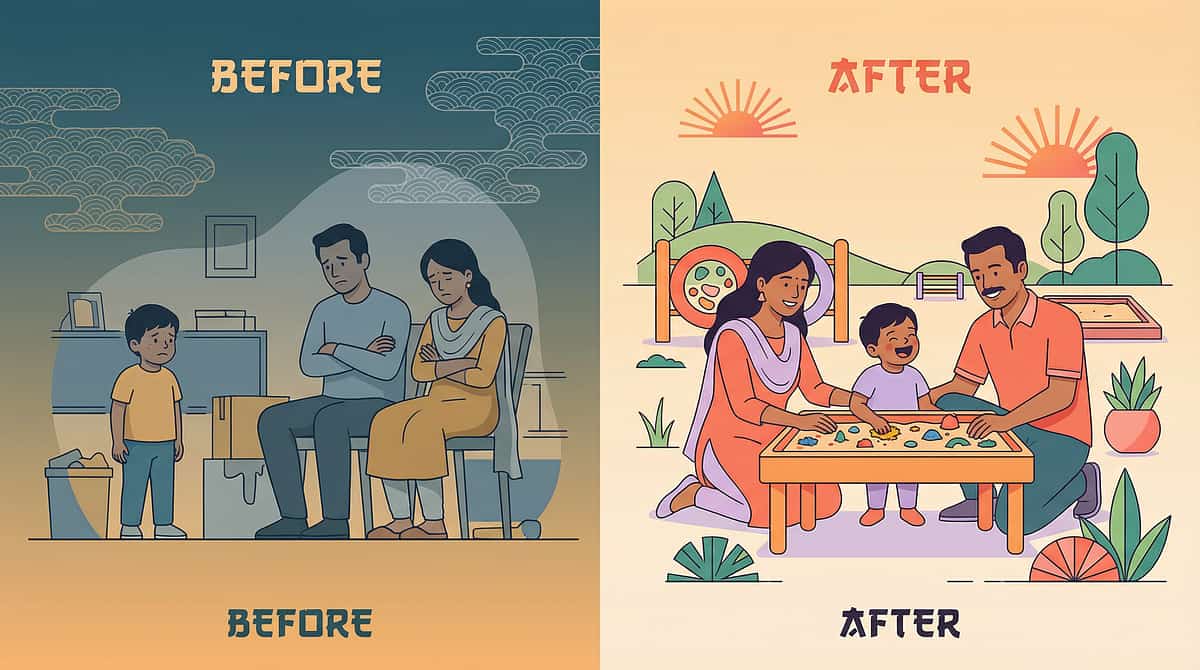
Three Families. Three Different Starting Points. One Destination.
The Child Who Never Got In — 7 years old, Hyderabad
Before: Refused pool entry for 3 years. Social story + ear plugs introduced at Pinnacle OT recommendation. First visit — sat at edge for 25 minutes. No pool entry.
Session 8: First feet-in-water moment. Parent cried in the car home.
Month 6: Floating independently. Could swim 5 meters to edge.
"I spent 3 years believing she couldn't learn to swim. She needed 9 things in a bag and an instructor who went at her pace. That was it. That was the whole answer."
— Mother, Pinnacle Hyderabad Network | Outcomes illustrative; individual results vary
The Child Who Was "Ready But Not Safe" — 9 years old, Mumbai
Before: Loved the water — ran toward pools, no fear. But no understanding of depth, no swimming skills, no response to verbal warnings.
Month 4: Could tread water for 45 seconds. Consistently stops at pool edge before entering.
"Our challenge wasn't fear — it was that he loved water too much without the skills to be safe in it. The protocol addressed both sides."
— Father, Pinnacle Network | Outcomes illustrative; individual results vary
The Family That Found Aquatic Therapy First — 5 years old, Bengaluru
Before: Severe water aversion. Even bath time was a daily crisis. Pool entry inconceivable.
Month 14: Level 1 water safety skills achieved.
"People told me he'd never swim. He swam the width of the pool last Saturday."
— Mother, Pinnacle Bengaluru Network | Outcomes illustrative; individual results vary

You Are Not Doing This Alone. 70+ Centres. Hundreds of Thousands of Families.
WhatsApp: Swimming Support Circle
Parents of children with autism working on water safety skills. Share progress, challenges, and instructor recommendations.
Join: pinnacleblooms.org/community/swimming
Online Forum: Recreation Access Support
Discussions on swimming, bike riding, playground access, sports participation — all recreation domains.
Forum: pinnacleblooms.org/forum/recreation
Peer Mentoring
Connect with a parent 12 months ahead of you in the swimming journey. They know your fear. They came through it.
Request a Swimming Mentor →
Local Parent Meetups
Pinnacle centres organize monthly parent meetups. Swimming and recreation access is a frequent topic.
Find nearest meetup →
"Every parent in the Pinnacle community was once on Card 01 — scared, alone, not knowing if their child would ever be safe near water. Every parent who found community got there faster. Your experience, once gained, helps the next family believe it's possible."
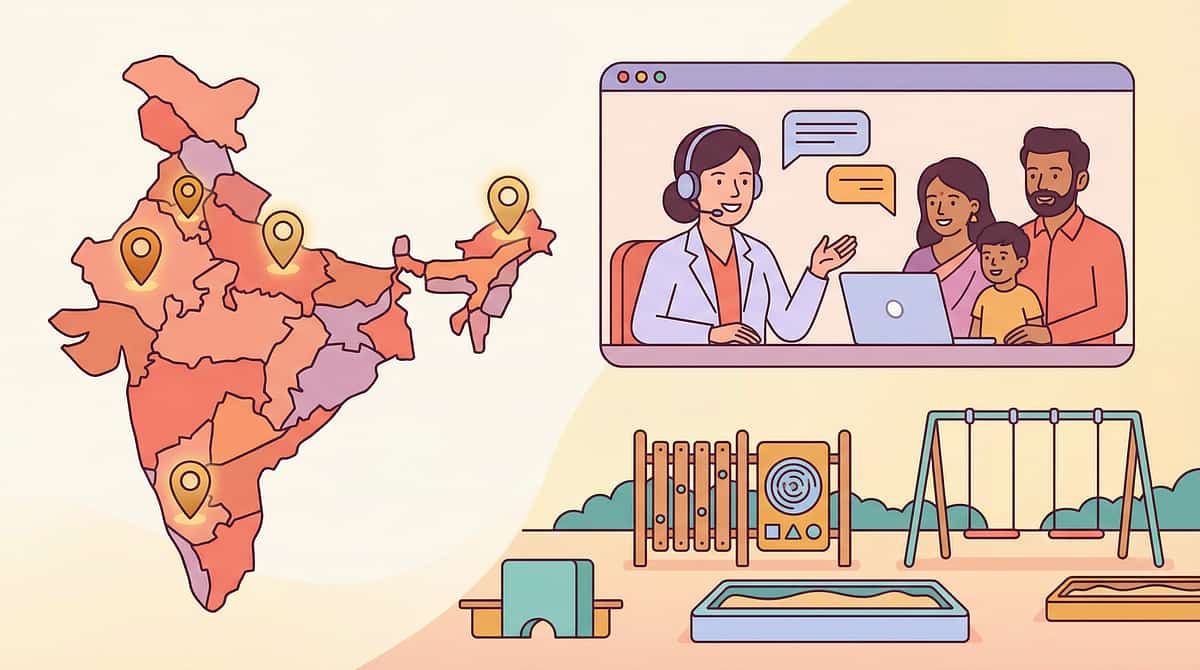
Home Protocol + Professional Guidance = Maximum Impact
Find Your Nearest Centre
70+ centres across India | Aquatic-aware OT, ABA, SLP, SpEd, NeuroDev teams | Teleconsultation available — no travel required

📞 FREE National Autism Helpline
9100 181 181
16+ languages | 6am–10pm daily | No appointment needed | Pinnacle specialists
Specialist Services for Swimming Support
  • 🔵OT — Sensory Integration Assessment: Full sensory profile to identify exactly which materials are most critical for your child. Book OT Assessment →
  • 🟢ABA / BCBA — Aquatic Skills Programming: Formal behavioral program including reinforcement design and data collection. Book BCBA Consultation →
The protocol in this page is designed for home execution. Professional guidance does not replace it — it amplifies it. The OT who assesses your child gives you the exact material priority sequence for your specific child.
For the Parent Who Wants to Go Deeper. Peer-Reviewed. Open Access.
PRISMA Systematic Review (2024)
16 studies, 2013–2023. Sensory integration meets evidence-based practice criteria.
Read: PMC11506176 →
Meta-Analysis — World J Clin Cases (2024)
24 studies. Effective promotion of motor skills and adaptive behavior.
Read: PMC10955541 →
Indian Journal of Pediatrics RCT (2019)
Home-based sensory interventions. Significant developmental outcomes for parent-administered protocols.
Read: DOI 10.1007/s12098-018-2747-4 →
WHO Nurturing Care Framework (2018)
Global ECD evidence framework. Water safety as a priority developmental outcome for all families.
Read: NCF for ECD →
NCAEP Evidence-Based Practices (2020)
Classifies visual supports and social stories as evidence-based practices for autism. Validates Materials 01 and 06.
Read: NCAEP 2020 →
Every Session You Record Makes the Next Recommendation Smarter
Personalized Output
GPT-OS Processing
You Record
What GPT-OS® Learns From J-875 Data
  • Which of the 9 materials correlates with reduced distress for this child
  • Optimal session duration for this child's tolerance curve
  • Whether sensory-seeker or sensory-avoider modifications are working
  • Cross-domain patterns: how swimming progress connects to sensory and motor gains
🔒 Privacy Assurance
All data is encrypted and personal to your child's profile. Aggregate anonymized data improves recommendations for all children. Individual child data is never shared without explicit consent.
"When your family records a session, you're contributing to a dataset that helps the next parent of an autistic child learn what works. Your child's journey is part of a larger map being built for every family like yours."
Watch: 9 Materials That Help With Swimming Lessons
🎬 Reel J-875 | Domain: Recreation Access | Episode 875 of 999 | 60 seconds
This Reel was produced by the Pinnacle Blooms Consortium — the integrated team of Occupational Therapists, Speech-Language Pathologists, ABA/BCBA specialists, Special Educators, and NeuroDevelopmental Pediatricians who designed the protocol on this page.
Reel Sequence:🌊 Hook → 9 Materials (Social Story, Ear Plugs, Goggles, Rash Guard, Noodle, Visual Schedule, Nose Clip, Pool Toys, Comfort Kit) → GPT-OS® Close → Helpline
The 9-material framework shown in this Reel is the same protocol, with the same clinical validation, that underlies the step-by-step execution guide in this page.

Video modeling is an evidence-based practice for autism (NCAEP, 2020). Multi-modal learning improves parent skill acquisition.
Consistency Across Every Caregiver Multiplies the Impact.
Share This
If only one parent uses this protocol, and the child sees two different approaches at home — one with sensory supports and one without — progress is cut in half. When every caregiver understands and uses the same approach, the nervous system gets consistent, coherent input.
📥 Family Guide PDF
Download: Swimming Support Plan (1-page PDF) → Print this. Put it in the swim bag. Every caregiver who takes the child swimming has the protocol.
📋 Instructor Card
Download: Instructor Briefing Card → One-page brief for any swim instructor: what this child needs, what to avoid, who to contact.
"[Child's name] uses special equipment at the pool to manage sensory sensitivity. Please always allow: ear plugs, goggles, and gradual water entry. Never rush. Never push their head underwater. Always use the post-swim towel poncho immediately."
— Template for sharing with extended family and caregivers

The Questions Every Swimming Parent Asks
My child is 12 — is it too late to start?
Never. Adults learn to swim every day. For children 12+, the protocol adapts (Card 22) with more autonomy and explicit safety framing. The older child can be involved in designing their own support plan, which increases buy-in dramatically.
Can goggles and nose clip be used forever, or do they need to come off?
Use supports for as long as your child needs them. Many competitive swimmers use nose clips. The goal is water safety, not equipment independence. Gentle fading over time — when the child is clearly comfortable — is recommended but never forced.
How do I find a swim instructor experienced with autism?
Ask specifically: "Do you have experience teaching children with sensory processing differences?" Look for patience with slow progress and willingness to accommodate supports. Certified Adaptive Aquatics instructors are ideal. Contact 9100 181 181 for referrals in your area.
My child loves bath time but panics at the pool — why?
Bath is familiar, controlled, quiet, and comfortable. The pool is none of these. Bath comfort is a positive foundation but doesn't automatically transfer. The pool requires its own desensitization — social story for that specific facility, "visit only" sessions first, all 9 supports in place.
What if my child doesn't communicate — how do I know they're okay?
Watch body language: flushing/paleness, increased stimming, stiffened body, tight facial muscles, shallow breathing, avoidance behaviors. A visual "I'm okay / I need a break" communication card or AAC symbol at pool edge helps the child signal without speech. Discuss with your SLP.
Should I be in the water or watch from the edge?
For children under 6 and in early desensitization phases, parent IN the water is standard and powerful. As the child becomes comfortable, gradually shift to parent at edge. Never disappear entirely in early phases — child's sense of parent proximity is itself a safety cue.
Our pool doesn't allow ear plugs or nose clips — what do I do?
Advocate. Bring documentation of your child's sensory needs from your OT or pediatrician. Most facilities accommodate reasonable adjustments when formally requested. If a facility refuses, find one that does — the difference in outcomes is enormous.
Is aquatic therapy the same as swimming lessons?
No — but they work together. Aquatic OT uses water therapeutically for sensory desensitization; it does not teach swimming skills. For children with severe water aversion, start with aquatic OT to build the tolerance that makes swimming lessons possible. Many families benefit from both in sequence.

Didn't find your answer? Ask GPT-OS® → | Book a Teleconsultation → | Call 9100 181 181
Your Child's Water Safety Journey Begins With One Phone Call.
Children with autism face 160× higher drowning risk. Every day without water safety skills is a risk day. This protocol exists. These materials exist. This helpline exists. The only remaining step is yours.
📞 Start Today — FREE National Autism Helpline
9100 181 181
Pinnacle specialists | 16+ languages | 6am–10pm daily | No cost, no appointment
🏥 Book a Pinnacle Consultation
OT + ABA + SLP + NeuroDev team assessment
Book Now: pinnacleblooms.org/book

🛡️Validated by the Pinnacle Blooms Consortium® | Occupational Therapy • Speech-Language Pathology • Applied Behavior Analysis • Special Education • NeuroDevelopmental Pediatrics
70+ Centres | 21M+ Therapy Sessions | 97%+ Measured Improvement | DIPP8651 | CIN U74999TG2016PTC113063 | WHO/UNICEF Framework Aligned

Preview of 9 materials that help with swimming lessons Therapy Material

Below is a visual preview of 9 materials that help with swimming lessons therapy material. The pages shown help educators, therapists, and caregivers understand the structure and content of the resource before use. Materials should be used under appropriate professional guidance.
Page 1
Page 2
Page 3
Page 4
Page 5
Page 6
Page 7
Page 8
Page 9
Page 10
Page 11
Page 12
Page 13
Page 14
Page 15
Page 16
Page 17
Page 18
Page 19
Page 20
Link copied!
The Pinnacle Promise
"From fear to mastery. One technique at a time."

Pinnacle Blooms Network® was built by mothers, engineered as a system, and validated by science — because every child deserves a therapist who knows their name, a parent who knows the protocol, and a world that is accessible to them.

The child who cannot swim today can swim tomorrow. Not through force. Through the right preparation, the right materials, and the right guidance. This is what 21 million therapy sessions have taught us.

Your child's safety is our mission.
← Return to Top
Explore Techniques
→ Next Technique
This page contains educational information about therapeutic materials and strategies for supporting children with autism and sensory processing differences in swimming lessons. This information does not constitute medical advice and does not replace professional assessment, diagnosis, or treatment. All intervention protocols should be implemented in consultation with qualified therapists. Children should always be supervised around water regardless of swimming skill level. Individual outcomes vary based on the child's specific needs, sensory profile, and intervention intensity.

Company: Bharath Healthcare Laboratories Private Limited | CIN: U74999TG2016PTC113063 | DPIIT Recognition: DIPP8651 | MSME: Udyog Aadhaar TS20F0009606 | GSTIN: 36AAGCB9722P1Z2 | Brand: Pinnacle Blooms Network® | Platform: GPT-OS®
© 2025–2026 Pinnacle Blooms Network®, unit of Bharath Healthcare Laboratories Pvt. Ltd. All rights reserved. Technique J-875 | Domain J: Recreation Access | techniques.pinnacleblooms.org

📞FREE National Autism Helpline: 9100 181 181 | 16+ languages | Available daily | pinnacleblooms.org | care@pinnacleblooms.org