
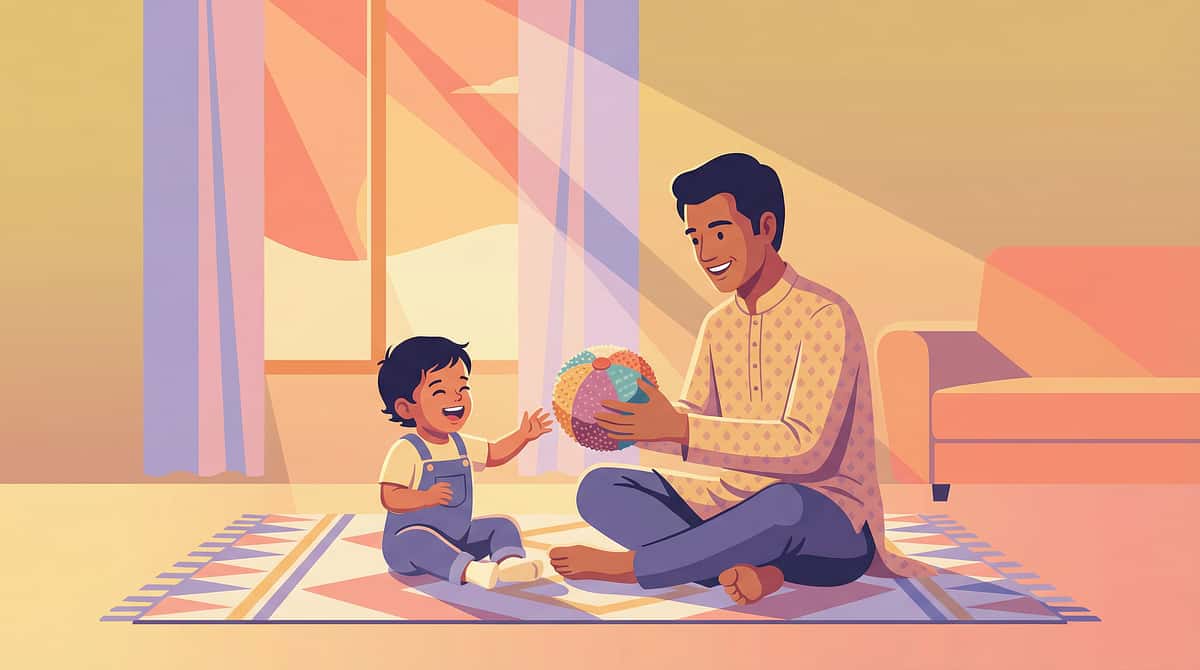
'She'd rather stay inside all summer than have sunscreen touch her skin.'
Every summer morning is the same fight. The moment she sees the sunscreen bottle, she runs. You've chased her around the house, held her down, tried bribing her — nothing works. She'd rather stay inside all summer than have sunscreen on her skin.
You are not failing. Your child's nervous system is speaking.
This is tactile defensiveness with topical application aversion — and the Pinnacle Blooms Consortium has 9 materials that transform this daily battle into a manageable routine.
🔬 Pinnacle Blooms Consortium®
Sensory Solutions — Episode 19
Tactile Processing
Ages 2–12
WHO Nurturing Care Framework (2018): Early identification and parental awareness directly impacts developmental outcomes. Reference: nurturing-care.org/ncf-for-ecd
You Are Not Alone
You are among millions of families navigating this exact challenge. Sunscreen resistance due to tactile defensiveness is one of the most common daily living barriers reported by parents of sensory-sensitive children worldwide. A 2024 meta-analysis published in the World Journal of Clinical Cases confirmed that sensory integration therapy effectively promotes adaptive behavior and sensory processing skills.
80%
Sensory Difficulties
of children diagnosed with autism display sensory processing difficulties — confirmed by a 2024 PRISMA systematic review of clinical literature (PMC11506176)
1 in 4
Tactile Defensiveness
children with sensory processing differences show significant tactile defensiveness affecting daily personal care routines including sunscreen, lotion, and topical product application
20M+
Therapy Sessions
exclusive 1:1 therapy sessions delivered by Pinnacle Blooms Network across 70+ centers — with 97%+ measured improvement in sensory processing and daily living interventions
PRISMA Systematic Review (2024): 16 articles from 2013–2023 confirm sensory integration intervention meets evidence-based practice criteria for children with ASD. References: PMC11506176 | PMC10955541 | DOI: 10.12998/wjcc.v12.i7.1260

It's Not Stubbornness. It's Neurology.
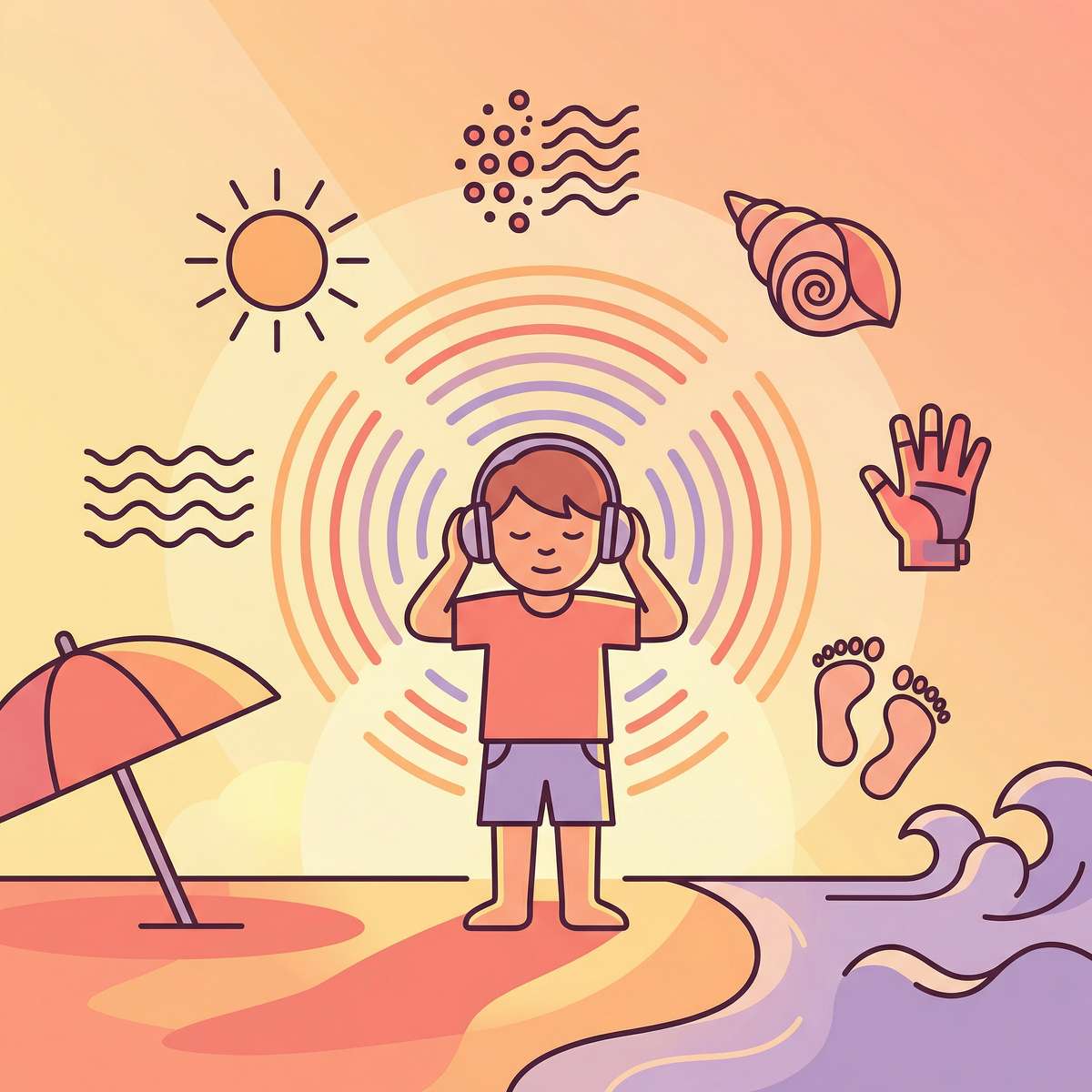
For tactile-sensitive children, sunscreen texture, temperature, smell, and residual feeling genuinely feel intolerable. Their nervous system perceives it as threatening.
What's happening neurologically:
The somatosensory cortex — the brain region that processes touch — over-amplifies the signal from sunscreen on skin. What you feel as "a bit cold" or "slightly sticky," your child's brain registers as genuinely painful, suffocating, or dangerous.
This is a wiring difference, not a behavior choice. The child's fight-or-flight system activates because the sensory input crosses their neurological threshold. The texture triggers (creamy, greasy, sticky), the temperature shock (cold from bottle), the smell (chemical or fragrance), the rubbing motion, and the residual sensation that persists — each one individually aversive, together overwhelming.
"This is a wiring difference, not a behavior choice."
Frontiers in Integrative Neuroscience (2020): Comprehensive framework for evaluating sensory integration/sensory processing treatment in ASD, establishing neurological basis for sensory-based interventions. Reference: DOI: 10.3389/fnint.2020.556660. Per SPD Foundation — tactile defensiveness can make routine personal care activities extremely challenging. The sensory properties of lotions and creams can trigger fight-or-flight responses in children with tactile over-responsivity.
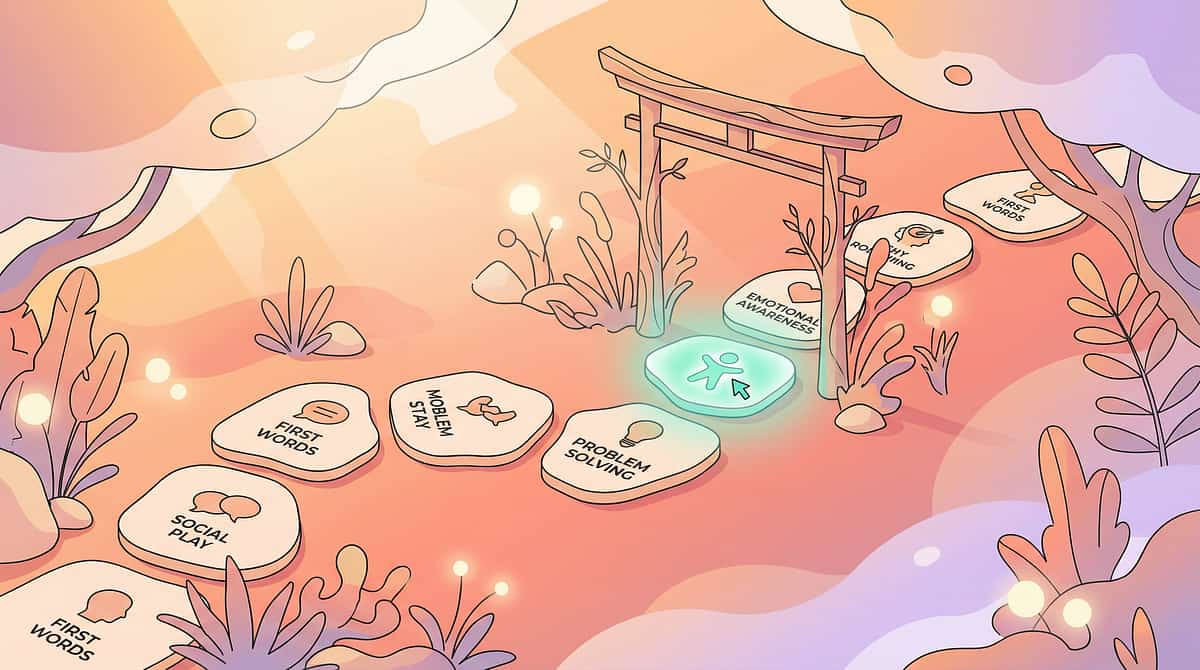
Where This Sits in Your Child's Development
The primary intervention window for tactile processing and personal care tolerance is broadly between ages 2–8. Across 20M+ sessions, the Pinnacle Consortium recognizes a consistent pattern of signs and impact.
Common Signs
- Screams, cries, or fights when sunscreen is applied
- Runs away or hides when sunscreen bottle appears
- Tries to wipe it off immediately
- Says it "burns" or "hurts" even with gentle formulas
- Refuses to go outside rather than wear sunscreen
- Gags or shows distress from sunscreen smell
- Shows anticipatory anxiety — distress beginning before sunscreen even touches skin
Developmental Impact
- Outdoor activity restriction
- Reduced social participation
- Limited family activities
- School and camp barriers
- Generalization of fear to other topical products
Comorbidity Awareness
Sunscreen aversion often co-occurs with resistance to other topical products (lotion, medication, bug spray), hair-washing difficulties, clothing texture sensitivity, and food texture selectivity. These are connected by the same tactile processing difference.
"Your child is here. Here is where we're heading — from complete refusal to independent self-application."
WHO Care for Child Development (CCD) Package: Age-specific evidence-based recommendations implemented in 54 low- and middle-income countries. UNICEF MICS indicators for developmental monitoring across 197 countries. Reference: PMC9978394
The Evidence Behind These Interventions

Evidence Level II
What the Research Shows
A 2024 PRISMA-model systematic review analyzing 16 articles from 2013–2023 confirmed that sensory integration intervention meets criteria as an evidence-based practice for children with ASD. A separate meta-analysis across 24 studies demonstrated effective promotion of social skills, adaptive behavior, sensory processing, and motor skills.
An Indian RCT (Padmanabha et al., 2019) demonstrated significant outcomes from home-based sensory interventions — directly validating the parent-administered approach used in this technique page.
Supporting Sources
- American Occupational Therapy Association (AOTA): Sensory modulation intervention guidelines
- Dunn, W.: Sensory Profile 2 research on tactile sensitivity patterns
- American Academy of Dermatology (AAD): Sunscreen application guidelines for children
- SPD Foundation: Tactile defensiveness in personal care contexts
80%
Evidence Confidence
Strong evidence for sensory integration; moderate-to-strong for material format modifications
"Clinically validated. Home-applicable. Parent-proven."
PRISMA Systematic Review (2024): PMC11506176 | Meta-Analysis: PMC10955541 | Indian RCT: DOI: 10.1007/s12098-018-2747-4 (Padmanabha et al., Indian J Pediatr, 2019)
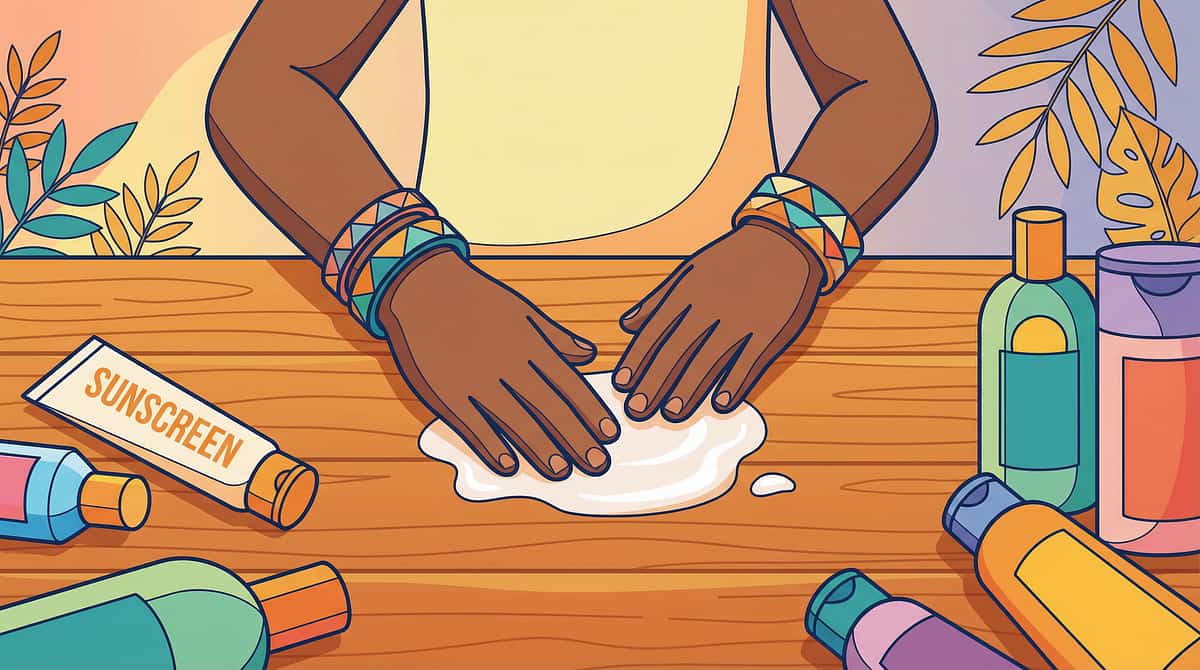
Sunscreen Application: Sensory-Adaptive Material Strategies
Parent-friendly alias: "Finding the sunscreen format your child's skin can accept"
A structured intervention approach using alternative sunscreen formats (stick, spray, mineral, powder), UPF protective clothing, application modifications (warming, fragrance elimination, self-application tools), and sensory preparation techniques (deep pressure) to achieve adequate sun protection while respecting the child's tactile processing thresholds. The approach systematically tests formats with different sensory profiles, reduces the skin area requiring sunscreen through clothing coverage, modifies how sunscreen is applied, and prepares the child's nervous system to better tolerate application.
🏷️ Domain
A — Sensory Processing
Sub-Domain: SEN-TAC — Tactile Processing
Series: Sensory Solutions (Episode 19)
Sub-Domain: SEN-TAC — Tactile Processing
Series: Sensory Solutions (Episode 19)
🏷️ Age Range
2–12 years
🏷️ Duration
5–15 minutes per application session
🏷️ Frequency
Daily during sunny season; as needed otherwise
🏷️ Setting
Home, Bathroom, Outdoors
Interconnect links: → A-017: Toothbrushing Battles → A-018: Haircut Refusal → A-020: Lotion/Moisturizer Resistance
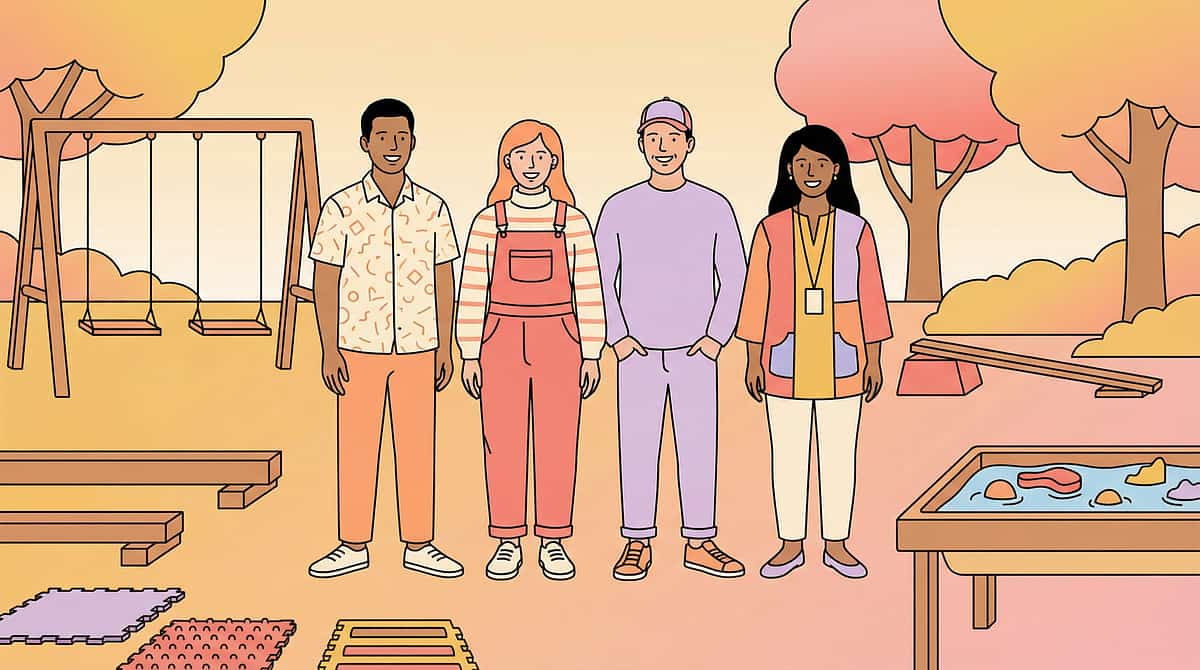
The Consortium Behind This Technique
This technique crosses therapy boundaries because a child's sensory experience doesn't organize itself by clinical specialty. Four disciplines contribute to safe, effective sunscreen desensitization.
🧠 Occupational Therapist (Lead)
Conducts sensory processing evaluation, designs tactile desensitization program, identifies optimal sunscreen format based on Sensory Profile 2 results, trains parents in deep pressure preparation and systematic format testing.
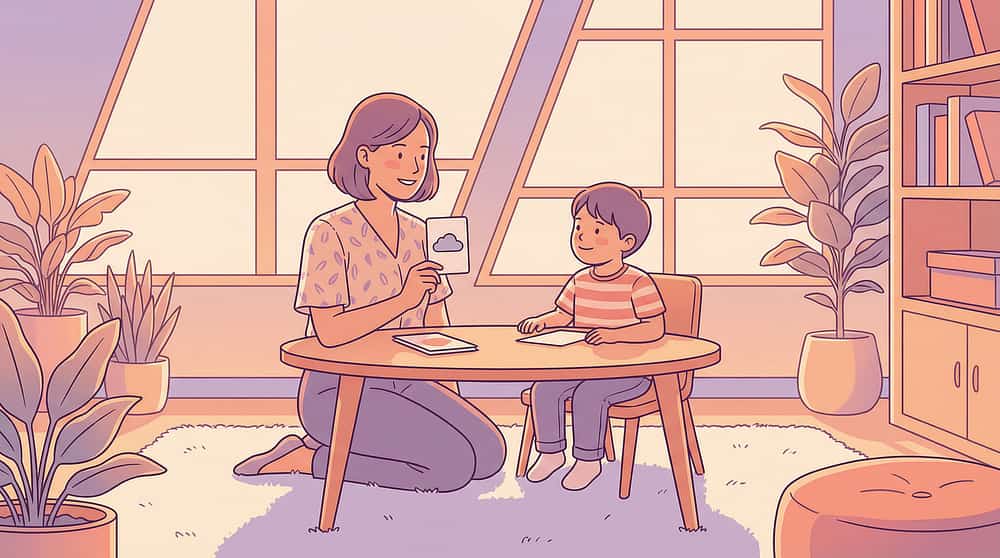
🗣️ Speech-Language Pathologist
Addresses communication strategies — teaching the child to express sensory discomfort verbally. Develops scripts: "It feels too sticky" instead of screaming. Supports social story creation for sunscreen routines.
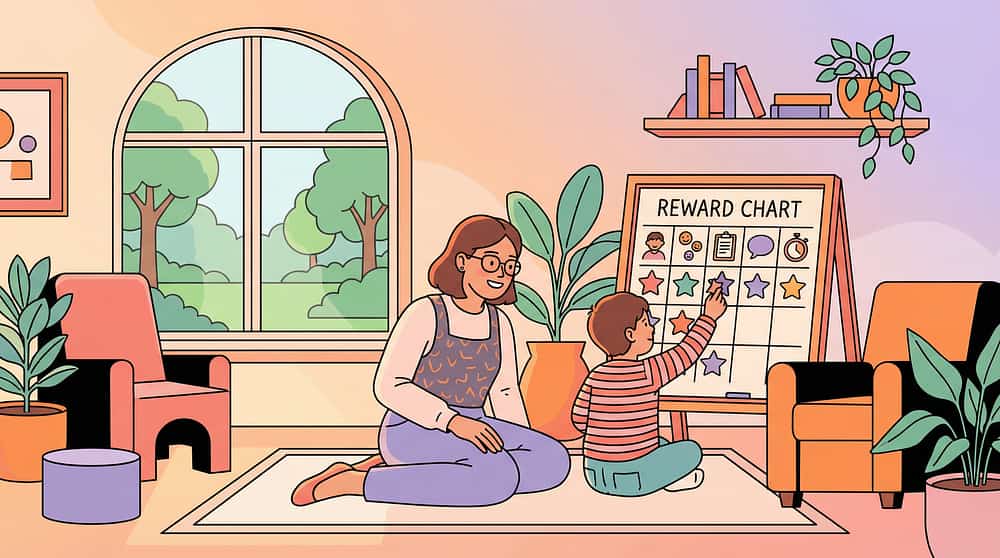
📋 Board Certified Behavior Analyst
Designs gradual desensitization protocol using ABA principles. Implements reinforcement schedules for sunscreen tolerance. Creates First-Then boards. Builds positive association between sunscreen and outdoor activity access.
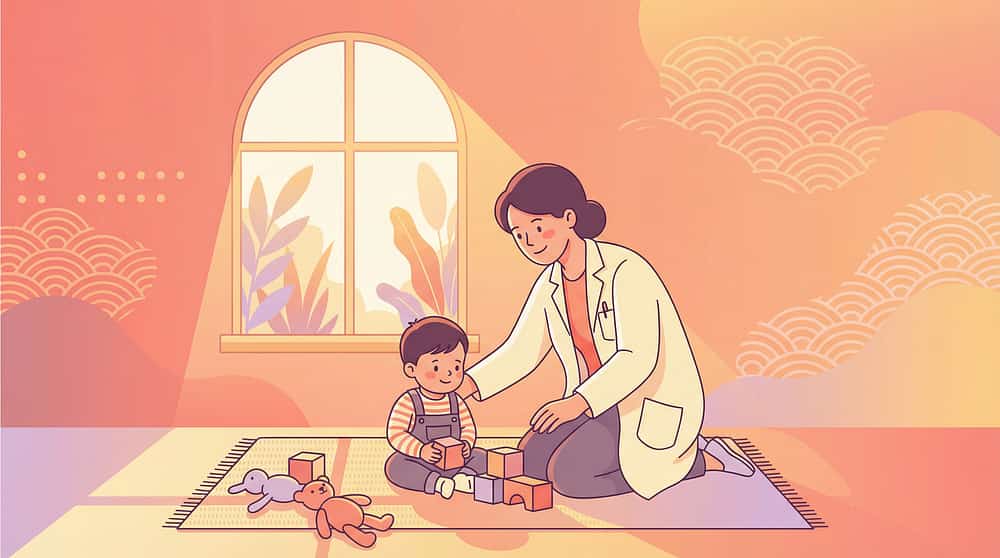
👨⚕️ NeuroDevelopmental Pediatrician
Rules out skin allergies vs. sensory aversion. Guides sunscreen formula selection for sensitive skin. Monitors for co-occurring conditions. Refers to pediatric dermatology when indicated.
"This technique crosses therapy boundaries because the brain doesn't organize by therapy type."
Adapted UNICEF/WHO Nurturing Care Framework for SLPs (2022): Multiple disciplines contribute to responsive caregiving and early learning. Reference: DOI: 10.1080/17549507.2022.2141327
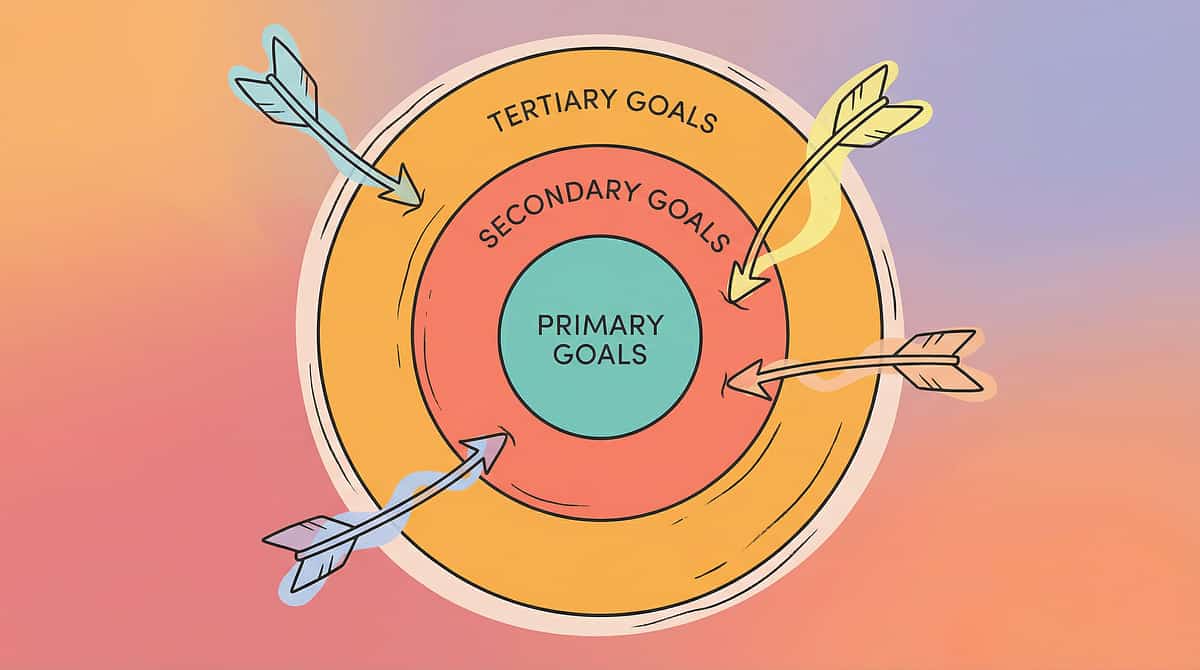
What This Technique Targets
Sensory-adaptive sunscreen strategies work on multiple levels simultaneously — from the immediate goal of sun protection to long-term independence in personal care.
Observable behavior indicators show a clear progression: child transitions from complete refusal with meltdown → tolerates specific format with support → tolerates application with minimal distress → self-applies preferred format independently.
Meta-analysis (World J Clin Cases, 2024): Sensory integration therapy effectively promoted social skills, adaptive behavior, sensory processing, and motor skills across 24 studies. Reference: PMC10955541
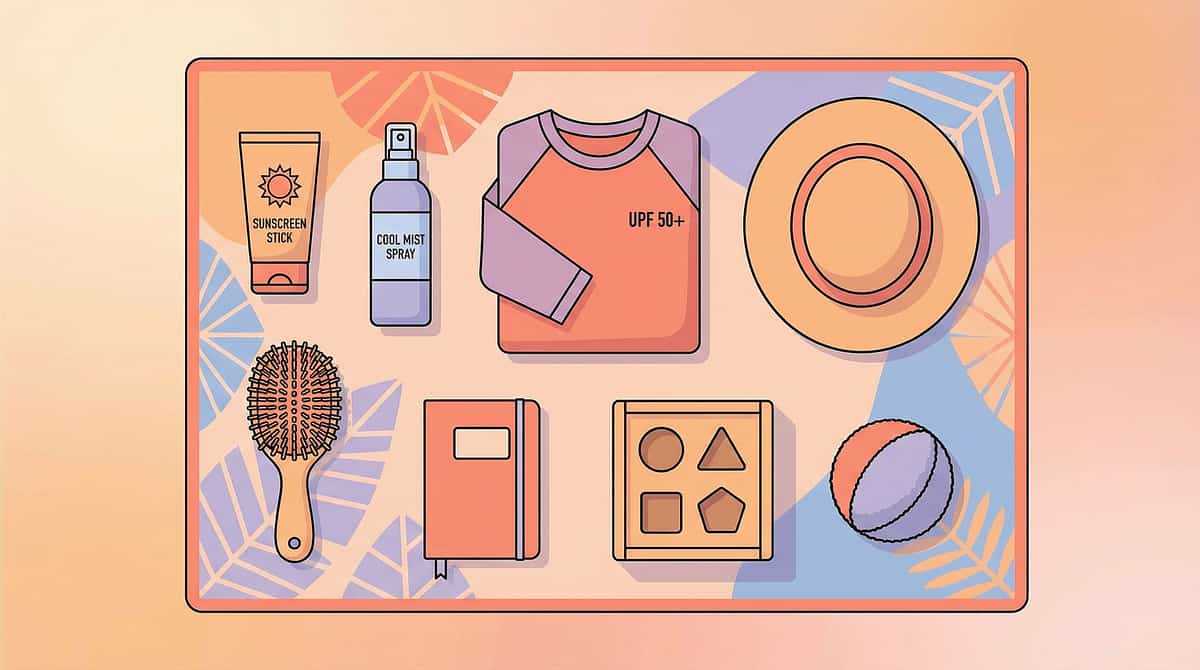
The 9 Materials — What You Need
Each of these 9 materials addresses a different sensory trigger. Start with the one that matches your child's most prominent aversion — texture, temperature, smell, or rubbing motion.
1. Stick Sunscreen (SPF 30–50+)
Dry application. No spreading. Glides on like a marker. Eliminates wet, cold, spreading lotion sensation.
Sensory-Adaptive Personal Care
2. Spray Sunscreen (SPF 30–50+)
No rubbing required. Quick mist application. Removes the prolonged rubbing that many children find intolerable.
Sensory-Adaptive Personal Care
3. Mineral/Physical Sunscreen (Zinc-Based)
Sits on skin surface, doesn't absorb. Fragrance-free. Gentle on sensitive skin. For children who say lotion "soaks in and burns."
Sensory-Adaptive Personal Care
4. Powder Sunscreen (Brush-On)
Completely dry. No lotion sensation at all. Dusted on with a brush. For children who reject all wet/cream formats.
Sensory-Adaptive Personal Care
5. UPF Clothing (Sun-Protective Clothing)
Wear protection instead of applying it. Rash guards, UV hats, sun leggings cover 80%+ of body. Reduces sunscreen to face and hands only.
Adaptive Clothing
6. Warming Technique (No Cost)
Warm sunscreen between palms before applying. Removes cold temperature shock — one less sensory trigger.
Sensory Preparation
7. Fragrance-Free / Hypoallergenic Formula
Remove the smell trigger entirely. Fragrance-free formulas eliminate olfactory overload during application.
Sensory-Adaptive Personal Care
8. Self-Application Tools
Roll-on applicators, lotion pads with handles, silicone face brushes. Child controls the touch — pressure, location, pace.
Adaptive Personal Care Tools
9. Sensory Prep — Deep Pressure Before Application
Firm squeezes on arms and legs before sunscreen calms the tactile system. Preparation is half the battle.
Sensory Preparation
Essential starters (minimum viable kit): Stick sunscreen + one UPF rash guard + one UPF hat
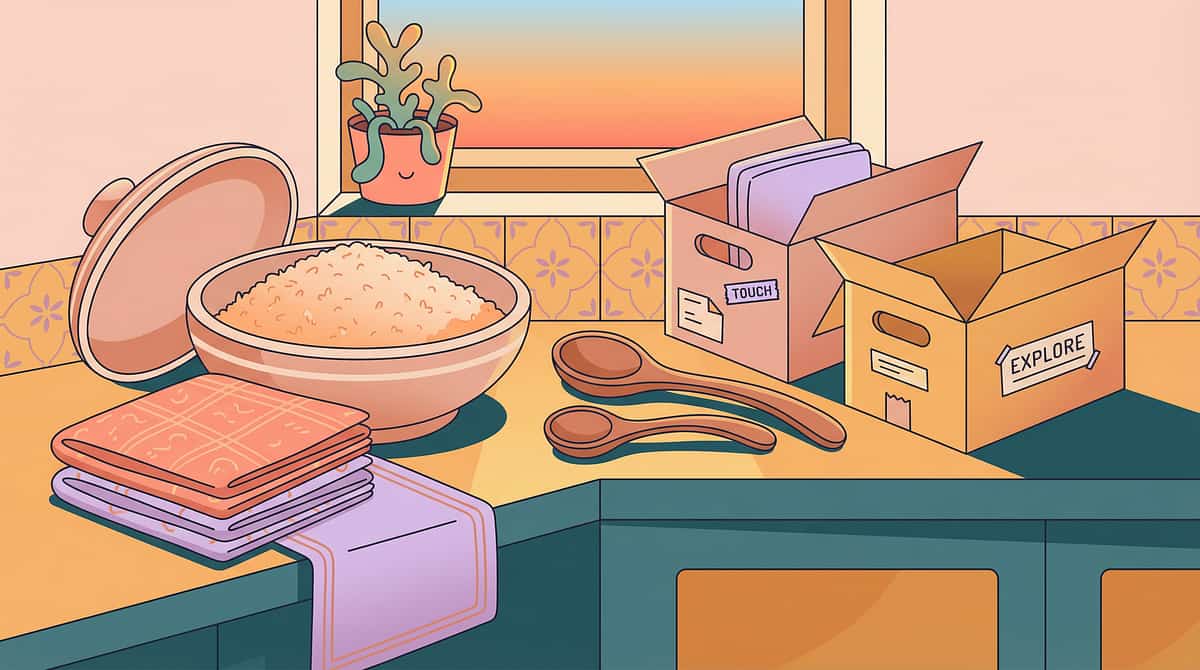
No Budget? No Problem. Start Today.
Three of these nine strategies cost absolutely nothing. Every parent, in every setting, can begin today. Here's how to substitute or DIY each material when budget is a barrier.
Buy This | DIY / Zero-Cost Alternative | Notes | |
Stick Sunscreen | Let child self-apply any available sunscreen. Store at room temperature. | Self-control is the key accommodation here | |
Spray Sunscreen | Let child control spray distance. Spray onto hands first, then press onto skin. | Reduces rubbing sensation significantly | |
Mineral Sunscreen | Look for "physical" or "mineral" labels. Baby sunscreens are often mineral-based. | Available at local pharmacies | |
Powder Sunscreen | Practice brush strokes on skin WITHOUT powder first. Use a clean makeup brush. | Builds brush tolerance before product tolerance | |
UPF Clothing | Dark, tightly-woven regular clothing provides UPF 5–10. Long sleeves + hat reduce sunscreen area. | Partial protection — supplements, not replaces | |
Warming Technique | Zero cost. Rub between palms 10–15 seconds. Or place bottle in warm water briefly. | The single most impactful free modification | |
Fragrance-Free Formula | Check labels: "fragrance-free" (not "unscented"). Baby sunscreens often qualify. | Available widely at pharmacies | |
Self-Application Tools | Clean makeup sponge, silicone spatula, or soft paintbrush. | Child controls application without messy hands | |
Deep Pressure Prep | Zero cost. Firm palm pressure down arms and legs. Joint compressions. Tight hugs. | Most effective sensory prep available |
"Three of these nine strategies cost absolutely nothing. Every parent, in every village, in every country, can start today."
WHO Nurturing Care Framework (2018): Context-specific, equity-focused interventions. CCD Package implemented across 54 LMICs demonstrates household-material-based intervention efficacy. Reference: PMC9978394
Safety First — Before You Begin
🔴 RED — STOP
- Child has active skin rash, hives, or irritation in the application area
- Child is in acute meltdown or severe dysregulation
- Any sunscreen has previously caused allergic reaction (test on small skin area first)
- Child has open wounds, sunburns, or skin conditions requiring medical management
🟡 AMBER — MODIFY
- Child shows anticipatory anxiety at sight of sunscreen — use desensitization protocol first
- Child tolerates sunscreen only on specific body parts — use UPF clothing for the rest
- Child recently had a difficult sunscreen experience — allow recovery time before retrying
🟢 GREEN — GO
- Child is calm, regulated, and fed
- Tolerated sunscreen format available and at room temperature
- No time pressure — allow the process to unfold naturally
- Environment is comfortable (not already in direct hot sun)
- Product has been tested on a small skin area without reaction
Critical Safety Notes
- Never spray sunscreen directly on face — spray on hands first, then apply
- Avoid spray sunscreen inhalation — apply in well-ventilated areas only
- Never microwave or excessively heat sunscreen — warm to body temperature only
- Ensure SPF 30+ and broad spectrum on all products
- Never use expired sunscreen
- Reapply every 2 hours or after swimming/sweating
Indian Journal of Pediatrics RCT (2019): Home-based sensory interventions safety protocols. Safety monitoring integrated into study design. Reference: DOI: 10.1007/s12098-018-2747-4
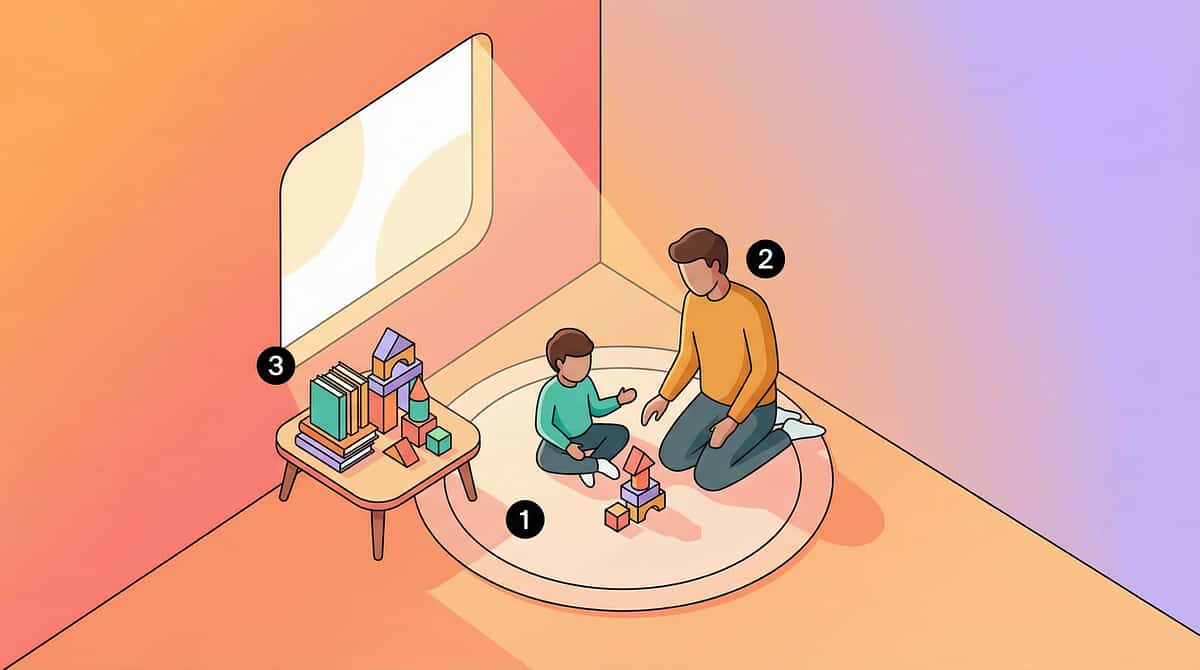
Set Up Your Space

Indoor Application Setup (Recommended for Initial Sessions)
- Location: Choose a consistent, calm space — bathroom, bedroom, or living room. Same place each time builds predictability.
- Lighting: Normal room lighting. Avoid bright overhead lights. Avoid direct sun during initial practice.
- Temperature: Warm room — cold increases tactile sensitivity.
- Materials positioned: Tolerated format within reach. Self-application tools if using. UPF clothing laid out.
- Distractions removed: No screens, toys, or siblings competing for attention.
- Parent position: Sitting at child's level. Face-to-face or side-by-side (some children prefer not being looked at during difficult sensory tasks).
- Visual schedule: Post the sequence: Deep pressure → Sunscreen → Outdoor activity.
For Outdoor Application (Once Routine Is Established)
- Find shaded area
- Have wipes/towel available for child who wants to pat (not wipe off) residue
- Bring preferred format — do not substitute once tolerated format is identified

Is Your Child Ready? 60-Second Check
The best session is one that starts right. Run this quick check before you begin — it takes 60 seconds and can save an entire morning.
✅ Child is calm and regulated
Not mid-meltdown, not hungry, not tired
✅ No recent negative sunscreen experience
Allow 24+ hours recovery after a difficult session
✅ Tolerated format available at room temperature
Do not substitute formats mid-routine
✅ No time pressure
Rushed application creates negative associations — allow the process to unfold naturally
✅ Outdoor activity follows
Natural reinforcement — sunscreen leads to fun
✅ Parent is calm and patient
Children mirror parental stress — your regulation is their regulation
✅ Small skin test done previously
With this specific product, on a small area, without reaction
All GREEN → GO
Proceed to Step 1
1–2 AMBER → MODIFY
Use simplified version — UPF clothing only, minimal sunscreen on face and hands
Any RED → POSTPONE
Do a calming activity instead. Try again tomorrow.

Step 1 of 6
The Invitation (30–60 seconds)
"It's a sunny day! We're going to [pool/park/playground]. First, let's put on our sun stuff. Which would you like first — your sun clothes or your sun stick?"
Why This Works
The invitation pairs sunscreen with the desired outdoor activity — natural reinforcement at its most powerful. Offering choice gives the child control. Using "sun stuff" or "sun stick" instead of "sunscreen" may bypass negative word associations built up from previous difficult experiences.
Parent Body Language
Relaxed, matter-of-fact — not anxious or bracing for battle. Sit at child's level. Smile genuinely. Your calm is contagious.
Acceptance Cues to Watch For
- Child approaches
- Makes eye contact
- Reaches for material
- Verbally assents
- Doesn't flee
If Resistance Occurs
Do NOT chase or force. Calmly say: "That's okay. We'll try in a few minutes." Redirect to a calming activity. Try again with a modified approach.
Step 2 of 6
Prepare the Skin: Deep Pressure (1–2 minutes)
What to Do
Begin with firm palm pressure down both arms — shoulder to hand — like squeezing a tube of toothpaste. Then both legs — hip to foot. Joint compressions at shoulders, elbows, wrists. Tight hug (3–5 seconds).
The goal: temporarily reduce tactile sensitivity so the sunscreen application feels less intense.
What to Say
"Let's get your arms and legs ready. Big squeezes! Squeeze, squeeze, squeeze. Arms ready! Legs ready!"
Child Response Indicators
- Engaged: Relaxes into pressure, may smile, extends limbs for more
- Tolerating: Passive but not resisting
- Avoiding: Pulls away, tenses up — lighten pressure, ask preference
Timing Notes
1–2 minutes maximum. This is preparation, not the main event.
- If child enjoys deep pressure: Extend slightly — this is regulating their system.
- If child dislikes deep pressure: Skip this step. Proceed directly to sunscreen with the tolerated format.

Step 3 of 6
Apply Sunscreen Using Tolerated Format (2–5 minutes)
Key principle: Quick and efficient. Do not prolong the process. 9 confident strokes is better than 30 tentative ones. Firm pressure is always less aversive than light touch for tactile-defensive children.
If Using STICK Sunscreen
Warm the stick between your palms for 5 seconds. Let the child hold it first. Demonstrate on your own arm. Let the child swipe it on themselves if possible. If parent applies — use firm, confident strokes (not light, tickling touch). Start with the most tolerated body area (usually arms below elbow). Work outward.
If Using SPRAY Sunscreen
Spray from child's preferred distance. Let child hold the can and spray their own arms. NEVER spray face directly. For face, spray on parent's hands, warm between palms, then press firmly (not rub) onto cheeks and forehead.
If Using UPF CLOTHING Approach
Dress in UPF clothing first (rash guard, leggings, hat). Then apply stick sunscreen ONLY to face and backs of hands — dramatically reducing the application battle area.
If Using WARMING Technique with Any Format
Dispense sunscreen onto parent's palms. Rub between hands for 10–15 seconds until body temperature. Apply with firm, confident pressure.
Child Response Spectrum
✅ Ideal
Child participates, self-applies areas, minimal distress
✅ Acceptable
Child stands still, mild grimacing, tolerates completion
⚠️ Concerning
Escalating distress, attempting to flee, hitting — STOP and use modified approach

Step 4 of 6
Body Area Progression (2–3 minutes)
Start with the most tolerated area and work outward. Sequencing reduces cumulative distress and preserves the most critical areas (face) for when your child still has tolerance remaining.
Variation for Engagement
- "Let's count — one arm done! Now the other arm!"
- Let child choose the order: "Which arm first?"
- Mirror game: parent applies to own arm, child applies to own arm simultaneously
- Use a body-part song or counting to create rhythm and predictability
When to Stop — Satiation Indicators
Child tolerated all exposed areas
Complete success — done!
Tolerance is decreasing
Squirming increasing — finish critical areas (face) quickly, accept partial coverage
Approaching meltdown
STOP. Whatever coverage achieved is today's success.
"Three good applications are worth more than ten forced ones."

Step 5 of 6
Reinforce and Celebrate (30 seconds)
"ALL DONE! Sun stuff is on! You did SO WELL! Now let's go to [pool/park/playground]!"
The Critical Principle
The outdoor activity IS the reinforcement. Sunscreen → Fun. This is natural consequence reinforcement — the most powerful kind available. Deliver the celebration within 3 seconds of completion.
Reinforcement Menu
- Verbal praise: specific, enthusiastic, immediate
- High-five or preferred celebratory gesture
- Token added to token economy chart (if using)
- Small immediate reward: sticker, choice of first activity at playground
What NOT to Do
- Do not say "See, that wasn't so bad!" — this dismisses the child's real difficulty
- Do not debrief the struggle — creates more negative association
- DO transition IMMEDIATELY to the fun activity — momentum is everything
"Celebrate the attempt, not just the success."

Step 6 of 6
Transition to Outdoor Activity
Wash Hands
Remove any sunscreen residue
Pat Dry
Offer towel for gentle patting
Dress UPF
Put on hat and sun-safe clothes
Go Outside
Head outdoors and say phrase
Positive transition phrase: "Sun protection ON. Adventure time!"
If Child Is Slightly Dysregulated After Application
Allow 1–2 minutes of preferred calming activity (deep breaths, squeeze toy, hug) before transitioning outdoors. Do NOT delay too long — the outdoor fun is the payoff.
Material Cleanup — Consistency Matters
- Store sunscreen at room temperature (not cold bathroom)
- Keep self-application tools with sunscreen for consistency
- Same format, same location, same routine — predictability reduces future anxiety

60 Seconds of Data Now Saves Hours of Guessing Later
Tracking your child's sunscreen sessions feeds the GPT-OS® system and helps personalize future recommendations. Consistency of recording matters more than the tool you use.
1
Format Used Today
Stick / Spray / Mineral / Powder / UPF Only
2
Distress Level (1–5)
1 = No distress → 5 = Meltdown, could not complete
3
Coverage Achieved
Full body / Most areas / Arms + legs only / Face + hands only / Could not apply
Optional Data Points
- Body areas tolerated vs. refused
- Self-application: Yes / Partially / No
- Deep pressure prep used: Yes / No
- Notes: anything new observed
📥 PDF Tracking Sheet
Download and print for daily use
📱 GPT-OS® In-App Tracker
pinnacleblooms.org — personalized recommendations
📝 Simple Notebook
Works just as well — consistency is what matters
"This data feeds GPT-OS® — helping personalize recommendations and track your child's readiness progression through the Daily Living & Independence Index."

What If It Didn't Go as Planned?
Every difficult session is data. Every abandoned attempt reveals something important about your child's sensory threshold. Here are the most common challenges — and exactly what to do next time.
Problem: Meltdown before sunscreen even touched skin
Why: Anticipatory anxiety. The sight or smell triggered fight-or-flight.
Next time: Start with just showing the sunscreen from a distance. Let child examine it at their pace. Apply to a toy first. Practice the routine without actual application.
Problem: Tolerated arms but refused face
Why: Face has more nerve endings, is closer to the nose (smell), and near eyes (fear). This is normal — face is almost always hardest.
Next time: Use UPF hat to reduce face exposure. Apply face stick only to cheeks and forehead. Let child self-apply with mirror for control.
Problem: Stick format felt "too waxy"
Why: Individual texture preference varies. Stick eliminates wet but introduces waxy.
Next time: Try a different stick brand. Or switch to spray format. Or try mineral lotion applied with warm firm pressure.
Problem: Child tried to wipe sunscreen off immediately
Why: Residual sensation (stickiness, coating) is aversive even after application.
Next time: Choose fast-drying formula. Apply lighter coat. Transition IMMEDIATELY to engaging outdoor activity to distract from residual sensation.
Problem: You had to hold the child down (and feel terrible about it)
Why: Parental desperation when sun protection is medically necessary.
Going forward: Find the tolerated format. Use UPF clothing to minimize application area. Build tolerance gradually. UPF clothing + hat + sunglasses provides significant protection without any sunscreen as a temporary bridge.
"Session abandonment is not failure — it's data."

Adapt This to Your Child
No two children — and no two days — are the same. This protocol is designed to flex across your child's current sensory threshold, their age, and their sensory processing style. Use this guide to calibrate.
1
← Easier (Severe Defensiveness / Bad Days)
Full UPF clothing + hat + sunglasses only. Zero sunscreen. UPF + face stick only. Skip deep pressure if disliked. Apply in 2 sessions: legs now, arms in 10 minutes.
2
Standard Protocol
Deep pressure prep → tolerated format → systematic body area application → immediate outdoor transition
3
→ Harder (Breakthrough Days / Building Independence)
Child self-applies entirely with supervision. Introduce less-preferred format on non-critical body area. Practice in new environments (pool, beach). Reduce deep pressure prep to build unassisted tolerance.
Age-Based Modifications
- 2–4 years: Parent-applied, fastest format, maximum UPF clothing, minimal face application
- 5–8 years: Begin self-application with tools, choice of format, visual schedule
- 9–12 years: Independent self-application goal, carry own sunscreen, manage reapplication
Sensory Seeker vs. Sensory Avoider
- Avoider: Use stick format, UPF clothing, minimal contact. Quick and efficient.
- Seeker: May enjoy spray sensation. May tolerate firm-pressure lotion. May want to "paint" themselves with sunscreen — allow the mess for engagement.

Progress Arc
Week 1–2
Week 1–2: What to Expect
15%
Progress at Week 1–2
Early tolerance building — each small win is real neurological change
Observable Indicators for This Stage
- Child may tolerate 1 format on 1 body area with moderate distress — this IS progress
- Anticipatory anxiety may decrease slightly (less running away)
- Deep pressure prep may become accepted as a pre-routine
- Child may begin to recognize the routine sequence
What Progress Actually Looks Like
Progress is NOT: "My child now loves sunscreen."
Progress IS: "She let me swipe the stick on both arms without screaming today."
What Is NOT Progress Yet
- Full-body application with zero distress
- Self-application
- Accepting multiple formats
- Application in public or new environments
"If your child tolerates sunscreen for 3 seconds longer than last week — that's real progress."

Progress Arc
Week 3–4
Week 3–4: Consolidation Signs
40%
Progress at Week 3–4
Consolidation phase — routine is taking shape, tolerance expanding
Consolidation Indicators
- Child begins to anticipate the routine without panic (may still not enjoy it — but no meltdown)
- Application area expands — tolerates arms AND legs
- Preferred format is established — child may request the specific product
- Deep pressure prep + application sequence becomes automatic
- Total application time decreasing
Generalization Seeds
- Child may begin tolerating other lotions (moisturizer) with less resistance
- May accept sunscreen from a second caregiver (spouse, grandparent)
- May tolerate application in a different room or outdoor setting
When to Increase
- If face application hasn't started — introduce face stick now
- If only one format tested — introduce a second option for flexibility
- If parent-applied only — begin offering self-application tools
"You may notice you're more confident too."

Progress Arc
Week 5–8
Week 5–8: Mastery Indicators
75%
Progress at Week 5–8
Mastery phase — approaching independent sun protection
Mastery Criteria — Specific, Observable, Measurable
✅ Distress level 1–2 out of 5
Child accepts preferred format on all exposed body areas with minimal distress
✅ Application under 5 minutes
Efficiency reflects nervous system adaptation
✅ Child participates actively
Holds still, extends limbs, may self-apply some areas
✅ Zero meltdowns for 2+ weeks
Consistent sunscreen-free meltdown record
✅ Routine is established
Sunscreen is part of the "going outside" sequence without prompting
🏆 Mastery unlocked when: Child self-applies preferred format on all exposed areas with supervision — achieving sun protection independence. When mastery criteria are met consistently for 2+ weeks, consider building flexibility (introducing alternative formats) and reducing deep pressure prep dependence.

Celebrate This Win
"Remember Card 1? She'd rather stay inside all summer. Look at her now."
You did this. Your commitment to finding the right format, the right technique, the right routine — transformed sunscreen from impossible to manageable. Your child's outdoor summer is possible again.
🏖️ First Beach Trip
Mark this milestone. Take a photo. Document the first beach trip with successful sunscreen application. This moment is real and it matters.
🌊 Pool Day
Share this achievement with your family and support network. When secondary caregivers see the progress, it reinforces the routine across settings.
🌟 Document It
Your journey — and your child's progress — can inspire another family navigating the same battle right now.
"From fear to routine. One material at a time."

Red Flags — When to Pause and Seek Help
Trust your instincts. If something feels wrong — pause and ask. The following signs indicate when this protocol needs professional escalation rather than continued home modification.
🚩 Skin Reaction
Skin irritation, rash, or hives appear from sunscreen — may be allergy, not sensory. Try a fragrance-free, mineral/zinc-based, hypoallergenic formula. If persists, see dermatologist.
🚩 Genuine Pain or Stinging
Sunscreen causes genuine pain or stinging on clean, healthy skin. Test hypoallergenic formulas — if this persists, consult a pediatric dermatologist.
🚩 Complete Outdoor Avoidance
Inability to go outdoors is affecting development and wellbeing. Escalate to OT for comprehensive sensory processing evaluation.
🚩 Generalized Tactile Defensiveness
Many daily activities affected — hair washing, clothing, meals. A comprehensive sensory evaluation is needed, not just sunscreen modification.
🚩 No Progress After 4+ Weeks
Systematic testing of ALL format types across 4+ weeks with no improvement. Professional OT-guided sensory integration program is indicated.
🚩 Self-Injurious Behavior
Self-harm during sunscreen application. Immediate professional consultation — do not continue home protocol alone.
Escalation pathway: Self-resolve (use modified approach) → FREE National Autism Helpline: 9100 181 181 → Teleconsultation with Pinnacle OT → In-clinic sensory processing evaluation

The Progression Pathway
This technique lives within a larger, connected system of tactile processing interventions. Understanding where you are — and where you're going — helps you see the full arc of your child's development.
Lateral Alternatives
If this approach needs pivoting:
- → A-023: Won't Let You Apply Bug Spray
- → A-015: Face Washing Resistance
Long-Term Developmental Goal
Full personal care independence — child manages daily grooming and health routines autonomously (Daily Living & Independence Index)

Related Techniques in Tactile Processing
The materials from A-019 — stick sunscreen, deep pressure technique, and UPF clothing — apply across multiple related techniques. You may already own what you need for the next challenge.

A-001: Touch Sensitivity — 9 Materials
Introductory sensory technique. Foundation for all tactile processing work.
Intro
Sensory

A-009: Sand Play Avoidance — 9 Materials
Tactile aversion to outdoor textures. Shares deep pressure prep approach.
Intro
Sensory

A-017: Toothbrushing Battles
Oral tactile defensiveness. Prerequisite to sunscreen technique.
Core
Sensory

A-018: Haircut Refusal
Tactile defensiveness in grooming. Same desensitization principles.
Core
Sensory

A-020: Lotion/Moisturizer Resistance
Direct continuation. All sunscreen principles apply.
Core
Sensory

A-021: Bath Time Meltdowns
Broader personal care tolerance. Builds on sunscreen routine foundation.
Core
Sensory
Badge: "You already own materials for some of these" — stick sunscreen, deep pressure technique, and UPF clothing from A-019 apply directly to multiple related techniques.

Your Child's Full Developmental Map
This sunscreen technique sits in Domain A (Sensory Processing) → Tactile Processing and feeds directly into Domain F (Daily Living & Independence). Mastering sun protection routine contributes to your child's overall readiness for independent personal care.
GPT-OS® Readiness Tracking for This Technique
Domain
Daily Living & Independence Index + Sensory Regulation Index
Sub-Index
Personal Care — Topical Product Tolerance
Progression
No tolerance → Format-specific tolerance → Routine tolerance → Self-application → Independent
"This technique is one piece of a larger plan."

Families Who've Been Here
Story 1 — The Stick That Changed Everything
Before
Complete refusal. Meltdown at sight of sunscreen bottle. Family hadn't been to the beach in 2 summers. Daily battles every morning during school months for outdoor PE.
After 8 Weeks
Tolerates stick sunscreen on all body areas. Self-applies arms and legs. Parent applies face with face stick. Application time: under 4 minutes. Family completed first beach vacation since diagnosis.
"We found the stick sunscreen after seeing a therapist's recommendation. He applies it himself now — every morning before school. Beach trips are possible again." — Parent, Pinnacle Network
Story 2 — Playing Makeup
Before
Mother had been physically holding child down to apply lotion sunscreen. Guilt, distress, daily trauma for both. Relationship around personal care was breaking down.
After 6 Weeks
UPF clothing covers 80% of body. Powder sunscreen brushed on face by child herself — she thinks it's "playing makeup." Zero meltdowns. Mother describes it as "life-changing."
"When we shifted the conversation from 'how do we get sunscreen on this child' to 'how do we achieve sun protection that respects this child's tactile system,' everything changed." — From the Therapist's Notes
Illustrative cases; outcomes vary by child profile.

Connect With Other Parents
Your experience matters — not just for your own family, but for the thousands of other parents navigating the same challenge right now. Connection multiplies resilience.
Sensory Solutions WhatsApp Group
Connect with families navigating the same personal care challenges. Share what's working, ask what you're struggling with — real parents, real time.
Pinnacle Parent Community Forum
Share tips, ask questions, find support from the broader Pinnacle parent community. Searchable archive of parent-proven strategies.
Local Parent Meetup
Find your nearest Pinnacle center's parent group. In-person connection for caregivers in your community — especially valuable during school year transitions.
Peer Mentoring
Connect with an experienced parent who has been through this exact journey. Sometimes a 10-minute conversation with someone who's been here is worth more than any guide.
"Your experience helps others — consider sharing your journey."

Your Professional Support Team

Pinnacle Blooms Network® — 70+ Centers Across India
For this technique, you'll want an Occupational Therapist specializing in sensory integration for comprehensive tactile processing evaluation and systematic desensitization. A Pediatric Dermatologist referral is indicated if the child reports burning/stinging, if rash occurs, or if a specific sunscreen allergy is suspected.
Access Points
- 📞FREE National Autism Helpline: 9100 181 181 (16+ languages, 24x7)
- 🌐Website:pinnacleblooms.org
- 📧Email:care@pinnacleblooms.org
- 📍Find nearest center:Pinnacle Center Locator
- 💻Teleconsultation: Available for remote families
Assessment Pathway
- AbilityScore® Assessment → baseline developmental profile
- Comprehensive Sensory Processing Evaluation → tactile processing sub-profile
- Personalized Therapy Plan → FusionModule™ coordinates OT + parent training
- EverydayTherapyProgramme™ → daily home micro-interventions
"Home + clinic = maximum impact."

The Research Library — Go Deeper
This technique is built on a strong evidence base. For the curious parent or clinician who wants to go deeper, here is the full reference stack underpinning every recommendation on this page.
Systematic Reviews & Meta-Analyses (Level I)
- PRISMA Systematic Review (2024): Sensory integration as evidence-based practice for ASD — 16 articles, 2013–2023 | PubMed: PMC11506176
- Meta-Analysis (World J Clin Cases, 2024): Sensory integration therapy across 24 studies | PubMed: PMC10955541
Randomized Controlled Trials (Level II)
- Padmanabha et al. (Indian J Pediatr, 2019): Home-based sensory interventions | DOI: 10.1007/s12098-018-2747-4
Frameworks & Guidelines (Level III)
- WHO Nurturing Care Framework (2018) | nurturing-care.org
- WHO CCD Package (2023): Implemented in 54 LMICs | PubMed: PMC9978394
- AOTA: Sensory modulation intervention guidelines | aota.org
- AAD: Sunscreen application guidelines for children | aad.org
- SPD Foundation: Tactile defensiveness framework | spdfoundation.net
How GPT-OS® Powers This Technique
Personalized Sunscreen Therapy
Format recommendations
Preferred delivery for child
Adjusted therapy plan
Delivered to parent device
Updated independence index
Daily Living progress score
GPT-OS analysis
Closed-loop therapeutic control
Parent records session
Logs application details
What GPT-OS® Learns from Your Sunscreen Data
- Which format your child tolerates best → recommends for similar topical challenges
- Distress patterns by body area → prioritizes desensitization sequence
- Progress trajectory → predicts readiness timeline for independence
- Population-level insights → improves recommendations for all families with similar profiles
GPT-OS® Core Stack Applied to This Technique
- Diagnostic Intelligence Layer: Identifies tactile over-responsivity within 591+ structured observations
- AbilityScore®: Scores sunscreen tolerance within Daily Living subdomain (0–1000 scale)
- TherapeuticAI®: Recommends format, application modification, and desensitization sequence
- FusionModule™: Coordinates OT sensory integration with parent training
- EverydayTherapyProgramme™: Delivers daily sunscreen routine protocol to parent's device
Privacy: Your data is protected. Session records are anonymized for population-level insights. "Your data helps every child like yours."

Watch the Reel: 9 Materials That Help With Sunscreen Application
📹 Reel ID: A-019
Sensory Solutions — Episode 19
🕐 Duration: 60 seconds
Therapist-presented with material demonstrations
🎯 Domain
Sensory → Tactile Processing
What you'll see: A Pinnacle therapist demonstrating each of the 9 materials — stick sunscreen being swiped like a marker, spray mist application, powder brush-on, UPF clothing coverage, warming technique, self-application tools, and deep pressure prep — with real children showing calm, tolerant responses.
Video modeling is classified as an evidence-based practice for autism (NCAEP, 2020). Multi-modal learning improves parent skill acquisition.

Share This With Your Family
If only one caregiver executes this technique, it works in one context. When spouses, grandparents, school teachers, and babysitters all understand the approach — the child experiences consistency across caregivers. Consistency multiplies impact.
"Explain to Grandparents" Version
"Your grandchild isn't being stubborn about sunscreen. Their nervous system genuinely finds the texture painful. We've found [stick sunscreen / UPF clothing] works for them. Please use ONLY this format and apply with firm pressure, not light touch. Here's the routine: deep squeezes first, then apply quickly, then go outside. Thank you for your patience — it makes an enormous difference."
Teacher / School Communication Template
"Dear [Teacher], [Child's name] has tactile defensiveness that makes standard sunscreen application very difficult. Please use the attached stick sunscreen format for outdoor activities. Apply with firm strokes — not light rubbing. [Child] may self-apply with supervision. Please contact us if you have questions. Thank you."
Share via WhatsApp
Instantly share this page with family members and co-caregivers
Share via Email
Send to teachers, school nurses, grandparents, and babysitters
Download Family Guide
1-page PDF summary of the essential technique for caregivers
Copy Link
Share directly to any platform or messaging app
WHO CCD Package: Multi-caregiver training is critical for intervention generalization and maintenance. Reference: PMC9978394

Frequently Asked Questions
The most common questions from parents navigating sunscreen and tactile defensiveness — answered directly, with evidence where it matters.
Is stick sunscreen as effective as lotion sunscreen?
Yes — stick sunscreen with SPF 30+ and broad spectrum protection provides equivalent UV protection. You may need multiple swipes for full coverage. Reapply every 2 hours as with any format. The AAD confirms all formats are effective when properly applied.
My child hates ALL lotions. Will this help?
Yes. The principles here — alternative formats, warming, fragrance elimination, self-application, and deep pressure prep — apply to all topical products. See A-020 (Lotion/Moisturizer Resistance) for the dedicated technique page.
Can UPF clothing alone provide enough protection?
UPF 50+ clothing blocks 97.5%+ of UV radiation on covered areas. Combined with a UPF hat and sunglasses, only the face and hands need sunscreen — dramatically reducing the application challenge. For moderate sun exposure, this alone may be sufficient.
How long will this take to work?
Most families see meaningful improvement within 1–2 weeks. Routine establishment typically takes 4–6 weeks. Full independence (self-application) varies but commonly emerges within 6–12 weeks.
My child says sunscreen "burns." Is that real or sensory?
It could be either. Rule out genuine skin reaction first — try a fragrance-free, mineral/zinc-based, hypoallergenic formula on a small test area. If no rash or redness appears, the "burning" sensation is likely tactile over-processing. If irritation occurs, consult a pediatric dermatologist.
What if my child won't tolerate ANY format?
Maximum UPF clothing coverage (rash guard, leggings, hat, neck gaiter) can achieve 90%+ body protection without any sunscreen. This is a clinically acceptable approach while continuing gradual desensitization with professional OT guidance.
Can I just skip sunscreen?
Sun protection is medically necessary to prevent skin damage. The hierarchy: avoid peak sun (10am–4pm) → seek shade → UPF clothing → hat/sunglasses → sunscreen on remaining exposed skin. You can achieve full protection without traditional sunscreen through UPF coverage.
Should I see a professional for this?
If sunscreen sensitivity is part of broader tactile defensiveness affecting multiple daily activities, a comprehensive sensory processing evaluation by an OT is recommended. Call the FREE National Autism Helpline: 9100 181 181.

Your Next Step — Start Now
You have everything you need. The 9 materials. The 6 steps. The safety checks. The troubleshooting. The evidence. Now it's time to begin — one format, one session, one day at a time.
🟣 Start This Technique Today
Launch your first GPT-OS® guided sunscreen desensitization session
📞 Book a Consultation
FREE National Autism Helpline: 9100 181 181 | 16+ languages | 24x7
🔄 Explore Next Technique
A-020: Lotion/Moisturizer Resistance — all the same principles, a new product
Validated by the Pinnacle Blooms Consortium
OT
SLP
ABA
SpEd
NeuroDev
Preview of 9 materials that help with sunscreen application Therapy Material
Below is a visual preview of 9 materials that help with sunscreen application therapy material. The pages shown help educators, therapists, and caregivers understand the structure and content of the resource before use. Materials should be used under appropriate professional guidance.


Share this resource
Help others discover thisLink copied!

The Pinnacle Promise
"From fear to mastery. One technique at a time."
This page is one of 70,000+ intervention technique pages in the Pinnacle GPT-OS® knowledge system — the largest structured pediatric intervention knowledge base on Earth. Every page is drafted by a human consortium of clinical experts, indexed for AI discovery, optimized for search engines, and designed for mobile-first parent access.
20M+
Therapy Sessions
Exclusive 1:1 sessions delivered
97%+
Measured Improvement
In sensory processing and daily living interventions
70+
Centers
Across India
160+
Countries
Patents filed across
Navigation
- → Next recommended: A-020 Lotion/Moisturizer Resistance
Contact
📞 FREE National Autism Helpline: 9100 181 181 | 16+ languages | 24x7
🌐pinnacleblooms.org
📧care@pinnacleblooms.org
🌐pinnacleblooms.org
📧care@pinnacleblooms.org
Quality Certifications
- ISO 13485 (Medical Device QMS)
- ISO/IEC 27001 (Information Security)
- DPIIT: DIPP8651 (Govt. of India)
- MSME: Udyog Aadhaar TS20F0009606
Powered by GPT-OS®
Global Pediatric Therapeutic Operating System
Pinnacle Blooms Network®
Built by Mothers. Engineered as a System.
Medical Disclaimer: This content is educational and does not replace assessment by a licensed occupational therapist or dermatologist. Ensure adequate sun protection using methods appropriate for your child's age and skin type. Consult healthcare providers for specific sunscreen recommendations. Individual results vary. Statistics represent aggregate outcomes across the Pinnacle Blooms Network. Test sunscreen products on a small skin area first. Check SPF ratings and reapplication guidelines.
© 2025 Pinnacle Blooms Network®, unit of Bharath Healthcare Laboratories Pvt. Ltd. All rights reserved. CIN: U74999TG2016PTC113063 | GSTIN: 36AAGCB9722P1Z2