

9 Materials That Help With Store Visits
An evidence-based guide for families navigating retail environments with children with autism, ADHD & sensory differences. J-841 | Community Participation Series | GPT-OS® Validated
Ages 3–14
ABA • OT • SpEd • NeuroDev
Pinnacle Blooms Network®
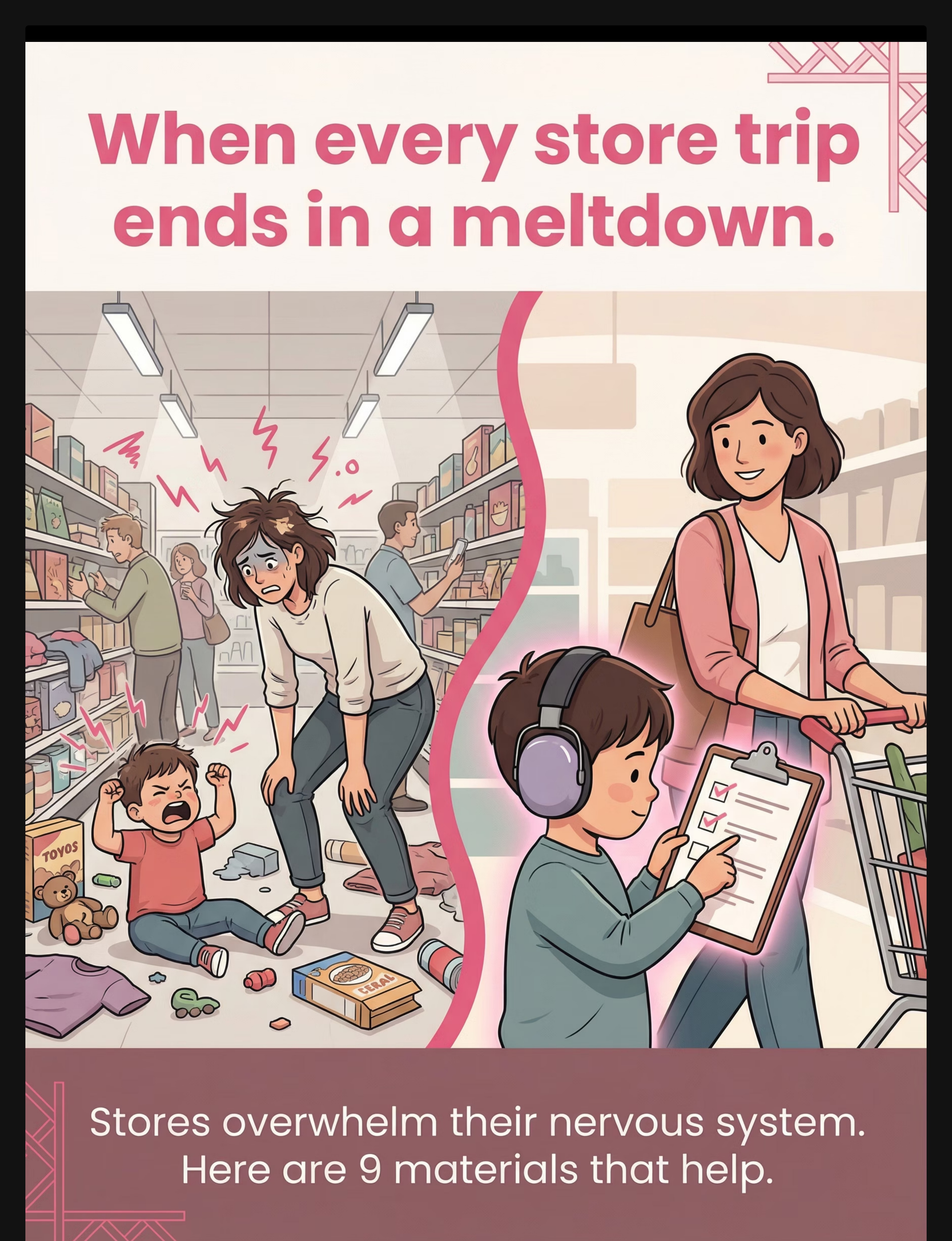
When Every Store Trip Ends in a Meltdown.
The fluorescent lights. The endless wanting. The stares from strangers. You're not failing. Your child's nervous system is speaking.
"We entered aisle three. He saw the cereal with the cartoon tiger. I said not today. He screamed. Not a tantrum — a full system collapse. He threw himself on the floor. People stopped. Someone whispered. I abandoned the cart. I carried him to the car, shaking. I came home and ordered groceries online. Again."
⬢ 9 Materials That Change Store Visits — J-841 | Community Participation Series | GPT-OS® Validated. For children aged 3–14 | ABA • OT • SpEd • NeuroDev. Validated by: CRO • Pediatric OT • SLP • ABA/BCBA • SpEd • NeuroDev Pediatrics — Pinnacle Blooms Network® Consortium
WHO Nurturing Care Framework (2018): Parental confidence and responsive caregiving are the strongest predictors of developmental progress. Recognition of the challenge is the first therapeutic act.

You Are Among Millions of Families Navigating This.
Store environments are designed to overwhelm adult nervous systems — engineered lighting, product placement, and audio at volume levels that exceed safe thresholds for sensory-sensitive children. When your child melts down in aisle seven, they are not misbehaving. They have exceeded their neurological capacity for sensory input. That is a clinical fact — not a parenting failure.
1 in 36
Children with Autism
Children in India diagnosed with autism spectrum disorder
80%
Sensory Difficulties
Of children with ASD experience sensory processing difficulties in public environments
2.1 Cr+
Indian Families
Families across India navigating neurodevelopmental challenges in daily life
📊India Data: WHO estimates 7.5–10 million children with autism in India. 70% of therapy-seeking families report store visits as their #1 community participation challenge (Pinnacle Network data, 20M+ sessions). 62% of parents have abandoned grocery carts due to meltdowns.
Sources: PRISMA Systematic Review (2024, PMC11506176) | Meta-analysis (World J Clin Cases, 2024, PMC10955541)
This Is a Wiring Difference. Not a Behavior Problem.
Your child's brain is not filtering out background sensory input the way yours does. What you experience as "the store" — your child experiences as a physical assault of simultaneous, equally-loud, equally-urgent sensory events.
What Stores Do to the Sensory Brain
Fluorescent lights flicker at 50–60Hz — detected by hypersensitive visual cortex — interpreted as threat.
PA announcements reach sudden 75–85dB peaks — amygdala triggers — cortisol spike — behavioural dysregulation.
10,000+ visual items competing for attention — working memory overwhelmed — impulse control collapses.
Checkout line — forced waiting + desired items visible — dopamine demand + inhibition failure = meltdown formula.
In Plain Language for Parents
By the time your child is three aisles deep, their nervous system has already spent its entire regulatory budget just trying to process the environment. Then you say "no" to the cereal.
That's not the trigger. That's the last straw. The meltdown was building from the moment you walked through the automatic doors.
Understanding this changes everything about how you approach the next trip.
Frontiers in Integrative Neuroscience (2020): Established neurological basis for sensory-based interventions in ASD. DOI: 10.3389/fnint.2020.556660

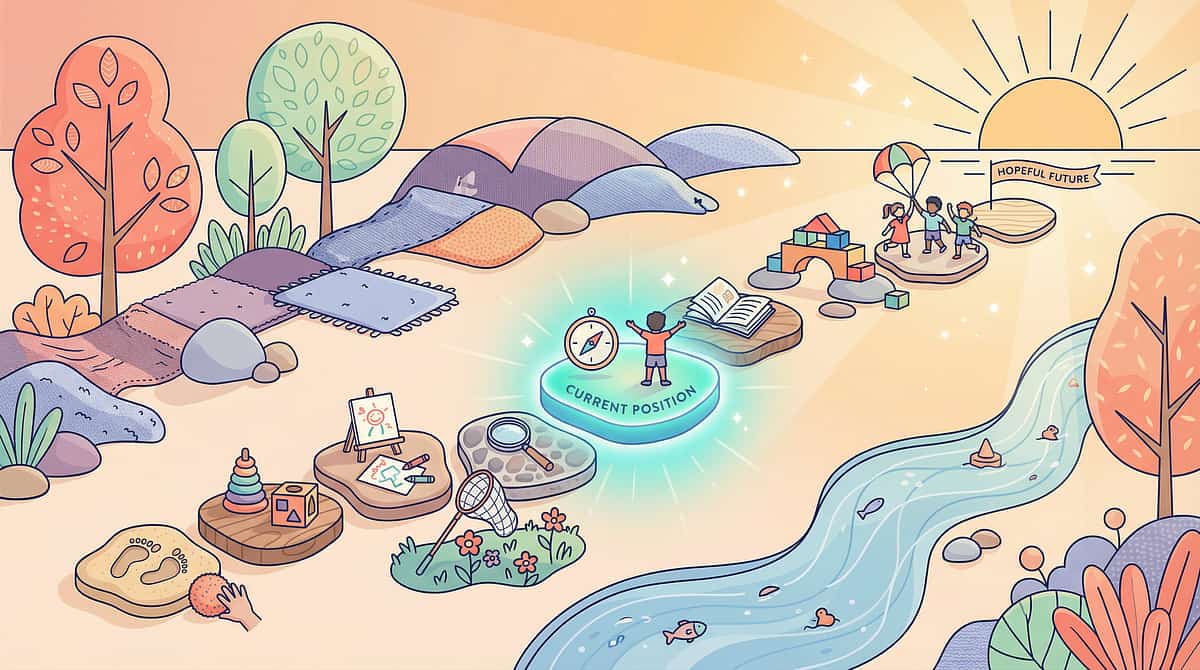
Your Child Is Here. Here Is Where We're Heading.
Understanding the developmental timeline helps you know exactly where your child is — and what's achievable with consistent, structured support.
Age 2–3: Store Exposure Stage
Riding in cart tolerated for short trips. Simple visual routines being established. Sensory sensitivities often peak here. ⬤ Challenge Zone: First store meltdowns appear.
Age 3–5: Structured Participation
Helper roles emerging. Social story comprehension developing. Visual schedule acceptance building. → Intervention Window: Highest neuroplasticity.
Age 5–8: Guided Independence
List-following skills active. Impulse control developing rapidly. Token systems highly effective. → Consolidation: Skills begin generalising.
Age 8–12: Supported Independence
Wish list and delayed gratification possible. Self-monitoring coping strategies emerging. Community navigation expanding.
Age 12+: Functional Independence
Store navigation as life skill. Self-directed sensory management. Community access established.
Comorbidity Awareness: Store visit difficulty commonly co-occurs with Sensory Processing Disorder (SPD), ADHD, Anxiety Disorder, ASD, and Developmental Language Disorder. Each co-occurring condition requires targeted modification. GPT-OS® AbilityScore® identifies your child's specific profile.
Clinically Validated. Home-Applicable. Parent-Proven.
Every strategy in this guide is grounded in peer-reviewed research. Here is the evidence underpinning the Store Success System.
1
Evidence Grade: Level II
PRISMA Systematic Review (2024)
16 studies, 2013–2023. "Sensory integration intervention meets criteria as evidence-based practice for children with ASD." Validates: Sensory Kit + Accommodation Protocol.
PMC11506176
2
Evidence Grade: Level II
Meta-Analysis (World J Clin Cases, 2024)
24 studies reviewed. "Effectively promotes adaptive behaviour, social skills, sensory processing, and community participation."
PMC10955541 | DOI: 10.12998/wjcc.v12.i7.1260
3
Indian RCT
Indian RCT (Indian J Pediatr, 2019)
Padmanabha et al. "Home-based sensory + behavioural interventions demonstrated significant functional outcomes." Validates Indian family-applicable version.
DOI: 10.1007/s12098-018-2747-4
NCAEP Evidence-Based Practices Report (2020): Visual Supports ✓ | Social Narratives ✓ | Token Economy ✓ | Video Modelling ✓ — All classified as Evidence-Based Practices. WHO/UNICEF alignment: Community participation training is core to Nurturing Care Framework 2018.
The Store Success System — What It Is
Technique Code: J-841
Domain: Community Participation
Ages: 3–14 years
The Store Success System is a multi-material intervention framework combining sensory accommodation tools, visual structure supports, behavioural reinforcement systems, and coping strategy protocols. Rather than asking the child to "manage" an overwhelming environment through willpower, this technique modifies the functional experience of the store through 9 specific materials — reducing sensory load, providing visual predictability, creating meaningful engagement, and building the regulated nervous system state required for impulse control.
Who It's For
Children aged 3–14 years with sensory sensitivities, impulse control challenges, difficulty waiting, behavioural dysregulation in public, or anxiety around community outings.
Frequency
Every store visit, throughout the building and consolidation phases. 10 minutes of preparation per session.
Domains
Community Participation • Sensory Regulation • Behavioural Support • Daily Living Skills • Impulse Control • Adaptive Functioning
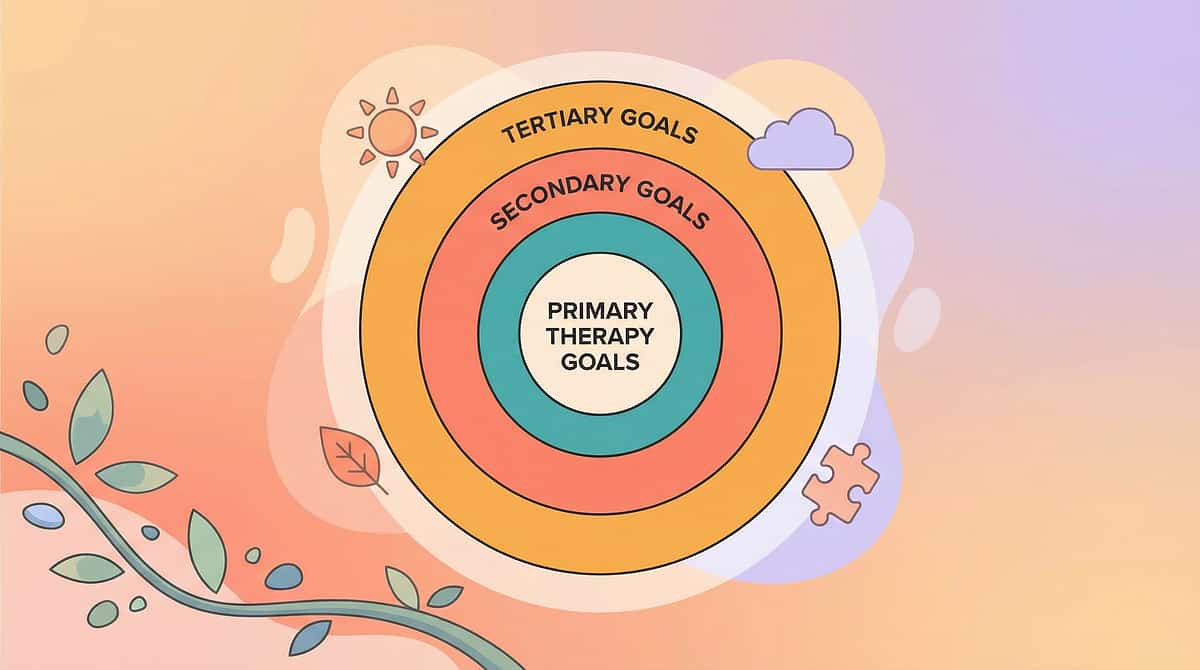
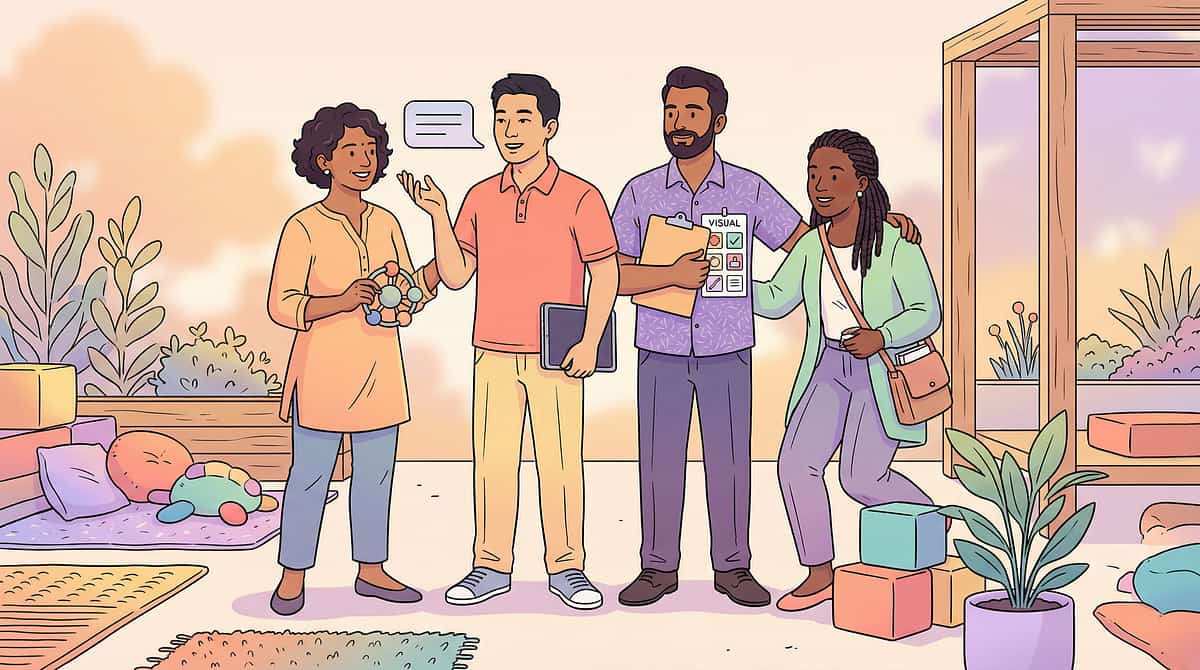
Four Therapy Disciplines. One Integrated Approach.
The brain doesn't organise by therapy type — and neither does this system. Four disciplines work in concert to address every dimension of the store visit challenge.
Occupational Therapy (Primary Lead)
Sensory processing assessment and kit design. Identifies which specific sensory channels overwhelm the child (auditory, visual, olfactory, proprioceptive) and prescribes targeted tools. Designs environmental modification strategy and leads graduated exposure protocol.
Pathway: Sensory Profile → Kit Prescription → Exposure Grading
Applied Behaviour Analysis / BCBA (Co-Lead)
Antecedent manipulation, reinforcement systems, and behavioural skill-building. Designs the token economy, establishes the First-Then contingency, teaches the wish list behaviour chain, and creates the calm-down protocol.
Pathway: Functional Assessment → Reinforcement Menu → Token System Design
Special Education (Support)
Visual supports and academic scaffolding. Creates picture-based shopping lists matched to the child's literacy level, develops the social story with appropriate vocabulary complexity, and designs the helper role task sequence.
Pathway: Visual Schedule Design → Social Story Creation → Task Analysis
NeuroDev Paediatrics (Clinical Oversight)
Diagnostic clarity and comorbidity management. Identifies whether store difficulty is primarily sensory, behavioural, anxiety-driven, or medication-related. Coordinates integrated treatment planning across all disciplines.
Pathway: Diagnostic Profile → Comorbidity Plan → Progress Monitoring
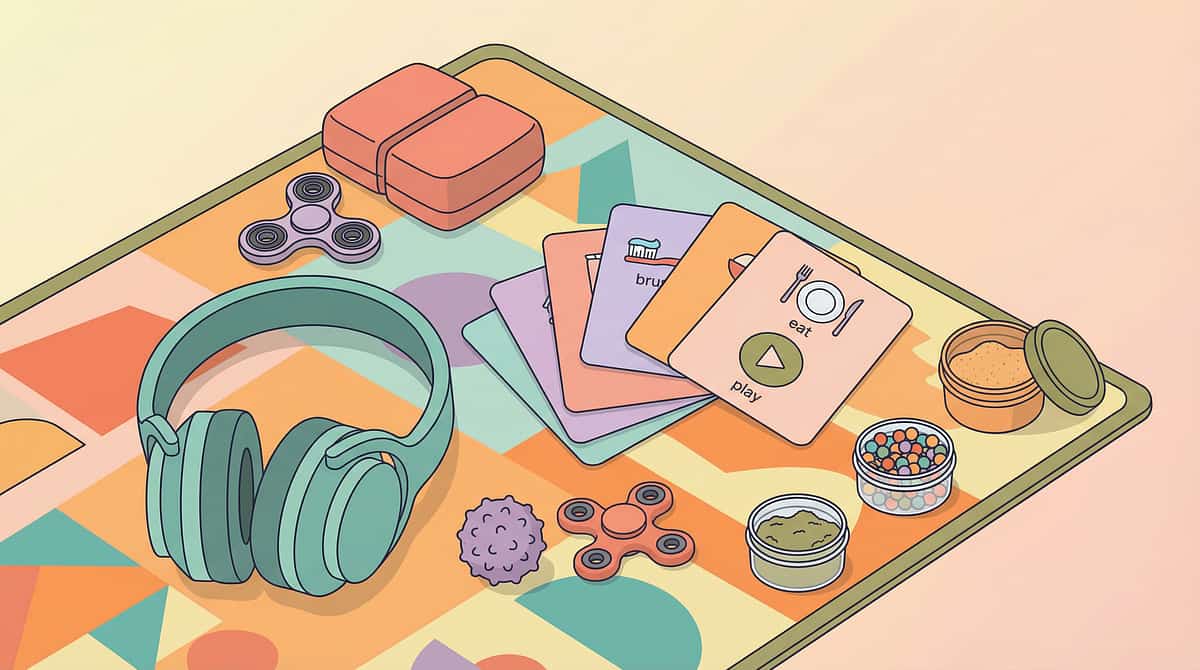
This Isn't a Random Activity. It's a Precision Instrument.
The Store Success System targets specific, measurable behavioural and neurological outcomes — from immediate trip completion to long-term community independence.
Session 1–2
Child tolerates store environment for 10+ minutes with full supports
Week 2–4
Child uses wish list instead of melting down when confronted with desired items
Session 3–8
Child completes shopping trip without meltdown with all supports active
Month 2–3
Child requests store trips — mastery phase, skills beginning to generalise

9 Materials. The Store Visit Toolkit.
Each one solves a specific part of the problem. Together, they create a system that makes success possible — from the moment you leave home to the moment you return.
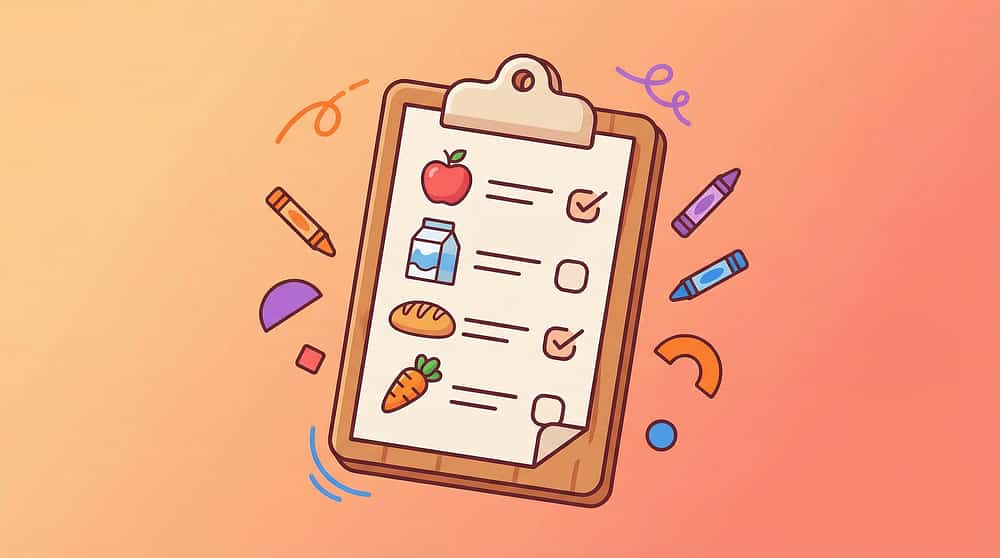
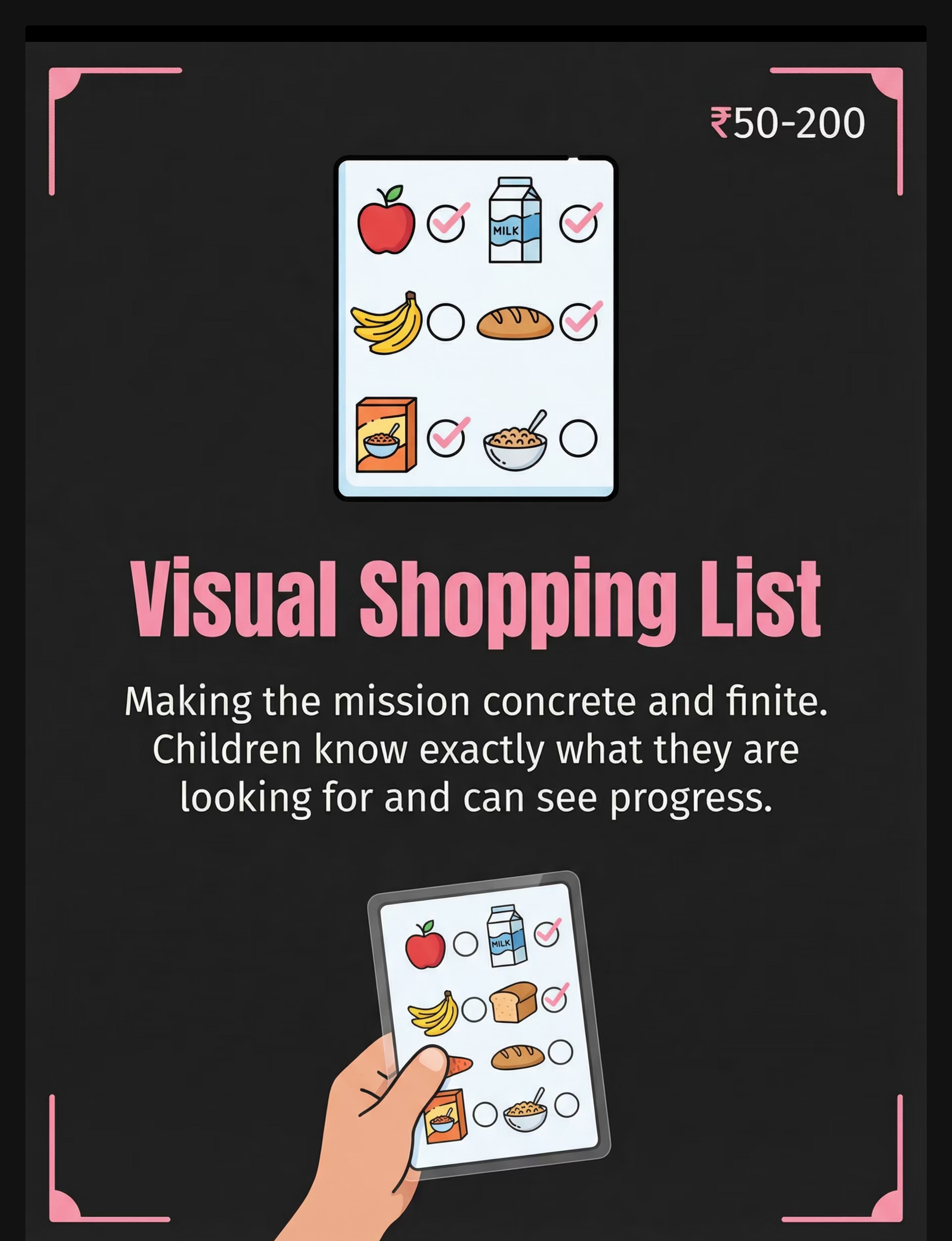
M1: Visual Shopping List
Canon Category: Visual Schedule Systems
Solves: Ambiguity + impulse grabbing
Cost: ₹50–200 (mostly DIY)
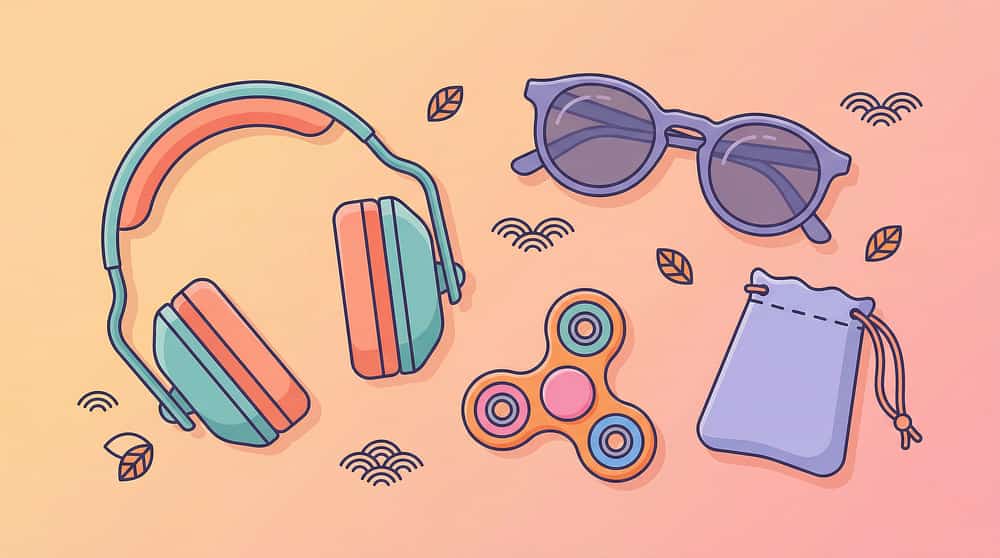
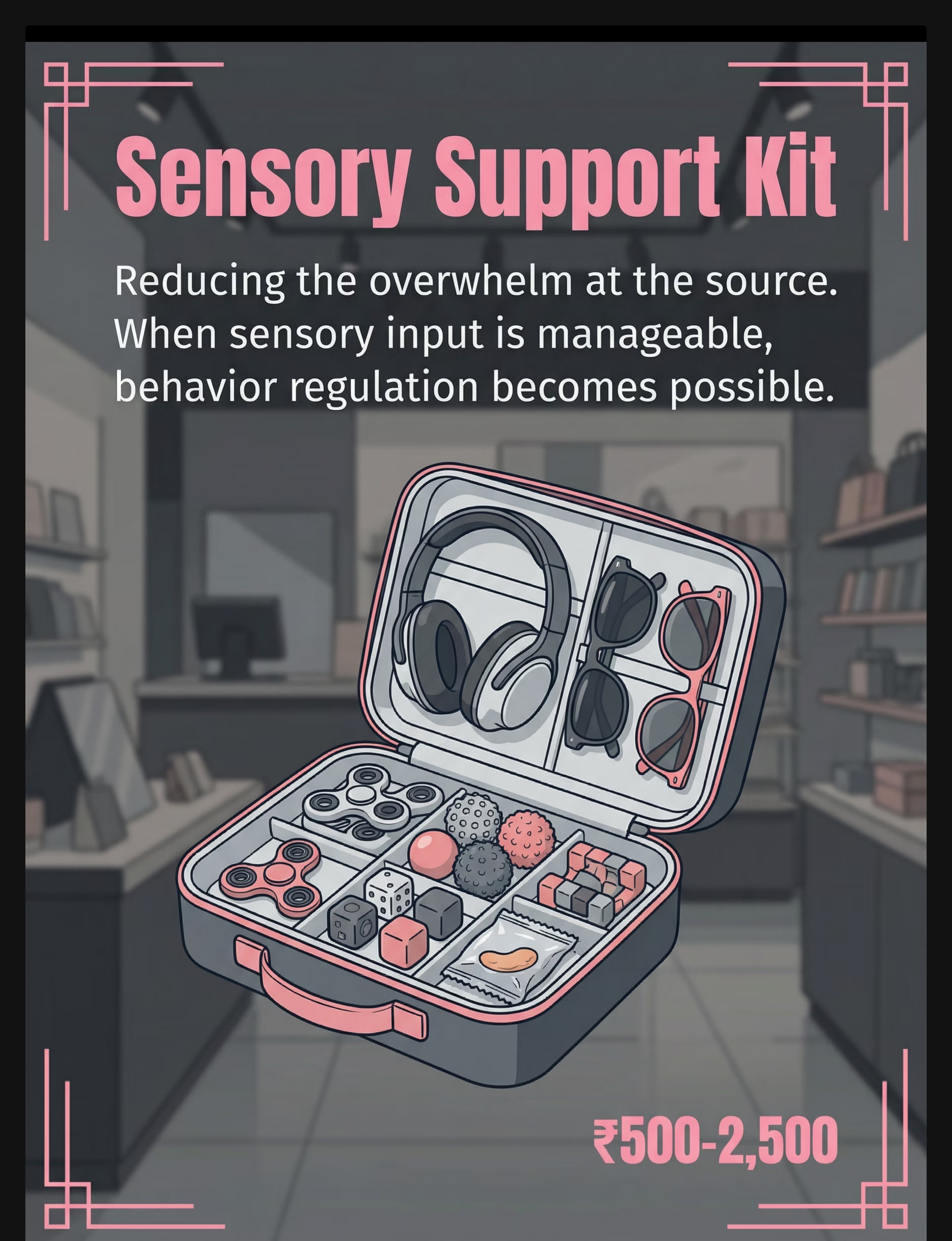
M2: Sensory Support Kit
Canon Category: Sensory Integration Materials
Solves: Sensory overwhelm
Cost: ₹500–2,500
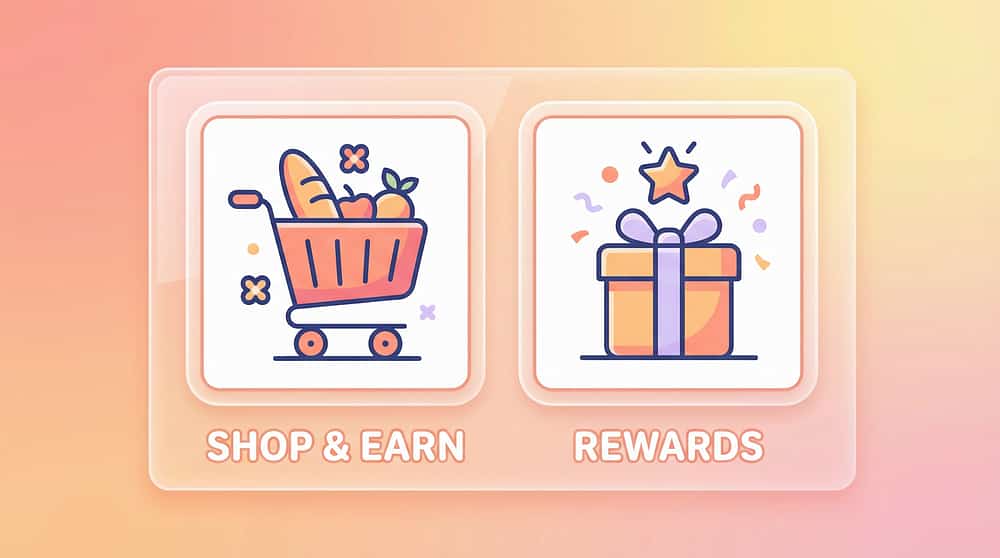
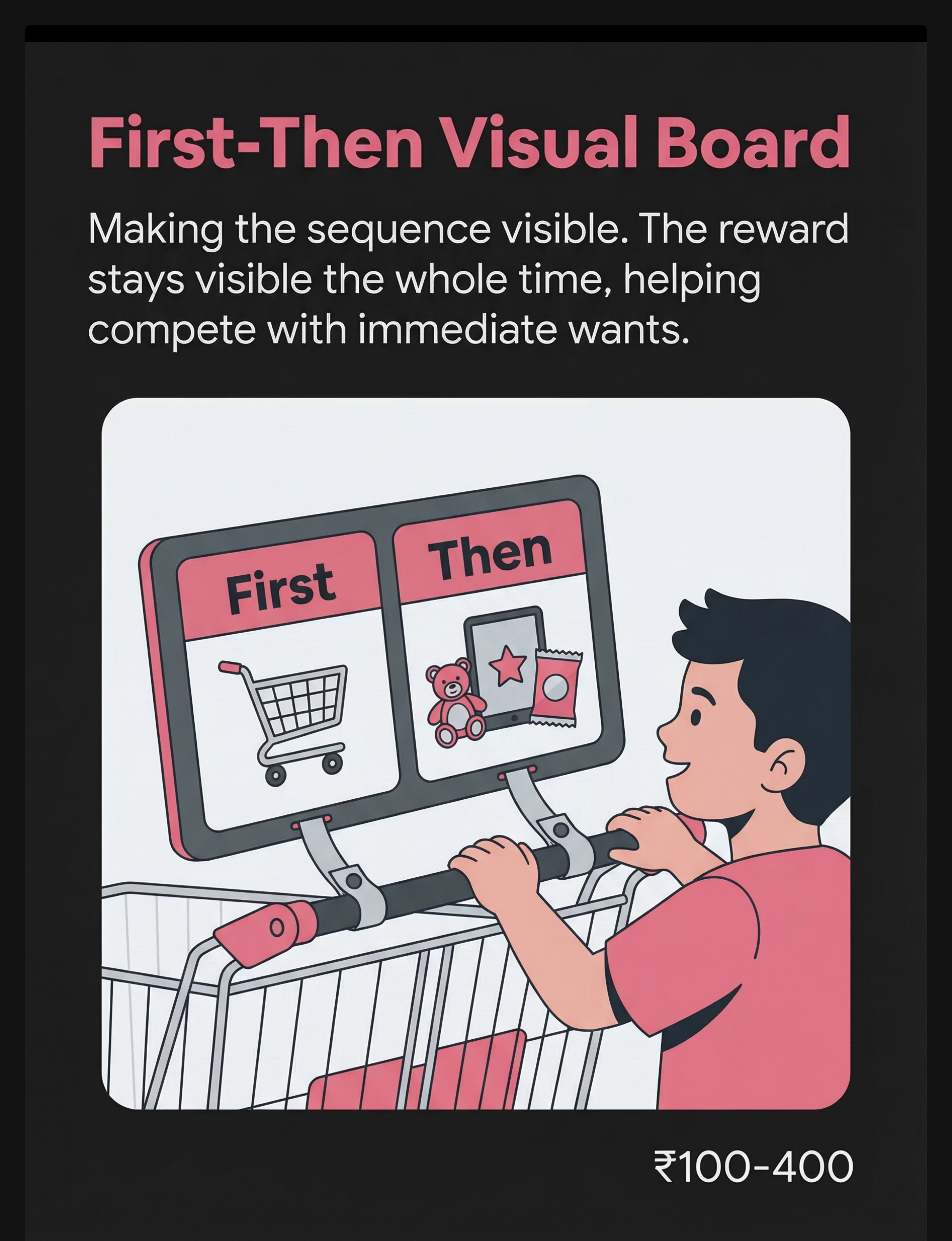
M3: First-Then Visual Board
Canon Category: Visual Schedule Systems
Solves: Delayed gratification challenge
Cost: ₹100–400 (DIY available)
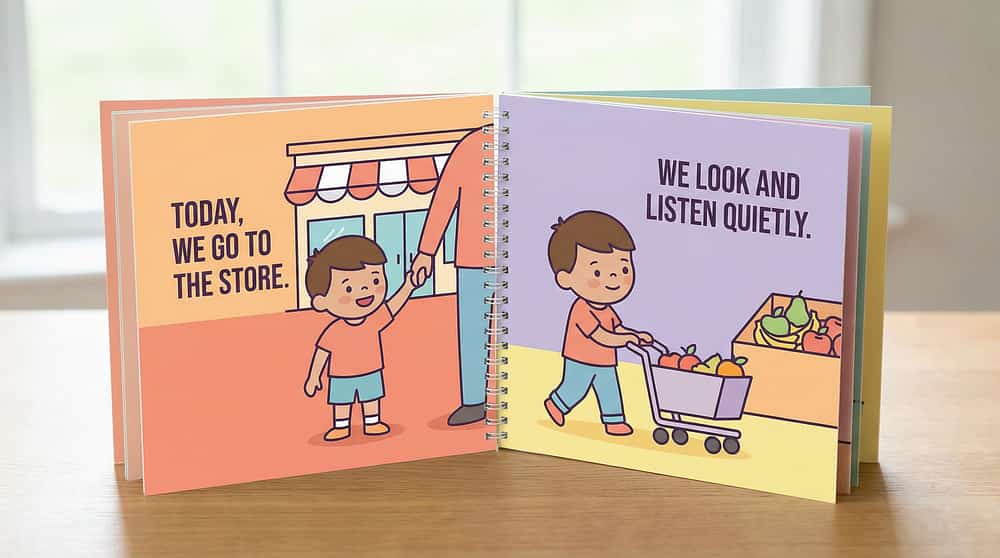
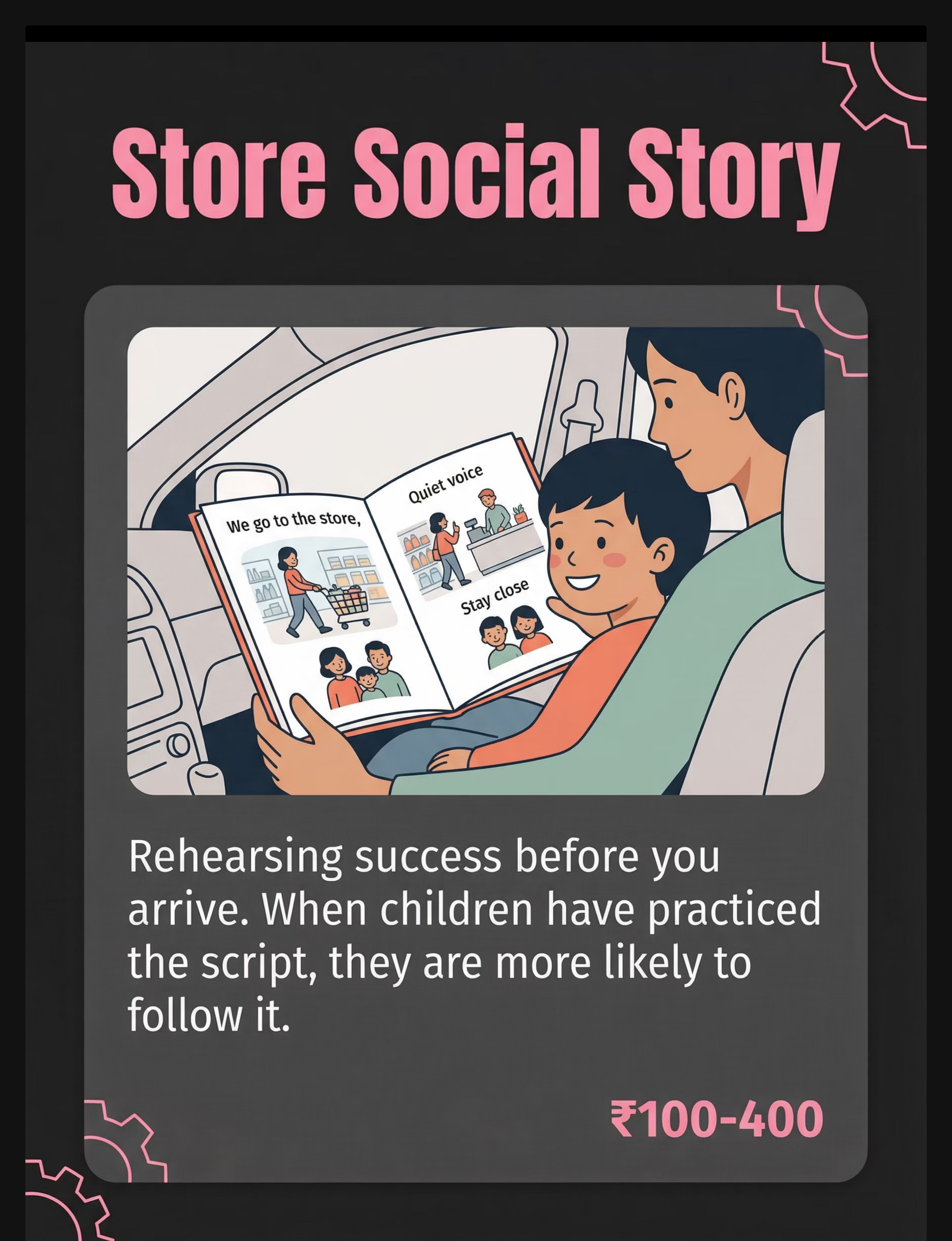
M4: Store Social Story
Canon Category: Social Narratives / Stories
Solves: Mental model + rehearsal
Cost: ₹100–400 (DIY strongly recommended)
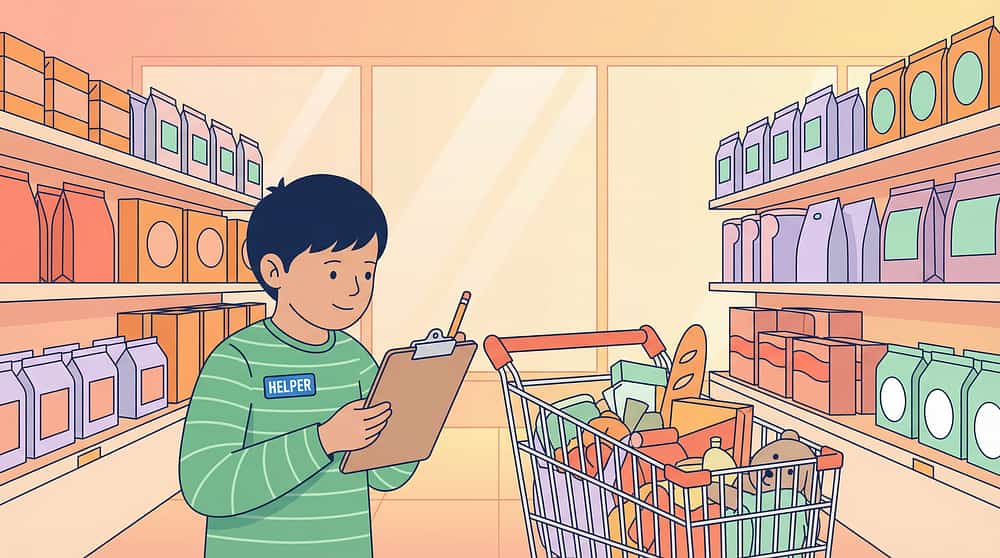
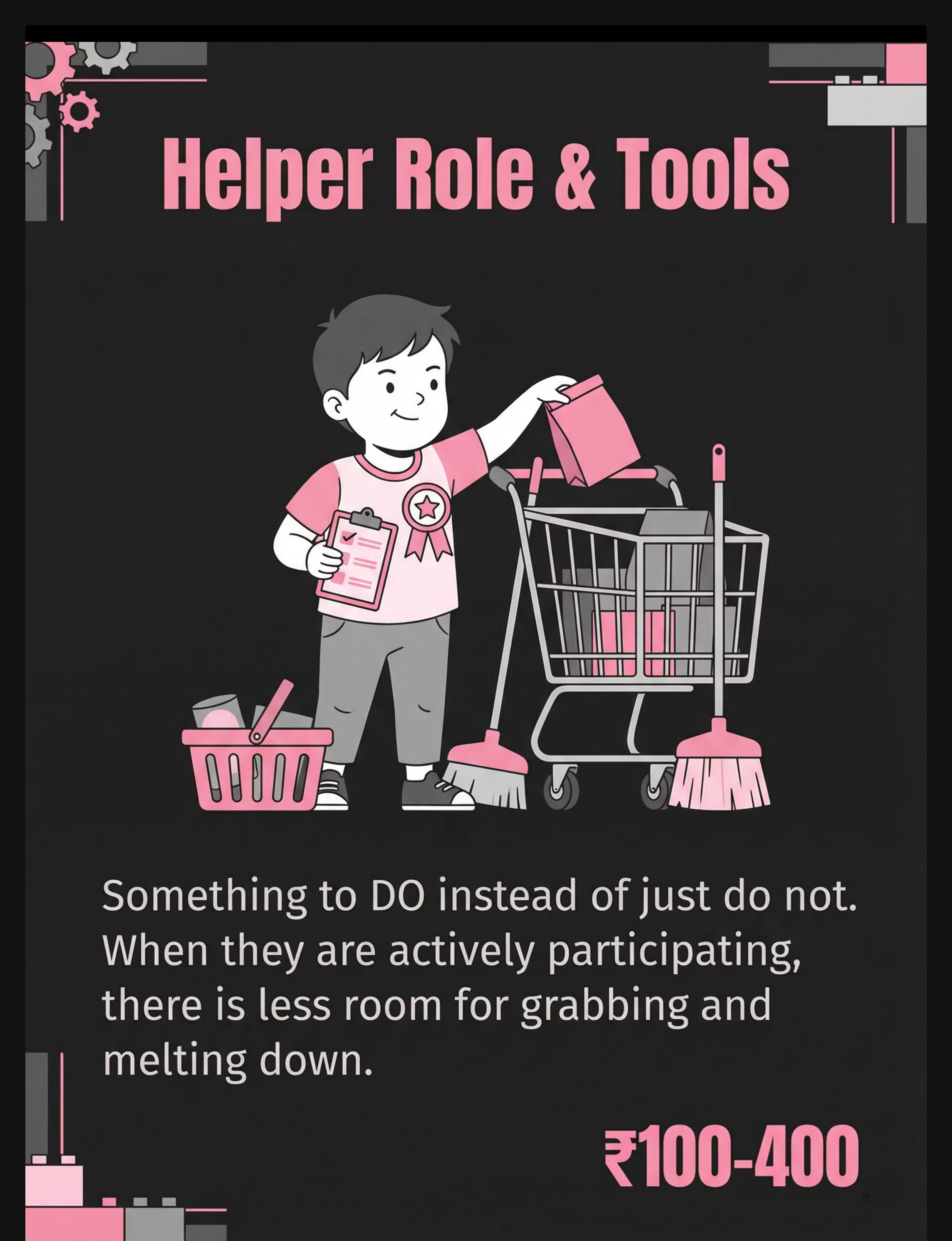
M5: Helper Role Tools
Canon Category: Role Play / Real Tools
Solves: Passive-to-active engagement
Cost: ₹100–400
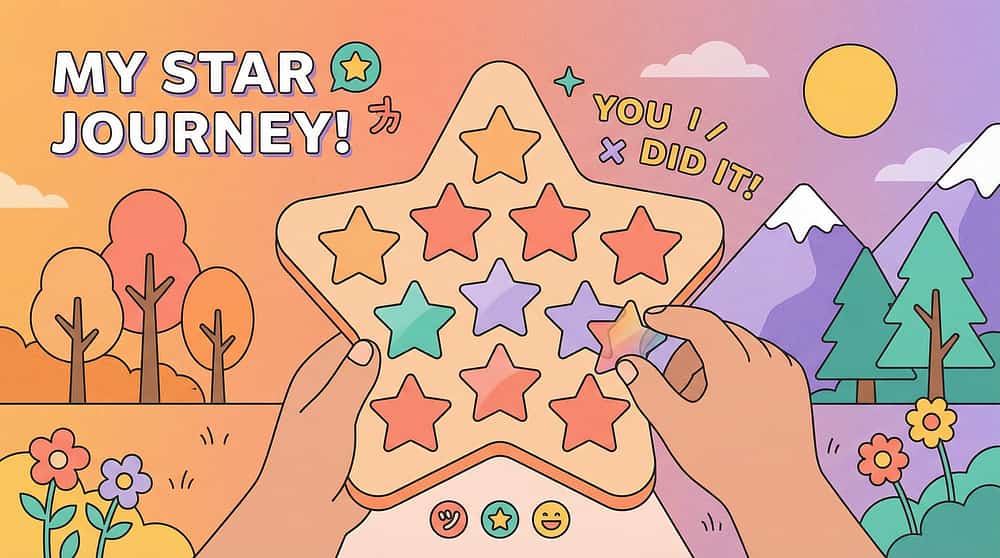
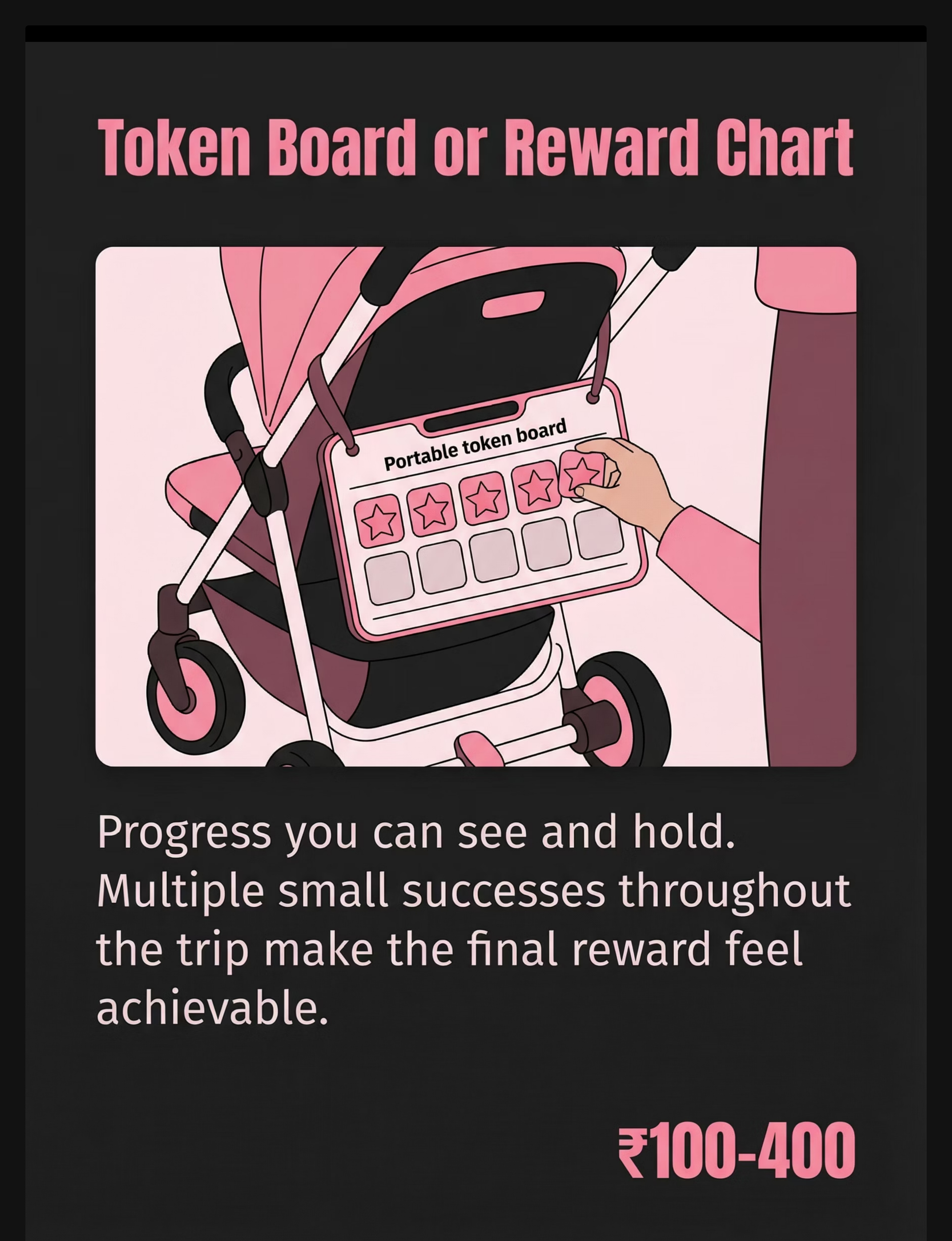
M6: Token Board / Reward Chart
Canon Category: Reinforcement Menus
Solves: Long-duration reinforcement gap
Cost: ₹100–400
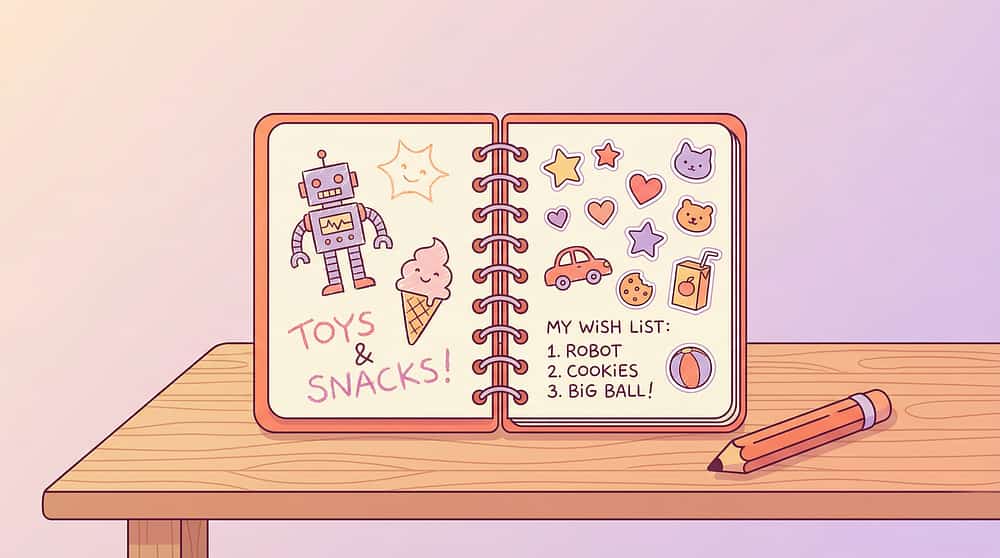
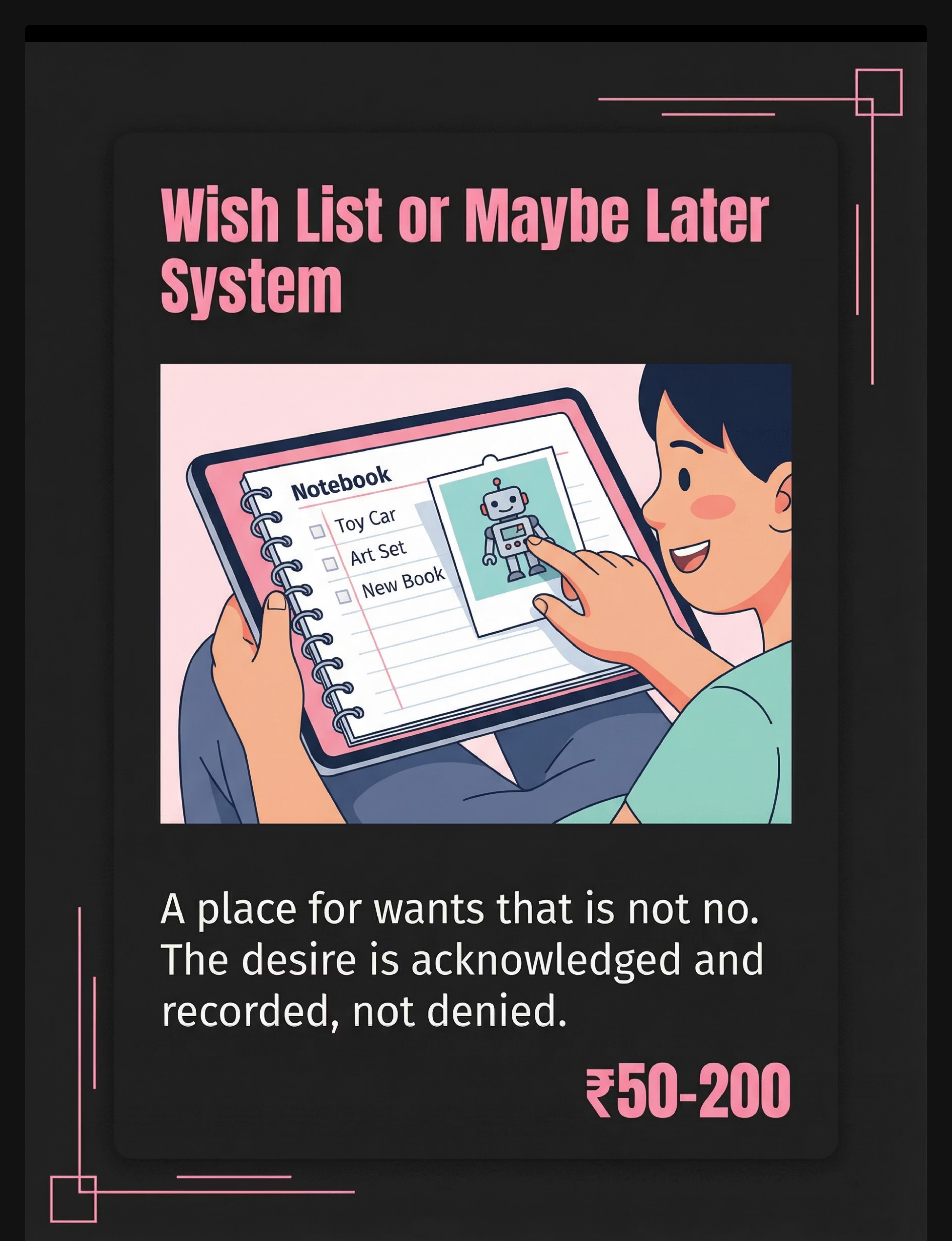
M7: Wish List / Maybe Later System
Canon Category: Communication & AAC Supports
Solves: Want-conflict cycle
Cost: ₹50–200
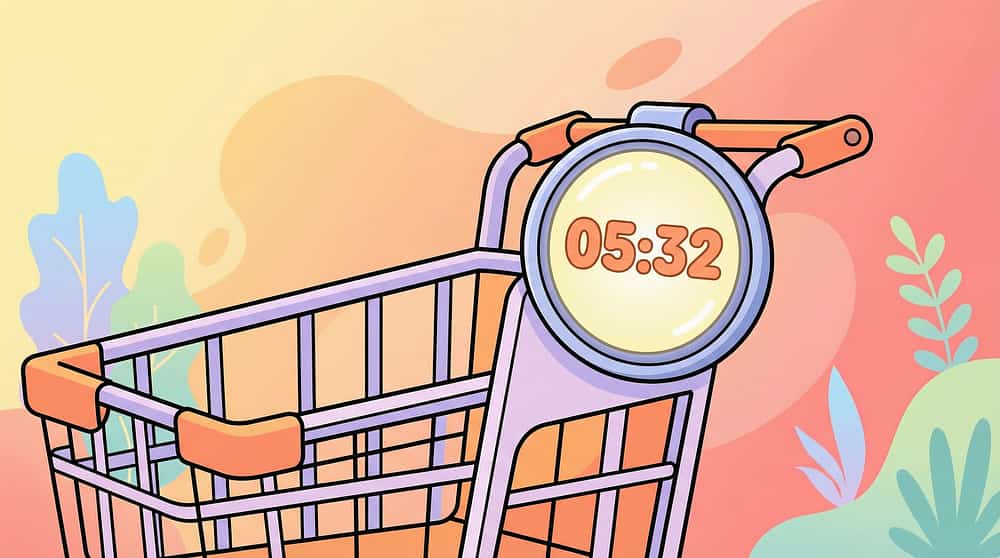
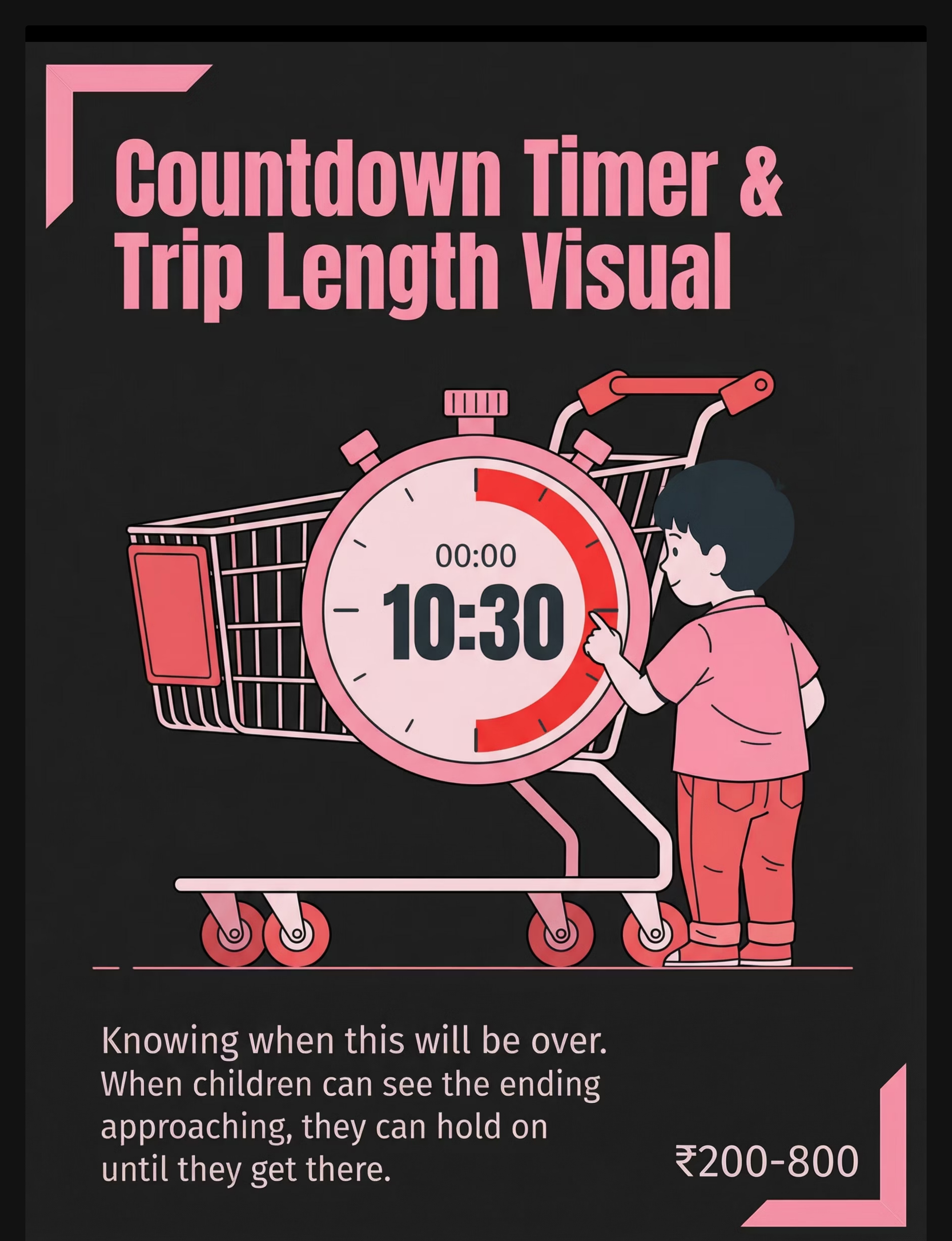
M8: Countdown Timer
Canon Category: Visual Timers
Solves: Duration uncertainty + dysregulation
Cost: ₹200–800
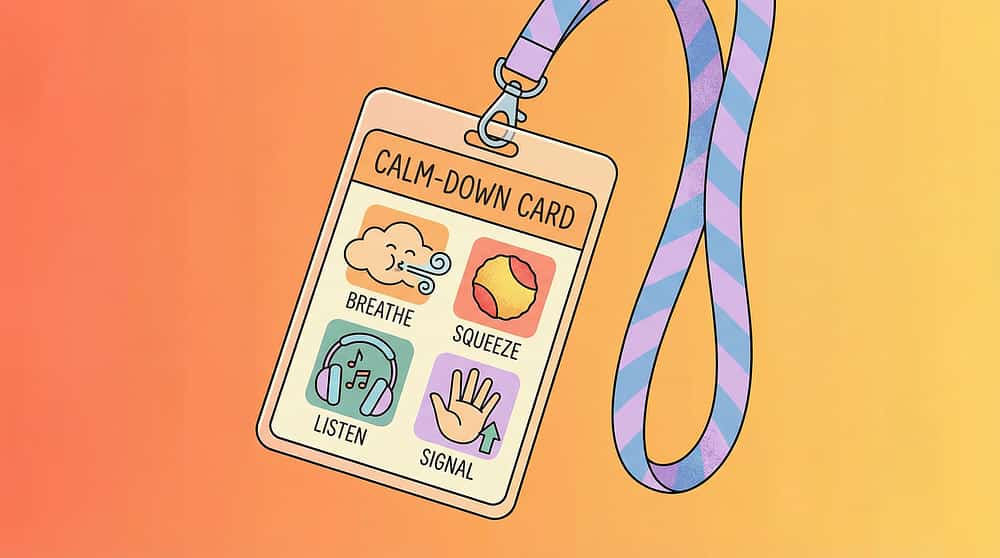
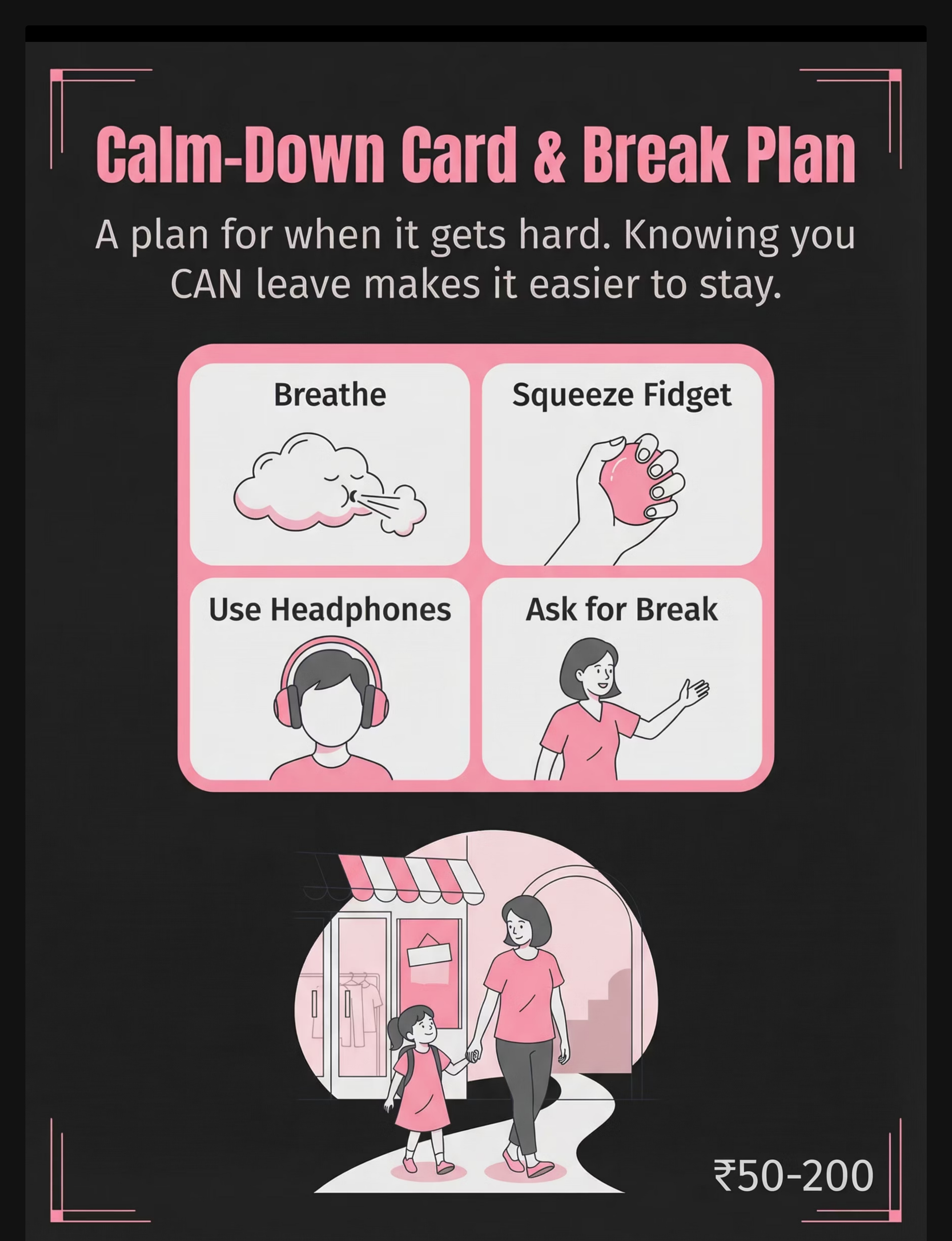
M9: Calm-Down Card & Break Plan
Canon Category: Emotional Regulation Tools
Solves: Escalation before meltdown
Cost: ₹50–200 (DIY)
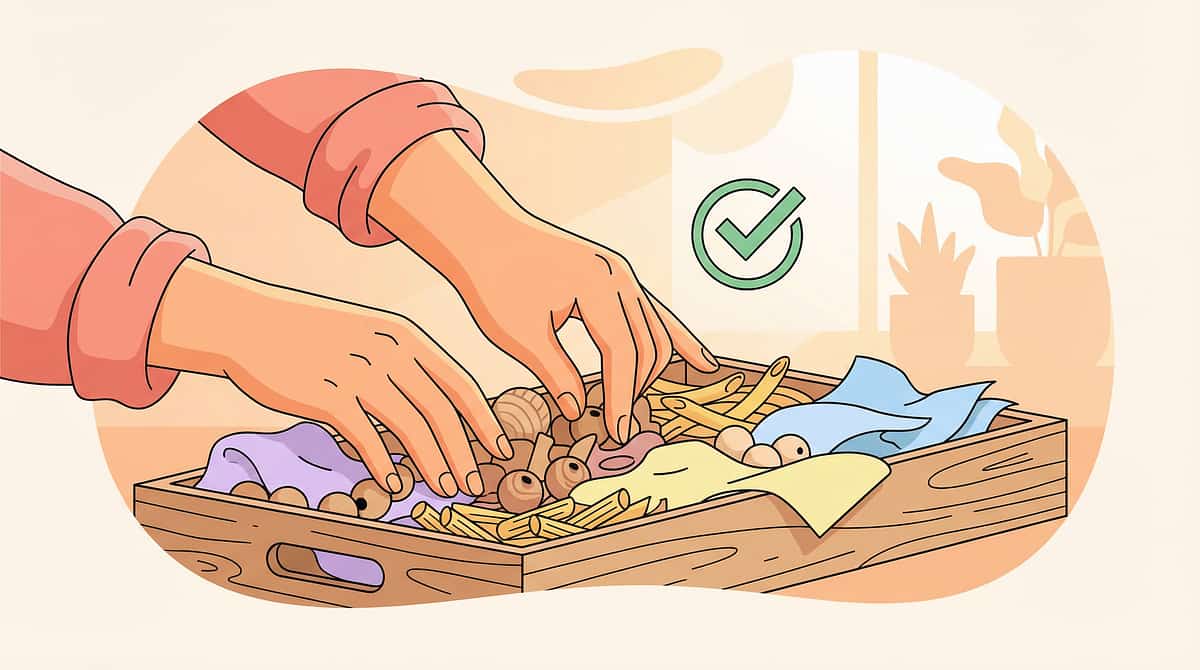
Every Family Can Start Today. With Whatever They Have.
The therapeutic principle is in the function, not the brand. Noise reduction is noise reduction — whether ₹800 headphones or ₹0 cotton balls. A ₹0 visual list used consistently outperforms ₹5,000 of unused equipment. Start with what you have. Upgrade when you can.
Purchase Options
M2: Sensory Kit Noise-reducing headphones: ₹300–800 Fidget spinner or stress ball: ₹50–200 Sunglasses: ₹100–300
M6: Token Board Pre-made magnetic token board: ₹200–500 Sticker reward book: ₹299
M8: Visual Timer Time Timer device: ₹500–1,500 Digital sand timer app: Free
DIY Zero-Cost Options
M1: Visual Shopping List — Cut product pictures from old magazines or print from Google Images. Laminate with clear tape. Attach to clipboard with binder clip. Total: ₹0.
M2: Sensory Kit — Cotton ball in zip-lock = olfactory tool (add drop of coconut oil). Rolled socks = tactile fidget. Baseball cap = visual filter. Earphones with white noise = auditory filter.
M3: First-Then Board — Photograph shopping cart + reward on phone. Print or show on phone. Tape to cart. Done.
M4: Social Story — 5 handwritten pages with stick figures: "I go to the store. I walk beside the cart. I might see things I want. That's okay. I can say: Add it to my wish list." Total: ₹0.
M6: Token Board — Draw 8 squares on cardstock. Each successful behaviour = parent draws a star. Total: ₹0.
M7: Wish List — Any small notebook. Child photographs or draws items they want. Kept in parent's bag. Reviewed at home. Total: ₹0.
M9: Calm-Down Card — Index card with 4 drawings: cloud (breathe), hand squeezing (fidget), headphones (noise), hand raised (ask for break). Laminate with tape. Attach to lanyard. Total: ₹0.
WHO Nurturing Care Framework (2018): Emphasises context-specific, equity-focused interventions. CCD Package implemented across 54 LMICs demonstrates household-material-based intervention efficacy. | PMC9978394
Read This Before Your Next Trip. Every Time.
Safety conditions determine session quality more than any single material. Use this traffic-light framework before every store visit.
🔴 STOP — Do NOT Proceed If:
- Child is already dysregulated before entering store → Take regulation break first, or reschedule
- Child has not eaten in 2+ hours → Hunger is an instant meltdown trigger
- Child is showing illness signs (fever, unusual irritability, rash)
- Store is at peak hour (weekday 5–7pm, weekend 10am–2pm) → Choose 8–10am weekday mornings or after 7pm
- Parent is severely stressed, rushed, or depleted → Your nervous system state directly regulates theirs
🟡 AMBER — Modify and Proceed If:
- Child had a difficult earlier part of the day → Shorten to 5–10 minutes, 3 items only
- New or unfamiliar store → Do a brief "drive-by" orientation visit first
- Child resisted social story today → Do quick verbal run-through instead
- Sensory kit components missing → Prioritise: headphones → fidget → list → timer. Don't delay; use what you have.
🟢 GREEN — Optimal Conditions:
- Child is fed, rested, and in regulated baseline state
- All kit components prepared and ready before leaving home
- Social story read in car or at home this morning
- Trip planned for off-peak hours
- Parent is calm and not time-pressured
- Trip is 15–20 minutes maximum (building phase)
- Reward is confirmed and ready
🛑STOP IMMEDIATELY in-store if: Child places hands over ears and screams • Child vomits or gags • Child begins self-harming behaviour • Child becomes limp or unresponsive • Child attempts to run toward exit or road. Abandon cart immediately. Exit is success, not failure. Implement Calm-Down Card (M9).
The Trip Begins at Home. Not at the Store.
10 minutes of preparation = 40 minutes of possible shopping. The most effective session starts the night before.
1
Night Before (5 minutes)
Prepare visual shopping list (6–8 items max). Charge sensory kit components. Select and confirm reward — preferred snack or activity, concrete, immediate, certain. Read social story aloud with child at bedtime.
2
Morning of Trip (10 minutes before leaving)
Feed child well. Pack sensory kit in accessible bag. Print or pull up visual list. Prepare First-Then board with today's reward. Pack token board (blank, ready). Pack wish list notebook. Brief child: "Today we're going to [store name]."
3
In the Car — Final 2 Minutes
Show child: (1) "Here's our list — count items together." (2) "Here's your First-Then — FIRST shopping, THEN [reward]." (3) "Here's your timer — set for planned trip duration." (4) "If it gets hard, we have your calm-down card." (5) "You're my shopping helper today." Put on headphones BEFORE entering — not when overwhelmed inside.
Sensory Integration Theory (Ayres): Environmental preparation is a core principle. Meta-analysis (PMC10955541) confirms structured session environments produce optimal outcomes.
60-Second Check at the Car Before You Enter.
The best session is one that starts right. Use this readiness gate before every trip — it takes under a minute and changes everything.
Readiness Checklist — Observable Indicators:
- Child's breathing: regular, not rapid or shallow
- Eye contact: available, not glazed or frantic
- Muscle tone: relaxed, not rigid or floppy
- Voice: normal volume and tone, no whining or crying
- Response to name: responds within 3 attempts
- Social story read today: YES / skipped
- Sensory kit: ON and accessible
- First-Then board: visible and ready
✅ GO — 5+ Indicators Present
"Excellent. Let's do this." Enter with full supports in place. Keep trip to planned duration. Begin earning tokens immediately.
⚠️ MODIFY — 3–4 Indicators Present
"We can do a shorter version." Reduce trip to 10 minutes max. Reduce list to 3 items only. Give 1 token immediately on entering — sets positive momentum.
❌ POSTPONE — Fewer Than 3 Indicators
"Today is not the day. That's okay." Sit in car for 10 minutes. Try heavy-work activity (jumping, pushing, carrying). If still not ready: drive home. Reschedule. Online grocery is not failure — it's wise timing.
Step 1 of 6: The Invitation — Entering the Store
Step 1 of 6
The Invitation
The car-to-store entrance transition is the highest-risk moment. This is where the nervous system shift begins. Do NOT rush this transition. The child's nervous system needs 30–60 seconds to begin calibrating.
Parent Script (exact words): "Okay, are you ready to be my shopping helper today? [Child response] Great. Headphones on. Good. Remember our list? [Show list] We're finding [X] things. Timer is set for [Y] minutes. Remember — FIRST shopping, THEN [reward]. Show me your board. [Child shows First-Then] Perfect. Let's go. Walking feet. I'm proud of you already."
✅ Acceptance — Proceed
- Child puts on headphones voluntarily
- Child looks at list or board
- Child moves toward door with you
- Child takes your hand or holds cart
⚠️ Resistance — Modify
- Child sits back in car seat
- Child says "no" or covers ears
- Child starts whining before entering
Implement: 5 more minutes of heavy-work activity, re-assess. Do NOT force entry — resistance escalates.
Timing: 30–60 seconds at car/entrance. ABA Pairing Procedures: Establishing motivating operations before demand placement. OT "Just-Right Challenge" principle: matching task demand to child's current capacity.
Step 2 of 6: The Engagement — First 5 Minutes
Step 2 of 6
The Engagement
The first 5 minutes inside a store determine the success of the entire trip. This is when regulatory tone is set. Your one job right now is your child's regulation. Do not check your phone, linger at the entrance, or stop to talk to anyone.
Immediately on Entering
Hand child the list (or clip to cart). Say: "You're the list-checker today. Can you find [first item]?" Give first token: "Great job walking in calmly — here's your first star." Move directly to first item on list.
First Item Found
"You found it! Check it off!" [Child marks list] "One down, [X] to go!" Give token: "Excellent helper work!" Move to second item immediately.
Avoid Toy Aisle in First 5 Minutes
Plan route to go there LAST — or explicitly exclude from today's route. Early exposure to high-desirability items depletes regulatory capacity before the trip is finished.
Child Response Indicators:Engagement (child referring to list, moving purposefully) → Continue as planned. Tolerance (following along, quiet but compliant) → Acceptable — add more helper prompts. Avoidance (pulling away, looking toward toy section, starting to whine) → Walk faster, offer fidget, reference First-Then board, shorten trip to next 3 items only.
Step 3 of 6: The Therapeutic Action — Mid-Trip Management
Step 3 of 6
The Therapeutic Action
This is the core of the session — deploying all 9 materials in real time, responding to wanting triggers, managing rising overwhelm, and navigating the checkout line.
Moving Through Aisles
Visual List: Child holds, refers to, checks off items. Timer: Visible on cart — check together at each aisle. Helper Tools: Child carries basket or pushes cart section. Token Board: Add token after each successful aisle.
When Wanting is Triggered
Script: "Oh that looks cool! Two choices — add it to your wish list, OR put it back and we keep going. Which do you choose?" Hand wish list → child adds item → "Great job! It won't be forgotten. Now — what's next on our list?" Give token for accepting the wish-list response calmly.
When Overwhelm is Rising (Not Yet Meltdown)
Early Signs: Increased body tension, repetitive vocalising, looking at exits, refusing to move. Response: (1) Slow your pace (2) Lower your voice (3) "Let's check your timer — [X] minutes left. Almost there." (4) Offer fidget (5) Check audio load — remove headphones briefly, replace if needed (6) "One more item, then checkout."
At Checkout — The Final Boss
Candy placement is deliberate. Waits are unpredictable. Strategy: Reference First-Then: "This is the LAST part of FIRST. You can almost see THEN from here." Give child a job: load items on belt, hold shopping bag. Check timer. Pre-emptive: "The candy is there. It's not on our list. Add it to your wish list if you want." Give final token when items loaded.

Step 4 of 6: Repeat & Vary — Building Across Trips
Step 4 of 6
Repeat & Vary
Therapeutic change happens through repeated, graduated exposure — not a single session. The dosage across phases determines long-term outcome.
Building Phase (Weeks 1–4)
Frequency: 1–2 trips/week. Duration: 10–15 minutes. Items: 4–6 per trip. All 9 supports active at all times.
Consolidation Phase (Weeks 5–8)
Frequency: 2–3 trips/week. Duration: 15–25 minutes. Items: 6–10. Begin fading: timer use (child trusts your word).
Mastery Phase (Weeks 9–16)
Frequency: Regular family shopping frequency. Duration: Full trip. Full list. Fading: token board → verbal praise only.
Vary the Store (easiest → hardest): (1) Small pharmacy — 5 min, 3 items ← Start Here (2) Local kirana/convenience store (3) Supermarket off-peak morning (4) Supermarket normal hours (5) Big box store (6) Shopping mall.
The "3 Good Trips > 10 Difficult Ones" Principle: A 10-minute trip with all supports that ends in success builds the neural pathway. A 45-minute trip without supports that ends in meltdown strengthens the fear pathway. Short. Supported. Successful. That is the therapeutic dosage.

Step 5 of 6: Reinforce & Celebrate
Step 5 of 6
Reinforce & Celebrate
Celebrate the attempt. Not just the success. The nervous system learns through joy, not fear.
For Walking Past Toy Aisle
"You walked past that toy aisle without grabbing — that was HARD and you did it. Star."
For Using the Wish List
"You put it on your wish list instead of crying. That's exactly what a great shopper does. Star."
For Keeping Headphones On
"You kept your headphones on even when it was loud. That's so brave. Star."
For Waiting at Checkout
"You waited in that checkout line. Star. And another star because that line was genuinely long."
End-of-Trip Reward Delivery — Non-Negotiable: The THEN in First-Then MUST be delivered immediately upon completing the shopping trip. NOT "We'll do it later." NOT "Only if you were really good." YES: "Shopping done. THEN time. Right now. [deliver reward]." The immediacy builds the neural connection: Shopping → Completion → Reward.
Reinforcement Menu: Immediate (delivered at car): preferred snack from store, 10 minutes of screen time in car, specific activity at home immediately after. Earned Purchase (weekly): one wish-list item when token board fills 3 times in a week. Social: genuine pride expressions, phone call to grandparent to share the win.

Step 6 of 6: The Cool-Down — Post-Trip Transition
Step 6 of 6
The Cool-Down
The trip isn't over when you leave the store. The nervous system needs 10–15 minutes to settle.
In the Car (0–5 Minutes After Trip)
Deliver reward immediately. Then: allow silence — no debriefing, no instruction. Let child use screen time reward. Play preferred music quietly. No immediate transitions to another errand.
If meltdown happened in store: NOW is not the debrief. Now is rest and reset.
At Home (5–15 Minutes After Trip)
Celebrate the data: "Look at your token board — you earned [X] stars today." "You found [X] items. That was [X] minutes — last time it was [Y]."
If the trip was difficult: "That was a hard trip. You tried really hard. The store was a lot today. You came home safe. And next time we'll make the trip shorter. You're learning. I'm proud of you for trying." Then drop it. No more discussion. Let the nervous system rest.
What NOT to do: ✗ "Why did you grab that cereal?" ✗ "You embarrassed me when you cried." ✗ "Next time you need to be better." These statements damage the neural pathway being built.
Capture the Data: Right Now.
60 seconds of data now saves hours of guessing later. Track immediately after every trip while the details are fresh.
Today's Store Visit — Quick Log (3 Fields Only): 1. Duration in store: _____ minutes 2. Meltdown? □ None □ Minor (redirected quickly) □ Moderate (trip shortened) □ Major (trip abandoned) 3. Which materials helped most today? □ Visual list □ Sensory kit □ First-Then board □ Social story □ Helper role □ Token board □ Wish list □ Timer □ Calm-down card
Material Effectiveness
Your entries across 4–6 trips show GPT-OS® which materials produce the most meltdown reduction for YOUR child's specific profile.
Optimal Duration
Trip duration data reveals your child's regulatory window — so you always end on success rather than escalation.
Progress Trajectory
GPT-OS® tracks your trend across weeks — tells you when to advance to the next challenge level and when to hold steady.
Session Abandonment Is Not Failure. It's Data.
Here are the 7 most common store visit challenges — and exactly what to do next time.
Problem 1: "We didn't make it through the first aisle"
Why: Trip too long / too many items / wrong time of day / child not regulated at entry. Next time: Start with pharmacy trip: 3 items, 5 minutes. Use readiness check strictly. Give first token BEFORE entering. First item on list = easiest find.
Problem 2: "The social story didn't help"
Why: Story not specific enough / vocabulary too complex / read too far in advance. Next time: Photograph YOUR child in YOUR store. Include child's specific trigger. Read in car, immediately before entering. Have child "read" back to you.
Problem 3: "The wish list made it WORSE"
Why: No clear parameters — unlimited listing becomes another conflict. Next time: "You can add ONE item per trip." If child adds more: "The wish list is full for today." Also check: has the wish list EVER resulted in a purchase? If not, that's why it's not working.
Problem 4: "The token board lost its power"
Why: Reward has lost value / tokens too easily earned / monotony. Next time: Survey what's actually motivating right now. Increase difficulty threshold for tokens. Change the reward. Take a 1-week break — natural devaluation resets.
Problem 5: "They melt down at checkout every single time"
Why: Checkout = waiting + candy + regulatory budget nearly spent. Next time: Use self-checkout (shorter, child can help scan). Show timer: "This is the only part left." Double token value for checkout success. Have preferred snack VISIBLE and ready at car.
Problem 6: "They grabbed an item and I had to put it back"
Why: Possession + removal = peak frustration formula. Next time: PREVENT with "Hands on the list / hands on the cart." If grabbed: don't physically grab back. "Oh interesting — is that on our list? Let's add it to the wish list. I'll take a photo." Then walk away — momentum is key.
Problem 7: "My child refused to wear headphones"
Why: Novel sensation / texture sensitivity / power struggle. Next time: Practice wearing headphones at home 5 min/day. Let child choose the headphones (autonomy reduces resistance). Offer alternative: baseball cap + earplugs. Never force — forced sensory input is counterproductive.

No Two Children Are Identical. Here Is How to Tune This System for Yours.
The Store Success System is a framework, not a fixed prescription. Adjust these levers to match your child's profile, age, and current capacity.
Sensory Avoider (Overwhelmed by Input)
Prioritise: Headphones + tinted glasses + quiet hours. Start with pharmacy/small store. Shorter exposures, more frequent trips. Lower demand threshold for tokens. Exit plan: practised and used freely.
Sensory Seeker (Seeks Intense Input)
Give proprioceptive jobs: carry basket, push cart, load items. Allow touching produce (with permission). Movement tasks as tokens: "Push the cart to the next aisle." Chewy/crunchy snacks throughout. More items on list = more engagement = fewer problems.
Age 3–5
Cart seat or carrier. Visual list of 3–4 pictures only. Reward: immediate snack. Social story: 3 pages max.
Age 5–8
Full 9-material system as described. Child beginning to self-manage some tools. Wish list with real decision-making power. Primary intervention window.
Age 8–12
Child sets own timer. Manages own wish list. Tokens transitioning to weekly earned privileges. Some aisles at supervised distance.
Age 12+
Child designs own support system. Goal: community independence without visible supports. Self-monitoring coping strategies.

Week 1–2: The Tolerance Phase
Weeks 1–2
15% — Beginning
You are rewiring a nervous system. Patience is measured in weeks, not sessions. The metric this week is not "perfect behaviour" — it is "did we leave the store without abandoning the cart at least once?"
What You WILL Likely See
Child tolerates store for 5–10 minutes without major crisis (not mastery — tolerance). Child accepts headphones in store. Child references list once or twice when prompted. Wish list accepted as redirect for 1–2 items. Trip ends with child receiving reward — "success" is defined as "didn't abandon cart."
What You Will NOT See Yet (And That's Normal)
Spontaneous list-checking without prompting. "I want to go to the store!" Child walking past toy aisle without distress. Full 30-minute trip without support. Calm checkout line every time.
Parent Emotional Preparation: In Weeks 1–2, you will wonder if this is working. You will have one good trip followed by a harder one. That is normal. Progress is not linear. If yes — you are on track. Systematic review (Children, 2024, PMC11506176): Outcomes emerge across 8–12 week timelines. Early-phase indicators focus on tolerance and participation, not skill mastery.

Week 3–4: The Neural Pathways Are Forming.
Weeks 3–4
40% — Consolidating
You might not see it yet — but the brain is recording every trip. The new pathway is being laid down, one successful supported visit at a time.
Child asks for their sensory kit before you offer it
"Wants" the tool = internalising the support system. This is the first sign of genuine self-regulation emerging.
Child adds to wish list without protest
Delayed gratification mechanism activating. Wanting is being channelled, not suppressed.
Child references First-Then board spontaneously
Future orientation emerging. Child is beginning to hold two time points in mind simultaneously — a significant executive function gain.
Child anticipates store visit positively
"Are we going to the store today?" Neural re-association: store = manageable + reward. The fear pathway is losing ground.
Duration tolerance increases 5–10 minutes from Week 1
Measurable regulatory capacity expansion. The nervous system is adapting.
"Each successful supported trip lays down a new memory: 'Store → supports → completion → reward.' After 8–12 repetitions, this pathway begins to compete with the old pathway: 'Store → overwhelming → meltdown → shame.' By Week 4, the new pathway is not yet dominant. But it exists. And it is growing."

Week 5–8: The Mastery Phase.
Weeks 5–8
75% — Mastering
Your child is no longer surviving the store. They are learning to navigate it. Mastery is reached when these criteria are observed on 3 or more consecutive trips:
1
Completes 15–20 Minute Trip
Without meltdown, with full supports in place.
2
Uses Wish List for 2+ Items
Without prompting from parent — independently initiated.
3
Waits at Checkout (3+ Minutes)
With fidget support, without escalation.
4
Recovers from Minor "No"
Within 30 seconds, using an acceptable coping response.
5
Asks for Break Instead of Melting Down
Self-advocacy emerging — the calm-down plan is internalised.
6
Checks Off List Items
With minimal prompting — list-following becoming independent.
When to Progress: MASTERY ACHIEVED → Progress to Restaurant Visits (J-842). PARTIAL MASTERY → Extend with harder stores, longer trips. PLATEAU → Request Pinnacle OT assessment — sensory profile may need updated prescription.

You Did This. Your Child Grew Because of Your Commitment.
You have done something most people don't understand how hard it is. You took a place that terrified your child — a sensory assault course engineered to overwhelm — and through consistent, patient, structured work, you made it possible. Not perfect. Possible.
"Your child can now buy groceries with you. They are learning that challenging environments can be navigated with the right tools. That is a life skill that will serve them forever. And you built it. In 5–8 weeks. One trip at a time."
📸 Document This Moment
Take a photo at the store today on a good trip. Show your child: "Look at you. You're a great shopper."
🎙️ Share with Your Therapist
Send a voice note to your Pinnacle therapist. Share in the Pinnacle parent community. Your data contributes to better outcomes for every family.
📓 Write It Down
"Today [child's name] navigated [store name] for [X] minutes. Here's what I saw." This is not small. This is a child who, weeks ago, couldn't tolerate aisle three.
Parental self-efficacy research: Parent confidence is the strongest predictor of continued home-based intervention implementation. Celebration rituals reinforce commitment cycles. | Pinnacle 20M+ session outcome data.
Trust Your Instincts. If Something Feels Wrong, Pause and Ask.
The Store Success System is designed to build capability — not to push a child past their genuine limits. These red flags indicate when to pause the protocol and seek professional guidance.
🚨 Behavioural Red Flags — Pause and Seek Guidance
- Self-injurious behaviour during or after store trips — escalating frequency → Contact Pinnacle: 9100 181 181 immediately
- Complete store refusal + anxiety spiralling to other outings → Anxiety disorder assessment needed
- No progress after 8 weeks of consistent implementation → AbilityScore® reassessment needed
- Child becoming more reactive, not less, over 4 weeks → Sensory profile may have changed / medical evaluation needed
- Meltdowns lasting 45+ minutes after trips → Current support level insufficient
🚨 Physical Red Flags — Seek Evaluation
- Vomiting in store or car on multiple occasions → Vestibular/olfactory processing needs OT evaluation
- Complaints of headaches after store trips → Visual processing evaluation
- Significant sleep disruption following store visits → Arousal regulation issue → clinical OT protocol upgrade
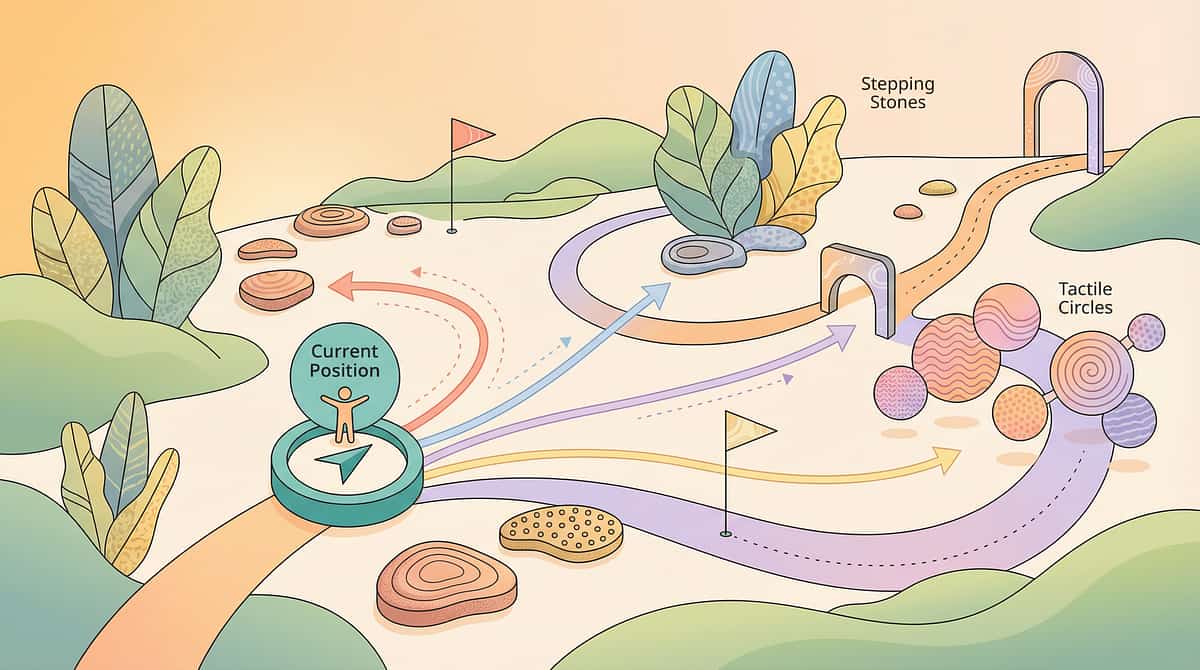
You Are Not Done. You Are on a Journey.
Store visits are one stop on the road to full community access. Here is where J-841 sits in the broader progression pathway.
Prerequisites
← J-839: Waiting Room Behaviour ← J-840: Public Transportation
⬤ J-841: Store Visits (You Are Here)
Current position. In progress / Mastered. The Store Success System — all 9 materials.
Next-Level Options
→ J-842: Restaurant Visits (immediate next) → J-843: Doctor & Dentist Appointments → J-844: Haircuts & Personal Care
Long-Term Goal
Community Participation Independence: child navigates retail environments with age-appropriate autonomy. Community life skills readiness by adolescence.
Lateral Alternatives (if stores remain difficult): A-Domain: Sensory Processing techniques (deeper sensory work before community reapplication). C-Domain: Emotional Regulation techniques (impulse control before community challenge). D-Domain: Behaviour Flexibility techniques (handling unexpected changes in public).
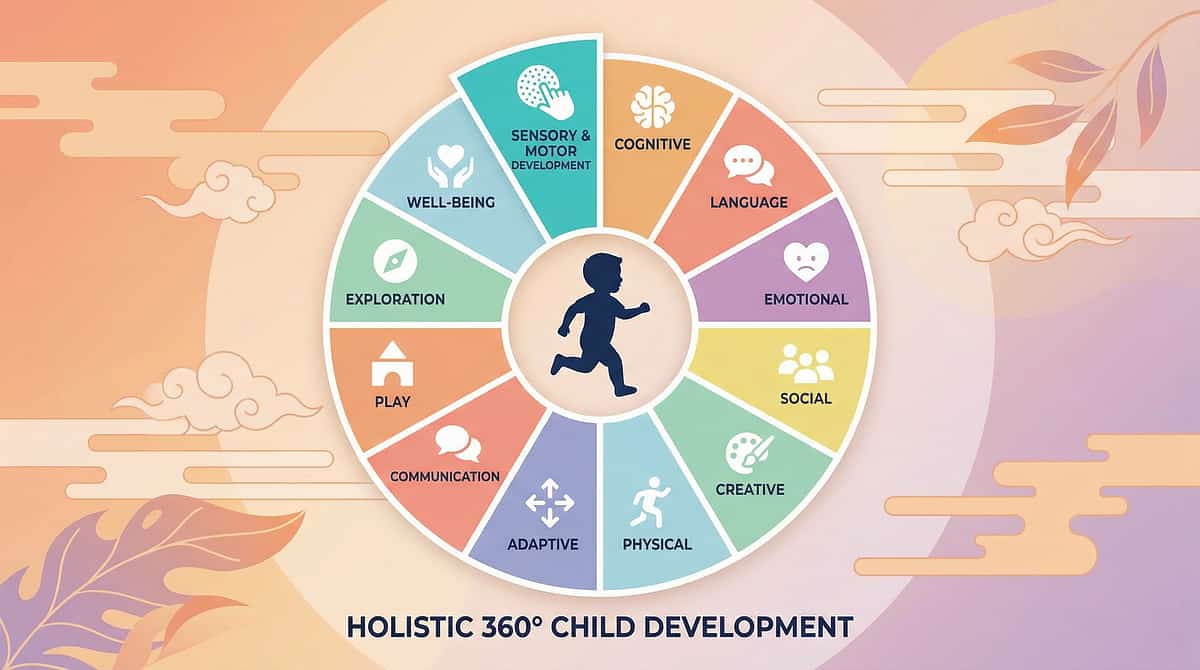
Related Techniques in Domain J: Community Participation
You may already own materials for several of these. Your Store Success System toolkit transfers directly.
J-839 | Waiting Room Behaviour
Difficulty: CORE | Materials: Timer, Social Story, Fidget
J-840 | Public Transportation
Difficulty: CORE | Materials: Social Story, Sensory Kit
J-842 | Restaurant Visits ← NEXT RECOMMENDED
Difficulty: ADVANCED | Materials: Visual Menu, Timer, Sensory Kit
J-843 | Doctor & Dentist Appointments
Difficulty: ADVANCED | Materials: Social Story, Sensory Kit, Token Board
J-844 | Haircuts & Personal Care
Difficulty: CORE | Materials: Sensory Kit, Social Story, Visual Schedule
J-850 | Community Outing Planning
Difficulty: ADVANCED | Materials: Visual Map, Token Board, Wish List
You Already Own Materials For These: Sensory Kit ✓ applies to J-842, J-843, J-844. Social Story framework ✓ applies to J-842, J-843. Token Board ✓ applies to all community techniques. Wish List ✓ applies to J-842, J-843. You have already built the foundation. The community participation toolkit transfers.
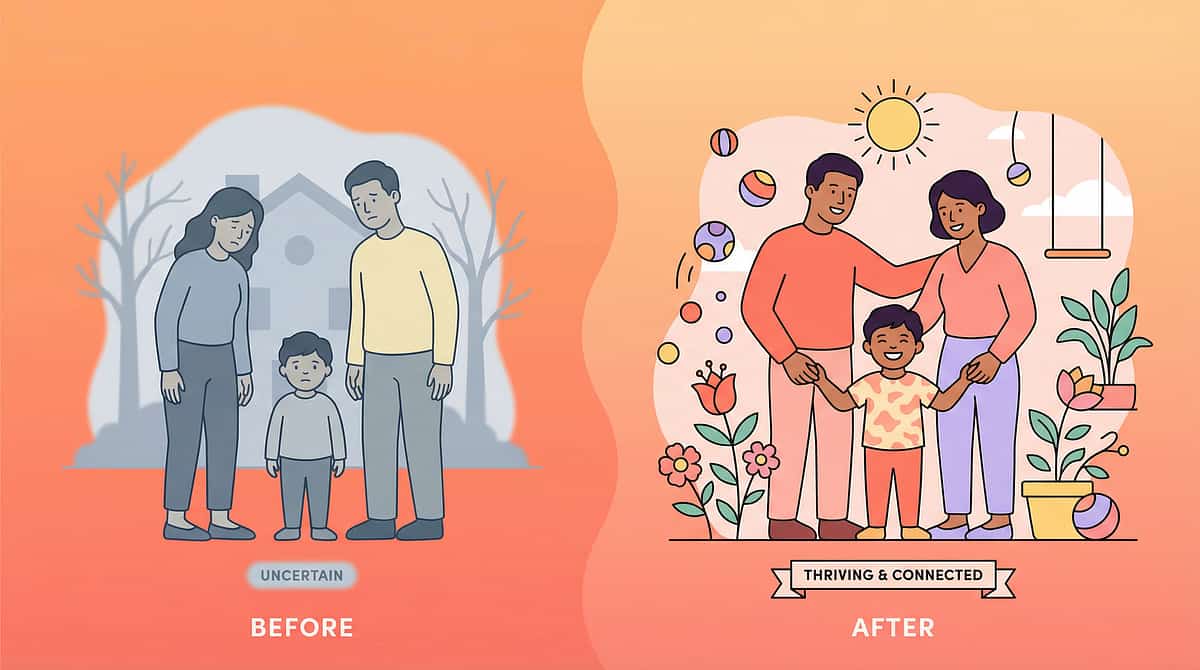
From Abandoned Carts to "I'm a Good Shopper Now."
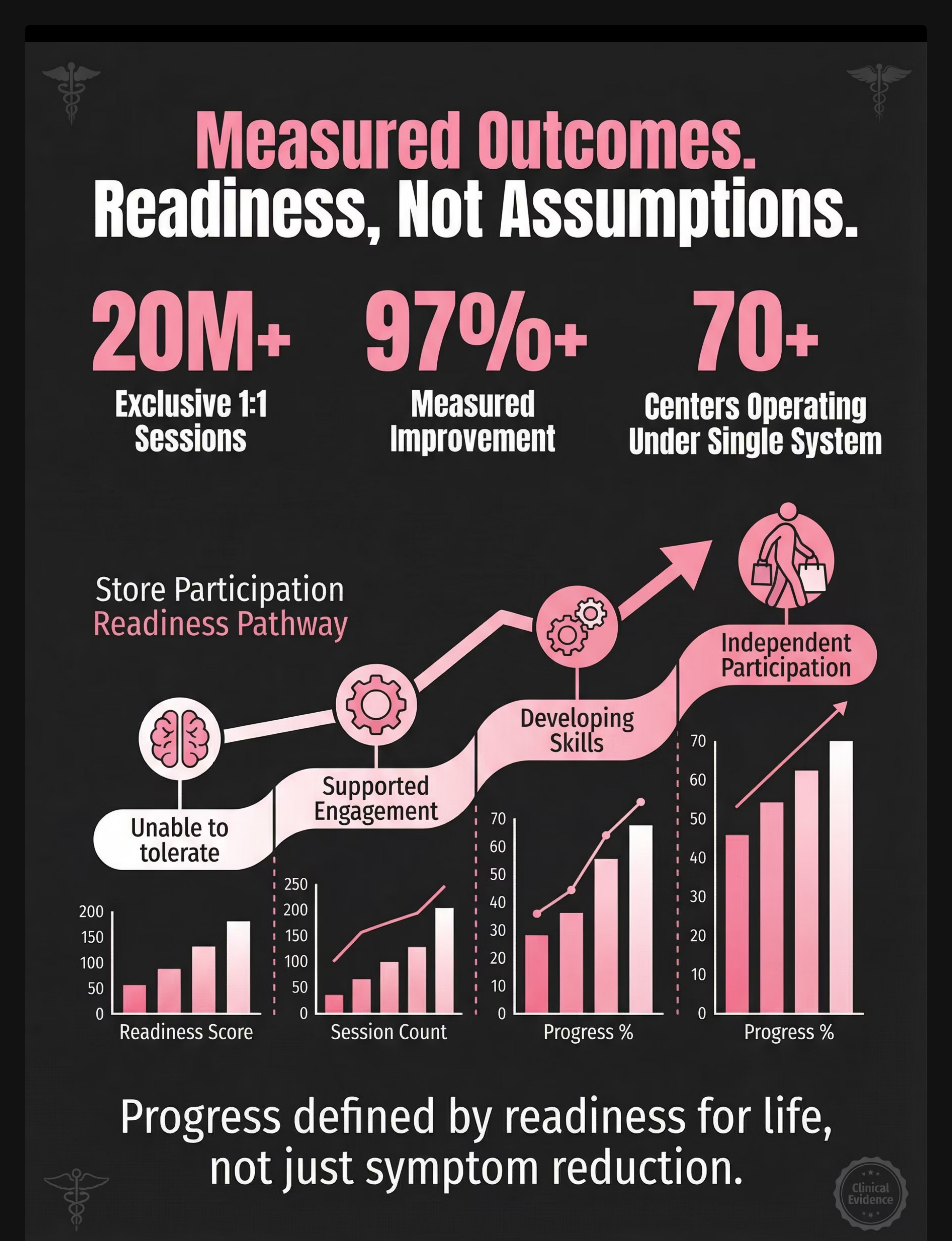
Real families. Real progress. These anonymised stories reflect aggregate outcomes from 20M+ exclusive 1:1 sessions across the Pinnacle Network.
Arjun, 7 — Hyderabad
Before: "Every store trip ended with me carrying a screaming child to the car. I started ordering everything online. But that felt like giving up."
Journey: Week 1: 5-min pharmacy, 3 items, all supports. Week 3: 12-min supermarket, token board added. Week 6: 25-min full grocery, wish list redirecting wants. Week 10: Full family shopping trip. Arjun pushed the cart.
After: "Last week he asked if we could go to the store. He asked. I had to sit in the car for a minute because I started crying."
Therapist Note: "Arjun's sensory profile showed auditory hypersensitivity as primary driver. Headphones were the single highest-impact modification. Timeline: 9 weeks from abandoning trips to requesting them."
Priya, 5 — Bengaluru
Before: "She would grab everything she saw. Not because she wanted it — she'd throw it away as soon as we left. But in the moment, it was survival-level urgent to her."
What Changed: "The wish list. That's it. The wish list changed everything. Instead of 'no,' I had somewhere to put her wanting. 'Let's add it to your wish list — look, it's here now.' She'd visibly calm. The want was honoured. Not purchased — honoured."
After: "She now has a very specific wish list. She reviews it at home. She's learned to want things and wait. That's a skill I didn't have at five."
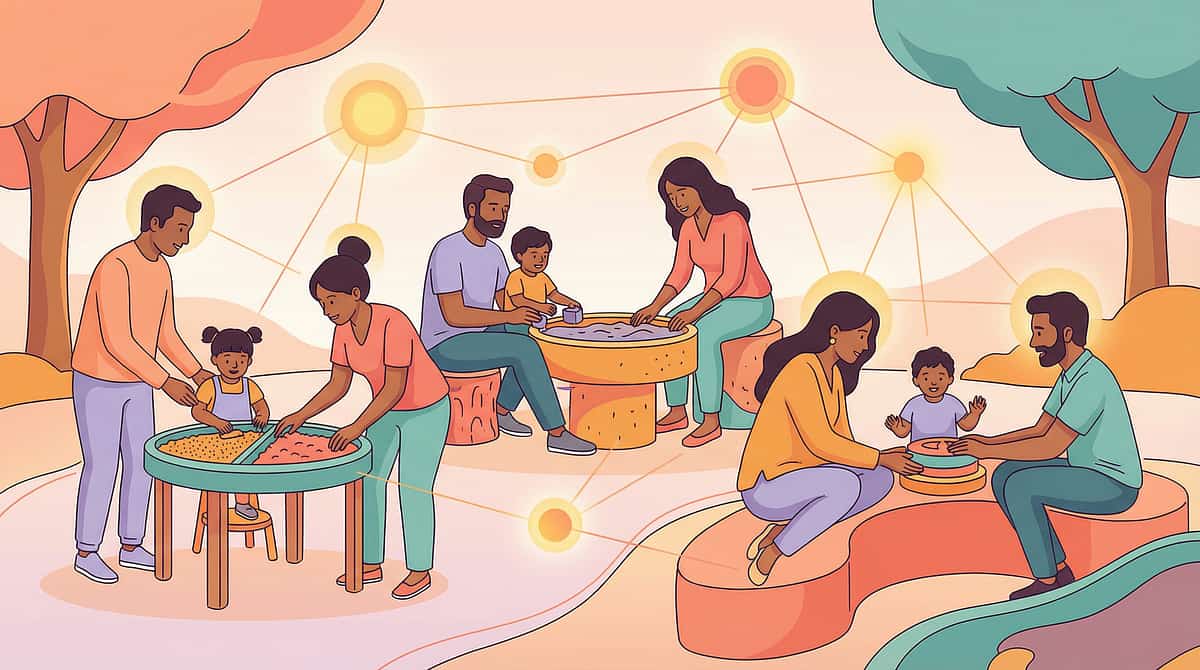
You Are Not Navigating This Alone.
Isolation is the enemy of progress. Connect with families who are navigating exactly this challenge — and with professionals who can guide you further.
WhatsApp Group
Store Visit & Community Outings — parents navigating exactly this challenge. Share wins, ask questions, get same-day support.
Pinnacle Parent Forum
Searchable archive of parent questions + therapist answers. "Has anyone found a sensory kit that works for a 6-year-old who refuses all headphones?"
Local Parent Meetup
Find Pinnacle families in your city. Monthly meetups at Pinnacle centres. Community built on shared experience.
Peer Mentoring
Connect with a parent 6 months ahead of you on the store participation journey. They've done what you're trying to do.
"Your experience is therapeutic data for other families. Consider sharing your store visit journey — the hard parts AND the wins. Your abandoned cart story gives another parent permission to start where they are. Your 'he asked to go to the store' moment gives another parent a reason to continue." 📞 FREE National Autism Helpline: 9100 181 181 | 16+ languages | 24×7 | Pinnacle-trained counsellors
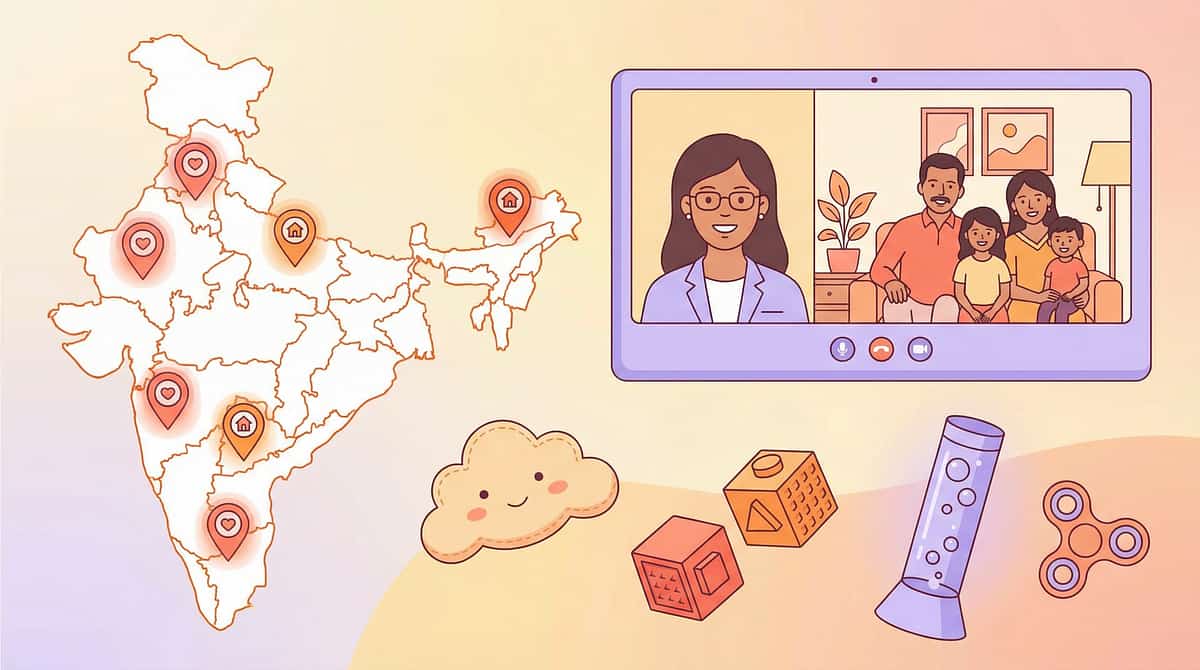
Home + Clinic = Maximum Impact.
70+ Pinnacle Centres. One consistent clinical system. Professional support available in person, by teleconsultation, and on the helpline — in 16+ languages.
🔵 Occupational Therapy
Sensory Profile Assessment → tailored kit prescription. Community participation graded exposure protocol. Available at all 70+ Pinnacle centres.
🟢 Behaviour Analysis (BCBA)
Functional behaviour assessment for store difficulty. Token economy design + reinforcement schedule. Available at 40+ Pinnacle centres.
🟡 Family Coaching
Parent training in all 9 materials. Video review of home implementation. Available via teleconsultation + all centres.
📱 Teleconsultation
Remote guidance for families outside centre reach. Therapist reviews your tracking data. Available in 16+ languages.
Contact & Access: FREE National Autism Helpline: 9100 181 181 | Available 24×7 | 16+ languages | First consultation: FREE Website: pinnacleblooms.org | Centres: pinnacleblooms.org/centers | Email: care@pinnacleblooms.org
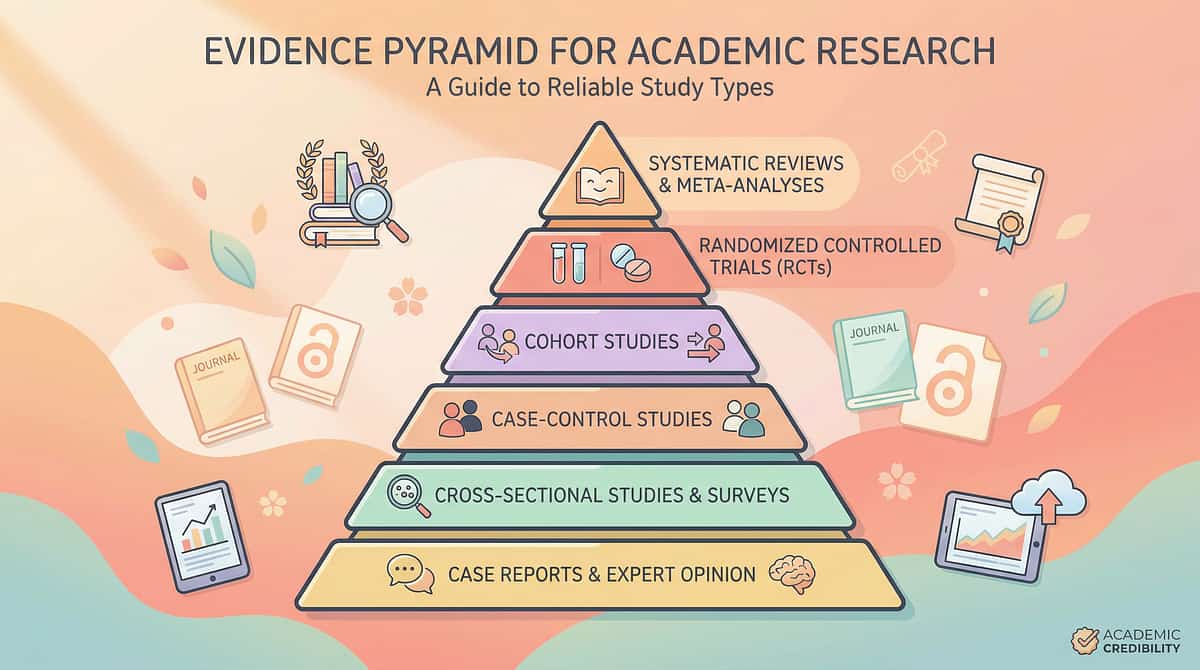
Deeper Reading for the Evidence-Curious Parent.
Every strategy in this guide is peer-reviewed. Here is the complete research foundation — five key studies, from systematic reviews to Indian-specific RCTs.
PRISMA Systematic Review (2024)
16 studies, 2013–2023. "Sensory integration intervention meets criteria as EBP for ASD." Validates: Sensory Kit + Accommodation Protocol. PMC11506176
Meta-Analysis (World J Clin Cases, 2024)
24 studies. "Effectively promotes social skills, adaptive behaviour, sensory processing, and community participation." Validates entire J-841 approach. PMC10955541
Indian RCT (Indian J Pediatr, 2019)
Padmanabha et al. "Significant improvement from home-based sensory protocol." Validates Indian family-applicable version. DOI: 10.1007/s12098-018-2747-4
NCAEP Evidence Report (2020)
Visual Supports ✓ Social Narratives ✓ Token Economy ✓ Video Modelling ✓ — all EBPs. Validates 6 of 9 materials in this guide.
WHO Nurturing Care Framework (2018)
Responsive caregiving + community participation are core to developmental outcomes. Establishes parent-led home intervention as WHO priority. nurturing-care.org/ncf-for-ecd/
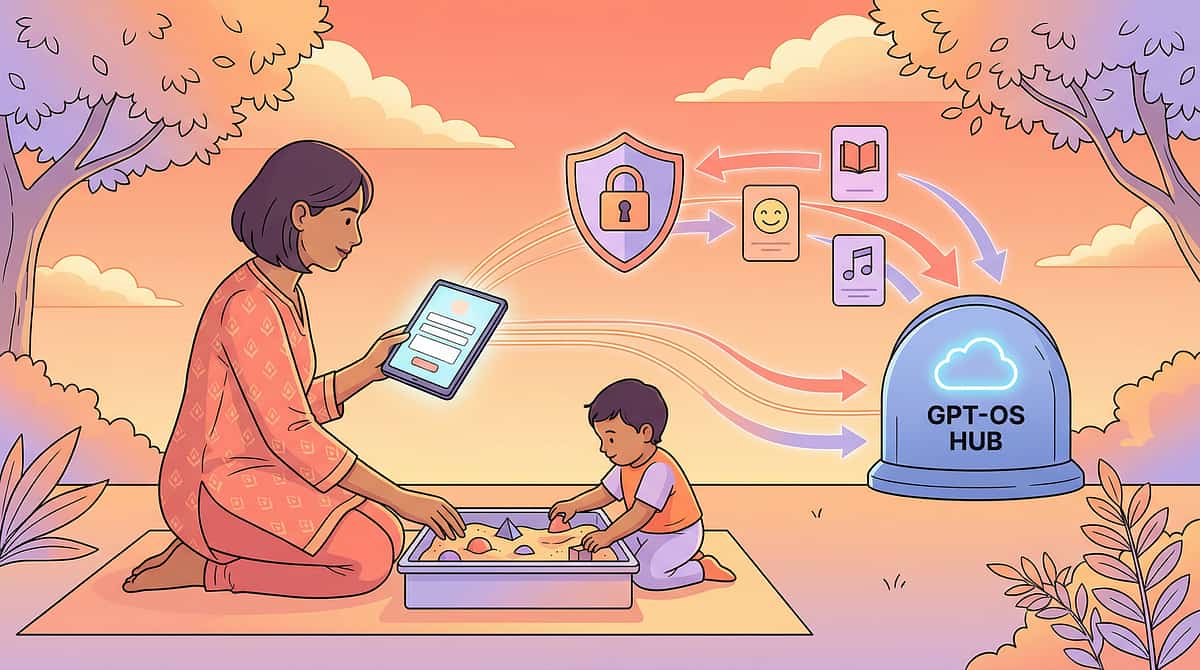
Your Data Helps Every Child Like Yours.
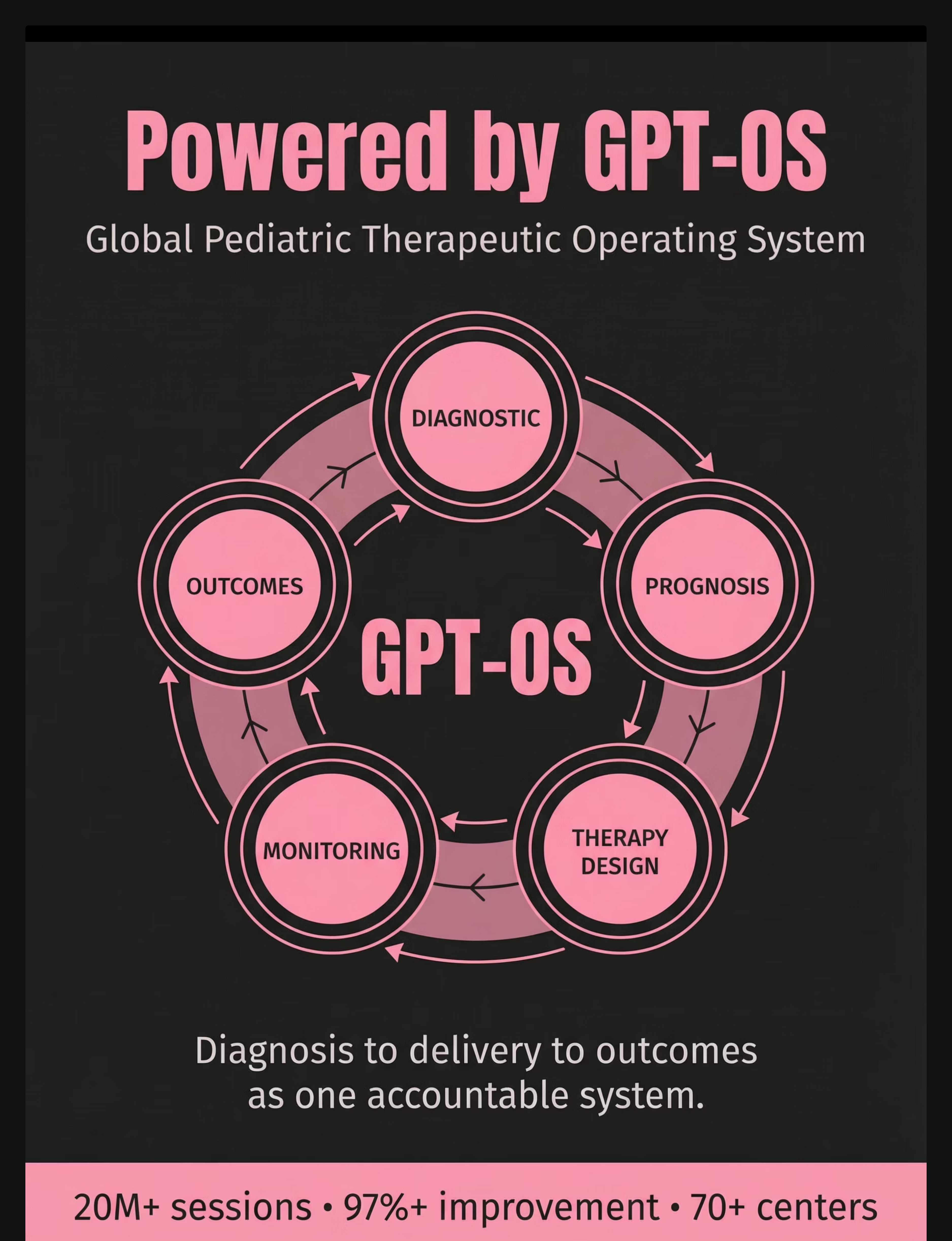
GPT-OS® is not simply a tracking app — it is a population-level learning system that improves with every family's data while protecting individual privacy.
The more families contribute, the smarter the system becomes at identifying which materials, routines, and supports work best for different sensory profiles, ages, settings, and support needs. Over time, that collective learning helps GPT-OS® make more accurate recommendations for home, school, and therapy environments.
GPT-OS® Modules Active for J-841
AbilityScore® tracks the Community Participation Index, helping identify gains in confidence, engagement, and everyday independence. TherapeuticAI® suggests materials and routines matched to observed needs, sensory responses, and goals. EverydayTherapyProgramme™ stores session protocols so families can repeat what works with consistency. FusionModule™ coordinates OT, ABA, and Family Coaching so support stays aligned across settings and caregivers.
Together, these modules turn daily observations into clearer next steps — so each child receives support that is more relevant, more responsive, and easier to carry into real life.
Privacy Assurance
Data is de-identified before population analysis, so individual records are separated from personal identity. Individual profiles remain private and are accessible only to the appropriate therapist or authorized care team. No data is sold to third parties — ever. DPIIT DIPP8651 registered means the system is built with Indian regulatory compliance in mind. Parents retain full control over their data, including the ability to review, manage, and delete it.
We use strong privacy-by-design principles so families can contribute with confidence, knowing that learning at the system level never comes at the expense of personal confidentiality.
What Your Data Contributes
Anonymised session data helps build better material prescriptions for children with similar sensory profiles across India. It improves our understanding of which tools, activities, and home supports are most effective for different ages, environments, and developmental needs.
As more families participate, the dataset becomes a growing national resource for neurodivergent children — one that reflects Indian contexts, Indian homes, Indian schools, and Indian therapy realities. That means better recommendations today, and stronger evidence for every child who comes next.
Every session you log is a gift to another family navigating the same journey. Together, we are building the largest evidence base for neurodivergent children in India.
The Original Reel: J-841 | Community Participation & Life Skills Series
9 Materials That Help With Store Visits | Episode 841 of 999 | Domain J — Community Participation
From the Therapist: "Store difficulty is a nervous system story, not a parenting story. The materials in this reel address different aspects of the store challenge — sensory, structural, behavioural, temporal, and coping. Together, they create a system that makes success possible. Start small. Build from success. Every successful supported trip is a neural deposit in your child's community participation account."
Reel Metadata: REEL ID: J-841 | SERIES: Community Participation & Life Skills | EPISODE: 841 of 999 | DOMAIN: J — Community Participation | Pinnacle OT / ABA Therapist presenting
← Previous
J-840 — 9 Materials for Public Transportation
→ Next
J-842 — 9 Materials for Restaurant Visits
Consistency Across Caregivers Multiplies Impact.
Share this page with every adult who takes your child to a store. Inconsistent implementation across caregivers is the most common reason systems stall.
Share This Page
Send to your spouse, parents, in-laws, or school teacher. "This is the system we're using for [child's name]'s store visits. Please read the Step-by-Step section before taking them to any store."
Family Guide — 1-Page PDF
Simplified protocol for any caregiver. Available in English, Hindi, Telugu, Tamil, Kannada, and Malayalam. Quick reference: 9 materials + 6 steps + emergency plan.
Explain to Grandparents
"What the doctors want us to do at the store." Written for caregivers who may be sceptical. Warm, respectful, and practical — no jargon.
Teacher/School Communication Template: Subject: Store Visit Skills — Please Support at School Trips Dear [Teacher Name], [Child's name] is currently learning community participation skills through Pinnacle Blooms Network's evidence-based programme. For any school store/market visits, please use the attached one-page protocol. Key supports needed: Visual list of items to find • Permission to wear headphones if available • Access to fidget during waiting • Wish list notebook for wanted items. Thank you for supporting consistent implementation.

Frequently Asked Questions
Answers to what every parent wants to know — from diagnostic differences to age adaptations, from family sceptics to rural families.
Q1: My child has autism. Is this the same approach as for ADHD?
Core approach is the same; emphasis shifts. For autism: sensory kit and social story are highest priority. For ADHD: timer and token board are highest priority. Many children have both — use all 9 materials and observe which produce the most impact.
Q2: How long before I see any improvement?
Week 1–2: Tolerating the trip. Week 3–4: Using one material spontaneously. Week 5–8: Regular successful trips with supports. Month 3+: Reducing supports while maintaining success. The trend over 4–6 weeks matters more than any single trip.
Q3: Can I use just 2–3 of the 9 materials?
Yes. Sensory overwhelm primary → Sensory Kit + Timer + Social Story. Impulse control primary → First-Then + Token Board + Wish List. Anxiety primary → Social Story + Calm-Down Card + Sensory Kit. All 9 together produce best results, but targeted 3 beats 9 materials used inconsistently.
Q4: My mother-in-law says I'm making excuses for bad behaviour. What do I say?
"A 2024 systematic review of 16 studies confirms that children with autism have neurologically different sensory processing that makes store environments genuinely overwhelming — not a discipline issue. The programme we're following is validated by India's largest paediatric therapy consortium, with 20M+ sessions and 97%+ improvement rates." Or simply: "The doctors have given us a specific programme. I'm following the doctors' protocol." Share the Grandparent Guide.
Q5: Is it okay to leave the store mid-trip? Am I teaching bad behaviour?
No. Leaving when the child is genuinely overwhelmed is the correct therapeutic response. A forced continuation after genuine overload creates negative store memories. Leaving IS the plan. It's not failure. The calm-down card says "Ask for a break" — honouring that builds trust in the system. Ignoring it destroys it.
Q6: My child is 12. Is it too late?
No. Neuroplasticity continues throughout adolescence and beyond. The approach adapts: less token board, more natural consequences. Self-managed wish list and sensory tools. Greater voice in planning. Progress may be slower but outcomes are achievable.
Q7: We live in a small town with limited stores. Does this still apply?
Yes — and rural/semi-urban application may be easier. Less sensory chaos in smaller kirana stores. Graduated progression from known local shops to city visits is a natural pathway. All 9 materials are DIY-capable. Zero cost to begin.
Q8: How do I know when my child no longer needs the supports?
Watch for self-initiated tool use: child asking for their own headphones, child initiating wish list use, child setting the timer. Self-initiated tool use is the signal to begin gradual fading. Full independence goal: community navigation without visible tools.

You Have Everything You Need. The Next Step Is the Only Step That Matters.
You just read the most comprehensive guide to store visit support for children with sensory and behavioural differences available in India — backed by 20M+ therapy sessions, validated by peer-reviewed research, and built by the world's most integrated paediatric therapy consortium.
Your child deserves community access. You deserve shopping trips that don't end in tears. The 9 materials cost as little as ₹0 to start. The first trip can happen tomorrow.
Pinnacle Blooms Consortium — Validated by:🔵 Occupational Therapy | 🟢 ABA / BCBA | 🟡 Special Education | 🟠 NeuroDev Paediatrics | 🔵 Speech-Language Pathology | ⚫ CRO (Clinical Research) "From fear to mastery. One technique at a time."
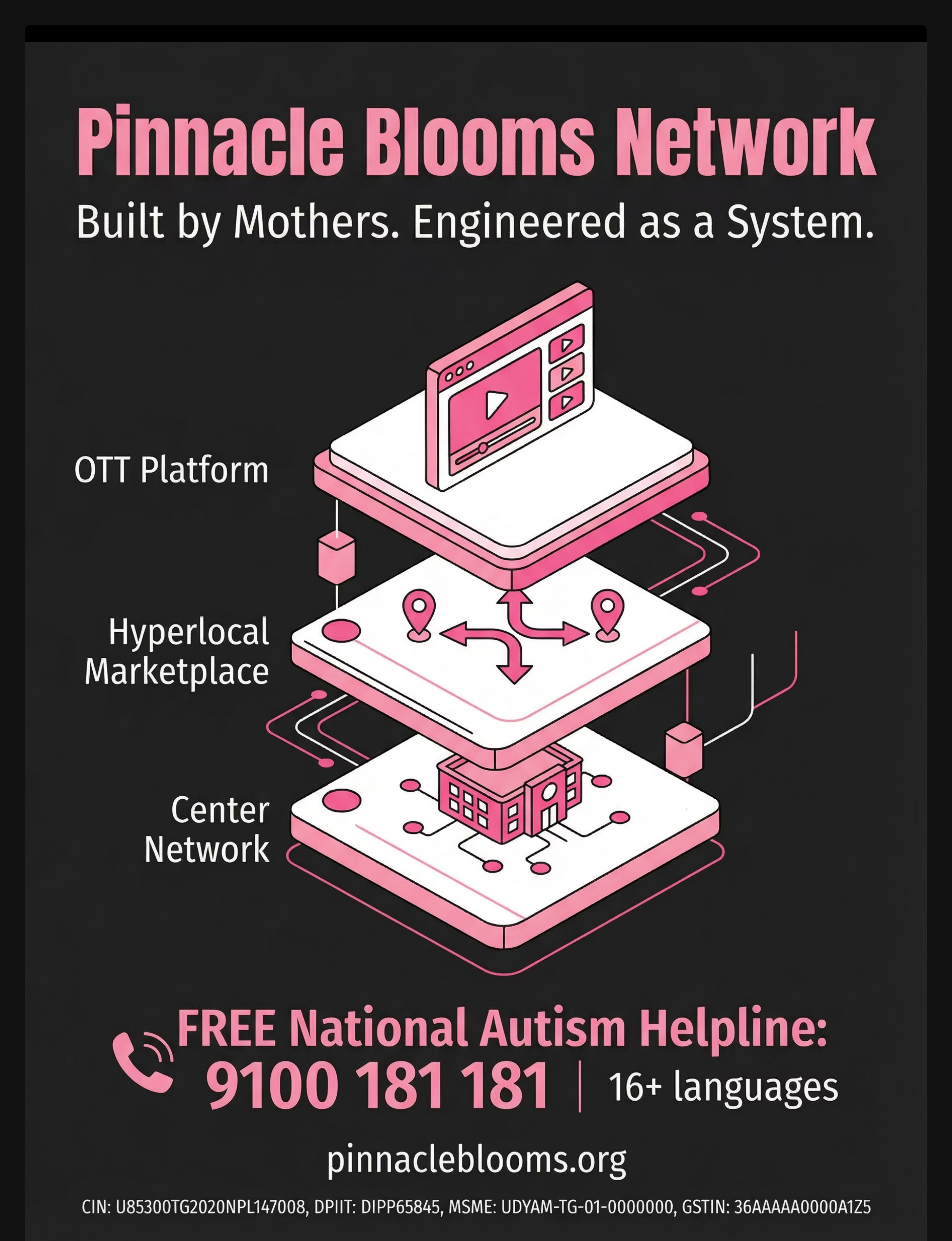
Preview of 9 materials that help with store visits Therapy Material
Below is a visual preview of 9 materials that help with store visits therapy material. The pages shown help educators, therapists, and caregivers understand the structure and content of the resource before use. Materials should be used under appropriate professional guidance.


Link copied!