
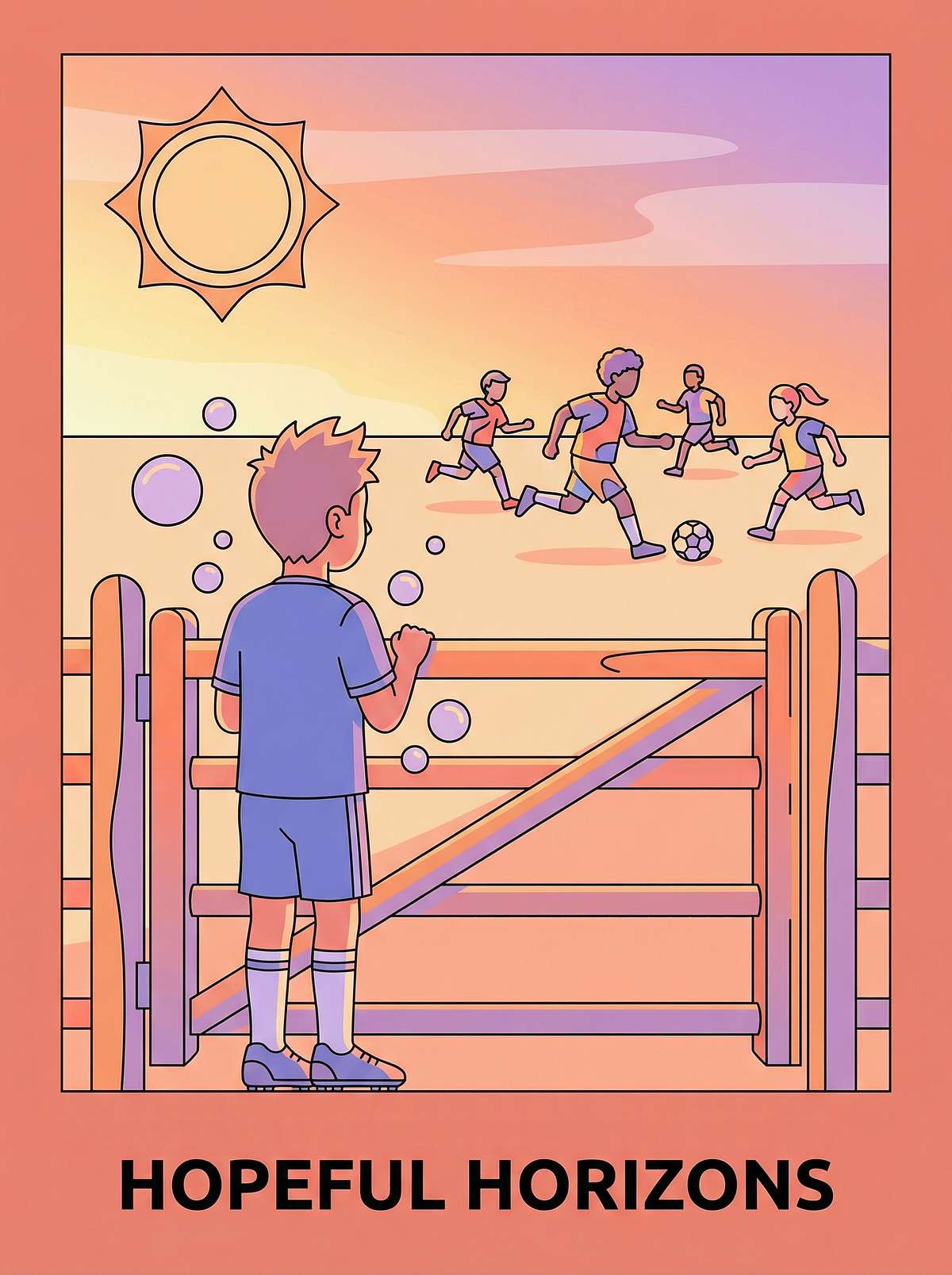
When Your Child Watches From the Sidelines…
…not because they don't want to play, but because the game doesn't come naturally.
"My son is eight. He watches the neighbourhood kids play football from our window every single evening. He kicks a ball around the yard for hours. He asked me to sign him up, so we did. First practice — disaster. Not because he couldn't kick. He can kick. But he couldn't process the coach's rapid instructions. He bumped into other children because he couldn't track where everyone was moving. He didn't know the unwritten rules. By the third session he was sitting on the sidelines crying while the others scrimmaged. We pulled him out. Now he still watches from the window, but he says he's 'bad at sports' and 'kids don't want to play with me.' He is eight years old. He has already given up on something he loves."
"You are not failing. Your child's motor and sensory system is asking for a different teaching approach — one that most sports programmes don't provide." — Pinnacle Blooms Consortium
Recreation & Community Participation · RC-SP · Episode J-872
All Ages | Adapted to Developmental Level and Sport
OT • SLP • ABA/BCBA • SpEd • NeuroDev • CRO | Pinnacle Blooms Network®
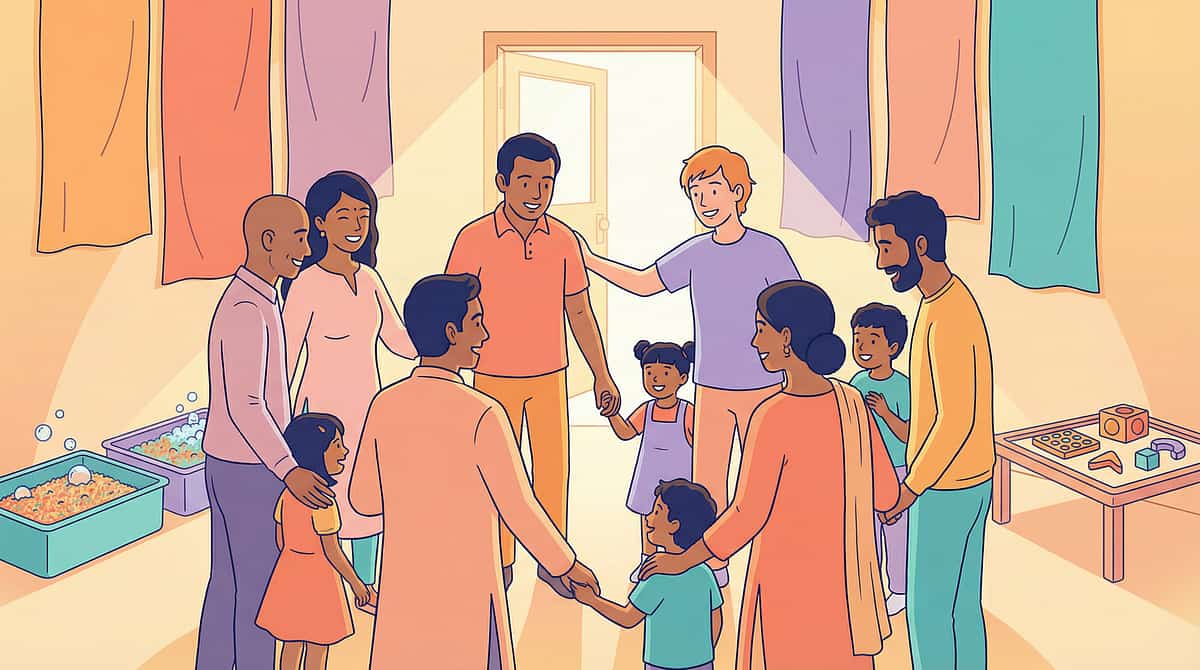
Your Child Is Among Millions Navigating This
The gap your child experiences between wanting to play and being able to is not a character failing — it is a neurological reality shared by tens of millions of families worldwide. Developmental coordination disorder (DCD/dyspraxia) alone affects 5–6% of school-age children globally (WHO estimates). Autism-related motor planning differences affect an even broader population.
1 in 6
Global Motor Difference
Children globally experience developmental motor or sensory differences that affect sports participation
80%
Autism & Sensory
Children diagnosed with autism display sensory processing difficulties that impact athletic performance
20M+
Therapy Sessions
Sessions delivered by Pinnacle Blooms Network®, with recreation access as a core outcome measure
"You are among millions of families navigating this exact challenge. The path forward is documented, evidence-based and starts at home."
Research: PRISMA Systematic Review (2024): 80% of children with autism display sensory processing difficulties. PMC11506176 | Meta-analysis (World J Clin Cases, 2024): Sensory integration therapy effectively promotes gross motor skills, social skills and adaptive behaviour. PMC10955541
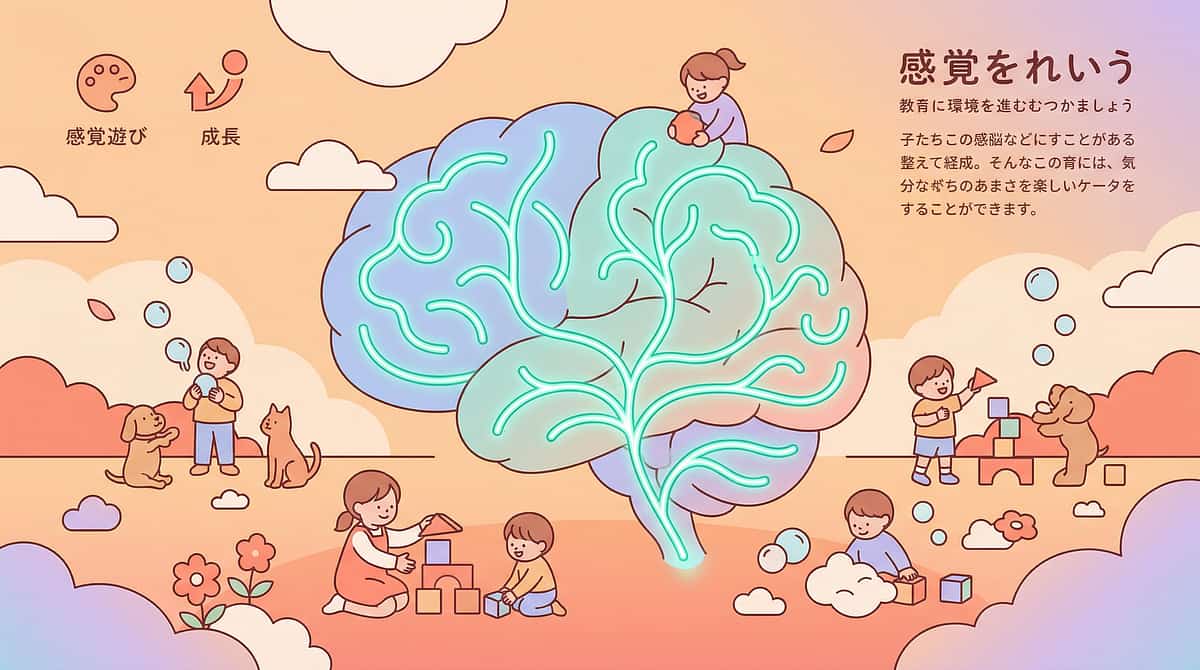
The Neuroscience Your Child's Coach Doesn't Know
Brain Regions Involved
🧠 Cerebellum
Motor coordination and timing
📍 Somatosensory Cortex
Body awareness and proprioception
⚙️ Basal Ganglia
Sequencing movement patterns (motor planning/praxis)
💡 Prefrontal Cortex
Processing verbal instructions in real-time
👁️ Visual Cortex + Parietal Lobe
Tracking moving objects and teammates
Plain English Translation
Motor planning (praxis) is the brain's ability to conceive, plan and execute a new movement — "Now I kick, now I run, now I pass." For many children with autism or developmental coordination disorder, this pathway is wired differently.
Proprioception — knowing where your arm is without looking, knowing how much force to use — depends on the somatosensory cortex. When this signal is under-processed, children appear clumsy, bump into peers and use too much or too little force.
Auditory processing under load — when a coach shouts across a noisy field, the prefrontal cortex must process language, ignore competing sounds and convert words into physical action simultaneously. This multi-channel demand exceeds processing capacity for many children.
"This is a wiring difference, not a behaviour problem. The brain can be trained. The approach must change first."
Research: Frontiers in Integrative Neuroscience (2020): Comprehensive neurological framework for sensory integration and motor planning differences in ASD. DOI: 10.3389/fnint.2020.556660
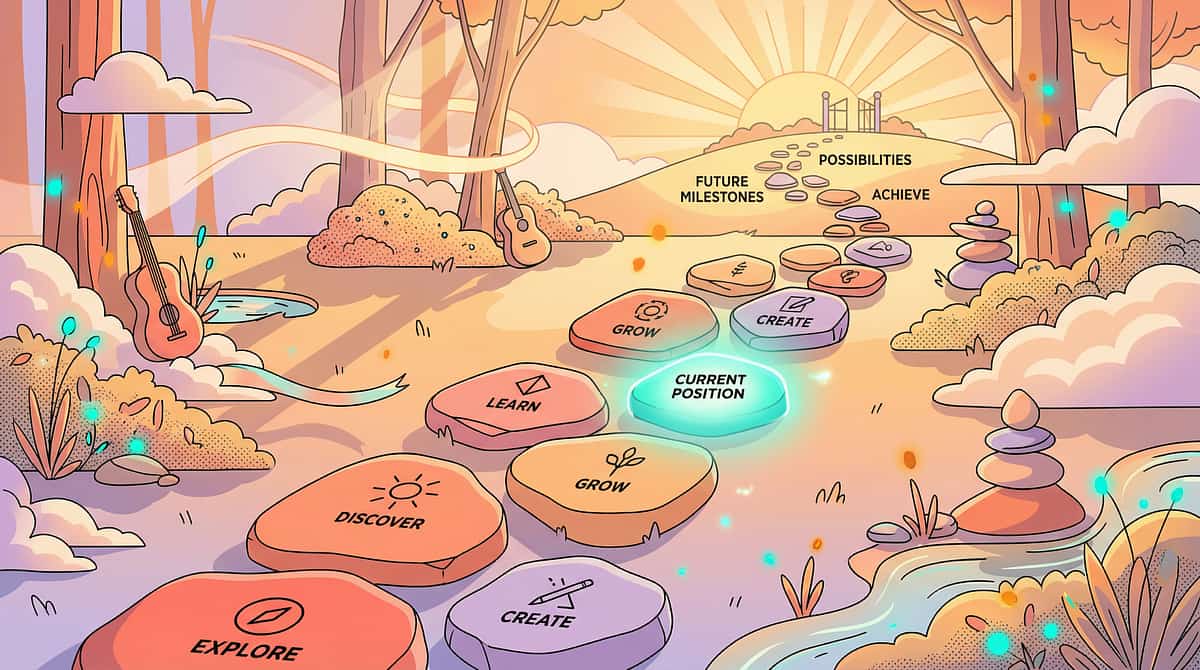
Your Child's Sports Journey on the Developmental Map
Children with autism, DCD or sensory processing differences often have fundamental movement skills at 1–3 age levels below chronological age. The sports readiness window doesn't automatically open at age 6 — it opens when foundational motor, sensory and social skills are in place.
Age 2–3
Fundamental locomotor skills emerge (running, jumping, climbing)
Age 3–5
Object control skills develop (throwing, catching, kicking — variable)
Age 5–7
Fundamental movement skill consolidation; group play begins
⚡ Age 6–8
SPORTS READINESS WINDOW — Team sports typically introduced; social rules of play emerge
⚡ Age 8–10
CRITICAL INCLUSION/EXCLUSION PERIOD — Skill gaps become visible; peer comparison intensifies
Age 10–12
Physical literacy sets long-term activity habits; late intervention still effective
Common co-occurrences: Developmental Coordination Disorder (DCD/Dyspraxia) — 5–6% of children | Autism Spectrum Condition (motor differences in 87% of cases) | Sensory Processing Disorder | ADHD (motor planning components)
Research: WHO Care for Child Development (CCD) Package (2023): PMC9978394 | UNICEF MICS Developmental Monitoring Indicators (2023)

The Science That Says: This Works
🛡️ LEVEL I EVIDENCE — Systematic Review + Meta-Analysis
Study | Finding | Source | |
PRISMA Systematic Review (2024) | 16 studies confirm sensory integration and motor-based intervention is evidence-based practice for children with ASD | PMC11506176 | |
Meta-analysis, World J Clin Cases (2024) | Therapy effectively promotes gross motor skills, social skills, adaptive behaviour and sensory processing across 24 studies | PMC10955541 | |
WHO CCD Package (2023) | Home-based caregiver-delivered interventions improve developmental outcomes, validated across 54 LMICs | PMC9978394 | |
Indian RCT — Padmanabha et al. (2019) | Home-based structured motor and sensory interventions show significant outcomes in Indian paediatric population | Indian J Pediatr | |
NCAEP Evidence-Based Practices (2020) | Motor planning, visual supports and video modelling classified as evidence-based practices for autism | NCAEP 2020 |
"Clinically validated. Home-applicable. Parent-proven. Consortium-backed." This technique family represents the consolidated evidence base of paediatric OT, ABA, SLP and neurodevelopmental medicine applied to sports participation and physical literacy.
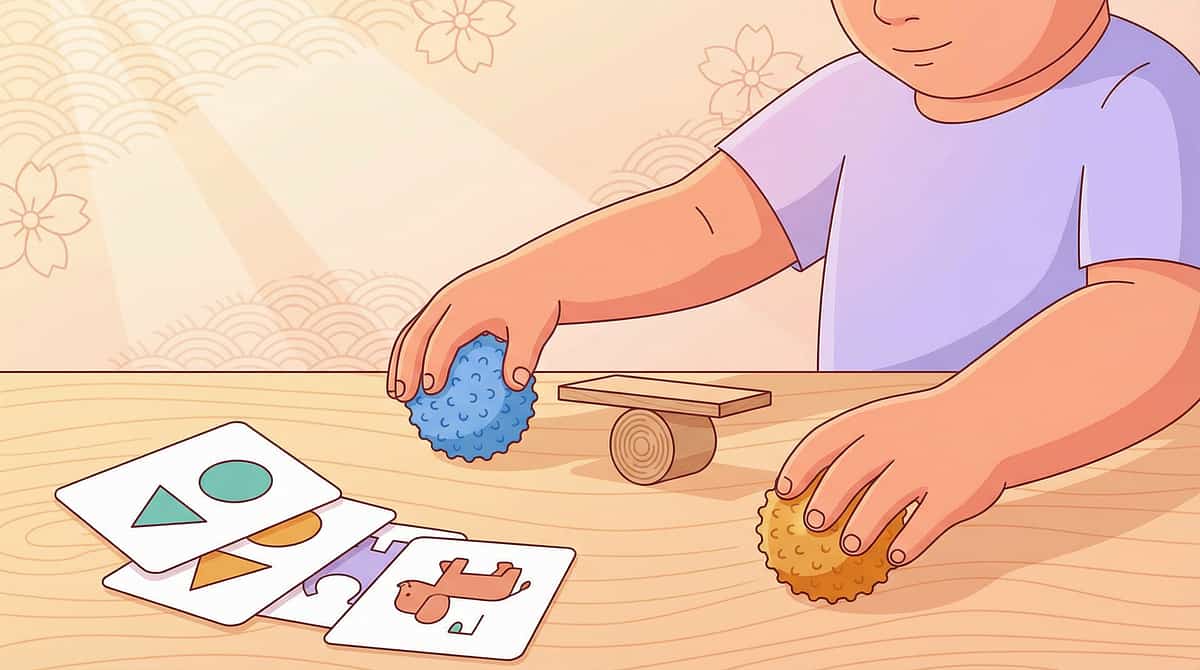
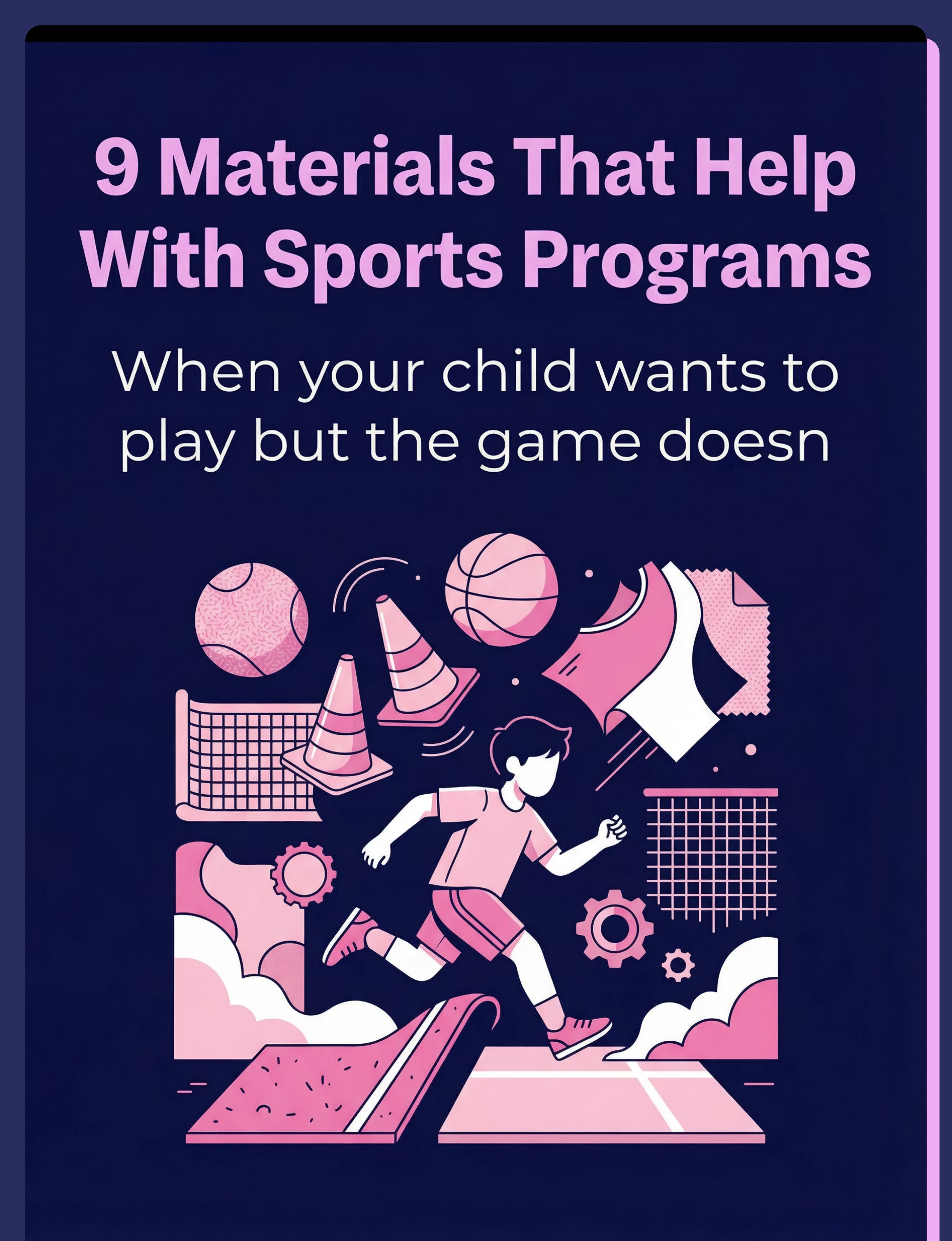
9 Materials That Help With Sports Programs
Parent-friendly alias: "The Sports Readiness Kit"
Sports participation requires the simultaneous integration of motor planning (coordination, balance, agility), cognitive processing (rules, strategy, real-time decision-making), social skills (teamwork, turn-taking, peer communication), and sensory regulation (body awareness, auditory tolerance, visual tracking). Traditional sports instruction assumes all components are intact — and systematically excludes children for whom they are not.
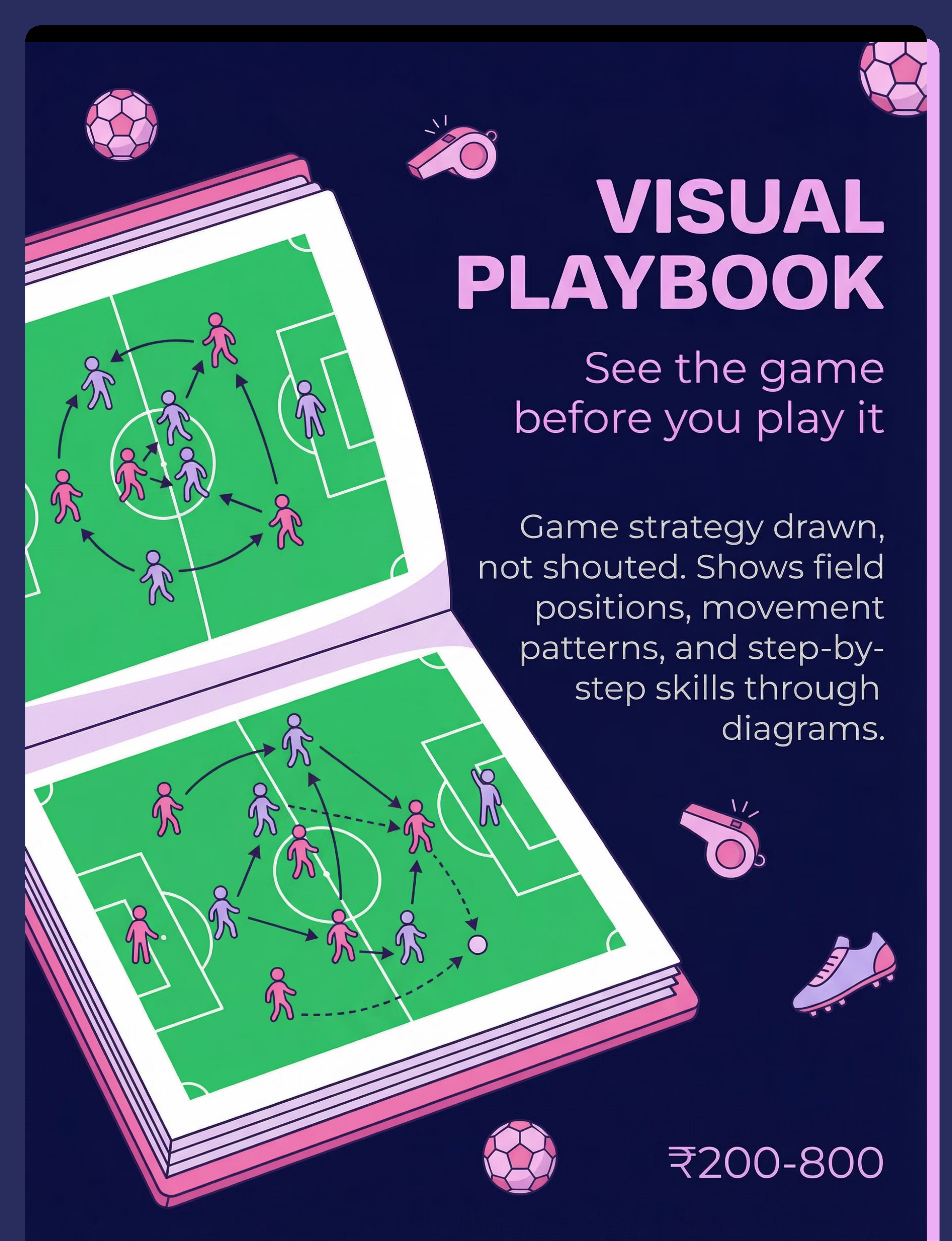
Visual Playbook
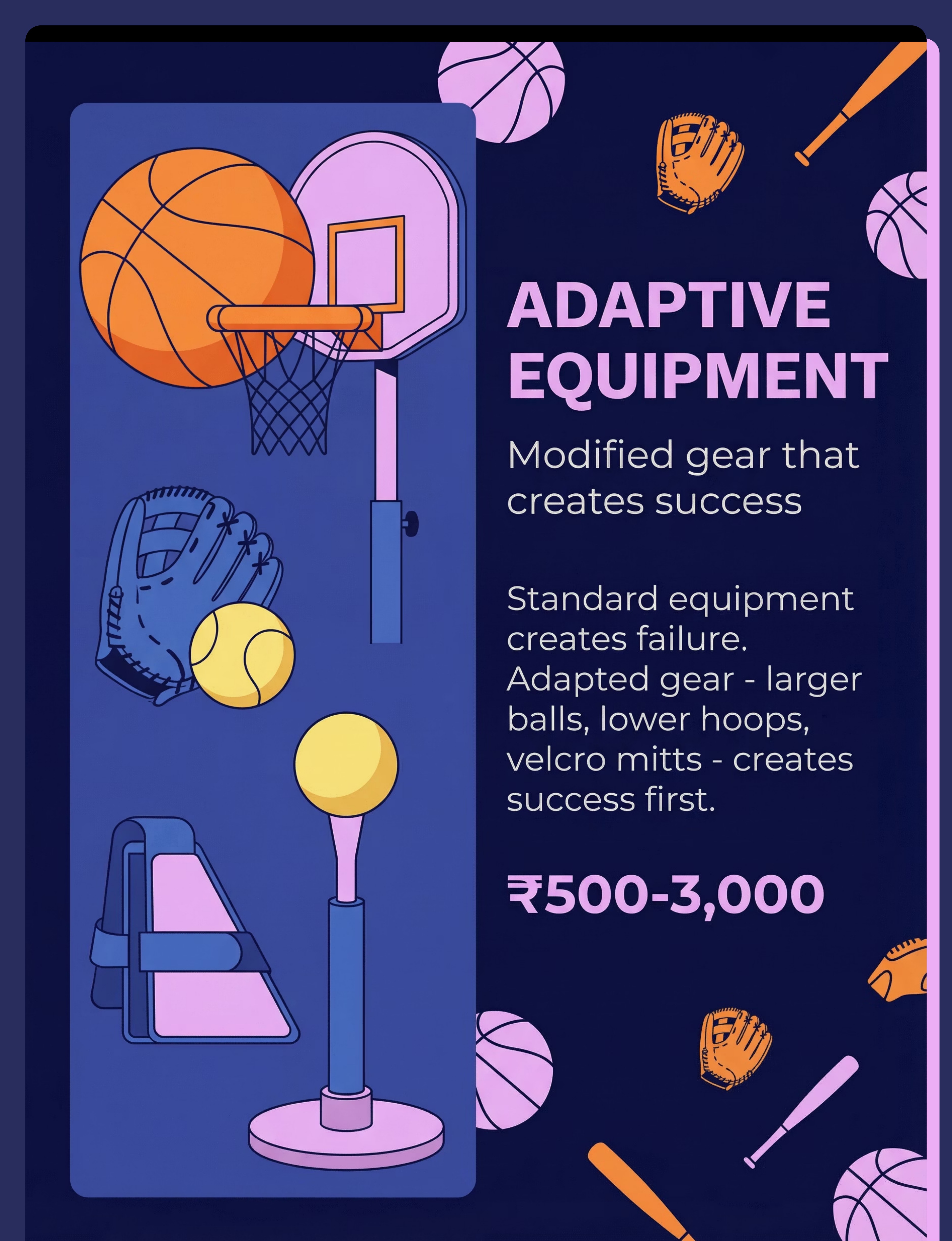
Adaptive Equipment
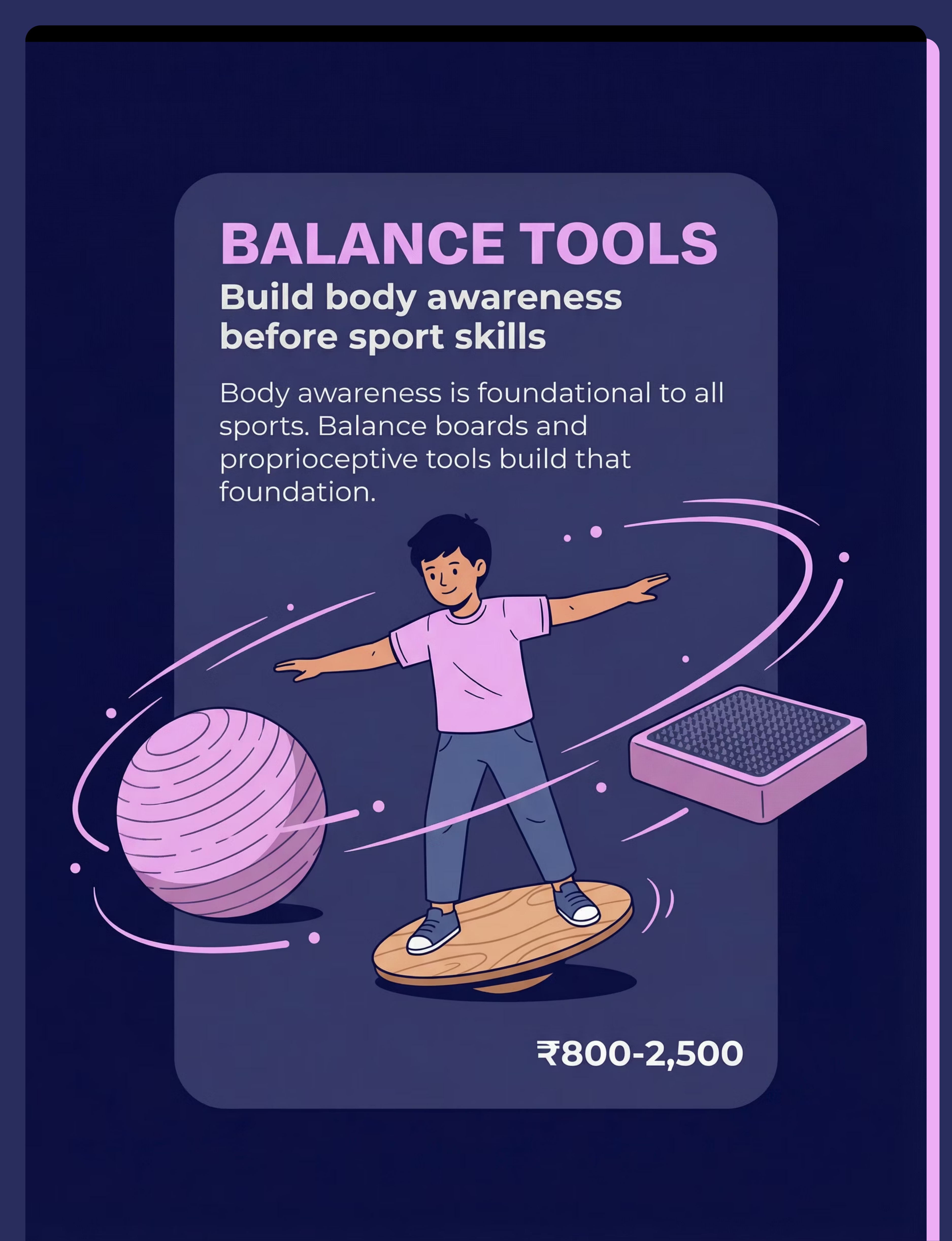
Balance Tools
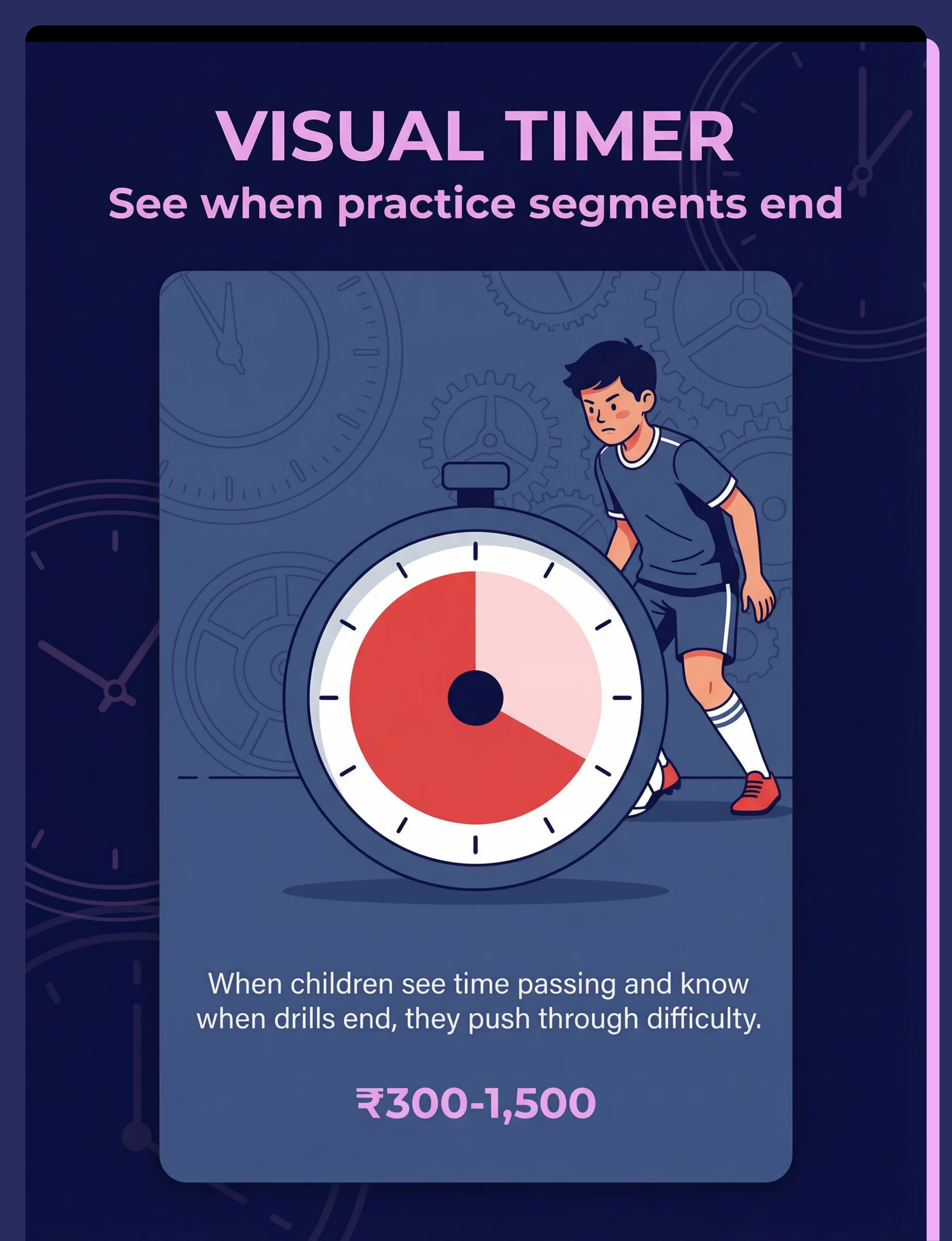
Visual Timer
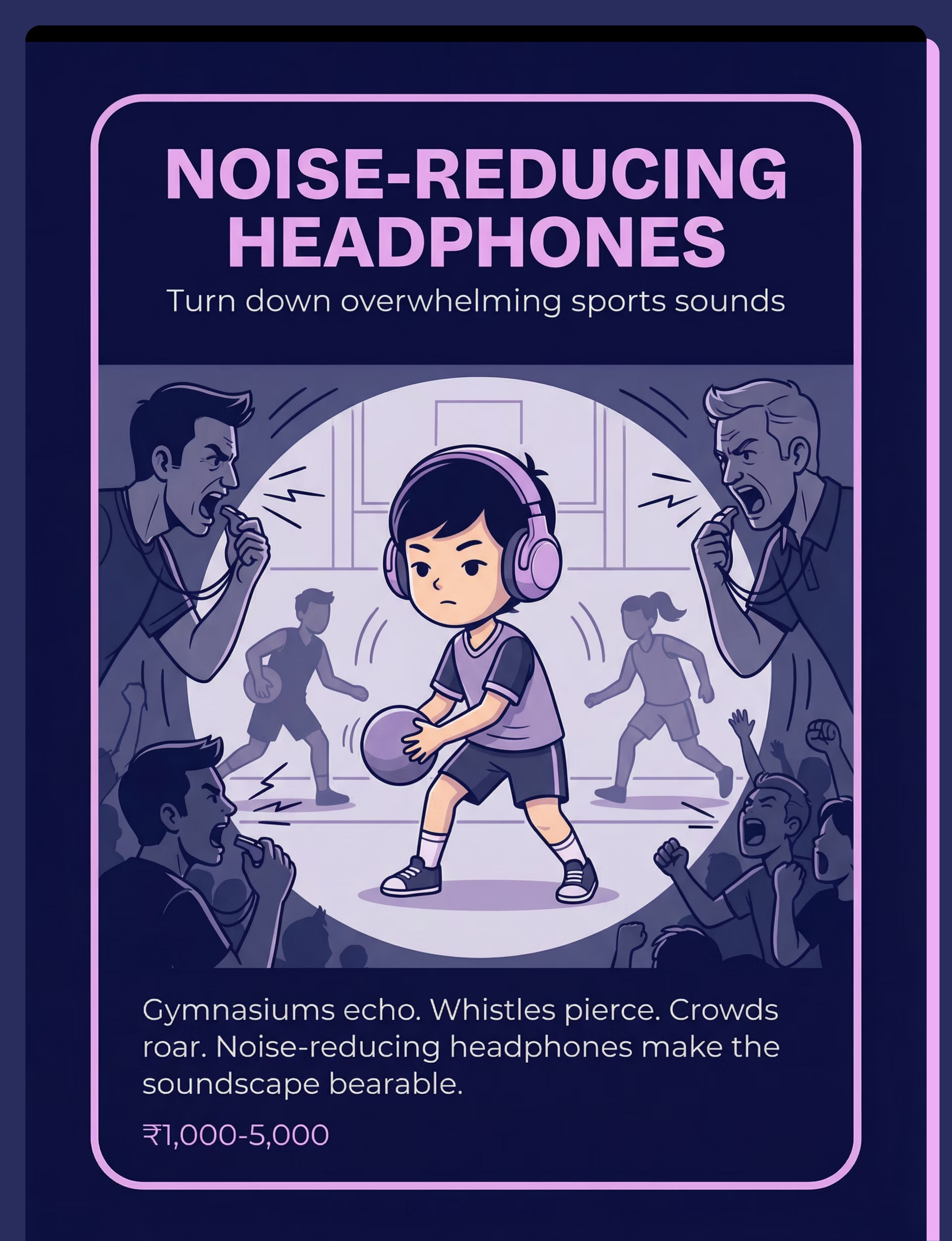
Noise-Reducing Headphones
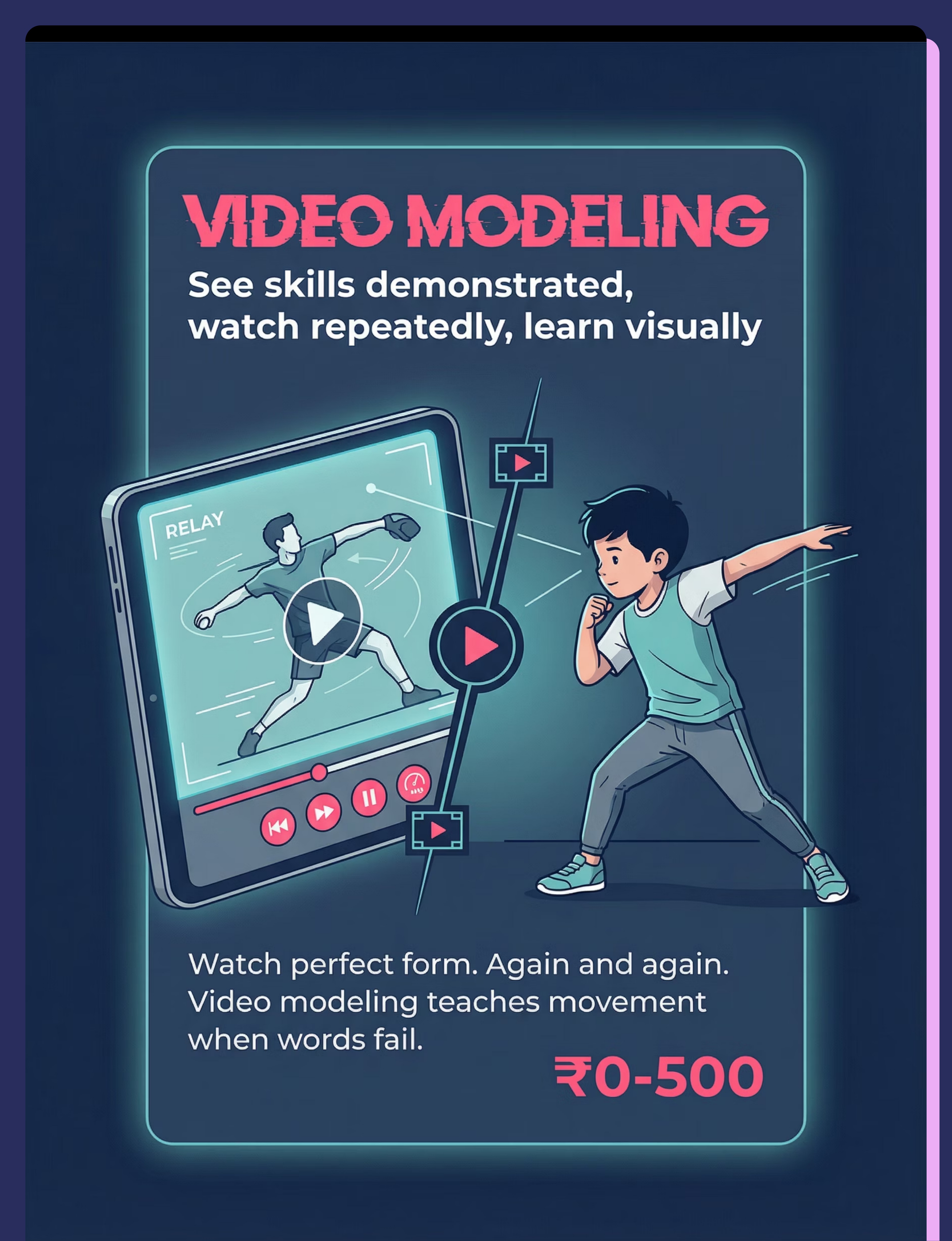
Video Modelling
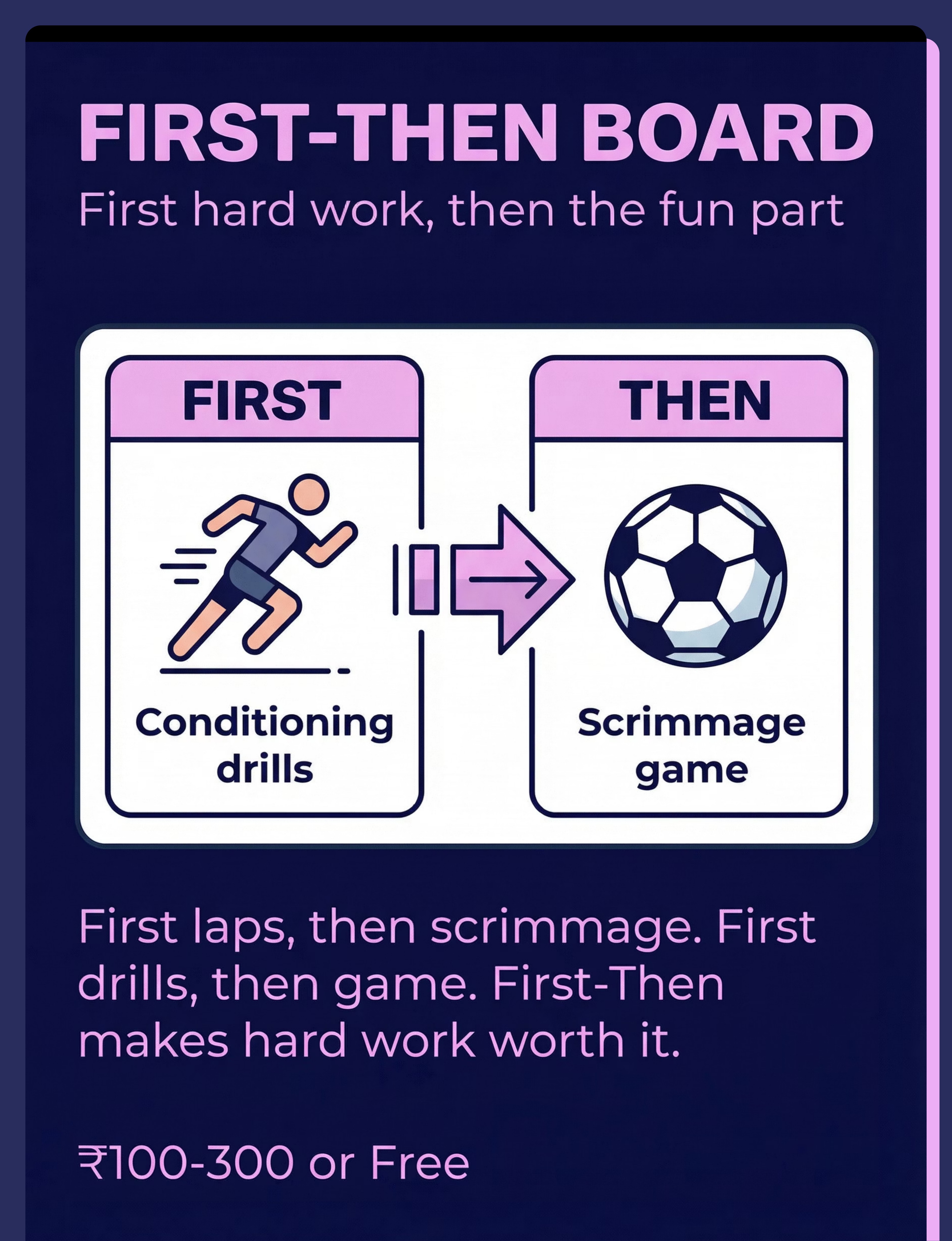
First-Then Board
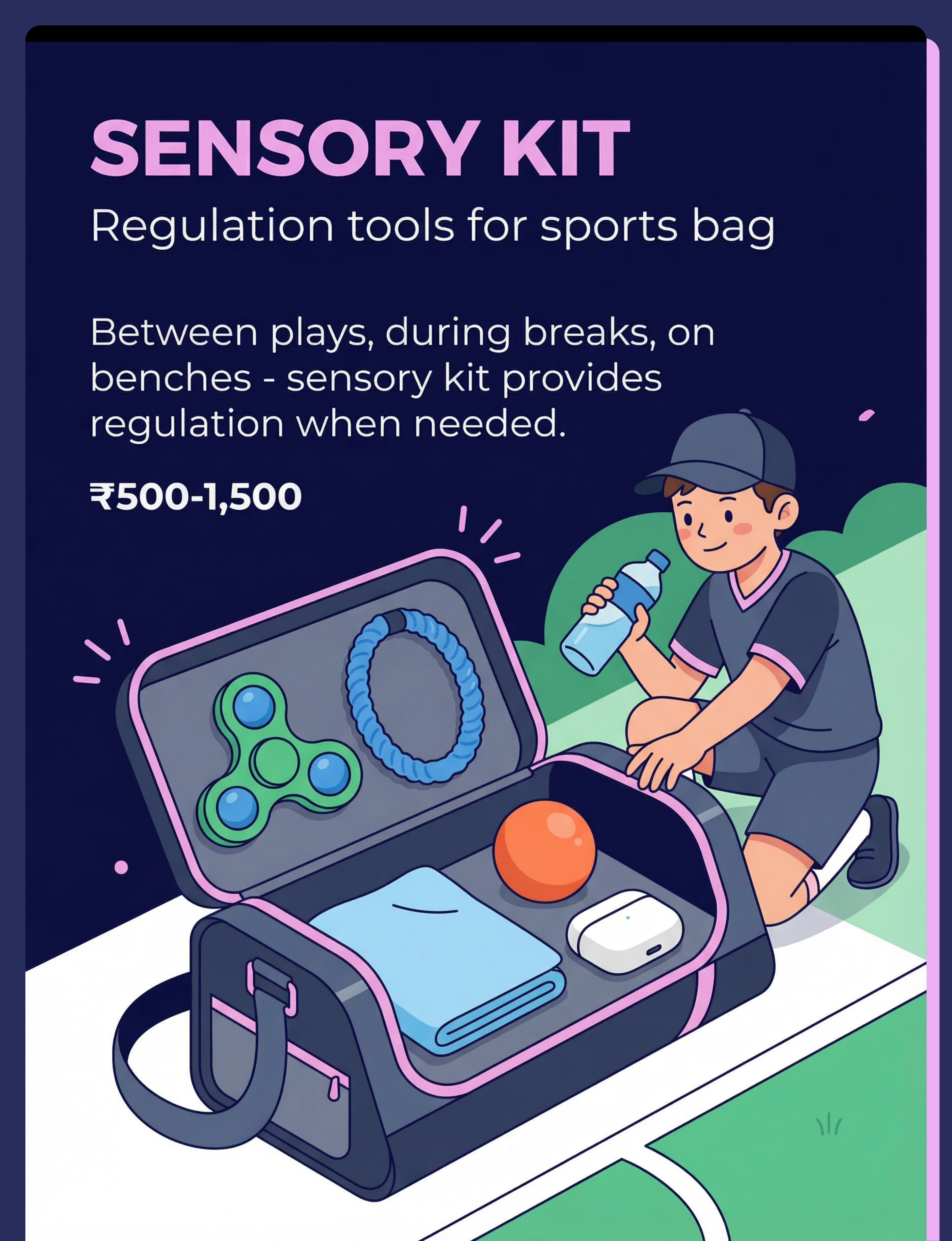
Sensory Kit
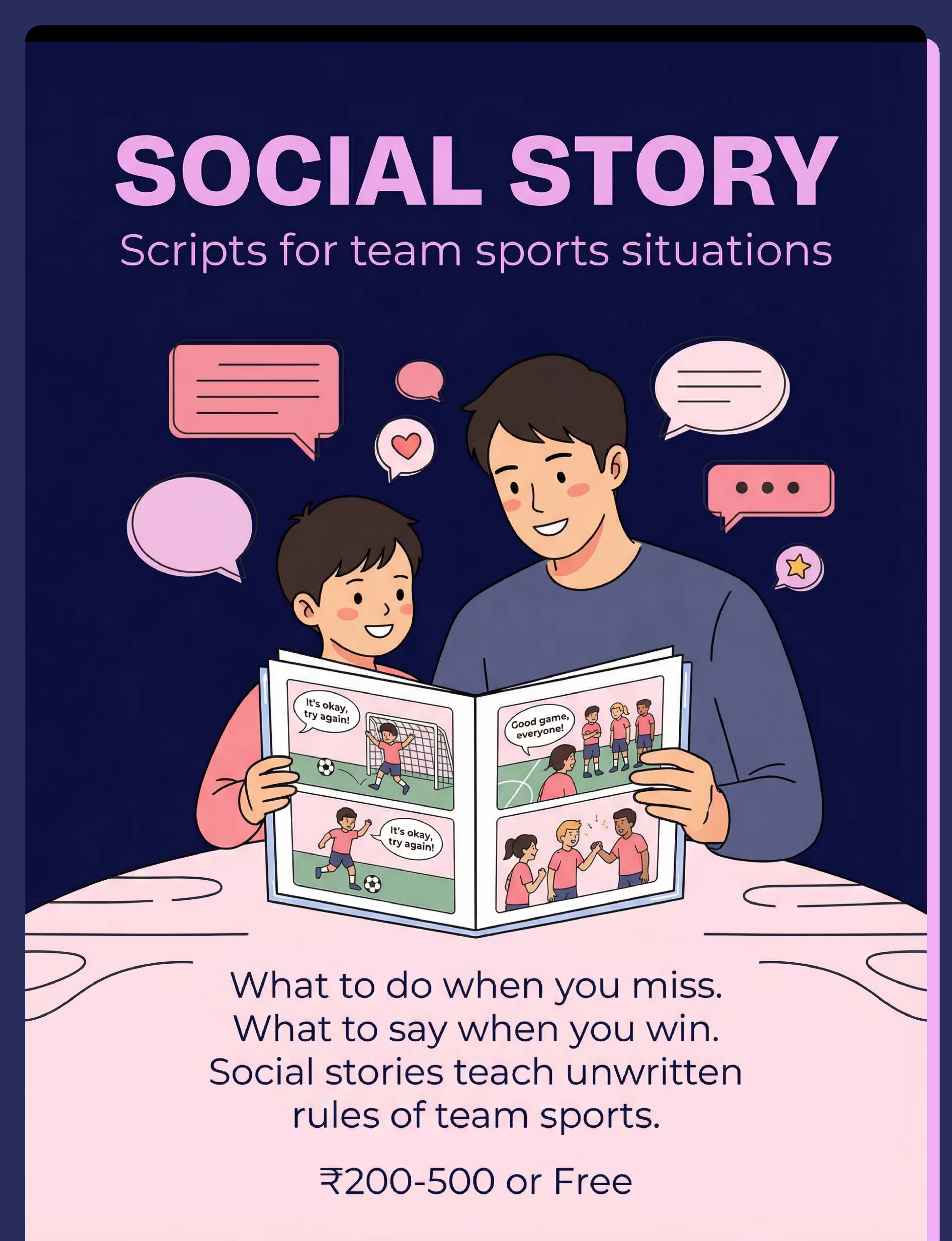
Social Story
Domain: Recreation & Community Participation
Age: All ages (adapted)
Duration: 15–60 min
Technique J-872 | RC-SP
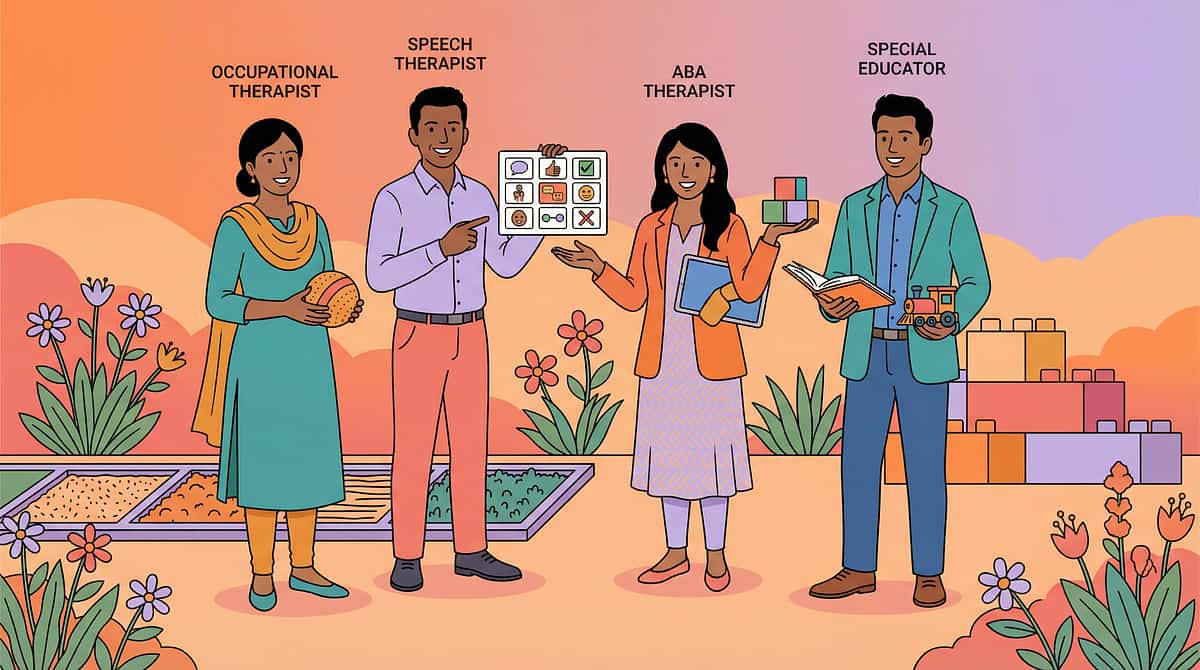
The Consortium Behind Your Child's Sports Journey
The brain doesn't organise by therapy type. Sports participation requires every discipline working as one integrated consortium. Here's how each professional role contributes to your child's sports readiness journey.
🔵 Occupational Therapist (OT)
Primary discipline lead for Sports Programs. Addresses motor planning (praxis), proprioceptive processing, vestibular integration, balance and body awareness. Designs the foundational movement skill programme and selects adapted equipment.
🟣 Speech-Language Pathologist (SLP)
Addresses comprehension of verbal instructions, social communication during team play, pragmatic language for sports situations, and alternative communication supports during practice.
🟠 ABA/BCBA Therapist
Designs reinforcement systems for skill acquisition, manages motivation strategies (First-Then boards, reward menus), establishes data collection protocols, and addresses task avoidance behaviours.
🔵 Special Educator (SpEd)
Adapts game instructions into visual formats, creates visual playbooks and social stories, modifies learning objectives to match the child's cognitive profile, and liaises with school PE teachers.
🔴 NeuroDevelopmental Paediatrician
Provides diagnostic clarity (DCD, ASD, ADHD motor components), rules out contraindications, recommends appropriate sports environments, and integrates sports participation into the overall developmental treatment plan.
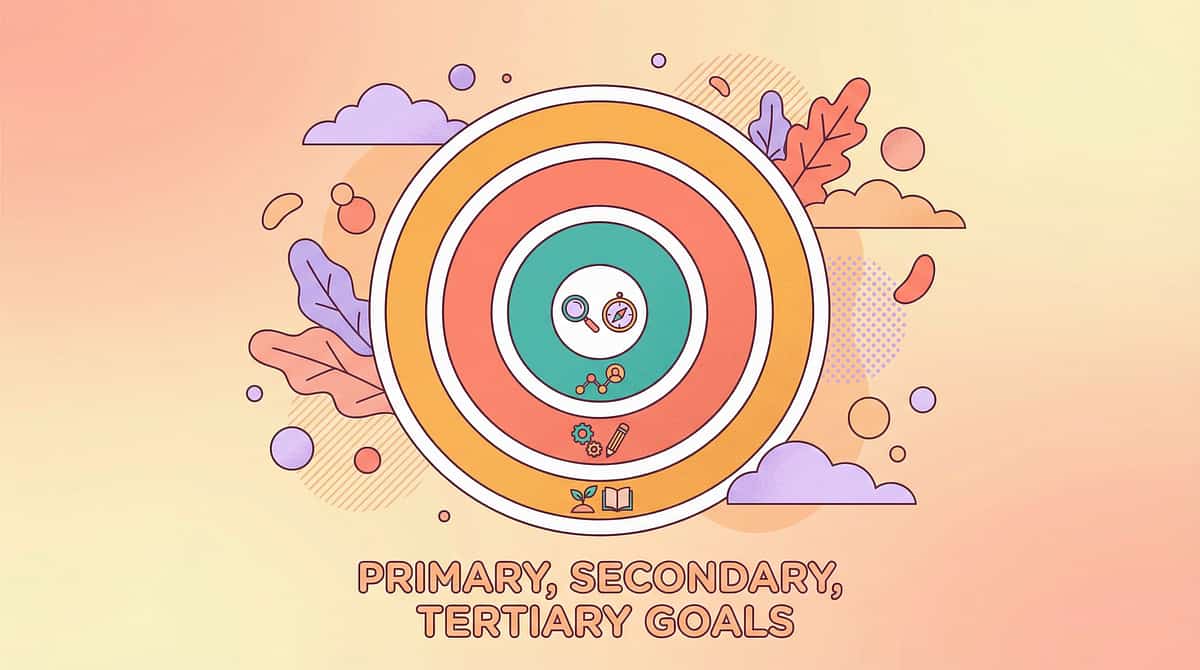
Precision Targets — What Each Material Addresses
✅ Primary Targets
Motor planning and praxis for sport-specific movements
Proprioceptive processing and body awareness in athletic contexts
Tolerance of sensory-rich sports environments (noise, crowds, unpredictable movement)
Visual understanding of game rules, positions and plays
Social scripts for team sports situations (mistakes, losing, winning, benching)
📈 Secondary & Tertiary Targets
Secondary Benefits
Sustained attention during structured practice | Frustration tolerance during skill-building | Peer interaction skills | Self-regulation during competitive situations | Following multi-step instructions from a coach
🌱 Long-Term Gains
Physical literacy — lifelong motivation and competence in physical activity | Social inclusion through peer recreation | Physical health outcomes | Mental health — self-esteem, stress relief | Community participation through team belonging
Observable Indicator: Child successfully catches a ball using adapted equipment → progresses to standard equipment | Child uses visual playbook to predict what to do before action occurs | Child manages 30-minute practice session without sensory meltdown.
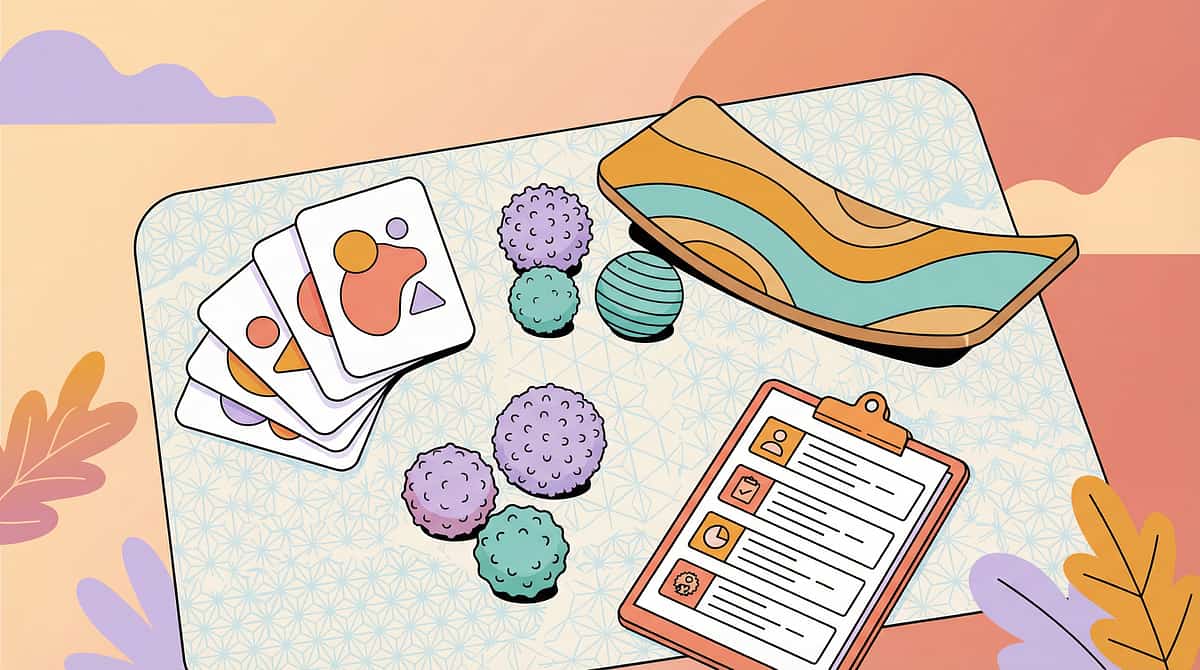
The 9 Materials — Sourced, Priced, Ready
Start with your Essential Starter Kit, add as skills grow.
📋 1. Visual Playbook with Diagrams
Canon: Visual Supports | Price: ₹200–800 (printed) | Free (homemade) Ring-bound or laminated; field diagrams, position maps, step-by-step skill breakdowns. 🔍 Search Amazon.in → "sports visual schedule children"
🏀 2. Modified / Adaptive Sports Equipment
Canon: Adaptive/Therapeutic Equipment | Price: ₹500–3,000 Larger balls, lower hoops, velcro mitts, foam alternatives, T-ball stands, junior sizes. 🔍 Search Amazon.in → "adaptive sports equipment children India"
⚖️ 3. Balance Board + Proprioception Tools
Canon: Sensory Motor Equipment | Price: ₹800–2,500 Wobble/rocker board, therapy ball (sized), foam balance pad. 🔍 Search Amazon.in → "balance board children wobble"
⏱️ 4. Visual Countdown Timer
Canon: Visual Supports / Time Management | Price: ₹300–1,500 Time Timer (red disk depletes visually), sand timers, or visual timer app. 🔍 Search Amazon.in → "Time Timer visual countdown"
🎧 5. Noise-Reducing Headphones
Canon: Sensory Regulation Equipment | Price: ₹1,000–5,000 Sports-appropriate, sweat-resistant, over-ear; active noise cancellation preferred. 🔍 Search Amazon.in → "noise reducing headphones children sports"
📱 6. Video Modelling Library (Device)
Canon: Technology-Assisted Learning | Price: ₹0–500 Smartphone or tablet for filming and viewing skill demonstrations; slow-motion capability. 🔍 Use existing device + YouTube/saved video library
📌 7. First-Then Board (Sports)
Canon: Visual Supports / Behaviour Support | Price: ₹100–300 | Free (homemade) Laminated, Velcro-interchangeable; sports activity image cards. ⭐Pinnacle Recommends: Rosette Imprint Reward Jar — paired with First-Then for reinforcement | ₹589
🎒 8. Sensory Regulation Kit (Sports Bag)
Canon: Sensory Regulation Equipment | Price: ₹500–1,500 Small waterproof pouch; fidget, chewy tool, noise-reducing earbuds, cooling cloth, calming scent. 🔍 Search Amazon.in → "sensory kit children fidget chewy"
📖 9. Social Story (Sports Situations)
Canon: Social Skills Materials | Price: ₹200–500 | Free (homemade) Printed, laminated; sport-specific: mistakes, losing, winning, being benched. 🔍 Search Teachers Pay Teachers → "sports social story autism"
⭐Essential Starter Kit (Begin Here): Visual Playbook (homemade) + One piece of adapted equipment + Visual Timer + Noise-reducing headphones. Estimated starter investment: ₹1,500–3,500
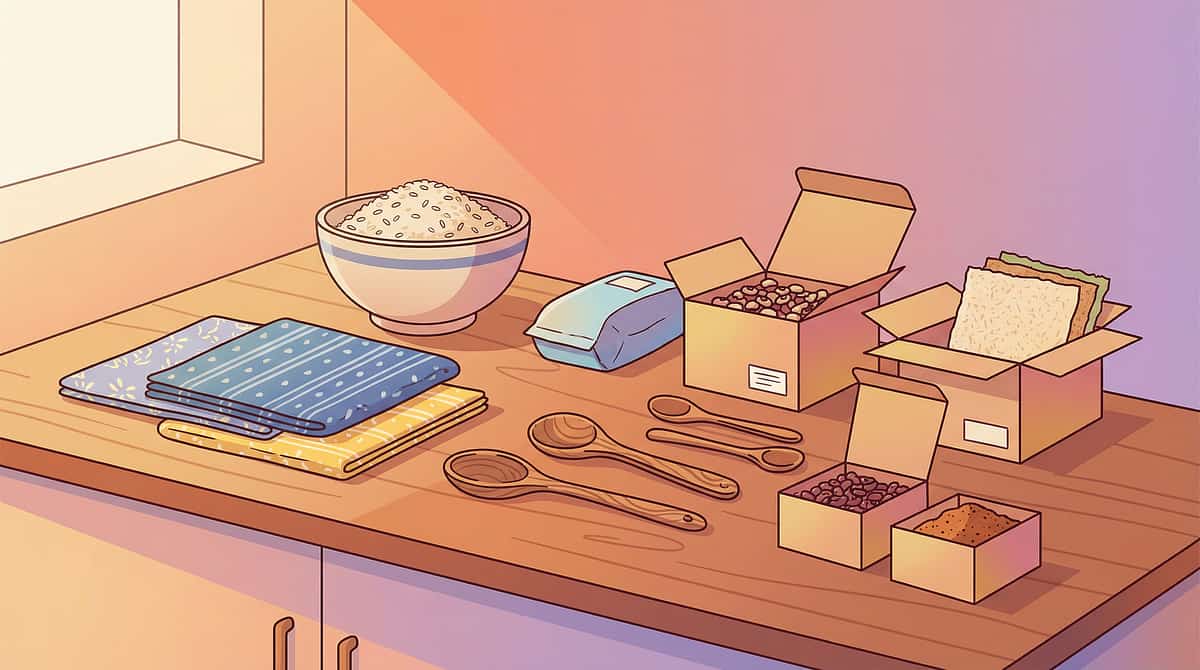
Every Material Has a Free Version — Start Today
WHO/UNICEF Equity Standard — every intervention must be accessible regardless of economic status.
Material | Commercial Option | DIY / Household Alternative | Why It Works | |
Visual Playbook | Printed & laminated binder (₹200–800) | A4 paper, hand-drawn field diagrams, plastic sleeve | Same visual cognitive load reduction — paper works identically | |
Adaptive Equipment | Junior basketball + adjustable hoop (₹1,500) | Balloon for tracking; rolled socks for soft catch; lower existing basket with rope | Larger, slower object reduces tracking demand | |
Balance Board | Wobble board (₹800–1,500) | Thick cushion on floor; folded blanket; DIY: plywood disc + half tennis ball underneath | Any unstable surface trains proprioceptive and vestibular systems | |
Visual Timer | Time Timer (₹300–800) | Free app: "Visual Timer" (iOS/Android); sand egg timer from kitchen | Visual depletion is the mechanism — apps and sand timers achieve identical effect | |
Noise-Reducing Headphones | ANC headphones (₹1,000–5,000) | Foam earplugs (₹50); cotton wool; swim earplugs | Any reduction of auditory input reduces overwhelm | |
First-Then Board | Laminated printed (₹100–300) | Paper + two pictures cut from magazines; drawn stick figures | The visual sequence representation is the mechanism — any medium works | |
Sensory Kit | Assembled kit (₹500–1,500) | Zip-lock bag: dried chickpeas as fidget, pencil eraser to squeeze, cotton with coconut oil for scent | Sensory regulation tools work on neurological principle | |
Social Story | Printed booklet (₹200–500) | Handwritten on notebook paper with stick figure drawings | Cognitive narrative pre-loading is the mechanism — medium is irrelevant |
"The research doesn't validate the cost of the material. It validates the therapeutic principle. Every principle above is achievable at ₹0."
ZERO-COST FULL KIT: Homemade playbook + balloon ball + cushion balance + phone timer + earplugs + filmed skill video + drawn First-Then + zip-lock sensory kit + handwritten social story. Total cost: ₹50 or less.
Before You Begin — Read This Once, Know It Always
🟢 GREEN — PROCEED
Child is fed, rested and regulated | Environment prepared | Child shows interest or is neutral | No acute illness or injury in past 24 hours | Parent is calm and available
🟡 AMBER — MODIFY SESSION
Child is mildly fatigued → Shorten session | Sports environment unusually intense → Increase headphone use | Child resists → Offer choice | Recent transition → Use more visual supports
🔴 RED — STOP / DO NOT PROCEED
Child in meltdown or extreme distress | Physical injury, pain or illness | Severe vestibular distress (dizziness, nausea) → Stop; consult OT | Self-injurious behaviour responses → Exit immediately
Material Safety Notes
Adapted Equipment
Check age/weight limits; no sharp edges on DIY alternatives
Balance Boards
Always on a mat initially; stable support (wall/chair) available until balance is consistent; never on hard floor without mat
Noise-Reducing Headphones
Ensure child can still perceive safety signals (coach's emergency whistle); discuss protocol with coach in advance
Sensory Kit Items
All items safe for sport environment — nothing that could cause injury if dropped during active play
RED LINE: "If your child becomes severely distressed, begins self-injurious behaviour, or you observe signs of physical pain during any activity — stop the session, do not push through. Session abandonment is data, not failure. Call 9100 181 181."
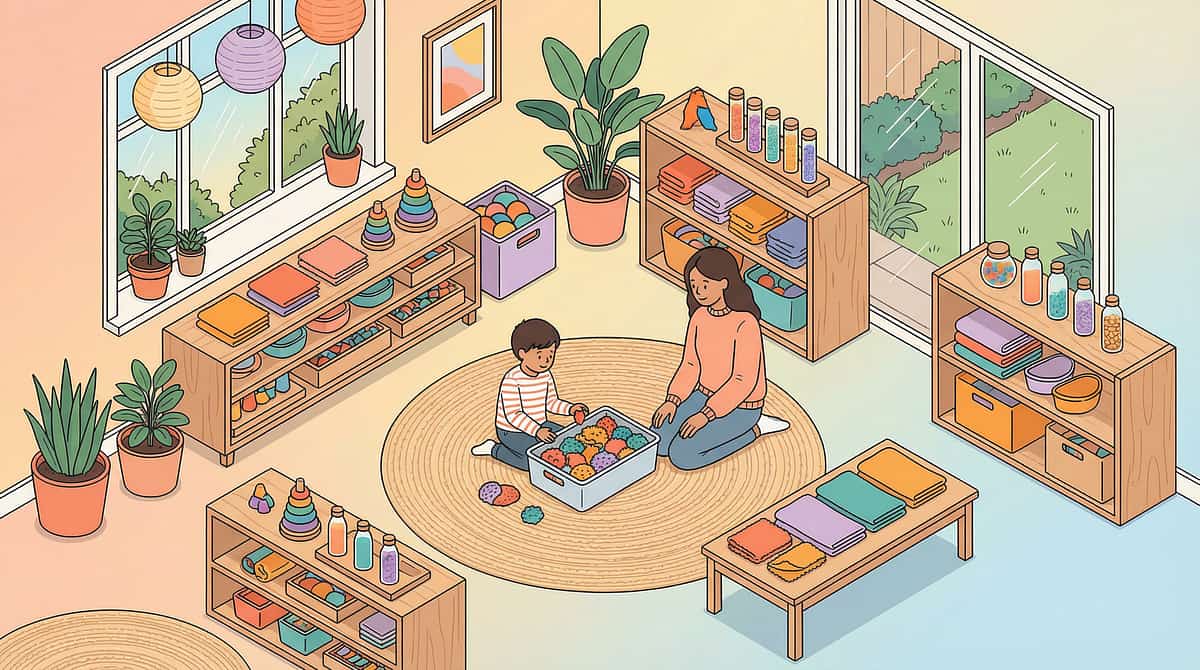
Prepare the Space — Session Success Starts Here
Home Practice Setup
Clear Floor Space
Minimum 3m × 3m unobstructed area. Remove trip hazards, furniture edges, breakable items.
Mat Placement
Foam/yoga mat centre of space for balance work. Non-slip surface critical.
Parent Position
To the child's side — not behind (startle risk) and not directly in front (blocking movement).
Materials Station
Small basket or table to one side. Visual playbook open to relevant section. First-Then board visible.
Timer + Lighting
Visual timer visible from main practice area. Natural light preferred. Reduce background noise.
Sports Venue Arrival Setup
Arrive 10–15 minutes early (reduce unpredictability)
Walk the venue with child before practice begins (preview the space)
Identify child's "regulation zone" — bench or area where sensory kit is accessed
Brief the coach (30 seconds): "He/she wears headphones for sensory reasons; we use visual signals as backup"
Review visual playbook together before going onto the field/court
Remove From Space:
- ❌ Distracting screens
- ❌ Preferred toys that will compete with session
- ❌ Other children unless structured as peer practice
- ❌ Unpredictable animals
60-Second Pre-Session Readiness Check
"The best session is one that starts right."
Child has eaten in the past 2 hours (hunger = dysregulation)
Child has slept adequately (tired = capacity limited)
No meltdown or severe distress in the past 2 hours
Child is not showing pain signals (holding body part, wincing, reluctance to move)
Child is in neutral to positive mood (neutral is fine — not mandatory to be excited)
Parent/caregiver is available and calm (not rushed, not anxious)
Space is set up and materials are ready (Card 12 complete)
🟢 7/7 Checked — GO
Begin protocol as planned
🟡 5–6 Checked — MODIFY
Shorten to 10 min; reduce one challenge; increase sensory support
🔴 4 or Fewer — POSTPONE
Choose a calming activity; try again tomorrow. This is excellent clinical judgement.
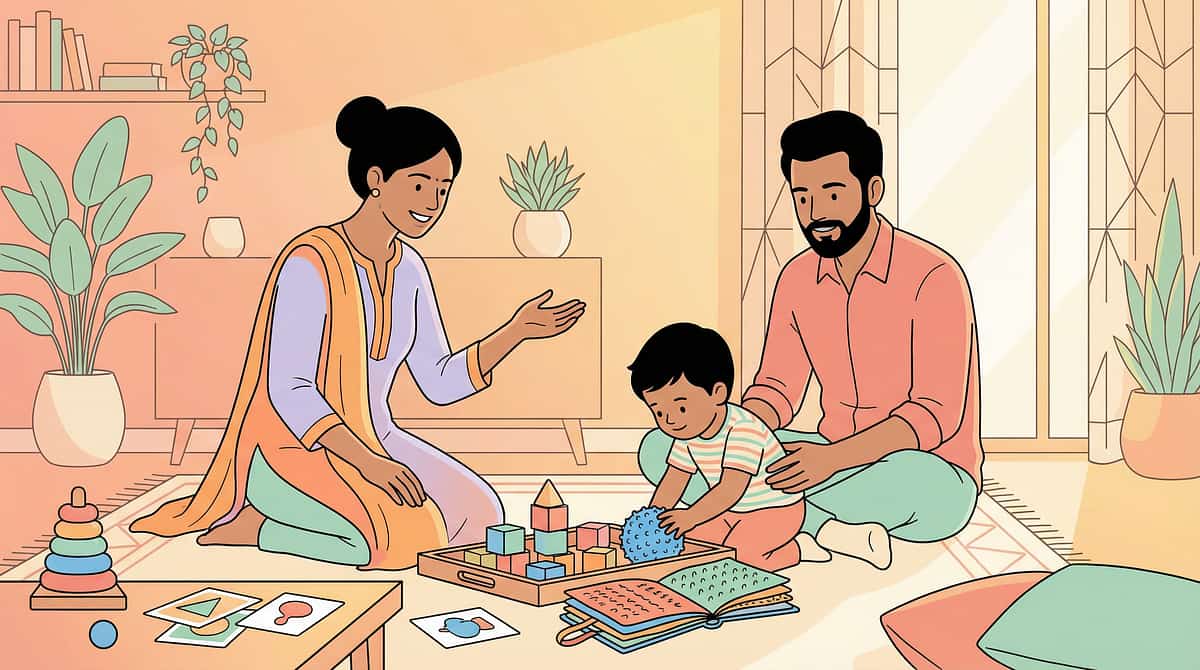
Step 1: The Invitation — Every Session Begins Here
Duration: 30–60 seconds
ABA Principle: Pairing
The Opening Script
"Hey [name], I've got something I want to show you. Come have a look."
For children who need visual support:
"[Name], look — [point to visual playbook open to sport activity]. We're going to try this together. Just a little."
Body Language
- Crouch to child's eye level
- Open palms (non-threatening, not grabbing)
- Relaxed smile — not urgent, not pleading
- Allow 10–15 seconds of silence if needed (processing time)
What Acceptance Looks Like
- Child moves toward the space
- Child looks at the material or makes eye contact
- Child makes any verbal or non-verbal indication of engagement
- Child picks up the material
What Resistance Looks Like & How to Respond
Child walks away → Wait 2 minutes; re-offer with a preferred material visible nearby
Child says "no" → Honour it; offer choice: "Do you want to start with the balance board or the catching?"
Child becomes distressed → Do not proceed; move to calming; postpone
ABA Principle: Pairing — establish yourself as a reinforcing presence before placing any demand. The invitation is demand-free.
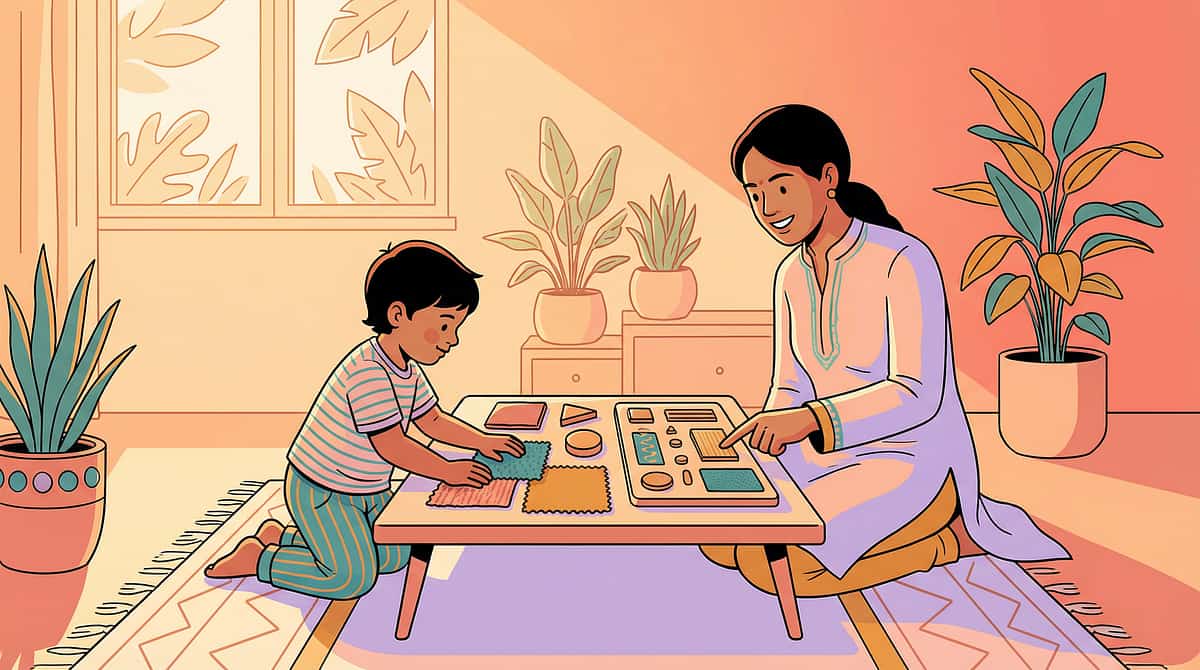
Step 2: The Engagement — Introduce the Material
Duration: 1–3 minutes
Begin with whichever of the 9 materials is the current session focus. Rotate materials across the week — do not attempt all 9 in one session.
If Visual Playbook Session
"Look — this is the football field from above. These are the positions. Your position is here [point]. Let's see what happens when the coach says 'run to the left.'" Open the relevant page. Give child time to look. Ask: "Where would you go?" Praise any response.
If Balance Board Session
"This board is a bit wobbly — that's the point. Can you stand on it? Just try." Offer hand support. Step on together first. Child finds their own balance. Timer starts.
If Adaptive Equipment Session
"This ball is bigger and softer — easier to catch. Let's try ten catches together." Stand close (2 metres). Throw slowly underarm. Celebrate every catch regardless of technique.
✅ Engagement
Looking at material, touching it, attempting the task
⚖️ Tolerance
Not seeking escape but not actively engaged → acceptable, continue with reduced demand
⚠️ Avoidance
Seeking exit, covering ears, lying on floor → honour, modify or exit
Reinforcement Cue: First praise the engagement ("You're trying — that's what matters"), not the result.
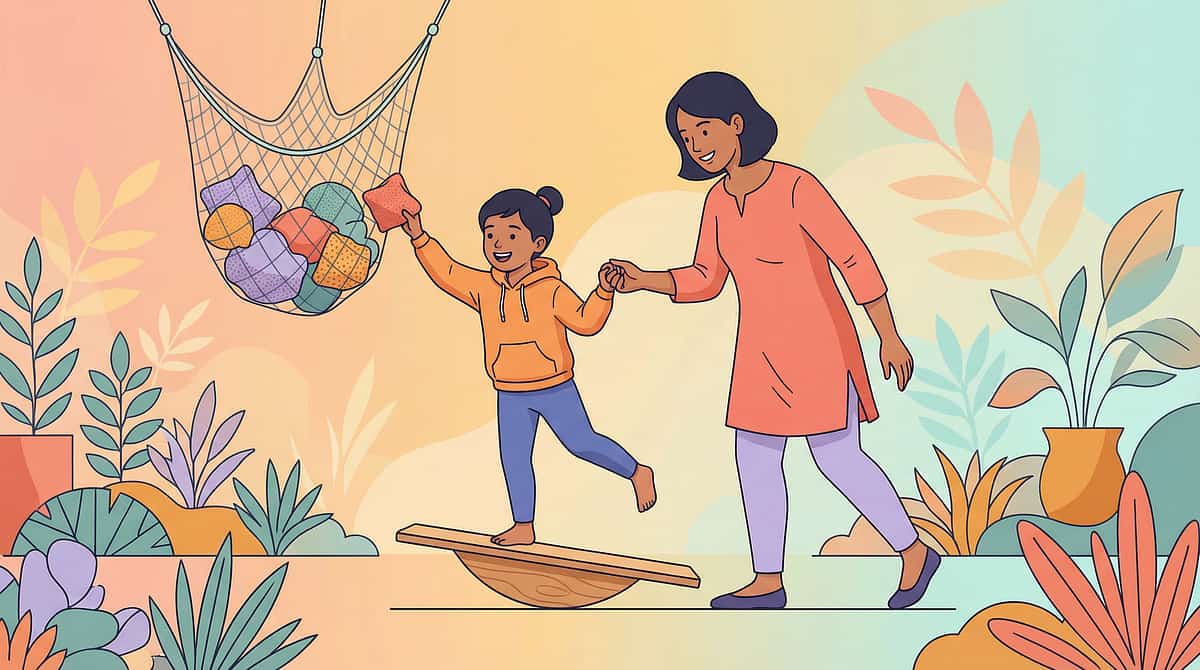
Step 3: The Therapeutic Action — The Active Ingredient
Duration: 5–15 minutes (40–60% of total session time)
One action per session, rotated across the week. Each of the nine core therapeutic actions targets a different clinical component of sports readiness.
Visual Playbook Study
Before any practice: sit and review together. Child traces arrows with finger. Verbalise the key rule: "When ball goes here, I go there." Practice the cognitive map before the body movement.
Adapted Equipment Skill Building
Drill one specific skill (catch, kick, throw) with 5–10 repetitions. Count aloud. Celebrate every attempt. Increase challenge only when 8/10 attempts succeed.
Balance Board Daily Routine
Stand on balance board for 60–120 seconds. Progress: eyes open → eyes closed → eyes open while catching beanbag. Record duration daily. The skill transfers directly to athletic performance.
Visual Timer Drill
Set timer for 3 minutes. Practice one sport skill. Child focuses because they can see the endpoint. When timer ends — activity ends as promised. Repeat × 3 with 1-minute rest.
Noise-Reducing Headphone Exposure
During a noisy practice or game: headphones on from arrival. Evaluate: can the child focus, engage, participate? Gradually trial without headphones in lower-noise sessions.
Video Modelling Sequence
Watch a 1–2 minute video of the target skill (slow-motion preferred). Immediately move to physical practice. Watch again. Practice again. Watch the child's own successful attempt on replay.
First-Then Board Implementation
At practice start: show the board. "First [conditioning drill — timer shows 5 minutes], then [scrimmage/preferred sport activity]." When timer ends, immediately deliver the "Then."
Sensory Kit Regulation Break
At a water break or between plays: child accesses kit independently or with cue: "Want to check your kit?" 2-minute regulation window. Child returns to activity with a calmer nervous system.
Social Story Pre-Loading
The night before and the morning of practice/game: read the relevant social story together. Evening: discuss the scenario. Morning: quick review. On field: brief reminder using a key phrase.
Concerning Signal: Distress that escalates over 3+ consecutive sessions without improvement → re-assess with OT/SLP; modify approach.
Step 4: Repeat & Vary — Therapeutic Dosage
Duration: 3–5 minutes per variation
"3 good repetitions that the child completes willingly build more neural pathway than 10 forced ones completed under distress. Quality of engagement > quantity of repetitions."
Skill Type | Target Reps Per Session | Signal to Stop | |
Balance board standing | 3–5 bouts of 60 seconds | Loss of engagement; 3 consecutive falls without recovery attempt | |
Adapted equipment catching | 10–15 catches per session | Arm fatigue; escalating frustration after 3+ misses | |
Visual playbook study | 2–3 full page reviews | Child closes book or disengages | |
Video modelling | 3–5 viewings + immediate practice | Boredom with video; practice attempts plateau | |
Timer-structured drill | 3 × 3-minute intervals | Refusal to start a third round | |
Social story | Once the night before + once the morning of | Sufficient if story is known |
Variation Principles
Catching practice: vary ball size, throwing distance, angle — not the catch itself
Balance board: vary what child holds, direction of weight shift — not the standing
Visual playbook: vary which play is studied — not the diagram-study process itself
Satiation Indicators: Child looks away between attempts | Frequently asks "how many more?" | Quality deteriorates despite encouragement | Child seeks exit unprompted
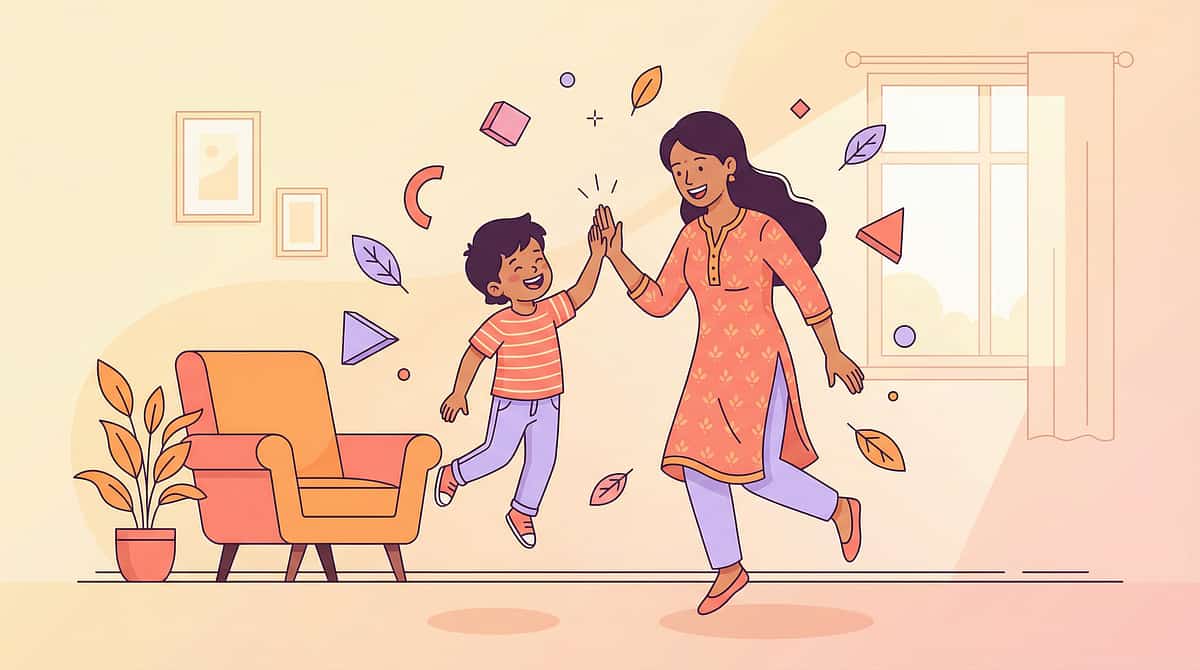
Step 5: Reinforce & Celebrate — Timing Is Everything
THE 3-SECOND RULE (ABA): Reinforcement must be delivered within 3 seconds of the desired behaviour or attempt. Delayed reinforcement loses the connection. Immediate, specific, enthusiastic praise is the gold standard.
Reinforcement Scripts
"You caught it! That's exactly the hand position we practised!" (Specific to the skill)
"You stayed on the balance board for the whole timer — you did not give up." (Specific to the effort)
"You used your social story when you missed — that's the hardest part and you got it." (Specific to coping)
Reinforcement Menu Options
⭐ Token in Reward Jar
Physical, visual, immediate. Rosette Imprint Reward Jar — ₹589, amzn.in/d/02C5R9Jn
🎉 Verbal Praise
Specific, enthusiastic, immediate — delivered within 3 seconds
🤜 Physical Celebration
High-five or preferred physical celebration (child-directed)
🎯 Mastery Badge
Drawn on tracking sheet — visual record of achievement
"Celebrate the attempt, not just the success. A child who tries and fails has done the harder thing than a child who succeeds easily."
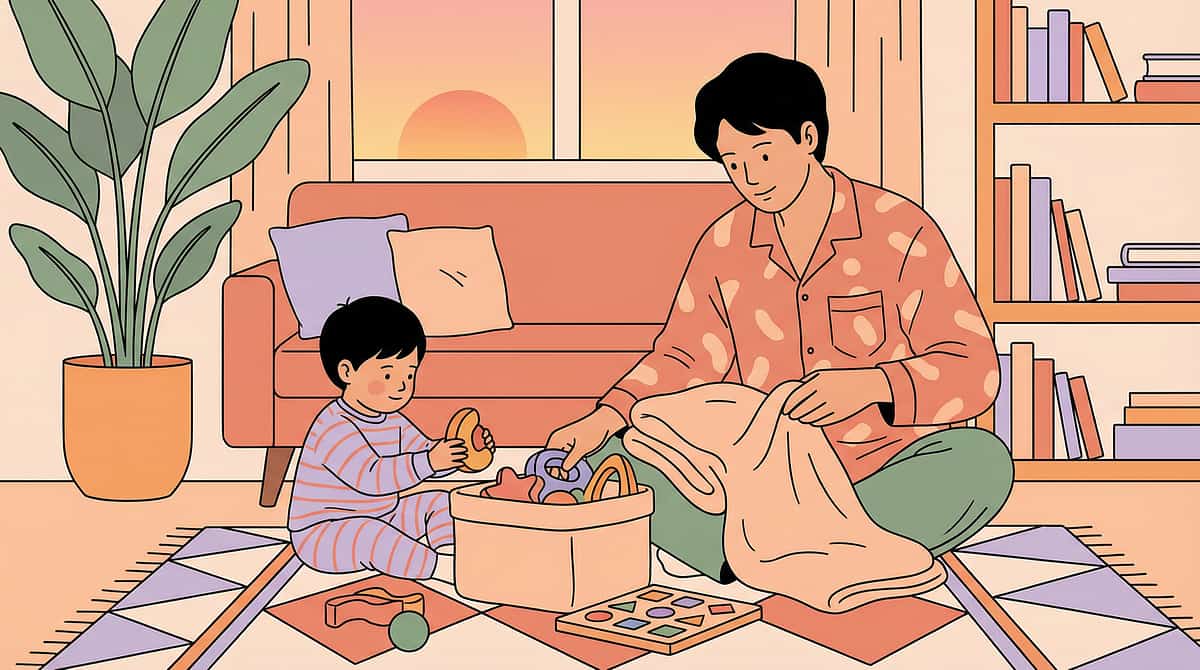
Step 6: The Cool-Down — No Session Ends Abruptly
Duration: 2–3 minutes
Transition Warning (begin before the session ends):
"Two more catches, then we're all done for today." / "30 seconds left on the timer — you're nearly there."
Allow the child to hear the end coming. Visual timer is already counting down. No surprises.
Slow the Pace
Last 2 minutes of any physical activity should be at reduced intensity — walking instead of running, gentle stretching
Material Put-Away Ritual
Child participates in putting away equipment (if able) — signals session closure and builds ownership
Quiet Review
Sit together. Ask one gentle question: "What did you do well today?" Not "what went wrong." Positive close.
Sensory Calming Input
Access the sensory kit for a 60-second calming item (cool cloth, calming scent, quiet fidget)
Transition Cue
Move to a clearly different space or activity to signal that the session is fully complete
If the child resists ending: Honour the enthusiasm → Use visual timer: "Timer says all done — next time we'll do more" → Establish the "Then" from the First-Then board immediately.
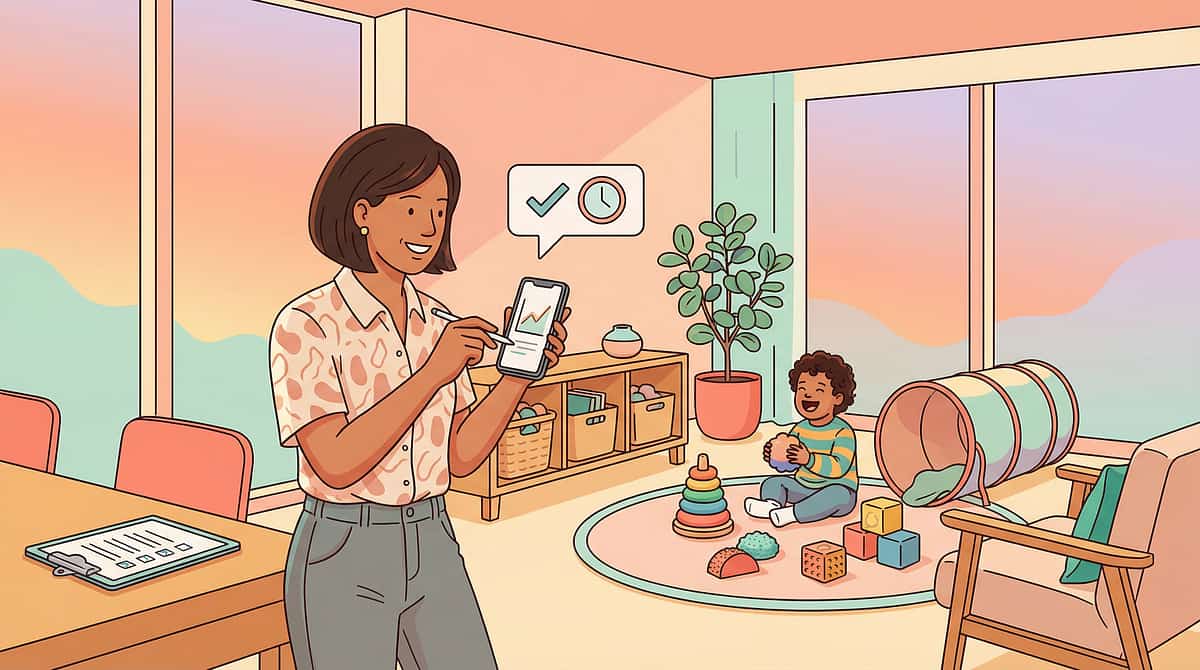
60 Seconds of Data Now Saves Hours of Guessing Later
What to Record — 3 Specific Data Points
Skill Focus Today
Which of the 9 materials/actions did you use?
Success Score (1–5)
1 = Refused/abandoned | 2 = Tolerated but not engaged | 3 = Engaged, skill not demonstrated | 4 = Skill partially demonstrated (1–3 times) | 5 = Skill clearly demonstrated (4+ times or personal best)
Session Duration
How many minutes did the session last?
Tracking Formats
📱GPT-OS® In-App Tracker → Link to GPT-OS® dashboard
📄Downloadable PDF Tracker → Download: J-872 Sports Programs Weekly Tracker
📓Physical Notebook: Date | Material | Score | Duration | Notes (5 seconds per entry)
Optional (adds clinical value):
- Sensory state before session (calm / slightly dysregulated / dysregulated)
- Any new behaviour observed
"You are not writing a research paper. You are writing 3 numbers that will show you, in 4 weeks, how far your child has come."
Every Difficult Session Is Data — Not Failure
"Session abandonment is not failure. The technique needs adjustment, not the parent."
▼ Child refused to start the activity
Why: Transition too abrupt | Demand appeared too high | Lower regulatory state than assessed Fix: Next session — arrive 10 minutes early to allow preview time; reduce opening demand to "just touch the ball"; use more powerful preferred reinforcer in First-Then board
▼ Child was fine at home but fell apart at the venue
Why: Sensory load of actual sports venue (noise, crowds, unpredictable peers) significantly exceeds home Fix: Prioritise noise-reducing headphones at venue; arrive early when crowd is minimal; start with 15-minute sessions; review venue-specific social story
▼ Child could catch at home but not at practice
Why: Dual-task demand (catch + track teammates + process coach instruction) exceeded capacity Fix: Video model the practice environment specifically; practice catching with background noise at home; practise with one peer before joining full group
▼ Child had a meltdown when the team lost
Why: Social story for losing was not sufficiently rehearsed; in-the-moment emotional regulation demand exceeded capacity Fix: Re-read the "losing" social story for 3 consecutive days before next game; role-play the handshake scenario at home; develop a specific cool-down ritual for post-game
▼ Child cannot stay on the balance board for more than 10 seconds
Why: Proprioceptive and vestibular processing significantly impaired; foundational balance development needed Fix: Increase balance board frequency to daily; add wall support; do not progress to dual-task until 60-second stable standing is achieved; request OT assessment
▼ Coach is not accommodating the supports
Why: Coach lacks awareness of neurodevelopmental needs Fix: Request a private 5-minute conversation; provide the visual playbook as a tool for the coach ("helps all the kids visualise positions"); bring a brief written Sports Participation Support Guide (pinnacleblooms.org)
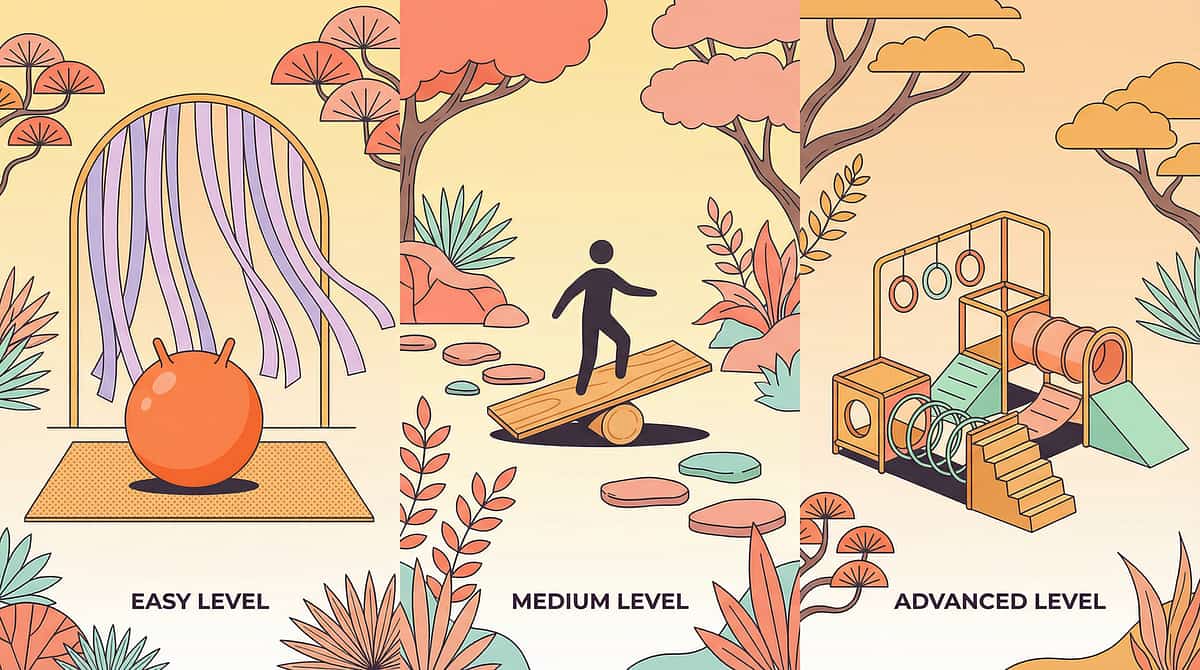
No Two Children Are Identical — Personalise the Programme
⬅️ EASIER
Low-demand days, early stages. Maximally adapted equipment | One material per session | 10 min max | Parent fully available | No competitive element
⚖️ CURRENT
Typical session. Mix of 2–3 materials (rotated) | Progressive challenge | 20–30 minutes | Some independent attempts expected
➡️ HARDER
Breakthrough days, mastery phase. Approach standard equipment | Higher-complexity dual tasks | Mild competitive element | Group practice | Full sport practice duration
Sensory Profile Variations
Material | Sensory Seeker (craves input) | Sensory Avoider (overwhelmed by input) | |
Adaptive Equipment | Heavier balls, firmer surfaces, faster pace | Lighter/softer equipment, slower presentation, more space | |
Balance Tools | More vestibular challenges (spinning, rocking) | Static balance first; avoid rotational movements initially | |
Sensory Kit | Chewy tools, resistance bands, proprioceptive input | Noise headphones, calming scent, cooling cloth, minimal tactile input | |
Environment | Can tolerate more noise/crowd; watch energy not overwhelm | Quieter venues; earlier arrival; more regulation breaks |
Under 6
Focus on foundational movement — balance, throw/catch with large ball, body awareness games only
Age 6–9
Begin sport-specific skill development with all 9 materials; community programme preparation
Age 10+
Focus on team sports social integration; work toward mainstream participation with fading supports

Weeks 1–2: Building Tolerance, Not Mastery
Progress: 15%
Phase: Tolerance Building
✅ What You WILL See
Child tolerates being in the sports environment for longer before seeking exit
Child references the visual playbook without prompting (even briefly)
Child attempts at least one adapted equipment skill without complete refusal
Balance board standing time increases by even 10 seconds per week
First-Then board is accepted as the session structure with less negotiation
❌ What You Will NOT See Yet
- Independent skill execution without prompts
- Smooth integration into peer team play
- Spontaneous use of social stories in real situations
- Noise-reducing headphone tolerance in the most intense environments
"If your child tolerates being on the pitch for 10 minutes longer than last week — that is real, measurable, neurologically significant progress."
Parent Emotional Preparation: Weeks 1–2 may include some session refusals. Honour them. Keep practice consistent (daily or 5×/week) even if sessions are brief. Consistency of exposure matters more than session quality at this stage.
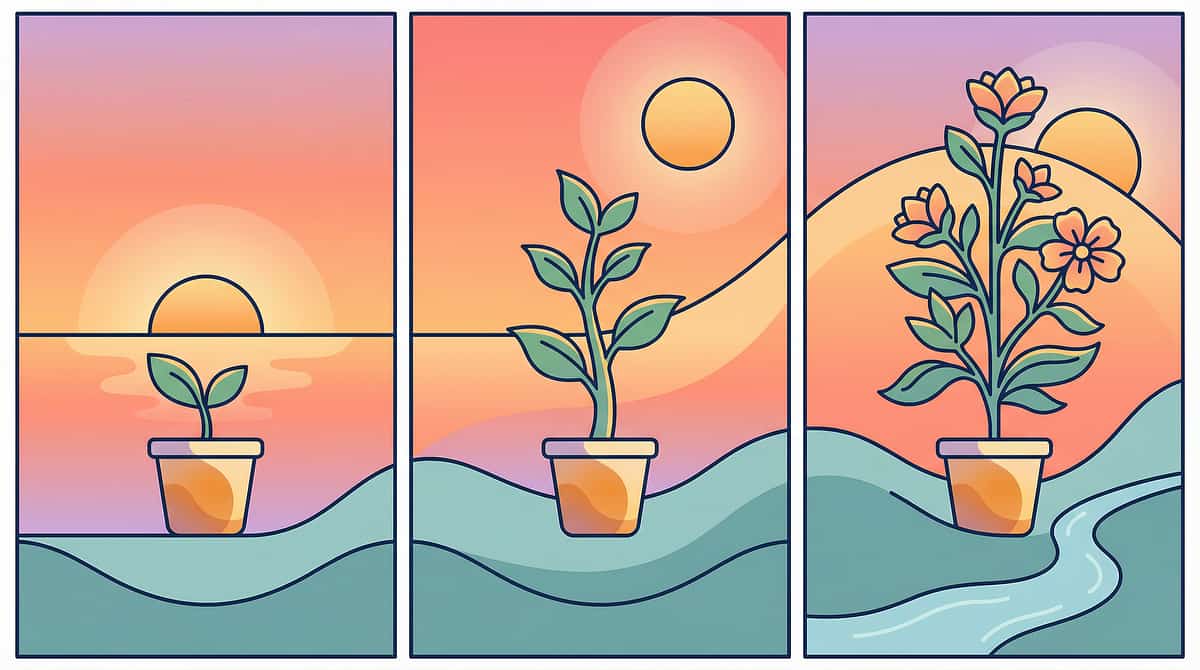
Weeks 3–4: Neural Pathways Are Forming
Progress: 40%
Phase: Consolidation
✅ Anticipatory Engagement
Child asks about or prepares for sports practice before being reminded
✅ Independent Reference
Child independently reaches for visual playbook before a practice
✅ Measurable Balance Gain
Balance board time has increased measurably (Week 1 vs. Week 3 data clearly shows improvement)
✅ Equipment Consistency
Catches with adapted equipment becoming more consistent (6+ in 10 attempts)
✅ Headphone Acceptance
Child uses noise-reducing headphones without resistance at the venue
✅ Social Story in Context
Child uses one social story phrase spontaneously: "It's okay, I'll get the next one"
When to Increase Frequency/Intensity:
- Balance board at 90-second stable standing with eyes open → progress to eyes closed
- Catching success rate above 7/10 → reduce ball size by one step
- First-Then board redundant (child already knows the sequence) → fade the board gradually
"You may notice that you are more confident too. That confidence is visible to your child."

Weeks 5–8: Mastery Is Visible
🏅 MASTERY BADGE UNLOCKED
Progress: 75%
✅ Full Session Participation
Child participates in a full practice session (30+ minutes) without sensory meltdown — using regulation kit as needed
✅ Equipment Progression
Child catches with one size above the starting adapted equipment (or standard junior equipment)
✅ Balance Mastery
Child stands on balance board with eyes closed for 30+ seconds
✅ Social Story Generalisation
Child uses a social story phrase without adult prompting in a real team situation
✅ Self-Directed Learning
Video modelling sequences reviewed independently before practice; child initiates visual playbook reference
✅ Team Participation
Child participates in a team scrimmage or game segment without complete withdrawal
When to Progress: Move to next technique level when 5 of 7 mastery criteria are met consistently for 2 consecutive weeks. Stay and strengthen when criteria are met inconsistently or some situations still require maximum support.
Generalisation Indicators: Child asks to watch sports on television and comments on plays using playbook vocabulary | Child tells a family member about a sport rule | Child spontaneously practises catching or balancing during free play.
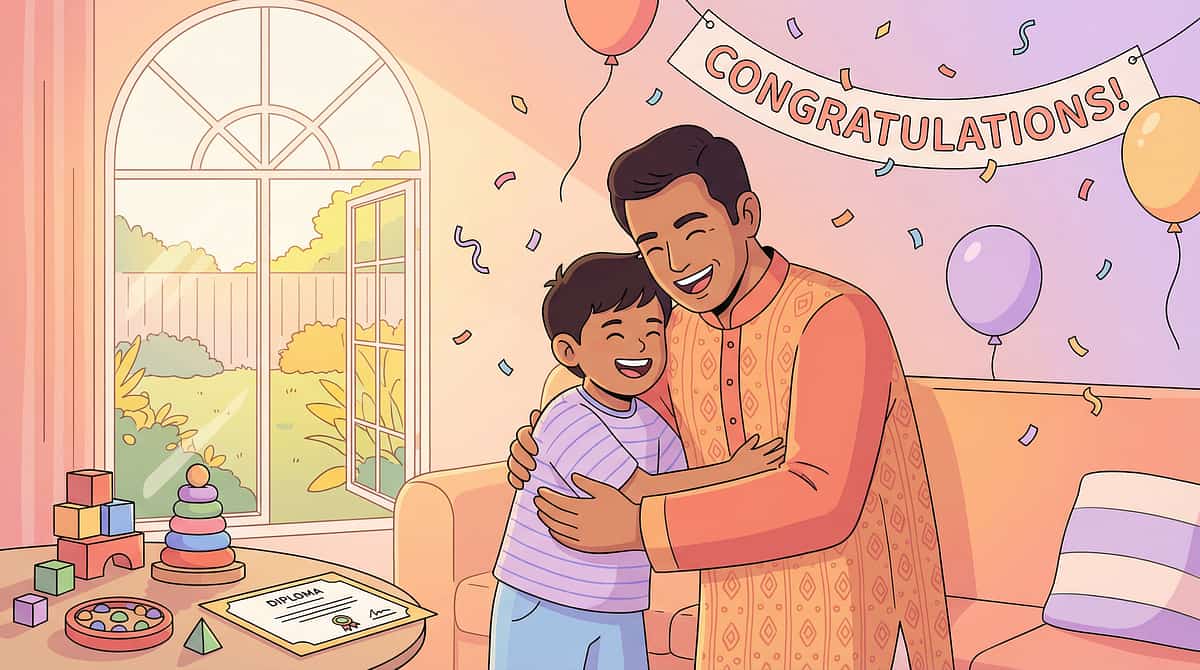
You Did This. Your Child Grew Because of Your Commitment.
In 5–8 Weeks, You Have:
Built a pre-sport readiness routine from nothing | Created a visual playbook tailored to your child's sport | Assembled a sensory regulation kit that goes to every practice | Established a home balance and proprioception programme | Equipped your child with social scripts for team moments | Collected data showing exactly how far they have come
"The child who cried on the sidelines in Week 1 is using a social story phrase after missing a catch in Week 7. That distance — that is extraordinary work. It required science, patience, consistency and love. You delivered all four."
Family Celebration Suggestion
Choose a sport-related celebration: a family kick-about, a trip to watch a live sport, a new piece of sports kit the child chooses themselves.
Photo/Journal Prompt
Photograph your child's most significant sports moment from this 8-week period. Write one sentence on the back: "On [date], [child's name] did [specific thing] for the first time." Keep it.
Share This Milestone
Share this milestone with the Pinnacle Parent Community → pinnacleblooms.org/community
Pause and Seek Guidance If You See These Signs
"Trust your instincts — if something feels wrong, pause and ask."
🔴 1. Persistent and Increasing Distress Over Consecutive Sessions
What it looks like: Sessions become progressively more difficult over 3+ consecutive weeks despite all modifications. Why it matters: The programme may exceed the child's current sensory-motor capacity; foundational OT assessment required. What to do: Pause sports-specific work; consult OT for comprehensive motor and sensory profile; restart with a modified baseline.
🔴 2. Regression in Other Areas of Functioning
What it looks like: Sleep disruption, increased meltdown frequency at home, school refusal, increased self-stimulatory behaviour — coinciding with sports programme start. Why it matters: Total regulatory demand may be exceeding capacity. What to do: Reduce sports programme intensity significantly; discuss with NeuroDev Paediatrician and OT; re-evaluate scheduling.
🔴 3. Self-Injurious Behaviour in Sports Environment
What it looks like: Head-banging, self-hitting, biting — specifically triggered by sports venue or activities. Why it matters: Severe sensory or emotional distress requiring immediate functional assessment. What to do: Exit environment immediately; do not return without OT/ABA safety protocol. Call 9100 181 181.
🔴 4. Social Victimisation or Bullying at Sports Venue
What it looks like: Other children excluding, mocking or physically targeting your child. Why it matters: Negative peer experiences create lasting associations; the venue is not safe at this time. What to do: Remove child from this specific programme; seek an adaptive or inclusive programme with better supervision.
🔴 5. Balance Work Producing Extreme Dizziness or Nausea
What it looks like: Child vomits, becomes extremely pale, is unable to re-orient after balance activities. Why it matters: May indicate vestibular disorder requiring medical evaluation. What to do: Stop balance work immediately; consult NeuroDev Paediatrician; request vestibular assessment.
Self-Resolve
Modify and monitor
Teleconsult Pinnacle
Within 72 hours
Clinic Visit
Within 1 week
Emergency Pathway
Same day for self-injury or safety concern | 📞 9100 181 181
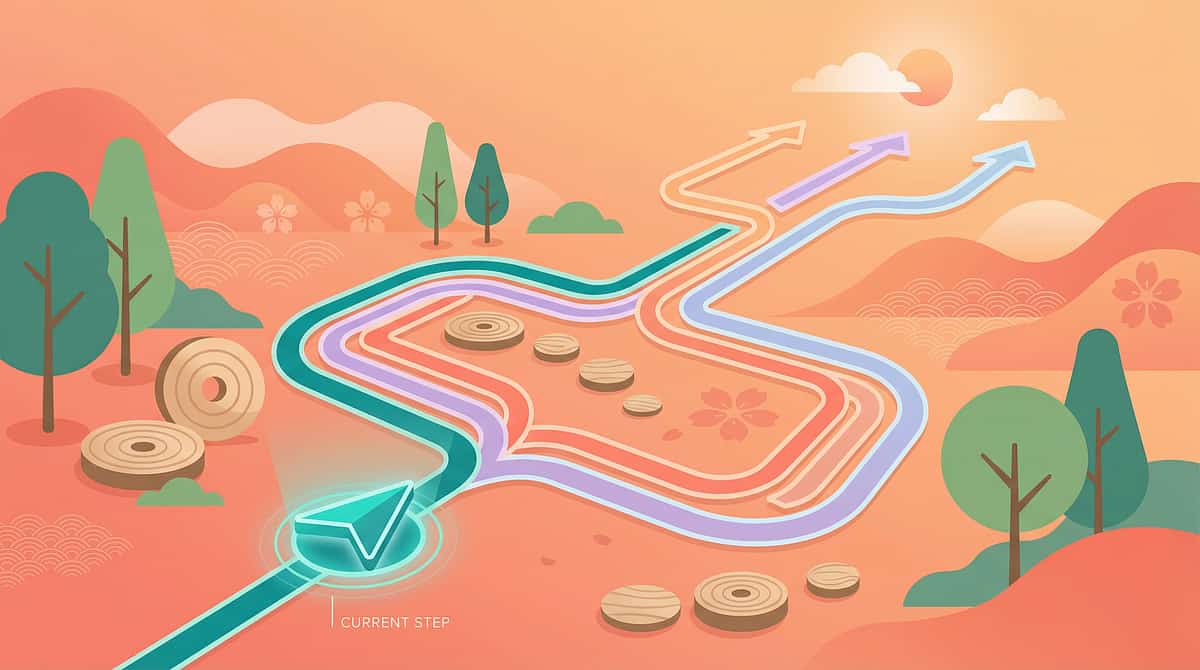
Your Child's Journey — Where You've Been, Where You're Going
Prerequisite Techniques
← J-870: 9 Materials That Help With Playground Participation
← J-871: 9 Materials That Help With Swimming Programs
← E-410: Gross Motor Foundations (Domain E — Motor Skills)
← E-411: Balance and Coordination Foundations
🟢J-872: 9 Materials That Help With Sports Programs ← You Are Here
Next-Level Options
→ Child Thriving
J-873: Music Lessons | E-412: Ball Skills | E-413: Motor Planning Intervention
→ Needs Deepening
Balance & Proprioception Deep-Dive: J-872-DD-02 | Body Awareness for Athletics: J-872-DD-01
→ Community Ready
Inclusive Sports Programme Preparation — Pinnacle Resource Guide → pinnacleblooms.org/resources
→ Lateral Alternatives
Swimming as Sport J-871 | Dance/Movement Classes J-875 | Martial Arts J-876
Long-Term Developmental Goal: Physical Literacy — the motivation, confidence, physical competence and understanding to value and take responsibility for physical activity for life.
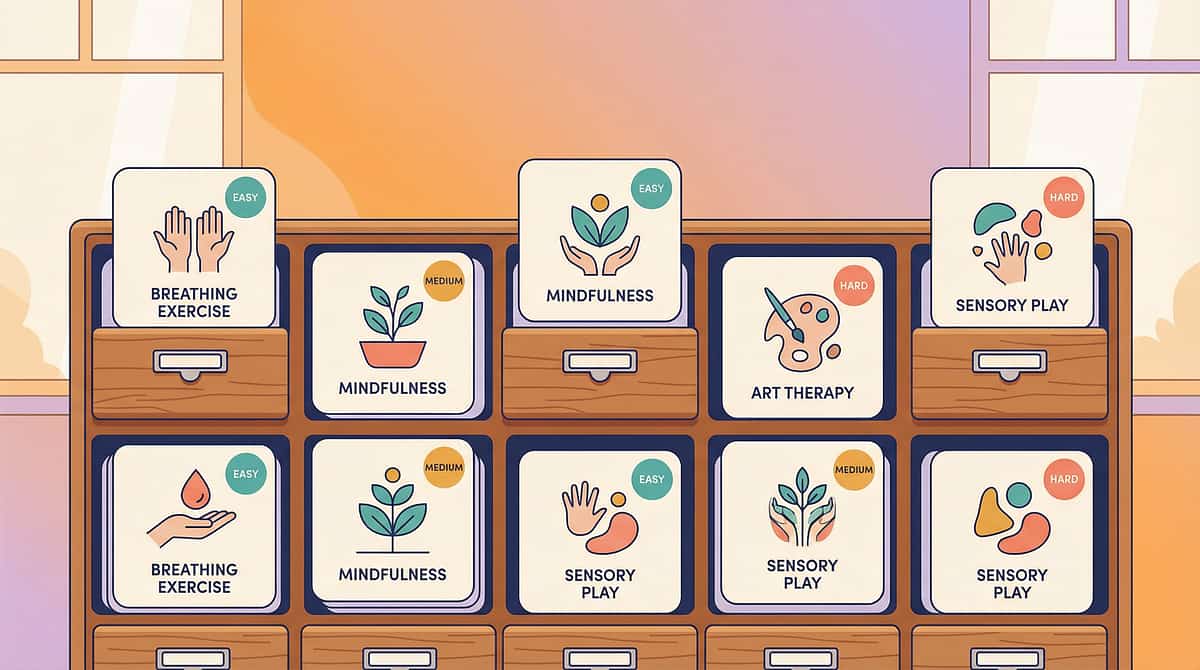
More Techniques in Recreation & Community Participation
Technique | Domain | Difficulty | Canon Materials | |
J-870: 9 Materials — Playground Participation | Recreation | 🟢 Intro | Sensory Regulation + Social Scripts | |
J-871: 9 Materials — Swimming Programs | Recreation | 🟡 Core | Adaptive Equipment + Sensory Regulation | |
J-872: Sports Programs ← You Are Here | Recreation | 🟡 Core | All 9 Canon Materials | |
J-873: 9 Materials — Music Lessons | Recreation | 🟢 Intro | Sensory Regulation + Visual Supports | |
J-874: 9 Materials — Art Classes | Recreation | 🟢 Intro | Sensory Regulation + Fine Motor | |
J-875: 9 Materials — Dance/Movement | Recreation | 🟡 Core | Motor Planning + Sensory |
"You already have materials for these techniques in your Sports Readiness Kit:" Visual Timer ↔ Music Lessons | Noise-Reducing Headphones ↔ Art Classes | Social Story ↔ Dance Classes | First-Then Board ↔ All Recreation techniques
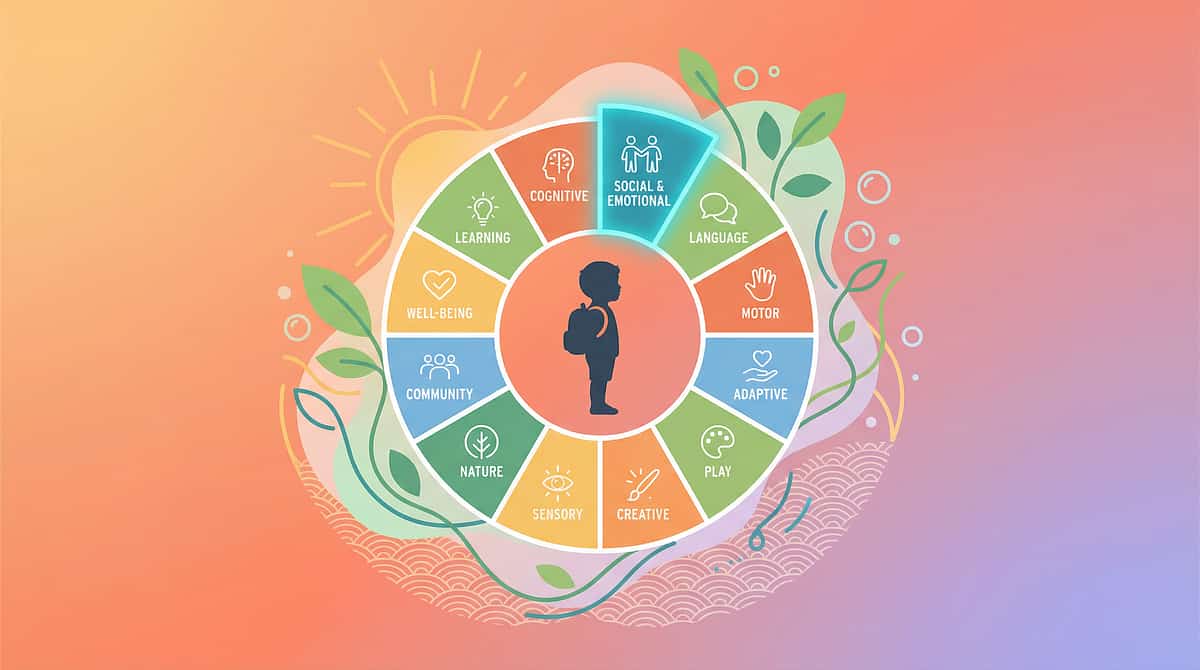
This Technique Is One Piece of a Larger Plan
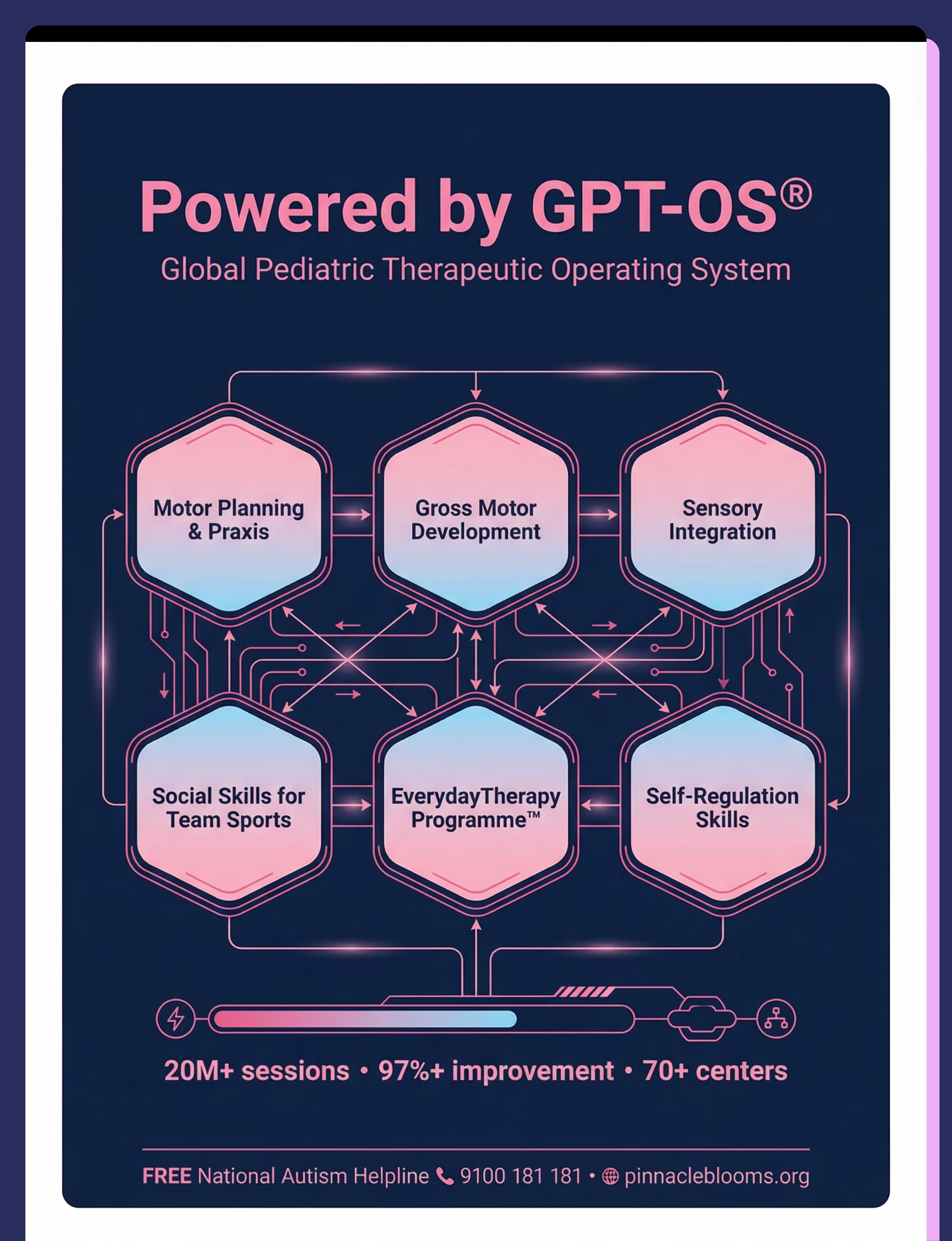
Sports participation is not separate from your child's therapy plan — it IS part of it. Physical literacy, social inclusion and community belonging are core GPT-OS® outcome domains
🟢 Domain J — ACTIVE
Recreation & Community Participation — J-872 is here
Domain E — Foundational
Motor Skills (Gross & Fine) — prerequisite for J-872
10 More Domains
Connect via GPT-OS® to build your child's complete developmental profile
📞9100 181 181 — FREE National Autism Helpline | 16+ languages | 24×7
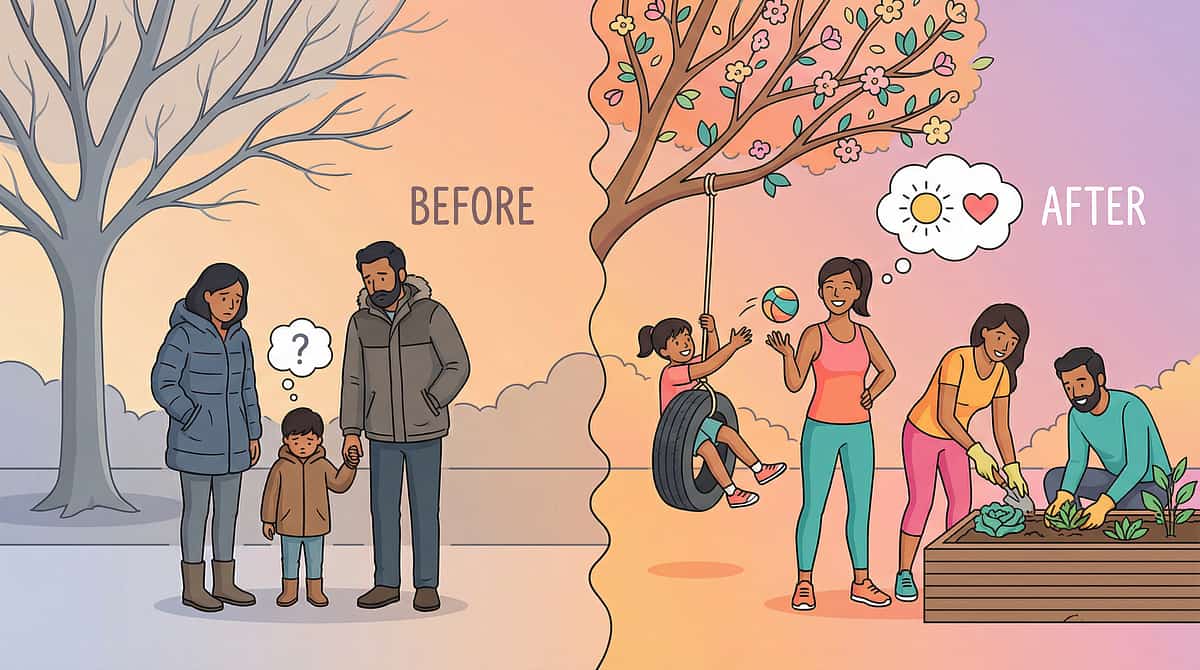
From the Field Notes — Families Who Walked This Path
Individual outcomes may vary based on child's specific needs and intervention intensity.
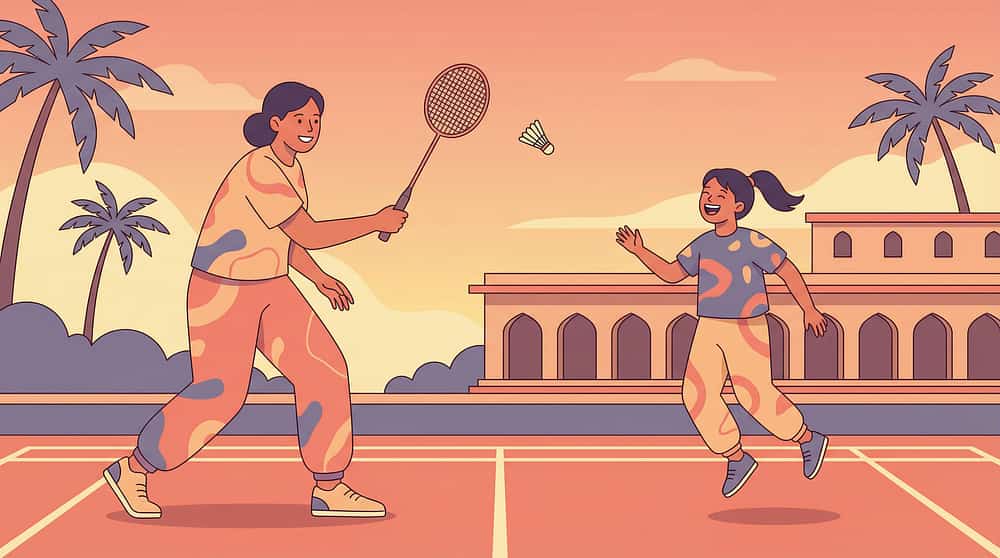
Family 1 — Mumbai, Maharashtra
Before: "We had tried swimming, gymnastics and basketball. Every programme ended the same — tears and my daughter telling me sport 'isn't for her.' She had energy. She wanted to move. But her motor planning was so poor that standard instruction just did not connect."
After (8 weeks): "She plays badminton with her cousins now. She has a visual playbook for the court positions. She manages a 30-minute session with her sensory kit in her bag. She hasn't said 'sport isn't for me' in four months. That is the biggest win." — Mother, Mumbai | Pinnacle Network Family
Therapist Notes: Motor planning improved measurably. Social story use generalised to spontaneous self-coaching. Sensory regulation kit reduced practice-related meltdown frequency from 3×/week to 0×/week by Week 7.
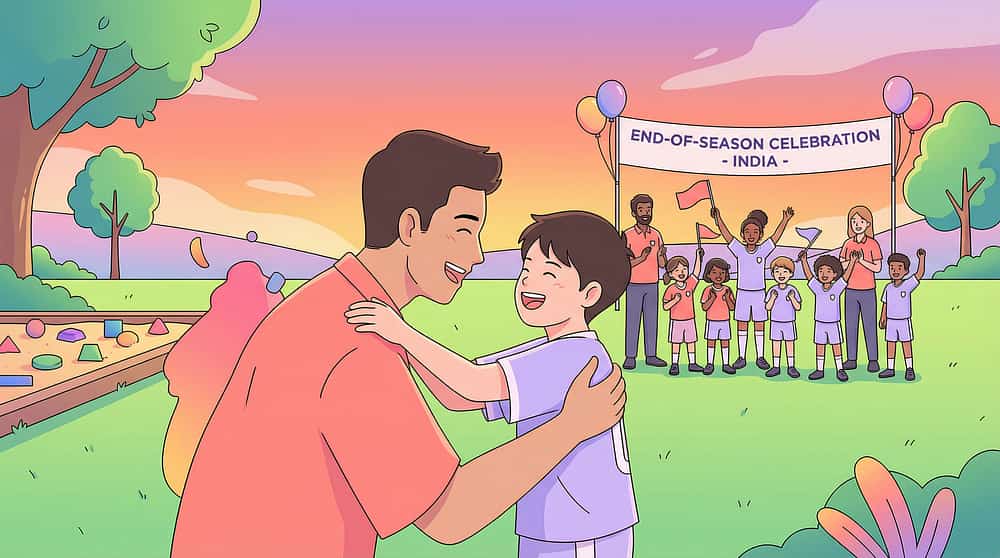
Family 2 — Hyderabad, Telangana
Before: "My son tried three sports. He was eight when he told me he was 'bad at sports and kids don't want to play with him.' He watched from the window. I signed up to the Pinnacle helpline in desperation."
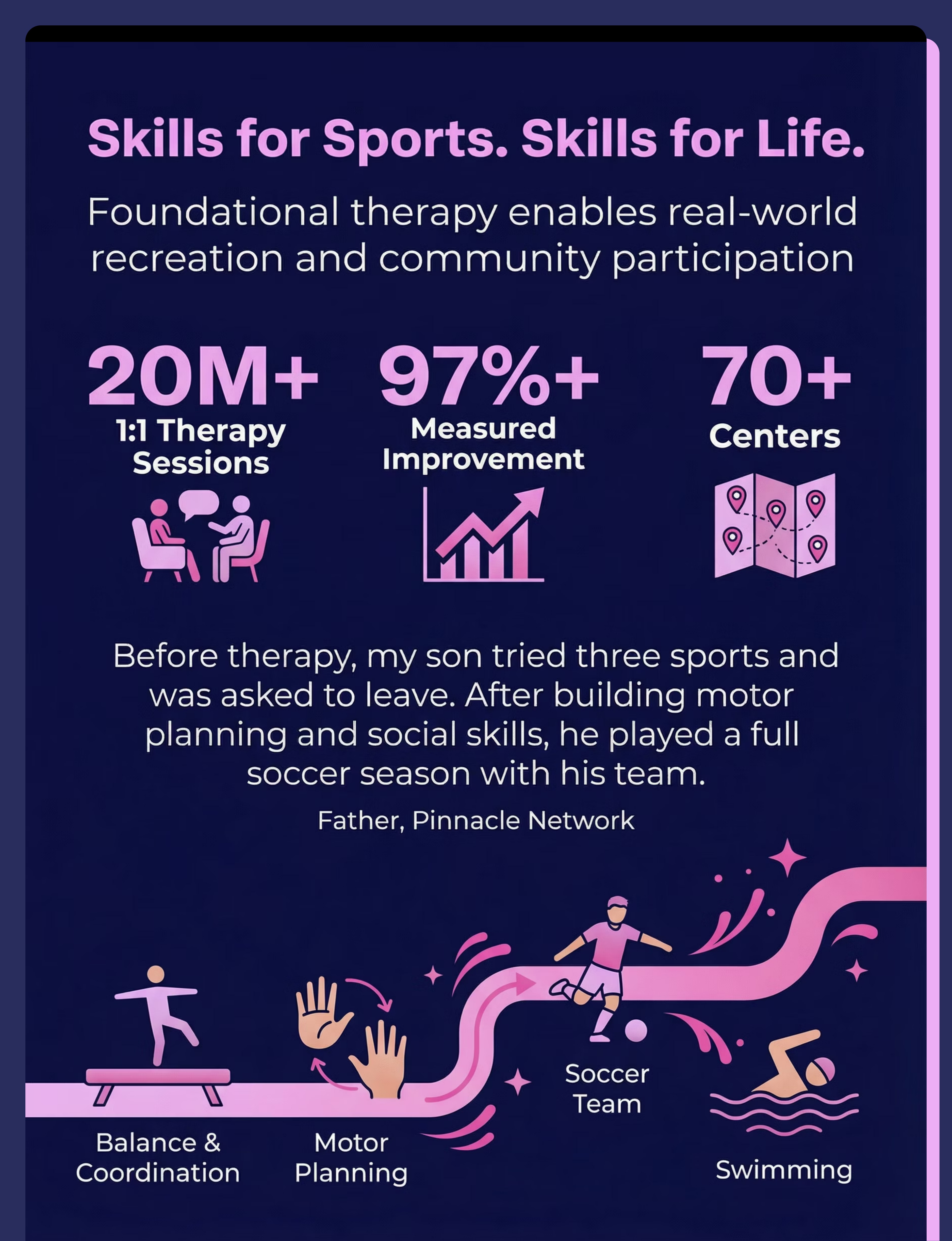
After (12 weeks): "He played the full season. He still uses the visual playbook on the bench between plays. His coach learned to give visual signals alongside verbal instructions. At the end-of-season party, he was surrounded by teammates. For the first time in his life, he was included." — Father, Hyderabad | Pinnacle Network Family
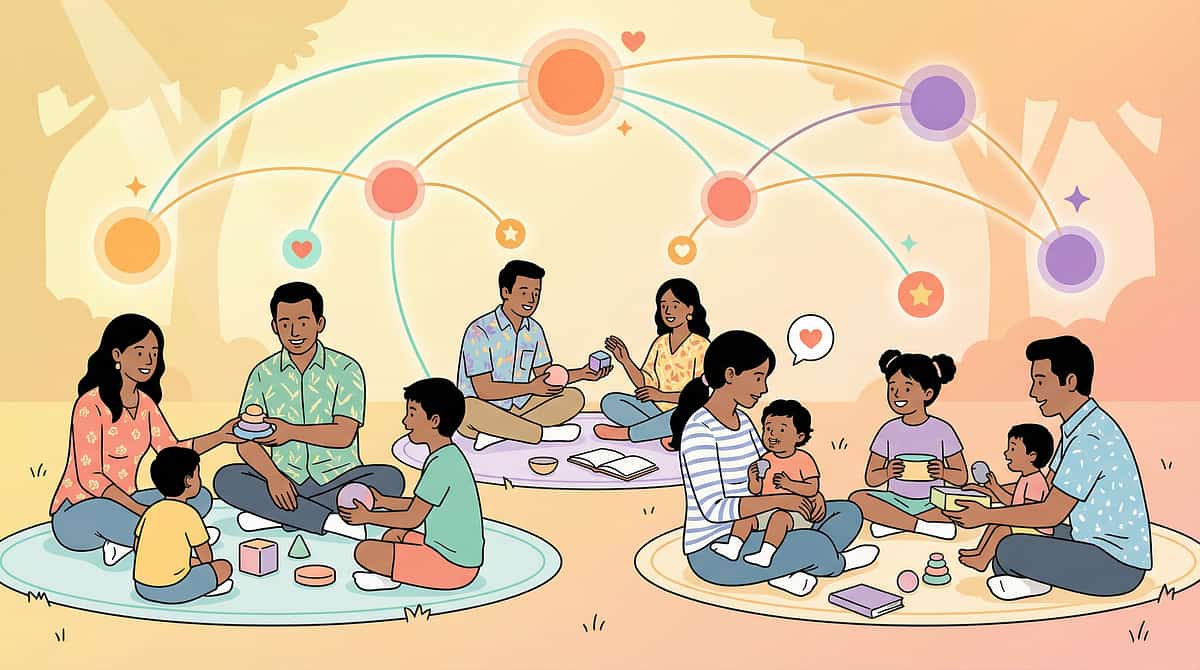
You Are Not Navigating This Alone
📱 Pinnacle Sports Parents WhatsApp Group
Parents navigating sports participation for children with developmental differences — share what's working, ask what's not. Join the Sports & Recreation Parent Group →
💬 Pinnacle Online Parent Forum
Searchable threads by domain, sport type, child age, and technique. Moderated by Pinnacle clinicians. Join the Forum →
🤝 Peer Mentoring
A parent who has navigated sports access for their child, matched by child age and sport type. Confidential. Request a Peer Mentor →
📍 Local Parent Meetups
Pinnacle centre-based parent groups in 70+ locations across India. Monthly sport-focused sessions. Find a Meetup Near You →
"Your experience helps others. Every family who shares what worked — and what didn't — shortens the journey for the next parent sitting at that window watching their child watch from the sideline." — Pinnacle Blooms Consortium
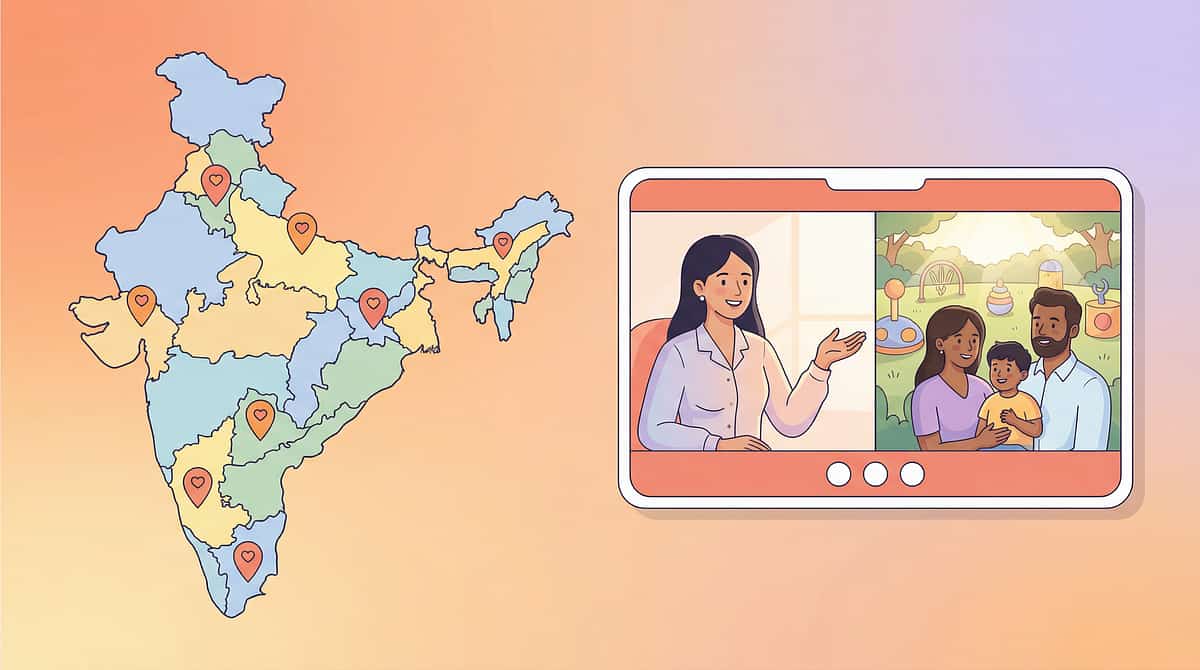
Home + Clinic = Maximum Impact
📍 Find Your Nearest Pinnacle Centre
70+ centres across India | Occupational Therapy • ABA/BCBA • SLP • SpEd • NeuroDev Paediatrics Find Centre → | 📞9100 181 181 (FREE National Autism Helpline, 16+ languages, 24×7)
🖥️ Teleconsultation — Anywhere in India
Sport-specific OT consultation | Motor planning assessment | Parent coaching session Book Teleconsultation → | Available within 48 hours
🎯 Therapist Matching for Sports Programs
Primary: OT with motor planning + sensory integration specialisation | Secondary: ABA/BCBA for motivation and reinforcement | Supporting: SLP for social communication Match with a Therapist →
🏫 School PE Liaison Service
Pinnacle provides written guidance for school Physical Education teachers — what supports your child needs in PE class. Download School PE Communication Template →
"Home-based intervention with this toolkit delivers meaningful gains. Professional assessment and guidance doubles the speed and precision of those gains."
Research: WHO NCF Progress Report (2023): Teleconsultation pathways validated for rural and remote access. 48% increase in countries adopting ECD policies. PMC9978394
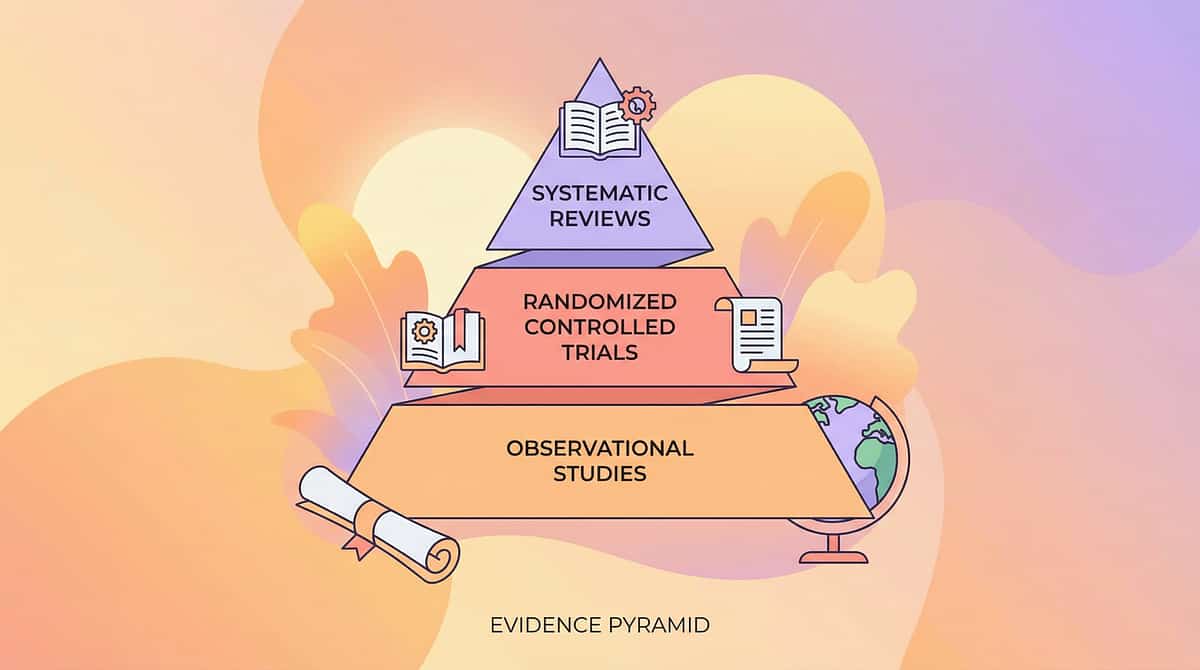
The Evidence Base — For Parents Who Want to Go Deeper
"Deeper reading for the curious parent."
# | Study | Finding | Level / Link | |
1 | PRISMA Systematic Review (Children, 2024) | 16 studies confirm sensory integration and motor intervention is evidence-based practice for ASD | Level I | PMC11506176 | |
2 | Meta-analysis (World J Clin Cases, 2024) | 24 studies: SI therapy promotes gross motor, social skills, adaptive behaviour, sensory processing | Level I | PMC10955541 | |
3 | WHO Care for Child Development Package (2023) | Caregiver-delivered home interventions validated across 54 LMICs | Level I | PMC9978394 | |
4 | Padmanabha et al., Indian J Pediatr (2019) | Home-based SI interventions show significant outcomes in Indian paediatric population | Level II (RCT) | DOI: 10.1007/s12098-018-2747-4 | |
5 | NCAEP Evidence-Based Practices (2020) | Motor planning, visual supports, video modelling: evidence-based for autism | Level I | ncaep.fpg.unc.edu | |
6 | Frontiers Integrative Neuroscience (2020) | Neurological framework for sensory integration and motor planning differences in ASD | Level III | DOI: 10.3389/fnint.2020.556660 |
WHO / UNICEF References
WHO Nurturing Care Framework (2018): nurturing-care.org/ncf-for-ecd/ | Special Olympics International Research: specialolympics.org/research | American Academy of Pediatrics Physical Activity Guidelines: aap.org
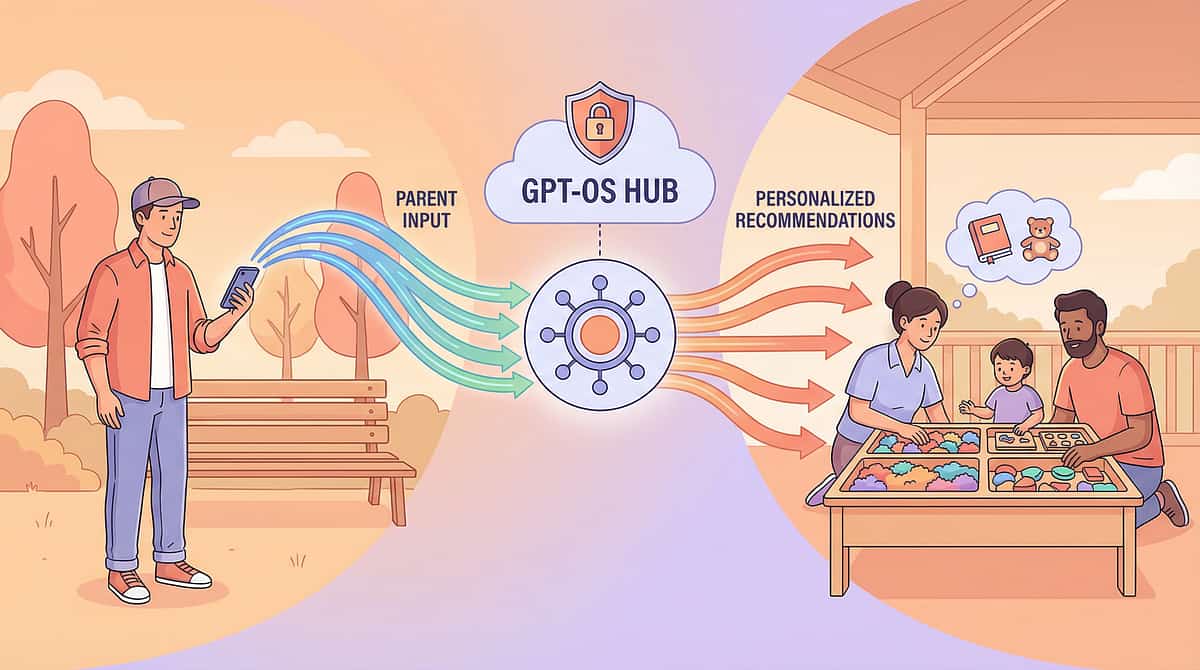
Your Sessions Build Intelligence — For Your Child and Every Child Like Them
What GPT-OS® Learns From Your J-872 Data
- Which of the 9 materials showed fastest progress for your child's sensory profile
- Optimal session duration for your child's tolerance window
- Correlation between home practice days and sports practice performance
- Readiness indicators for progression to next-level techniques
- Red flag early warning patterns specific to your child
🔒 Privacy Assurances
All data anonymised before any population-level analysis
No data sold to third parties — ever
Compliant with Indian IT Act and PDPB (Personal Data Protection Bill)
Parent retains full data export and deletion rights
"Your data helps every child like yours. When you record one session, you contribute to the intelligence that helps thousands of other families make better decisions faster."
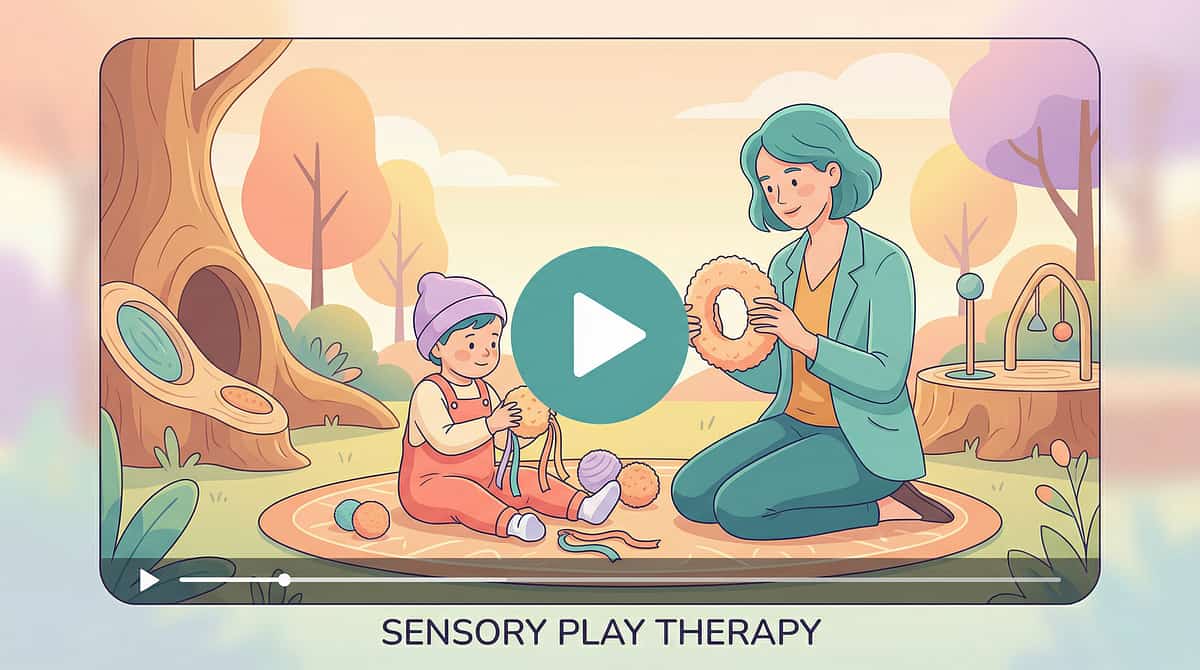
Watch the Original Reel — 9 Materials in 60 Seconds
Reel ID: J-872
Domain J — Recreation & Community | RC-SP
Duration: 60–85 seconds
"My name is [Therapist Name], Occupational Therapist at Pinnacle Blooms Network®. In the next 60 seconds I'll show you 9 materials that we use clinically to build sports readiness in children with developmental differences. Every one of these is available in India, many for under ₹500. Watch, then read the full evidence and protocol on this page."
Related Reels in This Series:
J-870
9 Materials — Playground Participation →
J-871
9 Materials — Swimming Programs →
J-873
9 Materials — Music Lessons →
Research: NCAEP (2020): Video modelling is classified as an evidence-based practice for autism. Multi-modal learning (visual + text + demonstration) improves parent skill acquisition.
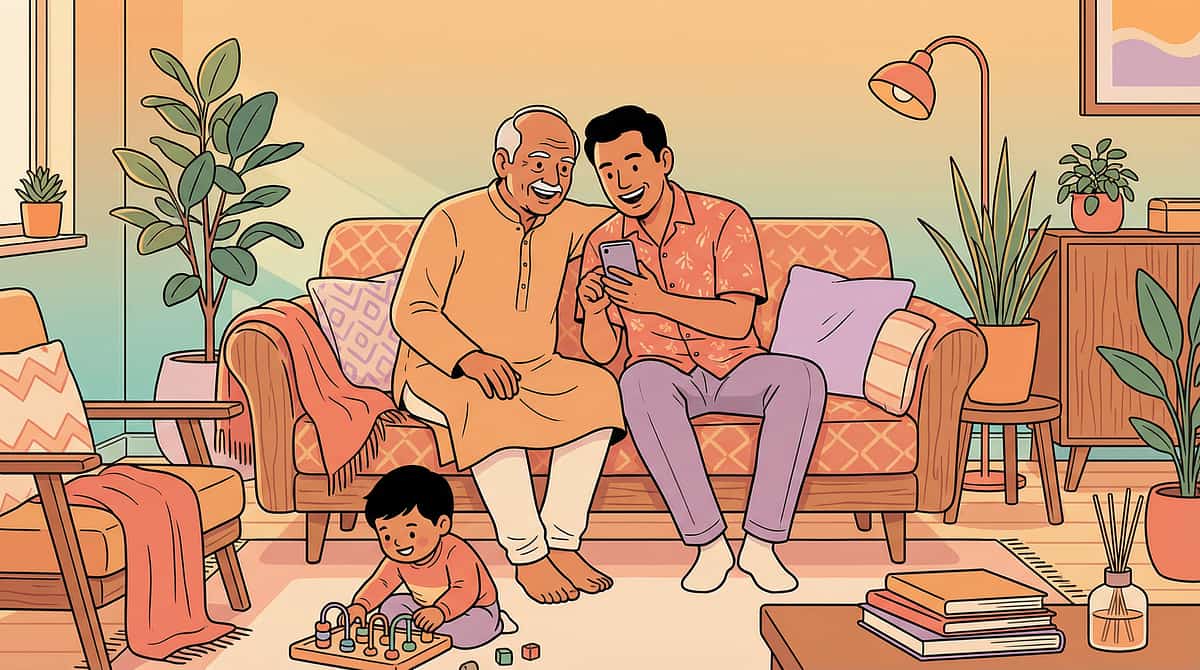
Consistency Across Caregivers Multiplies Impact
Share This Page
Page URL: techniques.pinnacleblooms.org/recreation/sports-programs-J-872
📄 Family Guide — One Page (PDF)
For spouses, grandparents, family members — a one-page visual summary of the 9 materials and how to use them.
📋 Explain to Grandparents — Simplified Version
"The therapists say [child's name] needs a different way of learning sports. We use a picture book to explain the game rules before practice. Special headphones to reduce noise. A softer ball to build confidence. It's all based on research from international medical journals. It's working. Here's what you can do when you're with them: (1) Show them the visual playbook before any sport activity. (2) Use the timer so they know when activity will end. (3) Let them use their sensory kit bag without question."
🏫 School PE Teacher Communication Template
"Dear PE Teacher, [Child's name] has been working with Pinnacle Blooms Network® on building sports readiness skills. The following supports help them participate in Physical Education class: visual timer / adapted equipment / noise regulation / visual instructions. Please feel free to contact our team at care@pinnacleblooms.org for guidance."
Research: WHO CCD Package: Multi-caregiver training is critical for intervention generalisation and maintenance. PMC9978394
Your Questions — Answered by the Consortium
▼ My child's coach says "he just needs more practice." How do I explain why the supports are necessary?
The research is clear: neurotypical instruction methods assume motor planning, sensory processing and social comprehension abilities that many children with developmental differences simply do not yet have. "More practice" of the wrong method reinforces failure, not skill. Visual playbooks, adapted equipment and sensory supports are clinical tools, not crutches — they build the foundational skills that enable the child to benefit from standard instruction. Share the Pinnacle School PE Liaison Letter (Card 37) with the coach.
▼ Which of the 9 materials should I start with?
Start with the Essential Starter Kit: (1) a homemade visual playbook for the specific sport, (2) one piece of adapted equipment, (3) a visual timer, and (4) noise-reducing headphones if the venue is loud. Add the balance board within the first 2 weeks. Social stories should be introduced before the first group practice.
▼ How do I know if my child has DCD vs. autism-related motor differences?
Both can present similarly in sports contexts. A formal diagnosis requires assessment by a NeuroDevelopmental Paediatrician + Occupational Therapist. Call 9100 181 181 — our team can arrange an assessment consultation. The 9-material approach is effective for both profiles.
▼ My child is 12 — is it too late for this to help?
Physical literacy intervention is effective across the age spectrum. The window for easiest foundational skill development is ages 5–9, but adolescents respond well to adapted sports programmes, individual coaching and social script building. The approach adapts; the effectiveness does not disappear.
▼ Can the balance board cause harm?
Used correctly (on a mat, with support available, stopping at the first sign of extreme dizziness or nausea), balance boards are safe therapeutic tools used in clinical OT worldwide. If your child experiences extreme vestibular distress, stop immediately and consult an OT before resuming. See Card 11 safety guidelines.
▼ My child refuses to use the visual playbook — they find it babyish. What do we do?
Make it age-appropriate: use real sport photography instead of stick figures; use the actual team's formation chart; let the child draw it themselves. The cognitive mechanism (studying the game visually before executing it) is the same regardless of format. Adolescents often engage better with video analysis of real games.
▼ How many materials should we use in one session?
Do not attempt all 9 in one session. Rotate through 2–3 materials per session. Each material represents a different clinical target — doing all 9 simultaneously creates cognitive overload, not progress. See Card 17 for session structure guidance.
▼ We can't afford any of the materials. Is there a zero-cost version?
Yes — see Card 10. The entire 9-material kit can be replicated with household items for under ₹50. The therapeutic principle (not the cost of the material) is what produces outcomes. If you need additional support, call 9100 181 181 — Pinnacle has access to subsidised and free material programmes.

Your Child Deserves to Be in the Game.
Start the Sports Readiness Programme Today.
20M+
1:1 Therapy Sessions
97%+
Measured Improvement
70+
Centres Across India
70+
Countries Served
Validated by the Pinnacle Blooms Consortium: Occupational Therapy • Speech-Language Pathology • ABA/BCBA • Special Education • Neurodevelopmental Paediatrics • Clinical Research Organisation
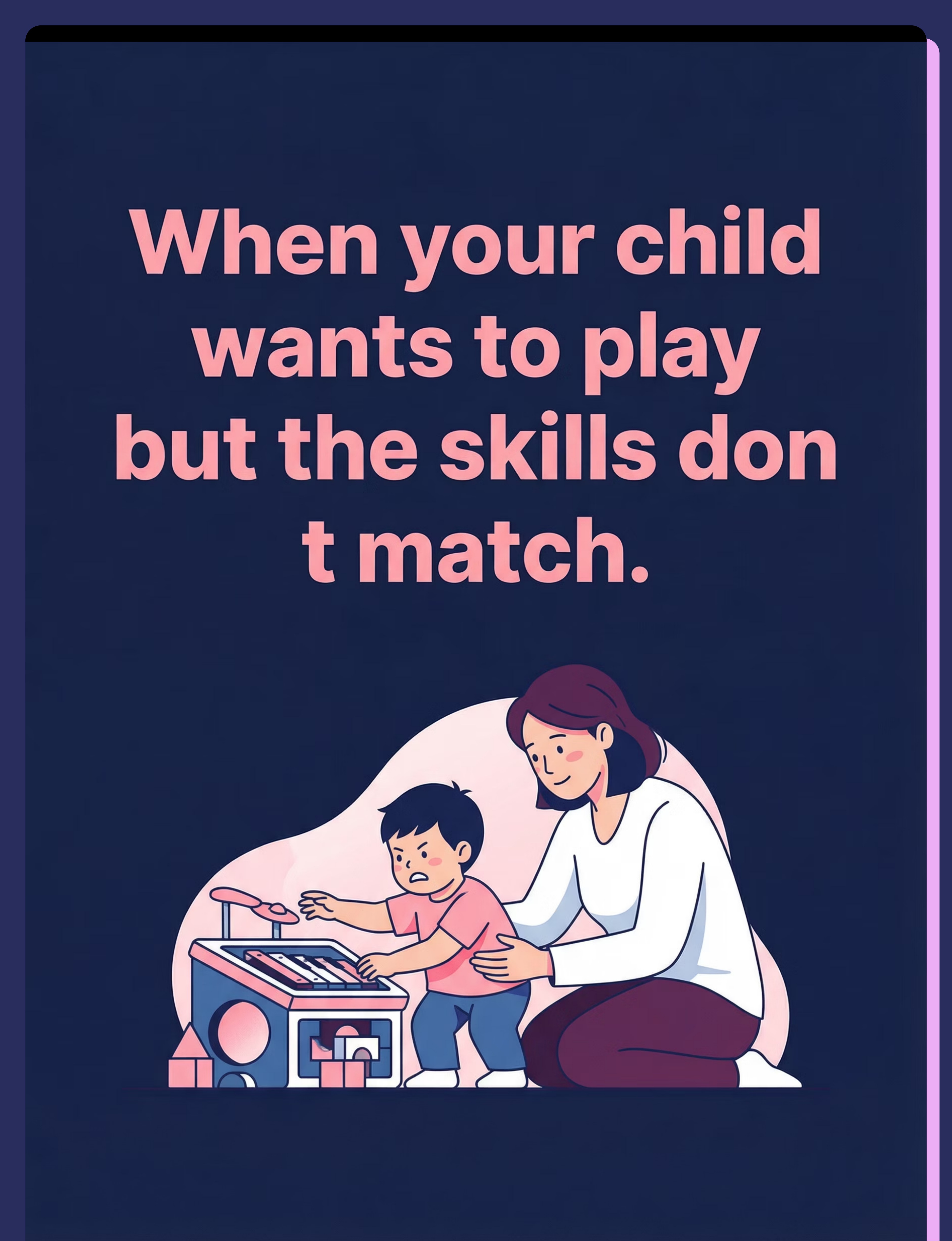
Preview of 9 materials that help with sports programs Therapy Material
Below is a visual preview of 9 materials that help with sports programs therapy material. The pages shown help educators, therapists, and caregivers understand the structure and content of the resource before use. Materials should be used under appropriate professional guidance.


Link copied!
From Fear to Mastery. One Technique at a Time.
— The Pinnacle Blooms Consortium
Pinnacle Blooms Network® exists to transform every home into a proven, scientific, 24×7, personalised, multi-sensory, multi-disciplinary integrated paediatric therapy environment — making world-class developmental care accessible to every family, regardless of geography, income or diagnosis.
21M+
1:1 Therapy Sessions Delivered
97%+
Measured Improvement
70+
Therapy Centres Across India
16+
Languages on National Helpline
Navigation
Contact
Statutory Identifiers
Company | Bharath Healthcare Laboratories Pvt. Ltd. | |
CIN | U74999TG2016PTC113063 | |
DPIIT | DIPP8651 (Govt. of India) | |
MSME | Udyog Aadhaar: TS20F0009606 | |
GSTIN | 36AAGCB9722P1Z2 |
Medical Disclaimer: This content is educational in nature and addresses supporting children with developmental differences in sports participation. Strategies should be adapted to your child's specific motor, sensory and social profile. Always consult qualified occupational therapists, speech-language pathologists, ABA/BCBA therapists, special educators and NeuroDevelopmental Paediatricians for individualised assessment and intervention planning. Some children may require additional therapeutic support before sports participation is appropriate. Always ensure safety supervision during physical activities. Individual outcomes vary based on child's profile and intervention intensity.
© 2026 Pinnacle Blooms Network®, unit of Bharath Healthcare Laboratories Pvt. Ltd. All rights reserved. GPT-OS® is a registered trademark. Content produced by the Pinnacle Blooms Consortium under the GPT-OS® Content Engine.