
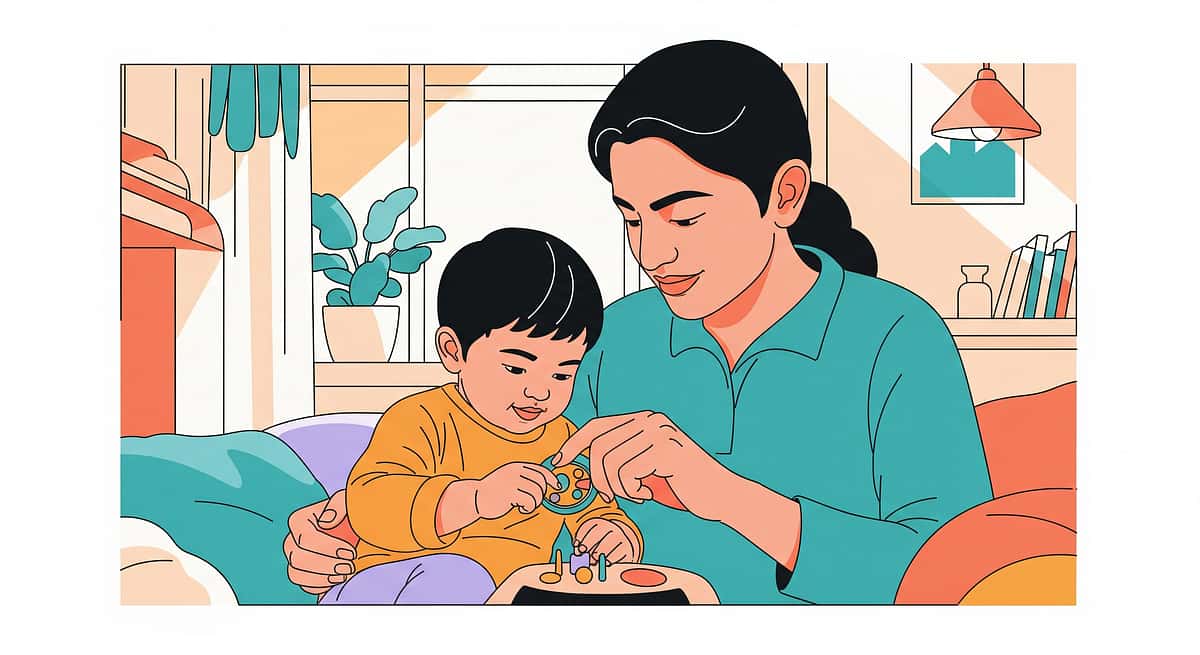
"They spit. On the teacher. Again."
It was a Tuesday morning. You'd done everything right — breakfast on time, familiar clothes, his favourite snack in the bag. And then the transition happened. One demand he didn't expect, and saliva flew across the classroom. You got the call at 9:14 AM. You've been dreading the next one ever since.
If you've lived that moment — the apologetic phone call, the horrified look from another parent, the teacher who's started documenting — this page was written for you.
🔬You are not failing. Your child's nervous system is communicating the only way it currently knows how.
🏥 Pinnacle Blooms Consortium®
🧠 GPT-OS® Validated
🌍 WHO/UNICEF Aligned
📋 ABA-CHB Domain
Spitting at Others: More Families Face This Than You Know
1 in 36
Children Diagnosed
Children in India diagnosed with ASD annually (NIMHANS 2023 estimates)
80%
Challenging Behavior
Of children with autism show challenging behavior episodes including social behavior disruption (JABA systematic review)
60–80%
Communication Attempts
Of spitting behaviors in non-verbal or minimally verbal children are functional communication attempts (NCAEP 2020)
Spitting at others is classified under Socially Inappropriate Behavior / Targeted Aggression in the behavioral science literature. It is one of the most socially stigmatizing challenging behaviors — not because it is the most dangerous, but because it triggers disgust responses that isolate children from teachers, peers, and family. You are among millions of families navigating exactly this challenge.
"Spitting isn't defiance. It's a behavior that works — until we give the child something that works better." — Pinnacle Behavioral Therapy Consortium
📚 PMC11506176
PMC10955541
NCAEP 2020
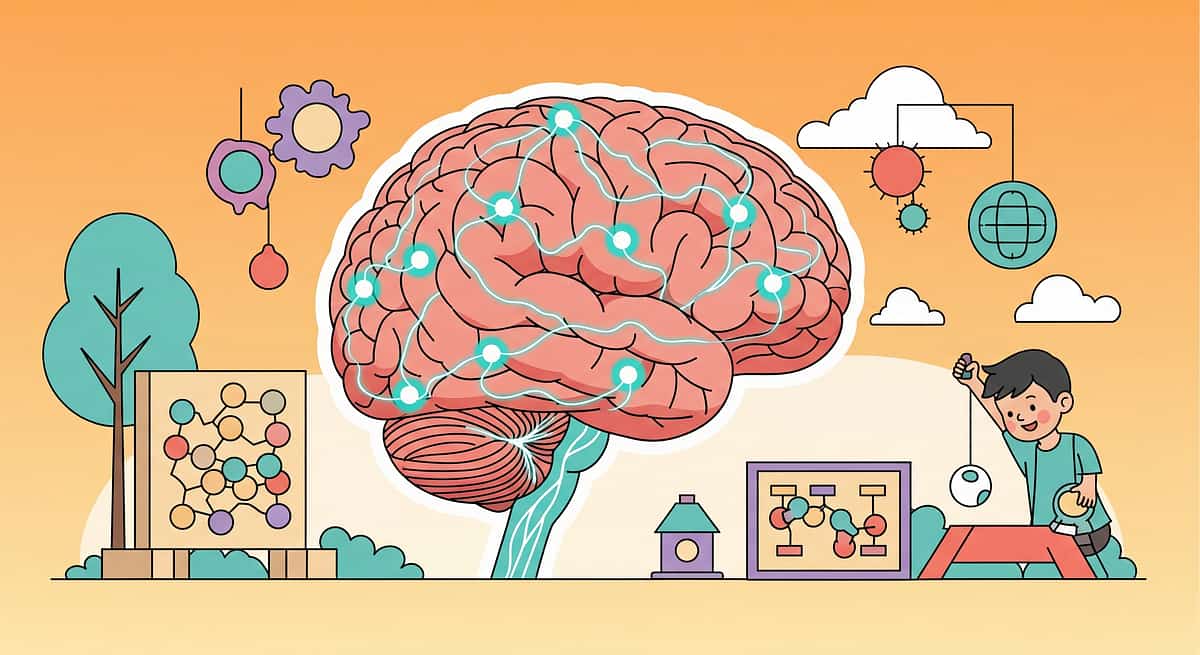
What's Happening in Your Child's Brain
Spitting is a motor output driven by an emotional regulation failure upstream. The amygdala detects threat, the prefrontal cortex fails to regulate impulse, and the oral-motor system executes. Understanding this wiring difference changes everything about how you respond.
🔴 Escape/Avoidance
Spitting ends an unwanted demand or task. The child has learned: spit → demand removed.
🟡 Attention-Seeking
Even disgust and anger are social attention. For a child starved for connection, any reaction is reinforcing.
🟢 Sensory/Automatic
The oral-motor act itself — the proprioceptive input, the trajectory — is intrinsically satisfying. No social response needed.
🔵 Communication
When words are unavailable, the body communicates. Spitting may mean "I'm overwhelmed," "I'm angry," or "I need help."
🧠The critical insight: Each function requires a different intervention. Function first. Materials second. This is a wiring and learning difference — not a character flaw, not a parenting failure, and not a permanent destiny.
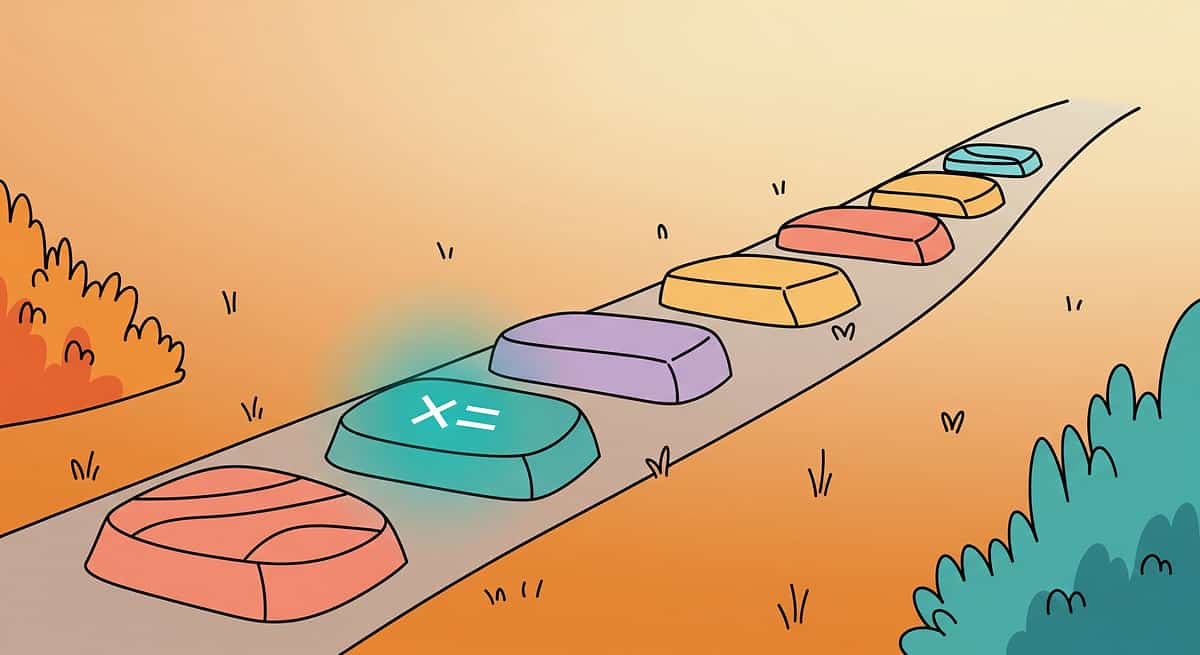
Spitting Across the Developmental Window
Where your child is today — and where you're heading. Understanding the developmental stage shapes how you calibrate every material and response.
18mo–3yr: Oral Exploration
Sensory imitation, often without targeted social intent. Early intervention window is widest here.
3–5yr: Intentional/FCT
Spitting becomes purposeful. Escape and attention functions emerge as dominant. Child has learned it produces reliable responses.
6–12yr: Established/Multi-function
Established behavior pattern, often multi-functional. Social consequences compound — peer rejection, school documentation, family isolation.
12yr+: Generalization & Mastery
Self-regulation competency built. Appropriate social expression, functional communication, and behavioral self-control across all settings.
Commonly co-occurs with: Biting (D-386) | Throwing Objects (D-387) | Hair Pulling (D-389) | Limited verbal communication | Sensory processing differences | Impulse control challenges
📚 WHO Care for Child Development Package (2023)
UNICEF MICS
PMC9978394

Clinically Validated. Home-Applicable. Parent-Proven.
📋 NCAEP 2020 Consensus
Functional Communication Training (FCT) is classified as an Evidence-Based Practice for autism across age ranges. Token economy, visual supports, and antecedent modification all meet EBP criteria.
📊 JABA Systematic Review
Functional behavior assessment + function-matched intervention produces significantly superior outcomes versus punishment-only approaches for challenging behaviors including spitting.
🇮🇳 Indian Pediatrics RCT (2019)
Home-based behavioral interventions with parent training demonstrated statistically significant improvement in challenging behavior frequency and intensity. Padmanabha et al., Indian J Pediatr, 2019
20M+
Exclusive Sessions
Across 70+ Pinnacle centers
97%+
Measured Improvement
On Social Behavior Readiness Index via GPT-OS®
85/100
Evidence Confidence
Overall evidence confidence score — Strong Support, Level I
PMC11506176
PMC10955541
WHO NCF 2018
NCAEP 2020
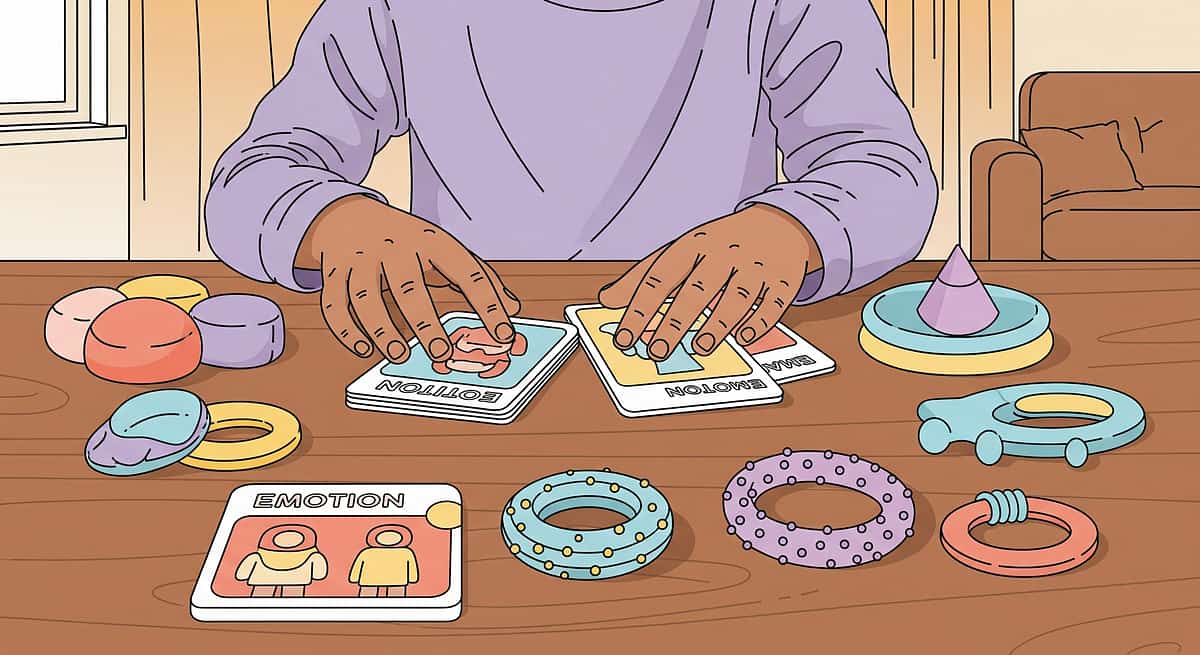
The Technique: What It Is
D-388
ABA-CHB Domain
Age 2–12 yrs
Daily Practice
Formal Name: Function-Based Behavioral Intervention for Spitting at Others
Parent-Friendly Alias: "The Why-and-What-Instead System"
Series: Challenging Behavior Management | Episode 388
Parent-Friendly Alias: "The Why-and-What-Instead System"
Series: Challenging Behavior Management | Episode 388
Spitting at others is a challenging behavior with function — meaning it happens because it works. This technique system addresses the behavior by identifying why it occurs (via functional assessment), then deploying function-matched materials that replace spitting with socially appropriate alternatives that serve the same purpose. It is not a single technique but a coordinated material and strategy system spanning communication, sensory regulation, reinforcement, cognition, and environmental design.
🔴 Escape-Maintained
Child spits to exit demands
🟡 Attention-Maintained
Child spits to gain social reaction
🟢 Sensory/Automatic
Child spits for oral-motor input
🔵 Communication
Child spits because words aren't available
⏱️ 15–20 min daily
📅 Daily across settings
↔ 128 Canon Materials
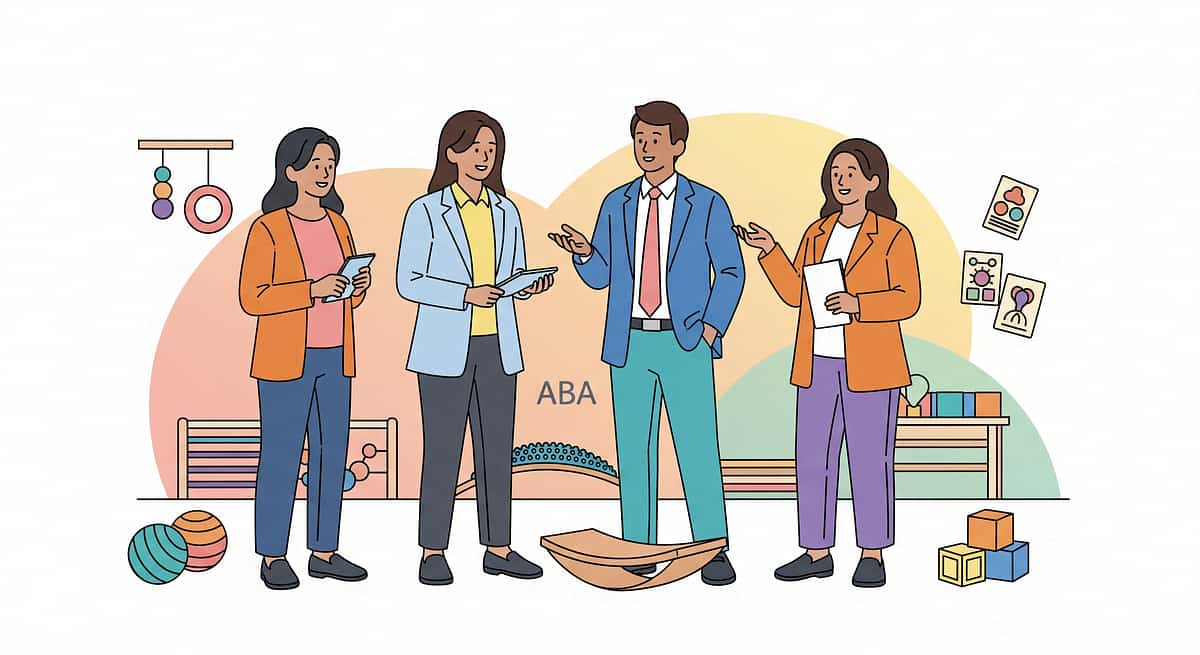
Five Disciplines. One Converged System.
ABA / BCBA (Primary Lead)
Conducts the Functional Behavior Assessment (FBA). Designs the Behavior Intervention Plan (BIP). Implements FCT, token economy, and contingency management.
Speech-Language Pathologist
Addresses communication deficits underlying spitting. Develops AAC systems, FCT vocabulary, and oral-motor regulation. Leads for communication-function spitting.
Occupational Therapist
Addresses sensory-function spitting through oral-motor tools and sensory diet design. Evaluates sensory processing profile.
Special Educator
Implements behavior support plans in classroom settings. Trains teachers, manages antecedent modifications, and coordinates school-based consistency.
NeuroDev Pediatrician
Rules out medical contributors (oral-motor dysfunction, dental pain, GERD). Coordinates the multi-disciplinary management plan.
"This behavior crosses every therapy boundary because the brain doesn't organize itself by discipline. When the communication system, the sensory system, and the behavioral system converge on the same output — spit — the intervention must be equally convergent." — Pinnacle Blooms Multi-Disciplinary Consortium

Precision Targets: What This Intervention Addresses
Effective intervention requires layered goals — from the immediate behavior to the lifelong developmental outcome. Here is the full target architecture for D-388.
🌱 Developmental
Social inclusion, peer relationships, community access, self-regulation as lifelong competency
✅ Secondary Targets
Emotional regulation capacity • Functional communication • Social awareness of impact on others
🎯 Primary Target
Elimination of spitting + functional replacement behavior. Observable: zero incidents across 5 consecutive school days. Spontaneous FCT card/word use during frustration.
📚 PMC10955541
NCAEP 2020
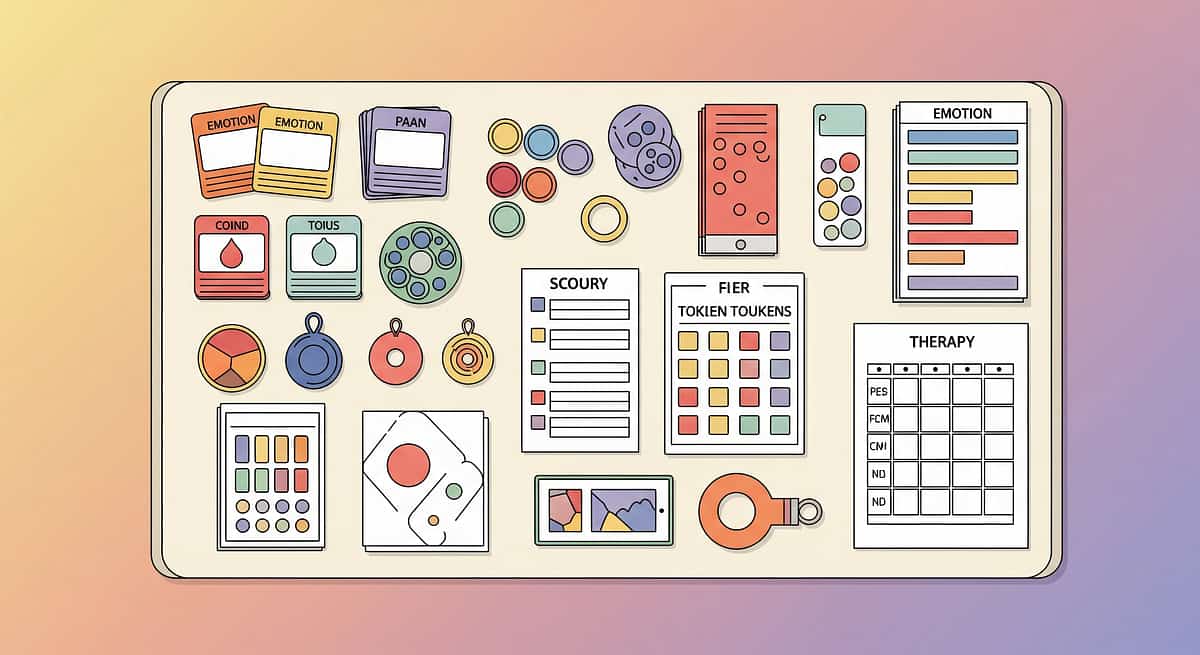
9 Materials. Function-Matched. Ready to Use Today.
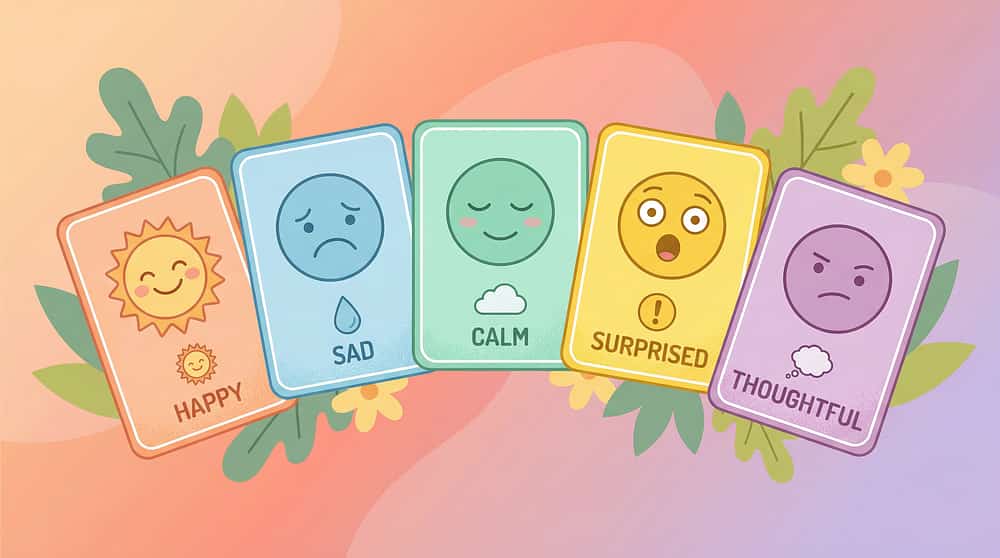
1. Visual Emotion & Regulation Cards
Canon: Communication Boards / Visual Supports
Give feelings words before they become spit. Creates an alternative communication pathway for children who spit as emotional expression.
💰 ₹200–800 | 🏠 DIY possible
Give feelings words before they become spit. Creates an alternative communication pathway for children who spit as emotional expression.
💰 ₹200–800 | 🏠 DIY possible
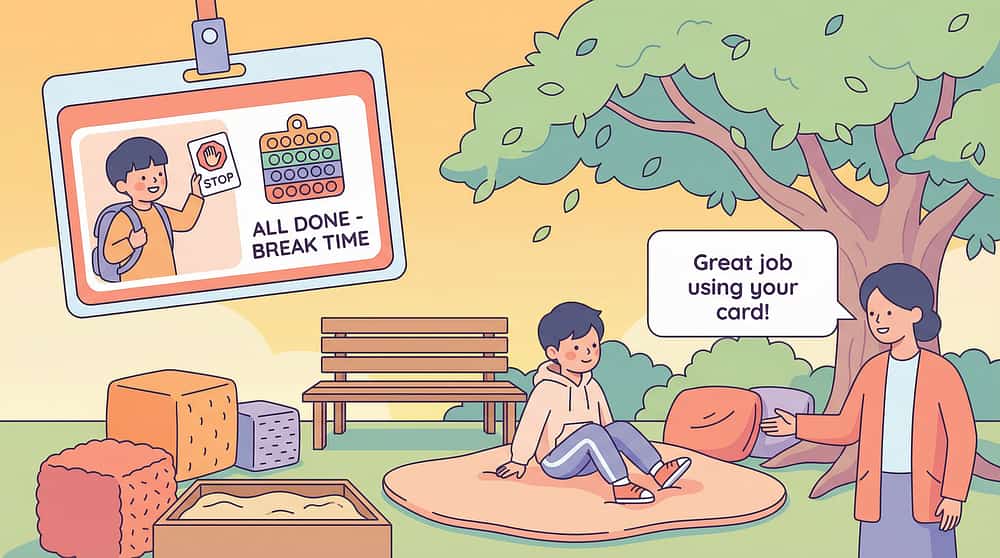
2. FCT Visual Supports
Break/Help/All Done Cards — Canon: Visual Communication Supports
Gold-standard replacement behavior materials. Function-matched cards that teach the child what to do instead of spitting.
💰 ₹200–600 | 🏠 DIY possible
Gold-standard replacement behavior materials. Function-matched cards that teach the child what to do instead of spitting.
💰 ₹200–600 | 🏠 DIY possible

3. Oral Motor / Sensory Tools
Canon: Sensory Processing Materials / Oral Motor
Chewable jewelry, whistles, blowing toys, therapy straws. Meet the oral-sensory need appropriately.
💰 ₹300–1,200 | 🏠 DIY: whistles, pinwheels
Chewable jewelry, whistles, blowing toys, therapy straws. Meet the oral-sensory need appropriately.
💰 ₹300–1,200 | 🏠 DIY: whistles, pinwheels
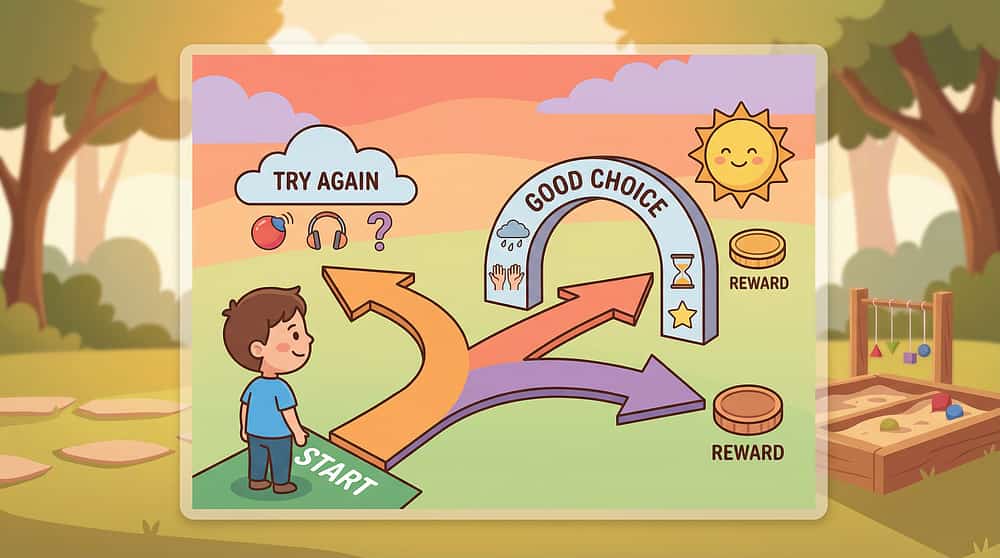
4. Visual Behavior Contingency Maps
Canon: Visual Schedules / Behavior Supports
Fork-in-road visual: "If I spit → this. If I use my card → this." Makes abstract consequences concrete.
💰 ₹150–500 | 🏠 DIY: laminated A4 sheet
Fork-in-road visual: "If I spit → this. If I use my card → this." Makes abstract consequences concrete.
💰 ₹150–500 | 🏠 DIY: laminated A4 sheet
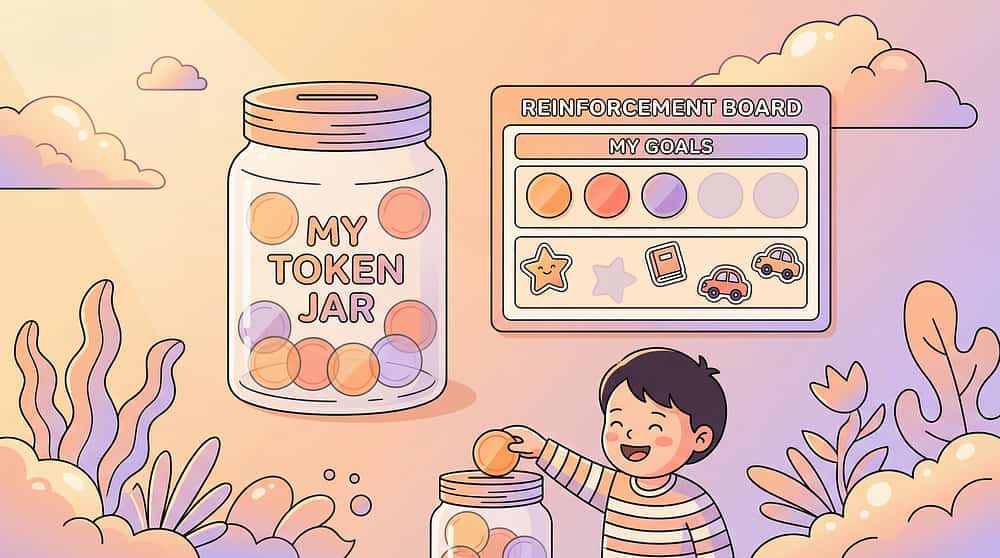
5. ⭐ Token Economy / Reinforcement Systems
Canon: Reinforcement Menus
The Rosette Imprint Reward Jar + 1800+ Reward Sticker Book. Make NOT spitting highly rewarding.
💰 ₹364–589 | Buy Reward Jar — ₹589 | Buy Sticker Book — ₹364
The Rosette Imprint Reward Jar + 1800+ Reward Sticker Book. Make NOT spitting highly rewarding.
💰 ₹364–589 | Buy Reward Jar — ₹589 | Buy Sticker Book — ₹364
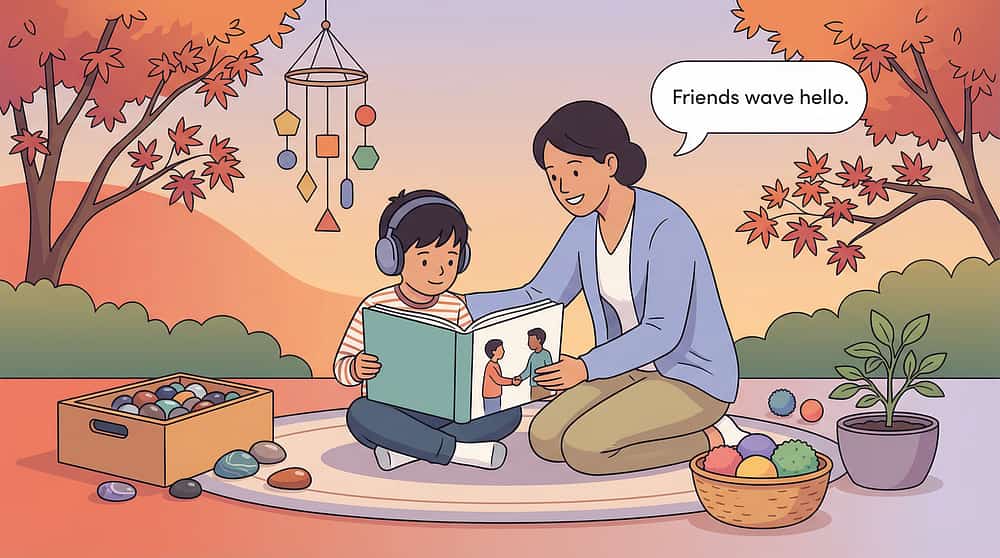
6. Social Stories & Behavioral Scripts
Canon: Social Narratives / Behavioral Scripts
Teach the WHY and the WHAT INSTEAD. Social stories explain the social rules that may not be intuitive.
💰 ₹200–600 | 🏠 DIY: written narrative + photos
Teach the WHY and the WHAT INSTEAD. Social stories explain the social rules that may not be intuitive.
💰 ₹200–600 | 🏠 DIY: written narrative + photos

7. ⭐ Calm-Down Kit / Regulation Tools
Canon: Transition Objects / Comfort Items
Animal Soft Toys as anchor comfort item. Regulation tools BEFORE spitting happens — prevention beats reaction.
💰 ₹400–1,500 | Buy Comfort Animal — ₹425
Animal Soft Toys as anchor comfort item. Regulation tools BEFORE spitting happens — prevention beats reaction.
💰 ₹400–1,500 | Buy Comfort Animal — ₹425
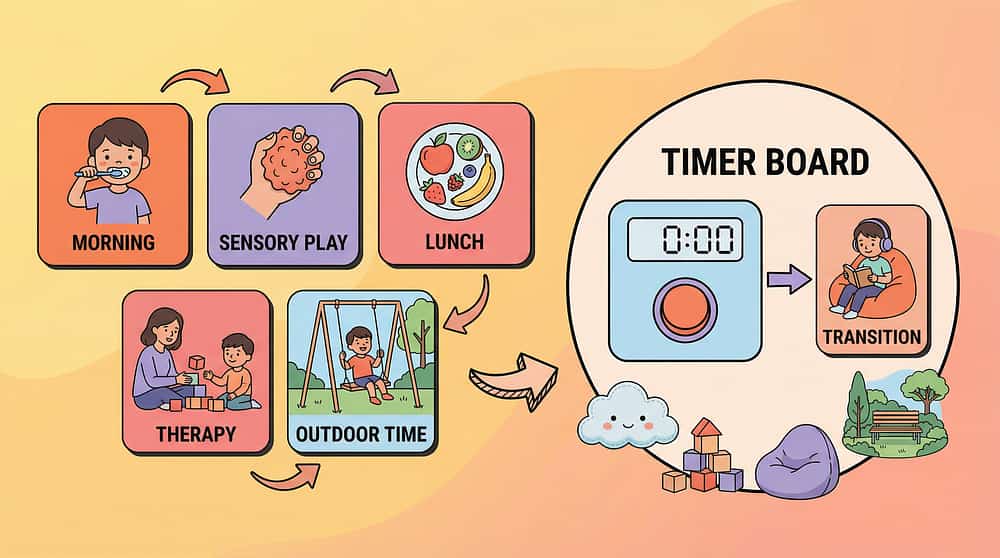
8. Antecedent Modification Tools
Canon: Visual Schedules / Transition Supports / First-Then Boards
Prevent triggers before spitting occurs. Visual schedules, transition timers, First-Then boards, choice boards.
💰 ₹200–700 | 🏠 DIY: printed schedule strips
Prevent triggers before spitting occurs. Visual schedules, transition timers, First-Then boards, choice boards.
💰 ₹200–700 | 🏠 DIY: printed schedule strips

9. Data Collection & ABC Tracking Tools
Canon: Data Recording / Assessment Materials
Track patterns, find function, measure progress. Without data, intervention is guesswork.
💰 ₹100–400 | 🏠 DIY: notebook + tally marks
Track patterns, find function, measure progress. Without data, intervention is guesswork.
💰 ₹100–400 | 🏠 DIY: notebook + tally marks
💰 Starter Kit: ₹1,500–2,500 (FCT cards + data sheets + token board + one sensory tool)
💰 Comprehensive Setup: ₹2,000–7,000 for all 9 materials
🏠 ₹0 DIY version available for every single material
💰 Comprehensive Setup: ₹2,000–7,000 for all 9 materials
🏠 ₹0 DIY version available for every single material
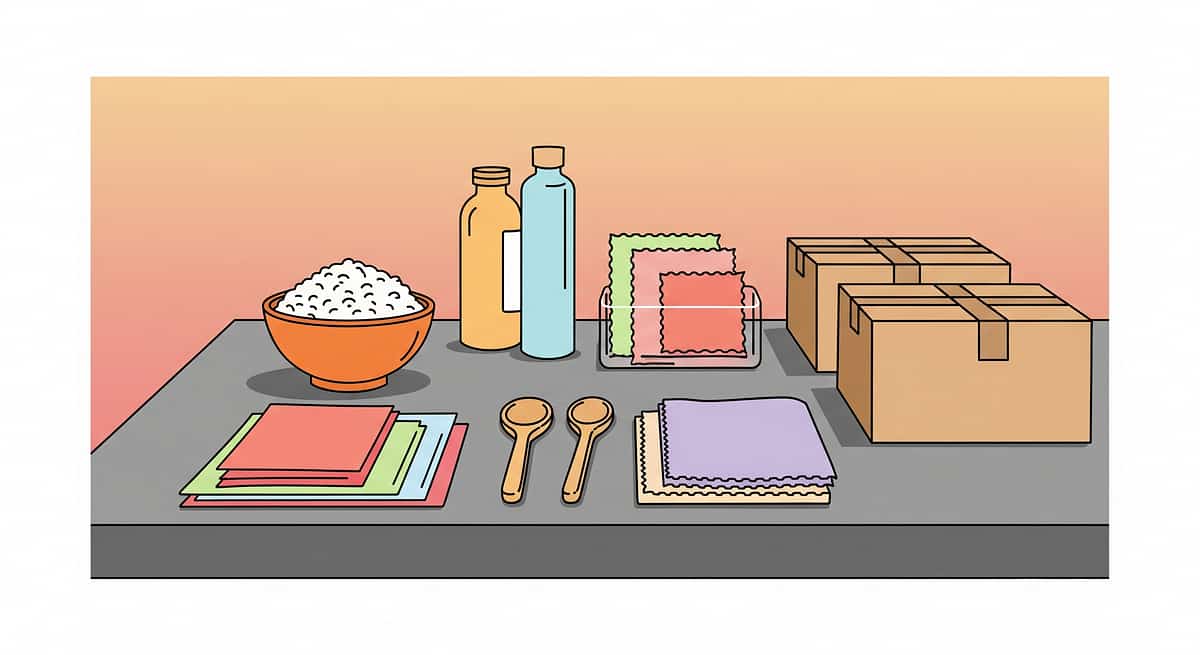
No Amazon. No Budget. No Problem.
Every intervention on this page can be executed today using household items. This is the WHO/UNICEF inclusion principle in action: evidence-based therapy must reach every family, regardless of postcode or income. The therapeutic principle isn't in the product — it's in the consistent use. A handmade break card used every single day beats a commercial one used occasionally.
Material | 🛒 Buy | 🏠 Make (₹0) | |
Emotion Cards | ₹200–800 | Print emotion face images from Google. Laminate with tape. Use child's own photos for power. | |
FCT Break Cards | ₹200–600 | Write "BREAK PLEASE" on white card. Draw a stop hand. Laminate. Attach velcro. Done. | |
Chewable Jewelry | ₹300–800 | Silicone ice tray pieces (clean), crunchy snacks (carrots, pretzels), pinwheels from craft shop ₹20 | |
Contingency Map | ₹150–500 | A4 paper + marker. Draw fork-in-road. Laminate. Post at child's eye level. | |
Token Board | ₹200–800 | 10 circles drawn on paper. Stickers as tokens. Reward menu = 5 photos of what child loves. | |
Social Story Book | ₹200–600 | Write 6 sentences in notebook. Add stick figures or printed photos. Read nightly. | |
Calm-Down Kit | ₹400–1,500 | Shoebox + stress ball (balloon filled with flour) + pinwheel + favorite small toy + 3 photos of calm places | |
Visual Schedule | ₹200–700 | Printed photos of daily activities. Arrange left-to-right. Velcro to strip of cardboard. | |
Data Sheet | ₹100–400 | Notebook. Three columns: Time / What happened before / What happened after. Tally marks. |
📚 WHO NCF (2018): Equity-focused interventions
PMC9978394
⚠️ Safety First: Read Before You Implement Any Strategy
🔴 DO NOT PROCEED if:
- Child is currently in active meltdown or crisis state
- Spitting has recently caused injury to another person's eyes or open wounds (seek medical assessment first)
- No functional assessment has been attempted — without knowing WHY, random material use can accidentally reinforce spitting
- The child has active oral infections, dental pain, or GERD (consult NeuroDev Pediatrician before oral sensory tools)
🟡 MODIFY YOUR APPROACH if:
- Child is tired, hungry, or post-meltdown (within 60 minutes)
- Transition period — use simplified version only
- Multiple new strategies being introduced simultaneously — phase one at a time
- Inconsistency between home and school — align first
🟢 PROCEED when:
- Child is in baseline regulated state
- At least one behavioral function has been hypothesized
- FCT replacement behavior selected and materials are ready
- All primary caregivers briefed on consistent implementation
🛑STOP IMMEDIATELY if: Child shows signs of choking, severe medical distress, or spitting behavior dramatically escalates within 48 hours of new intervention (extinction burst — call helpline immediately).
All oral tools must be age-appropriate, non-toxic, BPA-free, and sized to prevent choking. NEVER remove earned tokens as punishment.
All oral tools must be age-appropriate, non-toxic, BPA-free, and sized to prevent choking. NEVER remove earned tokens as punishment.
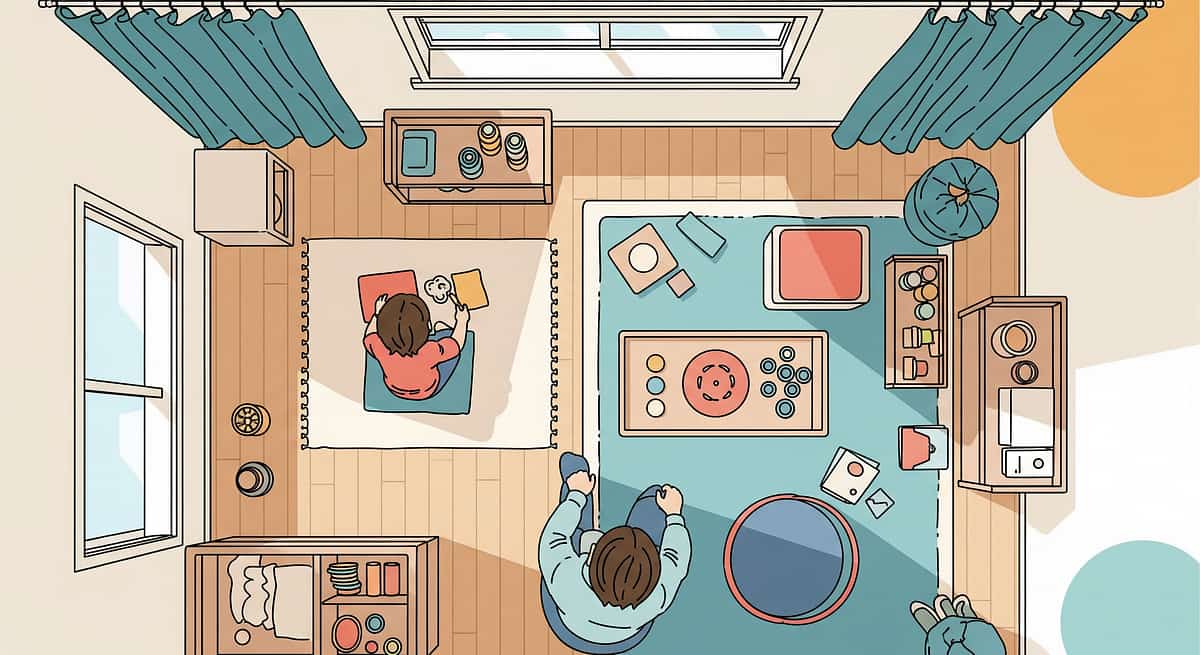
Your Intervention Space: Designed for Success
Optimal Room Setup
🪑Child Position [1] — Low chair or floor mat at natural play height
👨👩Parent Position [2] — Beside (not across) the child, within arm's reach
🃏FCT Cards [3] — Eye-level, right of child, always within reach
🧰Calm-Down Kit [4] — Visible corner, labeled clearly
📊Data Clipboard [5] — Parent's left-hand side
🚪Exit Route [6] — Clear and unobstructed
❌ Remove From Space
- Other children (during initial learning phase)
- Screens/tablets unless used as a controlled reinforcer
- Items child is likely to throw when escalated
- Audience — spitting is often attention-maintained
🌿 Environment Settings
- 💡 Natural or warm lighting; avoid fluorescent flicker
- 🔊 Low background noise OR familiar calming music
- 🌡️ Comfortable temperature — dysregulation increases in heat
- ⏱️ Post-snack, mid-morning or mid-afternoon when child is alert but not fatigued
📚 Sensory Integration Theory (Ayres)
PMC10955541

60-Second Pre-Session Assessment: Is Your Child Ready?
Before every session, run this quick check. The best session is one that starts right. A postponed session is better data than a failed one.
# | Check | Status | |
🍽️ | Fed? Ate within last 90 minutes | ✅ / ❌ | |
😴 | Rested? No sleep deprivation or post-nap grogginess | ✅ / ❌ | |
🧘 | Regulated? Calm baseline, not in current escalation | ✅ / ❌ | |
💊 | Medicated? Any medication given per schedule (if applicable) | ✅ / ❌ | |
📅 | Recent meltdown? No meltdown in last 60 minutes | ✅ / ❌ | |
🤒 | Unwell? No signs of illness (fever, ear pain, dental discomfort) | ✅ / ❌ | |
🎯 | Materials ready? FCT card visible, calm-down kit accessible, data sheet in hand | ✅ / ❌ |
✅ ALL GREEN — GO
Begin with Step 1 (Card 14). You have the best conditions for learning.
⚠️ 1–2 AMBER — MODIFY
Shorten session to 5 minutes. Focus only on FCT card use. Skip advanced steps.
❌ 3+ RED — POSTPONE
Run a 10-minute sensory regulation activity. Reassess in 30 minutes. Tomorrow is a session too.
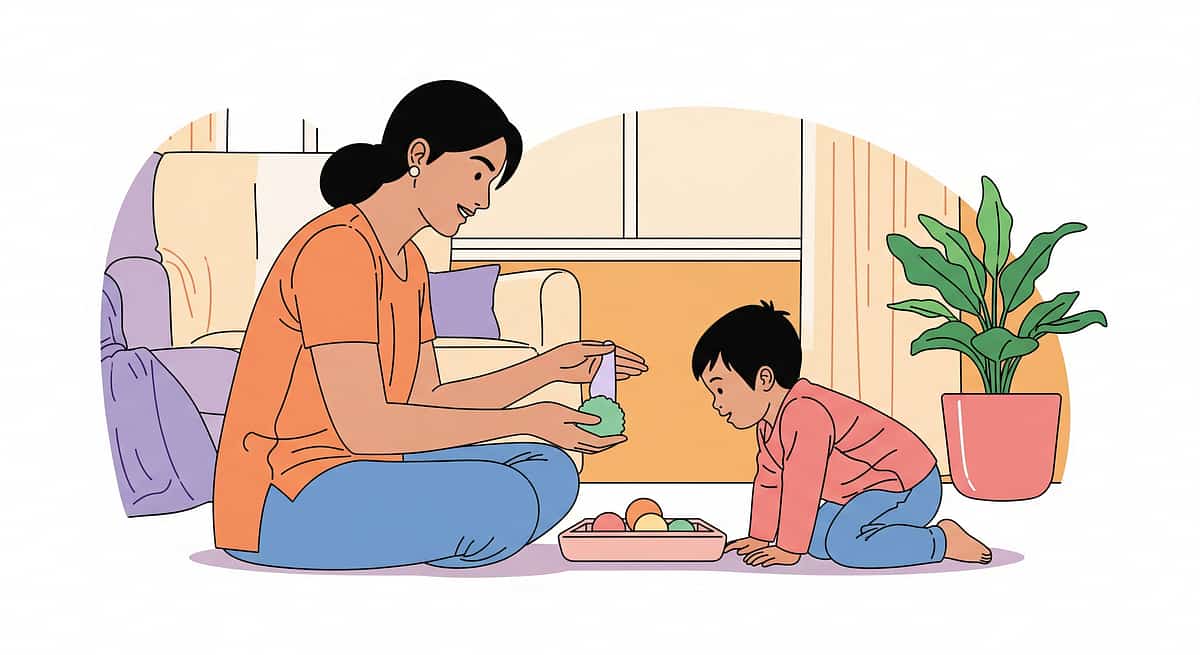
Step 1 of 6 — The Invitation: The First 60 Seconds
STEP 1 / 6
⏱️ 30–60 seconds
No demands in this phase
"Hey [name], I have something special for us today. Want to see what's in the box?"
(Show the calm-down kit or FCT card visually — hold it up, make it interesting, let the child approach on their own terms.)
Every behavioral session begins with an invitation, not a command. This is ABA's pairing principle meeting OT's just-right challenge: the child must want to engage before learning can occur.
✅ Acceptance Cues
- Child looks toward the material
- Child reaches for or points to item
- Child moves toward parent
- Child shows relaxed body language
⚠️ Resistance Cues
- Child turns away → Wait 10 seconds, try again without pressure
- Child vocalizes protest → "You can say no. Let's just look."
- Child escalates → Postpone, return to readiness check
📚 ABA Pairing Procedures
OT Just-Right Challenge Principle
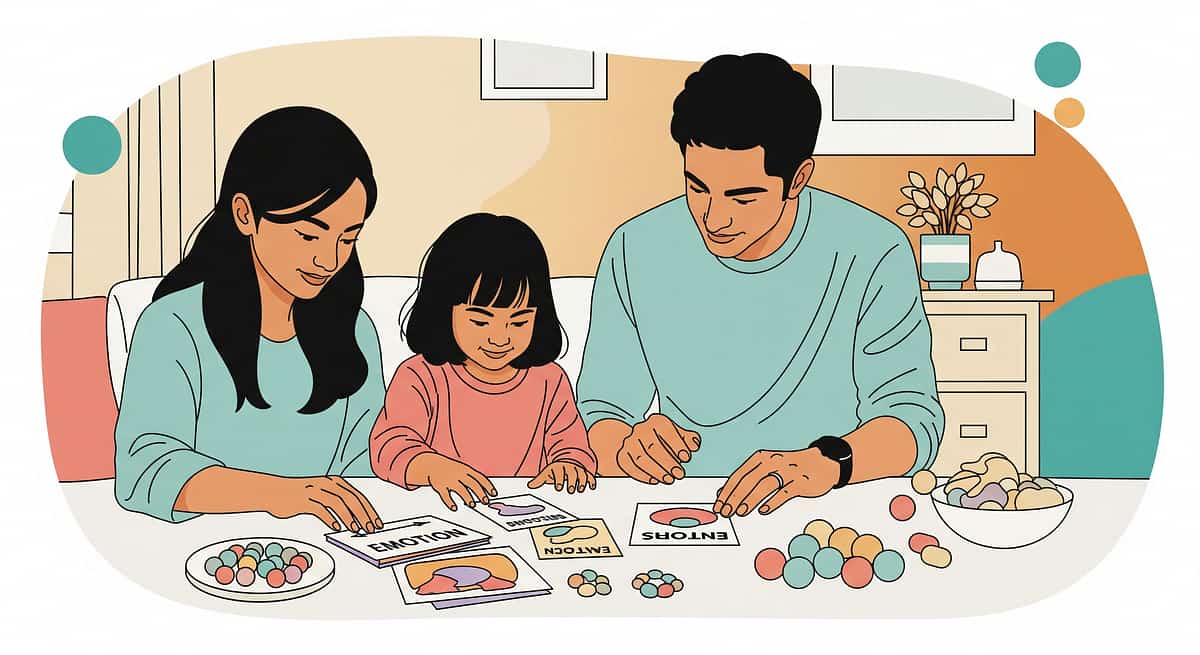
Step 2 of 6 — The Engagement: Introduce the Material
STEP 2 / 6
⏱️ 1–3 minutes
"This is your [BREAK CARD / EMOTION CARD]. When you feel big feelings — angry, or done, or too much — you can give me this card. I will always listen when you use it."
(Practice: hand the card to the child, let them hand it back to you, say "BREAK" when they do, immediately honor it. Repeat 2–3 times with enthusiasm.)
Using FCT Break Card
Present card, model the exchange, honor EVERY use during this phase without exception. The replacement must work perfectly at first to establish trust.
Using Emotion Cards
Fan cards out, point to each face, name the emotion. Ask: "Which one is you right now?" Accept any response. Celebrate engagement.
Using Oral Sensory Tool
Offer the chewable/blowing toy. Say: "When your mouth wants to do something, you can use this." No forced use — offer and let child choose.
Using Token Board
Show the board. Name the reward. Say: "Every time you use your card instead of spitting, you earn a token. [X] tokens = [desired reward]."
Praise within 3 seconds of any engagement: "You're doing it! That's exactly right!"
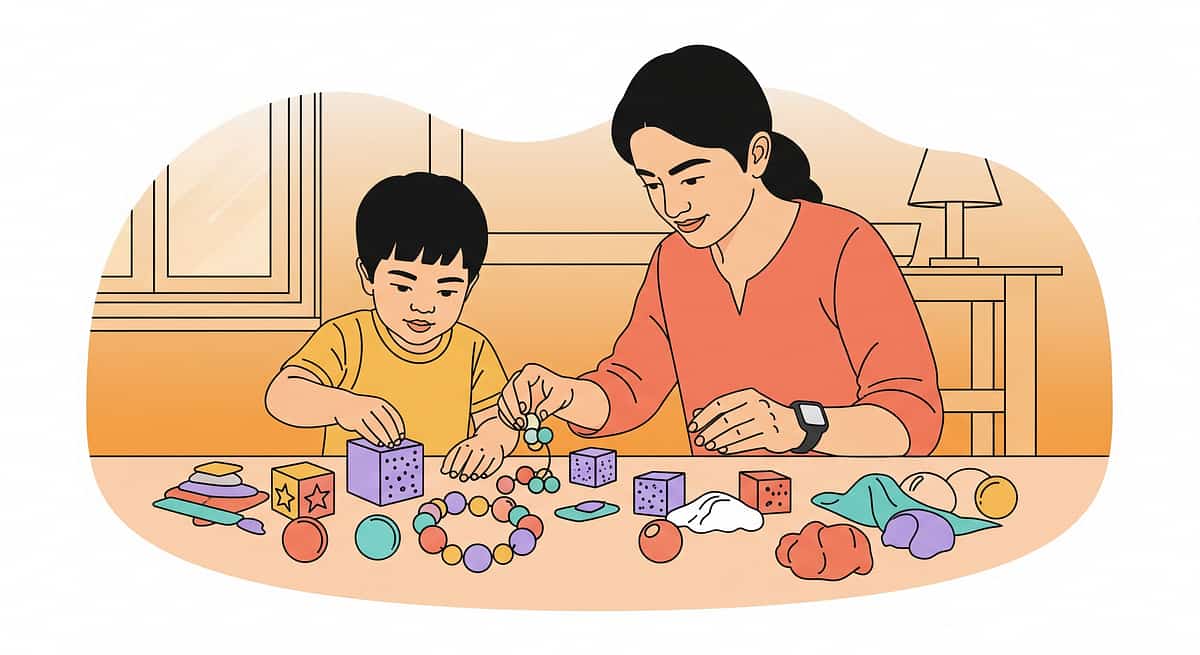
Step 3 of 6 — The Therapeutic Action: Function-Matched Implementation
STEP 3 / 6
⏱️ 15–20 min
Core Active Ingredient
🔴 Escape-Maintained Spitting
When demand arises, prompt FCT BEFORE escalation. Use First-Then board to clarify demand + reward. When child uses break card: HONOR IMMEDIATELY. Say: "You asked for a break — excellent. 2 minutes, then we continue." After break, return to demand. Repeat 3–5 times per session.
Materials: FCT Break Card, First-Then Board, Transition Timer
Materials: FCT Break Card, First-Then Board, Transition Timer
🟡 Attention-Maintained Spitting
Deliver NON-CONTINGENT ATTENTION every 2–3 minutes regardless of behavior. When child appropriately seeks attention: respond with ENTHUSIASTIC attention. When spitting occurs: neutral, minimum-contact cleanup, zero social response. Then immediately re-deliver attention for appropriate behavior.
Materials: FCT Attention Card, Token Board
Materials: FCT Attention Card, Token Board
🟢 Sensory/Automatic-Maintained Spitting
Before any spitting opportunity, offer oral sensory tool as an "oral work station." Say: "Mouth time!" Encourage 2–3 minutes of blowing/chewing/sucking. When spitting occurs: neutral interruption, redirect to oral tool. Build a "sensory schedule" — oral tool every 45 minutes prevents sensory deprivation.
Materials: Chewable jewelry, whistles, blowing toys, therapy straws
Materials: Chewable jewelry, whistles, blowing toys, therapy straws
🔵 Communication-Maintained Spitting
Teach 2–3 core vocabulary items that match the function (angry, done, help, need break). Use emotion cards to label states. Practice: "When you feel THIS [show card], you can DO THIS [show FCT card]." Role-play scenarios. Reinforce ALL communication attempts.
Materials: Emotion Cards, FCT Vocabulary Cards, Social Story
Materials: Emotion Cards, FCT Vocabulary Cards, Social Story
Universal Principle: Spitting produces nothing. Replacement behavior produces everything. The function is not eliminated — it is satisfied through an appropriate channel.
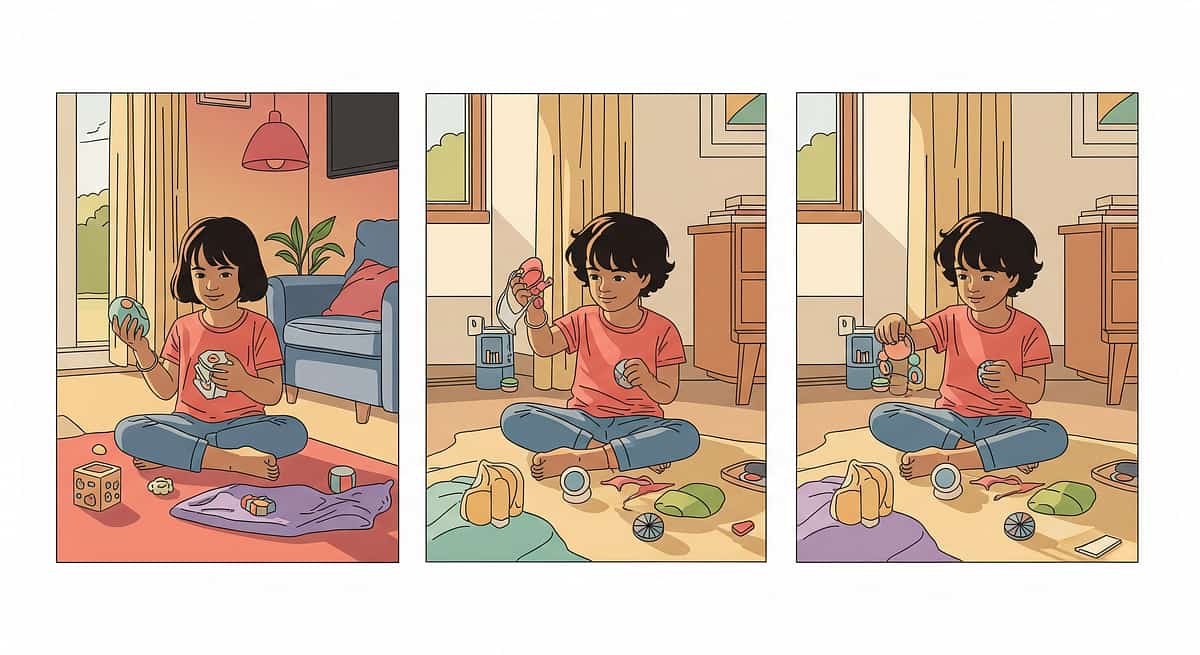
Step 4 of 6 — Repeat & Vary: Therapeutic Dosage
STEP 4 / 6
⏱️ Throughout the day
Session Length | Target Reps | Interval | |
15 min (daily) | 3–5 FCT practice trials | Every 3–4 min | |
20 min (intensive) | 5–8 practice trials | Every 2–3 min | |
Throughout day | All natural opportunities | Every spitting trigger moment |
3 quality repetitions > 10 forced repetitions. A child who genuinely practices FCT exchange 3 times learns more than one who is pushed through 10 unsuccessful trials.
Vary the Setting
Kitchen → Living room → Backyard → Car → School (progressive generalization)
Vary the Trigger
Practice across different demand types — tasks, transitions, social interactions, sensory overload moments
Vary the Responder
Mum → Dad → Grandparent → Teacher → Sibling (consistency across people)
Vary the Reward
Rotate reinforcer menu every 2 weeks to prevent satiation
📚 SI Dosage Research
Pinnacle EverydayTherapyProgramme™
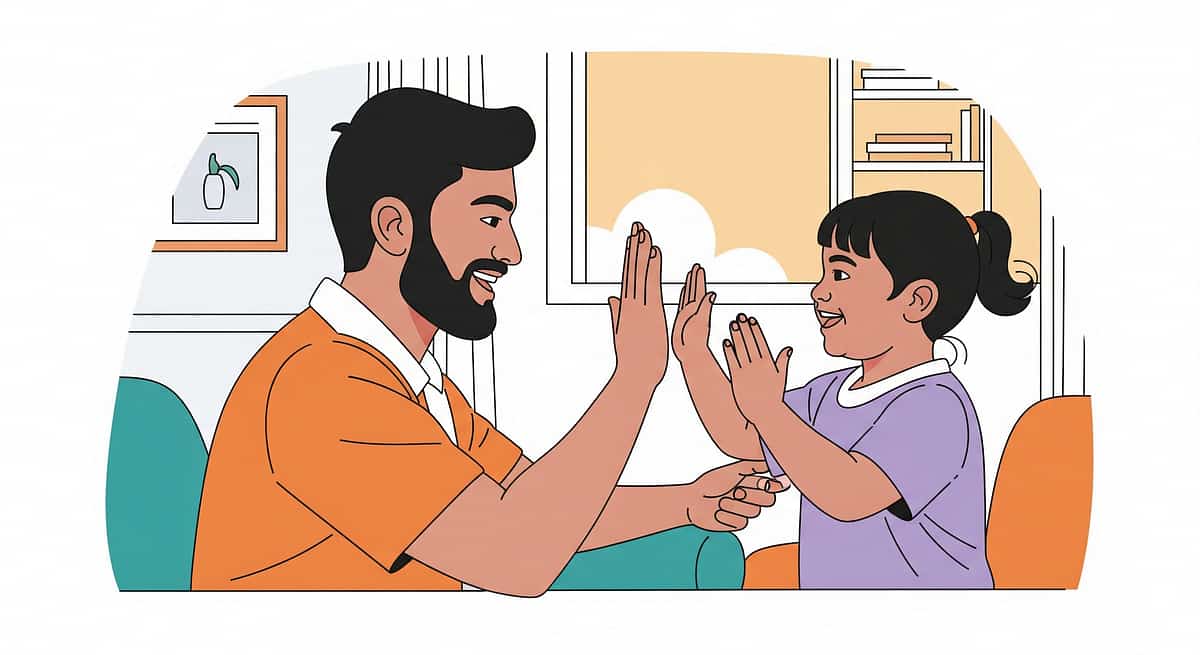
Step 5 of 6 — Reinforce & Celebrate: Within 3 Seconds. Every Time.
STEP 5 / 6
⏱️ Timing beats magnitude
For FCT Card Use:
"You used your break card! That was PERFECT! You did exactly what we practiced!" (Deliver token/sticker immediately. Honor the break fully.)
For No Spitting (Interval Reward):
"5 whole minutes — no spitting — here's your token! You're doing something really hard and getting better at it."
For Emotion Card Use:
"You showed me angry! I'm so proud of you for using your card. Let's take a breath together."
🎯 Timing beats magnitude
A small reward in 3 seconds is worth more than a big reward in 3 minutes
🎯 Specificity beats generic
"You used your BREAK CARD — that was brilliant" beats "Good job"
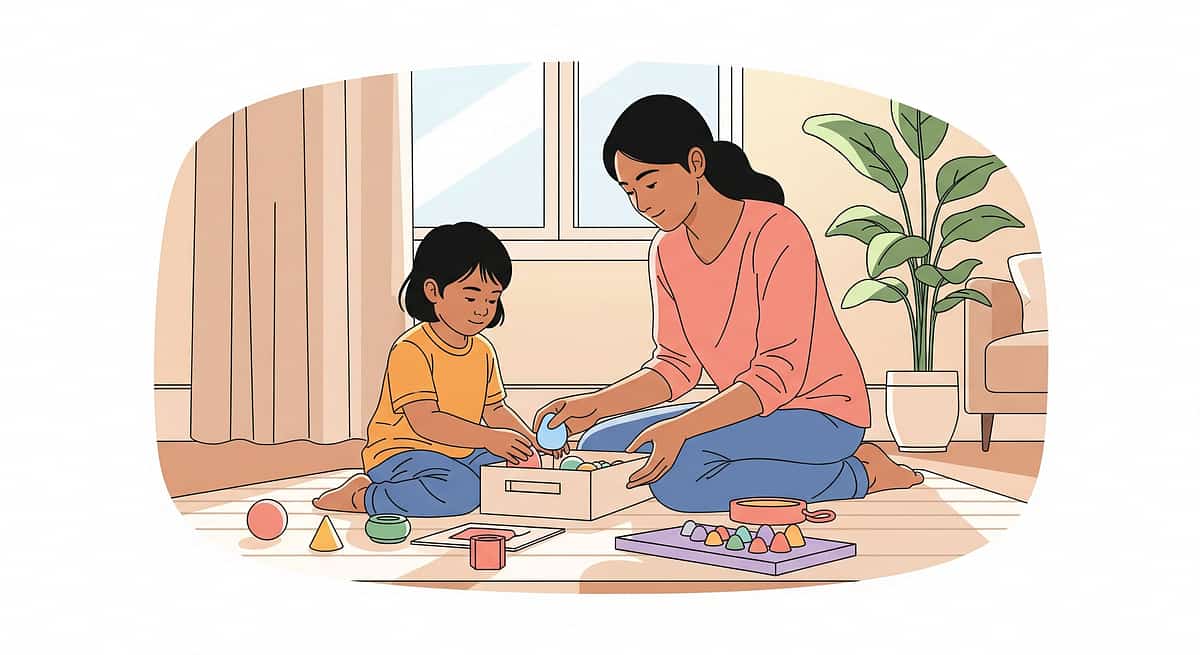
Step 6 of 6 — The Cool-Down: No Session Ends Abruptly
STEP 6 / 6 — COMPLETE
⏱️ 2–5 minutes
"2 more, then all done. You've worked so hard today."
(Show visual timer counting down to zero. When it reaches zero:)
"All done! Let's put the cards away together. Beautiful work today. You should feel proud."
Warning
Visual timer or verbal "2 more turns" — prepare the child for transition
Completion Ritual
Child helps put materials away — builds ownership and closure
Calming Sensory Input
1–2 minutes: squeeze ball, deep pressure on shoulders if accepted, calm music, or preferred quiet activity
Transition Cue
Show visual schedule for what comes next — reduce transition anxiety
Verbal Close
"Session done. You did excellent work." A comfort animal toy (₹425) maintains calm into the next activity.
📚 NCAEP 2020 (Visual supports — EBP for autism)
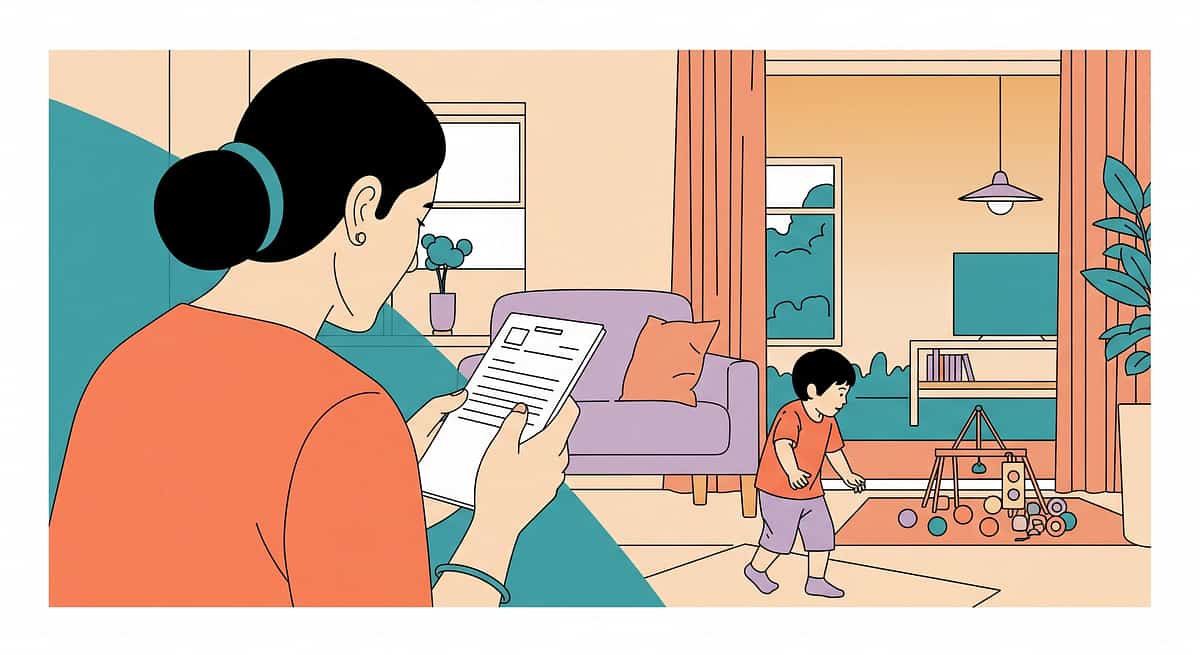
Capture the Data: 60 Seconds Now. Hours of Guessing Saved Later.
TODAY'S SESSION LOG — D-388
Date: __________ | Time: __________
1. Did spitting occur today?
○ Yes ○ No ○ Almost (interrupted)
If yes, how many times? _____
○ Yes ○ No ○ Almost (interrupted)
If yes, how many times? _____
2. FCT card used?
○ Yes, independently ○ Yes, with prompt ○ Not used
○ Yes, independently ○ Yes, with prompt ○ Not used
3. Mood/regulation at session start:
😊 Good 😐 Okay 😔 Difficult
😊 Good 😐 Okay 😔 Difficult
Optional note: ___________________________
ABC Tracking Guide
Antecedent (Before): What happened immediately before spitting? Examples: demand placed, transition, low attention period, sensory environment
Behavior: Exactly what did spitting look like? Projectile vs. drool, targeted vs. random, number of incidents
Consequence (After): What happened immediately after? Demand removed, attention given, sensory input, nothing
Collect 1–2 weeks of ABC data → Pattern reveals function → Function determines materials to prioritize
"Feelings and impressions lie. Data tells the truth. The family that tracks data makes informed decisions."
📚 BACB Data Collection Standards
Cooper, Heron & Heward (ABA, 8th ed.)

7 Most Common Problems — And Exactly What To Do
❓ My child just spit MORE after I started the token system
This is an extinction burst. When a behavior that previously worked stops working, it temporarily increases. This is a sign the intervention is affecting the behavior. MAINTAIN CONSISTENCY. Document the burst in your data. It typically peaks at days 3–7, then declines sharply. Do not abandon the intervention during a burst.
❓ My child won't use the FCT card
The card hasn't been paired with enough reinforcement yet. Return to pairing phase: for every card use (even prompted), deliver the best possible reinforcer. Ensure the replacement is easier than spitting. Physically prompt the card exchange (hand over hand) and still deliver the reinforcer.
❓ The school is doing something completely different
Inconsistency is the #1 reason behavioral interventions fail. Schedule a joint meeting with school and Pinnacle therapist. Agree on one unified response. Use Card 37 resources to share the intervention with teachers.
❓ My child spits when I try to collect data
The clipboard has become a conditioned antecedent. Switch to wrist counter, phone tally app, or mental count. Data accuracy matters less than intervention consistency at this stage.
❓ The reinforcers aren't working
Conduct a reinforcer assessment. Observe what the child naturally seeks — that IS the reinforcer. Common failures: reward isn't motivating enough, delay too long between behavior and reward, or satiation. Rotate reinforcers every 1–2 weeks.
❓ My child uses the break card 30 times a day
This is a good sign (FCT is working!) but requires thinning. Gradually increase the demands before break is honored. Add a "break limit" visual (5 break cards per morning). Teach: "Sometimes we have to wait."
❓ Spitting is worse at school even though it's better at home
Generalization hasn't occurred yet. Practice FCT in school-like settings at home. Send an FCT card pack to school with clear implementation instructions. Contact Pinnacle for school consultation support.
"Session abandonment is not failure — it's data. Every session that doesn't go perfectly teaches you something that makes the next one better."
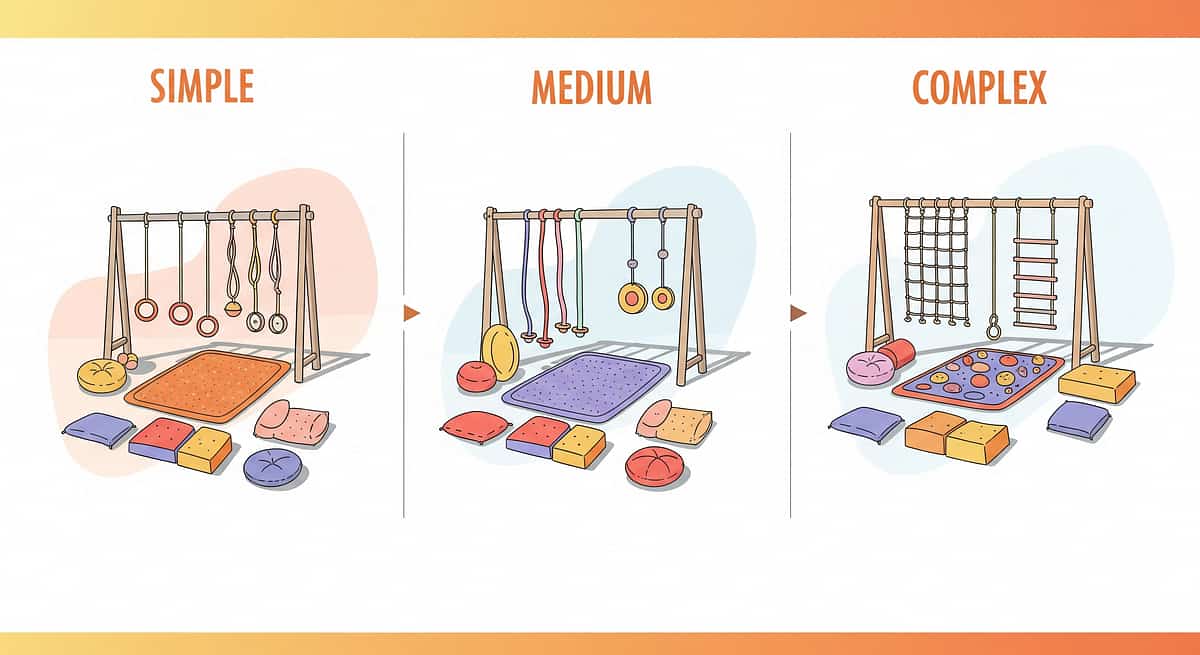
Adapt & Personalize: No Two Children Are Identical
FOR YOUNGER CHILDREN (2–5yr)
Simpler FCT vocabulary (1 card, not 4). Immediate, tangible rewards only. Sessions max 5–8 minutes. Use visual timer — no verbal countdowns. Oral sensory tools front and center.
FOR OLDER CHILDREN (8–12yr)
Involve child in designing contingency map. Allow child to choose own token rewards. Build self-monitoring ("Am I about to spit?"). Social story with real photos of peers. Increase break interval systematically.
FOR SENSORY SEEKER PROFILE
Oral sensory schedule is primary. Provide oral input proactively before demand situations. Chewelry worn all day. Blowing activities during transitions. Sensory break = oral motor activity.
FOR COMMUNICATION-FIRST PROFILE
Prioritize AAC/FCT vocabulary expansion. Add emotion regulation vocabulary before behavioral intervention. Coordinate with SLP as primary lead. Every session begins with communication practice.
Profile Self-Assessment
Does your child spit MORE when:
☐ Tasks are presented? → Escape profile → Prioritize FCT Break Card + First-Then Board
☐ You're busy/not watching? → Attention profile → Prioritize non-contingent attention + FCT Attention Card
☐ Left alone, regardless of setting? → Sensory/automatic → Prioritize oral sensory tools
☐ They can't express something? → Communication → Prioritize emotion cards + expanded FCT vocabulary
☐ Tasks are presented? → Escape profile → Prioritize FCT Break Card + First-Then Board
☐ You're busy/not watching? → Attention profile → Prioritize non-contingent attention + FCT Attention Card
☐ Left alone, regardless of setting? → Sensory/automatic → Prioritize oral sensory tools
☐ They can't express something? → Communication → Prioritize emotion cards + expanded FCT vocabulary
Week 1–2: The First Fortnight — Tolerance, Not Mastery
15%
Progress: Week 1–2
Building tolerance and beginning to establish new neural pathways
✅ What You WILL See
- Child tolerates FCT card being present
- Occasional prompted card use (needs reminding)
- Spitting frequency possibly unchanged or slightly increased (extinction burst)
- Data patterns beginning to emerge
- You becoming more observant of triggers and antecedents
❌ What You WON'T See Yet
- Spontaneous, unprompted FCT use
- Significant spitting reduction
- Generalization across settings
- Social understanding of why spitting is a problem
🌱 What IS Progress At This Stage
- Child looks at FCT card when prompted
- Child tolerates oral sensory tool being offered
- Even one session where spitting was redirected (not eliminated)
- One ABC data sheet completed
"If your child tolerated the FCT card being in their space for 3 sessions — that is real, measurable, significant progress. The neural pathway for a new behavior must be created before it can be strengthened."

Week 3–4: Consolidation — The Neural Pathway Is Forming
40%
Progress: Week 3–4
Consolidation signs emerging — the replacement behavior is taking root
By weeks 3–4, if the intervention is working, you should observe at least 2–3 of these consolidation indicators:
Child uses FCT card with minimal prompting
In at least some situations, the card use is beginning to feel natural
Spitting frequency has reduced measurably
Even 20% reduction in your data is meaningful and worth celebrating
Early escalation awareness
Child pauses before spitting — the window for redirection is opening
Child anticipates the session positively
Positive response to session setup is a powerful sign of trust and motivation
"Something else is happening in week 3–4: you are becoming a behavioral analyst. You're reading your child's escalation curve. You're prompting before the peak. That caregiver skill is as important as any material."
If no improvement is visible at week 4: reassess functional hypothesis. Consider formal FBA. Call helpline: 9100 181 181

Week 5–8: Mastery Indicators — The Turning Point
75%
Progress: Week 5–8
Mastery criteria approaching — behavior is being replaced, not just managed
≥70% Reduction from Baseline
Spitting incidents reduced across 2 consecutive weeks of tracked data
Spontaneous FCT Use
Child uses replacement behavior without prompting in ≥50% of opportunities
Generalization
Replacement behavior observed in at least 2 settings beyond primary training setting
Maintenance
Improvement sustained without daily protocol sessions for 1 week
→ Level Up
Move to D-389 (Hair Pulling) or adjacent behavior in cluster
→ Deepen
Address secondary function if multi-functional behavior remains
→ Generalize
Systematic generalization across all settings, people, and conditions
You Did This.
Your child was spitting at people. Isolating themselves. Being documented by teachers. And you — instead of punishing, instead of giving up, instead of just hoping it would stop — you learned the function, you chose the materials, you practiced the replacement, you tracked the data.
Your child is doing something today they couldn't do 8 weeks ago. That happened because you showed up.
📊 From Baseline
_____ spitting incidents/day → _____ incidents/day now
🃏 FCT Card Progress
Used spontaneously: _____ times this week
🌍 Settings Mastered
Settings with consistent appropriate behavior: _____
🎉 Document this milestone with a photo. Share in the Pinnacle parent community. Tell your child specifically what they achieved — even if they don't fully understand. You arrived at Card 01 scared and exhausted. You leave Card 26 as a behavioral interventionist.
🚨 Red Flags: When to Pause and Seek Professional Guidance
Red Flag | Why It Matters | What to Do | |
🔴 Spitting increasing despite 4+ weeks of intervention | Multi-function behavior; primary function misidentified | Formal FBA — call helpline | |
🔴 New behaviors emerging (hitting, biting, self-harm) | Behavior function being displaced, not addressed | Immediate consultation | |
🔴 Spitting targeting eyes or open wounds | Medical risk | A&E first, then behavioral consultation | |
🔴 Child showing distress about own spitting | May indicate shame/anxiety component | SLP/Psychology assessment | |
🔴 Complete relationship breakdown with school | Risk of exclusion; rights-based intervention needed | Pinnacle school consultation + helpline | |
🔴 No functional hypothesis after 2 weeks of ABC data | Assessment needed before continuing | Request formal FBA from Pinnacle ABA team |
🟢 Self-Resolve
Review Cards 21–22 (troubleshoot, adapt)
🟡 Teleconsult
Book via pinnacleblooms.org/consult
🔴 Clinic Visit
70+ centers across India
🆘 Crisis
FREE Helpline: 9100 181 181 (24x7, 16+ languages)

The Progression Pathway: You Are Here. Here Is Where You're Going.
D-388 exists within a cluster of challenging behaviors that often share behavioral function. Addressing them systematically — rather than in isolation — produces faster, more durable outcomes.
If Spitting Fully Resolved + Communication Deficits Remain
→ D-389 (Hair Pulling) or B-Series: Social Communication techniques
If Spitting Partially Resolved + Sensory Function Dominant
→ A-Series: Sensory Processing techniques | Oral Motor deep-dive
If Spitting Resolved + Emotional Regulation Needed
→ C-Series: Emotional Regulation techniques
Prerequisite Note: Before D-388, ensure D-386 (Biting) and D-387 (Throwing) are in the same intervention system — shared function often means shared solution.
Related Techniques: You Already Have the Materials for These
Technique | Code | Level | Materials You Own | |
9 Materials That Help With Biting | 🟡 Core | FCT cards ✓ Token board ✓ | ||
9 Materials That Help With Throwing Objects | 🟡 Core | Contingency map ✓ | ||
9 Materials That Help With Hair Pulling | 🟡 Core | Calm-down kit ✓ | ||
9 Materials That Help With Pinching Others | 🟡 Core | Data sheets ✓ | ||
9 Materials That Help With General Aggression | D-400 | 🔴 Advanced | Token board ✓ FCT ✓ |
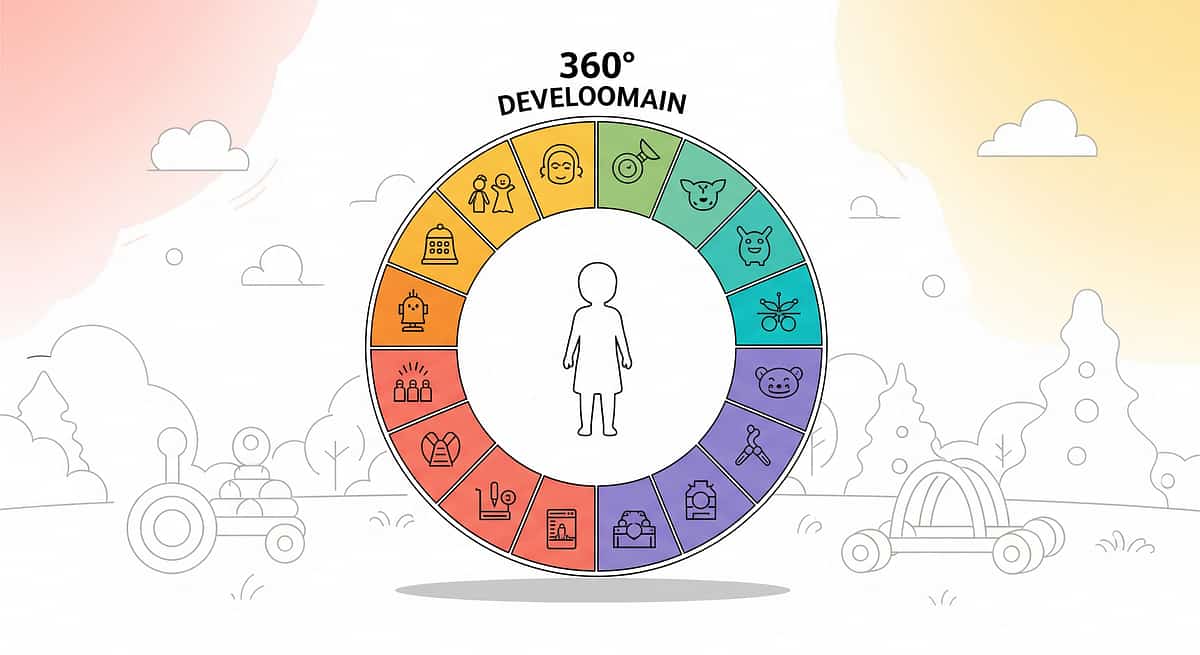
Your Child's Full Developmental Map
This technique is one piece of a larger, personalized plan. D-388 addresses the Behavior/Flexibility domain — but lasting outcomes require holistic development across all 12 areas of your child's profile.
A — Sensory Processing
🔗 Often co-occurs with D | 180+ techniques
B — Communication
🔗 FCT bridges A and B | 200+ techniques
C — Emotional Regulation
🔗 Regulation precedes behavior | 150+ techniques
D — Behavior/Flexibility
✅ACTIVE — You are here | 120+ techniques
Your child's AbilityScore® assessment maps across all 12 domains, identifying which areas to prioritize and in what sequence. D-388 is part of a personalized intervention roadmap — not a standalone technique. See Your Child's Full GPT-OS® Profile →
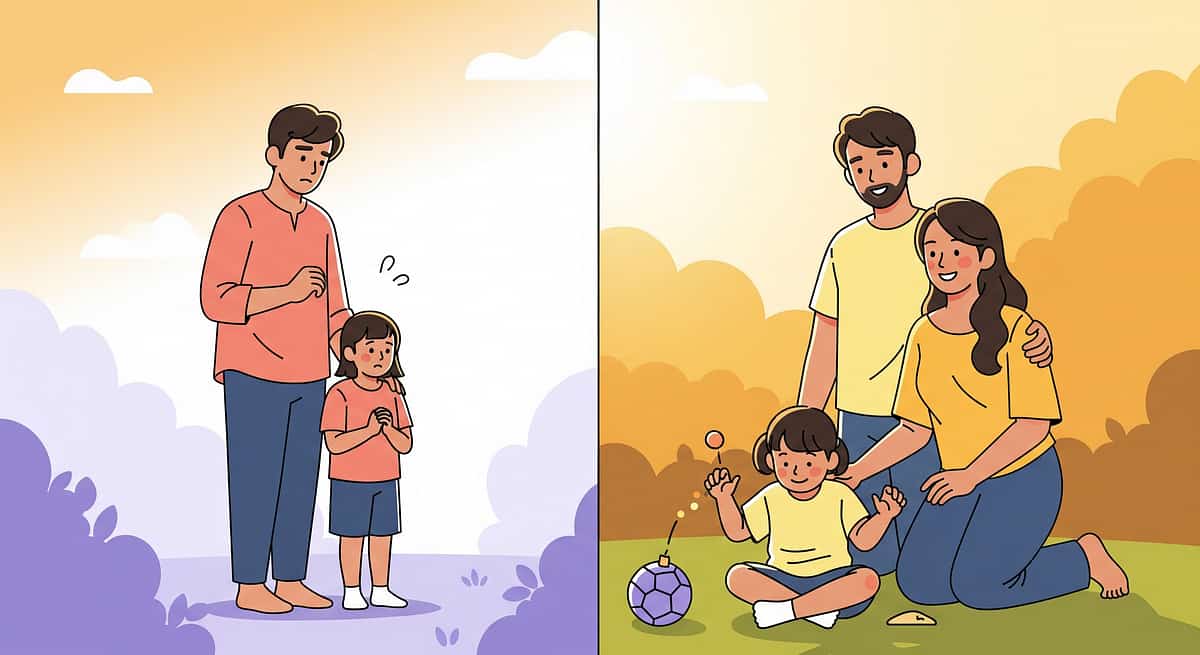
From the Pinnacle Network: Families Who Walked This Path
👨👩👦 Father of 7-year-old, Hyderabad | ASD + limited verbal communication
Before: "My son was spitting at teachers, at me, at other children — multiple times every day. His school was threatening suspension. We had tried punishing, tried ignoring. Nothing was working."
After (3 months):"Spitting dropped from 10+ times daily to maybe once a week during really hard moments. The FCT card was the turning point — he finally had a way to say 'I need help' without spitting it at me."
After (3 months):"Spitting dropped from 10+ times daily to maybe once a week during really hard moments. The FCT card was the turning point — he finally had a way to say 'I need help' without spitting it at me."
👩 Mother of 5-year-old, Chennai | ASD + sensory processing differences
Before: "My daughter would spit randomly — not always when upset. Sometimes while watching TV, sometimes in the car. I couldn't find any pattern and I was exhausted."
After (6 weeks):"The chewelry changed everything. She wears it all day. The spitting is 90% gone. I wish I had known that she wasn't being difficult — she literally needed something to do with her mouth."
After (6 weeks):"The chewelry changed everything. She wears it all day. The spitting is 90% gone. I wish I had known that she wasn't being difficult — she literally needed something to do with her mouth."
"The key was honoring every single break card request in the first 3 weeks, without exception. The child needed to trust that the replacement worked. Once that trust was established, spitting became unnecessary." — Pinnacle BCBA, Center Network
68%
Average Reduction
In spitting frequency at 8 weeks across the Pinnacle Network
87%
School Improvement
Of families reported school-setting improvement after intervention

Isolation Is the Enemy of Adherence. You Don't Have to Navigate This Alone.
Pinnacle Parent WhatsApp Group
Join the "Challenging Behavior Management" parent community. Share victories, ask questions, get peer support from families who are 3 months ahead of where you are.
Online Community Forum
pinnacleblooms.org/community — moderated by Pinnacle therapists. Search "spitting" to find 200+ parent discussions with therapist responses.
Local Pinnacle Parent Meetup
Monthly parent meetups at all 70+ Pinnacle centers. Behavior support sessions facilitated by BCBA — meet families face to face.
Peer Mentoring
Connect with an experienced parent — someone who was where you are 6 months ago and can tell you specifically how it got better.
"Your experience — the hard-won knowledge of what worked and what didn't for your child — helps every family who comes after you. Consider sharing your journey."
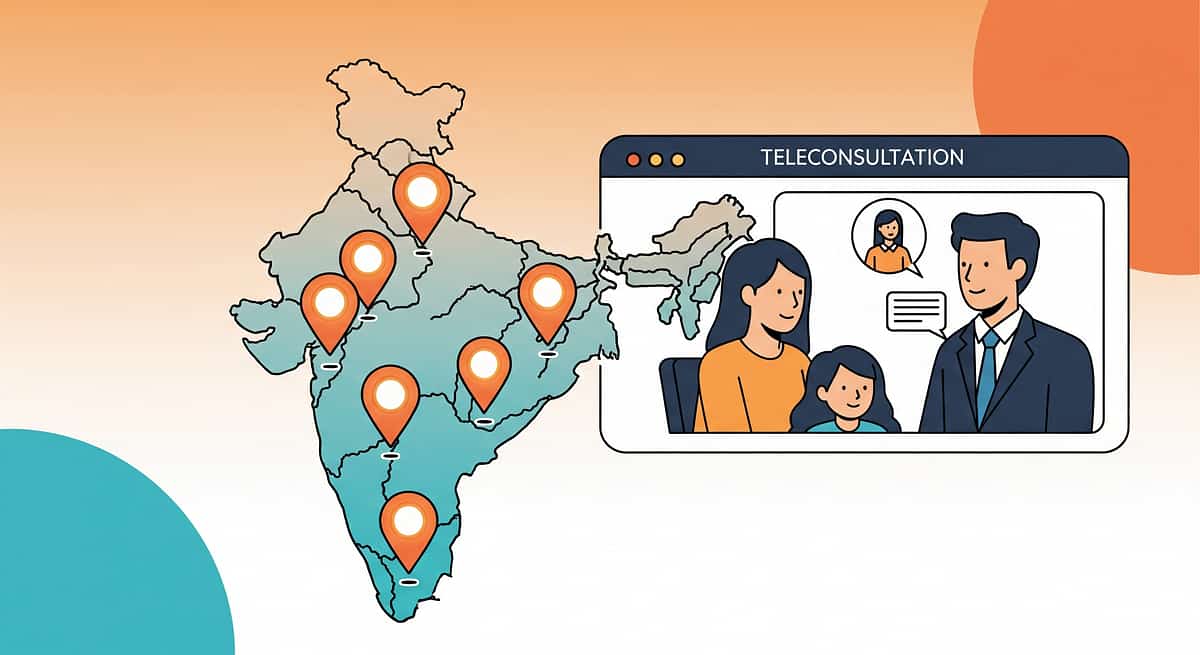
Home + Clinic = Maximum Impact
🎯 ABA Assessment (Primary for D-388)
Functional Behavior Assessment • Behavior Intervention Plan • FCT implementation coaching
🖐️ Occupational Therapy
Sensory profile assessment • Oral-motor evaluation • Sensory diet design
🗣️ Speech-Language Pathology
Communication assessment • AAC/FCT vocabulary development • FCT implementation
📱Can't reach a center? Teleconsultation available across India and internationally. Video session with Pinnacle BCBA, OT, or SLP within 48 hours.
Book at pinnacleblooms.org/consult
Book at pinnacleblooms.org/consult
📞FREE National Autism Helpline: 9100 181 181
24x7 • 16+ languages • No appointment needed • Behavioral guidance available
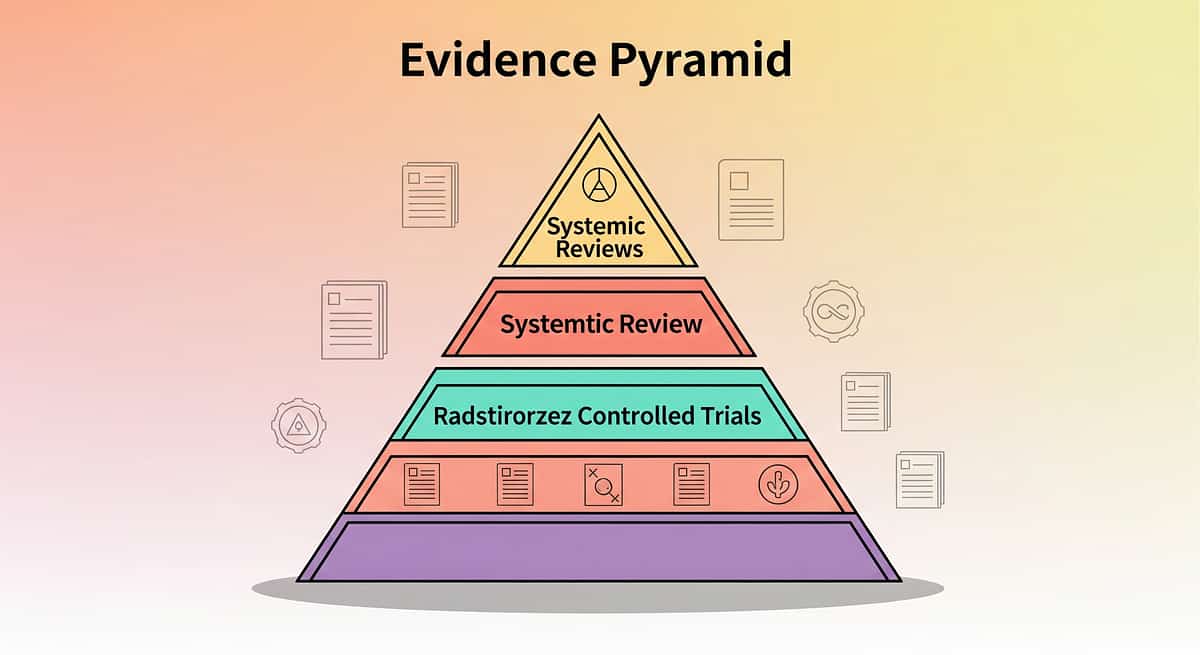
The Research Library: Deeper Reading for the Curious Parent
📋 NCAEP Evidence-Based Practices Report (2020)
Comprehensive classification of 28 evidence-based practices for autism. Functional Communication Training, Token Economy, Social Narratives, Visual Supports, and Antecedent-based Interventions all classified as EBP.
📊 Journal of Applied Behavior Analysis — FCT Meta-analysis
Functional Communication Training has the strongest evidence base for behavior reduction across all challenging behavior topographies including aggression and socially inappropriate behavior.
🧠 Frontiers in Integrative Neuroscience (2020)
Comprehensive neurological framework evaluating sensory integration and behavioral treatment for ASD. Establishes neurological basis for multi-modal intervention approach. DOI: 10.3389/fnint.2020.556660
🌍 WHO Nurturing Care Framework (2018)
Five components of nurturing care require integrated, multi-caregiver, equity-focused delivery. Foundational framework for all Pinnacle interventions.
🇮🇳 Padmanabha et al., Indian Journal of Pediatrics (2019)
Home-based behavioral interventions in Indian population demonstrate statistically significant outcomes. Parent training is a critical component. DOI: 10.1007/s12098-018-2747-4
PMC11506176
PMC10955541
PMC9978394
WHO NCF 2018
NCAEP 2020
Powered by GPT-OS® — Global Pediatric Therapeutic Operating System
The GPT-OS® Stack
🧠Diagnostic Intelligence Layer — 591+ structured observations, 349 skills
📊AbilityScore® — Universal developmental score 0–1000
🔮Prognosis Engine — Predicts trajectory from 20M+ sessions
🤖TherapeuticAI® — Determines focus, intensity, sequencing
📅EverydayTherapyProgramme™ — Daily home-executable micro-interventions
⚙️FusionModule™ — Multi-disciplinary convergence (ABA + OT + SLP + SpEd + NeuroDev)
🔄Closed-Loop Control — Observe → Score → Plan → Execute → Re-measure → Adapt
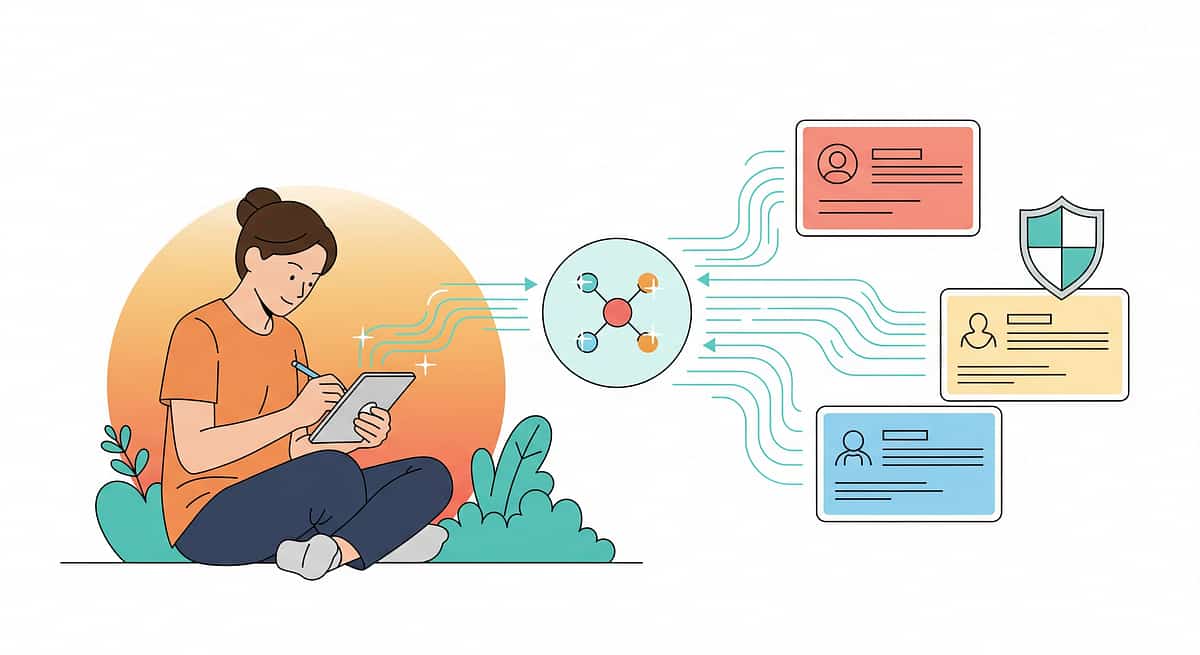
How Your Data Helps Your Child
When you record session data (Card 20), it feeds directly into the GPT-OS® ingestion layer. The system tracks your child's AbilityScore®, adjusts the prognosis trajectory, updates the TherapeuticAI® plan, and delivers a personalized recommendation for your next session — all synchronized across every discipline involved in your child's care.
🔒Privacy-first architecture. Data encrypted. DPIIT-registered Indian entity. Your data helps your child — and contributes to outcomes for every child like yours.
20M+ Sessions
97%+ Improvement
70+ Centers
📚 Digital health RCTs for ASD (21 RCTs, 1,050 participants, 2024 meta-analysis)
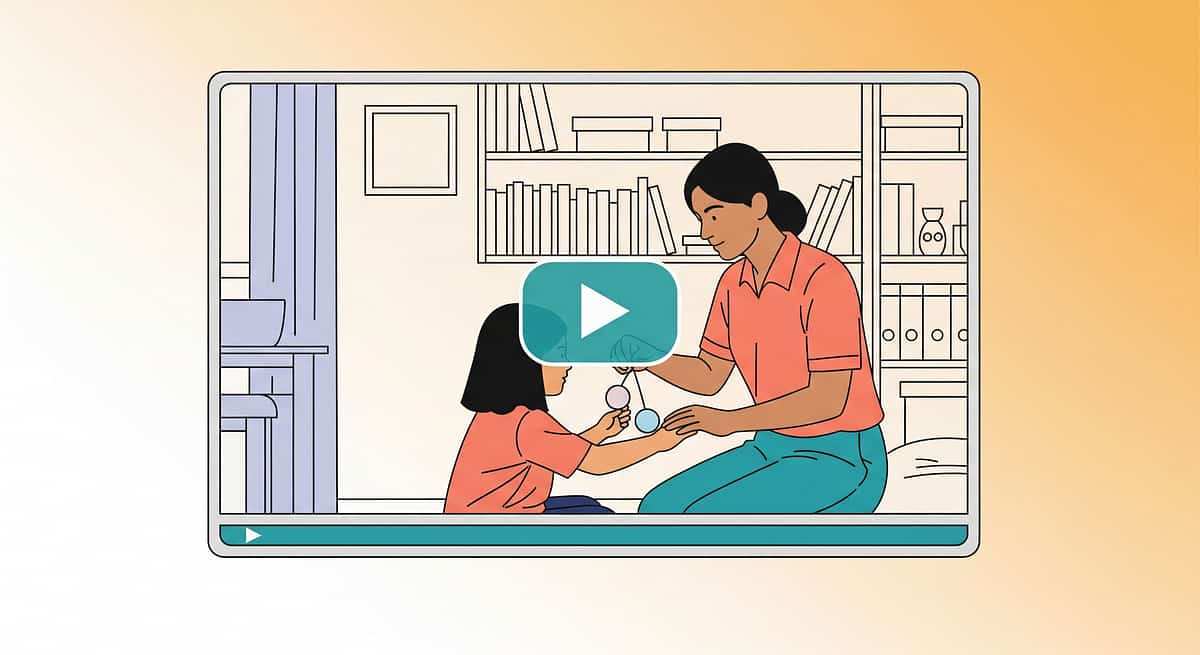
Watch the Reel That Launched This Page
🎬 Title
9 Materials That Help With Spitting at Others
📌 Reel ID
D-388 | Series: Challenging Behavior Management
🏷️ Domain
ABA-CHB | Applied Behavior Analysis
⏱️ Duration
~75 seconds
Video modeling is an evidence-based practice for autism (NCAEP 2020). The reel demonstrates each material in real clinical use — a different learning pathway than text alone. A Pinnacle BCBA and SLP demonstrate each of the 9 materials in a real home setting, showing exactly how FCT exchange, oral sensory tools, and token systems look in practice.
Watch, then return to this page with the concrete visual in mind. The combination of video demonstration and written clinical detail maximizes parent skill acquisition and intervention fidelity.
📚 NCAEP 2020 (Video modeling — EBP for autism)
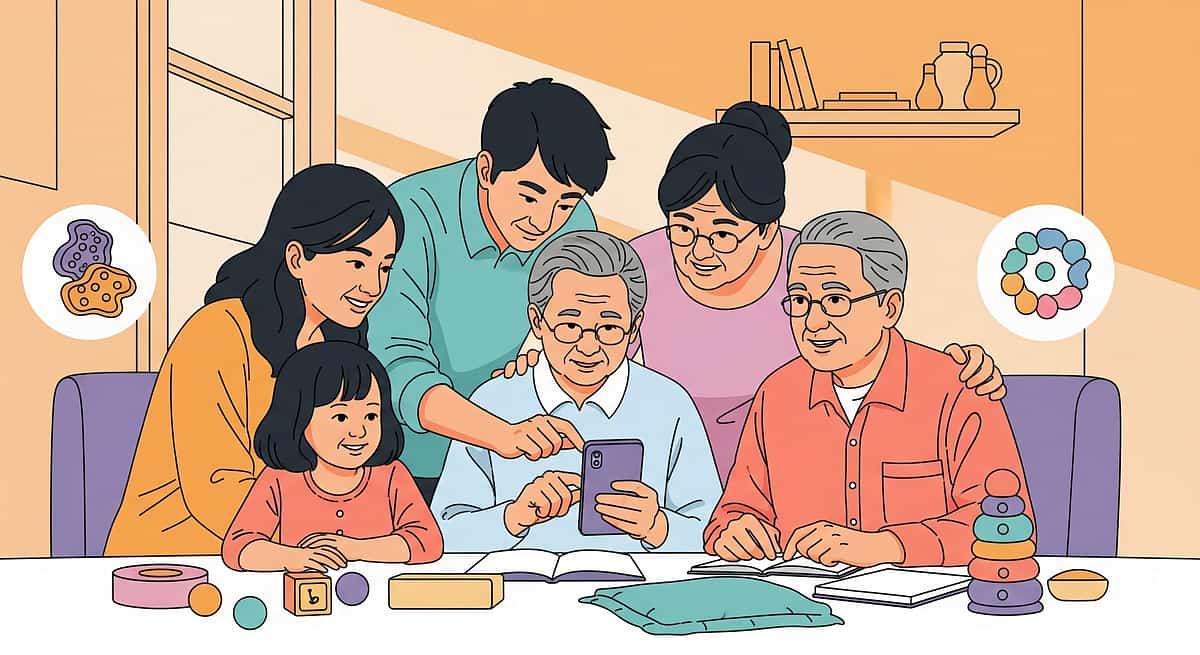
Consistency Across Caregivers Multiplies Impact
If only one adult implements the intervention, the child learns that the rule applies to one person — not to the world. For spitting behavior, which occurs across settings and with multiple people, every caregiver must respond identically.
→ For Grandparents:
"When [child's name] starts to spit: don't shout, don't give anything, don't react emotionally. Calmly hand them the yellow card and wait. That's it. The card is their way of asking for help. Your job is to honor the card."
→ For Teachers/School:
Subject: Behavior Support Plan — [Child's Name]
"We are implementing a function-based intervention for spitting behavior. The attached one-page plan outlines our consistent response protocol. Please can we arrange 15 minutes to align approaches? Thank you."
"We are implementing a function-based intervention for spitting behavior. The attached one-page plan outlines our consistent response protocol. Please can we arrange 15 minutes to align approaches? Thank you."
Share on WhatsApp
Pre-filled message: "This is the intervention page our family is using for [child's name]'s behavior challenge: techniques.pinnacleblooms.org/behavior-flexibility/spitting-at-others-D-388"
Send by Email
Subject: "Our intervention plan — please read before your next visit"
Download Family Guide PDF
1-page summary of key messages for spouses, grandparents, and teachers — ready to print and share
📚 PMC9978394 (WHO CCD Package: multi-caregiver training critical for generalization)

Frequently Asked Questions From Real Pinnacle Families
Q1: My child doesn't have autism — can these materials still help?
Yes. Spitting behavior occurs across developmental profiles including ADHD, intellectual disability, language disorders, and in neurotypical children with communication delays. The functional assessment approach and FCT materials are appropriate for any child whose spitting serves a communicative or regulatory function.
Q2: How long does it take for spitting to stop completely?
Most families see measurable reduction (≥40%) within 4–6 weeks of consistent, function-matched intervention. Complete cessation varies from 8 weeks to 6+ months depending on how established the behavior is and how consistently the intervention is implemented.
Q3: Should I punish my child for spitting?
Punishment-only approaches typically fail and may escalate spitting. If attention-maintained, punishment provides attention (the exact reinforcer). If escape-maintained, punishment may cause the child to spit MORE to escape the punishment. Effective intervention focuses on replacing the function, not punishing the topography.
Q4: My child's school wants to use an approach I don't agree with — what do I do?
Request a Behavior Support Team meeting at school. You have the right to participate in your child's behavior intervention planning. Bring this page and the Pinnacle consultation recommendation. Contact the Pinnacle helpline for advocacy support: 9100 181 181
Q5: Can I start without a formal functional assessment?
You can use ABC data collection (Card 20) to informally identify patterns and implement FCT materials that match your best hypothesis. If you see no improvement in 3–4 weeks, request formal FBA. Many families successfully identify function informally and implement effective interventions.
Q6: Is it ever okay to physically restrain my child after spitting?
Physical restraint is a last resort for safety only, never as a behavioral consequence. It should only be used if the child is in immediate danger of harming themselves or others, and must follow professional training and institutional guidelines. Never use restraint as punishment.
Q7: My child spits when alone — is this different?
Yes. Spitting that occurs without social triggers or when alone is likely sensory/automatic function. This requires oral sensory tools (chewelry, blowing toys) as primary intervention rather than FCT. Environmental enrichment and scheduled sensory input are the key strategies.
Q8: How do I know which of the 9 materials to start with?
Start with your functional hypothesis (Card 03, Card 22). Escape → FCT break cards first. Attention → FCT attention card + token board. Sensory → oral motor tools first. Communication → emotion cards + FCT vocabulary. If unsure, FCT break cards and data collection are universally applicable starting points.
Didn't find your question? Ask GPT-OS® → pinnacleblooms.org | Need direct clinical guidance? Book a teleconsultation → pinnacleblooms.org/consult
You Are Ready to Begin.
Every card you've read is preparation. The only thing left is to start. Your child's behavior will not change from reading — it changes from doing.
📞FREE National Autism Helpline: 9100 181 181
24x7 | 16+ languages | No appointment needed
24x7 | 16+ languages | No appointment needed
🎯 ABA
🗣️ SLP
🖐️ OT
📚 SpEd
🧠 NeuroDev
PINNACLE BLOOMS CONSORTIUM® — Validated by Multi-Disciplinary Experts
20M+ 1:1 sessions | 97%+ measured improvement | 70+ centers | Serving families in 70+ countries
20M+ 1:1 sessions | 97%+ measured improvement | 70+ centers | Serving families in 70+ countries
Preview of 9 materials that help with spitting at others Therapy Material
Below is a visual preview of 9 materials that help with spitting at others therapy material. The pages shown help educators, therapists, and caregivers understand the structure and content of the resource before use. Materials should be used under appropriate professional guidance.


Link copied!
The Pinnacle Promise
"From fear to mastery. One technique at a time."
Built by Mothers. Engineered as a System.
🎯 ABA/BCBA | 🗣️ SLP | 🖐️ OT | 📚 SpEd | 🧠 NeuroDev | 👩⚕️ Pediatrics | 🌍 WHO | 🌐 UNICEF | 🔬 CRO
Return to the Beginning
Re-read Card 01 with new eyes — you're a different parent now than when you arrived.
Explore More Techniques
techniques.pinnacleblooms.org — 70,000+ evidence-linked, parent-empowering knowledge units
Next: D-389 Hair Pulling
📞 FREE National Autism Helpline: 9100 181 181 | 24x7 | 16+ languages
🌐pinnacleblooms.org | 📧care@pinnacleblooms.org
📍 70+ Centers Across India | 🌍 Serving families in 70+ countries
🌐pinnacleblooms.org | 📧care@pinnacleblooms.org
📍 70+ Centers Across India | 🌍 Serving families in 70+ countries
CIN: U74999TG2016PTC113063 | DPIIT: DIPP8651 | MSME: TS20F0009606 | GSTIN: 36AAGCB9722P1Z2
This content is educational in nature and is produced by the Pinnacle Blooms Consortium® as part of the GPT-OS® public knowledge infrastructure. It does not constitute individualized clinical advice and does not replace a Functional Behavior Assessment, Behavior Intervention Plan, or professional consultation with a licensed behavior analyst (BCBA/BCaBA), occupational therapist, speech-language pathologist, or physician. Challenging behaviors including spitting require comprehensive professional assessment to identify behavioral function prior to intervention. All strategies on this page should be implemented under professional guidance. Outcomes vary based on child profile, functional hypothesis accuracy, implementation consistency, and co-occurring conditions. Individual results may vary. Illustrative case narratives are composites from the Pinnacle Network and are not individual endorsements.
© 2025–2026 Pinnacle Blooms Network®, a unit of Bharath Healthcare Laboratories Pvt. Ltd. All rights reserved. GPT-OS®, AbilityScore®, TherapeuticAI®, EverydayTherapyProgramme™, FusionModule™, and the Pinnacle Blooms Consortium® seal are registered trademarks and proprietary systems.
© 2025–2026 Pinnacle Blooms Network®, a unit of Bharath Healthcare Laboratories Pvt. Ltd. All rights reserved. GPT-OS®, AbilityScore®, TherapeuticAI®, EverydayTherapyProgramme™, FusionModule™, and the Pinnacle Blooms Consortium® seal are registered trademarks and proprietary systems.