
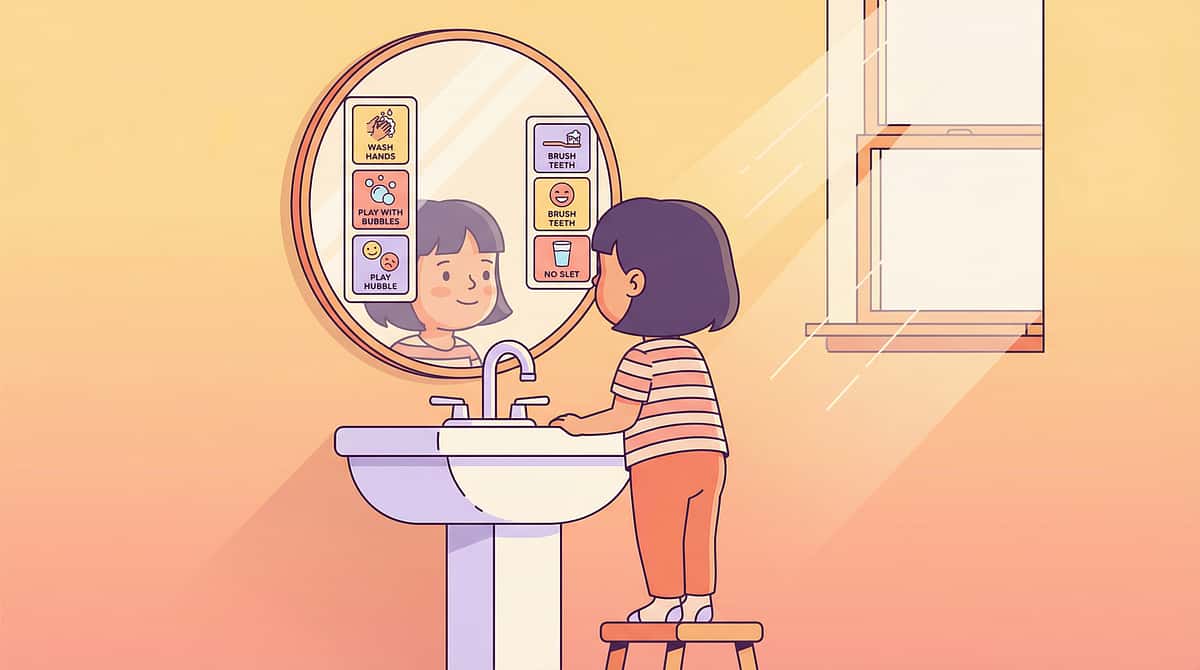
"He can pick up the toothbrush. He can squeeze the toothpaste. He can rinse his mouth. But put those three things in order? He stands at the sink completely lost — every single morning."
9 Materials That Help With Skill Chaining
Complex skills are just simple steps linked together. If you've watched your child do every piece of a task — but fail to complete the whole — you are not imagining it. Your child is not being difficult. Their brain has learned the individual steps but hasn't yet built the chain that connects them into a complete, independent skill.
"You are not failing. Your child isn't refusing. The chain is simply not yet built — and it can be."
ABA / OT / SpEd
Ages 2–12+
Teaching Strategies L-958
Pinnacle Blooms Consortium®
Pinnacle Blooms Network® | Built by Mothers. Engineered as a System. | Powered by GPT-OS®

You Are Among Millions of Families Navigating This
80%
Struggle to Sequence
of children with ASD struggle to sequence multi-step tasks independently
1 in 36
Children in India
are on the autism spectrum — sequencing challenges are among the most common presenting concerns
21M+
Therapy Sessions
conducted by Pinnacle's consortium — skill chaining data informing every protocol
When your child can do the individual pieces but not the complete skill, they are part of an enormous global cohort. Difficulty with procedural sequences — chaining discrete steps into fluent, independent behavior — is one of the most prevalent challenges across autism, developmental delay, and learning differences. The research is clear: this is not a discipline problem, a motivation problem, or a parenting problem. It is a learning profile — and it responds powerfully to systematic chaining instruction.
"You are among millions of families. You are not alone. And the path forward is well-mapped."
Sources: PRISMA Systematic Review (2024) PMC11506176 | Meta-analysis World J Clin Cases (2024) PMC10955541
📞FREE National Autism Helpline: 9100 181 181 — 16 languages, 24×7

The Neuroscience of Skill Chaining
What Is Actually Happening
The brain learns complex skills by creating behavioral chains — sequences of neural connections where each step automatically triggers the next. In neurotypical development, this happens largely through observation and repeated natural practice.
In children with autism and developmental differences, this chaining process doesn't happen automatically. Each step may be learned in isolation — but the links between steps are missing. This is a structural learning difference, not a behavioral choice.
"This is a wiring difference, not a behavior choice — and wiring can be taught."
The Three Brain Systems Involved
Prefrontal Cortex
Plans the sequence, holds the steps in working memory
Basal Ganglia
Converts repeated sequences into automatic habits
Cerebellum
Coordinates the motor timing within each step
When any of these systems has reduced connectivity, the child knows the steps but cannot execute the chain. The good news: explicit chaining instruction directly addresses these neural pathways. This is teachable.
Research: Frontiers in Integrative Neuroscience (2020). DOI: 10.3389/fnint.2020.556660
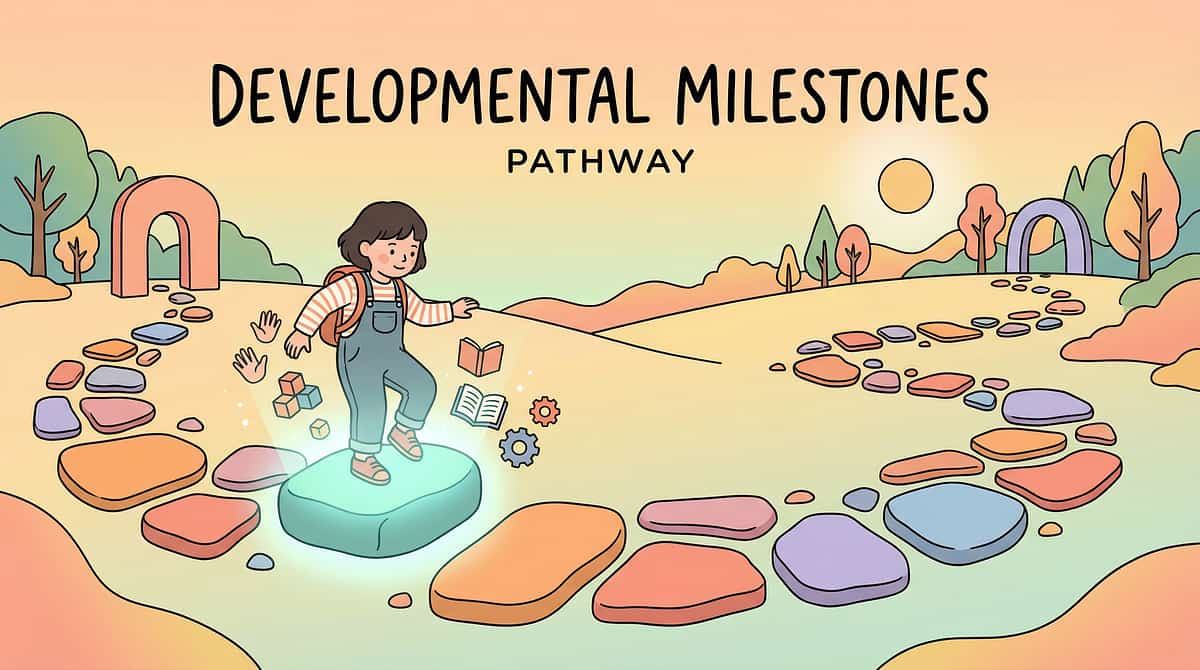
Your Child's Developmental Journey — Where We Are Now
Age 12–18M
Single actions (clap hands)
Age 2–3Y
2-step sequences (pick up + throw)
Age 3–5Y
3–5 step chains — ↑ Current Challenge Zone
Age 5–8Y
Daily routines independent chains
Age 8–12Y
Complex vocational chains
Most skill chaining challenges present most visibly between ages 3–8, when the expectation for independent task completion increases dramatically. Common signs: knows every step individually but cannot sequence them; performs steps out of order; stops mid-task; requires adult prompting at every step.
Co-occurring challenges often present together: Working memory difficulties | Motor planning challenges | Executive function delays | Attention regulation
"Your child is here. The path forward is proven, systematic, and achievable."
Sources: WHO Care for Child Development Package | UNICEF MICS developmental monitoring | PMC9978394

The Science is Settled. The Evidence is Strong.
Level I Evidence
Systematic Review + RCT + Clinical Consensus
Source | Finding | |
NCAEP Evidence-Based Practices Report (2020) | Task analysis and chaining classified as evidence-based practice for autism across 27 studies | |
Journal of Applied Behavior Analysis | Forward and backward chaining demonstrate robust acquisition of multi-step skills | |
Cooper, Heron & Heward — ABA (8th ed.) | Foundational text establishing chaining as core behavioral teaching technology | |
Indian J Pediatr, Padmanabha et al. (2019) | Home-based structured teaching protocols show significant outcomes in Indian pediatric populations | |
BACB Professional Standards | Chaining is a core competency required of all Board Certified Behavior Analysts globally |
"Skill chaining is among the most evidence-validated teaching technologies available for children with autism and developmental disabilities." — NCAEP Evidence-Based Practices Report, 2020
✅ Clinically Validated
🏠 Home-Applicable
👨👩👧 Parent-Proven
🌍 WHO/UNICEF Aligned
The Technique: What Skill Chaining Is
L-958
ABA-CHAIN | Teaching Strategies
Parent Alias: "The Step-Linking Method"
Formal Definition: Skill Chaining is a systematic behavioral teaching method that breaks complex, multi-step skills into discrete sequential components (task analysis) and teaches these components as a connected behavioral chain. Three primary methods exist: Forward Chaining (teach first step to mastery, then add second), Backward Chaining (complete all steps WITH the child except the last, which the child does independently), and Total Task Presentation (practice entire sequence each session with varying prompt levels). Chaining systematically transfers control from instructor to learner — one link at a time — building toward fluent, generalized independence.
"Skill chaining means: instead of teaching hand washing as one big task, you break it into 10 small steps, teach the steps as a connected sequence, and systematically reduce your help — until your child does every step, start to finish, independently."
Domain
ABA + OT + SpEd
Age Range
2–12+ years
Duration
10–20 min/session
Frequency
Daily to 3×/week
Setting
Home + Clinic + School
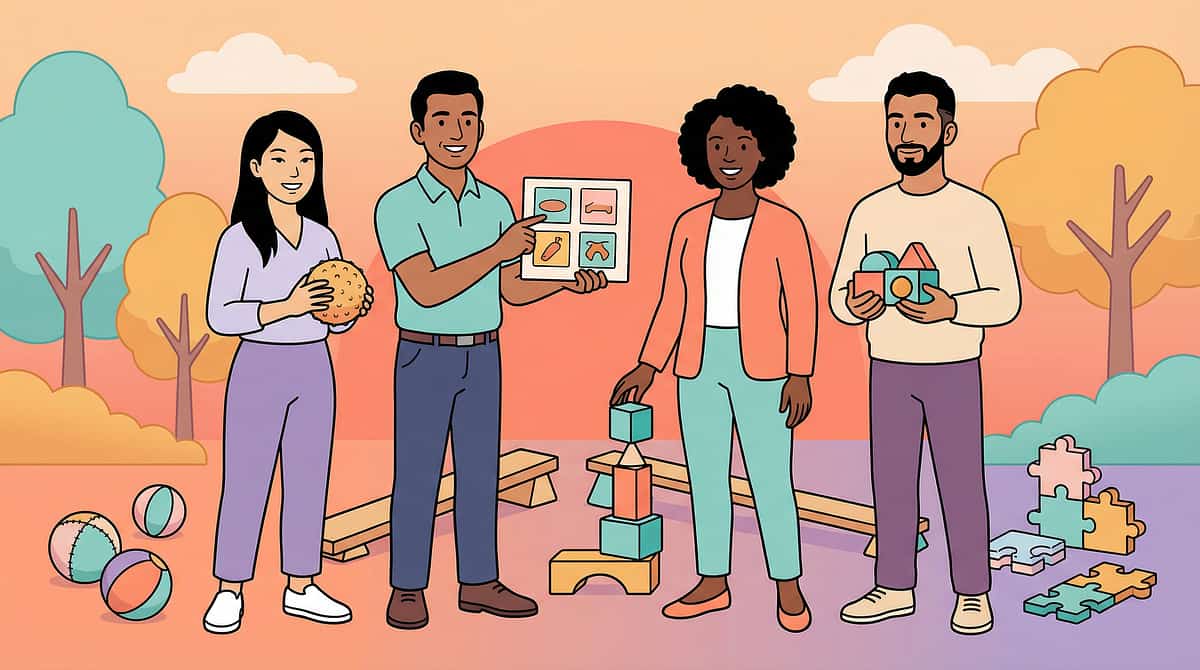
This Technique Crosses All Therapy Boundaries
"The brain doesn't organize by therapy type — and neither does skill chaining."
Applied Behavior Analysis (ABA) — Primary Lead
ABA therapists/BCBAs design the task analysis, select the chaining method, set prompt hierarchy and fading protocols, manage reinforcement schedules, and collect data to drive decisions. Chaining is foundational ABA technology.
Occupational Therapy (OT)
OTs apply chaining specifically to ADLs — self-care, dressing, feeding, hygiene. They assess fine motor prerequisites for each step, identify sensory barriers within the chain, and adapt materials for motor accessibility.
Special Education (SpEd)
Special educators use task analysis and chaining for academic skill sequences — writing a sentence, completing a worksheet, packing a school bag, following a class routine. School-based chaining is critical for inclusion readiness.
Speech-Language Pathology (SLP)
SLPs chain communication sequences — initiating a request, waiting, receiving response, expressing gratitude. Feeding therapists use backward chaining for food acceptance. SLPs also chain literacy sub-skills.
NeuroDev Pediatrics
NeuroDev doctors assess neurological prerequisites for skill acquisition, identify working memory and executive function barriers, and determine readiness for chaining instruction within the child's full diagnostic profile.
📞FREE Helpline: 9100 181 181

Precision Teaching: What Skill Chaining Addresses
Target | "Not There Yet" | "Emerging" | "Achieved" | |
Complete task chain | Can't link any steps | Completes 1–2 steps independently | Completes full chain start-to-finish | |
Sequence accuracy | Steps in random order | Mostly correct with errors | Correct sequence always | |
Independence | Needs prompt every step | Needs prompt at 1–2 steps | Self-initiates without prompting | |
Generalization | Chain only in therapy | Chain at home, same materials | Chain across settings and materials |
Research: Meta-analysis (World J Clin Cases, 2024): Structured behavioral intervention promotes adaptive behavior, functional skills, and independence. PMC10955541
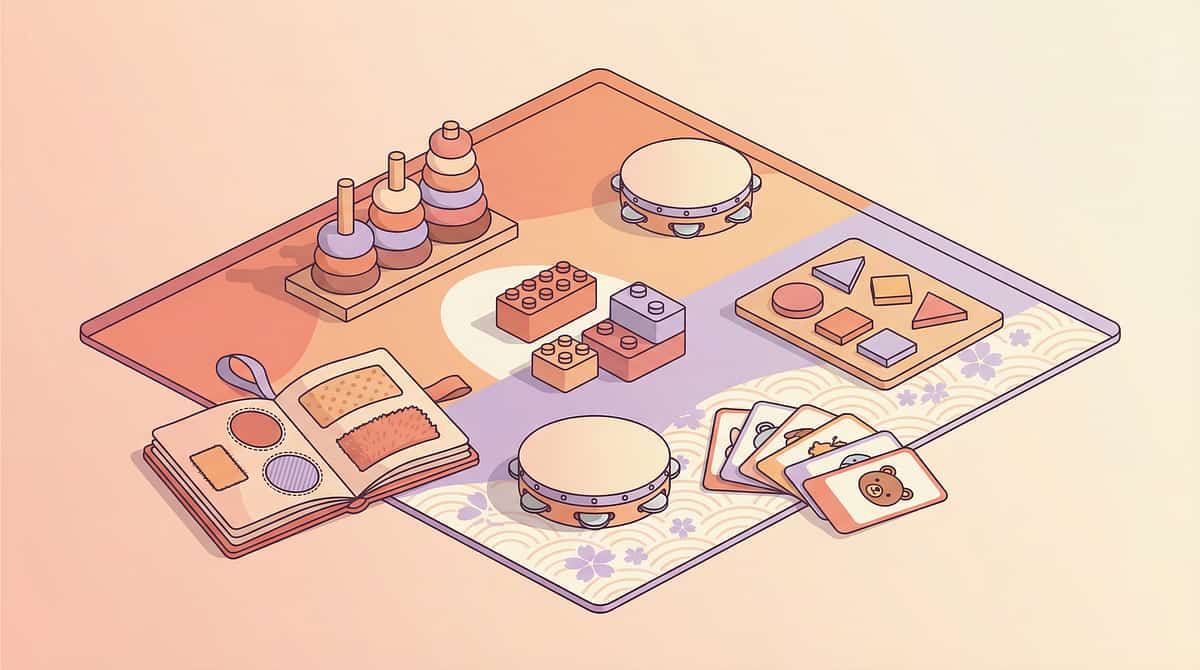
The 9 Materials That Help With Skill Chaining
Pinnacle 128 Canon Materials System
Pinnacle Recommends® = Clinically Validated
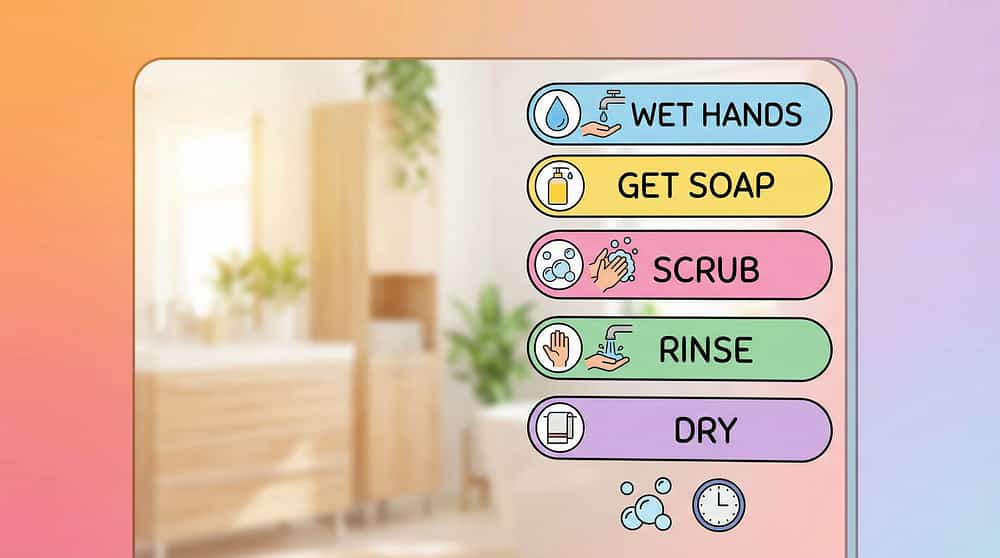
1. Visual Sequence Strips & Task Cards
"See the chain. Follow the chain." Photographed or illustrated step-by-step sequences arranged in order and displayed at the point of use. Externalizes the chain — makes the invisible sequence visible. Reduces working memory demands. Price: ₹200–800 | DIY: ✅
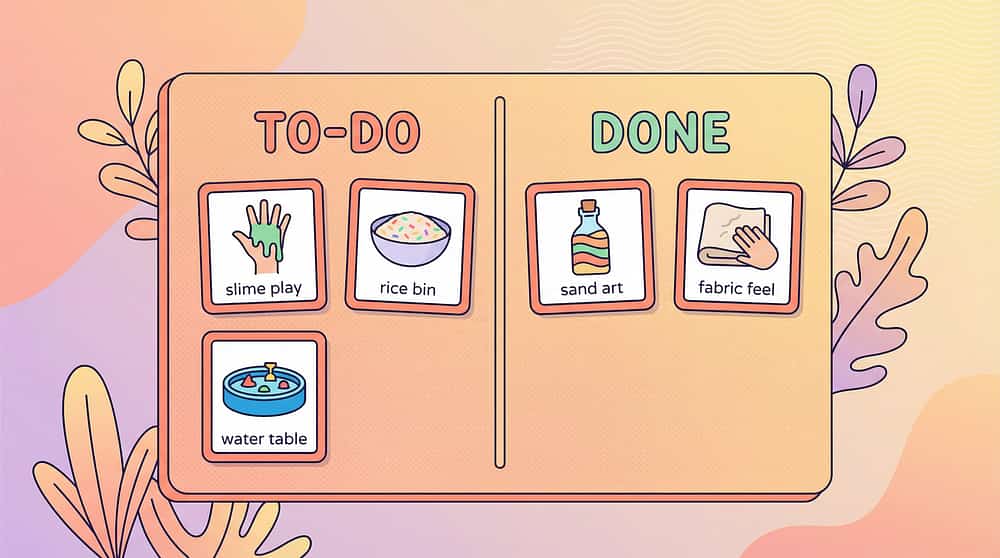
2. Velcro Schedule Boards With Moveable Steps
"Move through the chain, step by step." Board with "To Do" and "Done" columns; individual step cards the child physically moves after completing each step. Adds kinesthetic learning — the body learns the chain too. Price: ₹400–1,200 | DIY: ✅
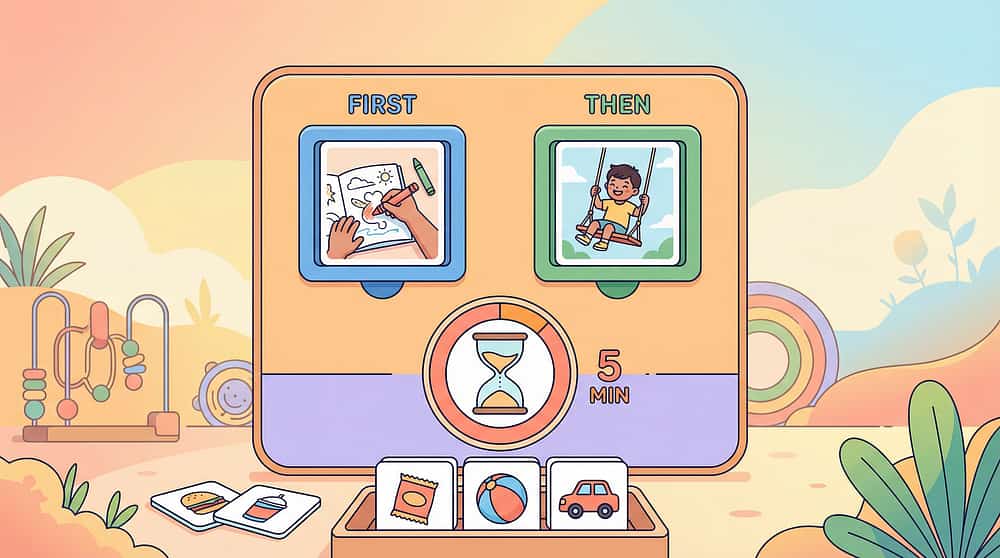
3. First-Then Boards & Visual Timers
"The simplest chain: two links at a time." Shows just two steps — "First [this], Then [that]" — with interchangeable picture cards and a visual timer. For children overwhelmed by full sequences, start here. Price: ₹200–600 | DIY: ✅
4. Color-Coded Materials & Step Markers
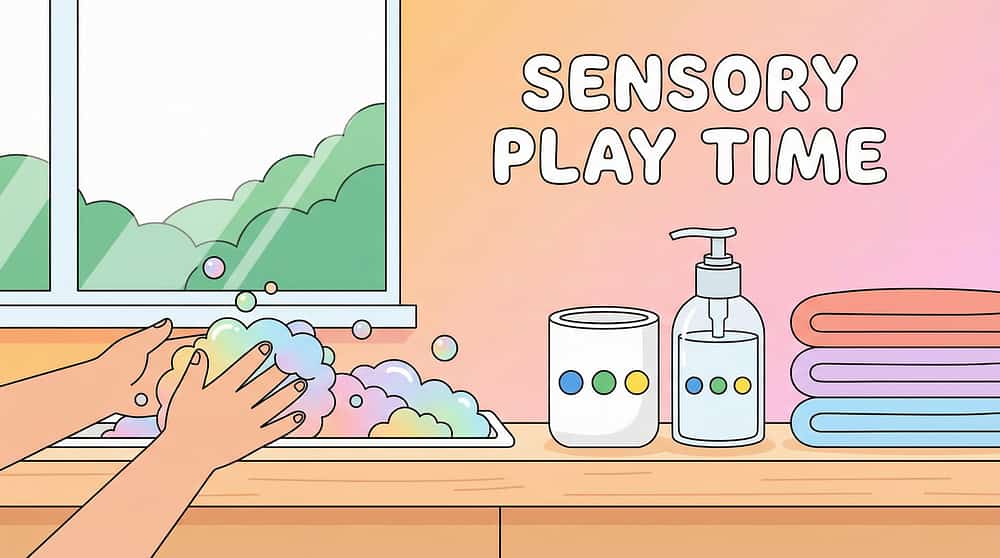
"Colors teach the sequence." Colored dot stickers applied to actual materials in sequence order — blue (step 1), green (step 2), yellow (step 3). Embeds the chain in the real environment; child follows color order without verbal prompts. Price: ₹100–400 | DIY: ✅
5. Video Modeling Clips & Self-Modeling Videos
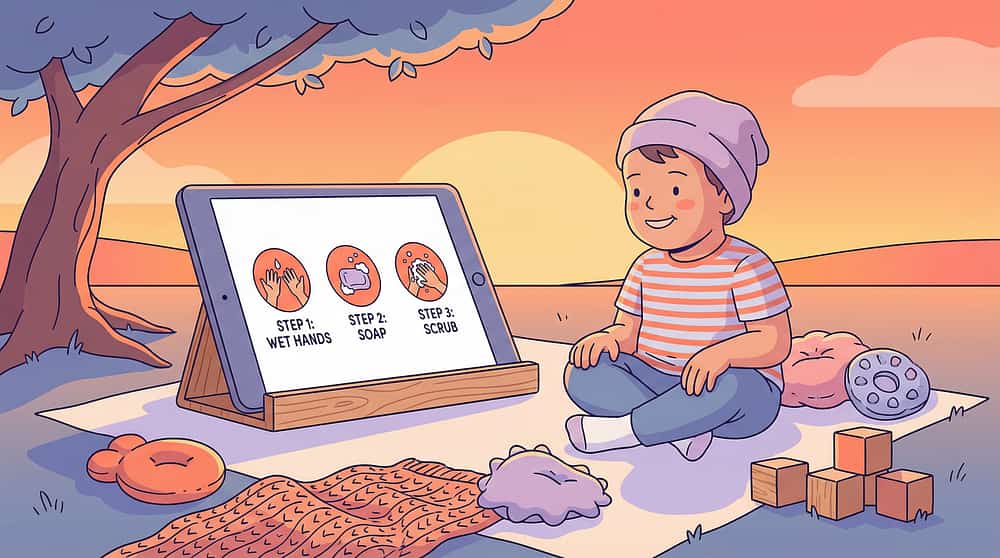
"Watch the chain in motion." Short (1–3 minute) videos of the skill performed correctly in sequence, watched immediately before the child practices. Self-modeling — videos of the child themselves succeeding — is particularly powerful. Price: ₹0–500 | DIY: ✅
6. Prompt Fading Tools & Graduated Guidance Systems
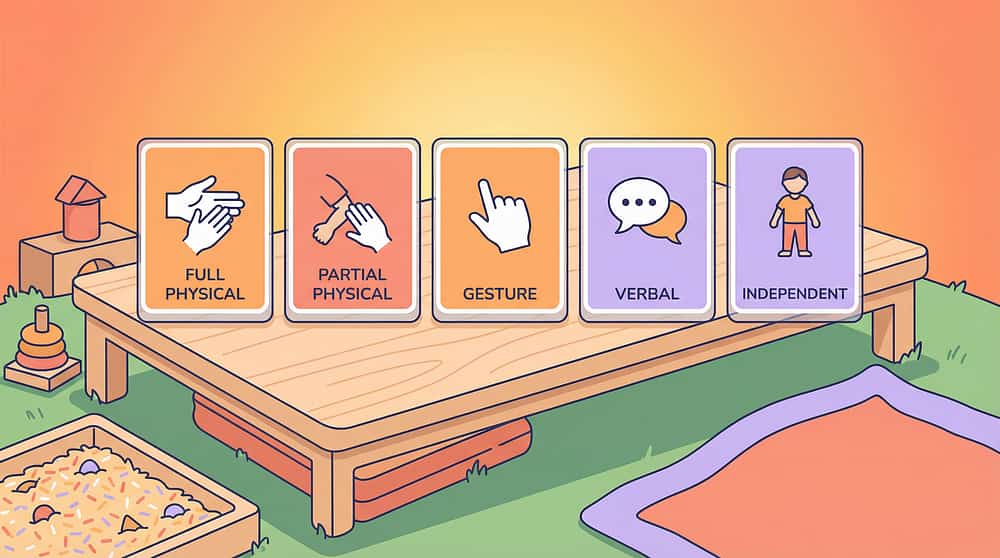
"From supported to independent, systematically." Visual prompt hierarchy cards, data sheets for tracking prompt level at each step, and decision rules for when to fade. Without systematic fading, children become prompt-dependent. Price: ₹100–400 | DIY: ✅
7. Reinforcement Systems & Token Boards
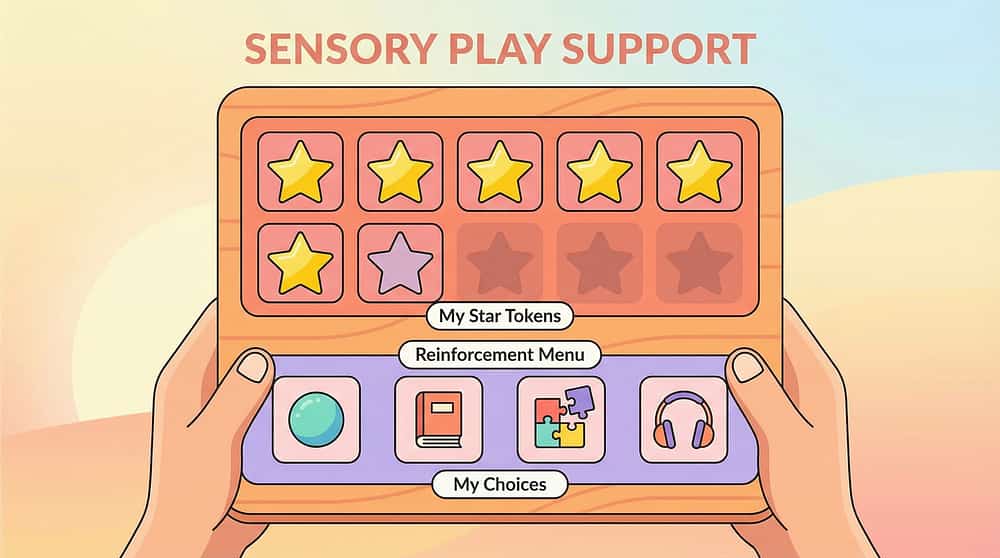
"Motivation for every link in the chain." Token board where child earns a token for each completed step, traded for a preferred reinforcer. Token systems bridge the effort-reward gap, maintaining motivation until the skill itself becomes inherently reinforcing. Price: ₹150–500 | 🛒 Rosette Imprint Reward Jar — ₹589
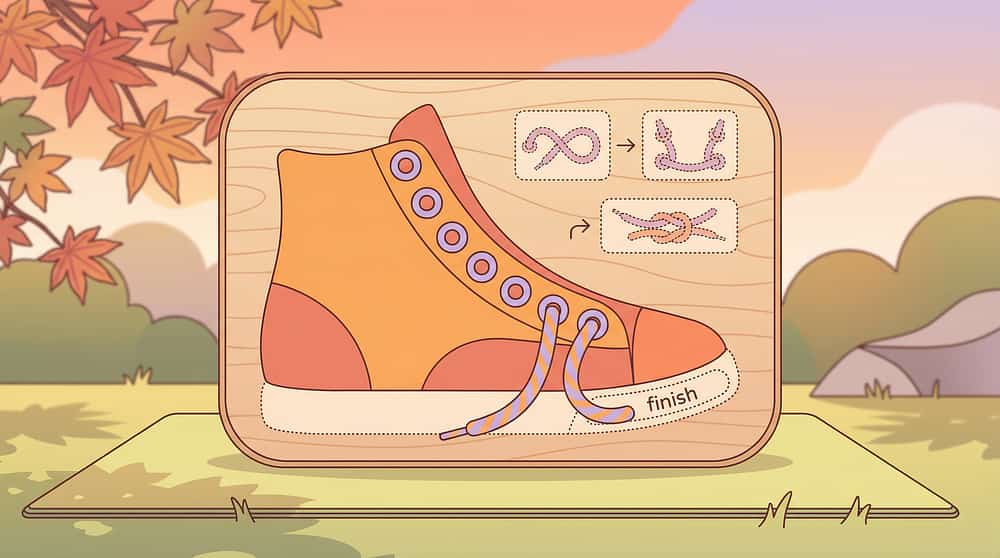
8. Backward Chaining Kits (Pre-Set Materials)
"Start with success. Add steps backward." Materials pre-set so only the last step remains for the child to complete independently. Backward chaining ensures the child experiences completing the chain from the very first session. Price: ₹300–1,000 | DIY: ✅
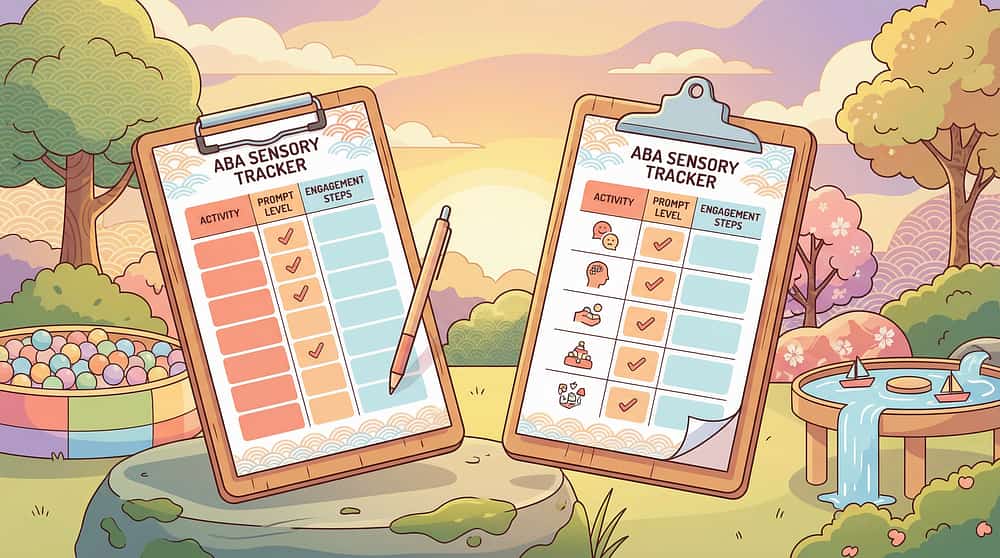
9. Data Collection Tools & Chain Tracking Sheets
"Track every link. Guide every decision." Chain-specific sheets listing all steps vertically, with columns for dates and rows for recording prompt level (FP/PP/G/V/I) at each step. Chaining without data is guessing. Price: ₹50–200 | DIY: ✅
Total Kit Cost Range: ₹1,500–5,000 | Starter Core Kit: ₹500–1,500
📞FREE Helpline: 9100 181 181 — Need guidance selecting materials? Call us.

Every Family Can Execute Skill Chaining Today — At ₹0
WHO/UNICEF equity principle: No parent should be unable to implement evidence-based teaching due to resource constraints.
Buy This | Make This (₹0) | Why It Works the Same | |
Visual Sequence Strip (₹200–800) | Photograph child doing each step on phone → print at local shop → laminate with clear tape → post at point of use | Same visual externalization of the chain — principle is identical | |
Velcro Schedule Board (₹400–1,200) | Cardboard box lid + painter's tape "To Do"/"Done" + paper step cards stuck with regular tape | Physical movement through the sequence — same kinesthetic learning | |
First-Then Board (₹200–600) | Two pieces of paper labeled "FIRST" and "THEN" with drawn pictures or stickers | Two-link chain concept fully conveyed without commercial product | |
Color-Coded Materials (₹100–400) | Colored dot stickers (₹20 at any stationery shop) or colored chalk marks on surfaces | Environmental embedding works identically with any color marker | |
Video Modeling (₹0–500) | Record on your smartphone — 1–2 minutes of the skill performed correctly | Self-made video is equally effective; self-modeling videos are actually more powerful | |
Token Board (₹150–500) | Draw 5 circles on paper → child colors one circle per completed step → when all filled = reward | Token economy function is identical — visual progress is the mechanism | |
Backward Chaining Kit (₹300–1,000) | Use real household materials; pre-set the task yourself leaving only the last step | Identical chaining method — no special materials needed | |
Data Sheet (₹50–200) | Download free printable from pinnacleblooms.org OR draw a table in a notebook | Data quality is the same — paper notebook works perfectly |
⚠️Critical Note: The clinical-grade materials are NOT superior to DIY versions in terms of therapeutic principle. They offer convenience, durability, and visual appeal. The chaining method — not the material cost — drives outcomes.
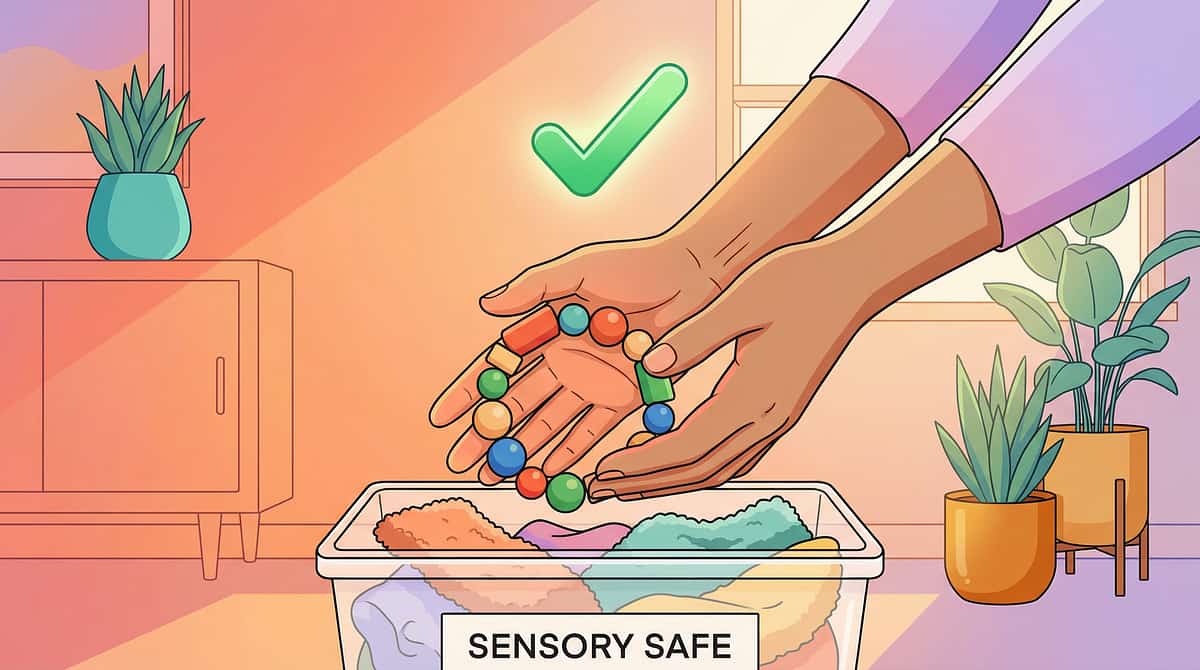
Pre-Session Safety Gate — Read Before Every Session
🔴 DO NOT PROCEED IF:
- Child is ill, feverish, or physically unwell
- Child has had a significant meltdown in the last 30 minutes
- Child is extremely hungry or fatigued
- Materials include items with choking risk for children under 4
- Child has a known latex allergy (relevant for some Velcro products)
- Child is showing signs of acute anxiety or distress before the session
🟡 MODIFY THE SESSION IF:
- Child appears mildly tired — shorten chain to 2–3 steps only
- Child had a difficult day — use only backward chaining completion
- First session with new materials — introduce without task demands first
- Child's communication is reduced — use more visual supports
🟢 PROCEED WHEN:
- Child is calm, alert, and physically well
- Child has eaten within the last 2 hours
- Environment is prepared (see Card 12)
- Materials are ready and checked for safety
- You have 15–20 uninterrupted minutes
- Reinforcers are selected and available
🛑 ABSOLUTE STOP SIGNS (stop mid-session if you observe):
- Prolonged, escalating distress that doesn't reduce within 2 minutes
- Signs of physical pain or discomfort during any step
- Self-injurious behavior
- Dissociation or extreme shutdown response
- Any behavior that feels unsafe for child or parent
Session abandonment is not failure. It is data. Note what happened and call 9100 181 181 if you need guidance.
Research: Indian Journal of Pediatrics RCT (2019). DOI: 10.1007/s12098-018-2747-4
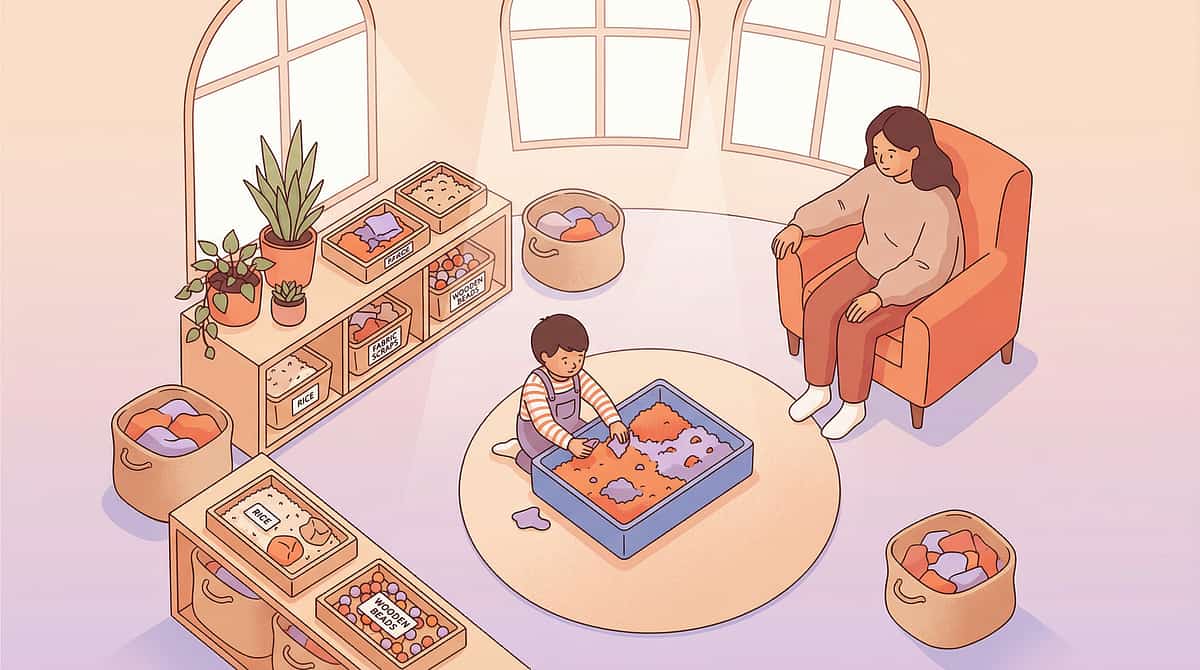
Spatial Precision Prevents 80% of Session Failures
Room Setup — Overhead View
Child Position
Seated or standing directly at the point where the target skill occurs — bathroom sink for hand washing, chair for dressing
Visual Sequence Strip
Posted at child's eye level at the point of use — NOT on a table across the room
Parent Position
Beside and slightly behind the child — NOT in front. Reduces child looking to parent for prompts
Materials Station
All session materials within arm's reach, organized in sequence order left to right
Token Board & Reinforcers
Token board visible to child; reinforcers out of sight until earned
Distractors Removed
Screens off, unrelated toys stored away, other family members in different room if possible
Environmental Checklist
- Lighting: Natural or warm white — avoid fluorescent flickering
- Sound: Quiet or soft background music — no TV, no competing voices
- Temperature: Child is comfortable, especially for dressing tasks
- Space: Enough room for child to move through all steps naturally
- Materials: Arranged in sequence order, easily accessible
- Timer: Visible to child if using time-based sessions
 a {
font-size: 0.75rem !important;
font-weight: 600 !important;
text-transform: uppercase !important;
letter-spacing: 0.05em !important;
color: #3a2a4d !important;
margin-bottom: 1rem !important;
}
/* Logo Section */
.pb-footer-logo-brand {
font-size: 1.25rem;
font-weight: 600;
color: var(--primary);
margin-bottom: 0.25rem;
}
.pb-footer-logo-tagline {
font-size: 0.75rem;
color: var(--muted-foreground);
}
.pb-footer-about {
font-size: 0.875rem;
color: var(--muted-foreground);
line-height: 1.65;
margin-bottom: 1.75rem;
max-width: 420px;
}
/* Links */
.pb-footer-link,.cm-f-l-block div:last-child ul li a {
display: block;
font-size: 0.875rem !important;
color: #5b2aad !important;
text-decoration: none;
padding: 0.25rem 0 !important;
transition: color 0.2s ease !important;
}
.pb-footer-link:hover,.cm-f-l-block div:last-child ul li a:hover {
color: var(--primary-dark);
text-decoration: underline;
}
/* Materials Grid */
.pb-materials-grid {
display: grid;
grid-template-columns: 1fr;
gap: 0 1.5rem;
}
/* Contact */
.pb-contact-item {
display: flex;
align-items: center;
gap: 0.5rem;
font-size: 0.875rem;
color: #3a2a4d;
text-decoration: none;
margin-bottom: 0.75rem;
}
.pb-contact-item:hover {
color: var(--primary);
}
.pb-contact-item svg {
width: 16px;
height: 16px;
}
.pb-contact-phone svg {
color: var(--phone);
}
.pb-contact-email svg {
color: var(--primary);
}
/* Social Icons */
.pb-social-links {
display: flex;
gap: 0.75rem;
margin-top: 1.5rem;
}
.pb-social-link {
width: 40px;
height: 40px;
border-radius: 12px;
display: flex;
align-items: center;
justify-content: center;
background: var(--muted);
color: var(--muted-foreground);
transition: all 0.2s ease;
}
.pb-social-link:hover {
background: var(--primary-light);
}
.pb-social-link svg {
width: 20px;
height: 20px;
}
.pb-social-linkedin:hover {
color: #0A66C2;
}
.pb-social-youtube:hover {
color: #FF0000;
}
.pb-social-instagram:hover {
color: #E4405F;
}
/* Corporate Bar */
.pb-footer-corporate {
border-top: 1px solid var(--border);
background: #faf9fc;
padding: 1rem 0;
}
.pb-corporate-inner {
display: flex;
flex-direction: column;
gap: 0.75rem;
align-items: center;
font-size: 0.75rem;
color: var(--muted-foreground);
}
.pb-corporate-name {
font-weight: 500;
}
.pb-corporate-ids {
display: flex;
flex-wrap: wrap;
justify-content: center;
gap: 0.25rem 1rem;
}
/* Disclaimer */
.pb-footer-disclaimer {
border-top: 1px solid var(--border);
background: #faf7fd;
padding: 1.25rem 0;
}
.pb-disclaimer-text {
font-size: 0.6875rem;
line-height: 1.6;
color: var(--muted-foreground);
text-align: center;
max-width: 900px;
margin: 0 auto;
}
.pb-disclaimer-text strong {
color: #3a2a4d;
}
/* Tablet */
@media (min-width: 640px) {
.pb-materials-grid {
grid-template-columns: repeat(2, 1fr);
}
.pb-corporate-inner {
flex-direction: row;
justify-content: space-between;
}
}
/* Desktop */
@media (min-width: 1024px) {
.pb-footer-main {
padding: 4rem 0;
}
.pb-footer-grid {
grid-template-columns: 1fr 2fr 1fr;
gap: 3rem;
}
}
.card-wrapper.card-collapsed .chakra-stack {
display: none;
}
a {
font-size: 0.75rem !important;
font-weight: 600 !important;
text-transform: uppercase !important;
letter-spacing: 0.05em !important;
color: #3a2a4d !important;
margin-bottom: 1rem !important;
}
/* Logo Section */
.pb-footer-logo-brand {
font-size: 1.25rem;
font-weight: 600;
color: var(--primary);
margin-bottom: 0.25rem;
}
.pb-footer-logo-tagline {
font-size: 0.75rem;
color: var(--muted-foreground);
}
.pb-footer-about {
font-size: 0.875rem;
color: var(--muted-foreground);
line-height: 1.65;
margin-bottom: 1.75rem;
max-width: 420px;
}
/* Links */
.pb-footer-link,.cm-f-l-block div:last-child ul li a {
display: block;
font-size: 0.875rem !important;
color: #5b2aad !important;
text-decoration: none;
padding: 0.25rem 0 !important;
transition: color 0.2s ease !important;
}
.pb-footer-link:hover,.cm-f-l-block div:last-child ul li a:hover {
color: var(--primary-dark);
text-decoration: underline;
}
/* Materials Grid */
.pb-materials-grid {
display: grid;
grid-template-columns: 1fr;
gap: 0 1.5rem;
}
/* Contact */
.pb-contact-item {
display: flex;
align-items: center;
gap: 0.5rem;
font-size: 0.875rem;
color: #3a2a4d;
text-decoration: none;
margin-bottom: 0.75rem;
}
.pb-contact-item:hover {
color: var(--primary);
}
.pb-contact-item svg {
width: 16px;
height: 16px;
}
.pb-contact-phone svg {
color: var(--phone);
}
.pb-contact-email svg {
color: var(--primary);
}
/* Social Icons */
.pb-social-links {
display: flex;
gap: 0.75rem;
margin-top: 1.5rem;
}
.pb-social-link {
width: 40px;
height: 40px;
border-radius: 12px;
display: flex;
align-items: center;
justify-content: center;
background: var(--muted);
color: var(--muted-foreground);
transition: all 0.2s ease;
}
.pb-social-link:hover {
background: var(--primary-light);
}
.pb-social-link svg {
width: 20px;
height: 20px;
}
.pb-social-linkedin:hover {
color: #0A66C2;
}
.pb-social-youtube:hover {
color: #FF0000;
}
.pb-social-instagram:hover {
color: #E4405F;
}
/* Corporate Bar */
.pb-footer-corporate {
border-top: 1px solid var(--border);
background: #faf9fc;
padding: 1rem 0;
}
.pb-corporate-inner {
display: flex;
flex-direction: column;
gap: 0.75rem;
align-items: center;
font-size: 0.75rem;
color: var(--muted-foreground);
}
.pb-corporate-name {
font-weight: 500;
}
.pb-corporate-ids {
display: flex;
flex-wrap: wrap;
justify-content: center;
gap: 0.25rem 1rem;
}
/* Disclaimer */
.pb-footer-disclaimer {
border-top: 1px solid var(--border);
background: #faf7fd;
padding: 1.25rem 0;
}
.pb-disclaimer-text {
font-size: 0.6875rem;
line-height: 1.6;
color: var(--muted-foreground);
text-align: center;
max-width: 900px;
margin: 0 auto;
}
.pb-disclaimer-text strong {
color: #3a2a4d;
}
/* Tablet */
@media (min-width: 640px) {
.pb-materials-grid {
grid-template-columns: repeat(2, 1fr);
}
.pb-corporate-inner {
flex-direction: row;
justify-content: space-between;
}
}
/* Desktop */
@media (min-width: 1024px) {
.pb-footer-main {
padding: 4rem 0;
}
.pb-footer-grid {
grid-template-columns: 1fr 2fr 1fr;
gap: 3rem;
}
}
.card-wrapper.card-collapsed .chakra-stack {
display: none;
}