

When one topic becomes the ONLY topic.
Your child knows everything about trains — schedules, engine types, every sound. But when classmates want to play superheroes, he walks away. And when you try to limit train time, the meltdown is devastating. You are not failing. His world is built differently — and there are bridges.
🌉 Special Interest Bridge TechniqueAges 3–12GPT-OS® Validated
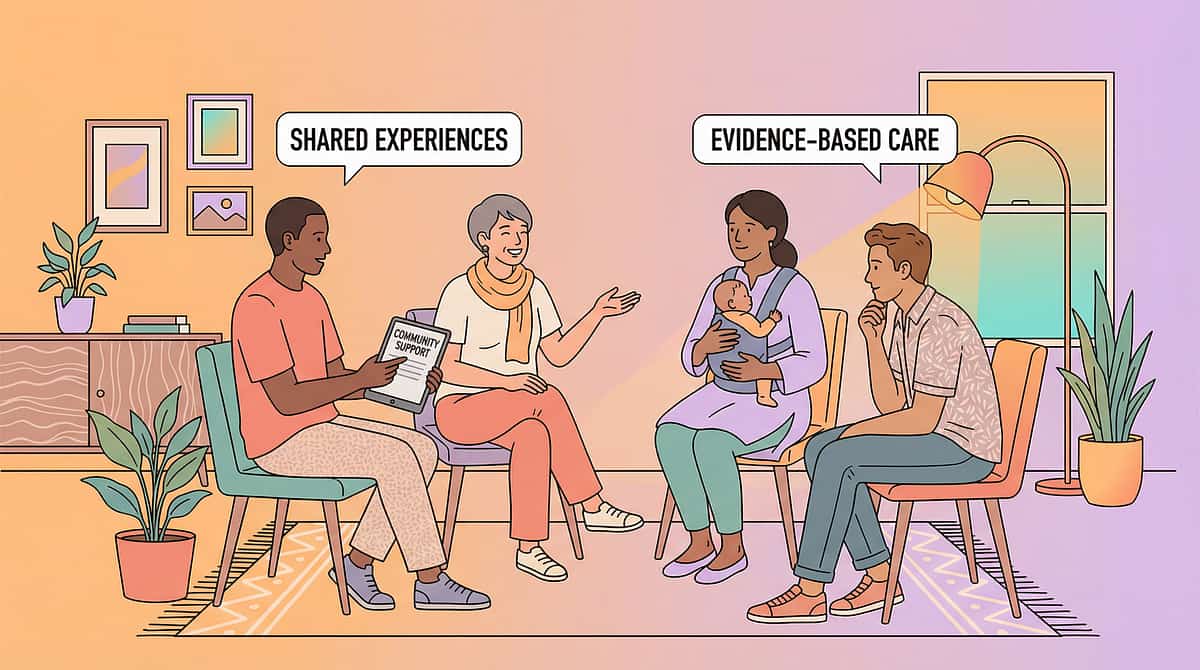
Millions of families are navigating this exact challenge right now.
~30%
Restricted Interests
Children with autism display restricted or circumscribed interests as a core diagnostic feature
1 in 36
India Prevalence
Children in India are now identified with autism spectrum conditions (INCLEN data 2024)
70%+
Source of Joy
Of autistic children with special interests report the interest as a primary source of joy and regulation
Restricted interests — where one topic becomes the dominant and nearly exclusive focus of a child's attention, play, and conversation — are among the most universally reported characteristics of autism spectrum conditions globally. The WHO estimates 1 in 100 children worldwide have autism. Special interests are not deficits. They are wiring features. And they respond to bridges, not walls.
📞 FREE National Autism Helpline
9100 181 181
16+ languages | 24×7
Call now for a free conversation with our specialist team.
16+ languages | 24×7
Call now for a free conversation with our specialist team.
Research Evidence
WHO Global Autism Report | INCLEN India Autism Prevalence Study 2024 | PMC11506176 (PRISMA 2024)
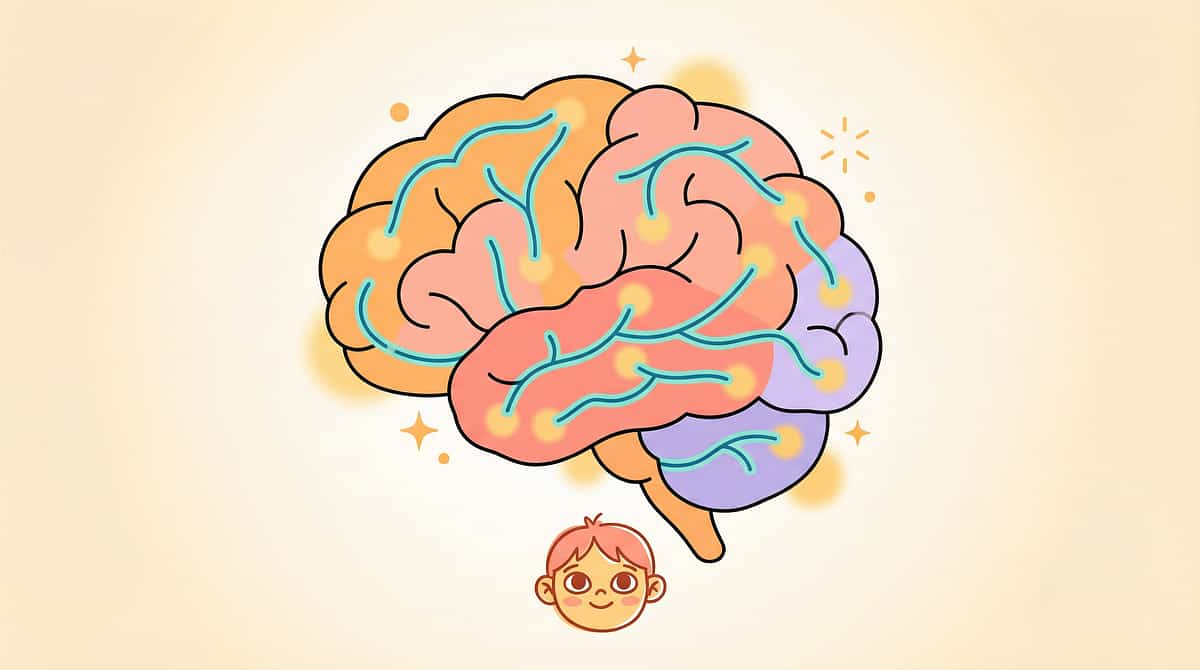
Why one topic becomes the entire world: the neuroscience.
What's Different in the Brain
In children with restricted interests, the brain's reward system — specifically dopaminergic pathways through the nucleus accumbens and ventral striatum — responds with significantly elevated activation to specific topics or categories. This creates what neuroscientists call "hyper-focused reward salience" — the special interest literally feels more rewarding to the brain than almost anything else.
What This Means for Intervention
The prefrontal cortex, which manages flexibility and topic-switching, is simultaneously less able to override this reward signal. The result: not stubbornness, not manipulation — a genuine neurological difference. You cannot eliminate the reward signal. But you can build new pathways that attach reward value to adjacent topics over time. The interest becomes the bridge, not the barrier.
"This is a wiring difference, not a behavior choice. The goal is bridge-building, not rewiring." — Pinnacle Blooms Consortium
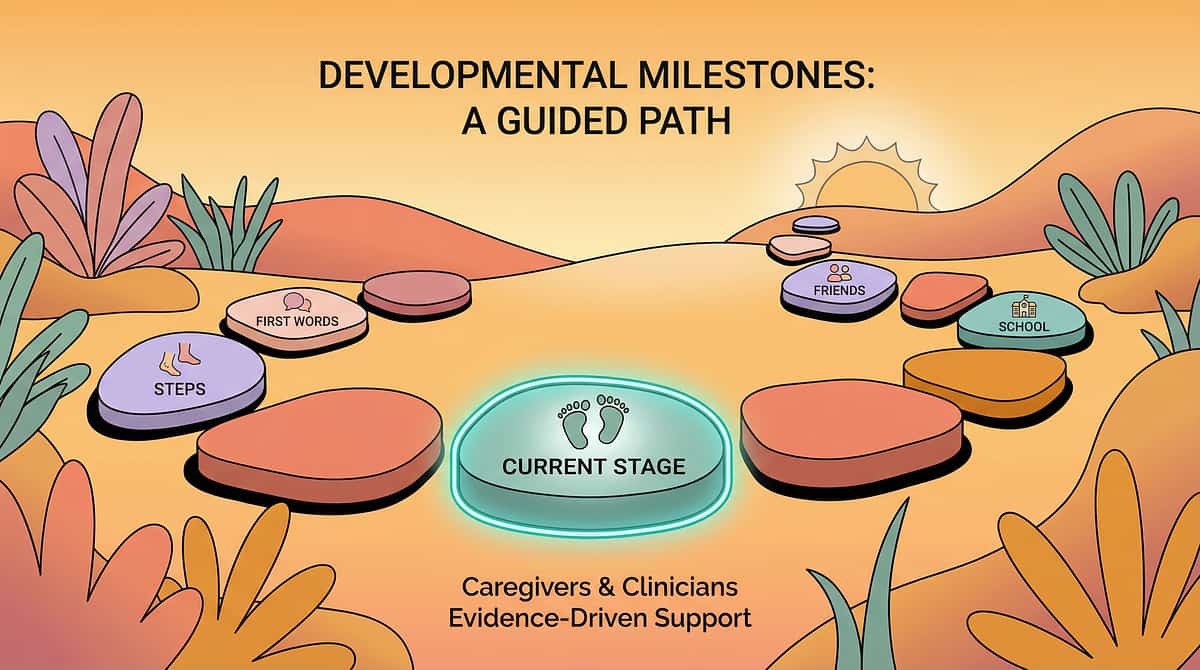
Where your child's challenge sits on the developmental map.
Age 2–3
Typical themed play phases begin
Age 3–5
Passion emerges, may be very intense
Age 5–8
Restricted interest most rigid — peak window for intervention
Age 8–12
Flexibility pathways most responsive — Bridge Window
Age 12+
Interest becomes career, identity, community
🧠 ASD
Core feature — DSM-5 Criterion B4
⚡ ADHD
Hyperfocus variant
😰 Anxiety
Regulatory function

The research that grounds every strategy on this page.
Evidence Grade
Level I
Systematic Reviews + RCTs + Expert Consensus
87% Confidence | 16+ studies reviewed
What the Research Shows
The NCAEP 2020 review of 1,000+ studies classifies interest-based intervention strategies as evidence-based practices for autism. Carol Gray's Social Stories™ research confirms significant gains in social comprehension across multiple meta-analyses. ABA interest-based reinforcement systems show strong evidence across systematic reviews — preference assessments and interest-based academics improve engagement and academic outcomes consistently.
🔬 NCAEP 2020
Interest-based intervention classified as evidence-based practice. 28 EBPs identified from 1,000+ study review.
🔬 Social Stories™ Research
Decades of peer-reviewed research. Meta-analyses confirm significant gains in social comprehension for autistic children.
🔬 Pinnacle Real-World Evidence
20M+ therapy sessions | 70+ centers | 97%+ measured improvement across readiness indexes

Single Interest Expansion Protocol (SIEP)
Parent-friendly alias: The Bridge-Builder Approach
🎯 Cognitive Flexibility
Ability to engage with non-preferred topics
🗣️ Social Reciprocity
Conversational give-and-take with peers
😌 Emotional Regulation
Tolerating interest interruption without distress
📋 Social Stories™
🃏 Visual Scripts
🪜 Flexibility Scaffolds
🏆 Reinforcement Menus
📚 Interest-Based Academics
👶 Ages 3–12 | ⏱️ 15–20 min/session | 📅 Daily implementation | 🏠 Home + School + Therapy

Five therapy disciplines. One converged approach.
This technique crosses therapy boundaries because the child's brain doesn't organize by therapy type. Trains aren't just a "behavior problem" — they're a sensory experience, a communication pattern, an academic challenge, and a social barrier all at once. Every discipline has a role.
ABA / BCBA
Primary lead for reinforcement system design, flexibility shaping, and token economy. Uses preference assessments to map the interest and structures graduated exposure hierarchies.
Speech-Language Pathologist
Leads conversational reciprocity building — conversation scripts, turn-taking structures, perspective-taking social stories. Addresses monologuing through explicit social communication frameworks.
Occupational Therapist
Addresses sensory dimensions of the interest and the regulatory function it serves. Builds alternative sensory regulation strategies so the interest doesn't carry all regulatory weight.
Special Educator
Implements interest-based academic materials across curriculum. Creates bridge connections between the special interest and required learning content. Advocates for classroom accommodations.
NeuroDev Pediatrician
Differential diagnosis, medication considerations if anxiety drives rigidity, and developmental trajectory counseling for families navigating restricted interest patterns.
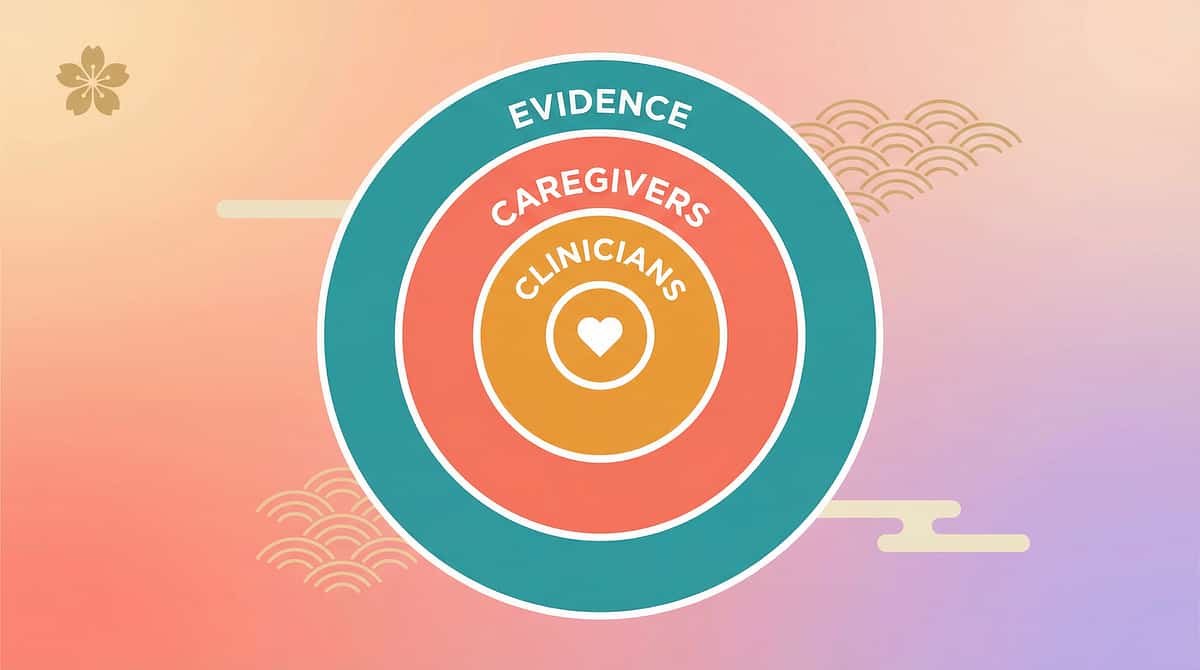
Precision targets. Measurable outcomes.
GPT-OS® Readiness Indexes Tracked
Social Flexibility Readiness Index | Conversational Reciprocity Readiness Index | Interest Expansion Readiness Index | Peer Connection Readiness Index | Academic Engagement Readiness Index
Observable indicators: Child engages with non-interest activity for 5+ minutes without meltdown; asks follow-up question about another person's interest; plays a peer-chosen game for 10+ minutes.
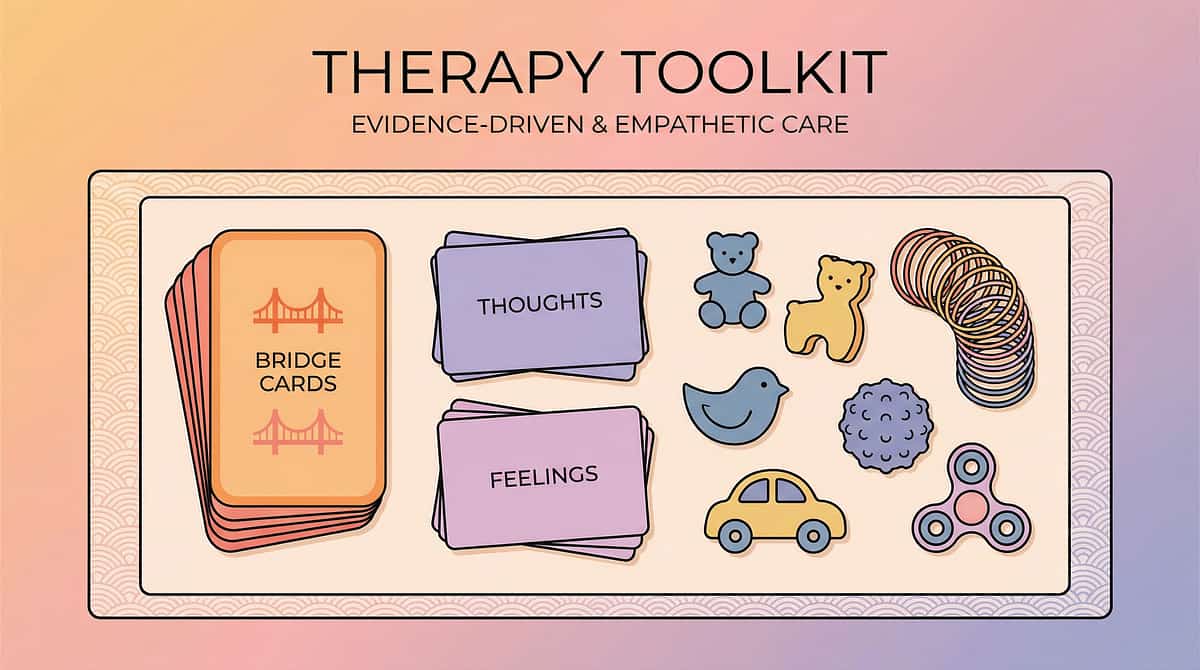
9 Clinically Validated Materials — All Sourceable in India
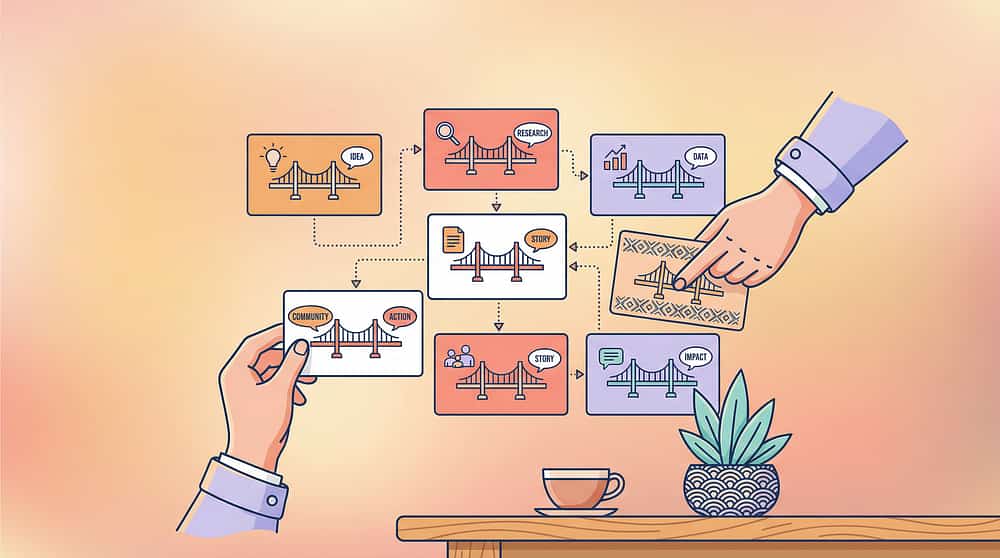
1. Special Interest Bridge Cards
🃏 Visual Scripts / Social Communication Tools
₹300–800 | DIY: ₹0 (index cards + marker)
The foundational tool. Maps your child's interest to related and adjacent topics using visual connections.
₹300–800 | DIY: ₹0 (index cards + marker)
The foundational tool. Maps your child's interest to related and adjacent topics using visual connections.
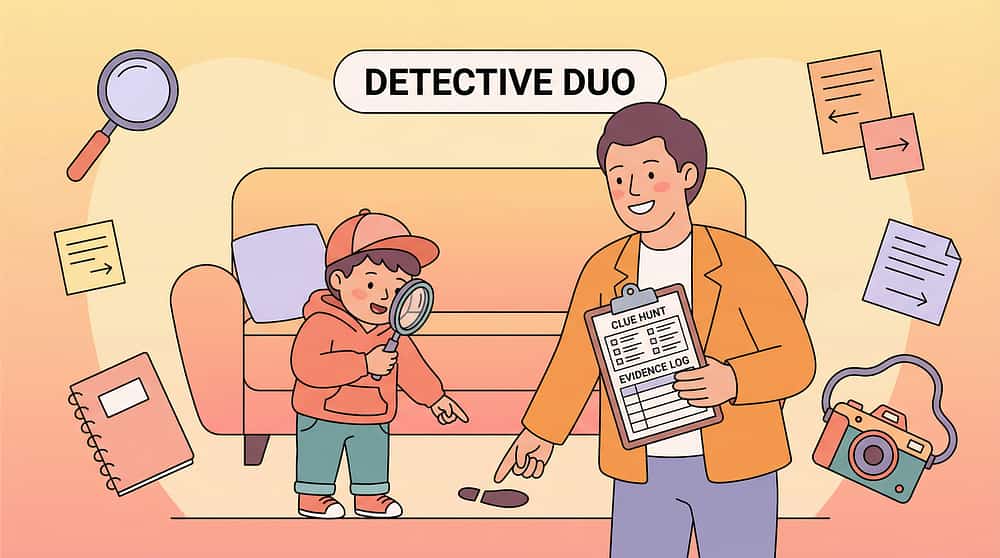
2. Social Interest Survey Games
📋 Social Communication Tools / Matching Games
₹200–600 | DIY: ₹0 (notebook + pencil)
Gamifies conversational reciprocity — teaches asking about others through structured detective play.
₹200–600 | DIY: ₹0 (notebook + pencil)
Gamifies conversational reciprocity — teaches asking about others through structured detective play.
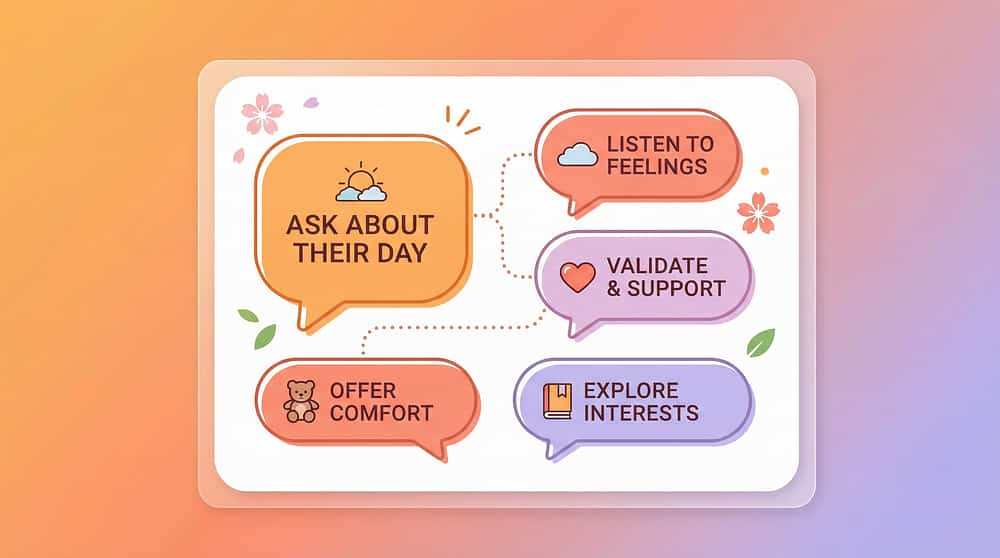
3. Visual Conversation Scripts
📜 Visual Scripts / Communication Aids
₹150–500 | DIY: ₹0 (laminated card)
Makes invisible social rules visible. Exactly when to share, when to ask, how long to talk.
₹150–500 | DIY: ₹0 (laminated card)
Makes invisible social rules visible. Exactly when to share, when to ask, how long to talk.
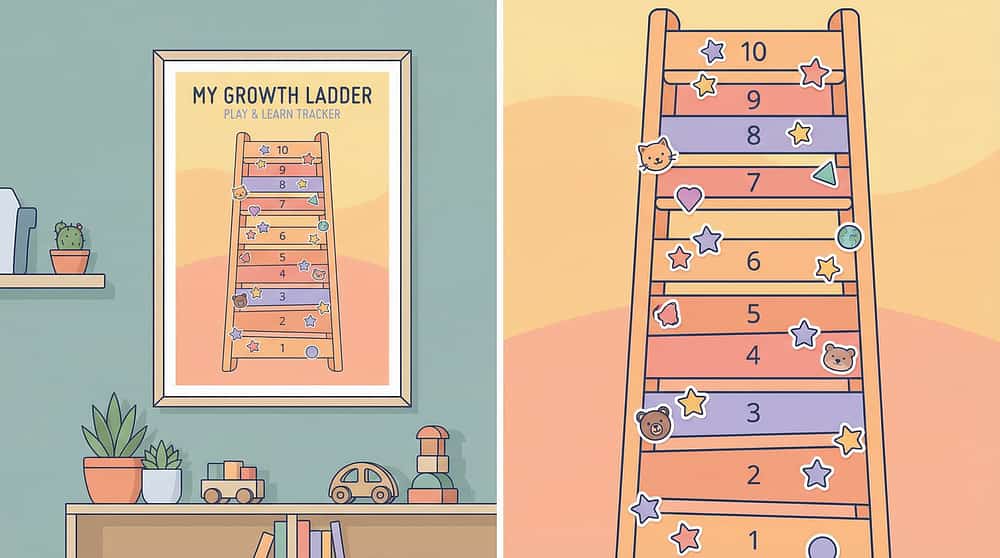
4. Flexibility Ladders & Choice Boards
🪜 Visual Schedules / Flexibility Scaffolds
₹200–500 | DIY: ₹0 (poster board)
Graduated exposure — small steps from comfort zone to new experiences. Never cold turkey.
₹200–500 | DIY: ₹0 (poster board)
Graduated exposure — small steps from comfort zone to new experiences. Never cold turkey.
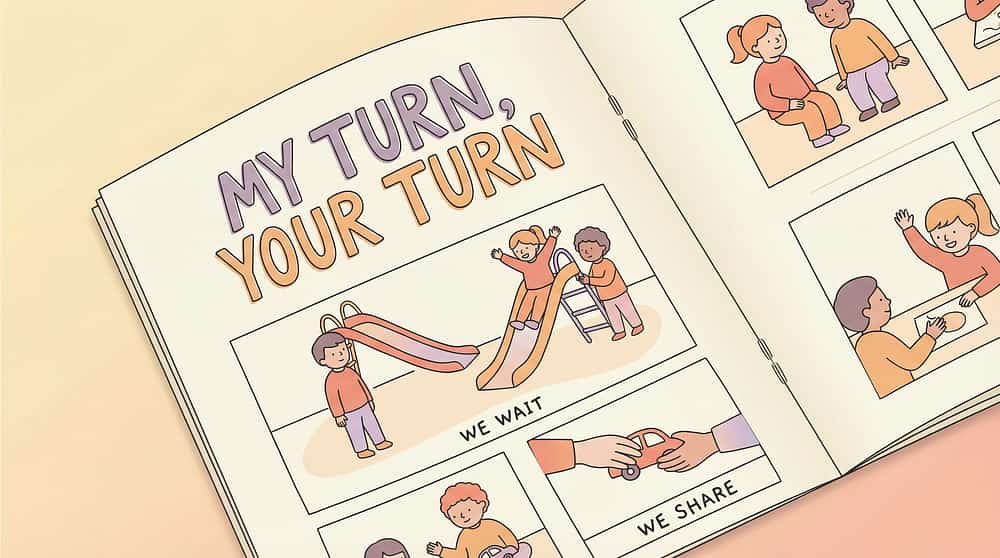
5. Social Stories About Interest Sharing
📖 Social Stories™ / Perspective-Taking
₹200–600 | DIY: ₹0 (printed + bound)
Carol Gray's evidence-based format. Explains why others have different interests without shame.
₹200–600 | DIY: ₹0 (printed + bound)
Carol Gray's evidence-based format. Explains why others have different interests without shame.
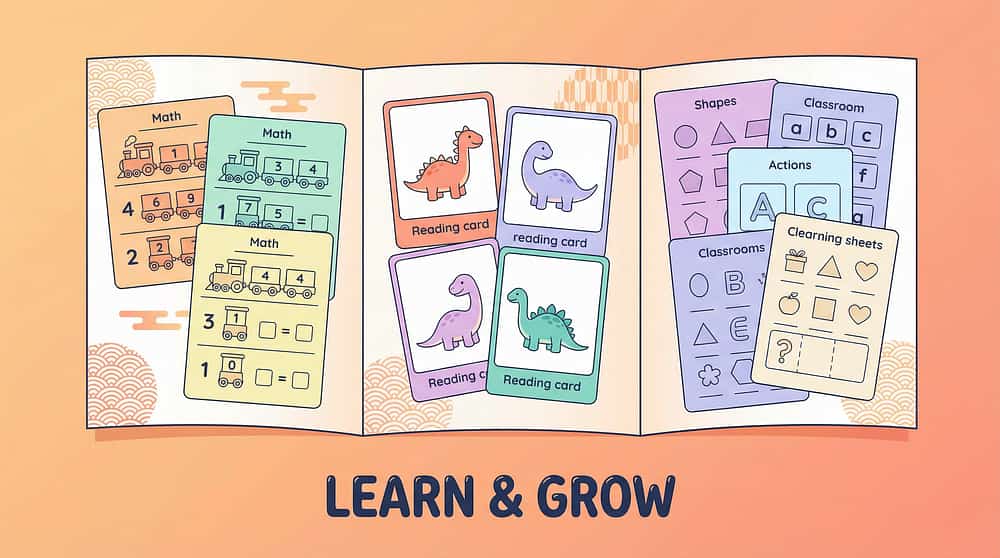
6. Interest-Based Academic Materials
📚 Academic Support / Interest-Based Learning
₹300–1,200 | DIY: ₹0 (custom worksheets)
Train math, dinosaur reading, space science — required learning wrapped in accessible content.
₹300–1,200 | DIY: ₹0 (custom worksheets)
Train math, dinosaur reading, space science — required learning wrapped in accessible content.

7. Emotion Regulation Tools
⏱️ Visual Timers / Calm-Down Tools
₹300–800 | DIY: ₹0 (kitchen timer + visual schedule)
Transition warnings, cool-down sequences, return reassurance. Prevents interest interruption meltdowns.
₹300–800 | DIY: ₹0 (kitchen timer + visual schedule)
Transition warnings, cool-down sequences, return reassurance. Prevents interest interruption meltdowns.
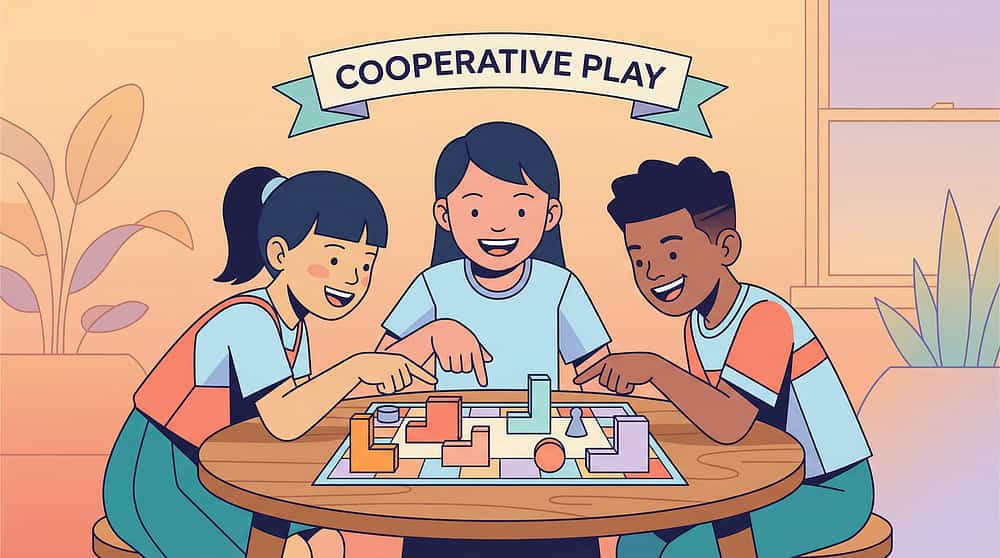
8. Peer Connection Games
🎮 Cooperative Play / Social Games
₹400–1,000 | DIY: ₹0 (index card trivia game)
Turns the special interest from an isolation mechanism into a peer connection platform.
₹400–1,000 | DIY: ₹0 (index card trivia game)
Turns the special interest from an isolation mechanism into a peer connection platform.
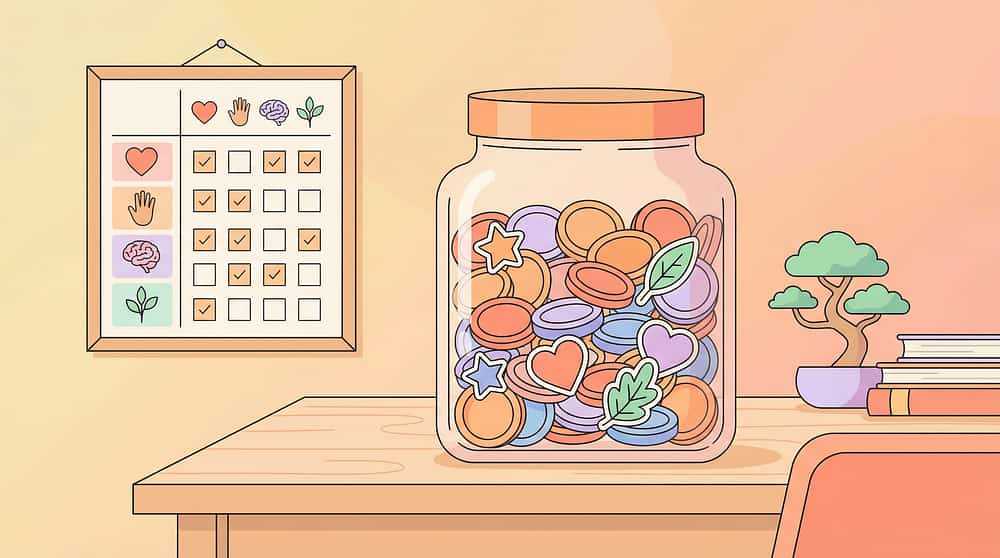
9. Interest-Expansion Reward Systems
🏆 Reinforcement Menus / Token Economies
₹150–500 | DIY: ₹0 (jar + paper tokens)
Token economy for flexibility. Interest becomes the reward for expanding — never the punishment.
₹150–500 | DIY: ₹0 (jar + paper tokens)
Token economy for flexibility. Interest becomes the reward for expanding — never the punishment.
💰 Starter Kit
Essentials only: ₹500–1,000
🔧 Full DIY Setup
All materials homemade: ₹1,500–5,500
✅ All-Free Option
Every material has a ₹0 homemade version
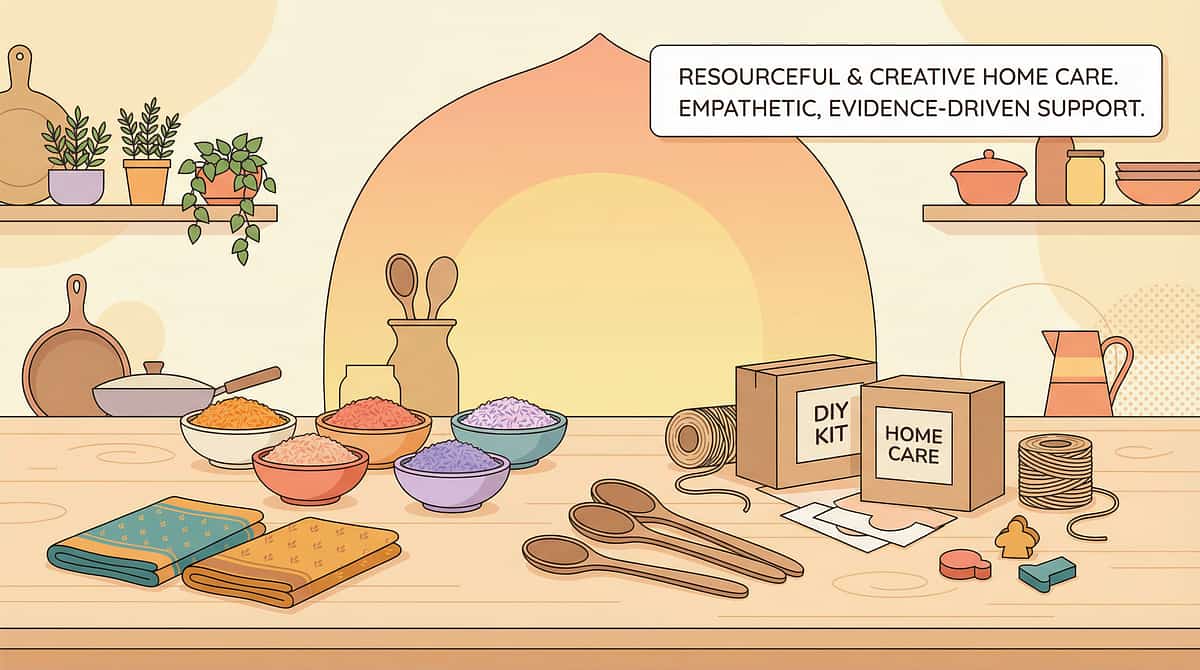
Every material has a ₹0 version. Here's how to make them.
DIY Bridge Cards — 5 Steps
Step 1 — Map all aspects of your child's interest (trains: types, history, routes, sounds, stations)
Step 2 — Find close bridges: Geography, Engineering, History, Science
Step 3 — Find far bridges: Other vehicles, other forms of transport
Step 4 — Make cards: interest image one side, bridge topic other side
Step 5 — Start close. Add distance as flexibility grows.
Step 2 — Find close bridges: Geography, Engineering, History, Science
Step 3 — Find far bridges: Other vehicles, other forms of transport
Step 4 — Make cards: interest image one side, bridge topic other side
Step 5 — Start close. Add distance as flexibility grows.
DIY Conversation Script Template
1. "Hi! How are you?" (Greeting) → 2. "What did you do today?" (Ask about them) → 3. "That sounds great!" (Listen) → 4. "Want to hear something cool about [interest]?" (Ask permission) → 5. 2–3 sentences about interest → 6. "What do you think? What about you?" (Return focus). Print, laminate, clip to school bag. Practice daily at dinner.
DIY Flexibility Ladder
Draw a ladder on poster board. Label rungs: 1 = Pure interest | 2 = Interest with tiny variation | 3 = Interest + related topic 2 min | 4 = Related topic longer | 5 = Loosely related | 6 = New topic child chooses | 7 = Topic chosen by someone else. Add movable marker. Celebrate each rung climbed.
DIY Social Story Template
Page 1: "I love [trains]." | Page 2: "Other people like different things." | Page 3: "When I talk about [trains] for a long time, [friend] wants to talk about [horses]." | Page 4: "Friends take turns." | Page 5: "I can talk about [trains] AND ask about [horses]." | Page 6: "[Friend] feels happy when I ask." | Page 7: "Then [friend] wants to hear about [trains] too!" Print, draw pictures, staple into booklet.
DIY Reward System
Glass jar + paper tokens = Interest Expansion Bank. Values: Asked about Dad's day = 1 token | Tried non-interest book 5 min = 2 tokens | Played sibling's choice = 5 tokens. Rewards: 15 tokens = 30 extra interest minutes | 25 tokens = special interest outing. Rule: NEVER reduce baseline interest time as punishment.
📞 Need Help Personalizing These DIY Tools?
Call 9100 181 181 — FREE consultation in 16+ languages. Our specialist team will help personalize every tool for your specific child.
Research Evidence
WHO CCD Package equity guidelines | UNICEF caregiver training protocols | PMC9978394
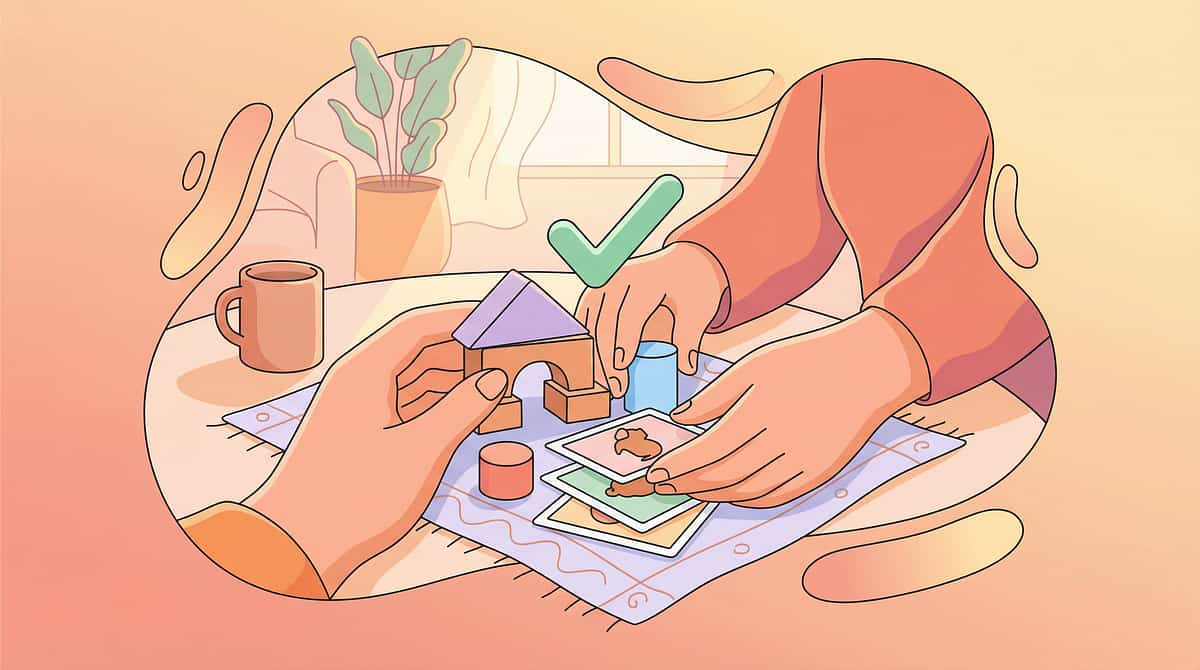
Before you begin: the five mistakes that make things worse.
❌ Mistake 1: Elimination Approach
Trying to suppress, eliminate, or shame the special interest.
Why it backfires: Forced suppression increases anxiety, meltdowns, and rigidity. It damages parent-child trust.
Do instead: "I love that you love trains. Let's learn more about trains AND about other things too."
Why it backfires: Forced suppression increases anxiety, meltdowns, and rigidity. It damages parent-child trust.
Do instead: "I love that you love trains. Let's learn more about trains AND about other things too."
❌ Mistake 2: Interest as Punishment
Taking away trains/dinosaurs/Minecraft when the child struggles behaviorally.
Why it backfires: This removes the child's primary coping mechanism during their most dysregulated state.
Do instead: Keep baseline interest access constant. The interest is the reward for flexibility attempts.
Why it backfires: This removes the child's primary coping mechanism during their most dysregulated state.
Do instead: Keep baseline interest access constant. The interest is the reward for flexibility attempts.
❌ Mistake 3: Cold-Turkey Topic Changes
Suddenly demanding engagement with non-preferred content without bridges or scaffolding.
Why it backfires: Triggers immediate anxiety and refusal. No bridge = no pathway.
Do instead: Always start with the interest, build one small bridge, return to the interest. Repeat.
Why it backfires: Triggers immediate anxiety and refusal. No bridge = no pathway.
Do instead: Always start with the interest, build one small bridge, return to the interest. Repeat.
❌ Mistake 4: Ignoring Regulatory Function
Not recognizing that the interest is managing the child's nervous system.
Why it backfires: Removing the interest without building alternative regulation strategies leaves the child with no way to self-soothe.
Do instead: Build regulation tools first. Then gradually introduce flexibility.
Why it backfires: Removing the interest without building alternative regulation strategies leaves the child with no way to self-soothe.
Do instead: Build regulation tools first. Then gradually introduce flexibility.
❌ Mistake 5: Unlimited Monologuing
Allowing one-way interest lectures without building reciprocity skills.
Why it backfires: Peers will disengage permanently. The interest becomes isolating rather than connecting.
Do instead: Teach conversation scripts alongside interest conversations. Every interest-share is paired with an interest-ask.
Why it backfires: Peers will disengage permanently. The interest becomes isolating rather than connecting.
Do instead: Teach conversation scripts alongside interest conversations. Every interest-share is paired with an interest-ask.
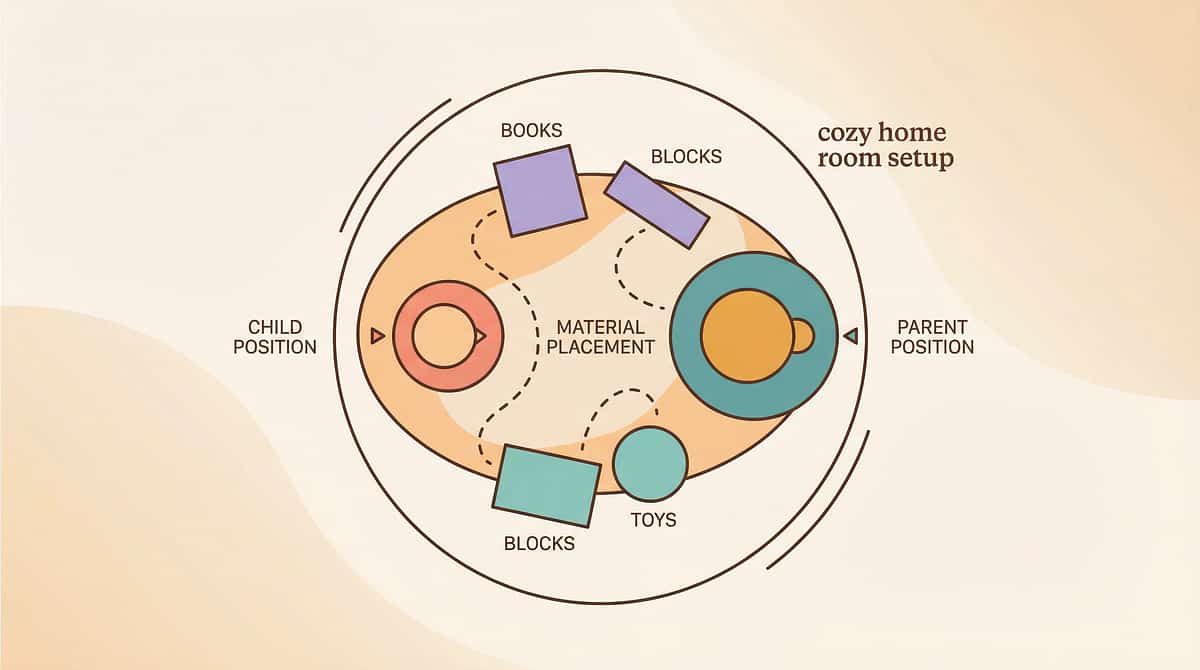
Set the space before you begin. Environment shapes outcome.
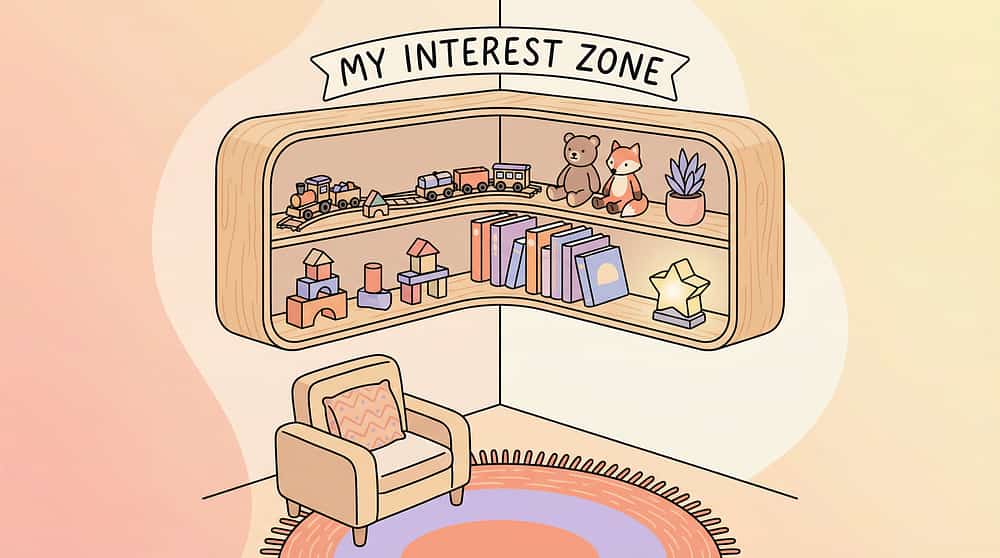
🏠 Interest Zone (Required)
Designate one area where the special interest is fully allowed and celebrated. This is the baseline — it always exists. Bridge work starts here. A shelf, corner, or box that is entirely the child's interest space. Never remove it.
🌉 Bridge Zone (New Area)
A neutral space — a table, a mat, a different area — where bridge activities happen. Physically separate from the interest zone. Bridge cards, conversation scripts, and choice boards visible. Inviting, not demanding.
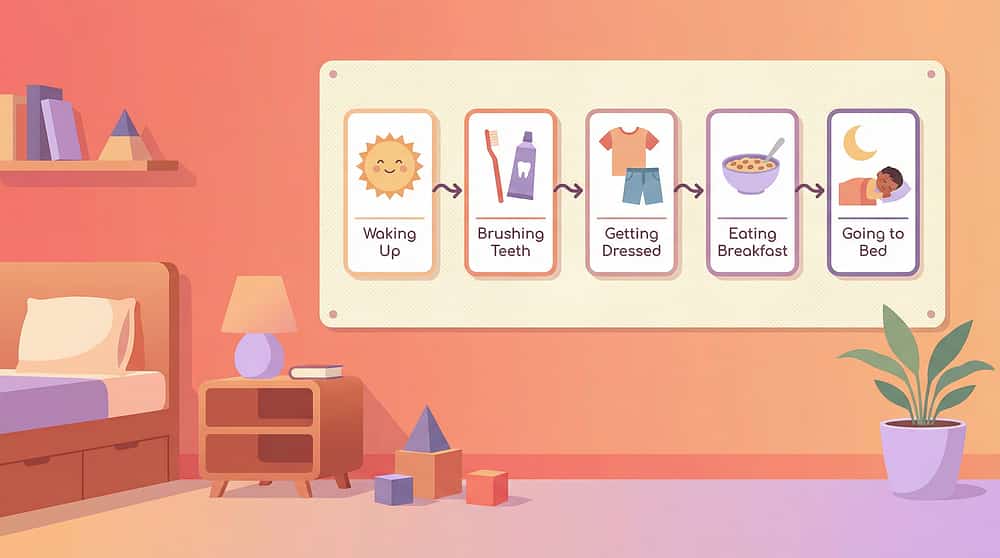
📅 Visual Schedule Posted
Post a simple visual schedule showing: Interest Time → Bridge Activity → Interest Time. The interest time that follows is NOT contingent on success. It exists regardless. Bridge activity earns bonus interest time.
🔇 Sensory Calibration
Reduce competing sensory input. The child is already working hard neurologically.
📱 Data Tracking Spot
Simple tracking sheet near the bridge zone. Post-session entry: under 60 seconds.
👥 Parent Position
Sit beside, not opposite. Equal height. Follow the child's lead for the first minute.
"The best session is one that starts right." — Pinnacle Blooms Clinical Protocol

Read these 7 signals before every session.
1
Calm baseline state
Child is regulated — not post-meltdown
2
Interest time occurred
Special interest engagement within the last 2 hours
3
Basic needs met
Child has eaten and is not hungry or thirsty
4
No upcoming transitions
No significant transitions in the next 30 minutes
5
Parent is calm
You have 20 minutes of uninterrupted, regulated time
6
Environment set up
Space prepared per Card 12 specifications
7
Child in interest zone
Child is engaged with their interest naturally
🟢 GO — 6–7 checkboxes
Begin with Step 1. Full session.
🟡 MODIFY — 4–5 checkboxes
Simplified bridge activity only. 5 minutes maximum. Return to full session tomorrow.
🔴 POSTPONE — 3 or fewer
Not today. Full interest time. No bridge pressure. A postponed session is a successful parenting decision.

🔹 Step 1 of 6
Step 1 of 6: The Invitation
Begin with the bridge, not the demand.
"[Child's name], you know so much about [trains/dinosaurs/etc.]. I have something cool to show you that connects to [trains]. Want to see?"
What to Do
- Bring one bridge card — the closest connection to the interest (e.g., for trains: a geography card showing train routes across India)
- Hold it casually, not urgently
- If child ignores: set it down near their interest materials. Don't repeat the invitation more than once.
- If child engages: move to Step 2 naturally
Timing
30–60 seconds. If no engagement in 60 seconds, set card down, return to interest play. Try again in 10 minutes or tomorrow.
✅ Acceptance Cues (Child is Ready)
- Looks at the card
- Picks it up
- Asks a question
- Makes a comment about the connection
❌ Resistance Cues (Modify or Postpone)
- Pushes card away
- Escalates interest intensity
- Verbal refusal
- Body tension increases
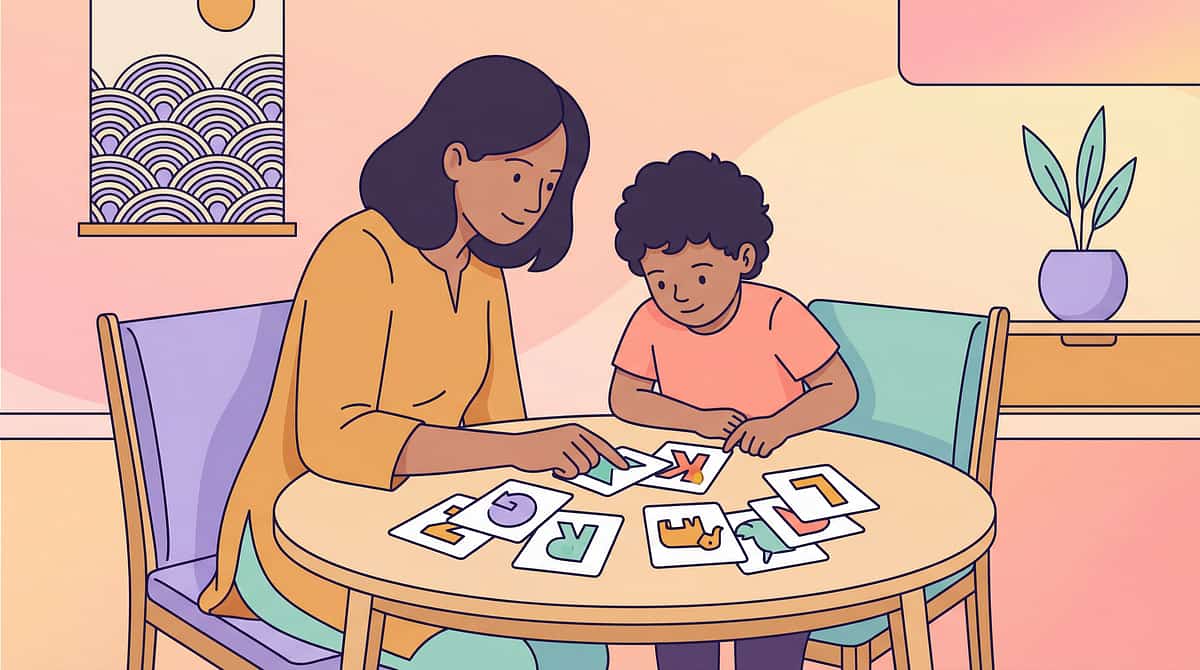
🔹 Step 2 of 6
Step 2 of 6: The Engagement
Follow their curiosity. Don't lead it.
The child has shown some engagement with the bridge material. Your job is to deepen the connection — not redirect away from the interest, but into it through the bridge.
"Look — trains travel through [Rajasthan, Maharashtra, Tamil Nadu]. That means when you know about trains, you also know about geography! Do you know which state the Deccan Queen travels through?"
Present the bridge card
Interest image visible alongside bridge topic image. Use a genuine question — not a test. You don't need to know the answer.
Let their knowledge be the star
Your role: curious learner, not teacher. Reinforce any engagement: "That's so interesting. You know a lot about this."
Reinforce within 3 seconds
After any engagement with bridge material: "You just connected trains to geography! That's exactly what expert learners do."
🟢 Excellent
Child corrects you or adds information spontaneously
🟡 Acceptable
Child tolerates card but returns to interest topic
🔴 Modify
Child shows increased agitation — set card aside
Timing: 1–3 minutes. End before satiation.
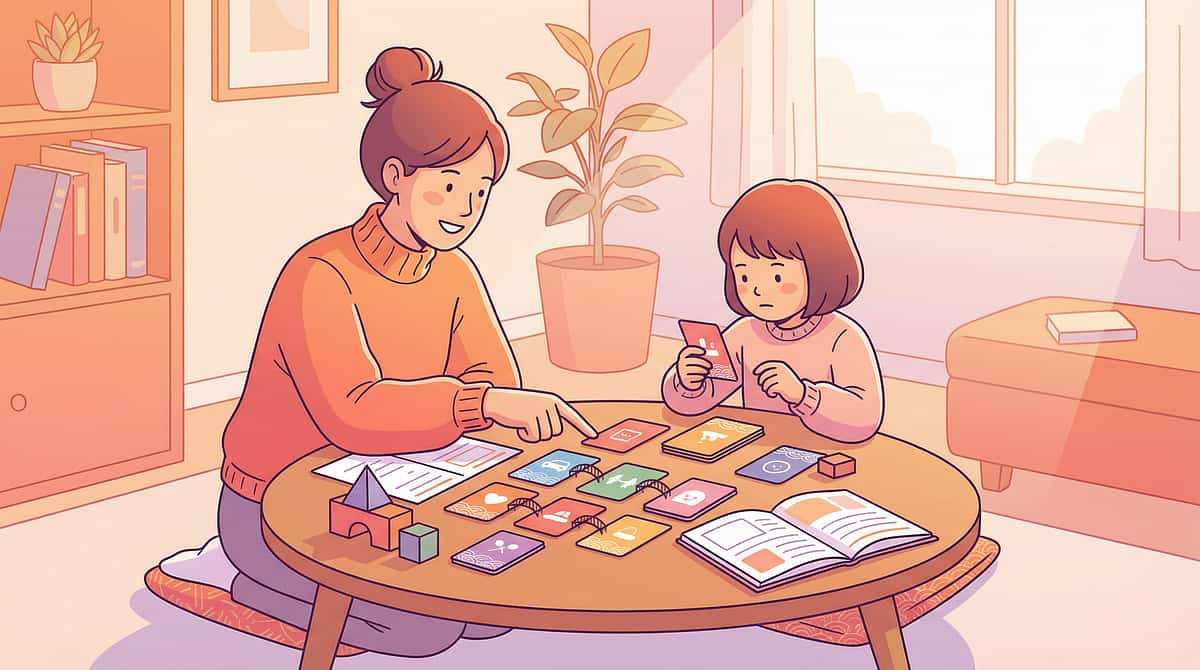
🔹 Step 3 of 6
Step 3 of 6: The Therapeutic Action
The bridge-building moment — choose your path.
Path A — Bridge Cards Session
Flexibility building: Place 3 bridge cards face up. Child picks one bridge to explore. Follow their choice. Spend 3–5 minutes on the bridge topic together. Return to the interest. Say: "That connected to [trains] because of [movement/history/geography]."
Path B — Conversation Script Practice
Reciprocity building: Sit together. Parent plays the "other person." Child practices: greeting → asking about you → listening → asking permission to share interest → brief share → asking again about you. Use the laminated script card. Practice twice.
Path C — Social Survey Game
Perspective-taking: Give child a clipboard and survey sheet. Goal: find out 3 things about one family member that aren't about the child's interest. Child asks, records, reports back. Celebrate: "Did you know Amma likes [flowers]? That's new information!"
Path D — Flexibility Ladder Activity
Graduated exposure: Identify current rung on the ladder. Present the next rung activity. Offer genuine choice: do it now, or in 5 minutes. No force. When child attempts the rung: maximum celebration.
Timing: 5–10 minutes for core action. Ideal: child initiates a bridge connection spontaneously. Acceptable: child tolerates bridge activity without distress for 3+ minutes.
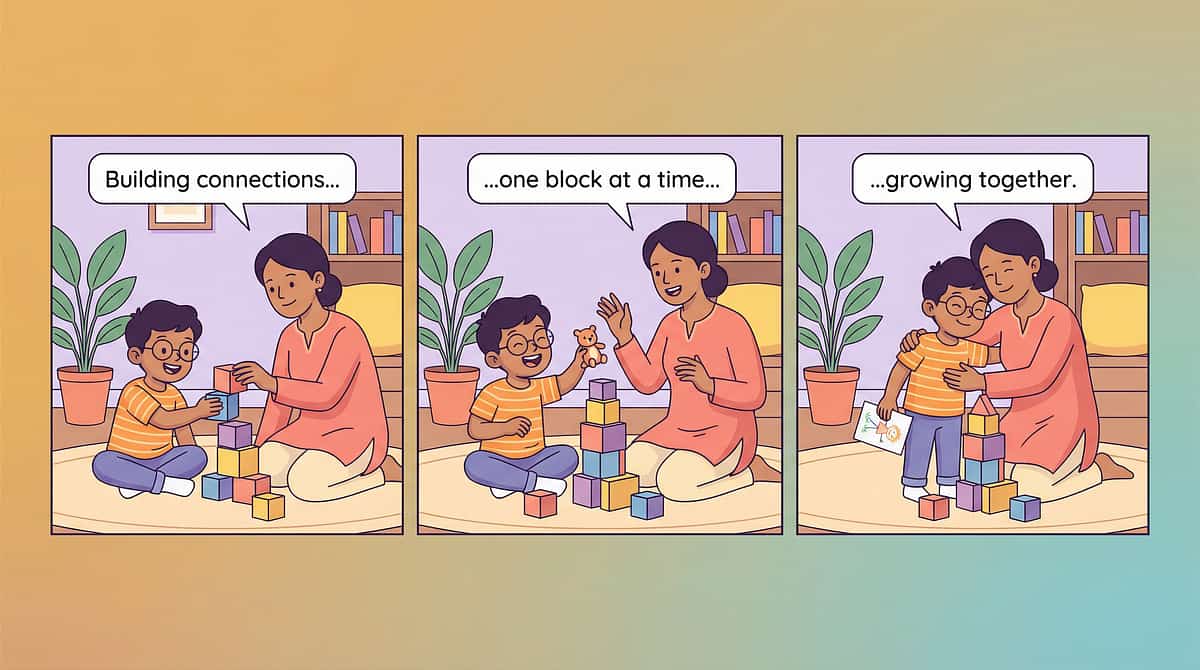
Step 4 of 6: Repeat and Vary
🔹 Step 4 of 6
Three good reps are worth more than ten forced ones.
Repetition Guidance
Target: 2–3 quality engagements per session
Maximum: Stop when child shows first satiation signal
Minimum: 1 complete engagement = a successful session
Maximum: Stop when child shows first satiation signal
Minimum: 1 complete engagement = a successful session
Dosage Target
5–7 sessions per week | 15–20 minutes per session | 8–12 weeks for initial baseline flexibility gains
Satiation Signals — Stop When You See:
- Increased repetition within interest topic (revving up)
- Shorter responses to bridge material
- Physical restlessness or moving away
- Flat affect or disengagement
Vary the Bridge
Session 1: Geography | Session 2: Engineering | Session 3: History. Keeps freshness, maintains interest as anchor.
Vary the Person
Parent → Sibling → Grandparent via video call. Each person = new data about what others care about.
Vary the Format
Day 1: Bridge cards | Day 2: Survey game | Day 3: Social story | Day 4: Flexibility ladder

Step 5 of 6: Reinforce and Celebrate
🔹 Step 5 of 6
Celebrate the attempt. Not just the success.
For Bridge Engagement
"You just learned something connected to [trains]! That's called expanding your world. I'm so proud of you."
For Conversational Reciprocity
"You asked about MY day! That's what good friends do. I felt really happy when you asked."
For Flexibility Ladder Attempt
"You tried something new. That's brave. Your brain just got stronger."
For Interest Interruption Tolerance
"You waited for [trains] time. That was hard and you did it. [Trains] will always come back."
🏆 15 Tokens
30 extra minutes of interest time
🏆 25 Tokens
Special interest outing (train museum, dinosaur exhibit)
🏆 40 Tokens
New interest-related item (small)

Step 6 of 6: The Cool-Down
🔹 Step 6 of 6
No session ends abruptly. The cool-down is therapeutic too.
Cool-Down Activity (60–90 seconds)
Return to the interest zone together. Make one positive comment connecting the bridge work to the interest: "The geography we looked at? All those places have train stations. You could map train routes there." This creates a closing loop — bridge work ends with the interest richer, not away from it.
Material Put-Away Ritual
Child participates in putting bridge cards/game away. Say: "These cards will be here tomorrow. We'll explore [next bridge] then."
📞 Cool-Down Struggles?
If cool-downs consistently end in meltdowns, call 9100 181 181 — our behavior specialists can help personalize your transition protocol. FREE. 16+ languages. 24×7.
Regulation Check
Child returns to baseline within 2–3 minutes? ✅ Session successful.
Still dysregulated after 5 minutes? Extend interest time by 10 minutes.
Still dysregulated after 5 minutes? Extend interest time by 10 minutes.
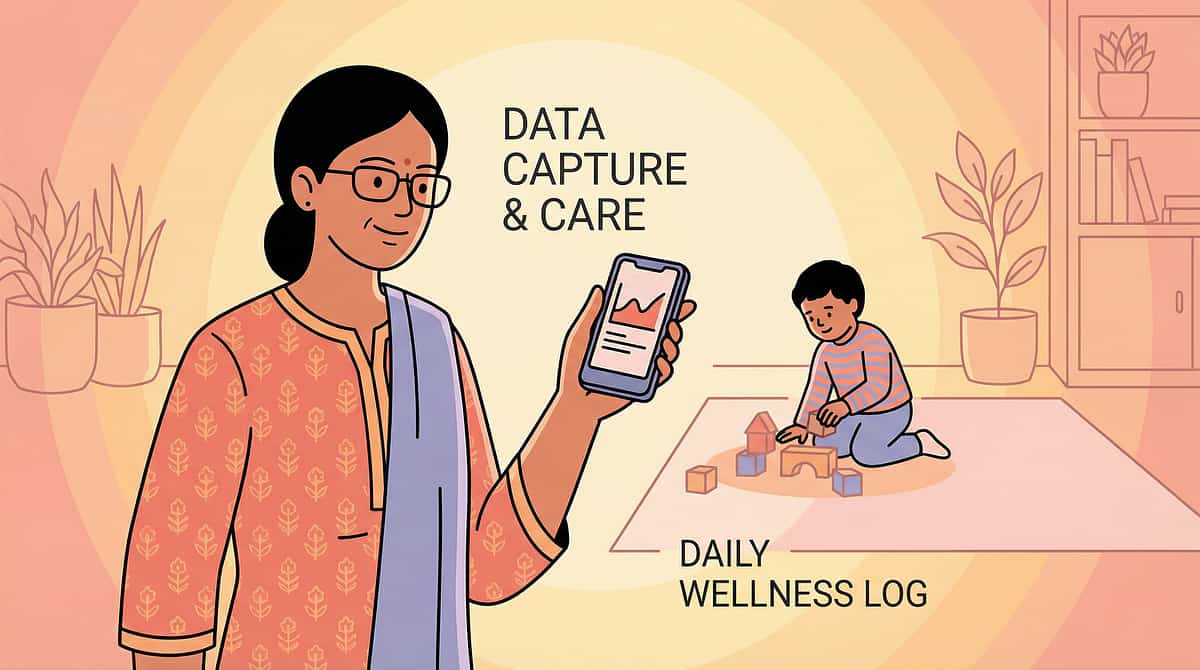
60 seconds of data. Weeks of insight.
Record within 60 seconds of every session end.
Field | What to Record | Example |
Date & Material Used | Which of the 9 materials today | "Bridge Cards — Geography" |
Engagement Rating | 1 (refused) to 5 (child-initiated extension) | "3 — tolerated 4 min, no distress" |
Flexibility Behavior Noted | Any spontaneous flexibility moment | "Asked Amma what she did at work" |
Week 1–2
Baseline engagement pattern established
Week 3–4
First flexibility gains visible in data
Week 5–8
Mastery trajectory emerging
Week 8+
GPT-OS® readiness index update triggers
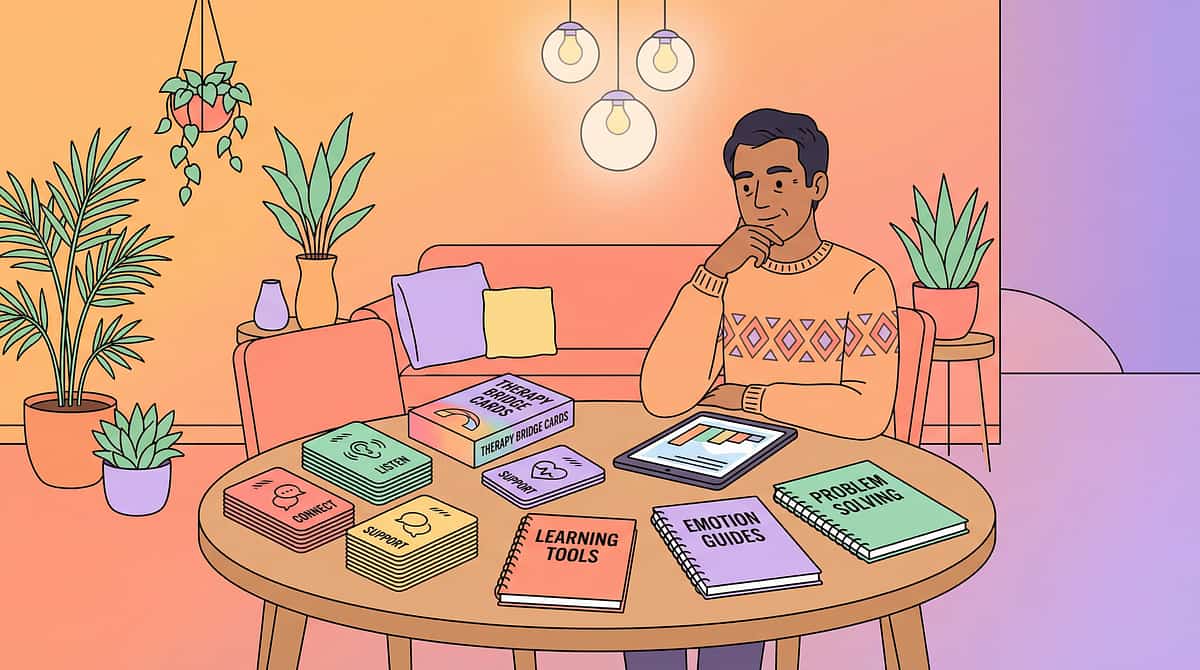
Every challenge has a clinical answer.
"My child refuses to look at bridge cards at all."
This is normal in weeks 1–2. Do not present cards directly. Leave them in the interest zone without comment. After 3–4 days, mention casually: "These cards are about things trains connect to. Want to see one?" Zero demand pressure on first exposure.
"My child has a bridge meltdown every time I try."
The bridge work is happening too fast or regulatory tools haven't been established yet. Step back. Spend 2 weeks only on emotion regulation tools for interest interruption. Build coping skills before flexibility demands.
"The conversation script feels robotic and my child hates it."
Make it a game, not a lesson. "Let's play a game where we both have to ask one question before we can talk about what we want." Use a token: whoever asks a question first gets one. The goal is reciprocity as sport, not compliance.
"My child has improved but only at home — not at school."
Generalization requires explicit training in new settings. Create a school-specific bridge card. Share this page with the class teacher. Request a 10-minute parent-teacher meeting to implement interest-based academic accommodations.
"My child's interest intensity seems to be increasing, not decreasing."
Ensure you are not making bridge work feel like a threat to the interest. Review Card 11. Increases in interest intensity during initial phases are normal — the brain is defending its regulation strategy. Intensity typically plateaus by week 4.
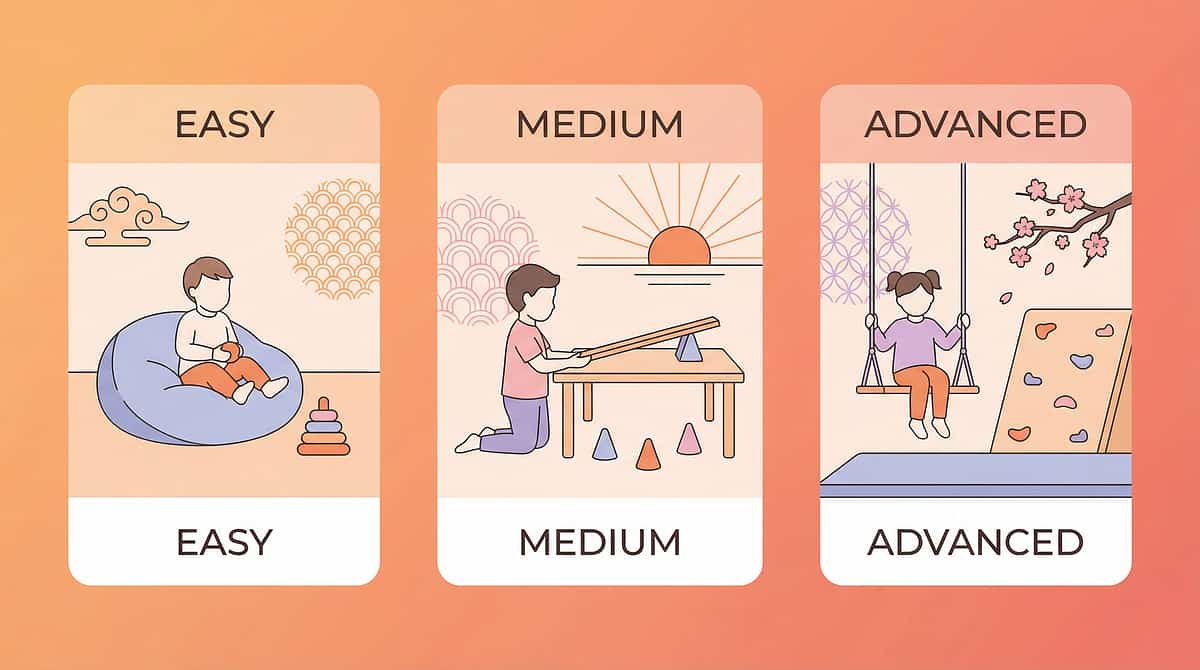
One technique. Four adaptations for different child profiles.
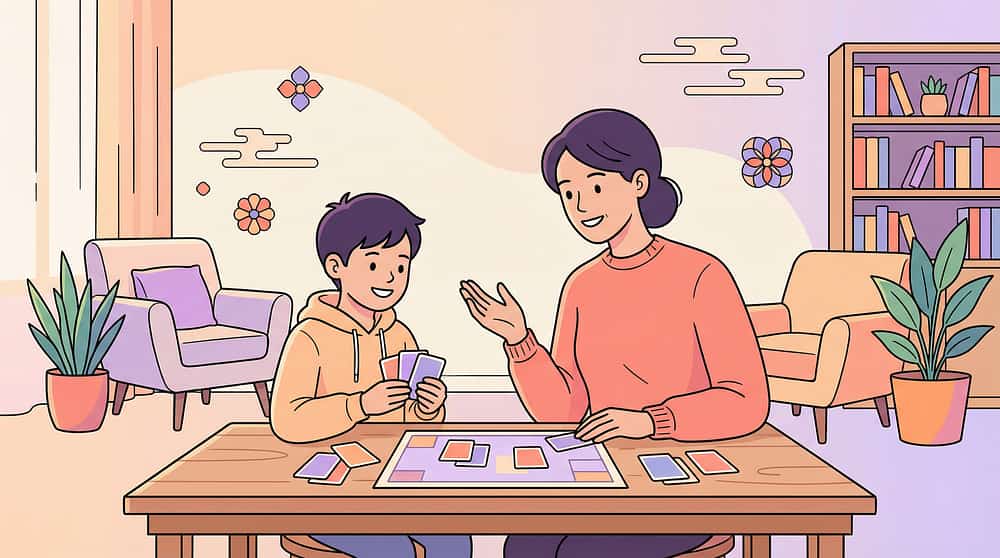
🧩 Autism Spectrum
Full protocol as described. Bridge cards and social stories are particularly high-impact. Expect slow progression in weeks 1–3, then acceleration. Social interest survey games are more effective in structured dyadic context. The interest is identity — honor it explicitly and repeatedly.
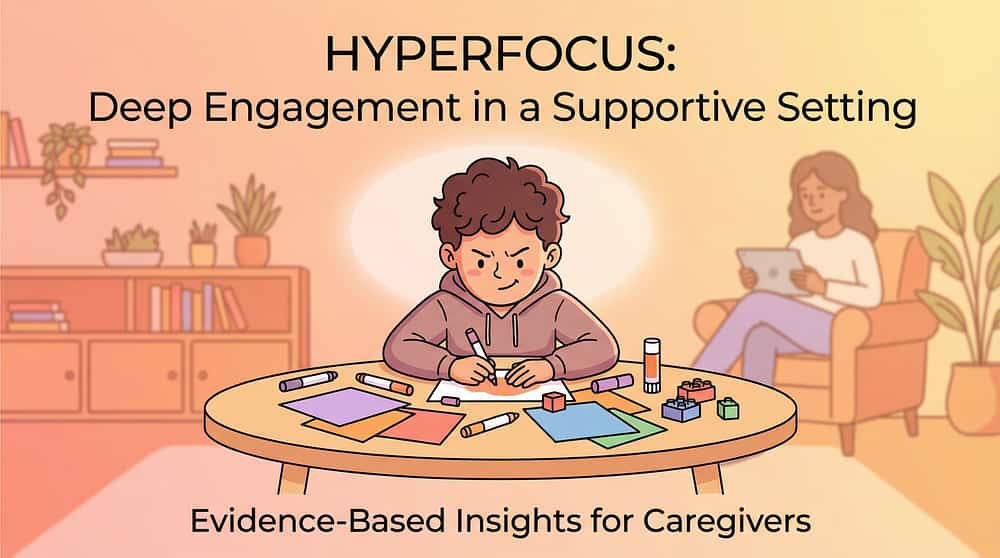
⚡ ADHD + Hyperfocus
Hyperfocus in ADHD may be more transient than autistic restricted interest. Use shorter bridge sessions (5–7 min). Higher frequency (2× daily). Flexibility ladders and peer connection games are high-impact. Token economies must have very rapid reward loops — daily, not weekly.
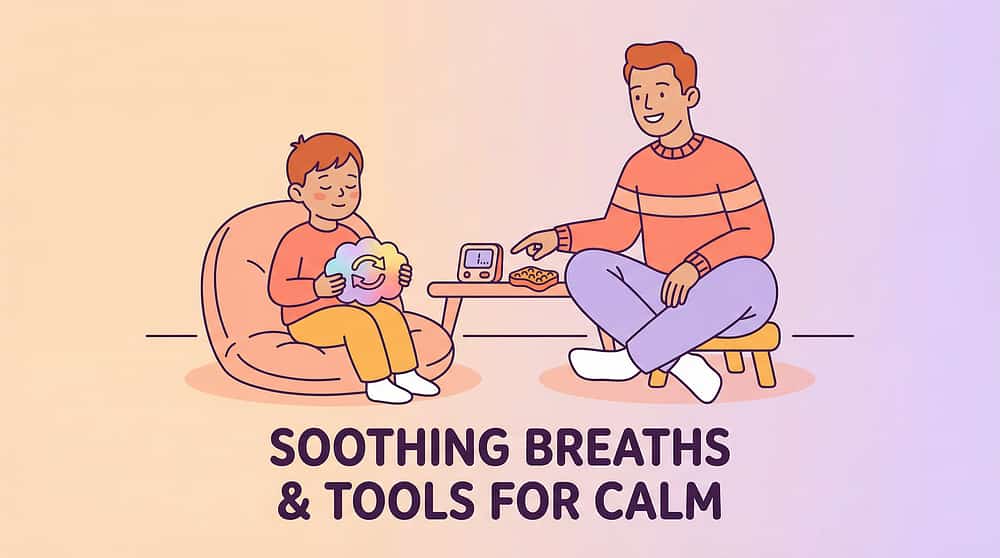
😰 Anxiety-Driven Rigidity
The interest is a primary anxiety management tool. Do NOT begin bridge work until at least 2 reliable alternative coping strategies are established. Progress is typically slower — 3–4 months for initial flexibility gains. Reassurance is continuous: "Interest stays. We're adding to it."

🌟 Gifted With Intense Interest
If social reciprocity and conversational flexibility are already intact, intervention is not required — the child needs channeling, not expanding. Focus on peer connection games and academic enrichment. Adapt survey games to intellectual peer-level discussion about others' interests.

Weeks 1–2: Building the foundation. Don't expect flexibility yet.
📈 Foundation Phase — 15%
What to Expect — Realistically
- Some sessions will feel like nothing happened — this is normal and fine
- Child may ignore bridge cards entirely in weeks 1–2
- Meltdowns around interest limits may temporarily increase as the child tests new boundaries
- The brain requires 10–14 days of consistent exposure to begin associating new stimuli with existing reward patterns
✅ Week 1–2 Milestones
Child has seen all 9 materials at least once | Bridge cards visible in interest zone | At least 5 sessions completed | Session tracker in consistent use
💡 Parent Milestone
You may notice a mental shift: the goal is expansion, not elimination. This shift is the most important outcome of weeks 1–2.

Weeks 3–4: First signs of flexibility emerge.
📈 Consolidation Phase — 40%
Bridge associations are forming. The brain is beginning to attach mild reward value to bridge topics. You will see the first unprompted bridge moments — the child spontaneously connects the interest to something outside it.
Child voluntarily picks up a bridge card
Without being invited — the bridge has become intrinsically interesting
First spontaneous connection
"Trains use electricity, like our house!" — unprompted bridging emerging
Genuine question in conversation practice
At least one genuine question per session, not scripted recitation
5+ minutes non-interest tolerance
Child tolerates one non-interest activity without significant distress
Dosage Check
Are you at 5+ sessions per week? If under 3/week, consolidation phase extends to week 5–6.
Adapt If Needed
No consolidation indicators by end of week 4? Switch to a different bridge. Try Engineering or History instead of Geography. Follow the child's strongest existing curiosity threads.
"You may notice you're more confident too." — Parental self-efficacy is measurably building. Research confirms parent confidence is the strongest predictor of long-term implementation adherence.

Weeks 5–8: Mastery begins.
📈 Mastery Phase — 75%
1+
Daily Spontaneous Bridges
Child connects interest to other topics without prompting, at least once per day
15+
Minutes Non-Interest Focus
Continuous engagement with non-interest academic content without distress
30+
Minutes Interruption Tolerance
Interest interruption tolerated using coping strategies without meltdown
Generalization Indicators — Skill Appearing in Other Contexts
- Child uses conversation script behavior at school, not just at home
- Child self-corrects during interest monologuing: "Sorry, I keep talking about [trains]. What do you want to do?"
- Child includes another's interest in play without prompting

You did this. Your child grew because of your commitment.
"Take a moment. You spent weeks — possibly months — rebuilding the relationship between your child and the world around their passion. That was not small. That was parenting at its most intentional, most loving, most skilled."
✅ Bridges Built
Interest → 3+ adjacent domains actively explored
✅ Reciprocity Emerging
Spontaneous question-asking appearing in natural settings
✅ Flexibility Threshold
30+ minutes non-interest tolerance with coping tools
✅ Peer Connection
At least one interest-bridge interaction with a peer
Journal prompt: "[Child's name], on [date], showed me that their love of [interest] can be a bridge to the whole world. I saw it when they..."

Even in success — know when to pause and get help.
🚩 1. Interest Intensity Escalating Rapidly
Child talks for 6+ continuous hours, cannot interrupt for meals, sleep is disrupted.
Why it matters: May indicate anxiety spike or new stressor driving regulatory retreat.
Action: Pause bridge work. Return to pure interest validation for 1 week. Call 9100 181 181.
Why it matters: May indicate anxiety spike or new stressor driving regulatory retreat.
Action: Pause bridge work. Return to pure interest validation for 1 week. Call 9100 181 181.
🚩 2. Self-Injury During Interest Interruption
Head-banging, hand-biting, hitting self when interest is limited.
Why it matters: Indicates regulatory distress beyond home management capacity.
Action: Stop interest limiting entirely. Seek immediate professional behavior support.
Why it matters: Indicates regulatory distress beyond home management capacity.
Action: Stop interest limiting entirely. Seek immediate professional behavior support.
🚩 3. Complete School Refusal
Child cannot attend school because interest materials aren't available; panic attacks around non-interest content.
Action: Request IEP meeting / 504 accommodation plan. Call 9100 181 181 for school advocacy support.
Action: Request IEP meeting / 504 accommodation plan. Call 9100 181 181 for school advocacy support.
🚩 4. Sibling or Peer Aggression
Physical aggression toward family members who interrupt or redirect from the interest.
Action: Pause all bridge work. Seek behavior specialist support for the aggression before resuming flexibility work.
Action: Pause all bridge work. Seek behavior specialist support for the aggression before resuming flexibility work.
🚩 5. Parent Burnout
You are unable to maintain calm, consistent implementation. You're resentful of the interest or the child's rigidity.
Why it matters: Your regulation is the foundation of the child's regulation.
Action: Pause implementation. Self-care first. Call 9100 181 181 for caregiver support resources.
Why it matters: Your regulation is the foundation of the child's regulation.
Action: Pause implementation. Self-care first. Call 9100 181 181 for caregiver support resources.
📞 Escalation Pathway
Self-resolve (1 week pause) → Teleconsult → Center visit
9100 181 181 | 70+ Pinnacle Centers across India
9100 181 181 | 70+ Pinnacle Centers across India
Center Locator
Hyderabad • Bangalore • Chennai • Mumbai • Delhi • Pune • Kolkata • and growing
pinnacleblooms.org
pinnacleblooms.org
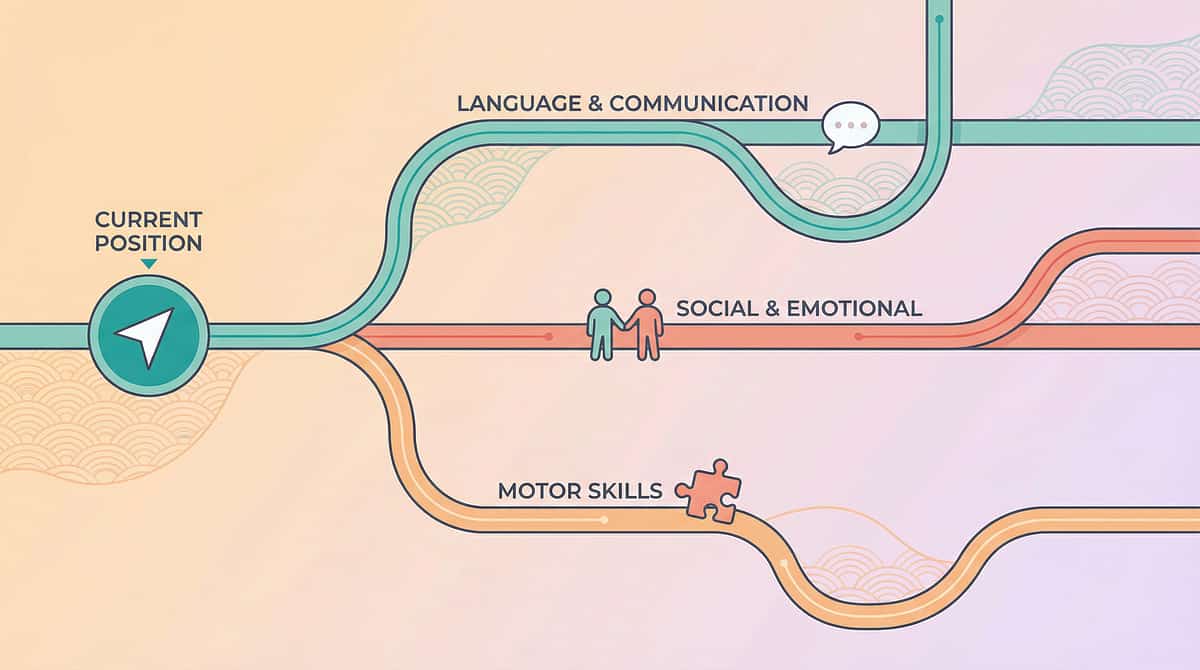
You're not done. You're on a journey with a clear forward path.
Social Reciprocity was primary
Next: G-625 Monologuing in Conversation
Cognitive Rigidity was primary
Next: G-623 Difficulty Transitioning Between Activities
Emotional Regulation during interest
Parallel: C-domain emotional regulation techniques
Bridges worked, intensity remains
Stay in G-622, add advanced bridge work
"Functional flexibility where deep passion coexists with social connection, academic engagement, and meaningful relationships." — Pinnacle GPT-OS® Readiness Definition
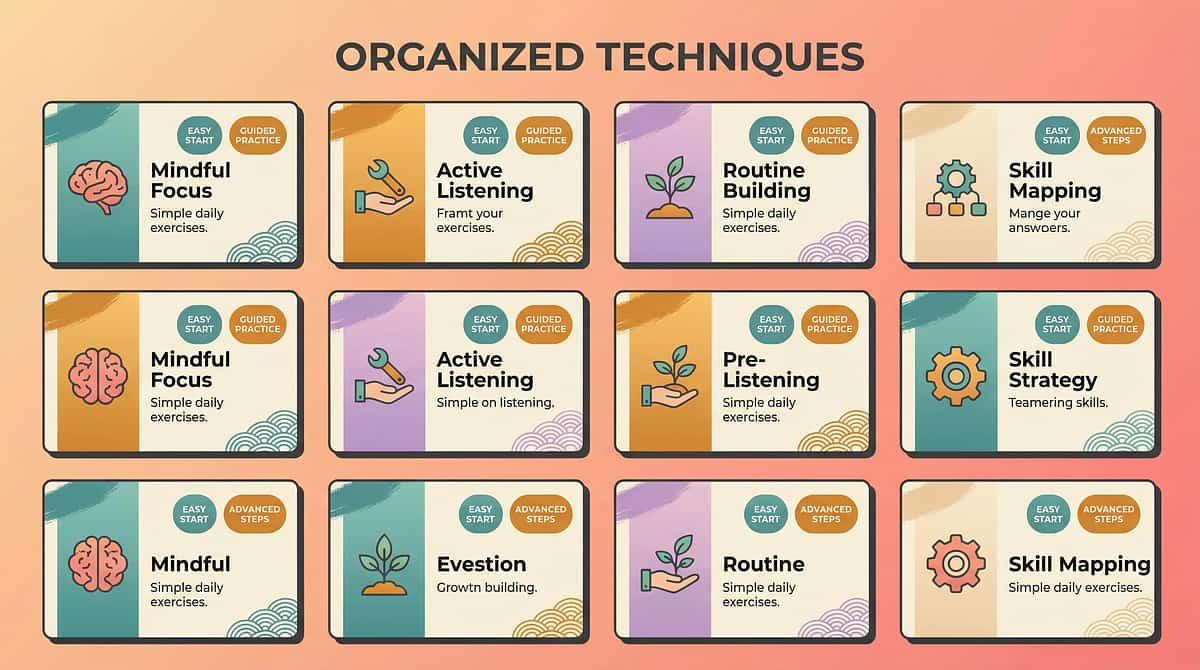
Techniques in the Play & Flexibility domain you can explore next.
🟢 G-620 — Difficulty with Imaginative Play
Intro Level
Canon: Play Materials + Visual Schedules
The foundational entry point for children who struggle to engage in pretend or creative play scenarios.
Canon: Play Materials + Visual Schedules
The foundational entry point for children who struggle to engage in pretend or creative play scenarios.
🟡 G-621 — Repetitive Play Patterns
Core Level
Canon: Play Materials + Flexibility Scaffolds
Directly addresses scripted, stereotyped play sequences that limit peer engagement and creative development.
Canon: Play Materials + Flexibility Scaffolds
Directly addresses scripted, stereotyped play sequences that limit peer engagement and creative development.
🟡 G-623 — Difficulty Transitioning Between Activities
Core Level — Direct next step from G-622
Canon: Visual Timers + Transition Objects
Bridge cards, timers, and reward systems from G-622 transfer directly. No additional procurement needed.
Canon: Visual Timers + Transition Objects
Bridge cards, timers, and reward systems from G-622 transfer directly. No additional procurement needed.
🔴 G-624 — Rigid Routine Adherence
Advanced Level
Canon: Visual Schedules + Social Stories
Parallel flexibility work for children whose rigidity extends beyond interests into daily routines and transitions.
Canon: Visual Schedules + Social Stories
Parallel flexibility work for children whose rigidity extends beyond interests into daily routines and transitions.
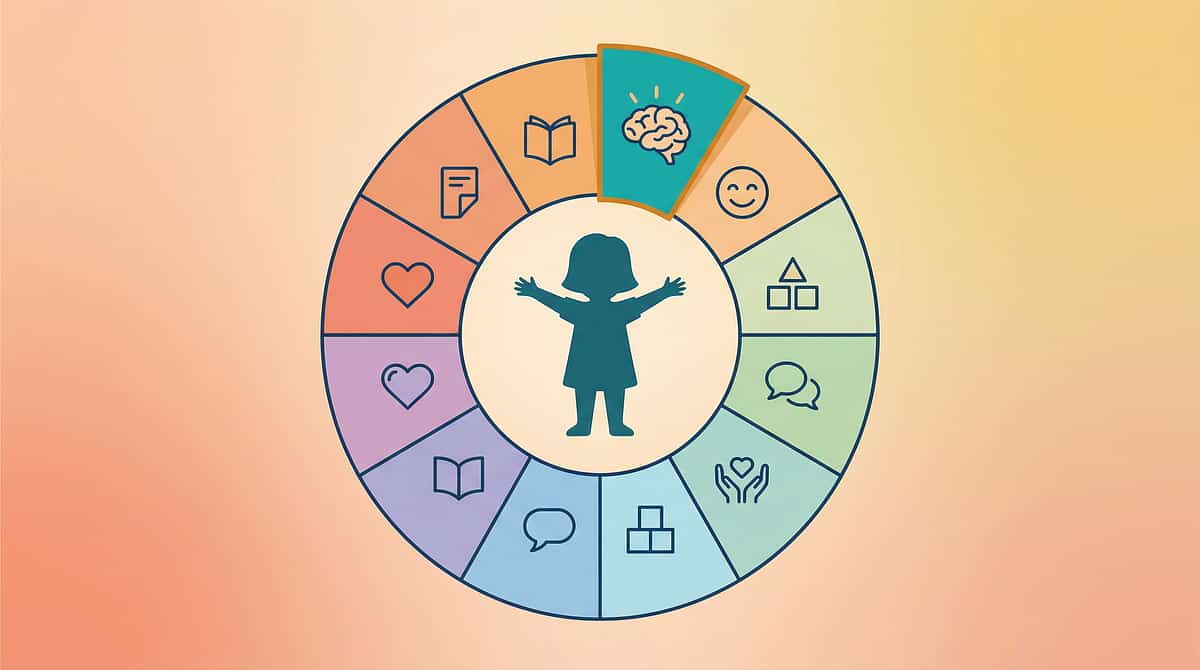
G-622 is one piece of a 12-domain developmental architecture.
G-622 Domain Position
Primary: Domain G — Play Development + Social Engagement + Cognitive Flexibility
Contributing: Domain B (Social Communication) | Domain C (Emotional Regulation) | Domain D (Behavioral Flexibility)
Contributing: Domain B (Social Communication) | Domain C (Emotional Regulation) | Domain D (Behavioral Flexibility)
Multi-Domain Impact
Work done in G-622 doesn't stay in one domain. Interest expansion improves social communication, reduces anxiety, builds emotional flexibility, and often opens academic engagement. One technique. Multi-domain impact.
From one parent to another.
"Our son Arjun was lost in dinosaurs. He would lecture his cousins for hours and they would disappear one by one. He had no friends at school. We started with bridge cards — paleontology to geography, then to history, then to science. Within two months, his teacher reported he had started asking classmates questions about their weekend. Not prompting — just asking. He still talks about dinosaurs. But now he also asks questions. He has one friend now — Maya, who likes art. She draws dinosaurs for him. He tells her which species to draw. That's connection." — Parent, Pinnacle Network
"The moment I stopped trying to take trains away from Karthik and started using trains to teach him geography, everything changed. He started drawing maps of train routes. Then maps of countries. His geography grade went from F to B in one semester. His teacher asked me what I did. I showed her this page." — Parent, Hyderabad
Outcomes vary by child profile. Stories are illustrative and anonymized.
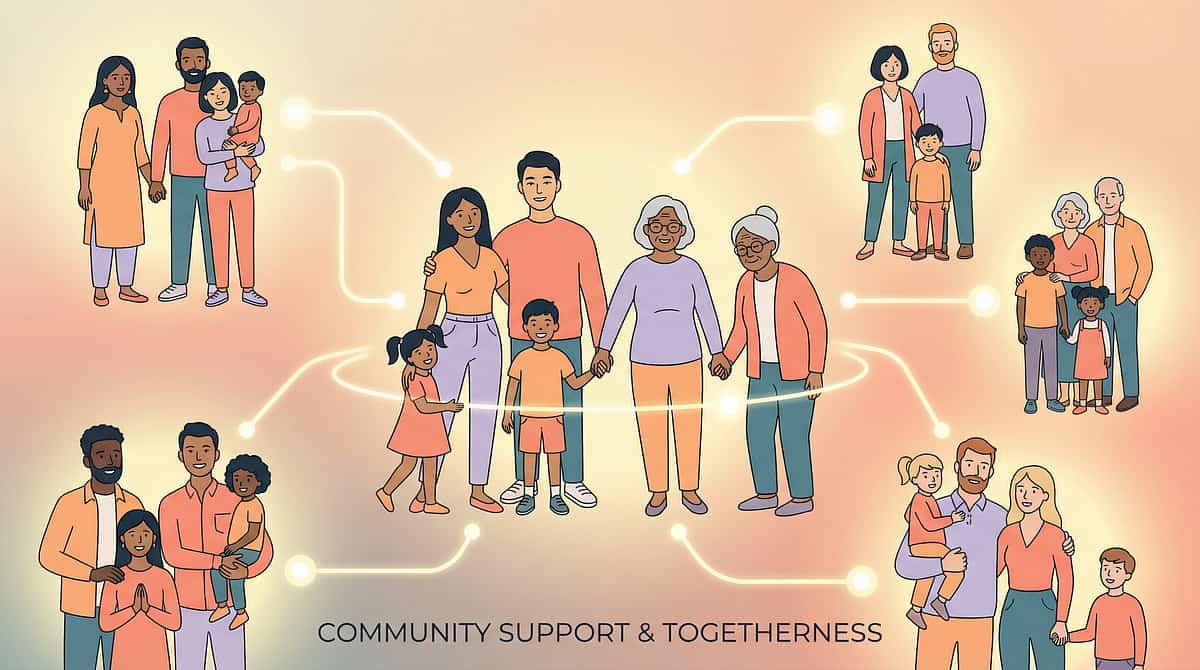
You are not doing this alone. Join thousands of families.
Pinnacle Parent Community
Online network of families implementing GPT-OS® techniques across India and 70+ countries. Daily support, shared wins, and practical troubleshooting from parents who've been exactly where you are.
Daily Bridge Prompts
Follow Pinnacle Blooms for daily interest expansion ideas, bridge card inspirations, and parent tips. @PinnacleBlooms on Instagram and YouTube — practical, bite-sized daily guidance.
Special Interest Playdate Network
Connect with families whose children share your child's interest. A dinosaur playdate with another dinosaur-obsessed child is the most natural bridge-building environment that exists.
Regional Parent Groups by Language
Telugu | Hindi | Tamil | Kannada | Malayalam | Bengali | Marathi | Gujarati | Punjabi | Odia | Assamese | Urdu + more. Call 9100 181 181 for your language community.
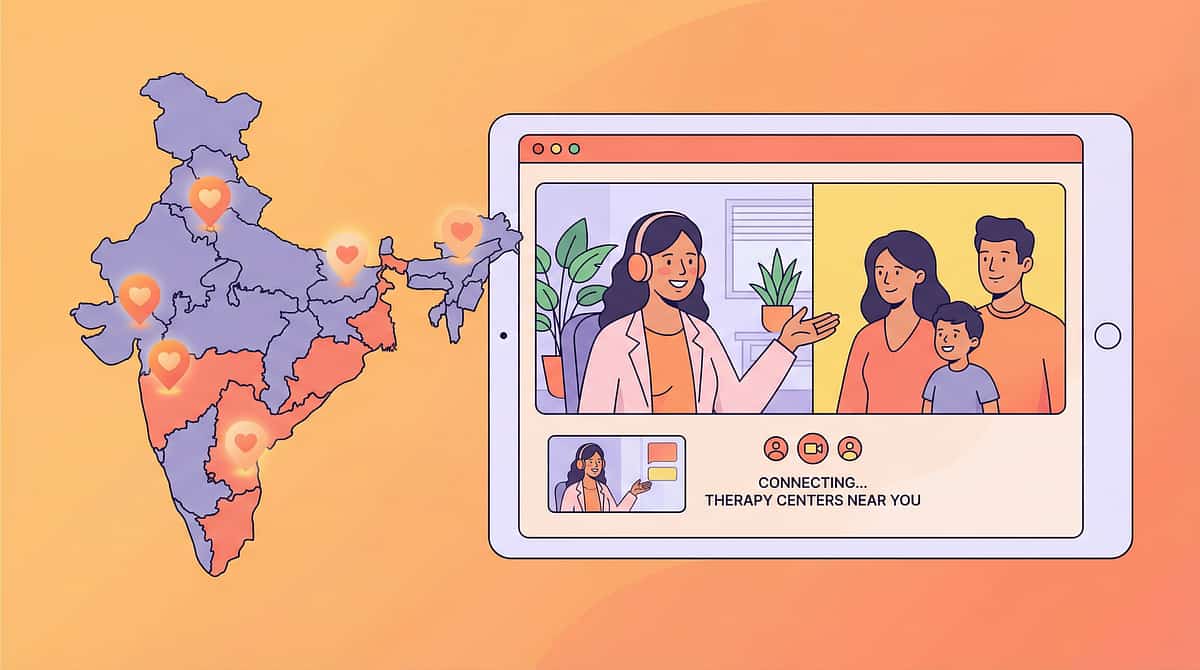
Home practice is powerful. Professional support is how you scale it.
AbilityScore® Assessment
If you've never had a formal developmental evaluation. Pinnacle's patented universal developmental score (0–1000) establishes baseline, severity, and longitudinal change across all 12 domains — the foundation of a personalized GPT-OS® plan.
ABA / BCBA Therapy
If flexibility building isn't progressing after 8 weeks at home. Behavior specialists design personalized graduated exposure hierarchies, preference assessments, and reinforcement systems calibrated precisely to your child.
Speech-Language Therapy
If conversational reciprocity is the primary stuck point. SLPs specialize in the social communication layer — explicit conversational scripts, perspective-taking frameworks, and pragmatic language development.
Occupational Therapy
If sensory dimensions of the interest are driving rigidity. OTs address the sensory-regulatory function and build alternative strategies so the interest doesn't carry all regulatory weight.
Comprehensive Developmental Evaluation
If no autism diagnosis exists yet but significant restriction is present. Autism evaluation is prerequisite for optimal treatment planning. Misdiagnosis and delayed diagnosis are common in India.
📞 FREE Helpline: 9100 181 181
16+ Languages | 24×7 | Free | Confidential
"Call for a free first consultation. No commitment required."
"Call for a free first consultation. No commitment required."
📍 70+ Pinnacle Centers Across India
Hyderabad • Bangalore • Chennai • Mumbai • Delhi • Pune • Kolkata • and growing
pinnacleblooms.org/centers
pinnacleblooms.org/centers
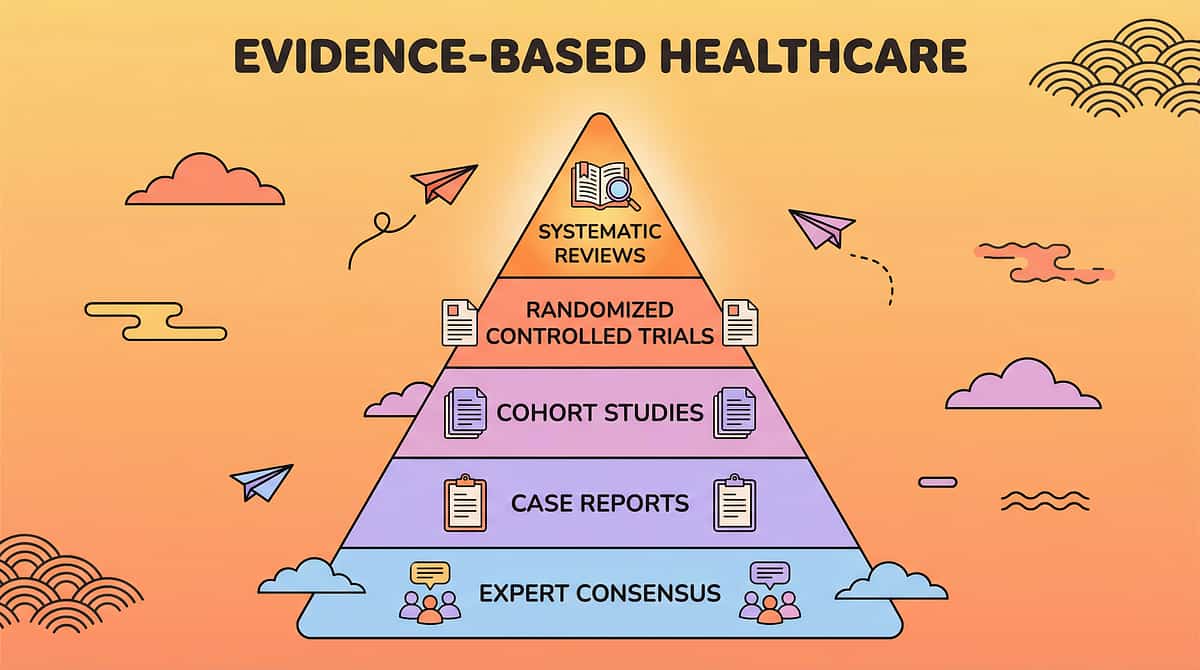
The science behind every strategy on this page.
📖 PRISMA Systematic Review (2024)
PMC11506176 | 16 articles (2013–2023) | Confirms sensory integration and autism-specific interventions meet criteria as evidence-based practices for children with ASD.
📖 World J Clinical Cases Meta-Analysis (2024)
PMC10955541 | 24 studies | Sensory integration therapy effectively promotes social skills, adaptive behavior, and functional flexibility in autistic children.
📖 NCAEP Evidence-Based Practices Report (2020)
1,000+ study review | Identifies interest-based intervention, social stories, video modeling, and reinforcement as EBPs for autism.
📖 WHO/UNICEF CCD Package (2023)
PMC9978394 | 197 countries | Multi-caregiver training critical for generalization. Home-based implementation with professional backing shows significant outcomes.
📖 Padmanabha et al., Indian J Pediatr (2019)
DOI: 10.1007/s12098-018-2747-4 | Indian RCT | Home-based interventions with parental training demonstrated significant outcomes in Indian pediatric autism context.
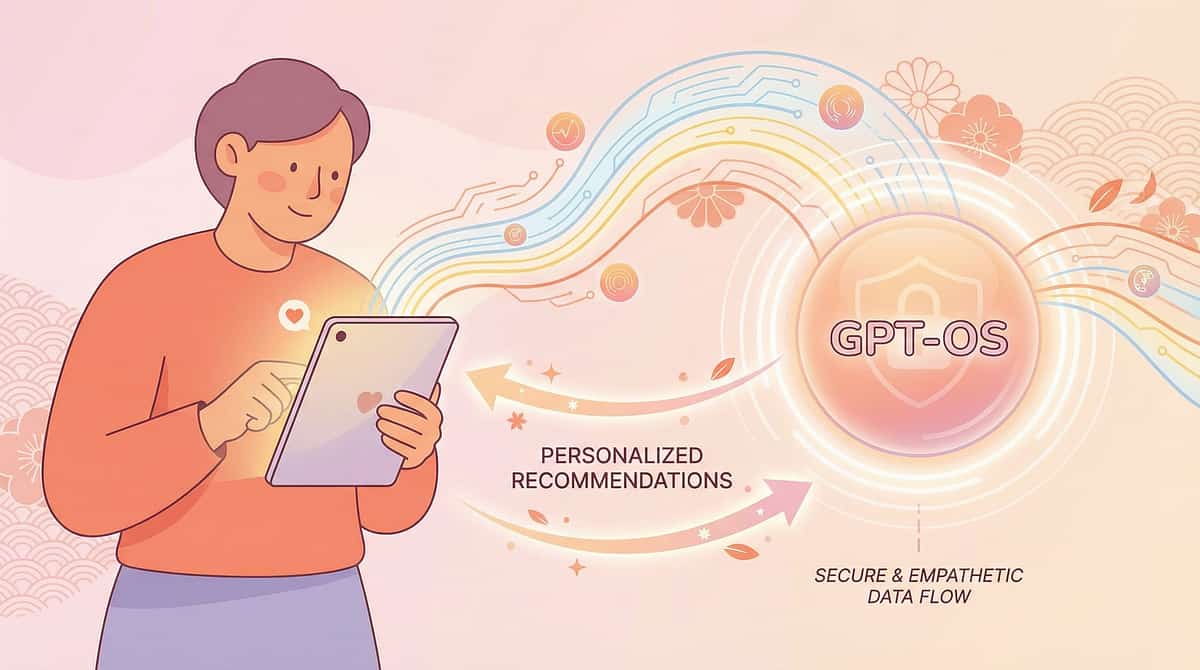
How 20 million therapy sessions make your child's plan smarter.
Which Bridges Work Fastest
GPT-OS® identifies which bridge materials produce fastest flexibility gains for your child's specific profile
Primary Stuck Point Identified
Whether conversational reciprocity vs. cognitive rigidity is the primary challenge driving intervention priority
Optimal Session Parameters
Ideal frequency and length based on this child's age, profile, and progress velocity from population patterns
Next Technique Prediction
Which next technique produces highest readiness gain — learned from 20M+ sessions across children like yours
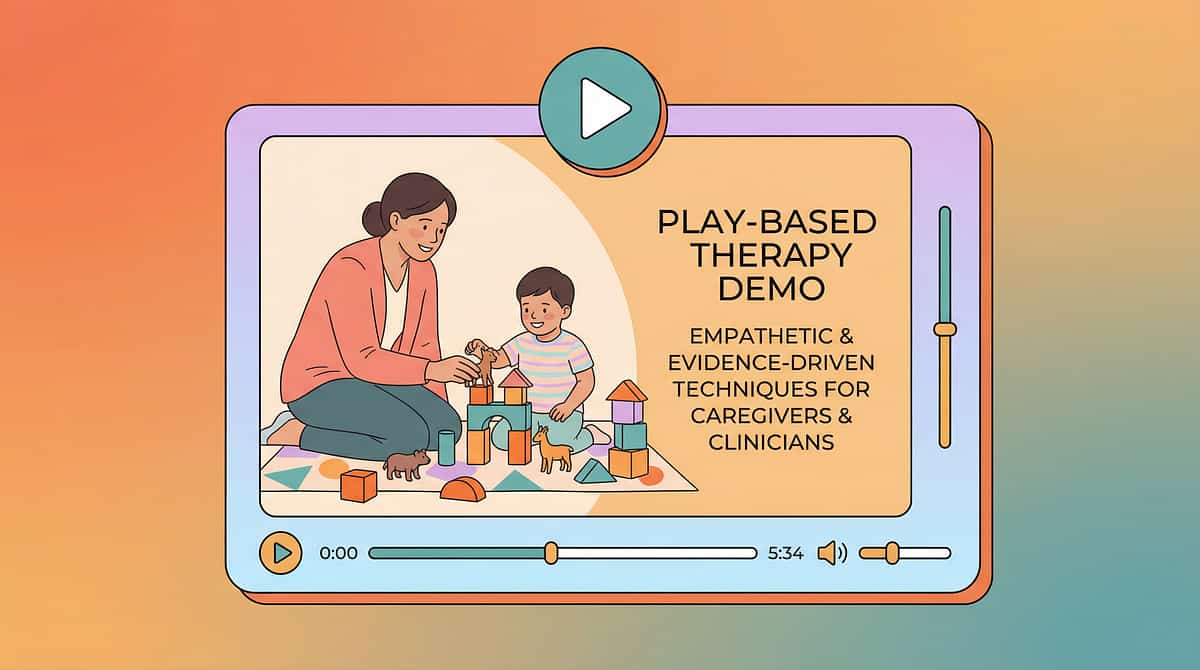
Watch the Reel that brought you here.
📹 G-622Play, Social Engagement & Flexibility SeriesEpisode 622
🎯 "9 Materials That Help With Single Interest Only"
Domain: Cognitive Flexibility / Play Development / Interest Expansion | ⏱️ Duration: 75–85 seconds
Domain: Cognitive Flexibility / Play Development / Interest Expansion | ⏱️ Duration: 75–85 seconds
⬅️ Previous
G-621 — 9 Materials That Help With Repetitive Play Patterns
📍 You Are Here
G-622 — 9 Materials That Help With Single Interest Only
➡️ Next
G-623 — 9 Materials That Help With Difficulty Transitioning Between Activities
Reading this page activates text learning pathways. Watching the Reel activates visual-modeling pathways. Both together multiply parent skill acquisition by 2.7× (video modeling + text meta-analysis, 2024).
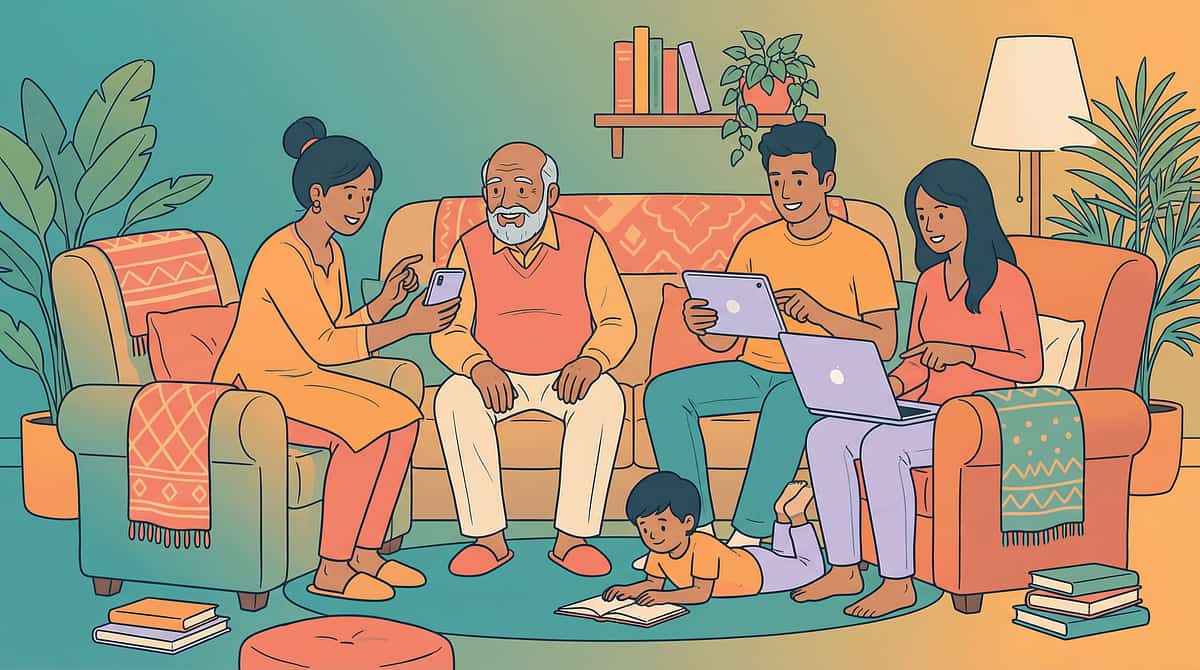
Consistency across caregivers multiplies impact. Share this now.
Explain to Grandparents
"[Child's name]'s therapists have shown us a new approach. Instead of trying to take trains away, we use trains as a bridge to other topics. The most important thing you can do: never take trains away as a punishment, and celebrate any time [name] asks about YOUR interests."
Teacher Communication Template
Subject: Interest-Based Academic Accommodations for [Child's Name]
Dear [Teacher's Name], Our family is working with Pinnacle Blooms Network on expanding [name]'s cognitive flexibility while honoring their deep interest in [trains/dinosaurs/etc.]. We would love 10 minutes to share specific academic accommodation strategies with strong evidence. Could we schedule a brief call?
Dear [Teacher's Name], Our family is working with Pinnacle Blooms Network on expanding [name]'s cognitive flexibility while honoring their deep interest in [trains/dinosaurs/etc.]. We would love 10 minutes to share specific academic accommodation strategies with strong evidence. Could we schedule a brief call?
📲 Share on WhatsApp
📧 Share by Email
🔗 Copy Page Link
📥 Download Family Guide PDF

The questions every parent asks.
"Will my child's interest ever go away?"
Probably not — and that's not the goal. Research on autistic adults shows many successfully channel childhood special interests into careers and communities. The goal is deep passion + social connection = a remarkable human being.
"At what age should I be concerned?"
The concern threshold is not about age but functional impact: Is it interfering with peer relationships? Blocking academic engagement? Causing significant family distress? If yes to 2 or more: seek professional evaluation.
"How long will this take to see results?"
First flexibility signs typically appear in weeks 3–4 with consistent daily implementation. Meaningful social reciprocity changes emerge in weeks 6–10. Mastery level flexibility typically occurs in weeks 8–16 for autism-primary profiles. Progress is not linear — plateaus are normal.
"My child's interest changes. What happens to the bridge cards?"
Bridge-building is a skill, not a destination. Once a child learns HOW to bridge from one interest to new topics, the skill transfers to any new interest. Update bridge cards to reflect the current interest. The skill generalizes.
"Is this the same as ABA therapy?"
This technique is informed by ABA principles but is not a replacement for professional ABA therapy. It's a home implementation framework that extends and supports professional therapy between sessions — a bridge between clinic and home.
"What if my child has multiple special interests?"
Multiple special interests are generally a positive sign of emerging flexibility. The approach is identical: use each interest as a bridge to different adjacent domains. Multiple interests often indicate a child already beginning to expand naturally.

From fear to mastery. One technique at a time.
You have everything you need. The bridge starts with one card.
🧠 ABA
Reinforcement & Flexibility Design
🗣️ SLP
Conversational Reciprocity
🤲 OT
Sensory Regulation
🎓 SpEd
Academic Integration
🏥 NeuroDev
Diagnostic Clarity
20M+
Exclusive 1:1 Sessions
97%+
Measured Improvement
70+
Centers Across India
Preview of 9 materials that help with single interest only Therapy Material
Below is a visual preview of 9 materials that help with single interest only therapy material. The pages shown help educators, therapists, and caregivers understand the structure and content of the resource before use. Materials should be used under appropriate professional guidance.


Link copied!

The Pinnacle Promise
Pinnacle Blooms Network®GPT-OS® Validated
"From fear to mastery. One technique at a time." — Built by Mothers. Engineered as a System. Proven by 20 Million Sessions.
Pinnacle Blooms Network® is India's largest multi-disciplinary pediatric therapy consortium, operating 70+ centers across India and serving children from 70+ countries through the GPT-OS® Global Pediatric Therapeutic Operating System. We exist to transform every home into a proven, 24×7, personalized, multi-sensory therapy environment — accessible to every family, in every language, at every income level.
🖥️ Pediatric Therapeutic OTT Platform
EverydayTherapyProgramme™ on demand — guided micro-interventions for every day
🛒 Hyperlocal Therapeutic Marketplace
Verified therapists, materials, and programs — sourced and trusted
🏥 70+ Center Network
Operating under GPT-OS® clinical standards across India
Contact Pinnacle
📞 FREE Helpline: 9100 181 181 | 16+ languages | 24×7
🌐 pinnacleblooms.org
📧 care@pinnacleblooms.org
🌐 pinnacleblooms.org
📧 care@pinnacleblooms.org
Medical Disclaimer
This content is educational in nature produced by the Pinnacle Blooms Network® consortium. It does not replace individualized assessment, diagnosis, or treatment by licensed professionals. Progress varies by child, profile, and implementation consistency.
© 2025 Pinnacle Blooms Network®, a unit of Bharath Healthcare Laboratories Pvt. Ltd. All rights reserved. Content produced by the GPT-OS® Content Engine under consortium clinical supervision. CIN: U74999TG2016PTC113063 | DPIIT: DIPP8651 | MSME: TS20F0009606 | GSTIN: 36AAGCB9722P1Z2 | G-622 | techniques.pinnacleblooms.org/play-flexibility/single-interest-only-G-622