

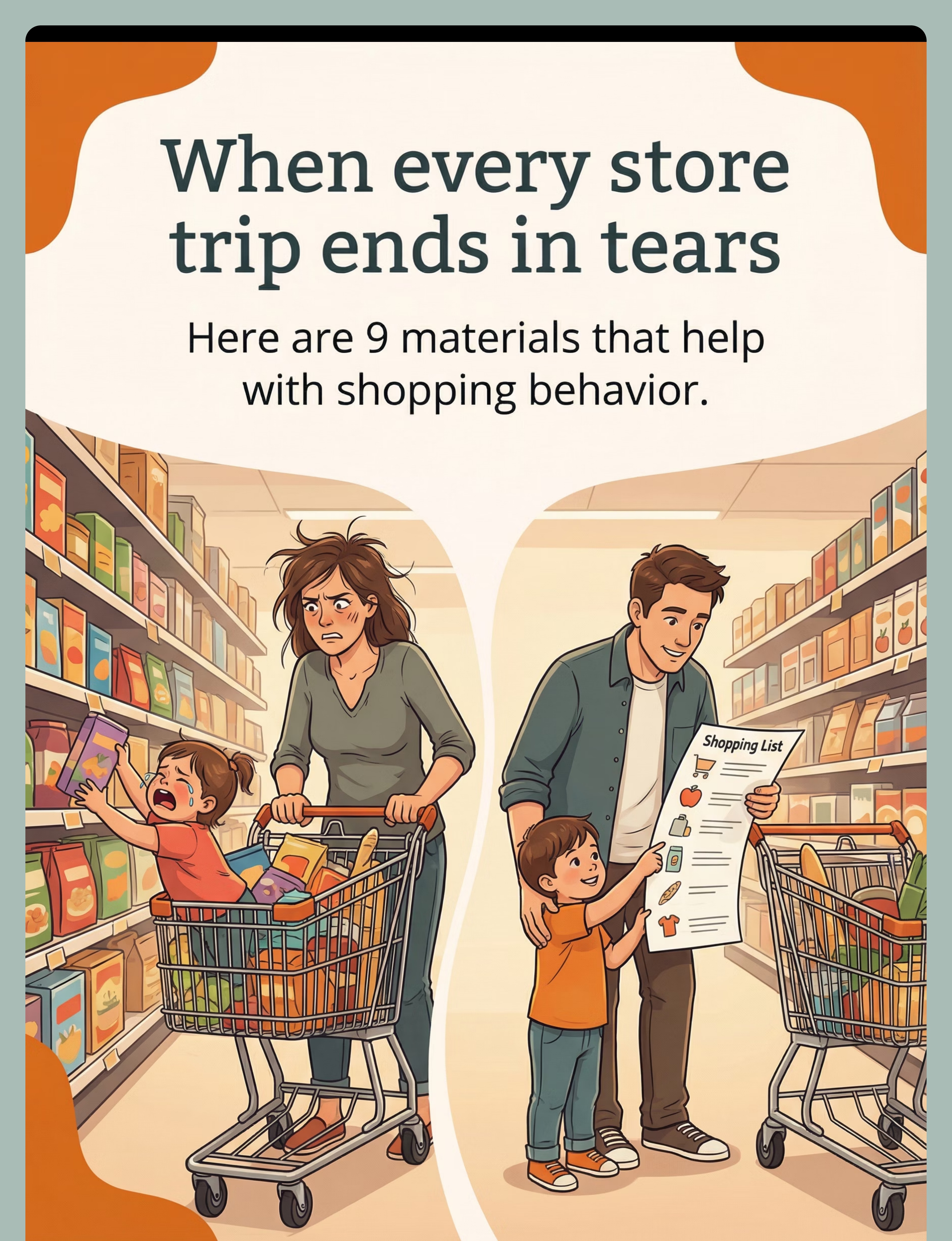
"When every store trip ends in tears — yours and theirs."
You planned a fifteen-minute grocery run. You left forty minutes later — cart abandoned, child in meltdown, strangers staring. You are not failing. Your child's nervous system is speaking.
🛒 Shopping Behavior Support
Evidence-Based
A structured, evidence-based approach to transforming community participation — built by the Pinnacle Blooms Consortium®: OT • ABA/BCBA • SLP • SpEd • NeuroDev.
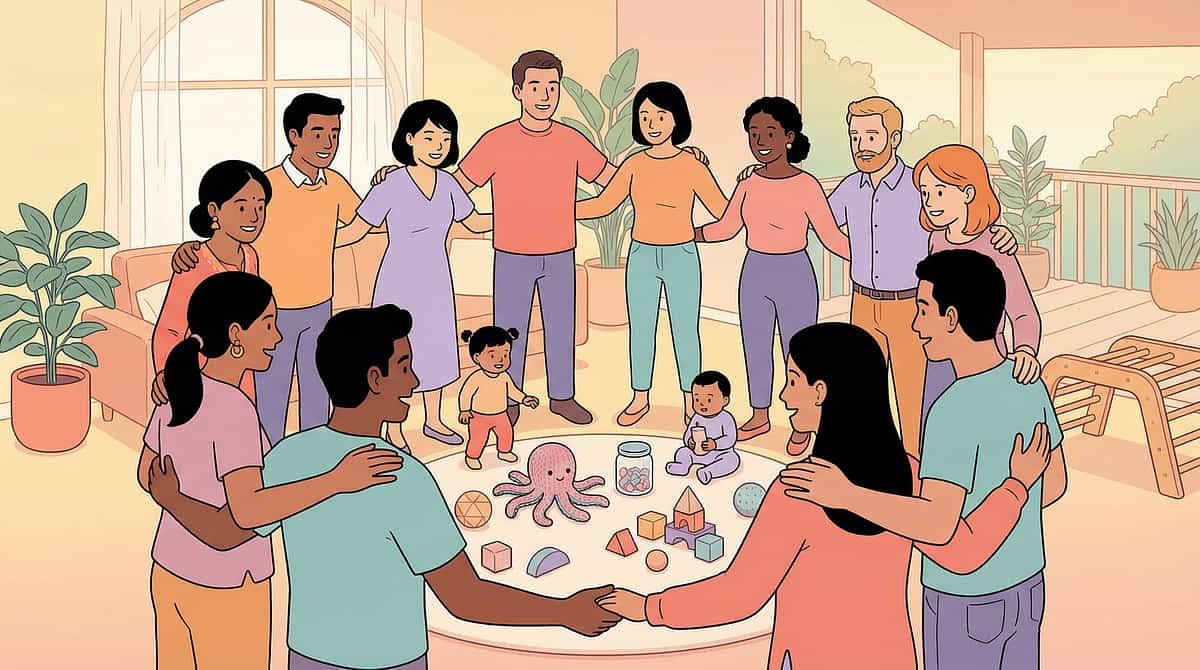
You Are Among Millions of Families Navigating This Exact Challenge
Shopping behavior difficulties — the grabbing, the running, the meltdowns at checkout, the inability to hear "no" — are among the most common and most isolating challenges families report. The store is not a neutral environment. It is engineered to trigger impulse responses in every human nervous system. For a child with underdeveloped impulse control, sensory sensitivities, or difficulty with delayed gratification, the store is a gauntlet. You are not doing it wrong. The environment is doing it to both of you.
1 in 36
Children with ASD
Children in India identified with autism spectrum disorder (CDC/WHO global estimates; Indian prevalence data, 2023)
78%
Community Challenges
Of children with ASD experience significant challenges in community settings including stores
21M+
Therapy Sessions
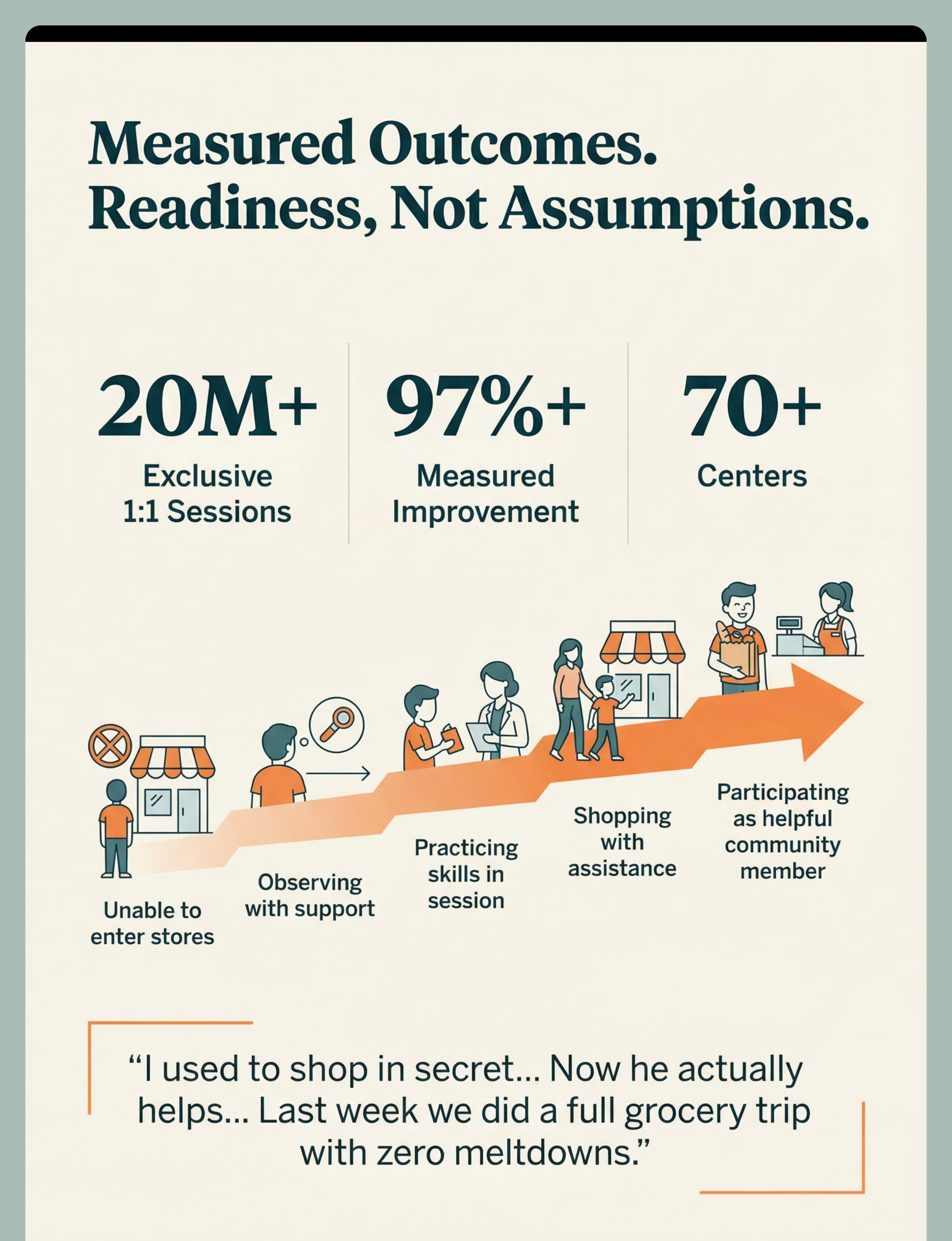
Delivered by Pinnacle Blooms Network® — 97%+ measured improvement across 70+ centres across India
PMC11506176 | PMC10955541 | DOI: 10.12998/wjcc.v12.i7.1260 (World J Clin Cases, 2024)
This Is a Wiring Difference. Not a Behaviour Choice.
The Neuroscience
Prefrontal Cortex (PFC): The brain's "pause before acting" centre. In children under 12, the PFC is structurally immature — impulse inhibition is literally not yet installed. In children with ASD or ADHD, PFC development follows a different trajectory. The child grabbing the cereal box cannot "just stop" — their inhibition system is not yet capable of overriding the motor impulse in real time.
Dopaminergic Reward Pathways: Retail environments are engineered to flood the reward system — bright colours, familiar characters, product placement at child eye-level. A child with sensory processing differences experiences this as amplified stimulation. The "wanting" feels physical, urgent, overwhelming.
Sensory Processing Architecture: Fluorescent lights, scanner beeps, crowd noise, visual overwhelm — stores deliver multi-channel sensory assault. For a child with a sensory-sensitive nervous system, entering a store is like walking into a sensory storm. Behavioural dysregulation is the predictable output of neurological overload — not defiance.
Plain English for Parents
🧠Your child is not being manipulative. Their brain's impulse brake is still being wired.
🧠Your child is not ignoring you. They may be neurologically overwhelmed before you've reached the produce section.
🧠Your child cannot "just use willpower." Willpower is a prefrontal cortex function — the very system that needs support.
💡 These materials work because they provide external structure for a nervous system that cannot yet generate it internally.
Frontiers in Integrative Neuroscience (2020): DOI: 10.3389/fnint.2020.556660 | Sensory processing framework for ASD evaluation

Your Child Is Here. Here Is Where We're Heading.
Understanding where your child sits on the developmental timeline removes blame and replaces it with direction. ASD/ADHD children: developmental milestones for impulse control and regulation typically run 2–4 years behind chronological age. Match supports to functional age, not birthday age.
Age 18m–3y
Impulse completely driven by environment. Containment strategies only.
Age 3–5y
Rules comprehension emerging — fragile compliance. Cannot yet execute under stress without external supports.
Age 6–9y ★
Skill-building phase — the window of maximum intervention return. Your child may be here.
Age 10–12y
Consolidation phase — with proper support, near-independent community participation is achievable.
Age 12+
Independent participation in community environments as adolescent and adult.
Comorbidity Awareness: Shopping behaviour challenges often co-occur with Sensory Processing Disorder • ADHD • Autism Spectrum Disorder • Anxiety Disorders • Oppositional patterns from repeated failure experiences.
WHO Care for Child Development (CCD) Package | UNICEF MICS Developmental Indicators | PMC9978394

Clinically Validated. Home-Applicable. Parent-Proven.
🛡️ Level I–II Evidence
Systematic Reviews + Multiple RCTs
Behavioural intervention, visual supports, and sensory regulation combined represent one of the most robustly evidenced approaches in paediatric developmental therapy.
Technique Component | Evidence Base | Study Count | |
Visual Supports (lists, cards, boards) | NCAEP Evidence-Based Practice (2020) | 50+ studies | |
Token Economy / Reinforcement Systems | ABA literature — Tier 1 evidence | 100+ studies | |
First-Then / Contingency Boards | Applied Behavior Analysis Tier 1 | 40+ studies | |
Social Stories (Carol Gray methodology) | NCAEP EBP (2020) | 30+ studies | |
Sensory Regulation Supports | PMC11506176 PRISMA (2024) | 16+ systematic reviews | |
Accepting "No" — Response Cost/DR training | BACB clinical guidelines | Multiple RCTs |
"Visual supports, token economies, and behavioural rehearsal protocols combined produce measurable improvements in community participation for children with ASD and ADHD across clinic and home settings." — National Clearinghouse on Autism Evidence and Practice (NCAEP), 2020
PMC11506176 | PMC10955541 | PMC9978394 | NCAEP 2020 | Padmanabha et al., Indian J Pediatr (2019) DOI: 10.1007/s12098-018-2747-4
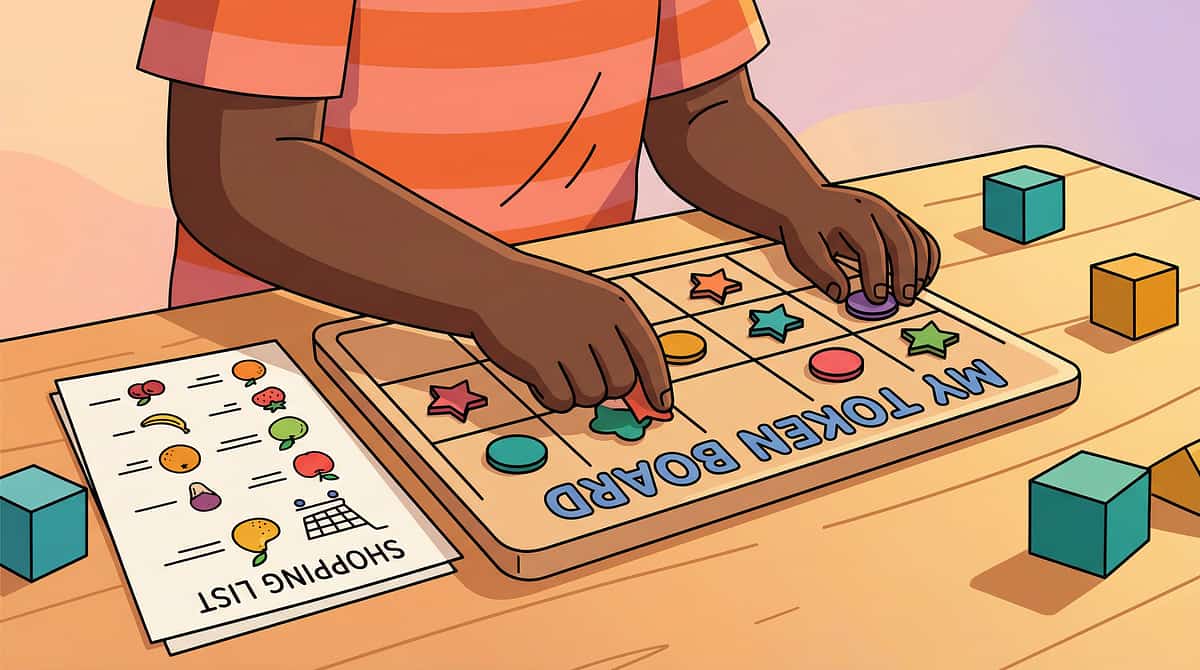
Shopping Behavior Support System
Community Skills
J-842 — Episode 842
Formal Definition
Shopping Behaviour Support is a multi-component behavioural and sensory intervention system designed to help children navigate retail environments successfully. It combines visual structure (lists, rules cards, schedules), motivational systems (token boards, choice boards, first-then contingencies), sensory regulation tools (support kits, headphones, fidgets), social scripts (social stories, role play), and targeted skill-building (accepting "no", waiting tolerance) into a coordinated home-executable framework.
This is not a single technique — it is a system of supports matched to the specific challenges a child experiences in store environments. Applied correctly, these supports transform a dysregulating sensory-behavioural gauntlet into a structured mission a child can successfully complete.
At a Glance
🛒 Community Skills | 🧠 Behavioural Regulation | 👁️ Visual Supports | 🎯 Impulse Control | ⏳ Waiting Tolerance | 🗣️ Requesting Skills
Parent-Friendly Alias:The Store Success Kit
Age Range: 3–12 years (adapts to functional age, not chronological age)
Session Frequency: Every shopping trip — builds to habitual use
Duration: Short trips first (10–15 min) → build to full grocery runs
📋 Visual Schedules | 🏆 Reinforcement Menus | 🔊 Sensory Regulation Tools | 🃏 Social Stories | ⏰ Visual Timers
🎬J-842: 9 Materials That Help With Shopping Behavior Daily Living Skills & Community Participation — Episode 842
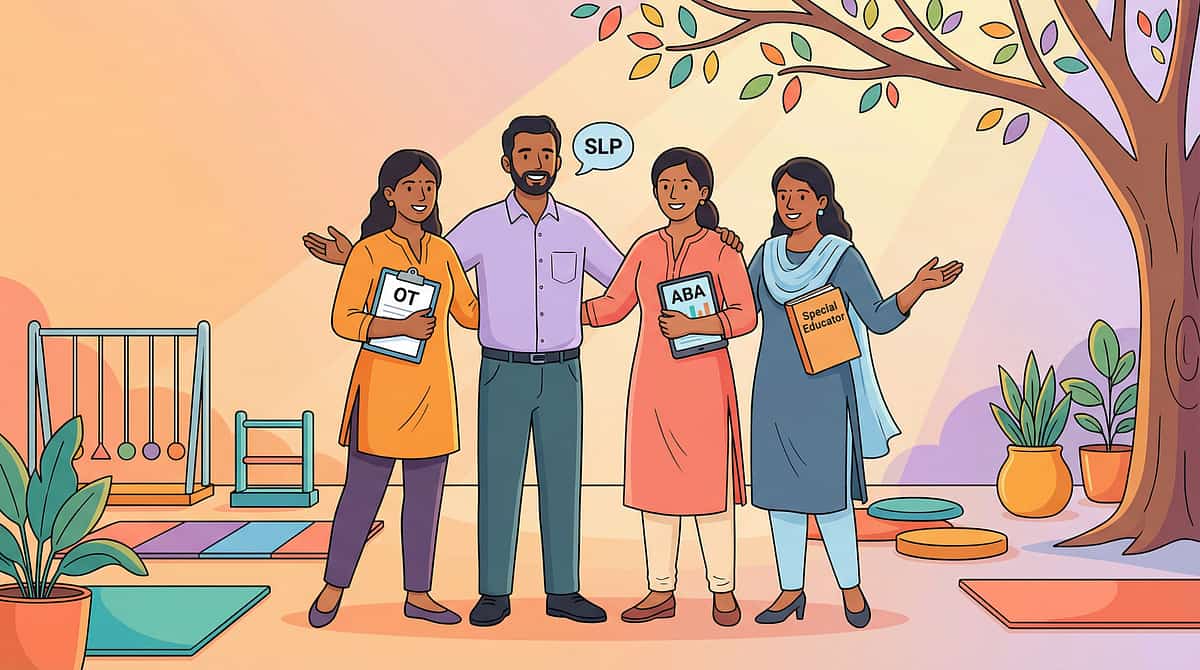
This Technique Crosses Therapy Boundaries Because the Brain Doesn't Organise by Therapy Type
🎯 ABA/BCBA (Primary Lead)
BCBAs design the reinforcement architecture — token economies, first-then contingencies, accepting-no protocols, escape extinction procedures. The behavioural framework is the structural foundation.
🖐️ Occupational Therapy
OTs address the sensory regulation dimension — building the sensory support kit, designing proprioceptive inputs for pre-store regulation, managing tactile/auditory hypersensitivity in store environments.
🗣️ Speech-Language Pathology
SLPs build the requesting language — "Can I have...?", "Maybe next time" — and scaffold the social story comprehension for children with language processing differences.
📚 Special Education
SpEd specialists create visual supports adapted to the child's literacy level, design the social story curriculum, and build self-monitoring skills that generalise from classroom to community.
🏥 NeuroDev Paediatrics
NeuroDev Paediatrics supervises co-occurring conditions — ADHD medication timing for store visits, anxiety management protocols, sensory diet integration — that determine baseline capacity.
Adapted UNICEF/WHO Nurturing Care Framework for multi-disciplinary delivery (2022). DOI: 10.1080/17549507.2022.2141327
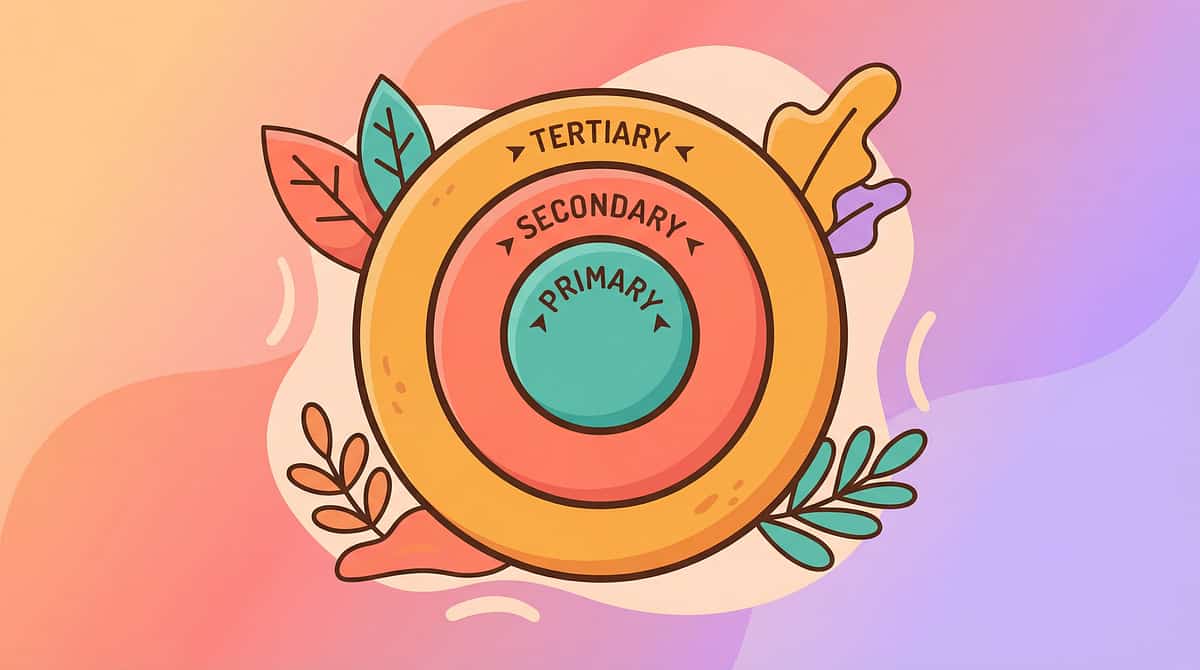
This Isn't a Random Activity. It's a Precision Tool.
Every component of the Shopping Behaviour Support System targets a specific, observable skill — from the innermost impulse-control challenge to the long-term goal of full community independence.
Observable Behaviour Indicators — By Week 4–6: Child reaches for list rather than items. "No" accepted without immediate escalation (at least 50% of attempts). Checkout line completed without meltdown (at least 2 consecutive trips). Child participates as helper — finding items, loading the belt.
PMC10955541 | Meta-analysis (World J Clin Cases, 2024): Behavioural + sensory integration intervention promoted social skills (primary), adaptive behaviour (secondary), and community skills (tertiary)
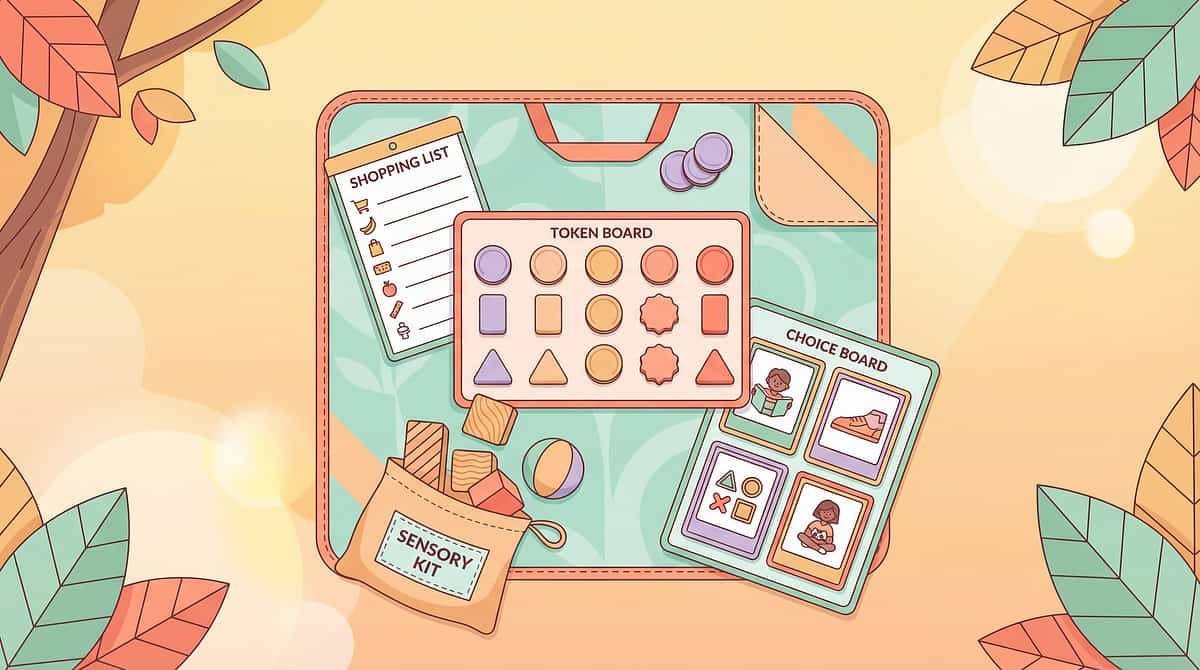
The 9 Materials That Transform Store Trips
📋 Section: What You Need
Each material below is a clinically validated component of the Shopping Behaviour Support System. Start with 2–3 that address your child's biggest challenges, then build the full kit. Total starter kit cost: ₹700–2,500 (mix of Canon products + DIY). Zero-cost option: drawn on paper, stickers from home, DIY all 9 — see the following card.
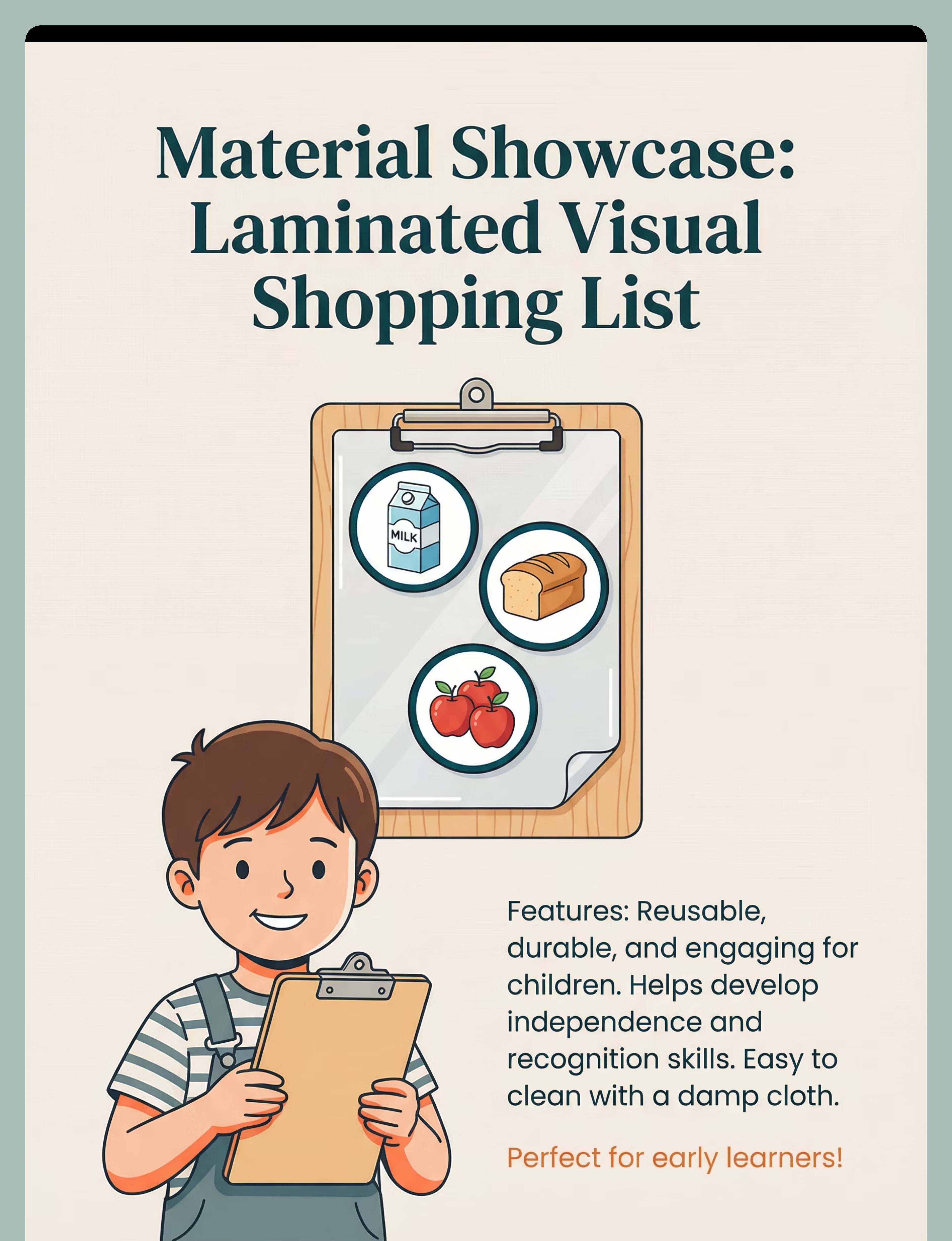
📋 Visual Shopping List with Pictures
Canon Category: Visual Schedules / PECS-Style Materials Transforms shopping from aimless browsing into a focused mission. Child holds the list and participates in finding each item. DIY Cost: ₹50–200 | Search Amazon.in →
✅ Pinnacle Recommends
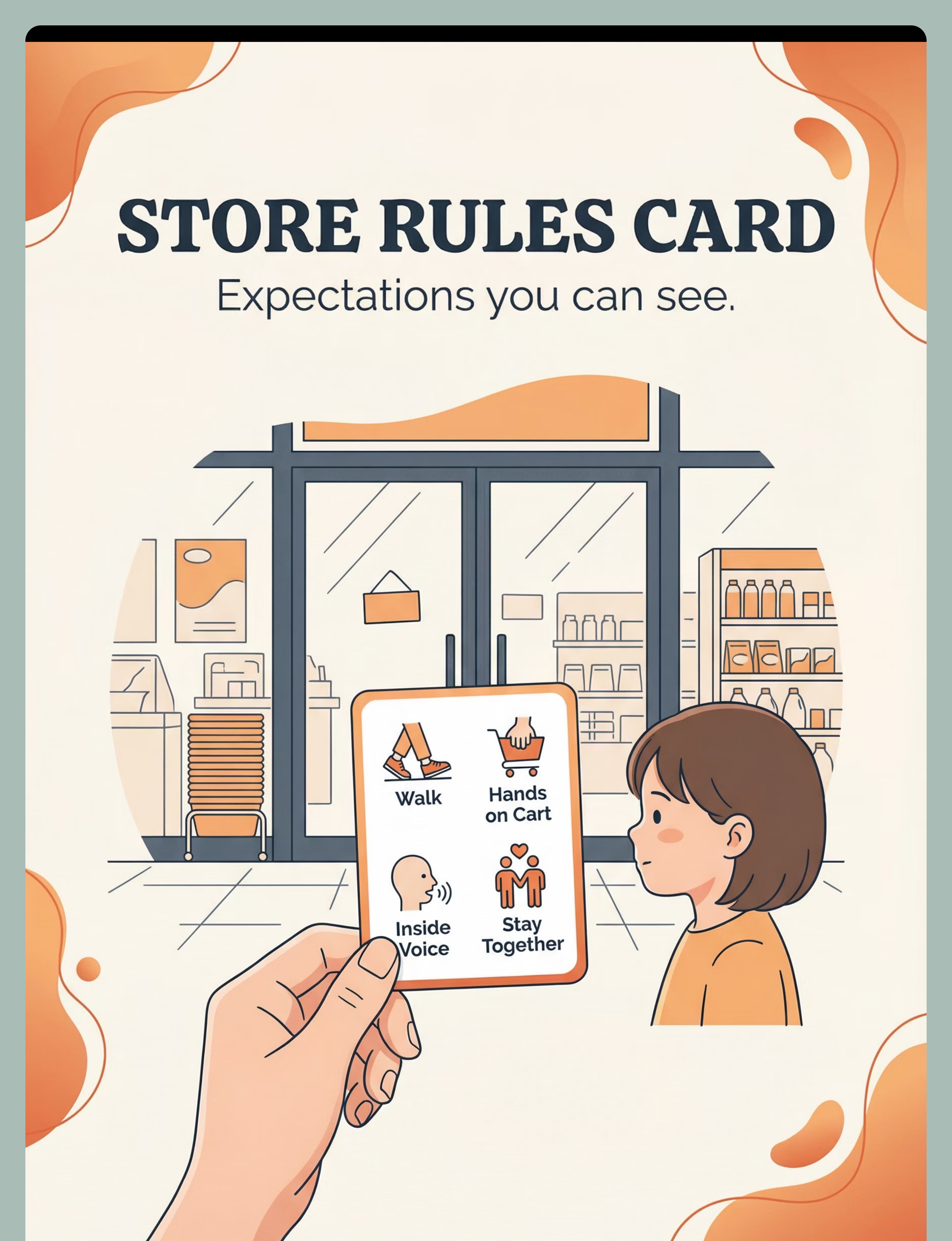
🃏 Store Rules Card
Canon Category: Visual Supports / Rules Cards Portable expectations — walkable feet, hands on cart, inside voice. Required companion to the token board. DIY Cost: ₹50–150 | Search Amazon.in →
✅ Pinnacle Recommends
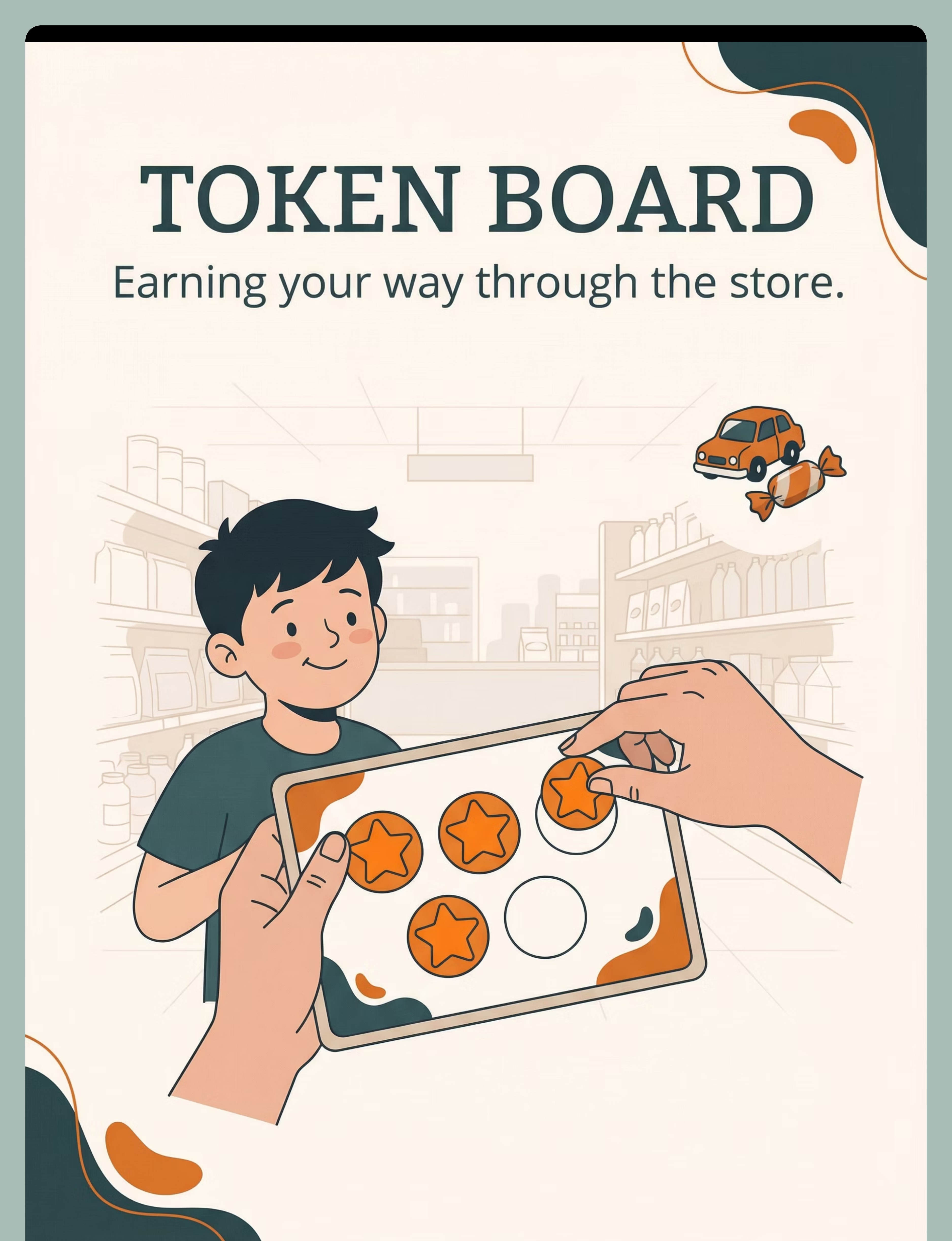
⭐ Token Board / Star Chart (Portable)
Canon Category: Reinforcement Menus Makes behavioural progress visible, tangible, and earned. Highest evidence-base material in this kit. Reward Chart — ₹589 (Pinnacle Canon #803) → | Token Board System — ₹364 (Canon #390) →
✅ Pinnacle Recommends
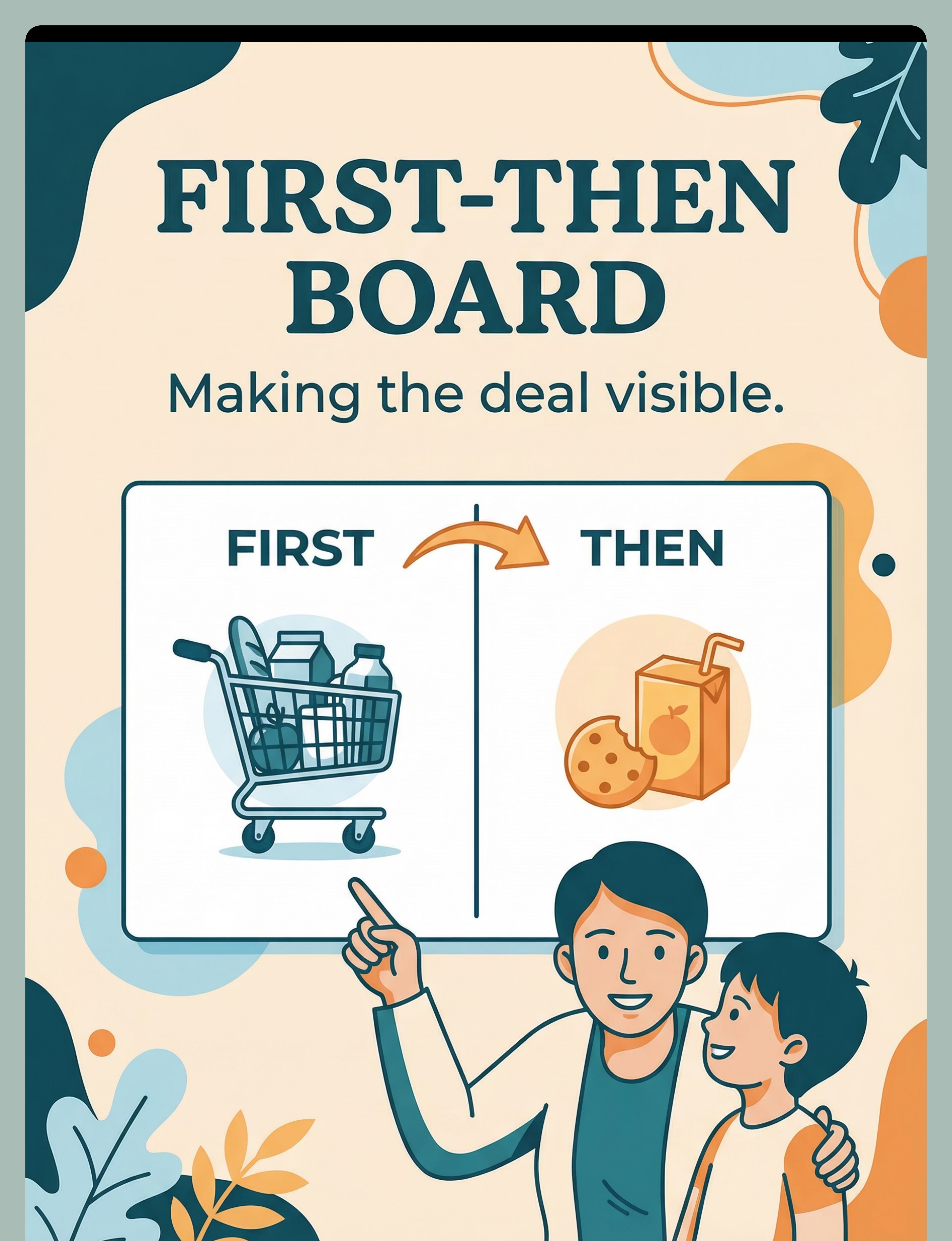
↔️ First-Then Visual Board
Canon Category: Contingency / First-Then Boards Makes the deal visible — "FIRST shopping, THEN reward." Eliminates verbal negotiation loops. DIY Cost: ₹50–200 | Search Amazon.in →
✅ Pinnacle Recommends
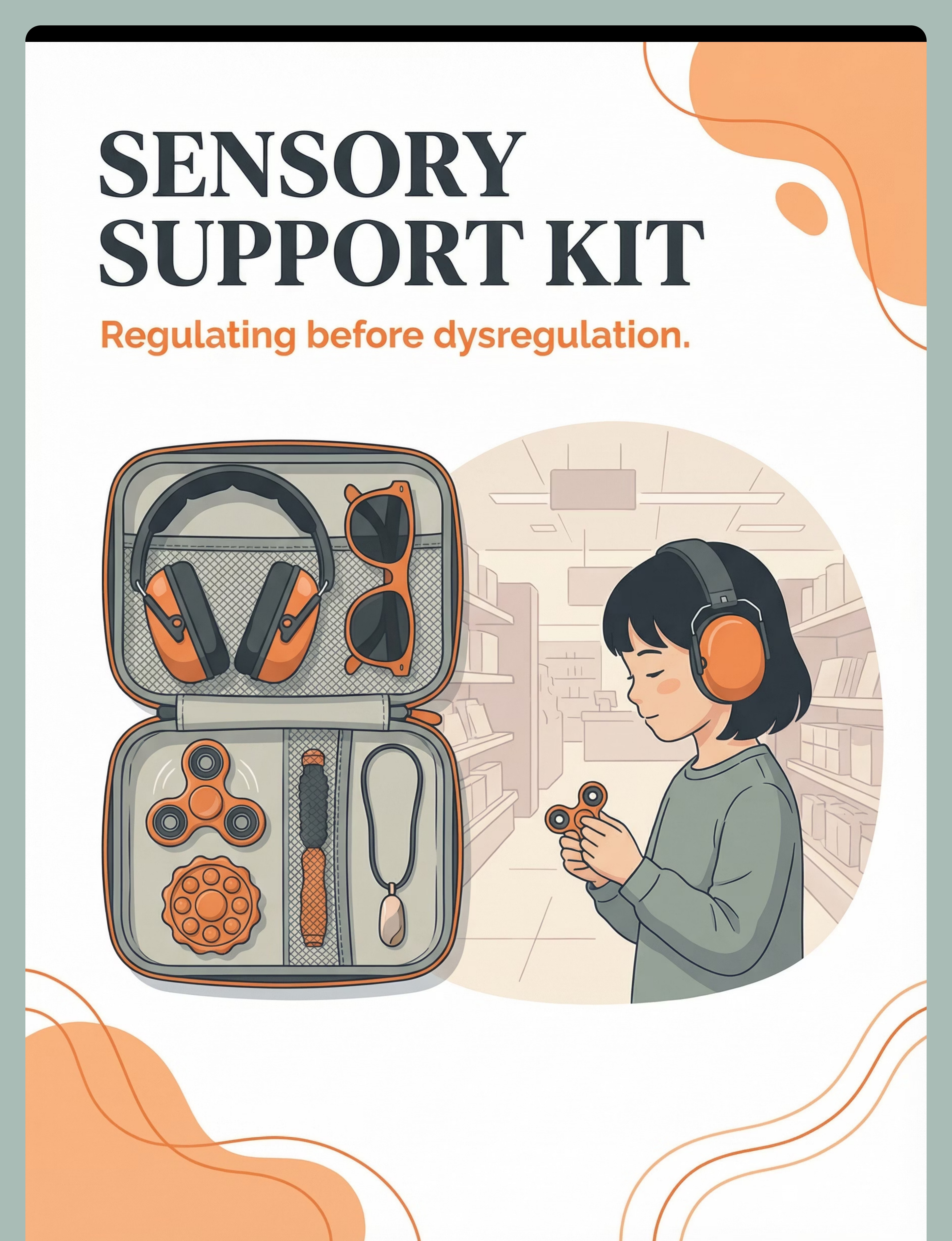
🎧 Sensory Support Kit
Canon Category: Sensory Regulation Tools Noise-reducing headphones + fidget kit. Proactive sensory protection before dysregulation onset. Price Range: ₹300–1,500 | Headphones → | Fidgets → | Comfort Item — ₹425 (Canon #118) →
✅ OT Lead Recommendation
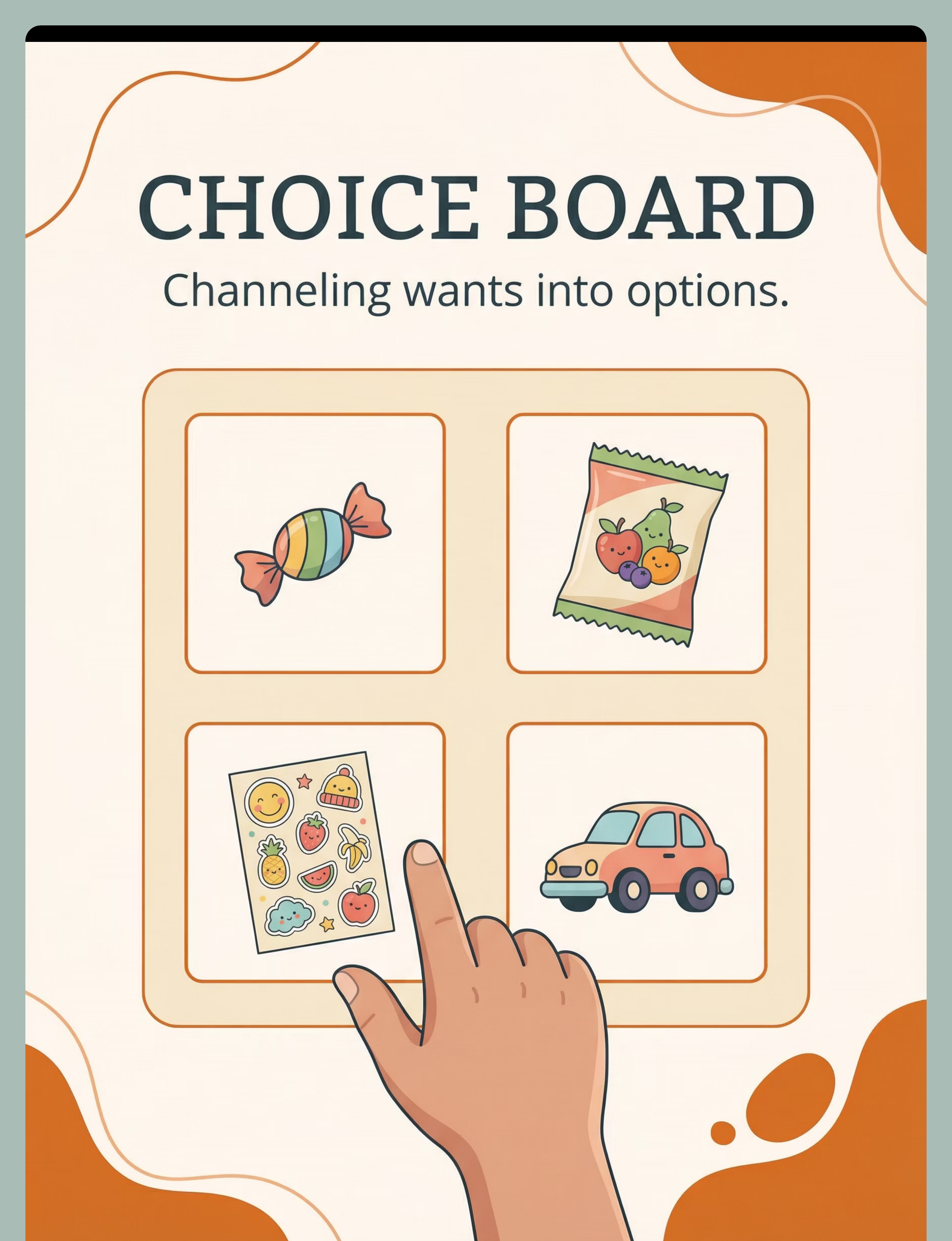
🗂️ Choice Board for Approved Requesting
Canon Category: Choice Boards / Visual Options Channels "I want everything" into structured, parent-approved selecting. Prevents "no to everything" conflict loop. DIY Cost: ₹50–200 | Search Amazon.in →
✅ Pinnacle Recommends
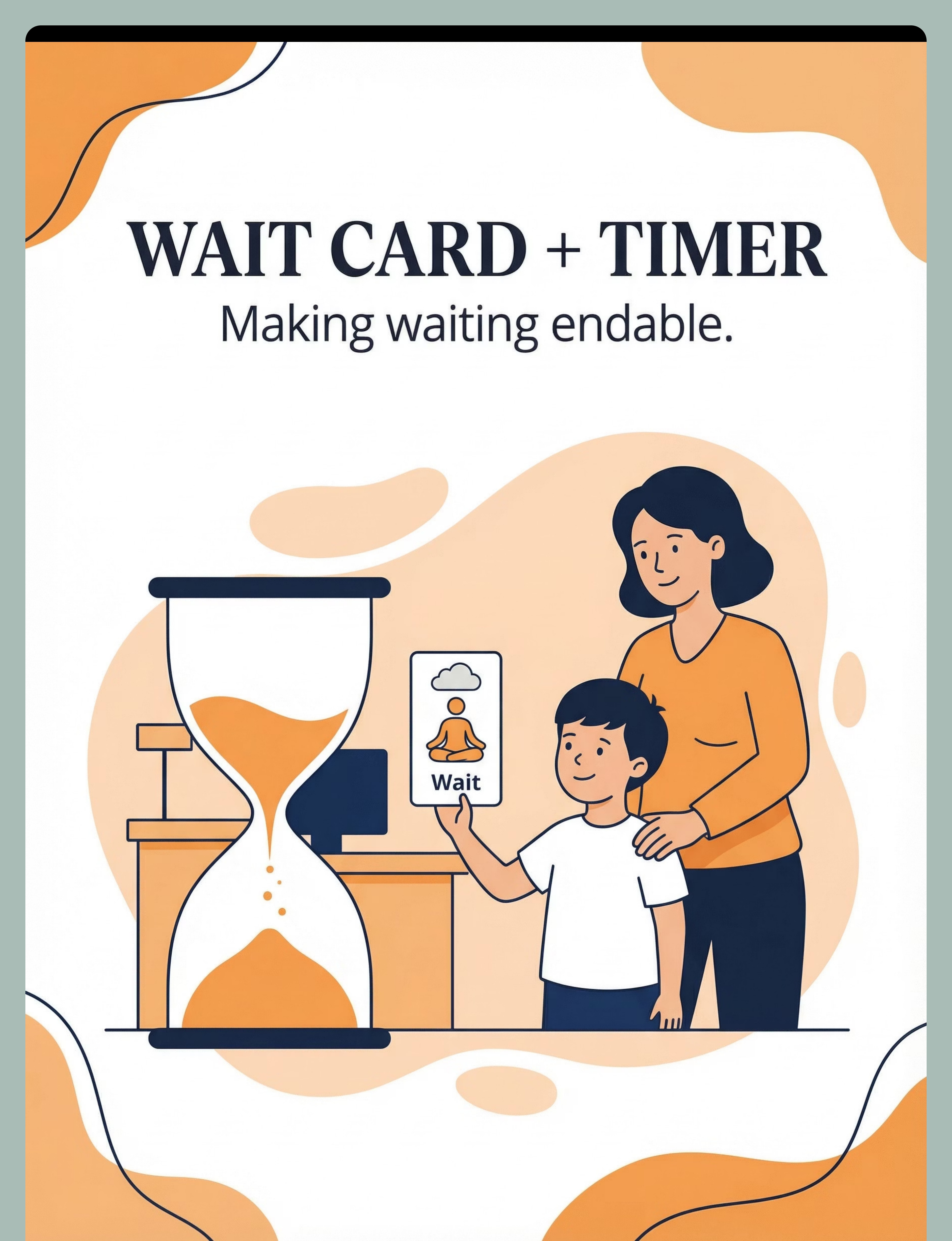
⏳ Wait Card + Visual Timer
Canon Category: Visual Timers / Wait Tools Makes waiting finite, concrete, and endable. Critical for checkout-line survival. Price Range: ₹200–800 | Search Amazon.in →
✅ Pinnacle Recommends
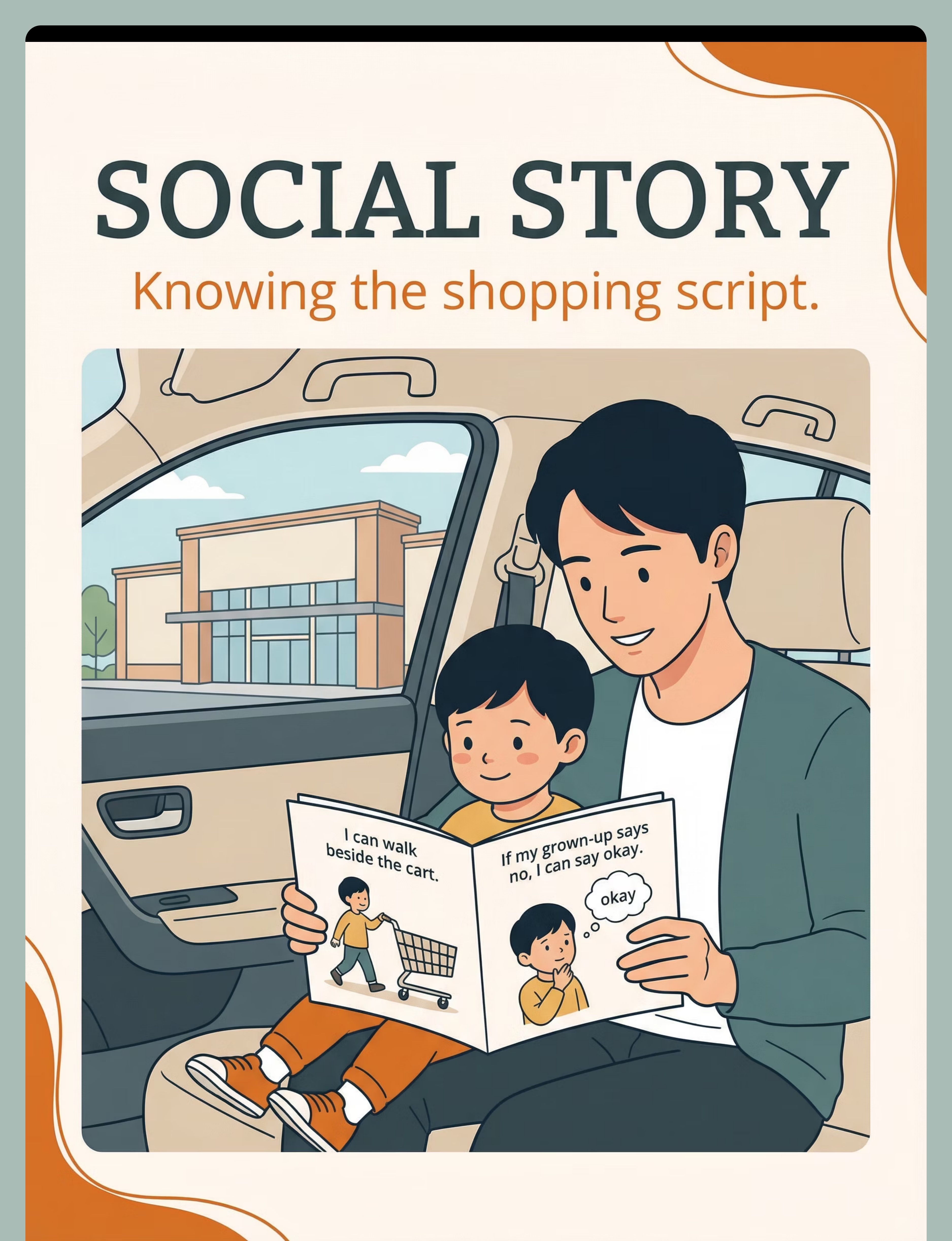
📖 Shopping Social Story (Personalised)
Canon Category: Social Stories / Scripts Pre-teaches the "shopping script" — what happens, what's expected, what to do. Read before every trip in early weeks. DIY Cost: ₹100–400 | Search Amazon.in →
✅ SLP + SpEd Lead Recommendation
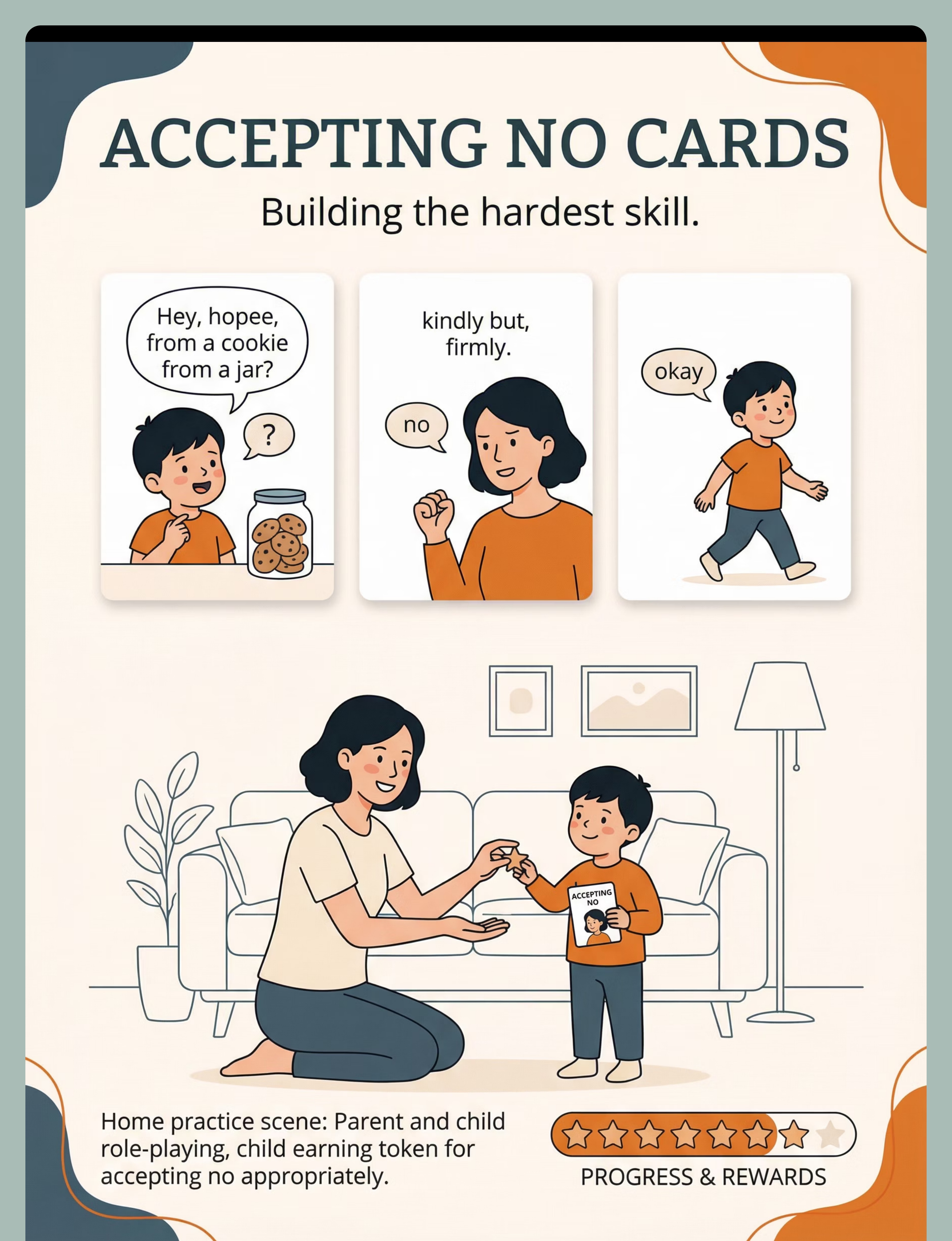
🚫 Accepting "No" Practice Cards + Home Token System
Canon Category: Reinforcement Menus / Behaviour Practice Cards Systematically builds the hardest skill — accepting "no" without escalating. The skill that unlocks all others. Sticker Reward System — ₹589 (Canon #803) → | DIY Card Cost: ₹50–150
✅ BCBA Primary Recommendation
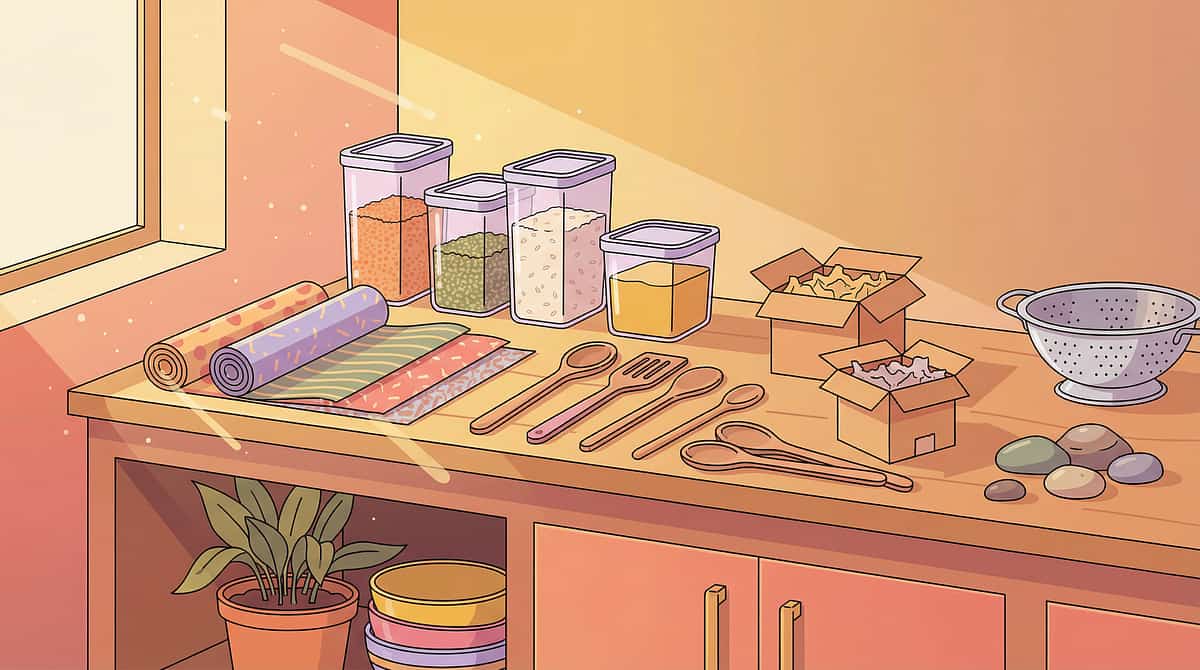
Every Family. Every Budget. Every Village. Tonight.
WHO/UNICEF Equity Principle
Intervention access cannot depend on Amazon delivery. Every substitute functions on the same neurological principle as the clinical-grade material. The sensory and behavioural mechanisms do not require branded products — they require the structure the material provides.
Material | Buy Option | ₹0 DIY Alternative | |
Visual Shopping List | Laminated card ₹80 | Photos cut from grocery flyers, glued to cardstock | |
Store Rules Card | Printed laminate ₹60 | Index card, drawn with marker, covered in tape | |
Token Board | Star chart ₹364 | Paper strip with 5 circles, pencil tally or stickers from home | |
First-Then Board | Velcro board ₹150 | Folded paper: FIRST / THEN sections, clip-on pictures | |
Sensory Headphones | NRR headphones ₹600 | Cotton ear plugs (50p each) + sunglasses from home | |
Choice Board | Laminated photos ₹100 | 4 pictures in a folded card, child circles their choice | |
Visual Timer | Sand timer ₹300 | Phone timer with visual countdown app (free) | |
Social Story | Printed booklet ₹200 | Hand-drawn 8-page booklet, child helps illustrate | |
Accepting No Cards | Printed cards ₹80 | Index cards: stick figure sequence, 3 panels |
When the clinical grade is non-negotiable: Noise-reducing headphones — cotton ear plugs do not provide the same NRR. For severe auditory hypersensitivity, the investment matters.
WHO Nurturing Care Framework (2018): Context-specific, equity-focused interventions. PMC9978394 | WHO NCF Handbook (2022)
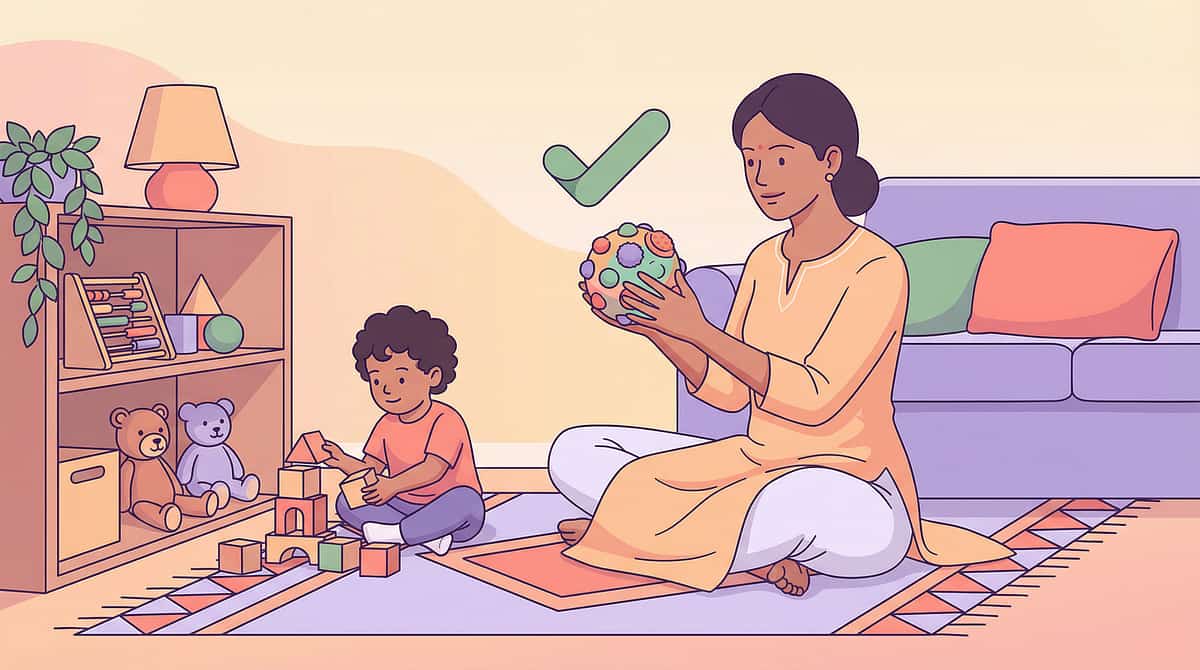
The Pre-Session Safety Gate. Read Before Your Next Store Trip.
🚦 Safety First
🔴 RED — Do Not Proceed If:
• Child has had a meltdown in the last 2 hours (nervous system still in recovery) • Child is sick, overtired, or significantly hungry (baseline regulation depleted) • You have a time-critical errand with no flexibility (first shopping trips must be low-stakes) • You are not prepared to deliver the earned reward today • Store is unusually crowded/loud (begin in quieter environments and hours)
🟡 AMBER — Modify If:
• Child is mildly tired → shorten trip to 5–10 minutes, 3–5 items only • You're trying a new store → keep first visit a "practice only" trip • Child had a partial meltdown today → reduce token requirements • You're introducing new materials → pre-teach at home before store deployment
🟢 GREEN — Proceed When:
• Child is fed, rested, regulated • All materials are packed and ready before leaving home • You have a specific, short shopping list prepared • Reward is confirmed, available, and motivating • You have 20+ minutes with no urgent time pressure
🛑Stop immediately if: Child becomes physically unsafe to self or others | Signs of extreme sensory shutdown (non-responsive, covering all senses) | Escalation beyond redirection capacity. 📞 Emergency: 9100 181 181
Material Safety: Ensure fidgets are not choking hazards (age-appropriate size). Visual cards should not have sharp edges (laminate or round corners). Headphones should allow child to hear parent's voice for safety.
Indian Journal of Pediatrics RCT (2019): DOI: 10.1007/s12098-018-2747-4 | Home intervention safety protocols
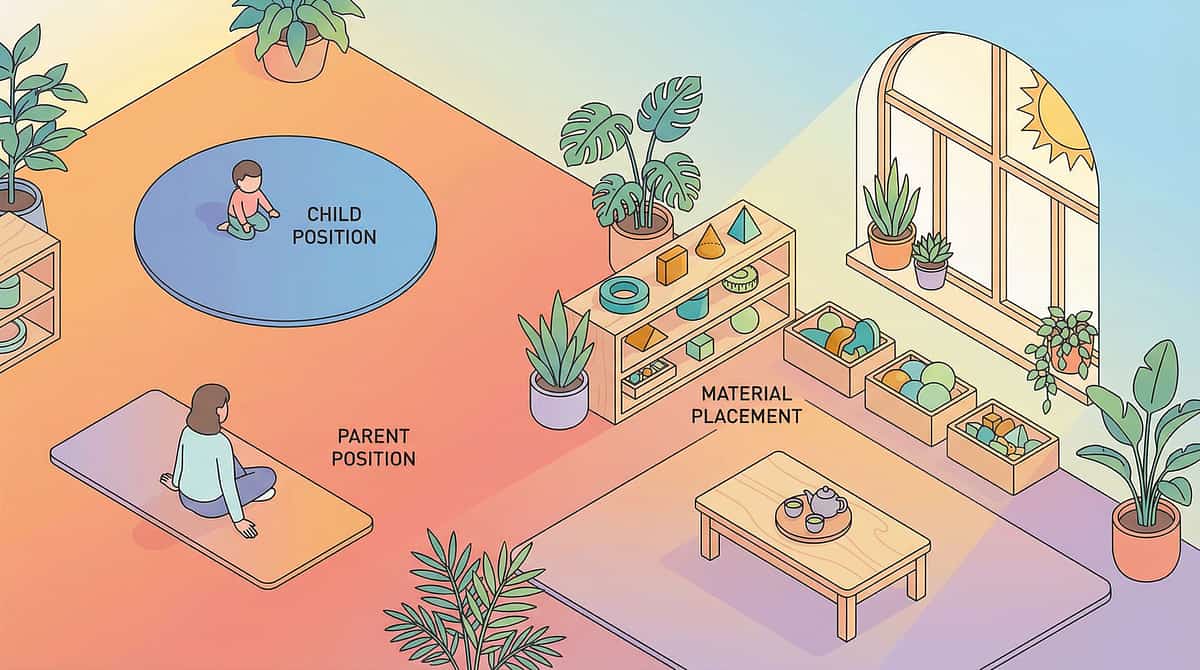
The Preparation Done at Home Determines the Outcome in the Store
📦 Set Up Your Space
A structured pre-store ritual takes fewer than 15 minutes and is the single most powerful thing you can do to ensure a successful trip. Do this the night before or the morning of.
1
Build the Visual Shopping List Together (5 min)
Sit with your child. Show them the list. Let them stick the pictures or mark the items. This creates ownership — they're on the mission, not dragged along on yours.
2
Review Store Rules Card (2 min)
Read it together. Let the child point to each rule. "What does walking feet mean?" "What does hands on cart mean?" This builds retrieval — they won't need to be told in the store if they've pre-rehearsed.
3
Set the Reward Together (2 min)
Show them the choice board or the THEN image. "This is what you're working toward today." Make it visible, specific, confirmed. "If you earn 5 tokens, you choose one thing from this board."
4
Pack the Sensory Kit (1 min)
Headphones/ear plugs, fidget, comfort item. Pack as a ritual — child can help. Going through the store with sensory supports in hand beats putting them on during a meltdown.
5
Read the Social Story (3 min — first 4–6 trips)
In the car before entering. "Let's read our shopping story." Eventually this fades to "What do we remember from our story?" and ultimately becomes internalised.
🗣️In-car script before entering: "We're going to [store name]. Here's our list — you're my shopping helper. You're going to earn stars today. When you earn 5, you pick from your choice board. Let's look at your rules one more time."
Sensory Integration Theory (Ayres): Environmental setup is core. PMC10955541 — structured environment for 1:1 sessions
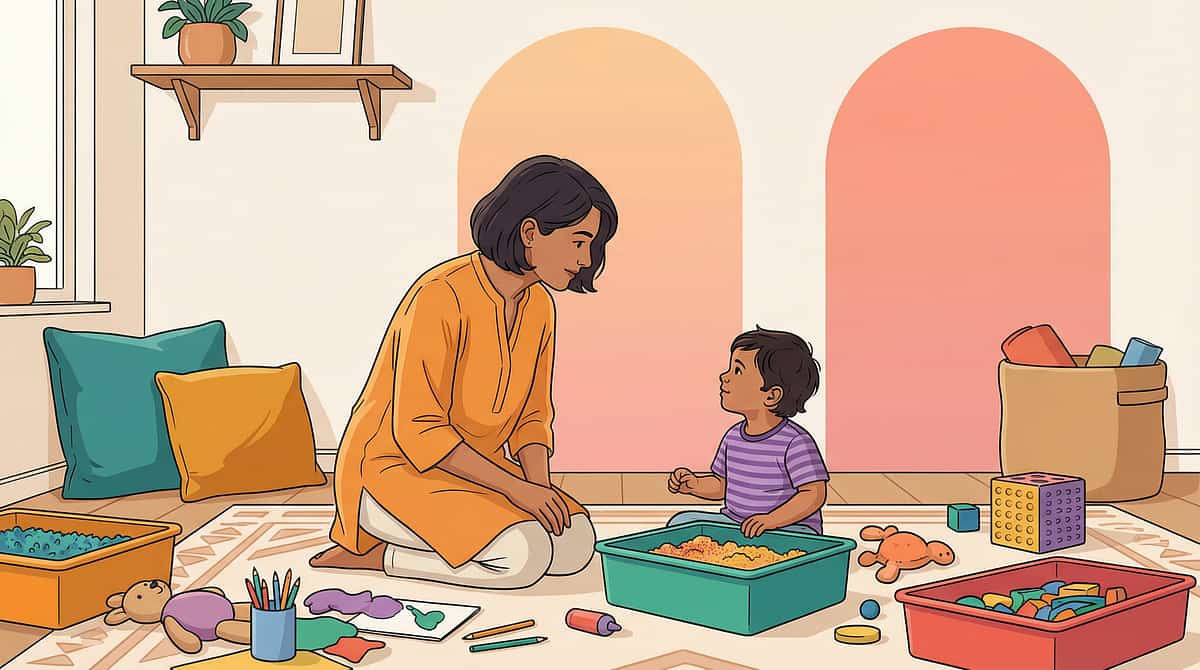
The 60-Second Pre-Trip Assessment. Every Time.
▶ How To Do It
Step 0: Readiness Check
Before every trip, run this quick assessment. It takes one minute and determines whether you proceed, modify, or postpone. The best session is one that starts right. A short, successful 10-minute trip builds more capacity than a 45-minute struggle.
Indicator | Green ✅ | Amber ⚠️ | Red ❌ | |
Fed in last 2 hours | Full meal | Light snack | Hungry | |
Sleep last night | Full sleep | Short sleep | Very poor | |
Current mood state | Calm, playful | Mildly elevated | Dysregulated/post-meltdown | |
Sensory state today | Normal | Mildly sensitive | Hyper-reactive | |
Last challenging experience | 4+ hours ago | 2–4 hours ago | < 2 hours ago | |
Your own stress level | Calm | Manageable | High stress |
🟢 5–6 Green → PROCEED
Continue as planned.
🟡 3–4 Green → MODIFY
Shorten trip, reduce token requirement, pick quieter store.
🔴 1–2 Green → POSTPONE
This trip will likely fail and set back the system. Come back tomorrow.
ABA Principles: Antecedent manipulation and setting events determine intervention effectiveness
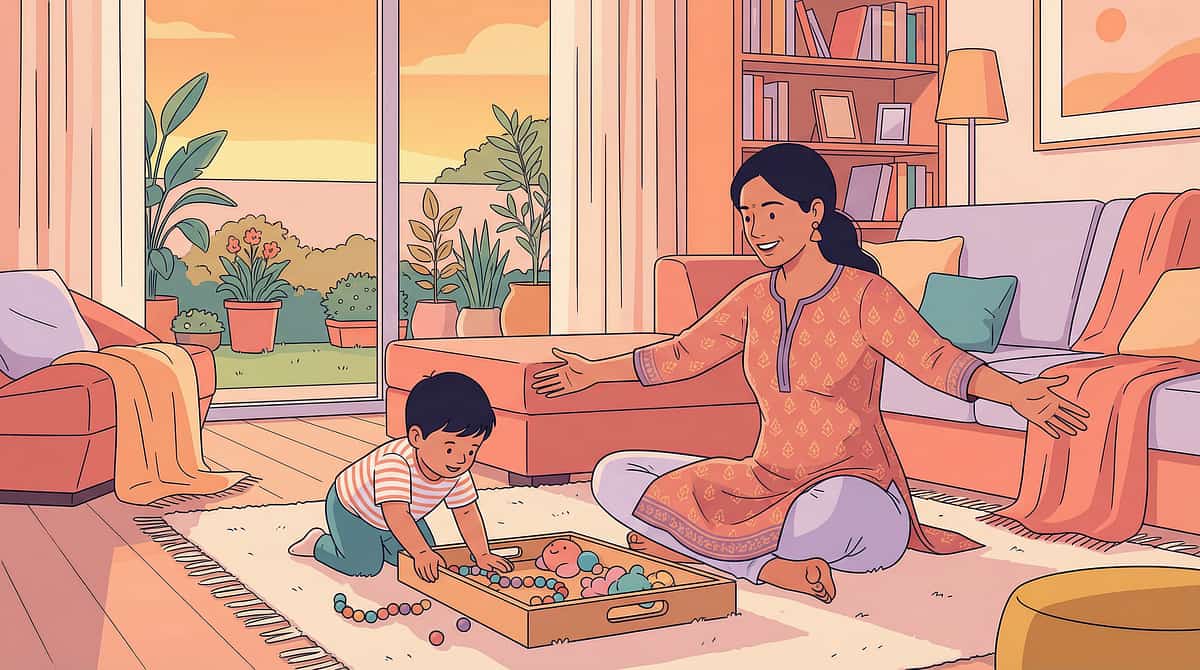
Step 1: The Invitation — At the Store Entrance
Step 01
Script (say this word for word initially)
"Okay team — here's our plan. [Child name] is my shopping helper today. You have your list. You know your rules. When you earn your 5 stars, you pick one thing from your choice board. Let's do this!"
Body Language Guidance: • Crouch to child's eye level • Use enthusiastic but calm tone — not high-pressure • Show physical materials: list in hand, token board visible, choice board accessible
Timing: 60–90 seconds at entrance before pushing through doors.
Reading the Child's Response
What acceptance looks like: • Child takes the list / touches the materials • Makes eye contact or looks toward store • No protest or resistance to entry
Resistance and how to modify: • "I don't want to go" → Don't argue. "We have a plan. Let's see if you can earn your [specific reward]." • "I want to go to the toy aisle" → Point to first-then board. "First shopping. Then we can look at [board image]." • Refusal to enter → Today may be an amber day — shorten the mission to 3 items only.
ABA Pairing Procedures: Establishing motivating operations before demand placement. OT "Just-Right Challenge" principle

Step 2: The Engagement — First Aisle
Step 02
The first aisle sets the tone for the entire trip. Your goal is to create momentum immediately — a child who earns their first token in the first two minutes is a child who believes success is possible today.
Material Introduction
Give the child the visual shopping list. "Can you find the first thing? What's the picture?" Give them the physical agency of carrying and checking. Script: "Okay — look at your list. What's first? Can you find it? Walk next to me and let's look together."
Reinforcement Cue — Immediate
First token is earned immediately in the first aisle for appropriate walking/cart behaviour — before any challenge occurs. Set the child up for success. Create momentum. Script: "Walking feet! Look at that — STAR!" [Place token immediately.]
Child Response Indicators
🟢Engagement: Child looks at list, points at items, walks alongside 🟡Tolerance: Child is present but not actively participating — keep going gently 🔴Avoidance: Child pulls away, lies down, refuses → reduce demand, offer sensory kit first
Timing: First 1–3 minutes. PMC11506176 — Structured material introduction in evidence-based sensory/behavioural intervention
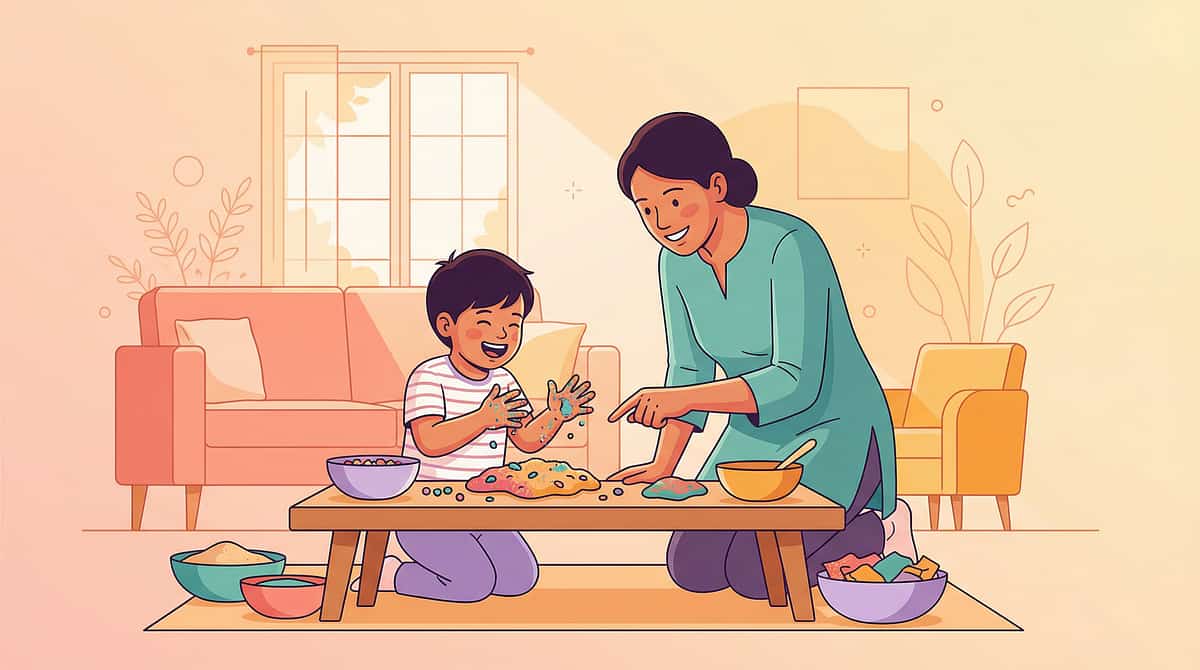
Step 3: Running the Full System Through the Store
Step 03
Once the child is engaged, all five parallel systems run simultaneously. This is the core of the technique in action. The art is in maintaining all five without stopping to lecture, reason, or negotiate.
1
📋 Visual List System
Child holds the list. Participates in finding items. Each found item is crossed off or removed. "Two more! We're almost done!" The mission is visible and finite.
2
⭐ Token System
Tokens earned for: following rules card, accepting redirection without escalating, waiting appropriately, using appropriate volume. Immediate delivery within 3 seconds of the behaviour. "Yes! Hands on cart — star!"
3
🎧 Sensory Management
Headphones/ear plugs on from entry. Fidget in hand or pocket. If sensory signs appear (covering ears, slowing down, speeding up without purpose) → offer additional sensory support before escalation, not after.
4
🗂️ Requesting Management
When child asks for non-list item: point to choice board. "That's not on your choice board today. You're working toward one of those." No lecture. No reasons. Just the redirect and the board.
5
⏳ Wait Support
At checkout: visual timer deployed immediately on joining the line. "Watch the timer. When the sand runs out, we're done." Wait card in hand or visible throughout.
Common Execution Errors:❌ Delivering token 30 seconds after the behaviour (loses connection) ❌ Lengthy verbal explanations when child requests non-list item ❌ Forgetting the sensory kit ❌ Moving to second aisle before first token is placed
PMC10955541 — Meta-analysis: core therapeutic action 40–60% of session time
Step 4: Sustaining Regulation Through the Full Trip
Step 04
Each aisle is one behavioural unit. Check list → find items → reinforce rule-following → progress toward token completion. Treat each aisle as a mini-success that builds toward the whole.
Satiation Watch — Warning Signs
Children have a behavioural regulation budget. The longer the trip, the more depleted. Warning signs of approaching the limit:
- Voice getting louder
- Touching everything
- Asking more frequently for items
- Slowing down or refusing to move
When you see these: accelerate toward completion, not deepen the demand.
Trip Length Calibration
- Week 1–2: 5–10 minutes, 3–5 items. Full success required.
- Week 3–4: 10–20 minutes, 5–10 items.
- Week 5–8: 20–35 minutes, full short grocery run.
- Month 3+: Full grocery trip with fading supports.
"3 successful short trips build more capacity than 1 survival-mode long trip."
SI dosage research: 2–3 structured sessions/week × 8–12 weeks as typical behavioural protocol timeline

Step 5: Token Complete — Deliver the Reward
Step 05
🎉 "[Child name]! You did it! ALL your stars! You followed your rules. You were my amazing shopping helper. Now — pick one thing from your choice board!"
This is the most critical moment in the entire shopping trip. What happens here determines whether the system strengthens or erodes.
🎯 Immediate
Deliver within 30 seconds of token completion. Every second of delay weakens the neural connection between the behaviour and the reward.
🎯 Specific
Name what they did: "Your walking feet! Your patient waiting at checkout!" Generic praise is far less powerful than behavioural specificity.
🎯 Enthusiastic
Match your energy to the achievement. This child just did something genuinely hard. Reflect that back.
🎯 Consistent
Every trip, without exception. Inconsistent reinforcement is worse than no reinforcement — it creates frustration and unpredictability.
Reinforcement Menu Options:Reward Chart System — ₹589 → | Token/Star Chart — ₹364 → | Or: one chosen item from pre-approved choice board | small treat from list | screen time after trip | prize from home prize box.
Critical: If the child did NOT earn all tokens but showed partial improvement → adjust the token requirement downward for next trip. Never withhold reinforcement after a genuine improvement.
Step 6: Exiting the Store Successfully
Step 06
The exit is a vulnerable moment. The mission is complete, the child is regulation-depleted, and the transition out of a stimulating environment can trigger unexpected difficulties. Plan it with the same care as the entry.
1
Transition Warning (2 minutes before checkout)
"Almost done! One more item on the list. Then we pay and go home." Predictability prevents the checkout surprise that often triggers exit meltdowns.
2
At Checkout — Give Them a Job
Deploy the wait card + timer immediately. Give the child a job: hold the list, put items on the belt, count items. Occupation during waiting prevents deterioration.
3
Exiting the Store
"Look at your list — everything crossed off. Our mission is complete. Let's go." The visual list makes closure concrete. The mission is done. The child can see it.
4
In-Car Post-Trip Debrief (60 seconds)
"You know what you did amazing today? [Specific behaviour]. I am so proud of you. That was HARD and you did it." One specific, behavioural compliment. Not generic "good job."
If child resists exiting: Use first-then: "First we get to the car. Then [specific debrief reward]." Use the visual list as a closure tool: "Look — everything's checked off. Shopping is finished."
Post-session parent self-care: You just executed a complex behavioural support system in public under stress. That is professional-level parenting. Notice that.
NCAEP Evidence-Based Practices Report (2020): Visual supports for transitions classified as EBP for autism
60 Seconds of Data Now Saves Hours of Guessing Later
📈 Capture the Data — Right Now
Record within 10 minutes of the trip, while the details are fresh. These three data points, collected consistently across trips, become your diagnostic roadmap.
1. Token Count
How many tokens did the child earn out of [total]? ___/5
2. Biggest Challenge Today
Requesting / Waiting / Grabbing / Running / Meltdown / Exit / None
3. Overall Trip Rating
😰 Survival → 😐 Managed → 🙂 Smooth → 😊 Excellent
Data Patterns to Watch:📈 Token count increasing week-over-week → skills building 📉 Token count dropping → check readiness factors (sick? tired? new environment?) 🎯 Same challenge recurring → target that specifically (next card has fixes)
📞Helpline: 9100 181 181 — Call if patterns are concerning or you need therapist interpretation.
ABA Data Collection Standards: BACB Guidelines + Cooper, Heron & Heward (Applied Behavior Analysis, 8th ed.)
Session Abandonment Is Not Failure. It's Data.
🔧 Troubleshooting Guide
Problem 1: Child refused to enter the store at all
Why: First-trip anxiety; store previously paired with negative experiences; sensory overwhelm at entrance. Fix: Start even smaller — parking lot only (practise the pre-entry routine). Then entrance only. Then one aisle. Graduated exposure.
Problem 2: Token board ignored / "I don't want tokens"
Why: The reward isn't motivating enough, or the token requirement is too high. Fix: Test different rewards. Drop token count to 3. Make the first token almost automatic. Build momentum from small wins.
Problem 3: Child escalated when redirected from non-list item
Why: "Accepting no" skill not yet established; choice board not previewed before trip. Fix: Increase home practise of accepting no. Ensure choice board is reviewed before entering store, not during the conflict.
Problem 4: Meltdown at checkout
Why: Cumulative regulation depletion reaching its limit at the most demanding moment. Fix: Deploy wait tools proactively. Position child away from checkout candy. Token final star at checkout completion. Consider self-checkout lanes.
Problem 5: Great for 2 trips then regressed
Why: Novelty effect wore off; reward lost motivating value; skill not yet consolidated. Fix: Rotate rewards. Shorten trips again. Re-introduce materials with fresh energy. This is normal — not failure.
Problem 6: "I give up — it's easier to shop alone"
This is the point where most families stop. It is also the last inch before the breakthrough. Short-term avoidance is permanent. The window for community skills building is now. Fix: Call 9100 181 181. A BCBA can troubleshoot your specific pattern in one session.
ABA Troubleshooting: Functional analysis principles for session-level problem solving
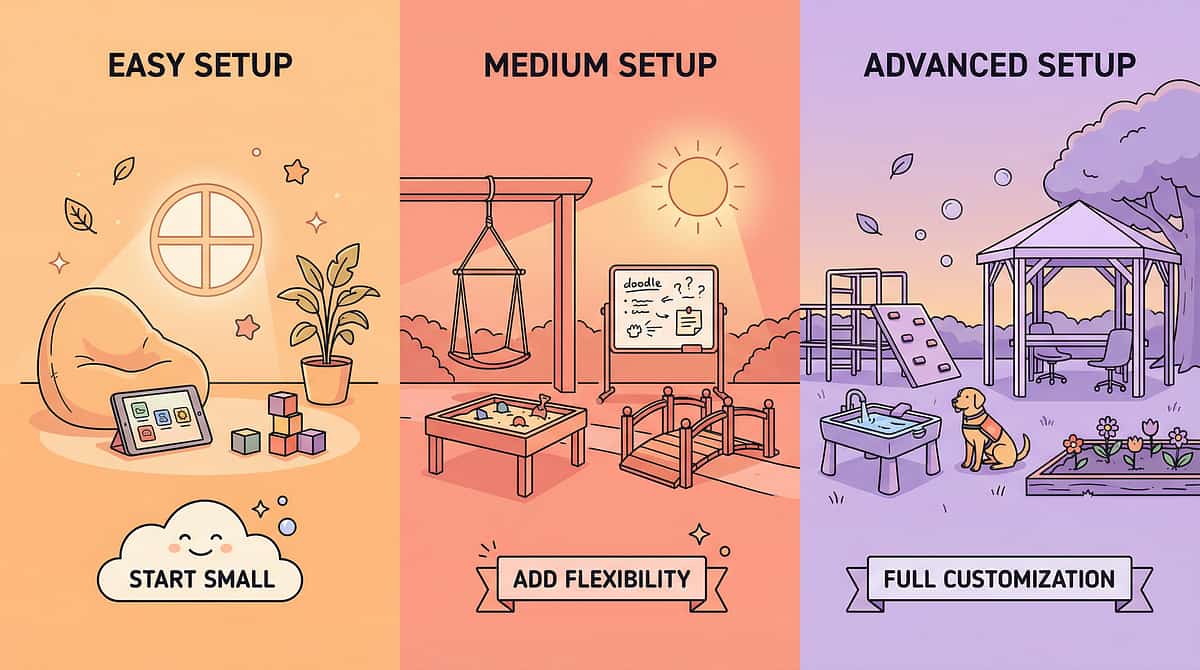
No Two Children Are Identical. This System Is Adjustable.
⚙️ Adapt & Personalise
The Shopping Behaviour Support System is a framework, not a prescription. Every dimension can be tuned to your child's current capacity — and adjusted upward as skills consolidate.
Dimension | Easier Version | Standard | Harder Version | |
Trip Length | 5–8 min, 3 items | 15–20 min, 8 items | Full grocery run | |
Token Count | 3 tokens for reward | 5 tokens | 8 tokens, fading to end of trip | |
List Complexity | 3 pictures | 6 pictures + text | Full written list child manages | |
Choice Board | 2 options | 4–5 options | "Earn" model with delay | |
Sensory Supports | Full kit always | Kit available if needed | Kit in bag, not on body |
🔊 Auditory Hypersensitivity
Noise-reducing headphones mandatory. Choose quiet hours. Avoid stores with overhead music.
👁️ Visual Overload
Reduce list length. Move faster. Use tunnel vision technique — parent close, child focused on list only.
🖐️ Tactile Seeking
Give the child the job of placing items in the cart. Channel the need into the mission.
🏃 Proprioceptive Seeking
Push the cart. Carry the basket. Give physical jobs that contain the movement drive.
Communication Profile: Minimally verbal → visual-only supports, no verbal demands during trip. Emerging language → simple scripts, picture-supported. Verbal/conversational → full verbal + visual system.
📞Pinnacle Helpline: 9100 181 181 — Personalisation guidance from our consortium. Individualised intervention planning: Core principle across OT (sensory profile-based), ABA (function-based), SLP (communication profile-based)

Week 1–2: Do Not Expect Mastery. Expect These Instead.
📈 Progress
Early Phase — 15%
Week 1 and 2 are about establishing the system, not demonstrating the outcome. The child is learning a new structure. You are learning to execute it. Measure calibration, not compliance.
✅ Child accepts entry to the store without major protest (even once)
✅ Child holds the visual list for any portion of the trip
✅ Child earns at least 1–2 tokens out of 5 (even if not completing the board)
✅ ONE "no" accepted calmly where previously none were
✅ Meltdown duration shortened, even if meltdown still occurs
✅ Parent feels less hypervigilant because there is a plan
"If your child tolerates the visual list in their hands for 2 minutes longer than they did last week — that is real, measurable neural progress."
What is not progress yet (normal in week 1–2): Child still asks for many items (the skill is not built yet). Tokens inconsistently motivating (reward preference fluctuates — adjust the THEN). Store rules card ignored mid-trip (reference, don't lecture).
PMC11506176 | Intervention outcomes emerge across 8–12 week timelines. Early-phase indicators: tolerance and participation, not skill mastery.
Week 3–4: The Neural Pathways Are Forming
📈 Progress
Consolidation Phase — 40%
In the consolidation phase, you are not just seeing behaviour change — you are seeing internalisation. The child begins anticipating the structure. They reach for the list before you hand it. They point to their token board unprompted. These are not compliance behaviours — they are internalisation indicators.
1
🧠 Child asks: "Are we going to the store? Can I have my list?"
Anticipation replacing anxiety — one of the clearest consolidation signals.
2
🧠 Token board completed at least once in the week
The reinforcement system is working. Reward preference is calibrated.
3
🧠 At least 30% of "no" responses accepted without major escalation
The hardest skill is beginning to yield. This percentage will rise steadily.
4
🧠 Child reminds parent of a store rule
"I need to use inside voice, Mummy." — The rules are internalised, not just displayed.
5
🧠 Trip duration extending: 15 → 20 min without deterioration
Regulation capacity is building. The behavioural budget is growing.
Parent Milestone: You may notice you're more confident too. Your anxiety about store trips is dropping. Your body language is calmer. Your child reads your confidence and matches it.
Neuroplasticity evidence: Synaptic strengthening through repeated structured input follows predictable timelines in paediatric populations

Week 5–8: Mastery Unlocked
🏆 Mastery Phase — 75%
Mastery is not perfection. It is consistent, generalised performance across multiple environments. These are your specific, observable, measurable criteria.
Full Trip Completion
Child completes a 20+ minute shopping trip with 8+ items, earning 80%+ of tokens, across 3 consecutive trips.
Accepting "No"
"No" accepted without escalation on 70%+ of occurrences in-store.
Checkout Independence
Checkout line completed with timer as only support — no token for waiting.
Spontaneous List Use
Child uses list without prompting and reminds parent of store rules unprompted.
Generalisation
Skills generalised to at least 2 different stores. Skill appearing in non-supported contexts — at a relative's house, at a restaurant.
When to begin fading supports: Mastery criteria met × 3 consecutive trips → begin fading one support. Start with the store rules card (it's internalised). Keep token board longer. Next: fade token board to end-of-trip reinforcement only. Next: natural reward only.
PMC10955541 | BACB mastery criteria standards

You Did This. Your Child Grew Because of Your Commitment.
You took a child who couldn't complete a store trip without a meltdown and built a human being who can navigate a retail environment with structure, purpose, and increasing independence.
You executed a multi-component behavioural support system, in public, under stress, consistently, week after week. That is not parenting. That is therapy-grade intervention delivered by a person who loves their child.
🎉 Frame the first completed token board from the store. Put it on the fridge. That piece of paper represents your child's nervous system growing.
Photo/Journal Prompt:Take a photo of your child holding their completed shopping list this week. Caption it with the date and what they accomplished. This is your before-and-after documentation.
Parental self-efficacy research: Parent confidence is the strongest predictor of continued home-based intervention implementation
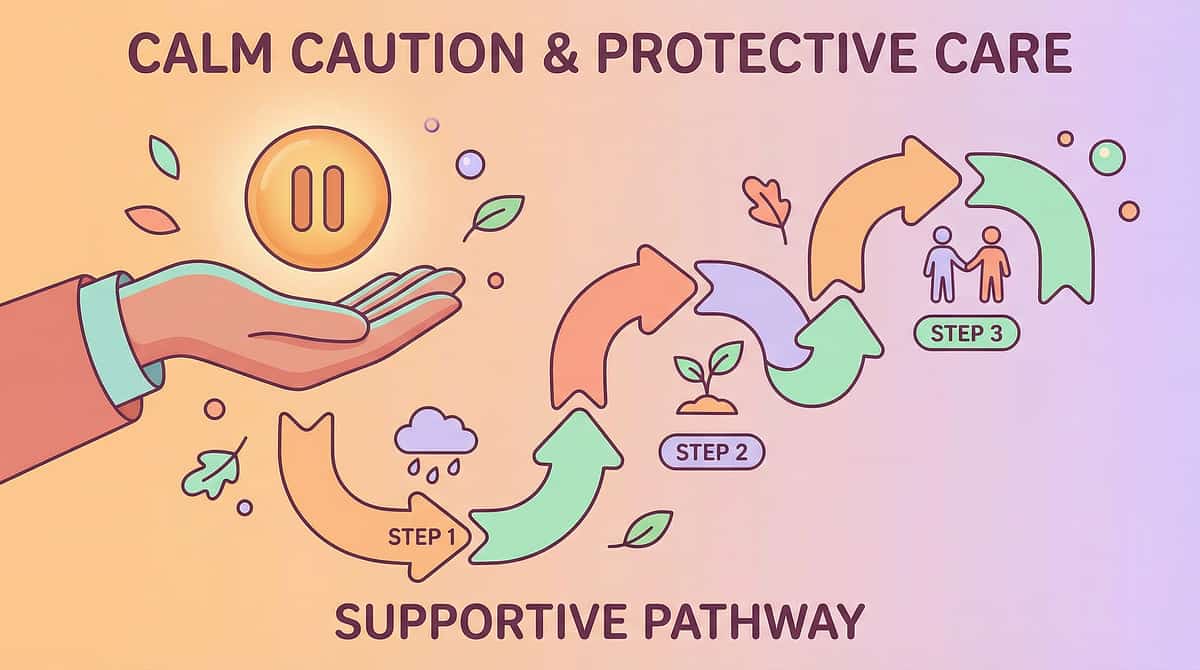
Trust Your Instincts. If Something Feels Wrong, Pause and Ask.
🚨 Red Flags — When to Pause
🚩 Red Flag 1: Behavioural regression after consistent progress
What it looks like: Skills that were mastered are suddenly absent across multiple settings. Why it matters: May indicate a medical change (sleep disruption, medication adjustment, illness), significant life stressor, or emerging anxiety. What to do: Medical check first. Consult your BCBA before modifying the programme.
🚩 Red Flag 2: Sensory symptoms worsening not improving
What it looks like: Auditory/visual hypersensitivity intensifying despite sensory supports. Why it matters: May indicate sensory processing disorder requiring formal OT assessment. What to do: Request sensory profile evaluation from a paediatric OT.
🚩 Red Flag 3: Accepting "no" skill completely not developing after 8 weeks
What it looks like: Zero improvement in denial acceptance across 6–8 weeks with daily home practice. Why it matters: May indicate underlying anxiety, ODD co-occurrence, or more intensive ABA support needed. What to do: BCBA consultation + functional behaviour assessment.
🚩 Red Flag 4: Child becoming physically unsafe during store sessions
What to do: Stop the trip immediately. Do not reinforce. Seek professional behaviour support as soon as possible.
Escalation Pathway: Self-resolve (1–2 trips) → Teleconsult with Pinnacle BCBA → Clinic assessment → Intensive ABA programme
📞Pinnacle Helpline: 9100 181 181 | Find a Centre →
WHO NCF Progress Report 2018–2023 | Pinnacle clinical escalation protocols
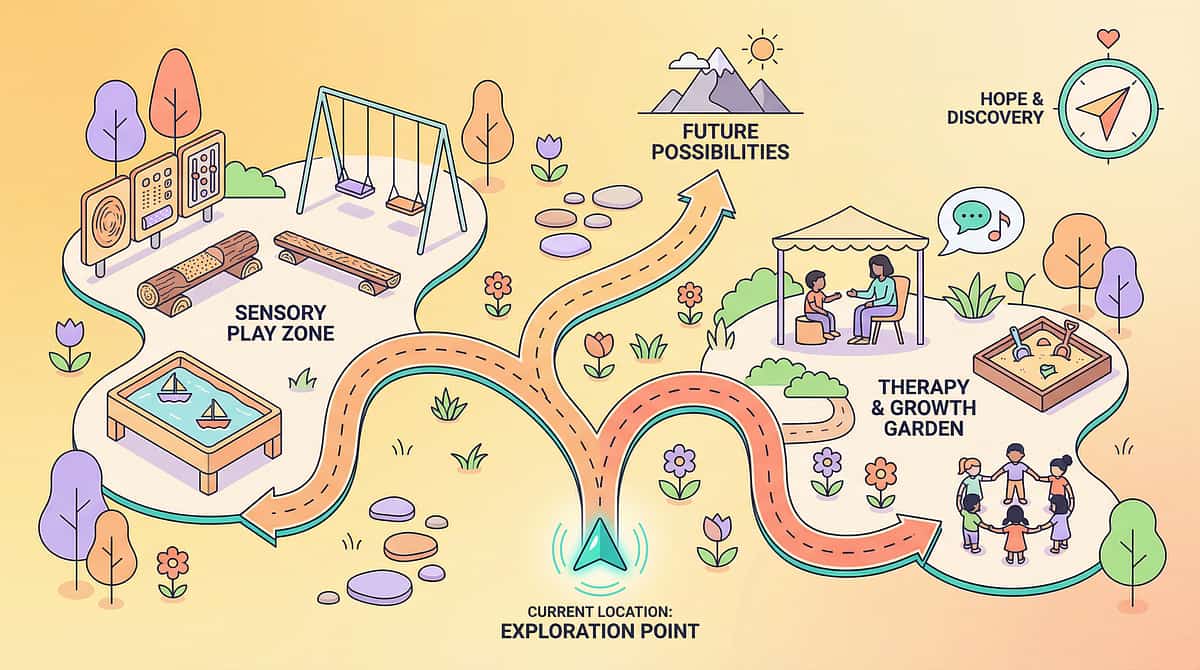
You Are Not Done. You Are on a Journey.
🗺️ The Progression Pathway
J-842 is one node in a carefully sequenced developmental pathway. Understanding where you've come from and where you're heading transforms isolated technique use into strategic long-term planning.
If the Shopping Behaviour approach didn't fit your child's primary driver: → F-520: Sensory Processing in Community — if sensory is the primary driver → K-9815: Community Skills — Graduated Exposure Protocol — if anxiety is the primary driver
WHO Developmental Milestones Framework + Domain-specific intervention sequencing literature
Materials You Already Own Work for These Techniques Too
🔗 Related Techniques
The investment you've made in your Shopping Behaviour kit is not single-use. Your token board, sensory kit, and social story structure are the backbone of the entire Community Skills domain.
Technique | Code | Difficulty | Shared Materials | |
Waiting in Lines | J-841 | 🟢 Intro | Token board, wait timer | |
Restaurant Behavior | J-843 | 🟡 Core | Rules card, first-then, sensory kit | |
Doctor Visit Behavior | J-844 | 🟡 Core | Social story, wait timer, token board | |
Errand Tolerance | J-840 | 🟢 Intro | Visual schedule, sensory kit | |
Impulse Control — Public | H-650 | 🔴 Advanced | Accepting no cards, choice board | |
Sensory Processing — Community | F-520 | 🟡 Core | Full sensory support kit |
✅ Your Token Board
Works for J-841, J-843, J-844
✅ Your Sensory Kit
Works for all community techniques
✅ Your Social Story Structure
Adaptable to any community environment
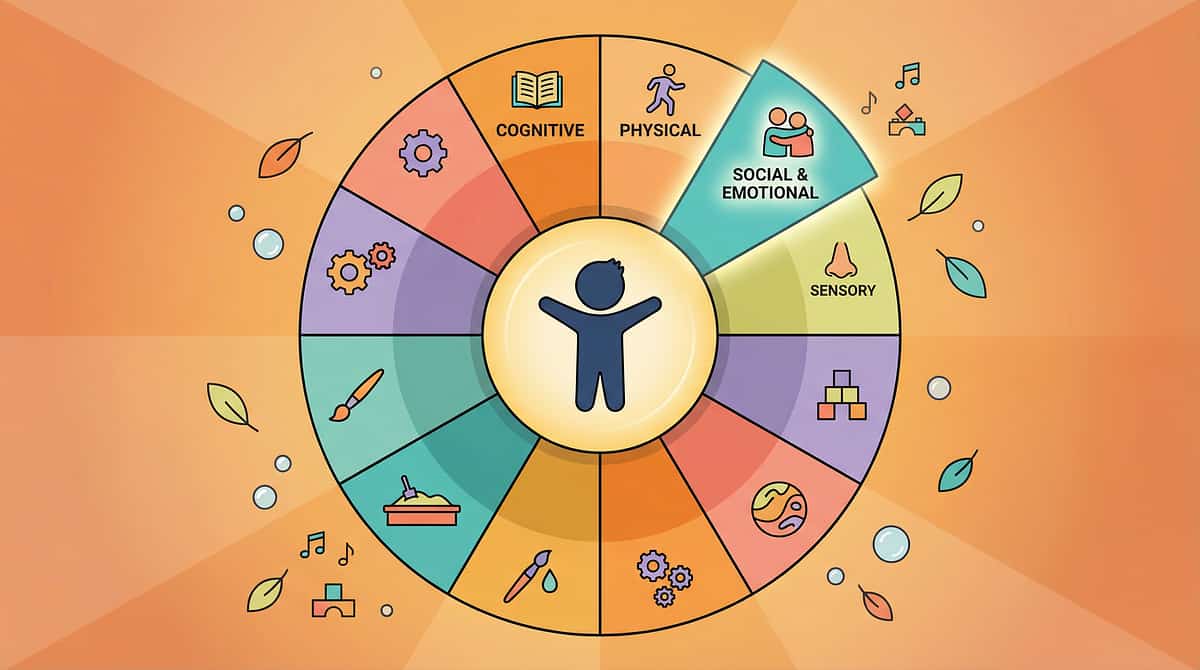
This Technique Is One Piece of a Larger Plan
🗺️ Your Child's Full Developmental Map
J-842 sits within Domain J: Daily Living Skills. But every skill you build here feeds adjacent domains — behavioural regulation, emotional regulation, and ultimately the long-term goal of independent community participation.
This technique feeds: Domain J (Daily Living) → Domain D (Behavioural Regulation) → Domain C (Emotional Regulation) → Long-term: independence and quality of life
WHO/UNICEF Nurturing Care Framework: Five components of nurturing care require holistic developmental monitoring. WHO NCF (2018) | UNICEF 2025 Country Profiles
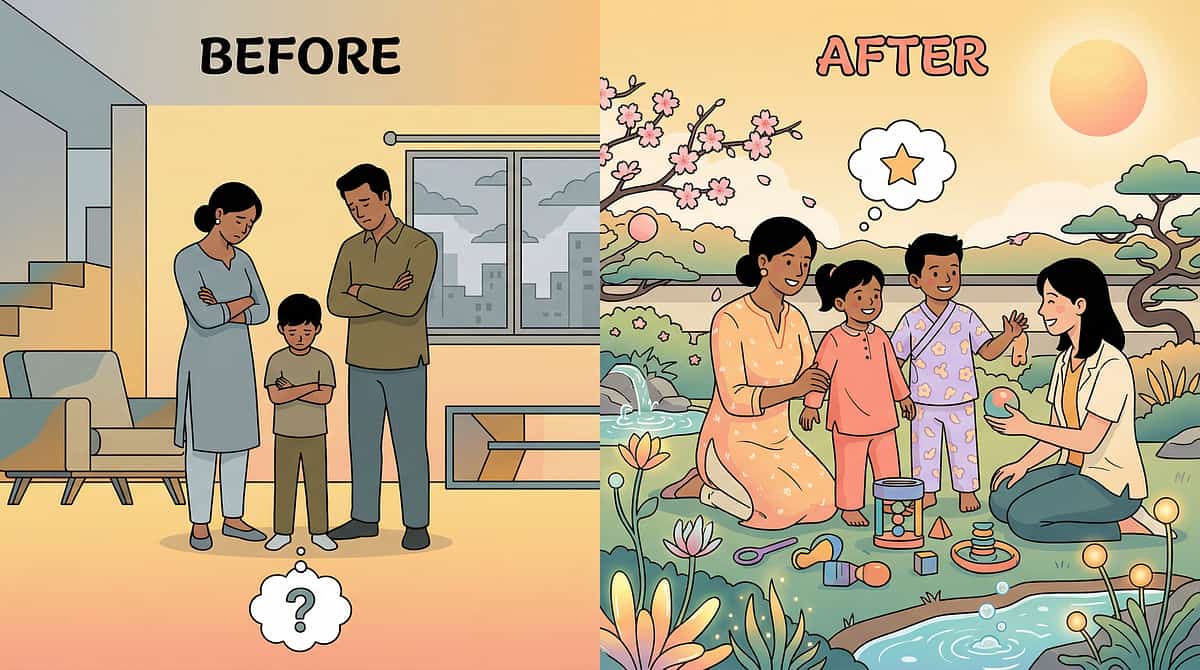
From the Pinnacle Network. Real Families. Real Outcomes.
👨👩👧 Community
Family Story 1 — Parent, Pinnacle Network
Before: "I used to shop in secret — sneaking out while he was at school. Every trip with him was a military operation with a high probability of failure. Grabbing, running, meltdowns at the register. I left full carts in aisles, embarrassed to go back."
System introduced: Visual shopping list + token board + choice board + accepting no home practice
After: "Week 6. He held the list, found all 7 items, earned his 5 tokens, chose a small treat. We did a 25-minute trip with zero meltdowns. I cried in the car. I cried from relief."
Timeline: 6 weeks | 3 trips/week | Outcome varies by child profile and consistency
Family Story 2 — Parent, Pinnacle Bangalore Network
Before: "My daughter could not be in a store for more than 5 minutes without a meltdown. The fluorescent lights, the noise — she was in sensory overload before we even reached produce."
After: "The headphones and fidget changed everything first. She had been trying to cope with an overwhelming environment without any tools. With the sensory kit, her window of tolerance extended from 5 minutes to 20. Then we added the behavioural system on top of a regulated child, and the results came quickly."
"This family had been avoiding community outings for 18 months. The system we built wasn't complex — it was consistent. The visual list gave the child a role. The token board made success visible. The choice board transformed 'no to everything' into 'yes to options.' The behavioural shifts in week 4–5 are textbook consolidation — when children start anticipating the structure, the skill is internalising." — Senior BCBA, Pinnacle Hyderabad Network
Parent-reported outcomes research: Qualitative studies consistently show peer narratives are the strongest motivator for home-based intervention adherence
Isolation Is the Enemy of Adherence. You Are Not Alone in This.
👨👩👧 Community
💬 Shopping Behaviour Support — Parent WhatsApp Group
Families navigating store and community challenges together. Join the Group →
🌐 Pinnacle Parent Community Forum
Evidence-based support, shared experiences, BCBA-moderated discussions. Visit Forum →
📍 Local Pinnacle Parent Meetup
70+ centres | Monthly parent meetups | In 16+ languages. Find Yours →
👩 Peer Mentoring
Connect with a parent who has completed the shopping behaviour programme. Request a Peer Mentor →
"Every story you share in the community is evidence. Every trick you discovered is a shortcut for a parent who is where you were six weeks ago. Consider sharing your journey."
📞Helpline: 9100 181 181 — 16+ languages | 24×7
WHO NCF: Community engagement is a core principle. Parent support networks improve intervention outcomes.
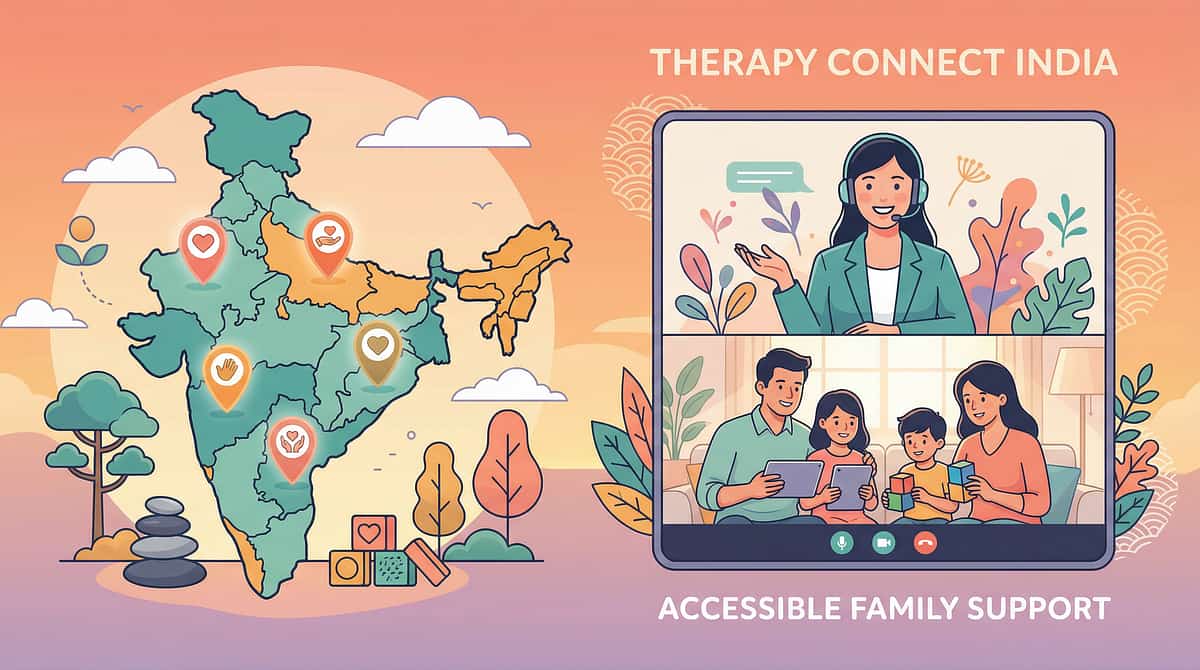
Home + Clinic = Maximum Impact
🏥 Your Professional Support Team
The techniques on this page are designed to be executed at home — but they were designed by clinicians and work best when connected to professional guidance. Wherever you are in India, support is available.
🎯 BCBA/ABA Therapist (Primary)
Behaviour support plan, token economy design, accepting no protocol, functional behaviour assessment.
🖐️ Paediatric OT (Secondary)
Sensory profile assessment, sensory diet for community settings, proprioceptive input planning.
🗣️ SLP (Tertiary)
Requesting language building, social story scripting, communication profile adaptation.
70+ centres across India: Hyderabad • Bengaluru • Chennai • Mumbai • Delhi • Pune and 60+ more. Teleconsultation available for families outside metro areas | WhatsApp video | Multi-language.
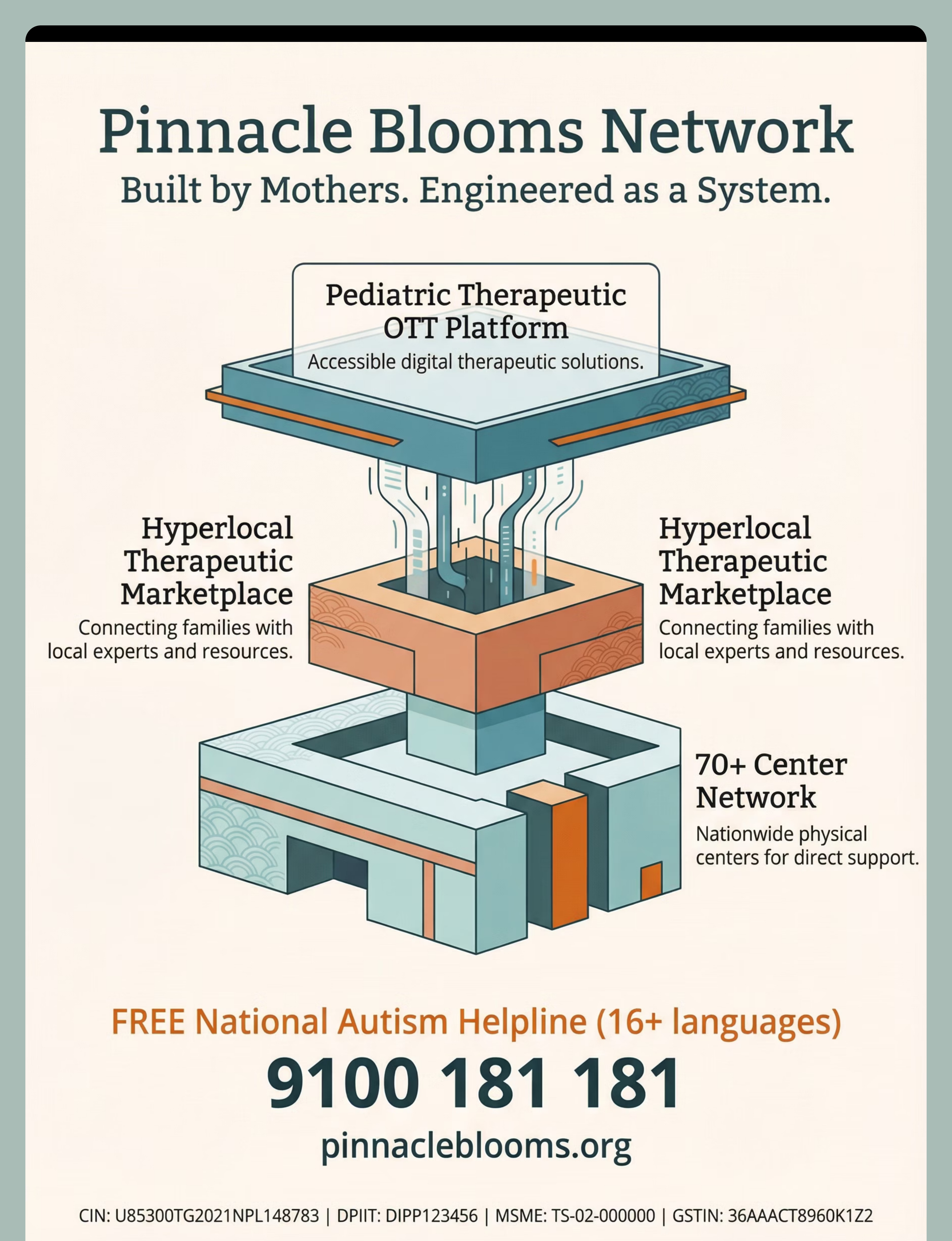
📞FREE National Autism Helpline: 9100 181 181 | 16+ languages | 24×7 | Zero cost to any family in India
WHO NCF Progress Report (2023): 48% increase in countries adopting ECD policies. Primary health care as platform for reaching all families
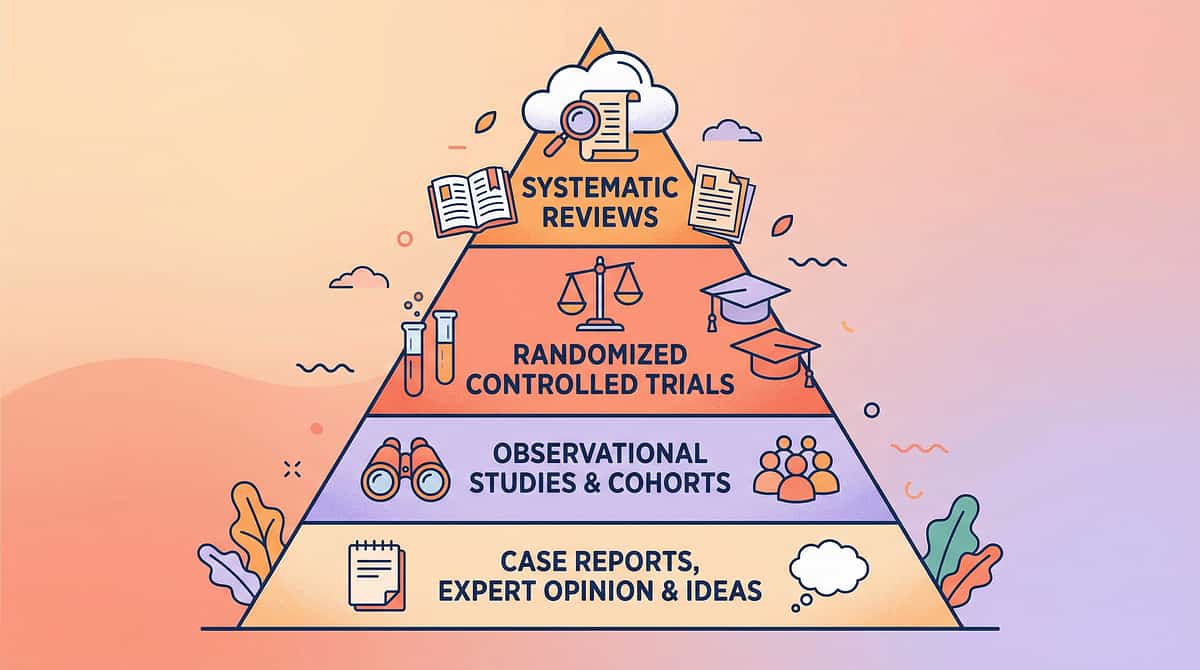
Deeper Reading for the Curious Parent
🔬 The Research Library
Every technique on this page is anchored to peer-reviewed evidence. Here is the complete evidence base, from systematic reviews down to clinical consensus.
1. PRISMA Systematic Review (2024)
16 studies (2013–2023): Sensory integration intervention as evidence-based practice for ASD. Social skills, adaptive behaviour, and community participation all improved. PMC11506176 →
2. Meta-Analysis — World J Clin Cases (2024)
24 studies: Sensory + behavioural intervention promotes social skills (primary), adaptive behaviour (secondary), sensory processing and motor skills (tertiary). PMC10955541 →
3. Indian RCT — Padmanabha et al. (2019)
Home-based intervention protocols: significant outcomes in Indian paediatric populations. DOI: 10.1007/s12098-018-2747-4 →
4. NCAEP Evidence-Based Practices Report (2020)
Visual supports, token economies, social stories, video modelling: all classified as Tier 1 EBP for autism. NCAEP 2020 →
5. WHO Care for Child Development (CCD) Package
Multi-caregiver home intervention implemented in 54 LMICs. Community skills as daily living priority. PMC9978394 →
Oxford Centre for Evidence-Based Medicine levels of evidence applied throughout
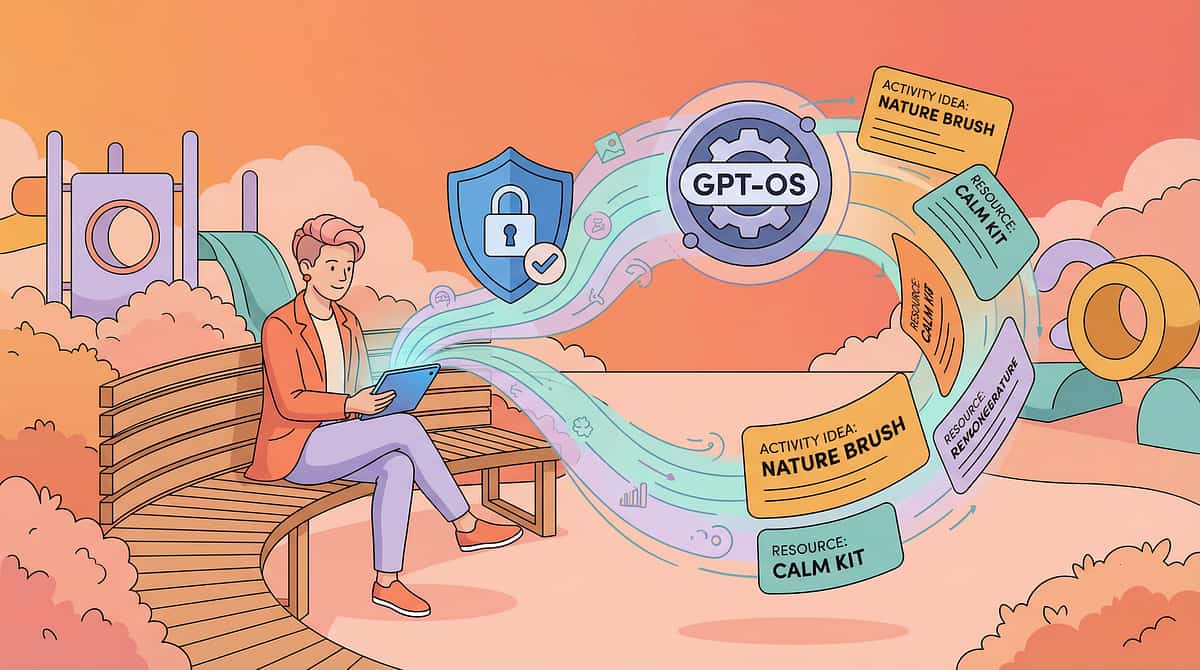
Your Data Helps Every Child Like Yours
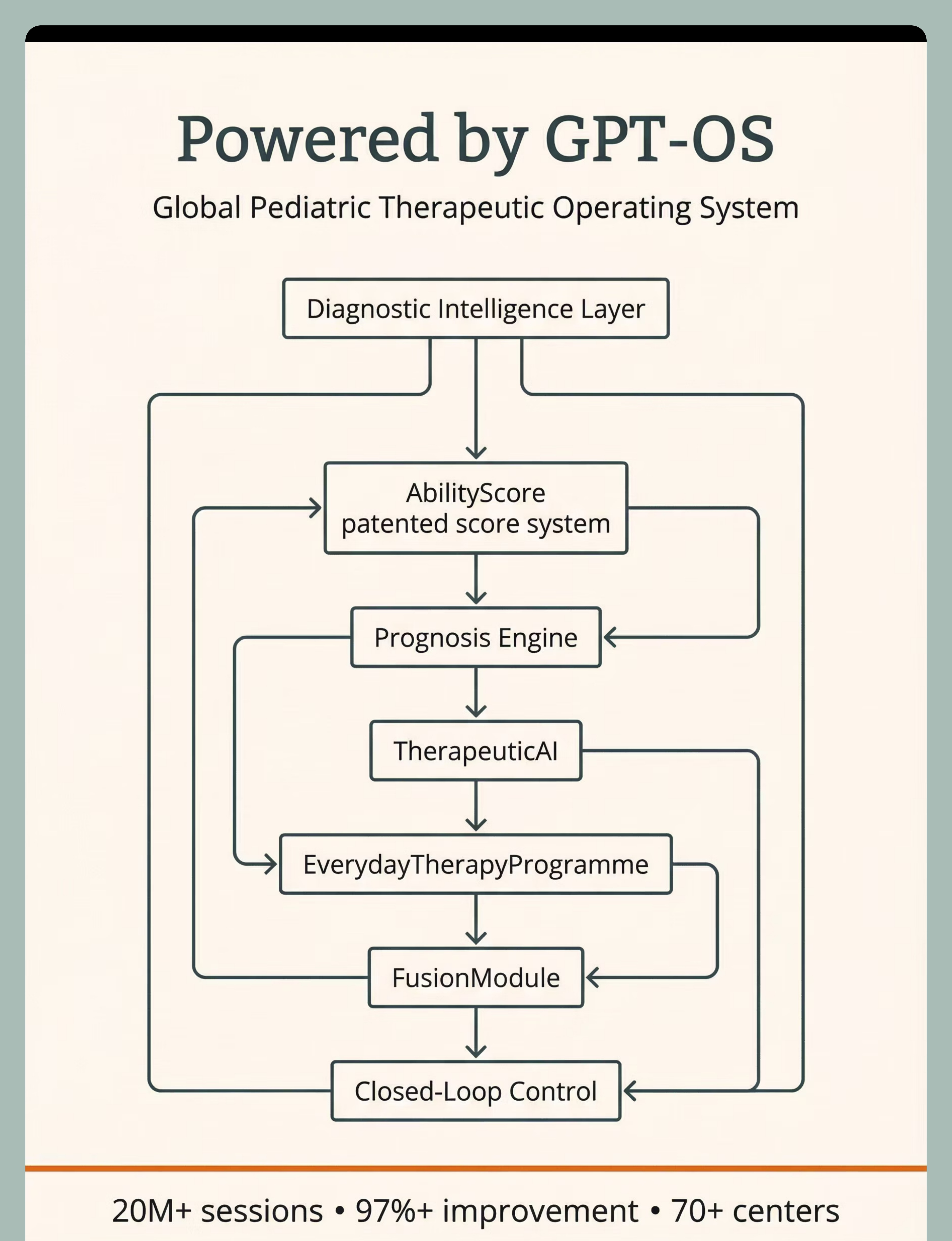
⚙️ How GPT-OS® Uses Your Data
What GPT-OS® learns from J-842 data: Token completion rates → reinforcement preference mapping. Specific challenge triggers → antecedent analysis. Trip duration tolerance → regulation capacity tracking. Accepting "no" improvement curve → skill acquisition rate.
🔒 All data is encrypted, anonymised at population level, and governed under India DPDP Act compliance. Individual data is never shared. Privacy Policy →
Digital health intervention evidence: 21 RCTs, 1,050 participants (2024 meta-analysis). PMC digital health + ASD systematic reviews
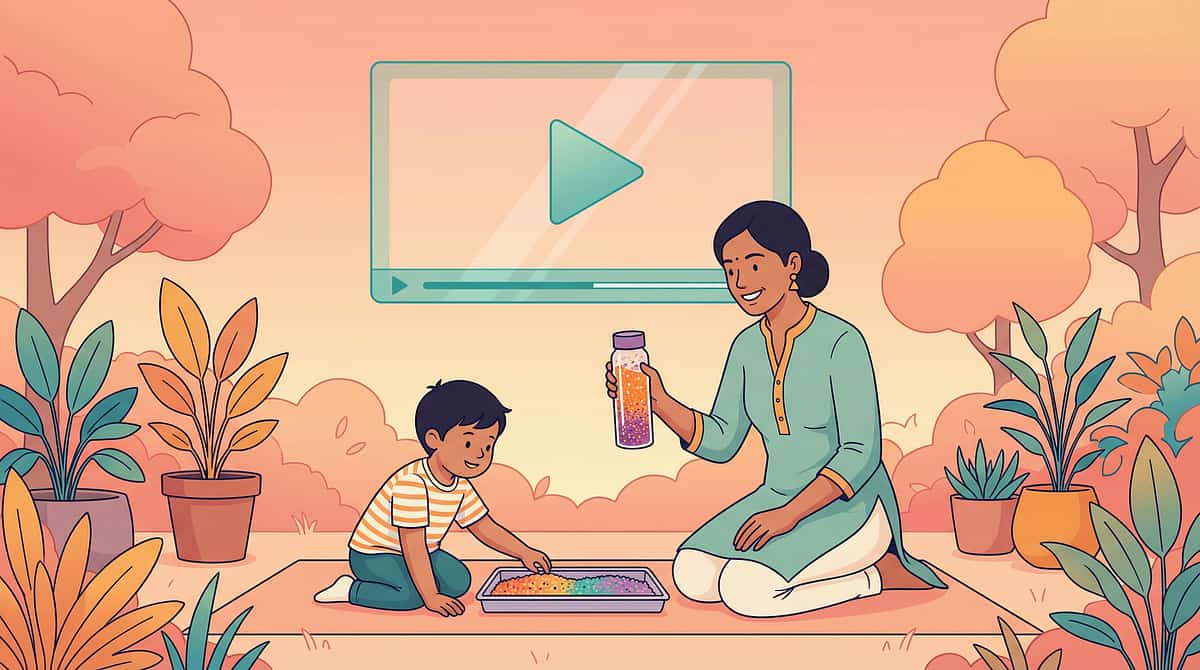
See a Therapist Demonstrate These 9 Materials
🎬 Watch the Reel
A Pinnacle therapist demonstrates each of the 9 materials in a real store environment — visual shopping list in action, token board being used in the aisle, sensory kit being deployed at entry, choice board selection at checkout, accepting no home practice scene.
🎬 J-842: 9 Materials That Help With Shopping Behavior
Domain: Community Skills & Daily Living Series: Daily Living Skills & Community Participation — Episode 842 Duration: 75–85 seconds
NCAEP Evidence-Based Practices (2020): Video modelling classified as EBP for autism. Multi-modal learning improves parent skill acquisition.
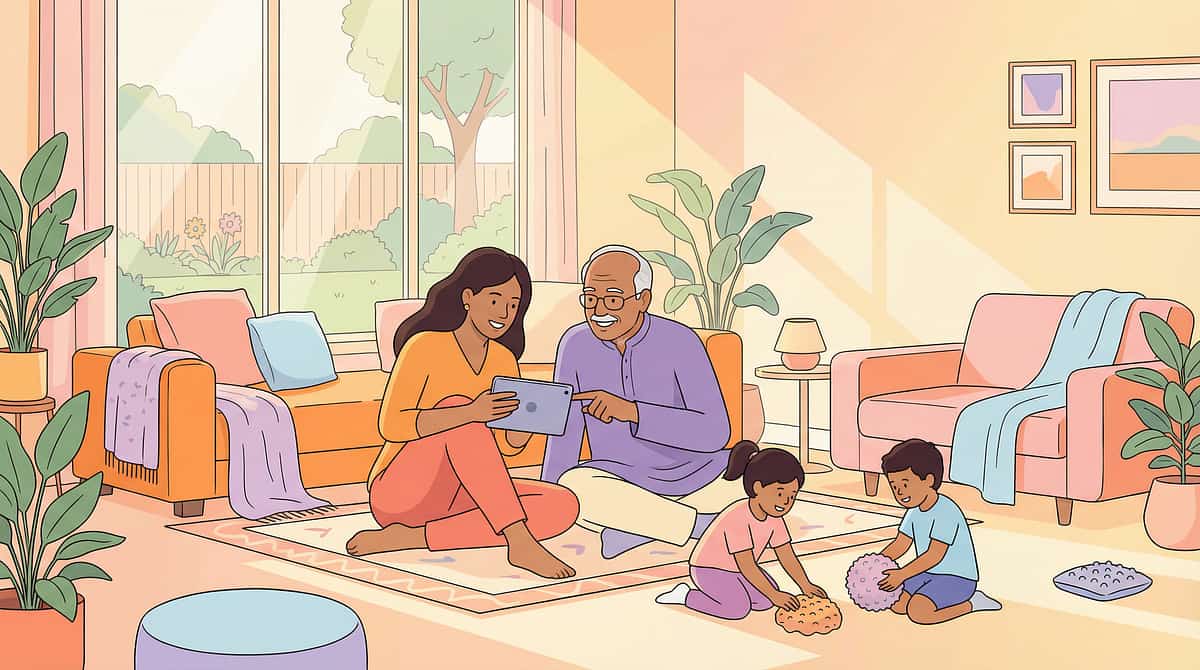
Consistency Across Caregivers Multiplies Impact
📤 Share This With Your Family
The system only works if everyone who cares for your child uses it consistently. A grandparent who bypasses the choice board, or a teacher who doesn't know the rules card exists, can inadvertently undermine weeks of progress. Share this page and the simplified guide widely.
"Explain to Grandparents" Simplified Version:"[Child name] is learning store skills with a special list and star chart. When [he/she] earns all 5 stars, [he/she] gets to choose one small thing. Please don't give [him/her] items they ask for outside this system — it undoes the learning. Support the plan and you'll see the same progress we're seeing."
1
📱 Share via WhatsApp
Send the full page link to co-parents, grandparents, and carers.
2
📄 Family Guide PDF
Simple 1-page version for grandparents and school teachers. Download →
3
🏫 School Communication Template
Ready-made letter to share with your child's teacher or school coordinator. Download →
WHO CCD Package: Multi-caregiver training critical for intervention generalisation. PMC9978394

Questions from Parents at Pinnacle Centres and Online Communities
❓ FAQ
Q1: My child is 8 — is it too late to start?
Not at all. While earlier intervention produces faster gains, behavioural skill-building is effective across childhood and beyond. At 8, your child has more cognitive capacity to engage with the system than at 3. The window is not closed — it's just different.
Q2: Do I need all 9 materials, or just some?
Start with the 2–3 that address your child's biggest challenges. If the primary issue is constant requesting → choice board + accepting no cards. If sensory overwhelm is primary → sensory kit first. Build the full system as each component is established.
Q3: How long until I see results?
Initial tolerance improvements: 1–2 weeks. Behavioural consolidation: 3–4 weeks. Mastery criteria: 5–8 weeks. These timelines assume 2–3 store trips per week with consistent system use.
Q4: My child refuses the token board completely. What do I do?
The reward isn't motivating enough, or the token requirement is too high. Try: (a) reducing to 3 tokens, (b) making the first token almost automatic, (c) testing different reward categories. Consult a BCBA if the system is consistently rejected.
Q5: We were progressing then regressed badly. Normal?
Very normal. Illness, holiday disruption, a new caregiver, a school transition — any change in baseline regulation can temporarily reverse gains. Re-introduce supports at the level that was last successful. Don't start from scratch.
Q6: Is this just for children with autism?
No. These materials work for any child with impulse control challenges, sensory sensitivities, ADHD, anxiety, or delayed behavioural development. The system scales to the child's profile.
Q7: My partner disagrees with using "rewards." What do I say?
Show them the evidence card (Card 05) and how the system works (Card 16). Reinforcement is not bribery — it is the mechanism by which every human brain learns. We are using it intentionally, with a plan to fade it as skills consolidate.
Q8: How do I know when to fade the supports?
Fade one support at a time, starting with what's most externally visible. Begin with the store rules card (it's internalised). Keep the token board longer. The guide is mastery criteria: consistent performance across 3+ trips → begin fading the corresponding support.

You've Read the Science. You Have the Materials. Your Child Can Do This.
Every family who has transformed their store trips started exactly where you are now — reading this page, uncertain, hoping it would work. The difference between that family and yours is the next step you take today.
▶ Start This Technique Today
Launch GPT-OS® guided session → AbilityScore® tracking → personalised programme
📞 Book a Consultation
Speak with a Pinnacle BCBA + OT team | In-clinic or teleconsult available nationwide
→ Next Technique: J-843 Restaurant Behavior
Your token board and rules card are already packed. The next community skill awaits.
🛡️Validated by the Pinnacle Blooms Consortium — OT • SLP • ABA/BCBA • SpEd • NeuroDev • CRO 20M+ sessions | 97%+ measured improvement | 70+ centres
📞FREE National Autism Helpline: 9100 181 181 — 16+ languages | 24×7 | Zero cost to any family in India
Preview of 9 materials that help with shopping behavior Therapy Material
Below is a visual preview of 9 materials that help with shopping behavior therapy material. The pages shown help educators, therapists, and caregivers understand the structure and content of the resource before use. Materials should be used under appropriate professional guidance.


Link copied!

🏛️ Pinnacle Blooms Network®
Built by Mothers. Engineered as a System.
🖐️ Paediatric Occupational Therapy
🗣️ Paediatric Speech-Language Pathology
🎯 Applied Behavior Analysis / BCBA
📚 Paediatric Special Education
🧠 Neurodevelopmental Paediatrics
🔬 Clinical Research Organisation
👨👩👧 Mothers, Fathers, Families, Caregivers
"From fear to mastery. One technique at a time."
Medical Disclaimer: This content is educational. It does not replace individualised assessment and treatment from licensed therapists or behaviour analysts. Children with significant shopping behaviour challenges — especially those with autism spectrum disorder, ADHD, developmental delays, or behavioural disorders — benefit from professional behaviour support. If your child's community behaviour significantly impacts family functioning, seek evaluation from a BCBA or developmental specialist. Individual results vary. Statistics represent aggregate outcomes across the Pinnacle Blooms Network.
Statutory Identifiers: © 2025 Pinnacle Blooms Network® | Unit of Bharath Healthcare Laboratories Pvt. Ltd. CIN: U74999TG2016PTC113063 | DPIIT: DIPP8651 (Government of India) | MSME: Udyog Aadhaar TS20F0009606 | GSTIN: 36AAGCB9722P1Z2
J-842 | Pinnacle Blooms Network® GPT-OS® Content Engine | February 2026 | Techniques.pinnacleblooms.org | 40 Cards × 70,000+ Techniques