
They read every word perfectly. Ask what happened — silence.
9 evidence-based materials that build the bridge from decoding to understanding — home-executable, clinically validated, GPT-OS® powered.

ACT I · THE EMOTIONAL ENTRY
You are not alone — the numbers
Reading comprehension difficulties are among the most common learning challenges worldwide. The "fourth-grade slump" is documented globally: children who appear to read well in early grades — because texts are simple — suddenly struggle when texts require comprehension, inference, and integration. By age 8–9, comprehension becomes the engine of all learning.
15–20%
School-Age Children
demonstrate significant reading comprehension difficulties despite adequate decoding ability
80%+
ASD Profiles
of children with ASD show hyperlexia-adjacent profiles — reading words accurately while meaning-making lags
43M+
Children in India
in the 6–12 age band navigating academic learning challenges linked to comprehension gaps
📍India Context: A 2019 RCT published in the Indian Journal of Pediatrics (Padmanabha et al.) confirmed that structured, home-based intervention for reading and language challenges produces significant developmental outcomes. Your child's challenge is documented. The intervention is proven.
You are among millions of families navigating this exact challenge. You found this page for a reason.
ACT I · BRAIN SCIENCE
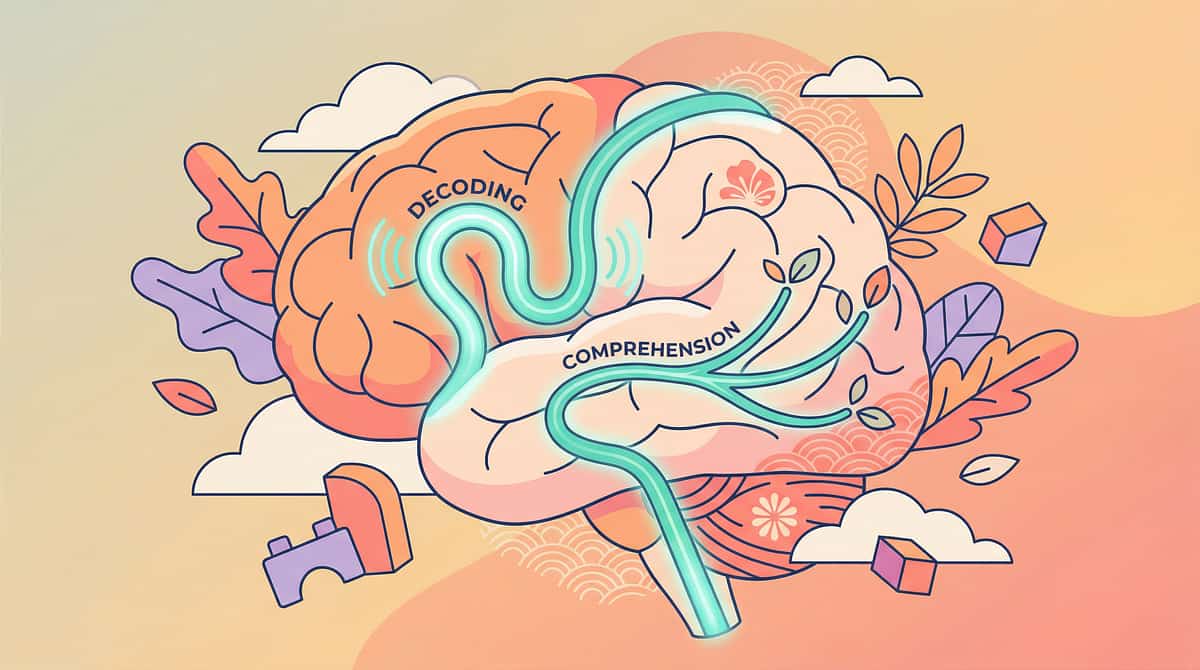
Reading is two skills. Your child has mastered one.
Decoding — ✅ This Works
Converting printed letters into spoken sounds. Many children — including many with ASD — develop extraordinary decoding precision. The brain's phonological processing pathway runs efficiently and powerfully.
Comprehension — ⚠️ Needs Scaffolding
Building a mental model of what the words mean — constructing characters, settings, problems, feelings, and sequences in the mind's eye. This depends on language comprehension networks, working memory, and the ability to connect new text to existing knowledge.
The Simple View of Reading
Gough & Tunmer, 1986 — validated across 40 years of research:
Reading = Decoding × Language Comprehension A child can decode at 100% and comprehend at 0% — the product is still 0.
This is not intelligence. This is a specific processing profile that responds remarkably well to structured, explicit comprehension strategy instruction.
"This is a wiring profile — not a reading problem, not an intelligence gap, not laziness. The pathway to meaning just needs explicit construction." — Pinnacle SLP Consortium
ACT I · DEVELOPMENT
The developmental arc of reading comprehension
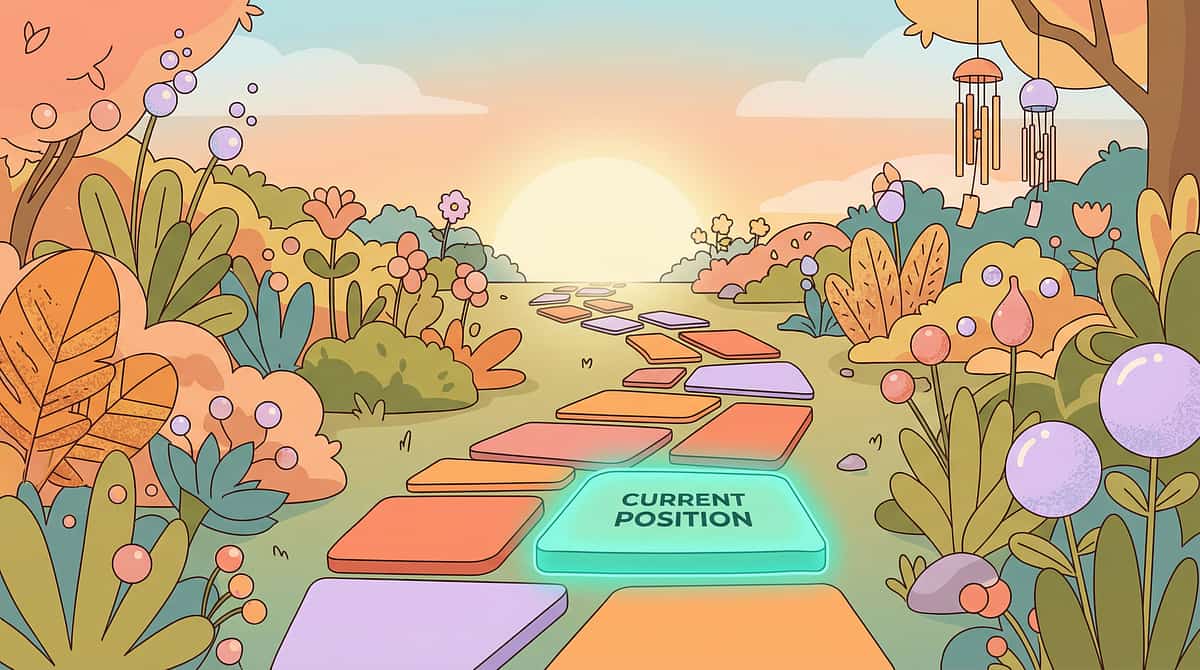
Here is where your child sits on the developmental timeline — and where this technique is taking them.
Ages 4–5 · Pre-Literacy
Listen to stories, predict endings, follow simple picture narratives
Ages 5–6 · Emerging
Decodes simple words, follows simple text, answers basic picture questions
Ages 6–7 · Literal Comprehension
Retells basic story elements, answers who/what questions about text read
Ages 7–9 · Inferential Reading
Infers feelings, motives, causes — reads between the lines
Ages 9–12+ · Critical Reader
Synthesizes across texts, evaluates, argues from textual evidence
⚠️Current Zone Alert: Children who decode fluently but miss comprehension typically present in the 6–9 zone — reading words at age-level or above while comprehension sits 1–3 years below. This gap widens as texts become more complex.
ASD — Hyperlexia Profile
Word reading far exceeds comprehension
Developmental Language Disorder
Comprehension gaps tied to language base
Attention Difficulties
Attention to meaning, not just words
Specific Reading Comprehension Deficit
Strong decoding, isolated comprehension gap

ACT I · EVIDENCE
The evidence behind this technique
Comprehension strategy instruction is one of the most robustly evidenced interventions in literacy science. These 9 materials put Level I evidence directly in your hands.
94%
Research Confidence
Based on 30+ peer-reviewed publications across ASD, DLD, typical learners, and mixed profiles
100%
Home-Applicable
Confirmed across all major evidence sources — parent-administered protocols are effective
Study | Finding | Source | |
National Reading Panel Meta-Analysis (2000) | Comprehension strategy instruction produces measurable gains across all populations | NRP Report 2000 | |
Systematic Review (2024) | Explicit strategy teaching meets evidence-based practice criteria for ASD | PMC11506176 | |
Indian RCT (2019) | Home-based structured literacy intervention produces significant outcomes — parent-administered | DOI: 10.1007/s12098-018-2747-4 | |
NCAEP (2020) | Video modeling and explicit instruction for reading comprehension — classified as evidence-based for autism | NCAEP 2020 Report | |
WHO NCF (2018) | Caregiver-delivered intervention with structured materials produces population-level developmental improvement | nurturing-care.org |
"Clinically validated. Home-applicable. Parent-proven. These 9 materials put Level I evidence in your hands."
ACT II · WHAT IT IS
The Technique — What It Is
🏷️ Technique Code
H-738
📚 Formal Name
Reading Comprehension Material Scaffolding — 9-Material Protocol
💬 Parent-Friendly Name
"The Understanding Bridge" — tools that turn word-reading into meaning-making
📖 Domain
Academic & Literacy
🧠 Area
Cognitive Processing
🗣️ Lead Discipline
SLP Primary | SpEd
👶 Age Range
Ages 5–12
⏱️ Session Length
10–20 min/session, daily practice
Reading comprehension is the ability to construct meaning from written text — to build mental models of characters, settings, problems, events, and solutions. It is distinct from decoding (saying the words correctly) and emerges from the intersection of language comprehension, vocabulary knowledge, background knowledge, inference ability, and active mental engagement with text. This technique introduces 9 structured materials that externalize the invisible mental processes strong readers perform automatically — making them visible, teachable, and practiceable until they become habitual.
Series Position: H-736 (Phonological Awareness) → H-737 (Decoding) → H-738 (Comprehension) → H-739 (Written Expression)
ACT II · WHO USES THIS
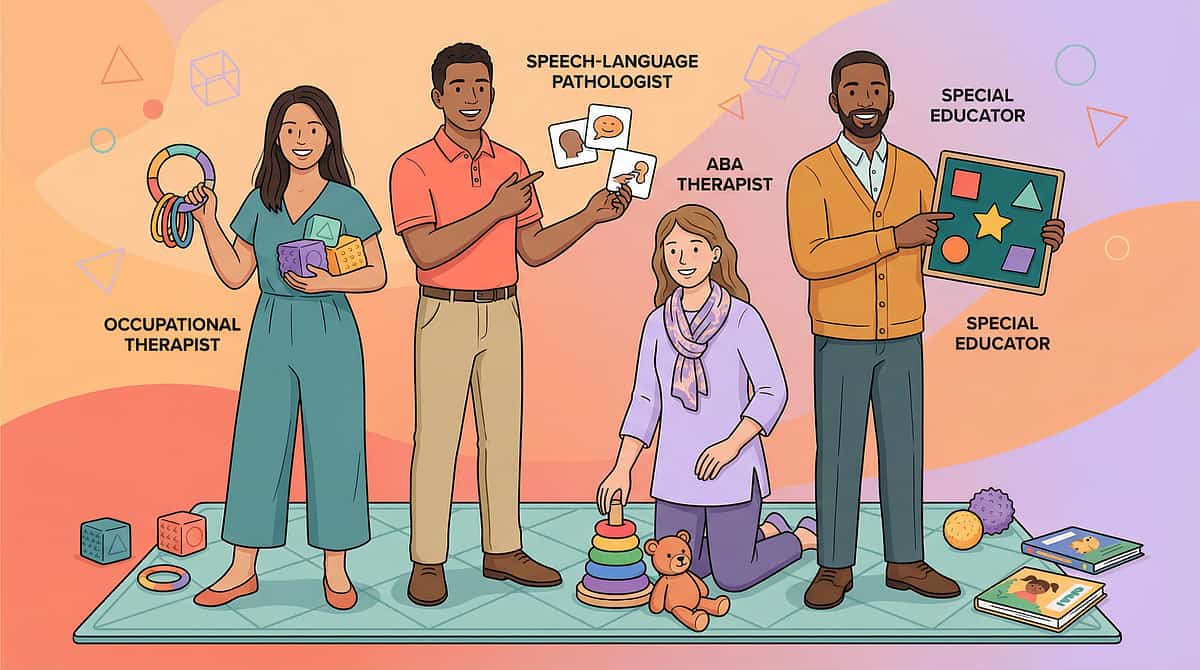
This technique crosses therapy boundaries
Because the reading brain doesn't organize by therapy type, H-738 is designed as a consortium effort — each discipline contributing its distinct expertise to build a complete intervention picture.
SLP — Lead
Speech-Language Pathologists lead comprehension intervention, addressing the language comprehension foundation — vocabulary, narrative structure, inference, and sentence-level meaning.
Special Educator — Primary
Implement strategy instruction within academic contexts. Graphic organizers, story maps, question cards — these are SpEd's native language. They connect comprehension strategies to school curriculum.
ABA — Reinforcement
BCBA/ABA therapists engineer the reinforcement and data systems. Token economy for reading sessions, frequency data on strategy use, shaping programs to build comprehension habits.
OT — Engagement
Occupational therapists address sensory and motor prerequisites — handwriting for note-taking, sitting endurance, fine motor for highlighting and card manipulation.
NeuroDev — Differential
Neurodevelopmental pediatricians differentiate hyperlexia from DLD from ASD-reading profiles, prescribing appropriate intensity and modality of intervention.
CRO — Outcomes
Clinical Research Officers monitor population-level outcomes, feed data into GPT-OS®, and validate which material combinations produce fastest gains.
"In a Pinnacle session, your child's reading comprehension intervention is never designed by one clinician. It's engineered by a consortium. The SLP owns language comprehension. The SpEd owns strategy instruction. The ABA owns habit formation. The OT owns physical engagement. This is why our outcomes are different."
ACT II · TARGETS
These 9 materials are precision tools, not random activities
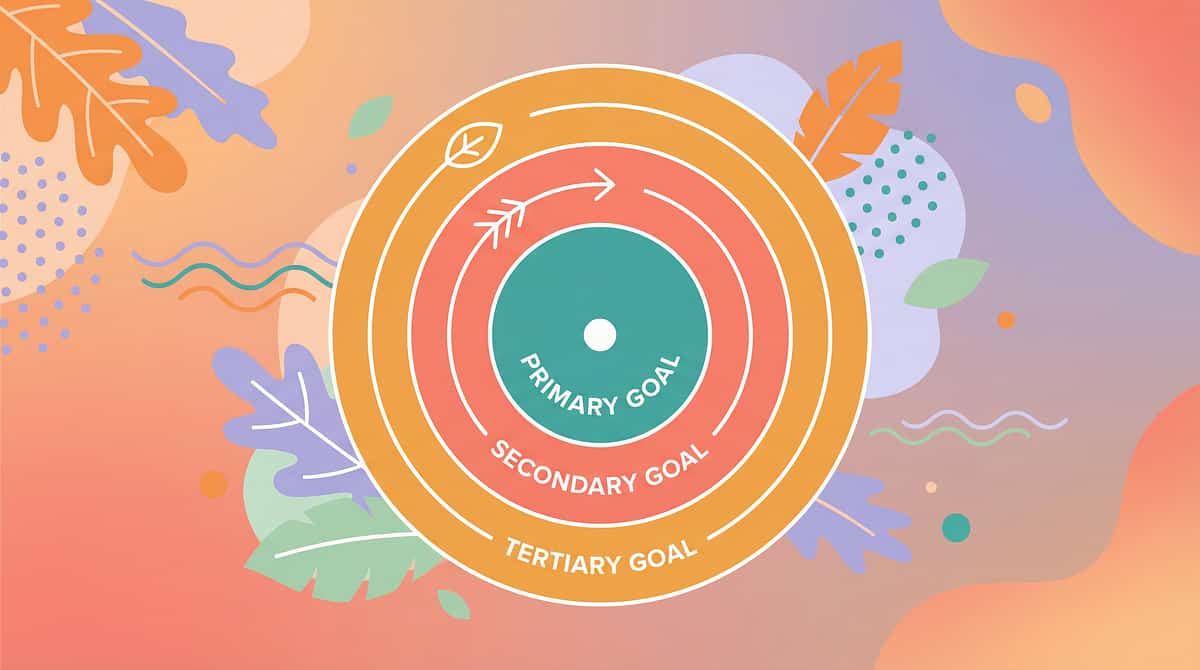
Here's exactly what they target — from the primary goal of meaning-making through to tertiary gains in academic independence and lifelong reading engagement.
🎯 Primary Target — Meaning-Making From Text
Child can retell what they read | Answers literal and inferential questions | Identifies main idea and key details | Tracks character feelings and motivations. Materials: Story grammar markers, visualization kits, question cards, graphic organizers.
🥈 Secondary Targets — Related Skills
Vocabulary acquisition from context | Text evidence location | Inference and critical thinking | Self-monitoring and metacognition | Retelling and narration skills
🥉 Tertiary Developmental Gains
Academic performance across all subjects | Independent learning capability | Writing quality | Social understanding | Lifelong reading engagement and pleasure
📊GPT-OS® tracks: Reading Comprehension Index + Retelling Progress + Strategy Use Frequency + Vocabulary Depth + Inference Accuracy
ACT II · MATERIALS OVERVIEW
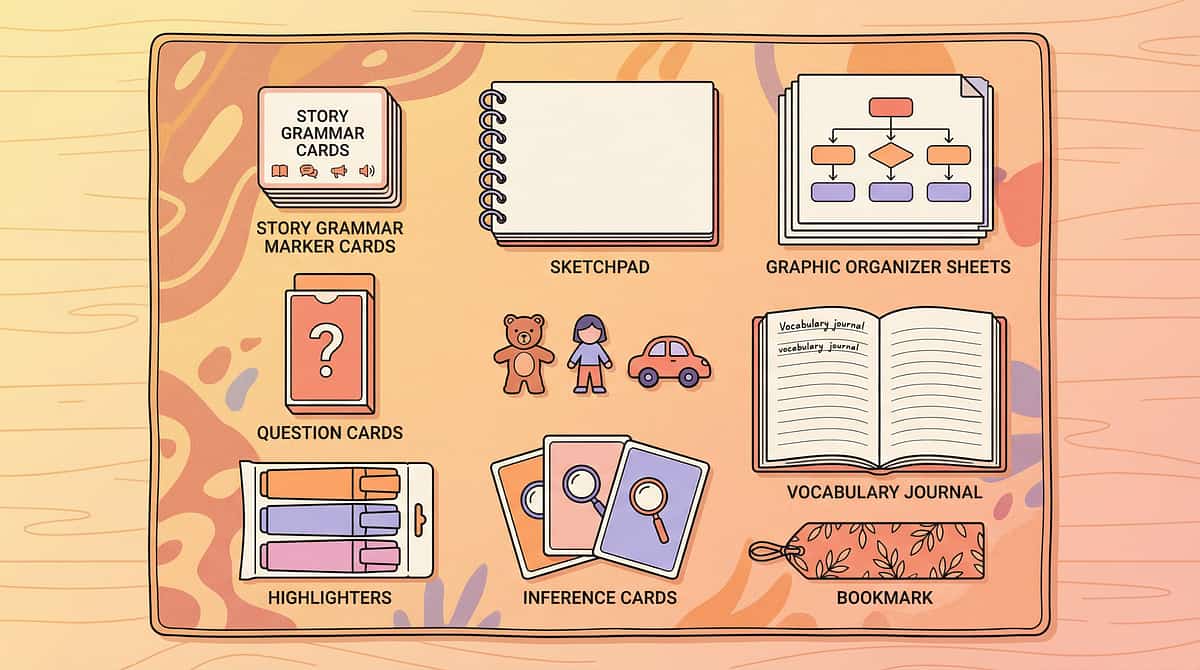
The 9 materials. Clinically selected. Home-ready.
Each material below is a structured tool that externalizes a specific invisible mental process. Start with one — master it — then layer the next. Complete kit: ₹1,400–4,800 | Starter (3 materials): ₹400–900 | ₹0 DIY version: see next card.
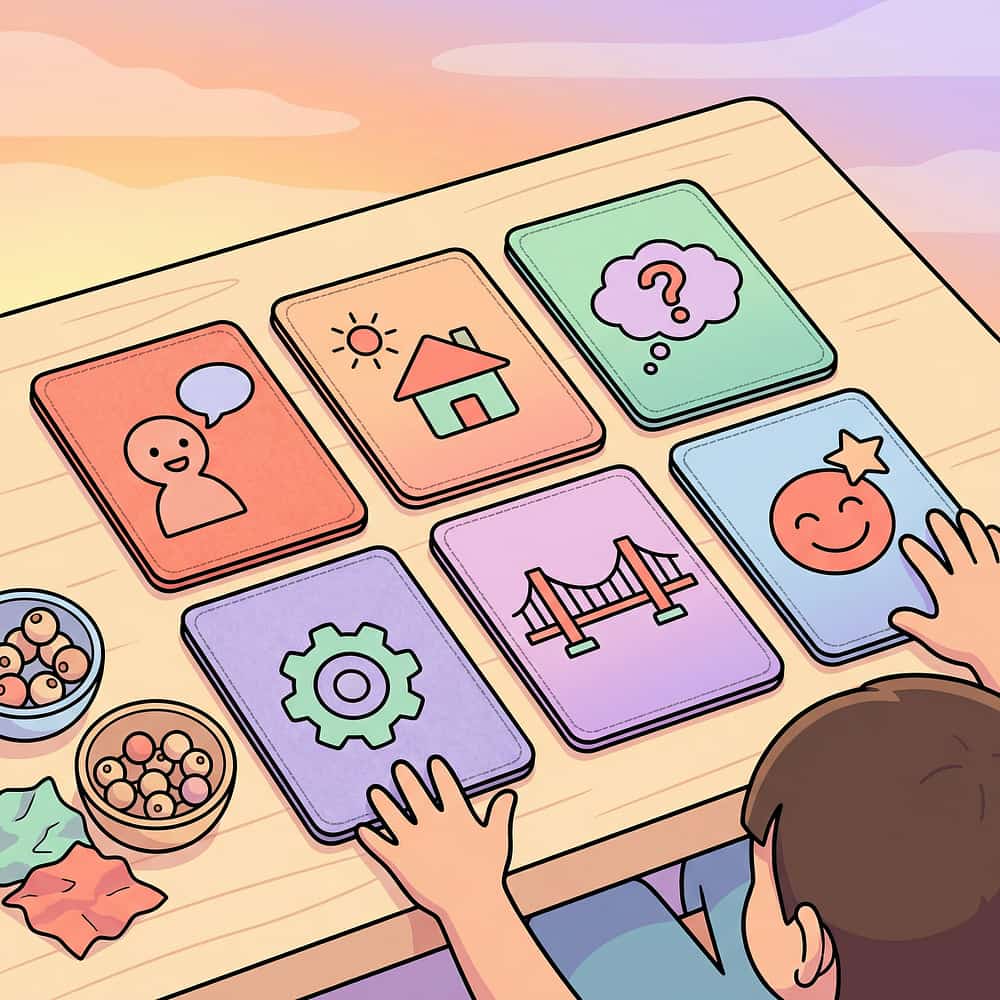
Material 1 · Story Grammar Marker Sets
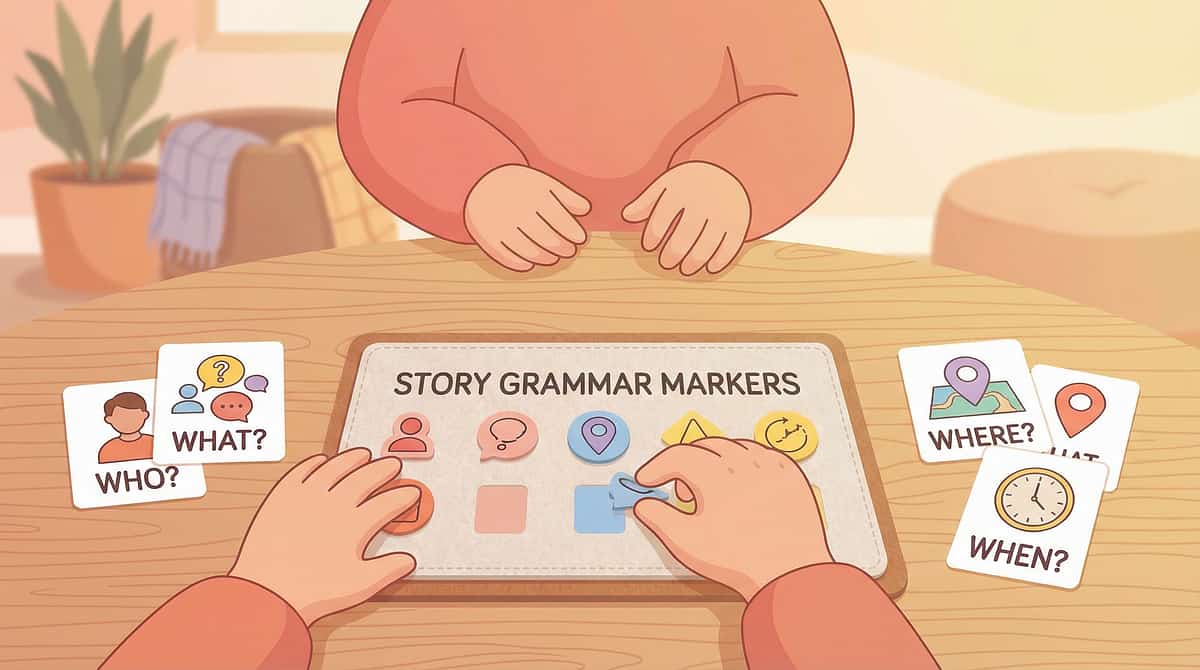
Physical or printed icon sets representing narrative elements: character, setting, problem, events, solution. Used during reading to externalize story structure. Price: ₹300–800✅ Pinnacle Recommends: Laminated icon card sets for durability.

Material 2 · Visualization Drawing Kits
Simple sketch materials (sketchpad + pencils/crayons + visualization templates) used during/after reading to externalize mental imagery. Price: ₹100–400✅ Pinnacle Recommends: A5 sketchpad + 12-color pencil set.
Material 3 · Graphic Organizers
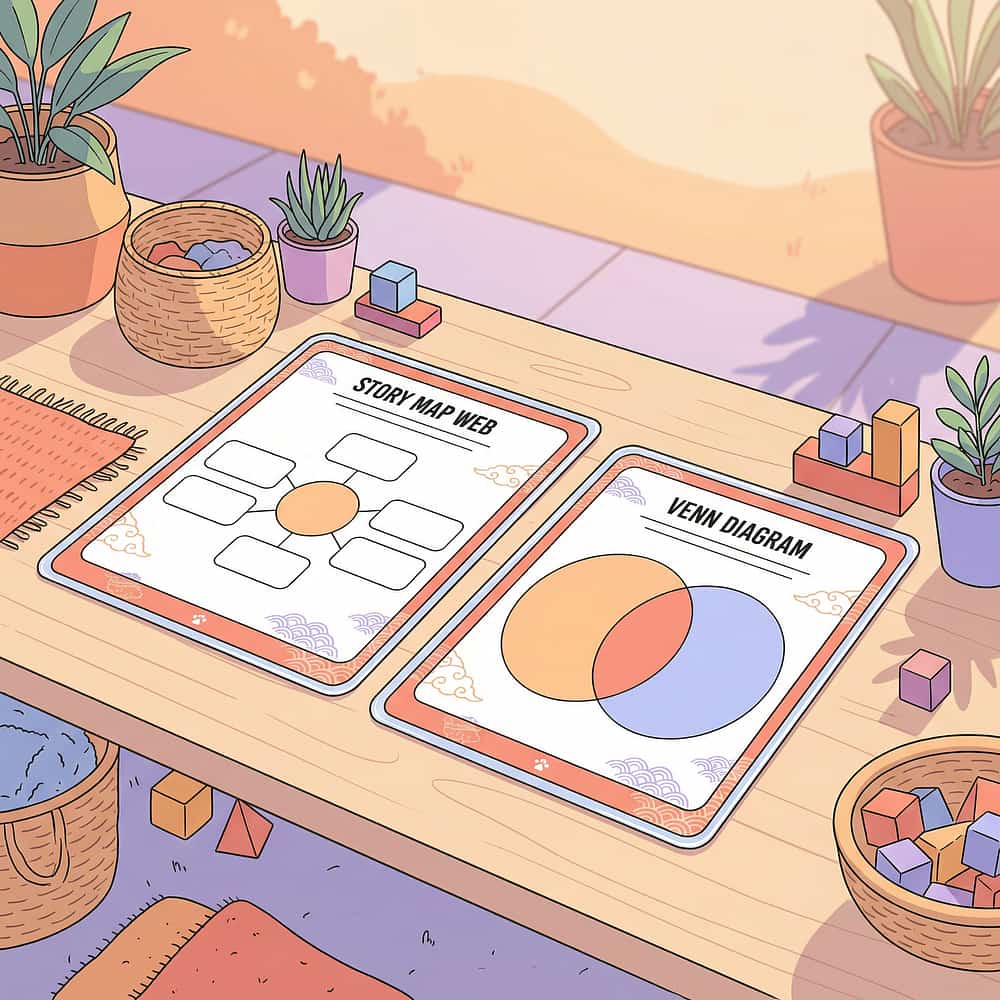
Laminated visual templates: story map web, Venn diagram, sequence chain, cause-effect chart, main idea web. Used while reading to structure information. Price: ₹150–500✅ Pinnacle Recommends: Laminated + dry-erase for reuse.
Material 4 · Question Cards & Cubes
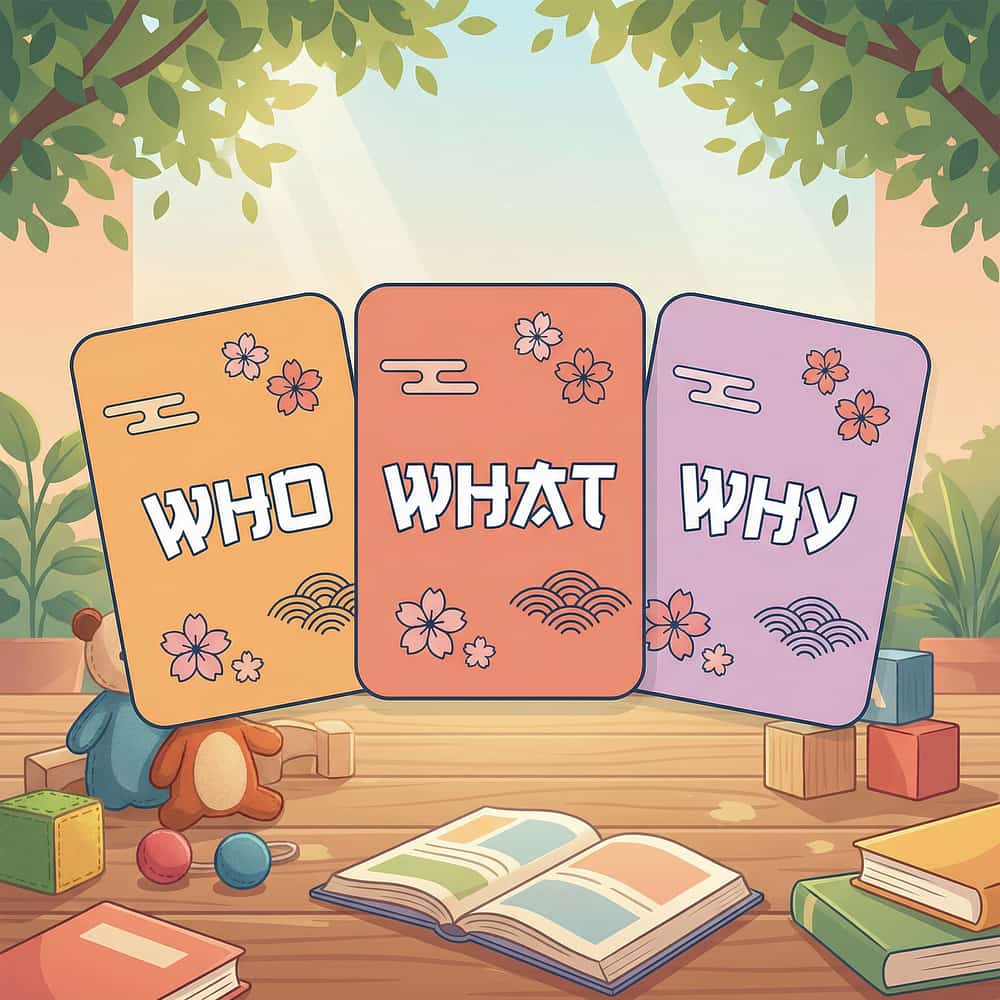
Cards or cubes with question stems (Who? What? Why? What if? How did they feel?) used before, during, and after reading. Price: ₹100–400✅ Pinnacle Recommends: Set with literal + inferential + evaluative question types.
Material 5 · Retelling Manipulatives
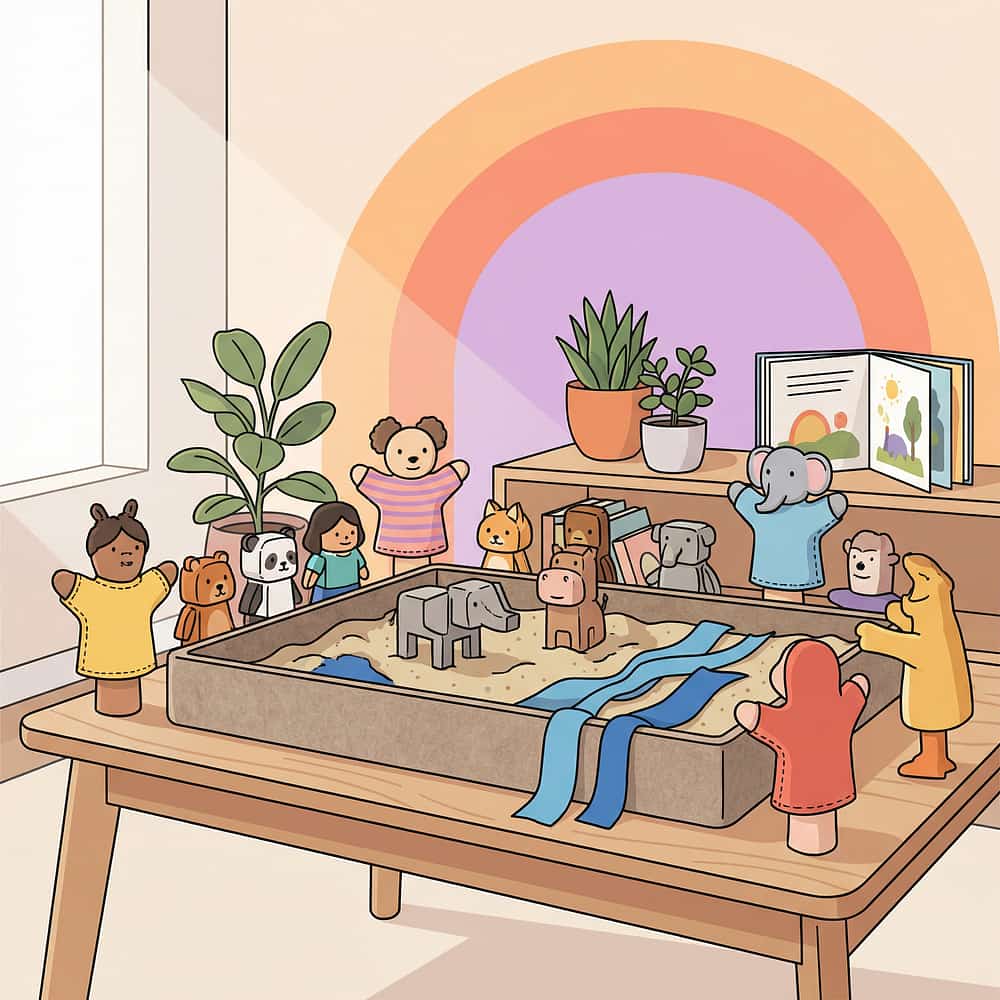
Character figurines, story boxes, simple puppets, or felt board pieces for physical story retelling after reading. Price: ₹200–800✅ Pinnacle Recommends: Generic character set (diverse people figurines) usable across many stories.
Material 6 · Vocabulary Context Kits
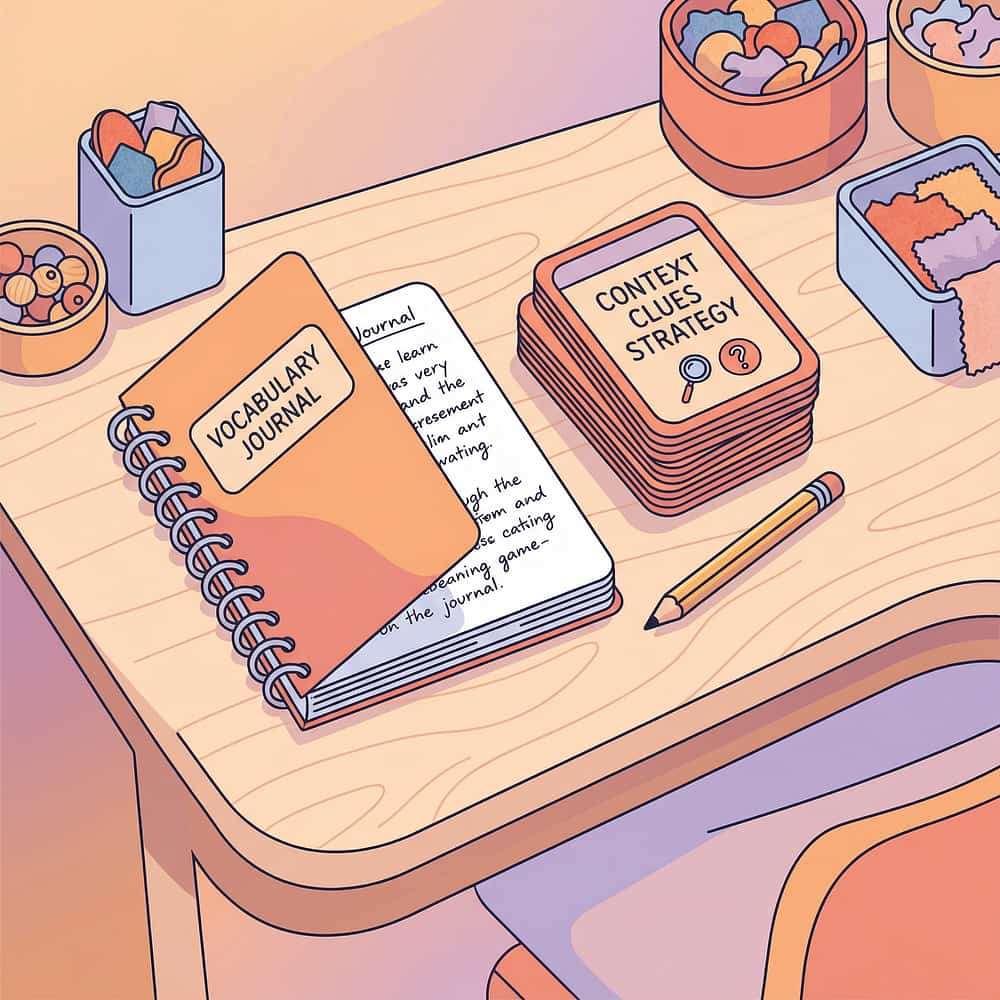
Context clue strategy cards + unknown word recording sheets + vocabulary journal. Teaches finding word meanings from surrounding text. Price: ₹150–500✅ Pinnacle Recommends: A5 vocabulary journal + laminated context clue card.
Material 7 · Text Evidence Highlighting Kits
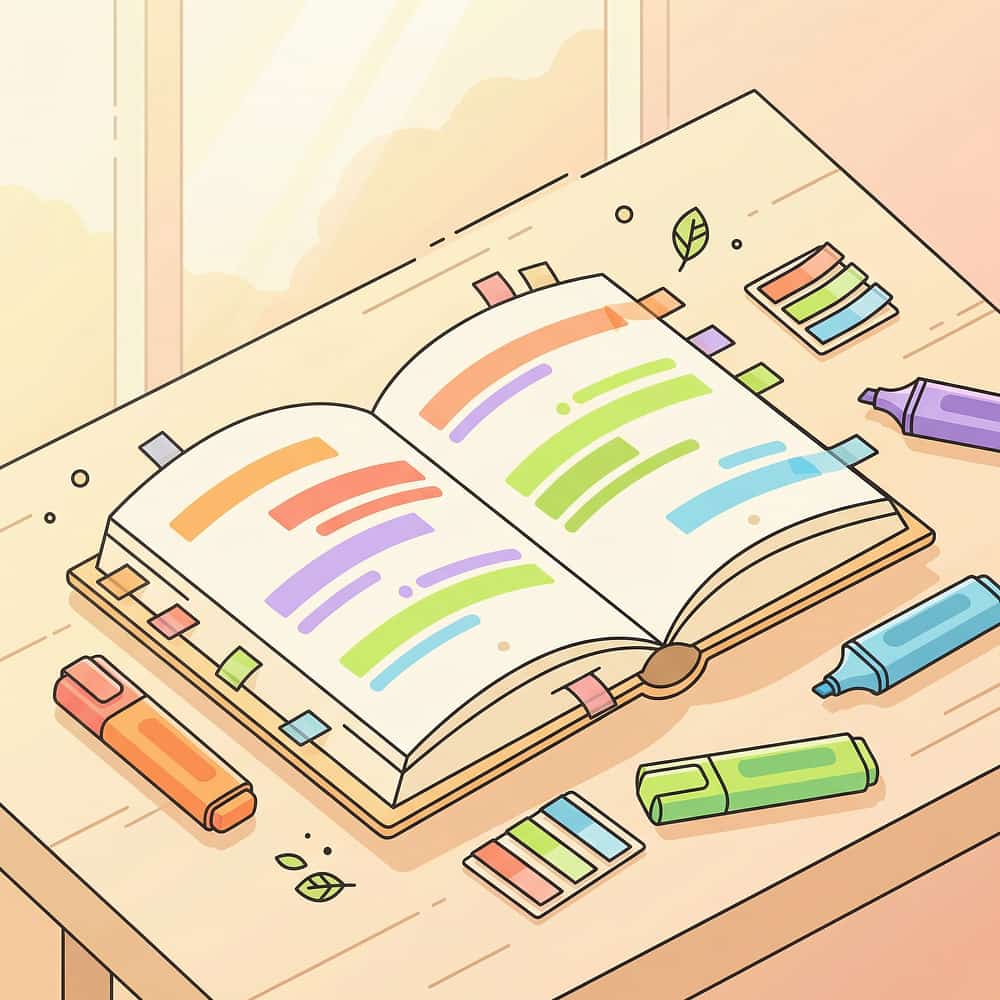
Multi-color highlighters + sticky page flags + evidence recording sheets. Teaches locating and marking proof in text. Price: ₹150–400✅ Pinnacle Recommends: 4-color highlighter set + mini sticky flag set.

Material 8 · Inference Building Cards
Structured cards using formula: "Clues from text + What I know = My inference." Includes practice scenarios with character feelings, causes, and predictions. Price: ₹200–600✅ Pinnacle Recommends: Set with picture + text inference + character emotion scenarios.
Material 9 · Comprehension Monitoring Bookmarks
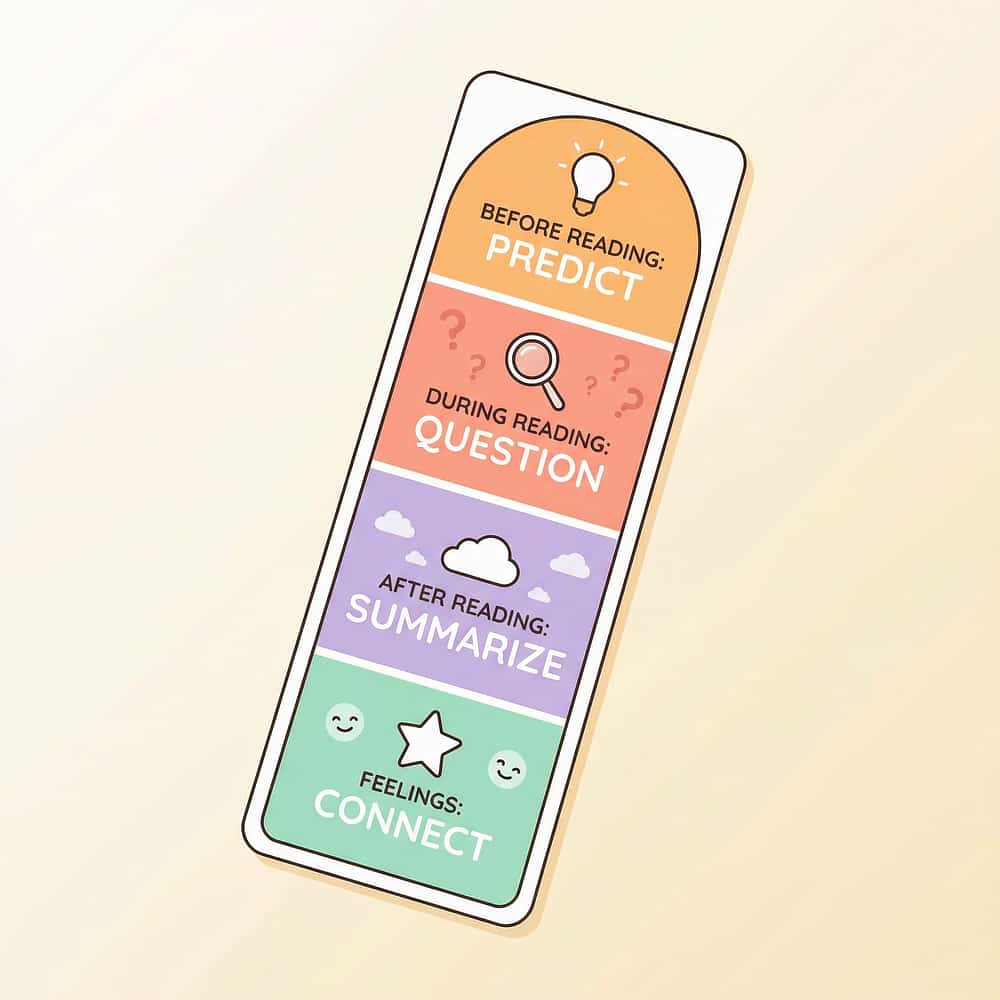
Bookmarks printed with monitoring prompts ("Does this make sense?"), confusion signals, and fix-up strategies (reread, slow down, visualize, ask a question). Price: ₹50–200✅ Pinnacle Recommends: Laminated bookmark with color-coded strategy zones.

ACT II · DIY OPTIONS
Every child deserves these tools — regardless of budget or postcode
The WHO Nurturing Care Framework mandates equity-focused intervention. These DIY alternatives are clinically equivalent for most children when applied with the same discipline and frequency.
🛒 Buy This | 🏠 Make This — ₹0 | |
Story Grammar Markers (₹300–800) | Print/draw on index cards: stick figure (character), house (setting), lightning bolt (problem), footsteps (events), star (solution). Laminate with tape. Same function. | |
Visualization Kit (₹100–400) | Any paper + any pencil/crayon. Divide A4 paper into 3 boxes (Beginning/Middle/End). Completely equivalent. | |
Graphic Organizers (₹150–500) | Draw web, Venn diagram, sequence chain on any paper. Print free templates from Google Images "graphic organizer free printable." | |
Question Cards (₹100–400) | Write question stems on index cards: "Who is...?" / "What is the problem?" / "Why did...?" / "What do you think next?" | |
Retelling Manipulatives (₹200–800) | Any existing toys (Lego people, kitchen toys, animal figures). Purpose is physical retelling — any object works. | |
Vocabulary Kit (₹150–500) | Any small notebook = vocabulary journal. Write: Word / Sentence it was in / My guess / Real meaning. | |
Text Evidence Kit (₹150–400) | Ordinary pencil underlining + tiny sticky note flags from any stationery. Same effect. | |
Inference Cards (₹200–600) | Write "Clues from text + What I know = My inference" on a bookmark. Use sticky notes for each inference. | |
Monitoring Bookmark (₹50–200) | Write on a strip of paper: "STOP. Do I understand? If no: Reread / Slow down / Draw it / Ask a question." Tape to a ruler. |
⚠️When Clinical Grade is Non-Negotiable: When a professional assessment indicates specific processing differences (hyperlexia, severe DLD, ASD with significant language gaps), clinically standardized materials and professional SLP/SpEd guidance are needed. DIY tools support home practice — they do not replace clinical assessment.
ACT III · SAFETY FIRST
Before you open a single book — read this
🟢 Green — Proceed Normally
Child is fed, rested, and regulated • Reading material at or below independent level • Child has shown interest in books • No recent meltdown in past 2 hours • Environment is quiet with minimal distractions
🟡 Amber — Modify the Session
Child is slightly tired or resistant → Shorten to 5 minutes, use 1 material • Text at frustration level → Switch to simpler text • Child overwhelmed by multiple materials → Use only one per session
🔴 Red Line — Do Not Proceed Today
Active meltdown or post-meltdown recovery • Child is unwell (fever, nausea, significant fatigue) • Extreme anxiety about reading or school materials • Child has expressed forceful "no" and is in distress — honour it, try tomorrow
Material Safety Notes
- Highlighters: use only non-toxic, washable varieties
- Figurines/manipulatives: check size appropriateness — no small parts for children under 3
- Scissors (for DIY cards): supervise as appropriate for child's age and motor profile
- Sticky notes/flags: non-toxic adhesive, remove cleanly from books
🛑Stop the Session Immediately If: Child becomes severely distressed about reading content • Signs of visual fatigue (rubbing eyes, headache, squinting) • Child engages in self-injurious behavior in response to task demands • Text content triggers emotional response disproportionate to the material. Session abandonment is not failure. It is data. Note what triggered it. Bring it to your therapist.

ACT III · SETUP
The right environment activates comprehension. The wrong one prevents it.
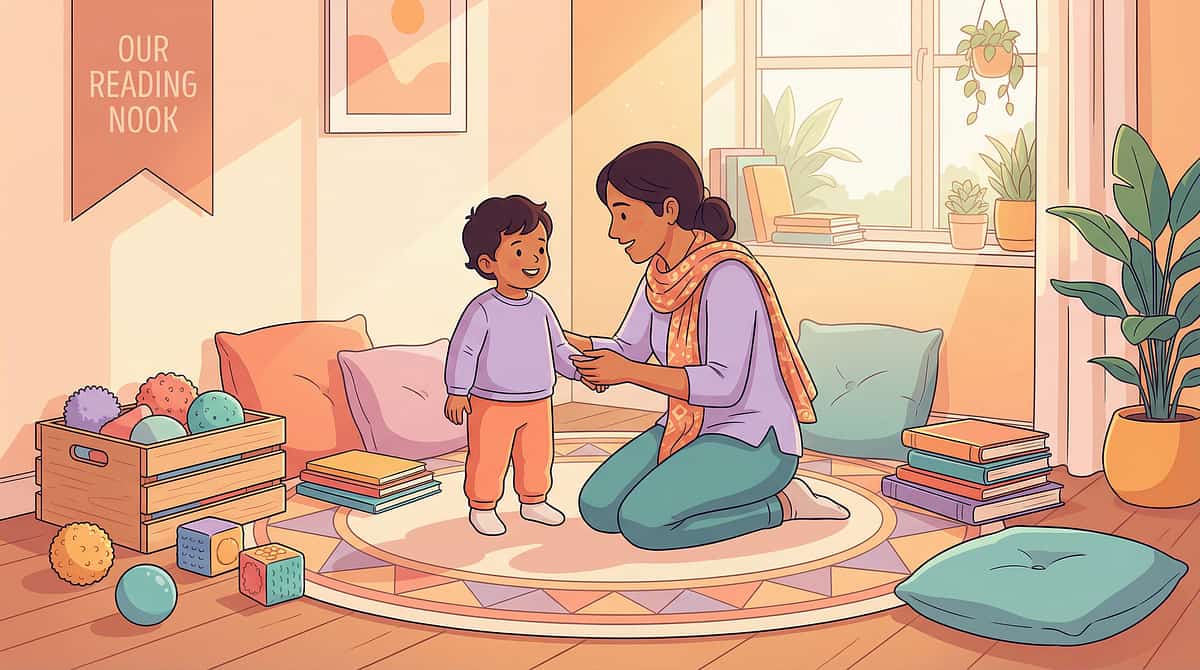
Space Setup Checklist
- Text selected at or below independent reading level
- 1–2 materials chosen for today's session (not all 9)
- Blank paper/sketchpad available
- Pencil/crayon accessible
- Timer visible (optional — helps child know session length)
- Water available
- Parent seated BESIDE child (co-engagement, not evaluation)
- Screens off, room reasonably quiet
"The reading environment communicates intent before a single word is read. A calm, warm, co-operative space says: this is safe. This is discovery. This is us — together."
Session Duration Guide
Ages 5–6: 8–10 minutes
Ages 7–9: 12–15 minutes
Ages 10–12: 15–20 minutes
💡 Warm, focused light — not harsh overhead. Lamp or near window, diffused.
📚 Book + 2–3 materials ONLY. Don't lay out all 9 at once — choose 1–2 per session.
🧒 Child position: Table/desk OR floor reading corner — comfortable but not reclining (recline = sleepy brain).
👩 Parent position: BESIDE the child, not opposite. Reading together, not testing.
Short and excellent > long and resisted. Every time.
ACT III · READINESS
60 seconds before you open the book — the most important 60 seconds
Check these 7 observable indicators before every session. Your child's state determines the session's success more than any material or technique.
# | Check | ✅ GO | ⚠️ Modify | 🔴 Pause | |
1 | Energy level | Alert, calm, present | Tired but responsive | Falling asleep, eyes unfocused | |
2 | Hunger/thirst | Satisfied | Slightly restless | Complaining, unable to focus | |
3 | Emotional state | Neutral to positive | Mild frustration | Tearful, highly agitated | |
4 | Body regulation | Seated comfortably | Fidgeting but manageable | Unable to stay seated | |
5 | Resistance to materials | Engages or neutral | Mild "I don't want to" | Forceful refusal or distress | |
6 | Recent dysregulation | 2+ hours since any meltdown | 1–2 hours since minor upset | Less than 1 hour since event | |
7 | Communication | Can respond to simple questions | Reduced but present | Non-communicative today |
✅ 4+ Green = GO
Proceed to full protocol
⚠️ Mixed = Modify
1 material only, 5 minutes, zero pressure, child chooses the book
🔴 Red = Postpone
10 minutes of preferred activity, try again later or tomorrow
The best session is one that starts right. A 7-minute session where your child engages genuinely is worth more than a 20-minute session where they're present but disconnected. Read the child, not the schedule.
ACT III · STEP 1 OF 6
Step 1 — The Invitation
60–90 seconds
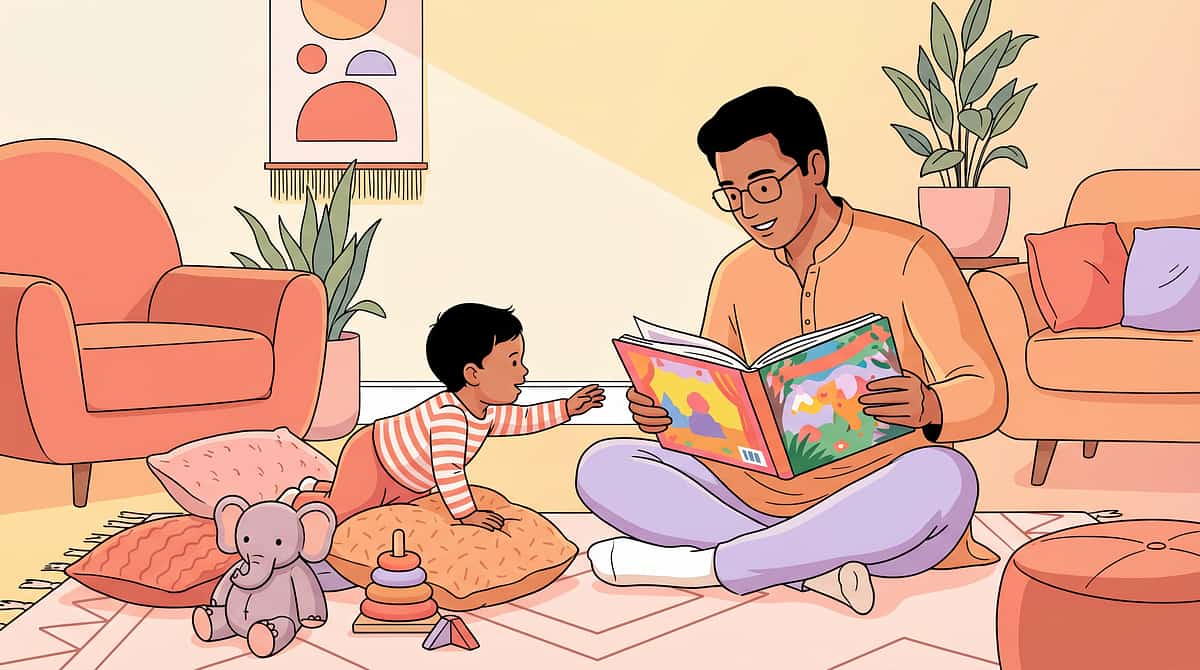
Don't open with a demand. Open with an invitation. The way you introduce the session sets the emotional tone for everything that follows.
"I found a really interesting book. Want to read it with me? You read, I'll help with the meaning part — we're going to figure out the story together."
For a child who resists reading:
"We're going to be reading detectives today. Here's our detective tool [show 1 material]. Want to see how it works?"
Body Language
Sit beside, not opposite • Show book with genuine curiosity, not instructional tone • Let child touch the material first • No academic language in the opening
Acceptance Cues
Child leans toward the book • Picks up a material • Says "okay" • Any positive verbal • Eye contact with the material • Body orientation toward the activity
Resistance Response
If child shows resistance: don't push. Say: "That's okay — how about we just look at the pictures first?" Lower demand until engagement appears. The invitation stays open.
ACT III · STEP 2 OF 6
Step 2 — The Engagement
2–3 minutes
The child is in. Now introduce one tool — gently, playfully. The most recommended starting material is the Story Grammar Marker set.
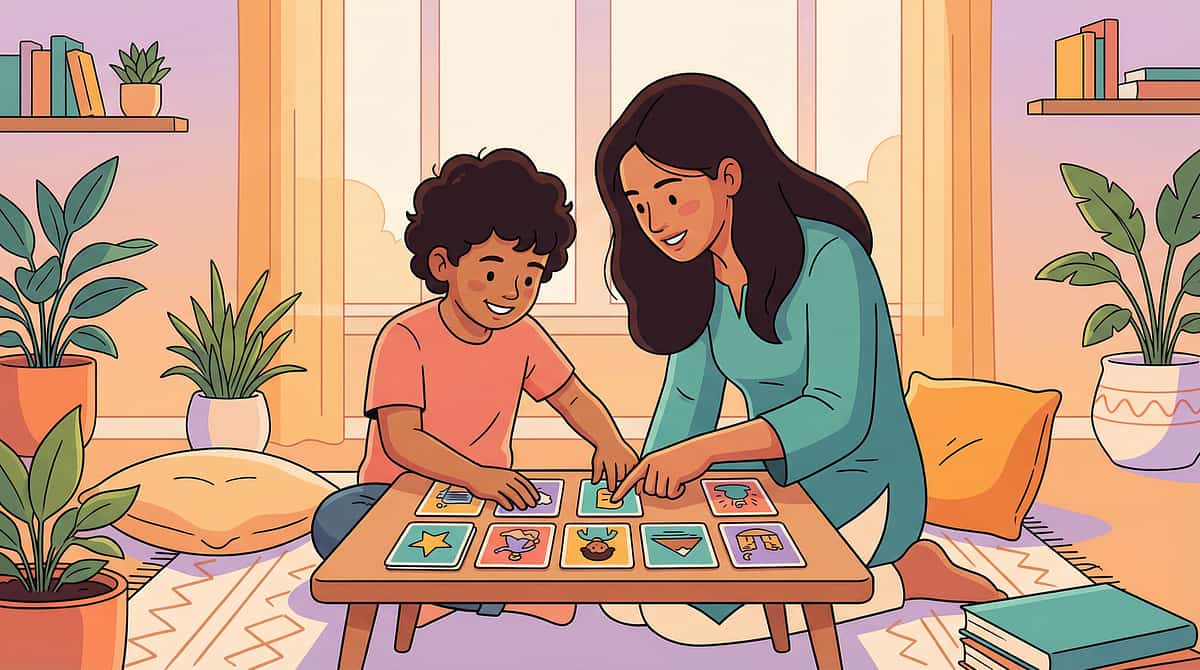
Place the icon cards face-up
Between you and the child — shared space, shared ownership
Name the tool
"These are our story-finder tools. Every story has these pieces — want to find them while we read?"
Introduce one element
Point to character icon: "This one means 'who is in the story.' Let's see if we can find who it is."
Read and pause
Read the first paragraph together. Stop. Ask: "Who did we meet?" Let the child find/place the character card.
Praise the attempt
Not just the accuracy: "You're being a reading detective."
🟢 Engagement
Child interacts with material, attempts to respond → continue
🟡 Tolerance
Child allows the material, minimal response → simplify demand, praise presence
🔴 Avoidance
Child pushes material away → withdraw, continue reading without, try again after 2 minutes
First time the child places a card, identifies an element, or makes ANY comprehension-related response: immediate specific praise within 3 seconds."Yes! That IS the character! You found it!" — enthusiastic, specific, brief.
ACT III · STEP 3 OF 6
Step 3 — The Therapeutic Action
8–12 minutes — the heart of the session
This is where comprehension gets built. One material, one strategy, active engagement throughout. Below are the specific protocols for each of the 9 materials.
📖 Story Grammar Markers
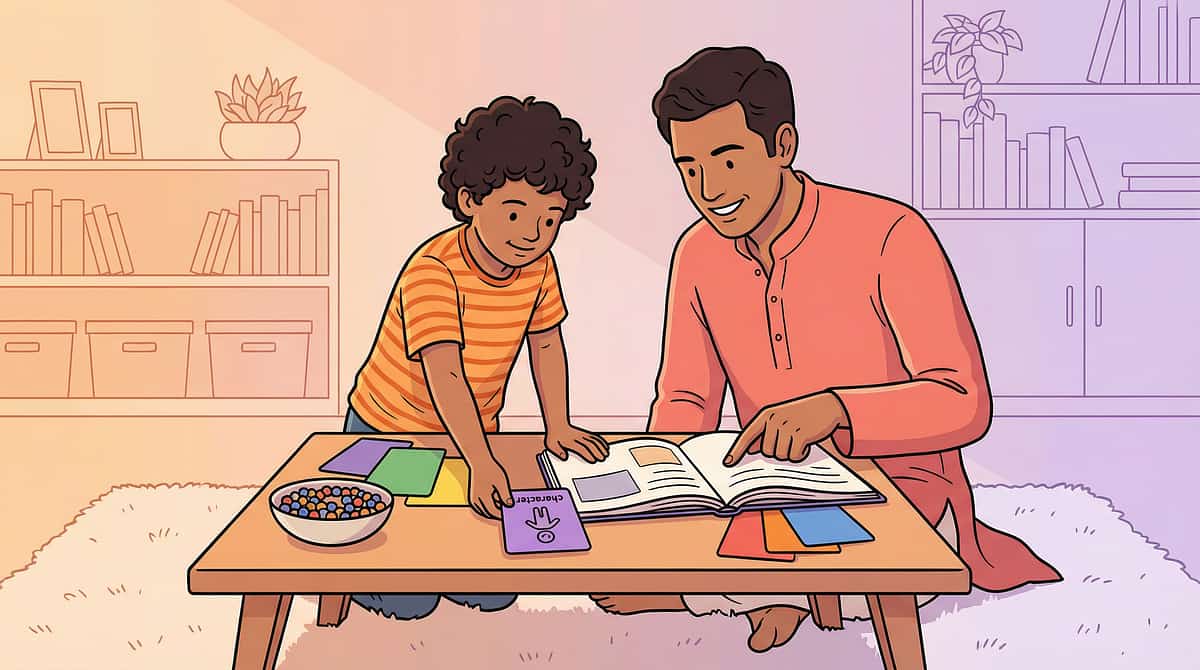
Read 1–2 paragraphs aloud together. Stop at each story element as it appears. Child places the corresponding icon card. Build the complete story map. Retell using placed cards as scaffolding. Duration: 8–10 minutes for a picture book.
✏️ Visualization Drawing Kit
Read a description passage. Stop. Say: "Draw what you see in your mind — stick figures are perfect." Child sketches. Discuss: "What do you see? I see..." Compare. Continue reading. Duration: 5–7 minutes, 3–4 drawing stops.
📋 Graphic Organizers
Choose organizer to match text type: story map (fiction), main idea web (informational), sequence chain (procedural). Fill in collaboratively DURING reading — not after. Pause at each section. Fill one box together. Duration: 10–12 minutes.
❓ Question Cards
Before reading: draw 2 cards, predict answers. During reading: pause every 2 pages, draw one card, answer about what was just read. After reading: draw one more, answer about whole text. Duration: throughout session.
🎭 Retelling Manipulatives
After reading 3–5 pages: child uses figurines/puppets to retell the story. Sequence: "Who was in the story? What was the problem? What happened first, then, next? How did it end?" Parent is audience, not prompter. Duration: 5–7 minutes.
📝 Vocabulary Context Kit
Before reading: flag 2–3 likely unknown words. During reading: when unknown word is reached, child uses context clue card strategy. Record: word, sentence context, guessed meaning. After reading: check actual meaning. Duration: integrated throughout.
🖍️ Text Evidence Highlighting
Read and highlight as you go: yellow = main idea, pink = important detail, blue = unknown word. When comprehension question is asked: "Show me where you found that in the text." Child flags or points to evidence. Duration: integrated throughout.
🔍 Inference Cards
Stop at points of implied meaning. Card formula: "Clues from text: [child names]. What I know: [child adds]. So I think: [child infers]." Write inference on sticky note. Duration: 3–4 inference stops per session.
🔖 Monitoring Bookmarks
Child holds bookmark during reading. After every page: check prompt "Does this make sense?" If confused: child points to which fix-up strategy to use. Parent supports execution of chosen strategy. Duration: integrated self-check throughout.
⚠️Start with ONE material per session. Introducing multiple materials in one session overwhelms the child and dilutes the strategy instruction. Achieve mastery of one strategy across multiple sessions before introducing a second.
ACT III · STEP 4 OF 6
Step 4 — Repeat & Vary
3–4 minutes of varied repetition
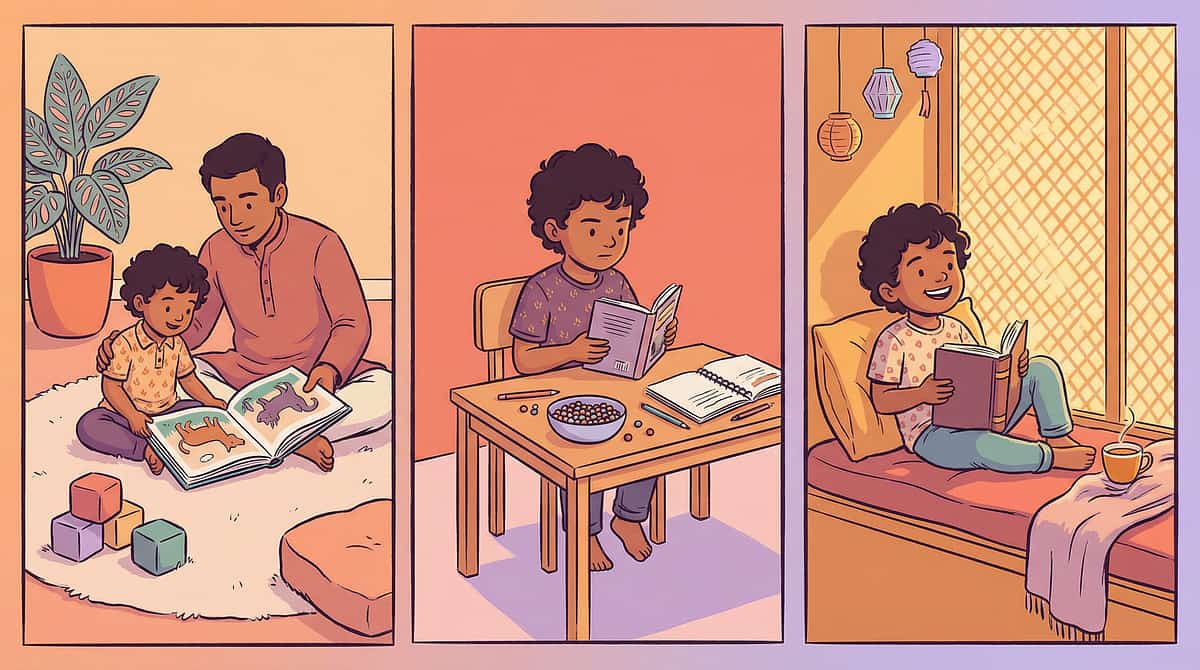
Repetition is how strategies become habits. But vary the application — same principle, different book, different angle.
Daily
Short session (10–15 min) with 1 material
3–5×/Week
Minimum sessions per week for consistent gains
Weekly
Introduce 1 variation within the same material
Monthly
Add a second material once the first is used independently
Material | Week 1–2 Variation | Week 3–4 Variation | |
Story Grammar Markers | Use with picture books | Use with chapter book pages | |
Visualization | Draw full scene | Draw only the confusing part | |
Graphic Organizers | Parent fills in together | Child fills in with parent watching | |
Question Cards | Parent draws card, child answers | Child draws card and answers | |
Retelling | Parent prompts each element | Child retells unprompted | |
Vocab Kit | Parent identifies unknown words | Child identifies unknown words | |
Highlighting | Highlight together | Child highlights independently | |
Inference Cards | Read card formula aloud together | Child states inference before checking card | |
Monitoring Bookmark | Check after every page | Child chooses when to check |
"3 genuinely engaged repetitions > 10 forced ones. Every single time."

ACT III · STEP 5 OF 6
Step 5 — Reinforce & Celebrate
Immediate — within 3 seconds of correct response
Reinforce the strategy use, not just the correct answer. The behavior you reinforce is the behavior you get more of.
Verbal Praise
"You used the story map! That's reading like a pro." / "You stopped and re-read — that's exactly what good readers do."
Physical
High five, fist bump, squeeze hand, or hug — always child-preferred. Check in before assuming physical reinforcement is welcome.
Token Reward
Sticker on reading chart, star on poster, token toward chosen reward. Visual progress tracking builds intrinsic motivation over time.
Natural Consequence
"You understood that — now you can tell me what happens next!" / Child gets to choose next book. Comprehension IS the reward.
✅ Do Reinforce
Using the tool (placing the card, drawing the visualization, highlighting the evidence) • The attempt, even if imperfect • Noticing confusion ("You said you were confused — THAT is being a smart reader!")
❌ Don't Only Reinforce
Correct answers alone. The strategy is the behavior we're building — not performance on a comprehension quiz.
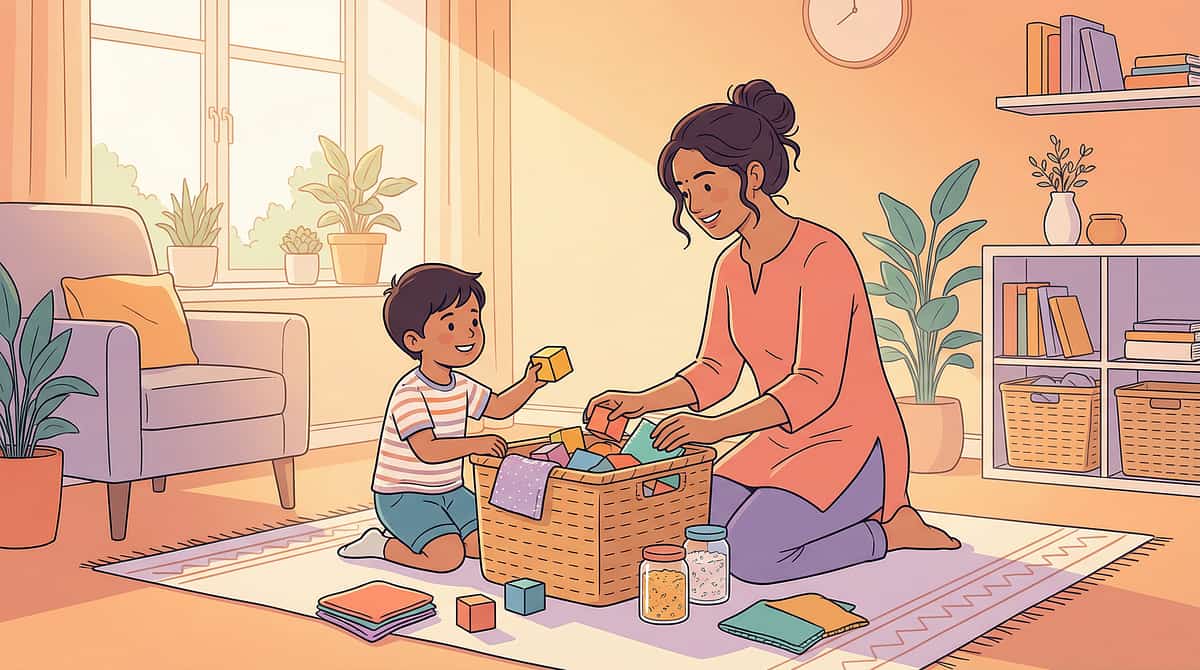
🕐Timing is Everything: Within 3 seconds of the desired behavior. Delayed reinforcement loses its signal. When the child correctly uses a strategy: immediately — "Yes! That's exactly what a reading detective does."
ACT III · STEP 6 OF 6
Step 6 — The Cool-Down
2–3 minutes
No session ends abruptly. The cool-down is part of the therapy — it creates safety, continuity, and positive closure that makes the next session easier to begin.
2-minute warning
"Two more pages and we wrap up for today."
Completion marker
"Last question about the story: What was your favourite part?" — Low-demand, personal. Prevents abrupt ending.
Material put-away ritual
Child helps put materials away. Name each as it goes: "Story map — done for today. Great work."
Transition bridge
"Tomorrow we'll find out what happens next." Creates continuity, not closure.
Anchor compliment
Specific, genuine, about the session: "Today you used the visualization — I saw you drawing the character. That was real reading."
Read a Poem
No comprehension demands — just enjoy together
Free Drawing
Child draws their favourite image from the book freely
Preferred Activity
2 minutes of preferred non-reading activity as natural transition
Memory Sticky Note
Write the one thing they remember on a sticky note reading bookmark
If child wants to keep reading: Excellent sign. Allow 5 more minutes, then transition. Intrinsic motivation to continue = highest readiness indicator.

ACT III · DATA
Capture the data — right now
60 seconds of data now saves hours of guessing later. Three fields, consistently collected, become the evidence that guides every therapy adjustment.
📖 Text Used
Name of book and pages covered today
🛠️ Material Used
Which of the 9 materials you used this session (check one)
📊 Engagement Score
1 (minimal/refused) → 3 (participated with prompts) → 5 (independent strategy use)
📝 One Behavior
One specific thing they did today, written in plain language
⚠️ Notes
Any issues, triggers, resistance patterns, or breakthroughs worth recording
⏱️ Duration
Actual minutes of the session
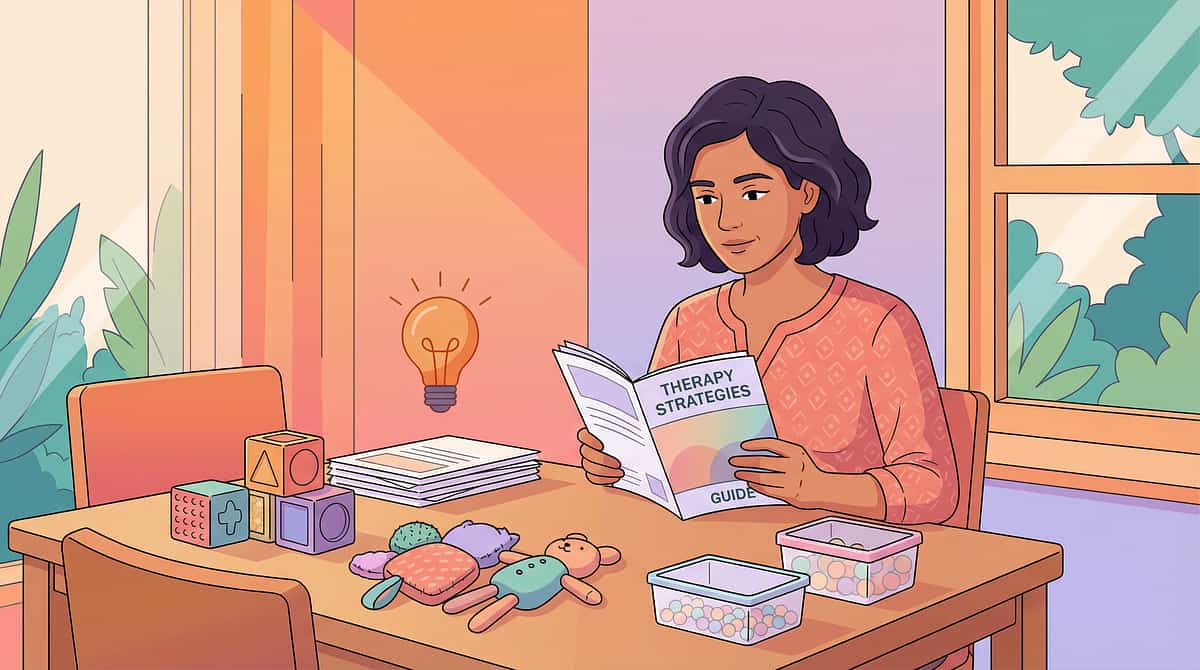
"You are not doing research. You are building a picture. Three data fields, consistently collected, become the evidence that guides every therapy adjustment. Your data — combined with 20M+ sessions in GPT-OS® — predicts what works for your child."
📞Questions about tracking or progress? FREE National Autism Helpline: 9100 181 181 | 16+ languages | 24×7
ACT III · TROUBLESHOOTING
What if it didn't go as planned?
Most sessions don't go perfectly. Here's what happened and what to do next time. Every unsuccessful session tells you something precise — bring your notes to your therapist.
"My child refused to use the material at all"
What happened: Tool felt like a new academic demand. Next time: Introduce the material during a NON-reading moment first. Let them play with the story grammar cards as toys. Let them draw in the visualization sketchpad freely. Remove the "reading" context until the material feels safe.
"My child used the tool but clearly didn't understand the story"
What happened: The text was too hard. Comprehension strategies can't compensate for texts at frustration level. Next time: Drop 1–2 reading levels. Use a text the child has already heard as a read-aloud. Familiarity with content frees cognitive resources for strategy practice.
"My child could retell but couldn't do inference at all"
What happened: Literal comprehension is intact; inferential comprehension needs explicit work. This is extremely common. Next time: Back up to picture inference before text inference. Show a picture with an implied emotion. Practice "What is this person thinking?" with images only — inference at the visual level first.
"The session became a power struggle"
What happened: Demand exceeded motivation. Next time: Co-reading + co-strategy. You model the strategy first: "I'm using the story map — I found the setting." Then invite: "Want to find the character?" No demand — modelling with open invitation.
"My child mastered story grammar markers — now what?"
What happened: Excellent news. Ready to layer strategies. Next time: Introduce visualization kits as the natural second layer. Continue using story grammar markers AND add visualization from the same session.
"My child lost interest after 5 minutes every session"
What happened: 5-minute engagement is the starting point — not a problem. Next time: Use a 5-minute session deliberately. Make it excellent. Count it as a win. Add 1 minute per week until 15 minutes is comfortable. Endurance builds gradually.
"My child became upset about the book content"
What happened: Some texts carry emotional content that overrides cognitive engagement. Next time: Let the child choose the book. Preferred book + comprehension strategies is always better than assigned text + strategies.
"Session abandonment is not failure — it's data. Every unsuccessful session tells you something precise. Bring your notes to your therapist."
ACT III · PERSONALIZE
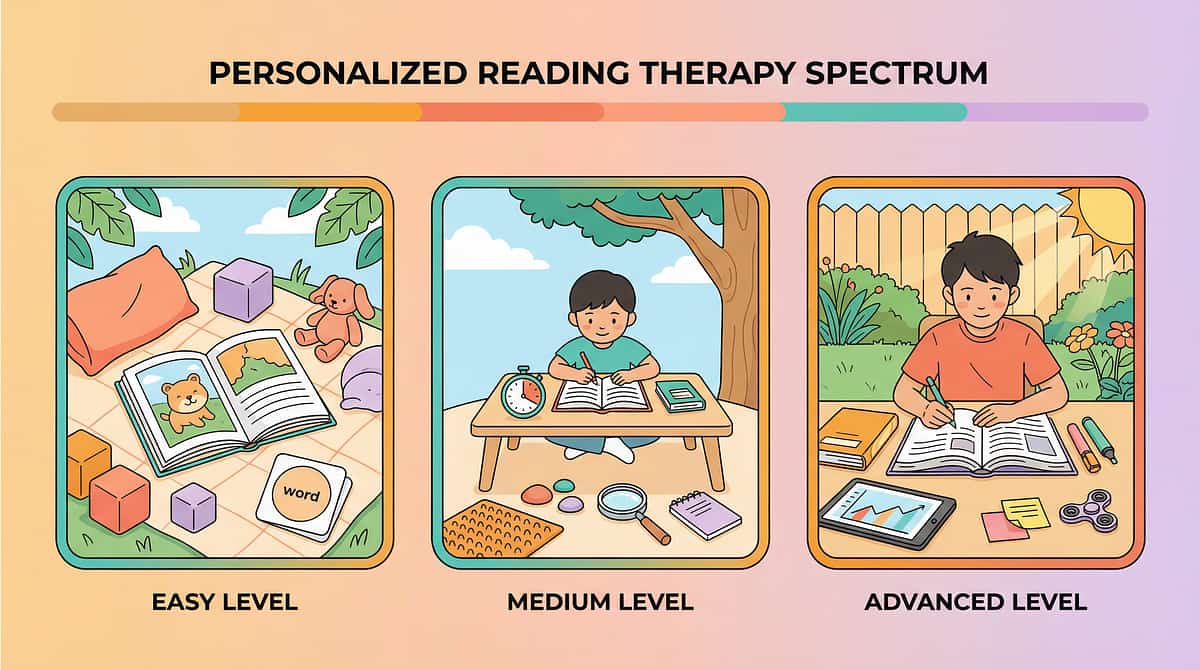
No two children read the same way — adapt H-738 to yours
Every child brings a different profile to the reading session. These adaptations ensure the materials meet your child where they are, not where the protocol assumes they are.
📖 Hyperlexic Reader
Strong decoder, very weak comprehension. Start with story grammar markers ONLY. Use books below independent reading level for strategy practice. Explicit naming of every story element before expecting the child to find it. Very long generalization phase (8–12 weeks on one strategy before adding another).
🧠 ASD — Strong Literal, Weak Inferential
Skip to inference cards after 2–3 weeks of literal comprehension success. Use visual inference practice (images) before text inference. Character feelings work is particularly important — connect to social understanding work in other therapy domains.
💬 Developmental Language Disorder
Vocabulary context kits are the priority — comprehension often fails at individual word level. Keep texts short (3–5 sentences initially). Build up gradually. Pair with oral language work in SLP sessions.
⚡ Attention Difficulties
Monitoring bookmarks are the priority tool — attention to meaning needs explicit cuing. Very short texts (1 paragraph). Frequent engagement checks. Movement break between reading and retelling. Timer visible throughout.
Ages 5–6
Picture books only. 1 material. Parent models, child imitates. 8 minutes max.
Ages 7–8
Short chapter books. 2 materials per session. Child-parent co-use. 12–15 minutes.
Ages 9–12
Content-area texts (science, social studies). Full strategy toolkit. Child leads, parent supports. 15–20 minutes.

ACT IV · PROGRESS — WEEK 1–2
Weeks 1–2: You are planting seeds, not harvesting crops
15%
Progress at Week 2
Foundation-building phase — neural pathways are forming beneath the surface
✅ You MAY See
- Child tolerates the material being present during reading
- Child interacts with 1 material element when prompted
- Slight increase in questions about the book content
- Child remembers to ask "what happened" even if answer is imperfect
🚫 Do NOT Expect Yet
- Independent strategy use
- Unprompted comprehension
- Full story retelling
- Inference ability
- Significant improvement in comprehension test scores
🏆The Metric That Matters: If your child tolerates the story grammar card being placed on the table without resistance in Week 2 when they pushed it away in Week 1 — that is measurable progress. Tolerance before engagement. Engagement before independence.
Weeks 1–2 are the hardest weeks psychologically for parents. You are doing the work without visible results. The neural pathways are forming beneath the surface. Results in Week 5 were built by Week 1 work that felt like nothing.

ACT IV · PROGRESS — WEEK 3–4
Weeks 3–4: The child starts to own the strategy
40%
Progress at Week 4
Consolidation phase — strategies are beginning to feel familiar
Watch for these 5 specific consolidation behaviors — they are behavioral evidence of neural pathway formation.
🧩 Anticipation
Child picks up the story grammar card set without being prompted — they know it's part of reading time
📖 Strategy Initiation
Child starts drawing their visualization before you suggest it
🔍 Question Generation
Child spontaneously asks "what do you think is going to happen?" while reading
🗣️ Retelling With Structure
When asked "what was the story about?" child gives more than one element — not just "a bear" — "a bear who had a problem with..."
😌 Reduced Resistance
Sessions start easier; fewer redirections needed to bring attention to meaning
If consolidation indicators are consistent across 3+ sessions → introduce a second material. If child is using the first material independently → reduce prompts and observe spontaneous use.
"You may notice you're more confident too. You've found the words to ask about the story. You know what to point to when your child is lost. That's your consolidation — and it matters as much as theirs."

ACT IV · PROGRESS — WEEK 5–8
Weeks 5–8: The strategies are becoming the child's own tools
75%
Mastery Zone — Week 8
Strategies moving from effortful application toward automatic habit
Story Grammar Mastery
Child identifies all 5 story elements unprompted after reading a new text
Visualization Mastery
Child draws mental image before being asked; describes their "mind movie" spontaneously
Questioning Mastery
Child asks WHY and WHAT IF questions while reading — not just answering them
Retelling Mastery
Child retells sequentially with who/what/problem/events/solution — without story map support
Inference Mastery
Child can state "I think the author means..." or "I think the character feels... because..."
🏆Mastery Unlocked: When child consistently meets 3+ mastery indicators across 2 weeks of sessions → Ready to progress to H-739 (Written Expression) OR to deeper comprehension work (inference + critical reading layer).
Generalization Indicators
- Strategy appearing in NEW texts (not just practiced texts)
- Child using strategy with different book types (fiction AND informational)
- Child using language of strategies spontaneously: "I was confused so I reread"
- Improvement in school comprehension (teacher feedback, test results)
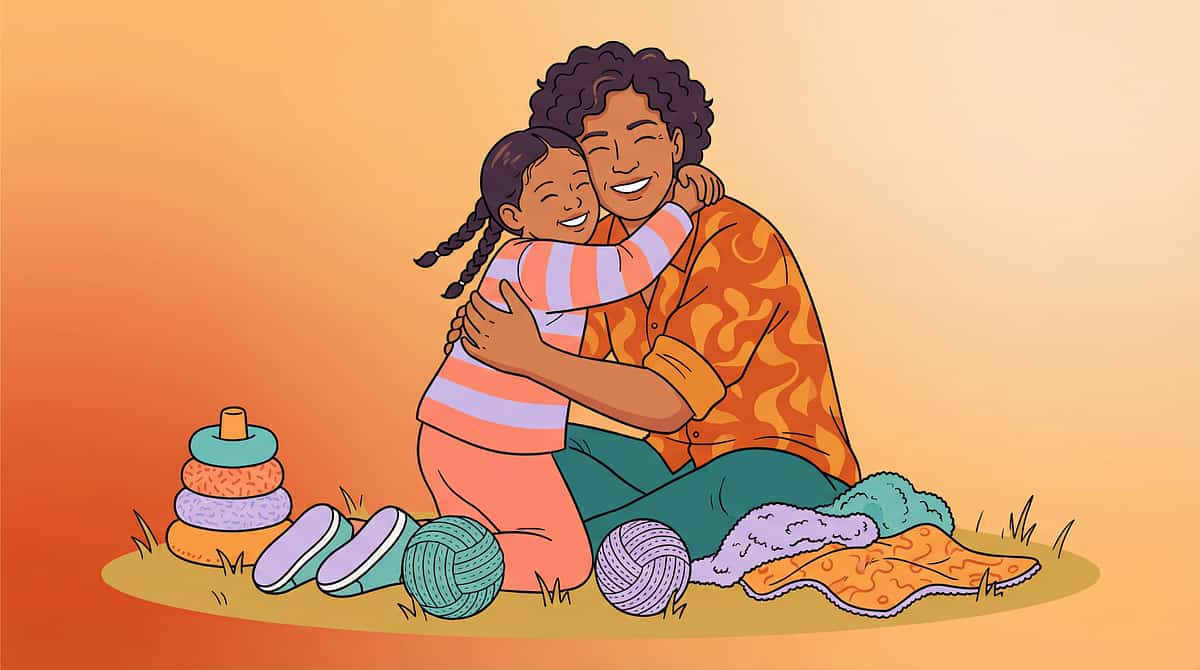
🏆 You did this. Your child understands what they read now because you showed up — day after day.
Eight weeks ago, your child could read every word on a page and tell you nothing about it. Today they pick up the story grammar marker before you suggest it. They draw their visualization unprompted. They ask "why do you think the character did that?" — and wait for the answer.
That gap — from words going in and nothing coming back, to active meaning-making — was built word by word, session by session, by you.
🎉Celebrate today: Let your child choose their next book — no strategies, just reading for pleasure. Watch what happens when a child who couldn't comprehend text discovers they now enjoy stories. That is your harvest.
📸Document this milestone: Write down the first time your child retold a story unprompted. Keep it. These moments are the ones you'll return to when the next challenge feels impossible.

ACT IV · RED FLAGS
Even in the success zone — watch for these signals
Progress is the goal — but awareness keeps it sustainable. These red flags indicate when to pause, adjust, or seek professional input.
Red Flag | What It Looks Like | Why It Matters | What to Do | |
Increasing reading refusal | Child who was engaging now refuses reading materials entirely | May indicate text difficulty exceeded, anxiety building, or underlying language burden increasing | Reduce text level, increase reinforcement, consult SLP | |
Vision concerns | Squinting, tilting head, reporting headaches after reading, tracking difficulties | Undiagnosed vision issues can mimic and cause comprehension difficulties | Refer to developmental optometrist or ophthalmologist | |
Reading stagnation at 8+ weeks | No progress on any indicator despite consistent implementation | May indicate evaluation is needed for DLD, APD, or cognitive processing profile | AbilityScore® assessment + language evaluation | |
Emotional distress about reading | Crying, self-criticism ("I'm stupid"), avoidance escalating to school refusal | Reading anxiety can develop from repeated comprehension failure experiences | Prioritize emotional safety; involve school counsellor and SLP | |
Regression after progress | Child loses skills that were previously consolidated | Can indicate stress, illness, sleep changes, or readiness issue | Track regression pattern; consult GPT-OS® or Pinnacle therapist | |
Comprehension with no language | Child completes graphic organizers mechanically but oral language comprehension is also impaired | DLD or broader language comprehension disorder may need assessment | Full language evaluation by SLP |
"If something feels wrong — if your child's relationship to reading is deteriorating rather than improving — pause the protocol and seek professional input. The goal is a reader who loves stories, not a child who completes tasks."
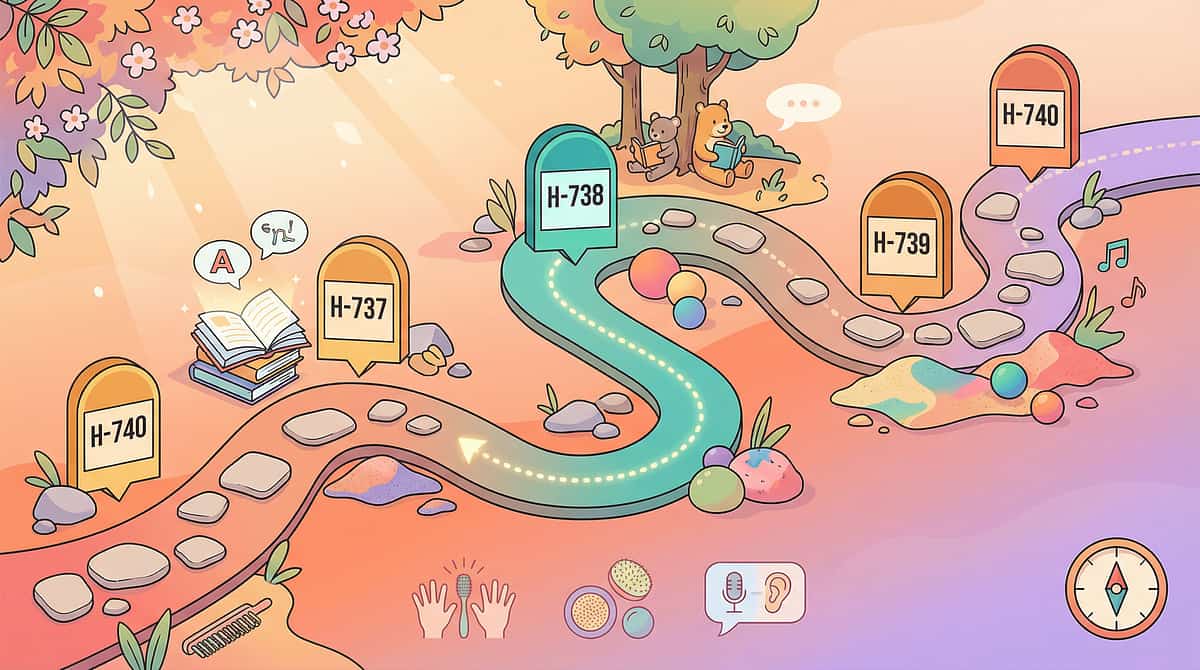
ACT IV · PROGRESSION
H-738 is one step in a complete literacy journey
Here's where you are — and where you're going. Reading comprehension sits at the center of the academic literacy sequence.
H-736
Phonological Awareness — rhyme, syllable breaking, phoneme blending
H-737
Decoding & Word Reading — phonics, sight words, fluency
H-738 ◄ You Are Here
Reading Comprehension — 9 materials, strategy instruction, meaning-making
H-739
Written Expression — story writing, journal, structured writing tools
H-740
Math Concepts — word problem comprehension, builds on reading comp skills
Option A — Inferential Depth
Child mastered story comprehension: → H-738-ADV Advanced Comprehension — Inference & Critical Reading Layer
Option B — Written Expression
Comprehension improving; writing is next: → H-739 Written Expression. Natural next step — comprehension feeds writing.
Option C — Language Parallel
Both comprehension + language comprehension need work: → G-690 Receptive Language + G-695 Vocabulary Development (parallel tracks)
This technique feeds: Academic independence → the ability to learn from reading, self-educate, and navigate a text-dependent world. This is one of the highest-leverage interventions in the entire H Domain.
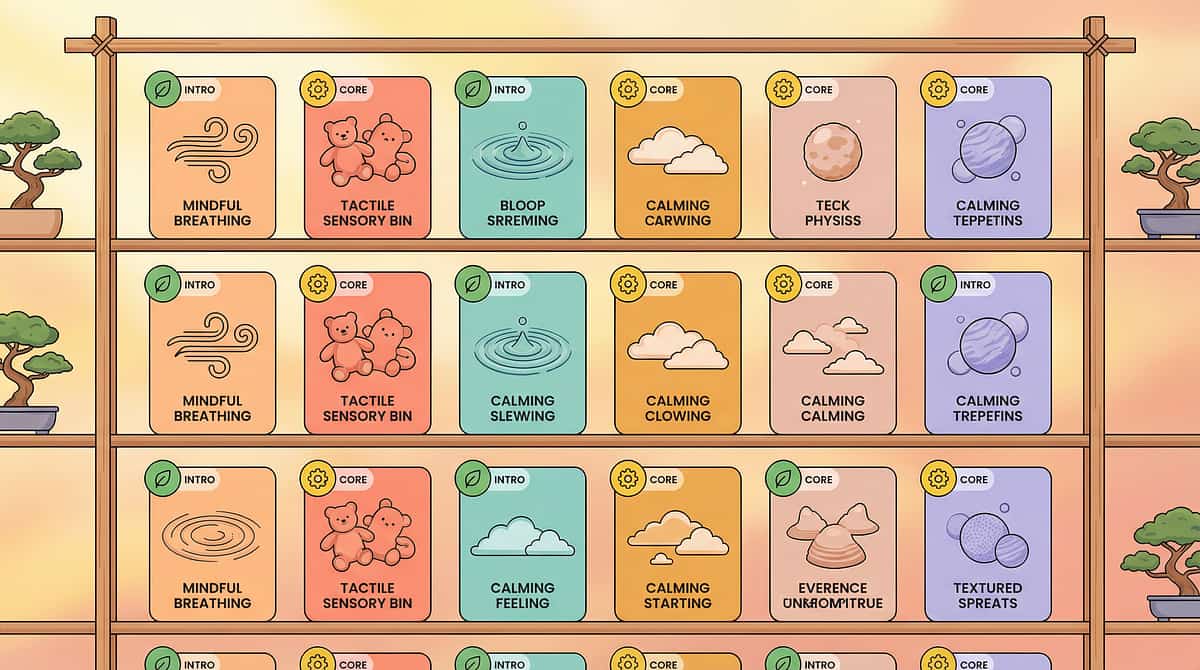
ACT IV · RELATED TECHNIQUES
Techniques in the Academic & Literacy Domain that complement H-738
Code | Technique | Difficulty | Materials You May Already Have | |
H-736 | Phonological Awareness | 🟢 Intro | Rhyme cards, letter tiles | |
H-737 | Decoding & Word Reading | 🟡 Core | Phonics cards, decodable texts | |
H-738 ← You Are Here | Reading Comprehension | 🟡 Core | Story maps, graphic organizers | |
H-739 | Written Expression | 🟡 Core | Story maps, graphic organizers (same materials!) | |
G-690 | Receptive Language | 🟢 Intro | Picture cards, following-directions activities | |
G-695 | Vocabulary Development | 🟡 Core | Vocabulary journals (same as H-738!) |
💡Materials Reuse: You already own materials for H-739 and G-695 if you have the H-738 kit. Story maps, graphic organizers, and vocabulary journals serve all three techniques. Your investment in H-738 materials unlocks three technique domains.
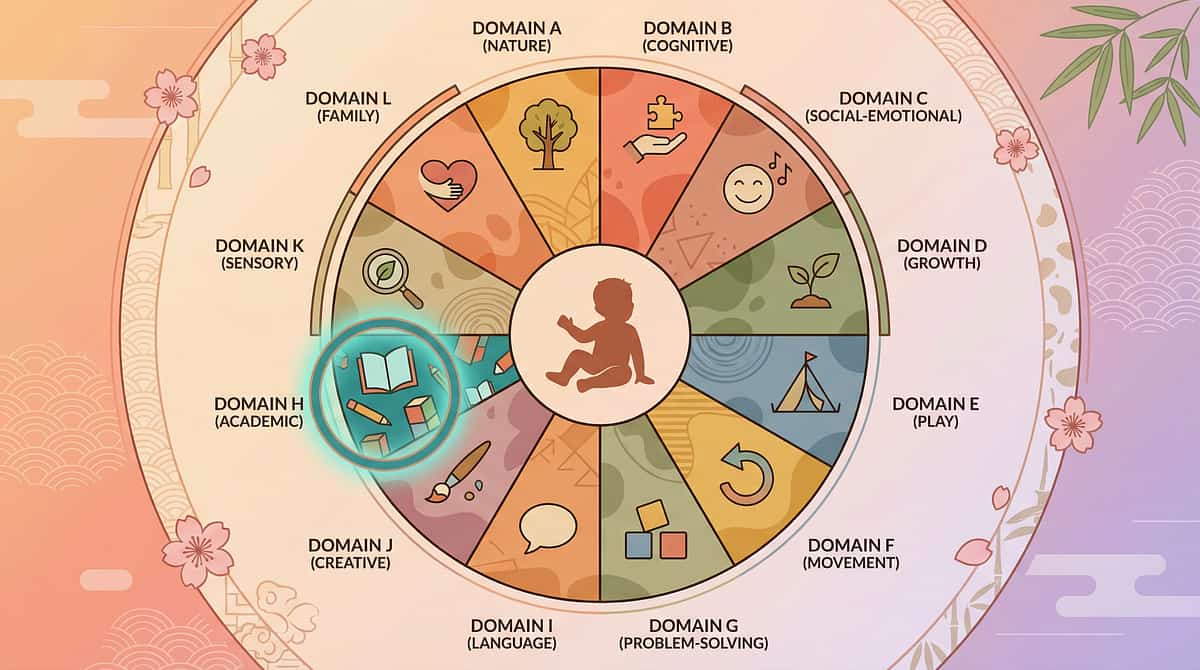
ACT IV · DEVELOPMENTAL MAP
Your child's full developmental map
Reading comprehension doesn't exist in isolation. H-738 sits in Domain H — Academic & Learning Skills — and connects deeply to four other developmental domains.
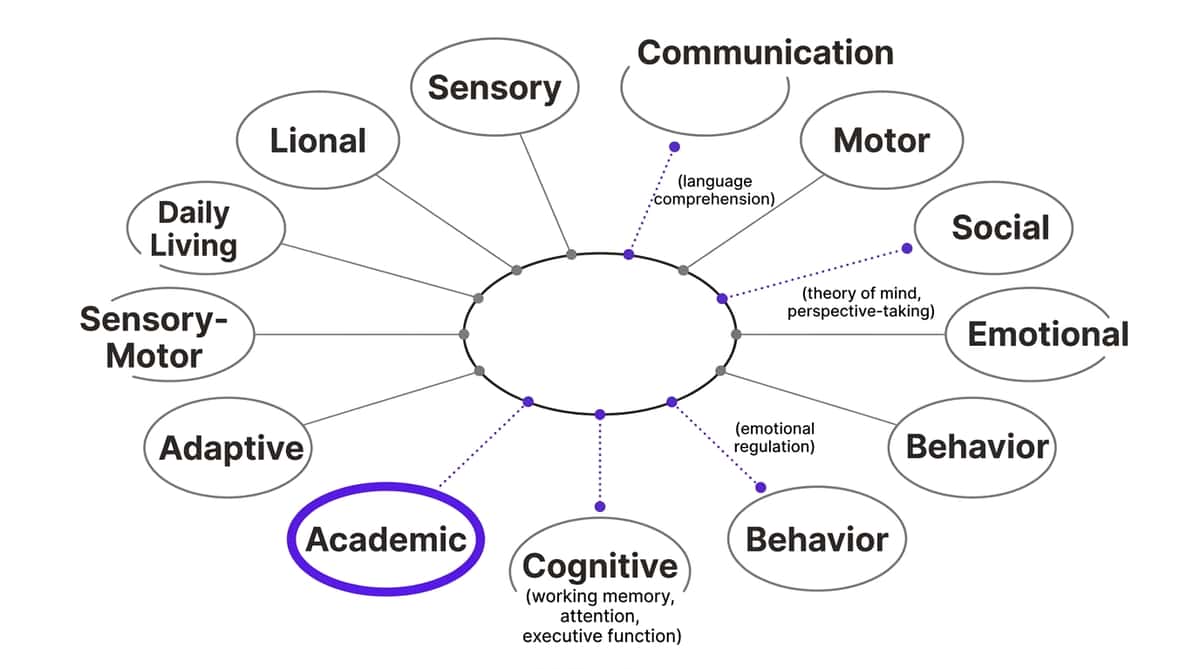
Domain G — Cognitive
Working memory, attention, executive function all feed comprehension
Domain B — Communication
Language comprehension IS reading comprehension — they develop in tandem
Domain F — Emotional
Reading anxiety and emotional regulation directly affect session engagement
Domain D — Social
Theory of mind and perspective-taking are prerequisites for inferential comprehension
🔗GPT-OS® tracks your child's profile across all 12 domains. When you log H-738 session data, the system cross-references it against G-domain language data, B-domain communication data, and historical patterns from 20M+ sessions to personalize your child's pathway.
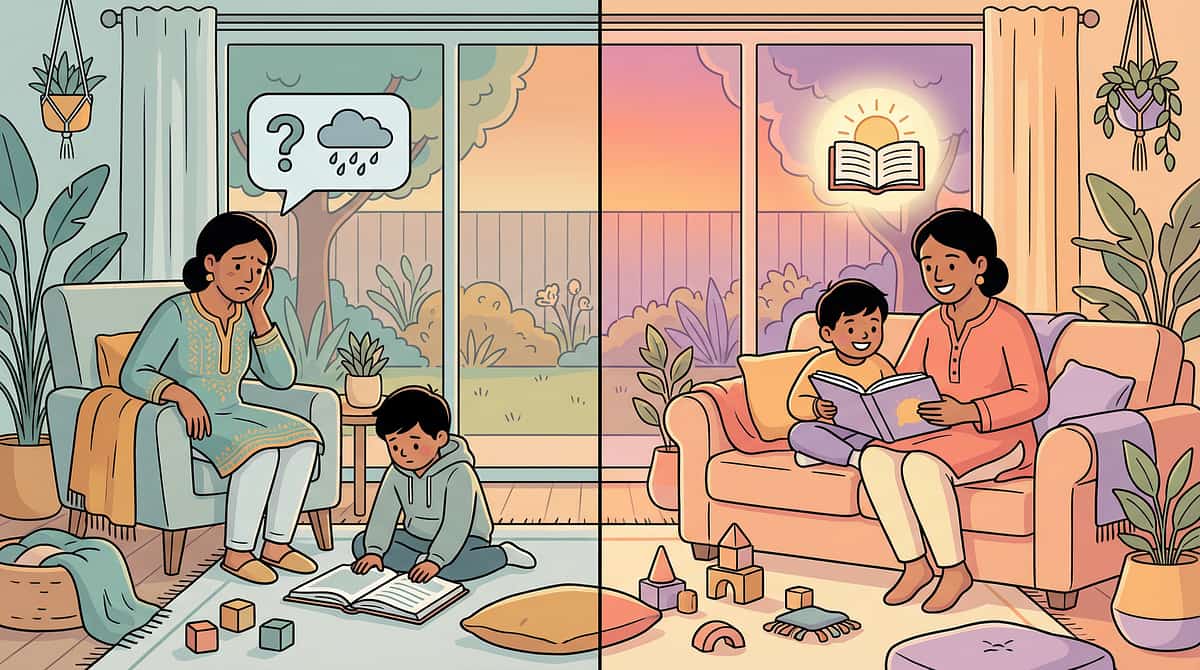
ACT IV · FAMILY STORIES
Families who've been here — real journeys, real outcomes
Before — Third Grade, Pinnacle Hyderabad Network
"He was reading at fifth-grade level. Every word perfect. But ask him what happened in the chapter and he'd flip through pages randomly. His teacher said he was 'not applying himself.' We thought he was lazy. Turned out he had never learned that reading meant thinking — he thought it meant pronouncing."
After — 14 Months Later
"We started with story grammar markers — just the five elements. Eighteen months later, he reads a chapter and can tell you the whole story unprompted. He told me last week that reading is actually fun now because 'the story feels real.' I saved that moment."
Before — Hyperlexia Profile, Pinnacle Chennai Network
"Our daughter has hyperlexia — she was reading at 4 years old. Every adult thought she was gifted. She was 7 when we realised she understood almost nothing of what she read. She'd read a whole book and remember one fact. Stories didn't stick."
After — 10 Months Later
"The visualization kit changed everything. She'd never made pictures in her mind while reading — the words were just sounds. Once she started drawing what she 'saw,' the stories came alive. She now narrates books back to us with details we didn't even notice. Her school comprehension scores improved two years in one year."
From the Therapist's Notes:"The most common pattern I see: the family spent years thinking the child had a reading problem. They didn't — they had an exclusively decoding-based reading strategy. The moment we made comprehension explicit and material-based, the change was rapid. The brain knew how to make meaning. It just needed the tools to activate that process." — SLP, Pinnacle Blooms Consortium. Illustrative cases. Outcomes vary by child profile, underlying condition, and intervention consistency.

ACT V · COMMUNITY
Connect with other parents navigating the same journey
You are not the only parent on this journey. Connect with thousands of families who are navigating the same reading comprehension challenge — and share what you've learned.
WhatsApp Support Group
Join parents of children working on H-Domain techniques. Reading Comprehension Families group — material sharing, progress updates, questions welcome.
Pinnacle Online Community
Discussion forums, material sharing, progress celebration, Q&A with moderating therapists. Visit pinnacleblooms.org/community →
Local Parent Meetup
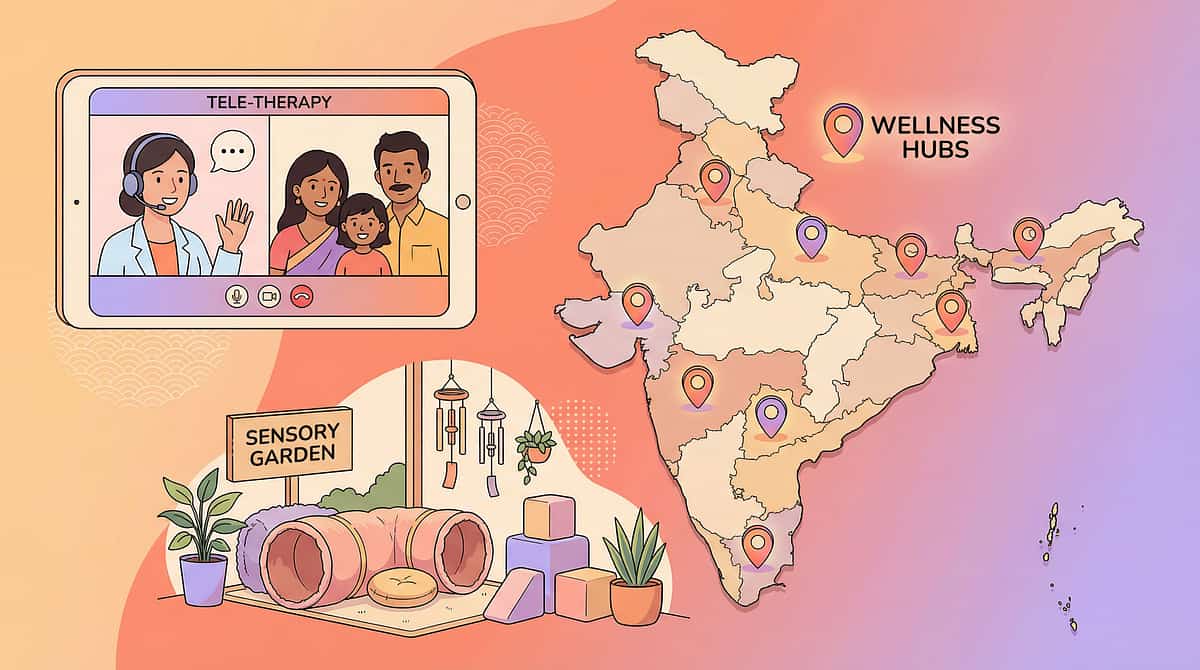
Pinnacle centers host monthly parent learning sessions across 70+ centers in India. Find a meetup near you →
Peer Mentoring Program
Connect with an experienced parent (6+ months ahead in the journey) for one-to-one guidance and encouragement. Request a peer mentor →
"Your experience — what worked, what didn't, the moment your child's face changed when comprehension clicked — is the most powerful knowledge in this community. When you share your journey, you become the hope for a parent who is 3 weeks behind you."
📞FREE National Autism Helpline: 9100 181 181 | 16+ languages | 24×7 | care@pinnacleblooms.org
ACT V · PROFESSIONAL SUPPORT
Home practice is powerful. Professional guidance makes it transformational.
The 10–20 minutes you execute at home daily builds on what 60 minutes of weekly therapy establishes. Neither replaces the other. Together, they are compounded medicine.
Need | Specialist | What They Do | |
Formal comprehension assessment | Speech-Language Pathologist (SLP) | Language comprehension evaluation, hyperlexia screening, strategy selection | |
Academic integration + school support | Special Educator (SpEd) | Strategy instruction in curriculum context, IEP support, text selection | |
Habit formation + reinforcement | BCBA / ABA Therapist | Session data systems, reinforcement design, home program engineering | |
Profile clarity | Neurodevelopmental Pediatrician | DLD vs. hyperlexia vs. ASD-reading profile differentiation | |
Full assessment | AbilityScore® Evaluation | 591+ observations across domains — complete developmental profile |
📱 Teleconsultation
Can't reach a center? Available in 16+ languages. Book a teleconsultation →
📞 Helpline
9100 181 181 — FREE, 24×7, 16+ languages
🗺️ 70+ Centers
Find nearest Pinnacle center → pinnacleblooms.org/centers
ACT V · RESEARCH
The research library — for the parent who wants to go deeper
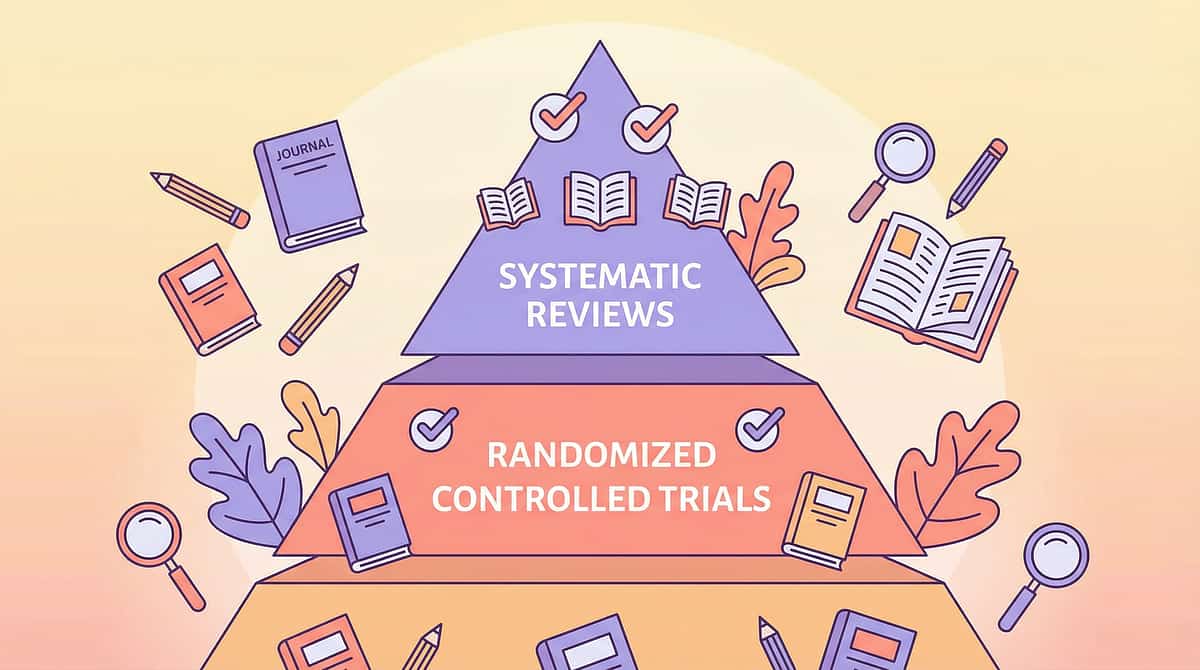
The science is peer-reviewed, replicated, and global. You are not following someone's opinion — you are following 40+ years of reading research distilled into 9 materials.
📄 National Reading Panel Report (2000)
Comprehensive meta-analysis confirming that explicit comprehension strategy instruction (questioning, summarizing, visualizing, text structure) produces reliable gains across populations. www.nichd.nih.gov/research/supported/nrp →
📄 PRISMA Systematic Review — ASD + Literacy (PMC11506176, 2024)
Confirms comprehension strategy intervention meets evidence-based practice criteria for children with autism. 16 studies reviewed, 2013–2023.
📄 Meta-Analysis — Comprehension Outcomes (PMC10955541, 2024)
Structured intervention across 24 studies demonstrates measurable improvement in comprehension, social skills, and academic performance.
📄 Indian RCT — Home-Based Literacy Intervention (Padmanabha et al., 2019)
Indian Journal of Pediatrics. Home-delivered structured literacy intervention produces significant developmental outcomes. India-specific evidence. DOI: 10.1007/s12098-018-2747-4
📄 WHO Care for Child Development Package (PMC9978394)
Caregiver-delivered structured intervention is effective across low- and middle-income country contexts. Validates the parent-administered approach used in H-738.
📄 NCAEP Evidence-Based Practices Report (2020)
Video modeling and explicit instruction for literacy classified as evidence-based practices for autism. ncaep.fpg.unc.edu →
ACT V · GPT-OS®
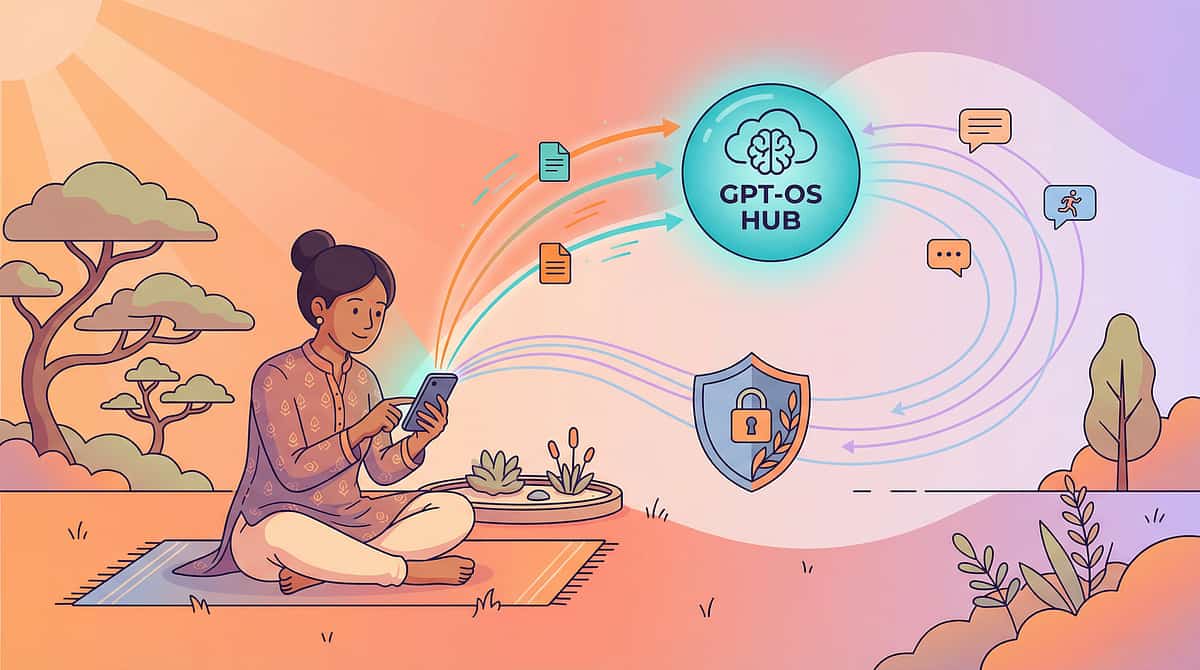
How GPT-OS® uses your data — your session becomes intelligence
Every session you log contributes to a living system that learns what works for your child's profile. Here's exactly what happens to your data.
Material Optimization
Which of the 9 materials produces fastest engagement gains for this child's specific profile
Profile Detection
Whether hyperlexia pattern is present (high decoding + low comprehension delta)
Growth Rate Analysis
Reading comprehension vs. language comprehension growth rate — identifies if language support is needed in parallel
Session Frequency Optimization
Optimal session frequency for this child's neural consolidation pattern
🔒Data Protection: All child data is anonymized, encrypted, and stored under Indian IT Act 2000 and DPDP Act 2023 compliance. No identifiable data is shared externally. Aggregate patterns (never individual data) inform the recommendation engine.
"When you log your child's session data, you contribute to the intelligence that helps every child like yours. 20 million sessions of collected wisdom — and yours adds to it. Your child helps the next family find the right material faster."
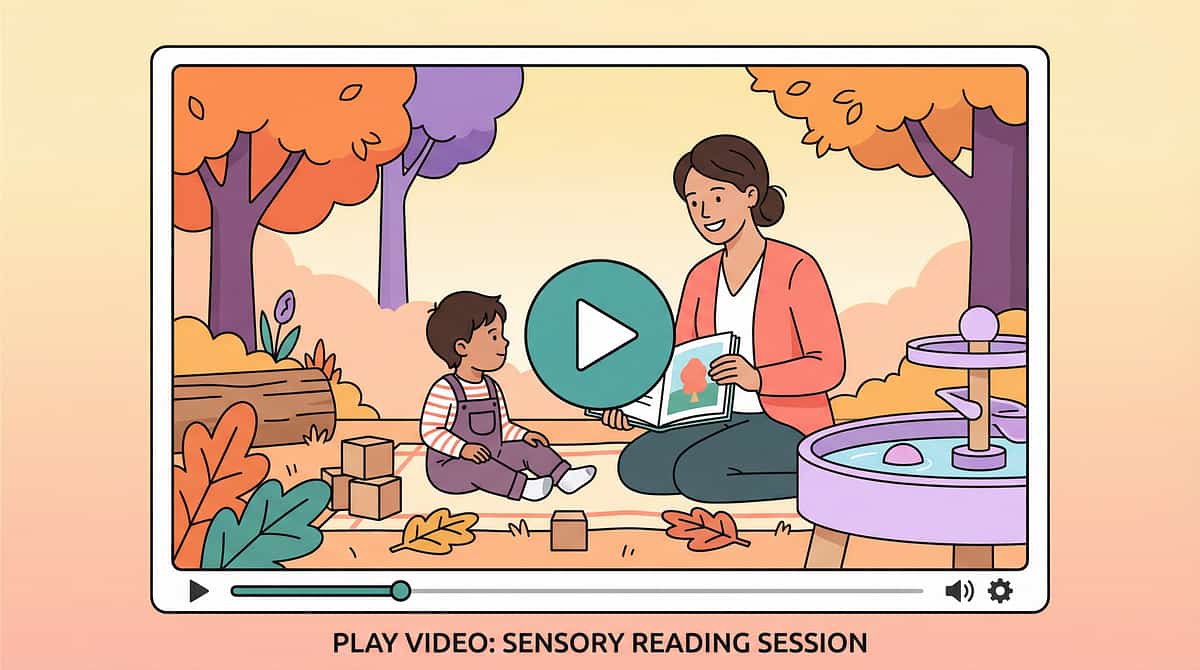
ACT V · WATCH THE REEL
Watch the H-738 Reel — see it in action
Reading about comprehension strategies and watching them demonstrated are two different learning pathways. This Reel activates the visual learning system — the same system your child will use when they learn to visualize while reading.
📹 Reel ID: H-738
Series: Academic & Learning Skills | Domain: H — Academic Skills Episode: 9 Materials That Help With Reading Comprehension | Duration: 60–75 seconds
▶️ Watch a Pinnacle Speech-Language Pathologist demonstrate the story grammar marker protocol, visualization drawing technique, and the inference card approach in an actual session. techniques.pinnacleblooms.org/reels/H-738 →
← H-737
Decoding & Word Reading
H-738 — You Are Here
Reading Comprehension
H-739 →
Written Expression
👩⚕️Presented by the Pinnacle Blooms SLP Consortium
ACT V · SHARE
Consistency across all caregivers multiplies impact
One parent doing it alone is half a protocol. Research confirms: children whose comprehension strategies are reinforced across home AND school contexts show 2–3× faster generalization than those receiving support in a single context only.
Share on WhatsApp
Pre-written message: "I found a page explaining the materials that help children who read without understanding — techniques.pinnacleblooms.org/academic-skills/reading-comprehension-H-738"
Share via Email
Send the link with a personal note to family members, grandparents, and teachers who work with your child
Download Family Guide
1-page PDF — a simplified version of this page for grandparents, relatives, and school teachers. Download →
For Grandparents & Relatives
"[Child's name] reads beautifully but doesn't understand what they read — this is common and very treatable. We are using specific tools (cards with pictures, a sketchpad, some bookmarks) to help them build understanding while they read. The most helpful thing you can do: stop every few pages and ask 'who is in the story?' and 'what happened?' — not to test them, but to help them think."
For Teachers & Schools
"We are working on reading comprehension strategies at home using an evidence-based programme (H-738, Pinnacle Blooms Network). Strategies practiced: story grammar mapping, visualization, active questioning, and retelling. We would appreciate if the classroom could support this by asking comprehension questions — not just decoding checks — after reading activities."

ACT V · FAQ
Frequently asked questions — answered clearly
"My child is 10 and has been reading for 6 years without comprehension. Is it too late?"
Not at all. Reading comprehension strategies can be taught at any age — neural plasticity for language learning remains available throughout childhood and adolescence. Children who receive explicit comprehension strategy instruction at age 10–12 show rapid gains because their decoding is completely automatic, freeing all cognitive resources for the strategy work. Later identification, earlier intervention.
"We tried story maps at school. They didn't work. Why will these materials be different?"
School-based approaches are often passive (fill in the form after reading) rather than active (use the tool WHILE reading). The H-738 protocol requires the child to interact with the material during the reading process. The material is used as a thinking tool, not a post-reading test.
"Which of the 9 materials should I start with?"
Start with story grammar markers for fiction readers OR graphic organizers for children who read primarily informational text. For children with very significant comprehension gaps: start with retelling manipulatives (use after a read-aloud rather than independent reading — removes decoding demands entirely).
"How do I know if my child has hyperlexia vs. just a reading comprehension weakness?"
Hyperlexia is characterised by reading ability significantly above what would be expected from oral language level, often appearing in very young children (3–4 years), with comprehension that lags behind both reading AND sometimes oral language comprehension. A formal SLP evaluation will differentiate. Both profiles respond to comprehension strategy instruction.
"My child's school doesn't support these approaches. What do I do?"
Document your home programme and share the evidence base (Card 34). Request a meeting with the SEN coordinator or reading specialist. Share the WHO NCF and NCAEP references. An IEP that includes comprehension strategy support is the appropriate route — Pinnacle's SpEd team can support this process.
"How many sessions per week is enough?"
Research suggests 3–5 sessions per week for consistent gains. Even 10 minutes of daily reading with ONE strategy applied consistently outperforms intensive but irregular practice. Frequency and consistency matter more than session length.
"My child can answer questions if I prompt heavily. Does that count as comprehension?"
Prompted comprehension is the starting point — not the goal. Use scaffolded prompts initially. Systematically fade prompts over time: from direct questions to hints to silence. Track the level of prompt needed — reduction in prompt level IS measurable progress.
"What if we finish all 9 materials and comprehension is still weak?"
If 12+ weeks of consistent implementation shows minimal progress, a formal evaluation is indicated. Most common explanations: underlying language comprehension disorder (DLD), text levels that remain too challenging, or working memory profile needing additional support. Call 9100 181 181 or request AbilityScore® assessment.

You understand the science. You have the materials. You have the protocol.
Your child's reading comprehension journey starts with a single session today.
🗣️ SLP
Language Comprehension
📐 SpEd
Strategy Instruction
🧠 ABA
Habit Formation
✋ OT
Physical Engagement
🩺 NeuroDev
Profile Differentiation
🔬 CRO
Outcomes Research
✦ VALIDATED BY PINNACLE BLOOMS CONSORTIUM® ✦ 20M+ sessions • 97%+ improvement • 70+ centers across India
Preview of 9 materials that help with reading comprehension Therapy Material
Below is a visual preview of 9 materials that help with reading comprehension therapy material. The pages shown help educators, therapists, and caregivers understand the structure and content of the resource before use. Materials should be used under appropriate professional guidance.


Link copied!
🌸 Pinnacle Blooms Network®
"From fear to mastery. One technique at a time."Built by Mothers. Engineered as a System.
H-738 | Reading Comprehension | Academic & Learning Skills Domain techniques.pinnacleblooms.org/academic-skills/reading-comprehension-H-738
→ Next Technique
H-739 — 9 Materials That Help With Written ExpressionExplore H-739 →
This content is educational. It does not replace individualized assessment and intervention from qualified speech-language pathologists, reading specialists, special educators, or educational psychologists. Reading comprehension difficulties may be part of broader language, learning, or developmental profiles requiring comprehensive evaluation. Consult your child's therapist, reading specialist, or educational team for personalized guidance. Individual results may vary. Statistics represent aggregate outcomes across the Pinnacle Blooms Network.
© 2025 Pinnacle Blooms Network®, unit of Bharath Healthcare Laboratories Pvt. Ltd. All rights reserved. CIN: U74999TG2016PTC113063 | DPIIT: DIPP8651 | MSME: TS20F0009606 | GSTIN: 36AAGCB9722P1Z2