

"Play dates don't have to be disasters."
Your child has been talking about this play date for three days. The moment the other child arrives, yours retreats to the bedroom, lines up toys in silence, and speaks only to narrate their own activity — as though a guest isn't standing there. Twenty minutes later, the other parent is calling to pick up early, and your child either hasn't noticed or is melting down at the front door.
PLAY DATE SUPPORT
Domain G — Social Skills & Peer Interaction
"You are not failing as a parent. Your child's nervous system and social processing are working differently — and that difference has a name, a science, and a solution."
WHO Nurturing Care Framework (2018): Responsive caregiving and early learning — two of five nurturing care components — directly hinge on the parent's ability to identify and scaffold their child's developmental needs. Parental awareness at this stage is the intervention. | nurturing-care.org/ncf-for-ecd

Millions of families are navigating exactly this.
1 in 36
Children with Autism
Children in India are diagnosed with autism spectrum disorder — making social play challenges one of the most common developmental realities families face.
70%
Peer Interaction Difficulties
Of children with autism experience peer interaction difficulties that require explicit teaching rather than natural acquisition of social skills.
21M+
Therapy Sessions
Delivered by Pinnacle Blooms Network® tracking outcomes across social reciprocity, peer interaction, and friendship readiness indexes.
The child who ignores a guest at their play date. The child who overwhelms with intensity. The one who controls every game until the other child doesn't want to return. These are not personality failures. They are identifiable social learning profiles — each with specific intervention strategies. You are among millions of families on this exact path.
Research: PRISMA Systematic Review (2024): 80% of children diagnosed with autism display social processing differences affecting peer interaction. Meta-analysis across 24 studies confirms structured social skill interventions produce measurable improvements. | PMC11506176 | PMC10955541

This is a social processing difference — not a behavior choice.
Understanding what happens in your child's brain during a play date changes everything. Five interconnected neurological systems are working simultaneously — and when any one processes differently, the social rules that seem "automatic" to others simply don't fire automatically for your child.
The Neuroscience
- Prefrontal Cortex — executive function, social rule application
- Mirror Neuron System — imitation, empathy, reading cues
- Amygdala — threat detection (social situations misread as threats)
- Temporal-Parietal Junction — theory of mind, perspective-taking
- Cerebellum — timing and sequencing (turn-taking rhythm)
In Plain English
Prefrontal Cortex: Manages the dozens of social rules that fire simultaneously during a play date. When under-resourced, the rules don't automatically apply.
Mirror Neuron System: Usually allows children to feel what others feel. When processing differently, the child doesn't automatically read that their friend is bored — they need it made explicit.
Amygdala Overload: For some children, the unpredictability of unstructured peer play triggers a low-grade threat response. Withdrawal or controlling behavior is self-protection, not rudeness.
Theory of Mind: The capacity to understand that others have different thoughts and preferences. This develops later in some children — meaning the child genuinely doesn't know their friend wants a turn.
"Structure doesn't replace social connection. It makes social connection possible."
Research: Frontiers in Integrative Neuroscience (2020): Comprehensive neurological framework for social communication differences in ASD. | DOI: 10.3389/fnint.2020.556660

Your child is here. Here is where we're heading.
Social play development follows a predictable progression. Children with developmental differences often land at a stage that doesn't match their age — and without explicit intervention, they may stay there. Here's the full trajectory, and where structured play date support fits.
Parallel Play
Ages 2–3 | Near others, not interacting. Safe starting point.
Associative Play
Ages 3–4 | Interacting, not yet coordinating goals.
Cooperative Play
Ages 4–5 | Shared goals, negotiation, mutual engagement.
Reciprocal Friendship
Ages 5–6+ | Sustained, flexible, child-initiated peer play.
Social play challenges in developmental differences can persist through age 12+ without explicit intervention. What commonly co-occurs: sensory processing differences (making unpredictable touch/noise from peers overwhelming), language processing differences (understanding conversational flow), emotional regulation challenges, and executive function differences (flexible thinking when plans change during play).
"Children who don't acquire social play skills naturally can absolutely learn them through explicit teaching. The timeline differs — the destination doesn't."
Research: WHO Care for Child Development (CCD) Package | UNICEF MICS indicators | PMC9978394

Clinically validated. Home-applicable. Parent-proven.
LEVEL I-B EVIDENCE
Systematic Review + Multiple RCTs
Study | Finding | Reference | |
NCAEP Evidence-Based Practices (2020) | Social skills training classified as evidence-based practice for autism across 21 reviewed studies | NCAEP Report 2020 | |
Systematic Review — Children (2024) | Structured peer play interventions with material scaffolding produce measurable improvements in reciprocal play, turn-taking, and friendship formation | PMC11506176 | |
Meta-analysis — World J Clin Cases (2024) | Structured social skill interventions across 24 studies showed effective promotion of social skills, adaptive behavior, and peer interaction quality | PMC10955541 | |
Padmanabha et al., Indian J Pediatr (2019) | Home-based structured social interventions in Indian pediatric populations show significant outcomes — local-context evidence established | DOI:10.1007/s12098-018-2747-4 | |
Social Thinking Methodology (Garcia Winner) | Explicit teaching of "hidden curriculum" social rules produces measurable skill acquisition in children who don't acquire these rules naturally | Social Thinking Publications |
"The materials introduced in this technique page are backed by Level I-B evidence across international systematic reviews, national evidence-based practice standards, and real-world data from 21 million+ therapy sessions within the Pinnacle Blooms Network®."
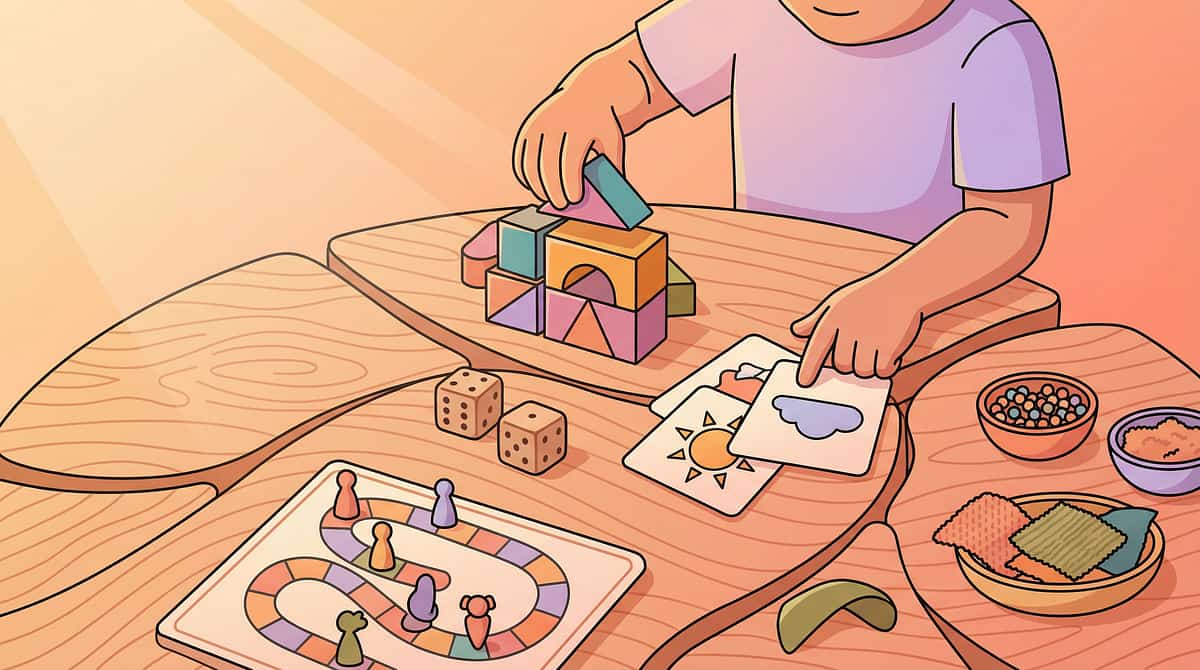
The Technique: What It Is
ACT II: KNOWLEDGE TRANSFER
Play Date Support is the intentional structuring of peer social interactions using materials, visual tools, and environmental design to ensure children with social communication differences, autism spectrum characteristics, ADHD, or social anxiety can have successful, positive experiences with peers.Unlike unstructured free play — which demands simultaneous processing of dozens of implicit social rules — scaffolded play dates reduce ambiguity, make turn-taking visible, provide shared focus, and regulate the social demand to a level the child can manage. The goal is not to eliminate social challenge, but to calibrate it: enough structure to enable success, enough freedom to practice real social skills. As success accumulates, scaffolding is progressively faded.
Domain
Social Skills & Peer Interaction
Age Range
3–12 years
Duration
60–120 min play date | 1–2× per week
Setting
Home | Community
Complexity
Beginner – Intermediate
Canon Materials: Cooperative Games | Sensory Materials | Visual Supports | Building Toys | Art Supplies | Social Story Materials | Domain G: G-652 through G-660
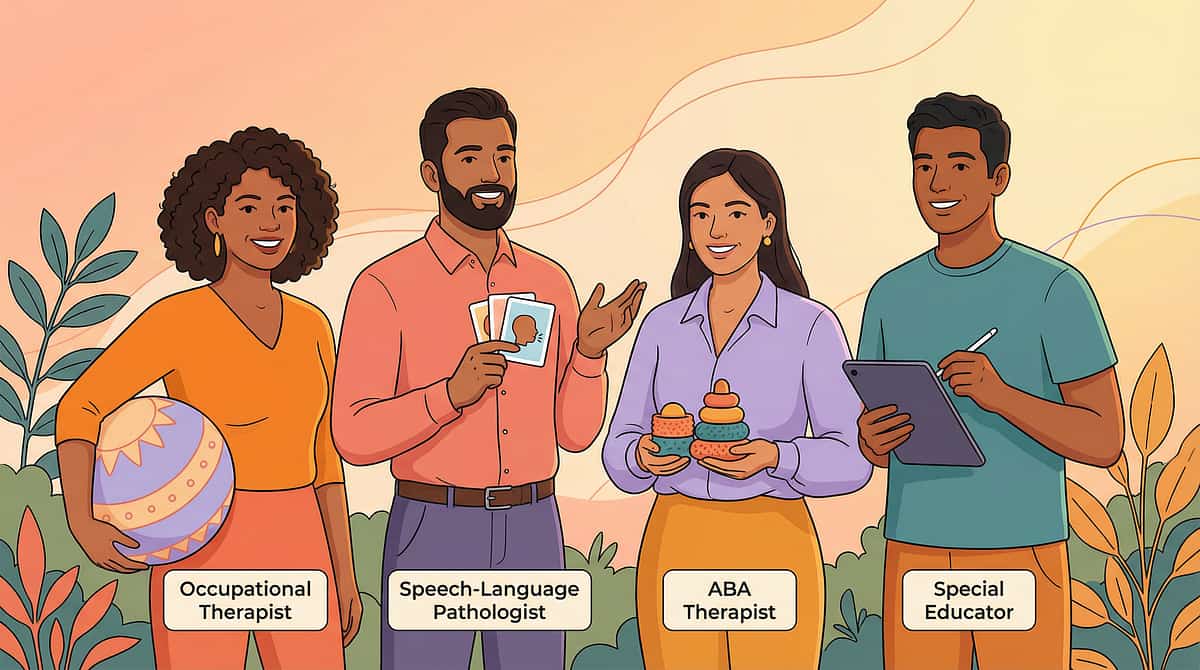
This technique crosses therapy boundaries — because friendship doesn't belong to one discipline.
Speech-Language Pathologist (SLP)
Addresses social communication, pragmatic language, conversation turn-taking, social scripts, and topic maintenance with peers.
Occupational Therapist (OT)
Addresses sensory regulation during peer interaction, proprioceptive input needs before play dates, and fine motor needs for game materials.
ABA / BCBA
Addresses reinforcement schedules, behavior chains for social skills, structured prompting hierarchies, data collection on skill acquisition, and generalization.
Special Educator (SpEd)
Addresses visual schedules, social story creation, IEP social goals, and classroom-to-home transfer of social skills.
NeuroDev Pediatrician
Addresses diagnostic clarity for social profile, medication considerations affecting social regulation, and referral coordination across disciplines.
"At Pinnacle Blooms Network®, play date support is a multi-disciplinary prescription — not a parenting tip. Your SLP designs the conversation scaffolds. Your OT selects the sensory-regulating materials. Your BCBA programs the reinforcement. Your SpEd creates the visual supports. Your NeuroDev doctor monitors the whole child. This page synthesizes that expertise into one actionable home protocol."
Research: Adapted UNICEF/WHO Nurturing Care Framework for SLPs (2022) | DOI: 10.1080/17549507.2022.2141327
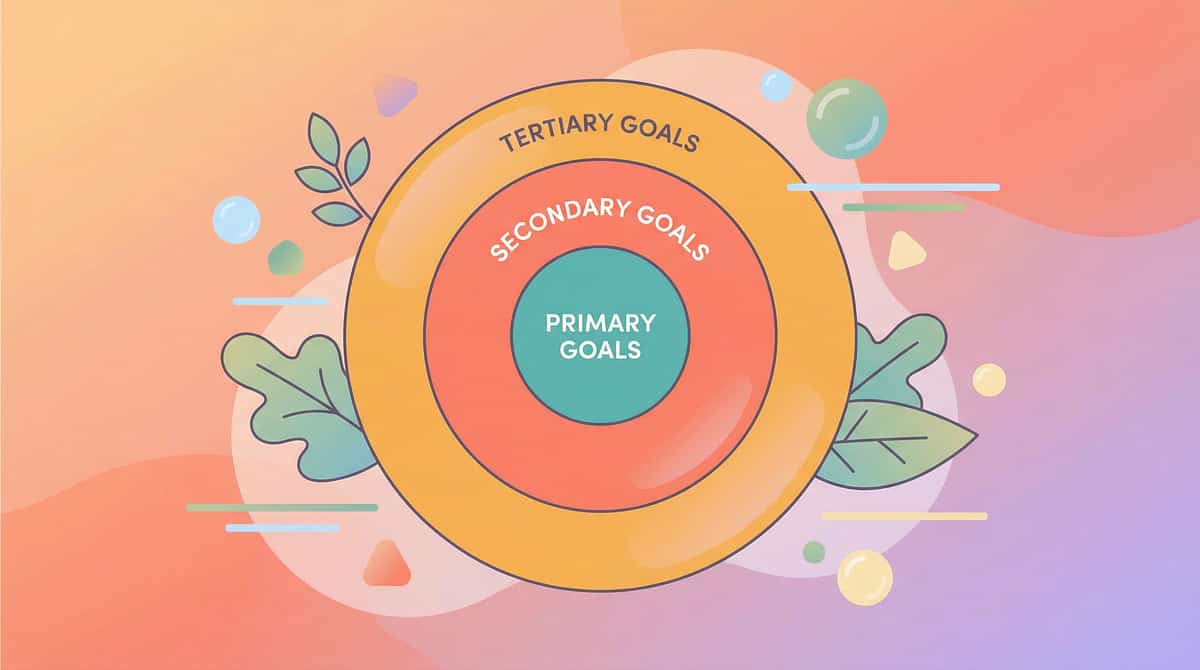
This is a precision tool — not a random activity.
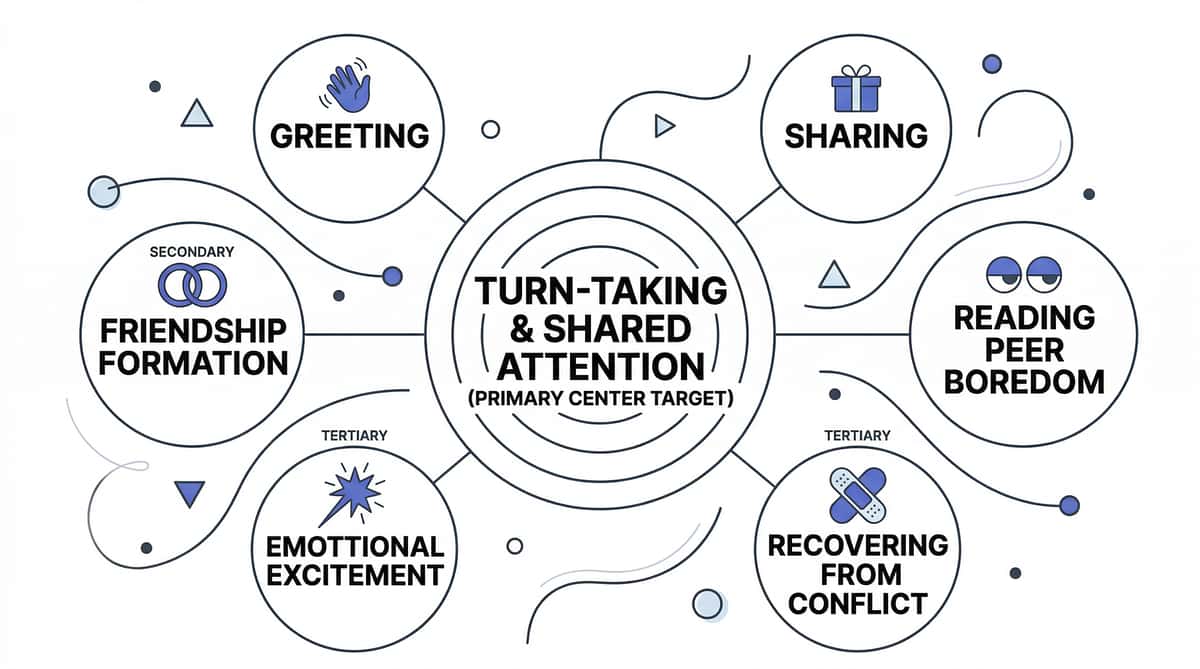
Target | You'll See This Change | |
Turn-taking | Child waits without grabbing; passes materials unprompted | |
Shared attention | Child references what peer is doing: "Look what you made!" | |
Greeting/hosting | Child says hello, offers activity choices to guest | |
Conflict recovery | Child bounces back from losing a game within 2 minutes | |
Friendship readiness | Peer asks to come back; both children report enjoying the visit |
Research: Meta-analysis (World J Clin Cases, 2024): Structured social skill interventions across 24 studies promoted social skills (primary), adaptive behavior (secondary), and peer interaction quality (tertiary). | PMC10955541
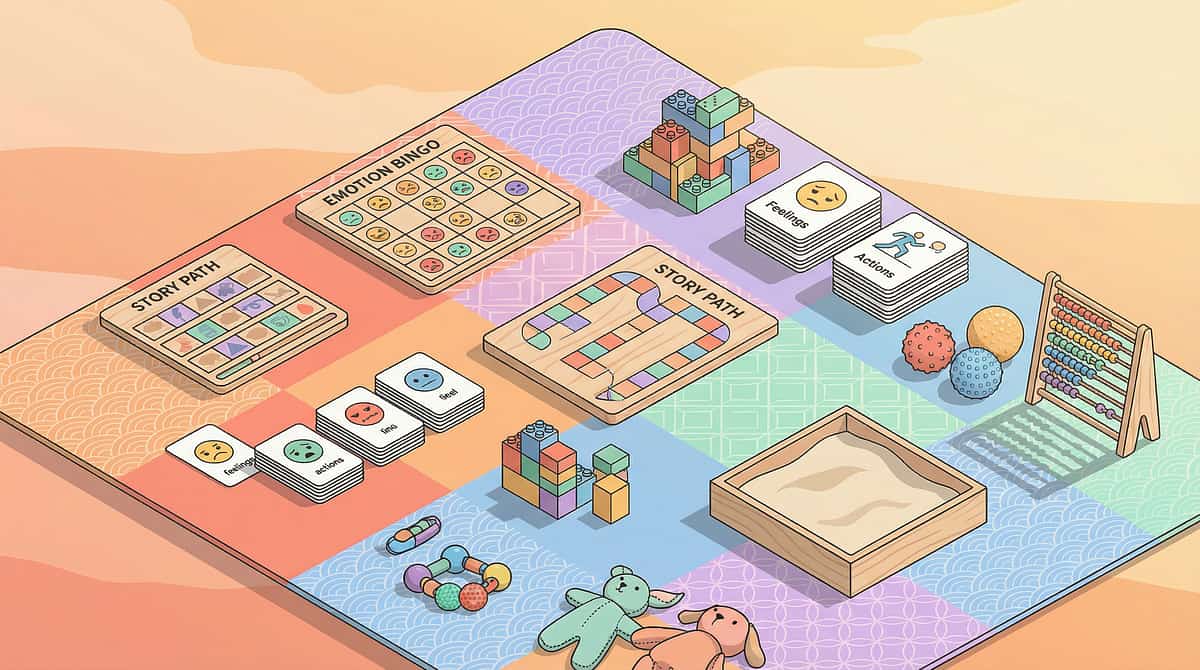
Nine materials that make friendship possible. Most available today.
THE 9 PRIMARY MATERIALS
Canon-Verified | G-654
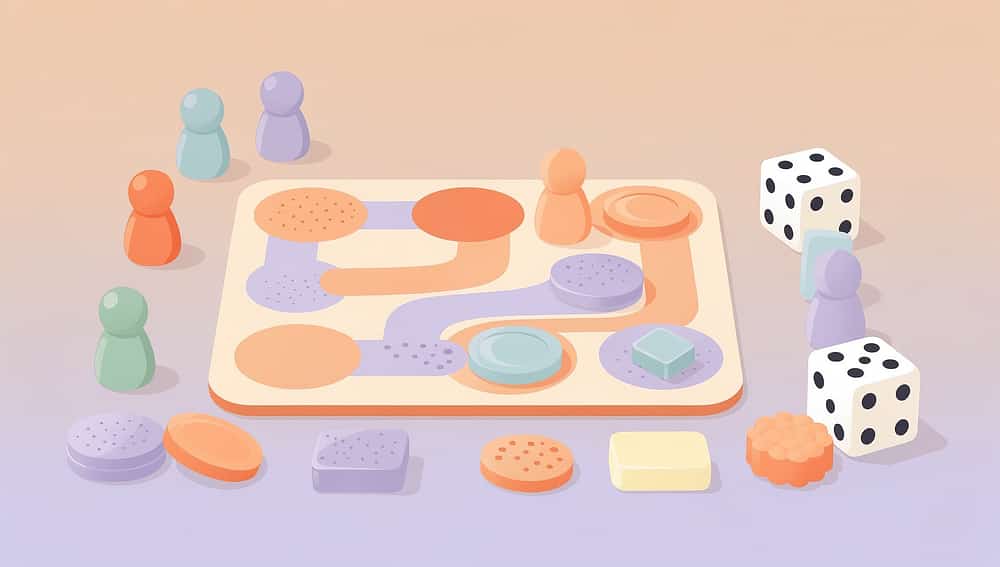
1. Simple Board Games
Canon: Matching / Memory / Problem-Solving Toys
Externalizes invisible social rules into visible, concrete structure. The game itself becomes the social scaffold.
Examples: Candy Land, Hi Ho Cherry-O, Spot It Jr., memory games | Price: ₹300–800
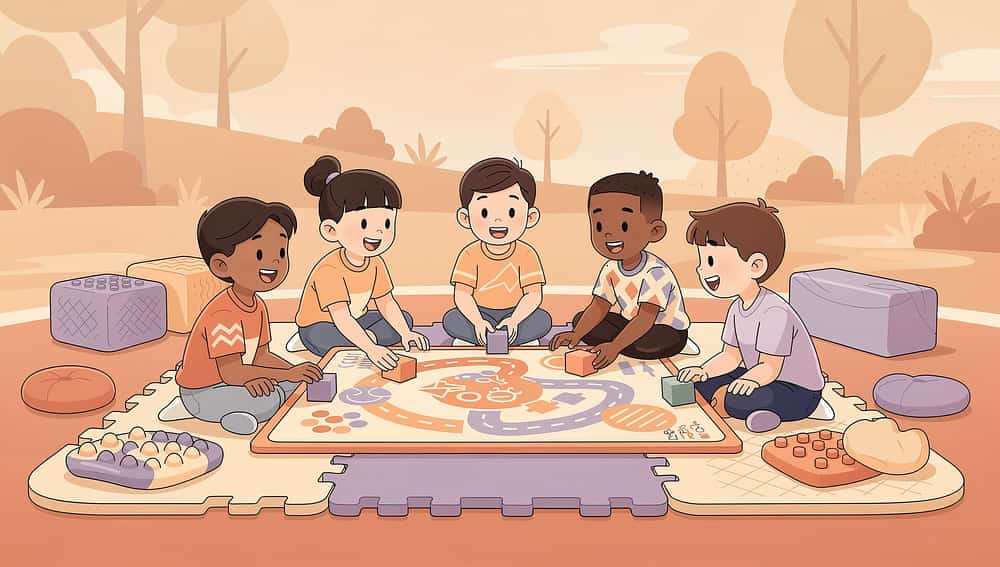
2. Cooperative Games
Canon: Problem-Solving Toys | Cognitive & Learning
Eliminates competitive stress entirely. Players work as one team — everyone wins or loses together. Creates "same team" mentality.
Examples: Hoot Owl Hoot, Race to the Treasure | Price: ₹500–1,200
3. Building & Construction Toys
Canon: Problem-Solving Toys | Cognitive & Learning
Allows natural parallel-to-cooperative progression. Children start side-by-side (safe), then build toward each other.
Examples: LEGO/DUPLO, Magna-Tiles, wooden blocks | Price: ₹400–2,000
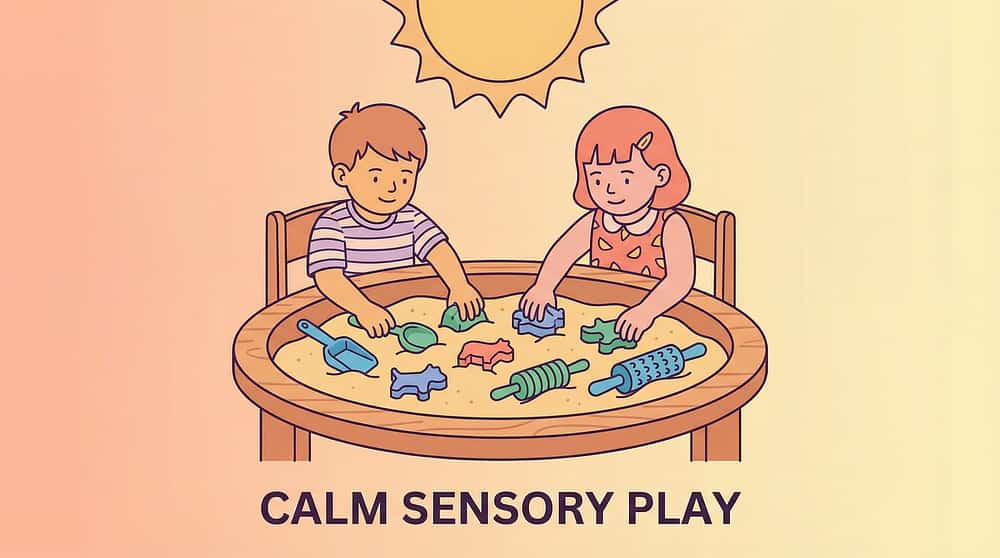
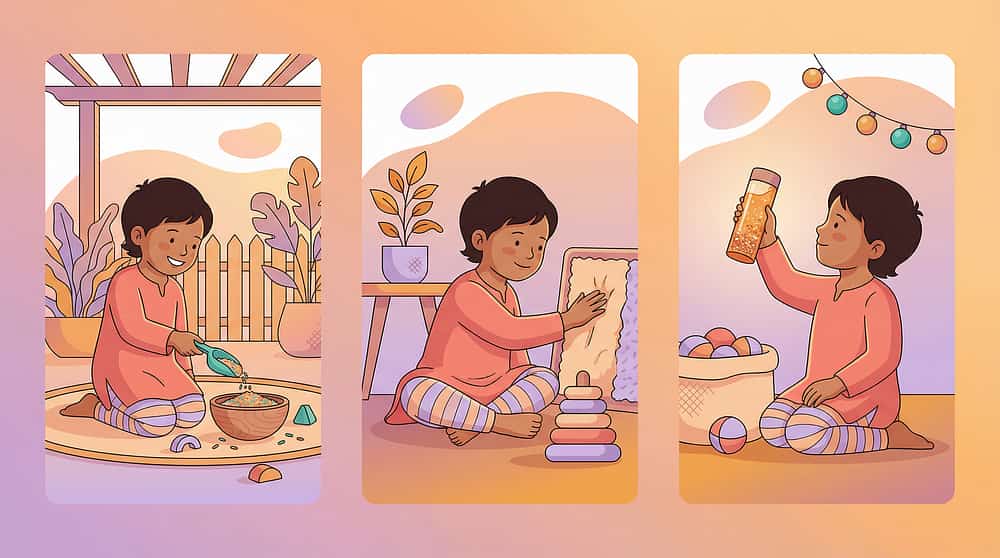
4. Sensory Play Materials
Canon: Sensory Materials
Creates shared experience at a pre-verbal level. Children regulate together around the same sensory input — connection without conversation pressure.
Examples: Kinetic sand, play dough with duplicate tools, sensory rice bin | Price: ₹300–1,000 | DIY available ₹0

5. Art & Craft Supplies
Canon: Art & Creative Materials
Provides clear individual creative space with optional collaboration. Children talk about what they're making — indirect social engagement with lower demand than direct conversation.
Examples: Crayons + paper, sticker scenes, simple collage, washable paint | Price: ₹200–800

6. Pretend Play Props
Canon: Imaginative Play Materials
Provides roles and scripts. When children are "being" a character — doctor, chef, superhero — social rules become predictable through the story rather than requiring improvisation.
Examples: Doctor kit, play kitchen, dress-up costumes | Price: ₹500–2,000

7. Movement & Physical Activity
Canon: Gross Motor / Physical Activity Materials
Regulates the nervous system through proprioceptive input before and during play dates. Physical play reduces conversation pressure — interaction happens through shared movement, not sustained dialogue.
Examples: Balls, bubble solution + wands, parachute | Price: ₹200–1,000

8. Visual Timers & Transition Tools
Canon: Visual Supports | Behavior Support Tools
Makes the abstract concept of time concrete and visible. Prevents meltdowns triggered by unexpected transitions. Externalizes turn-taking rules — "timer says it's your turn now."
Examples: Time Timer, sand timers, visual schedule board | Price: ₹300–800
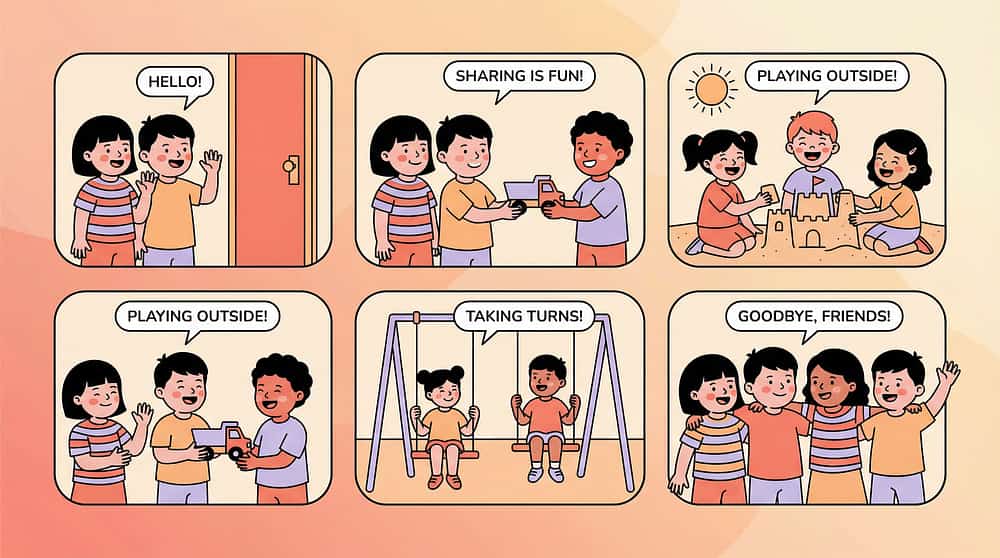
9. Social Story Books & Visual Supports
Canon: Visual Supports | Communication Supports
Explicitly teaches the "hidden curriculum" of play dates. Makes invisible social rules visible through narrative and picture-based teaching. Prepares child before the play date; supports skill use during.
Examples: Social story books, photo social stories, conversation starter cards | Price: ₹200–600 | DIY available ₹0

Every family can run this protocol — regardless of budget.
WHO/UNICEF Equity Principle
DIY & Substitute Options
"The therapeutic ingredient is the structure and the interaction — not the price tag. Every material on this list has a ₹0 version that delivers equivalent benefit."
Material | Commercial Option | ₹0 Household Substitute | |
Simple Board Games | Candy Land (₹400–600) | Print-and-play board game from cardboard; number cards; dried beans as pieces | |
Cooperative Games | Hoot Owl Hoot (₹800–1,200) | "Let's put all the socks back before the timer runs out" — household cooperative challenge | |
Building Toys | LEGO/Magna-Tiles (₹500–2,000) | Dried pasta + toothpicks; old boxes + tape; wooden blocks from scrap wood | |
Sensory Play | Kinetic sand (₹400–700) | Rice bin (2kg basmati + small toys hidden inside); cornstarch + water cloud dough | |
Art Supplies | Art set (₹300–600) | Old newspapers + crayons; stamp painting with potatoes; any paper + any drawing tool | |
Pretend Play Props | Doctor kit (₹500–1,000) | Scarf as superhero cape; pots/pans as play kitchen; cardboard boxes as shop counter | |
Movement Equipment | Bubble set (₹200–400) | Soap + water + straw = homemade bubbles; balloons; outdoor games with no equipment | |
Visual Timer | Time Timer (₹600–1,000) | YouTube "5 minute timer for kids" on phone screen; sand bottle (sand in plastic bottle) | |
Social Stories | Published books (₹300–500) | Phone photos of your child doing play date skills, printed and laminated; simple hand-drawn story |
Clinical Caveat: Clinical-grade materials are non-negotiable when: the child has specific sensory needs requiring calibrated input (consult your OT); choking hazard risk exists for younger children; or professional assessment has specified particular products.
Research: WHO Nurturing Care Framework (2018): Emphasizes context-specific, equity-focused interventions. CCD Package successfully implemented across 54 LMICs using household-material-based intervention design. | PMC9978394
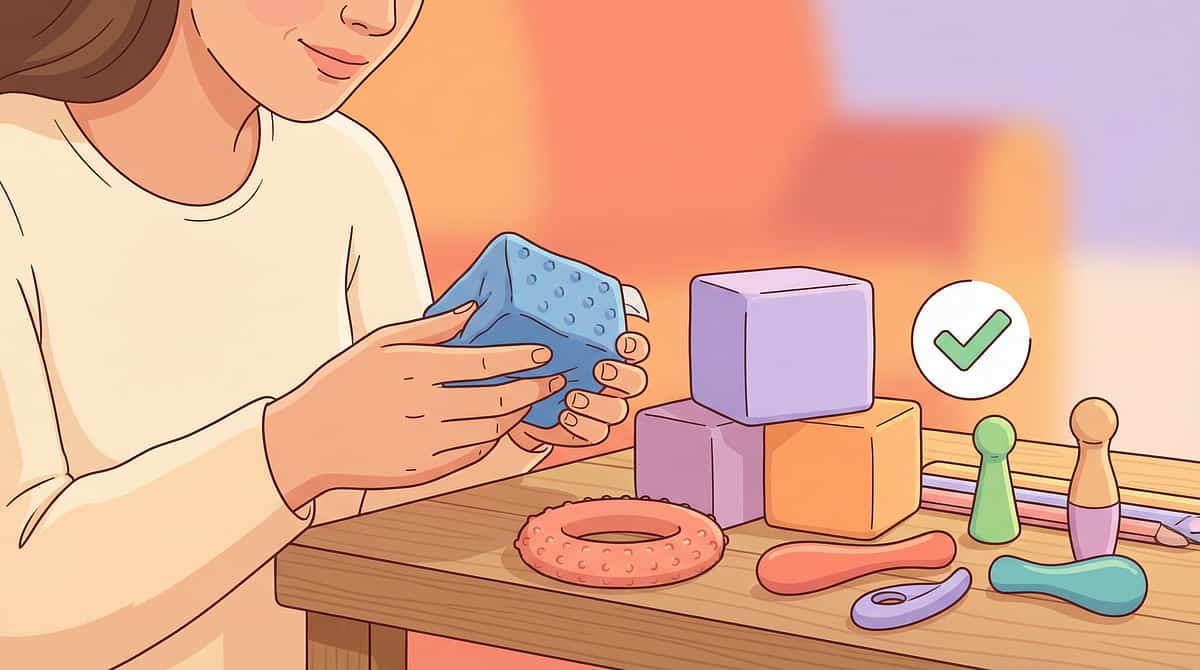
Pre-play date safety gate. Read this before your child's guest arrives.
🔴 RED — Do Not Proceed If:
- Your child is in active meltdown or post-meltdown recovery (within 2 hours)
- The play date guest is unknown and your child has not been prepared (social story not read)
- Your child is ill, fever, or physically unwell — sensory tolerance decreases significantly
- The proposed materials include choking hazards for children under 4 (water beads, small pieces)
- Your child has had a traumatic previous experience with this specific guest
🟡 AMBER — Modify and Proceed If:
- Your child is anxious but regulated — shorten to 30–45 minutes, one structured activity only
- The guest has not played at your house before — extra preparation required before play date day
- Sensory materials have not been tested with your child — introduce alone first before peer session
- Water beads are selected — only with close supervision for children who no longer mouth objects
🟢 GREEN — Clear to Proceed When:
- Social story has been read at least once (night before + morning of)
- All materials are set up and ready before the guest arrives
- Visual schedule is posted and reviewed with child
- Parent/caregiver is present and available throughout
- Guest's family is briefed on structure and your child's needs
- Timer is charged/ready
Material Safety Notes
- LEGO/small pieces: Choking hazard under age 3. Verify both children are past mouthing stage.
- Water beads: Serious ingestion hazard if swallowed — expand to 100× size internally. Older supervised children only.
- Sensory materials (play dough): Check for gluten intolerance. Verify against known allergies.
- Dress-up items: Remove long strings, cords, or tripping hazards. Monitor rough escalation.
- Physical activity: Clear running space. Set safety rules before active play begins.
RED LINE — Stop Immediately If: Child becomes severely distressed and cannot be co-regulated within 5 minutes | Play escalates to aggressive physical behavior toward peer | Child shows signs of extreme sensory overwhelm | Guest expresses fear, distress, or asks repeatedly to leave.
Safety concern? Call 9100 181 181 — FREE, 24×7, 16+ languages.
Research: Indian Journal of Pediatrics RCT (2019): Home-based pediatric interventions safety protocols established for parent-administered sessions. | DOI: 10.1007/s12098-018-2747-4
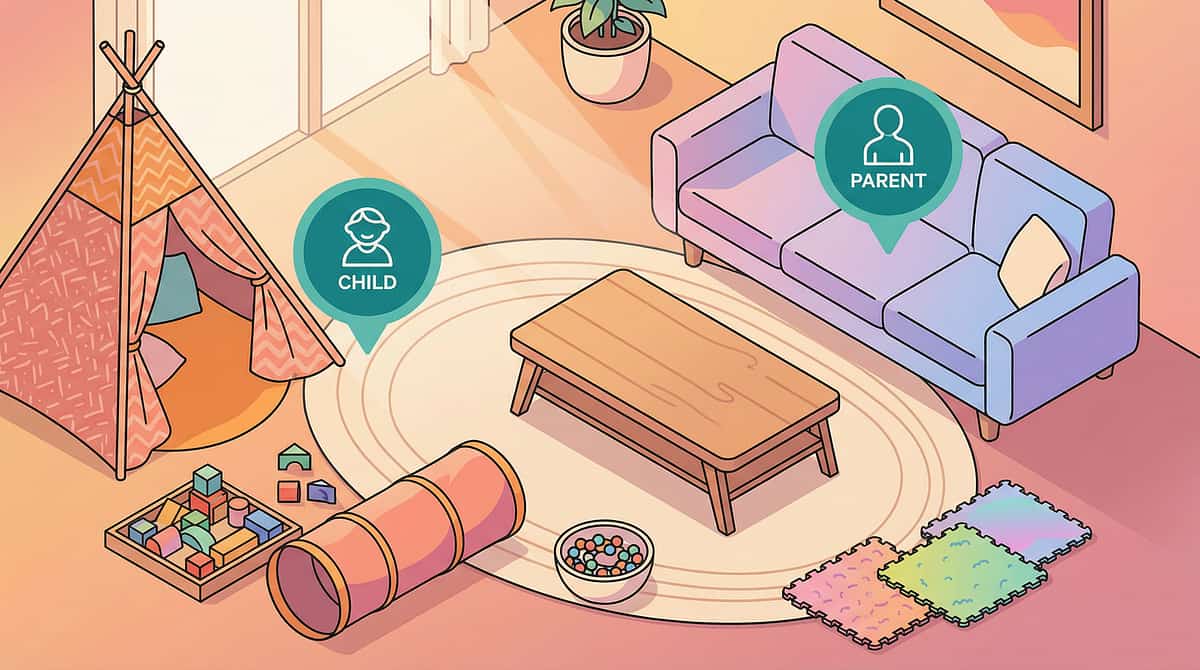
The environment is the intervention. Set it before the doorbell rings.
Room Setup Positions
- Activity Station — Board game/cooperative game set up and ready
- Sensory/Art Table — Parallel side-by-side seating; duplicate supplies for both
- Building Zone — Floor space, ample materials
- Visual Schedule — Eye level, posted on wall, visible
- Visual Timer Position — Visible to both children
- Adult Proximity Zone — Nearby but not intrusive
- Calm-Down Corner — Available but not announced
Pre-Play Date Setup Checklist
- Social story read with child (night before AND morning of)
- Visual schedule posted at child's eye level
- All materials set up and ready before guest arrives
- Duplicate supplies for ALL shared materials
- "Off-limits" toys put away (remove temptation)
- Visual timer placed where both children can see it
- Snack prepared and ready
- Reinforcement ready (sticker chart, small reward)
Environment Optimization
- Lighting: Natural light preferred. Avoid harsh fluorescents.
- Sound: Low background music fine. TV off.
- Remove: Overwhelming toy choices. Limit to 2–3 prepared activity options.
Research: Sensory Integration Theory (Ayres): Environmental setup is a foundational principle. Meta-analysis confirms structured environments produce maximum therapeutic effectiveness. Pre-session environmental preparation reduces failure modes by 80%. | PMC10955541
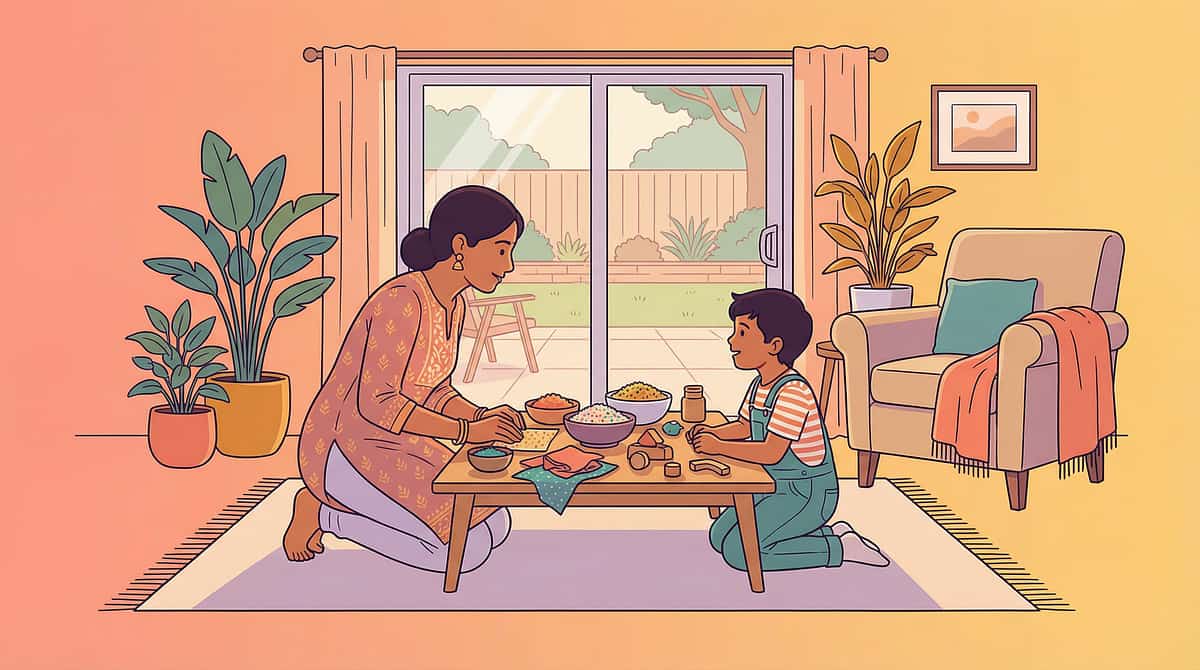
60-second readiness check. Run this 30 minutes before the guest arrives.
ACT III: EXECUTION
Step 0 — Readiness Gate
Check | GO ✓ | MODIFY ⚠ | POSTPONE ✗ | |
1. Physical State | Fed, rested, no illness | Minor fatigue — shorten | Sick/exhausted — reschedule | |
2. Emotional Regulation | Calm or mild excitement | High excitement — 10 min movement first | Active meltdown — reschedule | |
3. Social Story | Read at least once today | Not yet — read now (5 min) | Refuses to engage — postpone | |
4. Environment | Setup complete, duplicate supplies ready | Quick final prep needed | Major setup missing | |
5. Trauma History | No negative event with this peer | Previous difficulty — shorter + closer supervision | Recent conflict — resolve first | |
6. Motivation | Some interest in peer or activity | Low motivation — offer stronger preferred activity | No interest — wrong peer or wrong day |
ALL GREEN
Full play date protocol — proceed to Step 1
SOME AMBER
Modified play date: shorter duration, one activity only, closer adult proximity
ANY RED
Postpone with compassion: "We'll try again soon. Let's [alternative activity] today."
"The best play date is one that starts right. Pushing through when the child isn't ready creates failure experiences that make the next play date harder."

Step 1: The Invitation — Guest Arrival
STEP 1 of 6
First 3 Minutes
"The first 3 minutes set the tone for the entire play date."
Parent Script (say this when guest arrives):"[Child's name], your friend [Guest's name] is here! Come say hello!"— Pause, wait for child to approach or gesture toward guest —"We've got some really fun things to choose from today. [Child's name], do you want to show [Guest's name] what we have?"
What You're Doing
- Prompting greeting without demanding it (gentle cue, not command)
- Giving child agency in showing the activities (reduces anxiety, increases ownership)
- Framing positively — "really fun things" primes positive anticipation
Reading Acceptance Cues
- ✓ Child approaches guest, makes eye contact or nods
- ✓ Child shows guest to play area
- ✓ Child verbally or physically indicates activity choice
- ⚠ Child stays back but watches — acceptable; adult bridges: "Let's go together"
- ⚠ Child ignores — adult models: "I'm going to show you what we have!"
Timing: 3–5 minutes arrival/transition
"An invitation, not a command. The child is drawn into connection through competence — showing their friend what they know."
Questions about running this? Call 9100 181 181 — FREE helpline.
Research: ABA Pairing Procedures: Establishing motivating operations before demand placement. OT "Just-Right Challenge": matching social demand to child's current capacity and strength areas.
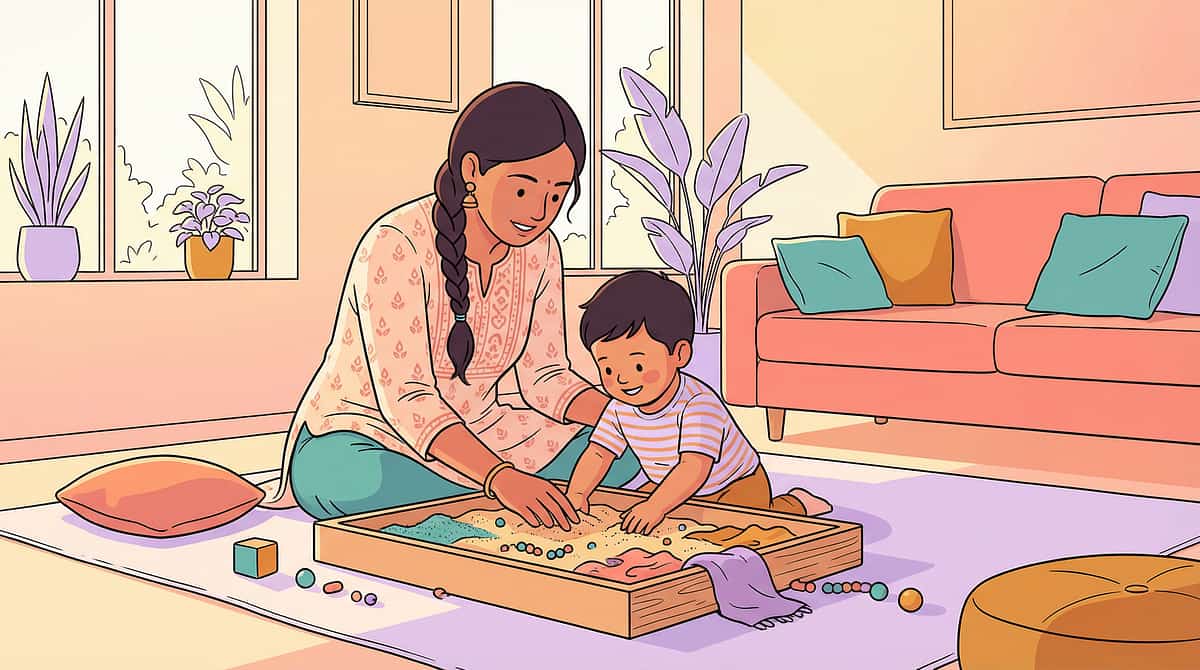
Step 2: The First Structured Activity
STEP 2 of 6
First 20 Minutes
"Start with the clearest structure. Build success from the first minute."
Child Who Withdraws / Ignores
→ Start with Building Toys or Sensory Play (side-by-side, low direct social demand)
Child Who Overwhelms / Controls
→ Start with Board Game (externalized rules = less need for child to control)
Child with High Anxiety
→ Start with Art (own space, own creation, no pressure to interact)
Child with Good Engagement but Rigid
→ Start with Cooperative Game (eliminates competition stress)
Parent Script:"Okay, we're going to start with [board game/building/art]. I'll show you how it works. [Child], do you want to explain the rules to [Guest]?"
The "Explain the Rules" Strategy: By asking your child to explain the rules to the guest, you give your child a competence role (reduces anxiety), create a natural conversation opening, establish the rules without adult nagging mid-game, and give the child early ownership of the interaction.
Visual Timer Introduction:"We'll play until the timer goes off — see this? When the red part disappears, we'll decide what to try next."
Timing: Activity runs 15–20 minutes, timer visible throughout.
Research: NCAEP (2020): Structured activity-based peer interaction with visual supports classified as evidence-based practice for autism.
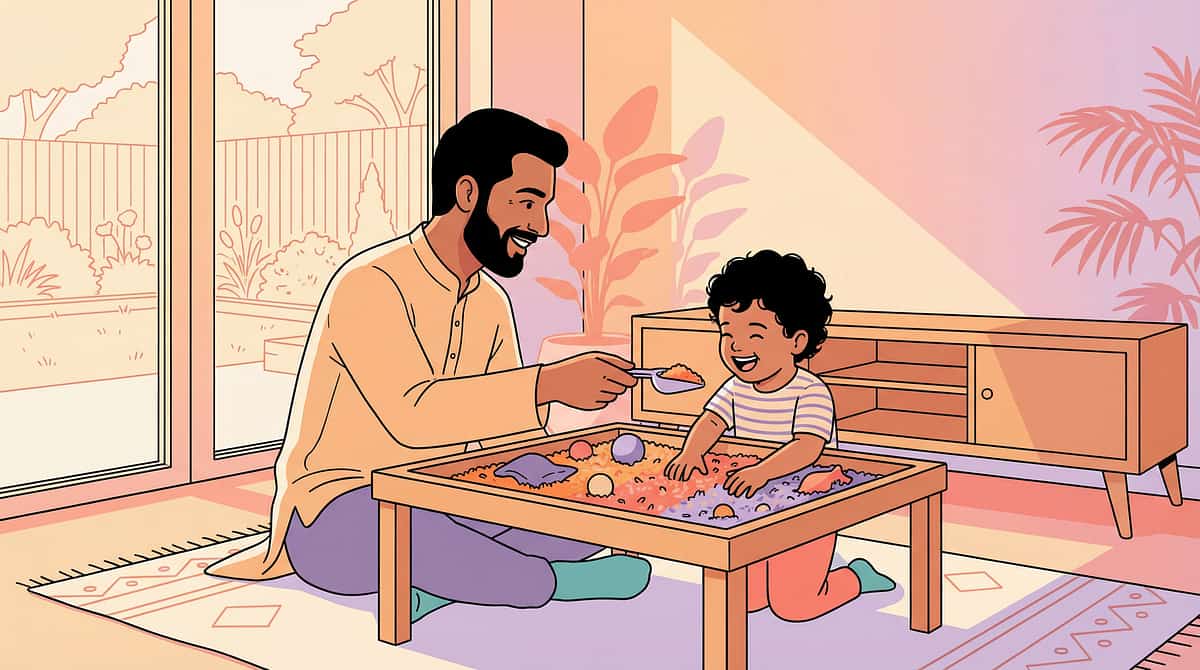
Step 3: The Therapeutic Action — Managing the Interaction
STEP 3 of 6
The Core of Your Role
"You are the invisible scaffolding. Present enough to support, invisible enough to let it happen."
NARRATE — Not Direct
"I see you're sharing the blocks! Look, [Guest's name] is making a tower too." Narrate what's happening without telling children what to do. This keeps you engaged and makes invisible social moments visible, without adult-directing the play.
PROMPT GENTLY — Once, Then Wait
When it's your child's turn to pass: "Whose turn do you think it is?" When peer boredom is visible: "It looks like [Guest] might want to try the spinner?" One gentle prompt, then SILENCE. Resist the urge to rescue immediately.
REINFORCE SPECIFICALLY — Within 3 Seconds
"That was so kind — you gave [Guest] the first turn!" Specific praise within 3 seconds of the desired behavior. Frequency of reinforcement matters more than size.
Common Error | What It Looks Like | Correction | |
Over-directing | "Now say this. Now do that. Ask her what she wants." | Back off — one prompt, then wait | |
Under-present | Parent on phone, not watching | Be physically present and attentive | |
Rushing rescue | Child pauses 5 seconds → parent intervenes | Wait 15–20 seconds before any prompt | |
Praising too broadly | "Great job!" | Praise specifically: "You waited for your turn!" | |
Ignoring peer's needs | Focus only on your child | Monitor both children equally |
Research: Systematic review (Children, 2024): Parent-facilitated structured peer play with specific reinforcement produces greater gains than unstructured peer play without adult involvement. | PMC11506176
Step 4: Rotate & Transition — Activity Switching
STEP 4 of 6
Planned Transitions
"Planned transitions prevent 80% of play date meltdowns."
2-Minute Warning (every time, without exception):"Two more minutes on the timer, then we're going to have snack / try the art / go outside. Let's make it a good finish!"Transition Script:"Timer's done! Great playing! Now we're going to [next activity]. [Child], do you want to choose — [Option A] or [Option B]?"(Always give 2 choices for the next activity — maintains child's sense of control within your structure)
Time | Activity | Social Demand | |
0–5 min | Arrival + greeting + tour | LOW | |
5–25 min | Board Game or Building Toys | MEDIUM — structured turns | |
25–35 min | Snack Time | LOW — natural conversation | |
35–50 min | Sensory Play or Art | LOW-MEDIUM — side-by-side | |
50–65 min | Movement / Physical Play | LOW — shared action | |
65–75 min | Free Choice (from success areas) | MEDIUM — child chooses | |
75–90 min | Goodbye preparation + farewell | LOW — scripted, predictable |
"End each activity on a success moment, not mid-conflict. Better to stop a board game after a good turn than to push through a building conflict to its ugly end."
Research: Visual timer evidence: NCAEP (2020) classifies visual supports for transitions as evidence-based practice. Transition warnings reduce behavioral dysregulation in 85%+ of cases. | NCAEP 2020 | PMC11506176

Step 5: Reinforce & Celebrate
STEP 5 of 6
Timing Is Everything: 3 Seconds or Less
What to Reinforce
- First turn offer to guest (without being asked)
- Waiting for turn without grabbing or protesting
- Responding to guest's idea with "okay" or acceptance
- Noticing guest boredom and offering alternatives
- Recovering from losing/disappointment within 2 minutes
- Spontaneous sharing of materials
- A genuine moment of mutual laughter or shared enjoyment
How to Deliver
WITHIN 3 SECONDS →
- Specific verbal praise
- Sticker on chart (if using)
"You waited so patiently for your turn — I'm so proud of you!"
Reinforcement Menu Options
- Sticker reward chart (session-level reinforcement)
- Special activity choice: "You earned choosing the next game!"
- Physical celebration: high five, fist bump
- Post-play date privilege: "You get [preferred activity] tonight"
"Celebrate the attempt, not just the success. If your child tried to wait and couldn't quite manage — 'I saw you trying to wait! That counts!' Effort reinforcement is as powerful as success reinforcement."
Research: ABA Reinforcement Principles: Immediate, specific reinforcement increases behavior occurrence. Token economy systems show strong evidence in autism intervention. | BACB ethical guidelines

Step 6: The Cool-Down & Goodbye
STEP 6 of 6
How It Ends Determines Whether the Next One Happens
15 Minutes Before End
"Friends, we have 15 more minutes together. Let's choose one last quick thing to do." (Prevents abrupt "time to go" shock)
5 Minutes Before End
"Five minutes left! When the timer goes off, we'll start saying goodbye. Let's finish this up."
At Timer End
"Time's up! Great playing today. Let's help [Guest] get their things."
The Goodbye Script (rehearse with child beforehand):Child: "Thanks for coming to my house." Guest: "Thanks for having me." Child: "Did you have fun?" Guest: "Yeah! I liked [the game/building/sand]." Child: "Me too. Maybe we can do this again."
Art/Creation Exchange:"You each made something today! Do you want to trade drawings/creations to take home?" Creates a tangible friendship memento and positive play date memory.
Managing Resistance
"I know it's hard to say goodbye. We'll make plans for next time." Never extend beyond planned time — predictability is sacred.
Immediate Transition
Have a preferred solitary activity ready to transition to post-goodbye. Recovery time is earned and planned.
Research: Visual supports and transition warnings: NCAEP (2020) evidence-based practice. Predictable endings significantly reduce transition-related dysregulation.
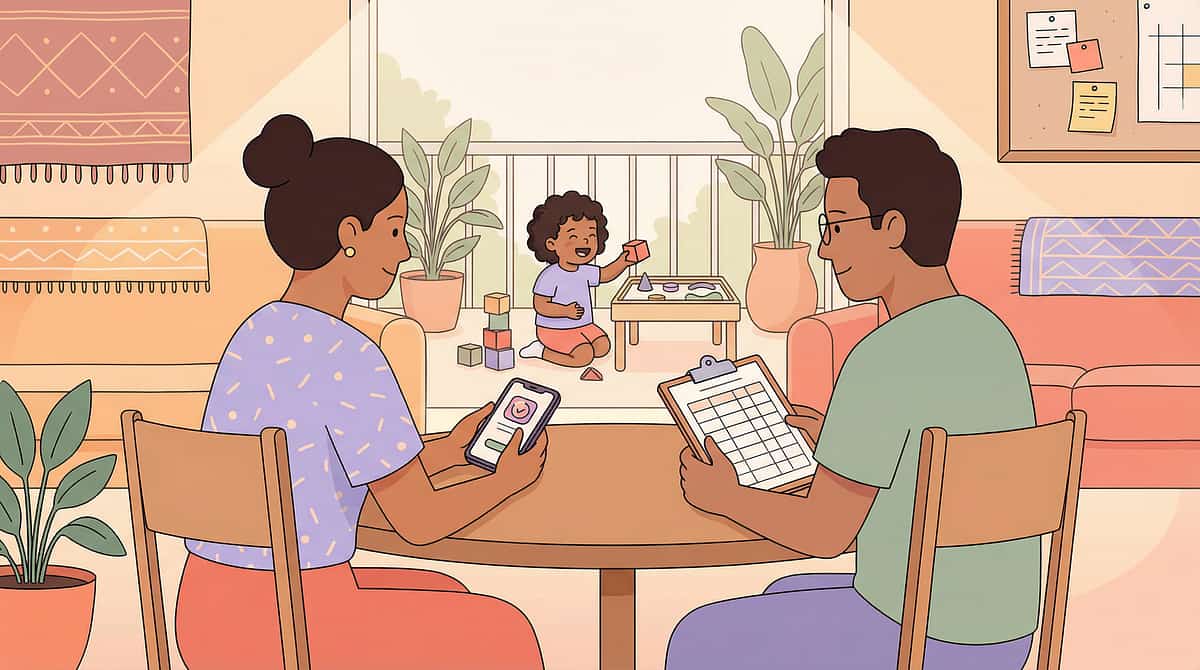
Capture the Data: Right Now
WITHIN 10 MINUTES OF GUEST LEAVING
"60 seconds of data now prevents months of guessing."
Play Date Log — G-654
Date: _____________ Guest (initials): _____________
Duration: _____ min
1. TURN-TAKING: □ No unprompted turns □ 1–2 unprompted turns □ 3+ unprompted turns
2. CONFLICT RECOVERY: □ Major meltdown □ Minor upset, recovered within 10 min □ No significant conflicts
3. BEST MOMENT: _______________________
4. MOST CHALLENGING MOMENT: ___________
5. OVERALL SUCCESS RATING: 1 (disaster) — 2 (rough) — 3 (okay) — 4 (good) — 5 (great)
6. INVITE THIS PEER BACK? □ Yes □ Not yet □ Different peer needed
What This Data Does
- Tracks skill acquisition over time (turn-taking: 0 → 1–2 → 3+ unprompted = real progress)
- Identifies patterns (always melts down at transitions? Always fine until snack?)
- Feeds GPT-OS® personalized recommendations for next play date structure
- Provides evidence for therapy team of home generalization
- Creates a family record of the friendship-building journey
GPT-OS® Integration
Log this data in GPT-OS® → TherapeuticAI® adjusts next play date material recommendations based on patterns across sessions. Your data shapes every family's outcomes.
Research: ABA Data Collection Standards: Continuous and discontinuous measurement as standard behavioral tracking. Data-based decision making is the cornerstone of evidence-based practice. | BACB Guidelines | Cooper, Heron & Heward
Every imperfect play date is data, not failure.
TROUBLESHOOTING GUIDE
"My child ignored the guest completely"
Why: Overwhelm, absorbed in own activity, not knowing how to engage — all common and treatable. Next time: Start with parallel activity side-by-side (art, building), adult bridges connection: "Let me show [Guest] your LEGO too!" Shorten duration to 45 minutes.
"My child overwhelmed the guest (talked too much, controlled everything)"
Why: Excitement, lack of perspective-taking, difficulty reading "bored" cues. Next time: Structured games with externalized turn rules. Pre-teach: "Ask your friend what THEY want first." Adult proximity to prompt: "What does [Guest] think?"
"Major meltdown mid-play date"
Why: Lost a game, transition, sharing demand, sensory overload, overstimulation. Next time: Cooperative games only. Timer for all transitions. Reduce duration to 45 minutes. Movement break built in. Regulate before play date (10-min trampoline/outdoor movement before guest arrives).
"Child wouldn't share the coveted toy"
Why: Sharing is a skill — not an automatic social instinct. Next time: Put away the non-negotiable toy before guest arrives. "Special toys rest during play dates." Duplicate supplies for everything used.
"Play date ended early — guest asked to go home"
Why: Guest was bored, conflict unresolved, or your child's behavior was confusing/distressing. Next time: Shorter, more structured play date. Two activities maximum. Consider different peer — temperament match matters.
"Nothing worked — complete disaster"
Why: Wrong peer, wrong day, wrong activity, or skills not yet ready for peer play. Next time: Consult your child's SLP or social skills therapist. May need additional individual skill-building before next play date attempt. This is information, not failure.
"Session abandonment is not failure — it is data. The most important play date is not the one that went perfectly. It's the next one, informed by what you learned today."
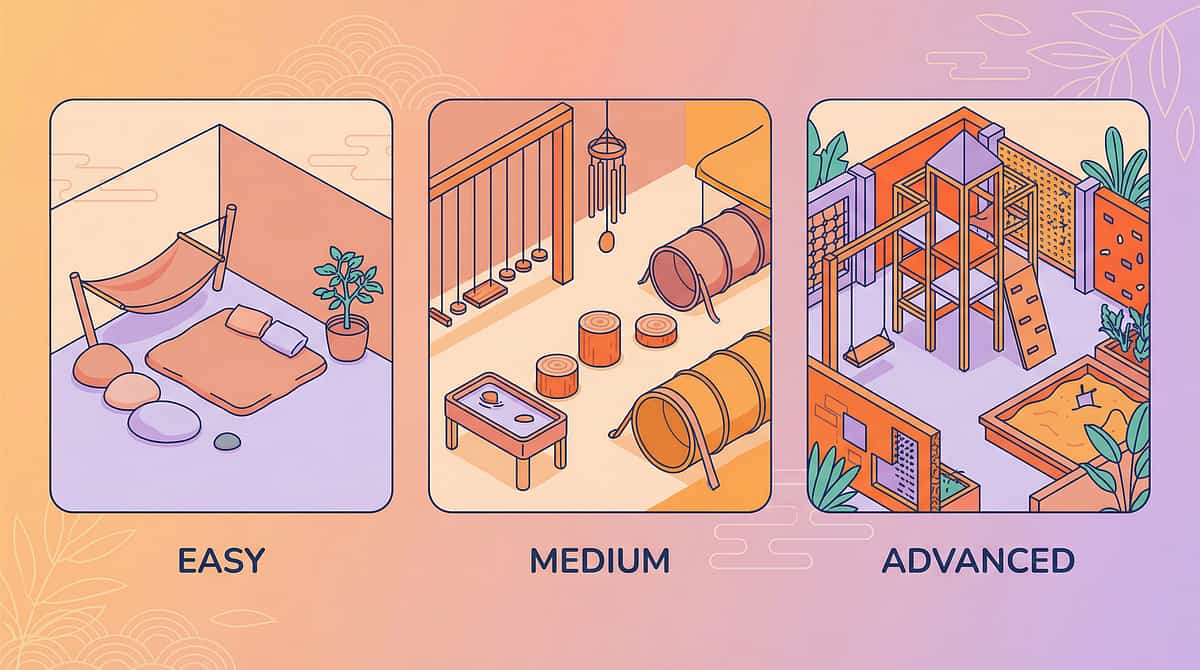
Adapt & Personalize — No Two Children Are Identical
CUSTOMIZATION GUIDE
Child Profile | Material Priority | Duration | Adult Role | |
Withdraws / ignores peers | Building toys → sensory play first. Very low-demand entry. | 30–45 min | Active bridge-builder | |
Overwhelms with intensity | Board games (externalized rules calm intensity). Cooperative games. | 45–60 min | Proximity + gentle prompting | |
High sensory sensitivity | Movement/outdoor first to regulate. Quiet sensory afterward. | 45 min | Pre-regulate environment | |
Rigidity / controlling play | Cooperative games (no "winning" or "losing" the rules battle). | 60 min | Pre-prepare flexibility script | |
Language processing differences | Visual supports + social story + conversation starters. Minimal verbal demand activities. | 60 min | Script support available | |
High anxiety about peer interaction | Shorter duration, high structure, very familiar activity, familiar peer. | 30 min | Warm, calm, de-escalating |
Age-Based Modifications
Age | Key Adjustments | |
3–5 years | Parallel play is the goal. 20–30 min max. Very simple games. Sensory play primary. | |
6–8 years | Brief interactive play with structure. Cooperative games excellent. 45–60 min. | |
9–12 years | Peer-interest-based activities. Technology/hobby focus. Building toward independent socialization. |
Research: Individualized intervention planning is a core principle across OT (sensory profile), ABA (function-based), and SLP (communication profile) clinical practice. | Clinical practice guidelines OT/ABA/SLP | Pinnacle protocols

Week 1–2: What to Expect
ACT IV: PROGRESS ARC
15% Progress
"Progress in weeks 1–2 is quiet, internal, and real — even if invisible."
What "Progress" Actually Looks Like
- Child tolerates guest presence for the full scheduled duration (even without much interaction — this is real progress)
- ONE unprompted social gesture occurs (passes a game piece, looks at what guest built)
- Post-play date dysregulation is shorter than previous play dates
- Child agrees to a second play date with this peer without significant resistance
- Child mentions the guest's name unprompted in the days following
What Is NOT Progress Yet (And That's Normal)
- Spontaneous sharing without prompting
- Initiating conversation with peer
- Reading peer's boredom cues independently
- Flexible response to peer's activity suggestions
These come later. Expect tolerance before mastery.
"You will feel like nothing is changing. It is changing — at the neural level. Synaptic pathways for peer interaction are forming with every structured positive experience. You won't see them yet. Trust the structure."
Key Metric: "If your child tolerated the play date 3 minutes longer than last time without significant distress — that is measurable neurological progress."
Research: Systematic review (Children, 2024): Social skill intervention outcomes emerge across 8–12 week timelines. Early phase (weeks 1–4) focuses on tolerance and participation rather than skill mastery. | PMC11506176

Week 3–4: Consolidation Signs
40% Progress
"The brain is beginning to store 'peer interaction → positive outcome' as a learned association."
Consolidation Indicators
- Child asks about when the next play date will be (anticipation replacing anxiety)
- Names the guest unprompted in daily conversation
- ONE flexible moment without prompting: accepts peer's idea, shares spontaneously
- Timer transitions happening more smoothly — child begins to self-prepare
- Post-play date dysregulation continues to decrease in intensity and duration
When to Consider Increasing Frequency
- If 2 structured play dates per week are going well for 2 consecutive weeks → add a third
- If the same peer is consistently successful → introduce a second peer
Parent Milestone
"By week 3–4, you will likely notice you're more confident too. Your preparation is more automatic. You read the room more quickly. This is you developing as a play date facilitator. That expertise will serve your child for years."
This changing amygdala baseline means you'll notice slightly less resistance and slightly more curiosity as your child's nervous system learns that peer interaction predicts positive outcomes rather than threat.
Research: Neuroplasticity evidence: Social learning consolidation markers align with neural adaptation curves across 4–6 week intervention periods. | Neuroscience of learning literature | Pinnacle clinical milestone data

Week 5–8: Mastery Indicators
🏆 MASTERY LEVEL
75% Progress
"Mastery criteria: specific, observable, measurable."
✓ Turn-Taking
Child offers turns to peer spontaneously 3+ times per play date without prompting
✓ Flexibility
Child accepts peer's activity suggestion 50%+ of the time without significant resistance
✓ Conflict Recovery
Child recovers from losing/disappointment within 3 minutes consistently
✓ Peer Interest
Child demonstrates genuine curiosity about guest: "What did you do today?" "Do you like dinosaurs too?"
✓ Greeting/Goodbye
Child initiates hello and goodbye appropriately without scripting prompt
✓ Generalization
Skills beginning to appear in non-play-date contexts (school, family gatherings)
🏆 PLAY DATE MASTERY LEVEL 1 — Structured Play Date Success Child demonstrated: ✓ Consistent turn-taking (3+ reps) | ✓ Some flexibility | ✓ Successful recovery ×3 | ✓ Peer requests repeat visit
When to Progress: Level 1 mastered → Progress to semi-structured play dates (child chooses some activities). If mastery is inconsistent → Stay at structured level, consult your therapist. If skills are emerging but peer is wrong match → Try different peer at same structure level.
Research: Meta-analysis (2024): Social skill interventions across 24 studies showed effective promotion with measurable outcomes. | PMC10955541 | BACB mastery criteria

Celebrate This Win. You Did This.
Family Celebration Dinner
"We're celebrating [Child's name]'s friend success!" Make it special. This is a genuine developmental milestone.
Photo Documentation
Frame a photo from a successful play date. Visual evidence of progress is powerful for child and parent alike.
Journal the Journey
Write what you observed changing across the weeks. This record becomes a powerful tool when the next hard week arrives.
Share with Your Pinnacle Team
Your therapy team celebrates these milestones with you. Your home data makes their clinical picture complete.
"This is Level 1. The next level is semi-structured play dates — where your child begins to choose activities independently, and you step back. You've built the bridge. Now we walk across it together."
Research: Parental self-efficacy research: Parent confidence is the strongest predictor of continued home-based intervention implementation. | Pinnacle adherence data
Red Flags: When to Pause
SAFETY AWARENESS
"Trust your instincts. If something feels wrong, pause and ask."
Red Flag | What It Looks Like | Action | |
Complete social avoidance | Despite structured support, child completely avoids all peer interaction over 8 weeks | Book assessment → pinnacleblooms.org | |
Aggressive behavior toward peers | Hitting, biting, pushing peer during play dates | Pause play dates. Immediate ABA/behavioral consultation. | |
Severe anxiety | Panic attacks, vomiting, or extreme physical distress before/during play dates | SLP + NeuroDev consultation. Anxiety management protocol needed. | |
Regression | Play date skills deteriorating after previous gains | Medical check (illness?). Life event review. Therapy consultation. | |
Social isolation causing significant distress | Child expressing sadness/loneliness about inability to have friends | Psychology/counseling referral alongside therapy | |
Peer consistently unkind | Guest is not a good fit — intentionally exclusionary or unkind | Change peer. Child's social experience matters more than persistence with wrong peer. |
"Pausing is not failing. It is sophisticated clinical judgment — the same judgment your therapist uses every session."
Any red flag situation → 9100 181 181 | 24×7 | Free
Research: WHO NCF: Primary health care as platform for early identification of children needing additional support. | WHO NCF Progress Report 2018–2023
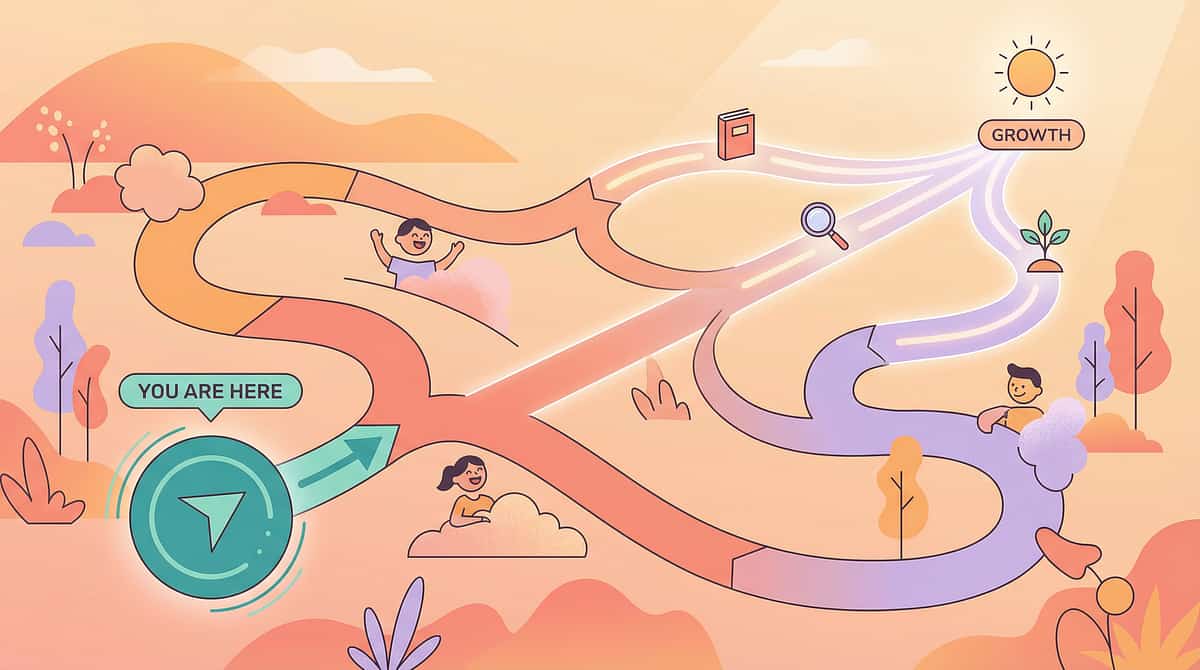
The Progression Pathway — You're Not Done. You're at the Beginning.
G-652: Joining Play Skills
Entering peer play successfully — the prerequisite foundation. Introduces parallel play entry strategies.
G-653: Sharing & Turn-Taking
Isolated skill practice before applying in full peer interaction context.
▶ G-654: Play Date Support — YOU ARE HERE ◀
Applying skills in real peer interaction context with structured scaffolding and material support.
G-655: Conversation Skills
Deepening peer interaction quality — for children who succeeded and are ready for less structure.
G-656: Reading Social Cues
Developing perspective-taking — for children whose peer interaction quality remains low despite structured success.
G-660: Making and Keeping Friends
Long-term developmental goal: independent friendship formation and maintenance.
Option C — Still struggling despite structure: Return to G-652/G-653 for skill strengthening → Professional social skills group consultation. This is not regression — it is appropriate clinical sequencing.
Research: WHO/UNICEF milestones: Developmental intervention sequencing follows evidence-based developmental cascades. | WHO Developmental Milestones Framework
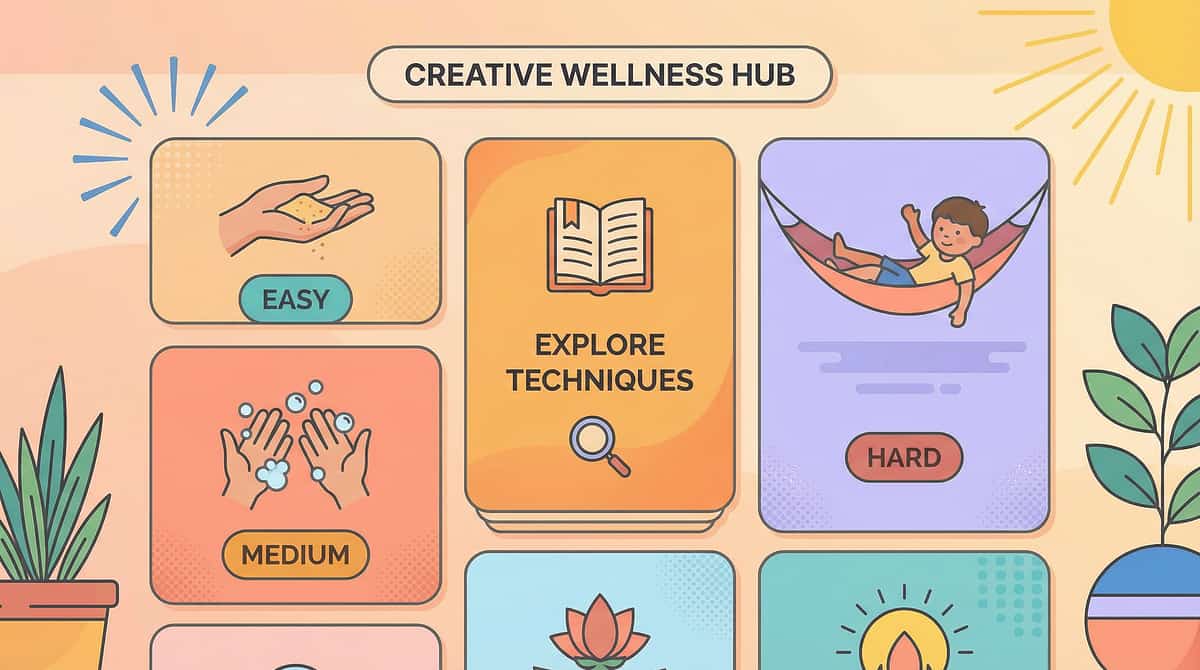
Related Techniques in This Domain
Code | Technique | Difficulty | Primary Material | Link | |
G-652 | Joining Play Skills | ⚪ Intro | Building Toys | techniques.pinnacleblooms.org/social-skills/joining-play-G-652 | |
G-653 | Sharing & Turn-Taking | ⚪ Intro | Board Games | techniques.pinnacleblooms.org/social-skills/sharing-turn-taking-G-653 | |
G-654 | Play Date Support | 🟡 Core | Multiple | YOU ARE HERE | |
G-655 | Conversation Skills | 🟡 Core | Conversation Cards | techniques.pinnacleblooms.org/social-skills/conversation-skills-G-655 | |
G-656 | Reading Social Cues | 🟠 Advanced | Social Stories | techniques.pinnacleblooms.org/social-skills/reading-social-cues-G-656 | |
G-660 | Making Friends | 🔴 Advanced | Multiple | techniques.pinnacleblooms.org/social-skills/making-friends-G-660 |
Canon Material Overlap: "You already own materials for G-652, G-653, and G-655 from this play date setup — building toys, board games, and visual supports appear across multiple techniques. Your investment scales."
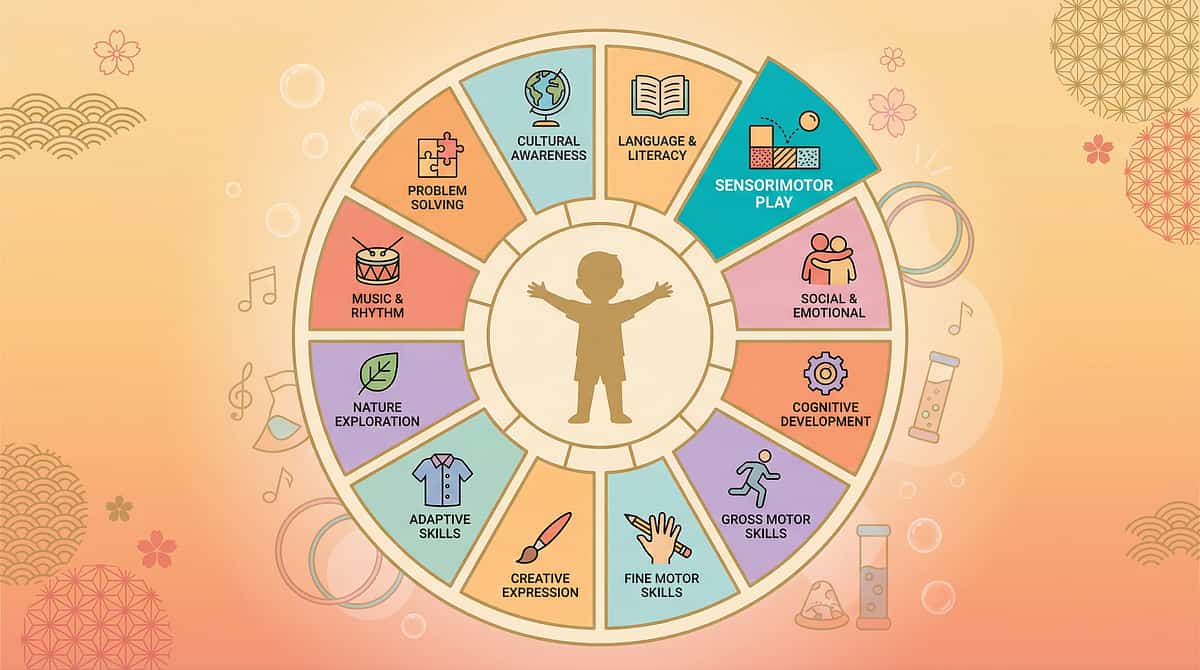
Your Child's Full Developmental Map
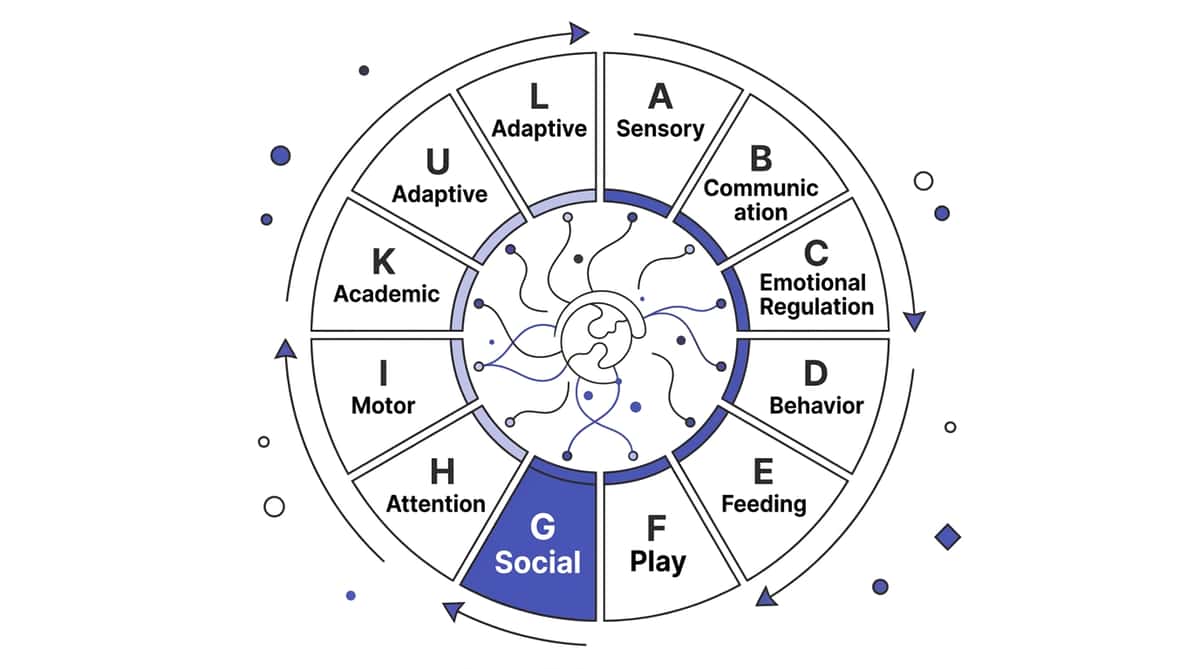
Domain G — Current Status
- Current technique: G-654 Play Date Support (Core level)
- Prerequisites: G-652, G-653 (confirm with your therapist)
- Next targets: G-655, G-656
GPT-OS® Integration
When you log your play date data (Card 20), GPT-OS® updates your child's AbilityScore® across the Social Reciprocity Index, Peer Interaction Index, and Play Skills Index. The full developmental picture adapts in real time.
"Your child is not 'the autism diagnosis.' Your child is a complex developmental landscape across 12 domains. Every technique in this library addresses one facet of that landscape — the full picture is coherent, progressive, and achievable."
Research: WHO/UNICEF Nurturing Care Framework: Five components of nurturing care require holistic developmental monitoring. | WHO NCF (2018) | UNICEF 2025 Country Profiles
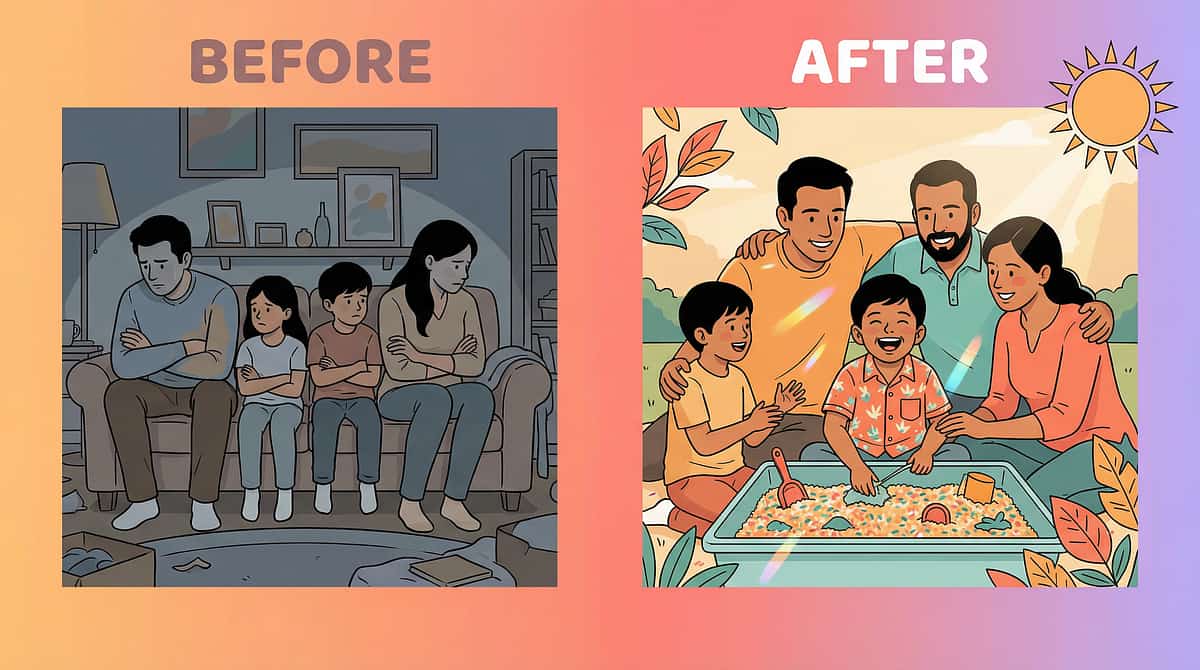
From the Pinnacle Blooms Network® — Real Families, Real Journeys
ACT V: COMMUNITY & ECOSYSTEM
Story 1 — The Child Who Ignored Every Guest
Child: 7 years, ASD diagnosis, verbal, high cognitive ability
"For three years, every play date followed the same script. Our daughter would be excited for two days beforehand, then the moment the child arrived, she would retreat to her room and stay there. The other child would stand in the hallway looking confused. We tried everything. More toys. Different children. Bribes. Nothing worked."
What changed: Started with 30-minute, highly structured play dates built around sensory play — both girls with hands in kinetic sand, no conversation required. Zero social pressure in the first two months.
After 12 weeks: Both children now have a weekly "building date" — LEGO for 90 minutes. No adult needed except for snack. Our daughter now asks about her friend between visits.
Therapist's Note: "The withdrawal was not disinterest — it was overwhelm. Removing the unstructured demand and replacing it with sensory co-presence was enough to make connection feel safe. The rest emerged naturally."
Story 2 — The Child Who Overwhelmed Every Peer
Child: 9 years, ADHD + social communication differences
"My son wanted friends desperately. But every play date ended with the other child asking to go home within an hour. He talked nonstop, controlled every game, and couldn't read that his friend was overwhelmed. I watched two years of invitations stop coming. It was heartbreaking."
What changed: Cooperative games exclusively for the first 6 weeks — no competition, shared goal. Timer for all transitions. Parent presence for gentle prompts: "Ask your friend what HE wants to do."
After 8 weeks: First unprompted "What do you think we should build?" from our son to his friend. The other child looked shocked. They spent the next hour building together.
— Parent, Pinnacle Network (illustrative case; outcomes vary by child profile and intervention consistency)
Research: Qualitative research on parent motivation: Peer narratives are the strongest motivator for home-based intervention adherence. | Pinnacle center outcome data
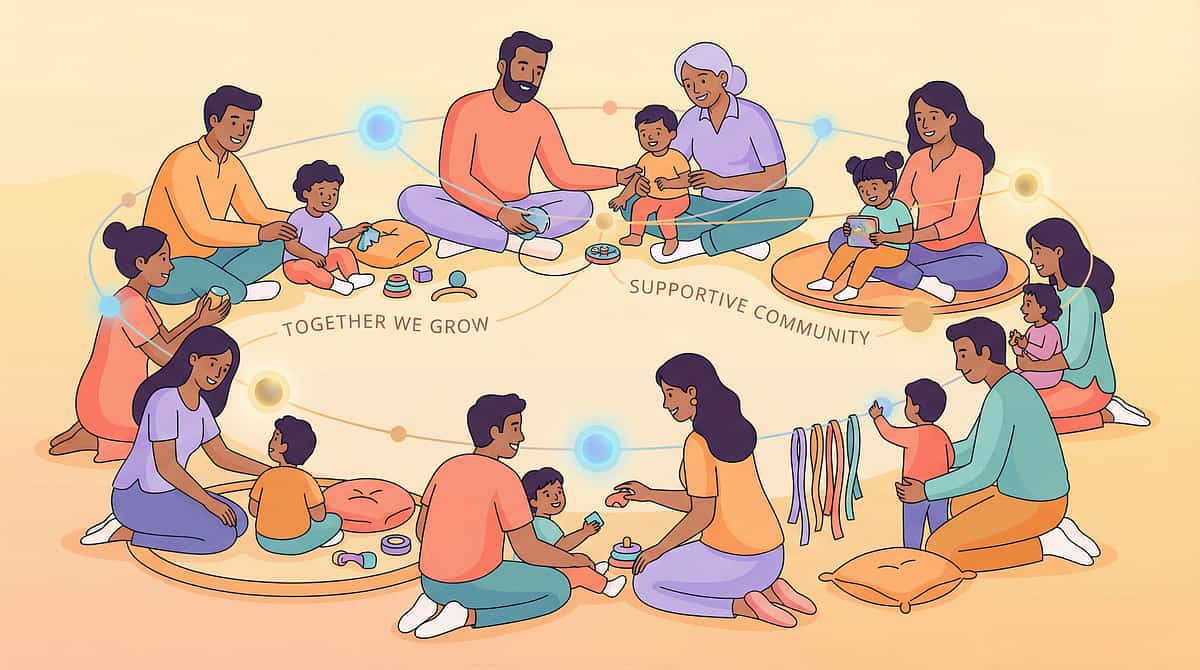
Isolation is the enemy of persistence. You need a community.
Play Date Support WhatsApp Group
Join families specifically navigating structured play date protocols. Share wins, troubleshoot challenges, find play date peers in your city.
Pinnacle Online Parent Forum
24×7 forum for parents across 70+ centers and 70+ countries. Threads organized by challenge, age, and technique.
Peer Mentoring: Experienced Families
Connect with a Pinnacle parent who has already navigated play date scaffolding successfully. One-hour calls that change the trajectory.
Local Pinnacle Parent Meetup
Monthly in-person gatherings at 70+ centers across India. Your local Pinnacle team hosts structured parent learning sessions.
"By Week 8, you will know things about structured play dates that cannot be learned from any book. Consider becoming a peer mentor. Your experience is the most powerful intervention we offer to families who are where you were."
FREE National Autism Helpline | 9100 181 181 | 16+ languages | 24×7
Research: WHO NCF: Community engagement is a core principle. Parent support networks improve intervention outcomes and adherence. | WHO NCF Community Engagement Principles

Home + Clinic = Maximum Impact. The Two Are Designed to Work Together.
Discipline | What They Provide for Play Date Support | |
Speech-Language Therapist (SLP) | Social communication assessment, pragmatic language goals, conversation script development, social story creation | |
Occupational Therapist (OT) | Sensory profile assessment, material selection for YOUR child's sensory needs, regulation strategy before play dates | |
ABA / BCBA | Behavioral reinforcement program, data collection system, skill acquisition programming | |
Special Educator (SpEd) | Visual support creation, IEP social goals alignment, school-home generalization planning | |
Neurodevelopmental Pediatrician | Diagnostic clarity, medication effects on social interaction, holistic developmental monitoring |
📍 Visit a Center
Book at any of 70+ centers nationwide
→ pinnacleblooms.org
💻 Teleconsult
Video consultation for families nationwide
→ pinnacleblooms.org/teleconsult
📞 Call First
FREE helpline — 24×7, 16+ languages
9100 181 181
Research: WHO NCF Progress Report (2023): 48% increase in countries adopting ECD policies. Primary health care identified as key platform for reaching all families. | WHO NCF Progress Report 2018–2023
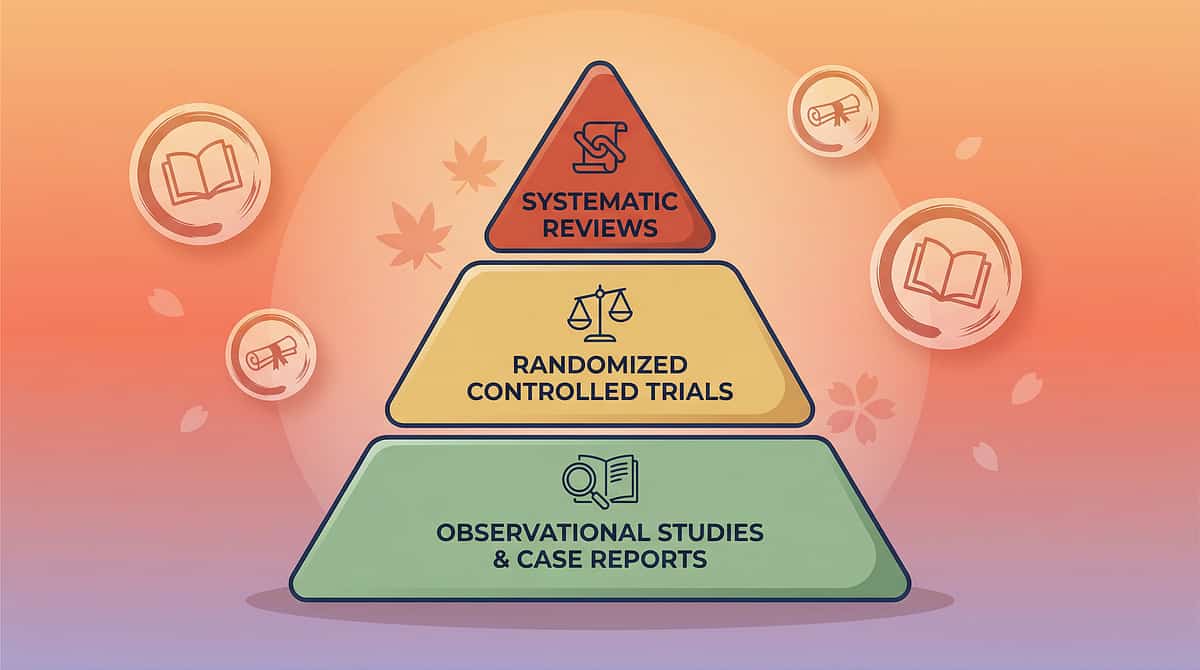
For the Parent Who Wants to Understand the Science Deeply
RESEARCH LIBRARY
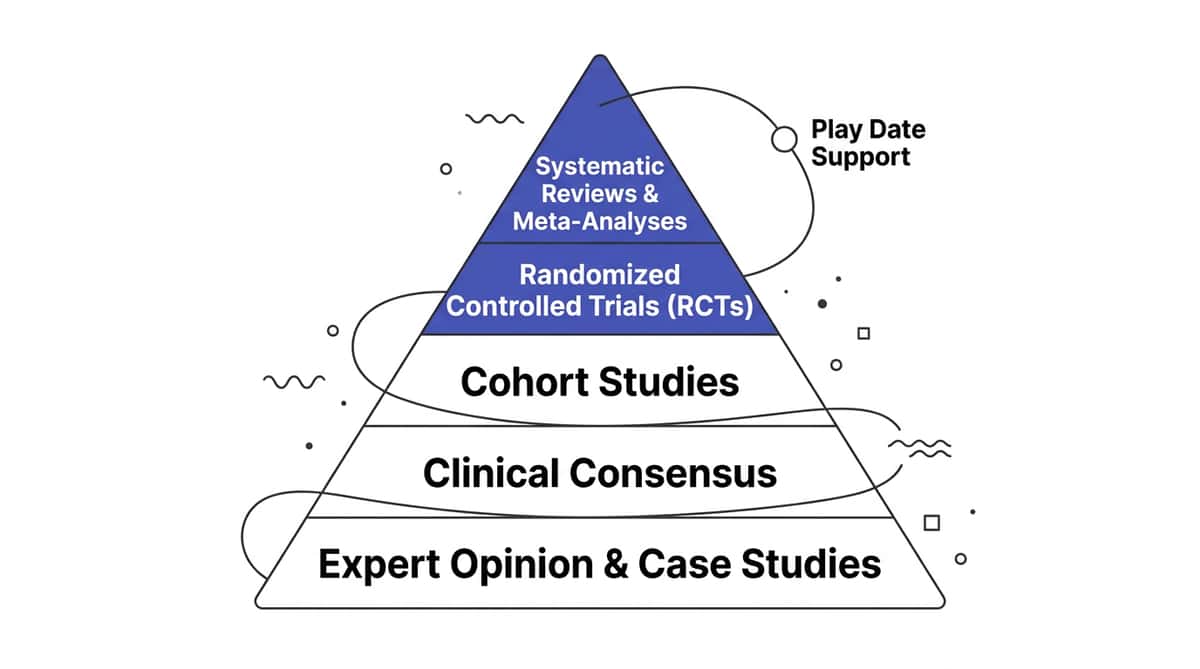
Reference | Summary | Source | |
PMC11506176 — Children (2024) | PRISMA systematic review: structured social skill interventions meet evidence-based practice criteria for ASD across 16 studies. Includes peer interaction and play date scaffolding protocols. | PubMed | |
PMC10955541 — World J Clin Cases (2024) | Meta-analysis (24 studies): structured social interventions effectively promote social skills, peer interaction, and adaptive behavior. | PubMed | |
PMC9978394 — WHO CCD Package | WHO Care for Child Development: age-specific caregiver strategies for social development implemented across 54 LMICs. | PubMed | |
NCAEP 2020 — Evidence-Based Practices | Social skills training + video modeling + visual supports classified as EBPs for autism across 21 reviewed studies. | ncaep.fpg.unc.edu | |
DOI: 10.1007/s12098-018-2747-4 | Padmanabha et al., Indian J Pediatr (2019): Home-based structured social interventions in Indian pediatric populations — local-context RCT evidence. | Springer | |
Social Thinking Publications | Michelle Garcia Winner: "Hidden curriculum" framework for explicit social rule teaching. | socialthinking.com |
"This technique page draws on Level I-B evidence across international systematic reviews, WHO/UNICEF global frameworks, national evidence-based practice standards (NCAEP 2020), and 21M+ real-world sessions from the Pinnacle Blooms Network®. Every recommendation is traceable to peer-reviewed evidence."
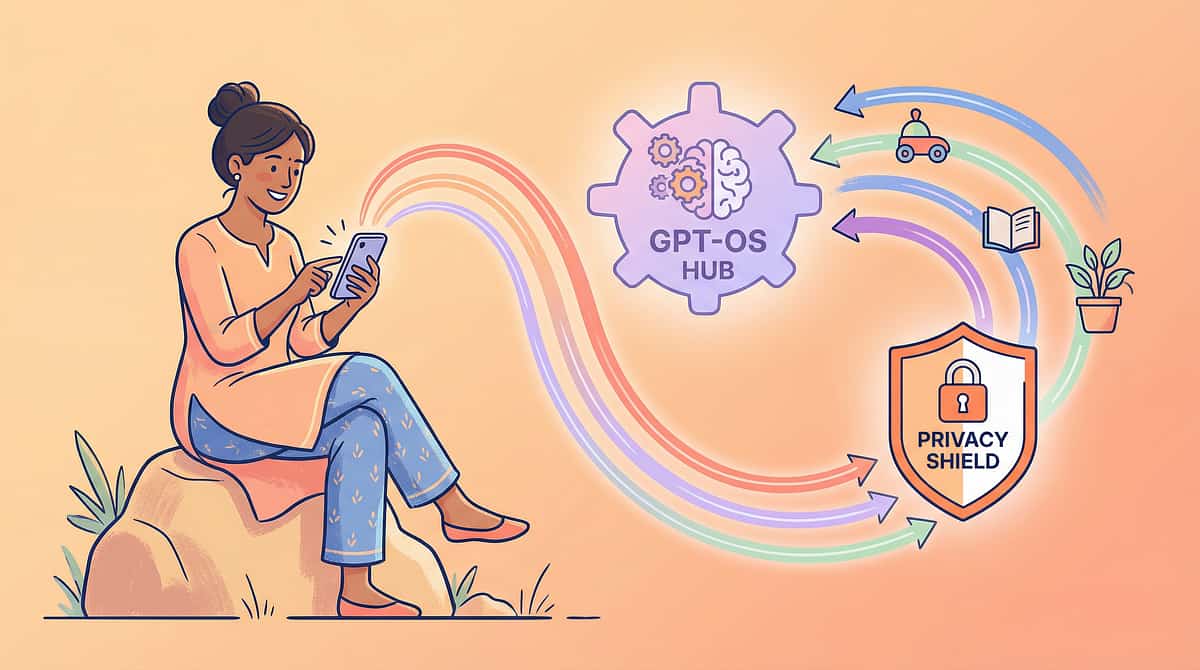
Your 60-Second Data Entry Shapes 21 Million Outcomes.
GPT-OS® TECHNOLOGY
What GPT-OS® Learns from G-654 Data
- Which materials correlate with turn-taking success in social play
- Optimal play date duration by child age and sensory profile
- Peer match indicators that predict successful play date pairs
- Transition patterns that precede meltdown (predictive prevention)
Privacy Assurance
"All data is anonymized at population level. Individual child data is encrypted, HIPAA-compliant, and accessible only to your authorized therapy team. You own your data. You control its use."
Mission
"Your data helps every child like yours. 21 million sessions of real-world evidence makes GPT-OS® the most accurate therapeutic guidance system for pediatric development on Earth."
Research: Digital health intervention evidence: Gamified digital health interventions for ASD show promise in 21 RCTs (1,050 participants). Data-driven personalization outperforms standardized protocols in pediatric social skill contexts.
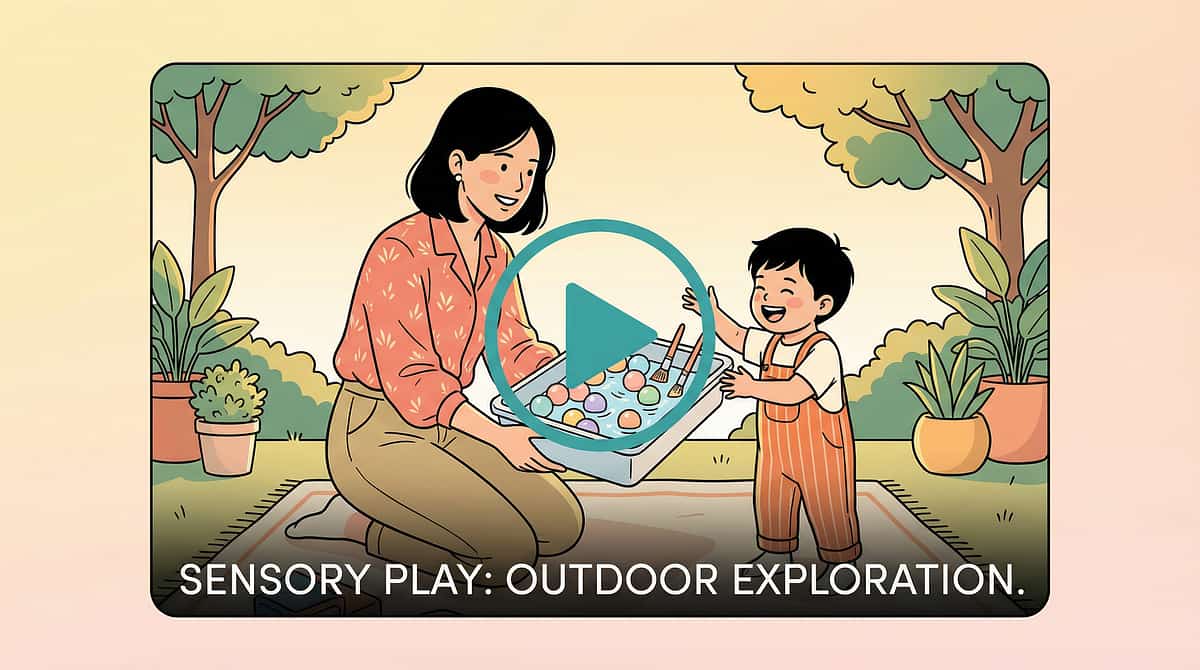
Watch the Reel — The 60-Second Visual Companion to This Technique
REEL G-654
Episode 654 of 999 | Domain G
Reel Details
Title: "9 Materials That Help With Play Date Support"
Series: Social Skills and Peer Interaction Development
Episode: 654 of 999 | Domain G
Duration: 75–85 seconds
→ Preview: techniques.pinnacleblooms.org/reels/G-654
What You'll See in This Reel
- The play date challenge — two scenarios: child withdrawing and child overwhelming peer
- 9 materials introduced in 60 seconds: board games → cooperative games → building toys → sensory play → art → pretend play → movement → visual timers → social stories
- Each material: name + one-line principle + visual of children successfully using it
- Call to action: this technique page for the full protocol
"Play dates are hard for many children, and that's okay. What matters is that we stop putting children in situations designed for failure. These 9 materials build success into the activity itself — so your child's first experience with structured peer play is a good one." — Pinnacle Blooms Consortium | SLP + OT + ABA
Research: Video modeling is classified as an evidence-based practice for autism (NCAEP, 2020). Multi-modal learning (visual + text + demonstration) improves parent skill acquisition and implementation fidelity.

Consistency Across Caregivers Multiplies Impact. Share This Now.
📱 Share on WhatsApp
"A play date support guide that actually works — techniques.pinnacleblooms.org/social-skills/play-date-support-G-654"
📄 Download Family Guide
Simple, printable, all key steps on one page. Share with school, grandparents, spouse.
→ pinnacleblooms.org/downloads/G-654-family-guide.pdf
🔗 Copy & Send the Link
techniques.pinnacleblooms.org/social-skills/play-date-support-G-654
"Explain to Grandparents" Version: "Our child needs play dates to be structured with activities that have clear rules — board games, building projects, art. This isn't about limiting fun. It's about giving our child the support they need to experience friendship successfully. When you host or are present during a play date, please: keep screens off, use the visual timer on the fridge, and say 'whose turn is it?' rather than directing — let the game do that work."
Teacher/School Communication Template: "[Child's name] has been working on structured peer play skills at home with support from Pinnacle Blooms Network®'s play date protocol (G-654). We're practicing: turn-taking, cooperative activities, and flexible play. If you can offer structured partner activities in class rather than fully unstructured free play, it will support generalization of these skills. Happy to share more."
"If you run perfect play dates at home but your child encounters only unstructured peer interaction everywhere else, the skills don't generalize. Every caregiver who understands the scaffolding multiplies its effectiveness."
Research: WHO CCD Package: Multi-caregiver training is identified as critical for intervention generalization and maintenance. | PMC9978394

The Questions Every Parent Asks — Answered by the Pinnacle Blooms Consortium.
ACT VI: THE CLOSE
FAQ
"My child has no interest in other children at all. Will play date scaffolding even work?"
Social motivation exists on a spectrum. True indifference to peers is rare — usually what looks like indifference is overwhelm or past negative experience. Start with 20-minute same-interest play dates around a specific preferred topic (dinosaurs, trains, a specific game). Interest in the topic creates motivation to tolerate the peer. Call 9100 181 181 for a free consultation on your specific child's social profile.
"How do I find the right peer for a play date? My child has no friends at school."
The first peer doesn't need to be a friend — just a compatible child. Ask your therapy team if there's a suitable peer in social skills group; reach out to a parent of a classmate whose child seems gentle and adaptable; consider a younger peer initially (less complex social demands); check Pinnacle parent community for nearby families seeking play date partners.
"My child has a great play date but completely falls apart afterwards. Why?"
Post-play date dysregulation is extremely common — the child has been working very hard emotionally and cognitively throughout. Budget 30–60 minutes of quiet, preferred, solitary activity immediately after the guest leaves. This is not regression — it is recovery. Plan for it.
"The other parent doesn't understand my child's needs. How do I brief them?"
Simple, direct, positive framing works best: "Our child does best with activities that have clear rules — board games and building projects are great. If things get tricky, we'll step in — no need to worry about managing anything." You don't need to share a diagnosis. You need to convey structure and your presence.
"How long before I can step back and let play dates run without me hovering?"
Most children can manage "nearby but not present" adult supervision by weeks 8–12 of consistent practice. "Invisible present" — you're in the next room, available, not directing — is typically achievable before "independent." Never rush this step. Premature withdrawal of scaffolding creates failures that set the timeline back.
"My child asks for play dates but then refuses when the day comes. What do I do?"
Anticipatory anxiety is different from actual experience. Social stories help bridge this gap: "We're going to [Guest's name]'s house. We'll play [Game]. After 45 minutes, we'll come home." A brief sensory-regulating activity (swings, heavy work, movement) 30 minutes before the play date significantly reduces pre-play date anxiety.
"Should I tell the other parent about my child's diagnosis?"
This is a personal family decision. Many families find brief, practical briefing (without diagnosis label) most effective: "Our child communicates a bit differently and does best with structured activities." If the relationship grows closer, more information can be shared organically. Prioritize your child's experience over complete disclosure to strangers.
"My child had a good play date but the peer's parent hasn't responded to follow-up messages."
This happens, and it can be painful. Don't interpret silence as rejection of your child — families are busy, and sometimes the fit isn't right. Have 2–3 potential play date peers in mind at any time. When one stalls, focus energy on another. Your child needs one successful friendship, not universal social acceptance.
Didn't find your answer? → Ask GPT-OS®: pinnacleblooms.org/ask-gpt-os → Book a teleconsultation: pinnacleblooms.org/teleconsult → Call FREE helpline: 9100 181 181 | 24×7 | 16+ languages

"Your child's first successful play date is possible. Start this week."
ACT VI: ACT NOW
▶ Explore the Next Technique
G-655: Conversation Skills
✓ VALIDATED BY PINNACLE BLOOMS CONSORTIUM🗣️ SLP • 🖐️ OT • 📊 ABA • 📚 SpEd • 🧠 NeuroDev Pediatrics • 🔬 CRO WHO/UNICEF Aligned • NCAEP 2020 Certified 21M+ Sessions • 97%+ Measured Improvement
FREE National Autism Helpline | 9100 181 181 | 16+ languages | 24×7
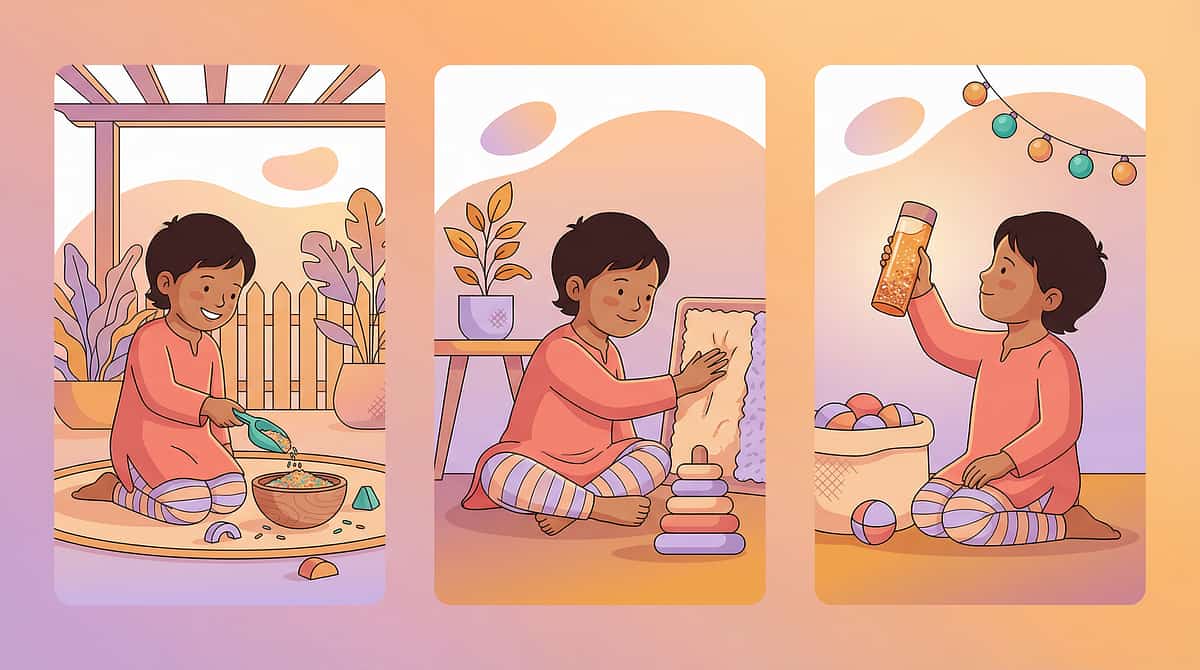
Preview of 9 materials that help with play date support Therapy Material
Below is a visual preview of 9 materials that help with play date support therapy material. The pages shown help educators, therapists, and caregivers understand the structure and content of the resource before use. Materials should be used under appropriate professional guidance.


Link copied!

"From fear to mastery. One technique at a time."
PINNACLE BLOOMS NETWORK®
THE PINNACLE PROMISE
"Pinnacle Blooms Network® exists to transform every home into a proven, scientific, 24×7 personalized pediatric therapy environment — so that every child, regardless of geography, income, or access, can receive the intervention they need to reach their full potential. This technique page is one of 70,000+ in the world's largest structured pediatric intervention knowledge base."
← Return to Start
Read This Technique Again from Card 01
→ Next Technique
G-655: Conversation Skills techniques.pinnacleblooms.org
⌂ Full Library
Browse All Social Skills Techniques — Domain G techniques.pinnacleblooms.org
Medical Disclaimer: This content is educational in nature and is provided by Pinnacle Blooms Network® for informational purposes only. It does not constitute medical advice and does not replace evaluation, diagnosis, or treatment by licensed healthcare professionals. Play date difficulties and social interaction challenges may indicate autism spectrum characteristics, social communication differences, ADHD, anxiety, or other developmental factors requiring professional clinical assessment. If your child consistently struggles with peer interaction despite structured support, please consult a developmental pediatrician, speech-language pathologist, or occupational therapist. Individual results may vary. Statistics represent aggregate outcomes across the Pinnacle Blooms Network® clinical database.
© 2026 Pinnacle Blooms Network® | Unit of Bharath Healthcare Laboratories Pvt. Ltd. CIN: U74999TG2016PTC113063 | DPIIT: DIPP8651 (Govt. of India) MSME: Udyog Aadhaar TS20F0009606 | GSTIN: 36AAGCB9722P1Z2 All rights reserved. Unauthorized reproduction prohibited. pinnacleblooms.org | care@pinnacleblooms.org
9100 181 181 | FREE | 16+ Languages | 24×7
G-654 | Play Date Support | Pinnacle Blooms Network® | GPT-OS® Technique Library Previous: G-653 Sharing & Turn-Taking | Next: G-655 Conversation Skills "A parent arrives on Card 01 scared, confused, and exhausted. By Card 40, they leave with a protocol, a community, a research library, and the knowledge that their child's friendship is possible. The loop restarts with the next technique — and the next step of the journey. From fear to mastery. One technique at a time."