
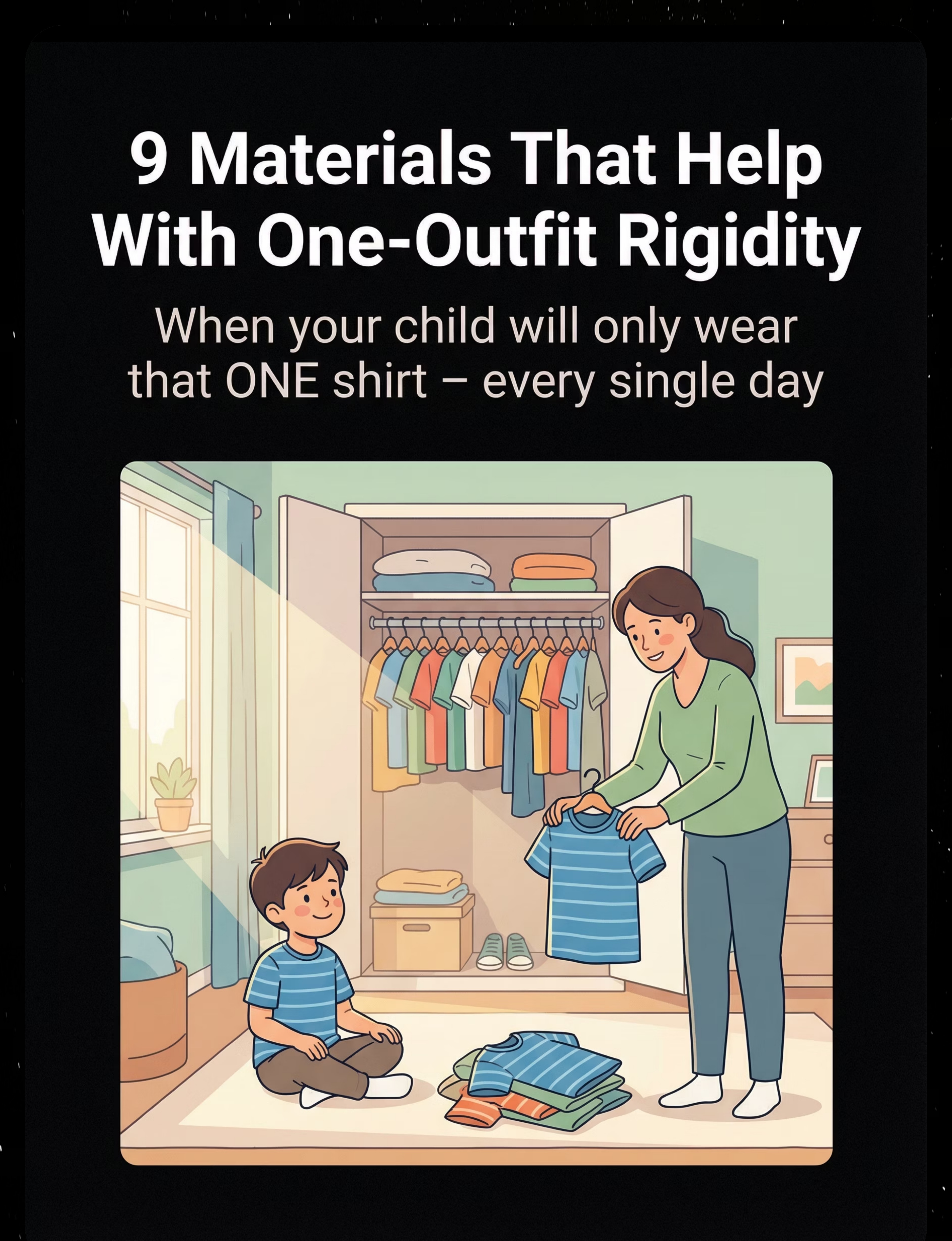
9 Materials That Help With One-Outfit Rigidity
When your child will only wear that ONE shirt — every single day
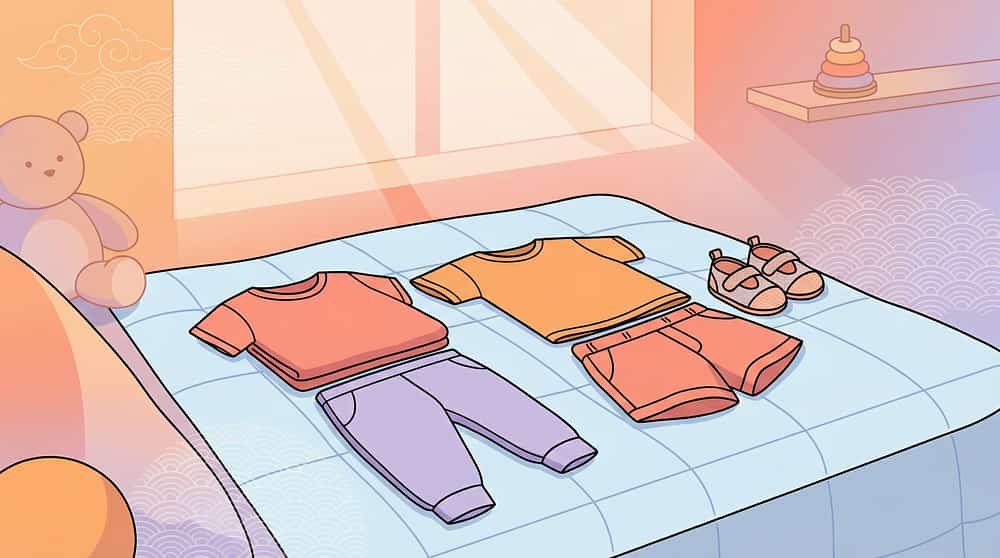
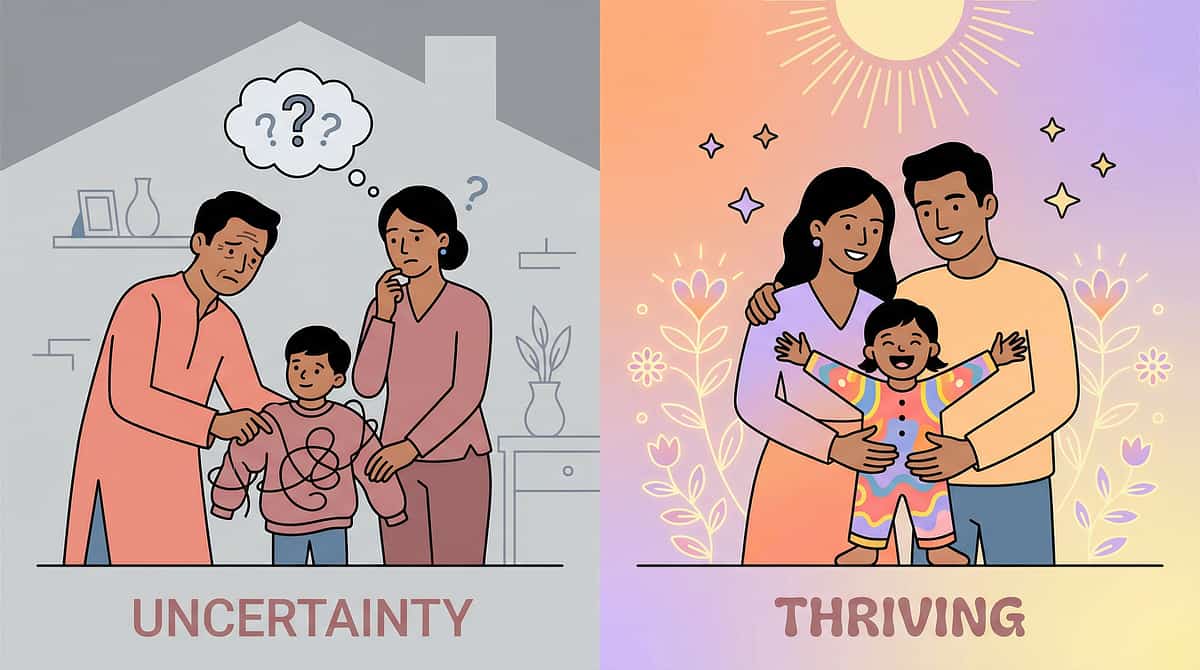
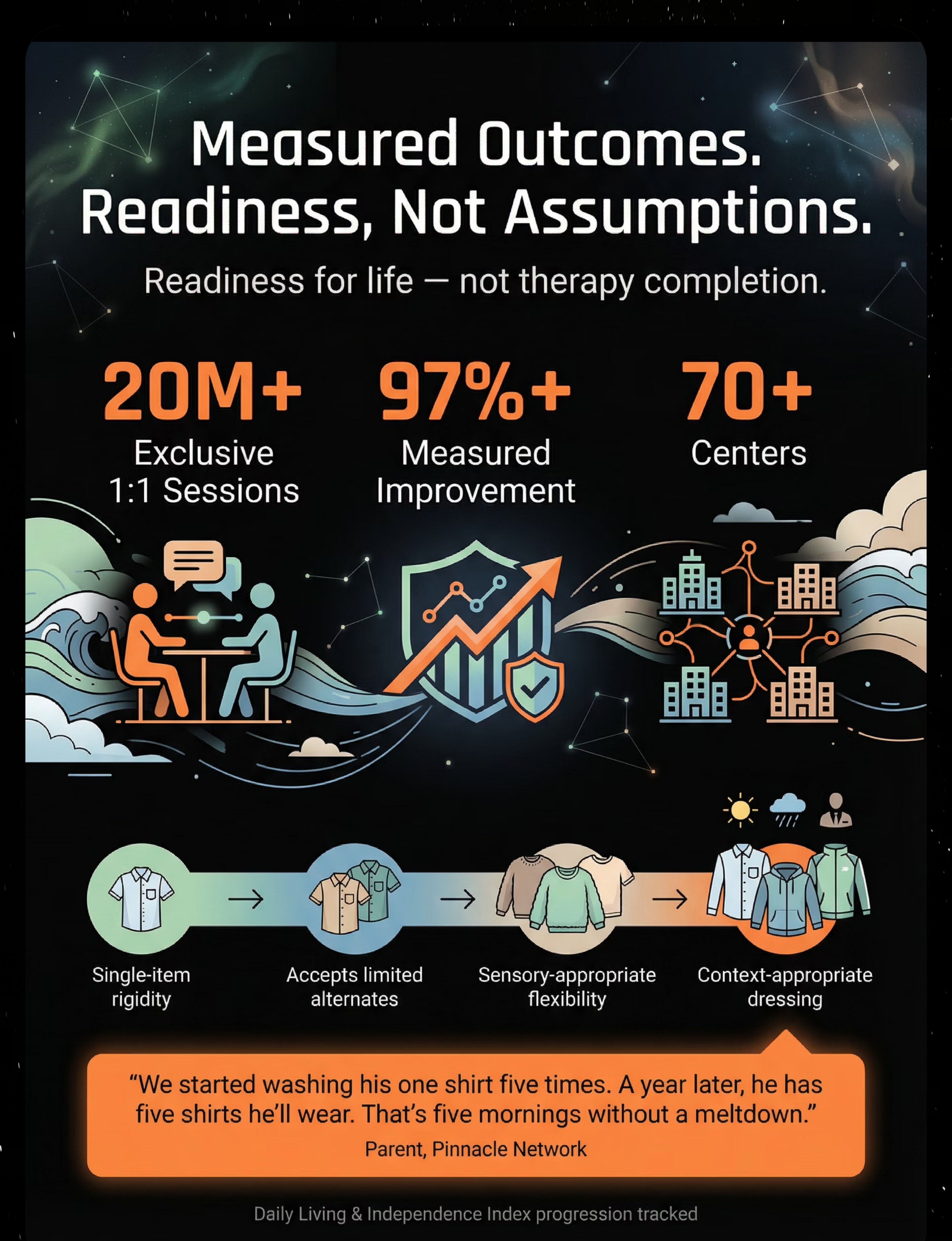
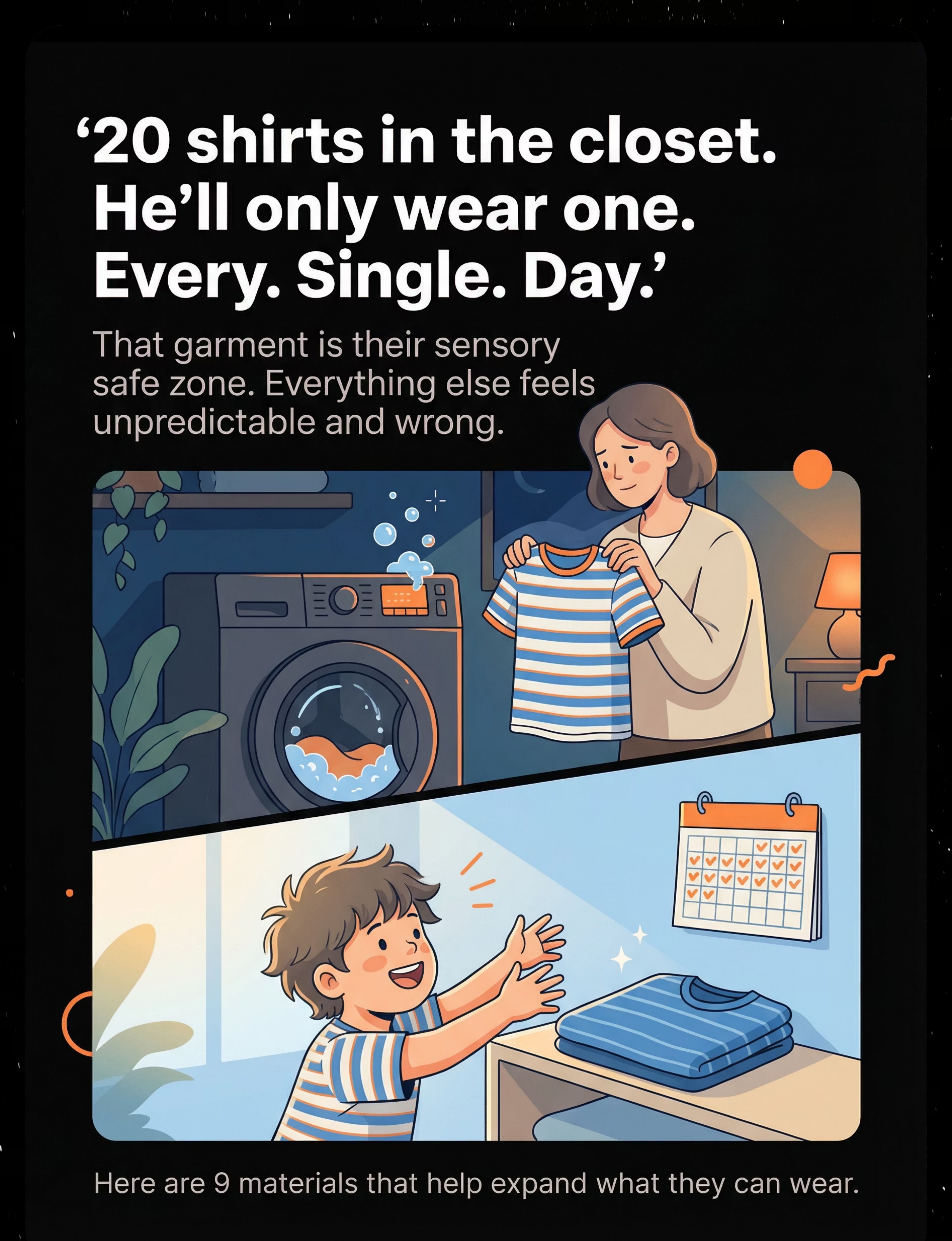
"He has 20 shirts in his closet. He will only wear one. The same blue striped shirt, every day. I wash it at night so it's ready by morning. If it's still wet, we can't leave the house. If it finally wears out, I don't know what we'll do."
You are not failing. Your child's nervous system is speaking.
That garment is their sensory safe zone. Everything else feels unpredictable and wrong. This is not stubbornness. This is not a discipline issue. This is a nervous system that has found one piece of predictable safety in a world that often feels overwhelming.
What you are about to read is the clinical strategy — the same approach used across Pinnacle Blooms Network's 70+ therapy centers — translated for your home, your mornings, your child.
OT
ABA
SLP
SpEd
NeuroDev
CRO
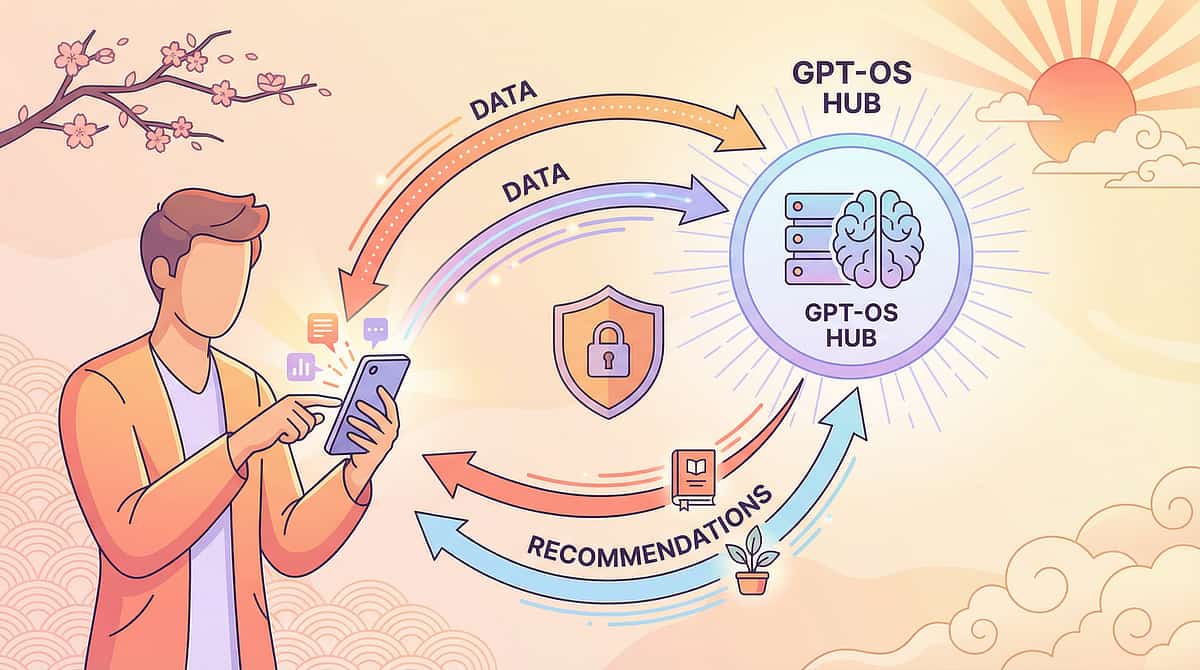
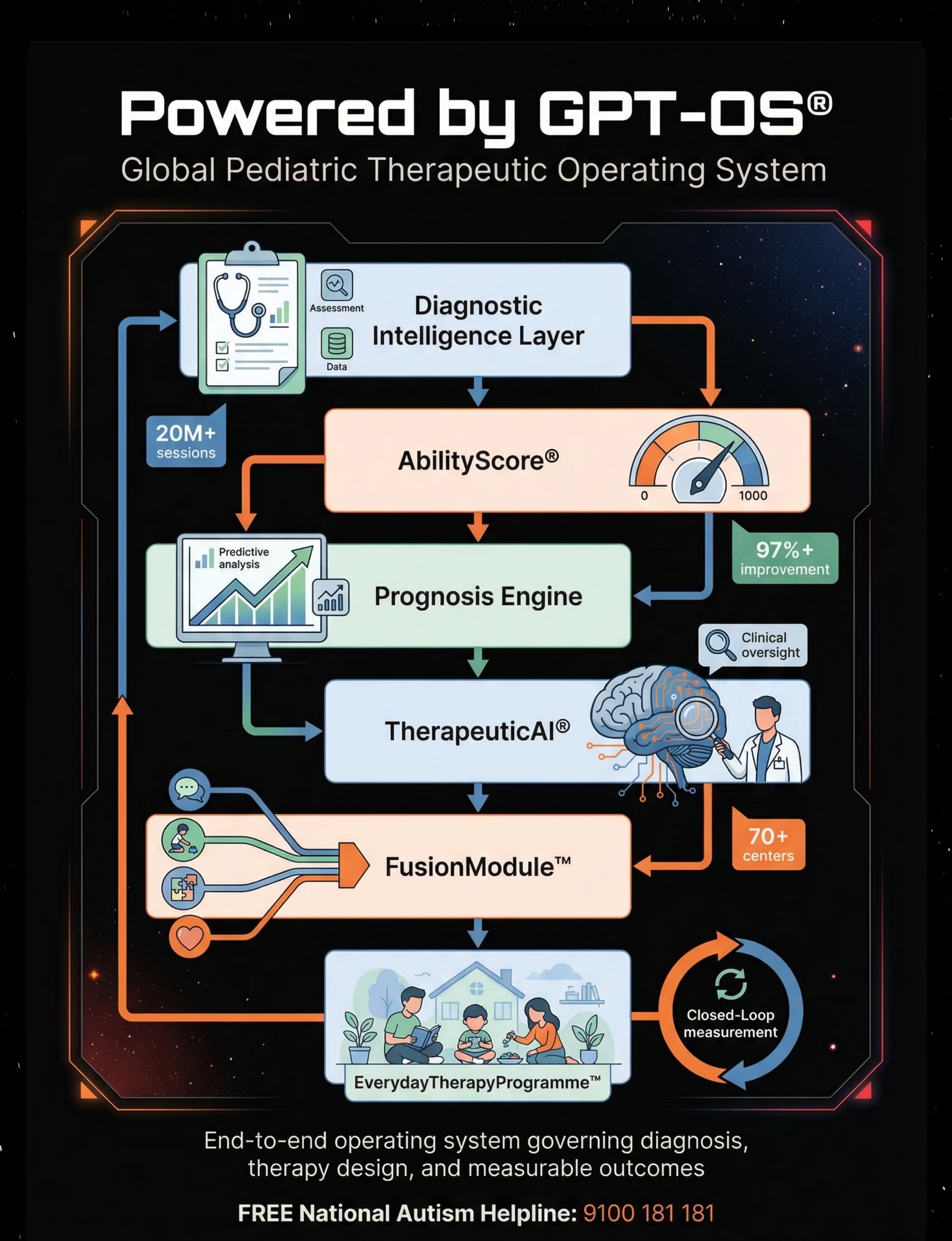
Powered by GPT-OS® | Global Pediatric Therapeutic Operating System
ACT I: THE EMOTIONAL ENTRY
You Are Not Alone — The Numbers
80%
Sensory Processing Difficulties
Of children diagnosed with autism display sensory processing difficulties, per PRISMA systematic review (2024)
60-80%
Insistence on Sameness
Of children with ASD demonstrate insistence on sameness behaviors including clothing rigidity (RRB Domain)
1 in 36
ASD Diagnosis Rate
Children are diagnosed with ASD globally — that is millions of families navigating clothing battles every morning
Clothing rigidity is one of the most commonly reported daily living challenges by parents of children with sensory processing differences. If you are washing that one shirt at midnight, you are among millions of families doing the exact same thing tonight.
The clinical term is clothing rigidity secondary to tactile over-responsivity, cognitive inflexibility, and anxiety-driven sameness needs. The parent term is: morning chaos, daily battles, and the fear of what happens when that shirt finally wears out. Both are valid. Both describe the same reality.
Sources: PMC11506176 | PMC10955541 | DOI: 10.12998/wjcc.v12.i7.1260 | CDC Prevalence Data 2023
What's Happening in Your Child's Brain
The Triple-Lock Mechanism
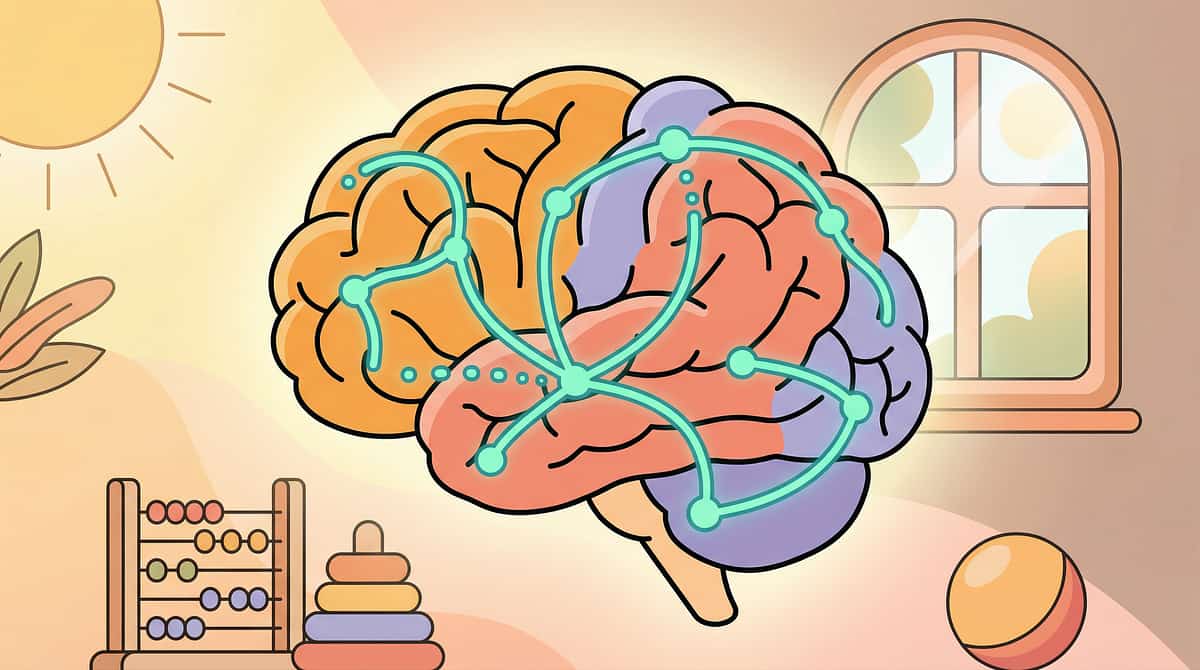
One-outfit rigidity is rarely about one thing. Your child's brain has created a triple lock that keeps them tethered to a single garment for safety and regulation.
Tactile Over-Responsivity
Somatosensory Cortex
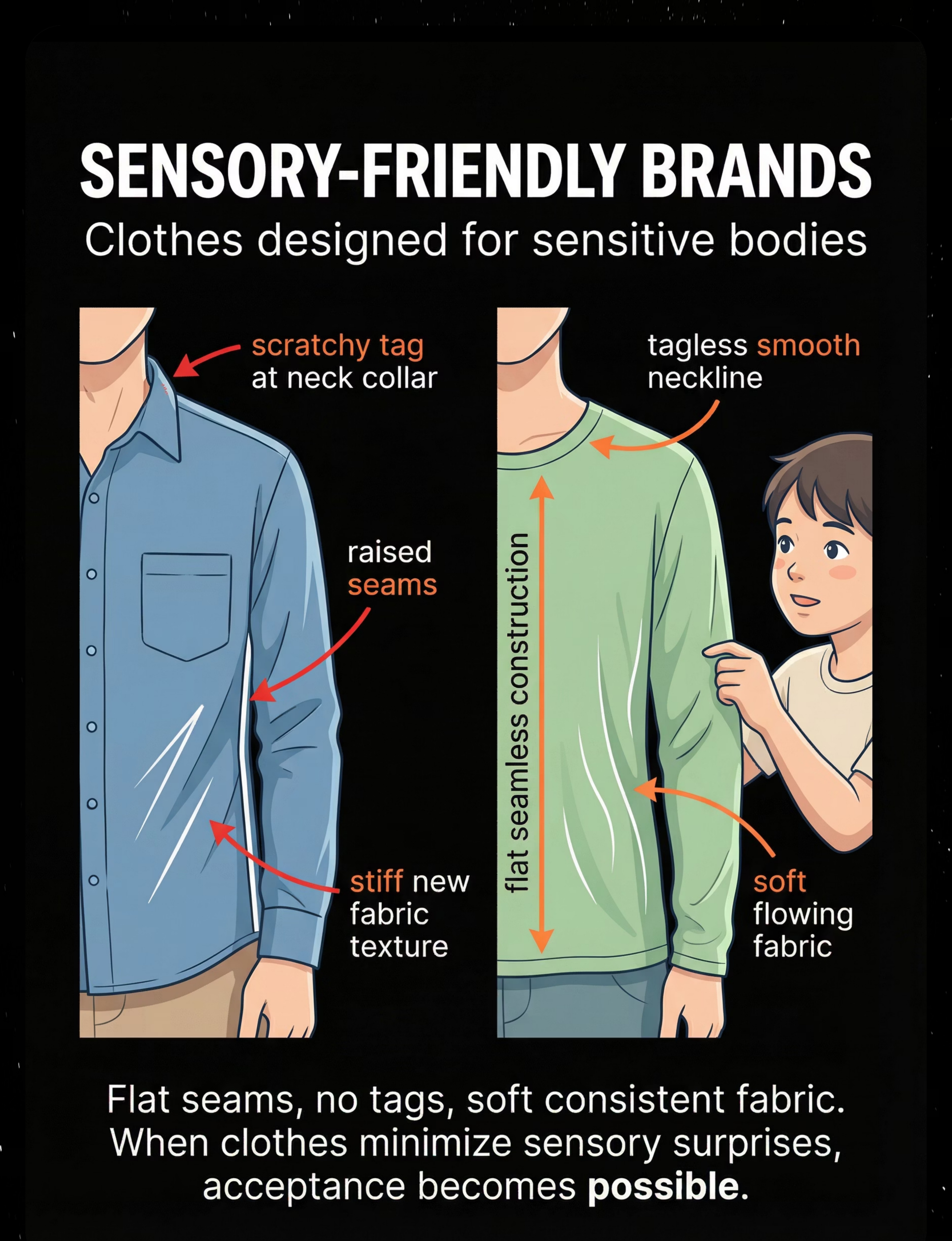
The brain's touch-processing center over-amplifies signals from fabric touching skin. That blue striped shirt has been "sensory tested" through hundreds of wearings — the brain knows exactly how it will feel. Every other shirt is an unpredictable sensory experiment. Tags scratch. Seams press. New fabric feels stiff, chemical-treated, wrong. The preferred garment has been neurologically cleared as safe.
Cognitive Inflexibility
Prefrontal Cortex
The brain's flexibility center — which handles transitions, change, and "rolling with it" — processes differently in many children with autism. Sameness is regulatory. The same shirt is not preference — it is a regulatory strategy. Change represents loss of control.
Anxiety Response
Amygdala
The threat-detection system treats unfamiliar clothing as a potential danger. The known item feels safe. The unknown feels threatening. This is not irrational — the child has had real negative sensory experiences with other clothes.

This is a wiring difference, not a behavior choice. You will unlock all three — one material, one strategy at a time.
Reference: DOI: 10.3389/fnint.2020.556660 | Frontiers in Integrative Neuroscience (2020)
Where This Sits in Development
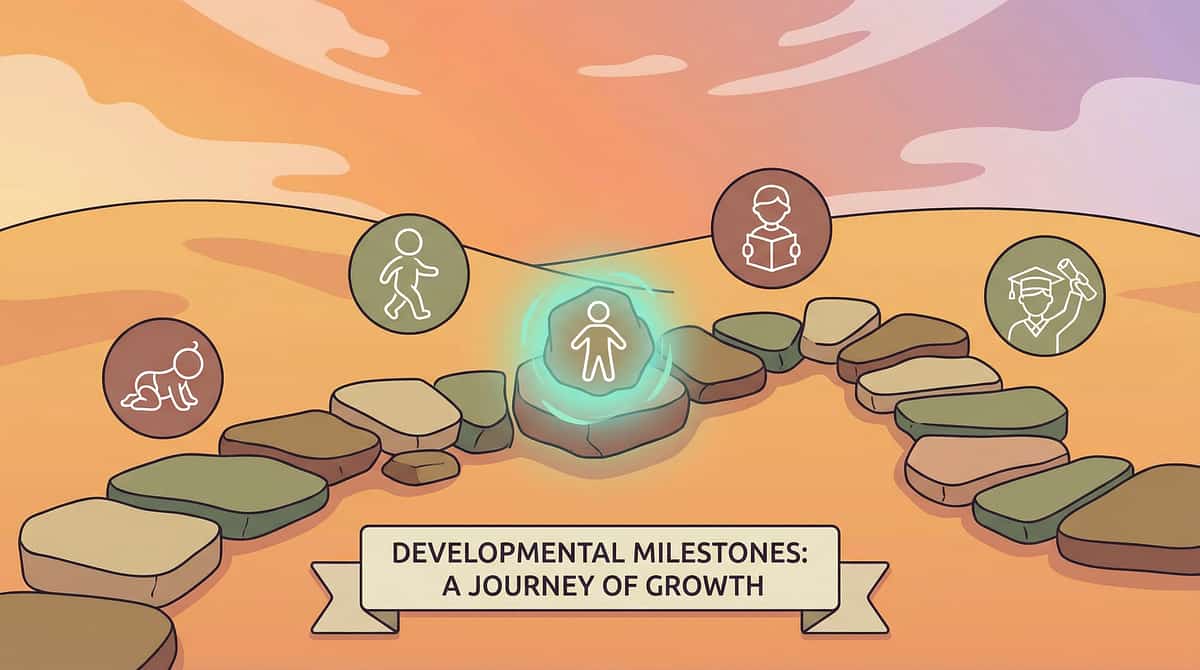
0–12 Months
Sensory exploration begins — infant develops texture preferences through mouthing and touching
12–24 Months
Clothing awareness emerges — first preferences and dislikes appear as tactile system matures
2–4 Years
COMMON EMERGENCE ZONE — Clothing rigidity often crystallizes as sensory processing patterns solidify and cognitive rigidity behaviors strengthen
4–7 Years
Rigidity may intensify or begin to respond to structured intervention with the right materials and approach
7–12 Years
With intervention, graduated flexibility becomes achievable — context-appropriate dressing emerges
Your child is here. Here is where we're heading.
Clothing rigidity commonly co-occurs with other sensory sensitivities (food texture refusal, noise sensitivity, tactile defensiveness), routine insistence behaviors, and transition difficulties. If your child struggles with getting dressed, they likely struggle with other daily transitions too. This is part of a developmental pattern — not an isolated problem. And that means it responds to developmental intervention.
Reference: PMC9978394 | WHO/UNICEF CCD Package (2023) | WHO Developmental Milestones Framework
The Evidence Behind This Technique
Evidence Grade
Level I–II
Systematic Reviews + RCTs

Confidence: Strong Evidence Base
4/5
Evidence Strength
What the Research Says
A 2024 PRISMA systematic review analyzing 16 peer-reviewed articles from 2013–2023 confirms that sensory integration intervention meets the threshold to be considered an evidence-based practice for children with ASD. A meta-analysis in the World Journal of Clinical Cases (2024) across 24 studies demonstrated that sensory integration therapy effectively promotes adaptive behavior, sensory processing, and social skills — the exact domains involved in clothing flexibility.
Critically, a 2019 Indian RCT (Padmanabha et al., Indian Journal of Pediatrics) demonstrated that home-based sensory interventions produce significant outcomes when parents are trained in clinical techniques — proving this works in your home, not just in a clinic.

The evidence is clear: structured, gradual, sensory-informed clothing intervention works. You can do this at home. The science backs you.
References: PMC11506176 | PMC10955541 | DOI: 10.1007/s12098-018-2747-4 | NCAEP Evidence-Based Practices Report (2020)
ACT II: THE KNOWLEDGE TRANSFER
The Technique — What It Is
Formal Name: Multi-Material Clothing Flexibility Protocol
Parent-Friendly Name:"Expanding the Wardrobe — 9 Tools That Help Your Child Wear More Than One Outfit"
A structured, multi-material intervention that addresses one-outfit rigidity through nine complementary approaches targeting tactile comfort (sensory-friendly fabrics, pre-washing, compression underlayers), graduated exposure (clothing ladder, fabric swatches), environmental structuring (visual schedules, limited choices), and bridge strategies (identical duplicates, transition wearing). The protocol is designed for home execution by parents, requiring no clinical equipment and scaling to every economic context through DIY alternatives.
Domain
A — Sensory Processing | Tactile + Cognitive Flexibility + Anxiety
Age Range
2–12 years
Setting
Home — bedroom, closet area, laundry routine
Frequency
Daily integration into dressing routine
Duration
Ongoing with progressive milestones across 8–12 weeks
Sensory Regulation Tools
Visual Supports
Behavioral Flexibility
Daily Living Supports
Who Uses This Technique
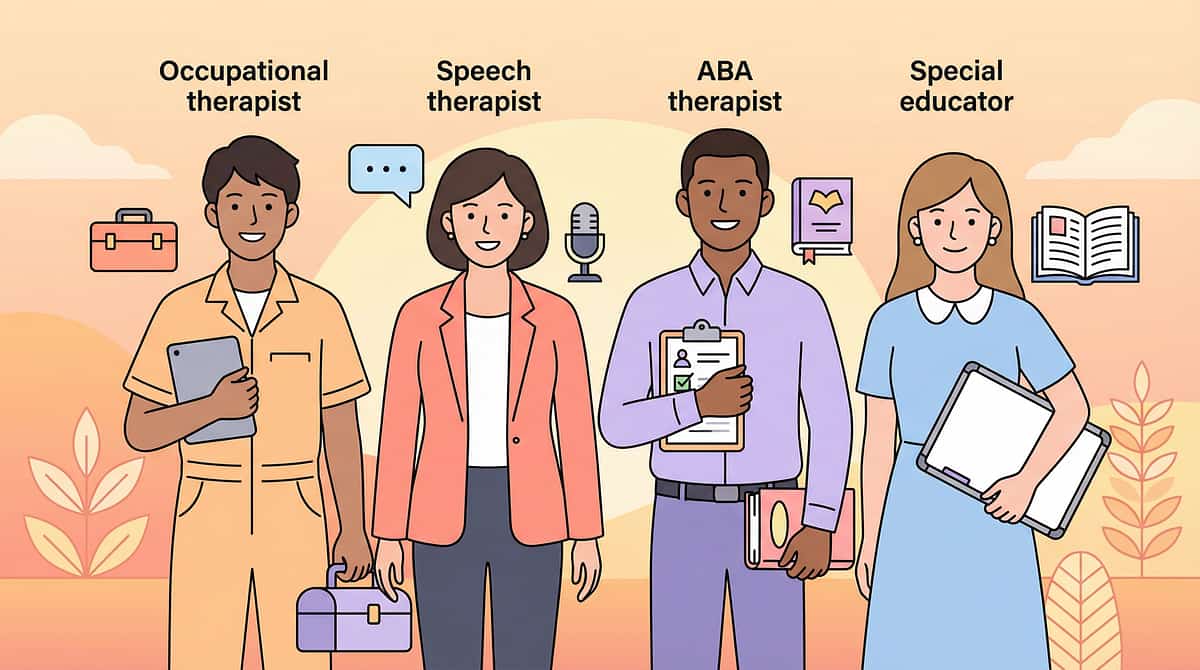
Occupational Therapist (OT) — Primary Lead
Leads sensory integration assessment, identifies tactile processing profile (over-responsive vs. seeking vs. mixed), designs the graduated exposure hierarchy (clothing ladder), selects sensory-friendly materials, trains parents on fabric swatch testing, compression fitting, and environmental setup. The OT determines which of the 9 materials addresses your child's specific sensory pattern.
Board Certified Behavior Analyst (BCBA/ABA)
Designs the reinforcement protocol for each clothing ladder step, structures the choice-making framework (limited options), develops token economy systems for clothing flexibility milestones, manages data collection strategy, addresses meltdown prevention and response protocols, and ensures the bridge strategy (duplicates) doesn't become the permanent solution.
NeuroDevelopmental Pediatrician
Rules out underlying medical conditions contributing to skin sensitivity (dermatitis, sensory neuropathy), assesses whether clothing rigidity indicates broader insistence-on-sameness patterns requiring medical attention, monitors for anxiety-driven components that may benefit from additional intervention, and provides the developmental trajectory context.
Special Educator (SpEd)
Extends clothing flexibility into school and community contexts, develops social narratives about wearing different clothes, creates communication supports for children to express clothing discomfort, and coordinates with school staff on uniform or dress code accommodations.
"This technique crosses therapy boundaries because the brain doesn't organize by therapy type."
Reference: DOI: 10.1080/17549507.2022.2141327 | Adapted WHO/UNICEF Nurturing Care Framework for multidisciplinary intervention
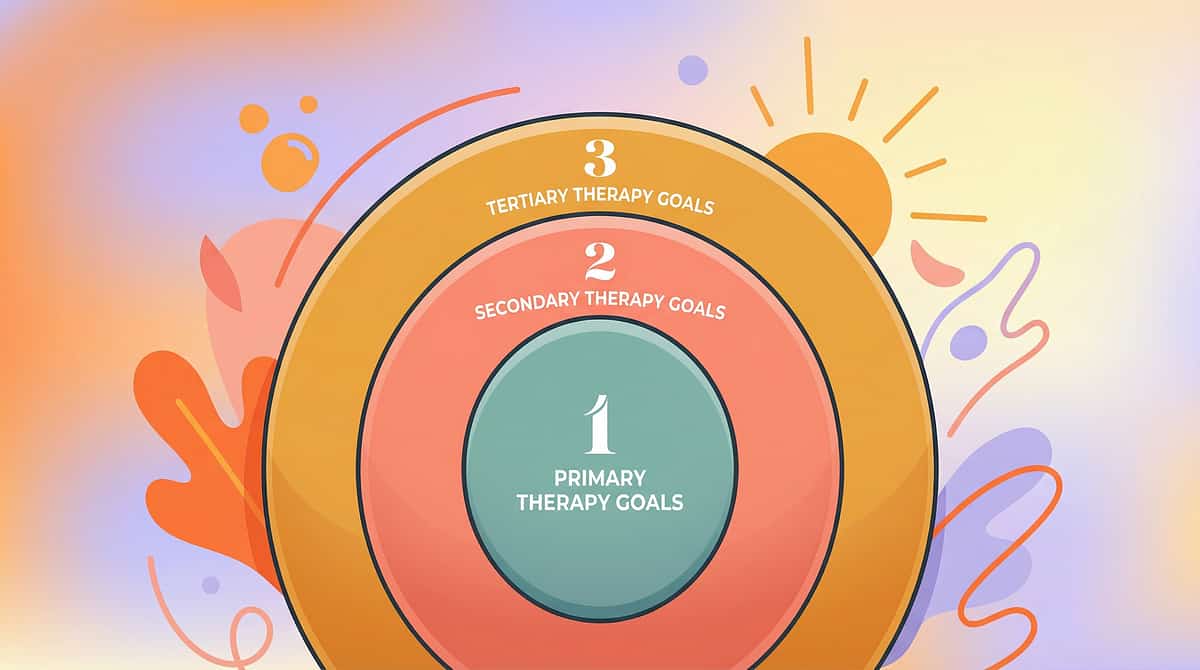
What This Targets
🎯 Primary Target
Expanded clothing tolerance: child accepts and wears 3–5 different garments within 8–12 weeks. Morning dressing transitions without meltdown. Reduced dependence on a single outfit for daily functioning.
🟡 Secondary Targets
  • Tactile processing regulation (tolerates broader range of fabric textures)
  • Cognitive flexibility (accepts change in familiar routines)
  • Anxiety reduction around clothing transitions
  • Parent-child collaborative dressing routine (reduced conflict)
  • Self-advocacy: child communicates what feels wrong rather than melting down
🟢 Tertiary Targets
  • Generalized flexibility across other daily routines
  • Context-appropriate dressing (weather, occasion, school uniform)
  • Independence in dressing skills
  • Social participation (can attend events requiring specific attire)
  • Caregiver stress reduction and increased parenting confidence
Observable Behavior Indicators
Child touches new fabric without flinching
→ Progress
Child wears new shirt for 5 minutes
→ Progress
Child picks from 2 options without distress
→ Significant progress
Child rotates between 3+ garments across a week
→ Mastery emerging
Reference: PMC10955541 | Meta-analysis confirming multi-domain improvement through sensory integration therapy
What You Need — The 9 Materials
Every material listed here has been validated by the Pinnacle Blooms Consortium across occupational therapy, behavioral therapy, and home-based intervention protocols. You do NOT need all 9. Start with 1–2 that match your child's specific pattern.
1. Sensory-Friendly Clothing Brands
₹800–3,000/item. Tagless, flat-seam, soft-fabric clothing engineered for sensitive bodies. Brands: Kozie Clothes, Smart Knit Kids, Cat & Jack tagless line, Primary, Hanna Andersson.
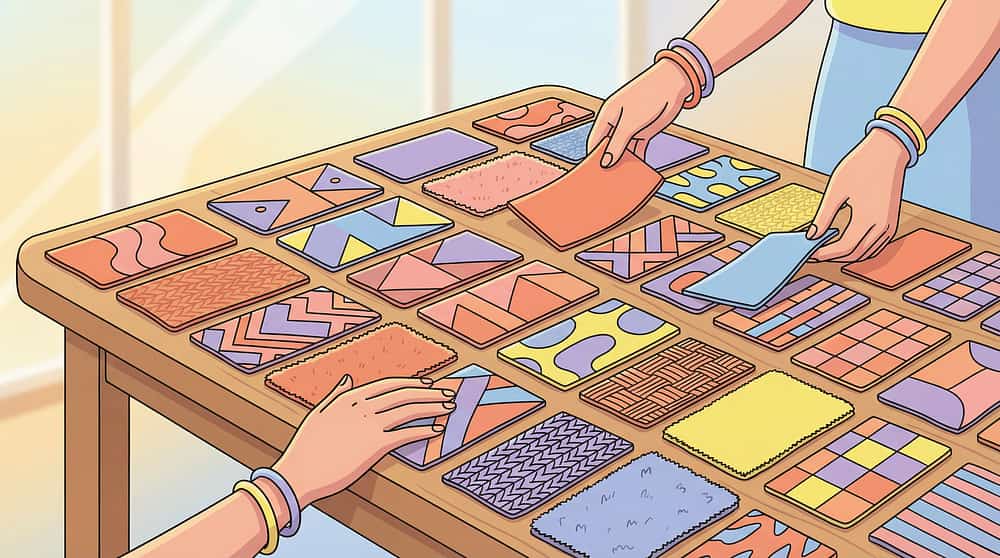
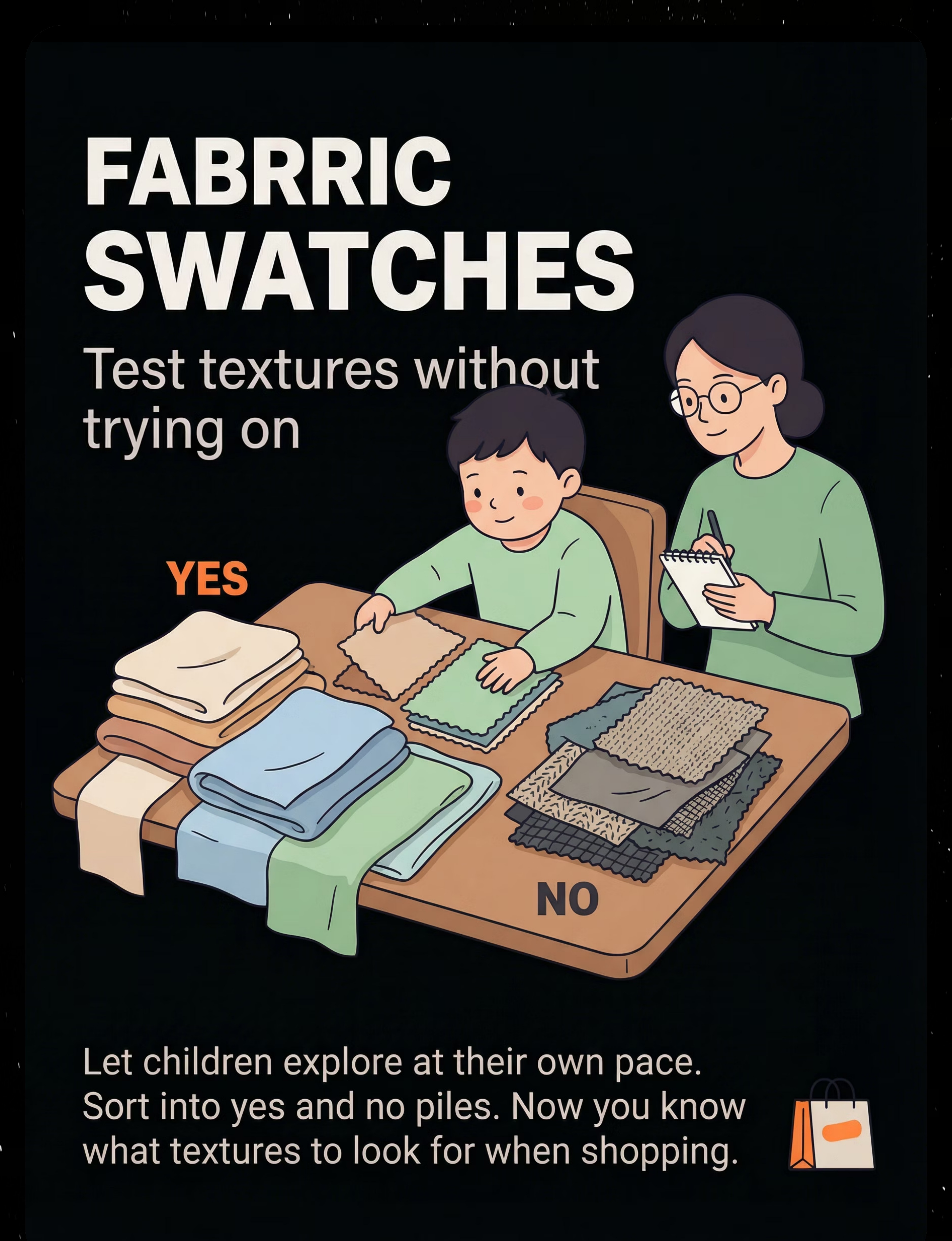
2. Fabric Swatches / Texture Testing Kit
₹200–800. Allows child to explore textures without trying on complete garments. Sort into yes/no/maybe piles to build a fabric preference profile.
3. Same-Item Multiples (Identical Duplicates)
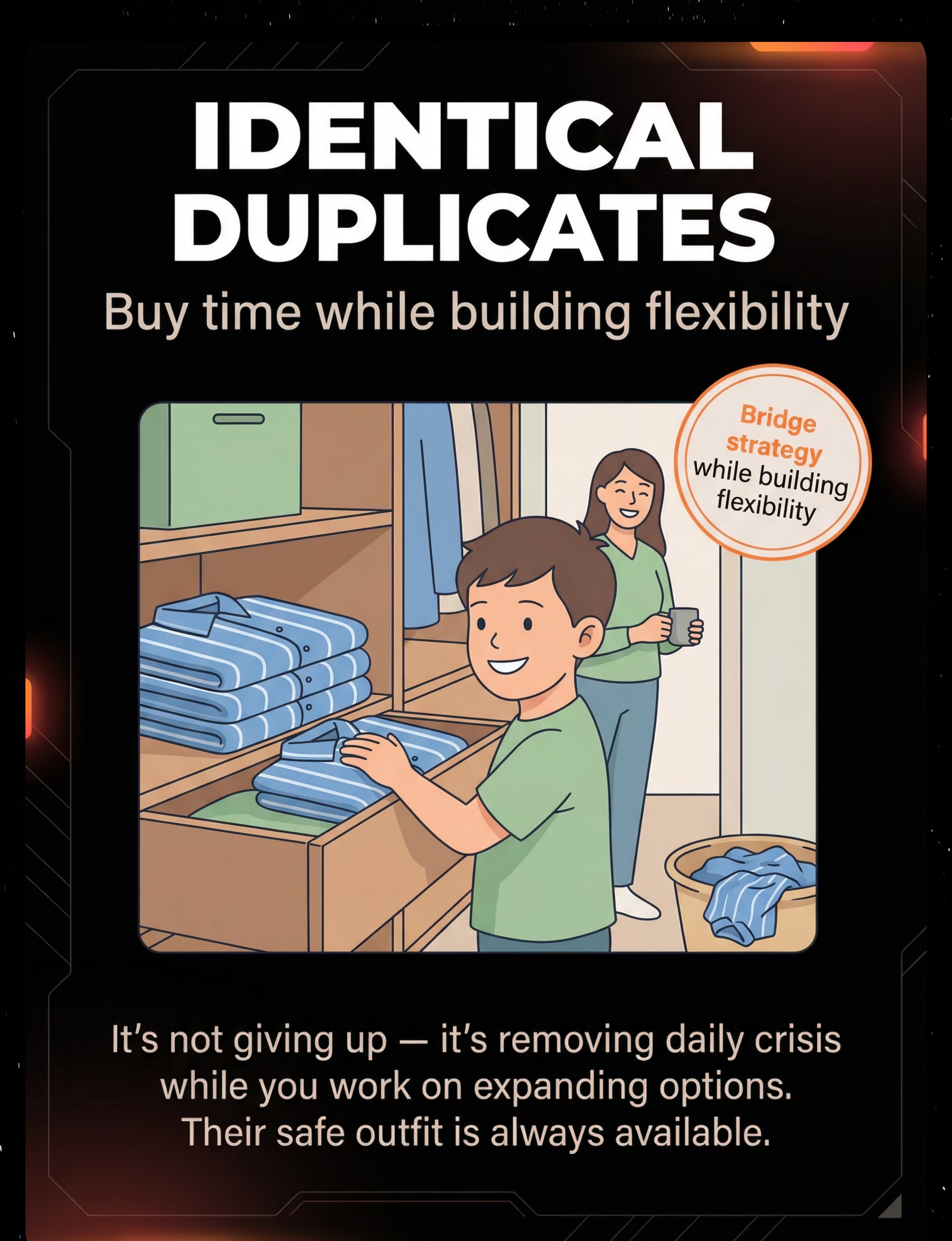
Variable cost. 3–5 identical copies of the preferred garment. Bridge strategy — not the goal, but essential while building flexibility. No more wet-shirt mornings.
4. Clothing Ladder (Visual Hierarchy Chart)
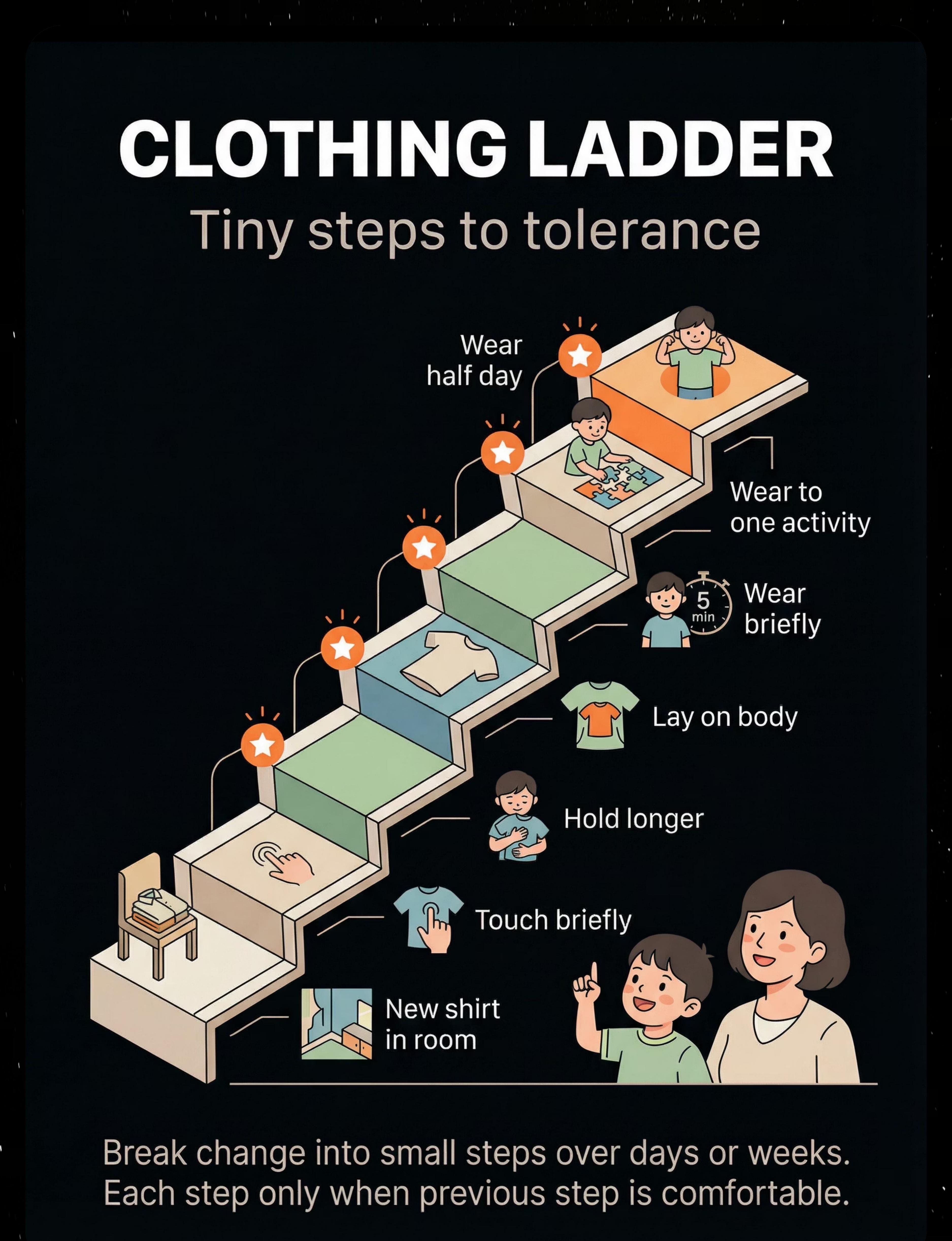
₹0 (technique only). Step-by-step graduated exposure: new item in room → brief touch → hold → lay on body → wear over safe item → wear briefly → wear for activity → wear for half day.
5. Pre-Washing / Fabric Softening Protocol
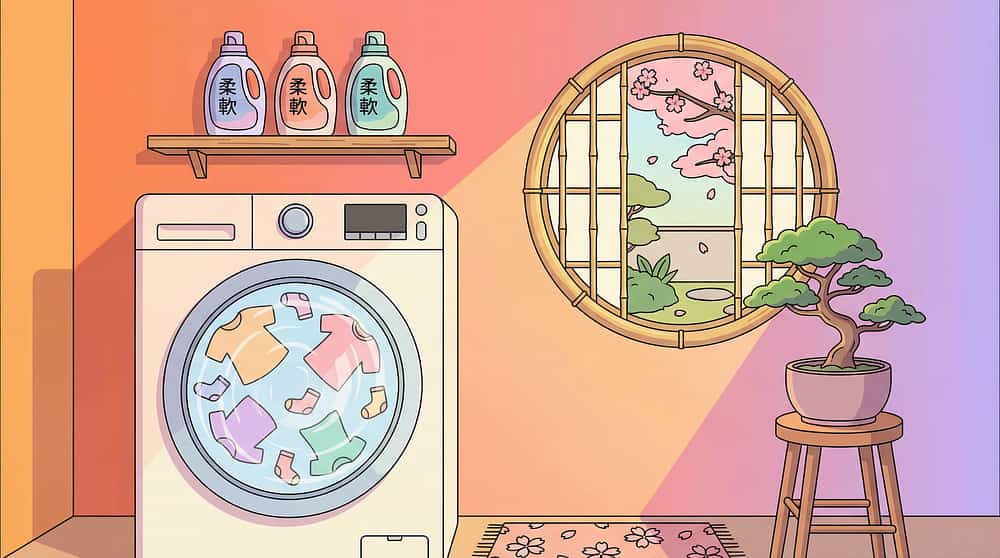
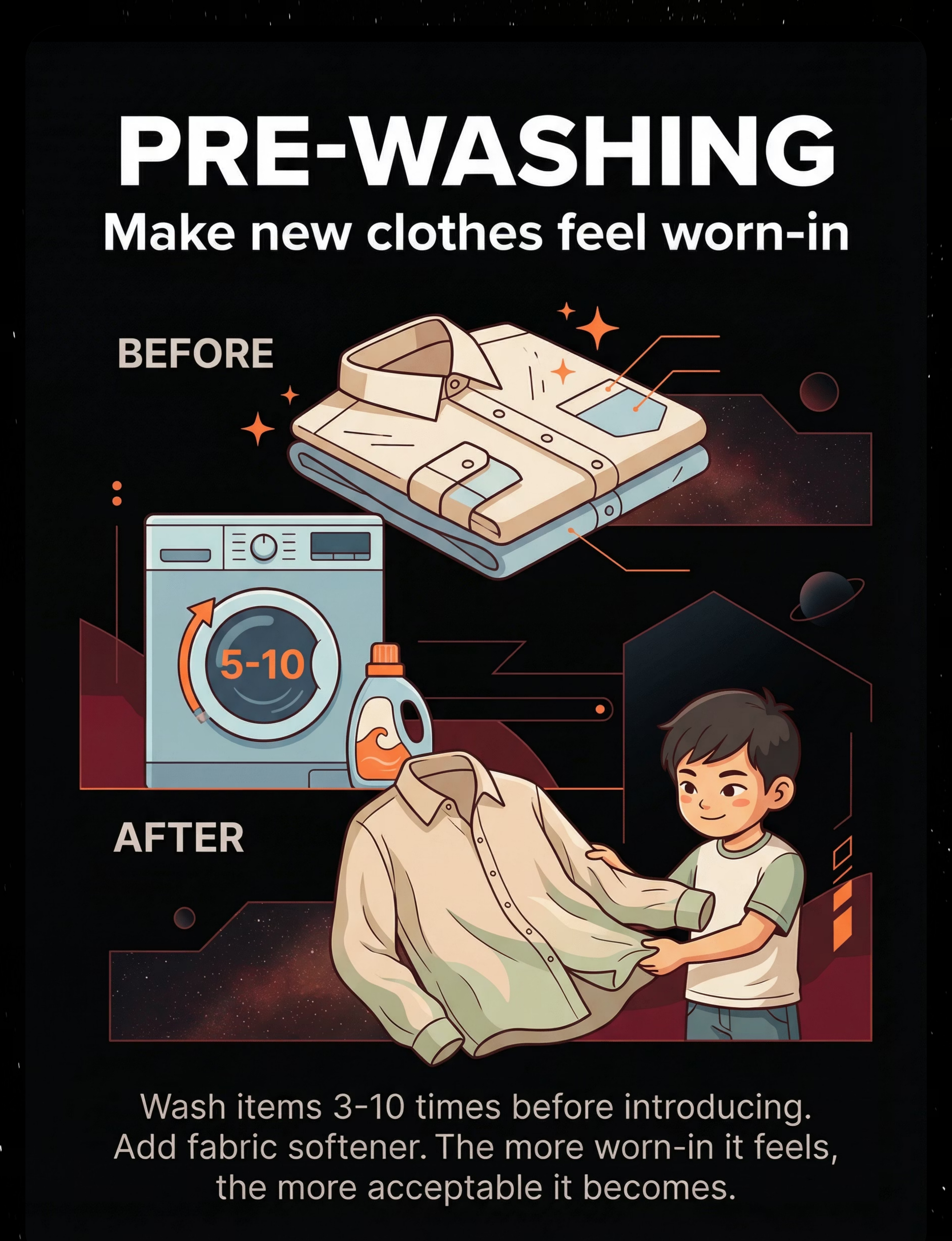
₹0–200. Wash new clothes 3–10 times before introducing. Fabric softener + same detergent as preferred item. Remove the "new" that the brain rejects.
6. Transition Objects / Wearing Together
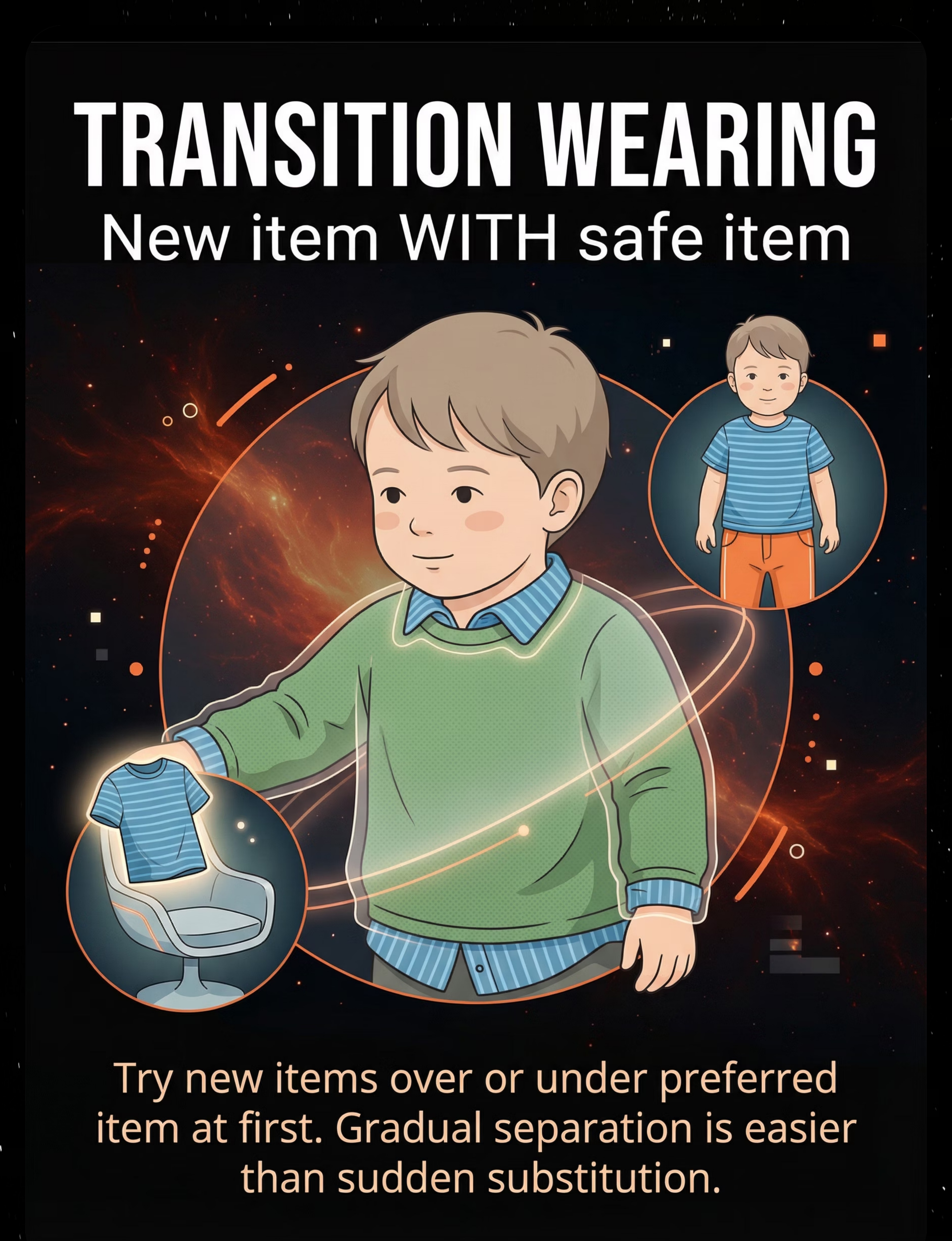
₹0 (technique only). New item layered WITH the safe item. Over or under. Gradual separation easier than sudden substitution. The safe item stays present during change.
7. Compression / Proprioceptive Undergarments
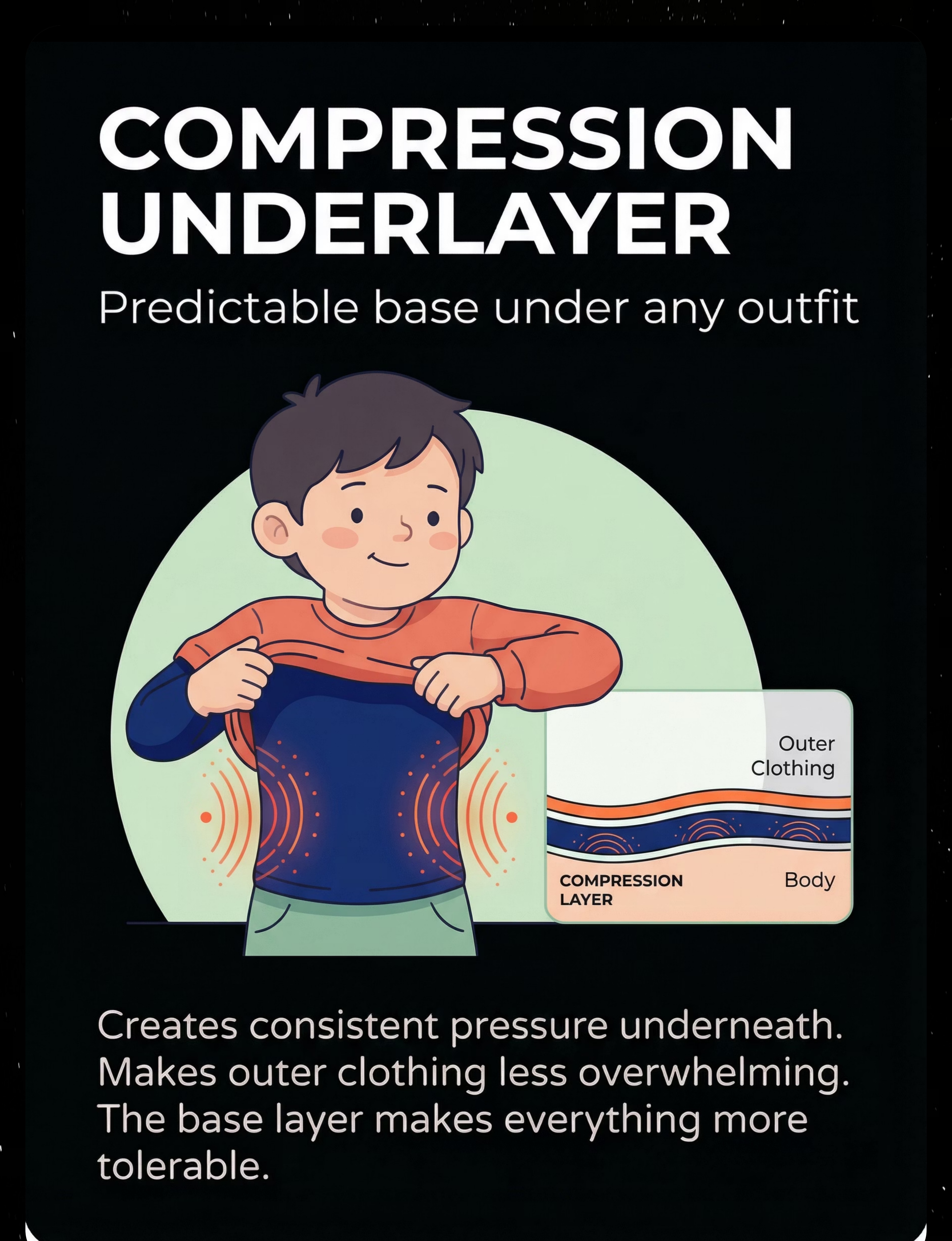
₹500–2,000. Predictable deep-pressure base layer under any outfit. When the body feels consistent compression underneath, outer clothing becomes less overwhelming.
8. Visual Schedules / Clothing Calendars
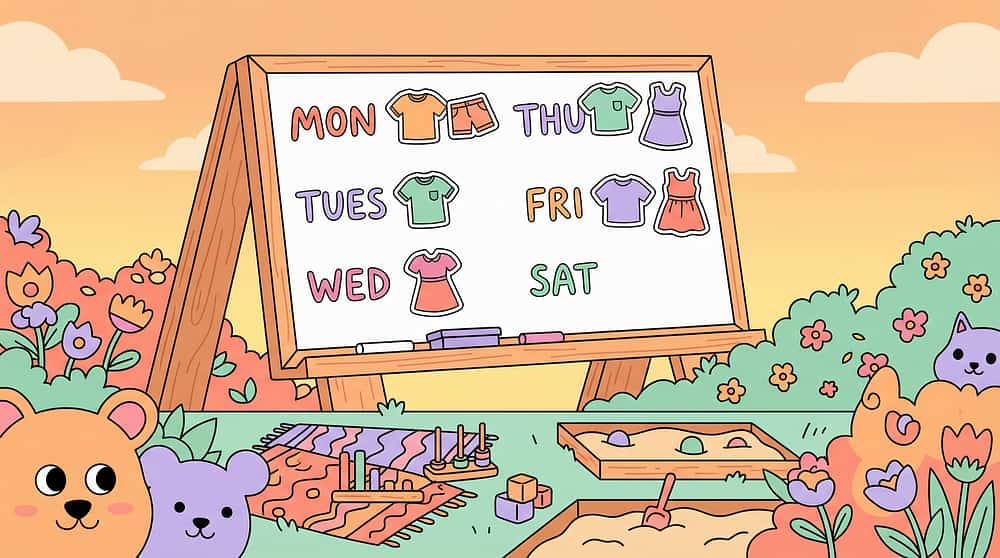
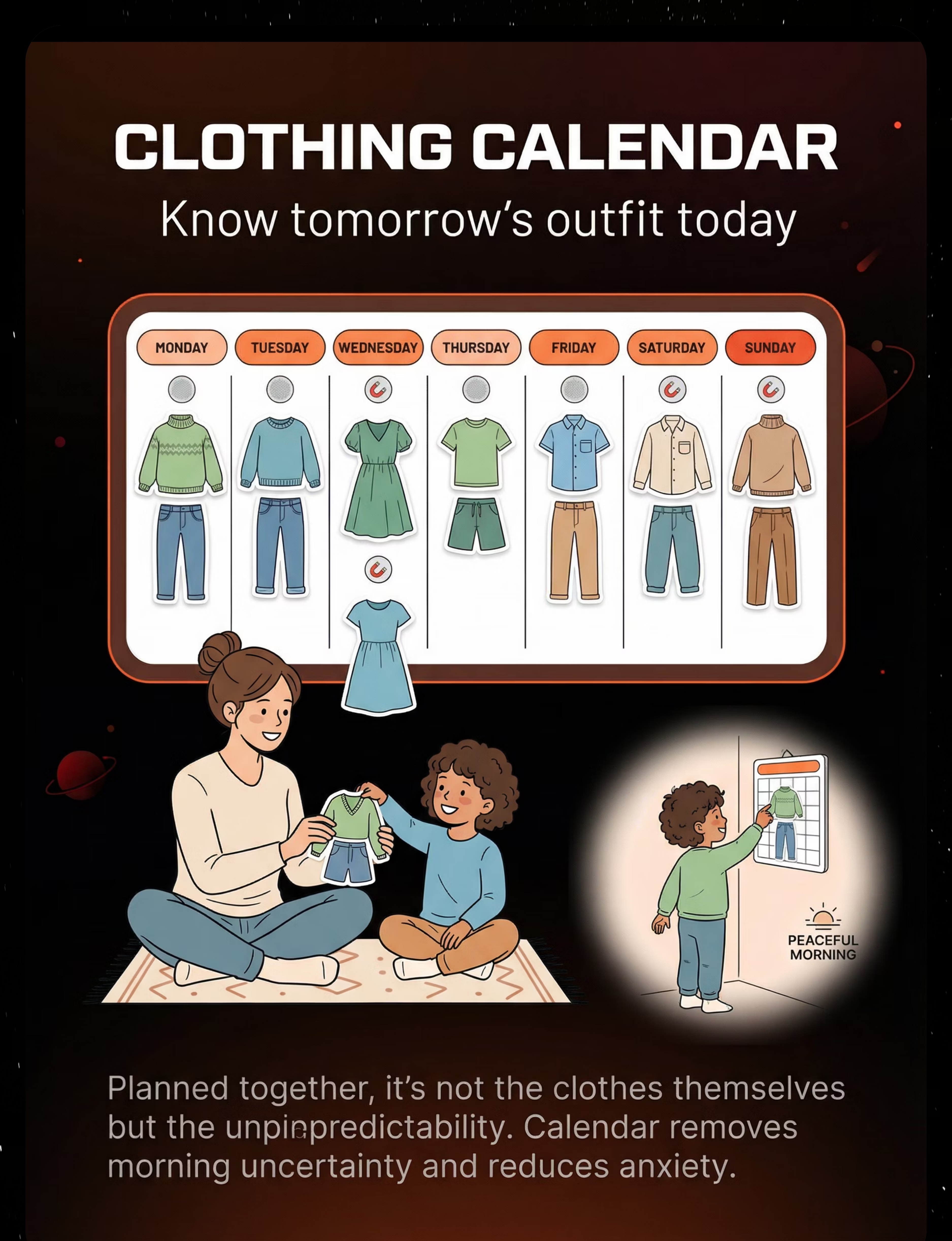
₹100–500. Plan tomorrow's outfit today. Photographed outfits on a weekly calendar. Removes morning decision anxiety. Predictability is the antidote to rigidity.
9. Choice Within Boundaries (Limited Options)
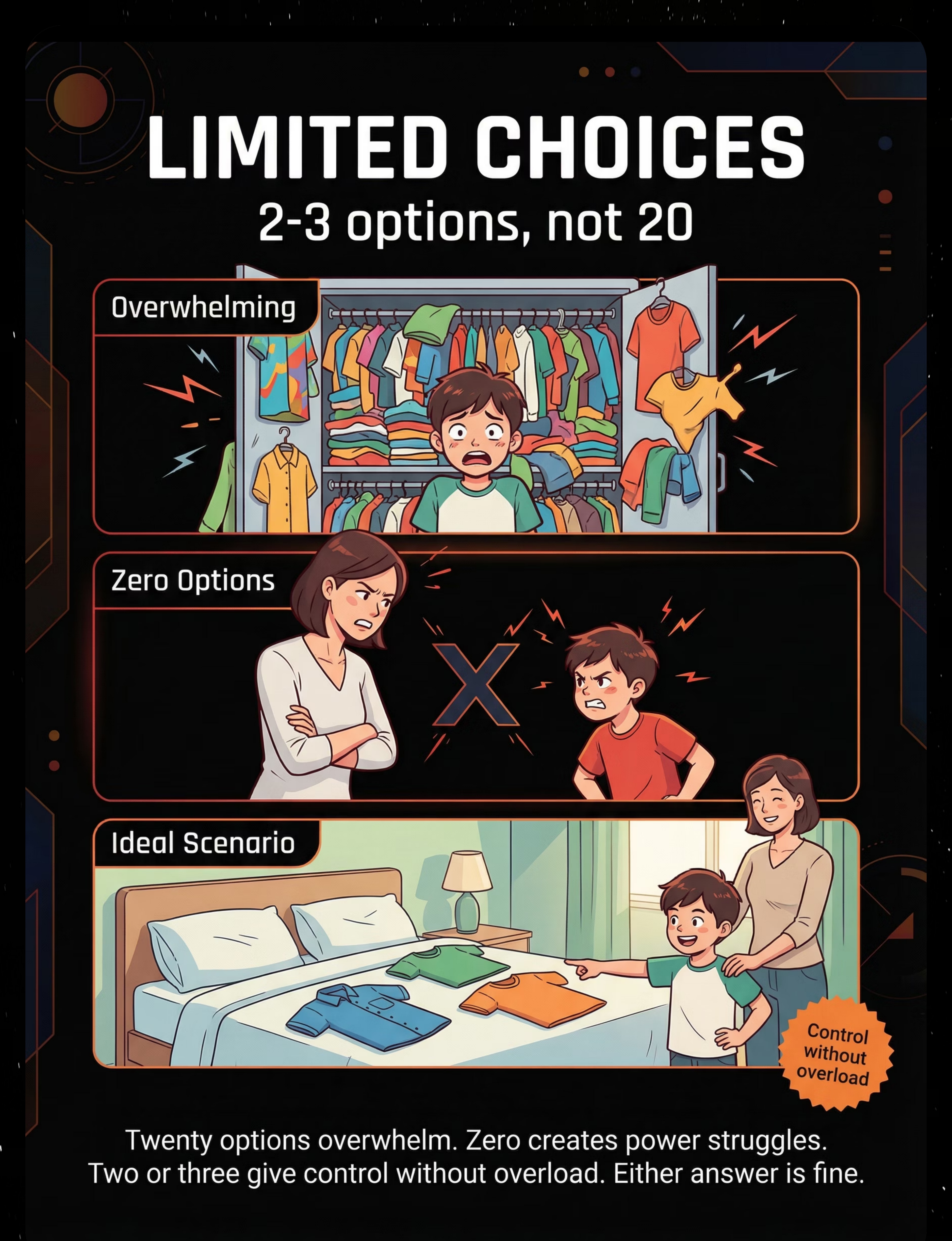
₹0 (technique only). 2–3 pre-approved options, not 20. Child chooses from curated set. Autonomy without overwhelm. Control without overload.
Pinnacle Recommends: Items 1, 4, 7, 8
DIY & Substitute Options — Zero-Cost Versions
Not every family can order from Amazon. Not every village has same-day delivery. The Pinnacle Consortium ensures every parent can execute this technique TODAY with household items. This is the WHO/UNICEF inclusion principle in action.
Buy This
Make This
Sensory-friendly brand clothing (₹800–3,000)
Remove ALL tags from regular clothes (cut at seam). Turn shirts inside-out if seams bother. Choose the softest clothes already in the closet. Wash 10+ times to soften.
Fabric swatch kit (₹200–800)
Cut fabric squares from: clothes child accepts, clothes child rejects, potential new clothes before purchase. Label each. Create a "texture book" with the child.
Compression undergarments (₹500–2,000)
Tight-fitting athletic wear, old swimsuit, snug camisole/tank top worn underneath regular clothes. Test different levels of snugness.
Visual clothing calendar (₹100–500)
Paper + photos of clothes + tape or magnets on fridge. Draw the week. Let child place outfit pictures. Laminate with packing tape for durability.
Pre-washing supplies (₹0–200)
White vinegar as fabric softener (fragrance-free alternative). Run multiple wash cycles. Dry in sun for natural softening. Store new items with preferred items so scent transfers.

Why the substitutes work: They follow the same sensory/motor/behavioral principles. The mechanism is identical — only the packaging changes.

When the clinical-grade material is non-negotiable: Compression garments for children with severe proprioceptive needs should be professionally fitted. Consult your OT before using tight compression on children under 3.

Reference: PMC9978394 | WHO NCF Handbook (2022) — equity-focused, context-specific intervention delivery
Safety First — Before You Begin
🔴 DO NOT PROCEED IF:
  • Child has open skin wounds, rashes, or dermatitis on areas that clothing touches — see pediatrician first
  • Child has recently had a severe meltdown (within past 30 minutes) — they are not regulated enough
  • Child is ill, exhausted, or hungry — basic needs override intervention
  • Child has expressed fear or extreme distress about clothing changes recently
  • You are frustrated, rushed, or in a "just put the clothes on" mindset — the adult's regulation matters too
🟡 PROCEED WITH CAUTION IF:
  • Child has known tactile hypersensitivity diagnosis — go slower, smaller steps
  • Child is on medication that may affect sensory processing
  • Multiple environmental changes are happening simultaneously
  • Child has a history of self-injurious behavior when distressed — have a calming plan ready
🟢 SAFE TO PROCEED WHEN:
  • Child is fed, rested, and in a calm-alert state
  • Environment is quiet, predictable, and familiar
  • You have 15–20 unhurried minutes
  • There is no time pressure
  • Safe outfit is visible and accessible
  • Your own emotional state is calm and patient

🛑 RED LINE — STOP IMMEDIATELY IF: Child shows signs of panic (hyperventilation, skin flushing, rigid body), engages in self-injurious behavior, vomits or shows signs of extreme autonomic distress, or verbally/behaviorally communicates fear (as distinct from protest).

If this happens: Return to safe clothing immediately. Document what triggered the response. Consult your Pinnacle OT before the next attempt.
Reference: DOI: 10.1007/s12098-018-2747-4 | Home-based sensory intervention safety protocols
Set Up Your Space
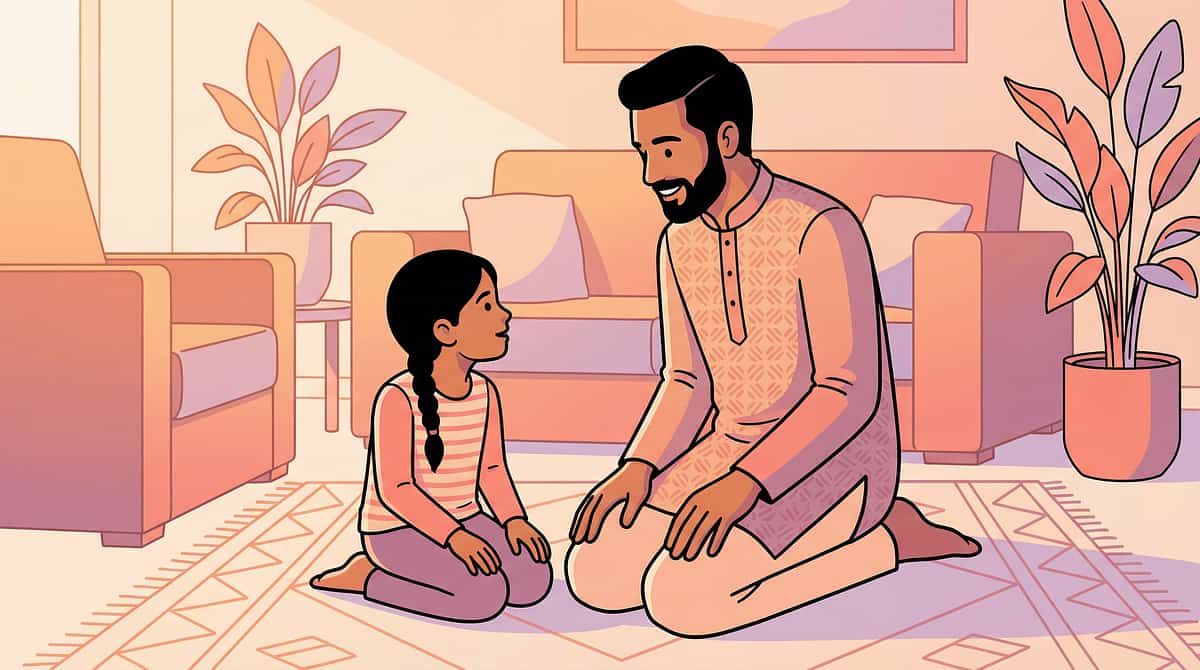
Child Position
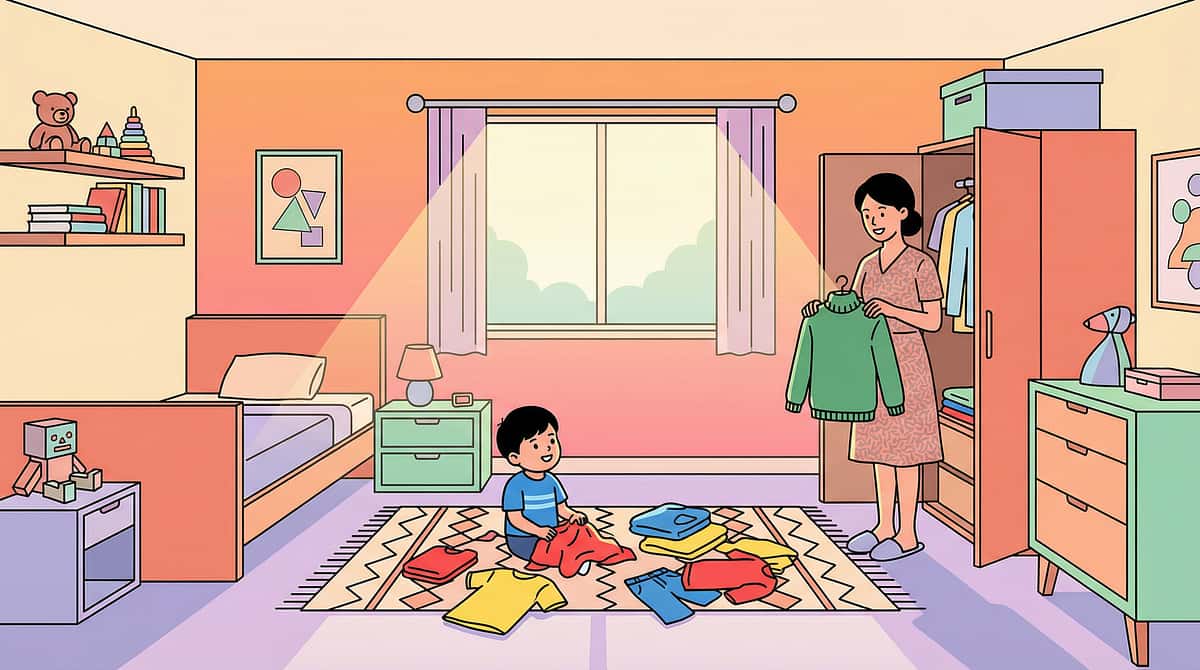
Seated or standing comfortably in their dressing area. Already wearing their preferred/safe outfit (you are adding to, not replacing). Preferred toy or activity within reach.
Parent Position
Beside child (not facing or looming). Sitting at child's level. Materials within parent's reach but not overwhelming the child's visual field.
New Material
One new item only. Placed on bed or chair within view but not touching the child. Not thrust at the child.
Safe Outfit
Visibly available. Child can see their preferred garment is not being taken away. It is RIGHT THERE if they want it back.
What to REMOVE
  • Close the closet (full closet = sensory overload of options)
  • Remove unrelated toys/distractions
  • Turn off screens and loud sounds
  • Remove time pressure cues (clocks, rushing siblings)
Environmental Settings
  • Lighting: Natural or warm (not harsh fluorescent)
  • Temperature: Comfortable (too hot amplifies skin sensitivity)
  • Sound: Quiet or soft familiar background music
  • Surface: Familiar rug or bed (not standing on cold floor)
Reference: PMC10955541 | Ayres Sensory Integration Theory — structured environment as core principle
ACT III: THE EXECUTION
Is Your Child Ready? — 60-Second Readiness Check
Child is fed
Not hungry, not immediately after a big meal
Child is rested
Not overtired, not just woken up
Child is emotionally regulated
No meltdowns in the past 30 minutes
Wearing preferred/safe outfit
We add, we do not replace
No recent sensory overload
No loud environments, crowds, or disrupted routines
No time pressure
You have 15+ unhurried minutes
Safe outfit visible and accessible
Child can return to it anytime
ALL GREEN → GO
Begin with Step 1 — The Invitation
🟡 1–2 AMBER → MODIFY
Simplified version: just place the new item in the room (clothing ladder Step 1). No touching, no wearing. Proximity only.
🔴 ANY RED → POSTPONE
Today is not the day. Do a calming activity instead. No guilt. Postponement IS clinical judgment, not failure.
Step 1 — The Invitation
Duration: 30–60 seconds
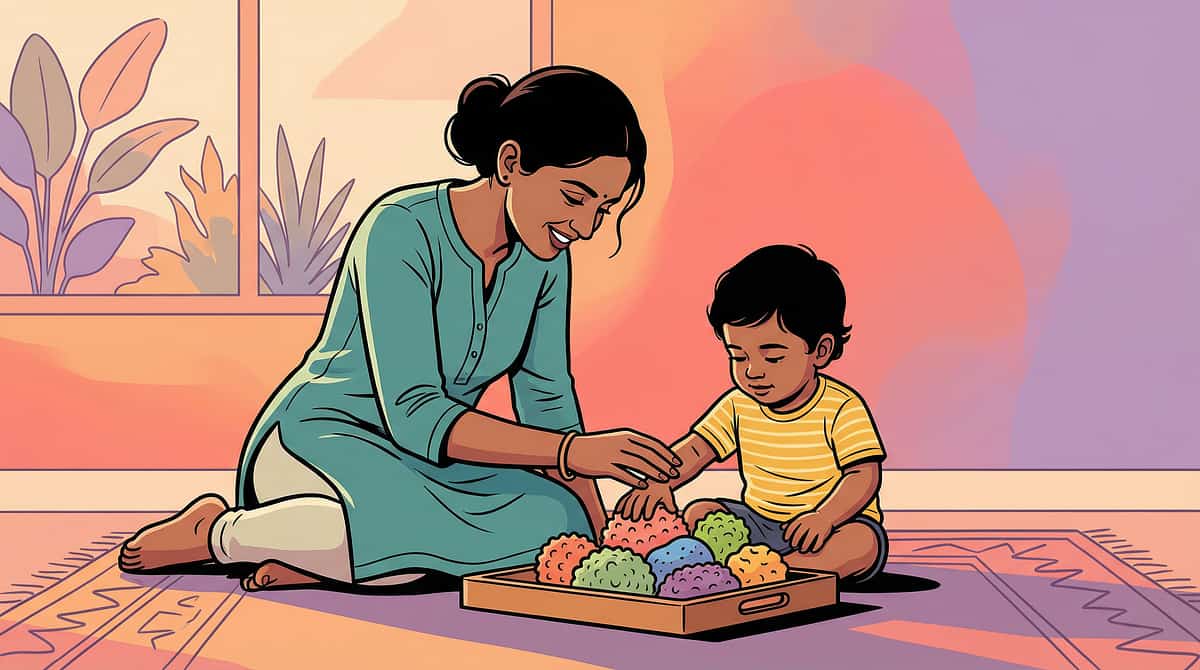
Every protocol begins with an invitation, not a command. You are not telling your child to change clothes. You are introducing an opportunity.
"Hey [child's name], I got something interesting. Want to check it out with me? You don't have to do anything with it — just look if you want."
Your Body Language
  • Sitting at their level (not standing over them)
  • Relaxed posture (not tense, not urgent)
  • Holding the new item casually, not presenting it formally
  • Not blocking the exit or their preferred outfit
What ACCEPTANCE Looks Like
  • Child glances at the item
  • Child moves toward you
  • Child asks "what is it?"
  • Child allows you to place item near them
What RESISTANCE Looks Like
  • Turns away → "That's okay. It'll be here if you're curious later." Place item on bed. Move on.
  • Says "no" → "No problem." Don't push. Today was a Step 1 exposure. That counts.
  • Shows distress → Immediately return to preferred activity. Today was data, not failure.
Step 2 — The Engagement
Duration: 1–3 minutes
Only proceed if Step 1 was accepted
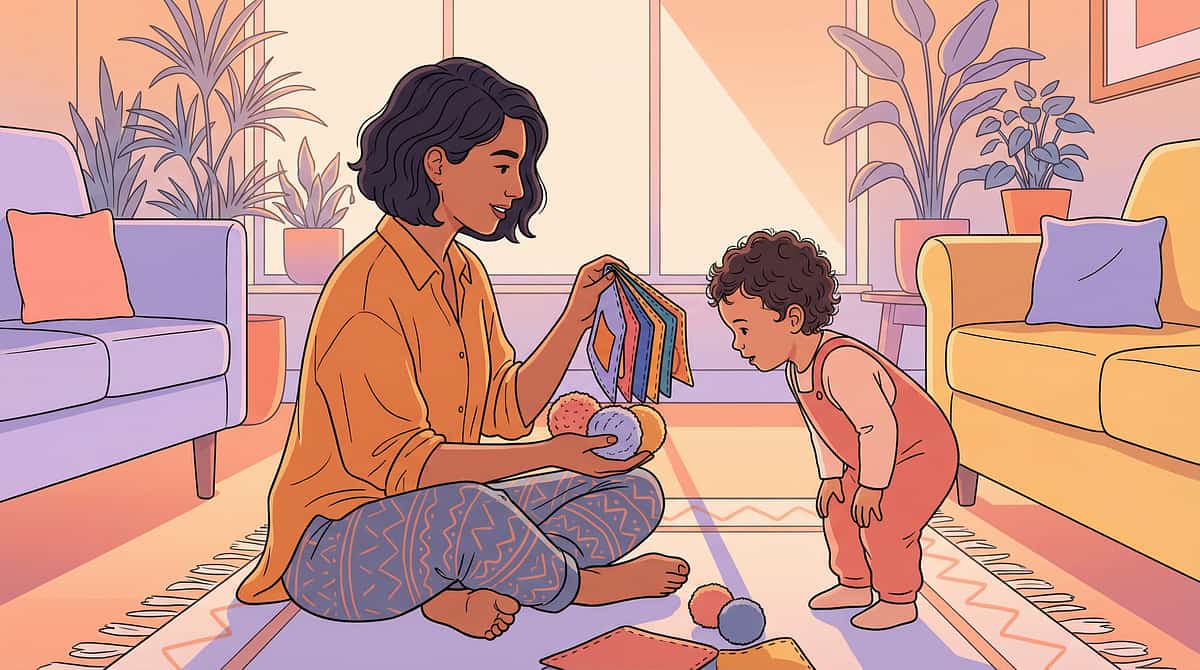
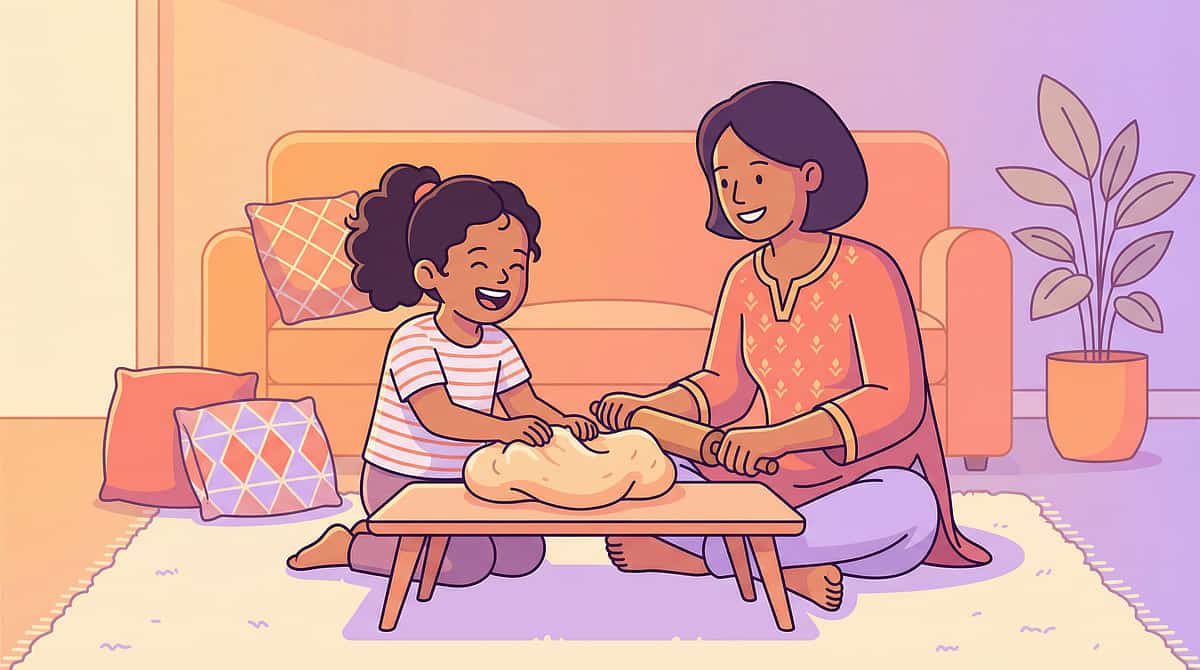
"Feel this fabric. It's really soft — like [reference something child likes]. Want to touch it? Just with your finger?"
How to Present the Material
  • Lay fabric swatch or new garment on a flat surface between you and the child
  • Let the child control the approach speed
  • Offer the least threatening part first (a sleeve, not the collar; the back, not the front)
  • If using fabric swatches: "Let's sort these into ones you like and ones you don't. You're the boss."
1
Engagement
Touches, explores, sorts, comments → Proceed to Step 3
2
Tolerance
Brief touch, then withdraws → "Thanks for trying! That was great." Session ends positively.
3
Avoidance
Won't touch → Place in their space. "It'll be here. Maybe tomorrow."

Reinforcement cue: Within 3 seconds of any positive engagement: "You touched it! That was brave. [Preferred reinforcer]."
Step 3 — The Therapeutic Action
Duration: 2–5 minutes — the core of today's session
This is the specific intervention for today — matched to the material you are using:
1
If Using FABRIC SWATCHES (Material 2)
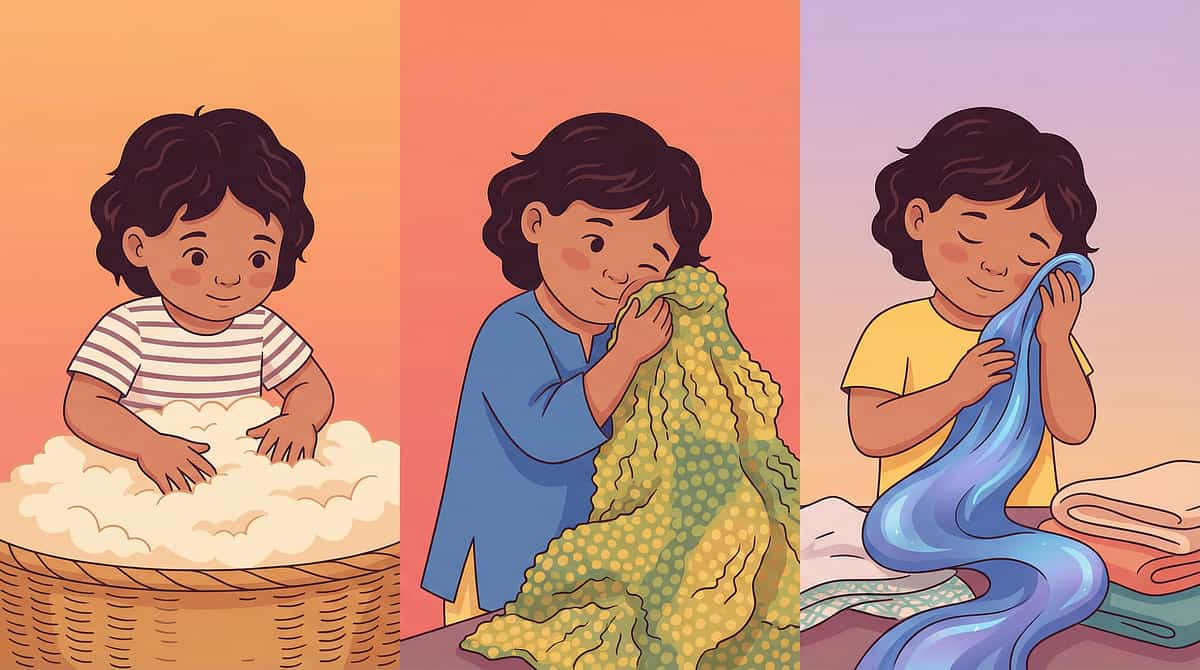
Spread 6–8 swatches on a table. Child sorts into YES (feels okay), NO (doesn't like), and MAYBE (not sure) piles. Parent records which textures, weights, and properties land in each pile. THIS IS YOUR SHOPPING GUIDE.
2
If Using CLOTHING LADDER (Material 4)
Execute the current step. Step 1: New item visible in room. Step 3: Brief touch. Step 6: New item put on over preferred item → Success = wears 2 minutes. Only one step per session. Only advance when previous step is comfortable.
3
If Using PRE-WASHED ITEM (Material 5)
Present the pre-washed item. Let child feel it. Compare to preferred item. "Feel how soft this is — I washed it ten times so it would feel nice." No pressure to wear today.
4
If Using TRANSITION WEARING (Material 6)
Layer new item over or under preferred item. "Let's try the new one over your blue shirt — your blue shirt stays on underneath." Timer visible for child.
5
If Using COMPRESSION UNDERLAYER (Material 7)
Fit compression layer first. Then try an outer garment over it. "Now you have your special comfortable shirt underneath — let's see how this one feels on top."
Common Execution Errors
  • Moving too fast between clothing ladder steps → Go back one step
  • Presenting too many new items at once → One item per session only
  • Removing the safe item before the child is ready → NEVER do this
  • Showing disappointment when child refuses → Neutral acceptance always
Reference: PMC11506176 | Structured sensory material introduction meets evidence-based practice criteria
Step 4 — Repeat & Vary
Duration: 3–5 minutes total
Target: 2–3 exposures per session
Variation Options to Maintain Engagement
Different body parts
Touch the fabric with finger → palm → forearm to gradually increase contact area
Compare and contrast
New item vs. preferred item: "Which is softer? Which is heavier?" Builds sensory vocabulary
Incorporate into play
Use as doll clothing, as blanket for stuffed animal, as craft material — reduce threat through play context
Change the context
Try the same item in a different setting: "What if Teddy wears it first?" Let the child be the observer before the participant
Satiation Indicators — When Your Child Has Had Enough
  • Loss of interest (looking away, moving to other activity)
  • Increased fidgeting or self-stimulatory behavior
  • Verbal or behavioral "all done" signals
  • Decreased quality of engagement (going through motions)
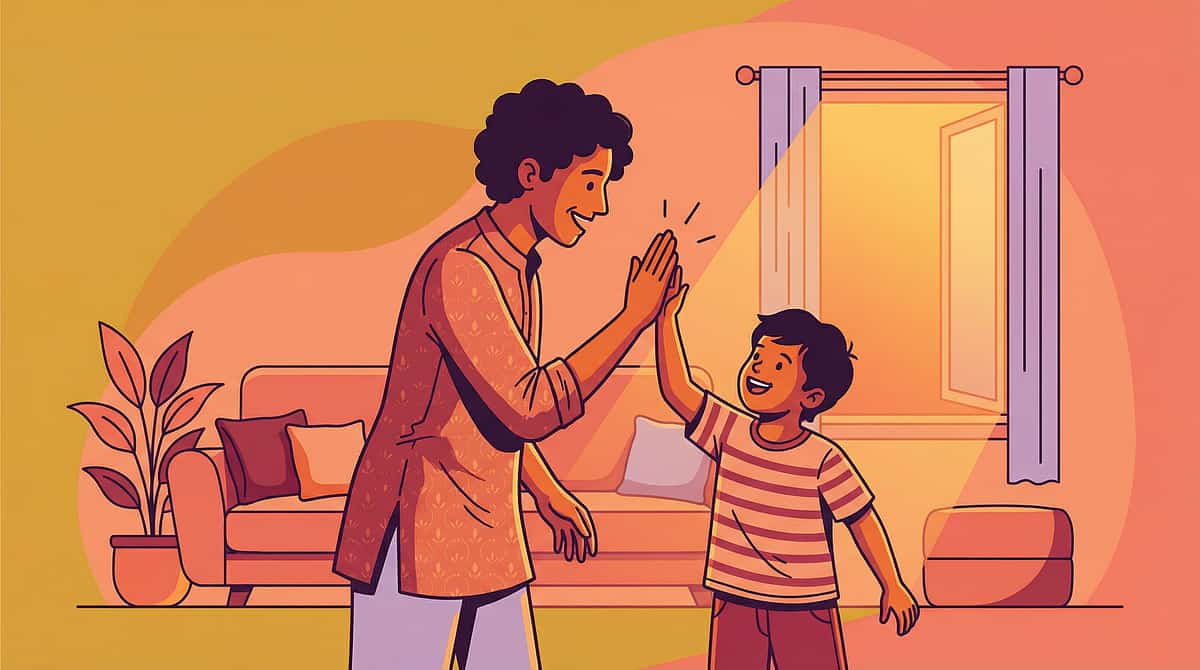
"3 good reps > 10 forced reps." When the child's engagement drops, today's session is complete. This is success, not early termination.
Step 5 — Reinforce & Celebrate
Reinforcement Scripts
Say within 3 seconds of any positive behavior:
"You touched the new fabric! That was so brave!"
"You wore the new shirt for two whole minutes! Your body did it!"
"You sorted all the swatches — now we know what you like! Great job helping me understand."
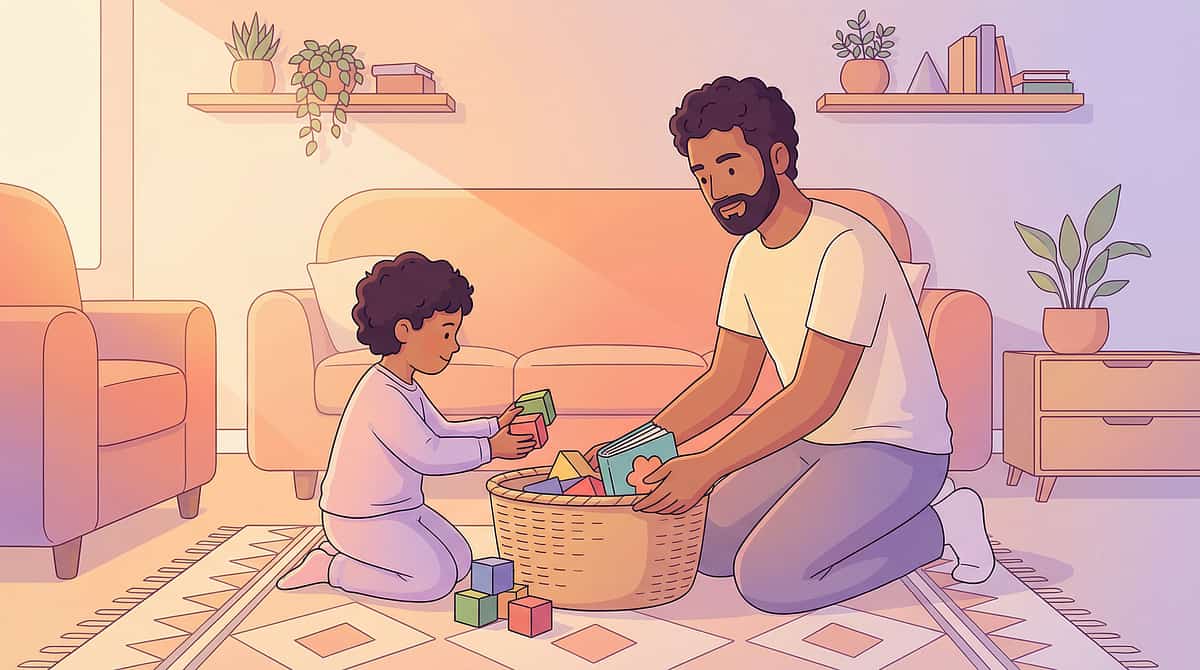
Timing matters more than magnitude. Immediate, specific, enthusiastic.
Reinforcement Menu
Verbal Praise
Specific, not generic. "You wore it for 3 minutes!" not "Good job"
Preferred Activity
"Now let's do [favorite activity] together"
Token/Sticker
For clothing flexibility chart — visible progress tracking
Natural Reinforcer
"Now you know you CAN wear that one — you have TWO shirts that work!"
Physical Reinforcer
High-five, fist bump, hug (if child-initiated)

Celebrate the attempt, not just the success. A child who touches a new fabric for 2 seconds and then refuses to continue has just completed a successful exposure session. That IS the win. Celebrate it like one.
Step 6 — The Cool-Down
Duration: 1–2 minutes
"We're almost done — two more touches (or one more minute), then all done."
Cool-Down Activity
  • Return to preferred outfit if any new item was tried on — no drama, no disappointment
  • Deep pressure input: firm hug, squeeze pillow, weighted blanket
  • Preferred calming activity: favorite song, comfort item, quiet play
  • New item goes to a visible but non-threatening place
Material Put-Away Ritual
Include the child if willing:
  • "Let's put the swatches back in their box for next time"
  • "You choose where the new shirt goes in your room"
  • Give the child ownership of the item's placement
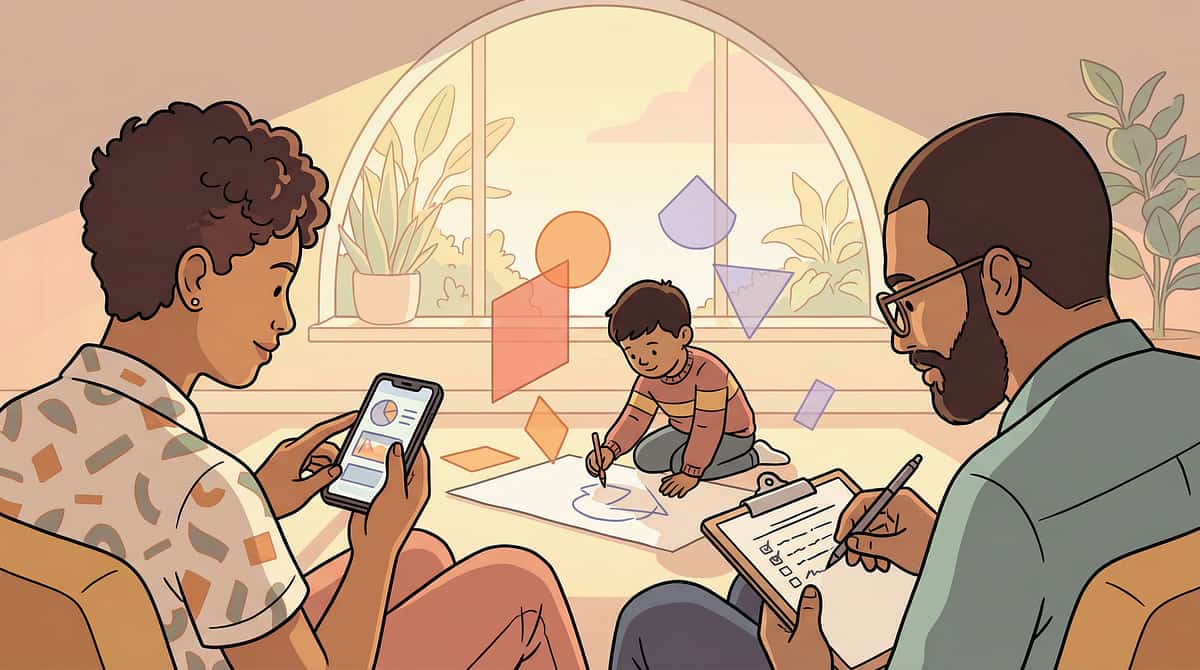
If the child resists ending (wants to keep going): This is a GOOD sign. Allow one additional round, then end on a high note. Always end while engagement is positive, not when it deteriorates.
Reference: NCAEP Evidence-Based Practices Report (2020) — Visual supports and transition strategies classified as evidence-based for autism
Capture the Data — Right Now
Within 60 seconds of session end — before you forget.
📊 Data Point 1 — Duration of Engagement
How long did your child interact with the new item? (touch, hold, wear — any contact counts)
  • Less than 10 seconds
  • 10–30 seconds
  • 30 sec – 2 min
  • 2–5 min
  • 5+ min
📊 Data Point 2 — Highest Step Achieved
What was the most advanced clothing ladder step reached today?
  • In room
  • Touched
  • Held
  • On body
  • Worn over safe item
  • Worn alone briefly
📊 Data Point 3 — Child's Emotional State
How did your child feel during the session?
  • Distressed
  • Tolerating
  • Neutral
  • Engaged
  • Enjoying
That's it. Three checkboxes. 60 seconds.

"60 seconds of data now saves hours of guessing later."
Reference: BACB Guidelines — Cooper, Heron & Heward (Applied Behavior Analysis) — behavior-analytic intervention tracking
What If It Didn't Go As Planned?
Most sessions don't go perfectly. That's expected. Here are the 7 most common challenges and what to do about each one:
Problem 1: Child refused to even look
This IS data. The item may have been too visually different. Next time, choose something closer in color, pattern, or style to the safe item. Or start with fabric swatches (non-clothing) to reduce threat.
Problem 2: Child touched but immediately recoiled
Texture issue identified. Note which texture caused the reaction. Use fabric swatch testing (Material 2) to map exactly which textures are tolerable. Shop accordingly.
Problem 3: Wore for 30 seconds then tore it off
30 seconds is progress! Don't frame this as failure. Next time, aim for 35 seconds. If distress was intense, back up to laying the item on the body instead of wearing.
Problem 4: Accepted the fabric but rejects the garment
The fabric is acceptable but something else is wrong: collar style, sleeve length, waistband, seam placement. Use the fabric preference profile to identify the specific structural element.
Problem 5: Duplicates rejected as "not the same"
Pre-wash all duplicates together with the original 3–5 times. Wear-soften the duplicates. The child detects micro-differences. Time and washing equalize them.
Problem 6: Full meltdown
Session ends. Return to safe clothing. Comfort the child. Record the trigger. Do NOT attempt again for 24–48 hours. When you restart, go back TWO steps on the clothing ladder.
Problem 7: Nothing working after 3+ weeks
Book a Pinnacle teleconsultation. The pattern may be more complex: severe tactile over-responsivity, anxiety disorder, or interoceptive processing differences requiring specialized assessment.

"Session abandonment is not failure — it's data."
Adapt & Personalize
No two children are identical. Here's how to adjust this protocol to YOUR child:
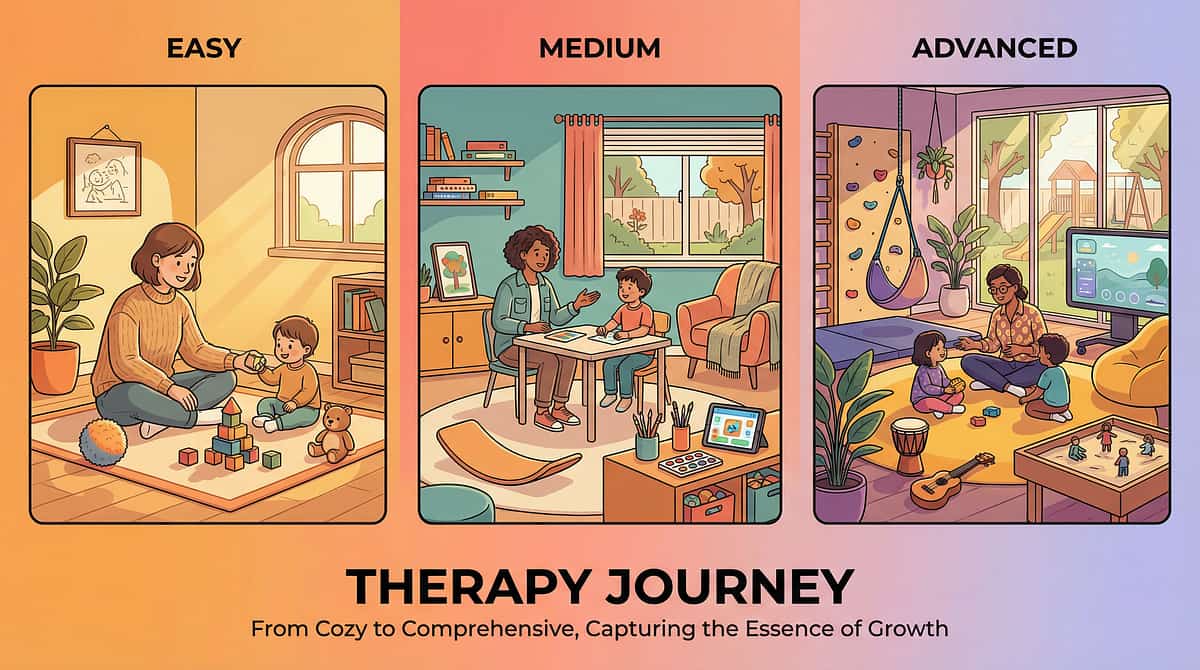
← EASIER
For bad days, early stages, or high sensitivity
  • Use fabric swatches only (no actual clothing)
  • Exposure = item in the room, 10 feet away
  • Session = 2 minutes maximum
  • Reinforcement for ANY proximity to new item
  • Always have preferred outfit actively on the child
→ HARDER
For breakthroughs and advancing stages
  • Try new item alone (no preferred item underneath)
  • Extend wearing time to 15–30 minutes
  • Wear new item to a familiar activity outside the home
  • Introduce clothing calendar with one new item per week
  • Begin context-appropriate dressing: "This is our park shirt"

Sensory Profile Variations
Sensory Avoider (Most Common)
Start with softest, least textured items. Remove all tags. Pre-wash extensively. Compression underlayer helps. Go very slowly on the clothing ladder.
Mixed Profile
Use the fabric swatch test to map exactly which textures are sought vs. avoided. Match new items to the "seek" properties while avoiding the "avoid" properties.
Age-Based Modifications
Ages 2–4
Parent-led, play-based, very short sessions (2–3 minutes), heavy reinforcement
Ages 5–8
Collaborative, child helps plan the calendar, token economy works well, visual ladder on wall
Ages 9–12
Self-directed with coaching, child owns the process, focus on self-advocacy skills
ACT IV: THE PROGRESS ARC
Week 1–2: What to Expect
15%
Progress Journey
You are at the beginning — building familiarity and reducing threat
In weeks 1–2, you are NOT expecting your child to wear new clothes. You are building familiarity, reducing threat, and collecting data.
Observable Indicators
  • Child tolerates new item being visible in the room without distress
  • Child briefly touches a new fabric when invited (even 2–3 seconds)
  • Child engages with fabric swatch sorting as a game
  • Meltdowns around clothing topic may initially INCREASE (this is normal — you're activating the system)
What "Progress" Actually Looks Like
  • Child touches the new fabric for 3 seconds longer than last week — that's real progress
  • Child doesn't leave the room when new item is brought in — that's progress
  • Child asks "what is that?" about a new item — that's significant progress

Parent preparation: This phase requires patience. You may feel nothing is happening. The neural pathways are forming beneath the surface. Trust the process.
Week 3–4: Consolidation Signs
40%
Progress Journey
Neural pathways are consolidating — real behavioral shifts are emerging
Consolidation Indicators
Willingness without prompting
Child willingly touches new fabrics without being asked
Opinions emerging
"I like this one, not that one" — this is GOOD. They are processing, not just refusing
Duration increasing
Time of new item contact increases noticeably across sessions
Meltdowns decreasing
Distress around clothing topic begins to measurably decline
Spontaneous Generalization Seeds
  • Accepting a different pajama set
  • Allowing a jacket or outer layer over the preferred shirt
  • Keeping socks on that were previously rejected
  • Spontaneously touching a new shirt in a store without recoiling
  • Commenting on texture: "That's soft" or "That's scratchy" — language for sensation emerging

When to increase frequency: If the child is at clothing ladder Step 4+ consistently and shows no distress, increase sessions from 3x/week to daily integration into the dressing routine.

"You may notice you're more confident too — both the child and the parent are building new neural pathways."
Week 5–8: Mastery Indicators
75%
Progress Journey
Flexibility emerging — mastery milestones being reached
Mastery Criteria — Specific, Observable, Measurable
Child accepts 3–5 different garments across a week
Morning dressing without meltdown on 5+ days out of 7
Child chooses from 2–3 options without distress
Child wears age- and weather-appropriate outfit for a full day
Preferred item still available but no longer the ONLY option
Generalization Indicators
  • Child wears school uniform or event-specific clothing with minimal resistance
  • Clothing flexibility extends to shoes, socks, underwear
  • Child can dress at grandparent's house or on vacation with some flexibility
  • Transition to new clothing sizes happens with less crisis
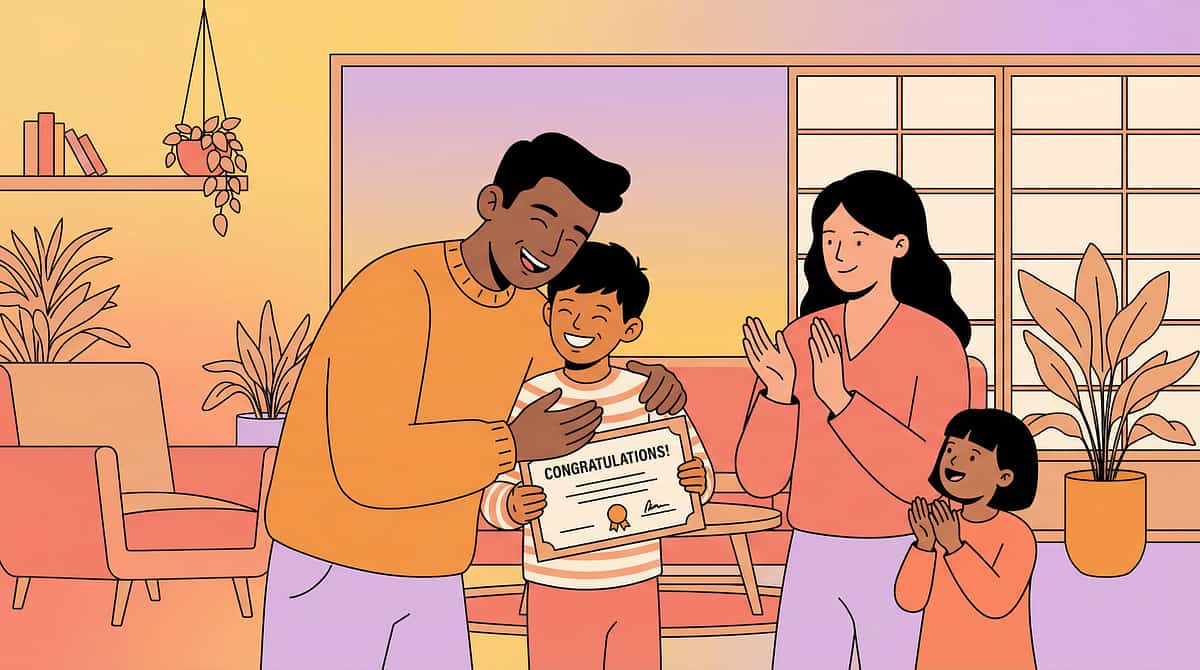
When to move to the next level: Your child now has clothing flexibility. Consider progressing to context-appropriate dressing: weather-based selection, event-based selection, and self-directed outfit planning.
Celebrate This Win 🎉
You did this. Your child grew because of your commitment.
Remember Card 01? That parent washing one shirt at midnight, terrified it would wear out? That was you.
Now look at your child. Three shirts. Maybe five. Maybe they chose a new one themselves last Tuesday. Maybe morning got 15 minutes shorter because there was no battle.
That is not a small thing. That is thousands of new neural connections, built one fabric swatch, one pre-wash, one 30-second wearing at a time. You were the therapist. You were the safe space. You were the bridge between rigidity and flexibility.

Celebration Suggestions
Capture It
Take a photo of your child wearing their "new" outfit — this is a milestone worth remembering
Journal It
"We started with [one shirt]. Now we have [X options]. The mornings are [different how]."
Share It
Tell someone who watched you struggle: "It's working." Share with your Pinnacle parent community.
Red Flags — When to Pause and Seek Professional Guidance
Regression
Child who had reached Step 6+ suddenly refuses even Step 1. Rule out: illness, environmental change, new stressor.
Self-Injury
Child scratches, bites, or hits themselves when new clothing is introduced. Escalate: Behavioral assessment needed.
Skin Reactions
Persistent redness, hives, or rash where new fabrics touch skin. Consult: Pediatrician — may be contact dermatitis, not sensory issue.
Escalating Anxiety
Child begins showing clothing anxiety BEFORE sessions — anticipatory distress. Consult: Psychology/behavior assessment.
Generalized Rigidity Increase
Clothing work is causing rigidity to spread to other routines (food, bedtime, activities). Pause everything: System is overloaded.
No Progress After 8 Weeks
Consistent, correct protocol execution with no improvement. Consult: Pinnacle OT teleconsultation for assessment revision.
Escalation pathway: Self-resolve (adjust protocol) → Pinnacle teleconsultation (9100 181 181) → In-center assessment → Comprehensive sensory processing evaluation

"Trust your instincts — if something feels wrong, pause and ask."
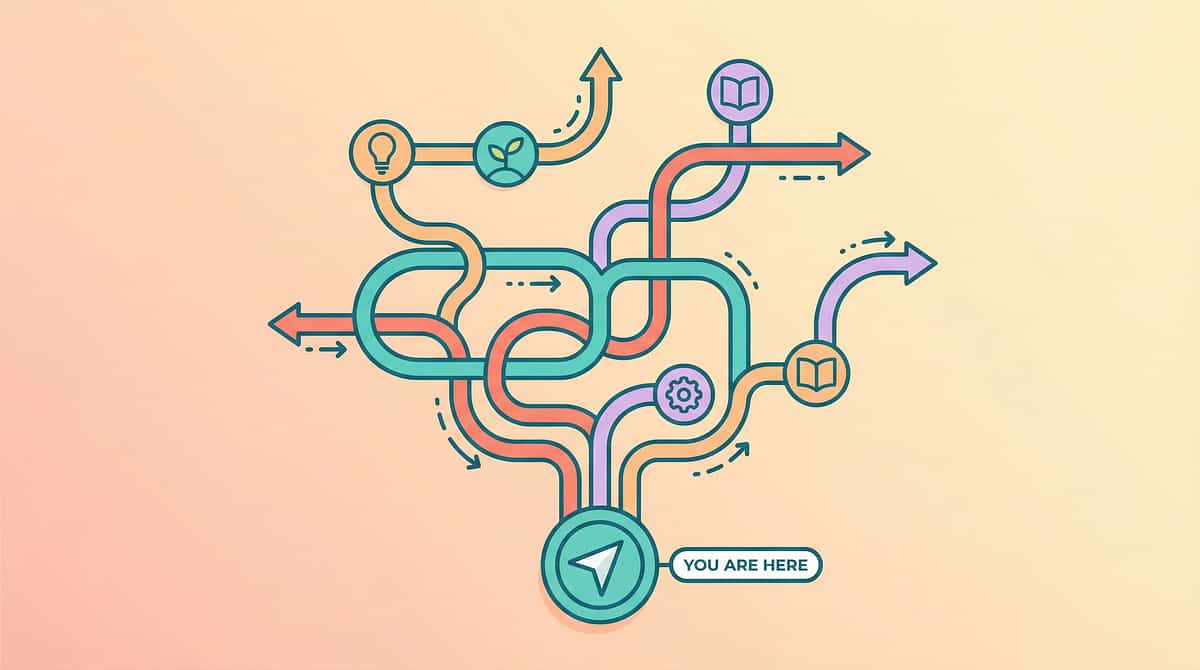
The Progression Pathway
Understanding where this technique sits in the broader clinical journey helps you plan ahead and see the bigger picture of your child's development.
Path A — Sensory-Led
If tactile processing was the primary driver
Path B — Flexibility-Led
If cognitive rigidity was the primary driver
Path C — Anxiety-Led
If anxiety was the primary driver
Long-term developmental goal: Independent, context-appropriate dressing — child selects weather-appropriate, event-appropriate clothing with minimal parental support.
Related Techniques in Domain A — Sensory Processing
Technique
Difficulty
Materials You Already Own
A-021: Avoiding Hugs (Tactile Sensitivity)
Intro
Fabric Swatches, Compression
A-025: Won't Wear Certain Textures
Core
Sensory-Friendly Clothing, Fabric Swatches
A-030: Meltdowns with Routine Changes
Core
Visual Schedules, Limited Choices
A-035: Tag Sensitivity
Intro
Sensory-Friendly Clothing, Pre-Washing
A-040: Shoe/Sock Battles
Core
Compression, Fabric Swatches, Clothing Ladder
A-009: Sand Play Avoidance
Intro
Tactile Kit, Graduated Exposure

"You already own materials for 4 of these 6 techniques." Your investment in this protocol extends far beyond one-outfit rigidity.
Domain A — Sensory Processing
20 Categories: Sensory Regulation Tools

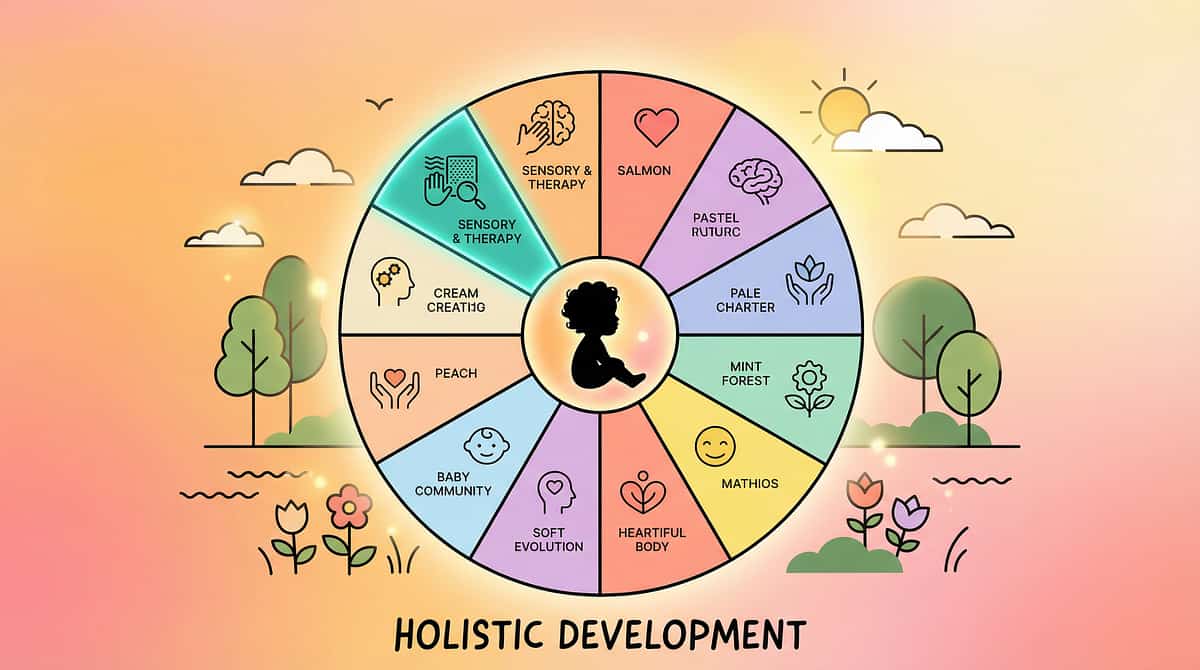
Your Child's Full Developmental Map

A — Sensory Processing ← YOU ARE HERE B — Motor Development Gross + Fine C — Communication & Language D — Social-Emotional Development E — Cognitive & Play Skills F — Self-Care & Daily Living The full developmental framework also includes: G — Behavioral Regulation, H — Academic Readiness, I — Feeding & Nutrition, J — Sleep & Rest, K — Family & Caregiver Support, L — Community & Social Participation. "This technique is one piece of a larger plan." Clothing flexibility sits at the intersection of Sensory Processing (A), Behavioral Regulation (G), Self-Care & Daily Living (F), and Family Support (K). When your child can dress flexibly, it cascades into social participation, school readiness, and family stress reduction. Reference: WHO/UNICEF Nurturing Care Framework (2018) — holistic developmental monitoring across all five components
ACT V: THE COMMUNITY & ECOSYSTEM
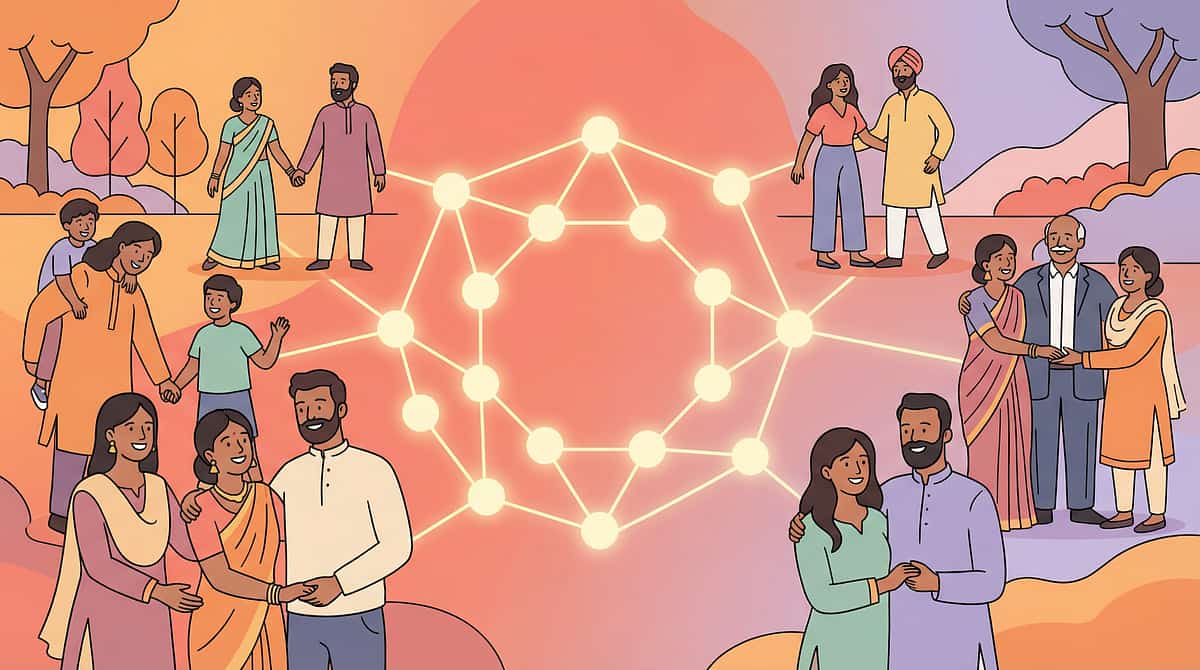
Families Who've Been Here
Arjun's Family — 12 Weeks
Before: "Arjun would only wear one grey t-shirt. I had to wash it every night. On mornings when it was still damp, we missed school. I bought five identical ones — he rejected four because they felt 'different.' I thought we'd never get past this."
After: "We started with fabric swatches — he thought it was a game. Then pre-washing new items ten times. Then the compression undershirt changed everything. He now rotates between four shirts and one pair of jeans. It's not twenty options — but it's four mornings without a fight."
Meera's Family — 8 Weeks
Before: "My daughter wore the same pink dress for eight months. It was too small. The zipper didn't close anymore. People stared. I felt judged."
After: "The clothing calendar was the breakthrough. She plans her outfits on Sunday. She still has her pink dress in the rotation — but now it's Tuesday's dress, not every day's dress. She actually gets excited to check the calendar."
From the Therapist's Notes:"Clothing rigidity resolves not through forcing change but through expanding the definition of safety. When the child discovers that TWO items are safe, the neural pathway for 'safe clothing' has expanded — and it will continue to expand."
Outcomes are illustrative. Individual results vary based on child's profile, consistency, and co-occurring factors.
Connect With Other Parents
Clothing Flexibility Parent WhatsApp Group
Connect with parents navigating the exact same morning battles. Share what worked, ask questions, celebrate milestones together in a safe, supportive space.
Pinnacle Parent Forum — Sensory Processing
Online discussion board moderated by Pinnacle OTs. Post questions, share strategies, and read other families' journeys at pinnacleblooms.org/community/sensory.
Local Pinnacle Parent Meetup
Monthly meet-ups organized by your nearest Pinnacle center. Connect face-to-face with families who understand. Find your center at pinnacleblooms.org/centers.
Peer Mentoring
Connect with an experienced parent who has navigated clothing rigidity successfully. One-on-one support from someone who's been exactly where you are.

"Your experience helps others — consider sharing your journey."
Your Professional Support Team
Home-based intervention works best when supported by professional guidance.
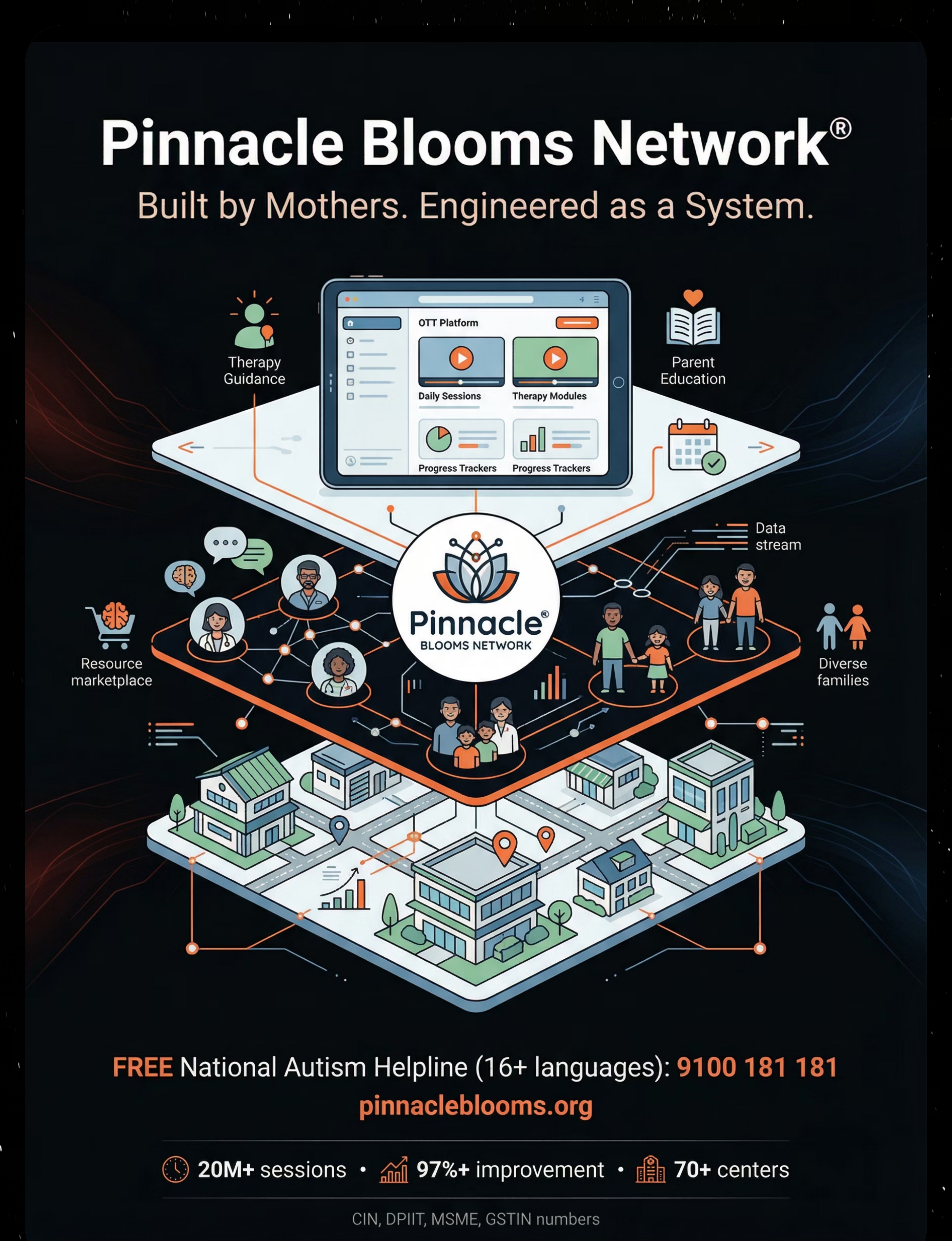
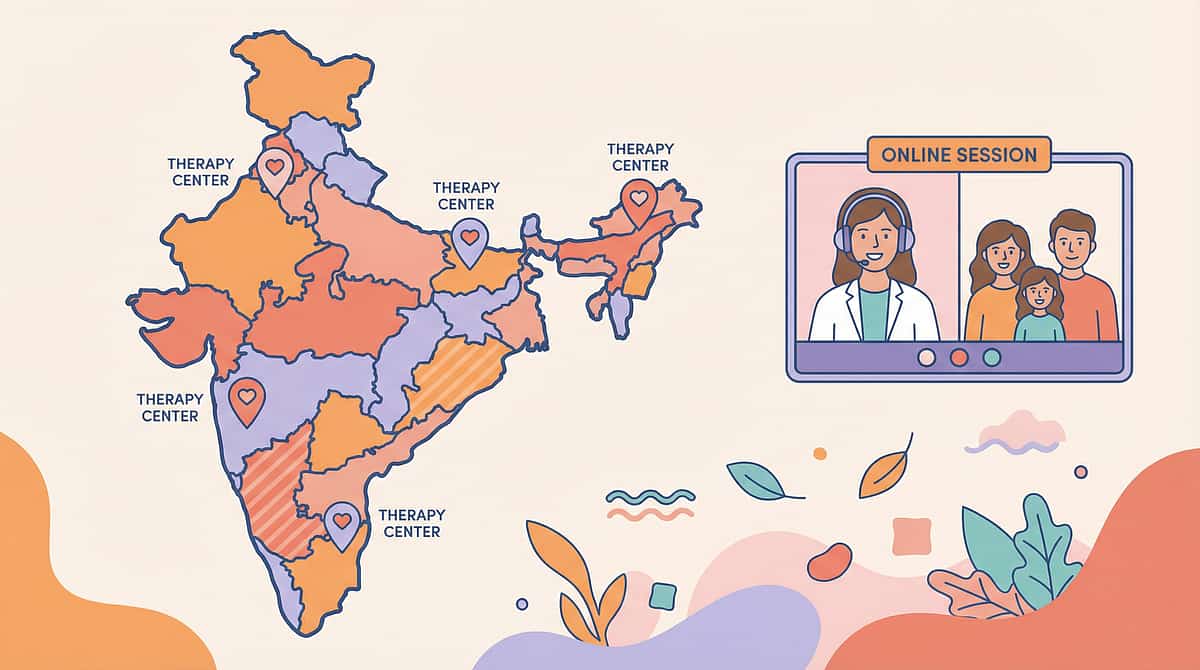
70+ Centers Across India
Find your nearest Pinnacle Blooms center for in-person assessment and therapy.
Primary Match: Occupational Therapist
Specializing in Sensory Integration. Supporting team: BCBA (behavioral flexibility), NeuroDev Pediatrician (medical assessment).
Teleconsultation Available
For families not near a Pinnacle center — video consultations with OT specialists who understand clothing rigidity.
📞 FREE National Autism Helpline: 9100 181 181
Available 24x7 | 16+ languages | No cost | No commitment

"Home + clinic = maximum impact."
Reference: WHO NCF Progress Report 2023 — primary health care as platform for reaching all families
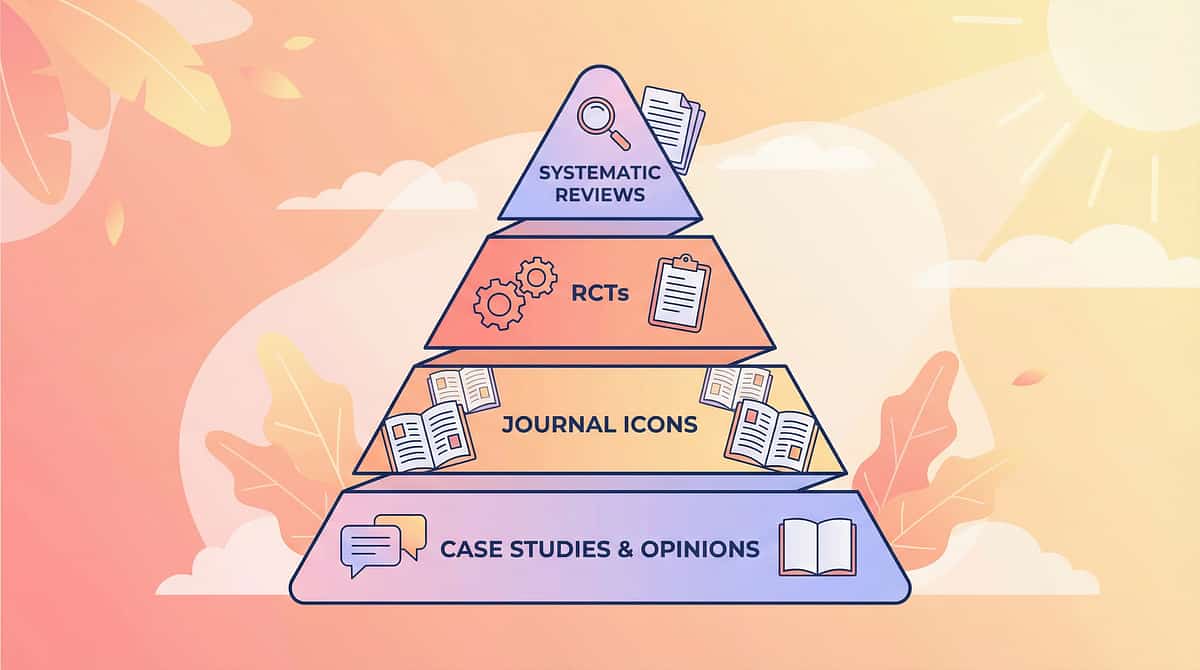
The Research Library
Top: Systematic Reviews
Meta-analyses synthesize best evidence
Cohort Studies
Observational groups over time
Base: Case Studies
Individual reports and observations
The following key studies provide the scientific foundation for this technique:
PRISMA Systematic Review (2024)
"Sensory Integration Intervention for Children with ASD" — 16 articles (2013–2023). Confirms evidence-based practice criteria met. → PubMed: PMC11506176
Meta-Analysis (World J Clin Cases, 2024)
"Sensory Integration Therapy Effectiveness" — 24 studies. Promotes social skills, adaptive behavior, sensory processing, motor skills. → PubMed: PMC10955541
Indian RCT (Padmanabha et al., 2019)
"Home-Based Sensory Interventions" — Indian Journal of Pediatrics. Significant outcomes from parent-administered protocols. → DOI: 10.1007/s12098-018-2747-4
WHO Nurturing Care Framework (2018)
Early childhood development across 197 countries. → nurturing-care.org
WHO CCD Package (2023)
Caregiver training in 54 LMICs. → PubMed: PMC9978394
NCAEP Evidence-Based Practices (2020)
Visual supports and sensory integration classified as evidence-based. → National Clearinghouse on Autism Evidence and Practice
Frontiers in Integrative Neuroscience (2020)
Neurological framework for sensory processing treatment in ASD. → DOI: 10.3389/fnint.2020.556660
"Deeper reading for the curious parent."
How GPT-OS® Uses Your Data
What GPT-OS® Learns From Clothing Flexibility Data
  • Which of the 9 materials produces the fastest progress for your child's profile
  • Optimal session frequency and duration
  • Predicted timeline to mastery based on similar profiles from 20M+ sessions
  • When to escalate to professional assessment vs. continue home protocol
Privacy and Data Protection
Encrypted
All personal data encrypted end-to-end
Protected
No child-identifiable information shared externally
Your Control
You control what you share and can delete anytime
Compliant
DPDP Act (India), GDPR principles

"Your data helps every child like yours." This is not software. This is therapeutic infrastructure.

Watch the Reel

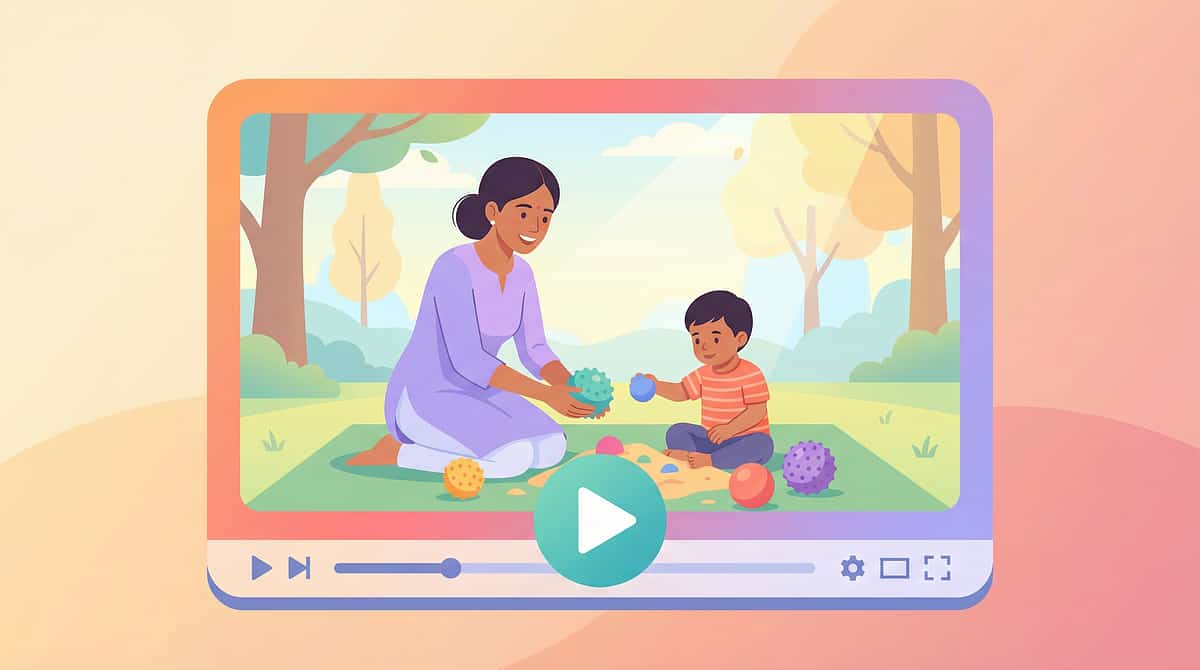
Reel A-023 Title: 9 Materials That Help With One-Outfit Rigidity Series: Sensory Solutions — Episode 23 Domain: A — Sensory Processing Duration: ~75 seconds Watch a Pinnacle therapist demonstrate each of the 9 materials, show you exactly how to use fabric swatches, demonstrate the clothing ladder in action, and walk through a real pre-washing protocol. Video reinforces what you've read through a different learning modality. Research shows multi-modal learning (text + visual + demonstration) improves parent skill acquisition significantly. Watch on Pinnacle Reels Browse All 999 Reels Reference: NCAEP (2020) — Video modeling classified as evidence-based practice for autism

Share This With Your Family
If only one parent executes this technique, its impact is limited. When grandparents, spouses, school teachers, and babysitters understand the approach — the child experiences consistency across all caregivers. Consistency multiplies impact.
📋 "Explain to Grandparents" — Simplified Version
"Your grandchild isn't being difficult. Their brain processes fabric touch differently — their one shirt is the only one that feels safe. We're working with Pinnacle's therapy approach to slowly expand what feels comfortable. Please don't force other clothes on them. Offer the 2–3 options we've approved. Celebrate if they try anything new."
📋 Teacher/School Communication Template
"[Child's name] has sensory processing differences affecting clothing tolerance. They are undergoing a structured flexibility protocol. Please allow: [preferred item], [approved alternatives]. Please do not require [specific items that trigger distress]. We are happy to discuss accommodations."


📥 Download: Family Guide — 1-Page PDF covering why the child only wears one outfit (neuroscience, not stubbornness), what we're doing about it, how others can help, and what NOT to do.
Reference: PMC9978394 — WHO CCD Package emphasizes multi-caregiver training for intervention generalization
ACT VI: THE CLOSE & LOOP
Frequently Asked Questions
Am I giving in by buying multiple identical outfits?
No. You are using a clinical bridge strategy. Duplicates remove daily crisis while you build flexibility. The goal is both: immediate stress reduction AND long-term tolerance expansion. These are not competing — they're complementary.
How long before I see real results?
Most families see initial tolerance changes within 2–3 weeks. Meaningful wardrobe expansion (3–5 accepted items) typically takes 8–12 weeks of consistent work. Some children progress faster; some need longer. The pace is the child's, not the calendar's.
My child rejects even 'identical' duplicates. Why?
Your child is detecting micro-differences in fabric hand, softness, and wear that most people can't perceive. Pre-wash duplicates multiple times WITH the original. Store them together. The child's sensory acuity is not a problem — it's information.
Should I just let them wear the same outfit forever?
Accepting the current reality is not the same as accepting it as permanent. Use the safe outfit as your anchor while systematically building alternatives. The child needs to know their safe item is ALWAYS available while they develop trust in new options.
What if my child's school requires a uniform?
Communicate with the school using the template provided. Many schools will accommodate: allowing compression undergarments, permitting sensory-friendly fabric alternatives in the same color, or phasing in uniform pieces gradually.
Can I do this without a therapist?
Yes — this page IS your therapy guide. The 9 materials and the clothing ladder protocol are designed for parent execution. However, if you hit persistent barriers after 8 weeks, a Pinnacle OT teleconsultation can identify what's specific to your child.
My child also has food texture issues and sound sensitivity. Is this connected?
Very likely. Tactile, auditory, gustatory, and other sensory processing systems often show parallel patterns. The same neurological profile driving clothing rigidity may be driving food refusal and noise sensitivity.
Is this an autism thing or can other children have this too?
Clothing rigidity is most common in autism and SPD, but can occur in any child with tactile over-responsivity, anxiety, or high need for predictability. The materials and strategies work regardless of diagnosis.
Your Next Step — Start Now
You have read the science. You understand the brain. You have 9 materials. You have the protocol. The only thing left is to begin.
Download Your Tools
Get the Clothing Flexibility Tracking Sheet + Clothing Ladder Template. Choose your first material (we recommend: Fabric Swatches OR Identical Duplicates).
Set Up Your Space
Follow the environment setup guide. Do the 60-second Readiness Check. Make sure your child's safe outfit is visible and accessible.
Begin Today
Start with Step 1 — The Invitation. Remember: progress is measured in seconds of tolerance, not outfits changed. Every touch counts.
Validated by the Pinnacle Blooms Consortium
OT
SLP
ABA
SpEd
NeuroDev
CRO

Preview of 9 materials that help with one outfit rigidity Therapy Material

Below is a visual preview of 9 materials that help with one outfit rigidity therapy material. The pages shown help educators, therapists, and caregivers understand the structure and content of the resource before use. Materials should be used under appropriate professional guidance.
Page 1
Page 2
Page 3
Page 4
Page 5
Page 6
Page 7
Page 8
Page 9
Page 10
Page 11
Page 12
Page 13
Page 14
Page 15
Page 16
Page 17
Page 18
Page 19
Page 20
Link copied!
The Pinnacle Promise
"From fear to mastery. One technique at a time."
You arrived here worried about one shirt. You leave with 9 tools, a clinical protocol, a tracking system, and a community. Your child's nervous system is capable of growth. You are the agent of that growth.
Built by Mothers. Engineered as a System.

Pinnacle Blooms Network®
A unit of Bharath Healthcare Laboratories Pvt. Ltd.
CIN: U74999TG2016PTC113063 | DPIIT: DIPP8651 | MSME: TS20F0009606 | GSTIN: 36AAGCB9722P1Z2
FREE National Autism Helpline: 9100 181 181 | 24x7 | 16+ languages
📧care@pinnacleblooms.org | 🌐pinnacleblooms.org
20M+
Therapy Sessions
97%+
Measured Improvement
70+
Centers
70+
Countries Served
Medical Disclaimer: This content is educational and does not replace assessment by a licensed occupational therapist, behavioral specialist, or developmental professional. Clothing rigidity can reflect sensory processing differences, anxiety, autism spectrum traits, or other factors requiring individualized evaluation. Individual results vary. Statistics represent aggregate outcomes across the Pinnacle Blooms Network. Flexibility development timelines vary significantly between children.
© 2026 Pinnacle Blooms Network®. All rights reserved. Powered by GPT-OS® — Global Pediatric Therapeutic Operating System. Patents filed across 160+ countries.