
"Every new place is a battle."
Preparation is the antidote to novelty anxiety. You now hold the tools to turn your child's alarm into a signal they can manage.
Domain J — Environmental Adaptation
Technique J-870
Pinnacle Blooms Network®
Act I — Emotional Entry
You Are Not Alone: The Numbers
Environmental transition anxiety — the intense distress a child experiences when entering unfamiliar places — is one of the most commonly reported challenges among families of children with autism spectrum disorder, sensory processing differences, and anxiety-related neurodevelopmental profiles. You are among millions of families navigating this exact challenge every single week.
80%
Experience Distress
of autistic children experience significant distress in novel environments
1 in 36
ASD Prevalence
children in the US diagnosed with ASD (CDC 2023) — India estimated 1 in 50–80
21M+
Sessions Delivered
therapy sessions delivered by Pinnacle Blooms Network® across 70+ countries
📞 Free National Helpline: 9100 181 181 — 16+ languages, Monday–Saturday

Act I — Emotional Entry
The Neuroscience of "I Don't Want to Go In"
What's Firing in the Brain
When your child's brain encounters a new place, the amygdala — the brain's threat-detection center — scans rapidly for known-safe patterns. In children with sensory processing differences or autism, this scan is hypersensitive: unfamiliar smells, lighting, spatial layouts, and sound frequencies register as potential danger, not neutral novelty.
The hippocampus (memory center) has no stored "safe" template for this environment. Without a pre-built neural map, the body's stress response (cortisol + adrenaline) activates as a survival mechanism.
The Intervention Principle
This is not misbehavior. This is a nervous system doing exactly what it was designed to do — in a context where the design is over-calibrated.
Pre-exposure materials — Visual Preview Books, Social Stories, First-Then Boards — create anticipatory neural templates. The amygdala recognizes a place before the body arrives there.
"This is a wiring difference, not a behavior choice."

Act I — Emotional Entry
Developmental Context: This Is a Waypoint, Not a Destination
Environmental flexibility — the ability to navigate unfamiliar settings with regulated behavior — is a WHO/UNICEF-tracked developmental milestone in the Nurturing Care Framework's responsive caregiving domain. Your child is at a peak challenge point in a trajectory that, with preparation interventions, leads forward.
Ages 6–12 mo
Stranger anxiety emerges
Ages 1–2 yr
Separation anxiety peaks
Ages 2–4 yr ★
Peak Novelty Anxiety Zone — New places most challenging; sensory integration matures
Ages 4–7 yr
Environmental generalization begins building
Ages 7–12 yr
Community independence grows
Commonly co-occurs with: Sensory Processing Disorder (SPD), Generalized Anxiety in ASD profiles, Demand Avoidance presentations (PDA profile), and Auditory/Visual Hypersensitivity. "Your child is here. The trajectory — with preparation interventions — leads forward."

Act I — Emotional Entry
Clinically Validated. Home-Applicable. Parent-Proven.
The 9 materials on this page are supported by converging evidence from occupational therapy, applied behavior analysis, speech-language pathology, and clinical psychology. This is not experimental. This is established practice.
PRISMA Systematic Review (2024)
Preparation-based visual supports classified as evidence-based practice for children with ASD across 16 studies — PMC11506176
NCAEP Evidence-Based Practices (2020)
Visual Supports, Social Stories, Video Modeling all independently classified as EBPs for autism
World J Clin Cases Meta-Analysis (2024)
Sensory integration + behavioral preparation across 24 studies: effective promotion of adaptive behavior in novel settings — PMC10955541
Indian J Pediatr RCT (2019)
Home-based parent-administered preparation protocols: significant outcomes in Indian pediatric population — DOI: 10.1007/s12098-018-2747-4
OT
ABA/BCBA
SLP
SpEd
NeuroDev
CRO
Evidence Grade: Level II — Strong Evidence
Multiple RCTs + Systematic Reviews
Act II — Knowledge Transfer
New Place Adjustment Protocol
Parent-Friendly Alias: "The Pre-Visit Preparation System" | Technique Code: J-870 | Domain: J — Environmental Adaptation & Flexibility
What This Technique Is
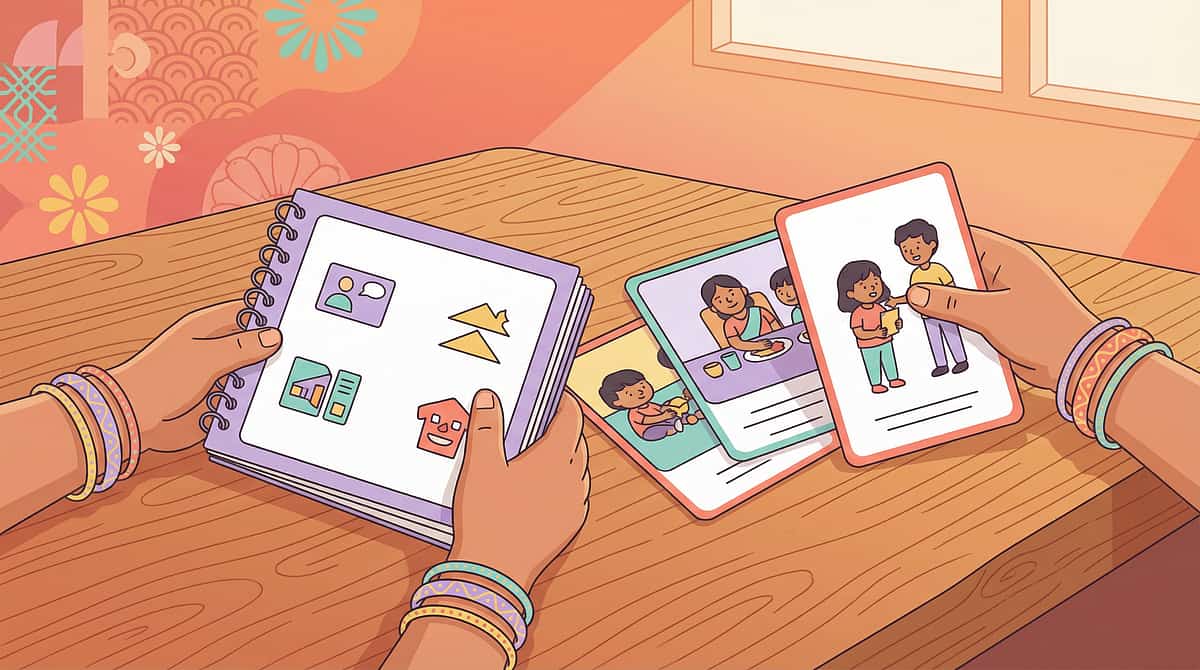
New Place Adjustment refers to a structured, multi-material preparation protocol designed to reduce novelty-triggered anxiety responses in children with neurodevelopmental differences when entering unfamiliar environments.
By creating anticipatory neural templates through visual preview, social narrative, sequential structuring, and portable sensory regulation, this protocol transforms an unknown place into a cognitively familiar one — before the child's body arrives there.
This is not about forcing tolerance. It is about building genuine readiness through evidence-based preparation layers.
At a Glance
🎯 Domain J
Environmental Adaptation
👶 Age 2–12
Years
⏱️ 3–7 Days
Prep before visit
🔁 Each
New environment
Canon Material Categories: Visual Supports | Social Story Materials | Sensory Regulation Tools | Transition Objects | Structured Play Items
Act II — Knowledge Transfer
A Consortium Approach — Because No Therapy Discipline Owns Transition
"This technique crosses therapy boundaries because the brain doesn't organize by therapy type."
Occupational Therapy (Lead)
OTs design the sensory regulation layer — the kit of tactile, auditory, and proprioceptive tools the child carries into the new place. OT leads environmental assessment and sensory profile matching.
ABA / BCBA
Behavior analysts structure the graduated exposure plan, reinforcement schedules, and First-Then Boards. ABA governs the behavioral contingency architecture of the protocol.
Speech-Language Pathology
SLPs create and personalize Social Stories and verbal scripts. Language-accessible preparation narratives are calibrated to the child's comprehension level.
Special Education
SpEd specialists adapt preparation materials for children with co-occurring learning differences, ensuring visual supports match the child's literacy and symbolic understanding level.
Act II — Knowledge Transfer
Precision Tool. Not a Random Activity.
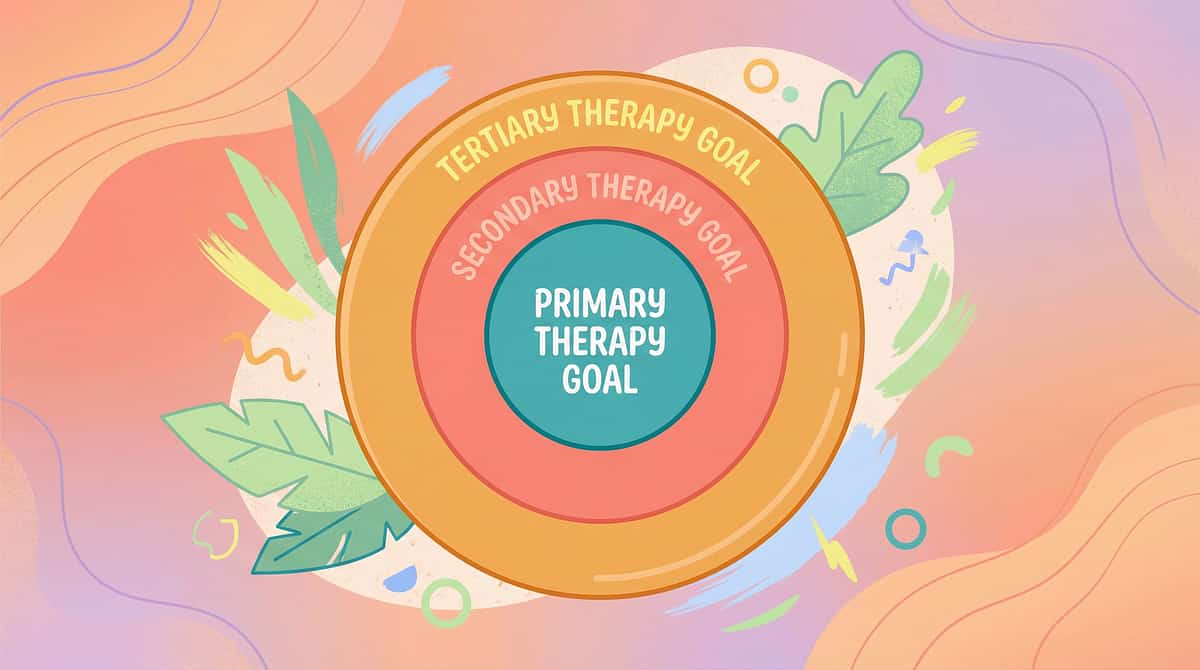
This protocol targets a specific cascade of outcomes — from immediate novelty anxiety reduction at the door, through to long-term community participation and independence. Every material has a defined target.
Primary: Novelty Anxiety Reduction
Child enters new place without physical refusal, meltdown, or shutdown. Duration of distress upon entry decreases. Child tolerates unfamiliar spaces for progressively longer periods.
Secondary: Flexibility & Self-Regulation
Cognitive flexibility in adapting when environment differs from expectation. Child uses portable tools independently. Child can indicate discomfort using coping cards rather than behavioral escalation.
Tertiary: Life Participation
Community participation — school excursions, medical appointments, family events. Social engagement in novel settings. Generalized independence in environmental navigation.
Act II — Knowledge Transfer
9 Materials That Help With New Place Adjustment
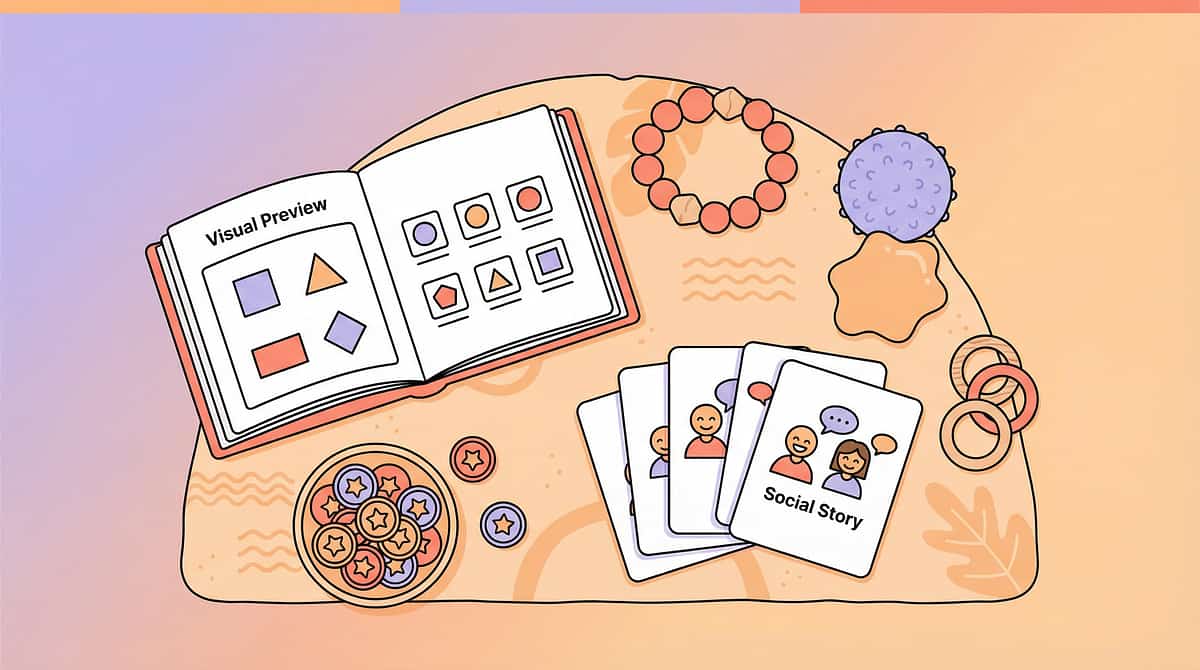
Every item below is clinically validated by the Pinnacle consortium and sourced from the 128 Canon Materials system. Each material plays a specific, evidence-based role in the preparation protocol.
1. Visual Preview Books
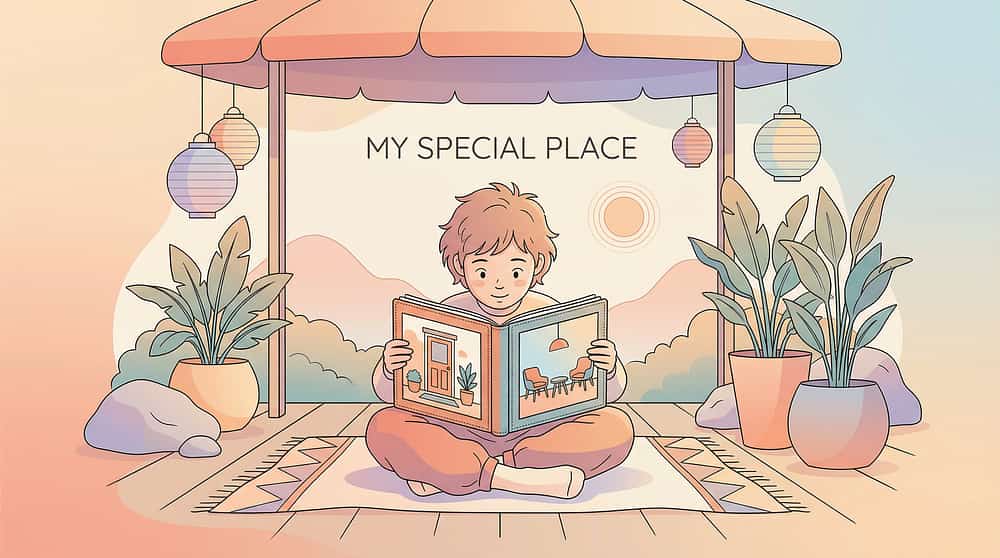
Canon Category: Visual Supports | Photos of the destination space compiled into a small book. The child "visits" the place visually 3–7 days before the physical visit, building a hippocampal map of the environment. Price: ₹0–1,000 (DIY: free; printed: ₹200–1,000)
2. Social Stories
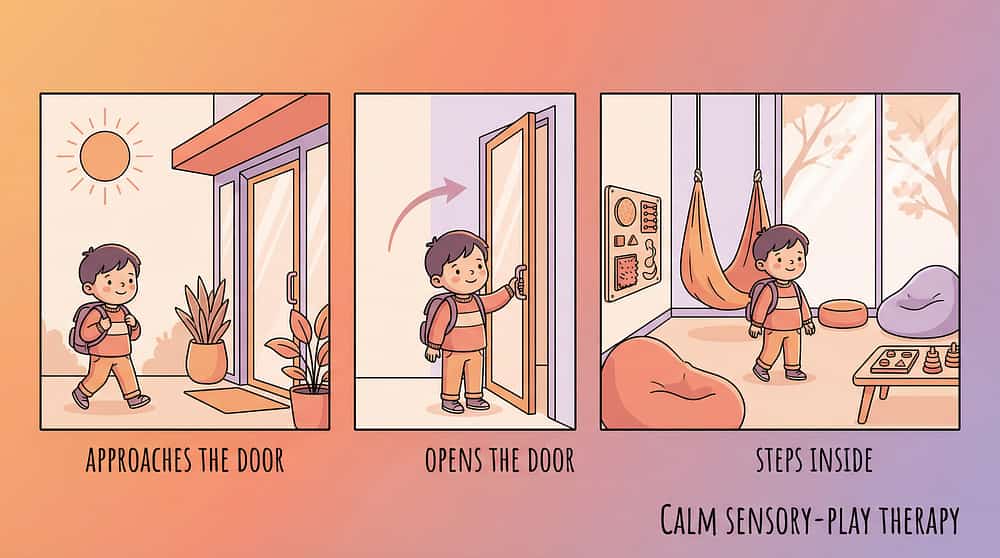
Canon Category: Social Story Materials | A short, illustrated narrative (6–12 sentences) explaining what will happen at the new place — in sequence, in the child's language level, with coping scripts embedded. Price: ₹0–1,000

3. Sensory Regulation Kits
Canon Category: Sensory Tools / Portable Regulation | A portable case containing the child's personal regulation tools — noise-cancelling headphones, fidget tools, textured items, sunglasses — creating portable calm in unpredictable environments. Price: ₹500–3,000
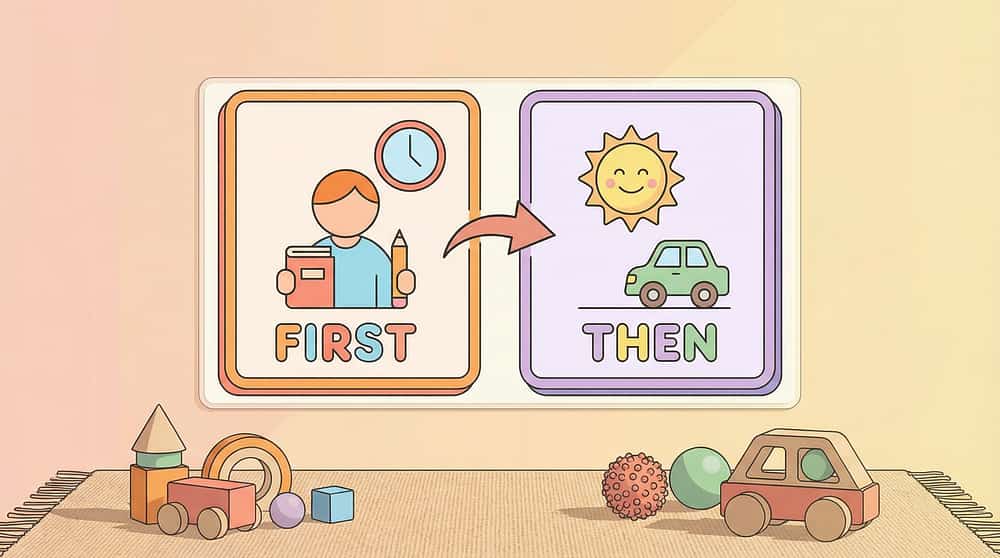
4. First-Then Boards
Canon Category: Visual Schedule / Transition Supports | A laminated two-panel board showing "FIRST: [the challenging step]" and "THEN: [the motivating reward]." Makes overwhelming experiences into manageable sequential chunks. Price: ₹300–1,200
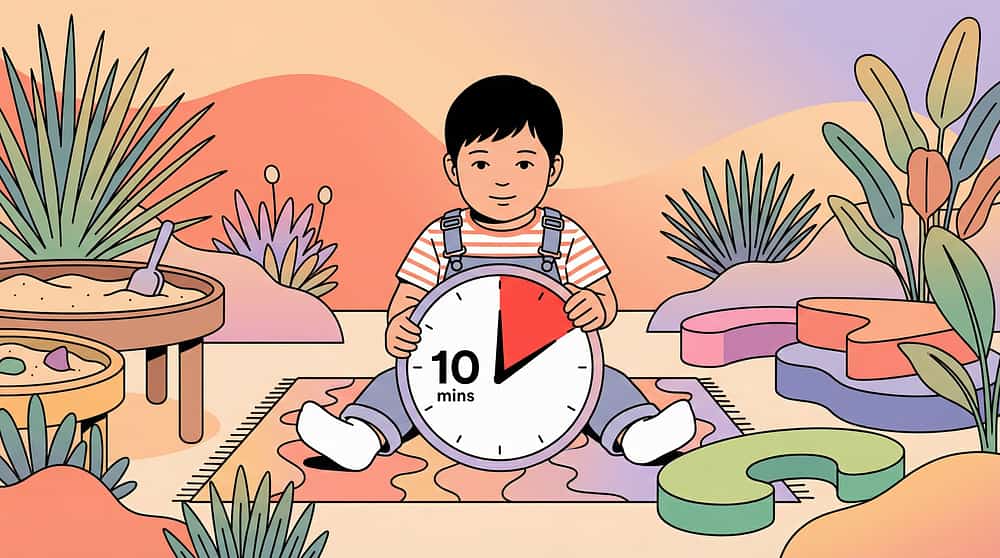
5. Visual Timers
Canon Category: Visual Supports / Time Management | Makes invisible time visible and finite. The child sees exactly how much longer they need to stay in the new place — a shrinking, concrete answer to "how much longer?" Price: ₹800–2,500
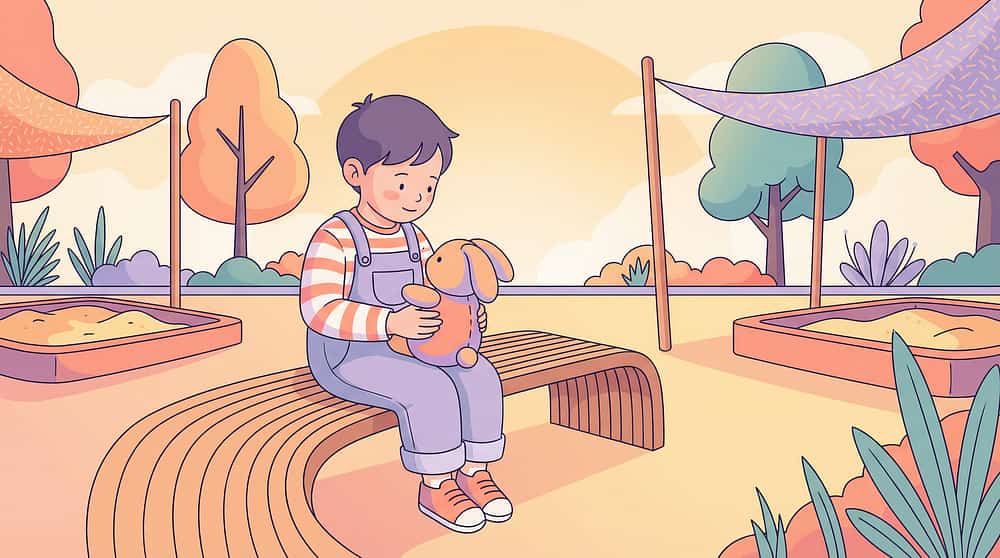
6. Comfort Objects
Canon Category: Transition Objects / Comfort Items | A familiar, portable object the child carries into the new place — a toy, a sensory item, a small keepsake. Portable pieces of safety in unfamiliar places. Animal Soft Toys ₹425 — Buy on Amazon.in✅ Pinnacle Canon
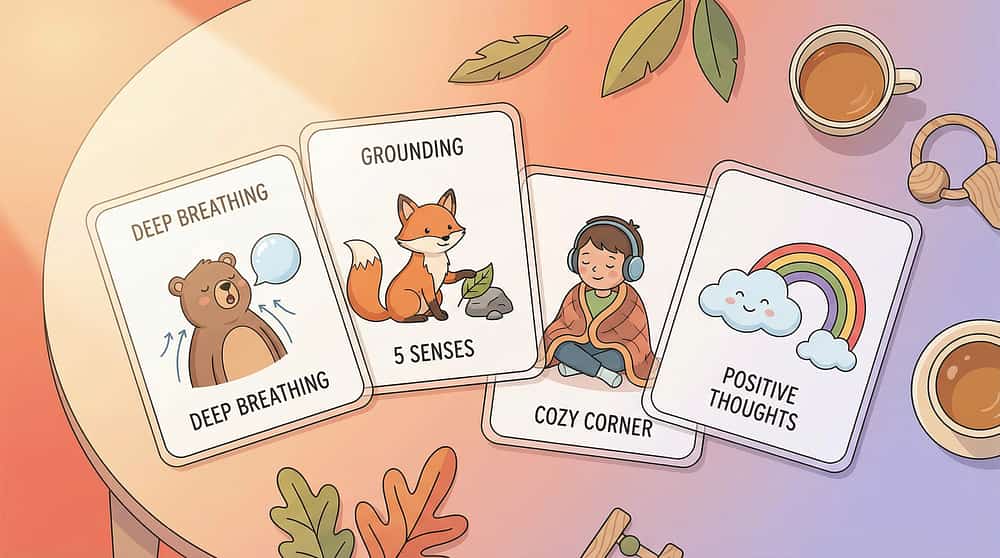
7. Coping Strategy Cards
Canon Category: Self-Regulation Tools / Visual Supports | Laminated card-set showing 3–5 coping strategies the child can use when overwhelmed: deep breathing, grounding 5-4-3-2-1, "I need a break" signal, fidget use. Visual guides for what to do when overwhelmed. Price: ₹200–800
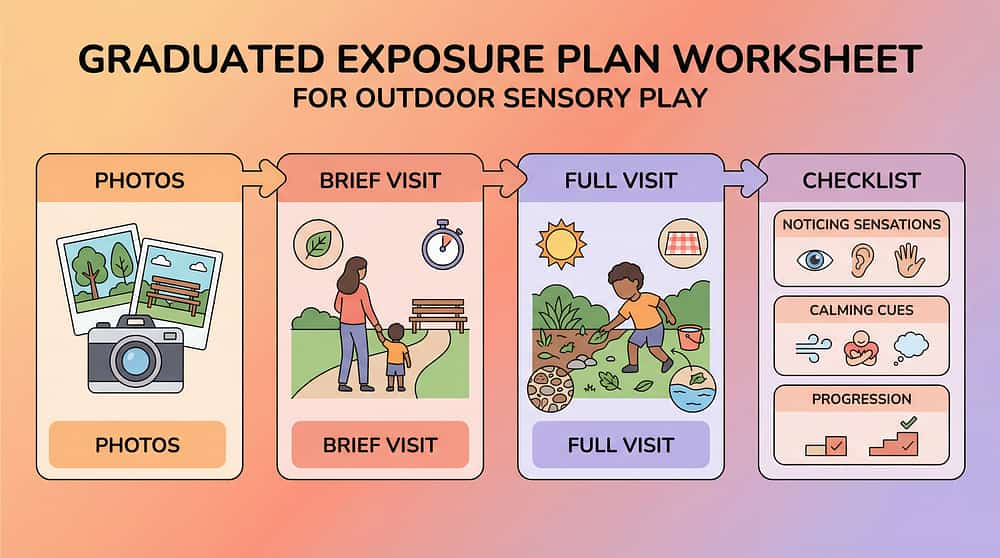
8. Graduated Exposure Plans
Canon Category: Behavioral Support / Clinical Planning | A structured step-by-step tolerance-building sequence: look at photos → watch videos → drive past → park outside → enter briefly → stay for activity → complete full visit. Not flooding — graduated mastery. Price: ₹300–1,500
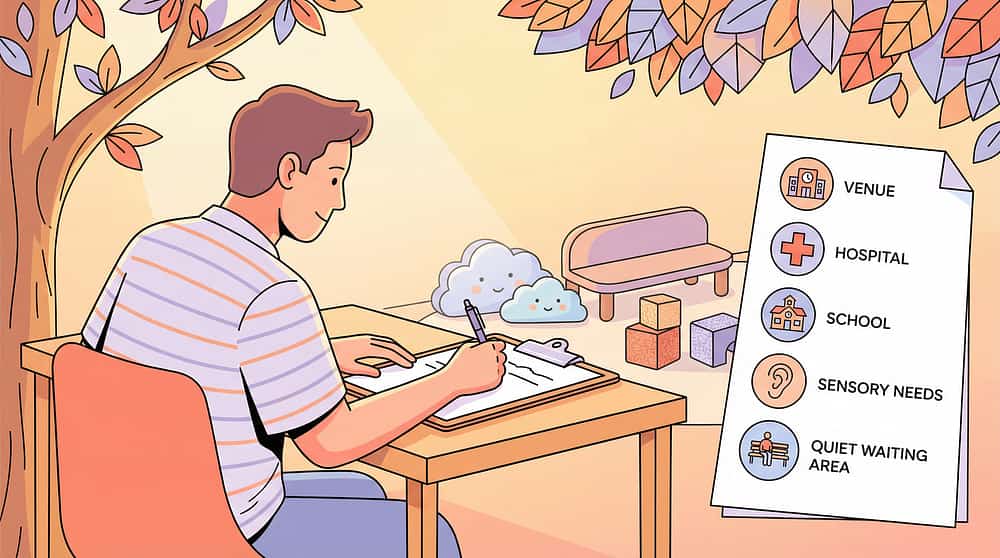
9. Accommodation Request Tools
Canon Category: Environmental Modification / Advocacy | Written templates for parents to request accommodations from venues, schools, hospitals: quiet waiting area, first appointment scheduling, dim lighting options. Modifying environments, not just enduring them. Price: ₹0–500
📞9100 181 181 — Our therapists can recommend specific products for your child's profile
Act II — Knowledge Transfer
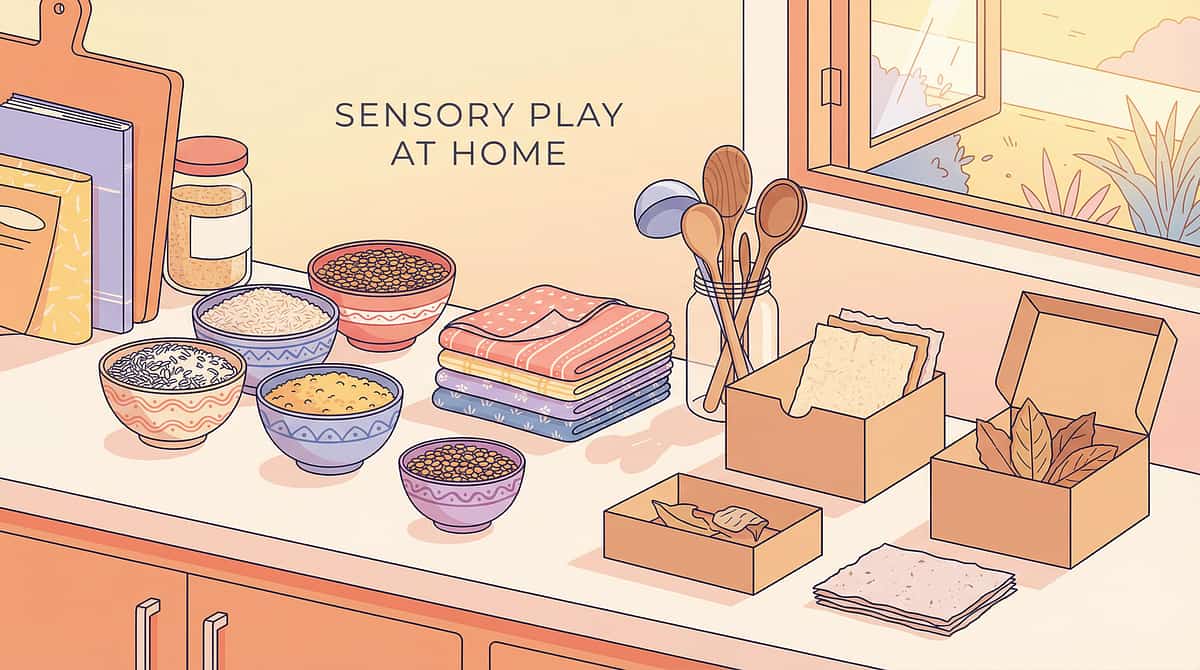
Every Family Can Start Today — Regardless of Budget
WHO/UNICEF Equity Principle: Evidence-based intervention cannot be gated by economic status.
Material | Clinical Option | ₹0 DIY Alternative | |
Visual Preview Book | Printed photo book (₹500–1,000) | Phone photos in a simple folder or printed sheets — same pre-exposure visual map | |
Social Story | Custom printed storybook | Hand-drawn or word-processed A4 pages — same cognitive mechanism | |
Sensory Regulation Kit | Commercial kit (₹1,500–3,000) | Repurposed pencil case with home items (cotton balls, rubber bands, familiar toy) | |
First-Then Board | Laminated commercial card (₹500) | Paper taped to cardboard with drawn icons — same predictability principle | |
Visual Timer | Time Timer® (₹1,500–2,500) | Phone timer with countdown display — same temporal visibility | |
Comfort Object | Commercial sensory toy | Child's existing beloved object — same neural security anchor | |
Coping Cards | Printed card set (₹400–800) | Hand-drawn cards in laminate pouch — same visual cueing function | |
Graduated Plan | Structured workbook (₹500) | Written list on paper + free printable — same step-by-step exposure logic | |
Accommodation Template | Formal printed template | Simple email/letter written by parent — same environmental modification outcome |
"The wealthiest preparation tool is a parent who understands the protocol. Everything else is enhancement." A phone with photos + hand-drawn social story + child's favourite toy + a paper First-Then card = a complete, evidence-based preparation system at ₹0.
Act II — Knowledge Transfer
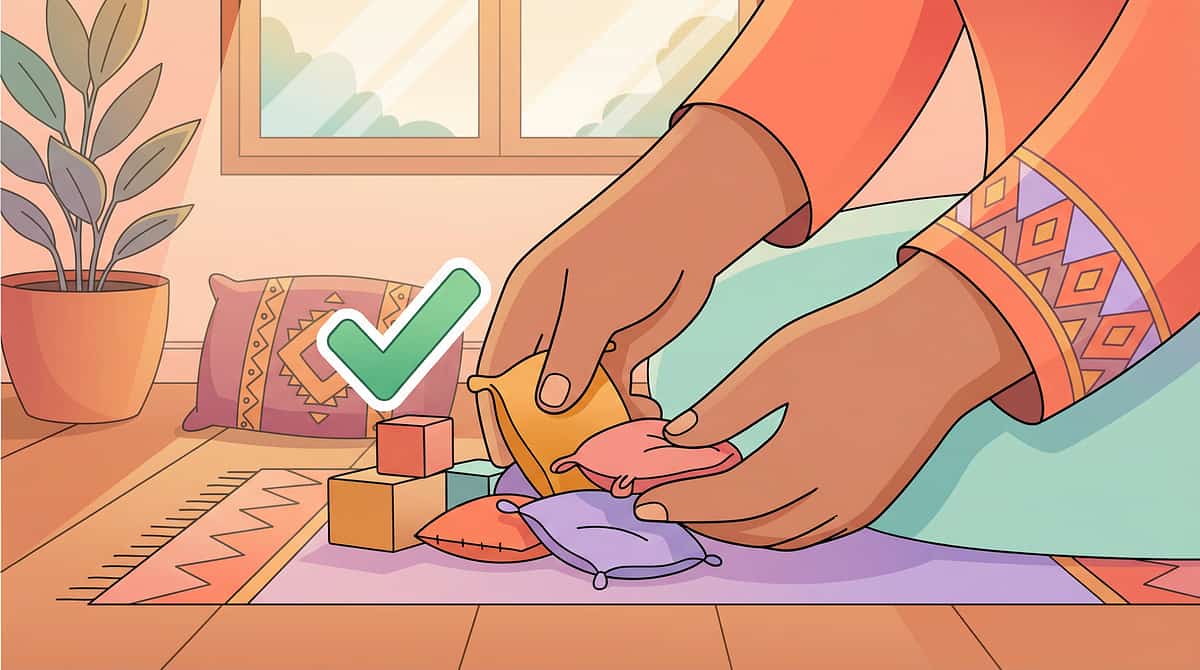
Your Pre-Session Safety Gate
Before beginning any preparation session, run through this traffic-light safety check. Your child's regulated state is the foundation everything else depends on.
🔴 DO NOT PROCEED if:
Child is in acute distress, illness, or post-meltdown crash • Child has trauma history specifically linked to the destination venue — consult your therapist first • Flooding history: child was previously forced in without preparation and experienced severe shutdown — requires clinical supervision • Sensory kit contains items with known allergies or choking risk (check for children under 3)
🟡 MODIFY if:
Child slept poorly or is under-regulated today — shorten session, increase familiarity emphasis • Destination has changed since photos were taken — update Visual Preview Book • Child has had a difficult week — add extra First-Then reward, increase comfort object familiarity time
🟢 PROCEED when:
Child is in a calm-alert state • Preparation materials are assembled and reviewed • Destination has been photographed and previewed • Sensory regulation kit is packed and accessible • Preferred reinforcer is confirmed and available post-visit
🛑Red Line — Stop the session if: Child displays self-injurious behavior upon exposure to preparation materials • Distress escalates beyond 7/10 during preview sessions • Child begins to associate preparation materials with the feared venue negatively. If protocols have been consistently implemented for 4+ weeks without measurable improvement, clinical assessment is needed. 📞9100 181 181
Act II — Knowledge Transfer
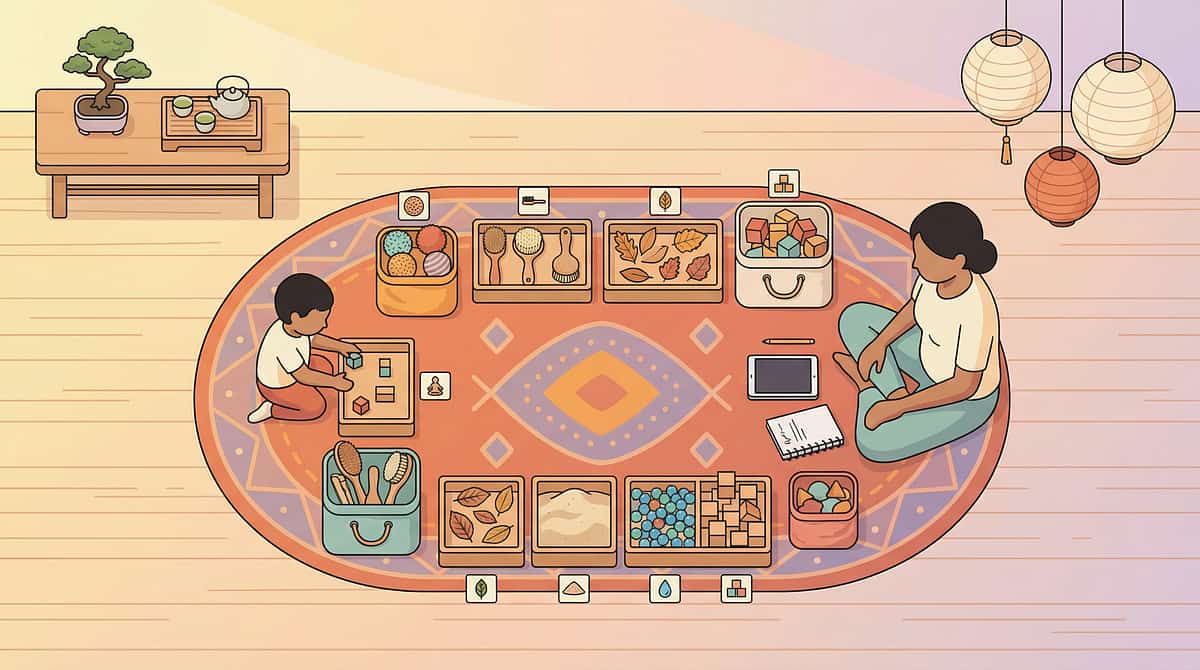
The Physical Stage — Where Preparation Happens
A well-structured preparation space minimizes competing stimuli and maximizes your child's capacity to engage. The physical environment of the session IS part of the intervention. Best conducted 3–7 days before the actual visit, with daily 5–10 minute sessions.
Material Placement
01
Visual Preview Book at child's eye level, on table or floor
02
Social Story ready to read — parent holds initially
03
First-Then Board visible at all times during session
04
Comfort Object in child's hands or lap
05
Sensory Regulation Kit closed, nearby — open only if needed
06
Visual Timer set for session duration, visible to child
Environmental Settings
Lighting: Natural or warm — not fluorescent
Sound: Quiet baseline; child's known calming music acceptable
Temperature: Comfortable — hunger or cold increases stress response
Sound: Quiet baseline; child's known calming music acceptable
Temperature: Comfortable — hunger or cold increases stress response
Remove From Space
- Background TV or competing music
- Other toys that compete for attention
- Other family members if distracting
Parent Position
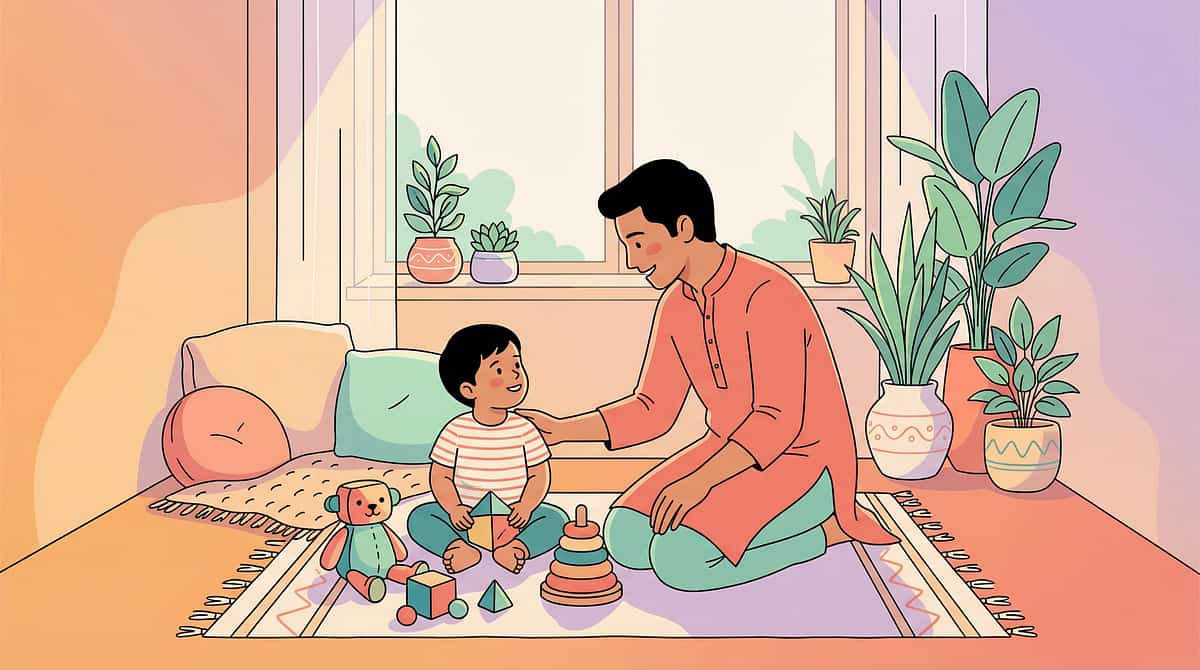
Sit slightly to the side — not directly facing the child. This reduces performance pressure and creates a side-by-side collaborative frame rather than a demand-and-comply one.
Act III — Execution
The 60-Second Pre-Session Readiness Check
The best session is one that starts right. Before you open any material, take sixty seconds to honestly evaluate these seven observable indicators. Your child's readiness state is the primary determinant of session effectiveness.
Child is fed — not hungry, not just post-meal/lethargic
Child has slept adequately — not overtired
No fever, illness, or visible physical discomfort
Child is in calm-alert state — not currently dysregulated
No major stressor in the past 2 hours
All preparation materials are assembled and in position
You (the parent) are in a regulated, patient state
✅ Score 6–7: GO
Proceed to Step 1: The Invitation
🟡 Score 4–5: MODIFY
Use abbreviated version — 5 minutes, comfort object focus only
🔴 Score 0–3: POSTPONE
Today is not the day. Offer a known favourite activity instead. Do not make preparation feel high-stakes.
Step 1 of 6 ●○○○○○
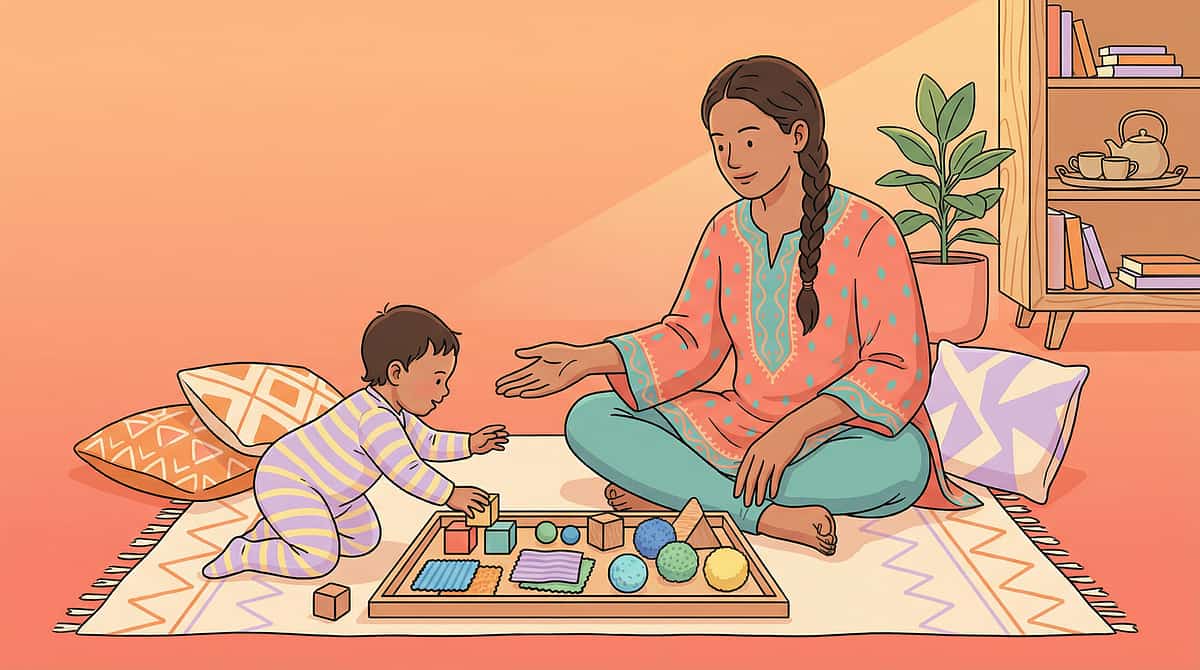
Begin With an Invitation, Not a Command
Parent Script
"Hey [child's name], I've got something cool to show you. Come look at these pictures with me for a few minutes?"
If child uses AAC or limited verbal communication: Show the Visual Preview Book while pointing. Use their AAC device or PECS to indicate "look" + "book."
Body Language
- Sit at the child's level — not standing above
- Relaxed posture, no urgency in voice
- Comfort object already available in the child's environment
⏱️ Timing: 30–60 seconds for invitation phase.
✅ Acceptance Cues — Child Is Ready
- Approaches the materials voluntarily
- Makes eye contact with book/materials
- Physically settles or becomes calm
⚠️ Resistance Cues — Modify
- Turns away or moves to another room
- Vocalizes distress or pushes material away
- Goes immediately to a preferred self-regulatory activity
If resistance: Wait 5 minutes, offer comfort object, try once more. If second resistance — do not push. Return tomorrow. One voluntary session outweighs three forced ones.

Step 2 of 6 ●●○○○○
Open the Visual Preview Book Together
Material Introduction Script
"Look — this is the [destination name]. See? This is what the outside looks like. And here's the door we'll go through. And here's the waiting room — it has these kinds of chairs."
How to Present
- Turn pages at the child's pace — follow their looking behavior
- Name each photo neutrally, factually — avoid emotional loading like "you'll be fine"
- Point to specific features: "This is the light in the hallway. It's like our hallway light."
- If child looks away: pause, wait, do not redirect forcefully
⏱️ Timing: 1–3 minutes, child-paced.
Child Response Indicators
✅Engagement: Child points to photos, vocalizes, requests more pages
🟡Tolerance: Child allows parent to show photos without distress
🔴Avoidance: Child pushes book away, cries, or leaves
Reinforcement Cue
When child looks at a photo for 3+ seconds, offer immediate specific praise:
"Yes! You're looking at the waiting room — you already know what it looks like!"
Step 3 of 6 ●●●○○○
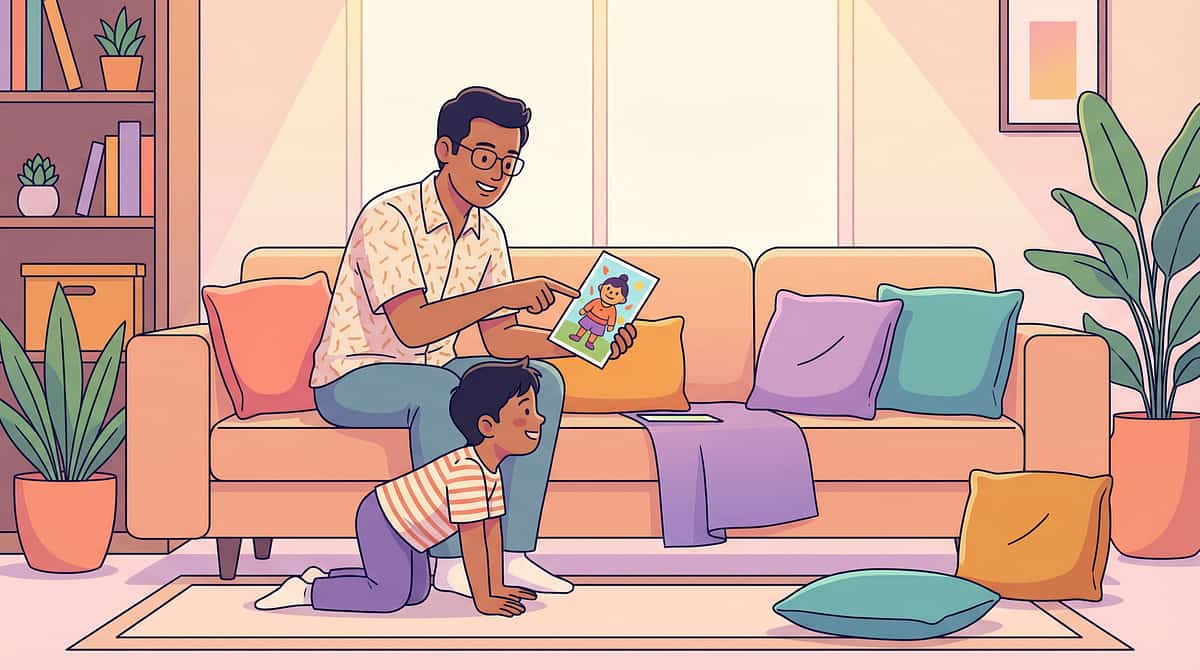
Read the Social Story — The Core Therapeutic Action
The Social Story is the active ingredient — a narrative that walks the child through what will happen at the new place, in sequence, with coping language embedded. This step is non-negotiable to the protocol's effectiveness.
Social Story Template
"I am going to [destination]. When I arrive, I will see [describe exterior]. Inside, there will be [describe interior]. Sometimes it might feel [loud / bright / unfamiliar]. When I feel that way, I can hold my [comfort object] / breathe / ask for a break. After [the activity], we will go home. Going to new places can feel hard at first. That's okay. I can do it."
Execution Precision
- Read slowly, with calm vocal tone
- Point to photos/illustrations with each sentence
- Pause after each sentence — allow processing time
- Do not rush the ending — "I can do it" is the most important sentence
Common Errors to Avoid
- Reading too fast — defeats cognitive processing
- Adding reassurance ("you'll be okay!") — this signals anxiety
- Skipping the coping sentence — this is non-negotiable content
⏱️ Duration: 3–5 minutes for full Social Story read.
Concerning response: If child becomes significantly more distressed — STOP and return to the comfort object. Ideal response: Child listens, follows along, may repeat words.
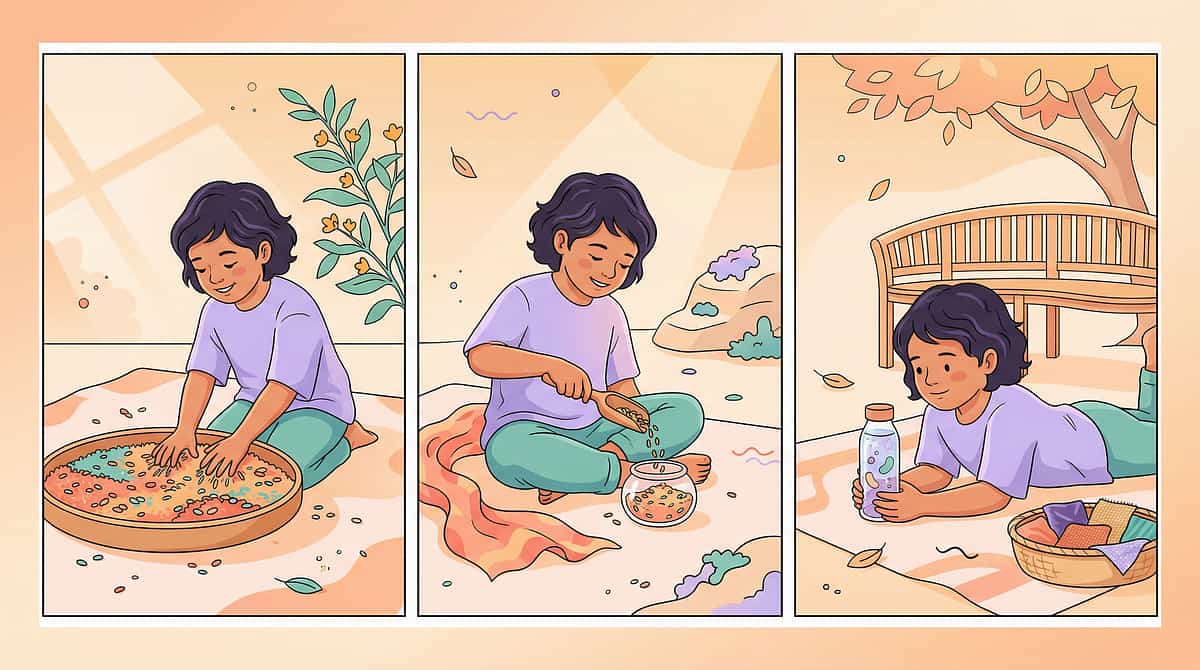
Step 4 of 6 ●●●●○○
Repetition Is How the Brain Builds Familiarity
"3 good engaged sessions outweigh 7 forced ones." The brain builds hippocampal familiarity maps through repeated, low-distress exposure — not through single high-intensity sessions.
When satiation indicators appear — child says "I know, I know" or repeats the story unprompted — this is mastery, not avoidance. When the child picks up the book independently, preparation has succeeded.
Variation A: Role Play
Parent acts as "the receptionist" or "the guide" — child enters the pretend version of the new place at home. Low-stakes rehearsal of the actual sequence.
Variation B: Video Walk-Through
Use the venue's website, Google Street View, or a brief phone video. Screen-based pre-exposure adds a powerful additional visual modality to the preparation.
Variation C: Comfort Object Rehearsal
Practice using the regulation kit at home. Let the child "test" the headphones or fidget tool in a familiar setting before carrying them into the new place.

Step 5 of 6 ●●●●●○
Reinforcement Timing Is Everything
Timing rule: Within 3 seconds of the desired behavior. Delayed praise loses 60% of its behavioral reinforcement power. "Celebrate the attempt, not just the success."
Reinforcement Scripts
Immediately after child engages with preparation material:
"You just learned about [destination]. That means when we get there, you'll already know what it looks like. That's so smart!"
After successful visit:
"You went to [new place]. You did something hard. I am so proud of you."
Reinforcement Menu
Verbal praise — Specific, enthusiastic, immediate
Preferred activity — 10 mins of favourite game post-visit
Token economy — Sticker for each preparation session
Social celebration — Video call to grandparent to share achievement
Tangible — Small agreed-upon reward (pre-established)
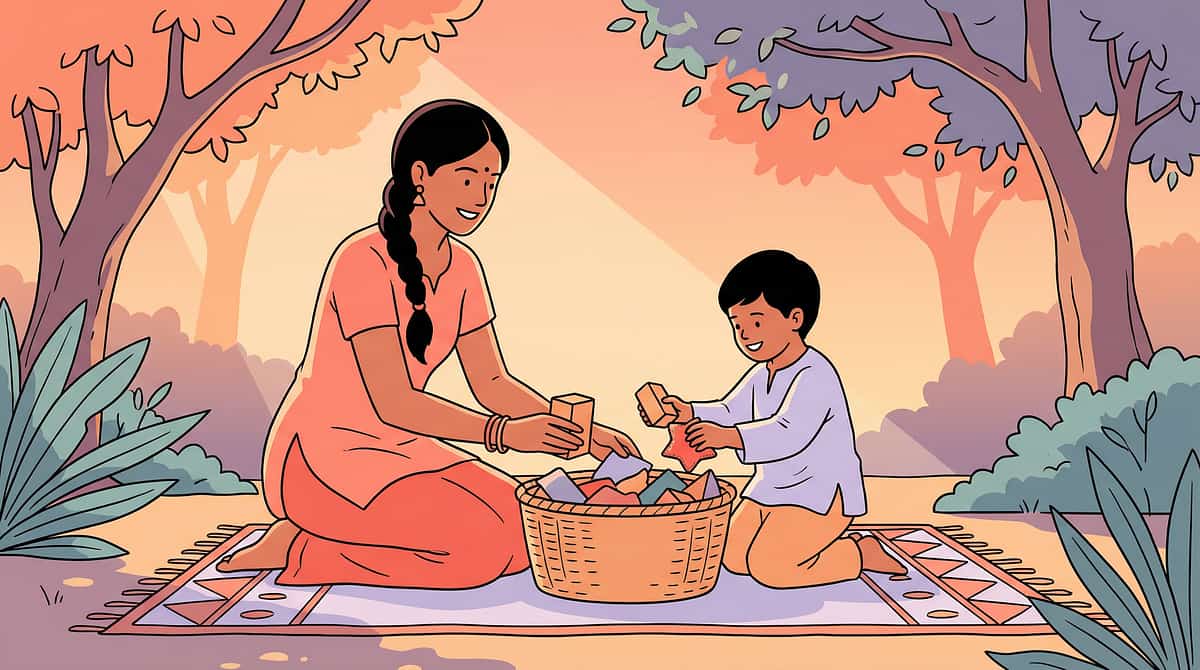
Step 6 of 6 ●●●●●●
Every Session Ends with a Soft Landing
How you close the session matters as much as how you open it. A predictable, calm closing ritual builds positive associations with preparation itself — making the next session easier to begin.
Transition Warning Script
"Two more pages / One more minute, then we're all done with preparation for today."
Verbal Close
"Good work today. [Destination] is going to be okay because you're ready."
Material Put-Away Ritual
Have the child participate in closing the book and packing the kit. This creates ownership — the materials belong to the child, not the parent. Ritual consistency (same closing sequence each day) builds predictability around the preparation itself.
If Child Resists Ending
- Offer one more "special look" at their favourite page
- Use visual timer: "When the red is all gone, we're done"
- Follow through with calm consistency — do not negotiate indefinitely
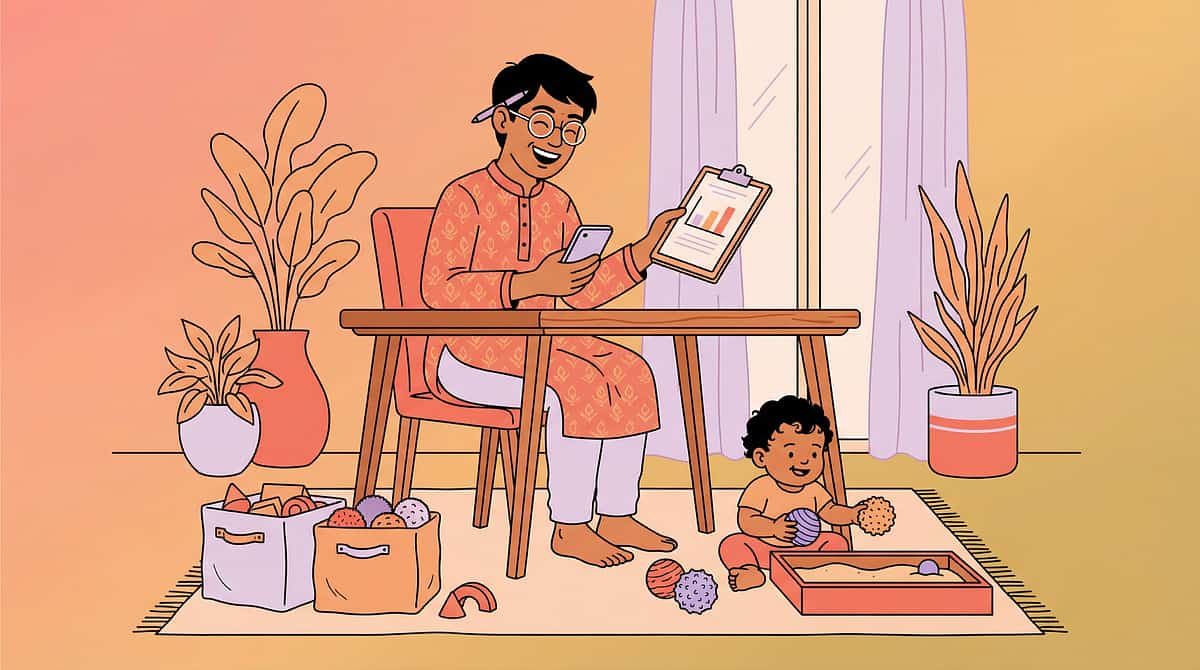
Act III — Execution
60 Seconds of Data Now Saves Hours of Guessing Later
"Your data across 7 sessions will show a trajectory that no single session can reveal." Consistent tracking transforms individual sessions into a measurable clinical picture.
Today's Preparation Session Log — J-870
DATE: _________ | SESSION #: ___ of 7
1. ENGAGEMENT LEVEL:
1 — Refused entirely
2 — Tolerated briefly
3 — Engaged for full session
4 — Requested more / led session
1 — Refused entirely
2 — Tolerated briefly
3 — Engaged for full session
4 — Requested more / led session
2. DISTRESS LEVEL AT START (0–10): ___
DISTRESS LEVEL AT END (0–10): ___
DISTRESS LEVEL AT END (0–10): ___
3. WHAT WORKED BEST TODAY:
☐ Visual Preview Book ☐ Social Story
☐ First-Then Board ☐ Comfort Object
☐ Praise / Reinforcement ☐ Other: _______
☐ Visual Preview Book ☐ Social Story
☐ First-Then Board ☐ Comfort Object
☐ Praise / Reinforcement ☐ Other: _______
Post-Visit Log (complete after actual visit)
Did child enter the new place? ☐ Yes ☐ No
Distress at entry (0–10): ___
Duration before regulation (mins): ___
Distress at entry (0–10): ___
Duration before regulation (mins): ___
Access Your Tracker
📞9100 181 181 — Our therapists review your tracking data during teleconsultations

Act III — Execution
Most Sessions Don't Go Perfectly. Here's What to Do.
"Session abandonment is not failure — it's data." Every difficult session tells you something useful about what your child needs next.
"My child refused to look at the Visual Preview Book at all"
Why: Book may be associated with anticipatory anxiety ("I know what that means — we're going somewhere scary"). Fix: Introduce book during a completely unrelated, calm play session first. Just leave it on the shelf. Let child approach voluntarily.
"My child became MORE anxious after the Social Story"
Why: Story content may be too detailed about challenging aspects, or language level is above comprehension. Fix: Simplify to 3 sentences maximum. Focus only on the known positive element of the visit.
"We never got past the car park — child refused to enter"
Why: Graduated exposure started too advanced. Parking outside IS a legitimate step. Fix: Count that as success. Next session: enter lobby for 30 seconds then exit. Build incrementally.
"The new place looked different from the photos and child escalated"
Why: Predictability was broken. Fix: Add a verbal bridge: "It looks a little different today, but this is still the same place." Update your Visual Preview Book photos after first exposure.
"My child was fine during prep but melted down at the actual visit"
Why: Live sensory environment differs from visual representation. Fix: Add real audio/video of the space during preparation (YouTube walkthrough, phone recording). Multi-sensory preview is more powerful.
"After 3 weeks I see no improvement"
Why: May indicate clinical-level anxiety requiring OT/ABA assessment, or incorrect preparation sequence. Fix:📞 Call 9100 181 181 — book a teleconsultation.
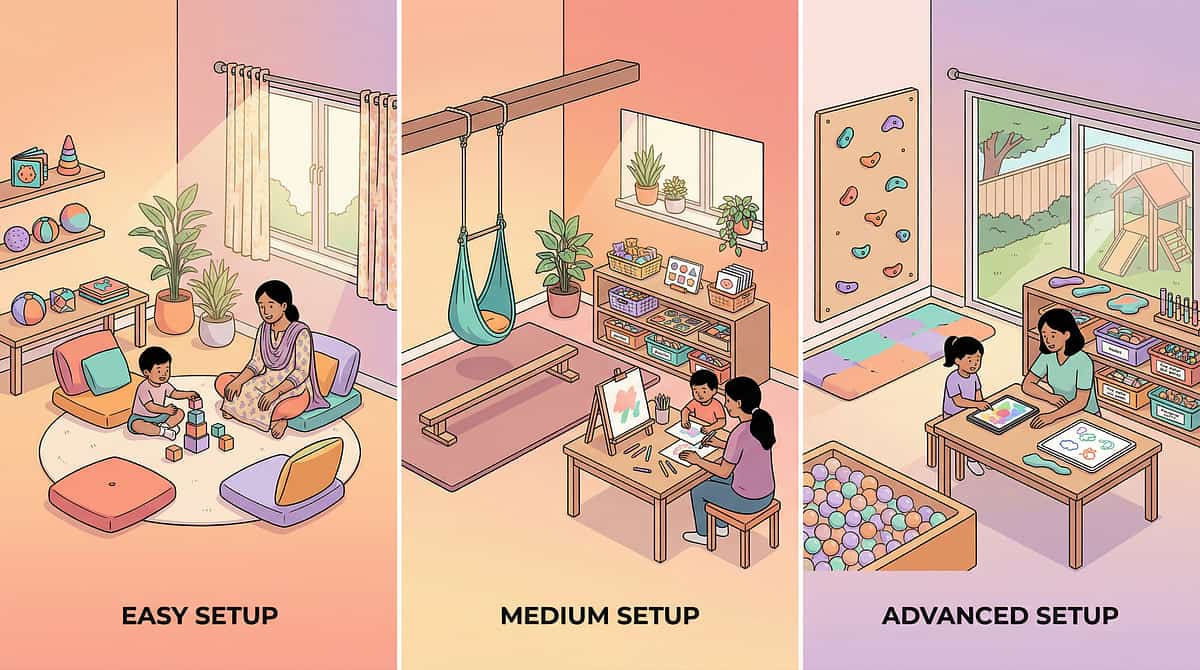
Act III — Execution
No Two Children Are Identical. Adjust the Technique.
The J-870 protocol is a framework, not a rigid script. Every dimension — difficulty level, sensory profile, age, communication style — has a corresponding adaptation. Individualized intervention planning is the core principle across all therapeutic disciplines.
Sensory Avoider
Lead with Visual Preview Book (7 days), add noise-cancelling headphones as non-negotiable, enter venue at off-peak hours for first exposures.
Sensory Seeker
Emphasize First-Then Board for post-visit reward, use regulation kit proactively, set clear time boundaries with visual timer.
Demand Avoidant (PDA)
Frame all preparation as choices ("two photos or three today?"), minimize direct instruction, make Social Story collaborative rather than directive.
Limited Verbal Communication
Replace text Social Story with photo + symbol strip, use PECS-compatible First-Then Board, increase comfort object centrality throughout.
Age Group | Intensity | Modification | |
Ages 2–4 | All levels | Maximum 3 photos, single-sentence story, 3-minute sessions only | |
Ages 5–8 | All levels | Full protocol as described | |
Ages 9–12 | All levels | Add self-advocacy: teach child to use Accommodation Request Tools themselves | |
Any age | Severe avoidance | Clinical consultation required before home protocol — 📞 9100 181 181 |

Act IV — Progress Arc
Weeks 1–2: Tolerance, Not Mastery
Weeks 1–2 are the hardest. The brain is building templates it has never had before. There is no shortcut through this phase. Stay consistent. Stay calm. The data you are collecting now will show you the trend you cannot yet see.
15%
Progress So Far
You are in the foundation-building phase. Every session is depositing neural architecture.
✅ What Progress Actually Looks Like
- Child allows Visual Preview Book to remain in their environment without distress
- Child tolerates 1–2 pages of Social Story before disengaging (improvement from zero)
- Child carries comfort object without prompting
- Preparation session completed 3 of 5 days
- Entry to new place attempted — even if incomplete
What Is Not Progress Yet (and That's Normal)
- Full entry to new place without distress
- Independent use of regulation tools
- Verbal acceptance: "I'm okay with going there"
"If your child tolerates the preparation book for 30 seconds longer than last week — that is real, measurable neurological progress."
📞9100 181 181 — Our therapists can help you interpret your Week 1–2 data and adjust the protocol in real time.

Act IV — Progress Arc
Week 3–4: The Brain Begins to Anticipate
"You may notice you're more confident too. This is the protocol working at the family system level." Consolidation is happening when the child begins to initiate — when they reach for the book, not just tolerate it.
40%
Progress Building
Consolidation phase — neural pathways are strengthening through repeated structured input.
Child picks up Social Story or Preview Book unprompted before a scheduled visit
Child begins using coping strategy at the threshold — not after escalation
First-Then Board reference reduces visit entry time
Post-visit dysregulation duration has decreased — even by 5 minutes, note it
Child begins to generalize — asking for Preview Book before a different new place
When to increase: If child has entered the new place on 3+ consecutive visits without significant distress → begin reducing preparation time (5 days → 3 days → same-day brief review). Watch for spontaneous behaviors: pointing to familiar features at the actual venue, requesting their sensory kit before the parent prompts it, narrating "First we wait, then we go home."

Act IV — Progress Arc
Week 5–8: The Mastery Phase
This is where the protocol's evidence base shows its clearest outcomes. Mastery is not the absence of anxiety — it is the presence of regulated, self-directed coping in the face of novelty.
75%
Mastery Unlocking
Observable, measurable outcomes emerging across all outcome domains.
☐ Entry Mastery
Child enters 3 different new places in one week with regulated behavior throughout
☐ Independent Coping
Child independently retrieves and uses ≥1 coping tool without parent prompt
☐ Fast Recovery
Post-visit recovery time under 10 minutes from any distress
☐ Self-Description
Child can describe what to expect at a new place using their own words
☐ Reduced Prep
Preparation time successfully reduced to same-day brief review
🏆Mastery Unlocked When: Child enters a new place they have had zero prior preparation for, with regulated behavior and self-initiated coping. Keep comfort objects and sensory kits indefinitely — these are regulatory tools, not scaffolds to withdraw.

Act IV — Progress Arc
You Did This.
"You looked at a child who couldn't walk through a door without a war — and you built the bridge. Plank by plank. Session by session. Day by day. Your child can enter new places now because you didn't give up when it was hard."
You completed the J-870 New Place Adjustment Protocol. Over 5–8 weeks, you created visual pre-exposure systems from scratch, read Social Stories on days you were exhausted, packed a regulation kit for every outing, tracked data when no one was watching, and stayed calm when your child couldn't. This is clinical-grade parent practice. And it worked.
Go Somewhere New — Just for Fun
No therapy goal. No preparation protocol. Just because you can now.
Create a "Places We've Conquered" Journal
Write down every new place your child can enter comfortably today that they couldn't 8 weeks ago. That is your evidence.