
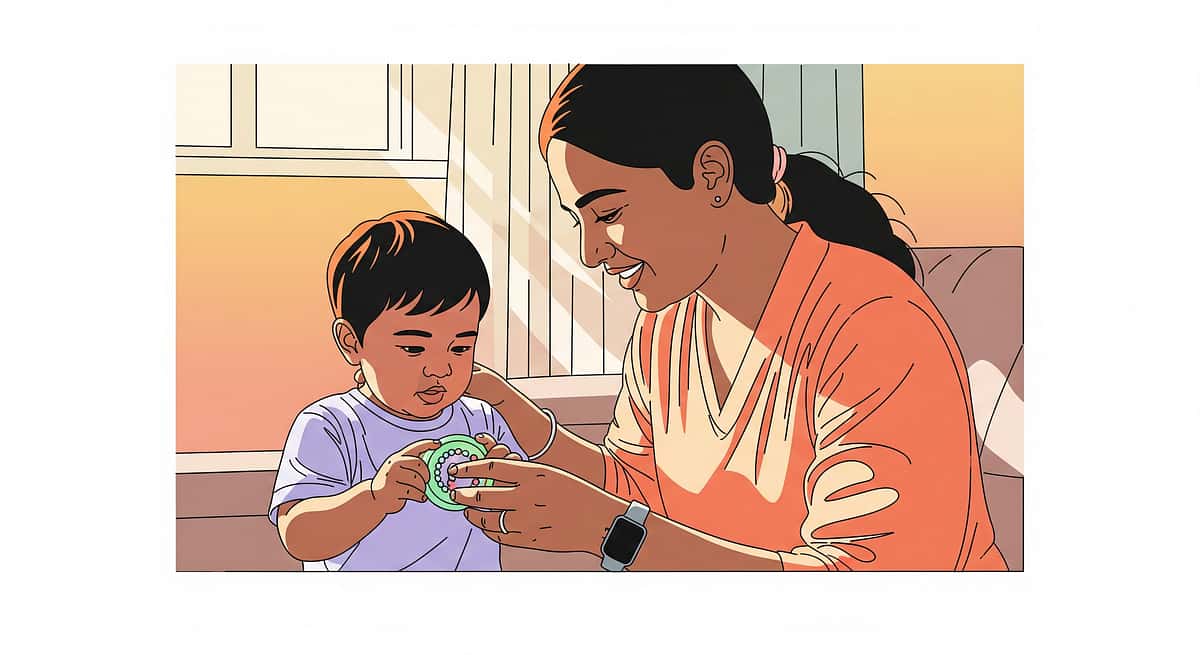
When Every Clip Feels Like Torture
"Nail cutting shouldn't be this hard. And it won't be — once you know what your child's nervous system actually needs."
It's Sunday evening. You've been putting this off for four days. You pick up the nail clippers and your child sees them — and the panic starts immediately. Curled fists. Tears. A scream that sounds like real pain. You've tried being gentle, you've tried waiting until they're asleep, you've tried distracting them with their favorite show. Nothing works. Every week, the same battle. The same guilt. The same dread.
You are not failing. Your child's nervous system is speaking — in the only language it knows.
E-534
9 Materials That Help With Nail Cutting
OT-Led Protocol
Age 2–12
Home-Executable
The Numbers That Change Everything
If nail cutting feels impossible in your home right now — you are among millions of families navigating this exact challenge. The child who screams at nail clippers is not unique, not defiant, not "spoiled." Their nervous system is wired differently. And that wiring responds to the right tools.
80%
Sensory Processing Difficulties
Of children with ASD experience tactile defensiveness
1/36
Children in India
Diagnosed with autism spectrum conditions — nearly 9 million children
70+
Countries Reached
Where Pinnacle-trained families execute this exact intervention via GPT-OS®
References: PMC11506176 | PMC10955541 | DOI:10.12998/wjcc.v12.i7.1260 | Padmanabha et al., DOI:10.1007/s12098-018-2747-4
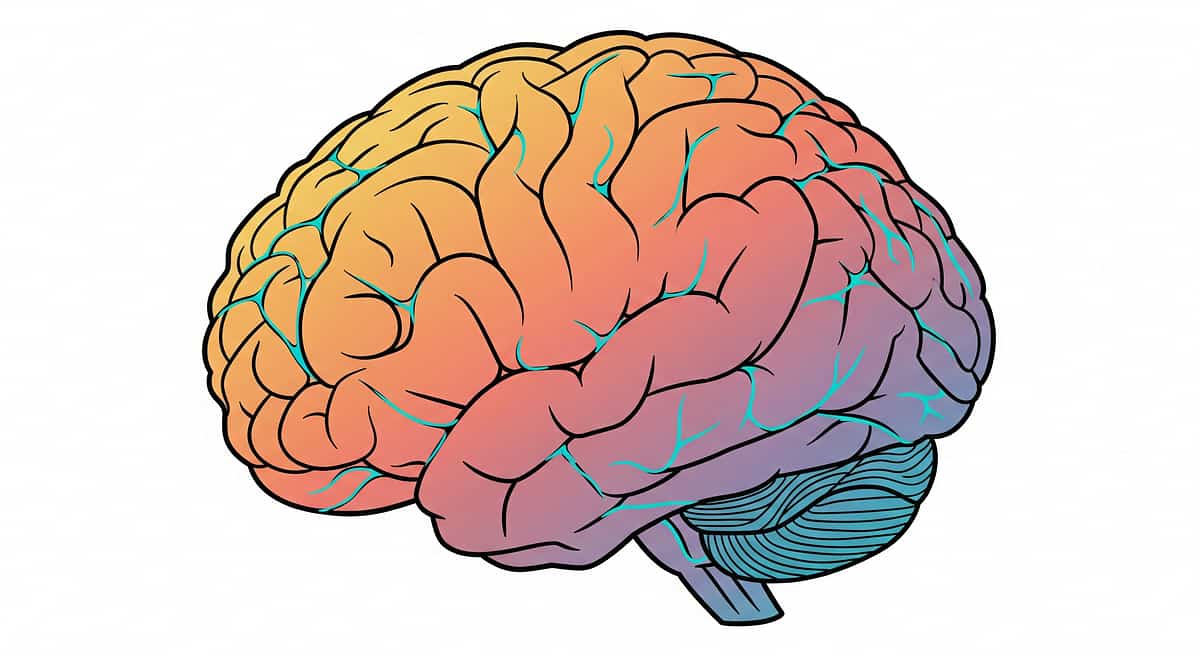
It's Not Drama. It's Neuroscience.
The Science
The fingertips contain the highest density of touch receptors in the entire human body — over 2,500 receptors per cm². In children with sensory over-responsivity, the somatosensory cortex amplifies incoming tactile signals beyond their actual intensity.
Nail clipping creates a unique sensory event: compression pressure → sudden release. This pattern is particularly activating for a tactile-defensive nervous system. The amygdala flags it as danger. The fight-or-flight response activates.
Plain English
"Your child's brain has an amplifier turned up too high. The sound that registers as a gentle tap in your nervous system registers as a fire alarm in theirs. This is not behavior. This is biology." — Pinnacle OT Consortium
🧠 Wiring Difference, Not a Behavior Choice
Your child is not overreacting — they are reacting accurately to what their nervous system is telling them.
Source: Frontiers in Integrative Neuroscience (2020), DOI:10.3389/fnint.2020.556660
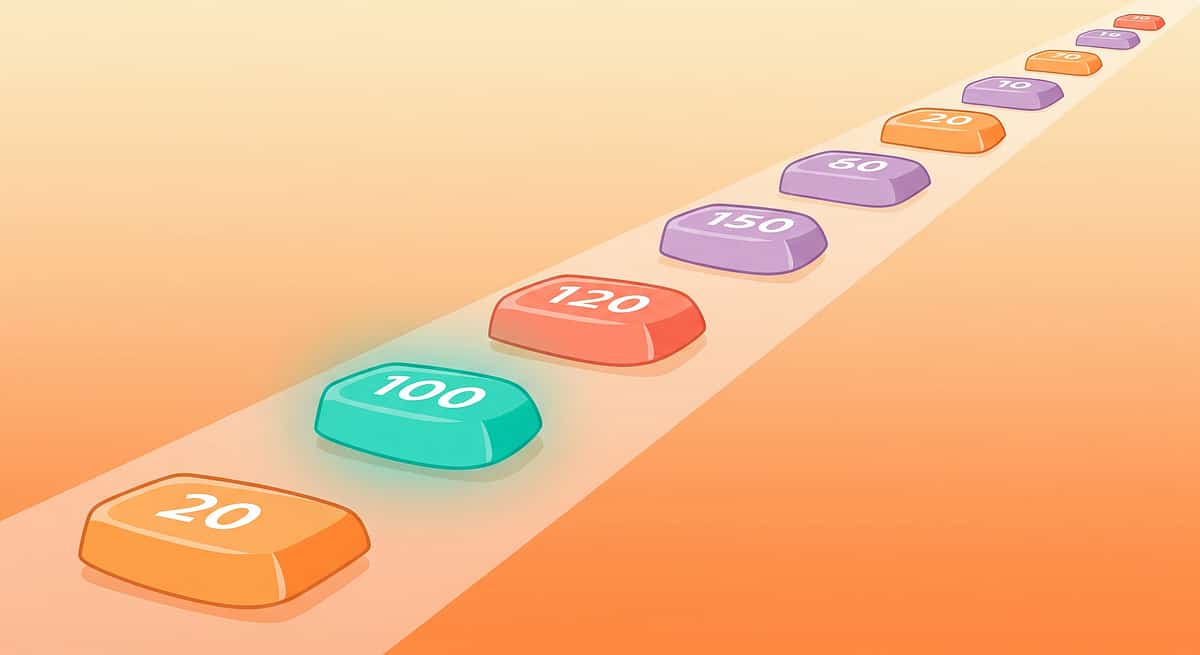
Your Child Is Here. Here Is Where We're Heading.
This challenge maps precisely against WHO/UNICEF developmental milestones. Nail cutting sensitivity is not a deficit — it is a waypoint with a clear forward path. Understanding where your child sits on this timeline transforms frustration into focused action.
Age 0–2
Tactile system calibrating. Touch sensitivity normal. Nails typically trimmed during sleep.
⚠️ Age 2–4: Challenge Zone
Increased awareness + resistance to grooming. Most common onset of nail-cutting battles.
Age 4–7: Intervention Window
Highest neuroplasticity. Best window for tolerance-building. Hair brushing, tooth brushing, and bath sensitivity often co-occur.
Age 7–10: Consolidation
With support, tolerance improving. Self-filing becomes possible.
Age 10–12: Independence Target ← YOU'RE AIMING HERE
Self-grooming with preferred tools. Child-directed care with minimal support.
WHO Care for Child Development (CCD) Package: Evidence-based caregiving recommendations implemented in 54 low- and middle-income countries. UNICEF MICS indicators for developmental monitoring across 197 countries. | PMC9978394
Clinically Validated. Home-Applicable. Parent-Proven.
This is not alternative therapy. This is what the research says works. Every material and strategy in this protocol is grounded in peer-reviewed evidence — systematic reviews, randomized controlled trials, and national evidence-based practice reports.
📋 PRISMA Systematic Review (2024) — PMC11506176
16 studies (2013–2023) confirm sensory integration intervention meets evidence-based practice criteria for children with ASD. Improvements in sensory processing, adaptive behavior, and daily living skills.
📋 Meta-Analysis, World J Clin Cases (2024) — PMC10955541
SI therapy effectively promotes gross/fine motor skills, social skills, adaptive behavior, and sensory processing. Optimal session: 40 minutes. Home extension programs showed significant additive benefit.
📋 Indian RCT — Padmanabha et al., Indian J Pediatr (2019)
Home-based sensory interventions demonstrated statistically significant outcomes for children with ASD in the Indian context. Caregiver-led protocols showed equivalent effectiveness to clinic-only delivery.
📋 NCAEP Evidence-Based Practices Report (2020)
Visual supports, video modeling, and reinforcement-based systems classified as evidence-based practices for autism. All three feature in this protocol.
92%
Sensory Modification Tools
90%
Deep Pressure Preparation
95%
Visual Predictability Aids
87%
Gradual Exposure Protocol
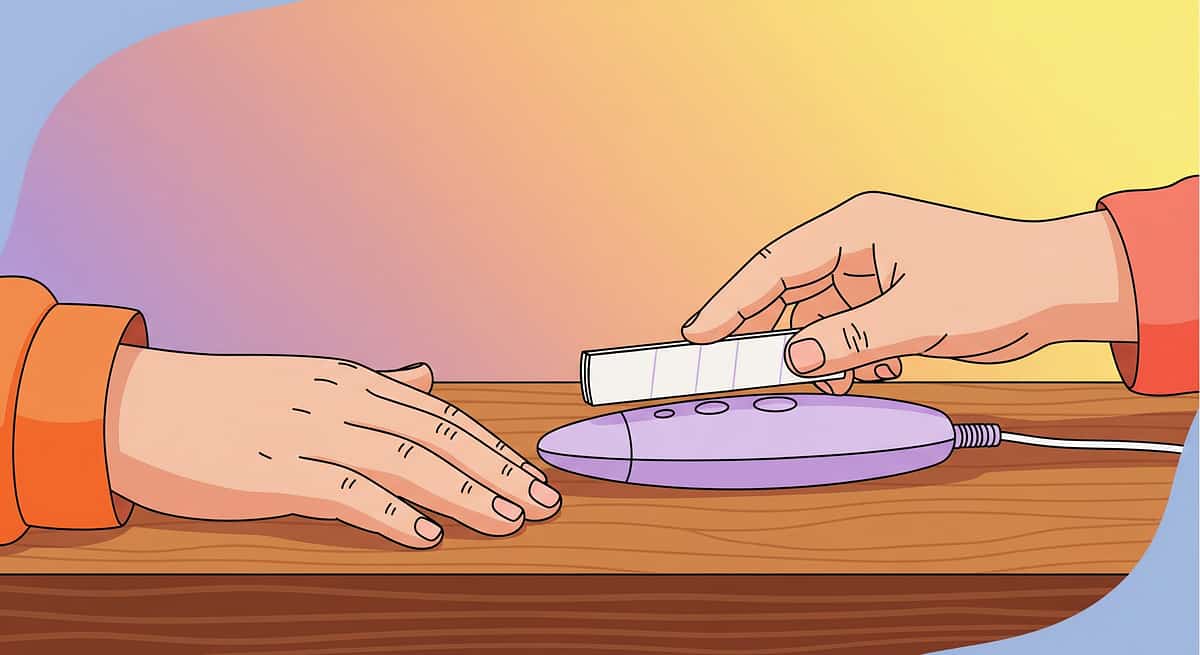
ACT II: KNOWLEDGE TRANSFER
Sensory-Modified Nail Care Protocol
"The Calm Nail Approach"
The Sensory-Modified Nail Care Protocol is an occupational therapy-driven home intervention that replaces the traditional nail-clipping experience with sensory-informed tools and behavioral preparation strategies. It addresses the three primary mechanisms of nail cutting distress — tactile over-responsivity, pressure intolerance, and anticipatory anxiety — through tool substitution, nervous system preparation, and predictability scaffolding. Designed to be executed entirely at home. No specialist equipment required beyond standard sensory tools available at ₹0–₹1,500.
Domain
Self-Care / Grooming / Sensory Processing / OT
Age Range
2–12 years
Duration
5–15 min/session
Frequency
Daily or as needed
Materials
9 Evidence-Based Materials
📺Episode 534 of 540 | Toileting & Self-Care Independence | Domain E | Pinnacle Blooms Network® GPT-OS®

This Technique Crosses Therapy Boundaries
"The brain doesn't organize by therapy type. That's why our approach doesn't either. When OT, ABA, SpEd, and NeuroDev work as one system under GPT-OS®, nail cutting stops being a battle and becomes a data point on a progress arc." — Pinnacle Blooms Consortium
Occupational Therapist (OT) — PRIMARY LEAD
Designs the overall sensory modification protocol. Selects tools based on the child's individual tactile profile. Designs the graduated desensitization pathway. Trains parents in deep pressure techniques and tool use.
ABA / BCBA Therapist — SUPPORTING
Designs the reinforcement schedule (token economy, sticker charts). Implements the one-nail-at-a-time behavioral shaping protocol. Manages data collection and systematic tolerance-building.
Special Education Provider — SUPPORTING
Coordinates school-home communication. Integrates visual sequence cards and social stories into the child's visual schedule. Ensures consistency of approach across environments.
NeuroDevelopmental Pediatrician — ADVISORY
Rules out co-occurring conditions contributing to sensory hypersensitivity. Informs whether sensory profile warrants formal SPD or ASD assessment. Provides medical clearance for deep pressure techniques if hypermobility is present.

Three Problems. Nine Materials. One Goal: Calm Nail Cutting.
🎯 Target 1: Reduce Sensory Intensity
Eliminate or reduce the clip pressure sensation using gentler tools.
Tools: Electric File, Glass File, Baby Scissors, Warm Soak
🎯 Target 2: Build Predictability
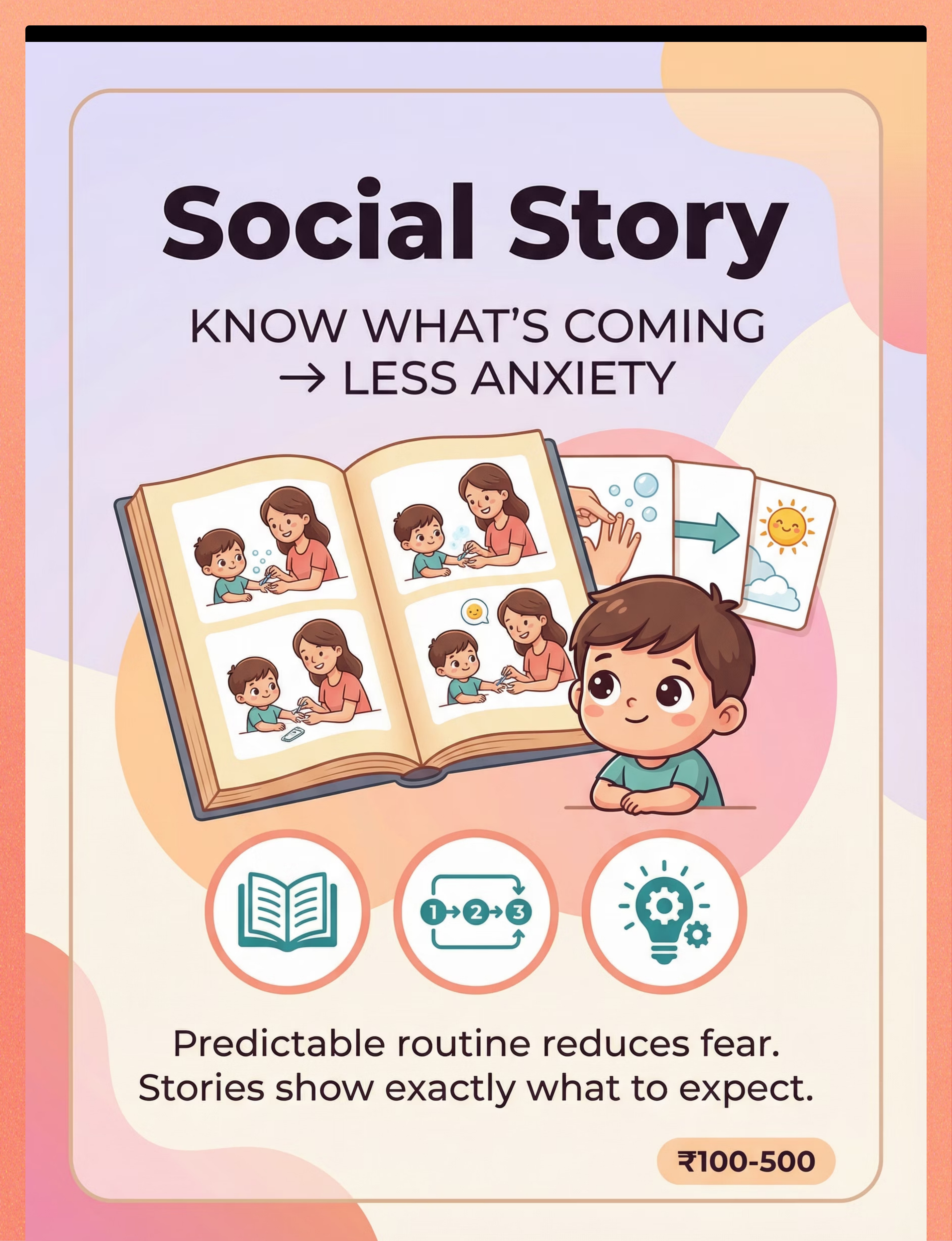
Make the experience predictable so anxiety cannot amplify discomfort.
Tools: Visual Timer, Social Story
🎯 Target 3: Grow Tolerance Gradually
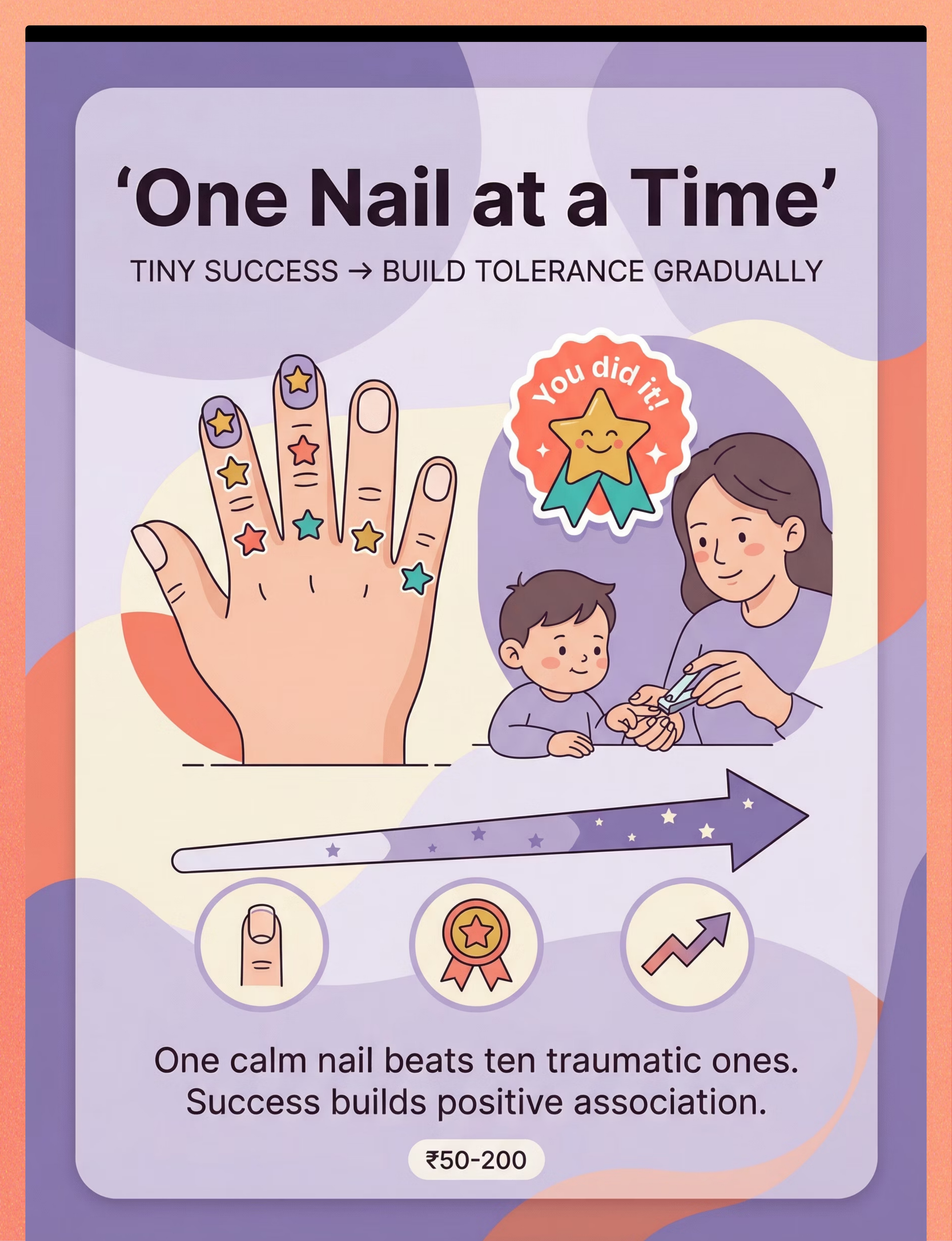
Shape tolerance through tiny successes — one nail at a time.
Tools: Sticker Chart, Reward System, Graduated Exposure
Stage 1
Cannot tolerate nail cutting — severe distress at tool presence
Stage 2
Tolerates tool contact, not nail work
Stage 3 ← Most families start here
Tolerates 1 nail at a time with maximum supports
Stage 4–5
All nails in one session with moderate, then minimal supports
Stage 6 ← TARGET
Independent self-care or calm parent-assisted cutting
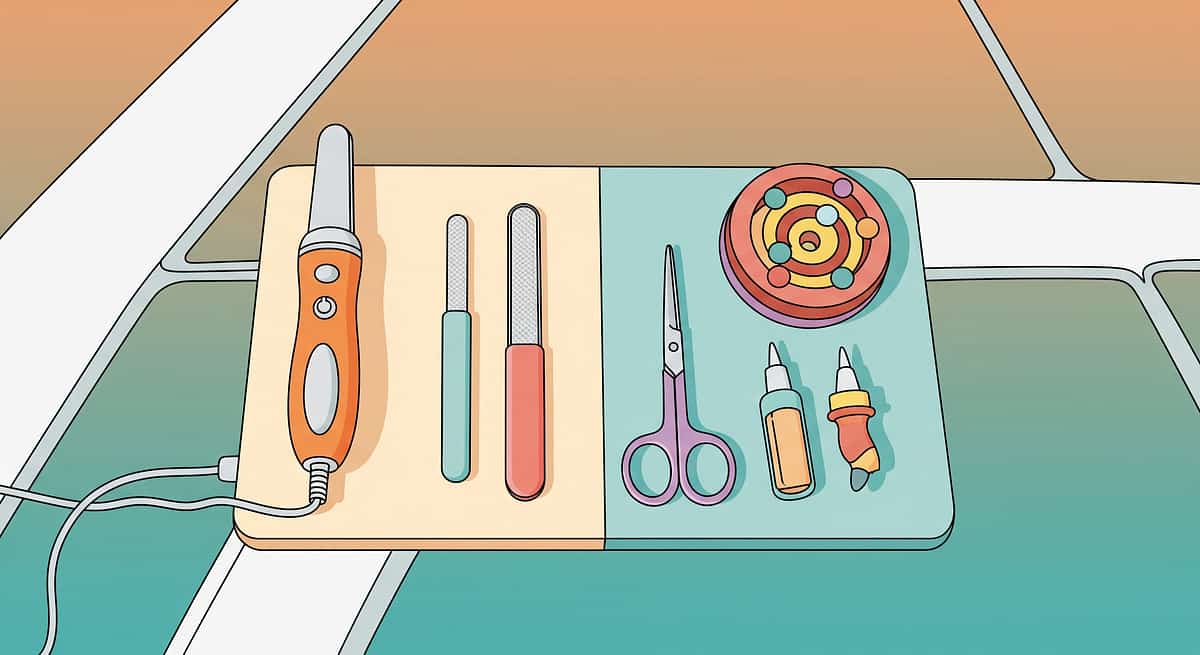
9 Materials. Three Strategies. One Calmer Child.
Total starter kit: ₹0–₹1,500 depending on approach. DIY options available for every material. The right tool depends on your child's sensory profile — and you'll discover it together.
📞FREE National Autism Helpline: 9100 181 181 | 16+ languages | 24×7 | pinnacleblooms.org

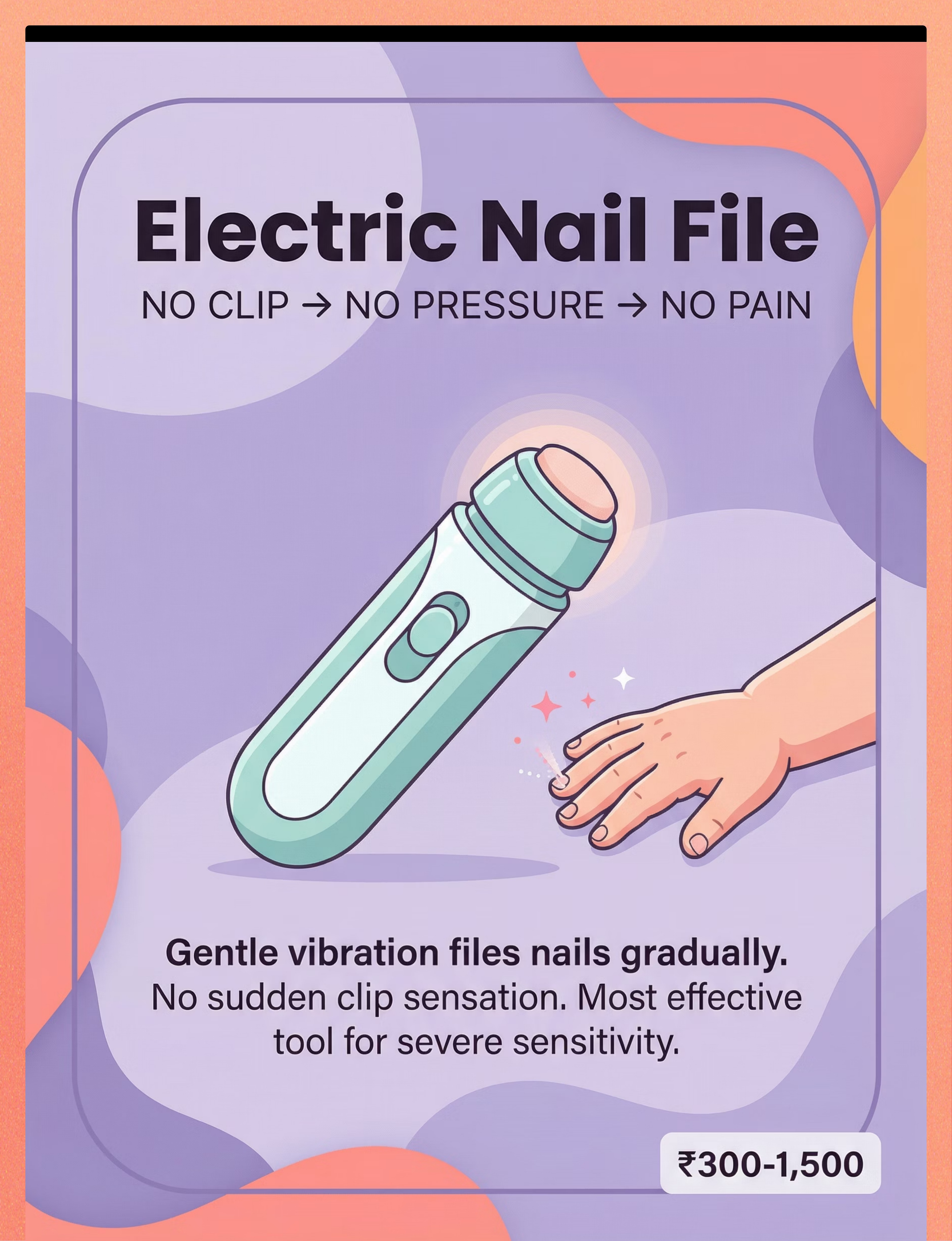
Material 1: Electric Nail File / Baby Nail Trimmer
NO CLIP → NO PRESSURE → NO PAIN
Traditional nail clippers create what OTs call a "pressure-then-release" event — a sudden compression followed by abrupt separation. For a tactile-defensive nervous system, this pattern registers as a threat signal. Electric nail files eliminate this entirely. They work through continuous, gentle, predictable vibration that files the nail down gradually. There is no "clip moment," no pressure on the nail bed, no sensation of the nail separating from the finger. The vibration is actually calming for many children — proprioceptive input that regulates rather than alarms.
WHAT
A battery-powered filing head that rotates gently against the nail surface, gradually reducing nail length through abrasion rather than cutting.
WHY
Eliminates the primary sensory trigger (clip pressure) entirely. Most effective single tool for children with severe tactile defensiveness.
WHEN
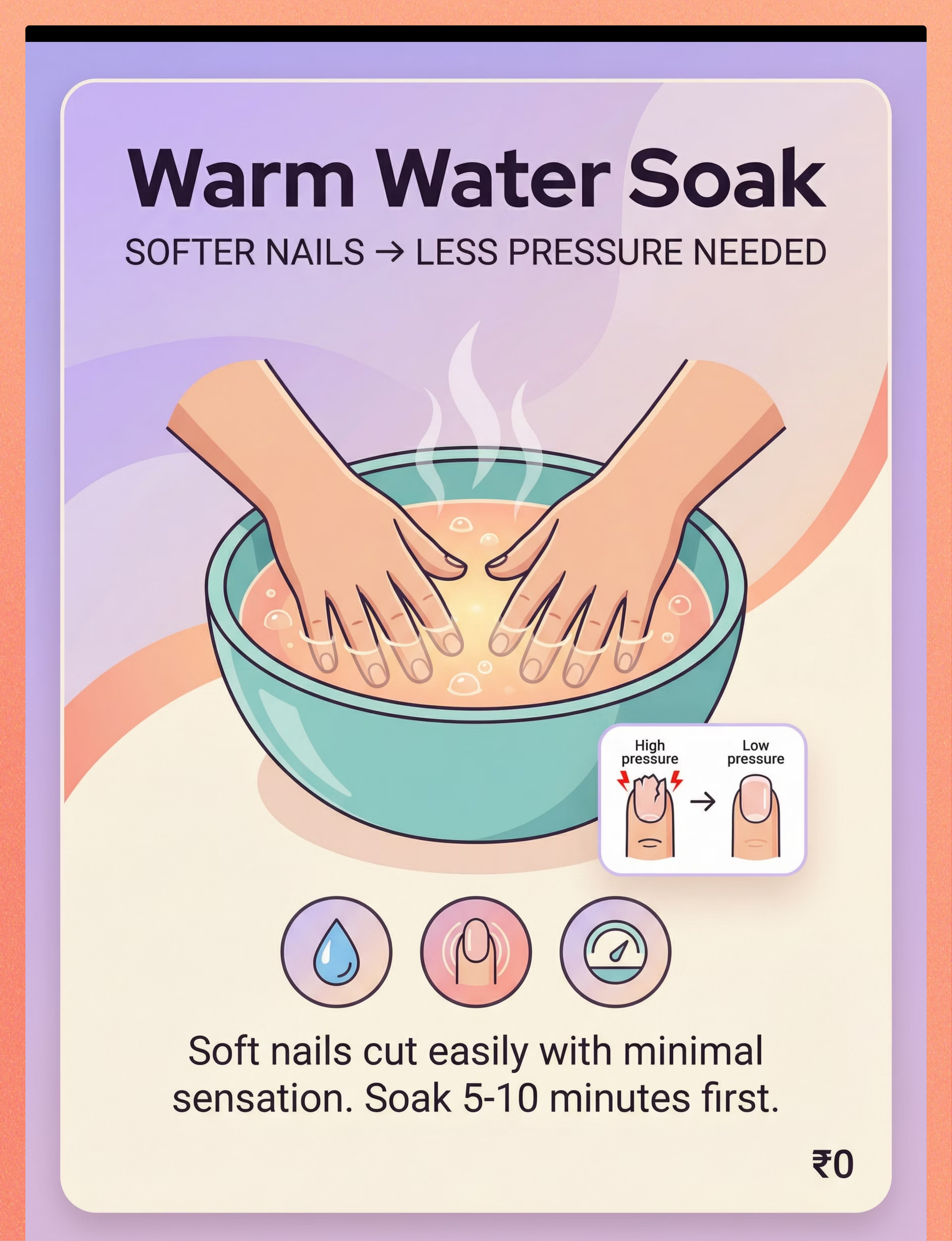
After warm water soak — softer nails file more easily and the session goes faster.
HOW
Charge/load batteries → select lowest speed → hold child's finger gently → move file smoothly across nail tip → 3–5 seconds per nail → praise immediately.
💡 "The clip IS the problem for most children. Eliminating the clip often solves everything." | ⚠️ Safety: Use light pressure. Keep moving — don't hold on one spot. Check filing head for wear. | Price: ₹300–₹1,500 | Source: AOTA Clinical Practice Guidelines | PMC11506176
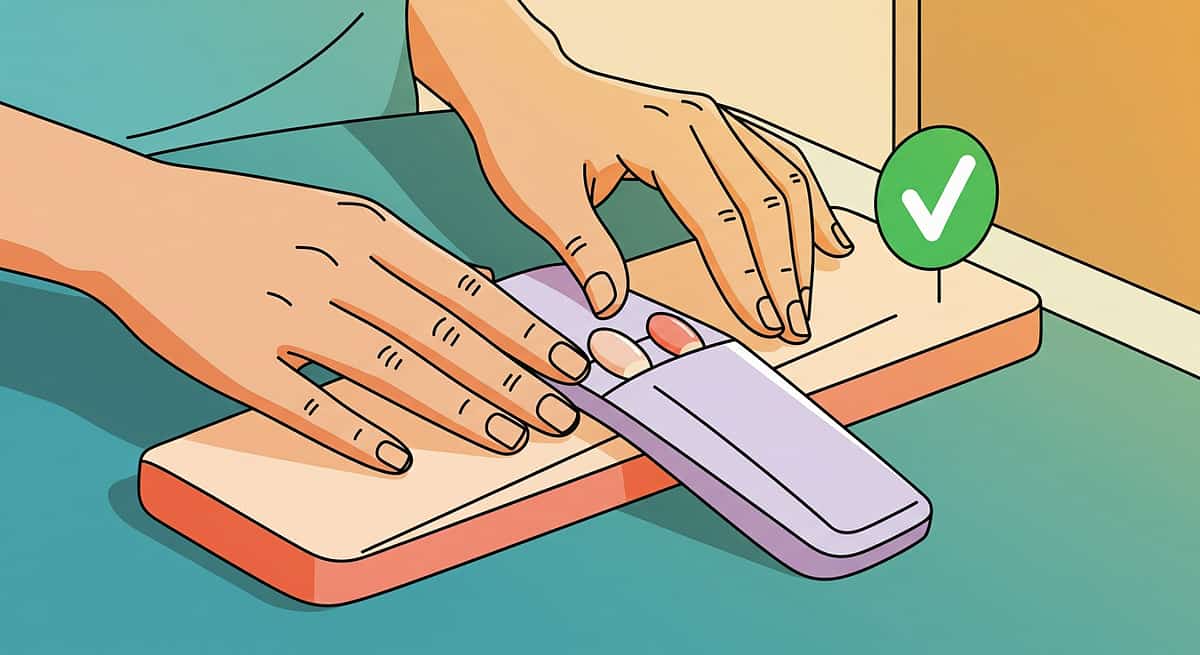
Materials 2 & 3: Glass File + Baby Nail Scissors
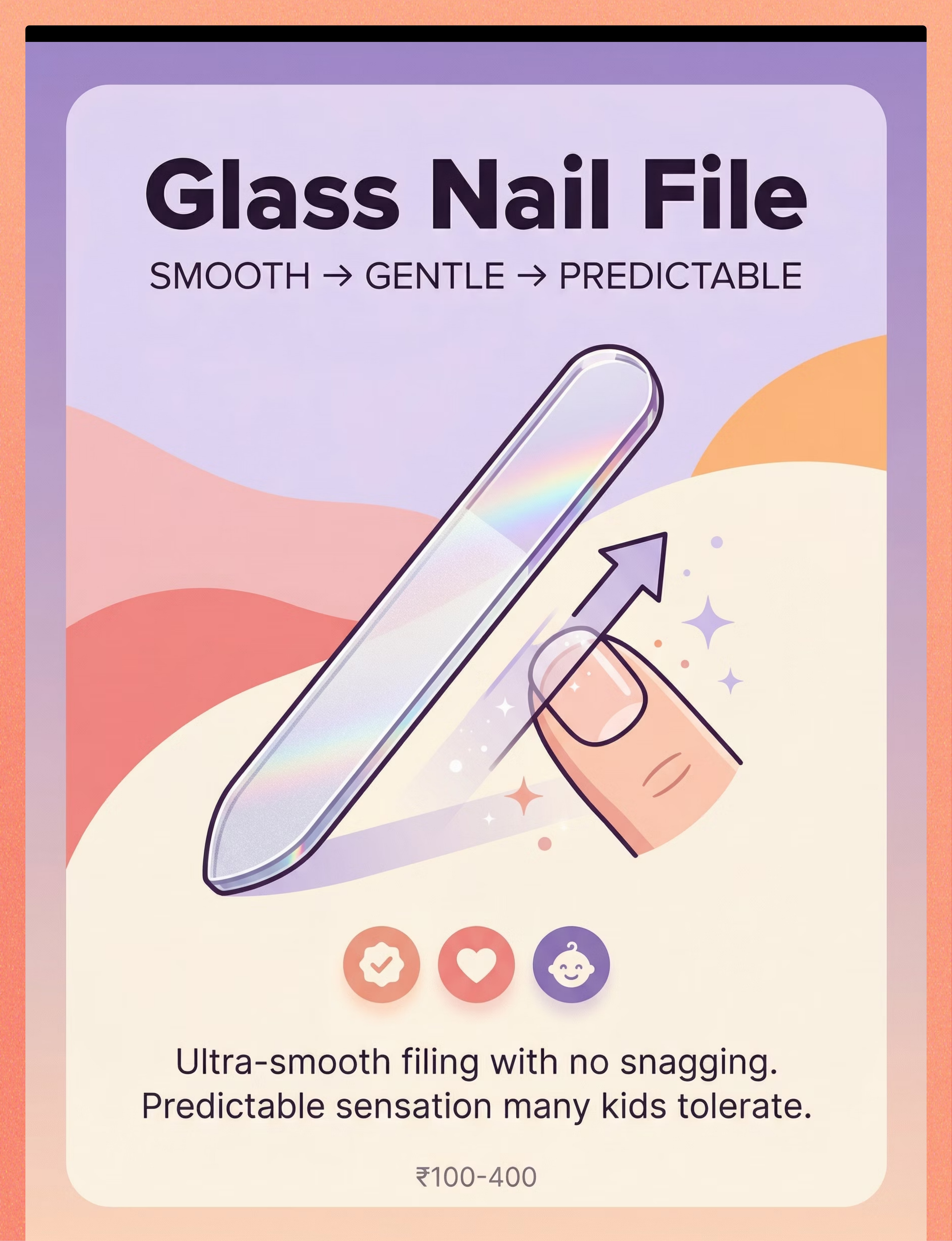
Material 2: Glass / Crystal Nail File
SMOOTH → GENTLE → PREDICTABLE
Unlike metal files that snag and emery boards that roughen, glass files have an ultra-fine, consistent grit that glides without catching. The sensation is predictable — the same each time — which matters enormously for a nervous system that over-responds to the unexpected.
Many children who cannot tolerate clipping can tolerate glass filing within the first or second attempt because the sensation never escalates suddenly. Durable enough that children can eventually file their own nails — building independence and giving them control over the sensory experience.
Price: ₹100–400 | DIY: Start with the lowest-grit emery board as a bridge tool.
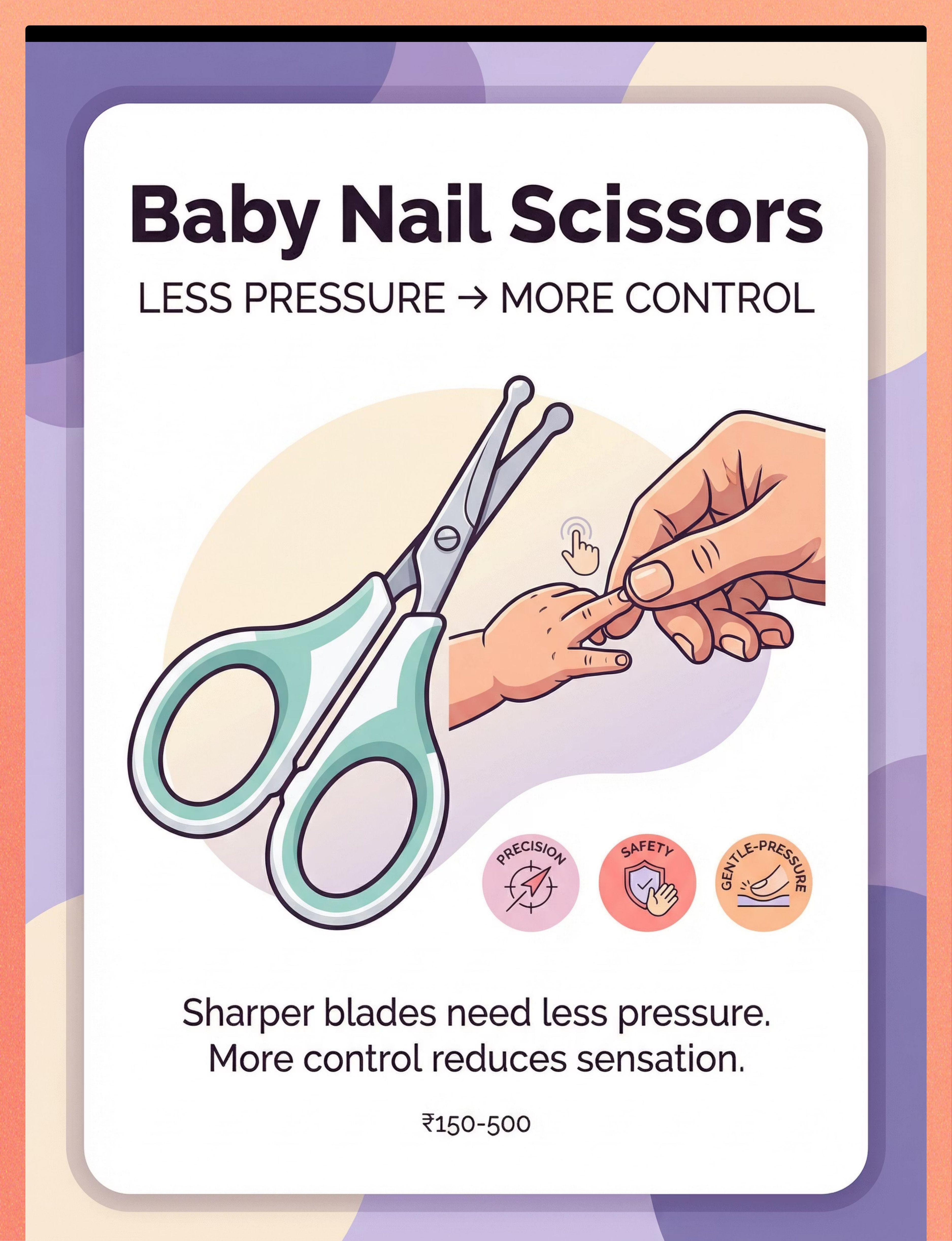
Material 3: Baby Nail Scissors / Curved Clippers
LESS PRESSURE → MORE CONTROL
Designed for infant nails, baby scissors have smaller, sharper blades that cut with significantly less required pressure than adult clippers. Less pressure = less sensation on the nail bed. The scissor cutting motion also feels different from the crushing/clipping motion of standard clippers — some children tolerate one but not the other.
Sharp blades need minimal force. Rounded tips prevent injury if child moves. Scissor motion allows parent greater precision and confidence.
Price: ₹150–500 | ⚠️ Ensure blades are sharp — dull blades require more pressure, defeating the purpose.
⚠️ Never force if child is actively withdrawing. If hand pulling is occurring, electric file or glass file is safer — no sharp edge risk if child moves suddenly.
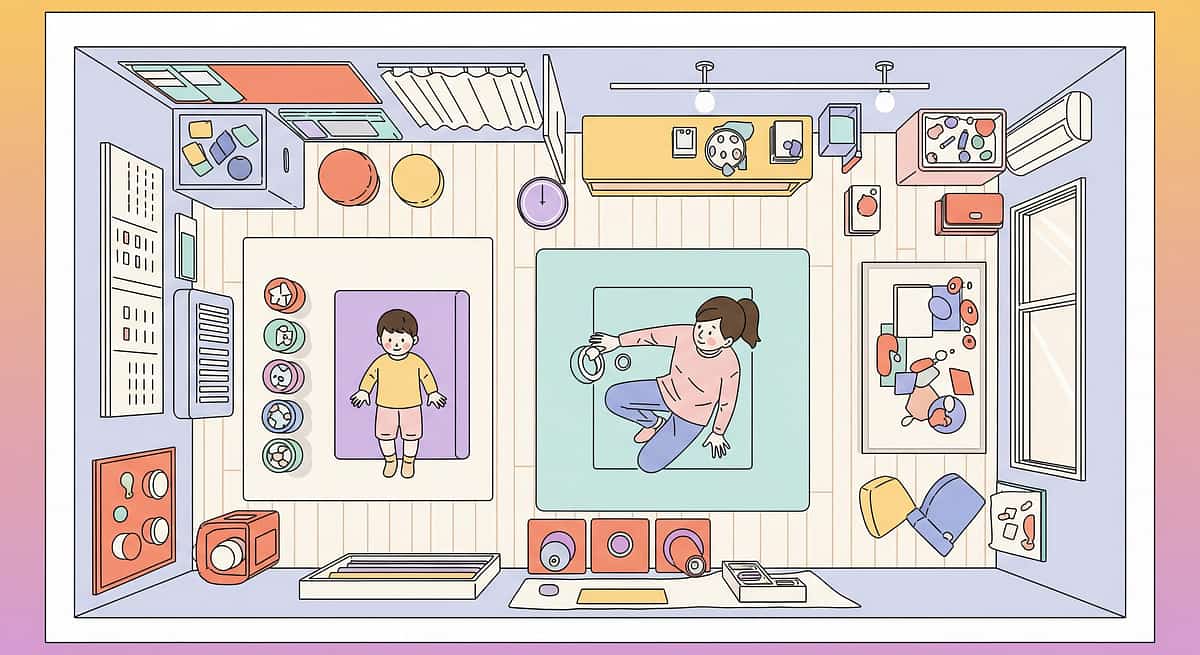
Before You Begin: Safety Protocol + Space Setup
⚠️ Safety Protocols — Never Force Continuation When:
- Child is actively withdrawing their hand
- Distress has escalated to hitting, biting, or severe crying
- You cannot maintain safe grip without restraining the child
Per-Tool Safety:
- Electric file: Light pressure only | Keep moving | Check head for wear
- Glass file: Never saw back and forth | One direction only | Handle carefully if dropped
- Baby scissors: Sharp blades require careful grip | Round-tip only | Never cut toward nail bed at an angle
"If you promised the timer, honor the timer. If you said one nail, do one nail. The moment you go further than agreed, you lose the one tool that makes this work: trust."
🟢 Space Setup Guide
Element | Requirement | |
Seating | Child seated comfortably, not restrained — lap, low chair, or floor | |
Lighting | Good, directed light — you need to see clearly | |
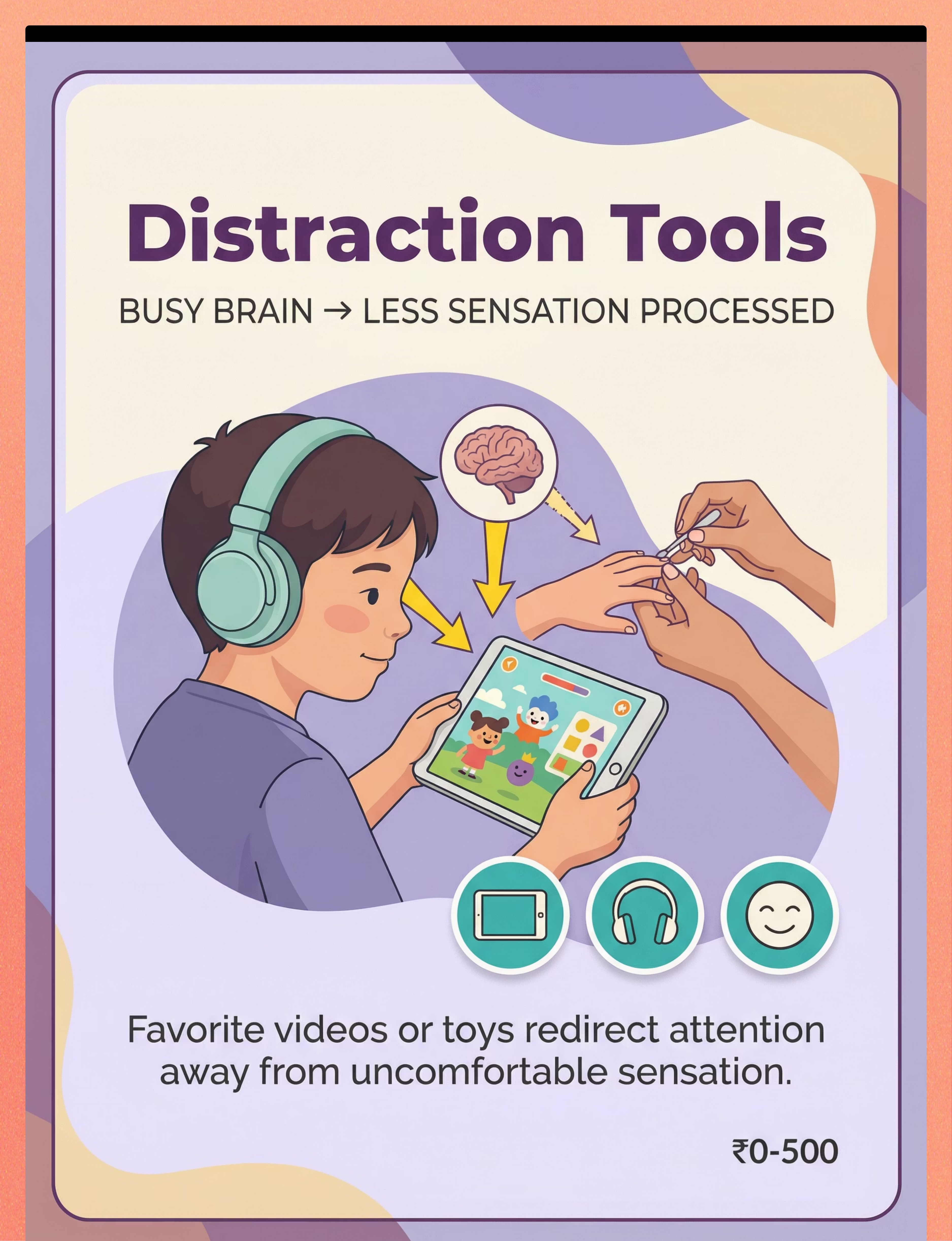
Distraction | Device or toy pre-loaded before session begins | |
Tools | Pre-selected, within reach, child not surprised by them | |
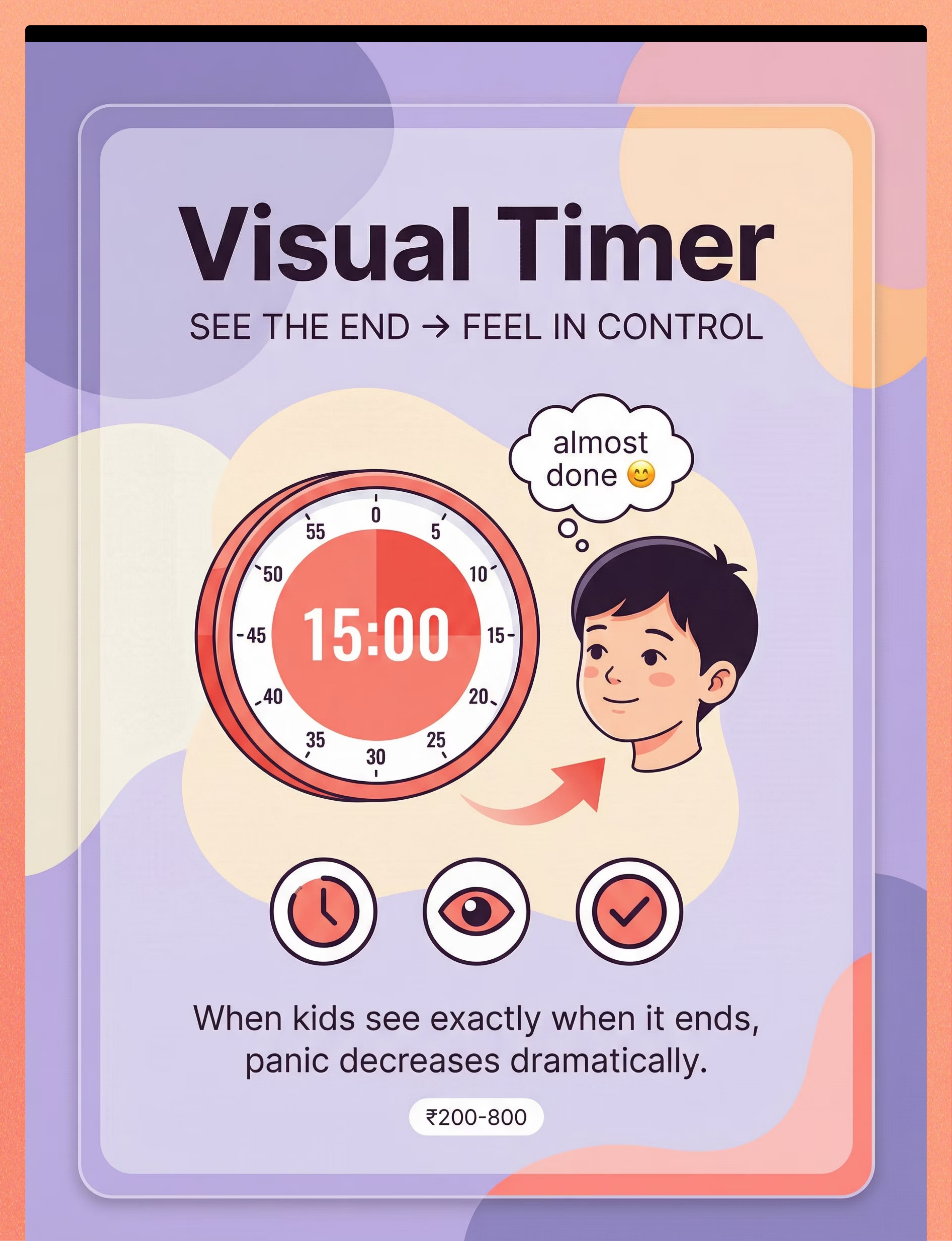
Timer | Visible and positioned where child can see it | |
Reward | Ready — do not make child wait for it after success | |
Duration | Maximum 10 minutes — shorter is always better | |
Timing | Post-bath is optimal |
📞9100 181 181 — If you're unsure about tool selection for your child's specific sensory profile, our OT team can advise. Free. 24×7.
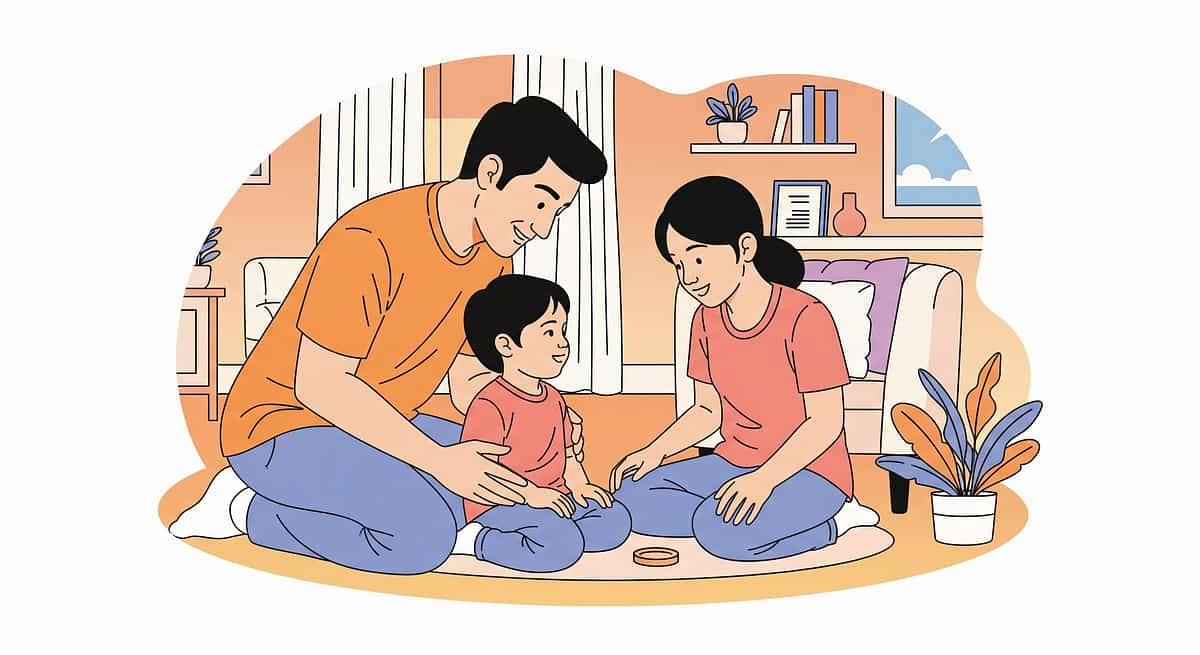
ACT III: EXECUTION
The 60-Second Readiness Check
The antecedent environment determines 80% of session outcome. Setting events — hunger, fatigue, previous arousal — matter as much as the technique itself. Check before every session.
✅ GO if your child is:
- Not currently hungry or tired
- In a regulated state (not in a meltdown or transition)
- Not already distressed about something else
- Engaged with a preferred activity
- Post-bath (optimal nail softness and body regulation)
⚠️ MODIFY if:
- Child is slightly elevated but not dysregulated → shorten to 1 nail only, increase distraction
- Nails are hard and long → soak first, then attempt
- Child shows anticipatory anxiety at sight of tools → begin tool desensitization only
🛑 POSTPONE if:
- Child is in active distress
- Post-meltdown (nervous system still recovering)
- Child has had a difficult sensory day
- You are also stressed — your nervous system affects theirs
"The best session is one that starts right. A session begun wrong rarely recovers."
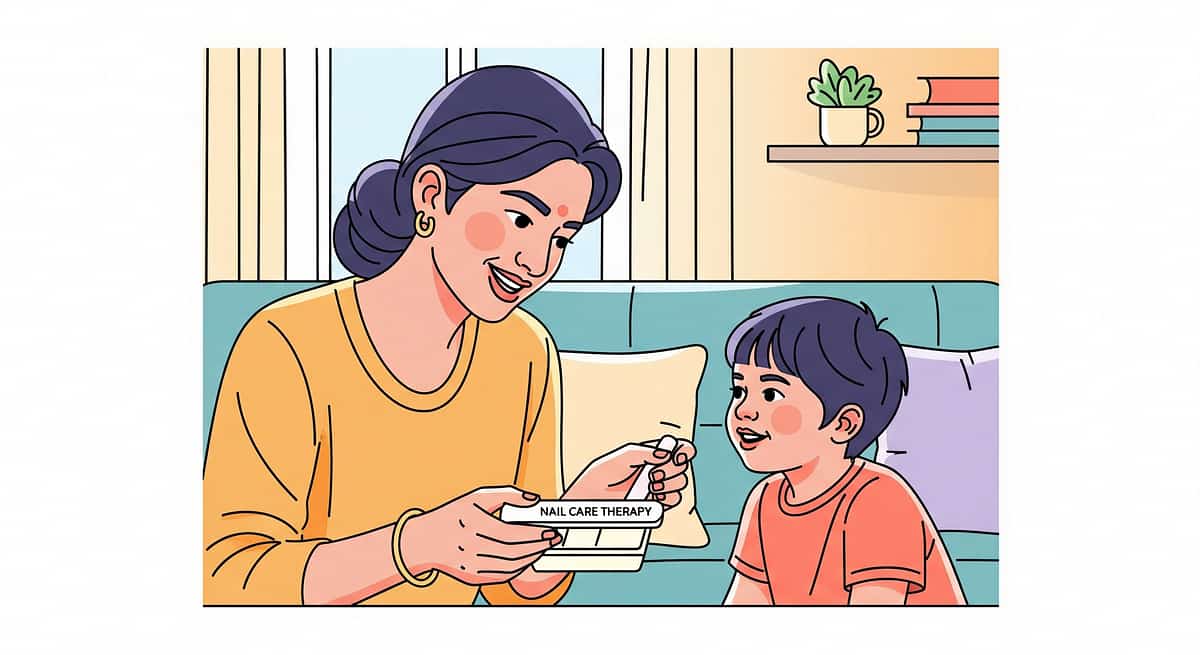
STEP 1 OF 6
Step 1: The Invitation (30–60 seconds)
"Hey [child's name], shall we do nails together? Just [one finger / two fingers / the timer time] — then we're all done and you get [reward]. Want to pick which finger first?"
Every therapeutic session begins with an invitation, not a command. The ABA pairing principle: the activity must be associated with positive outcomes before it becomes a demand. Giving the child choice (which finger first) immediately transfers partial control to them — reducing the "done TO me" feeling that amplifies sensory distress.
Body Language Guidance
- Get to child's eye level
- Calm, matter-of-fact tone (not anxious or apologetic)
- Have distraction already playing — use it as background, not a bribe
- Tools already in position but not thrust toward child
Acceptance Cues to Look For
- Turns toward you without resistance
- Doesn't immediately hide hands
- Engages with distraction without escalating
- Verbal or non-verbal "yes" signal
If Child Resists:
"Okay, not right now. We'll try in a little while." Do not force. Record in data log. Attempt at next optimal window.
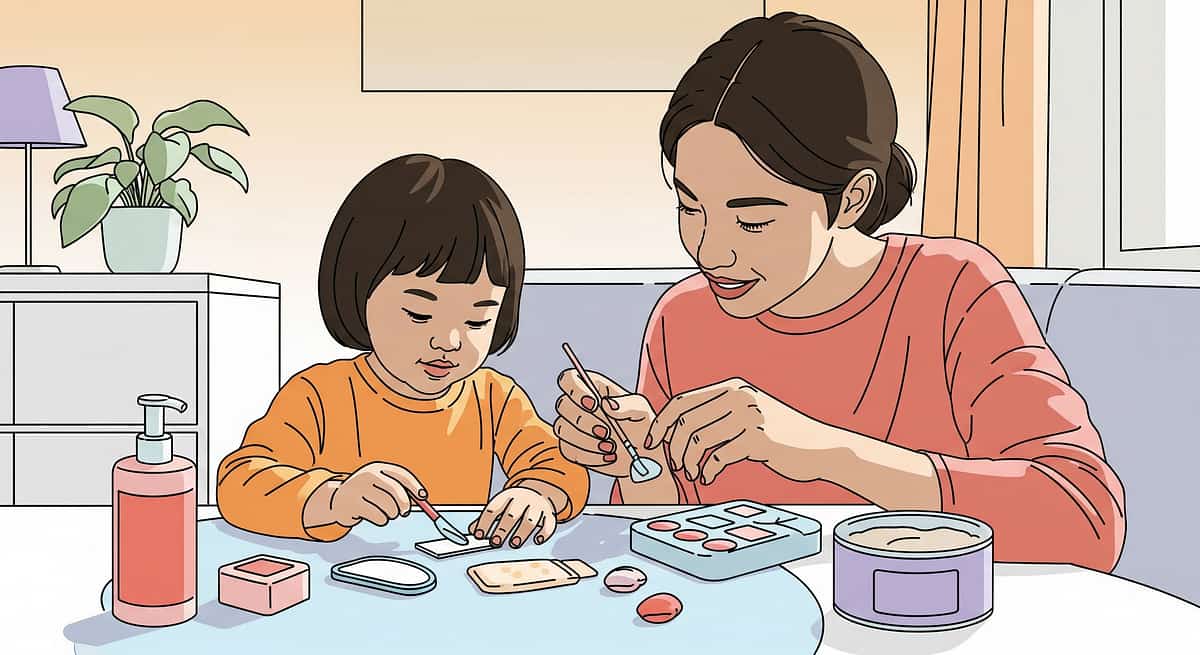
Step 2: The Engagement (1–2 minutes)
STEP 2 OF 6
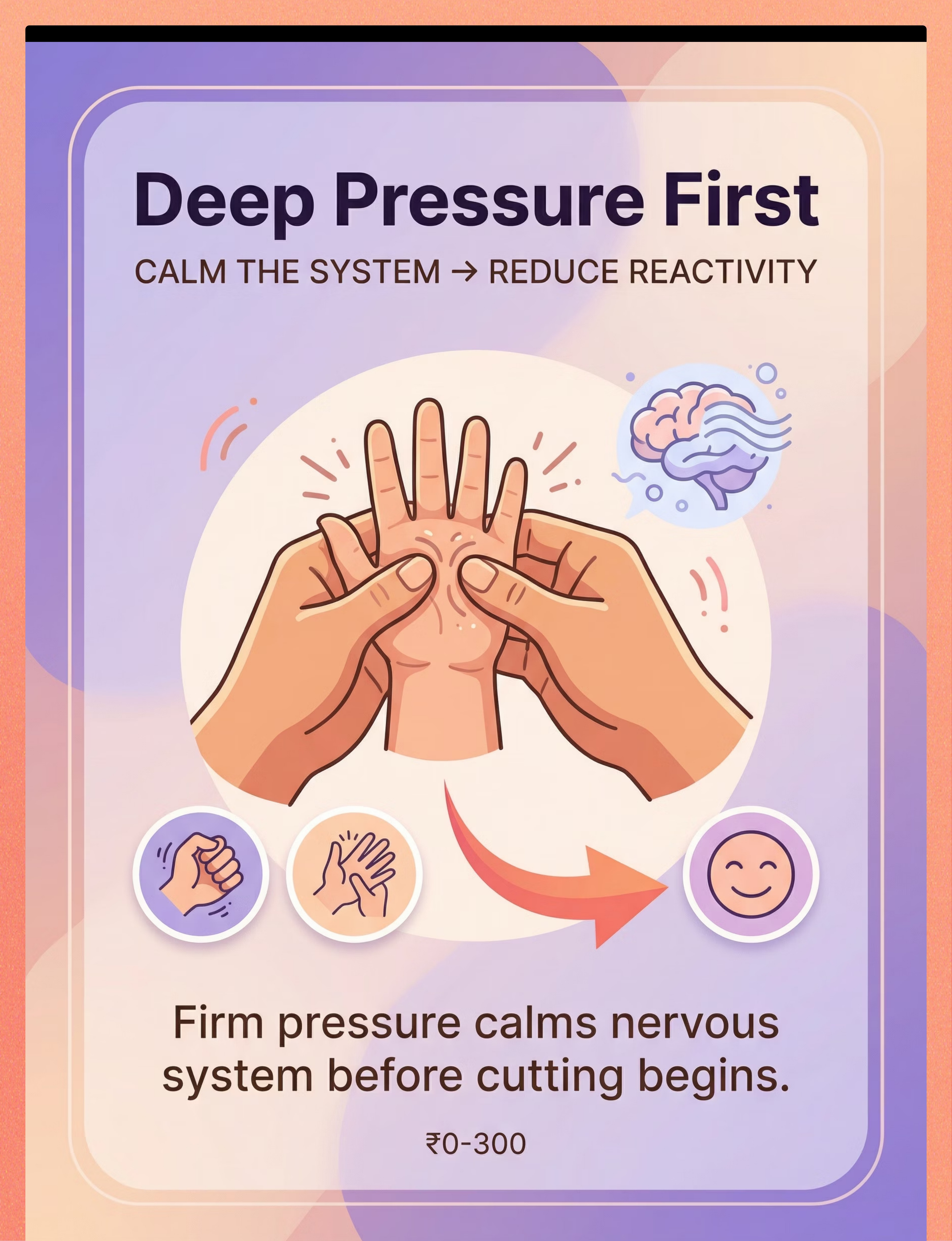
Before touching the nail tools, spend 60–90 seconds providing deep pressure to the hands. Deep pressure input activates the proprioceptive system, which has a regulatory, calming effect on the tactile system's over-responsivity. You are literally "turning down" the sensitivity of the nervous system before introducing the nail tool. OTs call this "sensory priming." It works.
Hand Squeezes
Firm, rhythmic squeezes of each hand (10 times each). Not light touch — firm, organizing pressure.
Palm Massage
Thumbs pressing firmly in circular motions on the palm.
Finger Compressions
Gently compress each finger joint from base to tip.
Theraputty / Stress Ball
Have child squeeze firmly for 30 seconds if available.
Then introduce the tool: "Okay, I'm going to use the [electric file / glass file] now. Watch the timer — when it reaches zero, we're done." Direct child's attention away from hands. | Source: PMC11506176
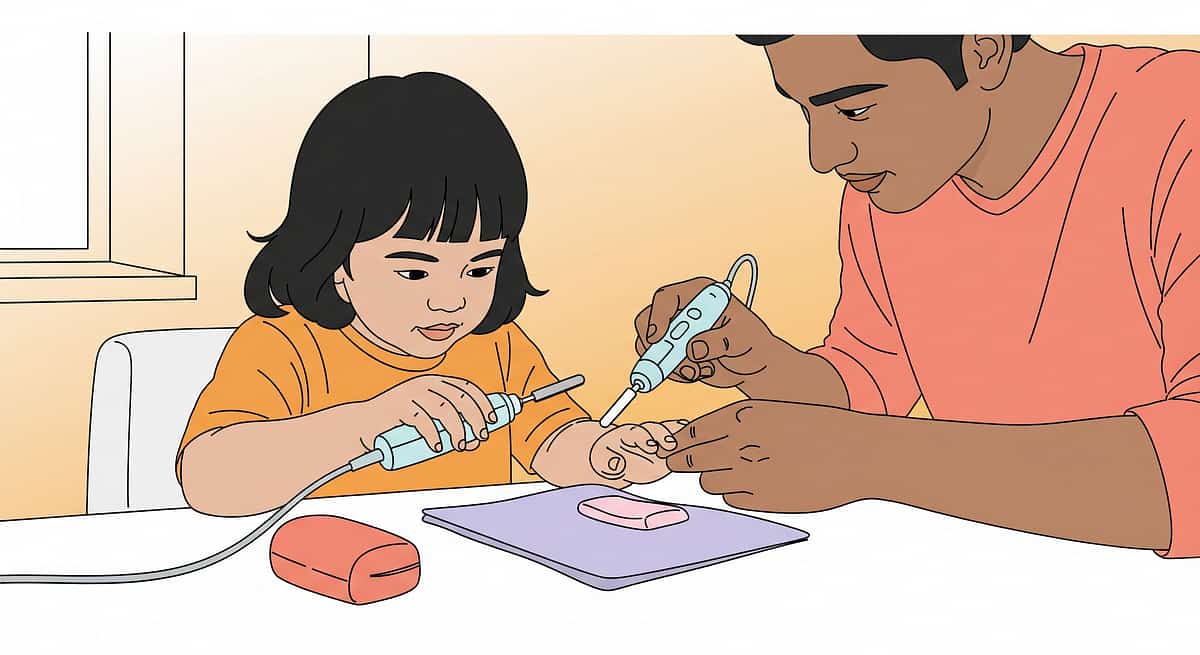
Step 3: The Action (3–8 minutes)
STEP 3 OF 6
If Using Electric File
- Set to lowest speed
- Hold child's finger gently but securely — wrap your hand around theirs (deep pressure hold)
- Move file across nail tip in smooth, continuous strokes
- 3–5 seconds per nail maximum
- Work in order agreed with child
If Using Glass File
- One direction only — never sawing
- Light, even pressure
- Smooth strokes, 3–4 per nail
- Faster than clipping — reduces overall exposure time
If Using Baby Scissors
- Maximum control grip — you need precision
- Cut when child's hand is still — never pull through a jerk
- Small snips rather than one large cut
Response | What to do | |
✅ IDEAL: Engaged with distraction, minimal awareness of nail work | Continue as planned | |
✅ ACCEPTABLE: Aware but tolerating, checking timer | Continue, offer verbal praise | |
⚠️ MONITOR: Elevated but controlled anxiety | Complete current nail only | |
🛑 STOP: Withdrawing, voice escalating | Stop immediately, praise for what was done |
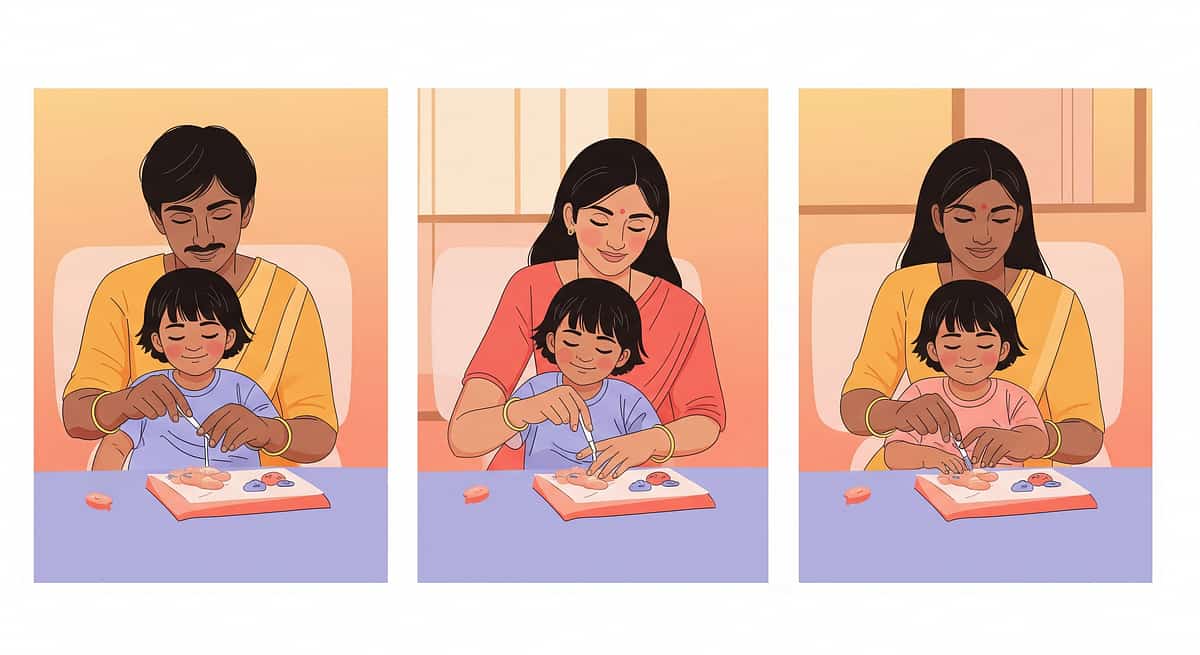
Step 4: Dosage — How Many Nails? How Long?
STEP 4 OF 6
"3 calm nails are worth more than 10 traumatic ones."
Child's Stage | Target Per Session | Timer Setting | |
Stage 1–2 (severe avoidance) | 1 nail | 30 seconds | |
Stage 3 (emerging tolerance) | 2–3 nails | 2–3 minutes | |
Stage 4 (developing) | One hand (5 nails) | 5–7 minutes | |
Stage 5 (advancing) | Both hands | 8–12 minutes |
Variation to Maintain Engagement:
- Change which tool on alternate sessions (electric one day, glass file next)
- Change order of nails — child chooses sequence
- Change distraction content to maintain novelty
- Introduce child filing their own nails on one finger — builds agency
Satiation Indicators — End Before These:
- Child begins losing interest in distraction (attention returning to hands)
- Fidgeting, vocalizations, or body tension increasing
Rule: End on success, never on distress. Stop one nail before you think you should.
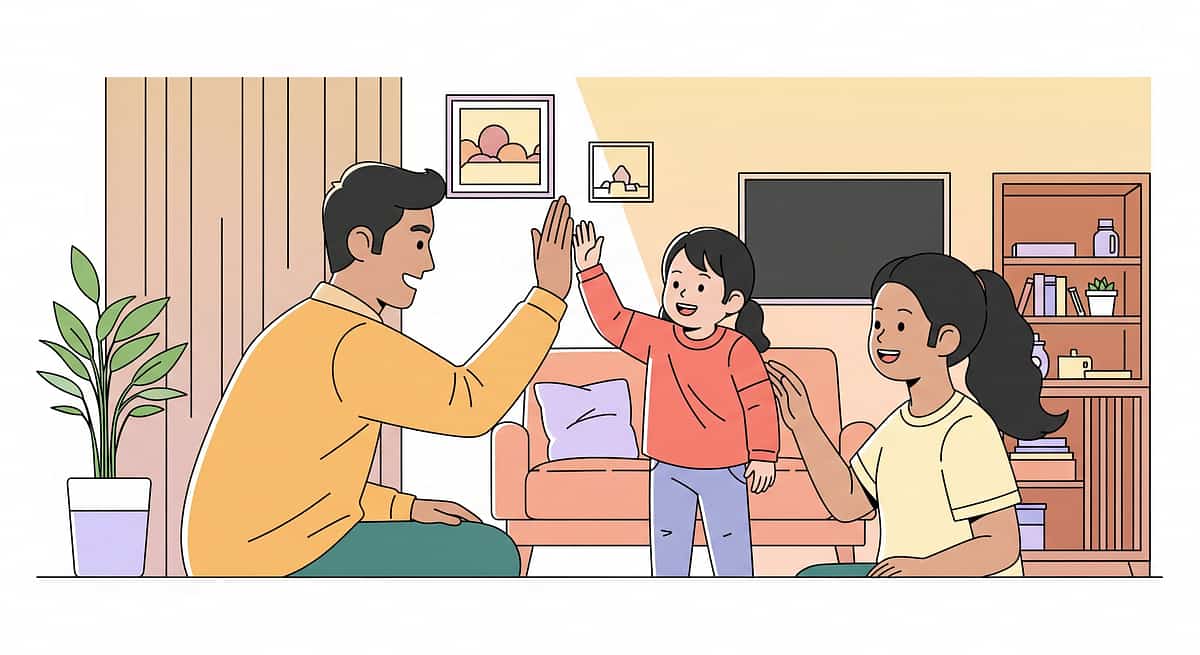
Step 5: The Reward — Timing Is Everything
STEP 5 OF 6
"You did it! That was [one / three / five] nails! You stayed so calm! You get your sticker / [reward]! You're so proud of yourself — look how calm you are!"
Key Principle: Praise the regulation, not just the compliance. Not just "good job letting me cut your nails" — but "you were SO calm, your body stayed so relaxed — that's your superpower."
The reward must arrive within 3 seconds of completing target nail(s). Delay dissolves the connection. For Stage 1–3 children, a physical token board (5 tokens = 1 preferred reward) provides both motivation and visual progress evidence.
Sticker Chart
Visual, concrete, trackable progress
Screen Time
5 minutes preferred screen time
Preferred Snack
Small preferred food item
Favorite Song
Preferred song played immediately
Verbal Praise
High-five + specific verbal praise
📞9100 181 181 | For personalized reinforcement strategy guidance from our BCBA team | Source: ABA reinforcement principles | BACB ethical guidelines
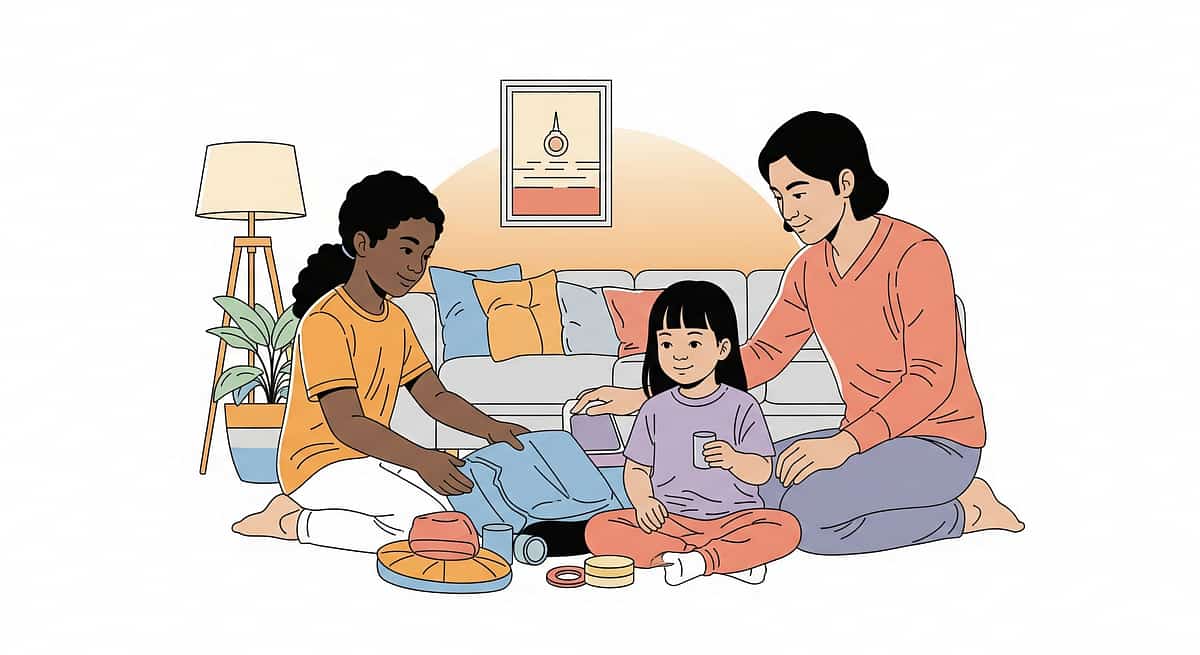
Step 6: The Cool-Down (1–2 minutes)
STEP 6 OF 6
No session ends abruptly. A structured cool-down protects the trust you just built and signals to the child's nervous system that the experience is complete and safe.
Transition warning 30 seconds before ending: "Two more [strokes / nails], then all done. Timer almost finished. You're doing amazingly."
Put-Away Ritual
Child participates in placing tools away if able. "Can you put the file back in its spot?"
Hand Celebration
Look at nails together: "Look at those neat nails! Feel how smooth that is?"
Deep Pressure Close
One more round of hand squeezes or clapping — "give me five!"
Transition Cue
"All done with nails. Now [next preferred activity]."
Full Release
Do not mention nails again. Move completely into next activity.
If child resists ending — this is actually a positive sign. It means the session was tolerable. Acknowledge: "I know you're okay now — that's great! Let's finish and come back tomorrow." | Source: NCAEP Evidence-Based Practices Report (2020)
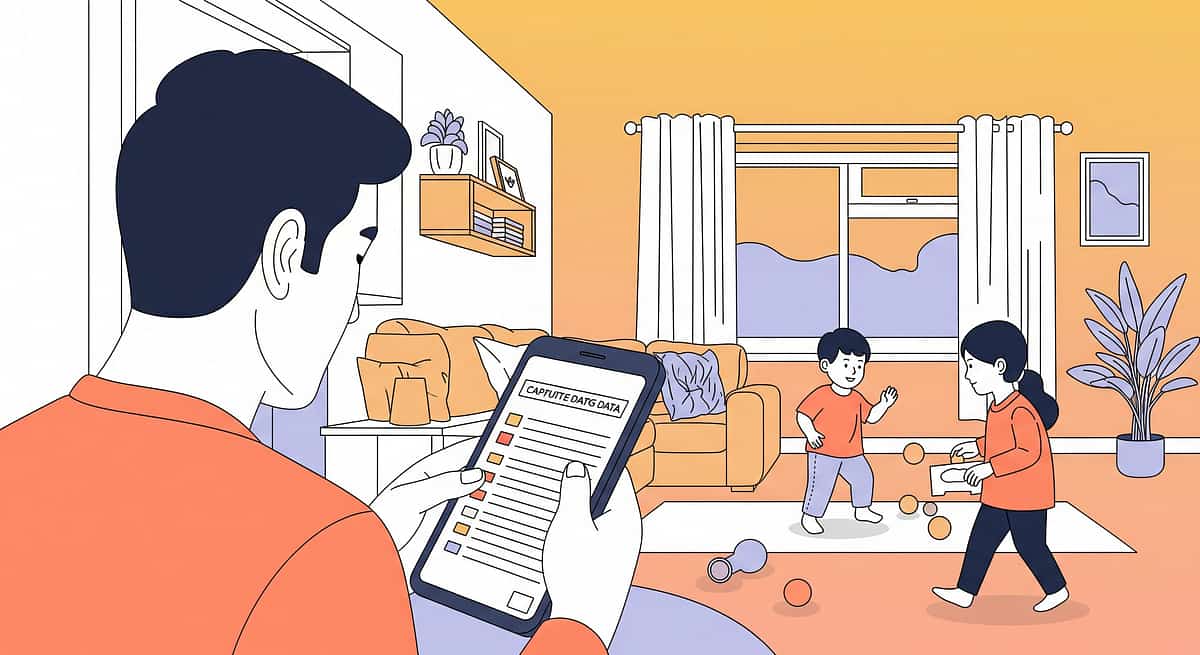
60 Seconds of Data Changes Everything
Do this NOW — within 60 seconds of session end. Data entered immediately is accurate. Data entered later is an estimate. Over weeks, your session log will reveal patterns, triggers, and progress you would never have seen otherwise.
Data Point | What to Record | Why It Matters | |
Nails completed | Number (e.g., "3 fingernails") | Tracks tolerance arc over weeks | |
Distress level | 1 (calm) to 5 (severe distress) | Reveals patterns and triggers | |
Tool used | Electric / Glass / Scissors / Soak | Identifies which tools work best | |
Session duration | Minutes | Tracks tolerance window growth | |
What worked | One phrase | Captures successful strategies |
📥 Download Tracking Sheet
Nail Cutting Progress Tracker PDF — E-534
pinnacleblooms.org/resources/nail-tracking-E534
📱 GPT-OS® In-App Tracker
Self-Care → Nail Cutting → Log Session. Data updates your child's AbilityScore® Grooming Tolerance Readiness Index.
🔗 Quick Log: 3-Field Tracker
Date | Nails Completed | Distress Level 1–5 | Tool Used
Source: ABA Data Collection Standards | BACB Guidelines | Cooper, Heron & Heward (Applied Behavior Analysis)

Session Not Perfect? That's Data, Not Failure.
Every session that doesn't go as planned tells you something precise about your child's sensory profile and tolerance window. Read the data — don't absorb the emotion.
❓ Child refused to start at all
Why: Anticipatory anxiety triggered before session began. Tool was visible, or wrong time of day.
Fix: Hide tools until last moment. Move session to post-bath slot. Begin with 5 minutes of preferred play before any mention of nails.
Fix: Hide tools until last moment. Move session to post-bath slot. Begin with 5 minutes of preferred play before any mention of nails.
❓ Child tolerated 1 nail then became distressed
Why: Tolerance threshold reached. You pushed slightly too far.
Fix: Perfect — 1 nail was success. Record it. Celebrate it. Tomorrow, 1 nail again. Don't try for 2 until child is consistently calm through 1.
Fix: Perfect — 1 nail was success. Record it. Celebrate it. Tomorrow, 1 nail again. Don't try for 2 until child is consistently calm through 1.
❓ Electric file vibration upset child more
Why: Some children are more sensitive to vibration than pressure.
Fix: Switch to glass nail file. If neither, begin desensitization — tool presence only, no nail contact, for several sessions first.
Fix: Switch to glass nail file. If neither, begin desensitization — tool presence only, no nail contact, for several sessions first.
❓ Warm soak became preferred and child refused transition
Why: Positive, but needs management.
Fix: Build in visual transition warning during soak. "Two more minutes in water, then nails, then [big reward]."
Fix: Build in visual transition warning during soak. "Two more minutes in water, then nails, then [big reward]."
❓ Nails too long — child already in pain from scratching
Why: Avoidance has allowed dangerous growth.
Fix: One careful session during sleep if necessary. Then begin gentle protocol from ground zero. Do not carry guilt from emergency session into next session.
Fix: One careful session during sleep if necessary. Then begin gentle protocol from ground zero. Do not carry guilt from emergency session into next session.
❓ I cut the skin accidentally
Why: Child moved unpredictably. Not your fault.
Fix: Switch to electric file or glass file permanently — zero injury risk if child moves. Rebuild trust with extra deep pressure and praise sessions before attempting nail work again.
Fix: Switch to electric file or glass file permanently — zero injury risk if child moves. Rebuild trust with extra deep pressure and praise sessions before attempting nail work again.
"Session abandonment is not failure. It is data that tells you where to start tomorrow."
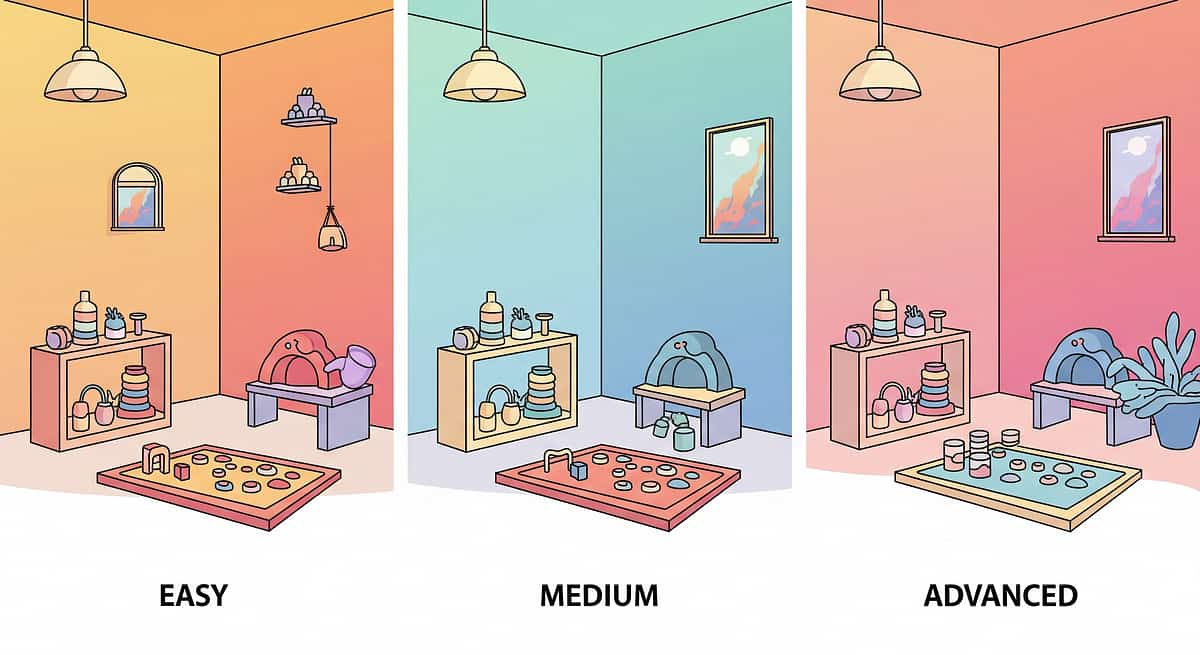
Your Child Is Not a Protocol. Adapt Accordingly.
For Sensory AVOIDER (over-responsive — most common)
- Electric file is primary tool — eliminate clip entirely
- Maximum deep pressure preparation
- Post-bath timing mandatory
- 1–2 nails per session maximum initially
- Heavy distraction + token reward every nail
For Sensory SEEKER (under-responsive — less common)
- May enjoy electric file vibration as sensory input
- Can typically tolerate longer sessions
- Needs more variation — boredom, not anxiety, is the challenge
- Nail filing can be paired with other proprioceptive activities
Age Modifications
Ages 2–4
Tools presented as toys first. File on parent's nails first while child watches. Use during bath play.
Ages 5–8
Child begins choosing tools. Social story is high-value. Token board motivating.
Ages 9–12
Teach child to file own nails. Choice and control are primary levers. Peer normalization helpful.
Source: OT sensory profiling | ABA function-based individualization | SLP communication-based adaptation

ACT IV: THE PROGRESS ARC
Weeks 1–2: You're Not Seeing Progress. You're Building the Foundation.
In the first two weeks of consistent application, progress looks different from what you might expect. You won't see a dramatically calmer child. You will see tiny, measurable neurological shifts — and they matter enormously.
What You MAY See in Weeks 1–2
- Child no longer hides hands immediately at sight of electric file (habituation to tool presence)
- Duration of calm tolerance increases by even 5–10 seconds
- Able to complete 1 nail on most attempts (vs. 0 nails previously)
- Slightly reduced anticipatory distress — still present, but quieter
- Post-session regulation improves — fewer post-nail meltdowns
What Is NOT Progress Yet
- Tolerating all nails in one session — too early
- Not needing distraction — still necessary
- Child "enjoying" nail cutting — not the target at this stage
"If your child tolerates the electric file for 3 seconds longer than last week without pulling away — that is real, measurable neurological progress. That 3 seconds represents new neural pathways forming. Celebrate it like the breakthrough it is."
Source: PMC11506176 | General sensory integration intervention timeline literature

Weeks 3–4: The Neural Pathway Is Forming
Between weeks 3 and 4, something changes at a neurological level. The amygdala begins to learn that "nail file appears" does not predict "threat event follows." This is not behavioral conditioning — this is neurological re-wiring. The brain is updating its threat database. You are the programmer.
Consolidation Indicators
- Child begins to anticipate the nail routine without elevated distress
- Able to complete 2–3 nails consistently
- Electric file vibration may shift from "alerting" to "neutral" or even "calming"
Participation Emerging
- Child begins to participate — holding out the chosen finger, watching the file
- Post-session mood improves — nail cutting no longer destabilizes the rest of the morning
- Parent is less anxious — and the child feels this
When to increase: If child is consistently calm through 2 nails with minimal distress, attempt 3 nails at next session. Move incrementally. Never jump more than 1 nail per step-up.

Weeks 5–8: From Surviving to Managing
The expansion phase represents a genuine shift — from white-knuckling through a sensory experience to actually managing it. The nervous system has learned. The routine has taken root. Now we build on it.
Expansion Indicators
- Can complete one full hand (5 fingernails) in one session
- May be asking to "help" with filing on their own nails
- Anticipatory anxiety significantly reduced — routine is normalized
- Reward can begin to thin — not every nail, but every session
- Tolerating occasional variation in routine without decompensation
- Some children at this stage can tolerate gentle standard clipping for the first time
📞9100 181 181 — Our OT team can advise on transitioning from filing to clipping if that's your goal, or on maintaining a filing-only approach permanently. Both are valid outcomes. | Source: Systematic review (Children, 2024): Sensory integration intervention outcomes emerge across 8–12 week timelines.
This Is Worth Celebrating. Here's Why.
When a child who once screamed at the sight of nail clippers sits calmly through five nails with an electric file — that is not a small thing.
Neurological
New inhibitory pathways in the amygdala. The threat database has been updated. This is measurable brain change.
Behavioral
20–40 successful nail sessions of positive conditioning. Trust built through hundreds of honored promises.
Developmental
Your child is progressing toward grooming independence — a self-care skill they will use for the rest of their life.
Familial
You did this. With the right tools, the right approach, and extraordinary patience. Not the clinic — you, at home.

When Home Intervention Is Not Enough
🚩 Escalate to Professional Assessment If:
- Sensory sensitivities affect 3+ grooming activities (nails, hair, teeth, face, bath)
- No improvement after 8–10 weeks of consistent application
- Child's distress is severe and affecting sleep, eating, or family relationships
- Nails causing injury to self or others due to inability to maintain
- Child's anxiety has generalized beyond grooming
- Parent-child relationship significantly strained by grooming battles
- Sensory issues intensifying rather than improving
Professional Options
Occupational Therapist
Sensory processing assessment, formal desensitization protocol, sensory diet
Developmental Pediatrician
SPD/ASD/ADHD evaluation, formal sensory profile assessment
Child Psychologist
Anxiety component, trauma from previous forced experiences, phobia treatment
BCBA
If behavioral resistance has developed alongside sensory issues
70+ centers | 16+ languages | teleconsultation available for remote families
Nail Cutting Is One Point on Your Child's Grooming Journey
The tactile defensiveness that makes nail cutting difficult rarely appears in isolation. Understanding how E-534 connects to the broader self-care series helps you see the full picture — and the full path forward.
E-530: Hair Brushing Tolerance
Same tactile defensiveness pathway
E-532: Haircut Tolerance
Acute tactile + sound sensitivity overlap
E-533: Bath Time Sensory Issues
Full-body tactile regulation foundation
E-534: Nail Cutting ← YOU ARE HERE
9 evidence-based materials, this complete protocol
E-535: Face Washing Sensitivity
Hand/face tactile pathway
E-536: Tooth Brushing Tolerance
Oral tactile defensiveness overlap
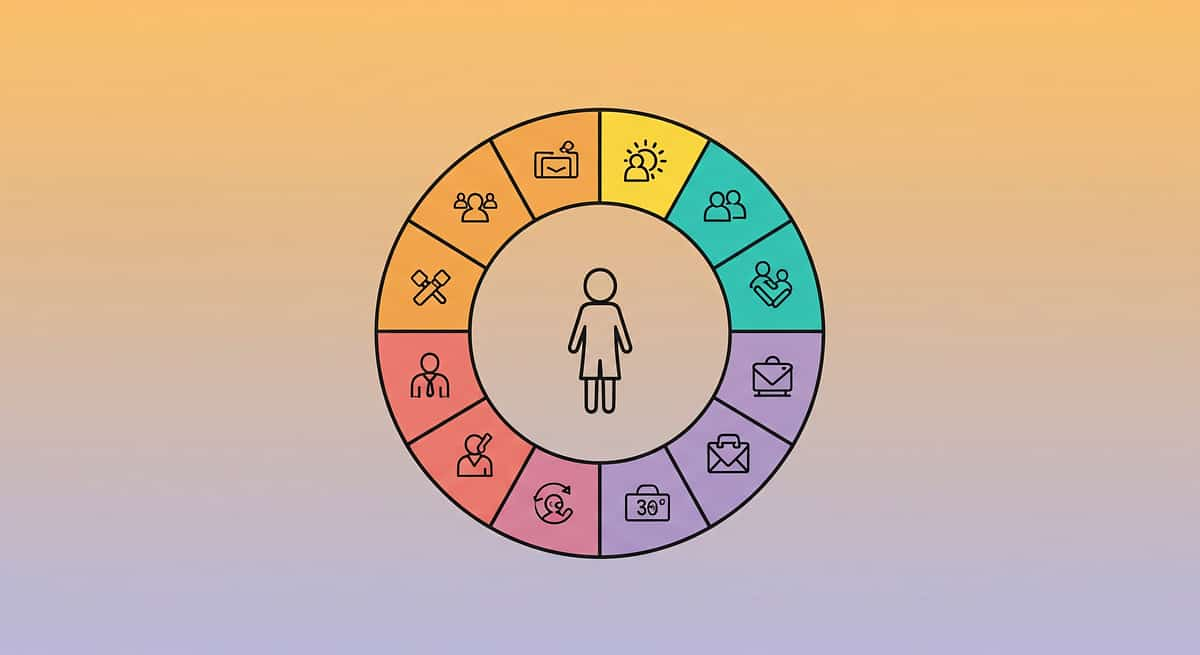
Your 12-Week Progress Arc: From Distress to Mastery
Each session logged in your GPT-OS® dashboard updates your child's AbilityScore® Grooming Tolerance Readiness Index. Your data contributes to population-level evidence that helps every child like yours.
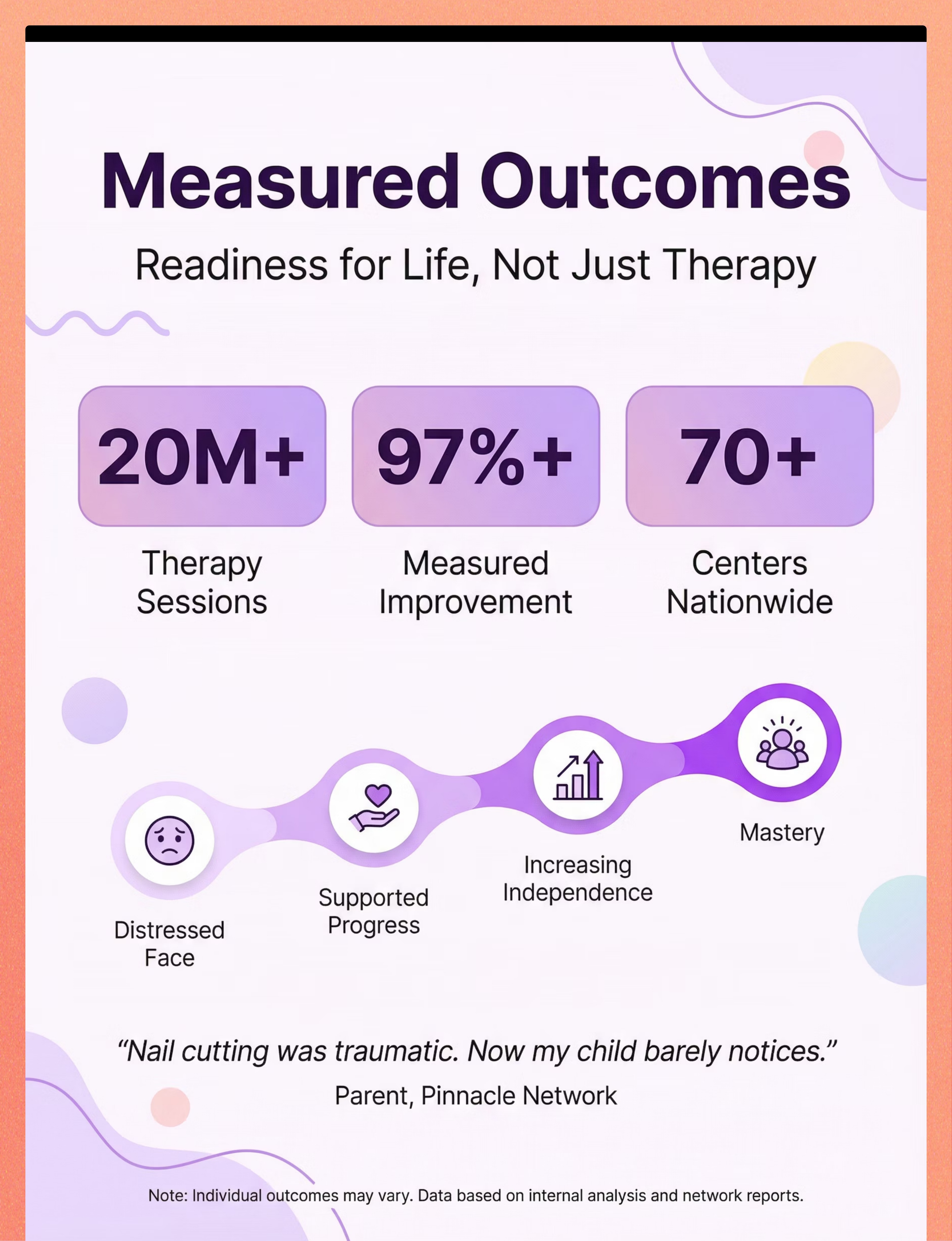
Measured Outcomes. Readiness, Not Assumptions.
20M+
Therapy Sessions
Exclusive 1:1 sessions delivered across the Pinnacle Network
97%+
Improvement Rate
Measured improvement across tracked intervention programs
70+
Centers Nationwide
Across India, with teleconsultation for remote families
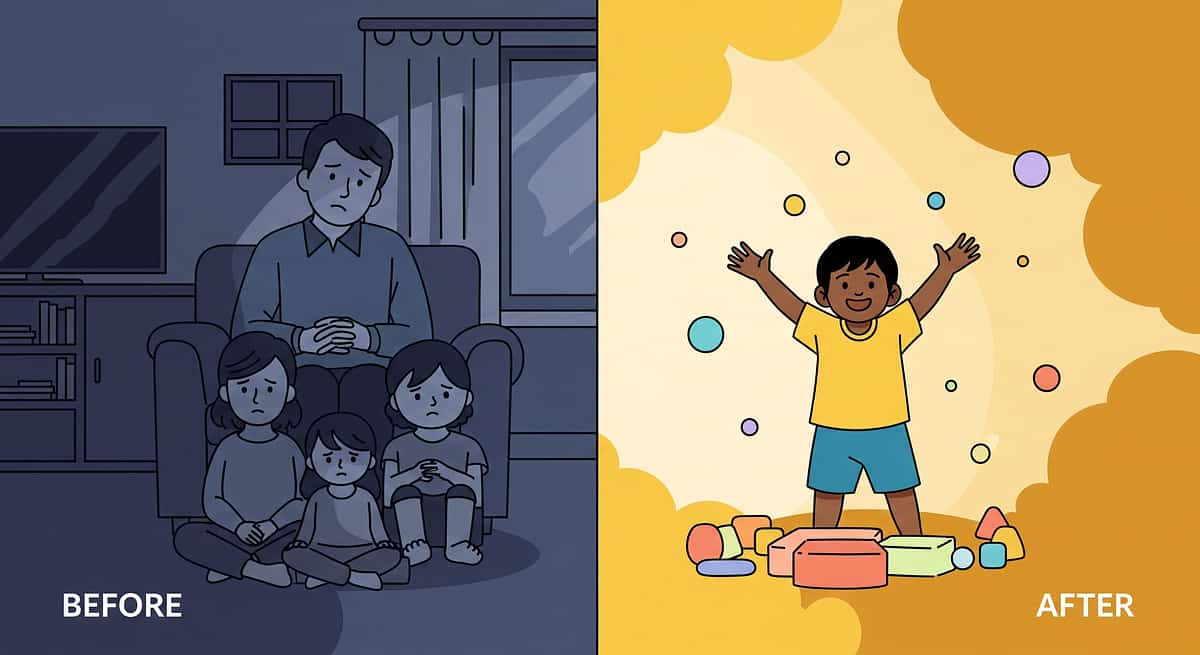
"Nail cutting used to require two adults — one to hold him down while the other cut as fast as possible. The OT suggested an electric baby nail file and one-nail-at-a-time with stickers. We started with just one nail a day. He barely noticed it. Within a month, we could do all his nails in one session with the electric file. Within three months, he tolerates gentle clipping. It felt like a miracle, but it was just the right approach." — Parent, Pinnacle Network
Illustrative case. Individual outcomes vary by child profile, underlying needs, and intervention intensity.
ACT V: COMMUNITY & ECOSYSTEM
Three Families. Three Tools. Three Transformations.
Priya, Bangalore
"My 6-year-old daughter has ASD and SPD. Nail cutting was 20 minutes of tears every time. We switched to the electric baby nail trimmer and started with just one nail per day with a sticker chart. Week 1: she cried but let me do it. Week 4: she started choosing which finger first. Week 8: we do all ten nails in 8 minutes. The electric file changed everything."
Rahul, Hyderabad
"My son is 4 and tactile-defensive. The warm water soak before cutting made an immediate difference — softer nails needed almost no pressure. Paired with his favorite cartoon as distraction, he went from refusing all nail cutting to tolerating three nails in our first week. Small wins, but they were real."
Meena, Chennai
"The social story was the key for my 8-year-old. She's highly verbal and anxious, not just sensory. Once she could read exactly what was going to happen — step by step — the panic reduced immediately. She likes knowing. The story gave her knowing."
Composite stories representing common Pinnacle intervention patterns. Names changed.
📞9100 181 181 | Share your story and connect with families navigating the same journey
You Are Not Navigating This Alone
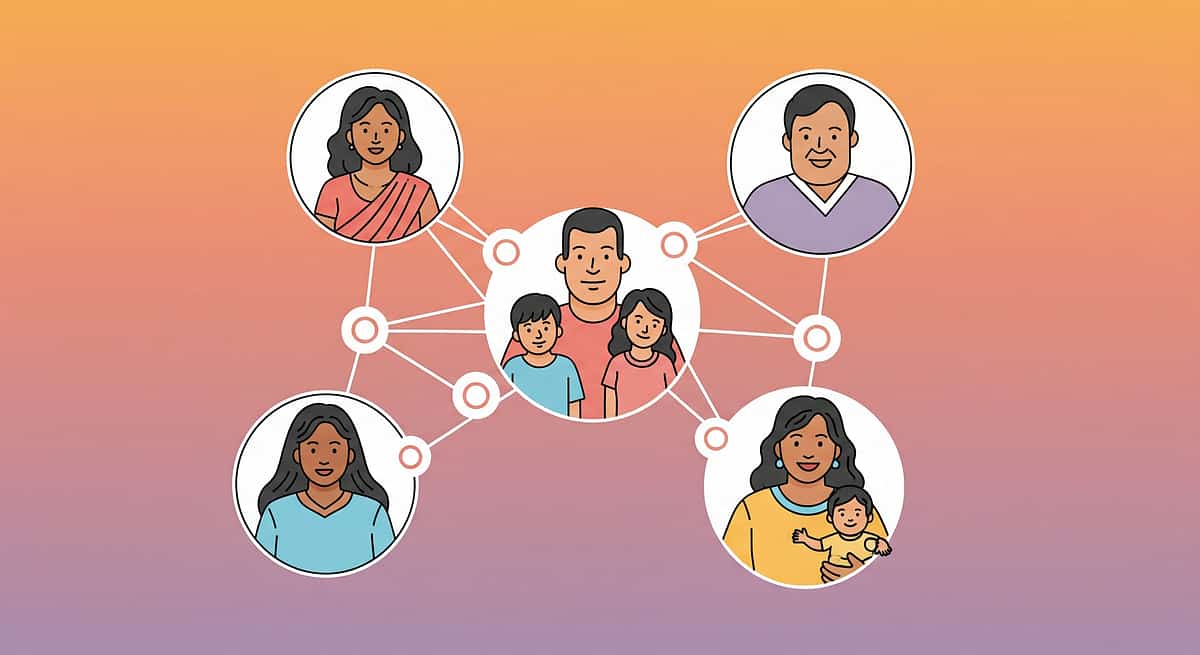
"Over 1,000 individuals from 111 countries contributed to the WHO Nurturing Care Framework. The global consensus is unanimous: community support amplifies individual intervention outcomes. Your experience helps others. Their experience helps you." — WHO NCF Community Engagement Principle
Pinnacle Parent Community
Grooming & Self-Care — connect with parents navigating nail, hair, and bath sensitivity challenges.
WhatsApp Support Group
Nail & Haircut Sensitivity — real-time peer support from families who have walked this path.
Peer Mentor Matching
Connect with an experienced parent who has successfully used this exact protocol.
Local Pinnacle Parent Meetup
Find your city — in-person connection with families in your area.
Home + Clinic = Maximum Impact
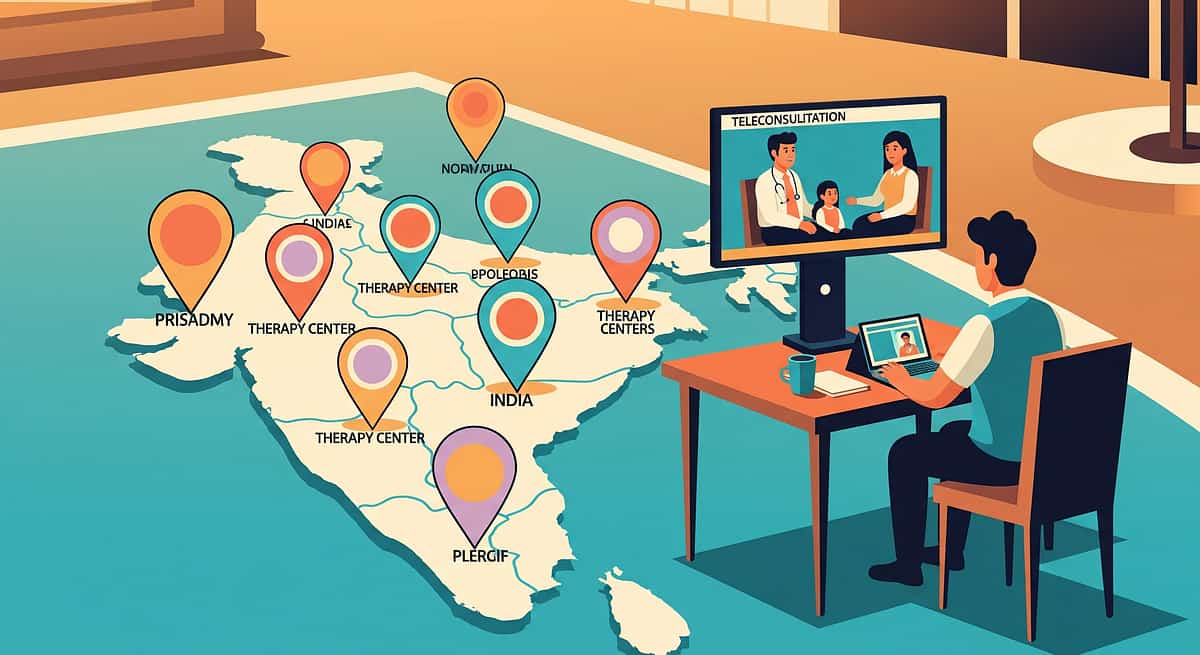
WHO NCF Progress Report (2023): 48% increase in countries adopting ECD policies. Professional + home partnership = optimal outcome. The most powerful combination is a trained parent executing the right protocol at home, supported by a specialist who can adjust the plan as the child progresses.
📍 Find Your Nearest Pinnacle Center
70+ centers across India. Interactive center locator at techniques.pinnacleblooms.org → Professional Support → Center Locator
🔍 Match With an OT Specialist
Specialist in: Tactile Defensiveness | Grooming Tolerance | SPD | ASD Self-Care
Mode: In-center | Teleconsultation | Home Visit (select cities)
Mode: In-center | Teleconsultation | Home Visit (select cities)
📹 Book FREE Teleconsultation
E-534 Protocol Guidance for families outside major centers. OT consultation on tool selection, graduation plan, and when to escalate.
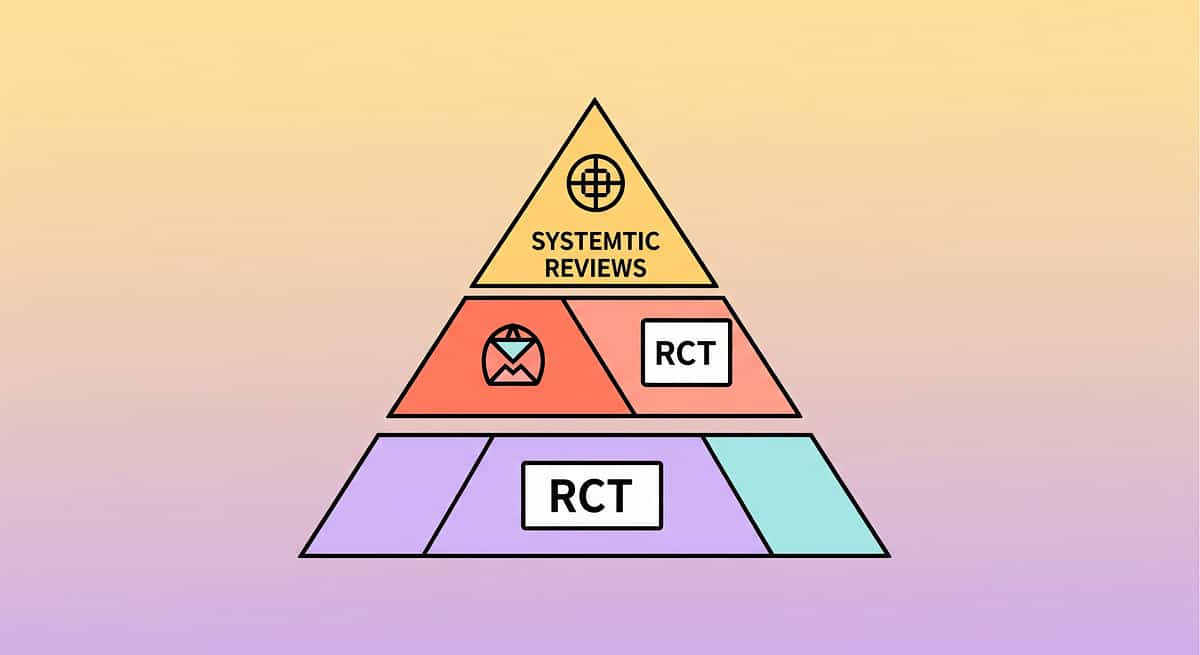
The Science Behind Every Card on This Page
PMC11506176 — PRISMA Systematic Review (2024)
16 studies confirm SI therapy as evidence-based practice for ASD. Outcomes across sensory processing, adaptive behavior, daily living skills.
PMC10955541 — Meta-analysis, World J Clin Cases (2024)
SI therapy promotes gross/fine motor, social skills, sensory processing. Significant additive benefit for home extension programs.
DOI:10.1007/s12098-018-2747-4 — Padmanabha et al., Indian J Pediatr (2019)
Indian context home-based sensory intervention RCT. Significant outcomes. Caregiver-led protocols equivalent to clinic-only delivery.
NCAEP 2020 & WHO NCF 2018
Visual supports, video modeling, and reinforcement classified as EBP for autism. Evidence base for caregiver-led developmental intervention globally.
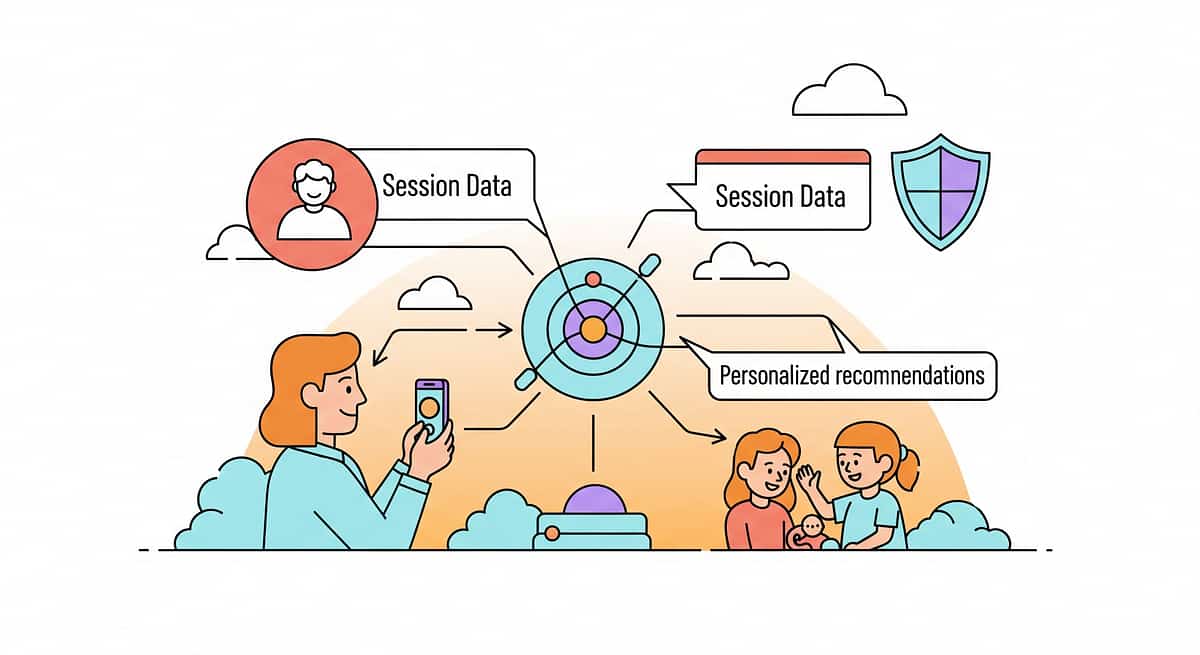
Your Sessions. Your Data. Your Child's Personalized Path.
What GPT-OS® Learns From Your Data
- Which tool combination works best for your child's profile
- Optimal session length for your child's tolerance window
- Rate of tolerance-building vs. expected trajectory
- When to escalate to professional assessment
- Cross-technique patterns (nail + hair + teeth tolerance correlation)
🔒 Privacy Assurance
Data governed by Pinnacle Data Protection Framework. DPIIT registered | GSTIN verified entity. Individual data never shared without explicit consent.
Digital health interventions for ASD: 21 RCTs, 1,050 participants across 2024 meta-analysis confirm gamified digital health interventions achieve meaningful outcomes.
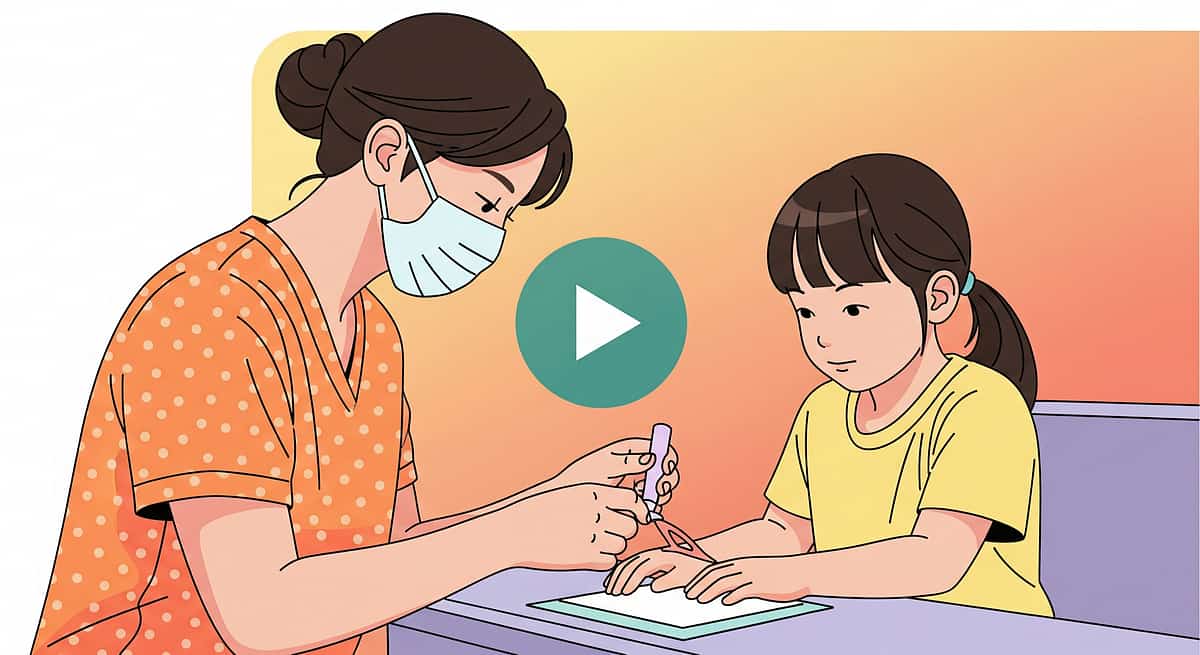
The 60-Second Reel That Brought You Here
Video modeling is classified as an evidence-based practice for autism (NCAEP, 2020). Multi-modal learning — visual + text + demonstration — improves parent skill acquisition and intervention fidelity. The reel is the entry point. This page is the full protocol.
🎬 Reel ID: E-534
"9 Materials That Help With Nail Cutting"
Series: Toileting & Self-Care Independence in Children
Domain: Self-Care / Grooming / Sensory Processing
Duration: 60 seconds
Series: Toileting & Self-Care Independence in Children
Domain: Self-Care / Grooming / Sensory Processing
Duration: 60 seconds
← E-533: Bath Time Sensitivity
9 Materials That Help With Bath Time Sensitivity — full-body tactile regulation foundation.
→ E-535: Face Washing Sensitivity
9 Materials That Help With Face Washing Sensitivity — same framework, new tools, next level.
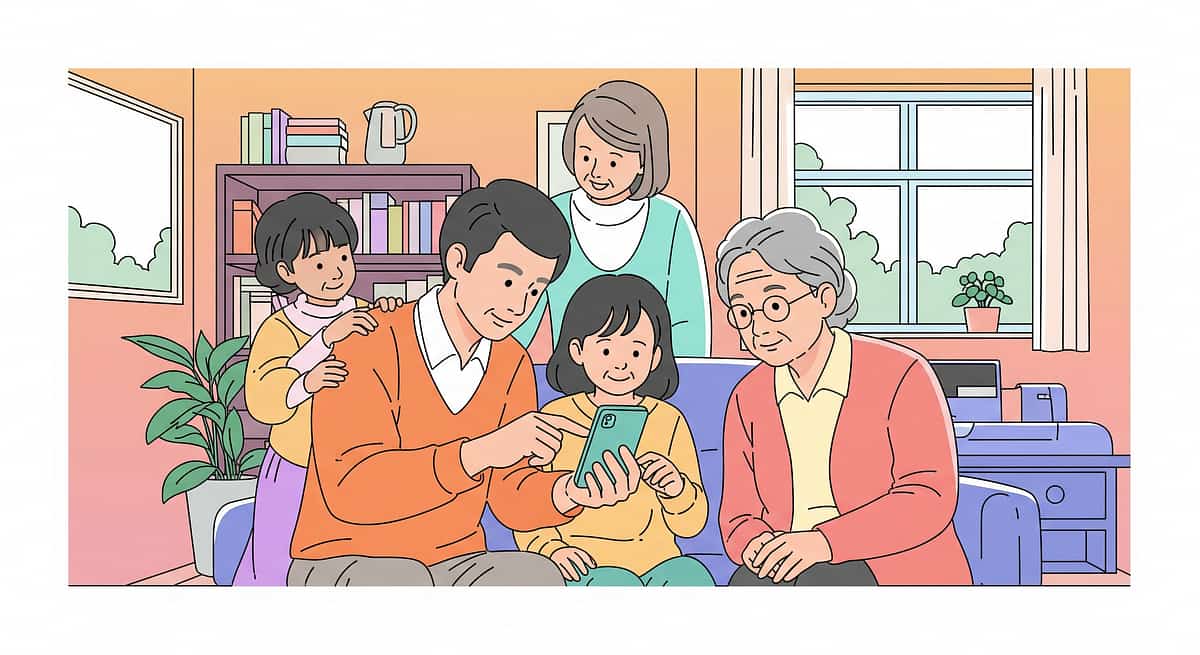
Consistency Across Caregivers Multiplies Impact
WHO CCD Package: Multi-caregiver training is critical for intervention generalization and maintenance. One caregiver doing it right and one doing it wrong resets the neural pathway. Consistency is the mechanism. Share this page with everyone who cares for your child.
For Grandparents (simplified):
When you cut [child's name]'s nails:
- Use the electric file — not scissors
- Soak hands in warm water first (5 minutes)
- Only do 2–3 nails at a time
- Give a sticker after
- Do NOT force if they resist — just stop and try tomorrow
For School / Teacher:
[Child's name] is working on nail cutting tolerance with an OT-guided home program. Please support by:
- Not drawing attention to nail length in front of peers
- Notifying parents if nails appear too long
- Understanding that this is a sensory processing challenge, not negligence
Your Questions. Answered.
Is this a phase? Will my child grow out of it?
Research does not support "waiting it out." Without systematic intervention, sensory defensiveness in high-receptor-density areas (fingertips) can persist into adolescence and adulthood. The tools on this page accelerate tolerance-building rather than leaving it to chance.
My child only struggles with toenails, not fingernails. Why?
Feet are typically more tactile-sensitive, and toenails add unpredictability because they're harder to see. The same protocol applies in a sitting position with feet accessible. Post-bath timing is even more important for feet.
Can I keep using the electric file forever?
Yes. There is no clinical requirement to transition to clippers. If electric filing maintains safe nail length with low distress, it is a perfectly appropriate permanent solution. Many adults with sensory processing differences use electric files as their standard nail care method.
My child is 11. Is it too late?
No. Neuroplasticity does not end at age 8. Significant tolerance-building is achievable across the lifespan. The protocol is the same; the language is more explicit and collaborative. Giving an older child full choice and agency over tools is especially important.
Should I tell my child in advance or not?
Depends on your child's profile. High anticipatory anxiety? → Social story the evening before. Immediate escalation upon forewarning? → Same-moment engagement. Try both and track which produces lower distress. Your data will tell you.
What if one tool works for fingernails and a different one for toenails?
Entirely expected and appropriate. Use whatever produces the calmest session for each. The hands-versus-feet sensory profile can differ significantly. Different tool for different context is valid clinical practice.
How do I know if this is "just" sensory or something else?
Persistent grooming resistance affecting 3+ self-care tasks, significantly impacting daily functioning, or not responding to 8+ weeks of consistent intervention warrants professional evaluation. See Card 27, or call our helpline: 9100 181 181.
My child now files their own nails. How do I fade out?
Gradual fading: Week 1 — you set up tools, child files 2 nails, you do rest. Week 2 — child files 5 nails. Week 3 — child files all with you present. Week 4 — child files independently, you check after. Celebrate each independence milestone explicitly.
The Nail Cutting Battle Ends Today.
Pick Your First Step.
You've read the science. You have the tools. You know the steps. The only thing standing between your child and calm nail cutting is the first calm session. Start with one nail. Just one. The rest follows.
📞 Call FREE Helpline
9100 181 181
OT Guidance in 16+ Languages
Available 24×7
OT Guidance in 16+ Languages
Available 24×7
🔵 Request AbilityScore® Assessment
Free baseline. Your child's sensory profile. Your personalized action plan.
pinnacleblooms.org/assessment
pinnacleblooms.org/assessment
📍 Find Your Nearest Center
70+ centers. Teleconsult option available.
pinnacleblooms.org/centers
pinnacleblooms.org/centers
20M+
1:1 Sessions
97%+
Improvement Rate
70+
Countries Served
📞FREE National Autism Helpline: 9100 181 181 | 16+ languages | 24×7 | pinnacleblooms.org | care@pinnacleblooms.org
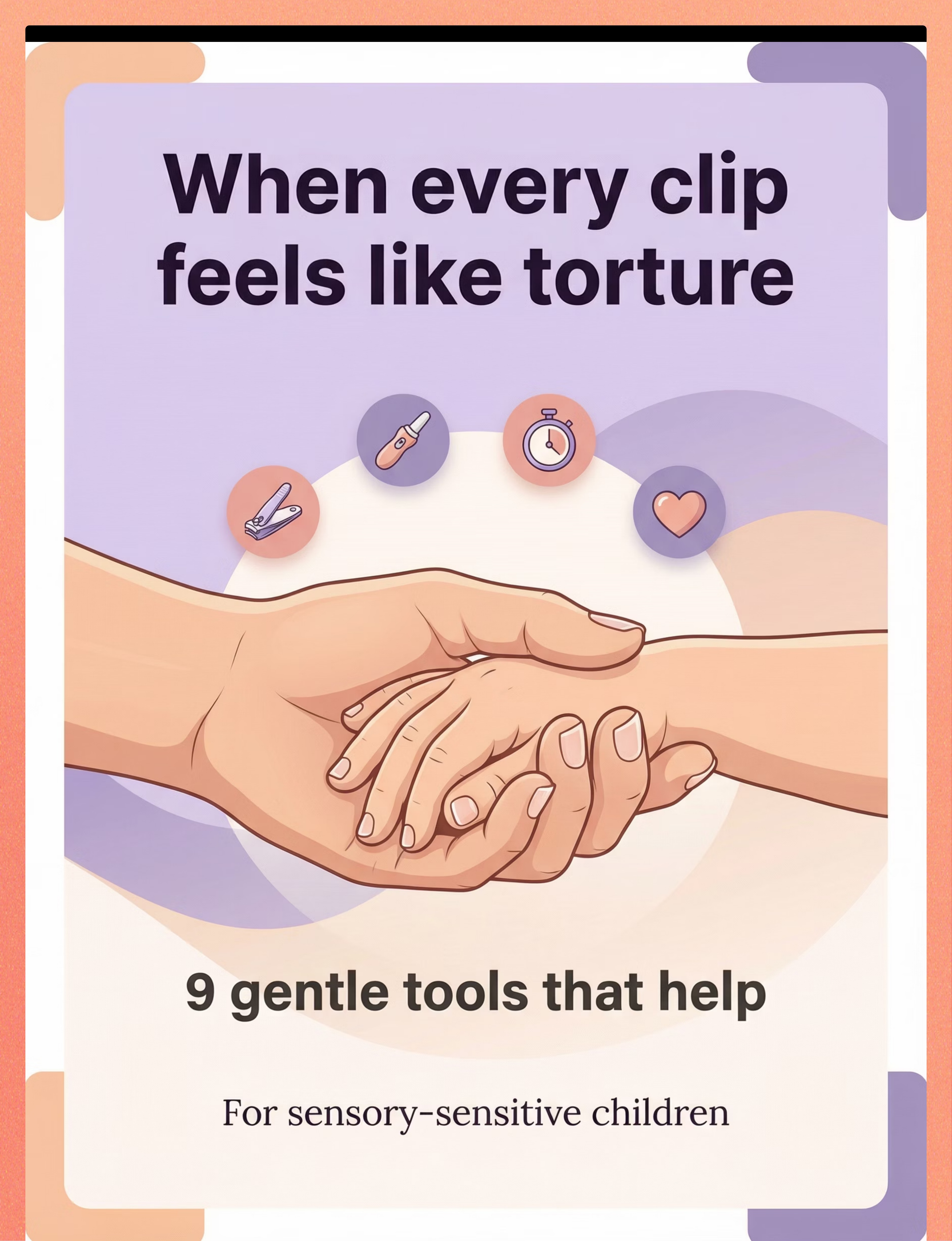
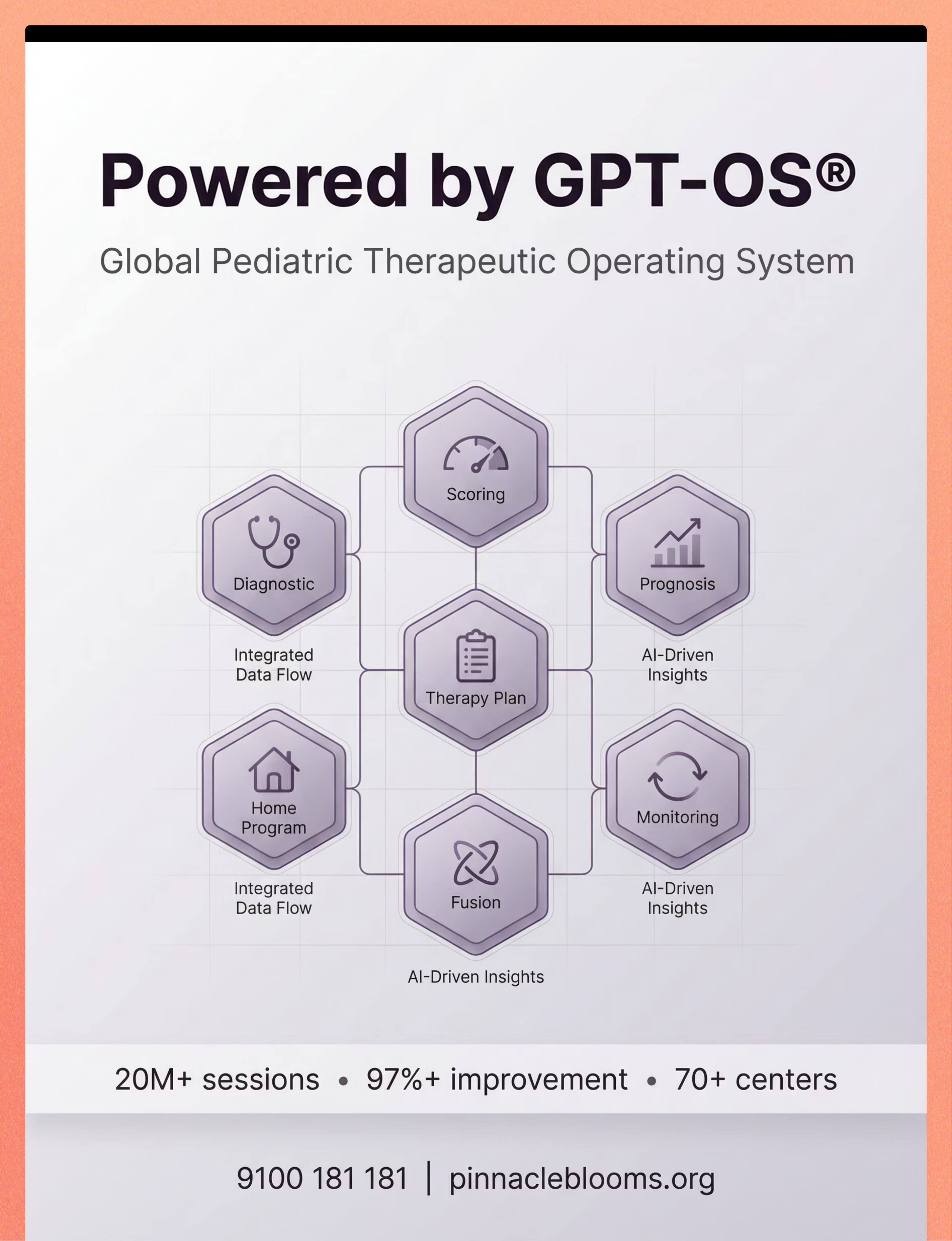
Preview of 9 materials that help with nail cutting Therapy Material
Below is a visual preview of 9 materials that help with nail cutting therapy material. The pages shown help educators, therapists, and caregivers understand the structure and content of the resource before use. Materials should be used under appropriate professional guidance.




Link copied!
Your Child Changed Today. Even If You Can't See It Yet.
Every time you apply even one element from this page — even just soaking the hands before cutting, or switching to an electric file, or honoring a timer — you are doing something that matters at a neurological level. You are teaching your child's amygdala that nail care is not a threat. You are rebuilding trust in one of the most fundamental routines of daily life.
You are not just cutting nails. You are building a child who can be groomed, cared for, and ultimately — one who can care for themselves. This is what Pinnacle Blooms Network® exists to give families. Not just knowledge. Capability.
→ Next Technique: E-535 — 9 Materials That Help With Face Washing Sensitivity
Face washing combines tactile + water + temperature sensitivity. The same framework. New tools. Next level.
Face washing combines tactile + water + temperature sensitivity. The same framework. New tools. Next level.
Pinnacle Blooms Network® — Unit of Bharath Healthcare Laboratories Pvt. Ltd.
CIN: U74999TG2016PTC113063 | DPIIT Recognition: DIPP8651 (Government of India) | MSME Udyog Aadhaar: TS20F0009606 | GSTIN: 36AAGCB9722P1Z2
FREE National Autism Helpline: 9100 181 181 | pinnacleblooms.org | care@pinnacleblooms.org
This technique page: techniques.pinnacleblooms.org/self-care/9-materials-nail-cutting-E-534
Built by Mothers. Engineered as a System. Powered by GPT-OS® — Global Pediatric Therapeutic Operating System
© 2025 Pinnacle Blooms Network®. All rights reserved. Patents filed across 160+ countries.
DISCLAIMER: This content is educational and does not replace individualized assessment and intervention planning with licensed occupational therapists and healthcare professionals. Persistent sensory sensitivities affecting daily functioning may indicate underlying sensory processing or developmental conditions requiring professional evaluation. Individual results may vary. Statistics represent aggregate outcomes across the Pinnacle Blooms Network® based on internal analysis and network reports. Seek professional guidance for clinical concerns.
CIN: U74999TG2016PTC113063 | DPIIT Recognition: DIPP8651 (Government of India) | MSME Udyog Aadhaar: TS20F0009606 | GSTIN: 36AAGCB9722P1Z2
FREE National Autism Helpline: 9100 181 181 | pinnacleblooms.org | care@pinnacleblooms.org
This technique page: techniques.pinnacleblooms.org/self-care/9-materials-nail-cutting-E-534
Built by Mothers. Engineered as a System. Powered by GPT-OS® — Global Pediatric Therapeutic Operating System
© 2025 Pinnacle Blooms Network®. All rights reserved. Patents filed across 160+ countries.
DISCLAIMER: This content is educational and does not replace individualized assessment and intervention planning with licensed occupational therapists and healthcare professionals. Persistent sensory sensitivities affecting daily functioning may indicate underlying sensory processing or developmental conditions requiring professional evaluation. Individual results may vary. Statistics represent aggregate outcomes across the Pinnacle Blooms Network® based on internal analysis and network reports. Seek professional guidance for clinical concerns.