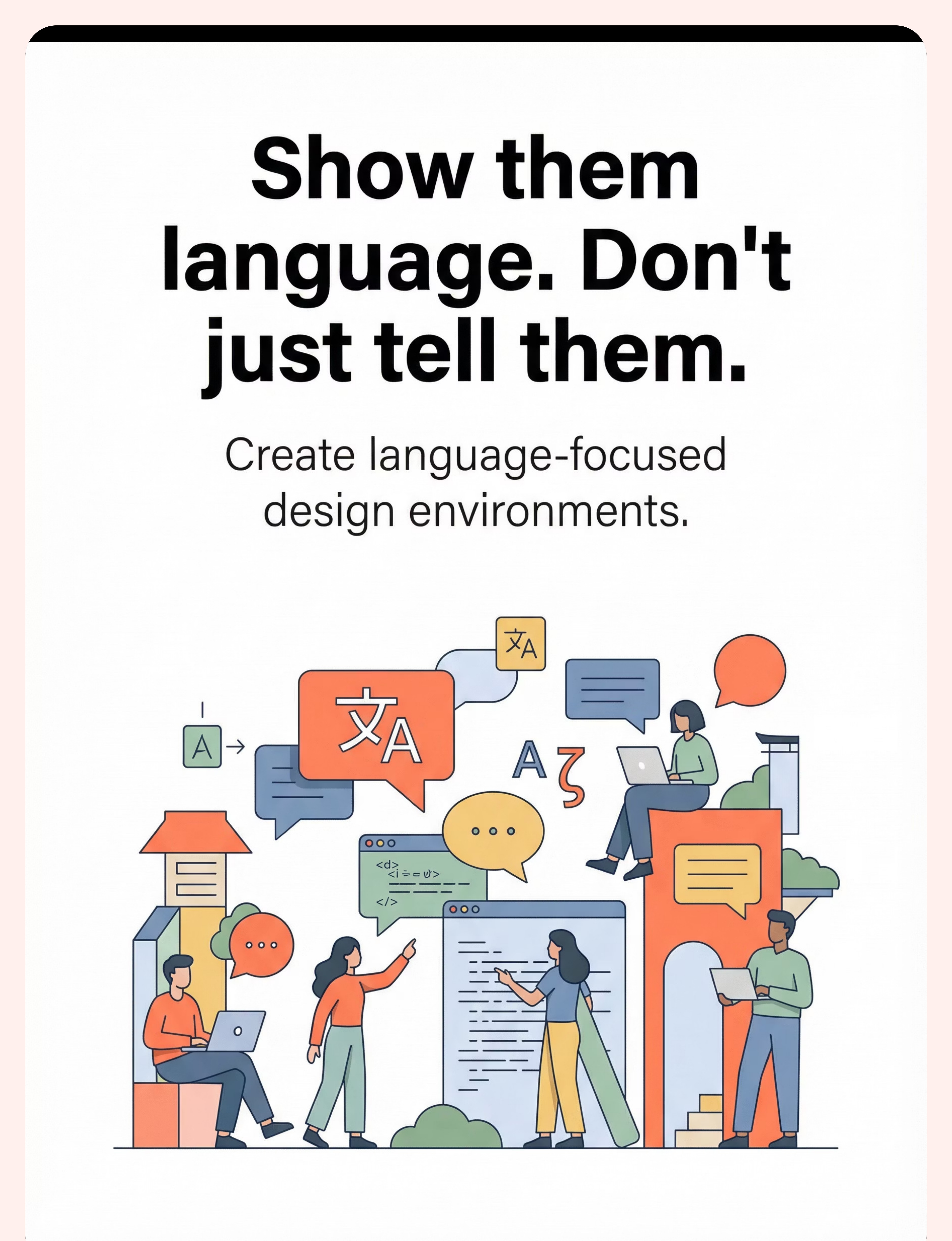
"Show them the language. Don't just tell them."
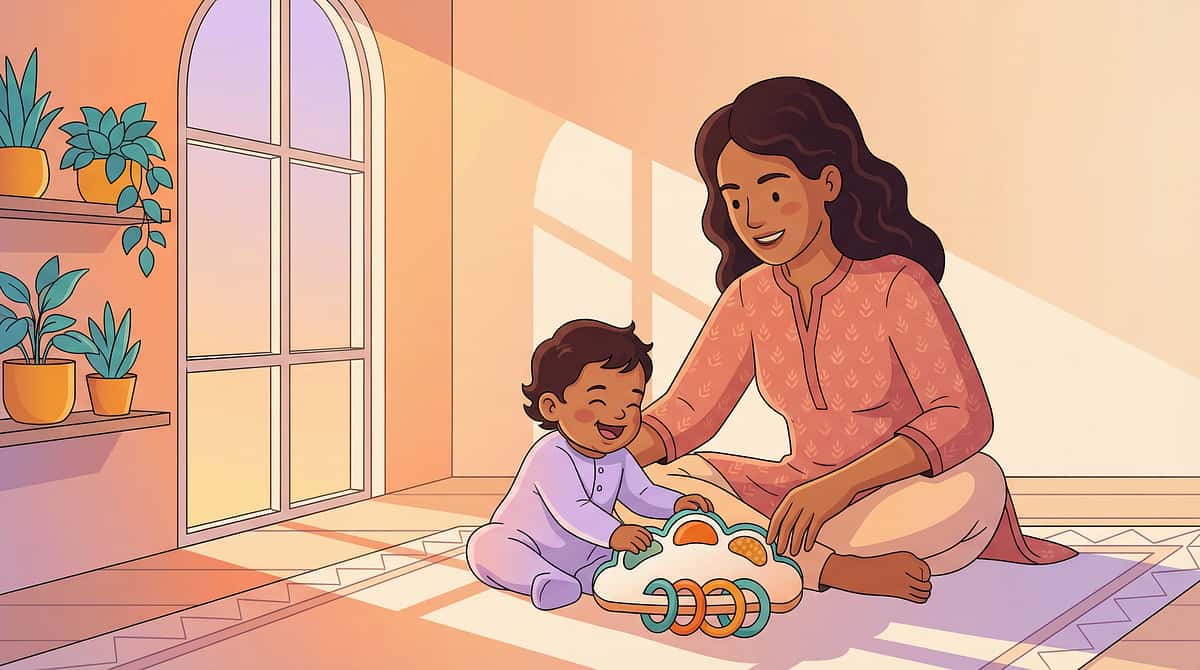
It's 4:30 PM. Your toddler is pushing a toy car across the floor. You sit down beside him, and you want to help. So you ask: "What's that? Say car. Can you say car?" He ignores you. You feel the familiar weight — the speech therapist keeps saying "model language," but when you try, it feels awkward and forced. You don't know what materials help. You're not failing. You just need the right tools and the right approach.
🗣️ Modeling Strategies
Language Development Series — L-928
You are not failing. Your child's language is forming. Modeling is the most powerful thing you can do — and you're about to learn exactly how.
ACT I — THE EMOTIONAL ENTRY
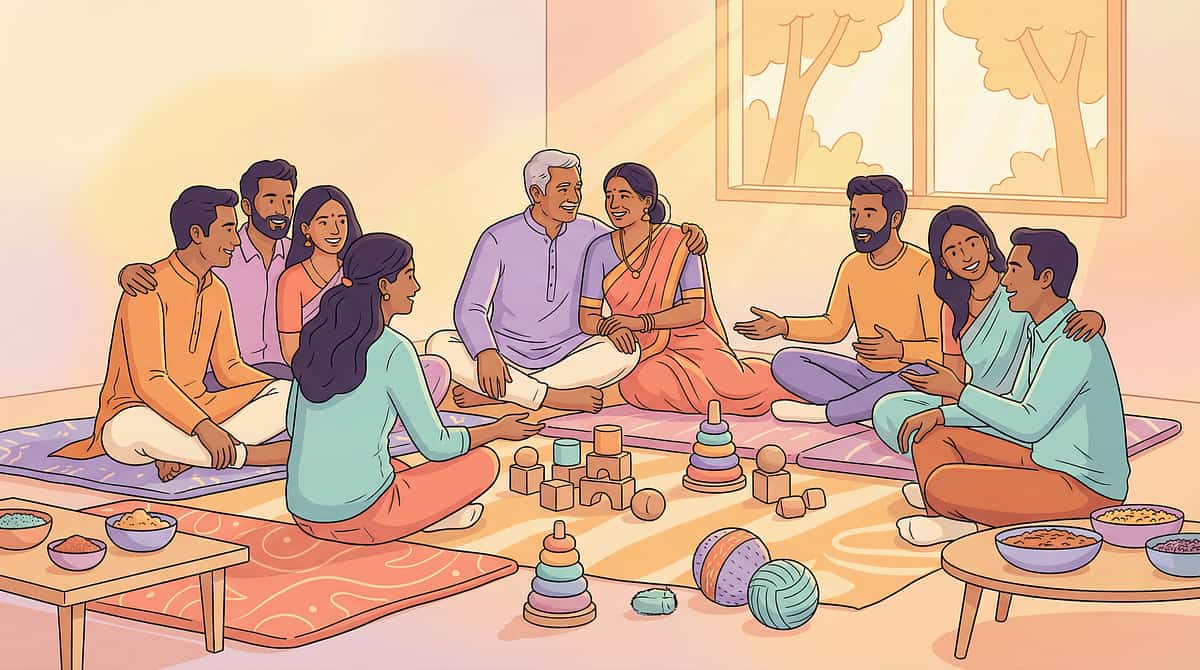
Millions of Families Are Navigating This Exact Challenge. Right Now.
In India alone, an estimated 1.8 crore children are navigating neurodevelopmental challenges that affect language development. Globally, over 78 million children live with some form of developmental language disorder. Every parent who has sat beside their child wondering "why won't they just talk" is part of a vast, connected community — not alone.
1 in 36
Children with ASD
Children in the US diagnosed with ASD experience language delays
80%
Respond to Modeling
Of children with autism display challenges that respond directly to language modeling strategies
50–100
Repetitions Needed
Repetitions of a word a child needs to hear before producing it — modeling creates that repetition naturally
"You are among tens of millions of families navigating this exact challenge. This page was built for you." — Pinnacle Blooms Consortium | 📞 9100 181 181 | Free assessment guidance available
Language Isn't Learned. It's Absorbed. Here's the Neuroscience.
The Brain Science
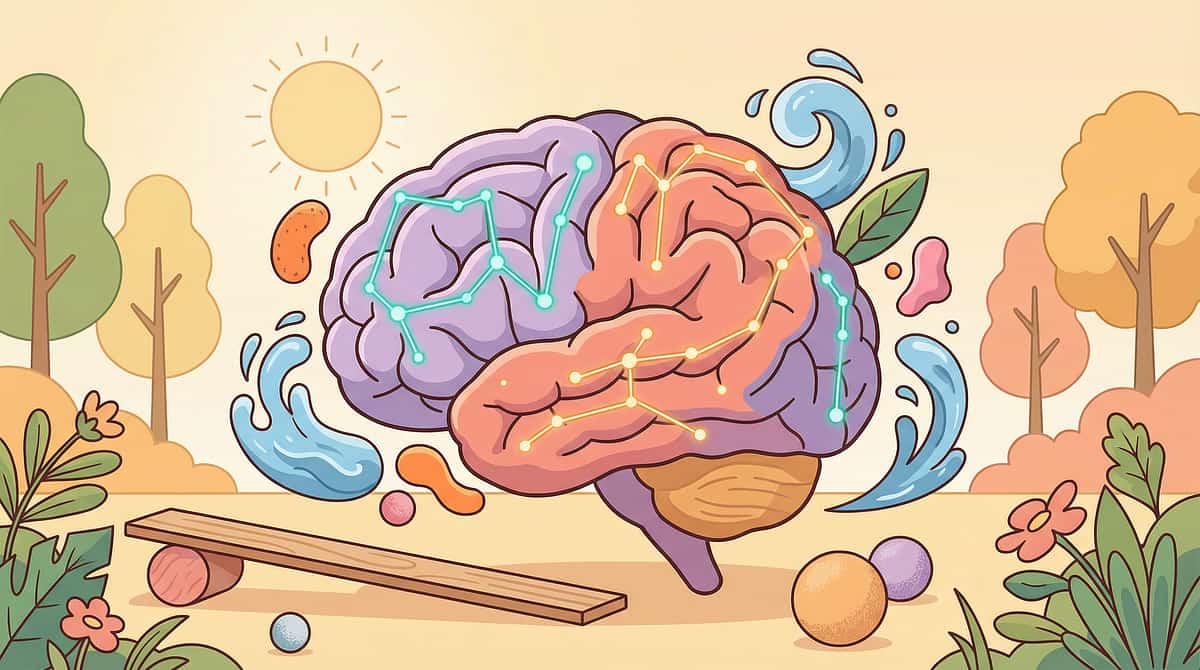
Wernicke's Area — hears and processes modeled language
Arcuate Fasciculus — neural highway being formed through repetition
Broca's Area — production zone; activates AFTER sufficient input
Mirror Neuron System — activates when language is modeled during observed action
Plain English for Parents
Your child's brain is not a container you fill by asking questions. It's a pattern-recognition engine that learns by observing patterns in context. When you say "Push! You pushed it! It popped!" while your child pushes a button — every word arrives connected to meaning, to action, to sensation.
The arcuate fasciculus — the neural highway that connects hearing language to producing language — is built through thousands of hours of input. It cannot be built through testing. It is built through modeling.
This is a wiring difference, not a behaviour problem. Your job is to build the wire.
Research: Frontiers in Integrative Neuroscience (2020) — Language modeling activates mirror neuron systems and supports arcuate fasciculus development in children with ASD. DOI: 10.3389/fnint.2020.556660
Your Child Is Here on the Developmental Journey. Here Is Where Modeling Leads.
0–12 Months
Pre-linguistic: Joint attention begins
12–18 Months
First words: Imitation begins, modeling critical
18–24 Months
Word combinations: Expansion builds
24–36 Months
Language explosion: Generalisation increases
3–6 Years
Complex language: Full sentences and narrative
You are here — this is when modeling matters MOST. Language modeling strategies are relevant across: Autism Spectrum Disorder • Late Talkers • Apraxia of Speech • Developmental Language Disorder • Down Syndrome • Hearing Impairment • Selective Mutism

Evidence Level I
Systematic Review Grade
"This Is Not Opinion. This Is the Most Studied Language Intervention in Paediatric Therapy."
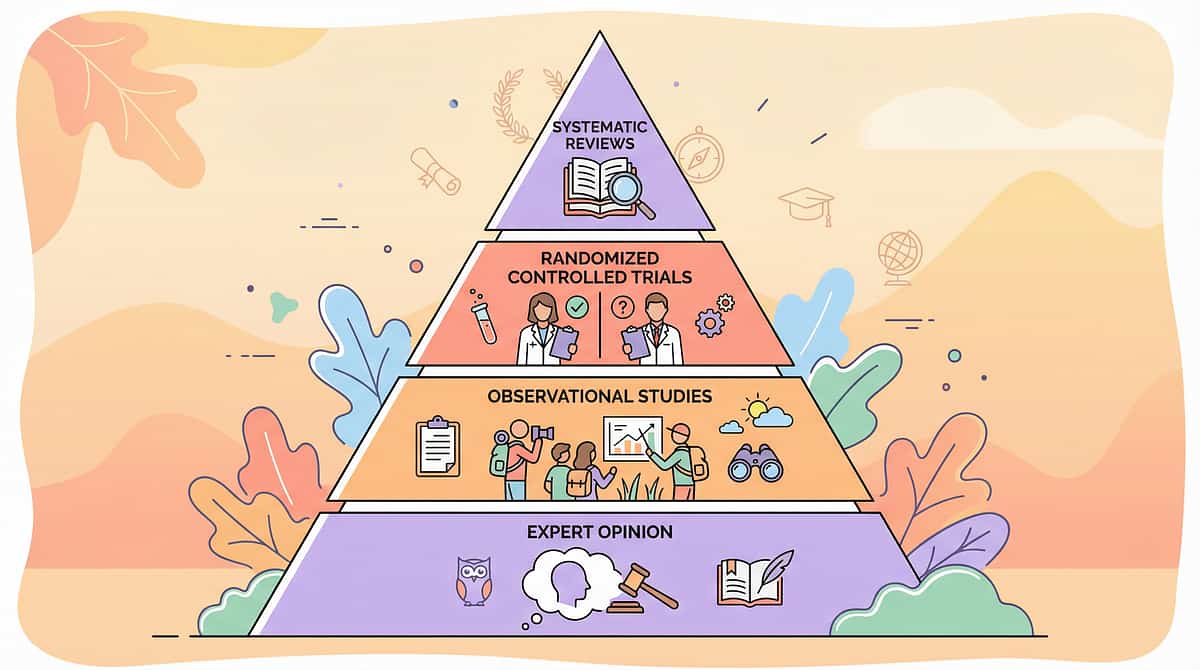
Every claim on this page is backed by peer-reviewed evidence. Language modeling has been validated across systematic reviews, meta-analyses, randomised controlled trials, and real-world implementation studies across India and globally.
Study | Finding | |
PRISMA Systematic Review (2024) — PMC11506176 | 16 studies (2013–2023) confirm language modeling meets criteria as evidence-based practice for ASD | |
World J Clin Cases Meta-analysis (2024) — PMC10955541 | 24 studies: modeling + responsive interaction promoted social skills, adaptive behaviour, and language across all age groups | |
Hanen Centre Research (ongoing) | Parent-implemented modeling programs produce equivalent outcomes to clinic-delivered therapy when implemented consistently | |
Indian J Pediatrics RCT (2019) — DOI:10.1007/s12098-018-2747-4 | Home-based language interventions in Indian families demonstrated significant, measurable language gains | |
WHO Nurturing Care Framework (2018) | Responsive caregiving is one of 5 essential components of nurturing care for all children worldwide |
Clinically validated. Home-applicable. Parent-proven. Backed by 20M+ Pinnacle therapy sessions across India.📞 9100 181 181 | Speak to a clinical advisor about your child

ACT II — THE KNOWLEDGE TRANSFER
🗣️ Modeling Strategies — The Technique
Parent-Friendly Alias: "Show them, don't quiz them"
Formal Definition: Language Modeling is the foundational naturalistic language intervention strategy in which a caregiver demonstrates (models) language for a child in meaningful contexts — without requiring or expecting immediate imitation or response. The adult shows what language sounds like, means, and does — through narration, commentary, and responsive expansion — while the child absorbs, processes, and eventually produces that language at their own pace.
What Modeling IS
✅ Narrating your own actions (self-talk)
✅ Describing the child's actions (parallel talk)
✅ Expanding on what the child says
✅ Demonstrating language in context
What Modeling Is NOT
❌ Testing ("What is it? Say ball.")
❌ Drilling vocabulary with flash cards
❌ Requiring repetition or correct production
❌ Asking constant questions during play
📗 Domain L
Language Development
🗣️ SLP
Speech-Language Therapy
🏠 Home
Parent-Implemented
🔬 Naturalistic
Evidence-Based Intervention

This Technique Crosses Every Therapy Boundary
"Your child's brain doesn't divide itself by discipline — and neither does our approach."
🗣️ SLP (Primary Lead)
Assesses receptive/expressive language levels. Sets target vocabulary and utterance length goals. Coaches parents on specific modeling techniques: self-talk, parallel talk, expansion, extension, recasting.
🖐️ OT
Ensures sensory regulatory state supports language learning. Identifies sensory play contexts that create optimal arousal for language absorption. Selects tactile and proprioceptive materials that calm the child and open the language window.
🧠 ABA/BCBA
Structures modeling opportunities using behavioural principles. Identifies motivating stimuli as language contexts. Implements reinforcement for communication attempts during modeling sessions.
🎓 SpEd
Supports generalisation of modeled language to classroom and group settings. Creates visual communication supports that accompany modeling. Trains school staff in modeling strategies.
🧬 NeuroDev Paediatrician
Monitors language development trajectory. Differentiates language delay from disorder. Rules out hearing loss, apraxia, and medical aetiologies. Integrates medical management with language intervention timeline.
The Pinnacle FusionModule™ integrates all 5 disciplines into a single converged modeling protocol — so every professional is pulling in the same direction. 📞 9100 181 181 | Connect to the right specialist for your child
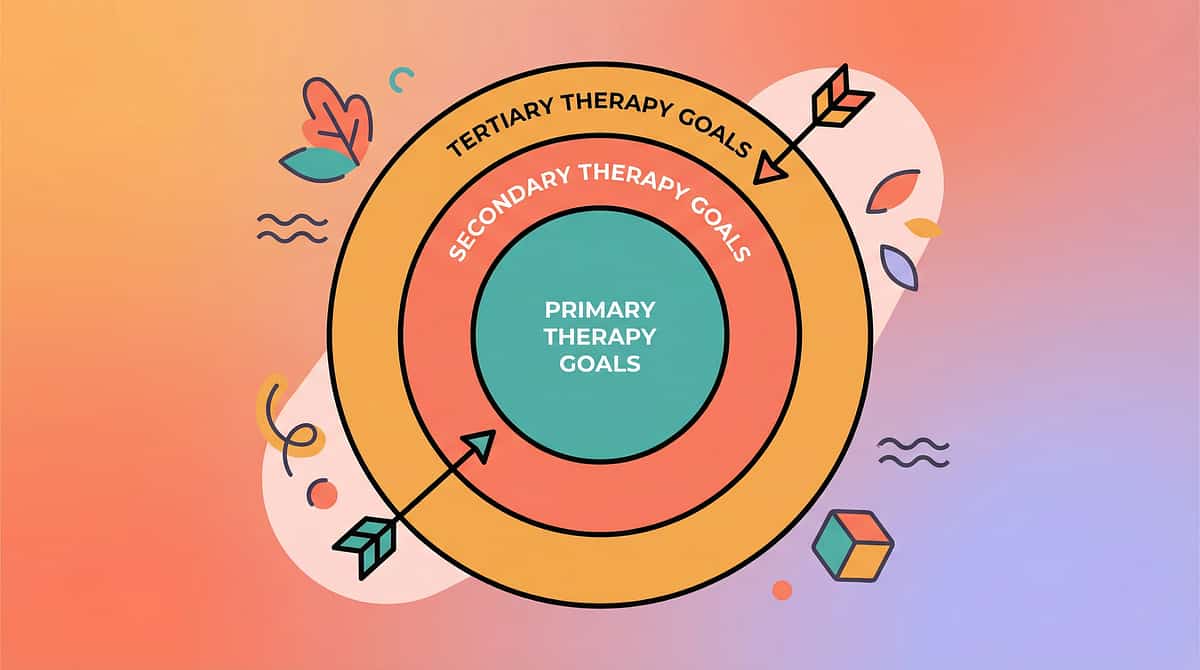
9 Materials — Complete Toolkit
Your Home Probably Already Has 3 of Them.
These 9 materials form the complete L-928 Modeling Strategies toolkit. Each is selected for its ability to create natural, repeatable language modeling moments. Start with just 2–3 — you don't need everything at once.
🎯Starter Kit: Bubbles + 1 Cause-Effect Toy + 3 Interactive Books + Family Photo Cards + Cue Cards for you = Complete core kit for under ₹1,500 | 📞 9100 181 181 | Ask about materials consultation
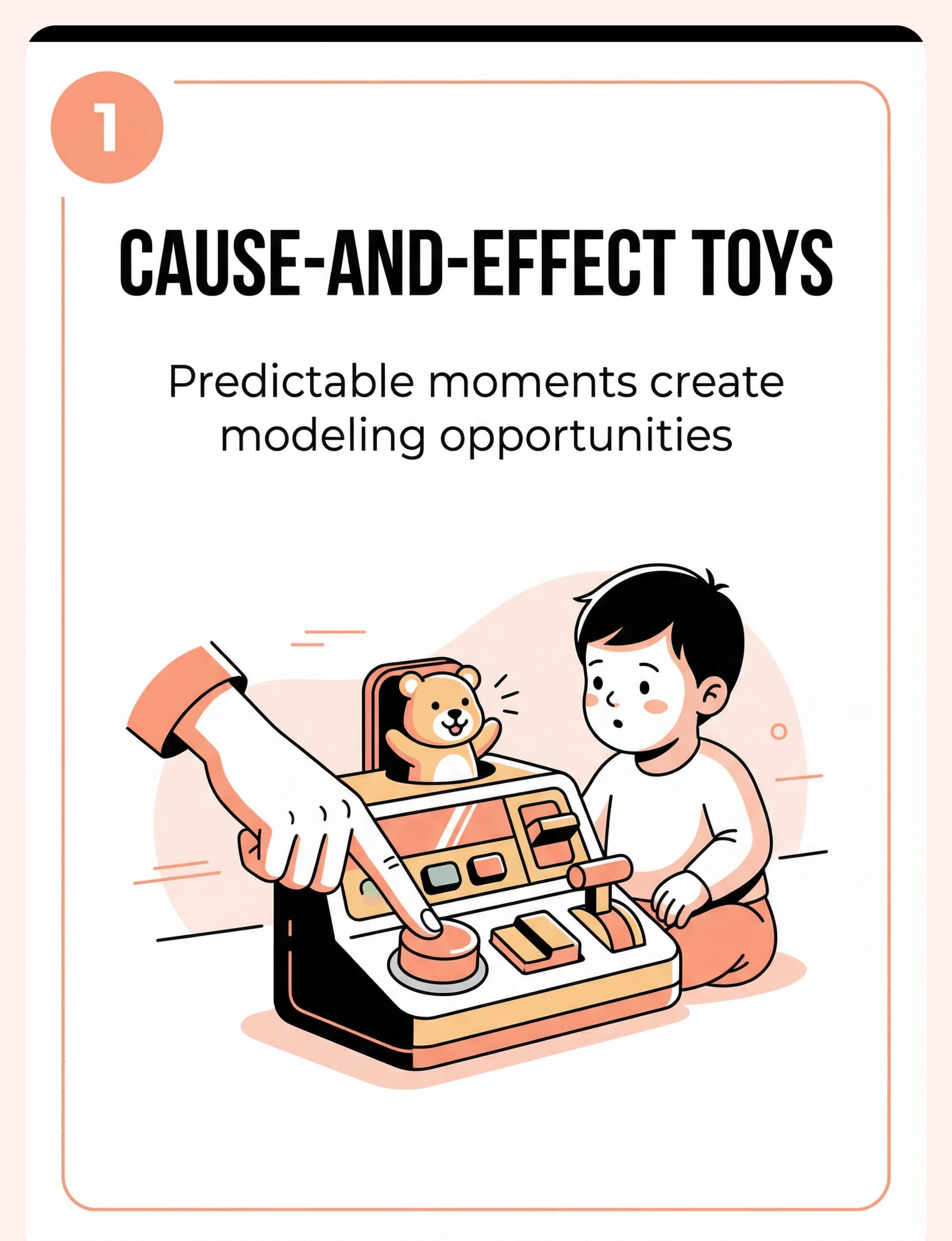
1. Cause-Effect Toys
₹300–1,500
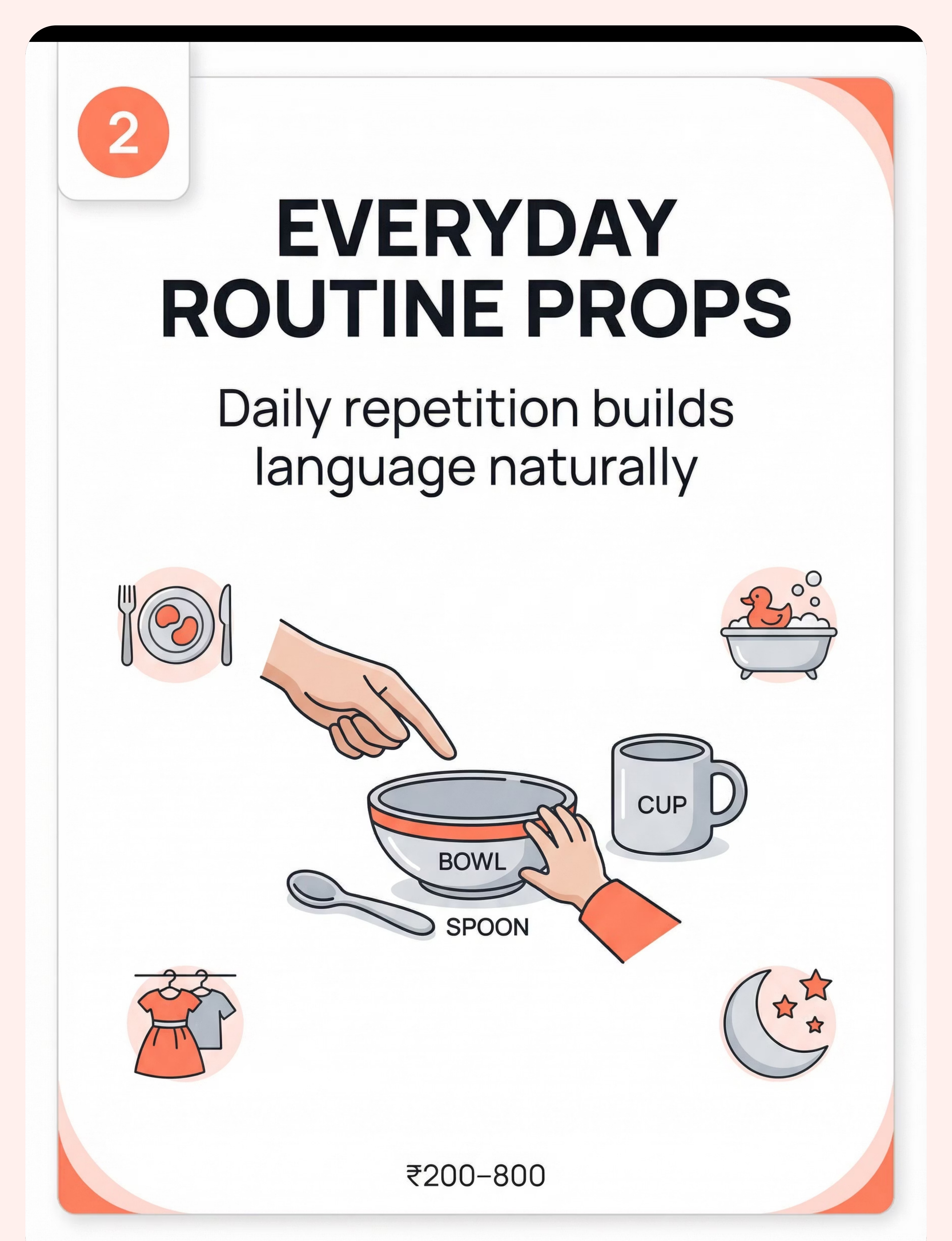
2. Routine Props
₹200–800
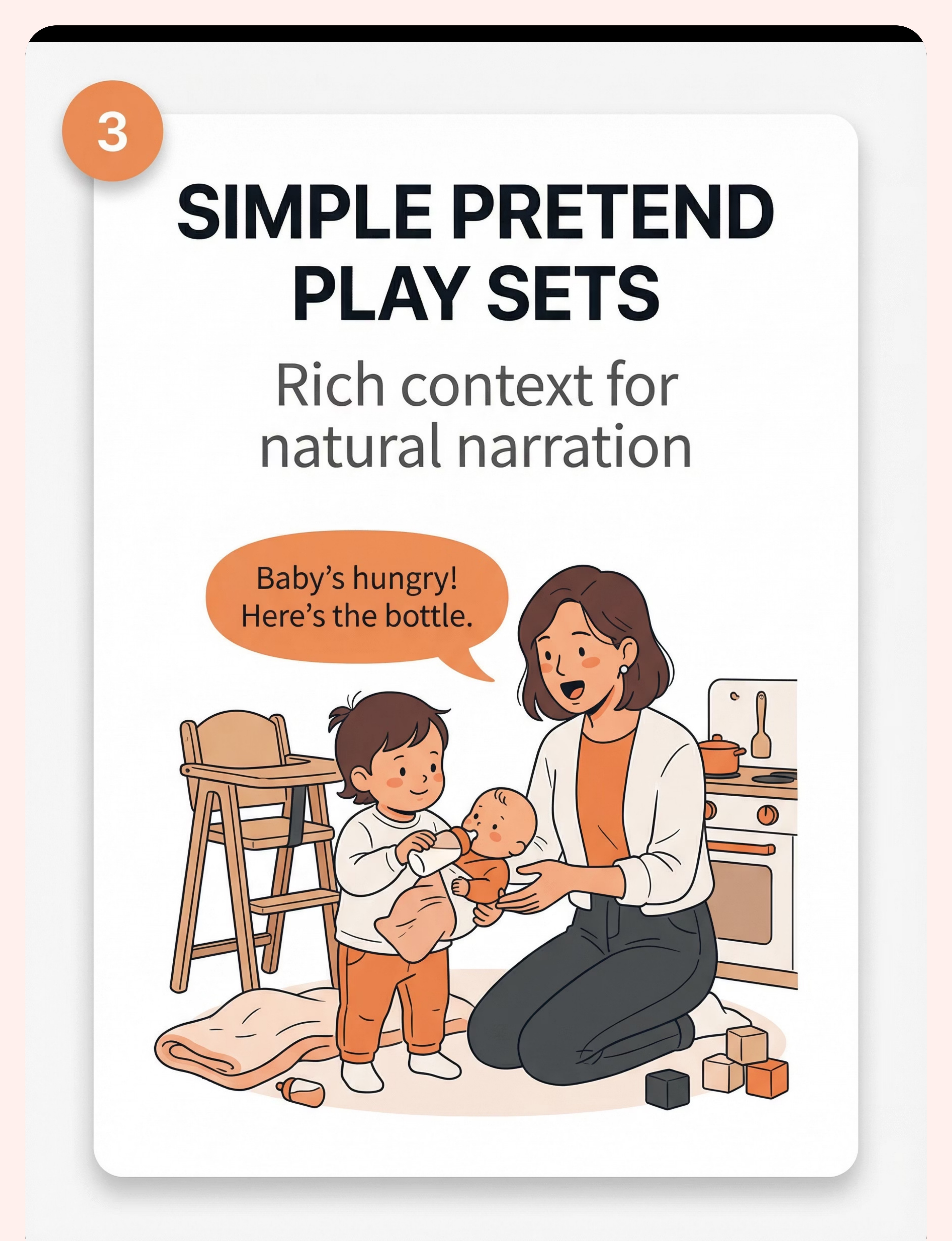
3. Pretend Play Sets
₹400–1,500
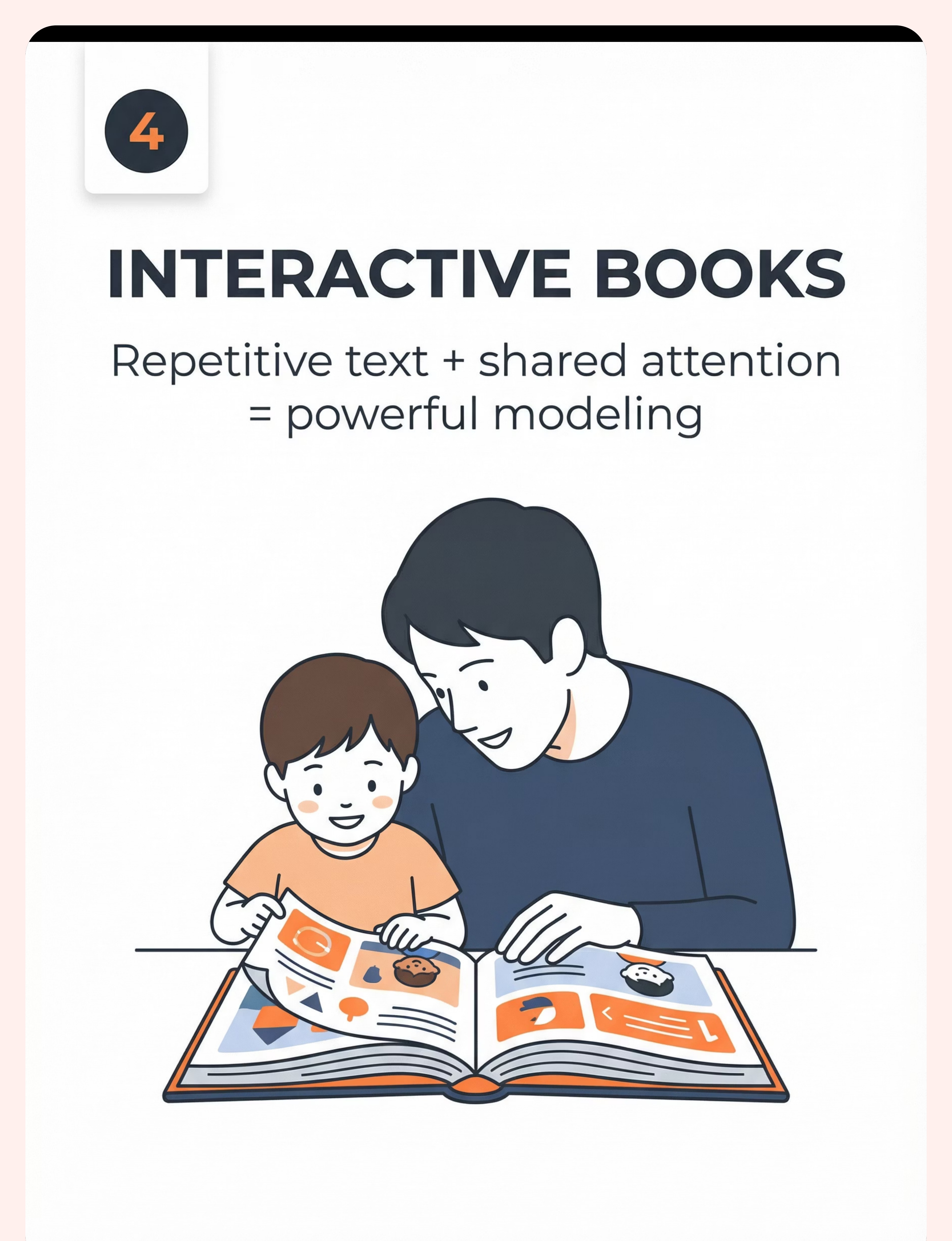
4. Interactive Books
₹200–800
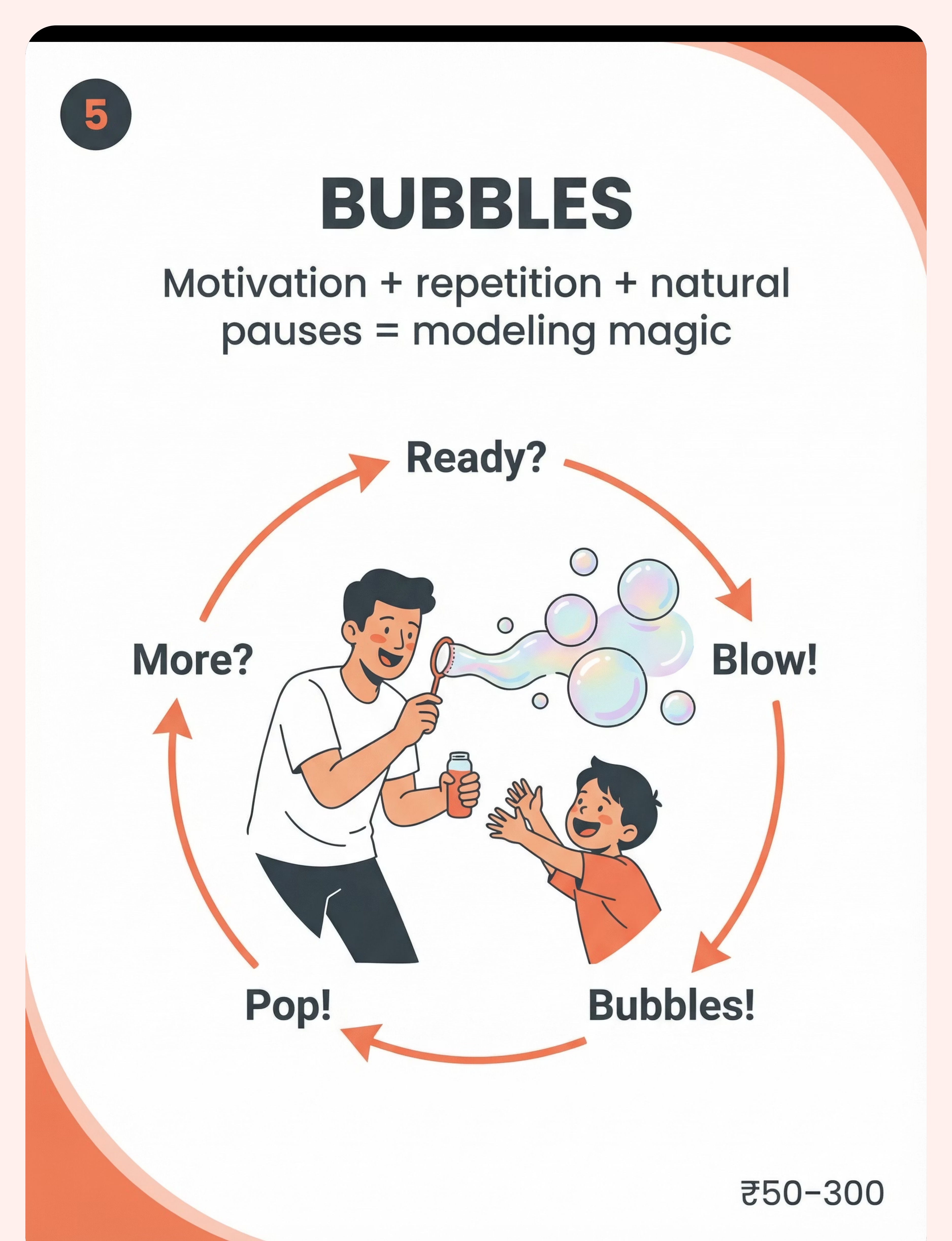
5. Bubbles
₹50–300
6. Visual Cue Cards
₹100–400
7. Sensory Materials
₹200–800
8. Musical Instruments
₹200–800
9. Photo Albums
₹200–600
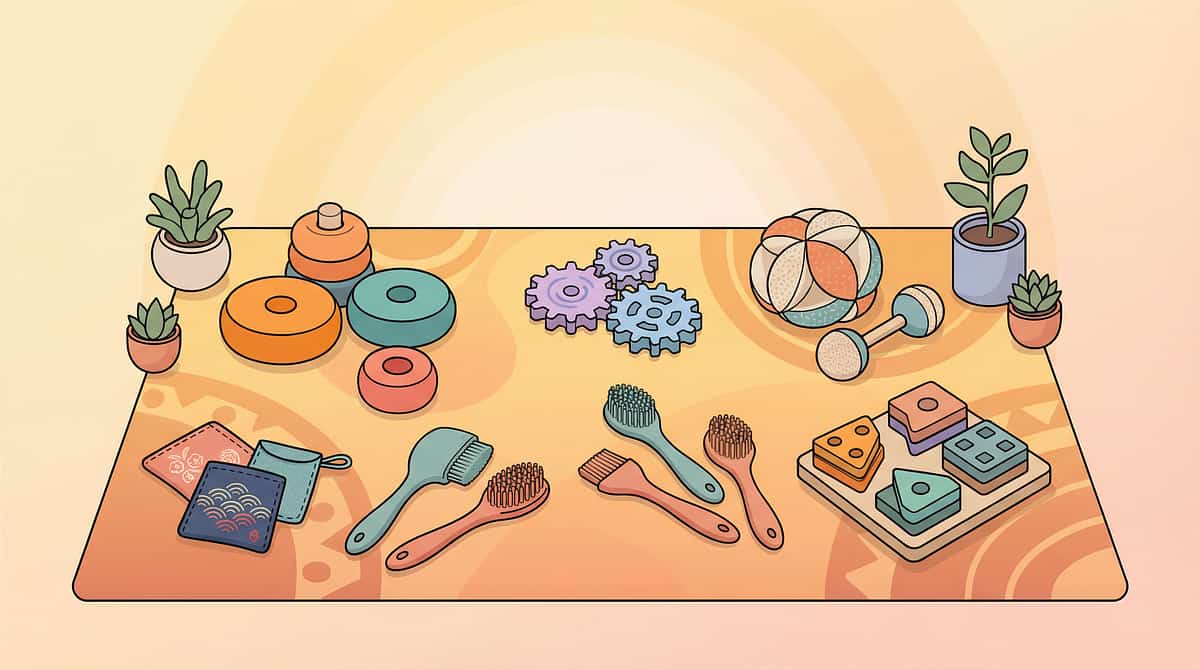
Material 1 — Cause-and-Effect Toys
Canon Category: Cause-Effect Toys / Switch Toys
₹300–1,500
Why It Works
Predictable, repeatable action cycles create natural language modeling moments. The pause between action and result is where "Push! Pop! Again!" lands perfectly. Every cause-and-effect cycle gives you a fresh modeling opportunity — and children are naturally drawn to the cause-effect relationship.
Key Modeling Words
Push | Pop | Again | Open | Close | Fall | More
✅ Active Pinnacle Product
DIY Options (₹0)
- Pop-up lid containers
- Bead drop towers
- Stacking cups with dramatic topple
- Empty plastic bottle with rice inside (shake = response)
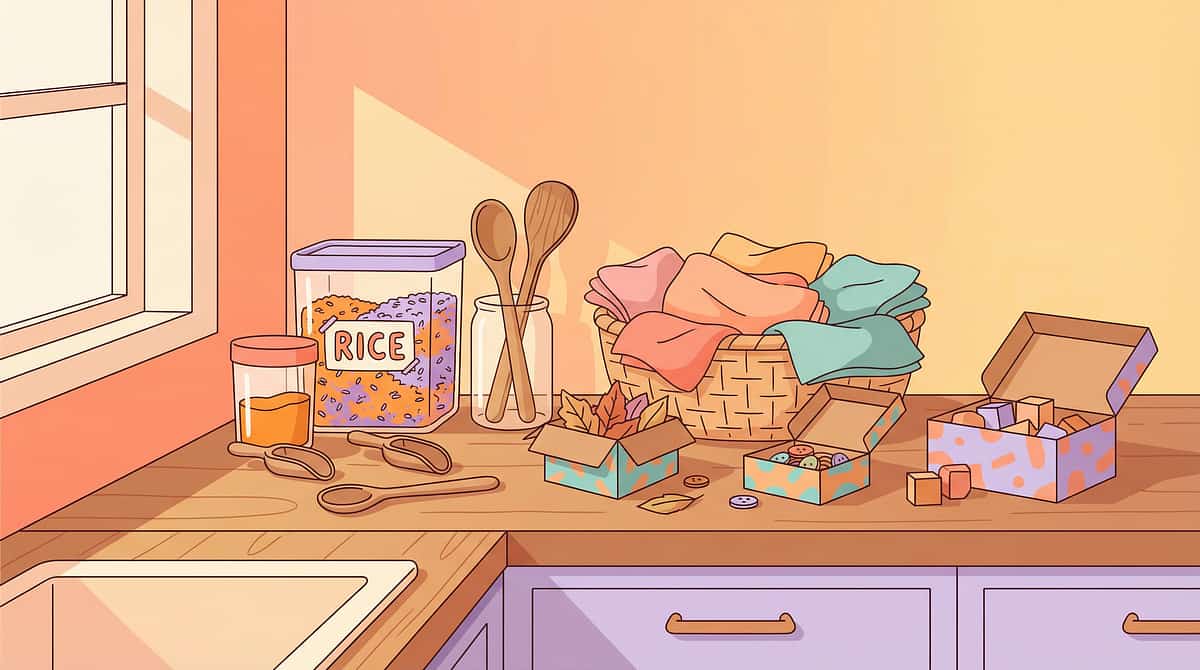
Material 2 — Everyday Routine Props
Canon Category: Household / Routine Objects
₹200–800 (items already in home)
Why It Works
Routines repeat daily — that repetition IS the therapeutic dosage. The same objects + the same words = language anchoring. Mealtime, bathtime, and dressing happen every single day, giving you dozens of natural modeling moments without any extra preparation.
Available Today
Every Indian kitchen, bathroom, and wardrobe is a language lab. No purchase required.
Key Modeling Words by Routine
Mealtime
Eat | Spoon | Hot | More
Bathtime
Bath | Splash | Wet | Clean
Getting Ready
Shoes | Go | Bye | Hat
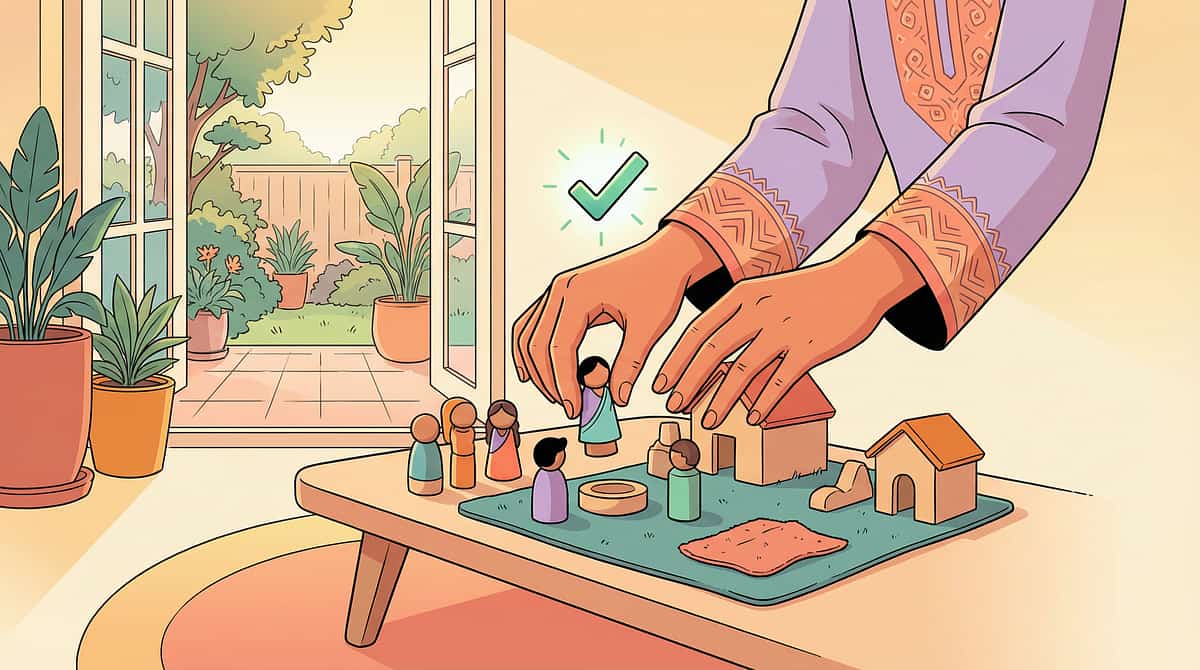
Material 3 — Simple Pretend Play Sets
Canon Category: Pretend / Symbolic Play Materials
₹400–1,500
Why It Works
Symbolic play is language in physical form. Narrating doll feeding, kitchen play, or vehicle play creates rich, repeatable vocabulary contexts. Pretend play also builds the symbolic thinking that underlies all later language and literacy — making it one of the highest-value materials in the toolkit.
Key Modeling Words
Baby | Hungry | Feed | Cook | Eat | Go | Stop | Doctor | Fix | Better
Where to Find
DIY Options (₹0)
- Kitchen utensils and a cloth doll
- A cardboard box car
- Old cups and plates for tea party play
Symbolic play needs imagination, not brand names.
Material 4 — Interactive Books with Repetitive Text
Canon Category: Books / Visual Literacy Materials
₹200–800
Why It Works
The same book read 50 times = 50 modeling sessions. Repetitive text ("Brown Bear, Brown Bear...") creates anticipation and production opportunities. Lift-the-flap books add a cause-effect element. Each re-reading builds density of exposure to the same target vocabulary — which is exactly the therapeutic dosage children need.
Key Modeling Strategy
Pause at predictable spots. Let the child fill in the word. Then model it regardless — whether they produced it or not. This is the "expectant pause" technique.
Where to Find
DIY Option (₹0)
Fold 4 sheets of A4, draw 1 picture per page. Add words. Read it 50 times — it's a 50-session tool.
Material 5 — Bubbles and Bubble Wands
Canon Category: Sensory / Motivational Play Items
₹50–300
Why It Works
The bubble cycle — Ready? → Blow! → Bubbles! → Pop! → More? — provides dozens of modeling moments per minute. Universally motivating across all ages, developmental levels, and sensory profiles. The anticipation pause before blowing creates natural communication pressure that elicits communication attempts.
Key Modeling Words
Ready | Blow | Bubbles | Pop | More | Again | All gone
Where to Find
DIY Recipe (₹0)
1 tsp dish soap + 4 tsp water + 1 tsp glycerin (from pharmacy). Bend a wire loop. Ready to blow.
Always use non-toxic only. Supervise near children and wipe spills immediately to prevent slipping.
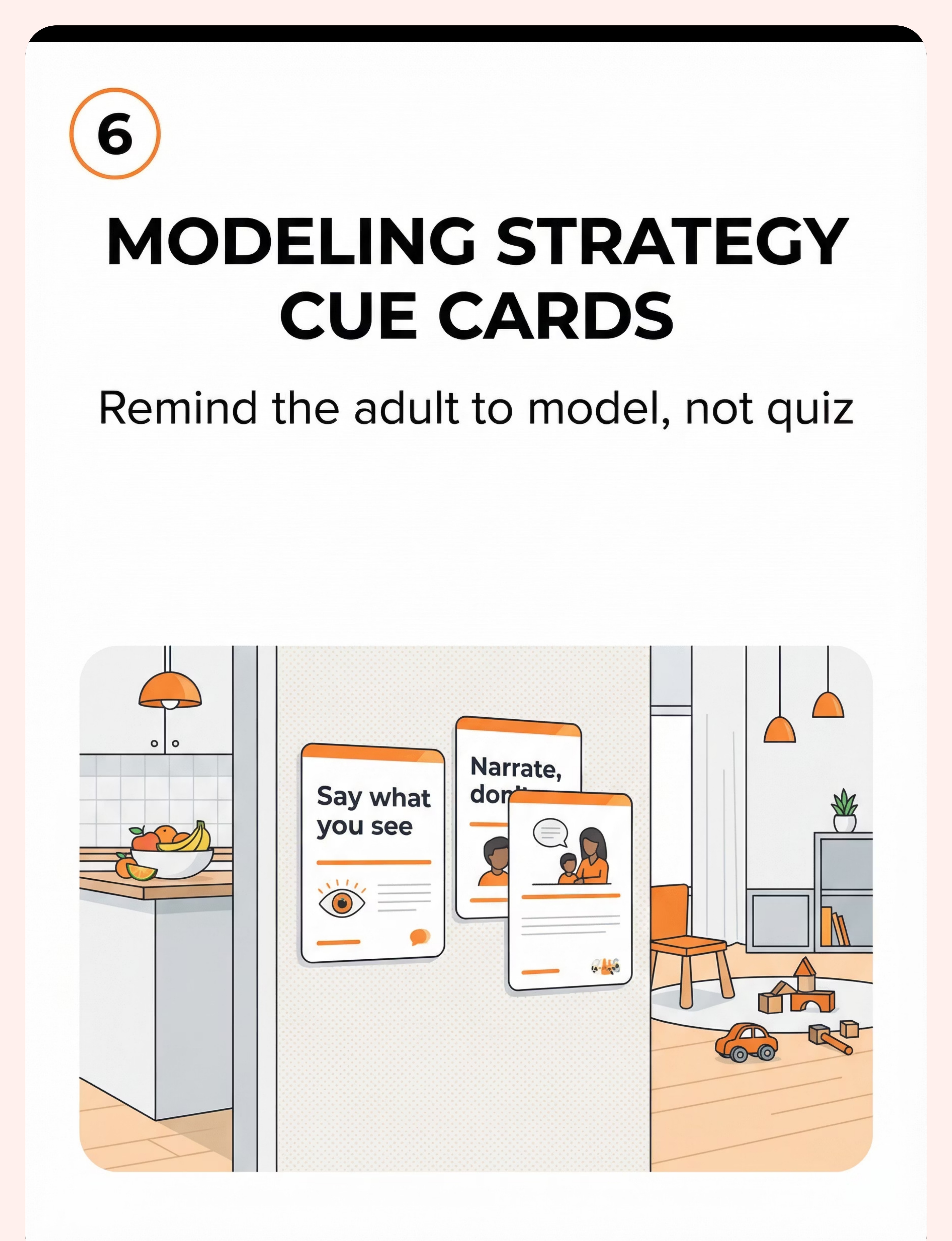
Material 6 — Modeling Strategy Visual Cue Cards
Canon Category: Visual Supports / Communication Aids
₹100–400
Why It Works
You are the primary variable in modeling. The single most common failure point is slipping back into questions out of habit. Cue cards posted in your kitchen, bathroom, and play area remind you to narrate — not quiz. This material is for the adult, not the child. And it may be the most powerful item in the entire toolkit.
What Your Cue Cards Should Say
- "Say what you see"
- "Narrate — don't quiz"
- "Comment — don't question"
- "1 word above their level"
DIY (₹0)
Write "SAY WHAT YOU SEE" on paper. Tape to your fridge. Laminate if possible. Post at eye level in 3 rooms. That's a cue card.

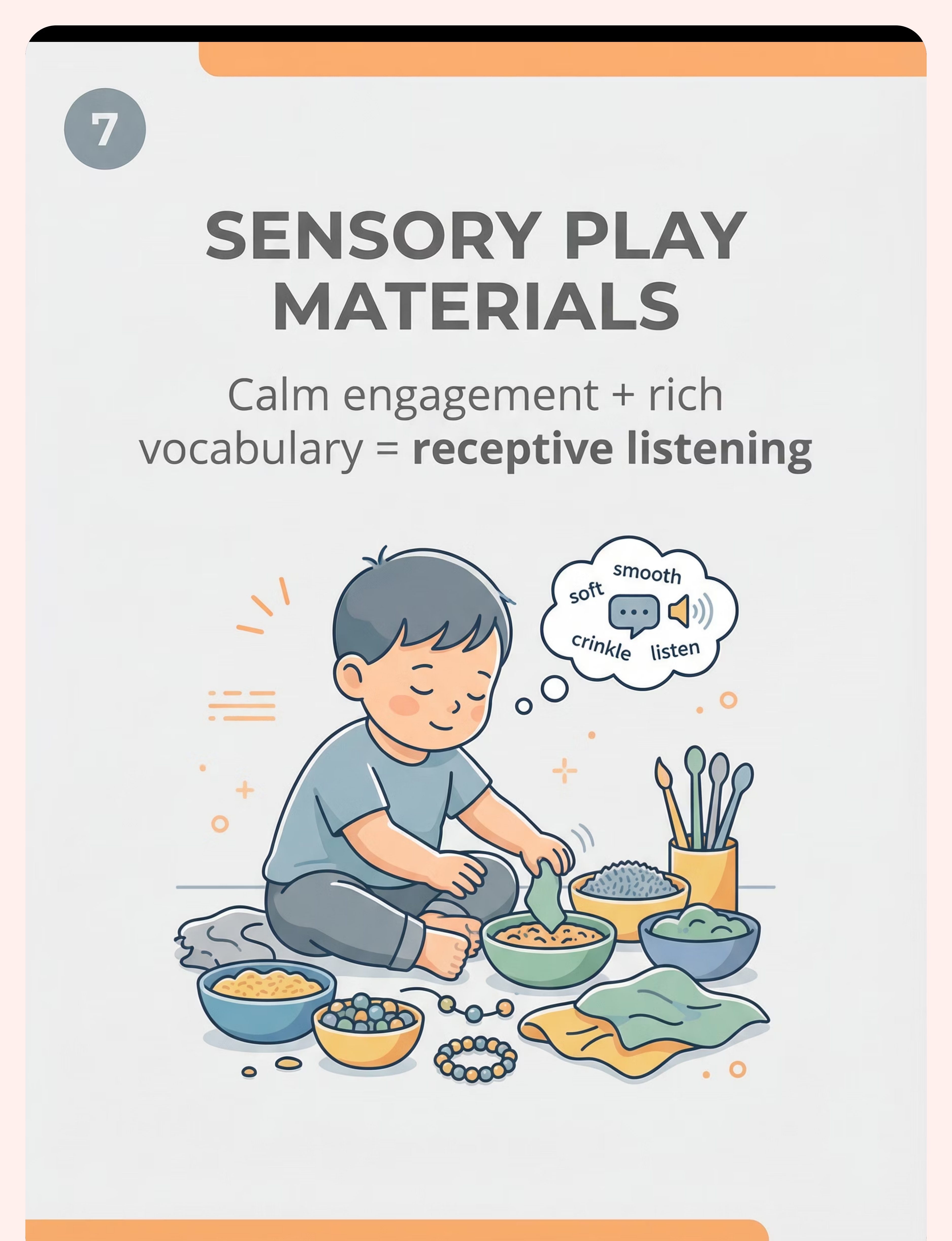
Material 7 — Sensory Play Materials
Canon Category: Sensory Play Materials
₹200–800
Why It Works
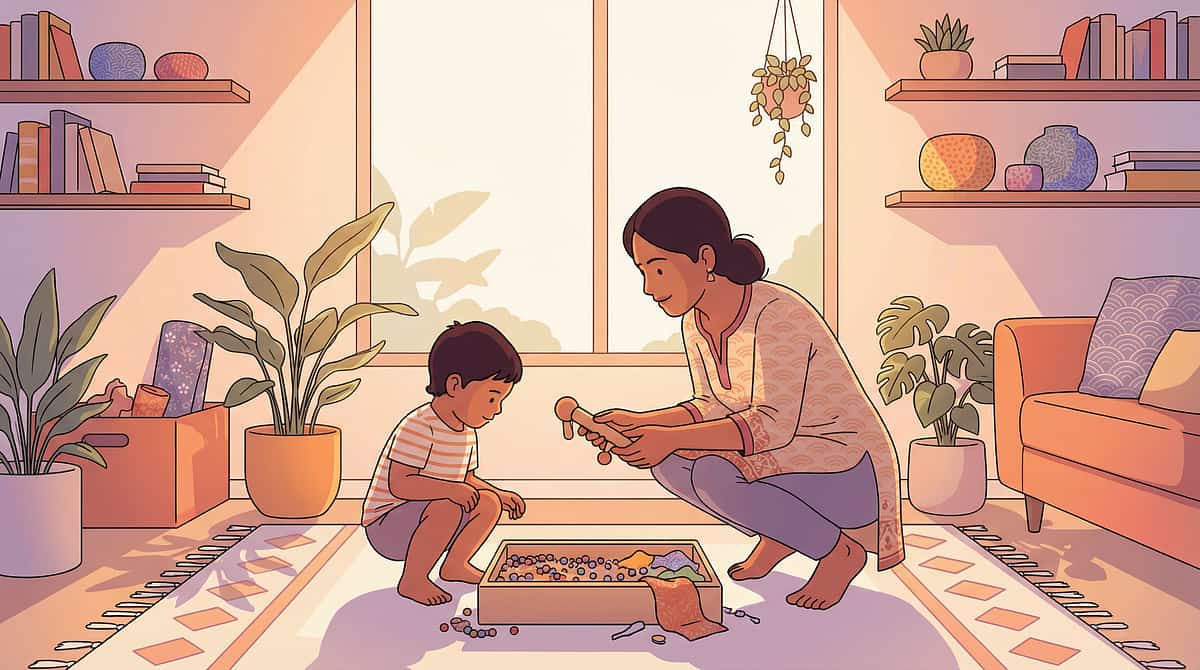
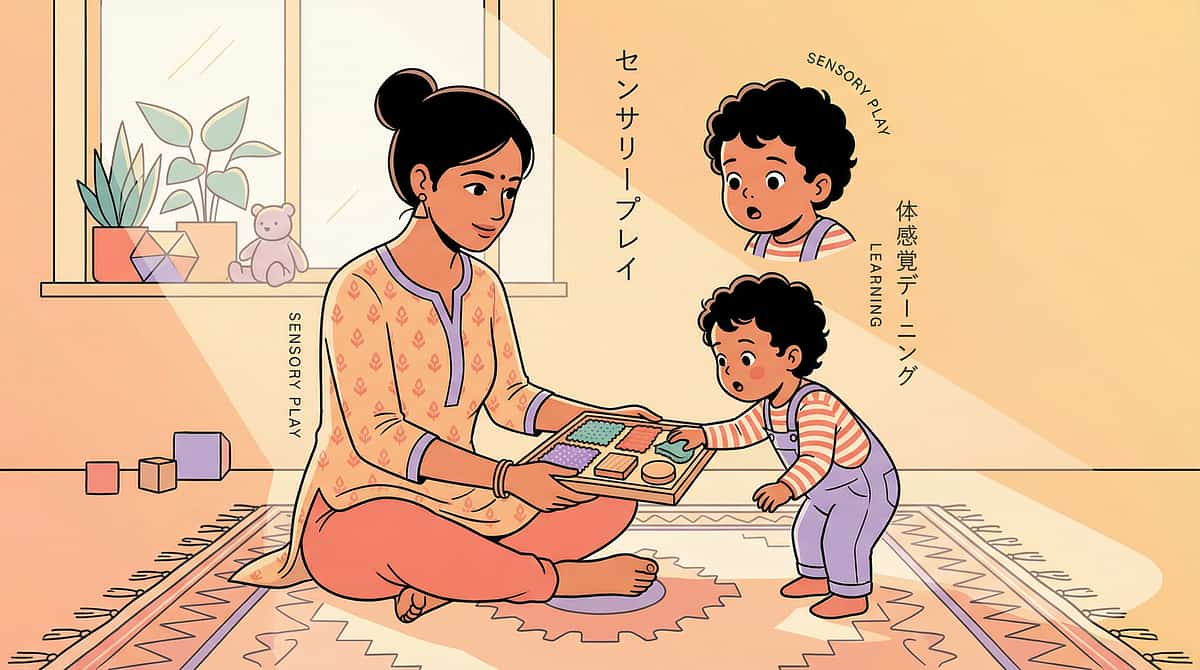
Sensory engagement — water, playdough, sand — creates calm, extended focus. This is the neurological state most receptive to language input. The rich descriptive vocabulary that sensory play demands flows naturally: texture, colour, size, action. Children in a regulated sensory state absorb more language per minute than in any other context.
Key Modeling Words
Squish | Roll | Soft | Wet | Pour | Scoop | Colours | Big | Small
Where to Find
DIY Options (₹0)
- Rice bin (bag of rice in a tray)
- Salt tray for drawing
- Wet sand from nearest park
- Homemade playdough (flour + salt + water + food colouring)
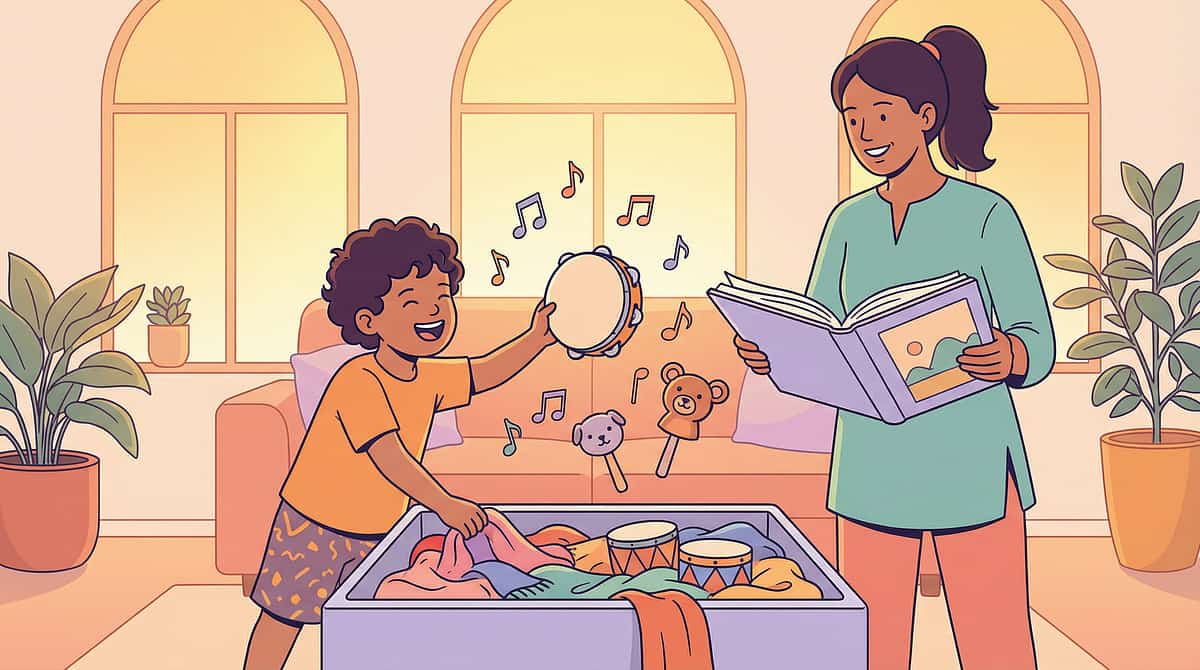
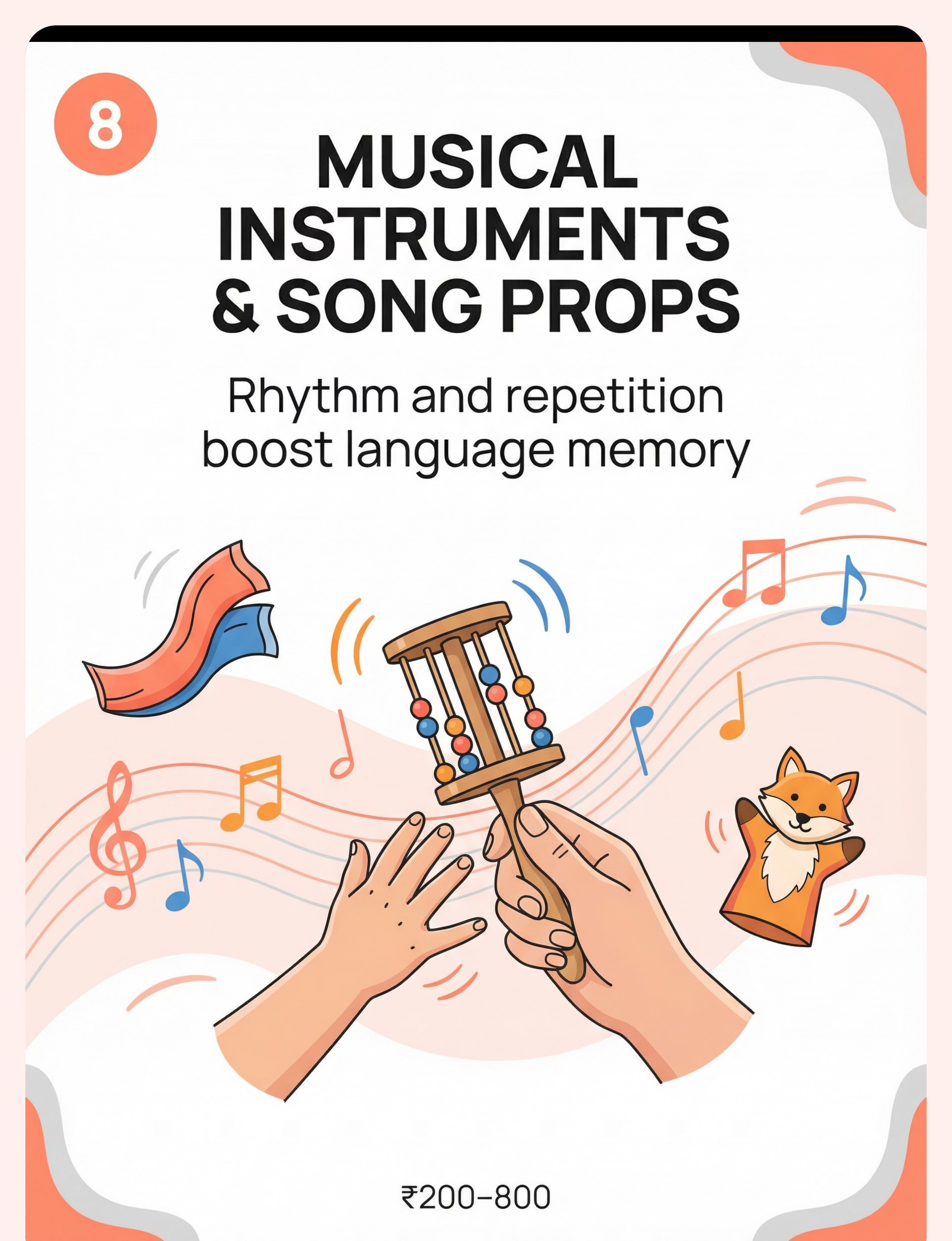
Material 8 — Musical Instruments and Song Props
Canon Category: Musical / Rhythmic Materials
₹200–800
Why It Works
Music is language with a beat. Rhythmic, repetitive song vocabulary is processed through a different neural pathway than spoken language — and often emerges as first words in children who are otherwise pre-verbal. The predictable pattern of songs creates the perfect expectant pause framework: "Wheels on the bus go round and ___."
Key Modeling Technique
Pause-and-wait at predictable song spots. Sing together. Use hand gestures that accompany the words. The motor-auditory-linguistic combination is deeply reinforcing for language learning.
Where to Find
DIY (₹0)
Steel dabba + spoon = drum. Bottle with beans = maraca. Hands clapping = percussion.
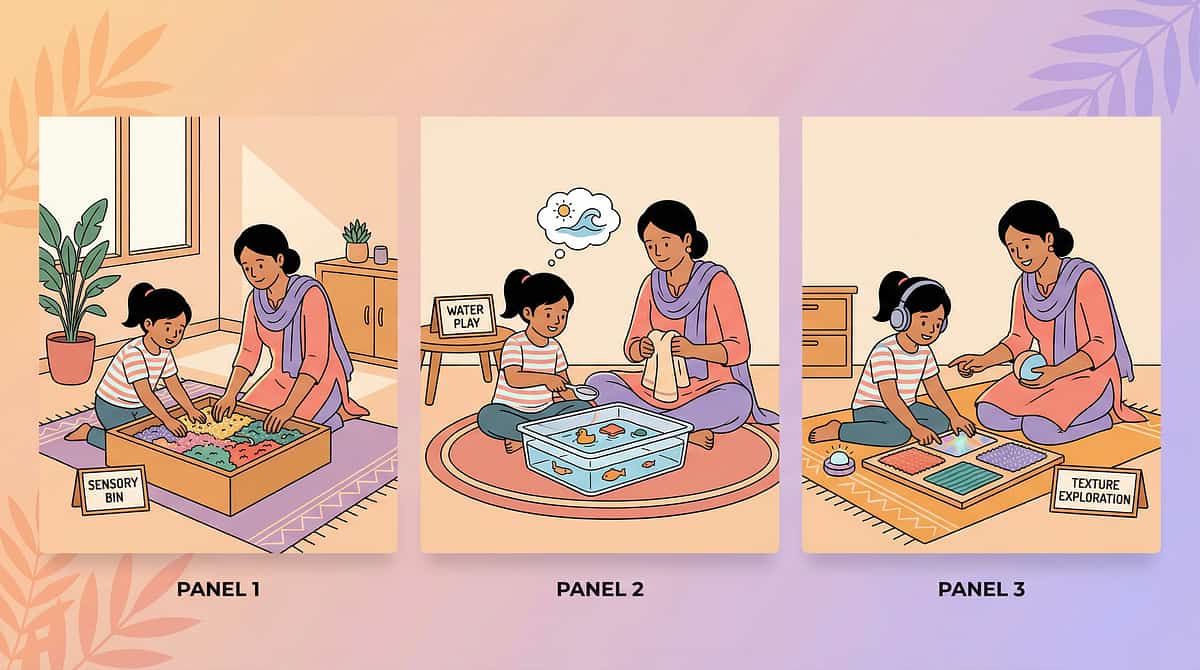
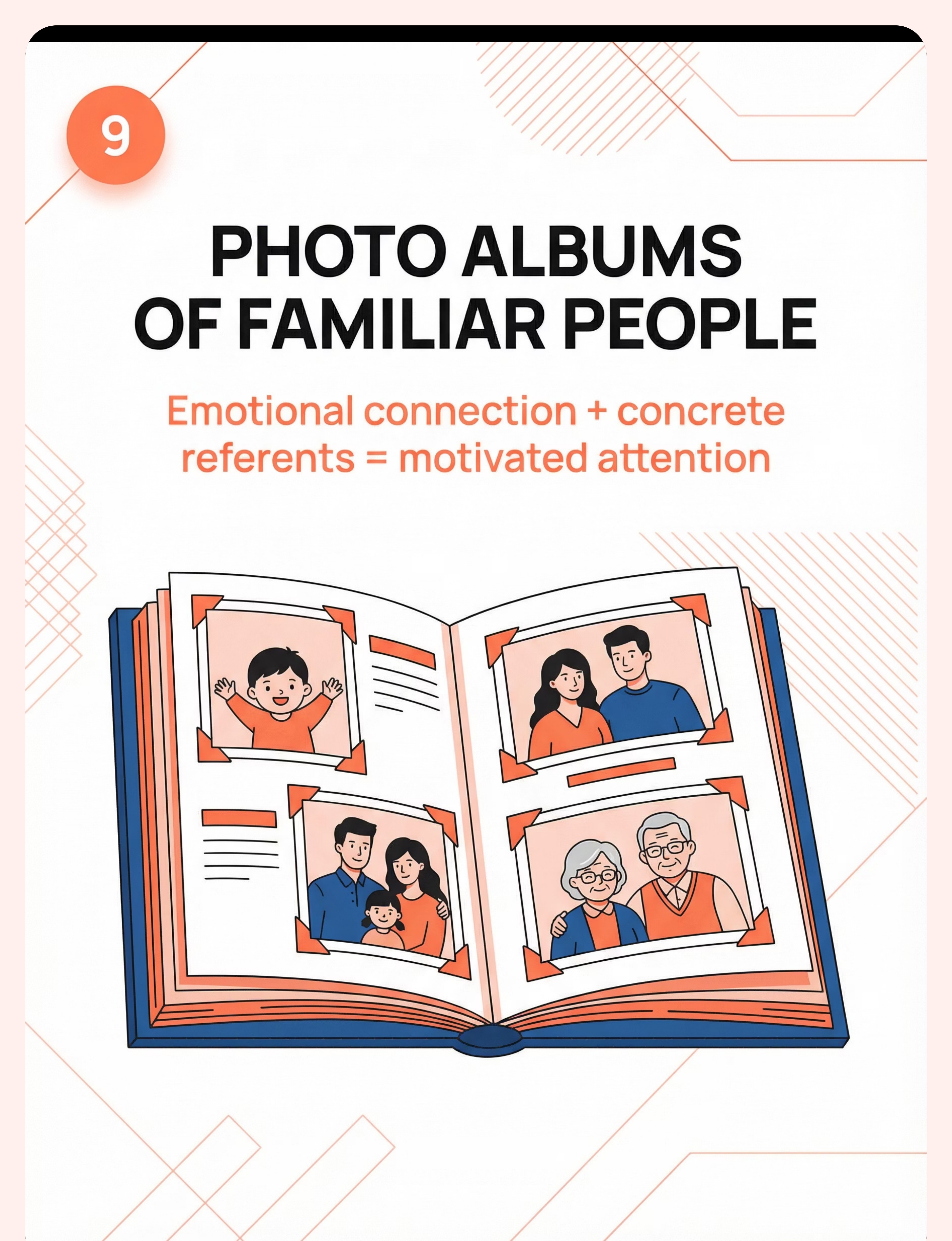
Material 9 — Photo Albums of Familiar People and Objects
Canon Category: Personal / Emotionally Motivating Visual Materials
₹200–600
Why It Works
Familiar faces create immediate emotional engagement and motivated attention. "Daddy! That's Daddy! Daddy has a hat!" — maximum child attention, maximum language absorption. The emotional salience of family images ensures the child is fully present and receptive. This material has the highest engagement-to-cost ratio in the entire toolkit.
Key Modeling Strategy
Name → describe → connect. "Grandma! Grandma is cooking! Grandma loves you!"
DIY (Under ₹100)
Print 10–15 photos of family members, pets, familiar places at a local shop for ₹5/photo. Tape into a notebook. Laminate pages if possible. Create a "My Family" book. This is the most personalised, motivating material your child will ever have.
This is a zero-barrier material that every family can create today — regardless of budget.

Every Child Deserves This Technique. Zero Cost Should Not Be a Barrier.
WHO/UNICEF Equity Principle — implemented across 54 low- and middle-income countries
Material | Buy (₹) | Make Today (₹0) | |
Cause-Effect Toy | ₹300–1,500 | Empty plastic bottle with rice inside. Pop-up lid tupperware. Stacking cups that topple. | |
Interactive Book | ₹200–800 | Fold 4 sheets of A4, draw 1 picture per page. Add words. Read it 50 times — it's a 50-session tool. | |
Bubbles | ₹50–300 | 1 tsp dish soap + 4 tsp water + 1 tsp glycerin. Bend a wire loop. | |
Pretend Play Set | ₹400–1,500 | Kitchen utensils, a cloth doll, a cardboard box car. | |
Sensory Materials | ₹200–800 | Rice bin (bag of rice in a tray). Salt tray for drawing. Wet sand from nearest park. | |
Photo Album | ₹200–600 | Print at local shop for ₹5/photo. Tape into a notebook. Done. | |
Cue Cards | ₹100–400 | Write "SAY WHAT YOU SEE" on paper. Tape to your fridge. That's a cue card. | |
Musical Instruments | ₹200–800 | Steel dabba + spoon = drum. Bottle with beans = maraca. Hands clapping = percussion. |
"The material is the context. The context is the medium. The medium is YOU — narrating, modeling, showing. The household object is merely the excuse for language to happen."
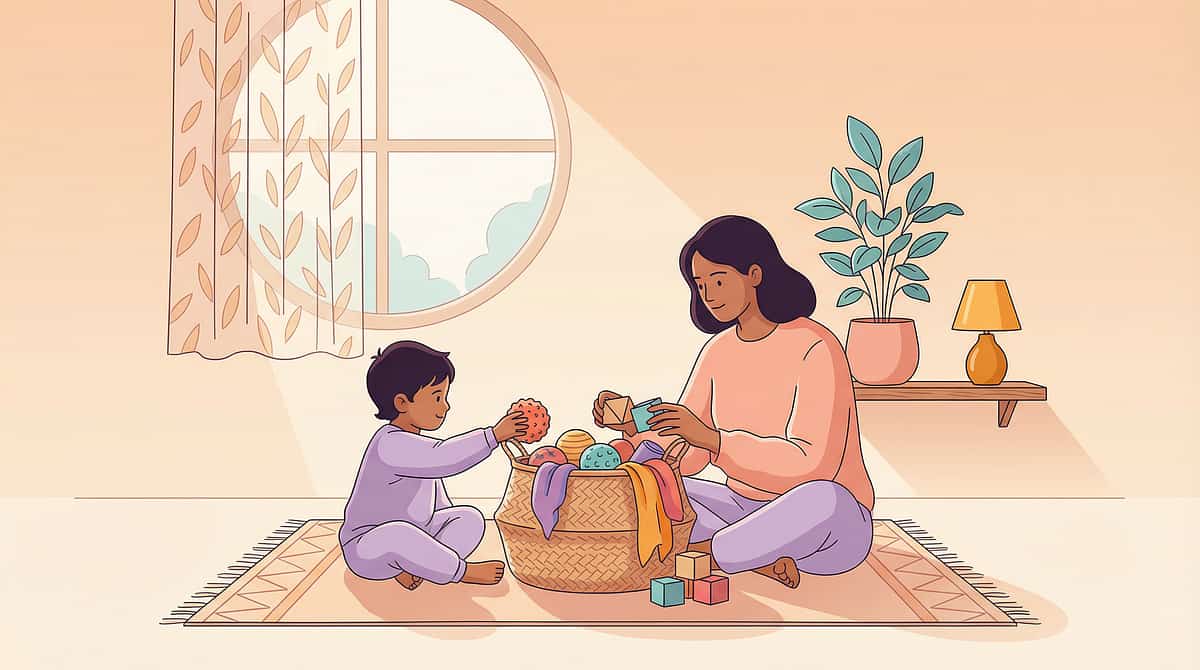
Safety First
60 Seconds of Safety Awareness Protects Every Session That Follows.
🔴 RED — STOP: Do NOT proceed if: Child is in active meltdown or severe dysregulation | Child shows signs of illness, fever, or pain | Child has had less than 5 hours of sleep | Material contains small parts and child is under 3 or mouths objects | Child has known allergy to any material | Adult is stressed, rushed, or in conflict mode
🟡 AMBER — MODIFY: Proceed with changes if: Child is mildly tired → shorten session to 5 minutes | Child is slightly resistant → use highest-motivation material (bubbles) | Environmental noise is high → move to quieter room | Child has had a difficult day → use sensory calming first, then model
🟢 GREEN — GO: Ideal conditions: Child is alert, calm, and recently fed | 10–20 minutes of uninterrupted time available | You feel calm and present | Distractions (TV, phone) are reduced | Space is prepared
Material Safety Specifics
- Bubbles: non-toxic only; supervise; wipe spills to prevent slipping
- Sensory bins: supervise mouthing in children under 4
- Cause-effect toys: check for battery compartment security
- Photo cards: laminate to prevent torn paper ingestion
ABSOLUTE RED LINE: If your child becomes severely distressed, self-injurious, or physically aggressive at any point — stop the session immediately, use your calming protocol, and document the session as data.
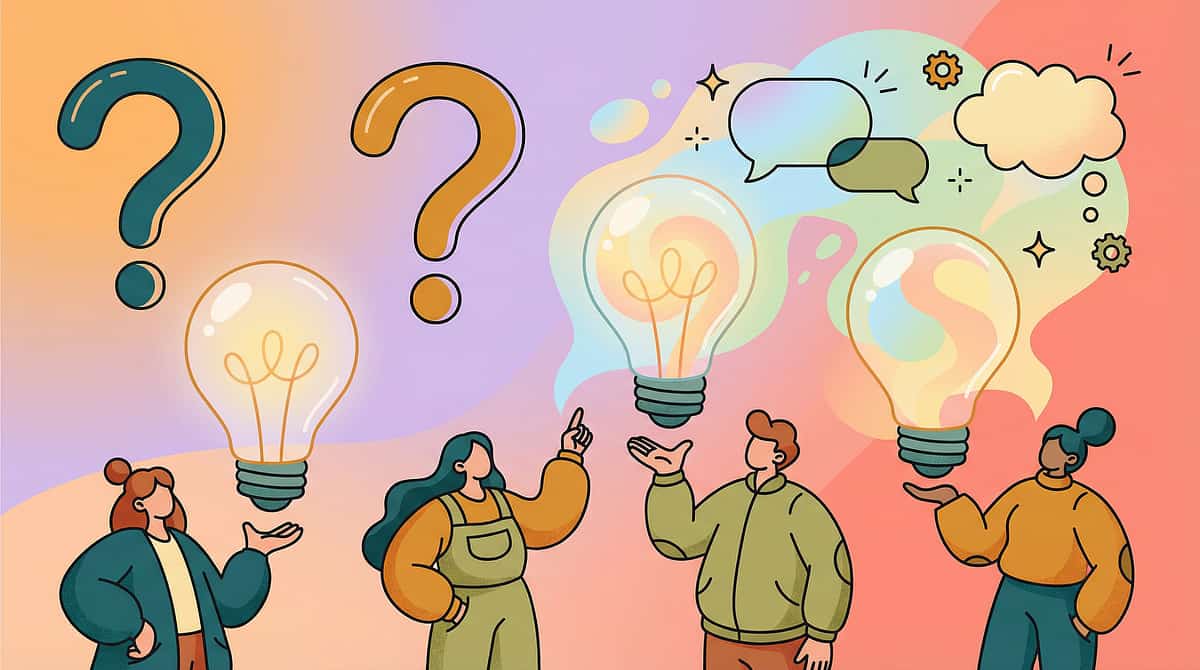
The Right Environment Isn't a Luxury. It's a Prerequisite.
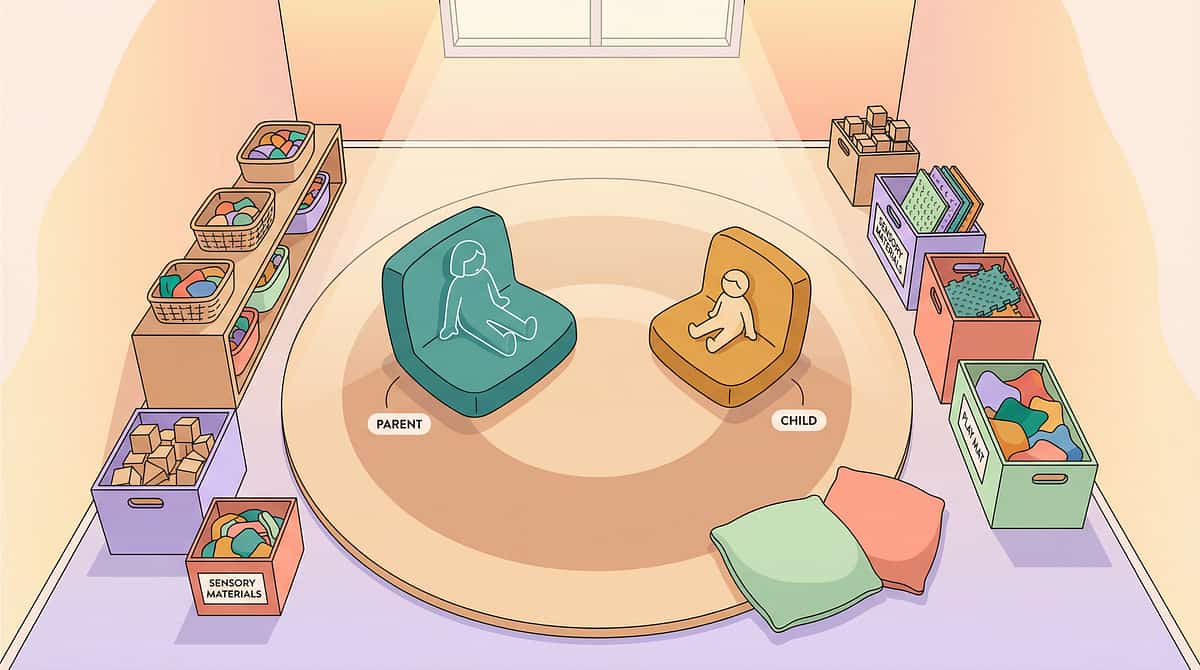
Spatial setup prevents 80% of session failures. A prepared space signals to both you and your child that something intentional is about to happen — and reduces the sensory competition that disrupts language learning.
Parent Positioning Principle
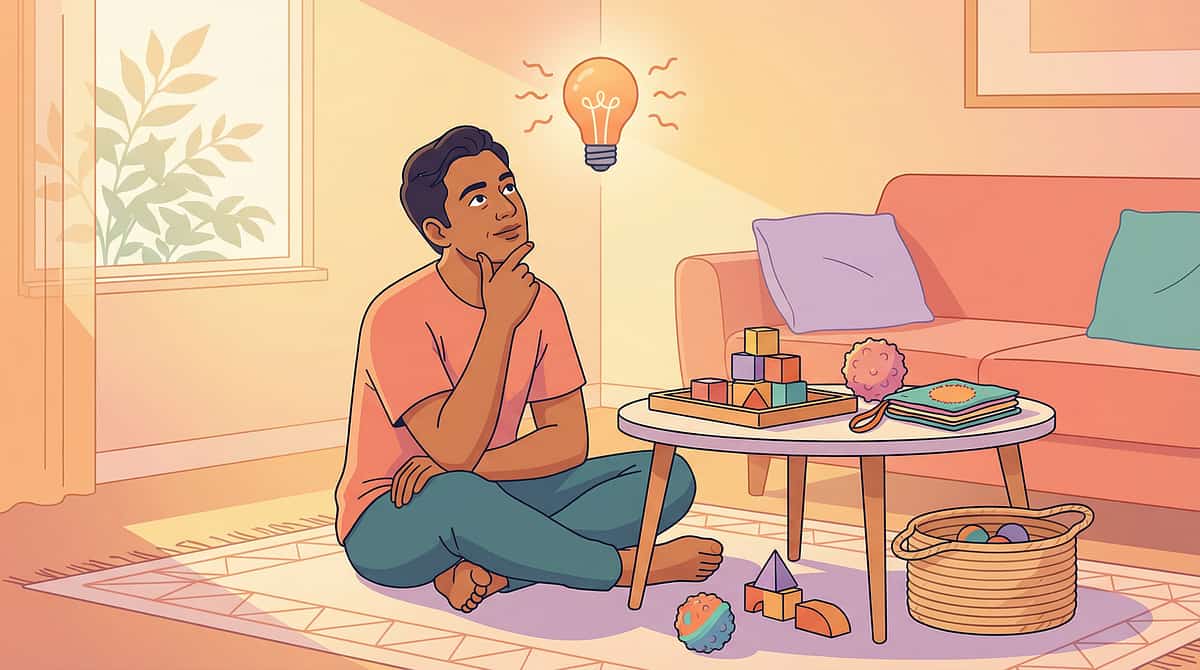
You must be at the child's physical level. Language modeling requires shared attention — and shared physical space. Get on the floor. Sit BESIDE the child, not across from them. Present material between you both, not directly to the child.
Session Setup
Natural light preferred | Background noise reduced | Comfortable temperature | TV and screens OFF
✅ Pre-Session Checklist
- Phone on silent or in another room
- TV/screens off
- Siblings managed (another adult, or sleeping)
- Materials pre-prepared within arm's reach
- You are at child's eye level (on the floor)
- You are BESIDE the child, not across
- Distracting items removed from visible area
- Cue cards visible to you (not child)
- Timer set if needed — 10 or 20 minutes
ACT III — THE EXECUTION
Is Your Child Ready? The 60-Second Readiness Check.
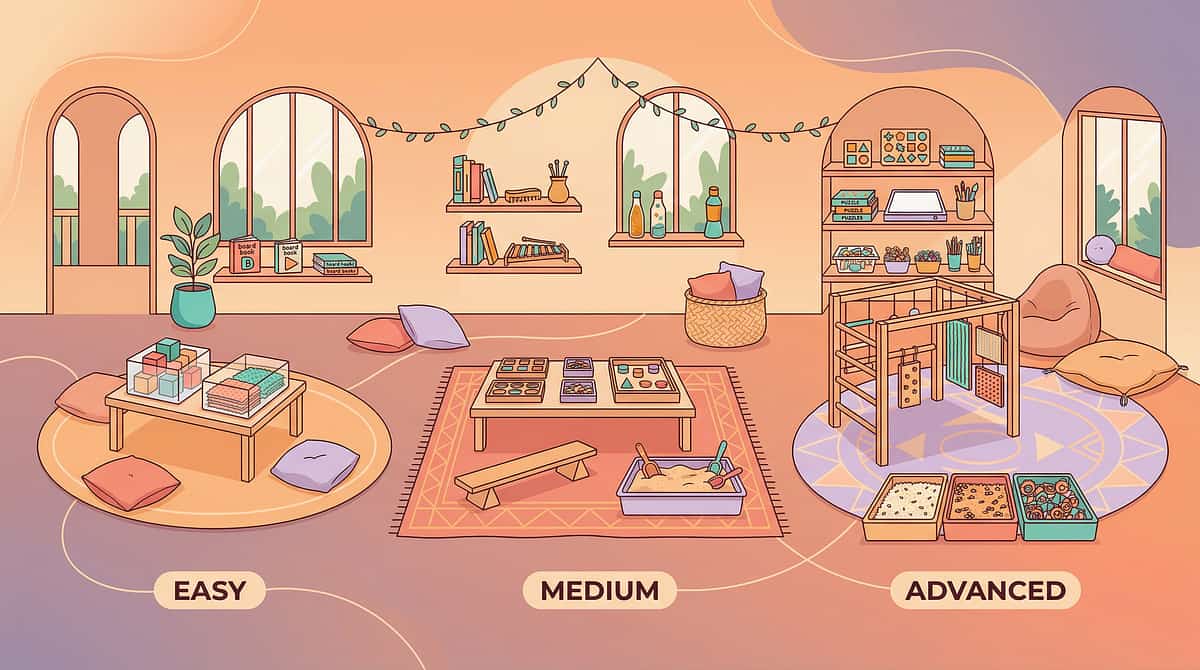
The best session is one that starts right. Observe these indicators before beginning — don't ask, just watch. A postponed session is not a failed session. Postponing when the child isn't ready IS the clinical decision.
Indicator | ✅ Go | 🔄 Modify | ⏸️ Postpone | |
Alertness | Calm alert, eyes tracking | Drowsy but responsive | Falling asleep | |
Regulatory state | Settled, no repetitive behaviour | Mild self-stimulatory behaviour | Dysregulated / meltdown | |
Last meal | 1–2 hours ago | 3+ hours ago (hungry) | Just finished eating | |
Eye contact | Available when called | Intermittent | Absent / avoidant today | |
Your state | Calm, present | Mildly stressed | Stressed / rushed |
3+ ✅ = GO
Proceed to Step 1: The Invitation
2–3 🔄 = MODIFY
Use highest-motivation material (bubbles), shorten to 5 min
2+ ⏸️ = POSTPONE
Do a calming activity, try again in 1 hour
Step 1 of 6
🔔 The Invitation
Duration: 30–60 seconds
Bringing the child into the activity through low-demand, playful presence. You are NOT starting with demand or instruction. You are entering the child's world.
"Hey, look what I found... [produce the material slowly, with interest]. Ohhh... [model interest, not instruction]. Want to see?"
✅ Do This
- Get to floor level
- Present material between you and child (not directly to child)
- Use animated but calm voice
- Follow the child's eyes — present where they're looking
❌ Do NOT Say
"Come here. Sit down. Pay attention. Look at me. What is this?"
Child Acceptance Signals
- Reaches toward material
- Moves closer or increases eye contact
- Positive vocalization
Child Resistance → Modify
Try different material or wait 2 minutes and try again. Never force.

Step 2 of 6
🤝 The Engagement
Duration: 1–3 minutes
The child has shown interest. You are now in the activity WITH them. This is where modeling BEGINS — not after you "set up." Modeling starts the moment shared attention exists.
Self-Talk (narrate YOUR actions)
"I'm picking up the bubble wand... I'm dipping it in... Dipping, dipping... Now I blow... BLOW..."
Parallel Talk (narrate CHILD'S actions)
"You're touching it! You're squeezing the playdough! Squeeze! Soft! You're rolling it..."
THE GOLDEN RULE: Comment, don't question. NEVER say "What is this?" during a modeling session. Instead: "It's a ball! Big ball! Roll the ball!"
Reinforcement cue starts here: Any communication attempt by the child (vocalization, point, gesture, word) → immediately respond with an expansion model. Child says "ba" → you say "Ball! Yes! Ball!" (not "Say ball again").

Step 3 of 6
⚡ The Therapeutic Action
Duration: 3–8 minutes — the core modeling window
This is the active ingredient. You are delivering high-density, contextualised, responsive language input — matched to the child's current developmental level plus one word.
Child's Current Level | Model THIS Level | |
No words (pre-verbal) | Single words: "Ball! Push! Pop! Go!" | |
1–5 words | 2-word combos: "Big ball. Push it. Ball go!" | |
5–20 words | 3-word phrases: "Roll the ball. Ball is red." | |
Phrases (20+ words) | Full sentences + new vocabulary |
1
Self-Talk
"I'm rolling the playdough. Roll, roll, roll. Making a snake!"
2
Parallel Talk
"You're squeezing it! Squeeze! It's squishy! So soft!"
3
Expansion
Child: "Ball" → You: "Yes! Red ball! The red ball rolls!"
4
Extension
Child: "Dog" → You: "Yes, dog! The dog is running! Dogs say woof!"
5
Recasting
Child: "Me goed park" → You: "Yes! You went to the park!"
① Say it once. Pause. ② Pause for 5–10 seconds — the processing window is real. ③ Accept ANY communication attempt as success. ④ Follow the child's lead — model about what THEY are focused on.

Step 4 of 6
🔁 Repeat and Vary
Duration: 3–5 minutes
Therapeutic dosage. Repetition without monotony. The same language opportunity revisited with just enough variation to maintain engagement.
"Children need 50–100 exposures to a word before producing it. Every modeling moment is a deposit. Count deposits, not productions."
Bubbles
Natural cycle = 10–15 modeling moments in 5 minutes. Vary speed, volume, and pause length to build anticipation and communication pressure.
Cause-Effect Toys
8–12 push-and-model cycles per session. Same toy, vary the comment: "Push!" → "You pushed it!" → "It popped!" → "Again?"
Interactive Books
3–4 reads per week = 100+ exposures in 4 weeks. First read = model all words. Second read = pause and wait. Third read = child begins filling in.
Pretend Play
Vary the scenario. Baby hungry → baby tired → baby sad → baby happy. New action, same vocabulary level.
Satiation Signals — child has had enough: Pushes material away | Leaves the play space | Engages in escape behaviour | Reduces engagement sharply → Proceed to Step 5 (reinforce) then Step 6 (cool-down).
Step 5 of 6
🎉 Reinforce and Celebrate
Duration: 30 seconds per reinforcement moment — immediate and specific
Catching communication attempts — however small — and making the child feel the success of that attempt. The goal is to increase communication frequency, not accuracy.
Timing is non-negotiable: Within 3 seconds of any communication attempt. After 3 seconds, the child's brain has moved on.
For Any Vocalization
"Yes! You said it! [Immediately provide what they requested or described]. You DID it!"
For a Word Attempt
"BALL! Yes! You said ball! Here's the ball! You told me!"
For a Gesture or Point
"You're pointing! You want MORE! More bubbles! [Immediately blow more]. You asked me! I heard you!"
Reinforcement Menu
- Social: enthusiastic praise, high-five, hug, clap
- Activity: "more" of the preferred activity
- Natural: the result of the communication (they asked for ball → they get the ball)
- Token systems: sticker board for older learners
Active Products
Reinforce the attempt, not the accuracy. "Ba" for "ball" = full reinforcement.

Step 6 of 6
🌊 The Cool-Down
Duration: 1–2 minutes
Transitioning the child from engaged therapeutic activity back to their baseline routine — predictably, gently, and without abruptness. Abrupt endings cause dysregulation. Smooth transitions are themselves therapeutic.
1
Warning (90 seconds before end)
"Two more. We do two more, then all done. [Hold up 2 fingers]. Two. One more after this..."
2
Visual Timer
Set a visual timer for the final 2 minutes. Show it to the child: "When the timer is done, we're all done."
3
Material Put-Away Ritual
Involve the child: "Ball in the box. [Pause.] Ball... in... [gesture]. Thank you!" This is also a modeling moment.
4
Transition Phrase (consistent, every session)
"All done! Good work. [Child's name] did it! Now we're going to [next activity]."
5
Bridge to Next Activity
Use a Transition Object if needed. Pinnacle Active Product: Transition Comfort Item — Amazon.in
If child resists ending: Validate: "You want more! More is fun! We'll do more tomorrow." Offer 2 more repetitions, then definitely done. Use visual "finished" card if child responds to visual supports.
60 Seconds of Data Now Saves Hours of Guessing Later.
Recording session data transforms your home program from guesswork into evidence. Even a brief tally immediately after each session gives you the information to know what's working, what to adjust, and when progress is happening — even on days it doesn't feel like it.
Data Point | How to Record | Example | |
Communication attempts | Tally marks | 7 attempts | |
New words modeled (you) | List 3 words | "Push, bubble, more" | |
Child response rating | 1–5 scale | 4/5 — highly engaged | |
Material used | Name it | Bubbles | |
Session length | Minutes | 12 minutes | |
Notes | 1 sentence | "Said 'bu' for bubble 2×" |
"Data shows you're moving forward — even on days it doesn't feel like it. 5 attempts this week. 8 attempts next week. That's a 60% increase. That's therapy working."
📞 9100 181 181 | Ask about GPT-OS® Language Readiness tracking for your child
Session Abandonment Is Not Failure. It's Data. Here's What the Data Means.
"My child walked away after 2 minutes"
Why: Satiation, over-demand, or wrong material. What to do: Follow them — bring the material to where they went. Model language about what they're NOW doing. Never force return.
"I kept slipping into questions"
Why: This is universal. Testing is habitual for caregivers. What to do: Post your cue card more prominently. Replace each question impulse with an observation: "What's that?" → "Oh, it's a car!"
"My child showed no response to modeling"
Why: Modeling works over hundreds of exposures — not one session. What to do: This is normal in weeks 1–2. Keep going. The input is landing even when the output is invisible.
"My child became dysregulated during the session"
Why: Material was wrong arousal level, too much demand, or child wasn't actually ready. What to do: Stop. Use calming protocol. Document session. Start readiness check more carefully next time.
"My child just echoed everything I said (echolalia)"
Why: Echolalia is often a processing strategy, not bypassed language. What to do: Celebrate it — they heard you! Over time, echolalia often transitions into functional language. Continue modeling without pressure.
"My partner undermines the technique"
Why: "Isn't she talking yet?" or "Just ask him to say it!" What to do: Share Card 03 (neuroscience) and Card 05 (evidence). Bring your partner to a Pinnacle consultation. 📞 9100 181 181
ACT IV — THE PROGRESS ARC
Week 1–2: Not About Words. About Wiring.
"Week 1–2 is not about words. It's about wiring. Here's what real progress looks like."
What You WILL See
- Child tolerates sessions for 5–10 minutes (vs. 1–2 minutes initially)
- Child begins orienting toward you when you produce material
- Increased eye contact during cause-effect toy modeling
- Joint attention beginning to emerge
What You Will NOT See Yet — and That's OK
- Spontaneous new word production
- Consistent imitation of modeled words
- Generalisation to other settings
Parent Milestone: If your child sits beside you for 8 minutes this week vs. 3 minutes last week — that's a 167% increase in language learning exposure. That is real, measurable therapeutic gain.
Week 3–4: The Neural Pathway Is Forming.
"Watch for these consolidation signs — they signal that language absorption is taking hold."
1
Anticipation Behaviour
Child brings you the bubble wand, or brings a book to you. They are using communication to request more language opportunities. This is profound.
2
Vocalization Increase
More sounds, more attempts. Not words yet — but the system is warming up. The language engine is running.
3
Shared Attention Duration
Sessions running 12–15 minutes without resistance. This is a significant clinical indicator.
4
Generalisation Seeds
Hearing modeled words spontaneously in other contexts — "ba" for ball during solo play. The language is starting to transfer.
When to Increase Intensity: If your child is showing 3+ consolidation signs → increase session frequency from 3×/week to 5×/week. Increase modeling density in daily routines (mealtime, bath, dressing).
Week 5–8: The Language Tank Is Full. Watch It Begin to Pour.
🏆 Mastery Badge Criteria — Language Modeling L-928
Mastery Criterion | Indicator | |
Word production | 3+ new words used spontaneously in appropriate contexts | |
Session engagement | 15–20 min sessions without resistance | |
Communication frequency | 5+ communication attempts per session vs. 0–1 at baseline | |
Generalisation | Using modeled words beyond the formal session (mealtime, playground, with siblings) | |
Expansion response | Child produces expanded form within next 2–3 exchanges | |
Adult automaticity | You are narrating naturally without cue cards — modeling has become your communication style |
Mastery Unlocked: When your child meets 4 of 6 criteria, they are ready to progress to L-929: Expansion Strategies. Stay longer if needed — some children need 12–16 weeks. This is not failure.
🏆 You Did This.
You started this journey not knowing exactly what modeling meant. You got on the floor. You blew bubbles. You narrated mealtime. You talked without expecting answers. You fought the urge to quiz. You showed up — session after session — and modeled language into a child who couldn't yet show you it was working.
It was working. Every word you modeled went into the language tank. The tank filled up. And now — it's starting to pour.
✅ 5–8 Weeks
Consistent language modeling sessions completed
✅ 50+ Sessions
Structured modeling exposures to target vocabulary
✅ Daily Routines
Language embedding established in everyday life
✅ Communication
Attempt frequency increased measurably over baseline
Family Celebration Suggestion: Create a "Words We Made Together" jar — one slip of paper for every new word your child has produced in the past 8 weeks. Read them out loud together as a family.
⚠️ Red Flags — When to Pause
Awareness Is Not Alarm. These Specific Signs Mean Seek Professional Input — Not Panic.
🚨 Contact Pinnacle at 9100 181 181 immediately if you observe any of the following:
1
1. Language Regression
Child loses words they previously had, with no obvious illness explanation. Particularly concerning in children under 3.
2
2. No Functional Communication by 18 Months
No pointing, no words, no gestures — regardless of modeling progress.
3
3. Persistent Echolalia Without Functional Language
Child echoes everything but uses no spontaneous language after 8+ weeks of consistent modeling.
4
4. Session-Associated Distress
Modeling sessions consistently produce meltdowns or severe behavioural escalation.
5
5. Social Withdrawal Worsening
Child becomes MORE socially withdrawn over the 8-week period, not less.
6
6. Hearing Concern
Not responding to name, not startling to loud sounds, or inconsistently responding to voice.
"Trusting your instincts is not anxiety. If something feels different, it may be. A 10-minute call to our helpline will either confirm the concern or relieve it. Either outcome helps your child." 📍Locate your nearest Pinnacle centre — 70+ locations across India
Related Techniques in This Domain — You Already Own Materials for Some of These.
🗣️ L-929: Expansion Strategies ⭐⭐
Core difficulty | Materials: books, routine props | Explore →
🗣️ L-930: Environmental Language Enhancement ⭐
Intro difficulty | All L-928 materials carry forward | Explore →
🗣️ L-920: Joint Attention for Language ⭐
Intro difficulty | Bubbles, cause-effect toys | Explore →
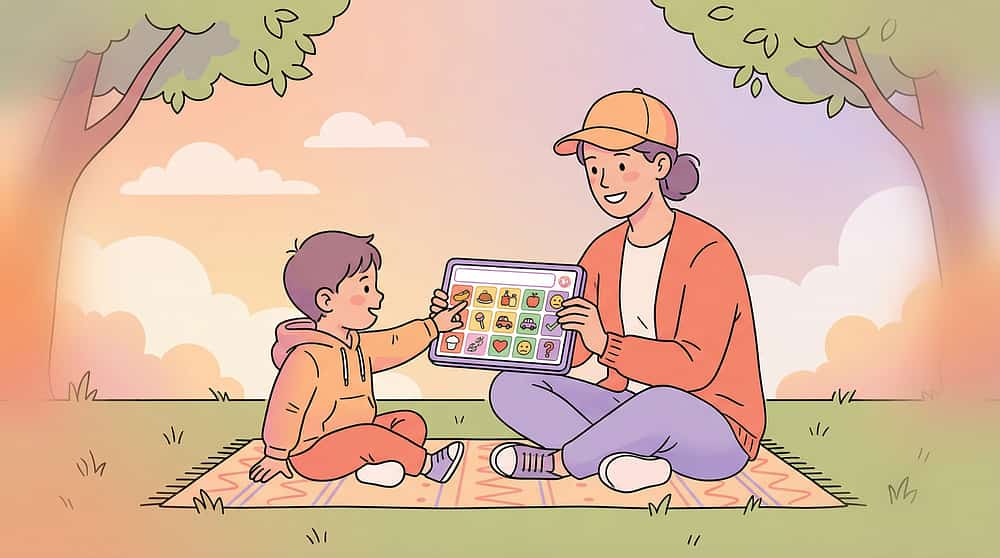
🧠 B-224: AAC Modeling Strategies ⭐⭐⭐
Advanced | Picture boards + devices | Explore →
You already own materials for: If you've built the L-928 toolkit → You already have everything needed for L-929, L-930, and L-925. → Language Development Domain — All Techniques
ACT V — THE COMMUNITY AND ECOSYSTEM
They Started Exactly Where You Are. Here Is Where They Are Now.
Riya, 2.5 years — Hyderabad
Before (Week 0): Riya had 8 words at 2.5 years. Her mother Pooja was drilling vocabulary every evening. "Say apple. Apple. APPLE." Riya would cover her ears. Sessions ended in frustration.
Intervention: Pooja replaced all questions with narration. She bought bubbles (₹80) and posted cue cards in her kitchen.
After (Week 8): Riya had 34 words. Her longest utterance was "more bubbles please" — an entirely spontaneous 3-word utterance on day 54. Pooja cried. So did her therapist.
Arjun, 3 years — Mumbai
Before (Week 0): Diagnosed with ASD at 28 months. His parents were using multiple apps and flash cards daily. He was withdrawing from family interaction.
Intervention: The family created a family photo album and read it every morning. Sensory play replaced screen time for 30 minutes daily.
After (Week 8): Arjun was spontaneously narrating his own actions during play. He had 62 new words. He was seeking connection, not avoiding it.
"The moment a parent stops quizzing and starts narrating — I watch the child relax. The shoulders drop. The gaze comes back. Language has always been inside them. We were just asking for it before we'd given them enough to work with." — Pinnacle SLP Specialist, Bengaluru
Individual results may vary. Statistics represent aggregate outcomes. Cases are illustrative composites.
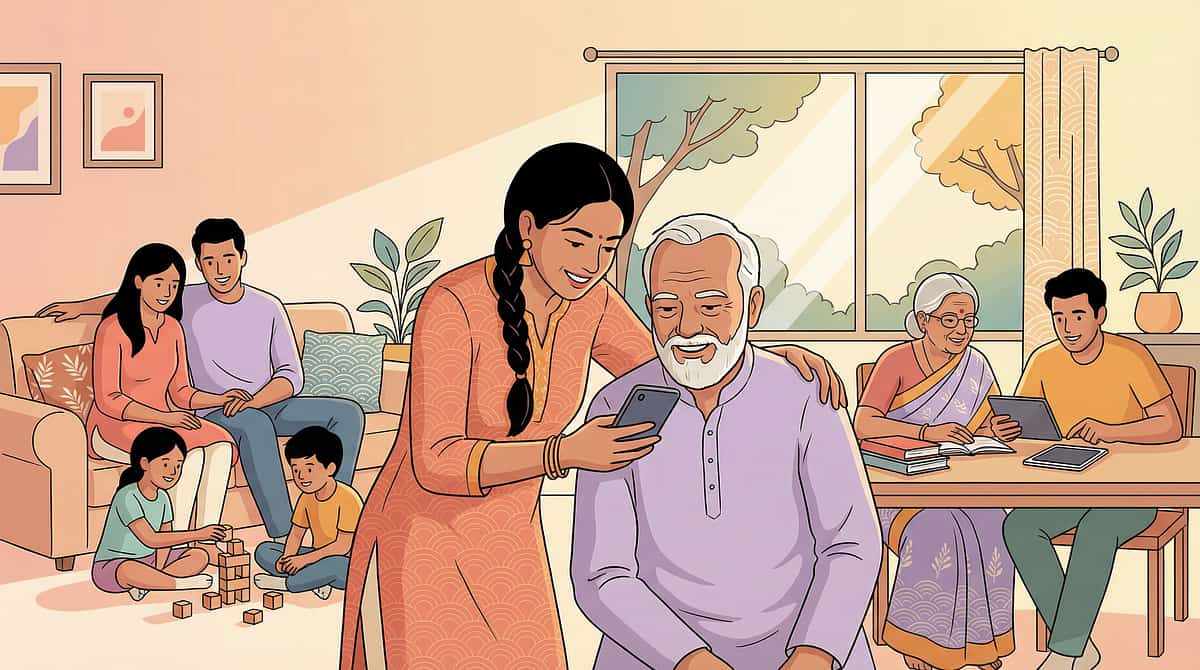
Isolation Is the Enemy of Adherence. You Do Not Have to Do This Alone.
💬 Parent WhatsApp Group
Active families sharing real-time modeling wins, questions, and session notes. Join the L-928 Modeling Strategies Parent Group
🌐 Online Parent Forum
Discussion threads organised by technique, age group, and city. forum.pinnacleblooms.org
👥 Local Meetups
Monthly in-person meetups at all 70+ Pinnacle centres. Connect with families in your city using the exact same protocol.
🤝 Peer Mentoring
"I was you 6 months ago." Connect with an experienced parent who has completed L-928. Request a peer mentor — 9100 181 181
Home + Clinic = Maximum Impact.
Clinical research consistently shows that parent-implemented intervention + professional guidance produces outcomes 2–3× greater than either approach alone. You're never doing this without professional backup.
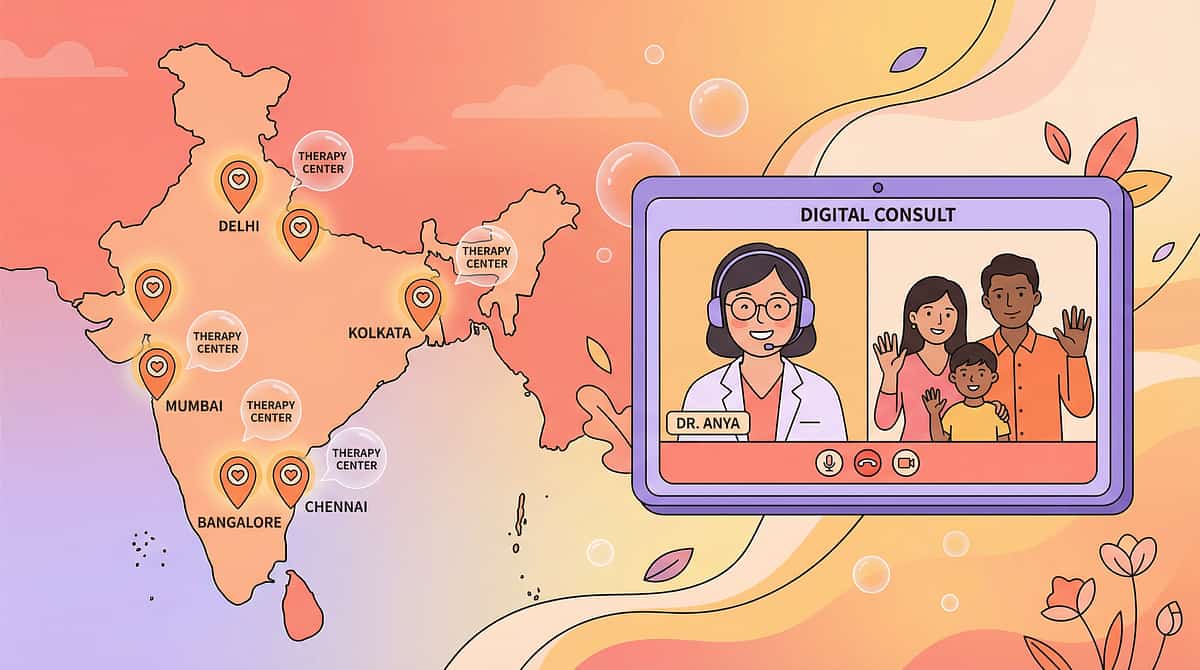
📍 Locate Your Nearest Centre
Hyderabad • Bengaluru • Chennai • Mumbai • Delhi • Pune • Ahmedabad • Kolkata • Visakhapatnam • Vijayawada • Tirupati • Warangal + 58 more locations
Therapist Matching for L-928
- Lead: Paediatric Speech-Language Pathologist (SLP)
- Support: OT (sensory regulatory state)
- Support: ABA/BCBA (reinforcement structure)
📹 Teleconsultation
Available in 16+ languages | Global reach | 70+ countries served
📞9100 181 181 | FREE | 24×7 | 16+ Languages
Consistency Across Every Caregiver Multiplies Impact.
Share this with everyone who interacts with your child. One parent using modeling + no modeling from grandparents = 40% of the programme. All caregivers modeling = 100% of the programme.
Share This Page
📱unknown link
📄 Downloadable Resources
For Grandparents
"Your grandchild is learning language by hearing it — not by being quizzed. When you're with them: describe what you see. Narrate what you do. Say 'Look, a dog!' instead of 'What's that?' Every word you say is teaching."
Teacher/School Template
"We are implementing the Pinnacle L-928 Language Modeling Protocol at home. Our child responds well to parallel talk and narration. We ask that classroom staff avoid direct questioning of vocabulary and instead use modeling language during activities."
Preview of 9 materials that help with modeling strategies Therapy Material
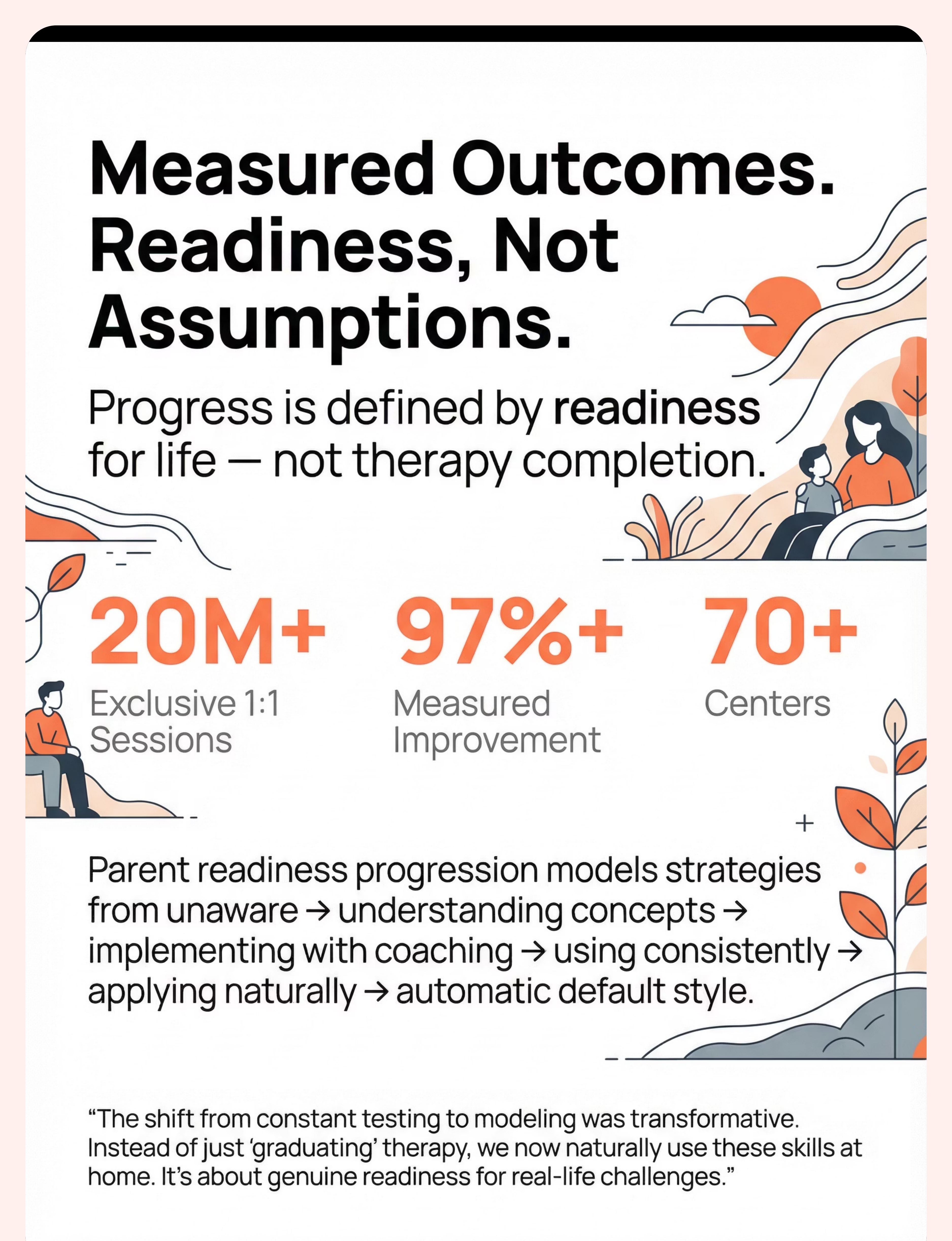
Below is a visual preview of 9 materials that help with modeling strategies therapy material. The pages shown help educators, therapists, and caregivers understand the structure and content of the resource before use. Materials should be used under appropriate professional guidance.



Link copied!
Pinnacle Blooms Network®
Consortium Seal
The Pinnacle Promise
"From fear to mastery. One technique at a time." — The Pinnacle Blooms Consortium
This technique page (L-928) is part of the Pinnacle GPT-OS® Content System — a structured knowledge base of 70,000+ evidence-linked, parent-executable paediatric intervention techniques. Published on techniques.pinnacleblooms.org under the global open-access commitment to paediatric therapeutic education.
Loop Navigation
📞9100 181 181 | FREE | 24×7 | 16+ Languages
Statutory Identifiers
CIN: U74999TG2016PTC113063 | DPIIT: DIPP8651 (Govt. of India)
MSME: Udyog Aadhaar: TS20F0009606 | GSTIN: 36AAGCB9722P1Z2
OT • SLP • ABA/BCBA • SpEd • NeuroDev • CRO • WHO/UNICEF
Medical Disclaimer: This content is educational and informational only. It does not replace professional speech-language evaluation, diagnosis, or therapy. Language delays and disorders may require comprehensive assessment and individualised intervention planning by qualified professionals. Individual results may vary. Always consult a qualified speech-language pathologist for your child's specific needs.
© 2025 Pinnacle Blooms Network®, unit of Bharath Healthcare Laboratories Pvt. Ltd. All rights reserved. Technique code L-928 | Language Development Domain | GPT-OS® Content Engine v2.1