
"He knew it last night. This morning — it's gone."
You drilled the spelling words until 9 PM. He knew every single one. You felt that quiet hope rise in your chest. And then this morning, standing at the kitchen table before school, he looked at the page like he'd never seen those words before in his life.
This is not a character flaw. This is not laziness. This is working memory — the brain's short-term workspace — operating differently. And there are 9 materials proven to change this.
🧠 Memory Skills Support
G-672
Cognitive Development
Age 4–14 • Home-Executable
"You are not failing your child. Their brain processes and retains information differently — and that's exactly what we're here to address."
Pinnacle Blooms Network® | OT • SLP • ABA • SpEd • NeuroDev • CRO
Built by Mothers. Engineered as a System. | techniques.pinnacleblooms.org

The Numbers Behind "I Forgot"
When your child forgets multi-step instructions, loses information mid-task, or "knows it one day and not the next" — they are among millions of children whose working memory capacity is below the demand placed upon it. This is a brain-based difference. It is measurable, addressable, and transformable.
80%
Children with ASD
of children with autism spectrum disorder experience working memory difficulties (World Journal of Clinical Cases, 2024 — Meta-analysis of 24 studies)
1 in 10
Typically Developing
typically developing children have working memory capacity below classroom demands (Gathercole & Alloway, 2008)
21M+
Sessions Delivered
therapy sessions across 70+ countries reveal memory challenges as the #1 academic barrier reported by parents (Pinnacle GPT-OS® Real World Evidence Database)
You are among millions of families navigating this exact challenge. The tools exist. The science is clear.
The Neuroscience of "I Forgot"
The Mechanism (Clinical)
Working memory is governed by the prefrontal cortex — the brain's executive command centre. It coordinates with the hippocampus (memory consolidation hub) and anterior cingulate cortex (attentional gating).
- The phonological loop (verbal working memory) holds fewer items for shorter durations
- The visuospatial sketchpad loses spatial and sequential information rapidly
- The central executive — responsible for managing these systems — is easily overloaded
In ADHD and autism, dopaminergic pathway differences reduce working memory efficiency. This is a neurological architecture difference — not a motivational failure.
In Your Language
Think of working memory as your child's mental whiteboard.
Most children have a board that holds 5–7 items for about 20–30 seconds. Your child's board may hold 2–3 items, and they may fade in 10 seconds.
When you say "get your shoes, pack your bag, and bring your water bottle" — by the time they reach the hallway, the board has already been wiped. This isn't forgetting. This is a smaller board filling up faster.
The good news: we can teach your child to work WITH a smaller board — and with the right tools, that board gets bigger over time.
"This is a wiring difference, not a behaviour choice. Frustration, criticism, and repetition without strategy will not fix a neurological capacity limitation. Tools, systems, and explicit strategy instruction will." — Pinnacle NeuroDev Pediatrics + OT Consortium

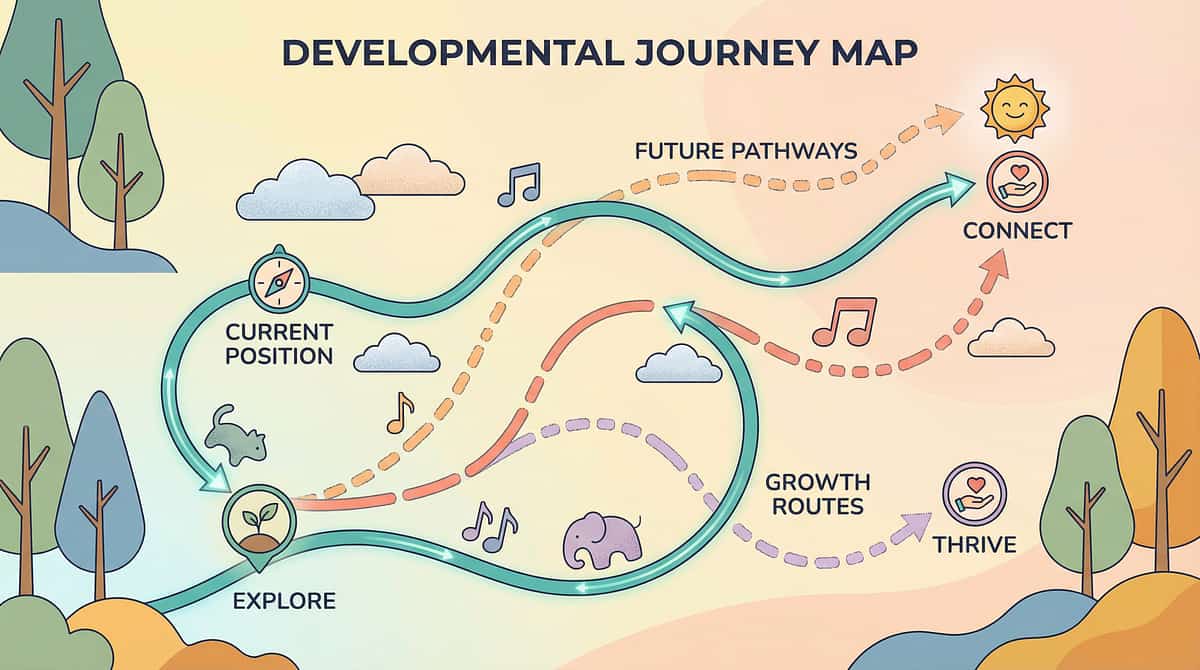
Your Child's Memory Journey — A Developmental Map
Working memory capacity develops continuously from ages 2 through late adolescence. Children with ADHD, autism, or language disorders often show working memory function 2–4 years below chronological age — meaning a 9-year-old may have the working memory capacity of a 5–6 year old.
Ages 4–5
~2–3 items. Can follow 2-step directions
Ages 6–7
~3–4 items. Beginning to follow 3-step directions in classroom
Ages 8–10
~4–5 items. Multi-step academic tasks become possible
Ages 12+
~5–7 items. Approaching adult capacity with developing strategies
Comorbidity Awareness: Memory challenges commonly co-occur with ADHD • Autism Spectrum Disorder • Specific Learning Disability (Dyslexia/Dyscalculia) • Language Disorders • Anxiety.

Why This Works: The Evidence Grade
🏆 LEVEL II EVIDENCE
Multiple Systematic Reviews
RCT Support
WHO/UNICEF Aligned
External Memory Aid Effectiveness
Gathercole & Alloway (2008): External memory support systems (checklists, visual aids, written reminders) consistently improve functional performance in children with working memory difficulties. Effect size: Large.
Memory Strategy Instruction
Systematic review evidence demonstrates explicit instruction in chunking, rehearsal, visualisation, and mnemonic strategies significantly improves memory performance in children with neurodevelopmental conditions. (Educational Psychology Review, multiple meta-analyses)
Multi-Sensory Memory Encoding
PMC11506176 (Children, 2024): Multi-modal intervention approaches (visual + auditory + kinesthetic) create stronger memory encoding and retrieval compared to single-modality approaches in children with ASD.
India RCT
Padmanabha et al. (Indian Journal of Pediatrics, 2019): Home-based structured interventions, including visual support and memory aids, demonstrated statistically significant outcomes for children with neurodevelopmental conditions in Indian contexts. DOI: 10.1007/s12098-018-2747-4
97%+
Measured Improvement
across 21 million sessions via GPT-OS® AbilityScore®
70+
Countries
centres across India and 70+ countries delivering this technique
21M+
Sessions
Pinnacle Real World Evidence Database
"Clinically validated. Home-applicable. Parent-proven. This is not experimental — this is evidence-based practice delivered at your kitchen table."
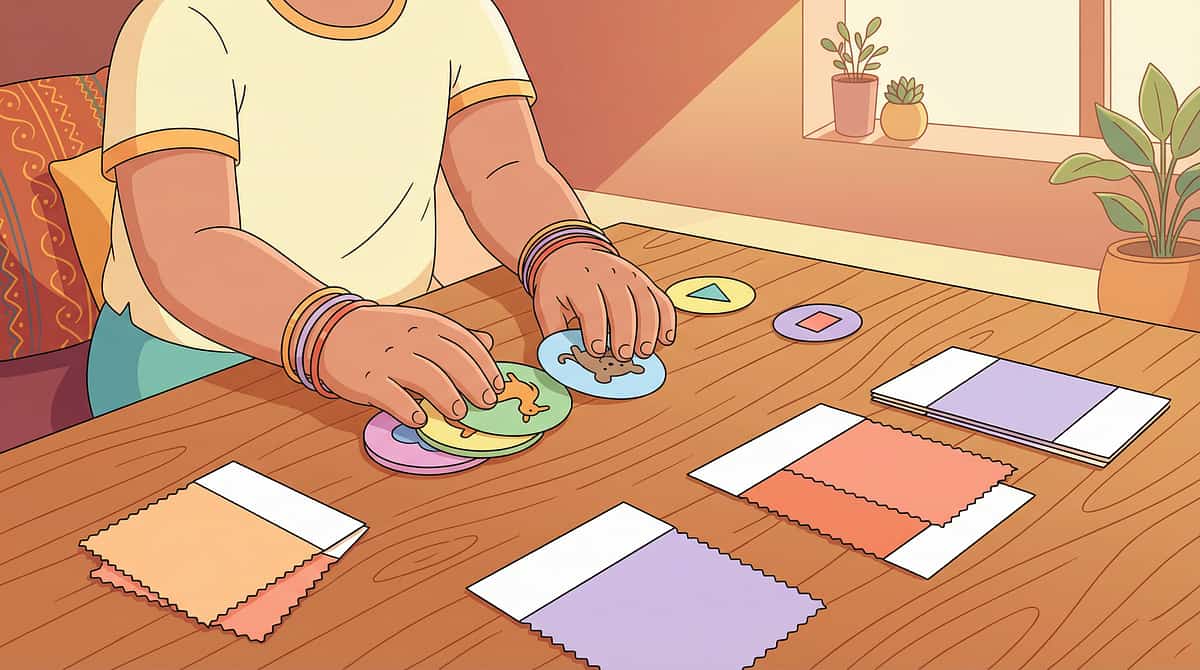
Memory Skills Support
Formal: Working Memory Strategy Instruction & Environmental Scaffolding
Parent Alias: "Building Your Child's Mental Toolbox"
Memory skills support is a multi-strategy, multi-material intervention approach that addresses working memory, short-term memory, visual memory, auditory memory, and sequential memory challenges in children. Rather than demanding the child's memory system perform beyond its current capacity, this approach does three things simultaneously: reduces the load on limited memory, builds strategies that help information stick, and externalises memory so the environment holds what the brain cannot.
This is not about memorising more — it is about learning to work smarter with the memory architecture your child was born with.
🧠 Cognitive Development
⚡ Executive Function
📚 Learning Readiness
👁️ Attention & Processing
🔬 NeuroDev Support
Age Range | 4–14 years |
Session Duration | 10–30 minutes |
Frequency | Daily (or 5×/week minimum) |
Setting | Home • School • Homework Desk • Daily Routines |
Primary Lead | Occupational Therapy (OT) + Special Education |
Secondary | SLP • ABA/BCBA • NeuroDev Pediatrics • Educational Psychology |
Evidence Grade | Level II — Multiple Systematic Reviews |
Series | Cognitive Development & Learning Support, Episode 672 |

The Consortium Voices Behind This Technique
Memory is not organised by therapy type. The same child who can't follow the OT's instructions, can't hold the SLP's vocabulary, and can't remember the ABA routine is experiencing one brain system — working memory — from different professional perspectives. This is why the Pinnacle Consortium converges.
🔵 Occupational Therapy (OT) — Primary Lead
OTs target executive function components of memory: working memory for task sequencing, environmental setup for sensory-cognitive load reduction, and functional independence skills. They design visual supports, environmental cues, and organisational systems as therapeutic tools.
🟢 Special Education (SpEd) — Co-Lead
SpEd professionals focus on academic memory — reading comprehension, maths fact retention, spelling patterns, multi-step procedure memory. They design individualised study strategies and 504/IEP accommodations targeting memory challenges.
🟡 Speech-Language Pathology (SLP)
SLPs address verbal working memory — the system that holds and processes spoken language. Auditory memory for instructions, story comprehension, phonological memory for reading/spelling, and vocabulary retention are SLP-led targets.
🔴 ABA/BCBA
ABA therapists use memory skills to support skill acquisition — breaking tasks into memory-manageable steps, using spaced retrieval practice, and incorporating memory-based reinforcement schedules.
🟣 NeuroDev Pediatrics
Medical oversight for ruling out or managing associated conditions (ADHD, where working memory deficits are a core feature), assessing medication impacts on working memory, and coordinating multi-professional intervention plans.
🟤 CRO / Clinical Research Operations
Pinnacle's CRO division tracks memory readiness indexes via AbilityScore® — transforming every home session into population-level data that improves recommendations for all children globally.
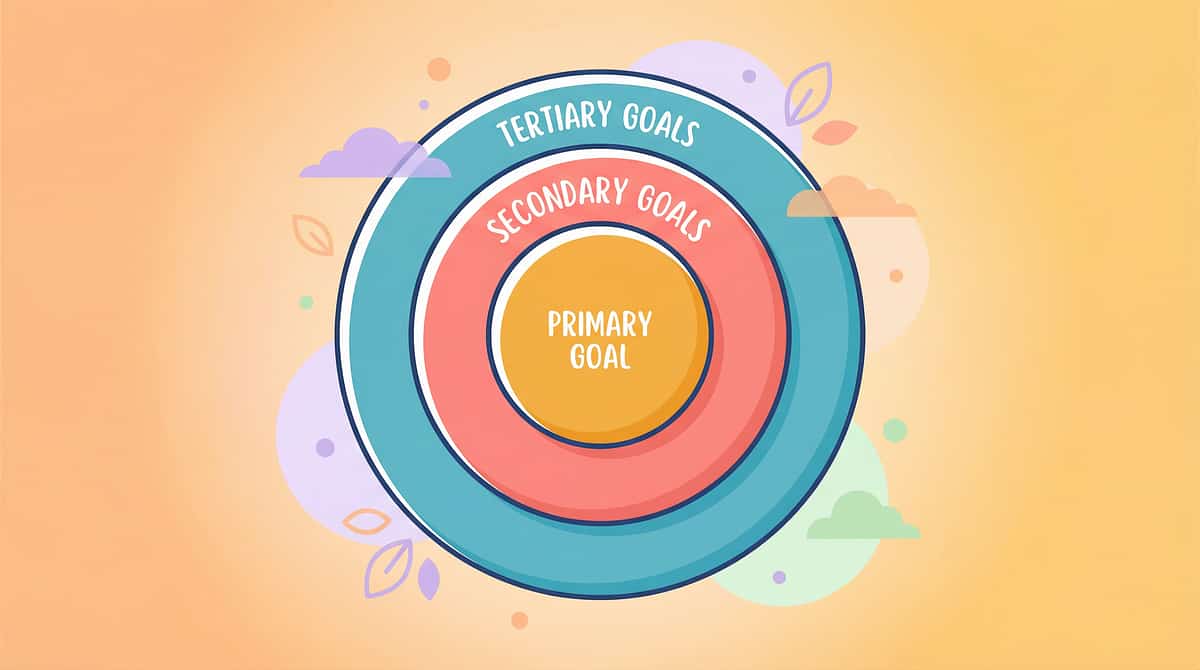
What Memory Skills Support Is Targeting in Your Child
Target | Starting Point | 4-Week Indicator | 8-Week Indicator |
Working Memory | Forgets 3-step instruction before completing step 1 | Completes 2 steps reliably with visual support | Completes 3 steps with checklist reference |
Academic Memory | Cannot recall lesson content on test | Retention improves with strategy use | Consistent use of mnemonics/visual notes |
Routine Memory | Requires prompting for every routine step | Follows visual checklist independently | Anticipates next step in familiar routine |
Sequential Memory | Loses place in multi-step tasks | Completes 4-step task with reference | Completes 5–6 step task independently |
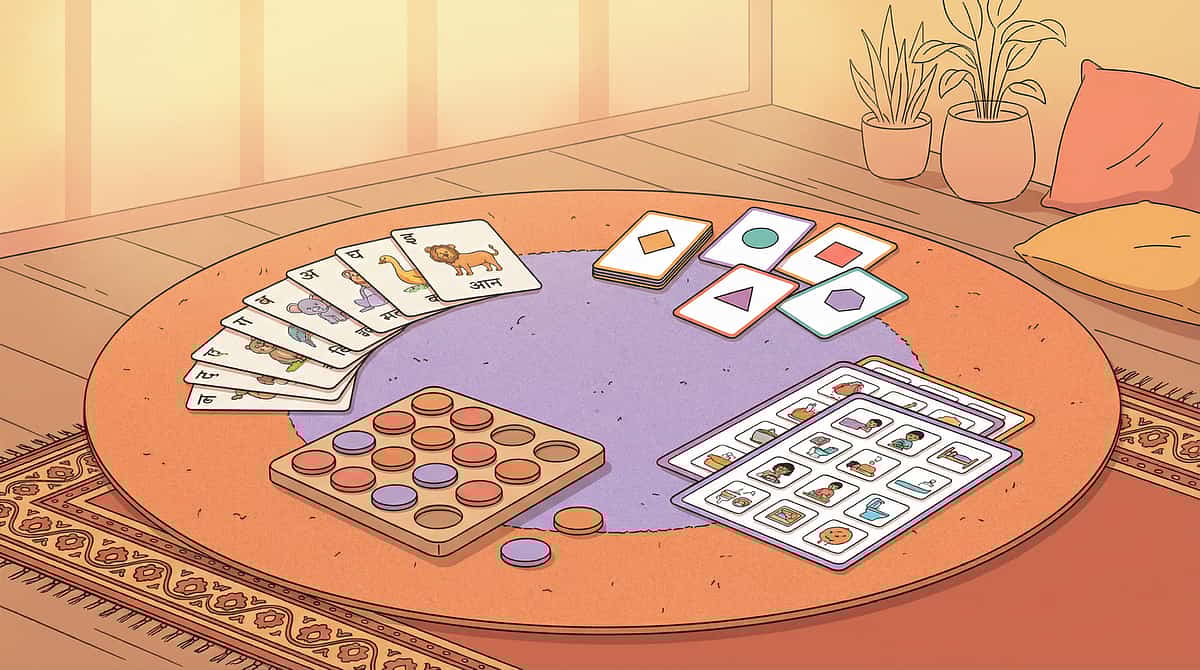
9 Materials That Help With Memory Skills
Clinically mapped to Pinnacle's 128 Canon Materials System. Every item below is parent-purchasable today. Total investment for a complete kit: ₹4,000–20,000 | Budget starter kit: ₹300–800 (DIY-first).
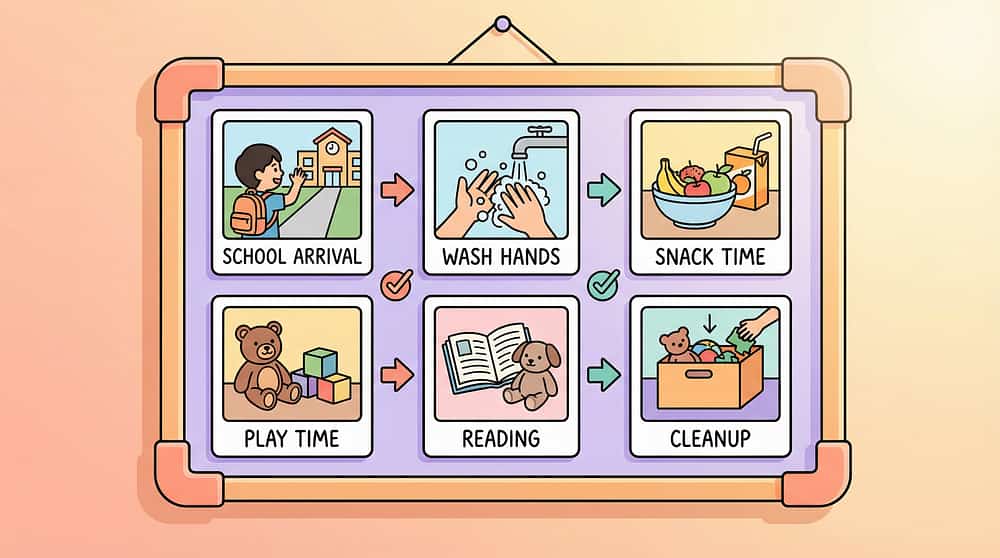
1. Visual Checklists & Picture Schedules
Canon Category: Visual Supports & Schedules | Price: ₹300–1,200
Externalises memory so the brain doesn't hold routine steps. The most powerful single intervention for daily functioning.
DIY: Draw or photograph steps on cardboard. Laminate with tape and dry-erase marker — free.
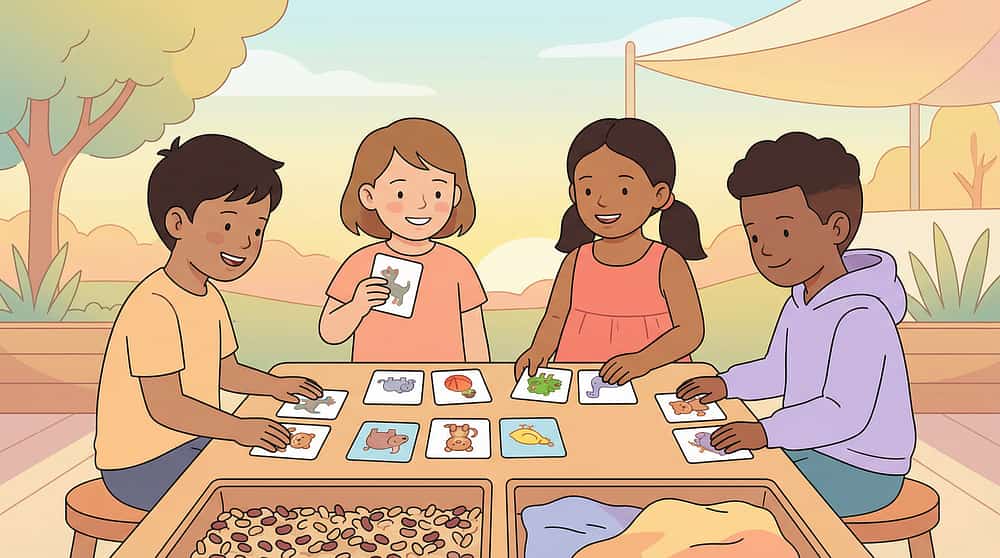
2. Memory Card Games (Matching/Concentration)
Canon Category: Matching Games / Memory Games ✅ CANON PRODUCT | Price: Available on Amazon India
🏆Pinnacle Recommends: Dyomnizy Educational Memory Game Toy with Lights & Sound Effects
Directly exercises visual-spatial working memory in a play format. Builds capacity AND teaches strategies naturally.
DIY: ₹0 — Cut cards from paper, draw matching pairs.
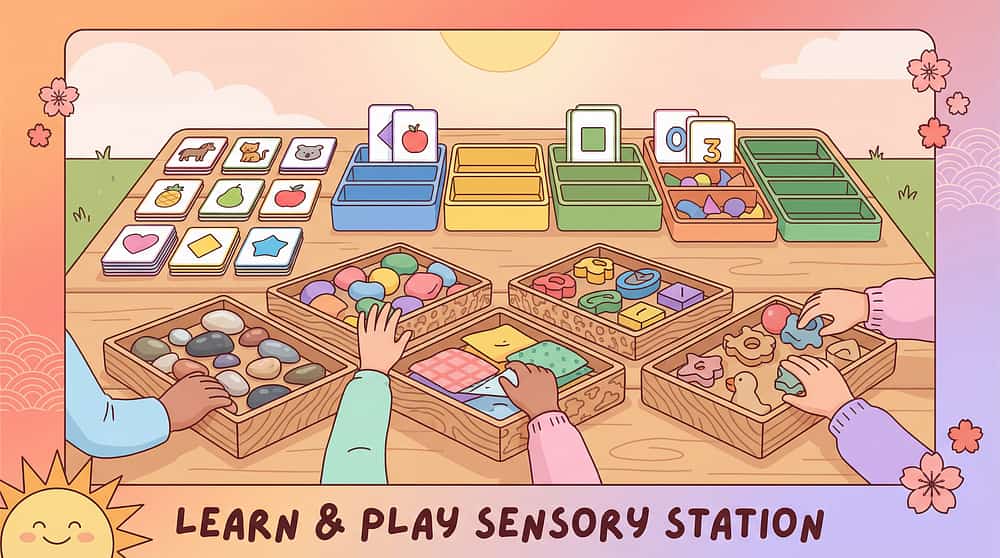
3. Chunking & Grouping Visual Aids
Canon Category: Sorting Activities / Categorisation | Price: ₹300–1,000
🏆Pinnacle Recommends: Brainy Bug Resources Flashcards with App-Enabled Audio Feature
Teaches the single most powerful memory strategy — grouping information into meaningful clusters that multiply what fits in working memory.
DIY: ₹50 — Coloured markers + paper.
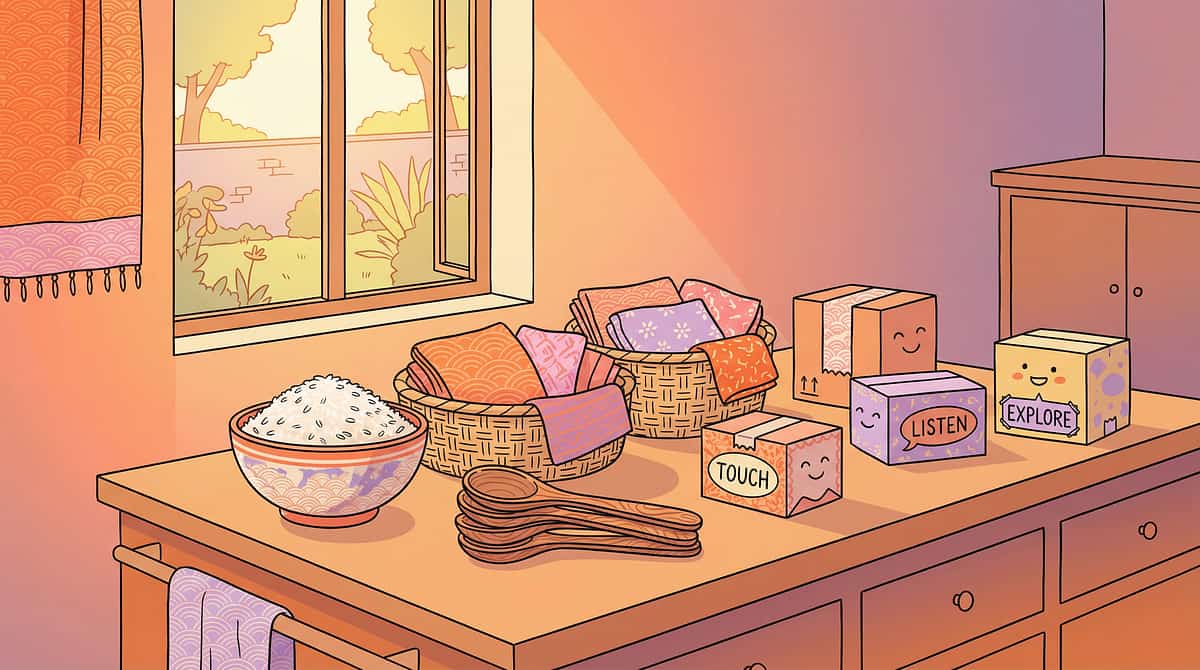
9 Materials — Continued (4–6)
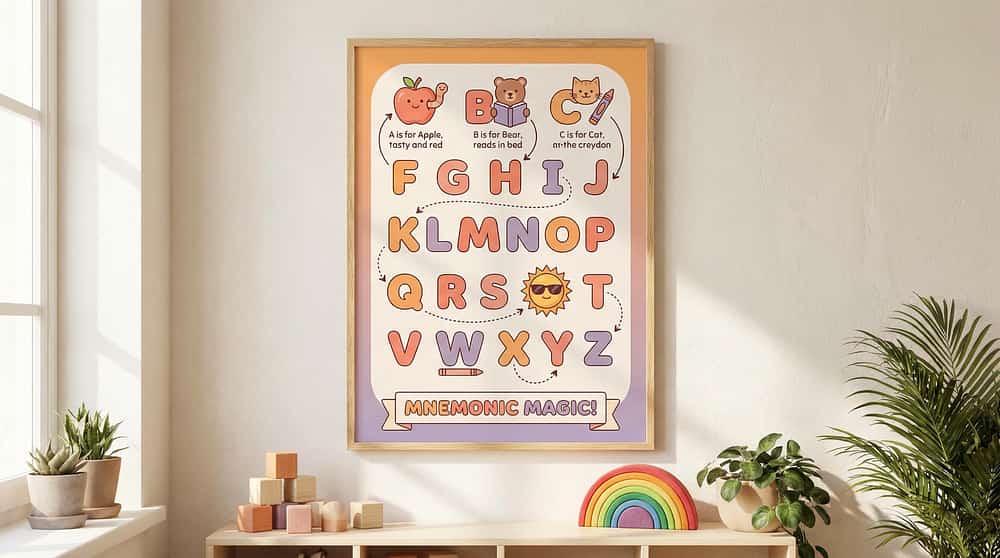
4. Mnemonic Device Cards & Posters
Canon Category: Visual Learning Aids | Price: ₹400–1,500
Transforms arbitrary, forgettable information into memorable patterns — acronyms, rhymes, visual stories. "ROY G. BIV," "Never Eat Soggy Waffles" (N-E-S-W). Sillier = more memorable.
DIY: ₹0 — Paper and markers. Personally created mnemonics are often MORE memorable than purchased ones.
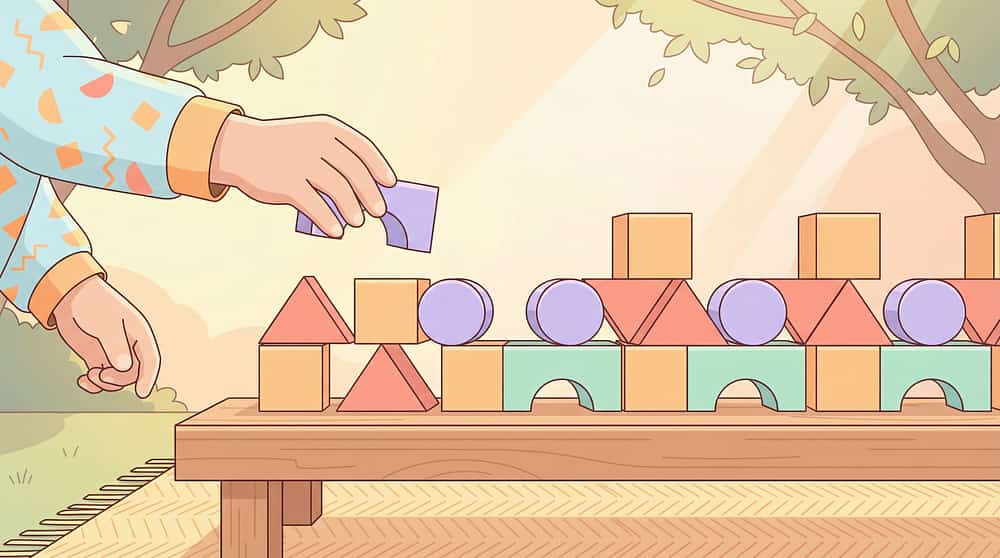
5. Sequence & Pattern Building Toys
Canon Category: Pattern Building / Sequence Toys | Price: ₹500–2,000
Hands-on sequential memory practice — builds the ability to remember and reproduce the ORDER of things. Critical for following multi-step instructions.
DIY: ₹0 — Coloured cups stacked in patterns. Clapping rhythm sequences. Movement chains (head-shoulder-knee).
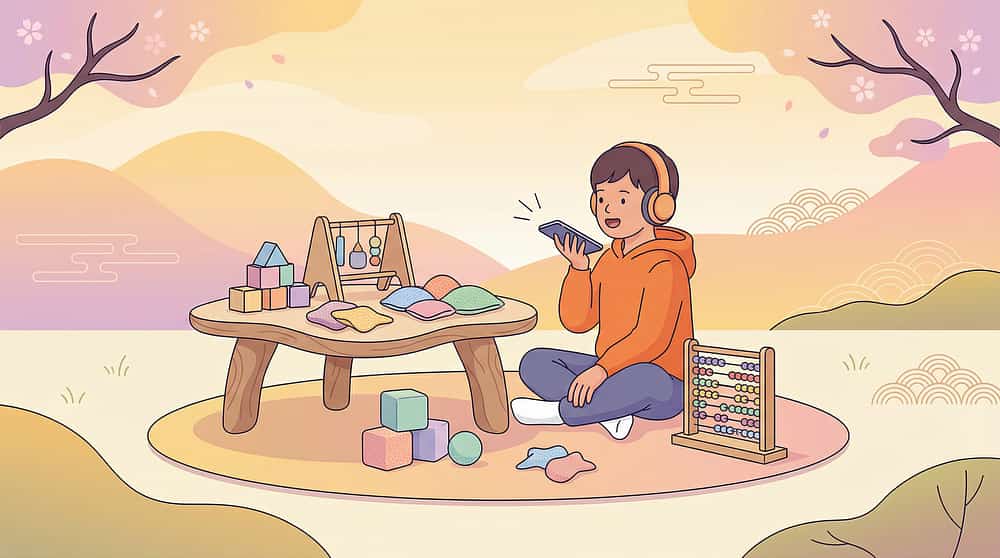
6. Audio Recording Devices & Apps
Canon Category: Assistive Technology / Audio Support | Price: ₹800–3,000 (dedicated recorder) | ₹0 (phone app)
Captures spoken information that auditory memory cannot hold. The child can replay instructions as many times as needed.
DIY: ₹0 — Any smartphone voice recorder app. Practice: "Let's record what you need to do."
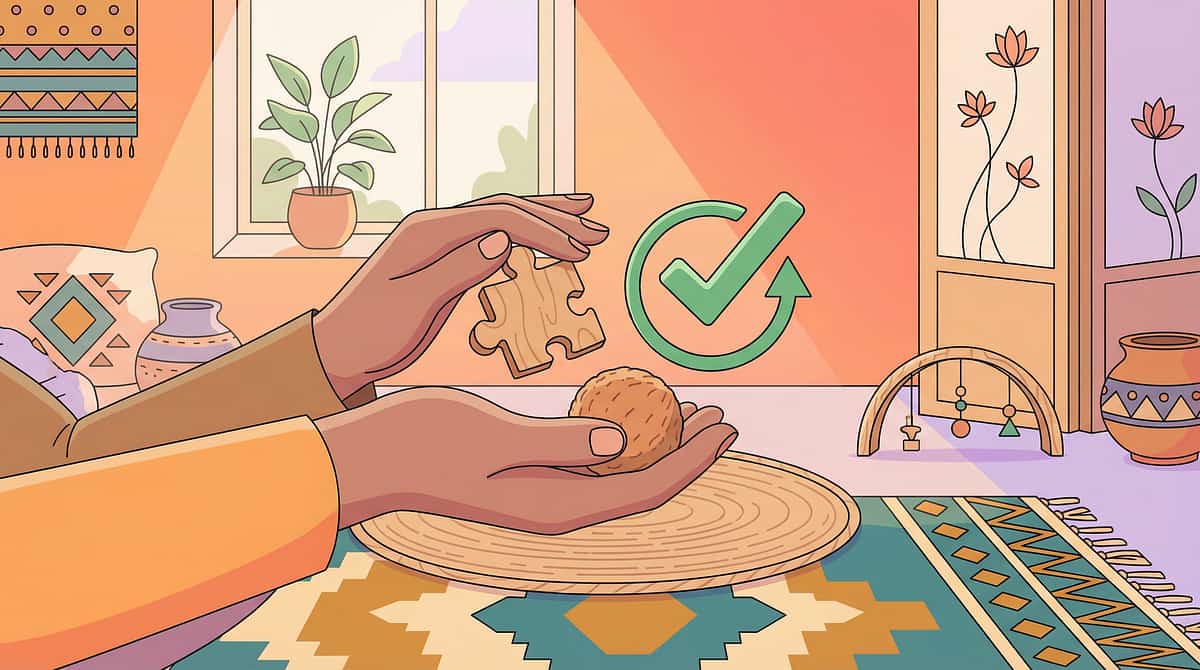
9 Materials — Continued (7–9) + Reinforcement

7. Working Memory Training Games & Apps
Canon Category: Cognitive Training / Digital Learning | Price: ₹500–5,000/year | Free options available
Structured, adaptive practice that may strengthen working memory capacity through systematic challenge at the child's current level.
DIY: ₹0 — Backward spelling, "I went to market and bought..." repeat-and-add games, n-back clapping patterns.
🛒 Search: Cogmed Junior | Lumosity Kids | Peak Brain Training
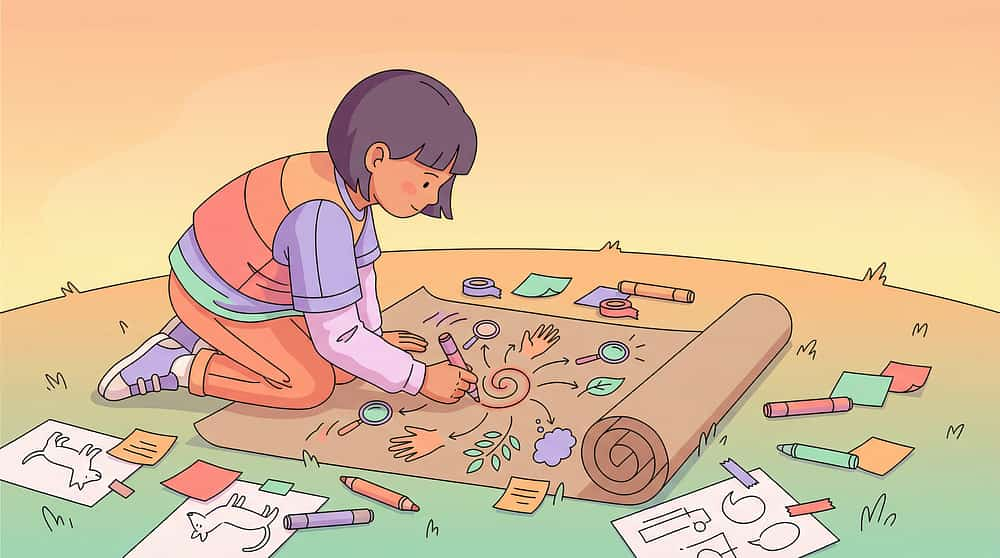
8. Visual Note-Taking & Mind Mapping Tools
Canon Category: Visual Learning Aids / Graphic Organisers | Price: ₹400–1,500
🏆Pinnacle Recommends: Monkey Minds Clip-The-Card — Rhyming Words
Converts verbal/linear information into spatial, visual format. For visual learners, pictures hold more than words.
DIY: ₹50 — Any large paper + 4 coloured markers. Central topic in circle, branches for related ideas.
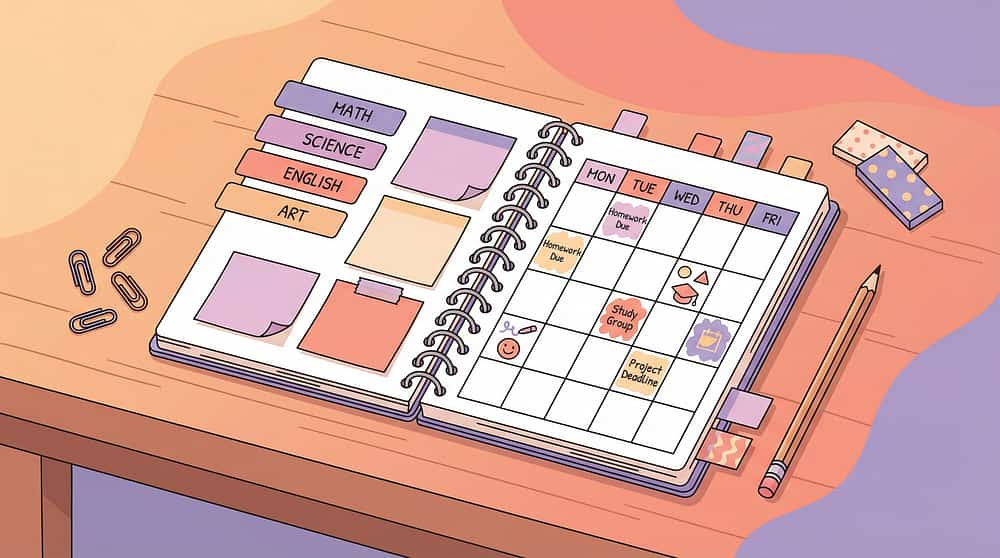
9. External Memory Aid Systems (Notebooks, Planners)
Canon Category: Organisational Systems / Executive Function Aids | Price: ₹300–2,000
One trusted place where ALL important information goes — assignments, schedules, responsibilities. Removes the anxiety of forgetting by making forgetting impossible.
DIY: ₹30 — Any notebook. One notebook, always in one place. Everything important written the moment it's given.
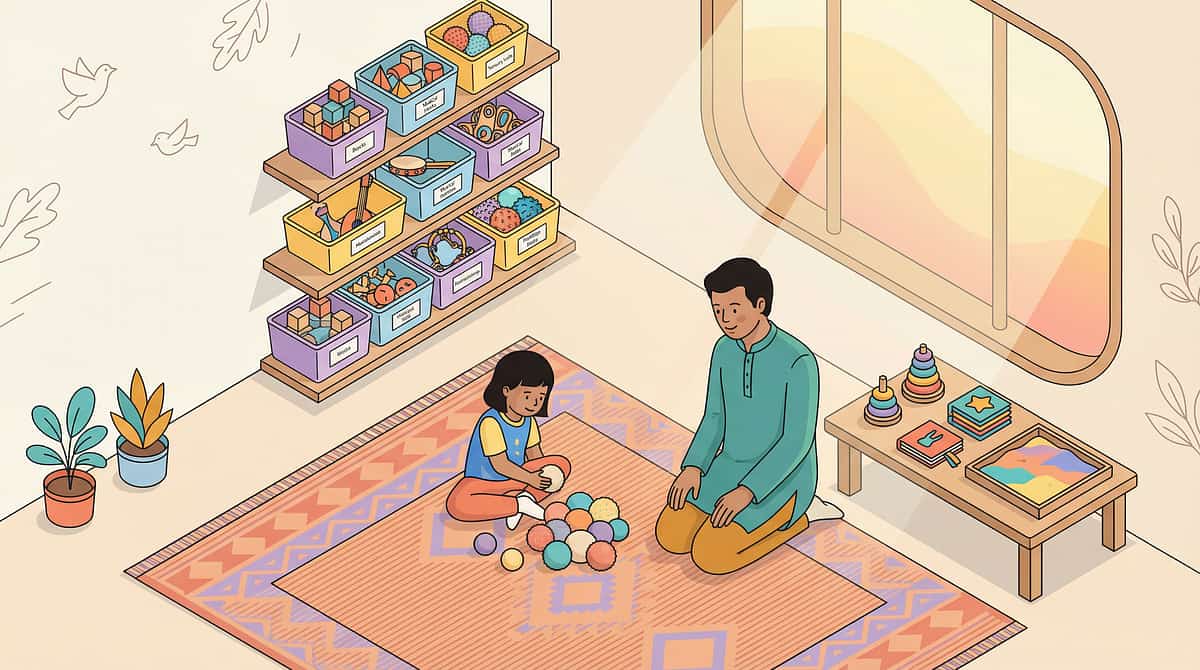
₹0 Version: Every Material Has a Free Alternative
WHO/UNICEF Equity Principle: Evidence-based intervention must be accessible regardless of economic status. Every technique in the Pinnacle library has a zero-cost execution path.
Clinical Material | ₹0 DIY Alternative | Why It Works |
Visual Checklist Board (₹300–1,200) | Photos stuck to cardboard with tape. Draw steps with markers. | Same principle: externalises memory load. Brain doesn't care if it's laminated. |
Memory Card Game (₹200–800) | Cut paper into cards. Draw matching animal pairs. | Identical cognitive exercise. Visual-spatial memory doesn't require commercial cards. |
Chunking Visual Aids (₹300–1,000) | 4 coloured markers + any notebook paper. Colour-code grouped items. | Chunking is a cognitive strategy — tools just need to create visual groupings. |
Mnemonic Posters (₹400–1,500) | Paper + markers + sticky tape on wall. Child creates the mnemonic. | Personally created mnemonics are often MORE memorable than purchased ones. |
Pattern/Sequence Toys (₹500–2,000) | Coloured cups from kitchen. Clapping rhythms. Movement sequences. | Sequential memory develops through practice — physical medium matters less than repetition. |
Audio Recorder (₹800–3,000) | Free voice memo app on any smartphone. | Same function: captures spoken content for replay. |
Working Memory Apps (₹500–5,000/yr) | "I went to market" game. Backward counting. Clapping n-back patterns. | Human-administered WM training has equivalent early-stage outcomes to app-based. |
Mind Mapping Tools (₹400–1,500) | Any paper + 4 crayons. Central circle, branches outward. | Spatial encoding benefit comes from the act of organising, not the quality of materials. |
Planner/Organiser (₹300–2,000) | Any notebook. One notebook = one system. | Consistency and trust in the system matters more than notebook design. |

Safety Gate: Read Before Every Session
🟢 GREEN — PROCEED
- Child is rested (minimum 6–8 hours sleep previous night)
- Child has eaten (no hypoglycaemia affecting cognition)
- Child is in a calm, regulated state
- Environment is quiet and free of competing demands
- You have 15–30 uninterrupted minutes available
- You have reviewed the technique steps before beginning
🟡 AMBER — MODIFY
- Child is tired but manageable → Shorten session to 5–10 minutes, use easiest version
- Child is mildly dysregulated → Begin with 3 minutes of calming activity first
- Environment has some distraction → Use headphones, reduce to quietest available space
- Child has had a difficult day → Skip to celebration card — tell them something they did well
🔴 RED — POSTPONE
- Child is in active meltdown or severe distress
- Child is unwell (fever, pain, illness affects all cognitive processing)
- Child has experienced a trauma event or significant transition today
- You are significantly dysregulated yourself (parental state affects session quality)
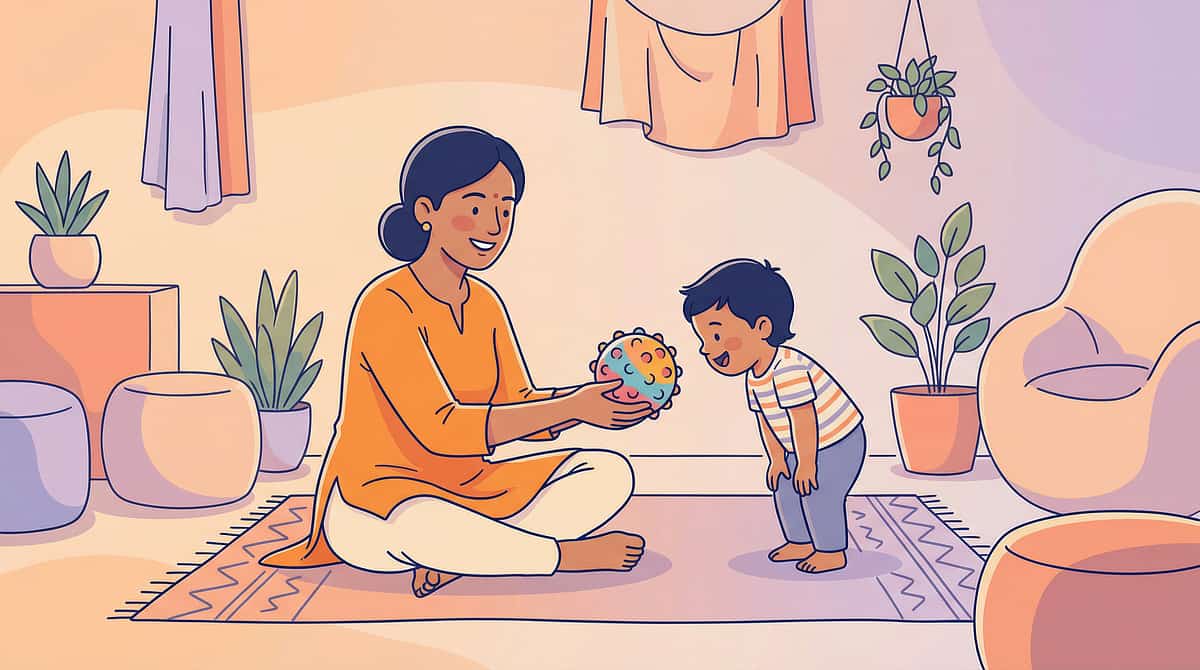
Your Memory Practice Environment: 5-Minute Setup
Setup Steps
1
Clear the Space
Remove all visual clutter from the working surface. Competing visual stimulation fills the same mental bandwidth you're trying to train.
2
Position Materials in Sequence
Place session materials in the ORDER they'll be used — left to right. Visual sequencing of the setup models the same organisational principle you're teaching.
3
Post the Visual Schedule
The day's visual checklist goes on the wall at the child's eye level — not above, not below. Child should see it without turning their head.
4
Lighting & Sound
Bright, even lighting. Silent or white noise — background conversation competes with the phonological loop. Eliminate verbal distractors entirely.
5
Parent Positioning
Sit at the child's side — not across (confrontational), not behind (unseen). Side-by-side communicates collaboration. You are a memory partner, not an examiner.
Environment Checklist
- 📋 Visual Schedule posted at child eye level on wall
- 🪑 Child facing wall/table, back to distractions
- 👤 Parent/caregiver in side position, same eye level
- 📦 Materials on table, in sight but not within grab range
- 🚫 TV, tablets, siblings, phone alerts removed
- ⏱️ Visual timer in child's sight line — knowing "how long" reduces anticipatory anxiety
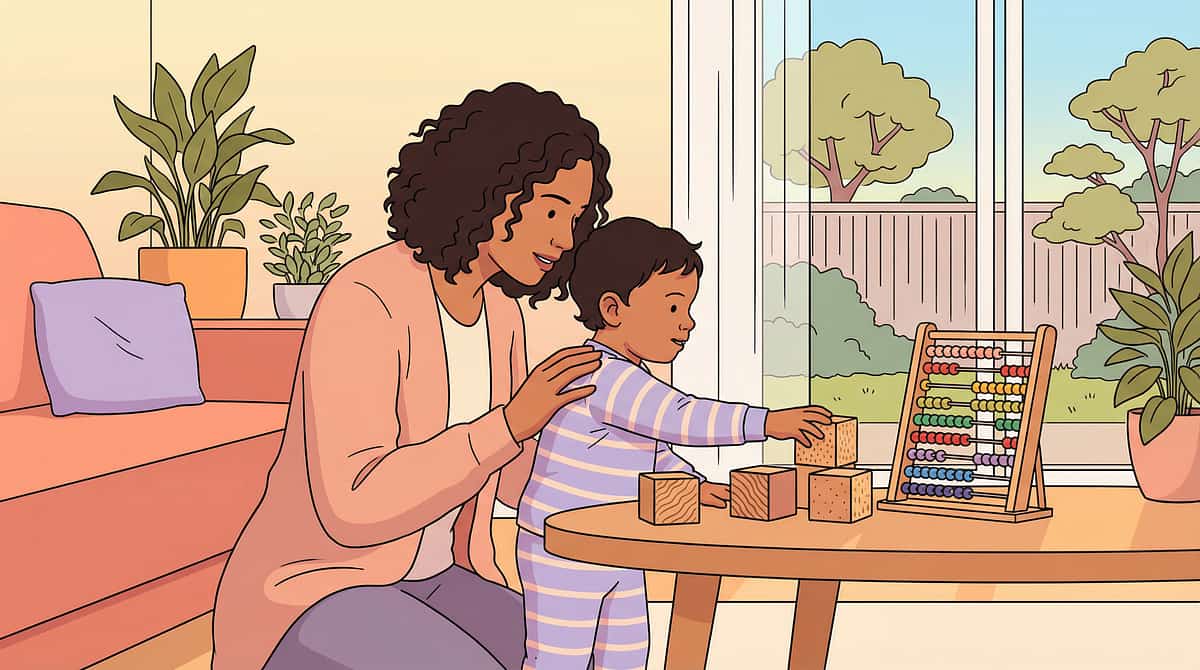
Pre-Session Readiness: 60-Second Check
Indicator | Green ✅ | Amber ⚠️ | Red 🛑 |
Physical state | Rested, fed, comfortable | Slightly tired, just eaten | Unwell, hungry, exhausted |
Emotional state | Calm, receptive, neutral-positive | Mild frustration, manageable | Meltdown, shutdown, severe distress |
Engagement signals | Eye contact available, body oriented toward you | Distracted but redirectable | Active avoidance, escape behaviour |
Cognitive availability | Able to follow 1-step instruction | Requires repetition of 1-step | Cannot follow any instruction |
Sensory state | Regulated baseline | Some sensory seeking/avoidance | Sensory crisis |
✅ GREEN — BEGIN
Proceed to Step 1: The Invitation
⚠️ AMBER — MODIFY
Use simplest version (2-pair memory game). Reduce to 5–8 minutes. Lead with child's favourite material. Begin with 2 minutes of calming proprioceptive activity (pushing palms together, wall push-ups).
🛑 RED — POSTPONE
Do not push through. Forcing memory work in a dysregulated state builds aversion, not memory. Offer calming activity. Note date and state in tracking log. Try again tomorrow.
"The best session is one that starts right. There is no prize for forcing it."
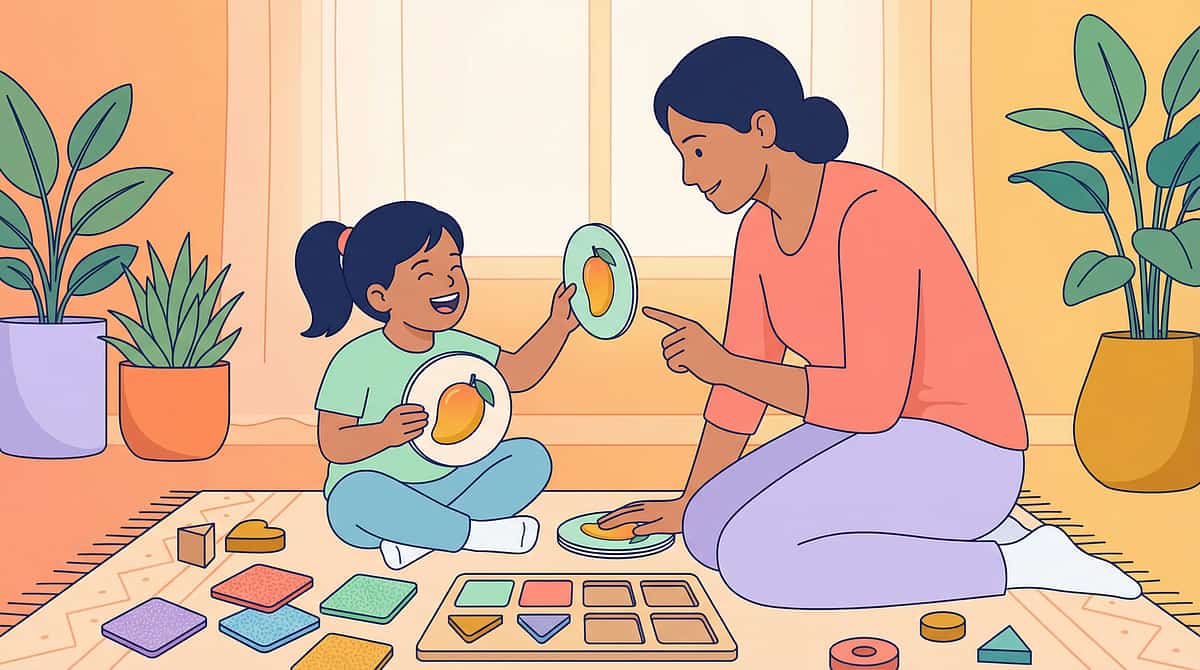
Step 1 of 6
Step 1: Invite, Don't Command
Duration: 30–60 seconds
The Principle: Every memory skills session begins with an invitation. The child's working memory is already under strain. Adding the cognitive load of resistance — fighting to not participate — reduces the session's value before it begins. The invitation removes that barrier.
Body Language
- Sit or crouch to eye level
- Show (don't explain) the first material — hold it up, let them see it
- Calm, warm, unhurried tone
- Physical distance: close enough for connection, far enough for autonomy
ABA Pairing Principle
For children with significant resistance, spend the first 3–5 sessions ONLY pairing yourself with preferred items. No demands. No targets. Just you + the materials + fun. The session itself becomes the reward before any memory work begins.
The Script (Say This Exactly)
"Hey [Child's Name] — want to do something with me? I have this thing I think you're going to be good at."
Notice what is not in this script: "we need to practise," "it's time for your therapy," "let's work on your memory." These phrases activate the school-failure association. This script activates curiosity.
Child Acceptance Cues ✅
- Moves toward the material
- Makes eye contact
- Asks "what is it?"
- Sits down without prompting
- Touches or reaches for material
Child Resistance — Modify, Don't Force ⚠️
- Turns away → Describe: "I have these cards — there are lions on some of them"
- Verbal refusal → "That's fine. I'll do it here and you can watch."
- Active avoidance → Reassess readiness
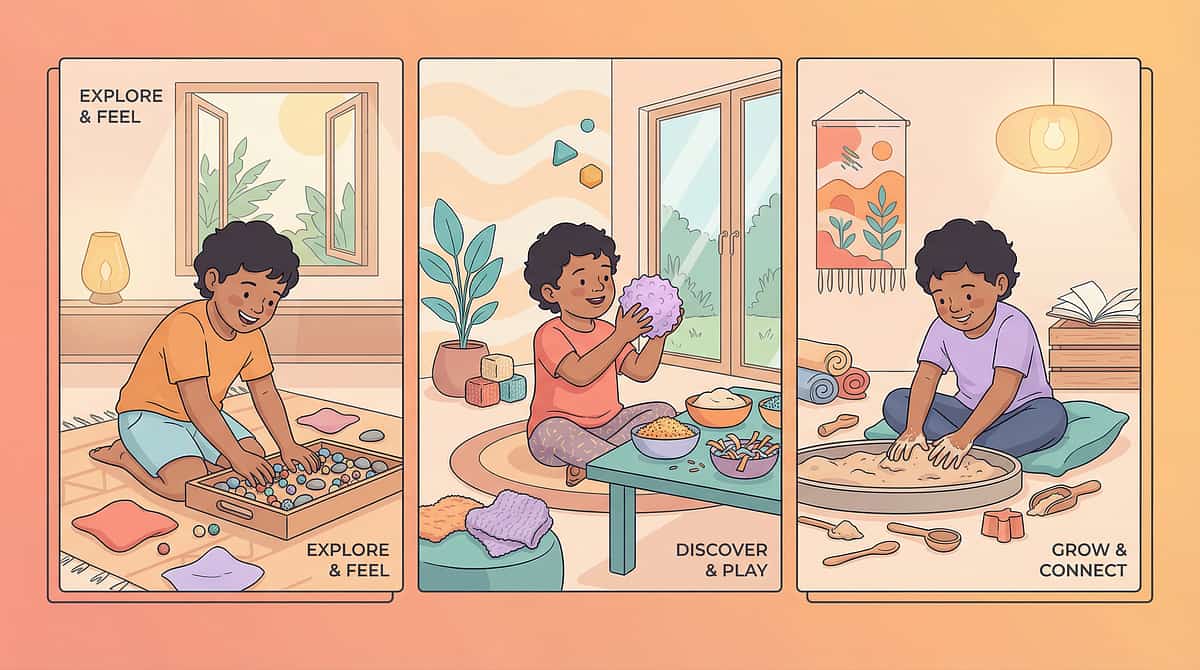
Step 2 of 6
Step 2: Engage the Material
Duration: 1–3 minutes
The child has accepted the invitation. Now introduce the therapeutic material naturally — as if it's just something interesting, not therapy. Your tone is the difference between "fun activity" and "memory drill."
For Visual Checklist/Schedule
"Look — I made this for us. These are the things we do in the morning. Can you find where breakfast goes?"
Point, explore together. Don't direct. Let them interact with it first.
For Memory Card Game
"I'm going to lay these down and we'll try to find the matches. I always forget where I put things."
Self-reference normalises forgetting. You're playing a game, not administering a test.
For Chunking Activity
"Look at all these words. That's SO many. What if we put the animal ones together? And the food ones here?"
Lead the grouping. Make it feel like organising, not memorising.
For Mnemonic Creation
"We need to remember these planets. Let's make up a really silly sentence."
Humour permission granted immediately. Sillier = better = more memorable.
🟢 Engagement
Leans in, handles materials, makes spontaneous comments
🟡 Tolerance
Participates when guided, doesn't initiate independently → Reduce complexity one step
🔴 Avoidance
Tries to redirect, handles minimally, pushes away → Return to readiness check

Step 3 of 6
Step 3: The Core Memory Work
Duration: 5–15 minutes — This is where the technique's active ingredient lives.
Visual Checklists & Picture Schedules (Daily Routine Support)
Present the checklist at routine start. Child reads/points to Step 1 → completes it → returns to checklist (this is the therapeutic action — the returning to reference). Each return-to-reference reduces working memory burden and builds the habit of external system use. Duration: Full routine length (5–20 min)
Memory Card Games (Visual-Spatial Memory)
Start with 4 pairs (8 cards). Success → 6 pairs. Success → 8 pairs. Encourage verbalisations: "What can you say to help you remember where that is?" Track: how many pairs found on first attempt. This is your measurable working memory indicator. Duration: 8–15 minutes
Chunking Activities (Working Memory Strategy)
Present ungrouped information. Child and parent chunk together. Colour-code each category. Count groups: "Now we have 3 groups — that's much easier." Measure: recall score with chunking vs. without. Duration: 10–15 minutes

Step 4 of 6
Step 4: The Right Dose
Duration: 3–5 minutes
"3 excellent repetitions are worth more than 10 forced ones."
Working memory training operates on a challenge-recovery-challenge cycle. Too few repetitions = insufficient practice. Too many = mental fatigue that produces negative encoding (the brain associates the activity with exhaustion).
Material | Minimum Reps | Optimal Reps | Satiation Signs |
Memory Card Game | 1 complete game | 2–3 games | Child turns cards randomly, disengages, complains |
Checklist Use | Full routine sequence | Full routine × 1 | Compliance drops, eye-rolling, rushing steps |
Chunking Activity | 1 set chunked | 2 sets, different content | Refuses to sort, mixes categories deliberately |
Pattern/Sequence | 5 sequences | 8–10 sequences | Knocks pieces, builds wrong pattern on purpose |
Variation to Maintain Engagement
After 2–3 repetitions of the same format, introduce one variation: change card theme (animals → vehicles → letters), new categories, add one more step to the pattern, or let child become the "checker." Same cognitive target, different surface content = maximum engagement with sustained therapeutic benefit.

Step 5 of 6
Step 5: The Reinforcement Window
Immediate — within 3 seconds
Reinforcement works when it is: Immediate (within 3 seconds), Specific (names the exact behaviour), Genuine (not hollow praise), and Matched (to what the child actually finds rewarding).
When child refers to visual checklist:
"You checked your list! That's exactly what organised people do. You just managed your own memory."
When child finds a memory match:
"You remembered exactly where that was! Your brain is getting better at holding pictures."
When child chunks information:
"You sorted those into groups — that's a real memory strategy. Even grown-up scientists do that."
When child uses the planner:
"You wrote it down immediately. That's what memory champions do — they don't rely on hoping they'll remember."
Natural Reinforcement (Most Powerful): When a child uses a checklist and successfully completes a routine, help them see it: "You did that whole morning routine yourself. You didn't need me to remind you once. That's because you used your checklist. Do you see how that worked?"

Step 6 of 6
Step 6: The Session Close
Duration: 1–2 minutes
Working memory sessions create cognitive effort and mild fatigue. An abrupt ending leaves the child without closure. Post-session dysregulation frequently traces back to sessions that ended without cool-down.
1
Transition Warning (2 min before ending)
"Two more turns, then we're all done for today." This teaches prospective memory (preparing for a future event) AND prevents the shock of abrupt termination.
2
Finishing Ritual
Child completes the final item. Parent says: "That's our last one for today."
3
Material Put-Away
Child participates in putting materials away. This is NOT a chore — it's a transition ritual that closes the cognitive context. Each item put away signals "this experience is complete."
4
Achievement Acknowledgment
One specific statement: "You remembered 6 matches today. That's the most ever."
5
Transition Bridge
"Now let's [next activity]." Name the next activity BEFORE cool-down ends, so the child's mental bridge is already forming.
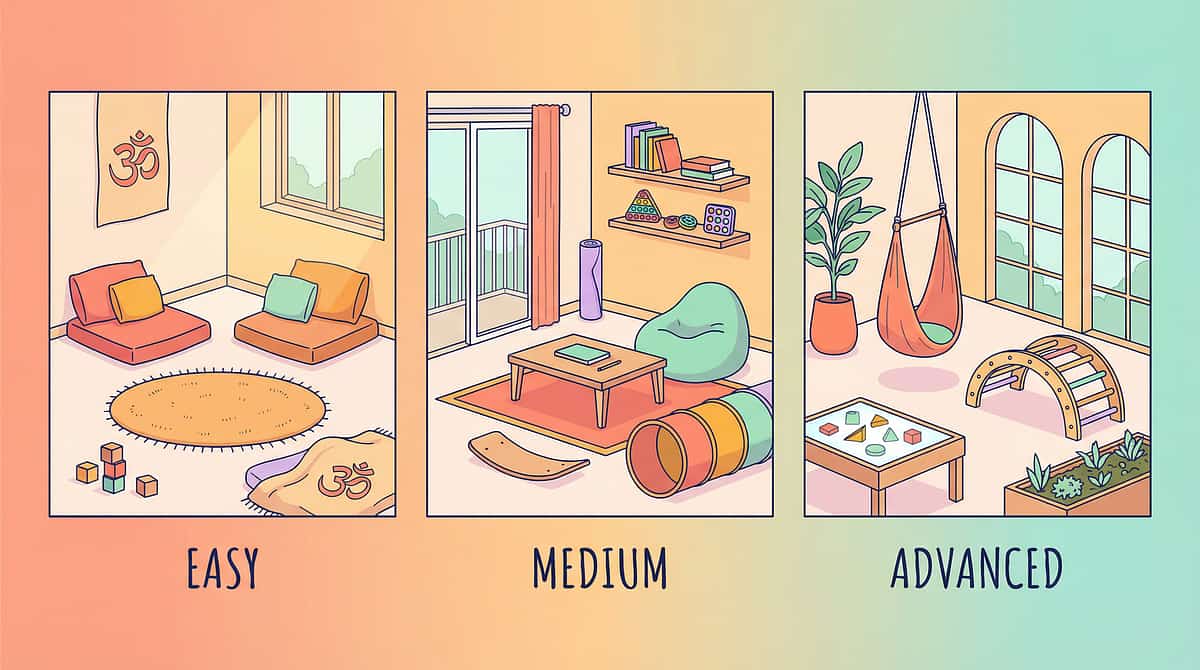
60 Seconds of Data Now = Months of Insight Later
You just ran a memory skills session. Your observations from the next 60 seconds are more valuable than any single data point a clinic can collect. Record them now, while the session is fresh.
SESSION LOG — G-672 MEMORY SKILLS
Track These 3 Data Points Every Session:
📅 Date: ___________ Session #: _______
MATERIAL USED TODAY:
□ Visual Checklist □ Memory Game □ Chunking
□ Mnemonic □ Sequencing Toy □ Audio Record
□ WM App □ Mind Map □ Planner
□ Visual Checklist □ Memory Game □ Chunking
□ Mnemonic □ Sequencing Toy □ Audio Record
□ WM App □ Mind Map □ Planner
ENGAGEMENT LEVEL:
1 — Refused | 2 — Tolerated | 3 — Participated | 4 — Engaged | 5 — Led
1 — Refused | 2 — Tolerated | 3 — Participated | 4 — Engaged | 5 — Led
MEMORY INDICATOR:
• Memory game: ___ pairs found on first attempt (of ___ total)
• Checklist: □ Used independently □ Used with prompting □ Did not use
• Strategy used: □ Spontaneously □ When prompted □ After modelling □ Not used
• Memory game: ___ pairs found on first attempt (of ___ total)
• Checklist: □ Used independently □ Used with prompting □ Did not use
• Strategy used: □ Spontaneously □ When prompted □ After modelling □ Not used
PARENT OBSERVATION (one sentence): ________________________________
What This Data Does
Week 2
Confirms which material produces highest engagement for THIS child
Week 4
Reveals whether strategy use is becoming spontaneous
Week 8
Provides objective evidence for school accommodation request
Ongoing
Feeds AbilityScore® algorithm — personalises your child's developmental roadmap

When Sessions Go Wrong: Your Diagnostic Guide
"Session abandonment is not failure — it's data. The technique needs adjustment, not the parent."
Problem 1: Child refuses to participate at all
Why: Negative association with memory-demand tasks. The activity "feels like" a test.
Fix: Spend 3–5 sessions in pairing mode only — you play with materials, child watches. No demands. When curiosity exceeds resistance, genuine engagement follows.
Fix: Spend 3–5 sessions in pairing mode only — you play with materials, child watches. No demands. When curiosity exceeds resistance, genuine engagement follows.
Problem 2: Child shows visible distress when they forget
Why: Memory failures have been linked to shame or embarrassment. The emotional response is to forgetting, not the activity.
Fix: Normalise forgetting LOUDLY: "I forgot too! Look, I forgot where the elephant was and I'm an adult." Shared forgetting is not shameful.
Fix: Normalise forgetting LOUDLY: "I forgot too! Look, I forgot where the elephant was and I'm an adult." Shared forgetting is not shameful.
Problem 3: Child does well in session but doesn't use strategy independently
Why: Transfer and generalisation must be explicitly taught. Children with memory difficulties typically don't generalise spontaneously.
Fix: Explicitly bridge: "Remember when we chunked your spelling words? This grocery list is the same — let's sort it."
Fix: Explicitly bridge: "Remember when we chunked your spelling words? This grocery list is the same — let's sort it."
Problem 4: Visual checklist is ignored once novelty wears off
Why: Habit formation requires approximately 21–66 days of consistent reinforced use.
Fix: Tie checklist use to a reinforcement loop: 5 checklist uses = token in reward jar.
Fix: Tie checklist use to a reinforcement loop: 5 checklist uses = token in reward jar.
Problem 5: Memory game performance plateaued
Why: Difficulty level may be too easy (no challenge) or too hard (constant failure).
Fix: Try both directions. If 6 pairs feels stale, jump to 10 pairs for 2 sessions. If performance drops, return to 6 but change card theme for novelty.
Fix: Try both directions. If 6 pairs feels stale, jump to 10 pairs for 2 sessions. If performance drops, return to 6 but change card theme for novelty.
Problem 6: Child creates mnemonics but can't recall them later
Why: Mnemonic encoding requires multi-modal reinforcement. The mnemonic was created but not rehearsed across modalities.
Fix: After creating the mnemonic, do all three: SAY it aloud, WRITE it down, DRAW a picture. Three modalities = triple encoding strength.
Fix: After creating the mnemonic, do all three: SAY it aloud, WRITE it down, DRAW a picture. Three modalities = triple encoding strength.
Problem 7: Parent is exhausted and sessions feel like work
Why: You are the therapy delivery system. Parent burnout is a clinical variable.
Fix: Two-minute sessions count. One material counts. An imperfect attempt is worth more than a perfect session that doesn't happen.
Fix: Two-minute sessions count. One material counts. An imperfect attempt is worth more than a perfect session that doesn't happen.
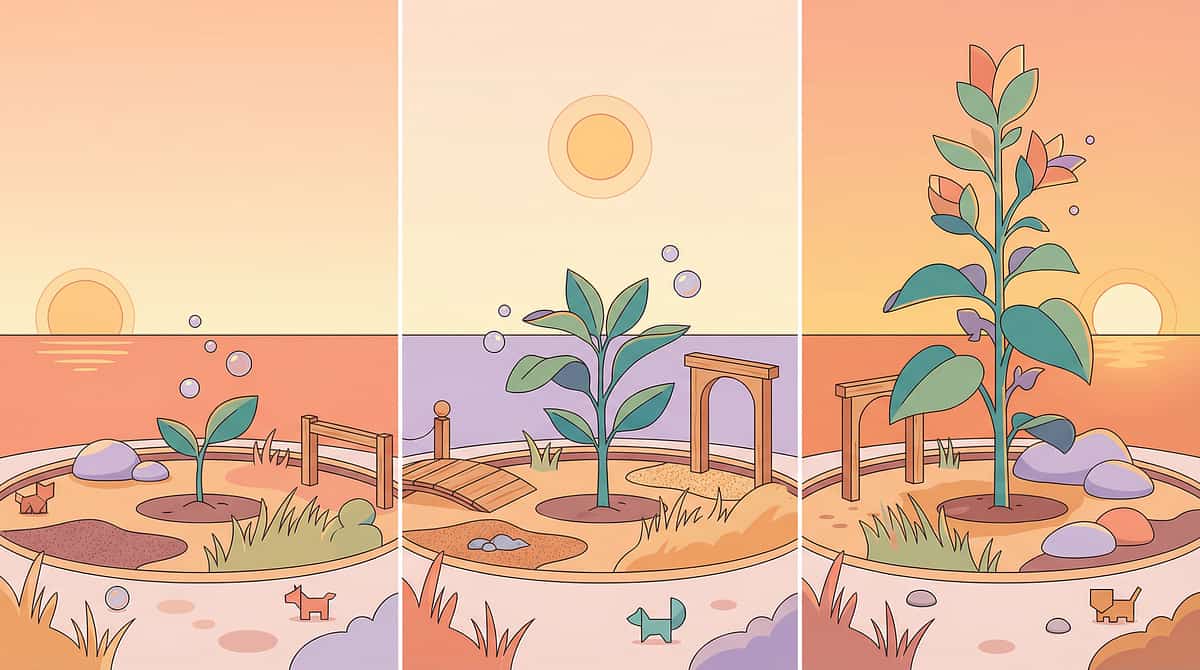
Your Child Is Not Generic — Neither Is This Technique
Difficulty Ladder
Easiest — Start Here
4 memory pairs | 2-step checklist | 3-item chunk | Given mnemonic | 3-step sequence
Intermediate
6–8 pairs | 4–6-step checklist | 5-item chunk | Co-created mnemonic | 4–5-step sequence
Advanced
10–12+ pairs | 8-step checklist | 7-item ungrouped abstract | Pure child-created mnemonic | 6–8+ step sequence
By Memory Profile
Working Memory Primary
Priority: External Memory System + Chunking + Audio Recording. Reduce load first, build strategies second, train capacity third.
Visual Memory Stronger
Priority: Memory Card Games + Mind Mapping + Visual Checklists. Always pair verbal information with visual representation.
Auditory Memory Stronger
Priority: Mnemonic Devices (verbal patterns, rhymes) + Audio Recording. Create verbal mnemonics for everything. Songs > lists.
Sequential Memory Primary
Priority: Pattern/Sequence Toys + Visual Checklists with numbered steps. Practise sequences in isolation before embedding in academic content.

Adapting by Child Profile
ADHD Co-Presentation
- Short sessions (8–12 min max) — working memory fatigue comes faster
- High-novelty materials — rotate themes every 2–3 sessions
- Movement integration — let child move between turns
- External memory system is non-negotiable: if it's important, it must be written
Autism Co-Presentation
- Leverage special interests — create memory games using child's interest domain
- Consistency in setup — same physical arrangement reduces cognitive overhead
- Visual > verbal — every instruction must have a visual counterpart
- Strong rote memory strengths → leverage these for mnemonic creation
Anxiety Co-Presentation
- Begin sessions with 2 minutes of calming input
- Normalise forgetting explicitly before each session
- Frame all activities as exploration, never assessment
- External system use reduces anxiety: "It's written, I won't forget"
Age Modifications
Ages 4–6
Picture-based visual schedules. 3–4 pair memory games. Physical sequence toys. Parental mnemonic creation.
Ages 7–10
Written checklists. 6–8 pair memory games. Child co-creates mnemonics. Beginning planner use.
Ages 11–14
Digital planner systems. Complex chunking. Independent mnemonic creation. Self-monitoring.
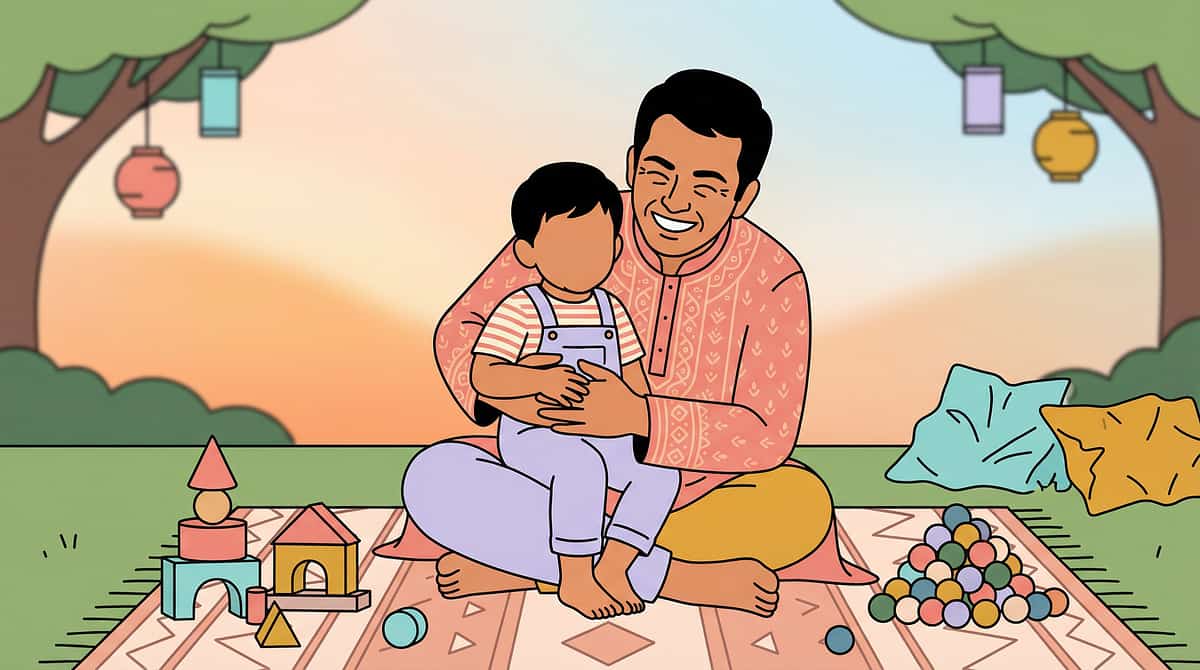
Weeks 1–2: The Foundation Phase
15%
Foundation Phase
Progress at weeks 1–2
What "Progress" Looks Like at This Stage: Most parents expect dramatic change. The reality of weeks 1–2 is subtler — and that subtlety is the signal that the foundation is being built.
✅ Observable Week 1–2 Indicators
- Child tolerates the memory activity for 5 minutes without active refusal
- Child engages with visual checklist when it is presented (even if not independently)
- First spontaneous use of visual support without prompting (even once)
- Child stops asking "what was I supposed to do?" at least once because they checked the visual aid
- Memory game: child begins to notice card positions verbally ("I think it was over there")
❌ What Is NOT Progress Yet
- Child spontaneously using strategies without any prompting — this comes in weeks 4–6
- Academic performance improvements — working memory gains take 6–12 weeks to reflect academically
- Strategy use generalising to new contexts — generalisation is a weeks 5–8+ phenomenon
"If your child tolerated the activity 30 seconds longer than last week — that is real, measurable progress. Write it in your log."
Session Consistency Target: 5 sessions this week. Even 5-minute sessions count.

Weeks 3–4: The Brain Is Building
40%
Consolidation Phase
Progress at weeks 3–4
Something shifts in weeks 3–4. The child begins to anticipate the memory activity. They know where the materials are. They may reach for the visual checklist before you prompt them. They may say "wait — I need to write that down" before you remind them.
✅ Observable Week 3–4 Indicators
- Child initiates visual checklist use at least once without adult prompting
- Memory game performance measurably improved (more matches on first attempt vs. week 1)
- Child uses the word "remember" or "I need to check" — verbal metacognition emerging
- External memory system referenced without prompting at least 2× per week
- Child creates their own spontaneous mnemonic or grouping without instruction
- Routine completion time decreasing (external system reducing friction)
Neural Pathway Formation Signals
- Child shows less frustration when asked to complete multi-step tasks
- Child begins to self-correct (notices they forgot, goes to the visual aid, corrects)
- Child generalises — uses memory strategy in a context you DIDN'T practise it in
When to Increase Intensity
If the child shows 3+ indicators above: add one level of complexity. Maintain session frequency — don't reduce because it "seems easier."
"You may notice YOU are more confident too. That confidence is therapeutic — children feel it."
Weeks 5–8: Mastery Emerging
75%
Mastery Zone
Progress at weeks 5–8
🏆 MASTERY BADGE ZONE
External Memory System Mastery
- Child independently consults visual checklist for 2+ routines daily without prompting
- Child writes important information in planner spontaneously
- Child can describe WHY they use the external system: "So I don't forget"
Strategy Mastery
- Child spontaneously uses chunking when presented with a new list (not just practised ones)
- Child creates new mnemonics independently for unpractised content
- Child uses visualisation to aid memory in novel contexts
Generalisation — The Real Mastery Signal
- Strategy use appearing in school context (teacher reports unsolicited strategy use)
- Child demonstrates memory strategy during homework without parental prompt
- Child has begun teaching the strategy to a sibling or friend (highest mastery indicator)
"Mastery unlocked for Memory Skills means: The child doesn't have to remember — they have SYSTEMS that remember for them. This is not a consolation prize. This is how the most successful human beings on earth manage their working memory."
When to Move Forward: 3 consecutive weeks meeting mastery criteria → Proceed to G-673 (Problem-Solving Skills) or domain-specific next technique.
🎉 You Did This.
Your child came to this page — or you came to this page on their behalf — because information was going in but not staying in. Because mornings were chaos and homework took hours and "I forgot" was the most heartbreaking sentence in your household.
And you stayed. You practised. You built visual checklists and sat through memory games and created silly mnemonics and wrote things in notebooks. Day after day, session after session, even on the days nothing seemed to work.
"Your child didn't grow because of willpower or trying harder. They grew because you built the right environment and gave their brain the right tools."
New neural connections formed between the prefrontal cortex and the hippocampus. Working memory strategies encoded into long-term procedural memory. The external systems you built became cognitive prosthetics — tools that liberate the brain to do what it does best.
📸 Document
Photo of child with their memory tools
📔 Record
One sentence in tracking log: "Today [child's name] ___"
🌟 Share
Share to the Pinnacle parent community (optional — see Community card)
🖼️ Memory Wall
Print photos of your child using their materials. Create physical visual evidence of their journey.
Clinical Guardrails: Trust Your Instincts
These are not meant to create fear. They are meant to give you the specific language to know when professional guidance is needed.
🚩 RED FLAG 1: Sudden, Unexplained Memory Decline
A child who previously managed memory tasks begins significantly failing at skills they had mastered.
Why It Matters: Sudden cognitive decline can indicate neurological, metabolic, or psychological factors requiring medical evaluation.
Action: Medical consultation within 1 week.
Why It Matters: Sudden cognitive decline can indicate neurological, metabolic, or psychological factors requiring medical evaluation.
Action: Medical consultation within 1 week.
🚩 RED FLAG 2: Memory Difficulties With Other Cognitive Changes
Memory problems accompanied by changes in speech, coordination, vision, or personality.
Why It Matters: Possible neurological involvement requiring prompt assessment.
Action: Paediatrician consultation immediately.
Why It Matters: Possible neurological involvement requiring prompt assessment.
Action: Paediatrician consultation immediately.
🚩 RED FLAG 3: Severe Memory Impairment Inconsistent With Overall Ability
Child is clearly intelligent in conversation but cannot retain ANY information across multiple modalities.
Why It Matters: Specific memory disorder may require formal neuropsychological evaluation.
Action: Referral for comprehensive cognitive assessment.
Why It Matters: Specific memory disorder may require formal neuropsychological evaluation.
Action: Referral for comprehensive cognitive assessment.
🚩 RED FLAG 4: Memory Challenges Causing School Failure Despite Supports
Despite systematic use of supports for 8+ weeks, child continues failing academically.
Why It Matters: Supports may be insufficient; IEP/504 plan or specialised instruction may be needed.
Action: Request school evaluation + Pinnacle Educational Psychology consultation.
Why It Matters: Supports may be insufficient; IEP/504 plan or specialised instruction may be needed.
Action: Request school evaluation + Pinnacle Educational Psychology consultation.
🚩 RED FLAG 5: Significant Emotional Distress About Memory
Child refusing school, showing signs of depression or anxiety specifically linked to memory failures, expressing statements about self-worth ("I'm stupid").
Why It Matters: Memory shame can develop into clinical anxiety or depression in untreated cases.
Action: Mental health consultation + Pinnacle SLP/Behavioural team.
Why It Matters: Memory shame can develop into clinical anxiety or depression in untreated cases.
Action: Mental health consultation + Pinnacle SLP/Behavioural team.
More Techniques in the Cognitive Development Domain
Materials you already own from G-672 work across all of these.
🧠 G-670: Attention & Focus Skills
Difficulty:⭐ Core | Materials: Visual timers, fidget tools, distraction-free workspace
"The gateway to memory — what you don't attend to, you cannot remember."
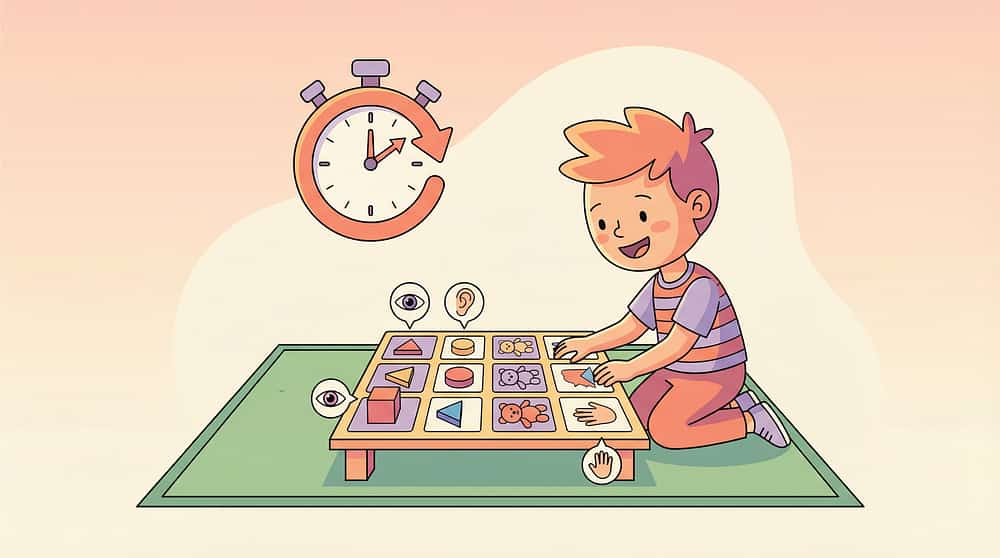
⚡ G-671: Processing Speed Support
Difficulty:⭐ Core | Materials: Timed activities, visual cues, reduced pressure tasks
"Information that moves too slowly through the brain gets lost before it reaches storage."
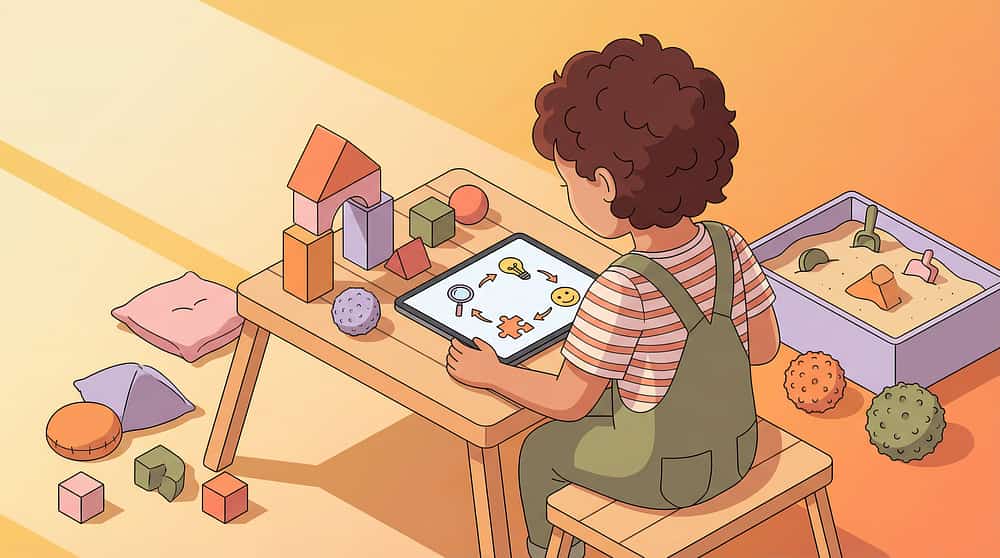
🔧 G-673: Problem-Solving Skills
Difficulty:⭐⭐ Intermediate | Materials: Visual problem frameworks, solution mapping tools
"Working memory supports problem-solving — strengthen memory to unlock reasoning."
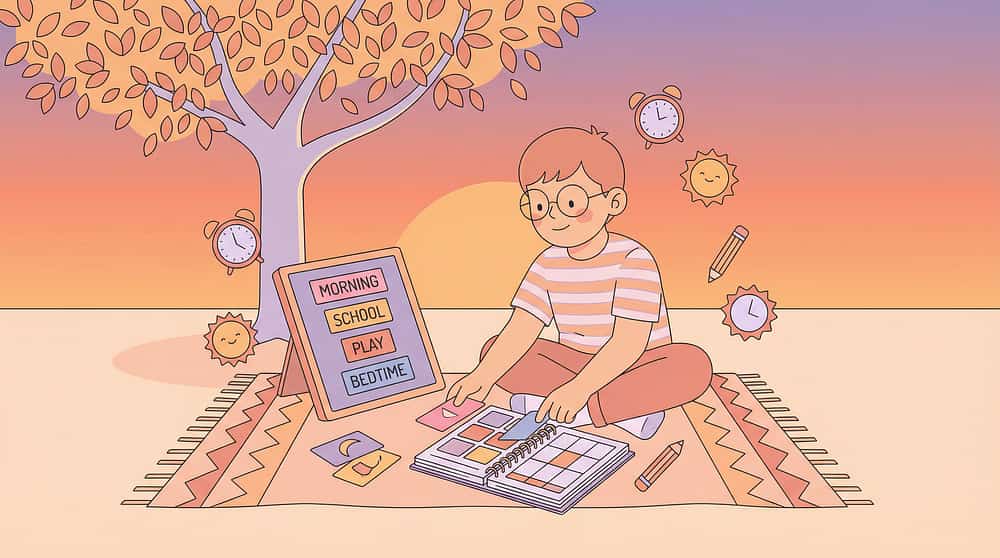
📅 G-674: Planning & Organisation
Difficulty:⭐⭐ Intermediate | Materials: Planners (you already own from G-672!), visual schedules
"Planning requires holding future goals in working memory — the natural extension of G-672."✅ You already own these materials.
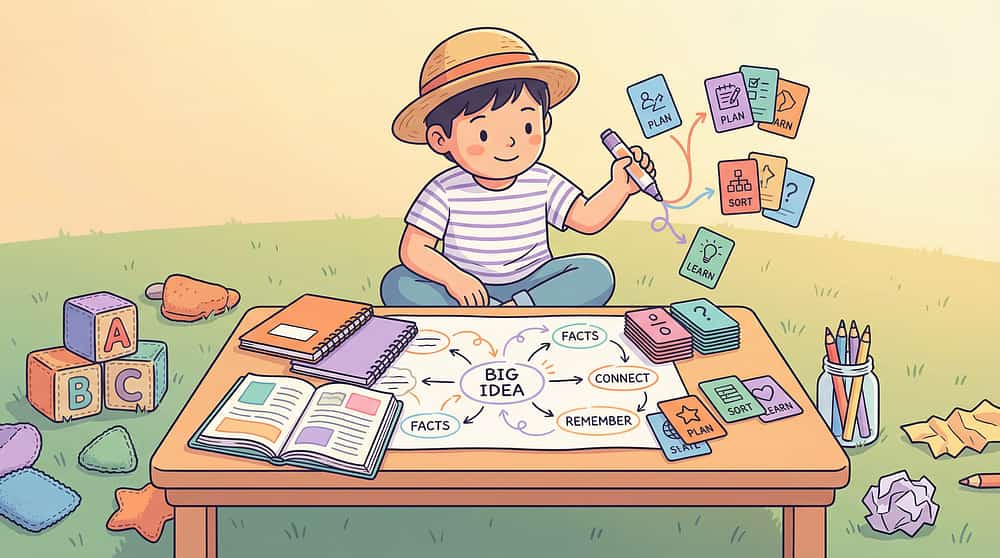
📖 G-680: Study Skills & Learning Strategies
Difficulty:⭐⭐ Intermediate | Materials: Chunking aids (you already own!), mnemonics
"G-672 strategies applied directly to academic content — the school performance bridge."✅ You already own these materials.
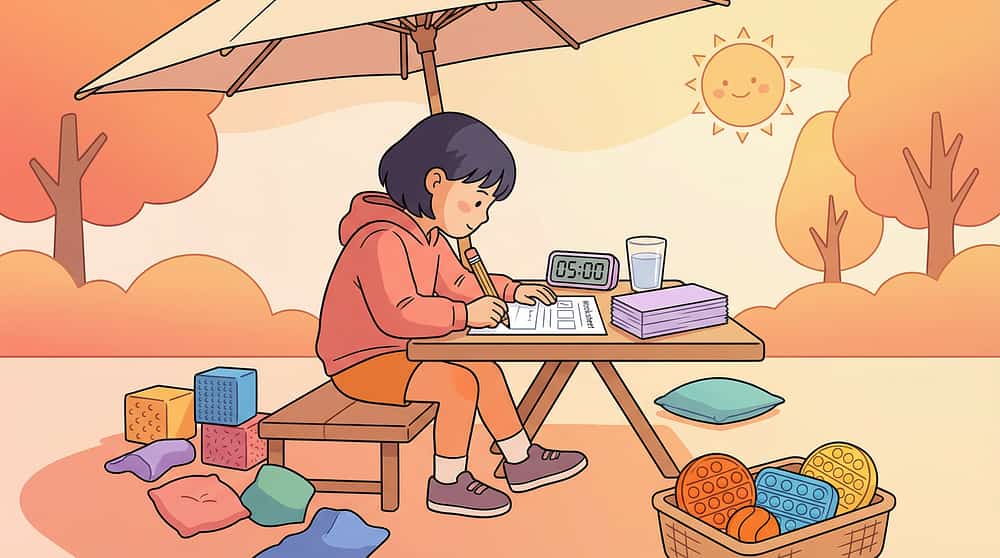
✏️ G-690: Test-Taking & Performance
Difficulty:⭐⭐⭐ Advanced | Materials: Practice tests, timed retrieval exercises
"Memory under pressure — G-672 strategies deployed in performance conditions."
From the Families: Real Journeys, Real Change
Family Story 1
Riya's Story — Age 8, ADHD + Memory Difficulties
Before: Riya's homework took 3 hours nightly. She'd read a paragraph and by sentence 3 couldn't remember sentence 1. She said "I'm just stupid" with increasing frequency. Tests showed she knew the material — she just couldn't retrieve it under test conditions.
The intervention: Visual checklist for homework sequence. Mind mapping for reading comprehension. Chunking for spelling lists. Planner system with teacher coordination.
Week 6 turning point: Riya's mother texted her therapist: "She did her homework in 45 minutes and checked her planner herself. She didn't ask me once what she was supposed to do."
12 weeks: Homework averaged 50 minutes. Test scores improved by 2 letter grades. Riya told her friend: "I don't need to remember everything — I just write it down."
"The shift wasn't in Riya's memory capacity — it was in her relationship with memory. She stopped fighting her brain and started working with it." — OT, Pinnacle
Family Story 2
Arjun's Story — Age 6, Autism + Severe Working Memory
Before: Arjun's morning routine required 45 minutes of parental direction. Every step — teeth, clothes, bag, shoes — needed individual prompting. He was becoming increasingly dysregulated, arriving at school already exhausted.
The intervention: Photo-based morning routine visual schedule (photos of Arjun himself doing each step, posted at eye level). Memory card games using his favourite animal theme. No verbal prompting rule — only reference to the schedule.
Week 3: First morning Arjun completed 4 of 6 routine steps without any verbal prompting. His mother cried. His OT celebrated.
Week 8: Arjun completes the full morning routine in 20 minutes with only 1–2 reference checks. He points to the schedule himself if he loses track.
"Arjun didn't need more instruction — he needed external memory that matched his visual processing strength." — OT + ABA, Pinnacle
"I kept thinking if I just repeated it enough times, it would stick. The therapist told me: repetition without strategy doesn't build memory, it builds frustration. That sentence changed everything about how I parent." — Parent, Pinnacle Network
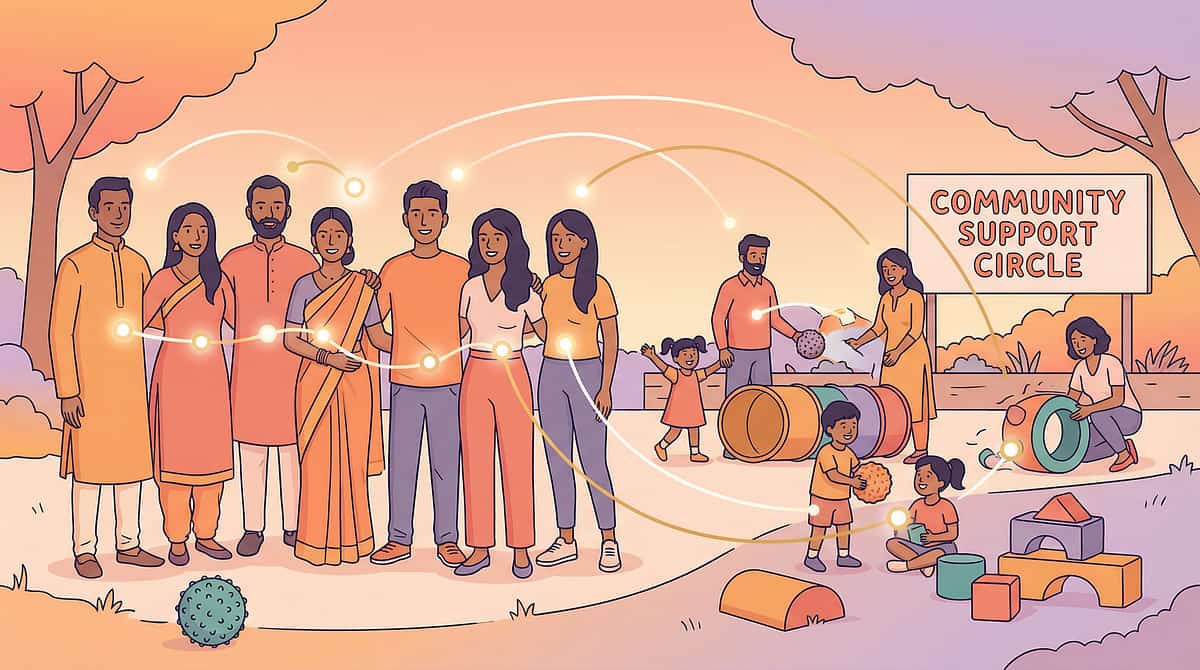
You Are Not Navigating This Alone
Isolation is the enemy of consistency. Community multiplies impact.
📱 Memory Skills Parent Circle — WhatsApp
Join thousands of parents working specifically on memory skills support. Share victories, ask questions, find the parent who's 4 weeks ahead of you. Contact 9100 181 181 to be added.
💬 Pinnacle Parent Community — Online Forum
Moderated by Pinnacle therapists. Posts on memory strategies, school coordination, specific materials, and real-world troubleshooting. Visit pinnacleblooms.org/community
🤝 Peer Mentoring
We connect parents who have completed the Memory Skills track with families just beginning. Someone who was exactly where you are, 3 months ago. Visit pinnacleblooms.org/mentor
📍 Local Pinnacle Parent Meetup
70+ centres host monthly parent education events. In-person connection with families from your city who understand this journey. Find events at pinnacleblooms.org/events
"You have already learned something about your child that no textbook contains. Your specific story — what worked, what didn't, the week everything shifted — is someone else's turning point."
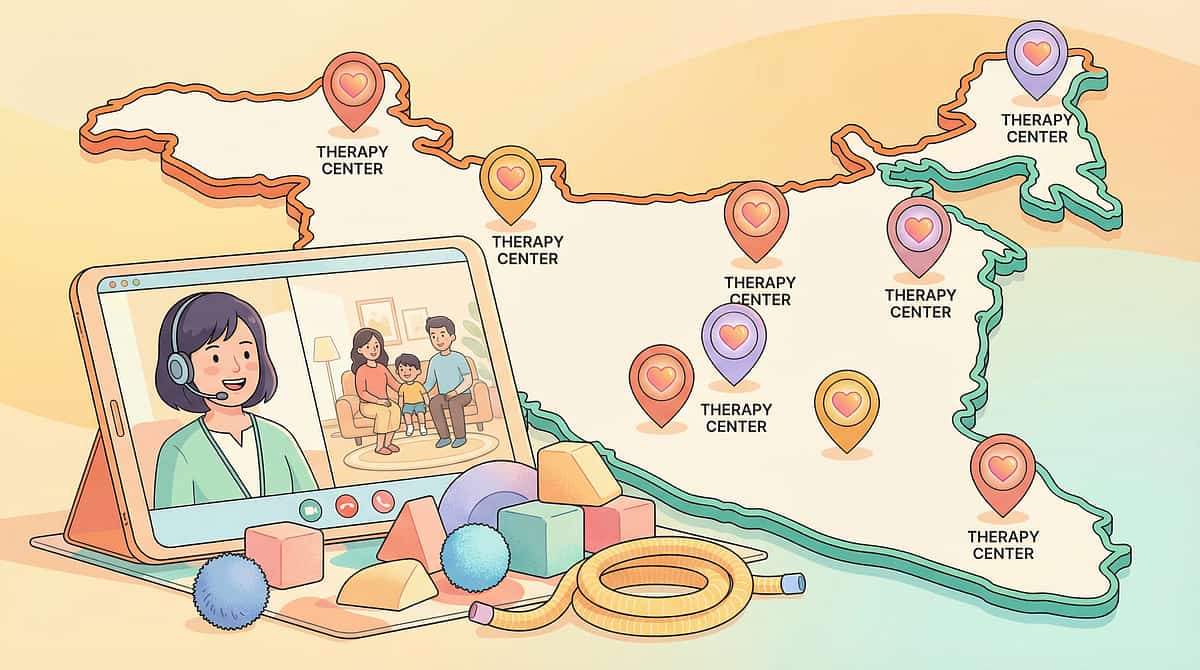
Home + Clinic = Maximum Impact
Home-based intervention, supported by professional guidance, produces outcomes that neither can achieve alone.
If the primary challenge is... | Request this specialist |
Working memory for routines/daily function | Occupational Therapist (OT) |
Verbal/auditory memory for instructions | Speech-Language Pathologist (SLP) |
Memory in academic/school context | Special Educator (SpEd) |
Memory difficulties with ADHD | Behavioural Consultant (BCBA) |
Memory difficulties with autism | OT + ABA Integrated Team |
Medical workup for severe memory issues | NeuroDev Paediatrician |
Comprehensive cognitive assessment | Educational Psychologist |
📱 Teleconsultation Available
Can't reach a centre? Our therapists provide video-based consultation for home support guidance across all states and countries.
Insurance & Funding
Ask our team about insurance empanelment, NHPS coverage, and sliding-scale therapy options.
16+ languages | 24×7 | Free for all families anywhere in India
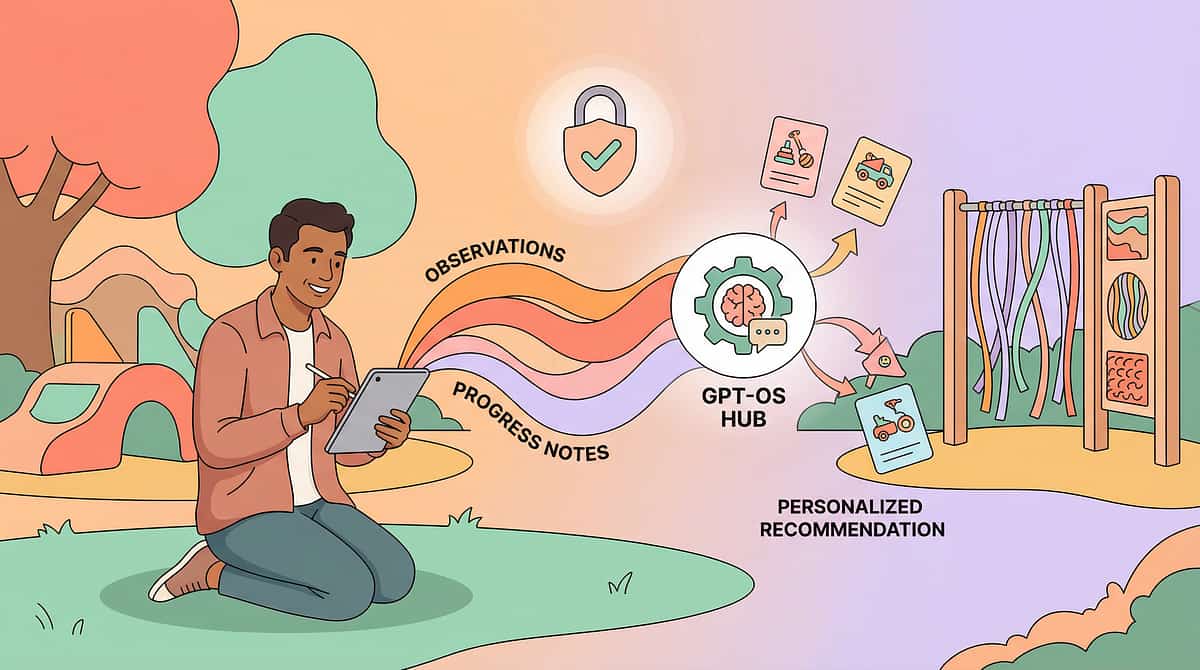
Your Sessions + Our Intelligence = Better Outcomes for Every Child
The GPT-OS® Closed Loop — G-672
1
Your Session (G-672)
Record: engagement level, strategy use, material, memory game pairs found, checklist reference frequency
2
AbilityScore® Engine
AbilityScore® update → Cognitive Readiness Index recalculated
3
TherapeuticAI® Determines
Is this child ready for G-673? Should memory game difficulty increase? Is external system ready for fading?
4
EverydayTherapyProgramme™ Adjusts
Tomorrow's recommendation personalised to your child's current profile
5
Aggregate Data
Improves recommendations for all children across 70+ countries
What GPT-OS® Learns From G-672 Data
- Which materials produce highest engagement by age, diagnosis, and severity level
- At what number of sessions do external systems become habitual
- Which memory profile patterns respond best to which material combinations
- Indian-specific data: at what ages and in what family contexts do specific strategies achieve fastest adoption
Your Data, Their Benefit
Your child's session data — fully anonymised — feeds the same engine that helps 21 million other families. The child in Hyderabad whose parent logs sessions contributes to the recommendation algorithm for the child in Chennai who starts next month.

The Reel That Brought You Here
🎬 G-672
Cognitive Development • Episode 672
Duration: 75–85 seconds
"This reel was created by Pinnacle's multi-disciplinary consortium because we kept hearing the same heartbreak from parents: 'My child knew it. I watched them know it. And then it was gone.' Memory isn't one thing. It's a system. And like any system, when one part underperforms, there are tools, strategies, and workarounds that can make the whole system work better. These 9 materials are those tools."
← Previous
G-671: 9 Materials That Help With Processing Speed
▶ Current
G-672: 9 Materials That Help With Memory Skills
→ Next
G-673: 9 Materials That Help With Problem-Solving Skills

One Parent Can't Do This Alone
Consistency across ALL caregivers multiplies impact. A visual checklist that works at home but is ignored at school, or used by one parent but not the other, loses 60% of its benefit.
For the Co-Parent / Spouse
"What I want you to understand in 3 sentences: Our child's brain holds fewer items in short-term memory than typically developing children. It's not laziness or not listening — it's a capacity difference. The visual checklists and writing things down aren't coddling — they're the clinical intervention."
For the Grandparent / Extended Family
"When [child's name] asks the same question three times, they're not being difficult. Their short-term memory genuinely doesn't hold the answer from the first time. The kindest response is to answer calmly, again, every time — and point them to the visual checklist on the wall."
For the School Teacher
Template: "Dear [Teacher], I wanted to share that [child's name] is working on working memory support strategies as part of a structured home intervention programme. Recommended accommodations: written instructions alongside verbal instructions, recording key instructions for replay, planner use verified at class end, chunked presentation of lists/instructions. I'd welcome 10 minutes to discuss alignment. Thank you."

Your Questions, Answered
Q1: My child has a good memory for Pokémon/video games. How can they have working memory difficulties?
Working memory capacity is NOT fixed — it is modulated by interest, motivation, and emotional engagement. When a child is highly motivated, additional brain resources are recruited to supplement limited working memory. This is also why "just try harder" doesn't work — the effort is genuine, but neurological capacity cannot be willed beyond its current limit. The goal is to make ALL information emotionally engaging enough to recruit those extra resources — or to reduce the working memory demand for uninteresting material.
Q2: How long before I see results?
Functional improvement (routines running smoother, fewer "I forgot" moments) typically appears within 2–4 weeks of consistent external system use. Strategy use (spontaneous chunking, mnemonic creation) develops over 4–8 weeks. Academic improvement (test scores, homework) typically takes 8–12 weeks. The external system shows fastest results because it doesn't require the brain to change — it changes the environment.
Q3: Won't using checklists make my child dependent on them? Shouldn't they learn to remember without help?
This is one of the most important myths to address. Highly successful adults with excellent executive function use external memory systems universally — planners, calendars, to-do lists, reminders. We call this "being organised," not "being dependent." Teaching a child to use external memory systems is teaching them a life skill that will serve them at every age. The goal is not memory without tools — it's effective functioning WITH appropriate tools.
Q4: My child has been diagnosed with ADHD. Is this technique appropriate?
Yes — in fact, working memory deficits are a core feature of ADHD, not a side effect. G-672 is particularly high-priority for ADHD presentations. Key modifications: shorter sessions (8–12 min), higher novelty (rotate materials more frequently), movement integration (allow movement between turns), and immediate-write-it-down culture (if it's important, write it now, before taking one more step).

Your Questions, Answered — Continued
Q5: My child's teacher says they need to learn to remember without aids. How do I address this?
This is a common tension between educational philosophy and neuropsychological reality. Evidence from working memory research (Gathercole & Alloway) clearly demonstrates that external aids improve functional performance without reducing memory capacity development. Request a meeting with the teacher and share the research. If the school has a special education co-ordinator, involve them. Accommodations for working memory difficulties are available through 504 plans and IEPs for eligible students.
Q6: At what age should we start these materials?
Visual schedules and picture-based memory supports are appropriate from age 3–4. Memory card games from age 4–5. Written planners and chunking strategies from age 7–8. Working memory training apps from age 6+. The earlier a child begins using external memory systems, the earlier the habits form. There is no "too young" for a visual routine checklist.
Q7: My child refuses to use any of these tools. What now?
Return to Step 1 (The Invitation) and the Troubleshooting guide. Resistance usually traces to shame (the tool signals failure), lack of pairing (the tool hasn't been associated with success), or the wrong tool (the specific material doesn't match the child's learning profile). Sometimes a 2-week pause and return — or a completely different material — breaks the resistance cycle.
Q8: Can GPT-OS® tell me which memory type is most affected in my child?
Yes. The AbilityScore® assessment specifically profiles working memory, visual memory, auditory memory, and sequential memory separately, identifying your child's specific strengths and challenges. This profile guides which of the 9 materials to prioritise.
Preview of 9 materials that help with memory skills Therapy Material
Below is a visual preview of 9 materials that help with memory skills therapy material. The pages shown help educators, therapists, and caregivers understand the structure and content of the resource before use. Materials should be used under appropriate professional guidance.


Link copied!
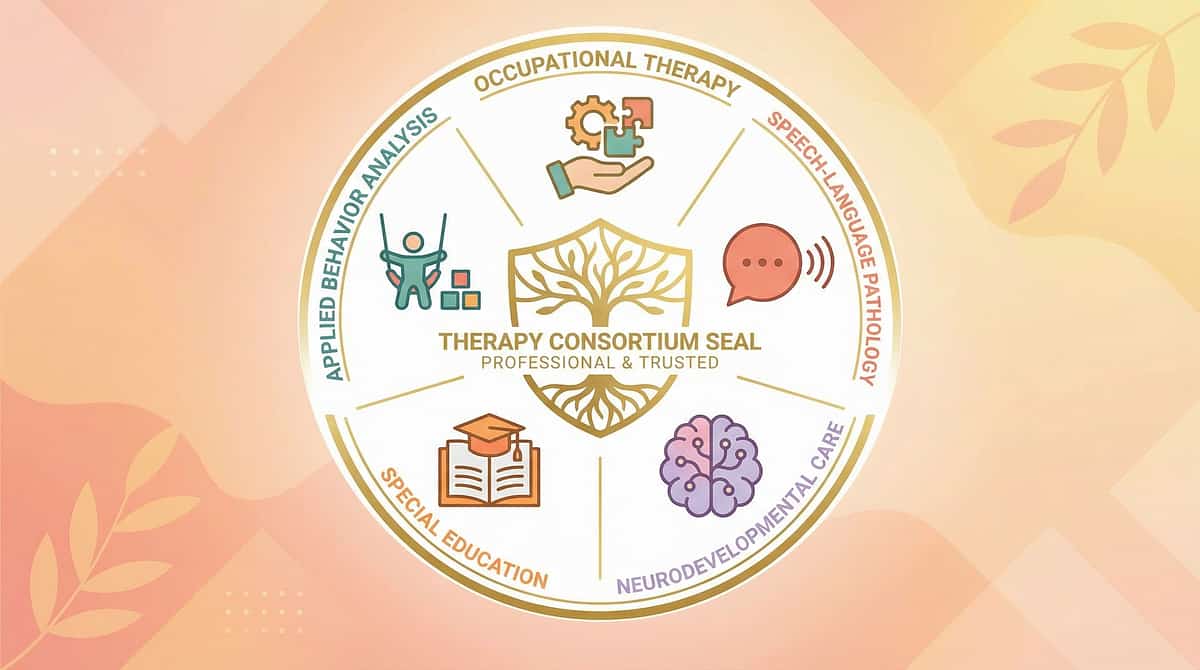
From Fear to Mastery. One Technique at a Time.
"We exist because no child should fall behind because their family didn't have access to the right knowledge at the right time. Every one of the 70,000+ techniques in this library represents a child who deserved better, and a parent who wanted to provide it. Pinnacle Blooms Network® is the infrastructure that closes that gap."
OT
Occupational Therapy
SLP
Speech-Language Pathology
ABA/BCBA
Behaviour Analysis
SpEd
Special Education
NeuroDev
Neurodevelopmental Pediatrics
CRO
Clinical Research Operations
Entity | Pinnacle Blooms Network®, unit of Bharath Healthcare Laboratories Pvt. Ltd. |
CIN | U74999TG2016PTC113063 |
DPIIT | DIPP8651 (Government of India) |
MSME | Udyog Aadhaar: TS20F0009606 |
GSTIN | 36AAGCB9722P1Z2 |
A parent arrived at this page — scared, exhausted, and feeling like they were failing their child. They leave with 9 clinical-grade materials, a step-by-step execution protocol, a data tracking system, a professional support network, the full evidence base, and the unwavering knowledge that their child's brain is not broken — it is different. And that difference has tools.
"Your child doesn't need to remember more. They need to learn to work with what they have. That is not a limitation. That is a superpower waiting for the right tools." — The Pinnacle Blooms Consortium
© 2025–2026 Pinnacle Blooms Network®. All rights reserved. Technique G-672. techniques.pinnacleblooms.org/cognitive-development/memory-skills-G-672
Individual results may vary. Statistics represent aggregate outcomes across the Pinnacle Blooms Network. All family vignettes are anonymised. This technique page is part of the GPT-OS® Technique Library.