

9 Materials That Help With Medical Advocacy
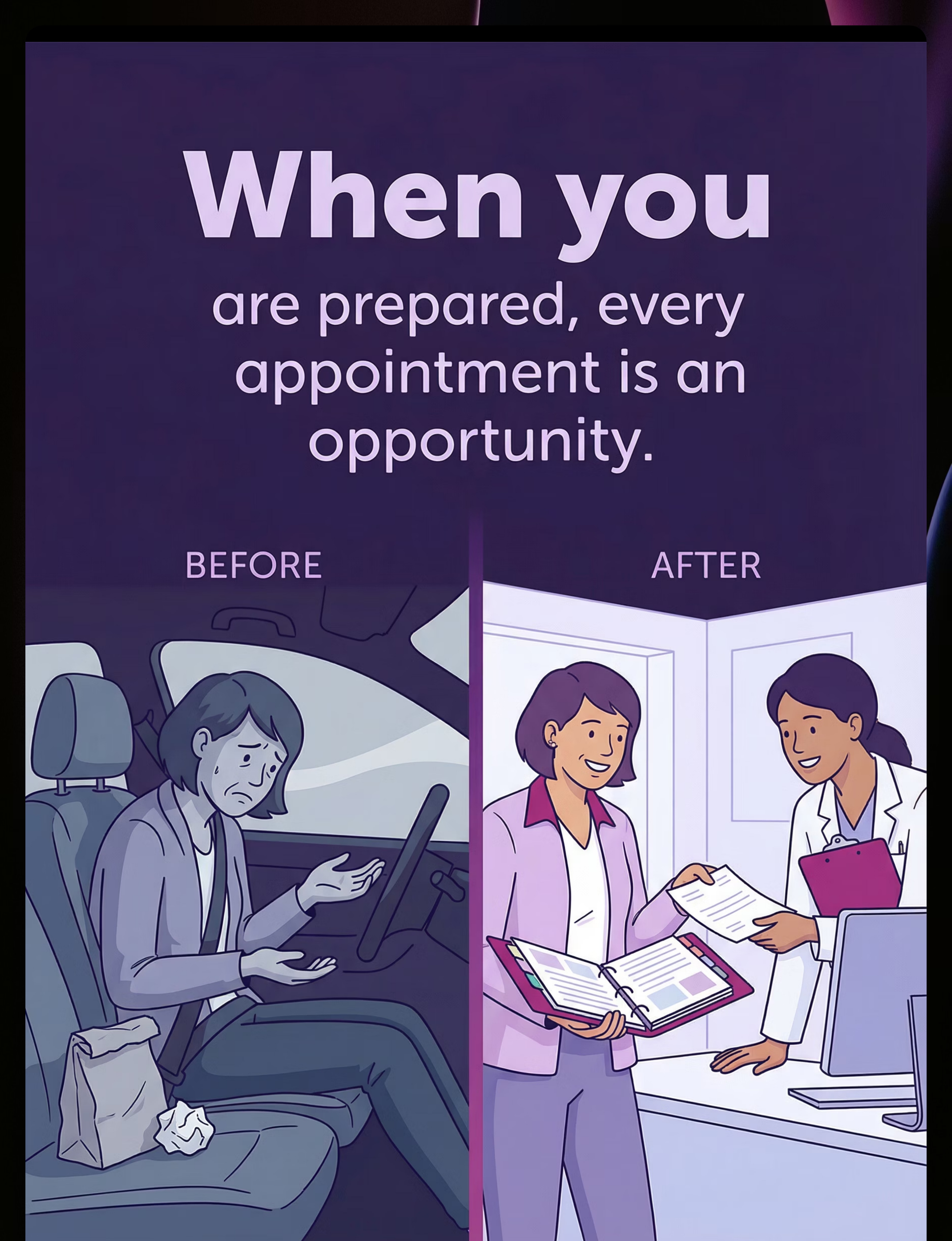
When you're not being heard. When your concerns are dismissed. When "wait and see" isn't acceptable anymore.
🏥 Medical Advocacy Toolkit
Domain K: Healthcare Navigation
All Ages

You Are Not Alone — The Data Is Clear
In a healthcare system where the average pediatric consultation runs under 8 minutes, the parent who arrives unprepared leaves empty-handed. This is not a failure of love. It is a failure of system design — and it is fixable.
67%
Dismissed
of parents of children with developmental concerns report their worries were initially dismissed by a healthcare provider
80%
Forgotten
of everything a doctor tells you is forgotten or misremembered within 24 hours (Kessels, 2003)
3.2 Yrs
Average Delay
between first parental concern and formal autism diagnosis in India (Pinnacle Network Clinical Data)
You are among an estimated 18 million families in India alone navigating developmental and healthcare advocacy challenges for their child. Globally, that number exceeds 200 million. The research is unambiguous — these numbers reflect a systems problem, not a parenting failure.
📚Research: PMC11506176 | PMC10955541 | Kessels (2003) J R Soc Med | WHO NCF Progress Report 2023 | Pinnacle Blooms Network® Clinical Data — 20M+ therapy sessions

Why You Freeze — The Neuroscience of the Doctor's Room
The Medical Encounter — Stacked Against You
⏱ 8-minute average consultation
🧠 Acute stress response: cortisol suppresses prefrontal function
👶 Child dysregulation compounds parental cognitive load
🔬 Provider uses technical language — you nod but don't understand
📋 Your prepared notes stay in your bag — you forgot they were there
Plain English: What's Really Happening
When you enter a medical appointment under stress, your brain's prefrontal cortex — the part responsible for recall, language, and assertiveness — partially shuts down. This is biology, not weakness. The sympathetic nervous system activates. The words you prepared vanish. The questions dissolve.
Meanwhile, the provider operates in their domain of expertise, within time pressure that pushes toward quick resolution. The information asymmetry is structural.
The insight that changes everything: Advocacy is not about being smarter or louder in the room. It is about doing the cognitive work before you enter — when you are calm, resourced, and thinking clearly. The 9 materials in this guide pre-load everything your stressed brain will need.

Every Stage of Your Child's Development Requires Different Advocacy
Where you are in your child's developmental journey determines which advocacy tools matter most right now — and how urgently they are needed.
Where You Are Now: You are likely in the early referral and diagnosis pursuit zone — where the advocacy skills in this guide have their highest leverage. Earlier action = earlier diagnosis = longer window for neuroplasticity-driven intervention.
Medical Advocacy Skills Are Required Across ALL Conditions
Autism Spectrum Disorder · Developmental Delays · ADHD · Sensory Processing Disorder · Speech & Language Disorders · Rare Genetic Conditions · Chronic Illness · Mental Health Conditions
Clinically Validated. Globally Referenced. Parent-Proven.
⚖️ Evidence Grade: Level I
Systematic Review + RCT
WHO Policy Framework
📊 Patient Recall Research — Level I
Multiple studies confirm 40–80% of medical information is forgotten. Systematic recording and preparation tools are the validated countermeasure. (Kessels, 2003; McGuire, 1996 — J R Soc Med)
🤝 Shared Decision-Making — Level I
Cochrane systematic reviews demonstrate that informed, prepared patients achieve better health outcomes, earlier diagnosis, and higher adherence. Parents are the primary lever.
📋 Care Coordination — Level II
Active parent-led care coordination reduces diagnostic delays, minimizes care gaps, and improves multi-disciplinary outcome alignment. (WHO NCF Progress Report 2023)
🔬 Patient-Held Records — Level II
Organised medical documentation improves continuity of care, reduces medical errors, and measurably changes provider communication behaviour. (BMJ, 2022)
"Medical advocacy is a learnable skill. Research consistently shows that prepared, organised, informed parents are treated differently and achieve better outcomes for their children. This is not anecdote — it is measured evidence." — Pinnacle Blooms Consortium Clinical Review Board

The Medical Advocacy Toolkit — What It Is
Parent-Friendly Alias: "The Prepared Parent System"
Medical advocacy is the practice of systematically preparing for, participating in, and following up on healthcare interactions on behalf of a child who cannot fully represent their own needs. It is not confrontation — it is partnership. Effective advocacy requires organized documentation, clear communication, rights awareness, and care coordination skills that transform a parent from a passive recipient of medical decisions into an active, informed, and effective partner in their child's care.
🏥 Healthcare Navigation
Obtaining referrals, accessing specialists, navigating complex systems
💬 Communication
Articulating concerns with clinical precision that providers respond to
📋 Documentation
Building and maintaining organized records that travel to every appointment
⚖️ Patient Rights
Knowing and exercising your rights calmly and effectively when needed
🔗 Care Coordination
Managing multiple providers as one coherent, evidence-led system
Specification: All Ages | Home Preparation + Medical Settings | Ongoing Practice | Parent/Caregiver Lead

A Consortium of Disciplines — One Unified Advocacy Framework
NeuroDev Paediatrician — PRIMARY
Defines the diagnostic roadmap. Guides parents on what evaluations to pursue, what to document, and how to navigate specialist referrals and interpret complex developmental findings.
SLP — Speech-Language Pathologist
Trains parents to describe communication concerns with clinical precision — functional language loss, regression, specific milestones — that translate into referral-grade documentation.
OT — Occupational Therapist
Coaches families on documenting sensory, motor, and adaptive behaviour patterns using systematic tracking tools. Provides the behavioural data layer that supports medical advocacy.
BCBA / ABA Specialist
Applies precision measurement principles — frequency, duration, latency, ABC recording — to symptom tracking, creating data-grade documentation from parental observation.
Special Educator
Bridges medical and educational advocacy — translating diagnoses into school accommodation requests, IEP goals, and service eligibility documentation.
CRO — Clinical Research Officer
Ensures all advocacy is grounded in current evidence, correctly cited, and aligned with international guidelines (WHO, AAP, NICE, INCLEN) for maximum provider credibility.
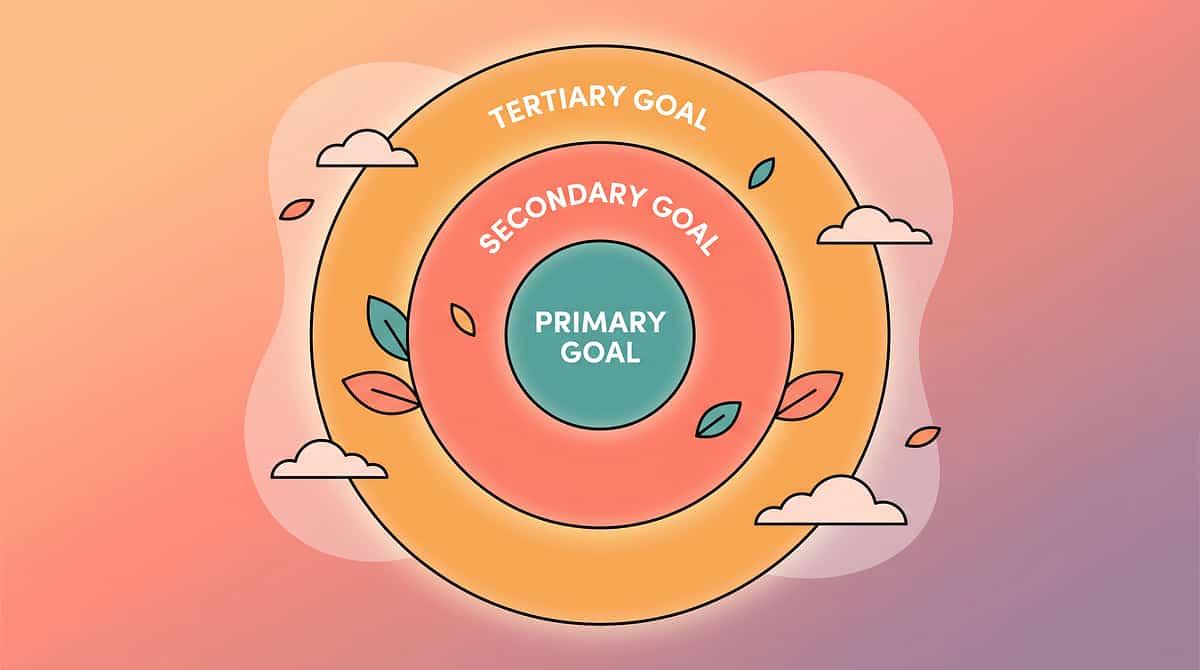
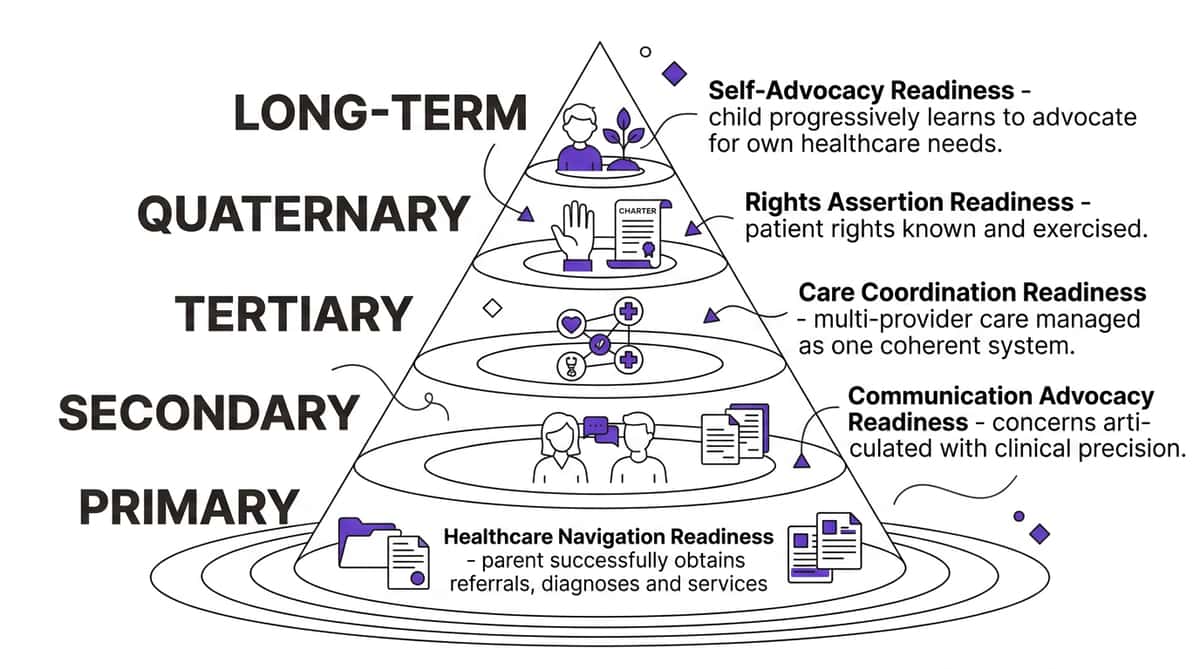
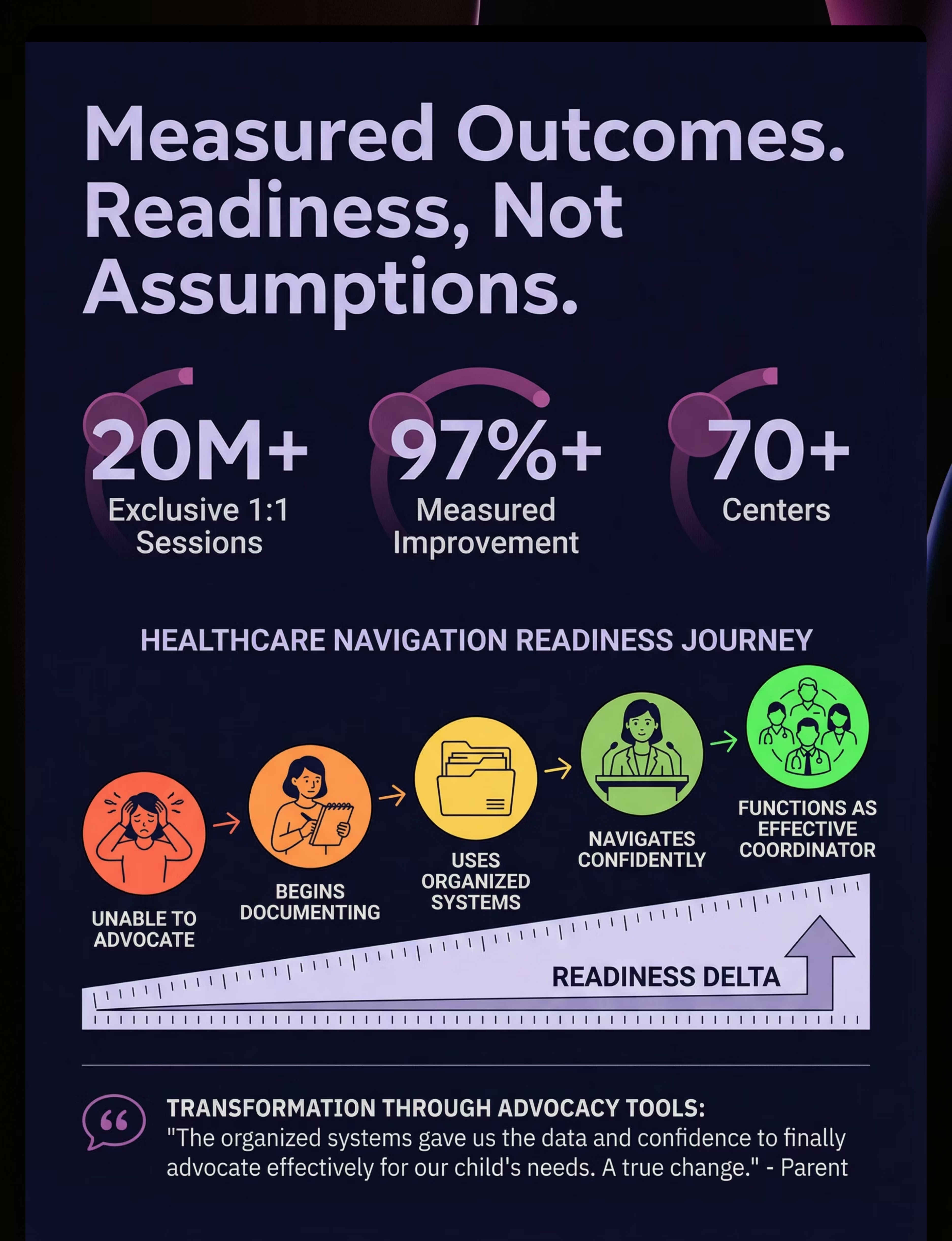
Five Readiness Targets — One Empowered Parent
The Medical Advocacy Toolkit targets five progressively deep levels of parent readiness. Each builds on the last, together forming a complete advocacy capability.
Target | Before Mastery | After Mastery | |
Navigation | Leaves appointments without needed referrals | Obtains referrals; accesses specialists within appropriate timeframe | |
Communication | Freezes in appointments; accepts vague answers | Presents data; asks precise questions; confirms understanding | |
Coordination | Care fragmented across providers | Manages provider network with systematic tracking | |
Rights | Unknown and unexercised | Asserted calmly and effectively when needed |
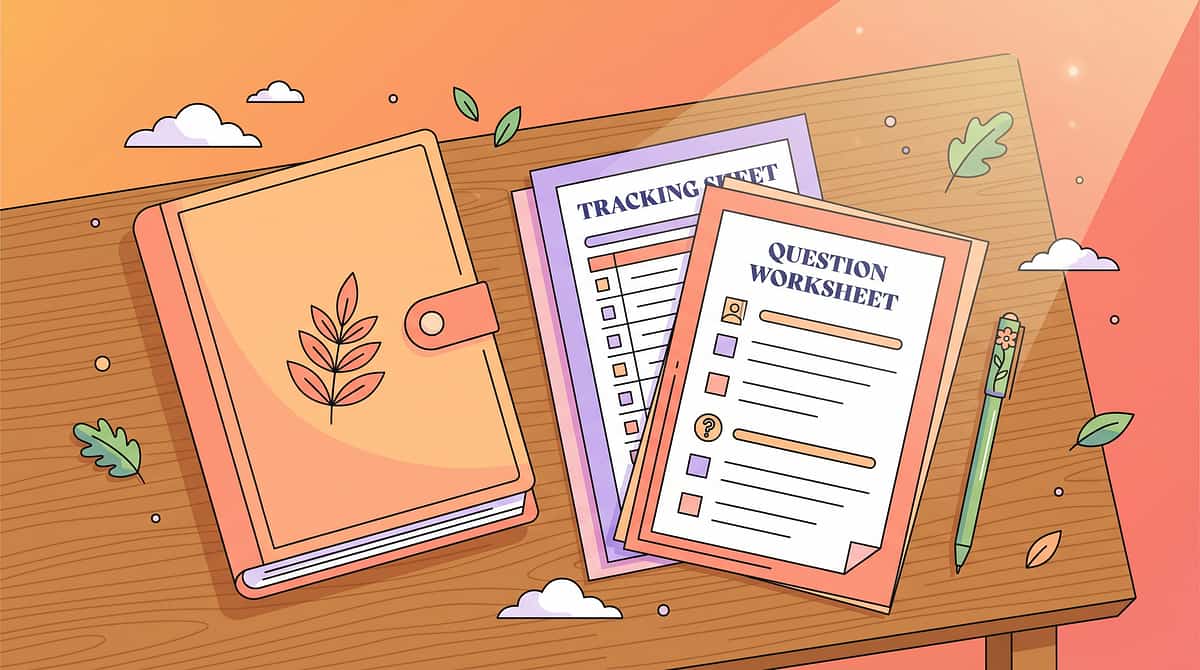
Your Medical Advocacy Arsenal — 9 Tools, One Empowered Parent
These nine materials form a complete system. Each targets a specific vulnerability in the medical encounter. Start with Materials 1, 2, and 3 — these form the foundation that makes all others more effective.
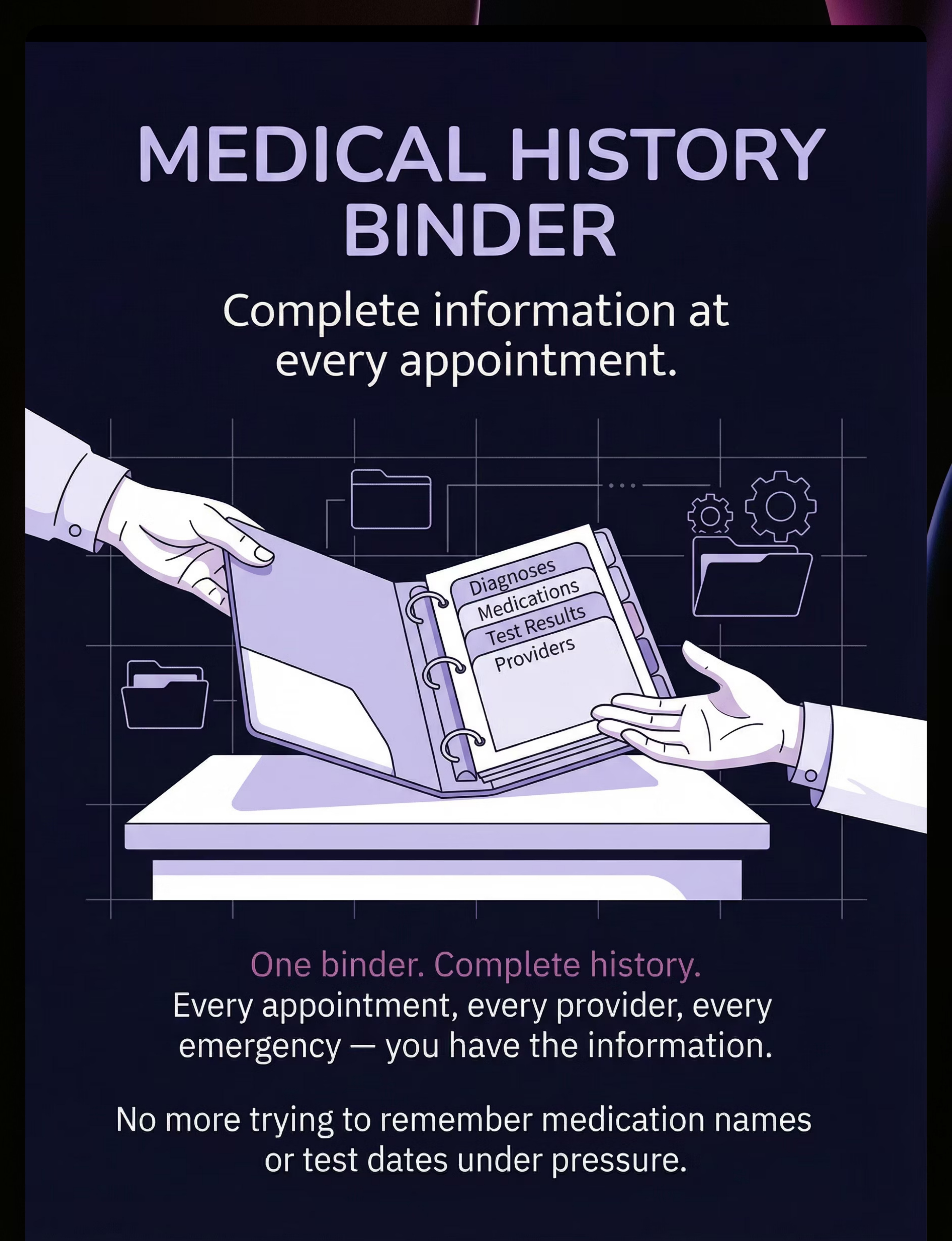
🗂️ Medical History Binder
Complete information at every appointment — no more memory failures under pressure
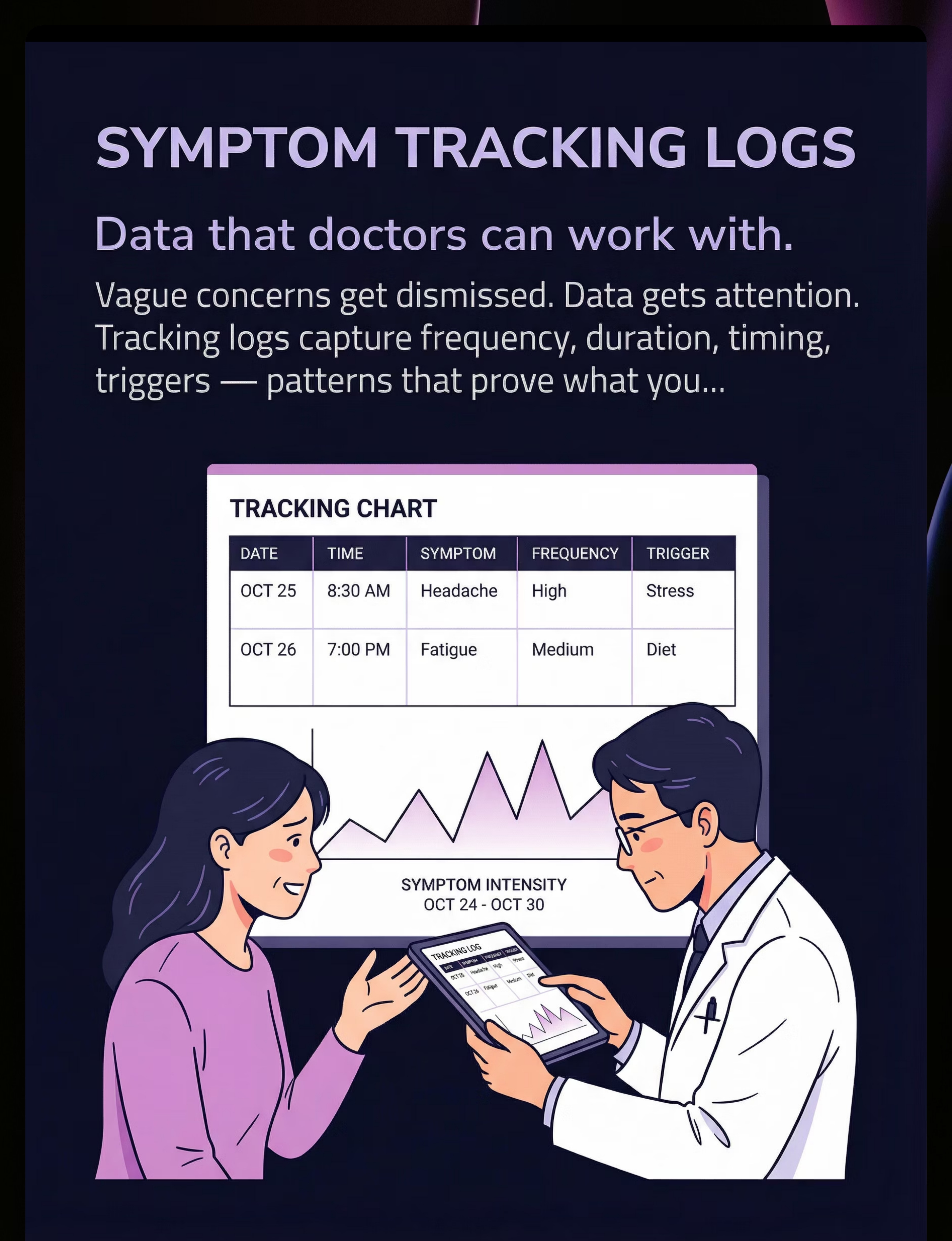
📊 Symptom & Behaviour Tracking Logs
Data that doctors can work with — transforms lived experience into clinical language
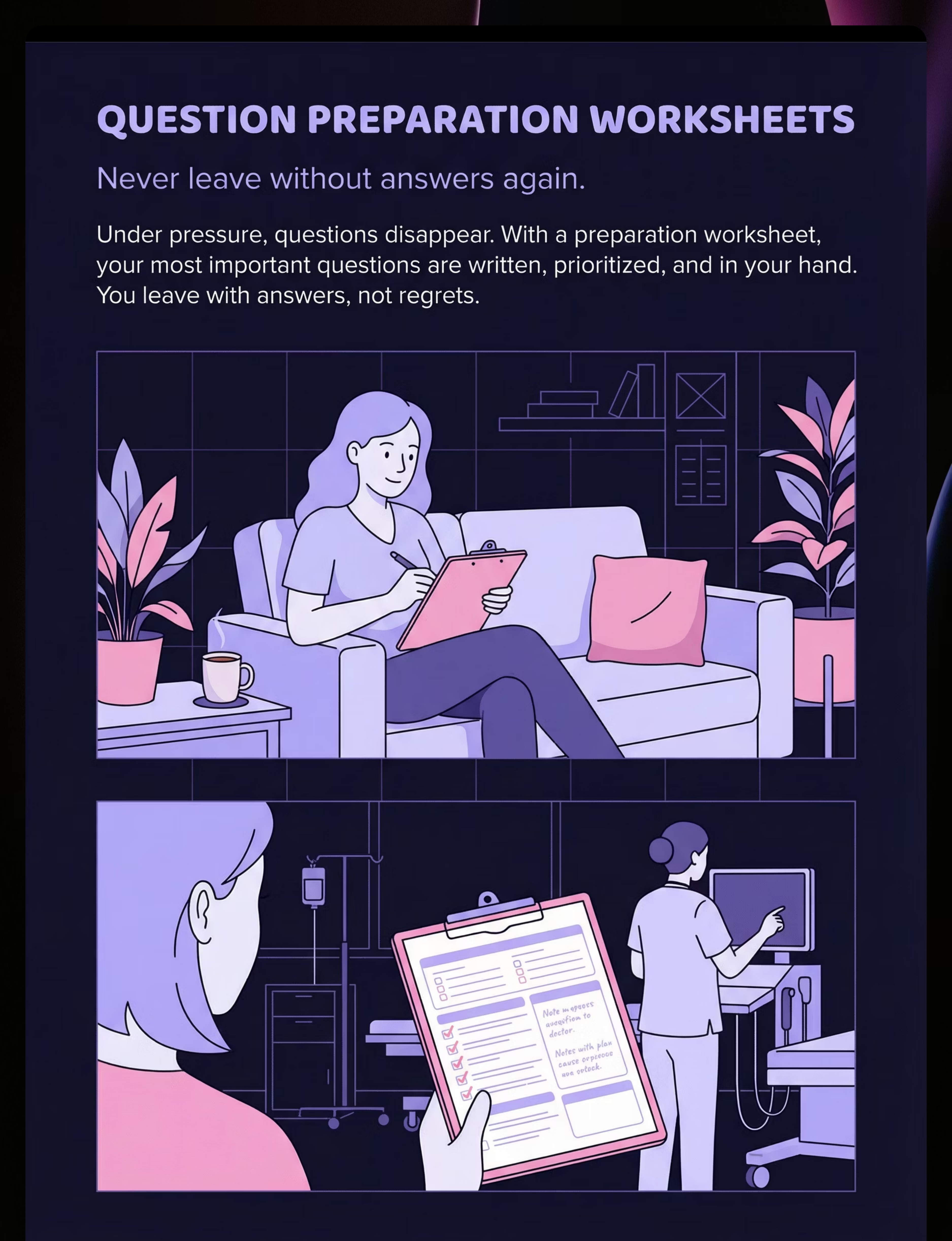
📝 Question Preparation Worksheets
Never leave an appointment without answers again
📚 Medical Terminology Reference Guides
Speak the language, understand the answers, participate in decisions
✉️ Referral Request Letter Templates
Written requests that create records and get action — harder to dismiss than verbal requests
📁 Second Opinion Preparation Package
Everything organised for another perspective — second opinions are your right
🎙️ Recording & Note-Taking Systems
Capture every word, miss nothing — you forget 40–80% without a system
⚖️ Patient Rights & Advocacy Scripts
Language for when you need to push back — prepared, practiced, and powerful
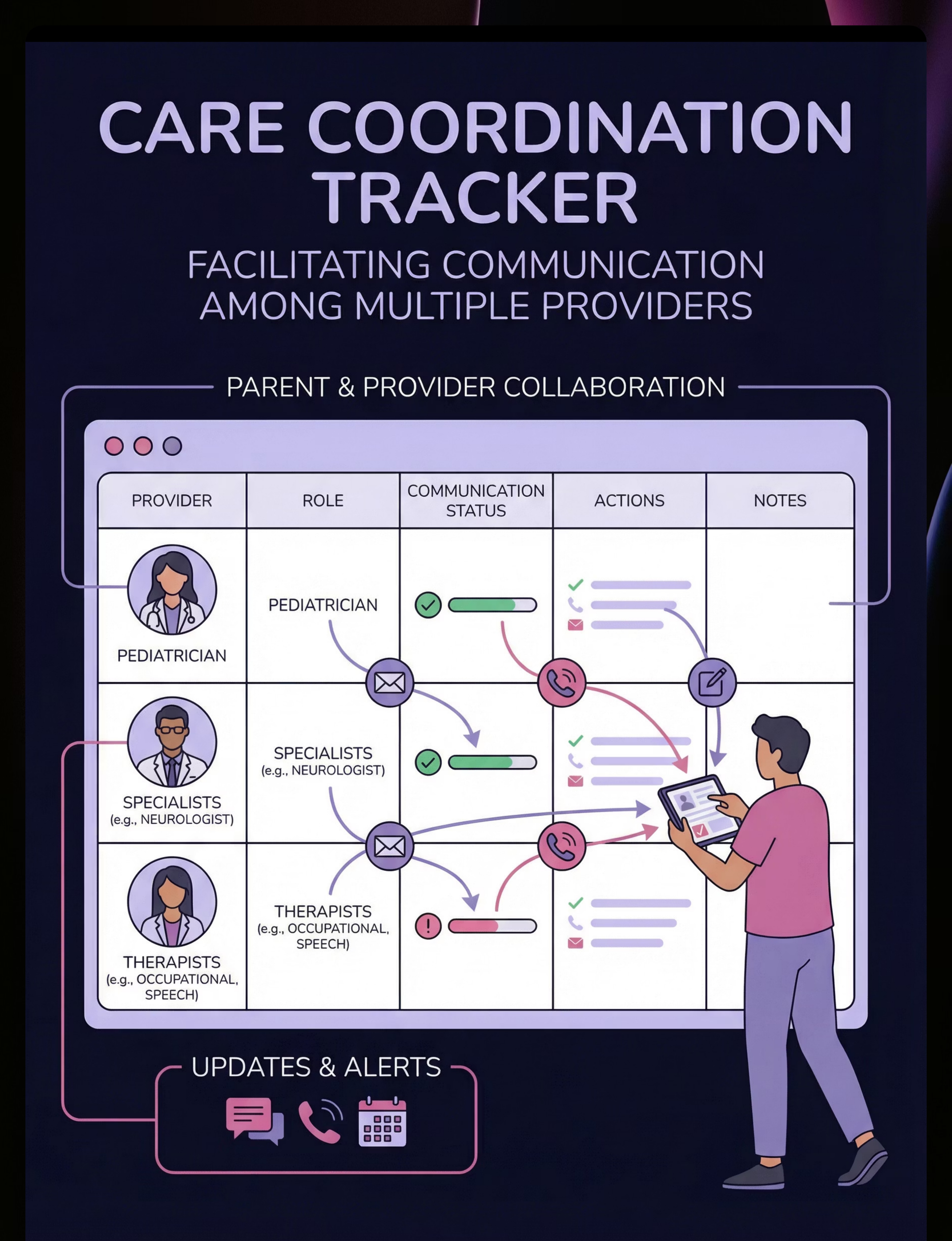
🗺️ Care Coordination Tracker
Managing multiple providers as one team — you are the hub; these tools make you an effective one
🏷️Pinnacle Recommends: For families starting today — begin with Materials 1, 2, and 3. These three form the foundation that makes all others more effective. Free helpline: 📞 9100 181 181 (16+ languages, 24×7)

Every Material Has a ₹0 Version — No Family Left Behind
The therapeutic principle at work is organisation and preparation — not the specific physical material. A ₹0 notebook used consistently transforms outcomes more powerfully than a ₹1,500 binder sitting on a shelf.
Material | 💰 Buy This | 🏠 Make This (₹0) | |
Medical History Binder | 3-ring binder + dividers (₹300–800) | Plastic folder + handwritten sections + phone photo backups | |
Tracking Logs | Printed templates (₹100) | Ruled notebook with date/time/event columns drawn by hand | |
Question Worksheet | Printed template (₹50) | Phone Notes app — one list per appointment | |
Terminology Guide | Medical dictionary book (₹500–1,500) | MedlinePlus.gov (free) bookmarked on phone | |
Referral Letter | Print and send (₹20 printing) | WhatsApp text to clinic with formal wording | |
Second Opinion Package | Document organiser (₹500–1,000) | Cardboard folder with rubber band, phone photos of all records | |
Recording System | Voice recorder device (₹800–1,500) | Phone's built-in voice recorder — free | |
Advocacy Scripts | Printed cards (₹50) | Screenshots saved on phone; 3 sentences memorised | |
Care Coordination Tracker | Planner/organiser (₹500–1,000) | A4 notebook with provider names, dates, actions |
Non-Negotiable: When recording appointments, always ask permission regardless of local law. This builds trust and is more effective than covert recording.

Legal, Ethical & Practical Safety — Know Before You Advocate
🔴 Absolute Limits
• NEVER record covertly without consent
• NEVER surrender original documents — always provide copies
• NEVER delay urgent care while waiting for a second opinion
• NEVER use advocacy as confrontation — adversarial relationships damage your child's care
• NEVER surrender original documents — always provide copies
• NEVER delay urgent care while waiting for a second opinion
• NEVER use advocacy as confrontation — adversarial relationships damage your child's care
🟡 Important Cautions
• Terminology knowledge is for understanding — not self-diagnosis
• Tracking data supports advocacy but does not replace professional assessment
• Second opinions take time — communicate urgency when scheduling
• If a provider becomes hostile, seek a new provider
• Tracking data supports advocacy but does not replace professional assessment
• Second opinions take time — communicate urgency when scheduling
• If a provider becomes hostile, seek a new provider
🟢 Always Do
• Keep copies in at least two locations (physical + digital cloud)
• Protect medical information privacy — India's DPDP Act applies
• Document all significant interactions: dates, names, what was said
• Know your local patient advocate or hospital ombudsman contact
• Protect medical information privacy — India's DPDP Act applies
• Document all significant interactions: dates, names, what was said
• Know your local patient advocate or hospital ombudsman contact
Privacy Protection (India-specific): Under India's Digital Personal Data Protection Act (DPDP Act, 2023), your child's medical data is sensitive personal data. Store digital copies in password-protected locations. Do not share medical records publicly.

Your Advocacy System Setup — Do This Once, Use It Forever
The system setup takes 3–5 hours total. It then saves hours per appointment and potentially years of diagnostic delay.
Build the Medical History Binder — Week 1, 2 hours
Create 8 tabbed sections: Diagnoses | Medications | Allergies | Providers | Test Results | Medical History | Immunisations | Developmental History. Complete the one-page summary sheet. Request complete records from all current providers — you have a legal right to these. Set up digital backup in Google Drive or iCloud.
Establish Your Tracking System — Week 1, 30 minutes
Choose your format: notebook, spreadsheet, or app. Columns: Date | Time | Event/Symptom | Duration | Severity (1–5) | Possible Trigger | Notes. Track consistently for minimum 2 weeks before any appointment.
Create Your Question Template — Week 1, 20 minutes
Phone note or printed template: Today's Priorities (top 3) | Questions by Topic | Information to Share | Medications to Discuss | Next Steps Needed | Space for Answers. Review and update the night before every appointment.
Set Up Provider Roster — Week 2, 45 minutes
List all current providers: Name | Specialty | Practice | Phone | Portal | Last Visit | Next Visit | What They Manage. Note who coordinates medications, who handles referrals, who is emergency contact.
Bookmark Resources — Week 2, 15 minutes
MedlinePlus.gov | Your state's Patient Rights document | Pinnacle Blooms Network helpline: 9100 181 181 | Nearest Pinnacle centre
System Maintenance: After EVERY appointment — update binder → add to tracking log → update communication log → confirm next steps in writing.

The Night-Before Appointment Checklist
Complete your cognitive work the night before, in calm conditions, and carry the output into the appointment. Your advocacy begins at home — not in the fluorescent-lit room under stress.
✅ GO — Full Appointment, Full Advocacy
- Medical binder updated and packed
- Question worksheet completed with top 3 priorities identified
- Tracking log reviewed; key data summarised on one page
- Recording decision made (phone charged; permission strategy decided)
- Know which referral/test/outcome you want from this appointment
- Support person confirmed if bringing one
⚠️ MODIFY — Attend but Simplify Your Agenda
• Binder not fully current → bring what you have, note gaps to fill
• Questions not written → 3 sentences on your phone is sufficient
• Tracking not consistent → mention you are now tracking; present what you have
• Questions not written → 3 sentences on your phone is sufficient
• Tracking not consistent → mention you are now tracking; present what you have
⛔ POSTPONE — Reschedule If:
• Child is acutely unwell and the appointment topic is non-urgent
• You are in crisis state and cannot think clearly
Never postpone urgent clinical appointments for advocacy preparation reasons
• You are in crisis state and cannot think clearly
Never postpone urgent clinical appointments for advocacy preparation reasons
"I know my child. I have documented my observations. I have prepared my questions. I am here to partner with this provider in getting my child the care they need. My presence matters." — Pre-appointment affirmation (30 seconds before entering)
Material 01 of 09
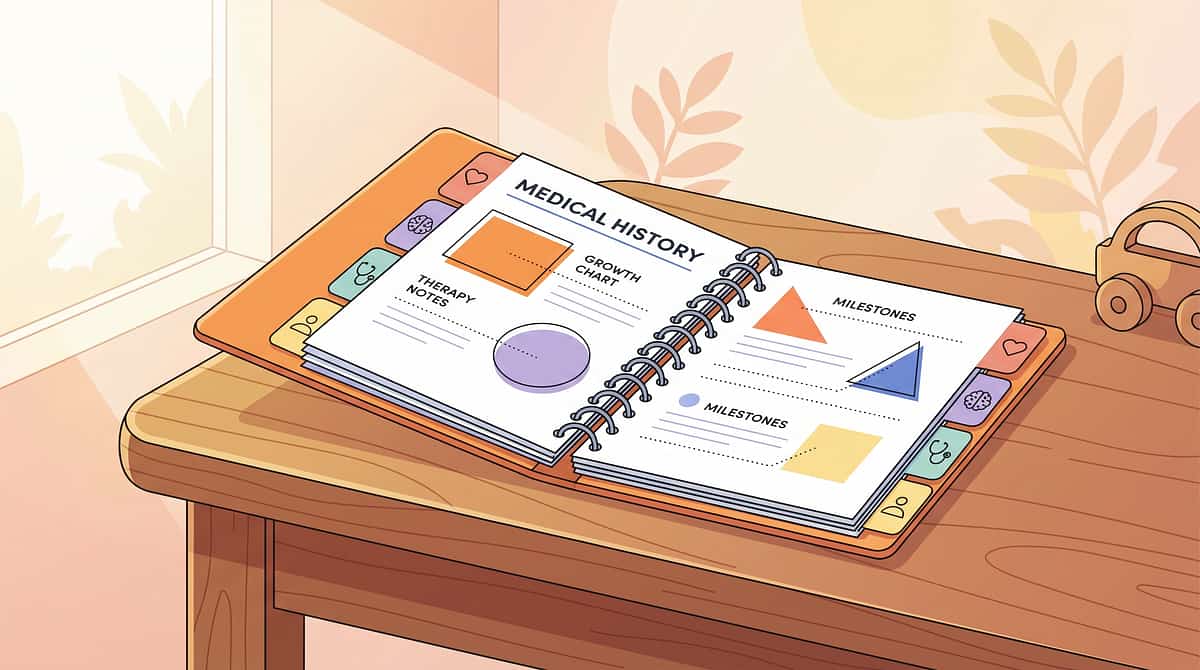
🗂️ Medical History Binder & Health Portfolio
Complete information at every appointment — no more memory failures under pressure.
Healthcare is structurally fragmented. Specialists don't communicate with each other. Records exist in silos across hospitals and clinics. No single provider has the complete picture of your child — but you do. A medical history binder transforms scattered information into a single, organised, always-accessible document that travels with you to every appointment, every emergency, every new specialist.
When you walk into a room with a comprehensive binder, you communicate three things instantly: you are organised, you are informed, and you are serious. Providers treat you differently. You are no longer a worried parent — you are a data-bearing partner in care.
Front Summary Sheet
Name, DOB, blood type, emergency contacts, diagnoses, medications, allergies
Diagnoses
With dates and diagnosing providers
Medications
Current list with doses, schedules, prescribing doctors
All Providers
Contact info, specialty, patient portal details
Test Results
Labs, imaging reports, developmental assessments (chronological)
Developmental History
Milestones, therapy history, evaluations, school reports
Parent Script:"I've brought a summary of [Child's name]'s complete medical history. I'll give you the key points, and I have documentation here if you need any specific records."
Digital Layer: Scan every document → store in a dedicated cloud folder → share link with trusted family members. This is your backup that can never be lost to fire, flood, or forgotten binder.

Material 02 of 09
📊 Symptom & Behaviour Tracking Logs
Vague concerns get dismissed. Data gets attention.
There is a profound difference between saying "my child has been having meltdowns" and saying "my child has had 14 meltdowns in the past two weeks, averaging 23 minutes each, primarily occurring between 3:30–6:00 PM, with the following documented triggers: transition between activities (71%), refusal of preferred food (21%), and unpredicted schedule change (8%)."
The first is a parental concern. The second is clinical data. Tracking logs transform your daily lived experience into the language medicine responds to.
"You're not imagining things. Tracking proves it. When you have data, you speak with authority."
Track These 6 Data Points
Field | What to Record | |
Date + Time | When the event occurred | |
Event | Specific observable description | |
Duration | How long it lasted (minutes) | |
Severity | 1 (mild) to 5 (severe) | |
Trigger | What preceded it (antecedent) | |
Notes | Medications, meals, sleep, anything different |
Before Appointment — Create a Summary:Total events: 14 | Average duration: 23 min | Peak hours: 3–6 PM | Top trigger: activity transitions (71%) | Trend: Severity increasing week-over-week
This one-page summary is what you hand the doctor — not the raw log.
This one-page summary is what you hand the doctor — not the raw log.

Material 03 of 09
📝 Question Preparation Worksheets
Under pressure, questions disappear. Prepared worksheets survive the stress.
The appointment lasts 8 minutes. You are managing a dysregulated child. The provider is typing. Your cortisol is elevated. And the three most important questions you've been thinking about for six weeks have evaporated completely. This is not a memory failure — it is a physiological response to stress. The solution is to complete your cognitive work the night before, in calm conditions, and carry the output into the appointment as a physical artefact.
Your Appointment Worksheet
Date: _____ Provider: _____ Child: _____
🎯My Top 3 Priorities:
1. ___________________________
2. ___________________________
3. ___________________________
1. ___________________________
2. ___________________________
3. ___________________________
❓My Questions by Topic:
Diagnosis: ___________________
Medications: _________________
Referrals: ___________________
Tests needed: ________________
Next steps: __________________
Diagnosis: ___________________
Medications: _________________
Referrals: ___________________
Tests needed: ________________
Next steps: __________________
✅What I Want From This Appointment:
□ Referral to: _______________
□ Test ordered: ______________
□ Prescription: ______________
□ Explanation of: ____________
□ Referral to: _______________
□ Test ordered: ______________
□ Prescription: ______________
□ Explanation of: ____________
The Advocacy Power Move
At the start of every appointment, say:
"The main thing I need to address today is [Priority 1]. I have a few other questions too — is it okay to leave this list with you?"
This does three things:
- Sets the agenda
- Signals preparation
- Creates accountability
Research: Written question prompts significantly increase patient question-asking behaviour and satisfaction with consultations. Cognitive load research confirms that pre-prepared external memory aids overcome stress-induced recall failure.
Material 04 of 09
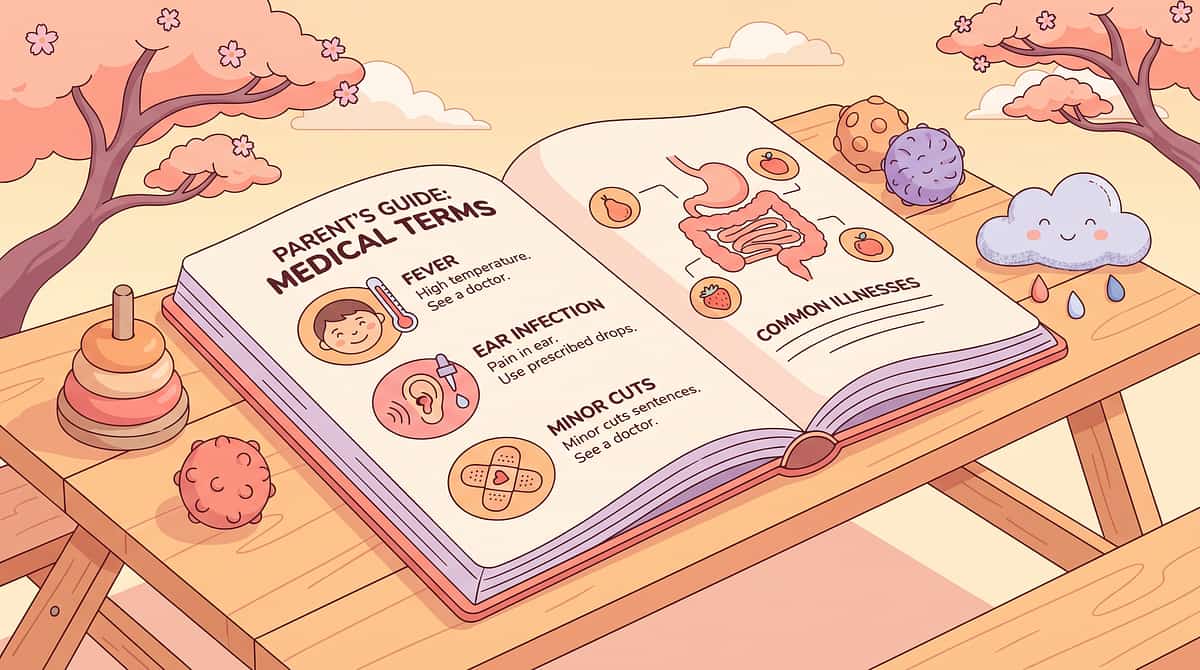
📚 Medical Terminology Reference Guides
When you don't understand the words, you can't participate in decisions.
Medical language is a barrier system. It was not designed to exclude you — but it functions that way. When a provider says "we should rule out sensory processing disorder, consider a referral for a developmental paediatric evaluation, and potentially initiate occupational therapy targeting praxis and bilateral integration," and you smile and nod — you have just been excluded from a decision about your child's care.
Layer 1 — Condition-Specific Glossary
Search: "autism terminology guide for parents" | "developmental paediatrics glossary." Best free resource: MedlinePlus.gov — authoritative, patient-friendly, no subscription required.
Layer 2 — Your Child's Personal Glossary
After every appointment: look up every term you didn't fully understand. Write: word → plain-English definition → context. This becomes your personalised reference document over time.
Layer 3 — Decode Reports
When you receive any written report, look up every unfamiliar term before the follow-up appointment. Never attend a report-review appointment without having partially decoded the report first.
Quick Medical Prefix Decoder: hyper- (too much) | hypo- (too little) | -itis (inflammation) | -ology (study of) | -ectomy (removal) | peri- (around) | neuro- (brain/nervous system) | cardio- (heart) | gastro- (digestive)
Material 05 of 09
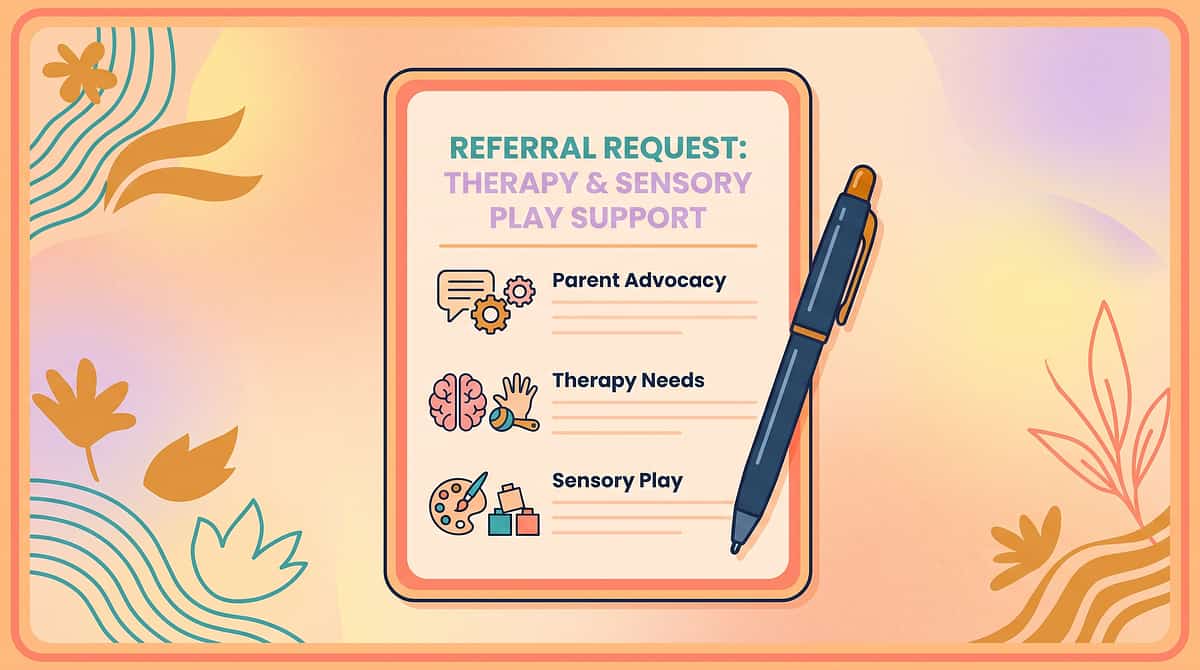
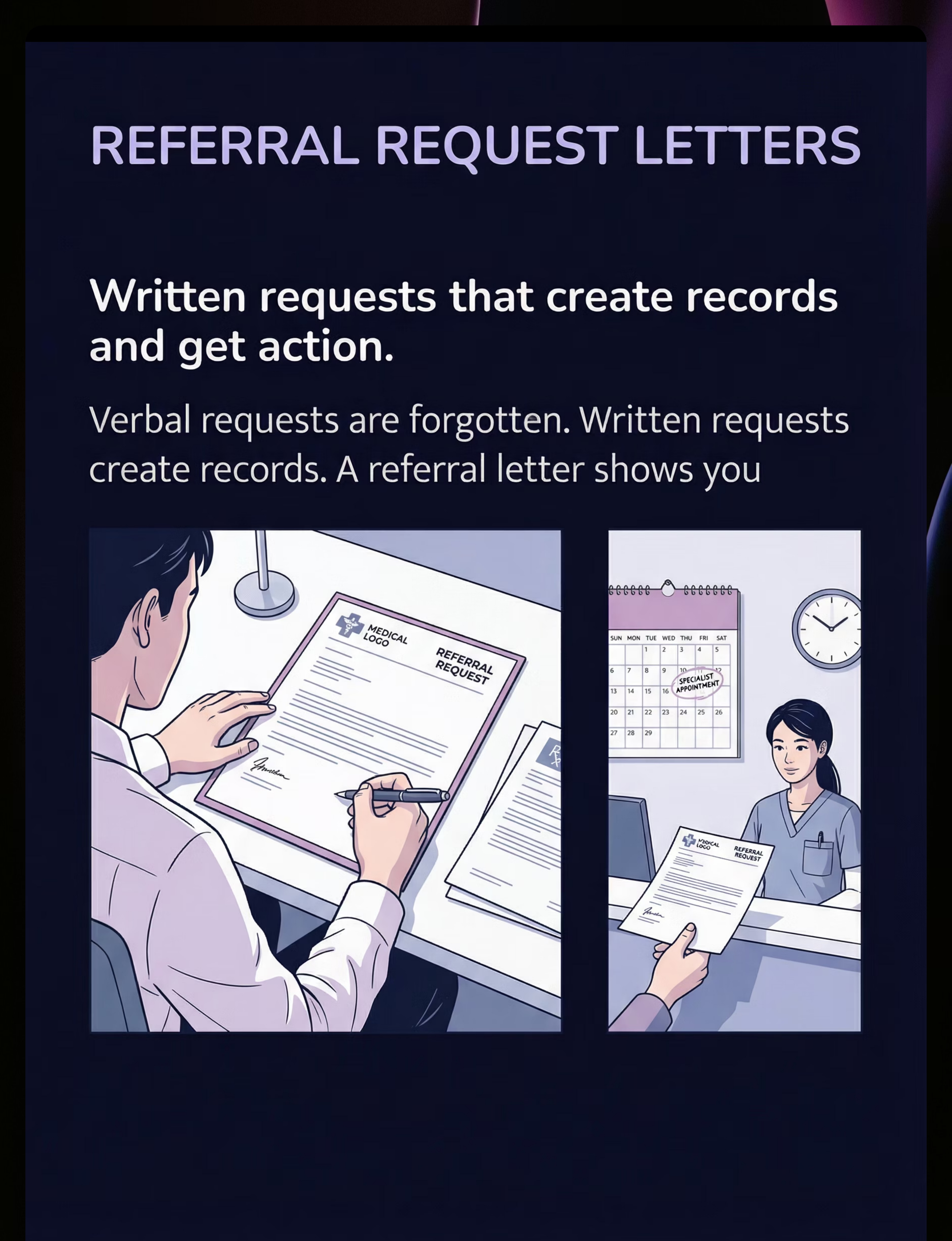
✉️ Referral Request Letters & Templates
Verbal requests are forgotten. Written requests create records and get action.
"I'd like a referral to a developmental paediatrician." The doctor looks up from the screen, says "let's see how the next few months go" — and the verbal request evaporates. A written referral request letter is fundamentally different. It creates a formal record in the medical file. It demonstrates you are serious. It gives the provider something they must formally respond to. A letter is harder to dismiss, harder to forget, and harder to deny without creating a paper trail.
Referral Letter Structure
[Your Name] | [Date] | [Provider Name & Address]
RE: Formal Referral Request for [Child's Name], DOB [Date]
RE: Formal Referral Request for [Child's Name], DOB [Date]
Dear Dr [Name],
I am writing to formally request a referral to a [Developmental Paediatrician / Neurologist / OT / SLP] for my [son/daughter], [Name], age [X].
I am writing to formally request a referral to a [Developmental Paediatrician / Neurologist / OT / SLP] for my [son/daughter], [Name], age [X].
SPECIFIC CONCERNS: [Concern 1 — specific, observable, with date of onset] [Concern 2 — with frequency data] [Concern 3]
FUNCTIONAL IMPACT: These challenges are affecting [communication / learning / daily function / safety] in the following specific ways: [details].
SPECIFIC REQUEST: I request a referral to [specialist type]. Please respond to this request in writing.
The Most Powerful Sentence in Medical Advocacy
"If this referral/test is not something you believe is clinically indicated right now, could you document your reasoning in the medical record? This helps us have a clear record for future reference."
This phrase alone causes many providers to reconsider. Documentation of refusal creates accountability. It transforms a verbal dismissal into a formal medical record entry — which changes the calculus entirely.
📞9100 181 181 — Pinnacle can provide referral letter templates in 16+ languages, tailored to your specific specialist request.
Material 06 of 09
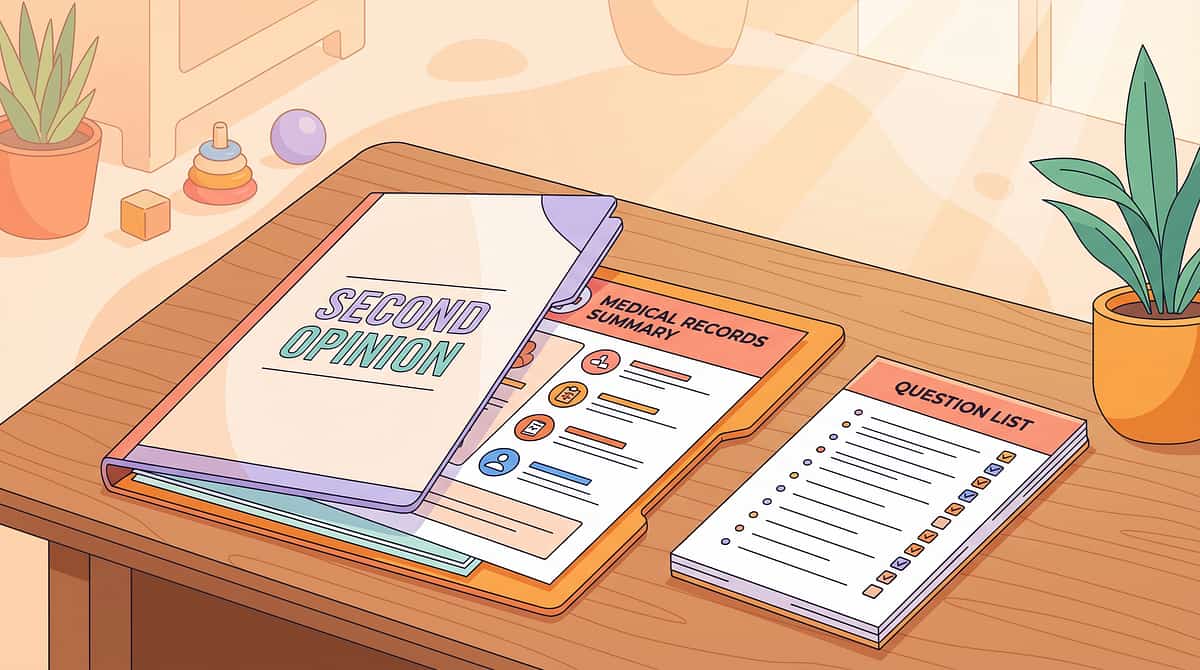
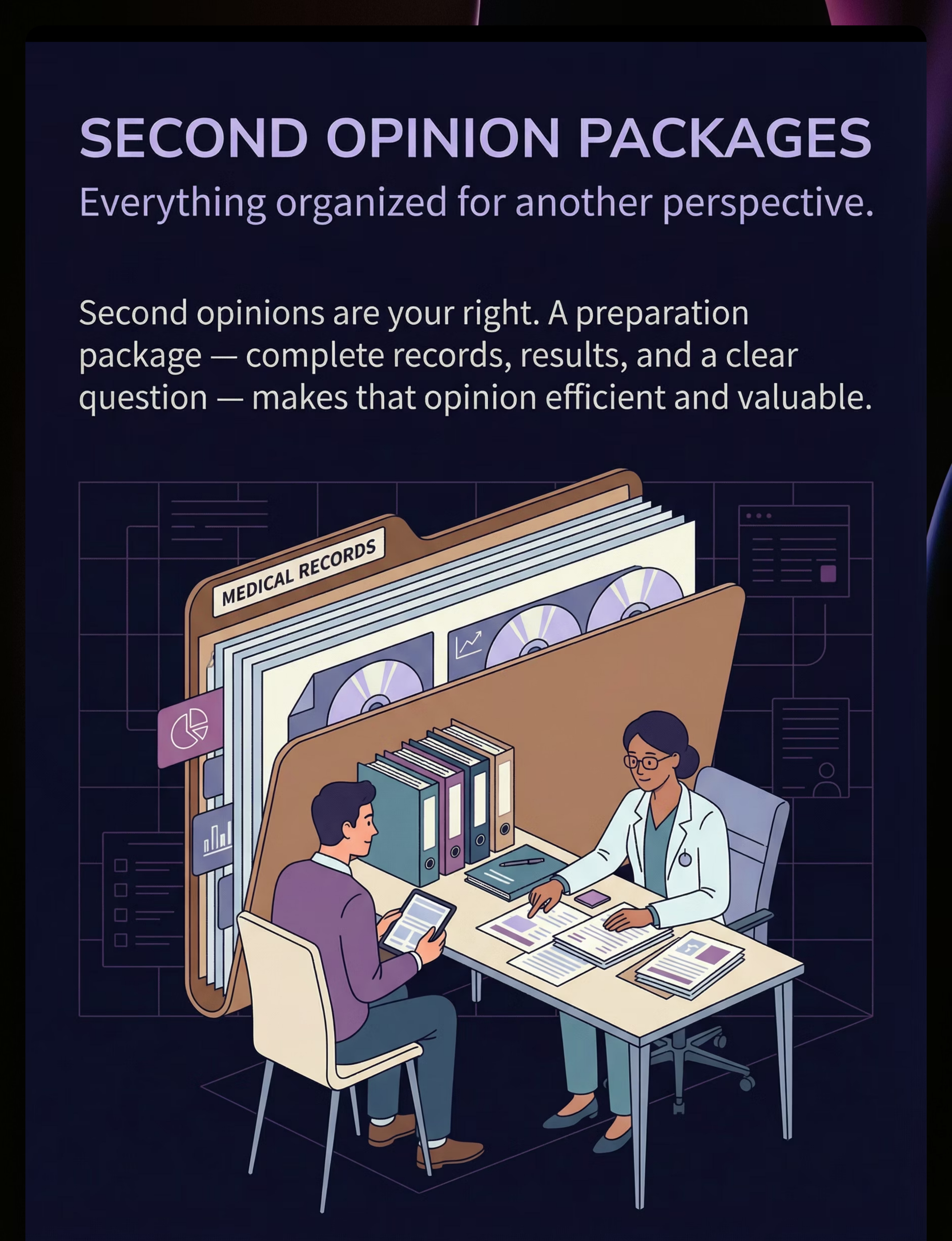
📁 Second Opinion Preparation Packages
Second opinions are your right. A prepared package makes them efficient and decisive.
Research on second opinions is stark: they change diagnosis or treatment plans in 10–62% of cases, depending on condition complexity. For developmental diagnoses — where a 45-minute clinical observation doesn't always capture the full picture that six months of daily parental observation does — a second opinion is not disloyalty. It is due diligence.
Your Second Opinion Package Contains
- One-page summary: child info, all diagnoses, current concern, timeline, current treatment
- Complete medical records from all relevant providers
- All test results, lab reports, assessments
- Imaging copies (CD or digital)
- All developmental assessment reports
- Current medication list with history
- Symptom tracking logs (summarised)
- School reports / teacher observations if relevant
- Insurance information (check coverage, referral needs)
- List of potential consulting providers by specialty
How to Tell Your Current Provider
"I'd like to get a second opinion before we proceed. I'd appreciate your help with record transfer."
Good providers support second opinions. If a provider discourages second opinions, that is itself a red flag warranting escalation.
Second Opinions Are Especially Valuable For:
- Complex or rare diagnoses
- Treatment failures
- "Wait and see" continuing beyond 6 months
- Recommended surgery or major intervention
- When parental instinct strongly conflicts with clinical assessment

Material 07 of 09
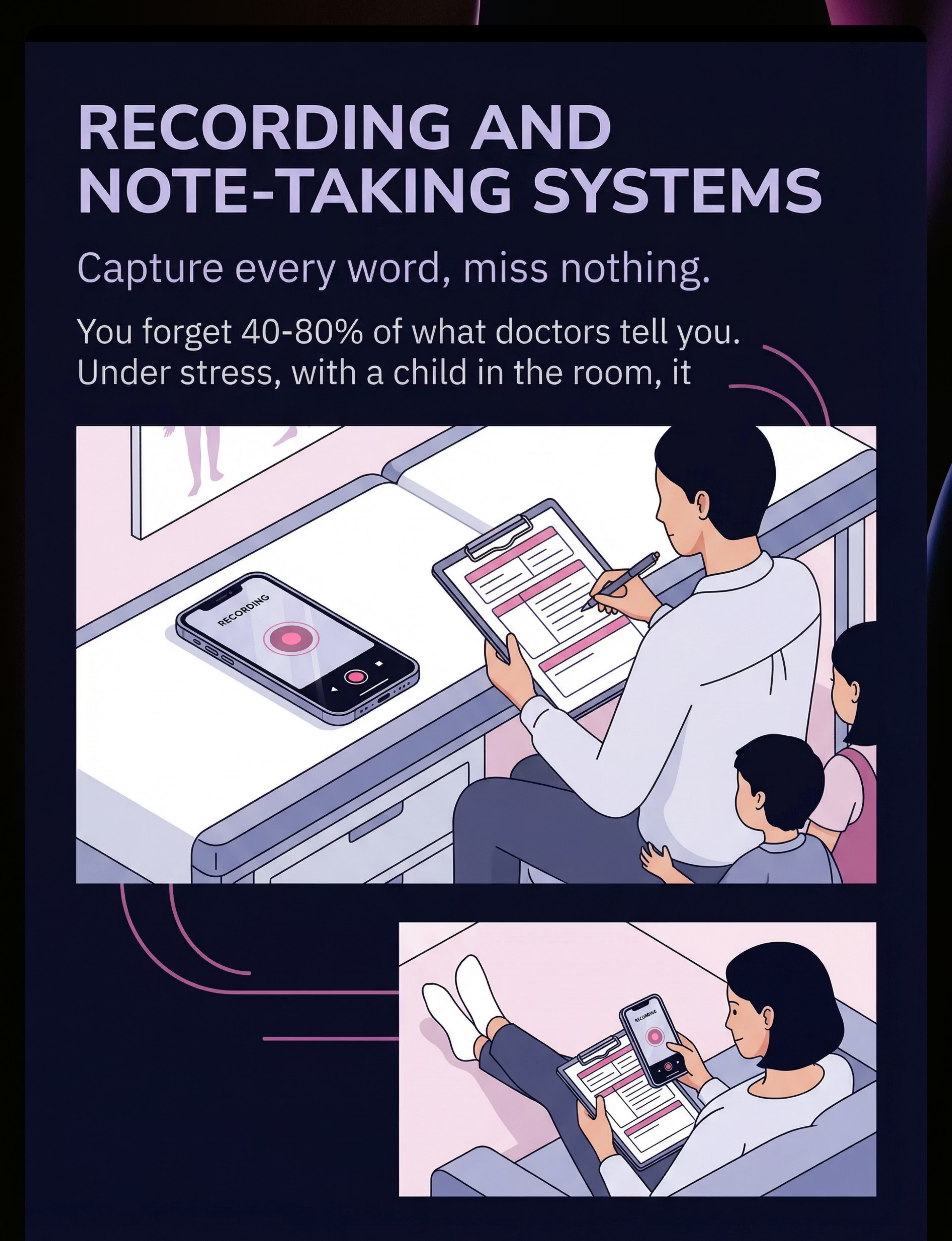
🎙️ Recording & Note-Taking Systems
You forget 40–80% of what doctors tell you. Recording systems remember everything.
Research is unambiguous: under normal conditions, patients forget 40–80% of medical information within 24 hours. Under stress — managing a dysregulated child, processing diagnostic news, trying to formulate questions — the retention rate drops further. The information you most need to act on is the information most likely to be lost. Recording systems are not about distrust. They are about accuracy.
Before the Room
Recording app open and tested. Battery above 50%. Note-taking template visible. Permission approach decided.
Permission Script
"I'd like to record this appointment so I can review it later and make sure I implement everything correctly — is that okay?"
During Appointment
Record findings, recommendations, medications, referrals, tests ordered, next appointment date, and questions for follow-up.
Post-Appointment (10 min)
In the car: review notes while memory is fresh. Add anything the recording will confirm. WhatsApp the summary to your co-parent or caregiver.
India Legal Note: India does not have a blanket all-party consent requirement for audio recording in medical settings under current statutes (as of 2025), but consent remains best practice for relationship preservation and ethical clarity.

Common Advocacy Failures — and Their Exact Fixes
Even with preparation, appointments don't always go as planned. Here are the most common breakdowns parents experience — and the precise strategies that resolve each one.
❌ "I froze again and forgot everything"
✅Fix: Bring TWO copies of your question worksheet. Give one to the provider at the start: "Here are my questions for today." You don't need to remember them — the paper holds them.
❌ "The doctor dismissed my tracking data"
✅Fix: Lead with the summary page only. "My child has had 14 incidents in two weeks averaging 23 minutes each" is harder to dismiss than a 14-page handwritten log.
❌ "I was told 'wait and see' again"
✅Fix: Ask: "If we wait, what specific changes would you want to see in 6 weeks? And what would trigger immediate action?" This converts a dismissal into a contract with measurable criteria.
❌ "The referral I requested was refused"
✅Fix: Ask: "Could you document in the medical record that I have requested this referral and that you've declined, with your clinical reasoning?" This phrase has caused many providers to reconsider.
❌ "The appointment ended before I got through my questions"
✅Fix: At the start of next appointment: "Last time we ran out of time before addressing [specific question]. That's my priority for today." You provide the continuity — appointments have no memory.
❌ "I feel like the doctor thinks I'm a difficult parent"
✅Fix: Prepared, organised parents are better partners. If a provider makes you feel this way for reasonable advocacy, consider whether this provider is the right fit for your child's complex needs.
Emergency Escalation Path: Self-resolve → Request provider explanation in writing → Hospital patient advocate → Department head/medical director → State medical council complaint → Legal consultation if negligence suspected
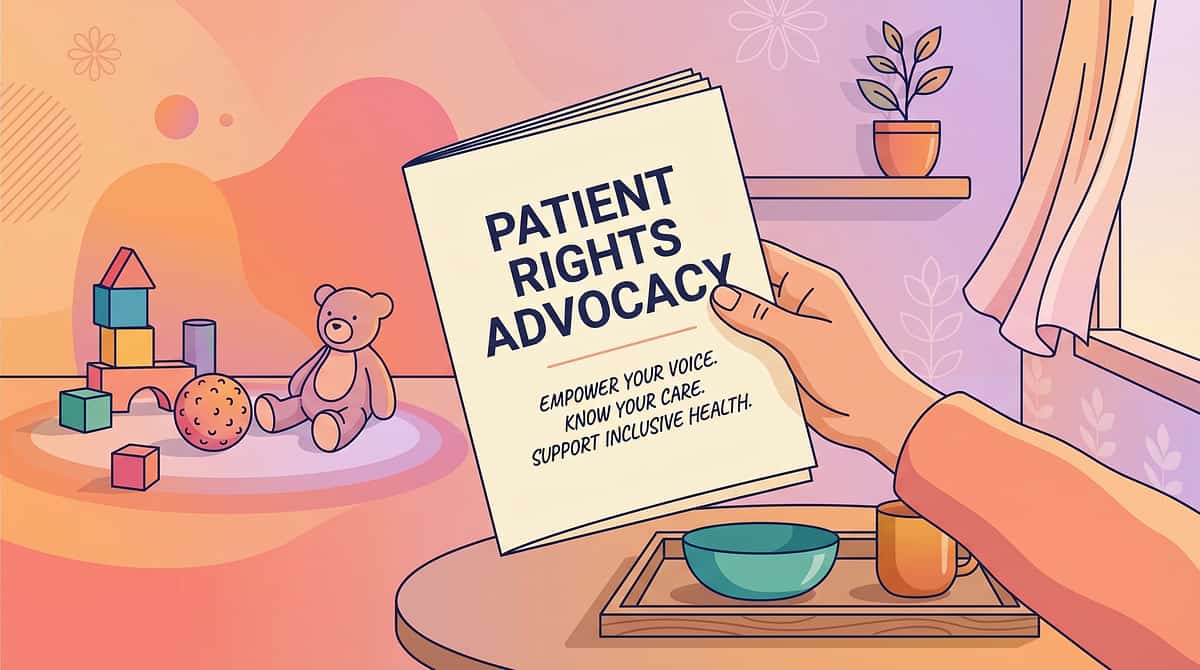
Material 08 of 09
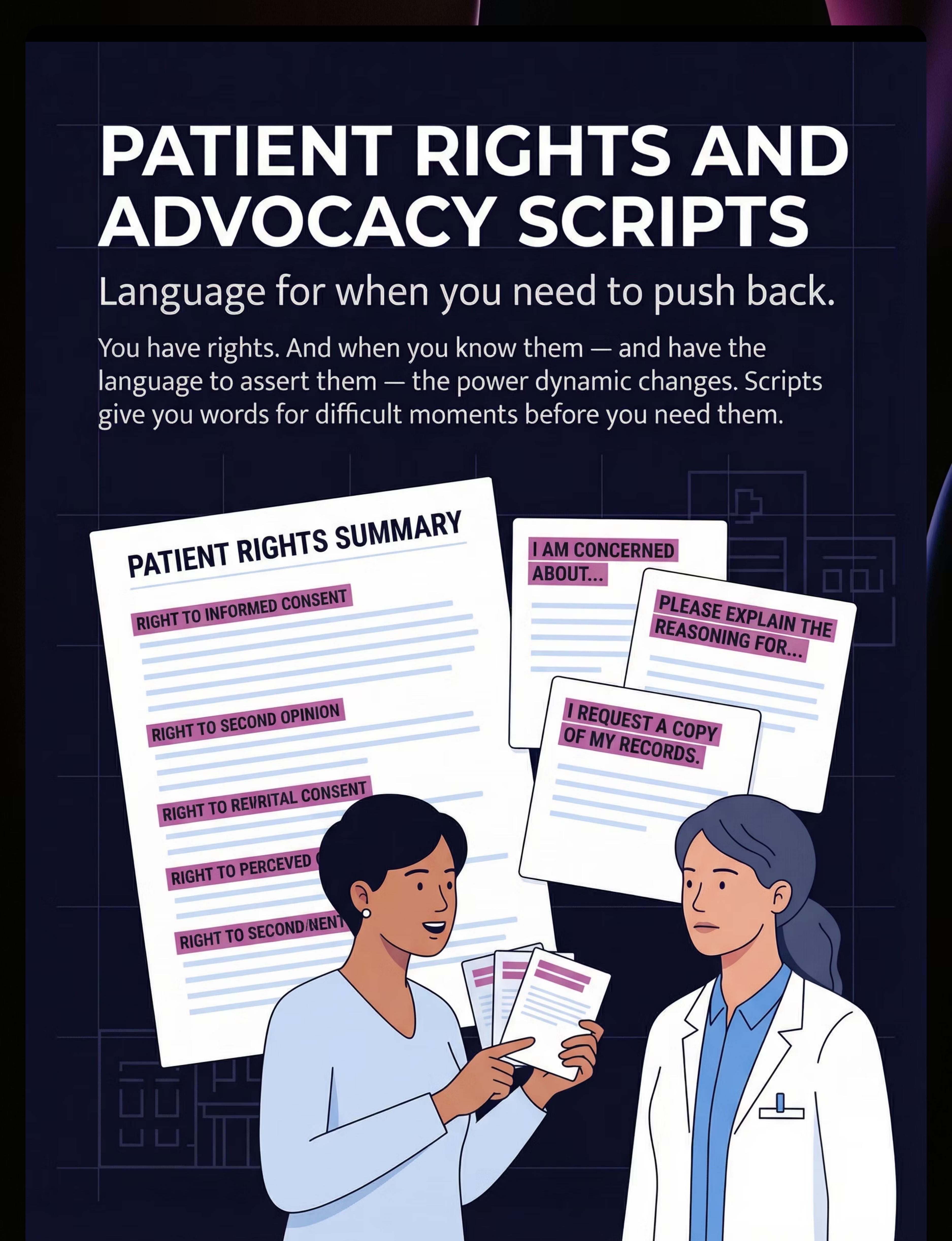
⚖️ Patient Rights & Advocacy Scripts
Rights you don't know, you don't exercise. Scripts you haven't prepared, you won't find under pressure.
Your Core Patient Rights
- Right to access your child's complete medical records
- Right to informed consent before any treatment
- Right to refuse treatment
- Right to seek a second opinion
- Right to medical privacy and data protection
- Right to language interpretation services
- Right to file a complaint about your care
- Right to be treated with dignity and respect
India-specific: The Indian Medical Council Regulations (2002) and Consumer Protection Act (2019) provide the framework for patient rights. Your State's Health Ombudsman office handles formal complaints.
Your Advocacy Script Library
To get a test or referral:
"What specific criteria would need to be met for you to order this evaluation?"
"What specific criteria would need to be met for you to order this evaluation?"
When being dismissed:
"I want to ensure my concerns are formally documented in [Child's name]'s medical record."
"I want to ensure my concerns are formally documented in [Child's name]'s medical record."
To create accountability:
"If this referral is not clinically indicated, could you document your reasoning in the chart?"
"If this referral is not clinically indicated, could you document your reasoning in the chart?"
When you don't understand:
"Could you explain that in simpler terms? I want to make sure I've understood correctly."
"Could you explain that in simpler terms? I want to make sure I've understood correctly."
To confirm next steps:
"Before we end — can we confirm exactly what happens next? Who does what, by when?"
"Before we end — can we confirm exactly what happens next? Who does what, by when?"
Practice these out loud before appointments. The scripts only work if you've heard yourself say them. Record yourself on your phone if helpful. Skill fluency under low-stress conditions improves performance under high-stress conditions.
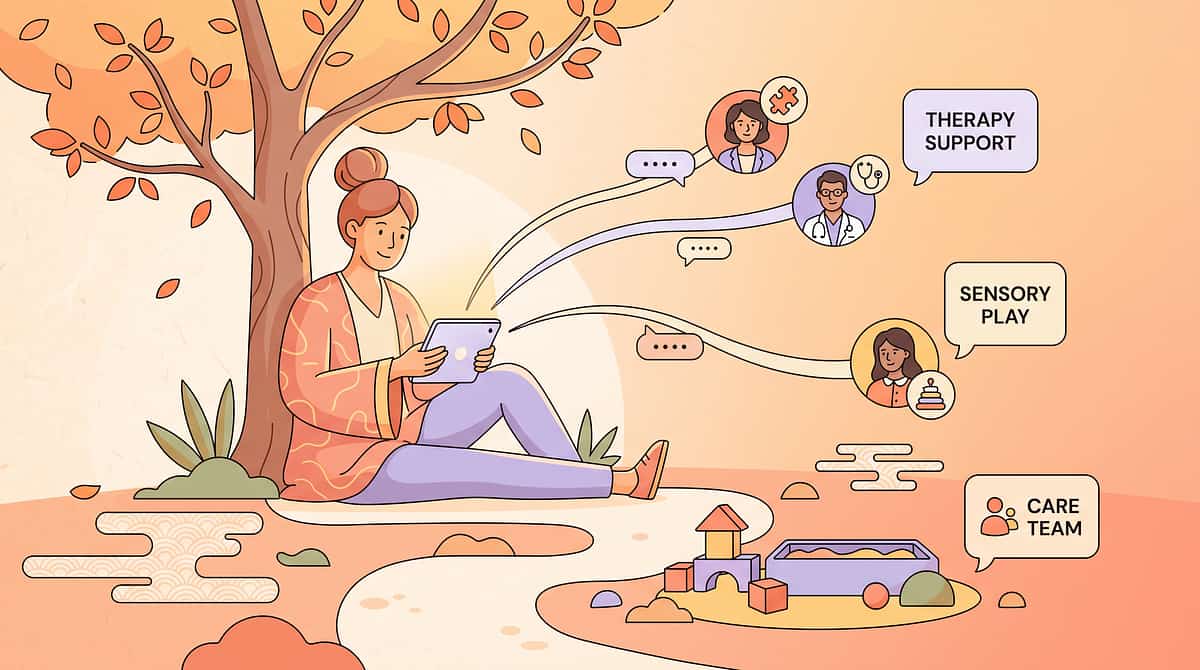
Material 09 of 09
🗺️ Care Coordination Tracker & Communication Log
Five providers, three systems, none talking to each other — you are the hub. These tools make you an effective one.
Children with developmental conditions typically see a paediatrician, a developmental specialist, an OT, an SLP, a neurologist, a BCBA, a school psychologist, and multiple therapists. No single provider has the full picture. The parent — by default — becomes the care coordinator. Without tools, this coordination breaks down. With a systematic tracker, you are running a coordinated care team.
🗂️ Provider Roster
Provider | Specialty | Phone | Portal | Last Visit | Next Visit | What They Manage
📋 Recommendation Tracker
Date | Provider | Recommendation | Status | Deadline | Notes
📞 Communication Log
Date | Provider | Method | What Was Discussed | Decisions Made | Actions Required
Week 1–2 Progress Markers: You have assembled your first complete provider roster. You have made at least one structured pre-appointment preparation. You have tracked symptoms for 7+ consecutive days. You left at least one appointment with a confirmed next step in writing.
Remember: The first two weeks are about building habits, not winning every battle. Providers won't transform overnight — but you are building the system that changes how they see you. 📞9100 181 181

Weeks 3–4: The System Begins to Work
At weeks 3–4, something shifts. The tools begin to feel like yours — not techniques you're trying, but capabilities you own. Watch for these consolidation indicators across three areas.
In Appointments
You complete your question list more consistently. You leave with at least one specific, written next step. Providers are beginning to reference your documentation. You have successfully obtained at least one referral or test.
In Your System
Tracking data is now showing patterns you didn't see before. Your binder is being updated consistently after appointments. Your communication log has 5+ entries. You've begun to identify which providers communicate well.
In Yourself
You feel slightly less anxious entering appointments. You are asking questions you previously wouldn't have asked. You notice when a concern is being deflected — and you know a response strategy.
When to Increase Intensity: Begin using referral request letters for outstanding unresolved requests. Consider activating the second opinion pathway for any unresolved diagnostic questions. Request a care coordination call between two providers whose work intersects.

Weeks 5–8: Healthcare Navigation Mastery
🏆 Mastery Level
By weeks 5–8, advocacy feels automatic. You are no longer thinking about the technique — you are living it. Here are the criteria that define true mastery across all four dimensions.
Communication Mastery ✅
- Describe your child's developmental concerns with clinical precision in any appointment
- Consistently ask clarifying questions when you don't understand terminology
- End every appointment with confirmed, written next steps
Documentation Mastery ✅
- Medical binder is current, complete, and travels to every appointment
- Tracking logs show 4+ weeks of consistent data with identified patterns
- Communication log has documented records of all significant interactions
Advocacy Mastery ✅
- Successfully obtained a referral through written request that was previously verbally declined
- Exercised at least one patient right (second opinion, records access, or documentation request)
- Used at least 3 different advocacy scripts effectively
Coordination Mastery ✅
- Provider roster is complete and current
- Facilitated at least one communication between two providers
- Identified and addressed at least one care coordination gap
Generalisation Indicators: You are beginning to teach these skills to another caregiver. You are introducing age-appropriate self-advocacy concepts to your child. Other parents are asking you for guidance.
🎉 You Did This
You arrived at this guide worried, dismissed, and exhausted by a system that wasn't designed to hear you.
You built a medical history binder. You tracked symptoms in the dark after bedtime when the house was finally quiet. You stayed up the night before appointments writing out questions you were afraid to ask. You found the words — and then you used them. You walked into that appointment and you didn't freeze.
You got the referral. You understood the report. You pushed back — respectfully, firmly, with data — and the system responded.
Your child received care that wouldn't have happened without you.
That is not a small thing. That is not "just being a parent." That is a skill you built, a system you constructed, and a capability you earned.
Family Celebration Suggestion: Tonight — share with your co-parent, your family, the person who has watched you do this work — what it meant to finally be heard. Document this milestone in your medical binder under a new section: "Advocacy Wins."
📞9100 181 181 — Share your success with our team and connect with our parent community. Your story empowers the next family.
These Situations Require Professional Escalation — Not More Preparation
Some situations are beyond the scope of self-advocacy. Recognising when to escalate is itself a form of mastery — the highest form of advocacy protects your child and future families.
🔴 Clinical Red Flags — Escalate Immediately
- Your child's condition is worsening while being told to "wait and see" for more than 3 months
- Symptoms that once improved are now regressing
- New symptoms appearing that no provider is investigating
- You have been told not to seek second opinions
- A recommended treatment is causing observable harm
🔴 Advocacy Red Flags — Escalate
- A provider becomes hostile or retaliatory when you advocate
- Critical referrals repeatedly delayed without documented clinical reasoning
- You are being blamed for your child's condition inappropriately
- A provider refuses to document their reasoning for refusing a referral
Formal Escalation Pathway
Hospital Patient Advocate
Request contact at any major hospital — this is your first formal step
Medical Director or Department Head
Escalate within the institution before going external
State Medical Council
India: file formal complaint through your state's council
Consumer Forum
Under Consumer Protection Act 2019, medical negligence is actionable
📞9100 181 181 — Call immediately if you have escalation concerns. Our clinical team can help you evaluate whether escalation is warranted.
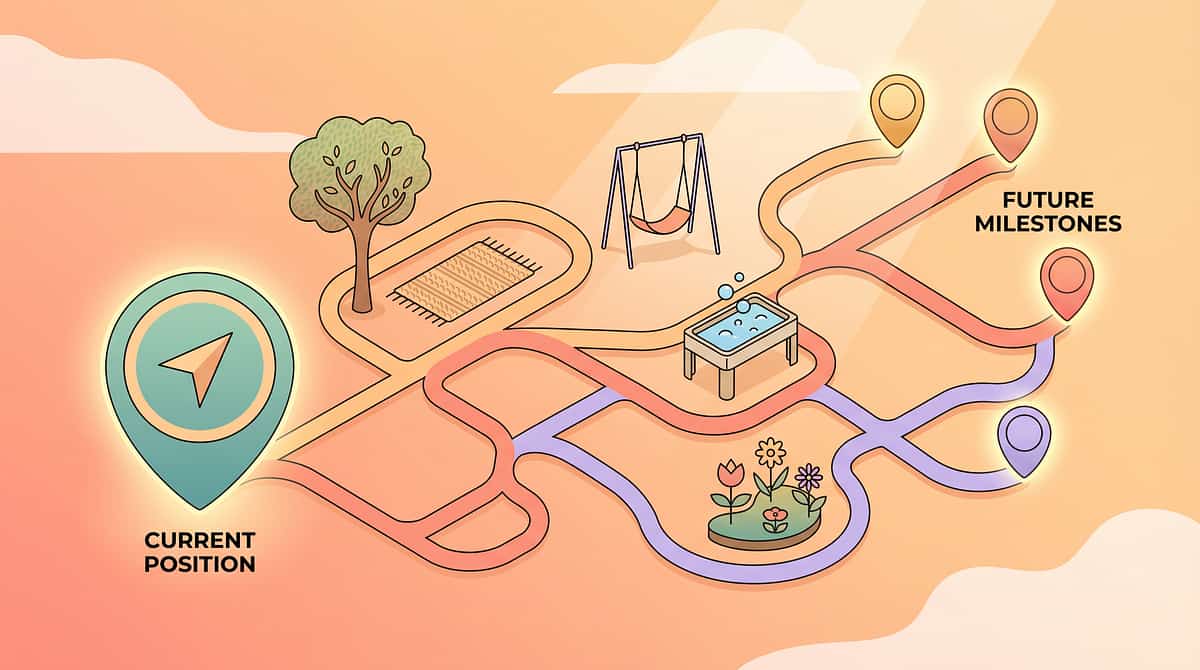
Your Healthcare Navigation Journey — Where Next
You have mastered the Medical Advocacy Toolkit. Here is how K-910 fits within the full Healthcare Navigation domain — and which technique best serves your next challenge.
→ K-911
Insurance & Benefits Navigation
If your primary need is funding, insurance access, or government scheme eligibility
If your primary need is funding, insurance access, or government scheme eligibility
→ K-912
Transitioning Between Healthcare Providers
If your child's care involves multiple providers and transitions between systems
If your child's care involves multiple providers and transitions between systems
→ K-915
Preparing for Hospitalisation
If hospitalisation is a current or anticipated reality for your child
If hospitalisation is a current or anticipated reality for your child
→ L-960
Teaching Self-Advocacy Skills
If your child is developing to the point of self-advocacy readiness
If your child is developing to the point of self-advocacy readiness
Domain K: Healthcare Navigation — Your Full Library
Every tool you've built in K-910 directly powers the techniques ahead. Your medical binder, tracking logs, question templates, and advocacy scripts are the foundation for the entire Healthcare Navigation domain.
Technique | Domain | Level | |
K-908: Finding the Right Specialists | Healthcare Navigation | 🟡 Core | |
K-909: Understanding Developmental Evaluations | Healthcare Navigation | 🟡 Core | |
K-910: Medical Advocacy Toolkit ← You Are Here | Healthcare Navigation | 🟡 Core | |
K-911: Insurance & Benefits Navigation | Healthcare Navigation | 🔴 Advanced | |
K-912: Transitioning Between Healthcare Providers | Healthcare Navigation | 🟡 Core | |
K-915: Preparing for Hospitalisations | Healthcare Navigation | 🟡 Core | |
L-960: Teaching Self-Advocacy Skills | Self-Advocacy | 🔴 Advanced | |
L-970: When Healthcare Advocacy Becomes Exhausting | Parent Wellbeing | 🟢 Introductory | |
L-972: Dealing with Medical Gaslighting | Parent Wellbeing | 🟡 Core | |
L-975: Building Your Healthcare Support Network | Community | 🟢 Introductory |
Materials You Already Own: Medical Binder ✓ | Tracking Logs ✓ | Question Templates ✓ | Advocacy Scripts ✓ — These tools directly power K-911, K-912, and K-915.
This Is One Piece of a Larger Plan
Healthcare navigation is the meta-skill that makes all other developmental interventions accessible. K-910 is not one technique among many — it is the technique that unlocks all others.
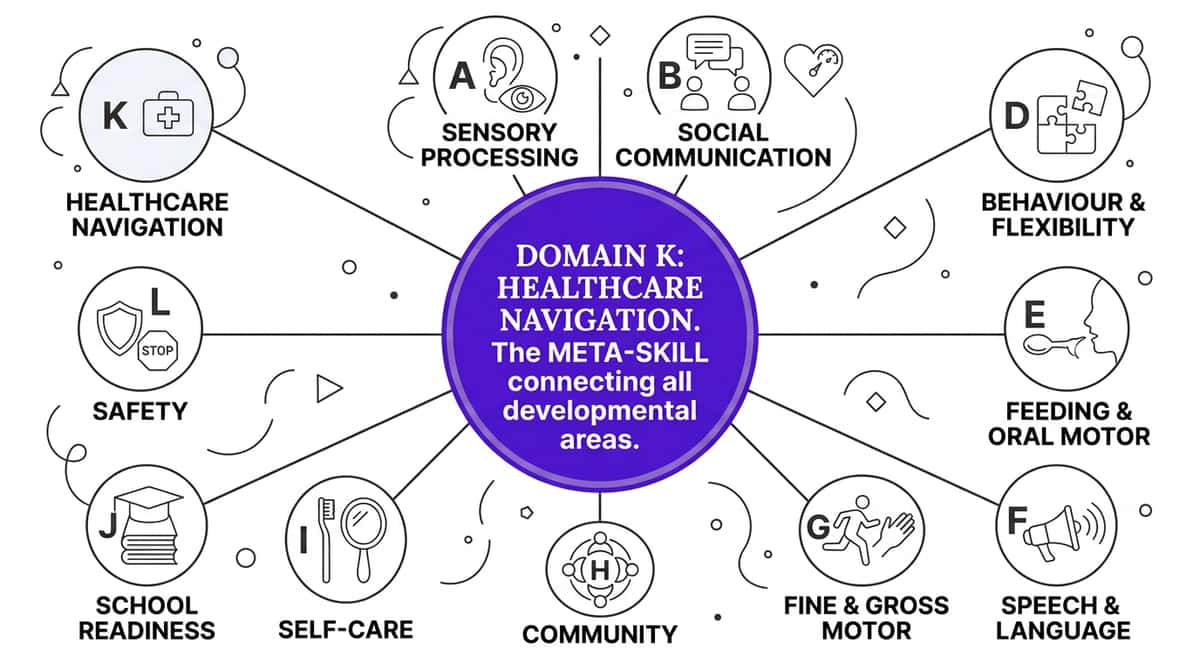
Current Domain Highlighted: K — Healthcare Navigation. Every technique in every domain requires a parent who can effectively advocate for their child's access to that domain's interventions. K-910 is the technique that enables all the others.
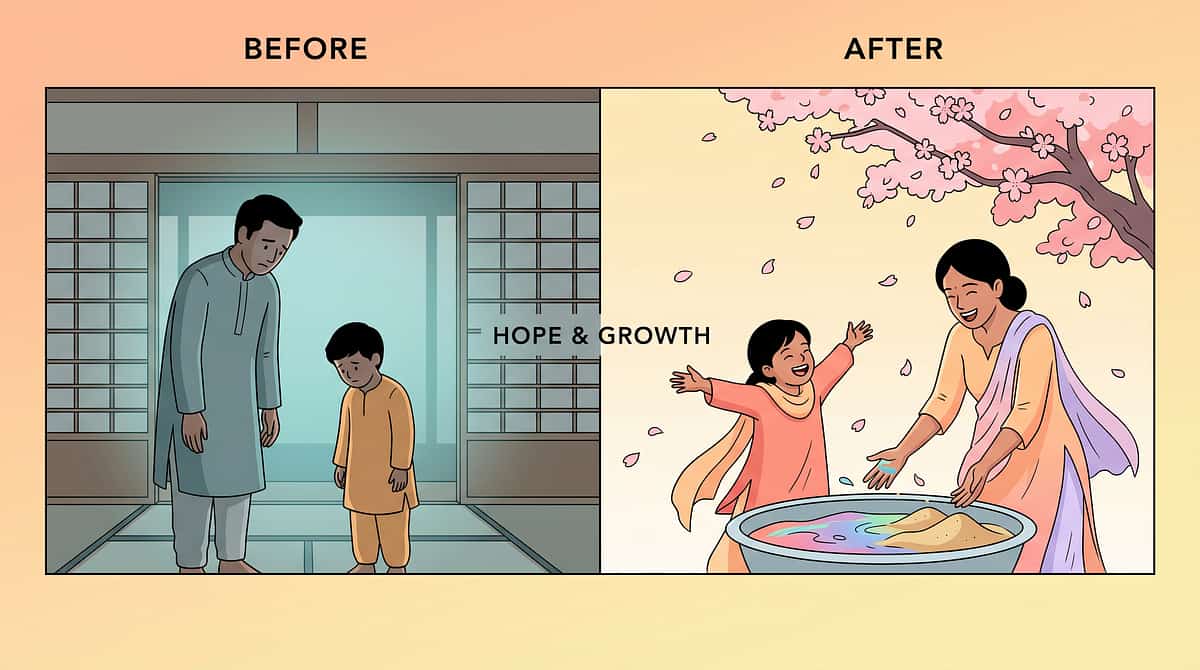
From the Pinnacle Network — Real Families, Real Outcomes
Before → After | Telangana | 3 years → 6 weeks
"For three years, every paediatrician told us the same thing. 'Boys develop slower.' I knew something was different — I'd tracked 47 meltdowns in one month, documented in a notebook nobody ever asked to see."
The Turn: Built the binder in one evening. Created a one-page data summary. Handed it to the doctor before she could open the screen. She read it. She asked real questions. She wrote the referral that day.
After: Son diagnosed with autism at 4 years 2 months. Started intensive therapy within six weeks. Now speaking in sentences.
The Turn: Built the binder in one evening. Created a one-page data summary. Handed it to the doctor before she could open the screen. She read it. She asked real questions. She wrote the referral that day.
After: Son diagnosed with autism at 4 years 2 months. Started intensive therapy within six weeks. Now speaking in sentences.
Before → After | Maharashtra | 18 months → 2 months
"We saw six specialists over 18 months. None of them talked to each other. One said sensory processing disorder. Another said ADHD. A third said anxiety. All giving different, sometimes contradictory instructions. My daughter was getting worse."
The Turn: Set up a care coordination tracker. Started facilitating communication explicitly between providers. Requested a care conference.
After: A unified diagnosis and treatment plan emerged. All three providers now use the same language. My daughter's symptoms have stabilised for the first time in two years.
The Turn: Set up a care coordination tracker. Started facilitating communication explicitly between providers. Requested a care conference.
After: A unified diagnosis and treatment plan emerged. All three providers now use the same language. My daughter's symptoms have stabilised for the first time in two years.
"The difference between families who get appropriate, timely care for their children and families who don't is rarely the quality of their love. It is almost always the presence or absence of systematic advocacy tools. When parents arrive with organised documentation, specific data, and clear requests — the clinical encounter is transformed." — Pinnacle Blooms Network, Senior Clinical Consultant

You Don't Have to Navigate This Alone
Research consistently shows that parents with community support implement home interventions more consistently, advocate more effectively, and report better mental health outcomes. Community is not optional — it is clinical.
🟢 WhatsApp Community
Join the Pinnacle Medical Advocacy Parents Group — families navigating healthcare systems, sharing scripts that worked, providers they trust, and strategies for the hardest appointments. Join via Pinnacle Helpline: 9100 181 181 or care@pinnacleblooms.org
💬 Online Forum
Pinnacle Parent Community at pinnacleblooms.org — searchable by challenge, domain, and geography. Your specific situation has been navigated by someone before you.
🤝 Peer Mentoring
Been through diagnosis, advocacy, and the system? Become a Pinnacle Parent Mentor. Have an upcoming challenge? Request a mentor with that exact experience.
📍 Local Parent Meetups
Pinnacle centres (70+ across India) organise regular parent meetups. In-person community is qualitatively different from digital connection. Ask your nearest centre.
"Consider sharing your advocacy journey. The parent who discovers this guide tomorrow will be empowered by the fact that you were here first."
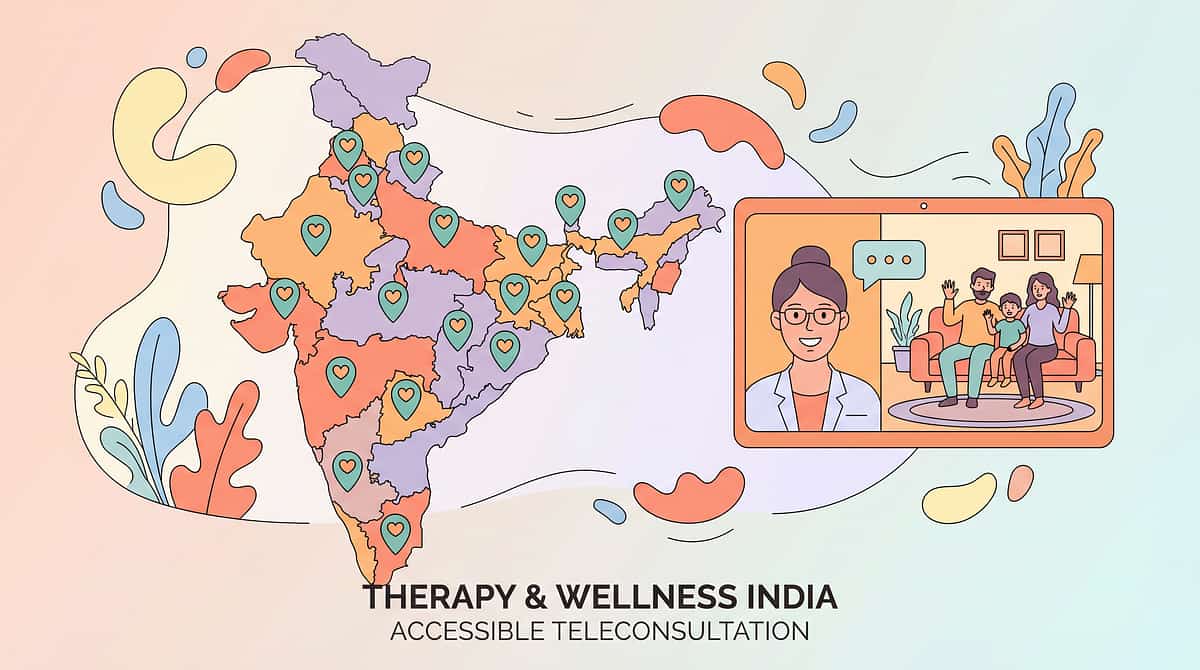
70+ Centres. One System. Your Child at the Centre.
Not near a Pinnacle centre? Not able to travel? Our clinical team offers teleconsultation specifically for medical advocacy support — helping you prepare for appointments, review tracking data, or navigate complex advocacy situations.
Find Your Nearest Centre
70+ Pinnacle Blooms Network® centres across India, with discipline availability indicators. Search by city or pincode.
Teleconsultation — Available Now
Book online or call: 📞 9100 181 181 | 24×7 | 16+ languages
Find Your Primary Support by Discipline
- NeuroDev Paediatric consultation — for diagnostic navigation
- OT — for sensory/motor tracking and advocacy preparation
- SLP — for communication concern documentation
- BCBA — for behaviour tracking and data interpretation
- Parent Training — for advocacy skill building sessions
Insurance & Funding: Ask at your nearest Pinnacle centre about AYUSHMAN BHARAT provisions, DPIIT startup-registered services, and Govt of India scheme eligibility for families with children with disabilities.
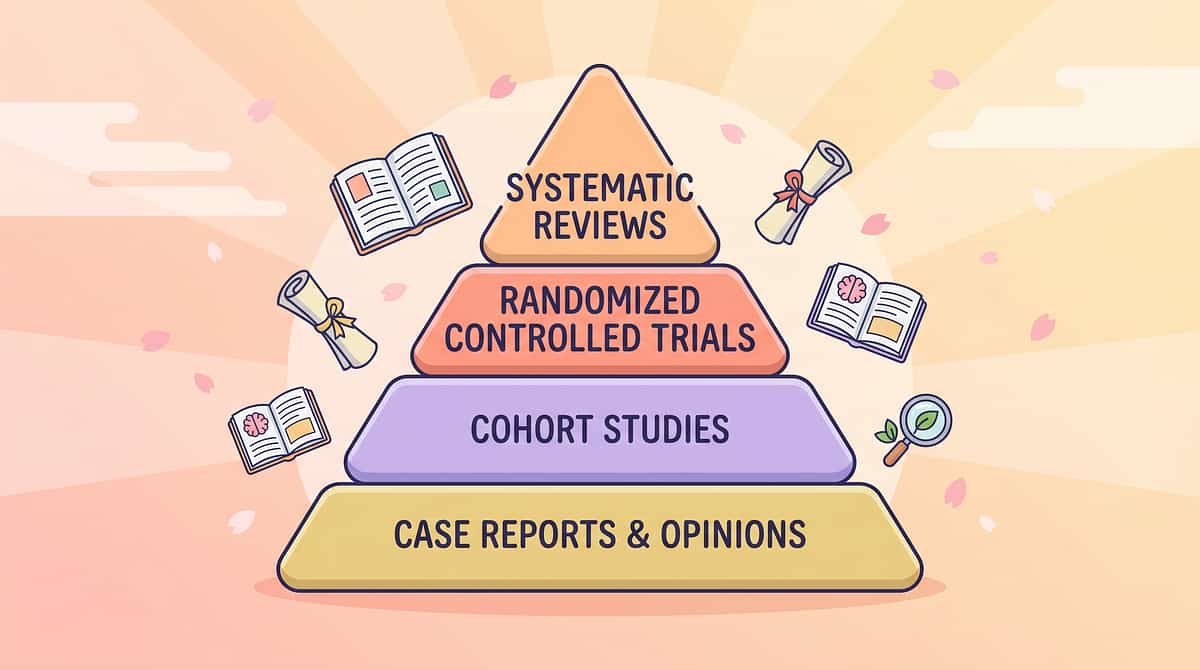
The Evidence That Powers This Toolkit
For parents and providers who want to go deeper — the research foundation behind every recommendation in this guide.
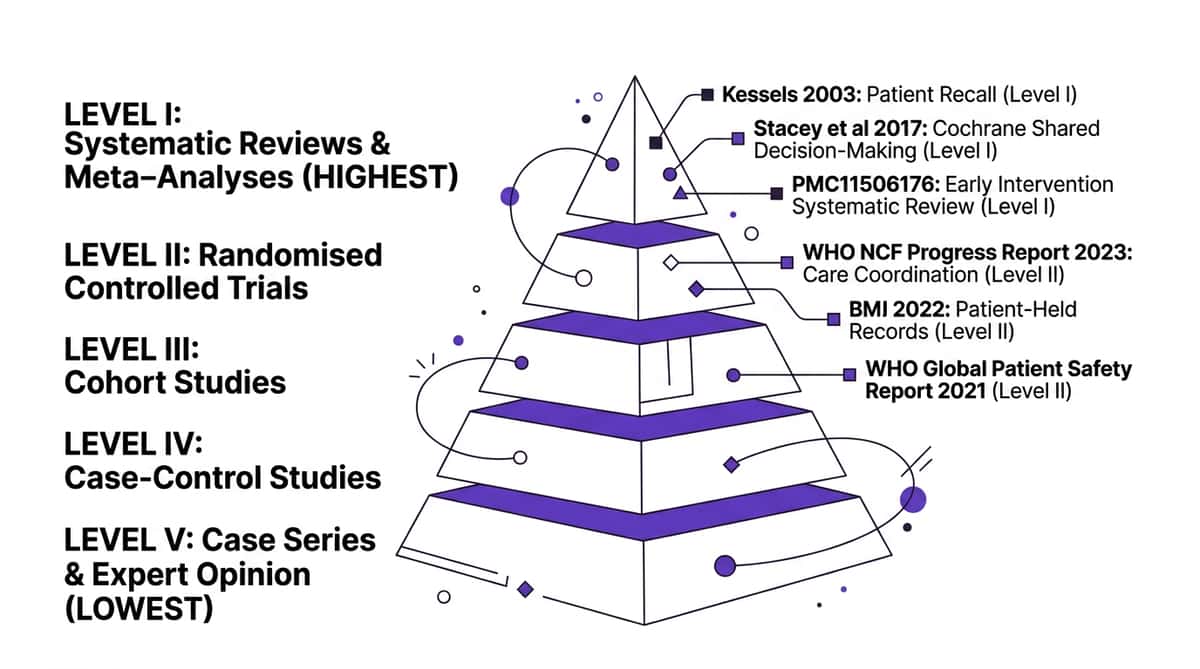
📊 Kessels (2003) — Patient Recall
40–80% of medical information provided during consultations is forgotten or incorrectly remembered within 24 hours. J R Soc Med. 2003;96(5):219-222
🤝 Stacey et al. (2017) — Shared Decision-Making
Decision aids improve knowledge, reduce decisional conflict, and increase active participation in medical decisions. Cochrane Database Syst Rev. 2017 Apr
🔬 BMJ (2022) — Patient-Held Records
Patient-held health records improve care continuity, reduce medical errors, and change provider communication behaviour measurably.
⚖️ WHO Global Patient Safety Report (2021)
Informed, rights-aware patients achieve better health outcomes across all measured indicators.
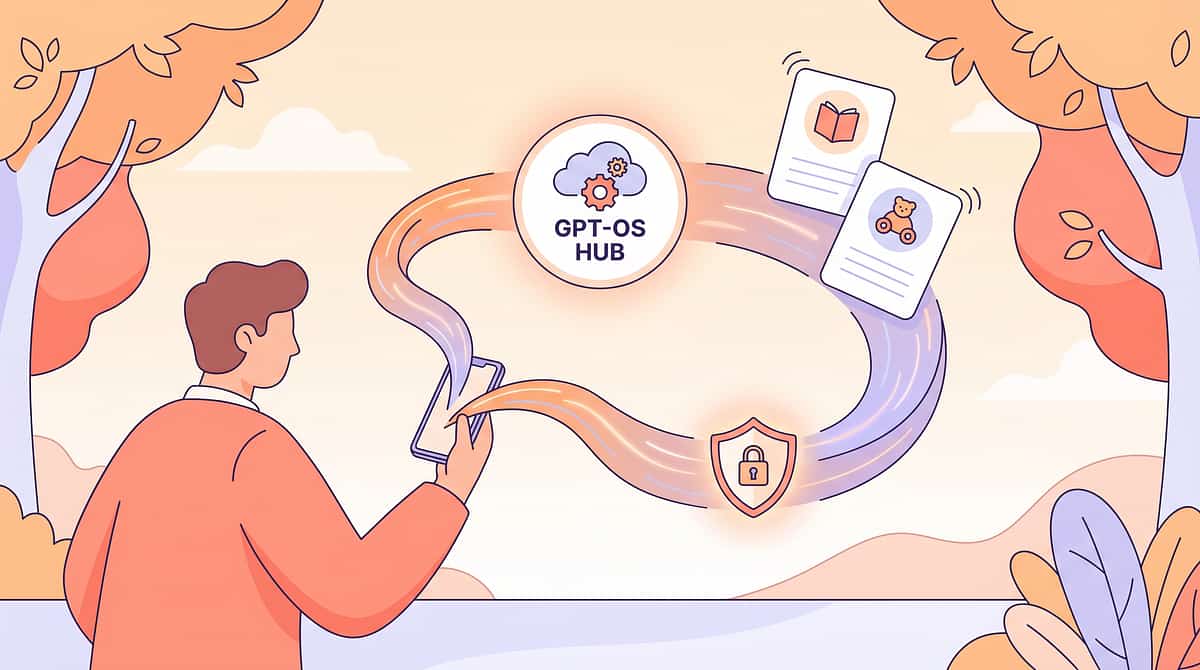
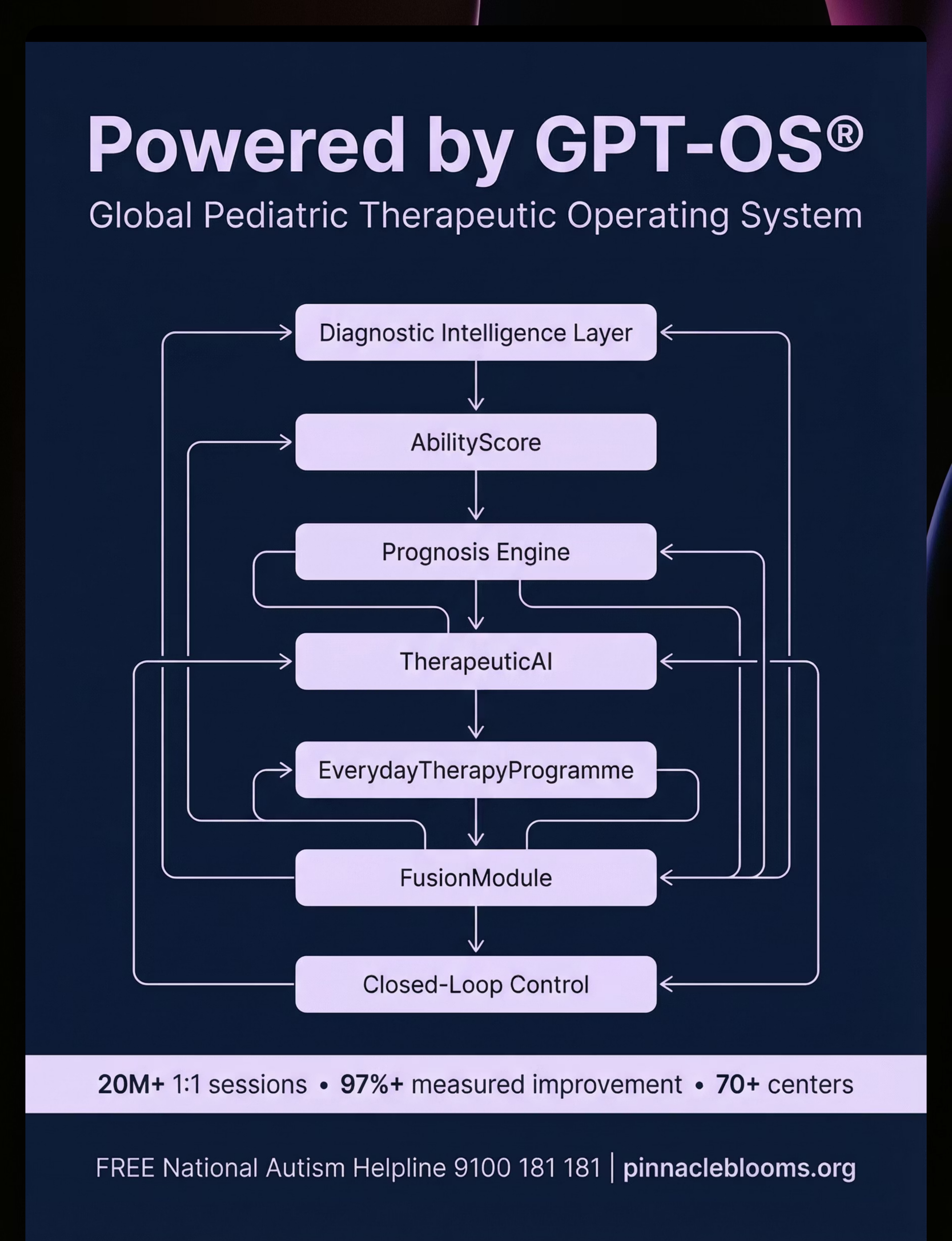
Powered by GPT-OS® — Your Advocacy Data Drives Personalised Intelligence
Every data point you contribute improves GPT-OS® recommendations for the next family navigating the same healthcare challenge. Your child's journey makes the next child's path clearer.
What GPT-OS® Learns From Your Advocacy Data
- Appointment outcome patterns across 20M+ sessions
- Which advocacy approaches correlate with faster diagnostic pathways
- Which symptom tracking formats generate the most provider-responsive data
- Optimal timing for escalation based on historical family journeys
Your Data Powers:
AbilityScore® baseline | Prognosis Engine | TherapeuticAI® Recommendations | FusionModule™ (OT+SLP+ABA+SpEd integration) | Everyday Therapy Programme™
Privacy Assurance
All data processed under India's Digital Personal Data Protection Act (DPDP Act, 2023). Anonymised at population level. Individual data never shared without explicit consent.
GPT-OS® by the numbers:
20M+ therapy sessions analysed
97%+ measured improvement rate
70+ centres across India
70,000+ intervention techniques
20M+ therapy sessions analysed
97%+ measured improvement rate
70+ centres across India
70,000+ intervention techniques
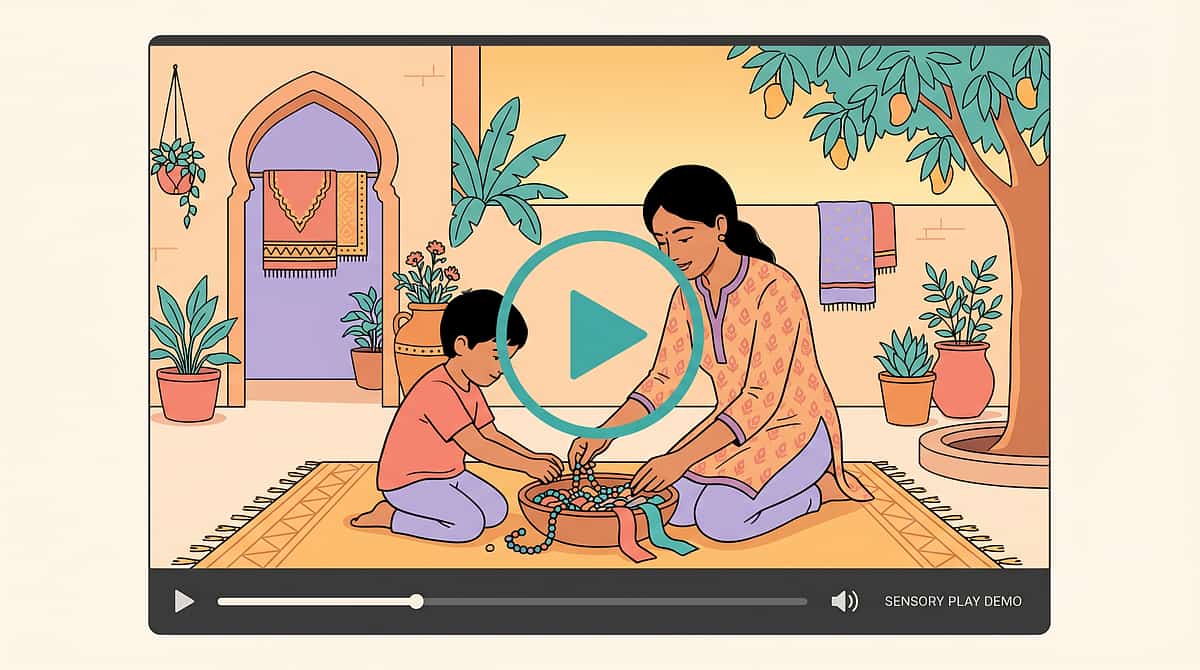
Watch the Original Reel — K-910
"When you leave every appointment feeling unheard. When your concerns are dismissed. When 'wait and see' isn't acceptable anymore — these 9 materials help you become the advocate your child deserves."
🎬 Reel Details
Reel ID: K-910
Title: 9 Materials That Help With Medical Advocacy
Series: Healthcare Navigation and Medical Advocacy — Episode 910
Domain: K — Healthcare Navigation
Format: 9 Materials That Help With... (Theme: 9MAT)
Duration: 60 seconds
Title: 9 Materials That Help With Medical Advocacy
Series: Healthcare Navigation and Medical Advocacy — Episode 910
Domain: K — Healthcare Navigation
Format: 9 Materials That Help With... (Theme: 9MAT)
Duration: 60 seconds
▶ Watch Now
Watch on Pinnacle's video library — part of the full Healthcare Navigation series with multi-disciplinary clinical commentary from CRO + NeuroDev + SLP + OT + ABA + SpEd specialists.
📺 Series Navigation
← K-909 Reel: Understanding Developmental Evaluations
→ K-911 Reel: Insurance & Benefits Navigation
Multi-modal learning (visual + text + demonstration) improves parent skill acquisition beyond text alone. (NCAEP, 2020)
→ K-911 Reel: Insurance & Benefits Navigation
Multi-modal learning (visual + text + demonstration) improves parent skill acquisition beyond text alone. (NCAEP, 2020)

Consistency Across Caregivers Multiplies Impact
When only one parent executes medical advocacy — only one parent attends appointments, only one parent tracks, only one parent knows the scripts — you're running a two-person system on half capacity. When both parents, grandparents, and school staff are aligned, your child's advocacy infrastructure becomes a distributed team.
Share This Guide
📱WhatsApp:"This guide has everything you need to advocate effectively for our child at medical appointments. Start with the medical binder and tracking log."
📧Email subject:"Our child's medical advocacy toolkit — please read before the next appointment"
🔗Direct link: techniques.pinnacleblooms.org/k/medical-advocacy-k910
📧Email subject:"Our child's medical advocacy toolkit — please read before the next appointment"
🔗Direct link: techniques.pinnacleblooms.org/k/medical-advocacy-k910
Explain to Grandparents
"We're now preparing organised notes before every doctor's appointment and tracking [child's name]'s behaviours in a log. When you accompany them to appointments, please use the question worksheet in the front of the blue binder. If the doctor dismisses a concern, please write down exactly what they said."
Why Sharing Matters
WHO Care for Child Development Package confirms: multi-caregiver training is critical for intervention generalisation and maintenance across all settings. Your extended family is part of your child's advocacy team.

Questions Parents Ask — Answered Directly
Q: Is it rude to bring documentation and question lists?
No. Organised parents are better partners for providers, not difficult patients. Any provider who responds negatively to your preparation is signalling something worth noting. Most providers welcome structured appointments — it helps them too.
Q: Am I allowed to record appointments in India?
India does not have a blanket all-party consent requirement (as of 2025), but asking permission is recommended for relationship preservation. "I'd like to record this to make sure I implement everything correctly — is that okay?" almost always receives a yes.
Q: What if the doctor reads my tracking log and ignores it?
Present the summary, not the raw log. One page with totals and patterns. If still dismissed: "I'd like to note in the record that I have presented documented tracking data covering [X weeks] of [specific concern]."
Q: How do I get a second opinion without offending my current doctor?
"I'd like to get a second perspective before we proceed. I value your care and I'm not questioning your assessment — I want to feel fully confident in our plan." Good doctors support this. Those who don't are telling you something.
Q: My child is nonverbal — how does advocacy change?
The stakes are higher and the tools are more critical. Your tracking logs ARE your child's voice in the room. Your documentation of functional impact IS your child's testimony. Every material in this guide has elevated importance for families with nonverbal children.
Q: What if I can't afford specialist appointments after getting a referral?
Ask about: Government hospital specialist services | AYUSHMAN BHARAT / PM-JAY coverage | NGO-run specialist services | Pinnacle's teleconsultation options. 📞 9100 181 181 — the helpline can guide you to low-cost resources.
Q: How often should I update my medical binder?
After every appointment. Set a rule: binder is updated before you leave the car park. Add new test results the day you receive them. Remove outdated information quarterly.
Q: My child is 14 — how do I begin transferring advocacy to them?
Invite them to help update the binder. Let them be present when you prepare question worksheets — ask their input. Practice simplified advocacy scripts together. Self-advocacy is a developmental skill that begins years before it is needed independently. See L-960: Teaching Self-Advocacy Skills.
Didn't find your answer? Ask GPT-OS® → pinnacleblooms.org/ask | Book teleconsultation → 📞 9100 181 181
You Have Everything You Need. Start Today.
From fear to mastery. One technique at a time.
→ Access GPT-OS® session launcher + free templates at pinnacleblooms.org/start-advocacy
→ Medical advocacy preparation + clinical support from the Pinnacle team
→ Continue your healthcare navigation journey
⚕️Validated by the Pinnacle Blooms Consortium
CRO • SLP • OT • ABA/BCBA • SpEd • NeuroDev Pediatrics
20M+ sessions • 97%+ measured improvement • 70+ centres across India
CRO • SLP • OT • ABA/BCBA • SpEd • NeuroDev Pediatrics
20M+ sessions • 97%+ measured improvement • 70+ centres across India
🧠 NeuroDev
🗣️ SLP
🖐️ OT
📐 ABA
📖 SpEd
🔬 CRO
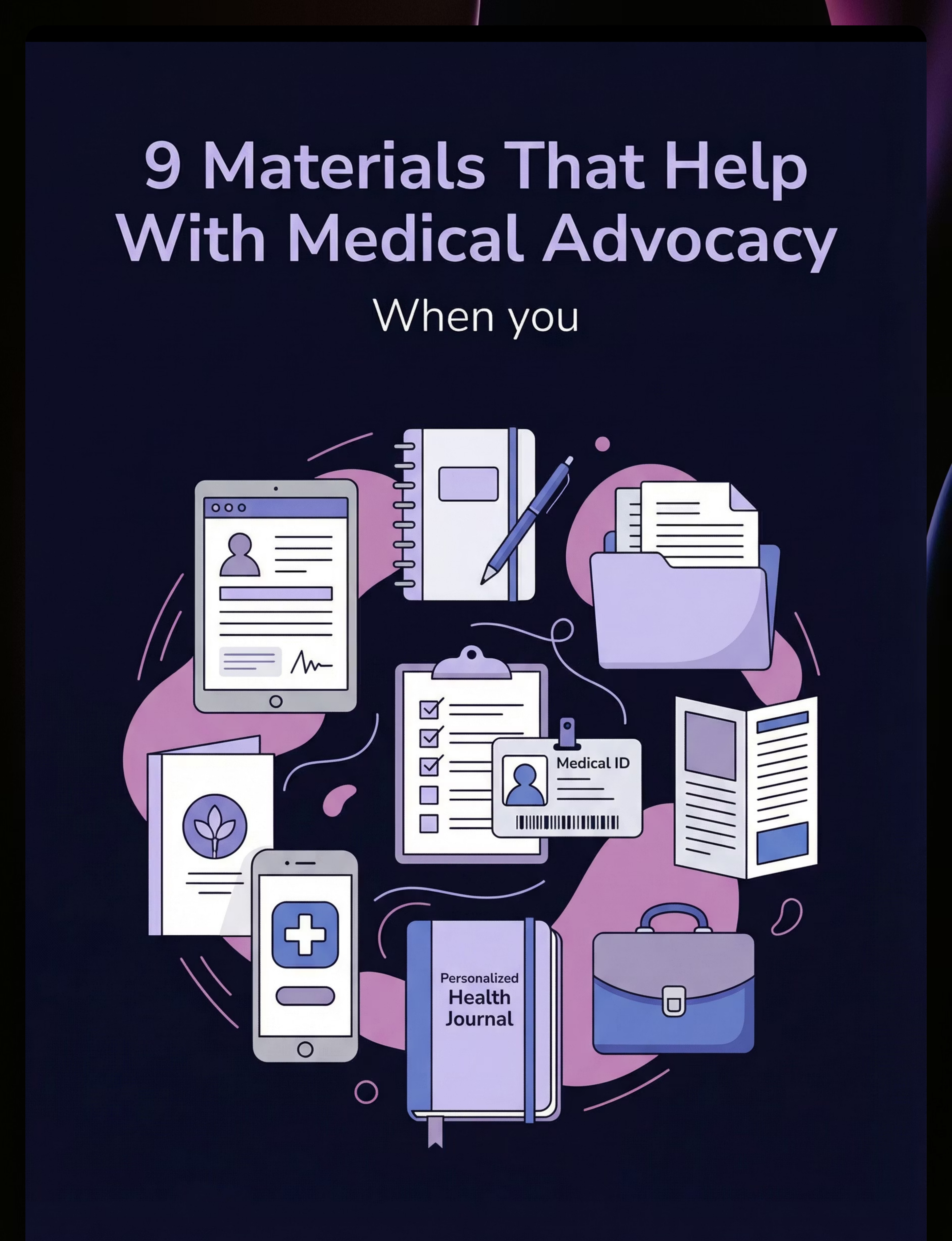
Preview of 9 materials that help with medical advocacy Therapy Material
Below is a visual preview of 9 materials that help with medical advocacy therapy material. The pages shown help educators, therapists, and caregivers understand the structure and content of the resource before use. Materials should be used under appropriate professional guidance.



Link copied!

The Pinnacle Promise
⚕️ PINNACLE BLOOMS CONSORTIUM ⚕️
CRO • SLP • OT • ABA/BCBA • SpEd • NeuroDev Pediatrics
Mothers • Fathers • Families • Caregivers
WHO • UNICEF • International Partners
CRO • SLP • OT • ABA/BCBA • SpEd • NeuroDev Pediatrics
Mothers • Fathers • Families • Caregivers
WHO • UNICEF • International Partners
"From fear to mastery. One technique at a time."
Every family who uses this guide is part of a larger movement: the transformation of healthcare from a system that happens to children into one that actively responds to their advocates. 70,000+ intervention techniques. 20 million therapy sessions. 97%+ measured improvement. Built by the consortium. Delivered through GPT-OS®. Proven in 70+ centres. Empowering families across 70+ countries.
Navigate
← K-909: Understanding Developmental Evaluations
Browse All Techniques → techniques.pinnacleblooms.org
Pinnacle Blooms Network® Home → pinnacleblooms.org
K-911: Insurance Navigation →
Statutory Identifiers
CIN | U74999TG2016PTC113063 | |
DPIIT | DIPP8651 (Govt. of India) | |
MSME | TS20F0009606 | |
GSTIN | 36AAGCB9722P1Z2 |
Medical Disclaimer: This content is educational and does not constitute legal or medical advice. Patient rights and healthcare regulations vary by jurisdiction. Advocacy strategies should be adapted to your specific situation and local legal context. Individual outcomes may vary. Statistics represent aggregate outcomes across the Pinnacle Blooms Network® system.
📞 Free National Autism Helpline (16+ languages): 9100 181 181 | 24×7
pinnacleblooms.org | care@pinnacleblooms.org
© 2025 Pinnacle Blooms Network®, unit of Bharath Healthcare Laboratories Pvt. Ltd. All rights reserved. Technique code K-910. Powered by GPT-OS®.
pinnacleblooms.org | care@pinnacleblooms.org
© 2025 Pinnacle Blooms Network®, unit of Bharath Healthcare Laboratories Pvt. Ltd. All rights reserved. Technique code K-910. Powered by GPT-OS®.