
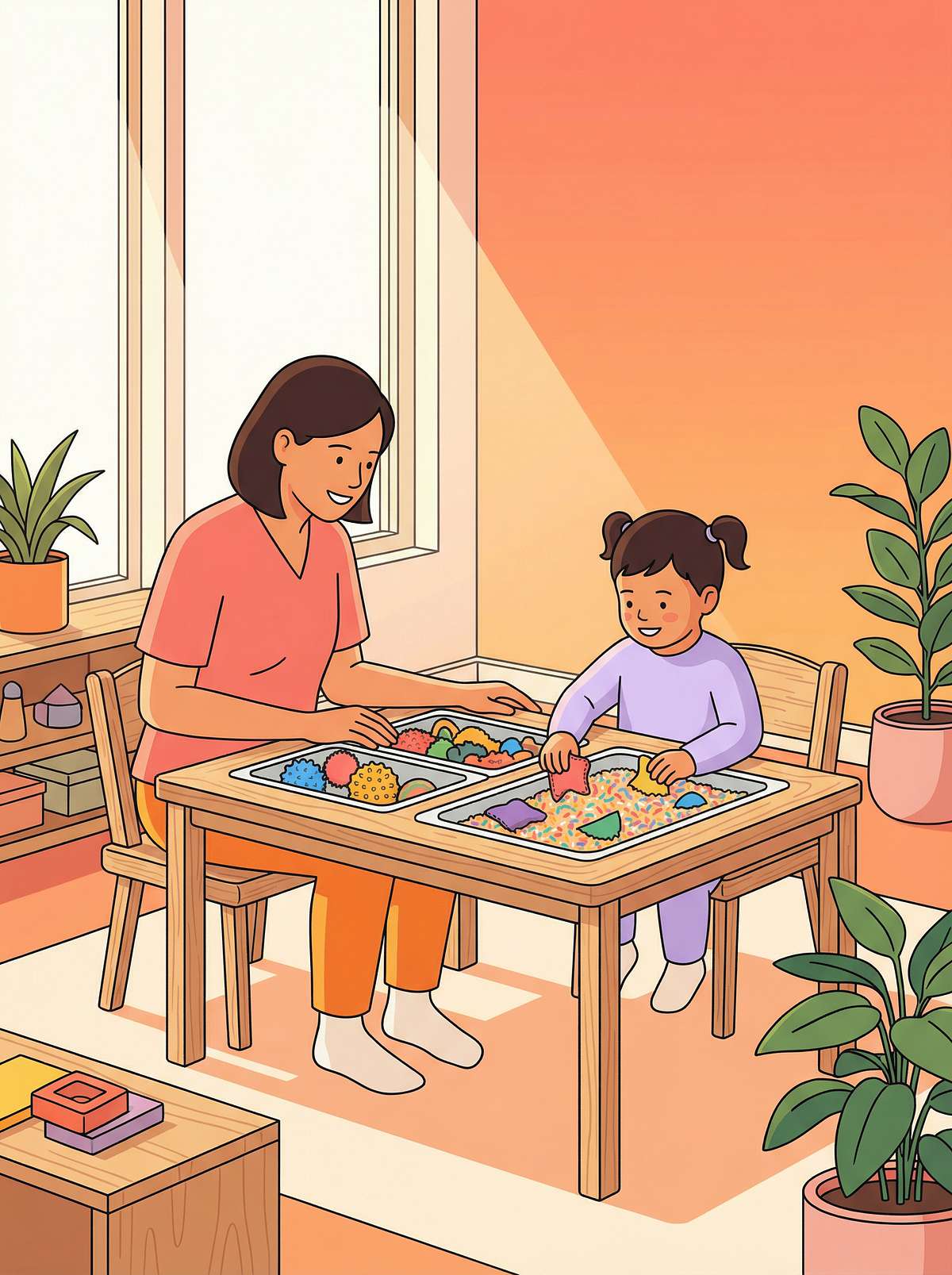
Matching Skills in Children: 9 Therapy Materials That Build Visual Discrimination
"Before sorting. Before reading. Before mathematics — your child needs to recognise that two things are the same. This is your complete guide to building that foundation."
Cognitive Foundations Series · G-667
Age Band: 18 months – 8 years

ACT I — The Emotional Entry
You Are Not Failing — You Are in the Right Place
"You put two identical red blocks in front of her and said, 'Find the same one.' She looked up at you, looked at the blocks, and reached for something completely different."
You are not failing. Your child's brain is processing information differently — and this is something we can work with. Matching skills are the cognitive foundation that everything else builds on. Without the ability to recognise sameness, sorting, reading, mathematics, and following instructions with choices cannot develop as they should.
🏛️ Consortium Reviewed
ABA · OT · SLP · Special Education · NeuroDev · CRO
📋 Episode G-667
Cognitive Foundations Series — Pinnacle Blooms Network®
📅 Age Band
18 months – 8 years · Evidence Grade: Level II
Source: WHO Nurturing Care Framework (2018) — "The period from pregnancy to age 3 is key for a child's development."
ACT I — Normalisation
You Are Among Millions of Families Navigating This Exact Challenge
1 in 36
Children with Autism (US)
CDC Autism Prevalence Report 2023
80%
Show Visual Discrimination Difficulty
Of children with ASD show significant difficulty with visual discrimination and matching tasks
21M+
Therapy Sessions Delivered
By Pinnacle — matching skill deficits documented as one of the earliest cognitive flags
In India: An estimated 2–3 million children live with autism spectrum conditions. Matching skill difficulty is among the top 5 presenting concerns at Pinnacle's 70+ centres, across all developmental profiles.
What parents often describe:
- "She doesn't seem to understand what 'same' means"
- "He just grabs any object randomly — like he's not even looking"
- "Even the simplest matching games are impossible for her right now"
"If you've thought any of these thoughts — you are in the right place. This is not about intelligence. This is about a specific cognitive skill that needs explicit, systematic instruction."
References: CDC Autism Prevalence Report 2023 | PMC11506176 (PRISMA Systematic Review, 2024) | PMC10955541 (Meta-analysis, World J Clin Cases, 2024)

ACT I — Understanding
What's Happening in Your Child's Brain
The neuroscience of matching — explained for parents.
The Neural Pathway
1
Visual Cortex (V1–V4)
Feature extraction — colour, shape, size
2
Inferior Temporal Cortex
Object identity recognition
3
Parietal Cortex
Spatial comparison between objects
4
Prefrontal Cortex
Executive decision: "Same or different?"
What Happens Differently
When a child sees two identical objects, their visual cortex extracts features, the inferior temporal cortex identifies each object's identity, and the prefrontal cortex compares and decides "same" — triggering the motor response to match.
In children with developmental differences, the neural pathway between feature extraction and comparison is slower, less reliable, or requires more processing time. The child isn't being random — they're working harder than you realise to make a comparison that happens automatically in neurotypical processing.
"When we understand the brain pathway, we understand why matching must be taught explicitly — and why the right materials make all the difference." — Pinnacle NeuroDev Paediatrics Team
References: Frontiers in Integrative Neuroscience (2020): DOI: 10.3389/fnint.2020.556660 | Visual discrimination processing in developmental populations — Research in Developmental Disabilities

ACT I — Developmental Context
Where This Sits in Development
Understanding where matching skills fall in the developmental timeline helps you see both where your child is — and the clear path forward.
18 Months
Begins sorting by shape (exploration)
24 Months
Simple identical object match (play-based)
30 Months
Object-to-picture matching emerges (symbol begins)
36 Months
Feature-based matching (attributes)
4–5 Years
Category-based matching and sorting (pre-academic)
What commonly co-occurs with matching difficulty:
Visual Attention Deficits
→ see G-665
Imitation Skill Delays
→ see G-666
Receptive Language Challenges
Often co-occurs with visual discrimination difficulty
Executive Function Difficulties
Early signs often appear alongside matching gaps
References: WHO Care for Child Development (CCD) Package 2023 | UNICEF MICS developmental indicators | PMC9978394

Evidence Grade: Level II
The Science Behind This Technique
Every recommendation on this page is grounded in peer-reviewed clinical research. Here is what the evidence says.
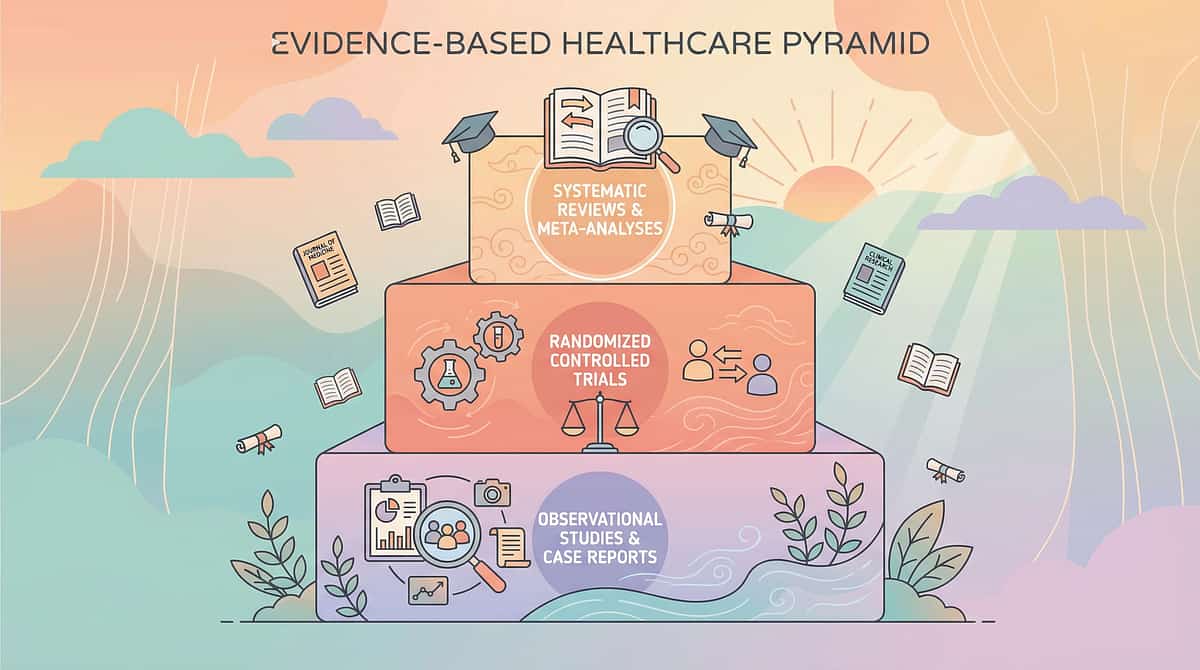
PRISMA Systematic Review (Children, 2024) — 16 studies, 2013–2023
Match-to-sample and visual discrimination training meets criteria for evidence-based practice for children with ASD.
Meta-analysis (World J Clin Cases, 2024) — 24 studies
Systematic visual discrimination instruction effectively promotes pre-academic skills, cognitive foundations, and adaptive behaviour.
Journal of Applied Behavior Analysis — Multiple RCTs
Errorless learning procedures for identical matching show rapid acquisition and high generalisation rates.
Indian Journal of Pediatrics RCT (Padmanabha et al., 2019)
Home-based systematic instruction demonstrated significant outcomes in Indian paediatric populations.
In one sentence: Systematic matching instruction, using the right materials in the right sequence, is one of the most evidence-supported early cognitive interventions available. Clinically validated. Home-applicable. Parent-proven.
References: PMC11506176 | PMC10955541 | DOI: 10.12998/wjcc.v12.i7.1260 | DOI: 10.1007/s12098-018-2747-4 | NCAEP Evidence-Based Practices Report (2020)
ACT II — Definition
🎯 Matching Skills Training
Parent-Friendly Name: "Find the Same" Learning
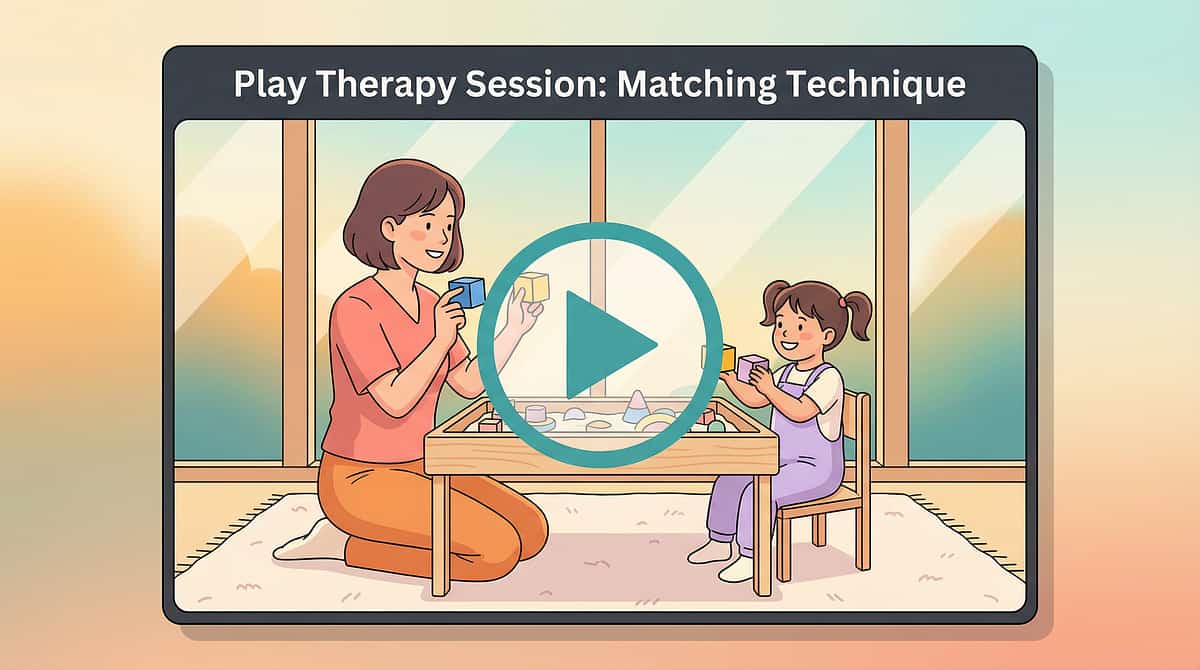
Formal Definition: Matching skills training is the systematic teaching of visual discrimination and sameness recognition across a developmental hierarchy — from identical object-to-object matching, through picture matching, feature-based matching (by colour, shape, size), and conceptual category matching. Using structured materials, prompting hierarchies, and errorless learning procedures, the child learns to perceive, compare, and correctly identify corresponding items across all representation levels.
Why this matters: Matching is the cognitive prerequisite for sorting, categorisation, letter recognition, number recognition, following instructions with choices, and all pre-academic learning. Without it, everything that should build automatically cannot.
📊 Domain
Cognitive Development · Pre-Academic Skills · Visual Discrimination
🎂 Age Range
18 months – 8 years
⏱️ Session Duration
10–20 minutes · 3–5 sessions per week
🏷️ Domain Code
COG-MATCH | Series: Cognitive Foundations G-667
ACT II — Disciplines
Who Uses This Technique
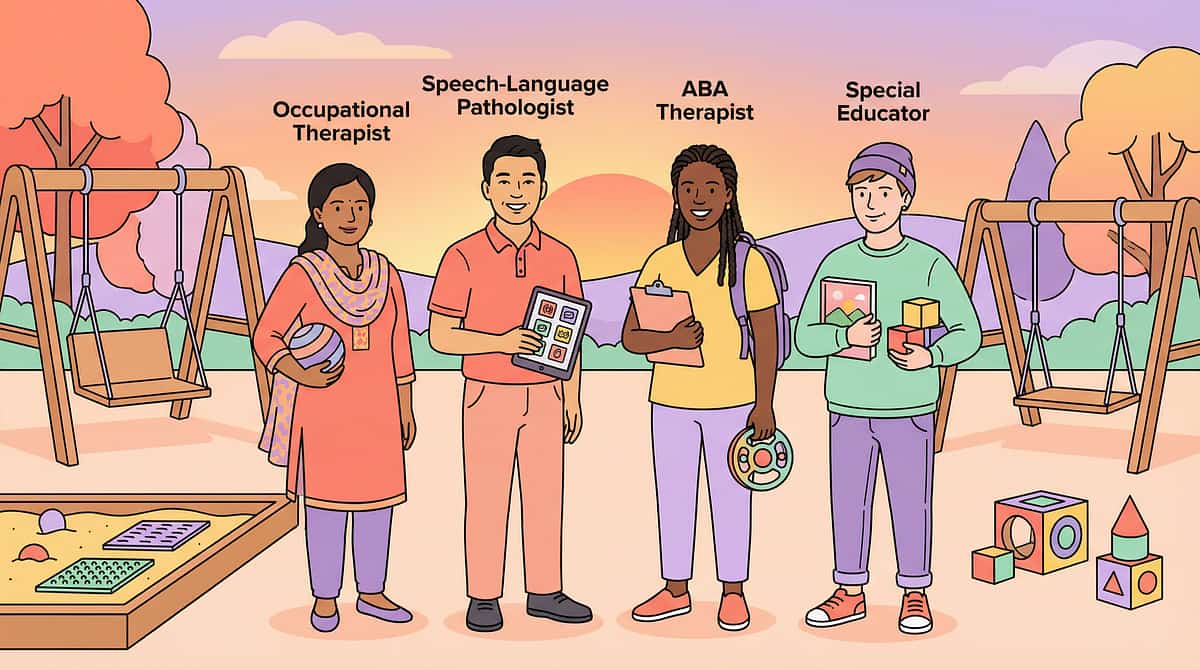
This technique is used across all 5 Pinnacle Consortium disciplines — because the brain doesn't organise by therapy type.
🧩 ABA Therapist — PRIMARY LEAD
Designs the matching programme using DTT (Discrete Trial Training), errorless learning, prompt hierarchies, and stimulus generalisation protocols. Match-to-sample is a foundational ABA curriculum target.
📚 Special Educator
Embeds matching into pre-academic readiness programmes. Connects matching to letter/number recognition, reading readiness, and classroom instruction compliance.
🖐️ Occupational Therapist
Assesses visual perception, fine motor coordination, and visual-motor integration supporting matching performance. Addresses underlying sensory processing factors.
🗣️ Speech-Language Pathologist
Builds receptive vocabulary on the matching foundation. "Match the dog" → "Point to the dog" → "What is this?" — the progression depends on matching mastery.
🧠 NeuroDev Paediatrician
Rules out vision, neurological, and co-occurring factors. Confirms developmental readiness. Coordinates with ABA team on medication impacts on attention and learning.
"When the ABA therapist teaches matching at the table, the OT is building the visual processing that makes matching possible, and the SLP is ready to build vocabulary the moment matching clicks. This is integrated therapy — not parallel therapy." — Pinnacle Blooms FusionModule™ Clinical Protocol
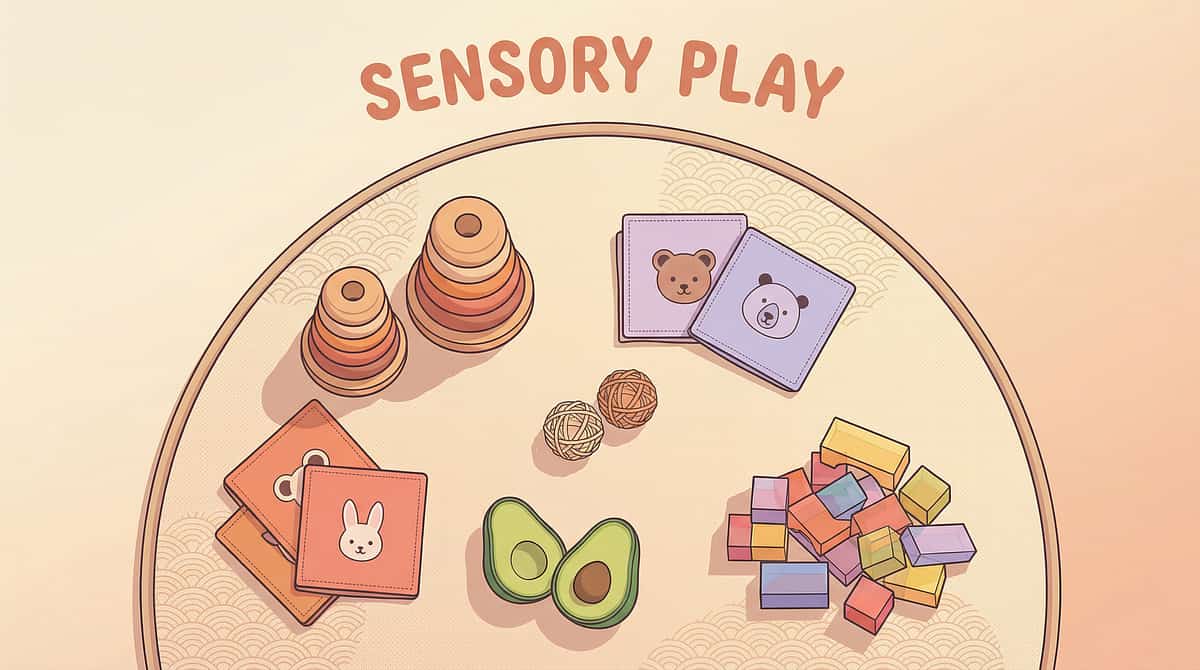
Material 1 of 9
Material 1 — Identical Object Pairs
🏷️ Canon Category
Matching Games / Memory Games
Price Range
₹200–800
Pinnacle Recommends
Start with objects the child already loves — two identical toy cars, two identical spoons, two identical blocks.
Why It Helps
3D identical objects are the most concrete starting point — the child uses vision AND touch to confirm "same." This eliminates the abstraction gap that makes pictures harder. Physical handling provides multi-sensory reinforcement of the matching concept, creating a richer learning signal than any 2D material at this stage.
DIY Option (₹0)
Find exact duplicates of 5–10 household objects your child is motivated by: two identical spoons, cups, small containers from your kitchen. No purchase necessary to begin.

Material 2 of 9
Material 2 — Basic Matching Cards (Identical Pictures)
Why It Helps
This material transitions matching from 3D objects to 2D pictures — the critical bridge to academic learning. Clear photos with minimal background distraction ensure the child is processing the image content, not competing visual information. This is the step that opens the door to letters, numbers, and reading readiness.
DIY Option (₹0)
Print two identical copies of clear photographs and laminate them with tape. Use familiar images — your child's own toys, food they recognise, and family pets make ideal first picture-matching subjects.
🏷️ Canon Category
Matching Games / Memory Games
Price Range
₹150–500
Clinical Note
Use photographs of the EXACT objects used in object matching (Material 1) to bridge the 3D-to-2D transition smoothly.
Material 3 of 9
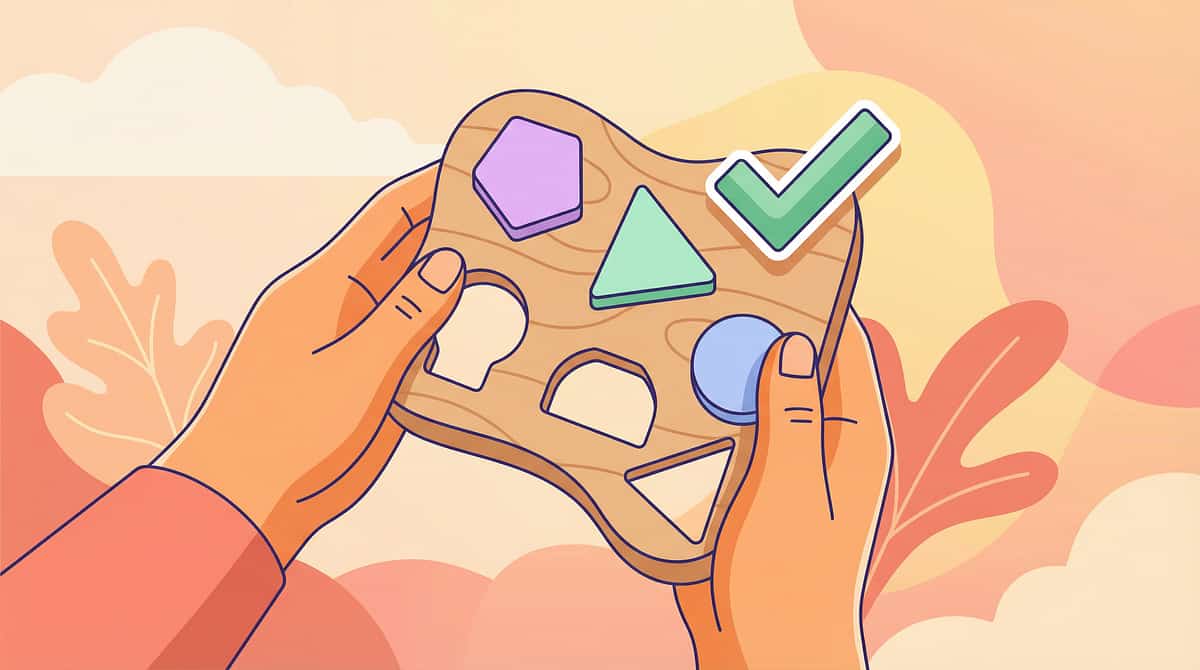
Material 3 — Shape Sorters and Form Boards
🏷️ Canon Category
Shape Sorters / Colour Recognition
Price Range
₹300–1,000
Key Advantage
Physical feedback is unambiguous — it fits or it doesn't. No guessing, no ambiguity.
Why It Helps
Shape sorters introduce matching by shape attribute. The physical feedback — the piece fits the hole or it doesn't — provides unambiguous reinforcement that no other material replicates. This eliminates ambiguity about whether the child's choice was correct, and builds spatial reasoning alongside matching skills simultaneously.
DIY Option (₹0)
Trace shapes onto a cardboard box, cut out frames and matching cardboard pieces. Simple, durable, and just as therapeutically effective for initial shape-matching instruction.

Material 4 of 9
Material 4 — Colour Sorting Trays and Cups
Why It Helps
Colour sorting trays isolate the colour attribute — the child learns that "same" can be defined by one shared feature, not just identical overall appearance. This is a conceptually important leap: two objects that look completely different (a red ball and a red car) can still be "the same" by colour. This understanding is the gateway to feature-based and category matching.
DIY Option (₹0)
Use coloured bowls, cups, or plates you already own. Any set of objects in matching colours from around the house will work perfectly for colour-attribute matching instruction.
🏷️ Canon Category
Sorting Activities / Categorisation
Price Range
₹200–700
✅ Pinnacle Canon
Material 5 of 9
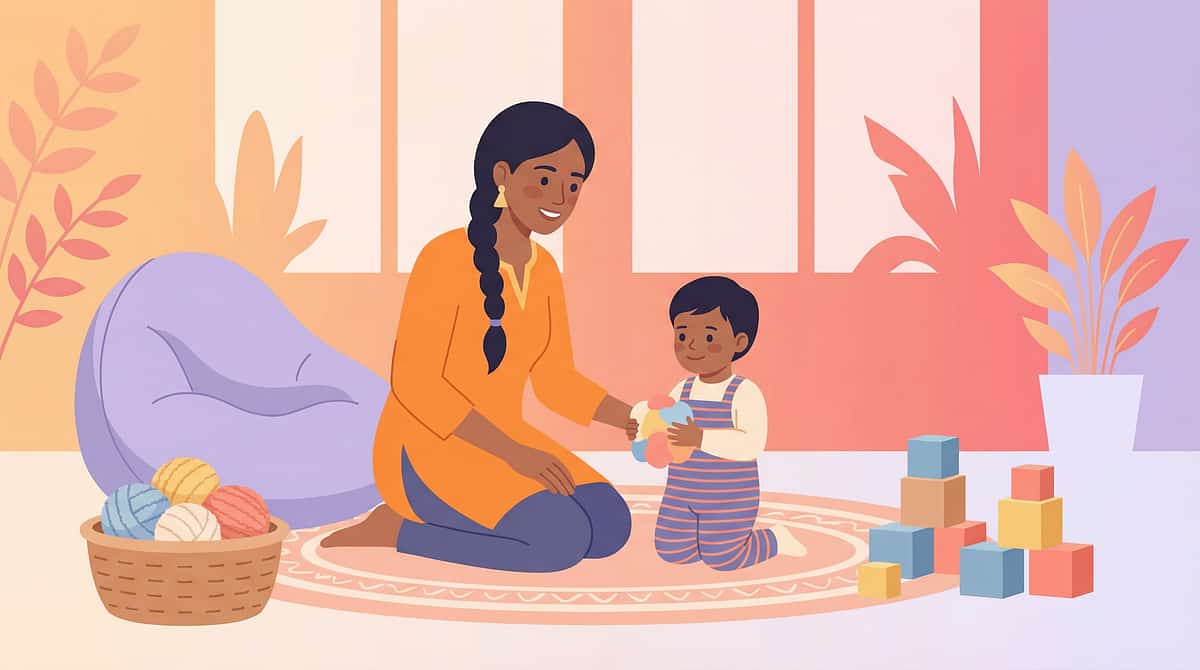
Material 5 — Memory Matching Games
🏷️ Canon Category
Matching Games / Memory Games
Price Range
₹200–600
✅ Pinnacle Canon
Why It Helps
Memory matching games combine matching with working memory — a two-for-one cognitive training tool. The game format creates high motivation and natural practice repetition. Critically, this material is adaptable from a fully visible mode (pure matching, no memory required) to fully face-down (full memory challenge). Begin with all cards face-up and only introduce the face-down element when face-up matching is at 80%+ accuracy.
DIY Option (₹0)
Any identical picture pairs placed face-down on the floor. Start with just 2 pairs (4 cards total) to ensure success and build from there.
Material 6 of 9
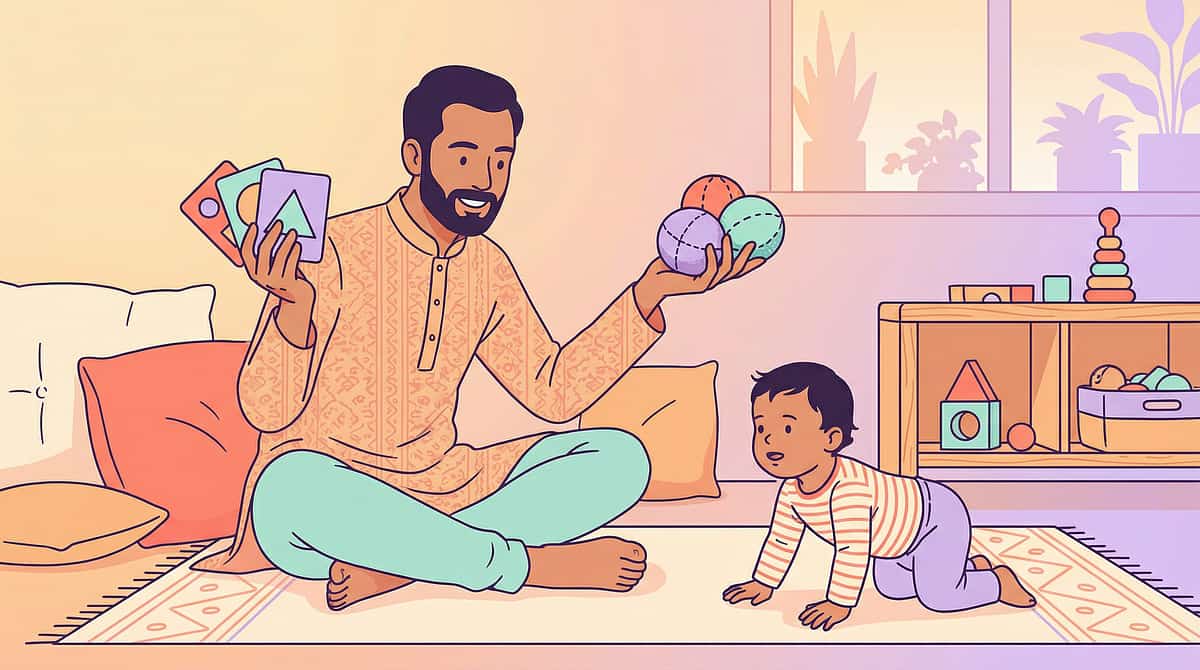
Material 6 — Attribute Blocks and Sorting Sets
Why It Helps
Attribute blocks enable systematic multi-feature matching — pieces vary by shape, colour, and size simultaneously. This teaches the nuanced and crucial insight that "same" is flexible: same shape can be different colours; same colour can be different sizes. This multi-attribute reasoning is the direct cognitive bridge to categorisation and pre-academic classification skills.
DIY Option (₹0)
Cut foam sheet shapes in multiple colours and sizes. Three shapes × three colours × two sizes = 18 pieces — enough for rich attribute-based matching instruction at zero cost.
🏷️ Canon Category
Sorting Activities / Categorisation
Price Range
₹400–1,200
✅ Pinnacle Canon
Material 7 of 9
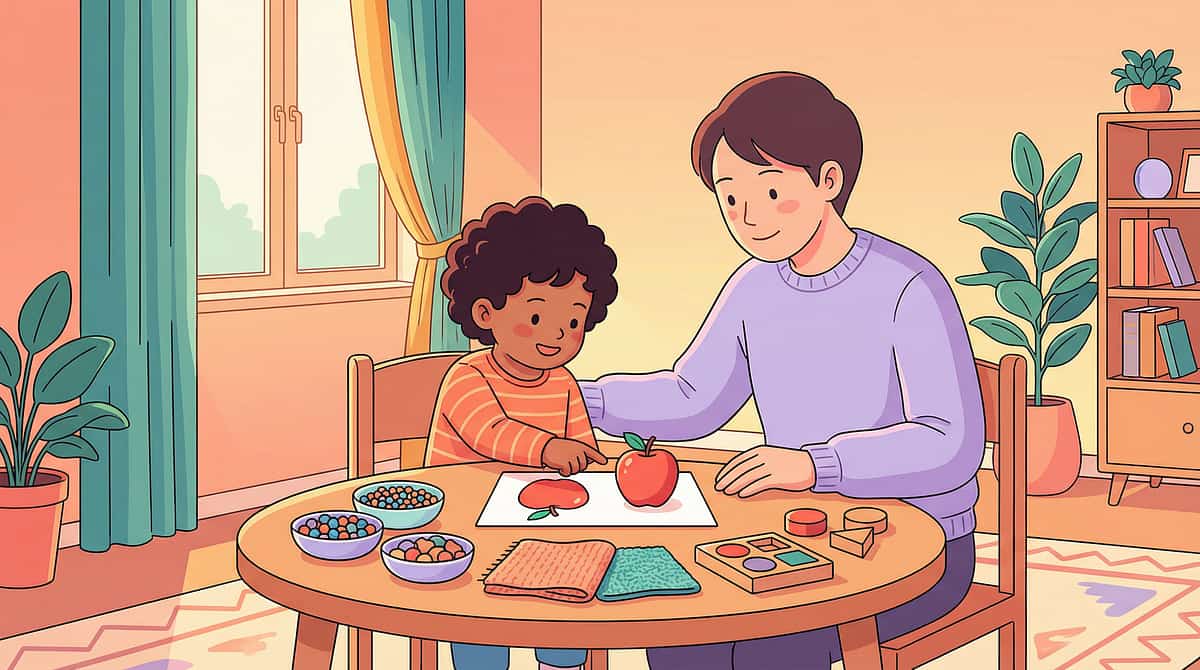
Material 7 — Object-to-Picture Matching Cards
🏷️ Canon Category
Matching Games / Memory Games
Price Range
₹200–600
Clinical Significance
This is the bridge to PECS, AAC, and all symbol-based communication systems.
Why It Helps
Object-to-picture matching cards bridge 3D reality and 2D representation — one of the most foundational skills in all of developmental intervention. The child learns that pictures represent real things; that a flat image of a ball IS the ball in a meaningful, functional sense. This is directly prerequisite to PECS, AAC, and all symbol-based communication and academic systems.
DIY Option (₹0)
Photograph your child's actual objects with your phone and print as cards. Using the child's own toys makes the object-to-picture connection immediate and personally meaningful.
Material 8 of 9
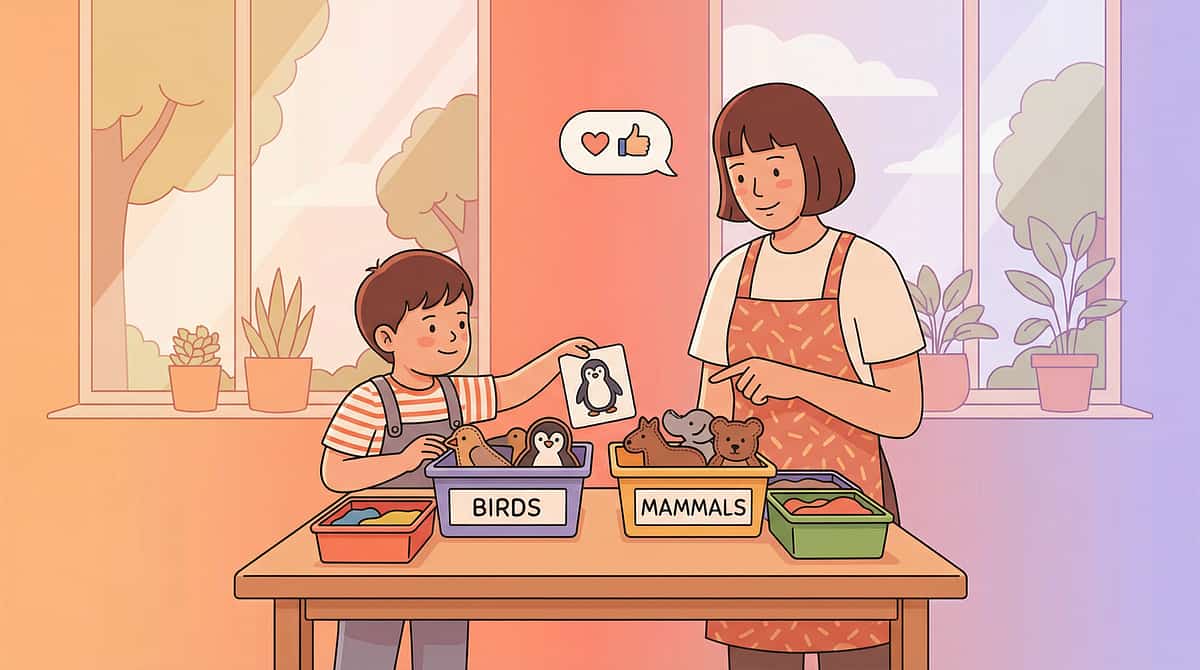
Material 8 — Category Sorting Materials
Why It Helps
Category sorting materials teach matching by concept, not just appearance — animals go together because they ARE animals, not because they look identical. This conceptual leap builds directly toward language comprehension ("Show me the animals"), academic classification, and the reasoning skills that underpin all subject-area learning. This is where matching becomes thinking.
DIY Option (₹0)
Print 8–10 pictures per category (animals, vehicles, food) and create sorting mats from paper. Headers can be hand-drawn or printed — the therapeutic principle is identical whether the material cost ₹0 or ₹900.
🏷️ Canon Category
Sorting Activities / Categorisation
Price Range
₹300–900
What to Watch For
Spontaneous grouping of toys by category during free play — this is your clearest generalisation indicator.
Material 9 of 9
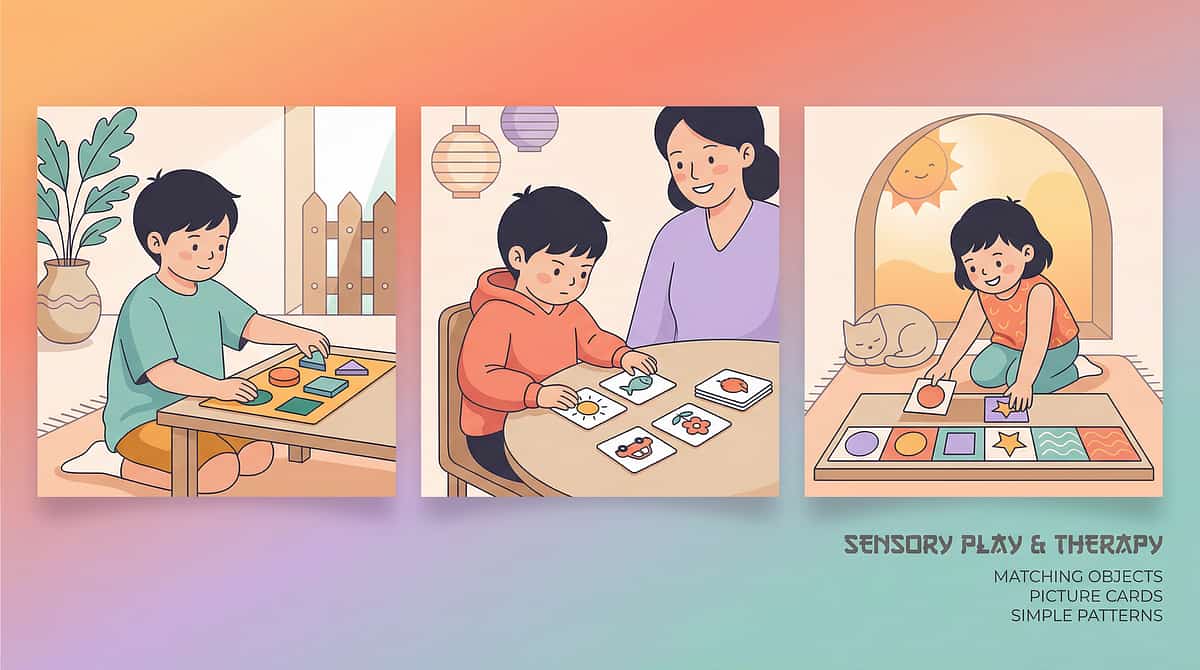
Material 9 — Sequential Matching and Pattern Cards
🏷️ Canon Category
Sorting Activities / Categorisation
Price Range
₹200–700
Academic Bridge
Pattern recognition is directly prerequisite to reading, mathematics, and multi-step direction following.
Why It Helps
Sequential matching and pattern cards extend matching to sequences — the child matches patterns in order rather than single items. This builds toward mathematics (number patterns), reading (letter sequences), and multi-step direction following. Pattern recognition is widely considered the cognitive foundation of both mathematical and linguistic intelligence.
DIY Option (₹0)
Create pattern strips with coloured stickers on cardboard. A ruler, cardboard, and a pack of coloured stickers is all you need to build a full set of progressive pattern-matching materials at home.

ACT II — Equity & Access
DIY and Substitute Options — Every Family Can Start Today
WHO/UNICEF Equity Principle: No family should be excluded from evidence-based intervention due to cost.
🛒 Clinical Grade | 🏠 Household DIY (₹0) |
Identical object pairs (specialty toy pairs) | Two identical spoons, cups, small containers from your kitchen |
Laminated picture matching cards | Two printed copies of same magazine/catalogue page, cut and laminated with tape |
Shape sorter toy | Cardboard box with cut-out shapes + matching cardboard shapes |
Colour sorting trays | Coloured bowls, cups, or plates you already own |
Memory matching game | Any identical picture pairs placed face-down on floor |
Attribute blocks | Foam sheet cutouts in multiple colours and shapes |
Object-to-picture cards | Photographs you take with your phone + printouts |
Category sorting mats | Printed paper headers + hand-drawn or printed pictures |
Pattern strips | Coloured stickers + ruler-drawn grid on cardboard |
Why DIY Works
The therapeutic principle is identical — concrete identical items, consistent presentation, errorless learning. The material is the vehicle, not the destination. A child in rural India can build matching skills with two identical mango seeds.
When Clinical-Grade IS Necessary
When a child requires precise, standardised attributes (e.g., attribute blocks with exact measured size/colour/shape ratios for formal DTT programming). Ask your therapist if in doubt.
References: PMC9978394 | WHO NCF Handbook (2022) — context-specific, equity-focused intervention design
⚠️ Safety First
Pre-Session Safety Gate — Read Before Every Session
🔴 DO NOT PROCEED IF:
Child is in active meltdown or extreme distress · Child shows signs of illness (fever, pain, fatigue) · Objects are smaller than 35mm diameter (choking risk for under 3) · Child has known allergy to materials · Child had a severely negative matching experience in the last hour · You are feeling frustrated, rushed, or distressed (your state transfers)
🟡 MODIFY IF:
Child is tired or post-meal — use shorter session, 5 minutes max · Child had a moderately difficult day — use only highest-preference materials · Working near open windows/stairs — secure the space first
🟢 PROCEED WHEN:
Child is fed, rested, alert, and in a regulated state · All materials prepared before child enters space · Parent/caregiver is calm and present · Session space is quiet and distraction-minimised · Object sizes are appropriate for child's age
Age-Specific Material Safety:
- Under 3 years: All sorting objects MUST be larger than 35mm (no small parts)
- 3–5 years: Supervise closely; some children still mouth objects
- All ages: Check laminated card edges for sharp peeling corners
"The safest session is a prepared one. 90 seconds of preparation prevents 90% of session failures."
References: DOI: 10.1007/s12098-018-2747-4 (Indian RCT safety protocols) | BACB ethical guidelines for behaviour-analytic services

ACT II — Environment
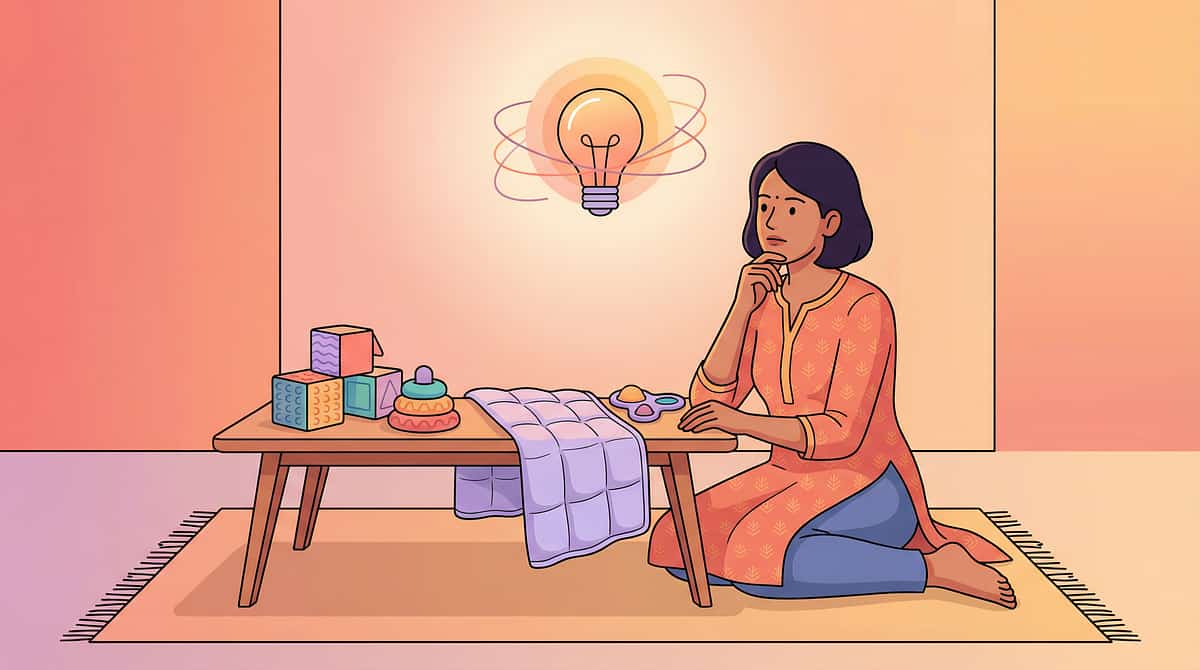
Set Up Your Matching Session Space
The environment is not incidental — it is therapeutic. Setting the space correctly before your child enters reduces errors, increases engagement, and dramatically improves session outcomes.
1
① Child's Seat
Back to window/door, facing a blank wall — away from distractions
2
② Materials Tray
3–5 items max pre-selected, to parent's right, out of child's direct view
3
③ Table Surface
Completely cleared except for active materials — neutral colour preferred
4
④ Parent Position
Directly across — within arm's reach for guidance; at child's eye level
Environment Checklist:
- Sound: TV off, music off, notifications silenced
- Lighting: Natural or warm — avoid harsh overhead fluorescent
- Temperature: Comfortable — an overheated child cannot learn
- Visual timer in child's sightline (analogue hourglass preferred)
- Reinforcers at parent's side, not on table
Remove Completely:
- All competing materials and toys
- Screens (tablets, TVs)
- Siblings from immediate area
- Any objects not part of today's session
References: PMC10955541 | Meta-analysis confirms structured 1:1 individual environment maximises session effectiveness
ACT III — The Execution
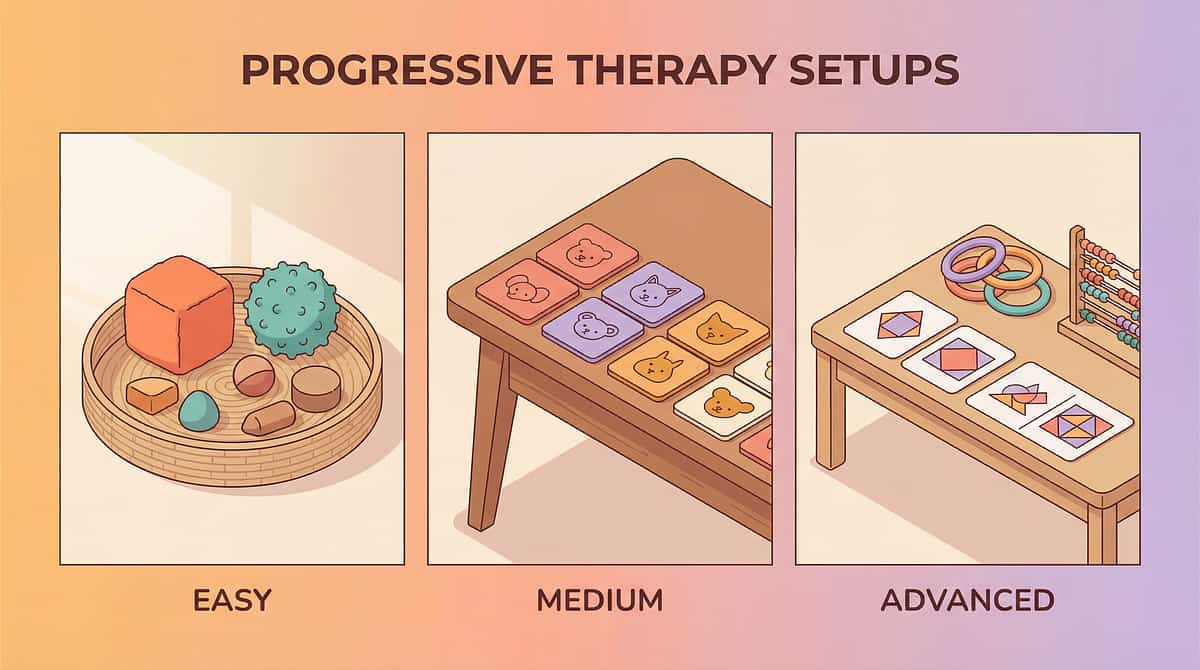
60-Second Pre-Session Readiness Check
Run through this checklist before placing any materials on the table. The right start sets up everything that follows.
Check | ✅ Go | ⚠️ Modify | 🛑 Postpone |
Hunger | Last meal <3 hrs ago | 3–4 hrs ago | 4+ hrs or mid-meal |
Sleep | Last night 8+ hours | 6–8 hours | <6 hours |
State/Affect | Calm/Alert | Tired/Distracted | Dysregulated/Distressed |
Recent difficulty | None in last 30 min | Minor upset | Meltdown/Severe upset |
Sensory state | Body relaxed | Slightly tense | Defensive/Rigid |
Engagement readiness | Eye contact available | Partial | Absent |
6/6 ✅ Go
Proceed to Step 1 — full session
4–5 ✅ Modify
Proceed with highest-preference materials only, 5-minute maximum, one-material session
Under 4 ✅ Postpone
Offer 10 minutes of preferred calming activity, then re-assess. A postponed session is NOT a failed session — it is clinical wisdom applied at home.
References: ABA antecedent manipulation principles | Setting events in behavioural analysis | Pinnacle clinical session protocols
Step 1 of 6
Step 1 — The Invitation
Duration: 30–60 seconds
What you're doing: Bringing your child INTO the activity through choice and interest — not demand. The invitation sets the emotional tone for the entire session.
📋THE SCRIPT:
"Hey [child's name], I have something fun for us. Want to see?"
(Place ONE object on the table — the child's preferred item. Do not say "match" yet.)
"Look at this [car / spoon / block]. Cool, right?"
Parent Body Language:
- Sit at child's level — never looming over
- Neutral, warm expression — not tense or eager
- Hands open and relaxed on table
- Eye contact available but not demanding
Acceptance Cues — Child Is Ready:
- Looks at the object
- Moves toward the table
- Vocalises interest
- Reaches for the object (even to examine it)
Resistance Cues — Modify Immediately:
- Turns away or moves to leave
- Pushes materials away
- Vocalises distress
References: ABA Pairing Procedures — establishing motivating operations before demand placement | OT "Just-Right Challenge" principle

Step 2 of 6
Step 2 — The Engagement
Duration: 1–3 minutes
What you're doing: Introducing the matching concept gently — making the materials interesting, not instructional yet. Reinforcement begins here, before any demand is placed.
📋THE SCRIPT:
"Look, I have another [car / spoon / block] just like this one!"
(Hold up the matching object beside the first.)
"They're the same! Same, same!"
(Use an enthusiastic, pointing gesture between the two objects.)
How to Present the Material:
- Hold both items at child's eye level, 30–40cm from face
- Move them together briefly ("same!") then place one on the table
- Give the second one to the child's hand (guided placement if needed)
- Allow child to hold and examine — this is multi-sensory confirmation
Reinforcement Begins Here:
- Every time child looks between objects: "Yes! Looking! Same!"
- Any approach, touch, or examination: immediately positive verbal response
- Do NOT wait for perfect matching to begin reinforcing — reinforce the attention
🟢 Ideal
Child looks at both objects, shows interest in comparison
🟡 Acceptable
Child examines one object; repeat modelling
🔴 Concerning
Child throws or mouths objects; simplify or postpone
References: PMC11506176 | Structured material introduction in evidence-based matching programmes

Step 3 of 6
Step 3 — The Therapeutic Action
Duration: 3–5 minutes (core matching trials)
What you're doing: Running the actual matching trials using errorless learning — the gold-standard procedure that builds the neural pathway without embedding errors.
Prompt Hierarchy — Most to Least:
Phase | Prompt Level | How |
Days 1–3 | Full physical | Hand-over-hand to correct match |
Days 4–7 | Partial physical | Touch child's wrist to initiate |
Week 2 | Gestural | Point to correct match |
Week 3 | Positional | Place correct match closest |
Week 4+ | Independent | No prompt — child responds alone |
Common Execution Errors to Avoid:
- ❌ Presenting array BEFORE giving sample (child grabs randomly)
- ❌ Waiting for error before prompting (reinforces incorrect path)
- ❌ Using objects too similar before mastery is achieved
- ❌ Increasing array size before 80% accuracy at 2-choice level
References: PMC10955541 | Errorless learning DTT procedures from ABA literature

Step 4 of 6
Step 4 — Repeat and Vary
Duration: 3–5 minutes | Target: 5–10 trials per session
The Therapeutic Dosage Rule: 3 perfect prompted reps > 10 forced independent attempts. Every correct response — however prompted — builds the neural pathway.
Repetition Targets by Week:
Week | Trials/Session | Array Size | Prompt Level |
1–2 | 5–8 | 2 choices | Full physical |
3–4 | 8–12 | 2 choices | Partial/gestural |
5–6 | 10–15 | 3 choices | Gestural/none |
7+ | 12–20 | 4+ choices | Independent |
🔄 Rotate Materials
Alternate between 3–4 pairs per session. Prevents boredom, builds generalisation across exemplars.
📍 Vary Array Position
Move the correct match to different positions each trial — prevents position bias (child always picks left or right).
🌍 Vary Exemplars
Once mastered with 2 exemplars, add a 3rd different-looking one. A dog is still a dog whether it's a Labrador or a Poodle.
🏠 Change Rooms
Same matching activity in kitchen, bedroom, and living room signals generalisation across contexts.
References: ABA trial-based instruction standards | Pinnacle session repetition protocols

Step 5 of 6
Step 5 — Reinforce and Celebrate
The Most Important 3 Seconds of the Entire Session
📋PRAISE SCRIPTS (choose and vary):
"YES!! Same!! That's it, [name]!!" — high energy, for new skills
"You found the match! Same! Same! Amazing!" — reinforces the concept word
"That IS the same one! You did it!" — confidence-building
"Wow — look at you! Same one, right here!" — parent-led delight
😊 Social Reinforcement
Big smile + clap + verbal praise + brief tickle/hug (if welcomed)
🏅 Token Economy
1 token per correct trial → 5 tokens = preferred activity. Rosette Reward Jar — ₹589
⭐ Sticker Charts
Sticker chart system. 1800+ Reward Stickers — ₹364
🎯 Activity Reinforcement
30 seconds of preferred toy/activity after session completion
"Celebrate the attempt, not just the success." If the child reaches toward the correct match but doesn't complete it — reinforce the direction, the attention, the attempt. Never withhold all reinforcement for near-misses.
References: ABA reinforcement principles | BACB ethical guidelines | Token economy evidence in autism intervention
Step 6 of 6
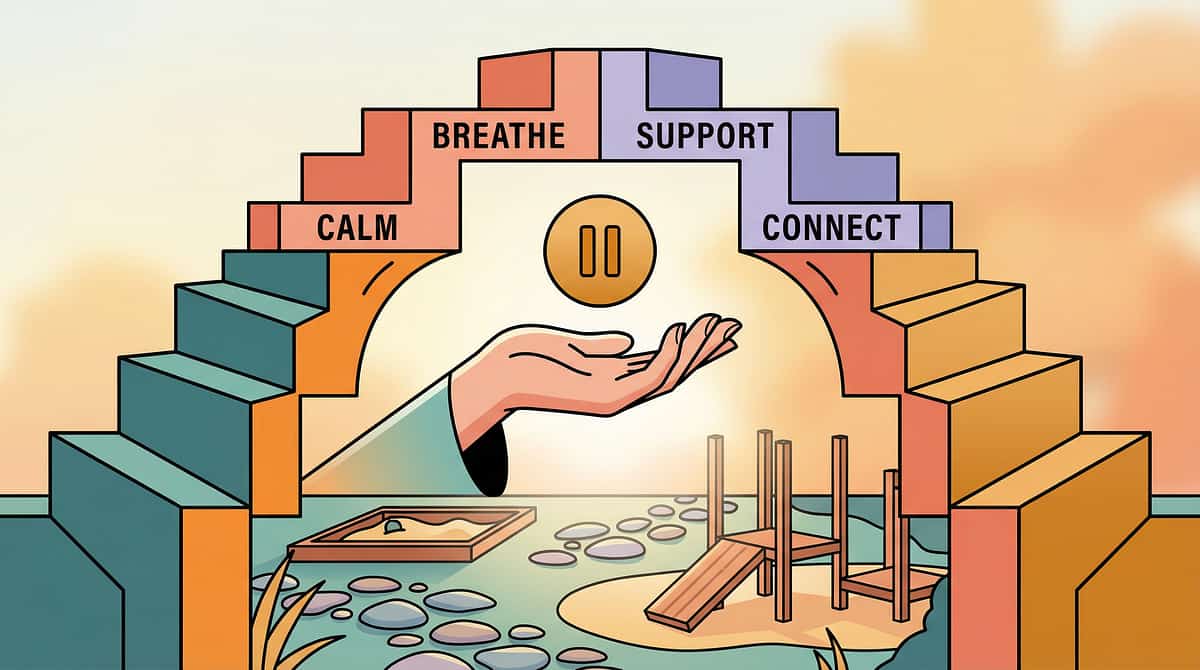
Step 6 — The Cool-Down
Duration: 2–3 minutes | No session ends abruptly. Ever.
Calming Cool-Down Options (30–60 seconds):
- Brief sensory play with preferred textured toy
- Blow bubbles (regulating breath control)
- 3 deep "balloon breaths" together
- Light hand massage with preferred lotion
If Child Resists Ending:
- Do NOT add more trials — "just one more" breaks the structure
- Extend cool-down activity by 30 seconds
- Use visual timer showing "all done" state
- Offer transition object to carry to next activity
References: NCAEP Evidence-Based Practices Report (2020) — Visual supports as evidence-based practice for autism | Transition support literature

ACT III — Data
Capture the Data: Right Now
Record it within 60 seconds of session end.60 seconds of data now = months of guessing eliminated.
📋 The 3-Field Tracker (Minimum)
Date: ___________
Session Duration: _____ minutes
Total Trials: _____
Matching Level: Identical Objects · Identical Pictures · Object-to-Picture · Shape/Colour Feature · Category · Pattern
Accuracy — Correct (independent): _____ / Total
Correct (prompted): _____ / Total · Errors: _____
Prompt Level: Full physical · Partial physical · Gestural · None
Child State: Engaged · Variable · Difficult
Notes: ___________________________
Why This Data Transforms Everything
A parent who tracks is a parent who can show a therapist exactly what happened. That data transforms your next therapy session from a general discussion into a precise clinical review of real numbers, real trends, and real decisions.
The trend across 10 sessions tells more than any single session ever can. Look for direction, not perfection.
References: BACB Data Collection Standards | Cooper, Heron and Heward — Applied Behavior Analysis (8th ed.) | ABA continuous measurement standards
ACT III — Troubleshooting
What If It Didn't Go as Planned?
"Session abandonment is not failure — it is data. Every difficult session tells you something."
Most sessions don't go perfectly. Here is your fix guide for the seven most common challenges parents encounter.
❓ Child always picks the same position (always left, always right)
Why: Position bias — child found a reliable strategy regardless of content.
Fix: Randomise the correct match position every trial. Use 3 choices so there's no reliable "side." Prompt child to look at sample BEFORE seeing the array.
Fix: Randomise the correct match position every trial. Use 3 choices so there's no reliable "side." Prompt child to look at sample BEFORE seeing the array.
❓ Child matches perfectly in the session but never outside
Why: Stimulus overselectivity — responding only to exact training stimuli.
Fix: Multiple exemplar training. Use 4–5 different red cars instead of the same one. Use photos from different angles. Practise in different rooms.
Fix: Multiple exemplar training. Use 4–5 different red cars instead of the same one. Use photos from different angles. Practise in different rooms.
❓ Child matched well last week and seems to have "forgotten"
Why: Normal learning variability; also possible state/attention factors.
Fix: Check readiness (Card 13). Drop back one level of difficulty. Use most motivating materials. Increase prompt level temporarily.
Fix: Check readiness (Card 13). Drop back one level of difficulty. Use most motivating materials. Increase prompt level temporarily.
❓ Child refuses to interact with matching materials
Why: Material is not motivating, or demand is too high.
Fix: Switch to child's highest-preference objects. Use no-demand approach: just play near child. Re-introduce matching as a game, not a task.
Fix: Switch to child's highest-preference objects. Use no-demand approach: just play near child. Re-introduce matching as a game, not a task.
❓ Child matches objects but refuses picture cards
Why: The abstraction jump from 3D to 2D is significant and genuine.
Fix: Do NOT skip this step. Use photographs of the EXACT objects used in object matching. Gradual transfer: real object → photo → illustration.
Fix: Do NOT skip this step. Use photographs of the EXACT objects used in object matching. Gradual transfer: real object → photo → illustration.
❓ Child becomes distressed mid-session
Why: Demand level exceeded regulation capacity.
Fix: Stop immediately. No punishment or expressions of disappointment. Offer comfort. Note what preceded the distress — that's your data. Modify before next session.
Fix: Stop immediately. No punishment or expressions of disappointment. Offer comfort. Note what preceded the distress — that's your data. Modify before next session.
❓ No progress after 4 weeks of consistent practice
Why: Possible prerequisite skill gap or need for professional programming.
Fix: Contact Pinnacle: 📞 9100 181 181. Request AbilityScore® assessment to identify exact skill gaps and appropriate programming.
Fix: Contact Pinnacle: 📞 9100 181 181. Request AbilityScore® assessment to identify exact skill gaps and appropriate programming.
References: ABA functional analysis principles | Antecedent modification strategies | Stimulus generalisation literature
ACT III — Adaptation
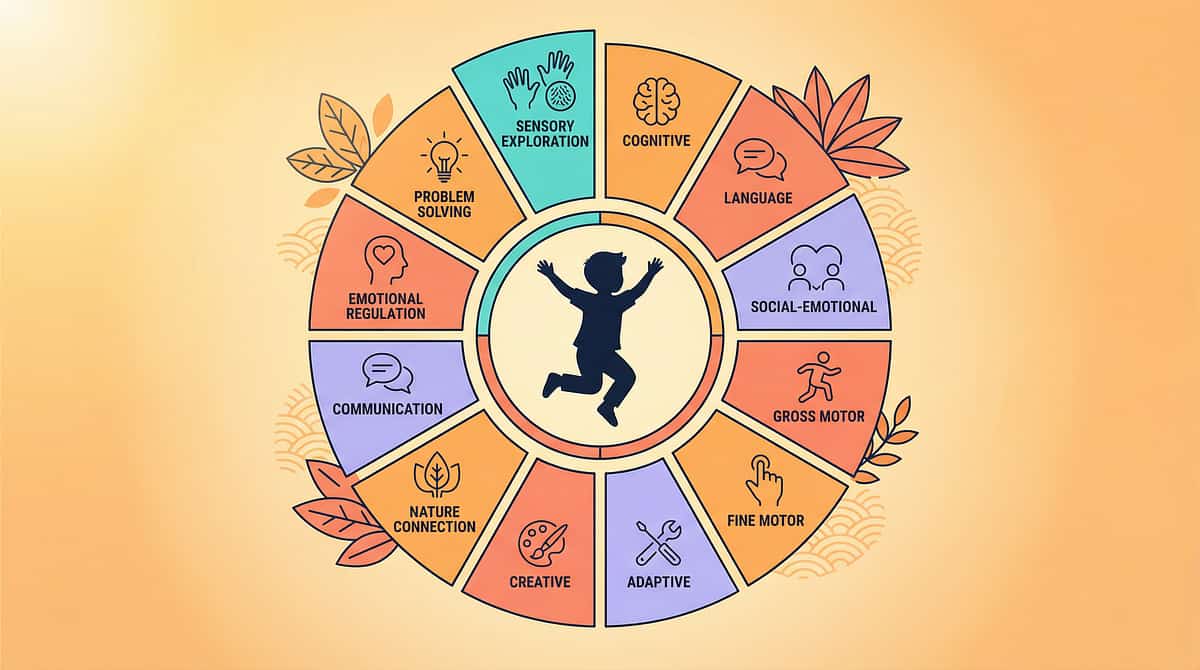
Adapt and Personalise — No Two Children Are Identical
Neither should their matching programme be. Use this guide to tailor the approach to your child's unique profile.
Visual-Spatial Child
Add spatial elements — matching objects by position on a grid, matching patterns on a game board. Lean into their strength.
Motor-Sensory Child
Use 3D tactile objects. Allow standing. Allow fidget tool in non-dominant hand during matching.
Language-Strong Child
Add verbal labelling alongside matching: "It's the same CAR — CAR!" Pair the motor act with the word consistently.
Routine-Preferring Child
Keep session format IDENTICAL every time — same sequence, same location, same cues. Routine = safety = learning readiness.
For Younger Children (18–36 months):
- Maximum 3-minute sessions
- Only 2–3 identical object pairs
- Zero distractors
- Maximum 3 trials per session
For Older Children (5–8 years):
- Progress to non-identical matching (same category, different exemplar)
- Introduce pattern cards
- Add academic bridge: letter matching, number matching
References: OT sensory profile-based adaptation | ABA function-based individualisation | SLP communication profile framework

ACT IV — Progress Arc
Week 1–2: The Foundation Phase
Be honest with yourself: progress in weeks 1–2 looks nothing like the final outcome. That is completely normal.
15%
Foundation Phase Progress
Weeks 1–2 of consistent practice
What Progress Actually Looks Like at This Stage:
Increased Tolerance
Was pushing materials away; now touching without distress
Reduced Refusal Rate
From 8/10 trials refused to 4/10 — this is real, measurable progress
Longer Eye Contact with Materials
Before looking away — neural engagement is increasing
Accepts Physical Prompt
Was pulling hand away; now allows guidance — the pathway is opening
"If your child tolerates the material for 3 seconds longer than last week — that is real, documented, neurologically meaningful progress."
References: PMC11506176 | Systematic review: matching skill acquisition timelines across ABA early intervention studies
ACT IV — Consolidation
Week 3–4: The Neural Consolidation Phase
The brain is forming the pathway. These are the signs that myelination and synaptic strengthening are underway.
40%
Consolidation Phase Progress
Weeks 3–4 of consistent practice
Anticipatory Behaviour
Child moves toward the matching area before you set up materials — the activity is becoming predictable and safe
Reduced Prompt Intensity
Physical guidance becoming partial, then gestural — the hierarchy is fading naturally
Emerging Scanning Behaviour
Child's eyes move between sample and array before selecting — the comparison process is engaging
Spontaneous Vocalisation
Child may say "same!" or point between items unprompted — language is building on the matching foundation
Play Generalisation Seeds
Child places identical toys together during free play — not during sessions. This is the most exciting early sign.
"You may notice you're more confident too. You've learned to read your child's matching readiness. That is clinical skill developed at home."
References: Neuroplasticity literature — synaptic strengthening timelines | Paediatric learning acquisition curves
ACT IV — Mastery
Week 5–8: The Mastery Phase
The Goal: Consistent, Independent, Generalised Matching
75%
Mastery Phase Progress
Weeks 5–8 · 🏆 Mastery Badge Approaching
Mastery Criteria (Per Pinnacle GPT-OS® Standards):
80–90% Correct
Across 3 consecutive sessions
Independent Responses
No prompts across these sessions
Generalisation Confirmed
With at least 2 novel (untrained) exemplars
Fluent Response Rate
Under 3 seconds per trial
Generalisation Indicators — Skill Appearing in Real Life:
- Sorts laundry by colour without being asked
- Finds matching pairs in a card game independently
- Comments "same!" when seeing identical items in the environment
- Selects matching item from store shelf when shown an example
"Mastery at this level means every future academic skill — letter matching, number matching, reading, maths — has a solid cognitive foundation to build on."
References: PMC10955541 | BACB mastery criteria standards | Behavioural measurement standards for ABA programming
🏆 Achievement Unlocked
Celebrate This Win — You Did This
Let's be specific about what you accomplished. You sat across from your child, session after session, for 5–8 weeks. You ran hundreds of matching trials — with patience, consistency, and love. You troubleshot when it didn't go perfectly. You tracked data so you could prove the progress, not just feel it. You built the cognitive foundation that reading, maths, and academic learning will stand on.
📊 Print Your Data Charts
Put them on the wall — this is real evidence of growth, not anecdote
📹 Before/After Video
Matching at week 1 vs. matching today — the change is visible and powerful
📓 Journal the Milestone
Write the date and what your child can now do. This moment deserves documentation.
🏥 Share with Your Therapist
So they can build on this foundation with confidence and precision
When you began: random responding, no consistent recognition of sameness. Today: your child can look at a sample, scan an array, compare features, and select the correct match. The brain did something it couldn't do before. You helped it get there.
⚠️ Know When to Pause
Red Flags: When to Pause and Seek Support
This is not fear — this is informed, empowered parenting. Even in the success zone, these signs require prompt professional attention.
🚨 Red Flag | What It Looks Like | Why It Matters | Action |
Regression after mastery | Was at 85% accuracy; suddenly drops to <40% across 3+ sessions | May signal medical/neurological change, medication impact, or major life stressor | Teleconsult within 48 hours |
Visual avoidance escalation | Persistently refuses to look at materials, covers eyes, turns head | May signal visual processing issue, anxiety, or sensory sensitivity requiring OT assessment | OT evaluation referral |
Self-injurious behaviour | Head-banging, self-biting, or self-hitting during/after sessions | Demand level has exceeded regulation capacity — safety first | Stop sessions. Clinical review immediately |
Plateau beyond 8 weeks | No measurable progress across 8+ weeks of consistent 3x/week practice | May indicate prerequisite skill gap or need for formal ABA assessment | AbilityScore® Assessment |
Parent distress indicators | You are dreading sessions, feeling hopeless, or experiencing burnout | Parent wellbeing is a clinical variable — you cannot pour from an empty cup | Support call: 9100 181 181 |
1
Self-Resolve
Adjust using the adaptation guide
2
Teleconsult
pinnacleblooms.org/teleconsult
3
Clinic Visit
Nearest Pinnacle Centre
4
Full Assessment
AbilityScore® evaluation
"Trust your instincts. If something feels wrong, pause and ask. You are your child's first line of clinical observation."
ACT IV — Lateral Navigation
More Cognitive Foundations Techniques
Domain G: Cognitive Development | techniques.pinnacleblooms.org/cognitive-foundations
Code | Level | Status | Primary Material | Link |
G-665 | 🟢 Foundation | Visual Attention Skills | Tracking toys, visual targets | View Technique → |
G-666 | 🟢 Foundation | Imitation Skills | Mirror, manipulatives | View Technique → |
G-667 | 🟡 Core | YOU ARE HERE | Matching materials (9 types) | Current Page |
G-668 | 🟡 Core | Sorting Skills | Sorting trays + sets | View Technique → |
G-669 | 🟠 Intermediate | Categorisation Skills | Category cards + mats | View Technique → |
References: Pinnacle 128 Canon Materials taxonomy | 20 Category classification system | GPT-OS® domain architecture
ACT V — Real Stories
Families Who Have Been Here
Anonymised case narratives. Behavioural specificity without personal identification. Individual outcomes vary by developmental profile, intensity, and duration of intervention.
Arjun, 3.5 years — Hyderabad
Before: Arjun's parents came to Pinnacle with one concern: "He doesn't understand 'same.' At all." Visual Discrimination subindex: 12/100.
Journey: 6 weeks of home-based G-667, starting with 2 identical toy cars. Week 1–2: Fully prompted. Week 3: Gestural prompts. Week 5: First independent match. Week 6: 85% independent accuracy across 4-choice array.
After: AbilityScore® Visual Discrimination: 67/100. SLP reports receptive vocabulary sessions have "unlocked."
Journey: 6 weeks of home-based G-667, starting with 2 identical toy cars. Week 1–2: Fully prompted. Week 3: Gestural prompts. Week 5: First independent match. Week 6: 85% independent accuracy across 4-choice array.
After: AbilityScore® Visual Discrimination: 67/100. SLP reports receptive vocabulary sessions have "unlocked."
"I used to think he was just being stubborn when he grabbed the wrong one. Now I understand he genuinely didn't see what I was seeing. The right materials, in the right order, changed everything." — Arjun's Mother
Priya, 5 years — Bengaluru
Before: Priya had strong verbal skills but could not match pictures to objects — a disconnect her teachers labelled as an "attention problem." Her ABA therapist identified a specific visual discrimination gap.
Journey: G-667 run in both school and home contexts. Object-to-picture matching (Material 7) was the breakthrough — using photographs of Priya's own toys, then generalised to classroom items.
After: Now matching letters to their sounds. Reading readiness advanced by 8 months in 12 weeks of programming.
Journey: G-667 run in both school and home contexts. Object-to-picture matching (Material 7) was the breakthrough — using photographs of Priya's own toys, then generalised to classroom items.
After: Now matching letters to their sounds. Reading readiness advanced by 8 months in 12 weeks of programming.
"The matching hierarchy is not optional for academic readiness. It IS academic readiness." — Senior Special Educator, Pinnacle Bengaluru Centre
ACT V — Community
Connect with Other Parents — You Don't Have to Do This Alone
Isolation is the enemy of adherence. Community is the engine of progress.
🟢 Matching Skills Parents Group
G-667 specific — share challenges, wins, material tips. WhatsApp: Request via helpline 9100 181 181
🔵 Cognitive Foundations Parent Network
Domain G parents — matching through academic readiness. pinnacleblooms.org/community
🇮🇳 Pinnacle Parents India
General network across all 70+ centres. pinnacleblooms.org/parents
🌍 International Caregiver Forum
Global parents in 70+ countries. pinnacleblooms.org/global
🤝 Peer Mentoring Programme
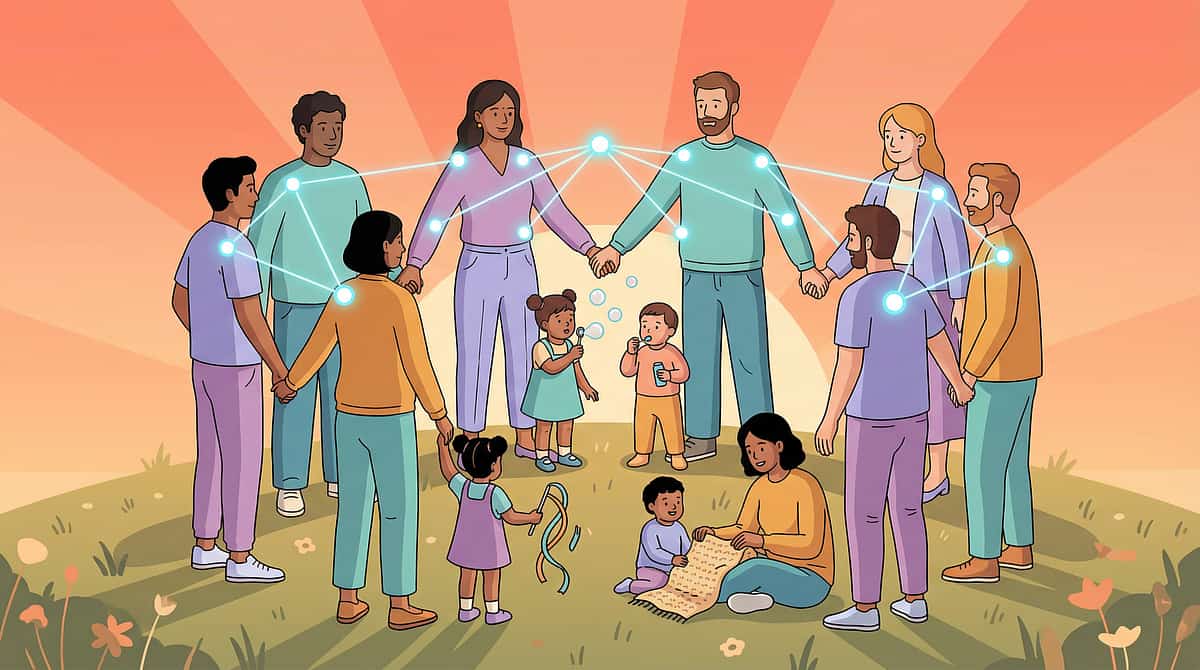
Connected with an experienced parent who has already completed G-667 with their child. They've been exactly where you are. They know what helped — and what didn't.
📅 Local Parent Meetups
Pinnacle centres host monthly parent meetups — technique-specific workshops where parents practise sessions under therapist supervision. Highly recommended for G-667.
"Your experience — the exact challenges you faced and how you solved them — will help the parent who is six weeks behind you on this journey. Consider sharing your story."
References: WHO NCF Community Engagement Principles | Parent support networks and intervention outcome research

ACT V — Professional Support
Your Professional Support Team — Home + Clinic = Maximum Impact
The EverydayTherapyProgramme™ works best when a professional is calibrating the programme. Here is how to access that support across three pathways.
🏛️ In-Clinic Session — Full Assessment + Programming
Full AbilityScore® assessment for the matching skills domain · Therapist-designed individualised matching programme · Parent coaching session included · Available at 70+ Pinnacle centres across India
Primary: ABA Therapist (BCBA or BCABA certified) · Secondary: Special Educator · Supporting: Occupational Therapist
💻 Teleconsultation — Remote Guidance
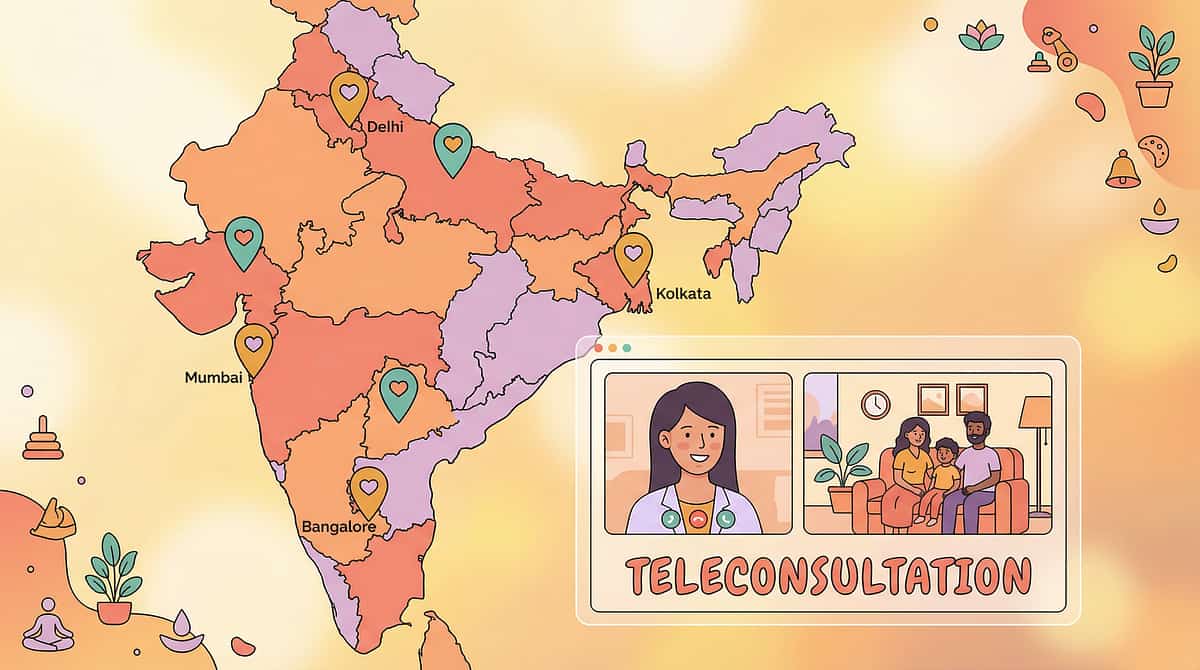
45-minute video session with specialist therapist · Review your tracking data, adjust the programme · Available within 48 hours · Ideal for families between clinic visits or in remote locations
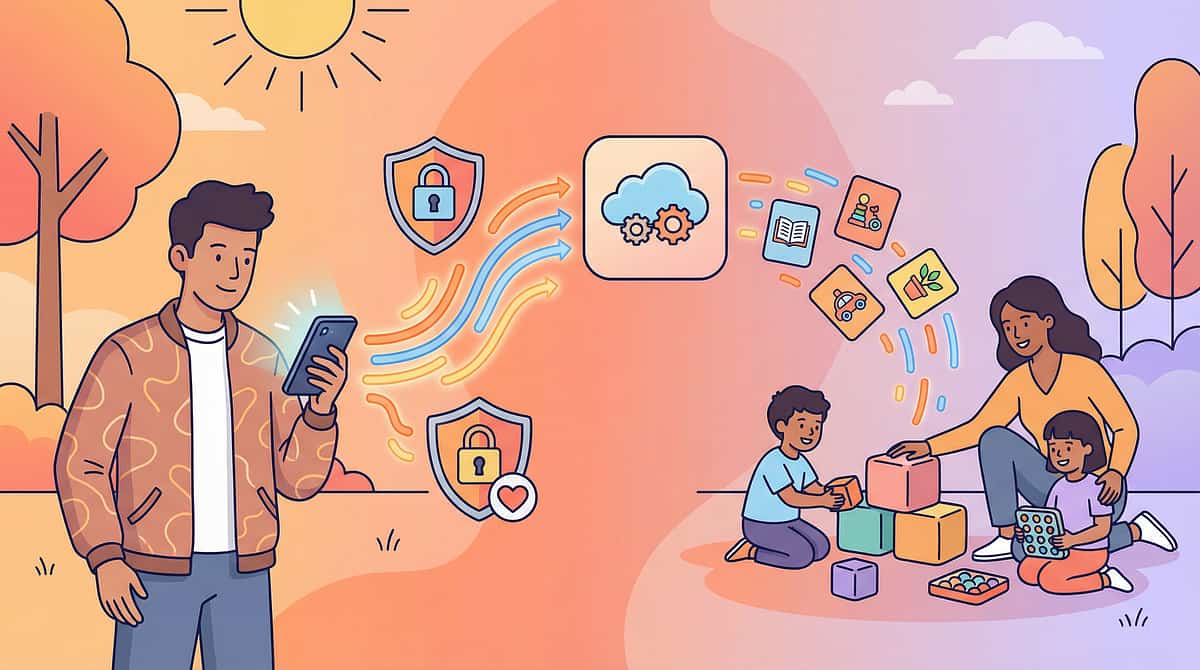
📱 GPT-OS® Digital Guidance
AI-powered session recommendations based on your tracking data · Daily micro-session suggestions via EverydayTherapyProgramme™ · FusionModule™ shares relevant data with your child's full therapy team
References: WHO NCF Progress Report 2023 — primary health care as key platform for ECD | Pinnacle 70+ centre network
Preview of 9 materials that help with matching skills Therapy Material
Below is a visual preview of 9 materials that help with matching skills therapy material. The pages shown help educators, therapists, and caregivers understand the structure and content of the resource before use. Materials should be used under appropriate professional guidance.


Link copied!

Pinnacle Blooms Network®
The Pinnacle Promise — From Fear to Mastery, One Technique at a Time
🏛️ Pinnacle Blooms Network®
Built by Mothers. Engineered as a System.
Our Mission: To transform every home into a proven, scientific, 24×7, personalised, multi-sensory, multi-disciplinary paediatric therapy environment — powered by GPT-OS®, the Global Paediatric Therapeutic Operating System.
The G-667 Matching Skills page is one of 70,000+ intervention technique pages built by the Pinnacle Blooms Consortium — the largest structured paediatric intervention knowledge base on Earth.
⚕️ Medical Disclaimer
This content is educational in nature and is produced by the Pinnacle Blooms Consortium for parental guidance purposes. It does not constitute medical advice, diagnosis, or a replacement for individualised assessment and programming by qualified developmental specialists, behaviour analysts, or licensed clinicians. Matching skills development varies significantly based on individual developmental profiles, learning history, support needs, and co-occurring conditions. All materials should be selected based on current skill level and individualised therapeutic goals. Individual results may vary. Statistics (20M+ sessions, 97%+ improvement) represent aggregate outcomes across the Pinnacle Blooms Network and should not be interpreted as guaranteed outcomes for any individual child.
🗂️ Statutory Identifiers — Bharath Healthcare Laboratories Pvt. Ltd.:
Identifier | Number |
CIN | U74999TG2016PTC113063 |
DPIIT | DIPP8651 (Govt. of India Startup Recognition) |
MSME Udyog Aadhaar | TS20F0009606 |
GSTIN | 36AAGCB9722P1Z2 |
© 2025–2026 Pinnacle Blooms Network®, unit of Bharath Healthcare Laboratories Pvt. Ltd. All rights reserved. GPT-OS®, AbilityScore®, TherapeuticAI®, FusionModule™, EverydayTherapyProgramme™ are proprietary systems of Bharath Healthcare Laboratories Pvt. Ltd. Patents filed across 160+ countries.
techniques.pinnacleblooms.org | G-667 → G-668 LOOP | "The journey continues. One technique at a time."