

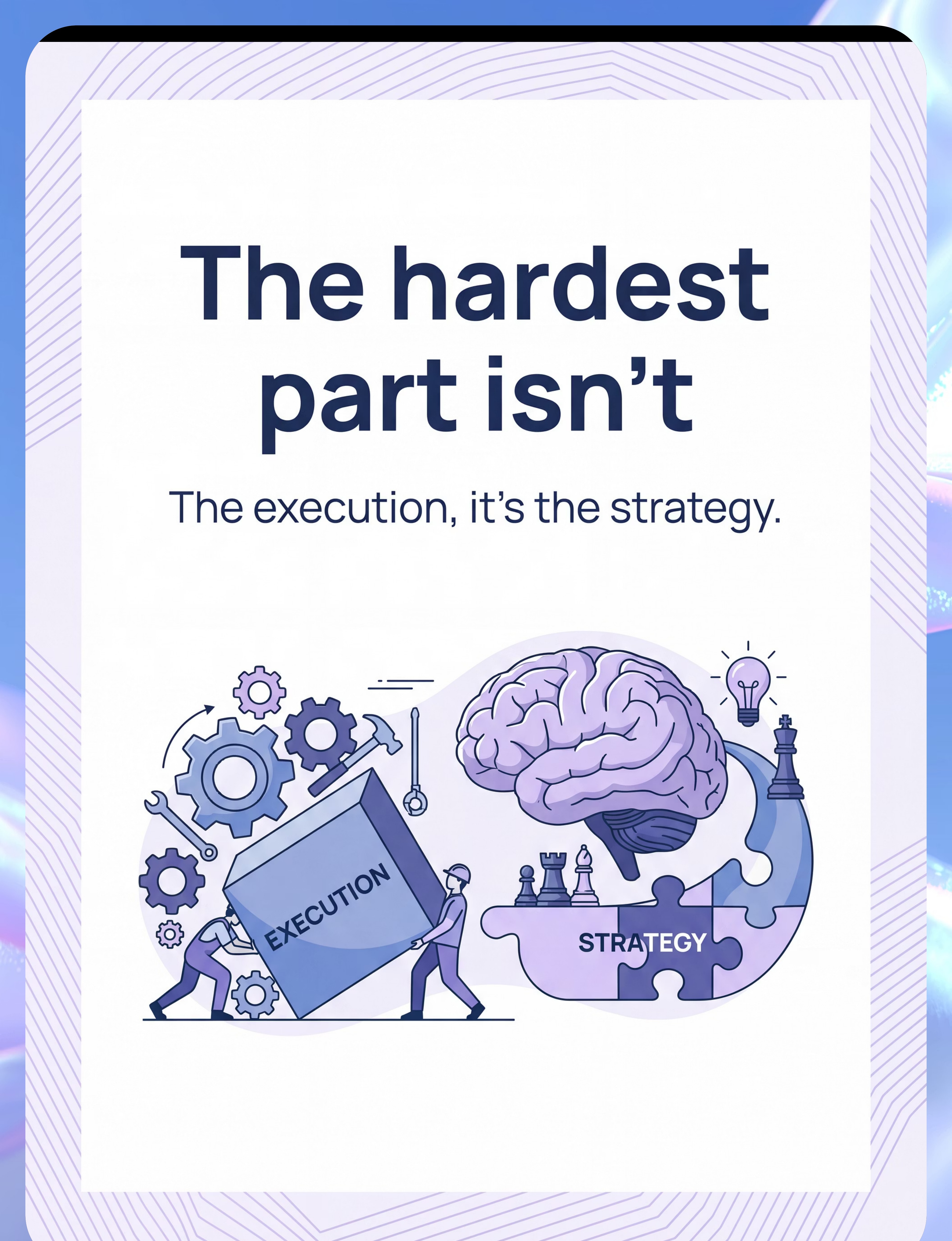
The hardest part isn't learning the skill. It's keeping it.
A clinician-validated guide to 9 materials that build permanent skill retention for children with autism and developmental differences — backed by ABA science, designed for Indian families.
L-957 | Pinnacle Blooms Network®
ABA/BCBA Lead
All Ages

You Are Not Failing. Your Child's Brain Learned This.
"My son is nine. He's learned so many skills in therapy — identifying emotions, tying his shoes, answering 'wh' questions. But here's what breaks my heart: skills seem to disappear if we don't practice constantly. He could count money perfectly in March. By June it was like he'd never learned it. We spend months teaching something, feel so proud when he masters it, and then it just... fades. I'm terrified everything we're working so hard on will vanish the moment we stop drilling it."
You are not failing. Your child's brain learned this skill. The system didn't build it for permanence — yet. That changes today.
FREE National Autism Helpline (16+ languages): 9100 181 181 | Available 24×7

This Isn't Rare — You're Among Millions of Families
Skill regression is not a reflection of how hard your family worked. It is a reflection of how programming was designed. When skills are built for acquisition only — not for permanence — they fade. This is a programming problem. And programming problems have programming solutions.
68%
Summer Regression
of children with ASD show significant skill regression during school breaks (summer, holidays)
40–50%
Therapy Fading
of therapy gains show measurable fading within 3–6 months when active maintenance programming is absent
21M+
Sessions Tracked
1:1 therapy sessions delivered by Pinnacle's GPT-OS® — tracking skill retention at population scale
India's 10M+ children with autism face systemic gaps in maintenance programming. Pinnacle's 70+ centers across India have developed evidence-driven protocols specifically for the Indian family context — home-executable, resource-adapted, and culturally aligned.

Why Skills Fade: The Neuroscience in Plain English
The Memory Consolidation Problem
When a child learns a skill in a structured therapy environment, the memory is encoded with strong cues attached — the therapy room, the specific therapist, the specific materials, the predictable reward. Outside that context, the retrieval cues are absent and the memory becomes inaccessible.
The Fluency Gap
Skills that are accurate but not fluent — meaning the child can do it correctly but slowly, with effort — are stored in working memory rather than long-term procedural memory. These "effortful" memories decay rapidly.
The Generalization Failure
The brain stores "learned in context A" and "used in context B" as separate memory traces. Without deliberate multi-context practice, the two never merge into a single flexible skill.
The Good News
These are all programmable problems. When we build skills with fluency, generalization, and spaced review from the start, the neural encoding changes. Skills move from fragile working memory into durable long-term storage. Permanently.
"This is a wiring pattern, not a willpower problem." — Pinnacle BCBA Consortium

Maintenance: Where It Lives on the Developmental Journey
Most therapy programs invest heavily in Acquisition — getting the skill to occur for the first time — and stop there. The developmental truth is that Acquisition is Step 1 of a 4-step journey. Without explicit maintenance programming, skills remain fragile: present under optimal conditions, absent everywhere else.
Acquisition
Skill occurs for the first time with therapist support
Fluency
Skill performed quickly and automatically
Generalization
Skill works across settings, people, and materials
Maintenance ★
Skill persists over time without intensive practice — permanent and independent
Comorbidity Awareness: Maintenance challenges are intensified in children with ADHD (working memory gaps), anxiety (context-dependent performance), intellectual disability (slower consolidation), and language delays (limited self-monitoring capacity). Each requires adjusted maintenance programming — not abandoned programming.

This Is Not Experimental. This Is Behavioral Science at Its Most Validated.
Fluency-Based Practice
Skills built to fluency show 3–5× better 90-day retention than accuracy-only skills. 50+ years of Precision Teaching research confirms this.
Spaced Practice
Reviewing at expanding intervals is 2× more efficient than daily drilling. Cognitive science consensus across decades.
Multi-Exemplar Teaching
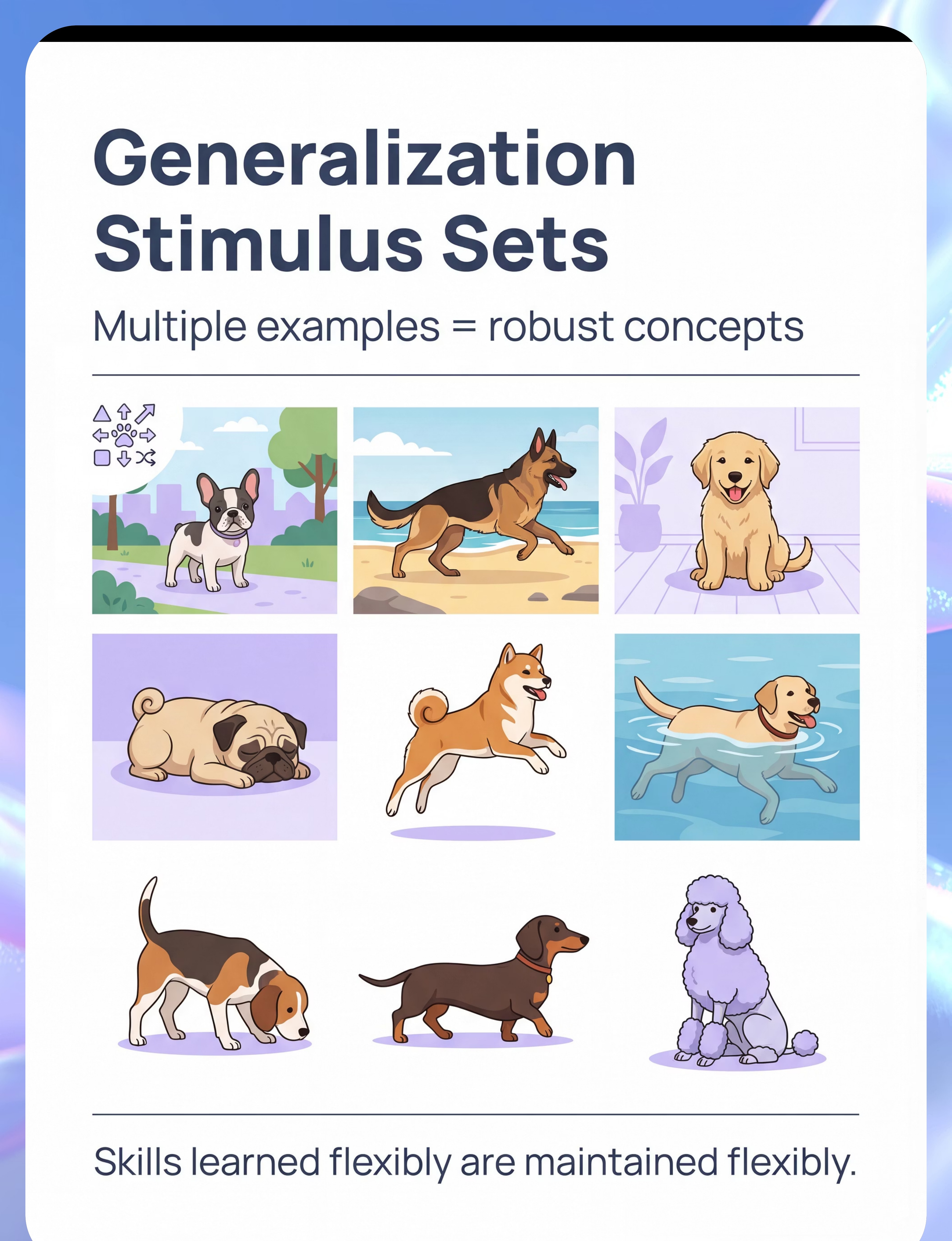
Teaching with 15–20 varied examples produces flexible, maintainable concepts that generalize to novel contexts.
Natural Reinforcement
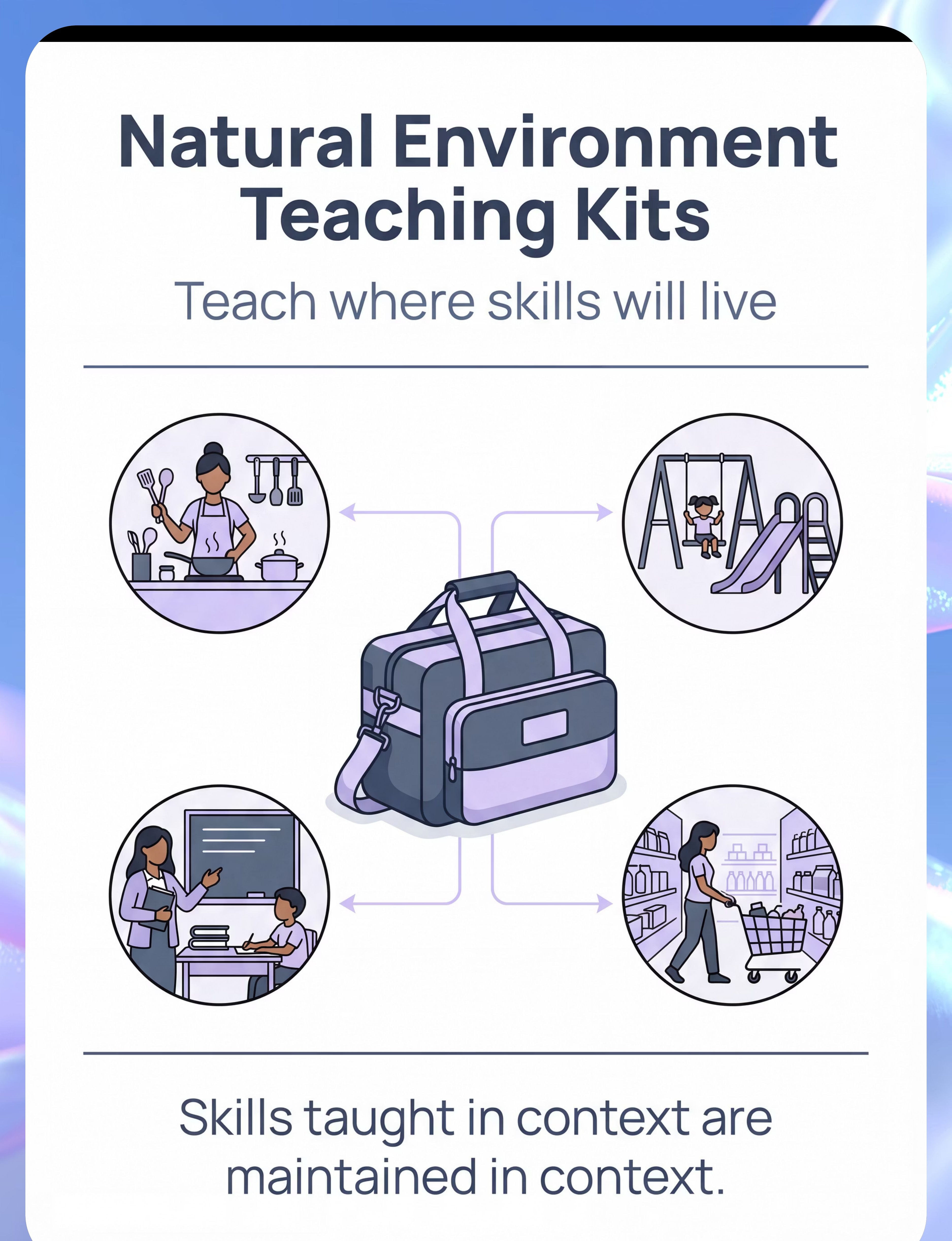
Skills reinforced by natural outcomes self-maintain; therapist-dependent skills collapse when support is withdrawn.
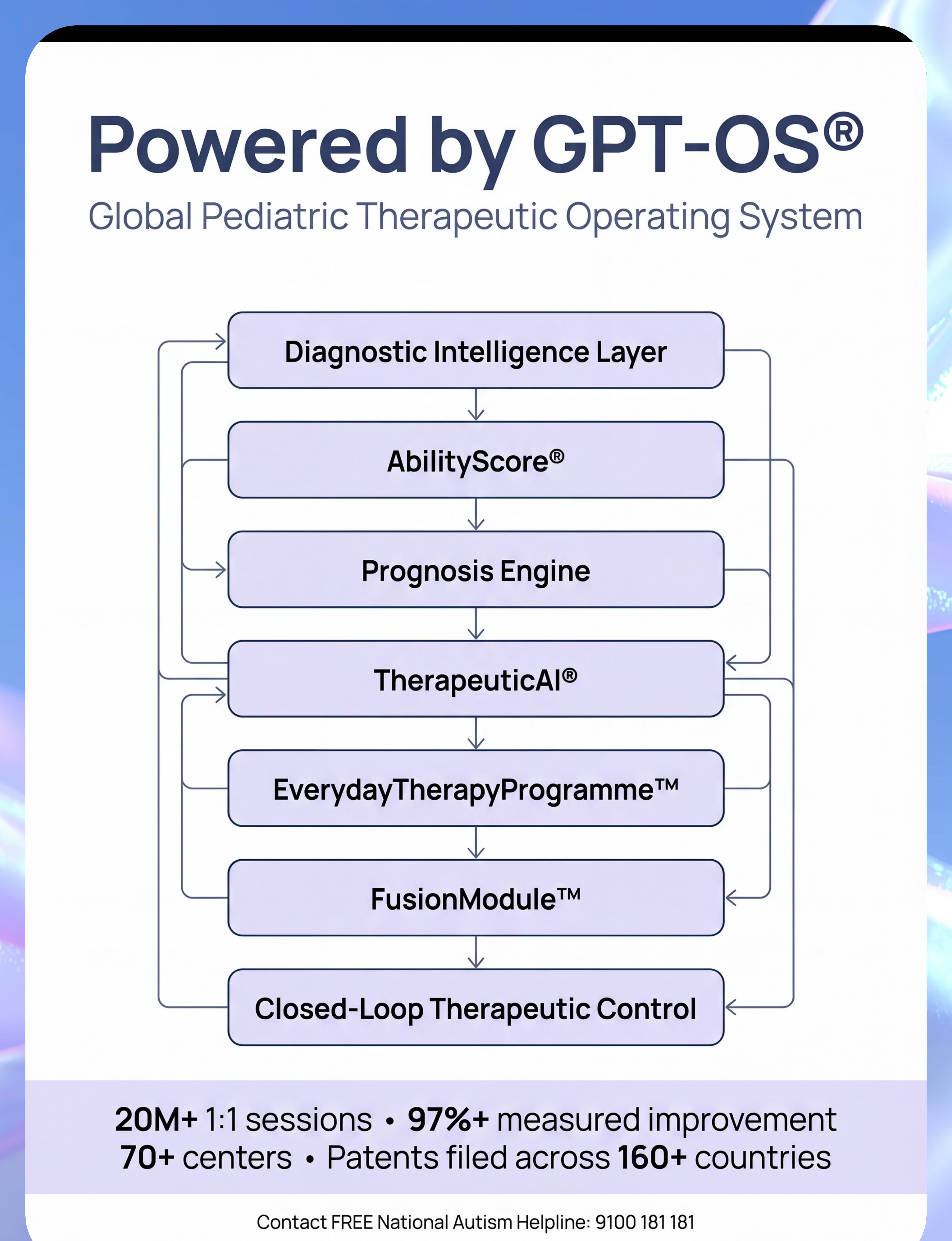
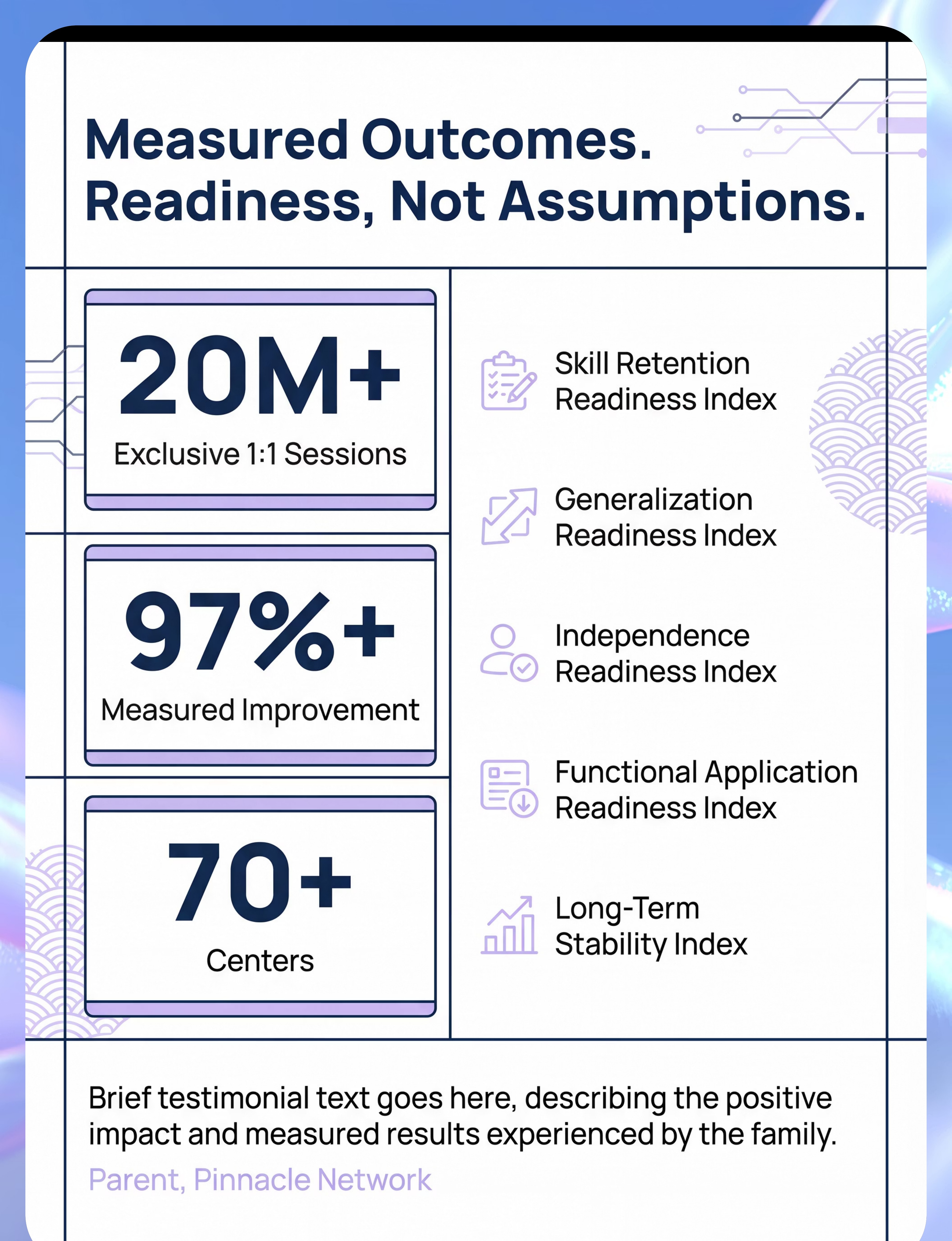
Pinnacle Data: 97%+ measured improvement rate across 20M+ therapy sessions (GPT-OS® data). Skill Retention Readiness Index and Long-Term Stability Index tracked for every child. "Clinically validated. Home-applicable. Parent-proven. The science is not in question — only the implementation."

Maintenance Programming: Building Skills That Actually Stick
Formal Clinical Term
Maintenance / Skill Retention / Generalization Programming / Fluency Building / Stimulus Control Transfer
Domain Badges
ABA / Applied Behavior Analysis · Skill Retention · Long-Term Outcomes · Generalization · Fluency Building · Independence
Age Range
All ages | Home + School + Community
Definition
Maintenance refers to the continued performance of a learned skill over time, after direct instruction has ended. A skill is not truly mastered when it can be performed in therapy — it is mastered when it persists independently across time, settings, people, and materials without ongoing intensive practice.
True skill ownership requires four stages: Acquisition (learning it for the first time) → Fluency (performing it quickly and automatically) → Generalization (using it everywhere) → Maintenance (keeping it permanently). Most therapy programs stop at Acquisition. GPT-OS® programs for all four.
L-957
Series: ABA-MAINT
Skill Generalization & Long-Term Retention
Every Therapy Discipline Uses Maintenance Programming
ABA / BCBA (Primary Lead)
Applied Behavior Analysts design the formal maintenance system: probe schedules, fluency criteria, reinforcement thinning progressions, generalization matrices, and self-management training. The BCBA is the architect of the maintenance plan.
Occupational Therapist
OTs apply maintenance programming to motor skills (dressing, writing, scissors, self-care). They design fluency targets for motor patterns and generalization kits for different environments where motor skills must work.
Speech-Language Pathologist
SLPs maintain language skills — requesting, answering questions, using full sentences — by practicing across communication partners, settings, and contexts. They design multi-person training protocols for parents, teachers, and peers.
Special Educator
SpEd teachers integrate maintenance into academic programming: spaced review schedules for reading, math facts, and academic concepts, plus generalization activities connecting classroom skills to real-life application.
"The brain doesn't organize by therapy type. Maintenance programming crosses every discipline because skills don't live in therapy categories — they live in the child's life." — Pinnacle Blooms Multidisciplinary Consortium
Questions about which discipline leads your child's maintenance? Call 9100 181 181 — FREE, 16+ languages.

What Maintenance Programming Actually Targets
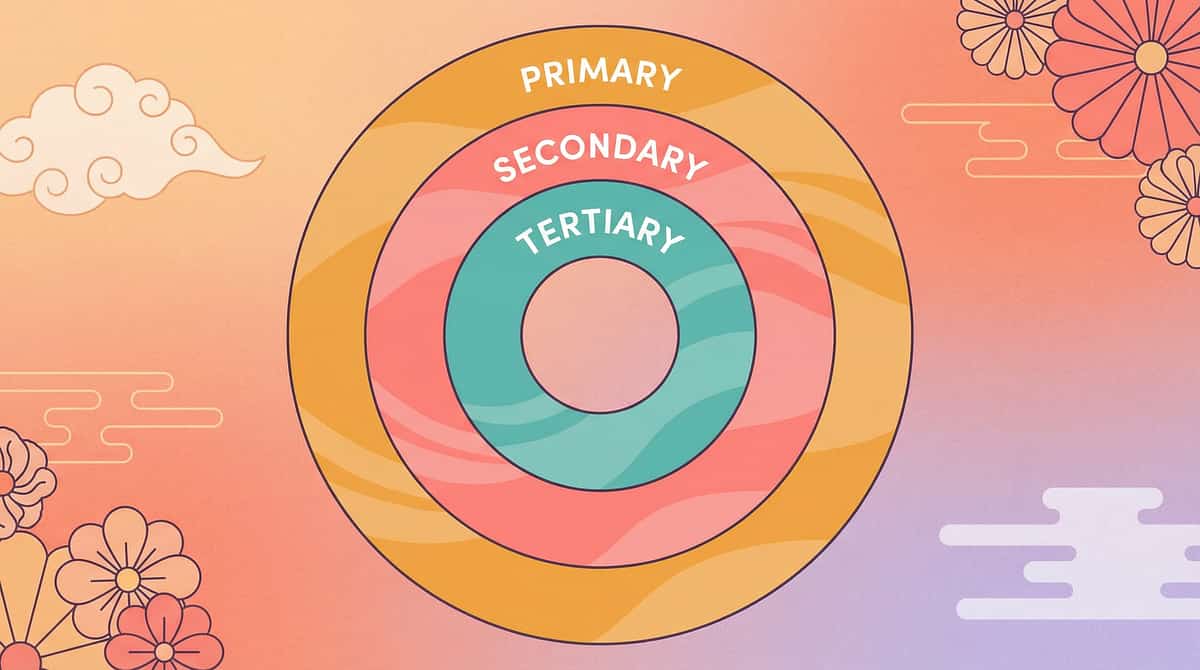
Maintenance programming is not about drilling skills endlessly — it's about building the conditions under which skills become genuinely owned by the child. There are three concentric layers of what we're working toward.
🎯 Core: Skill Durability
The skill persists over time — days, weeks, months, years — without intensive ongoing practice. The child does not need to be re-taught previously mastered skills.
🔄 Middle: Flexible Performance
Person-independence: works with anyone. Setting-independence: works at home, school, community. Stimulus-independence: works with novel materials. Reinforcement-independence: persists even when rewards are sparse.
🌍 Outer: Independent Life Use
Functional independence in daily living · Academic retention across school years · Social communication in natural peer environments · Self-monitoring capacity · Transition readiness
Observable Behavior Indicators
- Child uses skills in naturalistic settings without being asked
- Child performance stays consistent after school breaks (summer, holidays)
- Child uses skills with people who haven't done formal training
- Child begins to self-correct when skills slip
- Child uses learned skills for genuine, functional purposes
9 Materials That Help With Maintenance
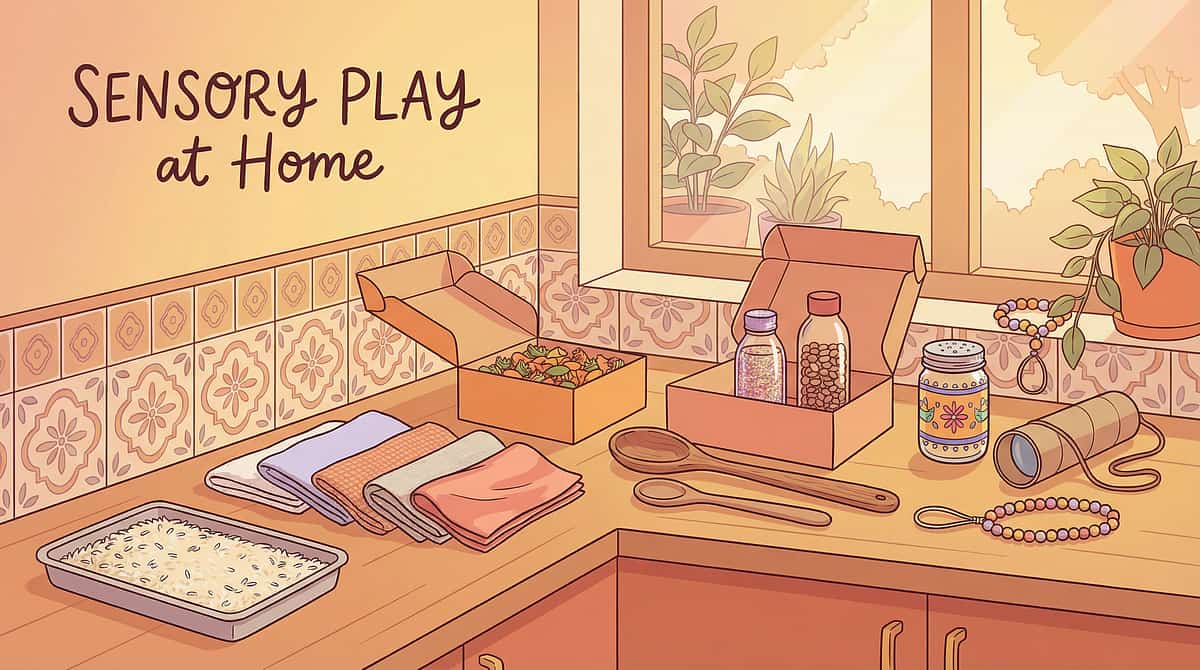
Clinician-validated. Home-executable. Sourced for Indian families. Each of these materials addresses a specific mechanism of skill fading — together, they form a complete maintenance system.
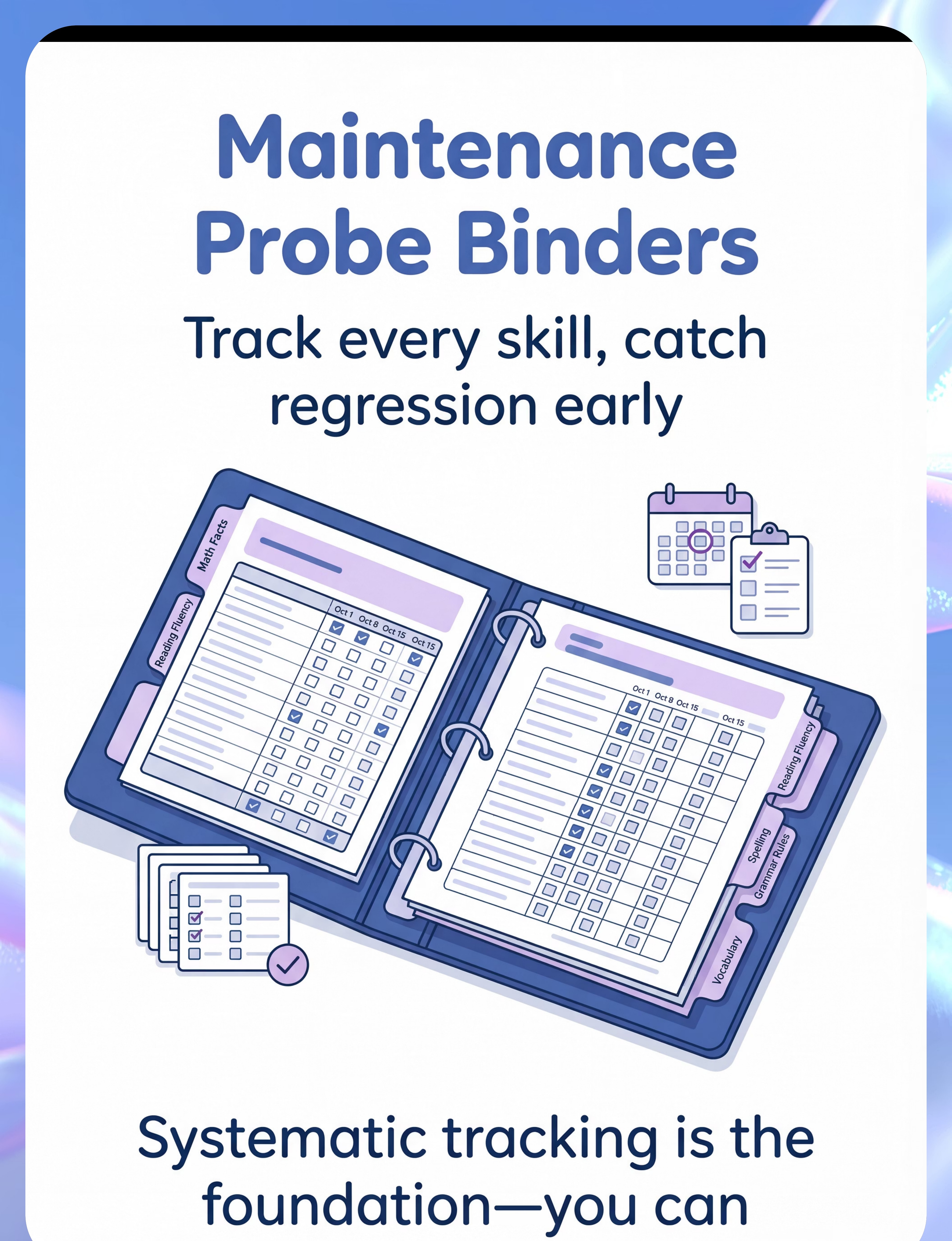
Maintenance Probe Binders & Tracking Systems
Data & Tracking | ₹500–1,500
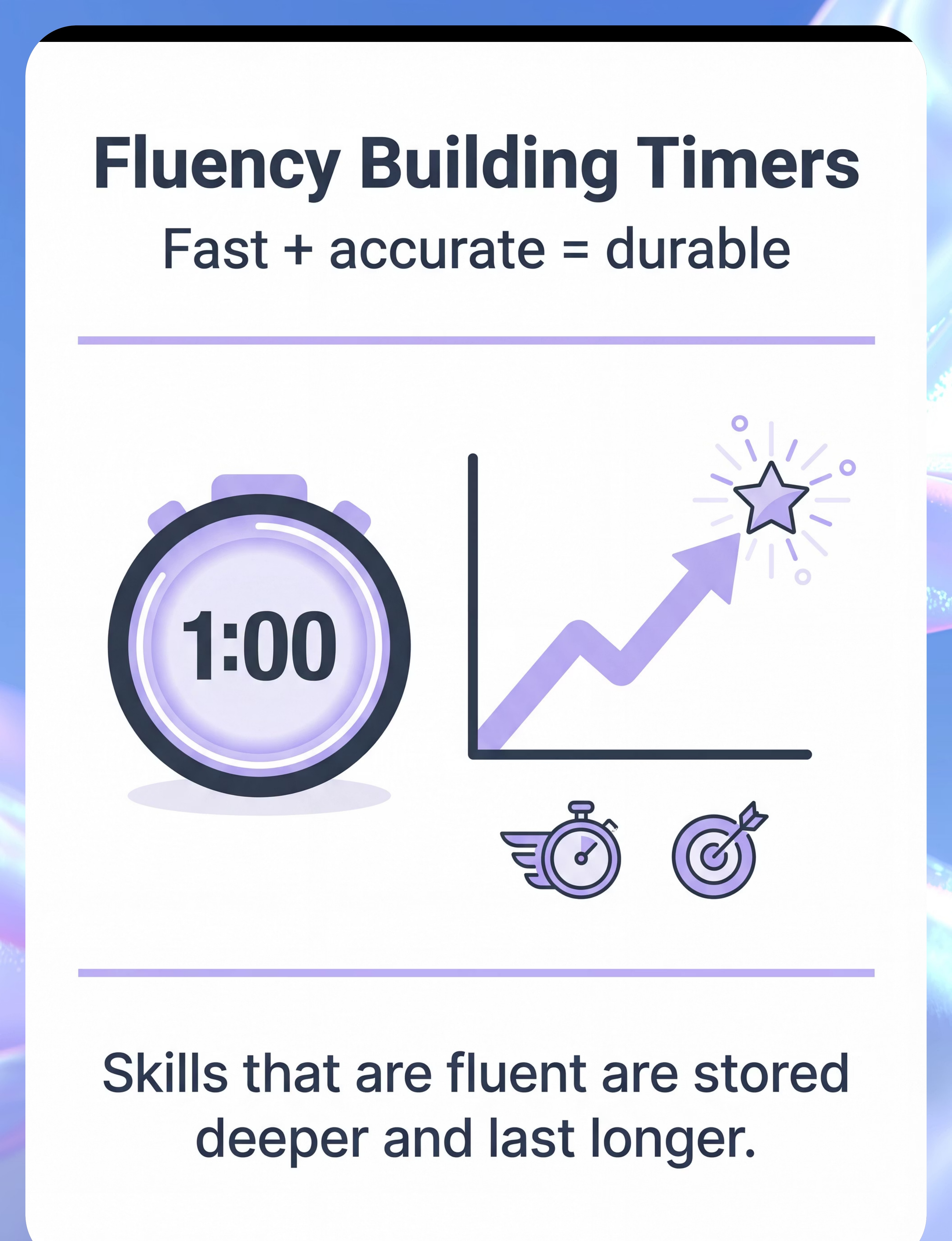
Fluency Building Timers & Rate Tracking Tools
Timing Tools | ₹200–800
Generalization Stimulus Sets (Varied Examples)
Sorting & Categorization | ₹800–2,500
Natural Environment Teaching Kits
Environment Kits | ₹500–2,000
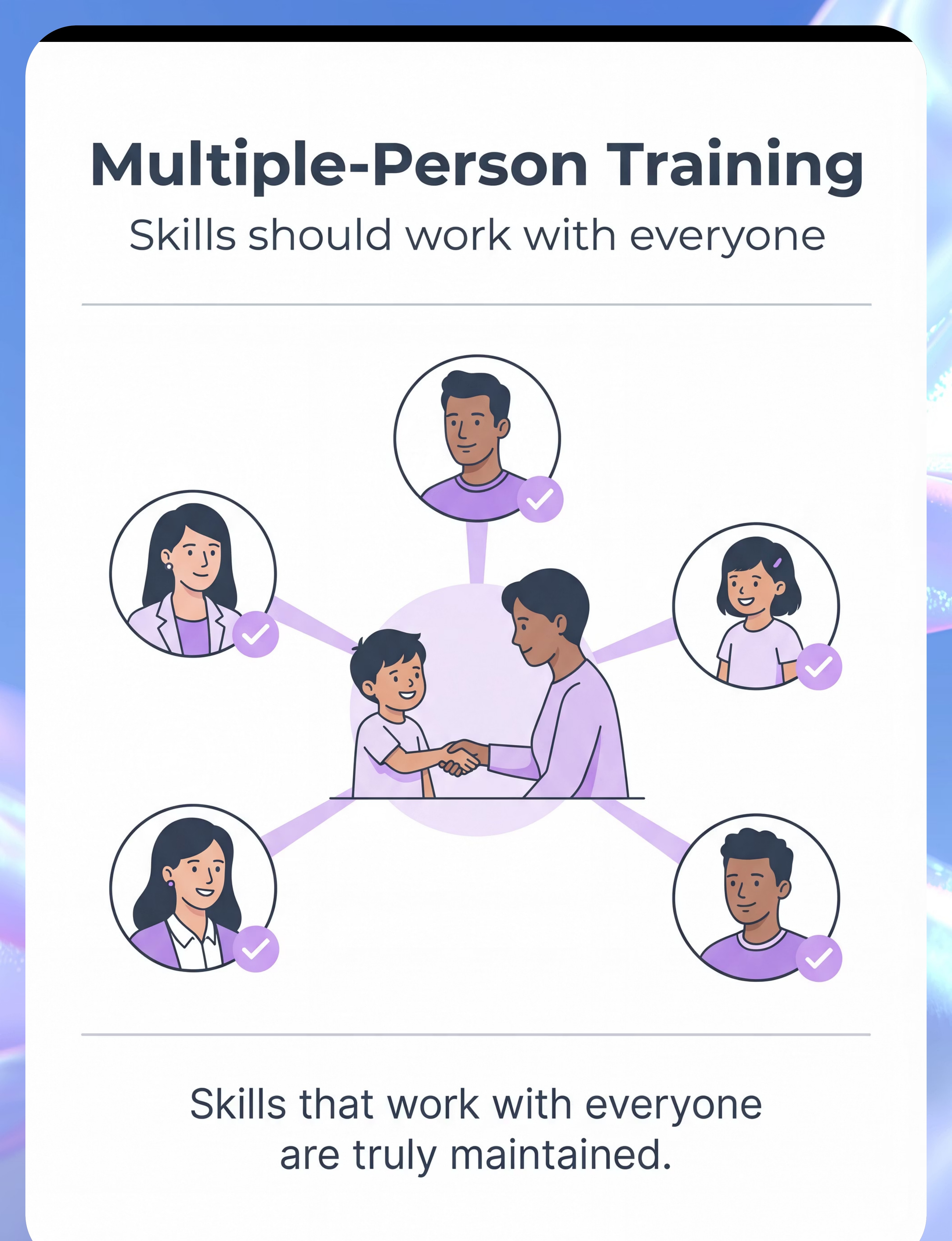
Multiple-Person Training Materials
Caregiver Guides | ₹300–1,000
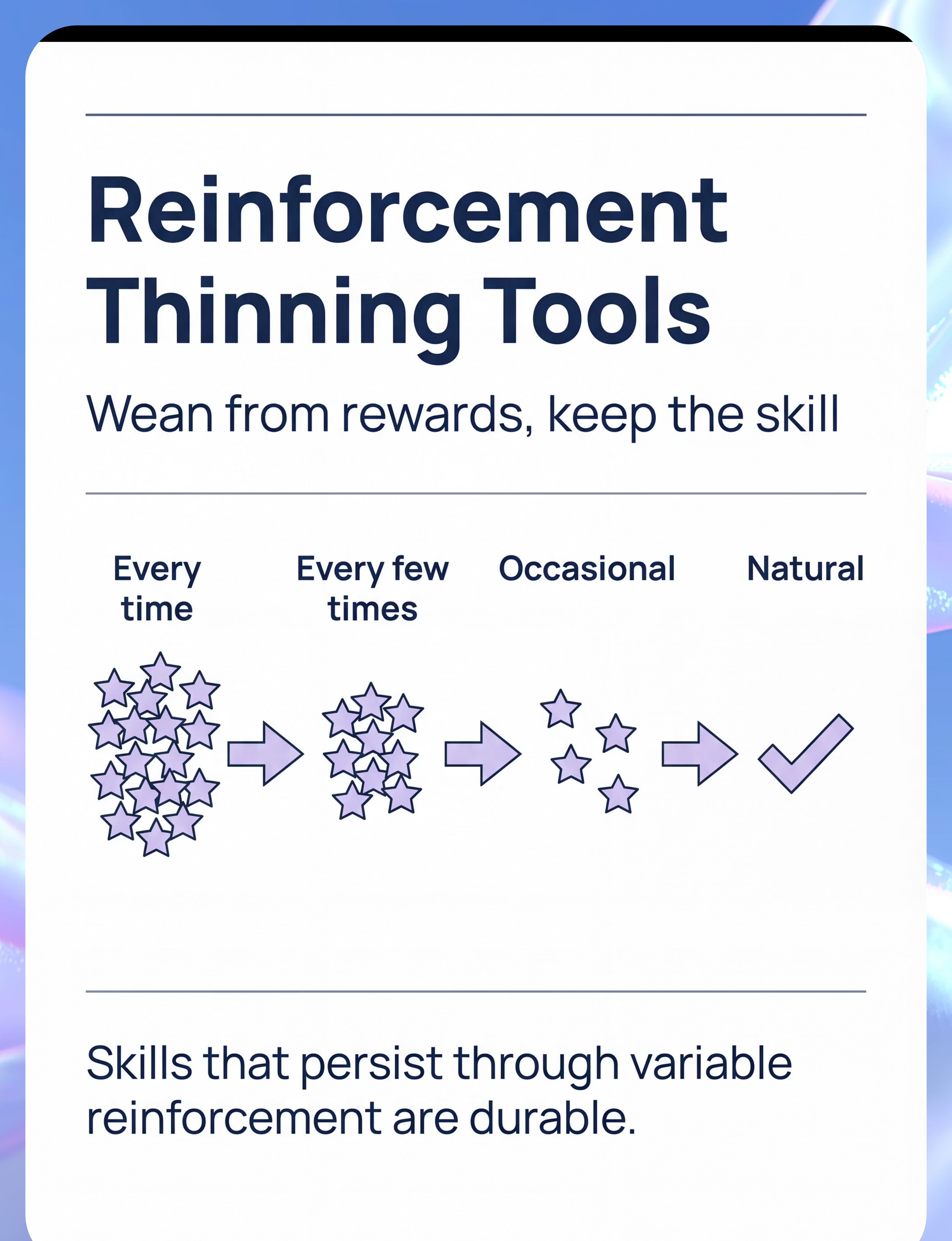
Reinforcement Thinning Tools
Reinforcement Menus | ₹200–600
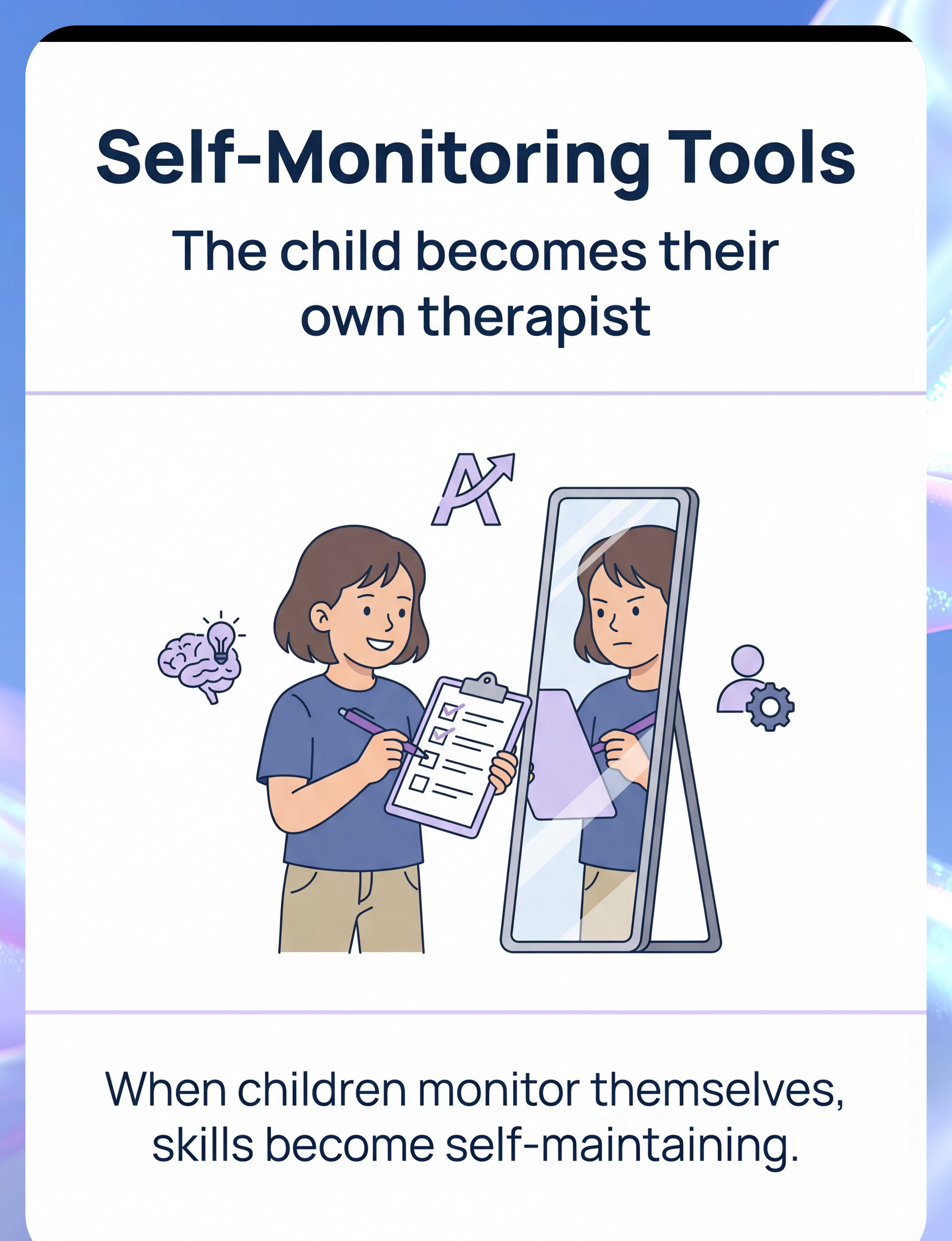
Self-Monitoring & Self-Management Tools
Self-Management | ₹200–700
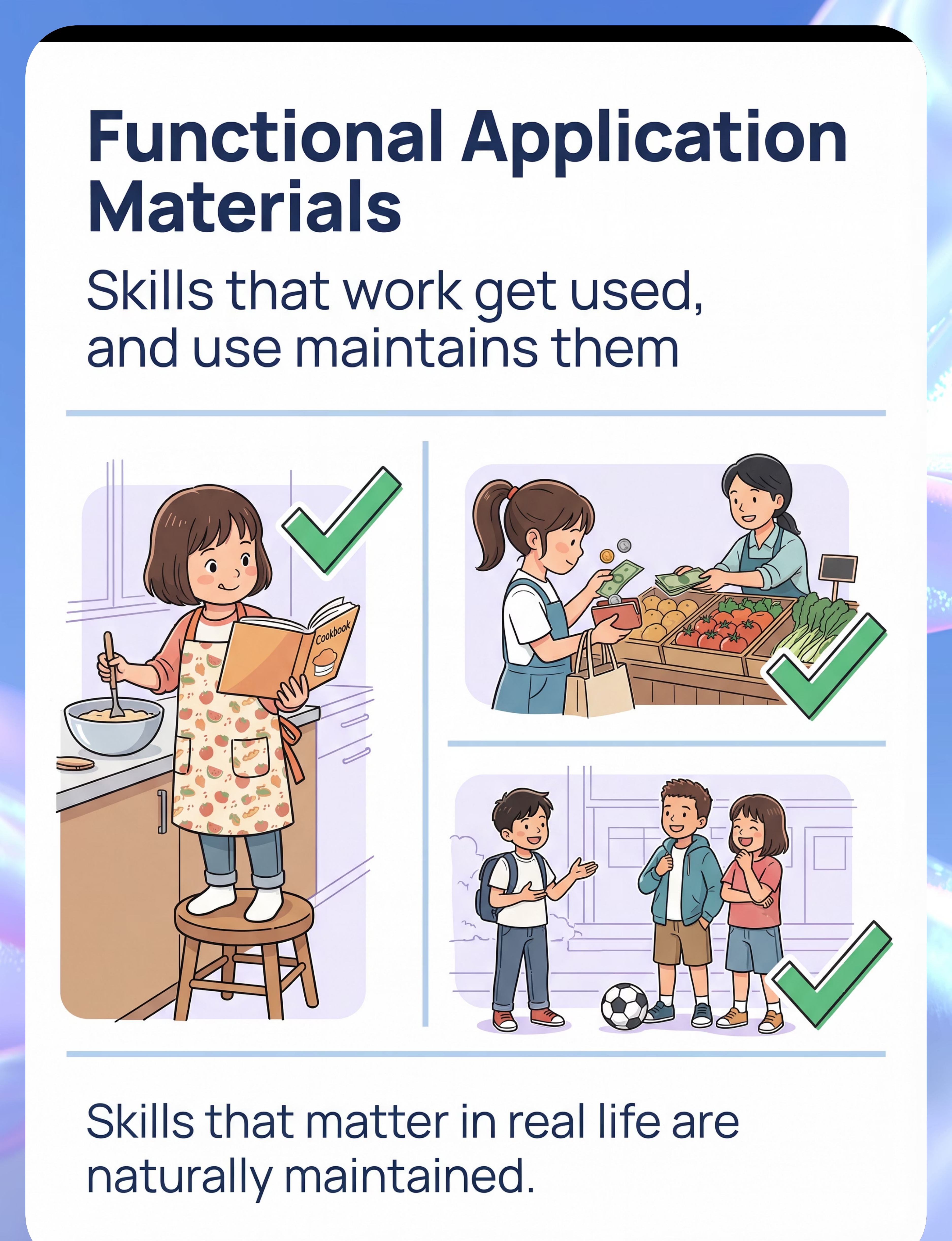
Functional Application Materials
Functional Life Skills | ₹500–2,000
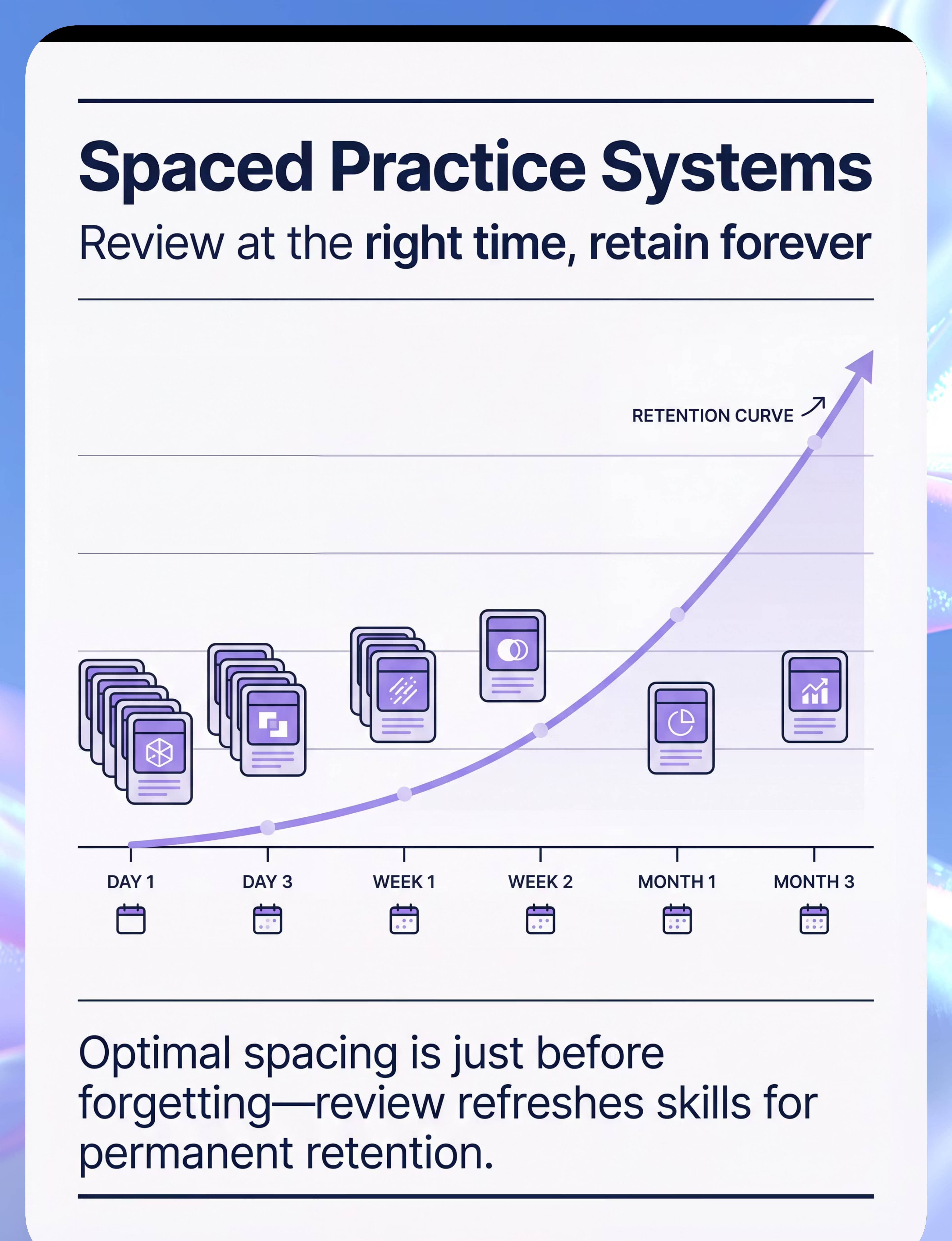
Long-Term Review Calendars & Spaced Practice Systems
Scheduling Tools | ₹300–1,000

Pinnacle Canon Products: Clinician-Recommended Materials

🏅 Reinforcement Menus — The Rosette Imprint Reward Jar
Useful for: Material 6 (Reinforcement Thinning) — track reinforcement schedule progression visually.
Price: ₹589 | Buy on Amazon.in →
Price: ₹589 | Buy on Amazon.in →
Pinnacle Recommends
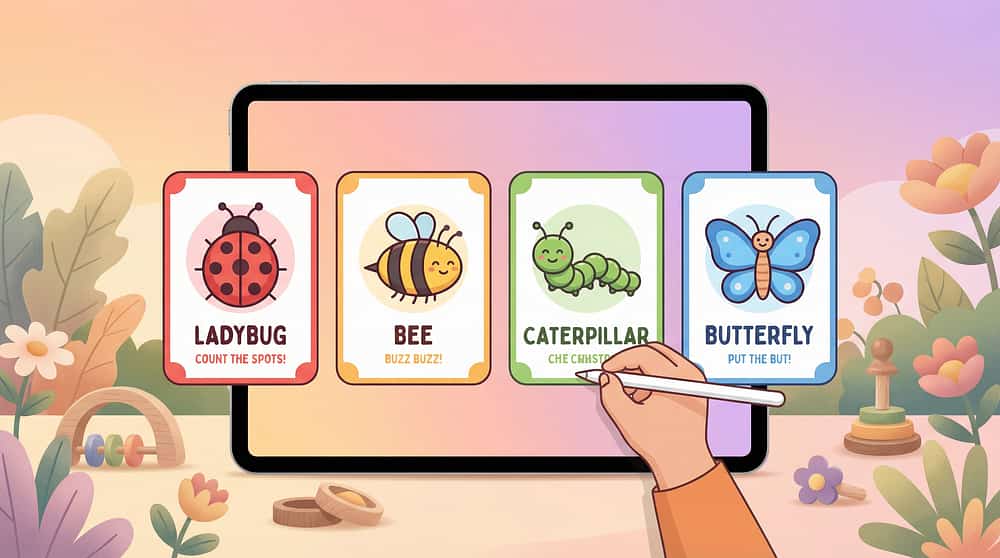
🏅 Sorting Activities — Brainy Bug Flashcards with App-Enabled Audio
Useful for: Material 3 (Generalization Stimulus Sets) — multi-exemplar concept practice.
Price: ₹305 | Buy on Amazon.in →
Price: ₹305 | Buy on Amazon.in →
Pinnacle Recommends
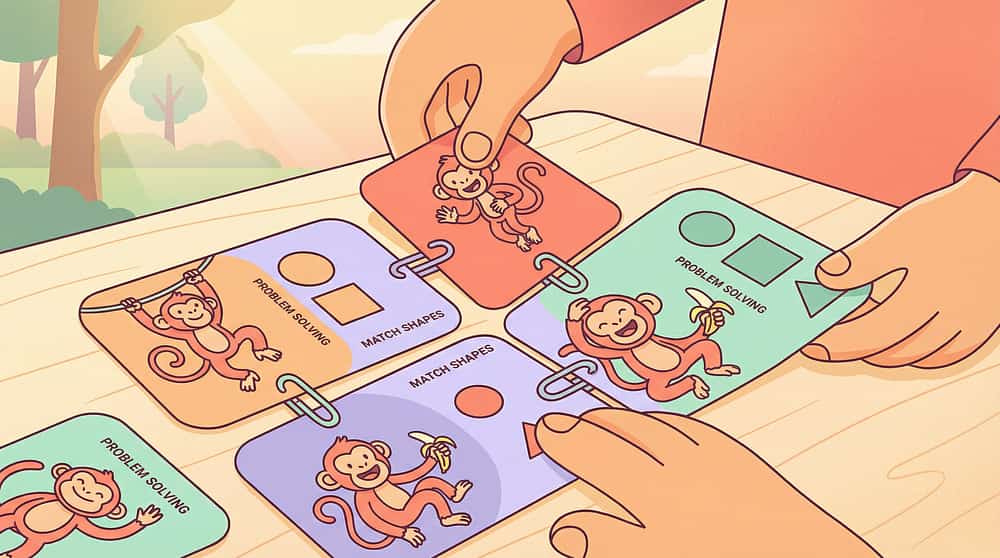
🏅 Problem-Solving Cards — Monkey Minds Clip The Card
Useful for: Material 2 (Fluency Building) — fast, accurate practice trials.
Price: ₹296 | Buy on Amazon.in →
Price: ₹296 | Buy on Amazon.in →
Pinnacle Recommends
Every Material Has a Zero-Cost Version
WHO/UNICEF Equity Principle: No family is excluded by cost. The most powerful maintenance tools — systematic tracking, spaced practice, fluency building, and natural environment teaching — are nearly zero-cost. What matters is the system, not the product.
Material | 💜 Buy (₹) | 🏠 DIY (₹0) | Why It Works | |
Maintenance Probe Binder | 3-ring binder + printed sheets ₹500–1,500 | A4 notebook + hand-drawn skill log + pencil | Same function: systematic probing of mastered skills | |
Fluency Timer | Digital countdown timer ₹200–800 | Smartphone stopwatch (free) | Same function: timed 1-minute practice sprints | |
Generalization Stimulus Sets | Commercial picture cards ₹800–2,500 | Magazine cuttings, hand-drawn examples, phone photos | Same function: multiple varied examples of same concept | |
NET Kit | Portable therapy bag ₹500–2,000 | Drawstring bag with household items | Same function: carry therapy into natural environments | |
Self-Monitoring Checklist | Printed checklist, wrist counter ₹200–700 | Paper + pencil + mirror | Same function: child tracks own performance | |
Spaced Practice System | Anki app / card box ₹300–1,000 | Anki app (completely free) or handmade card file box | Same function: expanding interval review schedule |
Caveat: When clinical-grade material is non-negotiable: Proprietary data collection software (e.g., GPT-OS® tracker) provides accuracy and longitudinal trend analysis that paper cannot replicate at scale. For formal clinical programming, professional-grade tools are recommended.
Before You Start: Your Safety Checklist
🔴 RED — CONTRAINDICATIONS (Do Not Proceed If:)
- Child is in an active behavioral crisis, meltdown, or highly dysregulated state
- Child is ill, feverish, or showing signs of physical discomfort
- There has been a significant trauma, transition, or disruption in the last 24 hours
- Your maintenance probe will require skills the child has clearly not retained — pause and consult your BCBA before re-testing
- You are feeling frustrated, rushed, or emotionally reactive — maintenance practice requires calm, patient facilitation
🟡 AMBER — CAUTION (Proceed With Modification If:)
- Child is mildly tired — reduce probe count by 50%, keep session to 10 minutes
- You're testing a newly mastered skill (less than 2 weeks) — use warm-up trials first
- Child shows performance anxiety with timed fluency activities — remove timer, use untimed warm-up
- Family member unfamiliar with the skill is running the trial — supervise first session
🟢 GREEN — GO (Optimal Conditions)
- Child is rested, fed, and in a regulated state
- Environment is calm and minimally distracting
- You have a minimum of 10–15 uninterrupted minutes
- All tracking materials are ready before starting
STOP IMMEDIATELY if: Child shows extreme distress, self-injurious behavior, dissociation, or severe aggression. Document and contact your Pinnacle therapist or call 9100 181 181.

Your Maintenance Practice Environment: Set It Up Once, Use It Every Day
Materials Station (right of child)
Maintenance binder open to today's skills, probe data sheet ready, timer set, reinforcement ready before child enters
Child's Position
Seated at table or floor mat, facing slightly away from main distractions, comfortable and calm
Parent/Caregiver Position
Sitting or kneeling at child's eye level, 1 arm's length distance — never standing over them
Distraction Removal
TV off, phone on silent, siblings occupied, toys not in use stored away
Exit Route Visible
Ensure child can see where they go after the session — next activity, snack, or play
"A prepared space communicates readiness to your child's nervous system. Chaos in the environment becomes chaos in the session." — Pinnacle BCBA
Setup Time: 3 minutes maximum. If it takes longer, simplify your system. ☐ Natural/warm-white lighting ☐ Minimal background noise ☐ Temperature 18–24°C ☐ Data sheet dated and pre-filled ☐ Reinforcer identified and ready

60-Second Pre-Session Readiness Check
The best maintenance session is the one that starts right. Take 60 seconds before every session to run this simple gate — it will save you frustration and protect your child's motivation for future sessions.
✅ 5–7 YES Answers
GO — Full session as planned
⚠️ 3–4 YES Answers
MODIFY — 3 probes, no timing, 7–10 minutes max
❌ 0–2 YES Answers
POSTPONE — Come back when conditions are right
Readiness Checklist
- Child has eaten within the last 2 hours
- Child has had adequate sleep last night
- No meltdown or significant upset in the last 2 hours
- Child appears alert and able to acknowledge your presence
- Child is not showing signs of illness, fever, or physical pain
- You (the parent/caregiver) are calm, unhurried, and emotionally ready
- The environment is set up and materials are ready
Postponing is not giving up — that's good clinical judgment. 1 excellent session > 3 forced sessions. Need help calibrating readiness criteria? 9100 181 181 — FREE consultation.

STEP 1 OF 6
Material 4 — Natural Environment Teaching Kits
The Invitation: Bringing Practice Into Real Life
What You Say (Exact Script)
"Hey [child's name], I want to show you something cool. Remember how you learned [skill name]? I want to see you be amazing at it. Want to try?"
Body Language Guidance
- Kneel or sit at child's eye level — no standing over them
- Relaxed shoulders, warm smile, no urgency in your body
- Have one item from the activity visible (curiosity, not demand)
- Avoid crossing arms or looking at your data sheet before they agree
✅ Acceptance Cues (What YES Looks Like)
- Child looks at the material, moves toward the activity
- Child says "okay," "yes," or even just doesn't move away
- Child makes eye contact or touches the material
⚠️ Resistance Cues (What To Do)
- Looks away: Give 15 seconds, then try again with a highly preferred item in hand
- Says "no": Respect it, offer choice ("Cards or pictures?")
- Ignores: Try the invitation in their current play context — Natural Environment means going to where they are
Timing: 30–60 seconds. If no engagement in 60 seconds, move to the Postpone protocol.
STEP 2 OF 6
Material 3 — Generalization Stimulus Sets
The Engagement: Introducing Varied Examples
Introduce your generalization set — varied examples of the skill you're maintaining. If maintaining "colors," lay out 4–5 different objects of the target color. If maintaining "number concepts," present multiple real-world examples (3 spoons, 3 blocks, 3 pictures). The variation signals to the brain: "This skill works everywhere, not just with the specific therapy materials."
"Look at all of these! I'm going to show you some things and you show me how clever you are. There's no wrong answer — I just want to see what you know."
How to Present
Relaxed pace — this is a probe, not a drill. Items within comfortable reach. Materials clearly visible. Vary left/right positioning to prevent position-based responding.
✅ Engagement & Tolerance
Child looks at, points to, or touches items; answers with confidence. Participation without enthusiasm but without distress is also a valid, acceptable response.
⚠️ Avoidance Signals
Child looks away, pushes materials, or says "no" — check state, reduce demand. Do not persist over clear avoidance signals.
Reinforcement Cue: The moment child provides a correct response (even partially correct): deliver immediate, warm, specific praise — "YES! You got it!" — within 3 seconds. This is not drill — it is a warm, natural exchange. Timing: 1–3 minutes of varied probe trials.

STEP 3 OF 6
Materials 1, 2 & 6 — Binder + Timer + Reinforcement
The Therapeutic Action: Core Maintenance Mechanics
3A: Probe Session (Maintenance Binder)
Open your probe binder to today's skills. For each skill: present the prompt (natural, not cued) → wait 5 seconds → record Correct ✓ / Incorrect ✗ / No Response NR → move to next skill (no correction during probe, just data). After all probes: review which skills scored below 80% — these move to active practice. Run 5–10 skill probes per session, under 8 minutes total.
3B: Fluency Sprint (Fluency Timer)
For skills that are accurate but need speed-building: set timer for 1 minute → present items as fast as child can respond → count correct responses → record beats-per-minute → try to beat yesterday's record. "Ready? We're going to go superfast! Count with me... GO!" Frame it as a personal best game, not a test.
3C: Reinforcement Schedule Check (Thinning)
Skills mastered >3 months: delivering reward every 5th correct response (FR-5)? Skills mastered >6 months: only natural praise? Newly maintained skills: still on continuous reinforcement (FR-1)? Thin systematically: if performance stays strong for 2 weeks at FR-3, move to FR-5. If performance drops, return to FR-2.
Child Response Alert: Multiple errors on previously-mastered skills, long latency (>5 seconds), or refusal → trigger re-teaching protocol. Consult your BCBA. Total Step 3 time: 8–12 minutes.

STEP 4 OF 6
Materials 4 & 5 — NET Kits & Multi-Person Training
Repeat & Vary: Building Generalization Through Context and People
Newly Maintained (<4 weeks)
10–15 natural opportunities per day across all contexts. High frequency supports initial consolidation.
Established (1–3 months)
5–8 natural opportunities per day. Begin reducing formal probe frequency, increase naturalistic use.
Stable (3+ months)
2–3 natural opportunities per day. Monthly probe confirms. Skill becoming truly independent.
Variation Types That Prevent Skill Lock-In
Variation Type | Example | Why It Helps | |
Different Setting | Bedroom → kitchen → playground → grocery store | Prevents context-dependence | |
Different Person | Mum → dad → sibling → grandparent → teacher | Prevents person-dependence | |
Different Materials | Cards → real objects → photos → digital → 3D | Prevents stimulus-dependence | |
Natural Cue (no prompt) | Real-life situation triggers skill without your prompt | Tests true maintenance |
"3 excellent, varied repetitions across 3 different contexts > 20 repetitions in the same therapy-room context. Variety is the active ingredient."

STEP 5 OF 6
Material 6 — Reinforcement Thinning Tools
Reinforce & Celebrate: Delivering the Right Reward at the Right Time
"You KEPT that! That skill is yours now. I am so proud of you — not for being clever today, but for keeping what you worked so hard to learn."
Why "keeping" is different: When a child maintains a skill, you are celebrating the permanence — not just the performance. "You kept it" is more powerful than "you did it." It teaches the child that the goal is ownership, not compliance.
Skill Age | Schedule | Example | Goal | |
Just maintained (<2 weeks) | FR-1: Every correct response | Sticker, specific verbal praise, preferred activity | Build initial reinforcement history | |
Established (2–8 weeks) | FR-3: Every 3rd correct response | Token toward preferred activity | Begin thinning | |
Stable (2+ months) | VR-5: Variable, unpredictable | Occasional natural praise | Near-natural conditions | |
Permanent (6+ months) | Natural reinforcement only | Same as any other person in the room | True independence |
Timing Law: Reinforcement delivered within 3 seconds of correct response. After 3 seconds, the learning window closes. At the end of every session: "I love doing this with you. You are getting stronger every day."

STEP 6 OF 6
Material 7 — Self-Monitoring Tools
The Cool-Down: Transferring Ownership to Your Child
Self-Monitoring Introduction Script
"Now I want to show you something. See these checkmarks? Those are skills YOU kept. You didn't lose them. Isn't that incredible? Tomorrow, after we practice, YOU are going to put the checkmarks in. You're going to keep track of YOUR OWN brain."
If Child Resists Ending
- Give a "one more" as a reward, then firm close
- Use the visual schedule showing what comes AFTER (preferred activity)
- Never abruptly remove materials — smooth fade-out
Visual Timer Option
If child struggles with transitions, use a visual countdown timer: "When the sand runs out / timer beeps, we're all done." Predictability reduces resistance.
Research Note
Visual supports for transitions are classified as evidence-based practice (NCAEP 2020). Self-management transfers the maintenance function from external (parent) to internal (child) — the ultimate maintenance strategy.
60 Seconds of Data Now = Months of Progress Clarity
You don't need a complex system. You need three data points, recorded consistently, every session. The binder knows which skills are stable and which are fading before you notice the difference. The data doesn't lie — and it also reminds you how far you've come.
Data Point | How to Record | Example | |
Skills Probed Today | Check each skill in binder: ✓ / ✗ / NR | "Colors: ✓, Counting 1-10: ✗, Name: ✓" | |
Fluency Rate (if timed) | Number correct in 1 minute | "12 correct responses/minute" | |
Reinforcement Schedule Used | Note current schedule for each skill | "FR-3 for Colors, FR-1 for Counting" |
Download Tracking Sheet
📥Download: Maintenance Probe Data Sheet (PDF) → Free printable from Pinnacle's resource library
GPT-OS® Tracker
📱 Already enrolled? Log this session in GPT-OS® → Digital tracking with longitudinal trend analysis
Need Help Setting Up?
📞 Call 9100 181 181 — FREE guidance on setting up your data system, available 24×7 in 16+ languages

Most Sessions Don't Go Perfectly. Here's Your Fix.
"Session abandonment is not failure — it's data. Every imperfect session tells you something valuable."
🔴 Problem 1: Multiple errors on skills "mastered" last month
Why: Skill was acquired but not built to fluency, or probe frequency dropped too quickly. Fix: Move skill back to weekly probing. Run 3–5 fluency-building sprints before re-probing. Check if skill was ever practiced outside the therapy context.
🔴 Problem 2: Performs with me but not with grandparents/teachers
Why: Person-specific stimulus control — the skill is attached to you, not the skill itself. Fix: Immediately begin multiple-person training. Run at least 3 sessions with other family members this week.
🟡 Problem 3: Child is bored or refuses during maintenance probes
Why: Probing feels like testing rather than practice. Routine became aversive. Fix: Vary the probe format (games, natural activities, different rooms). Reduce probe density. Add higher motivation activities immediately before and after.
🟡 Problem 4: Too many mastered skills to probe — overwhelmed
Fix: Tier your skills. Tier 1 (newly maintained): probe weekly. Tier 2 (established): probe monthly. Tier 3 (very stable): probe quarterly. You don't need to probe everything every day.

More Troubleshooting: When Things Aren't Working
🟡 Problem 5: Maintained in structured sessions but not in daily life
Why: Skills are probe-responding, not functionally generalized. Fix: Natural Environment Teaching (Material 4). The skill must be used for real purposes in real life. Replace some probe sessions with functional application opportunities.
🔴 Problem 6: After school vacation, many skills have regressed
Why: Maintenance programming paused during break. Spacing intervals became too long. Fix: Expect this — use the "savings effect" (previously learned skills re-acquire faster). Run daily probes for 2 weeks post-break. Do not re-teach from scratch.
🔴 Problem 7: Reinforcement thinning caused skill deterioration
Why: Thinning schedule moved too fast. Fix: Return to previous denser schedule immediately. Stabilize for 2 weeks. Then thin again by only 1 step. Monitor continuously during any thinning.
If problems persist across multiple sessions, consult your BCBA or call 9100 181 181 for a FREE teleconsultation. A maintenance system that is not sustainable needs redesign — not abandonment.

No Two Children Need the Same Maintenance System
Customize your maintenance approach based on your child's current state, sensory profile, age, and learning history. The system should flex — not the child.
⬇️ Easier (Bad Days)
3 probes only. No fluency timing. High reinforcement FR-3. Warm, playful tone. Session length: 7 minutes maximum. End on the first success.
⚖️ Standard
Full probe set. All 3 maintenance components. Standard reinforcement schedule. Varied settings and people. 10–15 minutes.
⬆️ Breakthrough Days
Double fluency timing. Introduce novel examples. Thin reinforcement one step. Add a new person or setting. Extend to 20 minutes.
Profile | Modification | Principle | |
Sensory Avoider | Minimal materials, quiet environment, no timer sound | Reduce environmental load | |
Sensory Seeker | Incorporate movement (bounce ball, walk and answer) | Pair maintenance with preferred sensory input | |
High Anxiety Child | Framing: "I just want to see," not "Let's test" | Remove evaluation threat | |
Limited Language | Use non-verbal probe formats (pointing, matching) | Match probe to communication modality | |
Under 5 years | Embed probes entirely in play — games, songs, routines | No formal "session" structure needed | |
10+ years | Progressive self-management — child records own data | Self-determination increases adherence |

Weeks 1–2: Building the System, Not Yet Seeing the Magic
15%
Foundation Phase
Setting the system — the gains are invisible but the infrastructure is being built
✅ What You Will See
- Your maintenance binder has 3–5 skills being actively probed
- Some probes show errors on skills you thought were solid — this is NORMAL and useful
- Child begins to recognize the maintenance routine (anticipates the "brain games")
- Fluency scores are establishing a baseline (recording what IS, not yet improving)
⏳ What You Won't See Yet
- Dramatic skill improvement (too early)
- Self-monitoring (needs 4–6 weeks to teach)
- Transfer to all natural environments (needs deliberate practice over weeks)
"If you have a functioning probe system and are collecting data consistently: you are succeeding. Mastery comes later. System comes first."

Weeks 3–4: The System Is Working — Watch for These Signals
40%
Consolidating Foundation
The system is taking hold — neural pathways are strengthening
Consolidation Indicators
- Probe scores are stabilizing — skills that showed errors in Week 1 are recovering
- Fluency rates are improving — child is responding faster on established skills
- Child begins anticipating maintenance sessions and (sometimes) initiating practice
- You have identified your Tier 1 skills (needing frequent probing) vs. Tier 3 (very stable)
- First successful multi-person probe: a family member ran a probe correctly without your help
Behavioral Signals of Neural Pathway Strengthening
✅ Child uses a maintained skill spontaneously in a new context (first generalization seed)
✅ Child corrects themselves when making an error (proto-self-monitoring)
✅ Response latency decreasing even on difficult skills
✅ Child is less "tired" after maintenance sessions — effort decreasing as automaticity builds
"By Week 4, you know which skills your child truly owns vs. which skills are fragile. That knowledge is worth more than any therapy session."

Weeks 5–8: Skills Are Becoming Permanent
75%
Approaching True Maintenance
Skills are transitioning from therapy gains to permanent ability
Mastery Criteria (Specific, Observable, Measurable)
- Target skills scoring 90–100% across 10 consecutive probe sessions
- Skills maintained consistently across 3+ different people
- Skills maintained consistently across 3+ different settings
- Fluency rate at or above target benchmark (skill-specific)
- Skill occurs spontaneously in natural contexts without your prompt
- Child's self-monitoring checklist accuracy is >80%
Generalization Indicators
Child uses "counting" skill at the dinner table without being asked
Child uses "requesting" skill with a new person in a new place
Child uses "waiting" skill in a real queue — not a practice scenario
When to Progress: Move skill from weekly probing to monthly probing. Begin active maintenance of the next skill tier. Does the skill persist without the structured protocol? Can you skip 3 days and return to 90%+? If yes — this skill is transitioning to true maintenance.
Your Child Has a Skill They Will Never Lose.
You made this happen.
🏆 In 5–8 Weeks, You Have:
- Built a functioning maintenance system from scratch
- Identified which skills were truly solid and which needed reinforcing
- Built fluency in targeted skills — making them permanent neural pathways
- Practiced across multiple people and settings
- Begun transferring the maintenance habit to your child's own self-monitoring
"Every check in that binder is a skill your child will not lose. You are building a library of permanent abilities — one probe at a time. That is extraordinary work."
Family Celebration Suggestion: Plan a "Skills Showcase" for your family — let your child demonstrate their maintained skills to grandparents, cousins, or friends. Not as a test — as a performance of what they own. Let them experience being the expert.
📝Journal Prompt: Write: "Today I know my child owns these skills forever: ___________"
Red Flags in Maintenance Programming: Trust Your Instincts
🔴 Across-the-Board Regression
Multiple skills deteriorating simultaneously — may signal health issue, significant stressor, or sleep disruption rather than a programming issue. Requires medical and clinical review.
🔴 Fluency Deterioration Despite Daily Practice
If fluency rates are consistently declining, not just plateauing, formal assessment of the reinforcement system is needed.
🔴 Skill Loss in Long-Stable Domains (6+ months)
Unexpected regression in long-stable skills warrants both medical and clinical review.
🔴 Increasing Aversion to Sessions Over Weeks
Aversion building consistently suggests the maintenance system has become coercive — system redesign is needed, not more pressure.
🔴 New Challenging Behaviors During Maintenance Only
Behavior as communication — the system may be too demanding or reinforcers inadequate. Functional analysis indicated.

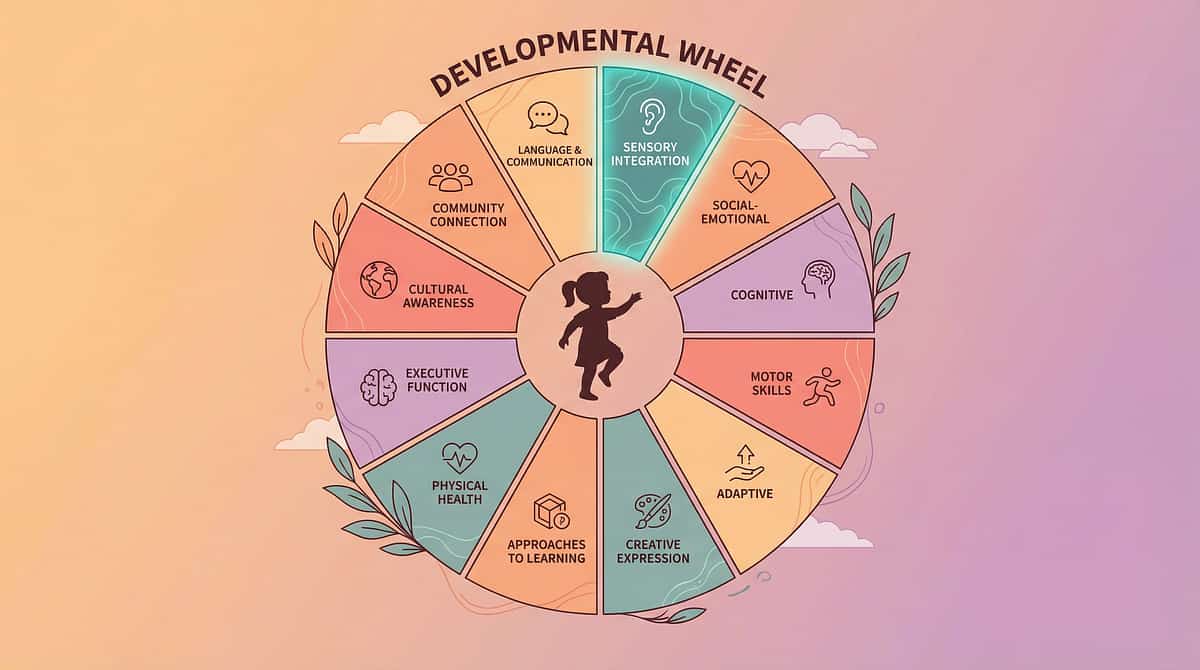
Maintenance Is One Spoke in Your Child's Full Developmental Wheel
Every technique you practice lives inside a larger developmental architecture. When you build maintenance in Domain L — Skill Retention & Independence, you are building the infrastructure that makes ALL other domain gains permanent.
Maintenance is not just one domain — it is the bridge that connects every domain to your child's independent life. Social communication, motor skills, academic learning, emotional regulation — none of these gains are permanent without deliberate maintenance programming.
12 Developmental Domains
- A — Sensory Processing
- B — Social Communication
- C — Emotional Regulation
- D — Behavior & Flexibility
- E — Feeding & Oral Motor
- F — Gross Motor
- G — Fine Motor
- H — Cognitive & Academic
- I — Self-Care & ADLs
- J — Play & Imagination
- K — Executive Function
- L — Skill Retention & Independence ★
From Heartbreak to Permanence: Real Family Journeys
Priya's Son, Age 7 — Hyderabad
Before: Every school holiday, skills they'd celebrated had disappeared. Re-teaching counting, colors, and basic requesting every September — year after year.
After (18 months): "We started systematic probing, built to fluency, practiced with grandparents and his classroom teacher. His school holiday regression stopped almost completely. Skills he learned 2 years ago? Still there. We don't spend the first month of school re-teaching anymore."
After (18 months): "We started systematic probing, built to fluency, practiced with grandparents and his classroom teacher. His school holiday regression stopped almost completely. Skills he learned 2 years ago? Still there. We don't spend the first month of school re-teaching anymore."
Rohan, Age 10 — Bengaluru
Before: 3 years of excellent therapy progress — but his skills existed only in the therapy room. Performed perfectly with his therapist but not with anyone else.
After (multi-person training + NET): "We trained his grandmother, his school teacher's aide, and his older sister. Within 6 weeks, he started using skills spontaneously — without anyone prompting him. The skills crossed the line from performance to ownership."
After (multi-person training + NET): "We trained his grandmother, his school teacher's aide, and his older sister. Within 6 weeks, he started using skills spontaneously — without anyone prompting him. The skills crossed the line from performance to ownership."
"The Priya family case taught us something universal: most families don't know maintenance programming exists. When we introduced structured probing and fluency-building, the pattern of regression stopped." — Pinnacle BCBA, Domain L Specialist
Illustrative cases. Outcomes vary by child, skill type, and implementation consistency.

You Don't Have to Navigate Maintenance Alone
📱 WhatsApp: Maintenance Programming Parents
Join 2,400+ Indian parents sharing maintenance strategies, probe templates, and fluency tips in real-time. A supportive community built from lived experience.
💻 Online Forum: Skill Retention & Generalization
Deep-dive discussions on probing schedules, fluency aims, and summer regression prevention. Join Community →
📍 Local Parent Meetups
Monthly skill-sharing sessions at Pinnacle centers across India. Share probe data, celebrate maintained skills, learn from families 6 months ahead of you. Find Nearest Meetup →
🤝 Peer Mentoring Program
Connect with a Pinnacle parent mentor who has implemented maintenance programming for 12+ months. One-to-one guidance from lived experience. Request a Mentor →
"Isolation kills adherence. When one family shares their maintenance system, 200 families improve their child's skill retention. Your experience belongs to every family navigating this."

Home Practice + Professional Guidance = Maximum Skill Permanence
🏥 70+ Pinnacle Centers Across India
Operating under GPT-OS® clinical standards for maintenance programming. Find Your Nearest Center →
What Your BCBA Designs For You
- Probe schedules for all mastered skills
- Fluency targets and benchmarks by skill type
- Reinforcement thinning progressions
- Generalization matrices across settings and people
- Self-management training timelines
Get Started
For maintenance programming, your primary contact is a Board Certified Behavior Analyst (BCBA). Pinnacle BCBAs create personalized, home-executable maintenance systems tailored to your child's profile.
Book Your Consultation
📞 Book a Teleconsultation | 🏥 Visit a Center | 📞 Call Helpline: 9100 181 181
Ask about coverage for ABA/maintenance programming under government health schemes and private insurance. Pinnacle teams can assist with documentation.
The Science Behind Maintenance Programming
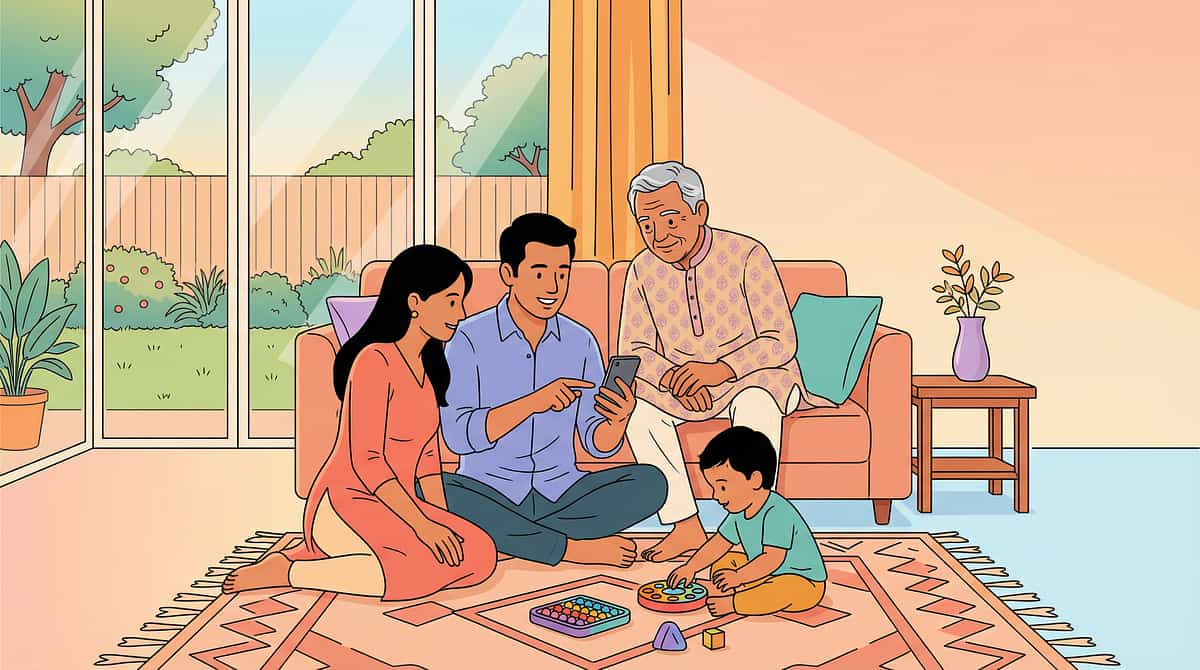
For the parent who wants to go deeper — here is the evidence base that underpins every technique in this guide.
PRISMA Systematic Review (2024) | PMC11506176
16 articles (2013–2023) confirming ABA-based interventions including maintenance programming meet criteria for evidence-based practice for children with ASD (ages 2–12). Read on PubMed →
Meta-Analysis (World J Clin Cases, 2024) | PMC10955541
24 studies demonstrating structured therapeutic interventions effectively promote skill maintenance in social, adaptive, and motor domains. Read on PubMed →
WHO Care for Child Development Package (2023) | PMC9978394
Implementation across 54 low- and middle-income countries validates home-executable, caregiver-delivered maintenance programs. Applicable to the Indian family context. WHO Publication →
Indian J Pediatrics RCT (2019) | Padmanabha et al.
Home-based structured interventions delivered by trained parents showed significant measurable outcomes in Indian child population. Read Study →
NCAEP Evidence-Based Practices (2020)
Classifies spaced retrieval, self-management, and natural environment teaching as evidence-based practices for autism. NCAEP Report →
Your Maintenance Data Powers Better Therapy for Every Child
What GPT-OS® Tracks for Maintenance
- Skill Retention Readiness Index (SRRI): tracks each skill from fragile → stable → permanent
- Long-Term Stability Index (LTSI): predicts which skills are at regression risk
- Generalization Readiness Index: measures cross-context skill performance
- Independence Readiness Index: tracks progress toward self-managed maintenance
🔒 Privacy Assurance
All session data is encrypted under DPDP Act (India) compliance. Data is never sold or shared with third parties. Population-level insights are fully de-identified.
"When 10,000 Indian families log maintenance data, GPT-OS® learns which skills regress most in Indian monsoon breaks and which reinforcement schedules work best for different sensory profiles. Your data helps every child like yours. Anonymously. Permanently."

Watch: 9 Materials That Help With Maintenance
📺 Reel ID: L-957
Series: Skill Generalization & Long-Term Retention | Episode 957 of 999 | Duration: ~75–85 seconds
This reel walks through all 9 maintenance materials visually: organized probe binders, fluency timers in use, varied stimulus sets laid out, natural environment teaching in a kitchen setting, multi-person training with family members, reinforcement schedule progression charts, self-monitoring checklists, functional application examples, and spaced practice calendars. Watch a Pinnacle BCBA demonstrate each material in 4–5 seconds.
"Every skill you work so hard to teach deserves to last. Maintenance isn't an afterthought — it's what makes the difference between temporary performance and permanent ability. When we build skills right from the start — fluent, generalized, naturally reinforced, self-monitored — they become permanent." — Pinnacle BCBA, Skill Retention Series Lead
Share This Resource With Your Family
Consistency Across Caregivers Multiplies Impact. A skill maintained with Mum but not with Dad is only half maintained. Share this page with everyone involved in your child's care.
📥Download: "How We Practice Skills at Home" — 1-Page Family Guide for grandparents, teachers, and other caregivers. Explains what maintenance probing is, how to run a 3-minute probe session, what to record, and what not to do. Download PDF →

Your Questions About Maintenance, Answered
How many skills should I be maintaining at one time?
No fixed number — a typical maintenance caseload for an 8-year-old with 3+ years of therapy might be 30–60 skills across domains. Use the tiering system: probe newly maintained skills daily, established skills weekly, and stable skills monthly.
What if my child refuses to do maintenance probes?
Refusal is information. Check if the probe session has become too long, too demanding, or too predictable (aversive). Move maintenance probes into natural environments. Review your reinforcement system — is the motivation still valid?
My child is doing great — do I still need maintenance programming?
Especially then. The skills that "disappear" are always the ones no one was checking. Systematic maintenance is what turns "doing great right now" into "doing great for life."
How long before I can stop maintenance programming for a skill?
You never fully stop — but you reduce dramatically. A skill at 100% for 6 consecutive months, used spontaneously in natural contexts, with multiple people and settings, needs only a quarterly probe. Maintenance becomes nearly invisible as it becomes efficient.
Can I do maintenance programming without a BCBA?
For basic probe tracking and fluency practice: yes, with good materials and this guide. For designing the overall maintenance system, setting fluency targets, and managing regression: a BCBA provides precision you cannot replicate without clinical training. Call 9100 181 181 for a free consultation.
Is summer regression inevitable?
No — with maintenance programming in place, summer regression is preventable. Continue probing through vacation months. Use functional applications (real-life skill use) during unstructured time. Keep maintenance brief (10 minutes) but consistent.
Our school doesn't do maintenance programming — should I be concerned?
Yes, and you should advocate for it. Request an IEP goal specifically for maintenance programming. Share this guide with your child's SpEd teacher. Use the teacher communication template from Card 37 to open the conversation.
How is this different from just reviewing what my child has already learned?
"Reviewing" is ad hoc and hope-based. Maintenance programming is systematic, data-driven, and precision-timed. Spaced practice (reviewing at optimal intervals just before forgetting) is 2× more efficient than random review. The system is the difference.

Your Child's Skills Should Last a Lifetime.
Start building for permanence today.
🏛️ Validated by the Pinnacle Blooms Consortium®
OT • SLP • ABA/BCBA • SpEd • NeuroDev • Pediatrics • CRO • WHO/UNICEF Aligned
📞FREE National Autism Helpline: 9100 181 181 | 16+ languages | 24×7 | pinnacleblooms.org
Preview of 9 materials that help with maintenance Therapy Material
Below is a visual preview of 9 materials that help with maintenance therapy material. The pages shown help educators, therapists, and caregivers understand the structure and content of the resource before use. Materials should be used under appropriate professional guidance.


Link copied!

The Pinnacle Promise
L-957
Skill Generalization & Long-Term Retention
Episode 957 of 999
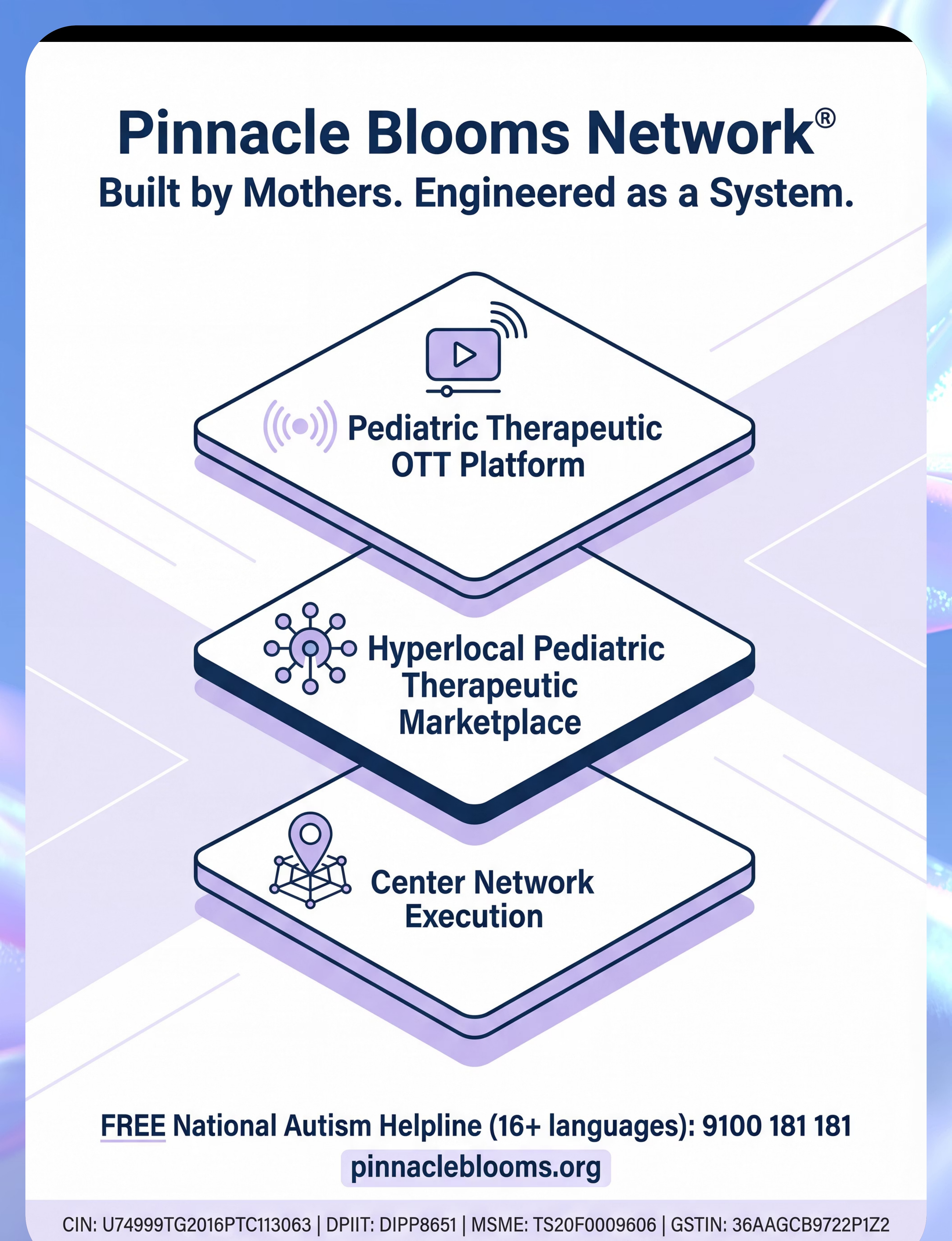
"From fear to mastery. One technique at a time." — Pinnacle Blooms Network® | Built by Mothers. Engineered as a System.
Series Navigation
📚Previous:← L-956: Fluency Building
Current: L-957: 9 Materials That Help With Maintenance
Next:→ L-958: Fading Supports
Current: L-957: 9 Materials That Help With Maintenance
Next:→ L-958: Fading Supports
Site Navigation
This content is educational. It does not replace professional assessment or individualized programming by qualified behavior analysts and therapists. Maintenance protocols should be designed based on individual learning profiles and skill assessments. Individual results vary based on child, skill complexity, and intervention consistency.
Individual results may vary. Statistics represent aggregate outcomes across the Pinnacle Blooms Network®. © 2025 Pinnacle Blooms Network®, unit of Bharath Healthcare Laboratories Pvt. Ltd. All rights reserved. CIN: U74999TG2016PTC113063 | DPIIT: DIPP8651 | MSME: TS20F0009606 | GSTIN: 36AAGCB9722P1Z2
Powered by GPT-OS® (Global Pediatric Therapeutic Operating System) | techniques.pinnacleblooms.org — The world's largest structured pediatric intervention knowledge base.