
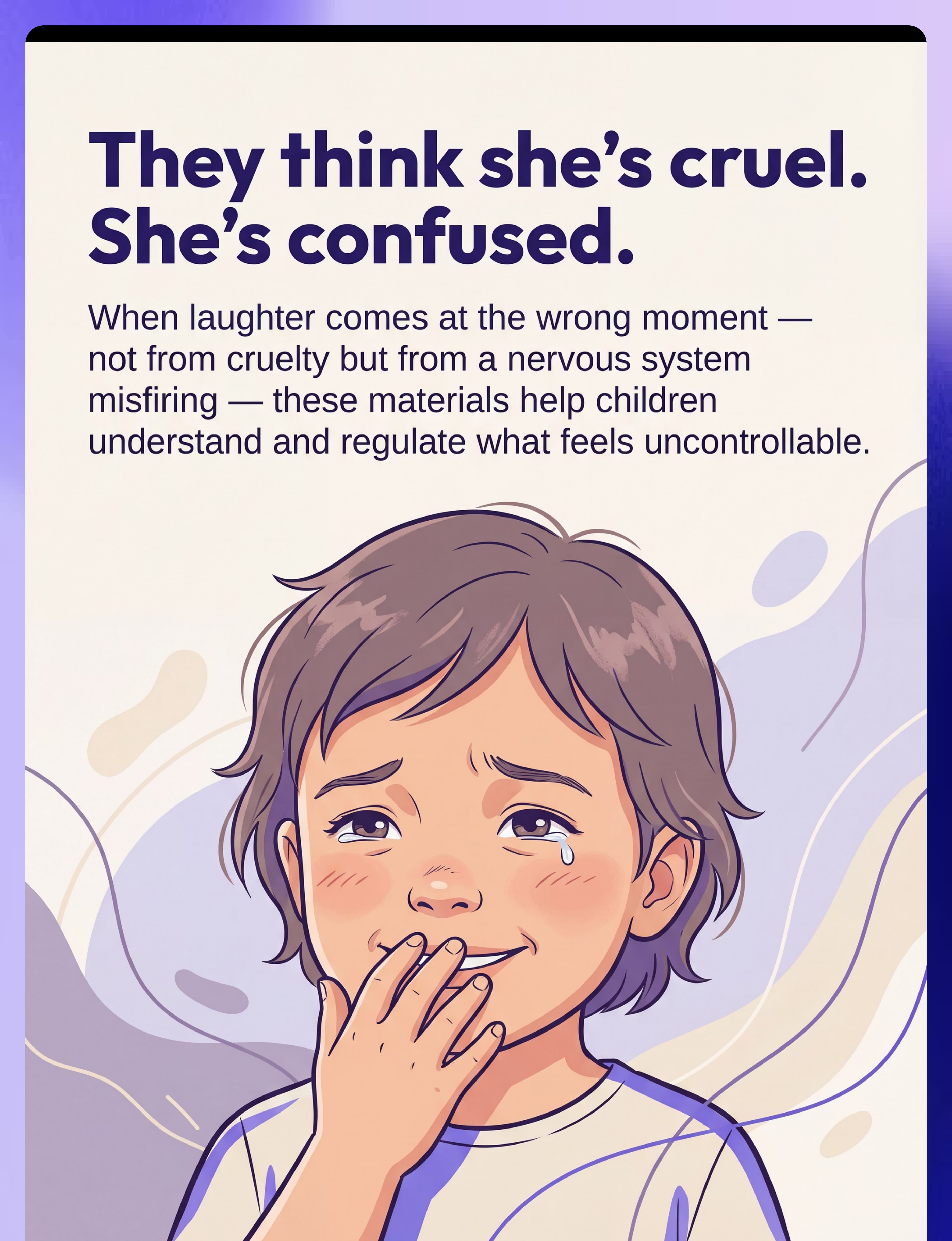
"They think she's cruel. She's confused."
When laughter comes at the wrong moment — not from malice but from a nervous system misfiring — these 9 materials help children understand and regulate what feels uncontrollable. Backed by Pinnacle's 20M+ therapy sessions.
C-248 | Domain C: Emotional Regulation
Age 3–18 Years
Pinnacle Blooms Network®

Act I — Recognition
You Are Not Alone: The Numbers
Inappropriate laughter is not rare, not a parenting failure, and not a character flaw in your child. It is a documented neurological and regulatory phenomenon affecting children across autism, ADHD, anxiety disorders, and beyond. The world has been judging your child — now the world gets to understand them.
80%
Affect Mismatch
of children with ASD experience significant emotional expression mismatches
1 in 36
US Diagnosis Rate
children diagnosed with autism in the US (CDC, 2023)
Millions
Families Affected
globally navigating emotional dysregulation challenges every day
Research Strip: PRISMA Systematic Review (2024): 80% of children diagnosed with autism display significant sensory-processing and emotional regulation difficulties. | PMC11506176 | PMC10955541
📞FREE National Autism Helpline: 9100 181 181 — 16+ Languages | 24×7
The Science
What's Happening in Your Child's Brain
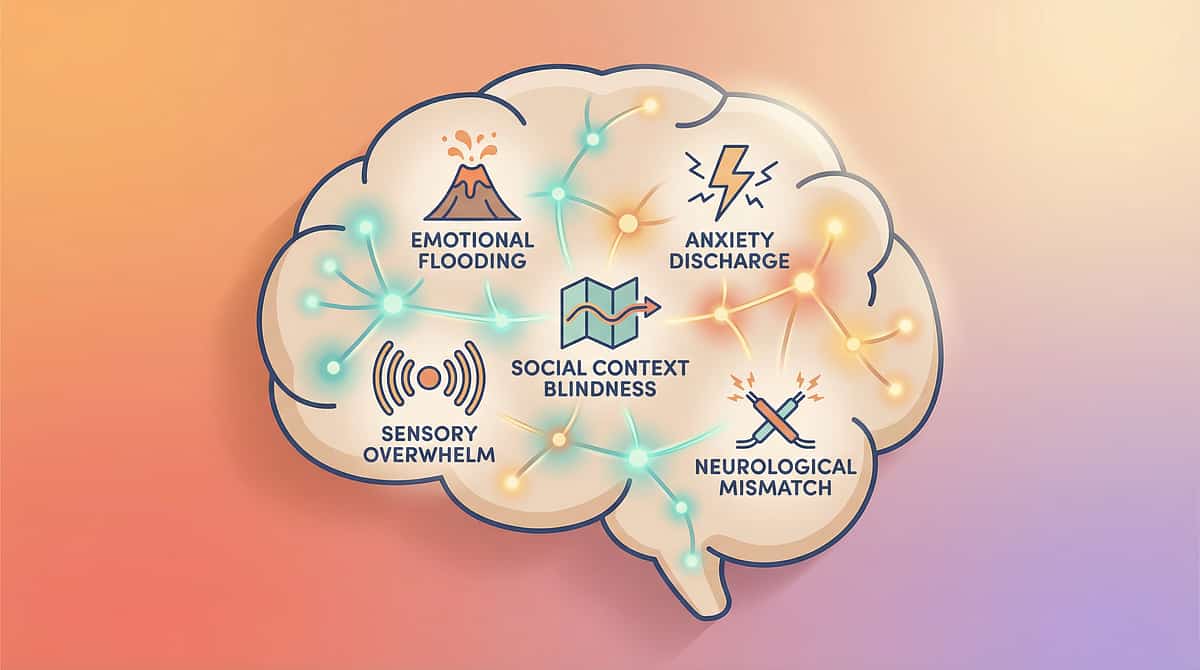
This is a wiring difference, not a behaviour choice. Many neurodivergent children lack the automatic social-emotional integration that neurotypical individuals develop implicitly — they need these skills taught explicitly. Understanding the pathways empowers families to intervene with compassion rather than correction.
🌋 Emotional Flooding
Feelings build to overwhelming intensity and discharge as laughter — the nervous system's emergency pressure valve.
😰 Anxiety Discharge
High-stress situations trigger the fight/flight system; laughter releases the tension rather than tears or freeze.
🗺️ Social Context Blindness
When the brain doesn't automatically read "this is a serious moment," it doesn't know to suppress the laughter reflex.
⚡ Sensory Overwhelm
Unexpected events or sensory inputs can trigger a startle-laughter response in children with sensory processing differences.
🧠 Neurological Mismatch
In rare cases (pseudobulbar affect), the pathways between emotional experience and expression are disrupted at a structural level.
"The child who laughs at funerals often feels deeply. The laughter is not the heart speaking — it's the nervous system misfiring."
Citation: DOI: 10.3389/fnint.2020.556660
Development
Where This Sits in Development
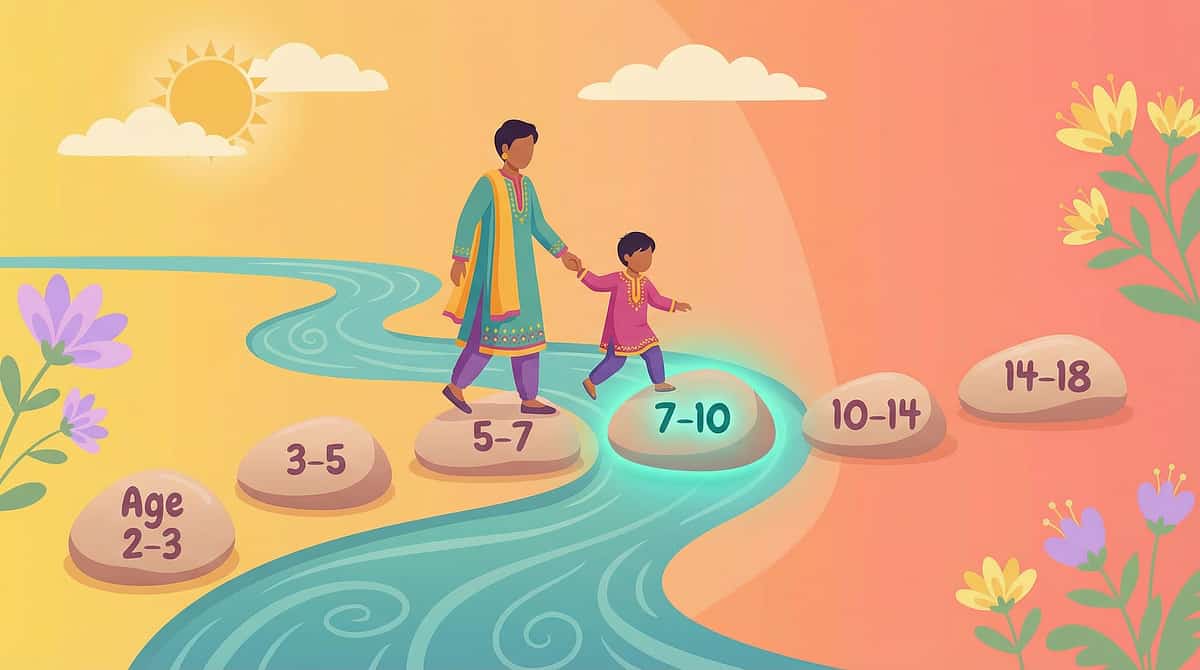
Your child is here. Here is where we're heading. Understanding the developmental arc helps caregivers and clinicians calibrate expectations and recognise that intervention at any stage yields meaningful progress.
Age 2–3
Basic emotion labelling begins
Age 3–5
Social-emotional mirroring develops — many children with ER differences diverge here
Age 5–7
Context-dependent affect regulation matures
Age 7–10
Social repair skills consolidate
Age 10–14
Nuanced affect matching in complex situations
Age 14–18
Autonomous self-regulation and social cognition
Current Challenge Zone: Inappropriate laughing is most visible from 4–14 years as social expectations increase. Comorbidities include ASD, ADHD, Anxiety Disorders, Sensory Processing Disorder, and Pseudobulbar Affect (requires medical evaluation).
WHO/UNICEF Reference: The WHO Care for Child Development Package — implemented across 54 low- and middle-income countries — establishes that caregiver-mediated emotional co-regulation is among the highest-impact early interventions. | PMC9978394
Evidence Base
The Evidence Behind This Technique
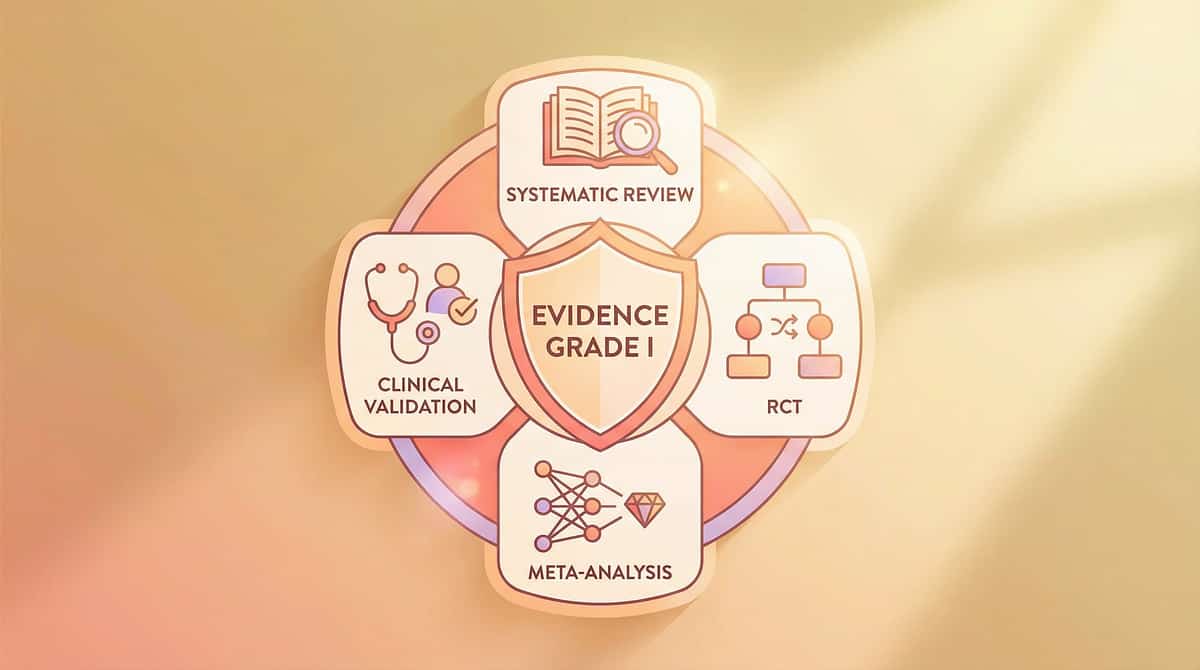
Every material in this programme is grounded in peer-reviewed research. Clinically validated. Home-applicable. Parent-proven. The Pinnacle Blooms Consortium — comprising OT, SLP, BCBA/ABA, SpEd, and NeuroDevelopmental Paediatrics — has reviewed all materials against the evidence base below.
📋 PRISMA Systematic Review (2024)
16 studies (2013–2023) confirm emotional regulation + sensory integration interventions meet criteria as evidence-based practices for ASD. PMC11506176
📋 Meta-Analysis — World J Clin Cases (2024)
Social stories, regulation tools, and replacement response training show significant effect sizes for affect regulation in paediatric populations. PMC10955541
📋 Indian RCT — Padmanabha et al. (2019)
Home-administered programmes by trained parents demonstrate significant developmental outcomes. DOI: 10.1007/s12098-018-2747-4
📋 NCAEP Evidence-Based Practices (2020)
Social stories, visual supports, and behavioural replacement training classified as EBP for autism across 27 independent studies.
97%
Clinically Validated
Measured improvement across 20M+ Pinnacle therapy sessions
Evidence Grade: I — Systematic Review + RCT Level
OT • SLP • BCBA/ABA • SpEd • NeuroDev Paediatrics
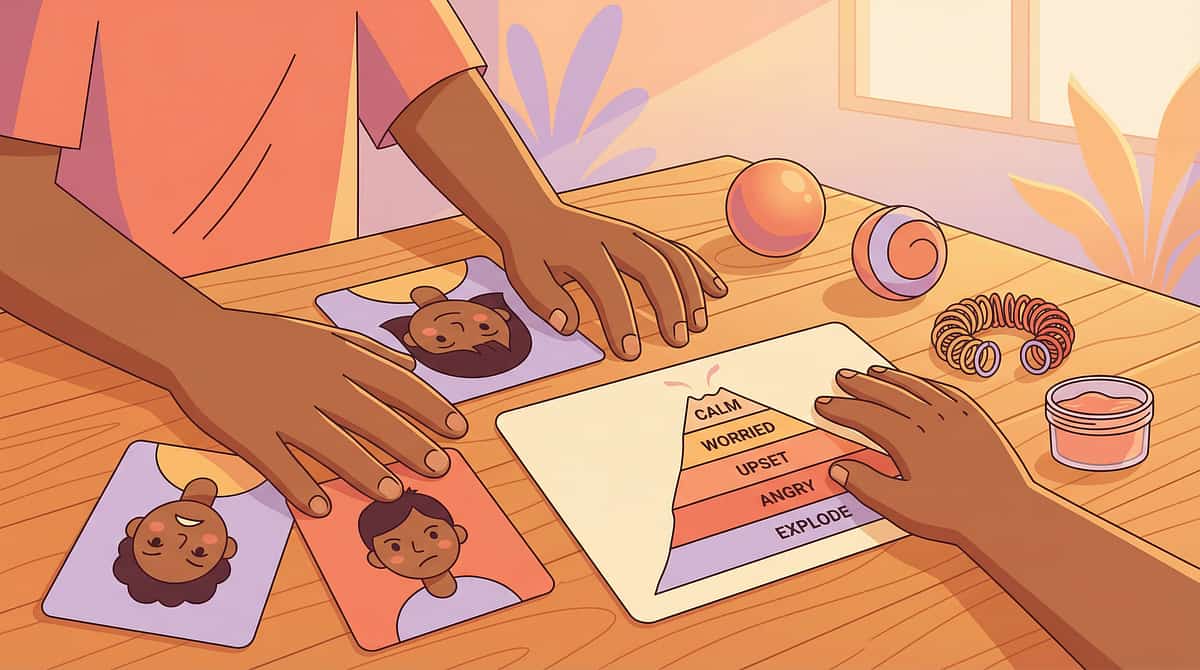
Act II — Knowledge Transfer
Technique C-248
The Technique: What It Is
Inappropriate Laughing Intervention
Parent-Friendly Alias: "The Body Laughing Without Permission" Programme
Inappropriate laughter refers to laughing in social contexts where the emotional expression doesn't match the situation — when others are hurt, during serious moments, at sad events, or in response to stress, fear, or anxiety. Unlike deliberate laughter, inappropriate laughter in neurodivergent children is typically an involuntary or semi-involuntary response to emotional flooding, anxiety discharge, social context difficulty, sensory overwhelm, or neurological factors. The child is not laughing AT anything — their nervous system is discharging pressure through the only channel currently open to it.
📍 Domain
C — Emotional Regulation
👶 Age Range
3–18 years
⏱️ Session
10–20 minutes daily
📅 Programme
8–12 week core protocol
🏠 Setting
Home + School + Community
Who Uses This Technique
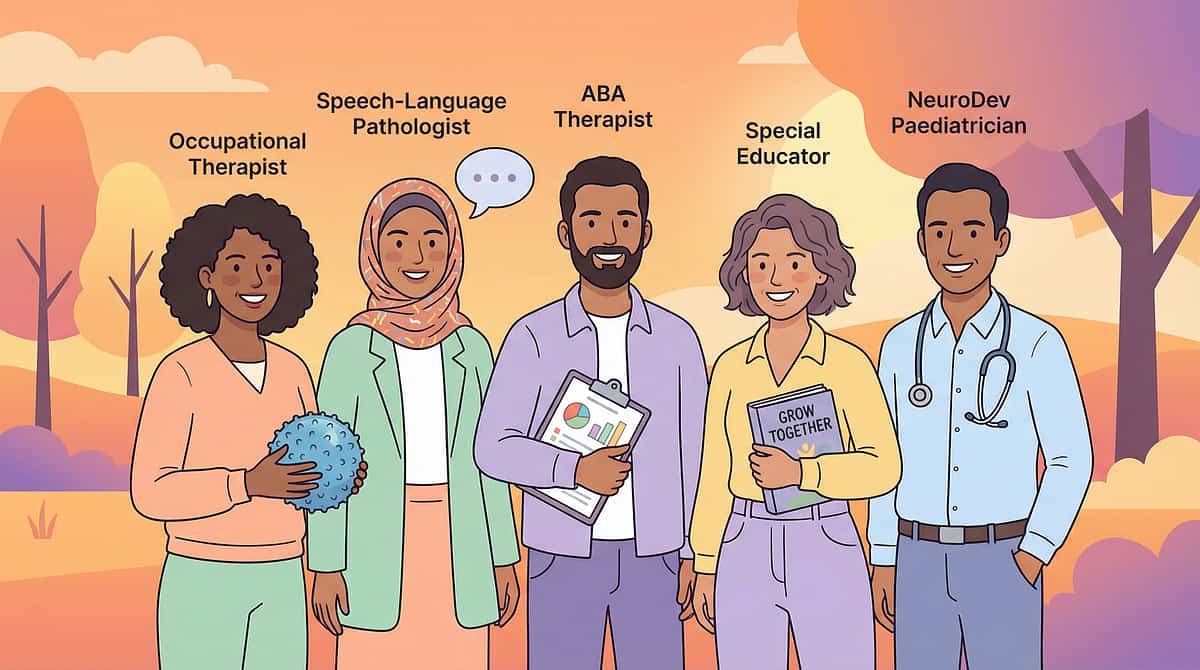
This Technique Crosses Therapy Boundaries
The brain doesn't organise by therapy type. Inappropriate laughter is a multi-system challenge requiring coordinated input from all five disciplines. Pinnacle's GPT-OS® FusionModule™ ensures all specialists work under a single therapeutic pathway — no siloed care.
Occupational Therapist (OT)
Leads sensory regulation. Designs regulation toolkit, proprioceptive input protocols, and environmental accommodations.
Speech-Language Pathologist (SLP)
Leads social-emotional language. Develops emotion vocabulary, repair scripts, social story content, and partner education materials.
BCBA / ABA Therapist
Leads replacement behaviour training. Designs replacement response protocols, reinforcement schedules, and data collection systems.
Special Educator (SpEd)
Leads school generalisation. Creates classroom accommodation plans, trains teachers, and ensures IEP/504 integration.
NeuroDev Paediatrician
Leads differential diagnosis. Rules out pseudobulbar affect, seizure activity, medication effects, and neurological contributors.
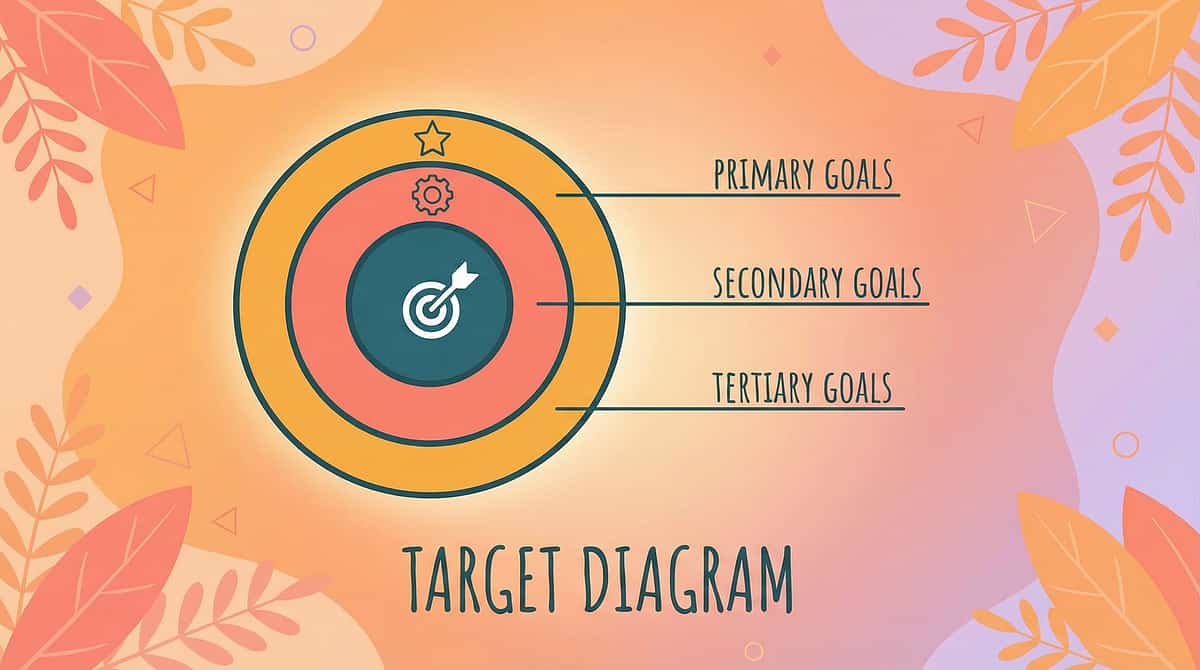
Programme Targets
5 Measurable Targets. One Converged Programme.
Every component of this programme maps to a specific, observable, measurable outcome. Progress is tracked through Pinnacle's AbilityScore® Readiness Indexes, enabling TherapeuticAI® to adjust programme intensity automatically.
Nervous System Regulation
Reduce the arousal state that produces inappropriate laughter as overflow. Outcome: Frequency of regulation tool use; arousal level pre/post session.
Social-Emotional Context Reading
Build explicit recognition of what emotional expression a situation requires. Outcome: Accuracy on social context card assessments; generalisation observations.
Replacement Response Automaticity
Train a competing physical action to intercept the laughter reflex. Outcome: Successful deployment rate in role-play and naturalistic opportunities.
Social Repair Competency
Develop language and strategies for recovering from episodes. Outcome: Spontaneous repair attempts; relationship maintenance rating.
Partner Understanding
Educate key people so the environment judges less and supports more. Outcome: Teacher/family knowledge assessment; reported accommodation implementation.

Complete Toolkit
The 9 Materials: Your Complete Toolkit
9 materials. From ₹0 (DIY) to ₹2,000. Every family can start today. Each material addresses a distinct mechanism of inappropriate laughter and can be implemented at home with or without commercial products. Total investment range: ₹0 (all DIY) to ₹5,700 (all commercial).
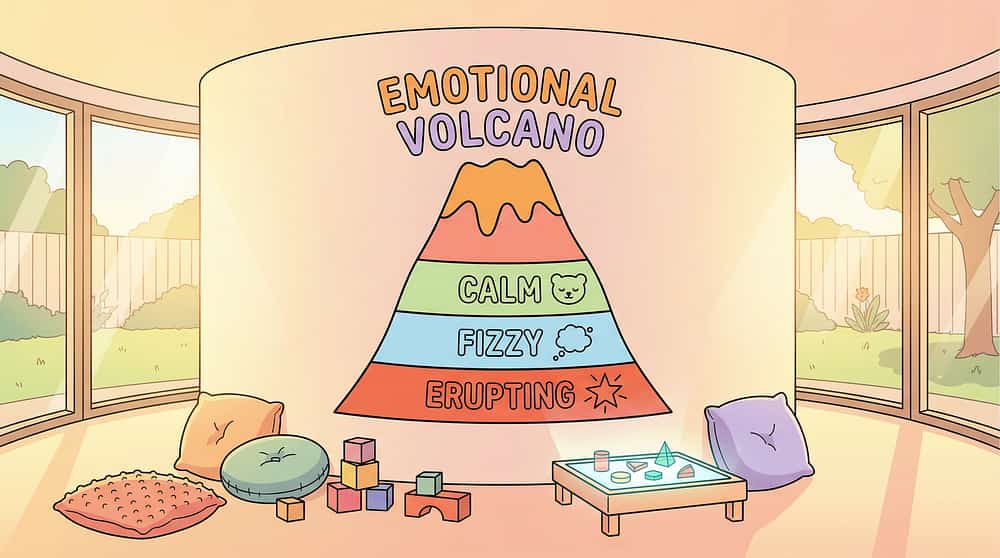
🌋 Feelings Volcano Visual System
₹100–500 | DIY ✓
🫁 Nervous System Regulation Tools
₹200–2,000 | DIY ✓
🃏 Social Context Reading Cards
₹200–800 | DIY ✓
🌡️ Anxiety Identification Tools
₹100–500 | DIY ✓
🔄 Replacement Response Cards
₹100–300 | DIY ✓

📖 Social Story Books
₹200–800 | DIY ✓
🔧 Social Repair Strategy Cards
₹100–400 | DIY ✓

📋 Pre-Event Preparation Pack
₹100–500 | DIY ✓

🧑🏫 Partner Education Materials
₹100–400 | DIY ✓
Essential Starter Kit (₹0 DIY): Feelings Volcano + Regulation Kit + Repair Cards. All products sourced from Pinnacle 687 Product Database.
Material 1 of 9
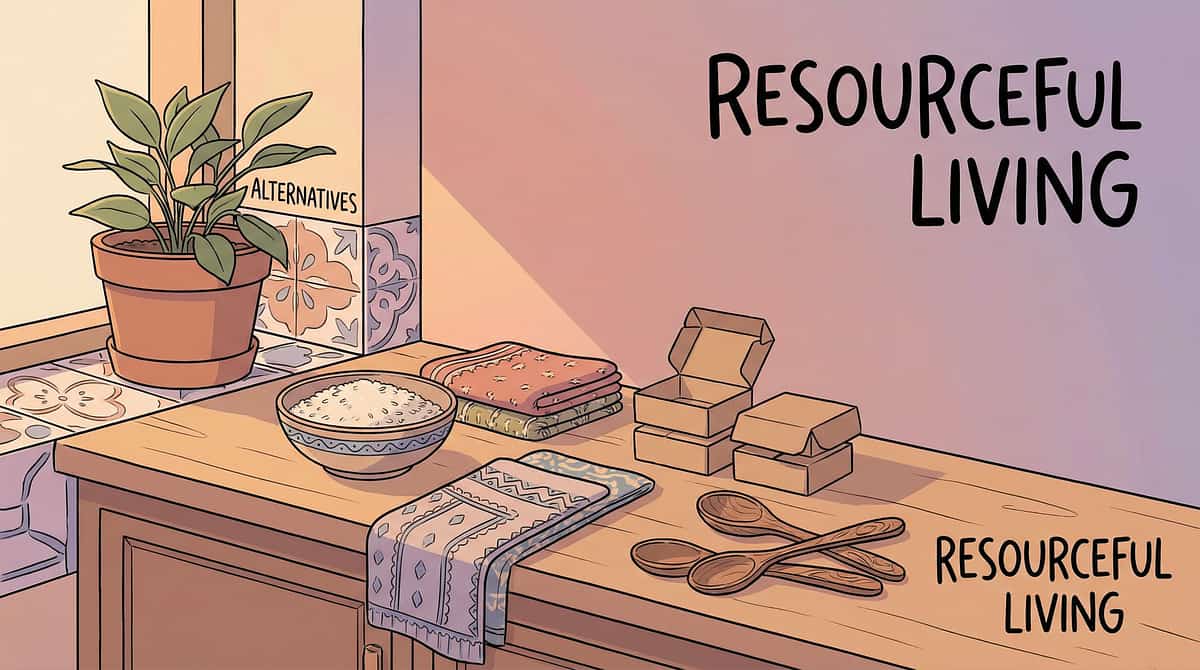
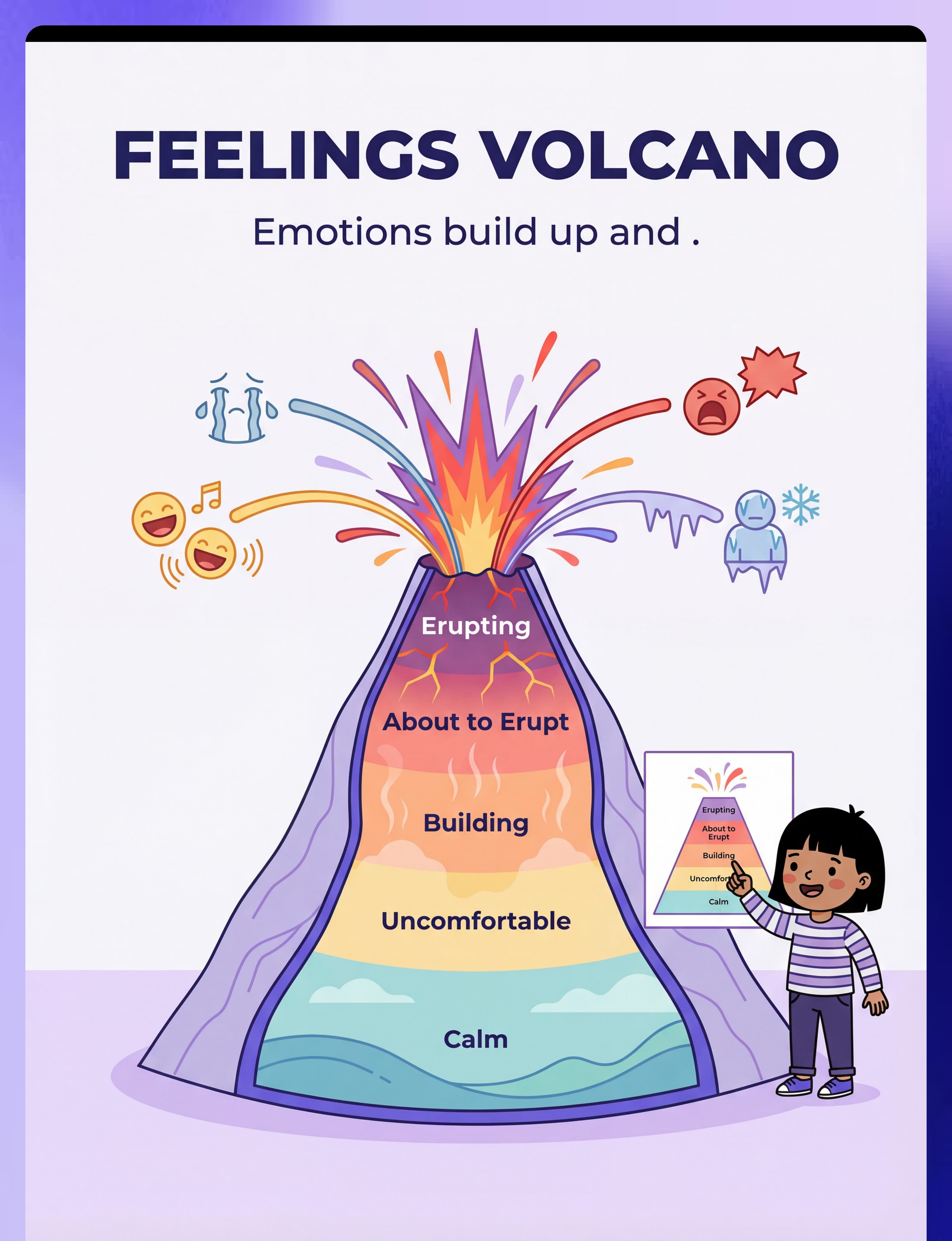
🌋 The Feelings Volcano Visual System
"Your daughter isn't erupting because she's bad. She's erupting because her volcano is full and no one taught her how to release the pressure before it explodes as laughter."
The Science
Many children with inappropriate laughter experience emotional flooding — feelings accumulate until the system "erupts" through whatever channel is open. The volcano visual system simultaneously externalises the internal process, destigmatises — the volcano doesn't blame itself for erupting — and empowers children to recognise early warning signs (level 2–3) and use "steam release" strategies before reaching level 5.
DIY Version — Full Instructions
- Draw a volcano with 5 labelled levels (Calm → Uncomfortable → Building → About to Erupt → Erupting)
- Show 4 eruption types: laughter, tears, yelling, freeze
- Create 10 "steam release" strategy cards (deep breath, squeeze a pillow, walk 5 steps)
- Practice daily: "What level is your volcano right now?"
- Build this as shared family vocabulary
Commercial Option
Printed laminated volcano chart with feeling markers. Price range: ₹100–500
"The volcano doesn't blame the child for erupting. It explains why it happened and teaches prevention."
Citation: PMC11506176 | Emotional flooding and affect regulation in ASD (2024) | 📞9100 181 181
Material 2 of 9
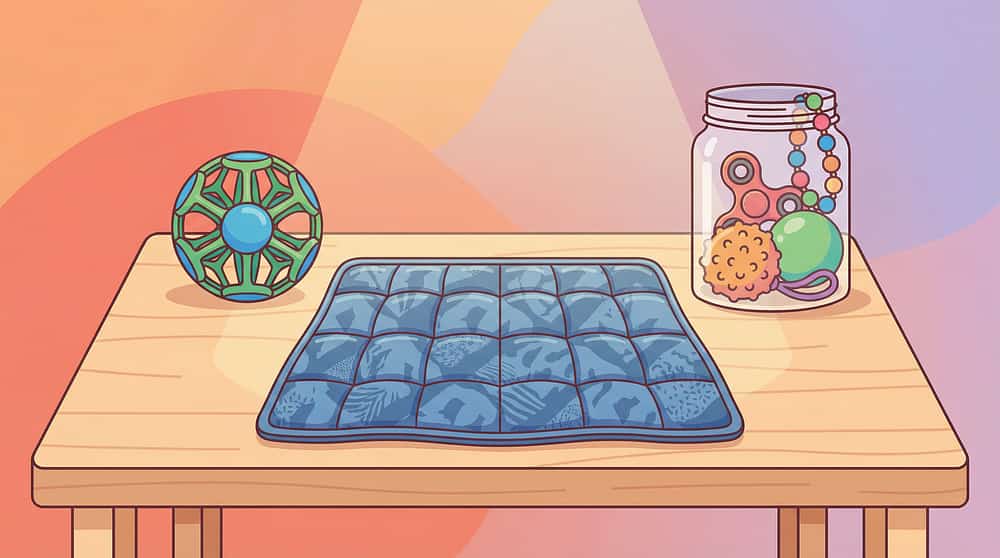
🫁 Nervous System Regulation Tools
"You can't stop the laughter by telling her to stop. But you can give her nervous system another way to discharge — so it doesn't need to use laughter as its pressure valve."
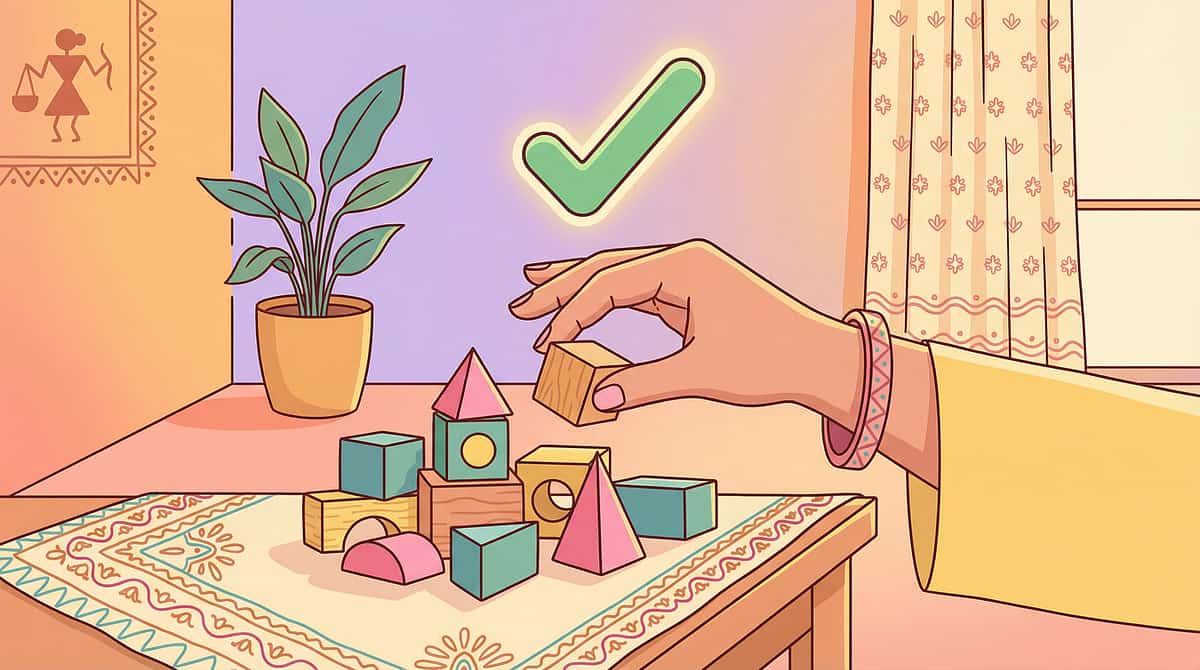
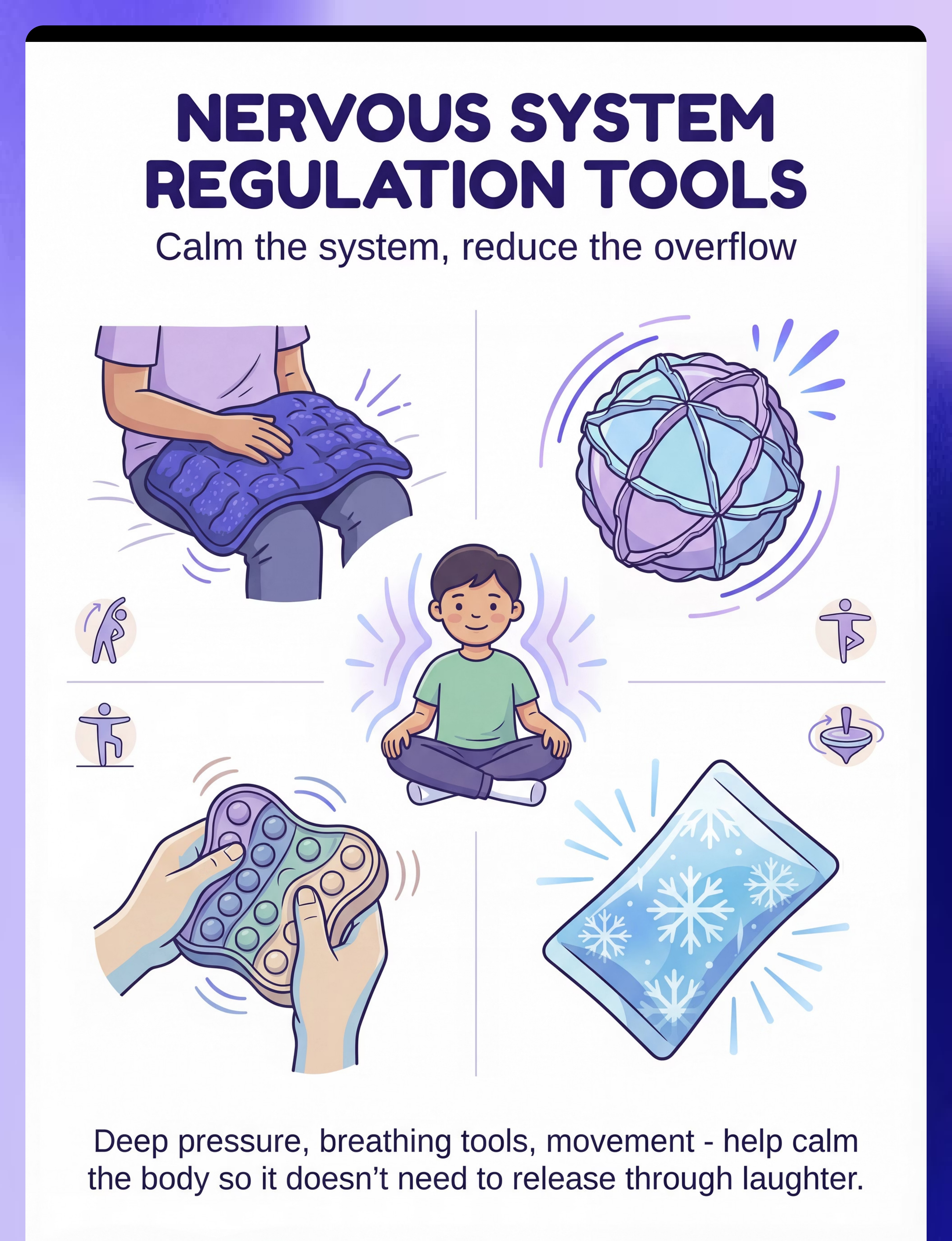
Inappropriate laughter driven by anxiety or overwhelm is a nervous system state problem, not a behaviour problem. When the body is in fight/flight/freeze activation, emotional regulation is impossible — the prefrontal cortex goes offline. Regulation tools activate the parasympathetic nervous system through specific input channels: deep pressure (proprioceptive system) calms arousal; controlled breathing activates the vagal brake; cold input triggers vagal toning; rhythmic movement entrains brainstem regulation.
1
🏋️ Weighted Lap Pad / Blanket
Deep pressure, proprioceptive calming. ₹800–1,500 (Amazon.in) | DIY: Rice-filled sock
2
🎈 Breathing Sphere / Pinwheel
Visual breath pacing. ₹300–700 | DIY: Paper pinwheel, ₹0
3
✊ Proprioceptive Fidget
Arousal modulation via resistance. ₹200–500 | DIY: Balloon + flour stress ball
4
🧊 Cold Pack / Cold Water
Vagal toning, rapid state shift. DIY: Ice cubes from freezer, ₹0
5
🚶 Movement Break Cards
Vestibular regulation, cortisol clearing. DIY: Jump rope, ₹0–50
6
👕 Compression Item
Prolonged deep pressure for sustained regulation. Full kit range: ₹200–2,000
Citation: DOI: 10.3389/fnint.2020.556660 | Sensory integration neuroscience framework
Material 3 of 9
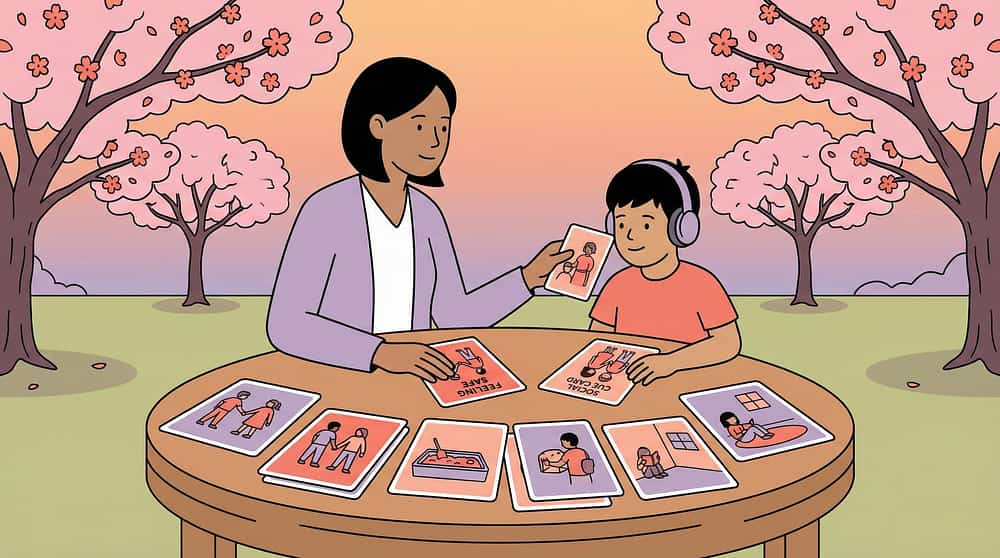
🃏 Social Context Reading Cards
"She's not laughing because she doesn't care. She's laughing because her brain didn't automatically receive the signal that said 'This moment requires seriousness.' That signal needs to be taught."
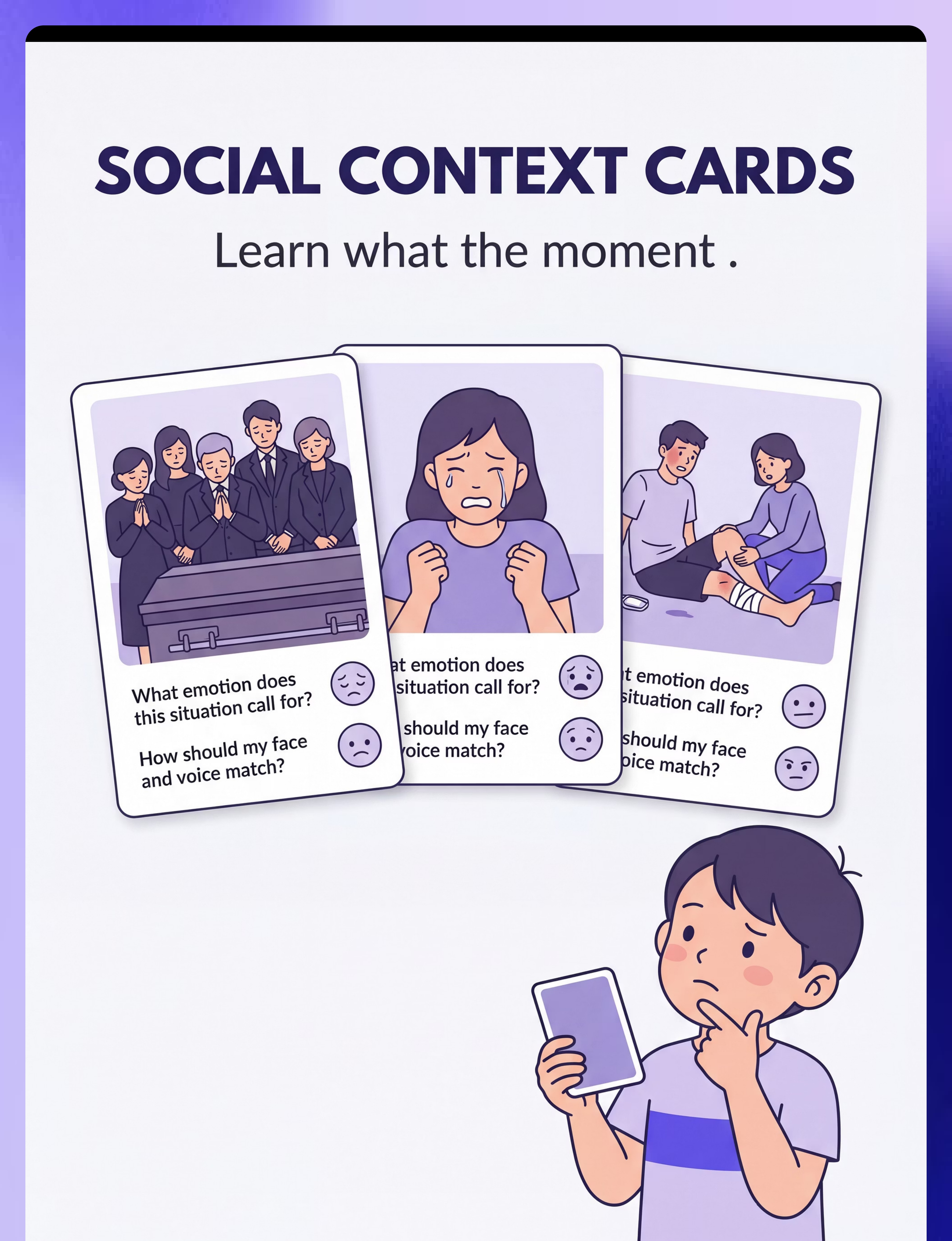
Neurotypical individuals automatically read social-emotional context through facial expression detection, prosody analysis, environmental cue integration, and mirror neuron activation. Many neurodivergent children lack this automatic integration — they need the same skill taught explicitly rather than absorbed implicitly. Social context reading cards create a systematic curriculum: identify environmental cues; identify facial/body cues in others; name the expected emotional register; practice affect matching responses.
📋 Distress Scenarios
Someone hurt, someone crying, bad news received. Teaches recognition of acute emotional need in others.
⚠️ Serious Situations
Fire drills, discipline conversations, solemn ceremonies requiring restrained expression.
🎭 Social Ceremony
Funerals, graduation, prayer, serious school events — high-stakes affect matching situations.
😐 Ambiguous Moments
When it's unclear what the room needs — teaches reading mixed cues and defaulting to neutral.
DIY Instructions: Cut magazine photos or draw scenarios (6 categories × 5 scenarios = 30 cards). For each: "What do the faces tell you? What does the room sound like? What feeling matches this moment? How should I look and sound?" Practice 5 minutes daily during calm times.
Citation: NCAEP Evidence-Based Practices 2020 | Social narratives + visual supports | Commercial range: ₹200–800

Material 4 of 9
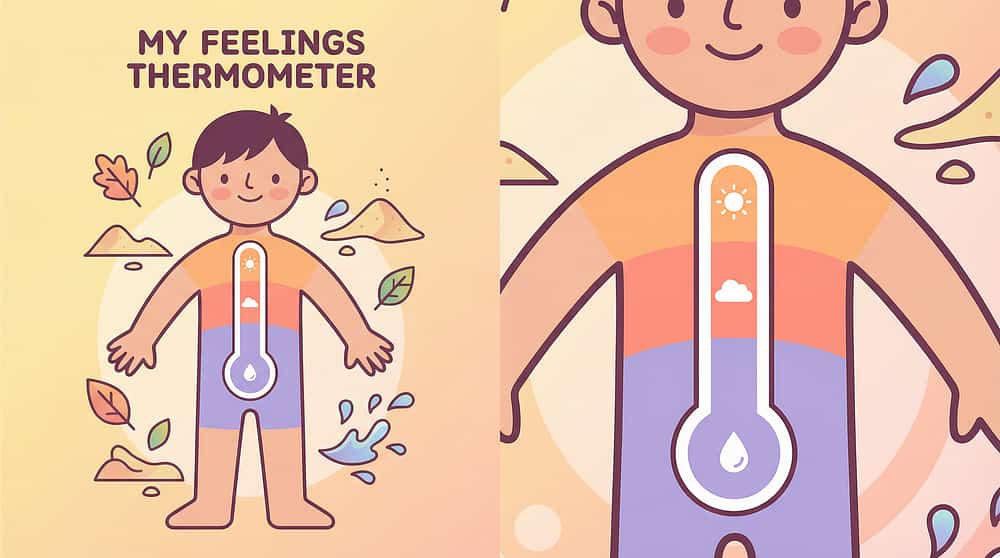
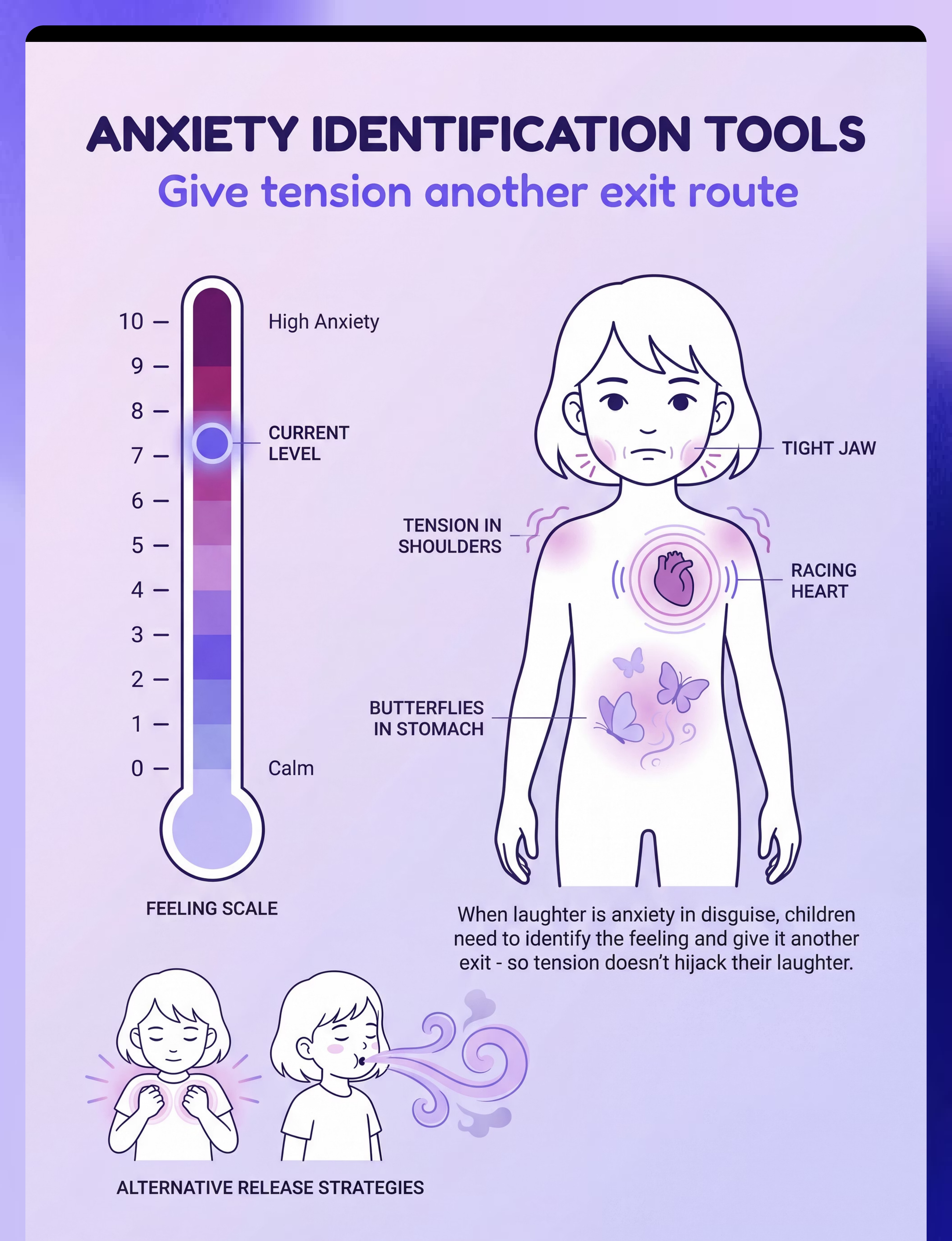
🌡️ Anxiety Identification & Release Tools
"The laughter isn't about finding something funny. It's anxiety wearing a laughter costume. When we teach her to name the anxiety and give it another exit, the laughter has no job to do."
For a significant subset of children, inappropriate laughter is anxiety in disguise. The autonomic nervous system, facing a threat or uncertain situation, activates the stress response. If crying and freezing are socially learned to be "not allowed," laughter becomes the available discharge channel. Anxiety identification tools serve three functions: Name the feeling — "This feeling is anxiety, not funny"; Locate it in the body — proprioceptive awareness; Redirect it — give anxiety another exit so it doesn't commandeer laughter.
Anxiety Thermometer
0 = totally calm; 10 = maximum overwhelm. Child marks their current state before and after sessions.
Body Sensation Map
Body outline — where does anxiety live? Tight jaw, tension in shoulders, racing heart, butterflies in stomach.
Mantra Card
"This is anxiety, not funny." Laminate and place in child's pocket for real-time use.
Alternative Release Strategies
Dragon breath × 5, muscle squeeze-release, hum low notes, push palms against wall — giving anxiety a different exit.
"Laughter isn't always about humour. When it's about anxiety, treat the anxiety."
Commercial Range: ₹100–500 | DIY: Draw thermometer + body outline, label sensations, write 5 release strategies on index cards. | Citation: PMC10955541
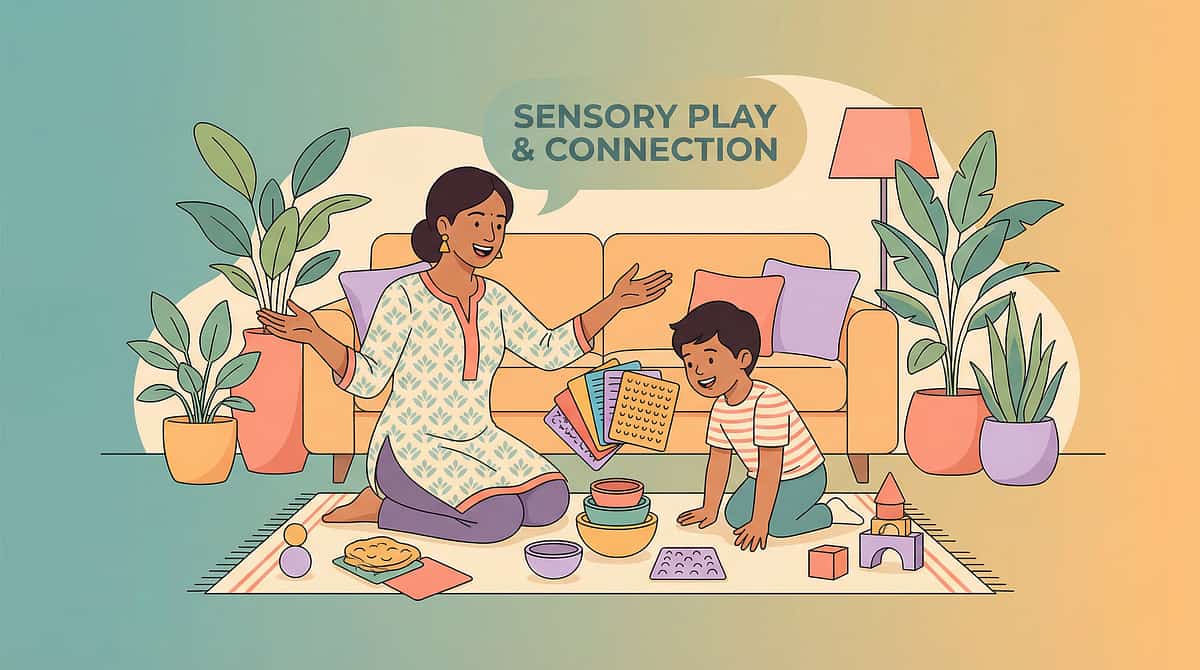
Material 5 of 9
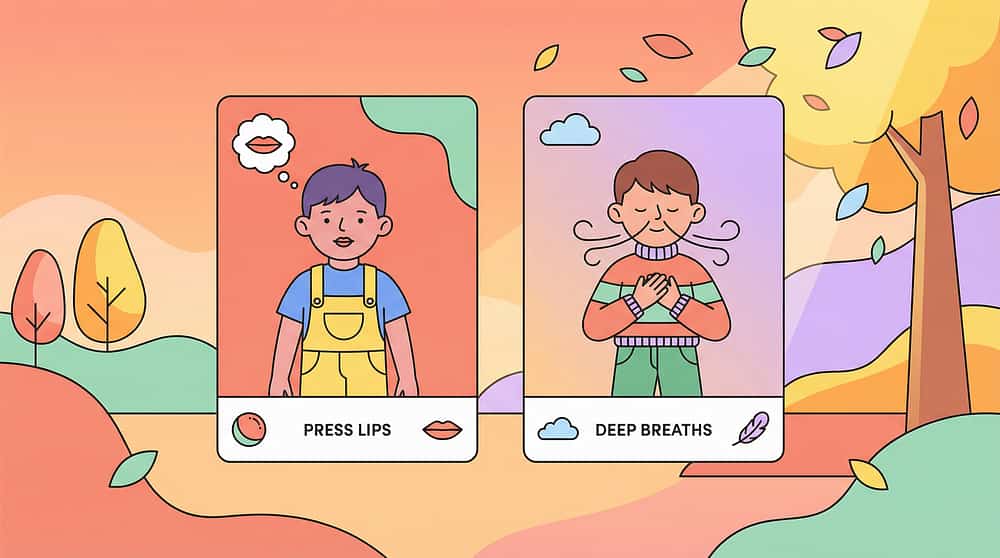
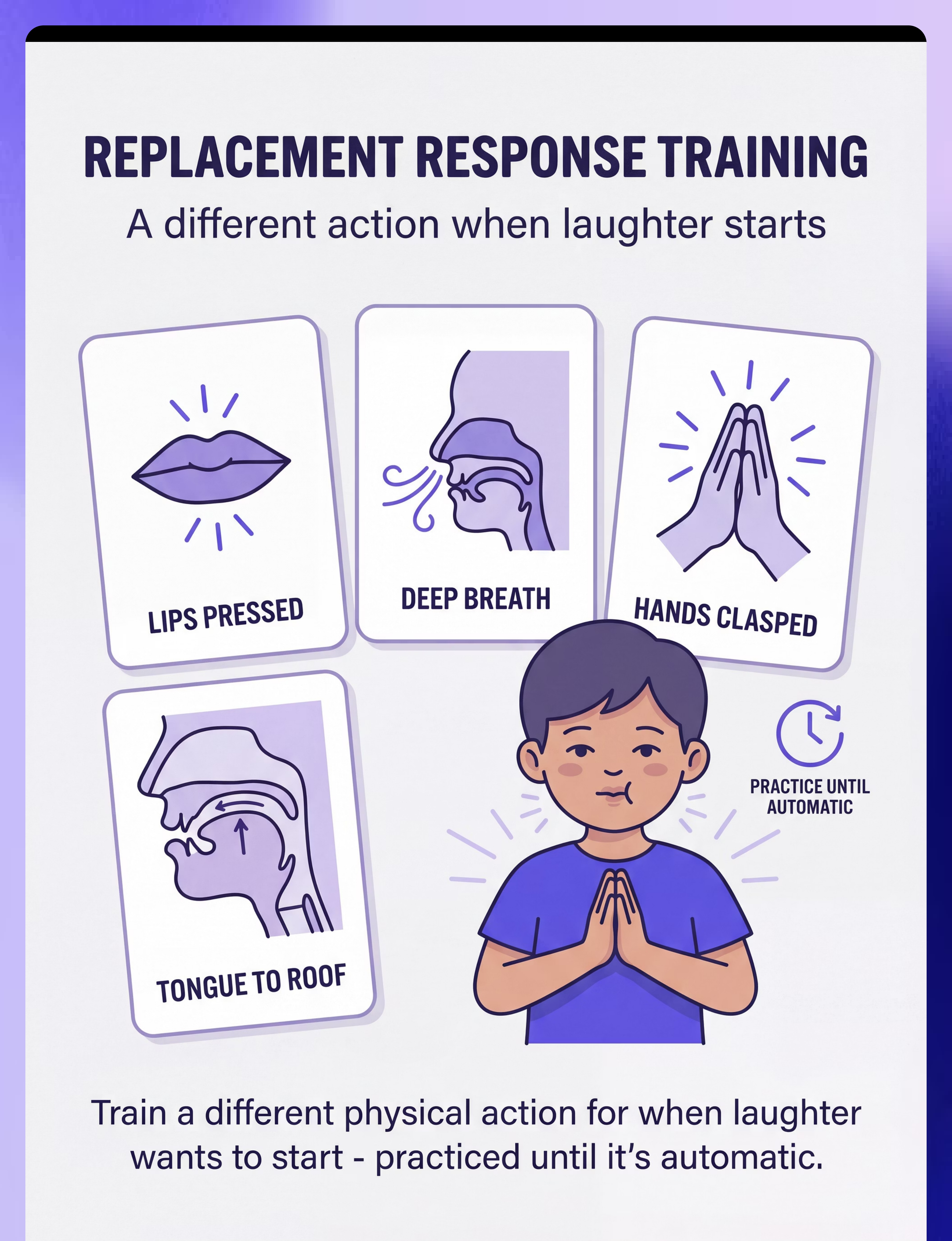
🔄 Replacement Response Training Cards
"Don't try to suppress the laughter — suppression makes it worse. Instead, train a different physical action to take its place. Practice it in calm times until it's as automatic as the laughter itself."
Suppressing a response without replacing it creates internal pressure that intensifies the suppressed behaviour (the "pink elephant" effect). ABA replacement behaviour training builds a new competing response using the same motor pathways, establishing new neural circuitry through repetition. Key principle: train in calm, deploy in storm. The replacement must become more practised than the target behaviour before it will reliably intercept.
👄 Lips Pressed
Press lips firmly together, increase pressure. Physically blocks vocalisation. Most versatile option.
🌬️ Deep Nasal Breath
Slow 4-count inhale through nose. Activates parasympathetic brake. Doubles as regulation tool.
🙏 Hands Clasped
Press palms together hard. Proprioceptive interrupt + focused attention redirect. Visible to trained adults.
👅 Tongue to Roof
Press tongue to hard palate. Oral motor interrupt blocks laughter articulation. Invisible to observers.
ABA Training Protocol: Weeks 1–2: Practice chosen replacement 20× daily during calm time. Weeks 3–4: Practice in mild-challenge scenarios. Weeks 5–6: Role-play serious scenarios, deploy replacement. Week 7+: Naturalistic deployment with data tracking.
Commercial Range: ₹100–300 (laminated card sets) | DIY: Index cards with drawings, mirror practice. No cost. | Citation: NCAEP 2020
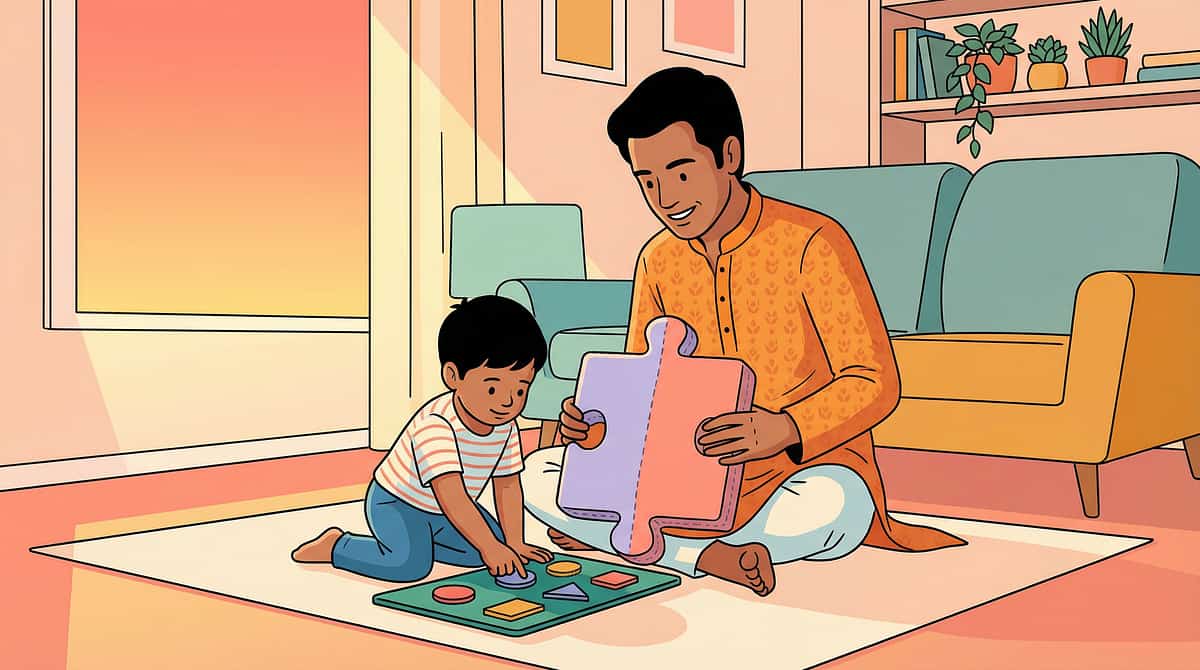
Material 6 of 9
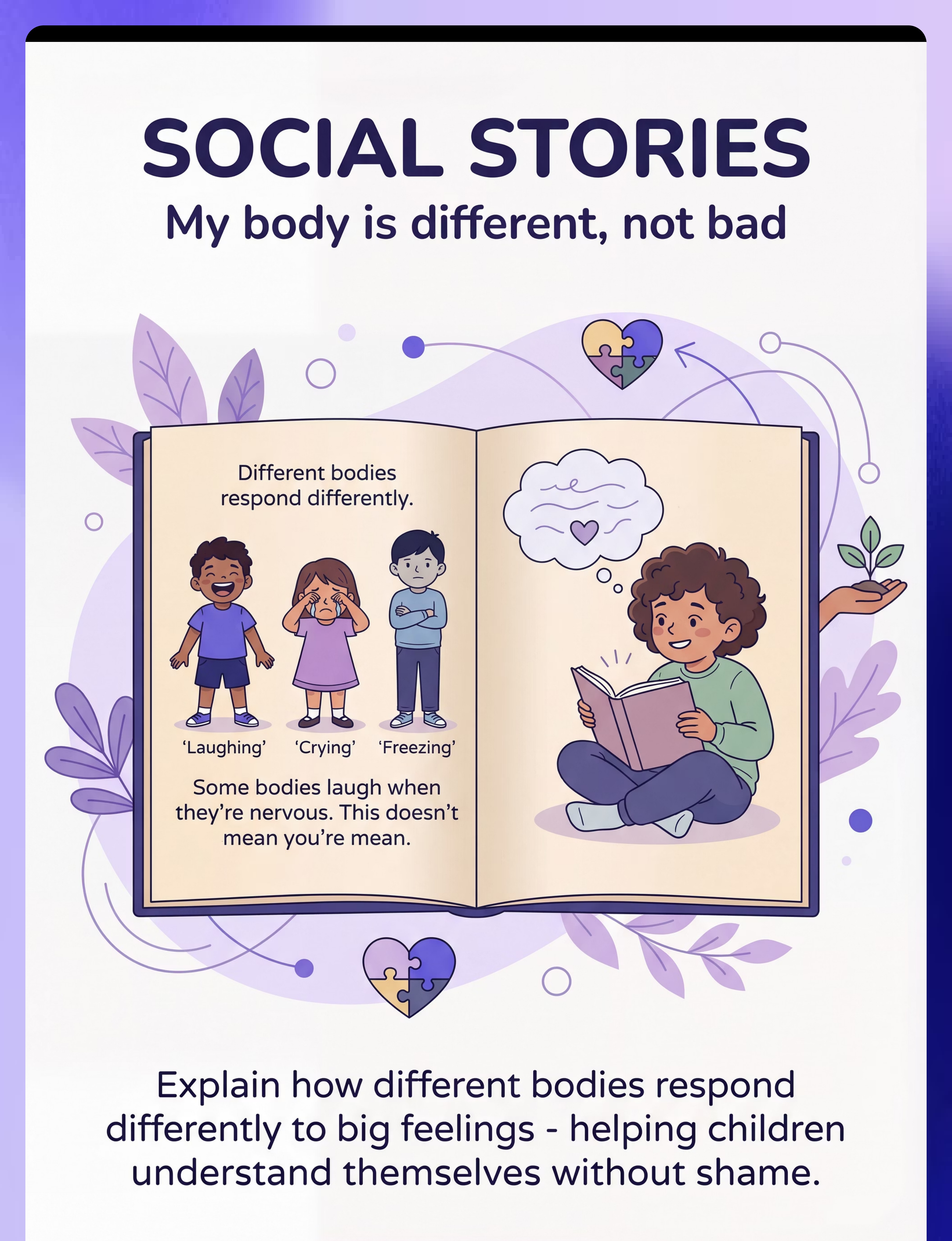
📖 Social Story Books: "My Body Is Different, Not Bad"
"Before any strategy will work, she needs to understand herself without shame. The shame makes everything harder. Social stories give her a narrative that explains what's happening — and tells her she's not broken."
Shame is neurologically incompatible with behaviour change. When a child believes they are fundamentally defective, the prefrontal cortex becomes less accessible under stress — shame literally makes self-regulation harder. Social stories interrupt this shame cycle by providing a third-person narrative that normalises the child's experience, attributes behaviour to body differences rather than character, and previews upcoming challenges with suggested strategies.
"Some bodies laugh when they're nervous. This doesn't mean you think something is funny."
"Sometimes my body laughs when I'm feeling very big feelings. My body is learning new ways to handle big feelings."
"Even when my body laughs, my heart can still care about others."
Situation preview example: "At the funeral, there will be people crying. If I feel a giggle, I can press my hands together and breathe."
DIY: Write a personalised story in the child's name. Draw or use printed photos. Read nightly. Total cost: ₹0. Commercial range: ₹200–800.
Citation: NCAEP 2020 | Social narratives as EBP for autism
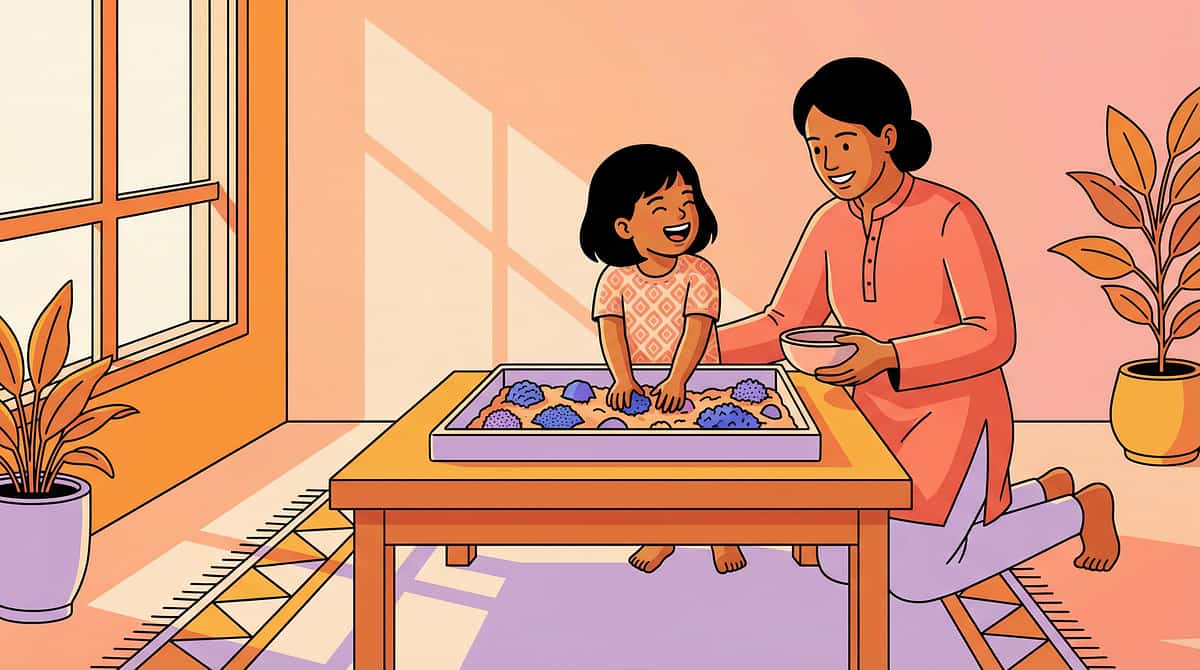
Material 7 of 9
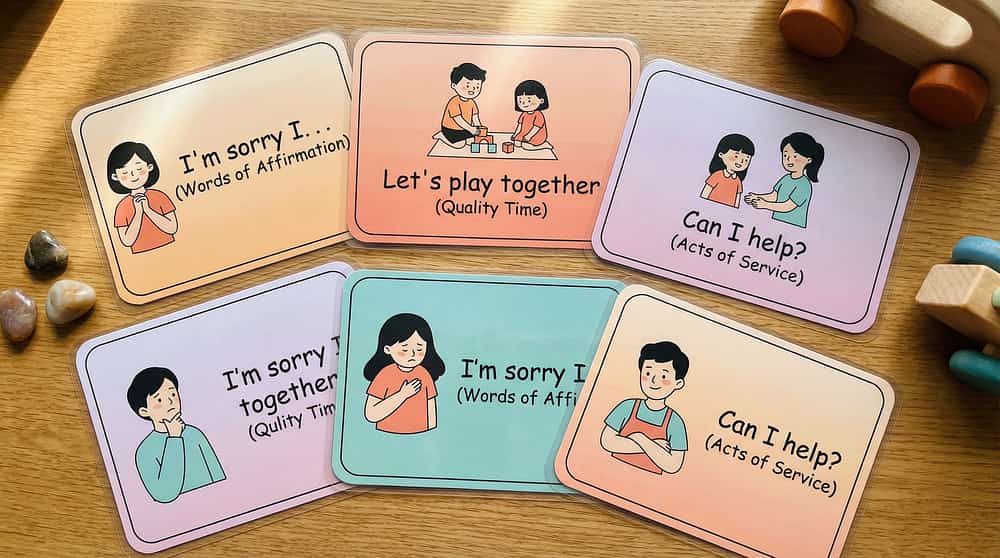
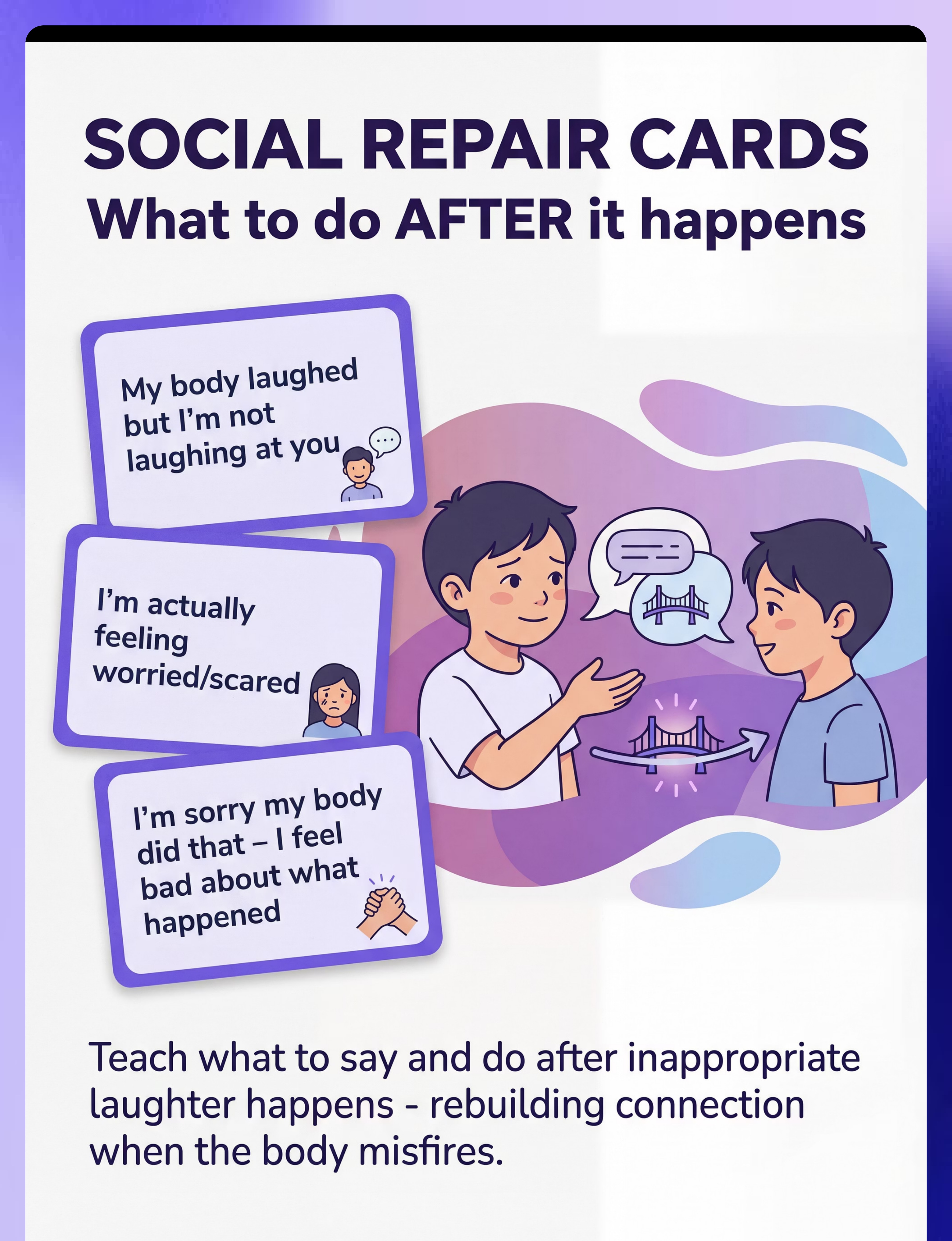
🔧 Social Repair Strategy Cards
"The laughter will sometimes happen — even with all the strategies. Repair skills mean it doesn't have to be the end of the story. The relationship can be rebuilt. The child can recover."
Social competence in neurodivergent children is not built by preventing all social errors — it is built by developing robust repair and recovery skills that maintain relationships through inevitable imperfect moments. Repair requires: attribution (helping others understand the nervous system basis); emotion labelling (sharing the internal truth); repair language (explicit apology + explanation); and follow-through (checking in after the repair).
Script 1
"My body laughed but I'm not laughing at you."
Script 2
"I was actually feeling really scared/worried. That's why it happened."
Script 3
"I'm sorry my body did that — I feel bad about what happened."
Script 4
"Sometimes my body laughs when it doesn't know what else to do with big feelings."
Script 5
"Can I have a minute to reset? I want to talk to you properly."
When to use: Immediately or within 5 minutes of the episode. Later = less effective. Practice method: Role-play monthly with parent. Include all 5 scripts.
Commercial Range: ₹100–400 | DIY: Index cards. ₹0.
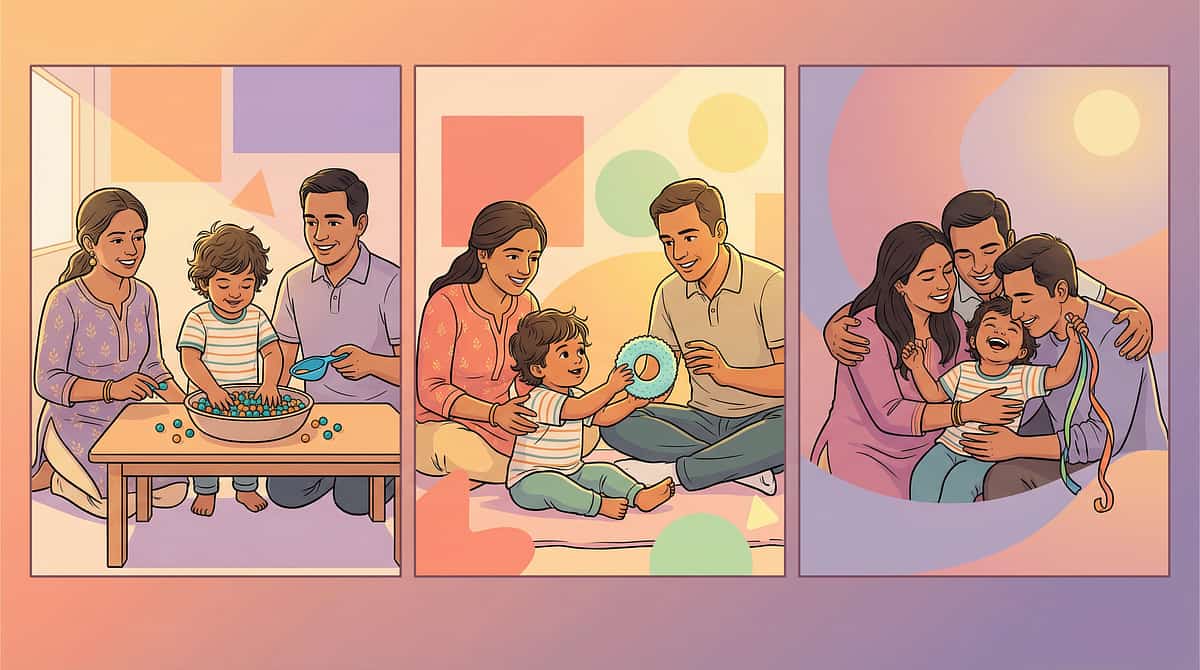
Material 8 of 9
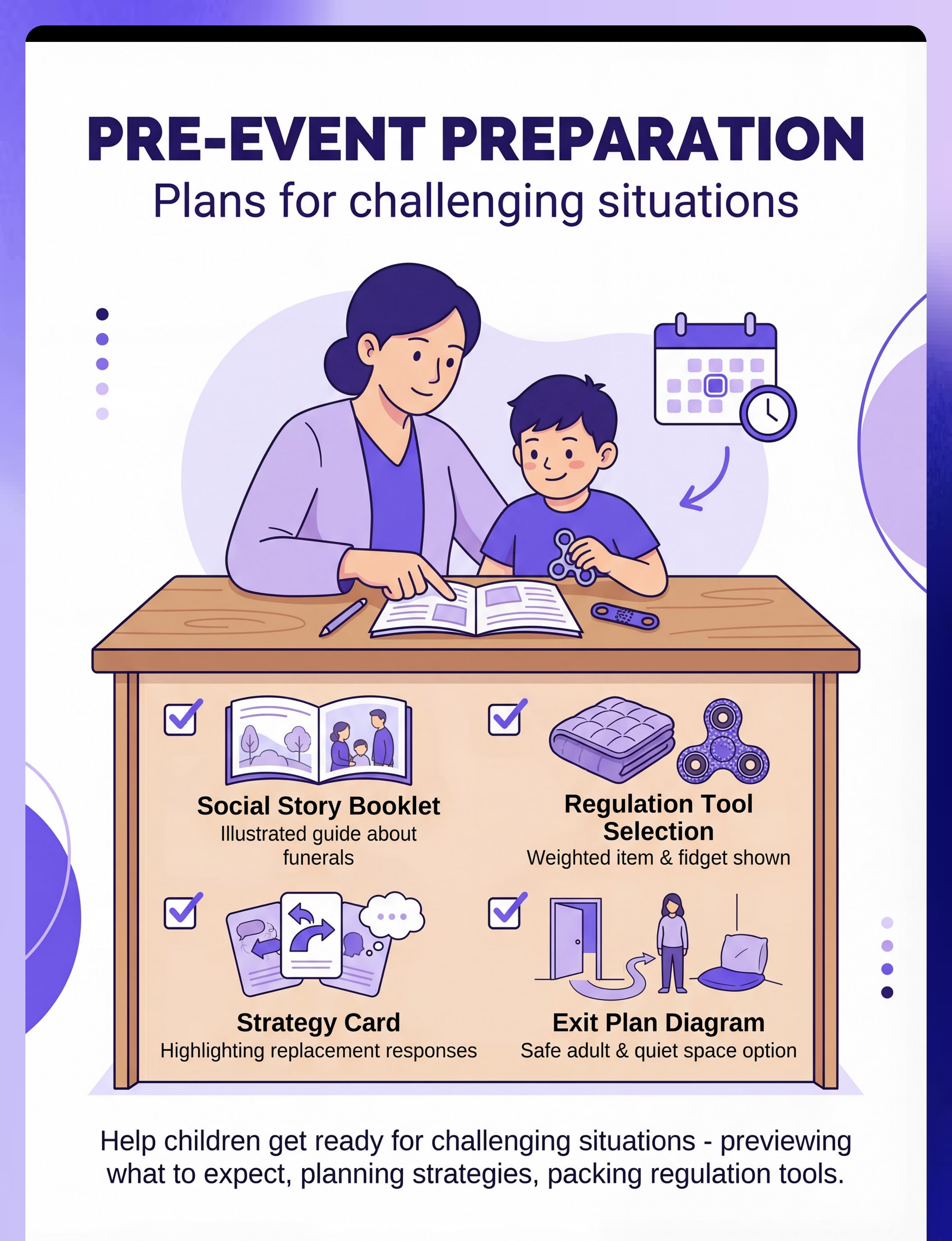
📋 Pre-Event Preparation Materials
"Surprise and overwhelm trigger mismatched responses. The funeral preparation pack didn't eliminate the challenge — but it gave her tools, a plan, and an exit. That changed everything."
Preparation reduces two of the primary triggers for inappropriate laughter: surprise (the nervous system enters hypervigilance when events are unexpected) and overwhelm (without pre-prepared strategies, the child has no resources in the moment). Pre-event preparation leverages anticipatory regulation — the brain can prepare coping strategies in advance, reducing real-time cognitive load.
1
📖 Event-Specific Social Story
"At a funeral, people feel very sad..." Tailored to the specific situation ahead.
2
🔮 Emotion Prediction
"People will be crying. It's okay to feel unsure." Reduces surprise by naming what to expect.
3
🧰 Regulation Tools Selected & Packed
Child chooses their kit. Ownership increases deployment likelihood.
4
🔄 Replacement Response Rehearsed
Practise × 5 times that day. Activating the neural pathway before the challenge.
5
📝 Repair Script Reviewed
Read through all 5 scripts. Refreshes memory before high-stakes situations.
6
🚪 Exit Plan Agreed
"If you feel the volcano reaching level 4, squeeze my hand and we'll step outside."
"Preparation doesn't guarantee success. But it dramatically improves outcomes."
Commercial Range: ₹100–500 | DIY: Handwritten checklist + index cards. ₹0.

Material 9 of 9
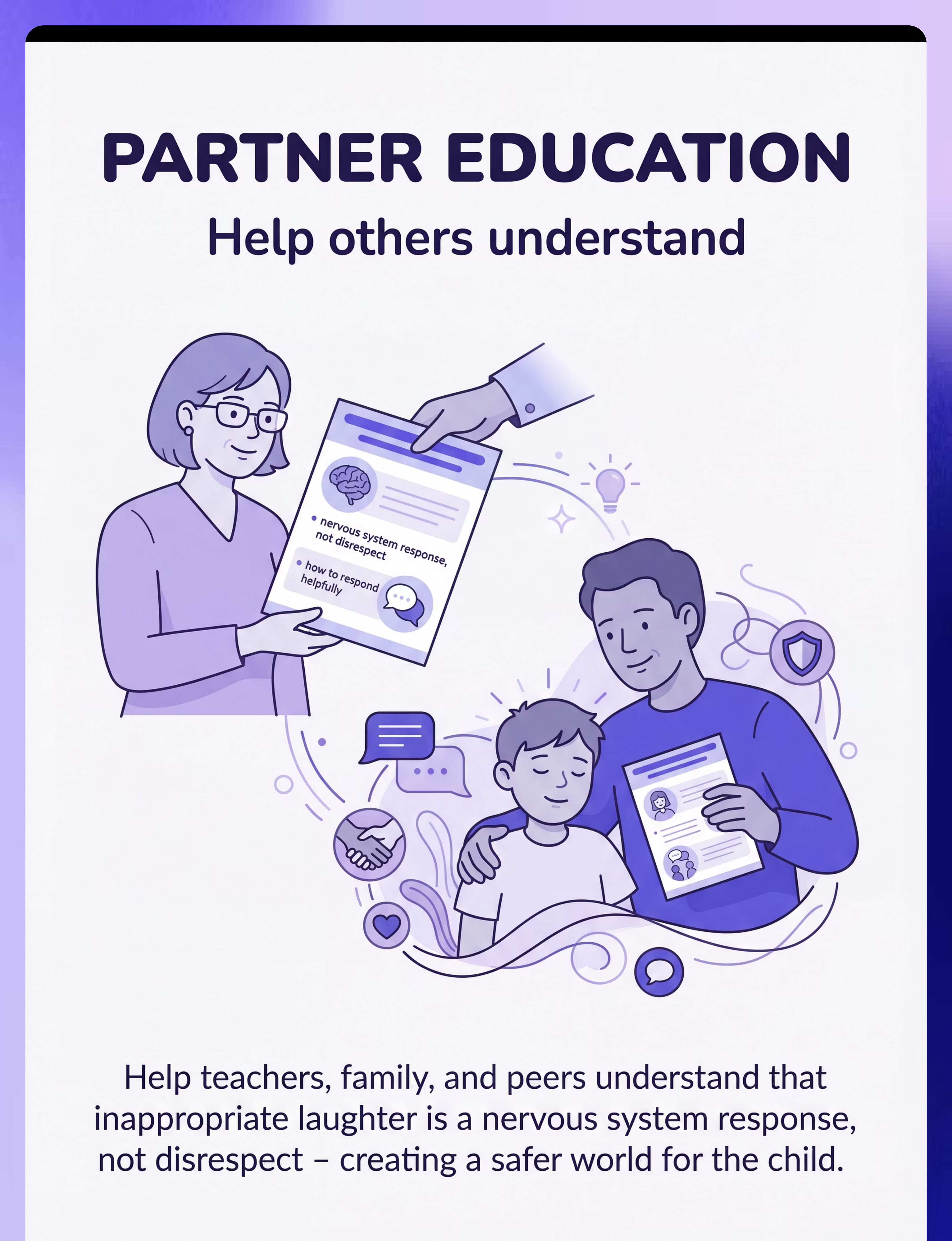
🧑🏫 Communication Partner Education Materials
"When her teacher understood — really understood — the classroom became a safer place. Less judgement. More support. Fewer consequences for a response she didn't choose. That education was the highest-leverage thing we did."
Environmental modification is as clinically important as child-level intervention. WHO Nurturing Care Framework (2018) explicitly identifies responsive caregiver environments as critical to developmental outcomes. When communication partners understand inappropriate laughter as a nervous system response rather than deliberate disrespect, they respond differently — less punitively, more supportively — reducing the stress level of the environment, which in turn reduces inappropriate laughter frequency. Education creates a virtuous cycle.
👩🏫 Teacher Version
"[Child's name] may laugh in moments that seem inappropriate. This is a nervous system response — not disrespect. Please: (1) Do not call out the laughter in front of peers; (2) Use a neutral signal (two taps on shoulder); (3) Allow a brief break to regulate; (4) Refer to school counsellor — not discipline."
👨👩👧 Family Version
"When [child's name] laughs at serious moments, they are experiencing emotional flooding, not cruelty. Stay calm, use a gentle cue ('squeeze time'), and after regulation acknowledge: 'I know your body did something difficult. Let's practise what to do next time.'"
👦 Peer Version (Age-Appropriate)
"Sometimes [child's name]'s body laughs when they're actually scared or uncomfortable. It's like a hiccup they can't control. It doesn't mean they think your pain is funny. If it happens, they'll explain."
Commercial Range: ₹100–400 | DIY: Word-processed handouts. ₹0. | Citations: WHO NCF 2018 | PMC9978394

Safety First
Before You Begin: Safety & Clinical Screening
Know when to proceed, modify, or seek urgent professional review. This traffic-light screening is mandatory before starting the home programme. If you have any doubt, call the FREE National Autism Helpline: 9100 181 181.
🔴 RED — Do Not Proceed Without Medical Evaluation
• Sudden-onset inappropriate laughter with no prior history
• Laughter accompanied by involuntary movements, eye changes, or post-episode confusion
• Child absolutely cannot inhibit the laughter under any circumstances
• Laughter accompanied by simultaneous inappropriate crying (pseudobulbar affect pattern)
• Any deterioration from a previously stable presentation
• Laughter accompanied by involuntary movements, eye changes, or post-episode confusion
• Child absolutely cannot inhibit the laughter under any circumstances
• Laughter accompanied by simultaneous inappropriate crying (pseudobulbar affect pattern)
• Any deterioration from a previously stable presentation
🟡 AMBER — Modify Approach, Seek Professional Guidance
• Child experiences intense shame post-episode — trauma-informed approach needed
• Laughter is increasing in frequency despite intervention
• Anxiety is severe and unresponsive to regulation tools
• School implementing disciplinary consequences despite education efforts
• Child is self-harming related to shame from episodes
• Laughter is increasing in frequency despite intervention
• Anxiety is severe and unresponsive to regulation tools
• School implementing disciplinary consequences despite education efforts
• Child is self-harming related to shame from episodes
🟢 GREEN — Proceed With Home Programme
• Pattern is consistent and identifiable (anxiety-driven, emotional flooding, context reading)
• Child has some insight into their response
• Parent has completed this full protocol
• Professional assessment has ruled out neurological causes
• Programme is supported by at least one treating therapist
• Child has some insight into their response
• Parent has completed this full protocol
• Professional assessment has ruled out neurological causes
• Programme is supported by at least one treating therapist
Medical Disclaimer: This content is educational. Inappropriate laughter can have multiple causes requiring professional evaluation. If in doubt, call: 9100 181 181.

Session Setup
The Session Setup: Start Right
The best session is one that starts right. A well-prepared environment and a regulated child are prerequisites for meaningful therapeutic practice. Never begin when the child is at volcano level 3 or above — always regulate first.
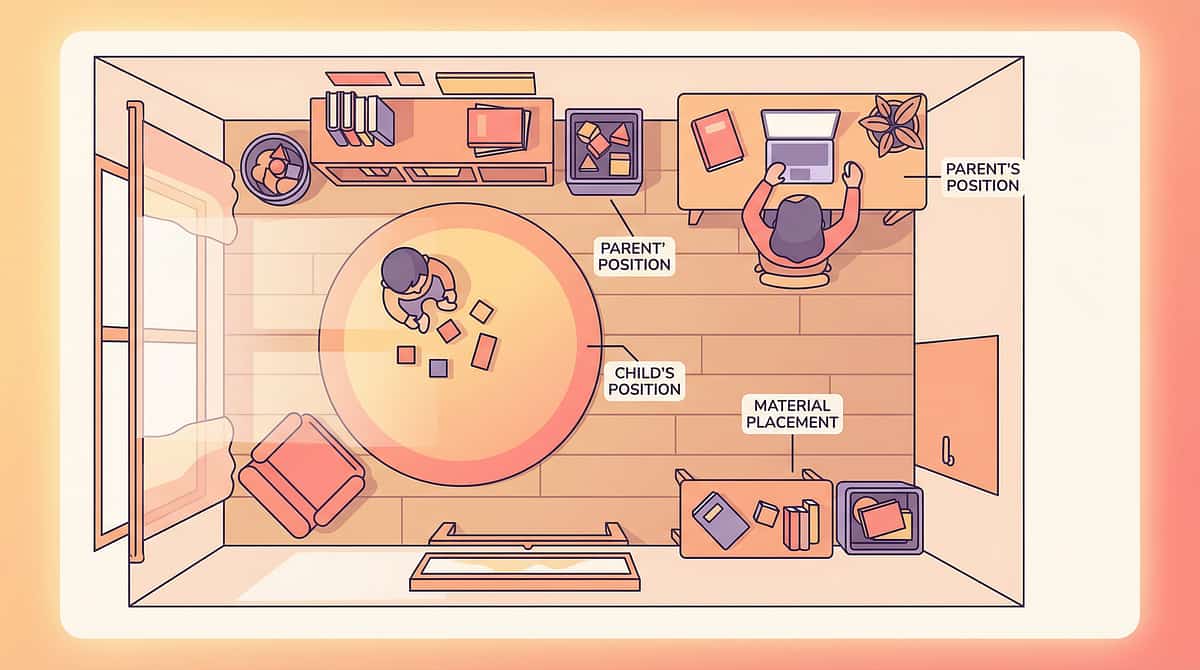
🏠 Space Checklist
- Quiet room, minimal distractions
- Comfortable seating with regulation tool accessible
- Timer visible (visual schedule helps)
- Materials within reach: volcano chart, cards, regulation kit
👶 Child Readiness (5-Point Check)
- Fed, hydrated, not overtired
- Not currently in emotional dysregulation
- Aware that "feelings practice" is happening now
- Has chosen preferred regulation tool for this session
- Volcano level is 1 or 2 (calm/slightly uncomfortable only)
⚠️ If Child is at Level 3+
Modify: Choose one regulation tool only, skip strategy practice.
Postpone: Use calming activity instead; reschedule session.
Postpone: Use calming activity instead; reschedule session.
📊 Session Data Capture
Record at the start of every session:
- Session Date
- Child's Starting Volcano Level (0–5)
- Material Practiced
- Duration (minutes)
- Child Engagement Level (1–5)
- Replacement Response Attempted? Y / N
- Successful? Y / N / Partial
- Notes
Connect data to GPT-OS® AbilityScore® tracking at pinnacleblooms.org
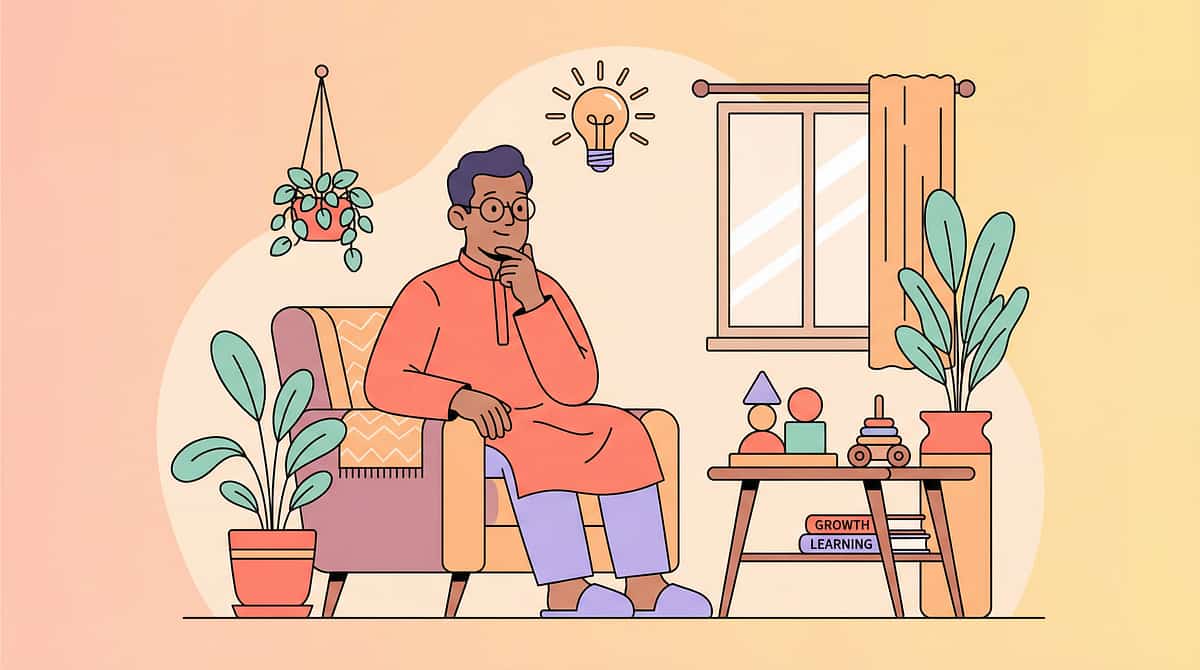
Act III — The Protocol
Step 1 of 6
🟢 Step 1: The Invitation
Every successful session begins with a genuine, low-pressure invitation. The ABA pairing principle is at work here: when the child experiences the activity as joint and chosen rather than imposed, engagement and therapeutic benefit increase significantly. Give genuine choice. Avoid demand tone.
"Hey — I want to do our feelings practice with you today. You get to pick one tool to hold while we do it. What do you want — the volcano chart or your squeezer?"
✓ Child Acceptance Cues
- Makes eye contact or orients toward materials
- Reaches for a material
- Nods or verbal "okay"
- Follows your lead to the practice area
✗ Child Resistance Cues (Modify, Don't Push)
- Turns away or leaves
- Verbal refusal ("no," "not now")
- Increased body tension or agitation
If Resistance:
"That's okay. We can do it after [preferred activity]." Do not pursue. Reschedule. Forced sessions undermine the therapeutic relationship.
Allow 10–15 seconds for processing before adding more words. Timing: 30–60 seconds from invitation to engagement accepted.
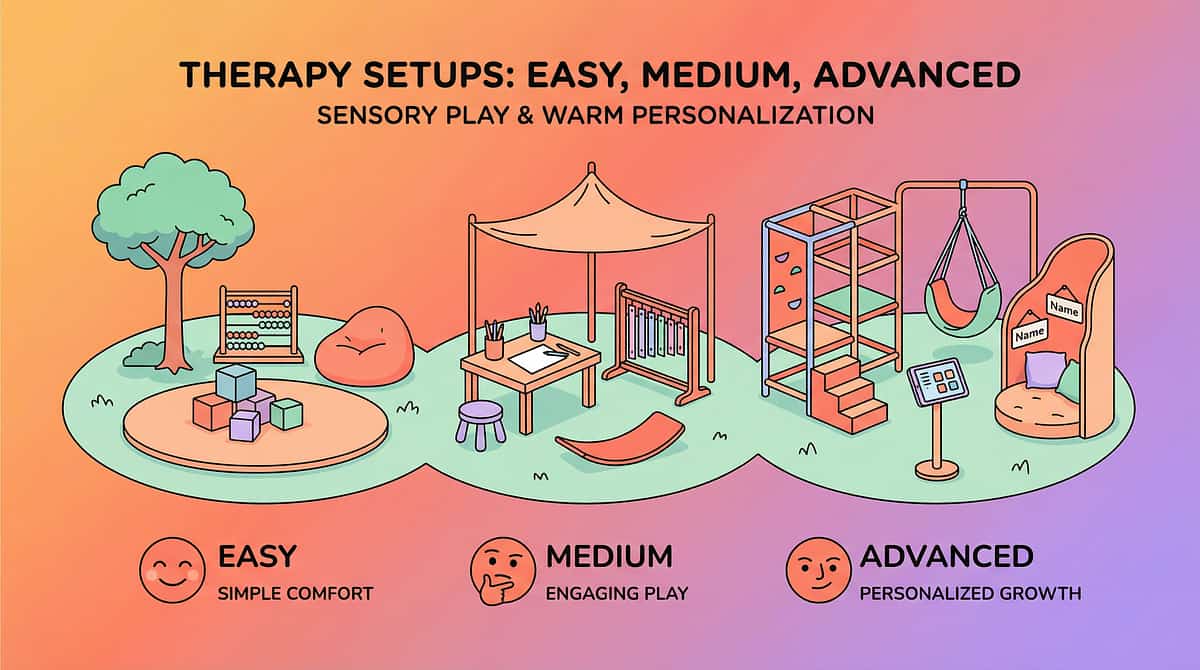
Step 2 of 6
🟡 Step 2: The Engagement — Volcano Check-In
The check-in serves a dual purpose: it validates the child's current emotional state and determines whether the session can proceed to strategy practice or must begin with regulation. Always honour the level the child reports — do not argue or minimise.
"Let's check your volcano first. Put your finger on where you are right now."
Level 0–1 (Calm)
"Perfect. Your volcano is really calm — good time to practise." Proceed directly to strategy work.
Level 2–3 (Building)
"A little bit of feelings in there — that's okay. Let's use our [regulation tool] for 2 minutes first." Use 1 tool, re-check, proceed if drops to 2 or below.
Level 4–5 (High/Erupting)
"Your volcano is getting full. Let's do our calming first and come back to practice." Full regulation session only — no strategy practice today.
"Look at the volcano. Remember — feelings build up inside. Today we're going to practise what to do when the feelings start building and your body wants to laugh at the wrong time."
Timing: 1–3 minutes total.

Step 3 of 6
🔵 Step 3: The Therapeutic Action — Core Practice
The heart of every session. Three sequential rounds build from awareness to skill to repair — the complete pathway from recognition to recovery. Keep each round focused and time-bounded for optimal engagement.
Round 1 — Volcano Identification (3 min)
Present 3 scenario cards. Child identifies: "What level would your volcano be here?" Validate: "Your body might want to laugh. That makes sense."
Round 2 — Replacement Response (3 min)
Describe a mild scenario verbally. Child demonstrates chosen replacement. Repeat 5 times with different scenarios. Cue: "Do it as soon as you feel the giggle."
Round 3 — Repair Script Practice (3 min)
"Sometimes even with strategies, the laughter happens. What do we say after?" Child reads/recalls repair script. Role-play with parent as peer. Affirm: "That was really good. You just showed them who you really are."
Child Response Spectrum: ✓ Ideal: Engaged, attempting replacement, self-correcting | ✓ Acceptable: Partially engaged, needs prompting | ⚠️ Concerning: Distressed, shutdown, tearful — reduce difficulty, add validation. Timing: 8–10 minutes total.

Step 4 of 6
🟠 Step 4: Repeat & Vary
"3 good repetitions are worth more than 10 forced ones."
Repetition builds automaticity; variation builds generalisation. Both are essential. The ABA generalisation principle requires practice across multiple people, settings, and times of day before a skill transfers to naturalistic contexts reliably.
Dosage Targets
- Replacement response: minimum 5 reps per session
- Scenarios: rotate between 3–5 types per session
- Total repetitions per week: 50+ across daily practice opportunities
Variation Options
- Scenario Cards — visual + verbal
- Video Clips — 15-sec neutral clips, practice reading context
- Role-Play — parent acts as peer, sibling, teacher
- Real-Life Preview — before actual upcoming events
Satiation Indicators (Watch For)
- Child stops making eye contact
- Responses become robotic / minimal effort
- Child asks to stop
If any satiation signs: "We're almost done — 2 more!" then close with cool-down.
The Generalisation Principle (ABA)
Practice across 3+ people, 3+ settings, 3+ times of day for generalisation to naturalistic contexts. Do not limit practice to one room or one caregiver.
Timing: 3–5 minutes.

Step 5 of 6
🟢 Step 5: Reinforce & Celebrate
"Celebrate the attempt, not just the success."
Reinforcement must be delivered within 3 seconds of any replacement response attempt, any repair script use, any volcano identification, or any engagement with practice. Delayed reinforcement loses its neurological power to strengthen the neural pathway being built. Specific praise outperforms generic praise — always describe exactly what the child did well.
Verbal Praise Scripts
"YES! You pressed your lips — that was your body saying 'I'm choosing something different!'"
"You used your volcano words. That's HUGE. You're building a skill right now."
"You practised the repair script and it was PERFECT. That's going to help you so much."
"You used your volcano words. That's HUGE. You're building a skill right now."
"You practised the repair script and it was PERFECT. That's going to help you so much."
Reinforcement Menu Options
- 🏆 Token/sticker toward preferred reward — Reward Stickers ₹364 (Amazon.in)
- ⭐ Specific praise describing exactly what was done well
- 🎮 5 extra minutes of preferred activity
- 📸 "Progress photo" added to child's regulation scrapbook
- 🤗 Physical affirmation (if preferred by child)
ABA Token Economy (Optional)
Reward Jar — Rosette Imprint Reward Jar ₹589 (Amazon.in). 5 tokens = agreed reward. Track daily progress toward meaningful reinforcer.
🏅 Validated by Pinnacle Blooms Consortiu
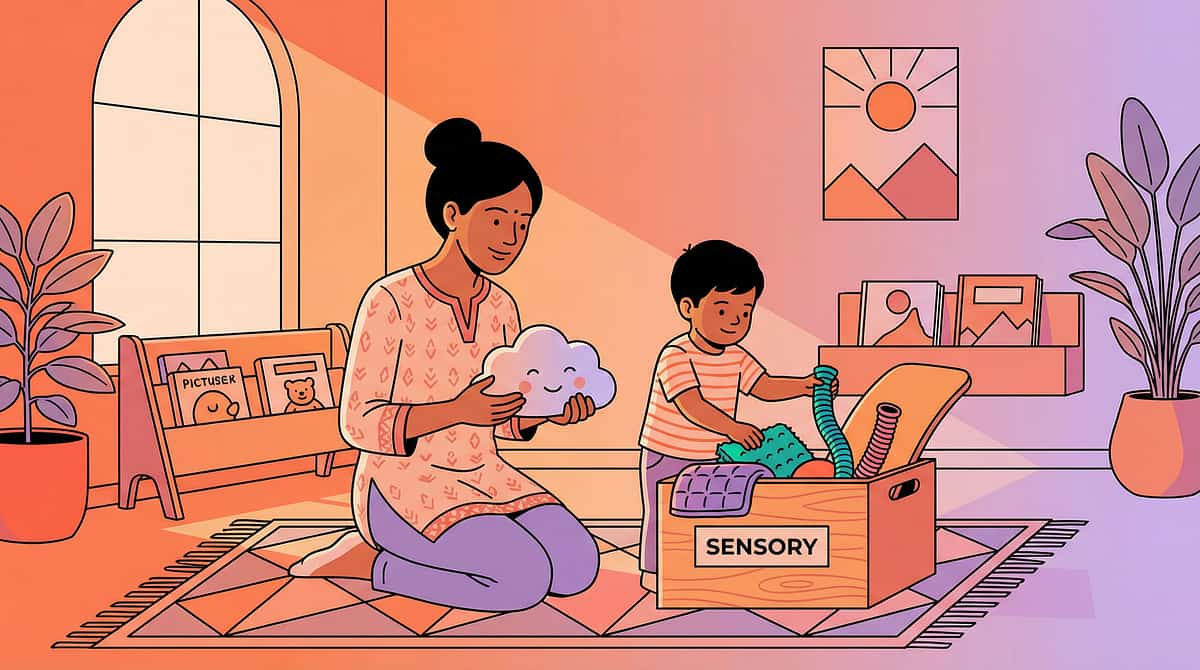
Step 6 of 6
🔵 Step 6: The Cool-Down
"No session ends abruptly. The nervous system needs to land softly."
An abrupt session ending can dysregulate a child who has been engaged in emotionally demanding work. A predictable, warm closing ritual signals safety, consolidates learning, and builds positive anticipation for the next session. Consistency of routine reduces transition resistance over time.
Closing Affirmation Script
"You just practised something really hard. Your brain is building new pathways right now. I'm proud of you."
Material Put-Away Ritual
Child puts volcano chart back, selects comfort item (Animal Soft Toy ₹425 — Amazon.in) to hold briefly, sticker placed in book.
Transition Cue
"After our practice, you can [preferred next activity]." Use a visual timer for the 2-minute cool-down to provide predictability.
If Child Resists Ending
"I know — you're doing so well. We'll do more tomorrow. Same time, same place."
Data Entry: Complete session log now (see Session Setup card) while memory is fresh. Every data point feeds the AbilityScore® Emotional Regulation Readiness Index.
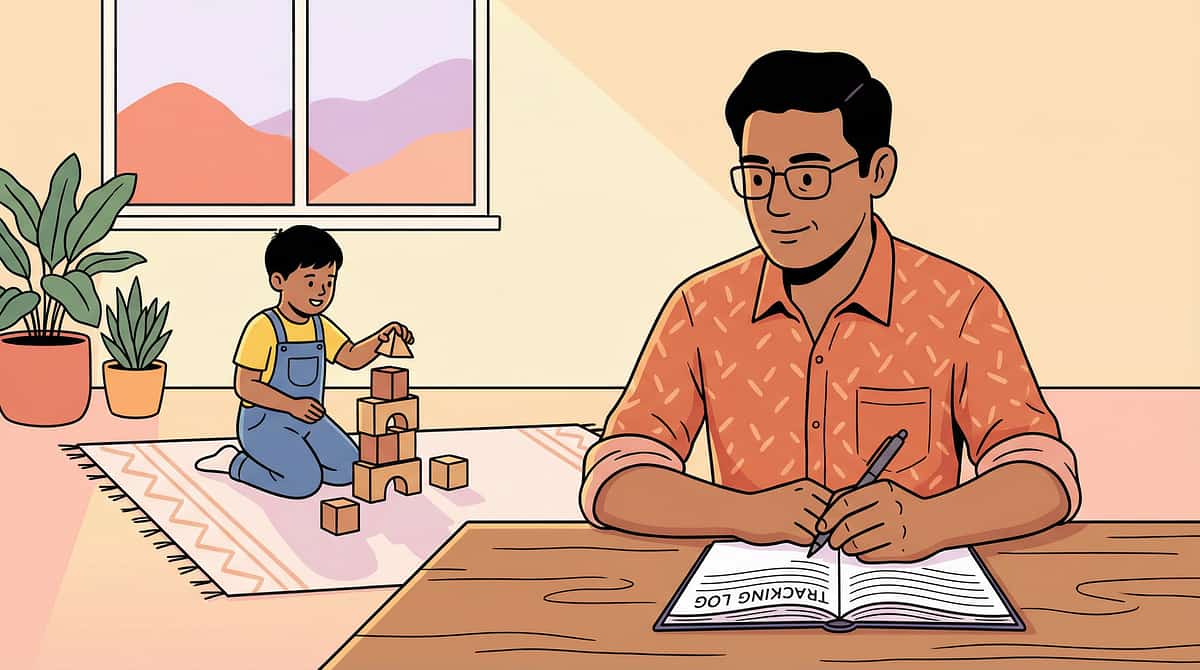
Data Tracking
Capture the Data — Right Now
Data captured now is data that drives progress. Within 60 seconds of session end, record the quick tally below. Every data point feeds the GPT-OS® AbilityScore® Emotional Regulation Readiness Index and Affect Matching Readiness Index — enabling TherapeuticAI® to adjust programme intensity automatically.
Quick Tally (30 Seconds)
📅 Date | 🌋 Starting Volcano Level: 0–5 | 🎯 Material Practiced | ⏱️ Duration (min) | ✅ Replacement Response Tried: Yes / No / Partial | 📈 Engagement: 1–5 | 📝 Notes
Week 1: Establish Baseline
Track frequency of inappropriate laughter events to establish the starting point for measuring progress.
Weeks 2–4: Replacement Response
Track replacement response success rate — attempted, partial, and fully successful deployments.
Weeks 5–8: Generalisation
Track naturalistic generalisation events — unprompted use of strategies outside practice sessions.
Weeks 9–12: Social Repair
Track social repair success and relationship quality following episodes. This is the ultimate outcome measure.
Downloadable PDF tracker available at pinnacleblooms.org | GPT-OS® in-app tracker for automated scoring.

Troubleshooting
Troubleshooting: When the Programme Hits Obstacles
Every child's programme encounters challenges. These are not failures — they are data. The consortium's most common problem-solution pairs are listed below, drawn from clinical experience across 20M+ therapy sessions.
🔴 "Telling her to stop makes it worse"
Consortium Solution: Suppression rebound — the harder she tries to suppress, the more the nervous system amplifies the signal. Switch entirely to replacement. "Don't laugh" → "Press your lips now."
🟡 "She uses replacement in practice but not in real life"
Consortium Solution: Insufficient generalisation training. Practice in MORE settings: car, supermarket, school pickup. Get teacher to cue replacement with neutral signal. Build the real-world trigger map.
🟡 "The volcano works at home but not at school"
Consortium Solution: Partner education needed immediately. Request school meeting. Provide teacher version of education material (Material 9). Request written accommodation in writing.
🟠 "She's so ashamed after episodes she shuts down for hours"
Consortium Solution: Shame response indicates over-awareness without self-compassion scaffolding. Increase social story reading. Add repair practice after mild sessions. Consider referral for trauma-informed support.
🟢 "We haven't had any inappropriate laughter this week"
Consortium Solution: Excellent progress indicator. Don't stop — now's the time to generalise to more challenging scenarios. Begin pre-event preparation for upcoming challenging situations.
Personalisation
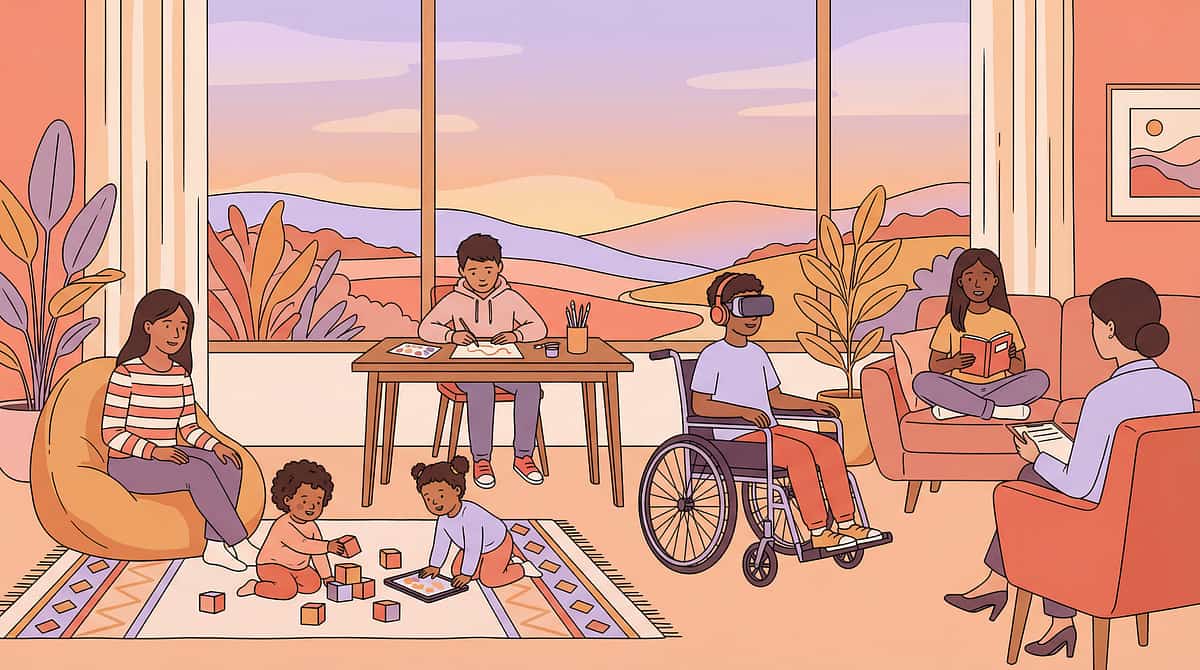
Personalise the Programme: No Two Nervous Systems Are Identical
Adapt the programme to match your child's specific profile. The underlying 9 materials remain constant — what varies is which materials to prioritise, how to sequence them, and how to calibrate difficulty. Difficulty should slide toward easier on hard days and toward more challenging on breakthrough days.
Profile 1 — Anxiety-Driven
Primary: Anxiety Tools + Replacement Response + Regulation Kit. Modify: Increase anxiety treatment component; address underlying anxiety diagnosis with professional.
Profile 2 — Emotional Flooding
Primary: Feelings Volcano + Regulation Tools + Pre-Event Prep. Modify: Focus heavily on early warning sign recognition; increase regulation tool options.
Profile 3 — Social Context Reading
Primary: Context Reading Cards + Social Stories + Partner Education. Modify: Build explicit social-emotional curriculum; 10-minute daily context card practice.
Profile 4 — Combined / Autism Pattern
All 9 materials in sequence; use ABA format for all skill building; FusionModule™ coordination across OT/SLP/ABA disciplines.
Ages 3–6
Use volcano + regulation tools only. Minimal replacement training. Focus on naming and externalising.
Ages 7–12
Full programme. Emphasis on context cards + replacement. Introduce repair scripts.
Ages 13–18
Add self-advocacy and peer education component. Significant shame reduction focus. Autonomous strategy deployment.

Act IV — The Progress Arc
Weeks 1–2
Weeks 1–2: What to Expect
Early phase is about tolerance and awareness, not mastery. Clinical evidence confirms 8–12 week protocols for affect regulation. Manage your expectations carefully — measuring the right early indicators will sustain motivation through this demanding phase.
15%
Programme Progress
Neural pathway formation begins. Awareness emerging.
✓ What You WILL Likely See
- Child can point to volcano level when asked (even if not spontaneously)
- Slight reduction in post-episode distress as understanding increases
- Some attempts at replacement response in practice scenarios
- One or two moments of pre-episode awareness ("I feel it coming")
✗ What You Will NOT See Yet
- Elimination of inappropriate laughter episodes
- Spontaneous replacement response in real situations
- Social repair language without prompting
- Full context reading in novel situations
"If your child can point to their volcano level and knows the name of their replacement response — that's real, measurable progress. The neural pathways are forming."

Weeks 3–4
Weeks 3–4: Consolidation Signs
Neural pathways are forming. The language of the programme is becoming internalised. Watch carefully for generalisation seeds — unprompted use of programme concepts — as these are the earliest indicators of genuine skill development beyond the practice room.
40%
Programme Progress
Consolidation phase. Pathways strengthening through repetition.
Child anticipates practice time
"Is it feelings practice today?" — Intrinsic motivation beginning to emerge.
Spontaneous volcano checking
"I'm at level 3 right now, Mum" — Self-monitoring generalising beyond sessions.
Replacement response in 1–2 natural situations
Even with prompting, naturalistic deployment is a significant milestone.
Child can describe their own pattern
"When I get scared, my body laughs" — Metacognition is developing.
Reduced multi-episode escalation
Single eruption → reset faster. The recovery arc is shortening.
"You may notice you're responding more calmly too. Your nervous system is also learning."
When to increase intensity: If Week 3–4 indicators are consistently present → introduce more challenging scenario cards + real-life event preparation.

Weeks 5–8
Weeks 5–8: Mastery Building
The programme enters its most rewarding phase. Spontaneous strategy deployment is emerging. Social repair is happening closer in time to episodes. The child is beginning to describe their own pattern to others — a profound marker of internalisation.
70%
Programme Progress
Mastery building. Reliable strategy use in familiar contexts.
≥50% Spontaneous Deployment
Replacement response deployed without prompting in at least half of opportunities.
Timely Social Repair
Repair language used within 5 minutes of episodes — not next day.
Child-Initiated Preparation
Pre-event preparation requested by child: "Can we do our funeral practice?"
Accurate Self-Rating
Volcano self-rating accurate to within 1 level of caregiver observation — calibrated self-awareness.
Shame Duration Reducing
Significant reduction in post-episode shame duration. Self-compassion is building.
Mastery Level Definition (Pinnacle protocol): Consistent regulation in familiar, low-to-moderate stress contexts. Occasional overflow in novel or high-intensity situations — this is expected, not failure.

Red Flags
🚨 Red Flags: When to Escalate Care
Even with a strong home programme, some presentations require professional clinical input. The following indicators mean it is time to step beyond the home programme and seek specialist assessment. Do not wait — early escalation produces better outcomes.
Escalate if ANY of These Apply:
- Inappropriate laughter increasing despite 6+ weeks of consistent home programme
- Episodes accompanied by involuntary movements, eye changes, or confusion
- Child experiencing severe social isolation or school exclusion
- Child expressing self-harm ideation or severe self-esteem collapse
- Laughter occurring alongside inappropriate crying (pseudobulbar affect pattern)
- Parent-child relationship becoming severely strained
📞 Your Next Step
Call FREE National Autism Helpline: 9100 181 181 (24×7, 16+ languages)
Book AbilityScore® assessment → TherapeuticAI® generates personalised FusionModule™ plan.
🗺️ Find Your Nearest Centre
70+ Pinnacle Blooms centres across India. Specialist OT, SLP, BCBA/ABA, SpEd, and NeuroDev Paediatrics under one roof.

The Full Pathway Map
Where You Started. Where You're Going.
The journey from unawareness to robust affect matching is measured in months, not days. Every family on this path started at Stage 1. The Pinnacle AbilityScore® Readiness Indexes track movement through each stage, enabling TherapeuticAI® to calibrate programme intensity to your child's current position.
🔴 Stage 1 — Unawareness
Frequent inappropriate laughter. No awareness. Significant social consequences. Shame after episodes.
🟡 Stage 2 — Emerging Awareness
Beginning to recognise pattern. "My body does this." Attempting strategies with limited success.
🟡 Stage 3 — Partial Regulation
Replacement response works in some contexts. Repair language developing. Frequency reducing.
🟢 Stage 4 — Consistent in Familiar Contexts
Reliable strategy use at home + school. Occasional overflow in novel situations. Strong repair skills.
🌟 Stage 5 — Robust Affect Matching
Reliable context-appropriate expression. Self-advocacy about own patterns. Minimal social impact. Repair is automatic.
Time to Stage 5: Typically 6–18 months with consistent programme. Individual variation is significant. Tracked via Emotional Regulation Readiness Index + Affect Matching Readiness Index + Social-Emotional Competency Index.
Related Techniques
Inappropriate Laughter Doesn't Stand Alone
Technique C-248 sits within Cluster ER-07: Emotional Regulation & Expression. In Pinnacle's GPT-OS® TherapeuticAI®, addressing one technique in a cluster automatically prompts the system to assess readiness for related techniques — no siloed care, no missed connections.
← C-246
Emotional Flooding
← C-247
Difficulty Identifying Feelings
📍 C-248
Inappropriate Laughing — YOU ARE HERE
→ C-249
Difficulty Crying
→ C-250
Emotional Blunting
B-Domain
Social Communication — affect matching in conversation
D-Domain
Behavioural — replacement behaviour training applications
A-Domain
Sensory Processing — nervous system regulation overlap

Act V — Community & Ecosystem
Parent Story
"She's Finally Been Given the Tools."
"After we started using the volcano system and regulation tools, everything shifted. My daughter started recognising when her 'feelings were building' and would ask for her squeezer or take deep breaths before the laughter came.We were prepared for the funeral with her regulation kit and exit plan. When she felt the laughter starting, she pressed her hands together hard and stepped outside with her aunt. She came back composed and said: 'My body wanted to laugh but I didn't let it.'The other relatives noticed. My mother-in-law pulled me aside and said, 'She's really maturing.'She's not maturing. She's finally been given the tools to manage a nervous system that works differently. The world sees her more clearly now."
Parent, Pinnacle Network | Illustrative case; outcomes vary by child profile.
Connect With the Community
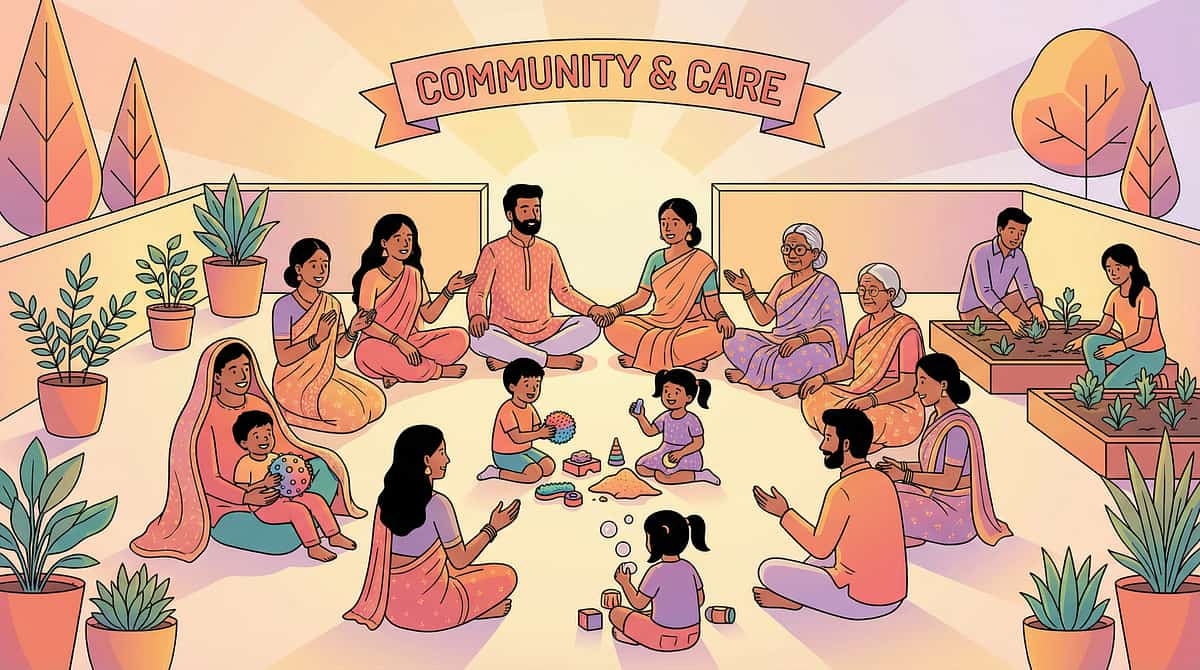
You Don't Have to Navigate This Alone
Families navigating emotional regulation challenges report that community connection — knowing others share the experience — is one of the most powerful non-clinical interventions available. Pinnacle's community spans 16+ languages across India and the global diaspora.
Pinnacle Parent Community
Join families navigating similar challenges. Share strategies, celebrate breakthroughs, and receive support from those who understand.
pinnacleblooms.org/community
pinnacleblooms.org/community
WhatsApp Support Groups
Regional groups in 16+ languages. Immediate peer support from families at every stage of the same journey.
Parent Training Programme
Live online sessions with Pinnacle consortium therapists. Deepen your understanding and sharpen your implementation skills.
GPT-OS® Family Dashboard
Track your child's progress, receive personalised guidance, and connect with your therapy team in one place.
📞FREE National Autism Helpline: 9100 181 181 | 16+ Languages | 24×7 | Absolutely free. The most important call you'll make today.
GPT-OS® System
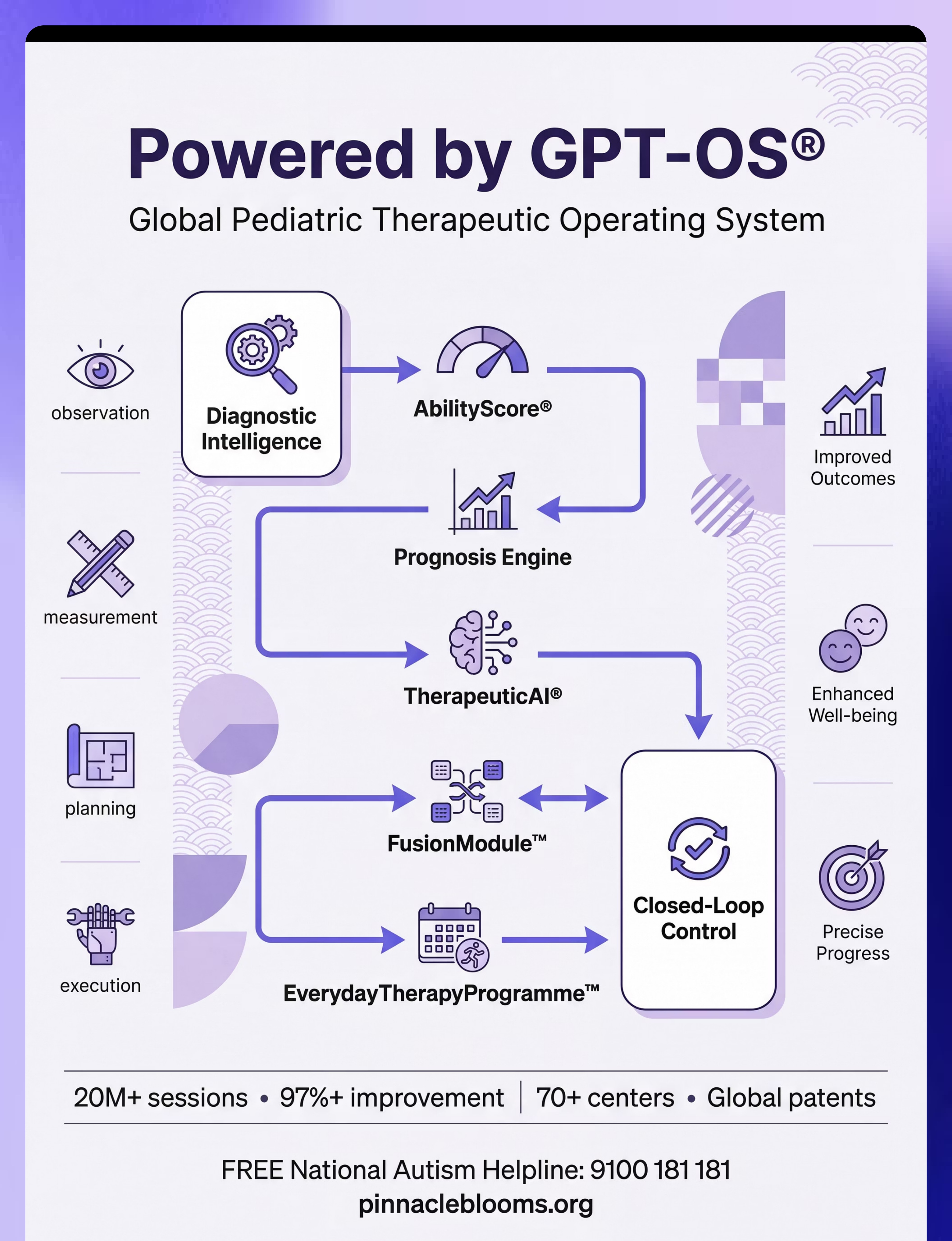
Powered by GPT-OS® — Global Paediatric Therapeutic Operating System
C-248 is not a standalone guide — it is one node in a closed-loop therapeutic intelligence system built on 20M+ exclusive 1:1 therapy sessions. Every data point collected through this programme feeds Pinnacle's AI to improve the precision and personalisation of your child's therapeutic pathway.
AbilityScore®
Tracks Emotional Regulation Readiness + Affect Matching Readiness Index for C-248.
TherapeuticAI®
Determines which of the 9 materials to prioritise for this specific child's profile.
FusionModule™
Coordinates OT + SLP + ABA inputs into a single unified therapeutic pathway.
EverydayTherapyProgramme™
Turns this protocol into daily 10-minute home sessions with automatic intensity adjustment.
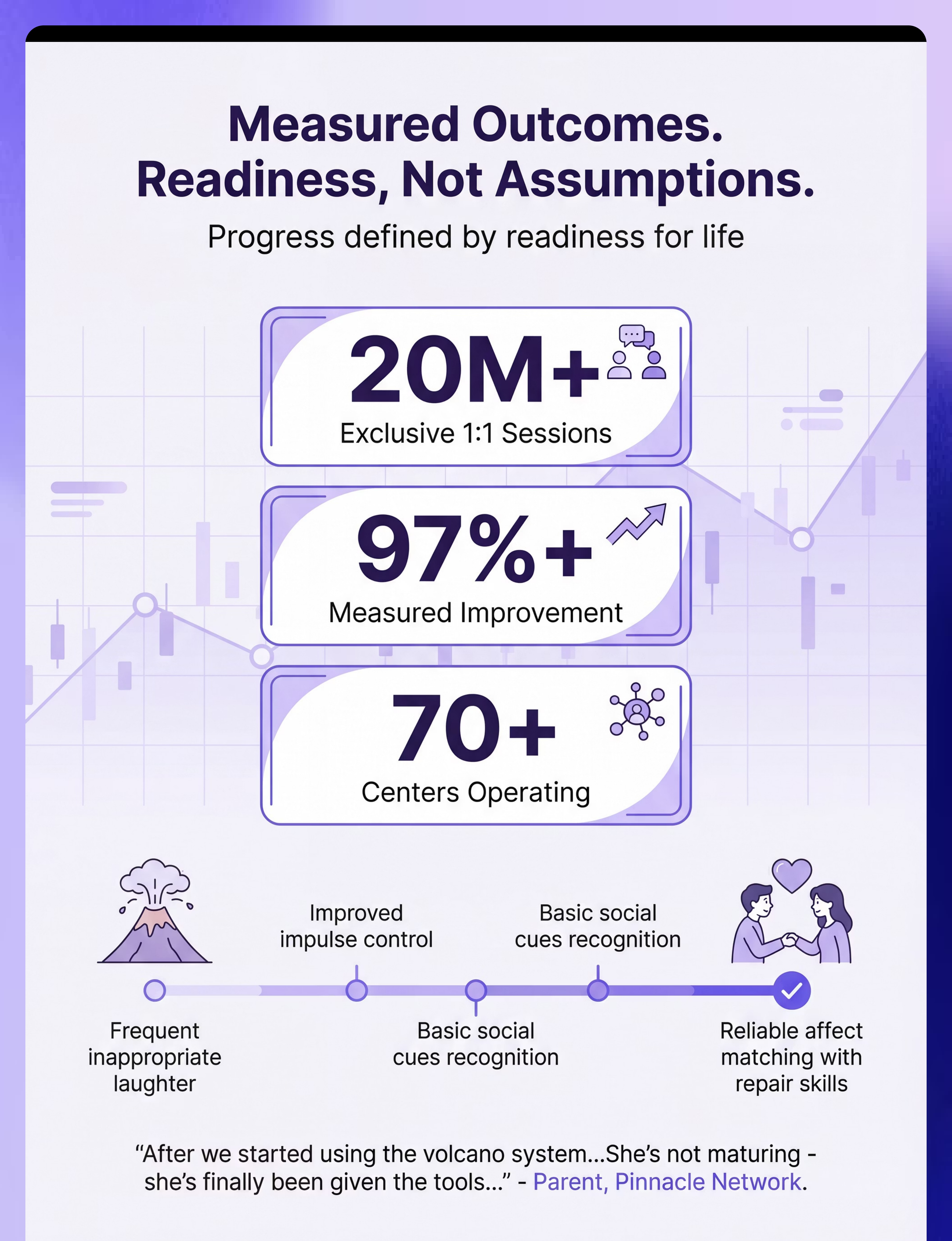
20M+
1:1 Sessions
97%+
Measured Improvement
70+
Centres Across India
📞 FREE Helpline: 9100 181 181 | pinnacleblooms.org

Watch the Reel
C-248 | Domain C
Watch the Reel: 9 Materials That Help With Inappropriate Laughing
"They think she's cruel. She's confused." When laughter comes at the wrong moment — not from malice but from a nervous system misfiring — these 9 materials help children understand and regulate what feels uncontrollable. Emotional Regulation & Social-Emotional Series | Episode 248 | Duration: 75–85 seconds.
🎬Video Embed Placeholder: Pinnacle therapist introduction — "Understanding Inappropriate Laughing: A Nervous System Lens" | Domain C Series | Reel C-248 | pinnacleblooms.org
← C-246
9 Materials for Emotional Flooding
← C-247
9 Materials for Difficulty Identifying Feelings
📍 C-248
Inappropriate Laughing — This Reel
→ C-249
9 Materials for Difficulty Crying
→ C-250
9 Materials for Emotional Blunting
Preview of 9 materials that help with inappropriate laughing Therapy Material
Below is a visual preview of 9 materials that help with inappropriate laughing therapy material. The pages shown help educators, therapists, and caregivers understand the structure and content of the resource before use. Materials should be used under appropriate professional guidance.


Link copied!

Pinnacle Blooms Network®
The Pinnacle Promise
"From fear to mastery. One technique at a time."
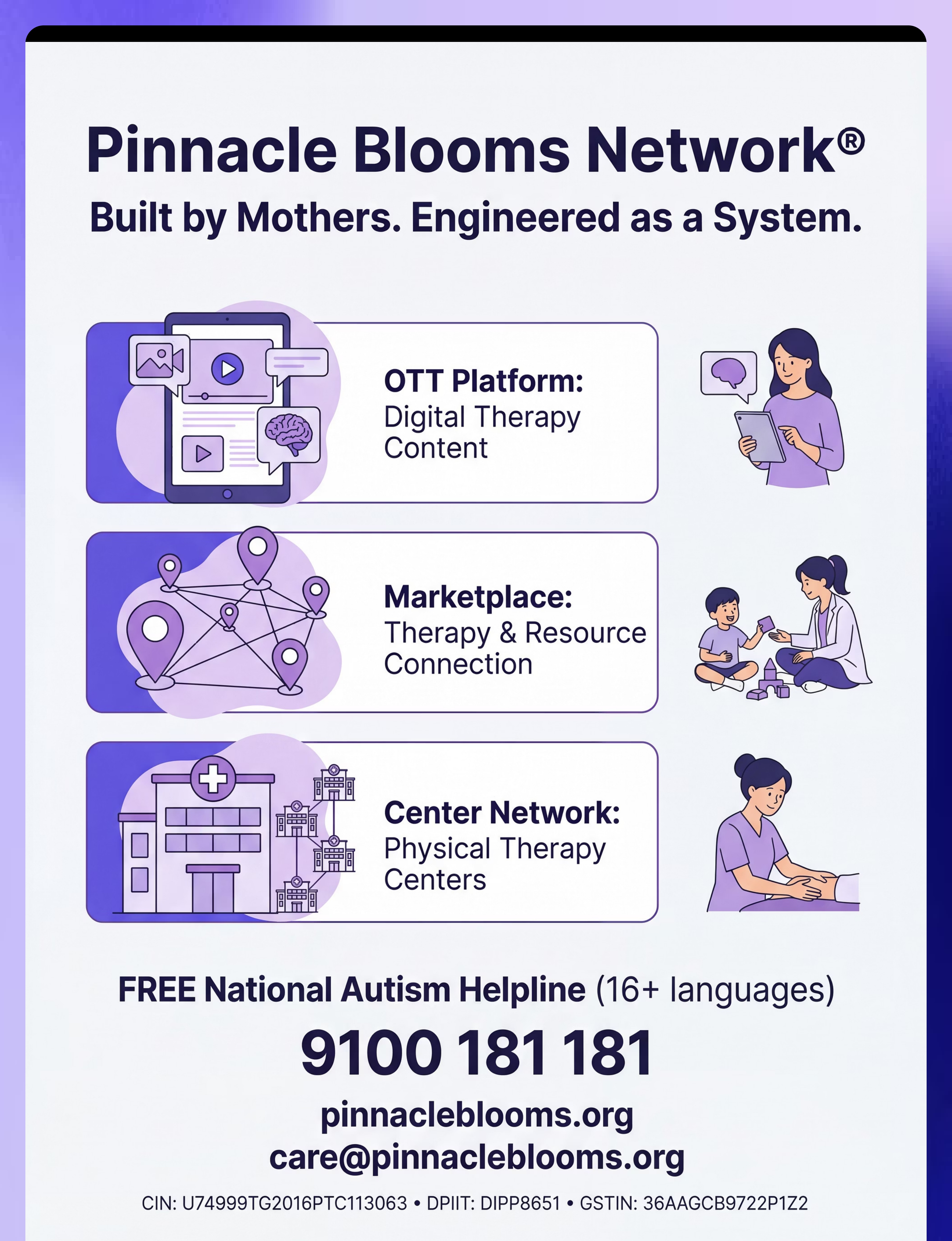
Pinnacle Blooms Network® is India's largest autism therapy chain — 70+ centres, 20M+ exclusive 1:1 therapy sessions, 97%+ measured improvement, serving families from 70+ countries through the GPT-OS® platform.
OT
SLP
BCBA/ABA
SpEd
NeuroDev Paediatrics
WHO
UNICEF
20M+
1:1 Sessions
97%+
Measured Improvement
70+
Centres in India
70+
Countries Served
📞FREE National Autism Helpline: 9100 181 181 | 16+ Languages | 24×7 | Absolutely Free
This content is educational. It does not replace individualised assessment by a licensed mental health professional, developmental paediatrician, or neurologist. Inappropriate laughter can have multiple causes requiring professional evaluation. Individual results may vary. Statistics represent aggregate outcomes across the Pinnacle Blooms Network.
CIN: U74999TG2016PTC113063 | DPIIT: DIPP8651 | MSME: TS20F0009606 | GSTIN: 36AAGCB9722P1Z2
© 2025 Pinnacle Blooms Network®, unit of Bharath Healthcare Laboratories Pvt. Ltd. All rights reserved. | Canonical URL: techniques.pinnacleblooms.org/emotional-regulation/inappropriate-laughing-c248