

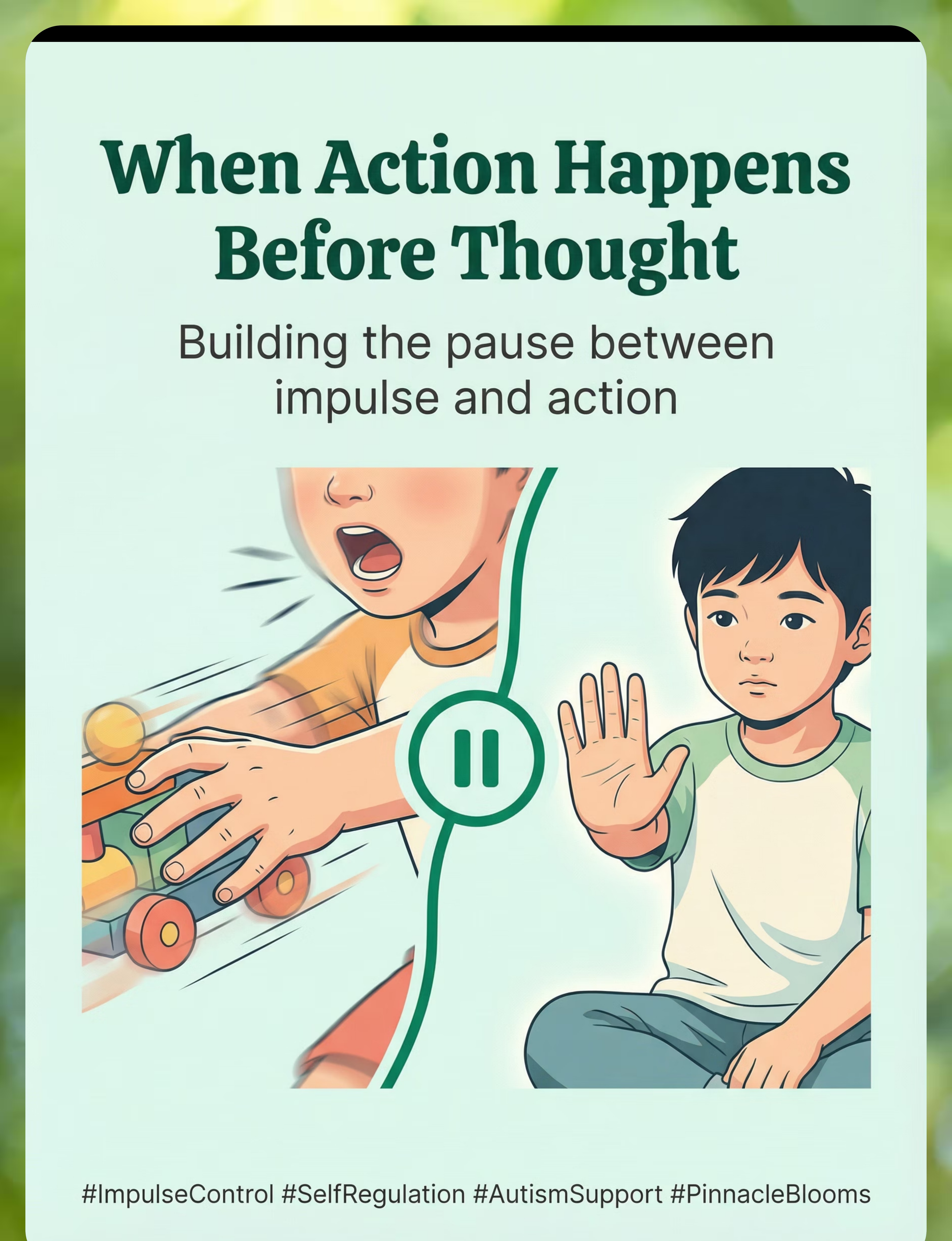
"He grabs, blurts, runs — before I can even say wait."
You are watching your child's brain race ahead of its brakes. You are not imagining it — and you are not failing.
Executive Function Series
D-445
Ages 3–12
9 Materials That Help With Impulsivity
Building the Pause Between Impulse and Action
"You are not failing. Your child's brake system is still under construction — and we can help build it together." — Pinnacle Blooms Consortium

You Are Among Millions. And Help Exists.
Impulsivity in children with autism, ADHD, and related conditions is not a character flaw or a parenting failure. It is a neurologically grounded challenge in the brain's response inhibition system — the mechanism that creates the pause between feeling an impulse and acting on it. Systematic reviews confirm that this brake system develops more slowly in neurodivergent populations, and that structured external supports accelerate its development measurably.
50–80%
ASD Impulsivity
Children with ASD show clinically significant response inhibition deficits
1 in 36
Global ASD Rate
Children diagnosed with autism spectrum disorder globally (CDC, 2023)
21M+
Sessions Delivered
Therapy sessions by Pinnacle Blooms Network® measuring real-world impulse control
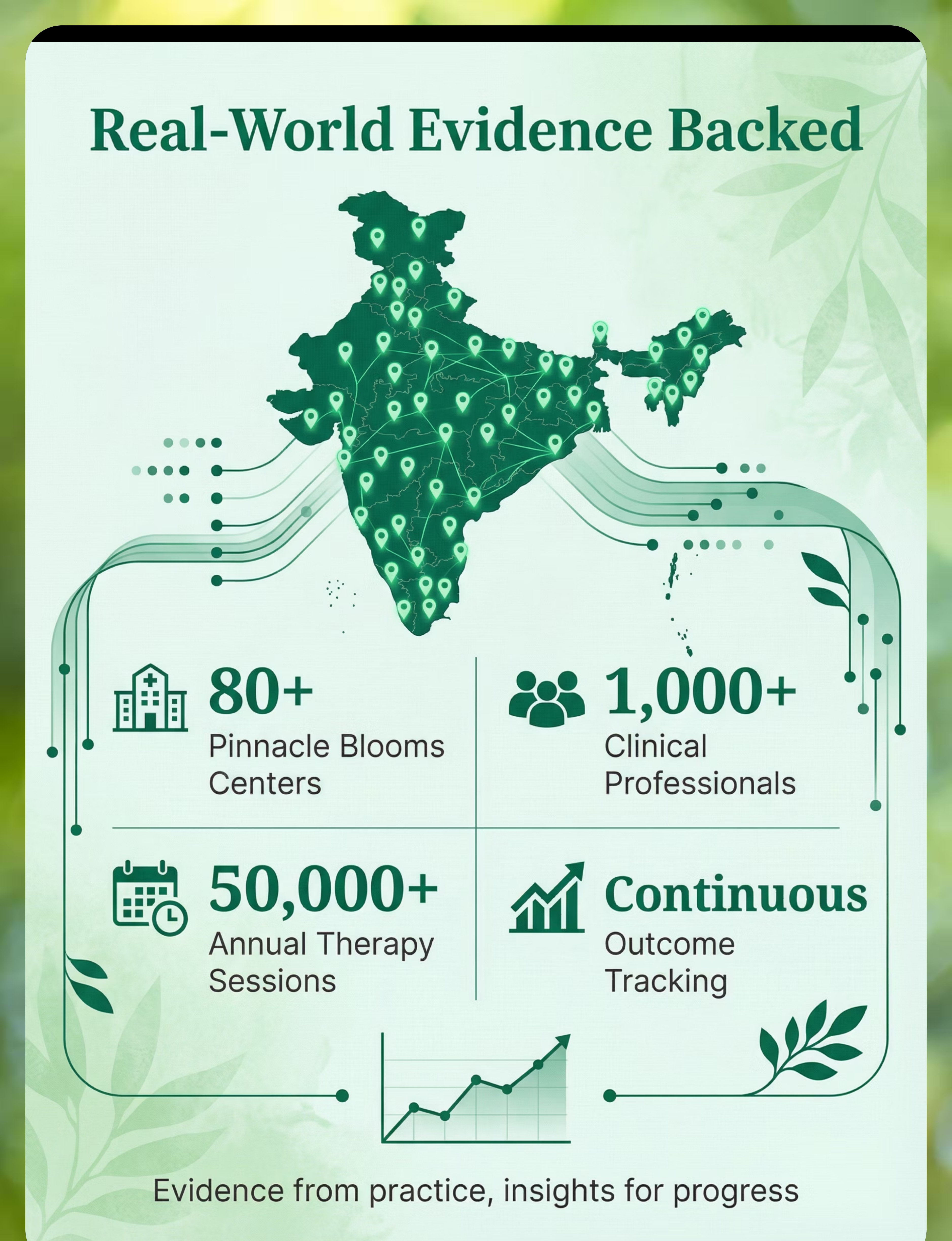
📍India Context: Over 18 million children are estimated on the autism spectrum in India, with millions more diagnosed with ADHD. Pinnacle Blooms Network® data from 70+ centers confirms impulsivity among the top five presenting behavioral challenges nationwide.
"If your child acts before thinking — you are among the largest, most supported community in pediatric development."

The Neuroscience of "Before Thinking"
What Happens in a Typical Brain
Stimulus → Impulse signal → PFC engages brake → consideration → action
What Happens in Your Child's Brain
Stimulus → Impulse signal → action begins → PFC arrives late → behavior already in motion
This is not wilful disobedience. This is a timing difference in neural circuitry — specifically in the corticostriatal pathways that connect impulse generation to inhibitory control.
The Four Types of Impulsivity
🖐️ Motor
Body moves before thought — grabbing, hitting, running
🗣️ Verbal
Words out before filtering — blurting, interrupting
🧠 Cognitive
Decisions made without consequence consideration
❤️ Emotional
Emotions expressed without modulation
Key Insight: This is a wiring difference. Not a behavior choice. Not a discipline failure. Wiring that can be shaped — with the right external supports applied consistently.

Your Child Is Here. Here Is Where We're Heading.
Response inhibition — the neurological capacity to pause before acting — is one of the last executive functions to fully mature, with development continuing well into the mid-twenties in typically developing individuals. For children with autism, ADHD, sensory processing differences, or developmental delays, this timeline extends further and requires more structured external support to scaffold.
The good news: neuroplasticity peaks in the 3–12 age window. This is precisely when structured material-based support has the highest return on investment.
Impulsivity Commonly Co-Occurs With
- Autism Spectrum Disorder (ASD)
- Attention Deficit Hyperactivity Disorder (ADHD)
- Sensory Processing Differences
- Anxiety (impulse as anxiety response)
- Oppositional patterns (secondary to impulse frustration)
SPD Note: Sensory processing differences often drive impulsivity. Sensory-seeking behavior creates immediate action to obtain input. Sensory dysregulation raises arousal — intensifying impulses and reducing the brain's inhibitory capacity. The 9 materials in this guide address both behavioral and sensory-motor dimensions.

Clinically Validated. Home-Applicable. Parent-Proven.
Level I Evidence
Systematic Review + Meta-Analysis
Multiple high-quality studies confirm material-based impulse control support as evidence-based practice. The brake system between impulse and action cannot be commanded into existence — but it can be built, externalized, practiced, and gradually internalized.
Study | Finding | Relevance | |
PRISMA Systematic Review (2024, PMC11506176) | 16 studies confirm sensory-behavioral interventions as evidence-based practice for ASD | Visual cues, timers, structured materials directly address response inhibition | |
NCAEP EBP Report (2020) | Visual supports and token economy classified as EBP for autism across all ages | 5 of 9 materials are NCAEP-classified EBPs | |
Moffitt et al. (2011), PNAS | Childhood self-control predicts health, wealth, and public safety across 32-year study | Building impulse control now creates lifelong advantage | |
Diamond A. (2013), Annual Review of Psychology | Inhibitory control is trainable through environmental scaffolding | Confirms home-based material implementation as the correct approach |
Home Applicability
Evidence Strength
Parent Feasibility
Cultural Adaptability
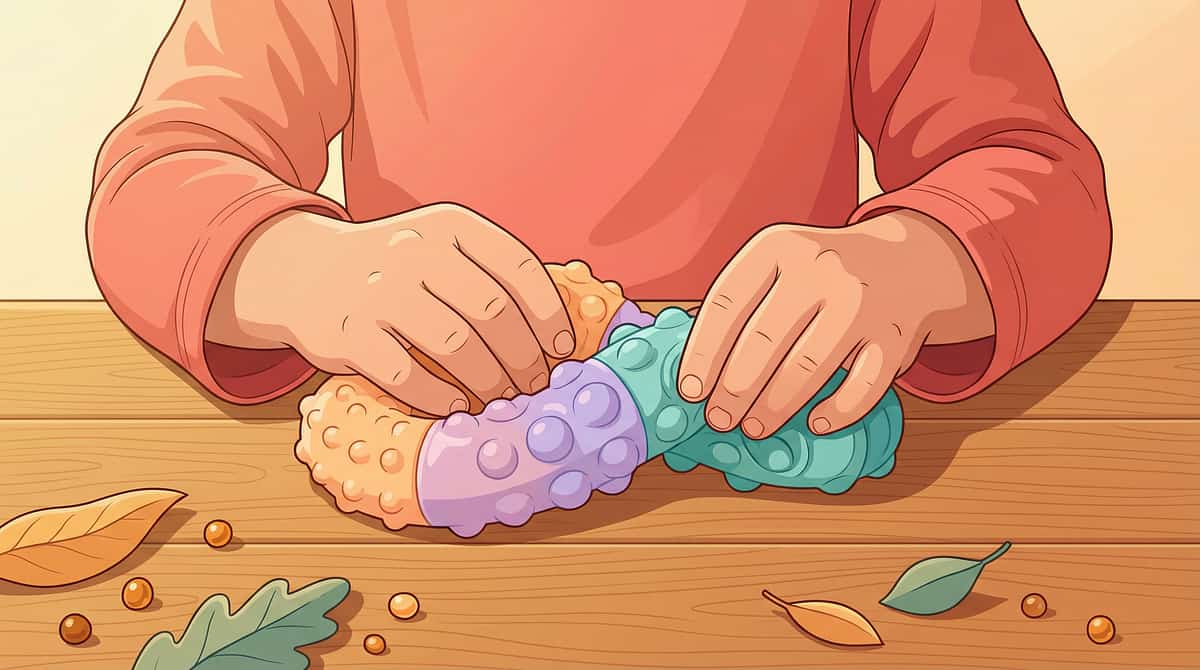
The Technique: What It Is
Response inhibition support is the systematic use of external materials, visual cues, and structured environments to externalize the pause that the developing brain cannot yet generate independently. These nine materials work by placing the brake signal outside the child's head — in the environment, in their hands, in visible timers and stop signs — until the internal brake system matures through structured practice and positive reinforcement.
Domain: Executive Function
Sub-Domain: Response Inhibition
EXF-INH
Ages 3–12
Home + School
Session Duration | 5–20 minutes (material-dependent) | |
Frequency | Daily across settings | |
Setup Time | 2–5 minutes | |
Cost Range | ₹0 (DIY) to ₹7,000 (full kit) | |
Generalization Path | Home → School → Community |
This is not a single technique — it is a nine-material ecosystem where each material addresses a different dimension of impulsivity: external cueing, arousal regulation, impulse redirection, motivation systems, decision scaffolding, self-awareness, and repeated skill practice.

This Technique Crosses Therapy Boundaries
"The brain doesn't organize itself by therapy type. Neither does our intervention." — Pinnacle Blooms Consortium
🟦 ABA / BCBA (Lead)
Token economy systems, self-monitoring charts, reinforcement menus, and behavioral data collection. The BCBA designs the reinforcement schedule that makes all 9 materials therapeutically precise.
🟩 Occupational Therapy
Fidgets, impulse redirectors, calm-down kits, and sensory regulation tools. OT assesses the sensory-motor component of impulsivity and prescribes the right input to regulate arousal.
🟨 Pediatric SLP
Social scripts and response cards address verbal impulsivity — blurting, interrupting, answering before questions finish. SLP designs scripts that slow the verbal response pipeline.
🟥 Special Education
Choice boards, decision supports, and self-monitoring charts translate into IEP goals. SpEd generalizes all 9 materials from home to school setting for consistency.
⬜ NeuroDev Pediatrics
Rules out medical contributors to impulsivity, evaluates ADHD co-occurrence, and establishes the clinical framework within which all materials operate.
At Pinnacle Blooms Network®, all five disciplines review each child's response inhibition profile together through FusionModule™ — ensuring no material is used in isolation from the child's full clinical picture.
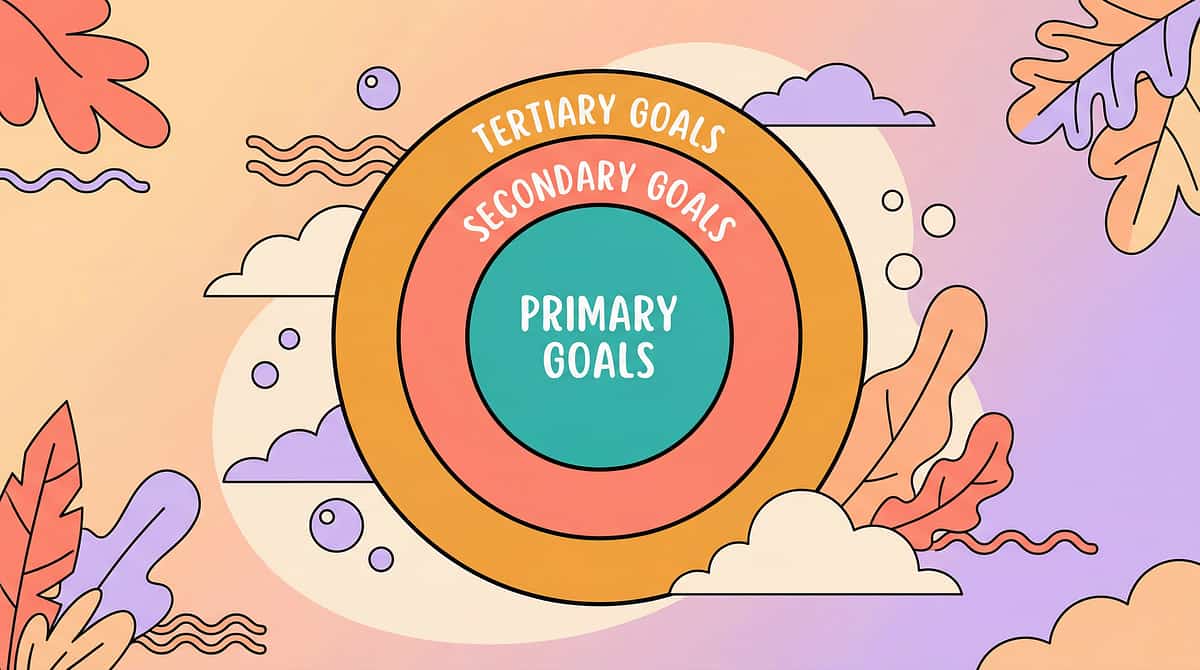
Precision Tools for Precision Targets
Stage | What It Looks Like | Materials Active | Level | |
Stage 1: External | Adult manages all impulses | Visual stops, timers | Cards 1–2 | |
Stage 2: Supported | Responds to visual cues/prompts | Fidgets, choice boards, scripts | Cards 3–6 | |
Stage 3: Emerging | Some independent pausing | Token system, calm-down kit | Cards 4, 7 | |
Stage 4: Generalized | Pauses across settings without support | Turn-taking, self-monitoring | Cards 8–9 |

The 9-Material Ecosystem
Each material addresses a different dimension of impulsivity. Start with 1–2. Build the full ecosystem over weeks.
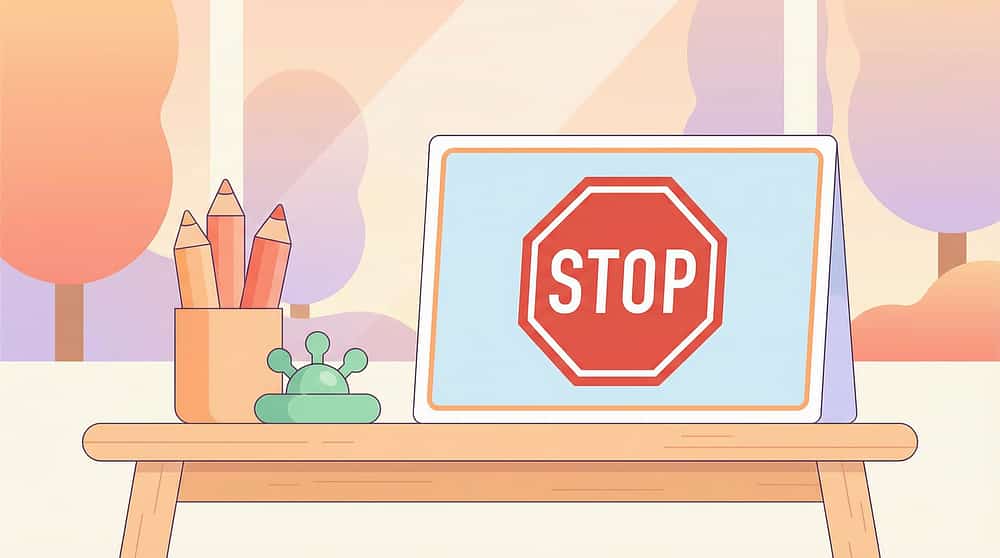
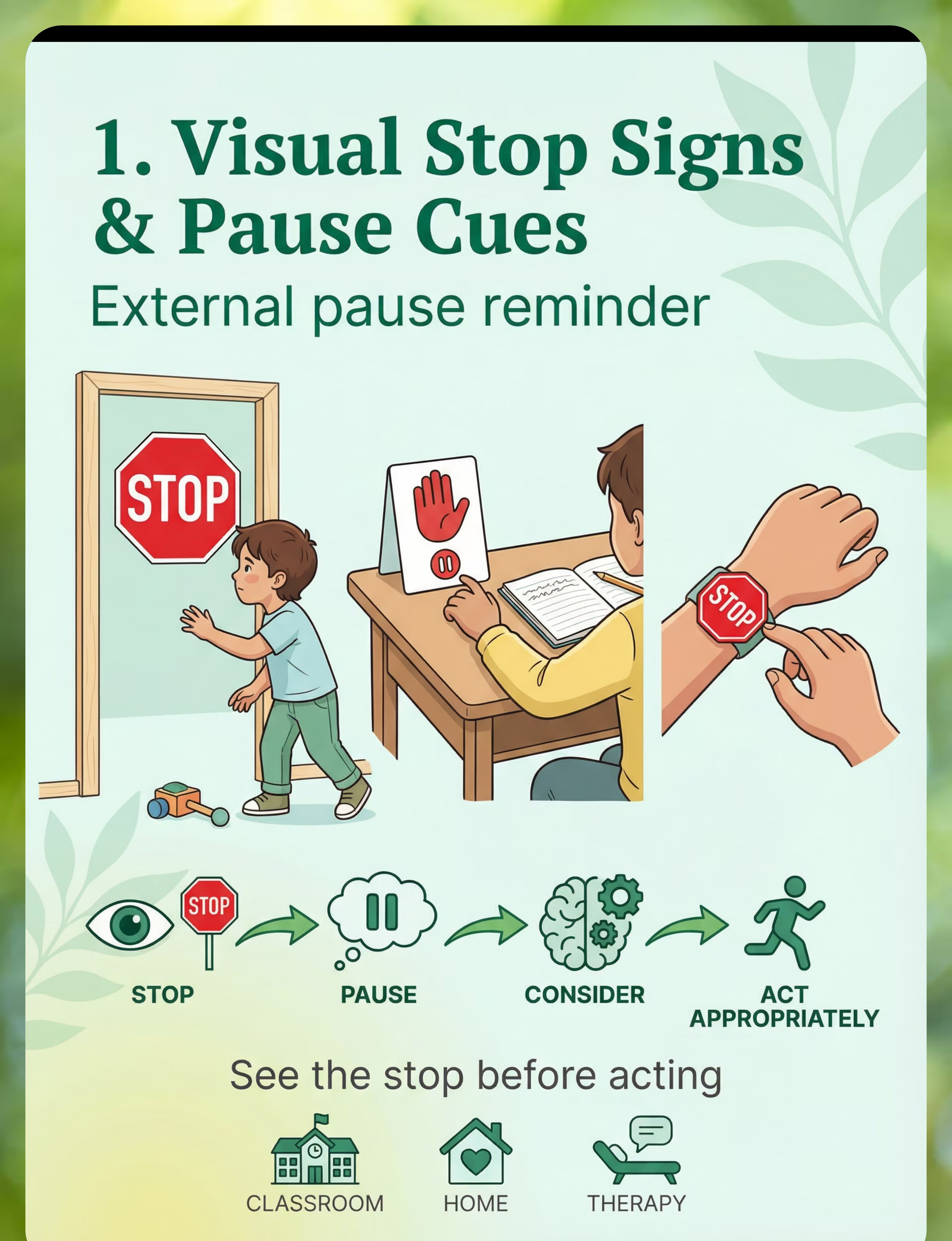
1. Visual Stop Signs & Pause Cue Cards
Role: External pause cue — puts the brake signal in the environment
Price: ₹100–400 | DIY ✅
Where: Doorways, desks, near tempting items
Price: ₹100–400 | DIY ✅
Where: Doorways, desks, near tempting items
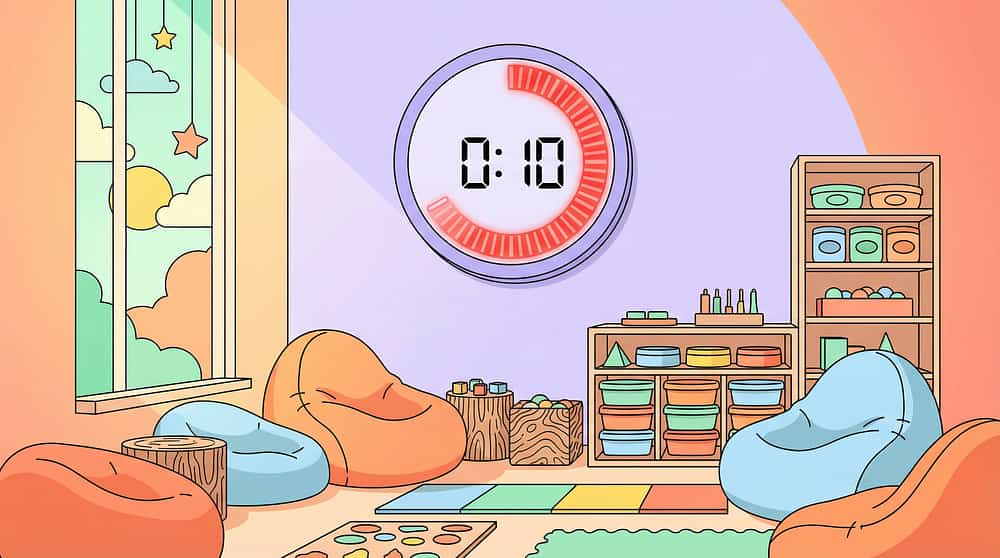
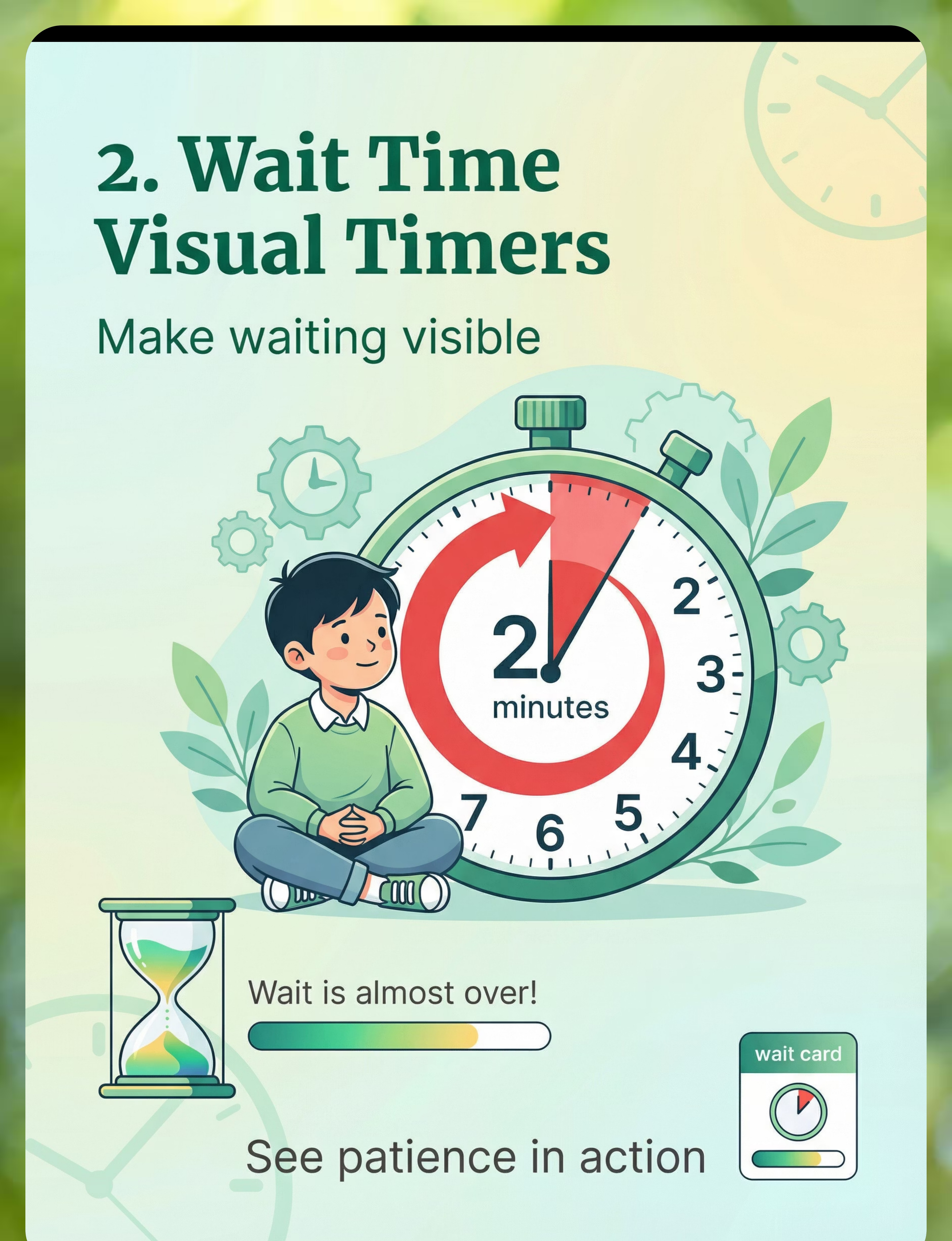
2. Wait Time Visual Timers
Role: Makes abstract waiting visible and finite
Price: ₹500–2,000 | DIY ✅ (sand timers)
Where: Dining table, desk, screen transitions
Price: ₹500–2,000 | DIY ✅ (sand timers)
Where: Dining table, desk, screen transitions
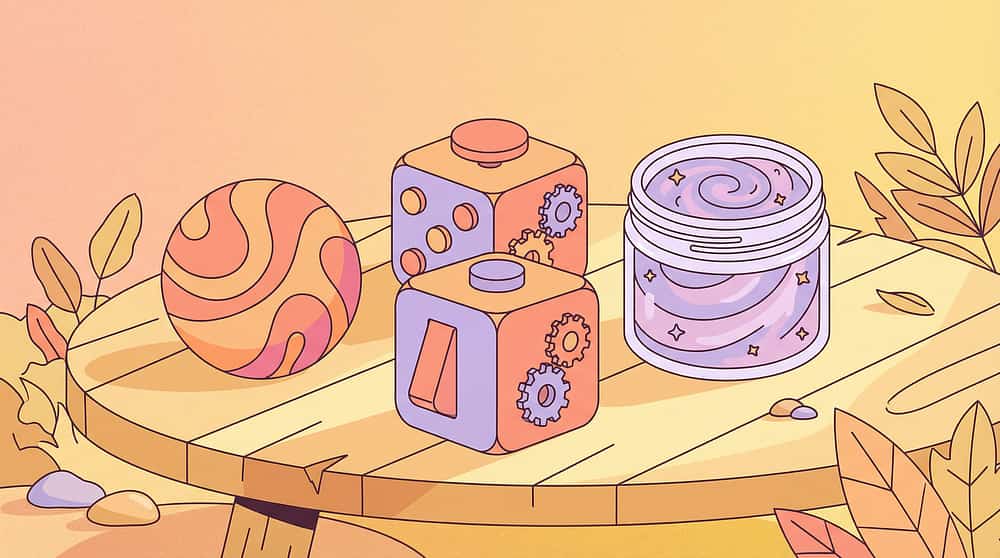
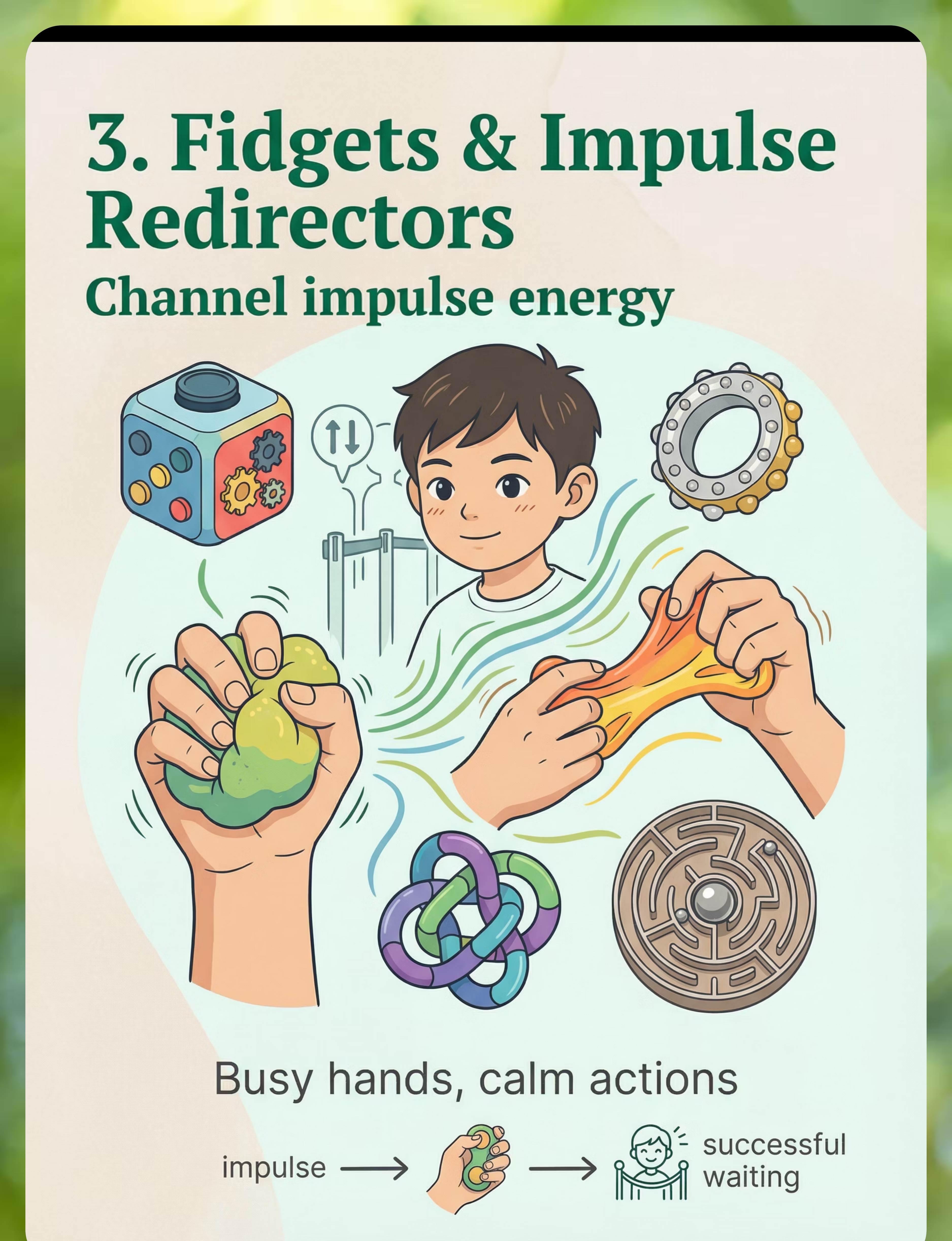
3. Fidgets & Impulse Redirectors
Role: Channels impulse energy into an acceptable outlet
Price: ₹150–600 | DIY ✅
Where: Pocket, desk corner, waiting situations
Price: ₹150–600 | DIY ✅
Where: Pocket, desk corner, waiting situations
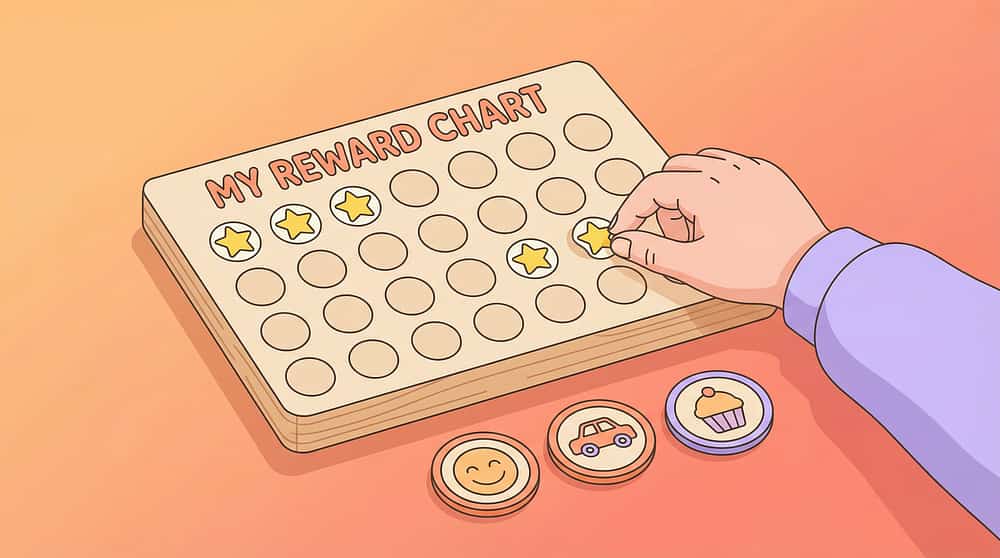
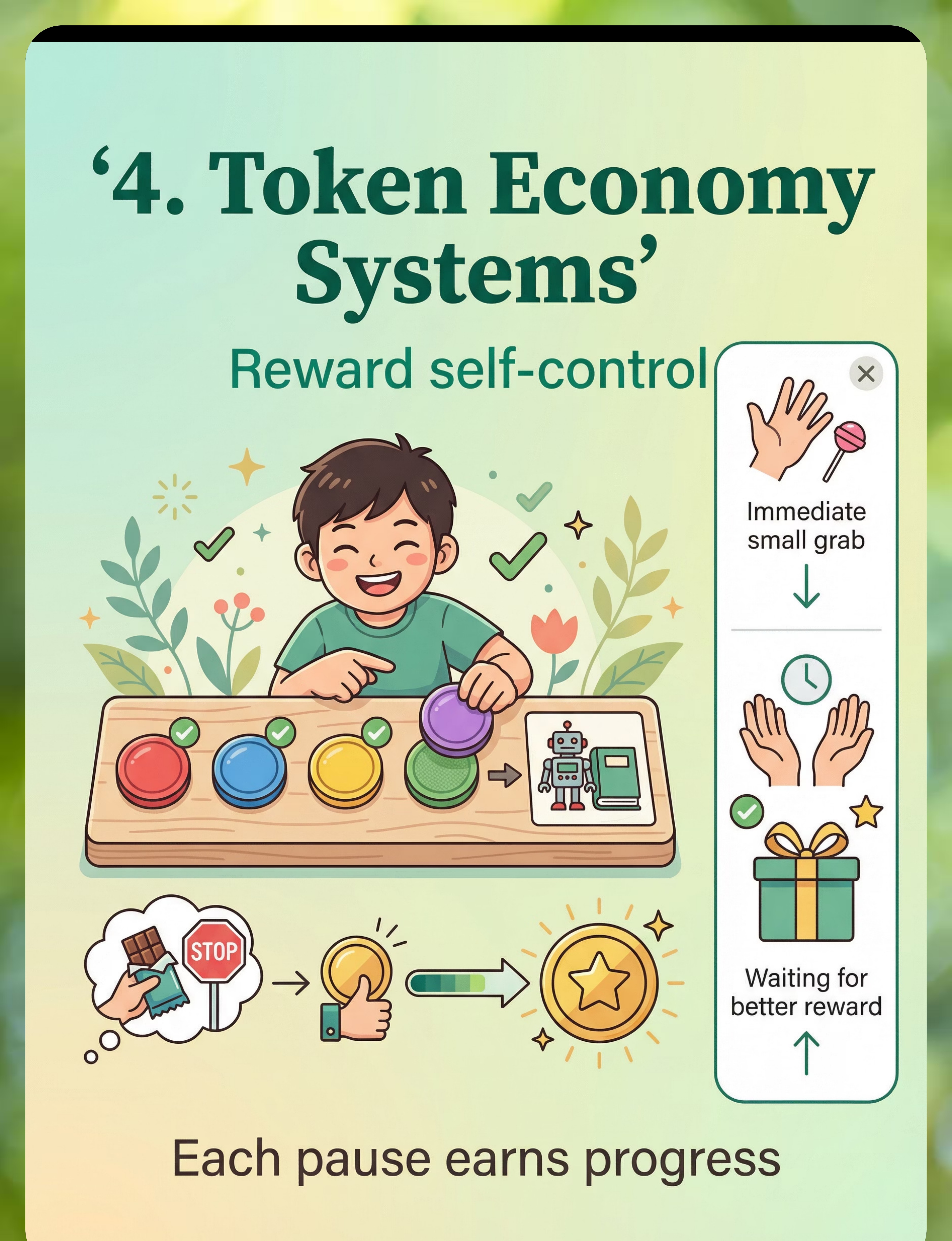
4. Token Economy Systems
Role: Creates immediate visible reinforcement for each pause
Price: ₹200–800 | DIY ✅
Where: Primary activity area; portable for school
Price: ₹200–800 | DIY ✅
Where: Primary activity area; portable for school
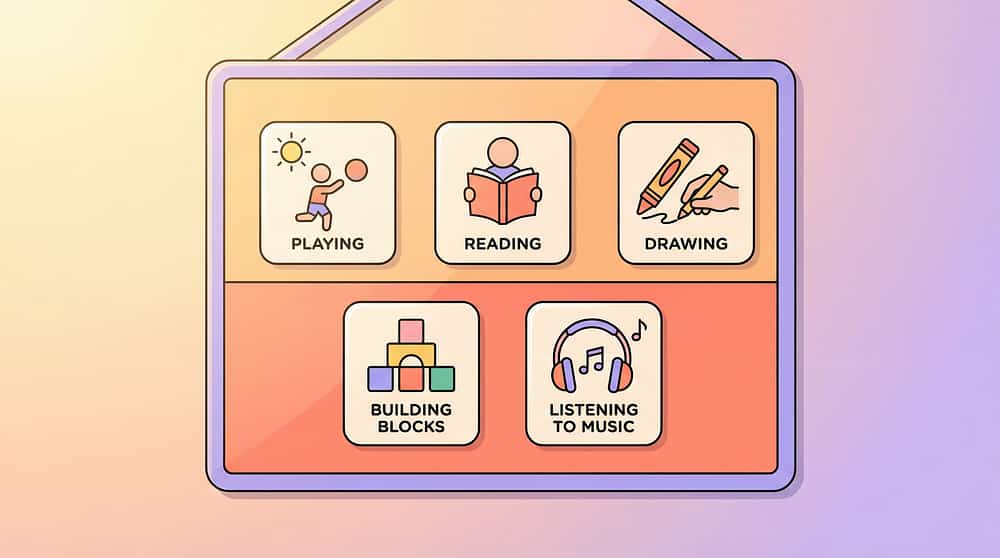
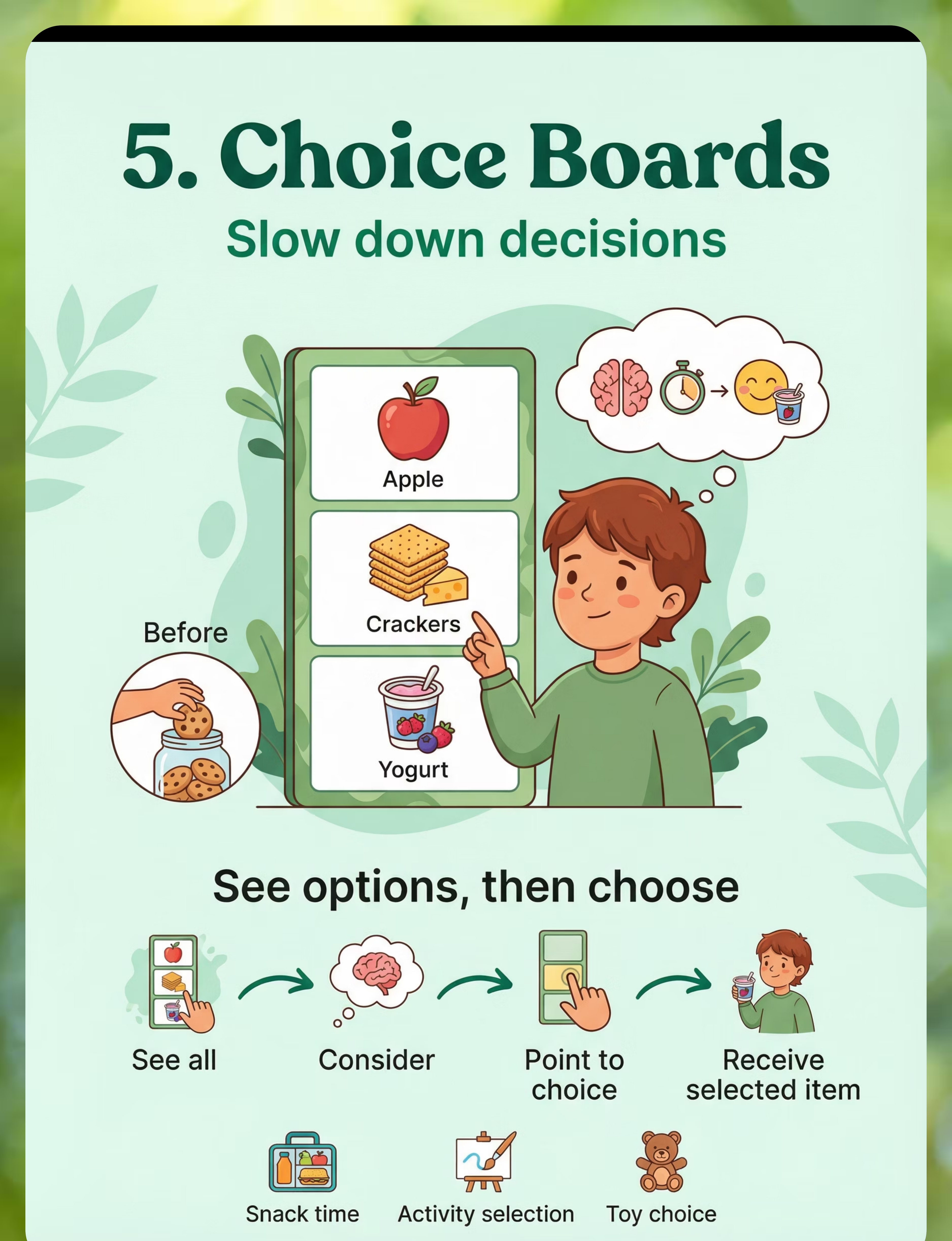
5. Choice Boards & Decision Supports
Role: Slows decisions by externalizing options — creates natural pause
Price: ₹200–600 | DIY ✅
Where: Snack area, activity corner, transitions
Price: ₹200–600 | DIY ✅
Where: Snack area, activity corner, transitions
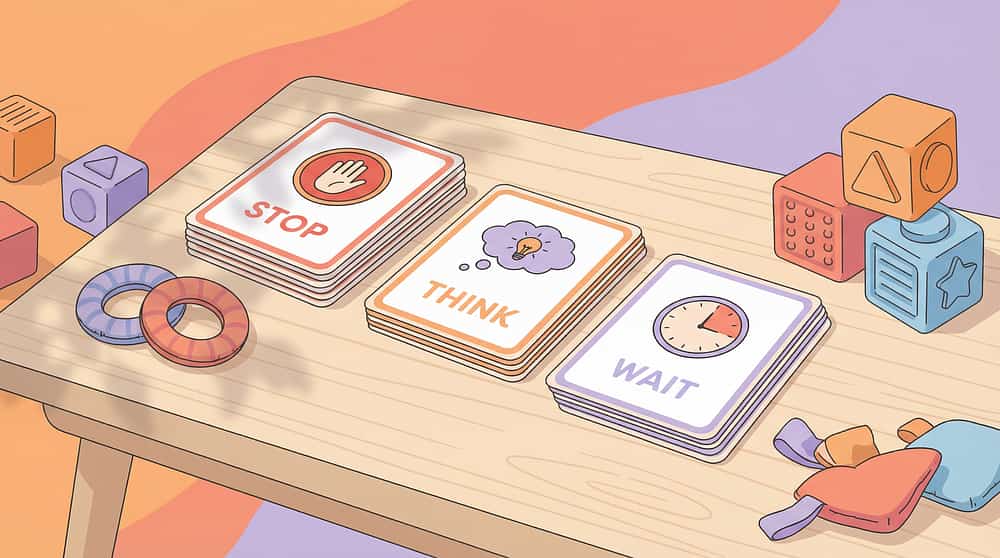
6. Social Scripts & Response Cards
Role: Pre-planned responses replacing impulsive verbal reactions
Price: ₹150–500 | DIY ✅
Where: Pocket-sized; near phone, screen, dining table
Price: ₹150–500 | DIY ✅
Where: Pocket-sized; near phone, screen, dining table

The 9-Material Ecosystem — Continued

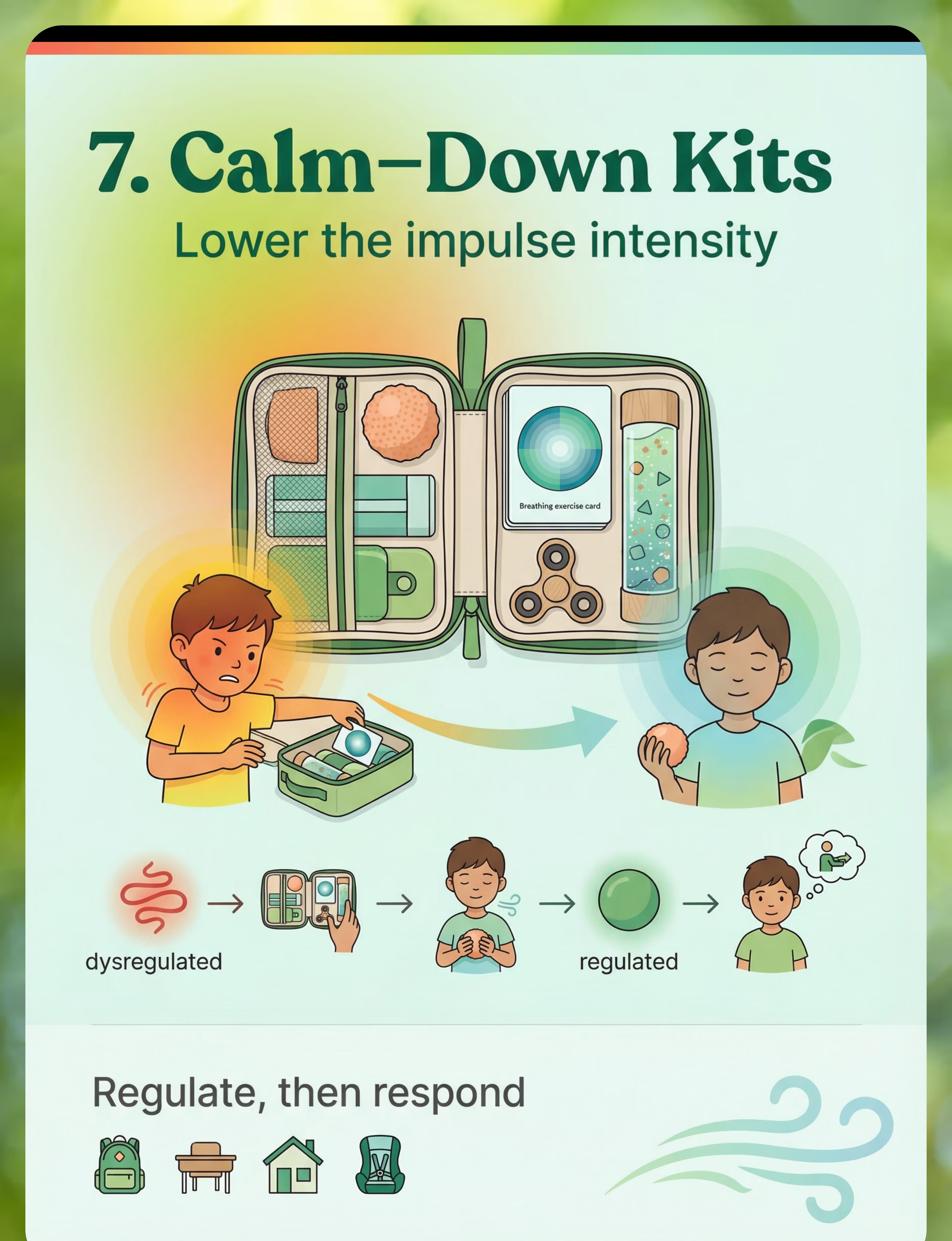
7. Calm-Down Kits & Regulation Toolboxes
Role: Reduces the arousal that drives impulsive behavior before it peaks
Price: ₹300–1,000 | DIY ✅
Where: Calm corner, bedroom, school bag
Price: ₹300–1,000 | DIY ✅
Where: Calm corner, bedroom, school bag
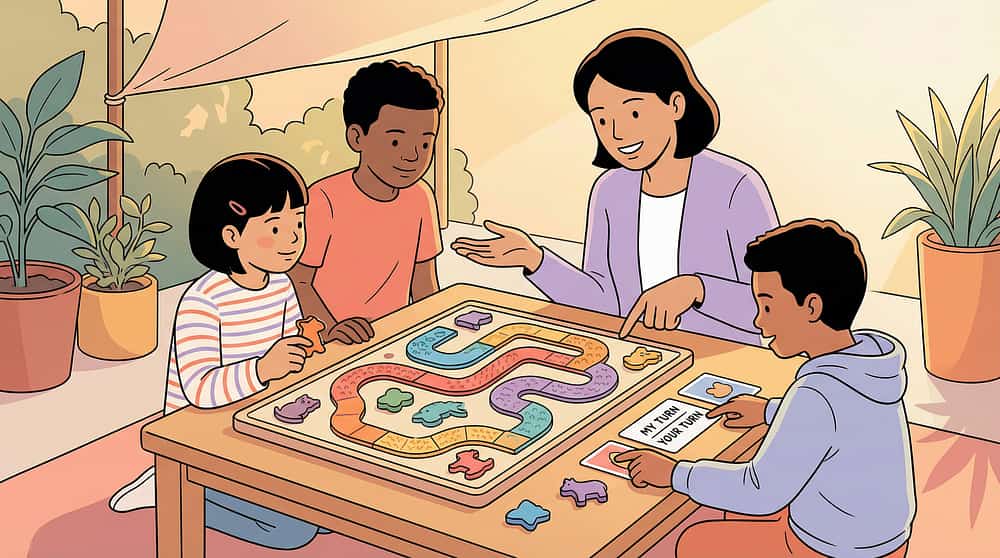
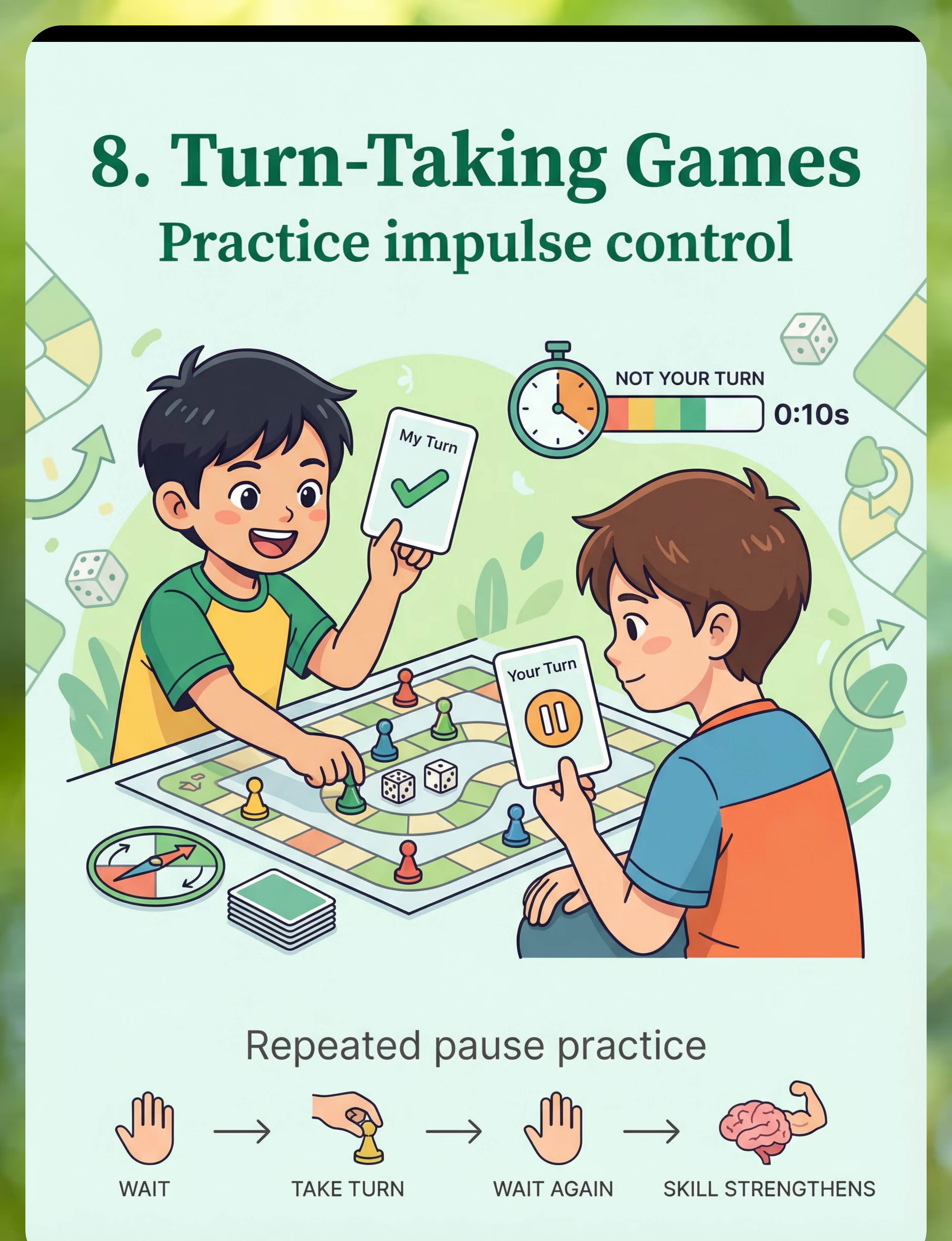
8. Turn-Taking Games
Role: Creates repeated structured practice of the pause — impulse control muscle memory
Price: ₹300–1,500 | DIY ✅
Where: Family game time, sibling play, therapy sessions
Price: ₹300–1,500 | DIY ✅
Where: Family game time, sibling play, therapy sessions
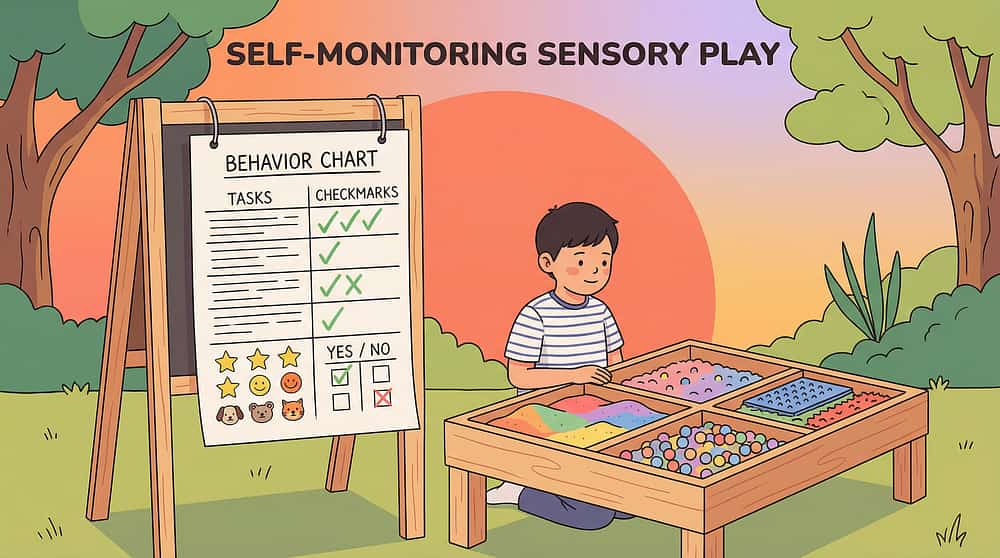
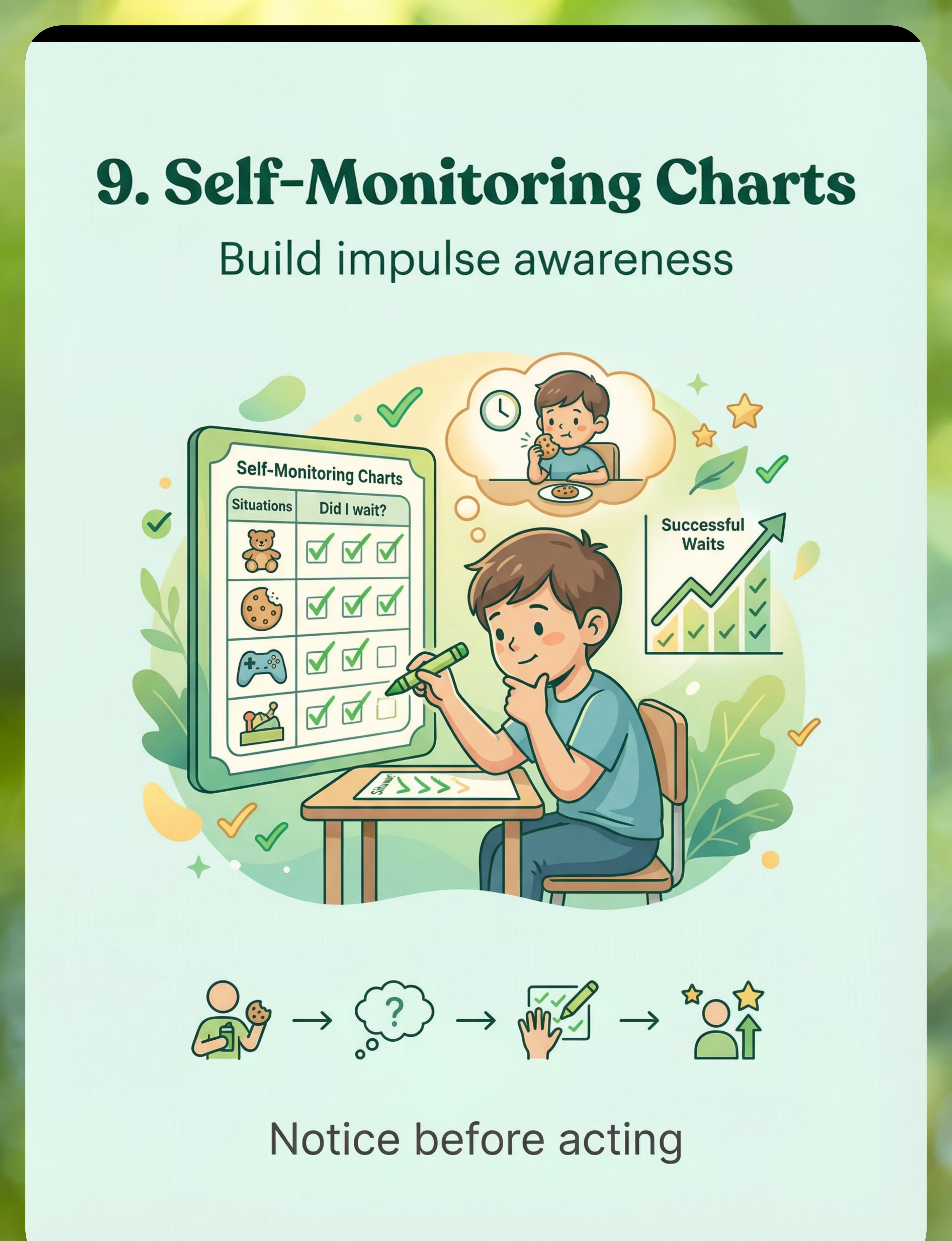
9. Self-Monitoring Charts
Role: Builds metacognitive awareness — child becomes observer of own impulses
Price: ₹100–400 | DIY ✅
Where: On desk, in bedroom, daily review with parent
Price: ₹100–400 | DIY ✅
Where: On desk, in bedroom, daily review with parent
🚀Essential Starter Kit: For families beginning today — Materials 1 + 2 + 4 form the minimum viable impulse support system.
📞 For personalized material selection: 9100 181 181 (Free National Helpline, 16+ languages, 24×7)
📞 For personalized material selection: 9100 181 181 (Free National Helpline, 16+ languages, 24×7)

Every Family Can Start Today — Regardless of Budget
WHO/UNICEF Equity Principle: No child's access to evidence-based support should depend on family income.
Material | ₹0 Household Alternative | Why It Works | |
Visual Stop Signs | Print stop-sign image from internet, cut out, tape to wall or laminate with tape | Same visual pause signal — brain responds to red stop symbol regardless of source | |
Visual Timer | Phone screen countdown; fold paper into 5 sections and cross one off per minute | Visual time passage is the active ingredient — the countdown itself | |
Fidgets | Dried lentils/rice in sealed zip bag; smooth stone; knotted fabric strip | Tactile hand engagement redirects motor impulse — function is identical | |
Token Board | Draw 5 squares on paper; star sticker for each successful wait | Conditioned reinforcement schedules work regardless of material cost | |
Choice Board | 2–3 photos cut from magazines, placed on cardboard | Visual option presentation is the mechanism — medium is flexible | |
Social Scripts | Handwrite on index card: "Stop. Think. Ask. Wait." | Pre-planned language reduces cognitive load — words matter, card doesn't | |
Calm-Down Kit | Small box: balloon filled with sand, breathing strip, favorite small toy, lavender cotton ball | Sensory input for regulation — specific items child-tested, not brand-dependent | |
Turn-Taking | Any board game + two index cards labeled "MY TURN" and "YOUR TURN" | Turn structure creates the wait interval; cards make it visible | |
Self-Monitoring | Paper grid: situations in rows, "Did I wait?" in column, child marks yes/no daily | Metacognitive logging mechanism — paper works as well as any app |
"A parent who prints a stop sign, draws a 5-box token chart, and fills a zip bag with lentils has assembled a clinically-equivalent impulse control support system. The science is in the structure — not the product."
Read This Before Every Session
Safety is the foundation of every productive session. Review this traffic-light system before you begin.
🔴 DO NOT Proceed If
- Child is severely dysregulated, mid-meltdown, or in sensory overload
- Child has had a medical episode within past 24 hours
- Any fidget has small parts — choking hazard for children under 5
- Child has known latex allergy (check stress ball material)
- Impulsivity is creating immediate safety risk (running toward traffic, self-injury)
- Visual cues have become tantrum triggers — consult Pinnacle before continuing
🟡 Modify & Proceed With Caution If
- Child is mildly elevated but not dysregulated — use Calm-Down Kit first
- Session is in a new or unfamiliar environment — use only 1–2 familiar materials
- Child has had a challenging school day — shorten session, prioritize positive experience
- Multiple caregivers present without shared understanding — brief everyone first
🟢 Safe to Proceed When
- Child is calm-alert (not hyper, not drowsy)
- Child has eaten and rested in the past 2–3 hours
- Environment is prepared and materials are checked
- Parent/caregiver is calm with 10–20 minutes of uninterrupted focus
- All materials verified: no sharp edges, age-appropriate sizes
⚠️ Any safety concern → 9100 181 181 (24×7 Free National Helpline)

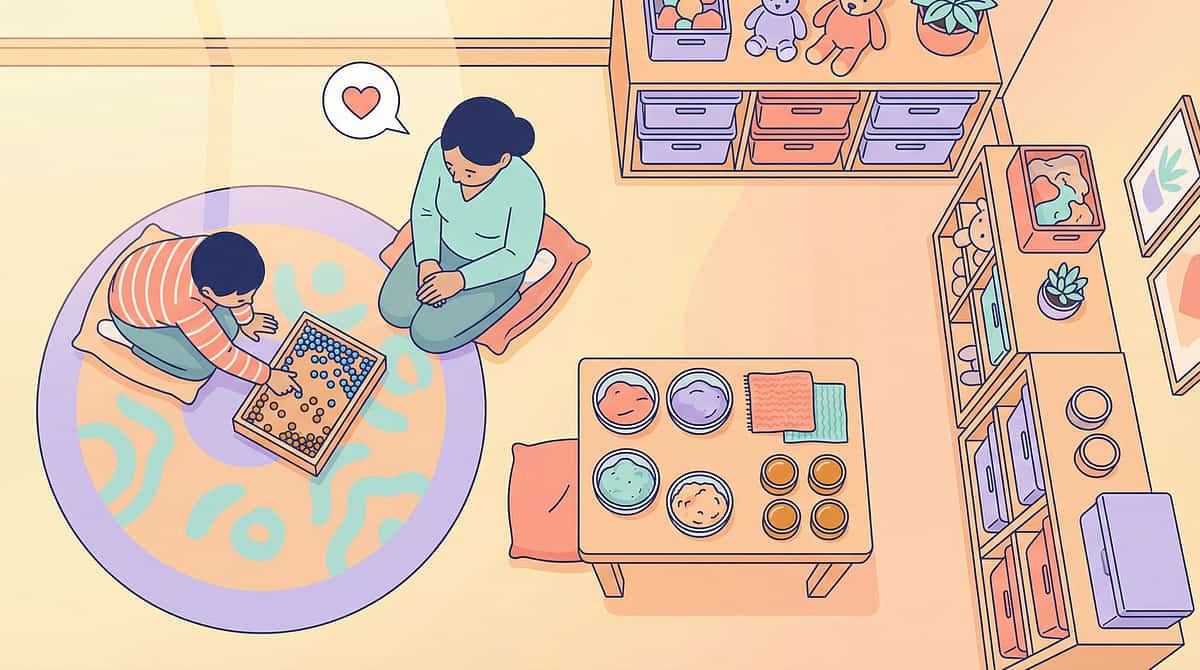
The Right Environment Does Half the Therapeutic Work
Consistent spatial setup becomes a readiness signal itself — the child's nervous system begins to regulate upon recognizing the organized space. Take 5 minutes to arrange correctly before every session.
Remove competing stimuli
Remove toys, screens, and distracting items from active view before the session begins.
Place stop signs
Mount stop signs at entry points to the space — child sees them before entering.
Position visual timer
Set at child's eye level, 50–80 cm away, facing the child's primary seating position.
Mount token board
Place where child can see progress filling without neck strain.
Position fidget
Ready in child's dominant hand space — accessible but not center-stage.
Prepare choice board
Ready with today's 2–3 options; calm-down kit in accessible corner.
Adjust lighting and sound
Natural or warm white light; quiet ambient sound — no background TV or music with lyrics.
Seat yourself correctly
Parent seated at child's level, 90° angle — no height dominance.

60 Seconds Before You Begin — The Pre-Session Assessment
Use this readiness check before every session. One minute of assessment prevents a frustrating session that sets progress back.
✅ Proceed | 🟡 Monitor | 🔴 Postpone | |
Child is calm-alert, responds to name | Slightly elevated but tracking | Mid-meltdown or shutdown | |
Fed within past 2–3 hours | Has eaten but may be hungry again | Clearly hungry, thirsty, or unwell | |
Slept adequately (≥8 hrs for age) | Slightly tired but engaged | Overtired, rubbing eyes, irritable | |
No major stressor in past hour | Minor frustration resolved | Recent major meltdown, injury, or scare | |
Had sensory regulation input today | Partial sensory diet completed | No sensory diet, very high arousal | |
Familiar environment | New but calm environment | Highly novel or chaotic environment |
All Green
Proceed to Step 1 — The Invitation
1–2 Amber
Simplify: use only 2 materials, shorten to 10 minutes
Any Red
Postpone. Offer Calm-Down Kit. Retry in 30–60 minutes.
Bad-Day Version: 5 minutes, one material (Visual Timer only), no data pressure. A short positive experience is worth more than a perfect session that breaks down.
Step 1 of 6
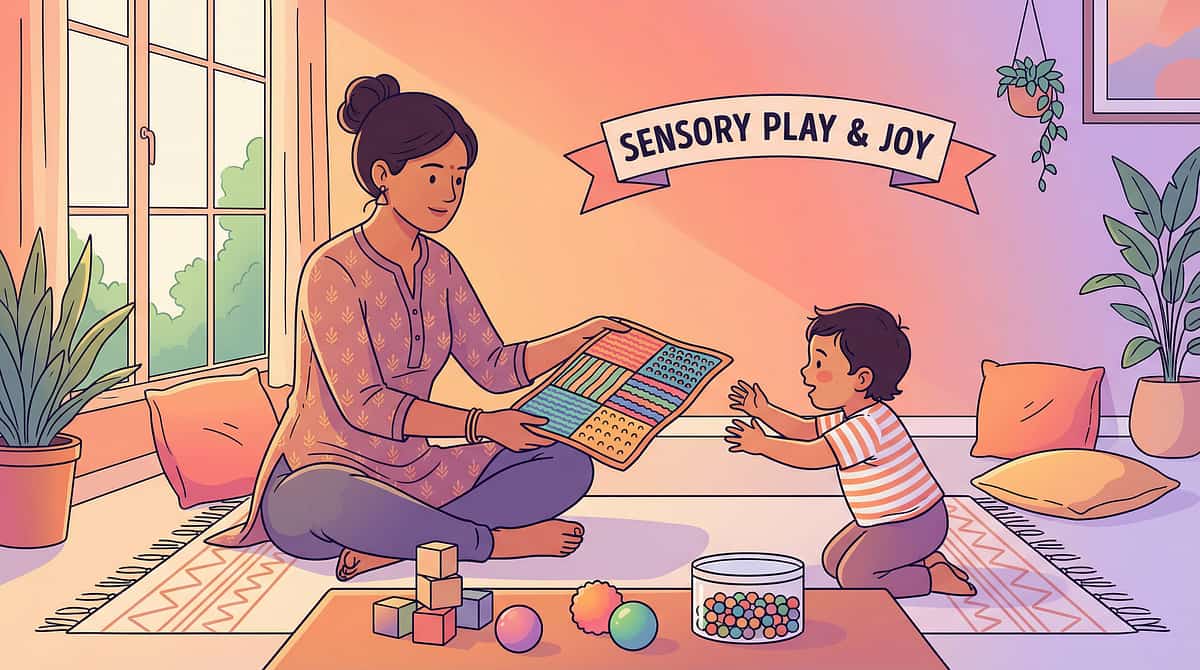
The Invitation
"[Child's name], I have something for us to try together. Want to see?"
What You Do
- Kneel or sit to child's eye level before speaking
- Hold up ONE material (visual timer or stop sign) — not all materials at once
- Speak in a warm, curious tone — as if discovering something together
- Wait 3–5 seconds for response before repeating
Acceptance Cues
- Eye contact or glance toward material
- Body orientation toward you or material
- Any vocalization or word
- Reaching toward material
Resistance Cues & Responses
- Turns away → Move slightly closer, lower material below eye level, speak softer
- Walks away → Follow calmly, show material from distance, add preferred object alongside
- Protests verbally → Acknowledge: "Okay, not yet. I'll leave it here." Wait 2 minutes, try again
Clinical Note (SLP Lead): The invitation is not a command. The child's compliance at this stage is not the therapeutic goal — building a positive association with the material environment is. Timing: 30–60 seconds.
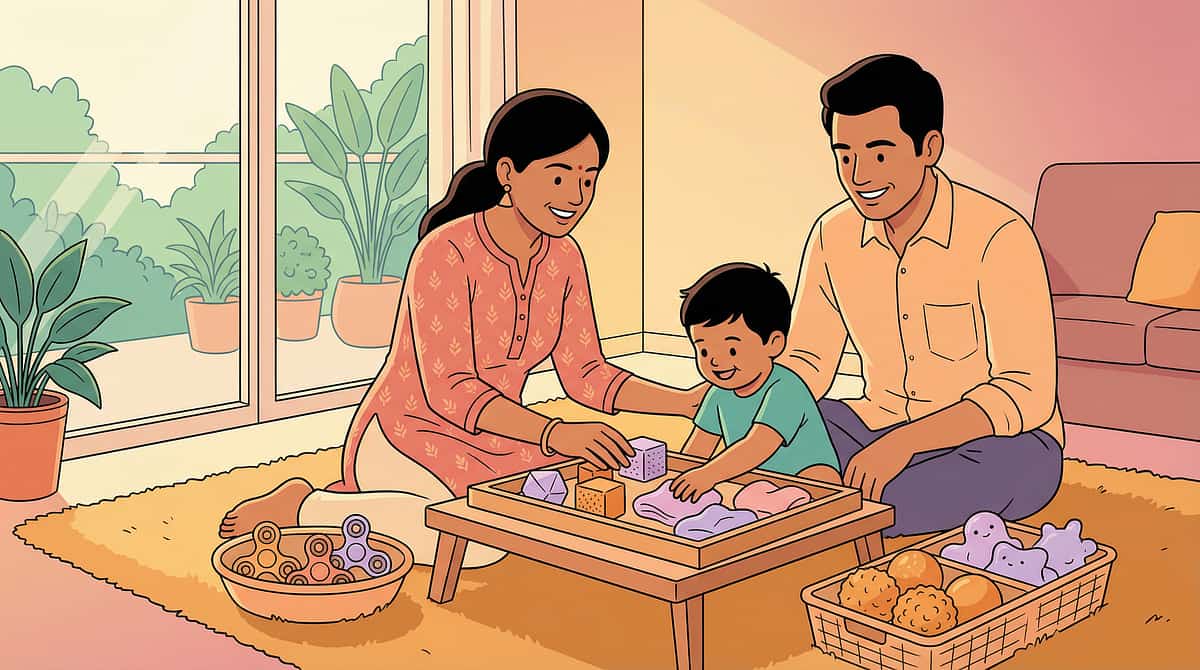
Step 2 of 6
The Engagement
Once child orients toward material, introduce it using the following protocols. Introduce one material at a time — never flood the environment all at once.
Visual Timer
Set to 30 seconds initially. "See this? When the red goes away, it's done." Let child watch it complete. Celebrate: "You watched the whole thing!"
Stop Sign
Place at doorway. Walk toward it with child. "See the stop sign? We stop here, then we go." Practice 2–3 times as a game.
Fidget
Hand it to child without instruction. Let them explore for 30 seconds. Then: "That's for your hands when they need something to do."
Token Board
Show child empty board + tokens. "Every time you wait, you get one of these. When the board is full — [preferred reward]." Show reward first.
Engagement Signal | Response | |
Child manipulates material for 10+ seconds | 🟢 Strong engagement — continue | |
Child looks at material and parent alternately | 🟢 Processing — continue | |
Child passive but not resistive | 🟡 Continue, no pressure | |
Child pushes material away | 🔴 Stop, try a different material |
Any engagement with material → immediate, specific verbal praise: "Yes! You're looking at the timer. Perfect." Timing: 1–3 minutes per material.

Step 3 of 6
The Therapeutic Action — Installing the Brake
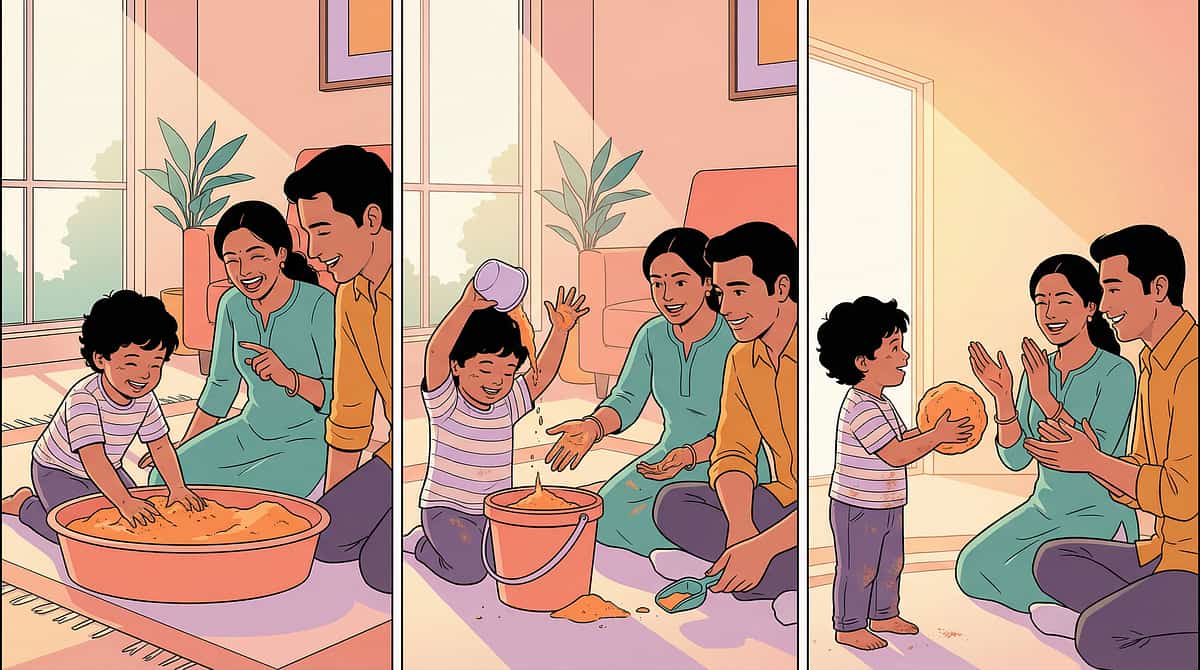
This is where the "brake" is installed — externally first, gradually internally.
STOP
Pre-position stop sign in child's line of sight. When child begins to move toward impulse: calmly show/point to stop sign. Wait for pause — even 1 second counts. Deliver immediate praise: "Stop! You saw the sign."
WAIT
Immediately after stop: set timer for shortest duration child can manage (start at 15–30 seconds). Hand fidget to child. Parent stays present, calm, minimal speech. Timer ends: "Wait time is done! You waited so well."
EARN
Token delivered within 3 seconds for successful wait. When token board is full: child chooses reward from choice board. Celebrate with enthusiasm and specificity: "You stopped, you waited, and you earned! That was incredible."
Duration of Therapeutic Action: 3–8 minutes per impulse practice opportunity.
Step 4 of 6
Repeat & Vary — Building Generalization
"3 good repetitions are worth more than 10 forced ones." Therapeutic dosage matters as much as the materials themselves.
Week 1–2
2–3 practice opportunities per session, 1 session per day. Focus on material familiarity and positive associations.
Week 3–4
4–5 opportunities per session, 2–3 sessions per day across natural contexts. Embed into existing routines.
Week 5–8
Embedded throughout daily routines — materials are no longer "sessions" but part of the daily environment.
Material | Monday Variant | Wednesday Variant | Friday Variant | |
Visual Timer | Sand timer | Phone countdown | Hourglass | |
Fidget | Stress ball | Therapy putty | Fidget cube | |
Token Board | Star stickers | Marble jar | Tally marks | |
Practice Context | Snack waiting | Toy sharing | Screen transition |
The Principle: Variation in surface features (which timer, which fidget) while maintaining structural consistency (STOP → WAIT → EARN) builds generalization. The child learns the principle, not just the specific material.

Step 5 of 6
Reinforce & Celebrate — Within 3 Seconds, Always
Every successful pause — no matter how brief — is a neurological event worth celebrating. The brain learns what is reinforced. Each celebration sends a synaptic signal: "Pausing = good things happen."
"You STOPPED! I saw you pause. That was incredible."
"You waited the WHOLE time! Your body stayed calm. I am so proud."
"You saw the stop sign and you stopped. Your brain did that. That's real progress."
Reinforcement Menu (ABA-Grade)
Social (Free)
Specific verbal praise + high-five + enthusiastic eye contact
Activity
Extra 2 minutes of preferred activity immediately after successful pause
Token-to-Tangible
Small tangible reward after full 5-token board is earned
Sensory (OT-Guided)
Brief preferred sensory input: spinning, jumping, deep pressure
📞 For personalized reinforcement menu design: 9100 181 181 | Active Canon Product: Reinforcement Menu — ₹589⭐

Step 6 of 6
The Cool-Down — No Session Ends Abruptly
The brain needs a transition signal as much as it needed a start signal. A proper cool-down cements the session's gains and prepares the child for what comes next.
Transition Warning (2 min before end)
"Two more waits, then we're all done for today. You've done so well."
Set Timer
Set timer for 2 final minutes. This makes the ending visible and non-arbitrary.
Child Helps Put Materials Away
Participates according to ability. Stop signs return to their "home." Fidget back in its container. Timer reset — child presses reset button if able.
One Calming Input
Hand squeeze, slow deep breath together, or quiet preferred activity for 60 seconds.
Verbal Closure
"Session done. You did amazing today." Then: "Now we're going to [next routine activity]."
If Child Resists Ending: Do not extend the session (this rewards resistance). Offer a transition object — a small preferred item to carry to the next activity. Use a visual schedule card showing "what's next."

60 Seconds of Data Now Saves Hours of Guessing Later
Consistent data collection is what separates therapeutic progress from hopeful guessing. Record these three data points immediately after every session — before distractions intervene.
Successful Pauses
How many times did child pause for 2+ seconds before acting?
Format: Number (tally)
Prompt Level
What level of support was needed?
1 = Visual only | 2 = Visual + Verbal | 3 = Visual + Verbal + Physical
Session Rating
How did the session go overall?
1–5 scale (1 = struggled, 5 = excellent)
GPT-OS® Integration: When you log this data in the GPT-OS® platform, the TherapeuticAI® layer analyzes pause frequency trends, adjusts prompt fading recommendations, and alerts your Pinnacle therapist when patterns indicate readiness to advance or need for clinical review.
Data reflects the Behavioral Self-Regulation Index → Response Inhibition sub-index within the GPT-OS® AbilityScore® framework. 📞9100 181 181 for data interpretation support.
Session Abandonment Is Data — Not Failure
Every therapist at Pinnacle centers has sessions that don't go as planned. Here are the 7 most common challenges for D-445, and what to do next time.
Child knocked over the timer and ran away
What happened: High arousal + unfamiliar material + unclear expectation
Fix: Next session — show timer as a toy first (no therapeutic pressure). Let child play with it freely for 5 minutes before using therapeutically.
Fix: Next session — show timer as a toy first (no therapeutic pressure). Let child play with it freely for 5 minutes before using therapeutically.
Child accepted fidget but still grabbed the snack
What happened: Fidget was not high enough impulse-redirect value, or token incentive wasn't motivating
Fix: Replace fidget with higher sensory value item (therapy putty > stress ball). Verify reward on token board is actually preferred by this child today.
Fix: Replace fidget with higher sensory value item (therapy putty > stress ball). Verify reward on token board is actually preferred by this child today.
Child cried when stop sign appeared
What happened: Stop sign has been paired with punishment or commands in the past
Fix: Re-pair the stop sign neutrally — place on wall during a fun activity with zero demands for 3 days before using therapeutically.
Fix: Re-pair the stop sign neutrally — place on wall during a fun activity with zero demands for 3 days before using therapeutically.
Child earned all tokens but then melted down when reward was given
What happened: The transition to and from the reward created dysregulation
Fix: Pre-teach the reward routine before implementing the token system.
Fix: Pre-teach the reward routine before implementing the token system.
Child seems to be habituating — ignoring stop signs now
Fix: Rotate cue appearance (new design, different color, add sound + visual). Pair with verbal cue briefly to re-establish.
Child is pausing at home but not at school
Fix: Share this page with teacher. Introduce same materials in school with staff briefed. Generalization requires active teaching in each setting.
"I feel like I'm doing it wrong every time"
What is happening: Parent self-efficacy dip — extremely common at weeks 2–3
Fix: Contact 9100 181 181 for a 15-minute parent coaching call. You are not doing it wrong — this is the stage where most families need one professional calibration.
Fix: Contact 9100 181 181 for a 15-minute parent coaching call. You are not doing it wrong — this is the stage where most families need one professional calibration.
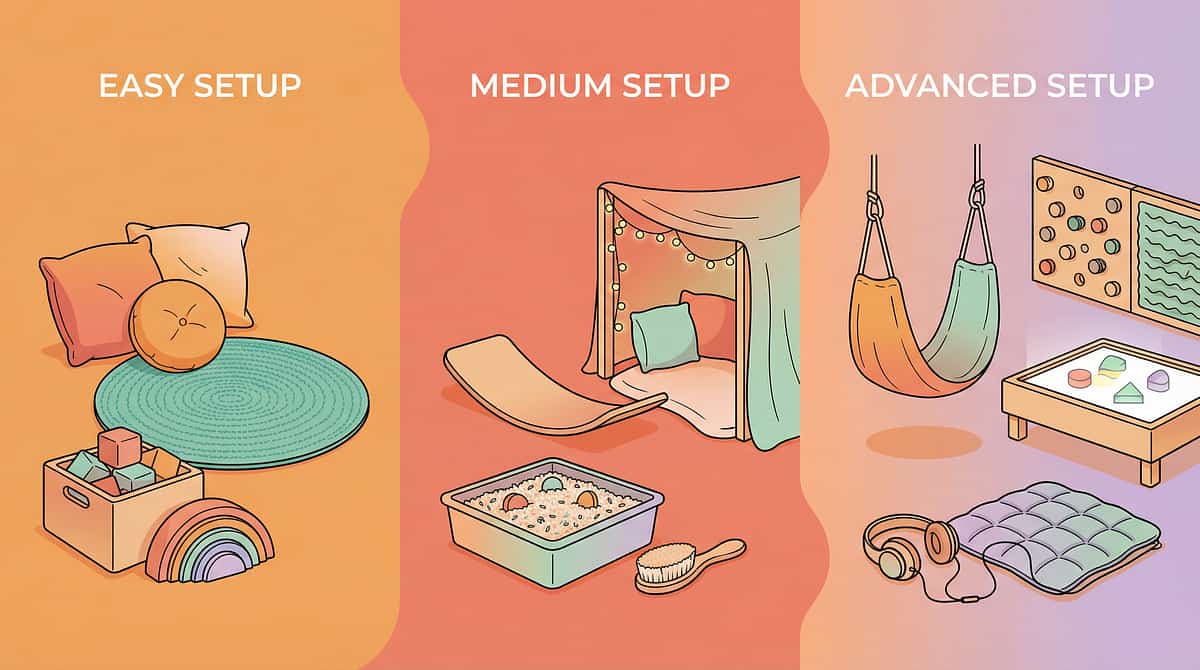
No Two Children — No Two Protocols
Adapt the protocol to match your child's sensory profile, age, and current regulation capacity. Flexibility is not inconsistency — it is clinical wisdom.
🔴 Sensory SEEKER
High-arousal impulsivity driven by sensory-seeking behavior:
- Heavier fidgets (therapy putty, vibrating tools)
- Proprioceptive input before sessions (jumping, pushing, carrying)
- Shorter wait windows — sensory needs met more frequently
- Movement-based token earning
🔵 Sensory AVOIDER
Impulsivity driven by escape/avoidance:
- Lighter fidgets (smooth, quiet materials)
- Predictability emphasis — same materials, same order, same location
- Longer advance warning before impulse-practice moments
- Scripts with more explicit reassurance language
Age-Based Modifications
Age | Timer | Token Cycle | Materials | |
3–4 yrs | 15–30 sec | 3-token board | 2 materials max | |
5–6 yrs | 1–3 min | 5-token board | 4 materials | |
7–9 yrs | 3–10 min | 10-token or star chart | 6–7 materials | |
10–12 yrs | 10–20 min | Points system | Full 9-material suite |

Week 1–2: Building Awareness
Progress: 15%
Phase: Introduction
In the first two weeks, you are not building mastery — you are building the scaffolding for mastery. Every session where your child remains present is a therapeutic win.
✅ You Will Likely See
- Child tolerates stop sign being visible without distress
- Child watches timer for 10–15 seconds before looking away
- Child handles fidget without throwing or putting in mouth
- At least 1–2 successful 15-second waits per session
- Child begins to anticipate the token reward
❌ Not Expected Yet
- Spontaneous pausing without all materials present
- Consistent waiting across different settings
- Pausing with verbal cue alone (no visual needed yet)
Parent Milestone: "If your child tolerated the stop sign being in the room without distress — that is real, meaningful progress. Week 1 is about introducing the scaffolding, not using it perfectly." Three sessions completed with child staying present for 10+ minutes: you have already achieved more than 40% of families do in their first two weeks.

Week 3–4: Neural Pathways Forming
Progress: 40%
Phase: Consolidation
Something meaningful is happening in week three: the external scaffold is beginning to become internal. These are the behaviors that signal neural pathway formation — moments to document and celebrate.
Proactive Token Approach
Child approaches token board before being prompted — they know the system
Anticipatory Glance
Child glances at stop sign before acting — regulation becoming anticipatory
Extended Wait Duration
Wait duration increasing: 30 → 60 → 90 seconds achievable within sessions
Independent Fidget Reach
Child reaches for fidget independently when impulse arises — without being prompted
Spontaneous Natural Pause
At least 1 spontaneous pause in a natural daily context — not a structured session
When to Advance: If child achieves 3 consecutive sessions with 80%+ success rate → advance wait time by 30 seconds, reduce to 1 prompting level.
Parent Milestone: "You may notice you're becoming more confident too. Your consistency over 3–4 weeks has been the most evidence-based thing in this entire protocol."
Parent Milestone: "You may notice you're becoming more confident too. Your consistency over 3–4 weeks has been the most evidence-based thing in this entire protocol."

Week 5–8: Generalization Emerging
Progress: 75%
Phase: Mastery
Mastery is not perfection — it is generalization. The pause appearing in settings beyond the structured session is the most meaningful clinical milestone in this entire protocol.
Mastery Criteria (Specific, Observable, Measurable)
Child pauses for 2+ seconds before acting in at least 3 different settings
Child uses fidget or script card without being prompted in at least 2 natural impulse situations
Child waits full timer duration (3+ minutes) with only visual prompt — no verbal
Child self-monitors at least once per week: "Did I wait? Yes."
Impulsive incidents reduced by 40%+ from Week 1 baseline (per parent data)
🏆Mastery Badge Unlock: D-445 Impulse Control Level 1 — Mastered
Next: D-446 Emotion Regulation | Or D-450 Waiting Skills (deeper)
PMC10955541: Sensory-behavioral interventions show measurable skill promotion across 24 studies.
Next: D-446 Emotion Regulation | Or D-450 Waiting Skills (deeper)
PMC10955541: Sensory-behavioral interventions show measurable skill promotion across 24 studies.

You Did This. Your Child Grew Because of Your Commitment.
You did not just "try some materials." You consistently showed up — likely 50–80 times over 5–8 weeks — placing stop signs, resetting timers, delivering tokens within 3 seconds, celebrating every single pause. That is clinical-grade caregiving.
What Your Child Has Built
A Longer Gap
A measurably longer gap between impulse and action
Internal Understanding
An internal understanding that waiting can be managed — from their own experience
The Experience of Choosing
The experience of choosing to pause — and being celebrated for it
The First Layer
The first layer of what will become lifelong self-regulation
Family Celebration Suggestion: Create a "Pause Book" — a simple notebook where you document one pause moment your child achieved. Date it. One sentence. The book itself becomes a powerful therapeutic reinforcer over time.
📸Take a photo of your child pausing today — hand mid-reach, expression thoughtful, about to wait. You will treasure this image in 10 years.
📸Take a photo of your child pausing today — hand mid-reach, expression thoughtful, about to wait. You will treasure this image in 10 years.

Trust Your Instincts — If Something Feels Wrong, Pause and Ask
Most families progress through D-445 without clinical escalation. But your instincts matter. When something shifts, act — don't wait.
🔴 Safety-Critical — Call 9100 181 181 Now
- Impulsivity now creating physical danger (running into traffic, climbing heights, hitting self or others)
- Sudden increase in impulsivity after previously improving — rule out medical cause
- Child becoming aggressive specifically when materials are introduced
🟡 Clinical Consultation Needed
- No meaningful improvement after 8–10 weeks of consistent implementation
- Impulsivity affecting school placement or peer relationships significantly
- Child shows signs of significant ADHD warranting formal evaluation
- Caregiver reports complete exhaustion and inability to maintain the protocol
⬜ Monitor Closely
- Child's impulsivity worsening around specific people, places, or times of day
- Co-occurring behaviors emerging: anxiety, sleep disruption, food refusal
- Child pausing at home but significantly more impulsive at school
Clinical Note: When impulsivity creates consistent safety risk, intervention immediately escalates from home-based material support to supervised clinical behavioral intervention with a BCBA. Do not wait. 📞9100 181 181
You Are on a Journey, Not a Checklist
D-445 sits within a carefully sequenced developmental pathway. Understanding where you came from — and where you are going — gives the work its full meaning.
D-443: Attention Difficulty
Sustained focus is a prerequisite for sustained pause
D-444: Easy Distraction
Reduces impulse opportunities through environmental management
🎯 D-445: Impulsivity (YOU ARE HERE)
9 Materials — Building the Pause Between Impulse and Action
D-446: Poor Emotion Regulation
If impulsivity is driven by emotional surges — address the emotion next
D-450: Difficulty Waiting
Deeper impulse work if waiting remains the primary challenge
Lateral Alternative: → D-447: Difficulty with Transitions — if impulsivity is primarily context-switching triggered.
All D-445 material work feeds into the GPT-OS® Behavioral Self-Regulation Index → ultimately supporting school readiness, social participation, and daily living independence.
All D-445 material work feeds into the GPT-OS® Behavioral Self-Regulation Index → ultimately supporting school readiness, social participation, and daily living independence.
Keep Building — Related Executive Function Techniques
You may already own materials that unlock these techniques. Your investment in D-445 multiplies across the entire executive function cluster.
Technique | Code | Difficulty | Materials You Already Own | |
Organization Difficulty | D-442 | 🟢 Intro | Visual Supports, Choice Boards | |
Attention Difficulty | D-443 | 🟢 Intro | Visual Timer ✅ | |
Easy Distraction | D-444 | 🟢 Intro | Stop Signs ✅, Timer ✅ | |
Impulsivity (Current) | D-445 | 🟡 Core | All 9 Materials | |
Poor Emotion Regulation | D-446 | 🟡 Core | Calm-Down Kit ✅, Token Board ✅ | |
Difficulty with Transitions | D-447 | 🟡 Core | Visual Timer ✅, Social Scripts ✅ |
After completing D-445, you own the materials for at least 4 other techniques in this domain. Browse the full Executive Function domain: techniques.pinnacleblooms.org/domain/executive-function

This Technique Is One Piece of a Larger Plan
D-445 addresses Response Inhibition — the foundation on which all other executive functions depend. Understanding how this connects to your child's full developmental profile is essential for long-term planning.
Cross-Domain Connections
- D → C (Emotional Regulation): Impulse control and emotion regulation share the same prefrontal circuitry — D-445 progress directly supports emotion regulation capacity
- D → B (Social Communication): Turn-taking games (Material 8) build both impulse control AND conversational reciprocity simultaneously
- D → E (Attention): The pause created by D-445 materials is the same window in which sustained attention develops
GPT-OS® Full Profile: Your child's AbilityScore® maps all 12 domains. D-445 progress updates the Response Inhibition sub-index within the Behavioral Self-Regulation domain.
🔗Get Your Child's Full AbilityScore® Profile →
🔗Get Your Child's Full AbilityScore® Profile →
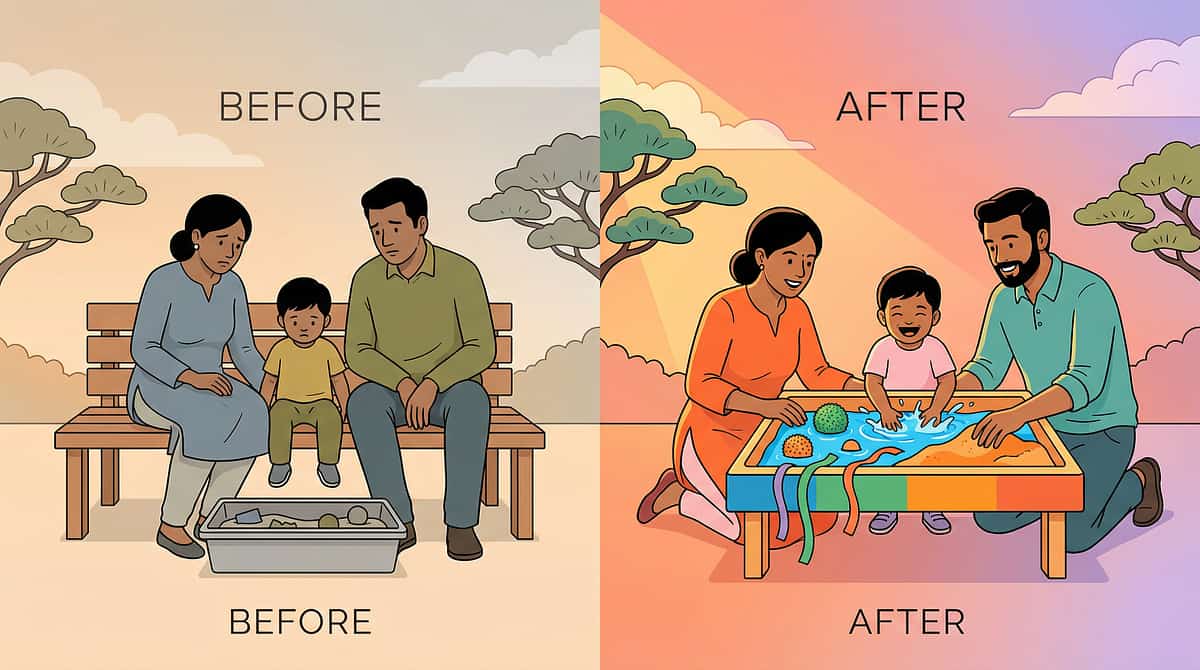
From the Pinnacle Network — Real Families, Real Pauses
Outcomes illustrative. Individual results vary. All families anonymized per clinical ethics.
Priya & Arjun (Age 5, Hyderabad)
Before: Arjun would grab food from other children's plates at school, run from adults at the supermarket, and interrupt every conversation within seconds of it starting. "We couldn't eat a meal in peace. I dreaded every outing."
Protocol: Visual stop sign at dining table, 2-minute sand timer before meals, 5-token board for staying at the table.
After Week 6: Arjun began looking at the stop sign before reaching. By Week 8, he was using the timer to self-manage. School reported reduced grabbing incidents by an estimated 60%.
"The first time he paused at the dinner table — just 3 seconds, hand mid-air — I cried. Three seconds of pause. He earned it." — Priya, Arjun's mother
Krishnamurthy & Riya (Age 8, Chennai)
Before: Riya blurted answers constantly at school, leading to social exclusion by peers. At home, she would start activities before instructions finished. ADHD evaluation in progress.
Protocol: Social script card ("Stop, Think, Wait, Then Speak"), self-monitoring chart, turn-taking word games at dinner.
After Week 7: Teacher reported Riya raising her hand before speaking in 4 out of 5 observed instances. Riya showed her monitoring chart: 14 "yes" marks in the past week.
"She showed me her chart and said 'Appa, I waited 14 times this week.' I didn't have words. That chart was the most beautiful thing I've ever seen." — Krishnamurthy, Riya's father

Isolation Is the Enemy of Adherence
Community is not optional in this work — it is a clinical multiplier. Families who connect with peers implementing the same protocol show significantly higher adherence and significantly lower burnout.
WhatsApp Parent Group: Impulse Control Support
Connect with families navigating D-445 and Executive Function challenges across India and globally → pinnacleblooms.org/community/impulse-control
Online Forum: Executive Function Support
Peer Q&A, daily tips, progress sharing, professional moderators → pinnacleblooms.org/forum/executive-function
Local Pinnacle Parent Meetup
In-person parent support groups at 70+ centers — find your nearest → pinnacleblooms.org/centers
Peer Mentoring
Matched with a parent who has completed D-445 and can share real-world guidance → pinnacleblooms.org/peer-mentor
"Your journey with D-445 is becoming someone else's map. When you're ready, consider sharing your experience — your child's first pause moment may give another parent the courage to begin."
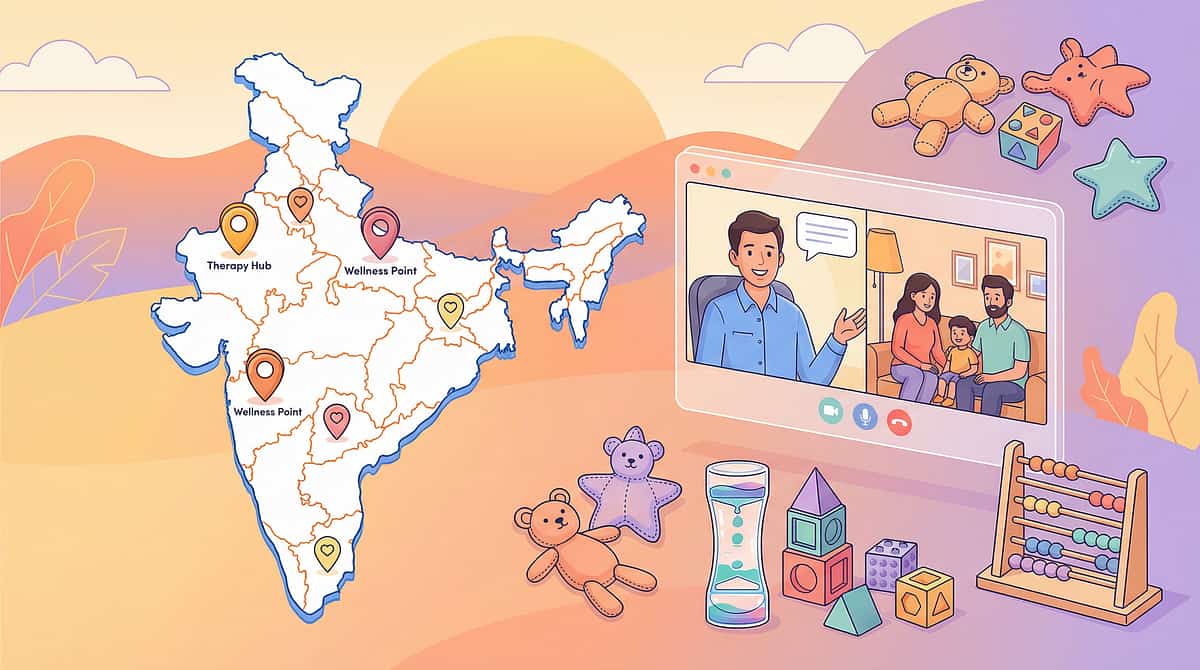
Home + Clinic = Maximum Impact
The research is unambiguous: home-based intervention supported by professional guidance produces significantly better outcomes than either alone. The Pinnacle Blooms Network® brings clinical expertise within reach of every family.
🟦 ABA Therapist / BCBA
Token economy design, behavioral data analysis, reinforcement system calibration
🟩 Pediatric OT
Sensory profile assessment, fidget prescription, arousal regulation protocol
🟨 Pediatric SLP
Verbal impulsivity management, social script development
🟥 Special Educator
School-based generalization, IEP goal alignment for impulse control
⬜ NeuroDev Pediatrician
ADHD evaluation, medication considerations, medical clearance
📞Teleconsultation: Book via 9100 181 181 | 16+ languages | 24×7 availability | Families in 70+ countries supported. Many Pinnacle services are eligible for government schemes (ADIP Scheme) and private health insurance — call to check eligibility.

Deeper Reading for the Evidence-Conscious Parent
PMC11506176 (2024) — PRISMA Systematic Review
16 studies (2013–2023) confirm sensory-behavioral interventions as evidence-based practice for ASD. Visual cues, timers, and structured materials directly address response inhibition. → pubmed.ncbi.nlm.nih.gov
PMC10955541 (2024) — Meta-Analysis
24 studies: sensory integration + behavioral interventions promote social skills, adaptive behavior, and self-regulation. → pubmed.ncbi.nlm.nih.gov
Moffitt et al. (2011), PNAS
32-year longitudinal study: childhood self-control among the strongest predictors of adult health, wealth, and public safety. → DOI: 10.1073/pnas.1010076108
NCAEP EBP Report (2020)
Visual supports and token economy classified as evidence-based practice across all age groups with autism. → ncaep.fpg.unc.edu
WHO Nurturing Care Framework (2018)
Population-level evidence for home-based early intervention across 197 countries. → nurturing-care.org

Your Data Helps Your Child — And Every Child Like Yours
What GPT-OS® Learns from D-445 Data
- Optimal wait time increment pace for this child's profile
- Which reinforcers maintain motivation across weeks
- Which material combinations produce fastest generalization
- Comparisons to children with similar AbilityScore® baselines (anonymized)
Privacy Assurance: All D-445 session data stored under ISO/IEC 27001 Information Security standards. Child data anonymized for population-level analysis. DPDP Act 2023 compliant. Individual data accessible only to the assigned clinical team and parent.
"Every family that records data contributes to a continuously improving therapeutic intelligence system. Your child's data today improves recommendations for a child beginning D-445 tomorrow."

See It Before You Do It
The D-445 Reel is a 75–85 second visual demonstration of all 9 materials in action — presented by the Pinnacle Blooms Consortium across ABA, OT, SLP, SpEd, and NeuroDev specialists speaking with one integrated voice.
Materials Showcase
Therapist introduction of all 9 materials (4–5 seconds each) in a real home setting
Live Demonstrations
Visual demonstrations of stop signs, timer, and fidgets in naturalistic impulse situations
Token System in Action
Token system being used in real home setting — child earning, child choosing reward
Celebration Moment
Child's successful pause celebrated by parent — the emotional model for what you're building toward
Available on Pinnacle Blooms Network® official channels. Reel ID: D-445 | Executive Function Solutions Episode 445 | Duration: 75–85 seconds
Video Modeling Evidence: NCAEP (2020): Video modeling is classified as evidence-based practice for autism across all ages and settings. Watching before doing accelerates implementation confidence significantly.

Consistency Across Caregivers Multiplies Impact
"The greatest multiplier of home therapy effectiveness is the number of caregivers implementing consistently." Share this page with everyone in your child's daily environment.
Explain to Grandparents
"[Child's name] is learning to pause before acting. When you see the stop sign or timer, please don't remove them. When [child] waits, please say 'Good waiting!' immediately. That's it — that's your role, and it's vital."
Teacher / School Communication Template
"Dear [Teacher's name], [Child] is currently working on impulse control using a visual stop sign and timer system at home, part of a Pinnacle Blooms Network® evidence-based protocol (D-445). We would appreciate consistency if possible — attached is a brief guide. Thank you."
Share This Page
- 📱 Share on WhatsApp
- 📧 Share via Email
- 🔗 Copy Page Link: techniques.pinnacleblooms.org/executive-function/9-materials-impulsivity-D-445
Downloadable Family Guide
📄 D-445 Family Quick Guide — "Building the Pause: 9 Materials for Impulsivity" — simple, illustrated summary for grandparents, school teachers, and extended family.
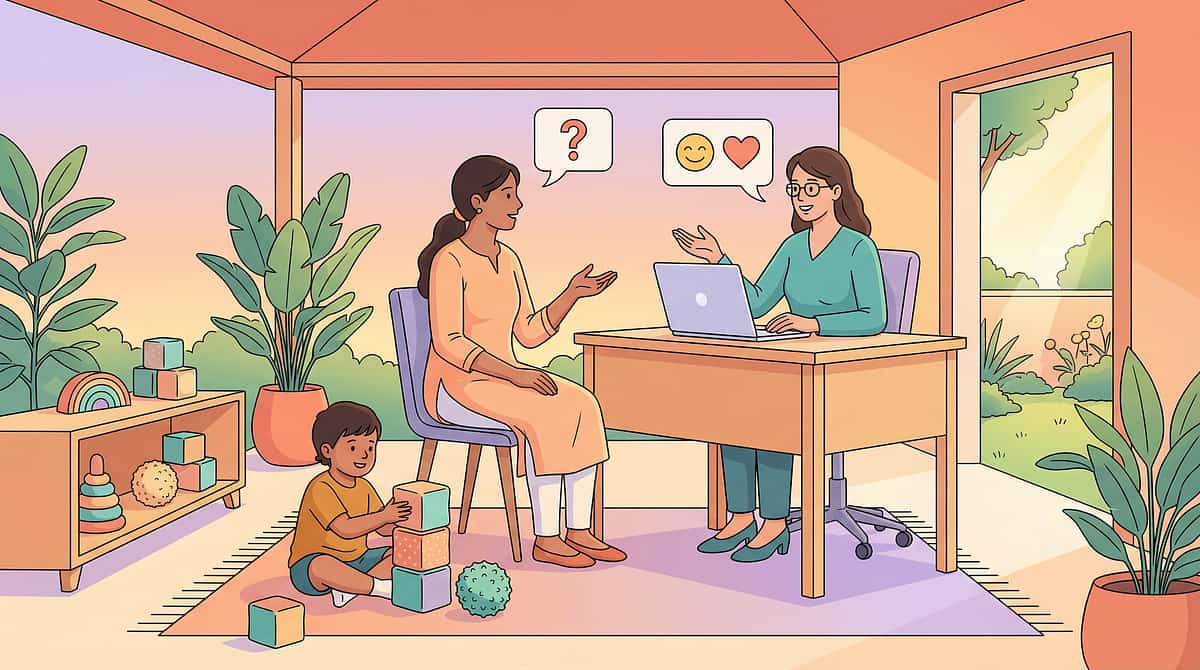
Questions Parents Ask at Pinnacle Centers — Answered Here
How long before I see results?
Most families notice increased tolerance of materials within 1–2 weeks and first meaningful pauses by Week 3–4. Significant generalization typically emerges at Week 6–8. Neurological change requires consistent input over time — there is no shortcut, but there is a clear path.
What if my child completely refuses the stop signs?
Begin with zero-demand exposure: place the stop sign in the room during enjoyable activities with no therapeutic pressure for 3–5 days. Pair it with positive associations before using it as a pause cue. The sign must be neutral-to-positive before it can be therapeutic.
Should I use all 9 materials at once?
No. Start with 2–3 (recommended: visual timer + stop sign + token board). Add materials every 2 weeks. Flooding the environment with all 9 simultaneously can overwhelm and produce the opposite of the intended effect.
My child pauses at home but not at school. What should I do?
Generalization across settings requires active teaching in each setting — it does not transfer automatically. Share Card 37 and the downloadable Family Guide with the school. Pinnacle offers school consultation sessions specifically for this challenge.
Can I use these materials alongside ADHD medication?
Yes, absolutely. Medication (when prescribed) and behavioral material supports are complementary, not competing. Always keep your prescribing physician informed of behavioral interventions in use.
At what point should I stop using the materials?
Materials should be faded gradually — never removed suddenly. Fade order: physical fidget first, then timer duration reduction, then token board cycle lengthening, then stop sign removal. Self-monitoring charts (Material 9) should be the last to be removed. Full fading typically occurs over 3–6 months.
My child is 10. Is it too late for these materials to work?
No. Response inhibition continues to develop through adolescence and beyond. While the neuroplasticity window is highest in ages 3–8, structured external support produces meaningful results at 10, 12, and into teenage years. The approach adapts, but the mechanisms remain valid.
How do I know if my child needs more than home-based support?
Contact 9100 181 181 if: impulsivity creates safety risks, no improvement after 8–10 weeks, you suspect ADHD requires formal evaluation, or implementation is unsustainable without professional coaching. A 15-minute consultation can recalibrate the protocol or identify when clinical-level intervention is needed.
Didn't find your answer? → Ask GPT-OS® at pinnacleblooms.org | 📞 Need support right now? 9100 181 181 (Free helpline, 24×7)
Preview of 9 materials that help with impulsivity Therapy Material
Below is a visual preview of 9 materials that help with impulsivity therapy material. The pages shown help educators, therapists, and caregivers understand the structure and content of the resource before use. Materials should be used under appropriate professional guidance.





Link copied!

Your Child's First Pause Starts Today.
You have the science. You have the materials. You have the protocol. The pause between impulse and action is waiting to be built.
✦ Validated by the Pinnacle Blooms Consortium ✦
OT • SLP • ABA/BCBA • SpEd • NeuroDev Pediatrics • CRO
WHO-Aligned • UNICEF-Principle Driven
WHO-Aligned • UNICEF-Principle Driven
Outcome Data
21M+ sessions delivered · 97%+ measured improvement · 70+ centers · 70+ countries served
Your Journey Continues
← D-444: Easy Distraction | → D-446: Emotion Regulation
Browse All Executive Function Techniques
Browse All Executive Function Techniques
You arrived at this page carrying a question: "How do I help my child pause before acting?" You leave with 9 evidence-based materials, a 6-step execution protocol, and the understanding that your child's impulsivity is not a moral failing — it is a neurological developmental challenge with a structured, evidence-supported path forward. The pause your child builds today — three seconds of hand mid-air, mouth not yet open, foot not yet forward — is the foundation of a lifetime of self-regulation. That pause is your family's achievement.
This content is educational and does not replace assessment or treatment by a licensed behavioral therapist, psychologist, occupational therapist, or physician. Impulsivity in children may indicate conditions — including ADHD and ASD — requiring comprehensive professional evaluation. Individual outcomes vary. Consult a qualified clinician before implementing or modifying any therapeutic protocol.
© 2025 Pinnacle Blooms Network®, a unit of Bharath Healthcare Laboratories Pvt. Ltd. | CIN: U74999TG2016PTC113063 | DPIIT: DIPP8651 | MSME: TS20F0009606 | GSTIN: 36AAGCB9722P1Z2 | All rights reserved. Technique code D-445. GPT-OS® is a registered trademark. AbilityScore® is a registered trademark.