

"She reads chapter books at three. She can't tell me what happened in the story."
You watch her read aloud — perfectly fluent, every word correct. Strangers are stunned. Teachers call her gifted. But alone, you know: she has memorized the book, word for word. She does not understand a single page of it. This is Hyperlexia — and you are not imagining it.
H-739 | Reading & Literacy Development
Pinnacle Blooms Network®

The Child Who Reads Without Understanding Is Not Rare — and Not Alone
Across India's 70+ Pinnacle centers, SLPs and Special Educators observe the same pattern weekly: a child decodes print at a second-grade level while comprehension lags at nursery level. The gap is not a failure of parenting. It is a specific, recognized, well-documented developmental profile — one that responds to targeted, systematic intervention.
5–20%
ASD + Hyperlexia
of children with autism show hyperlexia characteristics globally
1 in 10
India Prevalence
children with ASD in India estimated to show reading-comprehension dissociation
80%+
Comprehension Gap
of hyperlexic children with ASD show significant comprehension gaps vs. decoding level
"You are among tens of thousands of Indian families navigating this exact challenge. The bridge from decoding to meaning CAN be built. It takes the right materials and the right sequence." — Pinnacle Blooms Consortium, SLP Division
Research: Grigorenko et al. (2020): Hyperlexia occurs in 5–20% of children with ASD. WHO Global Autism Prevalence Data (2023): 1 in 100 children worldwide; India estimated in 1 in 89.
Two Reading Systems. One Ahead. One Lagging. Here's Why.
The Brain Science
DECODING PATHWAY (Overactive/Early) Visual Word Form Area → Left inferior temporal → Orthographic lexicon Words are recognized as patterns — even at age 2–3.
COMPREHENSION PATHWAY (Developing) Wernicke's Area → Angular Gyrus → Semantic Network Meaning requires language foundation — still building, needs explicit support.
What This Means for Your Child
In typical reading development, children understand spoken language FIRST — then learn to decode print, which maps onto existing meaning systems. Comprehension leads; decoding follows.
In hyperlexia, this reversal occurs: the visual decoding system activates exceptionally early — often before age 3, without instruction. But the semantic (meaning) network is still building.
This is not damage. This is divergence. The decoding machinery is extraordinary. The meaning architecture needs explicit construction.
"Your child's brain cracked the code of written language spontaneously. We now need to build what code unlocking is FOR." — Pinnacle NeuroDev Pediatrics Team

The Developmental Map: Where Hyperlexia Appears — and Where It Leads
Understanding where your child sits in the developmental landscape helps calibrate realistic expectations and guides intervention timing. The typical sequence is disrupted — but the destination remains reachable.
Age 0–2
Babbling, first words, joint attention, word comprehension
Age 2–3
2-word phrases, pretend play — HYPERLEXIA MARKER: Reading words appears spontaneously, often before speech
Age 3–5
Full sentences, narrative skills — COMPREHENSION GAP becomes visible when meaning is expected
Age 5–8
Reading for meaning, inferential comprehension — TARGET ZONE with the right materials
Type I
Early reading, neurotypical — comprehension catches up naturally (positive prognosis)
Type II
Early reading + ASD characteristics — comprehension requires explicit intervention (most common clinical presentation)
Type III
Early reading + autism-like features that diminish over time (often underidentified)

Not Guesswork. Not Hope. Evidence-Based Intervention for Hyperlexia.
★★★★☆ Level II Evidence
NCAEP Evidence-Based Practice Category
Every material and protocol in H-739 is grounded in peer-reviewed research, global clinical consensus, and 20 million real-world sessions. Here is the evidence foundation.
Source | Finding | Grade | |
ASHA | Reading comprehension intervention for hyperlexia: explicit meaning-making through multi-modal input | Level II | |
NCAEP (2020) | Visual supports, social narratives, video modeling: confirmed EBPs across 500+ studies | Level I | |
Koppenhaver & Yoder (1993) | Word-meaning connection, contextualized reading, functional literacy — documented effectiveness | Level II | |
WHO NCF (2018) + UNICEF (2023) | Multi-modal, home-executable, equity-focused early intervention | Level I | |
Pinnacle GPT-OS® RWE | 20M+ sessions across 70+ centers, 97%+ measured improvement via AbilityScore® tracking | Real-World Evidence |
"Children with hyperlexia respond specifically to interventions that explicitly connect written words to meaning — through pictures, actions, context, and function."
Key References: PMC11506176 | PMC10955541 | PMC9978394 | NCAEP 2020 Report | ASHA Clinical Practice Guidelines | Padmanabha et al., Indian J Pediatr 2019
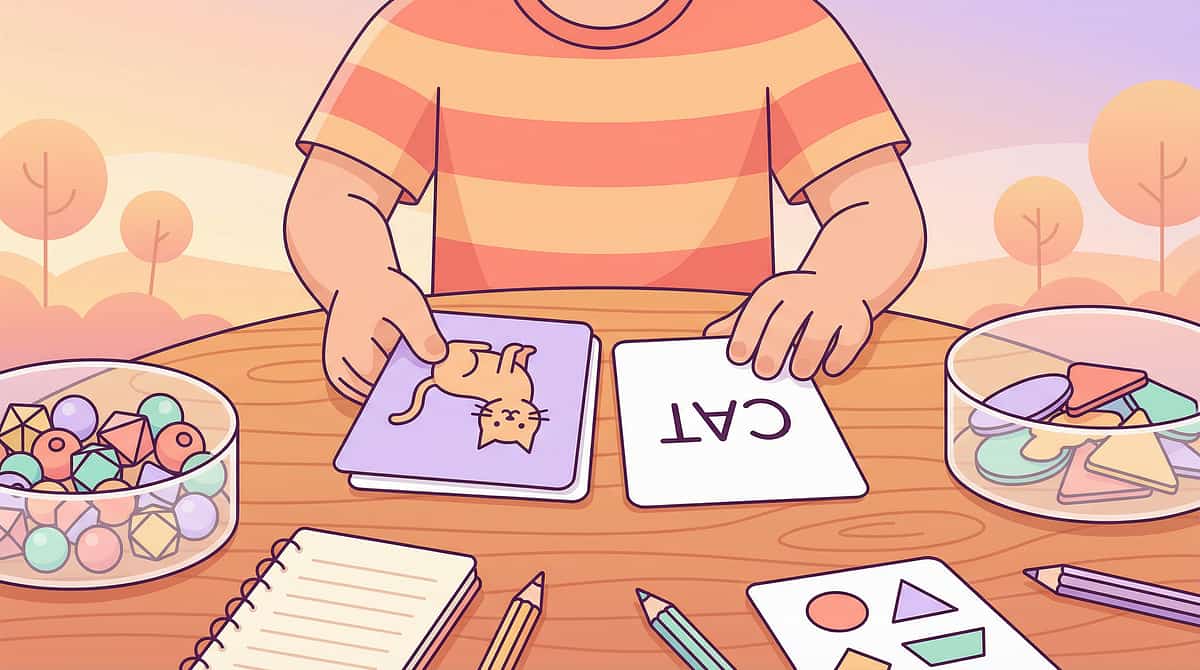
H-739: 9 Materials That Help With Hyperlexia Support
🎯 Domain: LIT-HYPER
👶 Ages 2–8
⏱ 10–20 min/session
📅 Daily | 6–10 weeks
Hyperlexia is characterized by precocious word recognition ability — typically emerging before age 5, often before age 3 — accompanied by a significant and specific difficulty in understanding what is read. This protocol addresses that gap through 9 evidence-based material categories, each targeting a distinct layer of the comprehension architecture.
Word-to-Picture Matching Cards
Word-referent connection — the foundational comprehension bridge
Sentence-Action Strips
Sentence comprehension through embodied action
Visual Scene Displays with Text
Contextualized word meaning — words inside worlds
Story Comprehension Boxes
Narrative understanding through enactment with props
Question Cards with Visual Answers
Literal text comprehension and question-answering
Functional Reading Materials
Reading for real-world purpose and navigation
Social Story Readers
Using reading strength to teach social knowledge
Predictable Text with Variations
Language flexibility through pattern and variation
Reading-Language Connection Kits
Using print to scaffold spoken communication

This Isn't One Therapist's Technique. It's the Whole Consortium Working Together.
Hyperlexia intervention lives at the intersection of language, cognition, behavior, and motor development. No single discipline owns the solution — which is precisely why Pinnacle's FusionModule™ approach works where single-discipline interventions plateau.
Speech-Language Pathologist (Primary Lead)
Designs the comprehension architecture — word-meaning connections, sentence comprehension, narrative understanding, question-answering, and the reading-language bridge. SLP-designed materials are the scaffold.
Special Educator (Co-Primary Lead)
Brings the literacy instruction framework — sight word meaning, functional reading, predictable text patterns, story comprehension sequences. The classroom-to-home continuity expert.
ABA / BCBA Therapist
Structures the learning sequence — discrete trials for word-picture matching, reinforcement schedules, data collection for comprehension gains, and generalization programming.
Occupational Therapist
Contributes the sensory-motor component — sentence-action strips engaging the body in comprehension, fidget-free reading environments, tactile engagement with story props.
Neurodevelopmental Pediatrician
Provides diagnostic clarity — confirming hyperlexia type (I/II/III), ruling out differential diagnoses, coordinating with the team, and monitoring for co-occurring conditions.
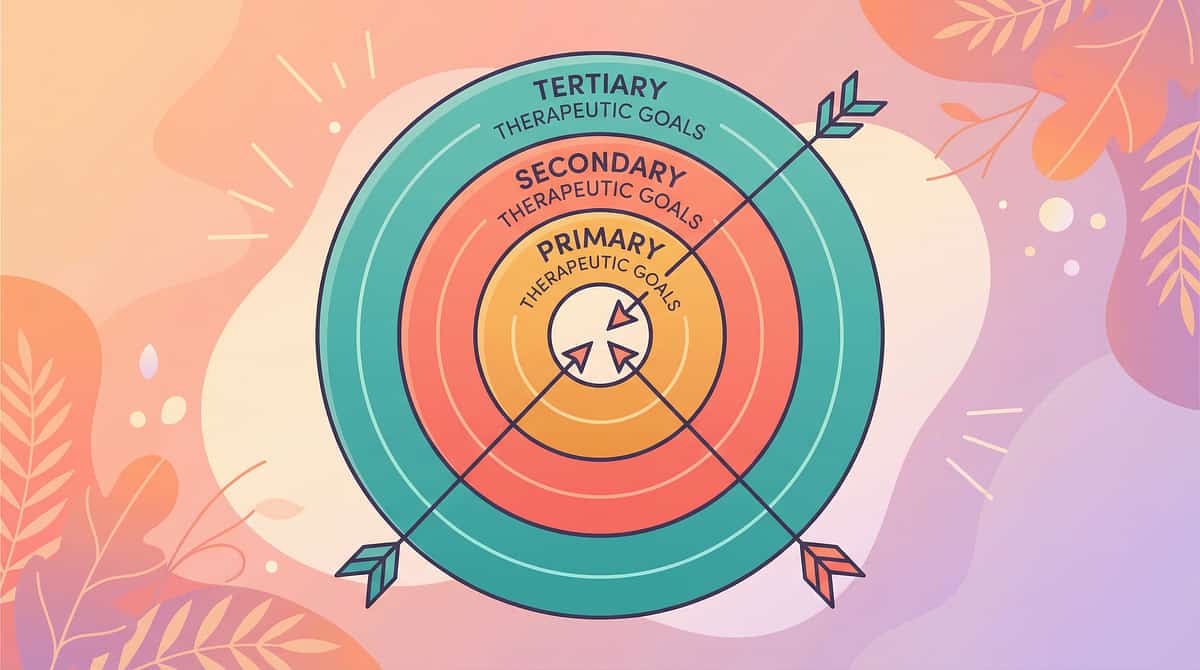
Precision Intervention: What These 9 Materials Are Actually Targeting
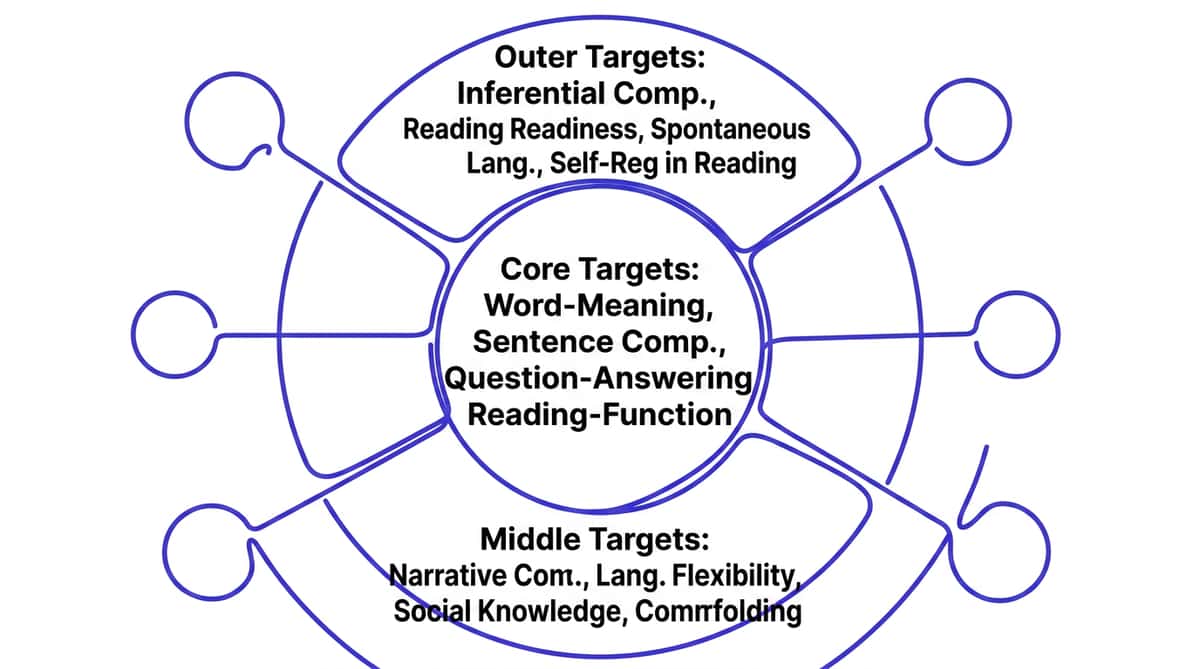
Target | Observable Behavior (Success) | |
Word-meaning connection | Child matches "apple" to apple picture without prompt | |
Sentence comprehension | Child acts out "The boy jumps" after reading | |
Question-answering | Child points to correct visual answer for "Who was in the story?" | |
Functional reading | Child reads menu and selects item; receives it | |
Language-print bridge | Child uses written phrase card to communicate "I want cookie" |

The 9 Materials — What They Are, What They Cost, Where to Get Them
Word-to-Picture Matching Cards
Purpose: Word-referent connection — the foundational comprehension bridge Price: ₹200–600 | Search Amazon.in → | DIY: ✅
Sentence-Action Strips
Purpose: Embodied sentence comprehension — read it, see it, do it Price: ₹150–400 | Search Amazon.in → | DIY: ✅
Visual Scene Displays with Text
Purpose: Contextualized word meaning — words inside worlds Price: ₹300–800 | Search Amazon.in → | DIY: ✅
Story Comprehension Boxes
★ Pinnacle Canon Product: Problem-Solving Toys Kit — ₹199 | Buy on Amazon.in → Additional: Sorting & Categorization Set — ₹305 →
Question Cards with Visual Answers
★ Pinnacle Canon Product: Matching Games Set — ₹519 | Buy on Amazon.in → | DIY: ✅
Functional Reading Materials
Purpose: Reading that accomplishes something real Price: ₹100–400 (or ₹0 DIY) | Search Amazon.in →
Social Story Readers
Purpose: Using reading strength to teach social understanding Price: ₹200–700 | Search Amazon.in → | DIY: ✅
Predictable Text with Variations
Purpose: Language flexibility through safe pattern + systematic variation Recommended: Brown Bear Brown Bear | Very Hungry Caterpillar Price: ₹200–600 | Search Amazon.in →
Reading-Language Connection Kits
Purpose: Using print to scaffold spoken language development Price: ₹300–900 | Search Amazon.in →★ Pinnacle Canon Product:Reinforcement Integration Kit — ₹364 →
Starter Kit Total: Essential starter: ₹1,200–2,500 | Comprehensive kit: ₹1,650–5,600 | Budget option: ₹0 (full DIY — see next card)

Every Material on the List Has a ₹0 Version. Here's How.
WHO/UNICEF Equity Principle
Every family, regardless of income, can begin today. Whether you buy or make — the key is explicit word-meaning pairing. Real photos work better than abstract clipart. Familiar vocabulary from your child's life works better than generic sets. Your homemade cards with photos of your child's actual dog, actual apple, actual home are often more powerful than any commercial product.
Material | ₹0 DIY Version | What to Use | |
Word-to-Picture Matching Cards | Print words on paper; cut photos from old magazines or print from Google | Cardstock + scissors + tape | |
Sentence-Action Strips | Write sentences on paper strips; draw stick figures for actions | Paper + marker | |
Visual Scene Displays | Photograph rooms at home; print and add text labels with marker | Phone camera + printer | |
Story Comprehension Boxes | Use existing toys/household objects as story props; cardboard box as storage | Whatever you have at home | |
Question Cards | Draw 3 simple picture answer choices per question on index cards | Index cards + pencil | |
Functional Reading Materials | Write choice menu on paper; draw pictures next to words | Paper + pen | |
Social Story Readers | Write simple stories in a notebook; draw or glue photos | Exercise book + pens | |
Predictable Text with Variations | Create fill-in-blank sentence strips: "I like ___" with word cards | Paper strips + scissors | |
Reading-Language Connection Kits | Write communication phrases: "I want ___" "Help please" on cards | Index cards + marker |
When the clinical product matters: When the SLP or SpEd specifically prescribes a structured curriculum with standardized sequences (e.g., Edmark Reading Program, PECS Level I). In these cases, consult your therapist before substituting.

Pre-Session Safety Gate — Read Before Every Session
🔴 Safety Protocol
OT + NeuroDev Consortium
🔴 DO NOT PROCEED IF:
- Child is in meltdown or post-meltdown within 30 minutes
- Child has fever, illness, or significant physical discomfort
- Child has shown severe distress with reading/print materials in previous sessions
- Materials have small parts (under 3cm) with children under 3 years — choking risk
🟡 MODIFY BEFORE PROCEEDING IF:
- Child is tired, hungry, or over-stimulated (shorten to 5 minutes, simplify materials)
- Child has had an emotionally difficult day (use only most preferred, familiar material)
- New sibling, guest, or environmental change disrupts routine
- Child shows early signs of resistance to the specific material
🟢 PROCEED WHEN:
- Child is fed, rested, regulated
- Preferred toy or reinforcer is nearby and accessible
- Space is quiet, materials are ready, distractions are minimized
- You have 15–20 uninterrupted minutes
STOP IMMEDIATELY IF: Child shows extreme distress, begins gagging or mouthing materials, or session exceeds 25 minutes. "The best session is a short successful one. 5 minutes of genuine connection beats 30 minutes of forced compliance." | Emergency consultation: 9100 181 181

The Hyperlexia Session Environment: Set This Up Before You Bring Your Child In
Room Setup Sequence
- Set up space before bringing child in
- Place this session's 2–3 materials only (not all 9 at once)
- Have reinforcement ready and visible but out of reach
- Set visual timer to 15 minutes
- Bring child in with a warm, low-demand invitation
Positioning: Sit BESIDE the child, not opposite. You are working WITH them — not testing them.
Environment Specifications
Lighting: Bright but not harsh; natural light preferred Sound: Quiet or white noise; no TV background Surface: Firm table or hard floor (not soft carpet — cards slide)
Remove from Space:
- Screens not being used in session
- Toys not part of today's session
- Loud background noise sources
- Other children (solo session whenever possible)
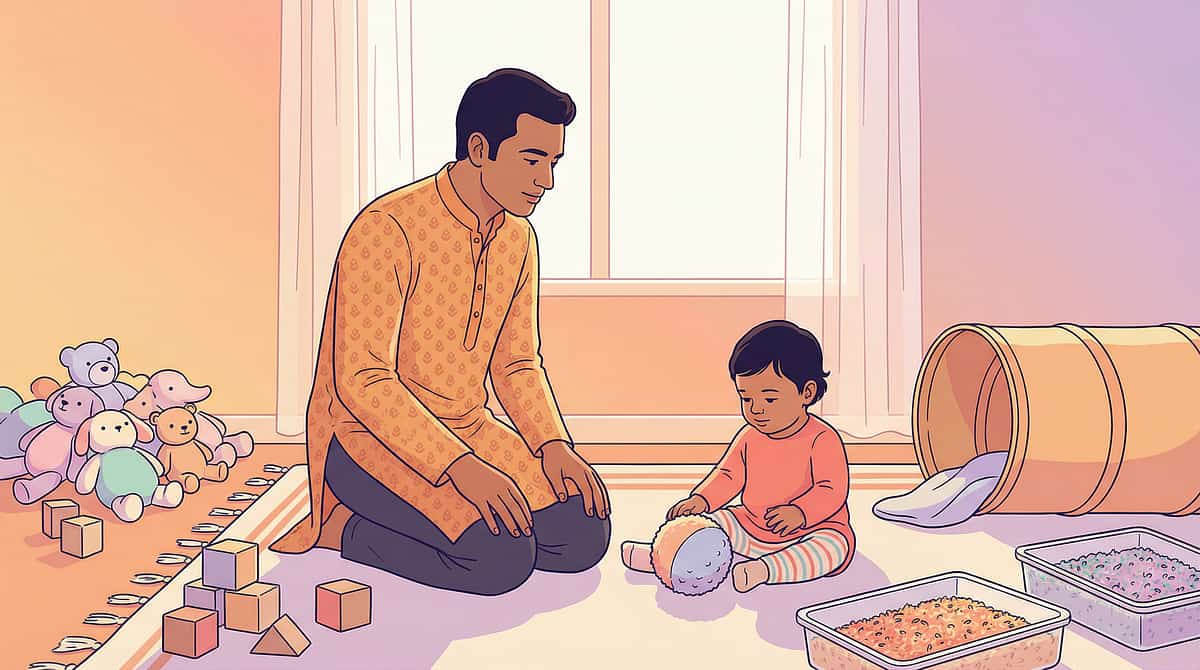
60-Second Pre-Flight Check — Before Every Hyperlexia Session
ABA/BCBA Pre-Session Assessment
Indicator | ✅ GO | ⚠️ MODIFY | 🛑 POSTPONE | |
Last meal | Less than 3 hours ago | 3–5 hours | Over 5 hours or ate 10 min ago | |
Last sleep | Rested | Slightly tired | Overtired / just woke | |
Emotional state | Calm, content | Mildly agitated | Post-meltdown, upset | |
Physical state | Healthy | Mild cold | Fever, illness | |
Environment | Quiet, set up | Slightly busy | Chaos, visitors | |
Child and print | Neutral/positive | Resistive yesterday | Distressed with books |
ALL GREEN
Proceed to full 15–20 min session
1–2 AMBER
Proceed with modifications — shorter, simpler, high reinforcement (5–7 minutes, ONE material only)
ANY RED
Postpone. Do a non-demand preferred activity instead. Try tomorrow.
"The best session is one that starts right. A postponed session is not failure — it's clinical wisdom."

Step 1: The Invitation — Every Session Begins This Way
⚡ Step 1 of 6
Duration: 30–60 seconds
What to Say (Script)
"[Child's name], look what we have! [Show ONE material — not all of them]. Want to look at these with me for a little bit?"
Do NOT Say:
- "It's therapy time."
- "We have to do our cards now."
- "Come here, we need to practice."
Body Language
- Get down to child's physical level
- Parallel orientation — sit beside, not in front of
- Show the material with curiosity, not instruction
- Hold the item loosely — offer it, don't command engagement
- Smile. Your energy is the first variable.
ABA Principle at Work
This is Pairing — establishing yourself and the materials as reinforcing before placing any demand. A child who associates reading materials with positive, low-demand interactions will come back to reading materials.

Step 2: The Engagement — Introduce the Material. Meaning First, Always.
⚡ Step 2 of 6
Duration: 1–3 minutes
Today's session example uses Material 1: Word-to-Picture Matching. The sequence below applies to any of the 9 materials.
1. Name It
Say the word/sentence clearly while showing it: "Look — it says 'dog.'"
2. Show the Meaning
Connect to picture, action, or real object: "And look — here's a dog!"
3. Model Once
Do it yourself first without asking the child to perform: "Dog goes here."
4. Invite
Offer, don't demand: "Your turn. Can you find the dog?"
5. Wait
Give 5–10 seconds of processing time before prompting
Reinforcement cue: The moment the child looks at BOTH the word AND the picture — even accidentally — deliver specific praise: "Yes! Dog! You found the dog!" This is the beginning of the word-meaning connection being reinforced.

Step 3: The Core Action — Building the Bridge from Decoding to Meaning
⚡ Step 3 of 6
Duration: 5–12 minutes — The Heart of the Session
Protocol A: Word-Meaning Connection (Sessions 1–5)
- Present word card: child reads aloud (effortless for them)
- Present 3 picture choices
- Ask: "Which one is [word]?" — wait 5 seconds
- Child points/places/matches → Reinforce immediately
- Repeat with 5–8 word-picture pairs
Success: Child places word card on matching picture, even with prompting initially.
Protocol B: Sentence-Action (Sessions 3–8)
- Present sentence strip: child reads aloud
- Parent shows action picture
- "Now we do it! [Action]. You try!"
- Both parent and child perform the action
- Return to strip: "We jumped! The sentence says 'jump.' We did it!"
Success: Child acts out the sentence after reading. The body learns what reading is FOR.
Protocol C: Story Comprehension (Sessions 5–10)
- Read one page of story aloud together
- Pick up the matching prop: "Here's the bear! The book said..."
- Act out the story event with the prop
- Ask one visual question with 3 picture choices
- Child points to answer — celebrate specifically
Success: Child can point to a visual answer about the story.
Common Error | Correction | |
Asking "What does this say?" (decoding) | Always ask for meaning: "What IS this?" The child can already decode. | |
Moving too fast through materials | Slow down. 3 word-meaning pairs done well beats 20 rushed through. | |
Accepting scripted repetition as comprehension | Redirect to: show me, point to it, do it. | |
Overloading with all 9 materials in one session | Choose 1–2 materials per session. Depth over breadth. |
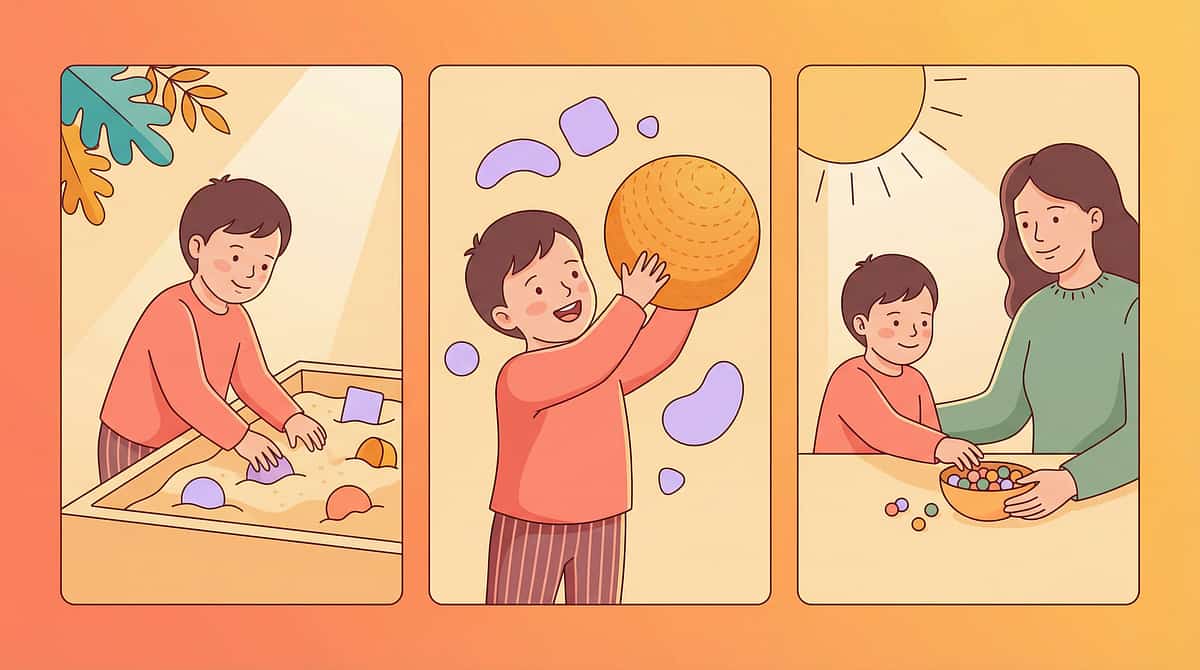
Step 4: Repeat & Vary — 3 Good Reps Beat 10 Forced Ones
⚡ Step 4 of 6
Duration: 3–5 minutes | Dosage Matters
Repetition Guide
Target: 3–8 meaningful repetitions per material per session
Quality marker: The child is actively participating (even minimally) — not passively tolerating.
Variation Within the Session
For Word-to-Picture Matching: Rep 1: parent models → Rep 2: child prompted → Rep 3: child attempts independently → Rep 4+: vary the vocabulary set.
For Sentence-Action: Same sentence first, then change ONE word. Does the child change the action? That's comprehension.
Satiation Indicators — Stop or Vary When You See:
- ✋ Child pushes material away
- 👀 Gaze consistently averted
- 🔁 Scripting increases significantly (may indicate overwhelm)
- 😤 Visible agitation or frustration
- 💤 Slumping, disengagement, yawning
When satiation appears: deliver reinforcement, transition to cool-down. Never push through satiation.
"Patterns feel safe. Variations within patterns teach language flexibility. The child's love of patterns becomes a vehicle for flexibility."

Step 5: Reinforce & Celebrate — Timing Matters More Than Magnitude
⚡ Step 5 of 6
Within 3 Seconds — This Changes Everything
The Three-Second Rule: Reinforcement delivered within 3 seconds of the desired response is 4× more effective than reinforcement delivered after 10 seconds. Celebrate the ATTEMPT, not just the correct answer.
Social Reinforcement (Most Portable)
Specific verbal praise: "Yes! You matched DOG to the dog picture! That's reading for meaning!" High-five / clap / fist-bump Enthusiastic narration: "You did it! Dog = that dog. You KNOW that!"
Tangible Reinforcement
Preferred sticker on a tracking chart 1 minute with preferred toy Preferred food item (if appropriate — consult ABA therapist) Pinnacle Canon: Reinforcement Menus Kit — ₹364
Activity Reinforcement
1 minute of free reading time (their preferred books — leverage the strength!) Brief movement break Sensory input if applicable (OT-guided)
❌ What NOT To Do
- "Good job" without specificity — too vague, child doesn't know what to repeat
- Delayed reinforcement — loses the connection
- Same reinforcement every time without variation (satiation risk)
- Removing reinforcement as punishment — never; only fade gradually
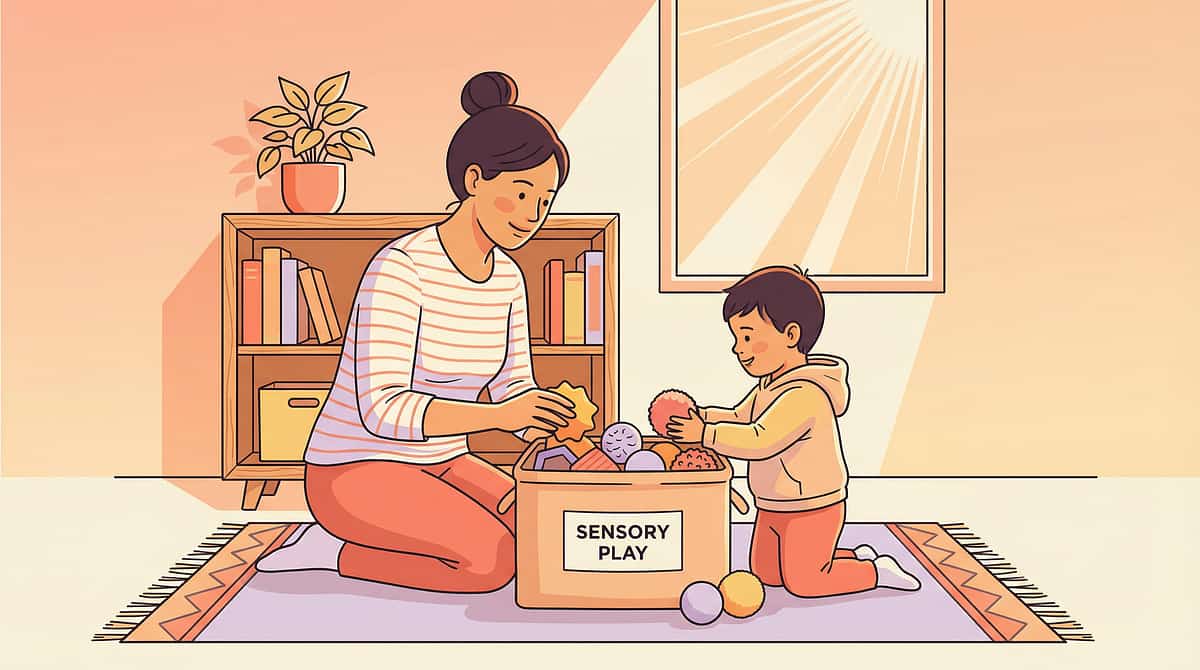
Step 6: The Cool-Down — No Session Ends Without a Planned Transition
⚡ Step 6 of 6
Duration: 2–3 minutes | Never Skip This
Abrupt endings → Post-session dysregulation → Child associates therapy with abrupt unpleasant transitions → Resistance to next session. Planned cool-down → Predictable ending → Trust → Child anticipates sessions positively.
2 Minutes Before End
"Two more, then all done." (hold up two fingers). Show visual timer counting down 2 minutes.
At the End
"All done! Great reading together! Time to put the cards away." Invite the child to help put materials in the box — this closing ritual signals session end and maintains agency.
Transition Cue
"What's next? [Show visual schedule]. Reading time is done — now it's [snack / play / outside]."
Preferred Activity Bridge
After cool-down, 3–5 minutes of child's preferred activity. If they choose preferred reading — allow this. It's not therapy. It's decompression through their strength.
If child resists ending, use First-Then language: "First put cards away, then [preferred activity]." Use the visual timer — show that it's finished, not that YOU decided it's over. Visual supports are classified as evidence-based practice for autism (NCAEP 2020).

Capture the Data: Right Now — 60 Seconds That Saves Hours of Guessing
ABA/BCBA + CRO Data Infrastructure
Capture these 3 data points immediately after every session — while your memory is fresh. This data tells the Pinnacle system which materials are working best for YOUR child, at what rate comprehension is building, and when to advance.
1. Material Used Today
Word-Picture Matching / Sentence-Action / Story Box / Question Cards / Functional Reading / Social Stories / Predictable Text / Reading-Language Kit / Visual Scene
2. Comprehension Indicator
No response | Prompted (physical/gestural guidance) | Partial (verbal prompt only) | Independent (no prompting)
3. Session Quality
Excellent (engaged throughout) | Good (some resistance, recovered) | Difficult (significant resistance) | Abandoned (note reason)
Advance When:
Independent on 80% of trials = ready to progress to next material
Consult When:
No progress in 3 weeks = schedule SLP/SpEd review session

What If It Didn't Go as Planned? 7 Common Problems — and the Fix
SLP + ABA + OT Clinical Problem-Solving
Most sessions don't go perfectly. Every difficult session tells you something precise about what needs to change. Here are the 7 most common problems families encounter — with clinical solutions for each.
Problem 1: "My child reads the word but ignores the picture"
Why: Decoding is automatic; picture-looking requires deliberate shift of attention. Fix: Cover the word card after reading it. Then show the picture. "The word was gone — what was it? Can you point to it?" Separating the acts forces meaning-seeking.
Problem 2: "My child scripts the sentence but doesn't do the action"
Why: Scripting is the default processing mode. Motor component is novel. Fix: Model the action yourself FIRST, enthusiastically. Then: "Now YOU do it!" Use hand-over-hand guidance initially if needed.
Problem 3: "My child can't answer any comprehension questions"
Why: Retrieval from memory is hard; comprehension may be emerging but recall isn't there yet. Fix: Make the answer VISIBLE while asking. "Here's the story page. Who was in the story? [Page is open, character visible]. Point to who you saw."
Problem 4: "My child only wants to read the words, not do any activities"
Why: Reading is their comfort zone and strength. Meaning-based activities feel effortful. Fix: START with their preferred reading (1–2 minutes), then: "You read it perfectly. Now let's find out what it means."
Problem 5: "My child gets upset when I change the pattern in predictable text"
Why: Rigidity — changes to familiar patterns feel wrong. Fix: Slow the change introduction. Read the original many times until predictable and comforting. Only then introduce ONE small variation. Narrate it positively: "Ooh, the book changed!"
Problem 6: "My child uses the printed phrase card but won't say the words"
Why: Print-to-speech is a later stage. Written card IS communication for now. Fix: Do not withhold the item requesting the child speak. Honor the written communication. Gently model spoken version after honoring: [Give item]. "Yes, cookie. [Pause]. Cookie."
Problem 7: "We've been doing this for 3 weeks and I see no progress"
This is the signal for professional consultation — not abandonment. Book a review session with your SLP or SpEd. Bring your tracking sheet from Card 20. The therapist will adjust materials, sequence, or identify a co-occurring barrier. Call: 9100 181 181
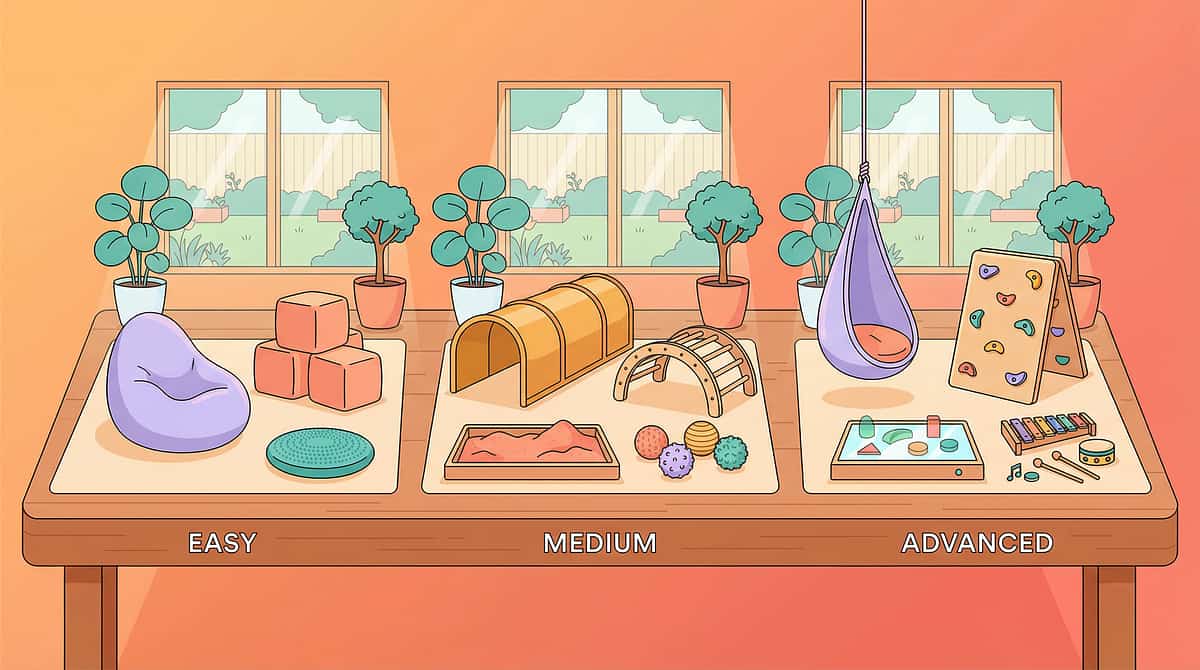
Adapt & Personalize — Your Child Is Not the Average Child
SLP + OT + SpEd Personalization Framework
⬅ Easier Version (New Learners / Hard Days)
- Single word-picture pairs (3 maximum)
- All answers physically present in front of child
- 5-minute sessions only
- Maximum reinforcement every attempt
- No "wrong answers" — all pointing honored and shaped toward correct
➡ Harder Version (Consolidating Learners)
- Sentence comprehension with 2-part actions ("Jump and clap")
- Questions about text without looking at the page
- Functional reading with 4+ choices
- Social stories for novel, challenging situations
Child Profile Variations
For the Gestalt Language Processor: Use whole phrases as reading units — "I want cookie" as one unit, not individual words.
For the High Visual Learner: Prioritize visual scene displays. The richer the visual context, the more meaning anchoring points available.
For the High-Stimulation Child: Add movement to every comprehension step — reading a word → match it → TOUCH the real object in the room.
For the Language-Delayed Child: Accept pointing, eye gaze, and physical matching as comprehension responses. Do NOT require verbal output before reinforcement.
For the Older Child (6–8 years): Advance to functional literacy — reading instructions to complete tasks, social stories for school, written schedules for transitions.

Week 1–2: You Are Building the Foundation. Progress Will Not Look Like Progress Yet.
15% — Week 1–2: Orientation Phase
✅ These ARE Progress
- Child sits with the material 3 seconds longer than yesterday
- Child glances at the picture after reading the word (even briefly)
- Child tolerates the activity without resistance (even without engagement)
- Child stops scripting and looks at the action picture — even once
- Child accepts the transition at session end without major protest
❌ Not Yet Expected in Weeks 1–2
- Independent word-meaning matching
- Answering comprehension questions without visual support
- Acting out sentences independently
- Story comprehension retelling
Frequency Guidance
Optimal: 5 sessions per week (15–20 min each) Minimum effective: 3 sessions per week
"If your child looked at the word and the picture at the same time — even once — this week, that is the beginning of the bridge being built."

Weeks 3–4: The Neural Pathways Are Forming. Watch for These Specific Signals.
40% — Weeks 3–4: Consolidation Phase
Consolidation is quieter than mastery — it's the child anticipating the activity, showing less resistance, arriving at the table before you call them. These are neurological readiness signals that parents often miss because they're looking for something more dramatic.
🧠 Emerging Word-Meaning Connections
Child independently places 2–3 familiar word cards on correct pictures without prompting. Child's gaze consistently shifts from word to picture. Child begins to spontaneously label objects when seeing their printed names elsewhere.
📖 Sentence Comprehension Seedlings
Child begins acting out sentences with gestural prompt only (fading physical guidance). Child sometimes spontaneously acts out a sentence before being asked.
❓ Question-Answering Emergence
Child can point to the correct visual answer for "What" questions with picture support. Child's pointing becomes more deliberate (less random).
🗣 Language-Print Bridge
Child begins using printed phrase cards to communicate needs without prompting. Child repeats written phrase vocally while reading it — word, sound, and meaning beginning to connect.
If consolidation indicators are appearing: maintain frequency but begin introducing the next material in the 9-material sequence.

Weeks 5–8: The Bridge Is Holding Weight. Mastery Criteria Below.
75% — Weeks 5–8: Mastery Phase
A child has mastered a material when they achieve the target response independently, without prompting, on 80% of trials across 3 consecutive sessions.
Material | Mastery Behavior | |
Word-to-Picture Matching | Independent matching of 10+ vocabulary items, unprompted | |
Sentence-Action Strips | Acts out 80% of novel sentences independently | |
Story Comprehension Box | Can retell 2–3 story events while manipulating props | |
Question Cards | Points to correct answer for "What" and "Who" questions independently | |
Functional Reading | Uses menu/choice board independently 80% of opportunities | |
Predictable Text + Variations | Can correctly identify and complete pattern variations | |
Reading-Language Connection | Uses written phrase to communicate in 80% of relevant opportunities |
Generalization — the real mastery signal: Child matches word-meaning OUTSIDE of session (reads label on cereal box and points to the cereal). Child uses functional reading at home spontaneously. This is it. This is the bridge working.
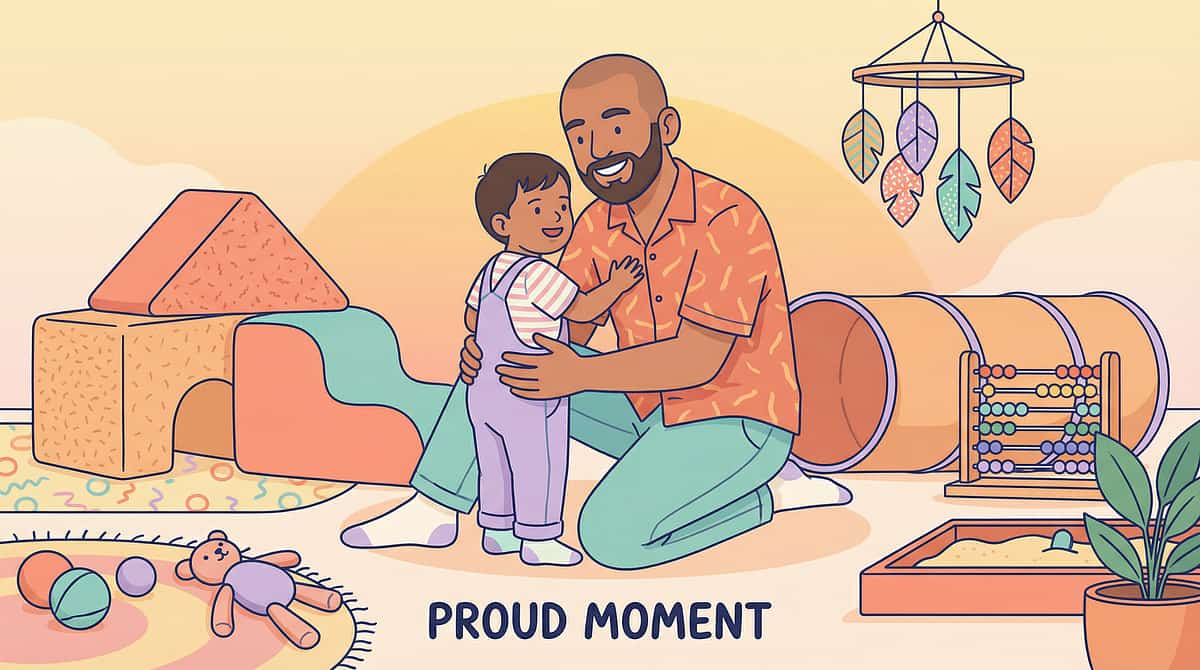
You Built This Bridge. You Did.
🎉 Milestone Achieved
"You showed up — five days a week, sometimes more — with cards and books and props and patience. You sat beside your child and said 'this word means this' a thousand times. You kept data on the hard days. You adapted when it didn't work. You called the helpline when you were lost. And your child — YOUR child — just pointed to a picture that matched the word they read. That is not a small thing. That is a fundamental human connection being built in real time. This is what you did."
📸 Photograph It
Capture the moment your child independently matched a word to its meaning. This moment deserves to be documented.
📓 Journal It
Prompt: "This week, I noticed my child understood..." Write it down. Re-read it on hard days.
🎉 Celebrate It
Share this milestone with your partner, your child's school, your family group. Progress shared is progress reinforced — for everyone.
Weeks ago: read words as visual patterns, no meaning connection. Today: [word] = [that picture] = [that action] = [that thing in the world]. The bridge from decoding to meaning is being walked on.

Even After Progress: These 6 Signs Mean Pause and Consult.
🚨 Clinical Escalation Protocol
NeuroDev + CRO
🚨 Flag 1: Regression After Mastery
Child who was matching 10+ words now can't match any. May indicate illness, significant stress, or undetected medical issue. Action: Document, reduce demand, consult if persists 1 week.
🚨 Flag 2: Increasing Scripting Intensity
Sessions triggering more scripting, not less. Materials may be creating anxiety, not meaning. Action: Change materials; consult SLP about scripting relationship to comprehension.
🚨 Flag 3: Zero Comprehension Progress After 6 Weeks
No improvement on any indicator after daily practice. May indicate unaddressed language barrier or hearing issue. Action: Book formal SLP + SpEd review; request language and hearing evaluation.
🚨 Flag 4: New Behavioral Dysregulation During Sessions
Child becomes aggressive, self-injurious, or has meltdowns during or after sessions. Action: Stop materials immediately; consult ABA + OT for behavior support plan.
🚨 Flag 5: Reading Ability Declining
Child who read fluently is now avoiding all reading. Intervention may have created negative association with print. Action: Full pause on structured sessions; return to preferred books only; consult SLP.
🚨 Flag 6: Anxiety Around Communication Cards
Child distressed by reading-language connection materials. Action: Consult SLP and AAC specialist; AAC assessment may be indicated.
Escalation Pathway:📞 Helpline (immediate): 9100 181 181 | 🏥 Teleconsultation (within 48 hours): pinnacleblooms.org/consult | 🏢 Center visit (within 1 week): pinnacleblooms.org/centers
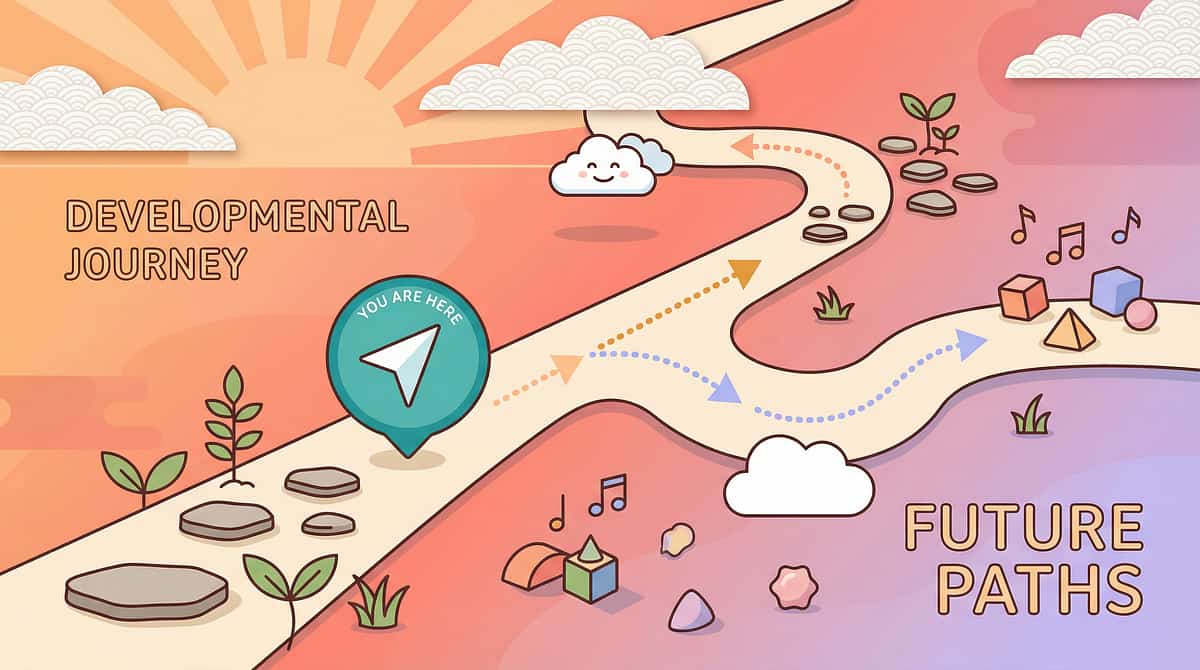
H-739 Is One Point on a Longer Journey. Here's Where You Are — and Where This Leads.
★ YOU ARE HERE: H-739
Word-meaning mastered → H-740
Reading Comprehension: comprehending full text passages, paragraphs, and stories with depth.
Language-print bridge strongest → G-700
Language Comprehension: building oral language comprehension depth in parallel.
Social stories most effective → B-xxx
Social Communication: broader social communication development through print.
Functional reading primary → H-745
Functional Literacy: community literacy and academic reading readiness.
"The goal is not a better reader. The goal is a child who uses reading as a window into the world — to understand stories, navigate environments, communicate needs, and connect with others."
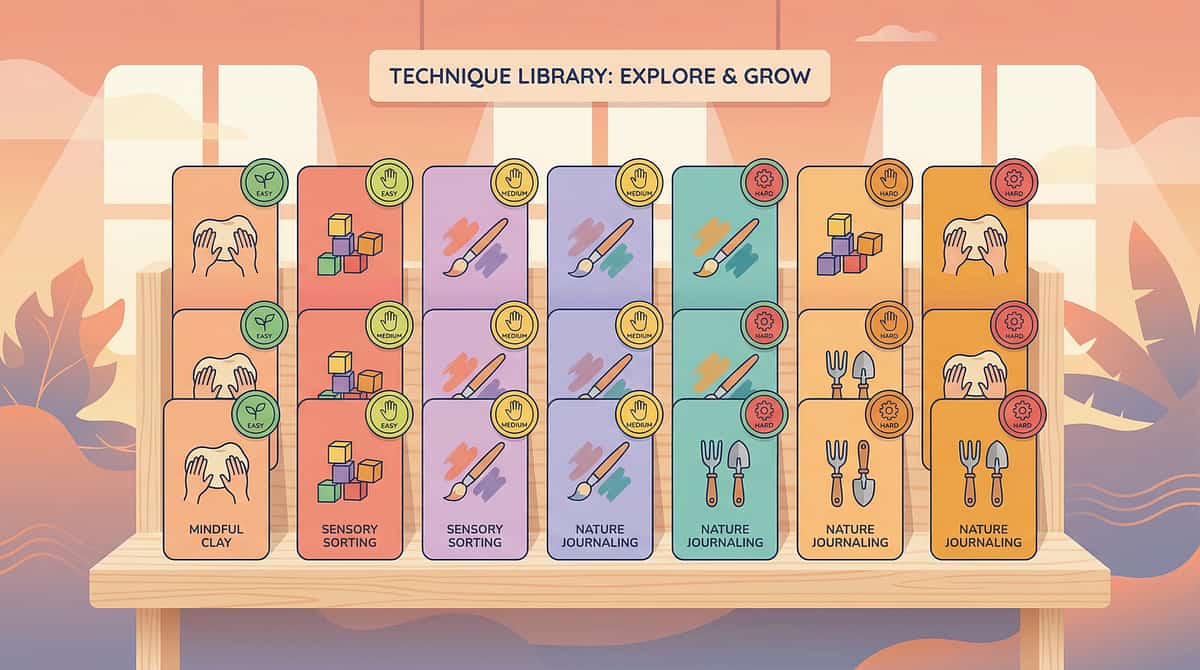
Other Techniques in the Reading & Literacy Domain — Materials You May Already Own
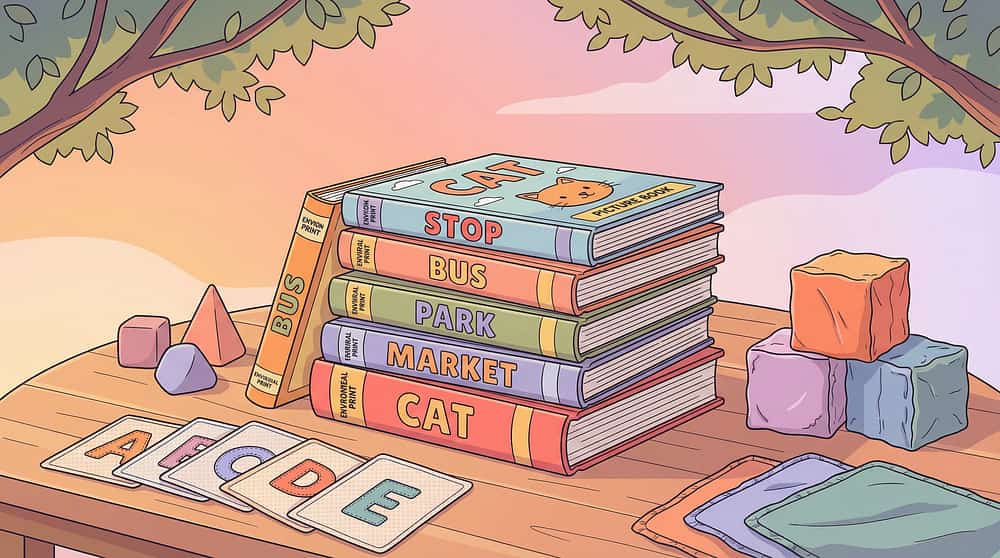
📚 H-737 | Pre-Reading Skills
Intro Level | Canon: Picture Books, Environmental Print For children not yet showing reading interest → Go to H-737
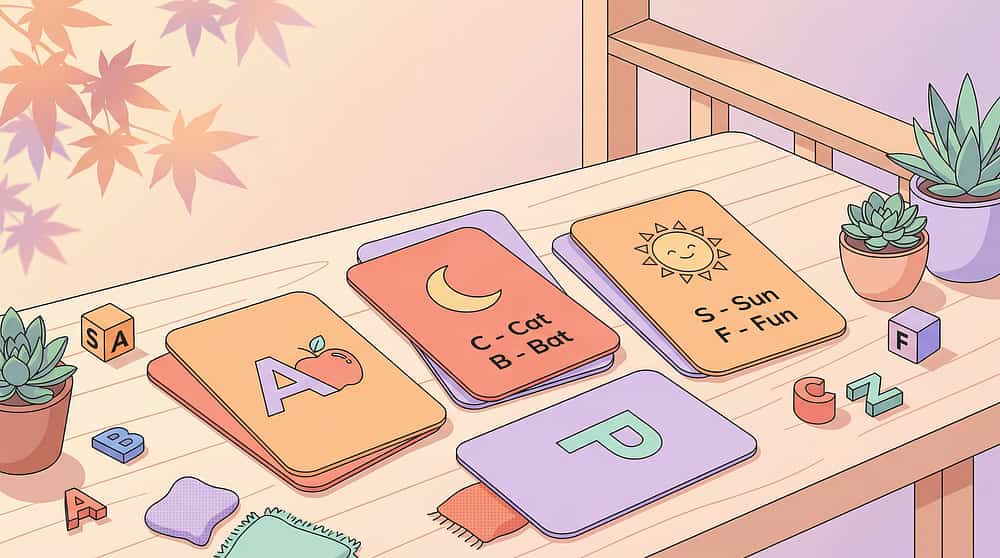
🔤 H-738 | Phonological Awareness
Core Level | Canon: Letter-Sound Materials, Rhyme Cards For children building sound-symbol connection → Go to H-738
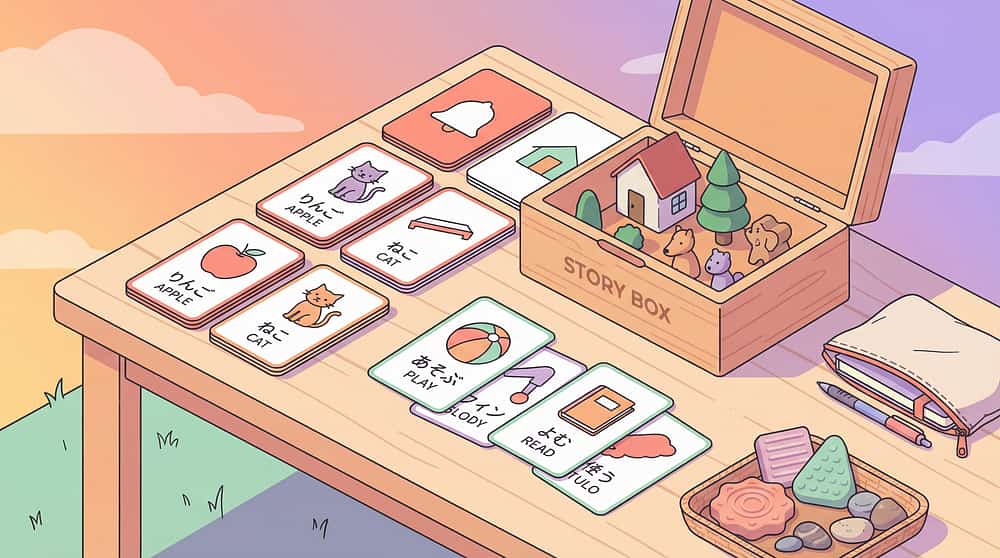
⭐ H-739 | Hyperlexia Support
← YOU ARE HERE Core Level | Canon: Matching Cards, Story Materials Currently active
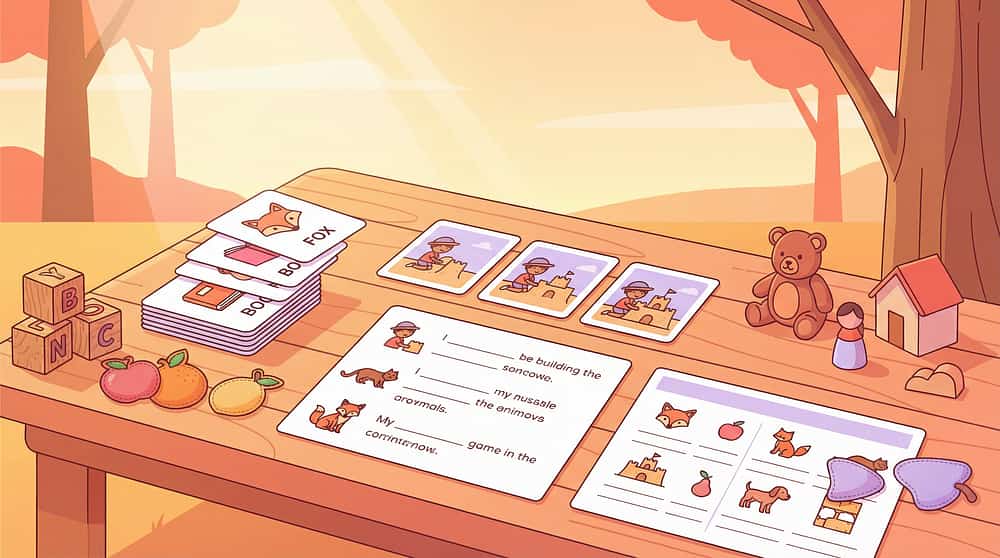
📖 H-740 | Reading Comprehension
Core Level | Canon: Comprehension Cards, Story Retelling Materials Next technique in pathway → Go to H-740
Materials you already own: H-740 uses Question Cards from H-739 ✅ | H-737 uses some picture cards from H-739 ✅ | H-745 uses Functional Reading Materials from H-739 ✅
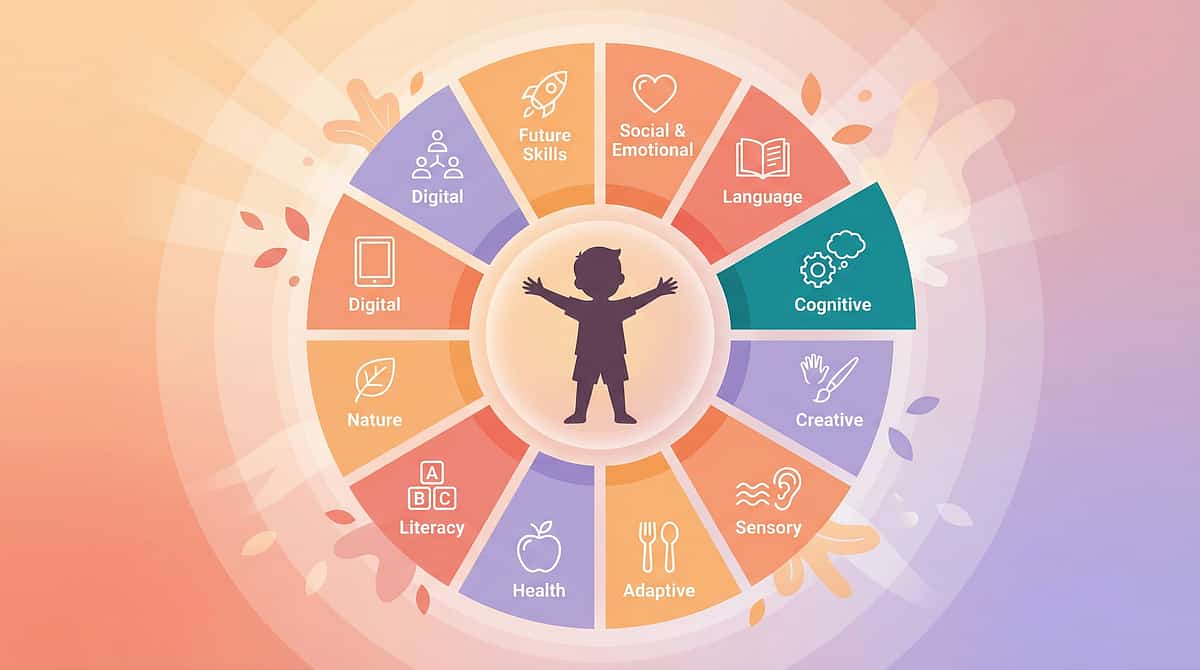
H-739 Is One Technique. Your Child Is a Whole Person. See the Full Map.
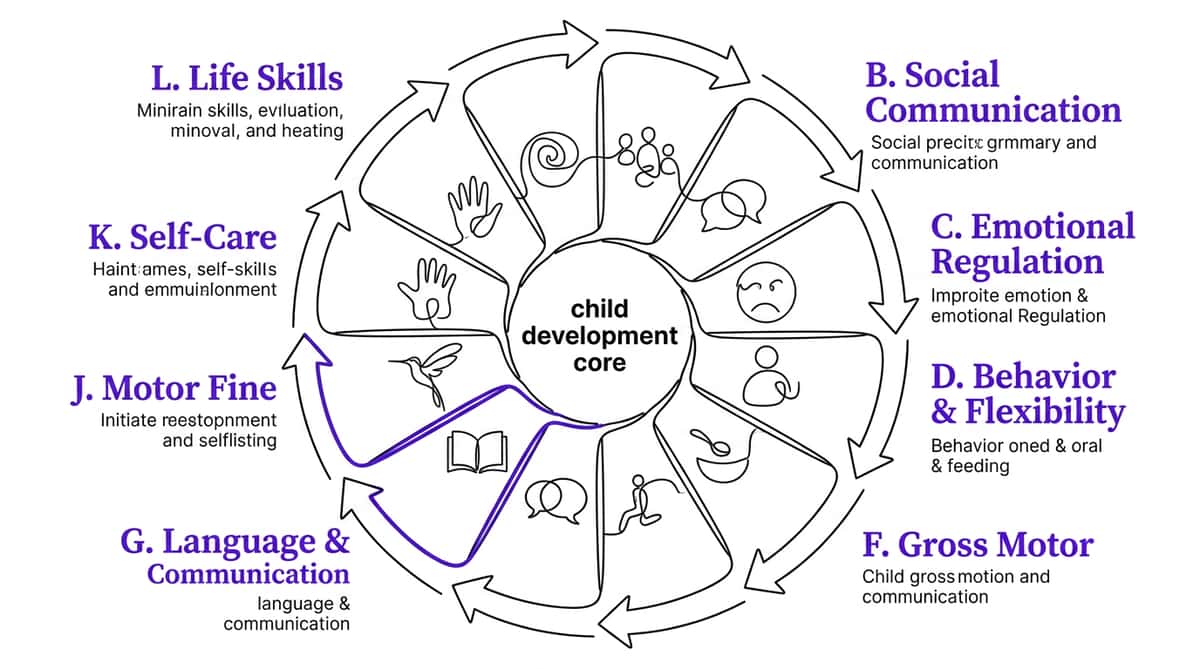
★ H-739 Domain: H — Literacy
This literacy intervention connects to Language (Domain G), Cognition, and Social Communication (Domain B). Progress in one domain accelerates others.
Your Child's GPT-OS® Profile Shows:
- Which of the 12 domains are active in your child's current therapy plan
- How this literacy intervention connects to language and communication
- Progress velocity via AbilityScore®
- Next recommended techniques across all active domains

Real Families. Real Children. Real Progress. The Bridge Can Be Built.
Riya, 4 years — Hyderabad
Before: Riya read aloud fluently at 3 — menus, street signs, books meant for 8-year-olds. But when her mother asked "What did the book say?" she echoed the last sentence verbatim, stared, or walked away. Diagnosed: Hyperlexia Type II with ASD characteristics.
Intervention: 8 weeks — word-to-picture matching starting with 5 vocabulary items from Riya's world, followed by sentence-action strips with gross motor actions she enjoyed.
After Week 8: Independently matches 40+ vocabulary items. Acts out sentences before being asked. Uses a printed phrase card to request preferred activities. Spoken language now includes 3–4 word spontaneous phrases.
"Everyone saw a girl who could read. I saw a girl who didn't understand. Now I see both — and she's building a bridge between them."
Arjun, 6 years — Bengaluru
Before: Arjun read chapter books at 5, recited entire pages from memory. His SpEd identified the gap at 5.5: "He can read the word 'elephant' perfectly. He cannot tell you it's an animal, or that it's big, or what it does."
Intervention: Story comprehension boxes starting with Brown Bear, Brown Bear — a book Arjun had memorized. Props helped him move from scripted recitation to story manipulation. Visual scene displays with his home environment as the setting.
After Week 10: Answers "Who", "What", and "Where" questions with visual support. Retells 3 events from familiar stories. Uses functional materials — snack menus, daily schedule — to navigate his day.
"Arjun's reading was extraordinary. The intervention didn't fix his reading — it gave his reading purpose. We built meaning into the architecture of what was already there." — Therapist's Notes
All cases are illustrative. Outcomes vary by child profile, diagnosis, intervention consistency, and family engagement. Individual assessment by qualified SLP and SpEd is essential.

Isolation Is the Enemy of Consistency. Here's Your Community.
Pinnacle Parent Community
Over 1,000 individuals from 111 countries contributed to the WHO Nurturing Care Framework — because community engagement is not a soft benefit. It is a clinical outcome multiplier. You don't have to navigate hyperlexia alone.
📱 WhatsApp Group — Hyperlexia & Reading Support
Families navigating hyperlexia — sharing strategies, material tips, progress updates, and daily encouragement. → Join Hyperlexia Support Group
💻 Pinnacle Parent Forum — Reading & Literacy Domain
Online community moderated by SLPs and SpEd therapists. Weekly Q&A sessions with Pinnacle consortium specialists. → Join the Forum
🤝 Peer Mentoring: Connect With an Experienced Parent
Families who've completed 8+ weeks of hyperlexia intervention, available to guide newer families. → Request a Peer Mentor
🏢 Local Pinnacle Parent Meetup
Monthly parent meetups at Pinnacle centers — in-person connection with families in your city. → Find Events Near You
Have you completed 6+ weeks of H-739? Your family's experience is valuable to families just starting. Consider sharing your journey in the Pinnacle community. | 9100 181 181 | pinnacleblooms.org
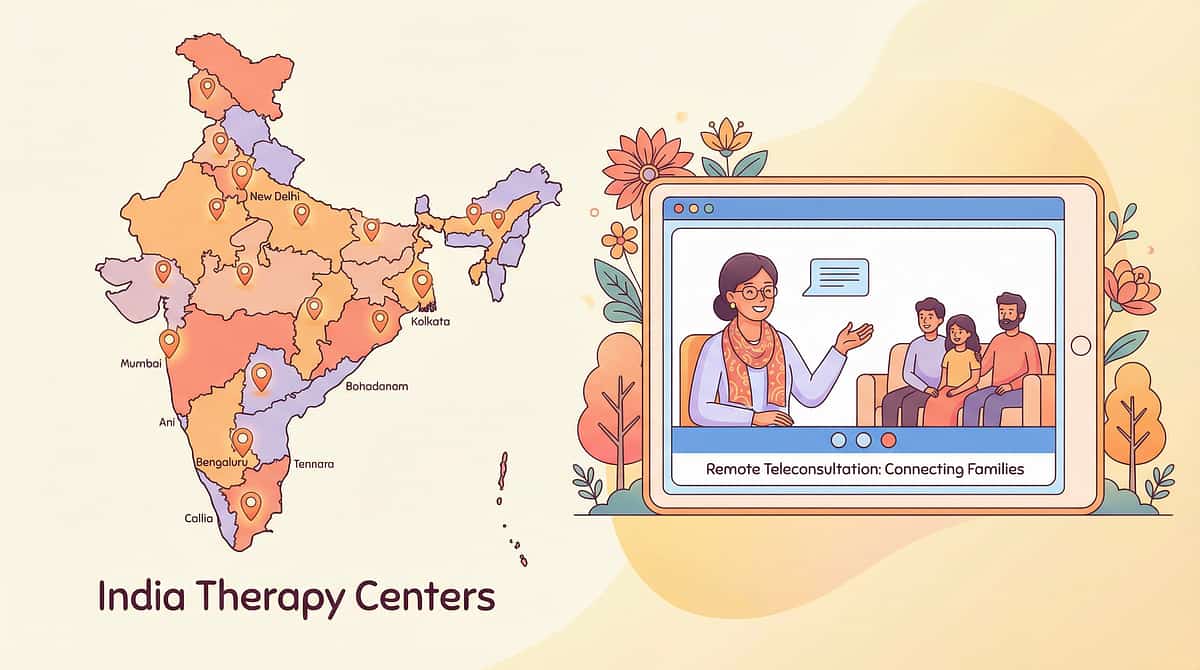
Home + Clinic = Maximum Impact. Your Professional Backup Is Here.
70+ Centers Across India
Teleconsultation Available
🗺 Find Your Nearest Center
70+ centers across India Hyderabad • Bengaluru • Mumbai • Chennai • Pune • Delhi • 50+ more cities
Teleconsultation
48-hour appointment availability Available in: English, Telugu, Tamil, Kannada, Hindi, Marathi, and 10+ more languages
Therapist Matching for H-739
Primary: Pediatric Speech-Language Pathologist (Language-Literacy Specialization) Secondary: Special Educator (Literacy Instruction) Supporting: ABA/BCBA Therapist (Data + Reinforcement) Medical Oversight: Developmental Pediatrician (Diagnosis Confirmation)
Assessment Pathway
- AbilityScore® Assessment → Baseline developmental profile across 12 domains
- Language-Literacy Evaluation → Decoding vs. comprehension gap quantification
- Hyperlexia Profile → Type I/II/III determination
- GPT-OS® Therapeutic Plan → Personalized 12-week intervention roadmap
FREE Helpline: 9100 181 181 | 16+ Languages | 24×7
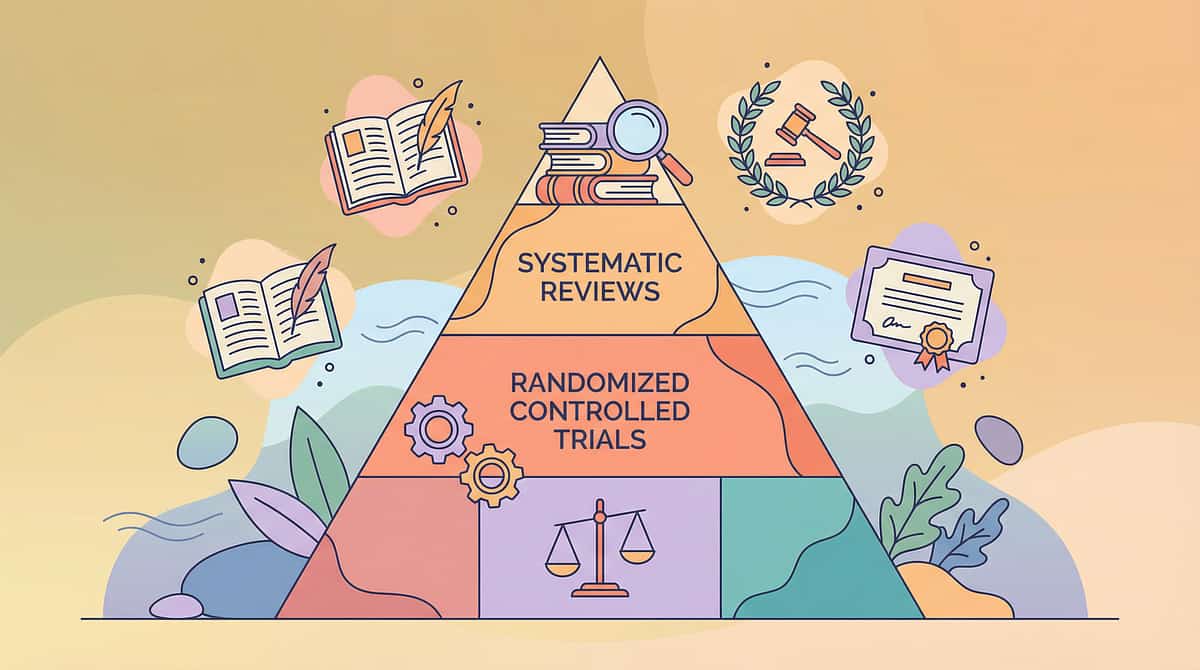
The Evidence Behind Every Card on This Page
For the Curious Parent — and the Skeptical One
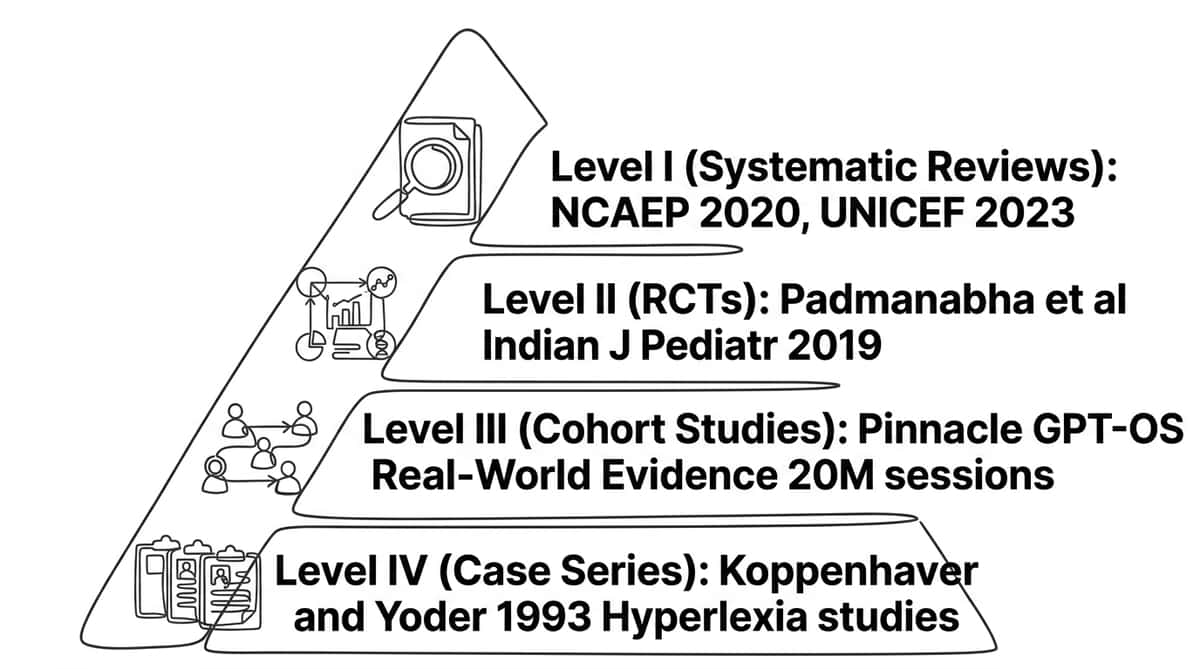
WHO Nurturing Care Framework (2018)
"The period from pregnancy to age 3 is key for developmental outcomes. Multi-modal, equity-focused intervention is evidence-based global standard." Level I Evidence | nurturing-care.org
NCAEP Evidence-Based Practices (2020)
"Visual supports, social narratives, video modeling: confirmed EBPs across 500+ studies." Level I Evidence | ncaep.fpg.unc.edu
Meta-Analysis — World J Clin Cases (2024)
"Literacy-language intervention effectively promotes communication and cognitive-linguistic skills across 24 studies." PMC10955541 | Level I Evidence
Padmanabha et al., Indian J Pediatr (2019)
"Home-based interventions for Indian children with ASD demonstrate significant outcomes." DOI: 10.1007/s12098-018-2747-4 | RCT — Level II
Pinnacle Blooms Network® Real-World Evidence
"20M+ exclusive 1:1 therapy sessions. 97%+ measured improvement via AbilityScore® tracking across 70+ centers. Largest pediatric therapy RWE dataset in India." pinnacleblooms.org/research
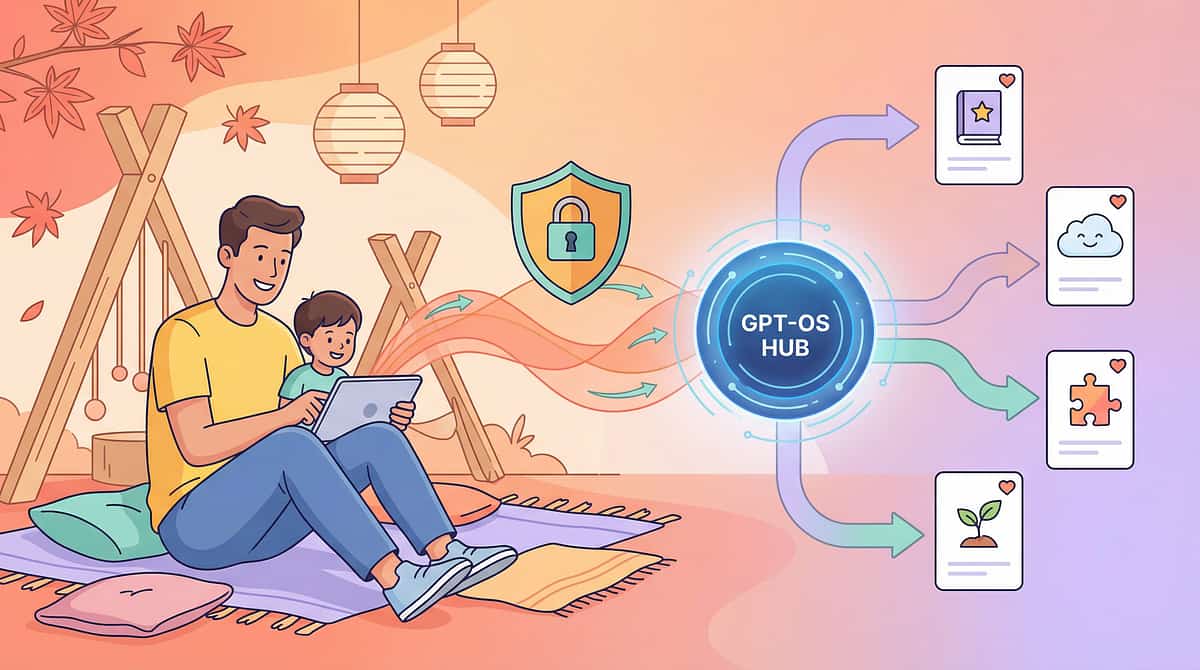
Your Session Data Doesn't Disappear. It Powers Personalized Recommendations for Your Child.
GPT-OS® Technology
Privacy Assured | GDPR + India PDPB Compliant
What GPT-OS® Learns from H-739 Data
- Which of the 9 materials shows fastest comprehension acquisition
- At what session count the decoding-comprehension gap begins to close
- Whether your child shows Type I, II, or III response patterns
- What intensity and frequency produces optimal outcomes
- Predictive: when to advance to H-740, when to consolidate H-739
Privacy Assurance
- All data anonymized and encrypted
- No personally identifiable information shared externally
- Your data used only to improve your child's recommendations
- Opt out of population-level contribution at any time
- GDPR + India PDPB compliant
"20 million sessions of data make the next family's intervention smarter, faster, and more personalized."
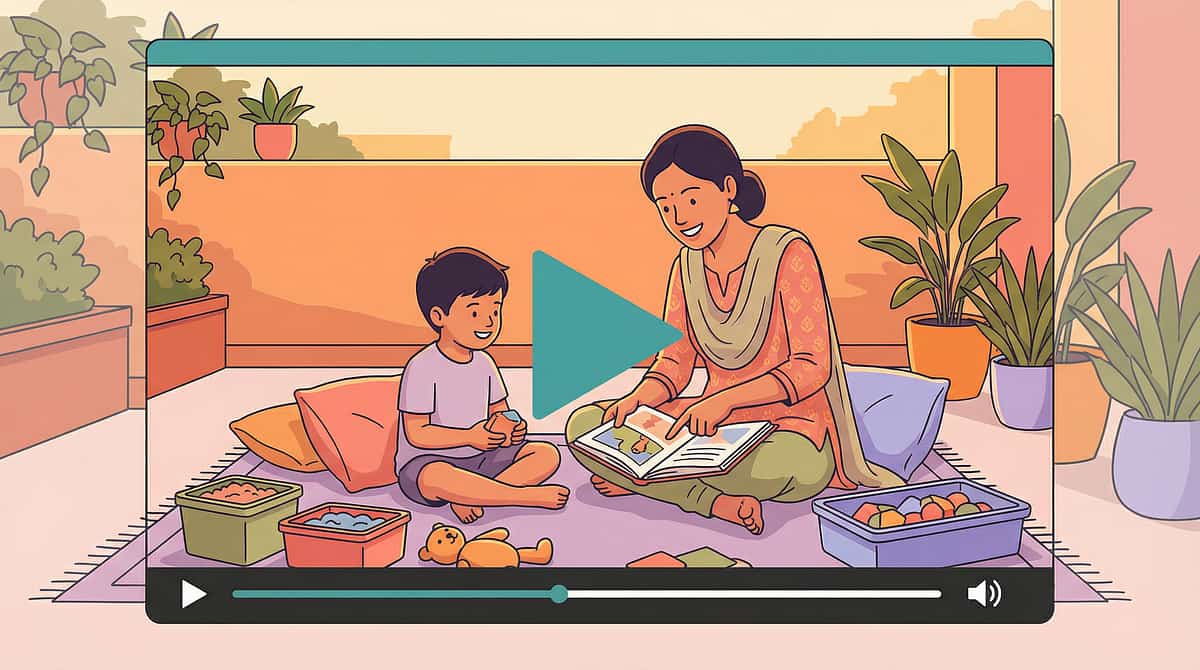
The 60-Second Reel That Brings These 9 Materials to Life
Reel H-739
Reading and Literacy Development | Episode 739 of 999
This reel shows each of the 9 materials demonstrated by a Pinnacle consortium therapist. Watch it, then return to this page for the full protocol. You'll see: a parent's voice — "My child reads everything. She understands almost nothing." — each of the 9 materials in 4–5 seconds, and the moment comprehension clicks.
▶ Watch the Reel
Reel ID: H-739 | Title: 9 Materials That Help With Hyperlexia Support | Duration: 60 seconds | Domain: LIT-HYPER
📚 Related Reels in This Series
H-737: 9 Materials for Pre-Reading Skills H-738: 9 Materials for Phonological Awareness H-739: Hyperlexia Support ← You Are Here H-740: 9 Materials for Reading Comprehension
Evidence: Video modeling is classified as an evidence-based practice for autism (NCAEP, 2020). Multi-modal learning (visual + text + demonstration) improves parent skill acquisition significantly versus text-only.

Consistency Across Caregivers Multiplies Impact. Share This With Everyone Who Cares for Your Child.
A technique practiced by ONE parent for 15 minutes = limited impact. The same technique practiced by BOTH parents + grandparents + school teacher = 4× more consistency, 4× more generalization opportunities, significantly accelerated progress.
📱 WhatsApp Share
One-tap share with custom message: "Our child has hyperlexia — reading without understanding. These 9 materials are helping. Please read this so we can all use the same approach."
📄 Download Family Guide PDF
Simplified version designed for grandparents, extended family, and school staff. ⬇ Download H-739 Family Guide →
🏫 School Communication Template
Formally communicates the hyperlexia profile and home intervention approach to school staff. 📝 Download School Template →
"[Child's name] can read every word perfectly — but doesn't understand what the words mean yet. This is called hyperlexia. It's not a problem with intelligence — it's a specific brain difference. We're teaching [him/her] to connect words to meaning using special cards and activities. Please use the same words and pictures when you read with [him/her]. The consistency helps [his/her] brain make the connections faster." — Explain to Grandparents version

The 8 Questions Every Parent Asks About Hyperlexia and These Materials
SLP + SpEd + NeuroDev Clinical FAQ
Q1: My child is 2 years old and reading. Is it too early for intervention?
No — it is exactly the right time. Early identification and early intervention are the two most powerful variables in outcome prediction. Start with 5-minute sessions, 3 times per week, using word-to-picture matching only. The brain at 2 is maximally plastic. → Contact: 9100 181 181 for an AbilityScore® assessment.
Q2: Does hyperlexia mean my child definitely has autism?
Not necessarily. Type I hyperlexia occurs in neurotypical early readers who develop comprehension naturally. Type II and III are more associated with autism spectrum characteristics. All children showing the decoding-comprehension gap deserve assessment regardless of whether autism is suspected. → 9100 181 181
Q3: Should I stop letting my child read books they love?
Absolutely not. Your child's reading ability is a genuine strength — not a problem to manage. Allow, celebrate, and leverage their reading. The intervention is about adding comprehension to existing reading, not replacing or restricting the reading behavior.
Q4: How long will it take before my child understands what they read?
Most families see initial comprehension indicators within 3–4 weeks of consistent daily practice. Full functional reading comprehension timelines range from 6 months to 2 years. Progress is continuous — the goal shifts as each level is achieved.
Q5: Can I do all 9 materials in one session?
No — and this would be counterproductive. Choose 1–2 materials per session and work them with depth. In a 15-minute session: 5 minutes word-picture matching + 5 minutes sentence-action strips + 3 minutes reinforcement and cool-down is optimal for early sessions.
Q6: My child's school says he's gifted because he reads well. How do I explain hyperlexia?
Use this page's Family Guide (Card 37 download). Decoding and comprehension are assessed separately. Request that the school conduct formal reading comprehension assessment — not just oral reading assessment. → Download School Communication Template
Q7: Should my child be doing speech therapy alongside this home intervention?
Yes — and the SLP is the primary professional for hyperlexia intervention. Home implementation using these 9 materials extends and amplifies what the SLP is doing clinically. Bring your tracking data (Card 20) to every therapy session. → Book SLP Assessment: 9100 181 181
Q8: What if my child refuses all the materials?
Start with what they ALREADY love — their preferred reading material. Read together with no demands for 5 minutes. Then introduce one material item as a "fun thing." Do not demand engagement. If refusal persists after 2 weeks of daily low-demand exposure, consult your ABA therapist for a motivation and pairing assessment.

Your Child's Bridge from Decoding to Meaning Starts Today.
You have the materials list. You have the protocol. You have the research. You have the community. The only thing left is the first session.
VALIDATED BY THE PINNACLE BLOOMS CONSORTIUM
🗣 SLP • 📖 SpEd • 🧩 ABA • 🤲 OT • 🧠 NeuroDev 20M+ Sessions • 97%+ Improvement • 70+ Centers
FREE National Autism Helpline | 16 Languages | 24×79100 181 181
Preview of 9 materials that help with hyperlexia support Therapy Material
Below is a visual preview of 9 materials that help with hyperlexia support therapy material. The pages shown help educators, therapists, and caregivers understand the structure and content of the resource before use. Materials should be used under appropriate professional guidance.


Link copied!
The Pinnacle Promise
Pinnacle Blooms Network®
Built by Mothers. Engineered as a System.
OT • SLP • ABA/BCBA • Special Education • NeuroDevelopmental Pediatrics • CRO
"From fear to mastery. One technique at a time." Every parent who arrives at techniques.pinnacleblooms.org arrives with fear — fear that their child won't connect words to meaning, won't understand stories, won't read for real-world purpose. We arrive with 20 million sessions of evidence, 70+ centers of clinical wisdom, and the knowledge that the bridge from decoding to meaning CAN be built. We exist to give every family — in India and across the world — the precise tools to build it.
Medical Disclaimer: This content is educational. It does not replace individualized assessment and intervention from qualified speech-language pathologists, developmental pediatricians, or reading specialists. Hyperlexia is often associated with autism spectrum disorder and requires comprehensive developmental evaluation. The strategies presented supplement but do not replace professional therapeutic intervention. Consult your child's therapy team for personalized guidance. Individual results may vary.
Statutory Identifiers
CIN: U74999TG2016PTC113063 | DPIIT: DIPP8651 (Govt. of India) | MSME: Udyog Aadhaar TS20F0009606 | GSTIN: 36AAGCB9722P1Z2
Contact & Navigation
FREE National Autism Helpline: 9100 181 181 pinnacleblooms.org | techniques.pinnacleblooms.org © 2025 Pinnacle Blooms Network®, unit of Bharath Healthcare Laboratories Pvt. Ltd. | CIN: U74999TG2016PTC113063 All rights reserved. GPT-OS® | AbilityScore® | TherapeuticAI® | FusionModule™ | EverydayTherapyProgramme™ are proprietary systems of Bharath Healthcare Laboratories Pvt. Ltd.