
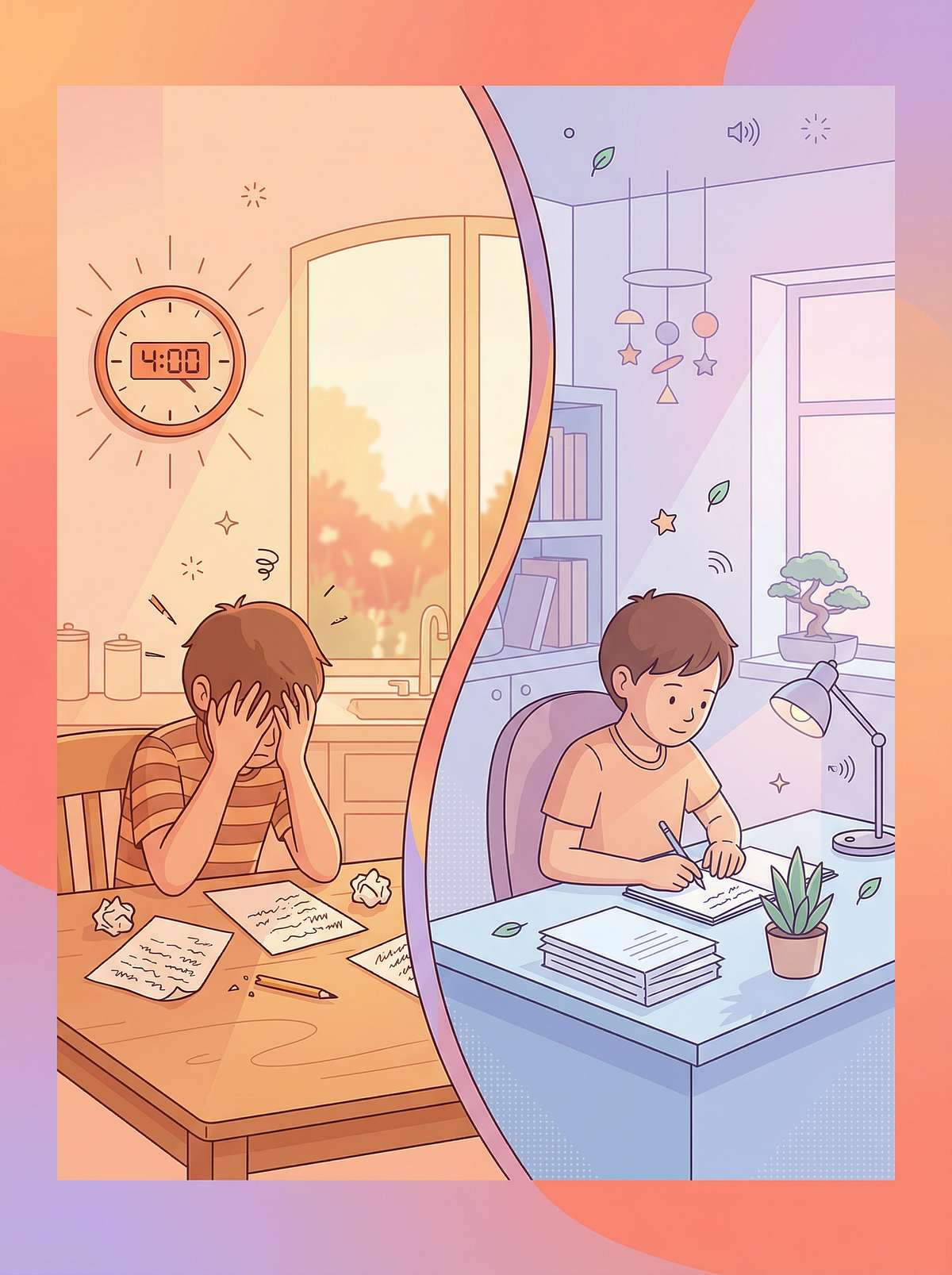
The Homework War Has to End.
Every day. Same time. Same tears. Same power struggle. There is a reason — and there is a way through.
"My son is eight years old and homework takes three hours when it should take thirty minutes. The moment I say 'homework time,' his whole body tenses. He stares at the page. He melts down over one wrong answer. He forgets assignments. He hides worksheets. By the end, we're both crying. His test scores prove he's capable. But homework has become this monster destroying our relationship. I dread 4 PM. He dreads 4 PM."— Parent, Pinnacle Network
9 Materials That Help With Homework Battles
Structure replaces struggle. Systems replace power. Your evenings can be yours again.
Pinnacle Blooms Consortium Validated
Ages 5–14
Series H-744
Home-School Integration
WHO Nurturing Care Framework (2018): Caregiver-led structured environments directly impact executive function development. | NCAEP Evidence-Based Practices (2020)

Millions of Families Fight This Battle Every Evening
Homework battles are not a parenting failure. They are not a character defect in your child. They are the predictable, documented consequence of asking a neurodevelopmentally different child to perform six simultaneous executive functions — task initiation, sustained attention, working memory, emotional regulation, organization, and time management — in an unstructured environment, after eight hours of school.
1 in 3
ADHD Homework Stress
Children with ADHD report homework as their single greatest daily stressor
67%
Family Relationships Strained
Parents of children with executive function challenges describe homework as "destroying family relationships"
21M+
Pinnacle Sessions
Therapy sessions across 70+ centers confirming homework struggles as a top-5 presenting concern
"You are among millions of families navigating this exact challenge. The evening battle is not chaos — it is a neurological system asking for scaffolding." — Pinnacle Blooms Consortium, OT-ABA-SpEd Team
🇮🇳India context: With 18M+ children estimated to have ADHD and 7.5M with autism spectrum profiles in India alone (NIMHANS 2023 estimates), homework hour represents the largest single daily therapeutic challenge facing Indian families.
PRISMA systematic review (2024): 80% of children diagnosed with autism display executive function-related challenges in academic task completion. | PMC11506176 | PMC10955541
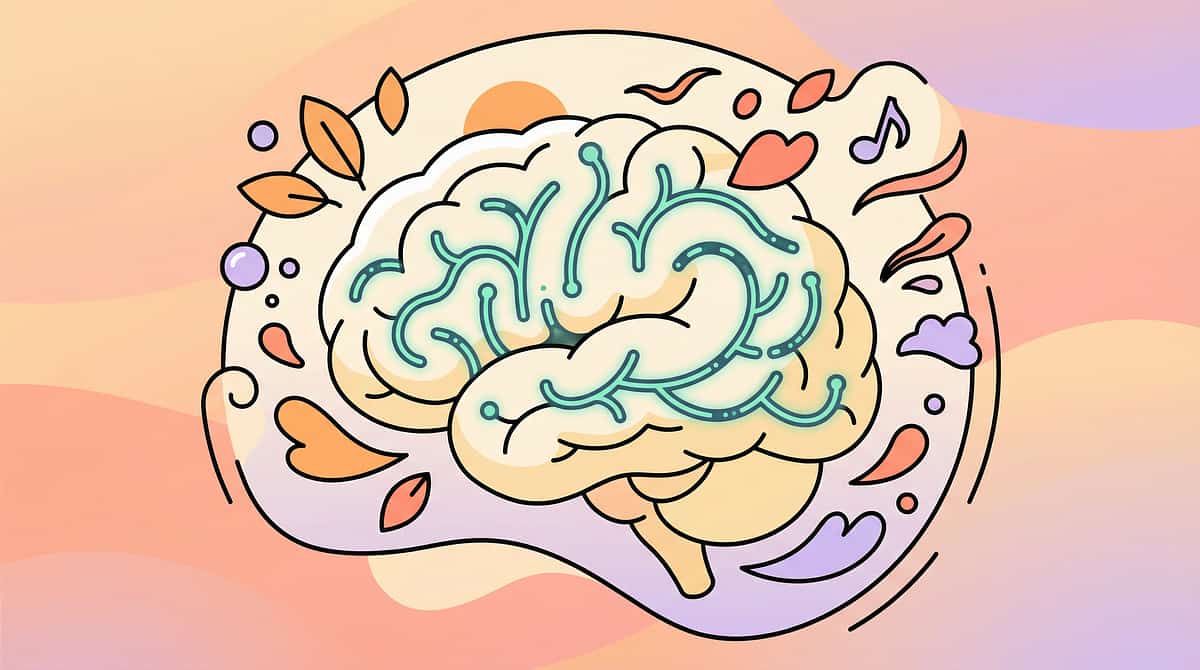
This Is a Wiring Difference, Not a Behavior Choice
What the Science Says
🧠The Prefrontal Cortex regulates task initiation, planning, and impulse control. In children with ADHD and autism, this region shows measurably different activation patterns — especially under unstructured, self-directed conditions.
🧠The After-School Restraint Collapse is a documented neurological phenomenon: children spend their entire school day suppressing impulses and regulating emotions. By 4 PM, there is genuinely nothing left for homework.
🧠Working Memory Limitations mean the child struggles to hold the instruction "do your math homework" in mind while simultaneously executing it — a task requiring at least 4 concurrent executive processes.
What This Means at Home
✅ When your child "forgets" instructions the moment you give them — their working memory is full, not their defiance level.
✅ When they cannot "just start" — task initiation requires the same neural effort as lifting a heavy weight. After a school day, the muscle is fatigued.
✅ When a single wrong answer causes a meltdown — the prefrontal cortex has lost its ability to regulate the emotional response to frustration.
✅ When they do brilliantly in school but collapse at home — school structure held them together. Home has no structure yet.
"Your child is not choosing to make homework hard. Their brain is asking for the external structure that their internal systems cannot yet provide." — Pinnacle NeuroDev + OT Consortium Team
Frontiers in Integrative Neuroscience (2020): After-school executive depletion and the neuroscience of unstructured task demand. | DOI: 10.3389/fnint.2020.556660
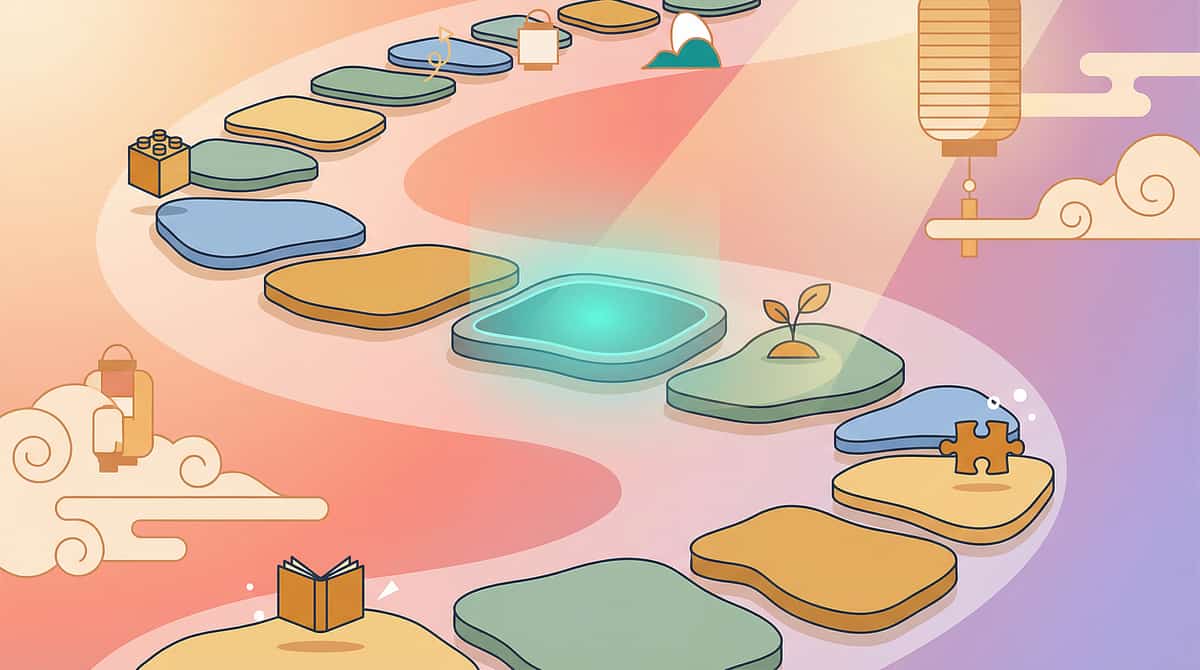
Your Child Is Here. Here Is Where We're Heading.
The executive function build zone spans ages 5–14 — precisely when most homework battles occur. Understanding where your child sits developmentally reframes the struggle as a natural phase requiring structured support, not a permanent character flaw.
Ages 4–5 · Foundation
Task awareness emerging. All structure is external. No independent homework demand appropriate.
Ages 6–7 · Emerging
Task initiation with heavy support. Simple routines beginning. Most children need full adult scaffolding.
Ages 8–10 · Typical Demand Zone ← Most Battles Here
Independent homework expected — but executive capacity is still actively developing. Scaffolding is clinically necessary, not optional.
Ages 11–13 · Building Independence
Moving toward self-directed routines. Structured systems transfer to self-management.
Ages 14+ · Mastery
Full independent homework readiness. Self-generated scheduling and long-term project management.
📍Ages 5–14: The Executive Function Build Zone. WHO developmental guidelines identify this as the period when external scaffolding is not a crutch — it is a clinical necessity.
What commonly co-occurs with homework battles:
ADHD
Task initiation + attention deficits
Autism
Rigidity + transitions + sensory overload
Anxiety
Fear of failure + perfectionism
Learning Differences
Dyslexia, dyscalculia
Sensory Processing
Auditory sensitivity, proprioceptive seeking
Restraint Collapse
After-school emotional dysregulation
👉Where We're Heading: Independent homework initiation within 8–10 minutes, sustained engagement, frustration tolerance, and completion without family conflict — by the end of 8 consistent weeks of structured support.
WHO Care for Child Development (CCD) Package | UNICEF MICS developmental monitoring indicators | PMC9978394

Clinically Validated. Home-Applicable. Parent-Proven.
Evidence Grade: Level II
Systematic Reviews + RCTs
🏛️ Pinnacle Blooms Consortium Validated
90% Confidence in Clinical Effect
These 9 materials are not wellness suggestions. They are clinically-grounded tools drawn from occupational therapy, ABA, and special education evidence bases. They work when implemented consistently.
📞FREE National Autism Helpline: 9100 181 181 16+ languages · Available 24x7
Key Research Supporting H-744
Study | Finding | Source | |
PRISMA Systematic Review (2024) | Visual schedules and executive function scaffolding tools meet evidence-based practice criteria for ADHD and ASD | PMC11506176 | |
Meta-analysis, 24 studies (2024) | Structured environmental supports promote task initiation, sustained attention, and emotional regulation | PMC10955541 | |
WHO CCD Package (2023) | Home-based structured interventions demonstrate significant outcomes across 54 low- and middle-income countries | PMC9978394 | |
Indian RCT, Padmanabha et al. (2019) | Home-based structured interventions by parent-caregivers showed significant improvements in behavioral outcomes | DOI:10.1007/s12098-018-2747-4 | |
NCAEP Evidence-Based Practices (2020) | Visual supports, structured work systems, and reinforcement-based strategies classified as evidence-based for autism | NCAEP 2020 |
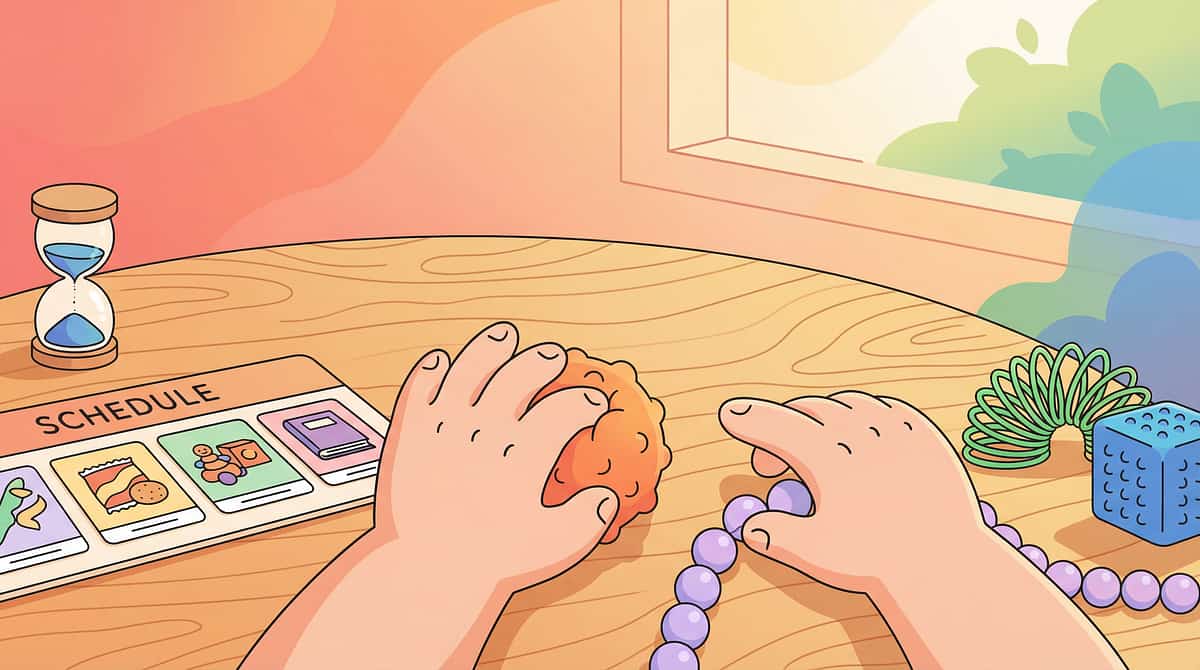
H-744 | What This Technique Is
Executive Function Environmental Scaffolding
The Homework Structure System
This technique introduces nine specific therapy-grade materials that restructure the homework environment to match the child's current executive function capacity. Rather than demanding the child "try harder" — which fails when the challenge is neurological — these materials provide external structure that compensates for internal executive gaps: making time visible, breaking tasks into concrete steps, building in regulated breaks, reducing sensory barriers, and giving frustration somewhere to go besides meltdown.
Domain
Executive Functioning · Home-School Integration · Emotional Regulation
Age Range
5–14 years
Session Frequency
Every homework session · 30–90 min daily
Canon Materials
Reinforcement Menus · Visual Schedules · Timer Tools · Fidget/Sensory Tools · Organizational Systems
⚠️What This Is NOT: This is not a punishment system, a reward-for-compliance program, or a substitute for professional evaluation. These materials are environmental scaffolding tools — the therapeutic equivalent of glasses for vision: they don't fix the underlying difference, they make function possible.
This technique is delivered within the EverydayTherapyProgramme™ — the daily home-execution layer of GPT-OS® that translates clinical OT/ABA/SpEd plans into parent-executable home routines. | Pinnacle 128 Canon Materials taxonomy · 12 Domain architecture (Domain H: Home-School Integration)

The Full Consortium Behind This Technique
Homework battles are a multi-discipline challenge. The Pinnacle consortium brings every relevant clinical specialty together so that each component of the struggle — neurological, behavioral, academic, sensory — is addressed by the right expert.
🔵 Occupational Therapist (PRIMARY LEAD)
OTs design and prescribe the environmental scaffolding — selecting specific visual supports, timer tools, sensory modifications, and workspace organization systems based on the child's sensory-executive profile.
🟣 ABA / BCBA Therapist
Behavior analysts design the reinforcement architecture — First/Then boards, token systems, break contingencies, and data collection protocols that ensure behavioral momentum through homework tasks.
🟢 Special Education Specialist
SpEd professionals advise on task breakdown granularity, folder systems, homework load modifications, and school communication strategies — bridging home and academic expectations.
🔴 NeuroDev Pediatrician
NeuroDev doctors provide diagnostic clarity — confirming whether executive function challenges meet threshold for ADHD, ASD, or learning difference diagnoses qualifying the child for formal academic accommodations.
🟡 Speech-Language Pathologist
SLPs address working memory and processing components — ensuring instructions are linguistically accessible and that the child's receptive language capacity matches homework demands.
🩷 Pinnacle Families
Mothers, fathers, and primary caregivers are the daily execution layer — trained by the consortium to implement these tools consistently. Their implementation data feeds back into GPT-OS® to personalize the program.
"The brain doesn't organize by therapy type. A homework battle involves executive function (OT), behavior (ABA), academic access (SpEd), sensory processing (OT), language processing (SLP), and emotional regulation (all disciplines). This is why the consortium approach produces outcomes that single-discipline therapy cannot."

Precision, Not Guesswork — What These 9 Materials Actually Target
🎯 Primary Target — Daily Homework Completion
- Task initiation within 5–10 minutes (vs. 30–90 minute avoidance cycles)
- Homework completion within expected timeframe
- Session completion without meltdown or shutdown
🥈 Secondary Targets — Family & Emotional Wellbeing
- Reduction in parent-child conflict during homework hour
- Child's emotional regulation during academic frustration
- Sibling and family atmosphere protection
🥉 Tertiary Targets — Long-Term Executive Capacity
- Internalization of scheduling skills
- Independent use of time management tools
- Academic self-efficacy and growth mindset development
Executive Function Sub-Targets
🚀 Task Initiation
Breaking the avoidance-overwhelm cycle at the moment it starts
⏱️ Time Management
Making invisible time visible and concrete through external tools
🧩 Working Memory
Offloading cognitive load onto external systems so the brain can focus
💪 Emotional Regulation
Giving frustration a structured outlet before it reaches meltdown
📁 Organization
External systems for children whose internal organization is still developing
🔋 Sustained Attention
Neurobiological breaks that restore focus and prevent burnout within a session
Meta-analysis (World J Clin Cases, 2024): Executive function scaffolding tools promote task initiation, sustained attention, organization, and emotional regulation across 24 studies. | PMC10955541
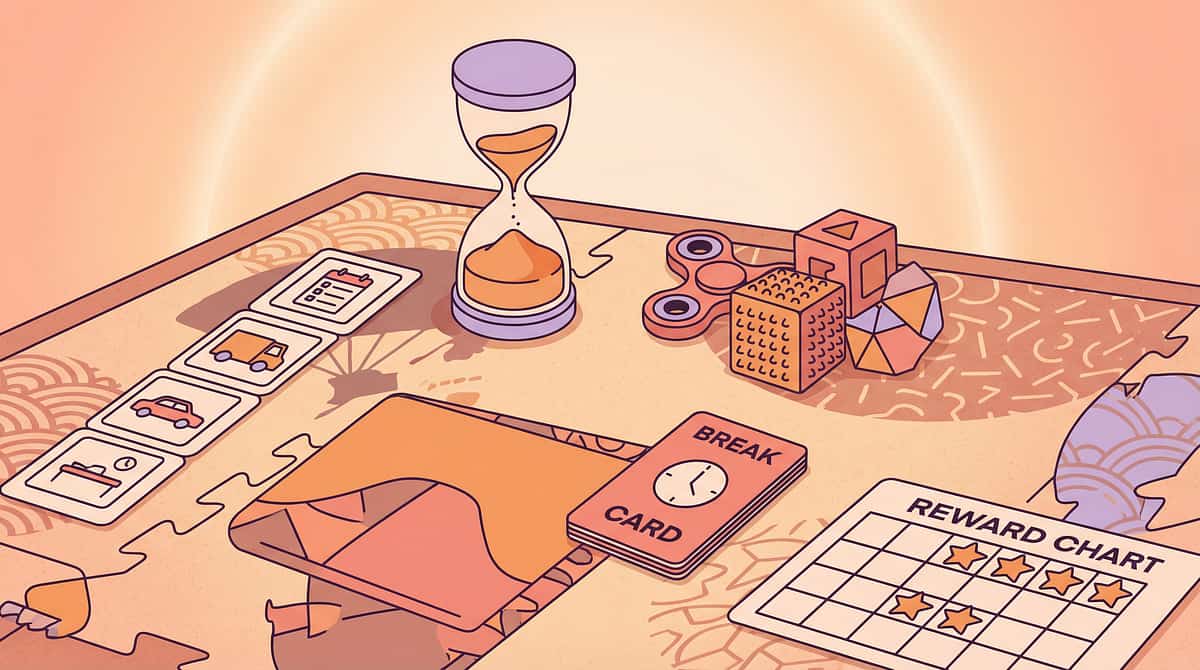
The 9 Materials — Buy, Earn, or Make Today
🏛️ All materials below are drawn from the Pinnacle 128 Canon Materials taxonomy — clinically validated selections by the Pinnacle OT-ABA-SpEd consortium.
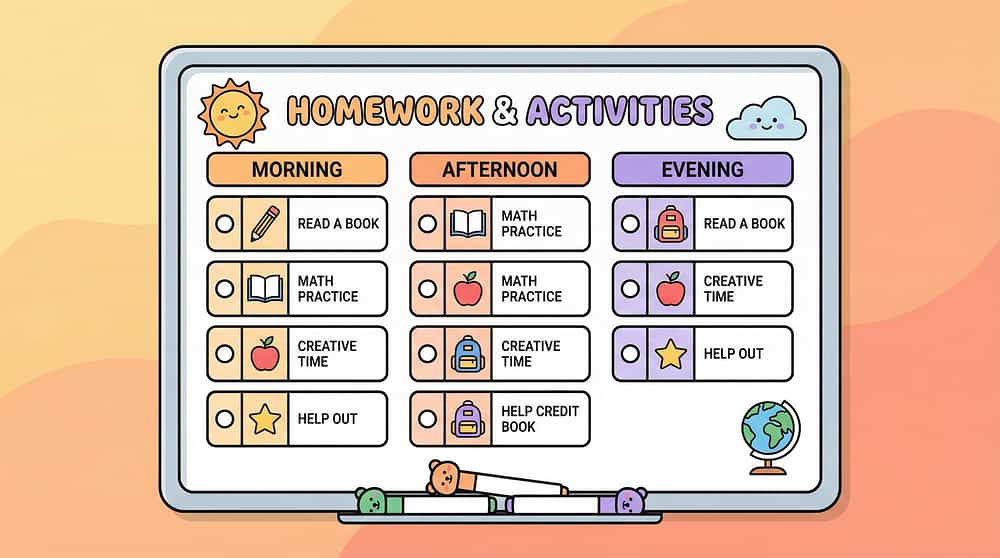
1️⃣ Visual Homework Schedule Board
📁Canon Category: Visual Schedules / Organizational Systems
Makes the invisible visible — task sequence, timeboxes, completion markers. The foundation of the entire system.
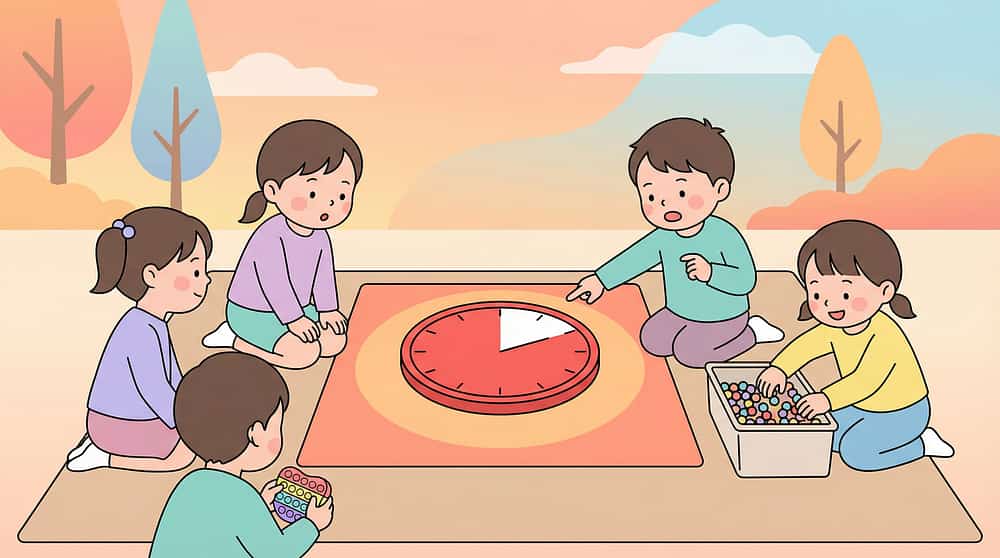
2️⃣ Visual Timer (Time Timer or equivalent)
📁Canon Category: Timer Tools / Time Management Aids
Time becomes concrete — child works until the red is gone, not until parent decides. The timer becomes the authority.
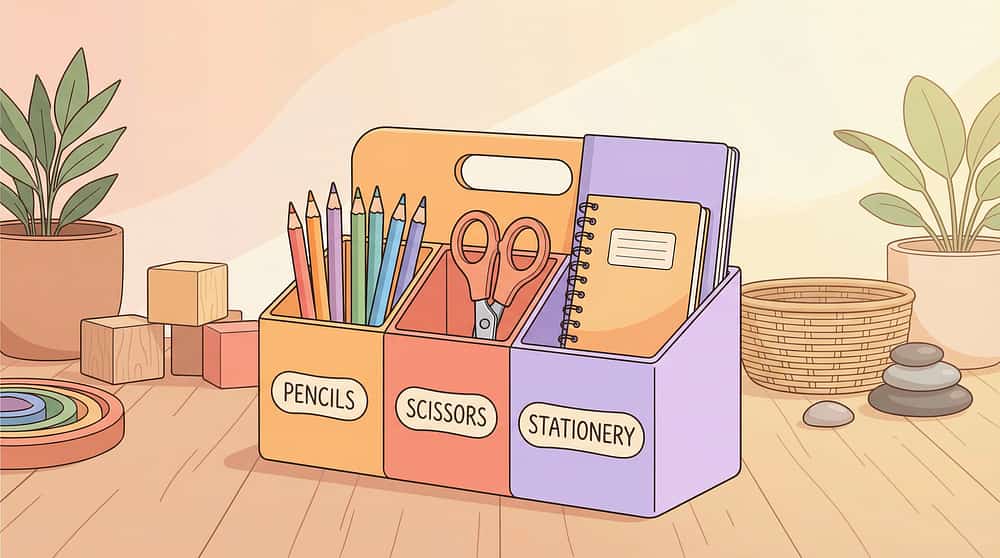
3️⃣ Homework Station Caddy / Supply Organizer
📁Canon Category: Organizational Systems / Homework Environment
Eliminates every "I can't find my pencil" avoidance trigger. All supplies in one consistent location.
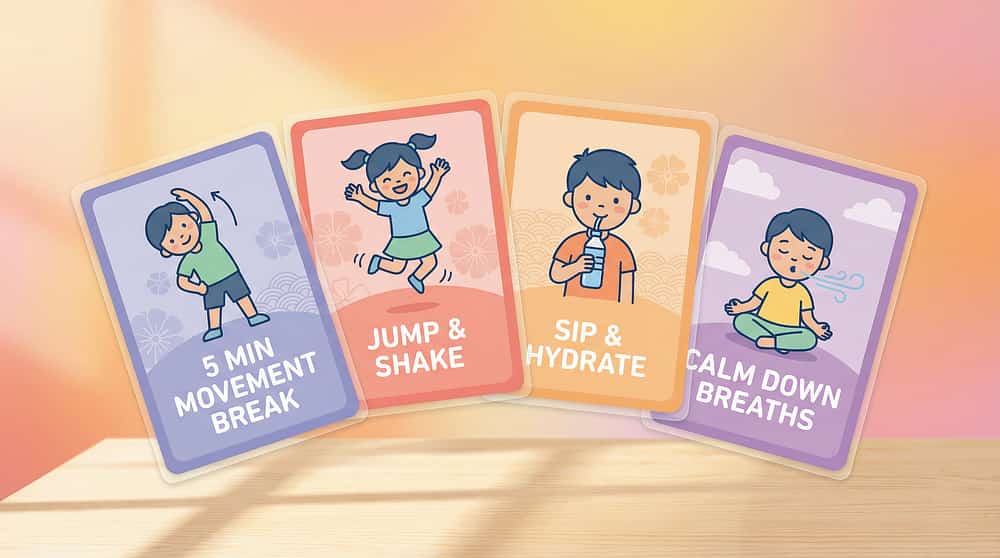
4️⃣ Break Cards System (Laminated Card Set)
📁Canon Category: Behavioral Support Tools / Break Systems
Scheduled breaks prevent meltdown breaks — neuroscience in a card. Child controls their own regulatory pauses.
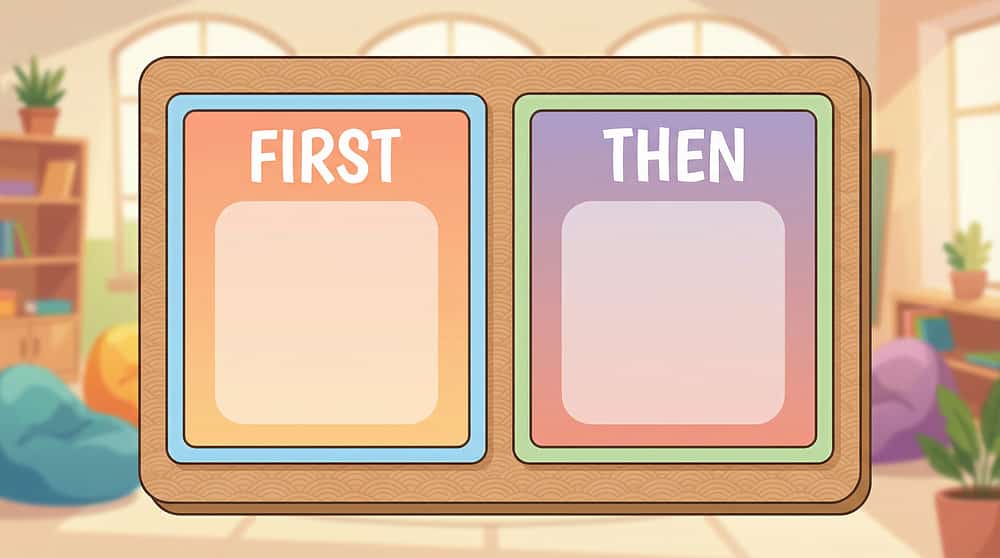
5️⃣ First/Then Board
📁Canon Category: Reinforcement Menus / Motivational Supports
The Premack Principle in visual form — work earns reward, visible and trustworthy. Eliminates "but you promised."
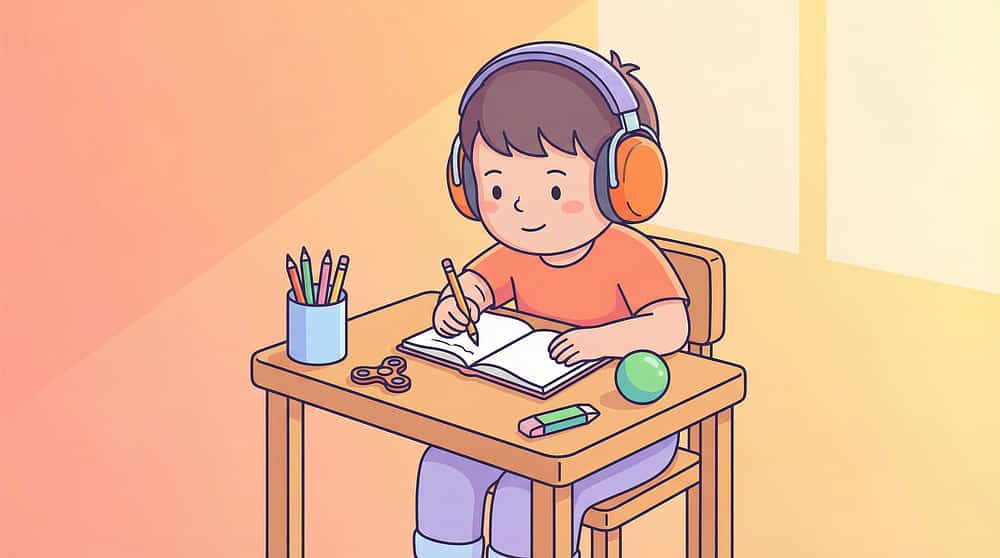
6️⃣ Noise-Reducing Headphones / Earmuffs
📁Canon Category: Sensory Regulation Tools / Auditory Management
Creates an auditory focus bubble — transforms the homework environment for sensory-sensitive children instantly.

7️⃣ Fidget Tools (Stress Ball / Therapy Putty / Fidget Cube)
📁Canon Category: Sensory Regulation Tools / Proprioceptive Inputs
Channels movement need productively — one hand fidgets, one hand works. Especially effective for sensory-seeking children.

8️⃣ Homework Folder System (Two-Pocket: TO DO / DONE)
📁Canon Category: Organizational Systems / Academic Tools
External organization for children whose internal organization is still developing. The folder is their organizational brain.
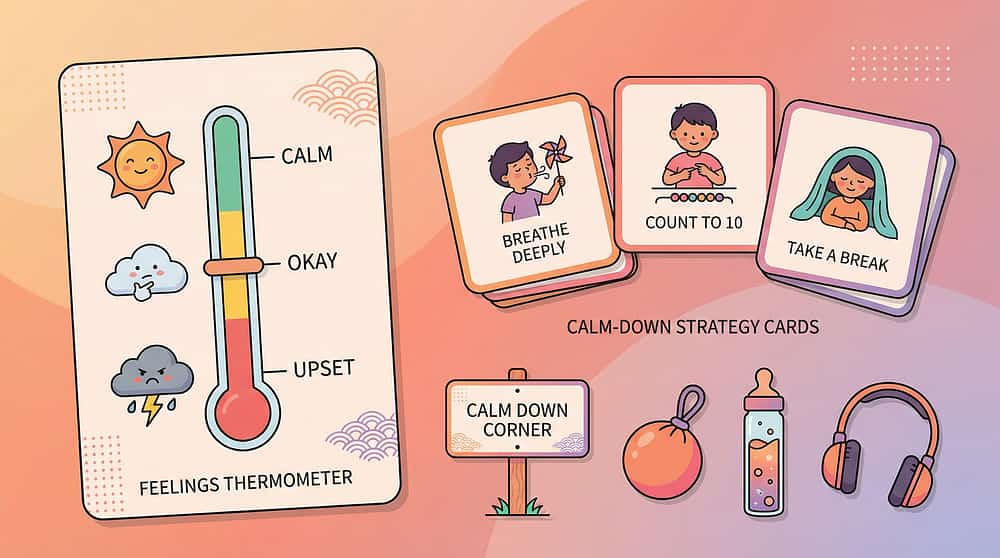
9️⃣ Emotion Regulation Toolkit (Calm-Down Cards + Feelings Thermometer)
📁Canon Category: Reinforcement Menus / Emotional Regulation Supports
Gives frustration somewhere to go besides meltdown — training wheels for self-regulation built before the storm hits.
🏆 Pinnacle Active Canon Products — Verified Links
Reward Jar
The Rosette Imprint Reward Jar — ₹589 Use with First/Then boards and break card systems
Reward Sticker Book
Sticker Reward Book — ₹364 (1800+ stickers) Token economy + celebration tool for homework milestones
Interactive Clock
Smartivity DIY Interactive Clock — ₹673 Builds time concept understanding alongside visual timer use

Every Family Can Start Today — ₹0 Options for All 9 Materials
WHO Nurturing Care Framework Principle: Every child deserves access to evidence-based developmental support, regardless of family income. These ₹0 alternatives achieve the same therapeutic mechanism.
Material | Buy Version | ₹0 DIY Version | Same Principle | |
1. Visual Homework Schedule | Laminated schedule board (₹200) | Whiteboard + marker OR sticky notes in sequence on wall, removed as completed | External task sequencing with visible completion markers | |
2. Visual Timer | Time Timer device (₹800) | Phone timer app (full screen countdown) OR sand timer from kitchen OR draw clock face on paper with highlighted "work zone" | Making time visible and concrete — timer as authority | |
3. Homework Station | Branded desk caddy (₹400) | Shoebox or steel dabba with labeled compartments, restocked weekly | All supplies in one consistent location — no executive energy spent searching | |
4. Break Cards | Printed laminated cards (₹150) | Cut cardstock with hand-drawn icons: "5 min," "jump," "water" — laminate with tape | Scheduled, child-controlled break system that prevents meltdown breaks | |
5. First/Then Board | Velcro board (₹250) | Two sticky notes side by side: FIRST [task] → THEN [reward], rewritten each session | Premack Principle — visible work-reward contract | |
6. Noise Headphones | Noise-reducing headphones (₹800) | Earplugs (₹20) OR study in quietest room OR play white noise/instrumental music on phone | Reduce auditory distractors to create focus zone | |
7. Fidget Tool | Therapy putty or fidget cube (₹300) | Small smooth stone, rubber eraser to squeeze, folded fabric to touch, rice in ziplock bag | Proprioceptive input to the hands channels movement need and supports focus | |
8. Homework Folder | Color-coded two-pocket folder (₹80) | Any folder, label inside pockets with marker: "TO DO" and "DONE" | External organizational scaffolding — the folder is their organizational brain | |
9. Emotion Toolkit | Printed card set (₹200) | Handwritten index cards: list 5 calm-down options (deep breaths, squeeze fists, walk, water, 60 seconds away) + draw a "feelings thermometer" on paper | Externalizing emotion regulation options before the overwhelm hits |
⚠️When Clinical-Grade Is Non-Negotiable: For children with significant sensory processing differences (especially auditory hypersensitivity), clinical-grade noise-reducing headphones may be materially different from DIY alternatives. Consult your OT for sensory profile guidance.
WHO NCF Handbook (2022): Household-material-based interventions demonstrate efficacy in CCD Package across 54 LMICs. PMC9978394

Read This Before Starting — Clinical Safety Gate
The right session conditions determine whether these tools succeed or struggle. A 60-second safety check before every session protects both your child and the therapeutic momentum you're building.
🔴 RED STOP — Consult Your Therapist First
- Child has had a major meltdown within the last 60 minutes — the nervous system needs recovery time before adding structure demands
- Child shows signs of illness (fever, stomachache, headache) — may be anxiety somatic responses OR genuine illness; either requires attention before homework
- Homework has been used punitively in the past — trauma association requires desensitization before these techniques will work
- Child has undiagnosed learning differences making the homework content itself inaccessible — structure tools cannot compensate for a curriculum gap
- You as a parent are in a triggered, dysregulated state — co-regulation requires the parent to be regulated first
🟡 AMBER MODIFY — Proceed With a Simplified Version
- Child has had a difficult school day — reduce homework load to the absolute minimum, extend timers, add extra breaks
- Child is hungry or thirsty — ensure 15-minute snack break BEFORE any homework begins
- New materials being introduced today — introduce just one new tool, keep everything else familiar
- Overstimulating home environment (TV on, siblings loud, phone notifications active) — address environment first, then begin
🟢 GREEN GO — Proceed as Planned
- Child is fed and rested
- At least 30–60 minutes since school arrival (decompression buffer)
- No active meltdown or dysregulation in last 2 hours
- Homework station is set up and ready
- You, the parent, are calm and regulated
- All materials are available and organized
- Today's homework load is reasonable and appropriate
Material Safety Notes
- Ensure all materials are age-appropriate (no small parts for children under 5 near younger siblings)
- Fidget tools should not become distractors — monitor whether the fidget is helping or hindering
- Noise headphones: ensure safe volume levels if playing audio through them; take periodic breaks
Indian Journal of Pediatrics RCT (2019): Home-based intervention safety protocols for parent-administered sessions. DOI: 10.1007/s12098-018-2747-4

The Perfect Homework Environment — Set It Once, Use It Daily
The physical setup of the homework space is itself a therapeutic intervention. A well-designed station reduces executive load before the child even opens a book — every element in its place means no cognitive energy wasted on searching, deciding, or asking.
Desk/Table Position
Against a wall or corner facing a blank surface — not facing the room, TV, or window. Reduces visual distraction by 60–70% for sensory-sensitive children.
Lighting
Natural light preferred. Avoid fluorescent overhead lighting if child has visual sensitivities. Desk lamp at correct angle — no glare on paper.
Silence Zone Protocol
Before homework begins: TV off, phone notifications off (parent's too), siblings briefed or engaged elsewhere. This is a household-wide protocol, not just the child's responsibility.
Material Placement — 7 Numbered Positions
① Visual Schedule — wall, child's eye level, directly in front ② Timer — top left of desk surface, always visible ③ Supply Caddy — top right, within arm's reach ④ First/Then Board — to child's dominant-hand side ⑤ Break Cards — corner of desk, always accessible ⑥ Headphones — on hook or at desk ⑦ Emotion Toolkit — within reach (drawer or small box)
Consistent Time Slot
Same time every day = anticipatory neural priming. The brain begins "homework mode" through routine. Recommended: 30–45 minutes after school arrival (post-snack, post-decompression).
Parent Positioning
Nearby but NOT at the desk for the entire session. Within earshot for the first 2 weeks, then gradually increase independence distance. Your goal is to make yourself progressively unnecessary.
📞Need help customizing this setup for your child's sensory profile? Call 9100 181 181 — FREE
Sensory Integration Theory (Ayres): Environmental setup is a core principle. Meta-analysis confirms 1:1 structured session environments were most effective. PMC10955541

The 60-Second Pre-Homework Check
The best homework session is one that starts right. 60 seconds now prevents 60 minutes of battle later.
Check Indicator | ✅ Go | ⚠️ Modify | 🛑 Postpone | |
🍽️ Has your child eaten a snack? | Yes | Light snack available | No — feed first | |
⏰ Has it been 30+ min since school? | Yes | 15–30 min — keep it short | Less than 15 min — too hot | |
😊 Emotional state right now? | Calm, neutral | Mild frustration | Dysregulated | |
🤒 Any physical complaints today? | None | Minor tiredness | Headache/stomach | |
🏠 Is the space set up and ready? | Yes, fully | Partially | No — set up first |
🟢 ALL GREEN → PROCEED FULLY
Great conditions. Use full protocol, full homework load.
🟡 SOME AMBER → MODIFY AND PROCEED
Choose one: reduce homework to 50% · shorten timer increments · add extra break card · keep parent close · choose easiest subject first.
🔴 ANY RED → POSTPONE THIS SESSION
A forced start produces a failed session and a trauma association with the next one. 10 minutes of decompression and re-assessment is worth more than a 90-minute battle. Send incomplete homework with a note to the teacher if needed. This is a clinical decision, not a parenting failure.
ABA Antecedent Manipulation Principles: Setting events directly determine intervention effectiveness. Pre-session state assessment is a core ABA protocol component.

Step 1 of 6 — The Invitation, Not a Command
Step 1
Time: 2–3 Minutes
"Hey [name], homework time is starting. Come see the schedule — I think today's going to be quick. Look — just [X tasks]. You've done all of these before."
Why This Script Works
"Come SEE the schedule" — directs attention to the external structure, not to you as the authority.
"I think today's going to be quick" — reduces anticipatory dread with positive framing.
"Just X tasks" — makes the load concrete and finite.
"You've done all of these before" — activates prior success memory, reducing the threat response.
Body Language Checklist
- Get to their eye level — crouch or sit, never tower over
- Calm, matter-of-fact tone — not cheerful (patronizing) and not stern (threatening)
- Hold the schedule in your hand and gesture to it
- Make no demands in the first 30 seconds — just presence
Child Acceptance Cues
- 👍 Moving toward the desk (even reluctantly) = acceptance
- 👍 Looking at the schedule = engagement beginning
- 👍 Any verbal response (even a complaint) = processing, not refusal
Resistance Modification
If the child refuses: Don't argue. Say: "That's fine — I'll be here. The schedule will wait 3 minutes." Then silently wait nearby. Forced initiation = guaranteed escalation.
ABA Pairing Procedures: Establishing motivating operations before demand placement. OT "Just-Right Challenge" principle.

Step 2 of 6 — The Engagement
Step 2
Time: 3–5 Minutes
Introduce the materials together — the goal is shared setup, not instruction compliance. When children are active participants in preparing their own workspace, they become co-owners of the system rather than subjects of it.
"Let's look at what we've got today. [Point to schedule] First we do [Task 1] — that's [estimated time] minutes. Then break. Then [Task 2]. See? After everything on the schedule, you're done — and then [First/Then reward]. Want to set the timer for Task 1?"
🔑Key Principle — Let the child set the timer. Giving them this micro-agency changes the dynamic from "parent controlling homework" to "child operating their own system." This is the first moment of self-direction.
Point to the visual schedule
Walk through it together, estimate time for each task
Child activates the first task
Child moves the first task into "active" position (or touches it)
Child sets the timer
For the first work block — 10–15 minutes recommended to start
Show the First/Then board
Confirm what the reward is for today — make it visible and agreed-upon
Child puts headphones on
(If using) — serves as the "homework mode" signal cue
Fidget tool placed at desk
Within reach — no instruction needed, just available
Reinforcement Cue Guide — Praise the SETUP, Not the Compliance
- ✓ "You've got everything ready — look at that setup!"
- ✓ "You set the timer yourself — that's the system working."
- ✗ "Good boy/girl for doing homework" — do not praise submission, praise agency
PMC11506176: Structured material introduction with child agency components significantly improves engagement in evidence-based practice protocols.

Step 3 of 6 — The Work Block
Step 3
Time: 10–15 Minutes Per Block
The child works independently within the time-boxed block, with the visual schedule as their guide and the timer as the authority on duration. The parent is physically present but not hovering — within earshot, not at the desk. The homework station contains everything needed; the child does not need to ask for anything.
During the Timer — Your Job IS:
- ✅ Nearby but not monitoring — at another task in the same or adjacent room
- ✅ Available but not hovering — child can see you but you're not watching them
- ✅ Silent unless asked — do not offer help, correct errors, or make comments during the block
- ✅ Tracking time — know when the timer will end so you're ready for transition
During the Timer — Do NOT:
- ❌ Sit next to child staring at their work
- ❌ Correct errors mid-block (do this during a check-in, not during the work block)
- ❌ Add more tasks during the block
- ❌ Praise excessively during the block (save it for completion)
🟢 IDEAL Response
Child working steadily, may be using fidget with non-dominant hand, occasional pause to check schedule, timer-watching is fine and expected
🟡 ACCEPTABLE Response
Slow working pace, staring occasionally, fidgeting more than writing — but staying at desk and not escalating. The system is still working.
🔴 CONCERNING — Act Now
Rising physical agitation, voice changing, materials being moved aggressively, visible dysregulation building — this is Break Card time NOW. Do not wait for the timer.
🃏Break Card Protocol: If the child shows 🔴 signals: "I can see it's getting tough. Take a break card." Hand them the break card. This is not failure — it is the system working.
Meta-analysis (PMC10955541): Structured work blocks with explicit break integration showed maximum effectiveness. Home-based sessions 10–20 minutes with structured work/rest alternation maintain regulation.

Step 4 of 6 — The Complete Homework Session Flow
Step 4
Full Session Duration
Break Card Menu — 3 Types
🏃 Movement Break
5 minutes 10 jumping jacks, wall push-ups, walk to kitchen and back
🎯 Sensory Break
3 minutes Stress ball squeeze, therapy putty, deep pressure self-hug
😴 Rest Break
5 minutes Lie on floor, close eyes, no screens
🧠The "3 Good Blocks" Principle: 3 well-executed 10-minute work blocks with regulated breaks = 30 minutes of actual homework. This is MORE productive than 90 minutes of unstructured battle. Quality and regulation over endurance.
Variation for Different Days
- Hard day: Only one work block (10 min) then done — never force beyond dysregulation
- Great day: Can extend blocks to 15–20 min, reduce break duration
- New material: Keep work blocks to 8–10 min — new learning is more demanding
Sensory integration therapy dosage: 2–3 sessions per week with structured work/rest alternation. Session-level repetition from clinical consensus + Pinnacle protocols.

Step 5 of 6 — Reinforce & Celebrate
Step 5
Immediately at Completion
The Golden Rule of Reinforcement
Reinforcement must be: (1) Immediate — within 10 seconds of completion · (2) Specific — name exactly what they did · (3) Genuine — not over-the-top, not performative
📢 For task completion:
"You finished the schedule. Every single thing on it. That's the whole homework done."
📢 For using a tool independently:
"You used your break card before you got really frustrated. That's what it's there for. That's smart."
📢 For emotional regulation:
"That math question was hard and you didn't throw the paper. You stayed with it. That matters more than getting the right answer."
Reinforcement Menu
Tier | Example Reinforcers | How to Use | |
Immediate (at task) | Sticker on completed task, checkmark, high five | Within 10 seconds of completion | |
Session Completion | First/Then reward (preferred activity, 15–20 min) | Delivered at session end | |
Weekly Milestone | Reward jar token → weekly prize | Accumulated across the week |
ABA Reinforcement Principles: Immediate, specific reinforcement increases behavior occurrence. Token economy systems show strong evidence in autism intervention (multiple systematic reviews). BACB ethical guidelines.

Step 6 of 6 — The Cool-Down
Step 6
Time: 3–5 Minutes
Sessions end with a ritual, not a cliff. Abrupt endings create transitions — and transitions are among the highest-risk moments for children with executive function differences. A predictable close teaches the brain that endings are safe and completions feel good.
"Two more minutes on this one — then we pack up. [2 minutes later] Okay — that's it. Homework done. Let's put everything in the Done pocket. Schedule's finished."
2-Minute Warning (verbal + timer)
Set the timer for 2 minutes and announce: "2 more minutes, then we stop." This prevents abrupt transitions which trigger dysregulation.
Material Pack-Away Ritual
Child physically moves completed work from TO DO → DONE folder. This is a completion ritual — physical act of closure activates the brain's reward circuitry.
Schedule Mark-Off
Child crosses off or removes all completed items from the visual schedule. Visual confirmation of completion — the whole mountain has been climbed.
Homework Station Reset
Child puts all supplies back in the caddy. Takes 60 seconds. Teaches agency and prepares for tomorrow.
Transition Cue to Reward
"All done. Your [reward] is waiting." This connects the cool-down to the motivational system — making closure feel like winning.
⚠️If Child Resists Ending: Some children become dysregulated at STOPPING (especially if they found flow). Use a 5-minute warning, 2-minute warning, then 30-second warning sequence. Never force sudden cessation.
NCAEP (2020): Visual supports and transition systems are classified as evidence-based practice for autism. Cool-down protocols from clinical OT literature.

60 Seconds of Data Now = Weeks of Clinical Clarity Later
"60 seconds of data now saves hours of guessing later."
Data collection is the invisible backbone of effective home intervention. Without it, you're guessing. With it, you and your therapy team have a longitudinal picture of exactly what's working, what's stalling, and what needs adjusting.
H-744 Quick Session Log
Date: ___________ Child Code: __________
📊FIELD 1 — INITIATION TIME Time from "homework time" announcement to child at desk: _____ minutes (Target: less than 10 min by Week 4)
📊FIELD 2 — SESSION RATING (circle one) 1 = Major meltdown, couldn't complete 2 = Significant struggle, partial completion 3 = Manageable, most completed 4 = Good session, completed with breaks 5 = Excellent, completed independently Today's score: _____
📊FIELD 3 — WHICH MATERIALS USED ☐ Visual Schedule ☐ Timer ☐ Break Cards ☐ First/Then ☐ Headphones ☐ Fidget ☐ Folder ☐ Emotion Toolkit
ONE OBSERVATION: _______________________
GPT-OS® Data Integration
Data captured on this form feeds into your child's Executive Function Readiness Index on GPT-OS® — the longitudinal tracker that shows clinicians the progression trajectory and guides therapy adjustments.
What GPT-OS® Learns From Your Data
- Task initiation trajectory → updates executive function prognosis
- Break card usage frequency → calibrates attention span baseline
- Emotion toolkit triggers → refines emotional regulation capacity estimate
- Session rating trends → determines if technique difficulty should increase
- Initiation time curve → calculates expected mastery date
ABA Data Collection Standards: Continuous measurement (frequency, duration) and discontinuous measurement as standard practice. Cooper, Heron and Heward, Applied Behavior Analysis, 8th ed.

Session Didn't Go Perfectly? That's Data, Not Failure.
"Session abandonment is not failure — it's information. The technique needs adjustment, not the parent."
❓ "My child refused to even come to the desk"
📋Most likely cause: Homework has strong aversion history — the anticipation alone is the trigger.
✅Fix: For one week, just sit at the desk with no homework — just setup and a snack. Build positive association with the space before adding the task demand. In OT language: "desk desensitization."
❓ "They used the break card 8 times and never completed anything"
📋Most likely cause: Homework load too heavy OR work blocks too long OR the preferred activity gap isn't motivating enough.
✅Fix: Halve the work block duration (5 minutes instead of 10), verify the First/Then reward is genuinely motivating (ask the child what THEY want), consider reducing homework to 1 subject only this week.
❓ "The visual schedule made it worse — they kept staring at how much was left"
📋Most likely cause: Schedule is too loaded OR child has perfectionism-anxiety about seeing the "whole mountain."
✅Fix: Cover remaining tasks with a blank card — reveal one task at a time. Or switch to a "one task at a time" sticky note system with no visible future tasks.
❓ "The timer made them panic as it counted down"
📋Most likely cause: Timer anxiety — child experiences time pressure as threatening.
✅Fix: Switch to a COUNT-UP timer (shows time elapsed, not remaining) OR use a sand timer for very short 5-minute blocks OR use a visual timer for breaks ONLY (not for work).
❓ "Meltdown happened even after using emotion toolkit"
📋Most likely cause: Toolkit was introduced too late — tried to use it after escalation already passed threshold.
✅Fix: Use the toolkit BEFORE the session starts as a preventive primer. Identify the early warning signals that come before full meltdown — target the toolkit at signal level, not at meltdown level.
❓ "They do great with me but not with my spouse/grandmother"
📋Most likely cause: The structure hasn't been explained to other caregivers; different adults = different expectations = dysregulation.
✅Fix: All homework adults must follow the exact same protocol. Consistency is the therapeutic mechanism. See Card 37 (Share With Your Family).
❓ "It worked for 2 weeks then stopped working"
📋Most likely cause: The reinforcer lost value (satiation), the routine became stale, or the child leveled up and now needs a harder version.
✅Fix: Refresh the First/Then reward (ask the child what's exciting now), update the schedule visual to feel new, consider progressing to a token economy system with a weekly reward tier.
📞 If you're experiencing any of these for more than 2 weeks consistently — it's time for a professional assessment. Call 9100 181 181.
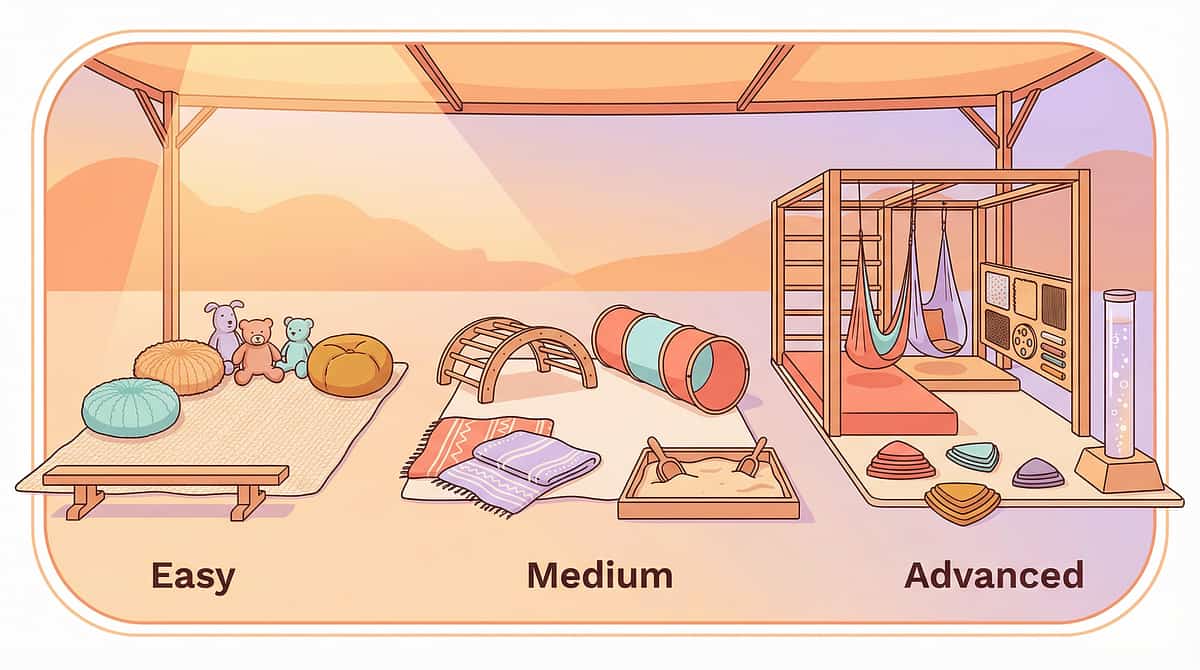
One Technique. Every Child. Your Version.
The Homework Structure System is not a rigid script — it is a customizable scaffold. Every child's sensory profile, age, and daily variation requires a personalized version. Here is how to tune H-744 for your child specifically.
Difficulty Slider
Easier — Bad Day
5 min blocks · 1 task only · maximum breaks · parent at desk throughout
Typical Day
10 min blocks · 2–3 tasks · standard breaks
Good Day
15 min blocks · Full homework load · breaks as needed
Building Up
20 min blocks · Full load + extensions
Mastery Push
25 min+ blocks · Independent tracking · parent checks in
Sensory Seeker Adaptations
- Wobble cushion at desk during work
- More physical break options (jumping, push-ups)
- Textured fidget tools (putty, rough stone)
- Slightly louder white noise or music
- More frequent, shorter breaks
Sensory Avoider Adaptations
- Firm, stable seating — no movement
- Quieter calming breaks (deep pressure, breathing)
- Smooth, minimal-sensation fidgets
- Complete silence or very low hum
- Less frequent, longer breaks
🟡 Ages 5–7
Picture-based schedule (icons, not words), 5–7 min blocks max, heavy visual/tactile reinforcement, parent at desk for first 4 weeks
🟢 Ages 8–10
Word + icon schedule, 10–12 min blocks, token economy system, parent nearby but not at desk
🔵 Ages 11–13
Written schedule child fills out themselves, 15–20 min blocks, self-selected reinforcers, introduce self-evaluation ("rate your own session")
🟣 Ages 13+
Digital timer (phone), digital schedule, move toward full independence, parent checks IN rather than OUT
Special Considerations
For perfectionism-dominant children: Add a "good enough" rule to the schedule. One task labeled "DONE means DONE — no erasing allowed after first attempt." Perfectionism is its own intervention target.
For anxiety-dominant children: Preview homework at school pickup — "What do you have today? Let's look together." The known is less frightening than the unknown arrival at homework time.

Week 1–2: You're Planting, Not Harvesting
Foundation Phase
15% Progress
The first two weeks feel unfamiliar, sometimes harder than before. New structures are initially perceived by children as additional demands. This is expected neurologically — and it's exactly when you must hold the frame. Consistency in weeks 1–2 determines whether weeks 5–8 feel like mastery.
✅ What "Progress" Actually Looks Like in Week 1–2
- Child allows setup of the homework station, even reluctantly — THIS IS PROGRESS
- Child tolerates the timer being present even if not using it yet — PROGRESS
- Even 1 task completed before meltdown, vs. zero before — PROGRESS
- Meltdown intensity or duration decreased even slightly — PROGRESS
- Parent executed the protocol without abandoning mid-session — PROGRESS
❌ What Is Not Expected Yet
- Full homework completion independently — not in week 1–2
- No resistance at all — expect daily testing of the new structure
- Child using emotion toolkit without prompting — this comes by week 4–5
- Tools working seamlessly — week 1–2 is installation, not operation
🧠Weeks 1–2 will feel like it's getting harder before it gets easier. Do not abandon the system in week 1–2 — this is exactly when you must hold the frame.
Week 1–2 Daily Metric: Track just one number: Initiation Time (minutes from announcement to child at desk). Even if everything else went badly, if initiation time decreased by 2 minutes by Day 7 — the system is working.
PMC11506176: Intervention outcomes emerge across 8–12 week timelines. Early-phase indicators focus on tolerance and participation, not skill mastery.

Week 3–4: Consolidation Signs
Consolidation Phase
40% Progress
By weeks 3–4, neural pathways are beginning to consolidate. The system is moving from unfamiliar external structure to something that feels like the child's own routine. You'll notice the shift — and so will they.
Child begins going to the homework station before being asked
Or with significantly less prompting — the routine is becoming internalized
Child reaches for a tool without being reminded
Spontaneous tool use (fidget, break card) — the most important consolidation signal
The "timer as authority" is working
"I can't stop yet, the timer isn't done" — without parent intervention
Visual schedule is being used to self-monitor
"I finished 2, one more to go" — self-directed progress tracking has begun
Meltdowns are less intense, shorter, or less frequent
Any measurable reduction is clinically meaningful at this stage
💡Parent Milestone — By Week 3–4, you may notice: You're less tense about homework time. You're not dreading 4 PM the way you were. Your voice is calmer. This is not coincidence — it's the system beginning to hold itself. You are now co-regulating better because the structure is co-regulating for you.
When to Increase Frequency or Intensity
If child is consistently completing all 3 work blocks with relative ease, try: extending one block from 10 to 15 minutes, reducing one break from 5 to 3 minutes, or adding a second subject to the session. Do this gradually — one change per week.
Neuroplasticity evidence: Synaptic strengthening through repeated structured input follows predictable timelines in pediatric populations. Behavioral consolidation markers align with neural adaptation curves.

Week 5–8: Mastery Indicators
Mastery Phase
75% Progress
This is what you have been building toward. Mastery does not mean perfect homework every evening — it means the child has internalized enough of the system that the structure now lives partly inside them, not just on the wall.
🏆 H-744 Mastery Unlocked When:
Task initiation within 5–8 minutes
Of announcement, without parental escalation, for 5 consecutive school days
Homework completion within 1.5x expected time
If teacher estimates 30 minutes, child completes within 45 minutes
Independent tool use
Child sets own timer, checks own schedule, takes own breaks, uses emotion toolkit without prompting
Emotional regulation during frustration
Frustration expressed verbally or through toolkit rather than meltdown, for the majority of sessions
Family conflict at homework time reduced
To occasional, not daily, not prolonged
Generalization signs
Child uses schedule or timer approach for other activities — getting ready for school, personal projects
Next Level Options
- → If homework load increases (new school year): Add more tasks to schedule, adjust timer blocks
- → If child is ready for more independence: Remove parent presence from room entirely
- → If emotional regulation is still challenging: Move to F-780 Emotional Regulation technique deep-dive
Meta-analysis (2024): Structured executive function supports showed effective skill promotion with measurable mastery indicators across 24 studies. PMC10955541 | BACB mastery criteria standards.

🎉 You Did Something Extraordinary.
You watched your evenings dissolve into tears and power struggles. You felt the weight of "what is wrong with us?" And then you showed up, consistently, for eight weeks of a system that felt unfamiliar and sometimes like it wasn't working.
Look at your child now. They set their own timer. They use their own break cards. They check off their own schedule. They do homework — not happily, perhaps, but independently. This is a neurological transformation you caused with your consistency.
📋 H-744 Completion Certificate
[Child's name] has: ✓ Learned to initiate independently ✓ Developed self-regulation tools ✓ Built a homework structure system ✓ Restored family evenings
Completed: _______________ Witnessed by: _______________
🎊 Family Celebration Suggestion
Tonight: Let your child choose dinner. Let them know their specific achievement. Take a photo. Document this moment — a year from now, you'll look back at it during a hard stretch and remember: they did it before, they'll do it again.
📓 Journal Prompt
"The moment I knew it was working was when..."
Write it down. This reflection deepens the parent's own sense of efficacy — which directly impacts the next intervention cycle.
⚠️ Trust Your Instincts — These Signals Require Professional Input
These are not reasons to panic. They are reasons to call.
🚩 1. Homework battles are just as severe after 4–6 weeks of consistent protocol
The structure system should be showing measurable improvement by week 4. If nothing has changed despite faithful implementation, there is likely an underlying condition (ADHD, learning disability, processing disorder) requiring formal assessment.
🚩 2. Child is making self-deprecating or self-harm-adjacent statements
"I'm stupid," "I want to die rather than do this," "I hate myself" — these are not normal homework frustration statements. They require immediate professional mental health consultation.
🚩 3. Extreme physical reactions at homework time
Vomiting, fainting, or skin reactions — somatic anxiety this severe indicates clinical-level anxiety requiring medical and psychological evaluation, not behavior management tools.
🚩 4. Complete academic decline — failing tests, not just homework avoidance
If the homework struggle has generalized to academic failure, the homework is surfacing a learning gap, not just an executive function gap. Neuropsychological evaluation warranted.
🚩 5. You are using physical restraint, yelling, or threatening at homework time regularly
This indicates the family system has become traumatically associated with homework. De-escalation requires a family therapist or behavior consultant — not more tools.
🚩 6. Signs of a previously undiagnosed condition emerging
Extreme perfectionism + anxiety = possible OCD. Extreme rigidity + refusal = possibly autism-related demand avoidance profile. Age-inconsistent inability to focus = ADHD threshold. These require evaluation.
📞FREE: 9100 181 181 | pinnacleblooms.org/centers
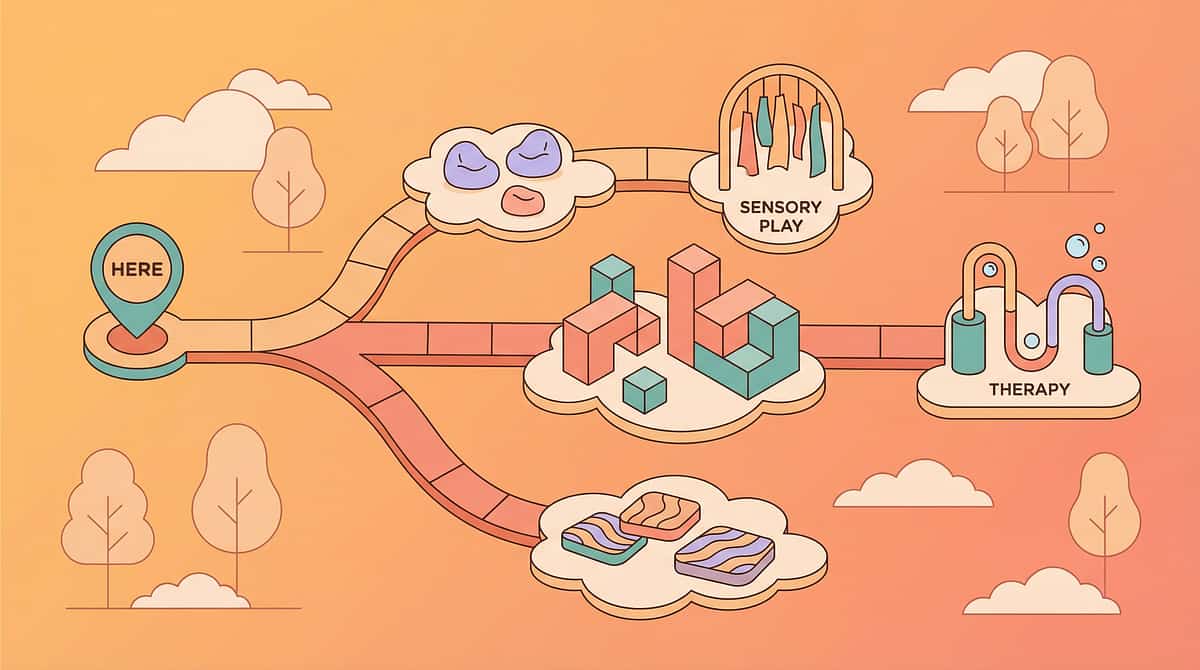
You're Not Done — You're On a Journey
H-744 is one technique within a structured pathway. Mastering homework battles opens the door to the broader executive function development your child needs for school, relationships, and daily independence. Here is where you are — and where you can go next.
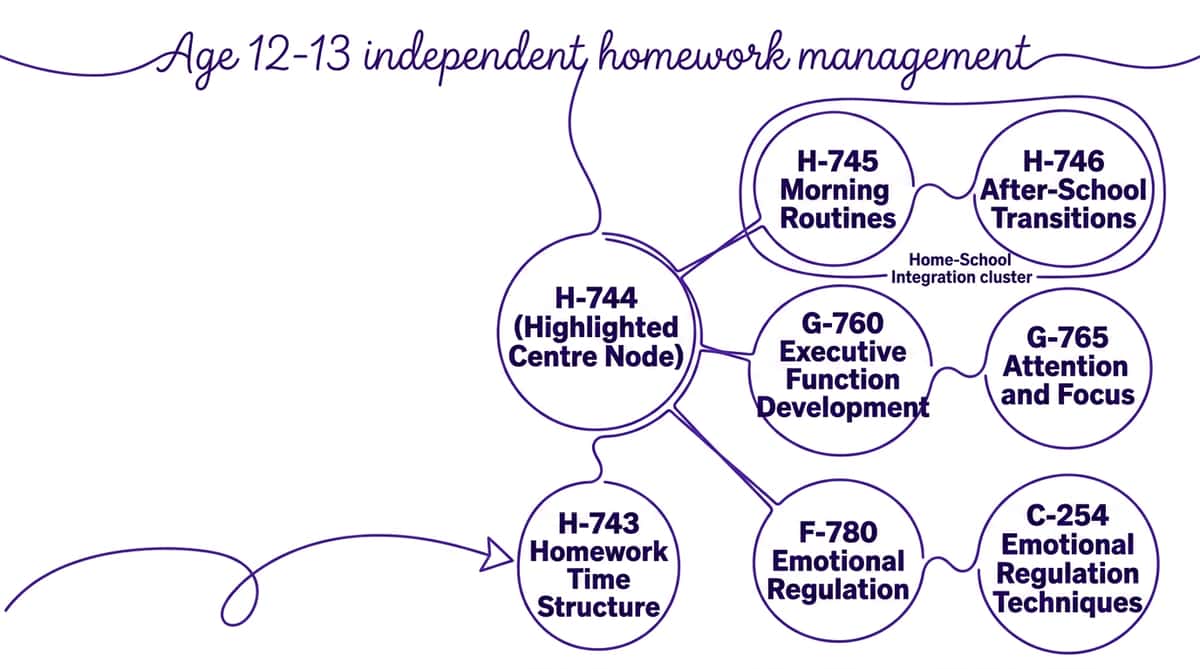
🔵 Branch A — Homework Independence
H-745 Morning Routines → H-746 After-School Transitions → complete Home-School Integration cluster
🟢 Branch B — Executive Function Deepening
G-760 Executive Function Development → G-765 Attention and Focus → whole-child executive scaffolding
🔴 Branch C — Emotional Regulation Focus
F-780 Emotional Regulation → C-254 Emotional Regulation Techniques → if emotional dysregulation remains the primary obstacle
Long-Term Developmental Goal: By age 12–13, child manages complete homework routine independently, uses self-generated scheduling, applies executive function skills to long-term projects and study planning — the foundation for secondary school success.
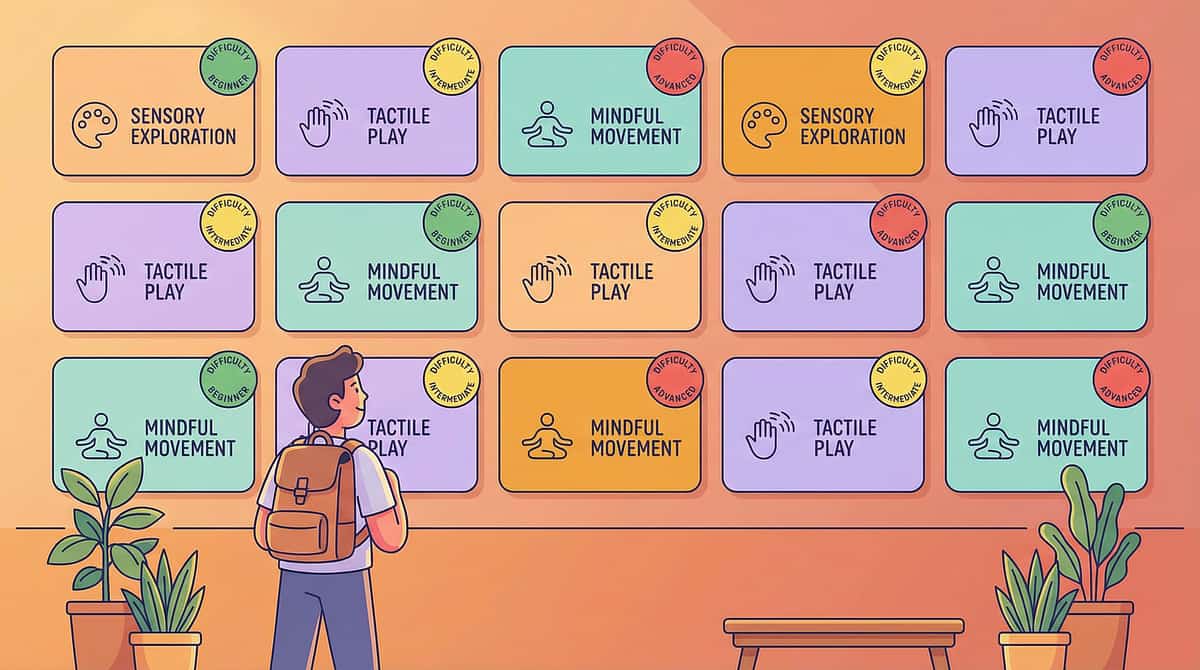
Techniques You Can Start Next — Home-School Integration Series
You already own the materials for H-743, H-745, and H-746 from this technique — they use the same visual schedule, timer, and break card system. Starting adjacent techniques costs you nothing additional.
Technique | Name | Difficulty | Key Material | |
H-743 | Homework Time Structure | 🟢 Intro | Visual Schedule | |
H-745 | Morning Routines | 🟢 Intro | Visual Routine Board | |
H-746 | After-School Transitions | 🟡 Core | Transition Objects | |
H-750 | School Refusal | 🔴 Advanced | Feelings Thermometer | |
G-760 | Executive Function Development | 🟡 Core | Timer + Tracker | |
F-780 | Emotional Regulation | 🟡 Core | Emotion Toolkit |
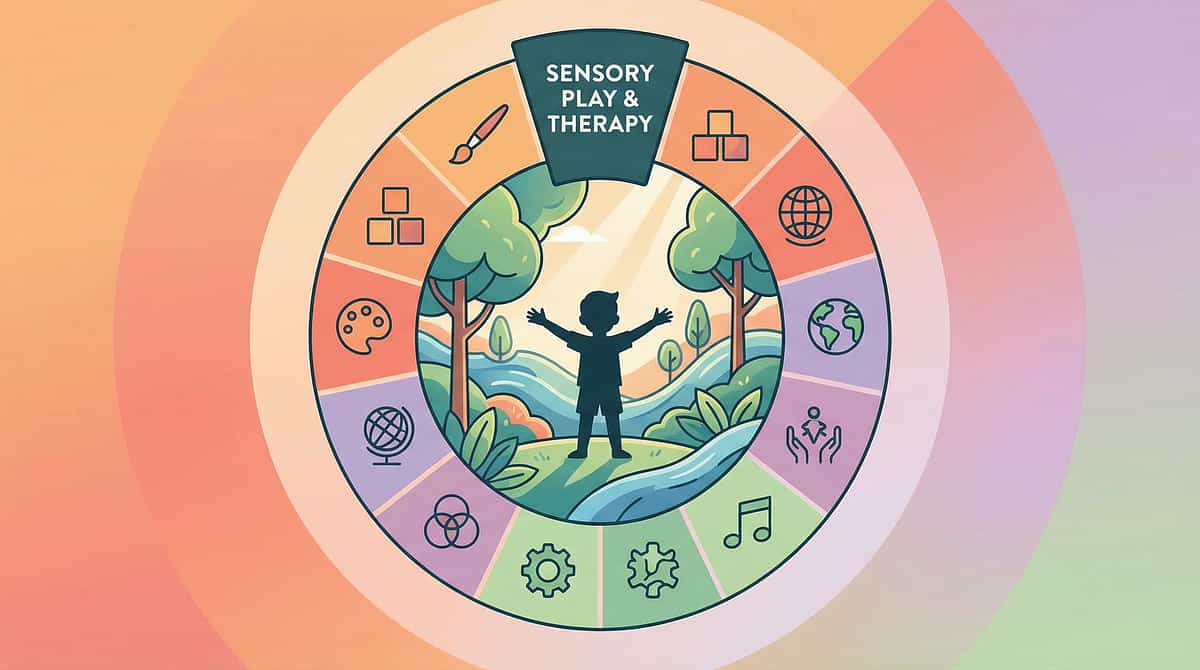
One Technique. One Piece of a Larger Map.
H-744 targets Domain H (Home-School Integration), with secondary impact on Domain C (Emotional Regulation), Domain I (Daily Living Skills), and Domain K (Cognitive/Executive Development). A single technique rarely stands alone — this is why the GPT-OS® developmental map monitors all 12 domains simultaneously.
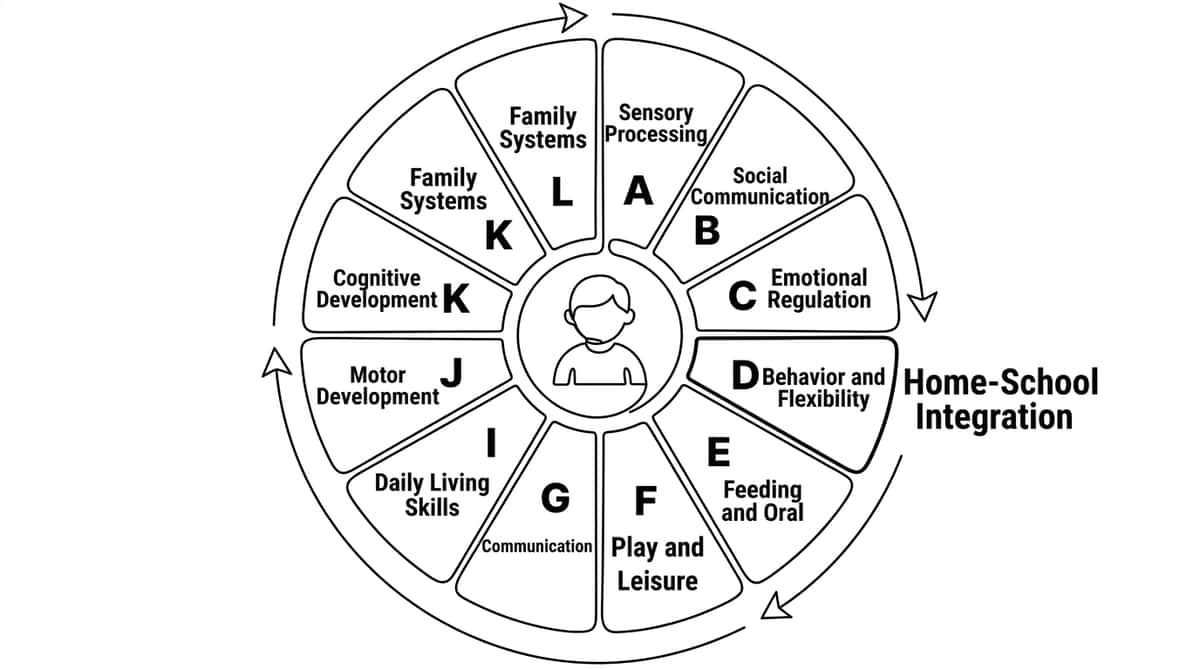
H-744 in Your Child's Developmental Context
This technique addresses three of the five WHO Nurturing Care components:
- Early Learning — academic skill scaffolding
- Responsive Caregiving — structure-based regulation
- Security and Safety — emotional safety at homework time
GPT-OS® Connection
See your child's full GPT-OS® developmental profile and how H-744 fits into their personalized plan.
WHO/UNICEF Nurturing Care Framework: Five components of nurturing care require holistic developmental monitoring. WHO NCF (2018) | UNICEF 2025 Country Profiles

From the Field — Families Who Used These Exact 9 Materials
Not marketing. Clinical narratives with behavioral specificity.
"Homework used to take four hours every day."
Child (age 9, ADHD assessment pending), Chennai. Every afternoon — same script. Meltdown at task initiation. Three hours of crying, yelling, hiding worksheets. Mother describing herself as "unable to be kind to my own child by 6 PM."
After: Week 1 — visual schedule alone. Initiation time: 40 minutes → 20 minutes. Week 3 — timer and break cards added. Session rating improved from 1.8 to 3.2 average. Week 7: "Homework took 45 minutes yesterday. He used his break cards himself. Our evenings are ours again. I actually like my son at homework time now."
— Parent, Pinnacle Hyderabad Network
📋From the Therapist's Notes: Task initiation was the primary deficit, not attention. The visual schedule eliminated the "endless unknown" that triggered avoidance. The timer removed parent as the authority on duration. These two tools alone produced 60% of the improvement.
"Her teacher couldn't believe this was the same child."
Girl, age 11, ASD diagnosis. School: model student, cooperative, organized. Home: complete collapse at homework. "She literally becomes a different child. I thought she was doing it on purpose."
After: After-school restraint collapse explained to parents. 45-minute decompression buffer introduced before homework. Noise-reducing headphones added — sibling noise was fragmenting attention. Week 4: "She does her homework at the desk. She puts it in the Done folder. She comes and tells me she's finished. Three months ago this was impossible."
— Parent, Pinnacle Bengaluru Network
"The timer changed everything — I didn't expect that."
"We tried the schedule and the station. Good improvement. But the timer was the magic. He works until the red is gone — not until I say stop. He stopped fighting me. He fights the timer. And the timer always wins."
— Parent, Pinnacle Delhi Network
Parent-reported outcomes: Qualitative studies consistently show peer narratives are the strongest motivator for home-based intervention adherence. + Pinnacle center outcome data.
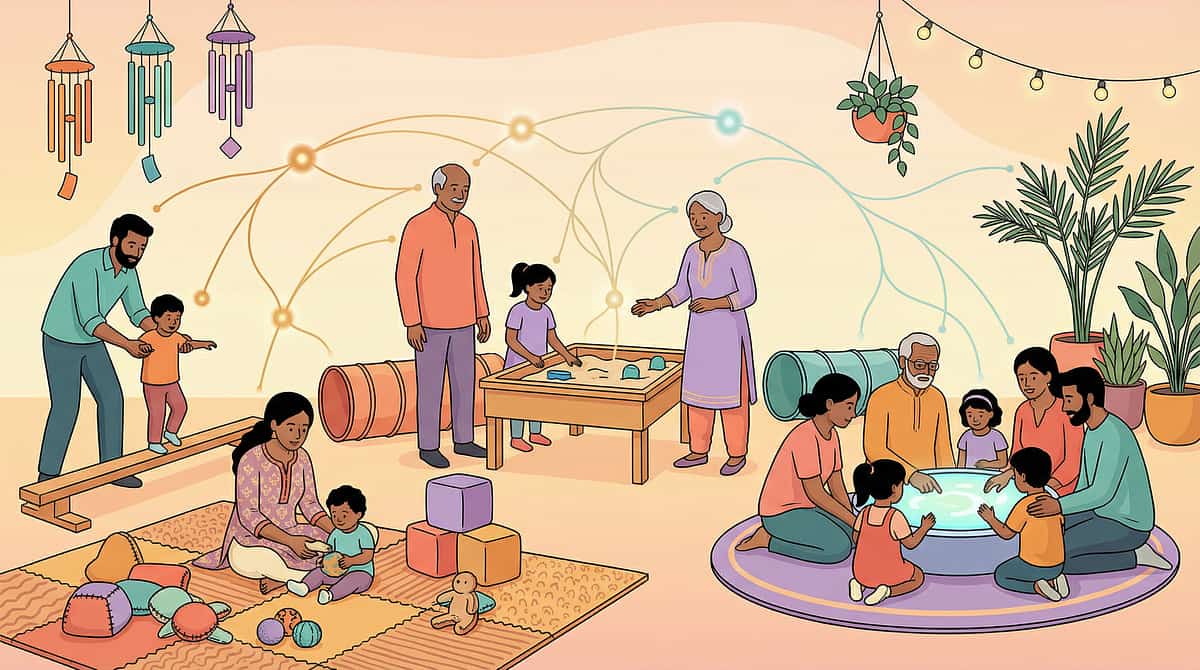
You Don't Have to Figure This Out Alone
"Isolation is the enemy of adherence." Research consistently shows that parents embedded in peer support communities maintain intervention protocols longer and achieve better outcomes than those navigating alone. You are not the first parent here — and you won't be the last.
💬 H-744 Homework Battles Parent WhatsApp Group
Join 2,400+ parents navigating homework battles using the Pinnacle structure system. Share what's working, troubleshoot what isn't.
🌐 Online Parent Forum
Pinnacle Parent Community — searchable by technique, domain, and child age. Your question is likely already answered.
🤝 Peer Mentoring Program
Connect with a parent who completed H-744 and is 3–6 months ahead of you. Lived experience, not clinical advice.
📍 Local Pinnacle Parent Meetup
Monthly parent meetups at Pinnacle centers — homework strategies, caregiver wellbeing, sibling support.
💌"Your experience with H-744 is valuable. Once you've completed 8 weeks, consider becoming a peer mentor for a family just starting this journey. This is how the community multiplies its impact."

The Professional Backup Layer — When Home Needs Clinic
Home-based interventions supported by professional oversight produce outcomes that neither home-only nor clinic-only approaches achieve. This is the Pinnacle model — and it means having a clear escalation pathway when the system at home needs expert eyes.
📞 Tier 1 — Free National Helpline (Immediate)
9100 181 181 | 16+ languages | 24x7 | No appointment needed
For: Urgent troubleshooting, technique guidance, referral to nearest center
🖥️ Tier 2 — Teleconsultation (Within 48 hours)
Video consultation with Pinnacle OT, BCBA, or SpEd specialist — protocol personalization, troubleshooting, progress review
🏥 Tier 3 — Clinic Assessment (Comprehensive)
70+ centers across India | AbilityScore® assessment | Executive function evaluation | Formal therapy plan
🎯Therapist Matching for H-744: Primary discipline is Occupational Therapy (Executive Function Specialty). Secondary: ABA/BCBA (behavioral momentum), SpEd (academic scaffolding). When booking, request: "I'm implementing H-744 and need an OT review of my child's executive function profile."
WHO NCF Progress Report (2023): Primary health care as platform for reaching all families with essential ECD interventions. 48% increase in countries adopting ECD policies.
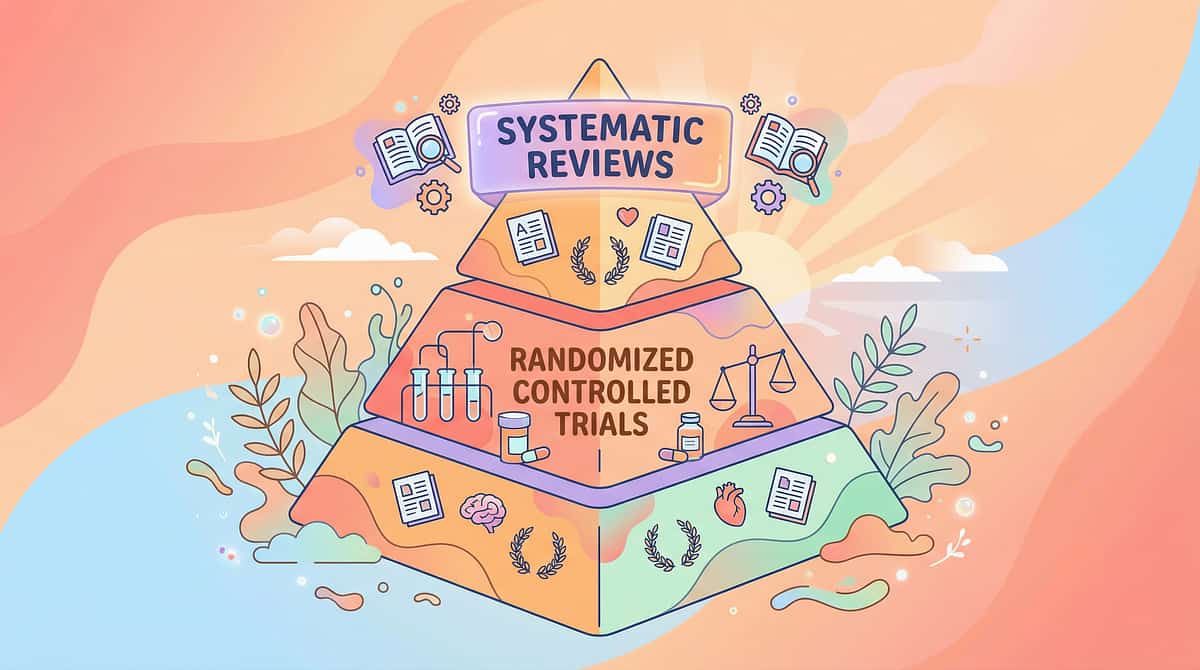
The Science Behind These 9 Materials — For the Curious Parent
The materials in H-744 are not assembled from intuition or tradition. Each one is supported by a body of international research spanning systematic reviews, randomized controlled trials, and multi-country implementation studies.
📄 Study 1 — PRISMA Systematic Review (2024)
"Sensory integration and executive function scaffolding interventions meet evidence-based practice criteria for children with ASD and ADHD"
16 articles, 2013–2023 | Level I Evidence
📄 Study 2 — Meta-analysis (World J Clin Cases, 2024)
"Structured environmental supports effectively promote task initiation, sustained attention, emotional regulation, and organized behavior across 24 studies"
24 studies | Level II Evidence
📄 Study 3 — WHO Care for Child Development Package (2023)
"Home-based structured caregiver interventions demonstrate significant outcomes across 54 low- and middle-income countries"
Multi-country implementation evidence
📄 Study 4 — Indian RCT (Padmanabha et al., 2019)
"Home-based structured interventions by parent-caregivers showed significant improvements in behavioral and developmental outcomes in Indian pediatric population"
RCT | Level II Evidence
📄 Study 5 — NCAEP Evidence-Based Practices (2020)
"Visual supports, structured work systems, and reinforcement-based strategies classified as evidence-based practices for autism across 27 studies"
Practice guideline | Level I Evidence
📚 For clinical professionals accessing this page: Full evidence dossier available at pinnacleblooms.org/research/H-744

Your Session Data Powers Better Outcomes for Every Child
Every data point you capture doesn't just help your child — it contributes to the aggregate clinical model that helps the next 10,000 families starting this technique. This is how population-level outcomes improve: one session log at a time.
What GPT-OS® Learns From Your H-744 Data
- Task initiation trajectory → updates executive function prognosis
- Break card usage frequency → calibrates attention span baseline
- Emotion toolkit triggers → refines emotional regulation capacity estimate
- Session rating trends → determines if technique difficulty should increase
- Initiation time curve → calculates expected mastery date
🔒 Data Privacy Assurance
All session data is anonymized at point of entry. No personal identifiers stored. GDPR and India PDPB-aligned data handling. Your data helps aggregate models improve — it cannot be traced to your child individually.
"Your session data from one H-744 implementation contributes to the clinical model that helps the next 10,000 families starting this technique."
Digital health interventions for ASD: 21 RCTs, 1,050 participants (2024 meta-analysis). | Pinnacle 20M+ session data infrastructure.
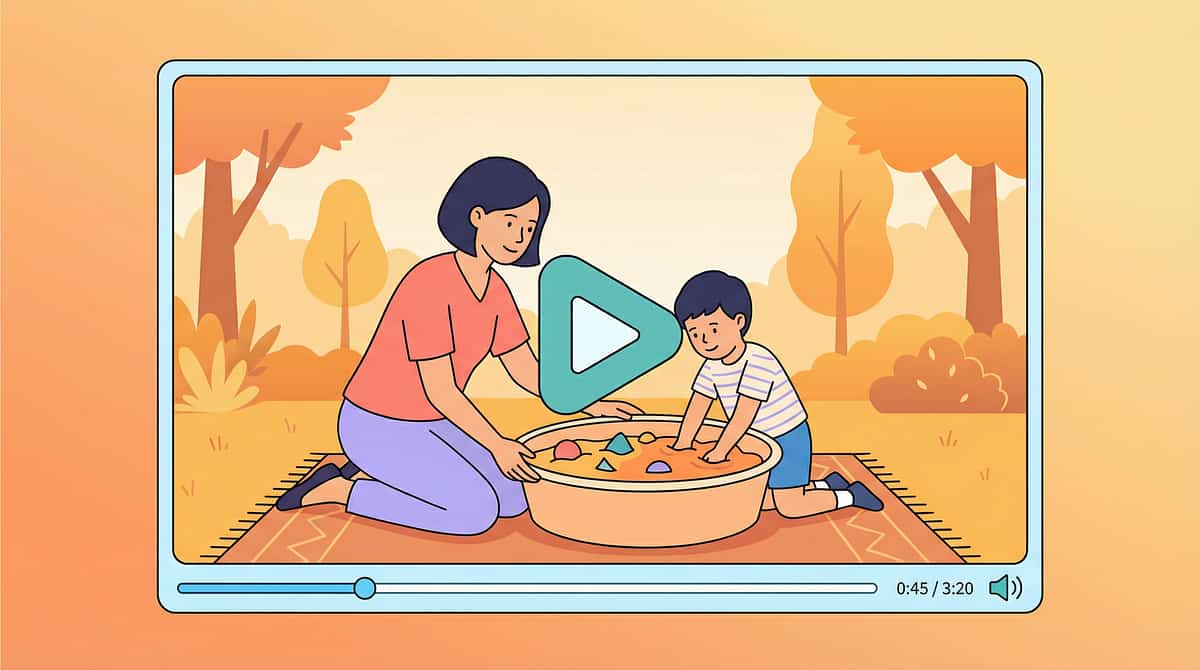
Watch the Reel That Goes With This Page
🎬 REEL: H-744
"9 Materials That Help With Homework Battles"
Series: Home-School Integration · Episode: 744 of 999
Domain: H — Home-School Integration
Duration: 75–85 seconds
▶️Video Embed: Access the Reel H-744 video at pinnacleblooms.org/reels/H-744 In this reel, the Pinnacle OT-ABA Consortium therapist demonstrates all 9 materials in a live home setting — showing what each material looks like in use, the child response, and the parent's positioning.
Companion Reels
- 🔗H-743 → 9 Materials That Help With Homework Time (prerequisite reel)
- 🔗H-745 → 9 Materials That Help With Morning Routines (next in series)
Video Modeling Evidence
Video modeling is classified as an evidence-based practice for autism (NCAEP 2020). Multi-modal learning (visual + text + demonstration) improves parent skill acquisition and intervention fidelity.
Follow the Series
📱 Follow @pinnacleblooms for all 999 reels in the series:
- Instagram · YouTube · Facebook · WhatsApp Broadcast
One reel. One technique. One family helped. Every day.

One Parent Can't Do This Alone — Share With Everyone Who Matters
"Consistency across caregivers multiplies impact. Inconsistency cancels it." When grandparents, spouses, after-school carers, and teachers all follow the same protocol, the child experiences one clear, predictable structure — and that predictability is the therapeutic mechanism.
💬 Share on WhatsApp
Send directly to your spouse, parent, or co-caregiver with a single tap. Include a note: "Please read this before helping with homework."
📧 Email to Therapist
Forward this page to your child's OT, ABA therapist, or school counselor so their clinical plan aligns with your home protocol.
📥 Download Family Guide PDF
One-page visual summary of the 9 materials — designed for grandparents, aunts/uncles, and after-school care providers who need the essence without the depth.
📋Explain to Grandparents — Simplified Version:"The children's doctor/therapist has recommended that we use some specific tools to help [child name] with homework. These are: a schedule board (so they can see their tasks), a timer (so time doesn't feel endless), and some cards for breaks (so their brain can reset). Please don't remove these from the desk or change the routine — consistency is the medicine."
📝 Teacher Communication Template
"Dear [Teacher], We are implementing a structured homework support system for [child] at home, including a visual schedule, visual timer, and break card system. We are tracking session data. Could you let us know approximately how long each day's homework is expected to take? This will help us calibrate our structure system. Thank you."

Questions Every Parent Asks About Homework Battles
Q1: My child has no diagnosis. Can these materials still help?
Yes. These materials address executive function challenges, which exist on a spectrum and do not require a formal diagnosis to be present. Any child who struggles with task initiation, sustained attention, organization, or emotional regulation during homework can benefit from these structural supports. A diagnosis is necessary for formal therapy services and school accommodations — not for home-based environmental scaffolding.
Q2: How long should homework actually take? Is my child's timing abnormal?
General guideline (common to pediatric OT/educational psychology): 10 minutes per grade year. Grade 1 = ~10 min, Grade 4 = ~40 min, Grade 6 = ~60 min. If your child is taking 3–4x these estimates consistently, that is a clinical signal warranting evaluation.
Q3: My child's teacher doesn't believe in "all these tools" — what do I do?
This is a communication opportunity. Share this page with the teacher. The evidence base (NCAEP, WHO, PMC studies) is international and authoritative. Request a formal parent-teacher meeting. If your child has a diagnosis, request homework modifications as part of an IEP or 504 plan. You are your child's advocate — the evidence is on your side.
Q4: Should I do the homework for my child if they're really struggling?
No — but not for moral reasons. Doing homework for your child creates learned helplessness, provides the teacher false data about your child's actual skill level, and removes the opportunity for executive function scaffolding to develop. The right approach: send incomplete homework with a note to the teacher explaining the executive function challenge. Most teachers prefer partial genuine work to complete parent-completed work.
Q5: What if my child refuses the visual schedule or destroys the timer?
This is common in the first 1–2 weeks when the tools are novel constraints. Do not fight over the tools. For 3–5 days, just have the materials present without requiring their use. Child-led exploration (letting them set the timer for fun, letting them draw on the schedule board) normalizes the materials before they become demands.
Q6: Is it bad to use screen time as the "Then" reward?
It is the most common and most effective First/Then reinforcer for this age group. Key conditions: (a) specific duration must be visible and agreed-upon before homework begins (b) timer governs screen time end, not parent (c) screen content should be specified in advance to prevent transition conflict. Screen time as a structured reward, used within these parameters, is clinically sound.
Q7: We travel frequently — can this system work in different environments?
The system's portability is one of its core features. Pack: a portable schedule card (laminated), a sand timer, one break card, and one fidget. The station is wherever the bag lands. Same sequence, same tools = same neural priming, different room. "We're doing homework now" followed by the identical setup process carries the routine's power across environments.
Q8: When should I involve the school in this system?
Immediately — not eventually. Teachers who know you're running a structured homework system can (a) calibrate homework load appropriately (b) reinforce the schedule system at school (c) confirm completed homework returns in the Done folder (d) alert you to days when the child had a hard day and the homework system will need modification. School-home communication is the amplifier, not the afterthought.
❓ Didn't find your answer? Ask GPT-OS®: pinnacleblooms.org/ask | 📞 Still need help? Book a teleconsultation: 9100 181 181

Homework Doesn't Have to Destroy Your Evenings.
Start the System. Today.
🟢 START THIS TECHNIQUE TODAY
Launch H-744 Session with GPT-OS® Guided Protocol
📞 BOOK A FREE CONSULTATION
Speak to a Pinnacle OT, BCBA, or SpEd Specialist 9100 181 181 | 16+ languages · 24x7
→ EXPLORE THE NEXT TECHNIQUE
H-745: 9 Materials That Help With Morning Routines
🏛️ PINNACLE BLOOMS CONSORTIUM
OT · SLP · ABA · SpEd · NeuroDev · CRO · Pediatrics WHO · UNICEF Aligned · Validated by 20M+ Sessions
"Clinically Validated. Home-Applicable. Parent-Proven."
Consortium Disciplines
🔵 Occupational Therapy · 🟣 ABA/BCBA · 🟢 Special Education · 🔴 NeuroDev Pediatrics · 🟡 Speech-Language Pathology
Pinnacle Proof
20M+ 1:1 Sessions · 97%+ Measured Improvement · 70+ Centers · 70 Countries · DPIIT DIPP8651
Preview of 9 materials that help with homework battles Therapy Material
Below is a visual preview of 9 materials that help with homework battles therapy material. The pages shown help educators, therapists, and caregivers understand the structure and content of the resource before use. Materials should be used under appropriate professional guidance.


Link copied!

🏛️ Pinnacle Blooms Network®
Built by Mothers. Engineered as a System.
"From fear to mastery. One technique at a time." — The Pinnacle Blooms Consortium
What You've Just Done
You understand the neurological mechanism
Behind your child's homework struggle — and why "trying harder" was never the answer
You have 9 evidence-based tools
With purchase links and ₹0 DIY alternatives for every single one
You have a 6-step execution protocol
A 3-phase 8-week progress map, and a professional escalation pathway
You are not alone
Connected to a global consortium that has delivered 20M+ therapy sessions to children like yours
Your evenings are worth fighting for. Start tonight.
Statutory Information
Pinnacle Blooms Network® | Unit of Bharath Healthcare Laboratories Pvt. Ltd. CIN: U74999TG2016PTC113063 | DPIIT: DIPP8651 (Govt. of India) | MSME: TS20F0009606 | GSTIN: 36AAGCB9722P1Z2 FREE National Autism Helpline: 9100 181 181 | 16+ Languages | 24x7 | pinnacleblooms.org | care@pinnacleblooms.org
This content is educational. It does not replace individualized assessment and intervention from qualified occupational therapists, psychologists, or educational specialists. Homework difficulties may indicate underlying executive function, attention, learning, or emotional challenges requiring comprehensive evaluation. Consult your child's therapist, school, or developmental specialist for personalized guidance. Individual results may vary. Statistics represent aggregate outcomes across the Pinnacle Blooms Network®. © 2026 Pinnacle Blooms Network®. All rights reserved.
Produced by Pinnacle Blooms Consortium · GPT-OS® Technique Library · techniques.pinnacleblooms.org · H-744 · Home-School Integration Series · February 2026 · Version 1.0