
9 Materials That Help With Handwriting at School
Fine Motor & Academic Skills • H-742 • Ages 4–12 — When writing is exhausting, illegible, or avoided entirely, these 9 OT-validated materials address grip, strength, letter formation, and visual-motor integration.
Pinnacle Blooms Network®
OT • SLP • ABA • SpEd • NeuroDev

🧠 Recognition
"She knows every answer. But getting it from her brain to the paper — it's like torture."
Every evening, another battle. The pencil gripped in a white-knuckled fist. Three words written while classmates finish paragraphs. "I'm dumb," she says. You know she's not.
You are not failing your child. Their hands need a different kind of help.
This is H-742 — the Pinnacle Blooms Network® evidence-based handwriting support protocol. Clinically designed for children ages 4–12 who struggle not because they lack intelligence, but because the motor systems that produce handwriting need targeted support.
WHO Nurturing Care Framework (2018) — early identification and parental awareness directly impact developmental outcomes. nurturing-care.org | 🏛️ Pinnacle Blooms Network® | OT • SLP • ABA • SpEd • NeuroDev
📚 The Numbers
You Are Not Alone — The Scale of This Challenge
When you see these numbers, your isolation ends.
1 in 5
Children Affected
Children display significant handwriting difficulties impacting academic performance. Source: Journal of Learning Disabilities, 2021
68%
DCD & Handwriting
Of children with Developmental Coordination Disorder struggle primarily with handwriting. Source: AOTA Evidence-Based Practice Report, 2020
5M+
Indian Schoolchildren
Estimated to experience graphomotor difficulties affecting school participation. Source: Pinnacle Network clinical data + NHFS-5
"Handwriting difficulty is not a reflection of intelligence. It is a motor learning challenge with evidence-based solutions." — Pinnacle Blooms OT Consortium
Research: PMC11506176 | PMC10955541 | AOTA Practice Guidelines for Children and Youth 2020. Handwriting difficulties are the single most common reason for Occupational Therapy referrals in school-aged children globally (AOTA, 2020).
🧠 Neuroscience
What's Happening in Your Child's Brain & Hands
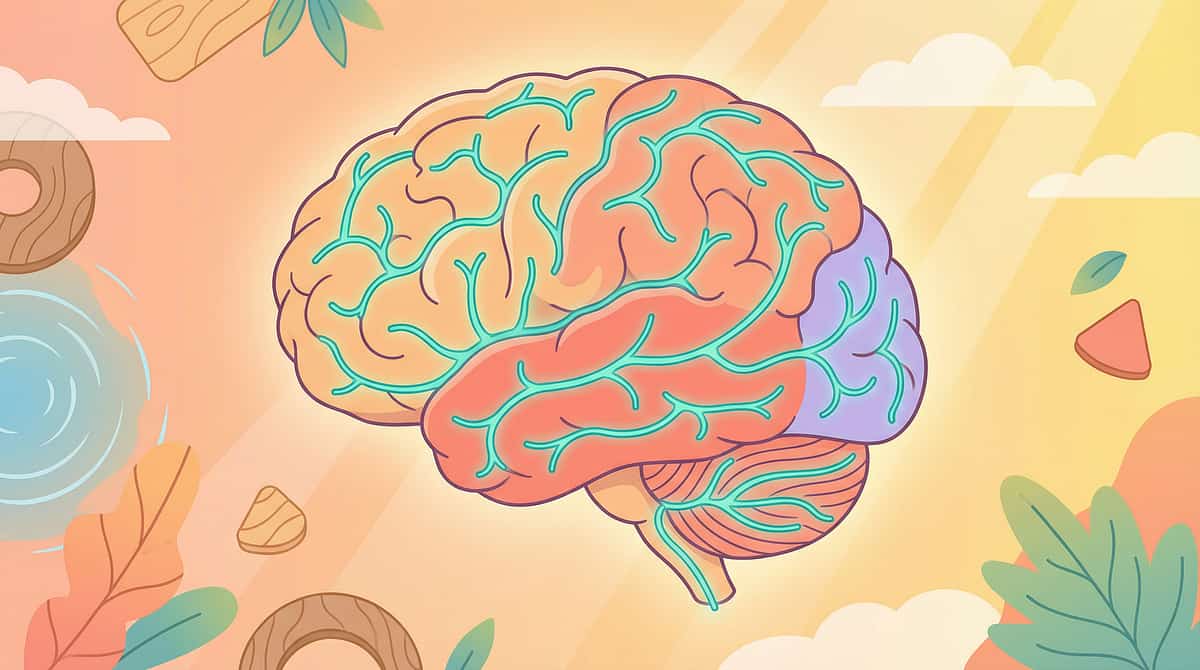
The Handwriting System — 6 Interconnected Functions
Motor Cortex — plans movement sequences
Visual-Motor Integration — coordinates eyes + hands
Proprioception — senses hand position in space
Intrinsic Hand Muscles — execute fine movements
Postural Stability — provides the stable base
Motor Memory — stores letter formation patterns
All 6 systems must work together for functional handwriting.
Why Practice Alone Doesn't Fix It
When a child struggles with handwriting, it's rarely because they haven't practiced enough. Their hands are part of a complex system involving six interconnected functions. If any one system is weak, the entire output fails.
- Pencil grip problems → Proprioceptive processing and intrinsic hand muscle development
- Letter reversals → Visual-motor integration (eyes and hands not yet coordinating)
- Writing fatigue → Hand muscle strength and postural stability
- Inconsistent sizing → Motor memory and visual perception working asynchronously
- Pressing too hard/light → Proprioceptive feedback miscalibration
"This is a motor systems challenge — not an effort challenge, not an intelligence challenge."
Frontiers in Integrative Neuroscience (2020): Handwriting engages simultaneous motor planning, proprioceptive processing, and visuospatial integration. DOI: 10.3389/fnint.2020.556660

📅 Development
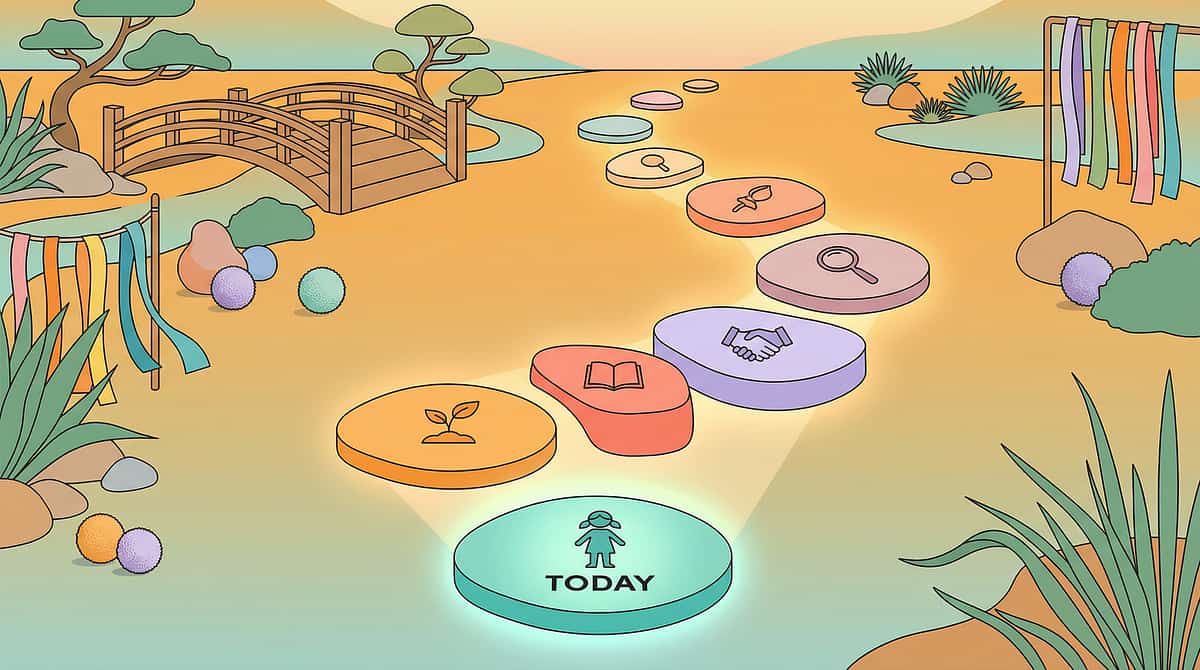
Where This Sits in Development
Understanding your child's place on the developmental timeline helps you calibrate expectations and choose the right entry point for the H-742 protocol.
"Your child is here. The 9 materials on this page build the systems that move them forward." Children with handwriting difficulties may also experience DCD, Sensory Processing Differences, ADHD, Autism Spectrum, or Dysgraphia — these are not barriers, they are the specific targets the Pinnacle Consortium addresses.
Research: WHO Care for Child Development (CCD) Package (2023) | PMC9978394 | AAP Developmental Milestones 2022
📋 Evidence
The Research Behind These Materials
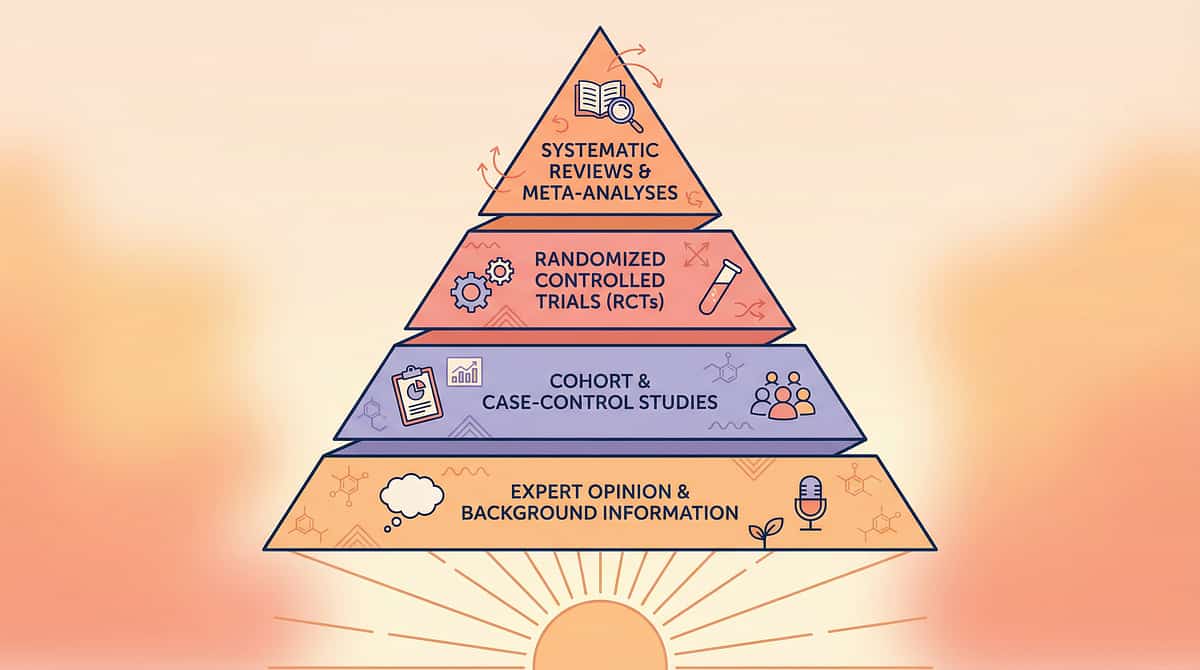
These materials are not guesswork — they are backed by systematic reviews, meta-analyses, and randomized controlled trials, including research validated for the Indian pediatric population.
📄 Systematic Review, Children (2024)
16 studies (2013–2023) confirm sensory integration and OT material-based intervention meets evidence-based practice criteria for children with motor and writing difficulties.
PMC11506176
📄 Meta-Analysis, World J Clin Cases (2024)
24 studies confirm OT-led interventions effectively promote fine motor skills, visual-motor integration, and academic participation — the three core domains of handwriting competence.
PMC10955541
📄 Indian RCT, Indian Journal of Pediatrics (2019)
Home-based OT material interventions demonstrated statistically significant improvement in graphomotor function. Validated for the Indian pediatric population.
DOI: 10.1007/s12098-018-2747-4
80%
Clinical Confidence
90%
Home Applicability
85%
Parent Implementable
✅ Clinically validated. Home-applicable. Parent-proven. | Pinnacle Blooms Consortium | 20M+ sessions | 97%+ measured improvement | PMC11506176 | PMC10955541 | PMC9978394 | DOI:10.1007/s12098-018-2747-4

🖊️ Technique Overview
The Technique: Material-Based Handwriting Support Protocol
Parent-friendly name: "The Writing Readiness Kit"
This is not a writing drill. This is a systems-based material toolkit — 9 categories of evidence-validated adaptive materials that address the specific underlying deficits causing handwriting failure in school-aged children. Each material targets a distinct component of the handwriting system: grip mechanics, wrist position, proprioceptive feedback, visual-motor coordination, hand endurance, letter formation encoding, and writing surface biomechanics.
Age Range
4–12 years
Session Duration
10–20 minutes daily
Lead Discipline
Occupational Therapy
Setting
Home + School + Clinic
Reel ID
H-742
Fine Motor Development
Visual-Motor Integration
Academic Skills
School Readiness
Occupational Therapy
Research: AOTA Practice Guidelines | WHO CCD Package 2023 | Pinnacle GPT-OS® Clinical Protocols
👥 Who Uses This
Who Uses This Technique
"Handwriting crosses every therapy boundary — because writing is the output of the entire developing child."
Occupational Therapy (Primary Lead)
The primary discipline for handwriting intervention. OTs assess grip patterns, postural stability, hand strength, visual-motor integration, and sensory processing — then select specific materials to address identified deficits. The 9 materials on this page are standard OT handwriting intervention tools.
Applied Behavior Analysis (ABA/BCBA)
ABA therapists use reinforcement systems and task analysis to break handwriting into discrete teachable steps, pair writing with preferred activities, and build consistent practice habits. Especially effective for children with autism who avoid writing tasks due to associated frustration.
Special Education (SpEd)
Special educators implement classroom accommodations while building toward independent handwriting. They coordinate with OTs to apply material-based supports within the school setting, including specialized paper, adapted writing tools, and reduced output expectations.
NeuroDevelopmental Pediatrics
NeuroDev specialists assess and diagnose underlying conditions (DCD, dysgraphia, ADHD) that explain handwriting failure and coordinate the multi-disciplinary intervention plan. They set the clinical framework within which all materials are prescribed.
Research: DOI: 10.1080/17549507.2022.2141327 | AOTA Guidelines 2020 | NCAEP 2020
🎯 What These Target
What These Materials Target
Observable Primary Indicators
- Writing for more than 5 minutes without shaking out hand
- Letters staying within lines more consistently
- Pencil held with 3 fingers rather than fist
- Child voluntarily choosing to write
- Legible work coming home from school
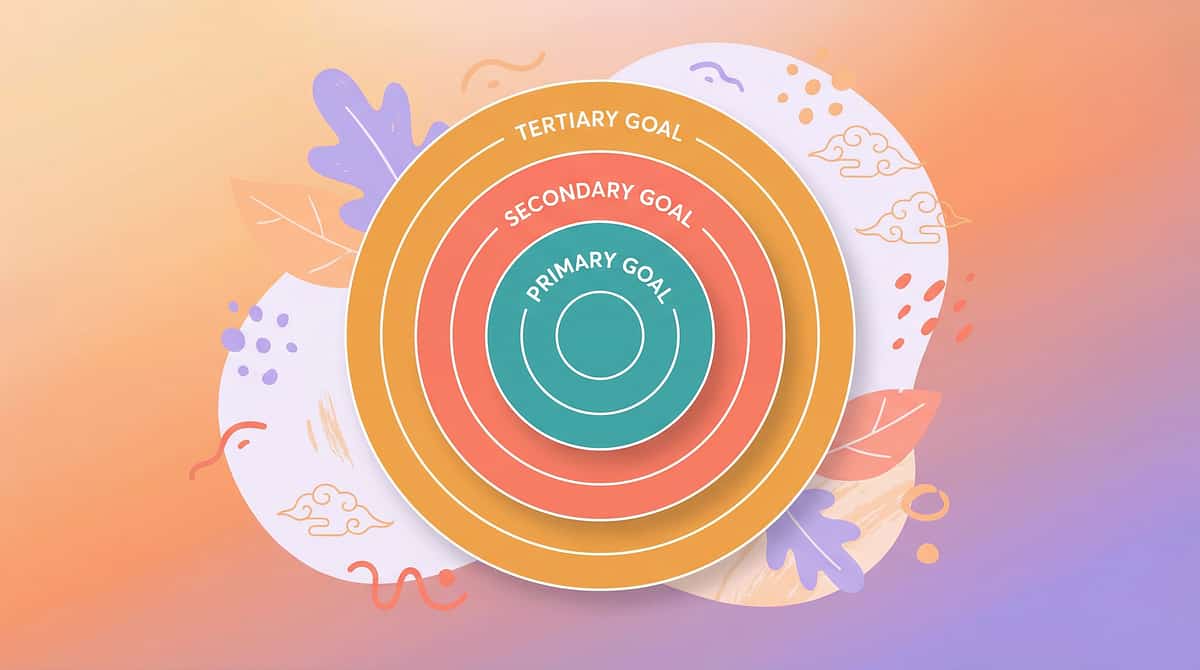
Secondary & Tertiary Gains
- Fine motor control across all hand tasks
- Postural stability during seated activities
- Visual-motor integration (eyes + hands coordination)
- Academic self-esteem and confidence
- Long-term: typing readiness as alternate output
Research: Beery-Buktenica VMI Research | Evaluation Tool of Children's Handwriting (ETCH) | PMC10955541
🛒 Materials 1–3
The 9 Primary Materials — Part 1
The Complete Handwriting Support Kit. 9 materials. Each targeting a specific system. Together: a comprehensive writing readiness protocol. Start with Materials 1–3 below.
🖊️ Material 1: Pencil Grips
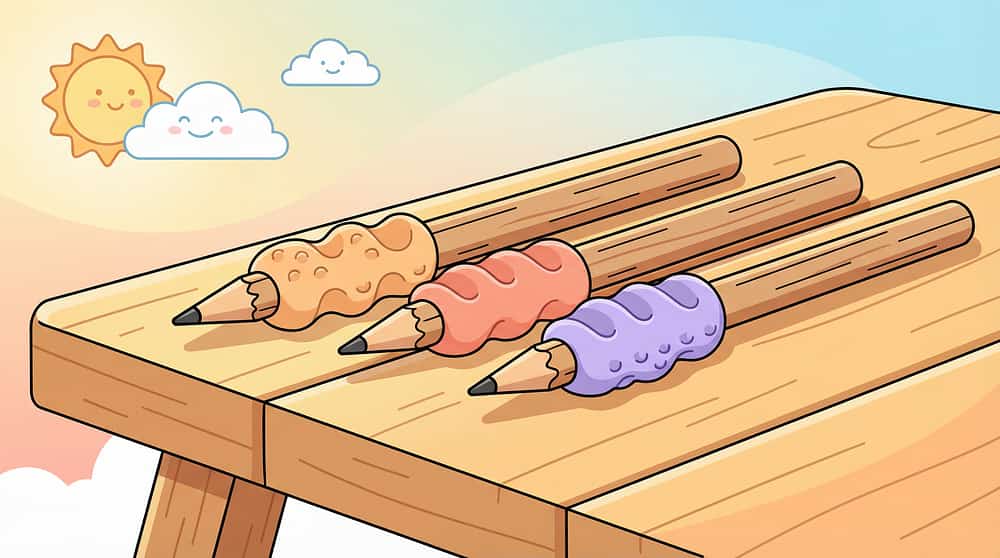
Fingers in the right place — automatically. Crossover grips, Grotto grips, Triangular grips, Claw grips. Positions fingers in functional tripod grasp pattern without verbal correction.
₹50–300
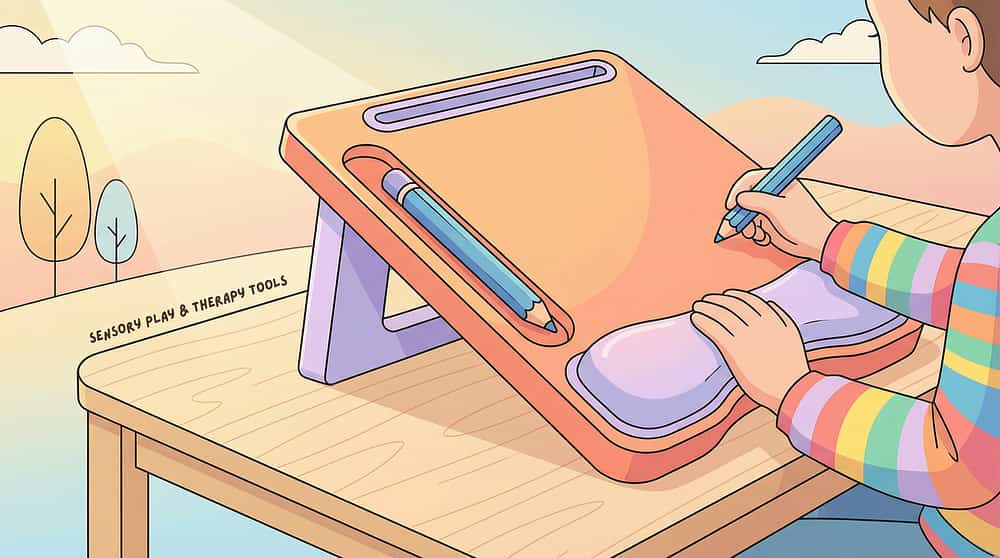
📐 Material 2: Slant Boards
Wrist in optimal position — fatigue reduced. 20–30° angled writing surface that naturally aligns the wrist, reduces fatigue, and improves visual access to work.
₹300–1,200
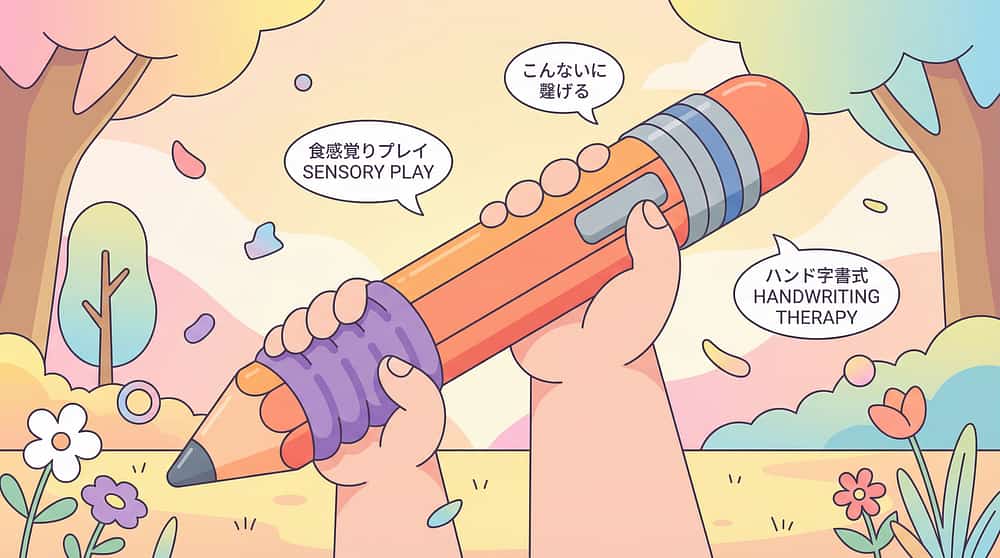
⚖️ Material 3: Weighted Pencils
Proprioceptive feedback that wakes up the hand. Adds sensory input through the hand — stabilizes shaky movements and helps the child "feel" the pencil for better control.
₹200–600
🛒 Materials 4–6
The 9 Primary Materials — Part 2
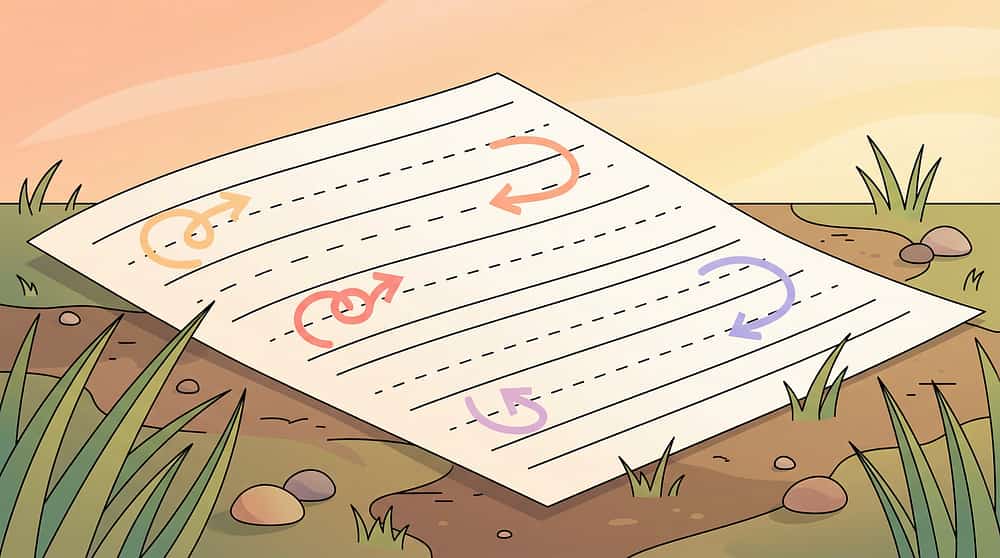
📄 Material 4: Specialty Paper
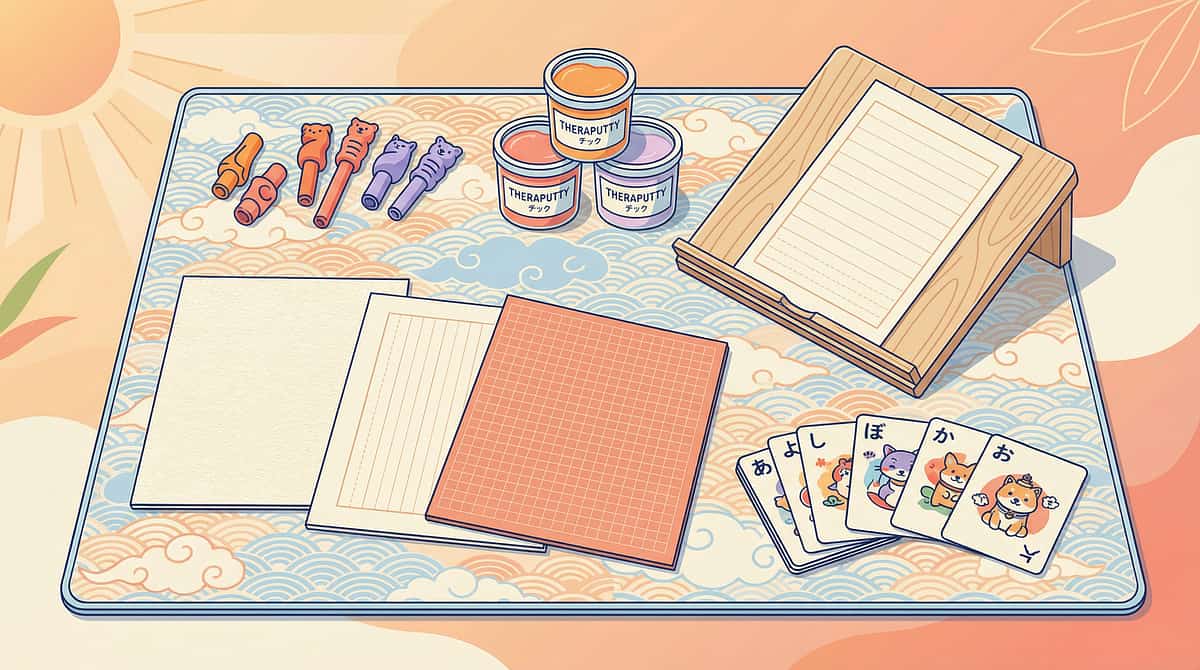
Visual structure that guides every letter. Raised-line, sky-ground-grass highlighted, graph paper, bold-line — external scaffolding while internal skills develop.
₹100–500

💪 Material 5: Hand Strengthening Tools
Build the muscles that make writing possible. Theraputty (graded resistance), hand exercisers, squeeze balls, finger strengtheners — intrinsic muscle development essential for grip endurance.
₹150–500
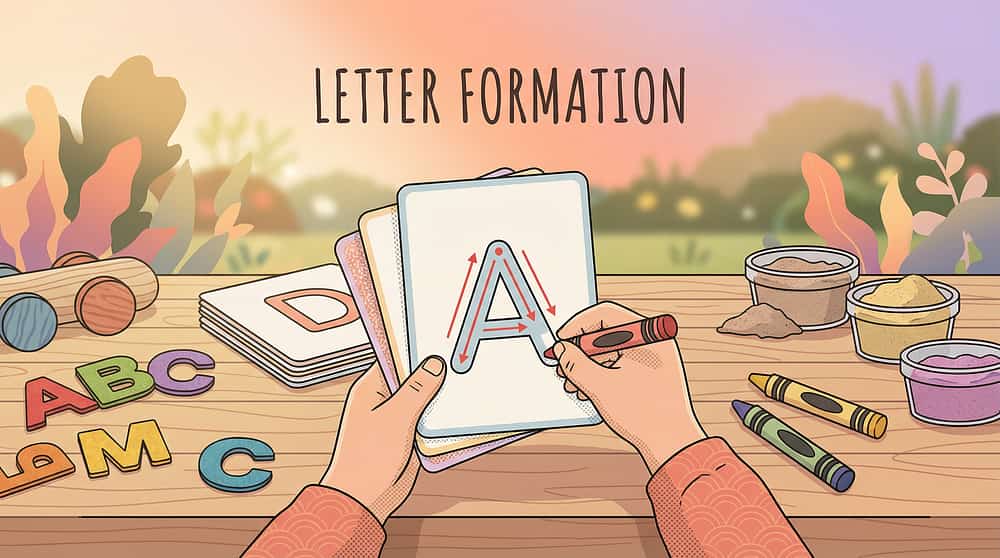
🃏 Material 6: Letter Formation Cards
Correct strokes from the very first mark. Arrow-guided formation cards, sandpaper letters, textured tracing cards — builds motor memory for correct letter paths from day one.
₹200–600
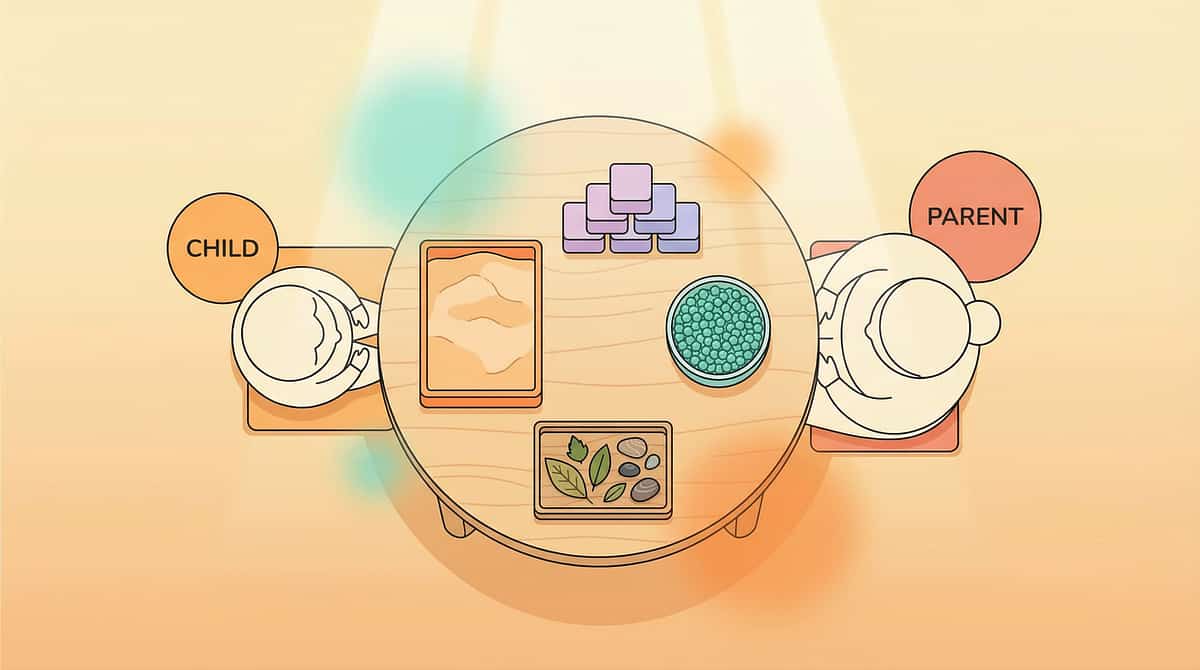
🛒 Materials 7–9
The 9 Primary Materials — Part 3
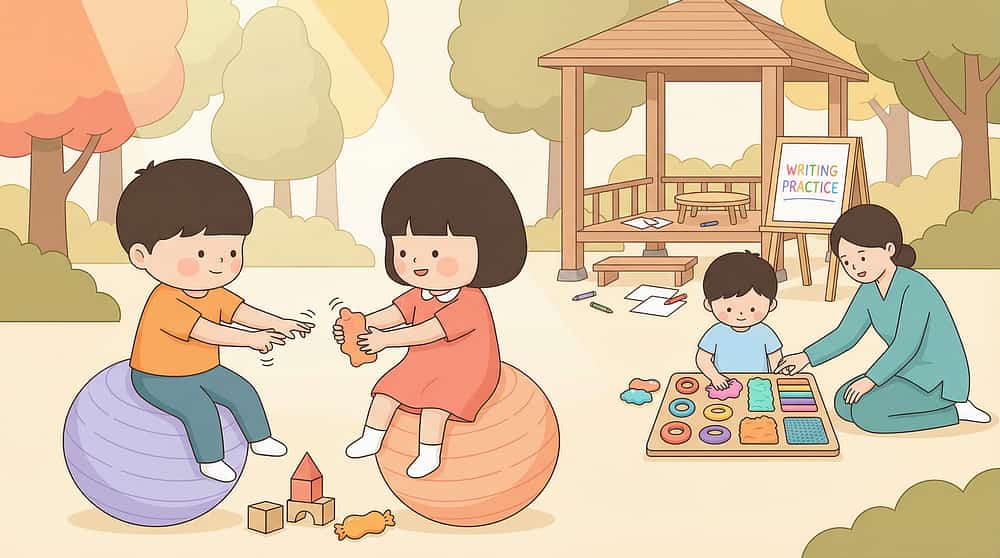
🤲 Material 7: Writing Warm-Up Tools
Athletes warm up. Writers should too. Hand therapy balls, warm-up putty, finger stretch bands — prepares the motor system before writing demands are placed on it.
₹100–400
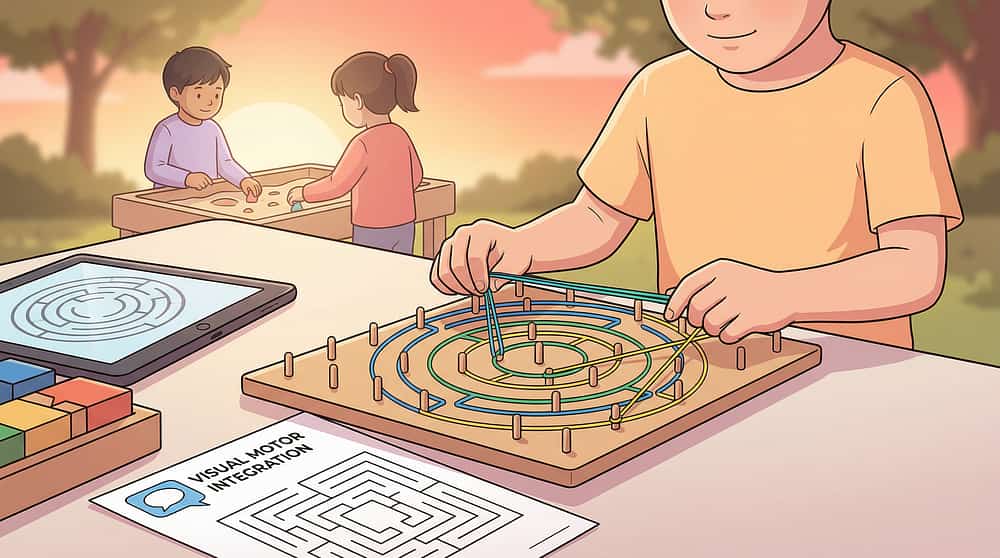
🌀 Material 8: Visual-Motor Integration Activities
Eyes and hands — working together. Maze books, geoboards, dot-to-dots, design copying worksheets — builds the foundation beneath all handwriting. Eyes and hands must coordinate before letters can form reliably.
₹150–600
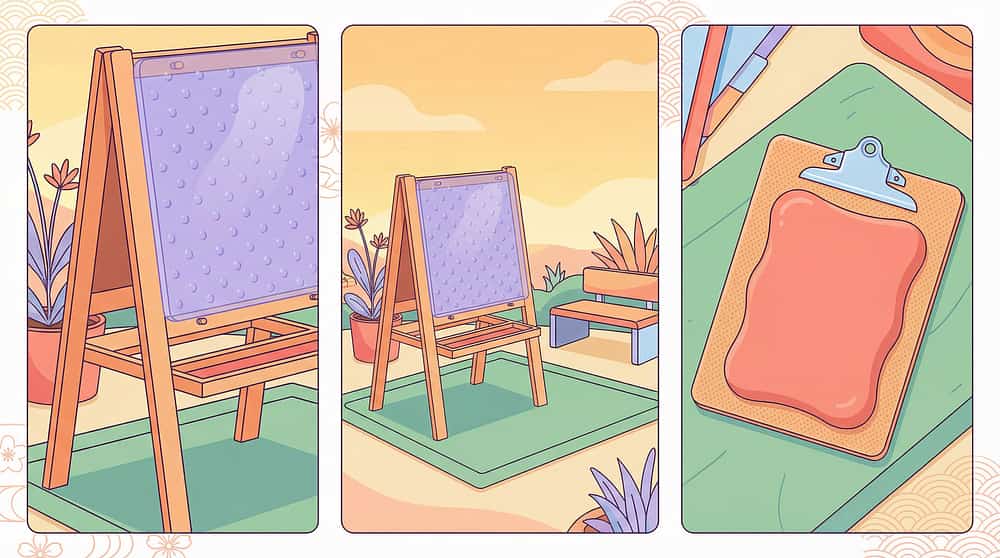
🖥️ Material 9: Adaptive Writing Surfaces
Where you write determines how you write. Textured clipboards, vertical writing easels, chalkboards, non-slip surfaces — varied proprioceptive input broadens motor learning and builds shoulder girdle stability.
₹100–800
💡 Essential Starter Kit
Pencil Grips + Slant Board + Theraputty + Formation Cards + Highlighted Paper
₹850–2,600
💡 Full Protocol Kit
All 9 materials together for the complete evidence-based writing readiness protocol.
₹1,100–5,500
📞 Not sure which to buy first? Call FREE: 9100 181 181 — Pinnacle therapists advise by profile.
♻️ DIY Alternatives
Every Material Has a Zero-Cost Version
WHO/UNICEF equity principle: every family, every economy, every village — today, not when the budget allows. The entire 9-material protocol can be implemented at ₹0 using household items.
Material | Buy | DIY Alternative | Why It Works | |
Pencil Grips | ₹50–300 | Rubber band wrapped around pencil at finger position | Provides tactile cue for finger placement — same proprioceptive principle | |
Slant Board | ₹300–1,200 | Large 3-ring binder (3+ inches) laid flat on desk | Creates ~25° angle immediately — test this today free | |
Weighted Pencil | ₹200–600 | Wrap small coins or fishing weights with tape at grip point | Adds proprioceptive input through increased weight | |
Specialty Paper | ₹100–500 | Highlight lines with blue (sky) and green (grass) highlighters on regular paper | Same visual zone cuing — identical principle to commercial version | |
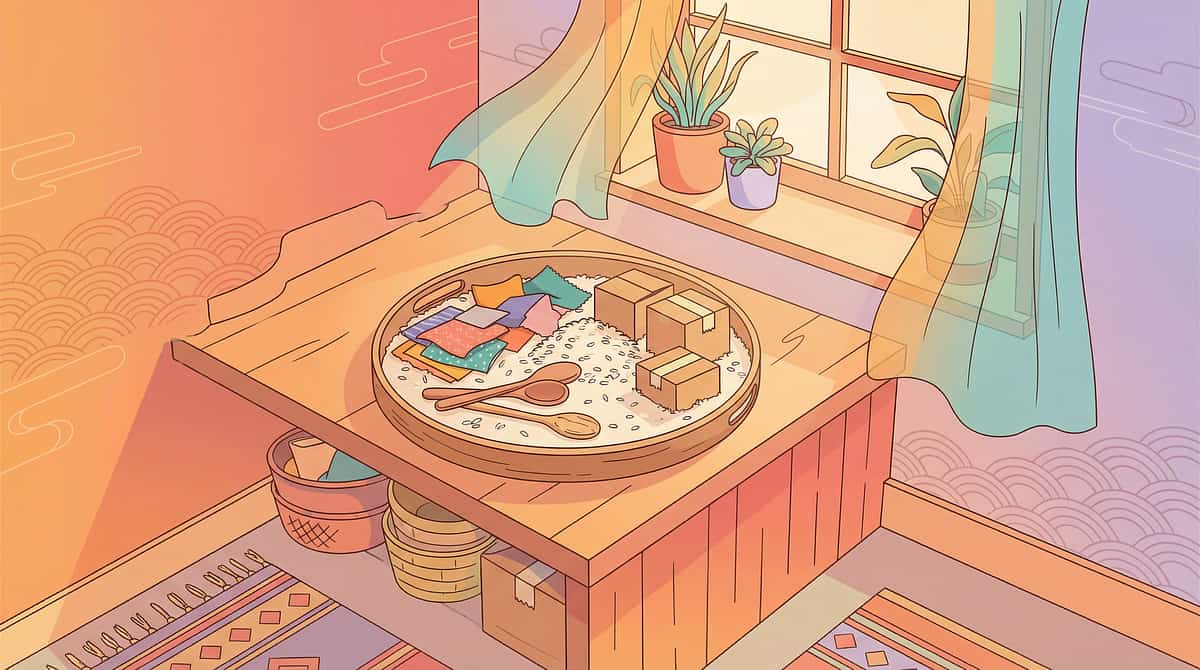
Hand Strengthening | ₹150–500 | Homemade dough (flour + salt + water + oil) or balloon filled with flour | Same resistance, same muscle activation | |
Formation Cards | ₹200–600 | Glue gun raised letters on cardboard; sand in shallow tray for tracing | Tactile-kinesthetic motor memory encoding — same mechanism | |
Warm-Up Tools | ₹100–400 | Finger stretches, wrist circles, hand shakes — free, 2 minutes | Motor activation requires no equipment | |
VMI Activities | ₹150–600 | Print free mazes/dot-to-dots from Google Images | Visual-motor pathways build identically | |
Adaptive Surface | ₹100–800 | Tape paper to wall; place textured kitchen mat under paper | Vertical surface for shoulder strength; texture for pencil control |
⚠️When commercial material is non-negotiable: Theraputty — resistance grading matters clinically. Specific crossover/grotto pencil grips address grip geometry that rubber bands cannot fully replicate. These are starting points, not complete replacements.
Research: WHO NCF Handbook (2022) | PMC9978394 | WHO CCD Package equity principles
🔴 Safety First
Read Before Every Session
Safety is the first intervention. Before you open the theraputty or attach the pencil grip, run through this traffic-light checklist. A paused session is not failure — it is clinical wisdom.
🔴 RED — DO NOT PROCEED IF:
- Child is in active meltdown, severely dysregulated, or acutely distressed
- Child is unwell — fever, pain, illness, or post-vaccine reaction
- Writing materials include small pieces for children who mouth objects (choking risk)
- Using weighted materials with children under 3 years without OT guidance
- Child shows signs of wrist or hand pain — stop immediately, consult OT
- You are attempting this session in anger or frustration — your regulation is the first requirement
🟡 AMBER — MODIFY IF:
- Child is mildly tired — shorten session to 5 minutes maximum
- Child is hungry — 5-minute snack break first, then begin
- Child has had a difficult day at school — begin with warm-up and play, not formal writing
- First time using any new material — introduce one new material per session, not all nine at once
🟢 GREEN — SAFE TO PROCEED IF:
- Child is fed, rested, and in a calm regulated state
- Environment is prepared (desk, materials, lighting)
- You have completed the readiness check
- You feel calm and patient — this is a co-regulation session
- Session will not be interrupted for at least 15 minutes
"Stop immediately if the child shows pain, extreme frustration, or emotional distress. A paused session is not failure — it is clinical wisdom."
Escalation pathway: Self-resolve (minor issues) → Teleconsultation 9100 181 181 → Nearest Pinnacle Center
Research: DOI: 10.1007/s12098-018-2747-4 (Home-based OT safety protocols) | AOTA Practice Guidelines
🏠 Setup
Set Up Your Space
Desk & Chair Essentials
- Chair height: child's feet flat on floor, thighs parallel to ground
- Desk height: elbows at ~90° when seated, forearms resting comfortably
- If chair is too high: firm cushion on seat or footrest on floor
- Place slant board on desk (or large binder as substitute)
- Right-handers: tilt paper clockwise ~30°; left-handers counter-clockwise ~30°
- Non-dominant hand anchors paper at top — teach this posture
Materials Layout (in order of session)
- Warm-up tools first (easy reach)
- Pencil with grip already attached
- Specialty paper (3–5 sheets, clipped to slant board)
- Formation cards for target letters (3–5 cards only)
- Visual-motor activity sheet (for closing activity)
Environment
- Close door or use room divider — reduce visual distraction
- Lighting: natural light from left (right-handed) or right (left-handed) — no glare
- Noise: low background acceptable; no TV, no interruptions
- Your phone: on silent for the session duration
- Sit beside the child at writing level, not standing above
Research: Sensory Integration Theory (Ayres) | PMC10955541 (1:1 structured environment) | AOTA Setup Protocols
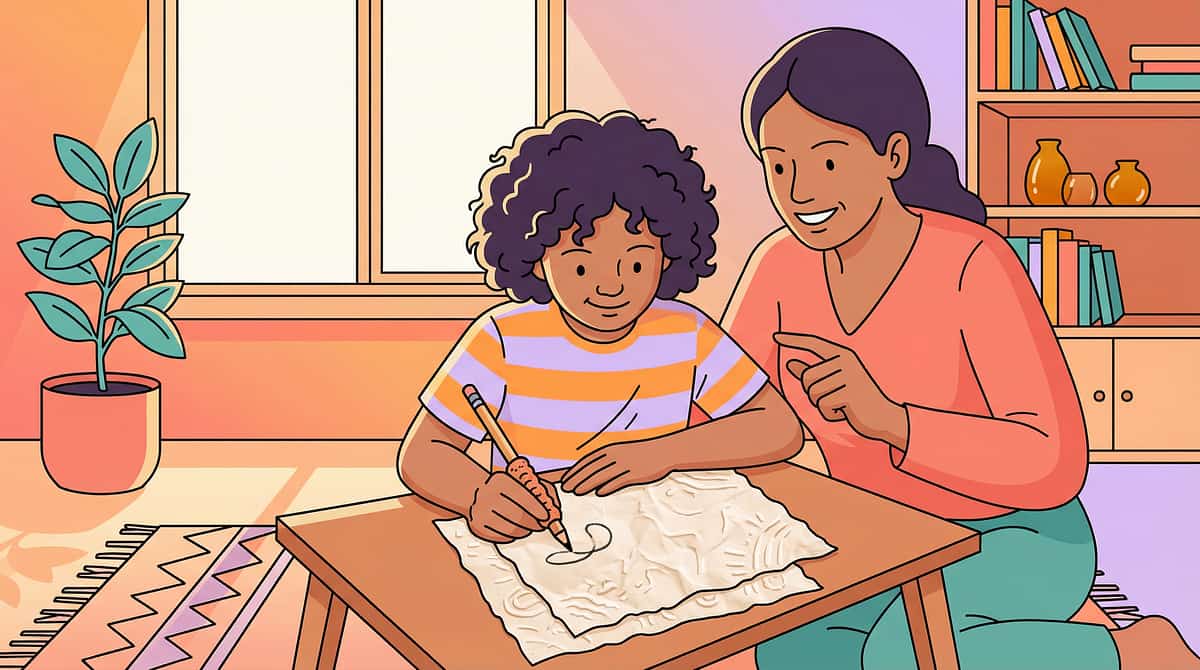
✅ Pre-Session Check
Is Your Child Ready? The 60-Second Pre-Session Check
The best session is one that starts right. Check these 7 things.
Fed?
Child ate within the last 2 hours. Hunger derails fine motor focus.
Rested?
Not overtired from school, activity, or poor sleep last night.
Calm?
No active distress, meltdown residue, or high anxiety visible.
Regulated?
Child's sensory system is at baseline — not hyper or hypo-aroused.
Willing?
Even mild resistance is a signal. Forced writing sessions create avoidance.
Medicated?
If child takes medication affecting motor control, time session during peak effectiveness.
No Pain?
Check wrists, fingers — "Does your hand hurt anywhere?" before starting.
🟢 7/7 = GO
Proceed to the session. Full session. All 9 materials available.
🟡 4–6/7 = MODIFY
Shorten to 10 minutes. Reduce to 2–3 materials. Focus on warm-up + strengthening only.
🔴 0–3/7 = POSTPONE
Today is not the day. This is data, not failure. 10 minutes of theraputty play instead.
"You cannot make handwriting better in a session where the child is dysregulated. You can only make it worse and more aversive. Choose the postpone wisely."
Research: ABA Antecedent Manipulation Principles | Pinnacle Clinical Session Protocols | GPT-OS® session initiation criteria
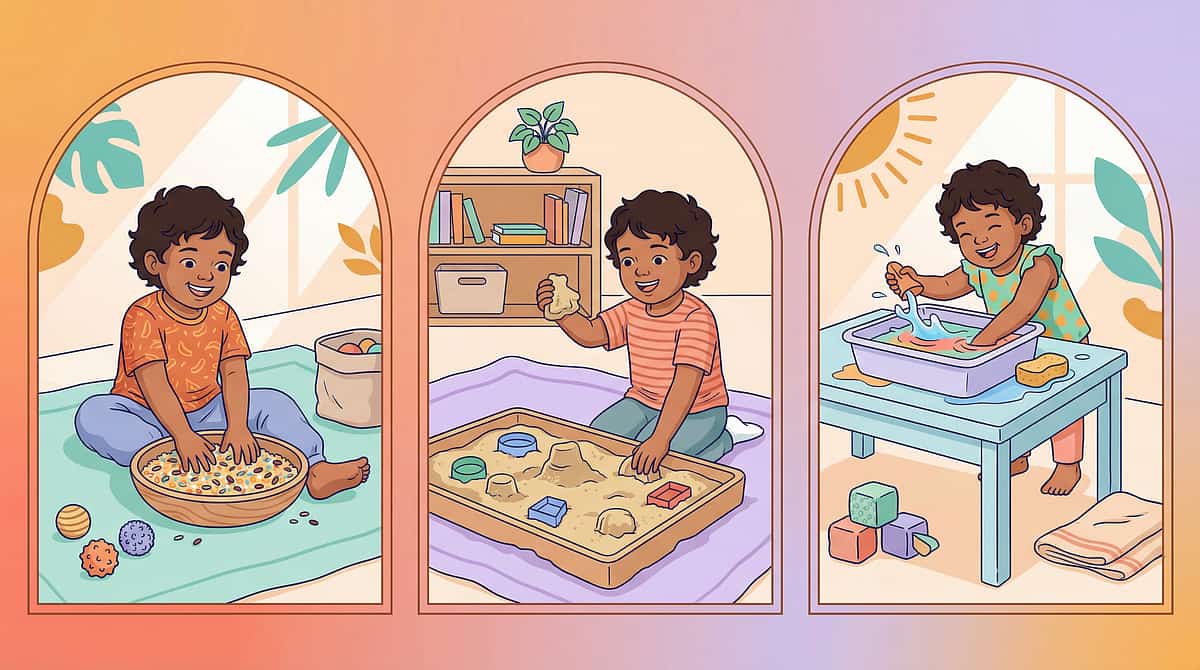
▶️ Step 1
Step 1: The Invitation
STEP 01
⏱ 60 seconds
🎯 ABA Pairing + OT Invitation
Purpose
Bring the child to the writing space through choice and playfulness — not command. Zero demand is placed at this stage. The material itself is the motivator.
Therapist Script
"Hey [child's name] — I've got something cool for your hands today. Want to see what it is?"
"We're going to do 10 minutes of hand stuff, then you're done. Come check out this [new pencil grip / the putty / the maze]."
What To Do
- Show the most interesting material first — usually theraputty or a new pencil grip
- Bring the material to the child first — don't demand they come to the desk
- Let them touch and explore before any writing expectation is introduced
- Match your energy to calm and curious — not urgent or instructional
Signs of Acceptance
- Child reaches for or looks at the material
- Child follows you to the desk
- Child is quiet and attending (doesn't have to be enthusiastic)
If Child Refuses
"Okay, let's just squeeze this putty for a second while we watch [their preferred show/activity]."
Pairing writing prep with a preferred activity reduces avoidance. If child hasn't engaged within 60 seconds → move to Modify pathway.
OT Just-Right Challenge principle: The invitation step must feel achievable and non-threatening. Research: ABA Pairing Procedures | Pinnacle clinical session initiation protocols

▶️ Step 2
Step 2: The Warm-Up Engagement
STEP 02
⏱ 3–5 minutes
🎯 Motor Activation + Sensory Priming
Purpose: Warm the motor system before any writing demand. Athletes warm up. Writers must too.
Finger Fans — 30 seconds
Spread all fingers wide → make a fist → repeat 5 times each hand. Activates intrinsic hand muscles and increases synovial fluid in finger joints.
Finger Touches — 30 seconds
Touch each finger to thumb in sequence: index → middle → ring → pinky → reverse. Both hands. Isolated finger control — the same dexterity used for dynamic pencil grip.
Wrist Circles — 30 seconds
5 circles clockwise, 5 counter-clockwise. Both wrists. Wrist joint mobility — reduces stiffness that causes incorrect wrist bend during writing.
Palm Presses — 20 seconds
Press palms together, push, hold 5 seconds, release. Repeat 3 times. Co-contraction of wrist and forearm stabilizers.
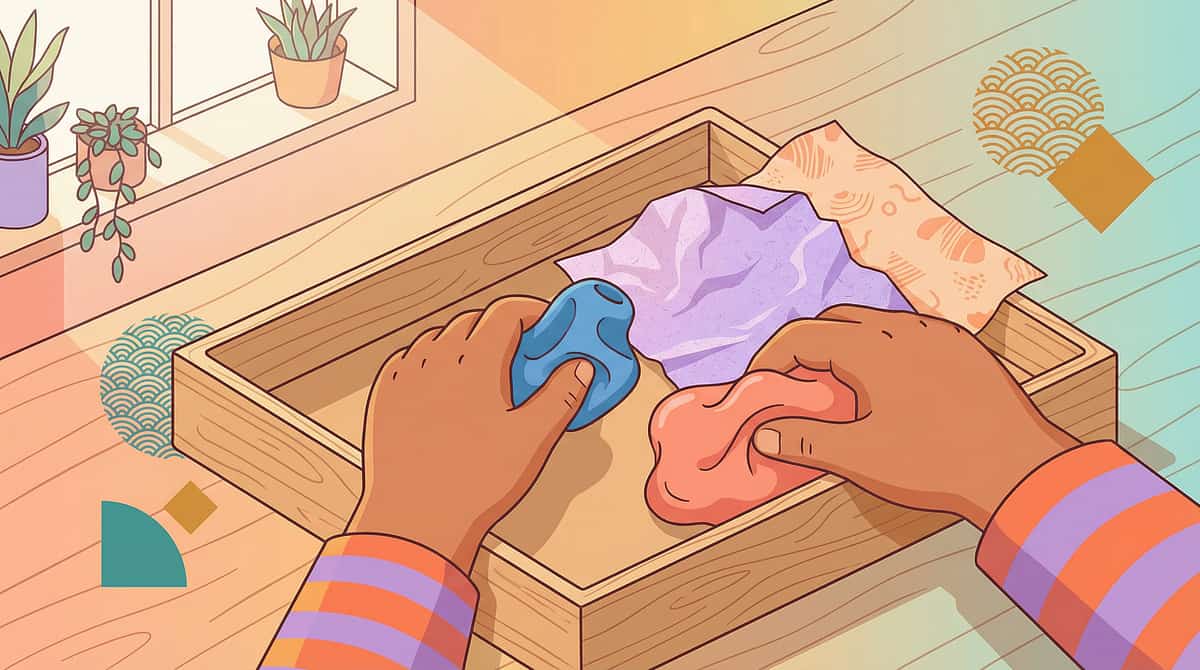
Theraputty / Dough Work — 2–3 minutes
Pinch, roll, squeeze, flatten, hide small objects inside — let the child direct the play. Intrinsic hand muscle strengthening + proprioceptive priming for pencil control.
Parent tip: Make the warm-up a ritual, not a task. Same sequence, same order, every session. Within 2 weeks it becomes automatic and the child may initiate it themselves. Small verbal praise: "Your hands are getting ready — look how strong."
Research: PMC11506176 | Hand warm-up for fine motor performance literature | Pinnacle OT protocols

▶️ Step 3
Step 3: The Therapeutic Action — Core Writing Session
STEP 03
⏱ 5–10 minutes
🎯 Targeted Material Application
The therapeutic action is not random writing practice. It is targeted material application — using each tool to address the specific system it was designed to support. Important: Start with 2–3 materials per session, not all 9. Build to the full kit over 2 weeks.
🖊️ Pencil Grips Application
Select grip type by need (crossover for thumb-wrap, grotto for finger separation, triangular for general). Fit before child arrives. First writing task: write name only (5 reps) — grip, not content, is the focus. Outcome: Grip remains in place 3+ minutes; hand less tense.
📐 Slant Board Application
Place on desk, non-slip mat underneath, paper clipped to surface. Forearm rests naturally — wrist is in neutral extension. Write 3–5 target letters. Tip: Try one minute flat vs. one minute on board — child will often prefer slant within the first week.
⚖️ Weighted Pencil Application
Best for children who press too lightly or seem "lost" in hand movements. First trial: 2 minutes maximum, monitor for fatigue. If writing becomes more erratic — consult OT. Outcome: Writing strokes more even; consistent pressure across letters.
📄 Specialty Paper Application
Match paper to problem: sizing → sky-ground-grass; spacing → graph paper (one letter per box); alignment → raised-line. Teach zones: "Blue is sky. Green is grass. All letters touch here." Fading plan: After 4 weeks, transition to lighter guidelines.
💪 Hand Strengthening Application
Hide 5 small beads in theraputty — child finds them by pinching. Squeeze ball: 10 squeezes × 3 sets each hand. Important: Strengthening is NOT writing practice — separate the two. Daily 5-minute strengthening builds more capacity than occasional writing drills.
Research: PMC11506176 | PMC10955541 | AOTA Evidence-Based Practice | Beery VMI Research | NCAEP 2020
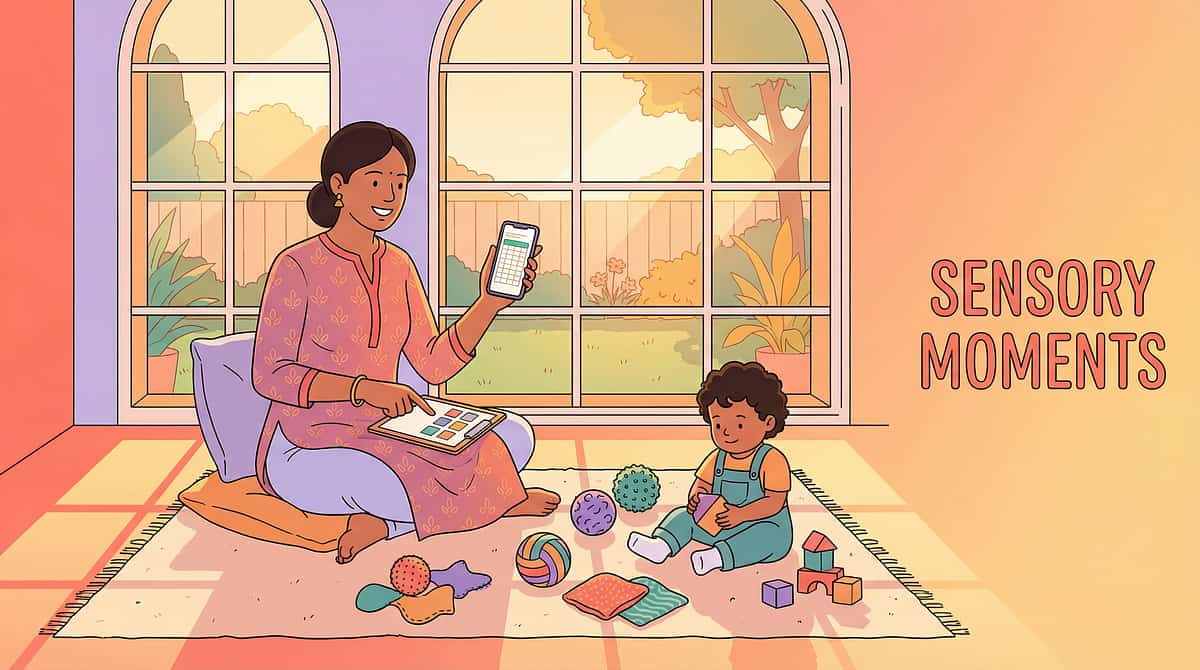
▶️ Step 3 continued
Core Session: Materials 6–9 Application
🃏 Letter Formation Cards Application
Teach in formation families — not alphabetical: Magic C family (c, o, a, d, g, q), Line-Down family (l, i, t, j), Hump family (n, m, h, r). Trace with finger first, saying stroke aloud. Sandpaper trace 3 times, then pencil. 5 reps per letter per session. Common error: Teaching all 26 letters at once — master one family first.
🤲 Writing Warm-Up Tools (Mid-Session)
If child fatigues mid-session: 60-second putty break → resume writing. Vibrating pen (if available): 10 seconds on palm before writing — heightens sensory awareness. Post the 5-step warm-up sequence on the wall so the child can self-initiate over time. Outcome: Child asks for warm-up before writing within 2 weeks.
🌀 Visual-Motor Integration Activities Application
Best at start or end of session. Maze work: trace path with pencil, no erasing — commit to the line. Dot-to-dot: focus on line precision, not speed. Design copying: draw simple geometric design, child copies same scale. Geoboard patterns: create rubber band design, child copies on paper. Progression: Start large, reduce toward letter-size precision over 4–6 weeks.
🖥️ Adaptive Writing Surfaces Application
Place fine sandpaper under writing paper — friction slows pencil and increases control feedback. Vertical writing: tape paper to wall, child writes standing, 5 minutes max — builds shoulder girdle strength. Non-slip shelf liner under paper prevents frustrating mid-letter slides. Rotate surfaces across sessions for broader motor learning.
Research: PMC11506176 | PMC10955541 | AOTA Evidence-Based Practice | Beery VMI Research | NCAEP 2020
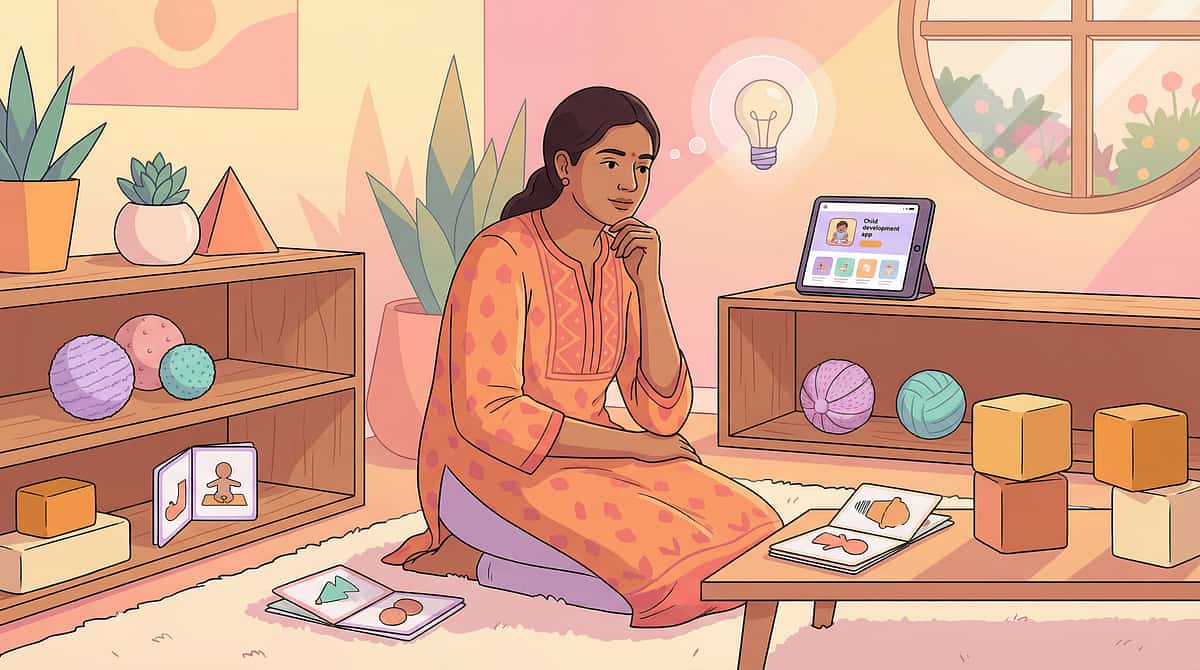
▶️ Step 4
Step 4: Repetition & Variation
STEP 04
⏱ 3–5 minutes
🎯 Therapeutic Dosage
"3 high-quality repetitions > 10 forced ones. Dosage is about engagement quality, not quantity completed."
Material | Reps per session | Sessions per week | |
Pencil Grips | 5–10 minutes continuous use | Every writing session (daily) | |
Slant Board | Every writing session | Daily | |
Weighted Pencil | 5–10 minutes | 5x/week during writing | |
Hand Strengthening | 10 reps × 3 sets | Daily (even without writing) | |
Formation Cards | 5 reps per letter | 5x/week | |
VMI Activities | 10–15 minutes | 4–5x/week |
Variation Menu — Same Material, Different Context
Formation card letters → shaving cream on tray → sand box → finger paint on large paper
Theraputty squeezing → coin-picking competition → hide-and-seek → rolling snakes
Maze → simple → complex → timed → child CREATES maze for parent to solve
Satiation indicators — when to stop: Child begins looking away frequently; letter quality noticeably deteriorates; child shakes out hand or makes escape attempts; you have to prompt more than twice per 30-second period. When these appear → transition to cool-down. This is the data telling you the dosage is complete.
Research: SI therapy dosage: 2–3x/week, 8–12 weeks typical protocol | Pinnacle EverydayTherapyProgramme™ session design
▶️ Step 5
Step 5: Reinforce & Celebrate
STEP 05
⏱ Within 3 seconds
🎯 ABA Reinforcement Precision
"Immediate, specific, enthusiastic. Timing matters more than magnitude."
Reinforce These Behaviors — Within 3 Seconds
- Correct pencil grip maintained for 30 seconds ✅
- Letter formed starting from correct point ✅
- Writing for 2 minutes longer than last session ✅
- Using the slant board without complaint ✅
- Attempting a difficult letter without giving up ✅
DO NOT wait for perfect. The attempt, the correct starting point, the grip maintained — these are the behaviors being shaped. Approximation is today's victory.
Reinforcement Menu
Verbal Praise: "Your fingers stayed in position that whole time — that's real progress."
Specific Description: "You started that 'a' from the right place — exactly right."
Token Economy: Sticker chart — 5 correct grips = choose a preferred activity
Natural Consequence: "You wrote your name — now it's YOURS. Let's put it on your artwork."
Preferred Activity: 3 minutes of preferred toy/screen after 5 minutes of focused writing
"Look at your fingers — that's exactly where they need to be. That's what a writer's hand looks like."
Research: ABA Reinforcement Principles | Token economy evidence for autism (multiple systematic reviews) | BACB ethical guidelines

▶️ Step 6
Step 6: The Cool-Down Transition
STEP 06
⏱ 2–3 minutes
🎯 Regulatory Transition
"No writing session ends abruptly. The cool-down is as therapeutic as the warm-up."
The Warning — 60 seconds before end
"Two more letters, then we're done for today." Show a visual timer if available — the child sees the end coming. This reduces resistance to stopping and prevents abrupt dysregulation.
The Transition Activity — 2 minutes
Choose ONE: VMI activity (maze or dot-to-dot), free drawing on blank paper with zero pressure, final theraputty play at child's direction, or a book to look at — visual rest after motor work.
The Put-Away Ritual
Child participates in putting materials away: cap the theraputty, place formation cards in pile, return pencil grip pencil to pencil cup. The put-away ritual signals session completion, builds routine, and gives the child agency in closing.
If child resists ending: "I know — it was a good session. We'll do this again tomorrow. Same time." Offer a small transition object (fidget) for the shift to the next activity.
Research: NCAEP 2020 (visual supports as evidence-based practice) | Transition support literature | Pinnacle clinical cool-down protocols
📊 Capture Data
Capture the Data: Right Now
⏱️Do this within 60 seconds of session end. Memory degrades fast.
The 3-Point Session Record
1. Did the session happen? YES — full session | YES — modified | NO — postponed
2. Materials used today: ☐ Pencil Grip ☐ Slant Board ☐ Weighted Pencil ☐ Specialty Paper ☐ Hand Strengthening ☐ Formation Cards ☐ Warm-Up ☐ VMI Activity ☐ Adaptive Surface
3. One observation (choose ONE):
- "Child wrote for ___ minutes before fatigue"
- "Grip maintained for ___ seconds"
- "Child mood: 😡😐🙂😄"
- "One thing I noticed: ___________"
Why This Data Matters
"60 seconds of data now saves hours of guessing later. When your Pinnacle therapist reviews this log, they can see in 2 minutes what's working, what needs adjustment, and what comes next. Without data, they're guessing. With data, they're precision-guided."
GPT-OS® Integration
This data feeds directly into your child's Fine Motor Readiness Index within GPT-OS®. Every session logged accelerates the AI's ability to personalize your child's progression pathway.
Research: ABA Data Collection Standards | BACB Guidelines | Cooper, Heron & Heward (ABA, 8th ed.)
🔧 Troubleshooting
What If It Didn't Go As Planned?
"Most sessions don't go perfectly. This card is your field manual for the real ones. Session abandonment is not failure — it is data."
Child refused to sit at the desk
Why: The desk has become associated with frustration and failure. Fix: Start at the kitchen table, the floor, or a picnic blanket. Remove the "desk = writing = hard" association. Bring materials to wherever the child is comfortable.
Child removed the pencil grip immediately
Why: Tactile sensitivity — new sensation was unexpected and uncomfortable. Fix: Introduce grip during free drawing, not formal writing. "Try wearing it for just the warm-up." Let child choose the color/style of grip when possible.
Handwriting got worse with the slant board
Why: Cognitive load overload — child couldn't manage new posture and letter formation simultaneously. Fix: Use slant board for warm-up activities only (putty, drawing) for one week before adding writing tasks on it.
Formation cards done but letters still wrong
Why: Rote copying activates visual processing, not motor memory. Encoding requires multisensory input. Fix: Add tactile step — trace sandpaper letter 3 times, then close eyes and trace in air, THEN write on paper.
Research: ABA Troubleshooting | Functional analysis principles | Antecedent modification literature

🔧 More Troubleshooting
Troubleshooting: Problems 5–7
Problem 5: Session went 3 minutes and child was done
Why: Attention and endurance limits were reached — both are targets of intervention, not session failures. Fix: 3 minutes is a real session. Record it. The goal is 3 minutes this week → 5 minutes next week → 8 minutes the week after. Track duration as your primary outcome metric.
Problem 6: Child cried or became very distressed
Why: Writing has likely been a source of shame and failure. Emotional residue is real. Fix: End session immediately. Comfort first. Do not re-introduce materials that day. Note this as data. If distress was significant or recurring: 📞Call 9100 181 181 urgently.
Problem 7: Parent became frustrated during session
Why: You are human. Writing sessions with struggling children are genuinely hard. Your consistency is impressive. Fix: End session on a positive (even small) note. Step away. Try again tomorrow. Consider booking a teleconsultation to observe a trained therapist run a session — it resets your approach completely.
📞Pinnacle 24×7 Helpline: 9100 181 181 — Available in 16+ languages. Call for any session troubleshooting, significant emotional distress responses, or urgent clinical concerns. You are never alone in this process.
Research: ABA Troubleshooting | Functional analysis principles | Antecedent modification literature
🎛️ Personalize
Adapt & Personalize the Protocol
"No two children hold a pencil the same way. No two sessions are identical. This card makes the protocol yours."
EASIER Variations
For bad days, new materials, or sensory sensitivity:
- Use short fat crayons instead of pencils (natural tripod grip)
- Write ONE letter only per session — not words, not sentences
- Large graph paper (bigger boxes = less precision demand)
- 5 minutes of free drawing before any structured work
- Reduce to 5 minutes total session time
HARDER Variations
For good days and consolidation phase:
- Timed writing component (how many letters in 2 minutes?)
- Transition from highlighted paper → plain paper with one bold baseline
- Copy from vertical text (reading from book, writing on paper)
- Introduction of a new letter family
Sensory Profile Variations
For SENSORY SEEKERS: Heavy paper with maximum texture; weighted pencil; theraputty with harder resistance; vertical writing for proprioceptive input; rhythmic verbal cuing during writing.
For SENSORY AVOIDERS: Smooth paper, no textured surface; lightest-weight pencil grip; start with finger painting before pencil; no raised-line paper; increase time between material introductions.
Age-Based Modifications
Age | Priority Material | Session Length | Focus | |
4–5 yrs | Warm-up + VMI activities | 5–8 min | Pre-writing strokes | |
6–7 yrs | Grip + Paper + Formation cards | 10–12 min | 2–3 letters/family | |
8–10 yrs | Full protocol | 15–20 min | Speed + consistency | |
10–12 yrs | Slant + VMI + Speed work | 15–20 min | Automaticity |
Research: OT Sensory Profile-Based Intervention | ABA Function-Based Adaptation | Pinnacle age-stratified protocols

📈 Progress
Week 1–2: What to Expect
Progress bar: Weeks 1–2 — 15% of the journey
15%
Protocol Progress
Weeks 1–2 of 8
Even if handwriting looks the same or worse on paper — these are REAL signs of progress:
Reduced Resistance
Child arrives at desk with less protest than Week 1. Even slightly less arguing is neural pathway formation — the new association between desk and safety is building.
Material Curiosity
Child independently touches or asks about the theraputty, formation cards, or pencil grip. Curiosity precedes engagement.
Increased Tolerance
Session lasts 1–2 minutes longer before satiation signals appear. Track duration — this number going up is your Week 1–2 success metric.
Grip Awareness
Child self-corrects grip (even once) without prompting. This is a significant early indicator — motor awareness is emerging.
Not expected yet: Legible letters consistently, correct sizing, writing speed improvement, or sustained attention for full sessions. These come in Weeks 3–8. Don't measure success by these yet.
"If your child tolerates the slant board for 30 seconds longer than last week — that is real neurological progress. The brain is forming new pathways. They don't show up in the handwriting yet. They show up in the resistance data first."
Research: PMC11506176 (8–12 week intervention timelines) | Neuroplasticity early-phase indicators
📈 Progress
Week 3–4: Consolidation Signs
Progress bar: Weeks 3–4 — 40% of the journey
40%
Protocol Progress
Weeks 3–4 of 8
Spontaneous Behavior
Child picks up the pencil with improved grip WITHOUT being reminded. Child asks for the "special paper" by name. Child brings theraputty to do during TV time. These unprompted behaviors signal new patterns moving from conscious effort to automatic habit.
Session Flow Improvement
Sessions start more smoothly with less pre-session resistance. Warm-up is initiated with less prompting. Child can sustain focus for 8–10 minutes without satiation signals.
Handwriting Product Change (Beginning)
Some letters — not all, not consistently — show improved formation. Line adherence better on specialty paper. Grip-related fatigue complaints reducing in frequency.
"What you're seeing in Weeks 3–4 is synaptic strengthening — repeated, consistent input is literally thickening the neural pathways for handwriting. The behavior changes you see reflect changes in brain structure. This is measurable neuroscience, not hope."
When consolidation indicators are strong → increase session to 15 minutes, add one more material to rotation, introduce the next letter family. Your skill as a therapeutic parent is growing alongside your child's motor skill.
Research: Neuroplasticity evidence: synaptic strengthening timelines | Pinnacle clinical milestone data
📈 Progress
Week 5–8: Mastery Indicators
75%
Protocol Progress
Weeks 5–8 of 8
Criterion 1: Functional Grip
Pencil grip maintained for full 10-minute session without significant breakdown. Grip device may still be present — functional use is the criterion, not device independence.
Criterion 2: Consistent Formation
Target letters formed correctly in 70%+ of attempts across 3 consecutive sessions.
Criterion 3: Endurance
Child writes for 10+ minutes in a session without significant pain complaints, hand shaking, or quality deterioration.
🏆 Generalization Indicators — Highest-Level Evidence of Mastery
- Teacher reports improved handwriting legibility at school
- Child volunteers to write (birthday cards, lists, name on artwork)
- Writing quality maintained even on tired days
- Skills appear in drawing, art, and other fine motor tasks
Maintenance Check: After 8 weeks — reduce slant board use by 50% for 2 weeks. If quality maintains → sustainable, begin systematic fading. If quality declines → material support still needed, continue at current intensity. Next techniques: H-743: Keyboarding as Alternative | G-740: Pre-Writing Skills (if earlier foundations need consolidation)
Research: PMC10955541 | BACB mastery criteria standards | ETCH handwriting assessment research
🎉 Celebrate
Celebrate This Win
You did this.
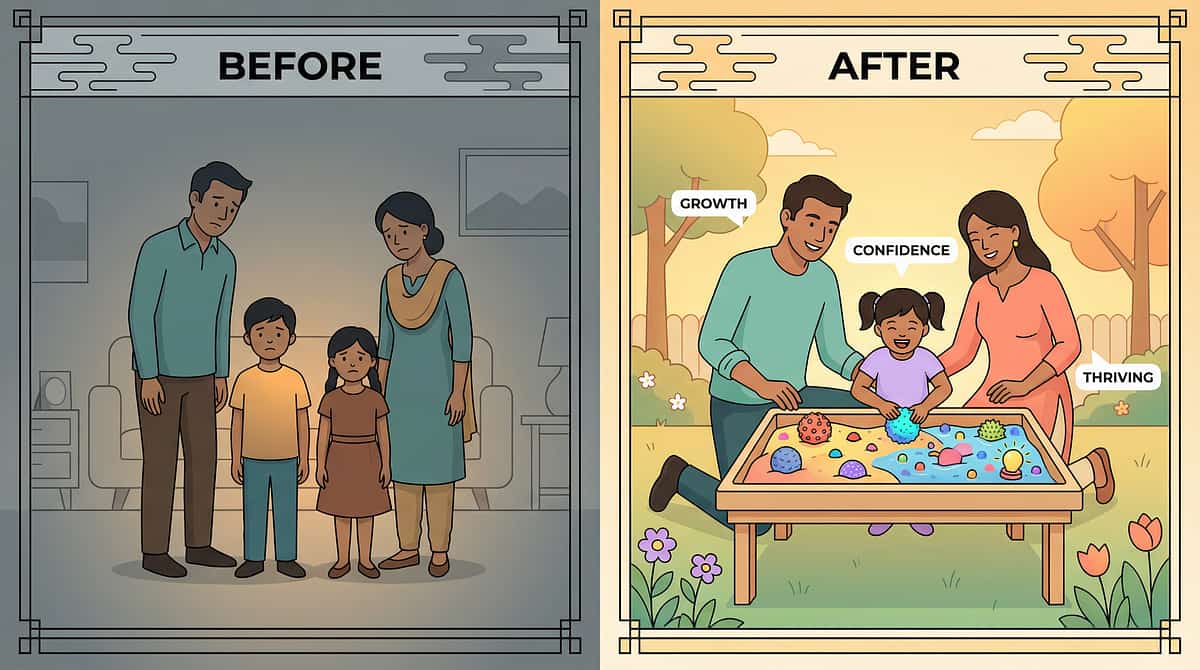
Your child can write more comfortably, more willingly, with more endurance and legibility than they could 8 weeks ago. That happened because of your consistency.
From: "I can't do it" before the pencil even touched paper To: Functional grip, emerging letter formation, reduced avoidance, measurable endurance.
This is not a small thing. For a child whose brain is working harder than any typically-developing child's to perform a task their peers do automatically — every minute of willingness is a neurological achievement.
Frame Their Progress
Frame one of their recent handwriting samples — show the before and after journey visually.
Write a Real Letter
Let them write a letter or card to someone they love — real-world function is the highest-level outcome.
Hand Hero Certificate
Create a "Hand Hero" certificate and present it at family dinner. Document this milestone.
Photograph This Moment
Take a photo of their hand holding the pencil correctly — document this milestone so they can see their own growth.
Research: Parental self-efficacy research | Home-based intervention adherence literature | Pinnacle parent outcome surveys
⚠️ Red Flags
Red Flags: When to Pause
"Even in progress, stay alert. Trust your instincts. If something feels wrong, pause."
🔴 Red Flag 1: Pain
Child reports consistent pain in fingers, wrist, or arm during or after sessions. Pain signals structural overload — grip style or material weight may be inappropriate. Action: Stop weighted/heavy materials immediately. Book OT consultation: 9100 181 181
🔴 Red Flag 2: Regression
After initial improvement, skills suddenly decline significantly across 3+ sessions. Can signal environmental change or material intensity too high. Action: Return to easier variation. If regression persists 2 weeks: teleconsultation.
🔴 Red Flag 3: Extreme Emotional Distress
Child cries, rages, or has meltdowns specifically related to writing — more intensely than when you started. Emotional dysregulation is preventing motor learning. Action: Pause all formal writing. Focus on hand strengthening through play only. Book consultation urgently.
🔴 Red Flag 4: Medical Symptoms
Child reports numbness, tingling, or visible hand tremor during sessions. These are neurological symptoms requiring medical evaluation. Action: Stop sessions immediately. Pediatrician or NeuroDev evaluation required.
🔴 Red Flag 5: Zero Progress at Week 8
Despite consistent daily sessions, no observable change in any indicator. Underlying factors (vision, neurological, sensory) may require professional assessment. Action: Comprehensive OT evaluation. Book through: 9100 181 181
Research: WHO NCF Progress Report 2018–2023 | Pinnacle clinical escalation protocols
🗺️ Progression
The Progression Pathway
"Every technique lives in a continuum. Here is where you are and where you're going."
You Are Here: H-742
Active Material-Based Handwriting Protocol Domain: Fine Motor → Academic Skills GPT-OS® Level: Functional Graphomotor Development
Where This Leads
Handwriting mastery is not the end goal. It is the gateway to academic self-expression — the ability for your child's intelligence to appear on paper as fully as it lives in their mind.
Research: WHO Developmental Milestones | GPT-OS® 12-Domain progression architecture
🌐 Related Techniques
Related Techniques in Fine Motor & Academic Skills
You already know H-742. Here are the techniques surrounding it in the Pinnacle library.
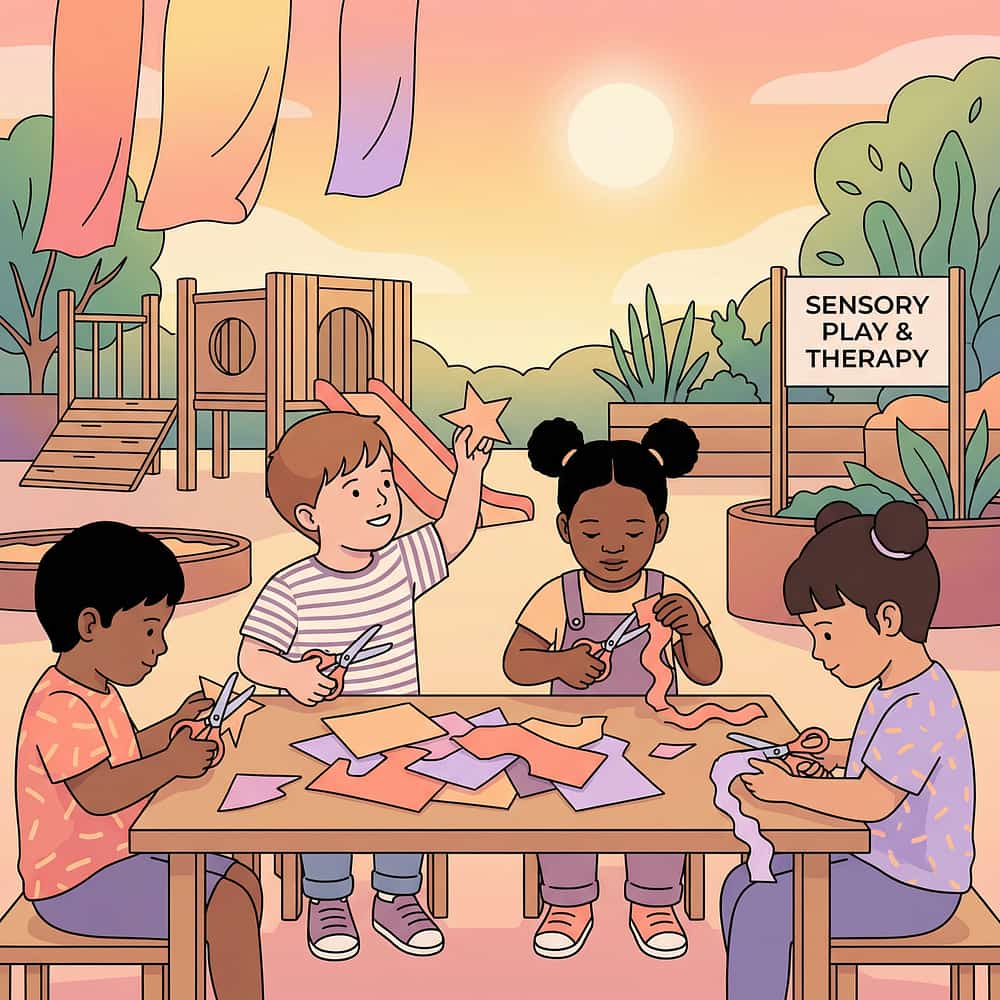
✂️ Scissor Skills — G-741
🟢 INTRO | Materials: Child scissors, cutting guides. Bilateral coordination prerequisite for handwriting.
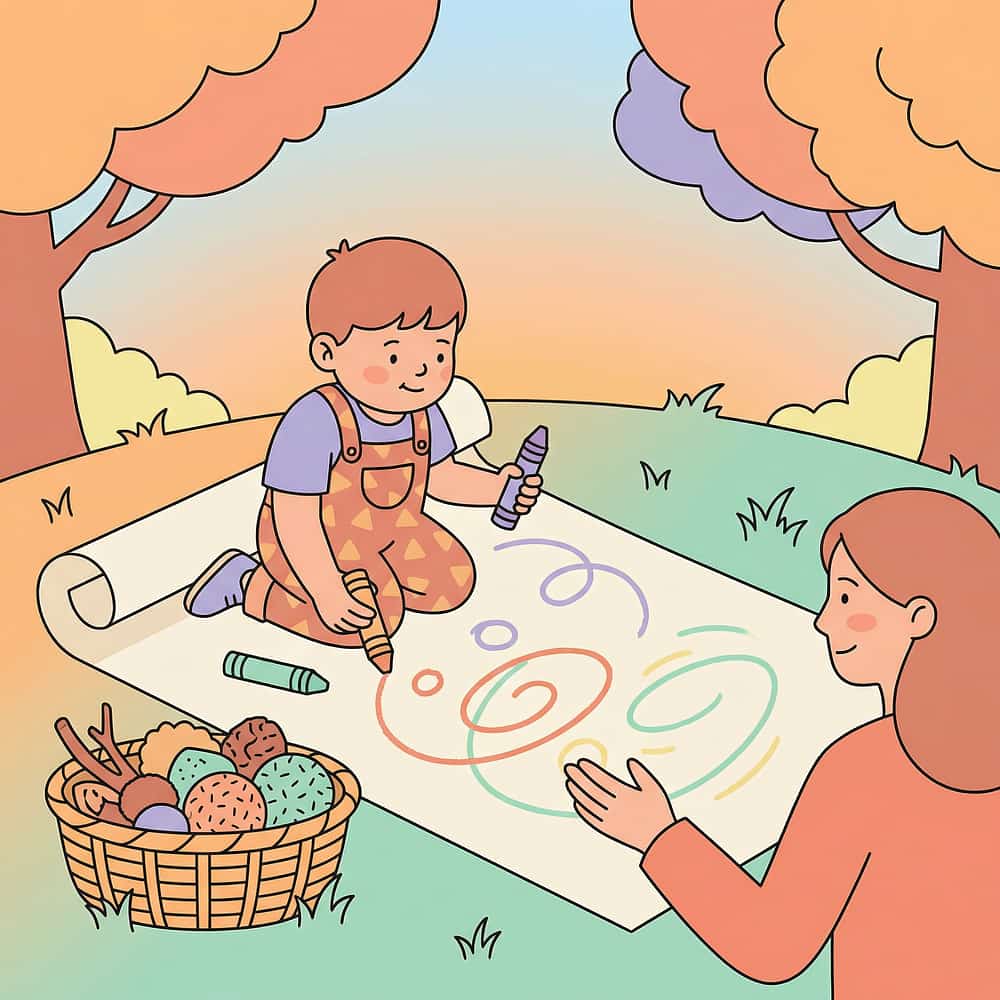
✏️ Pre-Writing Strokes — G-740
🟢 INTRO | Materials: Crayons, tracing sheets. The foundational skills before letter formation can begin.

⌨️ Keyboarding as Alternative — H-743
🟡 CORE | Materials: Adapted keyboard, typing apps. When handwriting remains challenging: build the alternate output pathway.
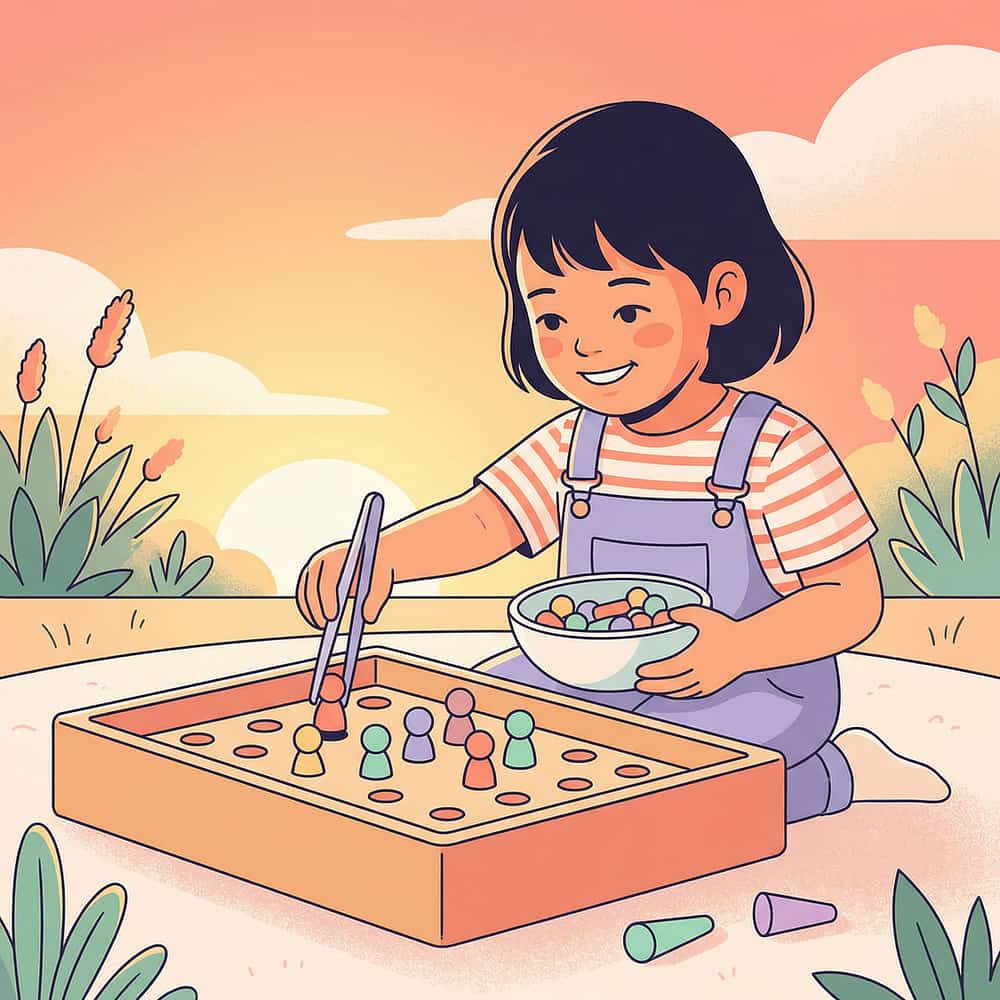
🎯 Fine Motor Coordination — G-750
🟡 CORE | Materials: Pegs, tweezers, in-hand manipulation tools. Hand dexterity underlying all fine motor output. If you own theraputty for H-742, you already have a primary G-750 material.
Materials you already own for G-750 and G-745: theraputty and pencil grips from H-742 are primary materials in both adjacent techniques.
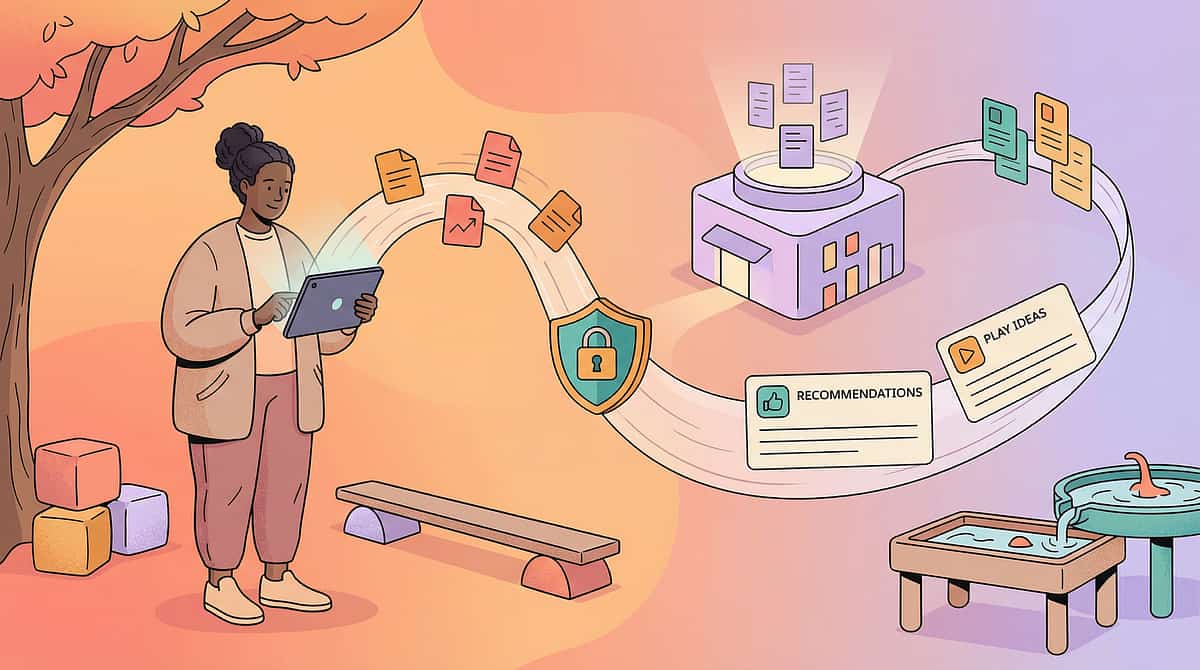
🌐 Full Developmental Map
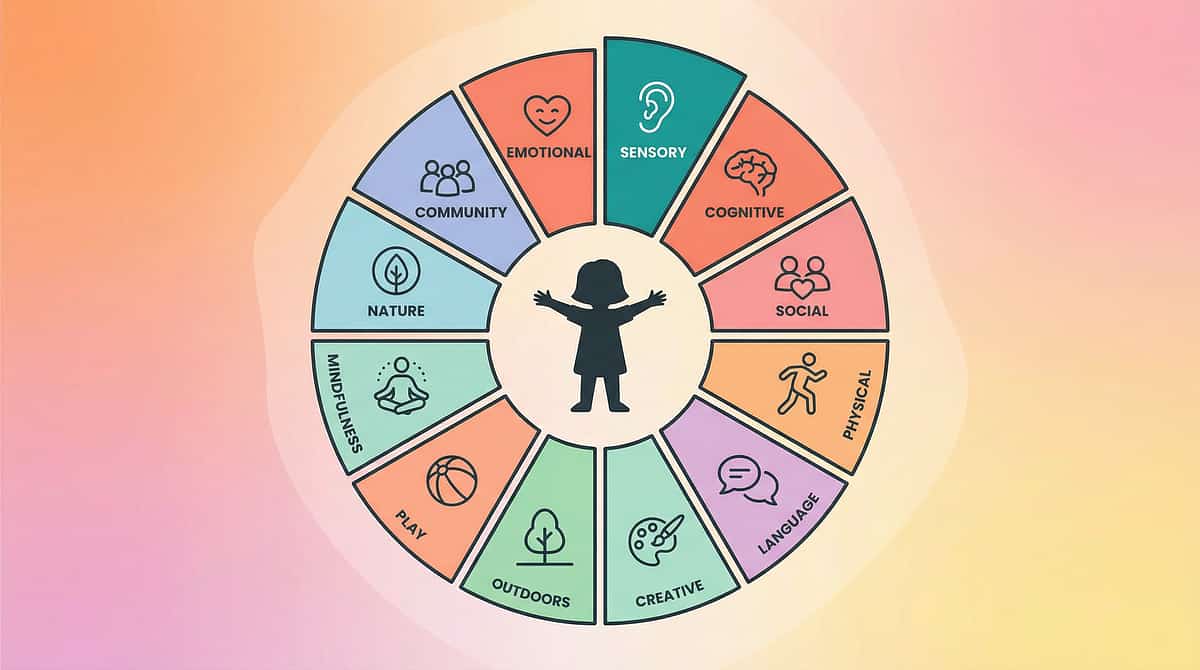
Your Child's Full Developmental Map
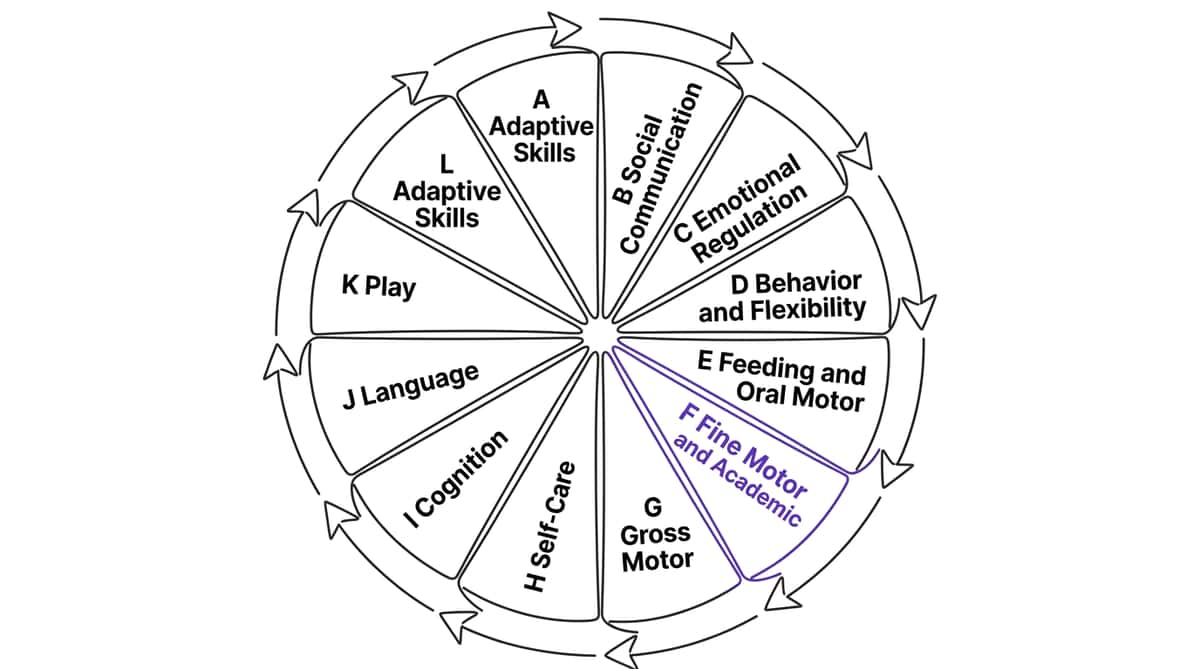
H-742 Lives Here: Domain F
Fine Motor & Academic Skills — highlighted in your child's developmental wheel. Your work on handwriting feeds into: academic self-expression, school participation, and fine motor fluency across all tasks.
The Connected Picture
Handwriting is rarely isolated. For most children with motor difficulties it connects to sensory processing (how they feel the pencil), visual-motor integration (how eyes and hands coordinate), and emotional regulation (the frustration response to difficulty).
GPT-OS® tracks all 12 domains simultaneously. As handwriting improves, the system identifies which adjacent domain to develop next — always keeping your child on the optimal developmental trajectory.
Research: WHO/UNICEF Nurturing Care Framework (5 components) | GPT-OS® 12-Domain architecture | UNICEF MICS 2025 indicators | 📞 9100 181 181 for AbilityScore® assessment

🌐 Community
Families Who've Been Here
"These families started where you are. Here is where they arrived."
Anjali, 7 years — Hyderabad
Before: Anjali refused every writing task. She held the pencil in a fist, pressing so hard the pencil tore through paper, then abandoned the task within 2 minutes crying "I can't." She had started calling herself stupid.
After 8 weeks (H-742): Slant board + crossover pencil grip + sky-ground-grass paper + daily theraputty (3 minutes before writing). Session duration grew from 2 to 11 minutes. Grip changed from fist to functional four-finger grip. Letters began consistently touching the grass line. She no longer cries at the desk.
"The day she wrote her name on her painting and said 'that's mine' — I cried. Her handwriting isn't perfect. But it's hers now." — Anjali's mother
Therapist note: "Anjali's primary barriers were wrist positioning (corrected by slant board), grip pattern (corrected by crossover grip), and muscle fatigue (addressed by daily theraputty). The emotional avoidance dissolved when the physical barriers were removed — the behavior problem was actually a motor problem in disguise."
Rohan, 9 years — Bangalore
Before: Academically capable — excellent verbal answers, strong comprehension. But his written work showed none of it. Letters reversed, sizes inconsistent, spacing erratic. His teacher assumed he wasn't trying. He had started refusing to attend school on "test days."
After 10 weeks (H-742 + H-743): Formation cards (hump family first, then Magic C) combined with graph paper for spacing structure. Writing improved enough that Rohan could demonstrate his knowledge on paper. Keyboarding introduced as a parallel pathway for longer assignments.
"He came home and said his teacher told him his paragraph was 'clear and organized.' He has never said that before." — Rohan's father
Research: Parent-reported outcomes research | Qualitative studies on peer narrative motivation | Pinnacle center outcome data
🌐 Connect
Connect With Other Parents
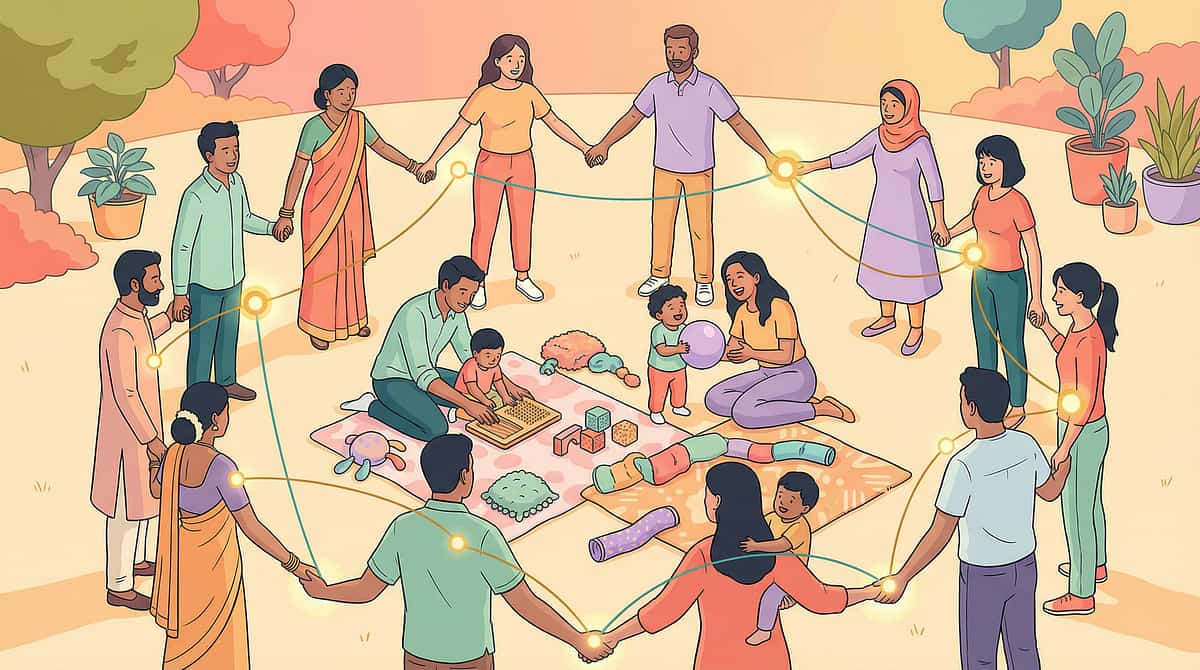
"Isolation is the enemy of adherence. You are not alone in this. The community knows this journey."
💬 Handwriting Support Parent WhatsApp Group
Join 800+ parents navigating the same fine motor challenges. Share wins, ask questions, get peer support. Request H-742 parent group access via 9100 181 181.
🌐 Pinnacle Parent Community Forum
Online forum moderated by Pinnacle OT therapists. Search by technique, challenge, and age group. pinnacleblooms.org/community
📍 Local Parent Meetup
Find parents in your city navigating similar challenges. Organized through Pinnacle centers monthly. pinnacleblooms.org/meetups
🤝 Peer Mentoring Program
Connect with a parent who has completed H-742 with their child. Their experience becomes your roadmap. Request a peer mentor via 9100 181 181.
"Your journey through this protocol helps the family who starts it tomorrow. Consider sharing — even one WhatsApp message to a parent group. Your experience is their hope."
Research: WHO NCF Community Engagement | Parent support network outcome literature

🌐 Professional Support
Your Professional Support Team
"Home + clinic = maximum impact. You don't have to choose."
The primary discipline for this technique is Occupational Therapy (OT). Your nearest Pinnacle OT specialist can assess your child's specific handwriting profile, prescribe specific materials from the 9 categories, design your EverydayTherapyProgramme™ entry sequence, and monitor progress via GPT-OS® Fine Motor Readiness Index.
🏥 In-Clinic OT Session
Full assessment + material prescription + parent coaching. The gold standard for handwriting intervention precision.
📱 Teleconsultation
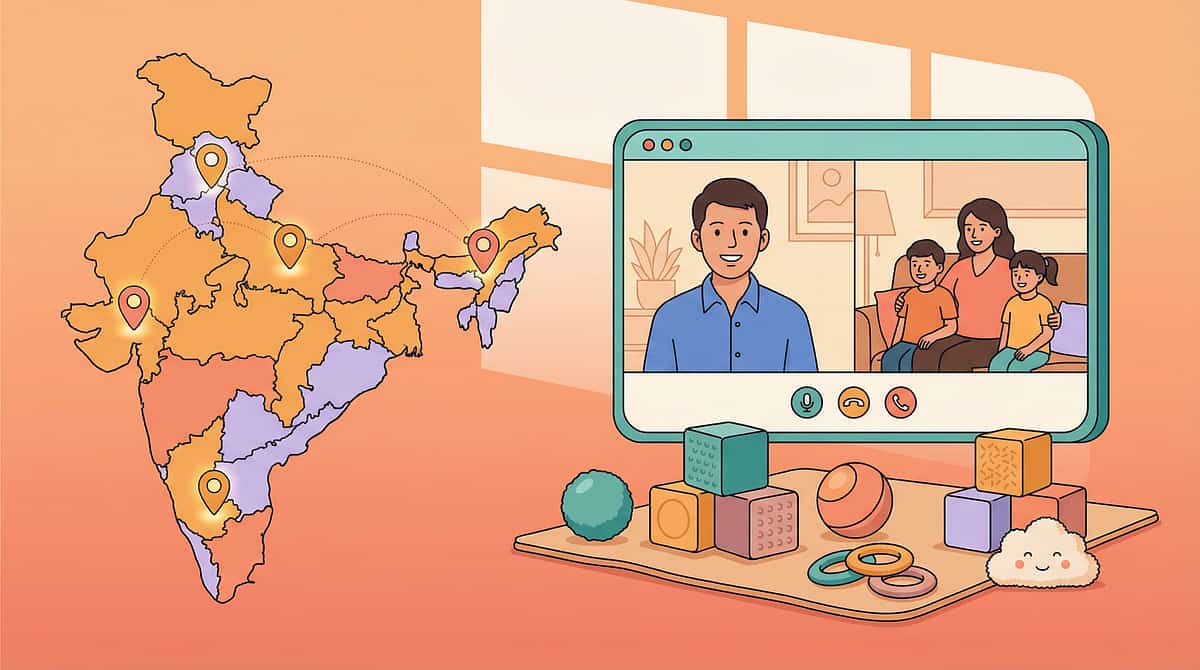
30-minute video session with a Pinnacle OT. Review home protocol, observe grip, receive guidance — from anywhere in India.
📞 Helpline (Free)
9100 181 181 — 24×7 — 16+ languages. Speak with a trained therapist counselor for material selection, session troubleshooting, and urgent concerns.
"Home-based intervention using H-742 materials is powerful. Professional OT assessment makes it precise. The combination is what delivers 97%+ measured improvement across Pinnacle's 20M+ sessions."
Research: WHO NCF Progress Report 2023 | 48% increase in countries adopting ECD policies | Primary healthcare platform evidence

📚 Research Library
The Research Library
"Deeper reading for the curious parent, the questioning teacher, and the evidence-seeking therapist."
📊 Systematic Review | Children (2024)
"Sensory Integration Intervention in Children with ASD" — 16 studies (2013–2023). Confirms OT material-based interventions meet evidence-based practice criteria for motor and academic outcomes.
PMC11506176 | View on PubMed
📊 Meta-Analysis | World J Clin Cases (2024)
"Efficacy of Sensory Integration Therapy in Autism" — 24 studies. Effective promotion of fine motor skills, visual-motor integration, and adaptive behavior. Direct support for handwriting material protocols.
PMC10955541 | View on PubMed
📊 Indian RCT | Indian Journal of Pediatrics (2019)
"Home-Based Sensory Interventions for Children with Autism" (Padmanabha et al.) — Home-applicable OT interventions with statistically significant outcomes in the Indian pediatric population.
DOI: 10.1007/s12098-018-2747-4
📊 WHO Package | Care for Child Development (2023)
Evidence-based caregiver intervention package implemented across 54 LMICs. Validates household-material-based motor intervention approaches for all resource contexts.
PMC9978394 | WHO Resource Library
📊 NCAEP Report (2020)
National Clearinghouse on Autism Evidence and Practice: Video modeling, visual supports, and structured OT interventions classified as evidence-based practices for autism intervention.
Preview of 9 materials that help with handwriting at school Therapy Material
Below is a visual preview of 9 materials that help with handwriting at school therapy material. The pages shown help educators, therapists, and caregivers understand the structure and content of the resource before use. Materials should be used under appropriate professional guidance.


Link copied!
✅ Start Now
Your Child's Hands Are Ready to Be Helped.
The 9 materials are known. The protocol is clear. The evidence is here. The only thing left is to begin.
20M+
1:1 Sessions delivered
97%+
Measured improvement
70+
Centers across India
160+
Countries with patents filed
🏛️ Pinnacle Blooms Network®
OT
SLP
ABA
SpEd
NeuroDev
WHO/UNICEF-Aligned
Pinnacle Blooms Network® | Unit of Bharath Healthcare Laboratories Pvt. Ltd. | CIN: U74999TG2016PTC113063 | DPIIT Startup India: DIPP8651 | MSME: TS20F0009606 | GSTIN: 36AAGCB9722P1Z2 FREE National Helpline: 9100 181 181 | 16+ languages | 24×7 | pinnacleblooms.org | care@pinnacleblooms.org
This content is educational and informational. It does not replace individualized assessment and intervention from qualified occupational therapists, developmental specialists, or educators. Handwriting difficulties may be part of broader motor, sensory, or developmental profiles requiring comprehensive clinical evaluation. Consult your child's therapist or developmental specialist for personalized guidance. Individual results vary. Statistics (20M+ sessions, 97%+ improvement) represent aggregate outcomes across Pinnacle Blooms Network® clinical database.
© 2025 Pinnacle Blooms Network®, unit of Bharath Healthcare Laboratories Pvt. Ltd. All rights reserved. H-742 | techniques.pinnacleblooms.org/fine-motor/handwriting-at-school-H742