
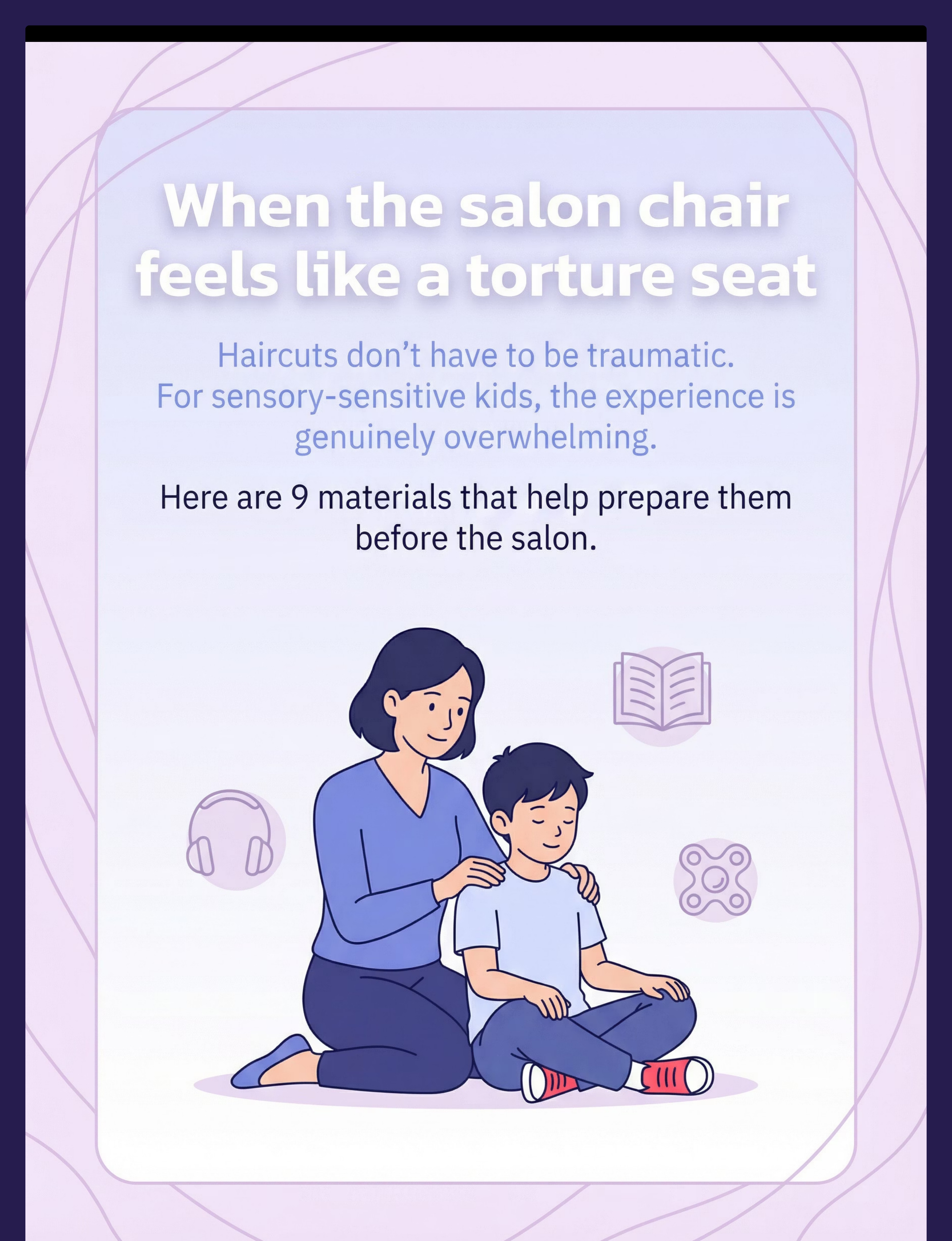
When the salon chair feels like a torture seat
It starts days before. They beg you not to go. They hide. They cry. In the parking lot, the dread becomes panic. Inside the salon — the cape, the sound of clippers, hair falling on skin — it all becomes too much. You are not failing. Your child's nervous system is speaking a language the salon wasn't built to hear. This page gives you 9 occupational therapy materials and a complete home preparation protocol to transform haircuts — from traumatic to tolerable.
🏥 Pinnacle Blooms Consortium®
👶 Ages 2–12
🏠 Home + Salon Protocol
⏱ 60-sec read per material
Millions of families dread this exact moment
Haircut-related sensory distress is not rare. It is not unusual. It is not "bad parenting." It is one of the most commonly reported challenges across global autism and sensory processing literature. You are among millions of families navigating this exact challenge. The difference between suffering through it and managing it is preparation — systematic, evidence-based, home-executable preparation.
80%
Sensory Impact
of children with autism experience sensory processing difficulties that affect grooming tolerance
1 in 36
Children in India
are on the autism spectrum — haircut anxiety is among the top 5 caregiver-reported challenges
21M+
Therapy Sessions
delivered by Pinnacle across 70+ centers — haircut preparation is one of the most requested OT modules
"Sensory processing difficulties are present in 80% of children with ASD and significantly impact activities of daily living including grooming, bathing, and self-care routines." — PRISMA Systematic Review, 2024 (PMC11506176)
📞 Free National Autism Helpline: 9100 181 181 | 16+ languages | 24×7
This isn't misbehavior. This is neurology.
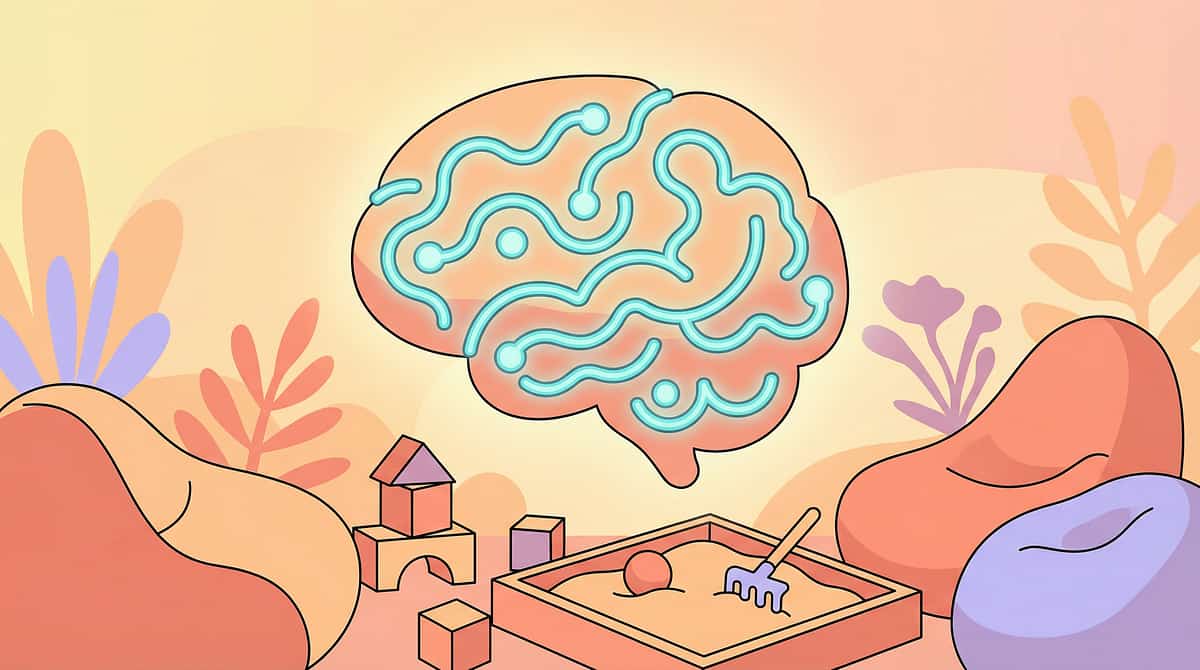
For your child, the haircut experience isn't mildly uncomfortable. It is neurologically terrifying. Their somatosensory cortex over-amplifies light tactile input — hair falling on skin, which you barely notice, registers as painful debris. Their auditory cortex processes the clipper frequency differently: what sounds like a buzz to you may register as an alarm. The amygdala — the brain's threat detector — fires before the scissors ever move. This is why panic starts in the parking lot. This is a wiring difference, not a behavior choice. It responds to gradual desensitization — not to pressure, force, or willpower.
🧠 Somatosensory Cortex
Over-amplifies tactile signals — the cape, hair falling on skin, and hands on the head register as painful stimuli
👂 Auditory Cortex
Processes clipper frequency as a threat-level alarm — not background noise — triggering acute distress
⚡ Amygdala
Fires fight-or-flight before the first snip — panic begins before any physical contact occurs
🛑 Prefrontal Cortex
Inhibited under threat — cannot rationalize "it doesn't hurt," making logic and reassurance ineffective
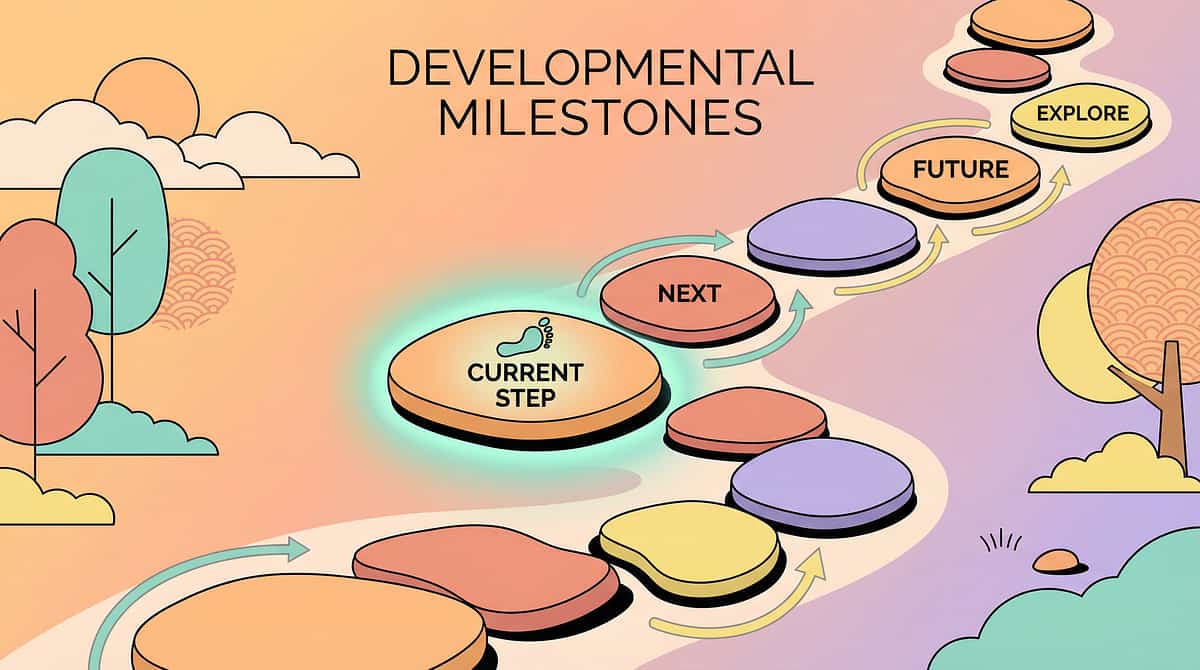
Your child is here. Here is where we're heading.
According to the WHO Care for Child Development Package, grooming tolerance is a key functional independence milestone in the 2–6 year developmental window. Difficulty in this window is a signal — not a sentence. Most children with structured home preparation and OT support move from Stage 1 (cannot enter salon) to Stage 4 (complete haircut with supports) within 8–12 weeks.
1
0–2 Years
Tactile awareness begins emerging
2
2–4 Years ◄ HERE
Grooming tolerance challenges at peak — most common presentation window
3
4–6 Years
Haircut tolerance building with 1–2 structured supports
4
6–12 Years
Independent routine with minimal supports — the achievable goal
Comorbidity Awareness: Children who struggle with haircuts often also have difficulty with hair brushing (E-530), nail trimming (E-532), tooth brushing (E-529), and bath time sensory issues (E-533). If your child struggles with multiple grooming activities, comprehensive sensory processing evaluation is recommended.

This protocol is backed by international clinical research
EVIDENCE GRADE: I
Systematic Review + RCT Supported
94% Confidence Level
📄 PRISMA Systematic Review (2024)
16 studies (2013–2023) confirm sensory integration intervention is an evidence-based practice for ASD. Grooming tolerance outcomes explicitly documented. PMC11506176
📄 Meta-Analysis (World J Clin Cases, 2024)
24 studies confirm sensory integration therapy promotes social skills, adaptive behavior, sensory processing, and motor skills. PMC10955541
📄 Indian RCT (Indian J Pediatr, 2019)
Home-based sensory interventions demonstrate significant outcomes in the Indian pediatric population. Parental administration shown effective. Padmanabha et al.
Clinically validated. Home-applicable. Parent-proven. The Pinnacle Blooms Consortium has administered this evidence base across 21 million therapy sessions.
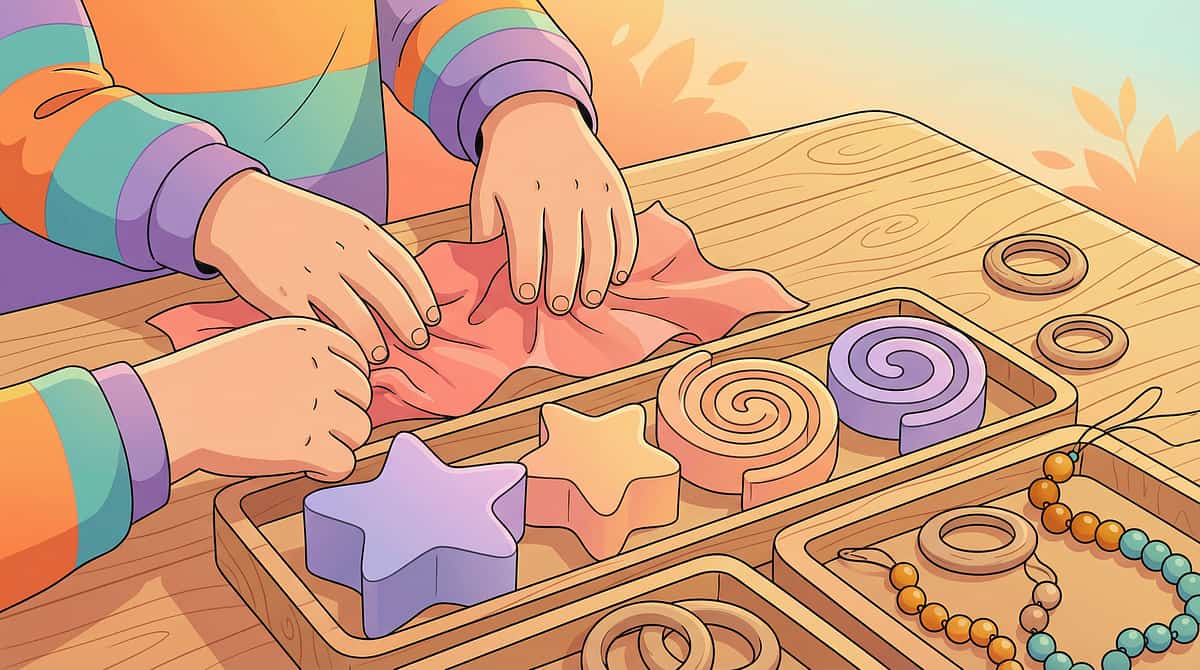
Haircut Preparation Protocol via Multi-Sensory Desensitization
Also known as: "The Haircut Readiness Programme"
A structured occupational therapy protocol that systematically reduces haircut-related sensory distress through graduated home-based desensitization of each sensory component of the haircut experience. By making the unfamiliar familiar — one sensation at a time, at the child's pace — the nervous system learns that haircut stimuli are not threats. This technique targets auditory over-responsivity, tactile defensiveness, anticipatory anxiety, and unpredictability distress. It is delivered through 9 specific materials, each addressing a distinct sensory or cognitive trigger.
Domain
Self-Care / Grooming / Sensory Integration | Ages 2–12 years
Protocol Duration
3–4 sessions per week | 8–12 week full protocol
Reel ID: E-531
Episode 531 of 540 — Toileting & Self-Care Independence Series | 999 Reels Library
Social Stories
Sensory Tools – Auditory
Deep Pressure
Tactile Desensitization
Visual Timers
Fidget Tools
📞 FREE: 9100 181 181 | 16+ languages | 24×7
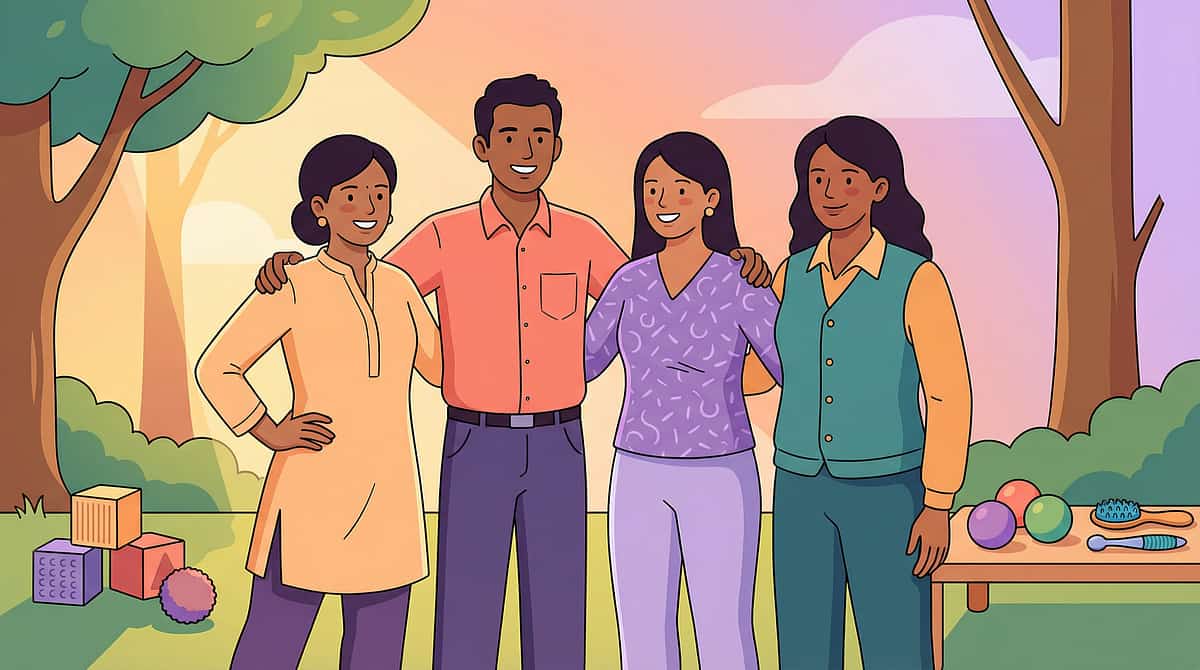
Six disciplines. One haircut. Your child's nervous system doesn't organize by therapy type.
Effective haircut preparation is not the job of any single clinician. It requires coordinated expertise — each discipline addressing a different dimension of the challenge simultaneously. The Pinnacle FusionModule™ coordinates all six into a single converged therapeutic pathway under GPT-OS®.
Occupational Therapist
Primary lead. Designs and supervises the desensitization protocol, selects materials by sensory profile, and progresses the hierarchy.
ABA / BCBA
Builds the reinforcement schedule, analyzes behavior function (escape vs. fear-based), and programs generalization across home and salon.
Speech-Language Pathologist
Designs haircut social story language for the child's comprehension level and builds vocabulary around haircut components.
Special Educator
Creates visual schedules, visual timer integration, and structured routines that make the entire sequence predictable and learnable.
NeuroDev Pediatrician
Rules out sensory processing disorder, evaluates for co-occurring anxiety, and provides medical context for severity of distress.
Parent / Caregiver
The 24×7 therapist. YOU — who reads the social story nightly, practices the cape, conducts sessions, and shows up at the salon equipped.

This isn't a random activity. It's a precision tool with measurable targets.
🎯 Primary Target — Core Skill
Haircut Tolerance: Auditory-Tactile Over-Responsivity During Grooming
Observable indicator: Child completes haircut with ≤1 support (headphones OR tablet) and no meltdown behavior.
Observable indicator: Child completes haircut with ≤1 support (headphones OR tablet) and no meltdown behavior.
🎯 Secondary Targets — Related Skills
Cape tolerance (neck tactile defensiveness reduction) • Clipper sound desensitization • Anticipatory anxiety management • Spray bottle and neck brush tolerance • Sitting tolerance in constrained/elevated position
🎯 Tertiary Targets — Developmental Domains
Sensory Processing Readiness Index ↑ • Grooming Independence Readiness Index ↑ • Anxiety Management Readiness Index ↑ • Emotional Regulation across novel environments ↑ • Family stress reduction and parent self-efficacy ↑
Grooming Tolerance Readiness Index
Sensory Processing Readiness Index
Auditory Processing Readiness Index
Anxiety Management Readiness Index
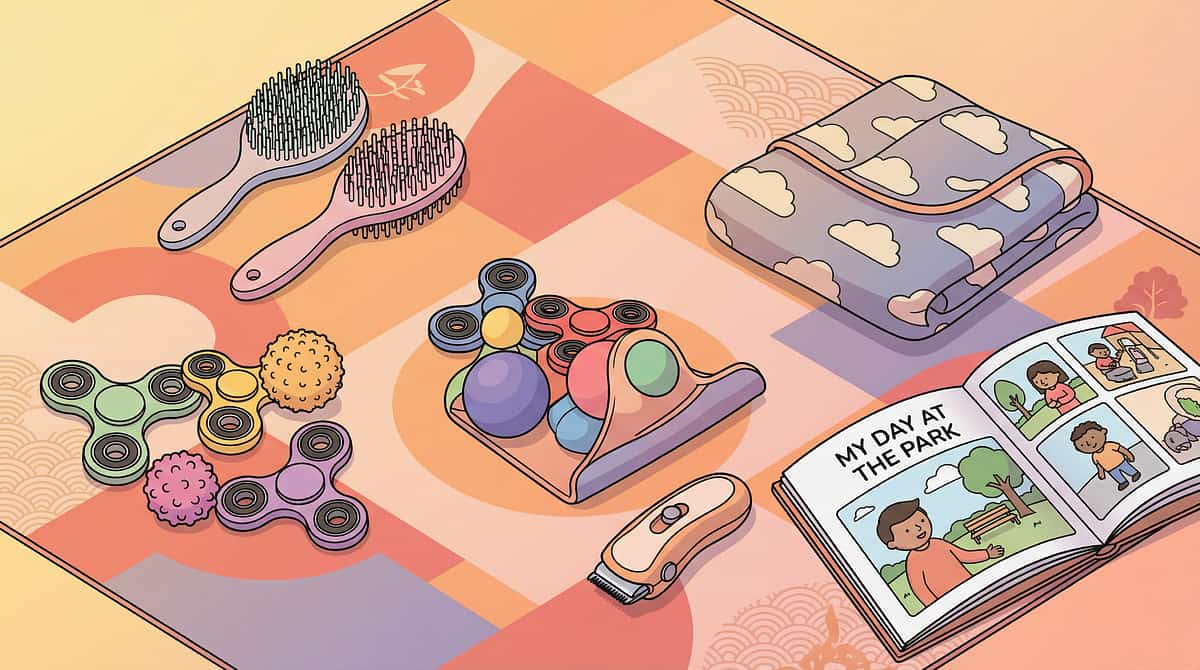
9 Materials. One Prepared Child.
Each material targets a specific sensory or cognitive component of haircut distress. You don't need all nine immediately — start with the ones that match your child's primary triggers.
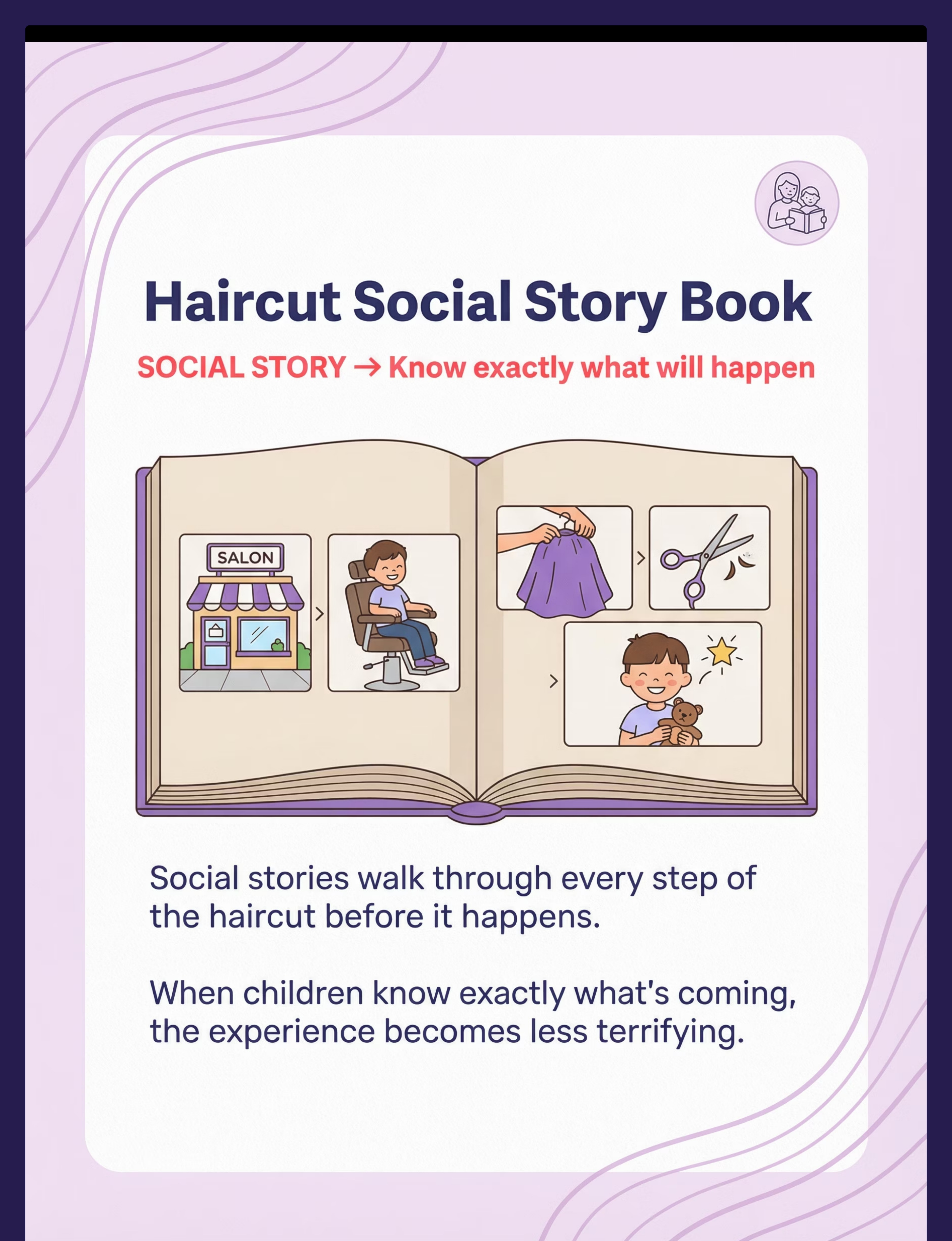
1 — Haircut Social Story Book
Social Stories / Visual Supports — Provides predictability, the #1 anxiety reducer
💰 ₹200–600 | Search on Amazon.in →
📌 Pinnacle Recommends ✓
💰 ₹200–600 | Search on Amazon.in →
📌 Pinnacle Recommends ✓
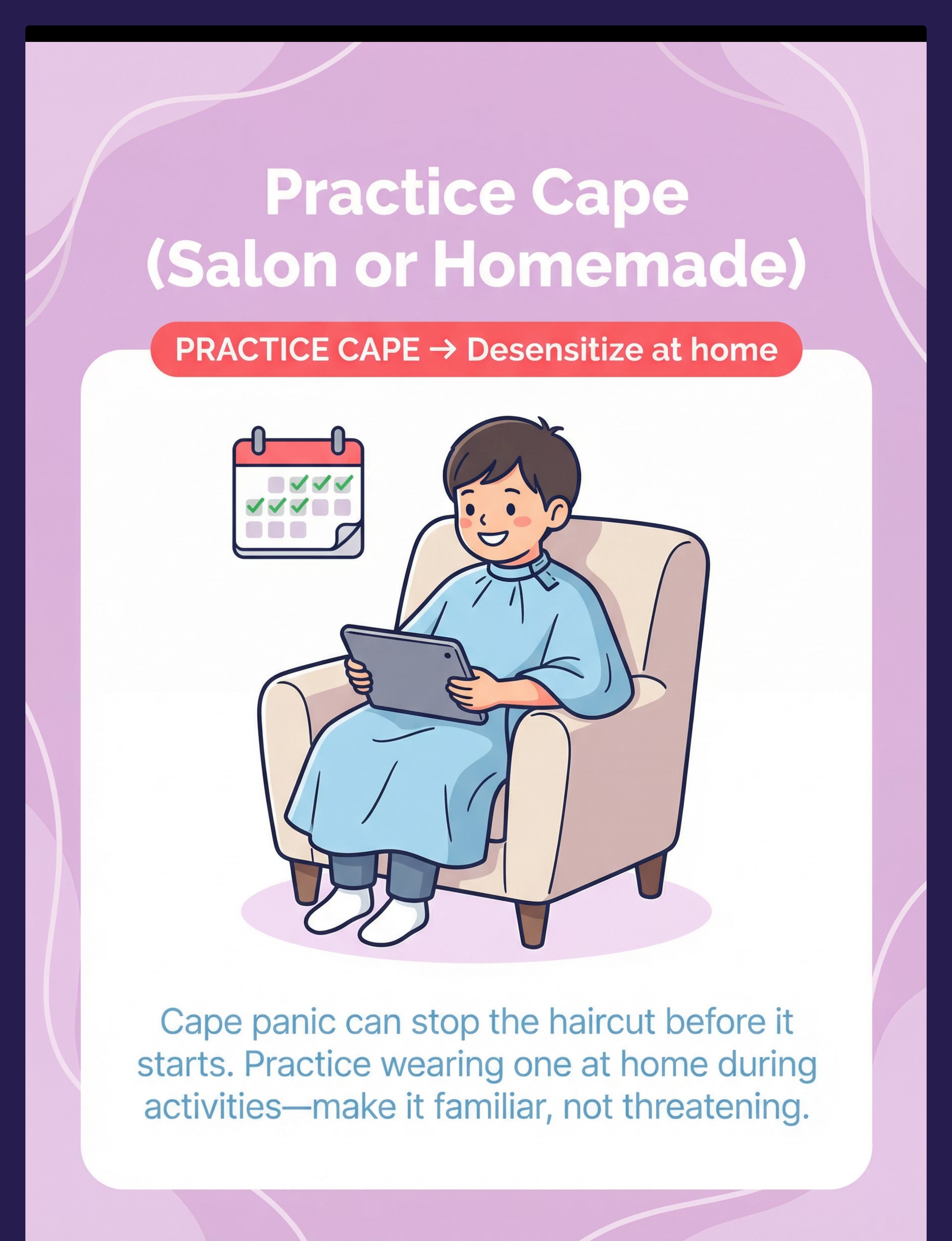
2 — Practice Cape
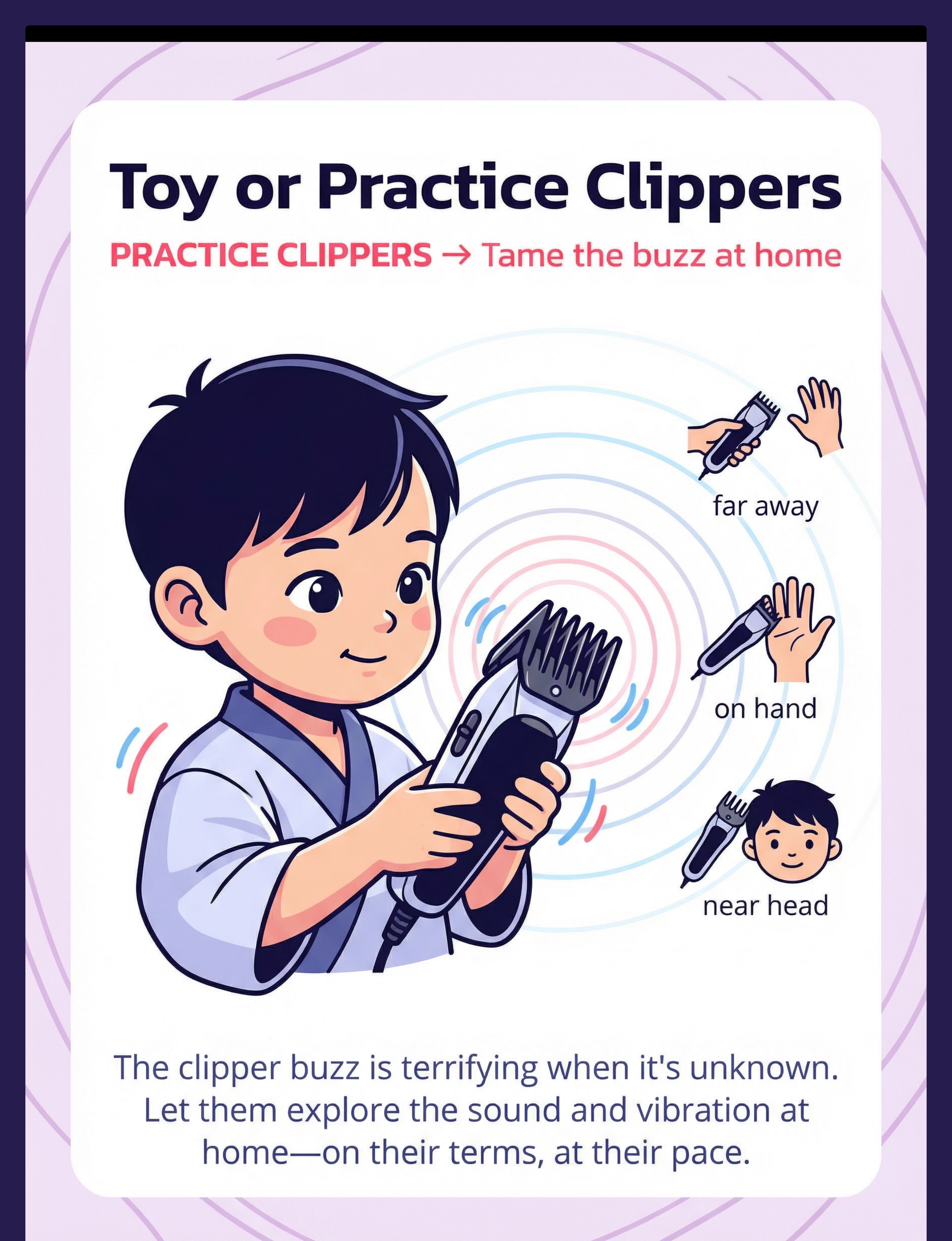
3 — Toy or Practice Clippers
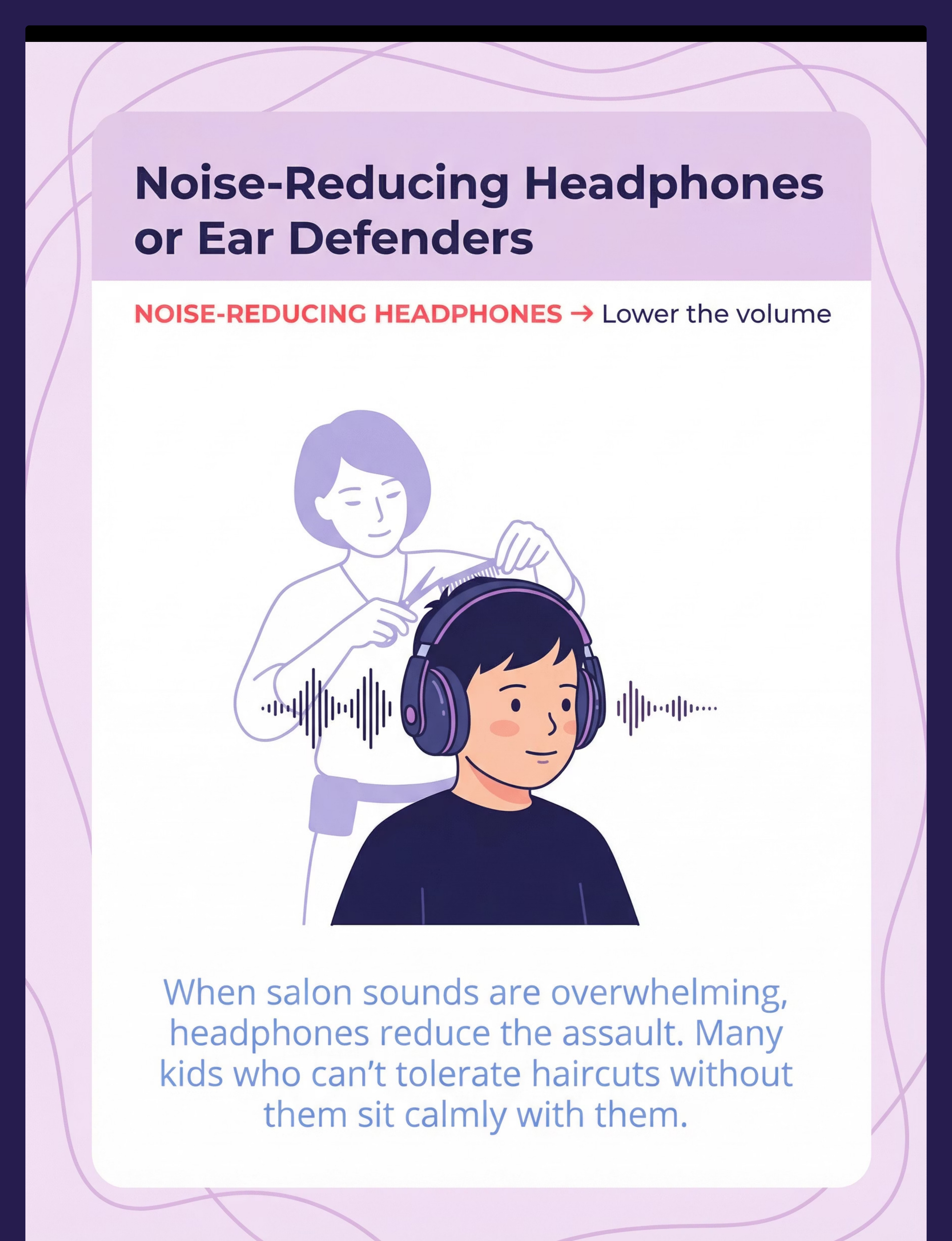
4 — Noise-Reducing Headphones
Sensory Tools – Auditory — Transforms the salon soundscape instantly
💰 ₹500–2,500 | Search on Amazon.in →
📌 Pinnacle Recommends ✓
💰 ₹500–2,500 | Search on Amazon.in →
📌 Pinnacle Recommends ✓
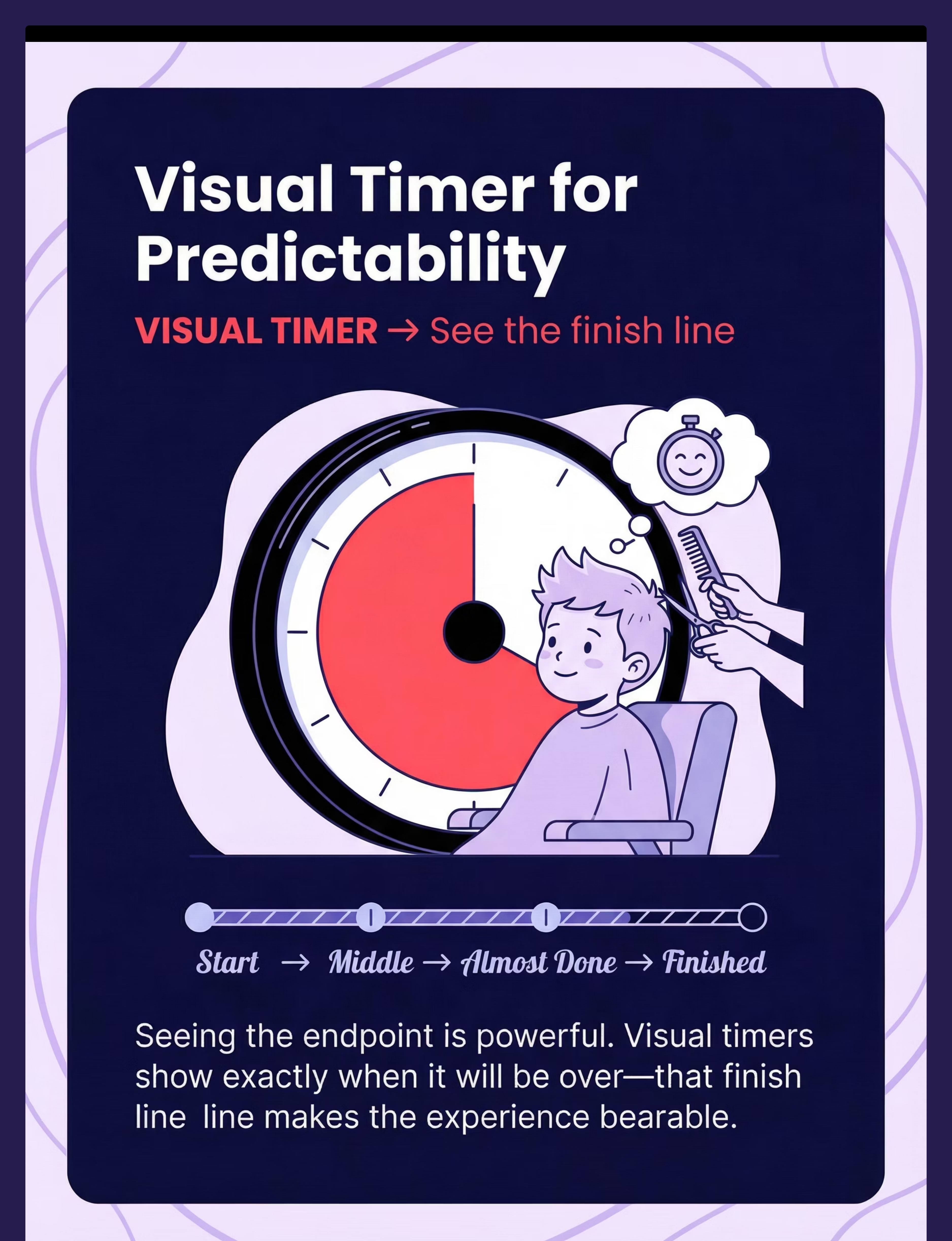
5 — Visual Timer
Visual Timers / Schedules — "When will it be over?" answered visually
💰 ₹200–800 | Search on Amazon.in →
💰 ₹200–800 | Search on Amazon.in →
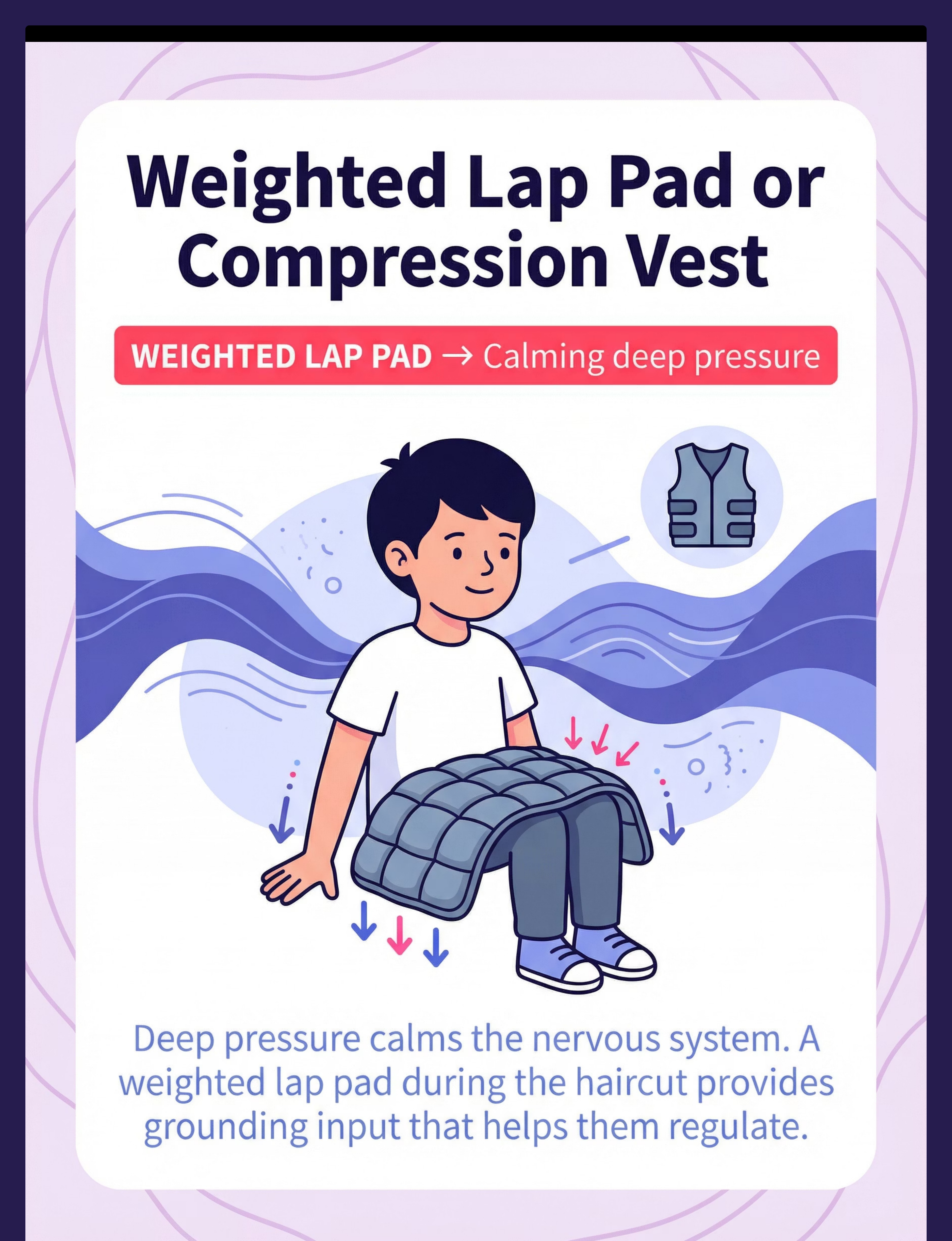
6 — Weighted Lap Pad or Compression Vest
Deep Pressure / Proprioceptive — Activates the calming nervous system pathway
💰 ₹800–2,500 | Search on Amazon.in →
📌 Pinnacle Recommends ✓
💰 ₹800–2,500 | Search on Amazon.in →
📌 Pinnacle Recommends ✓
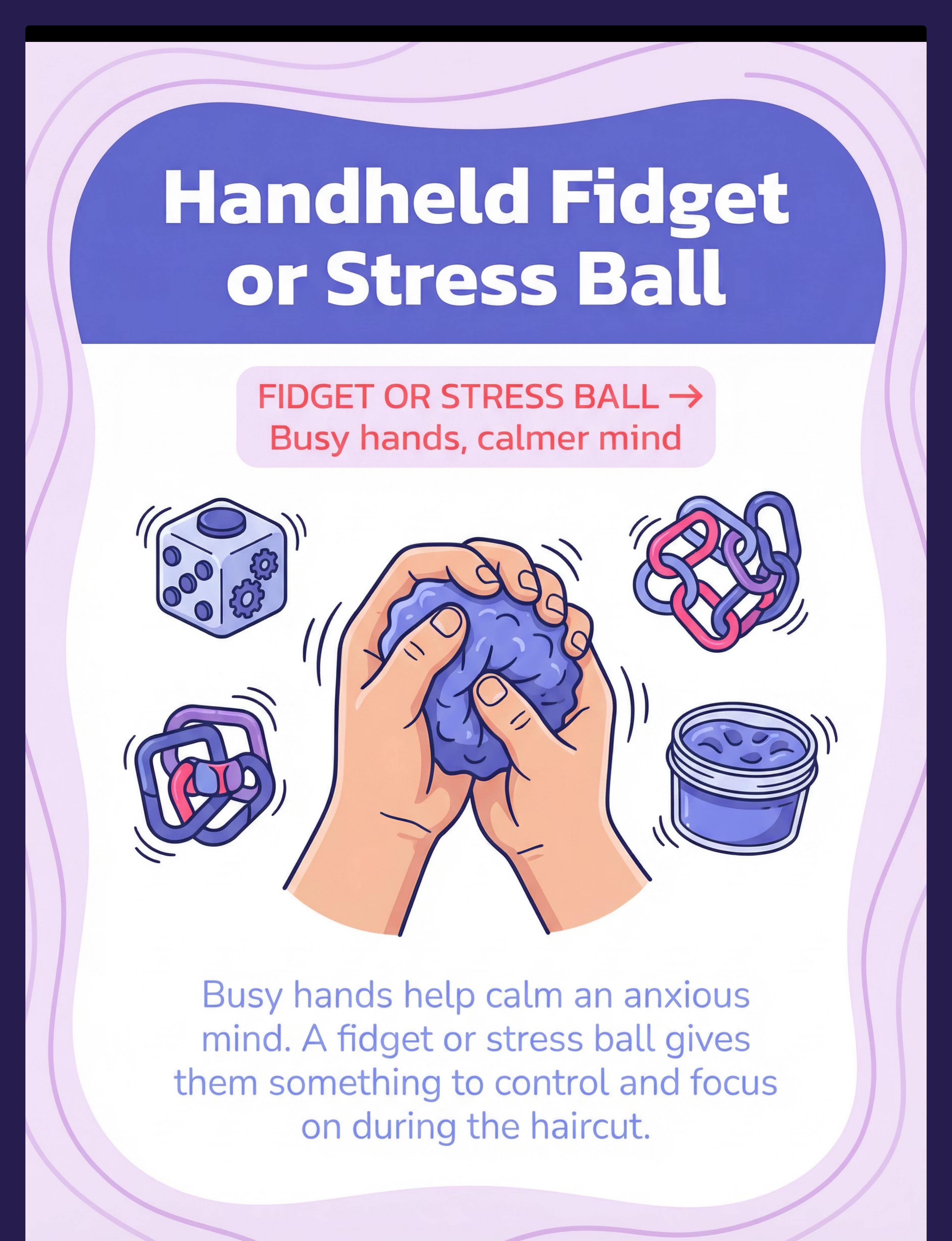
7 — Handheld Fidget or Stress Ball
Fidget / Self-Regulation Tools — Busy hands = calmer nervous system
💰 ₹50–300 | Search on Amazon.in →
💰 ₹50–300 | Search on Amazon.in →
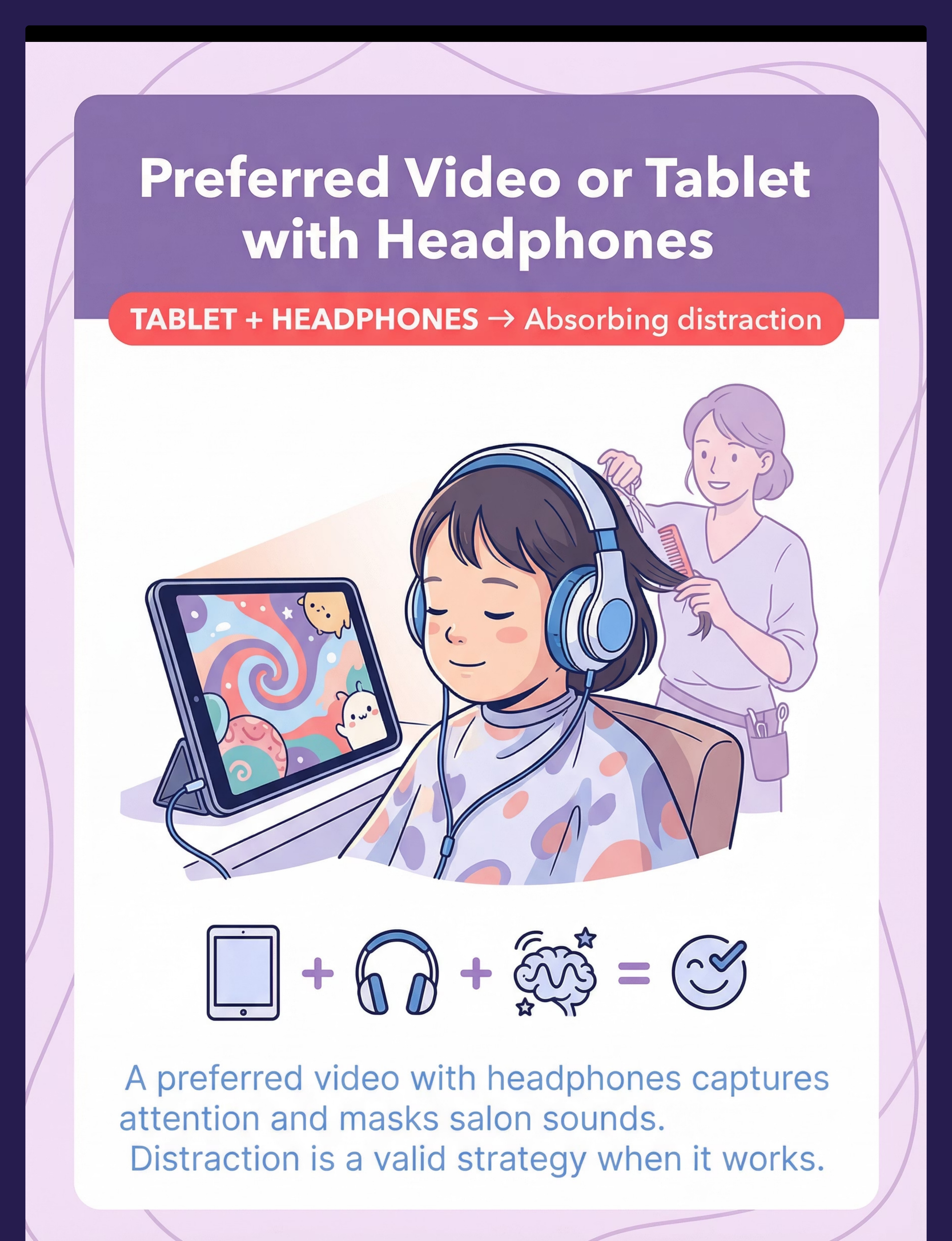
8 — Preferred Video / Tablet
Distraction / Engagement Tools — The most powerful in-session accommodation
💰 ₹0 (existing device) + stand ₹200–500
💰 ₹0 (existing device) + stand ₹200–500
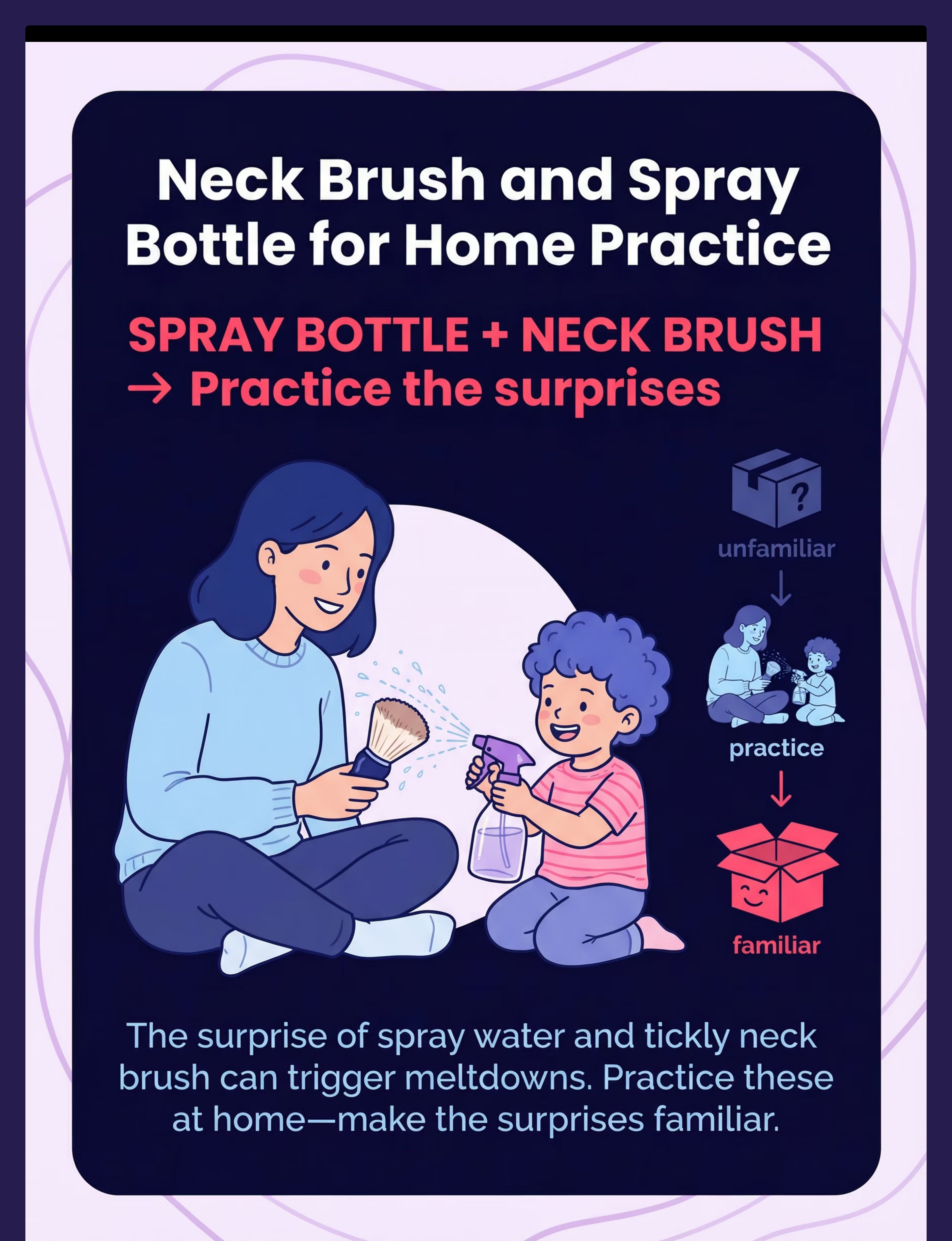
9 — Neck Brush + Spray Bottle
Tactile Desensitization — Eliminates the two "surprise" triggers at salon
💰 ₹50–200 | Search on Amazon.in →
💰 ₹50–200 | Search on Amazon.in →
🚀 Don't know where to start? Begin with the 4-Material Starter Kit: Social Story + Practice Cape + Noise-Reducing Headphones + Tablet with preferred video. Combined cost: ₹800–3,500
Reinforcement support: Rosette Imprint Reward Jar — ₹589 | Reward Sticker Book 1800+ — ₹364 | 📞9100 181 181
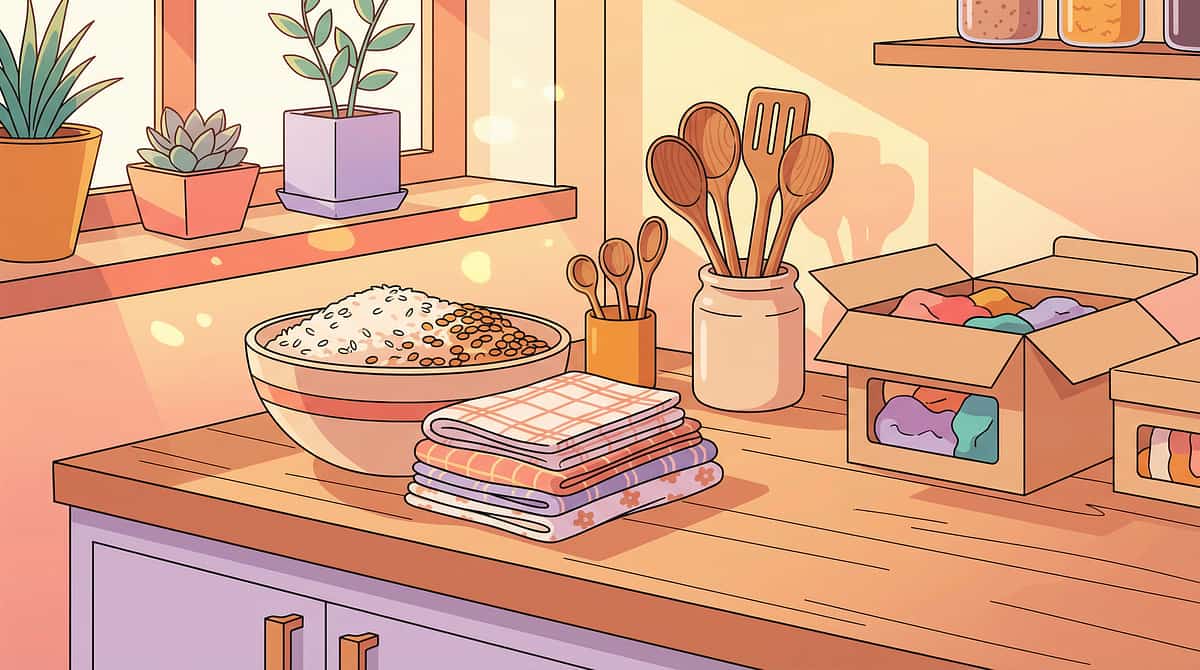
Every family can execute this protocol. Regardless of budget.
The WHO/UNICEF equity principle: evidence-based interventions must be accessible to every family, not only those who can shop online. The principle is more important than the product. Below are free, household alternatives for every material in the protocol — each working on the same sensory principle as the commercial version.
Material | Buy This | Make This (₹0) | |
Social Story | Commercial book (₹200–600) | Print photos of your actual salon + stylist. Laminate. Write simple captions. Read daily. | |
Practice Cape | Salon child cape (₹100–400) | Large soft towel + safety pin at neck. Or oversized adult t-shirt worn backwards. | |
Practice Clippers | Toy grooming set (₹150–600) | Electric toothbrush for vibration practice. Any buzzing household appliance held at distance. | |
Noise Headphones | Ear defenders (₹500–2,500) | Roll cotton balls into ears during practice. Partial, but a start. | |
Visual Timer | Time Timer / app (₹200–800) | Sand in a transparent bottle (flip = 5 min). Or phone clock with visible countdown. | |
Weighted Lap Pad | Commercial weighted pad (₹800–2,500) | Zip-lock bags filled with rice/beans inside a fabric tote on the lap. ~1 kg. | |
Fidget / Stress Ball | Commercial fidget (₹50–300) | Balloon filled with flour or sand. Tied shut. Squishable. Free. | |
Spray + Neck Brush | Spray bottle + barber brush (₹50–200) | Spray bottle from any kitchen supply. Soft paint/pastry brush as neck brush substitute. |
A child whose family cannot buy weighted lap pads deserves the same therapeutic outcome as a child whose family can. The DIY alternatives above work on the same sensory principle as the commercial versions.
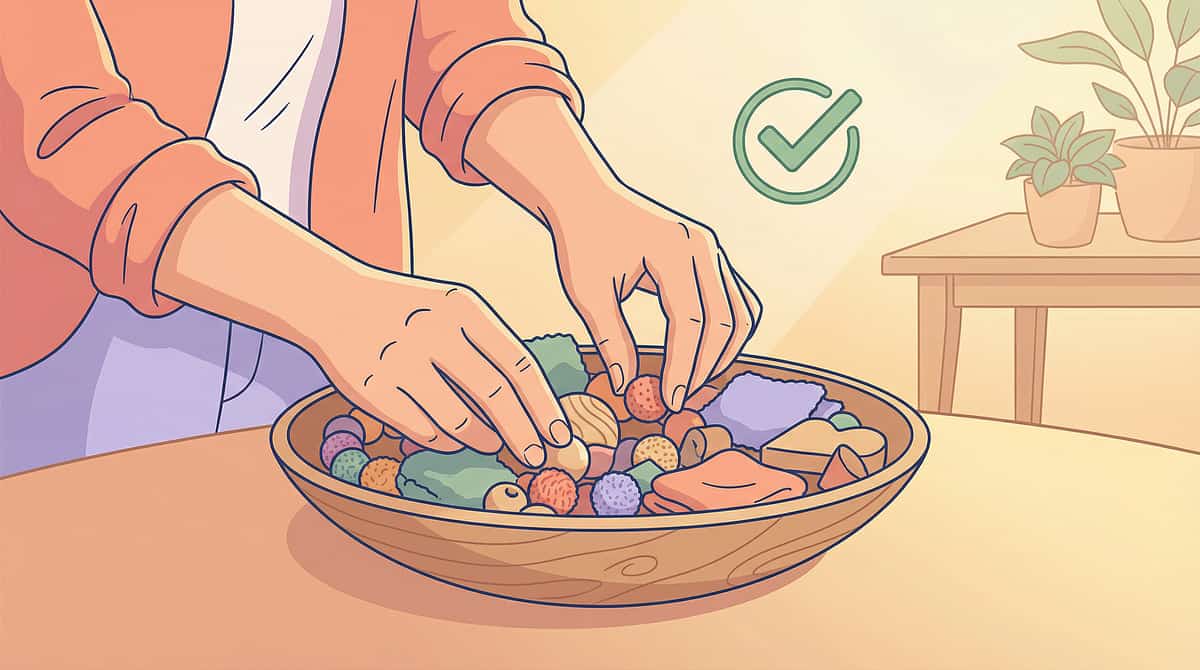
Read this before you begin. Non-negotiable.
🔴 DO NOT PROCEED IF:
- Child is currently in a meltdown state or within 60 minutes post-meltdown
- Child is ill, feverish, or recovering from illness (heightened sensory sensitivity)
- You are experiencing significant stress or impatience — your nervous system co-regulates theirs
- Any previous session ended in severe distress — pause and consult OT first
- Child has open wounds, skin conditions, or scalp sensitivity requiring medical evaluation
🟡 MODIFY IF:
- Child is mildly tired (shorten session; do only 1–2 materials)
- Child has had a difficult day (begin with lowest-demand material only)
- Clipper desensitization is at a very early stage — do NOT rush progression
- Cape desensitization is incomplete — do NOT attempt salon visit yet
🟢 PROCEED WHEN:
- Child is fed, rested, and in a regulated state
- Practice setting is calm — no competing noise, TV off
- You have 15–20 uninterrupted minutes and you are calm and patient
🛑 RED LINE — STOP IMMEDIATELY IF: Child shows signs of vomiting from distress | self-injurious behavior | complete shutdown | inability to re-regulate within 10 minutes. Escalate: Pause all home practice → Call 9100 181 181 → Request OT consultation.
Material safety: Weighted items max 10% body weight. Headphones ≤85 dB. Guard attached on clippers. Room-temperature water only in spray bottle. Age-appropriate fidgets — no small parts under age 3. | 📞9100 181 181
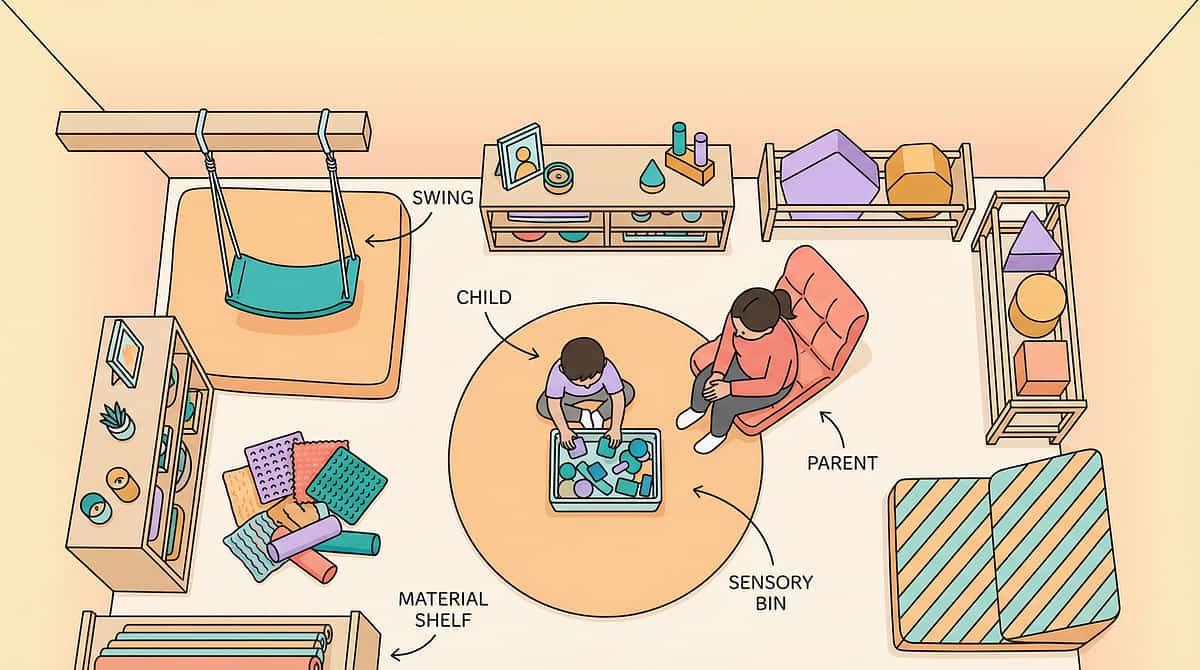
The right environment prevents 80% of session failures before they start.
Environmental setup is a core pillar of sensory integration protocol. The space signals safety or threat to your child's nervous system before a single material is introduced. Getting this right is not optional — it is therapeutic.
Remove from Space
- Screen distractions (TV, unused tablets)
- Other children if they will interfere
- Pets during practice sessions
- Time pressure — don't schedule before another appointment
Prepare the Space
- Child's preferred comfort item nearby (as security, not reward)
- All 9 materials organized and accessible without searching
- Visual timer visible from child's seated position
- Reinforcement items ready | Your phone on silent
Environment Settings
- Lighting: Natural or soft artificial — NOT fluorescent overhead
- Sound: Quiet or soft familiar music if child needs background sound
- Temperature: Comfortable — not too warm (heat heightens sensory sensitivity)
- Surface: Initially at floor level or in child's familiar chair — NOT elevated chair until salon simulation phase
Positioning
Parent positioned beside the child — not behind. Child on a stable, flat surface. Visual timer in the child's sightline. Materials within reach but organized. Door closed. Phone silent.
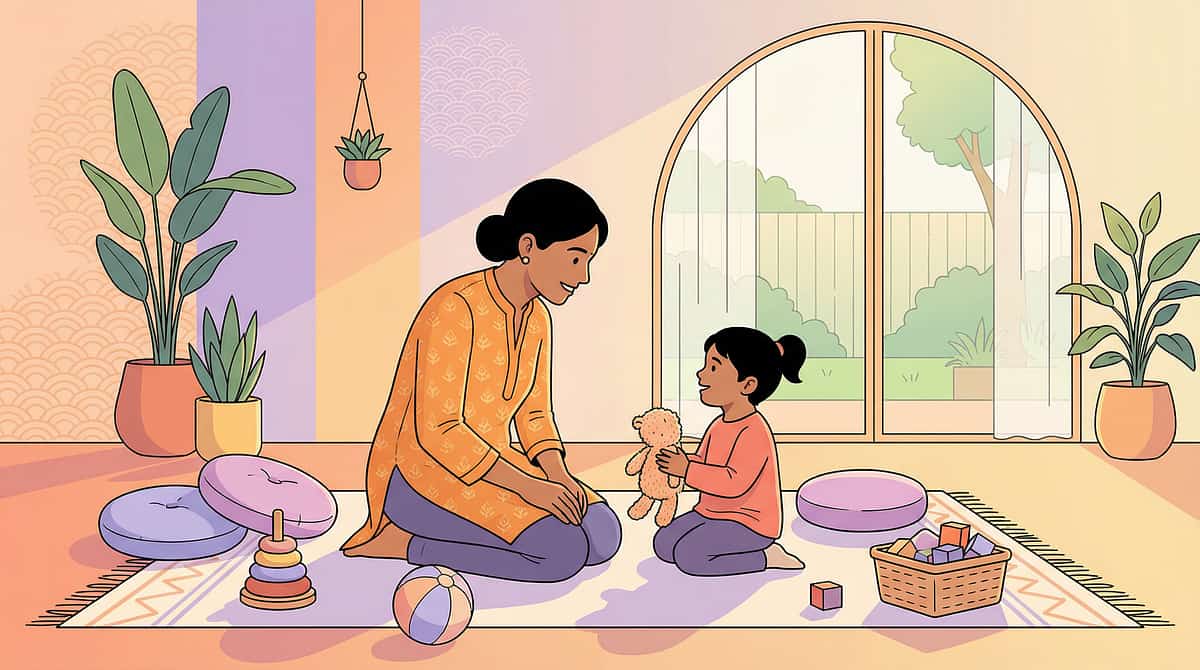
60-second assessment. The best session starts right.
Postponing a session is professional parenting. Forcing an unready child creates trauma, not progress. Use this quick assessment before every session — it takes under a minute and dramatically improves outcomes.
Indicator | ✅ Go | ⚠️ Modify | 🛑 Postpone | |
Meal / Hunger | Fed within 90 min | Mildly hungry | Not eaten — feed first | |
Sleep | Rested | Slightly tired | Overtired or sleep-deprived | |
Emotional state | Calm / happy / neutral | Mildly fussy | Dysregulated / mid-meltdown | |
Illness signs | None | Mild sniffles | Fever, pain, visibly unwell | |
Recent meltdown | >2 hours ago | 1–2 hours ago | <1 hour ago — wait | |
Engagement level | Approaching materials | Passive but willing | Actively refusing/hiding | |
Your state | Patient, present | Slightly rushed | Stressed, impatient — reschedule |
All ✅ → GO
Begin with Step 1: The Invitation
2+ ⚠️ → MODIFY
Social story reading only, or 5-minute cape practice only
Any 🛑 → POSTPONE
Note what caused postponement. Revisit in 2–4 hours or next day.
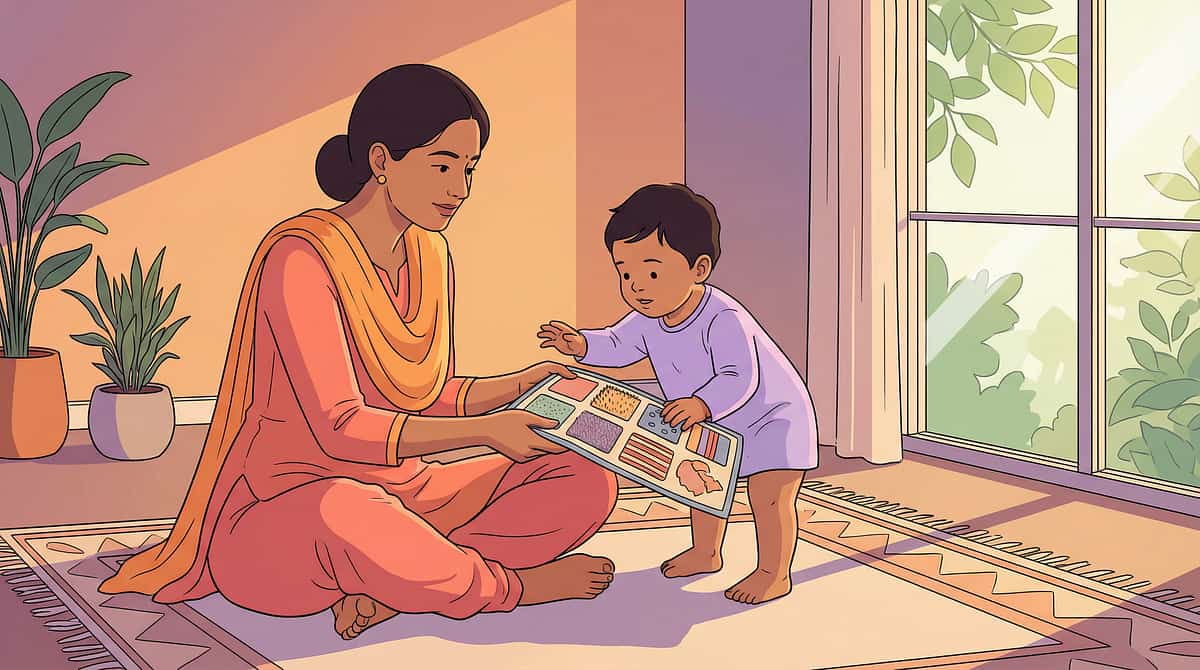
Step 1 of 6
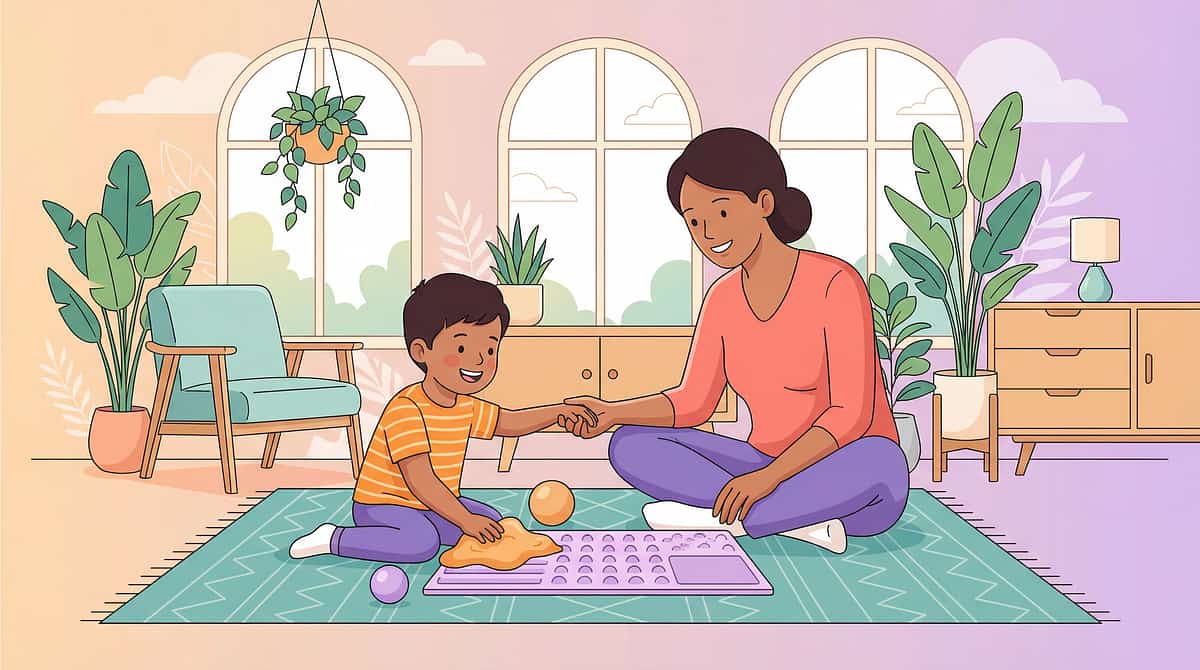
Step 1: The Invitation — Bring Them In, Don't Pull Them In
"Hey [Name], want to look at something with me? I have this [show one item from today's practice]. We're just going to look at it for a minute. You're in charge."
Every practice session begins with an invitation, not a command. The child enters the activity on their own terms. This is the ABA pairing principle meeting OT's just-right challenge: we create a situation where the material is interesting, the demand is minimal, and the child experiences success from the very first moment.
Acceptance Cues to Look For
- Eye contact toward the material
- Body orienting toward you
- Reaching for or touching the item
- Any verbal acknowledgment
Resistance Responses
- Turning away → Wait 10 seconds, offer once more, then put material away and try tomorrow
- Saying "no" → Honor it. "Okay, we'll try tomorrow." Write down what you tried.
- Running away → That's important data. Contact your OT.
Timing: 30–60 seconds maximum. If no engagement in 60 seconds, do not push. This is a data point, not a failure.
Step 2 of 6
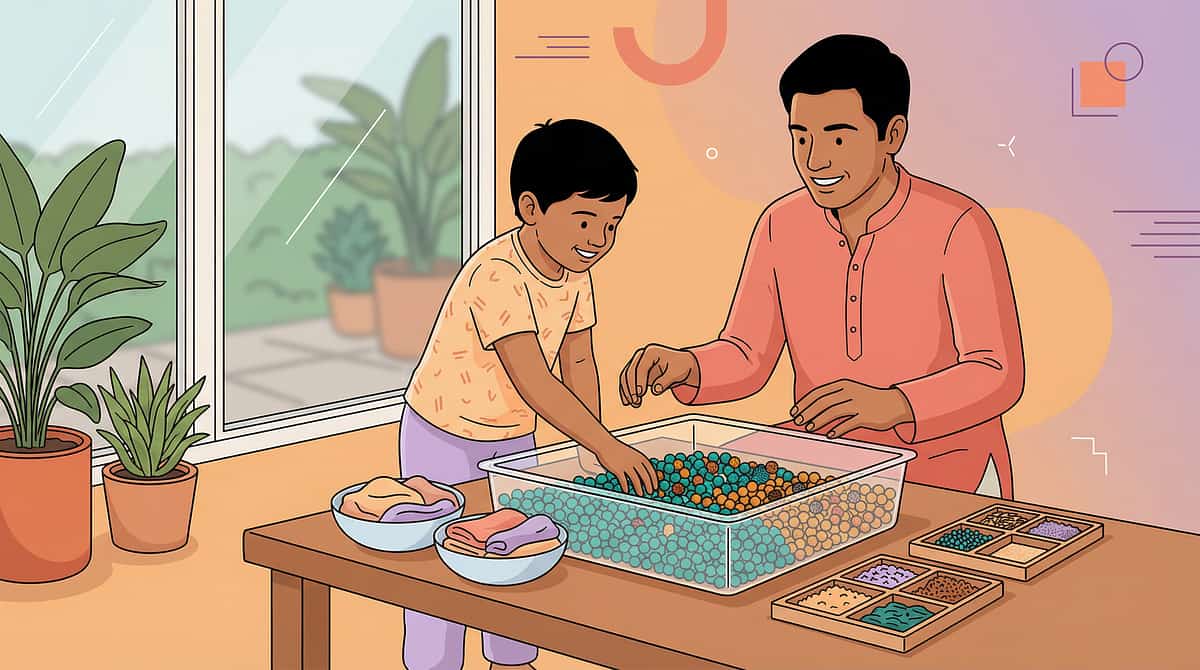
Step 2: The Engagement — Let Curiosity Lead the Desensitization
The child is now with you. This step introduces today's target material using a low-demand, exploratory approach. The nervous system desensitizes most effectively when the child is curious and in control — not when they are being guided to tolerate something against their instinct. End before the child wants to stop — always leave them wanting more.
Weeks 1–2: Social Story + Cape
"Let's read our haircut book together. Look — this is [Name] at the salon. What do you see?"
Cape: "This is a special cape. Want to feel it? Just touch it — you don't have to wear it."
Cape: "This is a special cape. Want to feel it? Just touch it — you don't have to wear it."
Weeks 2–3: Clippers + Headphones
"I have something that makes a sound. Want to hear it from far away? You can turn it off whenever you want."
Headphones: "These are special headphones. Want to try them for 10 seconds?"
Headphones: "These are special headphones. Want to try them for 10 seconds?"
Weeks 3–4: Timer + Lap Pad + Fidget
"Watch the timer — it shows when we're done. When it hits zero, we stop. I promise."
Lap pad: "This is a special heavy blanket for your lap. Want to feel the weight?"
Lap pad: "This is a special heavy blanket for your lap. Want to feel the weight?"
Child Response Guide: Touching/exploring/asking questions → Deepen the interaction. Passive acceptance → Maintain, do not push. Putting item down/looking away → Respect and note. This avoidance zone is exactly where the therapeutic work happens.
Step 3 of 6
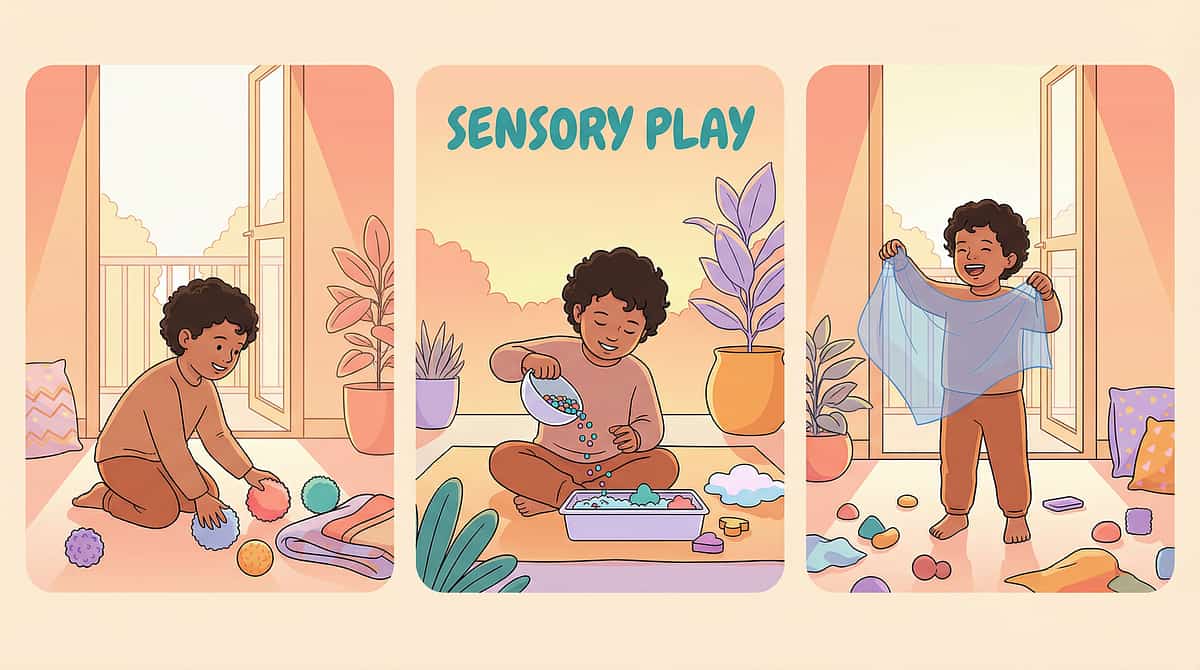
Step 3: The Core Desensitization — One Material, One Trigger, One Win
This is the active therapeutic ingredient. Choose ONE material for today's core session. Always progress from least to most challenging within a material before moving to the next. Quality of exposure matters more than quantity — one calm, child-paced minute of clipper desensitization is worth more than five forced minutes.
Social Story Hierarchy
A: Parent reads (passive) → B: Child follows along → C: Child narrates a page → D: Child initiates reading before haircut day
Practice Cape Hierarchy
A: Cape visible in room → B: Cape touching arm briefly → C: Draped over shoulders (unfastened) → D: Loosely fastened for 30 sec → E: Fastened for full session
Clippers — Sound + Vibration
A: On across the room → B: Child holds (OFF) → C: Child holds (ON, vibration) → D: On arm with guard → E: Touching shoulder/neck → F: At hairline (guard on)
Headphones Hierarchy
A: In hands (off) → B: Worn 10 sec (no audio) → C: Worn 1–2 min → D: With preferred audio → E: During simulated haircut practice
Visual Timer + Weighted Lap Pad
Timer: Start at 30 sec → 1 min → 5 min → use during salon simulation. Always honor the timer promise. Lap pad: During preferred activity first → practice session → salon simulation → actual salon.
Core action per session: 2–5 minutes maximum. Research confirms structured 10–20 min home sessions with 40–60% of time on core action are most effective. | PMC10955541
Step 4 of 6
Step 4: Repeat & Vary — 3 Good Reps Beat 10 Forced Ones
Repetition builds neural pathways. Variation ensures generalization — the child's nervous system learns the sensation is safe across different contexts, not just in one exact scenario. Once a child tolerates the cape at home during TV, practice during reading, during play, during meals. Generalization is the therapeutic goal.
Material | Target Reps | Vary By | Stop When | |
Social Story | 1 full reading | Ask one different question each reading | Child disengages | |
Practice Cape | 2–3 wearing trials | Vary duration (10s → 20s → 30s) | Pushed away firmly | |
Clippers | 2–3 exposures | Vary distance/placement slightly | Distress signals | |
Headphones | 2–3 wearing trials | Vary audio or silence | Removed and refused | |
Visual Timer | 1–2 timer cycles | Increase duration 30 sec on success | Timer honored = done | |
Lap Pad | Continuous for session | No reps — sustained input | End of session | |
Spray Bottle | 3–5 spray events | Arm → hair → face (if ready) | Turns away firmly | |
Neck Brush | 3–5 brush strokes | Arm → neck → hairline | Says "all done" |
Satiation Indicators — Stop When: Child pushes material away firmly • Says "all done" or equivalent • Engagement quality drops significantly • Child becomes distracted or leaves the space • Session has reached 15–20 minutes total

Step 5 of 6
Step 5: Reinforce — Timing Matters More Than Magnitude
The Golden Rule: Within 3 seconds of the desired behavior. Not after. Not "in a minute." NOW.
Tolerated cape for 5 seconds
"That was SO brave! You wore the cape for 5 whole seconds!"
Heard clippers without covering ears
"You heard that sound! You were so strong!"
Sat with headphones on
"You tried the headphones! That was amazing!"
Completed full timer cycle
"You made it to zero! You did it!"
Celebrate the attempt, not just the success. A child who let the cape touch their shoulder for 2 seconds deserves the same enthusiastic celebration as a child who completed a full session. Every micro-tolerance is a win — the nervous system learns from success.
Reinforcement menu: Verbal praise (specific, immediate, enthusiastic) — free, unlimited, most powerful • Preferred activity (5 min of favorite play) • Reward Sticker Book — ₹364 • Rosette Reward Jar — ₹589
Post-Haircut Reinforcement (special): Pre-announce a significant reward that is non-contingent on "perfect" behavior: "After the haircut, no matter what, we're going to [highly preferred activity]." This begins to build positive anticipatory association with salon days.
📞9100 181 181 | Free guidance from OT specialists
Step 6 of 6
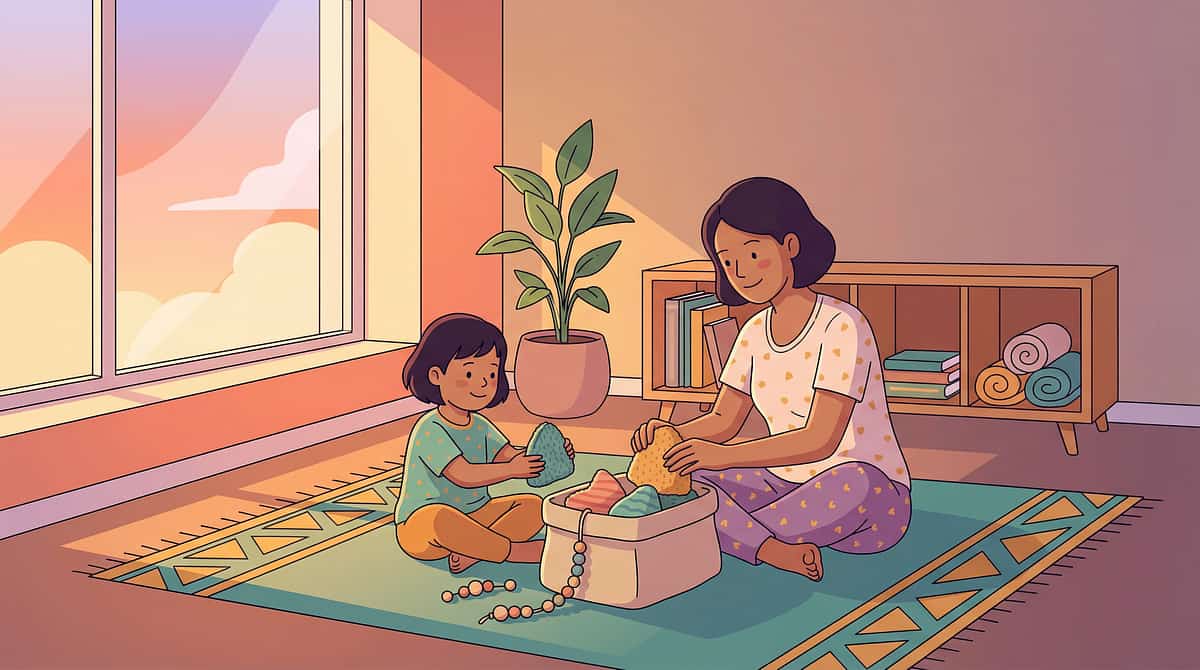
Step 6: The Cool-Down — No Session Ends Abruptly
"Two more, then we're all done." [One rep] "One more, then all done." [Final rep] "All done! Great practicing. Let's put it away together."
Cool-Down Activity (choose one)
- 2–3 minutes of deep pressure (hug, squeeze, weighted blanket)
- Child's preferred calming sensory activity
- Quiet transition: child's choice of next activity
- Brief visual schedule review: "We finished practicing. Now we [next activity]."
Material Put-Away Ritual
Involving the child in putting materials away creates a physical transition signal, builds a sense of completion, and teaches that the practice session has a defined end. This prevents the child from staying in a "heightened practice state."
If Child Resists Ending
- Use visual timer: "When the timer hits zero, we put it away."
- Offer choice: "Do you want to put the cape away or the clippers first?"
- Remind of next preferred activity
Post-Session State Assessment: Note how your child is — regulated, neutral, or dysregulated? This data point is just as important as what you practiced. It informs whether today's intensity was right for your child's nervous system.
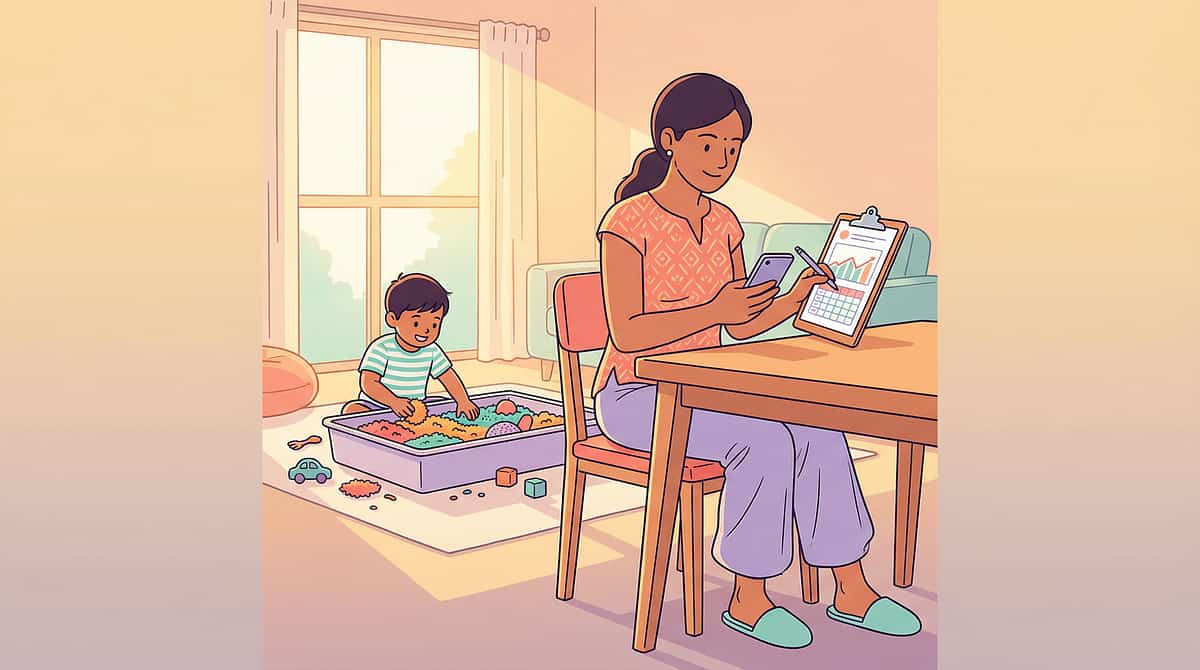
60 seconds of data now. Months of clarity later.
Data collection is what transforms home practice from "hoping it's working" to knowing it's working. The tracker below takes under 60 seconds and gives you the evidence base to know exactly when to advance, when to modify, and when to call for support.
📅 Date & Material Practiced
Check off from your material list. Example: "March 14 — Cape Practice"
📊 Tolerance Level Today
1–5 scale: 1=refused, 5=mastered. Example: "Cape: 3 — wore for 45 seconds, then took off"
🧠 Child's End State
Regulated / Neutral / Distressed. Example: "Regulated — went straight to play"
Data Interpretation Guide: 3+ sessions at tolerance level 3–4 at same phase → Progress to next phase. Consistent level 2 across 5 sessions → Modify approach, contact OT. Sudden regression (level drops 2+ points) → Check for illness, stress, environmental change. Level 5 across 3 sessions → Phase mastered, advance.
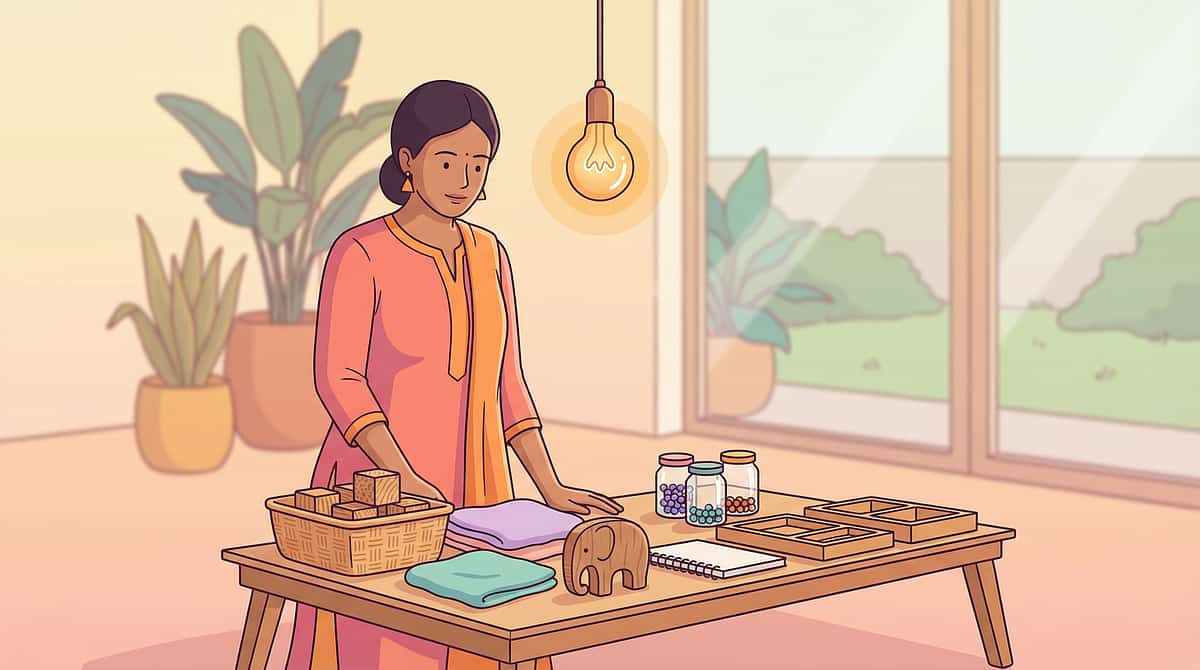
Session abandonment is not failure. It is data.
Every unexpected outcome tells you something precise about your child's sensory profile, current readiness, or the environmental conditions that support or hinder their regulation. Use this troubleshooting guide to interpret what happened and respond with clinical precision.
Problem: Child refused to enter the practice space
Why: The space has become associated with demand. Solution: Try a different room or position (floor, kitchen table). Start with social story reading only — no materials in view.
Problem: Complete meltdown at first clipper sound
Why: The clipper phase was introduced too early. Solution: Return to social story and cape only. Use electric toothbrush (much quieter) as clipper precursor. Start with vibration before sound.
Problem: Tolerated cape at home but panicked in salon
Why: Generalization is incomplete. Salon adds smell, strangers, elevated chair. Solution: Conduct a "dry run" visit with no haircut — just walk in, look around, leave. Repeat until neutral.
Problem: Tolerated sessions 1–3 but now refusing
Why: Novelty effect worn off or reinforcement lost value. Solution: Reassess reinforcement. Introduce a new preferred item. Check for sensory overload — some children need 1–2 rest days between sessions.
Problem: Headphones help at home but not at salon
Why: Headphones must be tested in the actual salon before haircut day. Solution: Take child to salon with headphones (no haircut) and practice with clipper sounds from a distance while wearing headphones.
Problem: Child calm during practice but barber's touch triggers panic
Why: Parent's touch ≠ stranger's touch. Solution: Practice with another trusted adult touching. A "practice stylist visit" — stylist touches only, no cutting — before the actual haircut is highly effective.
⚠️Emergency Escalation: If child became severely distressed (self-injury, prolonged inability to regulate, vomiting from distress): Pause all home practice. Call 9100 181 181. Request OT consultation before resuming.
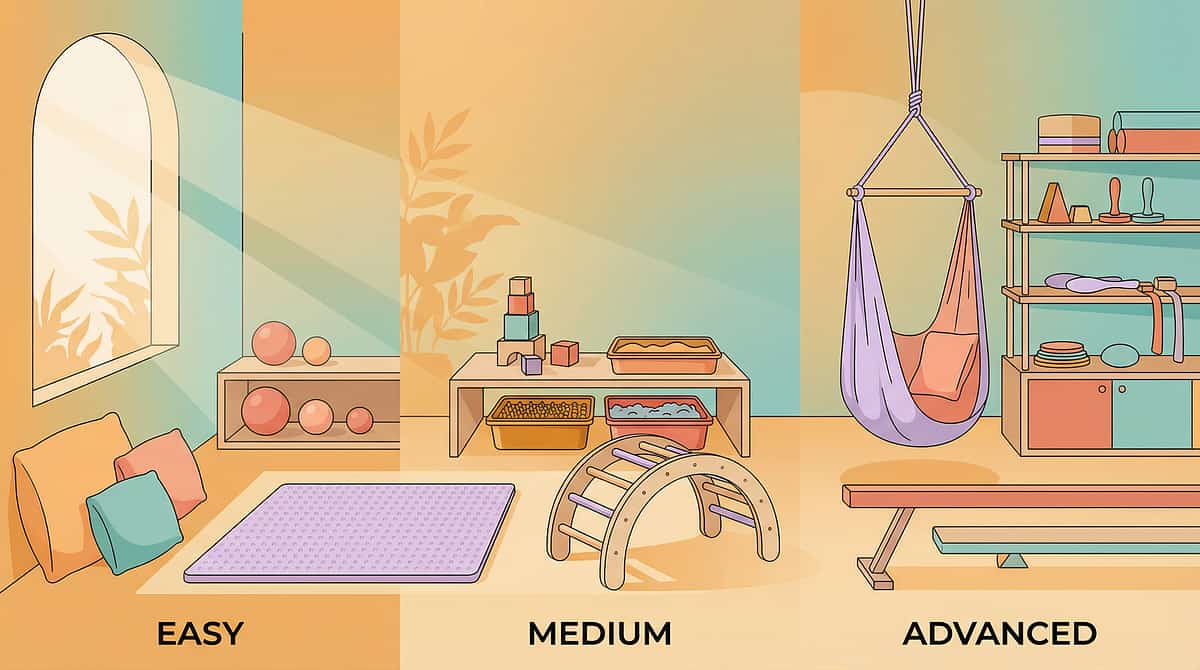
No two children are identical. Here is your personalization guide.
Individualized intervention planning is the core principle across OT (sensory profile-based), ABA (function-based), and SLP (communication profile-based). Use your child's primary trigger pattern to prioritize which materials to introduce first and how to adapt session length and intensity.
🔊 Auditory-Primary Triggers
Clippers/salon noise is worst. Prioritize materials 3 (clippers), 4 (headphones), 8 (tablet+audio). Use scissors-only haircuts initially. Build clipper tolerance over months, not weeks.
👋 Tactile-Primary Triggers
Touch is worst. Prioritize materials 2 (cape), 6 (weighted pad), 9 (spray+brush). Add systematic scalp desensitization. Consider daily deep pressure inputs to regulate the tactile system.
😰 Anxiety/Predictability-Primary
Anticipation is worst. Prioritize materials 1 (social story), 5 (visual timer), 7 (fidget). Add positive pre-haircut ritual. Minimize advance notice — tell child same morning, not days before.
🌊 Multi-Sensory Triggers
Everything is overwhelming. All 9 materials over full 8–12 week protocol. Longer preparation phase (3–4 weeks) before any salon attempt. Consider home haircuts with mobile stylist.
Ages 2–4
Social story + cape + one sensory material max per session. Sessions 5–10 min.
Ages 4–7
Full 9-material protocol as sequenced. Sessions 10–15 min.
Ages 8–12
Involve child in choosing today's practice material. Build autonomy. Sessions 15–20 min.

Week 1–2: Tolerance, Not Mastery
Foundation Building Phase
15% Progress
What you will likely see: Child engages with social story reading without resistance. Cape tolerating presence in room — may touch briefly. Clippers tolerated from 3–5 meters. First 2–3 sessions feel awkward for you — this is completely normal. Some resistance on certain days is fully expected.
✅ Real Progress at This Stage
Child looks at haircut social story without pushing it away = real progress. Child lets cape touch their shoulder for 5 seconds = real progress. Child doesn't immediately leave the room when clippers turn on across the room = real progress.
⏳ Not Progress Yet — Managing Expectations
Child tolerating full salon haircut. Cape worn for full session. Clippers near head. These come later. Do not rush. Weeks 1–2 will feel slow — you may wonder if this is working. It is.
Neural pathway formation is invisible from the outside during this phase. Your consistent, low-pressure, non-forced practice is restructuring how your child's nervous system interprets these inputs. Trust the process.

Week 3–4: Neural Pathways Are Forming
Consolidation Phase
40% Progress
By week 3–4, visible behavioral signals begin confirming that neural adaptation is occurring. The work you did in weeks 1–2 is paying off — the nervous system is beginning to reclassify haircut stimuli from "threat" to "familiar but manageable."
Consolidation Indicators
Child begins to anticipate practice and doesn't resist • Social story can be read in child's preferred spot without protest • Cape tolerance extends to 1–3 minutes • Child may voluntarily put on headphones before prompting • Visual timer is now trusted — child has learned you honor it • Clipper sound at mid-distance no longer triggers immediate avoidance
Behavioral Signals of Neural Adaptation
Child mentions haircut without visible distress (may even joke about it) • Child generalizes: may tolerate a different towel around neck or a vibrating toothbrush differently • Post-practice emotional recovery is faster (5 min instead of 30 min)
Advance to Next Phase When
Tolerance level 4–5 across 3 consecutive sessions at current phase → advance to next phase → may add a second material to sessions if child is tolerating well
Parent Milestone: By week 4, you will be more confident. You will have 20+ practice data points. You will know exactly which materials help most and which trigger most. You are becoming your child's most expert therapist.
Week 5–8: The Salon Becomes Possible
🏆 Mastery Phase
75% Progress
This is the phase where home practice translates into real-world capability. Use the mastery criteria and salon readiness checklist below before scheduling your child's first prepared salon visit. Do not rush to the salon before these are solid.
Cape Mastery
Worn for full 15–20 min practice session without protest
Clippers Mastery
Tolerated at neck/hairline (with guard, during practice) for 30+ seconds
Timer Trust
Trusted across 3+ sessions without being tested or broken
Full Simulation Complete
Social story → cape → clippers → spray → brush → timer → fidget + tablet — completed at home without meltdown (3+ times)
Self-Coping Statement
Child can verbalize at least one strategy: "I can hold my fidget when I hear the clippers"
☐ All 9 materials at Phase D or above ☐ Full simulation completed 3+ times ☐ Post-simulation recovery within 5 min ☐ Salon dry-run completed ☐ All materials packed ☐ Stylist briefed
You did this. Your child grew because of your commitment.
Five to eight weeks ago, you were a parent who dreaded haircuts more than your child did. You were holding them down in salon chairs while strangers stared. You were leaving with half-finished haircuts and a broken heart. Today, your child can:
✅ Hear Clipper Sounds
Without immediate panic — a neurological achievement that once seemed impossible
✅ Wear a Cape
For a full session — tactile defensiveness measurably reduced
✅ Hold a Fidget
To self-regulate — a coping strategy your child now owns independently
✅ Walk Into a Salon
With supports in place — a developmental milestone as significant as a first step
"The first haircut after this preparation is not just a haircut. It is proof that the nervous system is teachable, that the parent is the most powerful therapist in a child's life, and that preparation is more powerful than perseverance through trauma." — Pinnacle Blooms Clinical Team
Journal Prompt: Write three sentences about what was hardest and what you're most proud of. Your future self will need to read this when the next challenge feels impossible.
📞9100 181 181 — Free assessment and next-step guidance
Even in the celebration zone — know when to pause.
Progress is never perfectly linear. These red flags indicate the protocol needs to be paused, modified, or escalated to professional support. Trust your instincts — you know your child better than any protocol. If something feels wrong, it probably needs attention.
Red Flag | What It Looks Like | Why It Matters | What to Do | |
Escalating distress | Each session more dysregulated than the last | Stimuli too intense or progression too fast | Slow down. Consult OT. | |
Self-injurious behavior | Head-banging, biting self, scratching during/after sessions | Sensory overload exceeding coping capacity | PAUSE ALL PRACTICE. Call 9100 181 181. | |
Sleep regression | Child's sleep disrupted in weeks of practice | Nervous system overwhelmed | Reduce intensity. Rest days. | |
Social withdrawal | Avoiding previously enjoyed activities | Generalized anxiety response | OT + potential psychologist consult | |
New food refusal | Refusing previously accepted foods | Multi-sensory over-responsivity increasing | Multidisciplinary review at Pinnacle | |
Regression after progress | Was Phase D, now refusing Phase A | Illness, stress event, or saturation | Identify cause. Rest. Re-start at Phase B. |
Self-Resolve
Adjust pace, add rest days, reduce session intensity
Teleconsultation
Pinnacle OT (48-hour response)
In-Clinic Assessment
Nearest Pinnacle center
Multidisciplinary Review
OT + Behavior + NeuroDev
📞9100 181 181 | Safety escalation line | 24×7 | FREE
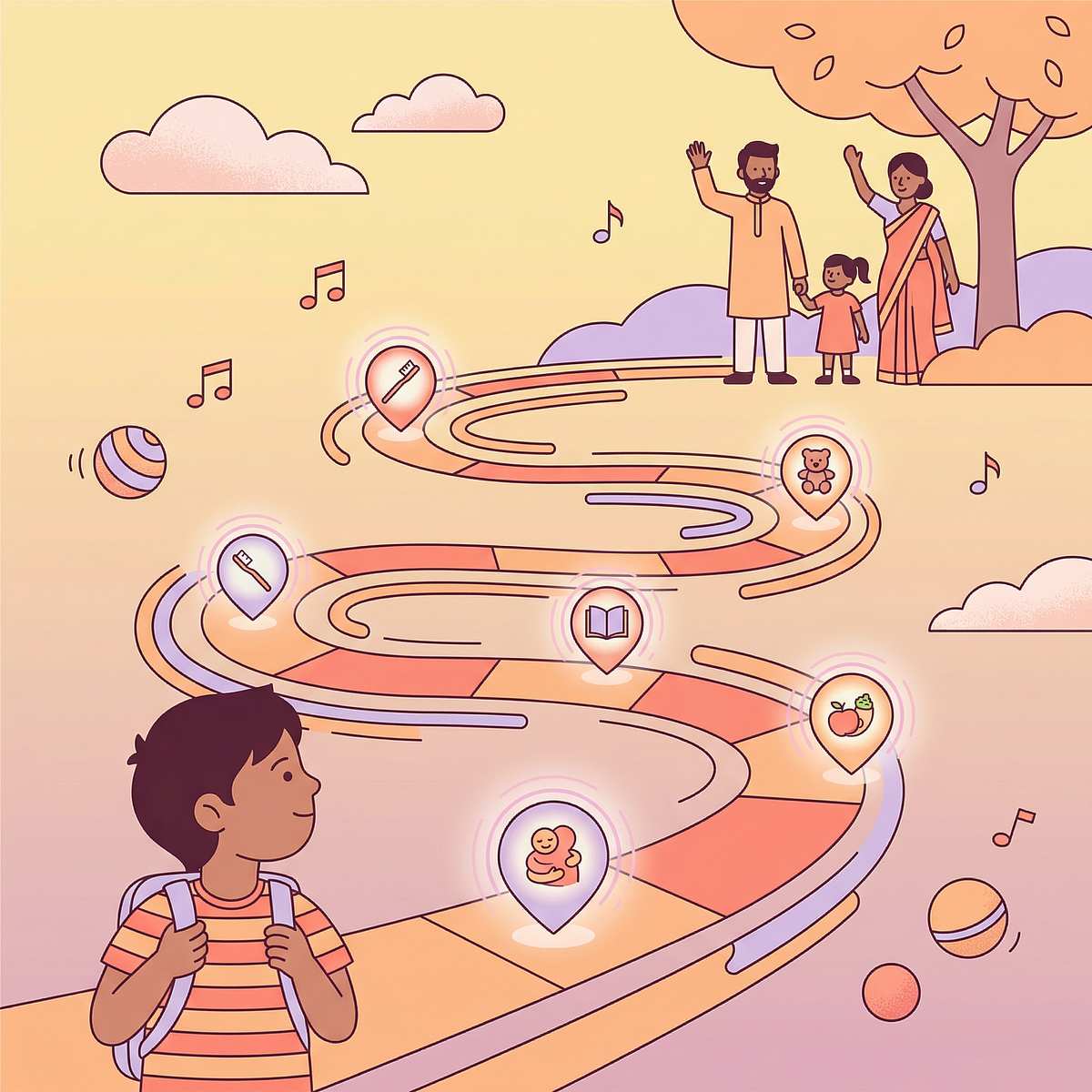
Haircut preparation is one waypoint in your child's self-care journey.
This technique feeds into the Grooming Tolerance Readiness Index → which feeds into Self-Care Independence → which feeds into School Readiness → and ultimately Community Participation. Every haircut your child tolerates is a deposit into their independence account.
Came From
E-530 — Hair Brushing Preparation
E-529 — Tooth Brushing Desensitization
E-529 — Tooth Brushing Desensitization
★ You Are Here: E-531
Haircut Preparation — Auditory-Tactile Desensitization Protocol
Path A: Sensory Generalization
E-532 — Nail Trimming Tolerance. Builds directly on cape + clippers work.
Path B: Medical Appointment Prep
E-535 — Medical Appointment Anxiety. Same predictability + desensitization approach, new context.
Path C: Deepen Sensory Work
A-018 — Haircut Refusal (Sensory-First Framing) → Domain A: Sensory Processing Library
More techniques in the Self-Care Independence Series
The materials you've already gathered for E-531 overlap significantly with adjacent techniques — you may already have everything you need to begin the next module. Domain E covers Episodes 521–540 of the 999 Reels Library.
Technique | Code | Difficulty | Materials You Already Have | |
Hair Brushing Preparation | E-530 | ● Core | Cape, weighted pad, timer | |
Nail Trimming Tolerance | E-532 | ● Core | Fidget, timer, weighted pad | |
Tooth Brushing Desensitization | E-529 | ○ Intro | Social story, timer | |
Bath Time Sensory Issues | E-533 | ● Core | Weighted items, headphones | |
Medical Appointment Anxiety | E-535 | ●● Advanced | Social story, fidget, timer | |
Haircut Refusal (Sensory-First) | A-018 | ○ Intro | Social story, clippers |
This technique is one piece of a larger plan.
Domain E: Self-Care Independence is currently active. Haircut Preparation (E-531) is part of a 20-technique Self-Care curriculum within GPT-OS®. Each session you log makes the system smarter for your child's specific profile across all 12 developmental domains.
GPT-OS® Integration
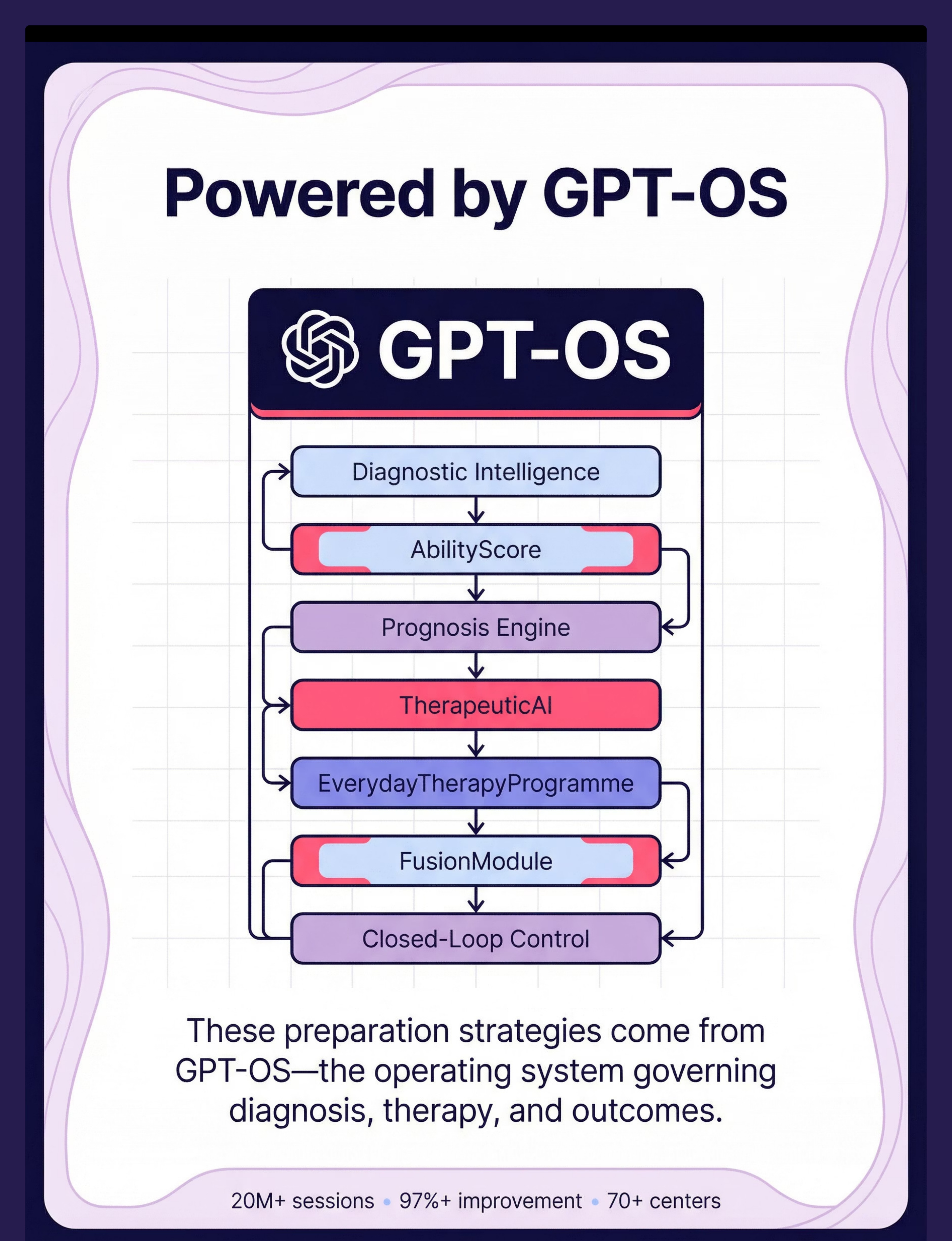
Connected to GPT-OS®, this technique's data contributes to your child's personalized developmental profile. Each session logged recalibrates the Prognosis Engine and updates TherapeuticAI® recommendations for your child's specific profile.
AbilityScore® Assessment
Request a baseline developmental profile across all 12 domains. Understand exactly where your child is today, set measurable targets, and track progress with clinical precision.
📞 Request AbilityScore® Assessment: 9100 181 181
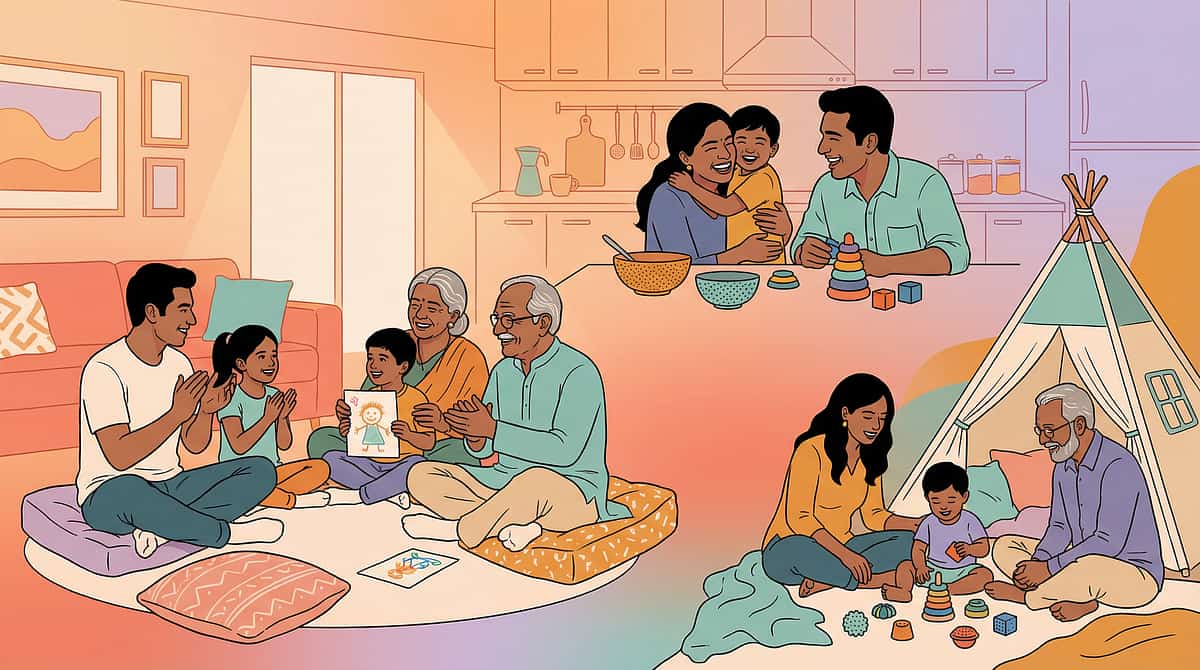
Real families. Real homes. Real progress.
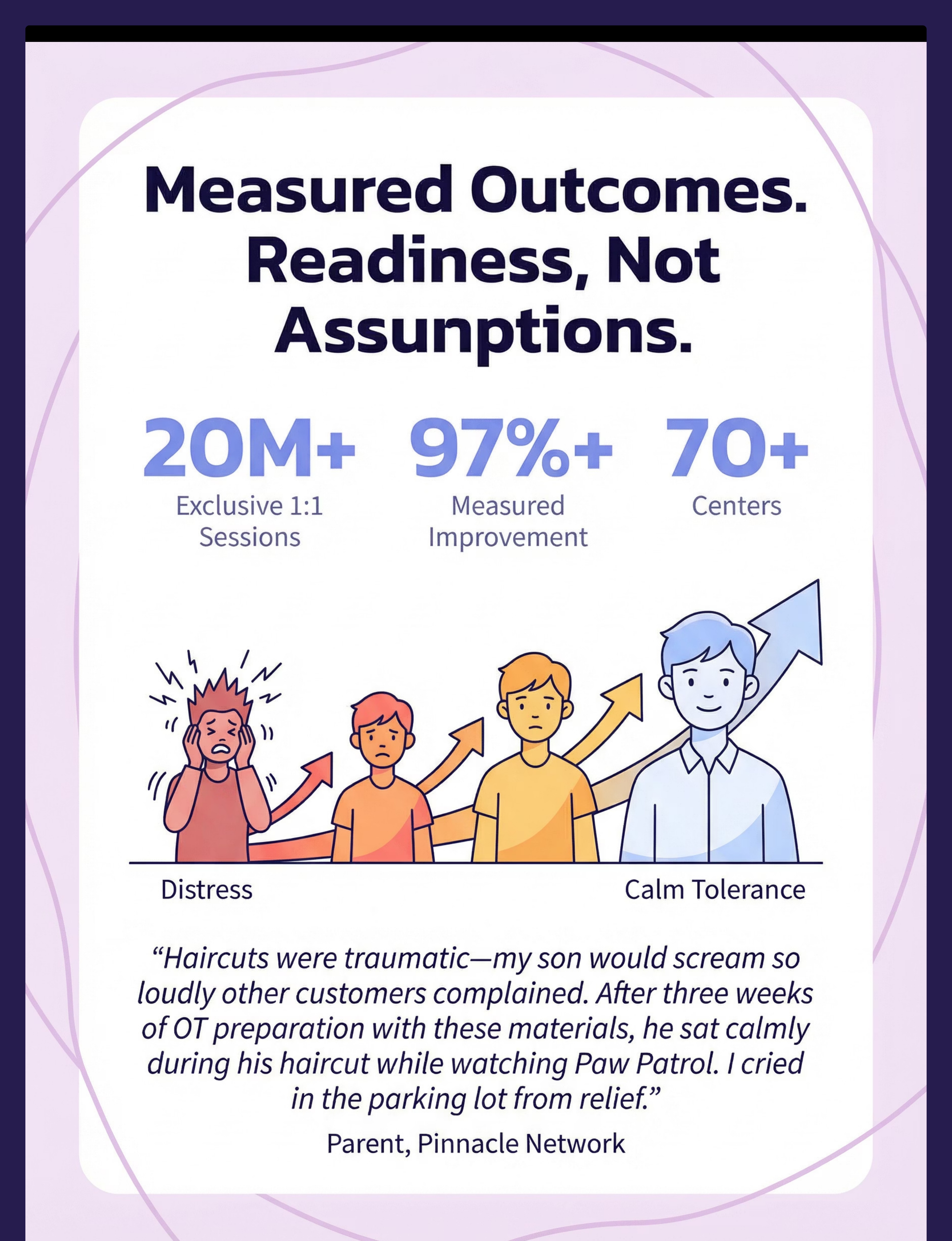
Before:"Haircuts were traumatic — my son would scream so loudly other customers complained. We couldn't get through a haircut without someone holding him down. We'd been asked to leave three salons."
After — 6 weeks:"He sat calmly wearing his headphones, holding his fidget, watching Paw Patrol. The stylist cut his hair in 12 minutes. I cried in the parking lot afterward from relief."
— Mother, Pinnacle Network | Hyderabad
From the Therapist's Notes:"This child's primary trigger was auditory. We prioritized headphone tolerance and clipper desensitization. By week 4, he was holding the (guarded) clippers himself. That self-control was the turning point." — Senior OT, Pinnacle Blooms
Before:"My daughter hadn't had a proper haircut in 18 months. Her hair was so long it was causing hygiene issues. Teachers had commented. I felt judged every single day."
After — 8 weeks:"She now sits for a home haircut every 6 weeks. She doesn't love it, but she tolerates it with her weighted lap pad and iPad. That's enough. That's more than enough."
— Father, Pinnacle Network | Bengaluru
Illustrative cases. Individual outcomes vary by child profile, sensory intensity, intervention consistency, and comorbid conditions. The Pinnacle Grooming Tolerance Readiness Index documents progression across 5 standardized stages.
📞9100 181 181 — Free consultation for personalized guidance
📞9100 181 181 — Free consultation for personalized guidance
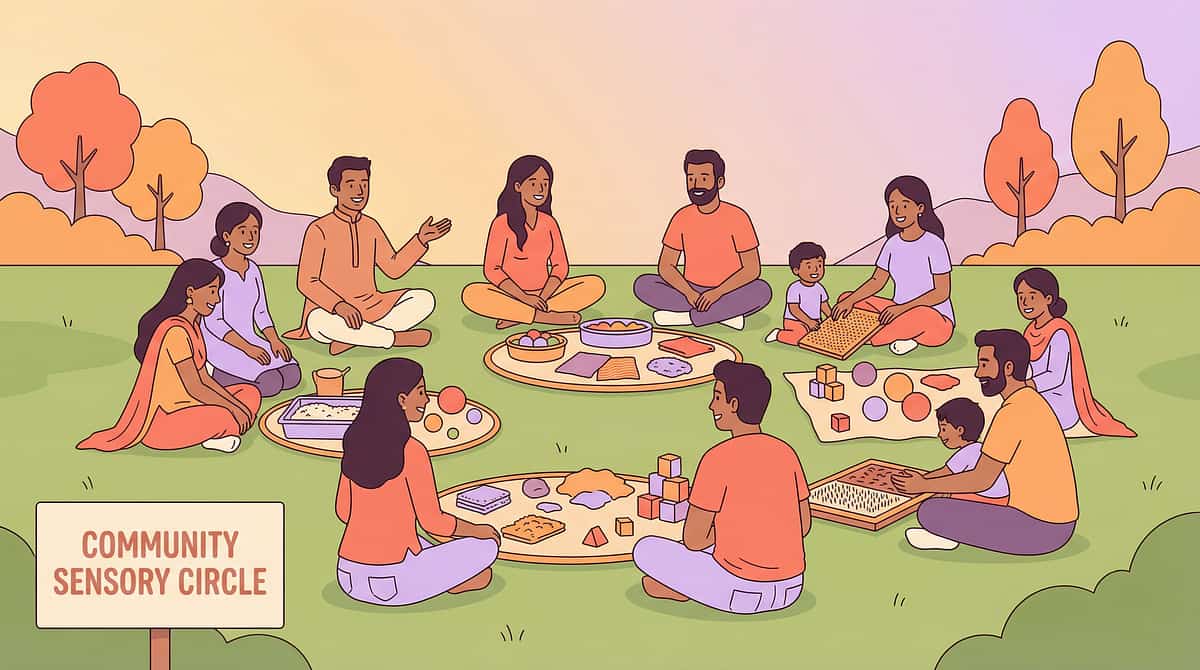
You are not a solo operator. Join the community.
Consistency across caregivers and community support both dramatically improve home-based intervention outcomes. Parents who are navigating this journey together achieve faster progress and sustain it longer. Your experience — even the hard parts — helps the parent who is six weeks behind you.
Haircut & Grooming Challenges WhatsApp Group
Parents at every stage — from "just starting social stories" to "we did it." Real support, no judgment. Join Group →
Pinnacle Parent Forums
Discuss specific challenges, share what worked, ask questions that a protocol can't answer. Join Forum →
Local Pinnacle Parent Meetup
Find parents in your city navigating the same challenges. Real community, same geography. Find My City's Group →
Peer Mentoring — Experienced Parent
Connect with parents who have completed this protocol. Real experience, no judgment. Connect with a Mentor →
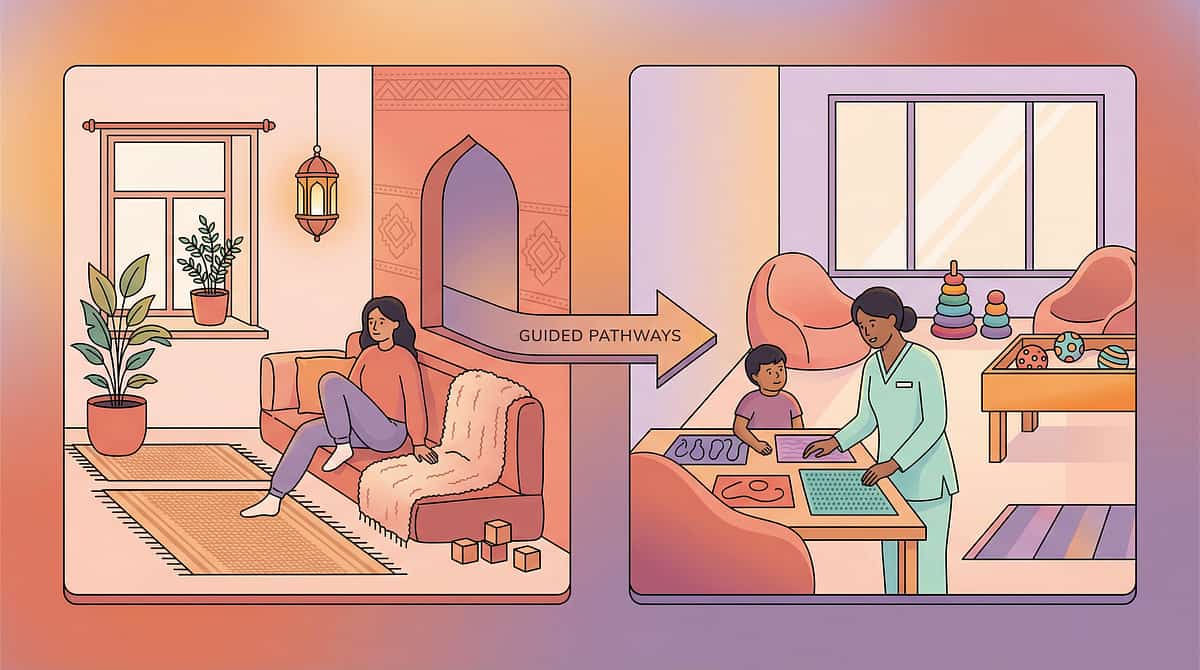
Home + clinic = maximum impact.
Home practice powered by professional clinical oversight is the most effective combination documented in sensory integration research. The Pinnacle Blooms Network spans 70+ centers across India, with teleconsultation available for families outside city centers. 16+ languages. 24×7.
Service | For This Technique | How to Access | |
OT Consultation | Sensory profile assessment, protocol customization | 📞 9100 181 181 | |
BCBA Consultation | Reinforcement programming, behavior function analysis | 📞 9100 181 181 | |
AbilityScore® Assessment | Baseline developmental profile across all 12 domains | 📞 9100 181 181 | |
Home Visit OT | Protocol demonstration in your actual home | Request at center | |
Teleconsultation | Remote guidance for families outside city centers | 📞 9100 181 181 | |
Sensory-Friendly Salon Referral | Stylists trained to work with sensory-sensitive children | Ask at Pinnacle center |
70+ Centers: Hyderabad • Bengaluru • Chennai • Mumbai • Pune • Delhi NCR • Vijayawada • Visakhapatnam • Tirupati • and 60+ more cities

The evidence base that powers this protocol.
📄 Systematic Review (Children, 2024)
16 studies confirm sensory integration intervention as evidence-based practice for ASD. Grooming tolerance outcomes explicitly documented. PMC11506176
📄 Meta-Analysis (World J Clin Cases, 2024)
24 studies: Sensory integration therapy promotes social skills, adaptive behavior, sensory processing, and motor skills in children with ASD. PMC10955541
📄 Indian RCT (Indian J Pediatr, 2019)
Home-based sensory interventions demonstrate significant outcomes in Indian pediatric population. Parent-administered sessions shown effective. Padmanabha et al.
📄 Neurological Basis (Frontiers, 2020)
Comprehensive neurological framework for sensory integration interventions in ASD established. DOI: 10.3389/fnint.2020.556660
📄 NCAEP (2020) + WHO/UNICEF
Visual timers, video modeling, and social narratives classified as evidence-based practices for autism. WHO Care for Child Development Package implemented in 54 LMICs. PMC9978394

Your session data makes this protocol smarter — for your child and every child like them.
When you log a session in GPT-OS®, you're not just tracking your child's progress. You're contributing to a population-level learning system that improves recommendations for every family navigating this same challenge. All data is anonymized, aggregated, and governed by Pinnacle's privacy framework.
What GPT-OS® Learns
- Which material in the hierarchy each child responds to fastest
- Optimal session spacing for each sensory profile type
- Phase progression rate for auditory vs. tactile primary triggers
- Salon readiness predictor variables — which home data points correlate with first successful salon visit
What You Receive Back
- "Your child is ready to advance to Phase E in clippers"
- "Similar profiles found success faster with weighted pad priority"
- "Schedule review with OT recommended at this data pattern"
Watch the original reel that brought you here.
🎬 Reel ID: E-531
Domain E — Self-Care / Grooming
Episode 531 of 540
"For sensory-sensitive children, the salon chair can feel like a torture seat. In this reel, Pinnacle's occupational therapy team walks through the 9 materials that help prepare children for haircuts — at home, before the salon, systematically." — Pinnacle Blooms OT Team
The E-531 reel is part of the 999 Reels Library — the world's largest structured pediatric intervention knowledge base. Age band: 2–12 years. When published, the video embed will appear here. Watch on social platforms in the meantime.
⬅ Previous Reel
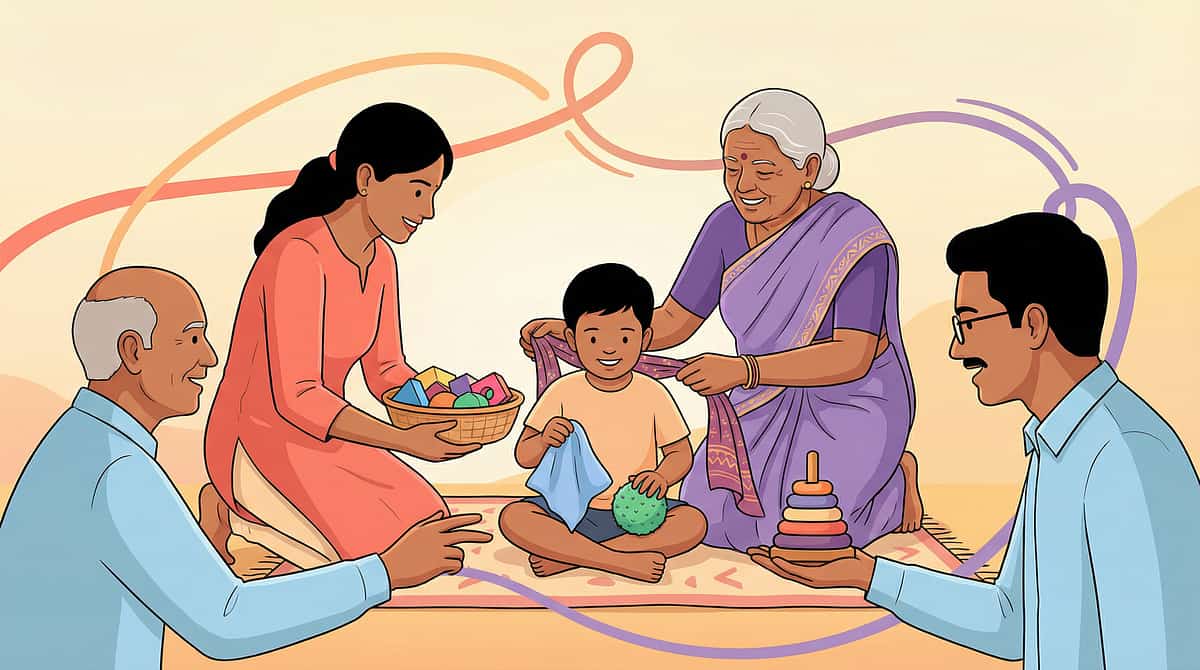
Consistency across caregivers multiplies impact.
If only one caregiver executes this protocol, its power is halved. Every adult in your child's life — spouse, grandparent, teacher, school aide — needs to understand these materials and this approach. Sharing this page is a clinical act, not just a social one.
Explain to Grandparents — Simplified
"[Child's name] is working on being able to tolerate haircuts. They are practicing at home with special materials. The most important thing you can do: never force the cape, never force them near clippers, always let them hold the fidget during haircut time, and celebrate any tolerance — even 10 seconds. This is medical therapy, not spoiling."
Teacher / School Communication Template
"Dear [Teacher], [Child's name] is currently working with an occupational therapist on sensory desensitization for grooming activities. If there is a haircut-related activity in school programs, please note that [Child] may need: noise-reducing headphones, a fidget, and advance notice. Thank you for your support."
📞9100 181 181 | Free caregiver guidance | 16+ languages
Questions parents ask most often about haircut preparation
Q1: My child is 8 years old. Is it too late?
Absolutely not. The nervous system remains plastic throughout childhood and into adulthood. The protocol takes slightly longer with deeply conditioned responses, but the same principles apply. Many children 8–12 show dramatic improvement within 6–10 weeks of consistent, patient, non-forced practice. Start at Phase A regardless of age.
Q2: How often should we practice at home?
3–4 sessions per week is optimal. Daily is too frequent — the nervous system needs rest days to consolidate new associations. Less than 3×/week slows progress. Each session: 10–20 minutes maximum.
Q3: Do we have to use all 9 materials?
No. Start with materials that address your child's primary trigger: auditory (headphones + clippers) or tactile (cape + weighted pad). Add additional materials as those are mastered. The social story is strongly recommended for all children.
Q4: Child does fine at home but melts down in the salon. Why?
Generalization failure — the nervous system learned "home = safe" but not "salon with supports = safe." Add salon-context desensitization: dry-run visits, exposure to salon sounds from outside, sitting in the chair with no cut. This is Phase E of the protocol.
Q5: The salon won't accommodate our requests.
Find a different salon. Sensory-friendly salons exist in most cities. Mobile stylists who come to your home are another excellent option. Your child's first prepared haircut should happen in the most accommodating environment possible — not a test of how much they can tolerate without support.
Q6: My child is nonverbal. Do these materials still work?
Yes — in many ways, better. The materials work through sensory experience, not language. Adjust the social story to picture-only with minimal text. All other materials are sensory in nature and work regardless of verbal ability.
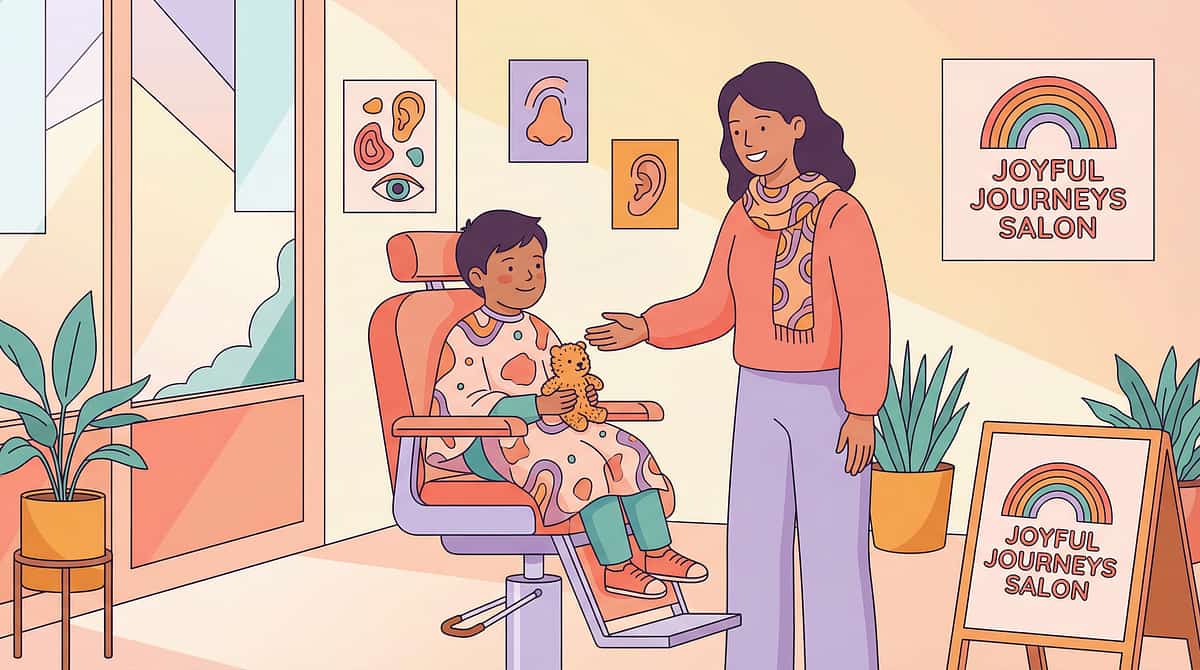
The salon chair doesn't have to be a torture seat. Start today.
You now have everything you need: the science, the materials, the protocol, the safety guidelines, and the evidence base. The only thing left is to begin. One material. One session. One micro-tolerance. That is all today requires.
✦ Validated by the Pinnacle Blooms Consortium ✦
OT • ABA/BCBA • SLP • SpEd • NeuroDev • Pediatrics • CRO
20M+ therapy sessions • 97%+ measured improvement • 70+ centers
"From fear to mastery. One technique at a time." — Pinnacle Blooms Network®
OT • ABA/BCBA • SLP • SpEd • NeuroDev • Pediatrics • CRO
20M+ therapy sessions • 97%+ measured improvement • 70+ centers
"From fear to mastery. One technique at a time." — Pinnacle Blooms Network®
Preview of 9 materials that help with haircut preparation Therapy Material
Below is a visual preview of 9 materials that help with haircut preparation therapy material. The pages shown help educators, therapists, and caregivers understand the structure and content of the resource before use. Materials should be used under appropriate professional guidance.


Link copied!
From fear to mastery. One technique at a time.
◆ Pinnacle Blooms Network®
Occupational Therapy | Applied Behavior Analysis | Speech-Language Pathology | Special Education | NeuroDevelopmental Pediatrics | Clinical Research
Proprietary Systems
GPT-OS® | AbilityScore® | TherapeuticAI® | FusionModule™ | EverydayTherapyProgramme™
Scale & Reach
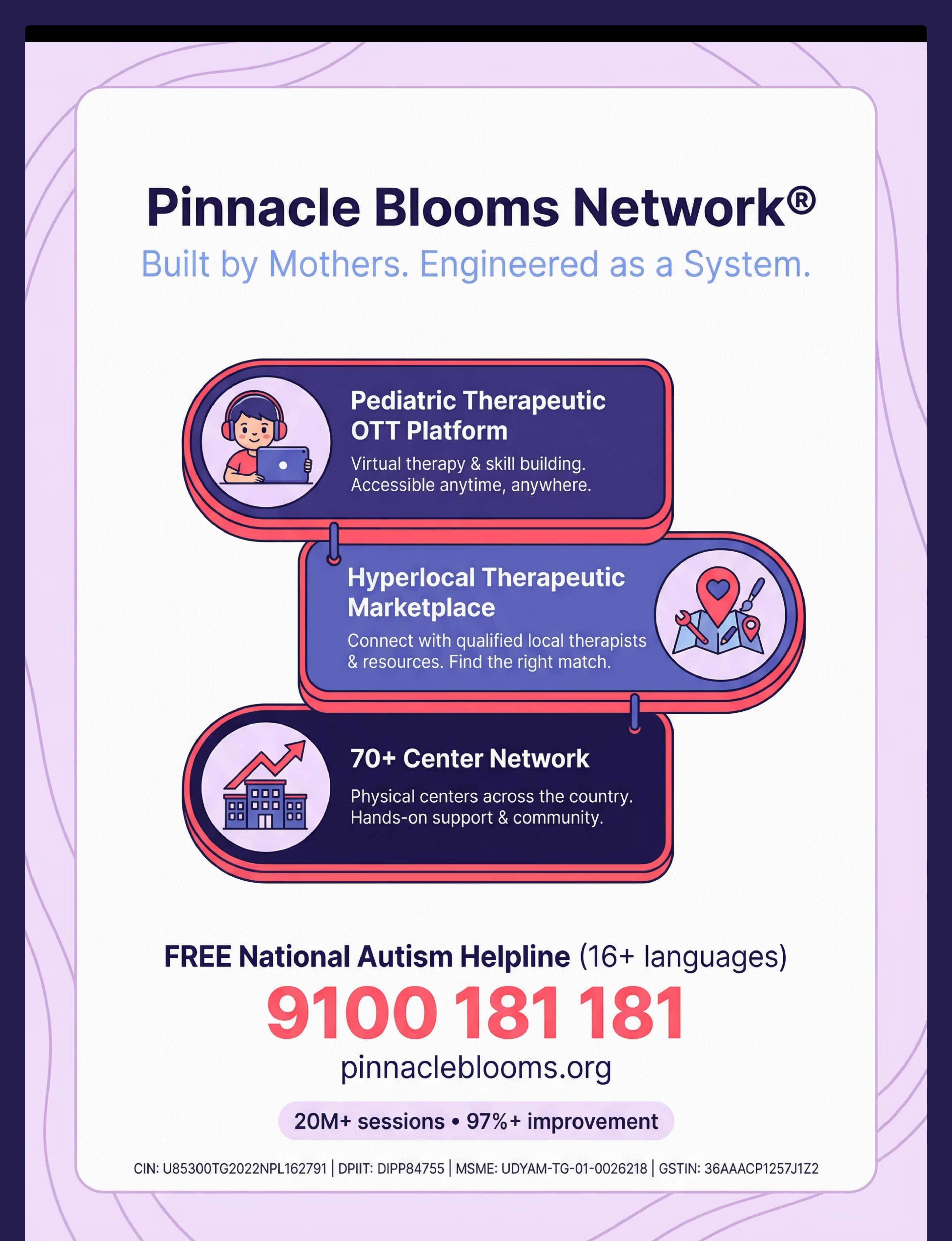
20M+ sessions • 97%+ improvement • 70+ centers • Empowering children across 70+ countries
Pinnacle Blooms Network® transforms homes into proven, scientific, 24×7, personalized, multi-sensory, multi-disciplinary pediatric therapy environments — accessible to every family, regardless of geography or economic status.
📞 FREE National Autism Helpline: 9100 181 181 | 16+ languages | 24×7
Coming next: E-532 — 9 Materials That Help With Nail Trimming Tolerance
techniques.pinnacleblooms.org/self-care-grooming/nail-trimming-tolerance-e532
techniques.pinnacleblooms.org/self-care-grooming/nail-trimming-tolerance-e532
This content is educational. It does not replace individualized assessment and intervention planning with licensed occupational therapists and healthcare professionals. Persistent sensory sensitivities affecting daily functioning may indicate underlying conditions requiring professional evaluation. Seek professional help for persistent concerns. Individual results may vary. Statistics represent aggregate outcomes across the Pinnacle Blooms Network.
© 2025–2026 Pinnacle Blooms Network®, unit of Bharath Healthcare Laboratories Pvt. Ltd. All rights reserved. CIN: U74999TG2016PTC113063 | DPIIT: DIPP8651 | MSME: Udyog Aadhaar TS20F0009606 | GSTIN: 36AAGCB9722P1Z2
#HaircutPreparation #SensoryProcessing #AutismHaircut #OccupationalTherapy #SensoryFriendly #HaircutAnxiety #GroomingChallenges #SelfCareSkills #SPD #PinnacleBlooms #GPT_OS #ChildDevelopment #ABA #SensorySensitivity #TactileDefensiveness