


- Tactile — the feel of hair between fingertips
- Proprioceptive — the grip, resistance, and release sensation
- Oral (when present) — hair mouthing or examining pulled hairs




Target | What You'll See (Week 1–4) | What You'll See (Week 5–8) | |
Pulling frequency | Fewer patches forming | Existing patches beginning to fill | |
Urge awareness | Child catches hand mid-motion | Child notices urge before hand moves | |
Alternative use | Uses fidget with parent prompt | Reaches for fidget independently | |
Emotional regulation | Less pulling during homework | Proactively uses calm tools before stress |

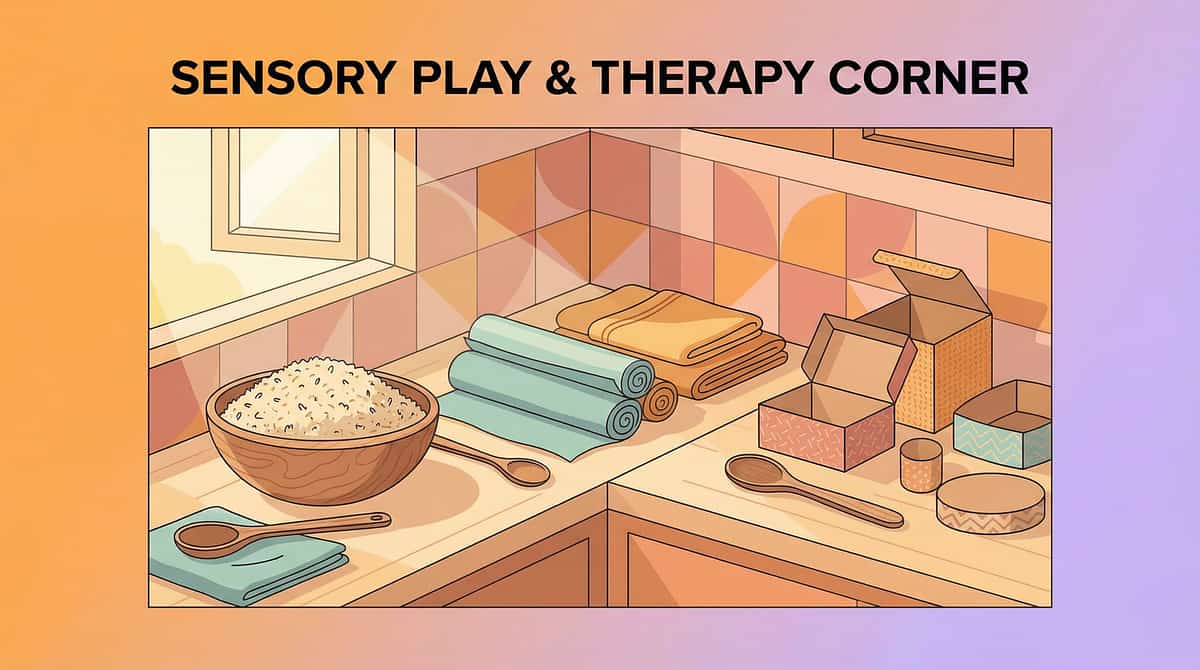
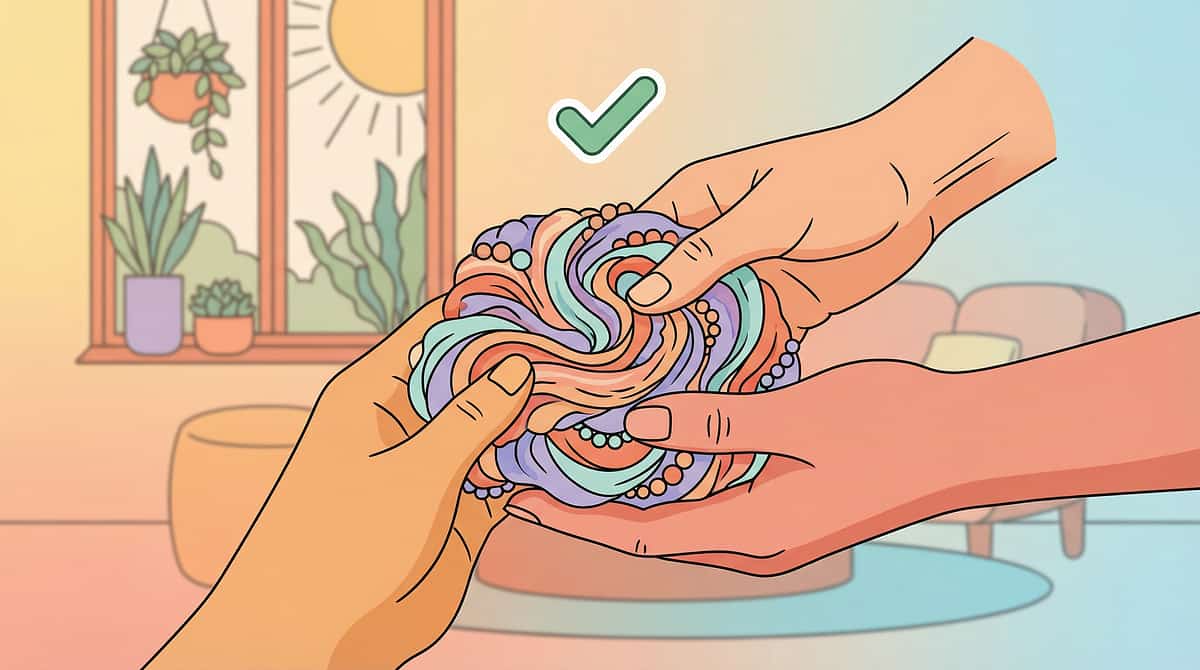
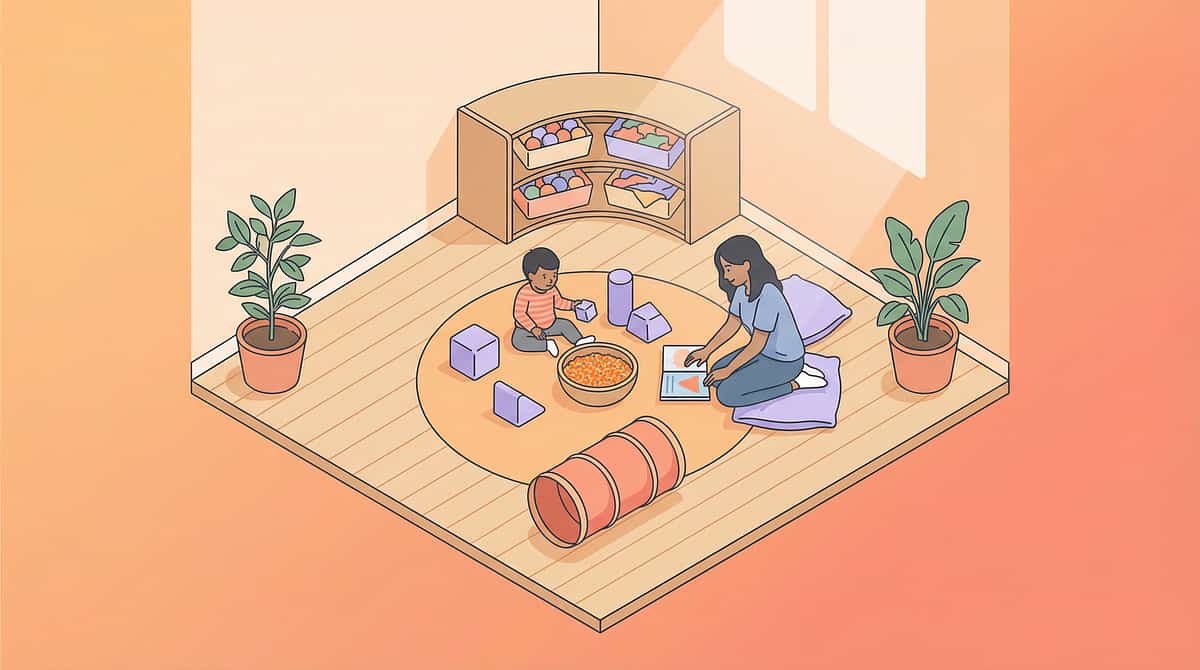


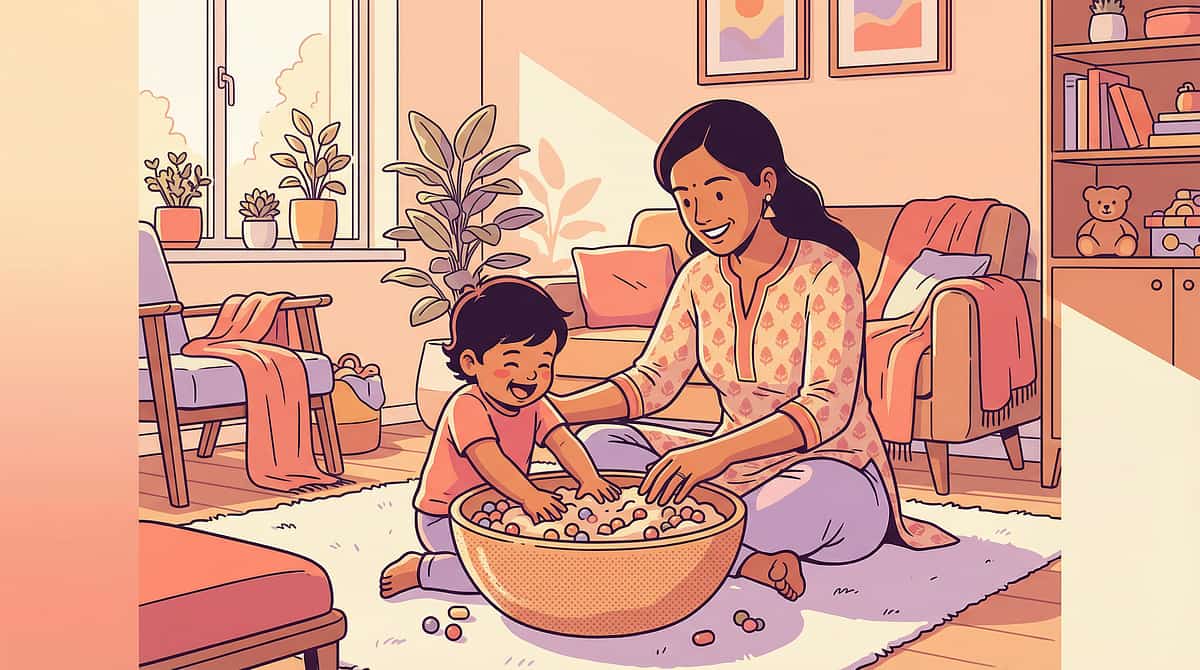
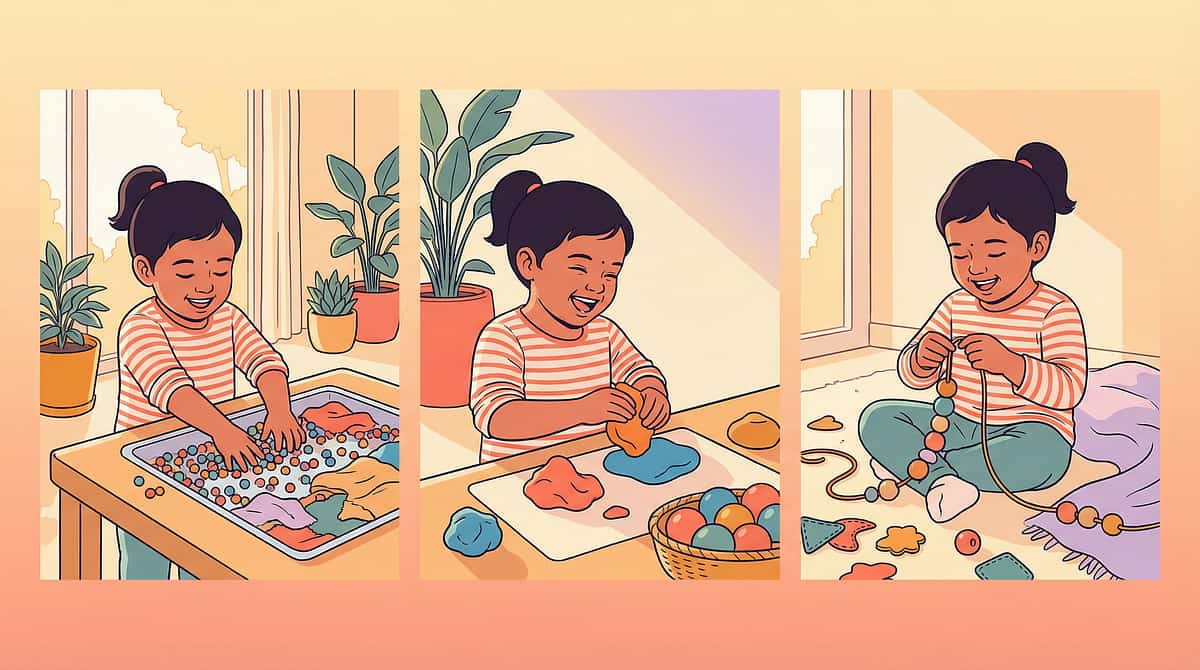

Material | Buy This | Make This (₹0) | Why It Works Equally | |
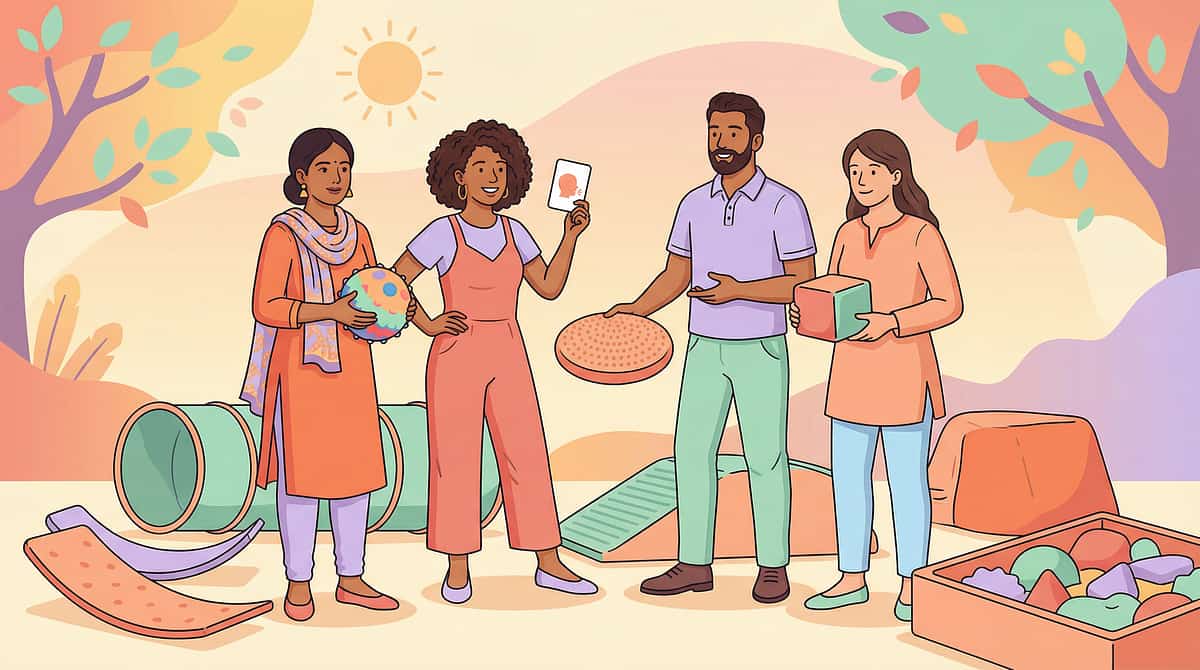
Textured Fidgets | Spiky sensory ball | Dried lentils in a sealed zip bag | Same varied tactile surface engagement | |
Pull-and-Tug Toys | Silicone pull tube | Thick rubber band or hair tie | Same resistance-and-release proprioceptive loop | |
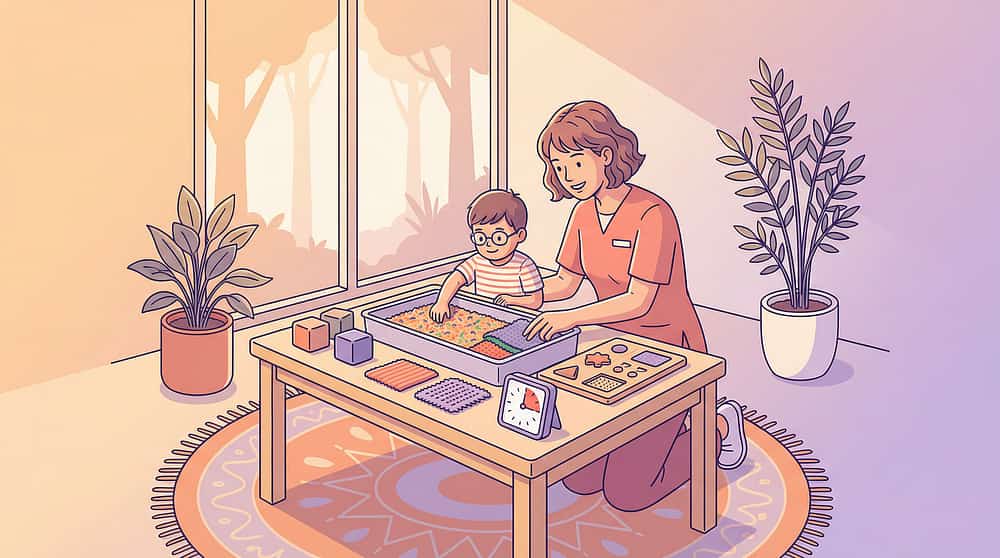
Fine Motor Busy Box | Commercial bead set | Rice/lentil tray + spoon + container | Same precision finger engagement | |
Hair-Like Substitutes | Doll with brushable hair | Bundle of thick yarn tied at one end | Same strand-between-fingers tactile sensation | |
Awareness Tracker | Tally counter | Paper + pencil in pocket | Same mindfulness function | |
Physical Barrier | Finger bandages | Paper tape from kitchen | Same micro-pause friction effect | |
Calm-Down Tools | Weighted lap pad | Book placed in lap · breathing counted on fingers | Same grounding / regulation function | |
Oral Alternatives | Silicone chew necklace | Carrot sticks · sugar-free gum | Same oral sensory input | |
Progress System | Sticker chart | Drawn chart + dot stickers | Same visual milestone recognition |

- Child is in an active pulling episode and highly distressed
- Hair ingestion (trichophagia) is occurring — seek medical evaluation first
- Child has open skin wounds from pulling requiring medical attention
- You suspect a co-occurring anxiety/OCD presentation requiring clinical diagnosis
- Child has fever, illness, or significant emotional dysregulation today
- Child is tired or pre-nap/pre-sleep — reduce demands
- Child is hungry — feed first, then implement
- High-stress day — use regulation tools first
- Child shows resistance — use preferred fidget as invitation, not demand
- Recent hair-loss discovery distressed parent or child — allow emotional settling first
- Child is calm, fed, rested
- No active pulling wound or skin break at target site
- Child is in a familiar, low-distraction environment
- Materials are ready and positioned — not searched for mid-session
- Parent/caregiver is in a regulated, patient state

- Mirrors that increase self-focused attention on hair
- Other children who may comment on hair loss
- Stress-triggering materials during early implementation
- Lighting: Warm, not fluorescent. Fluorescent increases sensory arousal.
- Sound: White noise or calm instrumental for sensory seekers.
- Temperature: Comfortable. Overheating increases fidgetiness and pulling.

Indicator | ✅ Green | 🟡 Modify | 🔴 Postpone | |
Hunger | Fed within 1 hour | Snack available | Not eaten, hungry | |
Sleep | Rested (adequate sleep) | Tired but manageable | Just woke / overtired | |
Mood | Calm or neutral | Slightly elevated | Distressed / crying | |
Recent pulling | Not pulling currently | Pulling just stopped | Active episode | |
Engagement | Making eye contact / responding | Minimal response | Completely withdrawn |
The best session is one that starts right. A 10-minute session on a green day outperforms a 30-minute session on a red day every time.
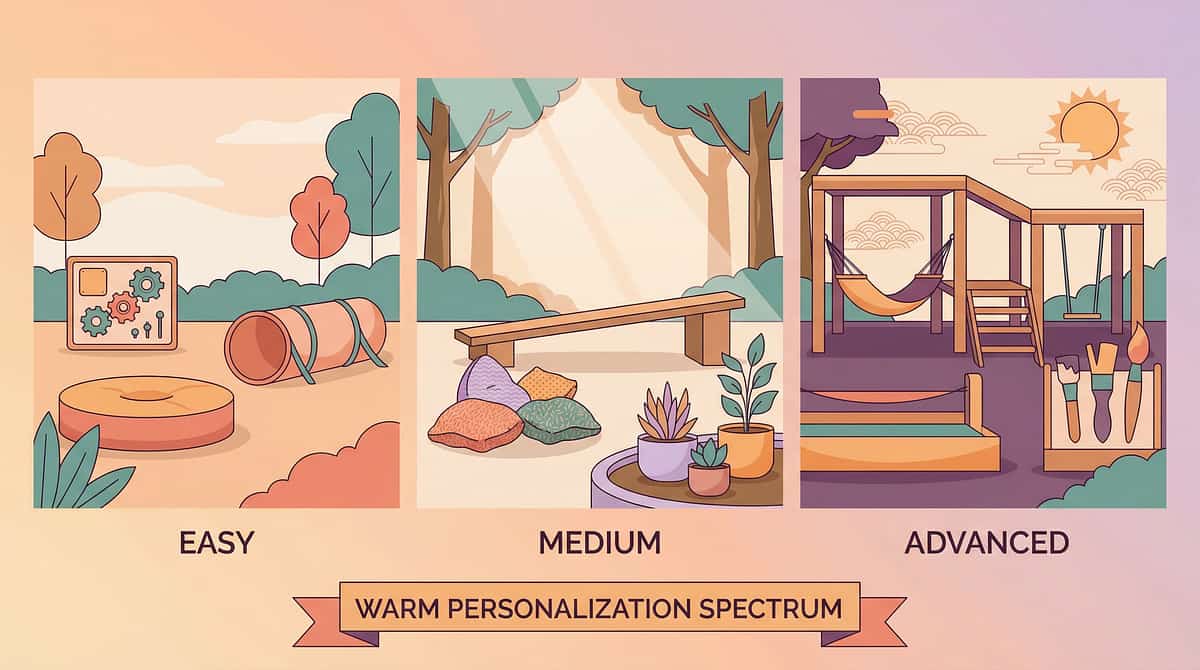
"Hey, I found something for your hands. Want to see what it does?"
(Hold the fidget in your own hands. Explore it yourself first. Let curiosity do the work.)
- Relaxed posture — not leaning in urgently
- Make the material interesting by engaging with it yourself
- No mention of hair, hair pulling, or why you're doing this
- Neutral, curious tone — not anxious or hopeful

"Look at all these textures. This one feels bumpy. This one feels smooth. What does your hand think?"
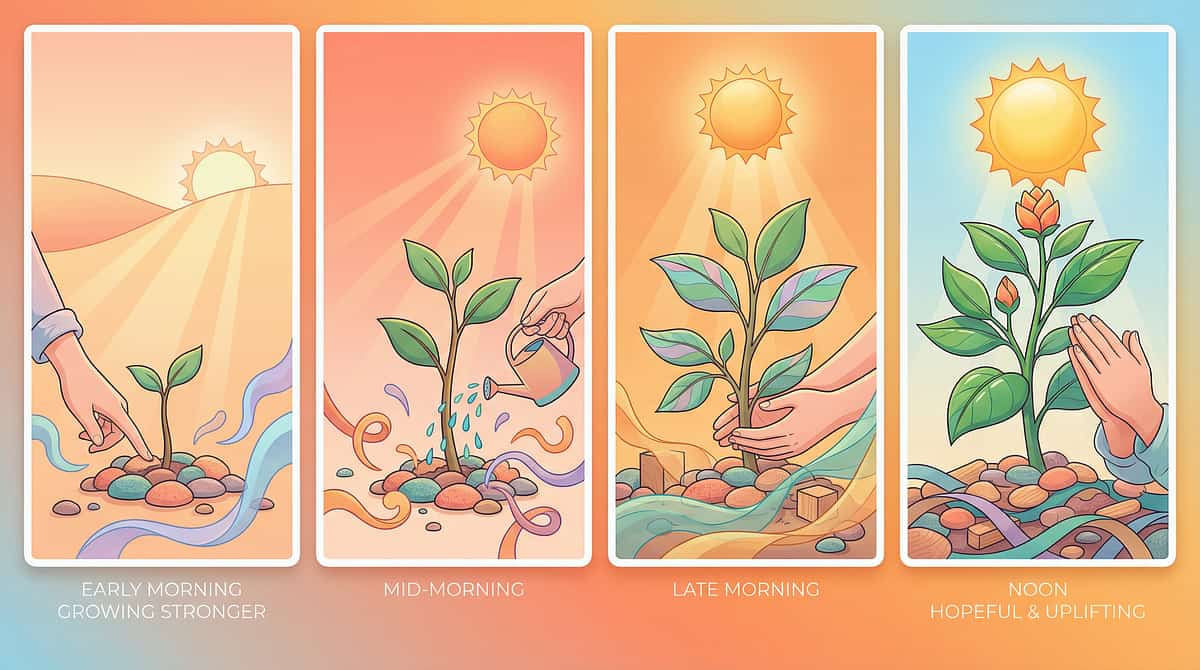

High-Risk Time | Material Position | Duration | |
TV / screens | Fidget at child's seat | Entire viewing time | |
Homework | Fidget + fine motor box at desk | Entire homework period | |
Car rides | Fidget in cupholder / seatback pocket | Entire journey | |
Pre-sleep | Pull-and-tug toy + calming tool | 15–20 min pre-sleep | |
Meals | Oral alternative on table if needed | Mealtime |

5 tokens = small celebration (activity, not food if possible)
20 tokens = major milestone celebration
- "You didn't pull today!" (creates hair-loss anxiety)
- Progress tied to number of hairs pulled (shame-based)
- Any system that punishes pulling episodes
"60 seconds of data now saves hours of guessing later. And it gives your child's therapist the precision picture they need."
Fix: Try during a calm, preferred activity. Let them observe you using it for 3 days before offering it to them.
Fix: Identify whether it's tactile, proprioceptive, or oral seeking (watch carefully). Switch material category.
Fix: Fine motor busy box during all low-stimulation periods. Add fidget to TV, reading, and car routinely.
Fix: Don't change everything. Maintain what's working. Add one new element. Expect a plateau in weeks 4–6.
Suggested starter: Spiky ball + yarn bundle in pocket
Suggested starter: Silicone pull tube + resistance band
Suggested starter: Weighted lap pad + breathing cards
Suggested starter: Fine motor box at all sedentary stations
Age 3–5 | Age 6–9 | Age 10–12 | |
Pure material access, no awareness work | Begin awareness tracking + fidget | Full HRT protocol + self-monitoring | |
Parent-managed barriers | Child helps choose materials | Child manages own toolkit | |
Very short, frequent access | 5–15 min structured access | Self-initiated sessions |
- Child tolerates materials at their location — doesn't move them away
- Child engages with at least 1 material for 30+ seconds without prompting
- Parent identifies 2–3 reliable high-risk times/contexts
- Awareness bracelet worn without complaint on 3+ days
- One documented instance of child catching hand near hair
- Reduction in pulling frequency — too early
- Child independently reaching for fidget over hair
- Awareness without prompting
"You set up the materials. You stayed consistent. You didn't punish a single episode. That is exactly right."

- Child anticipates the fidget — reaches for it before you prompt
- Child shows preference for a specific material
- Pulling episodes shorter in duration (even if same frequency)
- Child spontaneously mentions the material ("where is my ball?")
- Awareness catches increasing — hand paused pre-pull
- Parent prompts required less often
- Child returns to material after distraction
- Progress chart being checked by child — self-motivation emerging
"You may notice you're more confident too. You understand the pattern now. You know which times to prepare for. That expertise is real."
Weeks 5–8: The New Pathway Is Real
Progress at Week 8 The new pathway is measurable, observable, and real. Hair follicles are beginning to recover. 🏆 Mastery Criteria — Specific, Observable, Measurable Child independently reaches for alternative material in 3+ documented high-risk situations without prompting Pulling frequency reduced by 50%+ from baseline (tracked data confirms) Child can articulate "my hands feel better with the fidget" Awareness catch before pull documented on 3+ separate days Materials being used in a new context (school, grandparent's home) — generalization confirmed ✨ D-384 MASTERY UNLOCKED ✨ Your child's hands have new pathways. Hair follicles are recovering. The brain rewired — because you stayed consistent. Hair Regrowth Visible Progress to next technique level Pulling Still Frequent Strengthen current protocol · Seek professional consultation Plateaued at 50% Consult 📞 9100 181 181 for ComB therapist referral
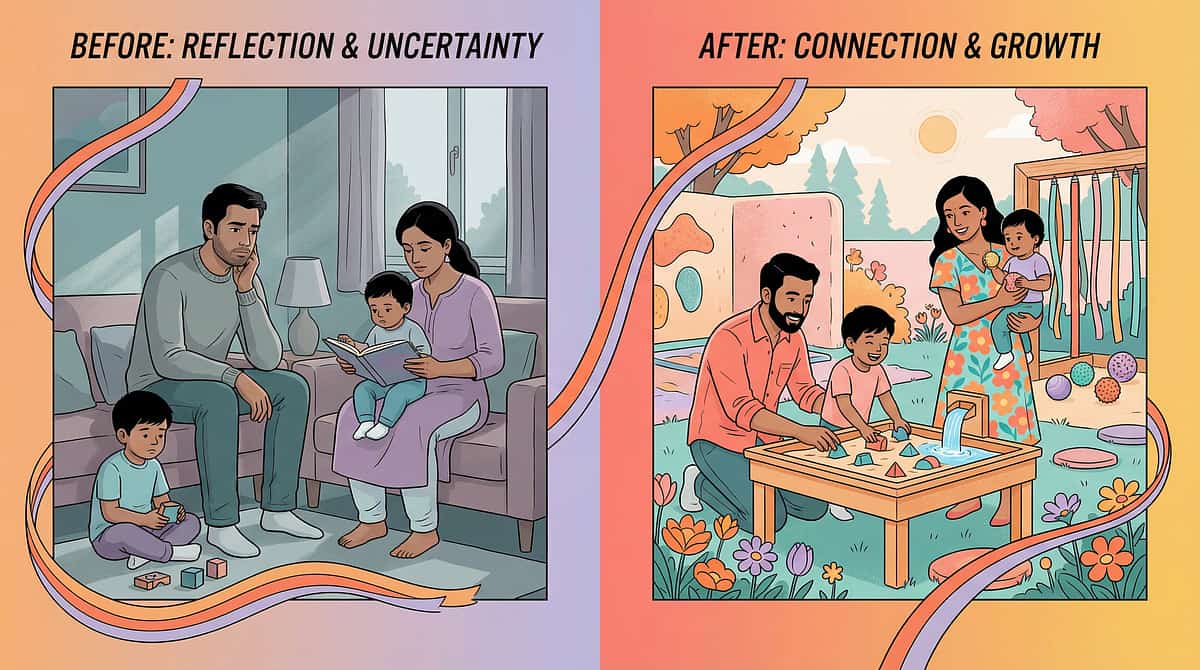
"Your child was pulling their hair compulsively. You didn't shame them. You didn't force them to stop. You redirected their hands — and their brain learned new paths. The patches are filling in. That is a medically, neurologically significant outcome. You did this."

Action: IMMEDIATE medical evaluation. Do not wait.
Action: Clinical referral — this has crossed into self-injury territory requiring behavioral assessment.
Action: Psychology/counseling referral alongside behavioral intervention.

Technique | Code | Difficulty | Materials You Own | |
9 Materials for Nail Biting & Picking | D-383 | ⭐ Beginner | Most from D-384 kit ✓ | |
9 Materials for Skin Picking | D-385 | ⭐ Beginner | Physical barriers ✓ | |
Self-Regulation Strategy Training | D-350 | ⭐⭐ Core | Awareness tools ✓ | |
Sensory Seeking Behavior Management | D-370 | ⭐⭐ Core | Fidgets ✓ | |
Repetitive Movement Management | D-386 | ⭐⭐ Core | New materials needed | |
Body-Focused Behavior Habit Reversal | D-390 | ⭐⭐⭐ Advanced | All from D-384 ✓ |
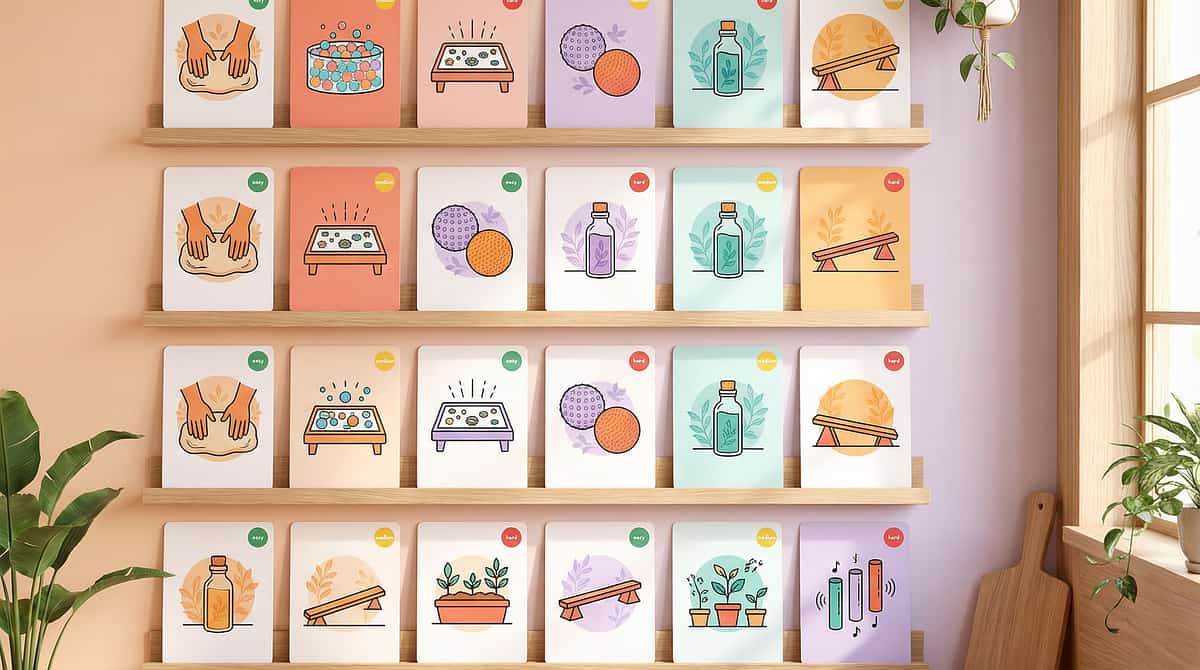
Preview of 9 materials that help with hair pulling Therapy Material
Below is a visual preview of 9 materials that help with hair pulling therapy material. The pages shown help educators, therapists, and caregivers understand the structure and content of the resource before use. Materials should be used under appropriate professional guidance.



The patches can grow back. The pathways can change. Your child's hands can find new answers. Start this today.