

🇮🇳 Across India's 70+ Pinnacle centers, hair brushing tolerance is among the top 5 self-care challenges reported by families. You are not alone in this — and you are in exactly the right place.
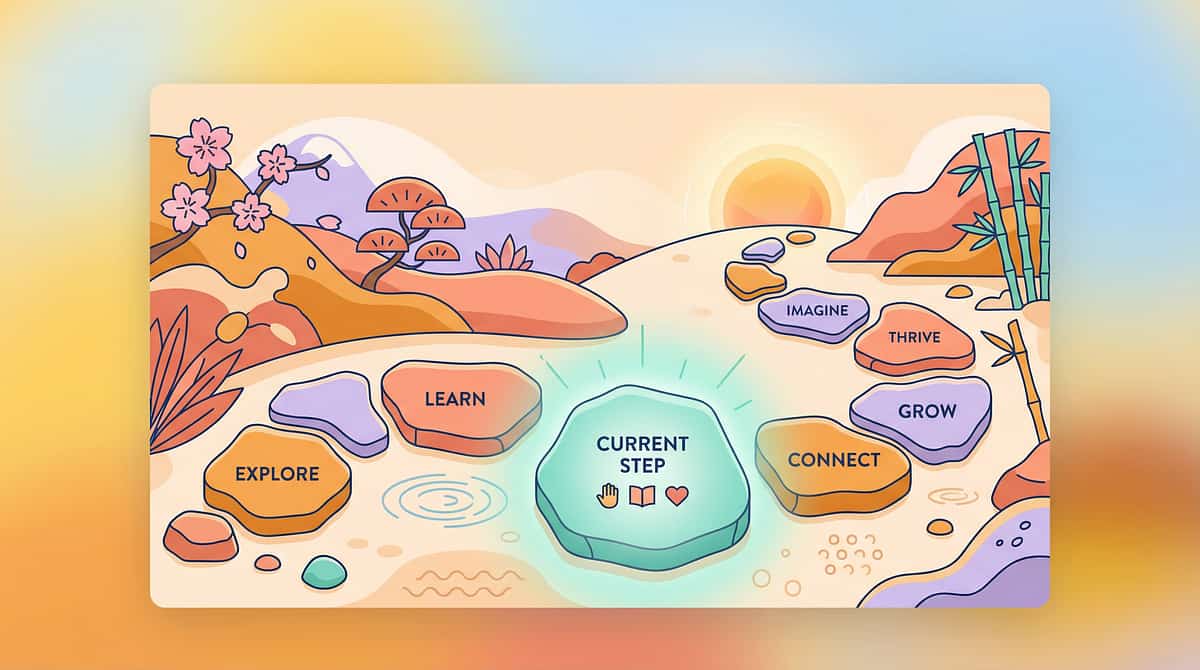

Study | Finding | Reference | |
PRISMA Systematic Review 2024 — 16 studies, 2013–2023 | Sensory integration therapy meets evidence-based practice criteria for ASD across all major domains including self-care | PMC11506176 | |
Meta-Analysis 2024 — World J Clin Cases, 24 studies | SI therapy effectively promotes sensory processing and adaptive behavior including grooming independence | PMC10955541 | DOI: 10.12998/wjcc.v12.i7.1260 | |
Indian RCT 2019 — Indian J Pediatr, Padmanabha et al. | Home-based sensory interventions show significant outcomes in Indian pediatric population | DOI: 10.1007/s12098-018-2747-4 |
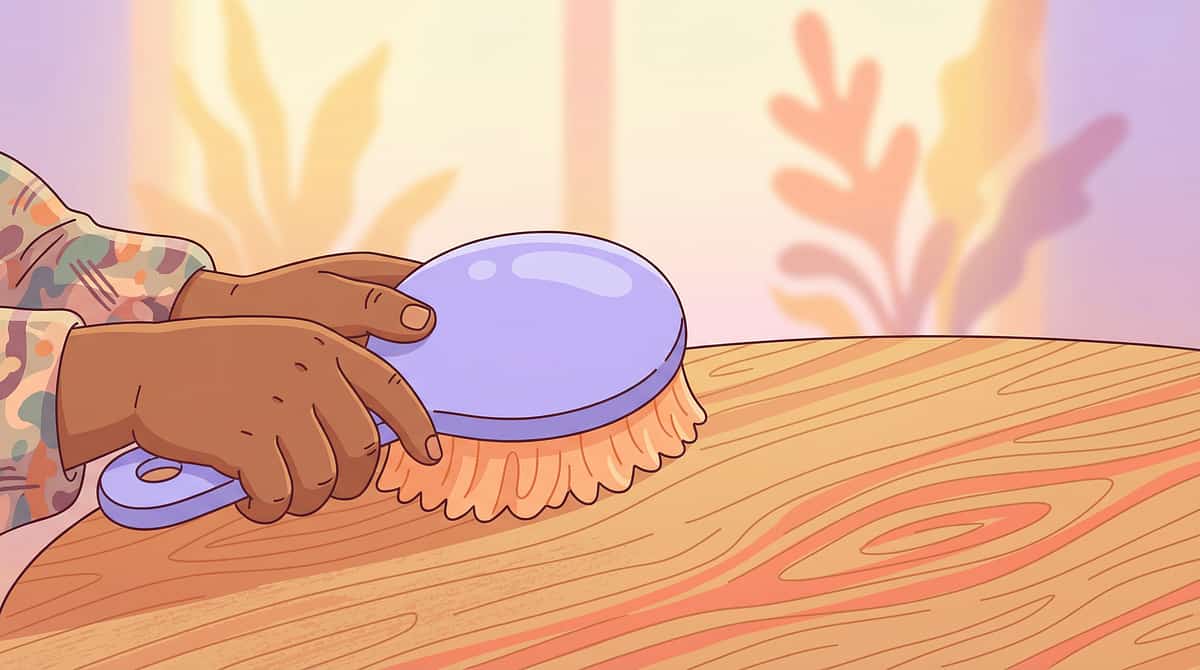

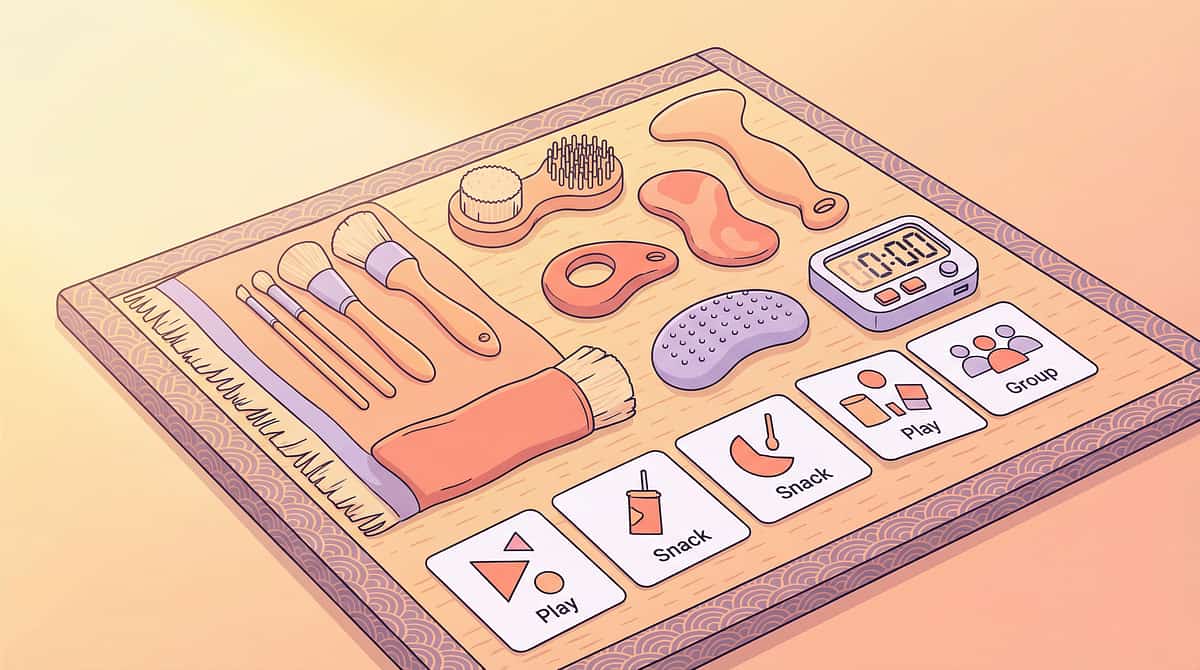
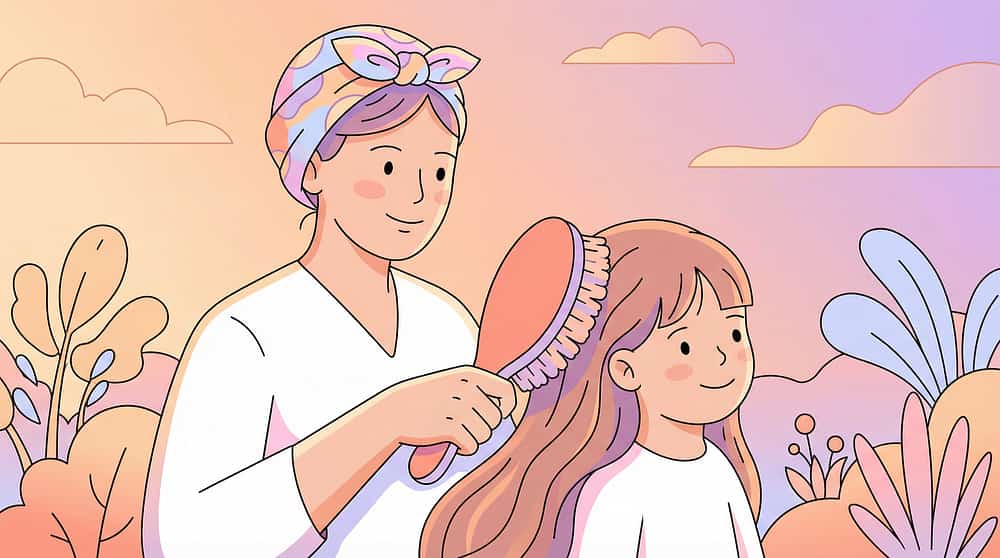
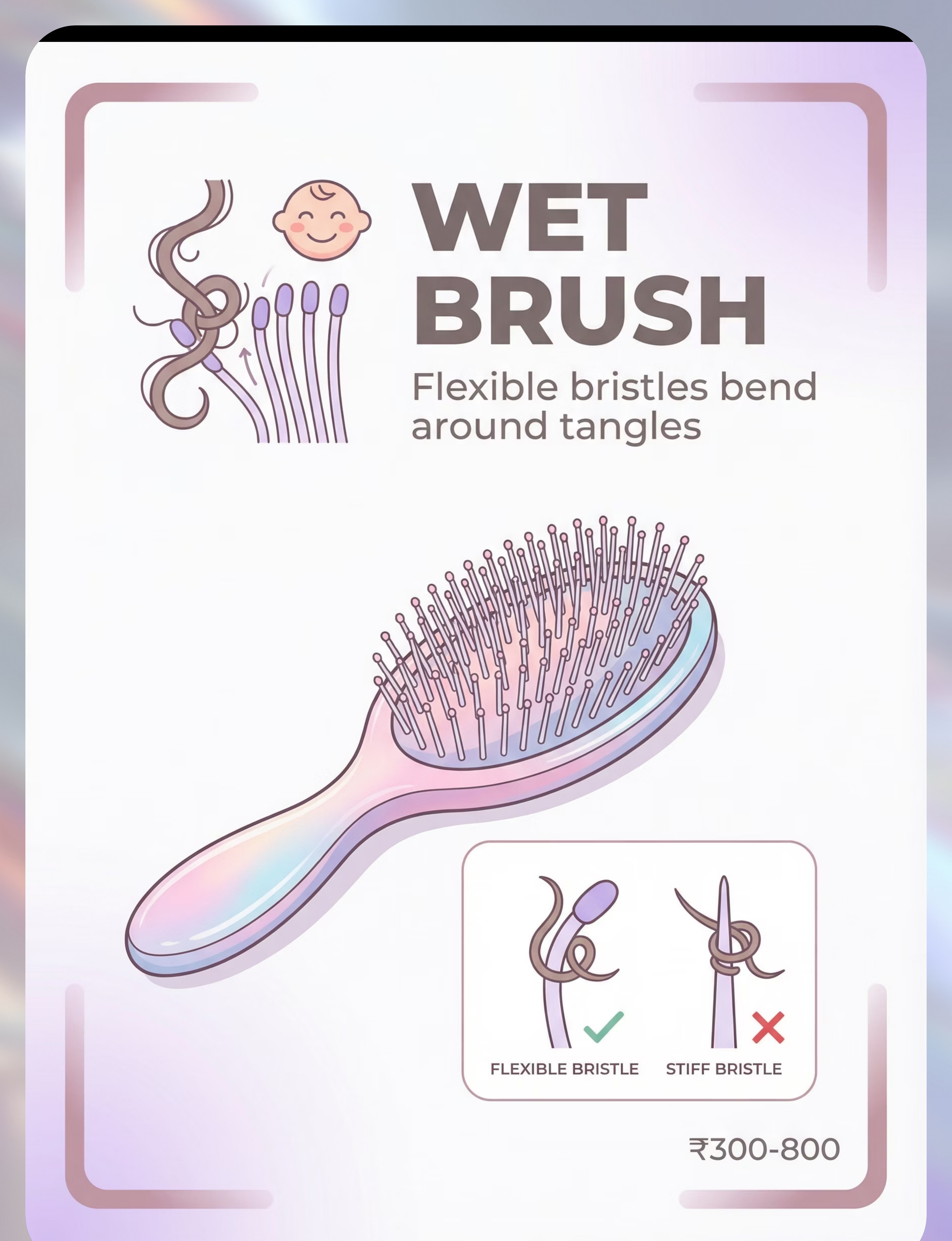
Bristles bend around tangles instead of pulling through them. Eliminates the #1 source of pain. ⭐First purchase for any sensory-sensitive child.

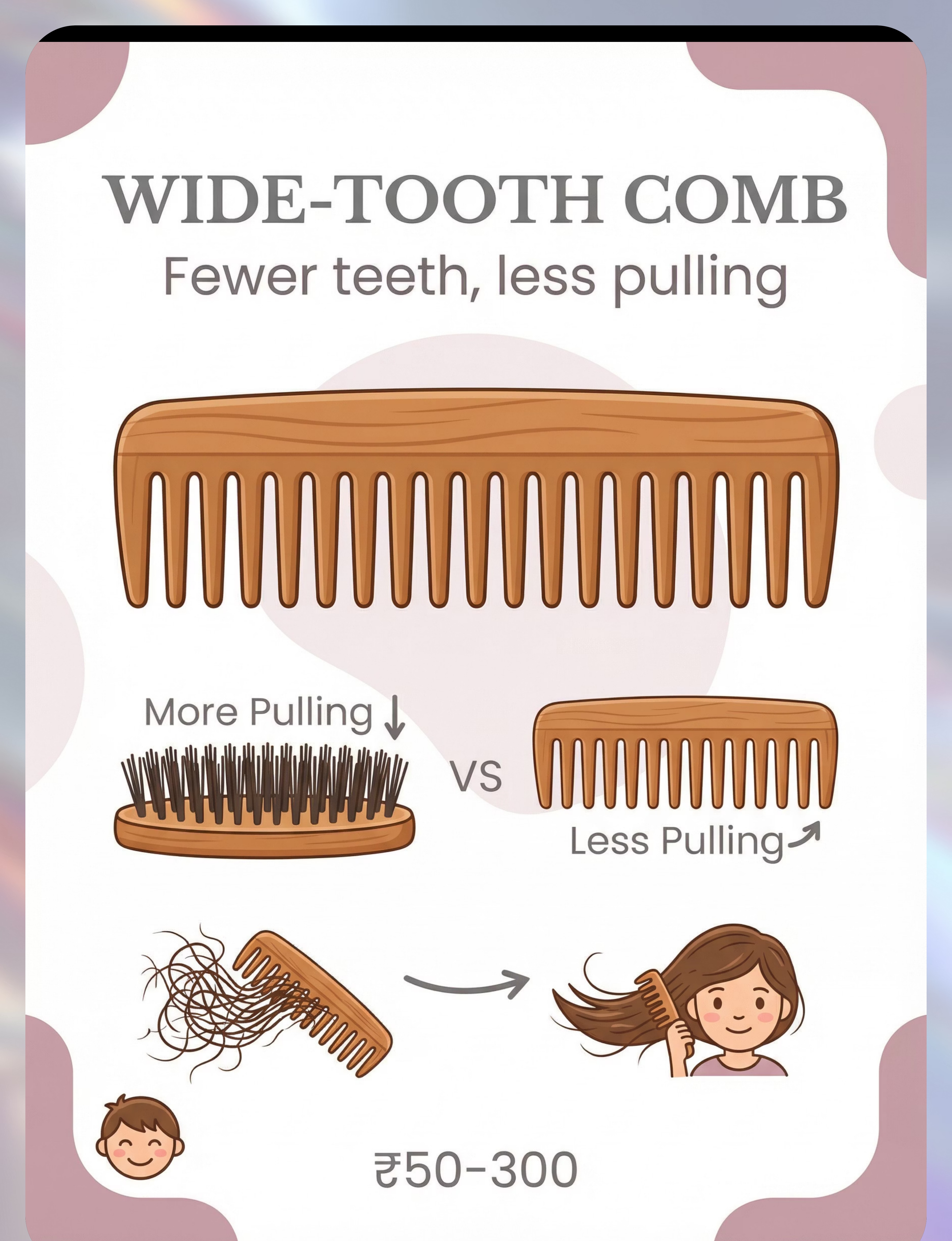
Fewer points of contact. More predictable sensation. Use first on major tangles before the brush.
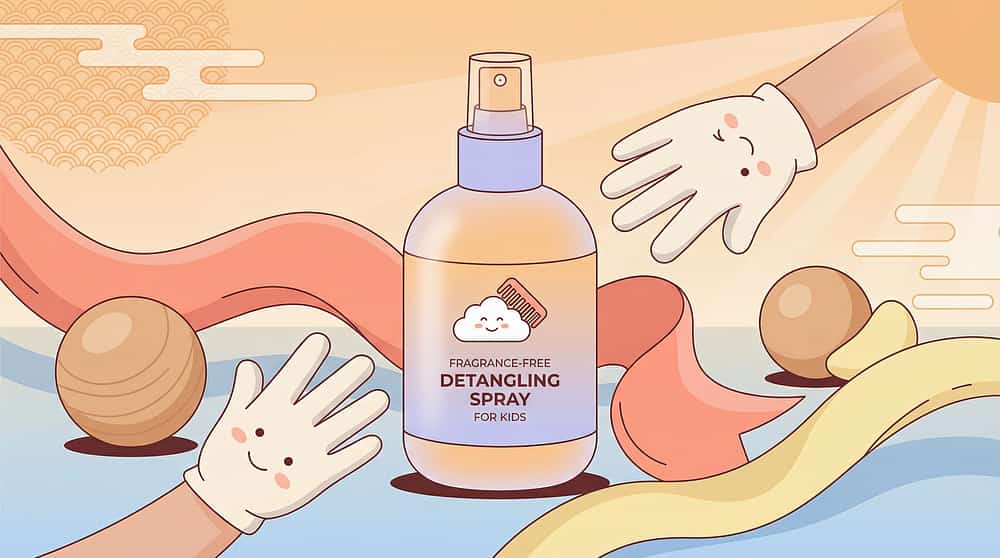
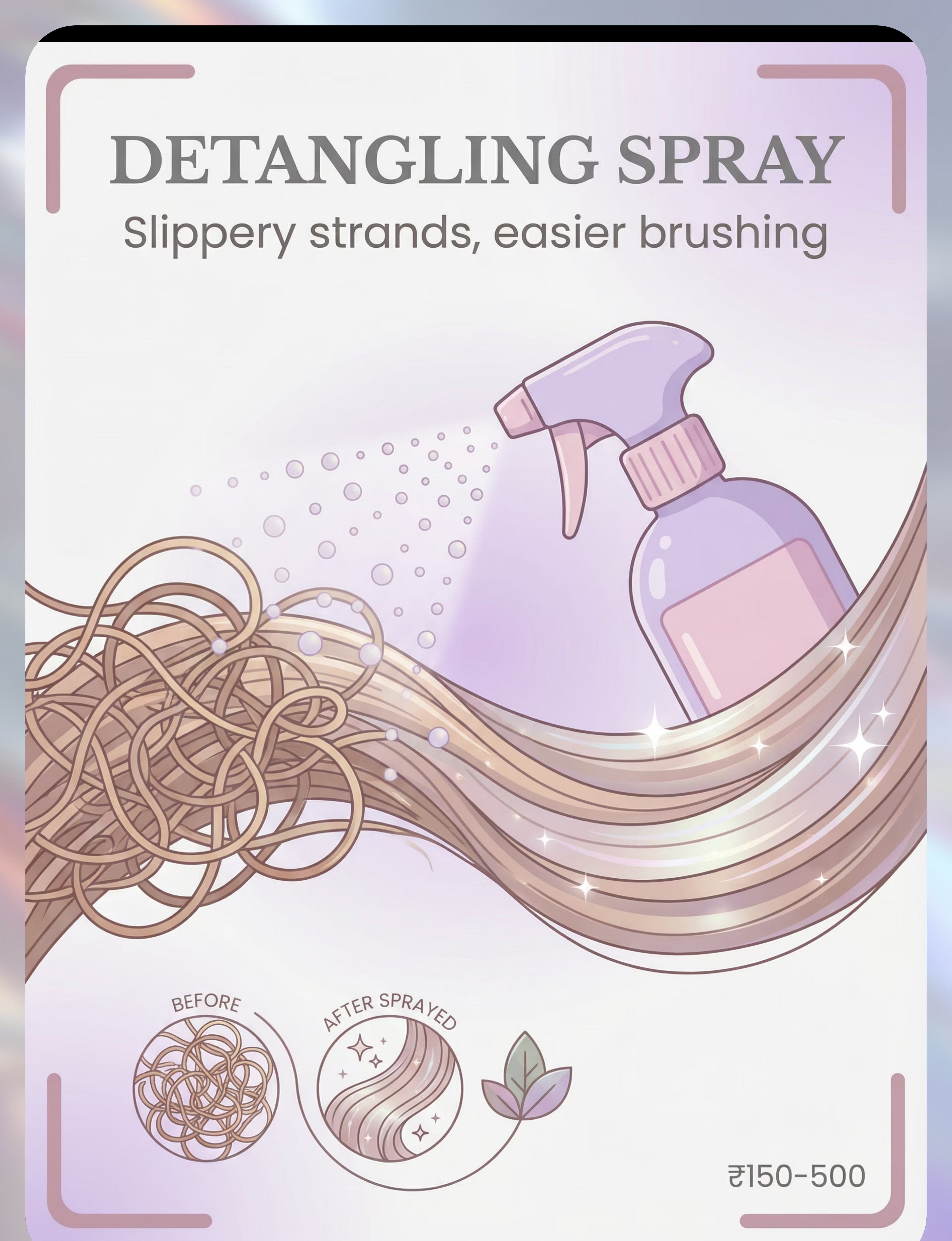
Makes hair strands slippery. Tangles slide apart. Dramatically reduces pulling force. 💡DIY: Mix water + conditioner (10:1) in a spray bottle.
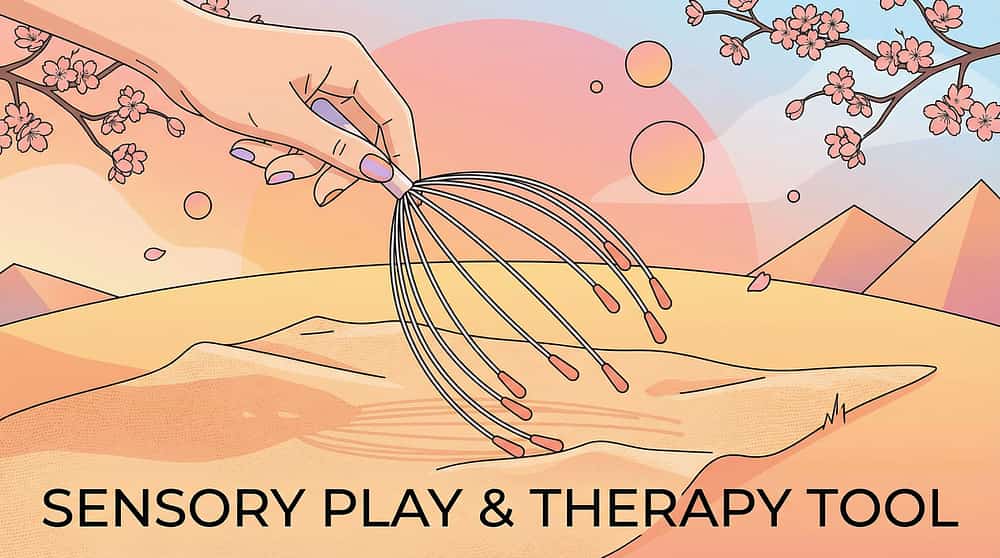
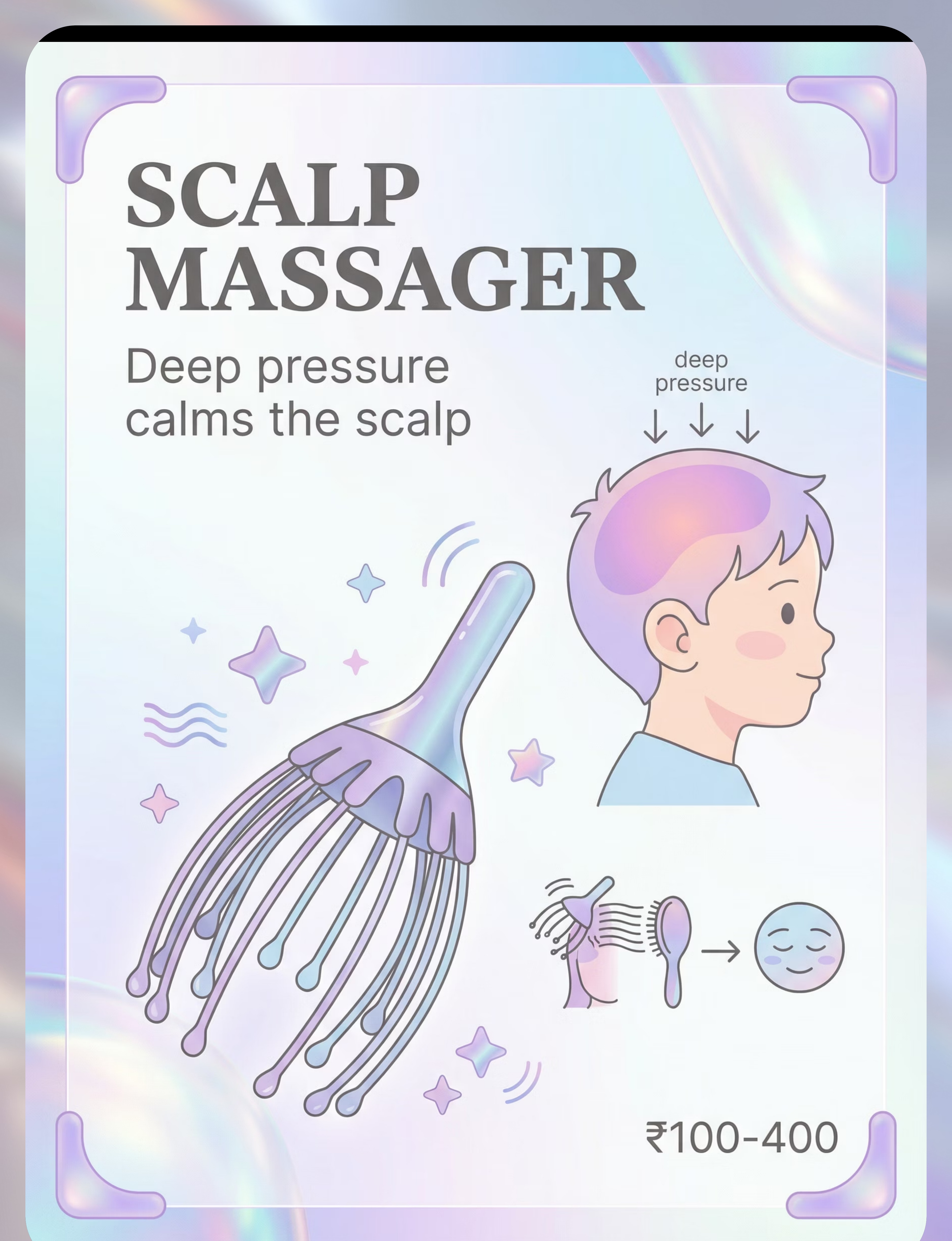
Deep pressure before light touch resets the sensory system. Desensitizes the scalp, making brushing more tolerable.
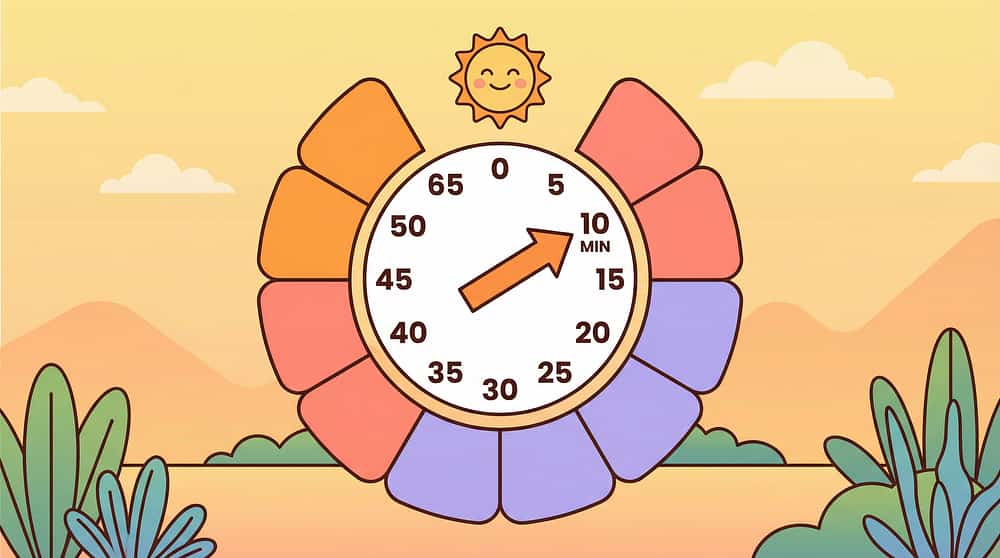
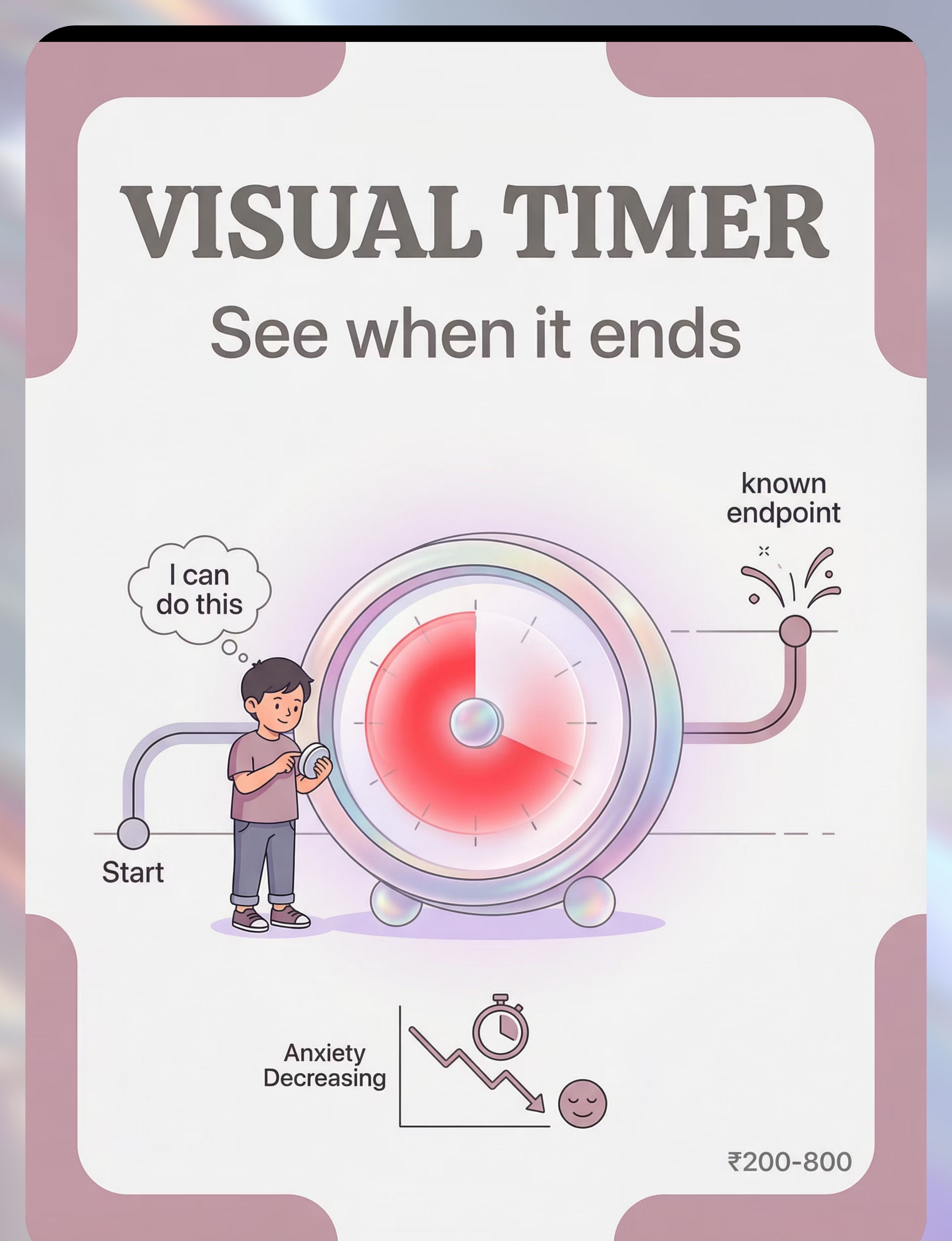
Makes the endpoint visible. When children can see when it ends, anxiety drops significantly. "I can do this for 2 more minutes."
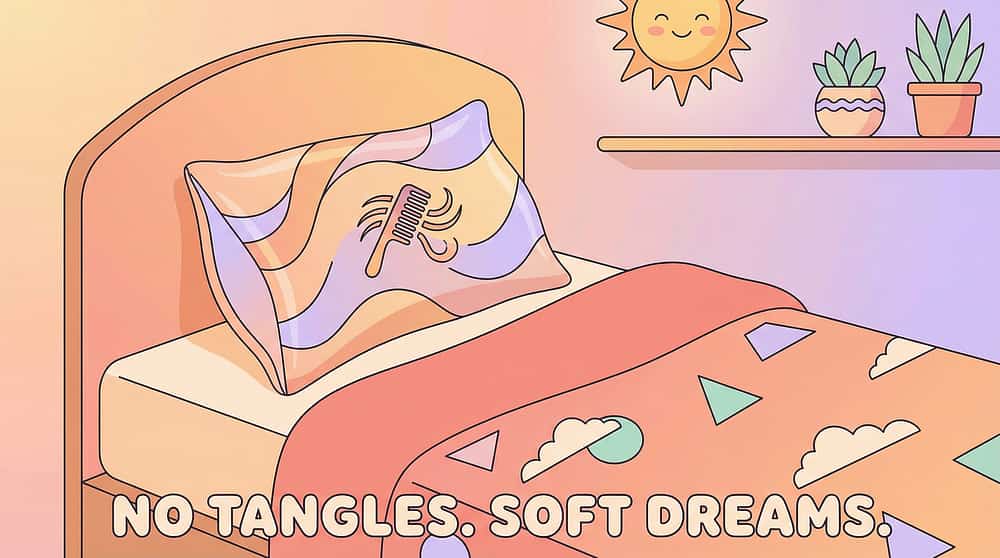
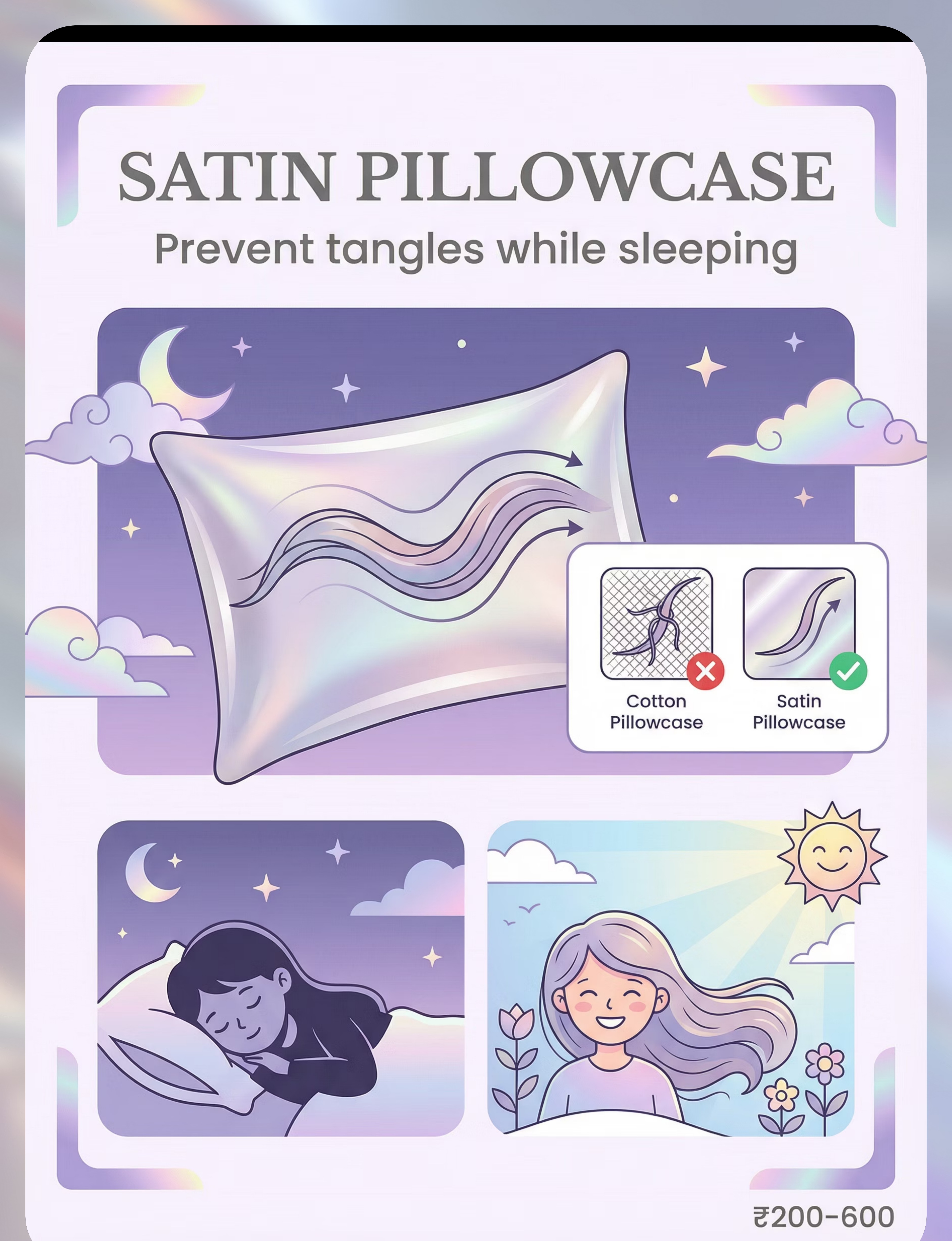
Prevents tangles during sleep. Fewer morning tangles = less brushing needed = less pulling = less distress.
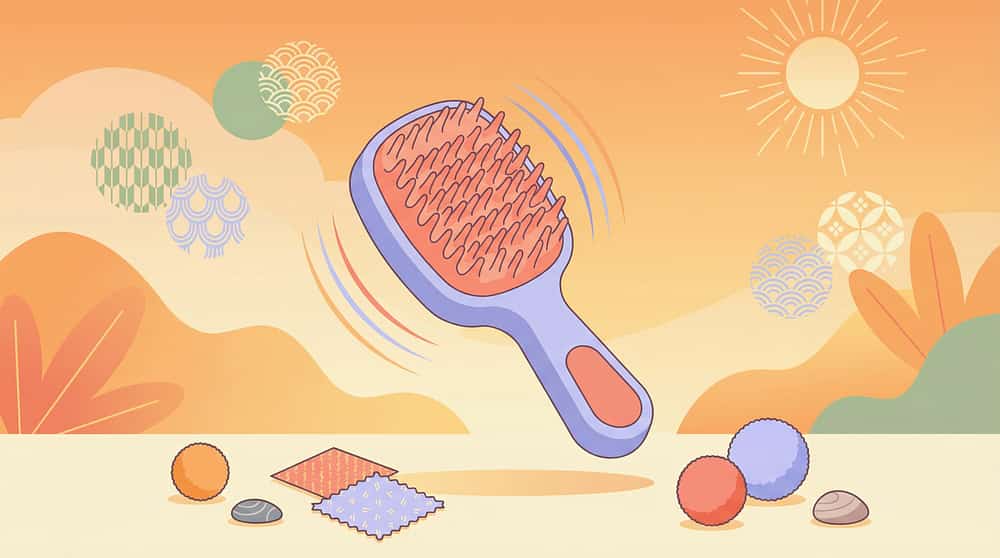
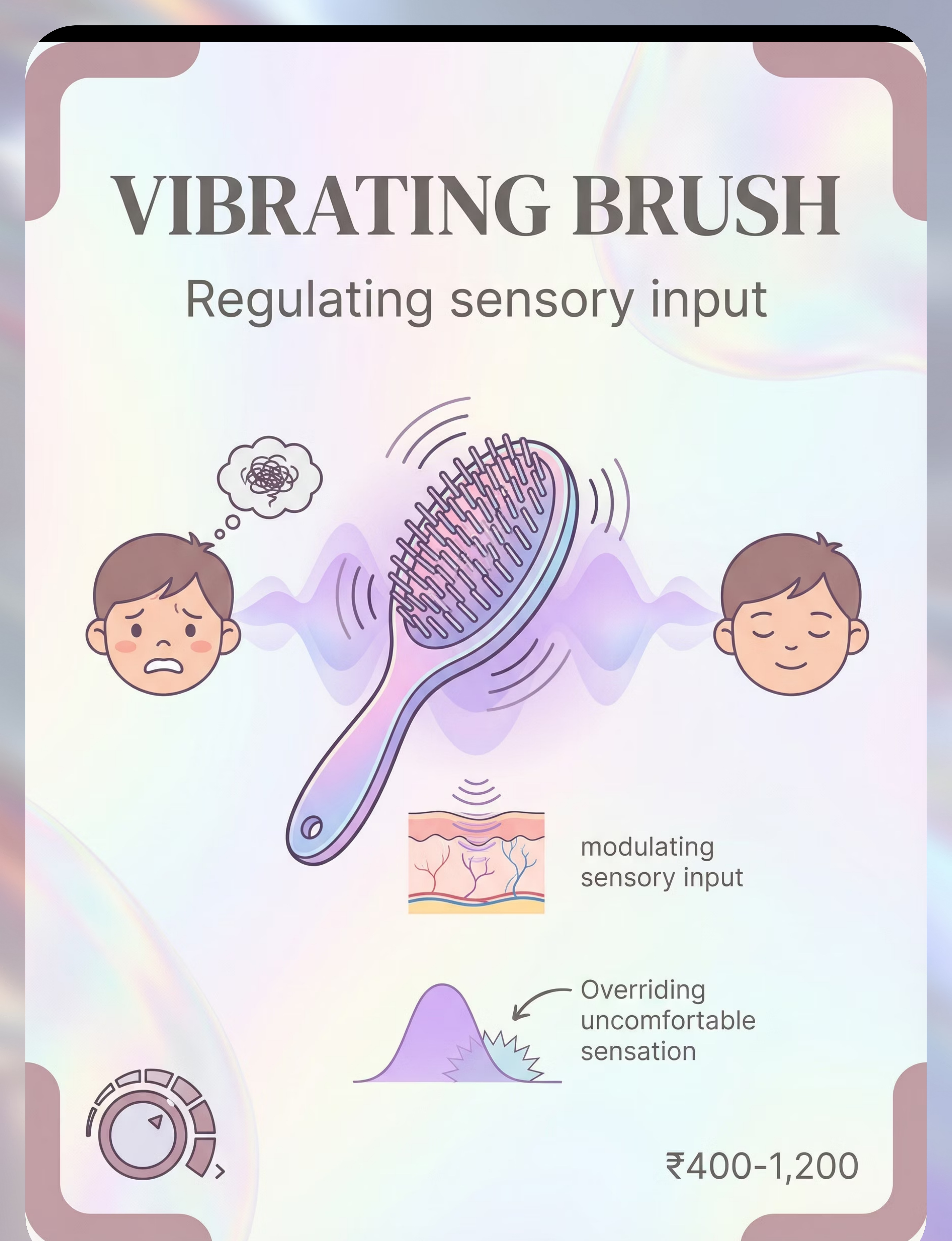
Vibration overrides the uncomfortable light-touch sensation. Organizes the nervous system. Works for many sensory-seeking children.
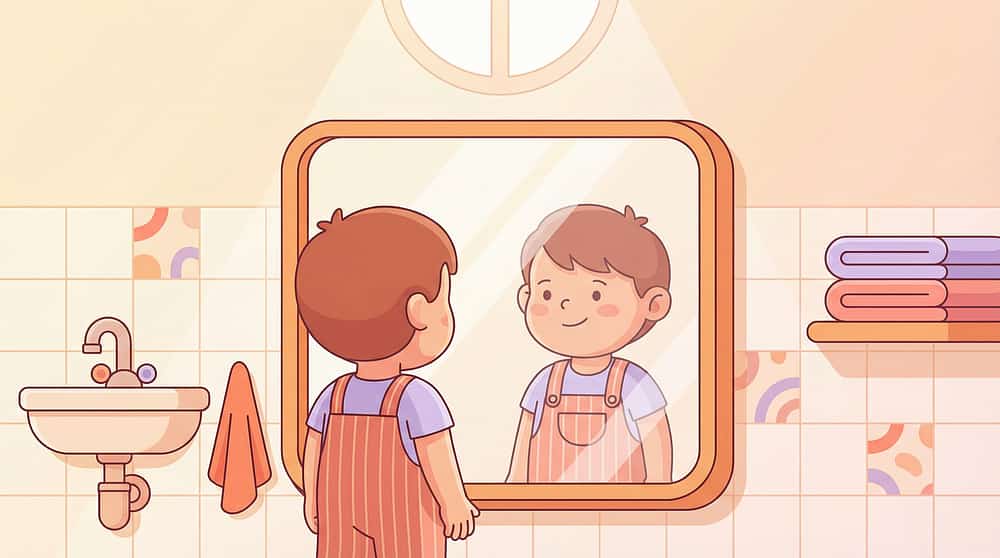
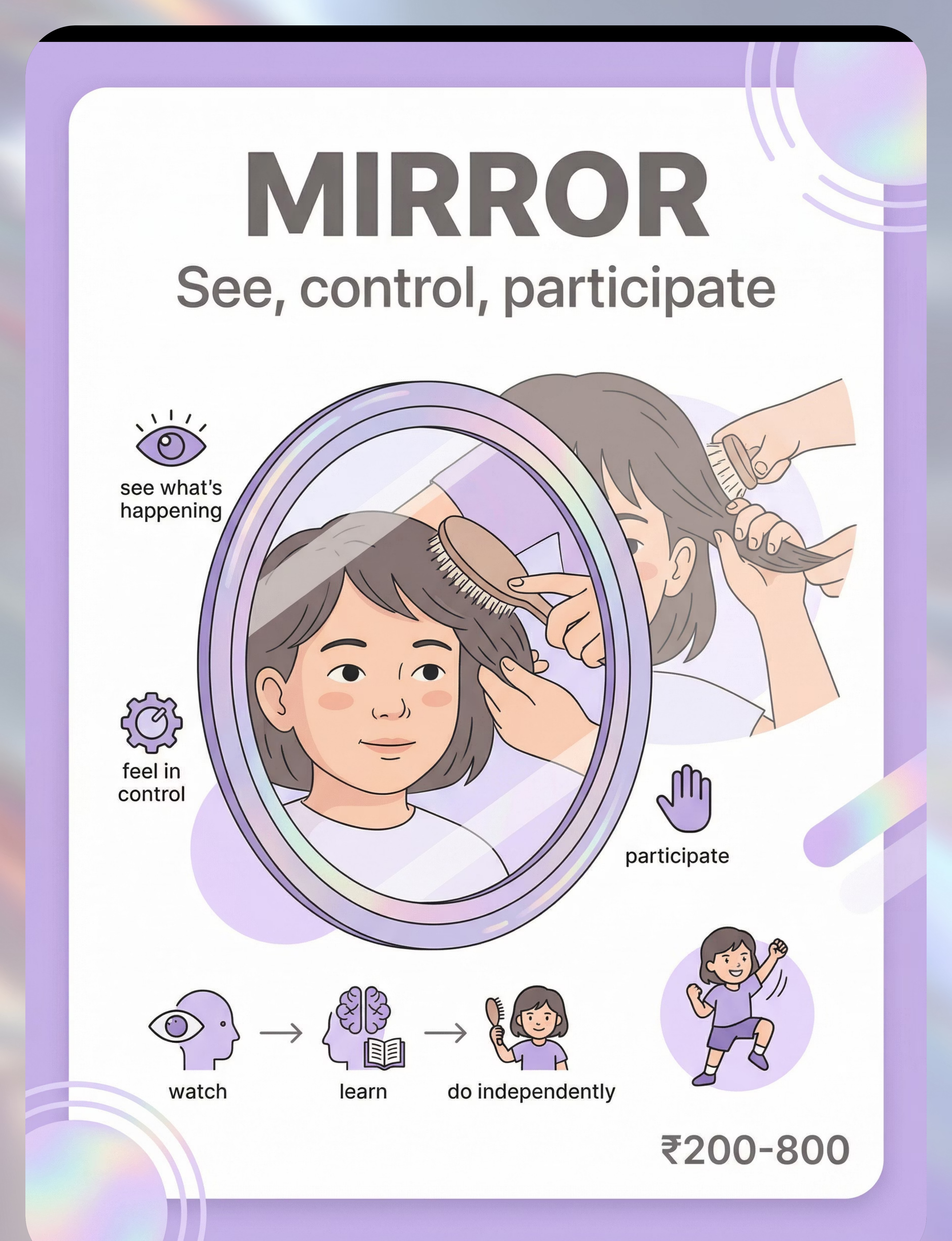
Control reduces distress. When children see what's happening, they feel less threatened. Enables self-brushing progression.
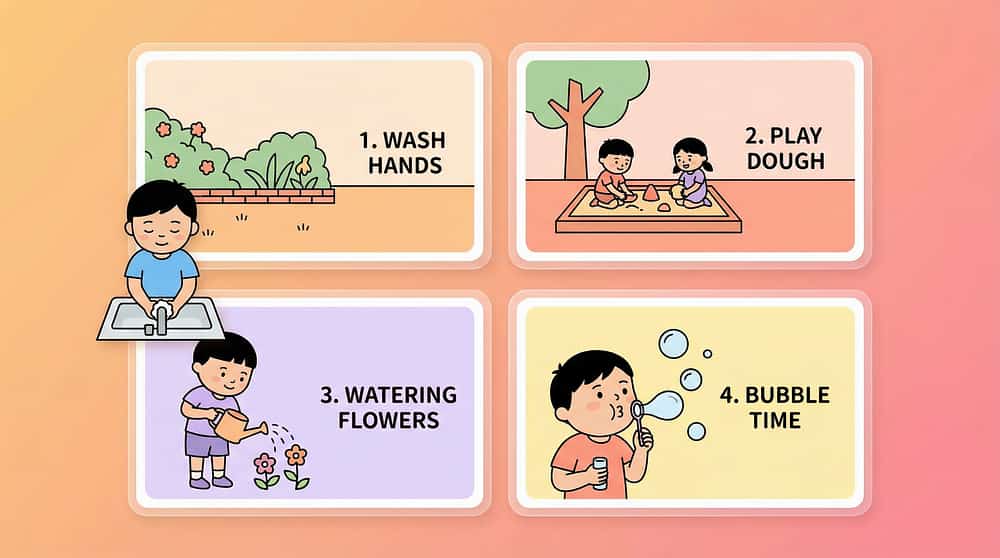
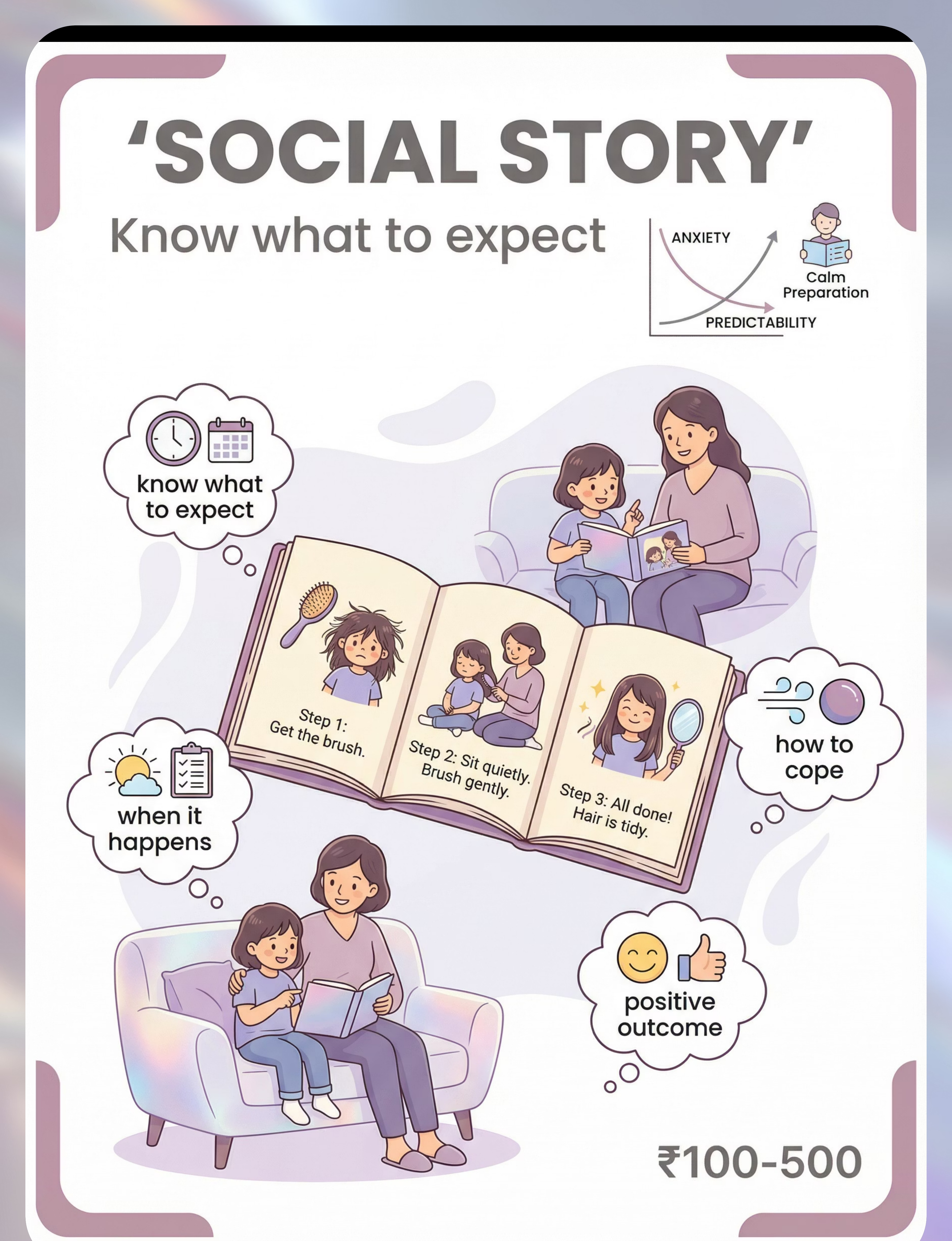
Predictability reduces anxiety. The story shows exactly what will happen, in what order, and how to cope. 💡DIY: FREE — photos of your child and their tools.

🛒 Purchase Option | 🏠 DIY / Zero-Cost Version | |
Wet Brush (₹300–800) | Any soft-bristle brush with the most flexible bristles you can find. Test: press on your palm — bristles should bend easily. | |
Detangling Spray (₹150–500) | Mix 1 tbsp conditioner + 10 tbsp water in spray bottle. Shake before use. Add a drop of coconut oil for more slip. | |
Scalp Massager (₹100–400) | Use your own fingertips with moderate pressure. Circular motions on scalp for 60 seconds before brushing. Zero cost. | |
Visual Timer (₹200–800) | Phone timer with visual display. Sand timer from kitchen. Draw a clock face on paper with a moving "time left" indicator. | |
Satin Pillowcase (₹200–600) | Any smooth-weave fabric case. A loose braid before sleep is also effective for tangle prevention. | |
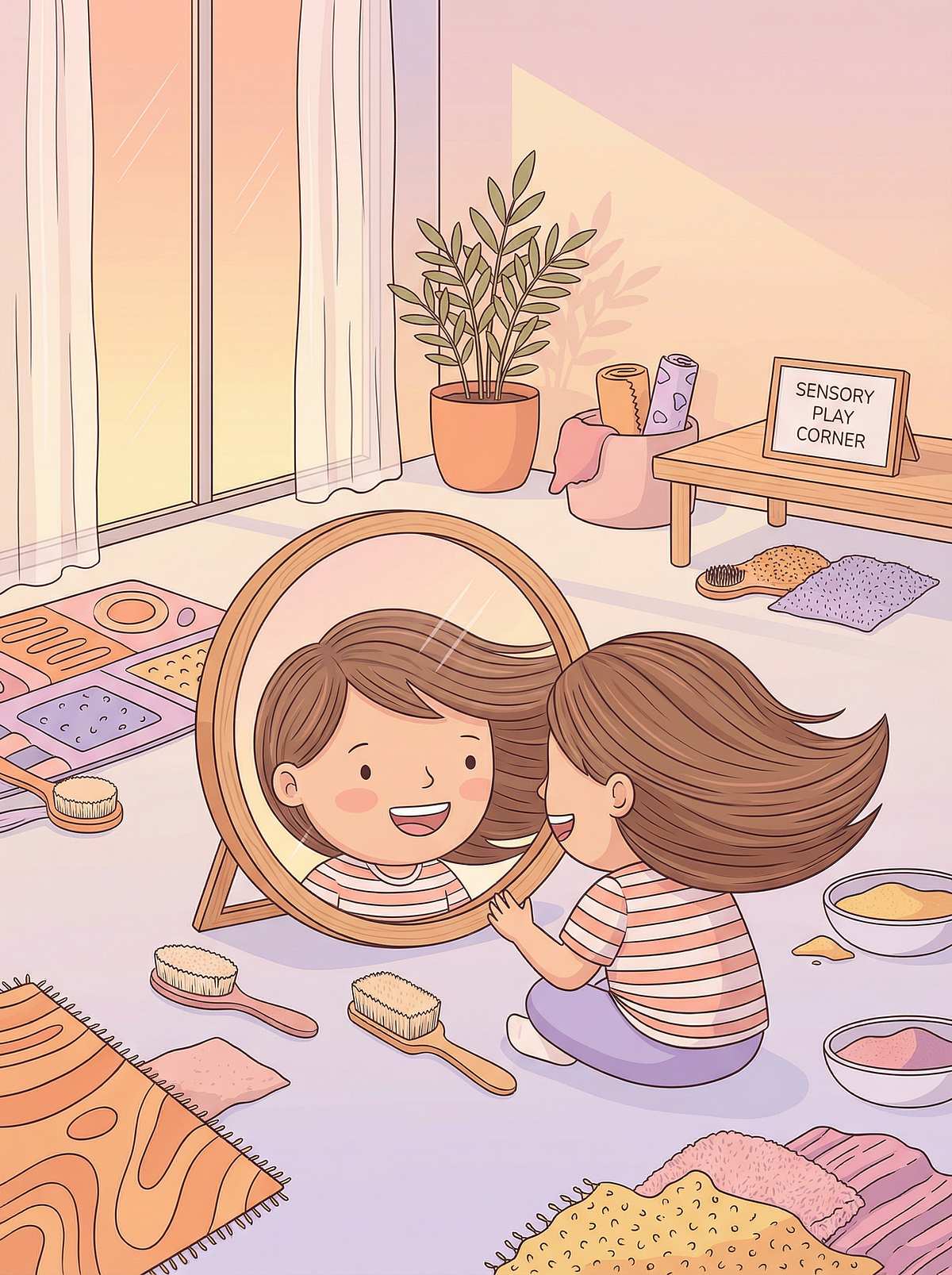
Mirror (₹200–800) | Any household mirror positioned at child's eye level. A smartphone propped up works too. | |
Social Story (₹100–500) | FREE: Take 5 photos of your child + their brush + bathroom. Print and laminate. Done. |
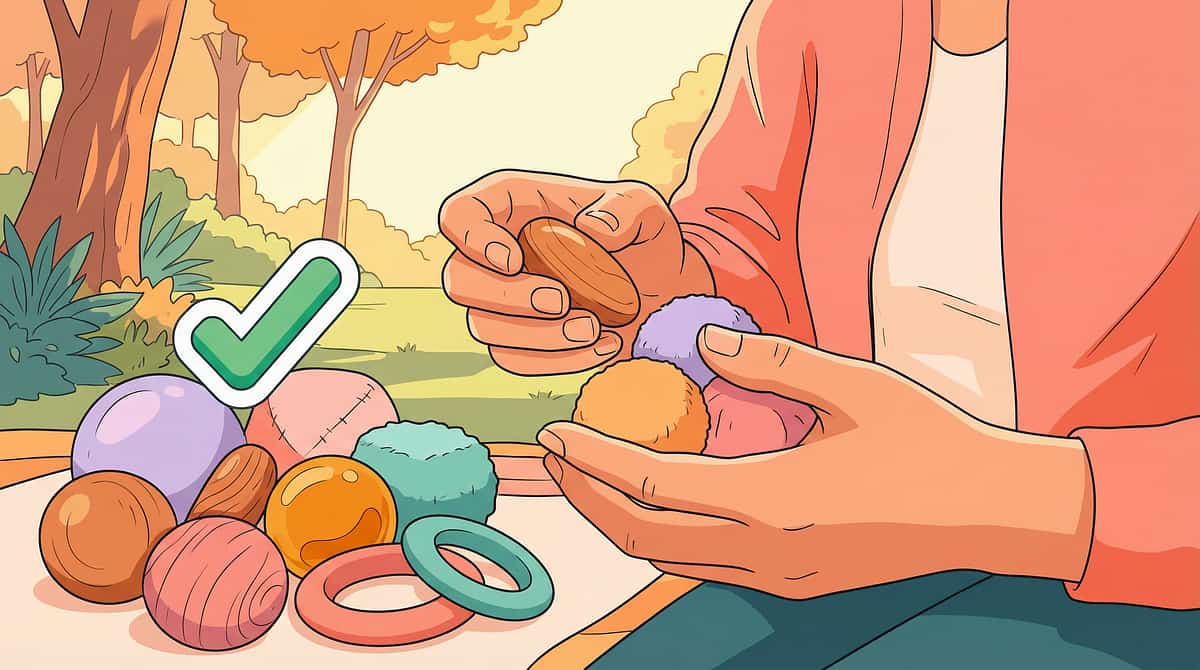
• Detangling spray: Patch test on skin for 24h. Fragrance-free only.
• Scalp massager: Let child control pressure. Never force.
• Mirror: Shatterproof/acrylic only. Secure all mountings.
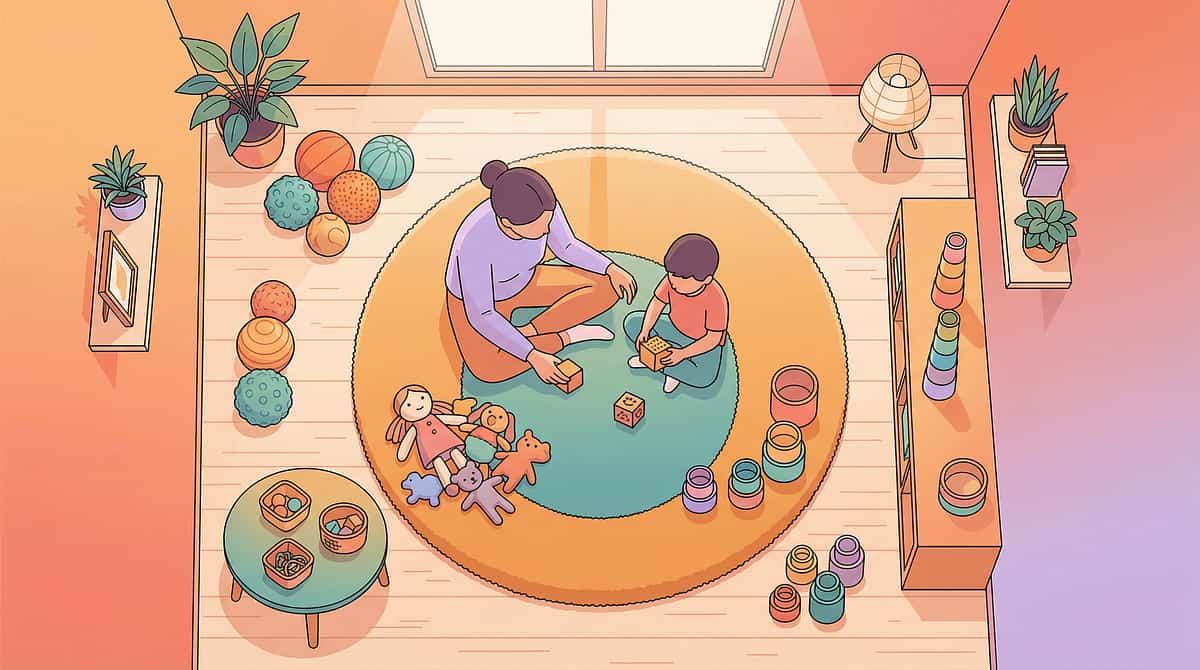
☐ Facing mirror (or mirror propped in front)
☐ Feet flat on floor or footrest (grounding)
☐ Comfortable clothing — avoid neck restrictions
☐ Timer where CHILD can see it from seated position
☐ Detangling spray pre-spritzed or within reach
☐ Reinforcement items ready (rewards not visible yet)
☐ Scalp massager within reach for pre-brushing
☐ Sound: White noise or calming music if helpful
☐ Temperature: Comfortable — cold increases sensory sensitivity
☐ Remove: Distracting toys, screens, siblings if possible
☐ Remove: Grooming tools not needed today (reduces anticipatory anxiety)
☐ Script in mind: "We're going to brush your hair. It will take [X] minutes. Look at the timer. When it ends, we're done."
☐ Phone is silent
☐ No stressful morning interactions with this child yet
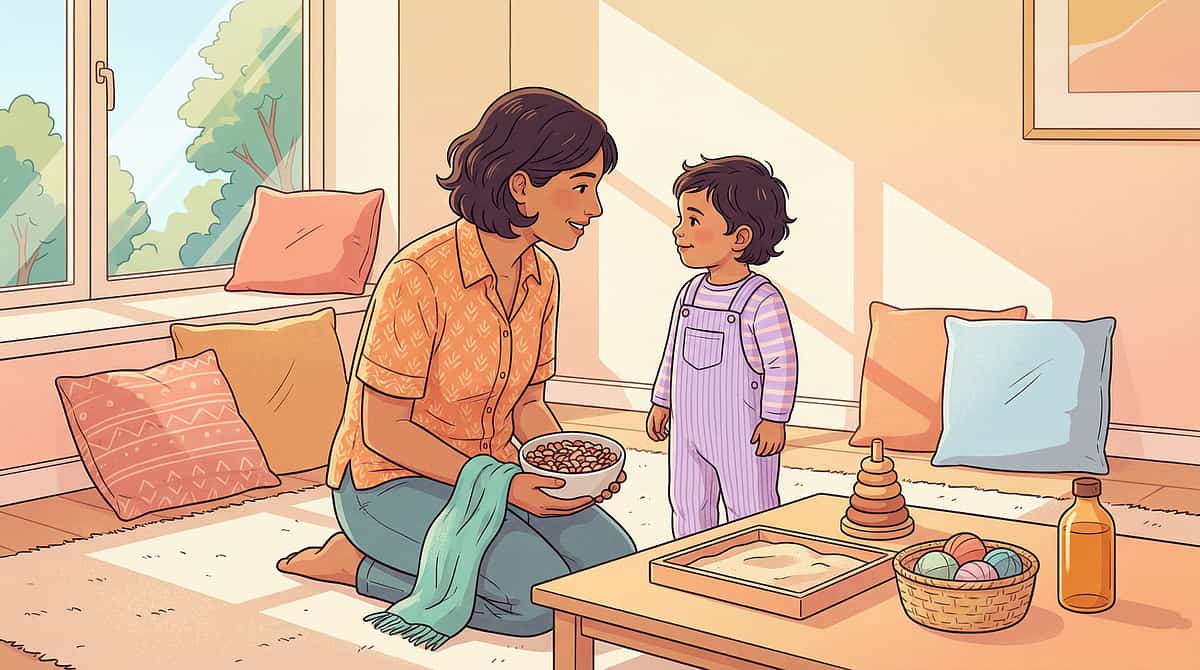
☐ Rested — not just woken from sleep?
☐ No signs of illness (runny nose, warm forehead, fussiness)?
☐ Not in need of toileting?
☐ No recent upset in last 30 minutes?
☐ Responsive to you — making eye contact or acknowledging you?
☐ Not showing signs of shutdown or hyperarousal?
☐ No current tactile sensitivity spike today?
☐ Successfully tolerated light touch in another context recently?
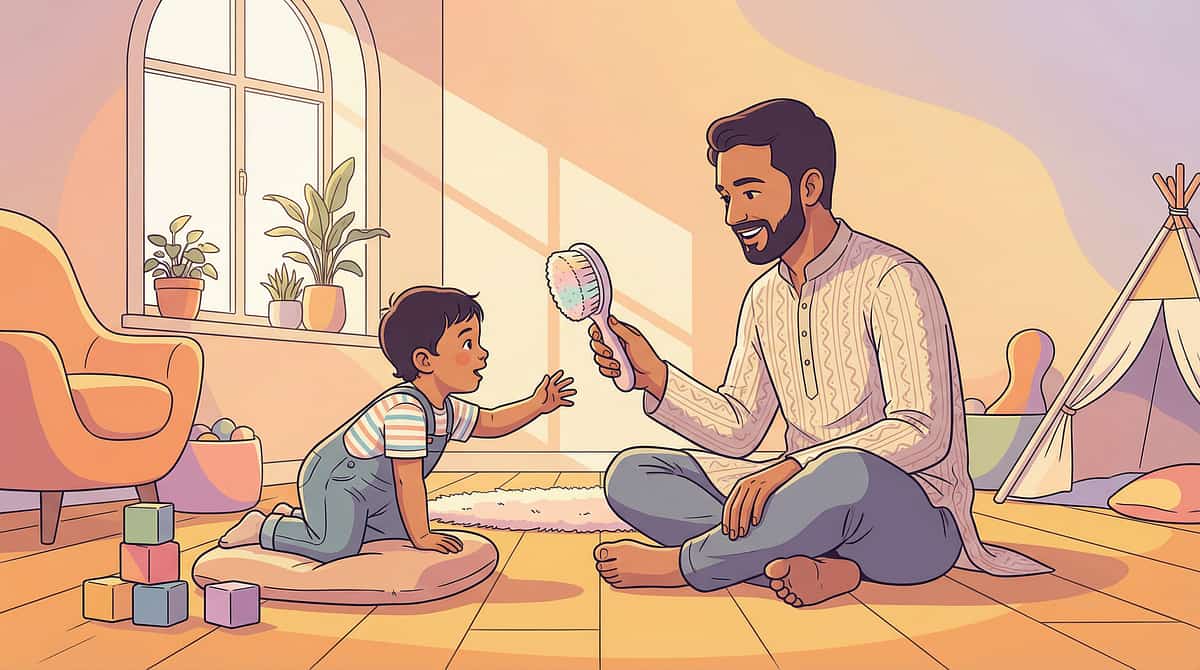
"Hey [name], it's hair brushing time today. Look — I've got your special brush and the timer. We're going to brush for just [X] minutes and then we're completely done. Want to come sit in front of the mirror?"
• Hold the brush casually, not pointed at them
• Maintain a relaxed face — no bracing, no wincing
• Leave space — don't block exit or corner them
✓ Child shows curiosity about the materials
✓ Child is quiet and waiting (even if not enthusiastic)
✓ Child asks "how many minutes?" — EXCELLENT sign
• Crying immediately → Validate: "I know this feels hard. We're going to start really small."
• Ignoring you → Try again in 10 minutes. Use visual schedule card first.
• Negotiating → "How about just 30 seconds today? Deal?"
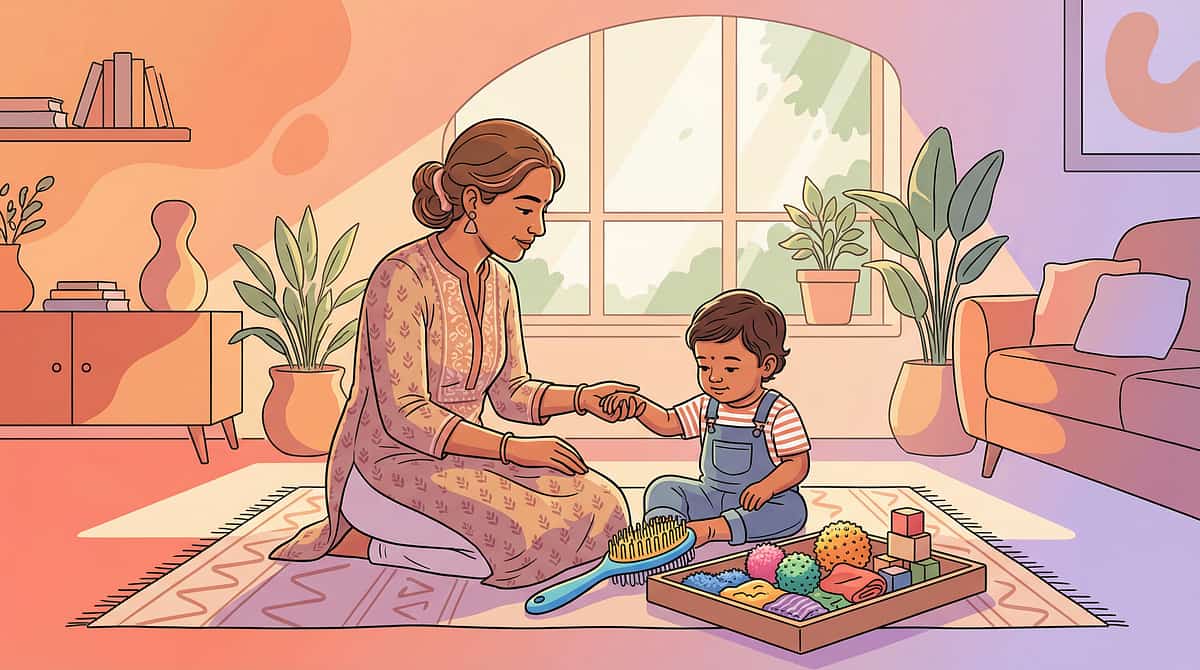
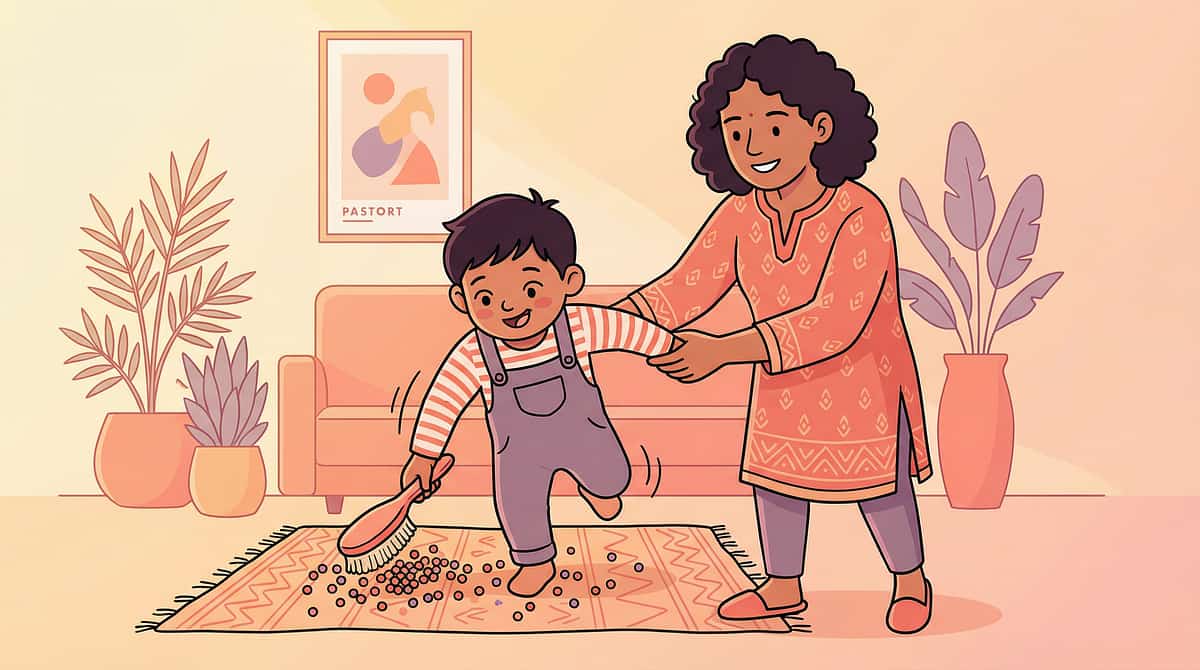
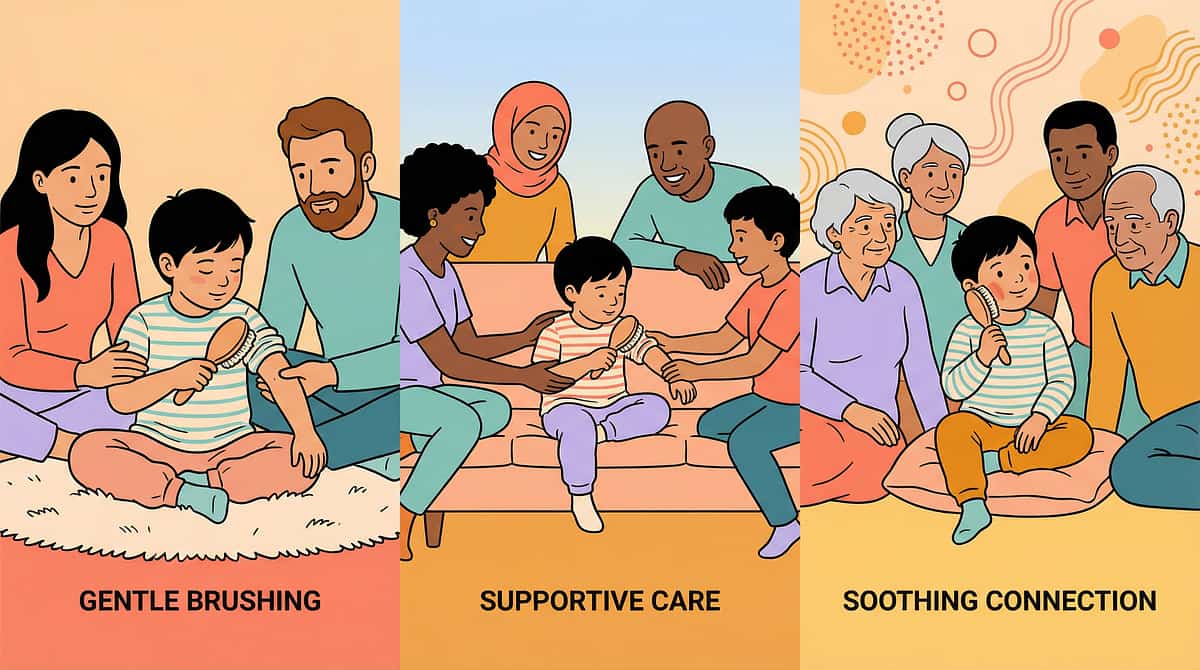
Weeks 3–4: 1–2 complete brushings per session
Weeks 5–8: 2–3 complete brushings, or single longer session
• Let child hold scalp massager and apply themselves
• Let child hold the spray and apply it
• Let child brush one section while you brush another
• Let child count brush strokes aloud
• Mirror game: "Can you copy the brush stroke I'm doing?"
⚠️ Reduced eye contact with mirror
⚠️ Vocalization increasing
⚠️ Head pulling away more frequently
→ At first sign: "One more section and we're done. Look at the timer — almost there."
🌟 Child volunteers to brush own hair
🌟 Child asks for scalp massager before brushing
🌟 Child tells you "the spray first, Mama"
These are neural pathway formation markers.

✅ "You let me brush all the way to the roots today. That's new!"
✅ "You used the mirror and didn't flinch once. Look how you've grown."
✅ "I saw you breathe through the difficult part. That was SO brave."
NOT: "Good job." "Well done." — Too generic. Doesn't reinforce the specific brave behavior.
• Victory dance together
• Immediate access to preferred activity
• Special "brave sticker" for the chart
• Photo of "great hair day" to show pride
"Behavior that is reinforced immediately and specifically will increase in frequency. You are not bribing your child. You are teaching their nervous system that this experience has a positive ending." — Pinnacle ABA/BCBA Consortium
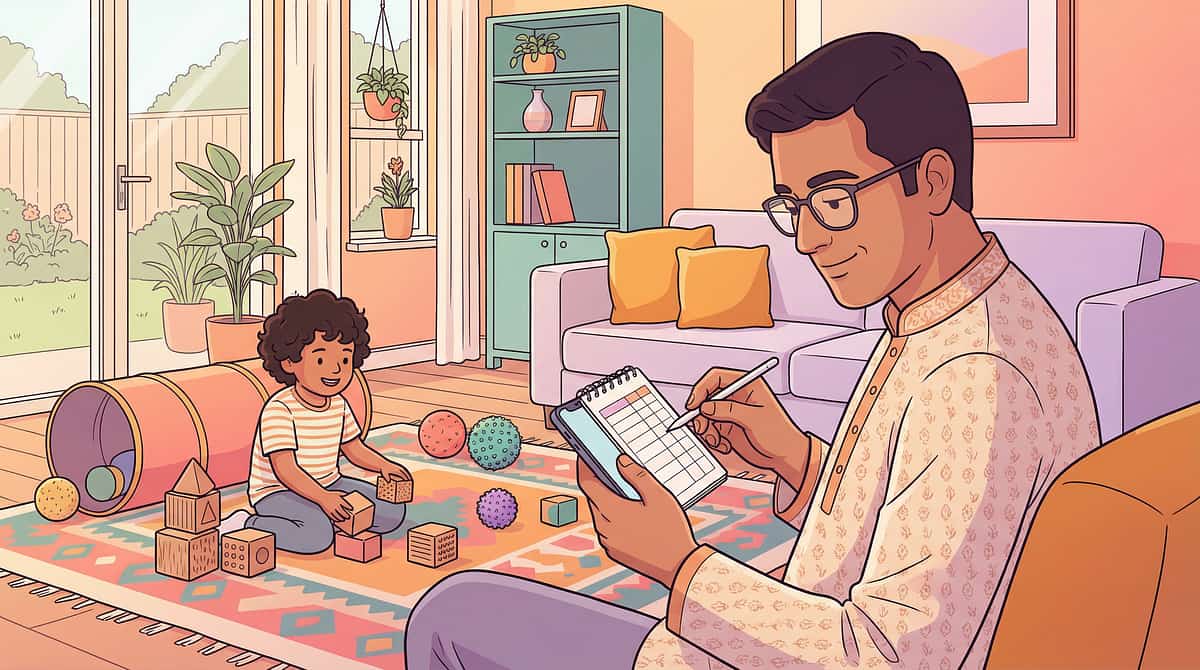
[ ] Under 30 sec [ ] 30–60 sec [ ] 1–2 min [ ] 2–5 min [ ] Full session
3 = Significant distress | 4 = Severe distress | 5 = Session abandoned
[ ] Scalp massager [ ] Mirror [ ] Vibrating brush
[ ] Social story [ ] Satin pillowcase [ ] Wide-tooth comb

✅ Child tolerates the scalp massager without resistance (NEW)
✅ Duration increased by even 15 seconds vs. first session
✅ Child looked in the mirror for 5 seconds (NEW)
✅ One session ended without screaming
✅ Child asked "how long?" — awareness of endpoint = engagement
❌ Tolerating someone other than you brushing
❌ Requesting hair brushing
❌ Calm for the entire session
"If your child tolerates the brushing area for 3 seconds longer than last week — that is real, measurable, clinically significant neurological progress. It just doesn't look dramatic yet."


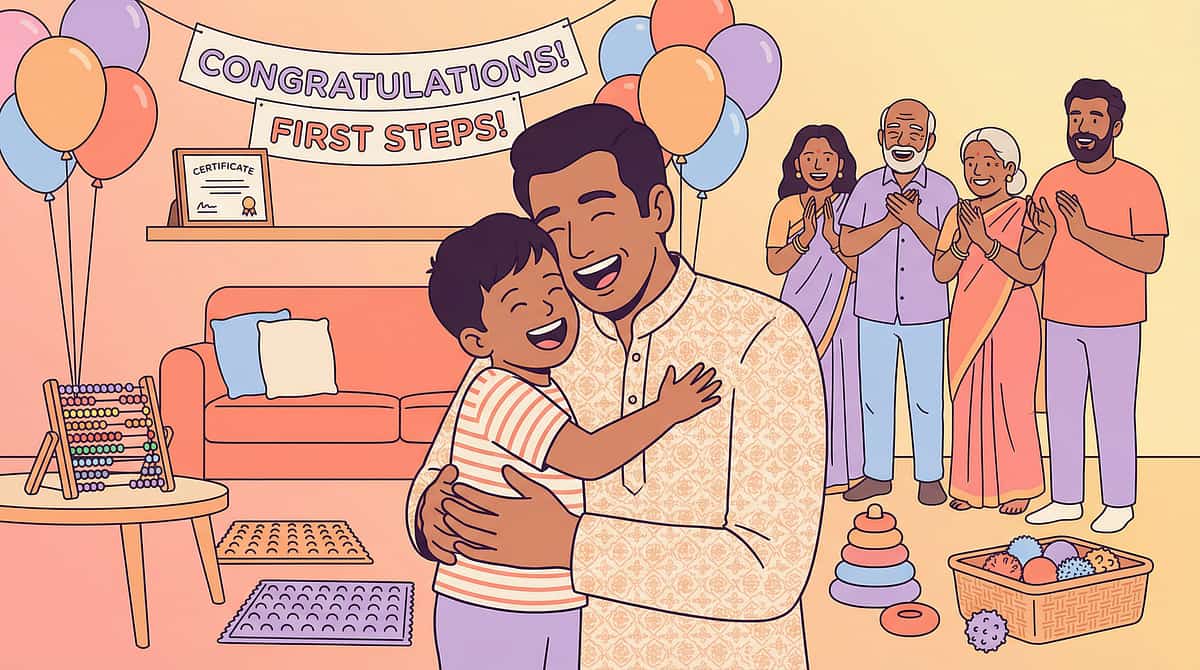
"Take a photo together today — one with beautifully brushed hair and both of you smiling. Print it. Put it where your child can see it. This is proof of what's possible when evidence meets love."

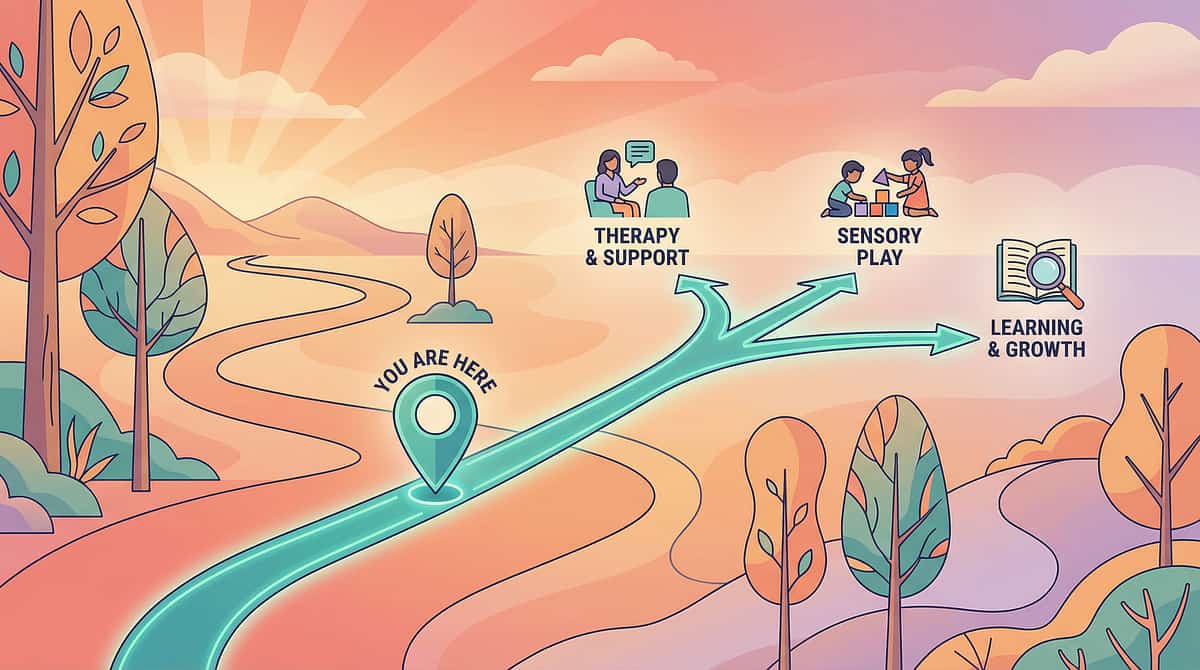
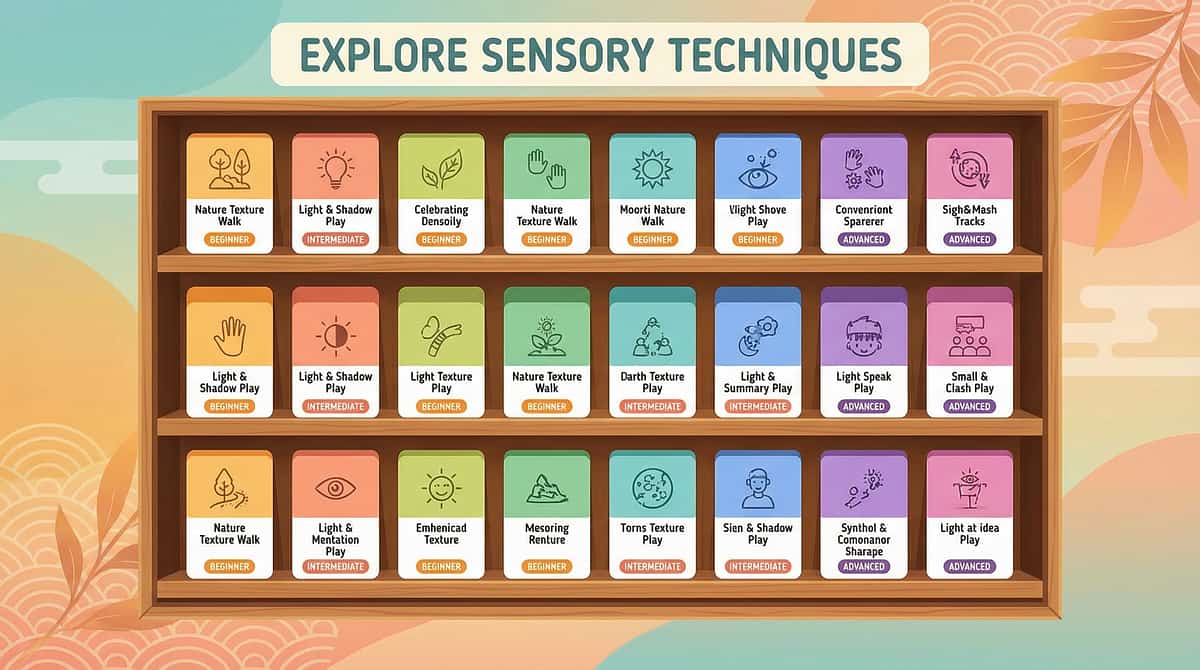
Related Techniques: Explore Your Self-Care Library
The materials you already own from E-530 transfer directly to these related protocols. You have already invested in the toolkit — now expand the impact. E-529 — Tooth Brushing 🦷 OT | Intro LevelMaterials you own from E-530 also work here. The scalp massager, timer, and social story transfer directly. E-531 — Nail Trimming ✂️ OT | Core LevelNext recommended technique after E-530 mastery. Builds on tactile desensitization foundations. E-532 — Haircut Tolerance ✂️ OT | Advanced LevelMore complex grooming challenge. Hair brushing mastery is a prerequisite for this technique. E-533 — Bath Time Sensory 🛁 OT | Core LevelScalp massager and sensory supports from E-530 apply here. Addresses water and full-body tactile sensitivity. A-010 — Hair Brushing Meltdown Protocol OT + ABA | Core LevelFor families experiencing acute meltdown behavior, not just sensitivity. Behavioral + sensory combined approach. E-535 — Face Washing Sensitivity 🚿 OT | Intro LevelVisual timer, scalp massager warmup approach, and social story template reuse directly from E-530. Browse full domain: techniques.pinnacleblooms.org/self-care/ | ✅ Visual timer, scalp massager, social story template, and reinforcement menus from E-530 are universal across ALL grooming protocols.
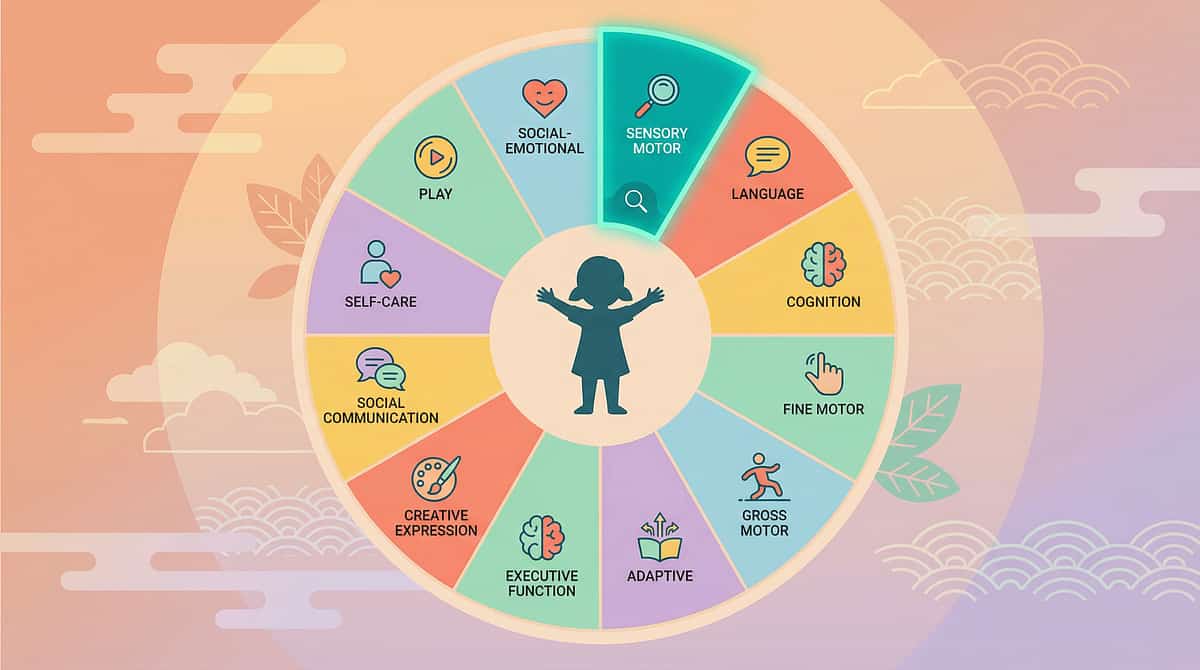
"The Nurturing Care Framework's five components — health, nutrition, responsive caregiving, security/safety, and early learning — are all activated by a child who can independently manage their self-care routines." — WHO NCF (2018)
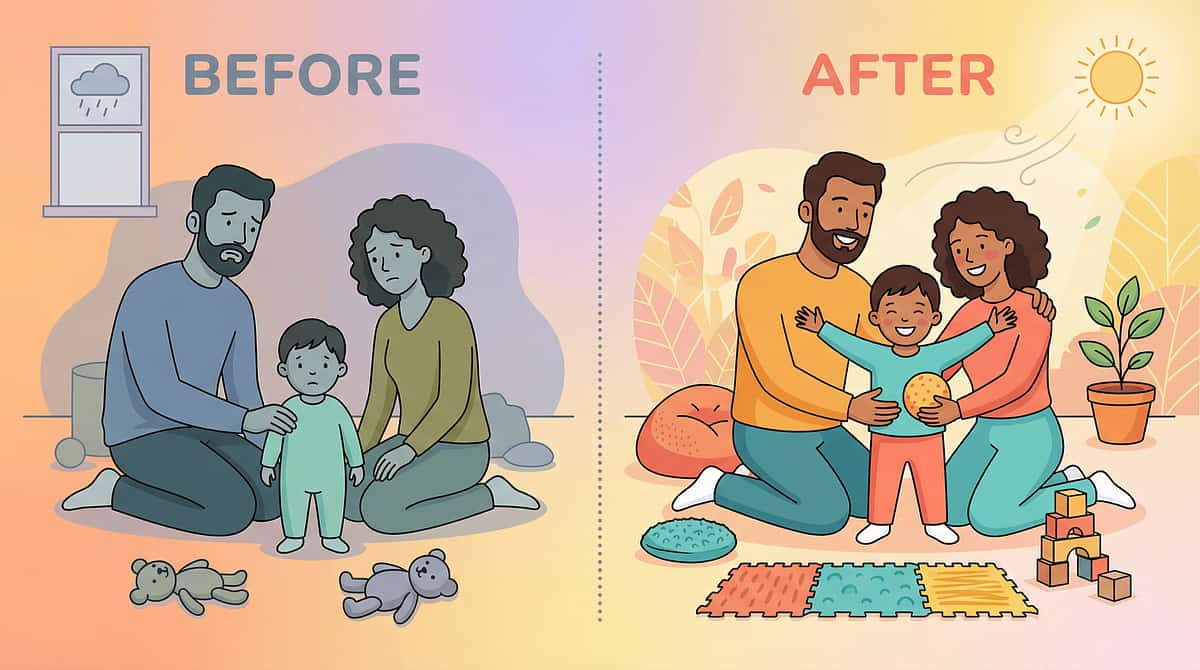
After (8 weeks): "Three months later — she came to me with the brush and asked me to brush her hair. ASKED. She's now doing the front herself every day."
Week 1: sessions abandoned | Week 3: 60-second tolerance | Week 6: full brushing with supports | Week 10: child-initiated
After: "The scalp massager changed everything. 3 minutes of massager before we even pick up the brush. His distress score went from 5 to 1 in 5 weeks. The self-biting stopped in week 3."
"This is exactly what deep-pressure desensitization theory predicts." — Pinnacle Senior OT, 6 years experience
After: "She has long hair now — by choice. It took 6 months of consistent daily practice, but she brushes it herself every morning. I cry every time I watch her do it."
1,200+ parents sharing strategies, wins, and hard days.
Join: pinnacleblooms.org/community/grooming
pinnacleblooms.org/forums/self-care
Request: pinnacleblooms.org/mentoring
Find a meetup: pinnacleblooms.org/centers
"You are not just solving your morning. You are becoming proof-of-concept for another parent who doesn't believe it can get better. Consider sharing your journey." — Anonymity protected. Stories reviewed and published with your permission only.
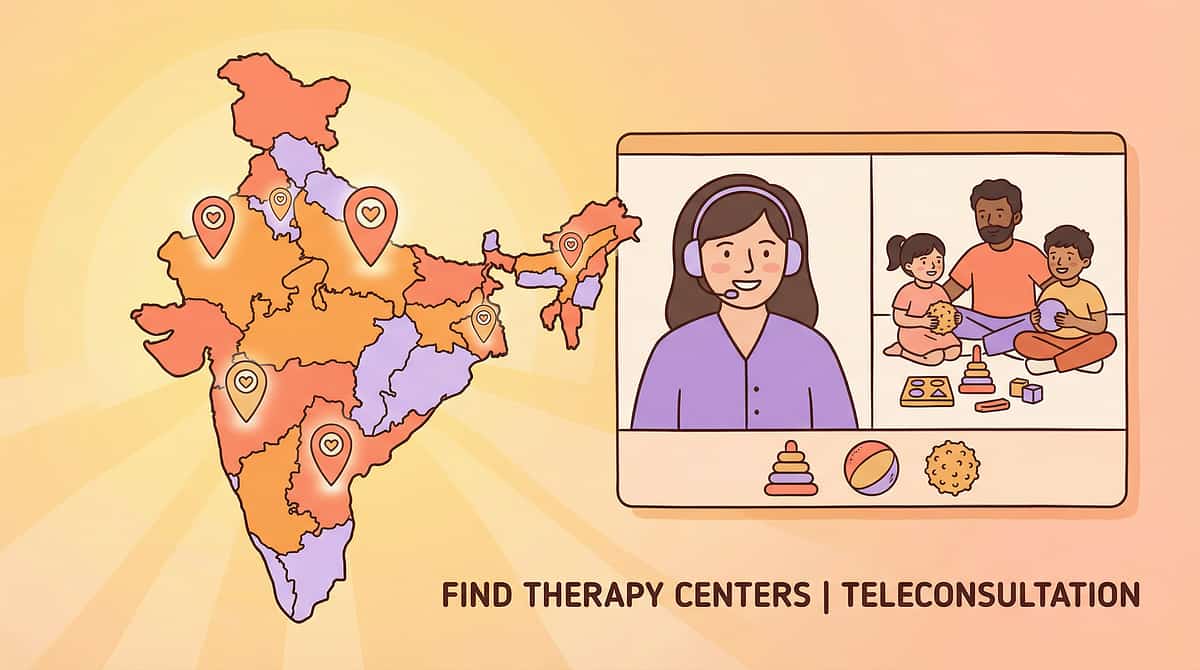
Find nearest center: pinnacleblooms.org/centers
Book: pinnacleblooms.org/teleconsult
For: guidance, nearest center, booking, any concern at any time of day or night
Therapist specialties: Primary: Pediatric Occupational Therapist (sensory processing) | Secondary: ABA/BCBA (behavioral support and data systems) | Supporting: Neurodevelopmental Pediatrician (diagnosis and monitoring)
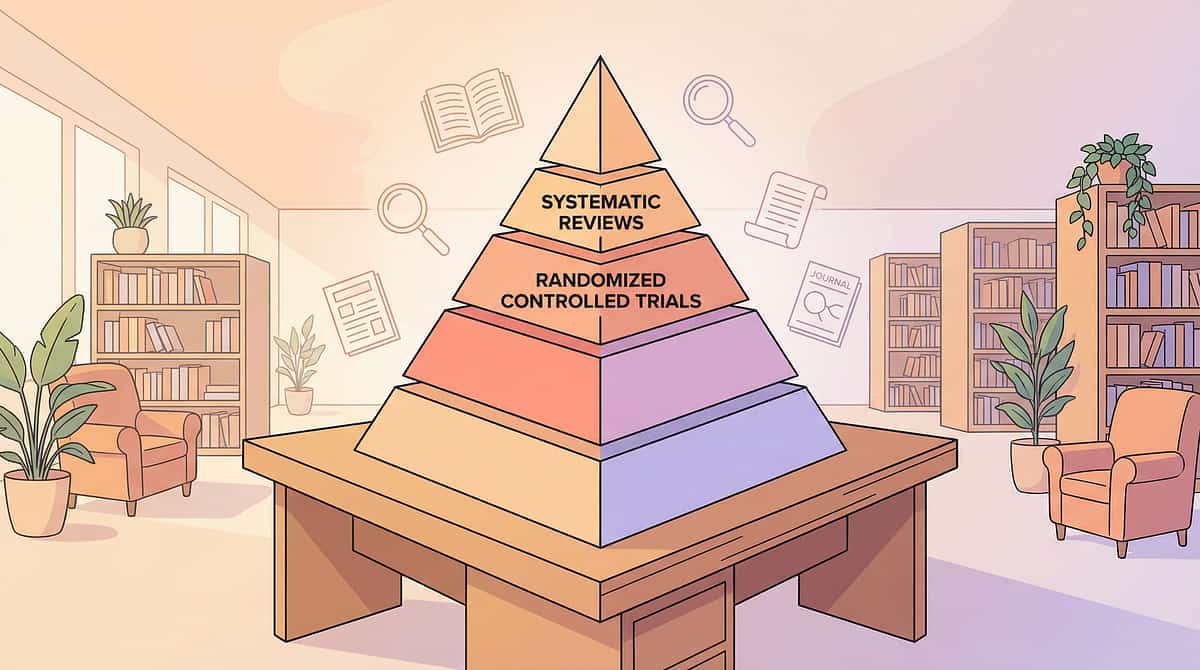
"Sensory Integration Therapy as Evidence-Based Practice for ASD" — 16 studies (2013–2023). Finding: SI therapy meets evidence-based practice criteria across all major domains including self-care.
Read: pubmed.ncbi.nlm.nih.gov/PMC11506176
"SI Therapy: Effective Promotion of Adaptive Behavior" — Effect sizes significant across social skills, adaptive behavior, sensory processing, gross and fine motor skills.
DOI: 10.12998/wjcc.v12.i7.1260
"Home-Based Sensory Interventions in Indian Pediatric Population" — Significant outcomes from parent-administered protocols.
DOI: 10.1007/s12098-018-2747-4
PMC9978394
"Neurological Basis for Sensory-Based Interventions in ASD"
DOI: 10.3389/fnint.2020.556660
ncaep.fpg.unc.edu
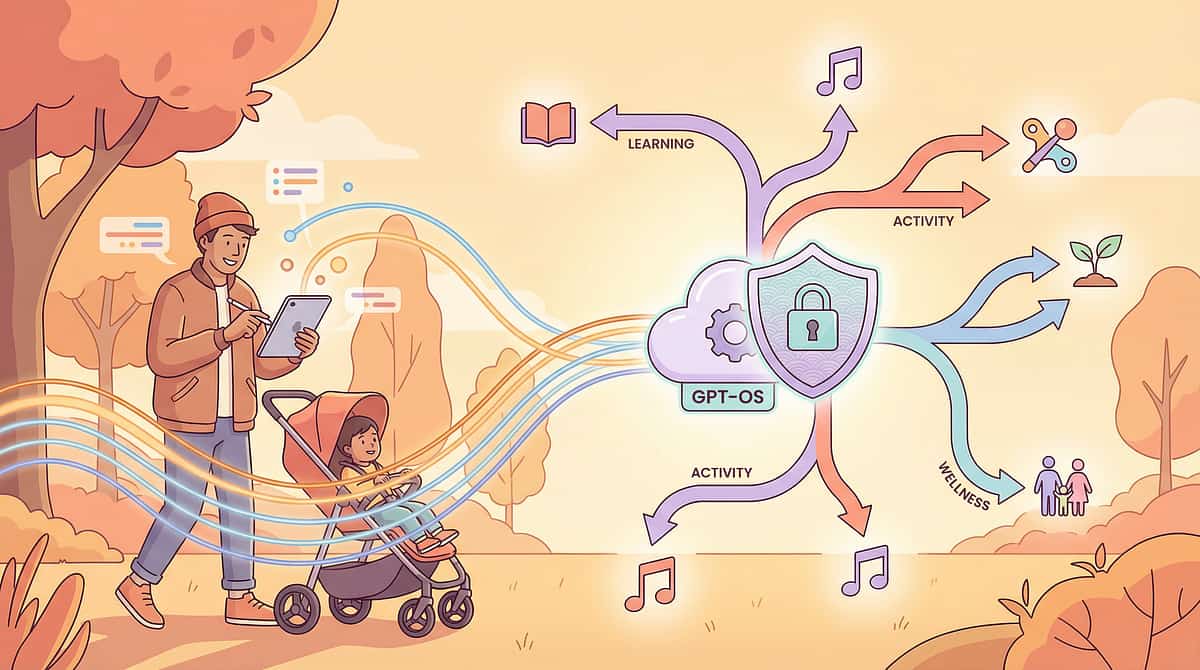
• Optimal session duration based on your child's tolerance pattern
• Predicted timeline to mastery based on comparable profiles from across the network
• Next technique recommendations in sequence
☐ Individual child data never shared without explicit consent
☐ DPDP Act 2023 (India) compliant
☐ GDPR-aligned for international families
View at: techniques.pinnacleblooms.org/reels/E-530
On-screen introduction: "Hi, I'm [Therapist Name], Pediatric OT at Pinnacle Blooms Network®. Hair brushing sensitivity is one of the most common challenges I see. These 9 materials have helped hundreds of families in our network transform their mornings. Let me walk you through each one."
Watch: techniques.pinnacleblooms.org/reels/A-010
techniques.pinnacleblooms.org/reels/
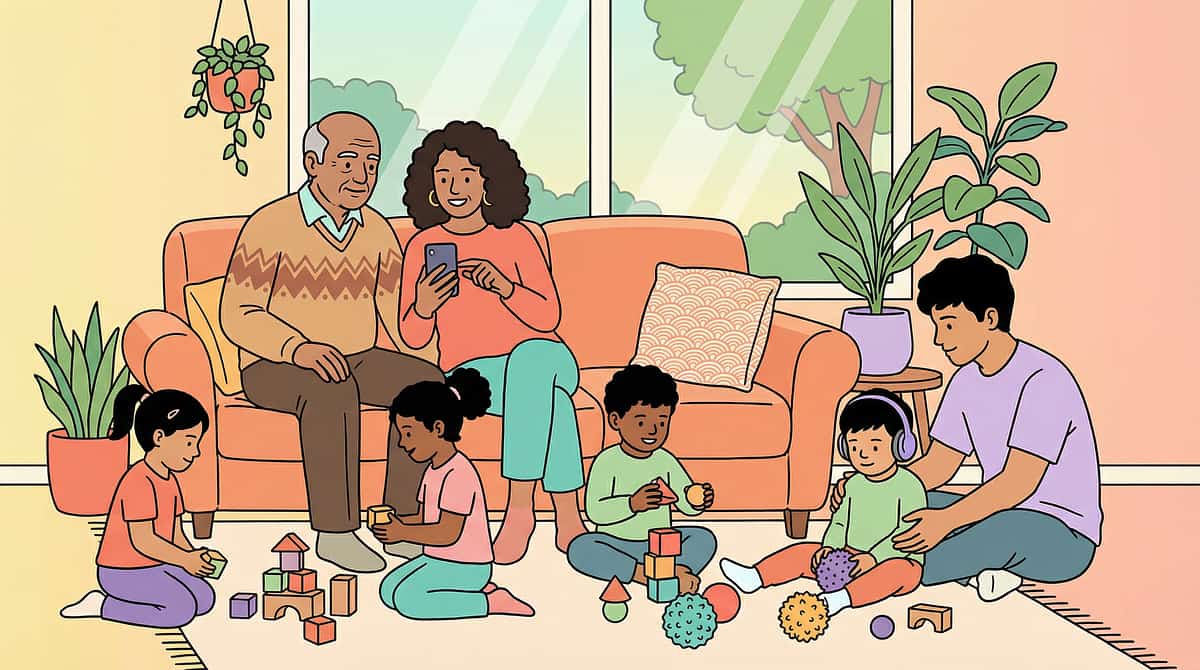
1. Always use the special brush (not a regular one)
2. Spray the detangling spray first, every time
3. Set the timer — stop when it beeps, even if not done
Don't force. Don't extend. Just those 3 rules.
"Dear [Teacher], [Child] has tactile sensitivity affecting grooming tolerance. We are following a structured OT protocol at home (E-530, Pinnacle Blooms). Key points for school:
• Do not force or rush hair touching if child shows distress
• A satin scrunchie/headband is preferred over bobby pins
• If child arrives with messy hair, this may indicate a difficult morning — please greet them warmly rather than drawing attention to hair appearance.
Thank you for your support. [Parent signature]"

pinnacleblooms.org/start/E-530
9100 181 181 | pinnacleblooms.org/book
techniques.pinnacleblooms.org/self-care/nail-trimming-e531
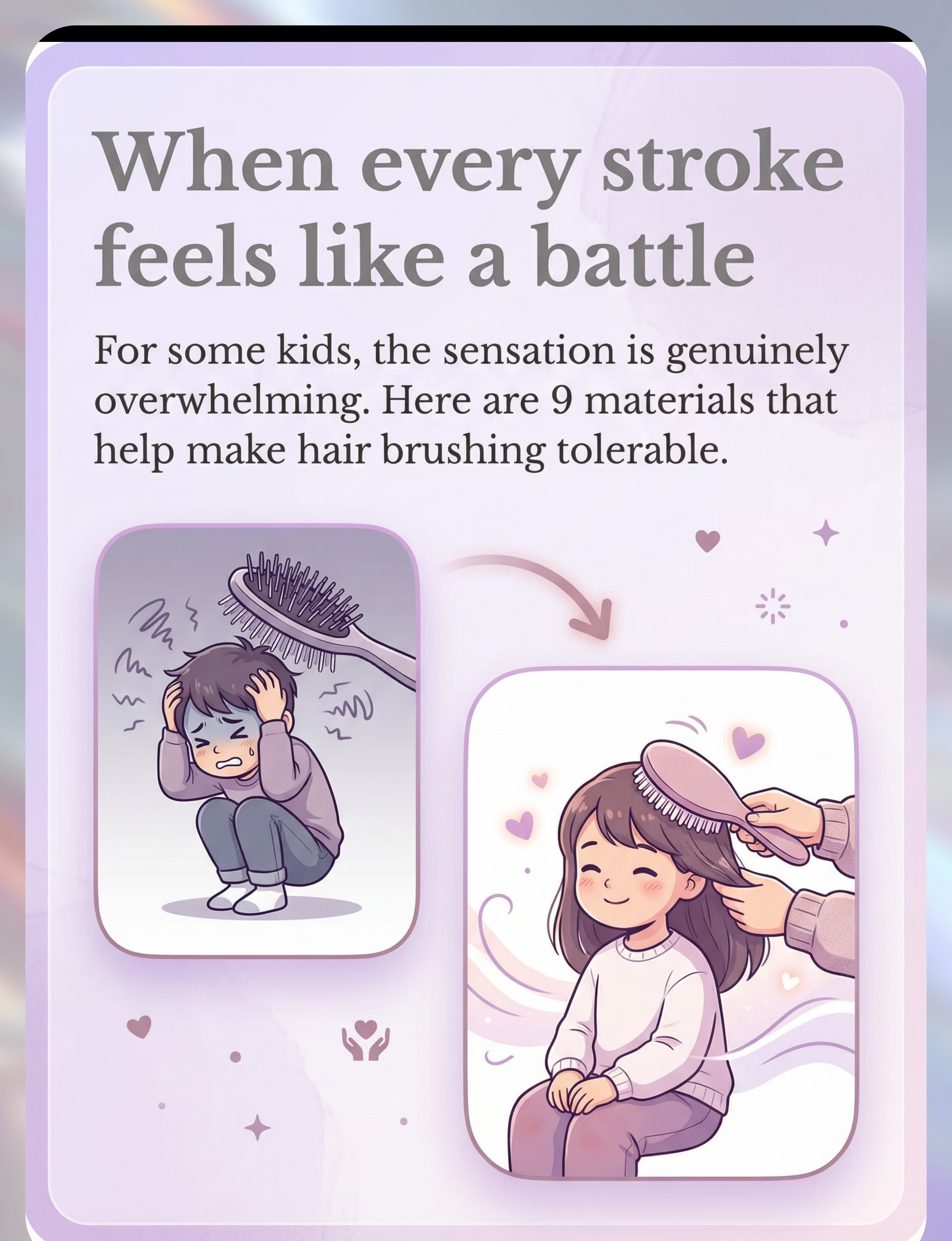
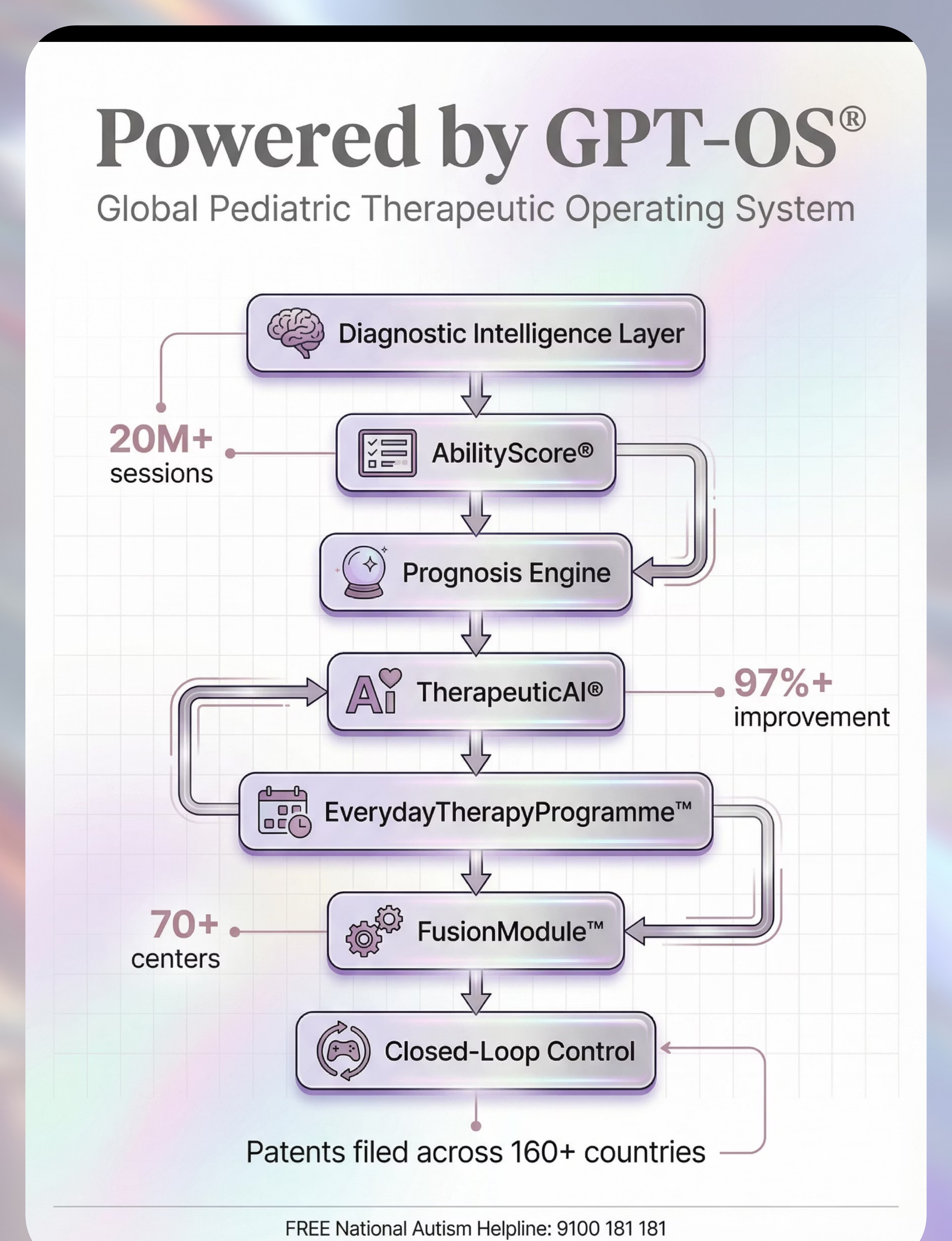
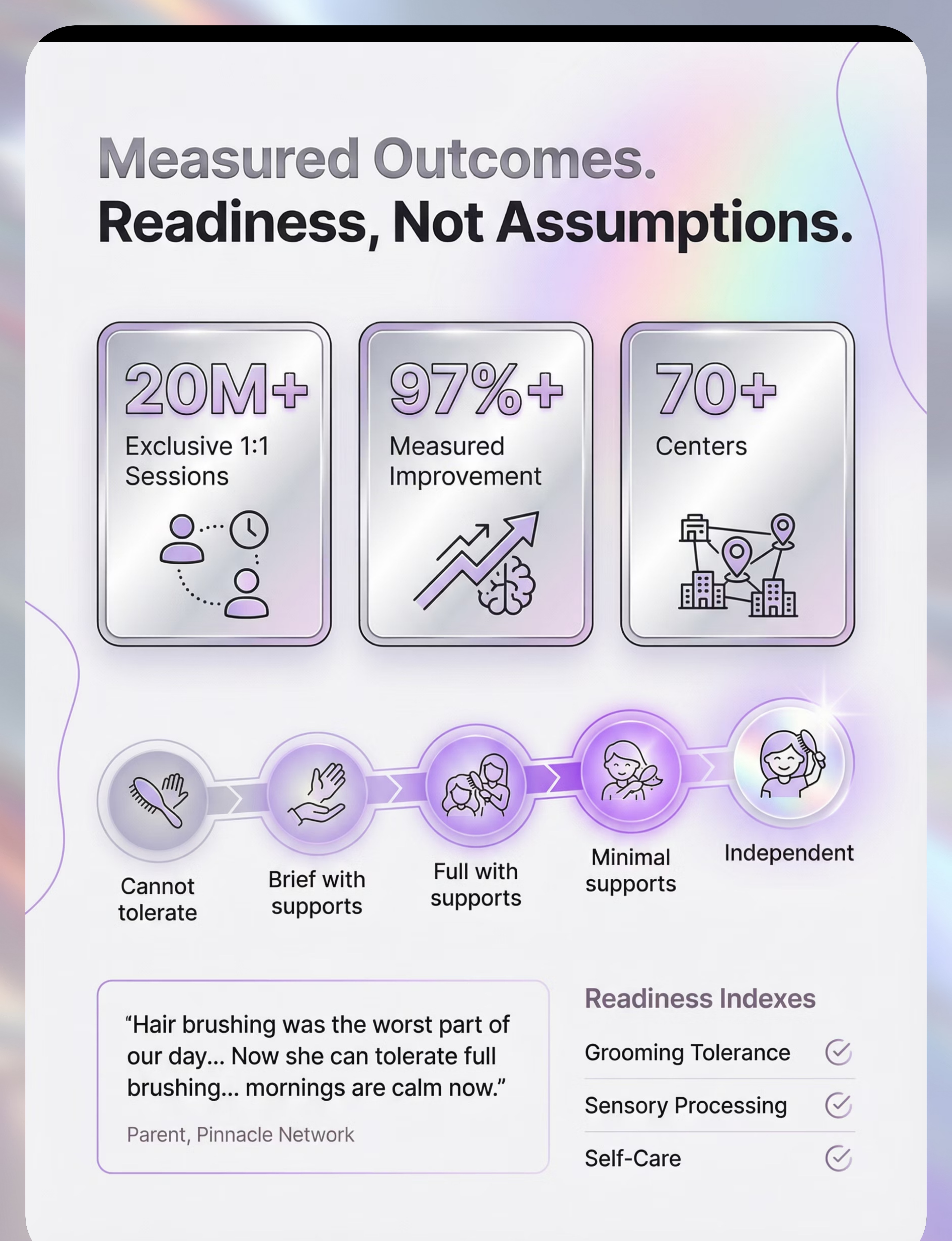
Preview of 9 materials that help with hair brushing Therapy Material
Below is a visual preview of 9 materials that help with hair brushing therapy material. The pages shown help educators, therapists, and caregivers understand the structure and content of the resource before use. Materials should be used under appropriate professional guidance.


CIN | U74999TG2016PTC113063 | DPIIT | DIPP8651 | |
MSME | TS20F0009606 | GSTIN | 36AAGCB9722P1Z2 |
techniques.pinnacleblooms.org | 📞9100 181 181 | 🌐pinnacleblooms.org