
"Put on your shoes." You've said it five times. The shoes are still on the floor.
This isn't defiance. This isn't stubbornness. This is a child whose brain hasn't yet built the bridge between hearing a direction and acting on it. Following directions is not one skill — it is six skills wired in sequence. When any link in that chain is weak, instructions evaporate the moment they're spoken.
"You are not failing your child. Your child's processing system is asking for a different kind of instruction." — Pinnacle Blooms Consortium | SLP · ABA · SpEd · OT · NeuroDev
📍 Receptive Language & Compliance
👶 Ages 2–12
🏠 Home-Executable
🌍 WHO-Aligned
Pinnacle Blooms Network® | GPT-OS® Therapy Intelligence | Episode G-665
You Are Among Millions of Families Navigating This Exact Challenge
1 in 6
Children experience significant developmental differences in language or learning
80%
Children with ASD experience receptive language or direction-following difficulties
3–5×
More likely: children with ADHD, DLD, or executive function challenges struggle with multi-step directions
India-Specific Data
13.7 million children in India are estimated to have neurodevelopmental conditions affecting language and compliance — NIMHANS & WHO India data (2023).
You Are Not Alone
"You are not alone. You are not late. You have arrived at exactly the right resource."
Sources: PRISMA Systematic Review (2024) PMC11506176 | Meta-analysis World J Clin Cases (2024) PMC10955541 | WHO NCF Progress Report 2023
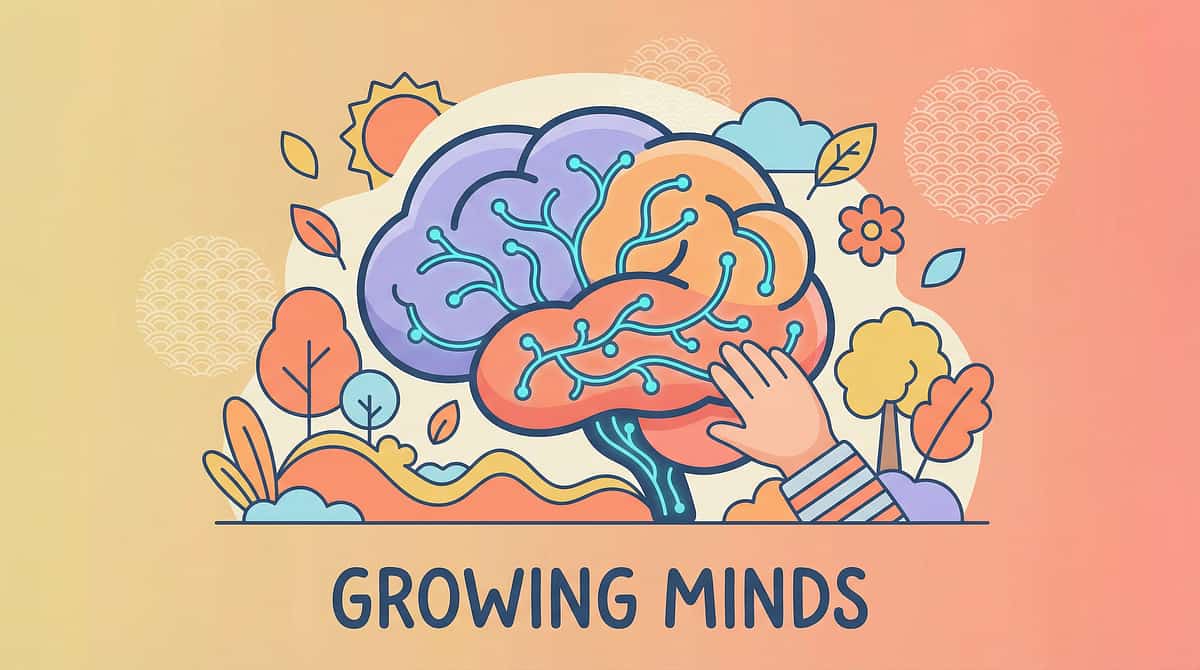
What's Happening in Your Child's Brain
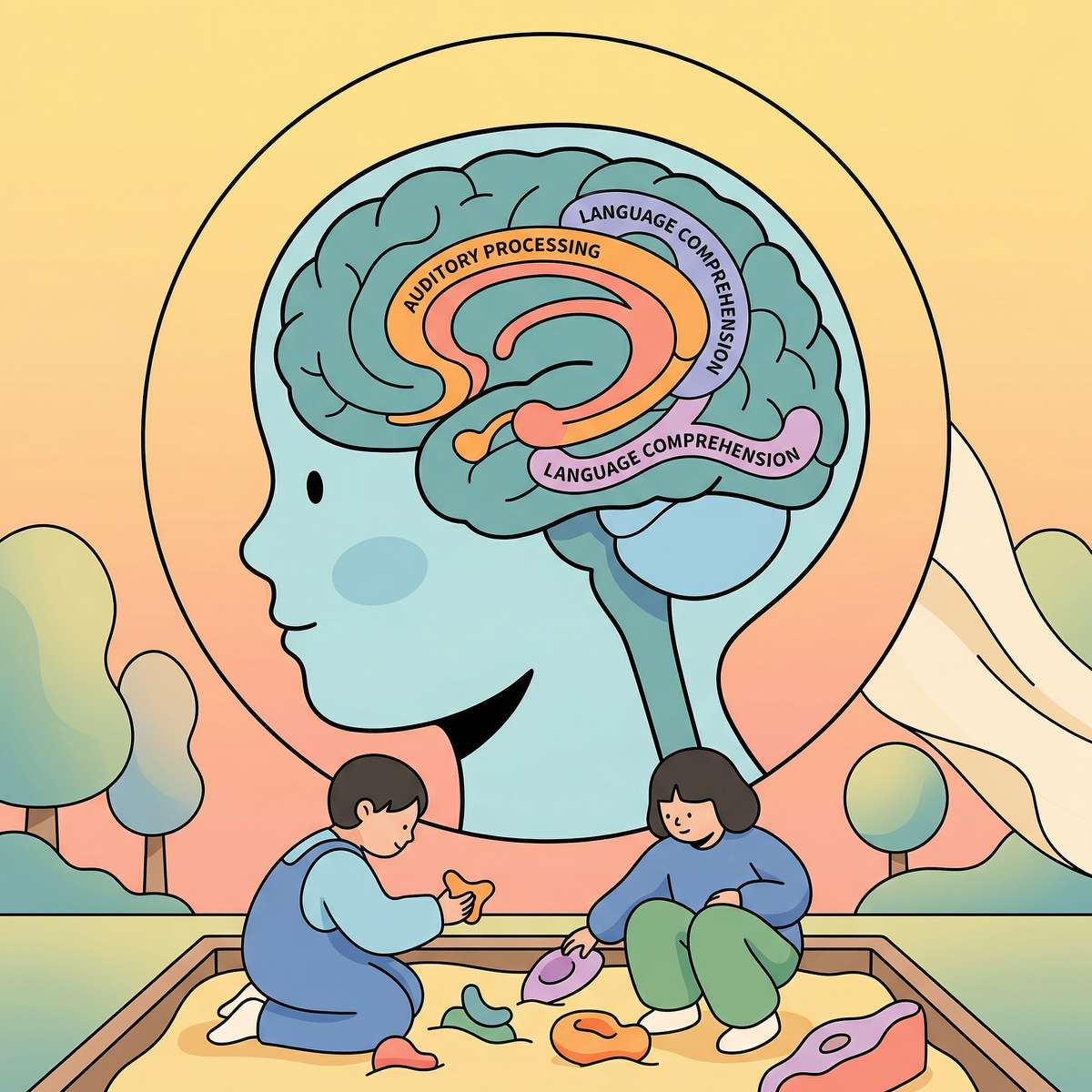
Auditory Cortex → Wernicke's Area → Prefrontal Cortex → Anterior Cingulate → Motor Cortex
Why Directions Disappear
When you say "Put on your shoes," your child's brain must do six things in sequence:
- Hear — Auditory cortex receives and processes the sound
- Decode — Wernicke's area interprets the words
- Store — Prefrontal cortex holds the instruction in working memory
- Plan — Executive system sequences the steps involved
- Initiate — Anterior cingulate fires the "start" signal
- Execute — Motor system carries out the action
"This is not a behaviour problem. This is a processing difference." — Pinnacle Blooms NeuroDev & SLP Consortium
When any one of these six steps is disrupted — by weak auditory processing, limited working memory, executive function differences, or attentional drift — the entire chain fails. Citation: Frontiers in Integrative Neuroscience (2020). DOI: 10.3389/fnint.2020.556660
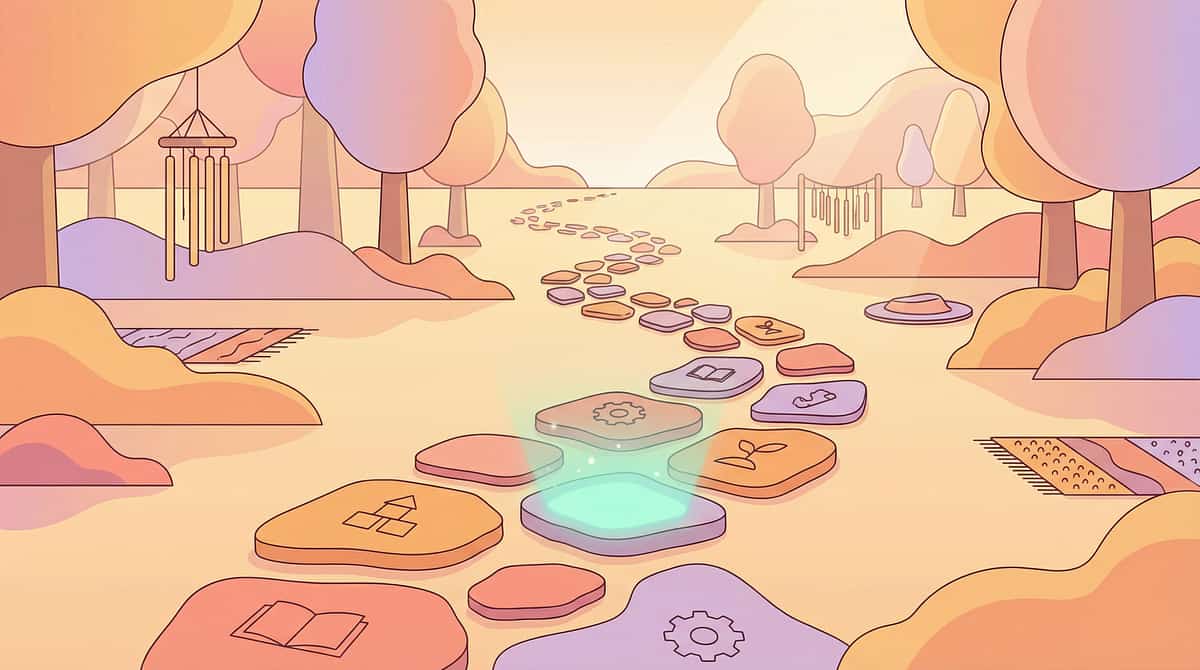
Every Child's Direction-Following Journey Has a Trajectory. Here Is the Map.
12–18 Months
One-step with gesture + context "Give me ball" (pointing)
2 Years
One-step without gesture emerging "Get shoes" (no gesture)
3 Years
Two-step related directions "Get coat + put it on"
4–5 Years
Multi-step, conditional "IF blue, THEN line up"
6+ Years
Complex group instructions "Finish maths, check, bring"
For children 2–12 years with direction-following difficulties, the gap between ability and age-expectation typically widens without systematic support. These 9 materials bridge that gap.
Common Co-occurring Conditions
Direction-following difficulty commonly co-occurs with: Autism Spectrum Disorder · ADHD · Developmental Language Disorder (DLD) · Auditory Processing Disorder · Executive Function Challenges · Anxiety
A professional assessment identifies which factors are primary for your child. Citations: WHO Care for Child Development Package (2023) | PMC9978394 | UNICEF MICS developmental indicators (197 countries)

Clinically Validated. Home-Applicable. Parent-Proven.
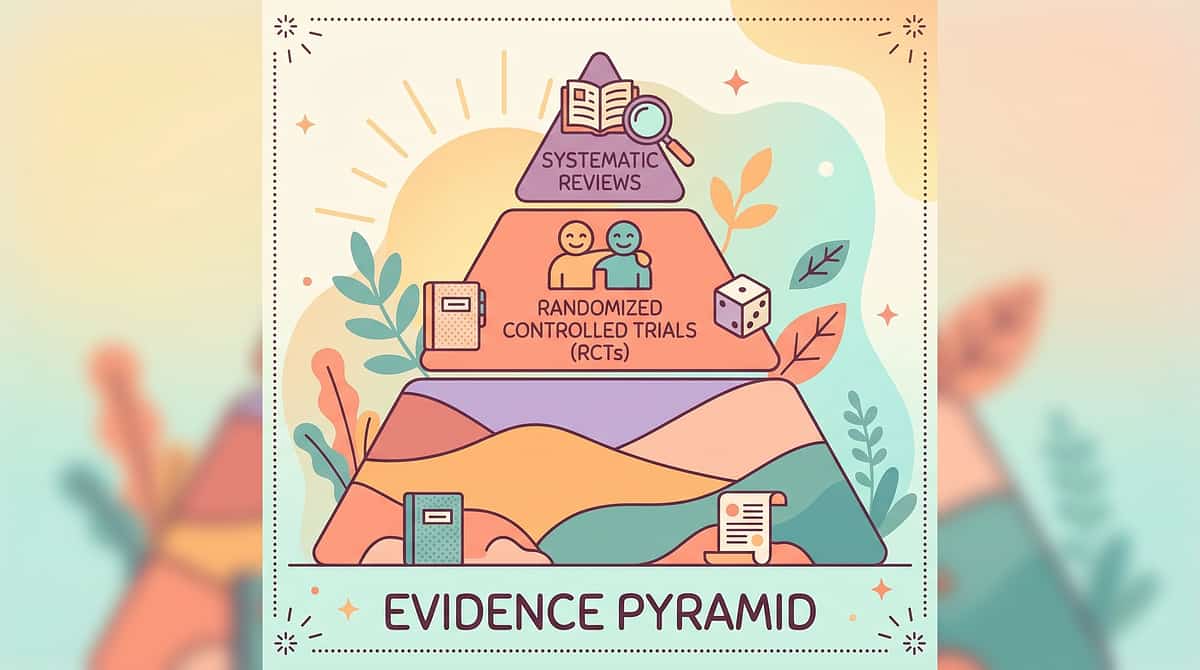
⭐⭐⭐⭐⭐ Level I–II Evidence
Systematic Review + RCT Supported across 27+ studies
Visual Supports for Directions
NCAEP (2020): Classified as Evidence-Based Practice for autism. 27 studies confirm effectiveness.
Behavioral (ABA) Compliance Systems
JABA Systematic Reviews: Token economies and First-Then systems show strong evidence for compliance training in pediatric populations.
Auditory Processing Interventions
ASHA Clinical Practice Guidelines: Structured listening activities improve receptive language and direction-following in children aged 3–12.
India Evidence: Indian RCT (Padmanabha et al., Indian Journal of Pediatrics, 2019): Home-based structured interventions demonstrated significant outcomes across receptive language targets. DOI: 10.1007/s12098-018-2747-4
"These are not activities. These are precision tools backed by two decades of international research and 20 million therapy sessions at Pinnacle."
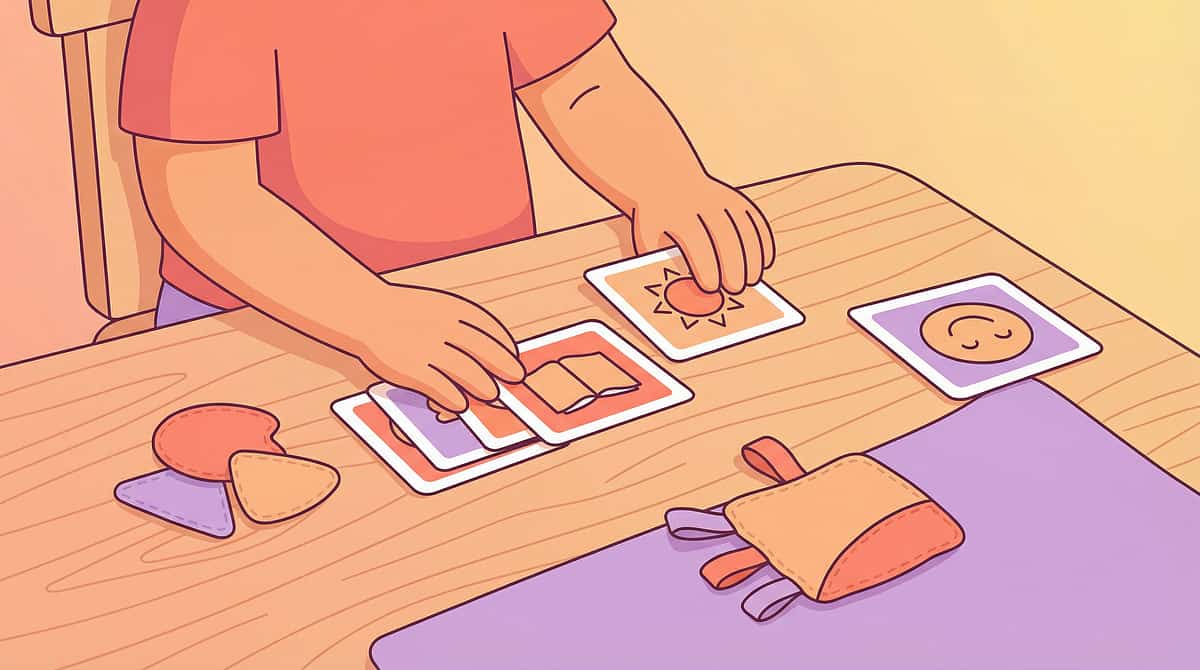
The Direction-Following Toolkit — What It Is
Technique Identity
Formal Name: Visual-Behavioral Support System for Receptive Language & Instructional Compliance
Parent-Friendly Name:The Direction-Following Toolkit
Series: 9 Materials That Help With Following Directions | G-665
What These Materials Do
This series introduces nine clinically validated materials that support a child's ability to receive, process, remember, and act on directions. The materials are selected to address the six-link chain of direction-following — targeting whichever links are weakest for your child.
Used together, they transform a home environment into a structured, multi-modal direction-support system that operates 24 hours a day alongside professional therapy.
📂 SLP-REC
👶 Ages 2–12
⏱️ 5–20 min sessions
📅 Daily
🏠 Home + Clinic
Who Benefits Most
Children with: Autism Spectrum Disorder · ADHD · Developmental Language Disorder · Auditory Processing Differences · Executive Function Challenges · Compliance Difficulties
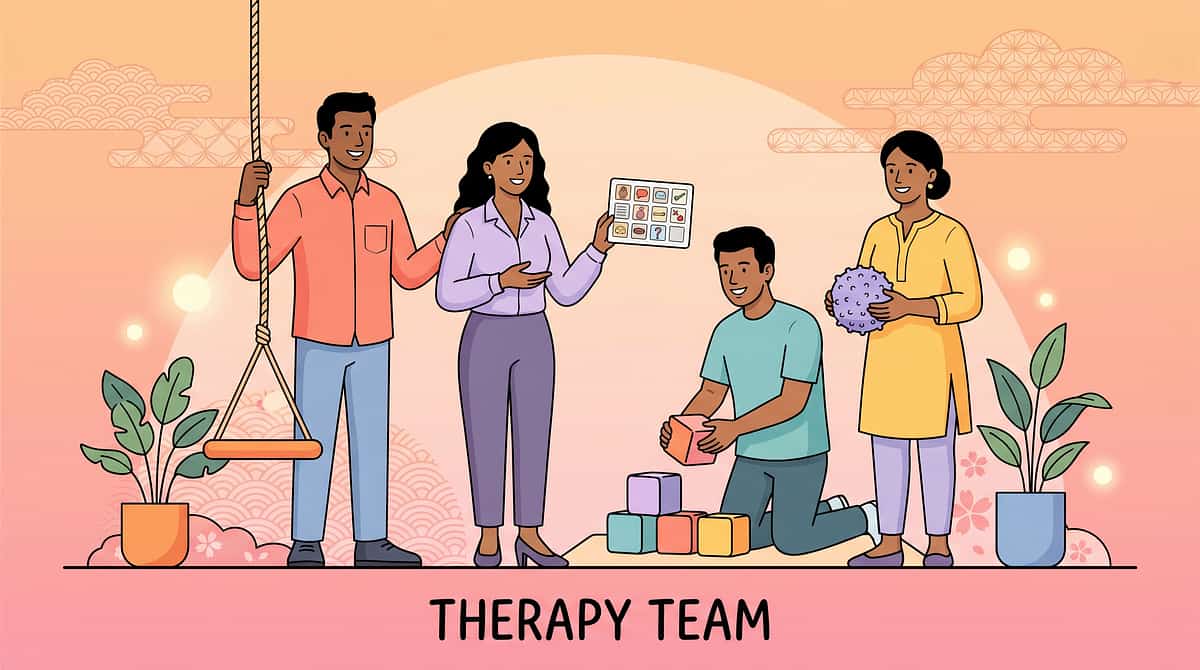
This Technique Crosses Therapy Boundaries — Because Your Child's Brain Doesn't Know What a Therapy Type Is
Speech-Language Pathology — PRIMARY LEAD
Builds receptive language through visual supports, auditory processing games, and direction-complexity hierarchies.
Applied Behaviour Analysis — CO-LEAD
Designs compliance systems — token economies, First-Then boards, prompt hierarchies, errorless learning sequences.
Occupational Therapy
Addresses sensory and attention underpinnings affecting direction-following. Environmental modification.
Special Education
Implements visual schedules, task analysis checklists, classroom accommodations, IEP goal alignment.
Neurodevelopmental Paediatrics
Rules out hearing, attention (ADHD), and neurological contributors. Oversees medical supports where indicated.
Family — GPT-OS® Home Arm
YOU — executing the materials at home as directed by the GPT-OS® EverydayTherapyProgramme™.
"Six disciplines. One child. One convergent plan. This is the FusionModule™ approach."
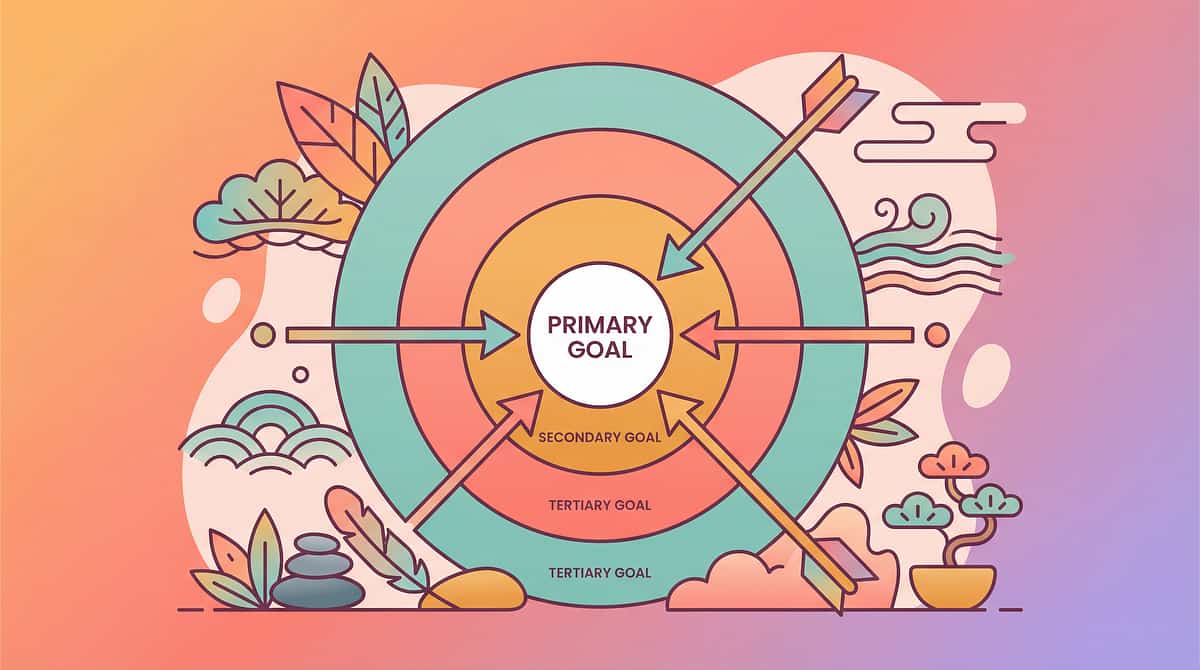
These Are Precision Tools. Each Material Hits Specific Targets.
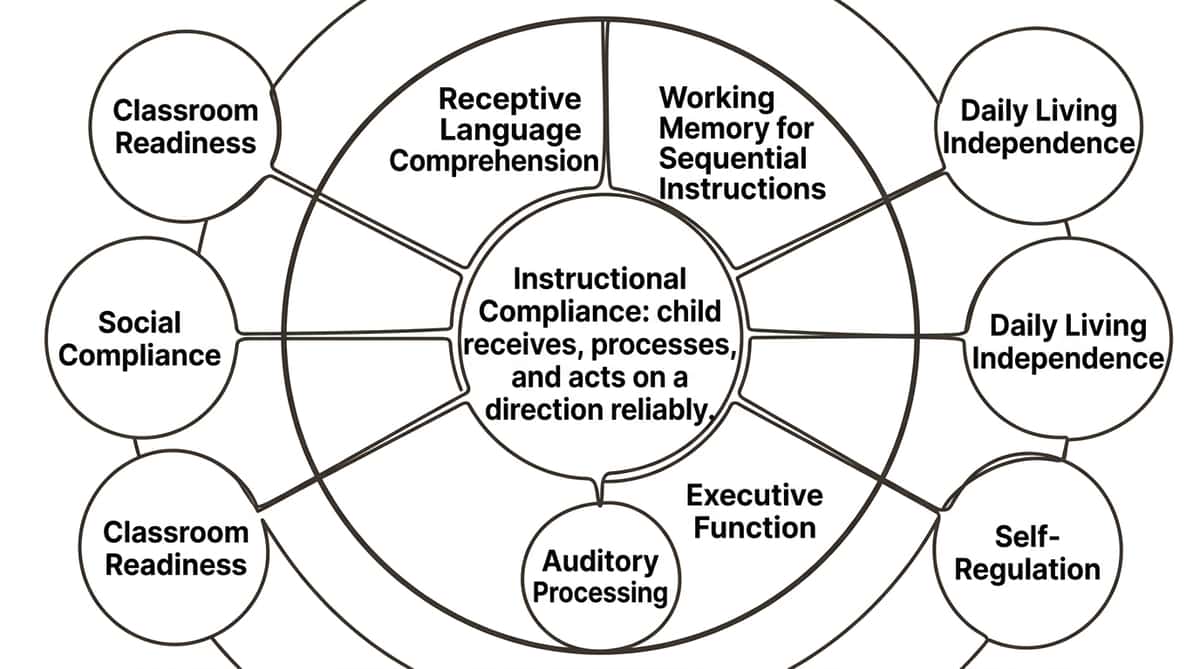
Before These Materials
- Needs 5+ repetitions of directions
- Follows only first or last step
- Looks blank after instructions
- Better compliance for preferred activities only
After Systematic Use
- Follows 2-step directions with visual support
- Uses checklist independently for routines
- Responds to attention cue within 3 seconds
- Reduced power struggles around transitions
Citation: Meta-analysis (World J Clin Cases, 2024) PMC10955541 — documented secondary and tertiary gains across 24 studies.
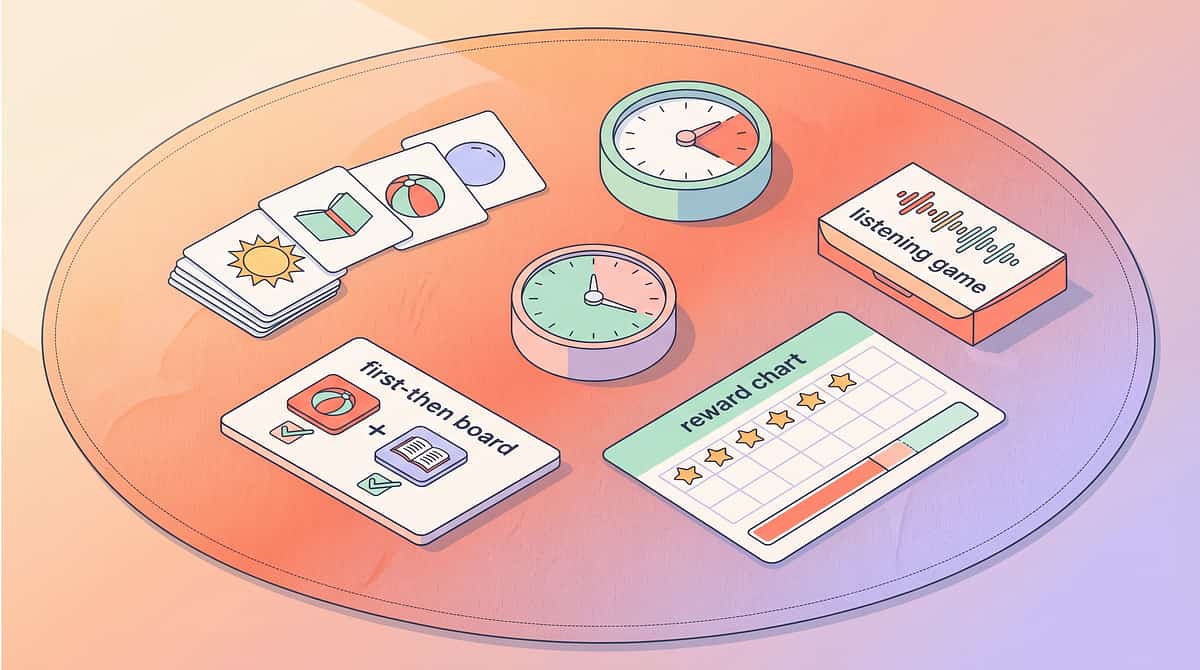
9 Materials. 6 Skill Barriers Addressed. One Home System.
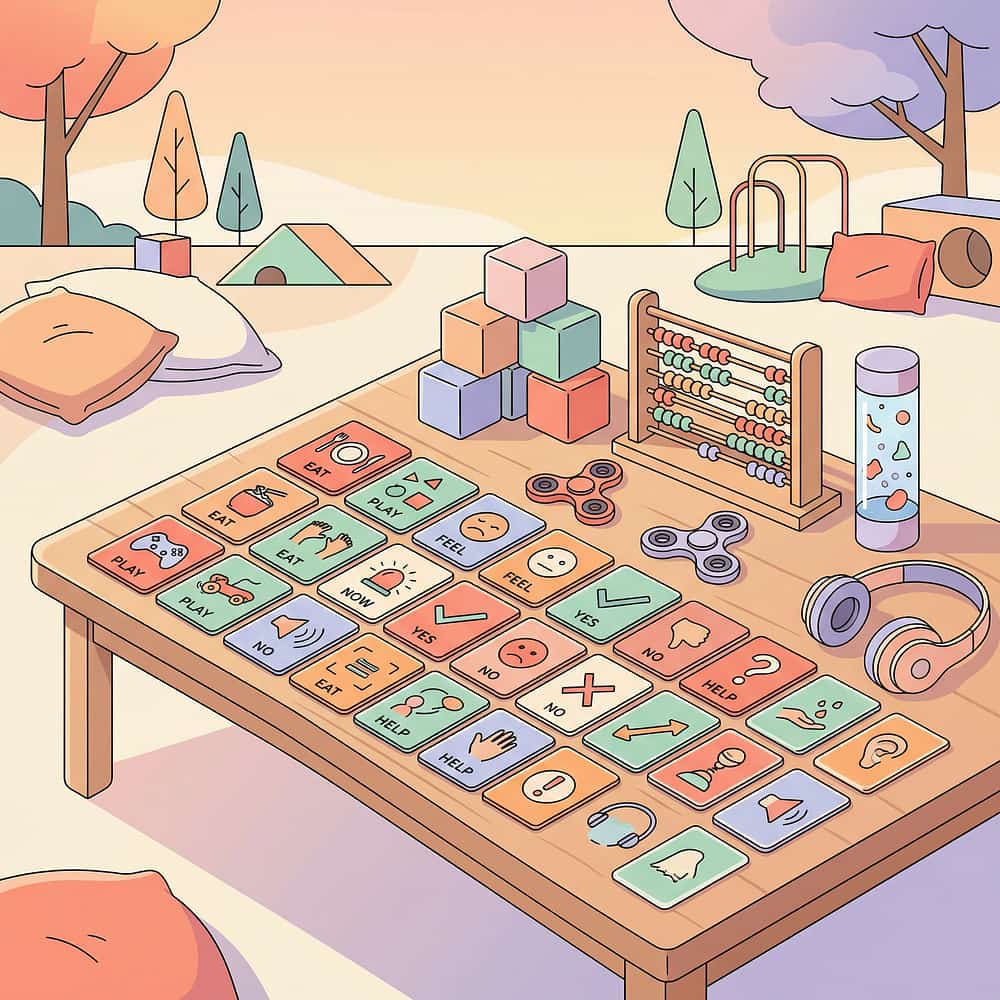
Material 1: Visual Instruction Cards & Sequences
Canon: Visual Supports — Picture Cards
Words vanish the moment they're spoken. Visual cards remain, giving the child a reference point while executing. Photographs of YOUR child doing each step = maximum relevance.
💰 ₹300–1,200 | 🔑Words vanish; pictures persist.
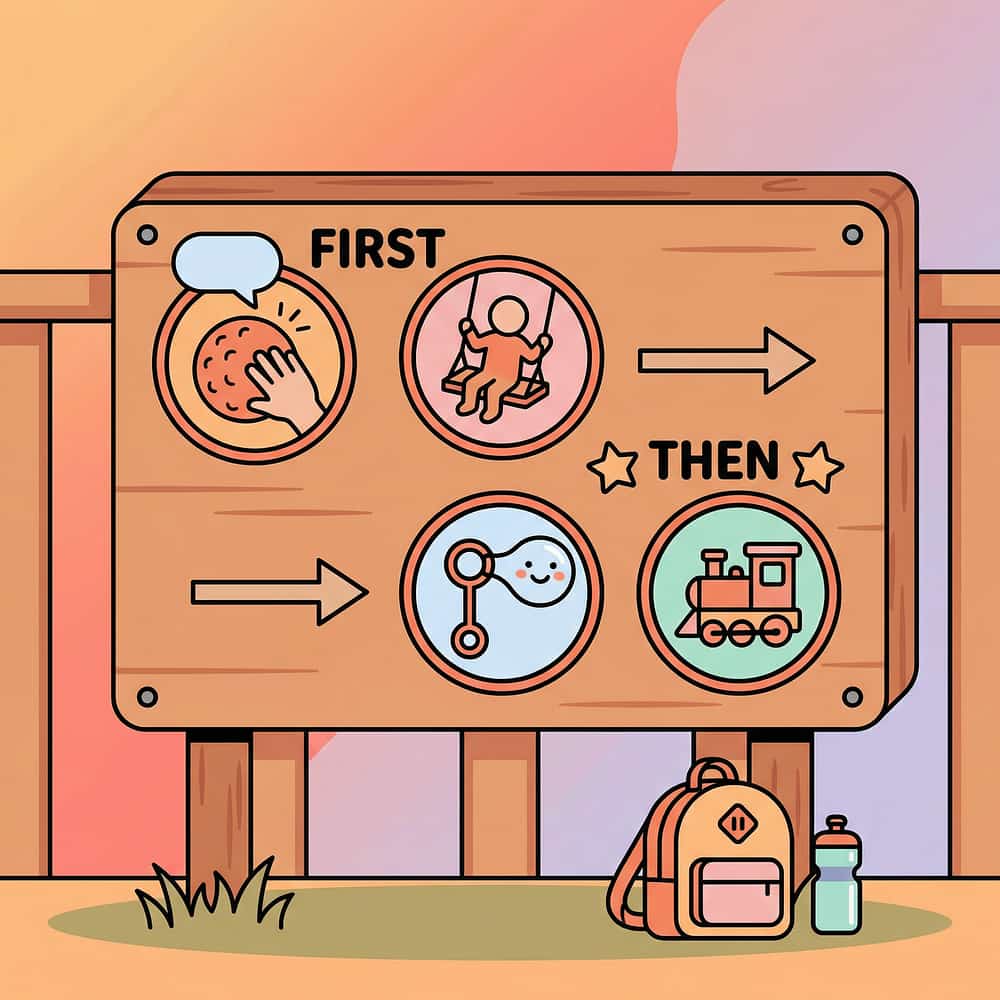
Material 2: First-Then Boards
Canon: Visual Supports — Behaviour Management Boards
FIRST [non-preferred task] → THEN [preferred reward]. Answers the child's core questions: What do I have to do? What do I get? When is it over?
💰 ₹200–600 | 🔑Clarity beats commands.
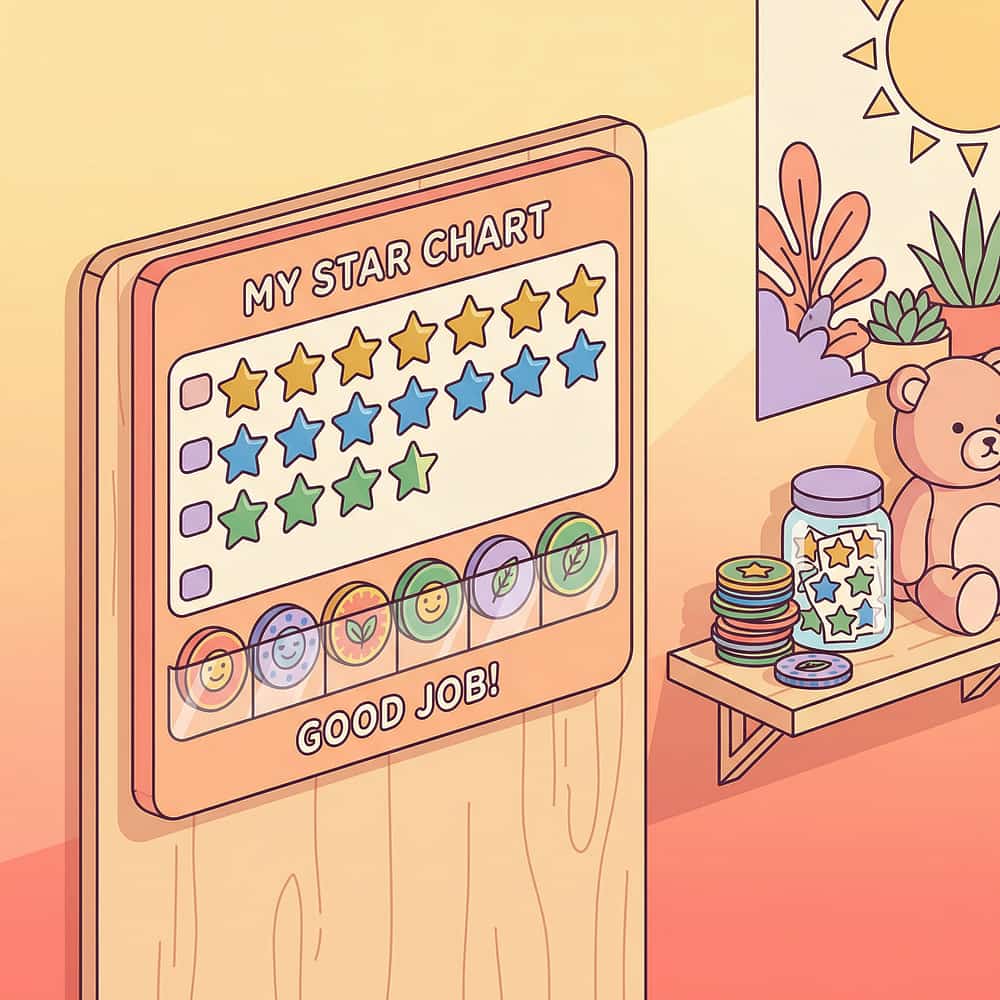
Material 3: Token Economy Systems
Canon: Reinforcement Menus
Compliance earns tokens → tokens earn real rewards. Even non-preferred tasks become worth doing. Immediate token delivery = immediate reinforcement.
💰 ₹200–800 | 🔑Children follow directions that lead to good outcomes.
Materials 4–6: Building Listening, Time Awareness & Agency

Material 4: Auditory Processing & Listening Games
Canon: Cognitive & Learning — Problem-Solving & Matching
Simon Says, barrier games, sound discrimination — high-repetition practice in following verbal directions WITHOUT the pressure of real-world compliance.
💰 ₹300–1,000 | 🔑Practice without pressure builds skill.
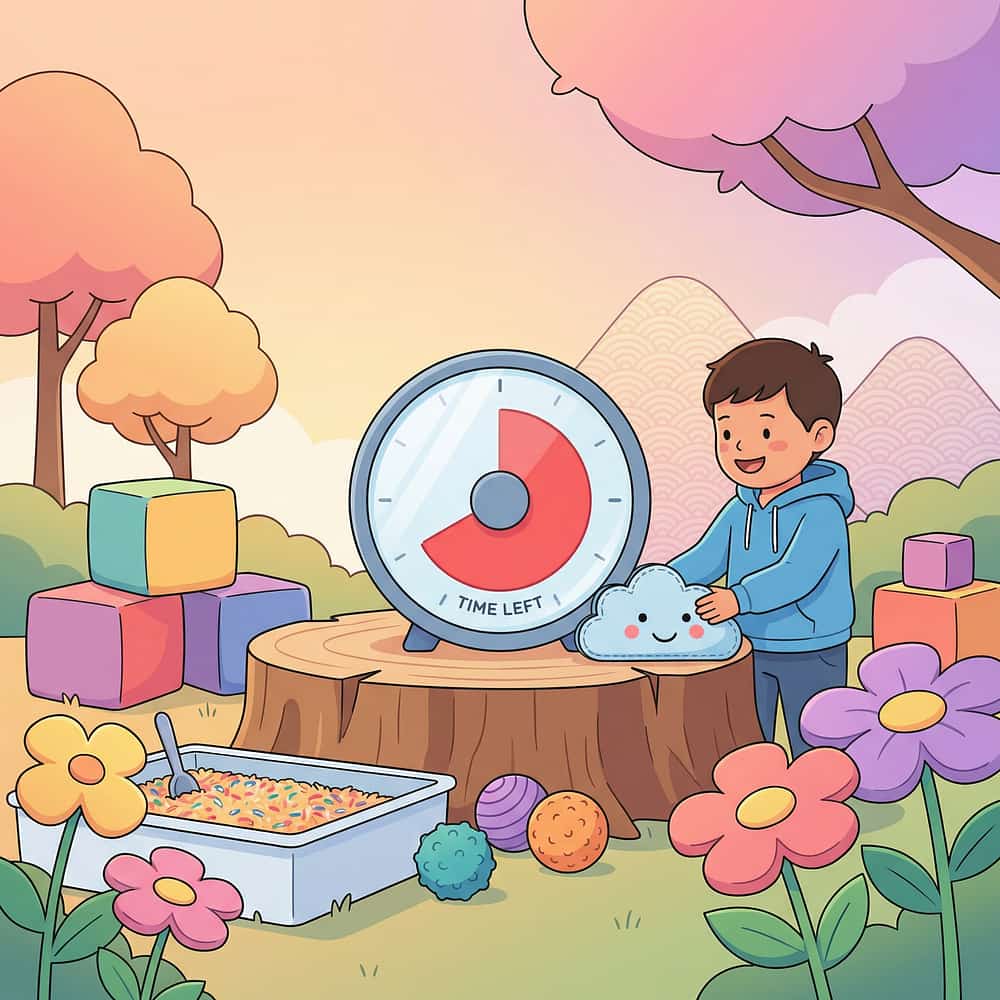
Material 5: Visual Timers
Canon: Visual Supports — Timers & Time Boundaries
For children with executive function challenges, time is abstract and overwhelming. The Time Timer® shows time shrinking visually — making the invisible, visible.
💰 ₹400–1,500 | 🔑Time blindness is real. Visual timers cure it.
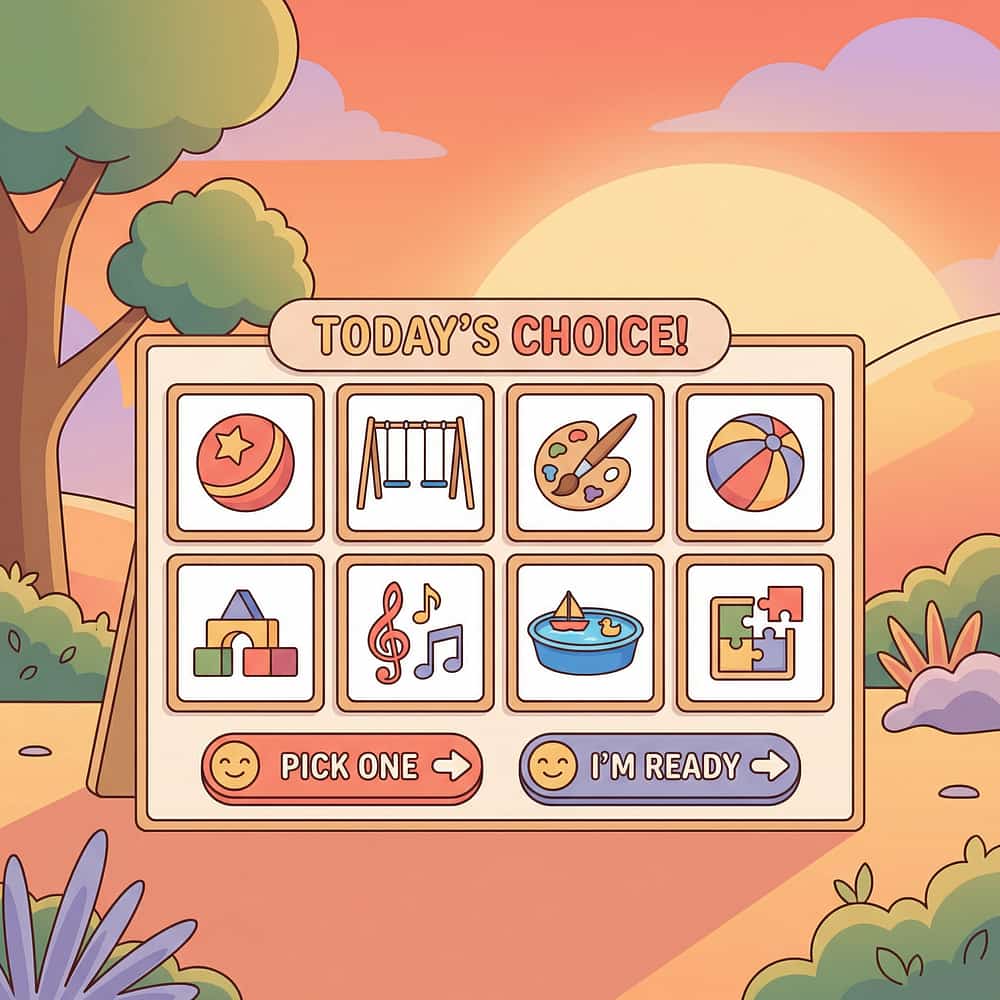
Material 6: Choice Boards
Canon: Visual Supports — Decision-Making Aids
Choice boards offer 2-3 acceptable options. The child chooses HOW. The non-negotiable outcome (shoes get worn) still happens. Resistance dissolves when the child has voice.
💰 ₹200–600 | 🔑Agency within structure beats commands.
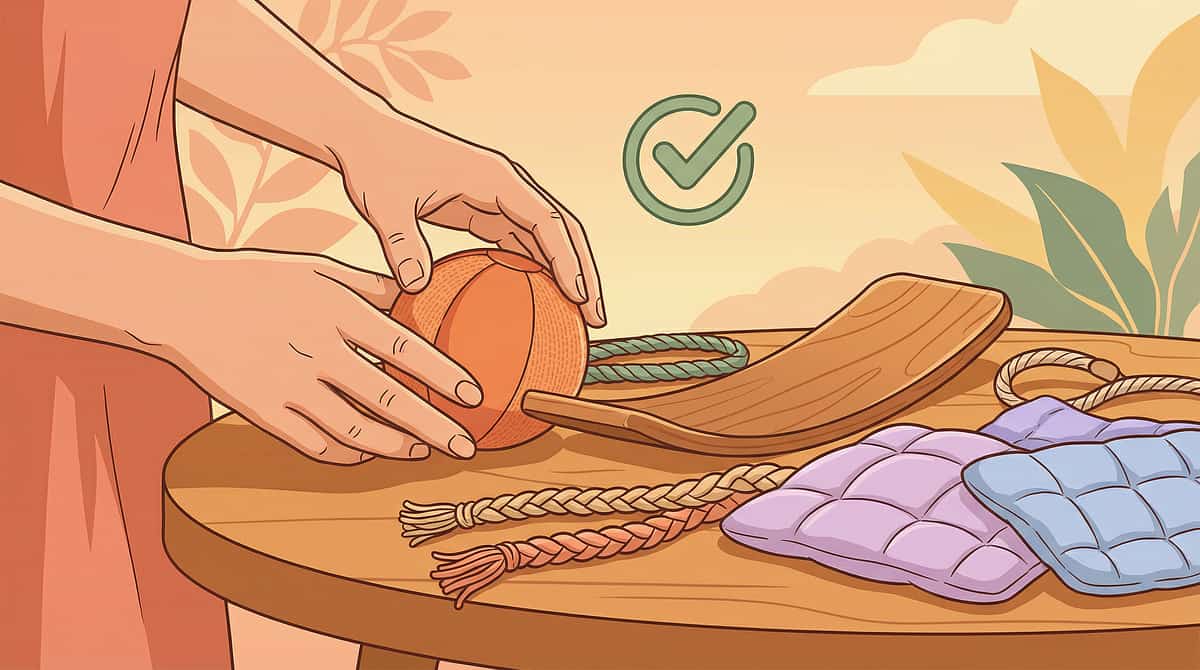
Materials 7–9: Checklists, Cues & Errorless Learning
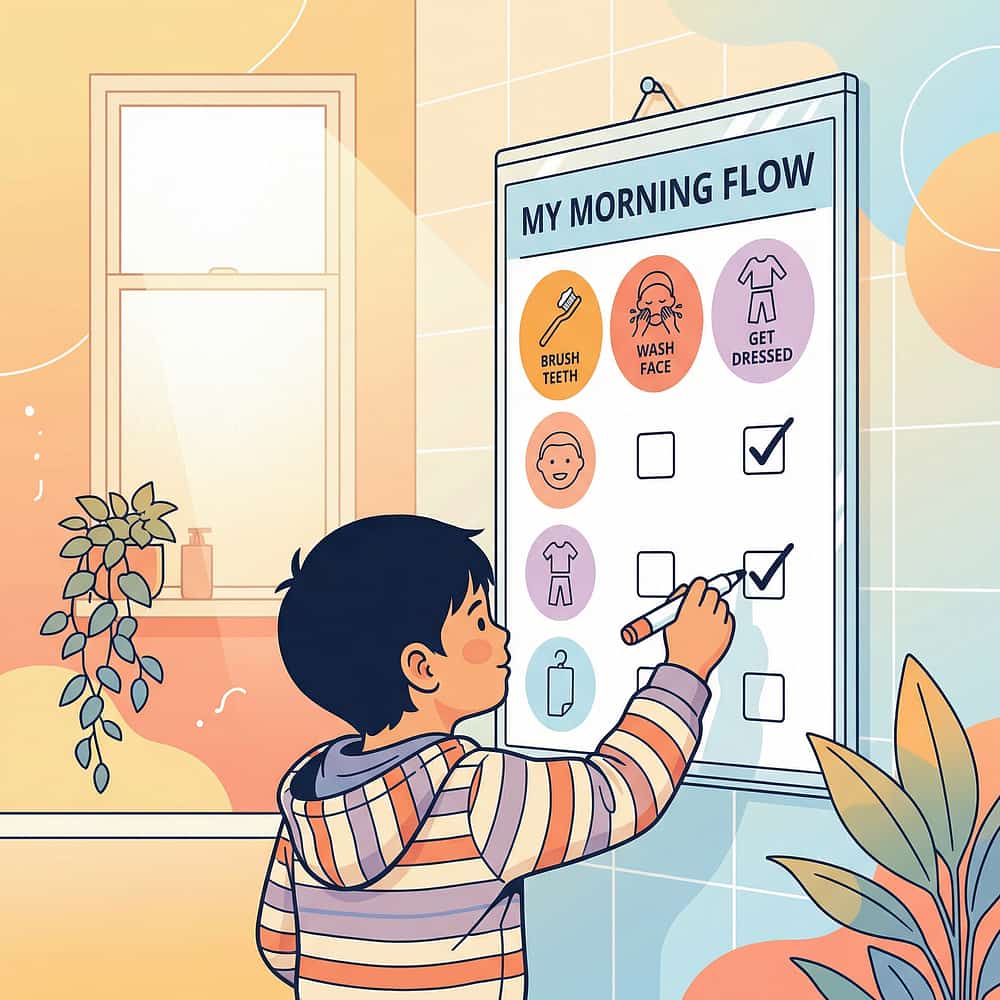
Material 7: Task Analysis Checklists
Canon: Cognitive & Learning — Sorting & Sequencing
"Get ready for school" is actually 8+ sequential steps. A checklist does the executive work externally — the child just follows. The checklist holds the sequence so the brain doesn't have to.
💰 ₹100–400 | 🔑The checklist holds the sequence so the brain doesn't have to.

Material 8: Attention Cues & Signal Systems
Canon: Visual Supports — Attention & Cueing Tools
Most direction-following failures happen BEFORE the direction is processed. A consistent signal (bell, coloured paddle, specific phrase) creates "instruction coming" alertness.
💰 ₹100–500 | 🔑You can't follow a direction you didn't hear.
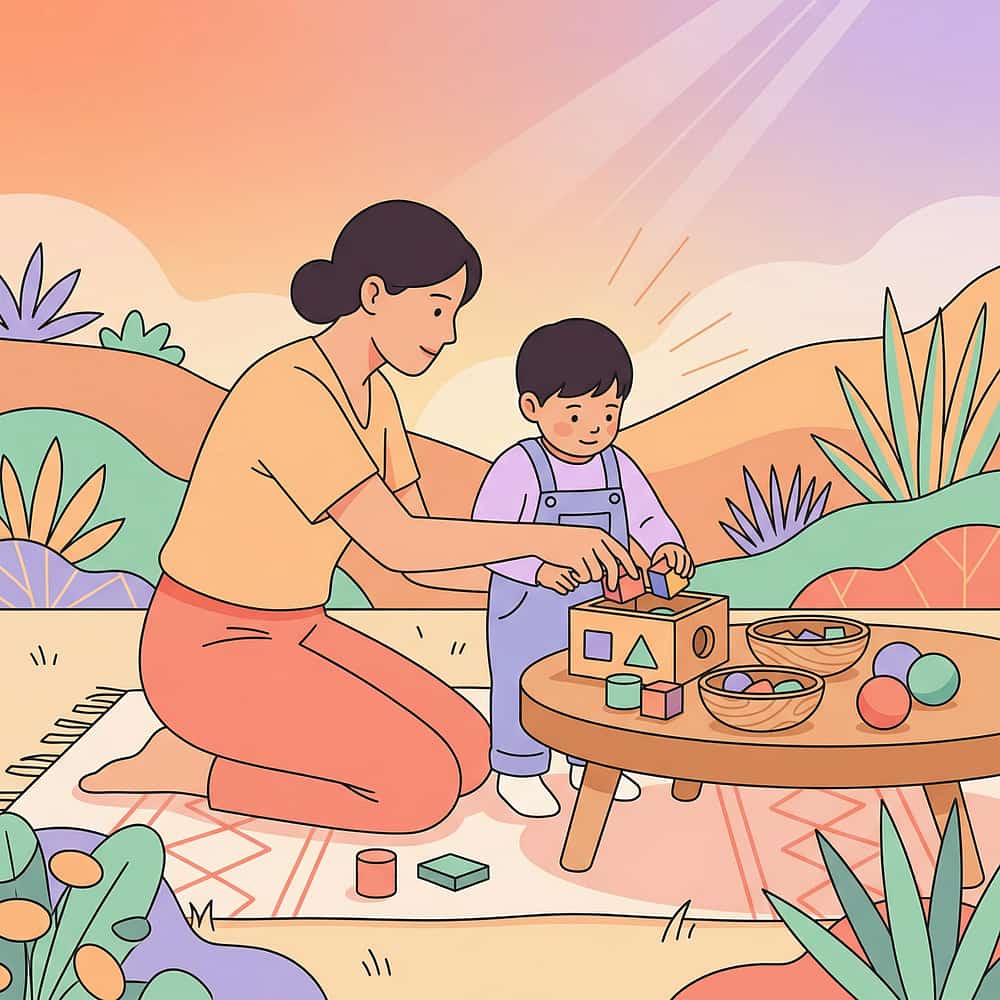
Material 9: Errorless Learning Materials
Canon: Cognitive & Learning — Prompted Learning Sets
Children who repeatedly fail at following directions stop trying. Errorless learning provides enough prompts to ensure correct responding from the start, then gradually fades support.
💰 ₹300–900 | 🔑Success is the prerequisite for more success.
Total Setup Range: ₹1,800–7,500 for complete home system | Essential Starter Kit (₹500 budget): Visual instruction cards + First-Then board + attention cue bell + paper checklist for one routine
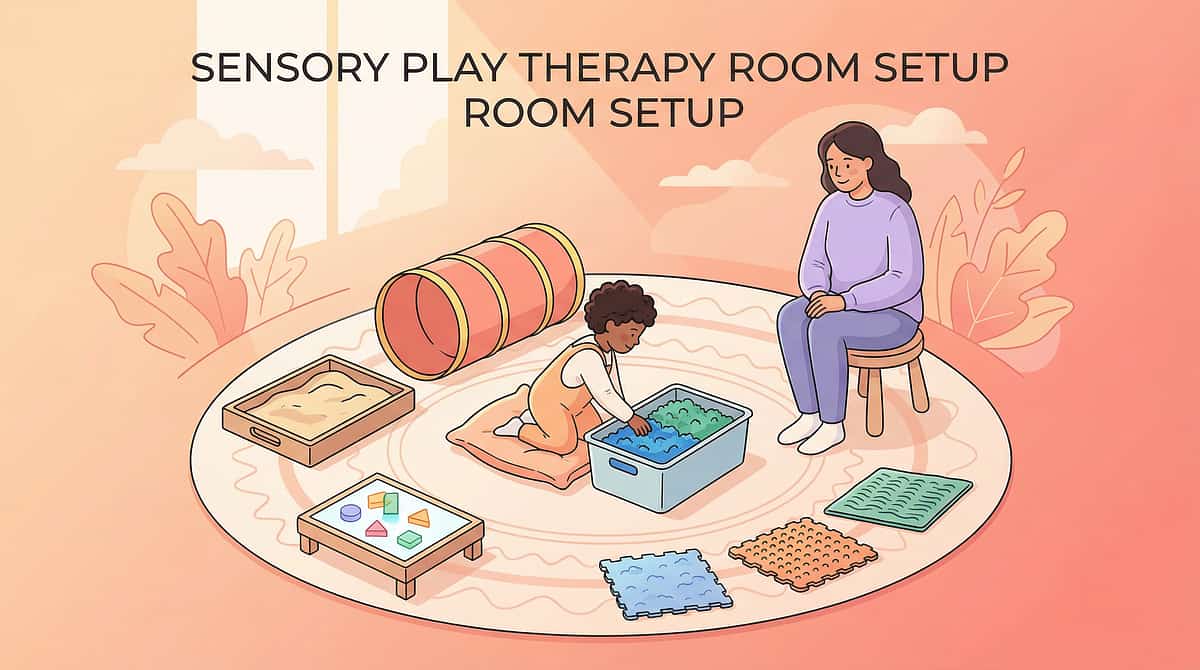
Every Family, Regardless of Budget, Can Start Today
This is the WHO/UNICEF equity principle in action.
Material | Budget Buy (₹) | ₹0 DIY Version | Why It Works Equally | |
Visual Instruction Cards | ₹300–1,200 | Photograph YOUR child doing each step. Print and laminate at local print shop. | YOUR child's actual face = maximum relevance and generalization | |
First-Then Board | ₹200–600 | Fold A4 paper in half. Write FIRST/THEN. Tape pictures from magazines. | Structure is the tool, not the material | |
Token System | ₹200–800 | Draw 5 circles on paper. Child marks each when direction is followed. | Marks and stickers work identically to commercial tokens | |
Listening Games | ₹300–1,000 | Simon Says (zero cost). Clapping patterns. "I spy" with instructions. | The game is the tool — social interaction required, nothing else | |
Visual Timer | ₹400–1,500 | Fill a clear bottle with coloured water. Tilt and watch it drain = 2 min timer. | Sand/water timers are the original visual timers | |
Task Analysis Checklist | ₹100–400 | Write each step on a paper strip. Child tears off each step when done. | Tactile completion (tearing) adds proprioceptive feedback | |
Attention Cue | ₹100–500 | Clap pattern (2 claps = listen time). Specific phrase: "Ready ears?" | Consistency matters more than the device | |
Errorless Learning | ₹300–900 | Show the full action before asking. Hand-over-hand guidance first. | Full physical prompt IS errorless learning |
"Pinnacle's protocols were designed from the ground up to be implementable in a Mumbai high-rise and a rural Telangana home equally. Economic barriers do not alter the neuroscience."
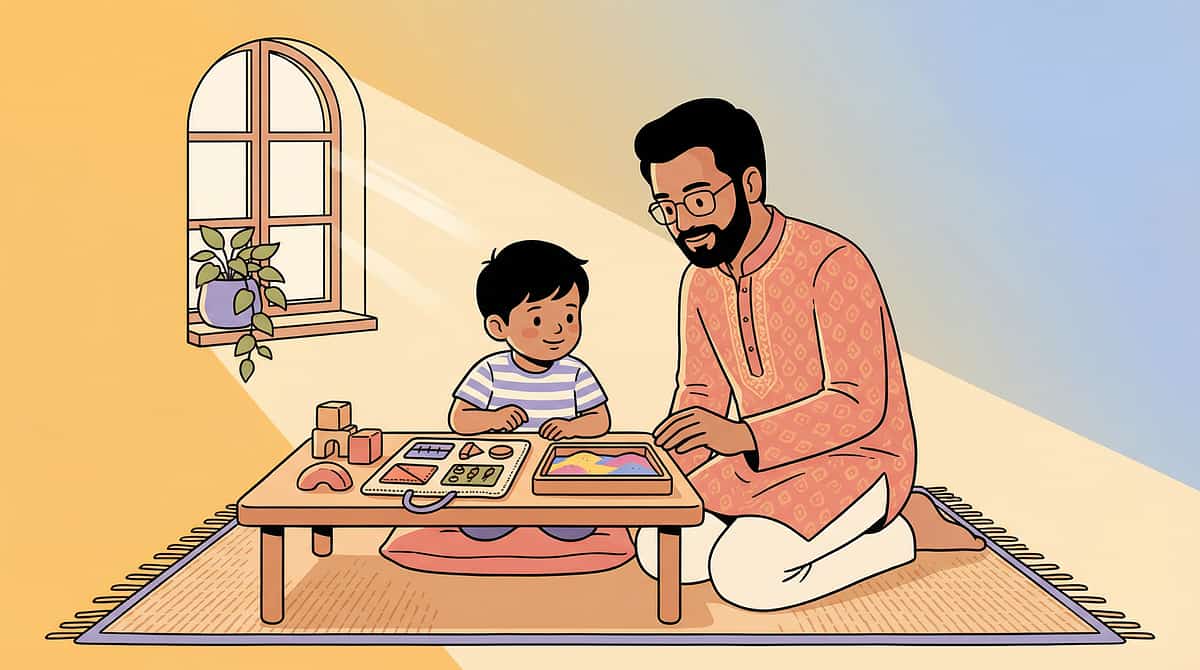
Safety First: Before You Begin
🔴 RED — Do NOT Proceed If:
- Child is in active meltdown or severely dysregulated state
- Child is unwell, feverish, or in physical discomfort
- Materials include small parts and child still mouths objects (choking risk)
- Child has had a traumatic or extremely distressing day
🟡 AMBER — Modify Before Proceeding If:
- Child is tired (shorten session to 5 minutes maximum)
- Child has had a difficult morning (use only the highest-motivation First-Then pairing)
- New material being introduced (use errorless approach with full demonstration)
- Child is hypersensitive to sound (avoid auditory cue systems that day)
- Child showed anxiety about the previous session (reduce demand, increase choice)
🟢 GREEN — Proceed When:
- Child is fed, rested, and in a regulated baseline state
- Environment is set up and a preferred activity is available as the THEN contingency
- Parent/caregiver is calm and has 10–20 minutes of uninterrupted time
- You have reviewed the session plan
🚨RED LINE — STOP IMMEDIATELY IF child shows: Self-injurious behaviour | Extreme panic or distress | Physical aggression | Sudden loss of language | Seizure activity Stop the session, attend to the child's immediate safety, and contact your therapist or Pinnacle helpline: 9100 181 181

The Right Environment Is 50% of the Session's Success
Remove from Space
- Television (off and ideally covered)
- Other children's toys not part of the session
- Distracting tablet/phone screens
- Clutter that competes for visual attention
Add to Space
- Child's preferred THEN item (visible but secured in a clear container)
- Visual instruction cards at child's eye level
- First-Then board mounted on wall
- Timer in child's sightline
- Session materials in tray — available but not scattered
💡 Lighting
Natural or warm overhead — no harsh fluorescent
🔇 Sound
Quiet. TV off. Other family members briefed.
🌡️ Temperature
Comfortable — not too warm (induces drowsiness)
🪑 Seating
Child's feet flat on floor (proprioceptive grounding)
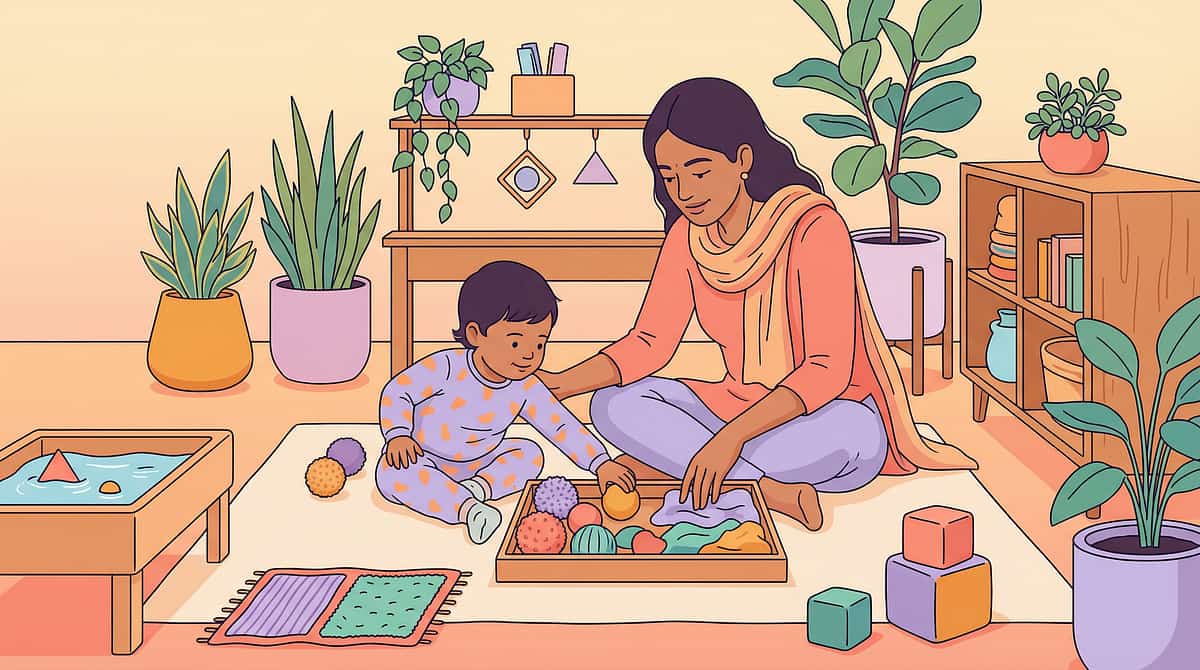
Is Your Child Ready? Readiness Check
Readiness Indicator | ✅ Green — Proceed | 🟡 Amber — Modify | 🔴 Red — Postpone | |
Emotional state | Calm, engaged, baseline | Slightly subdued or restless | Dysregulated, crying, agitated | |
Physical state | Fed within 1 hour, rested | Hungry or slightly tired | Ill, feverish, in pain | |
Last meltdown | >2 hours ago | 1–2 hours ago | Within the last hour | |
Interest level | Notices materials, approaches | Neutral, distracted | Active avoidance | |
Recent change | Normal day | Minor disruption | Major disruption (school incident, travel) |
5–6 Green
Proceed with full session
3–4 Green, 1–2 Amber
Proceed with modified session (shorter, higher motivation, lower demand)
Any Red
Postpone. Offer a preferred calm activity instead.
"A postponed session is not a failed session. It is data. You observed your child's state and responded appropriately. This is exactly what GPT-OS® teaches."
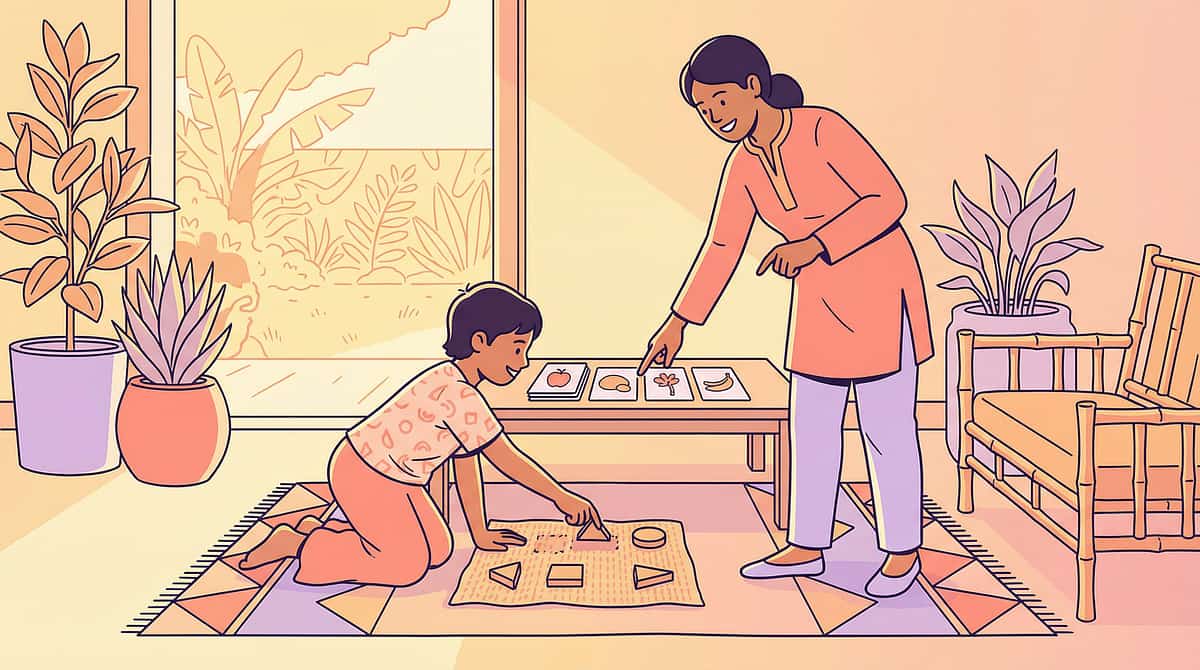
STEP 1
The Invitation — Draw the Child In
⏱️ 30–60 seconds
Goal: Child enters the activity voluntarily, without a command.
Parent Script
"Hey, I've got something to show you. Come see what I have."
(Hold up the preferred THEN item. Let curiosity do the work.)
"Look — [child's name], come sit with me for a minute."
Body Language Guidance
- Crouch or sit to child's eye level
- Open posture — no crossed arms
- Relaxed face — genuine curiosity, not urgency
- Move slowly with materials — no sudden presentations
✅ Acceptance Cues to Look For
- Child moves toward you or the materials
- Eye contact or visual attention to what you're holding
- Reduced body tension
- Any vocalisation of interest
❌ Resistance Cues — And What to Do
Child moves away → Don't follow yet. Say: "That's okay, the [preferred item] will be here when you're ready."
Child ignores completely → Move the preferred THEN item to a more visible location. Wait 60 seconds.
Child vocalises protest → Acknowledge: "I hear you. We'll do just one quick thing together first, then [preferred item]."
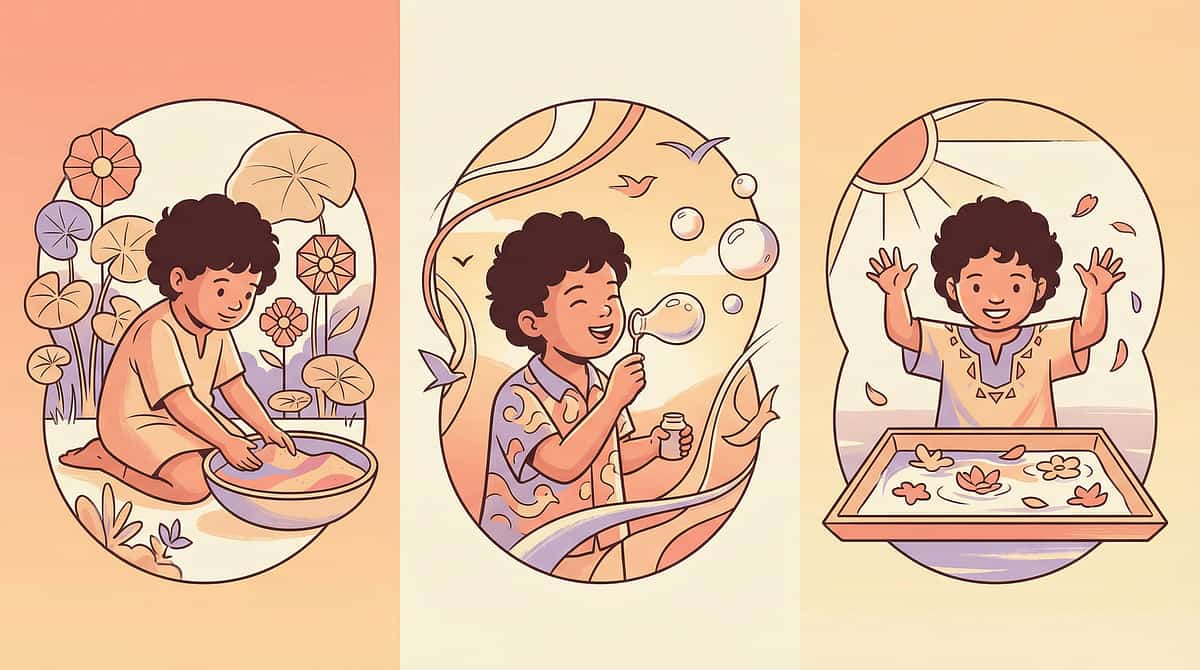
STEP 2
The Engagement — Introduce the Material
⏱️ Duration: 1–3 minutes | Goal: Child is interacting with or tolerating the material
Introducing Visual Instruction Cards
"Look at this picture. What does this show? Right — it shows [child's name] putting on shoes. See? FIRST, we pick up the shoe. THEN we put it on." (Point to each step card as you narrate.)
For First-Then Boards
"Look — here's our board. First [task]. Then [preferred item]. You do [task], you get [preferred item]. Easy." (Point clearly to both sections. Let child touch the pictures if they wish.)
Child Response Spectrum
✅ Engaged
Looking, touching, smiling → Continue as planned
⚡ Tolerating
Nearby but not actively engaging → Continue at this level — don't increase demand yet
⚠️ Avoidance
Moving away, protesting → Lower demand: narrate without asking anything
Deliver specific praise for ANY engagement: "Great looking! You're checking the pictures!" → Give token if using token system
STEP 3
The Direction-Following Practice — Core Therapeutic Action
⏱️ Duration: 5–15 minutes (core session) | Goal: Child follows a targeted direction using the support material
Receptive Language Barrier → Visual Cards
Show the picture card FIRST, then give the verbal direction simultaneously. "[Picture shown] Put on your shoes. [Verbal + visual together]" Wait 5–10 seconds. Provide a prompt if no response. Celebrate compliance.
Motivation Barrier → First-Then + Token System
Set up First-Then board visibly. Give the direction once. "FIRST put on your shoes. THEN tablet." Immediately deliver token upon compliance. Do not repeat the direction more than once before prompting.
Attention Barrier → Attention Cue First
Use your attention signal. Wait for attending response (eye contact or orientation). THEN give the direction. [Bell] → "Ready?" → Wait for attending → "Put on your shoes."
Memory Barrier → Task Analysis Checklist
Walk to the checklist with the child. Point to step 1. "What's first? [points] Right — pick up shoe. Go!" Child checks off step. Move to step 2. Repeat.
Direction Complexity Progression
Week 1–2
Single-step, familiar vocabulary, preferred context
Week 3–4
Two-step related directions with visual support
Week 5–8
Two-step unrelated, or three-step with checklist

STEP 4
Therapeutic Dosage — Quality Over Quantity
⏱️ Duration: 3–5 minutes additional | Target Repetitions: 3–8 successful direction-following trials per session
"3 good reps > 10 forced reps. Quality compliance with genuine reinforcement builds skills. Forced compliance under protest builds avoidance."
Vary the Material
Same direction, different support tool. Morning: Visual card → Afternoon: Checklist → Evening: First-Then board
Vary the Setting
Same material, new location. Kitchen direction → Bedroom direction → Garden direction
Vary the Complexity
Same support level, slightly more complex direction. "Put your cup on the table" → "Put your cup on the table and sit down"
Vary the Person
Generalise across caregivers. Today: Mum gives direction → Tomorrow: Dad uses same card
Satiation Indicators — Stop Here: Child stops looking at materials | Quality of compliance drops sharply | Child begins seeking escape | You have hit 8+ successful trials
STEP 5
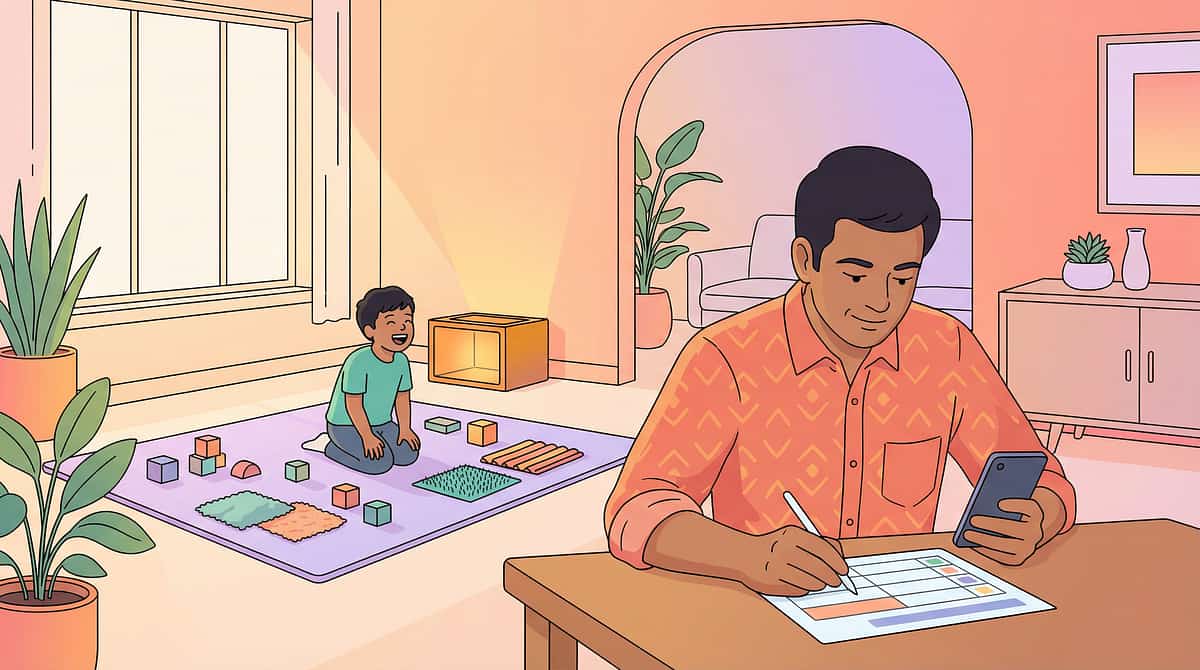
The Reinforcement Moment — Timing Matters More Than Magnitude
⏱️ Window: Within 3 seconds of compliance
Tier 1 — Immediate Verbal Praise (ALWAYS)
"Yes! You followed that direction! First time! Amazing listening!" Specific, enthusiastic, within 3 seconds. Name what they did.
Tier 2 — Token Delivery
"And here's your star! [child's name] earned a star for following directions!" Place token immediately. Let child place it on the board themselves.
Tier 3 — Access to THEN
"Token board is full! Time for [preferred item]! You earned it!" Deliver the THEN item immediately and fully. No delays.
Reinforcement Menu
- 🌟Reward Stickers (1800+ pack) — immediate, visual, collectible
- 🏆Rosette Reward Jar — tangible token display
- 🧸 Preferred toy access (2–5 minute free play)
- 📱 Preferred app/video (timed, earned)
- 🍎 Food reinforcer (with parent/therapist guidance)
"Celebrate the attempt, not just the success. A child who tried and needed prompting is on the same journey — just one step behind the child who succeeded independently."
STEP 6
The Cool-Down — No Session Ends Abruptly
⏱️ Duration: 1–3 minutes | Goal: Child transitions from structured session back to baseline without resistance
Two-More Warning
"Two more directions, then all done for today!" Show "2" on fingers. Point to visual timer if using one.
Final Direction + Reinforce
Complete the final trial. Deliver reinforcement immediately.
All Done Signal
"All done! Great work! Everything goes back now." Use a consistent signal — same gesture or phrase every session.
Child Participates in Put-Away
"Can you help put the cards away? Into the box, please." This uses a direction in a low-demand, predictable context — excellent generalisation.
Bridge to Next Activity
"Now we're going to [next activity]. Would you like [option A] or [option B]?" Offer a real choice. Maintain the agency established in the session.
If child resists ending: Give one extra minute. Narrate: "One more minute, then [visual timer]. When the timer ends, we're all done." Do not extend beyond the one extra minute — this sets precedent.
60 Seconds of Data Now Saves Hours of Guessing Later
1. Compliance Rate
What to Record: How many directions were followed vs. given? How: Tally, e.g., 4/6
2. Prompt Level
What to Record: What was the highest level of support needed? Scale: Physical / Gestural / Verbal / Independent
3. Child State
What to Record: What was the child's overall engagement? Scale: 1–5 (1=avoidance, 5=enthusiastic)
📥Download G-665 Session Tracker PDF — printable weekly sheet with all 3 fields + notes column
🔗Log this session in GPT-OS® EverydayTherapyProgramme™ pinnacleblooms.org/gptos-tracker
Data Principle
"Data is not bureaucracy. Data is the parent's most powerful advocacy tool — it shows therapists what's working, teachers what the child needs, and you what's real progress versus a good day."

Session Abandonment Is Not Failure. It Is Data.
Problem 1: Child Refused to Engage from the Start
Why it happened: Poor timing, child wasn't regulated, or the THEN item wasn't motivating enough.
Next time: Confirm child is in Green state (Card 13). Replace THEN item with a stronger reinforcer. Try at a different time of day.
Problem 2: Child Followed Directions Only for Preferred Tasks
Why it happened: Motivation gap — the THEN contingency isn't compelling enough for non-preferred compliance.
Next time: Conduct a preference assessment. Identify higher-value reinforcers. Use more immediate token delivery.
Problem 3: Visual Cards Didn't Seem to Help
Why it happened: Cards may be too complex, too abstract, or the child needs photographs of themselves (not generic icons).
Next time: Photograph YOUR child doing each step. Use real objects as interim 3D "cards" before moving to pictures.
Problem 4: Child Followed Direction but Then Had a Meltdown
Why it happened: The effort of compliance was dysregulating. Demand level exceeded the child's current capacity.
Next time: Reduce trials to 3 maximum. Increase quality and immediacy of reinforcement. Add a short sensory break between trials.

Troubleshooting: Problems 5–7
Problem 5: First-Then Board Didn't Improve Compliance
Why it happened: The THEN item may not genuinely motivate this child. Or the child doesn't yet understand the First-Then contingency.
Next time: Test the THEN item — does the child try to access it independently? If not, it's not reinforcing. Teach the First-Then concept with preferred-to-preferred pairings first.
Problem 6: Child Understood but Couldn't Initiate the Action
Why it happened: This is an executive function initiation deficit, not a compliance or language problem.
Next time: Add a physical prompt (tap the first object involved in the direction). Or use a "3-2-1, go!" countdown paired with the direction.
Problem 7: Progress Felt Too Slow / Nothing Seems to Be Working
Why it happened: The wrong material may be addressing the wrong barrier. Professional assessment needed to identify the primary contributing factor.
Action: Call 9100 181 181 or book a teleconsultation with a Pinnacle SLP/ABA therapist.
If you've troubleshot consistently for 2+ weeks without improvement, this is not a parenting failure — it is a signal that the primary barrier needs professional identification. Pinnacle's helpline is free: 9100 181 181 | 24×7 | 16+ languages

No Two Children's Direction-Following Challenges Are Identical. Your Protocol Must Match Your Child.
Receptive Language Barrier
Prioritise Materials 1 (Visual Cards) and 9 (Errorless Learning). Pre-teach vocabulary before giving the direction. Simplify grammar: "Shoes on" not "Could you please put your shoes on now?"
Attention Barrier
Prioritise Material 8 (Attention Cues) — always verify attending before directing. Give directions during quiet, distraction-free moments only. Shorten directions to match attention window.
Working Memory Barrier
Prioritise Material 7 (Checklists) and Material 1 (Visual Cards). Give ONE step at a time — never multi-step directions without visual reference. Always have the written/visual reference available.
Motivation Barrier
Prioritise Materials 2 (First-Then) and 3 (Token System). Conduct formal preference assessment. Intersparse one easy direction for every hard direction.
Executive Function Barrier
Prioritise Materials 5 (Visual Timer), 7 (Checklist), and 2 (First-Then). Add a physical "start" prompt. Use countdown: "3-2-1-start!"
Age Modifications
Ages 2–4
1-step directions, full physical prompts, immediate reinforcement, photographs
Ages 5–8
2-step directions, move toward gestural prompts, add simple checklists
Ages 9–12
Independent checklist use, self-monitoring, written directions

ACT IV — THE PROGRESS ARC
Week 1–2: Honest Calibration — Tolerance, Not Mastery
Week 1–2 is about the child learning to trust the system. Your consistency is the intervention — not any single session.
✅ What "Progress" Looks Like
- Child approaches the materials without protest
- Child tolerates the session for 1–2 minutes longer than the first session
- First-Then board reduces one argument that previously happened
- Child checks off 1–2 checklist steps independently (even if prompted to start)
- Token board is learned: compliance → token → reward
❌ What Is NOT Expected Yet
- Independent, unprompted compliance across settings
- Multi-step direction following without visual support
- Generalisation to school or community
- Dramatic behavioural transformation
Metric to Watch: If your child tolerates ONE more second of engagement with directions than last week — that is measurable neurological progress.
Week 3–4: Consolidation — Neural Pathways Are Forming
40%
Progress Milestone
Compliance emerging with gestural prompt only — no longer needing full verbal+visual every time
2–3
Independent Directions
One or two directions followed independently in familiar, preferred contexts
Consolidation Indicators
Child anticipates the routine — moves toward the First-Then board before being asked
Child requests the visual card when confused ("show me")
Compliance occurs with gestural prompt only
Token board is completed consistently and child understands the exchange
Reduced time-to-compliance — fewer seconds between direction and action
"You may notice you are more confident too. You know which materials to reach for. You know what this child needs. This is you becoming a more skilled therapist — and a more attuned parent."
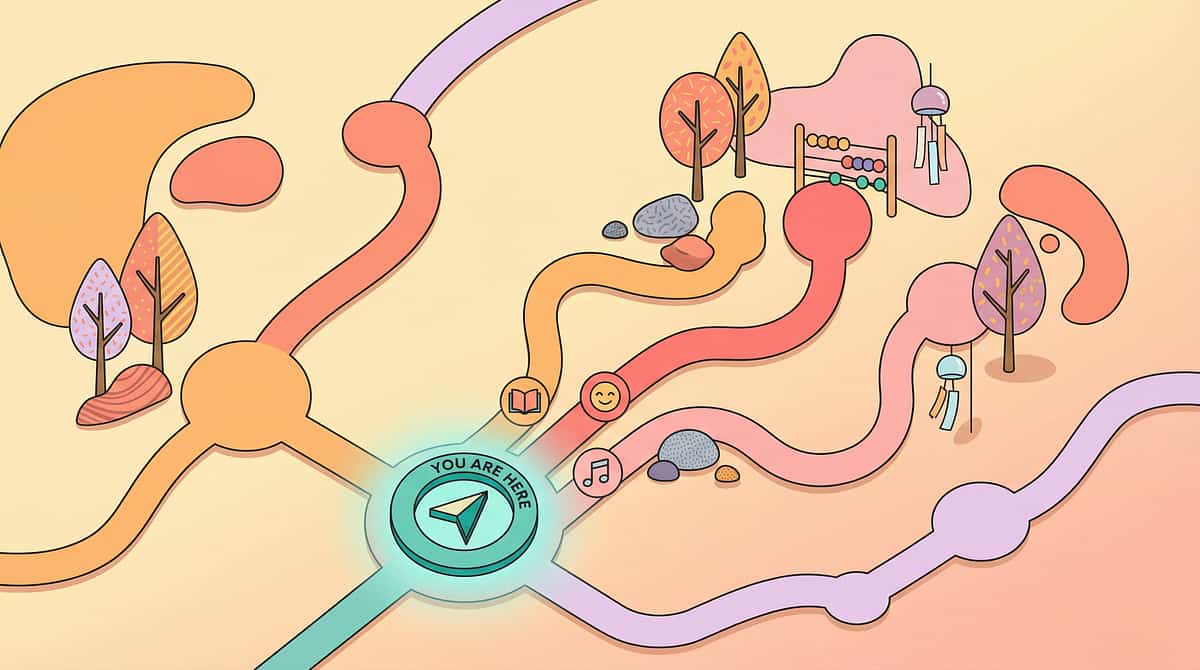
Week 5–8: Mastery Indicators
Mastery Indicator | Observable Behaviour | |
Single-step compliance | Follows familiar single-step directions without visual support, first time, in 3+ settings | |
Two-step compliance | Follows two-step related directions with visual support in familiar settings | |
Checklist independence | Completes 5-step familiar routine independently using checklist without adult prompting | |
Attention cue response | Orients to attention signal within 3 seconds across 3+ adults | |
Multi-step compliance | Follows 3-step directions with checklist in home AND one additional setting |
Generalisation Check
Does the skill appear: ✅ At home with Mum | ✅ At home with Dad/grandparent | ✅ At school | ✅ In community settings (shop, relative's home)
Generalisation to 3+ settings = true mastery. When mastery criteria are met consistently for 5+ sessions: move to the next level in the progression pathway.
Citation: PMC10955541 | BACB mastery criteria standards — observable, measurable, generalisable
🎉 This Is Real. You Did This.
"You said the same direction five hundred times and nothing happened. Then you chose to understand instead of repeat. You learned the neuroscience. You built the materials. You showed up every day — on the hard days, the resistant days, the days you wondered if it was working. It was working. Every single day, it was working. Your child can follow directions. And you built that bridge." — The Pinnacle Blooms Consortium
✅ Visual Support Systems
Child follows directions using visual support systems
✅ Power Struggles Reduced
First-Then boards have replaced daily power struggles
✅ Compliance Building
Compliance is building with less effort from you
✅ Therapeutic Home
Your home is now a structured, evidence-based learning environment
📸Take a photo today of your child using their checklist independently, or responding to the First-Then board. This is evidence of your child's growth. Store it in your GPT-OS® progress portfolio.
5 Signs to Pause and Seek Professional Consultation
🔴 Red Flag 1: Regression
What it looks like: Child who was following 2-step directions suddenly cannot follow single-step directions.
Action: Pause structured sessions. Rule out physical illness first. Contact therapist.
🔴 Red Flag 2: Consistent Significant Distress
What it looks like: Child is in tears, shows self-injurious behaviour, or is physically aggressive during sessions across 3+ consecutive days.
Action: Stop the structured protocol. Contact Pinnacle helpline: 9100 181 181
🔴 Red Flag 3: No Progress After 8 Weeks
What it looks like: Compliance rate is unchanged after 8 weeks of daily sessions.
Action: Request a comprehensive assessment — SLP + ABA evaluation for root cause identification.
🔴 Red Flag 4: Language Regression
What it looks like: Words or phrases disappearing, not just direction-following.
Action: URGENT — contact your paediatrician and Pinnacle SLP within 48 hours.
🔴 Red Flag 5: Compliance + Increasing Anxiety
What it looks like: Child is following directions but showing new avoidance behaviours, sleep changes, or increased rigidity.
Action: Reduce demand intensity. Consult OT for sensory-based anxiety management strategies.
Escalation Pathway: Home management → Teleconsultation → Centre visit → Specialist referral | Helpline: 9100 181 181 (24×7, 16+ languages)
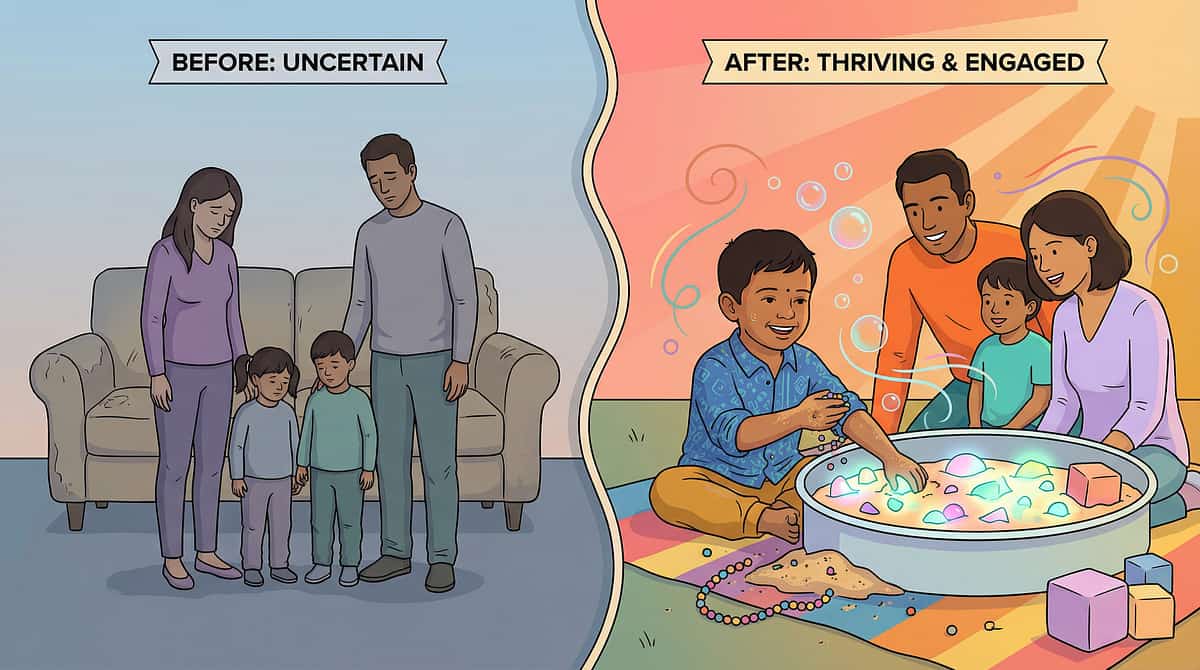
Where You've Been. Where You Are. Where You're Going.
Your progress through G-665 directly enables the next level. The materials you've already built carry forward into G-666, G-667, and G-670 — you're not starting over, you're building on a foundation.
Visual Supports Worked Best
→ Next: G-666 (Following Classroom Instructions)
ABA Systems Worked Best
→ Next: G-675 (Working Memory Support)
Listening Games Were Strong
→ Consider: G-670 (Auditory Processing)
Progress Was Slower Than Expected
→ Return to: G-663 (Understanding Questions)

Related Techniques in the Receptive Language & Compliance Domain
Technique | Code | Level | Materials You Already Own | |
Following Routines | G-664 | ● Intro | Visual Cards, First-Then Board | |
Following Classroom Instructions | G-666 | ●● Core | Visual Cards, Attention Cues | |
Understanding Questions | G-663 | ● Intro | Visual Cards | |
Understanding Complex Language | G-667 | ●●● Advanced | All G-665 materials | |
Auditory Processing Difficulties | G-670 | ●● Core | Listening Games | |
Working Memory Support | G-675 | ●● Core | Checklists, Visual Sequences |
✅ Your G-665 materials kit supports 4 of the 6 related techniques above. No additional purchases needed to begin G-664 or G-666.
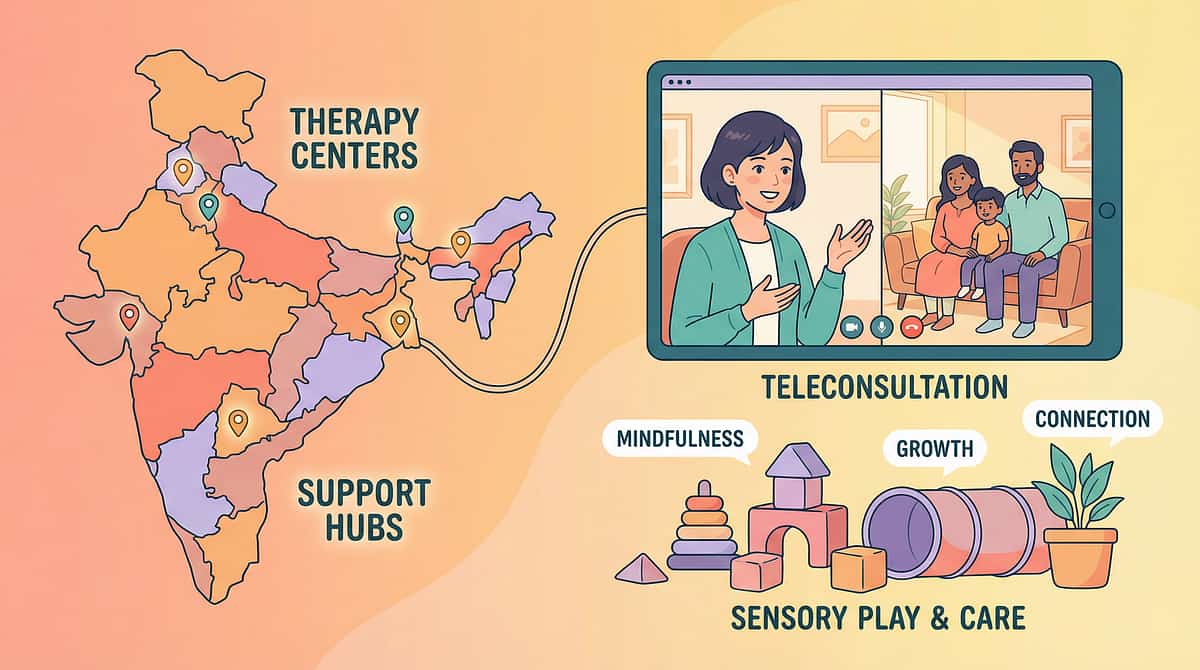
Your Child's Journey Is Larger Than One Skill
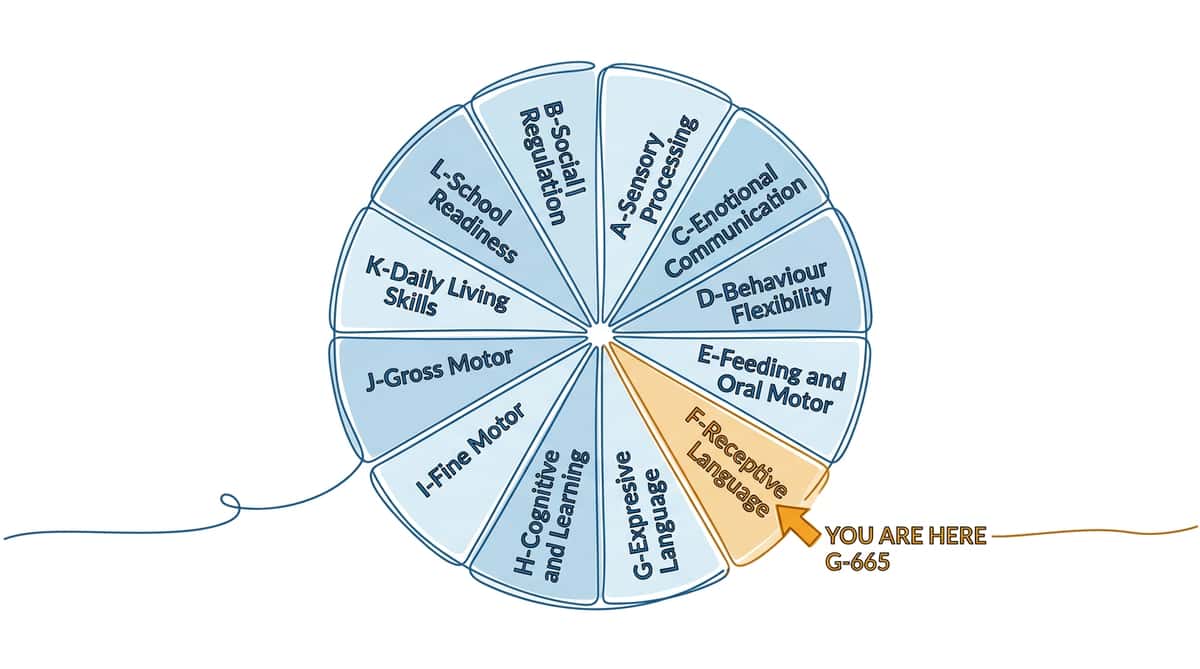
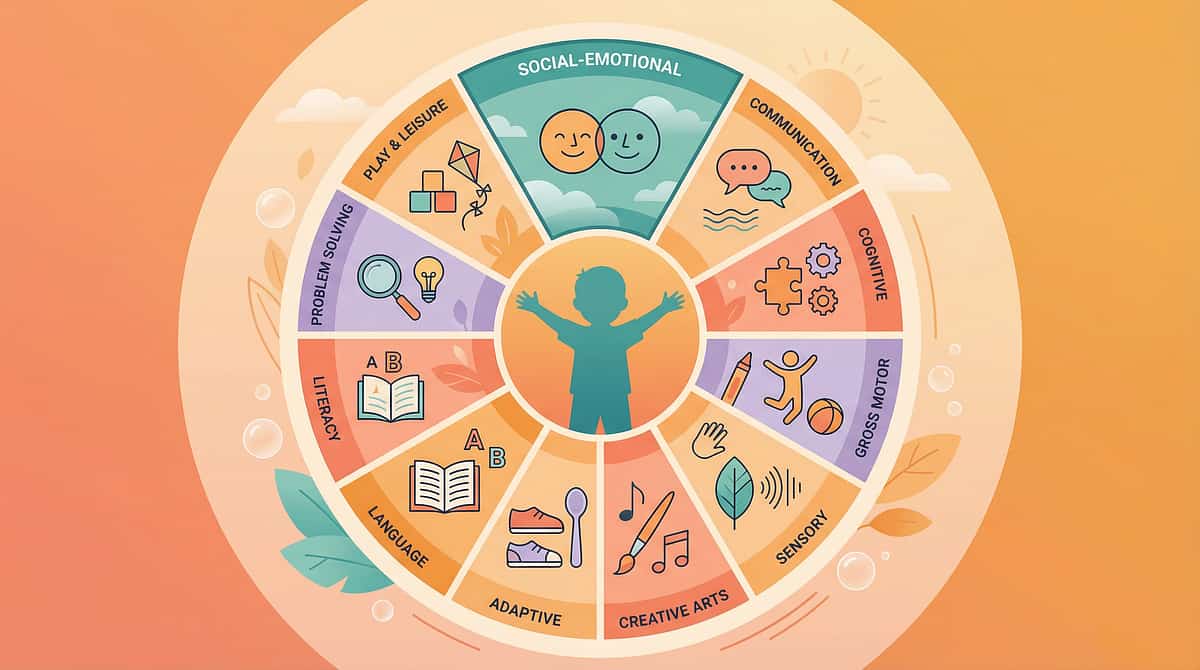
The 12 Developmental Domains — G-665 Position
- Domain F — Receptive Language: ★ YOU ARE HERE (G-665)
- Domains B, G, K, L: Downstream beneficiaries — improve as receptive language grows
- Domains A, C, H: Support and co-active domains
GPT-OS® Connection
"G-665 is one node in your child's personalised developmental network. As receptive language improves, it cascades into social communication, behavioural flexibility, school readiness, and daily living independence."
ACT V — COMMUNITY & ECOSYSTEM
Families Who've Been Here — Aryan, Age 7, Hyderabad
Before
"His teacher called every week. He was 'in his own world' during instructions. At home, I had to physically walk him to every task. He'd understand if I stood right next to him, but even two feet away, the direction evaporated. We tried shouting. We tried whispering. We tried singing it. Nothing changed." — Aryan's mother | Pinnacle Hyderabad network
After (Week 8)
"The morning checklist is on the bathroom mirror. He wakes up, walks to it, works through it. No reminders. He did it by himself this morning and came to show me. That's the whole point, isn't it? Not that he follows MY direction — that he can direct himself." — Aryan's mother
From the Therapist's Notes: Aryan's primary barrier was executive function — he understood directions but couldn't sequence the response internally. The task analysis checklist externalised that executive function. The skill is now his.
Families Who've Been Here — Meera, Age 5, Bangalore
Before
"She'd look right at me when I gave an instruction and then just... wander off. Hearing was fine. Attention was fine. But something between hearing and doing wasn't connecting." — Meera's mother | Pinnacle Bangalore network
After (Week 6)
"The visual cards were the answer. She needs to SEE the direction, not just hear it. Now she asks me to 'write it down' when I give her instructions. She's figured out her own accommodation." — Meera's mother
Note: Individual outcomes vary by child profile, underlying factors, and intervention consistency. Qualitative research on parent motivation shows that peer narratives are the strongest driver of home-based intervention adherence.
You Are Not Navigating This Alone
🟢 Pinnacle WhatsApp Parent Group — Receptive Language & Directions
2,400+ parents navigating the same challenge. Daily tips, wins, and troubleshooting. unknown link
💬 Pinnacle Online Forum
Post questions. Get responses from therapists and experienced parents within 24 hours. → pinnacleblooms.org/community/receptive-language
🏢 Local Pinnacle Parent Meetups
Find parents in your city who are working on the same domain. → Find meetups near you
🤝 Peer Mentoring
Connect with a parent whose child has already completed G-665. Real experience, real advice. → Request a peer mentor: 9100 181 181
"Isolation is the enemy of adherence. When you see another parent's child succeed with the same materials you're using, your consistency doubles. This is why community is not optional — it is clinical."

Home + Clinic = Maximum Impact
Your Need | Specialist | How to Connect | |
Receptive language assessment | Paediatric SLP | Book SLP Consultation → | |
Compliance training + token systems | BCBA / ABA Therapist | Book ABA Consultation → | |
Attention + sensory support | Paediatric OT | Book OT Consultation → | |
Classroom accommodation planning | Special Educator | Book SpEd Consultation → | |
Diagnostic assessment | NeuroDev Paediatrician | Book Diagnostic → |
Teleconsultation
Available across 70+ countries and in 16+ languages including Telugu, Tamil, Hindi, Kannada, Malayalam, English.
FREE Helpline — Always Available
📞9100 181 181 | FREE | 24×7 | 16+ languages
"Home-based intervention is 60% of the formula. Professional support is the other 40%. Neither works at full power alone."
For the Parent Who Wants to Go Deeper: The Research Library

1. Visual Supports — Systematic Review (NCAEP 2020)
Visual supports classified as evidence-based practice. 27 studies. Strong effect across age and ability ranges.
2. Token Economy in Compliance — JABA Meta-Analysis
Token systems show strong, replicated evidence for compliance and instructional control in paediatric ABA populations.
3. Multi-Disciplinary Approach — WHO/UNICEF (2022)
Convergent SLP + ABA + OT approach produces superior outcomes versus single-discipline intervention. DOI: 10.1080/17549507.2022.2141327
4. Home-Based Intervention RCT — India (2019)
Padmanabha et al. — significant outcomes from parent-administered structured home protocols. DOI: 10.1007/s12098-018-2747-4
5. Sensory Integration Meta-Analysis (PMC10955541, 2024)
24 studies — effective promotion of social skills, adaptive behaviour, and learning readiness.
6. Working Memory + Direction-Following (JLD)
External memory supports (checklists, visual sequences) compensate for working memory deficits in direction-following.

G-665 Parent FAQ
Q: My child's hearing is fine — why do they still struggle with directions?
Hearing and direction-following are different skills. Hearing is physical sound reception. Following directions also requires comprehension, working memory storage, executive planning, and motor execution. Visual supports and G-665 materials address those other steps.
Q: How long before I see improvement?
With consistent daily use: tolerance and initial compliance shifts typically emerge in Weeks 1–3. Reliable compliance with visual support: Weeks 3–6. Independent compliance in familiar settings: Weeks 6–12. Your child's timeline will vary.
Q: Is this approach the same as being strict or forcing compliance?
No. These materials are the opposite of force. They provide UNDERSTANDING (visual cards), MOTIVATION (First-Then), MEMORY support (checklists), and SUCCESS experiences (errorless learning). Force produces avoidance. These tools produce genuine capability.
Q: My child is 9 years old — is it too late to start?
No. The brain retains plasticity for skill acquisition throughout childhood and adolescence. Older children often make faster progress because their underlying language capacity is greater. Materials are simply adjusted for age-appropriate content and complexity.
Q: Should I use all 9 materials at once?
No. Identify your child's primary barrier first (see Card 8). Start with 2–3 materials that address that barrier. Add materials over weeks as the system becomes familiar. Introducing everything at once creates confusion.
Q: The First-Then board worked for a week, then stopped. Why?
The THEN item lost its reinforcing value — a very common pattern. Rotate your THEN items regularly. Conduct a preference assessment monthly. What motivates a child in Week 1 often doesn't motivate them in Week 5.
Q: My child's school doesn't use any of these tools — is home-only enough?
Home-only produces home-only compliance. For generalisation, the school must be involved. Use the Teacher Communication Template (Card 37) to advocate for parallel implementation. Pinnacle can provide a therapist letter for the school if needed.
Q: When do I need professional help instead of home materials?
Always use these materials alongside professional support — they extend therapy into the home, not replace it. If you see Red Flag indicators (Card 30), or if there has been no measurable progress after 8 weeks, book a professional evaluation. Call 9100 181 181.
Preview of 9 materials that help with following directions Therapy Material
Below is a visual preview of 9 materials that help with following directions therapy material. The pages shown help educators, therapists, and caregivers understand the structure and content of the resource before use. Materials should be used under appropriate professional guidance.


Link copied!

The Parent Who Reads Is Informed. The Parent Who Acts Changes Their Child's Life.
🚀 Start This Technique Today
Launch your G-665 session plan in GPT-OS® EverydayTherapyProgramme™. Personalised session guide generated for your child's profile.
📞 Book a Professional Consultation
Book a Pinnacle SLP, ABA, or NeuroDev assessment. Identify exactly which barrier is primary for your child.
Call: 9100 181 181 | Book online →
→ Explore the Next Technique
G-666: Following Classroom Instructions. Build on G-665's foundation — take direction-following into group settings.
"We exist to give every child — regardless of geography, language, or economic circumstance — access to the same precision, evidence-based therapy intelligence that reaches children in the world's best clinical centres. GPT-OS® is how we do it at scale. This page is one of 70,000+ ways we deliver on that promise." — Pinnacle Blooms Consortium
Medical Disclaimer: This content is educational and does not replace individualised assessment by speech-language pathologists, behaviour analysts, occupational therapists, or developmental specialists. Difficulty following directions can stem from multiple causes requiring professional evaluation. Strategies should be matched to the specific underlying factors affecting your child. Individual results may vary. Statistics represent aggregate outcomes across the Pinnacle Blooms Network.
CIN U74999TG2016PTC113063 | DPIIT DIPP8651 | MSME Udyog Aadhaar: TS20F0009606 | GSTIN 36AAGCB9722P1Z2
© 2025–2026 Pinnacle Blooms Network®, unit of Bharath Healthcare Laboratories Pvt. Ltd. All rights reserved. GPT-OS®, Pinnacle Blooms Network®, AbilityScore®, TherapeuticAI®, FusionModule™, and EverydayTherapyProgramme™ are proprietary IP.