
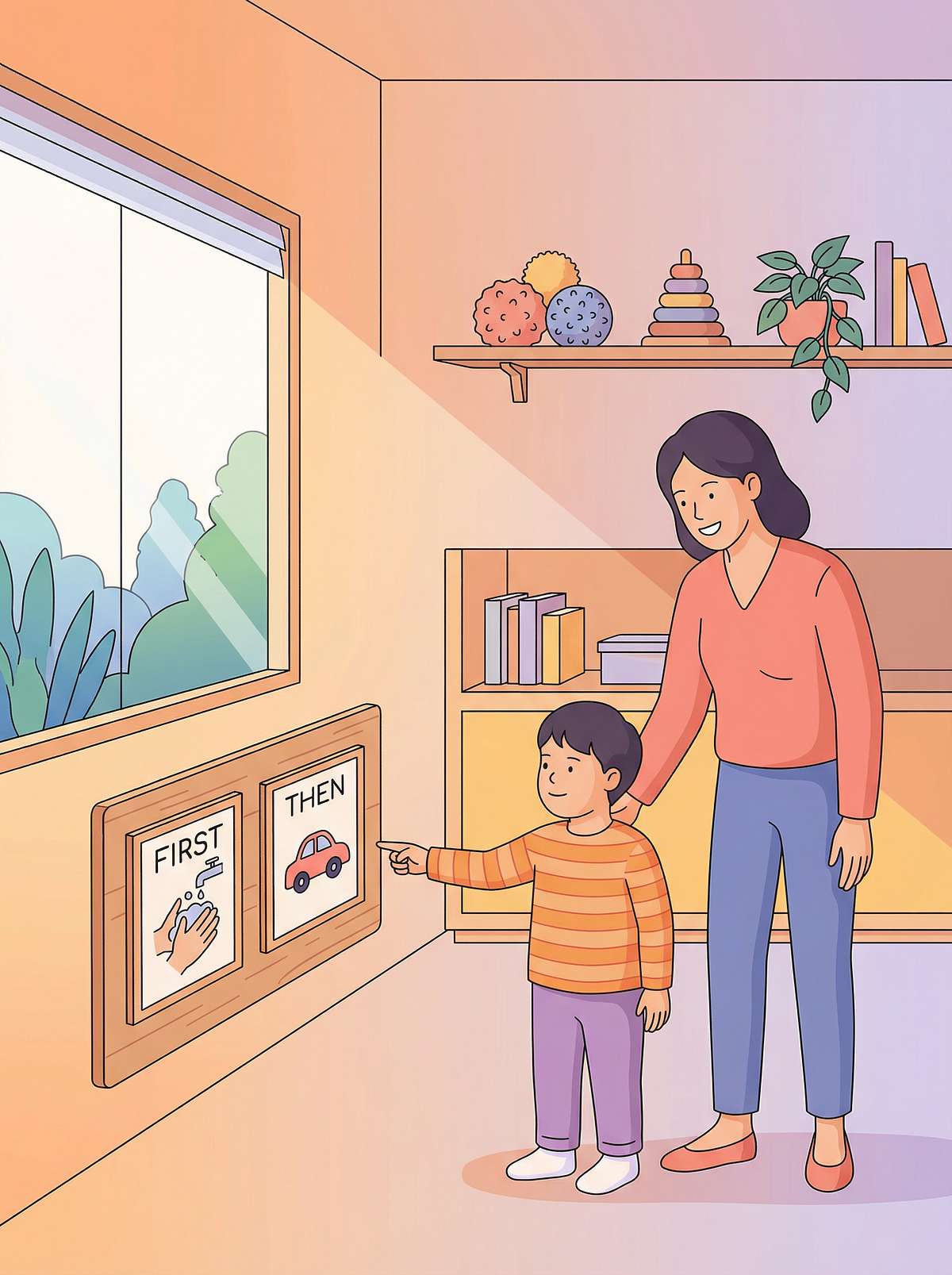
Every morning. Every transition. Every single time. You say FIRST, she melts down BEFORE the words even land. The promise disappears the moment you speak it — because she cannot hold onto something she cannot see.

You Are Among Millions. This Is Not Rare.
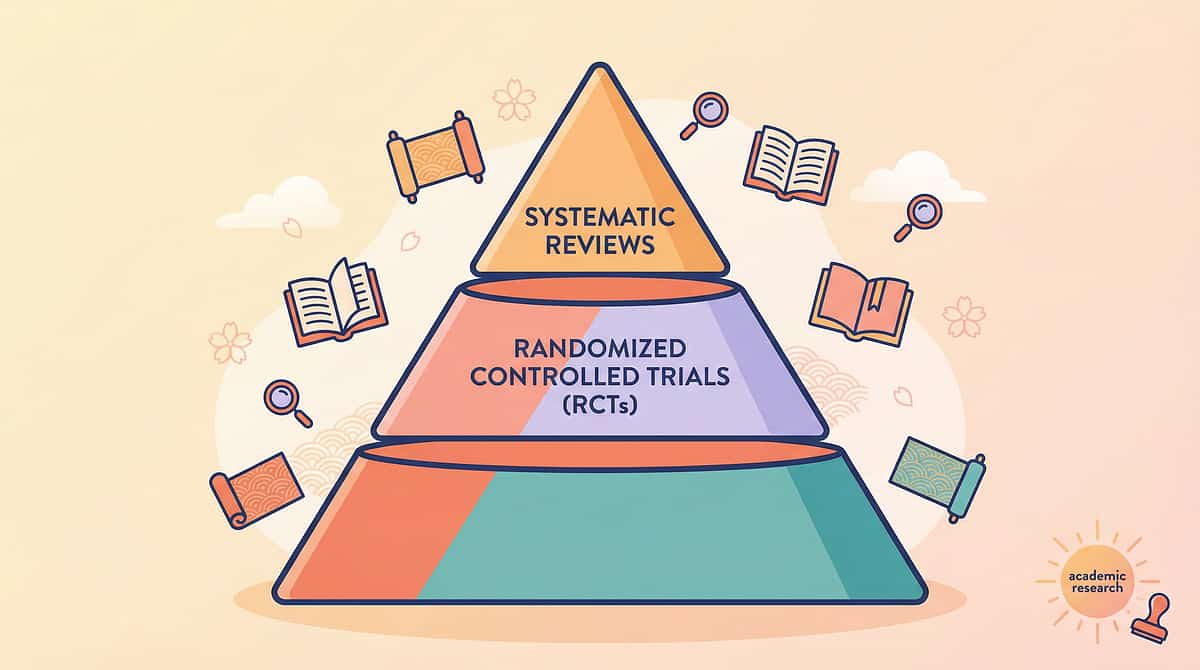
Transition meltdowns. Task refusal. The inability to understand "after" or "later" or "when we get home." These are among the most universally reported challenges by parents and caregivers of neurodivergent children — cutting across autism, ADHD, developmental delays, language disorders, and anxiety. The First-Then board is not a workaround. It is a clinically established antecedent intervention — one of the most researched visual support tools in pediatric behavioral science.
Autism Diagnosis
children receive autism diagnosis globally (CDC, 2023)
Transition Difficulties
of children with ASD experience significant transition challenges daily
Families Worldwide
navigate daily transition challenges — you are not alone
"When a parent sees that 40 million families face this — the isolation dissolves. They stop asking 'why my child?' and start asking 'what do I do?'" — Pinnacle Clinical Consortium
🇮🇳 India: Estimated 7.5 million children with ASD (Mishra et al., 2023). Transition difficulties and demand refusal are the #1 challenge reported by families at intake across Pinnacle's 70+ center network. | References: PMC11506176 | PMC10955541 | DOI: 10.12998/wjcc.v12.i7.1260

This Is a Wiring Difference. Not Defiance.
Why "First shoes, THEN playground" doesn't compute
The child's prefrontal cortex — responsible for holding future plans in mind — processes abstract temporal sequences differently in autism and related profiles. When you say "first… then…" verbally, the word disappears the moment it leaves your lips. There is nothing for the brain to anchor to.
Visual information processes through the occipitotemporal cortex — often a relative strength in autism. A picture of shoes → a picture of playground gives the brain something it can hold onto, return to, and use to predict what comes next.
The Shift: Verbal → Visual
❌Verbal only: "First shoes, then playground" → disappears in 2 seconds
✅Visual + verbal: Show board → Point to shoe icon → Point to playground icon → Words anchor to images → Sequence persists
Why This Matters
Your child is not ignoring your words. Their auditory working memory may not hold the contingency long enough to regulate behavior. A visual board bypasses this bottleneck entirely — turning an invisible promise into a visible, trustworthy contract.
Frontiers in Integrative Neuroscience (2020): DOI: 10.3389/fnint.2020.556660
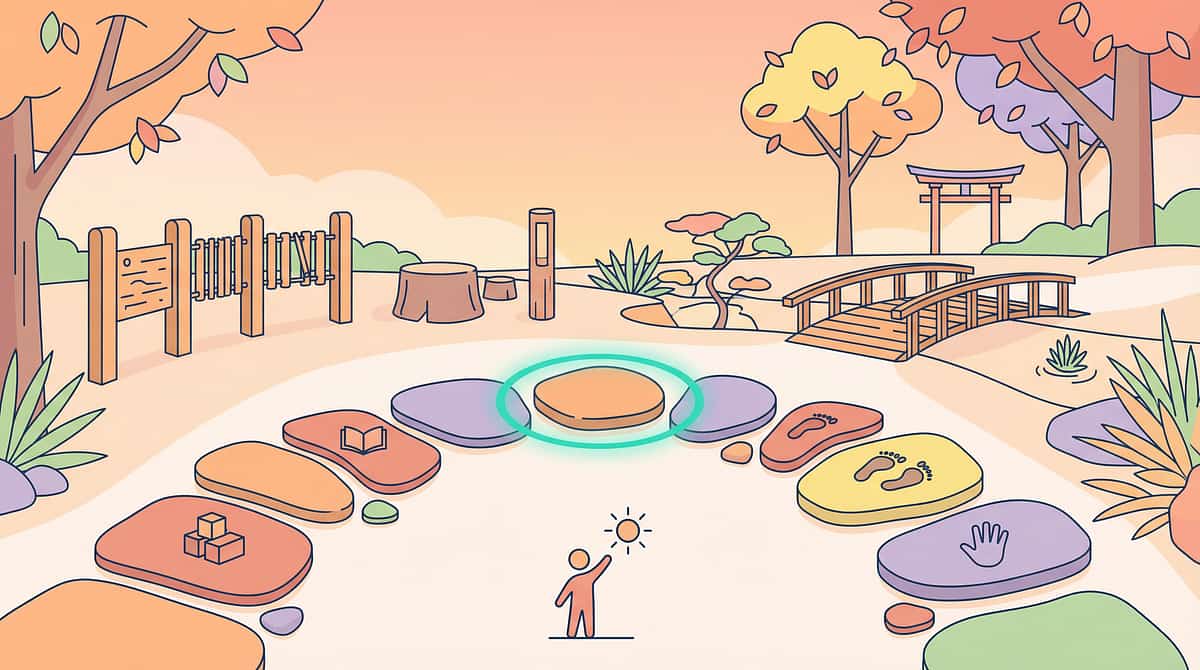
Your Child Is Here. Here Is Where We're Heading.
Real development is not linear — and children with ASD, ADHD, or developmental differences often need extended support at key junctures. Understanding where your child is on this continuum helps you meet them there, not where you wish they were.
12–18 Months
Anticipates familiar routines (sees coat = going out)
18–24 Months
Understands immediate two-step sequences
2–3 Years
Follows 2–3 visual steps with support
3–4 Years
Uses First-Then symbols independently
4–6 Years
Follows multi-step schedules with minimal guidance
6+ Years
Self-manages routines with internalized self-talk
The Forward Path: Real Objects → Photographs → Picture Symbols → Written Words → Internalized Self-Talk
WHO/UNICEF Care for Child Development Package (2023) — implemented in 54 low- and middle-income countries. References: PMC9978394

Clinically Validated. Home-Applicable. Parent-Proven.
🛡️ NCAEP (2020)
Visual Supports classified as Established Evidence-Based Practice for ASD. 28 high-quality studies confirming efficacy across age, setting, and challenge type.
🛡️ National Standards Project
National Autism Center classified Visual Supports as an Established Intervention — the highest confidence rating in behavioral intervention taxonomy.
🛡️ Wong et al. (2015)
Journal of Autism and Developmental Disorders — comprehensive review confirming visual supports effectiveness for task completion, transition tolerance, and contingency understanding.
"Visual supports are among the most extensively researched and consistently validated interventions for children with autism spectrum disorder. Evidence spans pre-school through adolescence, across settings and severity levels." — NCAEP Evidence-Based Practices Report (2020)
Research Quality
Home Applicability
Parent Adherence
with training
🇮🇳 Padmanabha et al., Indian Journal of Pediatrics (2019): Home-based visual and behavioral interventions demonstrated significant outcomes in Indian pediatric ASD population. DOI: 10.1007/s12098-018-2747-4
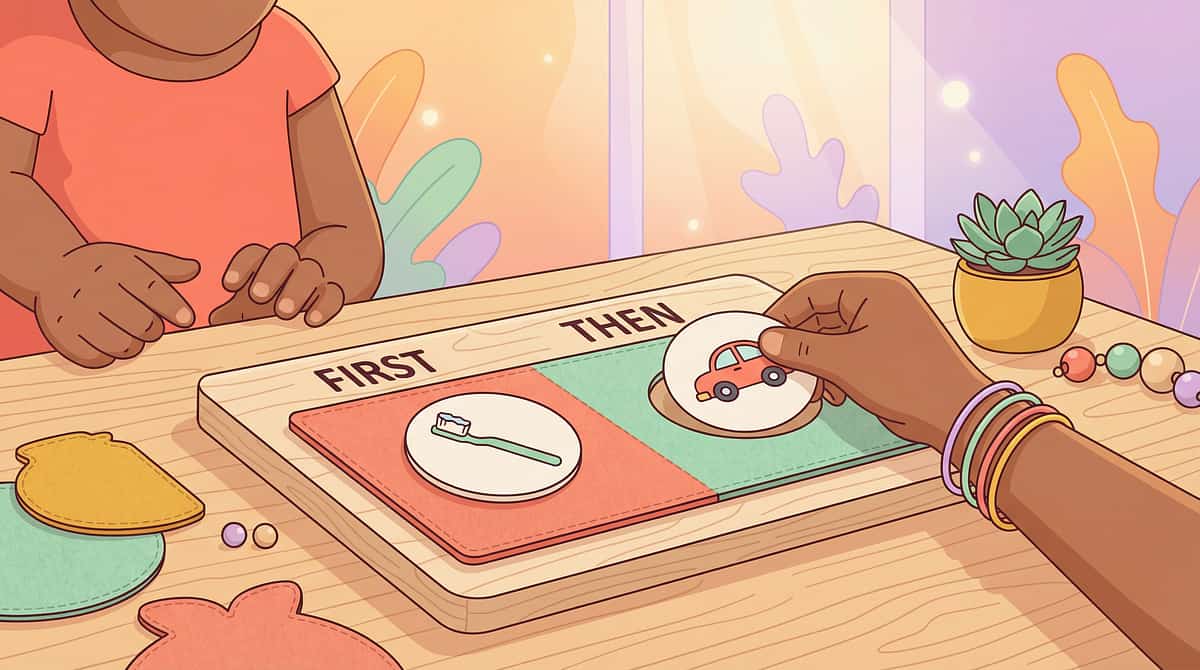
What Is a First-Then Board?
Formal Name
First-Then Board / Visual Contingency Support System
Also known as: "The Promise Board" | "The What Comes Next Board"
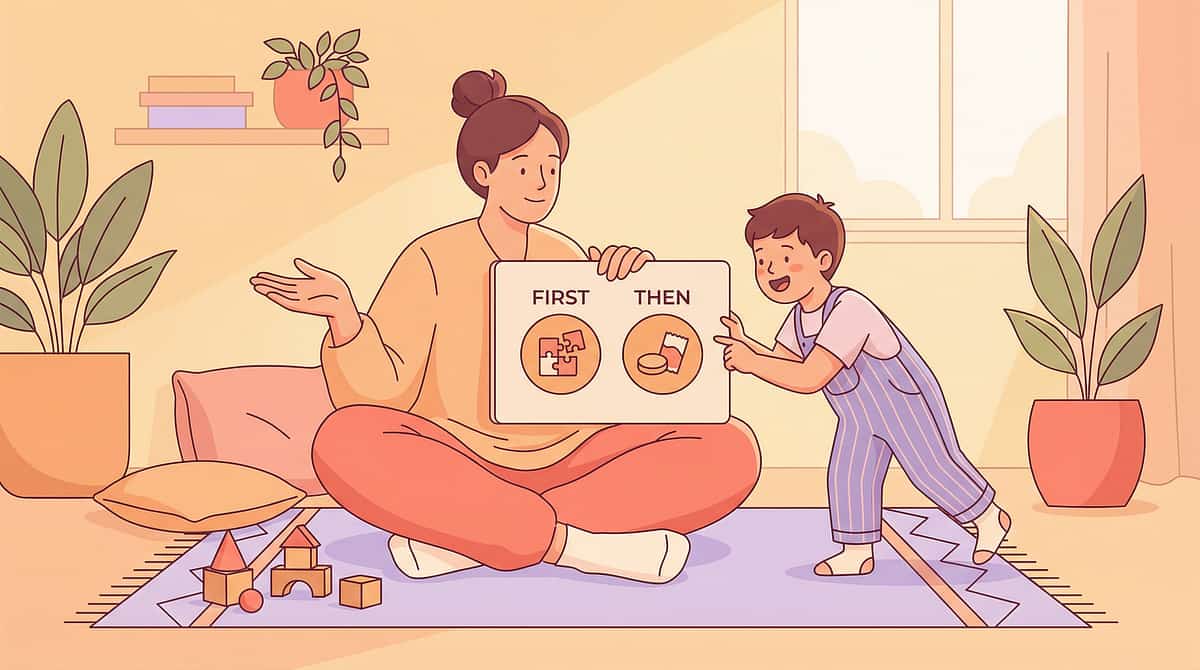
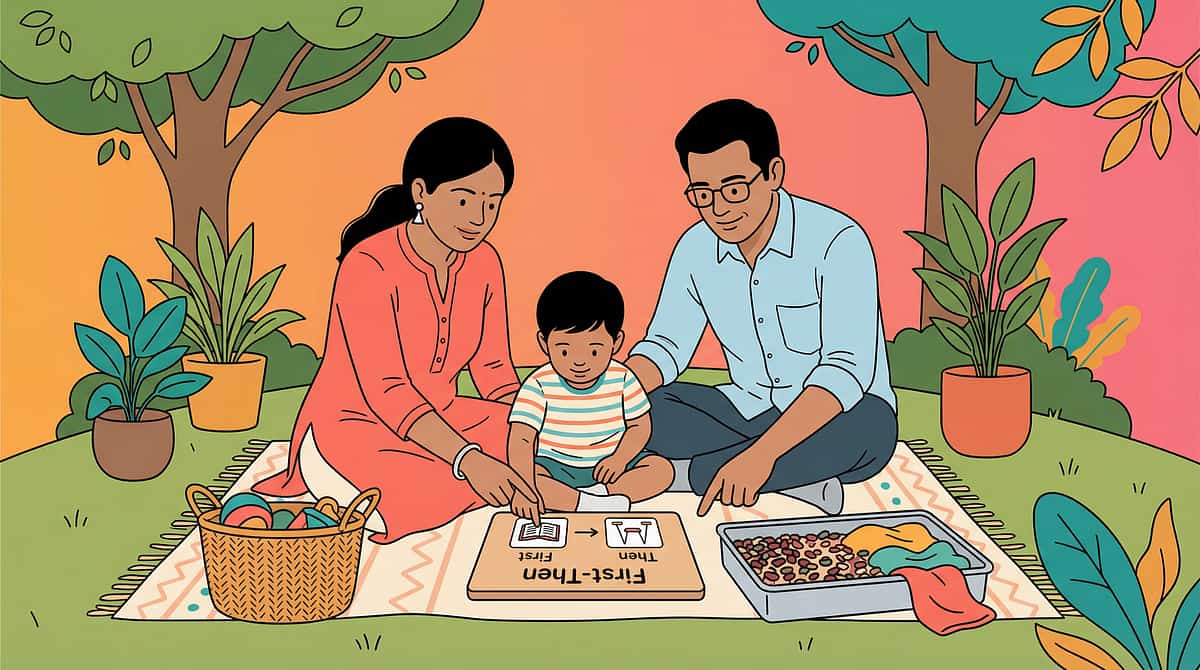
A First-Then board is a portable visual support displaying a two-step sequence: the FIRST activity (what the child needs to do now — typically a non-preferred or required task) and the THEN activity (what the child will get to do after — typically a preferred activity or reward).
Unlike spoken words that evaporate, the visual sequence persists — giving the child's brain something to hold onto across the gap between now and next.
Domain Badges
🎯 Applied Behavior Analysis | 👁️ Visual Supports | 🔄 Transition Support | 🧠 Executive Function | 🗣️ Communication | ⚙️ Behavior | ⏱️ Delayed Gratification | ✅ Task Completion
Specifications
👶Ages: 2–12 years (may extend through adolescence/adulthood)
⏱️Session: 2–5 minutes setup | Ongoing throughout day
🔁Frequency: Every transition, every demand situation — daily
📍Setting: Home + School + Community + Therapy
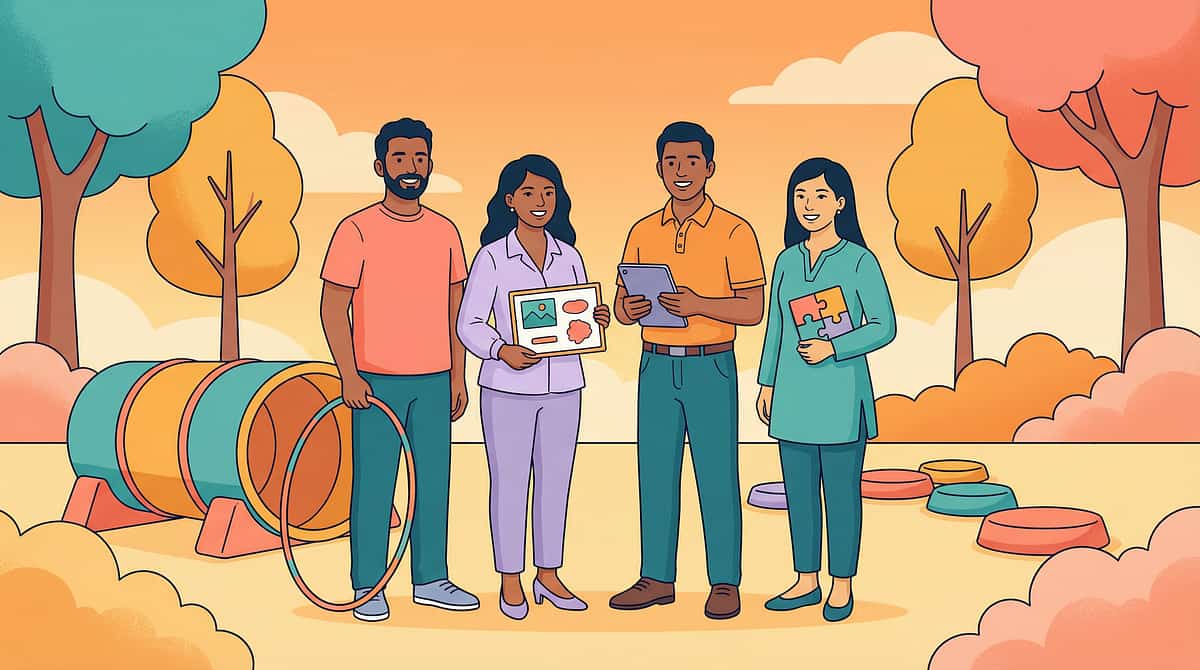
This Technique Crosses Every Therapy Boundary.
ABA / BCBA (Primary Lead)
Applied Behavior Analysts deploy First-Then boards as a foundational antecedent intervention. The board makes the contingency relationship explicit ("do X, get Y"), reduces demand-related challenging behavior, and builds schedule-following skills that underpin all behavior programming.
Speech-Language Pathologist
SLPs use First-Then boards to reduce communication breakdowns during transitions, support AAC users who need visual contingency alongside their devices, and build the receptive language skills that precede more complex language processing.
Occupational Therapist
OTs integrate First-Then boards with sensory regulation — pairing a regulating "First" activity (e.g., deep pressure, heavy work) before a less-preferred task, making the sensory preparation visible and predictable.
Special Educator
Special educators use First-Then boards for classroom transitions, task completion within learning routines, and building the executive function and compliance skills that enable full participation in educational settings.
"The brain doesn't organize by therapy type. First-Then boards work because they address a core processing difference — not a speech problem, or a behavior problem, or a sensory problem. They address a time perception problem. Every discipline benefits." — Pinnacle Blooms Consortium Clinical Lead
Six Things That Change When First-Then Boards Work.
🎯 Transition Tolerance
Meltdowns and physical refusal when moving between activities reduces dramatically when the child can see what's coming. The unknown becomes known. The threat becomes predictable.
🎯 Task Compliance
When "what I have to do" and "what I get after" are both visible simultaneously, children engage with non-preferred tasks at significantly higher rates. The effort has a visible payoff.
🎯 Contingency Understanding
Children learn that doing the hard thing leads to the good thing — a foundational life skill that extends far beyond the therapy room into school performance and adult independence.
🎯 Delayed Gratification
The ability to wait for a preferred outcome while engaged in a non-preferred activity is one of the strongest predictors of long-term adaptive functioning. First-Then boards build this systematically.
🎯 Predictability & Reduced Anxiety
For children for whom uncertainty is distressing, knowing what comes next is profoundly calming. First-Then boards transform unpredictable demands into predictable, safe sequences.
🎯 Executive Function Foundation
Sequence understanding, working memory for future plans, and self-monitoring of task completion are all supported — building the cognitive architecture for later independence.
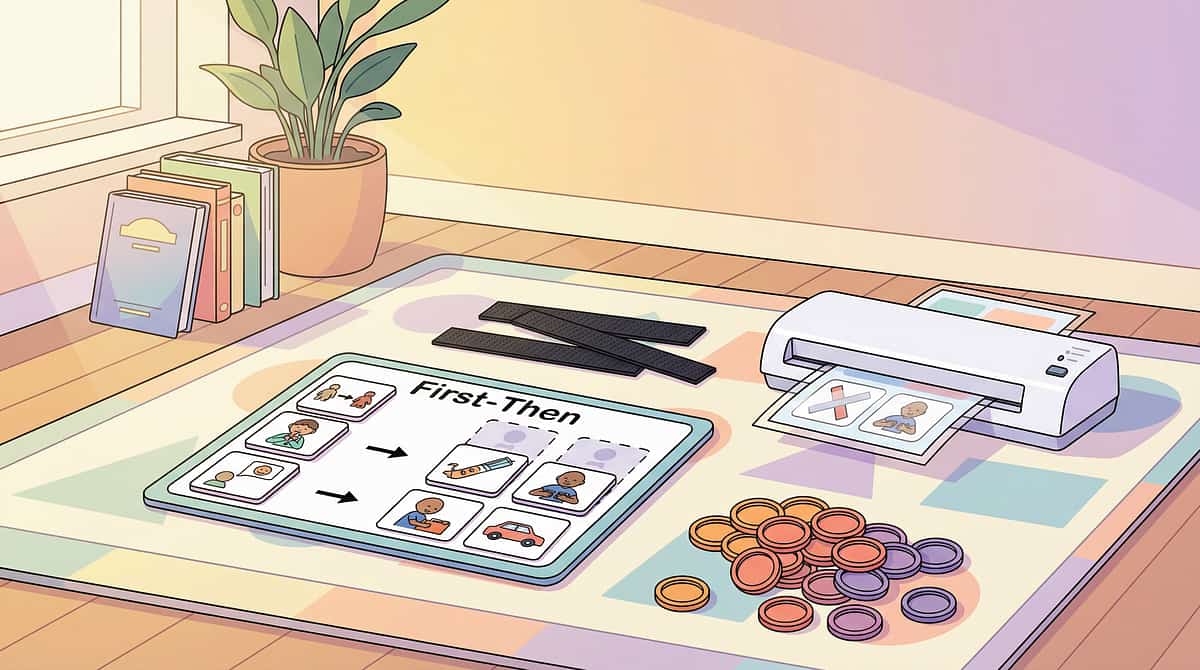
9 Materials. One System. Complete First-Then Support.
Every material below has been selected and validated through the Pinnacle 128 Canon Materials system. Together, they form a complete visual contingency support ecosystem — from the board itself to the reward that makes the system work.
1. 🗂️ First-Then Board Base
Velcro board, folder, or clipboard. ₹200–1,500. The portable foundation with clear FIRST/THEN sections.
2. 🖼️ Picture Symbol Icons
Photos, PCS symbols, Boardmaker icons. ₹300–3,000 (DIY: near ₹0). The visual language — match to child's comprehension level.
3. 🔗 Velcro System
Industrial-strength hook-and-loop dots and strips. ₹150–500. Makes the board interactive — icons attach, detach, and move.

🗂️ Material 1: First-Then Board Base
What It Is
The First-Then board base is the physical foundation of your entire visual contingency system. It is a portable, durable surface divided into two clearly labeled sections — FIRST on the left and THEN on the right — onto which picture icons are attached and removed as activities are completed.
Options
- Commercial velcro boards (most durable, most portable)
- Laminated cardstock folders
- Clipboard with divided sections
- DIY: cardstock divided with a marker + packing tape lamination
Why It Matters
The board base creates the visual container that makes the contingency real and persistent. Unlike a verbal statement that disappears, the board stays in place — the child can look at it, point to it, and return to it across the duration of the First task. The physical act of removing the First icon when the task is done provides a satisfying, clear signal of completion.
Selection Tips
- For children under 4: floor-level mounting, large format
- For active/mouthy children: rigid, laminated, no loose edges
- For travel: fold-over clipboard or laminated card on keyring
💰Cost: ₹200–1,500 | DIY: near ₹0

🖼️ Material 2: Picture Symbol Icons (PCS/Photos)
What They Are
Picture symbol icons are the visual vocabulary of your First-Then board. Each icon represents one activity — a shoe for "put on shoes," a toothbrush for "brush teeth," a tablet for "screen time." Icons are placed in the FIRST and THEN positions on the board to communicate the contingency.
The Icon Hierarchy (start here, progress up)
Real Objects
Actual toothbrush, actual snack — most concrete, best for early learners
Photographs
Personal photos of the actual item in your home
PCS / Boardmaker Icons
Standardized picture communication symbols
Written Words
For children with emerging literacy
Choosing the Right Level
The icon type must match your child's current comprehension level — not where you want them to be. An icon that is too abstract is an icon the child will ignore. Start more concrete than you think necessary, then advance.
DIY Icon Tips
- Print phone photos at ₹2 each at any print shop
- 6 icons per A4 page = full library for under ₹20
- Laminate with clear packing tape on both sides
- Stick Velcro dot on the back of each icon
💰Cost: ₹300–3,000 commercial | Near ₹0 DIY

🔗 Material 3: Velcro System (Industrial Strength)
Velcro is the interactive mechanism that makes First-Then boards functional rather than merely decorative. Without a reliable attachment system, icons fall off, get lost, or can't be repositioned — destroying the session before it starts.
Why Industrial Strength Matters
Standard craft Velcro loses grip quickly, especially with children who repeatedly attach and detach icons. Industrial-strength hook-and-loop holds firmly enough to be deliberate but releases cleanly enough that a child can remove an icon to signal "all done." The act of physically removing the FIRST icon is itself a powerful ritual of task completion.
Setup Tips
- Apply "loop" (soft) side to board; "hook" (scratchy) side to icons
- Use strips on board, dots on individual icons
- Pre-cut dots in bulk — keep extras in a small bag
- Replace worn Velcro dots monthly for consistent grip
Safety Note
Ensure Velcro dots are firmly secured to icons and board. Loose dots are a mouthing and choking risk for children under 4 or children who mouth objects. Check all attachment points before each session.
DIY Substitute
Safety pins through laminated cards, or sticky-backed foam pieces. Less elegant but functional for getting started today.
💰Cost: ₹150–500 | DIY: ₹0

🗃️ Material 4: Laminator + Pouches
What It Does
A laminator transforms paper icons into durable, wipeable, long-lasting therapy tools. Unlaminated icons tear, fade, get wet, and fall apart within days of real-world use. A laminator is the single tool that makes the rest of your DIY materials clinically viable for daily use.
What to Buy
- Machine: A4 thermal laminator — any brand rated 3-mil minimum
- Pouches: 3-mil for standard icons; 5-mil for high-use or mouthed items
- Cold laminator pouches (no machine needed) as a lower-cost alternative
💰Machine: ₹1,500–4,000 | Pouches: ₹300–800
When You Can't Buy One
Clear packing tape applied firmly to both sides of a printed icon produces a surprisingly durable result — functional for weeks with careful use. Alternatively, local print shops offer lamination at ₹5–15 per page. Print 6 icons per A4 sheet, laminate the whole sheet, then cut — total cost under ₹20 for a full icon library.
Clinical Note
Lamination is non-negotiable if your child mouths objects. Raw paper icons present a choking risk and become inoperable when wet. For children with oral sensory profiles, use 5-mil double lamination and sand any sharp corners with fine sandpaper.

🧸 Material 5: Real Object Miniatures
For children at the earliest stages of icon comprehension — or those for whom two-dimensional pictures remain too abstract — real objects are the most powerful icon format available. An actual miniature shoe placed in the FIRST position communicates "put on your shoes" more directly than any photograph or symbol ever could.
When to Use Real Objects
- Child consistently ignores photo or symbol icons
- Child is under 30 months developmental level
- Child is functioning at earliest symbolic understanding stages
- During initial introduction — before fading to photos
Examples in Practice
- FIRST: Actual toothbrush → THEN: Actual cracker bag
- FIRST: Real sock → THEN: Favorite small toy
- FIRST: Backpack (to signal "time to leave") → THEN: Playground miniature
Safety Requirements
Objects must be age-appropriate with no small detachable parts (choking risk). For children under 4: ensure all objects are larger than 4cm in every dimension. For children who mouth: ensure objects are non-toxic and washable. Replace objects that show signs of wear or damage.
Fading Objects to Photos
Once the child demonstrates consistent understanding with real objects, begin pairing: show the object alongside a photograph of the same object. Gradually reduce the object until the photo alone is sufficient. This is the natural developmental progression.
💰Cost: ₹300–1,500 | Often ₹0 using household items
⭐ Material 6: Token Board / Token Economy
What It Is
A token board is the next stage after First-Then — it stretches the contingency across multiple steps. Instead of First (1 task) → Then (1 reward), the child earns visible tokens for completing each sub-step, accumulating toward the "Then" reward over 3, 5, or even 10 steps.
The token board makes invisible progress visible — the child can see exactly how many steps remain, which dramatically reduces the anxiety of uncertainty.
When to Introduce It
- Child has successfully used basic First-Then for 2–4 weeks
- Child consistently completes First tasks with minimal resistance
- You want to stretch delay tolerance gradually
- Week 3–4 consolidation signs are present (see Card 24)
How It Works
Set up a board with 3–5 empty slots. For each completed sub-step or each correct behavior, place one token (star, sticker, coin) in a slot with warm praise. When all slots are filled → deliver the "Then" reward immediately and enthusiastically.
Example Sequence
⭐ Get dressed → Token | ⭐ Brush teeth → Token | ⭐ Eat breakfast → Token | ⭐ Get backpack → Token | ⭐ Shoes on → Token | → 🎉 THEN: iPad for 10 minutes
💰Cost: ₹300–1,500 | DIY: cardstock with drawn circles, coins as tokens
🏅Pinnacle Canon | Reinforcement Stickers → | Reward Jar →
⏱️ Material 7: Visual Timer (Sand / Time Timer / App)
One of the most universal sources of transition meltdowns is the phrase "just a little longer" — because children with autism and ADHD cannot hold abstract time in their minds. Visual timers make the passage of time concrete, countable, and visible. "How much longer?" becomes answerable without any words at all.
Types of Visual Timers
- Sand timers: Best for children who find watching the sand calming; highly portable
- Time Timer: Red disk that shrinks as time passes — clinical gold standard
- Digital countdown apps: Smartphone-based; highly customizable
- DIY: Clear bottle half-filled with colored water — tip to time; watch it drain
Where It Fits in First-Then
Use the visual timer to govern the duration of the "Then" activity — not the "First." Set it when the "Then" begins. Show the child: "iPad for this much time." When the timer ends, the iPad ends. The timer — not you — becomes the authority for transitions.
Pro Tip
Once the child is familiar with the timer → use the timer ending as the signal to introduce the next First-Then board. "Timer done! Look — First [next task], Then [next reward]." The loop continues smoothly.
💰Cost: ₹500–3,000 | DIY: ₹0

🎒 Material 8: Portable Mini First-Then Card/Keychain
Why Portability Is Non-Negotiable
Transitions don't happen only at home. The grocery store. The playground. Grandma's house. The waiting room at the pediatrician's office. These are precisely the settings where meltdowns are most distressing — and most visible. A portable First-Then system means the visual contingency travels wherever the child travels.
What It Looks Like
- Laminated index card with "FIRST" and "THEN" sections drawn on it
- 2–4 laminated icons on a keyring, clipped to caregiver's bag
- Small flip folder (business card size) with 4–6 icon pairs inside
- Lanyard-mounted mini board worn by support worker
Building Your Community Kit
Identify the 5 most common community transitions for your child: leaving the park, waiting at the doctor, grocery checkout, restaurant waiting, car departure. Create one icon pair for each. Keep them all on a single keyring in your bag — ready in seconds, wherever you are.
Caregiver Tip
Introduce the portable board at home first, in low-demand situations. Once the child associates the mini card with the same First-Then system, it will function in community settings. Never introduce a new format for the first time in a high-stress community situation.
💰Cost: ₹100–600 | DIY: index card + hole punch + keyring = ₹10

🏆 Material 9: Reinforcer Inventory + Choice Board
The "THEN" only works if your child actually wants it. This seems obvious — but it is the most commonly overlooked reason First-Then boards fail. A reinforcer that has lost its value, or was never genuinely motivating, renders the entire contingency meaningless. The Reinforcer Inventory is your evidence base for what works.
The Reinforcer Inventory
A systematic record of your child's current preferences across categories: edibles (snacks), activities (swings, iPad, drawing), social (tickles, songs, high-fives), sensory (deep pressure, bubbles, water play). Updated monthly — because preferences change.
Running a Preference Assessment
Place 4–6 items on a table. Observe which the child reaches for first, second, third. Note duration of engagement with each. Rank them. Use the top 2–3 as "Then" options — rotate to prevent satiation.
The Choice Board
A Choice Board gives the child agency over their "Then" — 2–4 icons of currently preferred items, displayed during the First task. The child points to what they want. This increases motivation, builds communication, and prevents the "I don't actually want that today" problem that derails many sessions.
The Golden Rule
Whatever the child chooses from the Choice Board is what they receive when First is complete. No substitutions. No delays. The system's trustworthiness depends on total reliability of delivery.
💰Cost: ₹200–1,000 | DIY: 4 sections on cardstock with photos

Every Technique. ₹0 Version Available. No Parent Left Behind.
This is the WHO/UNICEF equity principle in action: every family — regardless of income, location, or access to therapy shops — can implement First-Then boards today. The therapeutic mechanism is visual persistence of the contingency — not the material itself. A hand-drawn icon achieves the same neurological effect as a ₹2,000 commercial system, if implemented consistently and correctly.
Material | Buy This | Make This (₹0) |
Board Base | Commercial velcro board ₹200–500 | Cardstock divided with marker + laminated with clear tape |
Icons | PCS symbol set ₹500–2,000 | Phone photos printed at ₹2 each + clear tape lamination |
Velcro | Industrial strength rolls ₹150–300 | Safety pins through laminated cards, or sticky-backed foam |
Lamination | A4 laminator ₹1,500+ | Clear packing tape applied both sides |
Real Objects | Miniature sets ₹300–800 | Actual household items — real toothbrush, real snack wrapper |
Token Board | Printed star board ₹200–500 | Draw 5 circles on cardstock, use coin/button as token |
Visual Timer | Sand timer ₹200–400 | Tall clear bottle half-filled with water + food coloring |
Portable Card | Printed laminated card ₹50–200 | Index card with drawn icons, hole-punched, on keyring |
Choice Board | 4-slot velcro board ₹200–400 | 4 sections drawn on cardstock with photo/drawn options |

Safety Gate. Read Before Session.
Every successful First-Then session begins with a safety check. Proceeding when a child or caregiver is not in the right state can damage trust in the system and create new associations between the board and distress. Take 60 seconds before every session.
🔴 DO NOT PROCEED
- Child is in active meltdown — wait until regulated
- Child shows signs of illness (fever, significant discomfort)
- You are significantly dysregulated (your regulation is the prerequisite)
- Child is showing severe self-injurious behavior without professional guidance in place
🟡 MODIFY BEFORE PROCEEDING
- Child is tired or hungry → reduce "First" demand significantly; increase "Then" value
- Very small icons: ensure minimum 5cm × 5cm for children under 4
- Child mouths materials: use only laminated items; no loose Velcro pieces
- Child has latex sensitivity: use non-latex Velcro alternatives
🟢 PROCEED
- Child is fed, rested, and regulated
- Materials are age-appropriate and safely prepared
- All caregivers agree on the system and will follow through
- "Then" item is genuinely accessible (don't promise iPad if iPad is dead)

The Environment Is 50% of the Session.
The physical space you create around a First-Then session either amplifies or undermines everything else you do. A distracted child in a chaotic environment will not attend to a visual board regardless of how well the board is made. Invest 5 minutes in the environment before you begin.
Position the Board
Mount or place the First-Then board at the child's eye level — they must be able to see it without effort. For young children: near floor level. For older children: at standing height. Arm's length accessible.
Prepare Today's Sequence
Set the FIRST icon and THEN icon on the board before approaching the child. Never build the board in front of a dysregulated child — the setup itself should be calm and invisible.
Make the "Then" Visible but Gated
The preferred item should be visible nearby (motivating) but not immediately accessible. A cracker on the counter — not in the child's hand. iPad on the table — not already turned on.
Reduce Distractions
Television off. Other siblings engaged elsewhere if possible. Quiet, organized space. This is a 2–5 minute interaction — not an all-day setup. Background noise below 50dB (normal conversation level). Natural light preferred.
Have Backup Icons Ready
Keep 3–4 alternative "Then" icons nearby in case the child rejects the first offered reward. Flexibility here prevents session failure. The choice board (Material 9) is your tool for this.
PMC10955541 — Meta-analysis confirms structured 1:1 environments most effective for visual support interventions.

60 Seconds. 7 Questions. Before You Begin.
Readiness is the invisible variable that determines whether a First-Then session succeeds or fails. A child who is hungry, exhausted, or post-meltdown cannot engage with a visual contingency system no matter how perfectly you implement it. Check before you start — every time.
The 7 Readiness Questions
- ☐ Fed within last 2 hours
- ☐ Rested (no major sleep disruption last night)
- ☐ Not currently in meltdown or post-meltdown dysregulation
- ☐ No illness signs (fever, pain, vomiting)
- ☐ Eye contact or visual attention available (even briefly)
- ☐ No major medication changes in last 24 hours
- ☐ You (the parent/caregiver) are regulated and not in high stress
The Decision Gate
✅6–7 checked: GO → Proceed to Step 1
⚠️4–5 checked: MODIFY → Simplify the "First" task significantly; use highest-value "Then"; proceed cautiously
🛑0–3 checked: POSTPONE → Not today. Offer a calming activity instead. Try again in 2–4 hours or tomorrow.
If postponing: "It's okay. Today we're just going to [preferred activity]." No board. No demands. Repair and return.
"The best First-Then session is one that starts right. One successful session at the right moment is worth more than five forced sessions at the wrong moment."
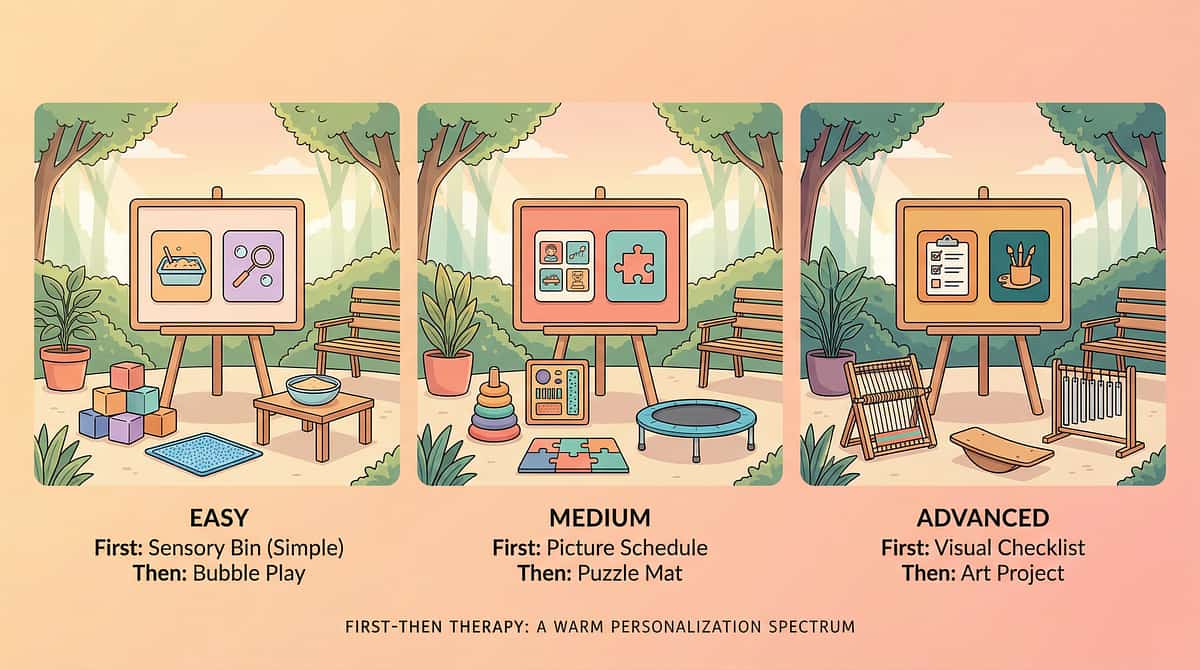
Step 1: The Invitation — Begin With an Invitation. Never a Command.
The Exact Script
"Hey [child's name], come look at this."
(Point to the board. Let them approach. Don't grab them.)
"See? First [point to First icon] → Then [point to Then icon]."
(Say the words. Point slowly. Pause. Let it land.)
Parent Body Language
- Crouch or sit to child's eye level
- Calm voice — not excited, not stern. Neutral, confident.
- Point to board, not at child
- No physical grabbing or redirecting yet — this is the invitation phase
⏱ Timing: 30–60 seconds maximum for this phase
What Acceptance Looks Like
- ✅ Child looks at board (even briefly)
- ✅ Child moves toward the "First" activity area
- ✅ Child points to the "Then" icon
- ✅ Child vocalizes or signs about the "Then" item
What Resistance Looks Like — and What to Do
- ❌ Child ignores board → Move closer to their eye line; try once more
- ❌ Child pushes board away → Offer choice: "Which do you want first?" (small agency)
- ❌ Child melts down immediately → Reassess readiness. Today may be a postpone day.
ABA Principle: Pairing procedures — establishing motivating operations before demand placement. OT "Just-Right Challenge" — matching demand to current capacity.

Step 2: The Engagement — The Child Is With You. Now Deepen It.
Present the "First" Task
Point again to the First icon. Name it once: "First [task name]." Then gently guide toward the task — do not repeat the explanation. The visual carries the message now. Present materials for the "First" task at moderate speed. No rushing. No repeated verbal instructions.
Read the Child's Response
- Engagement: Moving toward task, reaching for materials → Stay close, support gently
- Tolerance: Not excited but not resisting → Hold space, don't add verbal demands
- Avoidance: Turning away, moving toward "Then" item → Point calmly back to board. Once. Not five times.
The Visual Anchor Technique
Any time the child looks distressed during "First" — don't use words. Walk them to the board. Point to the "Then" icon. "And then [reward]." Let the visual do the reminding. The board is the reassurance, not your words.
Reinforcement Begins Here
Any movement toward the "First" task = praise: "Yes! First [task]!" Warm, brief, genuine. Not theatrical. The goal is to reinforce the movement in the right direction — not just the completion.
⏱ Timing: 1–3 minutes
PMC11506176 — structured material introduction with reinforcement scheduling meets evidence-based practice criteria.

Step 3: The Therapeutic Action — This Is the Main Event.
3a. Complete the "First" Task Together
Support the child through the First task at whatever level of assistance they need — full physical guidance, partial guidance, verbal + visual, or independent. The goal right now is completion, not independence. Every completed First task is a successful session.
3b. Use Minimal Language Throughout
During the First task, limit verbal input. Let the visual board be the communication. If child looks anxious → point to board → point to Then icon. That's all. Fewer words = less noise = clearer signal.
3c. Mark Completion Clearly
When the First task is done, make it visually explicit. Remove the "First" icon from the board (or flip it over). Point to the "Then" icon. Say: "FIRST [task] — ALL DONE! NOW THEN [reward]!" This ritual of completion is neurologically significant.
3d. Deliver the "Then" Immediately
Give the reward within 5 seconds of First completion. No delay. No "just a minute." Immediate delivery is what teaches the child that the system is trustworthy — that promises are kept, every single time.
3e. Allow the "Then" Activity Fully
Let the child enjoy the "Then" for the agreed time. Don't interrupt early. Don't reduce it. The "Then" must always be exactly what was promised — this is the non-negotiable foundation of the entire system's reliability.
⏱ Timing: 2–10 minutes total depending on First task

Step 4: The Reinforcement Protocol — What You Reinforce Is What You Get More Of.
The reinforcement map above shows exactly when to deliver praise, tokens, and ultimately the "Then" reward. Catch every moment of progress — not just the final completion.
Types of Reinforcement (in order of power)
- Delivery of "Then" item (primary): Upon First completion. Always, every time. Non-negotiable.
- Verbal praise during First: "You're doing it! First [task]!" Warm, brief, genuine.
- Physical affirmation (if tolerated): High-five, pat on back — only if child accepts touch.
- Token delivery (if using token board): Deliver token immediately with enthusiasm: "Token! You have [X]!"
The Golden Rule
Never take away the "Then" after the "First" is completed. If you promised iPad, deliver iPad. Breaking promises destroys trust in the system faster than anything else. If something unexpected happened — still find a way to honor it.
Satiation Awareness
If the child completes "First" but shows no motivation to reach "Then" → the "Then" may have lost reinforcing value. Update with a new preferred item. Rotate your reinforcer inventory monthly. See Material 9 (Reinforcer Inventory).

Step 5: The Cool-Down — The "Then" Always Has an End. Prepare for It.
This is where many parents lose the gains they just made. The First task went beautifully. The child received the "Then." And now it's time to end the "Then" and transition to the next activity. Without preparation, this can trigger exactly the meltdown the board was meant to prevent.
The Visual Timer Protocol
Before the "Then" begins, set a visual timer for its duration. Show the child: "iPad for this much time [show timer]. When the timer is done, iPad is done." The timer — not you — is the authority. You become the ally, not the enforcer.
The First-Then Loop
When the "Then" is ending, introduce the next First-Then board: "Timer almost done! [Show next board] First [next task], Then [next reward]." The child is already looking toward the next "Then" — the current "Then" ending becomes less threatening.
The Transition Script (say once, calmly)
"Timer is done. iPad is all done. [Remove iPad calmly.] Look — [show next board] First [next task], Then [next reward]."
What NOT to Do
- ❌ "Just one more minute" (repeatedly) — destroys timer reliability
- ❌ Sudden removal without warning — guarantees meltdown
- ❌ Extending "Then" when child protests — teaches that protesting extends "Then"
Step 6: Data Tracking — If You Don't Track, You Can't Know.
Without data, parents rely on emotion to assess progress — and transitions are emotionally loaded. A bad day feels like "nothing is working." A good week feels like "we've arrived." Data creates an accurate picture that emotion cannot. Tracking takes one minute per session and changes everything about how you understand your child's progress.
Simple Daily Tracking Table
Date | First Task | "First" Completed? | Meltdown? | Notes |
__/__ | Y / N / Partial | Y / N | ||
__/__ | Y / N / Partial | Y / N |
What to Track
- ✅ Did child look at board when shown? (Y/N)
- ✅ Did child complete "First" task? (Yes/Partial/No)
- ✅ Was there a meltdown? (None/Brief/Full)
- ✅ Was "Then" delivered? (Y/N)
- ✅ Estimated time from board shown to task completed (minutes)
What the Data Tells You
- Increasing "Yes" on board-looking → system is being learned
- Decreasing meltdowns over 2–3 weeks → tolerance building
- "First completed" increasing → compliance developing
- Flat or declining data after 3 weeks → time to adjust (see Card 31: Troubleshooting)
GPT-OS® Integration
📊 Log your sessions in the GPT-OS® EverydayTherapyProgramme™ tracker for automatic progress analysis against your child's AbilityScore® profile.

One Minute. One Form. Building Your Child's Evidence Base.
Your data helps every child like yours. When 10,000 families track First-Then board sessions through GPT-OS®, the system learns what works, for whom, at which age, under which conditions. Your one-minute log contributes to population-level evidence — and gives your own child's therapist the real-time data they need to make better decisions for your specific child.
Child's Info
Child's first name or nickname + today's date. Technique auto-fills as "First-Then Board / I-797."
"First" Task
Select from dropdown: Getting dressed / Brushing teeth / Leaving park / Homework / Other
Board Engagement
Did child look at board? (Yes / No / Briefly) | Did child complete First task? (Yes independently / Yes with support / Partial / No)
Session Outcome
Meltdown occurred? (None / Brief / Full) | "Then" delivered? (Yes / No) | Overall session: 1–5 stars
Not Working? Here's Why — and What to Change.
First-Then boards work. But they work when they're implemented correctly, with the right icon level, the right reinforcers, and the right timing. When something isn't working, there is almost always a specific, fixable reason. Here are the six most common challenges and their evidence-based solutions.
🔧 Child doesn't look at the board at all
Fix: The icon type may be too abstract. Step back to real objects or personal photographs. Position board at eye level, 30cm away. Check whether the "Then" is genuinely motivating — if they don't want what's pictured, they have no reason to learn the system.
🔧 Child understands but still melts down at transitions
Fix: The "First" may be too hard or too long. Reduce it drastically: "First ONE bite, Then tablet." Start smaller than you think necessary. Ensure "Then" is immediately accessible when "First" ends — a 30-second delay can unravel the entire contingency.
🔧 Child does "First" but refuses to end "Then"
Fix: The system is working — the child learned that "First" leads to "Then." Now introduce the visual timer alongside. Set timer at start of "Then" every time. The timer, not you, becomes the transition authority.
🔧 Works at home but not at school or grandparent's house
Fix: Consistency across settings requires the same board, same icons, same protocol. Send the portable board to all settings. Brief other caregivers using the Family Guide (Card 37).
🔧 Child took board and threw it
Fix: The board may have been introduced during demand, not before demand. Always show the board BEFORE the demand is placed — never in response to refusal. Ensure board is physically secure when displayed.
🔧 It worked for 2 weeks and now it doesn't
Fix: Satiation — the "Then" reward has lost value. Rotate to a new preferred item. Keep 4–5 "Then" options in rotation. Check whether "First" demand has increased without a corresponding increase in "Then" value.
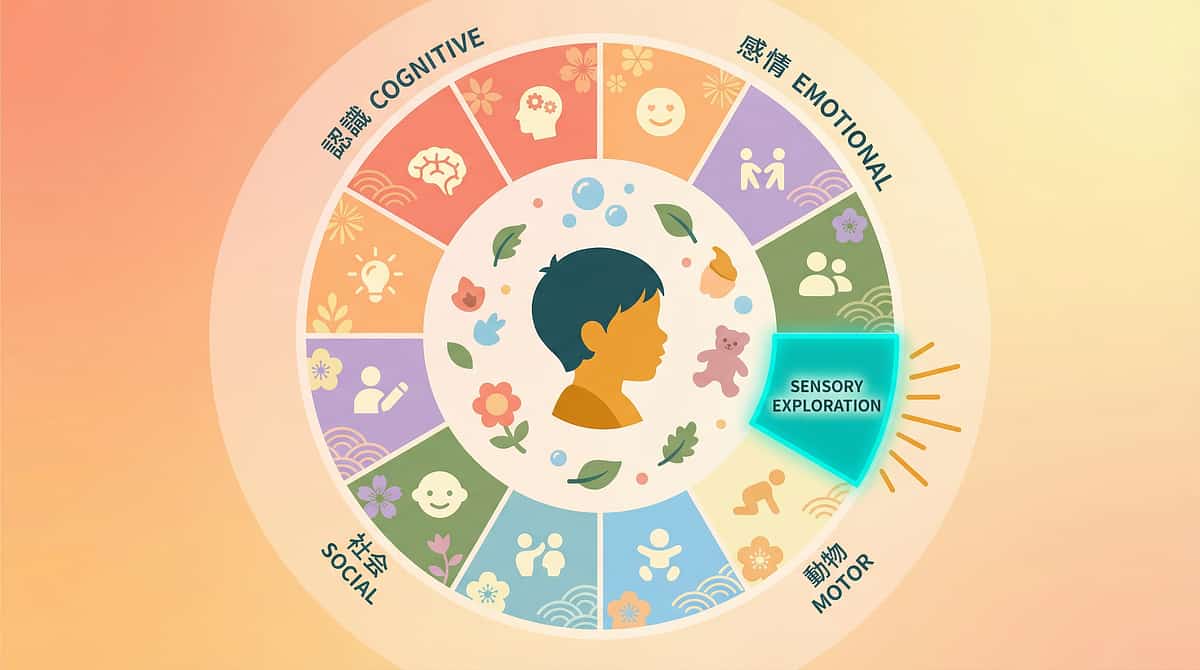
One Technique. Infinite Variations. Match to Your Child.
There is no single "correct" version of a First-Then board. The technique adapts to the child's age, developmental level, sensory profile, and current reinforcer preferences. The chart below shows how to modify along the difficulty continuum — start where your child is, not where you hope they are.
⬅ EASIER (Starting Version)
- Real objects — actual toothbrush for "brush teeth"
- 1-step: First [30-second task], Then [immediate preferred item]
- Maximum physical support for First task
- Highest-value possible "Then"
- Board shown in private, quiet setting only
Standard Version
- Photographs or PCS icons
- First [2–3 minute task], Then [3–5 minute preferred activity]
- Verbal + gestural prompting during First
- 2–4 "Then" options via choice board
HARDER ➡ (Generalization Phase)
- Abstract symbols or written words
- Token board: 3–5 First tasks before "Then"
- Independent board-checking — no adult prompting
- Multiple settings: home + community
Sensory Profile Variations
Sensory Seeker: Make the "First" task contain sensory input (deep pressure, movement). The regulating quality of the First task increases motivation.
Sensory Avoider: Ensure "First" environment is sensory-regulated (dim, quiet). "Then" should be calming, not stimulating.
Age Adaptations
👶2–4 years: Real objects + maximum support + immediate "Then"
🧒4–8 years: Photos/icons + token board + choice of "Then"
👦8–12 years: Symbols/words + self-management + negotiated "Then"

Weeks 1–2: Building Awareness, Not Mastery.
Progress at Week 2
Awareness is forming. The neural pathway is beginning to be laid down. This is the foundation, not the finish line.
What You WILL See
- ✅ Child begins to look at board when it's presented (even briefly — this is huge)
- ✅ Slightly reduced meltdown duration at transitions (not elimination — reduction)
- ✅ Child may reach toward "Then" icon (they're getting it)
- ✅ Some compliance with First task when "Then" is highly preferred
- ✅ Parent confidence beginning to build with the system
What Is NOT Progress Yet
- ❌ Child independently checking board (that comes later)
- ❌ Full First completion without any resistance (too early)
- ❌ Generalization to new settings (still learning in one setting)
- ❌ No meltdowns at all (unrealistic at this stage)
Calibration
If your child tolerates "First get dressed" for 10 seconds longer than last week without full meltdown — that is measurable progress. You are measuring neuroplasticity, not instant behavior change.

Weeks 3–4: Neural Pathways Are Forming.
Progress at Week 4
The system is consolidating. Structured repetition is strengthening the contingency pathways in your child's brain.
Consolidation Indicators
- ✅ Child begins to LOOK FOR the board before transitions (unprompted)
- ✅ "First" task completion time shortens — less resistance
- ✅ Child points to "Then" icon spontaneously
- ✅ Brief "First" tasks completed independently
- ✅ Meltdown intensity reduces (still occur, but briefer)
- ✅ Generalization beginning: board logic appearing in a new setting
The Spontaneous Behavior — A Clinical Milestone
When a child brings the board to YOU — or points to the "Then" icon unprompted — they have internalized the contingency. This is the neural pathway forming. Note the date. This is a clinical milestone.
When to Increase Complexity
If Week 3–4 shows consolidation → introduce the token board (Material 6). Move from 1-step First-Then to 2-token First-First-Then. Your child is ready for the next level.
"You may notice you are more confident now — presenting the board without anxiety, trusting the system. Your calm confidence is visible to your child. It is therapeutic."
Weeks 5–8: The Skill Is Emerging.
Progress at Week 8
Skill emergence is visible. The system has become part of your child's daily cognitive framework.
Emergence Indicators
- ✅ Child independently checks First-Then board at start of familiar routines
- ✅ "First" tasks completed with minimal prompting
- ✅ Child tolerates 3–5 token First-Then sequences
- ✅ Transition meltdowns reduced to occasional vs. daily
- ✅ Generalization across 2+ settings
- ✅ Child begins to verbalize (or sign/AAC-communicate) about "Then" proactively
The Data Picture at Week 8
Looking at your tracking log: "First completed" should be at 70%+ across the last 10 sessions. Meltdown frequency should be 50%+ lower than baseline. Board-looking should be near 100%.
What Comes After Week 8
- → Expand to visual schedules (3+ step sequences) — see I-795
- → Introduce self-monitoring checklists
- → Increase delay to reinforcement gradually
- → Begin fading adult prompts systematically
These Moments Matter. Mark Them.
🏅 First Look
Child looked at the board. First time. This is the beginning of everything.
🏅 First Completion
"First" task completed for the very first time. Write it down. Remember this day.
🏅 First Self-Check
Child looked for the board without being shown it. They are using the system independently.
🏅 First Point
Child pointed to "Then" icon unprompted. Communication is happening.
🏅 First Calm Transition
Transition completed without meltdown. The board did exactly what it was designed to do.
🏅 Independence
Child completed First task and waited for Then without prompting. Full independence achieved.
"The day my son pointed to the 'Then' picture himself — that was the day I cried at the kitchen table. He understood. He wasn't being difficult. He just needed to see it. All those mornings of chaos, and he just needed to see it." — Parent, Pinnacle Network (anonymized)
These Signs Mean: Call. Today.
First-Then boards are powerful tools — but they are not a substitute for professional evaluation when serious indicators are present. The following red flags require professional attention, not just protocol adjustment. Trust your instincts as a caregiver, and don't wait.
🚩 No Progress After 6 Weeks of Consistent Daily Use
If board-looking, First completion, and meltdown frequency have not changed after 6 weeks of daily, consistent implementation → a professional functional behavior assessment is needed to identify what is blocking contingency learning.
🚩 Extreme Distress When Board Is Shown (Board-Specific)
Not transition distress — but distress specifically when the board appears. The board may be associated with trauma or overloading demands. Stop immediately. Seek guidance before continuing.
🚩 Self-Injurious Behavior During First Tasks
Head-banging, biting self, hitting — these require immediate professional involvement. First-Then boards alone are not sufficient when self-injurious behavior is present.
🚩 Regression After Gains
A child who was using the board successfully and has now completely stopped responding may have a medical issue (illness, pain, medication change) or a significant change in sensory/emotional state. Investigate before continuing.
🚩 Caregiver Exhaustion to the Point of Abandonment
This is real and valid. If you cannot maintain the consistency the system requires because you are depleted — that is the red flag. Get support. 9100 181 181. Your wellbeing is the prerequisite for your child's progress.
First-Then Boards Are the First Rung. Here's the Ladder.
Mastering First-Then boards is not the destination — it is the foundation. Each skill your child builds with this technique creates the cognitive architecture for the next level of independence. Here is where First-Then boards sit within the full developmental progression.
Rung 1 — YOU ARE HERE
First-Then Board (I-797) | Core skill: Visual contingency understanding
Rung 2
Token Economy System (I-798) | Skill: Delayed gratification, multi-step compliance
Rung 3
Visual Daily Schedule (I-795) | Skill: Routine comprehension, sequence independence
Rung 4
Choice Boards (I-799) | Skill: Decision-making, self-advocacy, preference communication
Rung 5
Written Schedule / Self-Checklist | Skill: Literacy-based self-management
Rung 6
Internalized Self-Talk | Skill: Executive function without external visual support

First-Then Boards Work Best Alongside These Techniques.
No single technique operates in isolation. First-Then boards are most powerful when embedded within a broader visual support ecosystem. Here are the six most closely related techniques from the Pinnacle Blooms techniques library.
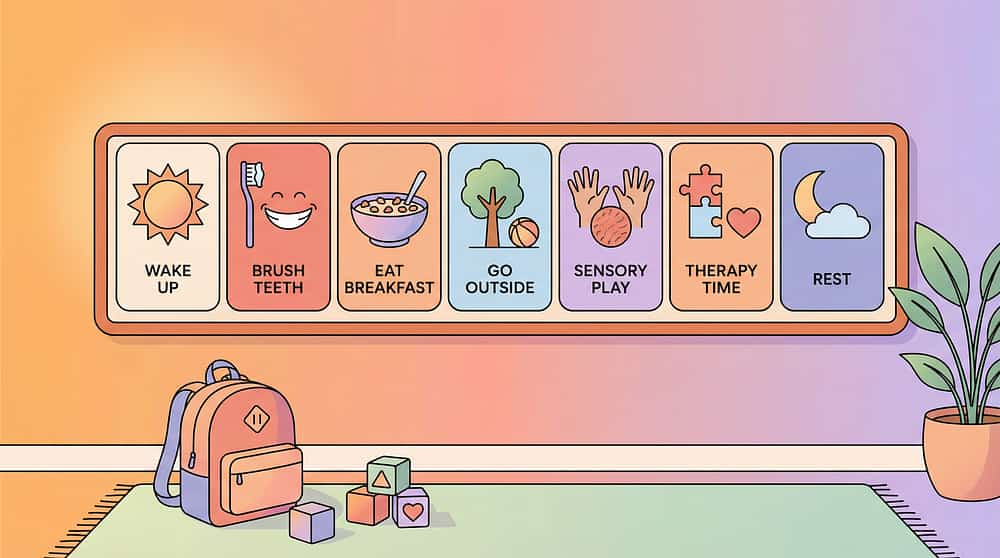
[I-795] Visual Schedules for Daily Routines
When your child is ready for 3+ step sequences → techniques.pinnacleblooms.org/visual-supports/visual-schedules-I-795

[I-796] Picture Exchange Communication System (PECS)
When your child needs to communicate "I want" before the contingency → techniques.pinnacleblooms.org/visual-supports/pecs-I-796
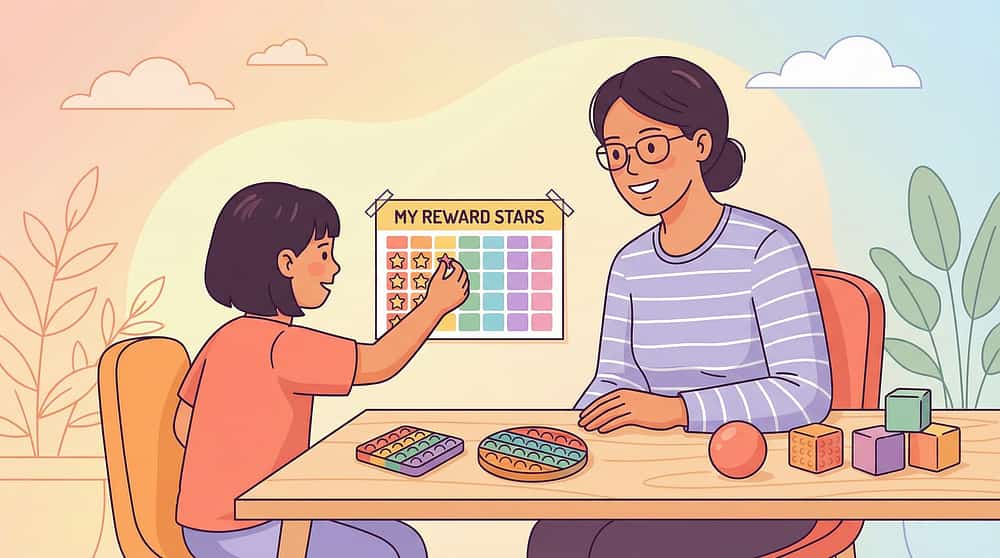
[I-798] Token Economy Systems
The next step after First-Then — for building delay tolerance → techniques.pinnacleblooms.org/visual-supports/token-economy-I-798
[I-799] Choice Boards
Teaching your child to communicate their "Then" preference. → View Technique →
[H-750] Transition Difficulties
Comprehensive transition support beyond visual schedules. → View Technique →
[J-820] Task Completion
When First-Then compliance generalizes to multi-step task following. → View Technique →

From the Families Who Started Exactly Where You Are.
Priya & Arjun, 4 years old (ASD, non-verbal)
Before: "Every morning was a war. Getting dressed — 45 minutes of screaming. Leaving the park — meltdown so bad the neighbors came to check. I was dreading every transition. I tried everything. Nothing worked."
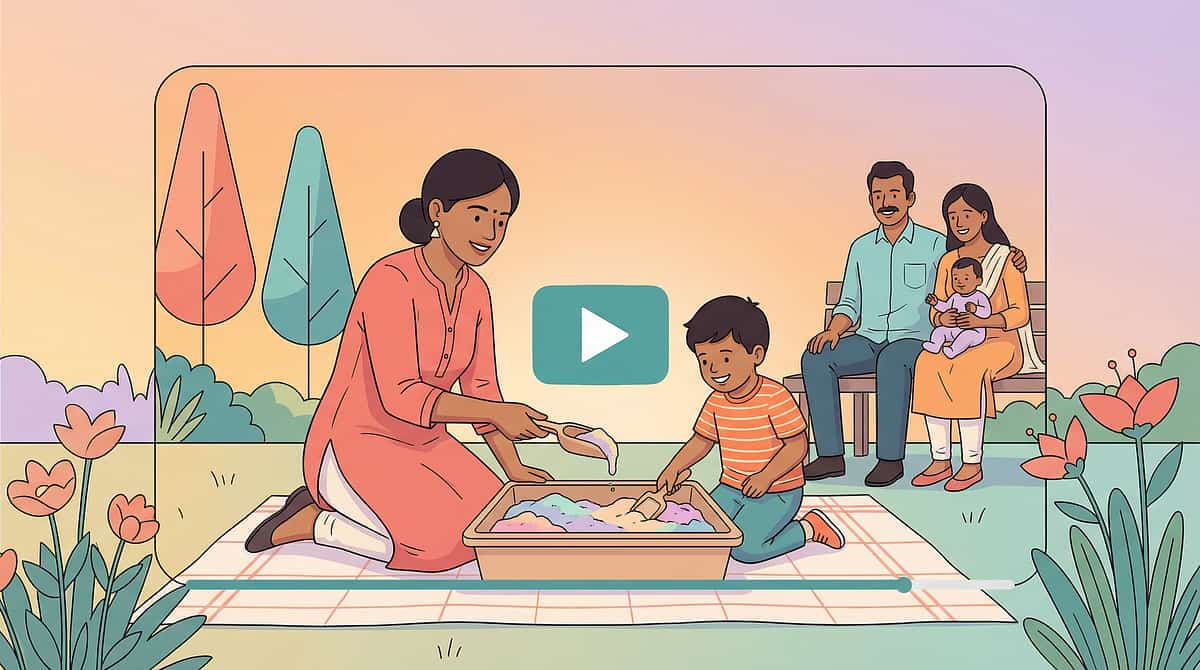
After (Week 8): "We started with real objects — an actual shoe for 'put on shoes.' He looked at it. Really looked. I almost cried. Six weeks later, he runs to the board himself. He still has hard days. But the board has given both of us a language we can share — even without words."
0% transition compliance at baseline → 75% at Week 8
Ravi & Kavya, 6 years old (ADHD + language delay)
Before: "She knew what 'first' and 'then' meant. But knowing it and using it are different things. She'd hear 'then iPad' and immediately start screaming for iPad. She couldn't hold the promise."
After (Week 5): "The token board changed everything. She can see the 5 stars filling up. She can see her way to iPad time. She points at the stars and says 'three more.' Three more words that didn't exist before this board."
"The pattern we see consistently: parents who thought their child was being deliberately difficult discover that their child genuinely could not hold the sequence. The board doesn't just help the child — it changes how the parent sees the child. That shift is half the therapeutic work." — Pinnacle BCBA Consortium Lead
Preview of 9 materials that help with first then boards Therapy Material
Below is a visual preview of 9 materials that help with first then boards therapy material. The pages shown help educators, therapists, and caregivers understand the structure and content of the resource before use. Materials should be used under appropriate professional guidance.



Your Child Does Not Have to Live in NOW Forever.
First-Then boards build the bridge to NEXT. Whether you're starting today from scratch or refining an existing system, Pinnacle Blooms Network® is here with clinical expertise, a nationwide center network, and a free helpline available around the clock.
📞 Call Now: 9100 181 181
Get your child's free AbilityScore® assessment. FREE | 24×7 | 16+ languages. India's largest autism therapy consortium.
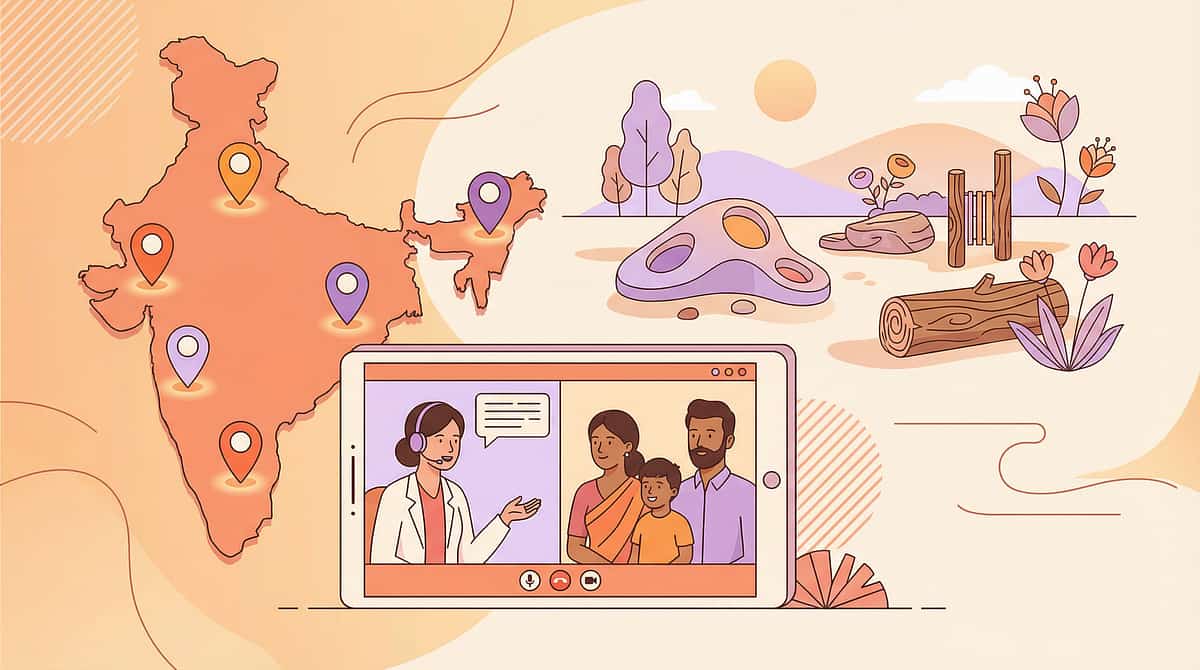
🗺️ Find Your Nearest Center
70+ centers across India. Professional ABA, OT, SLP, and Special Education services — with First-Then board assessment and implementation support.
📱 Book Teleconsultation
Serving families in 70+ countries. Our clinical team meets you wherever you are. No appointment needed for the first call.
Pinnacle Blooms Network® | GPT-OS® | EverydayTherapyProgramme™ | AbilityScore® | TherapeuticAI® | FusionModule™
📞 FREE National Autism Helpline: 9100 181 181 | 24×7 | 16+ languages | pinnacleblooms.org | care@pinnacleblooms.org
CIN: U74999TG2016PTC113063 | DPIIT: DIPP8651 | MSME: Udyog Aadhaar TS20F0009606 | GSTIN: 36AAGCB9722P1Z2
This content is educational. It does not replace individualized assessment and intervention from qualified professionals. First-Then boards are one component of comprehensive behavioral and developmental support. Individual results may vary. Statistics represent aggregate outcomes across Pinnacle Blooms Network®. © 2025 Pinnacle Blooms Network®, unit of Bharath Healthcare Laboratories Pvt. Ltd. All rights reserved.
"FIRST shoes. THEN playground." She only heard 'playground.'