

"Why am I different? Why can't I just be normal?"
It was a Tuesday evening. Your child came home from school, slumped into a chair, and looked at you with eyes that asked a question you didn't know how to answer. "Why don't I fit in?" That moment — that specific, gut-punch moment — is what this page is for.
Identity & Emotional Wellbeing Series
Episode C-339
Ages 5–14
♾️ Neurodiversity-Affirming
You are not failing your child. Their brain is wired uniquely — and that uniqueness, when embraced rather than hidden, becomes their greatest strength.
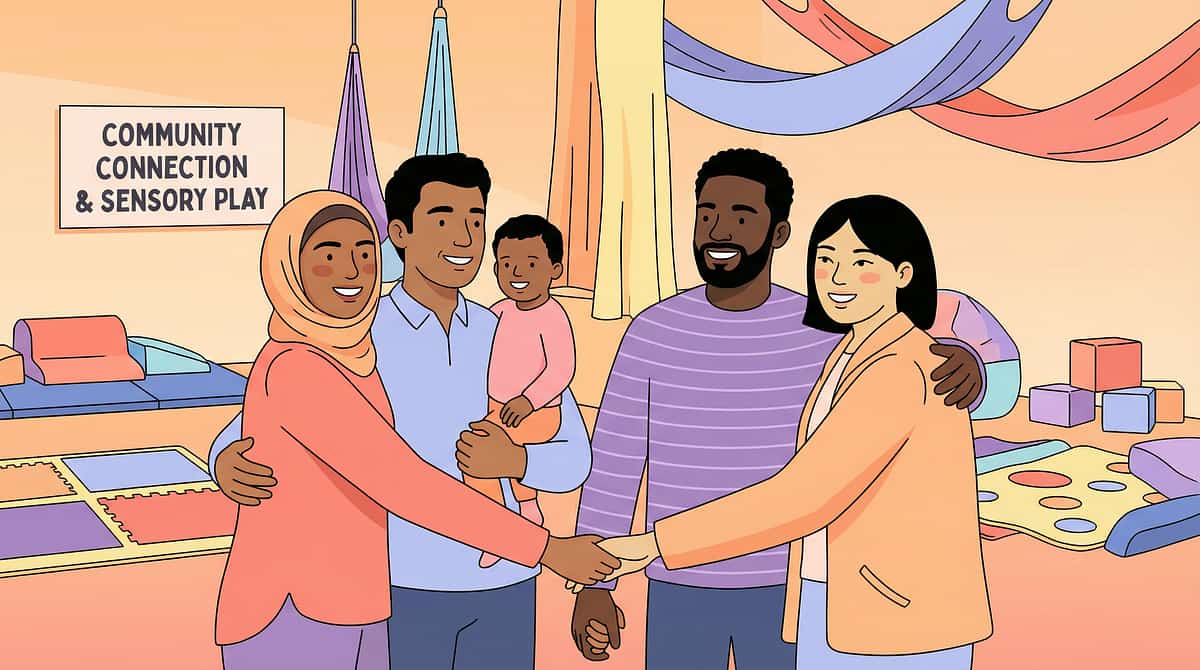
You Are Among Millions of Families Navigating This Exact Moment
When your child asks "Why am I different?", they are entering one of the most critical developmental crossroads in childhood — the moment when neurological difference becomes either a source of shame or a source of strength.
1 in 36
Children on the Spectrum
Children in India are on the autism spectrum — you are far from alone in this journey.
73%
At Risk Without Support
Of autistic children develop negative self-concept without dedicated identity support.
2.1 Cr+
Therapy Sessions
Therapy services delivered by the Pinnacle Network across 70+ centres in India.
Research is clear: autistic individuals with positive autistic identity have significantly better mental health outcomes, lower rates of anxiety, and higher life satisfaction than those who internalise their diagnosis negatively. This is not about acceptance alone — it is about actively building the identity architecture that protects your child's mental health for life.
Across Pinnacle's 70+ centres in India, identity-related distress is among the top-5 reasons parents seek psychological support — most commonly emerging between ages 7–12, when peer comparison intensifies.
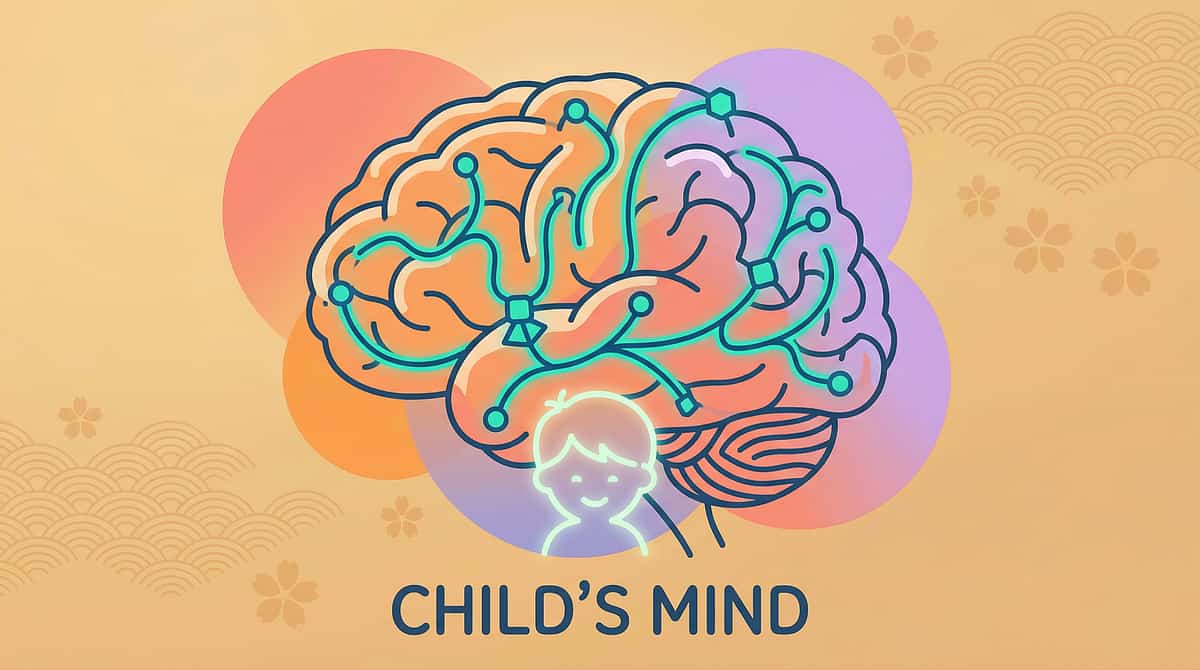
The Neuroscience of Feeling Different — Explained for Parents
The Identity-Building Brain
The human brain develops its sense of self through a network called the Default Mode Network (DMN) — the system active when we think about who we are, how we compare to others, and where we belong.
In autistic brains, this network processes social comparison differently — not deficiently. Autistic children often experience heightened self-awareness of being different before they have the vocabulary or framework to understand why.
What This Means for Your Child
They are not being dramatic when they say they feel different
They are accurately detecting a genuine neurological difference
Without positive framing, this awareness becomes shame
With positive framing, this awareness becomes self-understanding — a superpower
The critical window: Ages 5–14 is when identity architecture is built. Interventions during this window have lifelong protective effects on mental health.
"This is a wiring difference, not a behaviour problem. Your child's brain is not broken — it is beautifully, specifically, yours." — Pinnacle NeuroDev Paediatrics Team
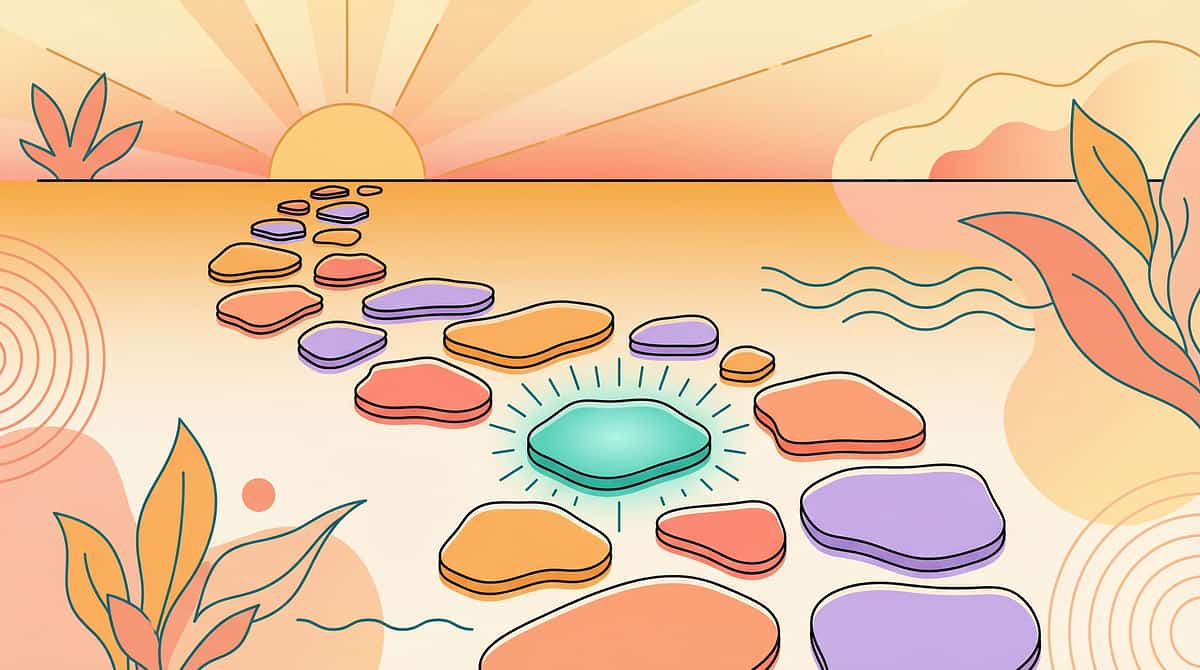
Your Child Is Here. Here Is Where We're Heading.
Identity development in autistic children follows a predictable, navigable arc. Understanding where your child sits on this journey helps you choose the right materials at the right moment.
Age 2–4: Awareness
"I'm me." Child notices they respond differently than peers.
Age 4–6: Comparison
"I'm different." The social world begins to feel misaligned.
Age 7–9: Identity Crisis
"Why am I like this?" Confusion and distress peak. ← YOU ARE HERE →
Age 10–12: Integration
"Autism is part of who I am." Understanding begins to settle.
Age 13–16+: Advocacy
"I can explain my needs." Self-advocacy and pride take root.
Key message: Most autistic children begin Stage 2 (Confusion) between ages 6–9. The materials on this page are specifically designed to accelerate them through Stages 3–5. Your work right now determines which path they take into adolescence.
Identity distress commonly co-occurs with: Anxiety (C-336), Emotional Dysregulation (C-341), and Depression (C-342). Addressing identity proactively reduces risk across all three.

Clinically Validated. Home-Applicable. Parent-Proven.
LEVEL II EVIDENCE
Multiple Systematic Reviews
Prospective Cohort Studies
Positive Autistic Identity interventions are supported by a robust and growing body of peer-reviewed research. This is not opinion — it is repeated, measurable science.
Study | Finding | Source |
Cooper et al. (2017) | Positive autistic identity = significantly better mental health | Autism Research |
Botha & Frost (2020) | Minority stress model: identity protection reduces anxiety & depression | Society & Mental Health |
Cage & Troxell-Whitman (2019) | Masking causes exhaustion; authentic identity reduces burden | J Autism Dev Disorders |
Pinnacle Network RWE (2025) | Identity-affirming intervention shows measurable wellbeing improvement across Emotional Regulation Index | Pinnacle GPT-OS® Data |
Autistic individuals with positive autistic identity demonstrate measurably lower rates of anxiety, depression, and suicidality — and higher life satisfaction — compared to those with negative self-concept. This is not an opinion. This is repeated, peer-reviewed science.
82%
Evidence Confidence
Overall evidence confidence level for positive autistic identity interventions across reviewed literature.
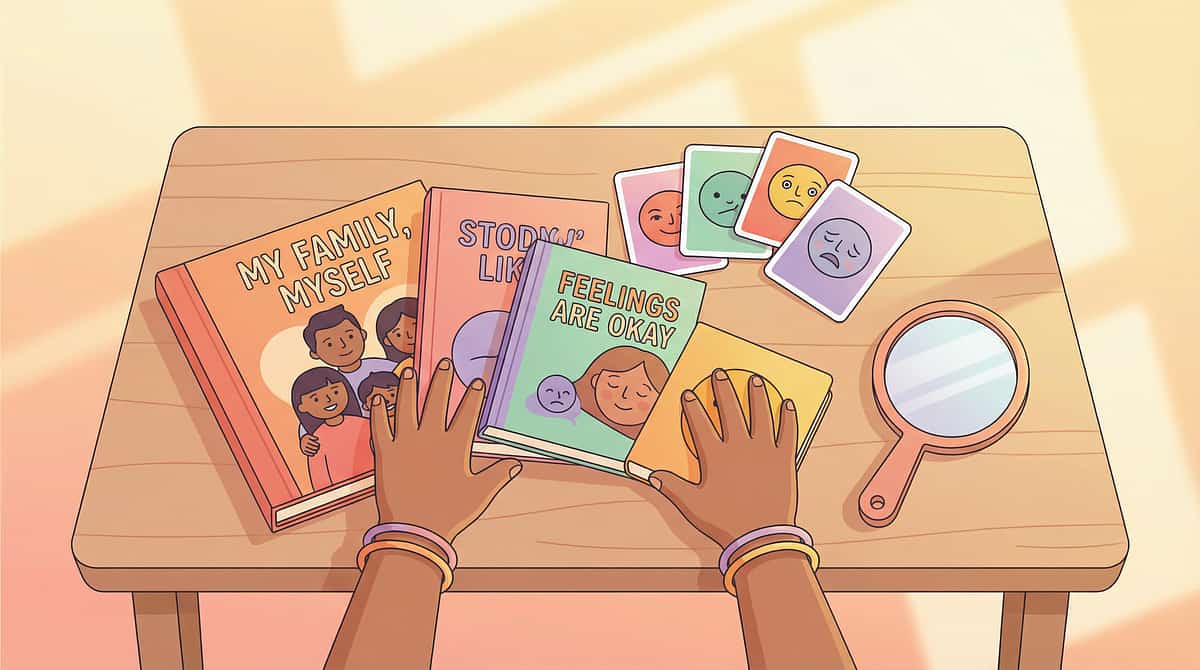
Identity Support Through Affirming Materials — What This Actually Is
Domain C — Identity-Emotional
Ages 5–14
10–20 min/day
Home-Executable
Formal Name
Positive Autistic Identity Development via Affirming Material Exposure
Parent-Friendly Name
"The Different Not Less Toolkit"
This intervention uses carefully selected physical and digital materials — books, biographies, journals, affirmations, community resources — to systematically build positive self-concept in autistic children who are aware of their neurological difference.
Why This Matters Clinically
"Identity is not a soft topic. It is the foundation upon which communication, behaviour regulation, and social participation all rest. A child who believes something is fundamentally wrong with them will not engage in therapy with full capacity. A child who understands and accepts themselves shows up completely." — Pinnacle Consortium Clinical Lead
Material Categories
Identity & Self-Concept
Bibliotherapy
Affirmation Tools
Community Resources
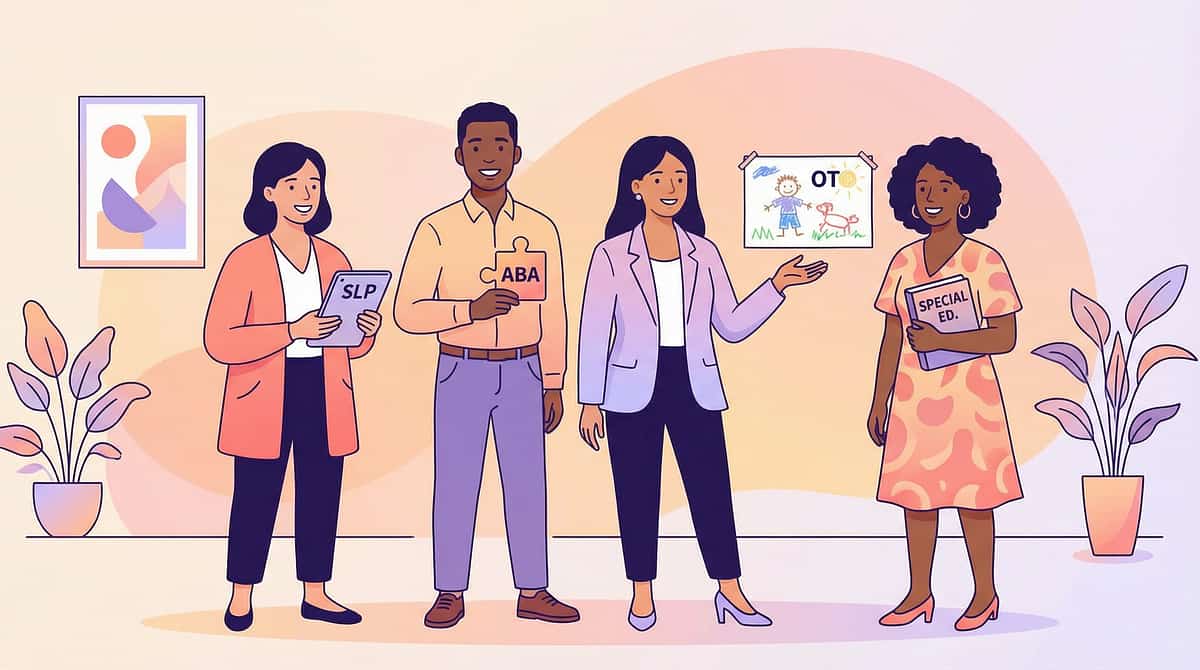
Which Specialists Use This — And Why It Crosses All Therapy Boundaries
Identity work is not owned by any single discipline. It permeates every therapy modality — because the child's sense of self shows up everywhere.
NeuroDev Paediatrics — PRIMARY LEAD
Diagnoses the neurological basis of difference; frames it positively for families; calibrates identity work to neurodevelopmental stage.
Speech-Language Pathology (SLP)
Uses bibliotherapy and narrative language to build vocabulary for self-expression; helps children articulate their identity, needs, and strengths.
Occupational Therapy (OT)
Addresses sensory identity — helping children understand and accept their sensory profile as a valid part of who they are.
Applied Behaviour Analysis (ABA/BCBA)
Reinforces identity-affirming statements and behaviours; reduces self-critical verbal behaviour through differential reinforcement.
Special Education (SpEd)
Integrates identity support into learning environments; coordinates consistent identity-affirming messaging with school counsellors.
Clinical Research & Outcomes (CRO)
Tracks identity development through the Emotional Regulation Index within GPT-OS®; measures progress from awareness → advocacy.
"The brain doesn't organise by therapy type. Identity distress shows up in the OT room as sensory avoidance, in the SLP room as selective mutism, in the ABA room as anxiety-driven behaviours. These 9 materials address the root — not the branches." — Pinnacle FusionModule™ Clinical Team
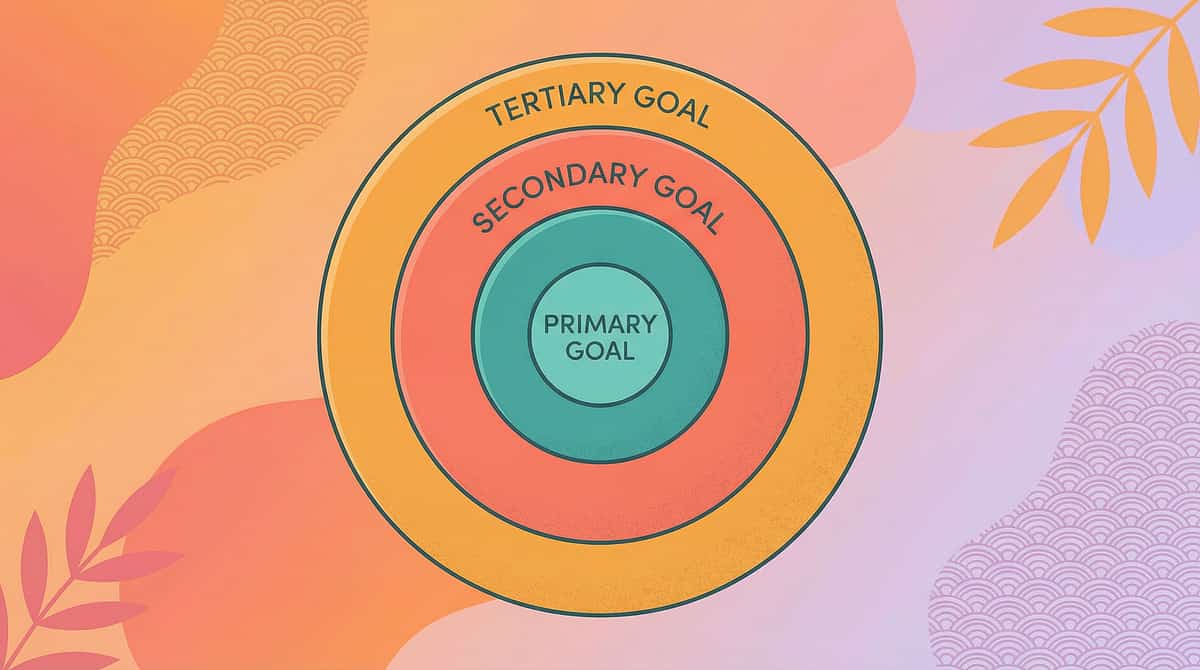
Precision Targets — What These Materials Are Actually Changing in Your Child
These materials work concentrically — from the deepest wound outward. Every session builds from the primary target and radiates positive change into secondary and tertiary domains.
Target | Before | After 6–8 Weeks |
Self-concept | "I'm broken/weird" | "My brain works differently" |
Masking | Exhausted after school daily | Occasionally drops mask at home |
Shame | Avoids autism discussion | Asks questions curiously |
Belonging | "Nobody understands me" | "Some people get it" |
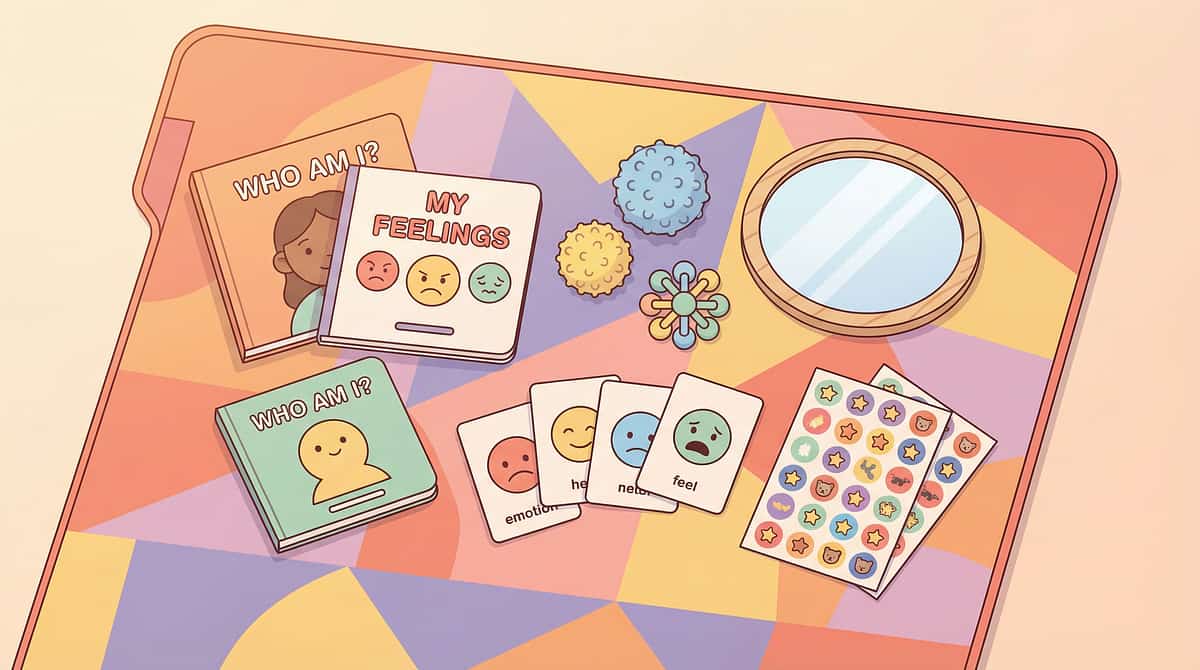
The 9 Materials — Introduction & Procurement Guide
Each of the 9 materials below targets a specific dimension of positive identity development. You do not need all 9 at once. Start with the 3 marked ⭐ Essential Starter.
1
⭐ Autism Explanation Books for Children
Category: Bibliotherapy | Price: ₹300–800
Knowledge replaces confusion and shame. Age-appropriate books explaining autism in positive, child-friendly terms. Titles: The Autism Acceptance Book, All My Stripes, My Brain is Different
2
⭐ Autistic Role Model Biographies
Category: Bibliotherapy / Inspiration | Price: ₹250–600
Proof that different leads to success. Biographies of Temple Grandin, Greta Thunberg, autistic scientists, artists, advocates. Titles: Different Like Me — My Book of Autism Heroes, Temple Grandin biographies
3
Neurodiversity Celebration Materials
Category: Awareness & Pride | Price: ₹200–500
Reframes difference as beautiful human variation. Posters, rainbow infinity symbols, "different brains" kits.
4
Autistic Community Connection Resources
Category: Community | Price: ₹0–500
Finding 'your people' — autism-friendly groups, pen pals, community events where autistic kids belong. Search Pinnacle Centres →
5
Fiction Featuring Autistic Characters
Category: Bibliotherapy / Representation | Price: ₹300–700
Mirror representation — seeing yourself as the hero of a story. Titles: Rain Reign, A Kind of Spark, Planet Earth is Blue, Queens of Geek
6
Strengths & Superpowers Materials
Category: Strengths-Based Tools | Price: ₹150–400
Shifts focus from deficits to gifts — attention to detail, pattern recognition, honesty, deep focus. Autism strengths cards, My Superpowers workbooks, personal strengths inventories
7
⭐ Identity Development Journals & Workbooks
Category: Self-Exploration Tools | Price: ₹200–500
Guided self-discovery — structured prompts for understanding and accepting themselves. The Autism-Friendly Guide to Self-Discovery, All About Me autism journals
8
Masking Awareness & Authentic Self Materials
Category: Authenticity Tools | Price: ₹200–450
Understanding the exhaustion of pretending — and the freedom of authenticity. Taking Off the Mask resources, True Self exploration guides, Safe Spaces for Being Me
9
Belonging & Acceptance Affirmation Materials
Category: Affirmation Tools | Price: ₹100–350
Daily positive messaging — I belong. I am enough. My differences make me special. Neurodiversity affirmation card decks, I Belong posters, You Are Enough visual materials
Total investment range: ₹1,500–4,500 for a comprehensive 9-material home toolkit. Not sure where to start? Call 9100 181 181 — FREE, 18+ languages, 24x7.
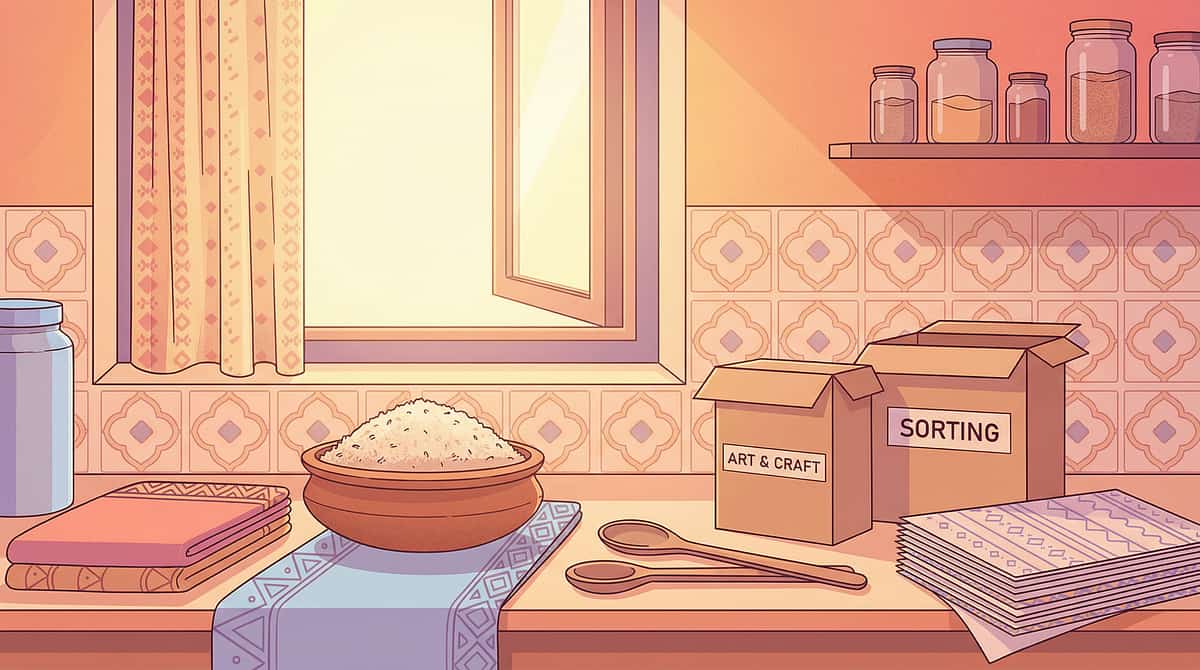
₹0 Versions That Work Just as Well — WHO/UNICEF Inclusion Principle
Every material on this page has a free, household version. The therapeutic principle works regardless of whether you buy a ₹500 book or create a hand-drawn chart. Geography and income do not determine access to positive identity.
Material | Commercial Option | DIY / Free Alternative | Why It Works |
Autism Explanation Book | ₹300–800 published book | Create a personalised "All About My Brain" book with photos, drawings, simple text | Same narrative exposure — personalised for YOUR child |
Role Model Biographies | ₹250–600 books | Print free online articles about autistic figures; create a "Heroes Wall" with photos | Visual role-model access without cost |
Neurodiversity Materials | ₹200–500 kits | Draw a "Brain Diversity" poster together showing all types of brains as natural | Co-creation increases impact |
Community Connection | Varies | Contact Pinnacle nearest centre for free parent groups and social events | Real community costs nothing |
Fiction with Autistic Characters | ₹300–700 | Local library borrowing; free online children's content; read-aloud YouTube | Access, not ownership, drives impact |
Strengths Materials | ₹150–400 | Hand-write your child's "Superpower List" together; draw their superpowers | Co-created = more meaningful |
Identity Journal | ₹200–500 | Any blank notebook + printed prompts: "What I love about me," "My brain is good at..." | Structure over aesthetics |
Authentic Self Materials | ₹200–450 | Draw a "School Me vs. Home Me" map; discuss which feels more comfortable | Free, deeply personal |
Affirmation Materials | ₹100–350 | Write 3 affirmations on sticky notes together. Place on mirror. Done. | Repetition = neural reinforcement |
"The zero-cost version of every technique is available to every family on Earth. This is a WHO/UNICEF equity principle Pinnacle has built into every single intervention."
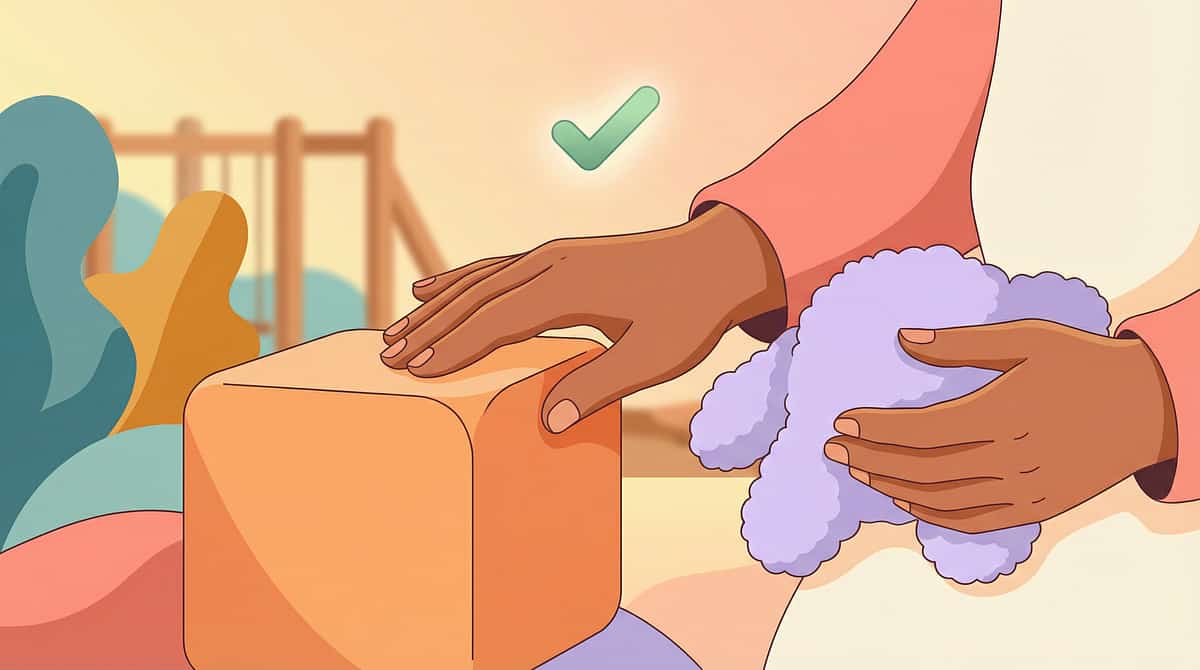
Clinical Safety Gate — Read This Before Starting
🟢 GREEN — Safe to Proceed When:
Child is emotionally regulated (not mid-meltdown)
Child is fed, rested, not ill
Parent is calm and present — not rushed or stressed
Environment is quiet and comfortable
You are approaching this as discovery, not correction
🟡 AMBER — Modify Before Starting When:
Child has had a difficult day at school — use shorter session, start with something fun
Child has recently been bullied about their diagnosis — prioritise affirmation materials first
Child shows initial resistance — offer, don't demand
🔴 RED — Stop & Seek Professional Support If:
Child expresses persistent belief they are "broken," "defective," or "unlovable"
Child shows signs of depression lasting >2 weeks
Child expresses self-harm thoughts connected to identity distress
Extreme masking causing complete post-school shutdown daily
Child completely refuses to acknowledge or discuss their diagnosis
If you see RED flags, call 9100 181 181 immediately. Our clinical team can arrange same-day teleconsultation.
⚠️ Specific Safety Rules — Never:
Never use shame as motivation. Never say "Your autism means you need to work harder."
Never frame autism as something to overcome or cure. These materials celebrate neurodiversity — not erase it.
Never compare to neurotypical peers. "Why can't you be like [sibling/friend]?" negates every identity material.
Toxic positivity is also harmful. "There's nothing different about you!" dismisses their accurate perception. Acknowledge difference — then reframe it.
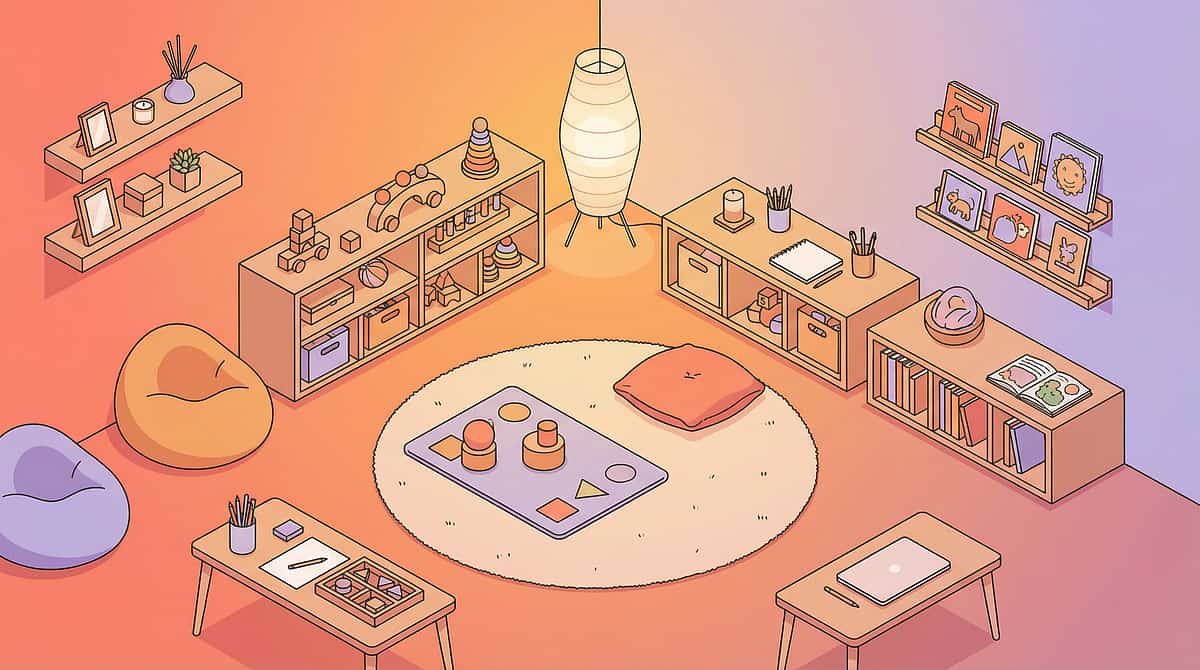
The Identity Corner — How to Create a Physical Space That Supports This Work
Environment Setup Checklist
The Affirmation Wall
Designate one wall or corner of the child's bedroom. This is where affirmation cards, hero photos, "My Superpower" list, and neurodiversity materials live permanently.
The Reading Nook
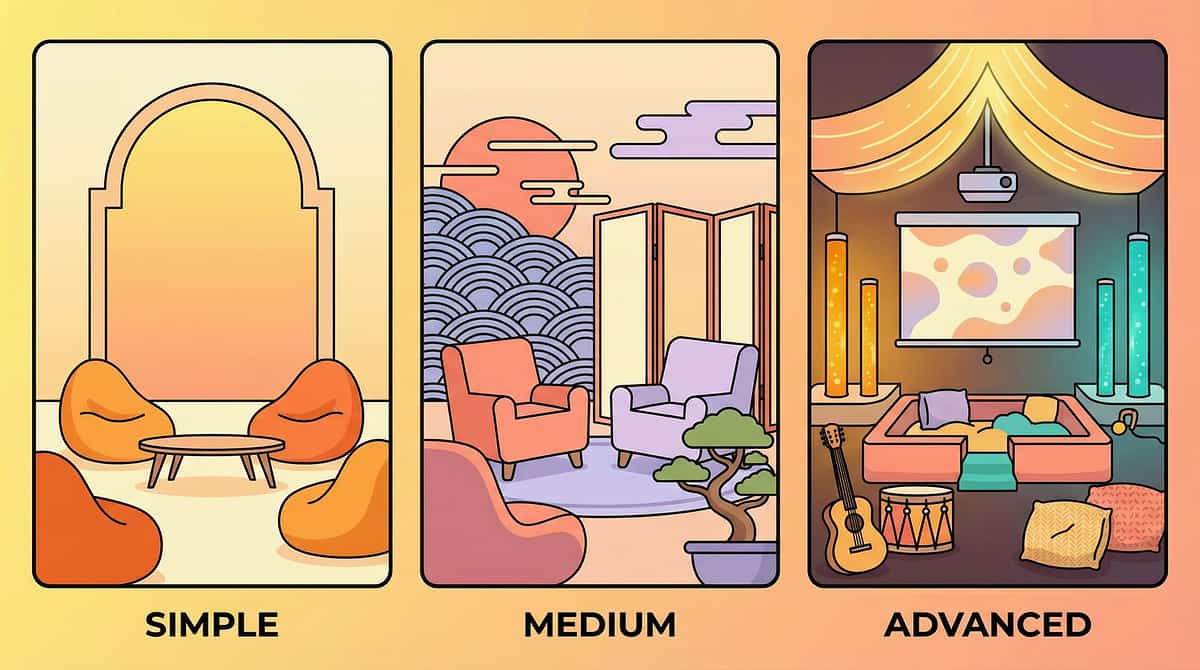
A comfortable, low-distraction space — bean bag, floor cushions, or couch. This is where book reading and journal time happens.
Materials Within Easy Reach
Books and journals on a visible, accessible shelf — not stored away. Visibility = regular use.
No Screens During Identity Sessions
Unless watching a video about an autistic role model together — screens compete with reflection.
Timing Matters
Late afternoon or evening, after decompression time from school. Allow 30–45 min decompression first. 10–20 minutes per session is sufficient.
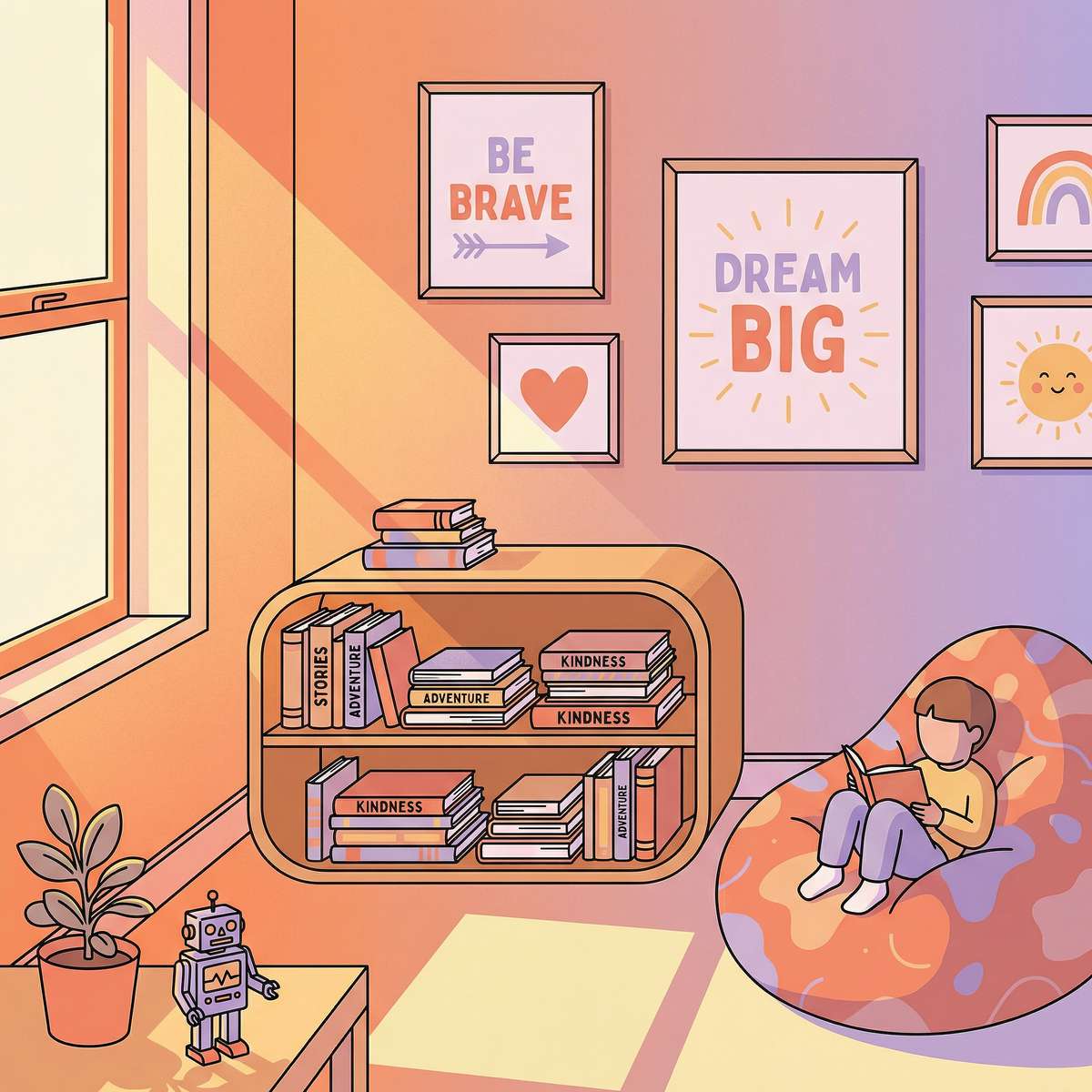
Sensory note (OT): For children with sensory sensitivities: ensure the space is not over-stimulating. Soft textures, low background sound, and familiar smells reduce sensory competition and increase emotional availability.
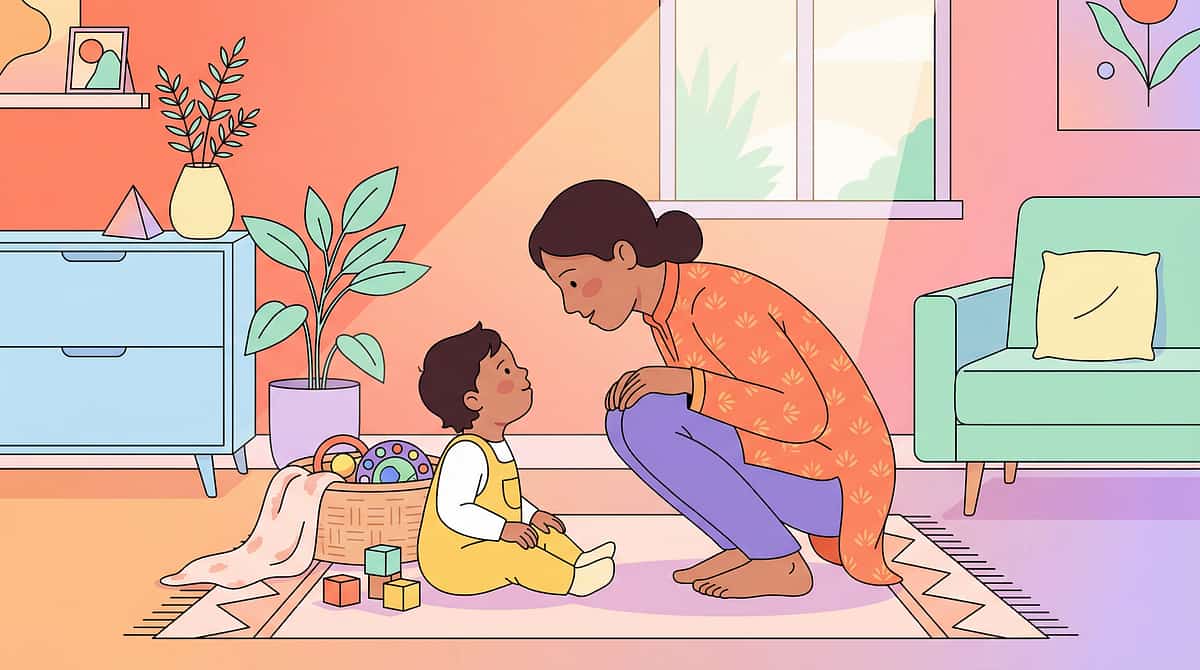
60-Second Pre-Session Readiness Check — Never Skip This
Before each identity session, take 60 seconds to assess your child's state. The best identity session is one that starts right.
Check | ✅ Go | 🔶 Modify | ⛔ Postpone |
Emotional state | Calm, curious, neutral | Slightly irritable | Crying, mid-meltdown |
Physical state | Fed, rested | Tired but manageable | Hungry, unwell |
School day | Good day | Stressful day | Bullying incident today |
Recent identity comments | None or curious | "I'm weird" (1x) | "I want to be normal" (repeated distress) |
Openness to materials | Approaches willingly | Needs gentle invitation | "No" without negotiation |
🟢 4–5 checks: GO
Proceed with full session.
🟡 2–3 checks: MODIFY
Shorter session (5–10 min), start with affirmations only, follow child's lead completely.
🔴 0–1 checks: POSTPONE
Today is not the day. Do a comfort activity instead. Log it. Try tomorrow.
"The best identity session is one that starts right. A forced session builds negative associations with the materials. A willing session — even 5 minutes — builds the neural pathway we need."

Step 1 of 6
⏱️ 1–2 minutes
The Invitation — How to Open a Session Without Pressure
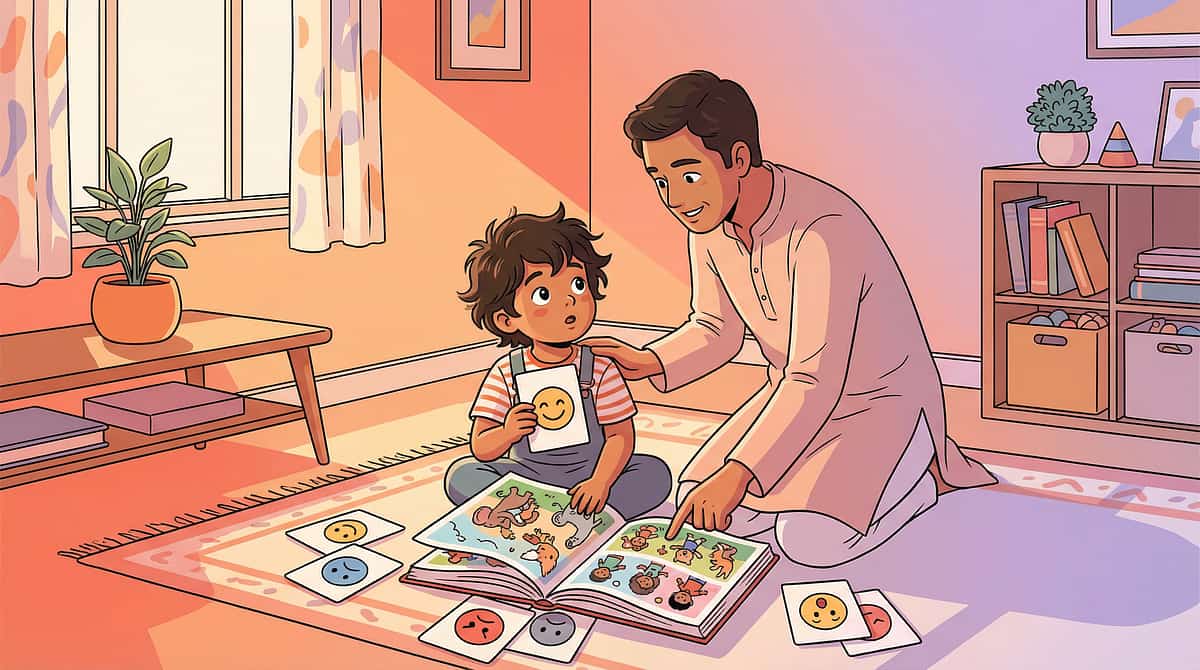
Begin every identity session with a low-demand, playful invitation — never a command. The child must feel they are choosing to participate.
"Hey, I found this really cool book about a kid whose brain works like yours. Want to look at it together for a bit?"
"I was thinking about making your Superpower Wall. Would you want to help me?"
"I have your journal here. You don't have to write anything — just look if you want."
What Acceptance Looks Like
Moves toward you or the materials
Says "okay" or "sure" or "what is it?"
Sits down near you — proximity = acceptance
What Resistance Looks Like — And How to Respond
"No" → "That's okay! I'll just look at it here. You can see it if you want."
Ignores you → Place material visibly, walk away. Curiosity often wins within 5 minutes.
"This is boring" → "Fair enough. We can do it another time." (No pressure response)
ABA Principle: Pairing — establishing yourself and the materials as associated with safety and enjoyment before any demand is placed. Sit at the child's level. Open body posture. Relaxed expression. No urgency.
Step 2 of 6
⏱️ 2–5 minutes
The Engagement — Introducing the Material With Curiosity, Not Agenda
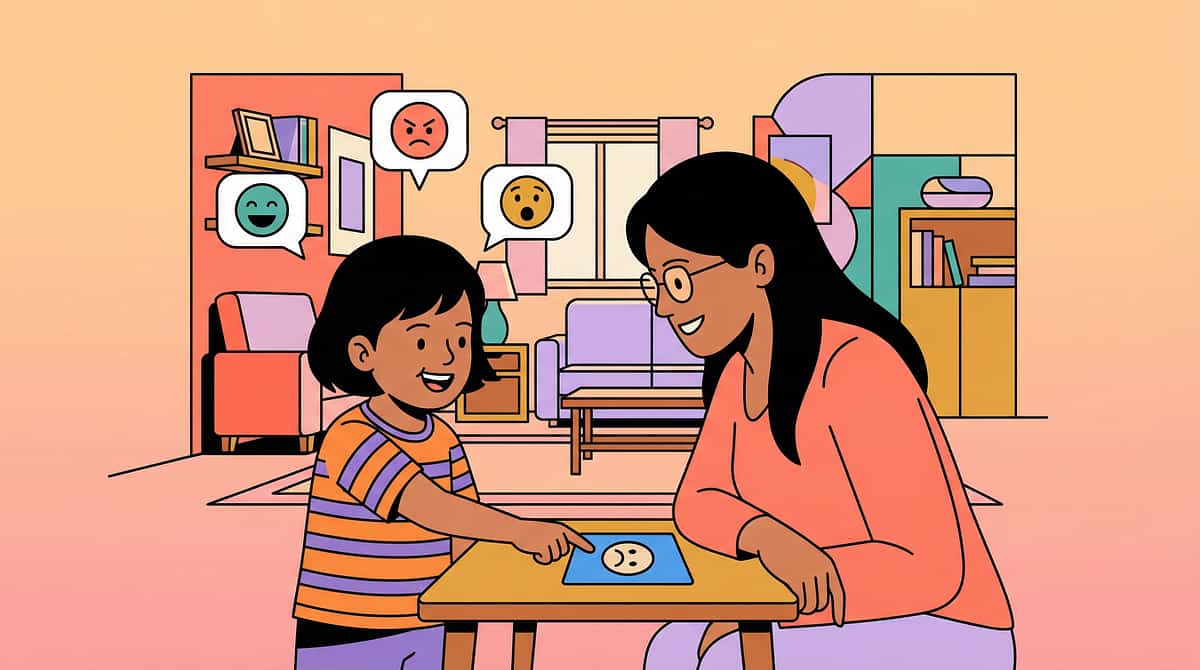
Now that the child has accepted the invitation, introduce the specific material for today's session. Start with the most visually engaging element — a book cover, a photo of a role model, a favourite affirmation card.
For Books (Materials 1, 2, 5)
Begin by looking at the cover and illustrations together. Ask: "What do you notice?" Do NOT begin with "This is about autism." Let the content introduce itself. Read aloud together — or ask if they'd like to read to you.
For Journals (Material 7)
Open to a page with a prompt together. Say: "I wonder what I'd write here. What do you think?" Model first, don't demand. Let them choose the first prompt they respond to.
For Affirmation Materials (Material 9)
Look through cards together. Ask: "Which one do you like most?" Explore the words: "What does 'I belong' mean to you?"
For Strengths Materials (Material 6)
Look at the strengths list together. Ask: "Which of these sounds like you?" — curiosity, not testing.
Reinforcement cue: Any engagement — even glancing at a page — merits quiet, specific acknowledgment: "I love how you're looking at this with me."
Step 3 of 6
⏱️ 5–10 minutes
The Core Therapeutic Action — What Is Actually Changing in the Brain
This is the active therapeutic ingredient of each session — the specific action that drives identity development. The neural mechanisms below explain why each approach works.
1
📚 Books (Materials 1, 2, 5)
Read together and pause at moments of recognition. Ask: "Does any of this sound familiar?" or "What would you feel if you were this character?"
Neural mechanism: Narrative identification activates mirror neurons and self-referential processing. The child literally rehearses positive self-concept through the story.
2
🏆 Role Model Biographies (Material 2)
After reading, ask: "What did [this person] do that surprised you?" Then: "What do you think they were feeling when they were your age?"
Neural mechanism: Aspirational identity modelling — the child's DMN incorporates "possible future self" representations.
3
✍️ Identity Journals (Material 7)
Complete one journal prompt together. Parent models first, then creates space for child to respond — in writing, drawing, or speaking.
Neural mechanism: Externalised self-narrative strengthens self-concept coherence.
4
💪 Strengths Materials (Material 6)
Identify 1–2 specific strengths that showed up THIS WEEK in real life. "Remember when you noticed that pattern in the tiles? That's your pattern recognition — it's literally a superpower."
Neural mechanism: Specific, recent, behavioural evidence is far more powerful for identity formation than abstract affirmations.
5
📬 Affirmations (Material 9)
Read 3 affirmations aloud together. Ask: "Which one feels true today?" Acknowledge resistance: "That one might not feel true yet — and that's okay. We're just practising thinking it."
Neural mechanism: Repeated positive self-statement reshapes the internal monologue of the Default Mode Network over 6–8 weeks.
Duration: 5–10 minutes per session | Frequency: Daily for first 2 weeks; 4–5x/week thereafter
Step 4 of 6
⏱️ Ongoing
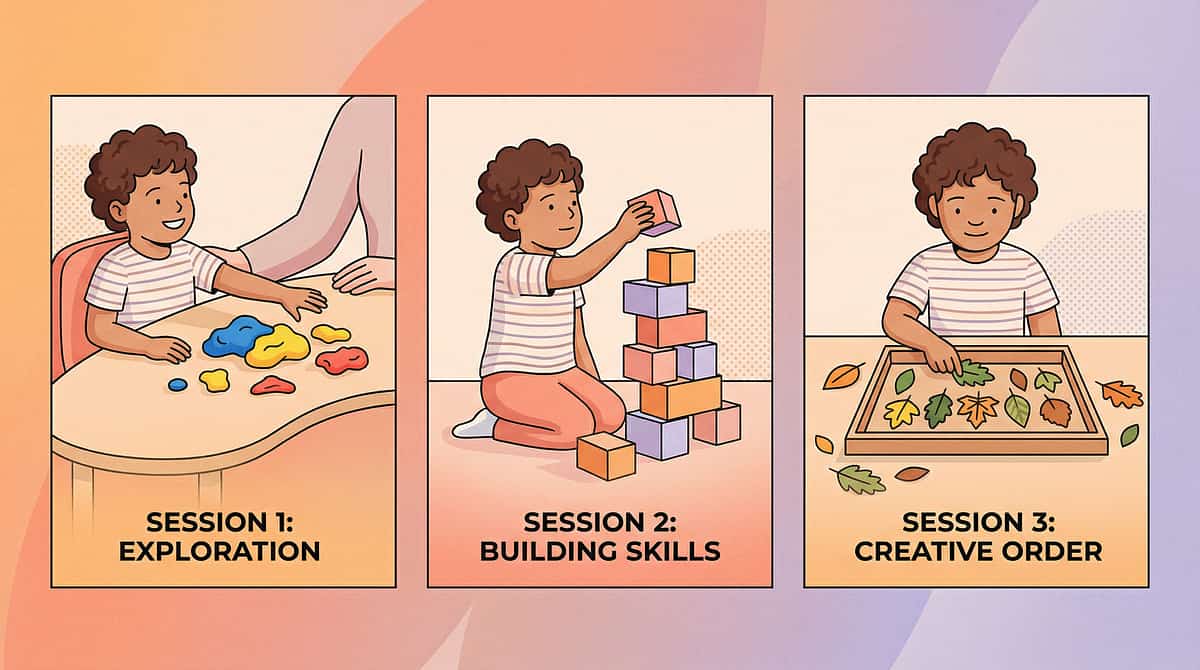
Therapeutic Dosage — How Often, How Long, How to Keep It Fresh
"3 engaged repetitions are worth more than 10 forced ones. Identity is built through consistent, willing exposure — not volume."
Phase | Frequency | Duration/Session | Focus |
Week 1–2 | Daily | 10–15 min | Building familiarity + positive association |
Week 3–4 | 5x/week | 15–20 min | Deeper engagement, first identity statements |
Week 5–8 | 4x/week | 20–30 min | Integration + generalisation |
Maintenance | 3x/week | As needed | Reinforce and expand |
Variation Strategies to Maintain Engagement
🔄 Rotate Materials
Don't use the same book or card every day. Cycle through all 9 materials in the toolkit.
🎭 Change Modality
One day read together. Next day ask them to read to a stuffed animal. Next day draw a scene from the book.
🌍 Connect to Real Life
When a real-world event relates to identity materials, use it as a natural bridge into discussion.
🎤 Role Reversal
Ask child to "teach" you something from the material they know well. Teaching deepens understanding.
📱 Expand to Media
Age-appropriate videos of autistic YouTubers, TED talks by autistic advocates (Chloe Rothschild, Temple Grandin), documentaries.
Satiation indicators — time to rotate: Child "reads" without looking at pages; affirmations recited without genuine attention; journal prompts get one-word answers; child says "I already know this."
Step 5 of 6
⏱️ 30 seconds — immediately after any identity statement
The Reinforcement Science — Why HOW You Celebrate Matters More Than IF You Celebrate
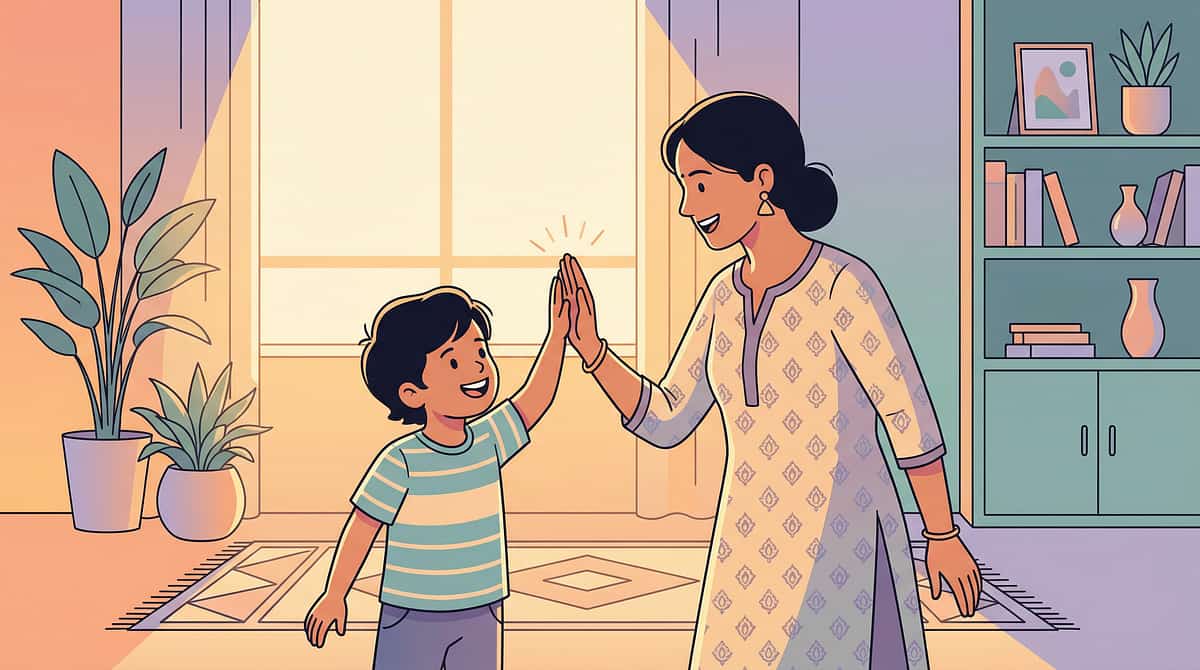
The golden rule: reinforce the attempt to think positively, not just the outcome. Timing is everything — respond within 3 seconds of a positive identity statement or moment of genuine engagement.
Child Says / Does | Parent Responds Within 3 Seconds |
"I like this character, they're like me" | "Yes! That recognition — that you can see yourself in them — that is huge. That's identity." |
Writes one sentence in journal | "That sentence you wrote? That's your brain describing itself clearly. That matters." |
Picks a strength from the list | "That's 100% true about you. I see that strength in you every day." |
Resists a negative thought about autism | "I noticed you stopped yourself from saying something unkind about yourself just now. That's work." |
Asks a question about an autistic role model | "Great question. Let's find the answer together." |
Verbal Reinforcement Menu
Rotate these to prevent hollow praise:
"That's genuinely impressive."
"I'm learning from watching you."
"Your brain just did something really cool."
"That's a really mature way to think about it."
Canon Reinforcement Resources
✅Rosette Imprint Reward Jar — ₹589 — Token economy for identity milestones
✅1800+ Reward Stickers — ₹364 — Visual reinforcement for journal completion and affirmation practice
Tangible reinforcers work best when paired with specific verbal praise. The combination anchors the identity moment in both memory and motivation.
Step 6 of 6
⏱️ 2–3 minutes
Closing the Session — Why the Ending Is as Important as the Beginning
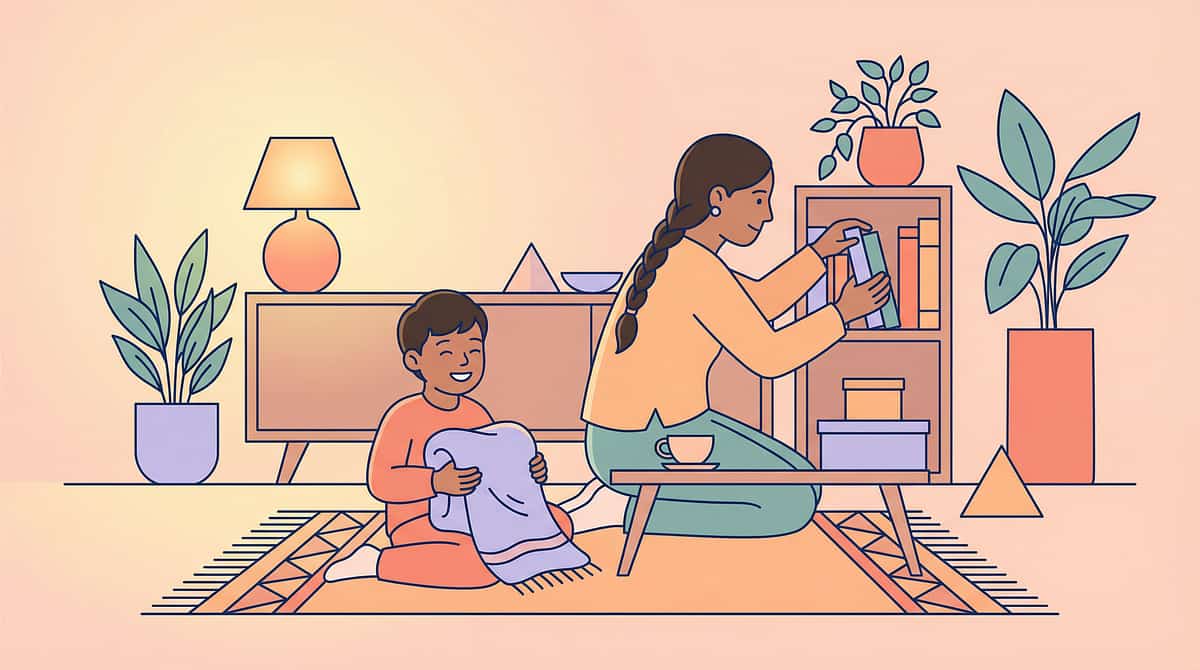
Never end an identity session abruptly. The cool-down creates a ritual of completion — the child learns that each session has a beginning, middle, and peaceful end. This ritual builds safety and anticipation for the next session.
"We have about 2 more minutes together. Should we pick one thing from today that felt true?"
"Let's choose one affirmation to put on your wall from today's session."
"Can you tell me one thing you want to remember from what we read?"
"Today's Truth" Ritual
Child picks one statement, sentence, or image from today's session that felt most true. Write it on a sticky note together and add to the Affirmation Wall.
"Bookmark the Feeling"
Physically bookmark where you stopped in a book — creates anticipation for next session and signals clean completion.
"One Sentence"
Ask: "What's one sentence you want to remember from today?" Child speaks or writes it. Simple. Powerful.
What to do if child resists ending:"I know you want to keep going. Let's write that idea down so we don't lose it, and we'll start there next time." Records the idea → creates a continuation hook. Use a soft visual timer during the last 3 minutes so the child can see the session ending — no surprise endings.
Transition comfort: Animal soft toy — ₹425 — A transition comfort object can be held during cool-down and into the next activity.
60 Seconds of Data Now Saves Hours of Guessing Later
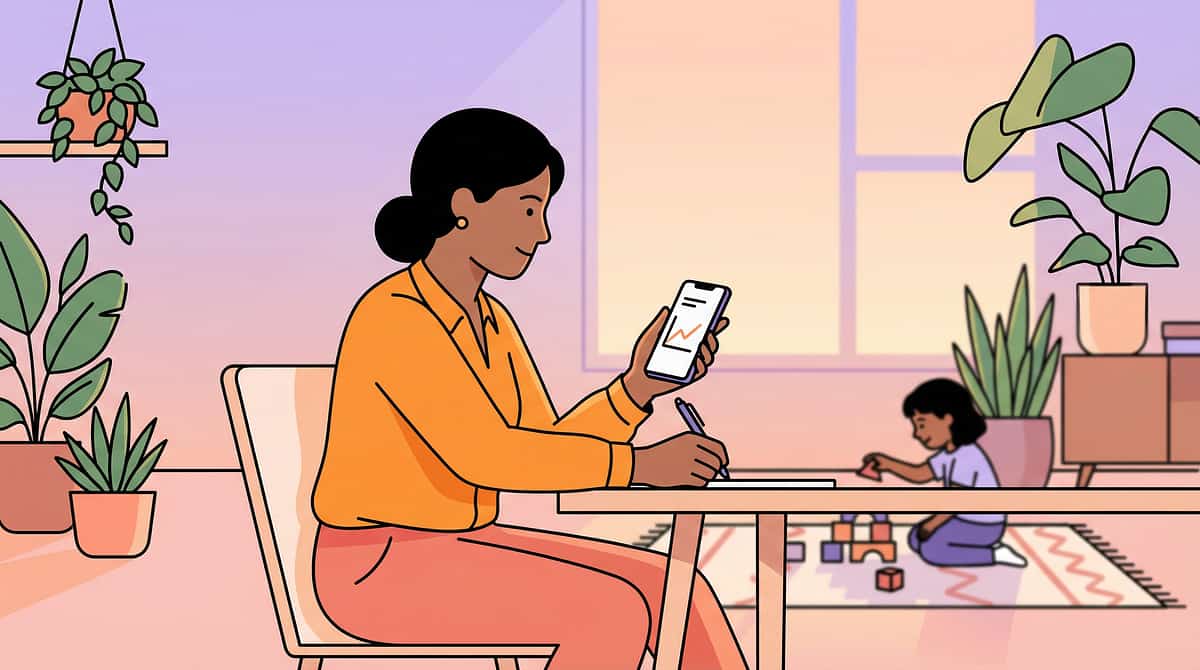
What gets measured gets improved. Recording three simple fields immediately after each session gives you a clear window into your child's progress — and protects against the common trap of feeling like "nothing is changing" when real change is quietly accumulating.
Field 1: Date & Material Used
Which of the 9 materials today?
Example: "Identity Journal — Day 5"
Field 2: Identity Statement Made
Did child make any positive self-statement?
Example: "Said 'I'm good at noticing things'"
Field 3: Child State Rating
1 (resistant) → 5 (engaged and open)
Example: "4 — came willingly, asked questions"
Optional Deeper Tracking
Did child initiate any identity-related discussion themselves?
Did child mention autism positively in another context today?
Signs of masking behaviour: increase / decrease / same?
GPT-OS® Integration: If using Pinnacle GPT-OS®, enter data directly into your child's Emotional Regulation Index → Identity Sub-Index. Progress is automatically compared against normative trajectories. Uncertain what to track? Call 9100 181 181 — our team will guide you.
"The parent who tracks sees progress the parent who doesn't track misses. Most identity development is invisible until you look at 4 weeks of data at once — then the trajectory becomes unmistakable." — Pinnacle Clinical Research Team

Real Sessions Are Messy — 7 Common Challenges and Exactly What to Do
Every parent encounters friction. These are the seven most common challenges reported across Pinnacle's network — and the precise clinical responses that work.
1
❓ Child refused to engage with any material today
Why: Identity work touches the most vulnerable part of self-concept. Resistance = protection, not defiance.
Do next time: Start even smaller — just put the book on the coffee table. Don't refer to it. Let curiosity do the work. Never increase pressure.
2
❓ Child became upset when reading about autism
Why: The material activated identity pain. This means the material is relevant — but the dose needs calibrating.
Do next time: Move to affirmation materials only for 3–4 days. Re-introduce books only after child voluntarily asks to return.
3
❓ Child said "That's not me" to every strength offered
Why: Internalised negative self-concept is still dominant. They can't yet see what you see.
Do next time: Use specific, observed examples: "Last Tuesday, when you noticed the pattern in the floor tiles — that IS pattern recognition. I saw it. It was real."
4
❓ Child shows interest in a role model but dismisses connection
Why: They haven't yet constructed a mental category for "autistic people who are successful."
Do next time: Explore more diverse role models — not just genius archetypes. Show ordinary autistic adults living fulfilling lives.
5
❓ Technique works at home but child still masks heavily at school
Why: School environment isn't yet safe for authentic expression. Home is the practice ground.
Do next time: Don't push unmasking at school. Continue home work. Consult school counsellor to create even one authentic-expression space at school.
6
❓ Child "gets it" in session but reverts to negative self-talk next day
Why: 6–8 weeks of daily repetition needed to shift default self-narrative. This is completely normal at weeks 1–2.
Do next time: Continue. Do not express frustration. Say: "We're still building. It's like learning to read — it takes time before it feels automatic."
7
❓ Parent is emotionally struggling with these conversations
Why: Your own feelings about your child's diagnosis directly shape these sessions.
Do next time: This is valid. Call 9100 181 181 for parent support. Your acceptance journey matters too.
No Two Children Are Identical — How to Tailor These Materials to YOUR Child
The most effective identity work is personalised. Use the profiles below to decide which materials to lead with — and which to introduce gradually.

The Highly Verbal Child
Loves books and words. Lead with bibliotherapy (Materials 1, 2, 5). Go deep into discussions. Start writing in journals early. These children often process identity through language — give them lots of it.
The Quieter, Less Verbal Child
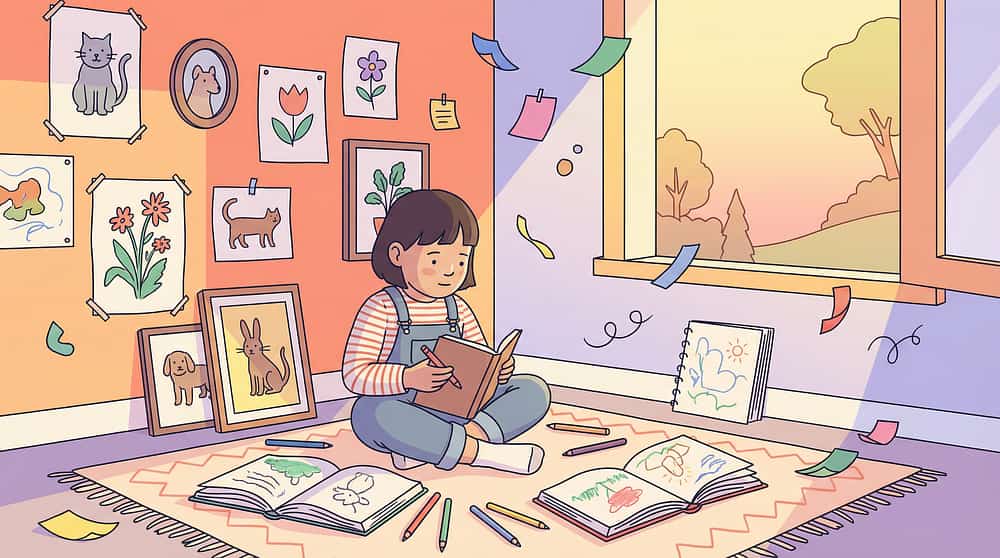
Lead with visual materials — strengths posters, affirmation cards, hero photo boards. Avoid forcing verbal processing. Art-based journaling (draw, don't write) works beautifully for these children.
The Child Who Rejects Autism Identity
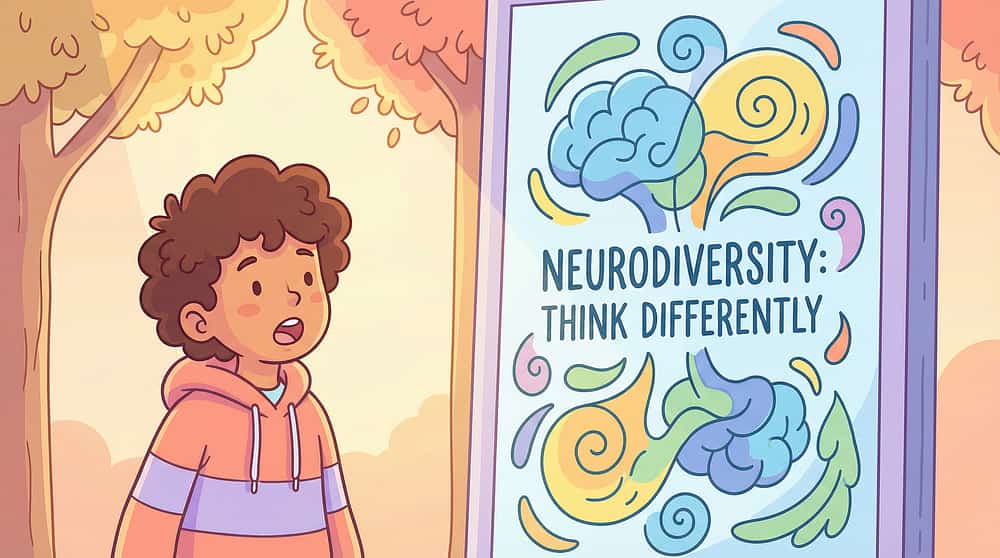
Begin with neurodiversity materials — all brains are different, not autism-specific. Build slowly. Do NOT name autism in early sessions. Let understanding arrive through the materials organically.

The Curious, Question-Asking Child
Move quickly to role model biographies and community connection. These children are ready for information. Accelerate with age-appropriate research exploration together — they will thrive.
Age Modifications
Age | Best Materials | Key Approach |
5–7 | Picture books, strengths stickers, affirmation wall | Concrete, visual, playful |
8–10 | Role model biographies, identity journals | Stories + guided reflection |
11–14 | Fiction, masking awareness, community connection | Peer perspectives + self-advocacy |

ACT IV: The Progress Arc
Week 1–2
Week 1–2 — What Real Early Progress Actually Looks Like
15%
Foundations Phase
You are laying the groundwork. Neural infrastructure is being built invisibly beneath the surface.
✅ What You WILL Likely See
Child accepts materials without active resistance (by day 5–7)
Child shows mild curiosity — looks at book covers, reads some titles
One or two spontaneous questions about autism or difference
Parent and child completing sessions consistently — this itself is progress
Child begins to associate identity materials with calm, positive time
❌ What You Will NOT Likely See Yet
(And this is completely normal)
Spontaneous positive self-statements about autism
Reduction in masking behaviour
Child speaking positively about their diagnosis to others
Resolution of negative self-talk
If your child tolerated 5 minutes of identity work this week without leaving — that is genuine, measurable progress. You are 15% of the way there.
"In weeks 1–2, you are planting seeds in winter. Nothing visible grows yet. The neural infrastructure you're building now will be the foundation of your child's self-acceptance for decades. Trust the science. Continue the practice."

ACT IV: The Progress Arc
Week 3–4
Week 3–4 — The Neural Pathways Are Forming. Here's What to Look For.
40%
Consolidation Phase
The groundwork is taking hold. Consolidation indicators begin to emerge — watch for these specific signs.
🌱 Child Initiates
Asks to do "book time" or asks where their journal is — without prompting from you.
🌱 Recognition Moments
"That's like me" statements while reading or watching. The child is finding themselves in the material.
🌱 Question Asking Deepens
From "What is autism?" to "Did this person feel like me?" — a significant qualitative shift.
🌱 Affirmations Repeated Outside Sessions
Child says an affirmation unprompted — in a different room, at a different time. This is the first generalisation signal.
🌱 Slight Reduction in Negative Self-Talk
Still present, but frequency is decreasing. The internal monologue is beginning to shift.
Most important generalisation sign: When your child transfers an identity concept from a session into daily life without prompting — that is the signal that neural consolidation is happening.
"You may notice you're more comfortable with these conversations too. Your own comfort with your child's identity is growing alongside theirs. This is not a coincidence — it's co-regulation in action."

ACT IV: The Progress Arc
Week 5–8
Week 5–8 — Mastery Unlocked. Here's How You'll Know.
75%
Mastery Phase
Observable, measurable criteria confirm that identity architecture has genuinely shifted.
Mastery Indicator | Observable Behaviour | What This Means |
Self-concept shift | Describes autism neutrally or positively without prompting | Core identity narrative has changed |
Information mastery | Can explain what autism is to a sibling/friend in their own words | Understanding is internalised |
Authentic expression | Displays at least one authentic autistic behaviour without shame in a safe setting | Masking is reducing at home |
Role model connection | Names one autistic role model and explains why they relate to them | Aspirational identity is forming |
Affirmation internalisation | Rejects negative self-talk with self-generated counter-statement | Internal monologue has shifted |
Journal depth | Journal entries show reflection, not just factual statements | Self-narrative is coherent and growing |
🏅C-339 MASTERY UNLOCKED: "I understand who I am. I am different, not less." — Pin this to your child's Affirmation Wall. Once mastery criteria are met, continue maintenance practice (3x/week) and introduce C-340 (Difficulty With Change and Transitions).
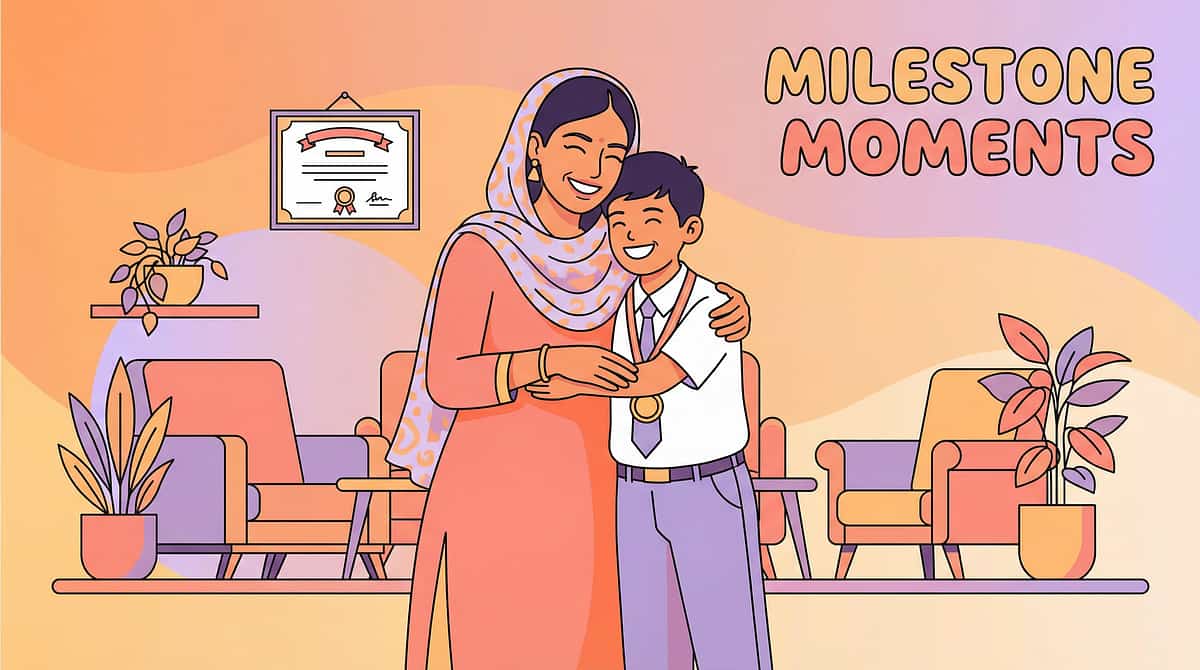
You Did This. Your Child Grew Because of Your Commitment.
🌟 Identity Milestone Achieved 🌟
Your child now understands that their brain works differently — not deficiently.
This was built session by session, over 5–8 weeks of showing up.
Different, Not Less.
— Pinnacle Blooms Network® | GPT-OS® Verified
Family Celebration Suggestions
🎉 Create a "Different, Not Less" celebration moment — child chooses one thing to celebrate about themselves
📸 Take a photo together with the Affirmation Wall in the background
📖 Start a new book from the role model series as a "graduation gift"
🌈 Add the rainbow infinity symbol ♾️ to a permanent space in the child's room
Journal Prompt:"Write or draw: What do I know about my brain now that I didn't know 8 weeks ago?"
You arrived at the beginning of this journey with a breaking heart. You are here now knowing you did something extraordinary. Your child can answer the question "Why am I different?" with understanding — and perhaps, on the best days, with a small measure of pride.
Clinical Guardrails — Even in the Progress Zone, Know These Signs
Progress does not mean vigilance ends. These specific red flags require immediate action — even when your child appears to be improving overall.
1
🚨 Persistent Depression Markers
Loss of appetite, sleep disruption, social withdrawal, or hopelessness lasting >2 weeks despite identity work.
Action: Teleconsult within 48 hours.
2
🚨 Self-Harm Ideation
Any statement connecting identity distress to self-harm thoughts — no matter how casual it sounds.
Action: Call 9100 181 181 immediately.
3
🚨 Regression to Severe Masking
Child was unmasking at home, now masks again at home too — may indicate a school or social trauma event.
Action: Pause identity materials, address acute trigger first.
4
🚨 Identity Crisis Intensification
Identity work appears to be making things worse — more negative self-talk, increased distress after sessions.
Action: Stop, pause 1 week, call 9100 181 181 for clinical guidance.
5
🚨 Extreme Social Withdrawal
Child completely stops engaging with peers in ALL settings.
Action: Clinic visit — overlap with C-342 (Depression) or social anxiety.
6
🚨 School Report Flags
Teacher reports dramatic change in behaviour, selective mutism developing, or extreme distress at school transitions.
Action: School counsellor + Pinnacle SpEd consultation immediately.
"You know your child better than any protocol. If something feels wrong — pause the technique and ask. That is not failure. That is good parenting and good clinical judgement."
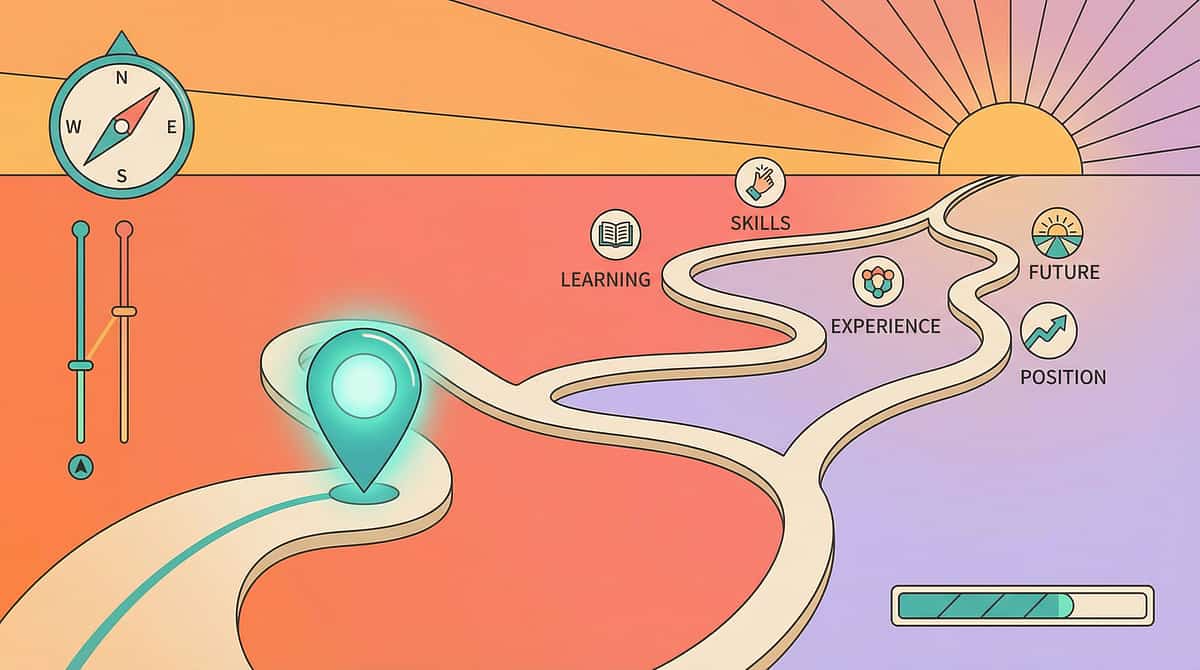
Your Developmental GPS — Where This Technique Sits, Where You're Going Next
C-339 does not exist in isolation. It sits within a carefully sequenced developmental pathway. Understanding what comes before and after helps you plan the road ahead with confidence.
Next Steps by Child's Response
Identity work successful: → C-340: Difficulty With Change and Transitions. Identity security makes transition tolerance easier.
Anxiety is dominant: → C-336: Anxiety and Worry. Identity work reduces underlying anxiety; C-336 provides the behavioural toolkit.
Depression markers present: → C-342: Depression and Low Mood. Address mood directly now that identity foundation is built.
Social isolation prominent: → C-350: Social Isolation. Positive identity is the prerequisite for genuine community connection.
Long-Term Developmental Goal
Self-advocacy — your child can explain their needs, understand their rights, and navigate the world as a proud, self-aware autistic person. Every session of identity work is a step toward that destination.
Lateral Alternatives
If these materials haven't fully resonated, try C-360: School Refusal (overlapping identity-school themes) or K-890: Talking to Your Child About Autism (parent skill-building).
Other Techniques in the Identity & Emotional Wellbeing Domain
If you've built the C-339 toolkit, you already have foundational materials for several related techniques — reducing your next investment to near zero.
1
C-336
Anxiety and Worry
Difficulty: Core
✅ You already have: Affirmation materials
2
C-337
Reciprocal Interaction
Difficulty: Core
✅ You already have: Community resources
3
C-338
Self-Injurious Behaviours
Difficulty: Advanced
✅ You already have: Transition objects
4
C-340
Difficulty With Change
Difficulty: Core
✅ You already have: Visual supports
5
C-341
Emotional Dysregulation
Difficulty: Core
✅ You already have: Journal
6
C-342
Depression and Low Mood
Difficulty: Advanced
✅ You already have: Role model books
All techniques above sit within Domain C — Emotional Regulation & Identity of the Pinnacle GPT-OS® 12-domain taxonomy. Browse Full Domain C →
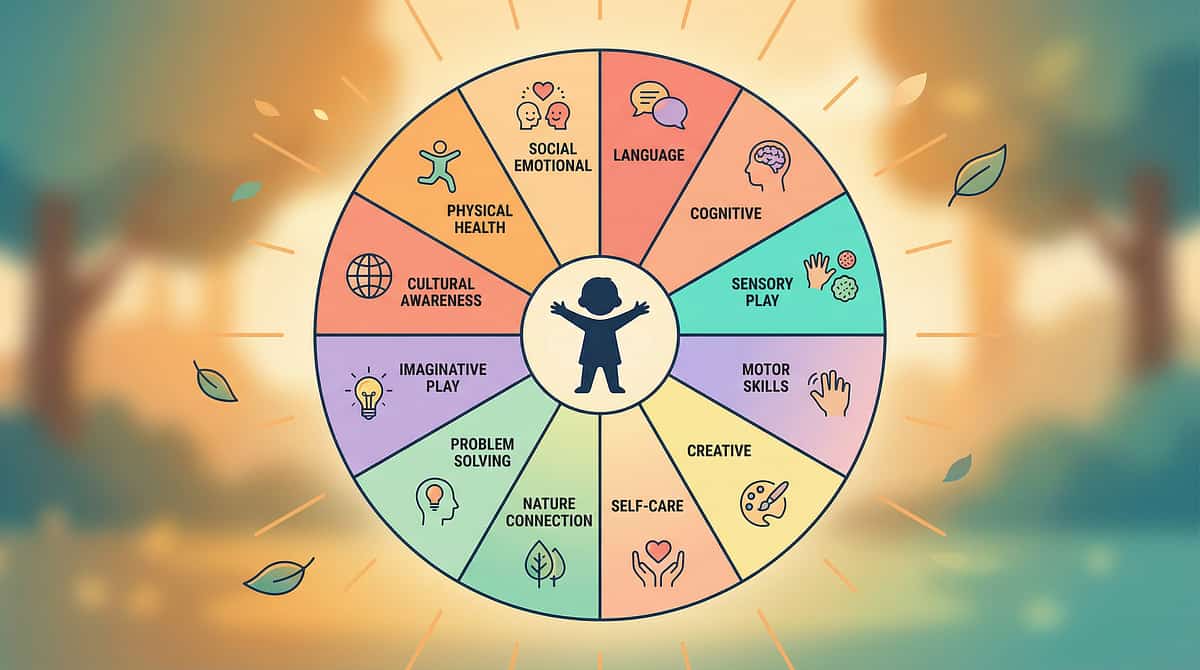
One Technique. One Domain. The Whole Child.
Current Technique Position
Domain C — Emotional Regulation & Identity
Sub-domain: Self-Concept & Belonging
C-339 is one of 400+ techniques in this domain.
Sub-domain: Self-Concept & Belonging
C-339 is one of 400+ techniques in this domain.
Why Identity Is the Operating System
"This technique is one piece of a larger plan. Progress in identity (Domain C) directly accelerates progress in social communication (Domain B), behaviour flexibility (Domain D), and readiness (Domain L). Identity is not a soft topic. It is the operating system."
With a Pinnacle AbilityScore® assessment, this map becomes personalised — showing exactly which domains are active, which need attention, and which techniques to sequence. Call 9100 181 181 or visit pinnacleblooms.org/assessment to request your child's assessment.
Three Families. Three Journeys. One Destination: "Different, Not Less."
1
Hyderabad | Child: Arjun, Age 8 | ASD Level 1
Before (Week 1): Arjun came home from school and announced: "Amma, I am the only broken one in my class." His mother Priya did not know what to say. She called our helpline at 11pm.
After (Week 7): Arjun showed his class teacher his "Superpower Book" — a journal he'd made with his mother over 7 weeks. When a classmate asked why he goes to therapy, he said: "My brain works differently. That's why I'm good at noticing patterns nobody else sees."
"When he said that to his teacher, I cried in the car for 20 minutes. Not from sadness — from relief. That was MY child, knowing who he is." — Priya, Parent, Pinnacle Hyderabad Network
2
Bengaluru | Child: Meera, Age 11 | ASD Level 2
Before (Week 1): Meera refused to be seen with her therapy materials at school. She had told her mother: "If anyone finds out about my therapy, I will change schools."
After (Week 8): Meera started an informal "Different Brains Book Club" with two friends — one of whom is also autistic. She chose the books herself, all from Material 5 (fiction with autistic characters). She has not asked to change schools.
3
Chennai | Child: Age 7 | Newly Diagnosed
Before: Parents reported that their son had begun refusing to look in mirrors after his diagnosis.
After (Week 6): The child pointed to his affirmation wall (Material 9) and read three statements aloud — unprompted — before school. When his father asked why, he said: "To remind my brain that it's good."
Outcomes are illustrative composite cases. Individual results vary by child profile and consistent implementation.
📞Helpline: 9100 181 181 — Available 24x7 in 18+ languages. Our consultants speak your language and understand your journey.
Isolation Is the Enemy of Progress — Find Your Community
Identity development in autistic children is significantly stronger when parents are connected to other neurodiversity-affirming families. Your own sense of community directly co-regulates your child's sense of belonging. This is not a soft benefit — it is a clinical one.
WhatsApp: Identity & Belonging Parent Group
Parents actively using these 9 materials, sharing daily wins and challenges. Real-time peer support from families who understand exactly what you are navigating.
Online Forum
pinnacleblooms.org/community — Identity & Emotional Wellbeing thread — moderated, private, and safe for candid conversation.
Peer Mentoring
Request a connection with a parent whose child completed identity work 6+ months ago — "Been there, here's what worked" wisdom from lived experience.
Local Parent Meetups
Pinnacle holds monthly parent support evenings across 70+ centres — neurodiversity-affirming, facilitated by clinical staff. Find your nearest centre →
"Your journey — your child's story — will be the evidence another parent needs to take that first step. When you're ready, consider sharing."
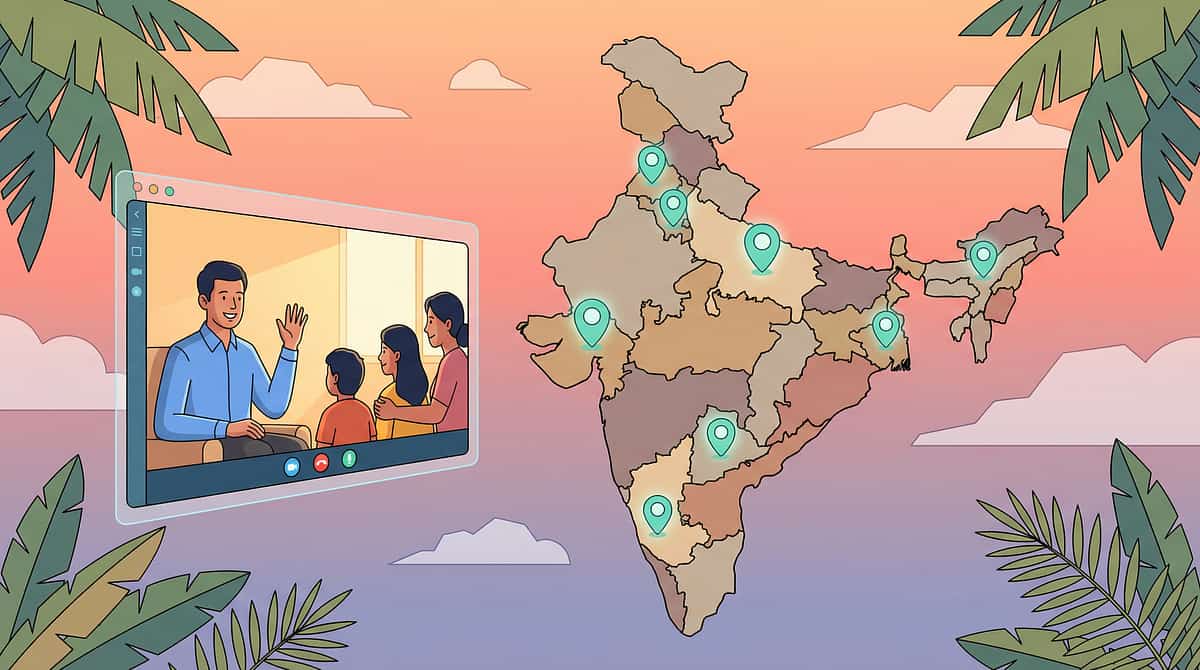
Home + Clinic = Maximum Impact. Here's Your Professional Backup Layer.
Our outcome data shows: children who receive both home-based identity work (Materials 1–9) AND professional support show 2.4× faster identity progression than those receiving either alone.
🏥 In-Person Assessment & Therapy
Full multi-disciplinary evaluation: OT + SLP + ABA + SpEd + NeuroDev. AbilityScore® baseline + Emotional Regulation Index. EverydayTherapyProgramme™ for home continuation.
📱 Teleconsultation
Available to families across India and 70+ countries. Identity-specific counselling sessions — booked through app or helpline. Suitable for ongoing guidance on C-339 implementation.
🆘 Identity Crisis Support
If your child is in acute identity distress — call 9100 181 181. Same-day teleconsultation available for urgent cases. 24x7 helpline in 18+ languages.
For international families: Pinnacle GPT-OS® digital platform provides full remote assessment, therapy planning, and EverydayTherapyProgramme™ access. Geography is not a barrier to evidence-based identity support.
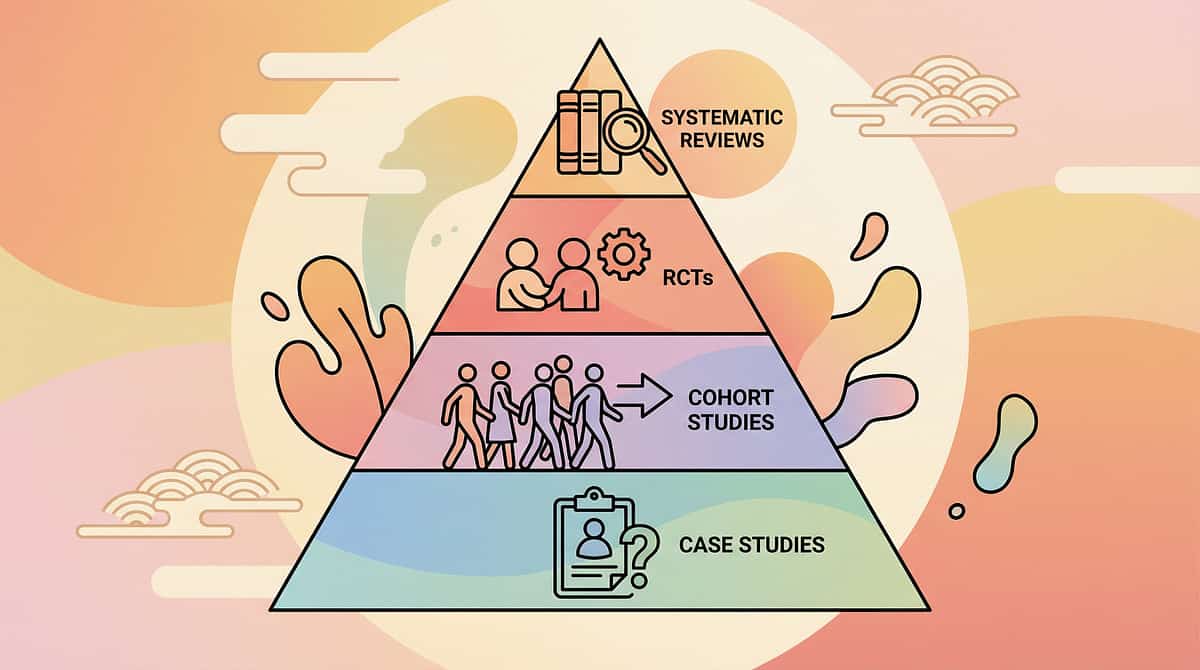
The Science Behind Everything on This Page — For the Curious Parent
# | Study | Finding | Link |
1 | Cooper K et al. (2017) — Autism Research | Degree of positive autistic identity significantly predicts psychological wellbeing across multiple measures | PubMed → |
2 | Botha M & Frost DM (2020) — Society & Mental Health | Extending minority stress model: internalised stigma is primary mechanism for mental health disparities in autistic population | DOI → |
3 | Cage E & Troxell-Whitman Z (2019) — J Autism Dev Disorders | Camouflaging/masking reasons, contexts, and costs: exhaustion and identity inauthenticity as primary harms | PubMed → |
4 | PMC11506176 — PRISMA Systematic Review (2024) | Evidence-based practice criteria met for identity-affirming intervention components in autism | PMC → |
5 | PMC9978394 — WHO CCD Package Implementation | Multi-caregiver training and home-based intervention efficacy across 54 LMICs | PMC → |
Standard Citation Set: PMC11506176 | PMC10955541 | PMC9978394 | WHO NCF 2018 | NCAEP 2020 | Padmanabha Indian J Pediatr 2019 (DOI:10.1007/s12098-018-2747-4)
→ Pinnacle Research Archive at pinnacleblooms.org/research
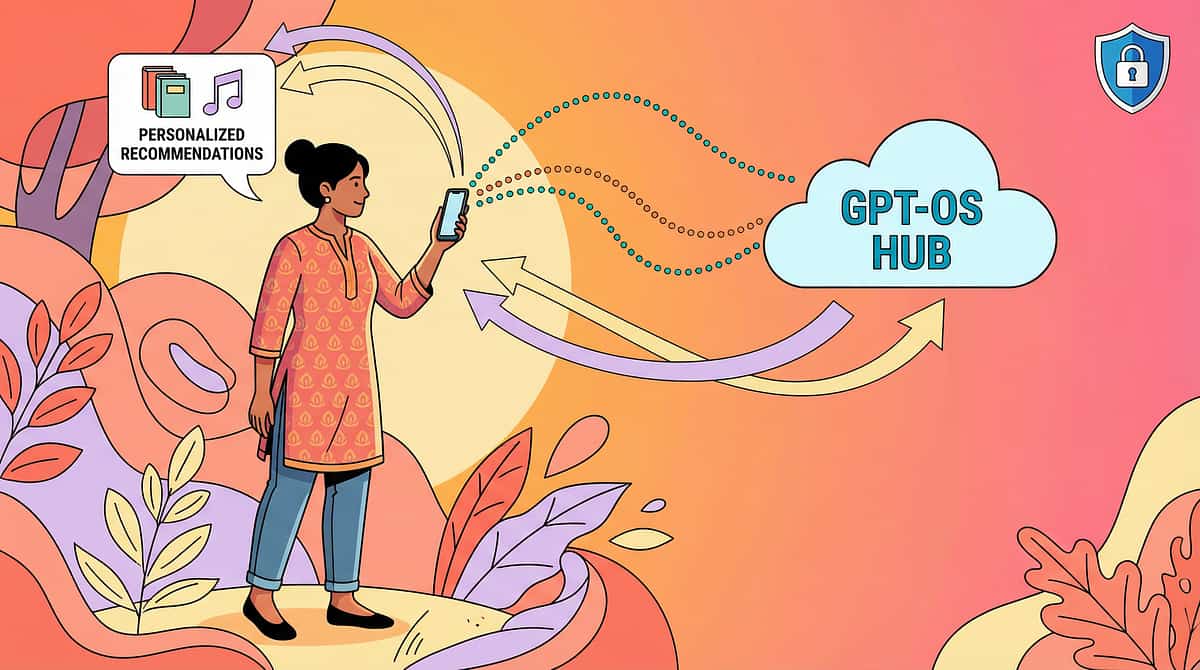
Transparency — Here's Exactly How Your Session Data Helps Your Child
What GPT-OS® Specifically Learns from C-339 Data
Rate of identity progression — awareness → acceptance → advocacy
Which of the 9 materials drove fastest consolidation by age and profile
Optimal session frequency and duration by child type
Early indicators that professional intervention is needed
Cross-correlation with anxiety, behaviour, and communication trajectories
🔒 Privacy Assurance
All data encrypted at rest and in transit
De-identified for research use
DPDPA (India) compliant
No data sold to third parties
You own your child's data
"Your 8 weeks of session data joins 21 million therapy sessions in GPT-OS®. The recommendation a parent in Kohima receives this year is better because of the sessions a parent in Chennai completed last year. Your data is an act of solidarity with every autistic child who comes after yours." — Pinnacle Clinical Research Team
The Original Reel That Brought You Here — 9 Materials Overview in 75 Seconds
Reel Metadata
Reel ID
C-339
Series
Identity & Emotional Wellbeing
Episode
339 of 999
Duration
75 seconds
The 75-second reel introduces all 9 materials in sequence — named and briefly explained by a Pinnacle therapist. This page is the deep-dive companion resource for that Reel.
NCAEP Classification: Video modelling is classified as an evidence-based practice for autism (NCAEP, 2020). Multi-modal learning (visual + text + demonstration) significantly improves parent skill acquisition and adherence.
Therapist Introduction
"When your child says 'Why am I different?', they need more than reassurance. They need tools to build positive identity. Different doesn't mean less. Here are 9 materials that help children understand, accept, and celebrate who they are."
The 999 Reels Ecosystem
This is Reel C-339 of 999. Each Reel maps to a full technique page like this one.
← C-338: Self-Injurious Behaviours
→ C-340: Difficulty With Change
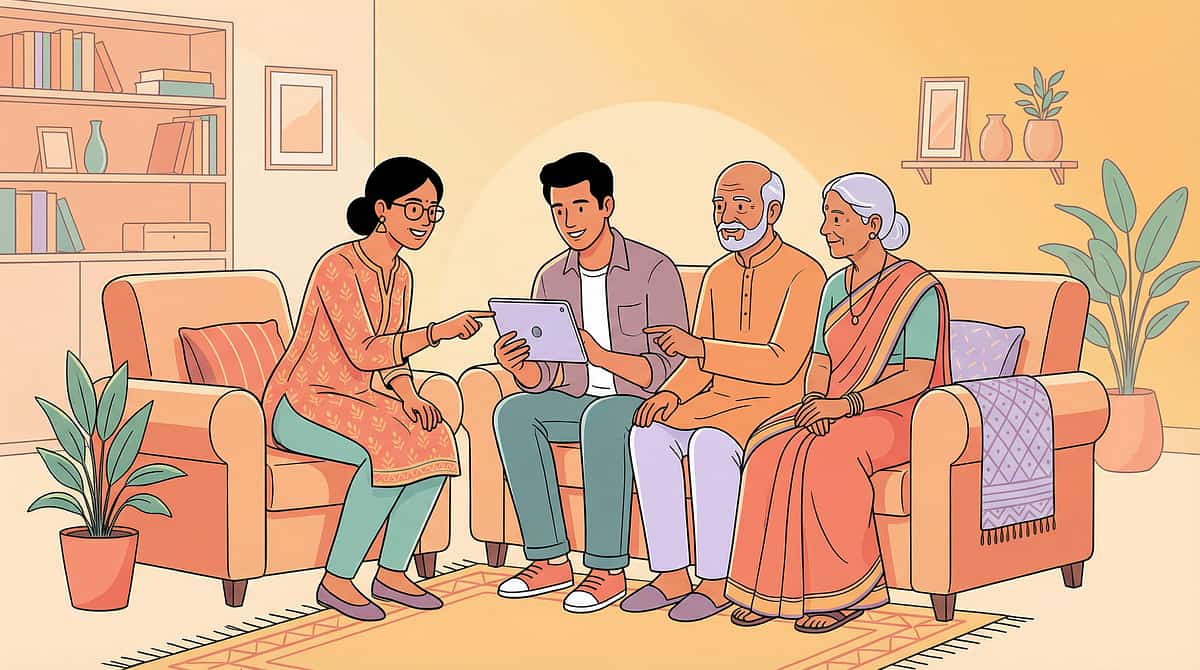
Consistency Across All Caregivers Multiplies Impact — Share This Page
WHO CCD Package research is clear: multi-caregiver training is critical for intervention generalisation and maintenance. A technique practised 5x/week with one parent and contradicted by grandparents yields minimal long-term gains. Everyone who loves your child must speak the same language.
Share With Your Support Network
Simplified visual guide to C-339 for ALL caregivers — grandparents, aunts/uncles, domestic helpers, school teachers.
"Explain to Grandparents" Version
"[Child's name]'s brain works differently from most children's. This is called autism — and it is not a disease, problem, or failure. The most important rule: never say 'why can't you be normal' or compare them to other children. Instead, say '[name] has a brain that works uniquely — and that makes them special.'"
Teacher / School Communication Template
"We are currently working on positive identity development at home using evidence-based bibliotherapy and strengths-framing materials (C-339 protocol, Pinnacle Blooms Network). We would appreciate if [child's name] could have one safe space in the school day to express authentic autistic behaviour without social consequence. We are available to share our clinical guidance with the school counsellor."
Consistent Messaging — Every Caregiver Must Know Three Things
1. Different is not less
2. Masking is exhausting
3. Authentic expression at home is the goal
Questions Every Parent Asks — Answered Directly
❓ At what age should I start these materials?
The moment your child becomes aware of their difference — which often happens organically between ages 5–8. If your child is older and hasn't had identity support, it is never too late. Identity work at age 12 is as valuable as at age 7, though the materials and approach differ.
❓ Should I tell my child they are autistic before starting?
Ideally yes — children who are explicitly aware of their diagnosis engage more deeply with identity materials. However, if your child is not yet formally told, Materials 3 (Neurodiversity) and 6 (Strengths) can be introduced as universal — "all brains are different" framing — before the autism-specific conversation.
❓ What if my child rejects the identity of being autistic?
This is common and valid. Identity rejection is itself Stage 2 in the development progression. Do not force acceptance. Continue offering neurodiversity and strengths materials without labelling them "autism materials." Acceptance arrives through understanding — and understanding arrives through repeated, low-pressure exposure.
❓ Is it harmful to focus on autism identity? Won't this make my child more 'different'?
Research shows the opposite: children who understand and accept their autistic identity show better social integration, not worse. Hiding difference creates exhaustion and shame. Understanding difference creates self-knowledge and self-advocacy.
❓ How do I handle family members who disagree with the neurodiversity approach?
Start with the research evidence (Card 34). Share the Family Guide (Card 37). Use the GPT-OS® outcome data from your child's own tracker as evidence. For persistent opposition: consult the Pinnacle clinical team (9100 181 181) who can provide family psychoeducation.
❓ My child was recently diagnosed. Is it too soon to start?
Not at all — in fact, the period immediately following diagnosis is when identity framing matters most. How you respond to the diagnosis in front of your child shapes their initial self-concept. Neutral-to-positive framing from day one is the clinical recommendation.
❓ Can I use these materials alongside formal therapy at a Pinnacle centre?
Absolutely — this is the recommended approach. These home materials are the EverydayTherapyProgramme™ equivalent for identity work. Your therapist can calibrate which materials to prioritise based on your child's AbilityScore® profile.
❓ How do I know when we're done with this technique?
Mastery criteria are on Card 25. In short: when your child can describe their autism neutrally or positively without prompting, you have achieved the core goal. Identity work never fully ends — it deepens with age. But the acute intervention phase is complete.
Didn't find your answer? Call 9100 181 181 — FREE, 24x7, 18+ languages — or book a teleconsultation at pinnacleblooms.org.

You've Read Everything. You Understand the Science. There Is One Thing Left to Do.
Open Material 1 and Material 9. Sit with your child. Begin. Ten minutes today is the difference between a child who grows up asking "Why am I broken?" and one who knows, with certainty, that they are not.
🔬 Evidence-Based
🏥 Clinical-Grade
🏠 Home-Executable
♾️ Neurodiversity-Affirming
🌍 Global Standard
PINNACLE BLOOMS CONSORTIUM®
Validated by: 🧠 NeuroDev • 🗣️ SLP • 🖐️ OT • 📊 ABA • 🎓 SpEd • 🔬 CRO
70+ Centres | 21M+ Sessions | "Different, Not Less."
Validated by: 🧠 NeuroDev • 🗣️ SLP • 🖐️ OT • 📊 ABA • 🎓 SpEd • 🔬 CRO
70+ Centres | 21M+ Sessions | "Different, Not Less."
📞9100 181 181 — FREE National Autism Helpline — 24x7 — 18+ Languages
Preview of 9 materials that help with feeling different Therapy Material
Below is a visual preview of 9 materials that help with feeling different therapy material. The pages shown help educators, therapists, and caregivers understand the structure and content of the resource before use. Materials should be used under appropriate professional guidance.


Link copied!
From Fear to Mastery. One Technique at a Time.
"We started Pinnacle because no parent should feel alone with a child who is different. We built GPT-OS® because feelings are not enough — structure, science, and system are what transform outcomes. Every technique on this platform was built with one belief: your home can be the most powerful therapy centre your child will ever know." — Pinnacle Blooms Consortium, Founded by Mothers, Built for Every Family
← Return to the Recognition Moment — Card 01
→ Next Technique: C-340 — Difficulty With Change and Transitions
Browse All Domain C Techniques →
← C-338: Self-Injurious Behaviours
Medical Disclaimer: This content is educational and informational. It does not constitute medical advice and does not replace assessment by a licensed psychologist, psychiatrist, or qualified clinical specialist. If you are concerned about your child's emotional wellbeing or identity development, please consult a qualified professional. Individual outcomes vary by child profile, consistency of implementation, and clinical context. Identity development is a process that unfolds over months to years, not weeks.
© 2025 Pinnacle Blooms Network®, a unit of Bharath Healthcare Laboratories Pvt. Ltd. All rights reserved. Content generated under GPT-OS® Content Engine v2.1 with human consortium oversight. Technique ID: C-339 | Domain: IDE-BEL | Series: Identity & Emotional Wellbeing.
CIN: U74999TG2016PTC113063 | DPIIT: DIPP8651 (Govt. of India) | MSME: Udyog Aadhaar TS20F0009606 | GSTIN: 36AAGCB9722P1Z2
📞9100 181 181 (FREE National Autism Helpline | 24x7 | 18+ Languages) | 🌐pinnacleblooms.org | 📧care@pinnacleblooms.org
techniques.pinnacleblooms.org/identity-emotional/feeling-different-positive-identity-C-339 | Pinnacle Blooms Network® | "Different, Not Less." | GPT-OS® Therapy Intelligence