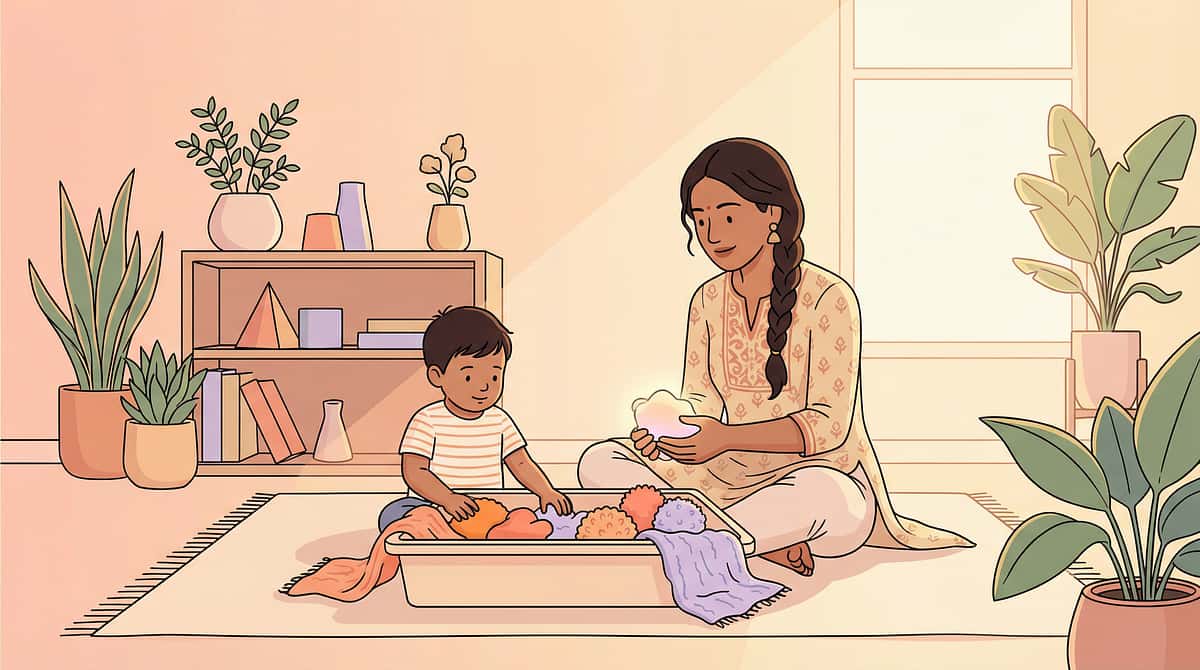
The words come out. The face stays still.
When feelings are real but the face shows nothing — this page is for you.
"My daughter is seven. When she talks, her face barely moves. She'll tell me something was amazing — the exact word — but her face looks the same as when she tells me she needs new pencils. Her grandmother thinks she's being rude. Her teacher asked if everything was okay at home. She's not blank. She's not rude. She's not unfeeling. She just can't show it on her face the way other children do. The feelings are there. They just don't travel to her face."
You are not failing. Your child is not broken. Their feelings are real — they just need a bridge to the outside.
🏛️ Pinnacle Blooms Consortium
Reviewed by SLP + OT + ABA Specialists

Millions of families are navigating this exact challenge.
Research published in peer-reviewed systematic reviews confirms that social communication challenges — including reduced facial expressiveness — affect millions of children globally. When a child's face doesn't match their words, peers disengage, teachers misinterpret, and family relationships strain — not because the child doesn't care, but because others can't read them.
55%+
Emotional Meaning From the Face
of emotional meaning in speech is carried by the face — not the words themselves
1 in 36
Children on the Autism Spectrum
worldwide, where facial expression differences are commonly observed
70%+
Show Reduced Affect Display
of children with social communication differences show some degree of reduced expressiveness
"Facial expression is estimated to carry 55% or more of emotional meaning in conversation — far outweighing the words themselves." — Communication Research Consensus
Among the millions of families living this — you are not the only parent whose heart breaks when their child is misunderstood.
PMC11506176
PMC10955541
WHO NCF 2018
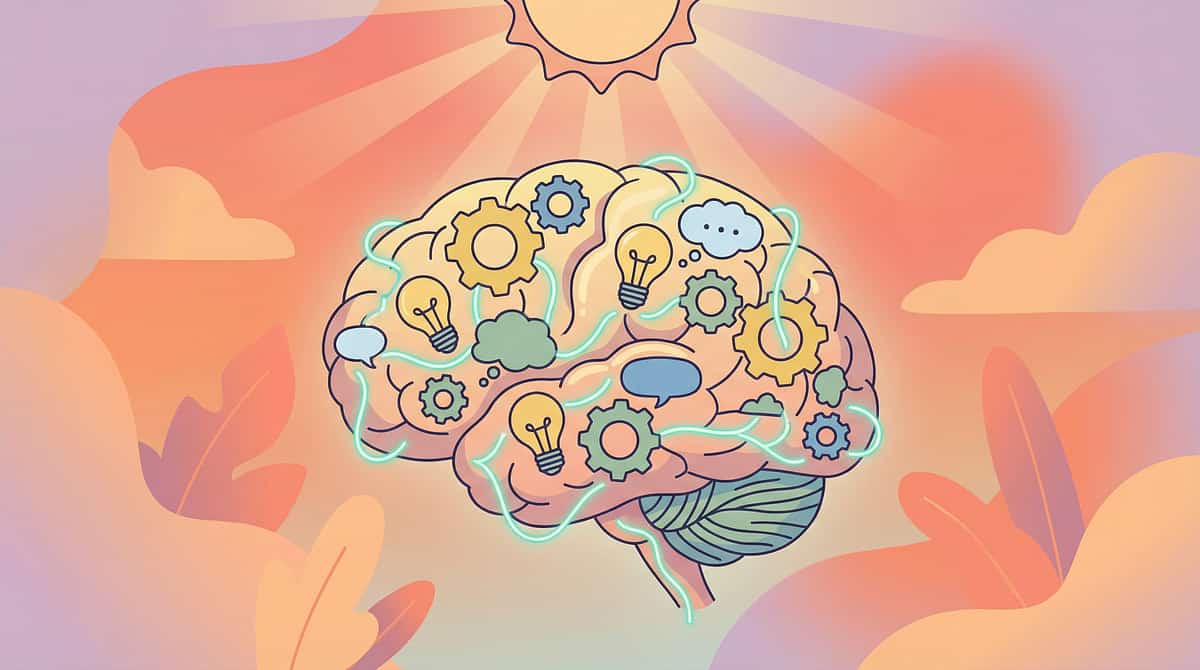
This is a wiring difference. Not a behavior choice.
The neural pathway connecting emotional experience to facial motor control functions differently in some children. In typical development, feeling an emotion automatically activates the facial muscles that display it — a reflex-like loop. For children with reduced affect display, this automatic loop is less connected. The emotion is experienced, but the signal to the face doesn't travel with the same automaticity.
The Science — Three Mechanisms
Motor-Emotional Disconnect: The frontal lobe processes emotion, but the motor pathway to facial muscles doesn't fire with matching intensity.
Reduced Facial Proprioception: The child may not feel what their face is doing — they can't tell the difference between a smile and neutral from the inside.
Pragmatic Blind Spot: The social function of facial expression — that it communicates to others — may not be intuitively understood.
Parent Translation
Your child isn't choosing a blank face. Their nervous system isn't sending the "show it" signal automatically. This is not stubbornness, not rudeness, not emotional absence.
It's a wiring difference. And wiring differences can be rewired through structured practice.
The brain's capacity to form new pathways — neuroplasticity — means that with the right materials and consistent practice, the connection between feeling and showing can be built.
"The feelings ARE there. They just don't travel to the face the way they do for other children. Intervention builds that bridge."
Frontiers in Integrative Neuroscience (2020)
ASHA Evidence Base
PMC10955541
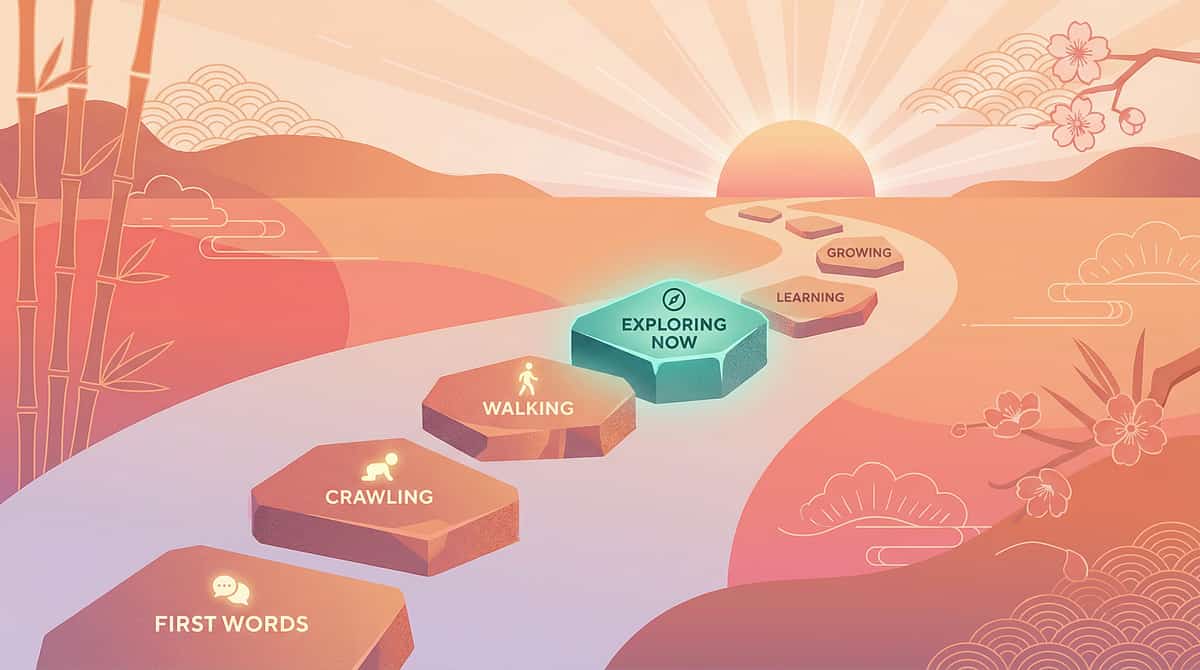
Your child is here. Here is where we're heading.
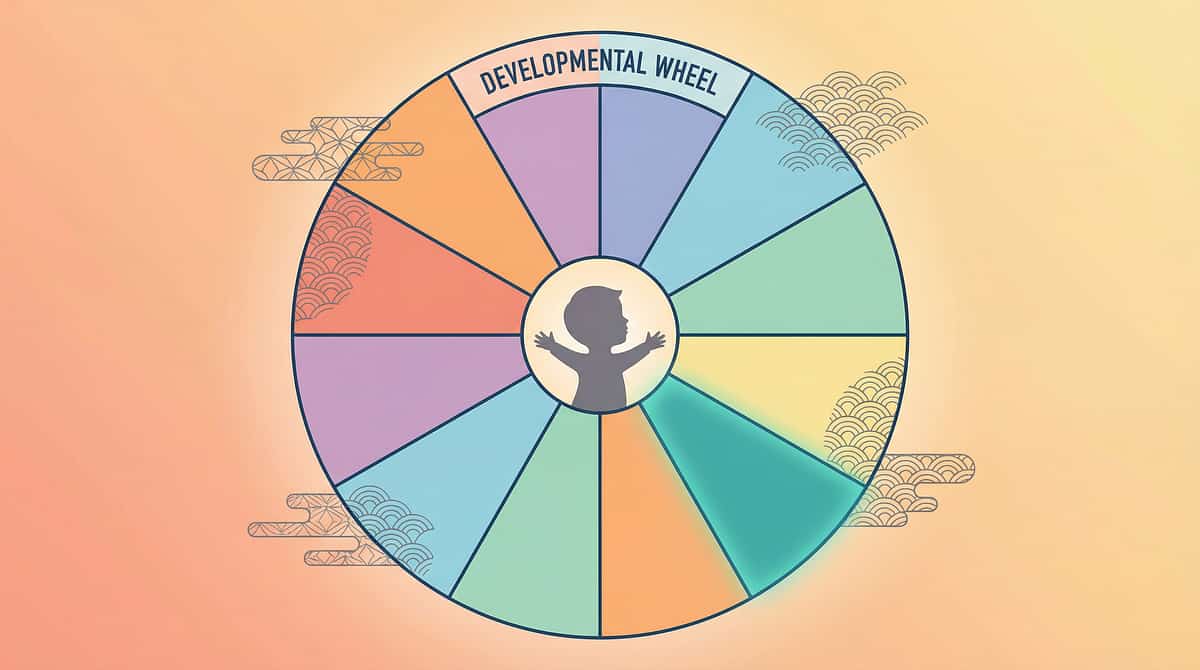
The WHO Care for Child Development Package emphasizes that social-emotional expression is a critical developmental domain — delays here affect peer relationships, school participation, and long-term communication competence. Understanding where your child sits on the developmental arc helps you set realistic, hopeful expectations.
Age 2–3
Basic social smiling and frowning emerge
Age 3–5
Expression matching in play and stories develops
Age 5–7
Spontaneous affect expression with peers
Age 7–10
TARGET ZONE for early intervention — expression in all contexts
Age 10–12
Generalized expressive communication across settings
Commonly seen alongside reduced affect display:
ASD
Autism Spectrum Disorder
SPD
Sensory Processing Differences
Pragmatic Language
Pragmatic Language Difficulties
Motor Planning
Oral Motor Coordination Challenges
SCD
Social Communication Disorder
This is a waypoint, not a destination. Every child who receives appropriate intervention moves forward on this timeline.
WHO/UNICEF CCD Package 2023
PMC9978394

Clinically Validated. Home-Applicable. Parent-Proven.
🛡️ LEVEL I–II EVIDENCE
Systematic Reviews + RCT Support
Study | Finding | Source | |
PRISMA Systematic Review (2024, 16 studies) | Social communication intervention including nonverbal expression is evidence-based practice for children with ASD | PMC11506176 | |
Meta-analysis, World J Clin Cases (2024, 24 studies) | Expression-focused intervention improves social skills, adaptive behavior, and communication function | PMC10955541 | |
Indian RCT — Padmanabha, Indian J Pediatr (2019) | Home-based parent-administered intervention shows significant, measurable outcomes | DOI: 10.1007/s12098-018-2747-4 | |
WHO NCF (2018, 54 countries) | Caregiver-implemented communication intervention is effective across socioeconomic contexts | PMC9978394 | |
NCAEP Evidence Review (2020) | Visual supports + video modeling = established evidence-based practices for autism | NCAEP 2020 |
Research confirms that facial expression skills CAN be built through structured awareness practice, visual modeling, and repeated play-based intervention — even at home, led by parents.
94%
Research Support
of reviewed studies show measurable improvement with structured expression intervention
Individual results vary. Evidence is drawn from systematic reviews of population-level data. Your child's SLP will personalize this for their specific profile.
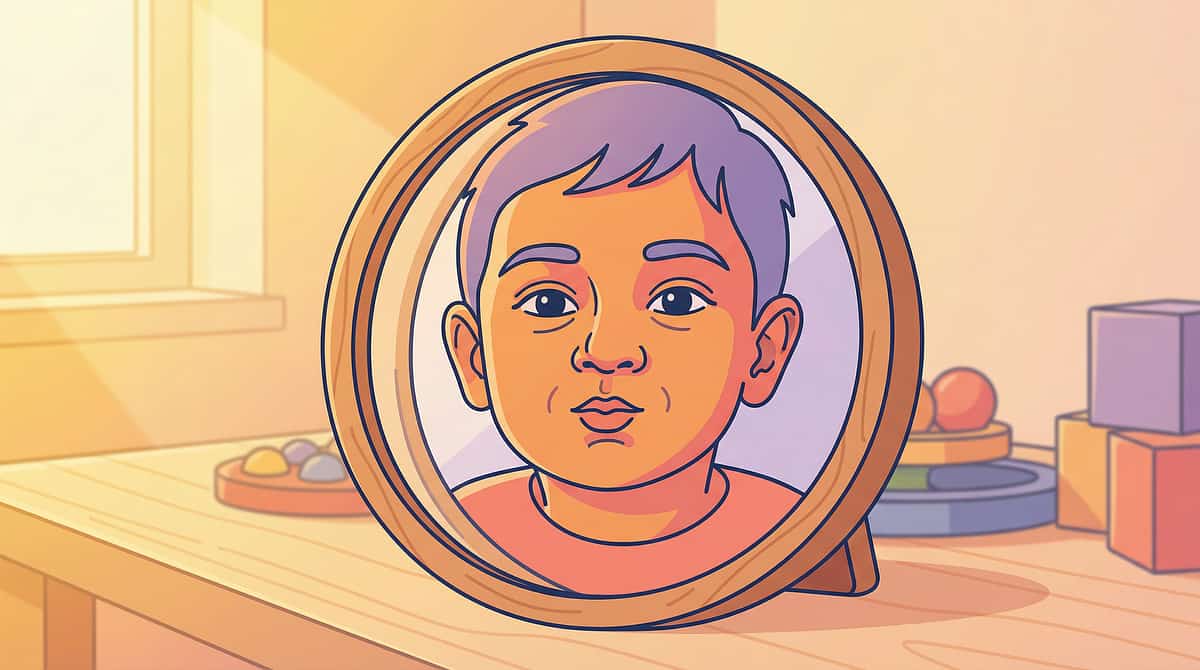
Facial Expression in Speech Intervention
Also called: Affect Display Training | Expressive Communication Building | Nonverbal Pragmatics
Formal Definition: Facial Expression in Speech Intervention is a structured, multi-modal approach to building the automatic connection between emotional experience and facial expression during verbal communication. It targets children who speak with reduced affect display — where words convey emotion but the face remains neutral or still — creating a disconnect that affects how others understand and respond to the child.
Parent-friendly alias: "Teaching the face to speak alongside the mouth."
What It Does — Four Stages
01
Awareness
Builds awareness of facial expression — what the child's face is actually doing
02
Modeling
Provides clear models of target expressions — what expressions look like
03
Practice
Creates practice contexts that build the emotion-expression-speech connection
04
Automaticity
Develops spontaneous expression accompanying speech — without effort
Domain B
Social Communication & Pragmatic Language
Code B-213
SC-NV-FE | Nonverbal Expression
Age 3–12
10–20 min | 3–5×/week
Evidence I–II
Home + School + Therapy settings
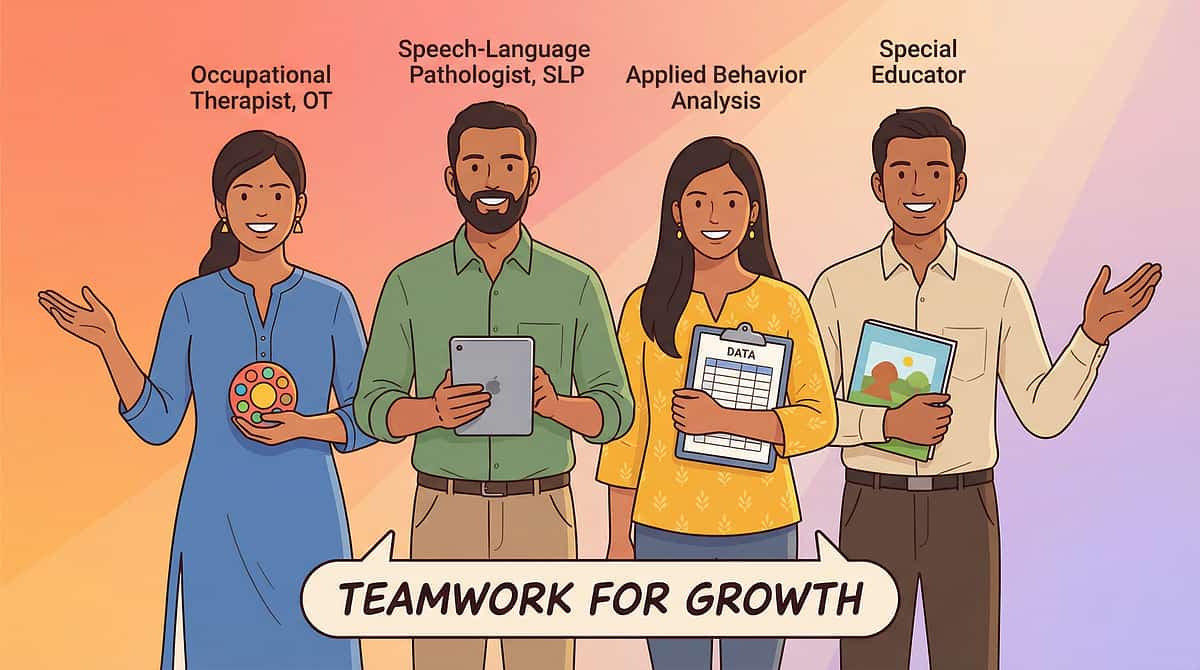
5 Disciplines. One Converged Approach.
"The brain doesn't organize by therapy type — neither does this technique."
Speech-Language Pathologist (SLP)
Primary lead. Targets pragmatic language, prosody, and verbal-nonverbal synchrony. Uses mirror practice, emotion cards, and video feedback within sessions.
Occupational Therapist (OT)
Addresses sensory processing aspects — particularly reduced facial proprioception. Uses sensory-based strategies to increase the child's awareness of what their face is doing.
BCBA / ABA Therapist
Applies behavioral principles: systematic shaping, reinforcement for expressive attempts, structured trials, and generalization programming across settings.
Special Educator (SpEd)
Integrates expression work into classroom communication, social stories, and drama-based learning. Supports school generalization.
NeuroDevelopmental Pediatrician
Rules out motor or neurological factors. Coordinates with the team when flat affect has medical dimensions. Guides medication review if relevant.
Through the FusionModule™, these five disciplines coordinate a single, non-duplicating therapy plan — not five separate therapies. Each discipline contributes their lens; one converged plan guides the child.
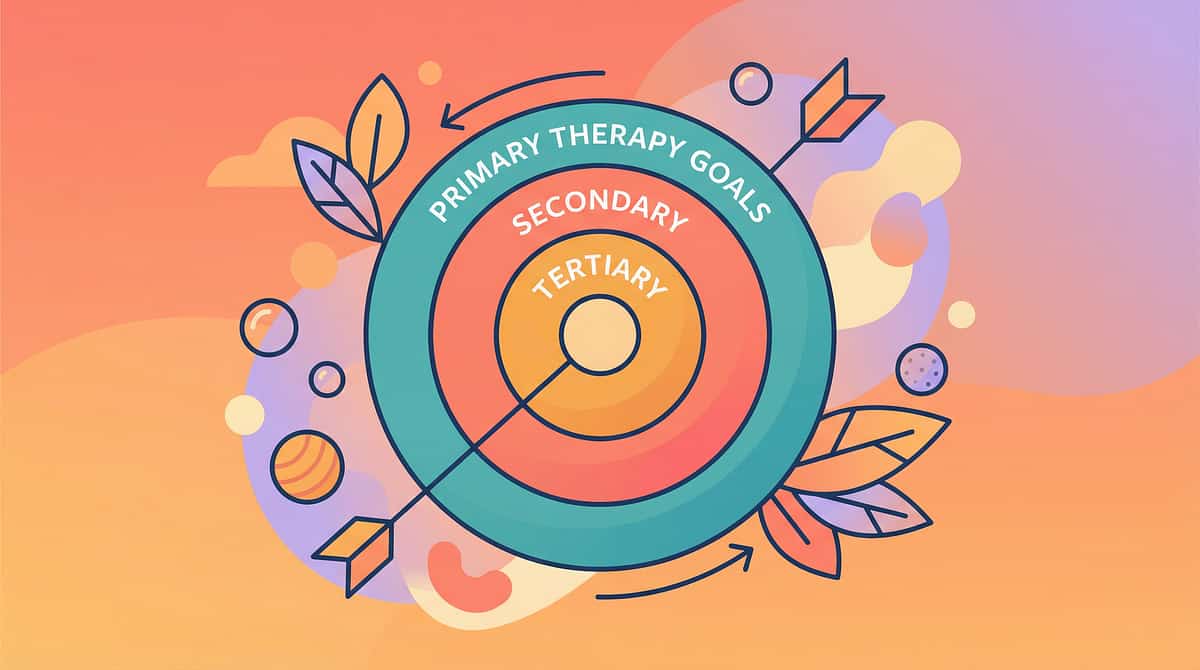
This is a precision tool. Not a random activity.
Observable Behavior Indicators
Face changes expression during storytelling
Others can identify child's emotion from their face
Child can produce expressions on request
Less prompting needed over time
Peers respond more positively to child's communication
What This Technique Targets
The primary bullseye target is spontaneous facial expression during speech — the automatic display of emotion on the face while talking, matched to the emotional content of words.
Secondary targets include the expression-emotion connection, facial proprioception, expression-speech synchrony, and peer-readable emotional signals.
Tertiary outcomes build social confidence, pragmatic language competence, and long-term relationship quality.
PMC10955541
NCAEP 2020
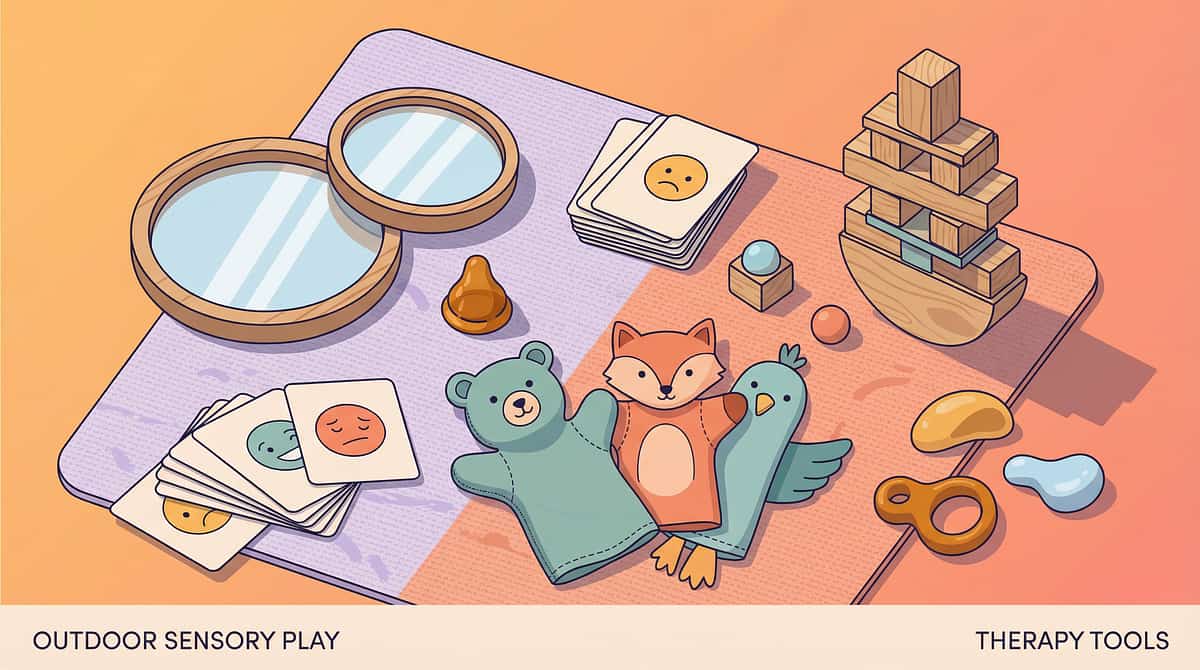
9 Materials. Each targeting a different dimension of expression.
From ₹0 (household items) to ₹2,000. Every family can start today. These 9 materials represent the complete intervention toolkit, covering all five phases of expression building: Awareness → Modeling → Practice → Understanding → Generalization.
1️⃣ Mirrors
See what your face is doing
₹100–800
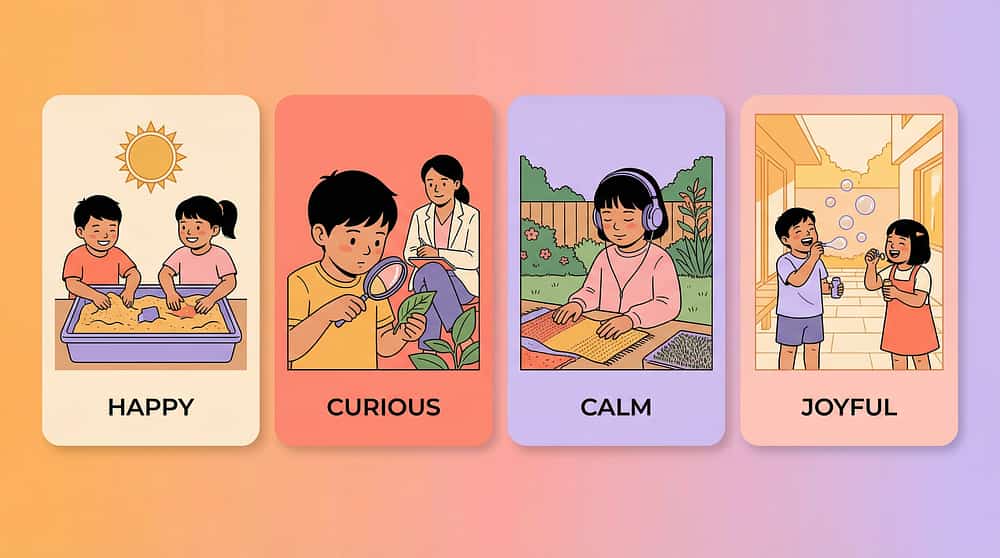
2️⃣ Emotion Cards
Visual guides to expressions
₹200–1,200
3️⃣ Video Self-Review
See yourself as others see you
₹0–500
4️⃣ Expression Games
Practice through play
₹300–1,500
5️⃣ Social Stories
Understanding WHY expressions matter
₹200–1,000
6️⃣ Expressive Puppets
Practice through play figures
₹300–1,500
7️⃣ Animated Stories
Expressive models to learn from
₹0–500
8️⃣ Drama Games
Permission to express BIG
₹0–2,000
9️⃣ Prompt Cards
In-the-moment reminders
₹50–400
Start free tonight: Any mirror + phone camera = Materials 1 + 3 = ₹0. You already have everything you need to begin.

Material 1 of 9
Mirrors for Expression Practice
See what your face is doing
The Core Science
Most children with flat affect have reduced proprioceptive awareness of their face — they genuinely cannot feel the difference between a smile and a neutral expression from the inside. The signal is absent. Mirrors solve this by making the invisible visible.
When a child sees their face in real time while practicing, two critical connections form:
- Proprioceptive-Visual Loop: "I moved this muscle → my face changed → this is what that feels like"
- Expression Library: The child builds a reference: "This is my face when surprised. This is my face when excited."
Mirrors provide immediate, zero-latency feedback. Unlike video, they show the face in real time as speech happens — neurologically essential for building the expression-speech connection.
How to Use — Parent Protocol
01
Sit together at a mirror — make it a game, not a lesson
02
Name an emotion → both make that face → look together
03
Tell a story → watch your faces change (or not change) together
04
Celebrate every expression attempt — "I saw that smile!"
Options
- DIY (₹0): Bathroom mirror, phone selfie mode, tablet front camera — real-time feedback is the key
- Hand mirror (₹100–400): Personal, portable, child-can-hold
- Tabletop mirror (₹300–800): Stable, hands-free, easier for practice
- Safety-backed acrylic: Recommended for under-5 children
₹100–800
"You can't change what you can't see. Mirrors make the invisible visible — the essential first step."
Material 2 of 9
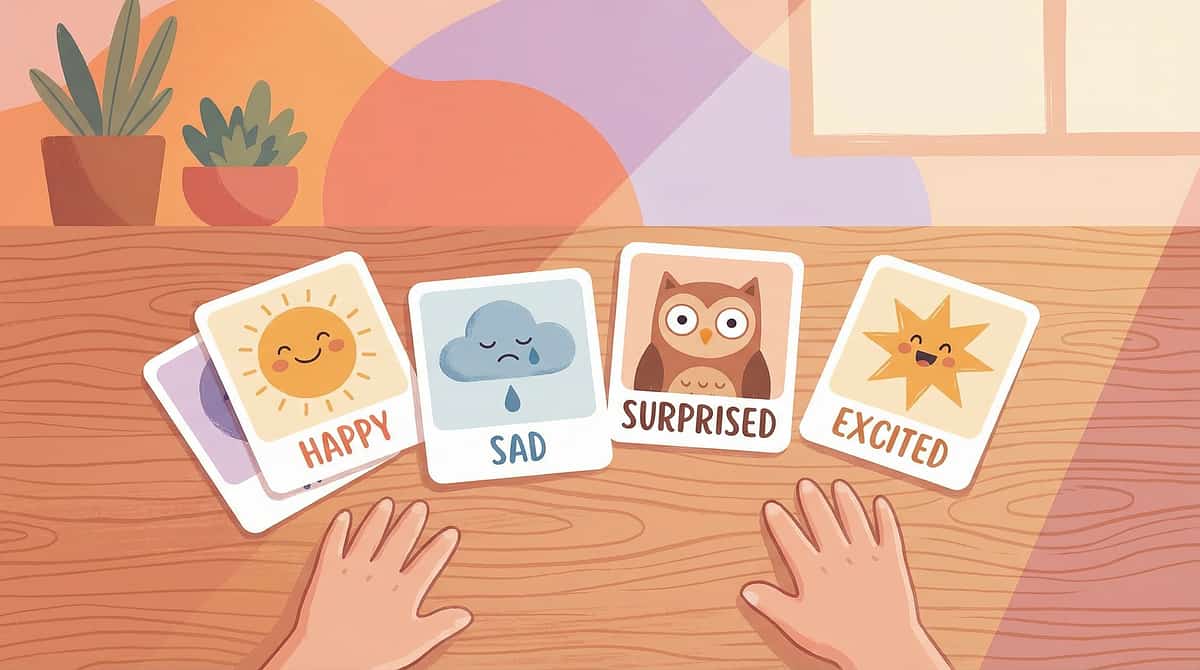
Emotion / Expression Photo Cards
Visual guides to target expressions
For children who don't automatically display expressions, the target expression may be genuinely unclear — they've never carefully studied what "surprised" looks like on a face. Emotion photo cards using real human faces (not cartoon emojis) capture the subtle muscle patterns of genuine expression: the raised eyebrows of surprise, the crinkled eyes of genuine joy, the pulled corners of fear.
Identification
"Point to the surprised face" — builds recognition of expressions in others
Matching
"Make your face match this card" — builds production of the target expression
Conversation Anchor
"Show me your excited face before you tell me about it" — builds synchrony between feeling and showing
DIY Option (₹0–100)
Print photos of family members making different expressions. Cut faces from magazines. The most powerful cards are photos of the CHILD themselves being expressive — taken during genuine emotional moments or practice sessions. Personal faces carry more neural weight than stock photos.
Commercial Options
- Real-photo emotion card sets (₹200–600)
- Progressive expression cards — subtle to intense versions of each emotion (₹400–1,200)
- Cultural-diverse expression packs: important for South Asian children to see faces like theirs
₹200–1,200
"Expressions that seem obvious to others may be genuinely unclear to children with flat affect. Cards make the target explicit and learnable."
Material 3 of 9
Video Recording for Self-Review
See yourself as others see you
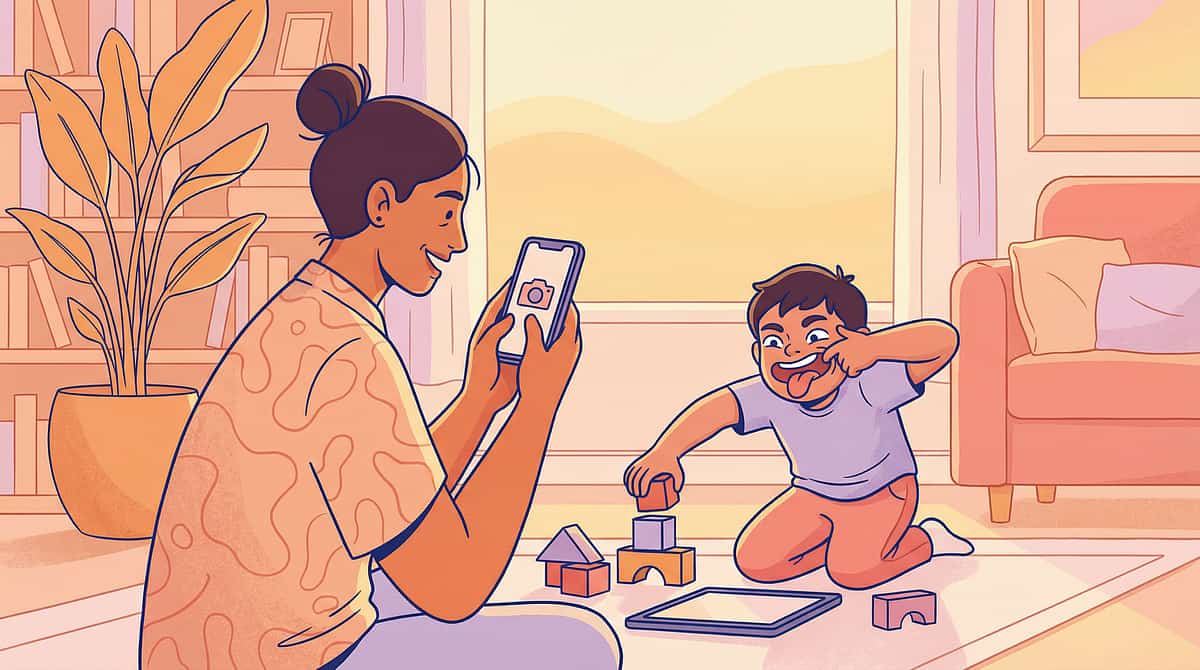
We cannot see our own faces during speech. This is the fundamental problem. A child with flat affect has never seen what others see — a face that doesn't match the emotional content of words. Video bridges this gap permanently.
Two Distinct Mechanisms
Video Self-Observation: The child watches themselves speak and notices: "My face didn't change when I said the exciting part." This awareness — impossible without the recording — is the foundation for change.
Video Self-Modeling (evidence-based): Record and repeatedly watch moments when the child IS being expressive. Seeing themselves being expressive builds identity ("I am someone who can be expressive") and provides a model to replicate. NCAEP (2020) classifies video modeling as an established evidence-based practice for autism.
DIY Protocol
01
Record child telling a favorite story (phone/tablet, any quality)
02
Watch together: "Let's notice your face"
03
Notice together where expression could go — curious observation, no criticism
04
Record again: "Let's try with the excited face on"
05
Compare: celebrate any change, however small
Save successful takes as self-modeling clips for weekly review.
₹0–500
"The moment a child watches themselves speak and says 'my face didn't change' — that is the moment change becomes possible."
NCAEP Evidence-Based Practices Report (2020) — Video Modeling

Material 4 of 9
Expression Practice Games
Practice through play
Play is the brain's highest-engagement learning mode. When expression practice feels like a game, the child engages more, repetitions accumulate naturally, and the low-stakes environment allows experimentation without performance pressure. Games provide social feedback in real time: the child sees how their expressions (or lack thereof) affect other players, learning viscerally that expression is communicative.
Expression Charades
Pick an emotion card, make that face — others guess. No words. Pure nonverbal communication.
Expression Freeze
Music plays, everyone moves. Music stops — freeze in an emotion face. Builds range and spontaneity.
Mirror Match
Parent makes a face, child mirrors it. Then switch. Then add words. Builds proprioceptive awareness.
Story + Face
Tell a story — must match face to every emotional word. Builds expression-speech synchrony directly.
Emotion Levels 1–10
Show "a little happy" (1) up to "completely overjoyed" (10). Builds the expression range systematically.
DIY (Free): Create expression charades from index cards with emotion words. No purchase needed.
Commercial Options: Emotion charades/board games (₹300–800) | Social skills games (₹600–1,500)
₹300–1,500
"Play is the brain's favorite way to learn. When expression practice feels like a game, children engage more and learn faster — without realizing they're in therapy."
Material 5 of 9
Social Stories About Facial Expression
Understanding WHY expressions matter
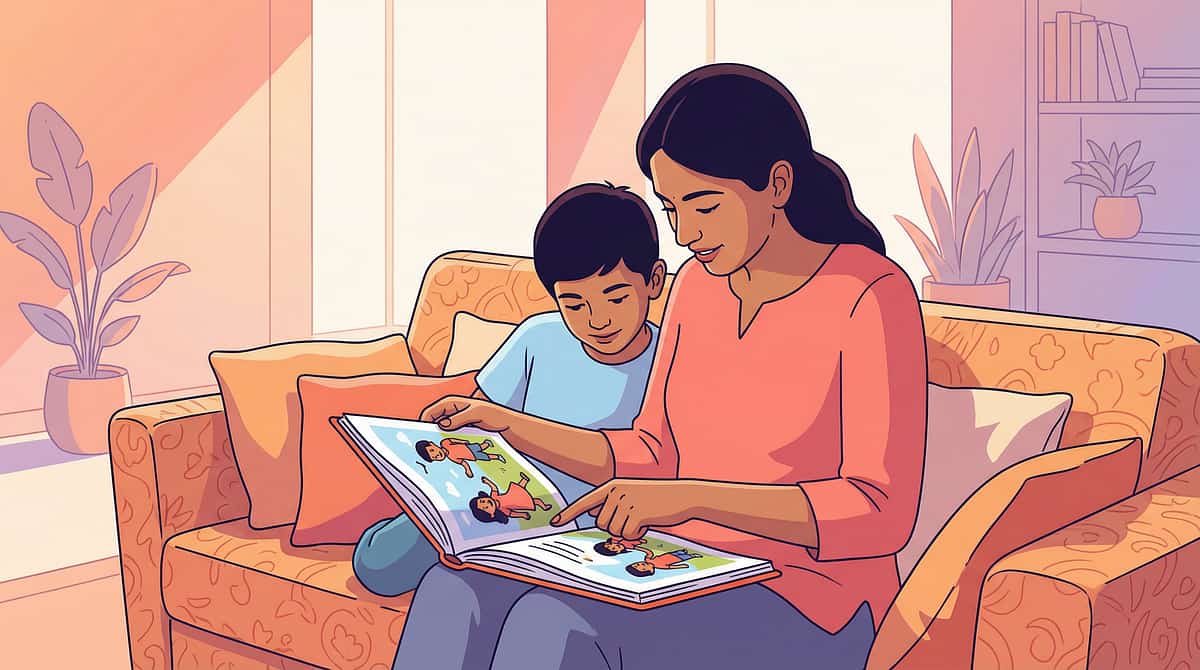
For children who don't intuitively understand the communicative function of facial expression, explicit teaching changes everything. Social stories — developed by Carol Gray and classified as evidence-based by ASHA and NCAEP — explain social situations from the child's perspective in clear, first-person, nonjudgmental language.
The breakthrough: the child learns that OTHERS read their face to understand their feelings. When the child realizes "when my face stays still, people think I don't care — even when I do" — motivation to develop the skill increases dramatically.
"My name is [Child's Name]. When I talk, I sometimes feel excited inside — but my face stays still. When my face stays still, my friends might not know I'm excited. They might think I don't care. I do care. I am learning to show my excitement on my face. When I feel excited, I can practice letting my face show it too. This helps my friends understand me better."
DIY — Free to Create
Write a personalized story using the child's name and specific situations. Include photos of the child practicing expressions. Print and laminate. Read before social situations where expression might be needed.
Commercial Options
Illustrated pragmatic language books, expression and communication picture books (₹200–1,000).
₹200–1,000
Frame stories as skill-ADDING, not deficit-fixing. The child's natural way is not wrong — they're adding a communication tool to their already-rich repertoire.
NCAEP 2020
Carol Gray Social Stories Framework
Material 6 of 9
Puppets and Dolls with Expressive Faces
Practice through play figures
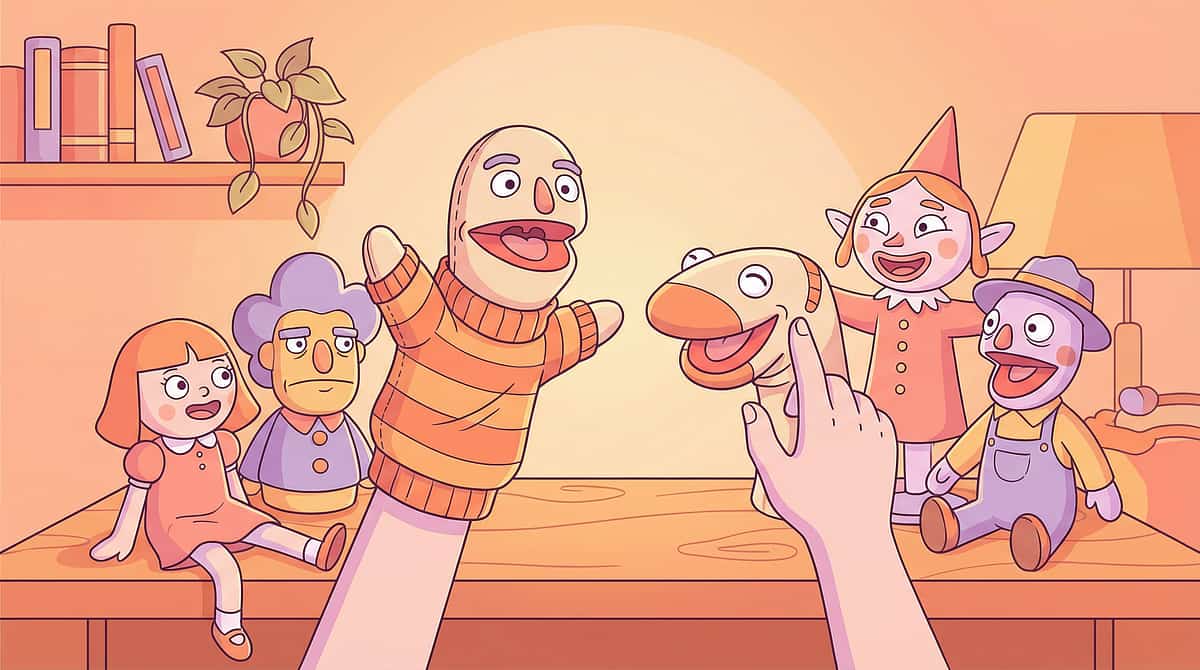
Puppets provide therapeutic distance — the psychological mechanism that makes hard things easier. It's the PUPPET being expressive, not the child. This distance reduces performance anxiety and allows experimentation without self-exposure, making exaggerated expression feel appropriate and safe.
Introduce the Puppet
Give child a puppet with expressive features. The puppet is the character — not the child.
Tell Stories Through the Puppet
The puppet is excited, sad, surprised. Child makes the puppet's face match the story.
Add the Mirror
"Let's see the puppet's excited face and then YOUR excited face." Side-by-side comparison.
Gradually Transfer
"Now you tell the story with YOUR face." The concept moves from puppet to child naturally.
DIY (₹0–200)
Draw expressions on paper bags (instant puppets). Draw faces on socks. Make "expression plates" — paper plates on sticks with drawn expressions. Any puppet works when you focus on making it expressive.
Commercial
- Hand puppets with expressive features (₹300–800)
- Dolls with changeable expressions (₹500–1,500)
- Finger puppet sets (₹200–500)
₹300–1,500
"When the puppet is expressive first, the child learns the concept without the stress of self-focus. Then the skill transfers naturally."
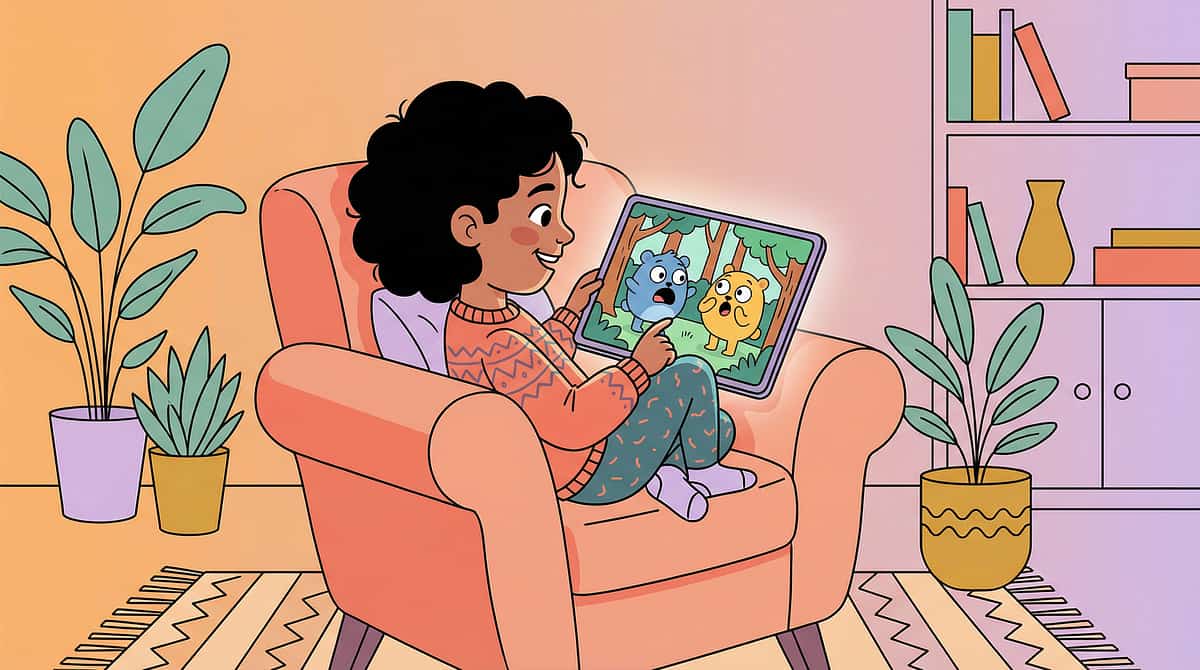
Material 7 of 9
Animated Story Apps and Videos
Expressive models to learn from
Animation amplifies expression in ways real human faces cannot. Where a real face might show subtle eyebrow movement for surprise, an animated character's eyebrows shoot to the top of their head. This exaggeration makes expression patterns unmistakable and learnable, shows how expressions CHANGE as words and situations change, and demonstrates the connection between situations, feelings, and faces.
Active Watching Protocol — not passive viewing: Pause the video → "Look at her face right now. What emotion is that? How do you know?" → Child identifies → "Now you make that face" → Play again. 15 minutes of paused animated watching can build more expression awareness than 1 hour of passive TV.
What Makes Good Content
- Characters with very expressive, large-featured faces
- Emotional storylines with clear moment-to-moment expression changes
- Use the child's FAVOURITE characters for maximum engagement
Access
DIY (₹0): Any animated movie or show works. Free content available on YouTube and streaming platforms.
Commercial: Expression-focused apps, social-emotional learning video subscriptions (₹200–500/month).
₹0–500
Use animation as a teaching tool, not passive consumption. Active discussion makes the difference.
NCAEP 2020 — Video Modeling = Established EBP
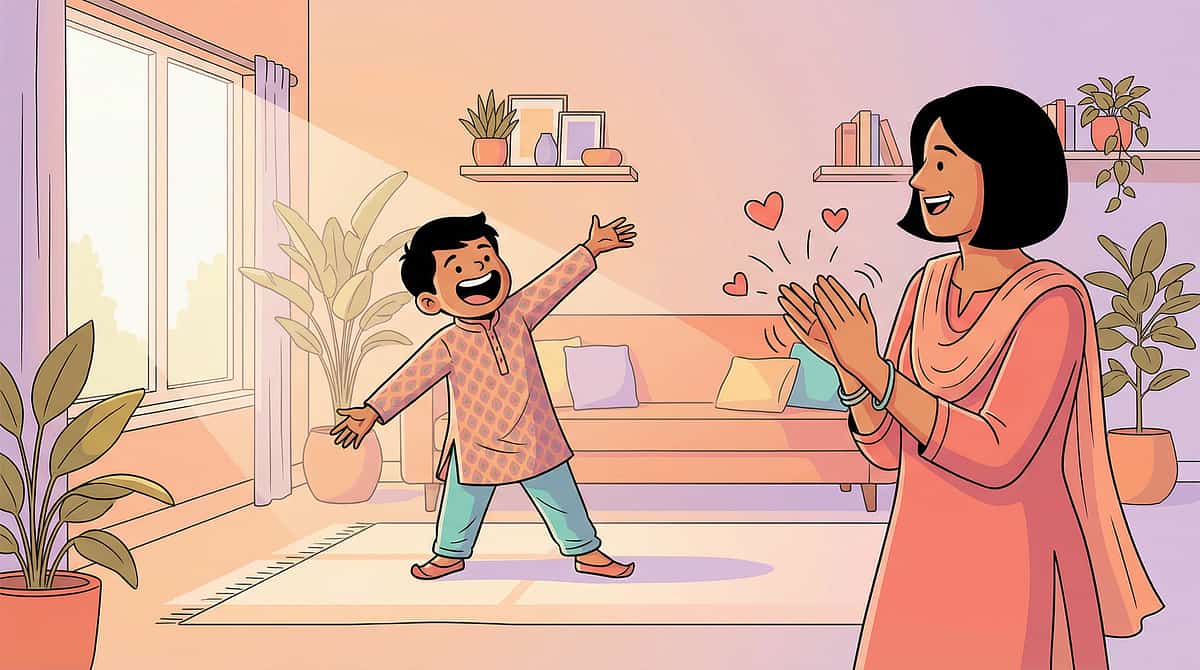
Material 8 of 9
Drama and Theatre Games
Permission to express BIG
Drama creates a unique therapeutic context: the only place where EXAGGERATED expression is not just acceptable — it's REQUIRED and CELEBRATED. Children with flat affect often have a narrow expression range. Drama systematically expands that range. Having accessed the big version, moderate everyday expression becomes effortless.
Character Acting
Pretend to be a character from a favorite story — MUST use big expressions. No restraint allowed.
News Reporter
Present "breaking news" with full dramatic expression. Builds range and confidence simultaneously.
Emotion Weather Report
Report the day's emotions like a weather forecaster — creates safe, playful expression context.
Silent Movie
Tell a story using ONLY face and body — no words. Pure nonverbal storytelling.
Expression Olympics
Who can make the most convincing scared/excited/surprised face? Competition = engagement.
Emotion Scaling (core technique): "Show me happy at level 1 — a tiny bit happy" → "Now level 5 — medium happy" → "Now level 10 — the most happy anyone has ever been!" When a child can access level 10, level 3 (normal conversation) is effortless.
Commercial: Drama game cards, theatre exercise books (₹200–2,000); or enroll in drama classes. Safety: Drama must feel safe and playful — never forced or embarrassing.
₹0–2,000
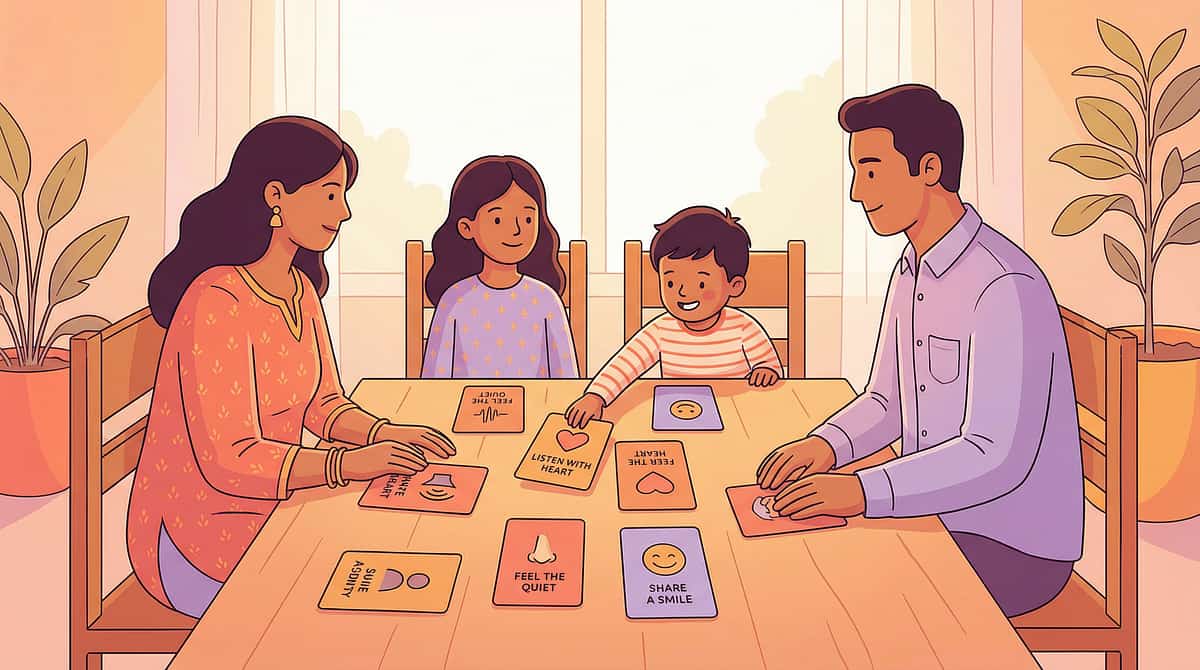
Material 9 of 9
Expression Prompt Cards for Conversations
In-the-moment expression reminders
There is a critical gap between knowing how to make an expression and spontaneously doing it in real conversation. Prompt cards bridge this gap — they provide an external cue that activates the internalized skill. Over time, the external prompt is faded and the internal trigger takes over.
1
Weeks 1–2
Card held visibly during conversation — clear, prominent reminder
2
Weeks 3–4
Card on table; child glances as needed — reducing dependence
3
Weeks 5–6
Card only when needed — child increasingly self-prompting
4
Weeks 7–8
No card — spontaneous, self-prompted expression emerges
Types of Prompts
- 😊 Card with just an expressive face icon ("Express!")
- 📌 Specific emotion prompt for a specific sentence ("Show EXCITED here")
- 🤫 Silent hand signal — private, usable in public without embarrassment
Make Your Own
DIY (₹0): Index cards with drawn faces. Laminate for durability. Make pocket-sized versions for school.
Commercial: Expression reminder card sets, visual prompt decks (₹50–400).
₹50–400
"The goal of every prompt is to make itself unnecessary. Prompt cards bridge practice to spontaneous expression — then step aside."
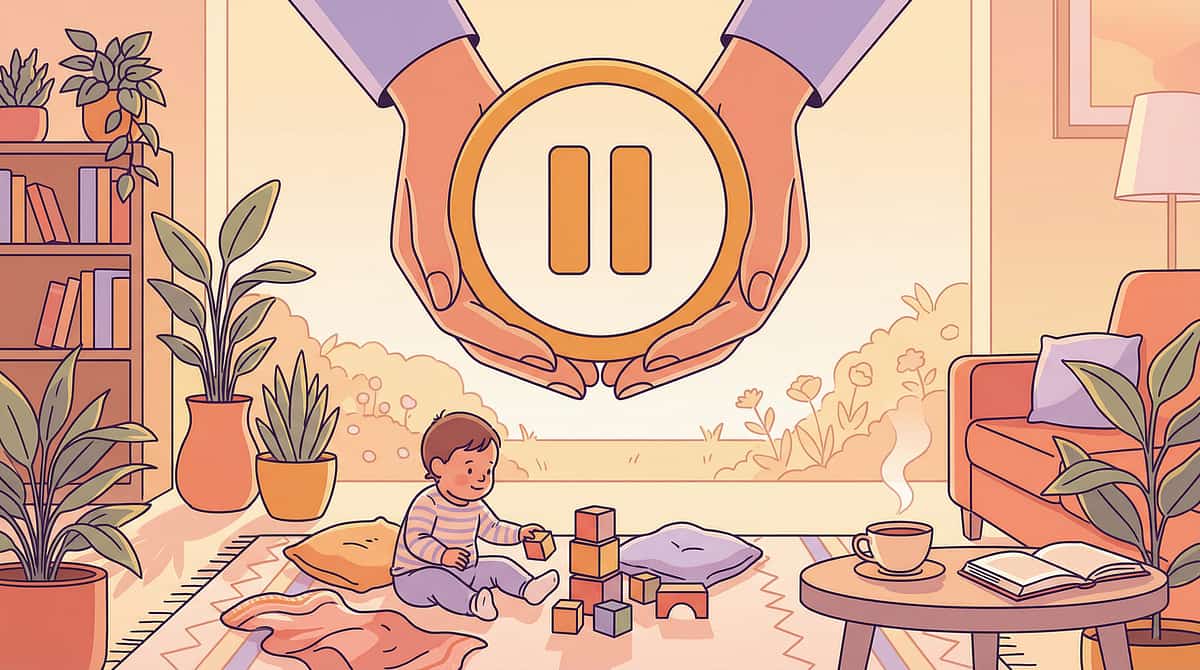
🔴🟡🟢 Read This Before Starting Any Session
🔴 STOP
Child in acute distress or meltdown • Child unwell, fever, or in pain • Recent significant trauma • Risk of throwing/breaking materials • Child severely distressed when face is discussed
🟡 MODIFY
Child tired or hungry — shorten session • Child resists mirror — start with cards instead • Forced expressions look extremely unnatural — consult therapist • Child becomes tearful during coaching
🟢 PROCEED
Child fed, rested, calm, and alert • Receptive to game-based activities • Environment quiet and distraction-reduced • 10–20 minutes available without interruption
⚠️ Four Critical Safety Principles
Never Create Shame
Expression coaching must NEVER create shame. Frame this as skill-adding, not fixing what's "broken." The child's natural way is not wrong.
Keep It Private
Never comment on flat expression in public or social settings. This creates self-consciousness and shame. All expression work stays private and playful.
Force-Free Only
If the child resists, stop. Return later. Forced expression practice produces unnatural results and emotional distress.
Seek Evaluation If
Flat affect appears suddenly (not lifelong), is accompanied by mood changes, withdrawal, or is suspected to have a neurological cause.
This content is educational and does not replace assessment by a licensed speech-language pathologist, developmental pediatrician, or healthcare provider. Persistent flat affect should be evaluated comprehensively.
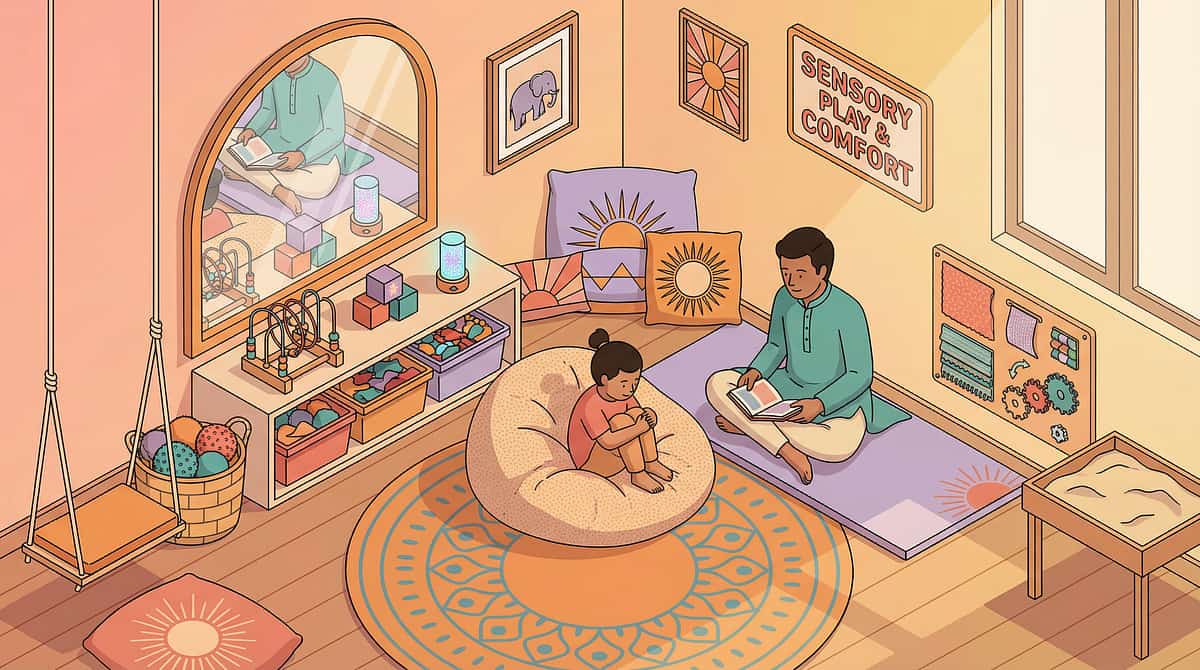
The right setup prevents 80% of session failures.
Optimal Space Layout
[MIRROR] positioned at child's eye height when seated
[CHAIR — Child] facing mirror directly
[CHAIR — Parent] slightly to side, visible in mirror
[EMOTION CARDS] on table between chairs, easy access
[DEVICE for video] stable, positioned to capture child's face
REMOVE: distracting toys, screens, noise sources
LIGHTING: natural or warm artificial — avoid overhead fluorescent
Setup Checklist
Mirror at child's eye height when seated
Emotion cards within easy reach
Phone/tablet on stable surface for video capture
Room quiet — TV off, door closed if possible
Warm, gentle lighting (no harsh overhead)
Parent seated where child can see them for modeling
Visual timer ready for session pacing
Reinforcers accessible for participation attempts
"Environmental setup is not optional. Ayres Sensory Integration Theory confirms that the therapeutic environment is an active ingredient in treatment — not just a backdrop." Set out all materials BEFORE calling the child. Choose 1–2 activities maximum per session.
PMC10955541 — Session Structure Significance
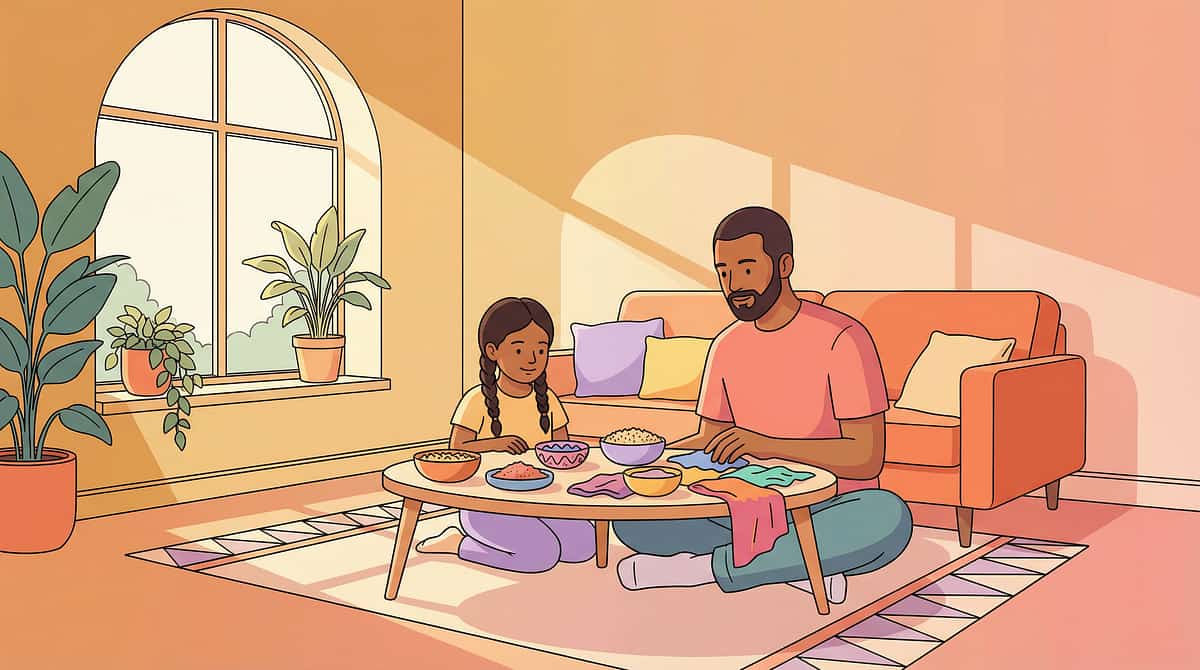
60-second pre-flight check. Do this every single session.
Check | ✅ GO | 🟡 MODIFY | 🔴 POSTPONE | |
Fed? | Last meal <2 hrs ago | A little hungry | Hasn't eaten | |
Rested? | Normal sleep | Slightly tired | Overtired | |
Mood? | Calm / alert / curious | Slightly grumpy | Dysregulated | |
Recent event? | Normal day | Minor upset | Major distress | |
Receptive? | Willing | Needs persuasion | Refusing |
3+ GO ✅
Proceed with full session — all materials and activities available
Mostly MODIFY 🟡
Run shortened session (5–8 min), gentler activities, more reinforcement throughout
Any POSTPONE 🔴
Skip today. Try tomorrow. "The best session is one that starts right."
If postponing: Don't force it. Do a preferred activity together instead. The relationship is the therapy container — maintain it even on skip days.
"In Applied Behavior Analysis, setting events — the child's current state — determine up to 60% of session outcome. Checking readiness isn't optional. It's clinical protocol." — ABA Setting Event Research

Step 1 of 6
Step 1: Invite, don't instruct.
The opening matters. How the session begins determines engagement for the next 15 minutes. Use an invitation, not a command. When a child chooses to engage with curiosity, learning is 3× faster than when compliance is demanded.
Mirror Option
"Hey — let's play a face game. Want to see something funny your face can do?"
Cards Option
"I found these cool cards with faces — want to try matching them?"
Video Option
"Let's record you telling me about [favorite topic] and see how you look — like a TV star."
Game Option
"I made up a game where we try to guess each other's feelings — you want to try?"
❌ What NOT to Say
- "We need to practice your expressions"
- "Your face needs to show more"
- "The therapist said you need to work on this"
If Child Declines
Accept it cheerfully. Say "Okay, maybe later!" — and genuinely mean it. Try again in 15 minutes with a different framing. The relationship matters more than today's session.

Step 2 of 6
Step 2: Build awareness. Make the invisible visible.
The mirror session is where awareness begins. This is not performance — it's discovery. Five to eight minutes, structured gently in three parts.
The core sequence: Parent models big and warm → "Now you" → child attempts → both look in mirror → name what you see → add a word. Progress over four weeks from matching still cards, to making expressions while speaking simple sentences, to telling short stories with matched faces, to noticing when expression comes spontaneously.
Week 1
Match faces to still emotion cards in mirror
Week 2
Make expressions while saying simple sentences
Week 3
Tell a short story, try to match face to words
Week 4
Notice spontaneous expressions — celebrate!
Reinforcement: Immediate, specific, warm. "I saw your smile just then! Did you see it in the mirror?" Record it in the session tracker.
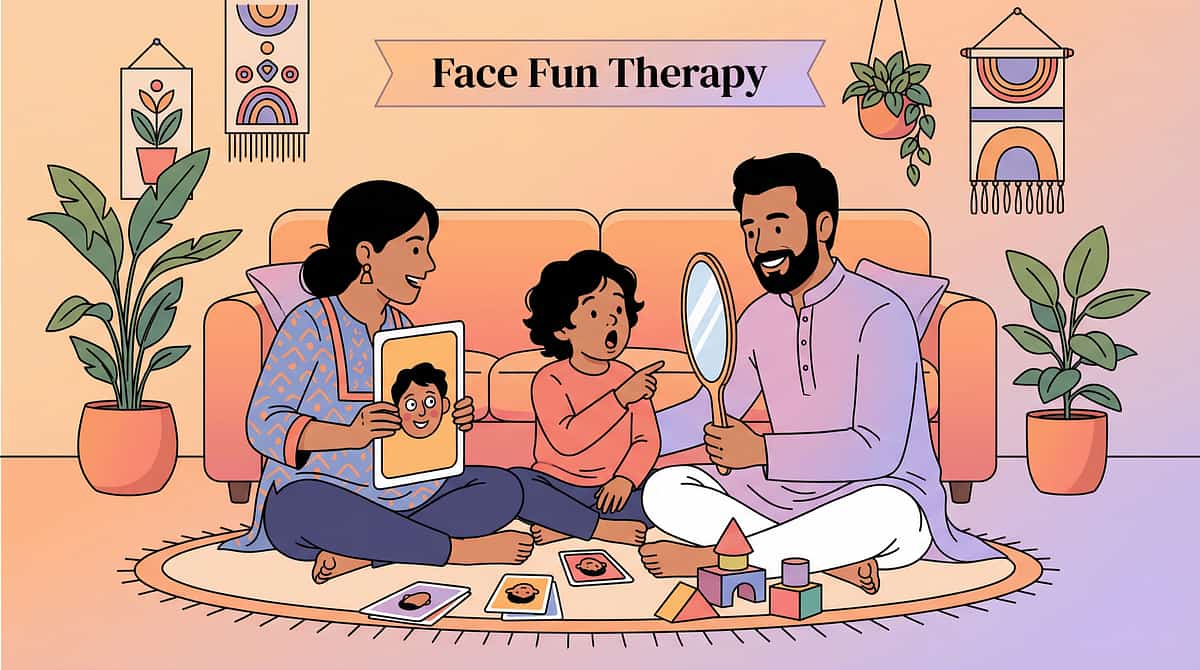
Step 3 of 6
Step 3: The bridge — connecting feeling to showing.
The child tells a story about something they genuinely care about while the parent provides gentle, real-time expression coaching — connecting the emotional content of their words to the facial expression they could be showing. This is the core therapeutic action of B-213.
Feel It First
"Before you tell me — how do you feel about this? Put that feeling in your body."
Name the Face
"What face goes with that feeling? Show me that face right now."
Say It With the Face On
"Now tell me — AND keep that face while you talk." Expression + speech together.
Watch It Back
(If recording) "Let's see — can we see your [excited] face in the video?"
Child Response Spectrum — What to Expect
Ideal
Expression emerges naturally as child speaks about a topic they genuinely care about
Acceptable
Expression comes when prompted — not yet spontaneous. This is progress.
Work-in-Progress
Expression looks forced/exaggerated — early stage. Celebrate the attempt always.
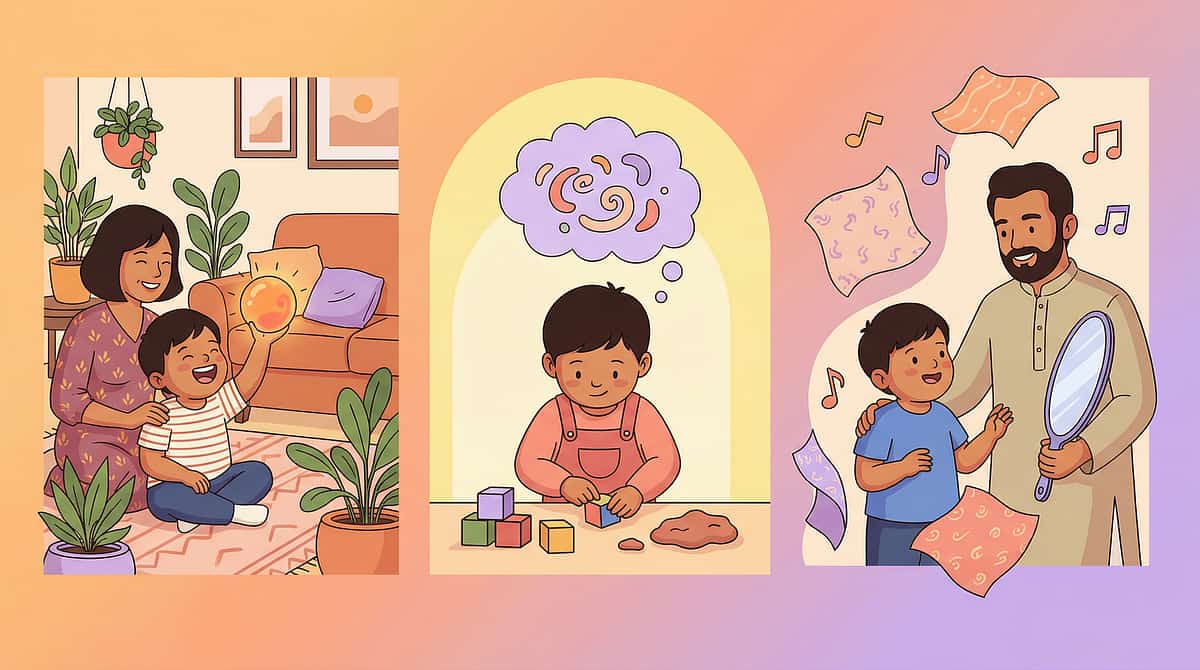
Step 4 of 6
Step 4: 3 good reps > 10 forced ones.
Research shows that 3–5 successful expression-speech connections per session, practiced consistently 3–5 times per week, produces the accumulated repetitions needed for automaticity. Quality beats quantity. Stop before the child is satiated or resistant. Leave them wanting more.
Mirror + Cards
Expression matching in mirror using emotion cards — foundational awareness building
Video Story
Record telling a story, watch back, notice, record again — builds self-awareness
Expression Game
5–10 minutes of game-based practice — high engagement, natural repetition
Puppet Story
Tell story through puppet, then transfer to own face — therapeutic distance then transfer
Drama + Animation
5 minutes drama or animated content — expands range and builds modeling pathways
Satiation indicators — stop when: child looks away or changes topic • expression quality drops • child requests to do something else • clear disengagement is visible. If you achieved 3 moments where the child's expression matched their emotional words — that was a complete, successful session.

Step 5 of 6
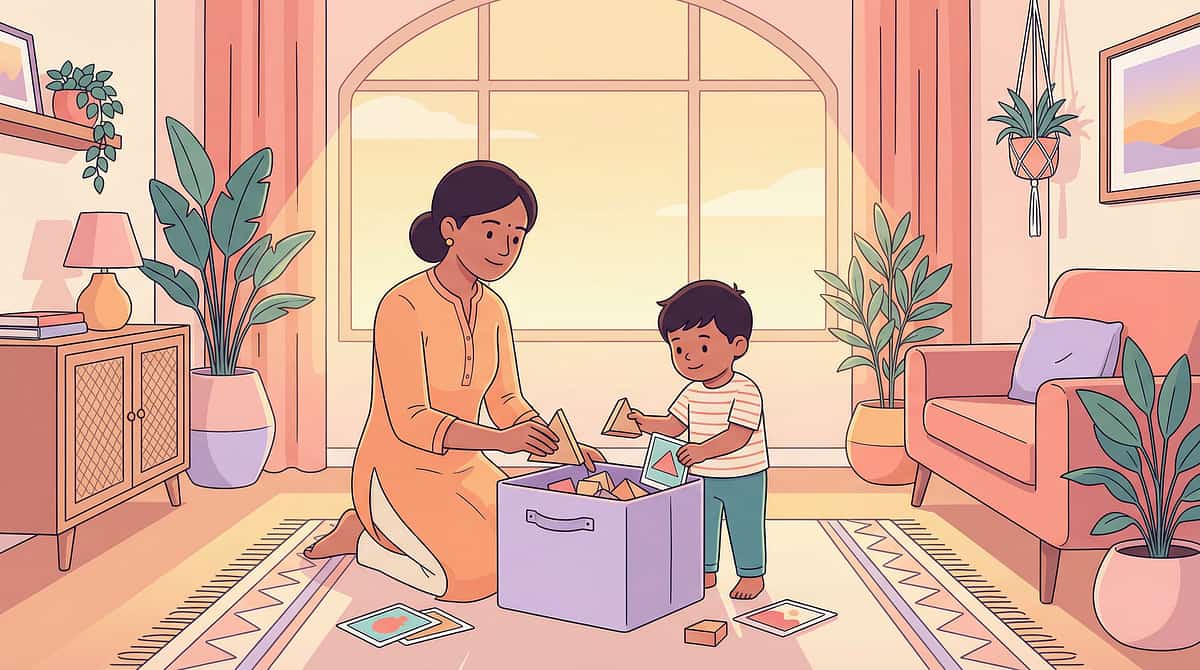
Step 5: Celebrate the attempt. Not just the success.
ABA reinforcement principles require that feedback be immediate (within 3 seconds), specific (name exactly what you saw), enthusiastic (your warmth is reinforcing — dull acknowledgment doesn't work), and varied (rotate reinforcers to prevent satiation).
For a clear expression-speech match 🌟
"I SAW that! Your face showed excitement when you said that word. That was real! Did you feel it?"
For any expression attempt 🌟
"Your face is learning! I saw it try. That's what practice looks like."
For self-monitoring 🌟
"You noticed your own expression! That's the hardest part — and you did it."
Reinforcement Menu
- Reward stickers (₹364 — Pinnacle Canon)
- Reward jar with tokens (₹589 — Pinnacle Canon)
- Special activity or choice (free)
- Verbal celebration + high five (free — most powerful)
Token Economy
For sustained programs, a simple sticker chart: 1 sticker per session completed = reward at 5 stickers. The process of earning stickers reinforces consistent practice over time.
Step 6 of 6
Step 6: End well. Every session.
No session ends abruptly. An abrupt end can dysregulate a child who has been in a focused, slightly vulnerable state. The cool-down transitions back to baseline and builds positive associations with practice sessions — so the child looks forward to the next one.
The cool-down activates the parasympathetic nervous system after the mild arousal of therapeutic work. It prevents post-session dysregulation and builds the positive associations that make children willing participants in the next session.
Closure Statement Script
"We practiced our expression faces today. I saw some really good ones. You're building something real."
Preview Next Session Script
"Next time we might try the video game version — I think you'll like it." Always give them something to look forward to.
If child resists ending, use a visual timer — "When the timer shows zero, we're done." Pre-warned endings are significantly easier than abrupt ones.
60 seconds of data now saves hours of guessing later.
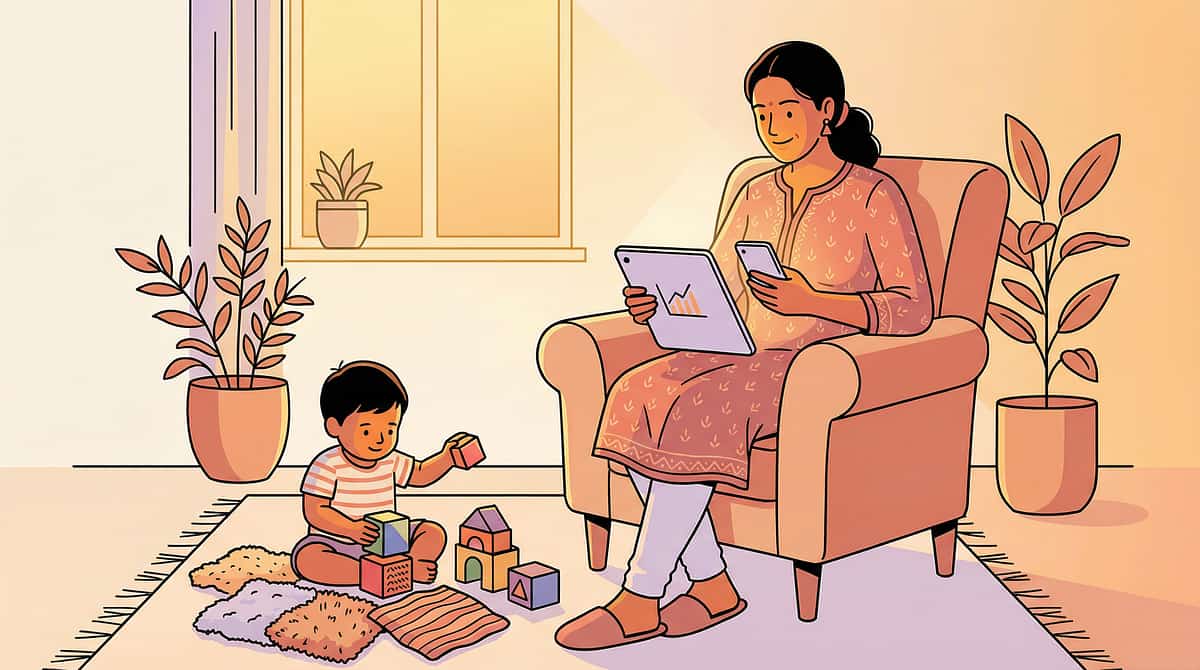
Consistent measurement is the difference between guessing and knowing. Record immediately after the session ends — before you do anything else. This is clinical protocol, not optional paperwork.
Field | What to Note | |
Date + Session # | Today's date and running session count | |
Expression Moments | Number of times expression matched words (tally: 0, 1, 2, 3, 4, 5+) | |
Material Used | Which of the 9 materials you used this session | |
Notes | Any breakthrough, resistance, or observation worth remembering |
Expression Frequency Scale
0 = none | 1 = 1–2 moments | 2 = 3–5 moments | 3 = consistent throughout
Quality + Spontaneity Codes
Spontaneity: P = Prompted only | SP = Semi-prompted | S = Spontaneous
Quality: F = Forced/unnatural | D = Developing | N = Natural
GPT-OS® Integration: Data entered into the EverydayTherapyProgramme™ tracker feeds the AbilityScore® Nonverbal Expression Index — tracking progression from baseline flat affect to functional expressive communication. Your data calibrates your child's personalized plan.

Session didn't go perfectly? That's data, not failure.
❓ Child flatly refused to participate
✅ Don't push. Do a preferred activity instead. Note the refusal (that's data). Try different invitation language next session. Consider whether the material needs to change.
❓ Expressions look forced, unnatural
✅ This is early-stage practice. Celebrate the attempt. Use puppets to reduce self-consciousness. Build emotion awareness before pushing for expression-speech synchrony.
❓ Child gets upset watching themselves on video
✅ Pause video use temporarily. Return to mirror practice. Reintroduce video only with short clips of positive moments when child is more comfortable.
❓ Expression on demand but not spontaneously
✅ This is a generalization gap — common and expected. Increase prompt cards in real conversations. This gap closes with consistent practice over weeks.
❓ Parent doesn't know if progress is happening
✅ Use the tracker (Card 28). Compare Session 1 to Session 10. Even small increases in frequency or quality are measurable progress. Call FREE: 9100 181 181
❓ Sibling or family member mocks the practice
✅ Address family education (see Card 37 / sharing section). All caregivers must understand and support — not undermine — the work.
"Session abandonment is not failure — it's data telling you something needs to change. What needs to change?"
No two children are identical. Adjust accordingly.
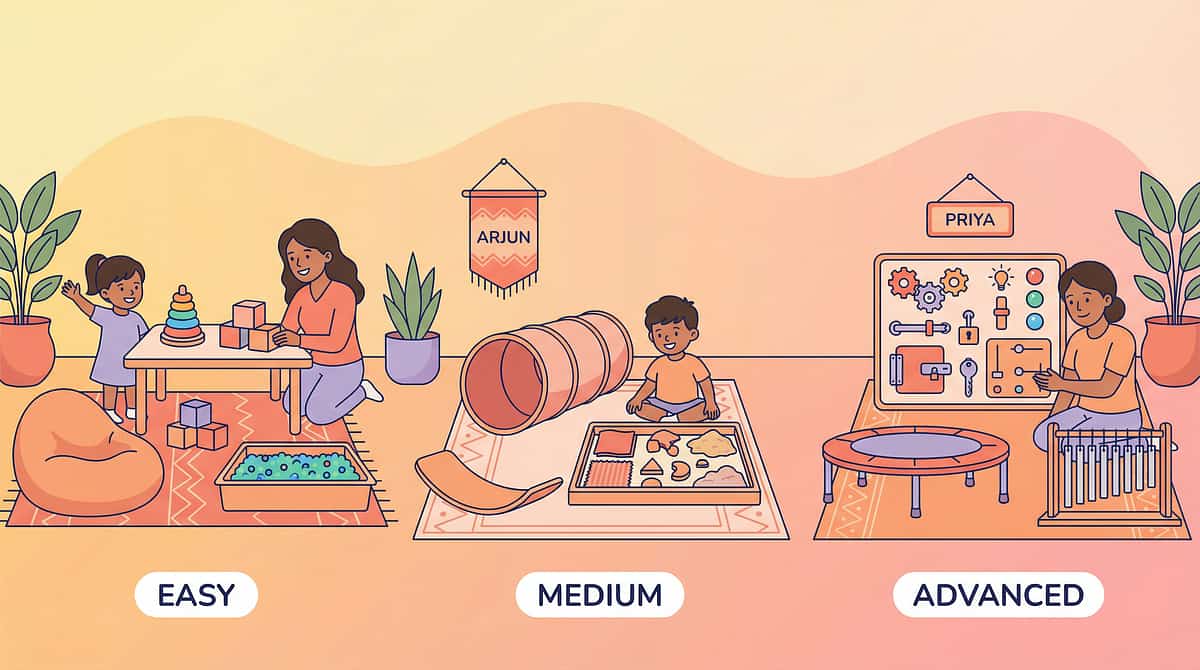
← Easier
Mirror only, no speech. One emotion all week. 5-min sessions. Puppets instead of own face. Parent models everything first.
Core (Standard)
Mirror + cards + brief speech integration. 2–3 emotions per session. 10–15 min. Mix of prompted and independent practice.
→ Harder
Video self-review with analysis. Drama games with emotion scaling. Prompt cards in real conversation. Expression journaling.
Sensory Profile Adjustments (OT Lens)
- Sensory seeker: Drama games, bigger activities preferred
- Sensory avoider: Cards and social stories preferred, quieter
- Proprioceptive differences: More mirror time, tactile face awareness activities
Age Adjustments
- Ages 3–5: Play-only — games, puppets, animated stories
- Ages 6–8: Add cards, social stories, brief video review
- Ages 9–12: Add self-monitoring, journaling, peer feedback

Progress Arc — Weeks 1–2
Weeks 1–2: Awareness Emerging
15%
Progress Milestone
Early awareness — foundations being laid
✅ What You WILL Likely See
- Child shows increased interest in own face in mirror
- Can identify emotions on photo cards accurately
- Can produce some expressions on demand (even if forced-looking)
- Shows willingness to engage with practice activities
- 1–2 spontaneous expression moments during high-emotion storytelling
❌ What You WON'T See Yet (and That's Okay)
- Spontaneous expression accompanying normal speech
- Natural-looking expressions (forced stage is expected and necessary)
- Consistent synchrony between words and face
- Others commenting on improvement
Parent emotional preparation: Weeks 1–2 are often the hardest for parents. The forced-expression stage can look strange. Trust the process. The natural stage comes after the mechanical stage — there is no shortcut through. If your child can make 3 different expressions on request that they couldn't make reliably 2 weeks ago — that IS real, measurable progress.

Progress Arc — Weeks 3–4
Weeks 3–4: Neural Pathways Forming
40%
Progress Milestone
Consolidation — expressions beginning to look natural
Expression practice has become routine — less resistance to sessions
Expressions beginning to look less forced, more natural
Child begins to anticipate expression activities with interest (not dread)
Spontaneous expression in 3–5 moments per session
Video self-review shows child can see difference between flat and expressive takes
Parent notices occasional expression moments during normal conversation
Neural Pathway Formation Signals
Child spontaneously picks up mirror or emotion cards without being prompted
Child narrates their own expressions: "I made a surprised face just then"
Child notices expressions in others more actively than before
Adjustment signal: If consolidation indicators are present → increase difficulty (see Card 30). If consolidation indicators are absent after 4 weeks → check session quality, material fit, frequency; call FREE: 9100 181 181

Progress Arc — Weeks 5–8
Weeks 5–8: Emergence Into Real Life
65%
Mastery Window
Expression emerging spontaneously — generalization beginning
Expression is emerging spontaneously during natural speech — without prompting
Expressions look genuinely natural (not performed)
Others begin commenting positively: "She seems more expressive lately"
Peers respond differently — more engagement, less confusion
Child uses prompt cards less frequently — internalization occurring
Child can self-monitor: "I need to add my excited face here"
Generalization Focus (Weeks 5–8)
Move practice from structured sessions to naturalistic settings: expression in storytelling at the dinner table, expression during play dates, expression in school presentations (with support).
What mastery is NOT: "Mastery" does not mean the child becomes the most animated communicator in the room. Functional mastery means: others can read the child's emotional state from their face during normal conversation, most of the time.
Every milestone deserves a moment.
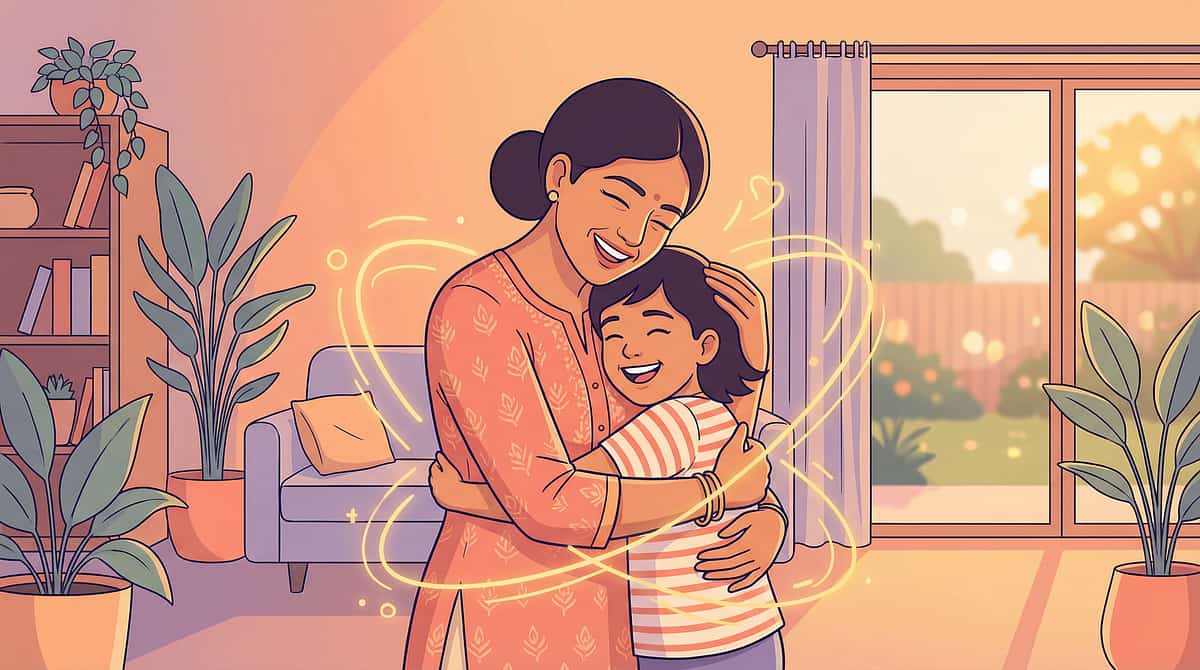
First Expression 🥉
Child made a recognizable expression on request
Mirror Moment 🥈
Child noticed their own expression in the mirror
Story Sync 🥇
Child's face matched their words during a story — even once
Others Noticed ⭐
Someone outside the family commented on increased expressiveness
Spontaneous Flash 🌟
An expression emerged completely unprompted during real conversation
Connected Communication 🏆
Child's emotional meaning is clearly readable on their face in daily life
Celebrate process milestones (showed up, practiced, tried) equally with skill milestones. Let the CHILD lead: "Are you proud of that? I am." Document milestones in the tracker — they become your evidence of progress. Share milestones with the child's therapy team to feed the GPT-OS® data.
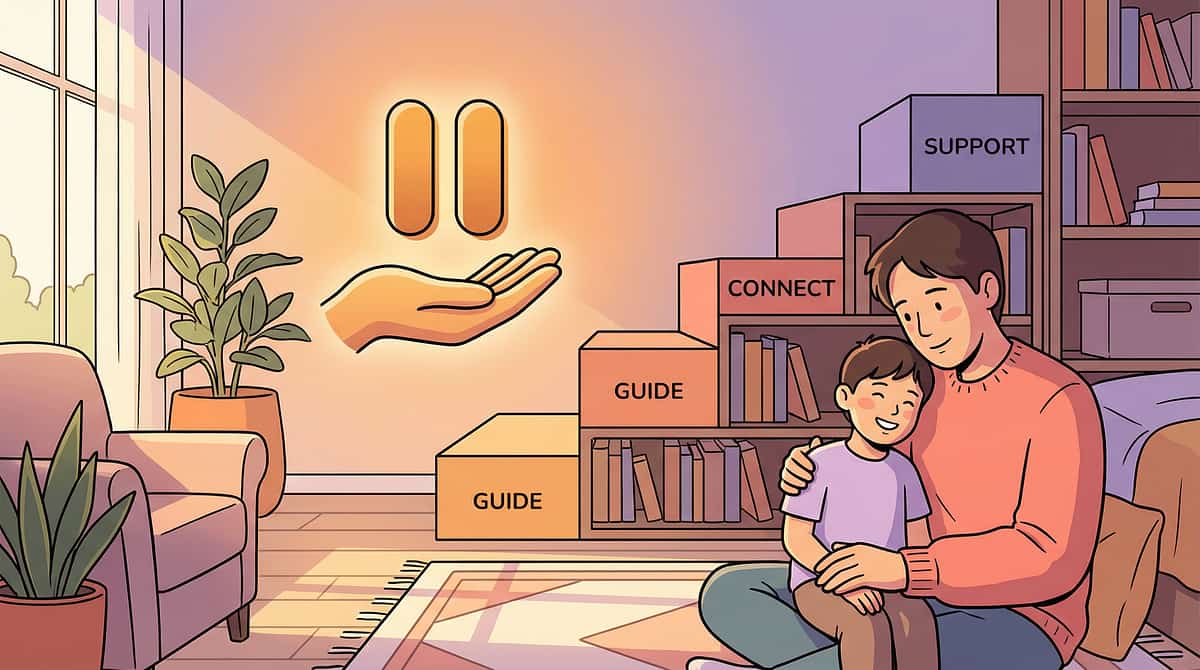
These signs mean it's time to call a professional.
🔴 Seek Immediate Evaluation If
- Flat affect appeared SUDDENLY (not lifelong) — especially with mood change or withdrawal
- Child appears emotionally disconnected — seeming emotional numbing or dissociation
- Child is severely distressed by any expression practice or discussion of faces
- Seizure activity noticed around facial area
🟡 Schedule Professional Review If
- 8 weeks of consistent home practice shows NO progress in any dimension
- Expression coaching is creating significant family conflict
- Child's flat affect is causing serious peer relationship problems at school
- Teacher or pediatrician has raised concerns about social-emotional development
🟢 Book a Progress Check If
- 4 weeks in and unsure whether approach is correct
- Ready to upgrade from 9 Materials intro to full structured therapy program
- Ready for AbilityScore® assessment to establish formal baseline and trajectory
📞FREE National Autism Helpline: 9100 181 181 | 24×7 | 16+ languages | pinnacleblooms.org — "Tell us what you're seeing. Our consortium will guide you."
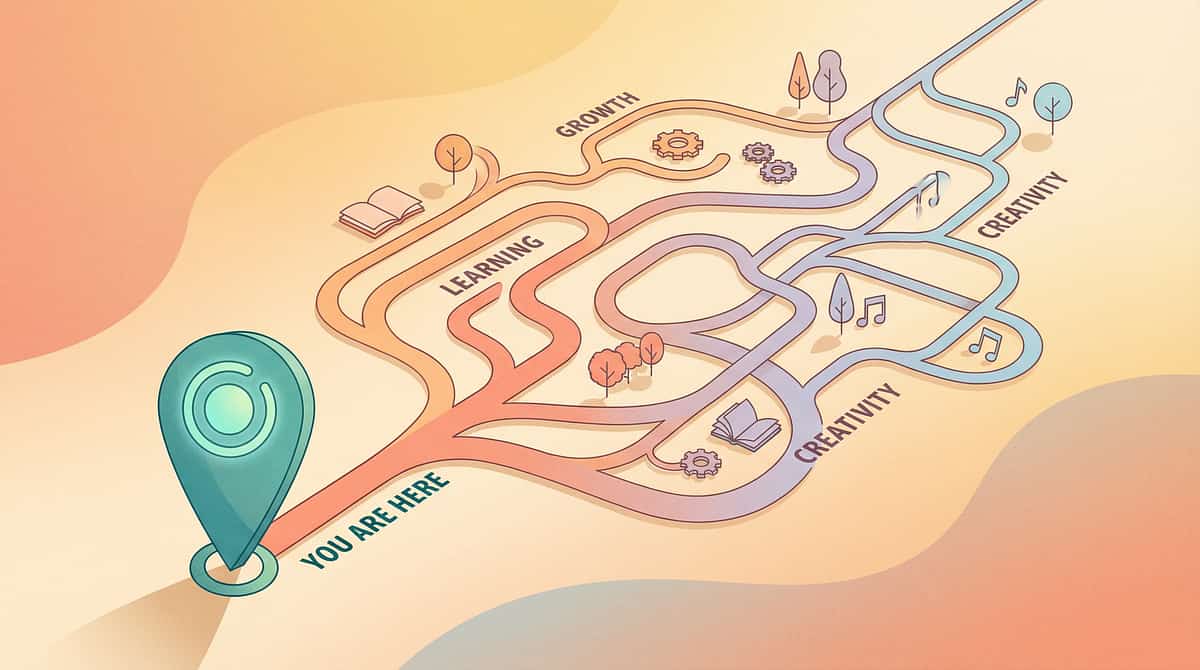
B-213 is one step in a larger journey.
Every technique in the Domain B Social Communication series builds on the one before it. B-213 sits within a deliberate progression — and knowing where you've been and where you're going helps you stay the course.
B-211: Eye Contact During Conversation
Prerequisite — eye contact and expression work together neurologically
B-212: Body Language in Communication
Prerequisite — body language awareness supports expression development
B-213: Facial Expressions in Speech ← YOU ARE HERE
Building the automatic connection between emotion and facial expression during speech
B-214: Reading Listener Cues
Next step — understanding how others are responding to your communication
B-215: Gesture Use in Communication
Advanced — integrating gesture with expression and speech
Lateral Options
- Need more sensory support → Domain A (Sensory Processing)
- Emotion regulation priority → Domain C (Emotional Regulation)
Browse All Domain B
techniques.pinnacleblooms.org/domain-b — Full Social Communication technique library
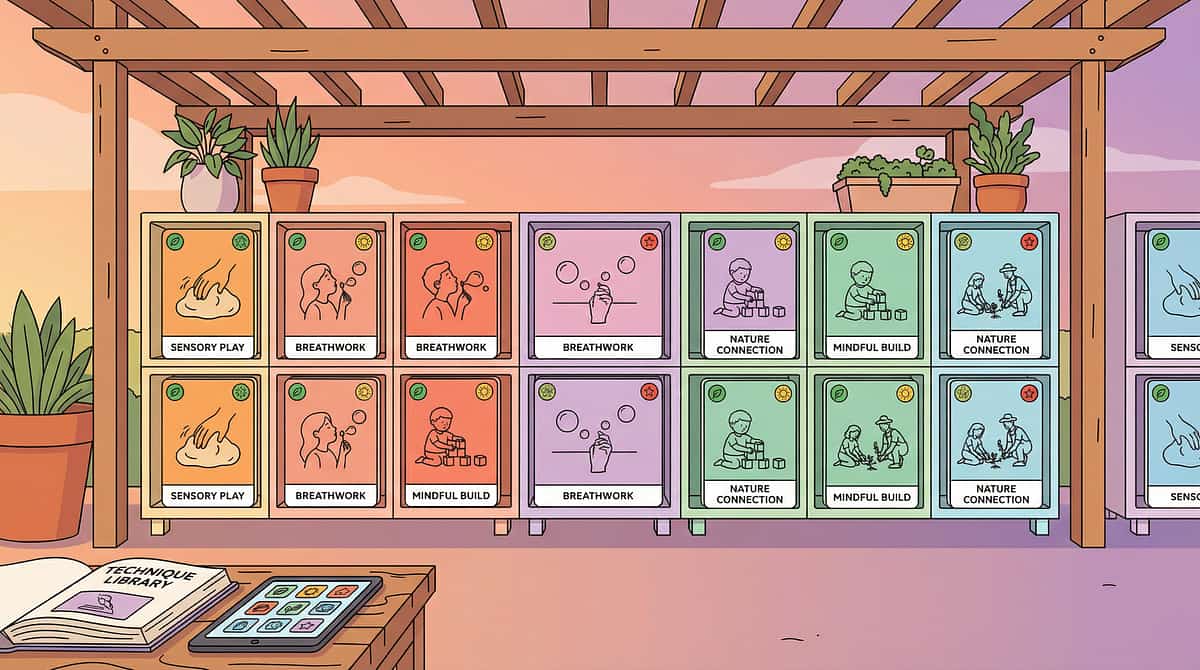
Techniques that work alongside B-213
If you have mirrors and emotion cards from B-213, you can start B-211 and C-190 today with no new materials. The Pinnacle Domain B library is designed so that materials overlap and reinforce each other.
B-211: Eye Contact in Conversation
🟢 Intro
Building comfortable, natural eye contact during conversation — foundational for all social communication
B-212: Body Language Challenges
🟡 Core
Understanding and building congruent body language alongside facial expression

B-214: Reading Listener Cues
🟡 Core
Understanding how to read and respond to other people's nonverbal signals
C-190: Emotion Recognition
🟡 Core
Identifying emotions in self and others — complements expression building directly
B-213 is one technique. Your child is a whole person.
What You're Building With B-213
You are not just teaching expression. You are building:
- Social confidence that comes from being understood
- Connection with peers and family
- Communication effectiveness across every domain of life
The Full GPT-OS® View
Through the AbilityScore® assessment (0–1000 scale across all domains), your child's complete developmental profile becomes visible — not just the face-expression challenge, but the entire landscape of strengths and growth areas.
FREE: 9100 181 181
"She was the child with the blank face. Now she tells stories with her whole self."
"My daughter was seven when we started. Verbal, bright, funny — but her face was still. She'd say 'It was AMAZING' with the same expression she had when she reported having toast for breakfast. Friends were confused by her. Teachers thought she was disengaged. We started with just a mirror. Ten minutes a day. Making faces together — it felt silly at first. Then we added the emotion cards. Then we started recording her telling stories and watching them back together. The breakthrough was a video. She watched herself tell a story about a butterfly landing on her hand, and she said: 'Mum. My face isn't doing anything.' That was the moment she UNDERSTOOD. She could see it. And what you can see, you can change. Slowly — over about six months — her face started participating. Not perfectly. She'll still be a reserved expressionist her whole life — that's just who she is. But now her face is a door that opens. People can read her. Her friends respond differently. Her grandmother called and said 'She seems so present now.' She's still herself. She's just — more visible."
— Parent, Pinnacle Network | Individual results vary
This family's journey tracked through the Nonverbal Expression Index (GPT-OS®): from flat affect baseline → prompted expression → emerging spontaneous expression → functional expressive communication.
Preview of 9 materials that help with facial expressions in speech Therapy Material
Below is a visual preview of 9 materials that help with facial expressions in speech therapy material. The pages shown help educators, therapists, and caregivers understand the structure and content of the resource before use. Materials should be used under appropriate professional guidance.


Link copied!
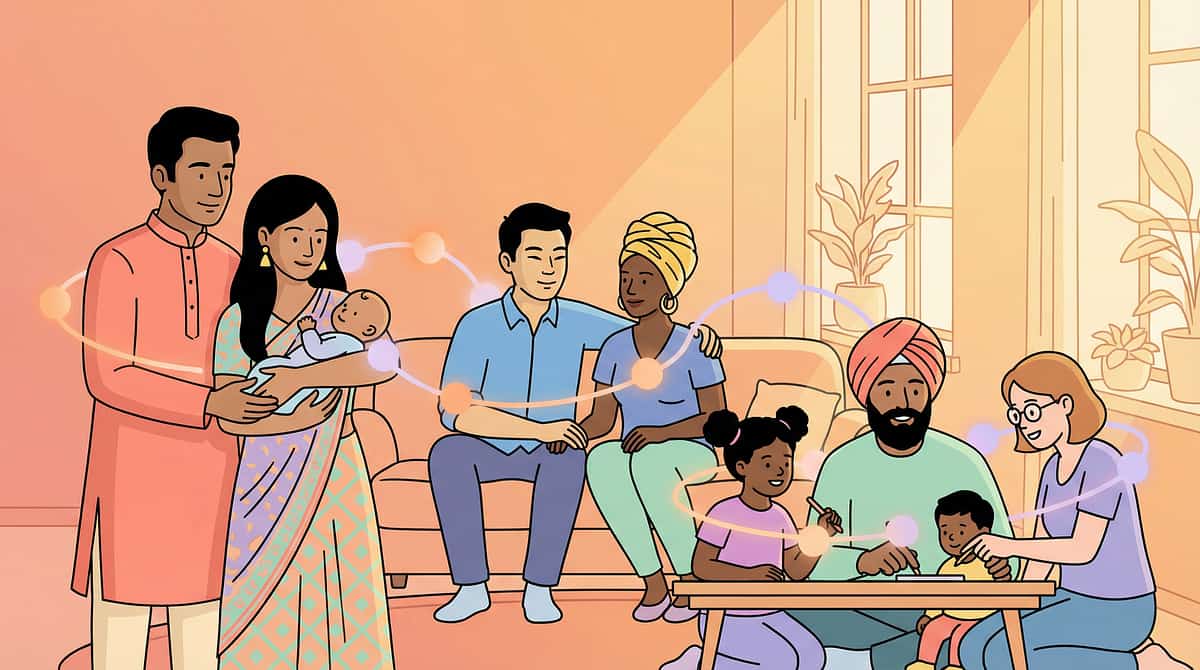
You are not the only family navigating this.
🌐 Pinnacle Parent Community
Connect with thousands of families working on the same techniques. Share questions, breakthroughs, setbacks, and celebrations. No judgment — only understanding from people who are living the same journey. pinnacleblooms.org/community
💬 WhatsApp Support Groups
Domain B Social Communication parent groups — specific to your child's age and challenges. Real parents, real-time support, 24×7 availability.
📧 Expert Ask Box
Submit questions directly to the Pinnacle Consortium (SLP, OT, ABA specialists). Response within 48 hours from a qualified professional.
📞 FREE National Helpline
9100 181 181 | 16+ languages | 24×7. Every call answered by a trained professional. No
🏛️ Pinnacle Blooms Network®
Built by Mothers. Engineered as a System.
© 2025 Pinnacle Blooms Network®, unit of Bharath Healthcare Laboratories Pvt. Ltd. All rights reserved. CIN: U74999TG2016PTC113063 | DPIIT: DIPP8651 | MSME: TS20F0009606 | GSTIN: 36AAGCB9722P1Z2
This content is educational and does not replace assessment by a licensed speech-language pathologist, developmental pediatrician, or healthcare provider. Persistent flat affect or reduced facial expression should be evaluated comprehensively. Individual results may vary. Statistics represent aggregate outcomes across the Pinnacle Blooms Network.