
Meal Over. Face Covered. And Now… The Battle Begins.
Your toddler just finished lunch. Pasta sauce is smeared across both cheeks, rice stuck to his chin. You reach for the napkin — and the screaming starts. He arches his back. Turns his head violently. Pushes your hand away with surprising force. Every single meal ends like this.
"You are not failing. Your child's nervous system is speaking — and this page will teach you its language."
Technique: Facial Tactile Desensitization Through Material Accommodation
Parent-Friendly Name: Face Wiping Resistance — 9 Materials That Transform Mealtime Cleanup
Parent-Friendly Name: Face Wiping Resistance — 9 Materials That Transform Mealtime Cleanup
Pinnacle Blooms Consortium Validated ✓
Sensory — Tactile-Facial (SEN-TAC-FAC)
Age: 12 months – 8 years
Home | Mealtime
Consortium: OT • SLP • ABA • SpEd • NeuroDev

80% of Children With Autism Experience This
You are not navigating this alone. The numbers tell a powerful story — facial tactile sensitivity during mealtime cleanup is one of the most commonly reported daily-living challenges among families raising children with autism. Understanding the scale of this experience can be deeply reassuring.
80%
Sensory Difficulties
of children diagnosed with autism display sensory processing difficulties affecting daily routines including mealtime hygiene
— PRISMA Systematic Review, Children (Basel), 2024
1 in 36
Children in the U.S.
are diagnosed with ASD. In India, prevalence estimates suggest 1 in 100 children — over 1.8 million families navigating these exact challenges.
— CDC MMWR, 2023 | INCLEN Study, India
#1
Daily Impact
Facial tactile sensitivity is among the most common daily-living impacts — affecting mealtime cleanup, nose wiping, sunscreen application, and toothbrushing.
— SPD Foundation Clinical Reports
"You are among millions of families worldwide navigating this exact challenge. This is not rare. This is not your fault. And there is an evidence-based path forward."
References: PMC11506176 — PRISMA Systematic Review (2024) | PMC10955541 — Meta-analysis (World J Clin Cases, 2024) | DOI: 10.12998/wjcc.v12.i7.1260

The Science: Why a Napkin Feels Like Sandpaper
The Neuroscience
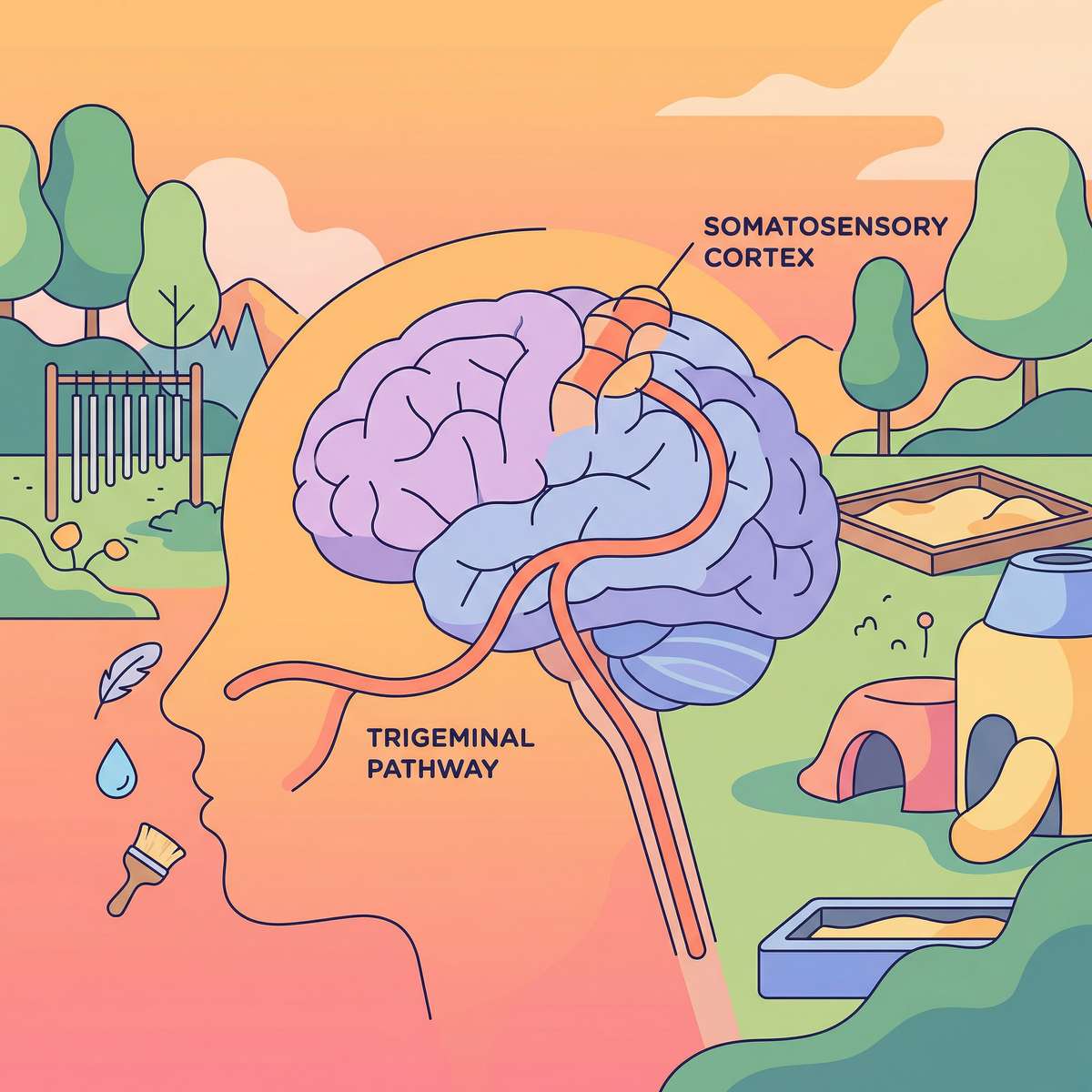
The face contains the highest density of tactile sensory receptors in the entire human body. The trigeminal nerve — the largest cranial nerve — carries facial touch signals directly to the somatosensory cortex.
In children with tactile over-responsivity, this neural pathway over-amplifies the signal. A soft cloth touching the cheek registers with the intensity of coarse sandpaper being dragged across raw skin. The wiping motion adds friction — lateral movement across skin — which activates additional mechanoreceptors that further overwhelm the system.
In Plain English
Your child isn't being dramatic. Their brain is receiving a signal that says "DANGER" when your napkin touches their face. The rubbing motion makes it worse — it's like someone turning the volume to maximum on an already-too-loud speaker.
This is a wiring difference, not a behavior choice.
Specifically for face wiping, the triggers are:
- Texture — rough napkin fibers feel abrasive
- Friction — the lateral rubbing motion amplifies the sensation
- Unpredictability — not knowing when and where the cloth will touch next
- Loss of control — someone else is touching their face
References: DOI: 10.3389/fnint.2020.556660 — Frontiers in Integrative Neuroscience (2020) | SPD Foundation: Tactile over-responsivity mechanisms
Your Child's Developmental Map: Where Face Wiping Resistance Sits
Understanding where facial tactile sensitivity typically emerges — and how it progresses — helps you anticipate challenges and celebrate milestones. This developmental timeline shows the common trajectory, with the key intervention window highlighted.
6–12 Months
Emerging tactile awareness. Most infants tolerate face wiping with mild protest.
12–24 Months ⚡
COMMON EMERGENCE ZONE. Tactile defensiveness becomes observable. Children with sensory differences begin resisting face wiping, nose cleaning, and facial touch.
2–4 Years
Peak impact on daily living. Mealtime struggles intensify as the child becomes stronger and more vocal. Social situations become stressful.
4–6 Years
Without intervention, avoidance patterns consolidate. Some children begin avoiding messy foods entirely to prevent the need for face cleaning.
6–8 Years
Self-care expectations increase. School and social environments demand independent hygiene. Intervention focuses on self-wiping skills and material accommodation.
Comorbidity Awareness: Face wiping resistance commonly co-occurs with: toothbrushing resistance (A-017), haircut sensitivity (A-018), sunscreen application refusal (A-021), food texture selectivity (A-014), and face washing aversion (A-015).
"Your child is here. Here is where we're heading — and this page shows you exactly how."
References: PMC9978394 — WHO Care for Child Development Package | WHO/UNICEF CCD Package (2023) | UNICEF MICS developmental indicators

Evidence Grade: SUPPORTED — Level II
🛡️LEVEL II — Supported by Systematic Reviews and Clinical Consensus
Evidence Type | Finding | Source | |
Systematic Review (PRISMA, 2024) | 16 articles from 2013–2023 confirm sensory integration intervention meets evidence-based practice criteria for ASD | PMC11506176 | |
Meta-Analysis (2024) | Sensory integration therapy effectively promotes adaptive behavior, sensory processing, and motor skills across 24 studies | PMC10955541 | |
Indian RCT (2019) | Home-based sensory interventions demonstrated significant outcomes in Indian pediatric population | DOI: 10.1007/s12098-018-2747-4 | |
NCAEP (2020) | Sensory integration classified as evidence-based practice for autism | National Clearinghouse Report | |
WHO NCF (2018) | Caregiver-delivered interventions improve developmental outcomes across 54 LMICs | nurturing-care.org |
Key Finding: Material accommodation for tactile defensiveness — replacing aversive textures with tolerable alternatives and modifying cleaning technique — is a first-line occupational therapy strategy with strong clinical consensus support.
Clinically Validated
Home-Applicable
Parent-Proven
ACT II: THE KNOWLEDGE TRANSFER
Facial Tactile Desensitization Through Material Accommodation
Parent-Friendly Name: "Gentle Face Cleanup — Making Wiping Tolerable"
Definition: A structured approach to reducing face wiping resistance by systematically replacing aversive cleaning materials and methods with tolerable alternatives, while building facial touch tolerance through graded sensory exposure. The technique addresses texture, friction, temperature, predictability, and control — the five triggers that make face wiping unbearable for children with tactile over-responsivity.
This technique is NOT about forcing tolerance. It is about removing the triggers that make wiping intolerable and systematically building positive facial touch associations.
Domain
A — Sensory Processing
Sub-Domain
Tactile-Facial (SEN-TAC-FAC)
Age Range
12 months – 8 years
Session Duration
2–5 min per mealtime
Frequency
Every mealtime (3–5x daily)
Series
Sensory Solutions — Episode 16

The Consortium Behind This Technique
Primary: Occupational Therapist (OT)
Designs the sensory accommodation strategy, selects appropriate materials based on the child's tactile profile, and creates the graded exposure hierarchy from tolerance to independence.
Secondary: Applied Behavior Analyst (BCBA/ABA)
Structures the reinforcement schedule, designs countdown/predictability systems, shapes the self-wiping behavior chain, and manages extinction of avoidance behaviors through material-based accommodation rather than forced exposure.
Tertiary: Speech-Language Pathologist (SLP)
Contributes to oral-facial desensitization protocols that overlap with face wiping tolerance. Feeding therapy protocols share common ground with mealtime hygiene.
Supporting: Special Educator (SpEd)
Creates visual supports (countdown cards, social stories) and integrates face wiping routines into school-based self-care curricula.
Oversight: NeuroDevelopmental Pediatrician
Rules out dermatological conditions, medication side effects, or pain-based face touch aversion. Ensures behavioral presentation is sensory-based, not medical.
"This technique crosses therapy boundaries because the brain doesn't organize by therapy type."
Reference: DOI: 10.1080/17549507.2022.2141327 — Adapted UNICEF/WHO Nurturing Care Framework for SLPs (2022)
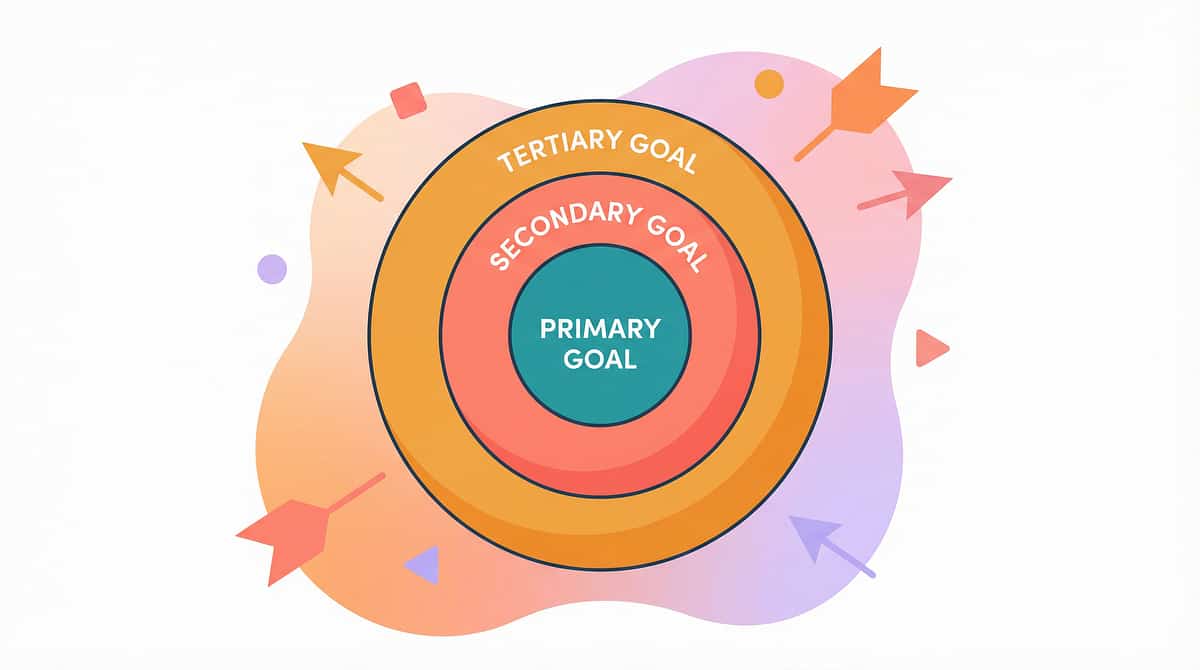
Precision Targets: What This Technique Addresses
This technique is designed with clear, measurable objectives across three tiers. Understanding these targets helps you know what to watch for and how to measure your child's progress over time.
🎯 Primary Target
Facial tactile tolerance — ability to tolerate cleaning materials on face without distress behaviors (screaming, arching, head-turning, hand-pushing).
Observable Indicator: Child allows 3-count face cleaning with accommodated material with neutral or mildly displeased expression (no meltdown, no fight-flight activation).
🎯 Long-Term Goals
- Independent self-care and hygiene skills
- Mealtime food variety expansion (child stops avoiding messy foods)
- Social participation — restaurant meals, family gatherings without distress
- Caregiver stress reduction — mealtime becomes manageable
Reference: PMC10955541 — Meta-analysis confirming multi-domain skill improvement through sensory integration therapy

Your Face Wiping Toolkit: 9 Materials
Each material in this toolkit addresses one or more of the five sensory triggers: texture, friction, temperature, unpredictability, and loss of control. Below we introduce all nine, with dedicated cards for each material following. Your total toolkit investment ranges from ₹1,200–3,400.
Essential Starters (3 Items)
Microfiber Cloth + Patting Tool + Countdown Card = ₹350–950
Full Toolkit (9 Items)
All materials for comprehensive accommodation = ₹1,200–3,400

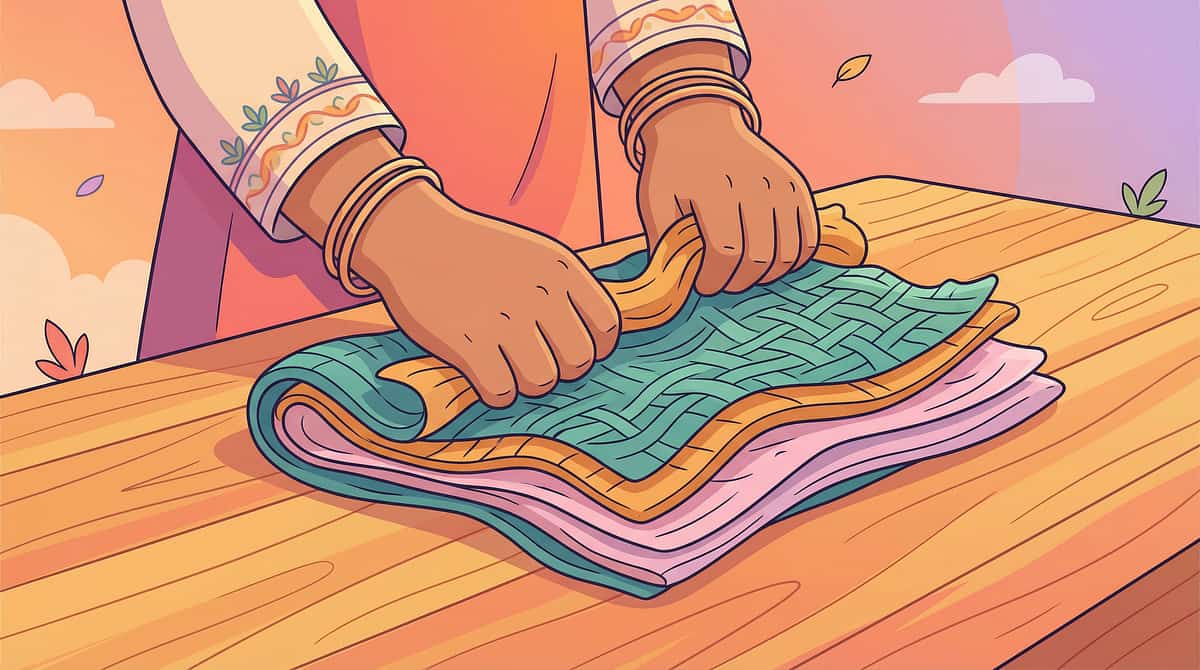
1. Ultra-Soft Microfiber Cloths
Softest possible texture — replaces rough napkins. ₹200–500

2. Patting Tool (Pom-Pom / Puff)
Pressure without friction — eliminates the rubbing trigger. ₹100–300

3. Child-Sized Hand Mirror
See and control the process — reduces unpredictability. ₹150–400

4. Warm Wet Cloth Setup
Temperature reduces startle — warm soothes, cold shocks. ₹100–300
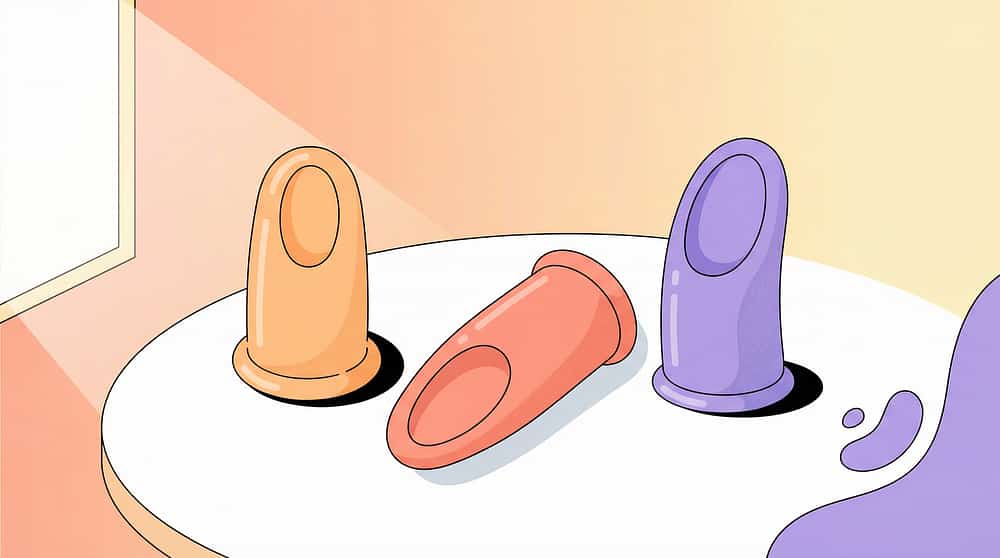
5. Finger Wipe Cots
Precision cleaning, less contact — one spot at a time. ₹150–400
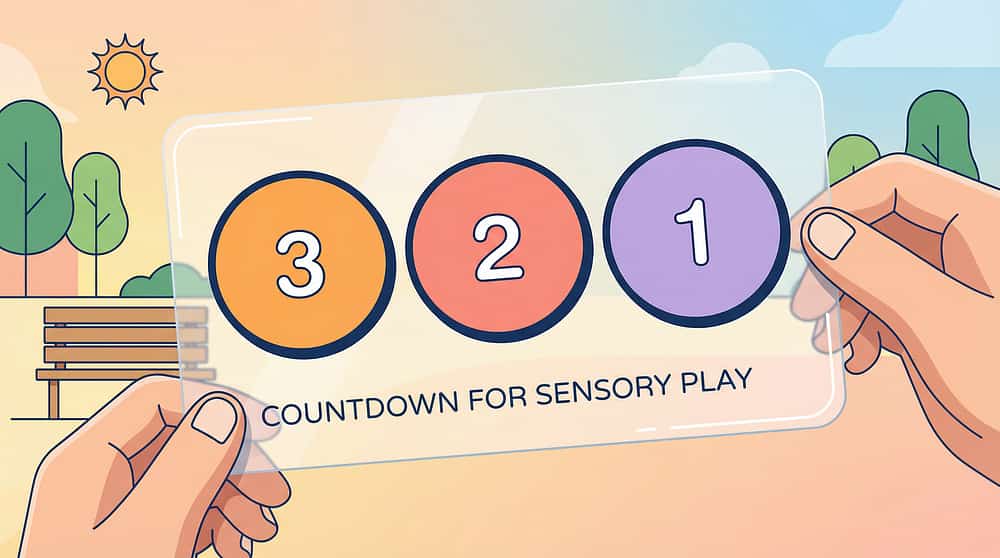
6. Visual Countdown Card
Know when it ends — provides endpoint predictability. ₹50–150 (DIY)
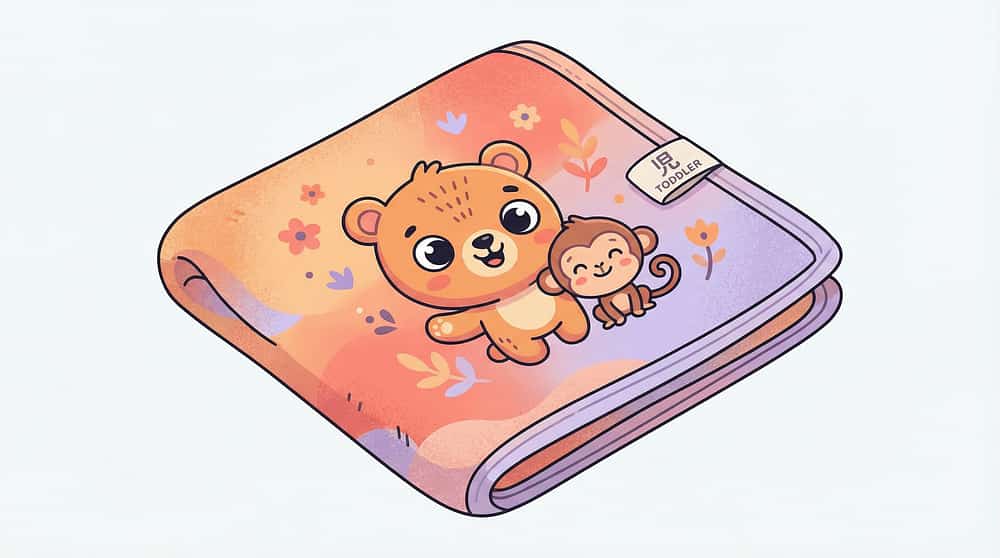
7. Self-Wiping Cloth (Child's Own)
Their cloth, their control — shifts ownership to child. ₹100–300

8. Facial Desensitization Play Materials
Fun touch, not cleaning pressure — builds tolerance through play. ₹200–600

9. Pre-Meal Barrier Balm
Food doesn't stick, easier cleanup — prevention strategy. ₹200–500

Zero-Cost Alternatives: Start Today With What You Have
Every parent can start this technique today, regardless of purchasing power. The science works the same whether you buy specialized materials or use household items. Below is your complete buy-vs-make comparison.
Material | Buy This | Make This (Free) | Why It Works | |
Microfiber Cloth | Ultra-soft microfiber pack | Cut squares from your softest old t-shirt or jersey fabric | Same smooth texture principle — no rough fibers | |
Patting Tool | Velour makeup puff | Large cotton balls; powder puff from old compact | Removes friction — pat-and-lift motion identical | |
Hand Mirror | Child-size unbreakable mirror | Phone camera in selfie mode; any household mirror at child height | Visual feedback = predictability = control | |
Warm Cloth | Insulated bowl | Small bowl of warm water from tap, refresh as needed | Temperature modification works regardless of container | |
Finger Cots | Soft silicone finger covers | Wrap your softest cloth around one finger | Precision targeting principle is the same | |
Countdown Card | Laminated visual card | Draw 3 circles on paper; count aloud with visible fingers | Predictable endpoint = reduced anxiety | |
Self-Wiping Cloth | Character washcloth | Let child choose ANY cloth from home — their choice matters most | Ownership and control drive tolerance | |
Play Materials | Face painting kit | Stickers on face, feather touch games, gentle face massage during play | Any positive facial touch outside cleaning context | |
Barrier Balm | Fragrance-free balm | Thin layer of coconut oil or petroleum jelly around mouth before meals | Same food-resistance principle |
"Every parent can start this technique TODAY, regardless of what they can purchase. The science works the same."
References: PMC9978394 — WHO CCD Package: Household-material-based intervention efficacy across 54 LMICs | WHO NCF Handbook (2022): Equity-focused, context-specific intervention design

Safety Gate: Read Before You Begin
Before starting any session, review this traffic-light safety system. Your child's well-being always comes first — a postponed session is never a failed session.
🔴 RED — DO NOT PROCEED IF:
- Child has active skin condition, rash, or open wound on face
- Child is in active meltdown or severe dysregulation state
- Child has recently vomited or is showing signs of illness
- Any material causes allergic reaction (test on arm first)
- Child is in pain from dental, ear, or sinus condition
🟡 AMBER — MODIFY WITH CAUTION IF:
- Child has had a difficult day (use only the softest material)
- Child is tired or hungry (address basic needs first)
- Child has mild skin sensitivity (fragrance-free, hypoallergenic only)
- Previous session resulted in significant distress (reduce demands)
🟢 GREEN — PROCEED WHEN:
- Child has just finished eating and is in a regulated state
- Materials have been pre-tested on child's arm for texture tolerance
- Warm water (if used) has been temperature-tested on your own cheek
- Countdown card or verbal countdown is prepared
- Environment is calm — no competing sensory input
Material Safety: All cloths washed before first use. Barrier balm patch-tested 24 hours before first facial use. Mirror must be unbreakable (no glass near eating area). Play materials must be face-safe, hypoallergenic, non-toxic. Finger cots — ensure no latex allergy.
RED LINE: Stop immediately if the child shows signs of genuine pain (not just displeasure), skin redness that doesn't fade within 5 minutes, or escalating panic that does not resolve within 30 seconds of stopping.
Reference: DOI: 10.1007/s12098-018-2747-4 — Padmanabha et al., Indian J Pediatr (2019): Safety protocols for home-based sensory interventions
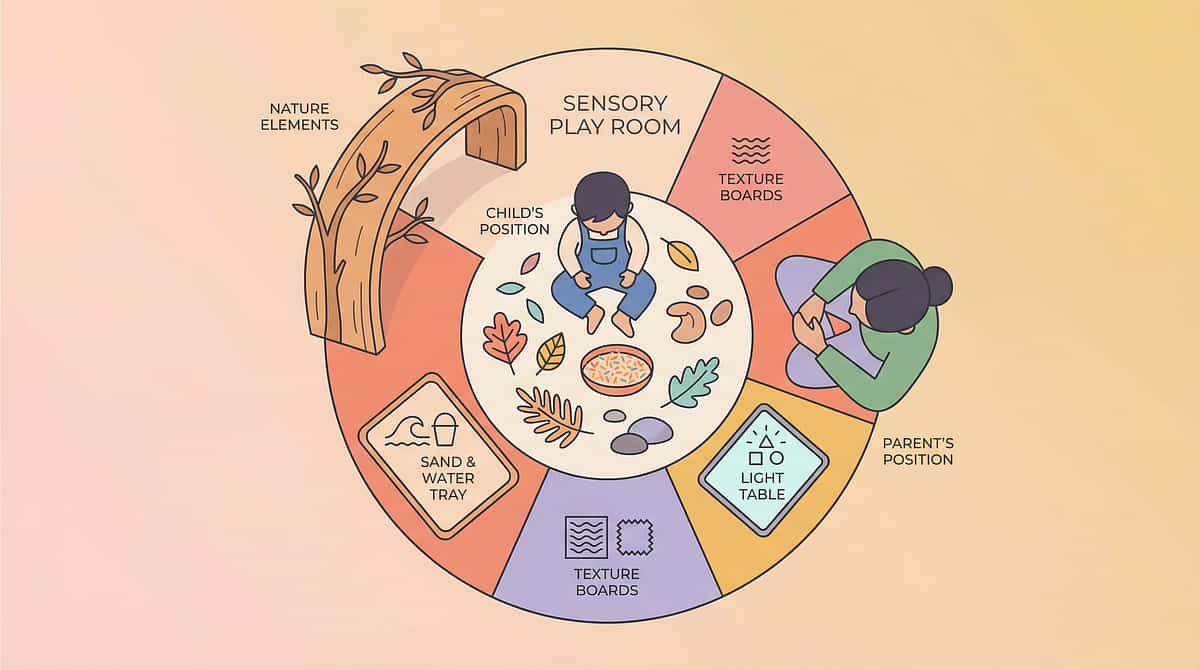
Set Your Stage: The 2-Minute Setup
Spatial precision prevents 80% of session failures. Two minutes of setup saves twenty minutes of meltdown. Here is exactly how to arrange your mealtime cleanup station.
CHILD
In high chair or seated at table, facing you.
PARENT
Seated at eye level (not standing over child).
MATERIALS
Soft cloth/patting tool within your reach, OUT of child's reach until invited.
MIRROR
At child's eye level if using mirror method.
COUNTDOWN
Visible to child — on table or attached to high chair tray.
WARM WATER
If using, insulated bowl to your side (out of child's reach).
Remove From Space
- ✗ Rough napkins or paper towels (remove temptation)
- ✗ Competing screens or toys (child needs to be present)
- ✗ Other children crowding the space (1:1 attention)
Environment Check
- Lighting: Normal. Avoid harsh overhead fluorescent.
- Sound: Calm background. No sudden noises.
- Temperature: Comfortable. Cloth should feel warm, not cold.
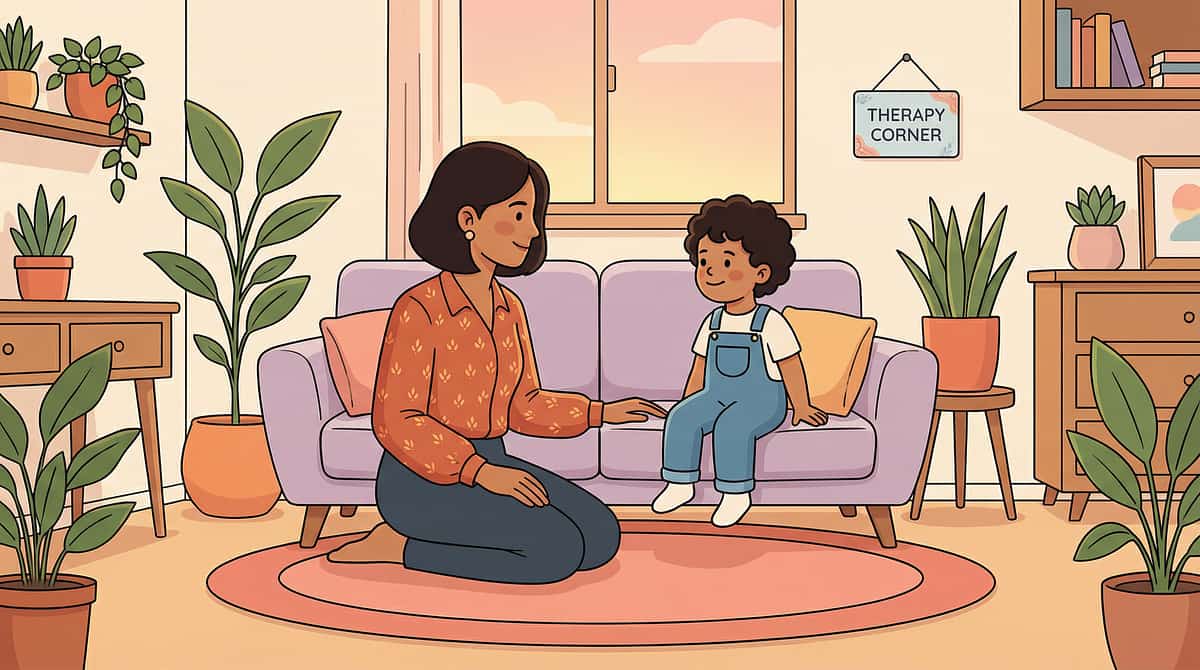
ACT III: THE EXECUTION
60-Second Readiness Check
Before every session, run through this quick checklist. It takes less than a minute and ensures the best possible conditions for your child's success. Think of it as a flight checklist — every item matters.
1
Meal Finished
Child has finished eating (not mid-meal)
2
Calm State
Child is calm or neutral (not crying, not mid-tantrum)
3
No Illness/Pain
Child is not showing signs of illness or pain
4
Materials Ready
Your selected material is ready and within reach
5
Countdown Set
Countdown card is positioned and visible to child
6
You Are Regulated
You are calm and patient (your regulation matters)
7
No Time Pressure
You are NOT rushing to get somewhere
✅ All 7 Checked → GO
Begin the protocol at Step 1
⚠️ 5–6 Checked → MODIFY
Use gentlest material only. Reduce countdown to 2. Accept imperfect results.
🛑 Fewer Than 5 → POSTPONE
Skip for this meal. Use a warm damp cloth casually. Try again next meal.
"The best session is one that starts right. A postponed session is not a failed session — it's a wise decision."

Step 1: The Invitation (30–60 Seconds)
Parent Script (say these words):
"Hey [child's name], meal's all done! I can see some [food] on your face. Look —" [Show the child the soft cloth/patting tool] "Feel how soft this is?" [Let child touch the material first — on their hand, not face] "I'm going to use this to clean your face. Just [3] little pats. Ready?"
"Hey [child's name], meal's all done! I can see some [food] on your face. Look —" [Show the child the soft cloth/patting tool] "Feel how soft this is?" [Let child touch the material first — on their hand, not face] "I'm going to use this to clean your face. Just [3] little pats. Ready?"
Body Language
- Eye level with child (sit, don't stand over them)
- Show the material openly — no surprise approach
- Smile and keep voice calm, warm, matter-of-fact
- Offer the material for child to feel first
Reading Your Child's Response
Acceptance looks like: Child touches the material, makes eye contact or stays still, doesn't immediately arch or turn away. May look wary but doesn't escalate.
Resistance looks like:
- Child turns head → pause, try again in 30 seconds
- Child pushes your hand → let them hold the cloth themselves
- Child cries → stop, offer comfort, try self-wiping option
- Child arches/screams → postpone, this is data, not failure
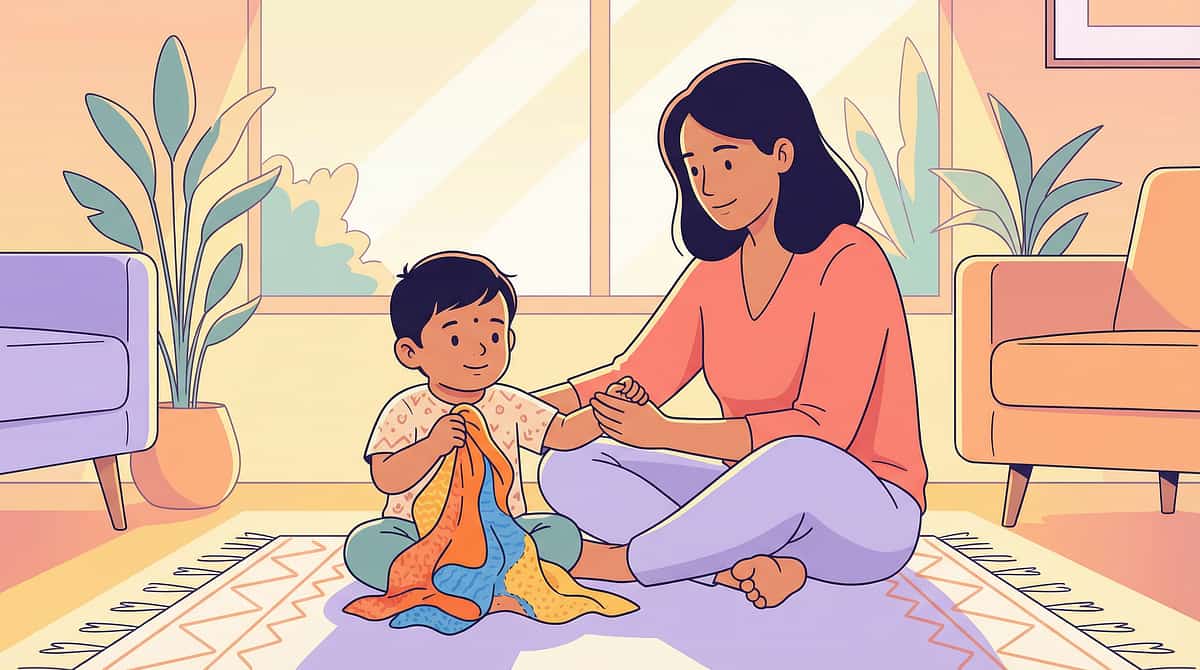
Step 2: First Touch (1–2 Minutes)
This is where the core technique begins. The countdown card gives your child a visual endpoint — they can see when this will be over. That predictability is half the battle won.
Begin the Countdown:
"OK, here we go. Watch the card — number 1." [Point to first circle on countdown card] [Pat ONE small area of face with selected material] [LIFT — straight up, no rubbing] "One! Good job!"
"OK, here we go. Watch the card — number 1." [Point to first circle on countdown card] [Pat ONE small area of face with selected material] [LIFT — straight up, no rubbing] "One! Good job!"
The Patting Technique (CRITICAL — This Is the Core Method)
Select
Use your selected soft material (microfiber, puff, cotton). Dampen slightly with warm water if preferred.
Press
PRESS material gently onto one small area of face.
Hold
HOLD for 1–2 seconds with gentle pressure.
Lift
LIFT straight up — NO sliding, NO rubbing, NO lateral movement.
Repeat
Move to next area and repeat. Continue until countdown is complete.
🔑Key Principle: VERTICAL MOTION ONLY. No lateral (sideways) movement. Pat-pat-pat, not wipe-wipe-wipe. Reinforce within 3 seconds: "You're doing so well! Just [2] more."
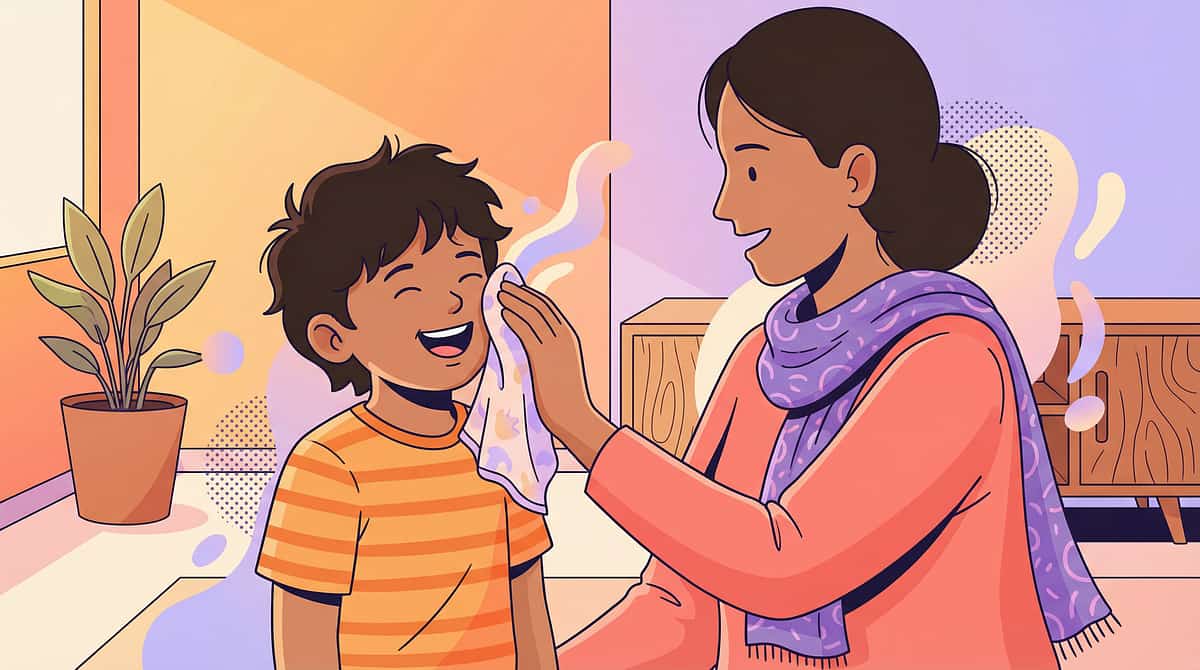
Step 3: Complete the Countdown (2–3 Minutes)
Continue through countdown:
[Point to circle 2] "Number 2!" [Pat] [Lift] "Two! Almost done!"
[Point to circle 3] "Number 3!" [Pat] [Lift] "Three! ALL DONE! 🎉"
[Point to circle 2] "Number 2!" [Pat] [Lift] "Two! Almost done!"
[Point to circle 3] "Number 3!" [Pat] [Lift] "Three! ALL DONE! 🎉"
CRITICAL RULE: When you reach the countdown end, you STOP. Even if the face isn't perfectly clean. Even if there's still food visible. Trust = Tolerance. If you say 3 pats, you stop at 3. Every. Single. Time.
If the face needs more cleaning after countdown, wait 2–3 minutes, then offer the self-wiping cloth: "Want to try cleaning this spot yourself?" Or casually use a warm cloth later during another transition.
Child Response Spectrum
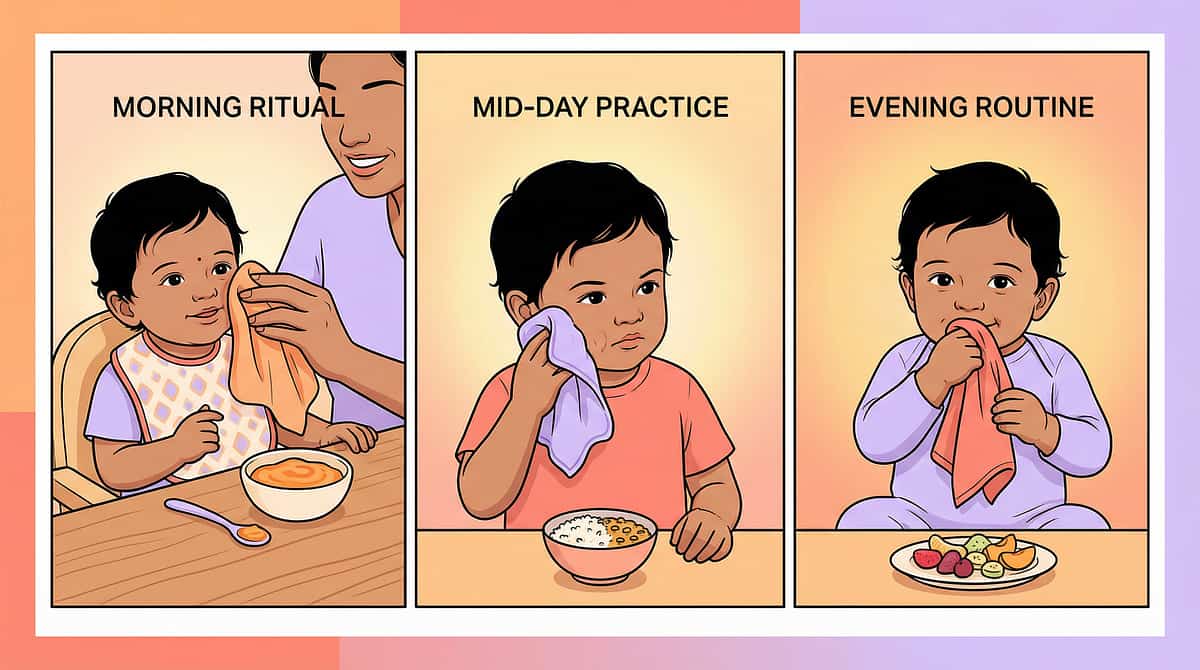
Step 4: Build the Routine (Across Multiple Meals)
Consistency across meals is where neural pathways form. Each successful session lays another brick in the foundation of tolerance. Here is your week-by-week progression guide.
Mealtimes 1–3 (Days 1–2)
Use ONLY the softest material. 3-count countdown. Accept imperfect cleaning. Goal: no meltdown.
Mealtimes 4–9 (Days 2–4)
Introduce the mirror if child is interested. Try self-wiping cloth as alternative. Goal: reduced resistance.
Mealtimes 10–15 (Days 4–7)
Begin varying materials — patting tool one meal, warm cloth next. Increase countdown to 5 if 3 is tolerated. Goal: flexibility.
Mealtime 15+ (Week 2+)
Introduce desensitization play OUTSIDE mealtimes — face painting, sticker games, gentle face massage. Goal: positive facial touch association.
Variation Options: Different soft cloths (rotate to prevent over-reliance) • Warm vs. room temperature • Mirror vs. no mirror • Parent-led vs. self-wiping • Countdown of 3 vs. 5
Satiation Indicator: When the child sighs, looks away, or says "all done" — they've had enough for this session. Honor it.
"3 cooperative pats are worth more than 10 forced wipes."

Step 5: Reinforce Success (Immediate)
Reinforcement delivered within 3 seconds of the last pat is what cements the positive association in your child's brain. Be specific, be enthusiastic, and be immediate.
Reinforcement Script (within 3 seconds of completion):
"You did it! Your face is clean and you were SO brave!" [High five, clap, preferred gesture] "You let the soft cloth touch your face — that was amazing."
"You did it! Your face is clean and you were SO brave!" [High five, clap, preferred gesture] "You let the soft cloth touch your face — that was amazing."
Reinforcement Menu (Choose What Works for Your Child)
Verbal Praise
Specific, enthusiastic, immediate. "You let me pat your cheek!" — not just "Good job!"
Physical
High five, tickle, hug (if child enjoys physical contact).
Token
Sticker on a chart, stamp on hand — visual progress tracking.
Tangible
Small preferred toy access, 1 minute of preferred screen.
Natural Consequence
"Clean face means we can go play now!"
Timing Rules: Deliver reinforcement WITHIN 3 SECONDS. Be SPECIFIC about what the child did. Match intensity to child — some prefer calm praise, others love big celebration.
"Celebrate the attempt, not just the success. A child who sat still for 2 out of 3 pats deserves praise."
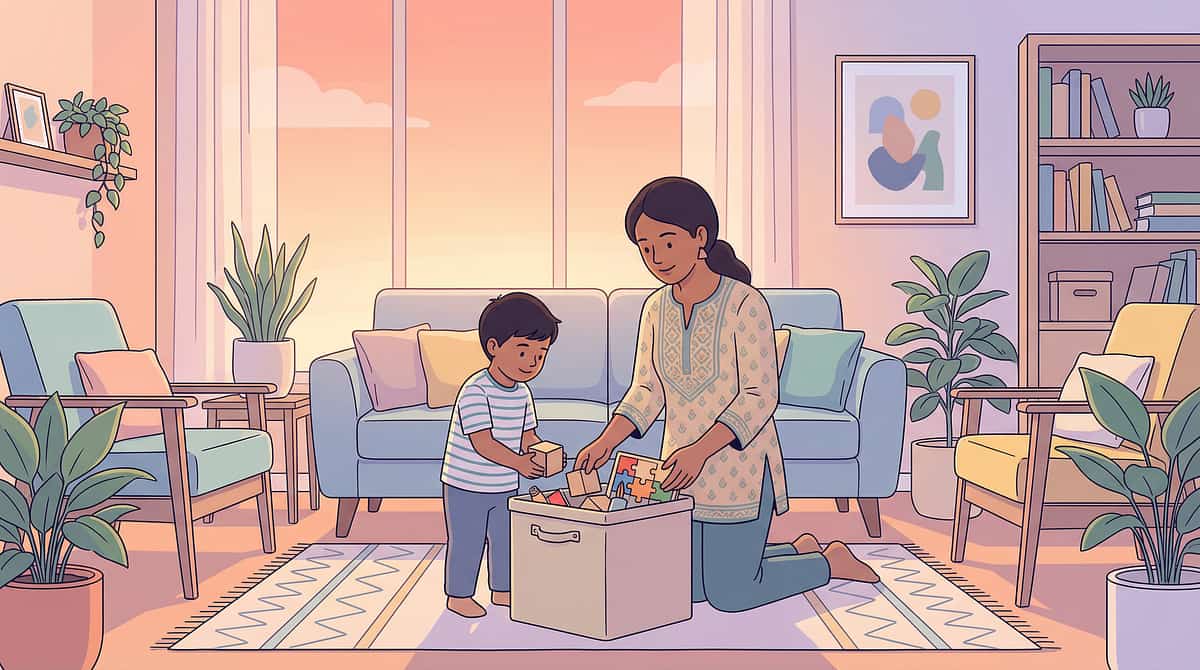
Step 6: Transition Out (1 Minute)
Transition Script:
"All done cleaning! You did such a good job." [Put materials away — let child see them being put away] "Now let's go [next activity]!"
"All done cleaning! You did such a good job." [Put materials away — let child see them being put away] "Now let's go [next activity]!"
Cool-Down Routine
01
Materials Away
Put materials away (child can help if willing — builds ownership).
02
Brief Positive Touch
If child enjoys it — hand squeeze, gentle back rub.
03
Verbal Bridge
"Face is clean, time to play!" Move forward with positive energy.
If Child Resists Ending
Some children, once engaged, want to keep using the mirror or playing with the soft cloth. This is POSITIVE — it means the material is not aversive. Allow 1–2 more minutes of exploration, then transition.
Post-Session State Check
- Child moves to next activity happily → ✅ Session success
- Child is slightly unsettled but recovers in 2 min → ✅ Acceptable
- Child remains dysregulated after 5 min → ⚠️ Next session, reduce demands

60 Seconds: Record This Now
Immediately after each session, capture the key data points. It takes less than a minute and provides the foundation for tracking your child's progress over time. Your data drives personalization.
Data Point | How to Record | Example | |
Materials used | Circle or write | Microfiber + patting tool | |
Countdown completed? | Yes / Partial / No | Yes — 3/3 | |
Distress level (1–5) | Circle number | 2 (mild grimace, no crying) | |
Self-wiping attempted? | Yes / No | No | |
Session abandoned? | Yes / No + why | No |
PDF Tracker
Downloadable tracking sheet
GPT-OS® Tracker
In-app digital tracking at pinnacleblooms.org
Simple Notebook
Date + distress level + countdown completion
"60 seconds of data now saves hours of guessing later. Your data drives your child's progress and feeds the GPT-OS® algorithm to personalize recommendations."

It Didn't Go Perfectly? That's Normal.
Every family encounters bumps in this process. Here are the most common challenges and their evidence-based solutions. Remember: session abandonment is not failure — it's data.
"My child screamed the moment I showed the cloth"
The cloth itself may be too threatening. Tomorrow, leave the soft cloth on the table during mealtime without attempting to use it. Let the child touch it on their own terms. Build familiarity before function.
"My child tolerated it but cried the entire time"
Tolerance with tears is progress, but we want tolerance with reduced distress. Switch to an even softer material. Reduce countdown to 2. Use the mirror to increase sense of control.
"My child grabbed the cloth and threw it"
Redirect to self-wiping: "YOU want to hold it? Great! You clean your face." Grabbing is asserting control — channel it toward self-care.
"I couldn't stick to the countdown and did extra wipes"
This breaks trust faster than anything. Tomorrow, commit: 3 means 3. Even if there's food left. The relationship is more important than a clean face.
"The warm cloth worked but now I can't always have warm water ready"
Warm is preferred but room-temperature ultra-soft cloth is acceptable. Gradually reduce temperature over weeks. The texture matters more than the temperature.
"My child won't look in the mirror"
Mirror isn't essential — it's one tool. If the child avoids the mirror, skip it entirely. Focus on texture and countdown instead.
"Session abandonment is not failure — it's data. Every abandoned session tells you exactly what to modify next time."
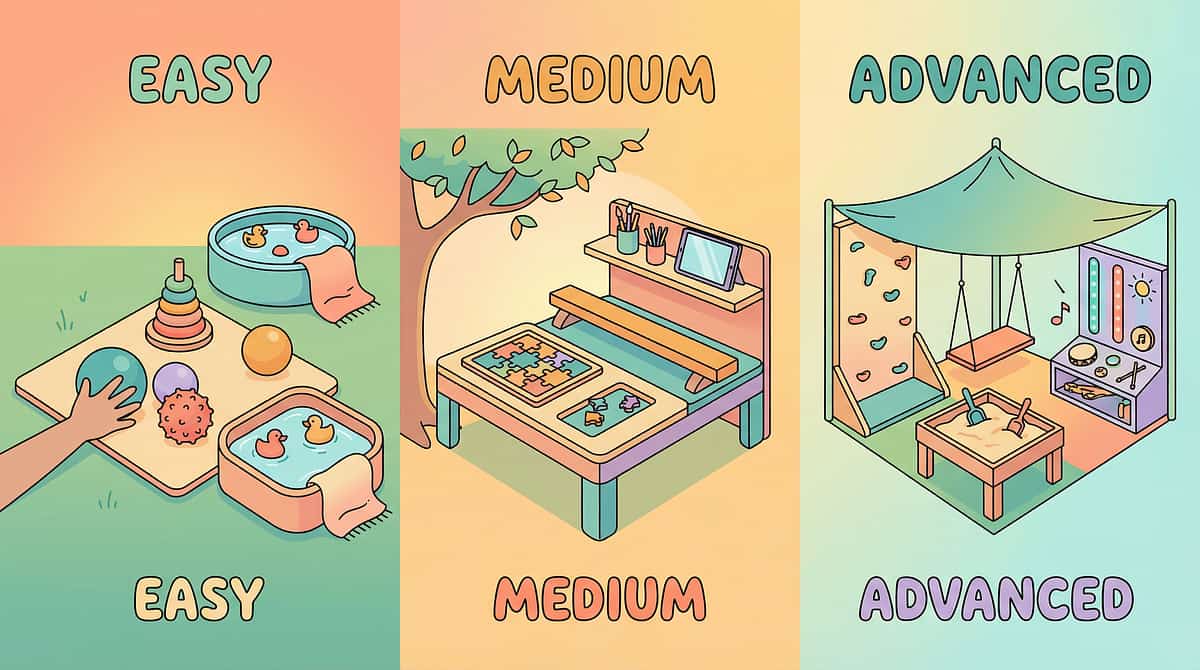
Make It Yours: Customize for Your Child
Every child's sensory profile is unique. Use these customization guidelines to dial the difficulty up or down based on your child's current tolerance level, sensory profile, and age.
⬅️ EASIER (High-Resistance / Bad Days)
- Use only the softest material available (old t-shirt)
- Countdown of 2 (not 3)
- Parent-controlled only (no mirror complexity)
- Single cheek only (not full face)
- Warm cloth only
- Accept self-wiping results even if imperfect
➡️ HARDER (Children Showing Progress)
- Countdown of 5–7
- Introduce different textures gradually
- Full face cleaning including forehead and chin
- Transition from patting to gentle wiping motion
- Reduce material accommodation (slightly firmer cloth)
- Independent self-wiping without parent assistance
Sensory Profile Modifications
Sensory Avoider (Majority)
Lightest possible touch, warmest cloth, maximum countdown predictability, self-directed cleaning preferred.
Sensory Seeker
May respond to firmer patting pressure, textured cloth for proprioceptive input, cold cloth for alerting, play-based approach preferred.
Age-Based Modifications
12–24 Months
All parent-led, 2-count, warmest softest cloth, sing during patting.
2–4 Years
Introduce mirror and self-wiping, visual countdown, choice of cloth.
4–6 Years
Self-wiping emphasis, social stories about clean faces, peer modeling.
6–8 Years
Independent routine building, material selection autonomy, hygiene responsibility.

ACT IV: THE PROGRESS ARC
Week 1–2: The Tolerance Window Opens
15%
Progress
Early tolerance building phase
What You'll See
- Child may still protest but with LESS intensity than before
- Meltdowns may be shorter (45 seconds instead of 3 minutes)
- Child begins to recognize the routine (sees cloth, anticipates countdown)
- Some meals are better than others — inconsistency is NORMAL at this stage
What Is NOT Progress Yet
- Child happily accepting face wiping (too early)
- Complete elimination of resistance (weeks away)
- Self-wiping (typically emerges week 3–4)
"If your child tolerates the soft cloth for even 2 seconds longer than last week — that's real, measurable progress."

Week 3–4: The Neural Pathways Are Forming
40%
Progress
Consolidation and pattern forming
Consolidation Indicators
Anticipation Without Protest
Child anticipates the routine and MAY cooperate without fussing.
Material Preference Emerges
Child begins to show preference for a specific material or method.
Self-Wiping Attempts
Imperfect but voluntary self-wiping attempts emerge.
Generalization Begins
Tolerance extends beyond mealtime — child accepts nose wiping with soft material.
Countdown May Not Be Needed
Child may reach for their "special cloth" after meals without countdown prompting.
The Generalization Seed: Your child may start tolerating other facial touch they previously resisted — a grandparent's kiss, sunscreen on cheeks, or having their face washed. This is generalization in action.
When to increase challenge: If 3-count cleanup is consistently tolerated without distress for 5+ consecutive meals, increase to 5-count. If one material is comfortable, introduce a second.
"You may notice you're more confident too. That's not a side effect — that's parental self-efficacy building."

Week 5–8: Mastery Emerging
75%
Progress
Mastery threshold approaching
Mastery Criteria Checklist
- ✅ Child tolerates full face cleanup with accommodated material (≤2 distress level)
- ✅ Child uses self-wiping cloth independently after most meals (even imperfectly)
- ✅ No meltdowns during face wiping for 10+ consecutive meals
- ✅ Tolerance extends to nose wiping during colds
- ✅ Child shows preference but accepts 2–3 different materials
- ✅ Routine works across settings (home, restaurant, grandparents' house)
🏆MASTERY UNLOCKED when: The child independently manages face cleaning after meals using their preferred material, with minimal or no parent assistance, across multiple settings, for 2+ consecutive weeks.
When to move forward: Continue maintaining the routine (don't abandon accommodations suddenly). Begin introducing slightly firmer cloth textures gradually. Explore progression to related techniques: toothbrushing (A-017), face washing (A-015).

You Did This. Your Child Grew Because of Your Commitment.
Remember Card 01? That child who screamed when a napkin came near their face?
Look at them now. Reaching for their cloth after meals. Allowing you to clean their cheeks without a battle. Maybe even wiping their own face with a proud look.
That Transformation Happened Because YOU:
Learned why napkins felt like sandpaper to their brain
Replaced aversive materials with tolerable ones
Honored the countdown every single time
Celebrated attempts, not just successes
Showed up, meal after meal, with patience and soft cloth in hand
📸Document this milestone. Take a photo or video of your child's cooperative face-wiping moment. Date it. Save it. On hard days in the future, look at it and remember: you did this. Share with your family. You earned this.

Red Flags: When to Seek Professional Support
While most families see progress within 4 weeks of consistent application, some situations require professional intervention. Trust your instincts — if something feels wrong, pause and ask.
1
No Progress After 4 Weeks
Consistent protocol application with no improvement may indicate deeper sensory processing disorder requiring clinical assessment.
2
Regression
Child was improving but suddenly returns to severe resistance. Rule out illness, dental pain, or new environmental stressor.
3
Skin Reactions
Persistent redness, rash, or irritation after using recommended materials. Dermatological assessment needed.
4
Generalized Facial Touch Avoidance
Child resists ALL facial touch (not just wiping) including affection. Comprehensive sensory evaluation indicated.
5
Self-Injurious Behavior
Hitting own face or biting hands during face wiping attempts. Behavioral intervention planning required.
6
Feeding Restriction
Child eliminating messy foods from diet to avoid face wiping entirely. Feeding therapy referral needed.
"Trust your instincts — if something feels wrong, pause and ask. Call 9100 181 181 (FREE, 24x7, 16+ languages)."
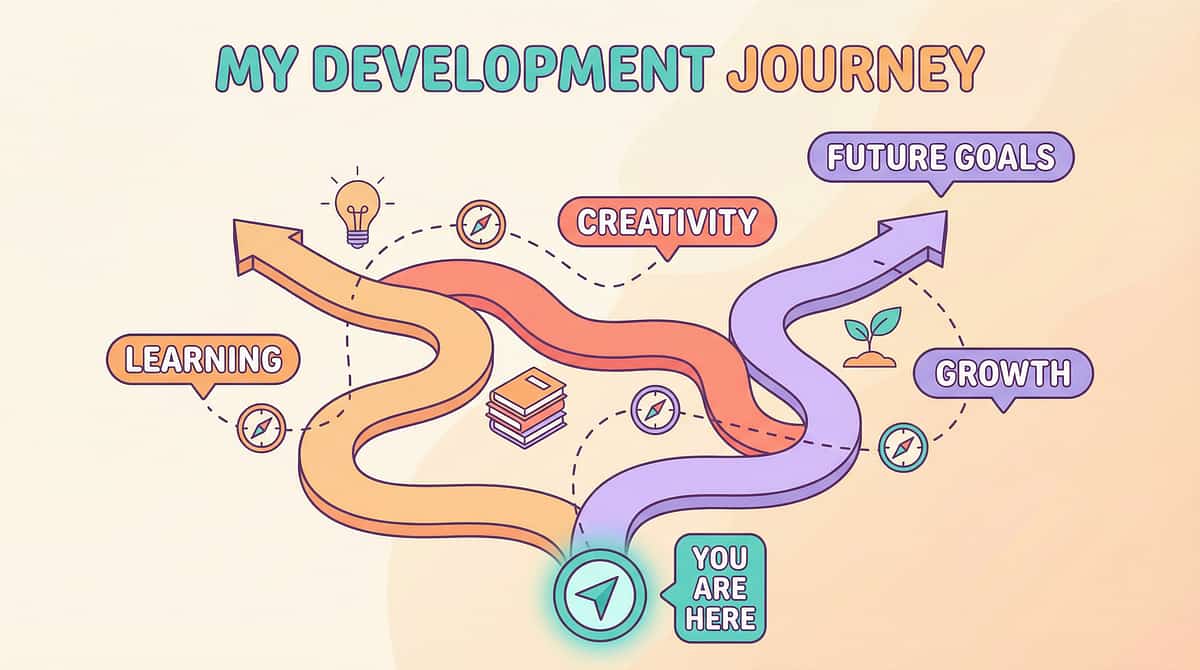
Where This Technique Leads: Your Developmental GPS
Face wiping resistance doesn't exist in isolation. It connects to a broader network of sensory and self-care techniques. Understanding the pathway helps you plan ahead and see how each skill builds toward independence.
Long-term developmental goal: Independent daily self-care hygiene routines within the Daily Living and Independence domain.
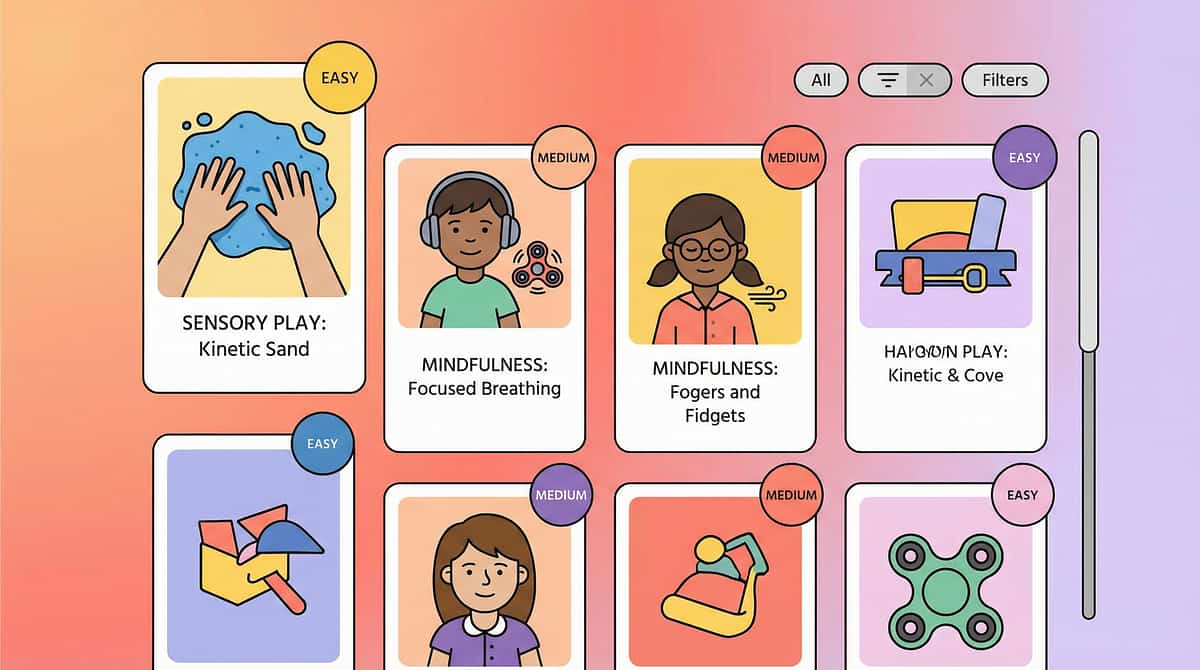
Related Sensory Techniques You Can Explore
You already own materials for these techniques. Your investment in the face wiping toolkit serves across multiple sensory challenges. Explore the full sensory domain at your pace.

A-015: Face Washing Aversion
Difficulty: Intro
Materials you already own: Warm cloth, mirror ✓
Materials you already own: Warm cloth, mirror ✓
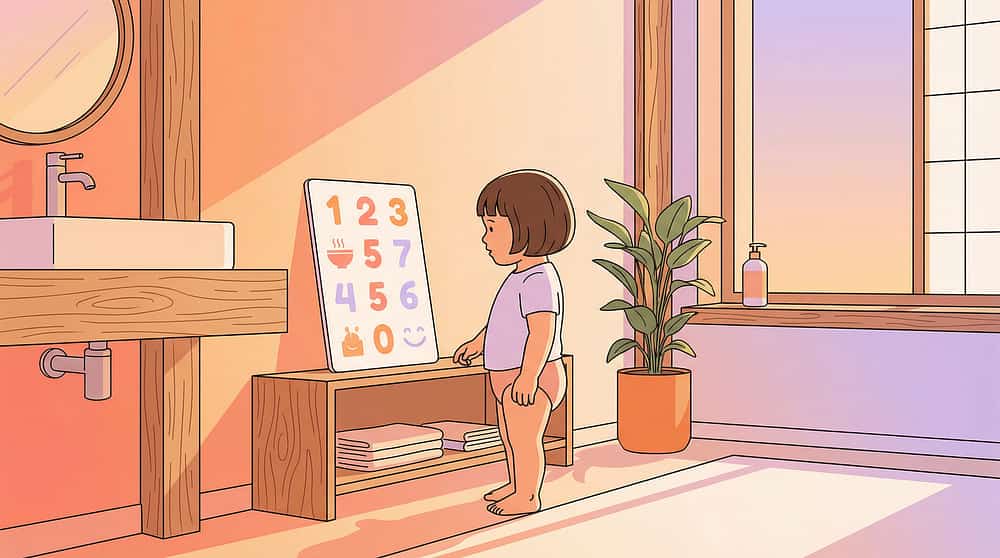
A-017: Toothbrushing Meltdowns
Difficulty: Core
Materials you already own: Visual countdown, mirror ✓
Materials you already own: Visual countdown, mirror ✓
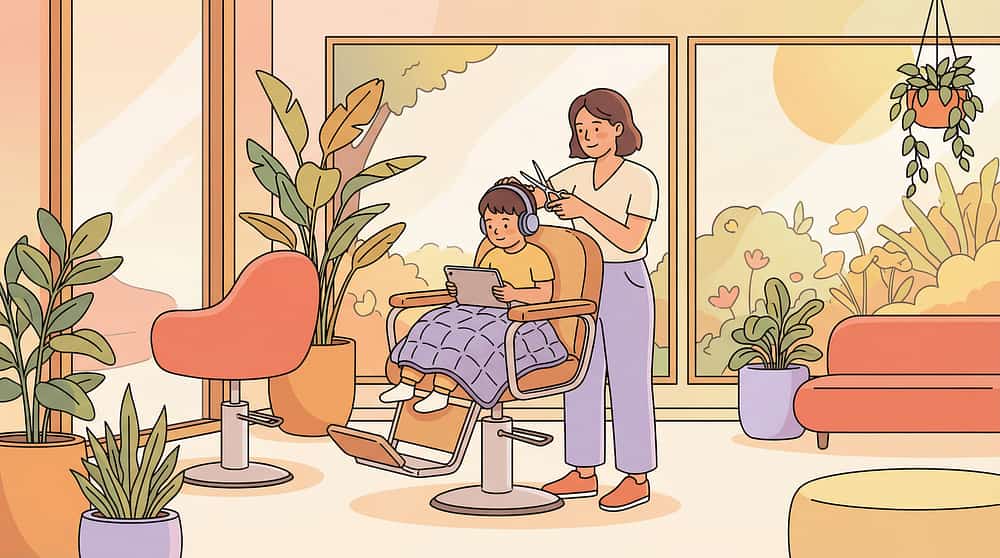
A-018: Haircut Terror
Difficulty: Core
Materials you already own: Desensitization play materials ✓
Materials you already own: Desensitization play materials ✓

A-021: Sunscreen Application Refusal
Difficulty: Core
Materials you already own: Patting tool, self-application ✓
Materials you already own: Patting tool, self-application ✓
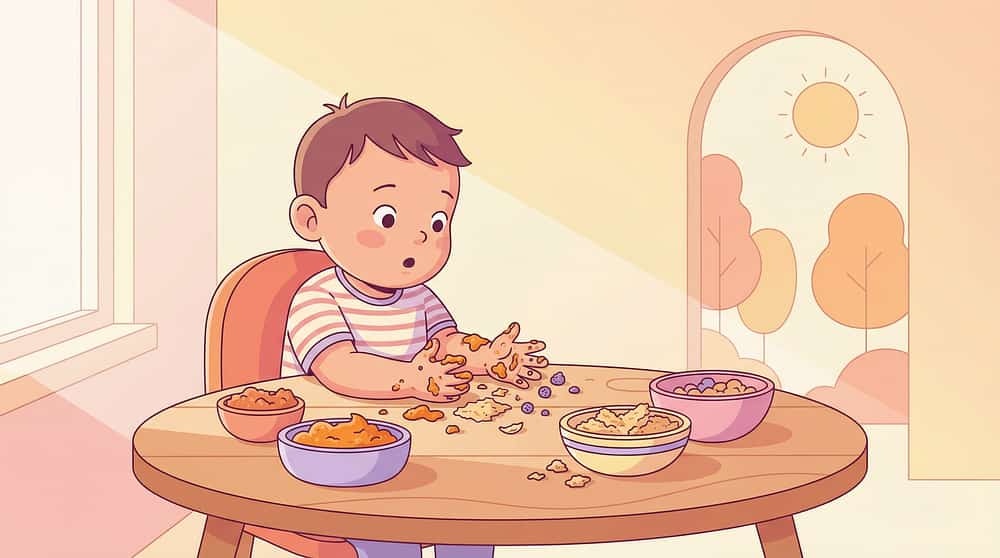
A-014: Food Texture Gagging
Difficulty: Advanced
Materials you already own: Play materials ✓
Materials you already own: Play materials ✓
A-001: Touch Sensitivity (General)
Difficulty: Intro
Materials you already own: Microfiber cloths, soft textures ✓
Materials you already own: Microfiber cloths, soft textures ✓
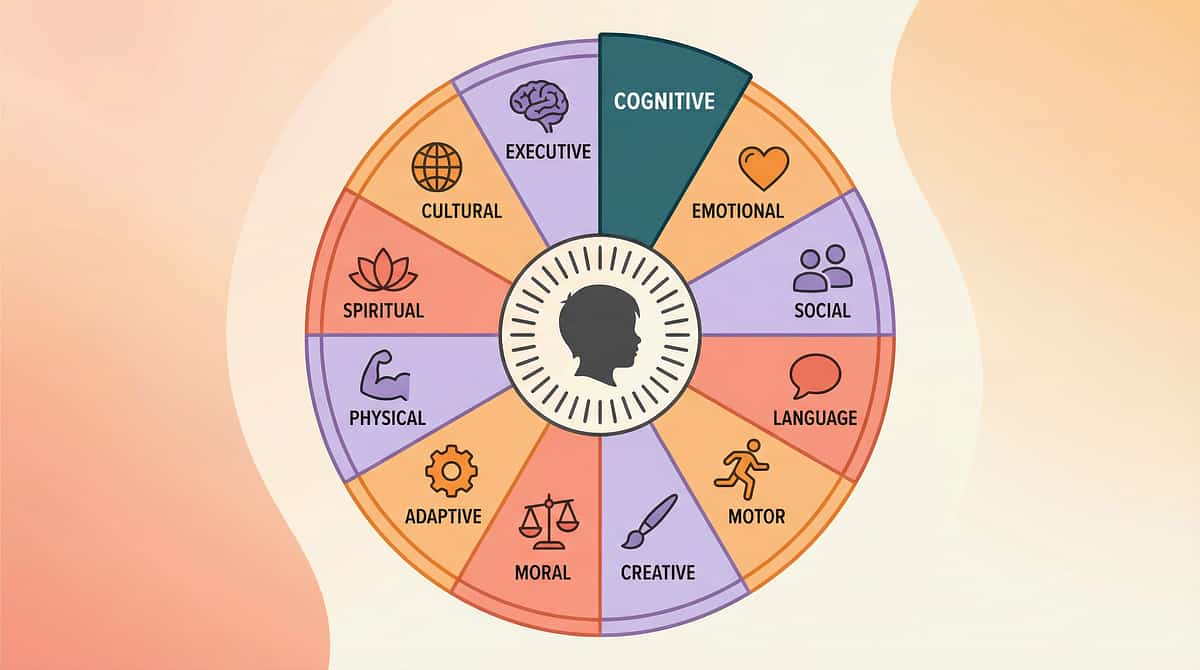
One Technique, One Piece of a Larger Plan
Face wiping resistance lives within the Sensory Processing domain — but its impact ripples across your child's entire developmental landscape. Here's how this single technique connects to the bigger picture.
A — Sensory
🔵 YOU ARE HERE
B — Communication
C — Social
D — Behavioral
H — Self-Care
K — Family Support
Cross-Domain Impact of This Technique
Domain H — Self-Care
Independent hygiene skills that build lifelong daily-living competence.
Domain K — Family Support
Reduced mealtime stress, improved caregiver confidence, calmer household routines.
Domain C — Social
Restaurant meals and family gatherings become possible without distress.
GPT-OS® Integration: Your child's AbilityScore® tracks progress across all 12 domains simultaneously. This face wiping technique contributes data to the Tactile Sensory Processing Index and Daily Living and Independence Index.

ACT V: THE COMMUNITY & ECOSYSTEM
Real Families. Real Progress.
Before: "Every meal ended in screaming. I dreaded mealtimes more than anything. My mother-in-law thought I was being dramatic."
After (8 weeks): "He reaches for his blue cloth after dinner now. Last week he wiped his own face at a restaurant. My mother-in-law cried."
— Parent, Pinnacle Network, Hyderabad
Before: "She would walk around with dried food on her face for hours rather than let me touch it. Other parents stared."
After (6 weeks): "The patting technique changed everything. No rubbing = no screaming. She lets me pat her face clean in 30 seconds."
— Parent, Pinnacle Network, Bangalore
"This child had severe facial tactile defensiveness across all modalities. We started with the barrier balm strategy — reducing the need for aggressive wiping — and paired it with countdown cards. By week 4, the child was initiating self-wiping. By week 8, independent mealtime cleanup was established."
— Senior OT, Pinnacle Blooms Network
Outcomes vary by child profile. These are illustrative cases.

You Are Not Alone: Join the Community
Connecting with other parents who understand what you're going through can be one of the most powerful supports on this journey. You don't have to figure everything out by yourself.
WhatsApp Parent Group
Sensory Mealtime Solutions — real-time tips, support, and shared wins from parents navigating the same challenges.
a {
font-size: 0.75rem !important;
font-weight: 600 !important;
text-transform: uppercase !important;
letter-spacing: 0.05em !important;
color: #3a2a4d !important;
margin-bottom: 1rem !important;
}
/* Logo Section */
.pb-footer-logo-brand {
font-size: 1.25rem;
font-weight: 600;
color: var(--primary);
margin-bottom: 0.25rem;
}
.pb-footer-logo-tagline {
font-size: 0.75rem;
color: var(--muted-foreground);
}
.pb-footer-about {
font-size: 0.875rem;
color: var(--muted-foreground);
line-height: 1.65;
margin-bottom: 1.75rem;
max-width: 420px;
}
/* Links */
.pb-footer-link,.cm-f-l-block div:last-child ul li a {
display: block;
font-size: 0.875rem !important;
color: #5b2aad !important;
text-decoration: none;
padding: 0.25rem 0 !important;
transition: color 0.2s ease !important;
}
.pb-footer-link:hover,.cm-f-l-block div:last-child ul li a:hover {
color: var(--primary-dark);
text-decoration: underline;
}
/* Materials Grid */
.pb-materials-grid {
display: grid;
grid-template-columns: 1fr;
gap: 0 1.5rem;
}
/* Contact */
.pb-contact-item {
display: flex;
align-items: center;
gap: 0.5rem;
font-size: 0.875rem;
color: #3a2a4d;
text-decoration: none;
margin-bottom: 0.75rem;
}
.pb-contact-item:hover {
color: var(--primary);
}
.pb-contact-item svg {
width: 16px;
height: 16px;
}
.pb-contact-phone svg {
color: var(--phone);
}
.pb-contact-email svg {
color: var(--primary);
}
/* Social Icons */
.pb-social-links {
display: flex;
gap: 0.75rem;
margin-top: 1.5rem;
}
.pb-social-link {
width: 40px;
height: 40px;
border-radius: 12px;
display: flex;
align-items: center;
justify-content: center;
background: var(--muted);
color: var(--muted-foreground);
transition: all 0.2s ease;
}
.pb-social-link:hover {
background: var(--primary-light);
}
.pb-social-link svg {
width: 20px;
height: 20px;
}
.pb-social-linkedin:hover {
color: #0A66C2;
}
.pb-social-youtube:hover {
color: #FF0000;
}
.pb-social-instagram:hover {
color: #E4405F;
}
/* Corporate Bar */
.pb-footer-corporate {
border-top: 1px solid var(--border);
background: #faf9fc;
padding: 1rem 0;
}
.pb-corporate-inner {
display: flex;
flex-direction: column;
gap: 0.75rem;
align-items: center;
font-size: 0.75rem;
color: var(--muted-foreground);
}
.pb-corporate-name {
font-weight: 500;
}
.pb-corporate-ids {
display: flex;
flex-wrap: wrap;
justify-content: center;
gap: 0.25rem 1rem;
}
/* Disclaimer */
.pb-footer-disclaimer {
border-top: 1px solid var(--border);
background: #faf7fd;
padding: 1.25rem 0;
}
.pb-disclaimer-text {
font-size: 0.6875rem;
line-height: 1.6;
color: var(--muted-foreground);
text-align: center;
max-width: 900px;
margin: 0 auto;
}
.pb-disclaimer-text strong {
color: #3a2a4d;
}
/* Tablet */
@media (min-width: 640px) {
.pb-materials-grid {
grid-template-columns: repeat(2, 1fr);
}
.pb-corporate-inner {
flex-direction: row;
justify-content: space-between;
}
}
/* Desktop */
@media (min-width: 1024px) {
.pb-footer-main {
padding: 4rem 0;
}
.pb-footer-grid {
grid-template-columns: 1fr 2fr 1fr;
gap: 3rem;
}
}
.card-wrapper.card-collapsed .chakra-stack {
display: none;
}