
"He Can Either Look or He Can Listen. But Not Both."
You've watched it a hundred times. Your child is engaged, listening, responding — but their eyes are anywhere except on the speaker's face. The floor. Their hands. The wall. Teachers call it rude. Relatives demand: "Look at me when I'm talking to you!" But you know something they don't. When you force him to look, the connection doesn't strengthen — it vanishes.
You're not imagining it. And you're not alone. This page will change how you understand — and support — your child's gaze.
Social Communication
Sensory Processing
Ages 3–12
Reel A-056
Neurodiversity-Affirming
Pinnacle Blooms Network® — Built by Mothers. Engineered as a System.
Drafted by: SLP + OT + BCBA + SpEd + NeuroDev Pediatrician Consortium
Drafted by: SLP + OT + BCBA + SpEd + NeuroDev Pediatrician Consortium
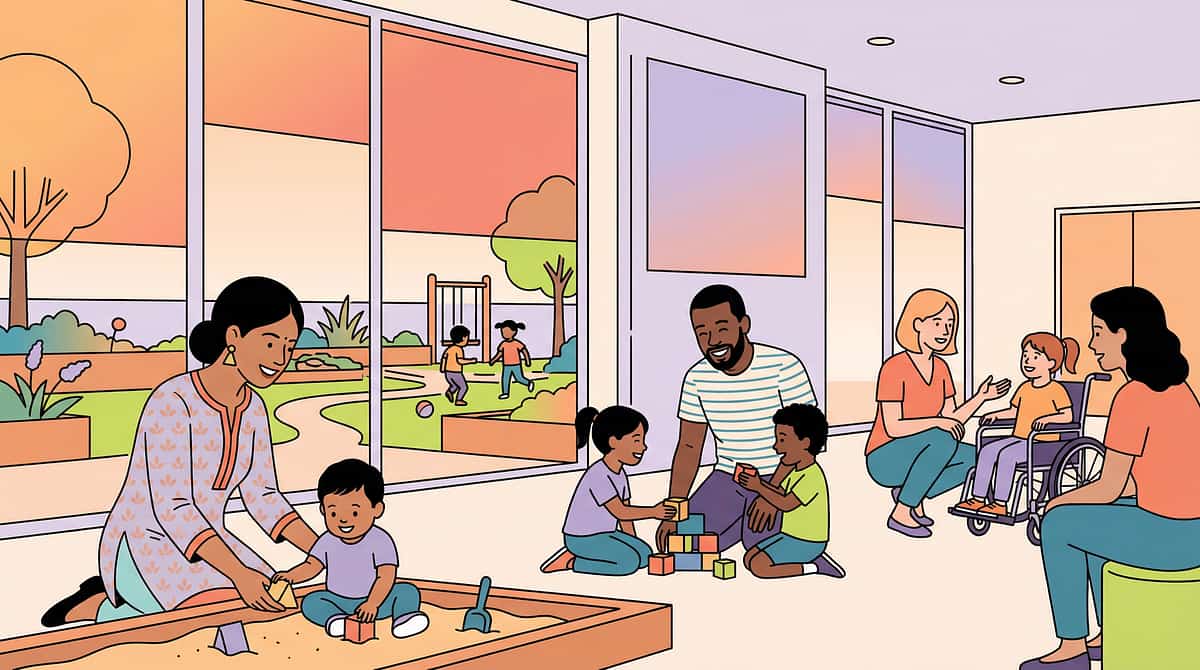
You Are Not Alone — The Science of Gaze Avoidance
Eye contact avoidance is one of the most commonly observed — and most commonly misunderstood — differences in neurodivergent children. Research consistently shows this is neurological, not behavioural.
50–70%
Gaze Differences
of autistic children show measurable differences in social gaze patterns (Trevisan et al., 2017)
83%
Report Discomfort
of autistic adults report eye contact as uncomfortable, causing sensory discomfort (Autism Research, 2017)
1 in 36
Children with ASD
identified in the United States (CDC, 2023) — millions of families navigate gaze differences daily
0%
Forced Eye Contact
of forced eye contact interventions demonstrate improved genuine social connection (Neurodiversity-affirming practice review)
"Eye contact avoidance is one of the most common reasons families seek support at Pinnacle Blooms. Across 20M+ 1:1 therapy sessions and 70+ centres, our consortium has developed neurodiversity-affirming approaches that build functional social gaze without forcing what hurts."
Trevisan et al. (2017), Autism Research | CDC MMWR (2023) | ASAN Position Statements
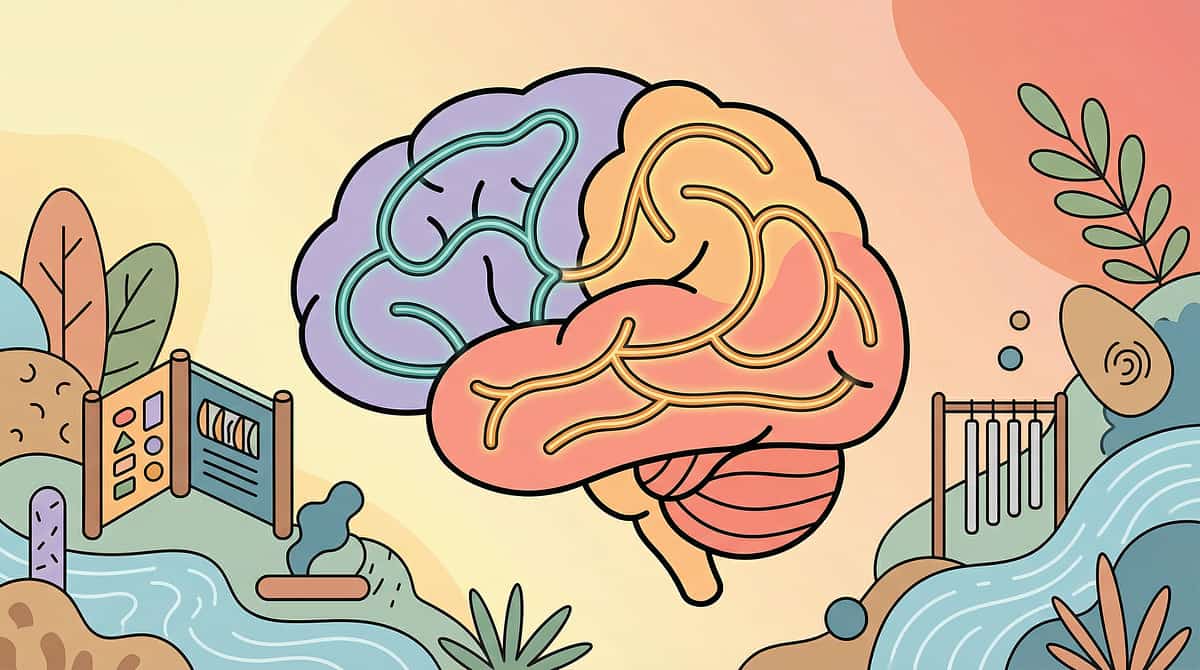
Why Looking at Eyes Overwhelms Your Child's Brain
This is not defiance. This is not bad manners. This is neurology. When your child says eye contact feels "too bright," "too loud," or "too much" — they are describing their genuine neurological experience accurately.
🔆 Sensory Intensity Overload
The human eye and face are the most information-dense visual stimuli in the environment. Eyes move, change expression, convey emotion, shift brightness — all simultaneously. For a brain with sensory processing differences, this is like staring at a strobe light while trying to have a conversation. The fusiform face area (FFA) and amygdala show atypical activation patterns in many autistic individuals.
🧠 The Look-or-Listen Phenomenon
When your child maintains eye contact, their brain allocates so many resources to managing the visual-social input that fewer resources remain for auditory processing and comprehension. This is why they literally cannot look AND listen at the same time. The cognitive load of gaze management competes directly with language processing.
👁️ Reciprocal Demand Stress
Unlike looking at an object, eyes look back. This creates a two-way information stream that doubles the processing demand. A photograph of eyes is easier than a video. A live person looking away is easier than a live person looking directly at you. The reciprocal nature is uniquely overwhelming.
"This is a wiring difference, not a behaviour choice. Your child's brain processes eye contact differently than yours. Believing them when they say it's too much is the first step toward helping them."
Frontiers in Integrative Neuroscience (2020) DOI: 10.3389/fnint.2020.556660 | Hadjikhani et al. (2017), Scientific Reports

Where Eye Contact Avoidance Sits in Your Child's Development
Your child is on a developmental journey. This technique meets them exactly where they are and moves forward at their pace — not at the pace others demand.
1
0–3 Months
Typical: Preference for face-like stimuli. You may see: Reduced face preference, more interest in objects.
2
3–12 Months
Typical: Social smile with gaze; joint attention emerging. You may see: Indirect gaze, reduced gaze referencing.
3
1–3 Years
Typical: Points and looks to share. You may see: Points but may not check adult's face.
4
4–8 Years
Most common intervention window. Social awareness zone — child becomes aware their gaze is "different." School demands increase, social pressure mounts.
5
8–12 Years
Ready for self-advocacy, gaze alternatives, and conscious strategy building. Self-consciousness and social strategy development emerge.
Comorbidity Awareness: Eye contact avoidance commonly co-occurs with auditory processing differences (A-055), touch sensitivity (A-057), difficulty reading facial expressions (A-058), social anxiety, and broader sensory processing differences. These are not separate problems — they are facets of a unified sensory-cognitive profile.
WHO/UNICEF Care for Child Development Package (2023) | PMC9978394

The Evidence Behind This Technique
★★★★ Level II Evidence
Systematic Reviews
Clinical Consensus
Neuroscience Research
This technique is not guesswork — it emerges from converged evidence across neuroscience, clinical trials, systematic reviews, and 20M+ therapy sessions at Pinnacle Blooms Network.
PRISMA Systematic Review, 2024 (PMC11506176) | 16 studies from 2013–2023 confirm sensory integration intervention is evidence-based practice for children with ASD. Social skills improvement documented across multiple trials. | |
Meta-Analysis, World J Clin Cases, 2024 (PMC10955541) | Across 24 studies, sensory-informed interventions effectively promoted social skills, adaptive behaviour, and sensory processing in autistic children. | |
Indian RCT, Indian J Pediatrics, 2019 | Home-based sensory interventions demonstrated significant outcomes when parents were trained and supported — validating the approach this page teaches you. | |
Trevisan et al., 2017, Autism Research | Autistic adults report that eye contact is uncomfortable, causes sensory discomfort, and interferes with processing — confirming what children tell us but cannot always articulate. | |
WHO Nurturing Care Framework, 2018 | Responsive caregiving that respects the child's communication style is a core component of evidence-based developmental support. | |
NCAEP Evidence-Based Practices, 2020 | Video modelling, social stories, and environmental arrangement are classified as evidence-based practices for autism. |
"Clinically validated. Home-applicable. Parent-proven."
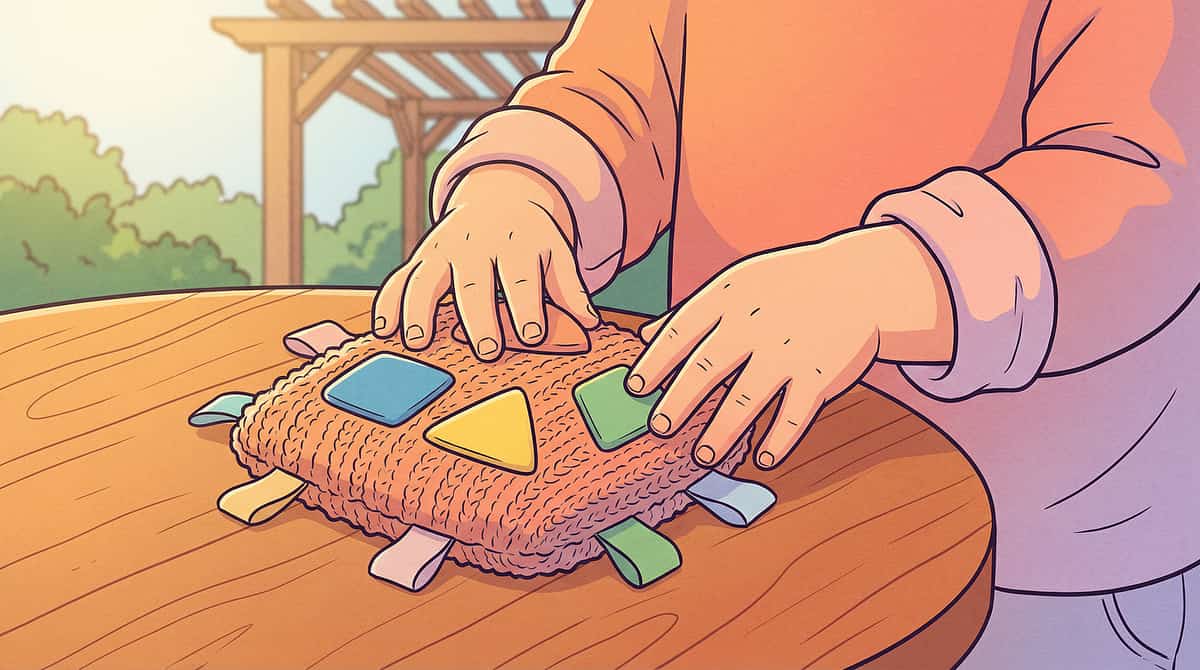
Building Functional Social Gaze
Parent-Friendly Name: "Comfortable Looking — On Their Terms"
A neurodiversity-affirming intervention technique that builds a child's capacity for functional social gaze — the ability to orient toward faces and use gaze in social interactions in ways that are comfortable, sustainable, and authentic — without forcing direct eye contact that overwhelms them.
This is NOT about making your child look "normal." This IS about giving them a toolbox of gaze strategies so they can participate in social life on their terms while the world around them learns to understand their difference.
Domain
Social Communication + Sensory Processing
Age Range
3–12 years (adaptable younger/older)
Session Duration
10–20 minutes
Frequency
Daily integration — woven into life, not isolated "sessions"
Difficulty
Introductory → Core → Advanced (progressive)
Setting
Home + School + Social Situations
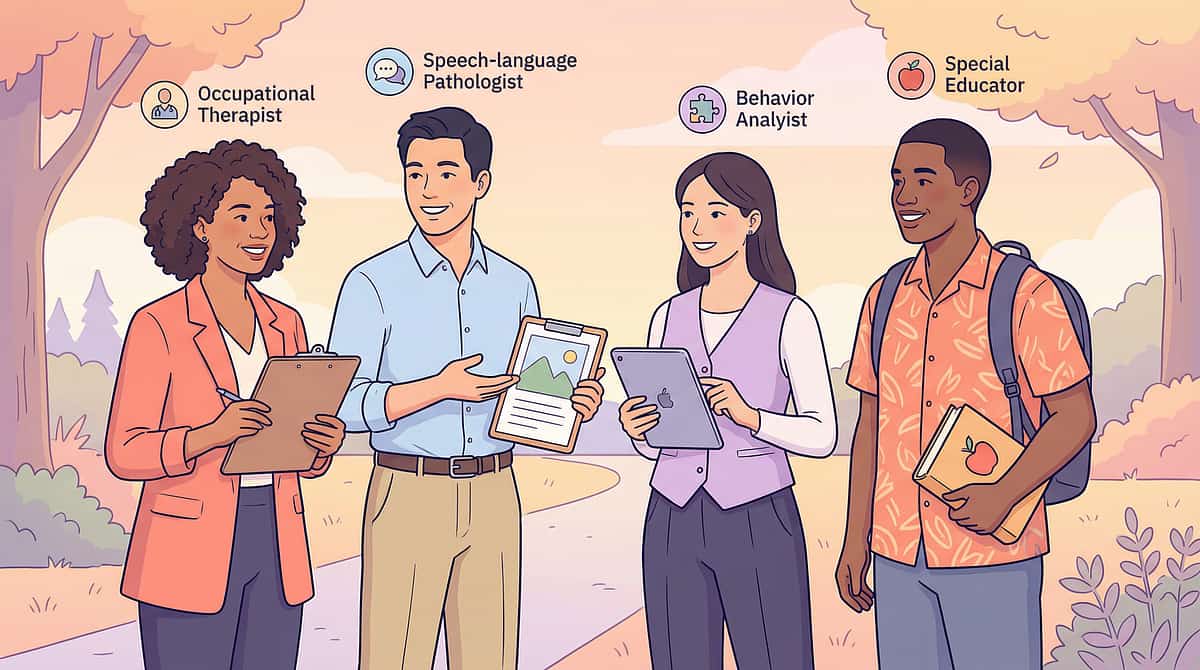
Who Uses This Technique — The Consortium Approach
This technique crosses therapy boundaries because the brain doesn't organise by therapy type. True support requires a coordinated, multi-disciplinary team working toward one shared goal.
Occupational Therapy — PRIMARY
Addresses the sensory processing foundation — visual sensitivity, regulation support, environmental modification. The OT builds neurological capacity for gaze tolerance through sensory integration strategies.
Speech-Language Pathology — PRIMARY
Addresses social communication function — pragmatic language, joint attention, conversational gaze patterns. The SLP builds the social-communicative purpose behind looking.
Applied Behaviour Analysis — SUPPORTING
Addresses graduated exposure, reinforcement of functional gaze, self-advocacy skill building. The BCBA structures systematic tolerance-building and reinforcement.
Special Education — SUPPORTING
Addresses classroom integration — educating teachers, creating accommodation plans, building self-advocacy scripts. The SpEd bridges therapy to school life.
NeuroDevelopmental Paediatrician — ADVISORY
Assesses underlying neurology, rules out vision concerns, monitors developmental trajectory, and prescribes tinted lenses if indicated.
"At Pinnacle Blooms, this technique is delivered through the FusionModule™ — which coordinates all disciplines into a single converged therapeutic pathway. Your child doesn't receive fragmented therapy; they receive integrated care."
UNICEF/WHO Nurturing Care Framework for SLPs (2022) DOI: 10.1080/17549507.2022.2141327

What This Technique Targets — Precision, Not Guesswork
What You Will See (Progress)
- Child looks toward faces more often without distress
- Uses gaze alternatives naturally (nose bridge, forehead)
- Initiates side-by-side conversations
- Self-advocates: "I hear better when I look away"
- Communicates more freely when gaze pressure is reduced
What You Will Not See (Not the Goal)
- Forced sustained eye contact
- Anxious staring to comply with demands
- Masking at the cost of emotional wellbeing
- Neurotypical-appearing gaze patterns
- Loss of authentic interaction style
Reference: PMC10955541 (Meta-analysis on social skills, adaptive behaviour, sensory processing)
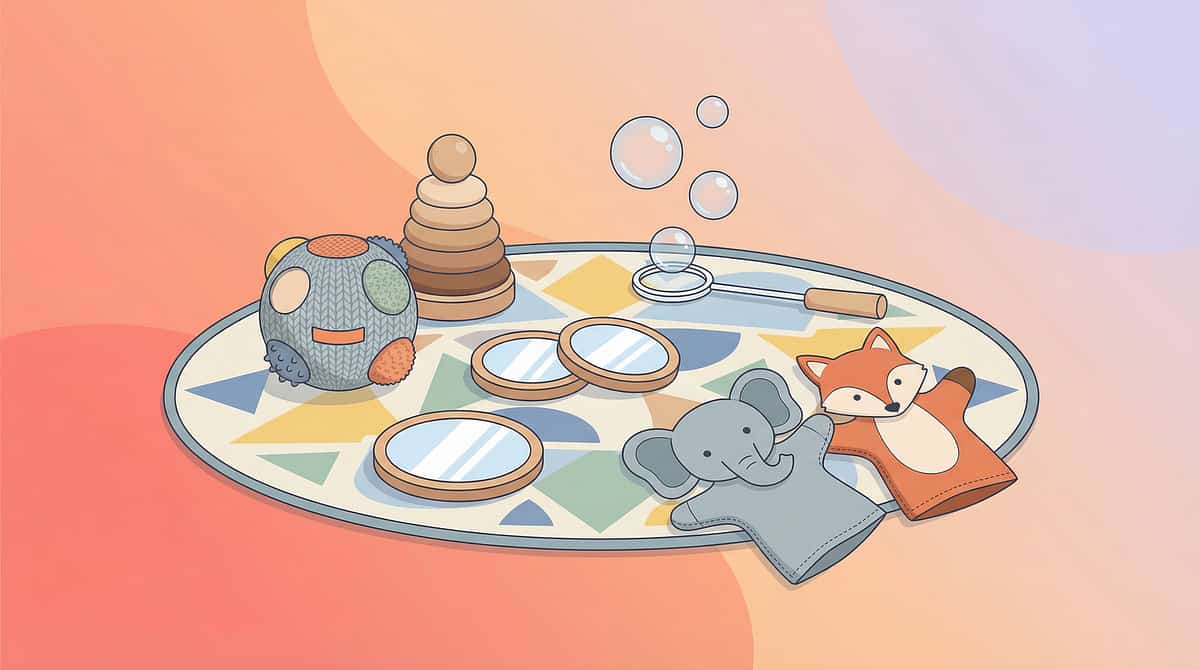
Your 9-Material Toolkit for Functional Social Gaze
Every family can begin today. Four of the nine materials cost absolutely nothing — and the full toolkit can be assembled for as little as ₹0–5,000 depending on what you already have at home.
1
Side-by-Side Activity Setups
Remove face-to-face gaze pressure entirely. Walking, puzzles, cooking together. Cost: ₹0–2,000
2
Gaze Target Alternatives Training
Learn to look near eyes, not at them. Mirror + guided practice. Cost: ₹0–500
3
Sunglasses & Tinted Lenses
Reduce visual intensity of faces. Start with regular sunglasses. Cost: ₹500–5,000
4
Video Modelling Materials
Learn social gaze without live pressure. Phone/tablet + family videos. Cost: ₹0–2,000
5
Graduated Exposure Hierarchy
Build tolerance step by step. Printed photo hierarchy. Cost: ₹0–1,000
6
Face Games & Play-Based Practice
Build positive associations with looking. Expression cards, puppets, mirror. Cost: ₹200–2,000
7
Social Stories & Scripts
Understanding and self-advocacy. Handwritten personalised stories are free. Cost: ₹0–1,000
8
Fidgets & Regulation Tools
Free up cognitive capacity for social gaze. Stress ball, textured fidget. Cost: ₹100–1,000
9
Advocacy & Education Materials
Educate others about gaze differences. Handout for teachers. Cost: ₹0–500
Start Today with Zero Cost: Side-by-side activities + gaze alternatives mirror practice + handwritten social stories + printed advocacy handout. Four of nine materials cost nothing.
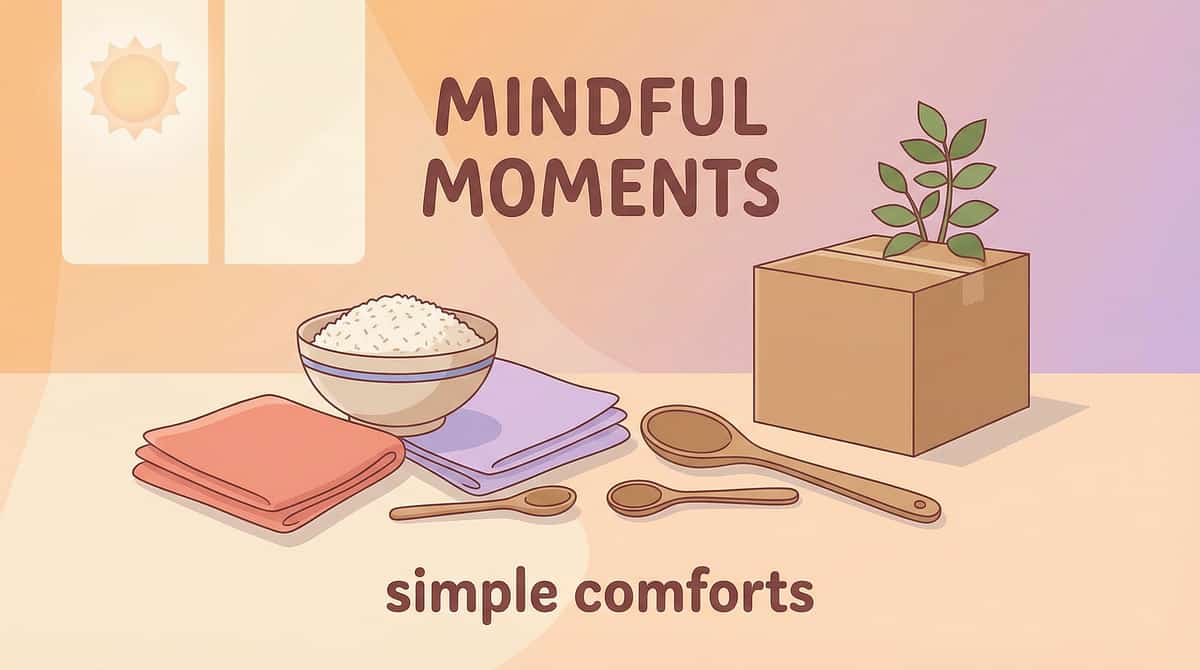
DIY & Zero-Cost Alternatives — Every Family Can Start Today
Every parent, regardless of economic situation, can execute this technique TODAY with household items. This is the WHO/UNICEF inclusion principle in action — the therapeutic value is in the interaction, not the product.
Material | Buy Option | Zero-Cost DIY Alternative | |
Side-by-Side Setups | Board games, puzzles | Walk together. Cook together. Garden together. Do laundry together. Any parallel activity. | |
Gaze Alternatives | Printed face diagrams | Mirror at home. Draw a face on paper marking nose bridge, forehead, mouth. Practise together. | |
Tinted Lenses | Children's sunglasses (₹200+) | Regular sunglasses. Try coloured cellophane over regular glasses for experimenting with tint. | |
Video Modelling | Social skills video programmes | Record family members having conversations on your phone. Pause and discuss natural gaze patterns. | |
Graduated Exposure | Printed hierarchy charts | Cut out face photos from magazines. Arrange from least to most challenging. Progress together. | |
Face Games | Expression card games, puppets | Silly face contests (free!). Make sock puppets. Draw expressions on paper plates. Mirror face games. | |
Social Stories | Published books | Write your own: "Many people look at each other's eyes. My brain finds this very hard. I can show I'm listening in other ways..." | |
Fidgets | Commercial fidget tools | Rubber band on wrist. Smooth stone in pocket. Piece of fabric to rub. Blu-tack or clay to squeeze. | |
Advocacy Materials | Printed handouts | Write a note to the teacher: "My child finds eye contact overwhelming. They show attention by [specific behaviours]. Please don't require eye contact." |
"The WHO Nurturing Care Framework emphasises context-specific, equity-focused interventions. The 'zero-cost version' of every technique in the Pinnacle system works because the therapeutic principle is in the interaction, not the product." — PMC9978394 | WHO NCF Handbook (2022)

⚠️ Safety First — Before You Begin
Your child's safety and emotional wellbeing are the non-negotiables of every session. Read these guidelines carefully before starting, and revisit them whenever a session feels difficult.
🔴 DO NOT PROCEED IF:
- Your child is in active distress, meltdown, or shutdown
- Your child has a recent or suspected eye injury or vision concern
- Your child has experienced trauma involving faces or intense eye contact (seek professional guidance first)
- You feel frustrated, impatient, or pressured — your state affects theirs
🟡 MODIFY THE SESSION IF:
- Your child is tired, hungry, or has just returned from a high-demand environment
- Your child is recovering from a recent meltdown (wait at least 30 minutes)
- Sensory environment is overwhelming (too noisy, too bright, too crowded)
- Your child explicitly says they don't want to do this today — respect their autonomy
🟢 PROCEED WHEN:
- Your child is calm, fed, rested, and in a regulated state
- Environment is controlled (quiet, comfortable, familiar)
- You are calm, patient, and prepared to follow the child's lead
- Materials are ready and within reach
- You have 15–20 minutes without interruption
ABSOLUTE RED LINES — STOP IMMEDIATELY IF: The child shows signs of acute distress (crying, freezing, fleeing, aggression). The child says "stop," "no more," or any equivalent communication. The child's body becomes rigid or they dissociate. Any attempt begins to feel like forcing — if it feels like force, it IS force.
"The goal is NEVER compliance. The goal is comfortable capacity-building. The moment an activity causes distress rather than engagement, it has crossed the line from therapeutic to harmful. Trust your child's responses. They are the ultimate authority on their own experience."
"The goal is NEVER compliance. The goal is comfortable capacity-building. The moment an activity causes distress rather than engagement, it has crossed the line from therapeutic to harmful. Trust your child's responses. They are the ultimate authority on their own experience."
Reference: DOI: 10.1007/s12098-018-2747-4 (Indian J Pediatrics RCT — home-based safety protocols)
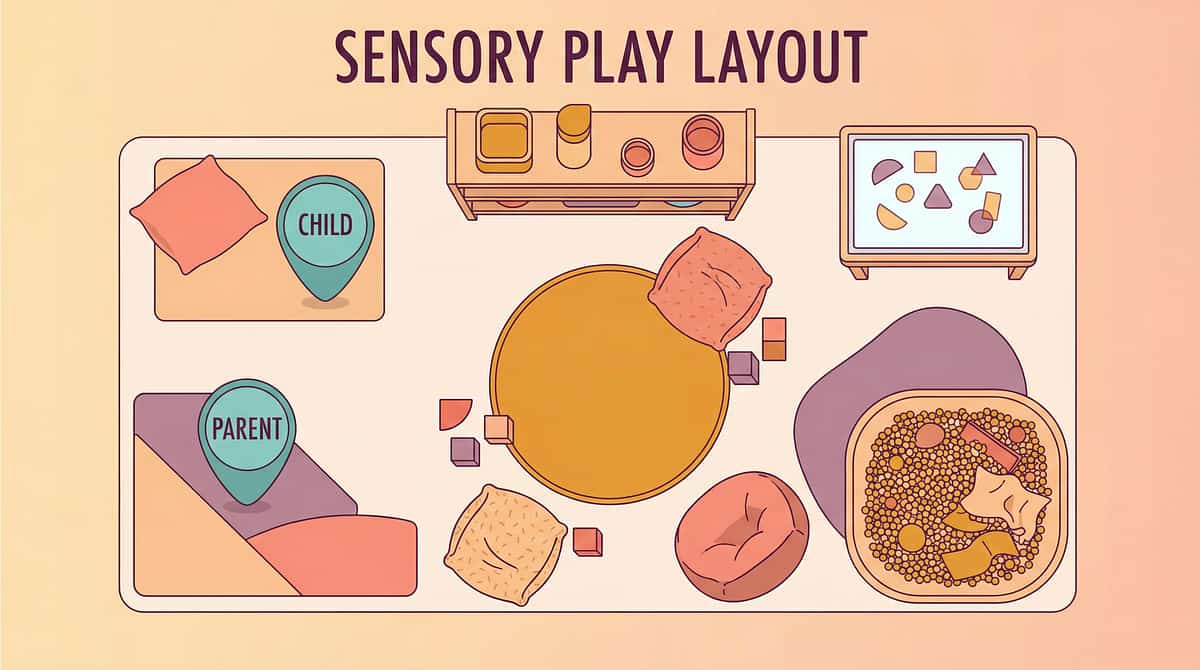
Set Up Your Space — Environment Design for Gaze Comfort
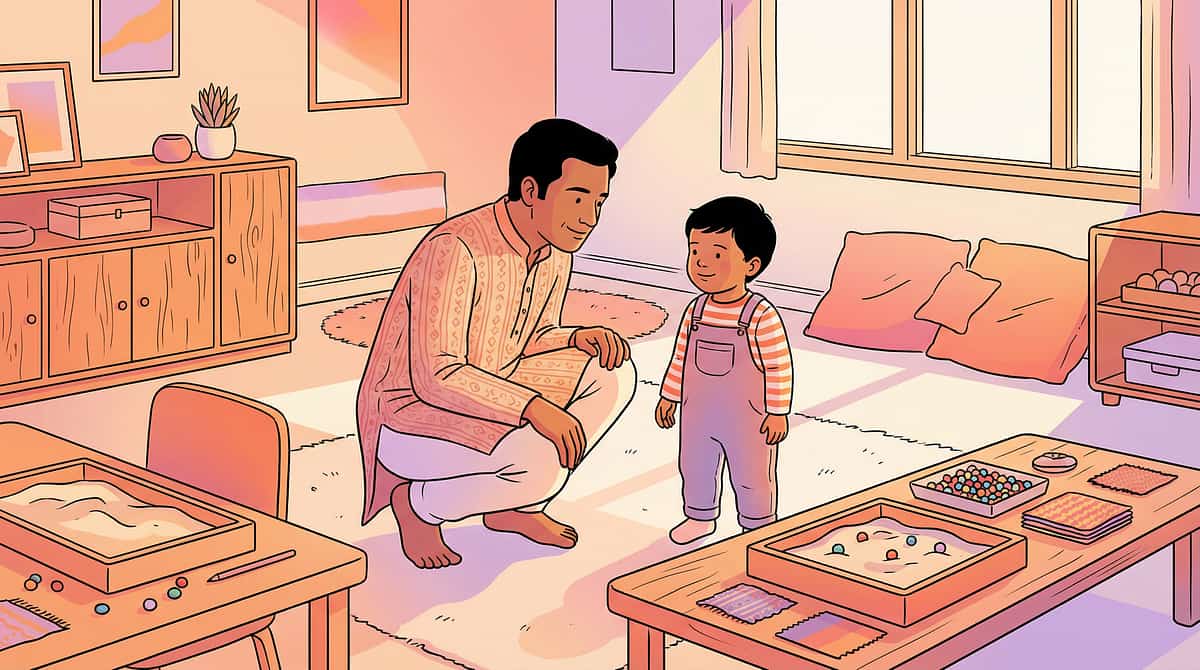
The environment is not a backdrop — it is part of the therapy. A well-prepared space dramatically increases the likelihood of a successful, comfortable session. Take five minutes to set this up before you invite your child.
💡 Lighting
Soft, indirect natural light. No fluorescent. No overhead glare. Harsh lighting increases visual intensity — the very thing we're reducing.
🔇 Sound
Quiet environment. Minimise background noise. Auditory competition means fewer resources available for visual-social processing.
🪑 Seating
Two options ready: (a) Side-by-side on a sofa/floor, (b) 45-degree angle — never directly face-to-face. Let the child choose their preferred orientation.
📏 Distance
3–5 feet apart initially. Closer only as comfort grows. Greater distance reduces gaze intensity naturally.
🚪 Escape Route
Child can leave the space at any time. Door open. No physical blocking. Knowing they can leave reduces anxiety about being trapped in a gaze demand.
🧸 Comfort Items
Child's preferred fidget, comfort object, or regulation tool within reach from the start of the session.
Parent Position: Sit at the child's level. Side-by-side preferred initially. If face-oriented, position at 45-degree angle, not directly opposite. Your body language should communicate "I'm available" — not "I'm watching you."
Is Your Child Ready? — The 60-Second Readiness Check
The best session is one that starts right. A calm child in a prepared space with a patient parent will accomplish more in 5 minutes than a stressed child in a chaotic space with a rushed parent will in 30. Do this check every single time.
Child is fed
Not hungry, not immediately post-meal
Child is rested
Not overtired, not just woken
Child is regulated
No recent meltdown, not currently dysregulated
Child is not ill or in pain
Any physical discomfort will undermine the session entirely
Environment is set up
Per the guidance in the Setup card above
YOU are calm and patient
Not in a hurry, not anxious about progress
✅ All Green
Proceed to Step 1 — The Invitation
🟡 1–2 Amber
Modify: Use the simplified, lowest-demand version (side-by-side activity only)
🔴 Any Red
Postpone: Do a calm, non-demand activity together instead (drawing, music, a walk)

Step 1
The Invitation — Never a Demand
You are inviting your child into an interaction, not commanding compliance. The language, tone, and approach should feel like an offer they genuinely want to accept. If it feels like pressure, it is pressure — and it will not work.
1
For Younger Children (Ages 3–5)
"Hey! Want to play a silly face game with me? I'm going to make the silliest face and you have to guess what I'm feeling!"
2
For Middle Children (Ages 5–8)
"I found something cool I want to show you. Come sit next to me and let's look at it together." (Start side-by-side, shared attention — not face-to-face.)
3
For Older Children (Ages 8–12)
"I read something interesting about how brains work differently. Want to hear about it? We could walk and talk." (Side-by-side, intellectual framing, respects their maturity.)
What if they say no? Accept it. "Okay, maybe later." A declined invitation is not failure — it's your child exercising autonomy. Try again tomorrow with a different framing. Never push through a refusal.
Duration: 1–2 minutes for invitation and transition into shared activity.

Step 2
Building Shared Attention Before Any Gaze Work
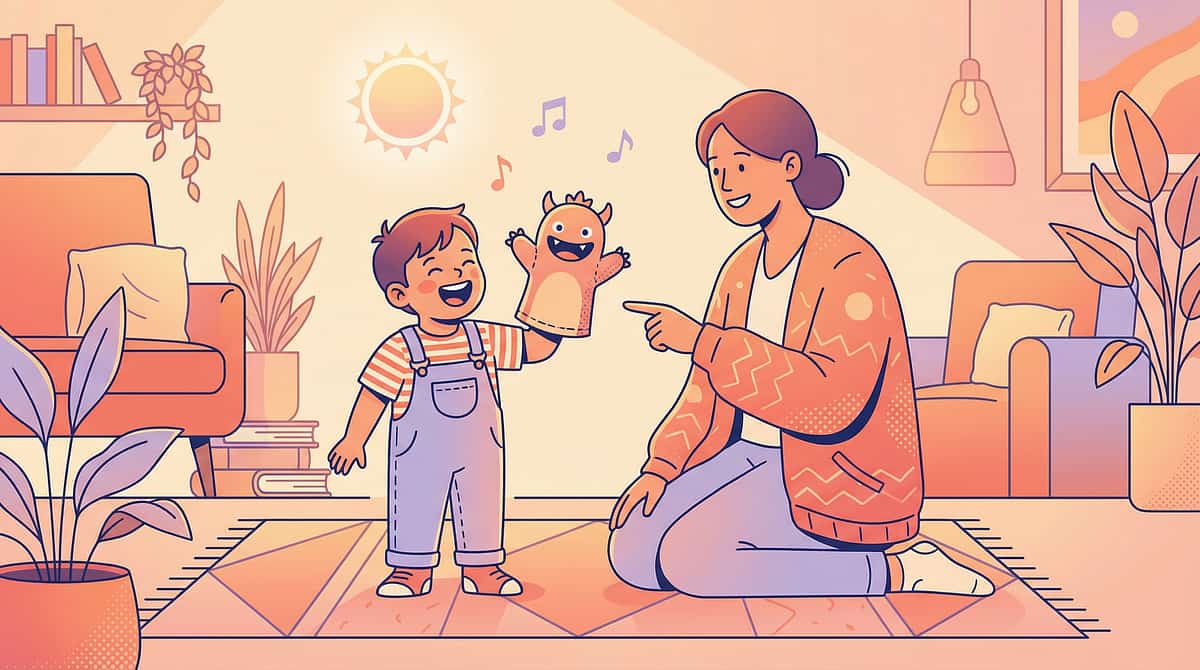
Before any gaze-related activity, establish positive shared attention through a preferred activity. This regulates the child and creates a positive emotional context. Do not skip this step — it is the foundation that makes everything else possible.
What you're building is positive association. Your child's brain is registering: "This interaction is safe. This person is not going to force me to look. I can relax." That foundation is what makes the gaze work possible.
Duration: 3–5 minutes of pure shared enjoyment — no agenda, no gaze work yet. Follow the child's lead in conversation and activity.
Reference: PMC11506176 (Engagement as prerequisite for therapeutic action)
Step 3
The Therapeutic Action: Material-Based Gaze Building
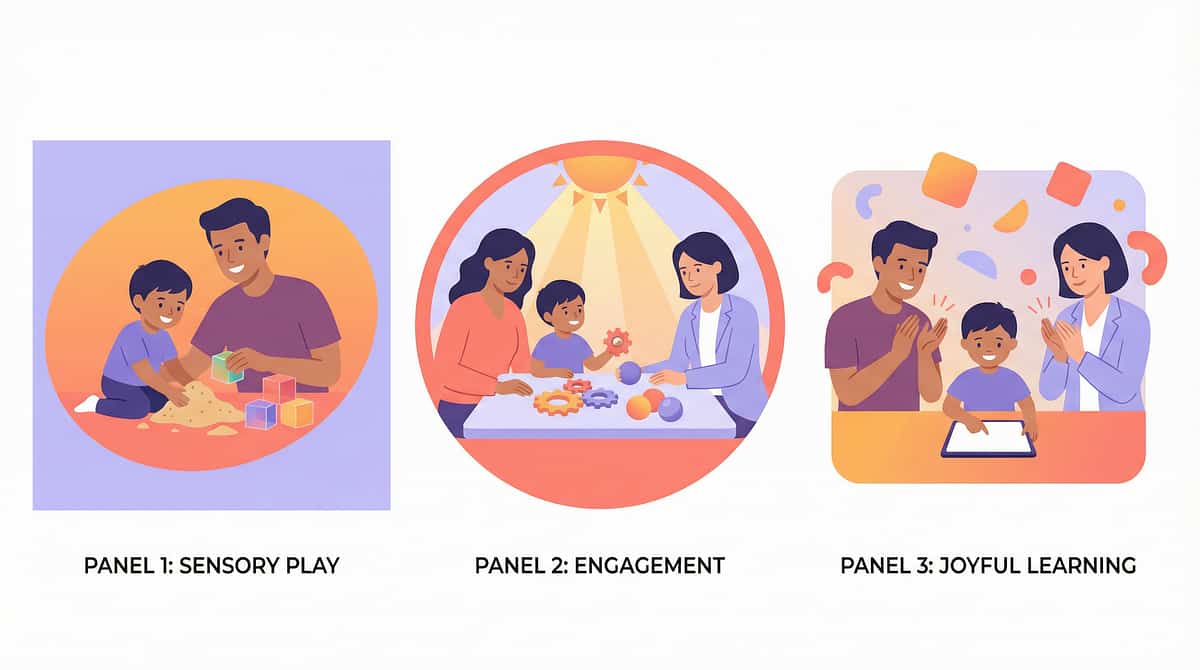
Choose your material for today's session. Rotate through materials across sessions to maintain engagement and build a broad repertoire of strategies. Each option targets the same underlying goal through a different pathway.
Option A: Side-by-Side Connection (Material #1)
While doing your shared activity, notice and celebrate the natural gaze moments that happen organically. "I noticed you looked at me when you were telling me about that — I loved hearing your story." No demand. Just noticing.
Option B: Gaze Alternatives Practice (Material #2)
Using a mirror together: "Did you know you can look at someone's nose and they think you're looking at their eyes? Let's try it! Look at my nose... see? I can't even tell the difference!" Make it a discovery, not a drill.
Option C: Face Games (Material #6)
Play the expression guessing game: make a face → child guesses the emotion. Then switch: child makes a face → you guess. Looking at faces becomes fun, not demanded.
Option D: Video Modelling (Material #4)
Watch a short video clip of people talking together. Pause at natural gaze moments: "See how she looks at him for a second, then looks at her hands, then back? That's what most people do — they don't stare constantly."
Option E: Graduated Exposure (Material #5)
Today's level on the hierarchy. Start where the child is comfortable. One step only. Never rush to the next level within a single session.
✅ Ideal
Child is engaged, laughing, trying strategies willingly
🟡 Acceptable
Child participates with some hesitation but no distress
🔴 Step Back
Child shows tension, avoidance, or distress — return immediately to side-by-side comfort
Core Action Duration: 5–8 minutes of material-based practice
Reference: PMC10955541 (Session structure efficacy)
Step 4
Repeat & Vary — 3 Good Reps > 10 Forced Reps
Repetition builds neural pathways — but only when the repetitions are joyful and willing. Quality of engagement, not quantity of practice, drives neuroplastic change. Watch your child carefully for satiation signals.
Repetition Guidance
- Target: 3–5 natural repetitions of today's gaze activity
- Vary within the same principle: different expressions, topics, or humour
- Watch for satiation — when energy dips or responses become mechanical, STOP
Variation Options
- Switch from your face to a family photo
- Change the game (from expression guessing to silly faces)
- Add humour — unexpected faces, exaggerated expressions
- Let the child lead — they choose the next face, expression, or game
Satiation Indicators — Stop When You See:
- Child looks away more frequently (from boredom, not overwhelm)
- Responses become one-word or rote
- Physical restlessness increases
- Child says "again?" with noticeably less enthusiasm
"3 joyful repetitions build more neural pathways than 10 reluctant ones. The quality of engagement — not the quantity of practice — drives neuroplastic change."
Duration: 3–5 minutes
Step 5
Reinforce & Celebrate Every Step Forward
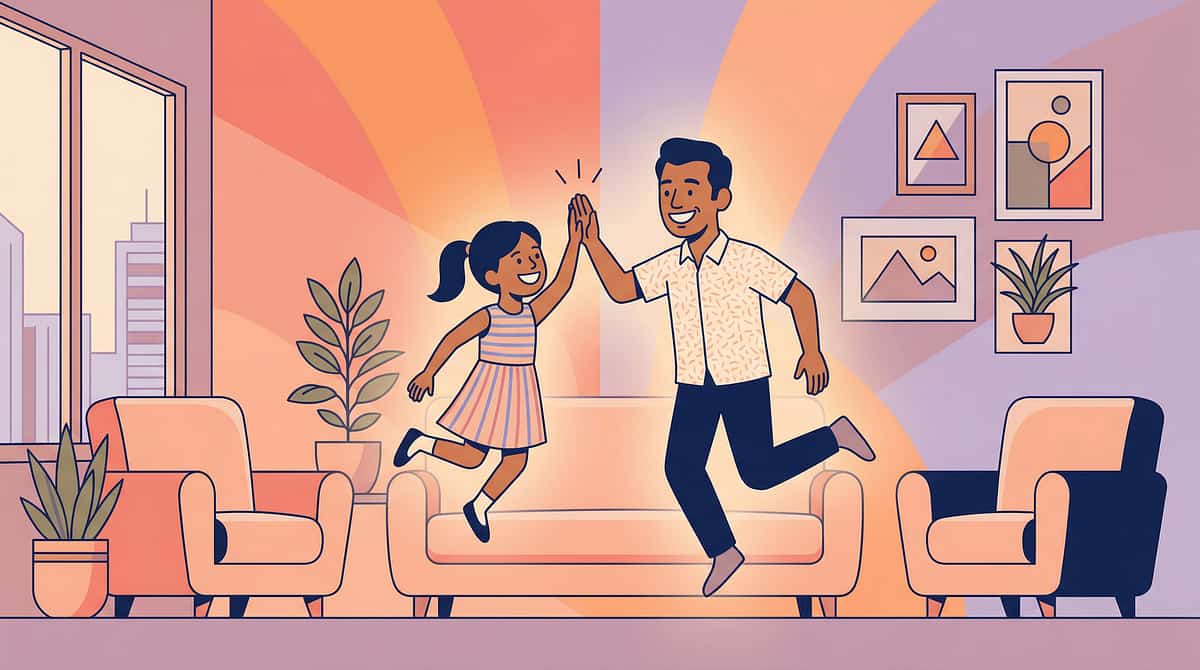
Reinforcement is not a reward sticker — it is the signal your child's brain uses to decide whether this behaviour is worth repeating. Deliver it immediately, specifically, and with genuine warmth. Timing, specificity, and enthusiasm are everything.
Immediate (During Activity)
"That was awesome — you looked right at my nose and I totally thought you were looking at my eyes!" Deliver within seconds of the behaviour.
Specific (After Activity)
Name exactly what went well: "You tried looking at my forehead today even though it was hard. That took courage." Never use generic praise like "Good job."
From the Reinforcement Menu
Let the child choose: verbal praise, preferred activity time (5 minutes of their choice), token/sticker toward a larger goal, or a natural consequence like "Let's walk again tomorrow!"
Timing is everything: Immediate > Delayed. Specific > Generic. Enthusiastic > Calm. The reinforcement should arrive within seconds of the behaviour, name exactly what was done well, and be delivered with genuine warmth.
Reference: ABA reinforcement scheduling literature | PMC11506176
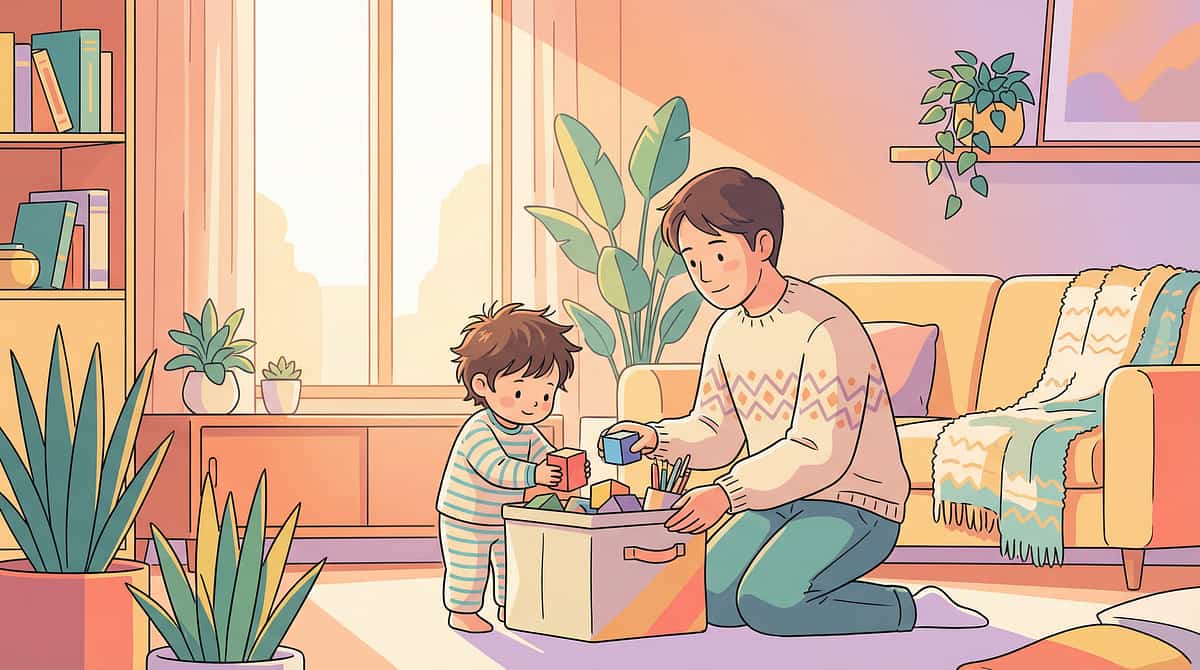
Step 6
Cool-Down — Returning to Baseline
Even a positive gaze session requires the child to use significant cognitive and sensory resources. Cool-down allows their system to return to baseline before re-entering everyday demands. Skipping this step leads to post-session irritability and reduces willingness for the next session.
Transition Script: "Great practice today. Remember, you don't have to look at everyone's eyes all the time. You have lots of ways to show you're listening. Let's go [preferred activity]."
Duration: 3–5 minutes of gentle, undemanding transition. No performance required. No gaze expectations.
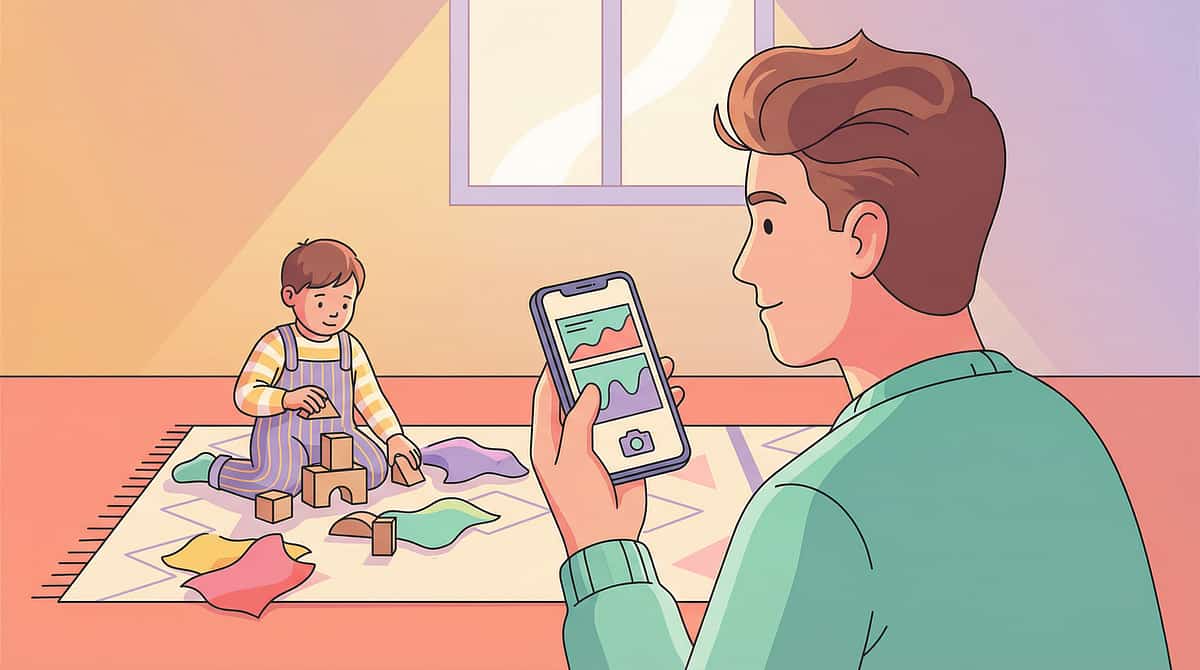
Track What Matters — Simple Session Log
Data transforms guesswork into personalised guidance. GPT-OS® uses session logs to adjust difficulty, suggest materials, and predict when your child is ready to advance. Five questions. Thirty seconds. Significant impact.
Question | Response Options | |
Which material did you use today? | Select from the 9 materials listed | |
How long was the session? | 5 / 10 / 15 / 20 min | |
Child's engagement level? | Low / Medium / High | |
Did the child show any gaze toward faces? | None / Brief glance / Multiple glances / Extended orientation | |
Child's comfort level? | Distressed / Uncomfortable / Neutral / Comfortable / Enjoying |
Without data, guidance is generic. With data, it's personalised. GPT-OS® maps your child's trajectory session by session, ensuring every technique decision is grounded in their real, lived progress.

Troubleshooting — When Sessions Don't Go as Planned
Every family encounters difficult sessions. Below are the most common challenges and exactly what to do when they arise. Difficult sessions are information, not failure.
Child refuses to participate
What's happening: The invitation felt like a demand, or the child isn't in a state for gaze work today.
What to do: Accept the refusal. Try again tomorrow with a different framing. Check: Are YOU anxious about progress? They sense that.
What to do: Accept the refusal. Try again tomorrow with a different framing. Check: Are YOU anxious about progress? They sense that.
Child becomes distressed during practice
What's happening: The gaze demand exceeded their current capacity.
What to do: Stop immediately. Return to side-by-side comfort. The threshold was too high — lower it next session.
What to do: Stop immediately. Return to side-by-side comfort. The threshold was too high — lower it next session.
No progress after 2 weeks
What's happening: The starting point may be too high, or the material doesn't match the child's profile.
What to do: Drop to the lowest-demand activity (side-by-side only). Switch materials. If gaze avoidance is sensory-based, try tinted lenses. If anxiety-based, try social stories + graduated exposure.
What to do: Drop to the lowest-demand activity (side-by-side only). Switch materials. If gaze avoidance is sensory-based, try tinted lenses. If anxiety-based, try social stories + graduated exposure.
Child does well in sessions but not in real life
What's happening: Generalisation hasn't occurred yet — this is normal and expected.
What to do: Continue sessions AND explicitly practise in low-demand real situations: side-by-side at the grocery store, gaze alternatives with a kind relative.
What to do: Continue sessions AND explicitly practise in low-demand real situations: side-by-side at the grocery store, gaze alternatives with a kind relative.
Family members undermine the approach ("just make him look!")
What's happening: Others don't understand the neuroscience behind gaze avoidance.
What to do: Share the advocacy materials. Educate firmly: "Forcing eye contact is harmful. Here's what actually works." Share this page.
What to do: Share the advocacy materials. Educate firmly: "Forcing eye contact is harmful. Here's what actually works." Share this page.
Child "performs" eye contact but seems disconnected
What's happening: Masking — the child learned to fake eye contact to satisfy demands while internally dissociating.
What to do: This is worse than avoidance. Reduce demand immediately. The goal is authentic functional gaze, not compliance performance.
What to do: This is worse than avoidance. Reduce demand immediately. The goal is authentic functional gaze, not compliance performance.
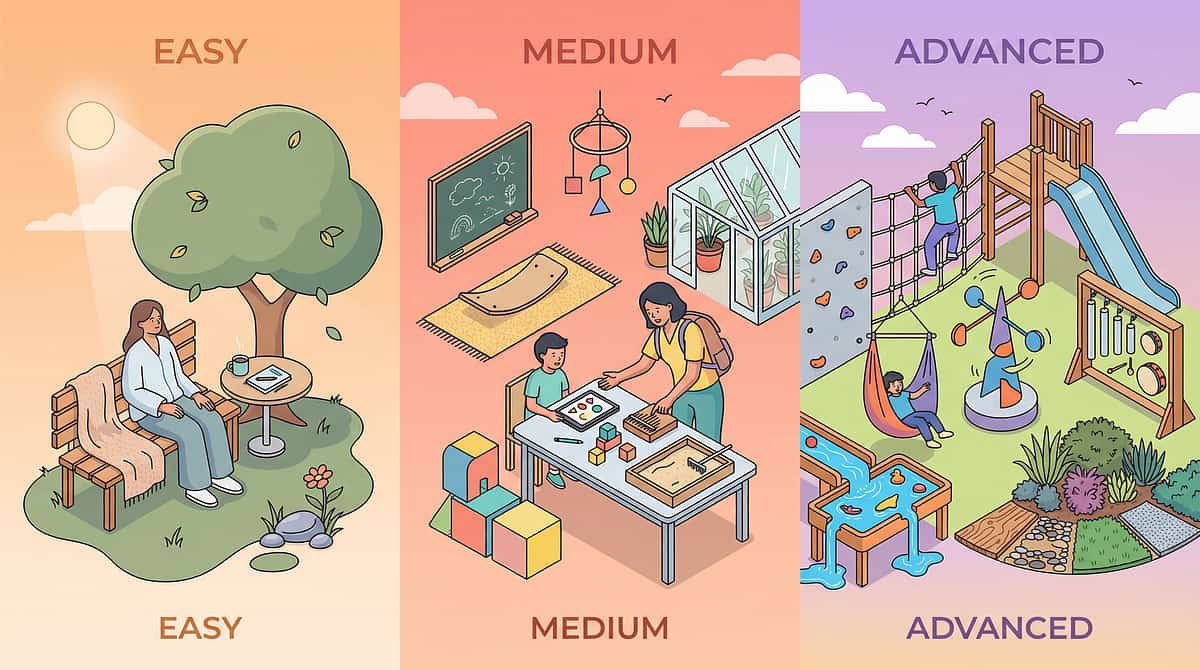
Personalise This Technique for YOUR Child
No two children are identical. This protocol is a starting framework — your job is to adapt it to your child's unique sensory profile, age, and current capacity. Below is your personalisation guide.
1
Easiest
Side-by-side activities only. No gaze expectation. Celebrate any spontaneous gaze. Best for: children currently highly distressed, bad days, beginners.
2
Building
Side-by-side + gaze alternatives practice with mirror (self, not a live person). Best for: children building comfort with the concept of looking toward faces.
3
Developing
Gaze alternatives with familiar safe person + face games + video modelling. Best for: children who tolerate face orientation in low-demand contexts.
4
Advancing
Graduated exposure hierarchy + real-world practice in familiar settings. Best for: children comfortable at home who are ready to generalise.
5
Confident
Self-advocacy + strategy selection across contexts + teaching others about gaze differences. Best for: children with a full repertoire building self-management.
Sensory Profile Variations
- Sensory Avoider: Prioritise tinted lenses, side-by-side, reduced visual environment. Start at Easiest.
- Sensory Seeker: May tolerate more face games, silly faces, animated expressions. Can start at Building.
- Anxiety-Driven: Prioritise social stories, graduated exposure, regulation tools. Address anxiety alongside gaze.
- Processing Interference: Prioritise side-by-side and alternatives that don't compete with auditory processing.
Age Adaptations
- Ages 3–5: Peek-a-boo, puppets, face painting, silly games
- Ages 5–8: Expression guessing, mirror practice, video modelling, social stories
- Ages 8–12: Self-advocacy training, conscious strategy building, educating others, gaze alternatives for specific situations

Week 1–2
What Real Progress Looks Like — Early Weeks
Progress in the first two weeks is subtle — and that is completely normal. You are laying a neurological foundation, not seeing a finished building. Celebrate every small signal.
✅ What You May See
- Child tolerates side-by-side activities without resistance
- Fewer negative reactions to gentle face-oriented activities
- Brief, spontaneous glances toward your face during enjoyable moments
- Increased willingness to play face games when framed as fun
❌ What Is NOT Expected Yet
- Sustained gaze at faces
- Using gaze alternatives in real social situations
- Self-advocacy about gaze needs
- Comfort with unfamiliar faces
Parent Milestone: "If your child tolerates the face game for 30 seconds longer than last week, or gives you one extra spontaneous glance during a side-by-side walk — that is real, measurable, neuroplastic change. Celebrate it."
Reference: PMC11506176 (Early-phase intervention indicators)
Week 3–4
Neural Pathways Forming — Consolidation Signs
By weeks three and four, you are beginning to see the fruits of consistent, patient practice. New neural connections are forming — often showing up in moments you didn't plan for. These are the signs to watch for.
Child anticipates gaze activities
They begin to look forward to face games and may even request them: "Can we do the face game?"
Spontaneous gaze increases
Duration and frequency of spontaneous gaze toward familiar faces grows noticeably
Unprompted strategy use
Child starts using gaze alternatives without prompting in comfortable settings
Reduced physical tension
Body is visibly more relaxed during face-oriented activities compared to week one
Language about experience
Child may begin to articulate: "Looking at noses is easier than eyes" — a profound metacognitive milestone
Subtle signs parents miss: Child spontaneously looks at your face when excited. During side-by-side activities, child orients their body slightly more toward you. Child tolerates family photos and video faces with less avoidance. The comfort zone is expanding — same activities feel easier than they did two weeks ago.
Parent Milestone: "You may notice you're more confident too. The fear that your child will 'never connect' is softening. Trust the process."

Week 5–8
Expanding Into the World — The Generalisation Phase
Weeks five through eight mark a significant shift: skills built at home begin transferring into the real world. This generalisation phase is exciting — and requires intentional support to sustain it. Keep practising at home while gradually extending into low-demand real-life settings.
🌍 Real-World Transfer
Gaze strategies transfer to real-world settings: school, extended family gatherings, community spaces
🤝 Broader Social Use
Child uses gaze alternatives with less familiar people, not just parents and siblings
🗣️ Self-Advocacy Emerging
Child begins explaining their preferences to safe adults: "I hear better when I'm not looking directly at you"
💬 Richer Conversations
Side-by-side conversations become longer, richer, and more frequent across settings
What Mastery Looks Like (Not Neurotypical Mimicry): Child has 3–5 gaze strategies they can deploy based on the situation. They know when to push themselves and when to protect themselves. Functional participation in social settings without visible distress. Genuine connection — measured by the quality of interaction, not the direction of gaze.

🎉 Celebrate Every Step — Milestone Badges
Progress in gaze development is not linear. There will be great days and hard days. The most important thing is to celebrate the trajectory — each milestone represents real neuroplastic change, real courage, and real growth. Honour it.
🌱 First Sprout
Milestone: First spontaneous glance toward a face during play.
How to celebrate: Family celebration — child chooses the activity.
How to celebrate: Family celebration — child chooses the activity.
👀 Gaze Explorer
Milestone: Successfully uses one gaze alternative in a real situation.
How to celebrate: "You used the nose trick at Grandma's house — that was so smart!"
How to celebrate: "You used the nose trick at Grandma's house — that was so smart!"
🗣️ Self-Advocate
Milestone: First time child explains their gaze preference to someone.
How to celebrate: Enormous celebration — this is a life skill that will serve them always.
How to celebrate: Enormous celebration — this is a life skill that will serve them always.
🎯 Strategy Builder
Milestone: Uses 3+ different gaze strategies across different situations.
How to celebrate: Share with the therapist team for clinical recognition.
How to celebrate: Share with the therapist team for clinical recognition.
🌟 Confident Communicator
Milestone: Navigates a full social interaction using self-chosen gaze strategies.
How to celebrate: This is functional participation — the ultimate goal of this entire programme.
How to celebrate: This is functional participation — the ultimate goal of this entire programme.
🚩 Red Flags — When to Seek Professional Support
Home-based support is powerful — but there are situations that require professional assessment. Knowing when to escalate is a sign of strength, not failure. If you see any of the following, reach out promptly.
Seek Professional Help If:
- Gaze avoidance is worsening despite 4+ weeks of consistent, appropriate support
- Child shows increasing anxiety, social withdrawal, or refusal to interact
- Gaze avoidance is accompanied by loss of previously acquired skills (regression)
- Child expresses persistent distress about their social differences
- You suspect an underlying visual condition (squinting, head tilting, significant light sensitivity)
- Gaze avoidance emerged suddenly after a specific event (possible trauma response)
- You feel overwhelmed, frustrated, or unsure about the approach
Developmental Paediatrician
Comprehensive evaluation if autism or other neurodevelopment condition is suspected
Paediatric Psychologist
Anxiety assessment, trauma screening, child adjustment support
Occupational Therapist
Sensory processing evaluation, regulation strategies, sensory integration intervention
Speech-Language Pathologist
Social communication assessment, pragmatic language intervention
Behavioural Optometrist
Visual processing assessment if visual sensitivity is particularly significant
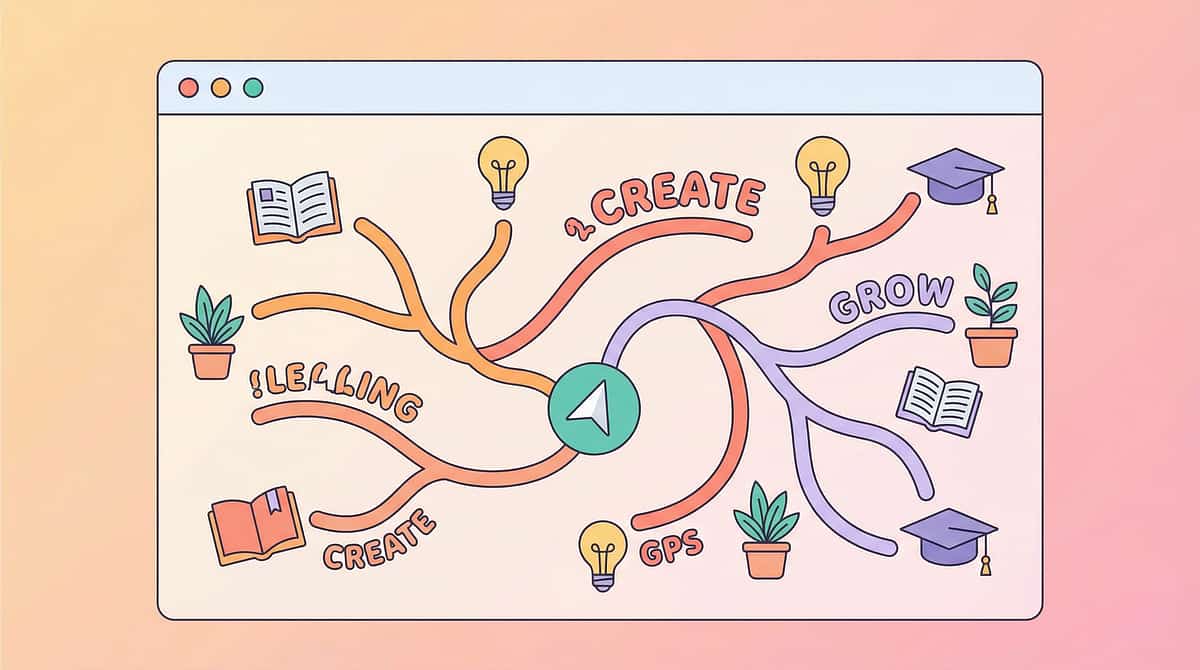
Your Child's Gaze Development Pathway
This technique does not exist in isolation. It is one node in a carefully mapped developmental pathway. Knowing what comes before and after helps you see the whole journey — not just today's challenge.
Lateral Alternatives (If This Approach Didn't Resonate): Music-Based Social Interaction — social connection through shared musical activities. Animal-Assisted Social Development — many children make eye contact with animals before people. Technology-Mediated Social Practice — video call practice, avatar-based interactions.
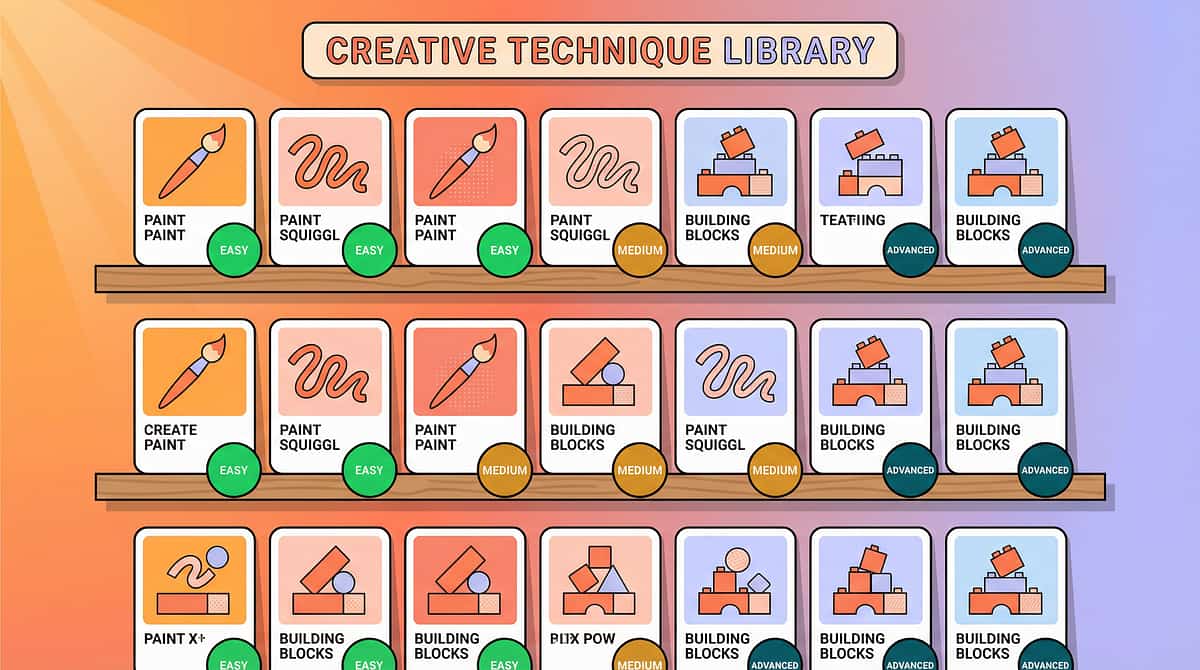
Related Techniques in Social Communication + Sensory Processing
The materials you already own for this technique serve multiple goals across the Pinnacle 128 Canon Material system. One investment, many benefits. Explore these closely related techniques next.
1
Joint Attention Building
Domain: Social Communication | Difficulty: Introductory
Materials you already own: Side-by-side setups, video modelling
Materials you already own: Side-by-side setups, video modelling
2
Facial Expression Recognition
Domain: Social Communication | Difficulty: Core
Materials you already own: Face games, expression cards
Materials you already own: Face games, expression cards
3
Conversational Turn-Taking
Domain: Social Communication | Difficulty: Core
Materials you already own: Social stories, video modelling
Materials you already own: Social stories, video modelling
4
Sensory Regulation for Social Settings
Domain: Sensory Processing | Difficulty: Introductory
Materials you already own: Fidgets, regulation tools
Materials you already own: Fidgets, regulation tools
5
Self-Advocacy Skills Training
Domain: Social Communication | Difficulty: Advanced
Materials you already own: Social stories, advocacy materials
Materials you already own: Social stories, advocacy materials
6
Environmental Accommodation Design
Domain: Sensory Processing | Difficulty: Core
Materials you already own: Advocacy materials
Materials you already own: Advocacy materials
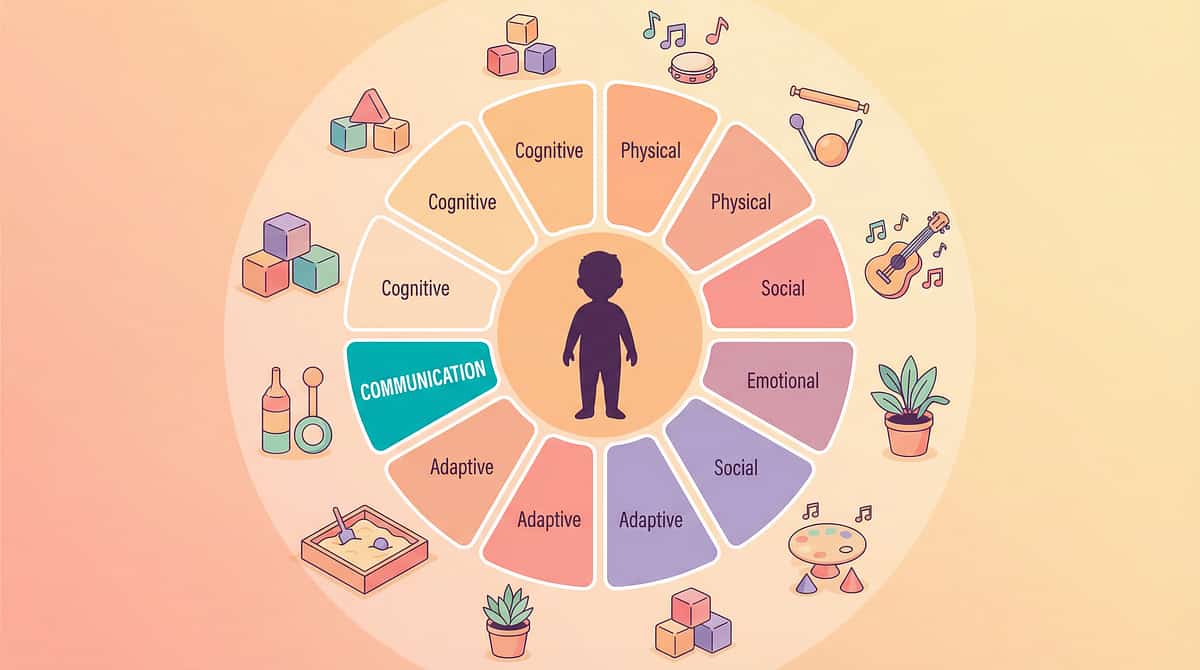
Your Child's Full Developmental Landscape
This technique is one piece of a larger developmental plan. GPT-OS® maps your child's entire profile across all 12 domains, ensuring every technique connects to the whole — and no area is inadvertently overlooked.
"This technique is one piece of a larger developmental plan. GPT-OS® maps your child's entire profile across all 12 domains and ensures every technique connects to the whole."
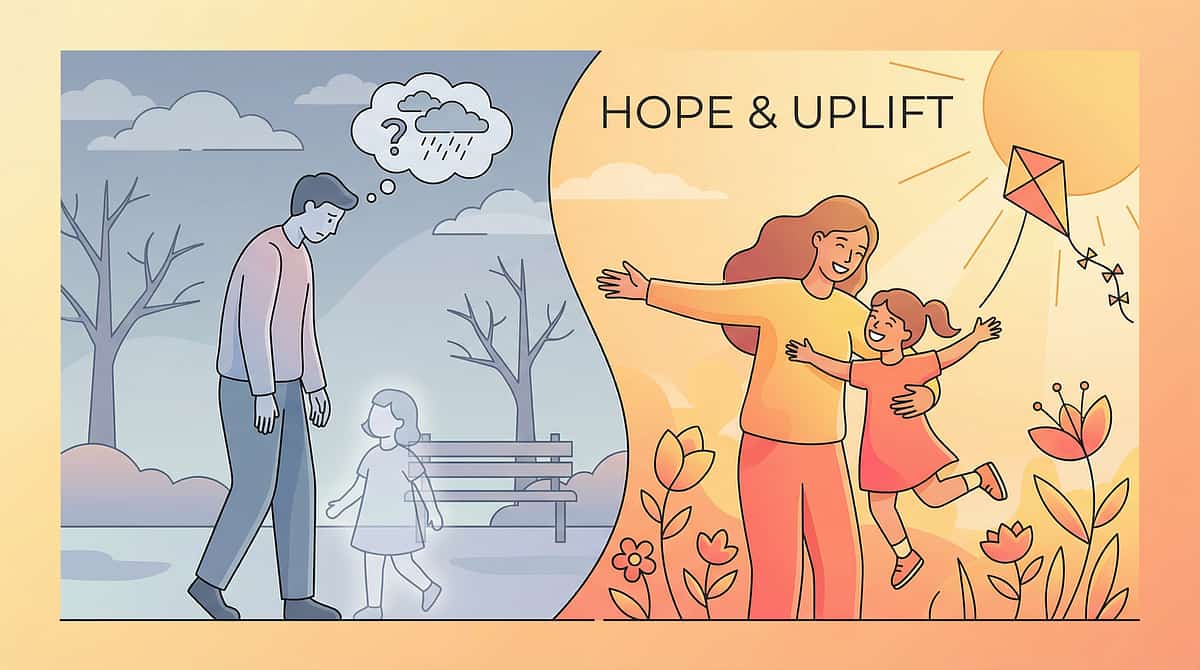
"When We Stopped Forcing, Everything Changed."
"For years, everyone told us to force eye contact. 'He has to learn.' 'Make him look at you.' We tried — and he became more withdrawn, more anxious, less willing to interact at all. Every conversation became a battle about eyes instead of about connection.When we found Pinnacle Blooms, they showed us something revolutionary: stop fighting his gaze and start building around it. We learned about gaze alternatives — he now looks at noses and foreheads and people think he's looking at their eyes. We discovered that our best conversations happen side by side. We educated his teachers that his lack of eye contact isn't disrespect — it's how his brain works.His fidgets help him stay regulated enough to sometimes glance at faces. He has a script: 'I hear better when I'm not looking directly at you.' He's now more socially connected than he ever was when we were forcing him to stare into eyes that overwhelmed him."
— Parent, Pinnacle Blooms NetworkIllustrative case; individual outcomes vary by child profile.
Before | After | |
Forced eye contact → increased withdrawal | Functional gaze strategies → genuine connection | |
Family conflict about "looking properly" | Family understanding and accommodation | |
Teacher complaints about rudeness | Teacher education and cooperation | |
Child's anxiety around social interaction | Child's confidence with a strategy repertoire |
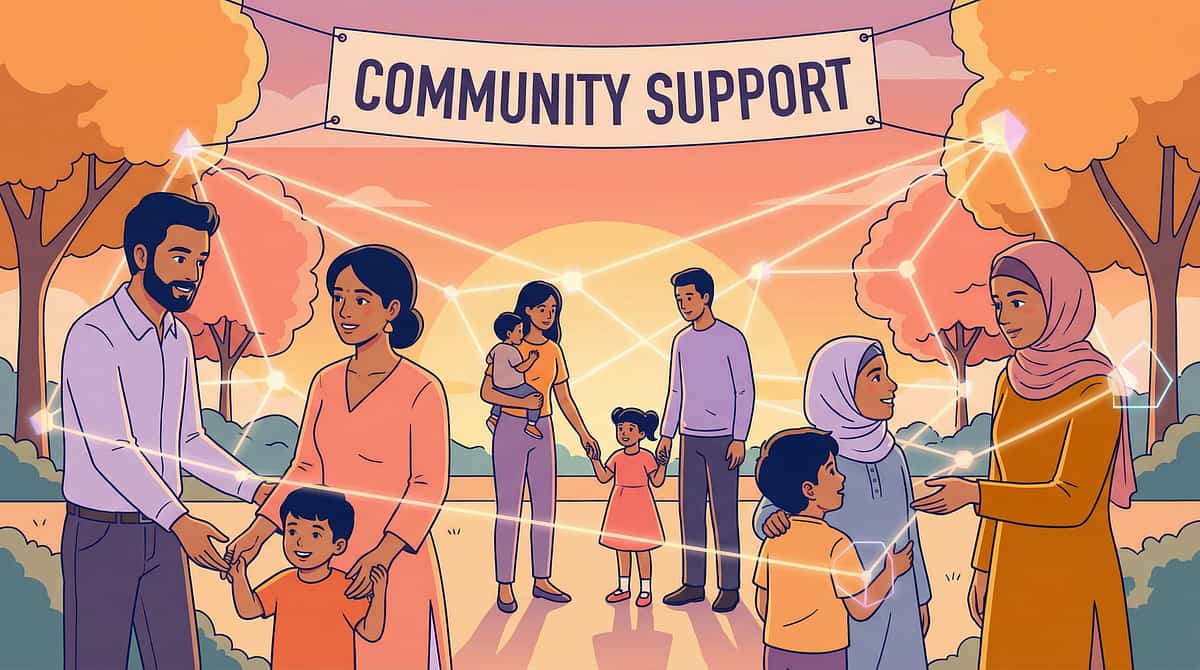
Connect With Families Who Understand
You don't have to navigate this alone. Tens of thousands of families across India and beyond are on the same journey — and the Pinnacle community is where they come together, share strategies, ask questions, and celebrate each other's milestones.
Pinnacle Blooms Parent Community
Connect with 50,000+ families navigating similar journeys across India and beyond
WhatsApp Parent Support Groups
Regional groups in 16+ languages for real-time peer support and strategy sharing
Monthly Parent Workshops
Free online sessions on gaze support strategies, led by consortium therapists
Pinnacle Family Circle
Peer mentoring from experienced parents who have navigated this journey before you
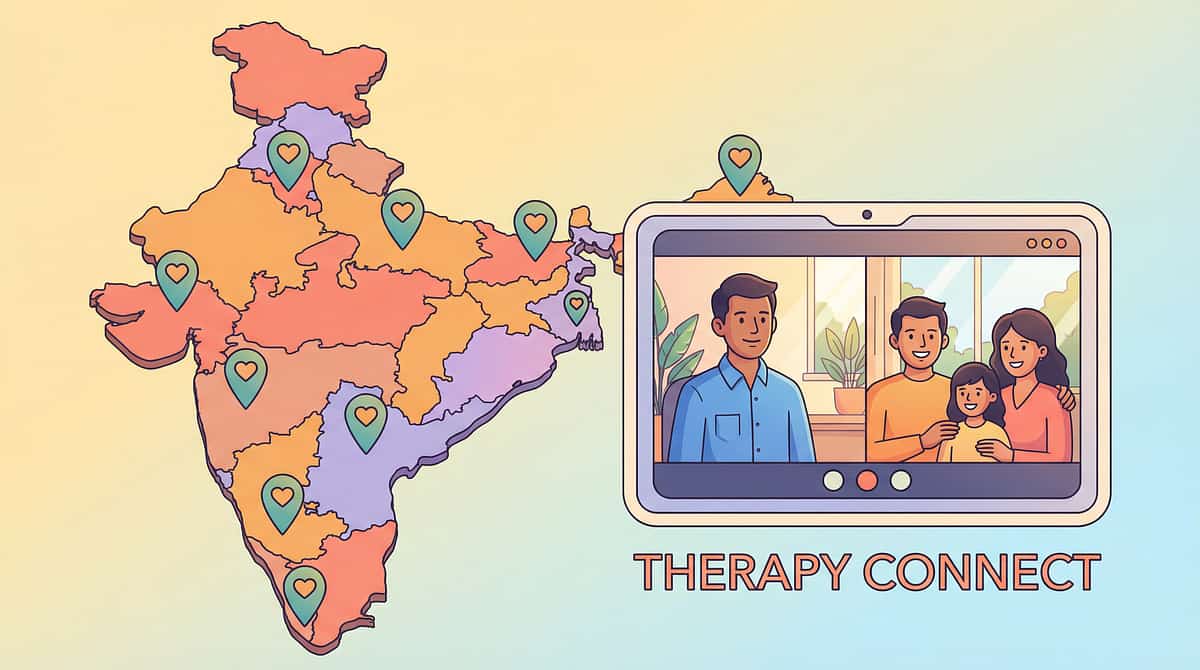
Find Professional Support Near You
Pinnacle Blooms Network operates 70+ centres across India delivering GPT-OS®-governed, neurodiversity-affirming care. Whether you're in a major city or a smaller town, professional support is closer than you think.

The Research Behind This Page
Every claim on this page is evidence-linked. This content was drafted by a consortium of Clinical Research Organisation professionals, Paediatric SLPs, OTs, BCBAs, Special Educators, and NeuroDevelopmental Paediatricians. It is not opinion — it is science translated for families.
Citation | Key Finding | Link | |
PMC11506176 (2024) | Systematic review: 16 studies confirm sensory integration intervention is evidence-based practice for ASD | ||
PMC10955541 (2024) | Meta-analysis: 24 studies confirm sensory-informed interventions improve social skills and adaptive behaviour | ||
PMC9978394 (2023) | WHO CCD Package implementation across 54 LMICs validates parent-delivered intervention | ||
DOI: 10.1007/s12098-018-2747-4 (2019) | Indian RCT: Home-based sensory interventions demonstrate significant outcomes when parents are trained | ||
DOI: 10.3389/fnint.2020.556660 (2020) | Neurological framework for sensory processing in ASD — FFA and amygdala activation patterns | ||
Trevisan et al. (2017) | Autistic adults report eye contact as uncomfortable and processing-interfering | Autism Research | |
NCAEP (2020) | Video modelling, social stories classified as evidence-based practices for autism | ||
WHO Nurturing Care Framework (2018) | Responsive caregiving as core component of evidence-based developmental support | ||
DOI: 10.1080/17549507.2022.2141327 (2022) | Multi-disciplinary approach to nurturing care for SLPs | Int J Speech-Lang Pathol |
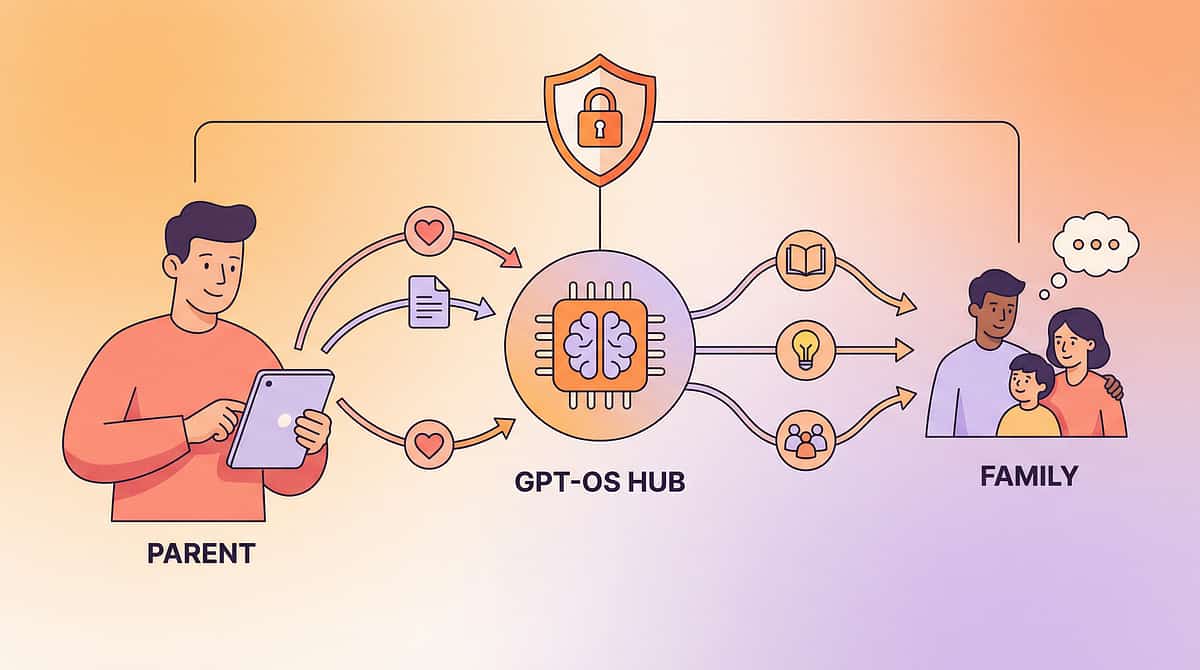
Powered by GPT-OS® — Global Paediatric Therapeutic Operating System
GPT-OS® is not software. It is therapeutic infrastructure — the world's most comprehensive evidence-linked digital system for autism and neurodevelopmental intervention, governing care across 70+ centres and 20M+ therapy sessions.
20M+
1:1 Sessions
Real therapy sessions informing every recommendation
97%+
Measured Improvement
Across documented cases in the network
70+
Centres
Across India delivering GPT-OS®-governed care
160+
Countries
Where patents have been filed for this system
Watch: 9 Materials That Help With Eye Contact Avoidance
This reel is presented by a Pinnacle Blooms consortium therapist using neurodiversity-affirming language. It covers the same 9 materials detailed on this page in a visual, accessible format designed for sharing with family, friends, and school staff.
Reel ID
A-056
Series
Sensory Solutions — Episode 56
Duration
60 seconds
Domain
Social Communication + Sensory Processing

Share This With Your Family — Consistency Multiplies Impact
If only one parent executes gaze strategies, impact is limited. When grandparents, teachers, siblings, and other caregivers understand and accommodate your child's gaze differences, your child's world transforms. Sharing takes 30 seconds. The impact lasts years.
Quick Guide for Grandparents
"[Child's name] finds eye contact overwhelming — it's neurological, not disrespect. They show they're listening by [specific behaviours your child uses]. Please don't demand eye contact. Instead: sit side-by-side, talk while doing an activity together, and notice how much more they share when the pressure is off."
Teacher Communication Template
"Dear [Teacher], [Child's name] has sensory-based difficulty with direct eye contact. This does not indicate inattention, disrespect, or disengagement. [Child] demonstrates attention through [specific behaviours]. Please do not require eye contact as a behavioural marker. We are working with Pinnacle Blooms Network on functional gaze strategies. Contact us for the full gaze accommodation plan."
Reference: PMC9978394 (WHO CCD multi-caregiver training for intervention generalisation)
Frequently Asked Questions
These are the questions we hear most often from families. Honest, science-backed answers — no jargon, no oversimplification.
Is it okay to never teach my child eye contact?
Your child doesn't need to make "normal" eye contact. They need functional social gaze — the ability to participate in social interactions effectively. Gaze alternatives, side-by-side connection, and self-advocacy achieve this without forcing what hurts.
My mother-in-law insists on forcing eye contact. How do I handle this?
Share the family guide from Card 37. Explain the neuroscience: "When you force [child] to look at your eyes, they literally cannot hear what you're saying. Their brain can do one or the other, not both. Let me show you what actually helps." If gentle education doesn't work, establish a firm boundary.
Will my child ever make eye contact naturally?
Many neurodivergent people develop comfortable gaze patterns over time — looking at faces, brief glances, gaze alternatives. Some develop more direct eye contact with familiar people. The goal is comfort and function, not compliance with neurotypical norms.
My child's school insists on eye contact. What do I do?
Request a formal accommodation using the teacher template above. In India, the Rights of Persons with Disabilities Act 2016 protects children with neurodevelopmental conditions including autism. Pinnacle Blooms can provide professional documentation for school accommodation requests.
How is this different from ABA "eye contact training"?
Traditional ABA sometimes reinforced eye contact as a compliance behaviour — making children perform eye contact regardless of distress. The Pinnacle approach is neurodiversity-affirming: we build functional alternatives the child finds comfortable and sustainable. We never force, never punish avoidance, and always prioritise the child's authentic experience.
My child can make eye contact sometimes (with me, with pets). Why not with others?
Familiarity reduces the processing demand. Your face is predictable, safe, and associated with comfort. New faces are unpredictable and require more processing. Pets' eyes are simpler stimuli than human eyes. This variability confirms the sensory processing basis — it's about processing load, not willingness.
Can medication help with eye contact avoidance?
Medication is not typically indicated for eye contact avoidance itself. If underlying anxiety contributes significantly, anxiety management (with or without medication, as determined by your paediatrician) may indirectly increase gaze capacity. Always consult a NeuroDevelopmental Paediatrician.
How do I know if this is autism or just shyness?
Shyness-based eye contact reduction is situational and eases with familiarity. Autism-related gaze avoidance tends to be consistent across contexts, accompanied by sensory overwhelm descriptions, and may co-occur with other developmental differences. A comprehensive evaluation by a Developmental Paediatrician can clarify.

Your Next Step — Start Today
You arrived on this page with a question. Now you have the science, the materials, the protocol, and the community. Your child is not broken. They connect differently. And you now know exactly how to support that.
🚀 Start This Technique Today
Launch a Guided Session in GPT-OS® — personalised, step-by-step, adapted to your child's profile
📞 Book a Consultation
Call 9100 181 181 or book online — FREE, available 24×7 in 16+ languages
→ Explore Next Technique
A-057: Touch Sensitivity — the natural next step in sensory processing support
✅Validated by the Pinnacle Blooms Consortium — OT • SLP • ABA • SpEd • NeuroDev
Preview of 9 materials that help with eye contact avoidance Therapy Material
Below is a visual preview of 9 materials that help with eye contact avoidance therapy material. The pages shown help educators, therapists, and caregivers understand the structure and content of the resource before use. Materials should be used under appropriate professional guidance.


Link copied!
The Pinnacle Promise
"From fear to mastery. One technique at a time."
You arrived scared and confused. You leave empowered and equipped. This page is one of 70,000+ intervention technique pages in the Pinnacle GPT-OS® library — the world's most comprehensive evidence-linked digital resource for autism and neurodevelopmental intervention.
Every page is drafted by our consortium of SLPs, OTs, BCBAs, Special Educators, and NeuroDevelopmental Paediatricians. Every claim is evidence-linked. Every protocol is home-executable. Every child matters.
20M+
1:1 Sessions
97%+
Measured Improvement
70+
Centres
70+
Countries Served
Contact
FREE National Autism Helpline: 9100 181 181 (24×7, 16+ languages)
Website: pinnacleblooms.org
Email: care@pinnacleblooms.org
Website: pinnacleblooms.org
Email: care@pinnacleblooms.org
Statutory Identifiers: CIN: U74999TG2016PTC113063 | DPIIT: DIPP8651 | MSME: TS20F0009606
Navigation
Medical Disclaimer: This content is educational. It does not replace assessment by a licensed developmental specialist, psychologist, or healthcare provider. Persistent gaze avoidance may be associated with autism, social anxiety, sensory processing differences, or other developmental profiles. Neurodiversity-affirming approaches respect the child's experience while building functional social skills. Professional guidance is recommended. Individual results may vary. Statistics represent aggregate outcomes across the Pinnacle Blooms Network.
© 2025 Pinnacle Blooms Network®, unit of Bharath Healthcare Laboratories Pvt. Ltd. All rights reserved. GPT-OS®, AbilityScore®, TherapeuticAI®, FusionModule™, and EverydayTherapyProgramme™ are registered trademarks. Protected under Indian Patent Applications 202441016027, 202541014547, 202541057215 and corresponding WIPO PCT filings.