
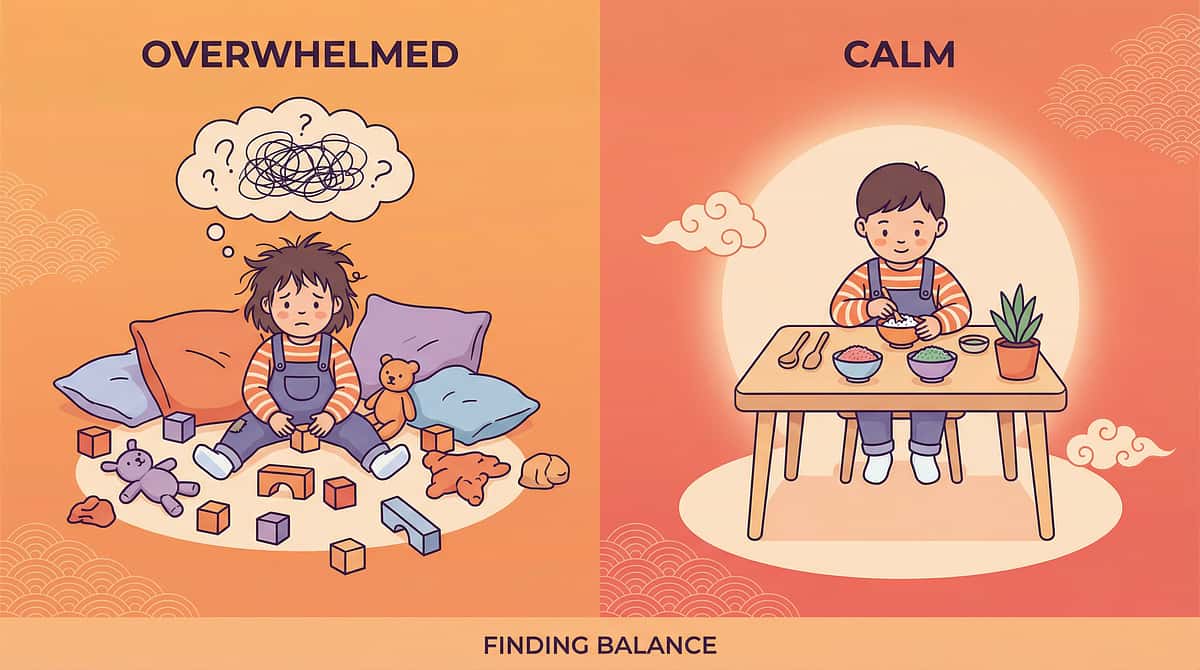
The Space Teaches Before You Say a Word
Your child isn't refusing to learn. The environment is refusing to support them. Discover 9 evidence-based materials that transform any home into a structured, focus-friendly learning environment.
L-925 | Environment Design Series
Pinnacle Blooms Consortium
Evidence-Based
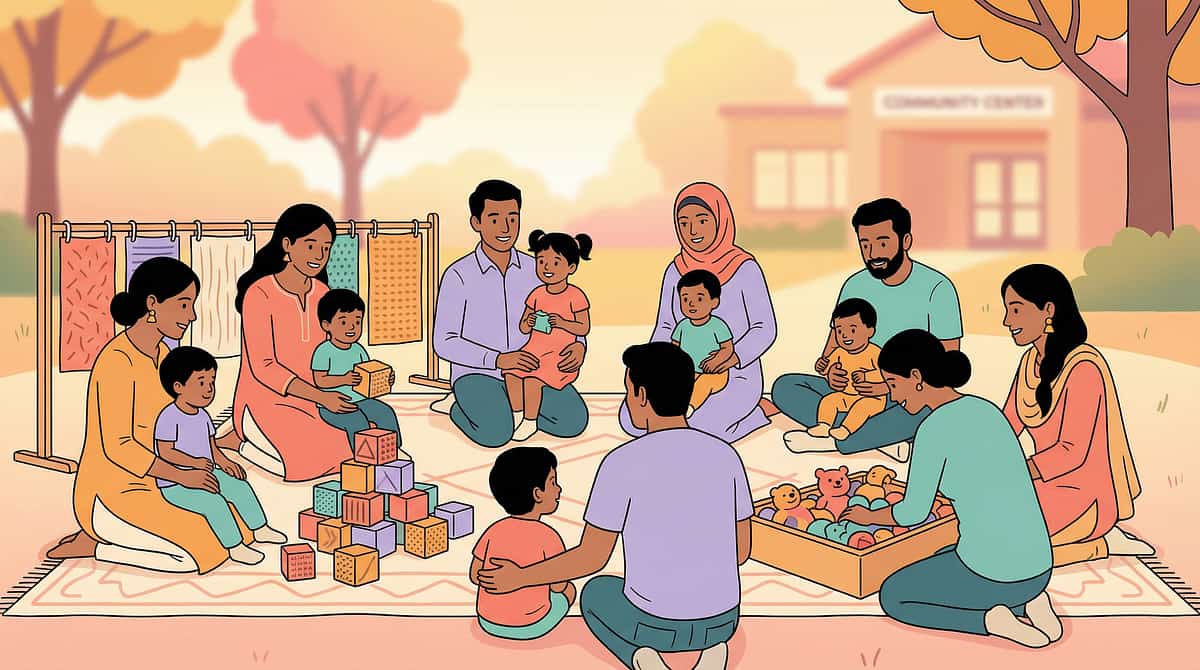
You Are Not Alone: The Numbers
Every session at home that doesn't work — millions of families know this exact feeling. In India, an estimated 1.8–2.5 million children live with autism spectrum conditions. Globally, UNICEF estimates over 240 million children have some form of developmental disability. Across all of these families, one challenge is near-universal: therapy works better in clinic than at home. The reason is not the child. It is the environment.
80%
Sensory Processing Difficulties
Of children with autism show sensory processing difficulties
1 in 36
Children Worldwide
Are diagnosed with autism (CDC, 2023)
21M+
Sessions Delivered
By Pinnacle — in optimised environments
"You are among millions of families navigating this exact challenge. And there is a science to solving it — starting with the room."
📞 FREE National Autism Helpline: 9100 181 181 | 16+ Languages | 24×7

What's Happening in Your Child's Brain
The environment is sensory input. And your child's brain processes it differently.
The Neurological Reality
In a neurotypical brain, background stimuli — TV, toys, noise, movement — are automatically suppressed below conscious awareness. In many children with autism, ADHD, or sensory processing differences, this automatic filtering is under-developed.
Every object in the visual field competes for attention at equal intensity. A therapy clinic is carefully designed to have minimal visual competition. A regular home has hundreds of simultaneous attention triggers.
Why the Same Child Focuses at Clinic but Not at Home
- Visual Cortex: processes everything visible simultaneously
- Auditory Cortex: background TV = same volume as parent's voice
- Prefrontal Cortex: depleted by filtering → none left for learning
- Amygdala: chaotic space → mild threat signal → body stays alert
"A well-designed environment reduces cognitive load. Less load = more learning capacity. This is neuroscience, not magic."
This is a wiring difference, not a behaviour choice. The environment can be re-engineered to work with this wiring.
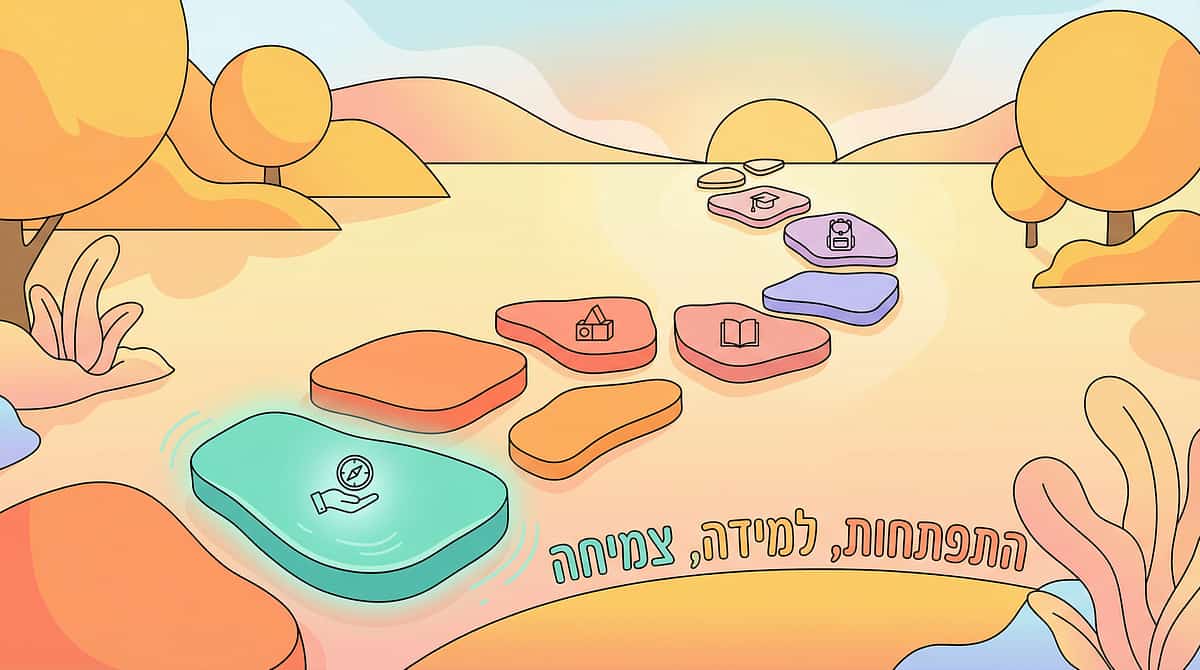
Where This Sits in Development
Environmental responsiveness develops across early childhood — and can be shaped at any age. Understanding where your child sits on this developmental arc helps you calibrate your approach and set realistic, meaningful expectations.
1
Age 0–12m
Basic sensory responses established
2
Age 1–3y
Begins to understand "this space vs. that space"
3
Age 3–6y ⭐
Peak impact window. Structured environments directly build neural pathways for attention, focus, and self-regulation.
4
Age 6–12y
Self-directed focus in varied structured settings
5
Adolescence
Adapts to established environments independently
Commonly Co-occurring Conditions
- Autism Spectrum Condition (ASD)
- ADHD / Attention Regulation Differences
- Sensory Processing Disorder (SPD)
- Developmental Language Disorder (DLD)
- Anxiety Spectrum
Age-Band Note
Environmental setup principles apply universally — the 9 materials in this guide work across toddlers through adolescents. Implementation adapts; core principles remain constant.
"Your child is here. Structured environment design moves them toward independent functioning. Let's build the path."

The Evidence Behind This Approach
This is not interior design. This is evidence-based clinical practice — validated across decades of research and millions of sessions.
🏆 Evidence Grade: Level I
Systematic Review + RCT | Multiple Disciplines
TEACCH | ABA | OT | SpEd
Research Confidence
87% Research Confidence
92% Home Applicability
94% Parent Feasibility
Consortium Endorsed
Clinically validated. Home-applicable. Parent-proven.
Validated across 70+ Pinnacle centres globally.
TEACCH Structured Teaching
University of North Carolina. Decades of clinical data confirm: physical structure of the environment is a primary determinant of learning readiness in children with autism.
PRISMA Systematic Review (2024)
16 studies | 2013–2023. Sensory integration intervention — including environmental modification — meets evidence-based practice criteria for ASD. PMC11506176
Indian RCT (Padmanabha et al., 2019)
Home-based structured interventions demonstrated significant developmental outcomes. Environmental consistency was identified as a key implementation variable. DOI: 10.1007/s12098-018-2747-4
The Technique: What It Is
L-925
Environmental Setup for Therapeutic Learning
🏠 Designing Your Space to Do Half the Teaching
Environmental setup is the intentional design and organisation of physical spaces to support learning, focus, self-regulation, and skill development in children.
The environment becomes a silent teacher — helping children understand where to be, what to do, and what's expected, without constant verbal direction.
What It Draws From
- TEACCH Structured Teaching
- Sensory integration principles
- ABA antecedent modification
- Evidence-based environmental design
Practical Specs
- Age Range: All ages (adapts by development)
- Setup Time: 30–120 min initial | 5 min daily maintenance
- Cost Range: ₹0 (DIY) → ₹12,000 (full setup)
- Discipline Lead: OT + ABA + SpEd (co-primary)
Therapeutic Environment
Visual Structure
Sensory Design
Structured Teaching
Space Organisation
Who Uses This Technique
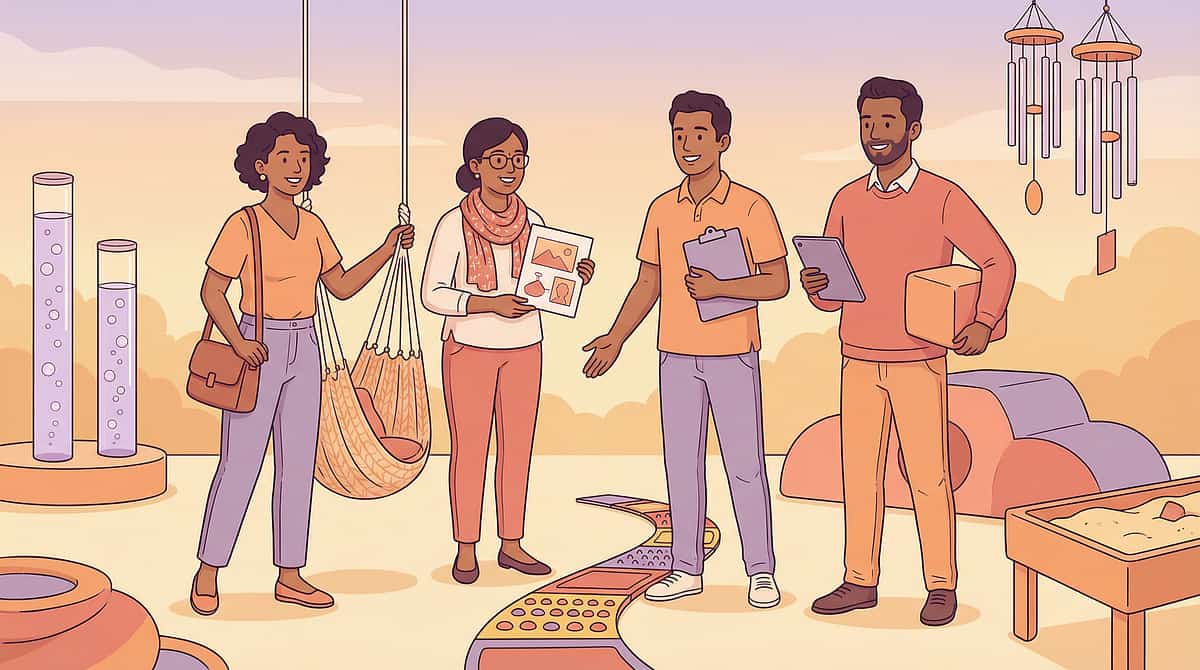
Every discipline on your child's therapy team uses environmental design. Here's how each professional approaches it — and why their perspectives are complementary, not competing.
Occupational Therapy — Primary Lead
OTs design sensory-safe environments: lighting, sound, tactile surfaces, movement zones, regulation spaces. Sensory integration theory underpins every material recommendation.
ABA / BCBA — Co-Lead
BCBAs use antecedent modification — engineering the environment before behaviours occur. Work stations, visual schedules, and zone boundaries are core ABA antecedent tools.
Special Education — Co-Lead
TEACCH-trained SpEd teachers pioneered structured teaching environments. Physical structure, work systems, and visual organisation are SpEd core competencies.
Speech-Language Pathology — Supporting
SLPs embed communication supports in the environment: AAC device placement, visual choice boards, communication-accessible zones, reduced acoustic competition for verbal language processing.
"The brain doesn't organise by therapy type. Neither should your home environment."
📞 FREE: 9100 181 181 | Connect with Pinnacle's Multi-Disciplinary Team
9 Materials That Transform Your Space
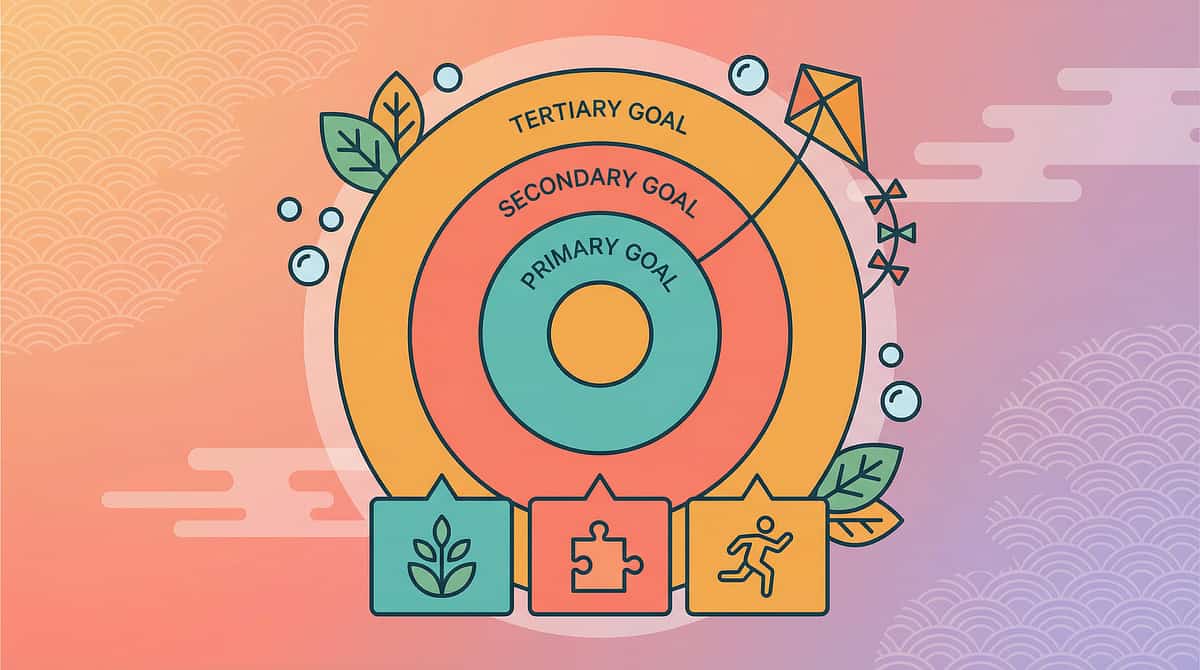
9 materials. One transformed space. Start with what you already have. Below is your complete overview — each material receives its own dedicated card with sourcing guidance, DIY options, and clinical rationale.
Work Stations & Defined Learning Areas
Environmental Structure | ₹500–3,000 | ⭐⭐⭐ HIGHEST IMPACT
Visual Boundaries & Zone Dividers
Environmental Structure | ₹200–2,000 | ⭐⭐⭐ HIGH IMPACT
Distraction Reducers & Visual Minimisers
Environmental Structure | ₹200–1,000 | ⭐⭐⭐ HIGH IMPACT
Visual Schedules & Activity Sequences
Visual Supports | ₹150–600 | ⭐⭐⭐ HIGH IMPACT
Organised Storage & Material Systems
Sorting & Categorisation | ₹300–1,500 | ⭐⭐ MEDIUM-HIGH
Lighting Controls & Sensory Adjustments
Sensory Environment | ₹300–1,500 | ⭐⭐ MEDIUM
Sound Management & Noise Reduction
Sensory Environment | ₹400–2,000 | ⭐⭐ MEDIUM
Calm Corners & Regulation Spaces
Regulation Space | ₹500–2,000 | ⭐⭐⭐ HIGH IMPACT
Visual Supports & Environmental Labels
Visual Communication | ₹100–500 | ⭐⭐ MEDIUM
Total Investment: Essential Starter Kit ₹500–1,500 | Full Professional Setup ₹5,000–12,000 | Zero-Cost Version: Fully possible — see DIY card
Material 1: Work Stations & Defined Learning Areas
⭐⭐⭐ HIGHEST IMPACT — Start Here
Environmental Structure
What to Source
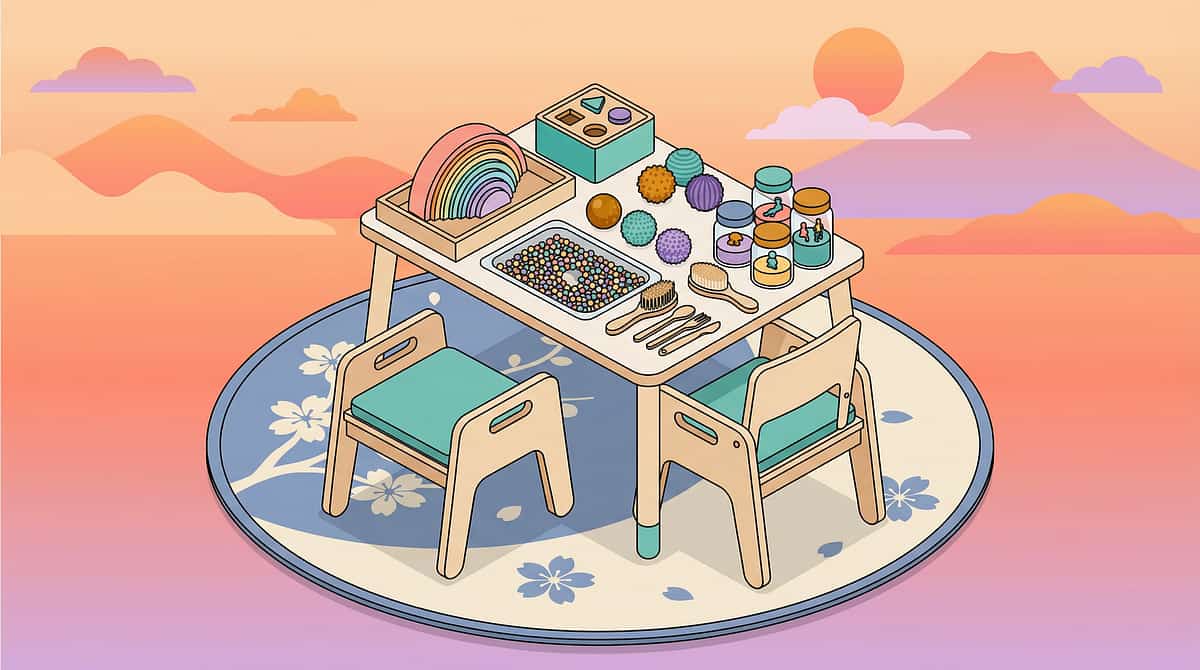
Child-sized table + chair dedicated exclusively to learning work.
Alternatives
- Carpet square
- Folding table
- Corner floor mat
Price Range
₹500–3,000 | DIY cost: Free
The Clinical Principle
Consistent location = automatic focus cue for the brain. When a child sits in the same chair, at the same table, in the same corner repeatedly, the brain begins to associate that spatial location with "focus mode." This is not metaphorical — it is spatial memory encoding.
The work station is the single most powerful environmental modification you can make. Every other material amplifies it. Start here, and only here, before adding anything else.
Setup Guidance
- Position in a corner or against a wall
- Child faces the wall — away from room activity
- Chair is child-height: feet flat on floor
- Nothing on the table surface except the current task
Material 2: Visual Boundaries & Zone Dividers
⭐⭐⭐ HIGH IMPACT
Environmental Structure
₹200–2,000
What to Source
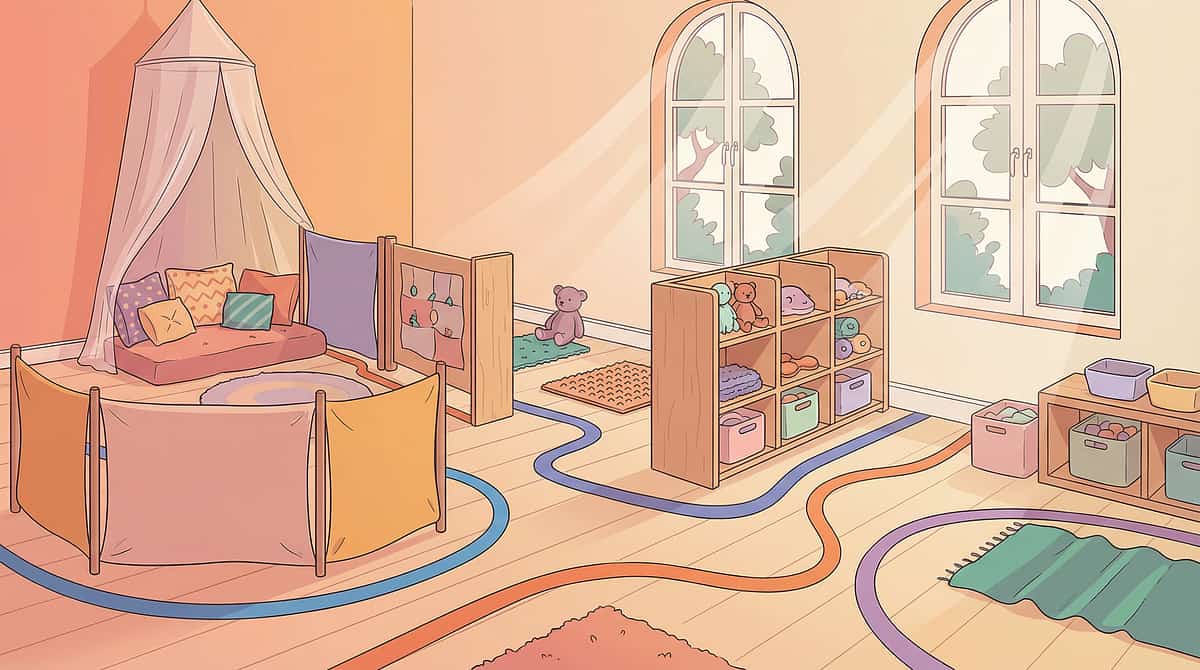
- Coloured floor tape
- Different-coloured area rugs
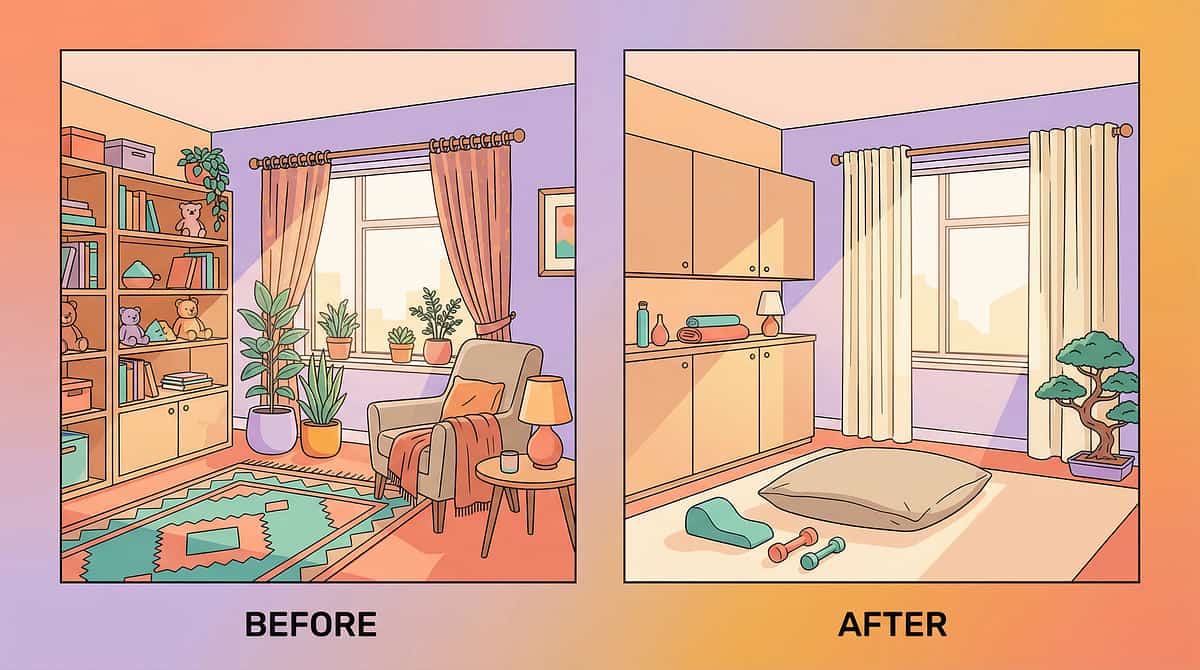
- Low bookshelves used as dividers
- Fabric curtains on tension rods
- Portable room dividers
DIY Version
One roll of coloured masking tape = ₹40. Tape a clear rectangle on the floor around the work station. That boundary is neurologically meaningful.
The Clinical Principle
When you're HERE, you do THIS. Visual zones eliminate ambiguity. Children with autism, ADHD, and sensory processing differences often struggle with the invisible boundaries adults take for granted.
A visible zone says: "This is where work happens. That is where play happens." The child's brain does not have to spend energy figuring out context — the space communicates it. Context = reduced cognitive load = more capacity for learning.
Start With
Three zones minimum: Work Zone, Play Zone, Calm Zone. Add more as the child understands the system.
Material 3: Distraction Reducers & Visual Minimisers
⭐⭐⭐ HIGH IMPACT
Combine with Material 1
₹200–1,000
The Clinical Principle
Every visible object is a potential distraction. Reduce the field. The visual field of a child with sensory processing differences is not filtered the way an adult's is. A toy car on a shelf three metres away commands the same attentional pull as the activity directly in front of them.
Distraction reduction is not about making the home sterile or unfriendly. It is about creating a temporary visual simplification during work sessions. The toys still exist. They're just invisible for 20 minutes.
What to Source
- Solid-coloured fabric to cover open shelves
- Tri-fold privacy board for the work table
- Storage bins with lids
- Plain curtains on rods
DIY Version (Free)
Three cereal boxes taped together in a U-shape = a perfectly functional tri-fold privacy board. An old bedsheet draped over a shelf = covered visual field. Cost: ₹0.
Search Tip
Amazon.in: "trifold study carrel privacy board"
Material 4: Visual Schedules & Activity Sequences
⭐⭐⭐ HIGH IMPACT
Visual Supports
₹150–600
What to Source
- Laminated schedule board
- Velcro strips and dots
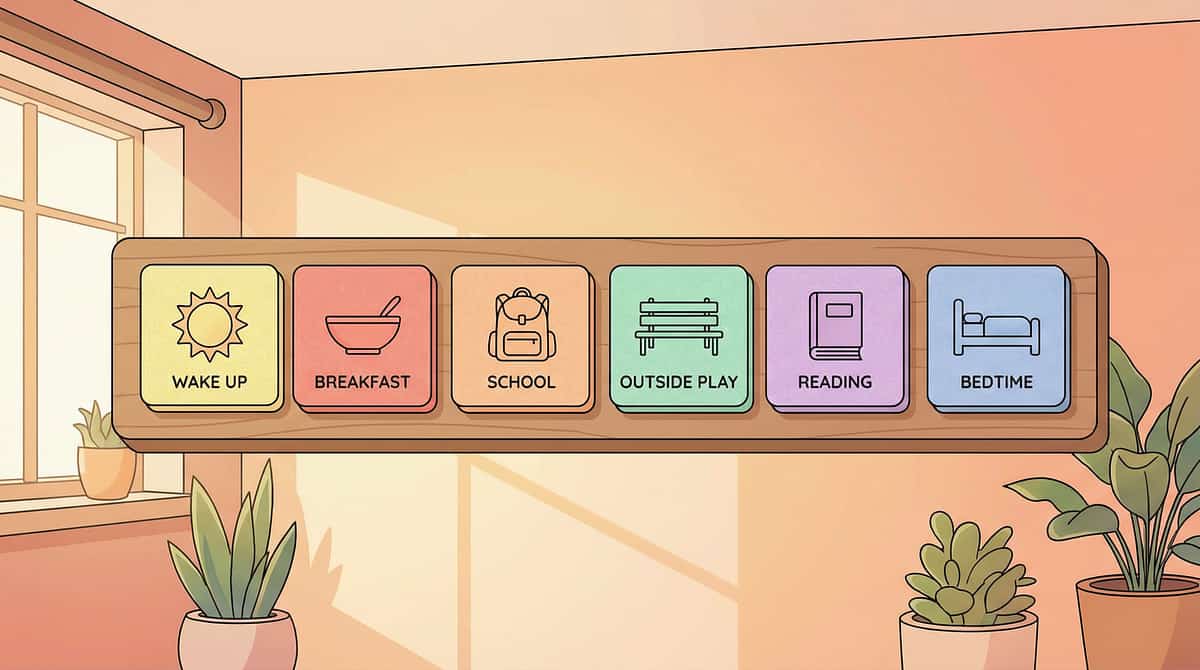
- Picture/symbol cards for activities
- First-Then board
- "Done" envelope or box
Pinnacle Active Products
- Reinforcement Menu Set | ₹589
- Reinforcement Menu Starter | ₹364
DIY Version
Paper + pen + photos printed on your phone. Velcro strip = ₹50. Near-zero cost.
The Clinical Principle
Visible time = manageable time. Schedules turn invisible sequences concrete.
One of the most significant sources of anxiety for children with autism and attention regulation differences is not knowing what comes next or when this ends. A visual schedule answers both questions before they can be asked.
The schedule communicates: "This ends. That comes next. You know what's coming." The reduction in "what next?" questions across 4–6 weeks of consistent schedule use is a direct measure of anxiety reduction — quantifiable and observable.
Key Teaching Moment
Teach child: "First we check the schedule, then we work." This ritual — walking to the schedule before sitting at the work station — is the foundation of session structure.
Material 5: Organised Storage & Material Systems
⭐⭐ MEDIUM-HIGH
Sorting & Categorisation
₹300–1,500
The Clinical Principle
Organisation is a teaching tool. A labelled system builds independence.
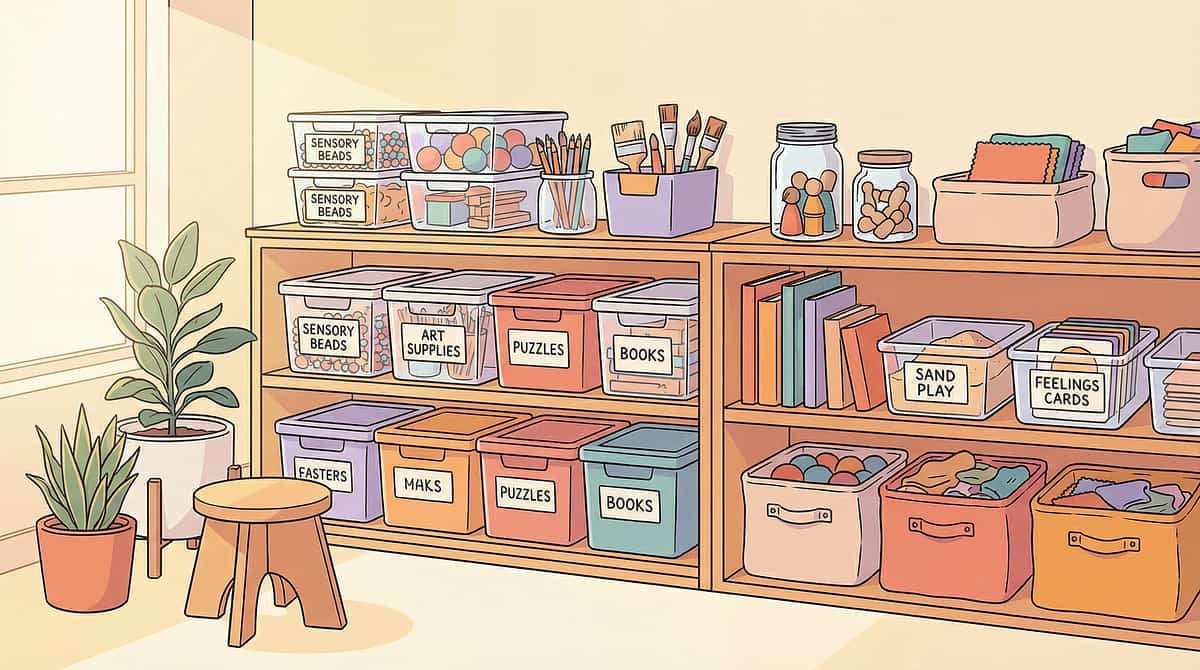
When every material has a home, and that home is clearly labelled with a picture and a word, the child can navigate the environment independently. Getting materials and returning them becomes a teachable routine — not a prompt-dependent chore.
Independent storage use is one of the three mastery criteria for this technique. Every week you invest in the labelling system is a week that reduces your verbal prompting permanently.
What to Source
- Clear storage bins in multiple sizes
- Picture + word labels for bins/shelves
- Task boxes (shoe boxes work perfectly)
- Colour-coded containers by category
- "Finished work" tray
Pinnacle Active Products
- Sorting & Categorisation Set | ₹628
- Sorting Activity Starter | ₹305
DIY Version
Old shoe boxes with drawn/cut-out pictures on the front. Cost: ₹0.
Material 6: Lighting Controls & Sensory Adjustments
⭐⭐ MEDIUM
Sensory Environment Materials
₹300–1,500
What to Source
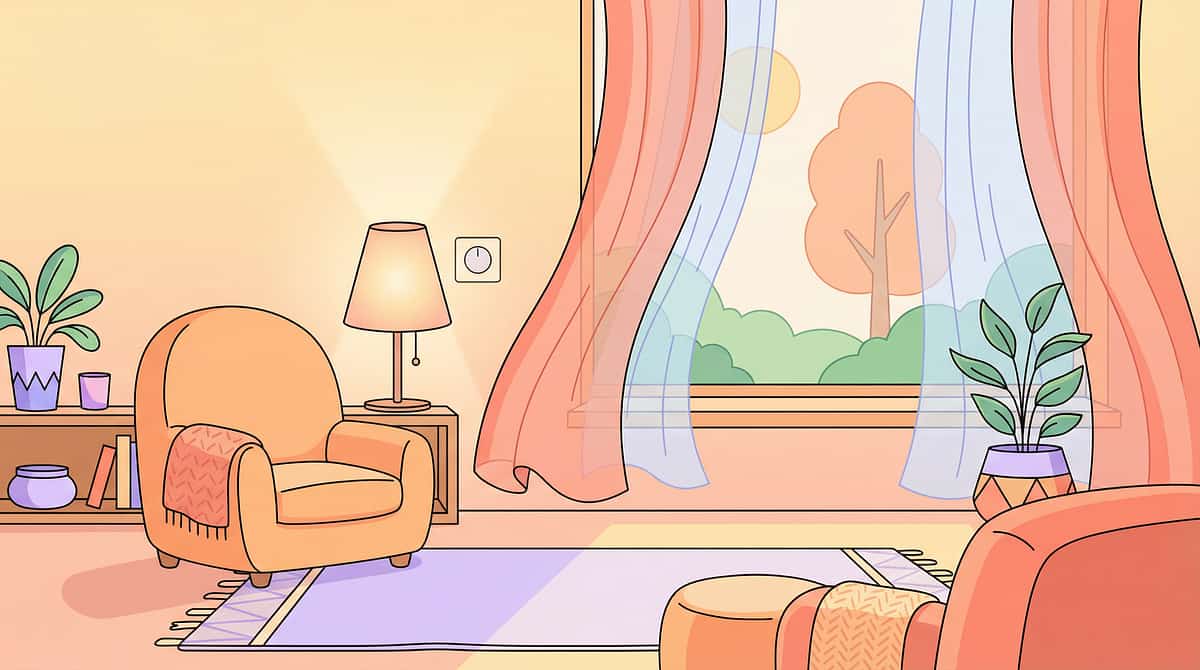
- Dimmer switches
- Table or floor lamps
- Window shades or curtains
- Fluorescent light filters (available at stationery stores)
- Warm-tone LED bulbs
DIY Version
Cover one window with newspaper during work time. Move to a corner with natural light. Cost: ₹0.
Search Tip
Amazon.in: "warm LED desk lamp child study"
The Clinical Principle
Light is sensory input. The right lighting sets focus, calm, or alert states.
Fluorescent overhead lighting — the most common lighting in Indian homes and schools — produces a subtle flicker that many sensory-sensitive children detect and that contributes to arousal dysregulation. Warm-tone LED lighting at moderate brightness creates an optimal arousal state for sustained attention.
For sensory seekers: slightly brighter during work promotes alert focus. For sensory avoiders: dimmed, warm-tone only, with overhead lights off if possible. Lighting is the most under-utilised environmental variable in home therapy.
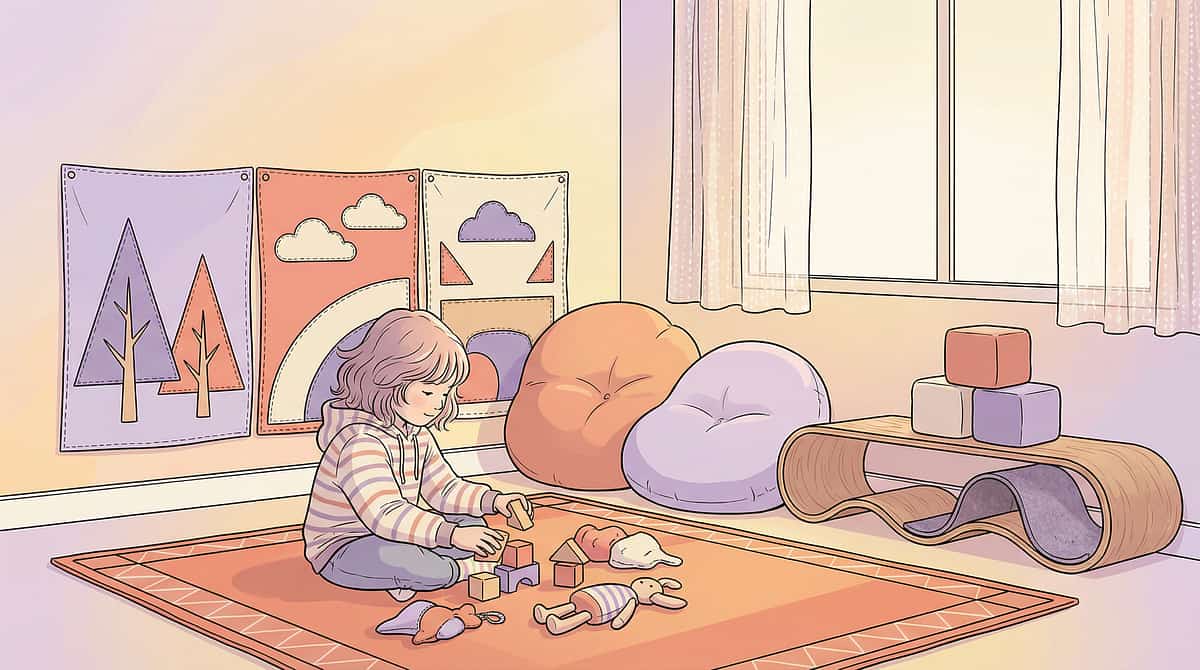
Material 7: Sound Management & Noise Reduction
⭐⭐ MEDIUM
Essential for Auditory-Sensitive Children
₹400–2,000
The Clinical Principle
In a child with auditory processing differences or heightened sensory sensitivity, background noise is not background. The television in the next room, the ceiling fan, a neighbour's conversation — all of these register at near-equal volume to the parent's voice and the task at hand.
Sound management is the single most impactful change for auditory-sensitive children. Before spending a rupee, turn off the television. That simple act may produce a more significant improvement than any purchased material.
What to Source
- Child-sized noise-reducing headphones (volume-limited)
- White noise machine or free app
- Area rugs (absorb sound)
- Heavy curtains
- Ear defenders for highly sensitive children
DIY Version
Rolled-up cotton wool in ears during sensitive tasks. Or: simply turn off the TV. Cost: ₹0.
Safety Note
Headphones must be volume-limited to 85dB maximum for children. Consult your OT for severe auditory sensitivity — dB reduction specifications matter.
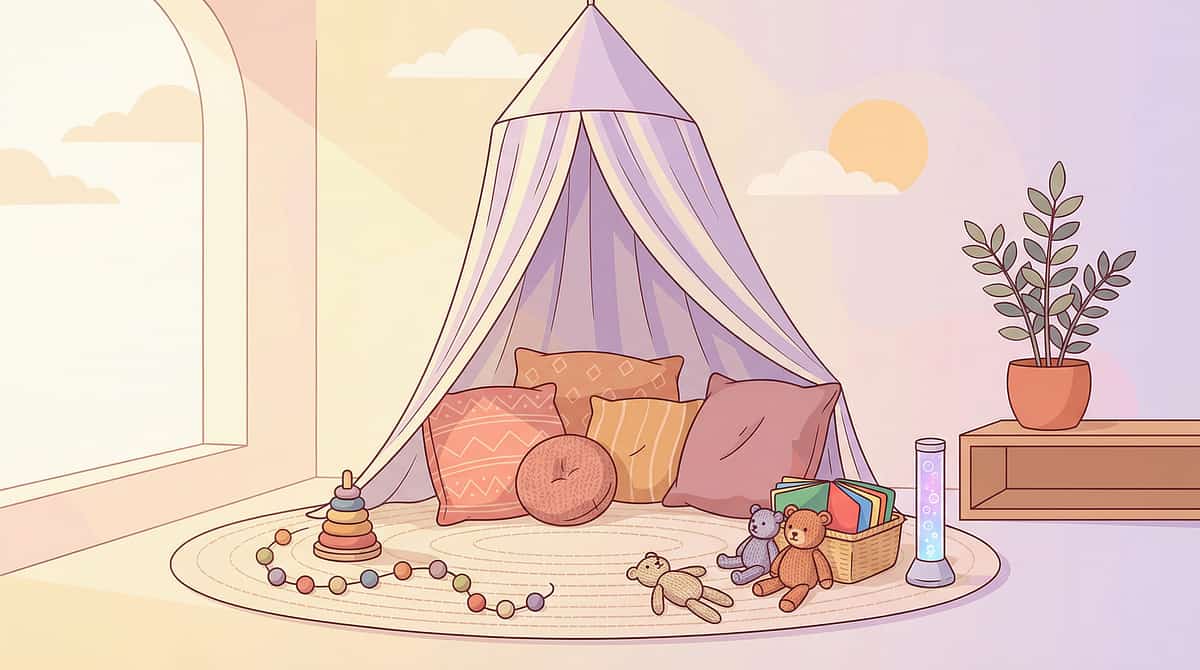
Material 8: Calm Corners & Regulation Spaces
⭐⭐⭐ HIGH IMPACT for Regulation Difficulties
Regulation Space Materials
₹500–2,000
What to Source
- Bean bag or floor cushions
- Soft blankets
- Sensory tools: fidgets, squeeze balls
- Weighted lap pad (OT prescription)
- Fairy lights or dim lamp
- Small tent or canopy for enclosure feeling
- Visual calm-down cards
Pinnacle Active Products
- Problem-Solving & Calming Toy Set | ₹428
- Cause-Effect Calm Toy | ₹519
DIY Version
Blanket draped over two chairs = instant tent. Old cushions. Cost: ₹0.
The Clinical Principle
Self-regulation needs a physical space. The calm corner IS the intervention.
The calm corner is not a time-out space. It is not a reward. It is not a consequence. It is a regulation tool — a designated space where the nervous system can return to baseline before returning to learning.
Critical distinction: the calm corner is offered preventively — when arousal is rising but before dysregulation occurs. "Would you like to take a break in your calm spot?" used at the right moment prevents the meltdown that would have ended the session anyway.
Do not remove the calm corner because a child uses it frequently. Frequent use means it is working. Over 4–8 weeks, the regulation function builds and avoidance function fades.
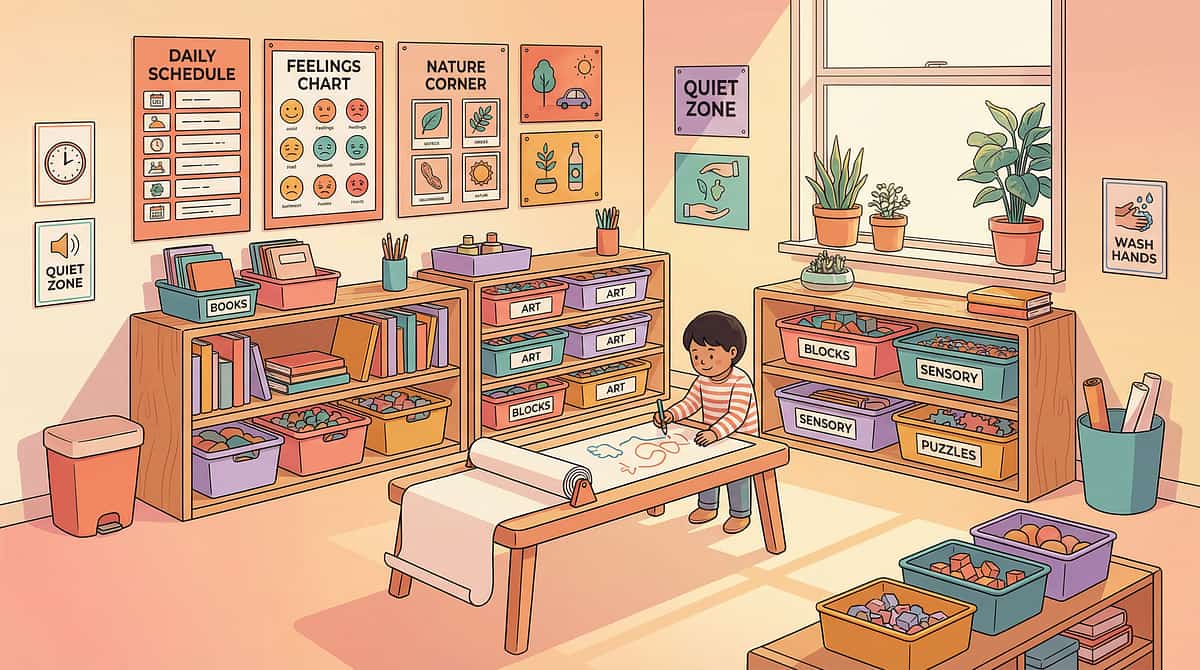
Material 9: Visual Supports & Environmental Labels
⭐⭐ MEDIUM
Multiplies Every Other Material's Effectiveness
₹100–500
The Clinical Principle
The best instruction is embedded in the environment. Visuals teach without talking.
Every time a parent has to say "put that there" or "that goes in the blue bin" or "first this, then that," they are using verbal instruction to do what an environmental visual could do silently, consistently, and without relationship strain.
Visual supports reduce the verbal demand load on the parent. They build the child's ability to read their environment independently. They generalise to school, to other homes, to all structured environments. Material 9 multiplies the effectiveness of every other material in this list.
What to Source
- Picture labels for all storage
- Visual rule cards for key locations
- First-Then boards
- Choice boards
- Step-by-step sequence cards
- Laminating sheets
Pinnacle Active Products
- Matching & Memory Game Set | ₹519
DIY Version
Hand-drawn pictures. Phone photos printed at local shop (₹2/photo). Near-free.
Search Tip
Amazon.in: "picture labels autism classroom visual support"
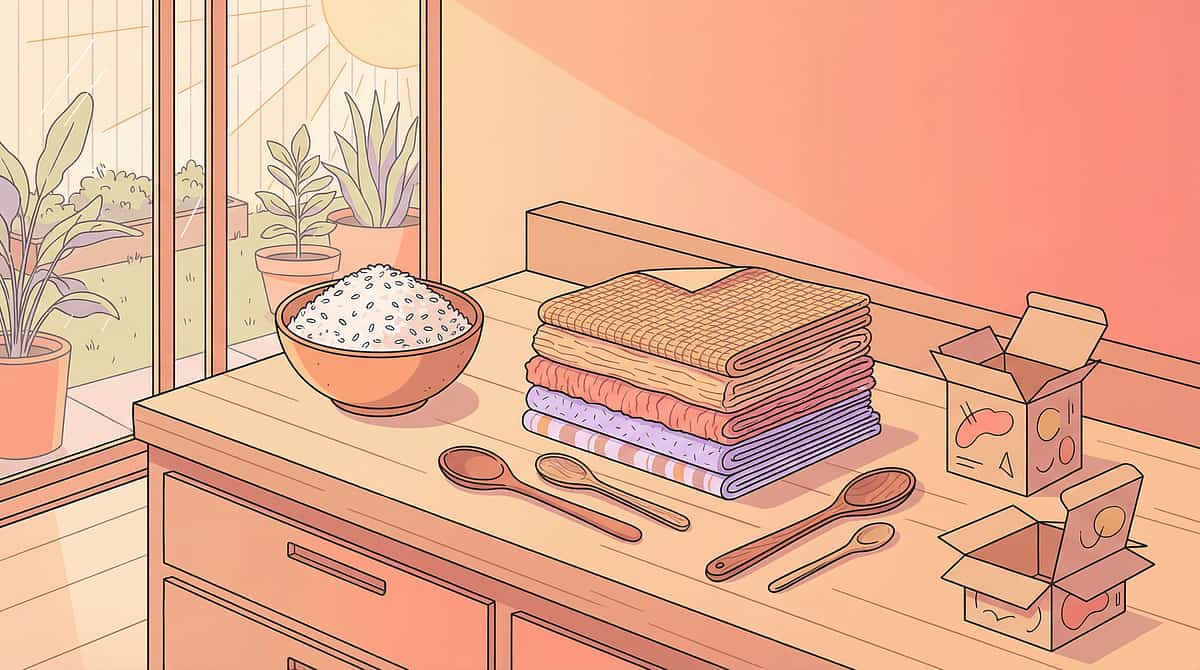
DIY & Substitute Options: Zero-Cost Versions
Every material has a zero-cost version. WHO principle: equity first. The therapeutic principle is the physical and sensory function — not the brand. A corner is a corner. Visible tape IS a boundary. A drawn schedule IS a schedule. The brain responds to structure, not to price tags.
Material | Buy This (Clinical Grade) | Make This (Free Today) | |
Work Station | Child-sized table & chair (₹1,500–3,000) | Any table + one specific chair used ONLY for work. Free. | |
Visual Boundaries | Coloured area rugs (₹300–800) | Coloured masking tape on floor. One roll = ₹40. | |
Distraction Reducer | Tri-fold privacy board (₹200–600) | Three cereal boxes taped together in a U-shape. Free. | |
Visual Schedule | Printed laminated board (₹200–400) | Paper + pen + photos printed on phone. Velcro = ₹50 strip. | |
Organised Storage | Clear bins + labels (₹300–800) | Old shoe boxes with drawn/cut-out pictures on the front. Free. | |
Lighting | Dimmer switch + warm bulb (₹300–600) | Cover one window with newspaper during work time. Free. | |
Sound Management | Noise-cancelling headphones (₹400–1,200) | Turn off the TV. Cotton wool in ears for sensitive tasks. Free. | |
Calm Corner | Bean bag + tent + tools (₹800–2,000) | Blanket draped over two chairs = instant tent. Old cushions. Free. | |
Visual Supports | Printed laminated cards (₹100–300) | Hand-drawn pictures. Photos printed at local shop (₹2/photo). Near-free. |
WHO Equity Statement: "Context-specific, equity-focused interventions. The WHO Care for Child Development package is implemented across 54 low- and middle-income countries using household materials." — PMC9978394 | WHO CCD Package
Safety First: Before You Begin
Read this before arranging anything. Safety is the first structure. This traffic-light system helps you assess readiness before introducing any environmental changes.
🔴 Do Not Proceed If:
- Child is currently in acute dysregulation or meltdown
- Child has severe vestibular processing disorder (consult OT before modifying furniture layout)
- Any material has small parts accessible to children under 3 who mouth objects
- Weighted items being used without OT prescription
- Child has recently experienced significant trauma
🟡 Modify Approach If:
- Child is tired, hungry, or unwell — simplify changes
- Family is in a period of transition — introduce one change at a time
- Child has significant anxiety around change — involve child in the design process
- Sibling dynamics may affect zone consistency — plan for whole-family buy-in
🟢 Safe to Proceed When:
- Child is in a calm, regulated baseline state
- You are introducing ONE change at a time
- All family members understand the new environmental rules
- Emergency exits and pathways remain unobstructed
- Heavy furniture is secured to walls
- Electrical cords are secured or concealed
Item | Safety Note | |
Weighted items | Max 10% of child's body weight; OT prescription required | |
Tent/canopy | Ensure poles cannot collapse; always supervised | |
Headphones | Volume-limited to 85dB max for children | |
Floor tape | Non-toxic adhesive; test on flooring surface first | |
Fairy lights | Transformer-type only; no heat; child cannot reach socket | |
Open shelving | Secure to wall with L-bracket if above 60cm height |
🛑Pause session immediately if: Child becomes more agitated in the new space | Child is attempting to destroy new structures | Skin reactions to any material | Child refuses to enter after 3 attempts → This is data. Consult your OT. 📞9100 181 181
Is Your Child Ready? The Pre-Session Checklist
The best session is one that starts right. Take 60 seconds for this readiness check before every session — it saves hours of recovery time when dysregulation occurs mid-session.
✅ All Green — Proceed with Full Session
Fed within 90 minutes | Slept adequately | No illness signs | Calm or mildly alert baseline | No disruption in last 30 minutes | Medication taken if applicable | No recent sensory-heavy experience
🟡 1–2 Amber — Proceed with Modified Session
Shorten from 20 min → 10 min | Reduce materials to essentials only | Increase reinforcement frequency | Allow child to choose which task comes first
🔴 Any Red — Postpone
Offer proprioceptive calming (heavy work, carrying books) | Deep pressure as instructed by OT | Quiet time in calm corner (10–15 min) | Simple outdoor sensory walk | Retry in 30–60 min
"A dysregulated parent cannot regulate a dysregulated child." — Check yourself too: Am I regulated enough to run this session? Do I have 20 uninterrupted minutes?

Step 1 of 6
Step 1: The Invitation
Time: 30–60 seconds. This step establishes the session before a single demand is placed. The quality of the invitation determines the quality of everything that follows.
Opening Script
"Let's go check your schedule. See what's first today."
Body Language
- Walk toward the visual schedule together — don't carry child
- Calm, unhurried pace — you're leading, not dragging
- Crouch to child's eye level when pointing to schedule
- Neutral expression — not excited (can over-arouse), not serious
What Acceptance Looks Like
- Child follows you toward the schedule
- Child makes eye contact with the schedule board
- Child touches or points at a picture
- Child vocalises or communicates interest
What Resistance Looks Like & How to Respond
- Continues current activity: "Two more minutes, then we check the schedule." Show a visual timer.
- Moves away: Follow calmly, reduce demand language. "I'm going to check the schedule. Come when you're ready."
- Protests verbally: "I hear you. First work, then [preferred activity]." Show First-Then board.
ABA Principle — Pairing: Before placing demands, establish yourself as a positive presence. If the child doesn't associate the work station with positive experiences yet, spend the first 3–5 sessions simply going to the station for preferred activities. Build the association before the demand.
Step 2 of 6
Step 2: The Engagement
Time: 1–3 minutes. The child has arrived at or near the work station. Now you consolidate that presence into seated, task-oriented engagement.
Script
"Great checking the schedule. [Child's name], your task is waiting for you. Come sit in your work chair."
Material Introduction
- Place only the current task materials on the work surface
- Nothing else on the table
- Materials are pre-organised (task box, left-to-right)
- Present the first task with minimal verbal explanation
Reading the Child's Response
- Engagement: Leans toward table, reaches for material → proceed
- Tolerance: Sits without reaching, watching → wait 10 seconds, then offer "Can you put this here?"
- Avoidance: Body turned away → use preferred item first within the station ("first puzzle, then cards")
Reinforcement Cue — Begin Here
Verbal praise within 3 seconds of sitting at station. Be specific, not generic:
❌ "Good job."
✅ "You sat in your work chair — that's great working!"
Environmental Check
- Calm corner visible from work station ✓
- Toy shelf covered or out of sightline ✓
- Lighting adjusted for focus ✓
- Background noise minimised ✓
Step 3 of 6 — Core Therapeutic Action
Step 3: The Therapeutic Action
Time: 5–15 minutes (core session). This is the primary therapeutic window. Four principles are operating simultaneously.
Principle 1: Structured Space Teaches Behaviour
Child is seated at dedicated work station. Task materials are the ONLY items visible on the table surface. Child completes 1–3 task sequences from the visual schedule. Each task completion = one item moved to "done" envelope.
Parent Observation: Is the child scanning the room? Scanning = environment not yet sufficiently distraction-reduced. Note and adjust.
Principle 2: Visual Schedule Regulates Time Anxiety
At transition between tasks: child goes to schedule, removes completed picture, views next activity. This is not a reward — this is a routine. Reduction in "what next?" questions = schedule is working.
Principle 3: Organised Storage Builds Independence
Child gets materials from labelled storage independently. Prompt fading progression: Week 1: full physical guidance → Week 2: gestural prompt → Week 3: child does independently.
Principle 4: Calm Corner Is Preventive, Not Reactive
When arousal rises: "Would you like to take a break in your calm spot?" Child goes for 2–3 minutes. Returns to work station when ready. This is not time-out. It's a regulation tool.
Common Execution Errors: Allowing other activities at the work station ("just this once") — maintain the rule absolutely | Too many verbal directions during work time — let the environment do the directing | Removing the calm corner because "he just goes there to avoid work" — this is normal initially; stay consistent.
Step 4 of 6
Step 4: Repeat & Vary
Time: 5–10 minutes additional. The environment is established. Now you work within it — building duration, consistency, and novelty within structure.
Repetition Guidance
- Sessions per day: 1–2 (morning focus + optional afternoon)
- Session duration: Start at 5–10 minutes; build by 2 minutes/week
- Days per week: Every day — the environment is always available
"3 quality minutes > 30 forced minutes. End before the child reaches satiation."
Structure Consistency Note
The physical environment changes once (setup phase). Do NOT change the environment setup frequently — the consistency IS the therapy.
Variation Options (Maintain Novelty Within Structure)
- Rotate task content within the work station (same structure, new activities)
- Change one visual schedule activity each week
- Add new labelled storage category monthly
- Rotate calm corner sensory tools weekly
- Involve child in updating visual schedule pictures
Satiation Indicators — Time to End the Session
- Increased physical movement / getting off chair repeatedly
- Vocalising or verbalising fatigue ("all done," "no more")
- Task performance declining noticeably
- Eye contact with work materials decreasing
- Any dysregulation signs emerging
Step 5 of 6
Step 5: Reinforce & Celebrate
Time: Continuous throughout session — not just at end. Reinforcement is not a reward at the finish line. It is a steady stream of specific, timely recognition that tells the child's brain: that behaviour is worth repeating.
"Celebrate the attempt, not just the success."
Social Reinforcement
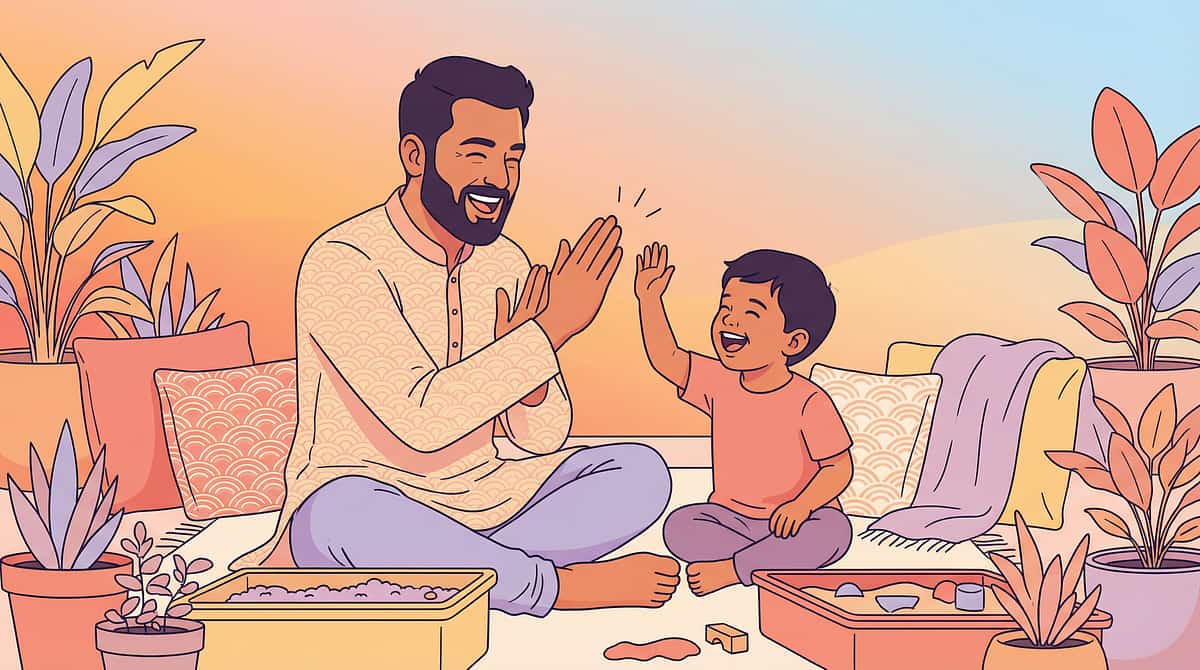
High five, thumbs up, specific verbal praise, celebratory dance. Always within 3 seconds of the target behaviour.
Token Reinforcement
Sticker chart: 5 stickers = preferred activity. Visual and concrete — the child can see their progress accumulating.
Activity Reinforcement
"First work, then [child's top preferred activity]." The First-Then board makes the sequence visible and predictable.
Sensory Reinforcement
After-session sensory break: trampoline, swing, deep pressure. Matches the child's sensory preference profile.
Reinforcement Scripts (within 3 seconds)
- "You went straight to your work station! That's exactly right."
- "You checked the schedule yourself! I love that."
- "You took a break in your calm corner and came back. That's self-regulation — and it's incredible."
Critical: Do Not Reinforce the Calm Corner With a Tangible Reward
The calm corner is not rewarded — it is used. Reinforce re-engagement with the work station after a calm break. Reinforcing calm corner use with tangibles can inadvertently increase its use as avoidance rather than regulation.
Capture the Data: Right Now
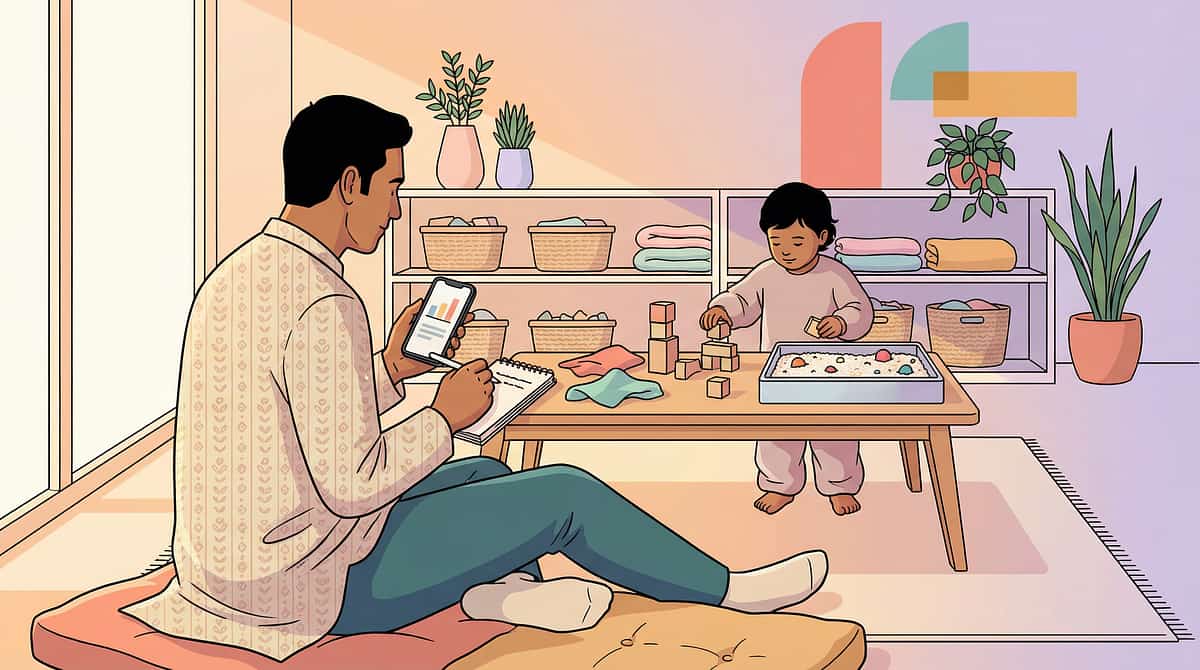
60 seconds of data now saves hours of guessing later. Record these data points immediately after every session — by hand, voice note, or the GPT-OS® tracker. This data directly informs your therapy team's recommendations.
1
Focus Duration
How long did child engage at the work station before first significant distraction or break?
Under 2 min | 2–5 min | 5–10 min | 10–15 min | 15+ min
2
Schedule Use
Did the child reference the visual schedule?
With full prompting | With gesture prompt | Independently | Not at all
3
Environment Response
Overall, how did the child respond to the structured space today?
More settled than usual | About the same | More dysregulated | First session — baseline only
4
Calm Corner Use
Used once | Used multiple times | Not needed | Refused
What This Data Tells Your Therapy Team: Focus duration trend = attention development trajectory | Schedule independence = visual processing and sequencing development | Environment response = sensory regulation baseline | Calm corner patterns = self-regulation emergence. 📞 Share your data at your next session: 9100 181 181
What If It Didn't Go as Planned?
Session abandonment is not failure. It is data. Here is what the data means — and exactly what to do next.
"My child refused to go to the work station at all."
Why: The work station hasn't been associated with positive experiences yet, or too many demands at once. Fix: Spend 3 sessions doing ONLY preferred activities at the work station. The station must mean "good things happen here" before "work happens here."
"My child sat for 30 seconds and ran away."
Why: Session duration exceeded current capacity. Fix: Start at 1–2 minutes. Build gradually (+1 minute per week). 30 seconds of focused work > 20 minutes of chasing the child. Document the 30 seconds. That IS progress.
"The visual schedule is being ignored."
Why: Schedule hasn't been taught; pictures too abstract; or placed in wrong location. Fix: Use actual photos of YOUR activities and YOUR spaces. Explicitly teach: walk to schedule, point to picture, name activity. Every transition, every time.
"My child keeps going to the calm corner to avoid work."
Why: Normal and expected for weeks 2–4. Fix: Allow it — the escape function fades as the work station becomes positively associated. If avoidance persists beyond 4 weeks, consult your BCBA.
"Siblings are disrupting the work session."
Why: Environmental boundary hasn't been established family-wide. Fix: Brief family meeting. Use a visual cue: red card on the work station = quiet zone. Schedule work during sibling nap or school time initially.
Emergency Protocol: If child becomes severely distressed — stop immediately, offer calm corner, return to baseline. 📞 Call Pinnacle Helpline: 9100 181 181
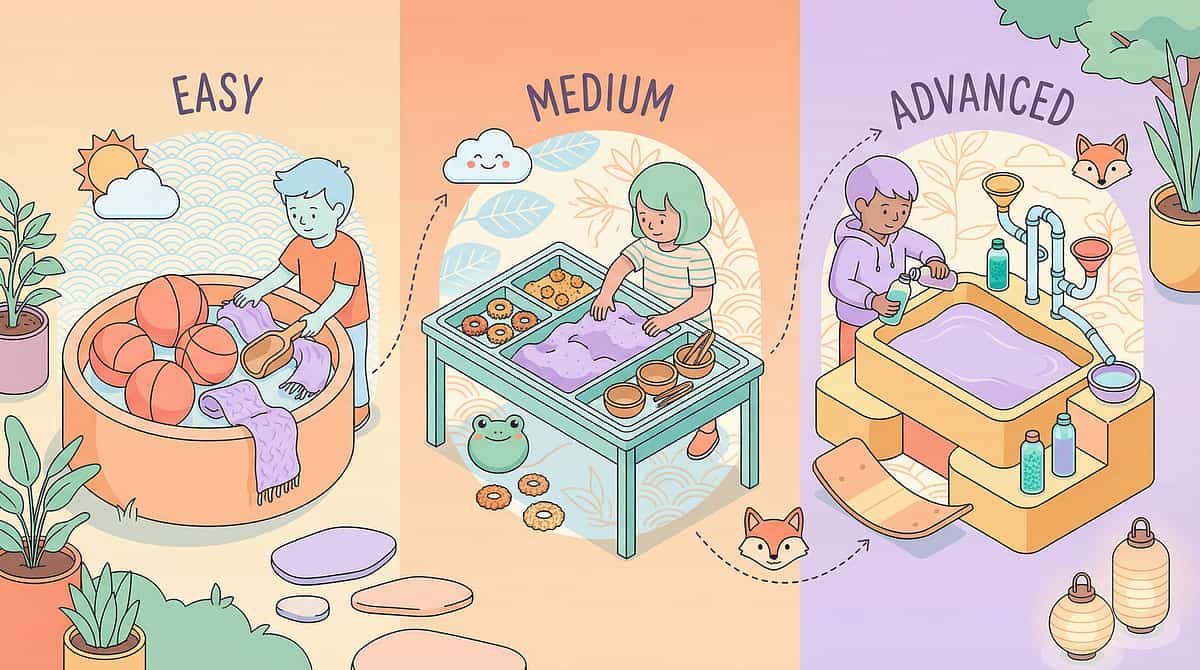
Adapt & Personalise: Tailoring to Your Child
No two children. No two environments. Here is how to tailor the technique across difficulty levels, sensory profiles, and age groups.
Easier Modifications
- Work station = just a placemat on the kitchen table
- Visual schedule = 2 pictures only (First-Then board)
- No zones yet — just one clear work spot
- Calm corner = one cushion in a corner
- No storage labels yet — just "work" and "not work" piles
Standard Setup
Full implementation as described in Materials 1–9 and Steps 1–6. The core protocol designed for children aged 3–6 with autism, ADHD, or sensory processing differences.
Advanced Modifications
- Child independently sets up work station before sessions
- Child builds own visual schedule for the day
- Multiple zones with self-directed transitions
- Generalise setup principles to school bag, bedroom, outdoor space
Sensory Seeker Variations
- Work station includes movement breaks (wobble cushion)
- Calm corner includes proprioceptive tools (resistance band, heavy blanket)
- Lighting slightly brighter during work
- White noise at comfortable level during work
Sensory Avoider Variations
- Work station is maximum minimal — nothing in sightline
- Noise-cancelling headphones during work sessions
- Lighting dimmed, warm-tone only
- Calm corner highly enclosed (tent, darkened corner)
- One material on table at a time — all others hidden
Age Group | Adaptations | |
Toddler (1–3) | Object-based schedule; 5-minute station maximum; floor work acceptable | |
Preschool (3–6) | Photo-based schedule; 10–15 minute sessions; emerging independence with organised storage | |
School Age (6+) | Word + picture supports; 20–30 minute sessions; self-directed schedule management | |
Adolescent | Self-managed systems; minimal visible supports; study space principles; personal preference input |