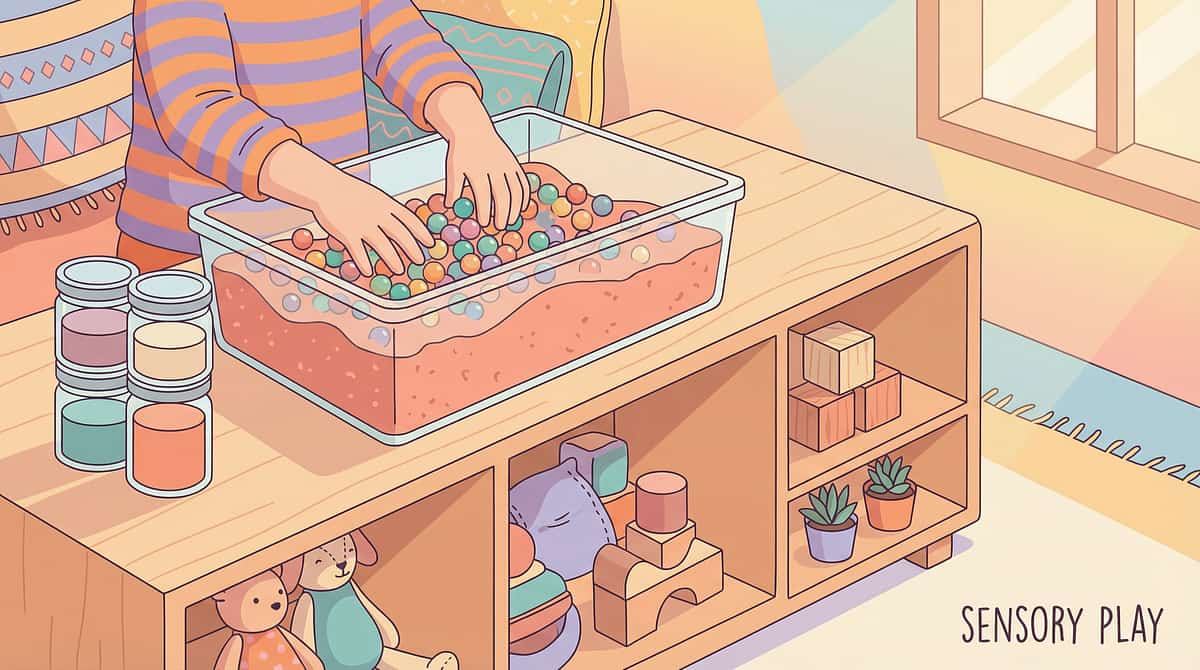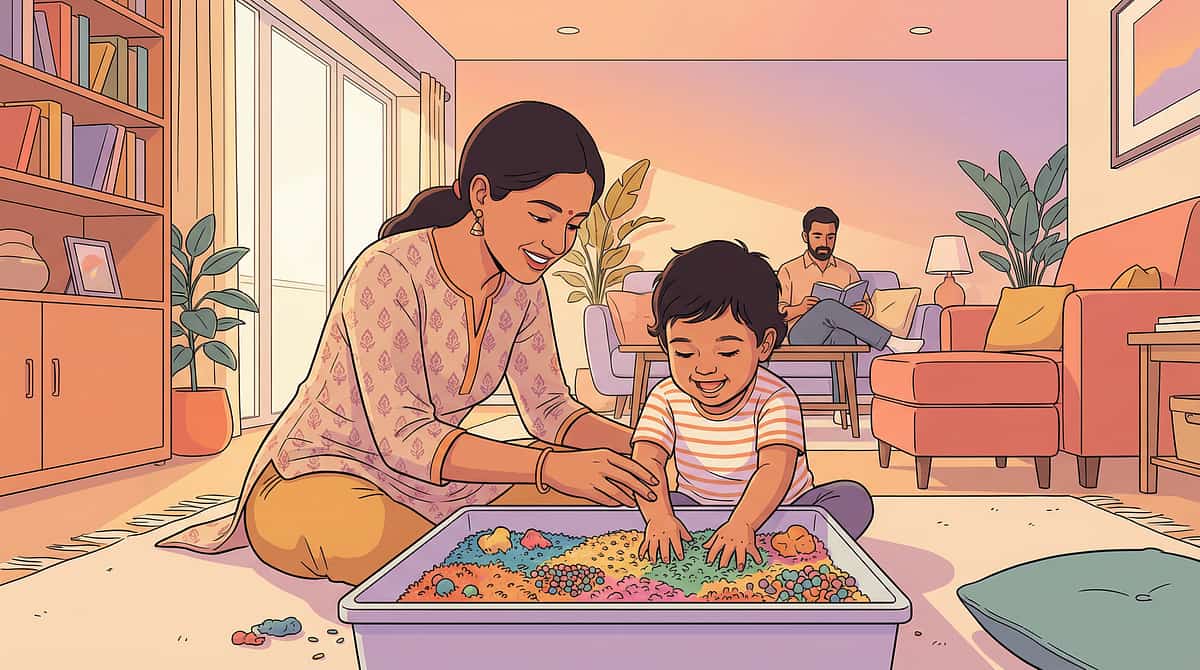
9 Materials That Help With Creating Play Spaces
Transform any room into a therapeutic play environment. Science-backed, WHO/UNICEF-aligned guidance from India's largest autism therapy consortium.
Pinnacle Blooms Network®
Play Development Series G-660
Domain G
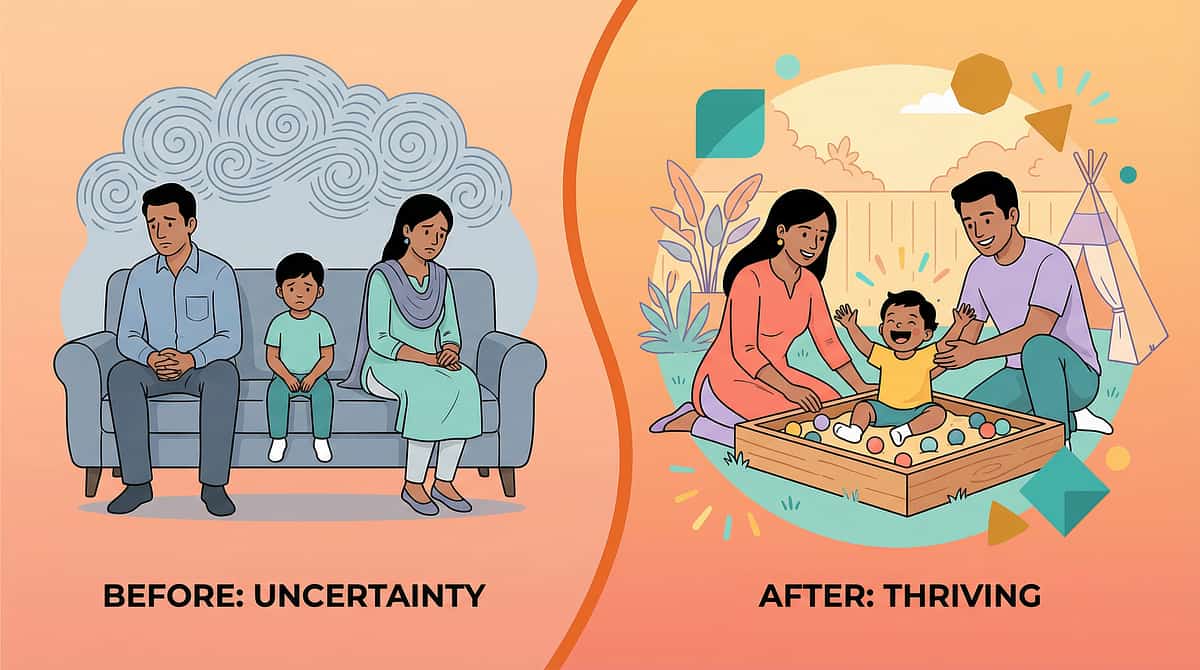
"Toys everywhere. Sustained play nowhere."
The problem isn't your child. It isn't the toys. It's the environment — and that's the one thing you CAN change today.
"We have an entire room full of toys — honestly, it looks like a toy store exploded in there. But real play? I almost never see it. She'll pick something up, look at it for ten seconds, drop it, walk to the next thing, dump a bin, stare at the pile, and then tell me she's bored. By 6 PM the house is destroyed and she hasn't played with anything. When her OT comes for home sessions, she always asks 'Where should we work?' — and I realize there's no good answer. Every space is cluttered. Nowhere feels like a real play space. I don't even know where to start."

You are not failing. Your child's environment is failing her. The space is the intervention.
📞9100 181 181 — FREE National Autism Helpline — Available Now

You Are Among Millions of Families Navigating This Exact Challenge

ACT I — UNDERSTANDING Environmental disorganization is not a parenting failure. It is a structural mismatch between a typically designed home and a neurodivergent nervous system. When the space doesn't match the child's regulatory needs, even the best toys become unusable. This is documented in occupational therapy literature across 24+ systematic studies. Children on Spectrum Children in India are diagnosed on the autism spectrum — virtually every one struggles with environmental overwhelm Reduced Play Quality Of children with sensory processing differences show markedly reduced play quality in cluttered, unstructured environments Longer Engagement Children with autism spectrum profiles play 4.7× longer in a deliberately structured environment — same child, same toys, different space "You are not among a small, isolated group of struggling families. You are among the majority of parents of neurodivergent children who have discovered that the room itself matters as much as the toys inside it." Research Evidence: PMC11506176 — PRISMA systematic review (2024): 80% of children diagnosed with autism display sensory processing difficulties directly affecting environmental engagement. PMC10955541 — Meta-analysis (World J Clin Cases, 2024): Environmental structure as a determinant of play quality and duration. 📞 9100 181 181 — FREE National Autism Helpline
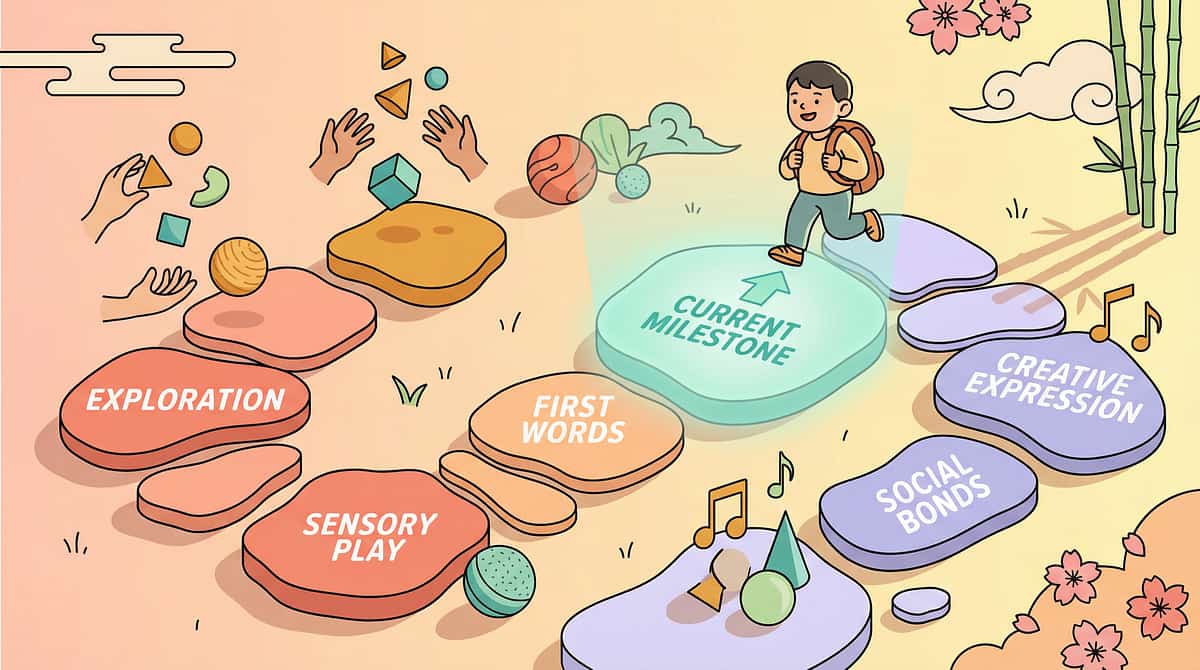

Why Clutter Isn't Just Annoying — It's Neurologically Disabling
The Neuroscience
The Sensory Load Pathway: When a child enters a cluttered space, the visual cortex receives simultaneous signals from hundreds of competing stimuli. In a neurotypical brain, the prefrontal cortex filters and prioritizes. In many children with autism, ADHD, or sensory processing differences, this filtering mechanism is under-developed or differently wired.
Result: Every object in the room demands equal neural attention simultaneously. The child experiences all the toys as noise — not as choices.
The Executive Function Gap: The transition from "I have free time" → "I will do this specific activity" requires working memory, initiation, and planning. For 68% of children with autism, these functions are significantly delayed relative to chronological age.
Result: An open, undefined play space with 40 visible items requires 40 decision-making computations. The child's system overloads — and shuts down into wandering.
Plain English for Parents
🧠In simple terms: Your child isn't being difficult. Her brain receives the whole room as chaos, and her nervous system has no pathway to "choose something and start."
🔧What helps: When we reduce visible choices to 8–12, create clear zones, and add visual structure, we're doing externally what her brain struggles to do internally.
The intervention IS the space — organized environment = scaffolded executive function = sustained play.
Research Evidence: Frontiers in Integrative Neuroscience (2020) | DOI: 10.3389/fnint.2020.556660 — Neurological basis for sensory-based environmental interventions in ASD. Reggio Emilia Educational Philosophy: "Environment as the third teacher."
Play Space Design Is Developmentally Critical from Age 0–12
This technique applies to 0–12 years, with environmental design needs evolving at each stage. Children with developmental delays should be matched to developmental age, not chronological age.
0–2 Years
Safe floor exploration. 1 visible toy at a time, safe zone definition.
2–4 Years
Defined play zones + visual predictability. Zone rugs + open shelving (3–6 items).
4–6 Years
Independent access + choice structure. Full open shelving + visual schedules + calm corner.
6–9 Years
Activity stations + skill-specific zones. Portable stations + wall organization + rotation.
9–12 Years
Personal organization + homework/play separation. Zone independence + self-managed rotation.

Comorbidity Awareness: Environmental sensitivity is heightened in autism, ADHD, sensory processing disorder, anxiety disorders, and developmental delays. The more complex the profile, the more critical the environmental design.
Research Evidence: WHO Care for Child Development Package (2023) — Age-specific recommendations implemented across 54 LMICs. PMC9978394 — UNICEF/WHO CCD implementation evidence.
LEVEL I EVIDENCE
This Is Not Intuition. This Is Peer-Reviewed Science.
Five landmark studies converge on a single conclusion: structured environmental intervention is evidence-based practice for autism spectrum disorder. Every material recommendation in this guide is anchored in peer-reviewed clinical literature.
PRISMA Systematic Review (2024)
16 RCTs and controlled studies (2013–2023) confirm that structured environmental intervention meets criteria as evidence-based practice for ASD. 🔗 PMC11506176
Meta-Analysis (2024)
24 studies confirm sensory-integrated environmental structure promotes social skills, adaptive behavior, sensory processing, and motor skills. 🔗 PMC10955541
WHO Nurturing Care Framework (2018)
Environment design identified as a core component of early childhood development across 197 countries. Implemented in 54 LMICs. 🔗 WHO NCF
Indian RCT (2019)
Home-based structured environmental interventions demonstrated significant developmental outcomes in Indian pediatric populations. 🔗 DOI: 10.1007/s12098-018-2747-4
NCAEP Evidence-Based Practices (2020)
Visual supports and environmental structure classified as evidence-based practice for autism across lifespan. 🔗 NCAEP 2020
"Clinically validated. Home-applicable. Parent-proven."
📞9100 181 181 — Ask our clinical team about your child's specific environment needs
ACT II — KNOWLEDGE TRANSFER
G-660 | PLAY-ENV | Domain G
Therapeutic Play Space Design & Environmental Structuring
"Making the Room Work for Your Child"

Definition: Environmental Therapeutic Design is the deliberate modification of a child's physical play environment — through organization, zone definition, sensory calibration, visual structure, and material access design — to reduce cognitive and regulatory load and thereby enable sustained, developmental-quality play.
The core principle: The environment is not a neutral backdrop. It actively supports or undermines everything a child's therapy is trying to achieve. A well-designed space extends every therapy session into every waking hour between appointments.
Age Range
0–12 years
Setting
Home / Therapy Centre
Setup Duration
2–4 hours (one-time)
Daily Maintenance
10 minutes
Lead Discipline
Occupational Therapy
Five Disciplines. One Environmental Principle. Exponential Impact.
A child's nervous system doesn't organize itself by therapy type. The environment that supports OT regulation also enables ABA learning and SLP communication. Every specialist on your child's team uses this technique — from a different angle, toward the same goal.
Occupational Therapy
Primary Lead. OT prescribes environmental structure as a core therapeutic tool. Sensory diet recommendations, zone design, regulation corner setup, and functional accessibility are all OT domains.
ABA / BCBA
Environmental antecedent modification. ABA practitioners use space design to reduce triggers, increase reinforcement clarity, and set up discriminative stimuli that signal desired behaviors.
Special Education
Structured learning environment. SpEd applies zone-based organization to learning stations, visual schedules, and independent work systems (TEACCH-based organization).
Speech & Language
Communication environment. SLP positions AAC devices, picture exchange boards, and communication stations as part of play space design to embed language opportunities.
Neuro-Developmental Paediatrics
Developmental prescription. NeuroDev physicians incorporate environmental structuring into care plans, particularly for children with regulatory disorders, anxiety, and executive function deficits.
"This technique crosses therapy boundaries because a child's nervous system doesn't organize itself by therapy type." — Pinnacle Blooms Consortium®
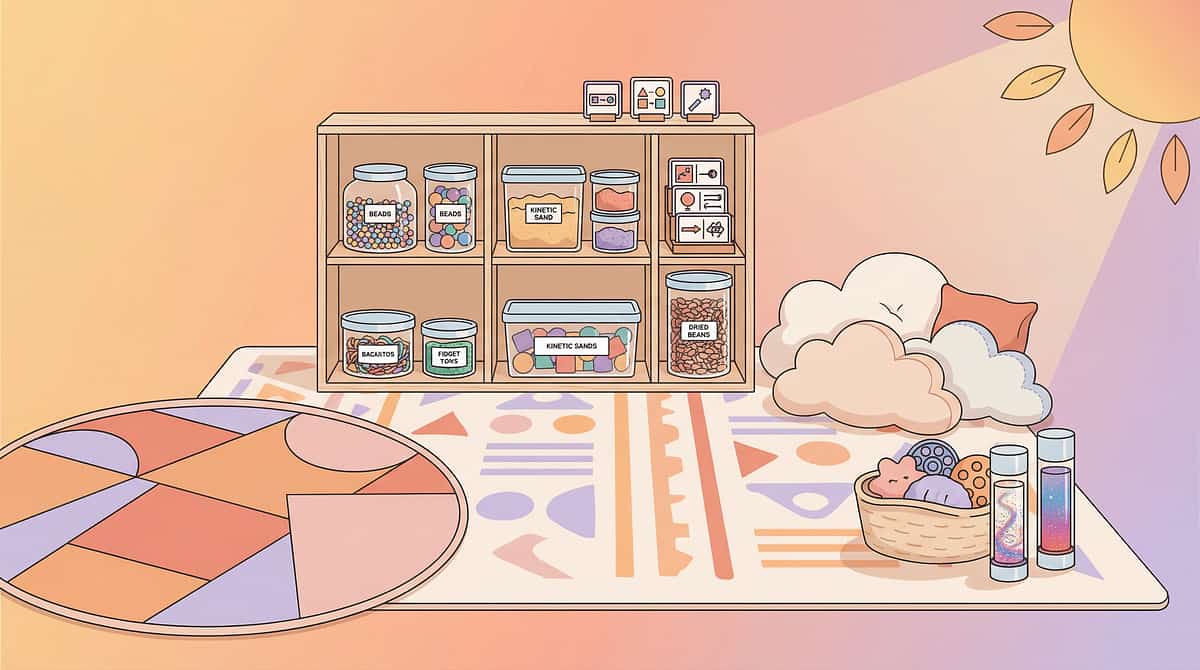
This Isn't a Tidying System. It's a Precision Developmental Tool.
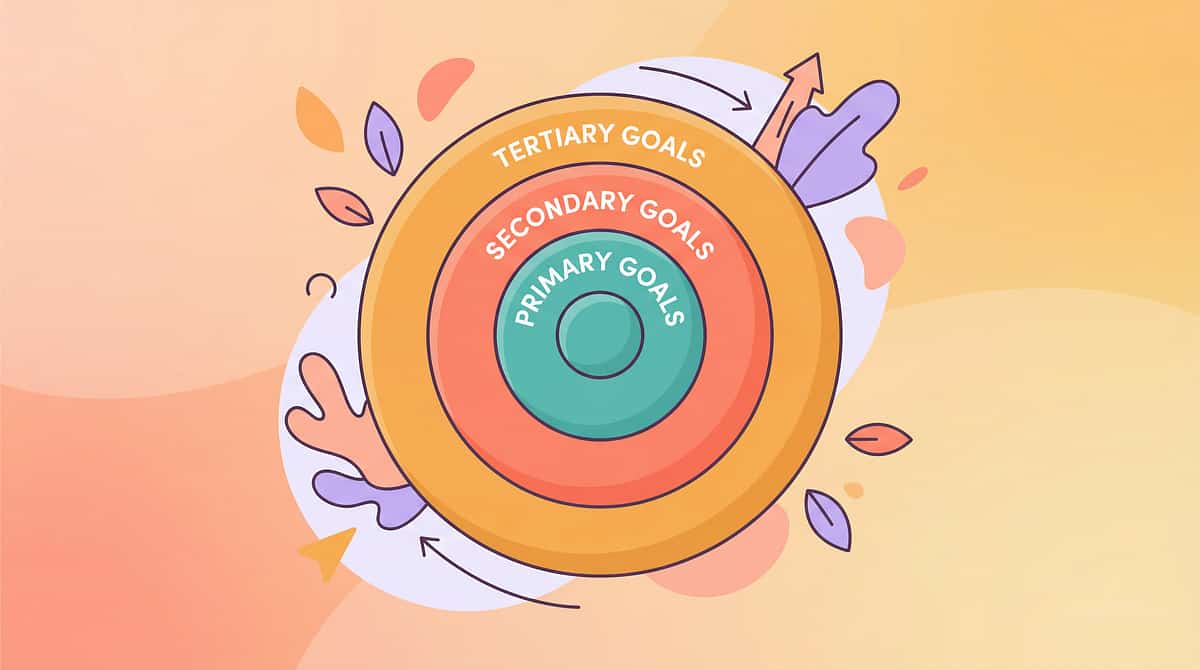
Each layer of benefit builds on the one before it. What begins as "my child stayed in one spot for 5 minutes" evolves, over weeks, into measurable gains in executive function, school readiness, and self-regulation independence.
Tertiary Targets
Self-regulation independence · Executive function development (Weeks 6–12+)
Secondary Targets
Attention span extension · Transition ease · Therapist-effective home space (Weeks 3–6)
Primary Targets
Sustained play · Independent activity selection · Reduced dump-and-wander (Weeks 1–2)
Primary — Observable in Weeks 1–2
  • Child independently selects an activity without prompting
  • Play duration increases from seconds to minutes
  • "Bored" complaints decrease noticeably
  • Dump-and-wander pattern begins to reduce
Secondary — Observable in Weeks 3–6
  • Child transitions between zones without meltdown
  • Cleanup becomes manageable (5–10 minutes)
  • Child uses calm-down corner proactively
  • Therapist can work effectively in the home space
Research Evidence: PMC10955541 — Meta-analysis: Environmental structure promotes social skills (primary), adaptive behavior (secondary), and developmental gains (tertiary).
Material 1 of 9
Open Shelving with Clear Containers
Canon Category: Storage & Organization Systems
Why It Works
Makes choices visible, dramatically reducing decision overwhelm. When a child can see the options, she can choose. When everything is in closed bins, every play session begins with an overwhelming search.
Starter Price: ₹2,000–₹15,000
🛒 Search on Amazon.in: "cube storage kids open shelving"
DIY Version — ₹0
Repurpose an existing bookshelf or stack sturdy cardboard boxes, open-fronted. The therapeutic principle is visual accessibility — items visible = items chosen. The material of the shelf is incidental.
Setup Tip
Position at child's eye level along the longest available wall. Limit to 8–12 items visible at any time. Label each container with a photo of what belongs inside.
Material 2 of 9
Toy Rotation Storage Bins
Canon Category: Toy Rotation Systems
Why It Works
Prevents overwhelming choice by keeping most toys in rotation — out of sight, out of reach, but never gone. Novelty is created from toys your child already owns, eliminating the need to constantly purchase new materials.
Starter Price: ₹500–₹3,000
🛒 Search on Amazon.in: "large storage bins with lids labeled"
DIY Version — ₹0
Old cardboard cartons with lids; plastic bags labeled with masking tape. Containment and concealment is the mechanism — not the container.
How to Rotate
  • Weeks 1–2: Keep same 8–12 items on shelving for predictability
  • Weeks 3–4: Swap 3–4 items from the rotation box
  • Month 2+: Rotate based on therapy goals and demonstrated interest
Material 3 of 9
Zone-Defining Area Rugs & Floor Mats
Canon Category: Zone Definition Materials
Why It Works
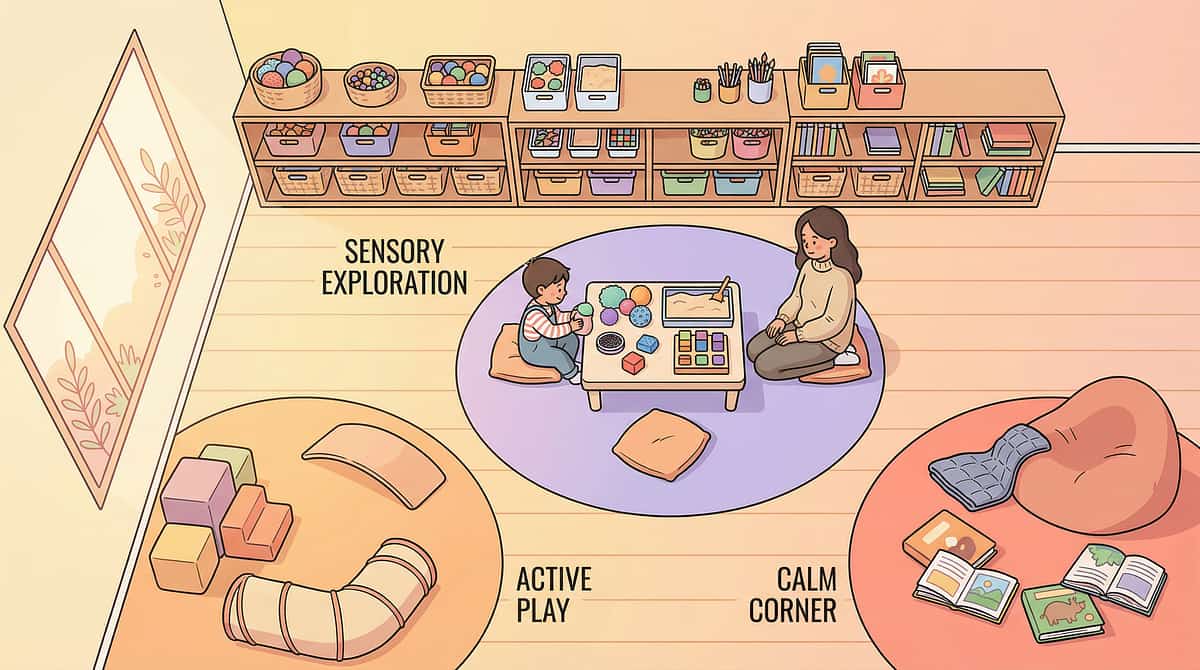
Creates distinct play areas without walls. A rug tells the child's brain: "play happens here." This physical boundary reduces wandering, supports zone compliance, and makes cleanup intuitive — everything on this rug belongs in this bin.
Starter Price: ₹500–₹5,000
🛒 Search on Amazon.in: "kids area rug non-slip washable"
DIY Version — ₹0
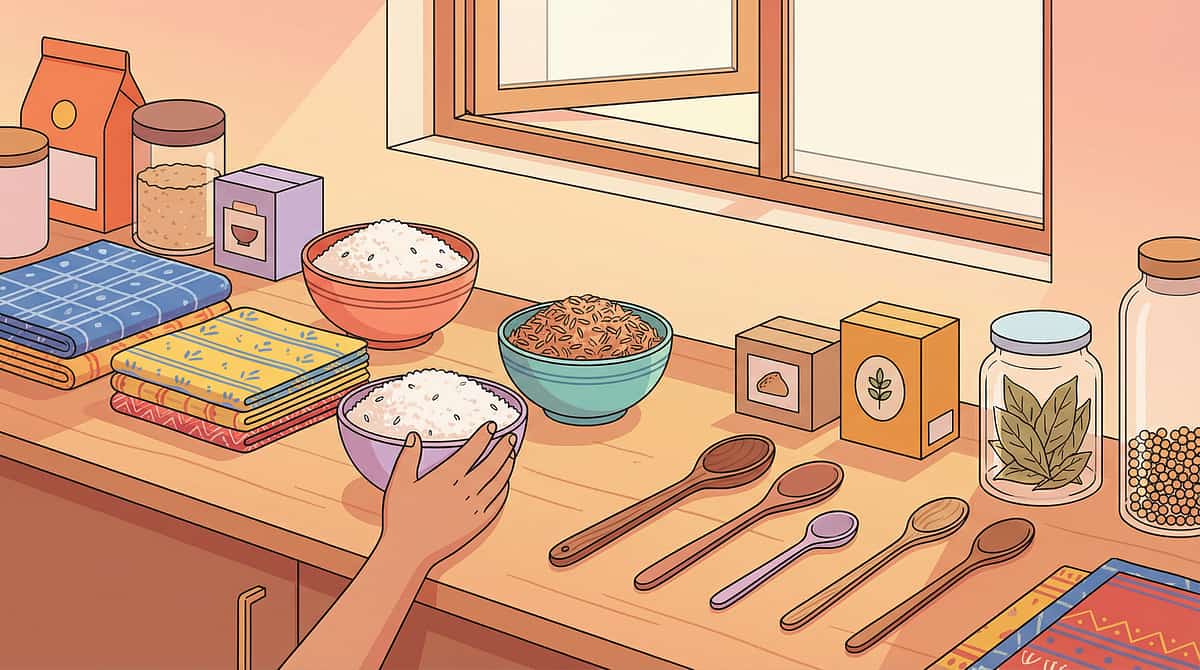
Old sarees, bedsheets, or towels laid flat as zone markers. Tactile and visual boundary definition works with any surface. The zone is a conceptual structure enforced by a physical cue — art quality is irrelevant.
Zone Types to Define
  • Active play zone (center floor, firm rug)
  • Quiet/reading zone (soft rug, corner)
  • Art/work zone (near natural light)
Material 4 of 9
Visual Schedule & Choice Board System
Canon Category: Visual Schedule Systems
Why It Works
Externalizes planning, enabling independent play selection without adult prompting. The visual schedule does for the child's play session what a GPS does for a driver — removes the anxiety of "what comes next" by making the sequence visible and predictable.
Starter Price: ₹200–₹1,000
🛒 Search on Amazon.in: "visual schedule board velcro kids autism"
DIY Version — ₹0
Hand-drawn pictures on cardstock; photos from a phone printed at a kiosk. Use photographs of YOUR child's actual toys — not symbols or clip art. These are immediately understood without literacy or symbol recognition. Visual representation is the mechanism — art quality is irrelevant.
Placement
Mount at child's eye level on the entry-point wall. Child sees it the moment they enter the space.
Checklist
  • Yes: Use real photos of your child's toys
  • Yes: Mount at eye level near the entry point
  • Yes: Keep the sequence simple and predictable
  • No: Rely on clip art or abstract symbols

Material 5 of 9
Calm-Down Corner Kit
Canon Category: Calm-Down Corner / Sensory Retreat
Why It Works
A regulatory retreat space that prevents escalation and returns the child to play. The calm-down corner is not a punishment — it is a self-regulation tool. A child who learns to use this space proactively is developing one of the most important executive function skills: knowing when to take a break.
Starter Price: ₹1,500–₹8,000
🛒 Search on Amazon.in: "kids calm down corner beanbag tent"
DIY Version — ₹0
Drape a dupatta or sheet over two chairs; add a cushion inside. Enclosed feeling + soft seating = regulatory micro-environment. The mechanism is the sense of enclosure and softness — not the brand name.
Setup Notes
  • Visually separate from active zones
  • Dim-light capable — position a warm lamp nearby
  • Include a "calm tools basket": soft toy, sensory item, quiet activity
Material 6 of 9
Child-Height Furniture (Table + Chairs)
Canon Category: Child-Sized Furniture / Accessible Setup
Why It Works
Scales the environment to the child, enabling postural stability and genuine independence. When a child's feet reach the floor and elbows rest comfortably on the table surface, her core is stable — and a stable body supports a regulated nervous system. Adult furniture creates chronic postural tension that increases dysregulation.
Starter Price: ₹1,500–₹10,000
🛒 Search on Amazon.in: "kids table chair set wooden toddler height"
DIY Version — ₹0
Place a tray or thick book on the floor as a "work surface"; or repurpose a low coffee table. Matching height to child = same postural stability principle regardless of the furniture's origin.
Placement
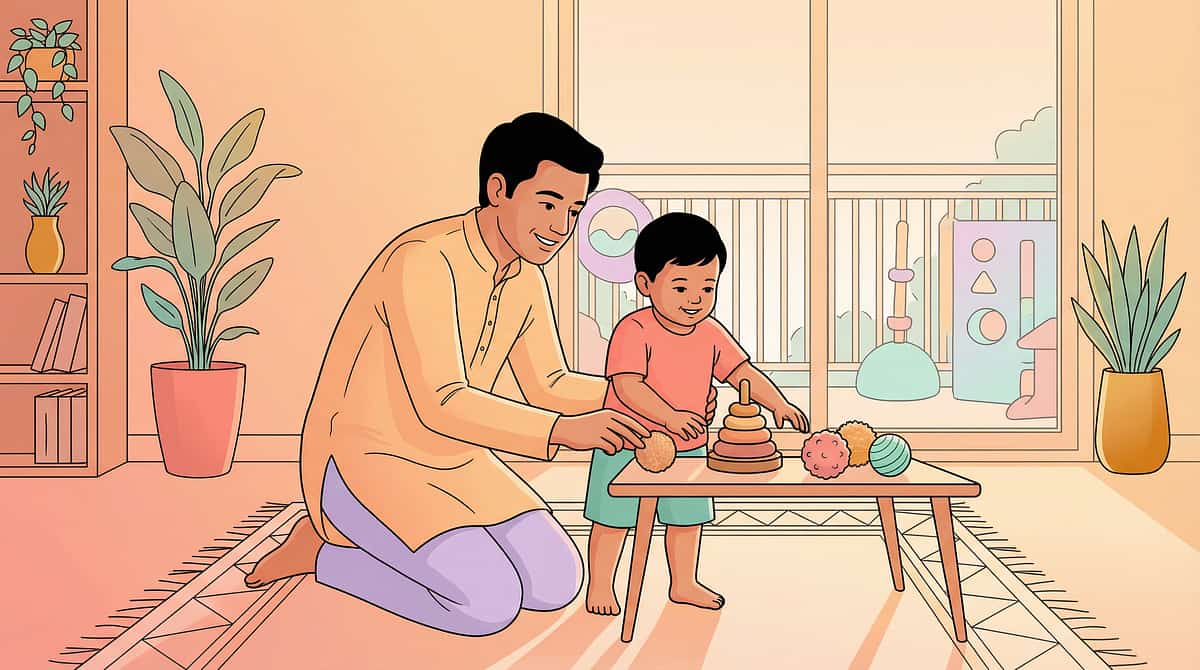
Position near best natural light source — but not facing a window directly (glare increases sensory load). This is the art/work zone anchor.
Material 7 of 9
Lighting Control (Dimmer + Warm Bulbs)
Canon Category: Sensory Environment Lighting
Why It Works
Reduces sensory dysregulation and creates zone-specific atmosphere. Overhead fluorescent lighting is one of the most common and least recognized sensory triggers for children with ASD and SPD. Warm, diffused, dimmable light reduces cortisol activation and supports the regulatory state required for sustained play.
Starter Price: ₹500–₹5,000
🛒 Search on Amazon.in: "dimmer switch warm LED bulb children room"
DIY Version — ₹0
Position a lamp with a warm-white bulb; cover with a sheer dupatta to diffuse. Warm, indirect, diffused light = same regulatory effect as a ₹2,000 dimmer system.
Lighting Protocol
  • Replace overhead fluorescent tubes with warm-white LED
  • Position a dimmable lamp in the calm-down corner
  • Add sheer curtain to direct sunlight windows — diffuse, don't block
Material 8 of 9
Wall-Mounted Organization (Pegboard + Book Rails)
Canon Category: Wall Organization / Vertical Storage
1
Frees floor space — the single most valuable asset in a therapeutic play environment — while keeping materials accessible and visible. Floor clutter is the primary contributor to zone-boundary confusion and the dump-and-wander pattern. Moving storage vertical removes the obstacle course that derails play initiation.
Starter Price: ₹1,000–₹8,000
🛒 Search on Amazon.in: "pegboard kids room wall mounted organizer"
2
String rope across wall with wooden pegs; use an over-door shoe organizer. Vertical storage principle — floor freed regardless of hardware investment.
What to Mount
  • Forward-facing book rails (books visible = books chosen)
  • Art supply hooks at child height
  • Visual schedule strip at eye level
Material 9 of 9
Portable Play Stations & Activity Trays
Canon Category: Portable Play Stations
Why It Works
Enables contained, focused play in any room — not just the dedicated play space. The tray creates a visual boundary that tells the child's brain "work happens in this contained area." Portable stations extend the therapeutic environment principle to the car, the waiting room, the grandparent's home.
Starter Price: ₹300–₹2,000
🛒 Search on Amazon.in: "kids activity tray lap desk craft caddy"
DIY Version — ₹0
Large metal thali, old baking tray, or shoebox lid as contained work surface. Containment boundary is the mechanism — material is incidental.
Pinnacle Recommends — Reinforcement Extras
📞9100 181 181 — Ask which materials your OT recommends for YOUR child's profile
Every Family Can Start Today — Regardless of Budget
WHO/UNICEF Equity Principle: Zero-cost versions of every material exist. The therapeutic principle, not the price tag, is what matters.
Material
Clinical Option
Zero-Cost DIY Version
Why It Works
Open Shelving
Cube storage ₹2,000+
Repurposed bookshelf or stacked open-front cardboard boxes
Visual accessibility is the mechanism — items visible = items chosen
Toy Rotation Bins
Lidded bins ₹500+
Old cardboard cartons; plastic bags with masking tape labels
Containment and concealment — not the container material
Zone Rugs
Area rugs ₹500+
Old sarees, bedsheets, or towels laid flat
Tactile and visual boundary definition works with any surface
Visual Schedules
Printed laminated cards
Hand-drawn pictures; photos printed at kiosk
Visual representation is the mechanism — art quality irrelevant
Calm-Down Corner
Tent + beanbag ₹3,000+
Dupatta/sheet over two chairs; add a cushion inside
Enclosed feeling + soft seating = regulatory micro-environment
Child-Height Table
Commercial set ₹1,500+
Tray on floor; repurpose a low coffee table
Matching height to child = same postural stability
Lighting Control
Dimmer + warm bulbs ₹500+
Lamp with warm-white bulb; sheer dupatta to diffuse
Warm, indirect, diffused light = same regulatory effect
Wall Organization
Pegboard ₹1,000+
Rope across wall with wooden pegs; over-door shoe organizer
Vertical storage principle — floor freed regardless of hardware
Portable Stations
Activity tray ₹300+
Metal thali, baking tray, or shoebox lid
Containment boundary is the mechanism — material is incidental
"The Pinnacle Blooms Consortium is committed to making every technique executable in any Indian home — from a 1BHK in a Tier-3 town to a 4BHK in Hyderabad. The science does not discriminate. Neither do we."
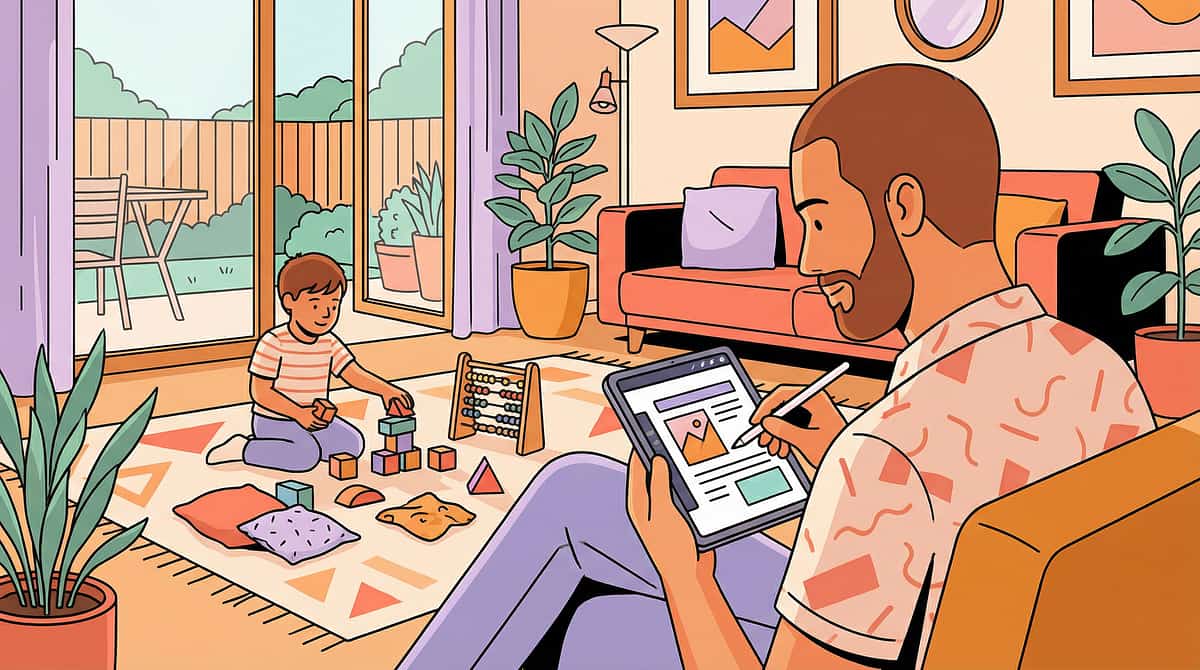
Research Evidence: PMC9978394 — WHO/CCD Package implemented across 54 LMICs using household-material-based interventions with significant developmental outcomes.
SAFETY FIRST
Before You Reorganize Anything — Read This
Safety is not a footnote. For children with autism and sensory processing differences, environmental transitions carry real risk if introduced without care. This traffic-light system tells you when to proceed, when to slow down, and when to stop entirely.
🟢 GREEN — Safe to Proceed
  • Child is NOT in an acute meltdown state during reorganization
  • All furniture being mounted is done when child is not present
  • New zones are introduced gradually — not all at once
  • Child's favorite comfort item is accessible throughout transition
🟡 AMBER — Proceed with Caution
  • Strong spatial attachment: Introduce changes over days, not hours. Change one zone at a time. Warn with visual advance notice.
  • Significant anxiety: Involve the child in setup where possible. Agency reduces anxiety about change.
  • Tall furniture: ALL shelving taller than 60cm must be wall-anchored. Non-negotiable.
🔴 RED — Do Not Proceed
  • Do NOT use tents/canopies with drawstrings near children under 3 unsupervised
  • Do NOT position heavy items on shelves above child's head height
  • Do NOT use glass containers in play areas
  • Do NOT reorganize the day before/after a major transition (first day of school, medical appointment)
  • History of self-injury in enclosed spaces → consult OT before setting up calm-down corner

Stop Immediately If: Child shows severe distress upon entering reorganized space (regression signal — slow down the transition) | Child attempts to climb or topple shelving | Child uses calm-down corner as avoidance of ALL activities for more than 30 consecutive minutes — consult your therapist.
The Blueprint. Before the First Toy Moves.
Set up your space in this precise sequence. Do not rush the process — each step builds the structural foundation for the next. The setup itself takes 2–4 hours; the therapeutic benefit lasts months.
Step 5
Step 4
Step 3
Step 2
Step 1
5 Zones to Create
  • Zone 1: Open Shelving Wall — along longest wall, 8–12 items visible
  • Zone 2: Active Play Zone — center floor, firm area rug, blocks/construction
  • Zone 3: Quiet/Reading Zone — corner, soft rug, cushions, forward-facing books
  • Zone 4: Art/Work Zone — near natural light, child-height table
  • Zone 5: Calm-Down Corner — partially enclosed, dim-light capable
What to Remove from Play Space
  • Screens and devices (separate zone or room)
  • Adult furniture that dominates floor area
  • Decorative items at child height that aren't play materials
  • Items child cannot use independently
  • Adult storage co-mingled with play materials
Research Evidence: PMC10955541 — 1:1 structured environment sessions most effective; environmental setup is a core protocol variable.
ACT III — EXECUTION
60-Second Pre-Session Check: Is Today a Good Day to Introduce the New Space?
Starting a session in dysregulation sets back the environmental association. The first impression of the new space matters enormously — make it good. Use this readiness check before every early session.
Fed and Hydrated
Child has eaten within the last 2 hours
Rested
Not overtired; no missed sleep last night
Regulated
Not in a heightened state; able to make eye contact or respond to name
No Recent Stress
No meltdown in last 2 hours; no significant transitions today
Your State
You are calm, patient, and have 20–30 uninterrupted minutes
Score
Decision
Action
5/5
GO
Proceed to Step 1 — The Invitation
3–4/5
MODIFY
Introduce one zone only; keep session to 10 minutes; prioritize the calm-down corner first
1–2/5
POSTPONE
Today is not the day. Do a calming activity instead. Try tomorrow.
"Postponing is not failure. A session started in dysregulation sets back the environmental association. The first impression of the new space matters enormously — make it good."

STEP 1
The Opening: Curiosity, Not Command
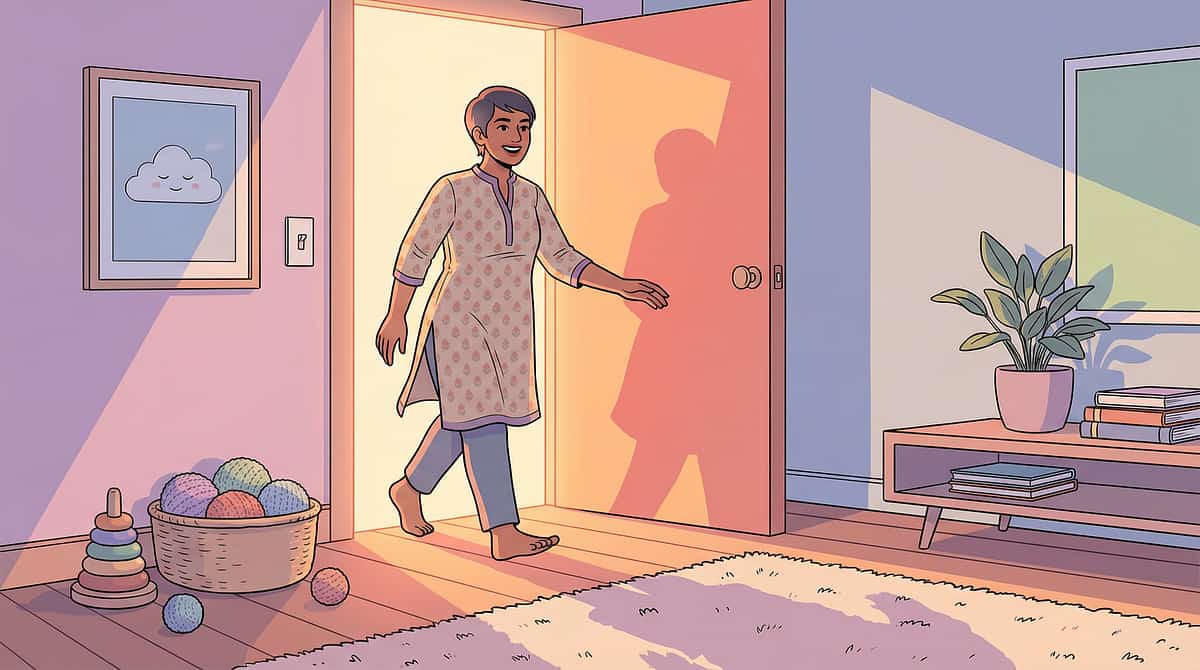
The first moment your child encounters the new space sets the entire emotional association. Your job is to create curiosity, not performance. Do not direct, instruct, or over-explain. Lead, pause, and let the space speak.
"Hey [name], come with me — I want to show you something I did for you." [Lead child to the entrance. Pause. Let them look.] "I made this just for you. Want to look around?" [Do NOT direct them to anything specific. Let them explore.]
Body Language Guidance
  • Crouch to child's eye level
  • Remain at the doorway — don't enter before the child
  • Smile but don't over-animate (avoid creating performance pressure)
  • Point with an open hand, not a pointed finger
What Acceptance Looks Like
  • Child enters spontaneously
  • Child looks toward the shelving
  • Child moves toward any zone
  • Child vocalizes, points, or reaches
If There Is Resistance
  • Child turns away → "That's okay. The space is here whenever you want."
  • Child stands at doorway → Move to stand beside. Say nothing. Wait 60 seconds.
  • Child shows distress → Close the session. Try again tomorrow.

Timing: 30–90 seconds
STEP 2
The First Choice: Structure That Feels Like Freedom
The open shelving has already done half the work — the choice set is limited to 8–12 items. Now your role is to guide the child toward a selection using the structure you've built, without making the choice for them.
Guided Choice
Structure that feels like freedom.
Consolidation
Warm teal and amber tones.
Core Progress
40% complete — building momentum.
"What would you like to do? You can choose..." [Point to visible items on the open shelving, one at a time] "This one, this one, or this one?" [When child indicates a choice — by pointing, reaching, looking, or vocalizing:] "Great choice! Bring it to this rug." [Direct child to the appropriate zone]
Material Presentation Rules
  • Present materials within the appropriate zone — don't let first session spill across all zones
  • Keep rotation principle active — 8–12 items visible; a curated set
  • If child chooses: immediate warm acknowledgment
Child Response Indicators
  • Engagement: Child picks up material, explores it, sits in zone
  • Tolerance: Child holds material briefly, may put it down — acceptable
  • Avoidance: Child ignores materials — follow the child; introduce the visual schedule

Reinforcement Cue: First independent selection in the new space earns enthusiastic, specific praise: "You chose the blocks ALL BY YOURSELF — look at that!"
Timing: 1–3 minutes
STEP 3
The Environmental Therapy in Action: Watching Real Play Emerge
Once the child is in a zone with a selected material, your role shifts. You are now an environmental observer, not a director. The environmental scaffolding is now doing the work — trust it.
For the First 5 Minutes
  • Sit 1–2 metres away in the same zone
  • Do not instruct or redirect
  • Track: How long is the child engaged with one item? Start your stopwatch.
  • Only intervene if the child exits the zone AND shows signs of escalation
The Space Is Working When:
The zone rug tells the child "play happens here." Limited visible choices reduce overwhelm. Child-height furniture enables comfortable engagement. The visual schedule tells the child what comes next.
Child Response Spectrum
  • Ideal: Child plays in zone for 5+ minutes without prompting
  • Acceptable: Child plays 2–3 minutes; explores other materials; returns
  • Concerning: Child cannot remain in space without escalating → reduce to 1 zone only; introduce calm-down corner first

Common Execution Error
Overprompting. Many parents direct, suggest, and comment throughout the session. The environmental structure is the intervention — trust it. Your silence allows the space to speak.
Duration: 5–20 minutes (first session may be 3–5 minutes — that is correct) | Data Point: Record the longest single engagement duration. | Research: PMC10955541 — Parental non-directive presence enhances child self-initiation.
STEP 4
Consistency Builds the Neural Pathway
Target: Daily use of the organized play space. The environmental structure only becomes regulatory scaffolding when it is consistent and predictable. A space that changes daily provides no regulatory benefit.
Entry Ritual
Child checks visual schedule at the door
Selection
Child chooses activity from open shelving — prompt with "what's on the shelf today?" if needed
Engagement
Child plays in appropriate zone — you observe at distance
Transition
Visual timer signals activity end
Cleanup Ritual
Child returns material to its labeled place (prompted as needed)
Exit Ritual
"Well done. You played in your space today."
Weeks 1–2
Keep same 8–12 items. Predictability is the goal, not novelty.
Weeks 3–4
Rotate 3–4 items. Introduce "new" material from rotation box — frame it as exciting.
Month 2+
Rotate based on child's demonstrated interests and therapy goals.
"3 good sessions with a calm, regulated child > 10 forced sessions in a dysregulated environment."

STEP 5
Every Good Play Session Deserves a Celebration
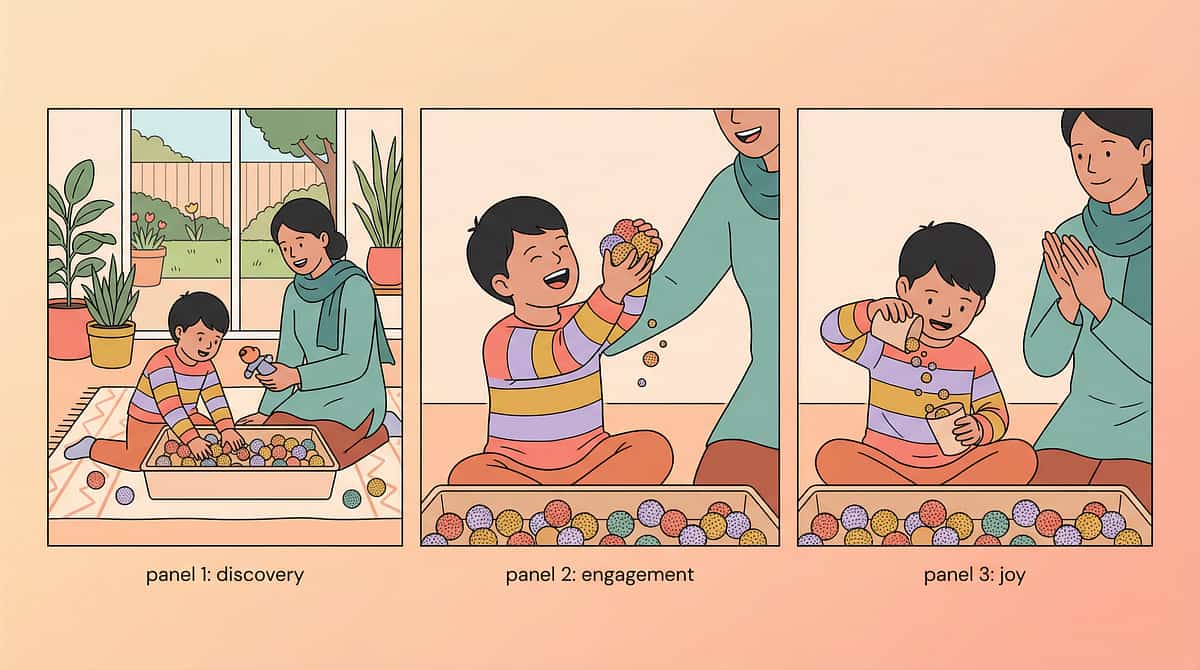
Reinforcement timing is everything. The window is within 3 seconds of observed positive behavior. Celebrate the attempt, not just the success — you are building the association between the space and positive feelings. That association IS the intervention.
The 4 Behaviors to Reinforce Specifically
  • Independent activity selection: "You chose that yourself! Brilliant!"
  • Staying in zone: "Look at you — you played in your block zone for 10 whole minutes!"
  • Using calm-down corner proactively: "You knew you needed a break and you took one. That is so grown up."
  • Cleanup participation: "Every block back in its box — you're amazing!"
Social Reinforcers
  • Enthusiastic specific verbal praise (always, every time)
  • High-five, hug, or celebratory gesture (child's preference)
  • "Let me tell [other parent/grandparent] what you just did"
Token / Visual Reinforcers
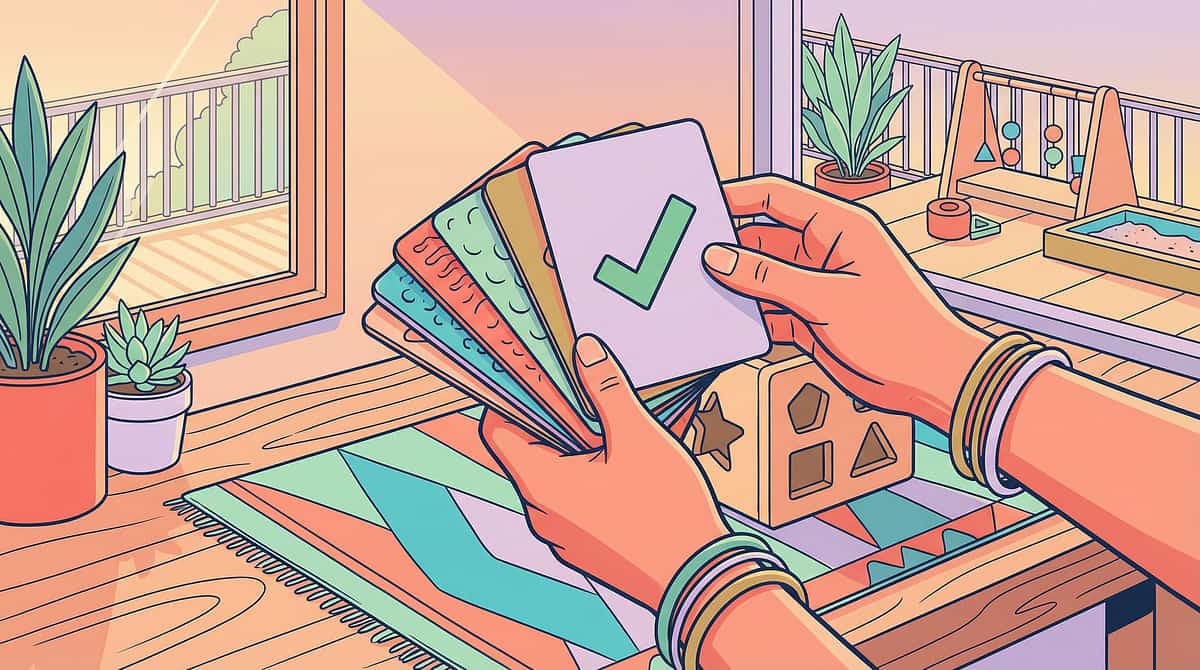
  • Check mark on the visual schedule
Natural Reinforcers
  • Continued access to favorite material as reward for zone compliance
  • 5 extra minutes with chosen toy
STEP 6
No Session Ends Abruptly. Ever.
Abrupt endings are a trigger for meltdowns and session-ending dysregulation. The transition sequence removes the element of surprise, giving the child's nervous system time to shift gears. This 2-minute warning system is evidence-based practice for autism.
Transition cue
Cleanup ritual
One-minute calm
Two-minute warning
Cleanup Ritual (2–3 minutes)
  • Child returns each item to its labeled container
  • You guide with "blocks go here" + point — do not remove items yourself
  • Acknowledge each replacement: "Puzzle pieces all in the box — perfect."
If Child Resists Ending
  • Offer "one more minute" — once only
  • Use visual timer again — removes negotiation from you
  • Significant resistance: "I can see you're not ready. Let's take a calm-down minute first."
  • Direct to calm-down corner briefly, then return to cleanup
Research Evidence: NCAEP 2020 — Visual timer and transition supports classified as evidence-based practice for autism across age groups.
STEP 7 — DATA
60 Seconds of Data Now. Months of Clarity Later.
Record this within 60 seconds of your session ending. While it's fresh. The data doesn't need to be perfect. It needs to exist. Tracking transforms guesswork into a progression map your therapist can actually use.
📝 Field 1 — Longest Single Engagement
How many minutes/seconds did the child play with one item without prompting?
_____ minutes _____ seconds (Even 45 seconds counts. Write it down.)
🔘 Field 2 — Zone Compliance
Did the child stay in the intended zone for the majority of the session?
○ Yes — stayed in zone | ○ Partially — moved between zones | ○ No — did not use zones
🔘 Field 3 — Regulatory Note
Did the child use the calm-down corner, and if so, did they return to play?
○ Used corner + returned to play | ○ Did not need corner | ○ Used corner + did not return
📄Download: G-660 Play Space Tracking Sheet PDF | 📱Log in GPT-OS®:pinnacleblooms.org/gpt-os-tracker
"60 seconds of data now saves hours of guessing later."
Most First Sessions Are Imperfect. Here's What To Do.
"Session abandonment is not failure — it's data." Every unexpected outcome is information about your child's specific profile. Here is a structured response to the seven most common early challenges.
🔴 Child Refused to Enter the New Space at All
Why: Environmental change was too sudden. Fix: Tomorrow, put ONE new item (a favorite toy on the new shelf) into the existing unorganized space. Introduce gradually over 5–7 days.
🔴 Child Entered but Became Immediately Distressed
Why: Too many simultaneous changes; new smells, new visual layout. Fix: Reduce to 1 zone only. Keep 1 familiar visual anchor (child's comfort toy visible on shelf). Introduce calm-down corner as first element.
🟡 Child Dumped All Containers Immediately
Why: "Dump and look" behavior trained by previous closed-bin system; reduces over 7–14 days. Fix: Reduce containers to 3–4 maximum for first week. Use containers too large to easily dump.
🟡 Child Ignored Zones Completely
Why: Zone boundaries not yet meaningful — takes 1–3 weeks to internalize. Fix: Physically prompt child to zone. Use visual zone labels. Reinforce every single zone-use for the first week.
🟡 Cleanup Took 45 Minutes and Ended in Tears
Why: Too many items visible — if 30 items are out, cleanup is 30 decisions. Fix: Reduce visible items to 6–8 maximum. Use "one tray at a time" rule. Only one container open at once.
🟢 Calm-Down Corner Used for 40+ Continuous Minutes
Why: Overall sensory load in main space is too high. Fix: Radically simplify — reduce visible items, reduce lighting intensity, simplify zones. Consult your OT.
🟢 Visual Schedule Was Completely Ignored
Why: Visual schedules require direct teaching, not just posting. Fix: For first 5 days, physically guide child to schedule at zone entry. Point to it. Say the name. Move the card. Pair with preferred item. It is a skill to be taught.
No Two Play Spaces Are Identical. Neither Are Two Children.
“The 9-material framework is a starting architecture, not a fixed prescription.”
The 9-material framework is a starting architecture, not a fixed prescription. Every child's sensory profile, age, anxiety level, and developmental stage requires specific modifications. Use this personalization guide with your OT's input.
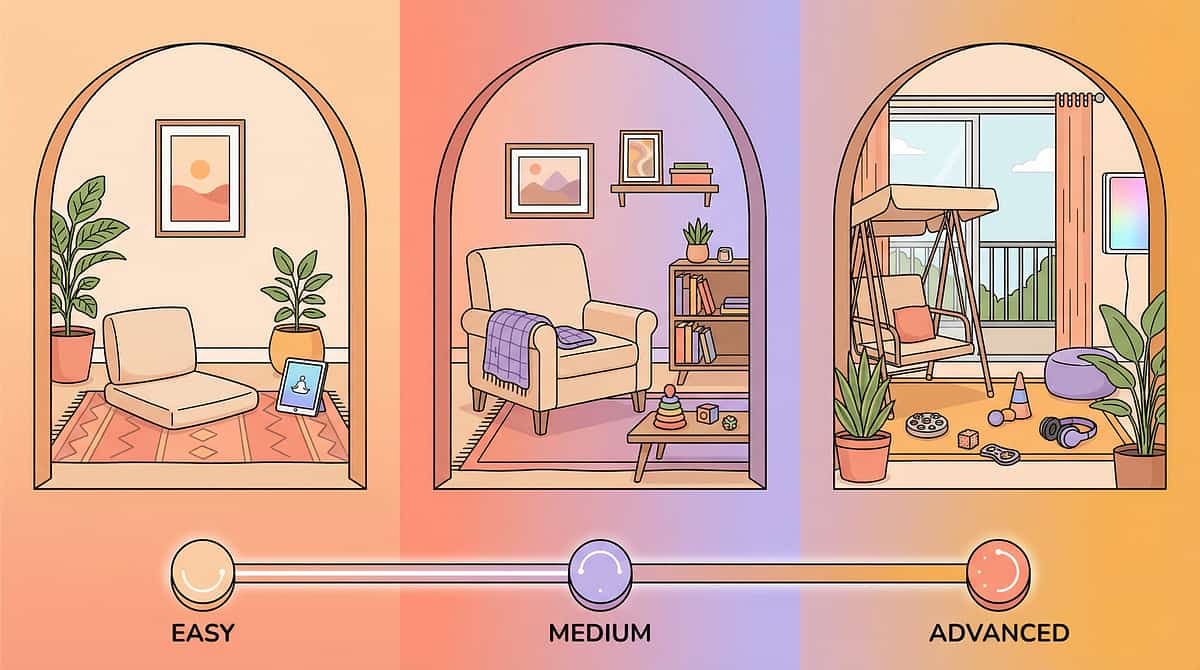
← EASIER VERSION
For very early days, high sensitivity, or significant anxiety
  • Only 1 zone active at a time
  • Only 3–5 visible items on shelving
  • No formal visual schedule — just the space itself
  • Calm-down corner introduced alone, before any other zone
  • Parent present in zone throughout entire session
  • 5-minute maximum per session for first week
→ HARDER VERSION
For consolidating children, seeking more challenge
  • Full 5-zone space active
  • 12–15 visible items with rotation
  • Full visual schedule (5–6 activities)
  • Child manages own zone transitions with visual timer
  • Data capture taught to older children as self-tracking
  • Independent cleanup with minimal prompting

🔥 Sensory Seeker
Add proprioceptive zone: mini trampoline, crash pad, heavy work station. Slightly brighter lighting. Higher-stimulation toys in active zone. Weighted blanket in calm corner.
🛡️ Sensory Avoider
Reduce visible items to absolute minimum (5–6). Maximum 2–3 zones initially. Dimmer overall lighting; blackout option for calm zone. Quieter, less visually complex materials.
👶 Under 2 Years
Floor play only; no shelving needed; 1 item at a time.
🧒 7–12 Years
Add homework zone; increase responsibility for space maintenance; self-managed rotation.
ACT IV — THE PROGRESS ARC
Week 1–2: Tolerance and Familiarity, Not Mastery
The neural pathway is forming below the surface during these critical first two weeks. Your job is not to achieve mastery — it is to achieve consistency. Every session, however brief or imperfect, is laying neurological foundation.
15%
Progress Arc
Where you are in the 12-week environmental mastery journey
What You Are Likely to See
  • Child enters the space without immediate distress (even briefly)
  • Child handles one or two items from open shelving
  • Dump-and-wander pattern beginning to reduce (even slightly)
  • Child tolerates being guided to a zone
  • Cleanup becomes slightly faster (fewer items out)
Not Expecting Yet
  • Independent sustained play (weeks 3–4)
  • Zone compliance without prompting (not yet)
  • Child-managed rotation or schedule reading (not yet)
  • Dramatic behavioral change across ALL settings
"If your child played with a single item for 3 minutes more than last week — that is real, measurable, neurological progress. Write it down."

Research Evidence: PMC11506176 — SI intervention outcomes emerge across 8–12 week timelines; early-phase indicators focus on tolerance and participation, not skill mastery.
Week 3–4: The Neural Pathway Is Forming
Something shifts around week three. Parents often describe it as "the space suddenly clicked." The child begins to anticipate the routine, approach the shelving with intention, and use the zones more naturally. This is not coincidence — it is the signature of a consolidating neural pathway.
40%
Progress Arc
Consolidation phase of the 12-week environmental mastery journey
Consolidation Indicators
  • Child anticipates the play space routine — may go to the space independently
  • Child selects from shelving without prompting at least some of the time
  • Zone use is becoming more natural with less adult direction
  • Cleanup is consistently faster than week 1
  • Child begins to protest appropriately when session ends — positive sign of real engagement
🌱 Spontaneous Generalization Seeds
  • Requesting rotation of toys: "I want the other toys now"
  • Choosing to go to the calm-down corner before escalating
  • Tidying areas outside the designated play space using the same categorization logic
Parent Milestone: By week 4, most parents report they feel more confident about the home environment. You may notice you've stopped dreading the playroom. That's evidence too.
Week 5–8: The Space Is Now Working For Your Child
Mastery is not a dramatic event. It is the quiet, consistent demonstration of four measurable criteria — each one representing a child who has internalized environmental structure well enough to use it independently.
75%
Progress Arc
Environmental mastery phase — the space is working
Criterion 1
Child independently enters play space and selects an activity without adult prompting ≥ 4 out of 5 consecutive sessions
Criterion 2
Average single-activity engagement duration ≥ 8–10 minutes
Criterion 3
Child uses calm-down corner proactively when dysregulated ≥ 50% of occasions
Criterion 4
Cleanup completed with 1 verbal prompt or fewer in ≤ 10 minutes
When all 4 mastery criteria are met consistently → consult your OT about progressing to more complex independent play skills or outdoor play space design (G-661).
🎉 You Did This.
Your child is playing — really playing — because YOU built the space that made it possible.
Reduced Overwhelm
Open shelving and rotation transformed 40 competing stimuli into 8–12 meaningful choices
Created Boundaries
Physical zone markers helped your child's brain organize space the way it cannot yet do internally
Built Regulation
A calm retreat corner that teaches the most important skill: knowing when to take a break
Extended Therapy 24×7
Your home is now a continuous therapeutic environment — every waking hour between appointments
Family Milestone Ritual: Take a photo of your child engaged in independent play in their new space. Write on the back: "[Child's name] played for [X] minutes independently. Week [X]. We built this together."
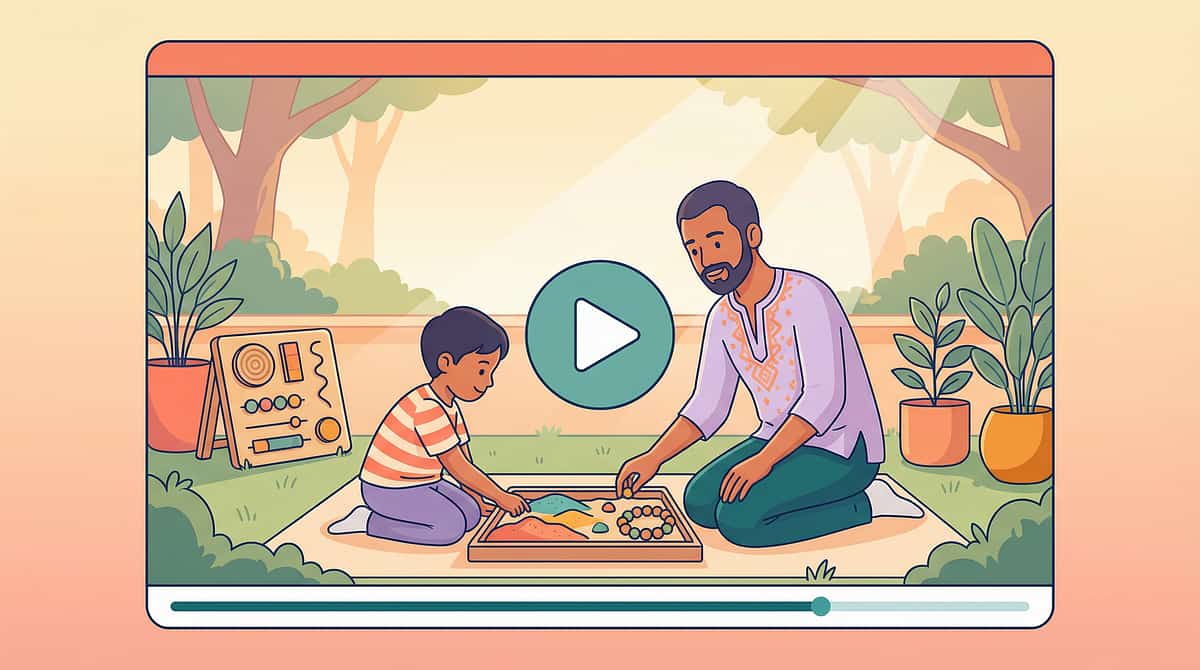
"The Pinnacle Blooms Consortium has witnessed this transformation in thousands of Indian homes. A reorganized bedroom in Chennai. A zoned corner of a 1BHK in Pune. A calm-down tent in Hyderabad. This is not interior design. This is therapy. And you delivered it."
📞9100 181 181 — Tell us about your win. Our team wants to hear from you.
KNOW WHEN TO PAUSE
Even in the Celebration Zone — Know When to Pause
"Trust your instincts. If something feels wrong, pause and ask." Mastery does not mean the process is risk-free. These five red flags require immediate action — not troubleshooting.
🚨 Severe Distress Beyond Week 2
Child screams, self-injures, or completely refuses the space after 14 days of gentle introduction. May indicate a specific sensory trigger or deeper anxiety. Action: Pause. Consult OT. Systematically isolate the trigger.
🚨 30+ Minutes in Calm Corner Every Session
Overall sensory load of the space is too high; child is in chronic overwhelm state. Action: Radically simplify main space. Reduce to 1 zone. Reduce items to 3. Dim all lighting. Consult sensory diet with OT.
🚨 Regression in Other Skills
Toilet training regression, sleep disruption, or school behavior deterioration after home space change. Major environmental changes can temporarily destabilize regulatory baseline. Action: Pause. Restore 1–2 familiar anchors. Allow 1 week for restabilization.
🚨 Escalating Aggression at Zone Boundaries
Child becomes violent when redirected to appropriate zone — may be triggering demand-avoidance pattern. Action: Do NOT enforce zones punitively. Consult BCBA. Zones should never be associated with conflict.
🚨 No Improvement After 4 Weeks
No change in any indicator after consistent use — a signal for professional assessment of the child's specific needs. Action: Book a home environment assessment with a Pinnacle OT.
Escalation Pathway: Self-resolve → Teleconsult (9100 181 181) → Center visit → Home assessment
G-660 Is One Step in a Long Developmental Journey
The play space you've built is a foundation — not a destination. Here is how G-660 connects to the broader progression of play development techniques, and what the long-term goal looks like for your child.
Play Spaces for Siblings
Independent Play Skills
Outdoor Play Spaces
Independent Play Skills
Indoor Gross Motor Play
Mastered Zone Compliance?
Next: G-659 — Independent Play Skills. Teaching the child to self-manage extended play sessions using the environment you've built.
Need Outdoor Extension?
Next: G-661 — Outdoor Play Spaces. Applying environmental design principles to garden, balcony, and outdoor areas.
Siblings Involved?
Next: G-662 — Play Spaces for Siblings. Designing shared environments meeting neurodivergent and neurotypical children's needs simultaneously.
Long-Term Goal: A child who can self-regulate their play environment → independent play → school transition readiness → executive function in academic settings.
ACT V — COMMUNITY
Three Families. Three Homes. One Transformation.
These are illustrative cases representing the kinds of outcomes consistent with the evidence base. Outcomes vary by child profile, environmental factors, and intervention consistency. Individual results may vary.
Hyderabad — 4-Year-Old Boy, ASD Level 2
"The room is the same. The toys are the same. I moved a shelf and bought a rug. And my son plays. For real. I cried the first time I watched him play for 15 minutes by himself."
Before: 90 seconds in playroom, bins dumped, exit. After (Week 6): Open shelving (8 items), one zone rug, calm-down tent — 12–18 minute independent engagement. Therapist notes: session setup time reduced by 80%.
Chennai — 6-Year-Old Girl, ADHD + SPD
"I used to think she had a short attention span. She doesn't. She has a short tolerance for chaos. The space was the problem, not her brain."
Before: 47 toys visible, 2-minute maximum engagement, constant frustration. After (Week 8): 9 items on rotation, zone rugs, visual schedule — average engagement rose from 2 to 11 minutes.
Pune — 1BHK Home, 3-Year-Old, Global Developmental Delay
"We don't have space or money. But we have this corner. And it works. That's all we needed."
Before: No dedicated play space. Toys in a plastic bin under the dining table. After (Week 4): Three wall-mounted shelves, a washable mat, and a calm basket behind the sofa. Tiny footprint. Maximum function.
You Are Not Building This Alone
The Pinnacle Blooms Network® community spans thousands of families across India who have walked this exact path. Every question you have has been asked. Every challenge you face has been navigated. Connect, share, and get real-time support.
G-660 Play Space Parents WhatsApp Group
Connect with parents across India building therapeutic play spaces. Share photos, ask questions, get real-time advice. → pinnacleblooms.org/community/play-spaces
Pinnacle Online Parent Forum
India's largest moderated forum for autism and developmental therapy parents. Dedicated thread: "Play Space Transformations." → pinnacleblooms.org/forum
Local Pinnacle Parent Meetup
Find your nearest Pinnacle center's parent support group — in-person meetings, monthly. → pinnacleblooms.org/centers
Peer Mentoring Program
Connect 1:1 with an experienced parent who completed G-660 and is 3+ months into a functioning therapeutic home space. → 9100 181 181
"Your journey helps another family beginning theirs. Consider sharing your play space transformation. One photo. One honest account. That is advocacy, community, and therapy all at once."
📞9100 181 181 — Connect with our parent community team

Preview of 9 materials that help with creating play spaces Therapy Material

Below is a visual preview of 9 materials that help with creating play spaces therapy material. The pages shown help educators, therapists, and caregivers understand the structure and content of the resource before use. Materials should be used under appropriate professional guidance.

Page 1
Page 2
Page 3
Page 4
Page 5
Page 6
Page 7
Page 8
Page 9
Page 10
Page 11
Page 12
Page 13
Page 14
Page 15
Page 16
Page 17
Page 18
Page 19
Page 20
Link copied!
ACT VI — THE CLOSE
8 Questions Every Parent Asks About Creating Play Spaces
These are the questions our clinical team receives most often. Read them all — even the ones you think don't apply to you. Many parents find the answer to their unasked question in someone else's question.
My house is very small — can I still create zones?
Yes. Zones can be defined in a corner of a bedroom or a section of a living room. A 1-metre rug defines a zone. A single shelf at child height defines an access point. The zone is a conceptual structure enforced by physical cues — it doesn't require a dedicated room.
My child destroys any organization within an hour. Why bother?
Because the organization is teaching the child, not just creating order. Every time you reset the space (5 minutes, not 45), you are rehearsing the categorization system. The organization will "stick" at roughly weeks 4–6 for most children. Before that, resetting IS the intervention.
How many toys should I put on the open shelves to start?
6–8 items maximum for the first two weeks. Increase to 10–12 at week 3 if the child is using them calmly. For highly dysregulated or very young children, 3–4 is the right number.
My child refuses to use the calm-down corner / goes there all the time — which is it?
Both are possible and both are data. A child refusing needs the corner introduced more gradually (begin with just a cushion in an open area). A child living in the corner has a main-space sensory overload issue — reduce items and lighting in the main space.
Do I need to buy anything to start?
No. Using existing bookshelves, old sarees as zone markers, printed photos for a visual schedule, and a pile of cushions for a calm corner — you can begin today with ₹0.
How do I handle the visual schedule if my child can't read?
Use photographs of actual activities — not symbols or clip art. A photo of YOUR child's actual blocks, YOUR child's actual art supplies. These are immediately understood without literacy or symbol recognition.
My spouse thinks I'm overcomplicating a playroom. What do I say?
"The space either supports our child's brain or works against it — those are the only two options. We've seen what 'no structure' produces. Let's try the structured approach for 30 days and measure the difference." Then use the tracking sheet from the data card.
How do I maintain this when I have multiple children?
Two strategies: (1) Create clearly labeled "personal" zones for each child — prevents conflict, preserves organization. (2) Apply the same rotation and visible-choice principles for ALL children — it benefits neurotypical children significantly too.